Rome is one of those cities that can utterly enchant you with its beauty — but if you arrive unprepared, it’ll chew you up before you’ve even tossed a coin into your first fountain. Most people come here with romantic visions of carefree wandering among ancient columns, artisan gelato cone in hand, wind in their hair. But reality often hits hard on day one when you’re planning Rome in 3 days without doing your homework first.
Scorching cobblestones, relentless crowds pressing through narrow alleyways, and hopelessly sold-out tickets can turn a dream holiday into a logistical nightmare. Lukáš and I love Rome and always enjoy coming back, but we’ve learned that the secret to success isn’t how many sights you can tick off — it’s all about precise timing and strategic planning. The Eternal City isn’t a quiet museum; it’s a buzzing, noisy metropolis of three million people, where antiquity rubs shoulders with the morning rush hour. 😅
In this article, I’ll show you how to put together the ideal three-day itinerary so your feet don’t hurt more than absolutely necessary by the end. We’ll walk through the most stunning sights from the Colosseum to the Vatican, I’ll tell you where to stay strategically, and show you how to dodge the worst tourist traps. Rome can actually be surprisingly kind to your wallet if you know the local rules of the game. Let’s dive in and discover how to truly make the most of the Italian capital. ☺️
TL;DR
- Buy tickets a month ahead: Colosseum tickets (on the official website) are released exactly 30 days in advance and sell out within minutes. Vatican tickets open up 60 days ahead.
- Three days is the bare minimum: Split your itinerary logically — Day 1 for ancient Rome (Colosseum, Forum), Day 2 for the Vatican and surroundings, Day 3 for the historic centre.
- New rules at Trevi: From 2026, there’s a €2 fee to descend to the Trevi Fountain basin, and the space is capacity-limited.
- Comfortable shoes are a must: Rome’s cobblestones (sampietrini) are merciless. Leave the heels and flimsy sandals at home, or your feet will be screaming by evening.
- Coffee at the bar: An espresso costs around €1.20 if you drink it standing at the bar. The moment you sit down at a table with service, you’ll pay three times as much.
- Water is free: Don’t buy overpriced plastic bottles. Hundreds of drinking fountains (nasoni) with ice-cold, potable water are dotted all over the city.
The full destination guide: Rome — guide and what to see
When to Visit Rome and How Many Days You Need
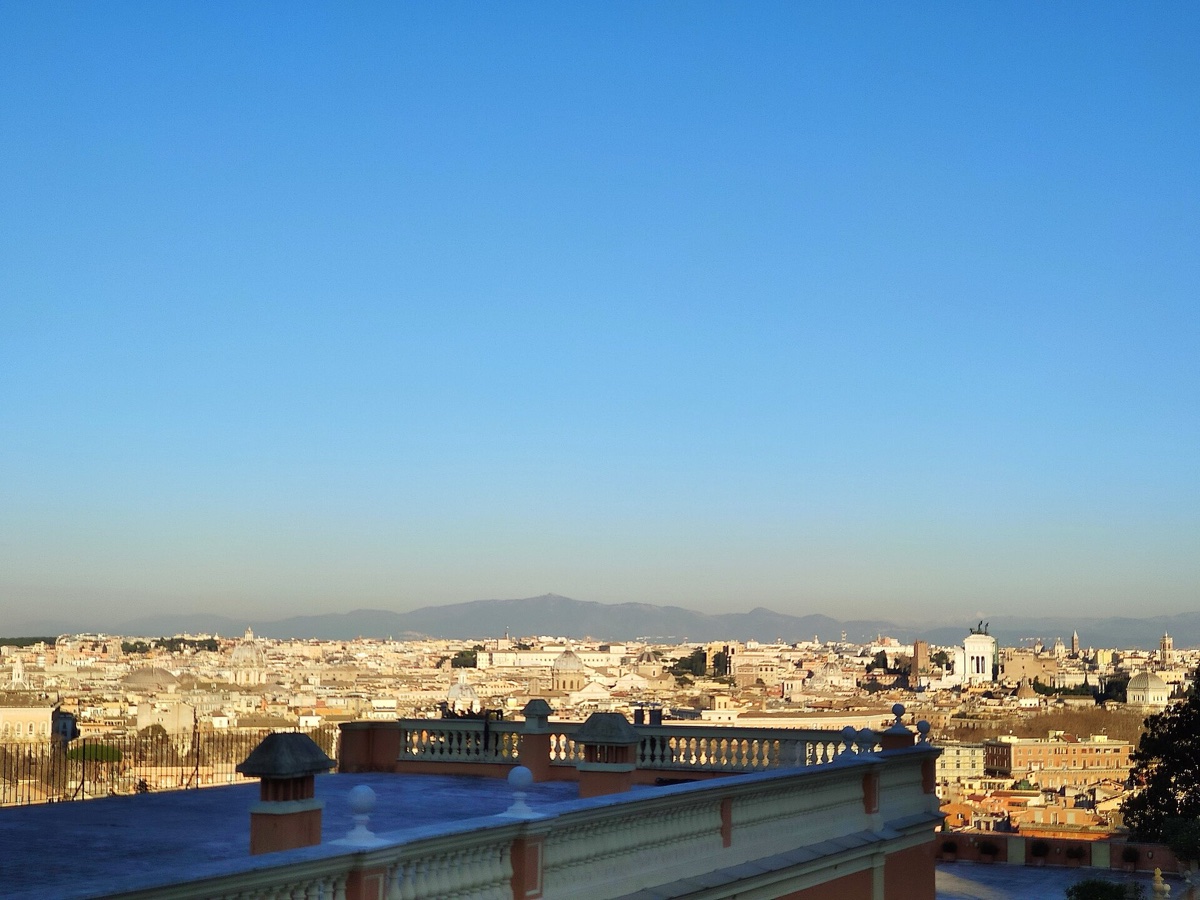
Chasing perfect weather while dodging the crowds is probably the trickiest balancing act for any traveller. The desire is simple — we all want to see Rome bathed in sunlight, sit outdoors with an Aperol Spritz, but not be squeezed in with ten thousand other people doing exactly the same thing. The best months to visit are May, June, September, and especially October. In autumn, temperatures drop to a pleasant 22 °C, the air clears up, and the city is bathed in gorgeous, soft light that’s ideal for photography. The catch? These are also peak months when the city is bursting at the seams and hotels are fully booked.
Summer in Rome — specifically July and August — is a test of both physical and mental endurance. Temperatures routinely soar to 31–35 °C, and the humidity turns the streets into a stifling greenhouse. The ancient stones of the Colosseum soak up the heat all day and radiate it like a giant oven long after sunset. If you have to visit in summer, your daily routine needs a radical overhaul: alarm at six, hit the major sights before ten in the morning, and hide in an air-conditioned restaurant or your hotel over midday. The afternoon siesta here isn’t laziness — it’s pure survival. In August, there’s also the Ferragosto holiday, when many locals shut their family-run businesses and flee to the coast.
Winter, on the other hand, is the best-kept secret of budget travellers. From late November to February, temperatures hover between 5 and 13 °C, there’s the occasional rain shower, and mornings can be bitingly cold. But you gain something priceless: space. Accommodation prices drop to their annual lows, and queues at monuments shrink to virtually nothing. You can stroll through the Vatican Museums in January at your own pace, without being herded through the corridors like cattle.
So how many days do you actually need? The long-weekend myth is probably the most common trap. People try to cram three thousand years of history into two days and end up with nothing but blisters. Three days is the absolute minimum to logically divide the city into the ancient zone, the Vatican, and the historic centre. If you want to add a day trip to Pompeii or the ruins of Ostia Antica, aim for 4–5 nights. If you’re travelling with kids, slow the pace down and work in parks or underground tours that’ll keep them entertained more than dry history.
Where to Stay in Rome
💡 Accommodation & experience tip: We usually search for places to stay on Booking.com, which tends to have the best cancellation policies. For tickets, tours, and activities, it’s worth comparing options on GetYourGuide.

Your choice of neighbourhood defines your entire Rome experience. Pick the wrong one, and you’ll spend a third of the day crammed into the metro or on buses that never seem to run on time. The most common dilemma is between Monti and Trastevere. Monti sits strategically right behind the Colosseum, has its own metro station, and offers the perfect balance between access to the sights and escape from the hordes. You’ll find brilliant vintage shops and a laid-back vibe, with locals sipping beer on the steps of a fountain. Trastevere, on the other hand, is the epitome of romance with its narrow lanes and fantastic nightlife, but it has no metro station and gets incredibly noisy in the evening.
If you want to live inside a postcard, Centro Storico (the area around the Pantheon and Piazza Navona) is your pick. Everything is within walking distance, but you’ll pay a hefty premium for the location and find yourself right in the thick of tourist traps. If you’re travelling with children or just want peace and quiet, go for the Prati neighbourhood. It’s right next to the Vatican, has flat terrain (ideal for pushchairs), and feels very elegant and safe. Plus, you can reach St Peter’s Basilica first thing in the morning.
For travellers on a tighter budget, the area around Termini station is the classic choice. You’ll find the cheapest hotels and excellent transport links (both metro lines cross here), but the streets aren’t the cleanest and you need to keep a sharp eye out for pickpockets. We always book accommodation well in advance through Booking.com, because prices in Rome can skyrocket in the weeks before your trip. A lovely option is the elegant Hotel Artemide near Piazza della Repubblica, or the romantic Relais Le Clarisse in the heart of Trastevere with its beautiful inner courtyard. For more specific recommendations, check out our article on where to stay in Rome.
12 Things to See and Do in Rome (3-Day Itinerary)
Lukáš and I put this itinerary together to minimise tiring transfers and help you enjoy each part of the city to the fullest. Day one dives into ancient Rome, day two takes us to the world’s smallest country, and day three gets lost in the lanes of the historic centre.
Day 1: Ancient Rome and the Birth of an Empire
1. The Colosseum: Ticket Lottery and Going Underground
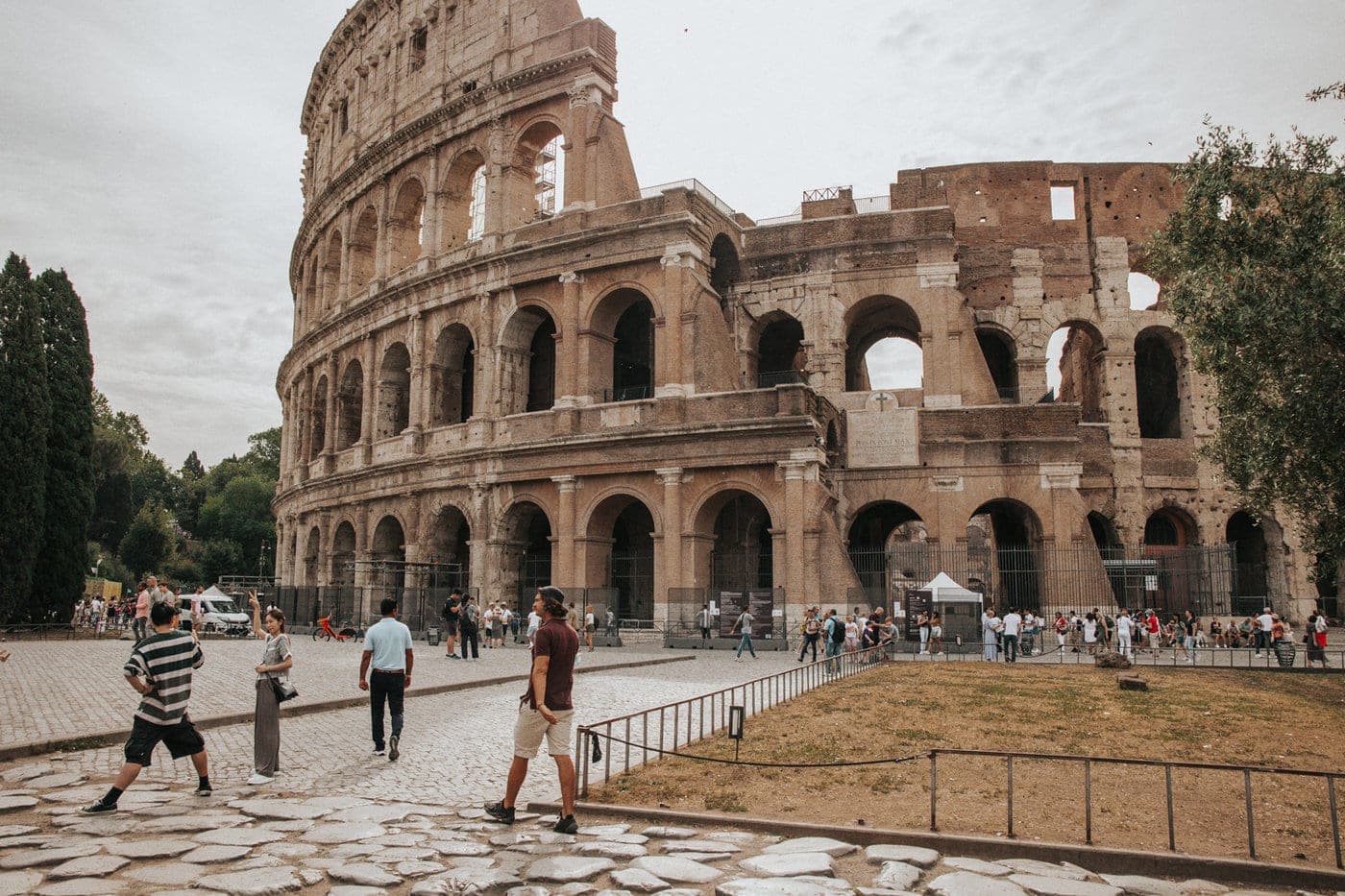
The Colosseum is Rome’s ultimate magnet. Everyone who visits the Eternal City wants to see the arena where life-and-death decisions were made. But if you don’t have tickets bought a month in advance, your visit will probably be limited to peering at it from outside while weaving through thousands of people. The golden rule is simple: there is only one official ticket seller, and that’s the coopculture.it portal (which redirects you to ecm-coopculture.inera.it). Every other website is a reseller charging massive mark-ups for dubious service.
Tickets are released into the system exactly 30 days in advance at 9:00 AM. A standard ticket costs €20 (including the booking fee), but we strongly recommend grabbing the Full Experience ticket for €22. This gives you access to the reconstructed arena floor and, crucially, the underground chambers (hypogeum), where gladiators and wild animals waited in total darkness before their entrance. What’s more, this ticket is valid for two full days, so you can spread the load and save the Roman Forum for the following morning. Tickets vanish within minutes, though — you need to be sitting at your computer with your card ready at nine on the dot.
Outside the Colosseum, watch out for men dressed as gladiators. They’ll cheerfully shove a plastic sword into your hands, snap a photo with you, and then aggressively demand €20 or more. Ignore them completely and keep walking. Also guard your pockets at the Colosseo metro exit, where organised pickpocket gangs operate in the massive crush. You’ll find more details in our in-depth guide to the Colosseum in Rome.
2. Roman Forum and Palatine Hill: The Scorching Heart of Antiquity
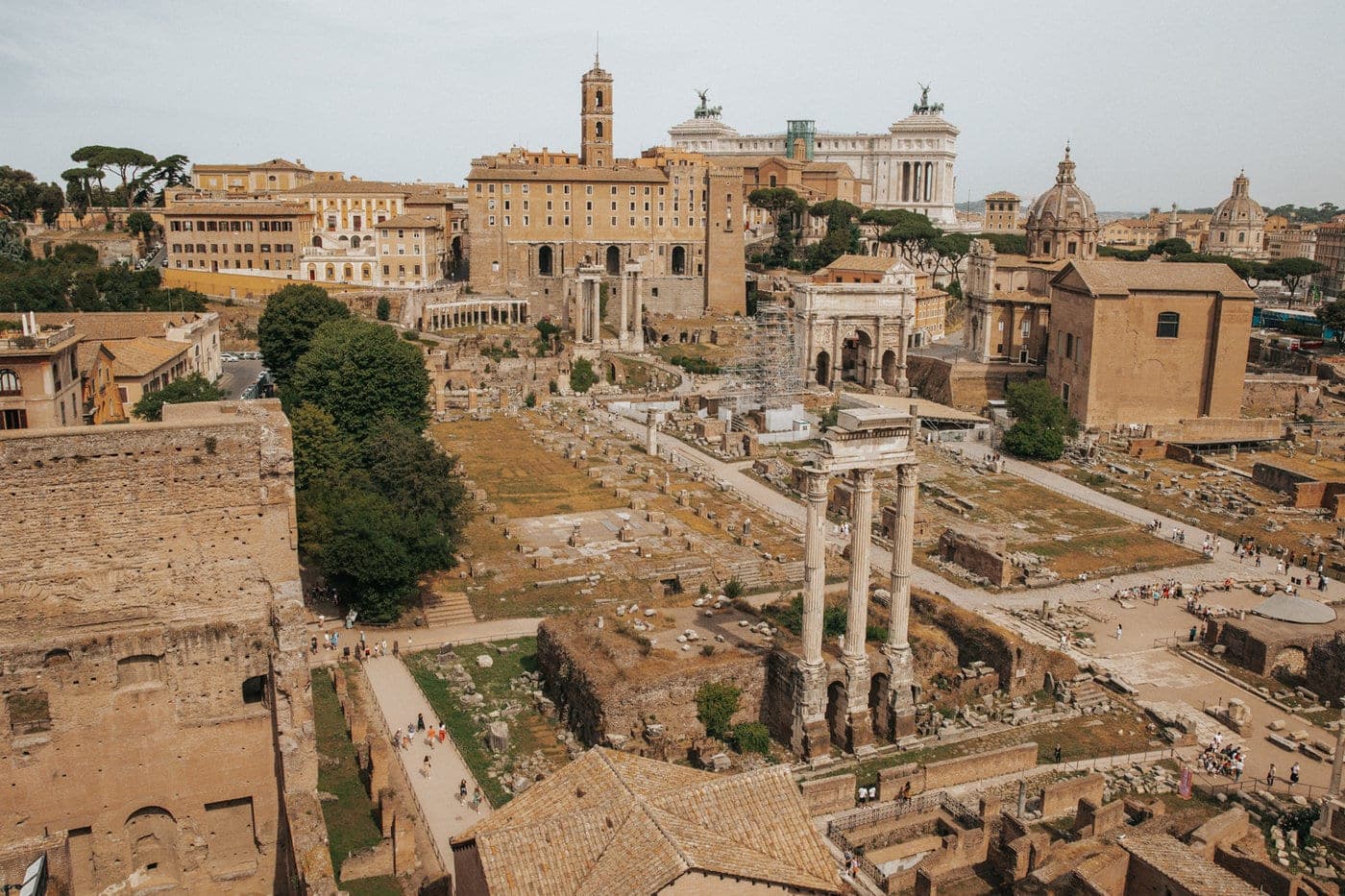
While the Colosseum was the venue for bloody entertainment, the Roman Forum was the true political, religious, and commercial hub of the entire empire. This is where triumphal processions marched, where Cicero gave his speeches, and where emperors built their marble palaces on the Palatine Hill above. The entrance to this vast archaeological site is separate from the Colosseum, and you could easily spend hours wandering around.
The main problem with the Forum is that there’s absolutely no shade. In summer, the massive marble blocks absorb the sun’s heat all day and act like a giant radiator in the afternoon. Sturdy footwear is an absolute must — the ground is extremely uneven and flip-flops will ruin your visit. Don’t buy overpriced water at the entrances; inside the site you’ll find several public drinking fountains (nasoni) dispensing ice-cold, potable water completely free of charge.
💡 Insider tip: Don’t plan a long trek to the other side of the city after the Forum. Seasoned guides recommend visiting the nearby Basilica di San Clemente instead. It looks unassuming from the street, but you can descend into its underground levels to discover an older 4th-century church, and deeper still, 1st-century Roman houses with a mysterious Mithraic temple. It’s a fascinating journey through time in pleasant coolness — and without the crowds.
3. Piazza Venezia and the Vittoriano Monument
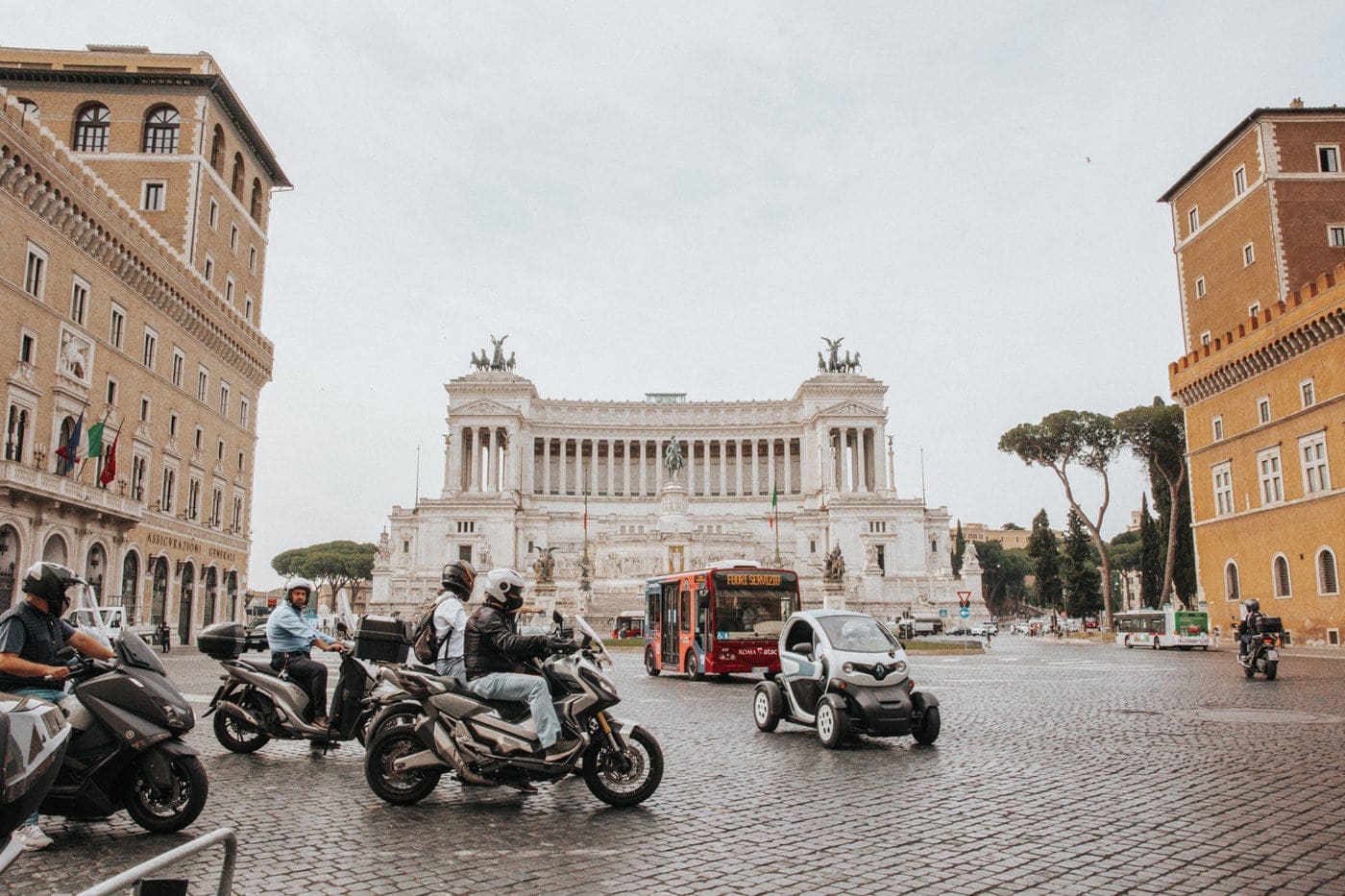
When you walk out of the Forum towards the centre, you’ll inevitably hit Piazza Venezia. This busy traffic hub is dominated by the gigantic white Brescian marble edifice known as the Vittoriano — the monument to King Victor Emmanuel II. Romans have long had a love-hate relationship with it, giving it a string of mocking nicknames. The most common ones are “The Typewriter” (La Macchina da Scrivere) and “The Wedding Cake.”
While it doesn’t exactly blend in with its ancient surroundings, it offers one huge advantage. You can take a glass lift all the way to the very top of the monument. From there, you’ll get one of the best panoramic views of the entire historic centre and the ruins of the Forum stretching all the way to the Colosseum. It’s the perfect way to cap off your first day, after which you can head for a well-deserved dinner in the nearby Monti neighbourhood.
Day 2: The Vatican and the Papal State
4. Vatican Museums and the Sistine Chapel
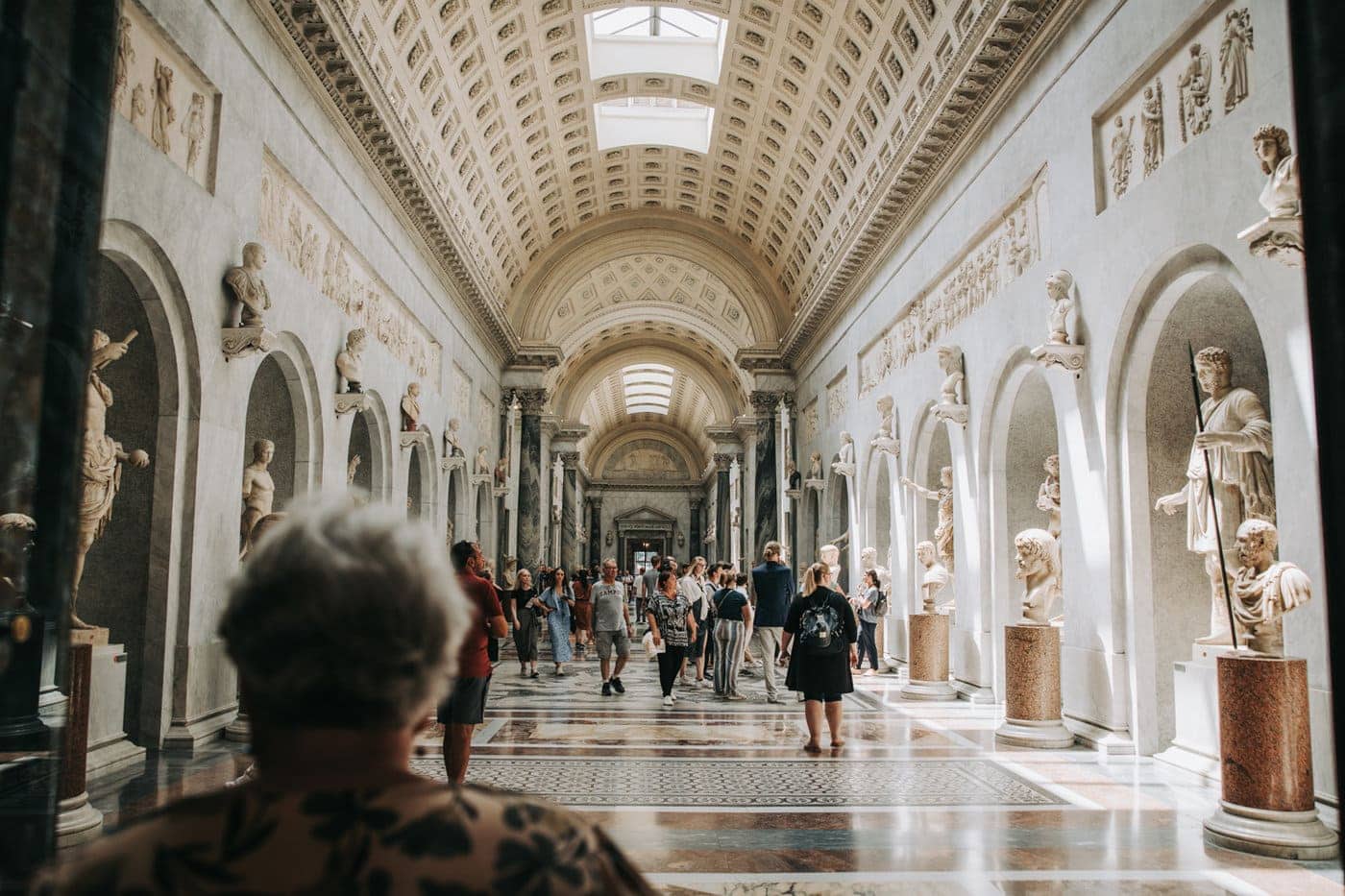
Entering the world’s smallest independent state means facing an enormous paradox. You’re about to see the absolute pinnacle of Renaissance art, yet you’re voluntarily throwing yourself into one of the busiest tourist hotspots on the planet. The Vatican Museums form a labyrinth of corridors stretching nearly ten kilometres, and there’s no shortcut straight to the Sistine Chapel. You simply have to walk through the entire complex.
If you turn up without a pre-purchased ticket, you’ll join a queue that snakes along the towering Vatican walls, where waiting times routinely stretch to two or three hours. The best solution is to buy tickets through the official portal (tickets.museivaticani.va) for €25. These are released exactly 60 days in advance at midnight, and the best early-morning slots disappear within minutes. If you manage to snag a time slot between eight and nine in the morning, you’ll have a realistic chance of seeing Michelangelo’s frescoes in relative peace.
💡 Insider tip: Photography and filming are strictly forbidden inside the Sistine Chapel — guards enforce this very firmly, loudly shushing the crowds. The chapel is a consecrated space, so keep your camera in your bag and simply soak in the incredible atmosphere. For more tips on beating the queues, check out our article on the Vatican Museums.
5. St Peter’s Basilica and Climbing the Dome
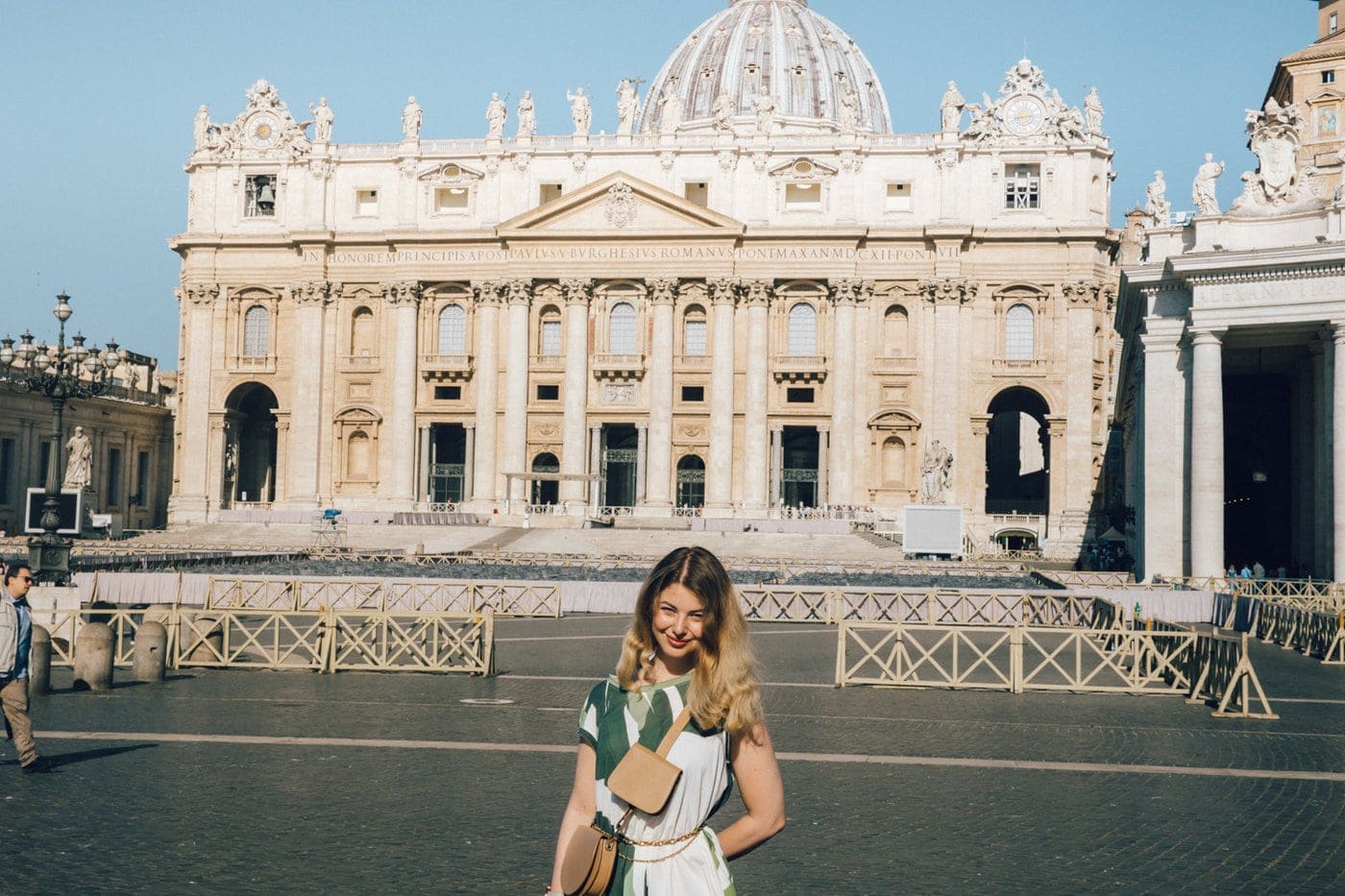
St Peter’s Basilica is the largest and most lavish Catholic building on Earth. Entry is completely free, but that’s precisely what draws unimaginable crowds. The main hurdle isn’t cost — it’s the airport-style security screening. In peak season, the queue regularly stretches to two hours, winding around the entire St Peter’s Square. How to beat it? Get up early and be at the metal detectors just before eight in the morning, or come in the late afternoon instead.
The dress code here is enforced without exception. It doesn’t matter that it’s 35 °C outside and you’ve just endured a long queue. If your shoulders and knees aren’t covered, attendants will stop you at the door and send you away — men and women alike. The smart move is to pack a light, wide scarf in your bag and wrap it around yourself before entering.
Climbing Michelangelo’s dome is one of the highlights of any Vatican visit. You can go entirely on foot (551 steps for €8) or take the lift to the basilica roof and walk the rest (320 steps for €10). The final stretch runs through the shell of the dome itself — the walls lean inward and the staircase narrows into a very tight spiral. Those with severe claustrophobia might want to think twice, but the view down onto the square with the keyhole perspective of Bernini’s colonnade is absolutely worth the effort.
6. Castel Sant’Angelo and Sunset Views

After an intense Vatican visit, you’ll probably be suffering from art overload. There’s no point dashing across to the other side of the city for more sights. Just walk along the broad Via della Conciliazione and you’ll reach the massive cylindrical fortress of Castel Sant’Angelo. Originally built as Emperor Hadrian’s mausoleum, it later served as an impregnable fortress and papal residence, connected to the Vatican by a secret elevated passageway within the walls.
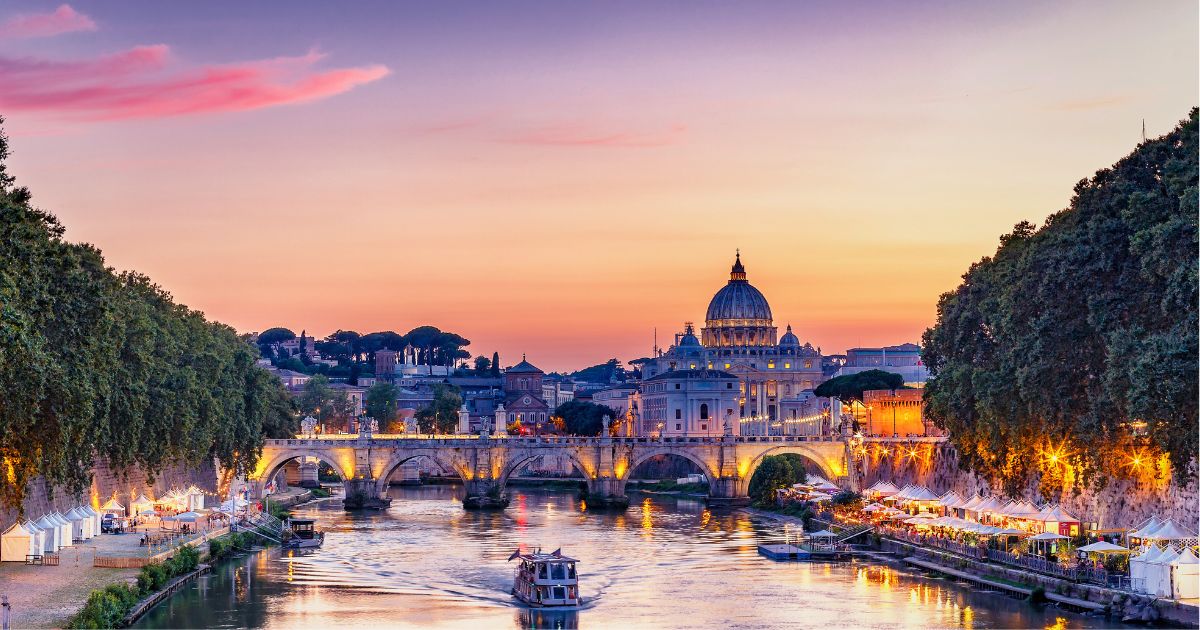
The castle is fascinating in its own right, but the real draw is the upper terrace right beneath the enormous bronze statue of the Archangel Michael. From here, you get a spectacular 360-degree view over the entire city. We recommend heading up in the early evening, when the setting sun paints the River Tiber and the dome of the basilica in shades of gold. Afterwards, cross the Ponte Sant’Angelo lined with baroque statues and make your way into the centre for dinner. You’ll find a comprehensive guide to the smallest country in the world in our article on the Vatican.
Day 3: The Historic Centre and the Streets of Trastevere
7. Trevi Fountain and the New Rules

When you turn a corner in a narrow lane and suddenly find yourself standing before a towering, thundering mass of gleaming white travertine, it’s one of the most powerful moments Rome has to offer. The Trevi Fountain is a masterpiece that has suffered enormously from overtourism in recent years. The situation reached a point where the city had to step in. Since February 2026, there’s a new €2 fee for anyone who wants to descend the steps directly to the fountain basin and toss a coin.
The area below is now cordoned off and monitored with a capacity limit of 400 people. Access to the water is available from 9:00 to 22:00. If you’d rather not pay or wait in a queue, you can still admire the fountain for free from the upper level of the piazza — though police with whistles will keep moving you along to avoid blocking the walkway. Lukáš and I love coming here early in the morning or late at night, when it has that perfect cinematic atmosphere.
💡 Insider tip: Most people snap a photo of the fountain and rush off. Try walking just a few steps further into the alley Vicolo del Puttignani to find the unassuming entrance to Vicus Caprarius (the City of Water). It’s a brilliant underground archaeological site featuring the ancient aqueduct that still feeds the fountain to this day. You’ll cool down and escape the crowds above. More tips in our article on the Trevi Fountain.
8. The Pantheon: A Miraculous Dome and Its Oculus
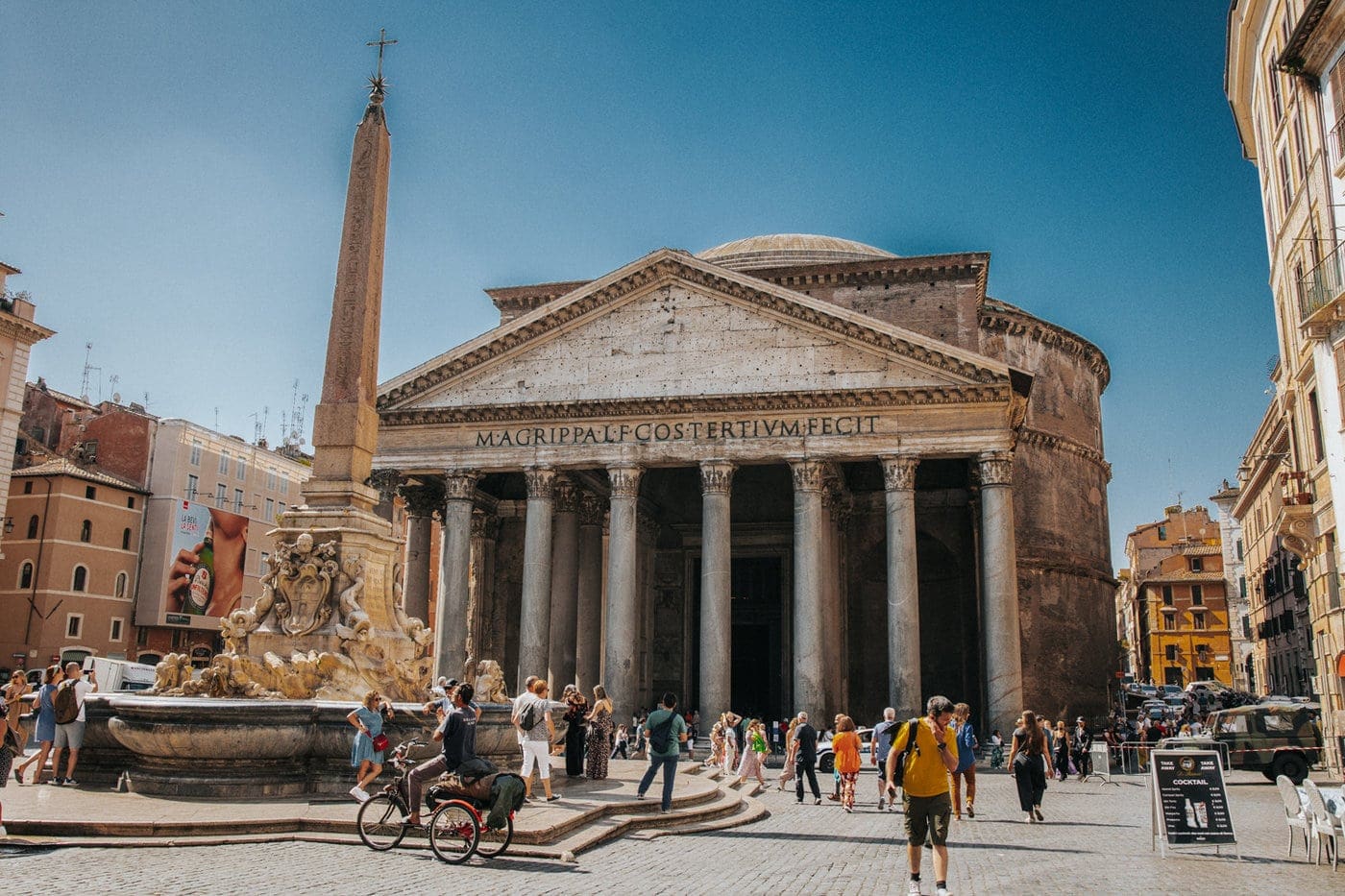
The best-preserved ancient building in the world survived two thousand years of looting and earthquakes because it was consecrated as a Christian church in the 7th century. Its enormous concrete dome with its nine-metre circular opening (the oculus) remains an architectural marvel to this day. When it rains in Rome, water falls straight through the oculus onto the gently convex marble floor, where an ingenious ancient drainage system channels it away.
The days when you could simply walk into the Pantheon off the street are unfortunately gone. Entry now costs €5 (with a planned increase to €7 during 2026). You need to book tickets through the official portal of the Ministry of Culture, and weekend reservations are absolutely essential. Try to book the 9 AM slot, when the heavy bronze doors first open and the shaft of light is just beginning to glide across the coffered ceiling. And remember — a strict dress code with covered shoulders applies here too! For more details, see our guide to the Pantheon in Rome.
9. Piazza Navona and Dodging the Tourist Traps

Piazza Navona has preserved the elongated shape of the ancient Stadium of Domitian and today stands as a masterclass in Roman Baroque, dominated by Bernini’s Fountain of the Four Rivers. There’s a lively buzz of street artists and musicians. As a sight, it’s a visual gem — but gastronomically, it’s an absolute minefield. 😅
The restaurants overlooking the square and in the surrounding lanes towards the Vatican represent the very worst of tourist traps. Reliable warning signs include waiters who actively try to lure you inside from the street, and picture menus in five languages. Give a wide berth to any place offering fish or premium meat priced by weight (the word “per etto” means per 100 grams). Tourists here regularly end up paying hundreds of euros for one mediocre lunch. Instead, duck into the side streets towards Campo de’ Fiori.
10. The Spanish Steps and a Romantic Stroll in Pincio Park

The Spanish Steps, with their unique butterfly-wing design, have been drawing visitors for centuries. In spring, they’re adorned with hundreds of blooming azaleas. They may look inviting for a rest, but be warned — sitting on them is strictly forbidden. The city introduced this rule to protect the historic marble. Police in high-vis vests actively enforce it, and the moment you so much as crouch, you’ll hear a whistle. The fine is around €250.
In the piazza at the bottom of the steps, organised groups of scammers run the classic bracelet and rose hustle. They’ll approach you with a beaming smile, start complimenting where you’re from, and before you know it, they’ve tied a bracelet to your wrist or thrust a rose into your hand as a “lucky gift.” Seconds later, they aggressively demand €10–20. The only effective defence is zero eye contact and a brisk walk away. Better yet, climb all the way to the top of the steps and continue to Pincio Park, which offers one of the most beautiful sunset viewpoints in the city.
11. Trastevere: Lost in Time

Trastevere is the embodiment of that dreamy, romantic vision of Italy. Medieval architecture, narrow pedestrian lanes draped in ivy, and laundry drying on lines strung between windows. While the neighbourhood has become heavily touristy and the area around Piazza Trilussa gets incredibly noisy in the evening, it still retains enormous charm.
Head here in the early evening, ideally before sunset. There’s no strict itinerary of sights to rush around — the best thing to do is simply get lost in the maze of alleys, peek inside the Basilica di Santa Maria in Trastevere with its golden mosaics, and then settle into one of the local trattorias for a wonderful dinner. Find out more about this picturesque quarter in our article on Trastevere.
12. Where to Eat Brilliantly (and Meat-Free) in Rome
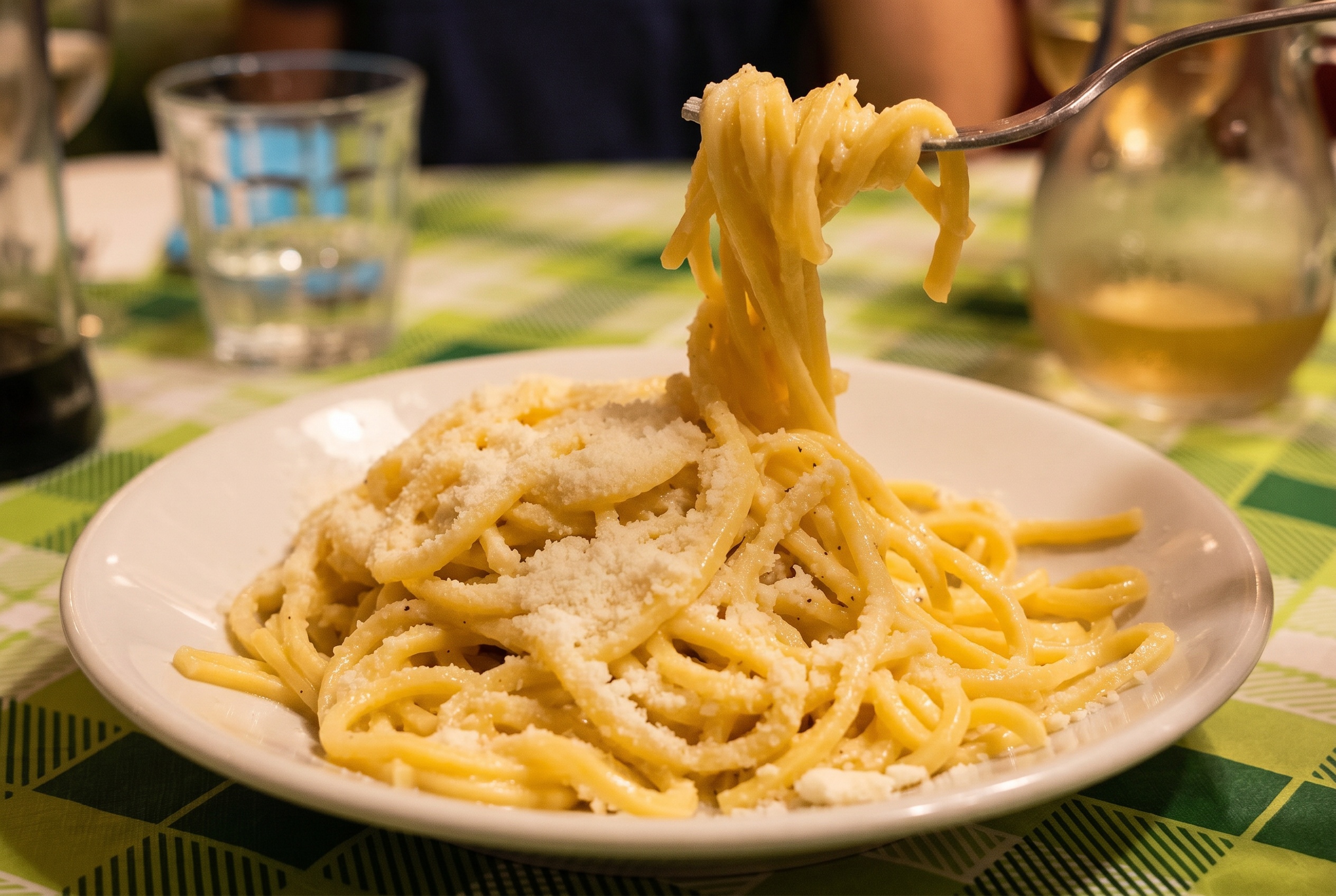
Rome is a gastronomic paradise — you just need to know where to go. Lukáš and I are vegetarian, so the local offal-based classics are off the table for us (things like traditional trippa alla romana or braised oxtail coda alla vaccinara, which are the pride of the Testaccio neighbourhood). Luckily, Italian cuisine is absolutely ideal for vegetarians.
Our all-time favourite is the pasta classic cacio e pepe (pecorino cheese and black pepper). For arguably the best version, head to Roma Sparita in Trastevere, where they serve it in a bowl made of baked Parmesan. For a quick, cheap lunch, pizza al taglio (pizza sold by the slice and weight) is genius. We recommend the famous Pizzarium (Bonci) near the Vatican, which has pillowy dough and fantastic vegetarian combos. Also brilliant is the Roman street food called Trapizzino — essentially a pizza pocket stuffed with various sauces (try the aubergine parmigiana one).
And don’t forget the golden Italian coffee rule. If you drink your espresso standing at the bar (al banco), it costs next to nothing — usually around €1.20. But the moment you sit down at a table with service on a famous piazza, you’re paying for the service and the view, and the bill can easily climb to €4.
Day Trips from Rome and Useful Links

If you have more than three days in Rome, definitely consider day trips beyond the city. It’s a great way to escape the crowds and see a different side of Italy.
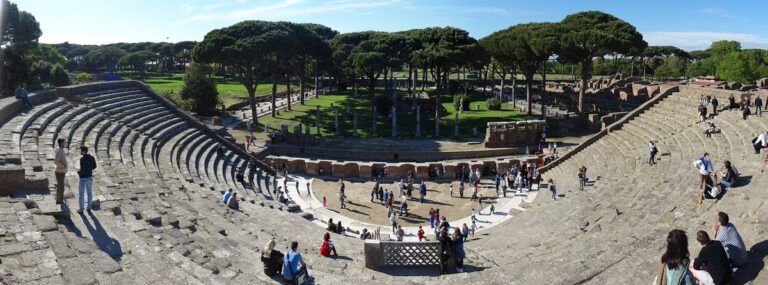
- Ancient harbour: About half an hour by train from the centre lie fascinating ruins that rival Pompeii, but with a fraction of the tourists. Read our article on Ostia Antica.
- Villas and gardens: Just outside the city, you’ll find stunning Renaissance gardens with fountains. Check out our tips for Tivoli.
- The full picture: All our tips on sights and hidden gems are in our comprehensive guide to what to see in Rome.
- Travelling with family? Read our dedicated article on Rome with kids, covering pushchairs, parks, and gelato.
Frequently Asked Questions
Is the Roma Pass worth buying?
It depends on your itinerary. The card (48h for €38 or 72h for €62.90) offers free entry to your first attraction and unlimited public transport. If you use it for the Colosseum, it makes sense, but you’ll still need to book your exact time slot on the Coopculture website for a €2 fee. Important note: the Vatican doesn’t accept Roma Pass at all.
How does public transport work and what does it cost?
A basic ticket (BIT) costs €1.50 and is valid for 100 minutes on buses, trams, and one metro entry (there’s a planned price increase to €2 in July 2026). However, we prefer using the Tap&Go system. Just tap your regular payment card at the yellow validator in the metro or on buses. The system automatically caps your daily spending at €8.50, so you’ll never pay more than a day pass.
Is water from public fountains (nasoni) really safe to drink?
Yes, absolutely. Rome has around 2,500 cast-iron drinking fountains called ‘big noses.’ The water flows from the surrounding mountains and is ice-cold, clean, and free. A neat local trick: cover the bottom spout with your finger and water will shoot up through the small hole at the top straight into your mouth.
Is Rome a safe city?
Physically, yes—violent crime is rare here. However, professional pickpockets are a huge problem, especially in crowded areas. Bus number 64, which runs from Termini to the Vatican, is notoriously bad. Always wear your backpack on your front and keep valuables in deep, zippered pockets.
Can I pay by card everywhere?
Italy has made huge strides, and today you can pay by card at museums, restaurants, and even for gelato. The law actually requires merchants to accept cards. That said, it’s still smart to carry a few small coins (10 and 20 cents) for tipping your barista for coffee or for public toilets.
Where can I find public toilets in the city center?
Public restrooms are scarce on the streets. Your best strategy is to pop into any bar, buy an espresso at the counter for a euro, and politely ask for the bathroom key with your receipt in hand (‘Dov’è il bagno?’). Large fast-food chains are also a reliable backup.
What’s the best way to get from the airport to the city center?
From the main Fiumicino airport, the most convenient option is the Leonardo Express train. It costs €14 and takes you non-stop to Termini station in 32 minutes. From the smaller Ciampino airport, Terravision or SIT buses run for around €6. If you’re taking a taxi, insist on an official white cab with a fixed flat rate to the center (€50 from Fiumicino, €40 from Ciampino).
Tips and Tricks for Your Vacation
Don’t Overpay for Flights
Search for flights on Kayak. It’s our favorite search engine because it scans the websites of all airlines and always finds the cheapest connection.
Book Your Accommodation Smartly
The best experiences we’ve had when looking for accommodation (from Alaska to Morocco) are with Booking.com, where hotels, apartments, and entire houses are usually the cheapest and most widely available.
 🚗 Car rental on the roadVerified rental cars in Rome
Search with the DiscoverCars comparison engine — it compares prices from dozens of local and international rental companies, and most bookings come with free cancellation.
Compare car prices in Rome →Don’t Forget Travel Insurance
Good travel insurance will protect you against illness, accidents, theft, or flight cancellations. We’ve had a few hospital visits abroad, so we know how important it is to have proper insurance arranged.
Where we insure ourselves: SafetyWing (simple monthly subscription) and TrueTraveller (for extra-long trips).
Find the Best Experiences
Get Your Guide is a huge online marketplace where you can book guided walks, trips, skip-the-line tickets, tours, and much more. We always find some extra fun there!