When we first arrived in the Eternal City, its sheer majesty took our breath away — but it didn’t take long to realise that roughly 90,000 other people a day shared our excitement. You push through impenetrable crowds, the merciless Italian sun scorches the ancient cobblestones, and traffic noise assaults you from every direction. In moments like these, you start desperately searching for an escape — and that’s exactly what the stunning Villa Borghese and its artistic jewel, the Galleria Borghese, can offer. If you’re already thinking about Galleria Borghese tickets, read on — there’s a lot you need to know before you go.
Seasoned travellers already know that the real magic of Rome often lies just a step away from the biggest crowds. The Galleria Borghese is an absolute masterpiece of Renaissance and Baroque art, where you won’t have to jostle through endless queues like at the Vatican. But there’s one massive catch you need to know about in advance — otherwise you won’t get in at all.
Let’s walk through how to plan a visit to this iconic villa. I’ll show you how not to get caught out by the mandatory reservations, which sculptures and paintings you simply can’t miss, and how to pair your gallery visit with a relaxing afternoon in the sprawling park next door.
TL;DR
- Reservations are strictly mandatory: You cannot buy tickets at the door — they must be booked weeks in advance for a specific date and time slot.
- Two-hour limit: You’re allowed exactly two hours inside the gallery, after which security will firmly escort you out to make room for the next group.
- Master Bernini: You’ll see some of the most mesmerising marble sculptures in the world, especially Apollo and Daphne and The Rape of Proserpina.
- Dark Caravaggio: The gallery holds one of the largest collections of this brilliant but troubled painter.
- Admission for 2026: A standard ticket costs around €18–20, but during peak season they sell out incredibly fast.
- An oasis of calm: Always combine your gallery visit with renting a boat or bike in the enormous adjacent Villa Borghese park.
- Bags go to the cloakroom: You can’t bring even a small backpack or larger handbag inside — everything must be deposited before entry.
The full destination guide: Rome — guide and what to see
When to Visit the Galleria Borghese
Rome can be brutal for first-timers, especially if you underestimate the weather. In the summer heat, when temperatures regularly hit 35°C, the city turns into an oven and the stone walls radiate heat well into the night. If you can, avoid August altogether — during the Ferragosto holiday, many local businesses shut down as well.
The ideal time to visit Rome and the gallery itself is early spring or autumn, when exploring the city on foot is genuinely pleasant. We personally love October — the sun has lost its sting, but the parks are still beautifully green.
As for the gallery itself, the best time slot is the very first one in the morning at nine o’clock. You’ll walk into a freshly opened and aired building, enjoy the most peace and quiet for photos, and once your two-hour session ends, you can seamlessly continue with a stroll through the park before the midday sun kicks in.
Where to Stay in Rome
💡 Tip for accommodation and experiences: We usually search for places to stay on Booking.com, which tends to have the best cancellation policies. For tickets, tours, and activities, it’s worth comparing options on GetYourGuide.

Choosing the right neighbourhood is absolutely key to a successful trip. Staying near Termini station might be tempting due to the lower prices, but late at night it attracts some dodgy characters and the atmosphere is far from romantic. A much better bet is to pick a strategic spot from which you can walk everywhere.
We swear by the charming Monti neighbourhood, which sits right next to the Colosseum. It has a wonderful local vibe, fantastic bakeries where you can grab fresh focaccia in the morning, and buzzing nightlife on every corner. Another great option is the area around Piazza Navona or the edge of Villa Borghese park itself, which puts you just a few steps from the art.
In terms of specific hotels, we’re big fans of Hotel Artemide, which offers impeccable service and a stunning rooftop terrace. If you’re after something more boutique, check out Boutique Hotel Campo de’ Fiori, which will charm you with its attention to detail and proximity to the markets. We always book through Booking.com for the flexible cancellation policies — an absolute lifesaver these days.
12 Tips on What to See and Do at the Galleria Borghese and Beyond
Let’s take a detailed look at what awaits you in this magnificent villa. We’ve put together these tips so you won’t miss a single essential artwork while also avoiding the unnecessary stress that comes with poor planning.
1. Mandatory Reservations and the Unforgiving Time Limit
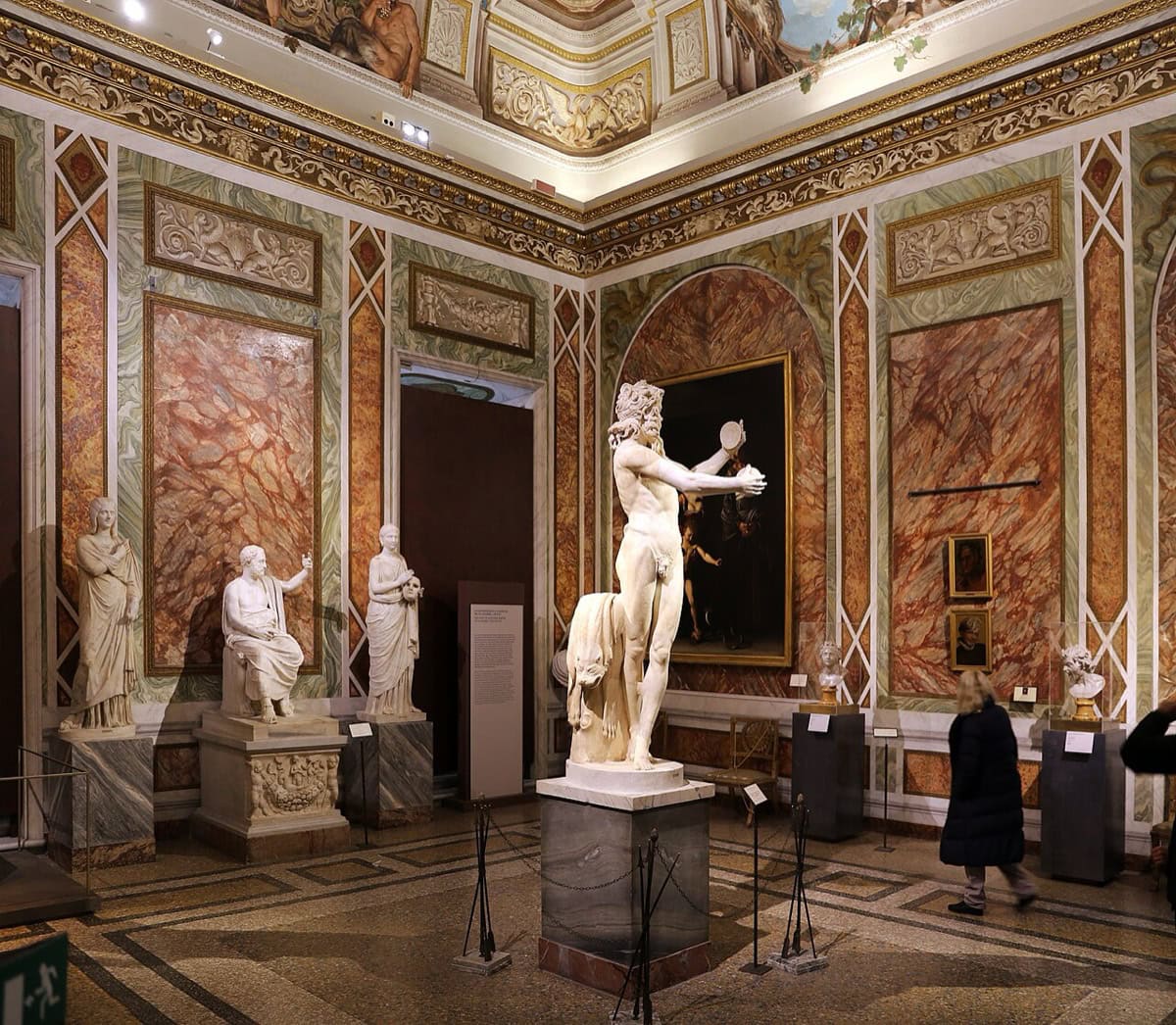
This is the single most important rule of your entire visit. Turning up at the entrance today expecting to buy a ticket on the spot is a guaranteed recipe for crushing disappointment. Without a prior online reservation, security simply won’t let you in, because the building’s capacity is strictly limited for both safety and conservation reasons.
Visits are also organised in fixed two-hour blocks. When your time is up, a bell rings and staff unceremoniously usher the entire group out so they can prepare the rooms for the next session. So don’t save the best sculptures for last.
💡 Insider tip: Arrive at the building at least thirty minutes before your time slot. You’ll need to queue to collect your physical tickets, and then queue again at the mandatory cloakroom where all bags must be deposited.
2. Galleria Borghese Tickets for 2026 and Alternative Options
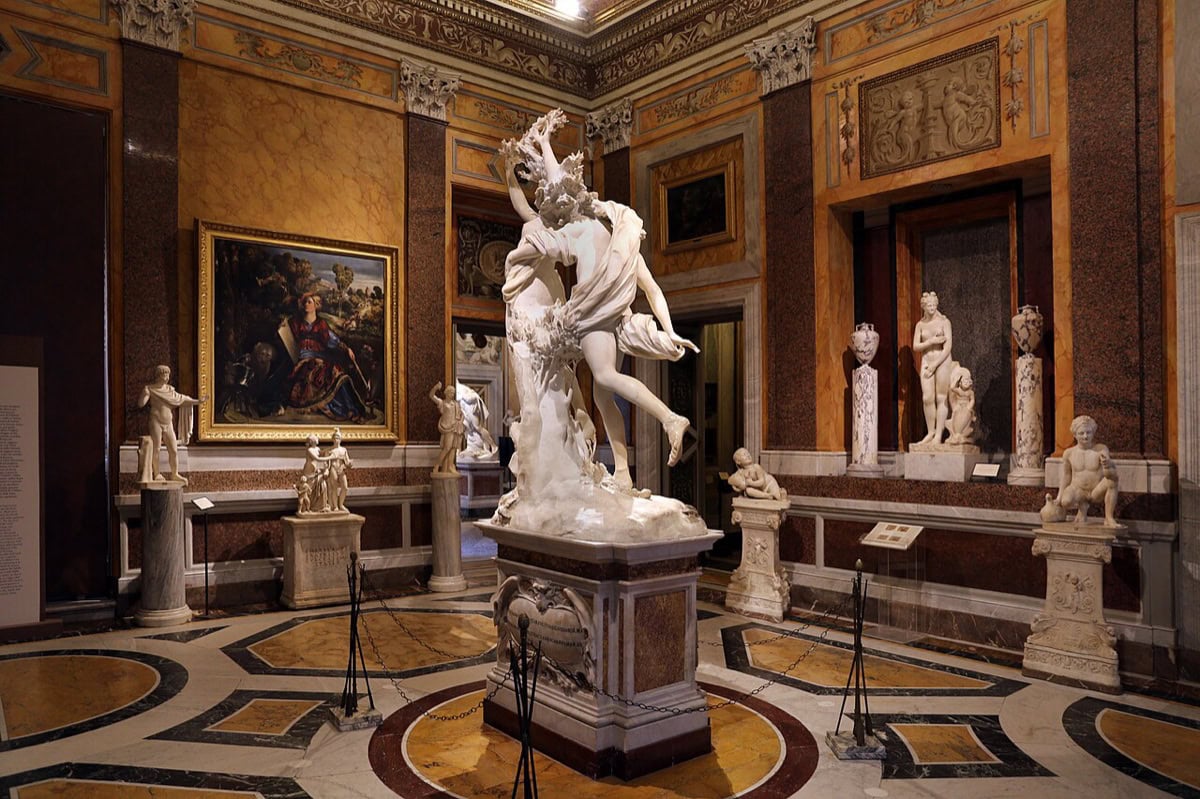
Official tickets are released on the gallery’s website usually one to two months in advance. Standard admission for 2026 is around €18–20, depending on current exhibitions and booking fees. During peak season, however, these tickets vanish within a matter of hours.
If you find the official site hopelessly sold out, don’t panic. Platforms like GetYourGuide can be a lifesaver — you’ll pay a bit more, but you can secure a ticket even on sold-out days, often bundled with a fantastic live guide who provides historical context.
Another option is the Roma Pass tourist card. It grants free entry to selected attractions, but even with this card you still need to reserve a specific time slot for the Galleria Borghese via their booking line or email.
3. How to Get There Without the Stress
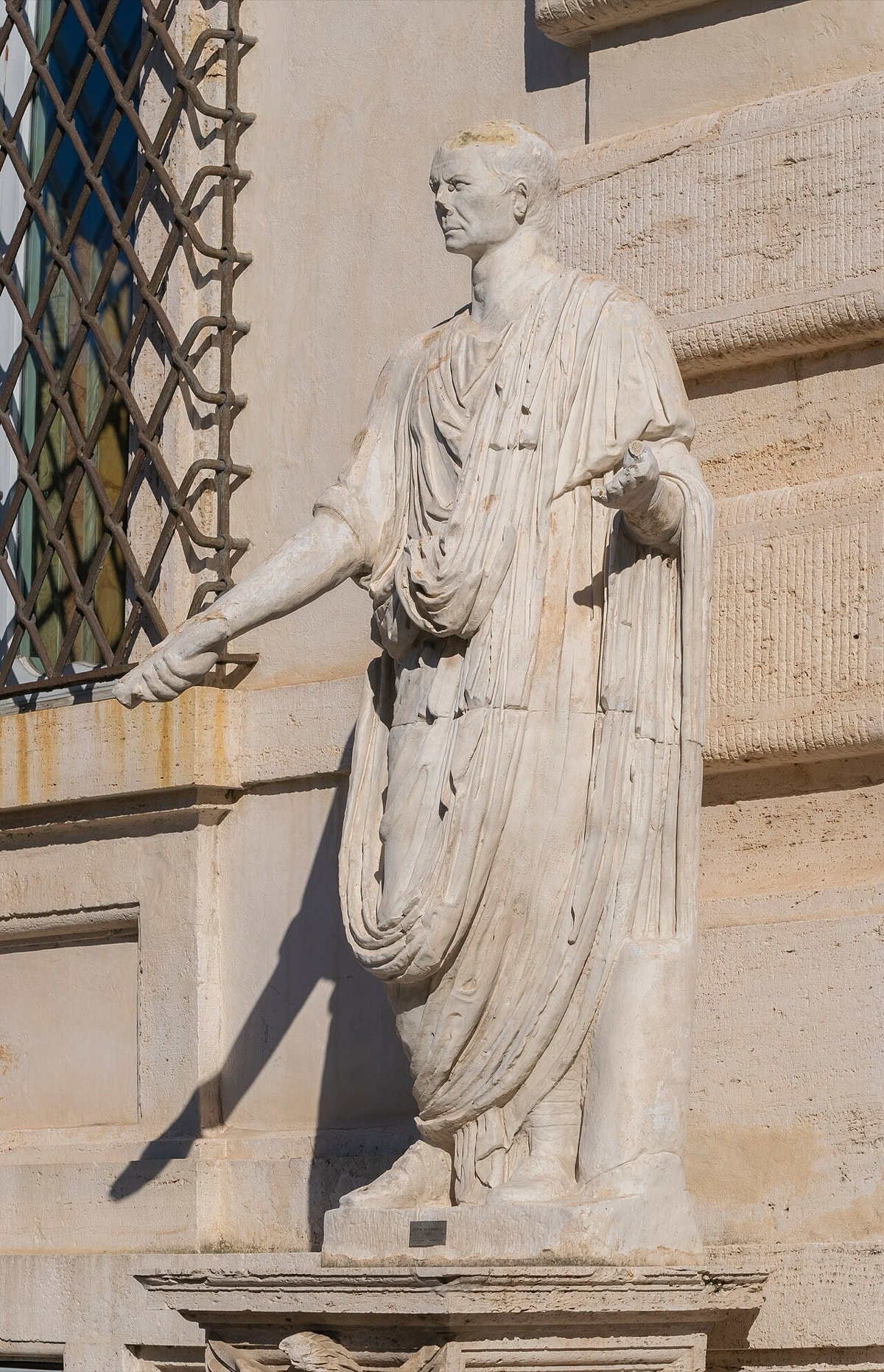
The gallery sits in the northern part of the historic centre, surrounded by a vast park. Driving a hire car here is a terrible idea — you’ll end up in a ZTL (limited traffic zone) with strict access restrictions and cop a hefty fine from automatic cameras.
The most scenic route is on foot from the Spanish Steps. Head up towards Villa Medici and enjoy a roughly twenty-minute walk through the pleasant park. If your feet are already aching from Rome’s basalt cobblestones, you can catch a bus running along the edge of the park — but keep a close eye on your belongings.
Rome’s public transport is the traditional hunting ground of some of Europe’s most skilled pickpockets. On a packed bus, you won’t stand a chance of feeling someone unzipping your bag. Keep valuables close to your body under your clothing, and always take your backpack off and hold it firmly in front of you.
4. Bernini’s Miracle: Apollo and Daphne
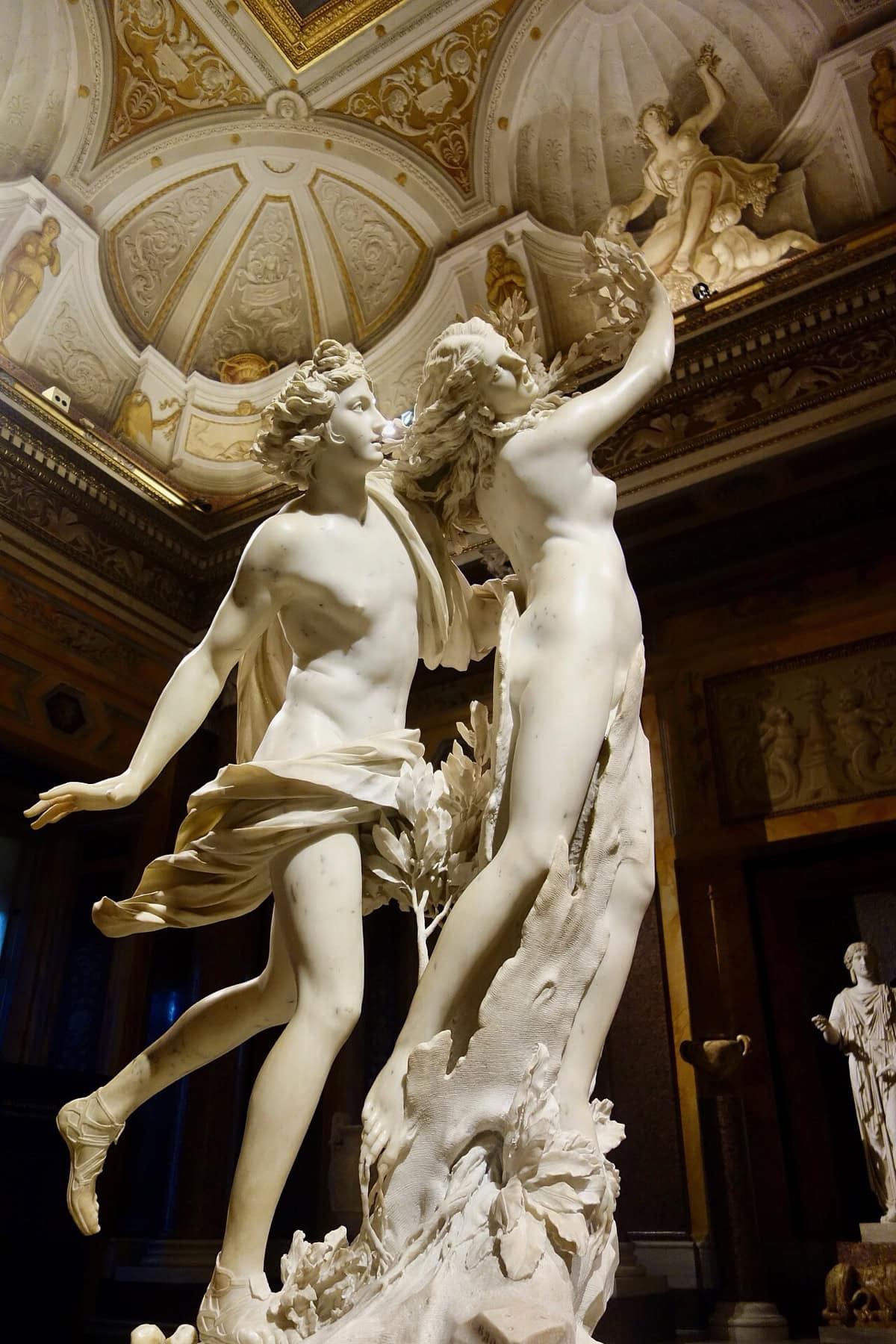
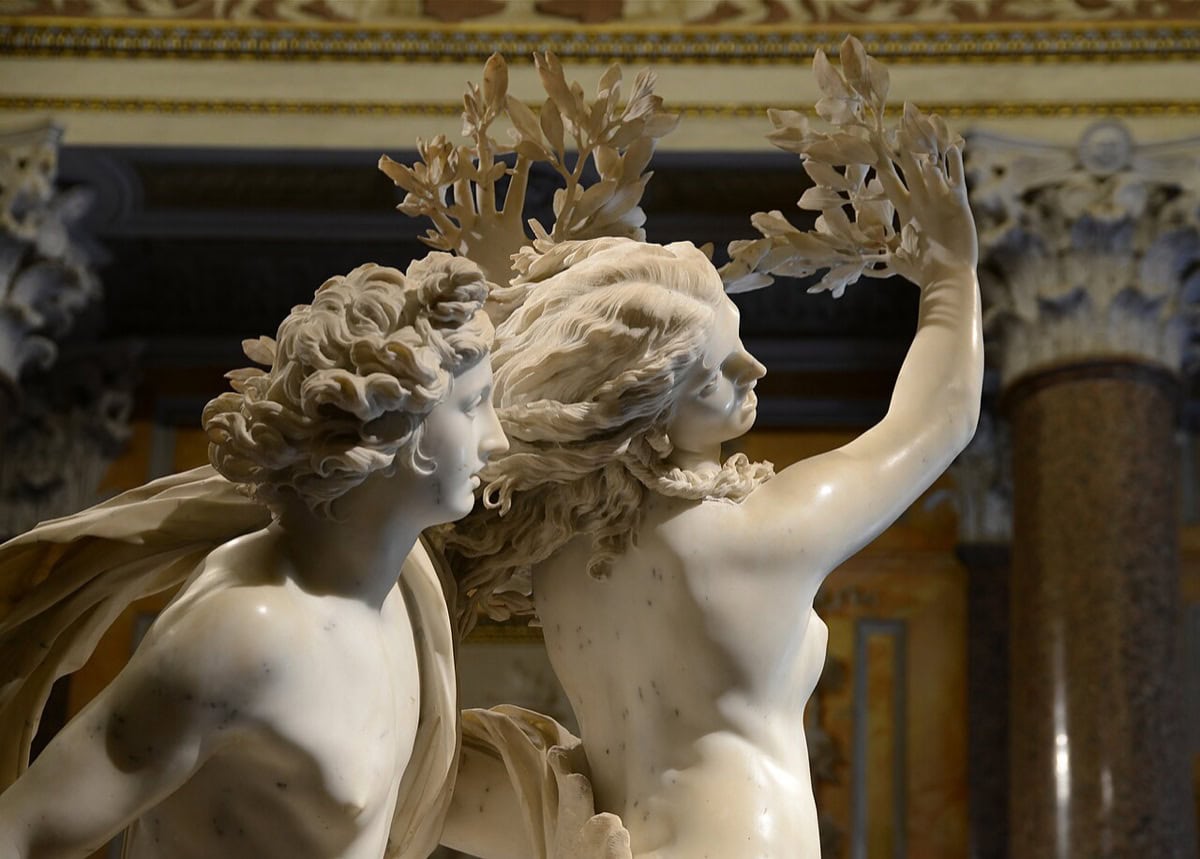
The moment you step into the ground-floor halls, you’ll understand why this place is so legendary. Gian Lorenzo Bernini created sculptures here that defy the very nature of hard stone. The Apollo and Daphne sculpture will literally leave you speechless at what the human hand can achieve.
The work captures a dramatic moment from Ovid’s Metamorphoses. The god Apollo pursues the nymph Daphne, and at the exact instant he touches her, her body begins transforming into a laurel tree. Before your eyes, marble turns into rough bark, delicate leaves, and roots burrowing into the ground.
You absolutely must walk around this sculpture from every angle. Each viewpoint tells a different part of the story, and the sense of movement is so incredible that you half expect both figures to spring to life and run off the pedestal at any moment.
5. The Rape of Proserpina: Touch Pressed into Marble
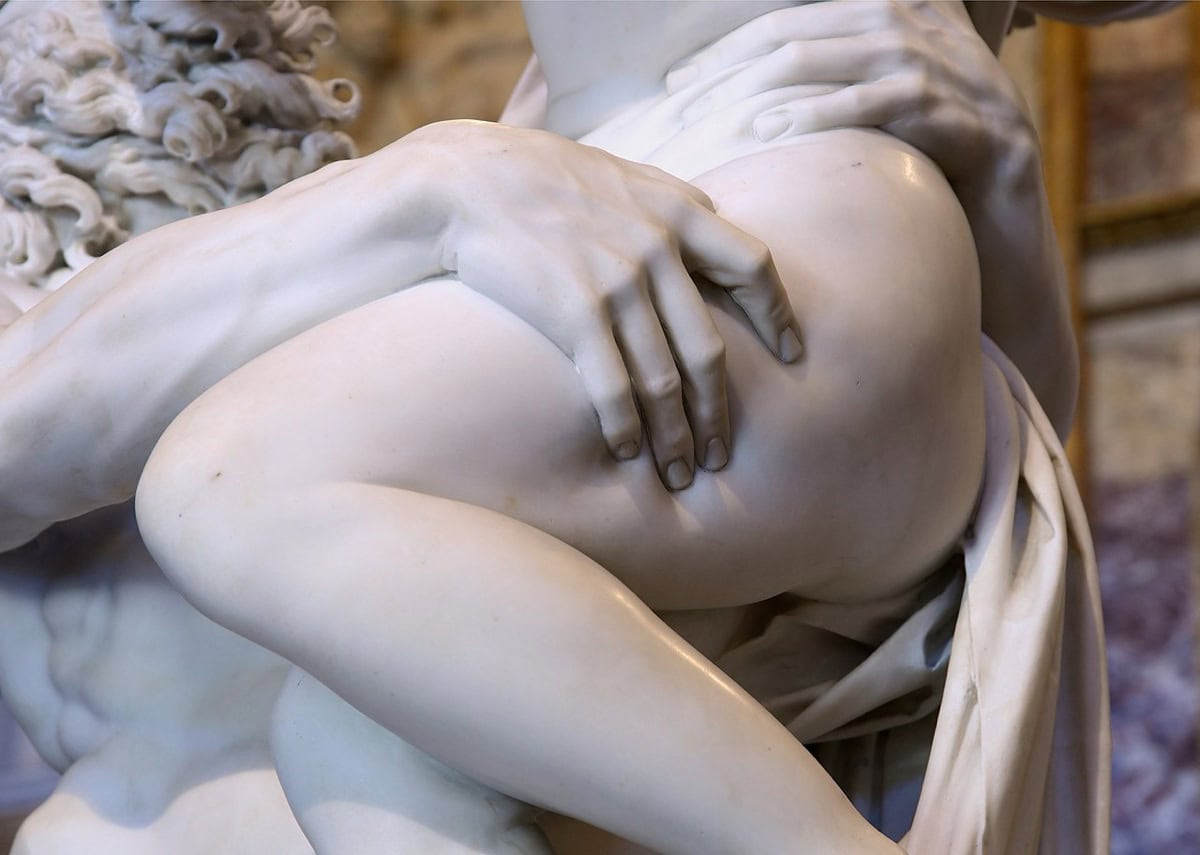
In the very next hall, you’re confronted with a work that many art historians consider the finest thing ever carved from marble. Bernini created The Rape of Proserpina when he was just twenty-three years old. It depicts the god of the underworld, Pluto, violently seizing the struggling maiden.
What you need to focus on is the detail of Pluto’s hands. His powerful fingers dig deep into the soft thigh and hip of Proserpina. The illusion of yielding human skin is so utterly convincing that you completely forget you’re looking at cold, hard stone.
Notice, too, the tears streaming down her face and the windswept hair. This striking contrast between raw masculine force and desperate feminine vulnerability leaves a deep impression even on people who normally have no interest in sculpture whatsoever.
6. Bernini’s David: A Self-Portrait in Action
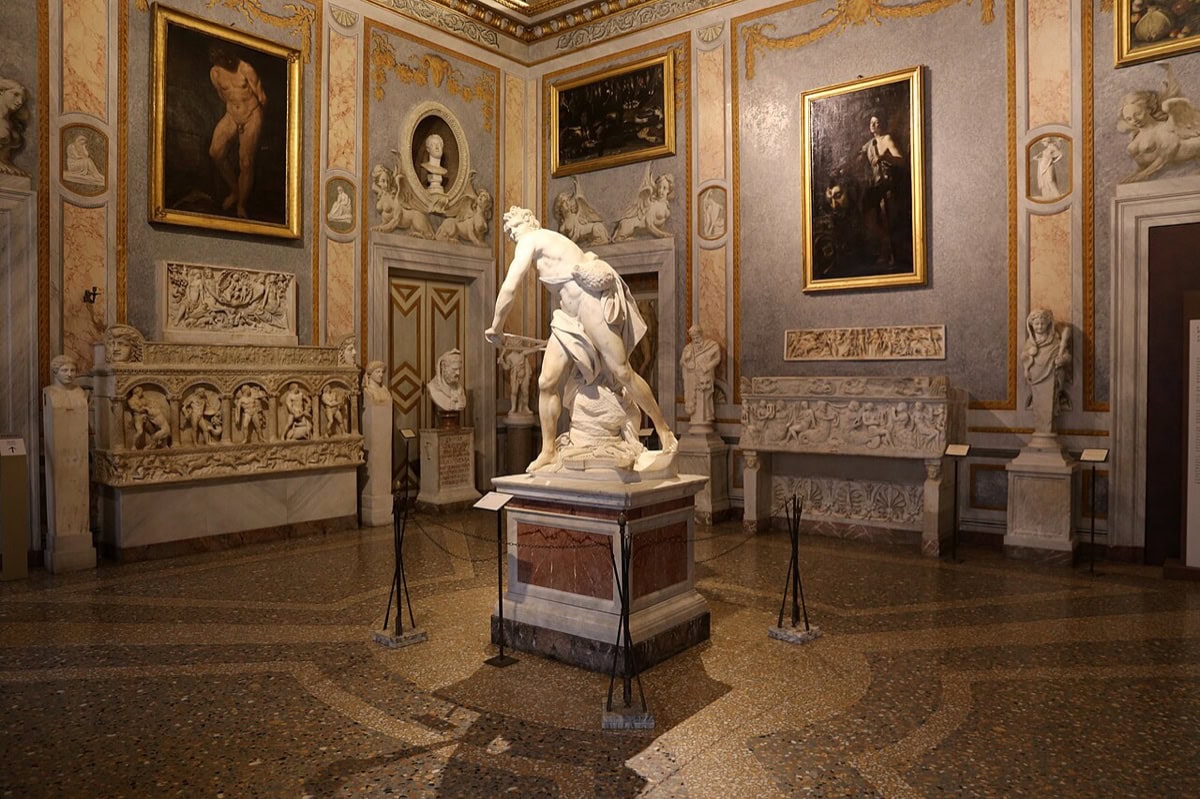
Most people know Michelangelo’s David in Florence — standing calmly, merely preparing for battle. Bernini took an entirely different approach. His David is captured at the most intense split second of action, just before hurling the deadly stone at the giant Goliath.
The body is twisted in extreme tension, muscles bulging, face contorted in fierce concentration. A fascinating detail is that David’s face is actually Bernini’s self-portrait. Legend has it that Cardinal Borghese himself held the mirror while Bernini carved the grimace.
Standing directly in front of the sculpture, you instinctively feel like ducking — because the stone from the sling looks like it’s about to fly straight at you. It’s a masterclass in Baroque theatricality.

7. Canova’s Pauline Borghese as Venus
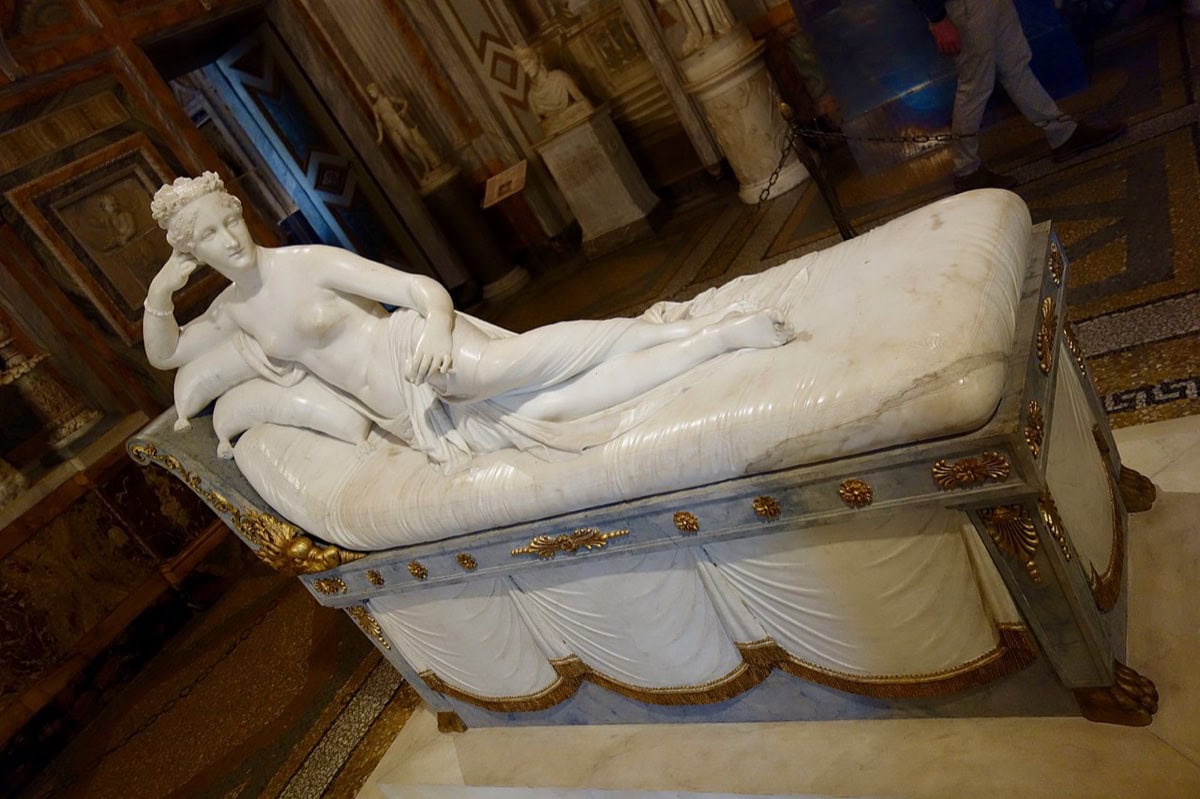
On the ground floor, there’s one more sculpture guaranteed to stop you in your tracks. Antonio Canova portrayed Pauline Bonaparte — Napoleon’s sister — who had married into the Borghese family. She chose to be depicted as Venus Victrix, semi-nude and reclining on a luxurious chaise longue.
In its day, this was a colossal scandal. For a noblewoman of such high standing to be carved nearly naked caused an absolute uproar in Roman society. Her husband, Prince Camillo, even locked the sculpture away from public view for years to put an end to the gossip.
Today we can simply marvel at the astonishing craftsmanship. The pillows and mattress on which Pauline rests look so impossibly soft that you’ll feel an irresistible urge to reach out and touch them just to confirm they’re not real fabric.
8. A Room Full of Dark Caravaggio

The Galleria Borghese boasts an extraordinary collection of paintings by an artist whose life was every bit as dramatic as his canvases. Caravaggio was a brawler, a killer, and a fugitive — but also an absolute genius of light and shadow. In a single room here, you’ll find six of his greatest works.
The most riveting is David with the Head of Goliath. From a dark background emerges a young hero holding the giant’s severed head. The chilling detail? The bleeding, decapitated head of Goliath is Caravaggio’s own self-portrait, painted at a time when there was a death sentence hanging over him in Rome.
Don’t miss the Sick Bacchus either — one of his early works. The blue lips and unhealthy complexion of the god of wine likely reflect the painter’s own serious illness at the time he created it.
9. The Picture Gallery Upstairs: Titian and Raphael
While the ground floor belongs to sculpture, the first floor holds the breathtaking picture gallery (Pinacoteca). Many visitors arrive here already quite tired within their two-hour window, which means there’s paradoxically far more space and tranquillity for quiet contemplation.
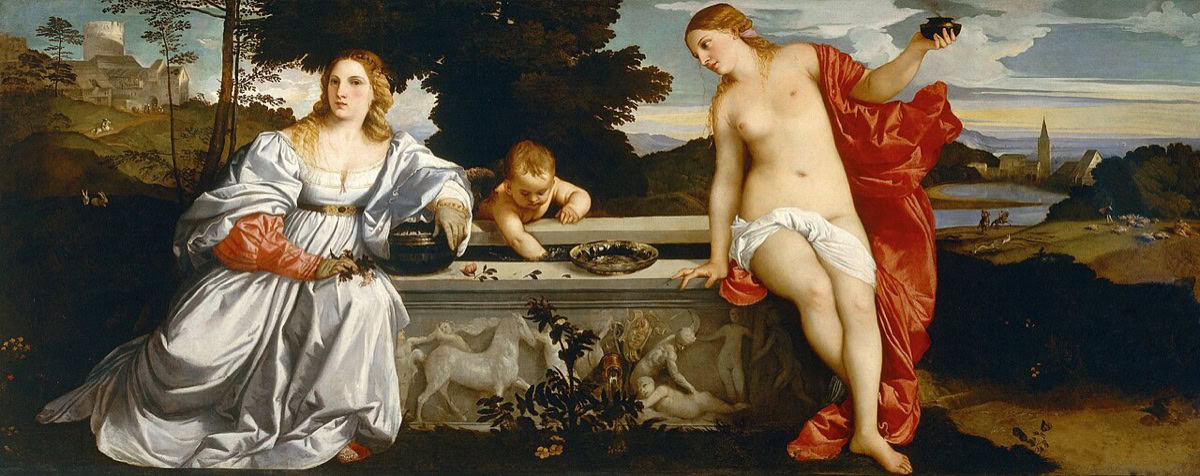
The crown jewel of this floor is Titian’s Sacred and Profane Love. This symbolism-rich canvas depicts two women at a fountain, and scholars still debate exactly what all the details mean. It’s a dazzling showcase of Venetian Renaissance colour.
Also stop by Raphael’s Deposition. The Borghese family acquired this painting in a rather unorthodox fashion — the Cardinal simply had it stolen from a church in Perugia under cover of darkness because he absolutely had to have it for his collection.
10. Cycling Around Villa Borghese Gardens
Once you’re firmly ushered out of the gallery after your two hours, your visit is far from over. You’ll find yourself in the third-largest public park in Rome. After a full day pounding the hard cobblestones, your feet will be screaming, so it’s time for a different mode of transport.
Just a short walk from the gallery you’ll find rental stands with all sorts of vehicles. We recommend hiring one of the quirky four-wheeled pedal bikes with a canopy (known as surrey bikes). They’re brilliant fun, the canopy shields you from the fierce midday sun, and you can cover a huge stretch of the park with minimal effort.
During your ride, you’ll stumble upon countless fountains, secret gardens, and ancient ruins nestled among the greenery. It’s the perfect moment to pull out a slice of fresh pizza bianca you bought that morning and have a lazy picnic on the grass.
11. Romance on the Boats at the Temple of Aesculapius
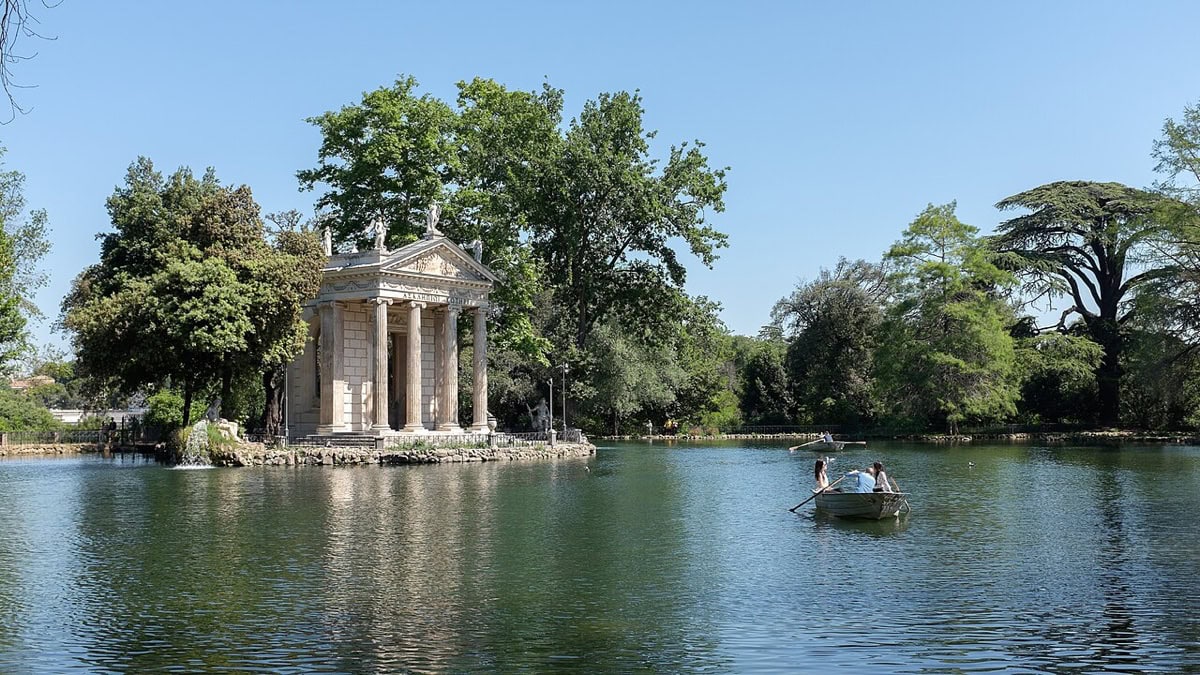
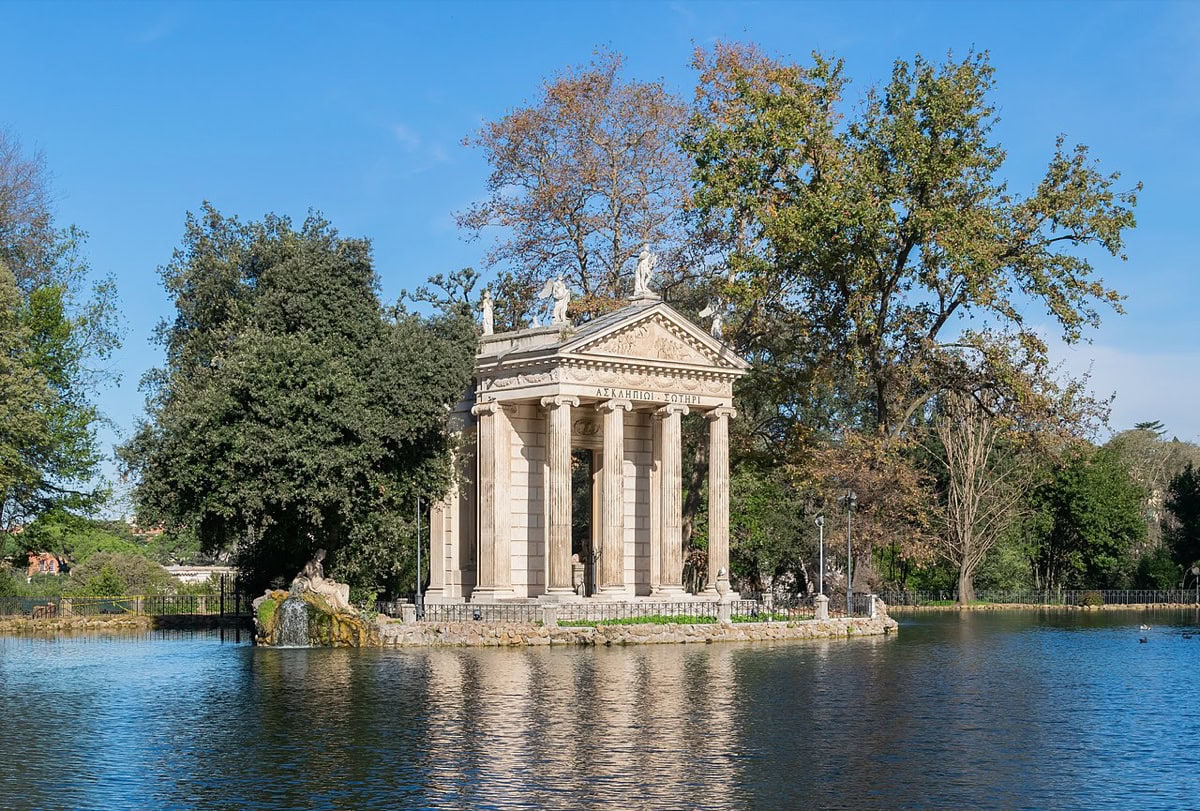
In the heart of the park lies the beautiful artificial lake, Laghetto di Villa Borghese. It might sound like a touristy cliché, but renting a wooden rowing boat here is one of the most romantic experiences you can treat yourself to in Rome.
For a few euros you get twenty minutes in a boat to paddle among ducks and turtles. The lake is dominated by a gorgeous miniature temple dedicated to Aesculapius, the god of medicine, perched on a small island. From the water, you’ll get absolutely spectacular photos without any distracting elements.
This is the precise moment when you forget you’re in the middle of a noisy metropolis of three million people. Silence reigns, pine trees scent the air, and you can peacefully absorb all the artistic impressions from the gallery.
12. Sunset from the Terrazza del Pincio
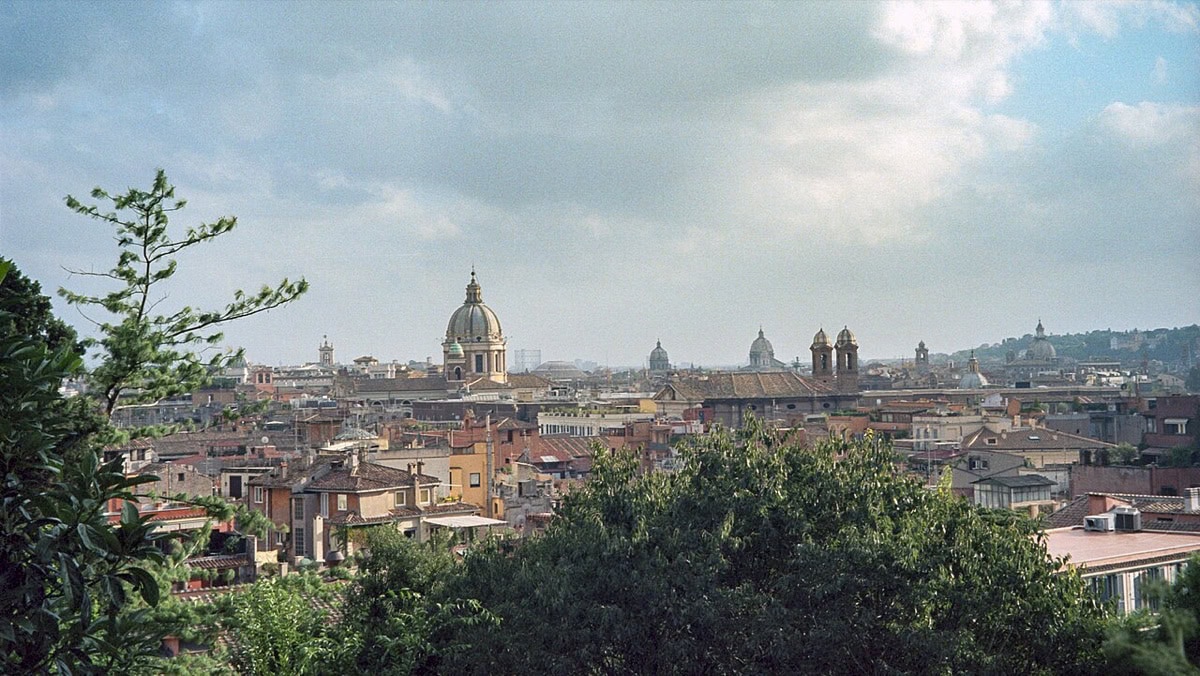
To cap off your afternoon, head to the western edge of the park where you’ll find the famous Pincio viewpoint. This hilltop terrace offers one of the most sweeping and beautiful views across the entire city — completely free of frustrating queues.
It works far better than the famous Aventine Keyhole, where the quiet romance of discovery has long been replaced by fifty-metre queues of people with selfie sticks. At the Pincio, you simply lean against the marble balustrade and gaze directly down at the vast Piazza del Popolo below.
The ideal time comes in the early evening. Watch the sun slowly sink behind the dome of St Peter’s Basilica in the distance as the city below you bathes in golden light. It’s the perfect way to round off a day steeped in art and history.
Map of points of interest for your phone
Where to Go Next from the Galleria Borghese

Rome tempts you into making the classic rookie mistakes. Dashing chaotically from landmark to landmark across the city means you’ll spend half your day on the crowded metro and arrive back at your hotel in a state of delirium. Instead, always cluster your sightseeing geographically and plan logical routes.
From Villa Borghese park, you can easily walk down to the Spanish Steps in Rome — but remember that sitting on them is banned, punishable by a steep fine. From there, it’s just a short stroll to the legendary Trevi Fountain. If you’re into ancient history, head to the fascinating Pantheon in Rome.
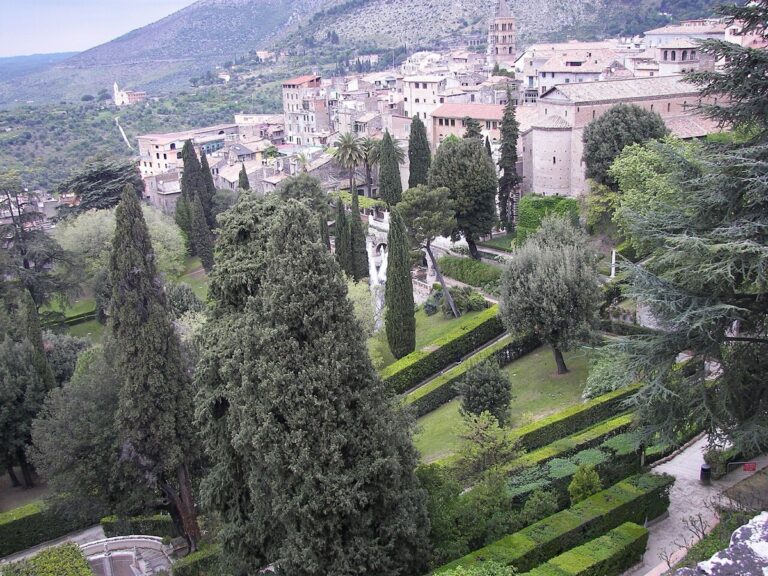
Set aside another day for the ancient centre and explore our guide to what to see in Rome along with the iconic Colosseum in Rome. On a third day, logically combine the Vatican, the enormous Vatican Museums, and the nearby Castel Sant’Angelo. For a perfect dinner, cross the river to the enchanting Trastevere neighbourhood. If you have extra days, take a train out of the city — the ancient port of Ostia Antica and the gardens at Tivoli are both superb.
Frequently Asked Questions
Do I really need to book tickets in advance?
Yes, without exception. Galleria Borghese doesn’t sell tickets on-site to walk-in visitors. If you don’t have a valid online reservation for a specific time slot, security won’t even let you through to the ticket desk. During peak season, book your tickets up to a month ahead.
What happens if I’m late for my time slot?
You’re in big trouble. Time slots are strictly enforced. If you arrive half an hour late, staff will most likely refuse you entry and your ticket is forfeited without refund. That’s why we recommend arriving at the entrance thirty minutes early.
Can I bring a backpack or purse inside?
No, security rules here are extremely strict. You’re not allowed to bring any bags inside whatsoever—not even small handbags or tiny backpacks. Everything must be checked for free at the supervised cloakroom in the basement before you enter the exhibition.
Is photography allowed inside the gallery?
Yes, photography for personal use is permitted. However, flash, tripods, and long selfie sticks are strictly prohibited to avoid endangering other visitors or the artworks themselves. Obviously, you shouldn’t block other people’s way while taking photos.
How does visiting with a Roma Pass work?
If you purchase a Roma Pass tourist card, you get free admission to the gallery (as one of your first selected attractions), but you still must reserve a specific time slot in advance! This is done either by phone on a special line or by email according to current instructions on the website.
Is there a restaurant or café inside?
There’s a small café in the basement near the ticket desk where you can grab an espresso or light snack. Prices are pretty steep though. We recommend eating outside instead, or bringing your own food for a picnic in the adjacent Villa Borghese park.
Are restaurants in Italy open all day?
Most good, authentic restaurants outside the tourist traps close their kitchens around 2:00 PM. They reopen in the evening, usually between 7:30 and 8:00 PM. If you get hungry in the afternoon after visiting the gallery, traditional bakeries selling pizza by weight (pizza al taglio) will save the day.
Tips and Tricks for Your Vacation
Don’t Overpay for Flights
Search for flights on Kayak. It’s our favorite search engine because it scans the websites of all airlines and always finds the cheapest connection.
Book Your Accommodation Smartly
The best experiences we’ve had when looking for accommodation (from Alaska to Morocco) are with Booking.com, where hotels, apartments, and entire houses are usually the cheapest and most widely available.
 🚗 Car rental on the roadVerified rental cars in Rome
Search with the DiscoverCars comparison engine — it compares prices from dozens of local and international rental companies, and most bookings come with free cancellation.
Compare car prices in Rome →Don’t Forget Travel Insurance
Good travel insurance will protect you against illness, accidents, theft, or flight cancellations. We’ve had a few hospital visits abroad, so we know how important it is to have proper insurance arranged.
Where we insure ourselves: SafetyWing (simple monthly subscription) and TrueTraveller (for extra-long trips).
Find the Best Experiences
Get Your Guide is a huge online marketplace where you can book guided walks, trips, skip-the-line tickets, tours, and much more. We always find some extra fun there!