

Sicily has probably been on your mind for a while too — Etna, ancient temples, beaches, plus cannoli and pizza that taste like nowhere else. But then the practical doubts kick in: how much will it all cost, when is it actually worth going, and can you manage the trip on your own, or are you better off booking a package? The two of us puzzled over exactly this before we first set off for the island.
That’s why we built this hub to save you hours of searching. You’ll find three things here: up-to-date package and flight prices that we refresh every morning; our tips from our own trips and articles, where we’ll tell you what to skip and what you absolutely can’t miss; and a plan for when and what to book so you don’t overpay for nothing.

What to see and do in Sicily
Sicily is huge, and trying to “fit everything in” in a week is a trap. The way we see it, you pick one or two regions and explore them properly. Here are the places we love returning to the most, and which we’ve written about in detail:
- Etna – Europe’s highest active volcano, with ascents by cable car or on foot, black lava and a lunar landscape you won’t experience anywhere else.
- Taormina – an ancient theatre overlooking Etna and the sea, the prettiest (and most touristy) little town in the east.
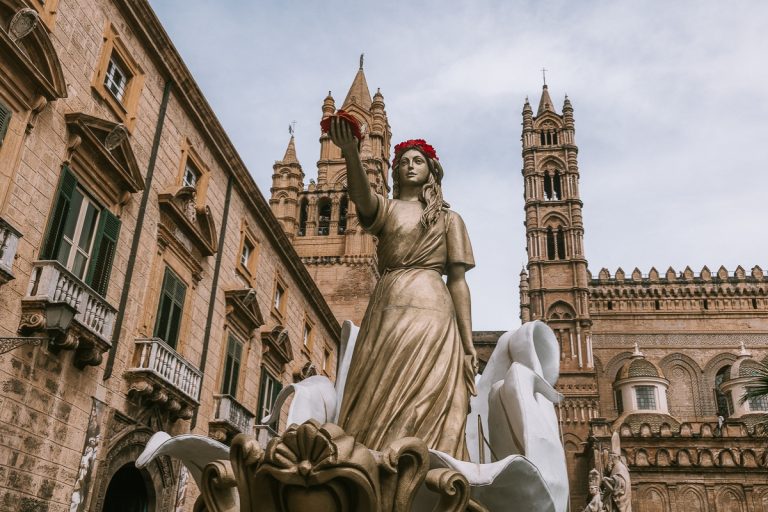
- Palermo – a chaotic, raw and gorgeous capital; markets, Norman monuments and city beaches all in one place.
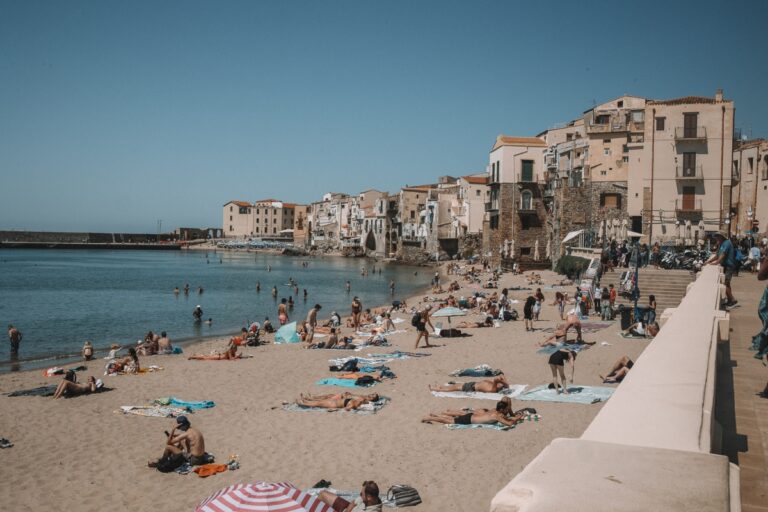
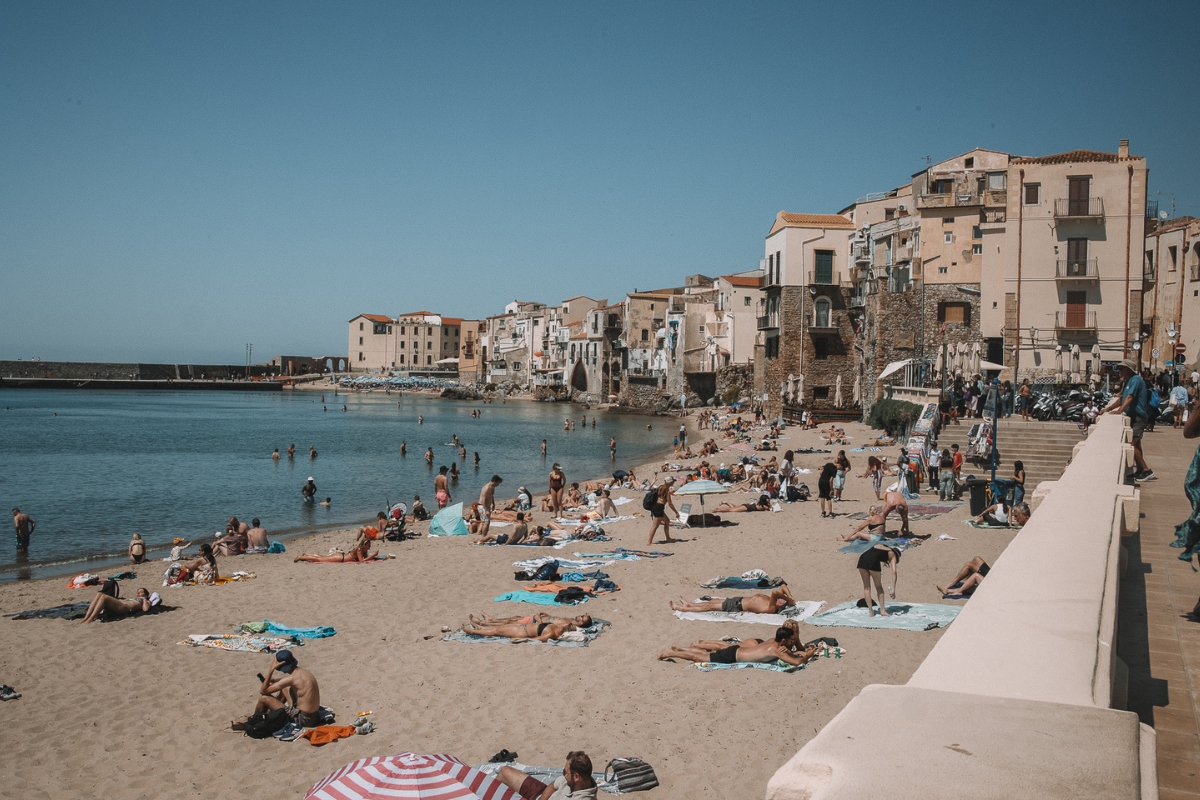
- Cefalù – a postcard-perfect town with a Norman cathedral and a beach right below the old town, an ideal base in the north.
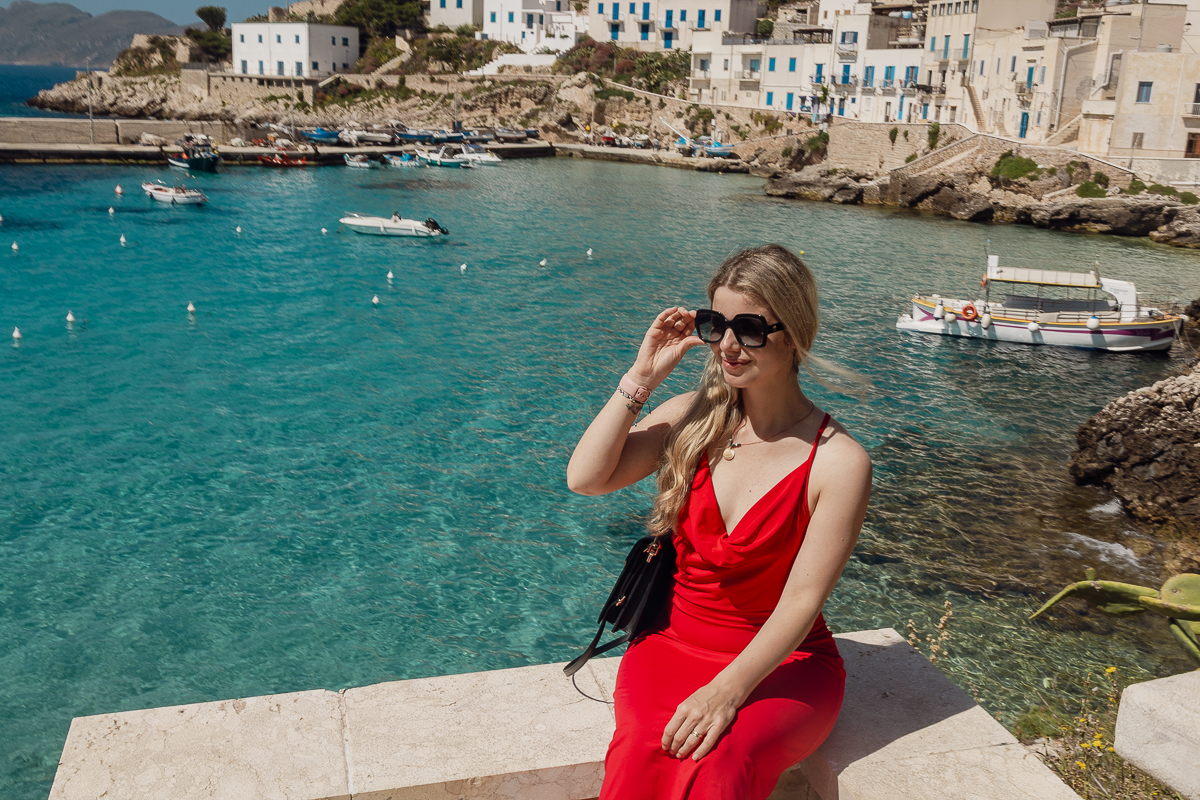
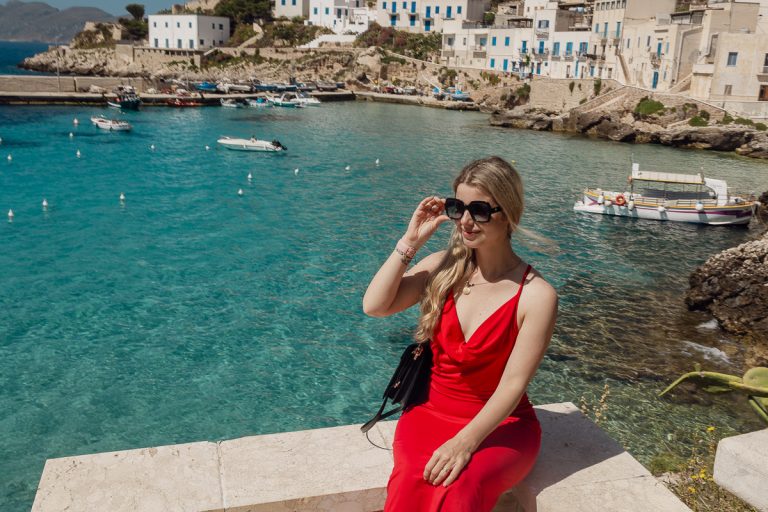
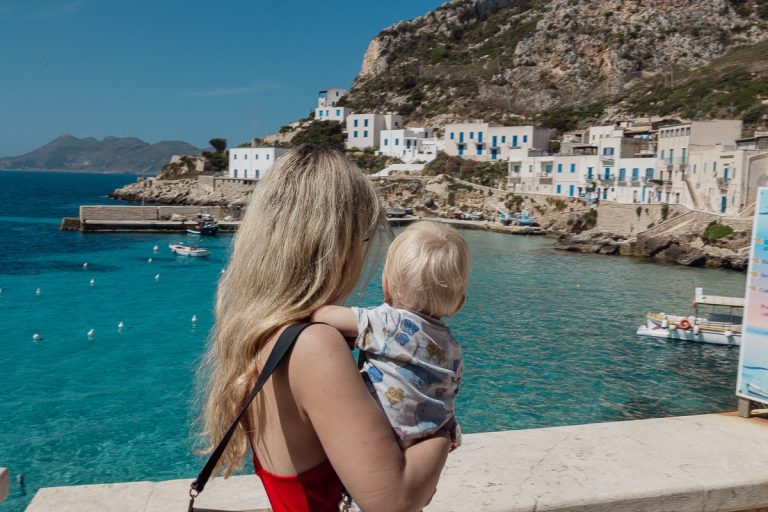
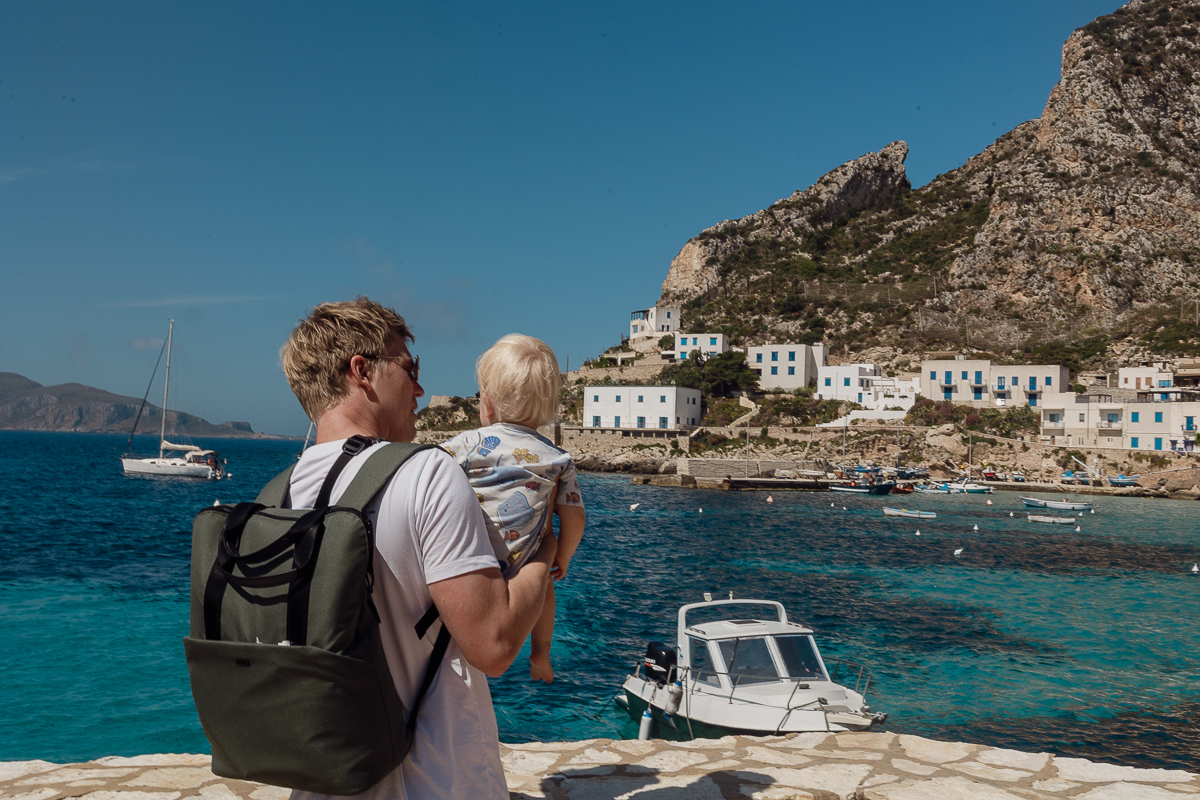
- Egadi Islands – turquoise water and peace and quiet just off the west coast, a trip so many people skip.
And if you’re not sure how to string it all together into a route, take a look at our big roundup of 34 things to see in Sicily – we’ve put absolutely everything in there.
When to visit Sicily
The best balance of weather and calm is, in our view, in May, June and September. It’s warm enough for swimming and for sightseeing, but the peak summer crush hasn’t started yet (or is already over). By September the sea is pleasantly warmed up from the whole summer, so swimming is lovely.
July and August in Sicily are genuinely hot – routinely over 35 °C, and even more inland. The beaches are packed, accommodation prices are sky-high, and midday is only survivable in the shade or in the water. If you’re not tied to the school holidays, we’d recommend avoiding this period.
From October to April Sicily is a different place again – fewer people, pleasant temperatures for exploring towns and monuments, though it’s too cold for swimming by then. Spring around Easter is beautiful and green. Etna can be visited year-round, but in winter expect snow up top.

How to get to Sicily
The fastest way to reach Sicily is by plane – the main gateways are the airports at Catania (CTA) in the east and Palermo (PMO) in the west. From Prague you’ll find direct flights in season, otherwise you’ll most often connect through Rome, Bergamo or Vienna. Choose your airport based on which part of the island you want to explore – Catania for Etna and Taormina, Palermo for the north and west.
The other option is driving through Italy and taking the ferry from Villa San Giovanni to Messina – but that’s a long haul (over 2,000 km one way) and only really makes sense as a road trip through the whole of Italy, not as a quick hop for a holiday. A flight plus a rental car on the spot is clearly the more practical choice.
Renting a car
We’d definitely recommend a car in Sicily if you want to venture beyond the towns – to the beaches, into the interior, up to Etna or to the temples. Without a car you’re at the mercy of the trains and buses, which run slowly and infrequently. On the other hand, if you’re only planning Palermo, or just Taormina and the surrounding area, a car is more of a burden – parking in the towns is expensive and stressful.
- Book ahead online through a rental comparison site – on the spot in season it tends to be pricey and sold out.
- Watch out for insurance and the deposit – the base price often doesn’t include full cover; pay extra or have your own excess insurance so you don’t lose a hold on your card.
- Factor in tolls on the motorways (autostrada) and fill up at branded petrol stations, not the first stand you see.
- Pick up the car at the airport – it’s usually the cheapest and most practical option.
Where to stay in Sicily
Where to stay depends a lot on what you want to see. Sicily is big, so don’t change hotels every day – pick one or two bases and do day trips from there.
- The east (Catania, Taormina, Cefalù): ideal for a first visit – close to Etna, the theatre in Taormina and the beaches. Taormina is beautiful but pricey; we prefer staying just outside.
- The west (Palermo, Trapani): more authentic, better prices, and a great launchpad for the Egadi Islands and the salt pans near Trapani.
- Types of accommodation: from cheap B&Bs and apartments through agriturismo (countryside farms with home cooking) to design hotels. An apartment with a kitchenette pays off if you want to save on food.
You’ll find our tips for specific areas in the accommodation section further down the page.
Package tour or independent travel?
This is the eternal question, and the honest answer is: it depends on you. Here’s how the two of us see it:
A package is worth it when…
- you want everything sorted – flight, transfer and hotel all together;
- you don’t want to deal with renting a car or planning a route;
- it’s your first trip and you want certainty and peace of mind;
- you’re travelling as a couple or with family and a fixed programme suits you.
Go it alone when…
- you want the freedom to change your plans and stay somewhere longer;
- you don’t mind driving and finding accommodation yourself;
- you want to see places off the main routes too (the Egadi Islands, the interior);
- you enjoy optimising the cost and putting your holiday together your own way.
We ourselves are the “go it alone” type – Sicily is ideal for it, the distances are manageable and a car opens up the whole island. But if you want a relaxed, worry-free holiday, a beach package with excursions is a perfectly legitimate choice. We won’t preach to anyone ☺️
Budget: daily costs in Sicily
An approximate daily budget per person (excluding flights). The prices are rough estimates — compared to northern Italy, Sicily is kind to your wallet, especially away from the tourist hotspots.
| Level | Accommodation | Food | Transport & activities | Total/day |
|---|---|---|---|---|
| Backpacker | 16 €–30 € (hostel, cheap B&B) | 10 €–16 € (street food, markets) | 8 €–14 € (public transport, entry fees) | approx. 35 €–55 € |
| Standard | 30 €–55 € (B&B, apartment) | 20 €–30 € (restaurants) | 16 €–30 € (car, trips) | approx. 65 €–115 € |
| Comfort | 80 €+ (4* hotel) | 40 €+ (quality restaurants) | 35 €+ (private trips) | approx. 155 €+ |
How to save when planning
- Book flights 2–4 months ahead – that’s the sweet spot for Sicily. Direct seasonal flights sell out fastest, so keep an eye on prices over time. Search for flights using our finder.
- Avoid July and August – accommodation and flights are at their most expensive and hardest to get. Shifting to May or September can easily save you thousands.
- Book accommodation early in the popular spots (Taormina, Cefalù) – the nicest apartments at good prices go first. You’ll find our accommodation tips on the page.
- Go first minute for packages if you want certainty and the best choice of dates; last minute works only if you’re flexible. We keep an eye on the current packages for you.
- Book activities like the Etna ascent in advance in season – capacity tends to fill up. We’ve listed what to book in good time below.
- You overpay most for food and coffee right on the squares by the monuments – just walk a couple of streets away and you’ll pay half.
Practical information
- Language: Italian; in tourist spots you’ll get by in English, but elsewhere a few Italian words and a translator app on your phone come in handy.
- Payments: you can pay by card in the towns without any trouble, but at markets, in small cafés and at motorway tolls it always helps to have cash in euros.
- Connectivity: the easiest option is an eSIM – activate it before you leave and you’re online the moment you land, no hunting for a local SIM. Handy for navigating by car and finding restaurants.
- Safety: Sicily is generally safe, just watch out for pickpockets in crowds in Palermo and Catania, and don’t leave valuables visible in your car.
- Transport: trains and buses run between the towns, but for the countryside and the beaches a car is far more convenient – just be ready for narrow lanes and creative local parking 😅


