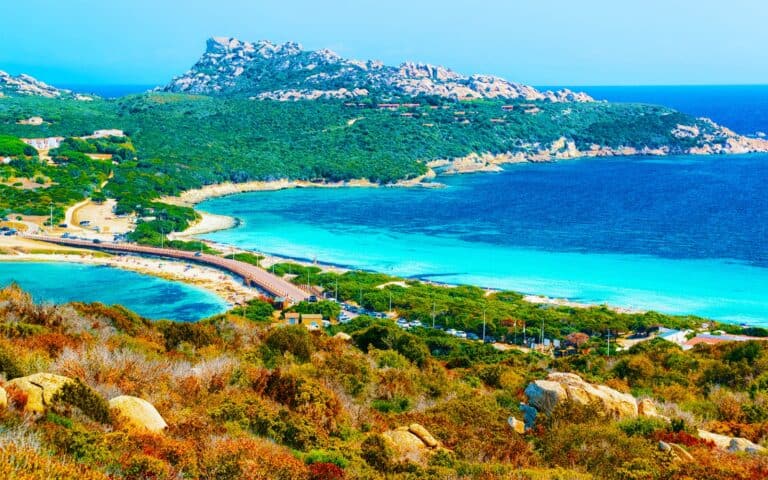
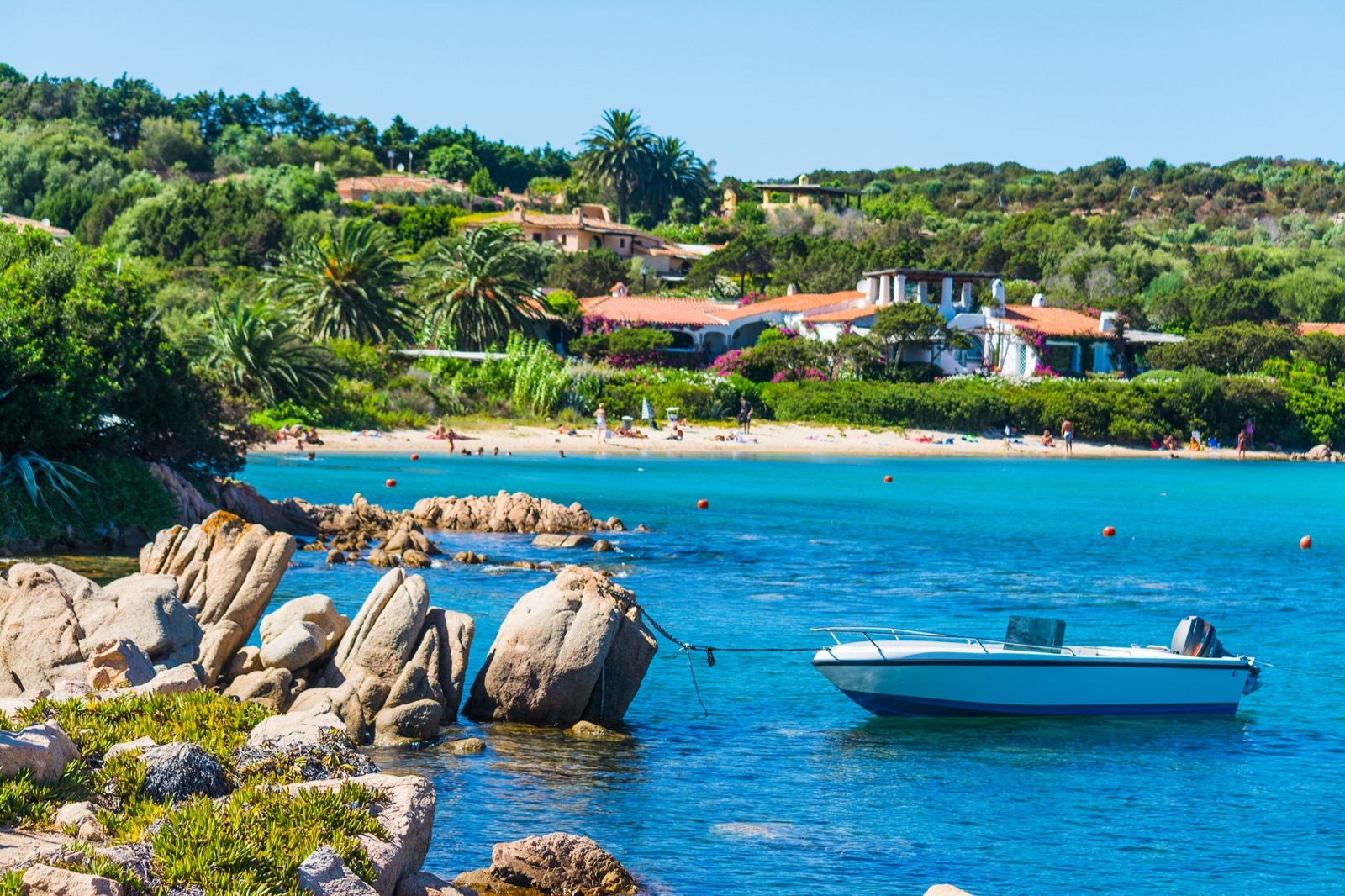
Are you desperate for somewhere exotic with snow-white sand and turquoise water, like the Caribbean, but the thought of a twelve-hour flight puts you off completely? That’s exactly why northern Sardinia in Italy has become such a phenomenon. It’s said to be one of the most beautiful corners in all of Europe, and judging by the photos and the tales of starry-eyed travellers, it really does look almost unbelievable. Here, crystal-clear sea laps against stunning granite rocks, all of it scented with wild Mediterranean maquis.
In this guide you’ll find 12 tips on what to see and do in the area known as the Costa Smeralda and its wider surroundings. I’ll point you towards the most photogenic spots, advise where to base yourself strategically and tell you when the best time to visit is. We’ll wander through the most famous beaches, picturesque little towns and wild cliffs that would simply be a crime to skip. You’ll soon see that the north of the island offers far more than just luxury yachts and pricey boutiques.
The north of the island is often associated with eye-watering prices and the international jet set, but don’t let that scare you off. If you know exactly where to head and what to steer clear of, you can enjoy an absolutely dreamy holiday here without having to sell a kidney. Get ready to be enchanted by the sheer variety of this destination, because every cove here looks a little like it’s been lifted straight out of a catalogue for the perfect life.
TL;DR
- The Costa Smeralda is a symbol of luxury: It was built in the 1960s and today it’s a hub for the global jet set, but its beaches like Spiaggia del Principe are open to everyone.
- San Teodoro offers the Caribbean in Europe: The beaches of Cala Brandinchi and La Cinta boast incredibly fine sand and turquoise water.
- Watch out for summer beach bookings: For the most famous beaches (including Cala Brandinchi) you have to reserve your spot in advance via an app in high season and pay a fee.
- The wild north hides real treasures: The area around Santa Teresa Gallura and Capo Testa offers a lunar landscape full of bizarre granite boulders and incredible sunsets.
- The Pink Beach is off-limits: The famous Spiaggia Rosa on the La Maddalena archipelago is strictly protected and you can only view it from a distance by boat, under threat of a hefty fine.
- A car is an absolute must: Without a rental car it’s practically impossible to get around the north-east sensibly; public transport is very limited.
The full destination guide: Sardinia — guide and what to see
When to visit north-eastern Sardinia and how to get around
Before you start packing your bags, it’s worth being clear about what you actually want from your holiday, because northern Sardinia changes incredibly throughout the year. If your main goal is swimming in a warm sea, September is the best choice, when the biggest summer crowds have thinned out but the water is beautifully warm after the whole summer. July and August, on the other hand, are the absolute peak of the season, which means not just temperatures climbing towards 35°C, but above all huge numbers of tourists and wildly inflated prices for absolutely everything.
April and May tempt you with nature in full bloom and ideal conditions for hiking, although the sea at that time is only around 15 to 19°C. That’s a temperature suited perhaps to die-hard cold-water swimmers; the average mortal will get in only very reluctantly. By contrast, October is still very pleasant, the sea holds a respectable 21°C and you’ll have plenty of coves almost to yourself, even though you’ll need to reckon with the occasional shower and the stronger wind known as the mistral.
The main gateway to the whole region is Olbia international airport, and getting here from the UK is fairly straightforward — easyJet, Ryanair and Jet2 run seasonal flights from London, Manchester and other major airports, sometimes via Milan or Rome. Another option is to arrive by ferry from mainland Italy into the ports of Olbia or Golfo Aranci, which is ideal if you’re travelling with your own vehicle. However you arrive, you can’t manage here without a car, because while buses do exist, their timetables are more of a rough guide and they won’t take you to the prettiest beaches anyway.
When renting a car, be extremely careful which company you choose — travellers on forums strongly warn against Goldcar because of their very aggressive pressure to sell expensive insurance. You’re better off going with trusted local firms, or photographing everything carefully in advance to avoid trouble when you return the vehicle. Driving in Sardinia takes a bit of patience: the roads are often winding and your average speed rarely tops 40 kilometres per hour, so even short distances eat up a lot of time.
One absolutely crucial thing to watch out for while driving is the so-called ZTL zones, or limited traffic zones. They appear in the centres of many towns including Olbia, entry to them is monitored by cameras, and the fine will reach you automatically even back home, starting at around €87. As soon as you see a sign reading “Varco Attivo”, definitely don’t drive in — leave the car in a paid car park a few streets away instead.
Where to stay in north-eastern Sardinia
Finding the ideal accommodation in this part of the island can be quite a puzzle, because the Costa Smeralda counts as by far the most expensive region in all of Sardinia. In the summer months hotel prices here shoot up by forty to a hundred percent compared to the rest of the year, and finding something affordable right around Porto Cervo is a job for a magician. The luxury resorts here look absolutely fantastic, but for an ordinary budget they make more sense in the shoulder seasons outside the main rush.
If you’re after a much more sensible price-to-value ratio, focus on the town of San Teodoro or the area around Santa Teresa Gallura. San Teodoro is a great base for families and couples alike — you’re a short hop from the most celebrated beaches and in the evening the town comes alive with a pleasant buzz, markets and open cafés. Santa Teresa Gallura, right up north, is ideal for those who want dramatic cliffs close at hand and are perhaps even considering a day trip by ferry to neighbouring Corsica.
The north-east is the most expensive corner of the island, so it pays double here that smart accommodation choices save you both money and nerves. The closer to Porto Cervo, the higher the prices — but a little further out in Golfo Aranci or San Teodoro you’ll find comparable sea for a far friendlier sum. Pick based on what you expect from your holiday:
✨ For luxury and jet-set atmosphere: Hotel Cala di Volpe (Porto Cervo) — the legendary Costa Smeralda address with a private lagoon; the prices match accordingly, but the experience tends to be unforgettable.
💑 For couples and sea views: Gabbiano Azzurro Hotel & Suites (Golfo Aranci) — an elegant hotel right above the sea with a pool; great value for the luxury, just a short hop from the Costa Smeralda.
👨👩👧 For families with their own beach: Cala Cuncheddi (Olbia) — its own sandy beach and proximity to Olbia airport; an ideal start and finish to a family holiday in the north.
💰 For the best value for money: Due Lune Resort Golf & SPA (San Teodoro) — in San Teodoro by the famous La Cinta beach; comparable sea for a fraction of Porto Cervo’s prices.
💡 One last tip: you can book most hotels through Booking.com with free cancellation, so you can reserve your favourite spot right away and make up your mind later. Just don’t wait too long — the most sought-after seafront addresses sell out for July and August even six months ahead, and high-season prices climb by tens of percent.
Costa Smeralda and Porto Cervo
Let’s take a look together at the very heart of luxury, the legendary Emerald Coast, or Costa Smeralda. Right up until the early 1960s it was just a forgotten, wild stretch of land full of pastures, before it was discovered by Prince Karim Aga Khan, who decided to build it into an exclusive holiday destination for his wealthy friends. The architects did an incredible job back then, because every building had to strictly respect local traditions, colours and shapes so as not to disturb the surrounding landscape.
Thanks to these strict rules, you won’t find any ugly concrete hotels here today, but rather low pastel villas and residences that blend perfectly with the ever-present granite and Mediterranean greenery. It’s an area you come to in order to admire perfection, soak up the atmosphere of carefree wealth and, of course, relax on the beaches whose colour gave the whole coast its emerald name.
1. Porto Cervo and its famous marina
The little town of Porto Cervo is the absolute centre of the Costa Smeralda and reputedly one of the most expensive resorts in the world. It sprang up essentially from a green field thanks to the Aga Khan, and its architecture resembles a kind of fairy-tale Sardinian village, full of winding alleys, arcades and terracotta roofs. In the middle of it all you’ll find the Piazzetta, a small square lined with the boutiques of the most luxurious global brands, where ordinary mortals tend to come just to gaze through the shop windows.
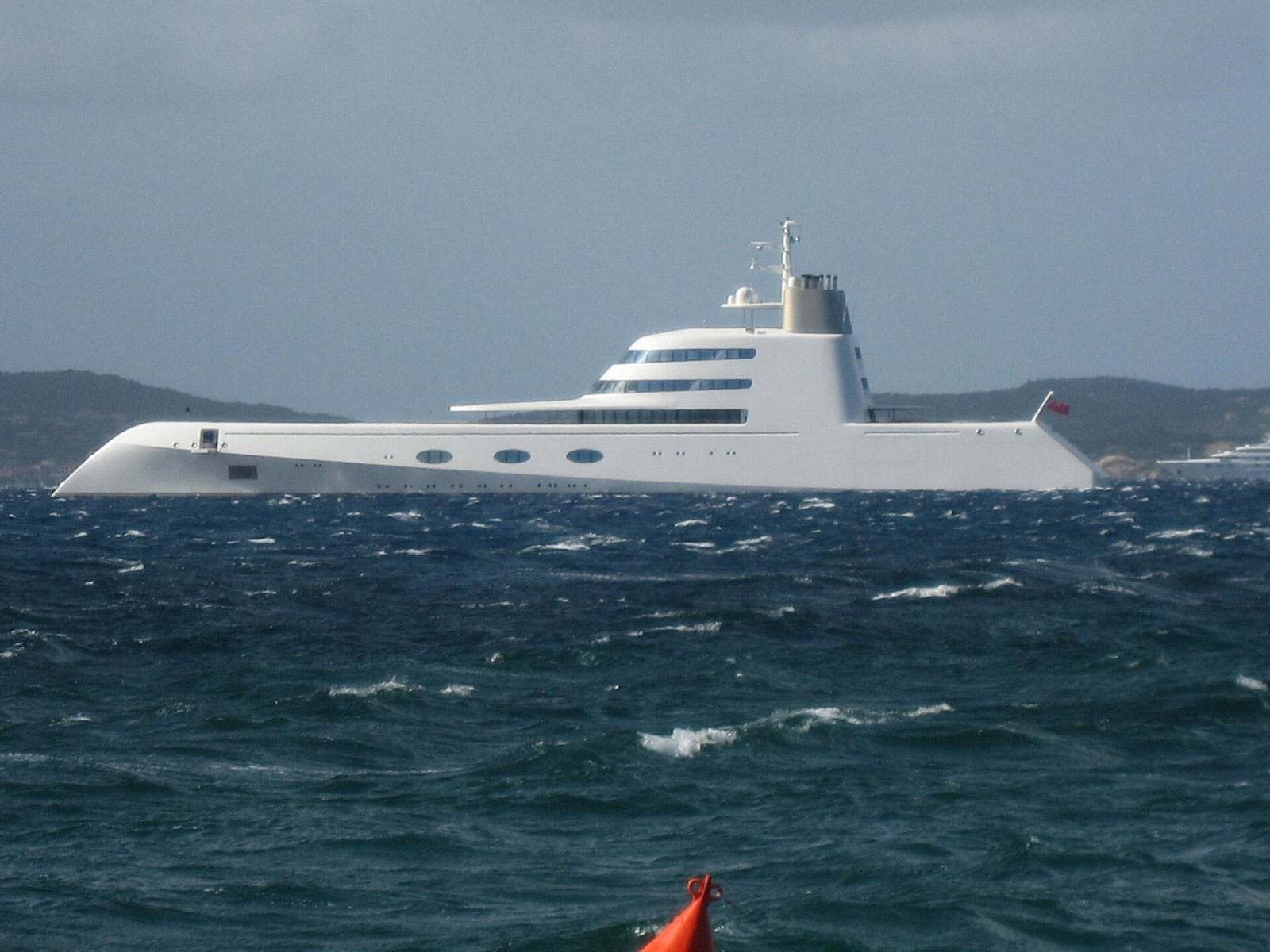
On your visit you definitely shouldn’t miss the local marina, where in the summer season the planet’s biggest and most expensive superyachts drop anchor. A stroll around the harbour is an experience in itself, especially at dusk when everything lights up and the atmosphere takes on a slightly snobbish, yet undeniably magical air. Be sure to stop by the little church of Stella Maris, which rises above the harbour and offers a wonderful view over the whole bay full of pristine white boats.
2. Spiaggia del Principe, the prince’s favourite
This beach took its name from Prince Aga Khan himself, for whom it was supposedly the absolute most beloved spot on the entire coast. As you approach it along the stony path scented with juniper, you’ll understand why immediately, because the sight of the wide-open bay with white sand and incredible shades of blue will simply take your breath away. The beach is split into two parts by a small rocky promontory and is largely sheltered from the unpleasant wind.
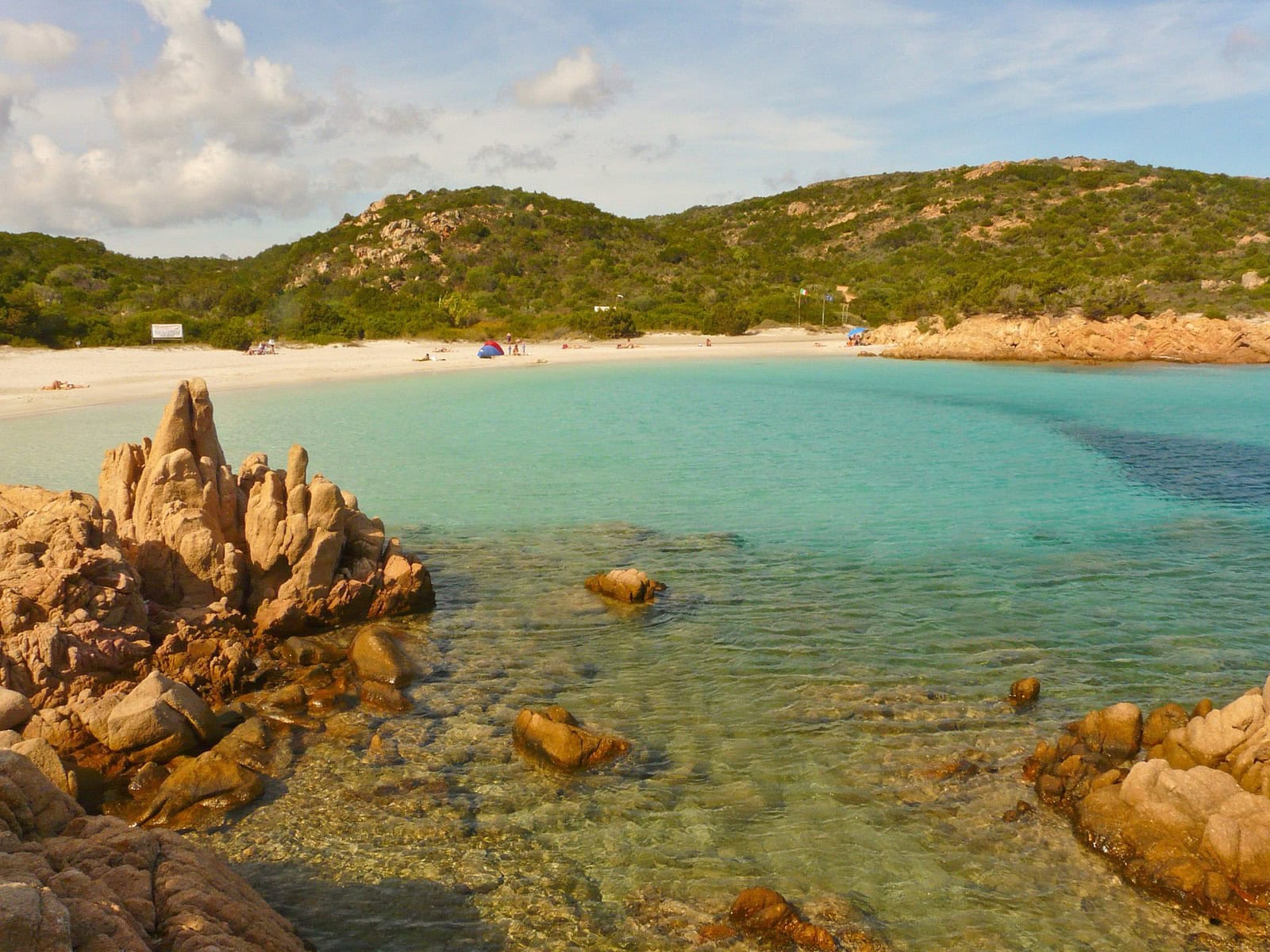
Parking here in high season can be a bit of a battle, which is why travellers advise arriving as early in the morning as you can, ideally around eight o’clock. The car park itself is paid, and from there a roughly ten-minute walk downhill awaits you. Even though the Costa Smeralda is a symbol of exclusivity, entry to this gorgeous beach is completely free and open to everyone, so you can enjoy that genuine millionaire feeling even with an ordinary towel and your own packed lunch.
3. The iconic Capriccioli beach
Capriccioli is actually a cluster of several smaller beaches separated by huge granite boulders polished smooth by wind and water. These rocks often have an almost pinkish hue and, together with the turquoise water, form an absolutely iconic visual contrast that you’ll see on most postcards from this area. The water here is also very shallow and calm, which makes the spot a huge draw for families with younger children.
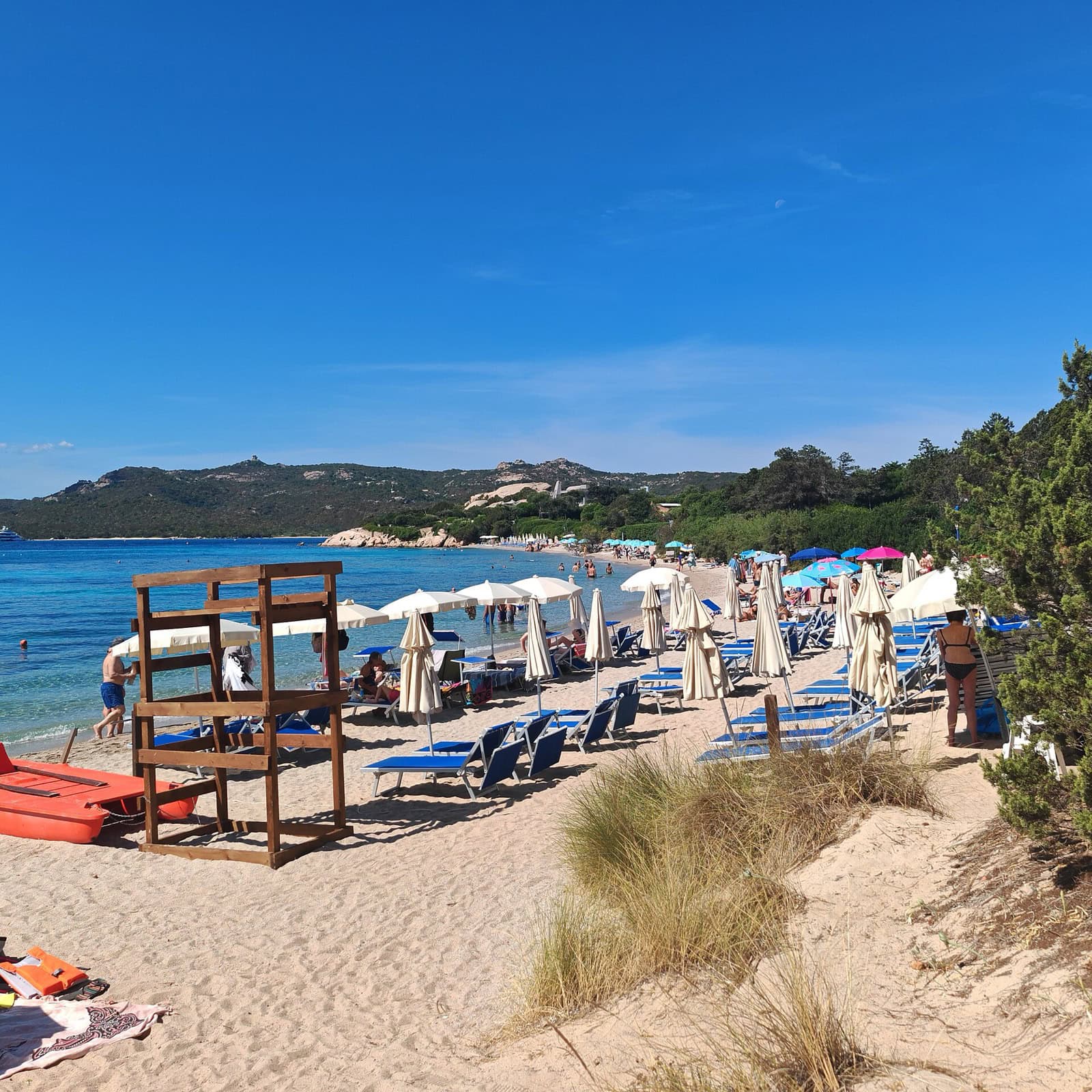
The area is surrounded by a thick grove of old olive trees and pines, which provide that much-needed shade on hot summer days. But once again the early-arrival rule applies, because the parking capacity is severely limited and after ten in the morning you usually have no chance of finding a single free spot. You can rent sun loungers and umbrellas on the beach, but the prices tend to be fairly astronomical given the location.
4. Liscia Ruja with its pinkish sand
If you don’t like small, cramped coves, Liscia Ruja will surely win you over, because it’s the longest beach on the entire Emerald Coast. It stretches more than half a kilometre and in many places its sand has a delicately pinkish tinge, which combined with the crystal-clear water creates a wonderful spectacle. The space is so generous that even in August you can find a little patch all to yourself.
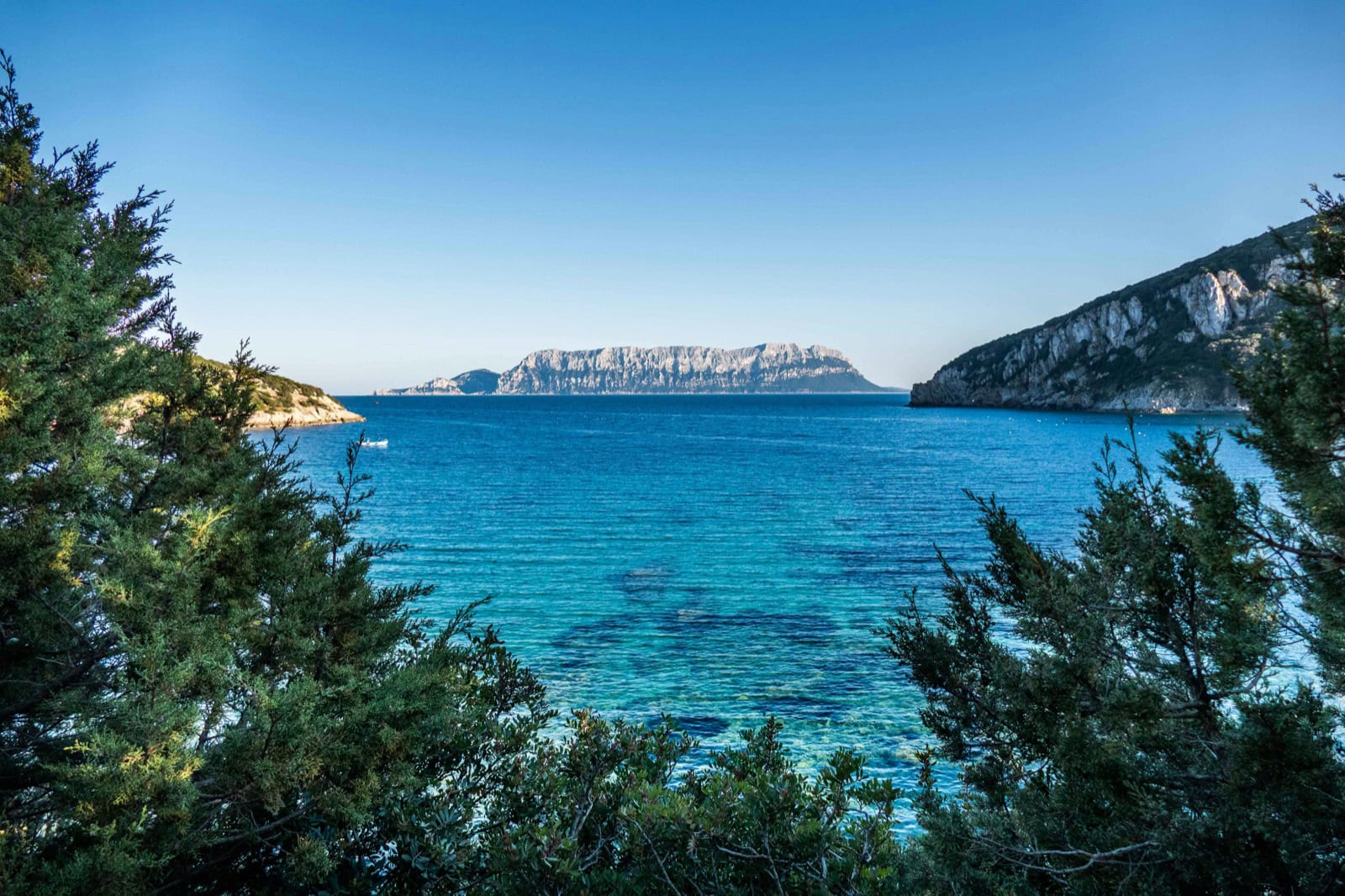
Access to the beach runs along a dusty, unpaved road, for the use of which a fee is often charged in the form of a full-day parking ticket. Liscia Ruja is known for the fact that people don’t just come here to swim, but also to see and be seen — you’ll often come across various beach clubs with music and cocktails. It’s exactly the sort of place where, with a cocktail in hand, you feel like you’re starring in some summery Italian film.
The prettiest beaches of the north-east and San Teodoro
If we move a little south of Olbia, we come across the area around the town of San Teodoro, which competes ably with the Costa Smeralda itself. It’s precisely here that you’ll find the beaches that have earned Sardinia its fond nickname, the European Caribbean. The local coastline is typified by long stretches of fine white sand and water so incredibly clear that you can see for tens of metres.
A big advantage of San Teodoro is the fact that it offers far more favourable prices for both accommodation and food than the upmarket surroundings of Porto Cervo. But you do need to be prepared for the fact that the local authorities are trying to protect the fragile ecosystems from the onslaught of tourists, and so they impose strict daily visitor limits. Planning ahead is absolutely key here, because without a smartphone and a timely reservation you won’t get onto the prettiest stretches of sand in summer at all.
5. Cala Brandinchi, Sardinia’s Little Tahiti
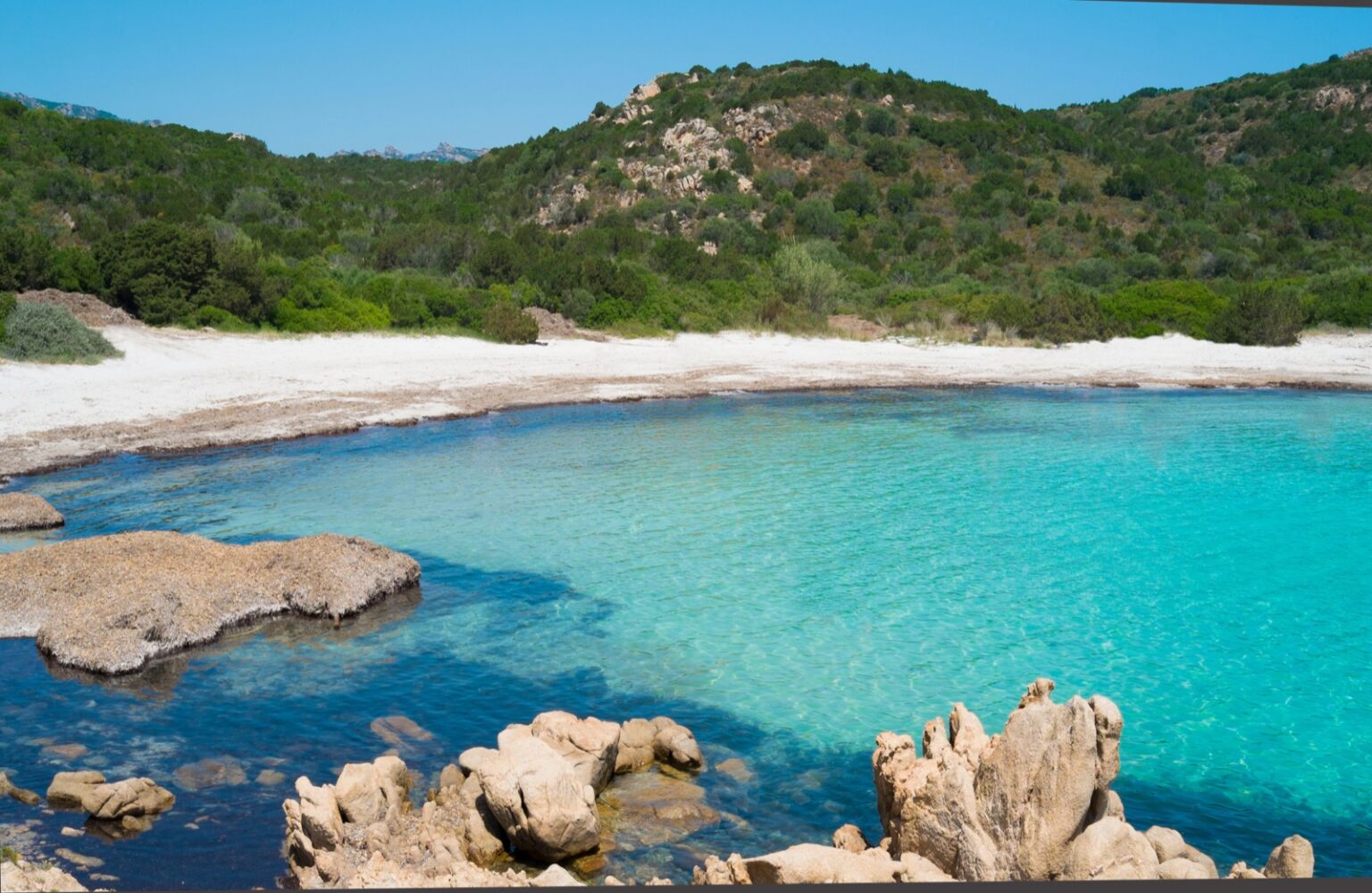
You simply have to see this beach — travellers agree it’s one of the absolute highlights of all Sardinia. Locals quite rightly call it Little Tahiti, because its dazzling white sand and unbelievably shallow, bright turquoise water really do recall the exotic islands of the Pacific. The water here drops away so gradually that even fifty metres from the shore it barely reaches your knees, which is an absolute dream for non-swimmers and families with children.
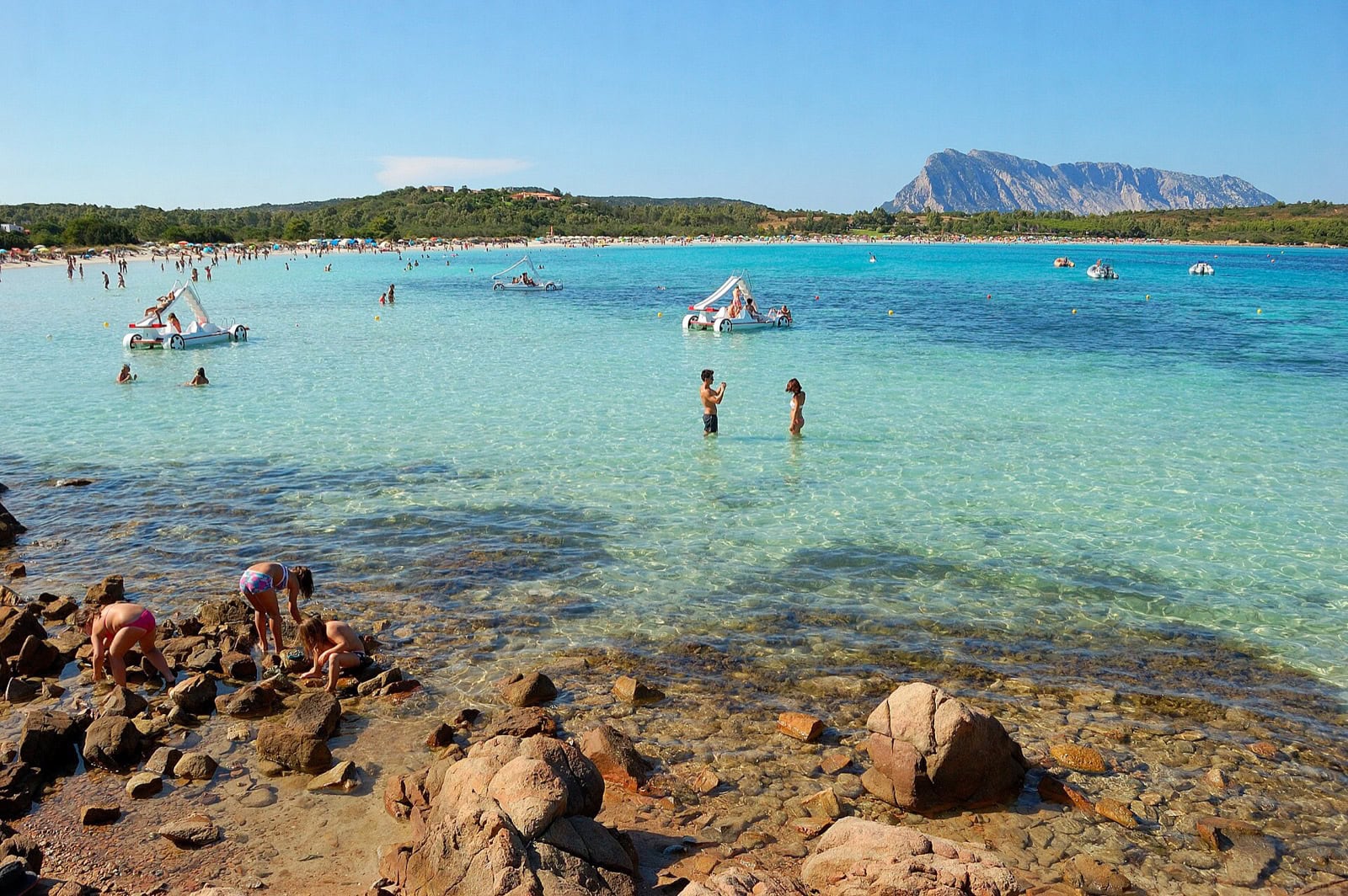
Because Cala Brandinchi is extremely popular, strict rules and a daily visitor limit apply here. From 1 June to 30 September you have to reserve entry in advance via the official San Teodoro app and pay a small environmental fee (always check the exact amounts for the current season on the official website). Without a reservation they simply won’t let you through the barrier on the access road, and you’ll have to drive off empty-handed to try your luck elsewhere.
6. La Cinta and its flamingo lagoon
Right on the edge of San Teodoro lies La Cinta beach, which boasts an incredible length of over three kilometres. It’s an endless ribbon of white powdery sand where you can spend hours on long walks along the sea, collecting tiny shells. Unlike the enclosed coves, a pleasant breeze often blows here, which makes the beach a paradise for lovers of windsurfing and kiteboarding, who come from all over Europe.
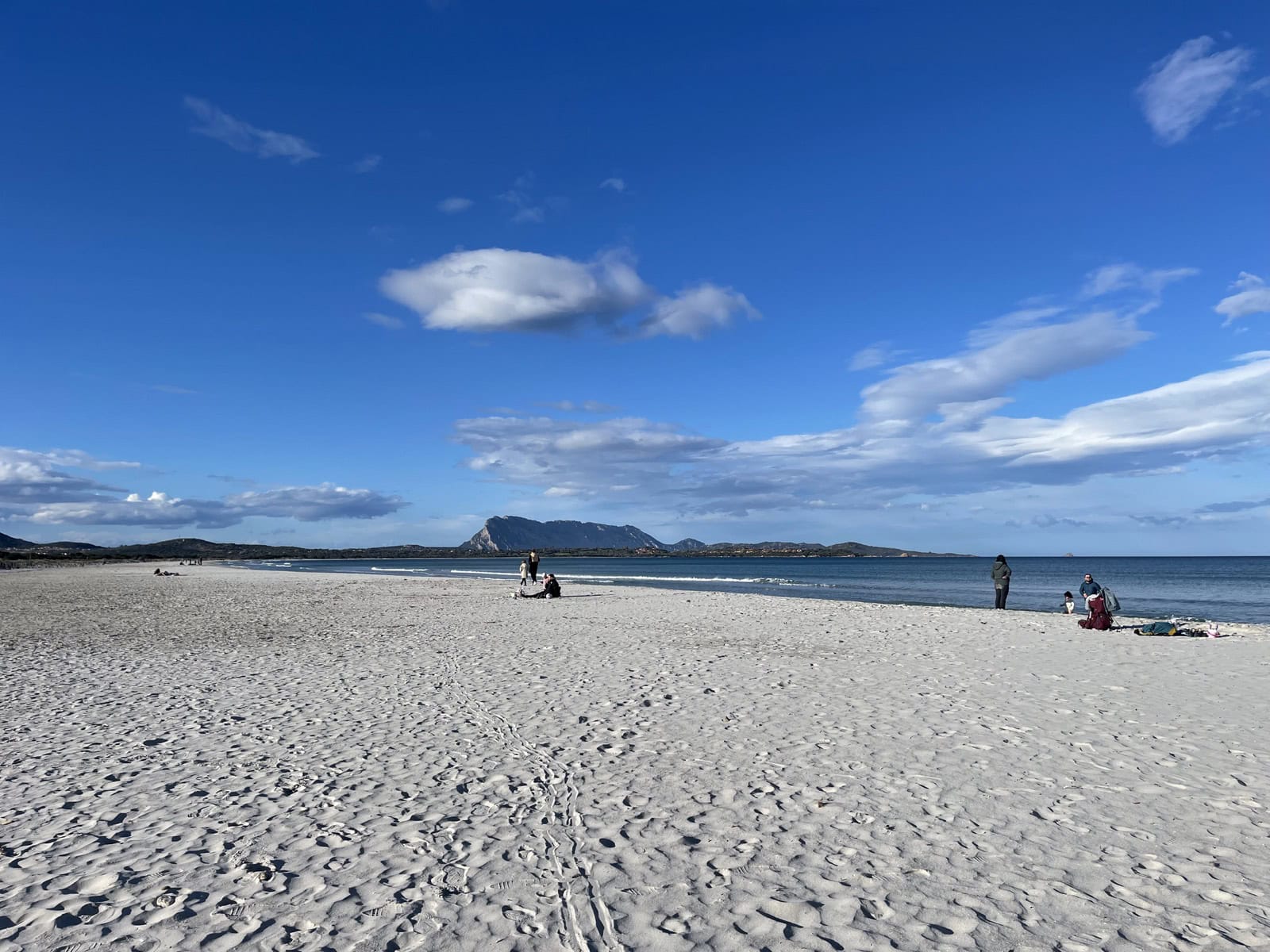
The most interesting thing, though, lies right behind the beach’s sand dunes, where the vast shallow Stagno di San Teodoro lagoon spreads out. If you’re a little lucky, you might spot flocks of wild pink flamingos nonchalantly strolling through the shallow water in search of food. Seeing these elegant birds in the wild with the turquoise sea behind them is an experience you won’t easily forget.
7. Golfo Aranci for a quieter holiday
The Golfo Aranci peninsula, which juts out into the sea north of Olbia, is a slightly overlooked gem that offers a far calmer atmosphere than its more famous neighbours. Originally a small fishing village, it has turned into a likeable resort where mainly Italian families enjoy renting apartments. The area’s biggest draw are the picturesque coves like Cala Moresca or Spiaggia Bianca, which are sheltered from the strong winds and where the water is often as calm as a mirror.
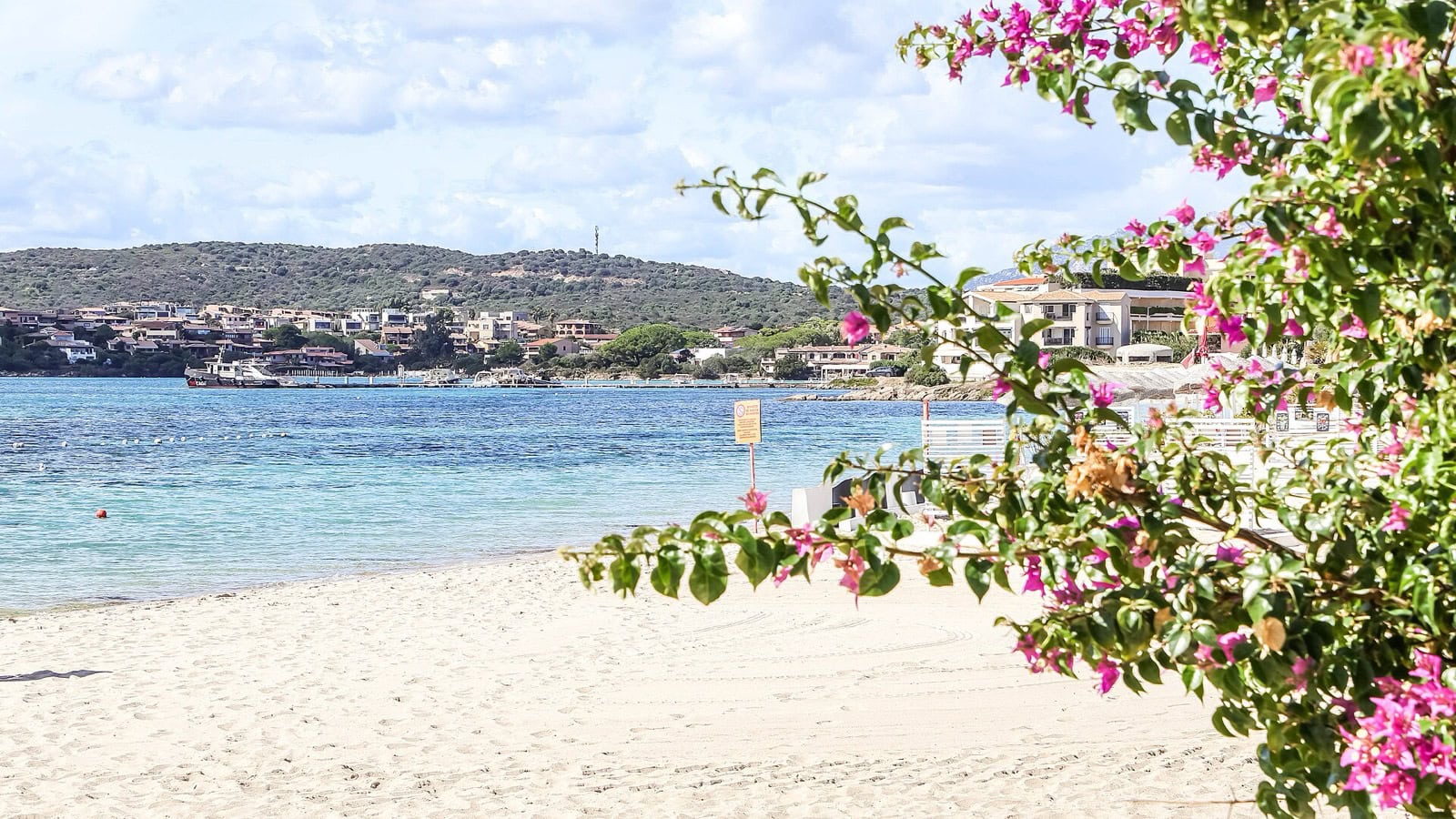
From almost anywhere in Golfo Aranci you’ll have an absolutely fascinating view of the majestic island of Tavolara. This enormous limestone massif rises straight out of the sea to a height of over five hundred metres and resembles a kind of sleeping dragon mountain. According to local legend it’s even the smallest kingdom in the world, ruled by the Bertoleoni family, and you can take a very pleasant full-day boat trip out there.

8. A trip from Palau, the gateway to La Maddalena
The port town of Palau serves as the most important springboard for exploring the La Maddalena Archipelago National Park. Ferries shuttle constantly from the harbour, taking you to the main island in roughly fifteen to twenty minutes, which is ideal for a day of exploring by car. But if you want to see the most remote and beautiful little islands, definitely book a full-day boat trip — dozens are on offer at the harbour.
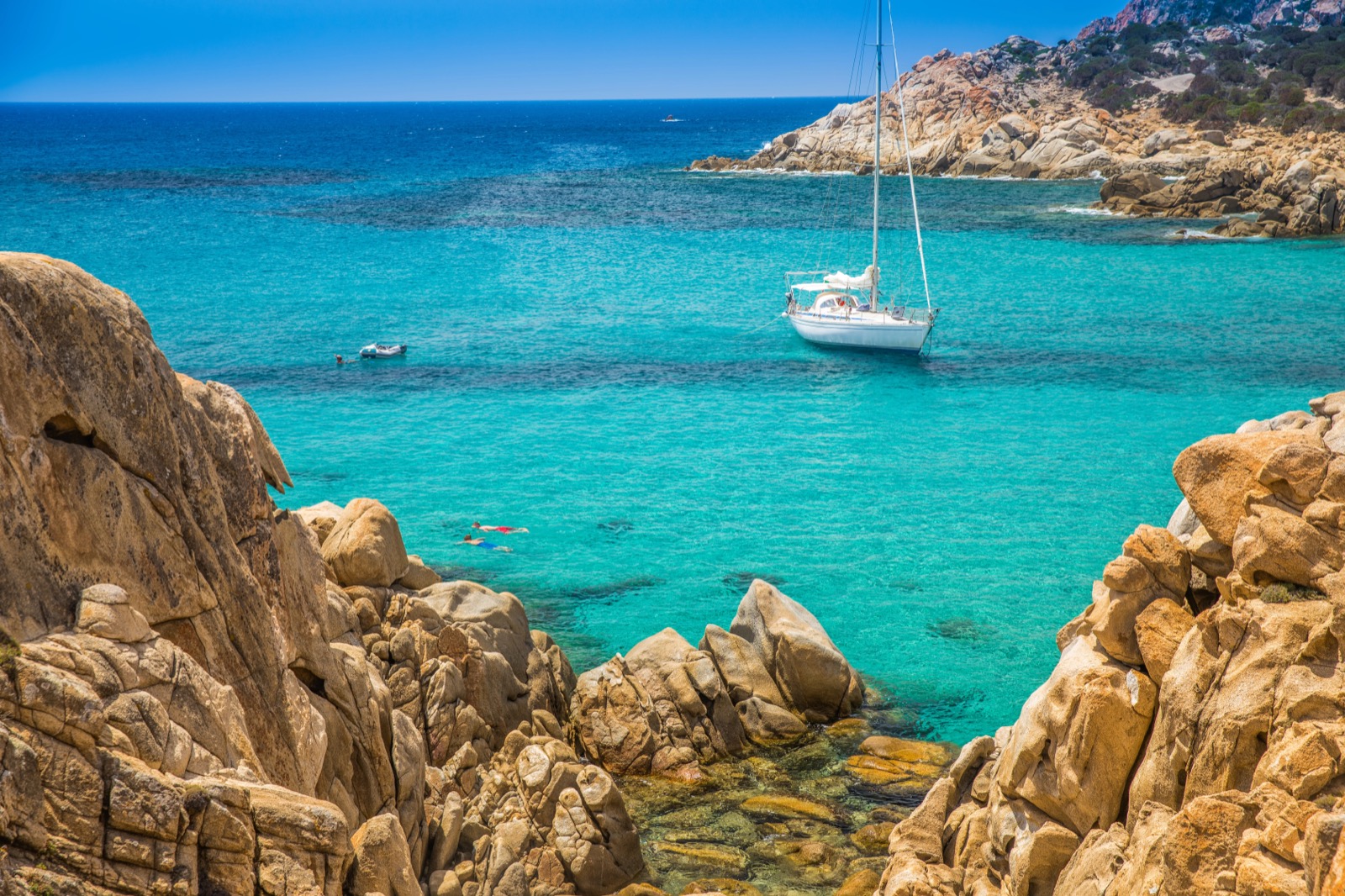
During the cruise the guides will point out the legendary Spiaggia Rosa, or Pink Beach, on the islet of Budelli. The sand here got its unique colour from the crushed shells of microscopic sea creatures, but sadly today you can only photograph it from the deck of the boat. Since 1998 there’s been a strict entry ban — you’re not even allowed to swim within 70 metres — and if you were thinking of taking a little of that pink sand home as a souvenir, you risk an astronomical fine of up to €3,500.
Map of points of interest for your phone
Santa Teresa Gallura, Capo Testa and the wild north
The very north of the island shows Sardinia in a rather different, considerably rougher and wilder light. The coast here is constantly lashed by the north-westerly mistral wind, which over the millennia has sculpted the most bizarre rock formations you can possibly imagine. Forget the manicured lawns of the Costa Smeralda — here untamed nature reigns, with endless views of a stormy sea and dramatic cliffs.
This area is strategically brilliant if you fancy combining a visit to Italy with a touch of French charm. From the port of Santa Teresa Gallura, ferries sail every day to neighbouring Corsica, specifically to the gorgeous town of Bonifacio, which clings to the very edge of white limestone cliffs. The crossing takes just under fifty minutes and it’s one of the most popular day trips in all of Sardinia.
9. Santa Teresa Gallura and Rena Bianca beach
The town of Santa Teresa Gallura has a wonderful, almost bohemian atmosphere, and its focal point is a lively square full of cafés where the locals gather in the evenings. Just below the town lies the town beach of Rena Bianca, which boasts a Blue Flag award for its exceptionally clean water. The dazzling white sand here contrasts with the deep blue sea, and in good visibility you can supposedly see all the way to the white cliffs of Corsica mentioned earlier.
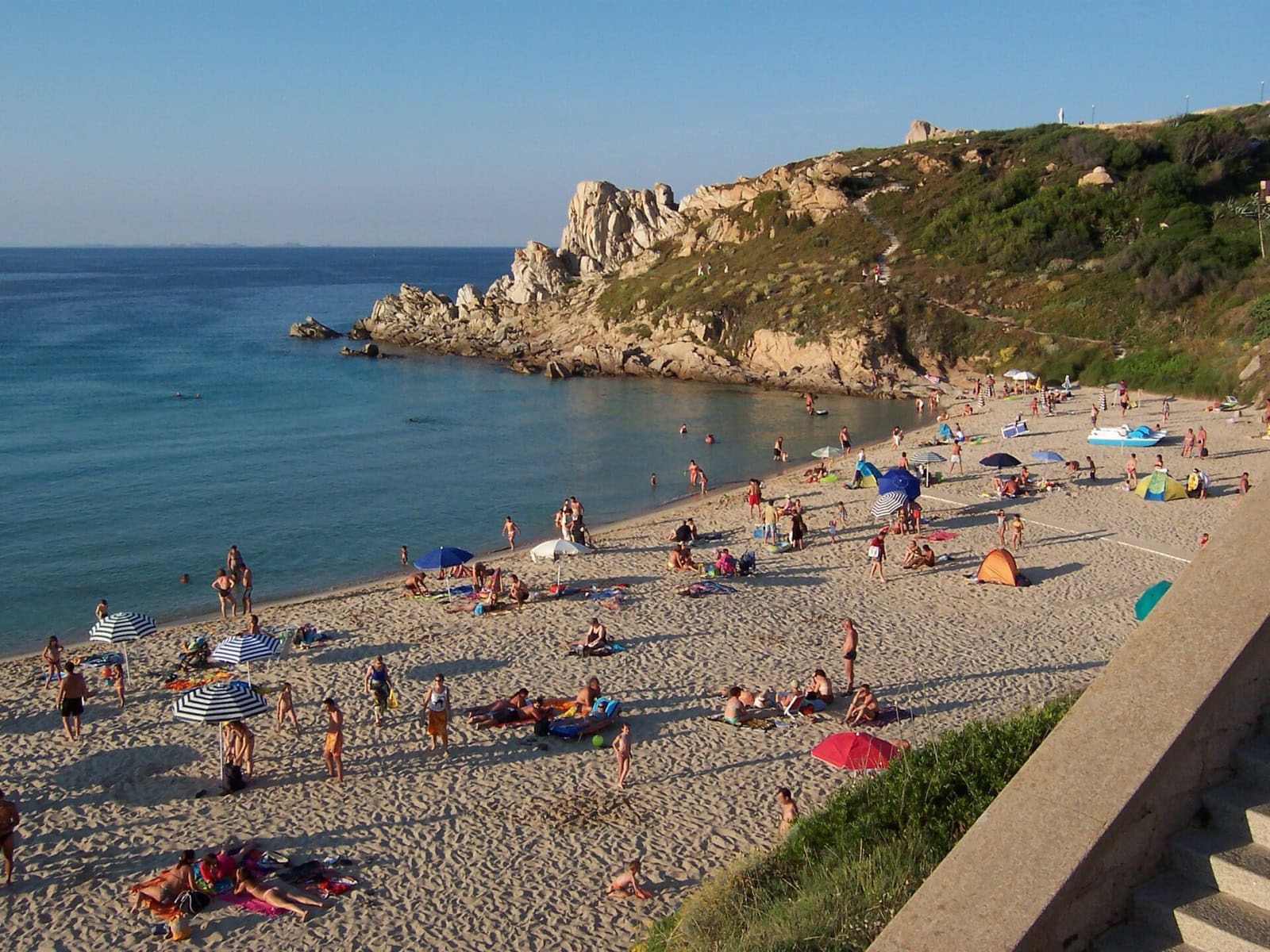
Above the beach proudly rises the old Aragonese watchtower Torre di Longonsardo from the sixteenth century. It’s worth the climb up to it mainly at dusk, because the cliffs around it offer the prettiest views over the whole bay and you can see deep into the Strait of Bonifacio. It’s a favourite spot for photographers and romantics, who come here to watch the boats passing between the two islands.
10. The lunar landscape of Capo Testa
Just a few kilometres from Santa Teresa lies the Capo Testa peninsula, which will literally take a lot of travellers’ breath away. Nature has carved a place out of the huge granite boulders here that looks like the surface of some alien planet. The rocks have smooth, rounded shapes and often resemble various animals or human faces — you just need a touch of imagination as you wander the narrow paths between them.
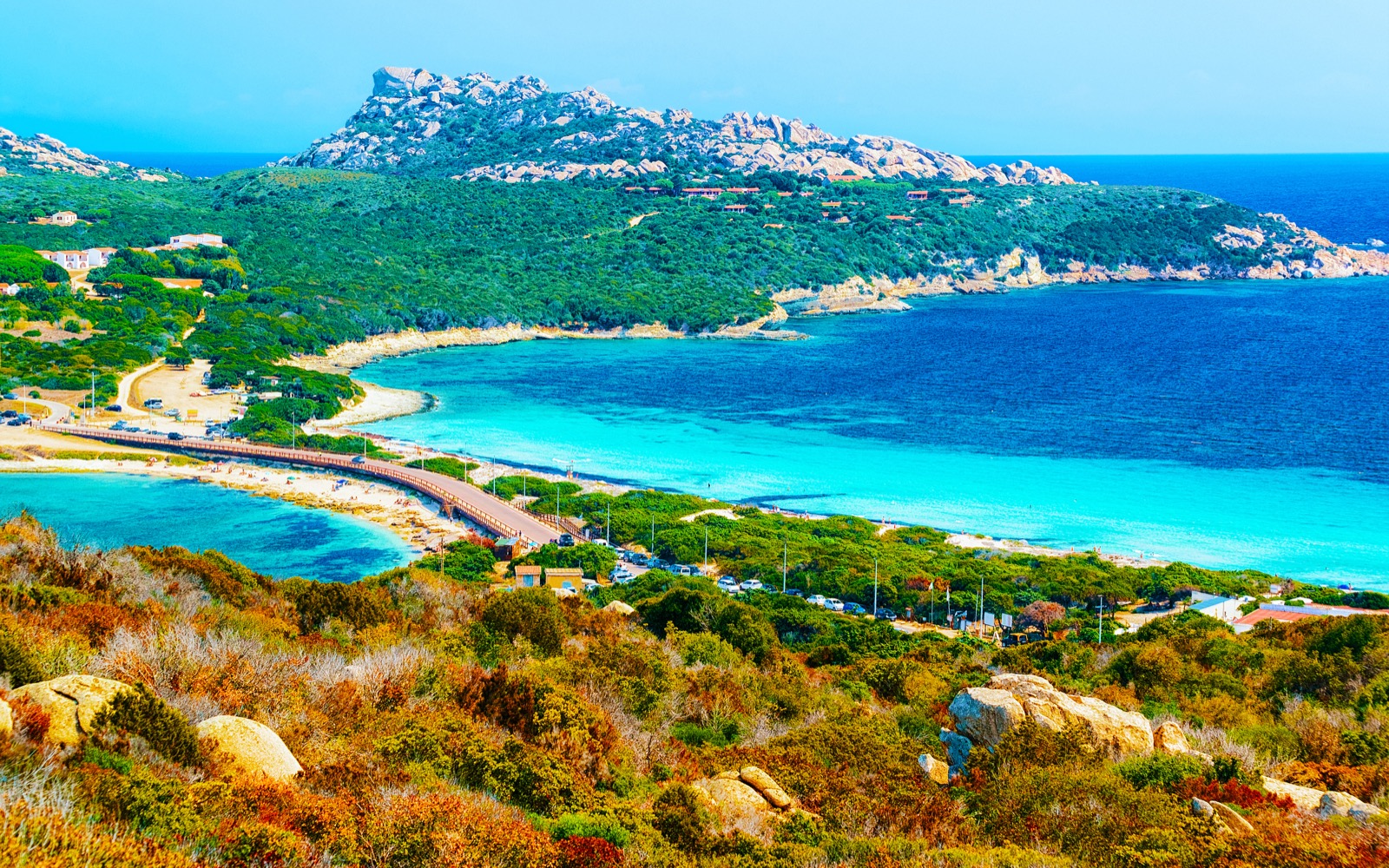
At the very tip of the peninsula stands a solitary white lighthouse, which lends the whole place an almost melancholy feel. People who know the area well recommend arriving about an hour before sunset and finding a comfortable spot on one of the sun-warmed rocks. Watching the setting sun turn the whole lunar landscape into fiery orange shades is one of the most powerful experiences you can take away from here.
11. Olbia and the Basilica of San Simplicio
Most tourists treat Olbia as just a necessary evil, where they step off the plane and dash to the car rental as fast as they can so they can head off to the sea. That’s a huge shame, though, because this port town definitely has plenty to offer. Its main artery is the lively shopping avenue Corso Umberto, lined with historic houses and small boutiques, which in the evening transforms into one big pedestrian zone full of restaurants and street performers.
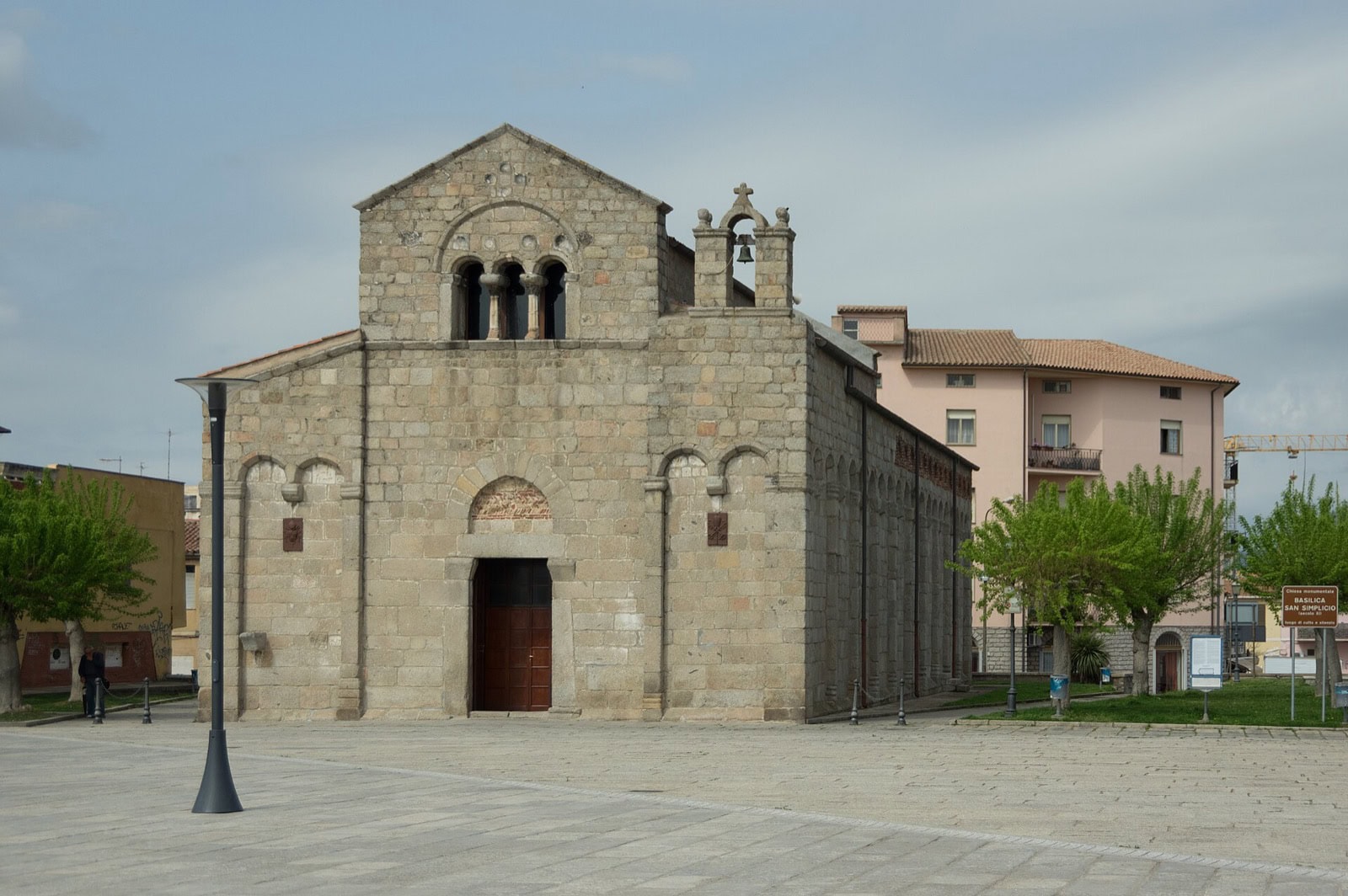
The town’s greatest historical jewel is undoubtedly the Romanesque Basilica of San Simplicio, which dates from the eleventh century and is built entirely from roughly hewn blocks of local grey granite. It’s the oldest and most important religious building in the entire Gallura region, and its austere yet majestic interior offers wonderful calm and an escape from the summer heat. Beneath the basilica an extensive ancient necropolis was also recently discovered, which is certainly worth a short visit.
12. The Bear Rock at Palau, or Roccia dell’Orso
Our final tip takes us a little way back to the area around the port of Palau, home to one of the most famous natural monuments on the whole island. Roccia dell’Orso, or Bear Rock, is a huge granite formation hollowed out by erosion, which from the right angle perfectly resembles a giant bear gazing out towards the sea. This rock was even known to the ancient Greek seafarers, who used it as an important navigation point on their voyages.
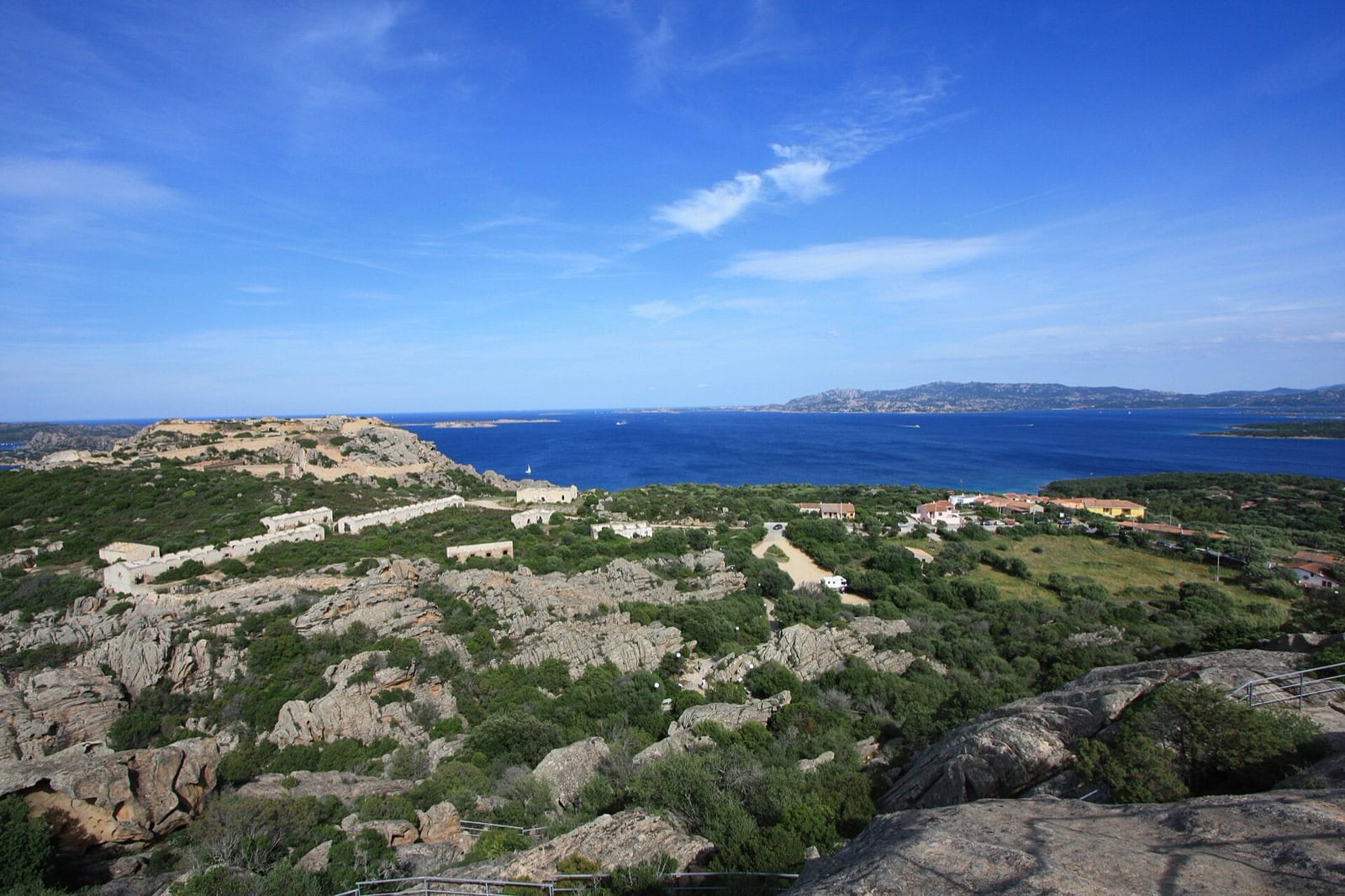
A well-maintained paid trail leads up to the rock, winding uphill, and the climb itself takes around fifteen minutes. Your reward for a little sweat isn’t just the encounter with the stone bear, but above all an absolutely fantastic panoramic view over the whole La Maddalena archipelago, Corsica and the turquoise bay far below you. A strong wind blows here almost constantly, so don’t forget to pack a light jacket even in high summer.
What to taste in north-eastern Sardinia
The cuisine of Sardinia is a chapter all of its own, and it would be a huge mistake to dine only on international fare at your hotel. The cornerstone of the Sardinian table is traditional shepherd’s bread, pane carasau, which are extremely thin and crispy flatbreads sometimes nicknamed “music paper” for their thinness. You’ll find these flatbreads on the table in just about every restaurant before you’ve even managed to order your food.
If, like us, you prefer meat-free dishes, you have to seek out the absolute Sardinian marvel called culurgiones. These are hand-pleated pasta parcels whose shape resembles an ear of wheat, filled with a truly genius mix of potato, fresh mint and pecorino cheese. For dessert, don’t miss seadas — large golden-fried ravioli filled with young cheese, drizzled while still warm with a generous dose of bittersweet strawberry-tree honey.
Good food here goes hand in hand with wine, and in the north of the island the clear king is the white wine Vermentino di Gallura. It’s incidentally the only wine in Sardinia to boast Italy’s highest DOCG certification, and its mineral, slightly salty taste pairs perfectly with the local climate. On the menus you’ll commonly come across typical local specialities like roast suckling pig (porceddu) or dried fish roe (bottarga), delicacies the locals are immensely proud of and have been preparing for hundreds of years.
Where to go next
If Sardinia has caught your eye and you’d like to explore its beauty in even more depth, or you’re considering a trip to the neighbouring islands, be sure to check out our other articles. They’ll help you plan your whole itinerary, break down the best beaches in detail or prepare you for how things work just next door on French soil.
 🚗 Car rental on the road
Verified rental cars in Sardinia
🚗 Car rental on the road
Verified rental cars in Sardinia
Search with the DiscoverCars comparison engine — it compares prices from dozens of local and international rental companies, and most bookings come with free cancellation.
Compare car prices in Sardinia →Frequently asked questions
What to see on the Costa Smeralda?
The foundation is the luxurious town of Porto Cervo with its famous marina full of superyachts and designer boutiques. Among the beaches, you absolutely must visit Spiaggia del Principe, the rocky Capriccioli, or the long sandy beach of Liscia Ruja with its pinkish sand. The architecture of the entire coast in the style of Sardinian villages is a major attraction in itself.
Is Costa Smeralda expensive?
Yes, Costa Smeralda is hands down the most expensive region in all of Sardinia. During July and August, accommodation and service prices here typically jump by 40 to 100% compared to the rest of the island. If you’re on a tighter budget, it’s better to stay in surrounding areas like San Teodoro or visit outside the peak summer season.
Which are the most beautiful beaches in northeastern Sardinia?
Besides the beaches right on the Costa Smeralda, the absolute top-tier beaches are those around San Teodoro, especially Cala Brandinchi and La Cinta with its adjacent lagoon. Also very popular is the town beach Rena Bianca in Santa Teresa Gallura or the amazing shallow bay Cala Moresca near Golfo Aranci.
What is Little Tahiti in Sardinia?
The nickname Little Tahiti belongs to Cala Brandinchi beach near the town of San Teodoro. It earned this name thanks to its dazzlingly white sand, pine trees, and incredibly shallow turquoise water that truly resembles the Polynesian islands. During the summer season, advance booking is required through a special app.
Is Santa Teresa Gallura worth it?
Definitely yes. It’s a strategic little town in the very north of the island with the beautiful Rena Bianca beach and a lively center. It’s also an ideal base for trips to the stunning moon-like landscape on the Capo Testa peninsula, and Moby ferries depart daily from here to nearby French Corsica.
How to get from Costa Smeralda to the La Maddalena archipelago?
The best and fastest way is to drive to the port town of Palau (it’s about half an hour’s drive from Porto Cervo). From Palau, regular ferries continuously shuttle to the main island of La Maddalena, the journey takes only about 15 to 20 minutes. Alternatively, you can book a full-day boat cruise in Palau around the most beautiful bays of the national park.
Where to stay in northeast Sardinia?
If you’re not dealing with a budget and seeking luxury, the area around Porto Cervo is the clear choice. For a better price-to-performance ratio with excellent beach accessibility, San Teodoro is ideal, plus it’s great for families. If you want to explore the wild north or the islands, look for a base around Santa Teresa Gallura or Palau. A huge advantage is having accommodation close to official information centers, where they can advise you on current beach capacity limits.
Tips and Tricks for Your Vacation
Don’t Overpay for Flights
Search for flights on Kayak. It’s our favorite search engine because it scans the websites of all airlines and always finds the cheapest connection.
Book Your Accommodation Smartly
The best experiences we’ve had when looking for accommodation (from Alaska to Morocco) are with Booking.com, where hotels, apartments, and entire houses are usually the cheapest and most widely available.
Don’t Forget Travel Insurance
Good travel insurance will protect you against illness, accidents, theft, or flight cancellations. We’ve had a few hospital visits abroad, so we know how important it is to have proper insurance arranged.
Where we insure ourselves: SafetyWing (simple monthly subscription) and TrueTraveller (for extra-long trips).
Find the Best Experiences
Get Your Guide is a huge online marketplace where you can book guided walks, trips, skip-the-line tickets, tours, and much more. We always find some extra fun there!