Germany and wellness? These two go together like a perfect Sunday roast. Just think about it — over 350 spa towns, thermal springs that have been bubbling up since the days of ancient Rome, and a culture of relaxation taken to absolute perfection. While the rest of the world is only just discovering Scandinavian saunas and Japanese onsens, the Germans have been blissfully soaking in hot water for a few millennia already. And along the way, they’ve layered in the very best of modern wellness — from medical spas with doctor-led programmes to alpine resorts with panoramic pools and thermal complexes the size of a small town.
Wellness hotels in Germany offer something you’d struggle to find anywhere else: a combination of Germanic precision, natural thermal springs, and an astonishingly varied range of experiences. Fancy tucking into a sauna deep in the Black Forest? Swimming in healing sulphurous water? Or being pampered at an ultra-luxury resort that once hosted the G7 summit? Germany has all of this — and then some.
In this article you’ll find 12 carefully chosen tips for the best wellness hotels in Germany — from the colossal Therme Erding to the hidden gem Das Kranzbach and the legendary Brenners Park in Baden-Baden. For each one I’ve included practical details on prices, ratings, and who it suits best. Let’s dive in! ☺️
TL;DR
- Therme Erding — Europe’s largest thermal complex (185,000 m²). Hotel Victory Therme Erding offers themed rooms right inside it, from 230 EUR/night including entry.
- Schloss Elmau — ultra-luxury retreat with 6 spas, live concerts, and 2 Michelin stars, from 590 EUR/night.
- Das Kranzbach — Germany’s highest-rated wellness hotel (RELAX GUIDE 4 lilies), absolute peace on a private mountain meadow, from 490 EUR/person including full board.
- Bachmair Weissach — Germany’s first authentic Japanese onsen, Condé Nast Award 2025, from approx. 600 EUR/night.
- Lanserhof Tegernsee — repeatedly named the world’s best medical spa, from 500+ EUR/night.
- Kempinski Berchtesgaden — luxury above the clouds with views of the Watzmann, from 400 EUR/night.
- Sonnenalp Resort — 20,000 m² wellness complex in Allgäu, one of the largest in Germany, from 310 EUR/night.
- Das König Ludwig — adults-only with views of Neuschwanstein, Booking 9.4/10, from 430 EUR/night.
- Hotel Bareiss — 3 Michelin stars for the restaurant + spa in the Black Forest; a foodie’s paradise.
- Luisenhöhe — medical wellness with sweeping views above Freiburg, 4,400 m² spa, 2 Michelin Keys.
- Brenners Park-Hotel & Spa — a Baden-Baden icon since 1872, Booking 9.6/10, from 475 EUR/night.
- Ortner’s Resort — its own sulphur spring in Bad Füssing, best value for money, from 240 EUR/night.
- Best time to visit: autumn and winter, ideally on weekdays.
- Good to know: nudity is the rule in German saunas — including mixed-gender areas!
The full destination guide: Germany — guide and what to see
How to Choose a Wellness Hotel in Germany — What to Look For
Before we get into the specific recommendations, let’s clear up a few things that will save you time, money, and possibly a few awkward moments. Because wellness in Germany isn’t simply “pool and sauna” — it’s a whole ecosystem with its own rules, traditions, and (for some visitors) rather surprising customs.
Types of Wellness — What Are You Looking For?
Thermal spas — Germany has hundreds of thermal springs. The largest complexes are in Bavaria (Therme Erding, Bad Füssing, Therme Bad Aibling) and Baden (Baden-Baden). Perfect if you want a mix of relaxation and fun — water slides, wave pools, sauna worlds.
Alpine wellness — mountain resorts in the Bavarian Alps and Allgäu with panoramic pools, crisp mountain air, and the chance to combine spa time with hiking or skiing. Picture this: you’re floating in a warm outdoor pool, snow is falling all around you, and jagged alpine peaks rise up before you. Arguably the most beautiful form of rest that exists.
Kneipp wellness — a tradition founded by Sebastian Kneipp, built on 5 pillars (water, movement, nutrition, herbs, and balance). It has been on the UNESCO Intangible Cultural Heritage list since 2015. The spiritual home is Bad Wörishofen — if you’re curious about Therme Bad Wörishofen, it’s the ideal starting point for exploring this philosophy.
Medical spa — for those who take wellness seriously. Doctor-led programmes, detox, longevity, diagnostics. Lanserhof Tegernsee is the absolute world leader in this category.
Luxury hotel spa — classic hotel wellness at the highest level. Brenners Park, Schloss Elmau, Hotel Bareiss — here it’s about the whole experience: fine dining, impeccable service, stunning interiors, and atmosphere.
When to Go — Season Makes a Big Difference
The best time for a wellness break in Germany is autumn and winter — October through March. Outside it’s grey, cold, and miserable; inside you’re wallowing in hot thermal water. Absolute bliss. Summer is great for alpine resorts, where you can combine spa days with hiking. The golden rule: go on weekdays. At weekends, thermal complexes — especially the big ones like Therme Erding — can get seriously crowded. And dodging German school holidays is doubly important; bear in mind they vary by federal state.
Price Range — Something for Every Budget
German wellness hotels cover the full spectrum:
- Budget thermal: from 130 EUR/night (e.g. Hotel Holzapfel in Bad Füssing)
- Mid-range: 200–400 EUR/night (Ortner’s Resort, Hotel Victory Therme Erding)
- Luxury: 400–700 EUR/night (Kempinski, Das König Ludwig, Brenners Park)
- Ultra-luxury: 700+ EUR/night (Schloss Elmau, Bachmair Weissach)
Important: Nudity in German Saunas Is the Rule!
I need to mention this upfront, because it catches plenty of visitors off guard. In German saunas, swimwear is not allowed. That applies even in mixed-gender areas where men and women share the same space. Swimsuits are considered unhygienic (synthetic fabrics release unwanted substances in the heat). If that doesn’t appeal to you, stick to the pool area — swimwear is compulsory there. But honestly, most guests are surprised by how quickly they get used to it. Everyone around you behaves completely naturally, and nobody is remotely interested in what you look like. Just relax ☺️
Comparison Table: All 12 Hotels at a Glance
| Hotel | Region | Type | Price/night for 2 | Rating | Best for |
|---|---|---|---|---|---|
| Hotel Victory Therme Erding | Bavaria | Thermal | from 230 EUR | Booking 9.0 | Couples, families, fun |
| Schloss Elmau | Bavaria (Alps) | Ultra-luxury | from 590 EUR | T+L #2 Spa 2025 | Couples, culture, luxury |
| Das Kranzbach | Bavaria (Alps) | Alpine luxury | from 490 EUR/person | RELAX GUIDE 4 lilies | Couples, total seclusion |
| Bachmair Weissach | Bavaria (Tegernsee) | Japanese onsen | from 600 EUR | Condé Nast 2025 | Couples, luxury, wellness |
| Lanserhof Tegernsee | Bavaria (Tegernsee) | Medical spa | from 500+ EUR | RELAX GUIDE 4 lilies | Detox, longevity, health |
| Kempinski Berchtesgaden | Bavaria (Alps) | Luxury alpine | from 400 EUR | Michelin Guide | Couples, active holidays |
| Sonnenalp Resort | Allgäu | Alpine resort | from 310 EUR | 5★ | Couples, families, active |
| Das König Ludwig | Allgäu (Schwangau) | Adults-only | from 430 EUR | Booking 9.4 | Romantic couples |
| Hotel Bareiss | Black Forest | Gourmet luxury | on request | Google 4.7, 3 Michelin★ | Foodies, couples |
| Luisenhöhe | Black Forest | Medical wellness | on request | 2 Michelin Keys | Detox, health |
| Brenners Park-Hotel & Spa | Baden-Baden | Historic luxury | from 475 EUR | Booking 9.6 | Absolute luxury |
| Ortner’s Resort | Bad Füssing | Thermal health | from 240 EUR | Booking 9.1 | Health stays, couples |
Bavaria: 6 Wellness Hotels from Therme Erding to Alpine Retreats
Bavaria is Germany’s undisputed wellness hotspot. It has the highest concentration of thermal spas in the country, Alpine scenery thrown in as a bonus, and Bavarian hospitality warm enough to make you overeat (those dumplings!). From the colossal Therme Erding to exclusive mountain retreats — here are the six best wellness hotels in the Bayern region.
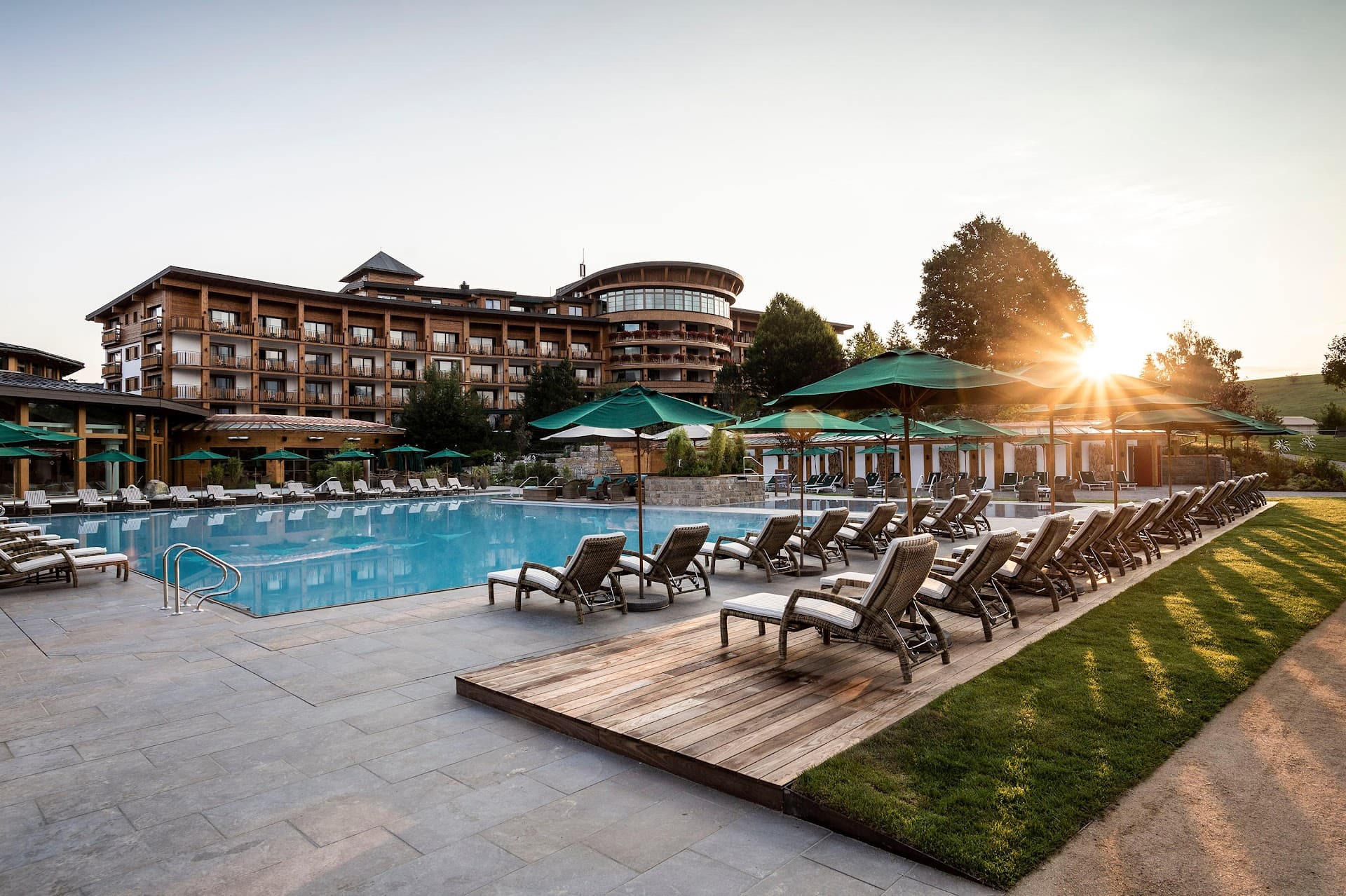
1. Hotel Victory Therme Erding — A Hotel Inside Europe’s Largest Thermal Complex
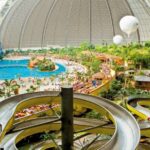
Therme Erding. If you haven’t heard of it yet, brace yourself for some jaw-dropping figures. 185,000 m² (that’s roughly 26 football pitches). 28 pools. 27 water slides. 30 saunas. The largest thermal complex in the whole of Europe — and Hotel Victory Therme Erding sits right inside it. Literally. Step out of your room and you’re in a tropical paradise beneath a vast glass dome.
The hotel is themed as a replica of the British warship HMS Victory and a Venetian palace. Sounds kitsch? Perhaps a little. But reviews suggest it works surprisingly well, and guests rave about the level of detail. There are 6 room types — from the Captain’s Cabin overlooking the wave pool to the Admiral’s Cabin, and romantic Serenissima rooms complete with Venetian frescoes. Families can book child-friendly ship-cabin rooms that’ll have young pirates in seventh heaven 😁
A big perk for hotel guests is early entry — you get into the thermal complex before the general public arrives. You’ll appreciate this, because Therme Erding is wildly popular. The Galaxy zone has 27 slides (some with virtual reality!), VitalOase is a calmer section for guests aged 16+ and VitalTherme is the textile-free sauna world. The water rises from a depth of 2,350 metres and is certified as therapeutic — so it’s not just about fun, it’s genuinely good for you.
Prices and practical info: Rooms from 180 EUR/night (excluding thermal entry), from 230 EUR/night including 2-day access. Entry alone: 24–38 EUR depending on zone; children under 3 free; parking free. Booking rating 9.0/10. The essential tip: visit on a weekday. Therme Erding gets very busy at weekends, especially during the winter months.
2. Schloss Elmau — Ultra-Luxury Retreat with 6 Spas and Concerts Under the Stars
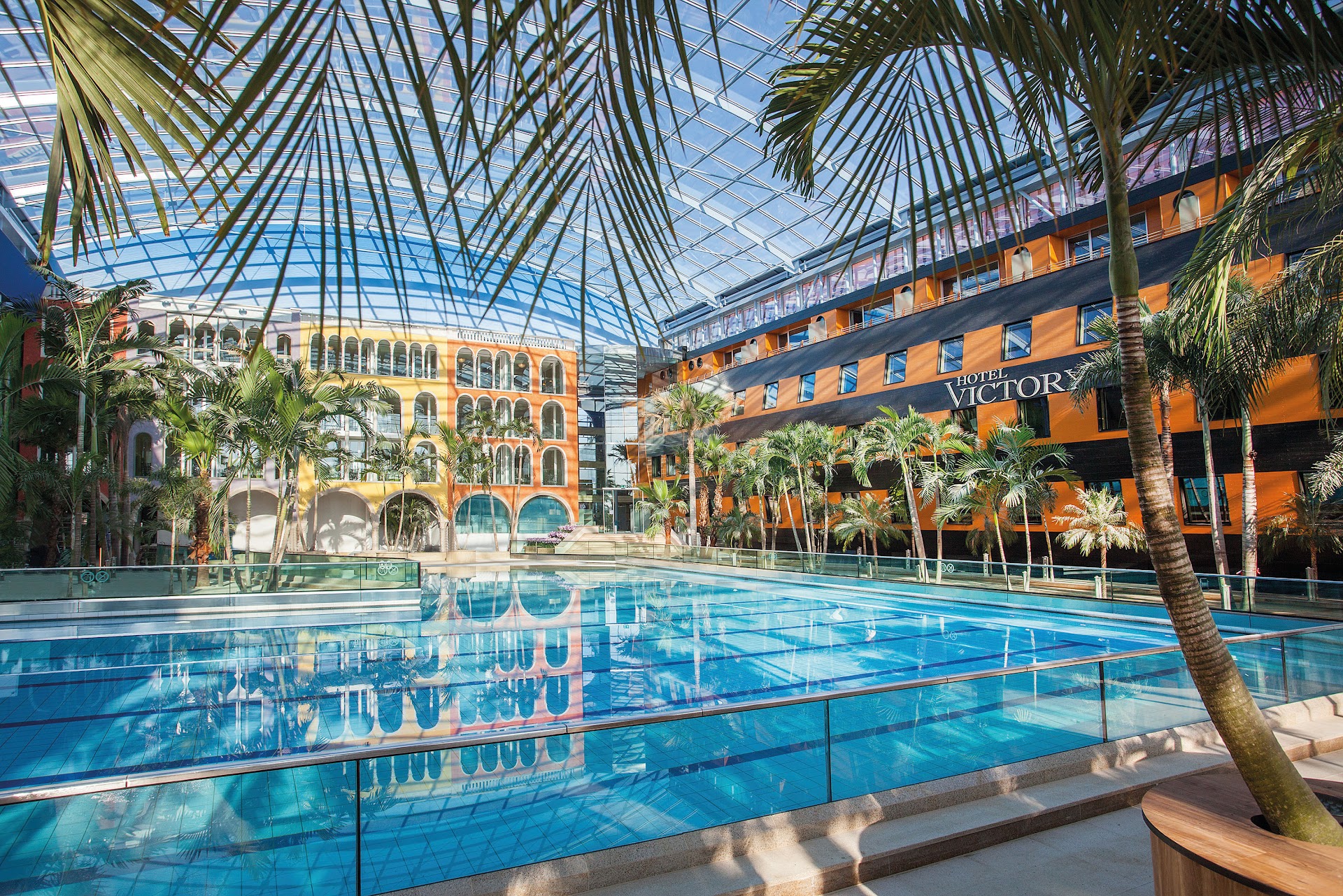
Schloss Elmau isn’t just a hotel. It’s a cultural institution, a wellness sanctuary, a gastronomic experience, and an alpine hideaway — all wrapped up in one magnificent castle at 1,008 metres above sea level near Garmisch-Partenkirchen. And yes, this is the very resort that hosted the G7 summit. If it’s good enough for world leaders, it’s probably good enough for us, right? 😅
What makes Schloss Elmau truly exceptional is its 6 separate spas. Three are adults-only (an oriental hammam, a Japanese onsen, and the Shantigiri Spa inspired by Ayurveda) and three are family-friendly. That means you can come here with children and still find total peace — you just choose a different spa. The rooftop infinity pool with views of snow-capped alpine peaks is probably one of the most photographed hotel pools in Europe. And rightly so.
On top of the spa, there’s the Ikigai by Chris Rainer restaurant with 2 Michelin stars and a unique cultural programme — private classical music concerts, literary readings, and lectures. Guests who’ve stayed here consistently say it’s an experience you simply can’t find anywhere else. Travel+Leisure ranked Schloss Elmau #2 Best International Spa 2025.
Prices and practical info: From 590 EUR/night; half-board from an additional 380 EUR/person. TripAdvisor 4/5. It’s a serious investment — but for the combination of wellness, culture, fine dining, and mountain scenery, it’s hard to find anywhere in Europe that comes close for the money.
3. Das Kranzbach — Germany’s Highest-Rated Hidden Gem
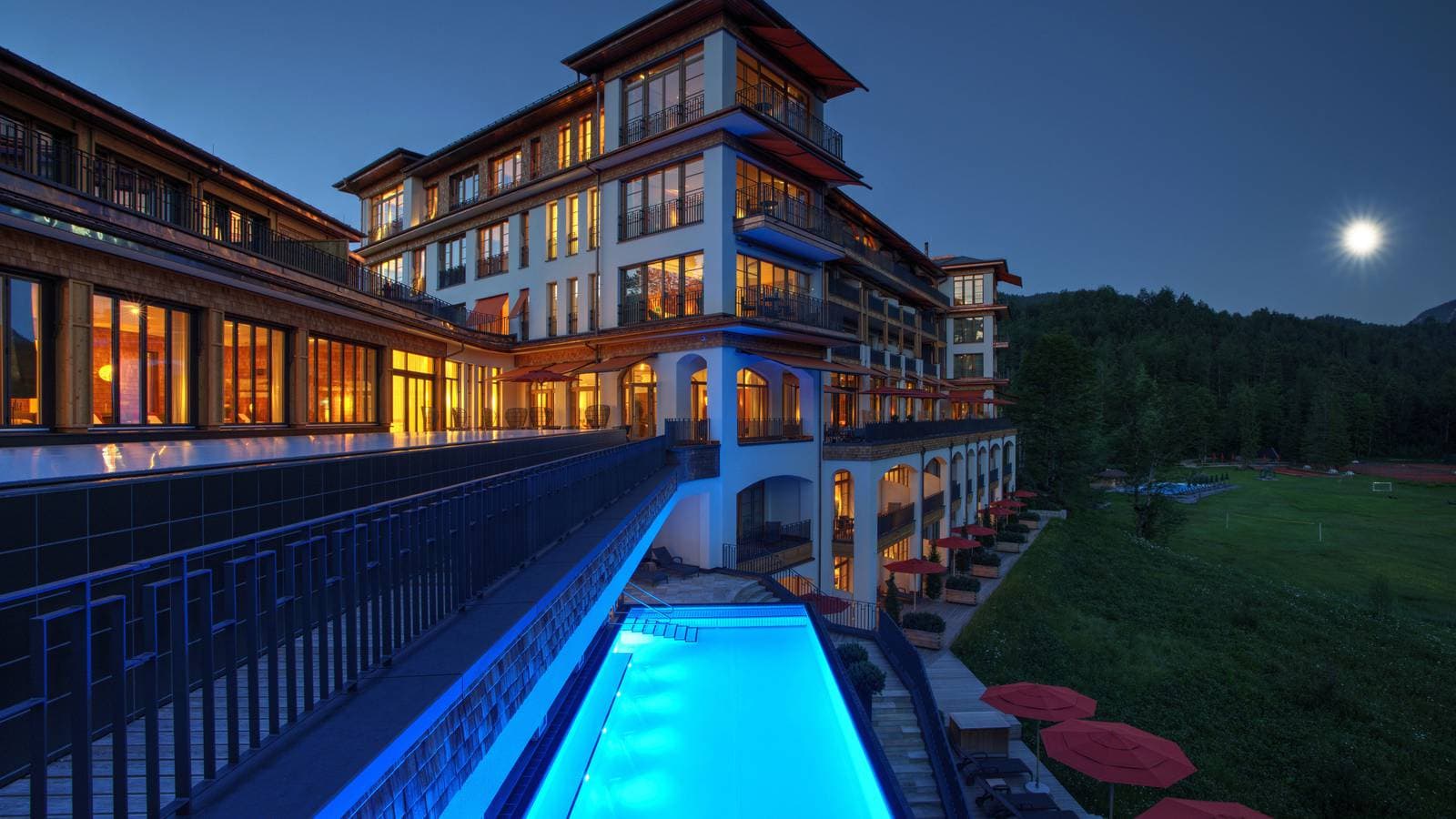
Some hotels you simply can’t stumble upon by accident. Das Kranzbach is one of them — it sits on a private mountain meadow at 1,030 metres above sea level near Krün, accessible only via a private road. No passing traffic, no noise, no outside world. Just you, the mountains, and absolute silence.
The story behind this place is fascinating. The main building was commissioned over 100 years ago by British aristocrat Mary Isabel Portman as her private mountain retreat. Today it’s an adults-only hotel (ages 12+) with 5 pools, 8 saunas, and the highest rating of any hotel in Germany in the prestigious RELAX GUIDE — 4 lilies and 20 points. That says it all.
What repeatedly wows guests at Das Kranzbach: full board is included in the price. A gourmet breakfast, a light lunch, afternoon tea with homemade pastries, and a 5-course dinner — all included. The minimum stay is 2 nights, and honestly, you wouldn’t want to leave any sooner.
Prices and practical info: From 490 EUR/person including full board. Booking rating is outstanding. For couples seeking absolute privacy and quiet, Das Kranzbach is probably the finest wellness hotel Bavaria has to offer.
4. Bachmair Weissach — Germany’s First Authentic Japanese Onsen
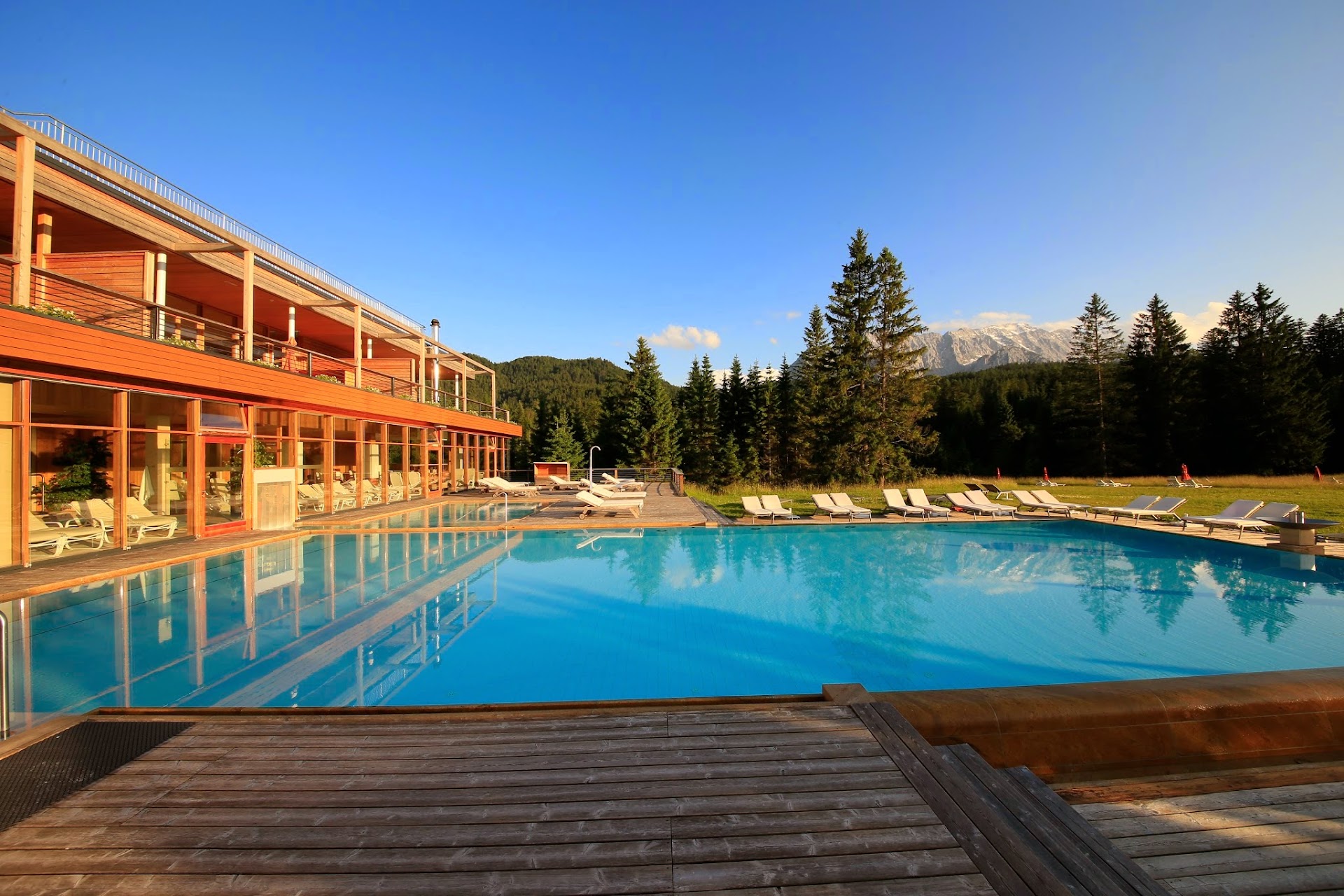
On the shores of Lake Tegernsee in the village of Rottach-Egern sits a resort that rewrote the rules of German wellness. Bachmair Weissach opened the MIZU ONSEN SPA in 2024, becoming the first hotel in Germany with an authentic Japanese onsen. Three thousand square metres of pure zen.
What does that mean in practice? A hot pool at 42°C, a cold plunge at just 2°C (yes, really), meditative rituals, and a philosophy that treats wellness as a path to inner balance. According to guest reviews: “MIZU Onsen is a truly special experience” — a verdict backed up by the Condé Nast Award 2025. The resort has 140 rooms including 45 suites, and the interiors blend Alpine style with Japanese aesthetics. An unusual combination on paper? Perhaps. In reality, apparently it works perfectly.
Prices and practical info: Packages from 1,790 EUR for 3 nights (including ¾ board and a 150 EUR spa voucher), working out at roughly 600 EUR/night. Not cheap — but for Germany’s first Japanese onsen with this level of facilities, guests say every penny is worth it.
5. Lanserhof Tegernsee — The World’s Best Medical Spa
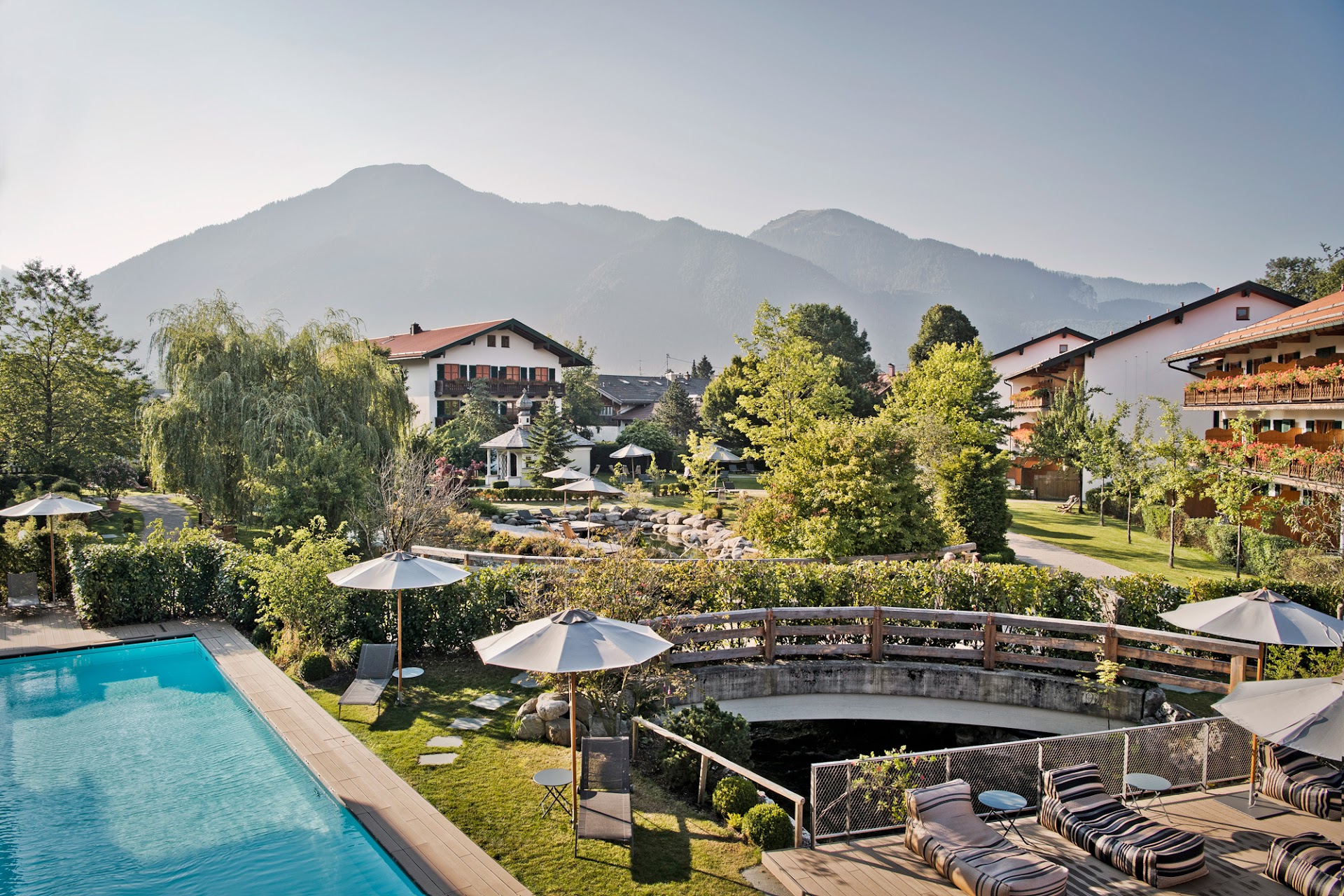
If there is one place on earth where wellness and medicine meet at the highest possible level, it’s Lanserhof Tegernsee. Repeatedly named the World’s Best Medical Spa. RELAX GUIDE has awarded it 4 lilies — the very highest rating. And when you see the building — a minimalist architectural masterpiece set against the Bavarian landscape — it’s clear that nothing here is done by halves.
Lanserhof isn’t a typical wellness hotel where you lounge by the pool with a glass of prosecco. It’s a place you come to when you genuinely want to understand your body. Medical detox, Kneipp therapy, cutting-edge diagnostics, longevity programmes — all overseen by doctors. Guest numbers are deliberately kept low so every person receives individual attention. No crowds, no rush.
Prices and practical info: From 500+ EUR/night. Prices vary depending on the programme chosen and the length of stay. Ideal for health-conscious travellers who view wellness as an investment in their long-term health, not just a holiday. Check availability and current prices here.
6. Kempinski Hotel Berchtesgaden — Luxury Above the Clouds
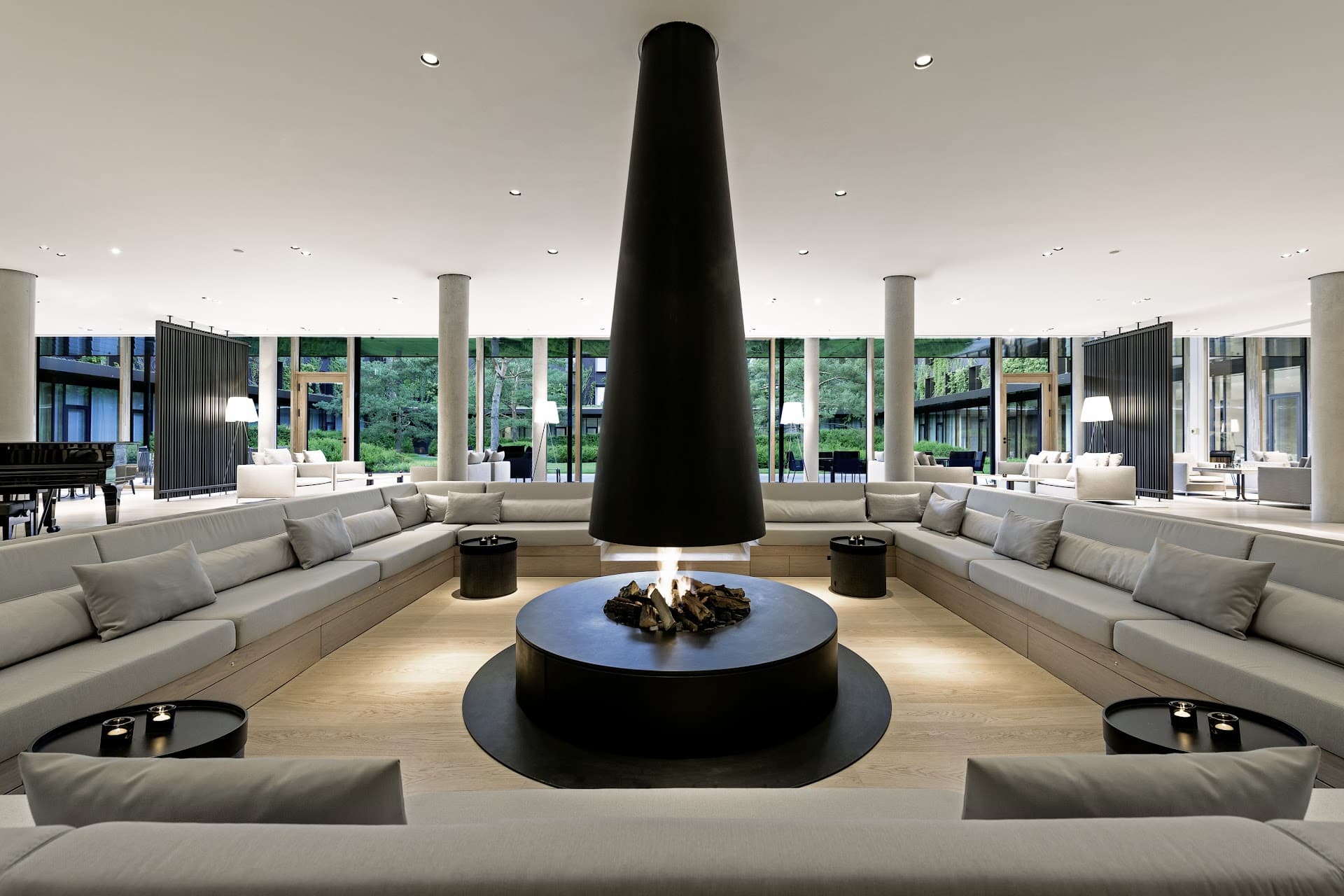
At 1,000 metres above sea level, with a sweeping panoramic view of the mighty Watzmann, sits Kempinski Hotel Berchtesgaden. And that view — that’s probably the main reason guests keep coming back. Indoor and outdoor pools gazing out over alpine giants, saunas, hydrotherapy and spa treatments at the standard you’d expect from the Kempinski name.
The location is a huge draw. The emerald Königssee lake is just a few minutes’ drive away, and the historic Eagle’s Nest (Kehlsteinhaus) isn’t far either. Skiing in winter, hiking in summer — and after either, straight back into a heated pool. Alpine wellness at its absolute finest. The Michelin Guide recommends the hotel, and guests consistently praise the combination of luxury, nature, and service.
Prices and practical info: From 400–550 EUR/night depending on season and room type. Day spa access for non-residents: 45 EUR. Perfect for couples who want to combine wellness with an active mountain holiday.
Allgäu: 2 Alpine Wellness Oases Beneath Panoramic Peaks
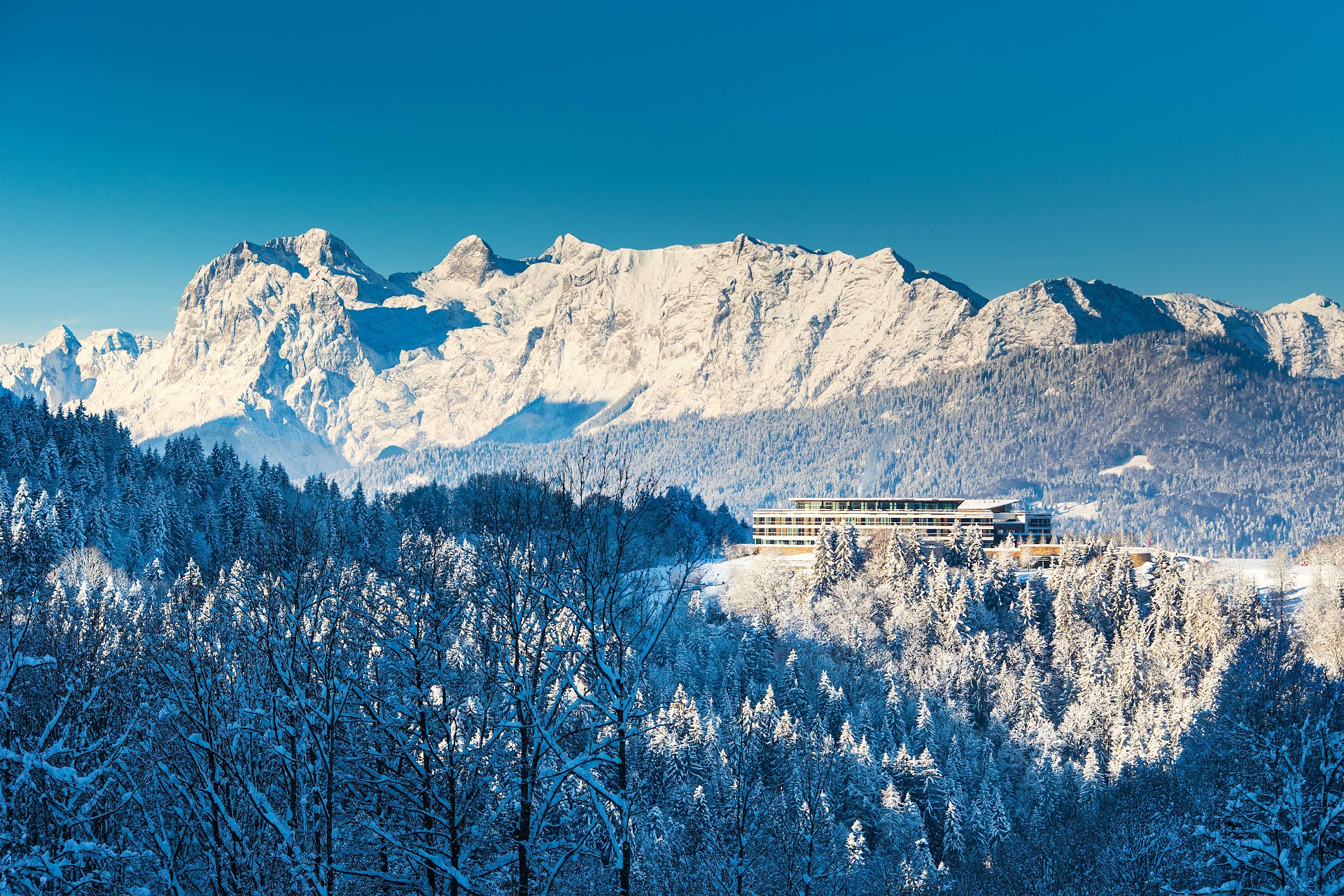
Allgäu is the part of Bavaria that gets less attention than Garmisch or Tegernsee — but according to travellers who’ve been there, it’s one of the most beautiful corners of the whole country. Rolling green pastures, alpine peaks, family-run farms, and a peace and quiet you simply won’t find in the better-known destinations. And right in the middle of all this: two truly exceptional wellness hotels.
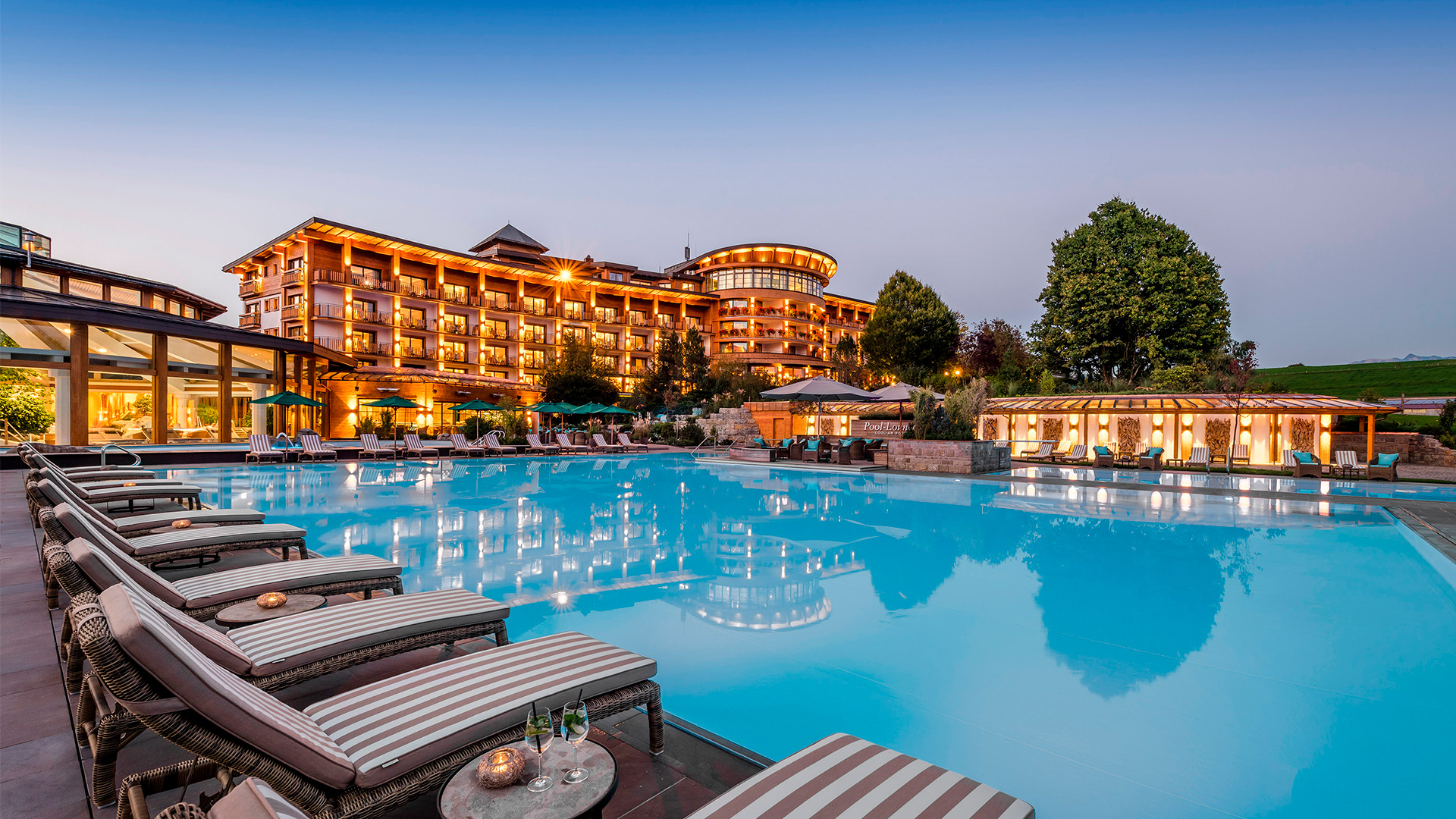
7. Sonnenalp Resort — 20,000 m² Wellness in the Heart of Allgäu
Twenty thousand square metres. That’s the size of the wellness park at Sonnenalp Resort, making it one of the largest hotel wellness complexes in the whole of Germany. And it’s not just about size — 10 pools (5 indoor + 5 outdoor), a private mountain lake for swimming, a sauna world, and treatments you’d want to write home about.
Sonnenalp is a family-run estate with over 100 years of history — the fifth generation of the Fäßler family welcomes every guest with that warm alpine hospitality. The resort has 224 rooms plus 3 private alpine chalets for those who want even more seclusion. In summer there’s golf on the resort’s own course and hiking; in winter, skiing. There’s a children’s pool and activity programmes for families too — so everyone genuinely gets to switch off.
Prices and practical info: From 310 EUR/night in low season to 1,050+ EUR for premium rooms in peak season. 5-star rated, with reviews repeatedly praising the food quality, cleanliness, and attentiveness of staff.
8. Das König Ludwig — Adults-Only with Views of Neuschwanstein
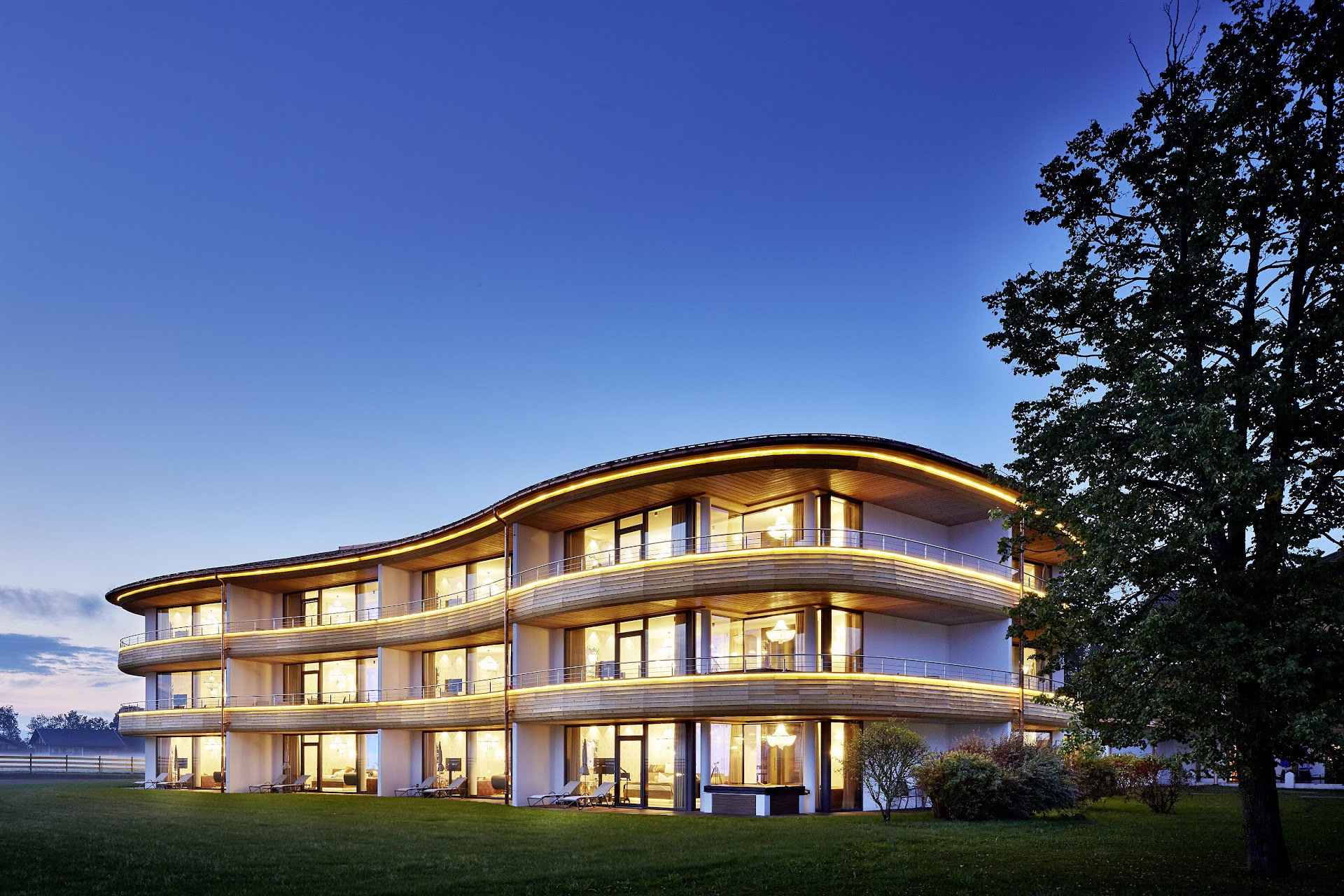
Imagine: you’re sitting in an outdoor hot tub, glass of wine in hand, and the silhouette of Neuschwanstein Castle is taking shape in the evening light before you. A fairytale? No — this is real life at Das König Ludwig in Schwangau near Füssen. And it’s probably the most romantic wellness hotel you’ll find anywhere in Germany.
Adults-only (blissful peace at last!), 6,600 m² Ludwig Spa with 7 saunas, indoor and outdoor pools, and treatments inspired by Bavarian tradition. In the evening, a 5-course gourmet dinner with a choice from 250+ wines awaits. The Booking.com score speaks for itself: 9.4/10 — with sub-scores of 9.8 for cleanliness, 9.7 for comfort, and 9.8 for staff. Guests repeatedly describe it as “the best wellness experience I’ve ever had.”
Prices and practical info: From 430–510 EUR/night. Perfect for romantic couples after a genuinely magical escape — the views of Neuschwanstein and Forggensee from this hotel are simply unforgettable.
Map of points of interest for your phone
Black Forest: 2 Wellness Hotels Hidden Among the Firs
The Black Forest. Even the name conjures something magical — mystery, tranquillity, the smell of pine. Dark coniferous trees, misty valleys, babbling streams, and half-timbered villages straight out of a Brothers Grimm fairy tale. And tucked within all of this: two wellness hotels that rank among the very best in Germany. The Black Forest is also considered Germany’s gastronomic heartland, so you’ll eat extraordinarily well here too. Wellness hotel Black Forest = a perfect blend of nature, serenity, and world-class cuisine.
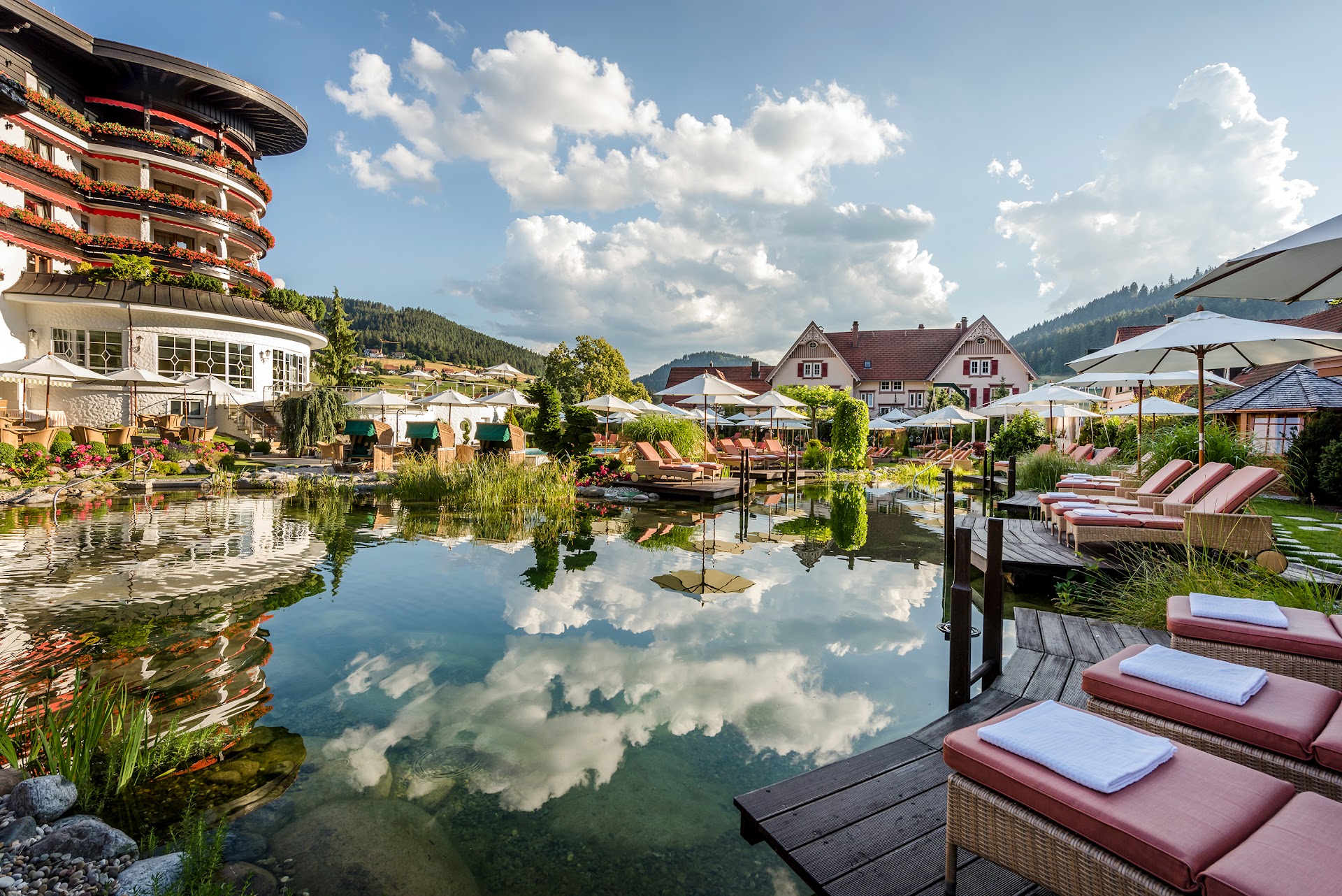
9. Hotel Bareiss — 3 Michelin Stars and 5-Star Wellness
Baiersbronn. A village in the Black Forest you might easily overlook on a map — unless you knew it has the highest concentration of Michelin stars of any town in Germany. And Hotel Bareiss is its crowning glory. 5-star Superior, 3 Michelin Keys, and a restaurant — the Schwarzwaldstube — bearing 3 Michelin stars. Eleven generations of the Bareiss family have built something that is now one of the most celebrated hotels in Europe.
The spa is extensive — indoor and outdoor pools, a sauna world, relaxation zones nestled among the Black Forest trees. But let’s be honest: people come to Bareiss primarily for the food. A three-star dinner at the Schwarzwaldstube is a gastronomic experience people talk about for years. A Google rating of 4.7/5 confirms that the combination of wellness and haute cuisine here really does work seamlessly.
Prices and practical info: Prices on request — as tends to be the case with hotels of this calibre. But if you love exceptional food and want luxury wellness to match, Bareiss is quite simply the best option in Germany.
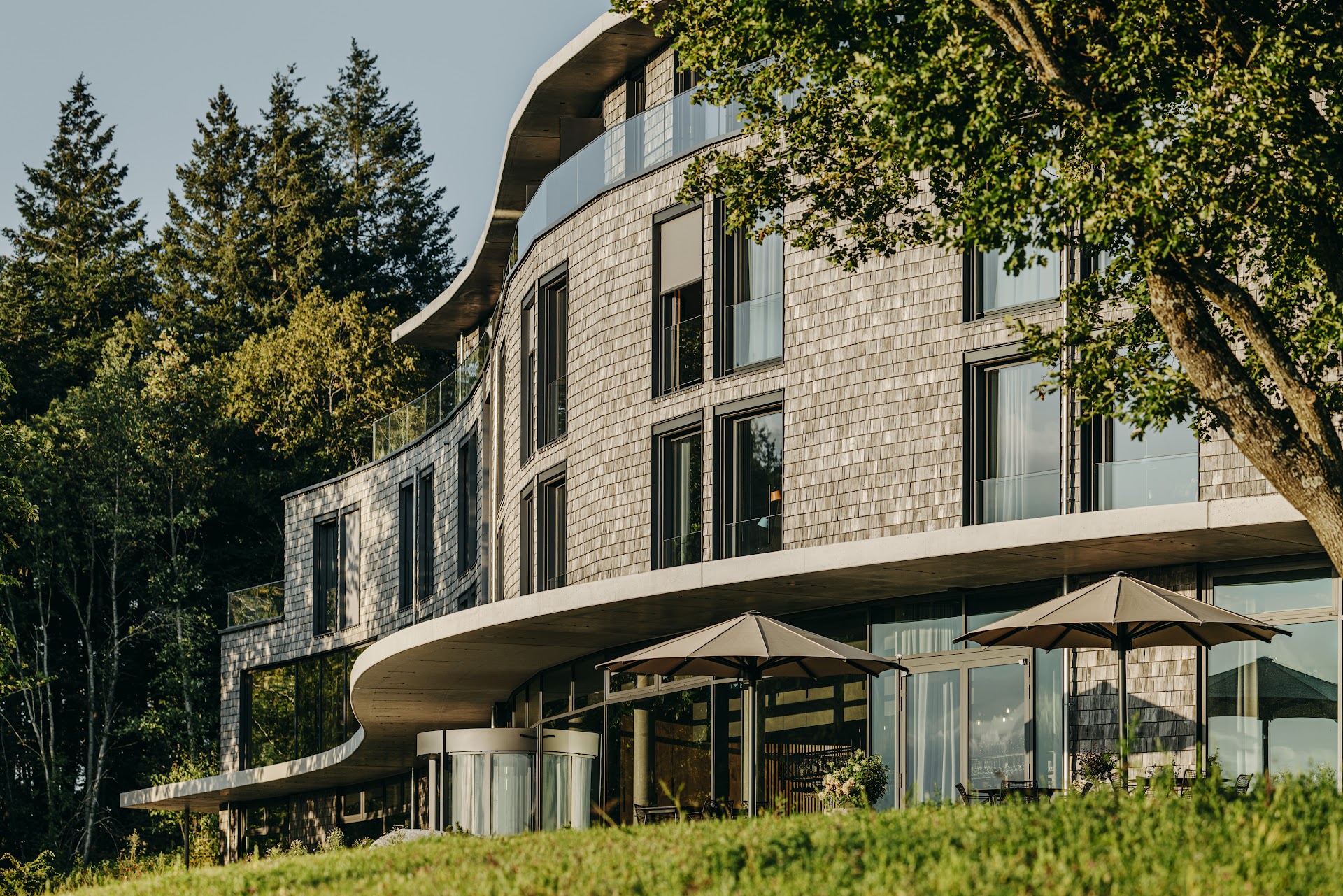
10. Luisenhöhe — Medical Wellness with Views Above Freiburg
In the village of Horben, high above Freiburg, a hotel opened relatively recently that bridges two worlds: medicine and wellness. Luisenhöhe has its own GesundKunft®-SPA concept across 4,400 m² — with indoor and outdoor pools, saunas, and therapeutic treatments under medical supervision. Two Michelin Keys confirm the quality lives up to the ambition.
What guests particularly love about Luisenhöhe: a 4-course dinner and minibar are included in the room rate. No nasty surprises on check-out. The spa is exclusively reserved for hotel guests — no day visitors, no queues. The view from the outdoor pool, looking out over the Black Forest treetops towards Freiburg, is reportedly breathtaking.
Prices and practical info: Prices on request. Perfect for health-conscious travellers who want medical wellness in beautiful surroundings — without the clinical sterility of larger medical spa facilities.
Baden-Baden: A Spa Town with a Thousand-Year Tradition
Baden-Baden is a place where wellness became an art form long before the word itself existed. The Romans were already making use of the town’s 23 thermal springs back in the 2nd century — springs that rise from 2,000 metres below ground at temperatures of 56–69°C. Since 2021 the town has been on the UNESCO World Heritage List as part of the “Great Spa Towns of Europe.” Add in the famous casino (Germany’s oldest), the Lichtentaler Allee promenade lined with century-old trees, and an atmosphere that feels like time stopped somewhere in the Belle Époque. Baden-Baden is simply in a league of its own.
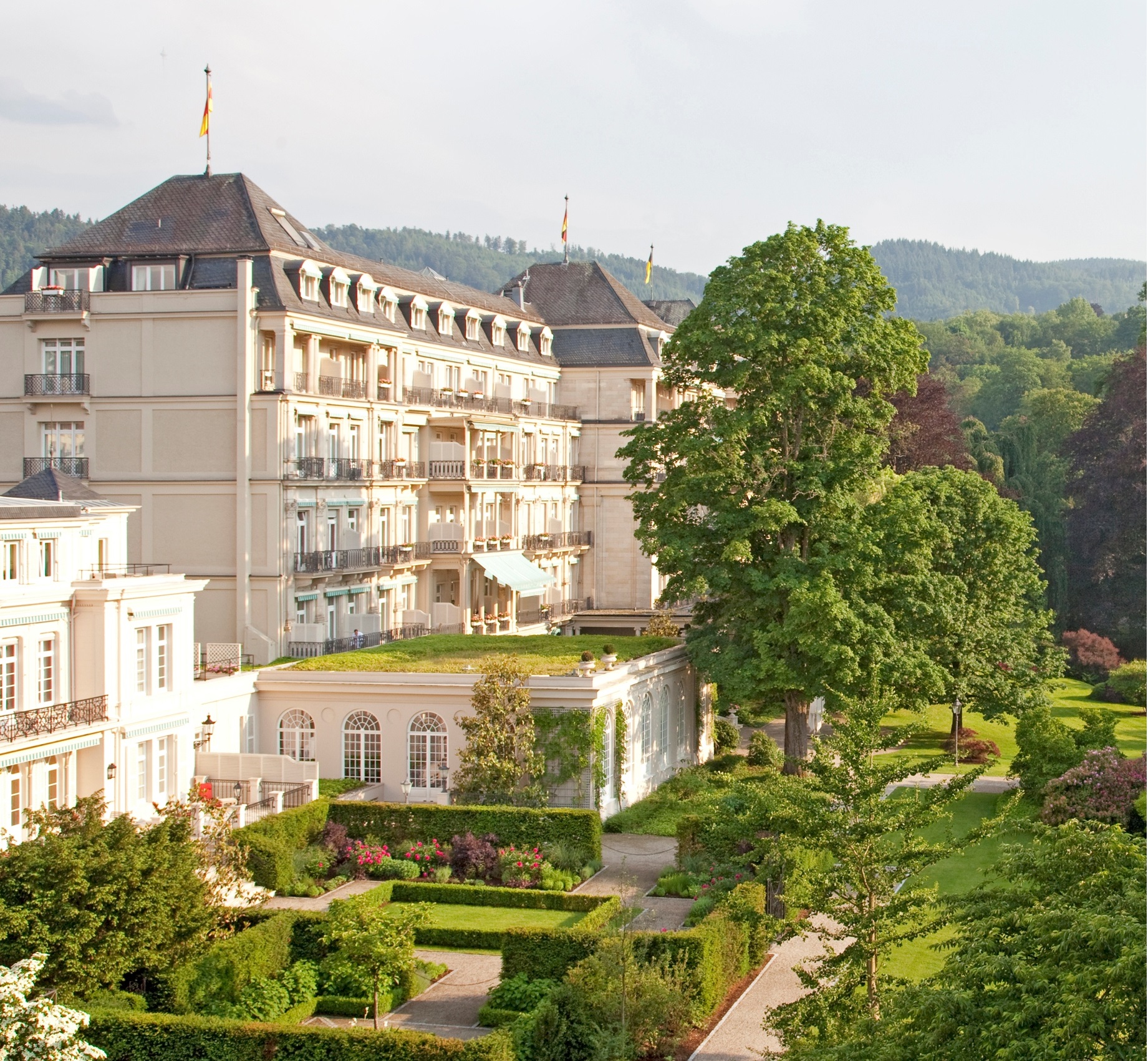
11. Brenners Park-Hotel & Spa — A Legend Since 1872
Some hotels try to create history. Brenners Park has been living it since 1872. More than 150 years of welcoming kings, artists, and statesmen — and today, ordinary mortals who simply want to experience the very best. Part of the prestigious Oetker Collection (the same group as Le Bristol in Paris), it was refurbished in 2023 with interiors inspired by the surrounding Black Forest.
The Villa Stéphanie Spa is the heart of the hotel. Finnish sauna, bio-sauna, steam bath, Roman pool, detox programmes, and a full medical centre. Guests consistently praise the combination of historic elegance and contemporary wellness treatments. A Booking.com score of 9.6/10 and the #1 position out of 51 hotels in Baden-Baden on TripAdvisor say everything.
Since you’re in Baden-Baden, don’t miss the two iconic public thermal complexes within walking distance. Friedrichsbad — historic baths dating from 1877 with a unique 17-step ritual (and yes, it’s all textile-free — the entire ritual). Entry 20–39 EUR. Caracalla Therme — the modern counterpart with 900 m² of water, 7+ saunas, and a more relaxed atmosphere. Entry also 20–39 EUR. Trying both and comparing is highly recommended.
Prices and practical info: Brenners Park from 475 EUR/night in low season to 950+ EUR in peak season. For anyone who wants to experience absolute luxury with genuine historical grandeur, this is the obvious choice. Baden-Baden is the undisputed queen of traditional German thermal spas.
Bad Füssing: A Thermal Paradise with Europe’s Strongest Sulphur Springs
Bad Füssing is a small town you probably wouldn’t search for on a map — yet millions know it well. Every year over 1.6 million visitors come for something that bubbles up from the ground here: the strongest sulphurous (hydrogen sulphide) springs in the whole of Europe. Three thermal complexes, over 10,000 m² of water, and healing properties proven to benefit rheumatic conditions, cardiovascular issues, metabolism, and the spine. This isn’t a glamour destination full of influencers — it’s a place people come to for their health. And that’s its real strength.
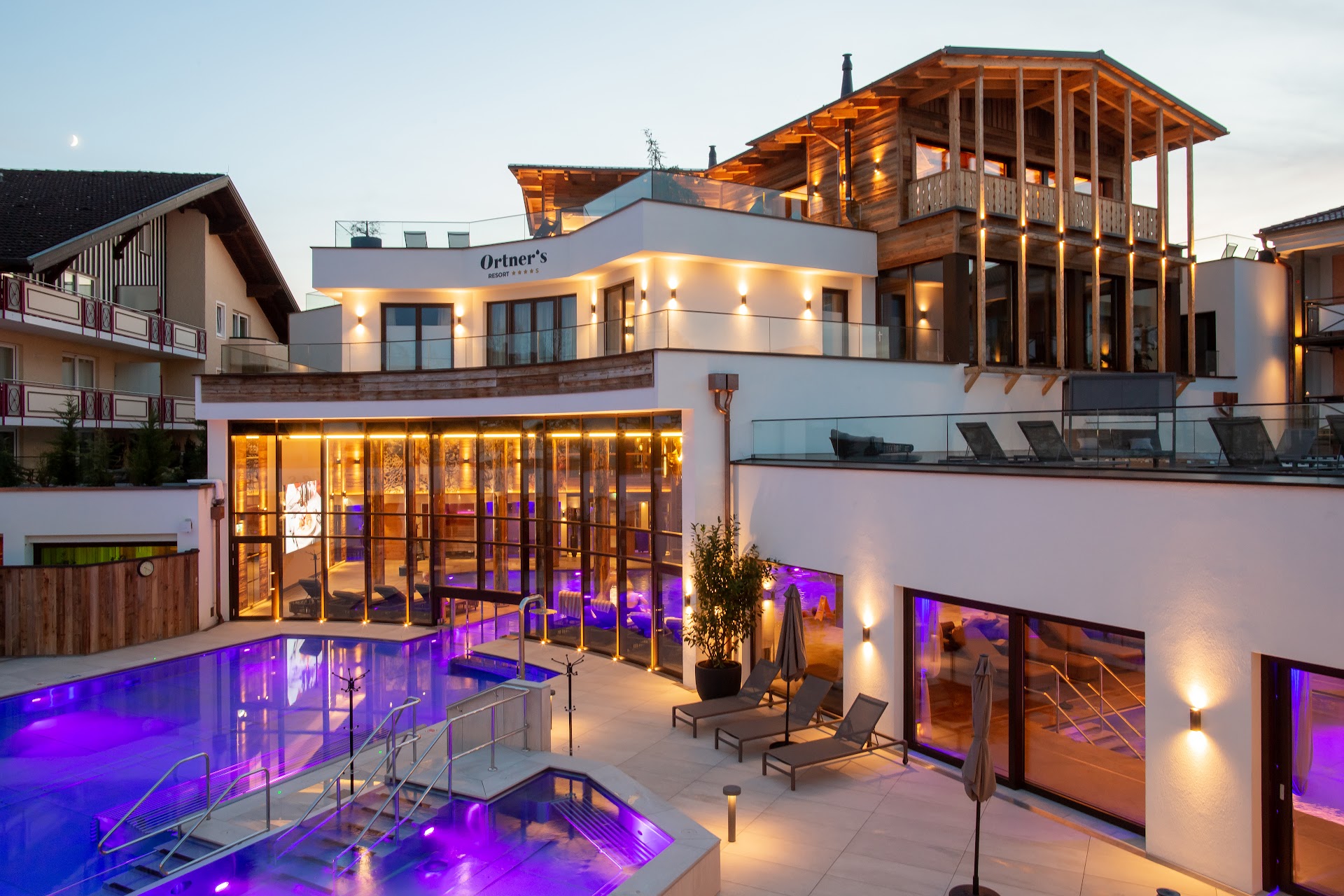
12. Ortner’s Resort — Its Own Thermal Spring and the Best Value for Money
Ortner’s Resort is a 5-star hotel with something very few hotels in Europe can boast: its own thermal spring. The largest private hotel thermals in Bavaria — 6 pools filled with healing sulphurous water, a sauna world, and spacious gardens. No need to walk to public baths, no queues. Simply step out of your room and into the thermal water.
Booking.com guests rate Ortner’s 9.1/10, repeatedly mentioning the quality of the water, cleanliness, excellent half-board, and friendly staff. For couples and older guests travelling specifically for a health-focused stay, it’s the best option in Bad Füssing — outstanding value for money in the 5-star bracket.
If you’d like to explore the public thermal complexes too, Bad Füssing has three to choose from. Europa Therme is the largest — 17 pools, a 120-metre artificial river, entry 19.50 EUR for 5 hours. Then there’s Therme Eins, smaller and quieter, and Johannesbad Therme with dedicated therapeutic programmes.
Prices and practical info: Ortner’s Resort from 240 EUR to 470 EUR/night depending on season and room type. For those on a tighter budget, travellers also recommend Hotel Holzapfel — a 4-star hotel with 70+ years of tradition, Booking 9.0/10, from 130 EUR/night. An excellent alternative if you want to spend a few nights in Bad Füssing without a major outlay.
Practical Tips for a Wellness Holiday in Germany
Before you book your hotel and start packing, here are a few things that will make your trip more enjoyable — and a few that could save you from unnecessary embarrassment.
Nudity in Saunas — Yes, Really
I’ll say it again, because it matters: in German saunas, nudity is the absolute rule. Swimwear is not permitted — and that includes mixed-gender areas where men and women share the space. This isn’t some unusual quirk; it’s simply German sauna culture. Swimsuits are considered unhygienic (synthetic fabrics release unwanted substances in high heat). If you’re not comfortable with that, start in the pool area — swimwear is required there. But in the experience of many travellers: after the first visit, it stops being an issue. Everyone around you behaves completely naturally and nobody gives anyone else a second glance. Just go with it ☺️
When to Go
Weekdays = fewer people. That’s probably the single most important rule for wellness in Germany. Large thermal complexes like Therme Erding or Therme Bad Aibling get very busy at weekends and on public holidays. If you can go Monday to Thursday, do it. Avoiding German public holidays and school half-terms is also a smart move — bear in mind these vary by federal state. The best season for wellness is autumn and winter — October through March. Cold outside, warm inside; that contrast is what the whole German sauna philosophy is built around.
What to Bring
Your own large towel (or two), swimwear for the pool areas, and flip-flops. At more upmarket hotels a bathrobe will be waiting in your room; at budget hotels and public thermals you can usually hire one for a small fee (typically 5–15 EUR). In the sauna you’ll need a large towel to sit on — never sit directly on the wood. That’s considered a serious faux pas in Germany.
Kneipp Tradition — UNESCO Heritage
If you’re interested in wellness beyond the basics of “hot pool and sauna,” look into the Kneipp tradition. Sebastian Kneipp was a Bavarian priest who developed a health system in the 19th century built on 5 pillars: water (alternating hot and cold), movement, nutrition, herbs, and inner balance. Since 2015, Kneipp therapy has been inscribed on the UNESCO Intangible Cultural Heritage list. The spiritual home is Bad Wörishofen — a town in Bavaria with a full Kneipp programme at Therme Bad Wörishofen. It’s a fascinatingly modern philosophy, despite being 150 years old.
Price Overview — Summary
- Budget thermal: from 130 EUR/night — hotels near public thermal complexes (Hotel Holzapfel, Bad Füssing)
- Mid-range wellness: 200–400 EUR/night — quality wellness hotels with their own spa (Ortner’s, Sonnenalp in low season, Hotel Victory Therme Erding)
- Luxury: 400–700 EUR/night — 5-star hotels with extensive spa facilities (Kempinski, Das König Ludwig, Brenners Park, Das Kranzbach)
- Ultra-luxury: 700+ EUR/night — the very best of the best (Schloss Elmau, Bachmair Weissach, Hotel Bareiss)
Worth noting: many hotels offer significant discounts for stays of 3+ nights, during low season, and for direct bookings. It’s always worth checking the hotel’s own website and comparing it with Booking.com — direct bookings are sometimes cheaper and may include extras like spa credit or a room upgrade.
 🚗 Car rental on the roadVerified rental cars in Germany
Search with the DiscoverCars comparison engine — it compares prices from dozens of local and international rental companies, and most bookings come with free cancellation.
Compare car prices in Germany →Frequently Asked Questions (FAQ)
How much does a wellness hotel in Germany cost?
The price range is very wide. Budget thermal hotels start from 130 EUR/night for a double room (e.g., Hotel Holzapfel in Bad Füssing). Mid-range wellness hotels with their own spa run between 200–400 EUR/night. Luxury 5-star resorts cost 400–700 EUR/night, and ultra-luxury hotels like Schloss Elmau or Bachmair Weissach start from 600–700+ EUR/night. Many hotels offer better rates for stays of 3 nights or more and during low season (typically January–March and November excluding holidays).
What are the best thermal spas in Germany?
The most famous thermal spas in Germany include Therme Erding (Europe’s largest thermal complex at 185,000 m²), Baden-Baden with its historic Friedrichsbad and modern Caracalla Therme, Bad Füssing with Europe’s strongest sulfur springs, Therme Bad Wörishofen (center of the Kneipp tradition), Therme Bad Aibling, and Therme Bad Reichenhall. Each location has a different character—from family fun to therapeutic stays to luxury relaxation.
Is nudity mandatory in German saunas?
Yes, in the vast majority of German saunas, nudity is the rule—including in mixed areas where men and women are together. Wearing swimwear in the sauna is considered unhygienic and is directly prohibited in many facilities. In pool areas, however, swimwear is mandatory. If you’re not comfortable with nudity in the sauna, start in the pool area and gradually acclimate. Most travelers report that after the first visit, it stops being an issue.
When is the best time to go for wellness in Germany?
The best time for wellness in Germany is autumn and winter—from October to March. The contrast between the cold weather outside and warm water inside is at the heart of German wellness culture. Weekdays (Monday–Thursday) are ideal, when thermal complexes are significantly less crowded. It’s worth avoiding German public holidays and school vacations. Summer, on the other hand, is ideal for Alpine wellness resorts, where you can combine spa treatments with mountain hiking.
What is Therme Erding and why is it so popular?
Therme Erding is Europe’s largest thermal complex with an area of 185,000 m². It offers 28 pools, 27 slides (including virtual reality slides), 30 saunas, and certified healing water from a depth of 2,350 meters. The complex has several zones: Galaxy (adrenaline slides), VitalOase (quieter zone for ages 16+), VitalTherme (textile-free sauna world), and a tropical paradise under a glass dome. Admission ranges from 24 to 38 EUR depending on the zone. Reviews of Therme Erding are overwhelmingly enthusiastic—guests appreciate the variety of offerings and quality of facilities.
What’s the difference between Friedrichsbad and Caracalla Therme in Baden-Baden?
Friedrichsbad is a historic bathhouse from 1877 with a unique 17-step ritual. It’s completely FKK (no swimwear), has neoclassical interiors, and offers a traditional, almost meditative experience. Caracalla Therme is a modern thermal complex with 900 m² of water surface, 7+ saunas, and a more relaxed atmosphere—swimwear is worn in the pool area. Admission to both is 20–39 EUR. Friedrichsbad is for those who want an authentic historical experience, Caracalla for those who prefer modern facilities. Ideally, try both.
What is Kneipp therapy?
Kneipp therapy is a healing method developed by Bavarian priest Sebastian Kneipp in the 19th century. It’s based on 5 pillars: hydrotherapy (alternating hot and cold water), exercise, nutrition, phytotherapy (herbs), and inner balance. Since 2015, it’s been listed on UNESCO’s Intangible Cultural Heritage list. The center of the Kneipp tradition is the town of Bad Wörishofen in Bavaria, where you’ll find Therme Bad Wörishofen and specialized Kneipp facilities. Elements of Kneipp therapy are now used by wellness hotels throughout Germany.
Tips and Tricks for Your Vacation
Don’t Overpay for Flights
Search for flights on Kayak. It’s our favorite search engine because it scans the websites of all airlines and always finds the cheapest connection.
Book Your Accommodation Smartly
The best experiences we’ve had when looking for accommodation (from Alaska to Morocco) are with Booking.com, where hotels, apartments, and entire houses are usually the cheapest and most widely available.
Don’t Forget Travel Insurance
Good travel insurance will protect you against illness, accidents, theft, or flight cancellations. We’ve had a few hospital visits abroad, so we know how important it is to have proper insurance arranged.
Where we insure ourselves: SafetyWing (simple monthly subscription) and TrueTraveller (for extra-long trips).
Find the Best Experiences
Get Your Guide is a huge online marketplace where you can book guided walks, trips, skip-the-line tickets, tours, and much more. We always find some extra fun there!