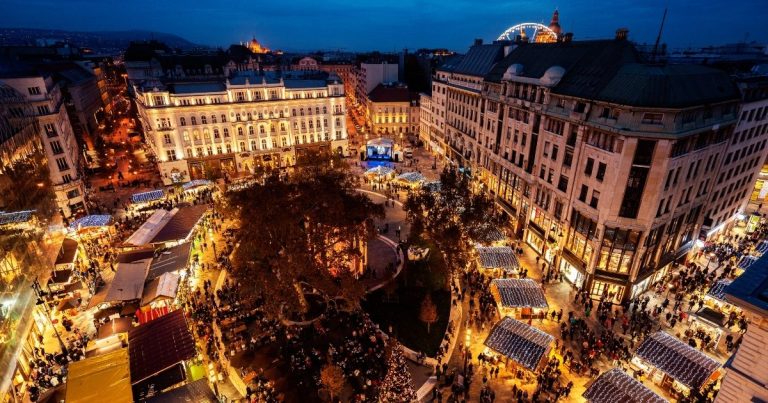
When it comes to the perfect city for a long weekend, Budapest in Hungary is always right at the top of our list (mine and Lukáš’s). It’s a city that has absolutely everything you’d expect from a European capital, while still holding onto its own distinctive, slightly melancholic yet incredibly romantic atmosphere.
Just that feeling when you first stroll along the embankment and see the mighty river splitting the city into two worlds makes the whole trip worthwhile. On one side rises the ancient, hilly Buda with its castle and narrow lanes; on the other pulses the flat Pest, full of wide boulevards and cafés.
We come back here regularly and always discover something new. Sometimes we simply wander through the Jewish Quarter hunting for hidden ruin bars, other times we spend hours soaking in hot thermal water while it’s freezing outside.
If you’re heading to the Hungarian capital for the first time, its sheer size can be a bit deceptive. The sights are scattered across both banks, and without a good plan you’ll walk dozens of kilometres completely unnecessarily. That’s why I’ve put together detailed itineraries based on how much time you have.
TL;DR
- How many days you need: You can rush through Budapest in a single day, but for a real experience and a visit to the baths I recommend spending a full three days here.
- What you must see: Don’t skip the Parliament building, the views from Fisherman’s Bastion, an evening cruise on the Danube and the famous thermal baths.
- Where to stay: The best strategic location is on the Pest side of the river, ideally districts V, VI or VII, from where you can walk to most of the sights.
- When to go: The city is loveliest in spring and autumn, when temperatures are perfect for walking, or in December during the magical Christmas markets.
- Top tip: Always buy tickets for the Parliament and the evening boat cruise well in advance online — on the spot they’re usually hopelessly sold out.
The full destination guide: Hungary — guide and what to see
Budapest in 1 Day: The Best Of
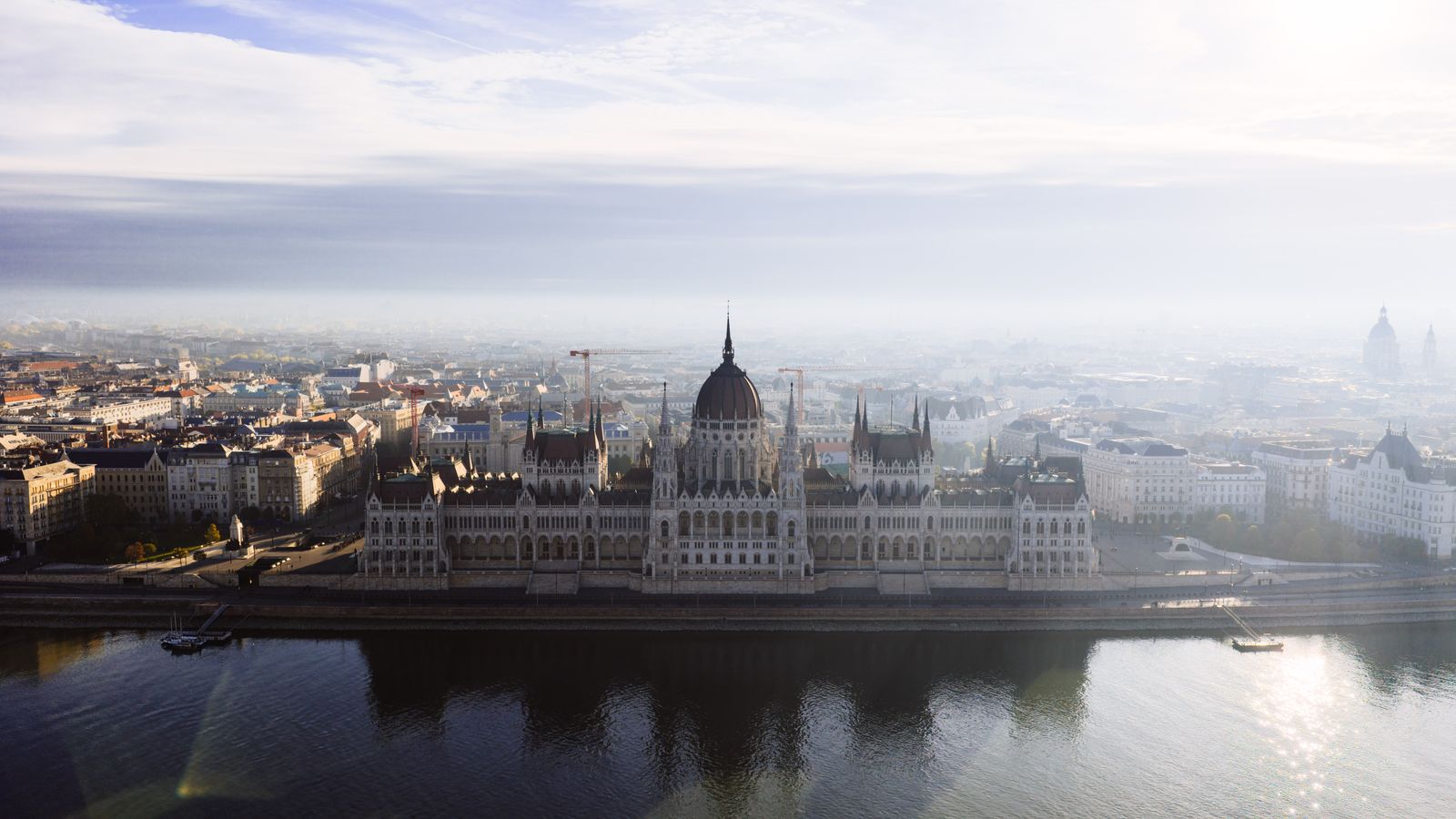
Only got 24 hours in the Hungarian capital? It’ll be quite the marathon and your feet probably won’t thank you by evening, but the biggest icons can absolutely be done. The key to success is getting up early and having a clear route so you’re not bouncing back and forth across the river.
Start your morning on the Buda side, and as early as possible. Get up so you’re at Fisherman’s Bastion ideally before 9 a.m. This has two huge benefits you’ll appreciate. The first is absolute peace with no crowds wielding selfie sticks; the second is that entry to the upper towers is completely free before nine.
That saves you roughly 1,700 HUF (about 4 €) and rewards you with a perfect view over the waking city and the Parliament building opposite bathed in soft morning light. Right next to the bastion, take a look at Matthias Church, whose colourful diamond-patterned roof makes a striking contrast with the white stone. Admission inside costs around 2,500 HUF (about 6 €) and the interior is beautifully decorated.
From the church, walk towards Buda Castle — a lovely stroll through historic lanes lined with old houses. The castle complex itself is enormous and entry to the courtyards is free. Soak up the views, then head down to the river via the Royal Steps. I deliberately suggest skipping the historic funicular, which is fairly pricey for such a short ride and usually has a long queue.
By late morning it’s time to cross over to Pest. Walk across the Danube via the recently renovated Chain Bridge, the absolute symbol of the city. The walk over the river takes about fifteen minutes and leads you straight into the heart of the action. From there, head directly to St. Stephen’s Basilica, the most important church in the country.
If you don’t mind a few stairs or queuing for the lift, definitely pay for entry to the viewing terrace in the dome, which costs around 3,200 HUF (about 8 €). You’ll get a fabulous 360° view over all of Pest.
By around midday you’ll be ravenous, so it’s time to head to the Great Market Hall. It’s a huge historic hall of brick and steel that smells incredible and buzzes with energy. On the ground floor you’ll find heaps of fresh vegetables and ground paprika; upstairs there are food stalls.
We always grab a proper Hungarian lángos with a massive layer of cheese and garlic here — a classic you simply can’t miss. Just watch the opening hours, as the market is sadly closed completely on Sundays. If you happen to be here on a Sunday, I’d recommend popping into one of the smaller restaurants around the Váci utca promenade and trying, say, a vegetarian bean goulash.
The afternoon belongs to the most photographed building in all of Hungary. A tour of the Parliament is a huge experience, but remember you can’t get inside without a guide and a timely reservation. Tickets for EU citizens cost 7,000 HUF (about 18 €), so book them online even three weeks ahead. You can easily sort tickets through portals like GetYourGuide.
The tour takes just under an hour and you’ll see the gorgeous golden staircase and the famous Holy Crown of St. Stephen, watched over by an honour guard. Right after the tour, set off for a walk along the Danube embankment heading south.
After about five minutes you’ll reach the Shoes on the Danube Bank memorial. It’s a very quiet, deeply moving spot with sixty pairs of iron shoes commemorating the victims of the fascist regime at the end of the Second World War. It always sends a chill down my spine to realise that tragic history against the backdrop of the river flowing peacefully today.
In the evening, all that awaits is well-earned rest — but in the best possible style. Budapest is even more beautiful after dark than during the day. Buy a ticket for an evening cruise on the Danube, run by companies like Legenda or Silverline.
A fifty-minute cruise with a welcome drink will set you back around 15 €. Sitting on deck, sipping prosecco as the beautifully lit Parliament glides majestically past, is exactly the moment you fall in love with this city forever. Boat tickets are easy to grab through various portals such as GetYourGuide.
Budapest in 2 Days: The Classic Weekend

Two days is a far more sensible amount of time, as it lets you split the city into two logical halves. You can calmly dedicate one day to the hills and history on the Buda side, while reserving the other for flat Pest, the museums and some well-deserved relaxation in the thermal water.
Day 1: Castle Hill and Sunsets (Buda)
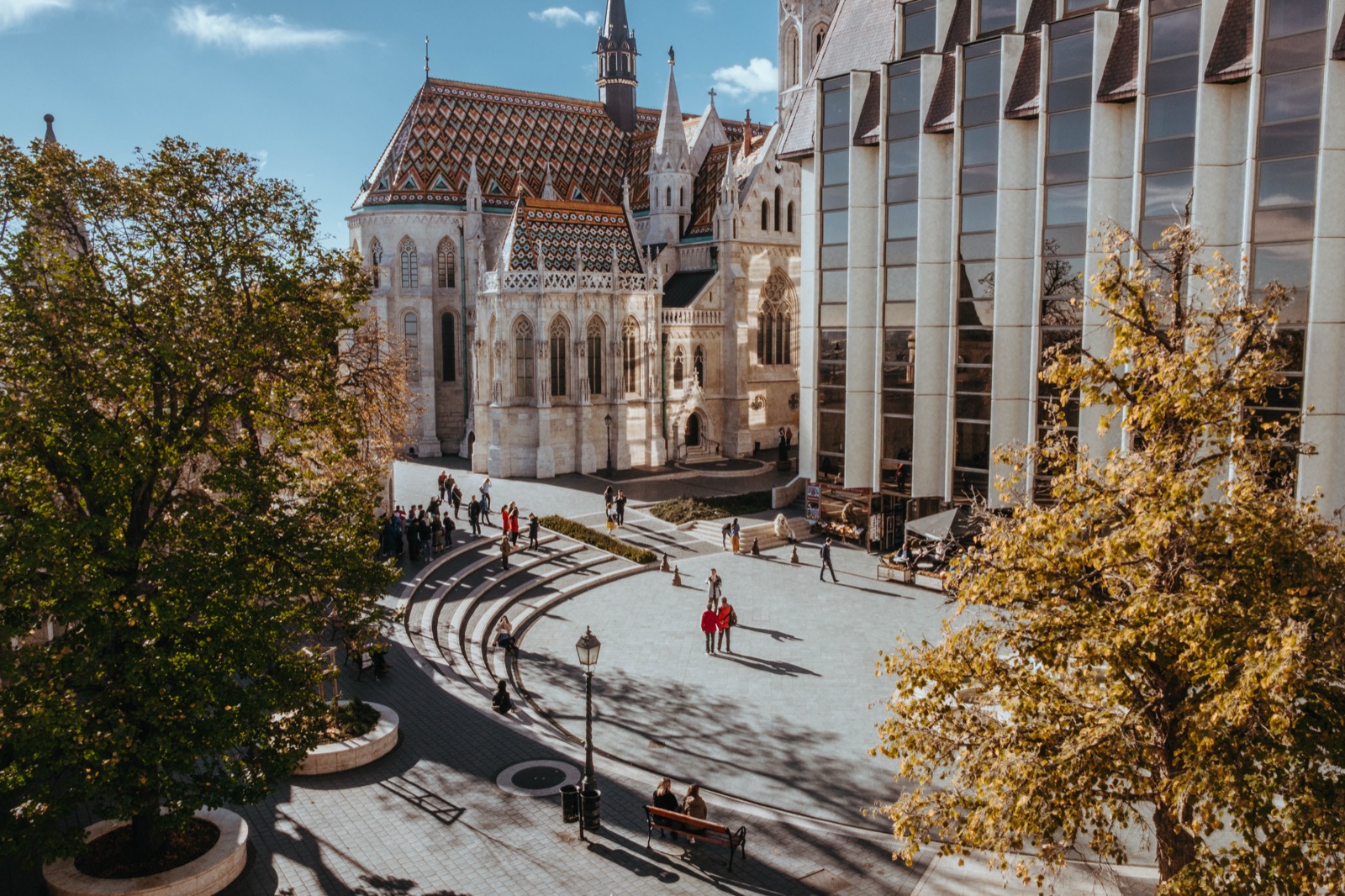
Start day one exactly as in the one-day itinerary. Explore Castle Hill from Fisherman’s Bastion through Matthias Church all the way to the Buda Castle complex. Don’t rush — savour the atmosphere of the old cobbled streets. Be sure to stop at Budapest’s oldest patisserie, Ruszwurm, which has been running since the nineteenth century.
Their traditional Dobos torte with a hard caramel crust or the delicate krémes are absolutely fantastic and pair perfectly with coffee. After lunch and exploring the castle courtyards, make your way gradually to the foot of Gellért Hill, which rises right above the river.
Here you’ve got about a thirty-minute climb up a woodland path, a bit like a steeper city-park hike back home. It’s nothing extreme, but in the heat of summer you’ll work up a sweat. The destination is the Citadella fortress and the enormous Liberty Statue right at the top.
From the summit you get the absolute best panorama of the entire bend of the Danube, all the iconic bridges and the Parliament building. Aim to come up in the late afternoon, as the soft light just before sunset paints the whole city in glorious golden tones. Just bear in mind that the Citadella is undergoing a long-term renovation, so some tight sections around the fortress may be partially closed.
In the evening, head back down to the river and treat yourself to a romantic evening boat cruise. If you fancy something a bit more special, you can even book a cruise that includes a four-course dinner and live music, which costs around 90 € and lasts over two hours.
Day 2: Boulevards, History and Relaxation (Pest)
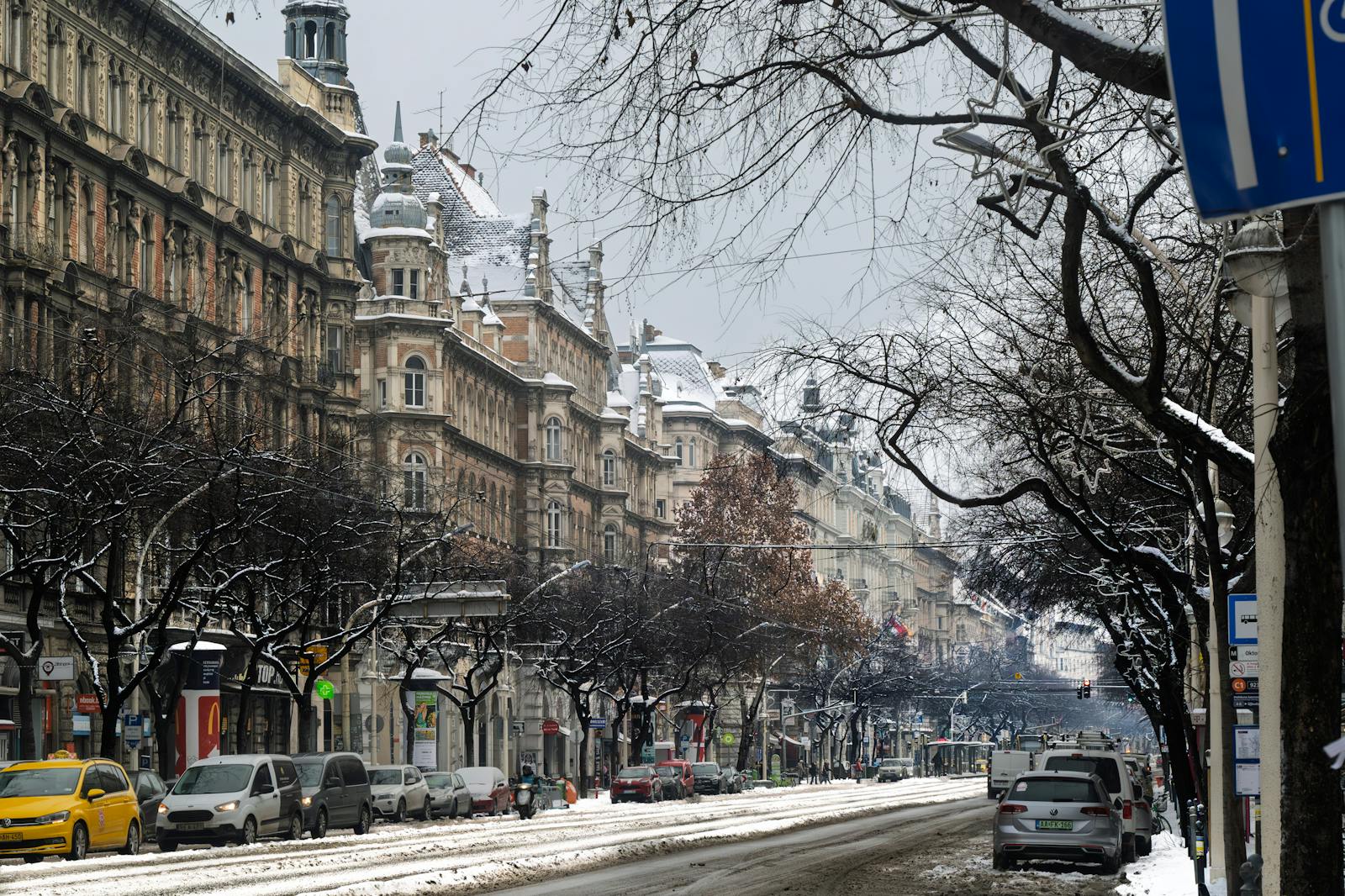
Devote the second morning to Pest’s landmarks. Begin at the majestic Parliament building and the Shoes on the Danube Bank memorial, then move on to St. Stephen’s Basilica. This whole area is full of wide streets and gorgeous historic facades, so it’s lovely for a leisurely stroll.
Around midday, head to the famous Andrássy Avenue, Budapest’s answer to the Champs-Élysées in Paris. At number sixty stands the House of Terror, a museum housed in the former headquarters of the secret police. Visiting this museum is a very powerful emotional experience that helps you understand Hungary’s complicated twentieth-century history.
Admission is around 4,000 HUF (about 10 €) and expect to spend at least an hour and a half inside. Tickets are sold only at the box office on site, so it pays to arrive early and avoid the long queues. At the very end of this grand boulevard you’ll reach the monumental Heroes’ Square, full of giant statues, which flows seamlessly into the sprawling City Park.
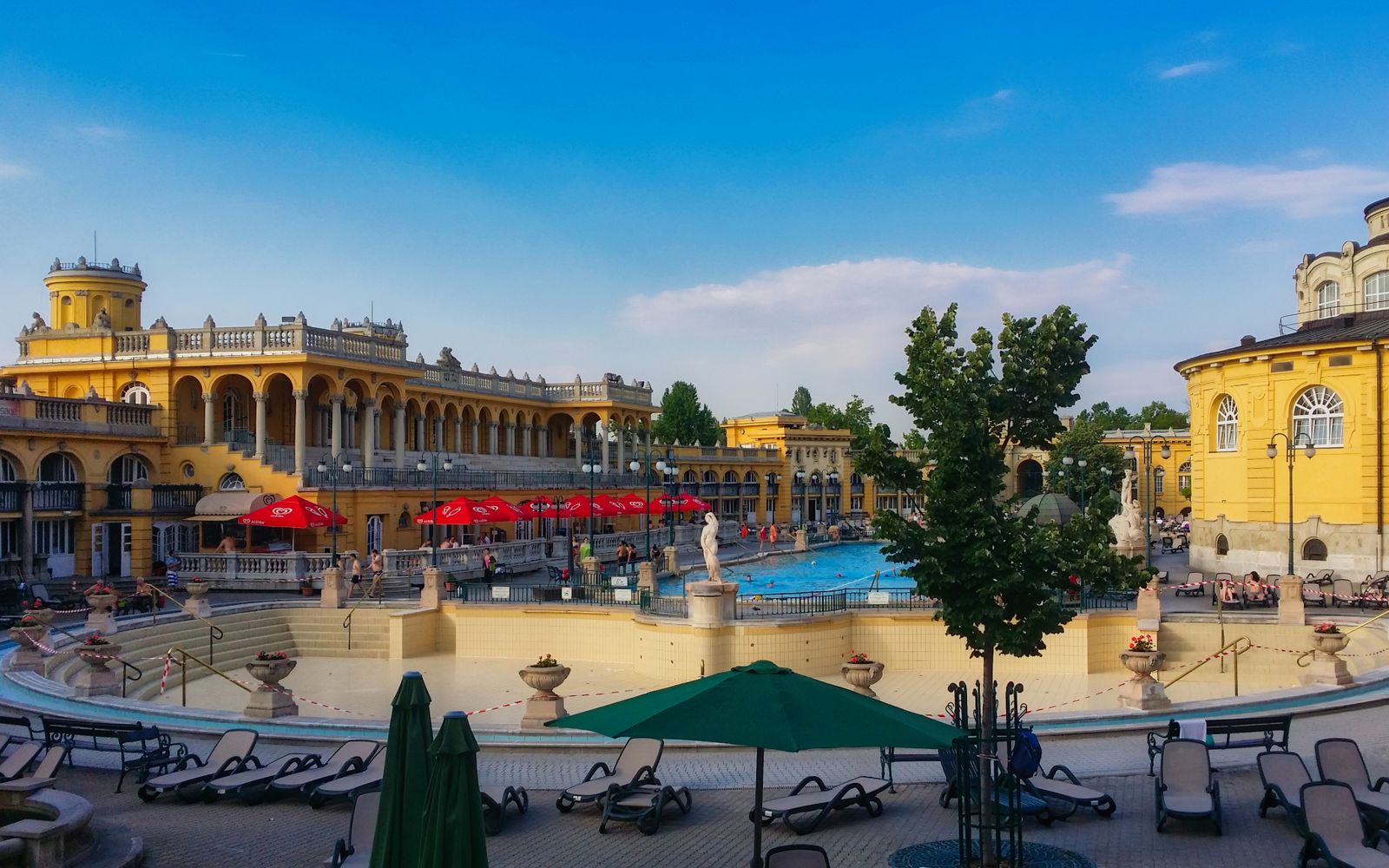
And it’s right in City Park that the highlight of the second day awaits. Here you’ll find the famous Széchenyi Baths, the largest and most iconic thermal baths in the city. Their bright yellow neo-baroque building with outdoor pools is open year-round and it’s an unforgettable experience.
Soaking in hot thermal water under the open sky after a whole day of walking is pure balm for body and soul. A basic ticket costs just under 15,000 HUF (about 38 €) and is well worth it. After a perfect unwind in the baths, head out in the evening to the Jewish Quarter for a drink at Szimpla Kert. It’s the most famous ruin bar in the world, full of old junk, flickering fairy lights and incredible energy you simply have to experience.
Budapest in 3 Days: The Gold Standard
In our experience, and according to many fellow travellers, three days is the absolutely ideal length of stay. You don’t have to rush anywhere, you’ll catch all the main sights, and you’ll still have time for culinary discoveries, relaxed walks through the parks and a proper spa relaxation.
Day 1: Buda Panoramas and the River
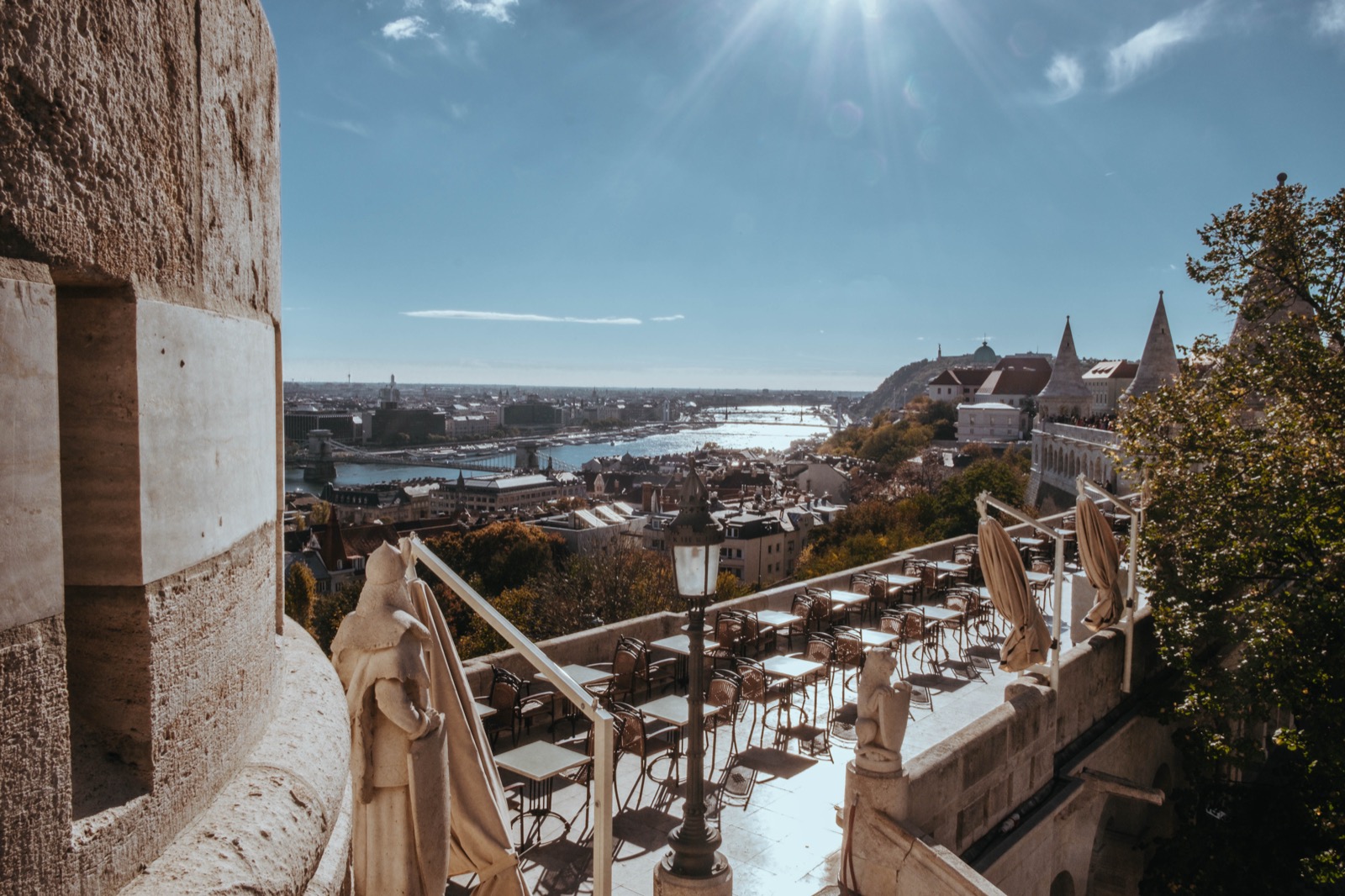
Follow the plan for day one from the two-day itinerary, but this time really take your time. Wander through the entire Castle District at a leisurely pace and find a tucked-away little café in the narrow lanes around Matthias Church.
In the afternoon, climb Gellért Hill for the best sunset. In the evening I again recommend finishing on the waters of the Danube. For this three-day scenario, feel free to book a cruise with unlimited prosecco, which makes a great start to the weekend and costs around 27 €.
Day 2: Magnificent Pest and Ruin Bars

Start the morning at the Parliament, then move on to St. Stephen’s Basilica. A short walk away is the State Opera House, where during the day you can pay for a guided tour of the stunning interiors. For coffee, pop into the renowned New York Café. It’s often described as the most beautiful café in the world, and the interior really is breathtaking.
Be prepared, though, to pay a hefty premium for this luxury and probably queue at the entrance. In the afternoon, walk down Andrássy Avenue, visit the House of Terror and continue all the way to Heroes’ Square.
In the evening, dive headfirst into the whirl of the seventh district, the famous Jewish Quarter. Besides the aforementioned Szimpla Kert, you’ll find dozens of other original ruin bars and brilliant street food here. We grew very fond of the Karaván food alley right next to Szimpla Kert, where you’ll find loads of stalls serving an excellent vegetarian lángos burger and great hummus.

Day 3: Experiences, Flavours and Baths
On the third morning, head to the Great Market Hall on an empty stomach. Soak up the genuine local atmosphere, buy some ground paprika as a souvenir to take home and sample the fresh pastries. From there it’s only a short walk back to the Jewish Quarter, where you can admire the enormous Dohány Street Synagogue in daylight — the largest in all of Europe.
If the weather’s on your side and it’s a fine day, rent a bike or an app-shared e-scooter in the afternoon and head to Margaret Island. It’s a vast green oasis in the middle of the wide Danube, where cars are strictly banned.
Here you’ll find medieval ruins, a running track and, in the warmer months, a huge musical fountain at the southern tip of the island that shoots water in time with classical music. It’s a perfect spot for a rest and a picnic on the grass.
Save the thermal baths for your last evening. If you don’t fancy the most famous and often packed Széchenyi Baths, I’ve got a great alternative for you. Try the Rudas Baths on the Buda side of the river.
These are very authentic Turkish baths from the sixteenth century, plus they have a modern panoramic rooftop hot tub with an amazing view of the Danube. I’d also strongly like to flag one thing for the current season. The famous Gellért Baths have been completely closed since the end of 2025 for a huge, lengthy renovation, so don’t plan to visit them at all — you’d just hit closed doors.
Map of points of interest for your phone
Themed Tweaks: Who You’re Travelling With
Not every itinerary suits everyone, and it’s obvious that with kids you’ll have completely different priorities than with a group of mates on a stag or hen do. So I’ve put together a few small programme adjustments for you.
For couples and romantics: Budapest is made for those in love. Get up early on day one for sunrise at Fisherman’s Bastion — you’ll have it all to yourselves and the couple photos will be perfect. Instead of the big baths, I’d suggest the rooftop hot tub at the Rudas Baths, and in the evening a Danube cruise is an absolute must. A stroll across the floodlit Chain Bridge at night is then a sure-fire winner.
For families with children: If you’ve got little travellers in tow, cross heavy museums like the House of Terror off the list. Instead, head to the zoo in City Park, the oldest in the country, with plenty of interactive exhibits. Another brilliant experience is a ride on the Children’s Railway in the Buda hills, which is run by children themselves under adult supervision. Instead of the classic thermal baths, try the outdoor Palatinus pools on Margaret Island.
For groups and stag/hen dos: Pest will be your main playground. During the day, recharge at the Széchenyi Baths, which occasionally host wild night-time “Sparties” with electronic music right in the pools. Kick off the evening on a boat with bottomless prosecco and spend the rest of the night exploring the giant Instant-Fogas complex, an incredible maze of several clubs joined into one enormous party space.
For seniors and a calmer pace: Focus on the pleasures and minimise long uphill walks. To reach Castle Hill, take the little bus number 16 from Clark Ádám tér rather than the pricey funicular. Treat yourself to an afternoon coffee and cake in one of the classic cafés on Andrássy Avenue, and relax in the healing waters of the thermal baths — for example, the quieter and cheaper Lukács Baths.
Where to Stay
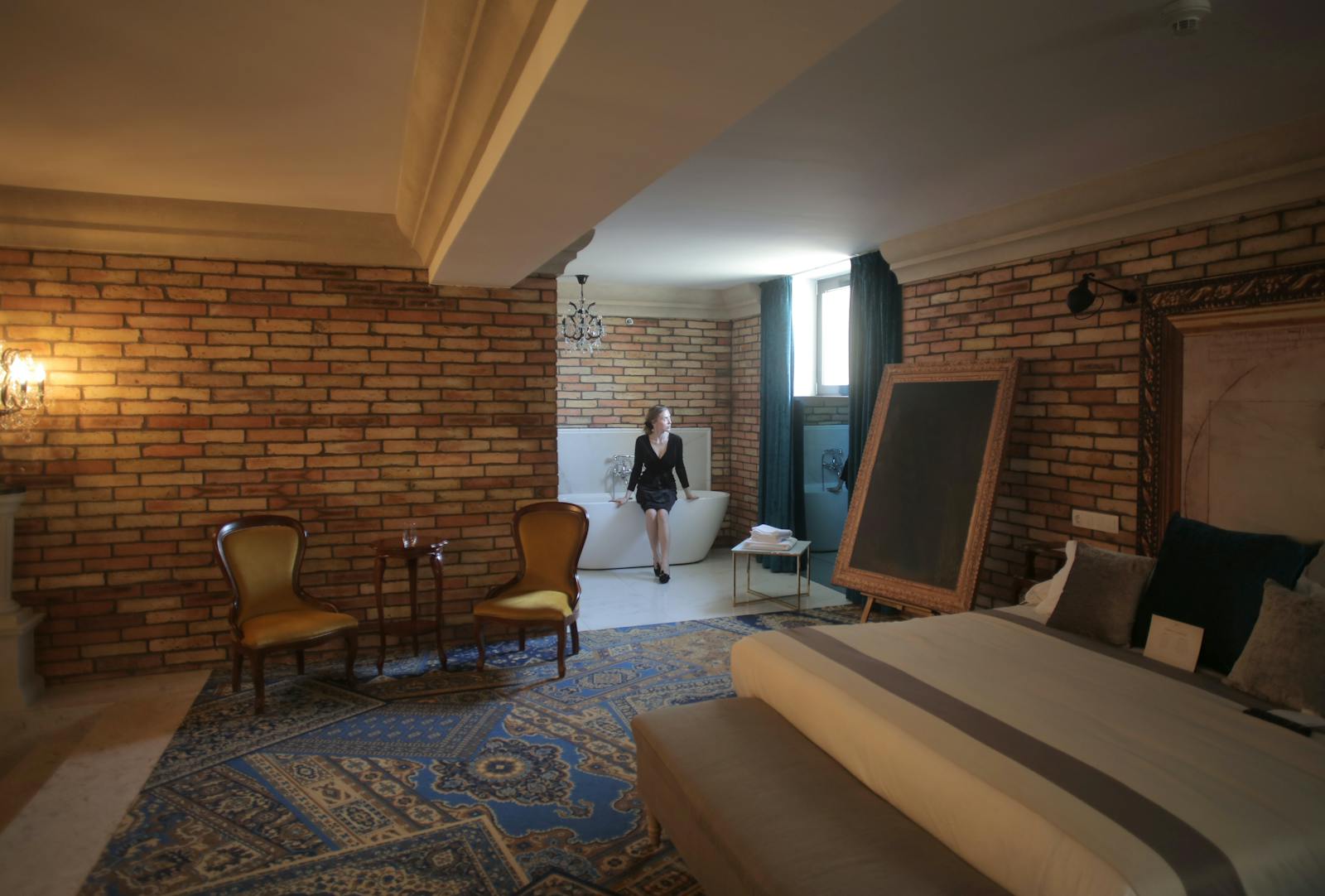
When it comes to choosing accommodation, the rule is fairly simple. The best strategic location is clearly on the Pest side of the river. From districts V, VI and VII you can walk to the vast majority of sights, the nightlife is right there, and you’re close to restaurants and great cafés.
If you’re after something elegant and you appreciate great design, definitely check out Hotel Moments Budapest, which sits right on the famous Andrássy Avenue. It’s a beautifully renovated building with an excellent breakfast and staff who’ll bend over backwards for you.
For those who want a bit of extra relaxation after a full day of walking, I can recommend Cortile Budapest Hotel. This design gem has a glass-walled rooftop pool with a view over the city — absolutely fabulous.
If you’re looking for a more budget-friendly option but still want to be right in the heart of the action, take a look at Roombach Hotel Budapest Center. It’s located right in the heart of the Jewish Quarter, has modern, clean rooms, and the best ruin bars are literally just a few steps away. All these hotels can be conveniently booked through Booking.com, where you’ll often find attractive seasonal deals too.
Practical Info
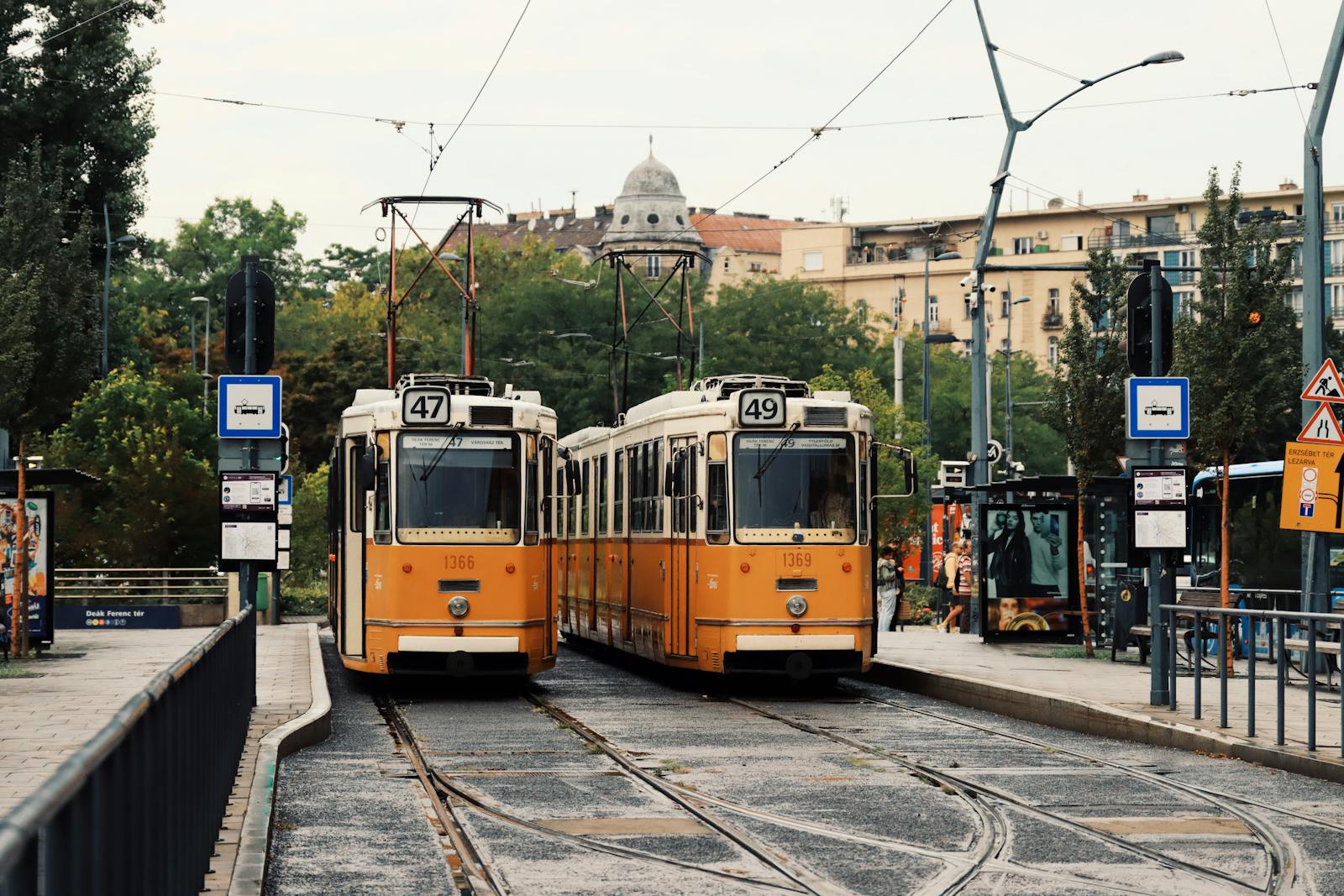
Direct flights to Budapest from the UK are plentiful — Wizz Air, Ryanair, easyJet and British Airways all run regular routes from London (Luton, Stansted, Gatwick and Heathrow) as well as from Manchester, Birmingham and other regional airports, with flight times of roughly two and a half hours. The journey from Ferenc Liszt Airport into the city centre is incredibly easy and cheap. The best option is the direct 100E bus, which takes you all the way to the central Deák Ferenc tér. A ticket costs a few euros and you can buy it simply at a machine or directly on your phone. If you prefer comfort, download the Bolt app — regular taxis hailed on the street tend to be needlessly overpriced.
For getting around the city, the BudapestGO app will come in handy. Through it you can buy single tickets and day passes for all trams, buses and the iconic old metro line. Just be very careful to validate your tickets correctly in the app — the inspectors here are quite strict and check thoroughly.
Hungary still uses the forint, and here comes one big warning. Steer well clear of Euronet ATMs, which are dotted all over the centre. They have absolutely terrible exchange rates and push so-called DCC, or dynamic currency conversion, on which you can lose tens of percent.
Likewise, when paying by card in a restaurant, always choose to pay in the local currency — that is, in forints. Honestly, you barely need cash in Budapest these days; Lukáš and I pay by card even at out-of-the-way market stalls.
As for prices this year, bear in mind that Budapest is no longer the super-cheap destination it was ten years ago. A main course in a restaurant typically costs around 4,000 to 6,000 HUF (roughly 10–15 €), a coffee comes to about 1,200 HUF (3 €) and a public transport ticket roughly 450 HUF (just over 1 €). Entry fees to the sights have risen noticeably, but it still works out cheaper than, say, a long weekend in Vienna.
Where to Go Next
If you have more days in Budapest and you’ve already covered the main sights, there are several great day trips into the surrounding area. The most popular is the picturesque baroque town of Szentendre, which you can reach by suburban train in just under three-quarters of an hour. It’s full of galleries and narrow lanes and has a gorgeous riverside.
In the summer months you can also head to Lake Balaton. The train journey to the resort of Siófok takes about an hour and a half, and for a day-trip swim it’s absolutely ideal.
Want to learn even more about the Hungarian capital? Read our exhaustive list of 66 tips on what to see in Budapest, where you’ll also find plenty of hidden gems.
If you’re more tempted by relaxing in hot water, we’ve prepared a detailed guide to the thermal baths in Hungary. And if you’re heading here in winter, definitely don’t miss our article on how to enjoy the magical Christmas markets in Budapest.
Frequently Asked Questions
How many days to visit Budapest?
We recommend setting aside three full days for visiting Budapest. This way you’ll have time to leisurely explore the main sights on both banks of the river, enjoy the thermal baths, and discover the local culinary scene without any unnecessary rush.
Can you do Budapest in 1 day?
Yes, it can be done, but it will be very demanding. You’ll manage to cover the basic route from Fisherman’s Bastion through the Chain Bridge to the Parliament, but you won’t have time for museums or a longer rest in the thermal baths.
When is the best time to visit?
The best time to visit Budapest is in spring from April to May and in autumn in September and October. Temperatures are pleasant for walking around all day and the sights aren’t as crowded as during the summer holidays.
Are the thermal baths open in winter too?
Yes, most thermal baths including the most famous Széchenyi operate year-round. Swimming in hot outdoor pools when the surrounding air is close to freezing point is an absolutely fantastic experience.
Do I need cash in Budapest?
Most of the time, you’ll get by just fine with a payment card. Even market vendors and smaller cafés have terminals these days. A small amount in forints is only useful for small tips or potential payments at public toilets.
Is Budapest an expensive destination?
Prices have gone up in recent years and Budapest isn’t as cheap as it used to be. Accommodation and food costs are comparable to Prague, but it’s still significantly cheaper here than in Western capitals like Vienna or London.
Is it better to stay in Buda or Pest?
For the vast majority of tourists, it’s much better to stay in Pest. The terrain is flat, most of the restaurants, ruin bars and shops are located here, and you can reach the main sights within walking distance.
How to best get from the airport?
The most convenient and cheapest option is to use the direct bus line 100E. It runs very frequently, the ticket costs just a few euros and takes you directly to the main transport hub Deák Ferenc tér in the city centre.
Is it safe in Budapest?
Budapest is generally a very safe city. The same rules apply here as in other European capitals. In crowds around major landmarks and on public transport, watch out for pickpockets and don’t leave your belongings unattended.
Tips and Tricks for Your Vacation
Don’t Overpay for Flights
Search for flights on Kayak. It’s our favorite search engine because it scans the websites of all airlines and always finds the cheapest connection.
Book Your Accommodation Smartly
The best experiences we’ve had when looking for accommodation (from Alaska to Morocco) are with Booking.com, where hotels, apartments, and entire houses are usually the cheapest and most widely available.
 🚗 Car rental on the roadVerified rental cars in Hungary
Search with the DiscoverCars comparison engine — it compares prices from dozens of local and international rental companies, and most bookings come with free cancellation.
Compare car prices in Hungary →Don’t Forget Travel Insurance
Good travel insurance will protect you against illness, accidents, theft, or flight cancellations. We’ve had a few hospital visits abroad, so we know how important it is to have proper insurance arranged.
Where we insure ourselves: SafetyWing (simple monthly subscription) and TrueTraveller (for extra-long trips).
Find the Best Experiences
Get Your Guide is a huge online marketplace where you can book guided walks, trips, skip-the-line tickets, tours, and much more. We always find some extra fun there!