

In air travel there’s a hard dividing line between a child flight ticket for an infant and one for an older child. While a baby under two travelling on your lap costs just a tenth of the fare with legacy carriers, budget airlines charge fixed fees regardless of how long the flight is.
With Ryanair a one-way infant ticket will set you back €25, and with Wizz Air roughly €27. The big trap is a second birthday celebrated during your holiday, because the ticket type is decided by the child’s age on the day of the return flight.
Below I’ll explain in detail how much these tickets really cost and where the hidden fees lurk. You’ll also learn when it makes sense — financially and practically — to buy your baby their own seat.
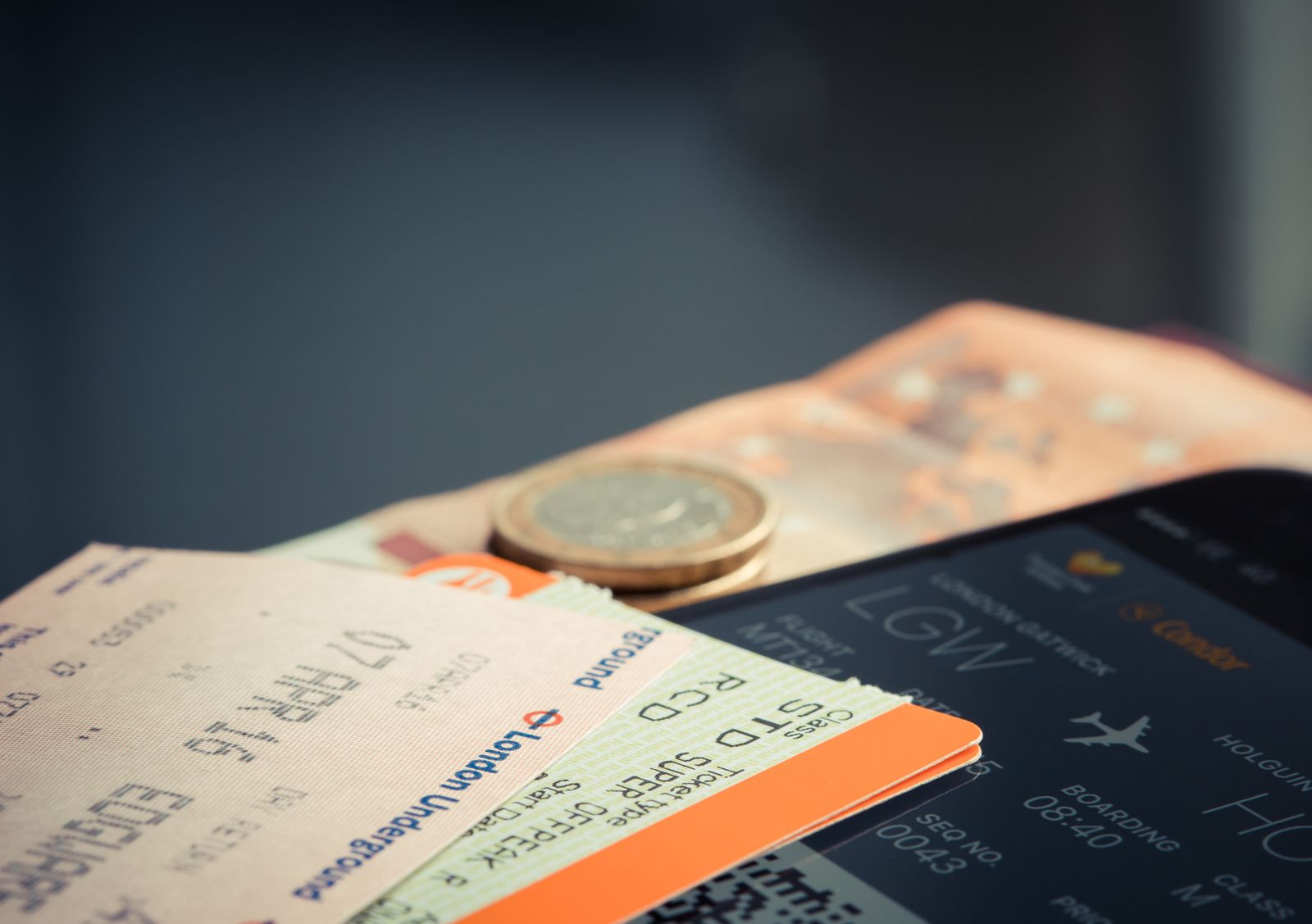
TL;DR
- Legacy airlines charge 10% of the fare: Carriers like Lufthansa, Qatar or British Airways charge just a tenth of the adult fare for a lap infant, which is a huge saving on long-haul flights.
- Budget airlines have a fixed fee: Ryanair charges a hard €25 per segment, while Wizz Air is roughly €27 (or the adult fare, if that happens to be cheaper on sale).
- Age on the day of the flight decides everything: If your child turns two during your beach holiday, they’ll definitely need their own full seat for the return trip.
- One adult can only manage one infant: For safety reasons you can’t fly with two children under two on one adult’s lap, because you wouldn’t be able to secure them both in an emergency.
- Buy cancellation insurance right with the ticket: If your child falls ill the night before departure, you’ll need a doctor’s note dated that day and a no-show confirmation from the airline.
- New rules from 2027: The European Union has finally approved a regulation requiring airlines to seat children under 14 next to their parents completely free of charge.
10 Things You Need to Know About Child Flight Tickets
Getting your head around airline pricing takes a fair bit of patience and a calculator in hand. Let’s take a detailed look at how prices are built, what to watch out for when booking, and where the biggest financial traps that airlines set for parents are hiding.
1. How much a child flight ticket for under 2s really costs
When you fly with a baby for the first time, you’d logically expect a child with no seat and no meal to fly completely free. The reality varies wildly depending on whether you’re flying with a network carrier or a budget airline, because each uses a completely different maths model. Network carriers like Lufthansa, SWISS, Qatar Airways or Turkish Airlines take a very customer-friendly approach, where a lap infant costs exactly 10% of the adult fare. So if an adult ticket to New York costs €600, the baby flies for €60 — which makes long-haul trips with little ones very appealing.
With budget airlines there’s no percentage discount and they charge a hard fixed fee for every segment flown. Ryanair takes a fixed €25 per segment, so a return ticket for a lap infant costs you €50 regardless of what your own ticket cost. It’s absolutely common to end up in the absurd situation where you snag your own ticket on sale for €15 but pay €25 for the child on your lap. Wizz Air sets this fee at roughly €27, but offers one small workaround: the infant fee drops to the adult ticket level if the adult fare happens to be cheaper.
💡 Tip: On flights within Europe, always work out in advance whether it’s actually cheaper to fly with a legacy airline rather than a budget one. A legacy carrier often throws in a free checked bag for the baby on top of the 10% ticket, whereas with a budget airline you pay the fixed fee for the air alone and have to buy every bag separately at a steep price.
2. The sudden price jump for children over 2
The moment the second birthday arrives, all the flying fun ends and, in the eyes of the airlines, your child becomes almost an adult passenger. A two-year-old now has to sit in their own seat, be fastened with their own seatbelt, and airlines charge accordingly for that space. Budget airlines have no child fare at all, so for a toddler or a school-age child you pay 100% of the adult fare and the game shifts purely to optimising baggage and hunting for sale prices.
Traditional network carriers do have so-called child fares, but don’t expect any miracles from them. The discount for a child aged two to twelve usually hovers around just 15 to 25% of the adult fare, and you get no discount at all on airport taxes and fuel surcharges. So if you’re planning a big, expensive trip somewhere exotic, try to do it before your child’s second birthday, because later the tickets will cost you hundreds of euros more.
💡 Tip: A child with their own seat automatically has the same baggage rights as an adult passenger. So if you pay for a standard ticket with a cabin case, your two-year-old is also entitled to their own case in the cabin, which you can pack with toys, nappies and snacks for the whole family.
3. What to do if your child turns 2 during the trip
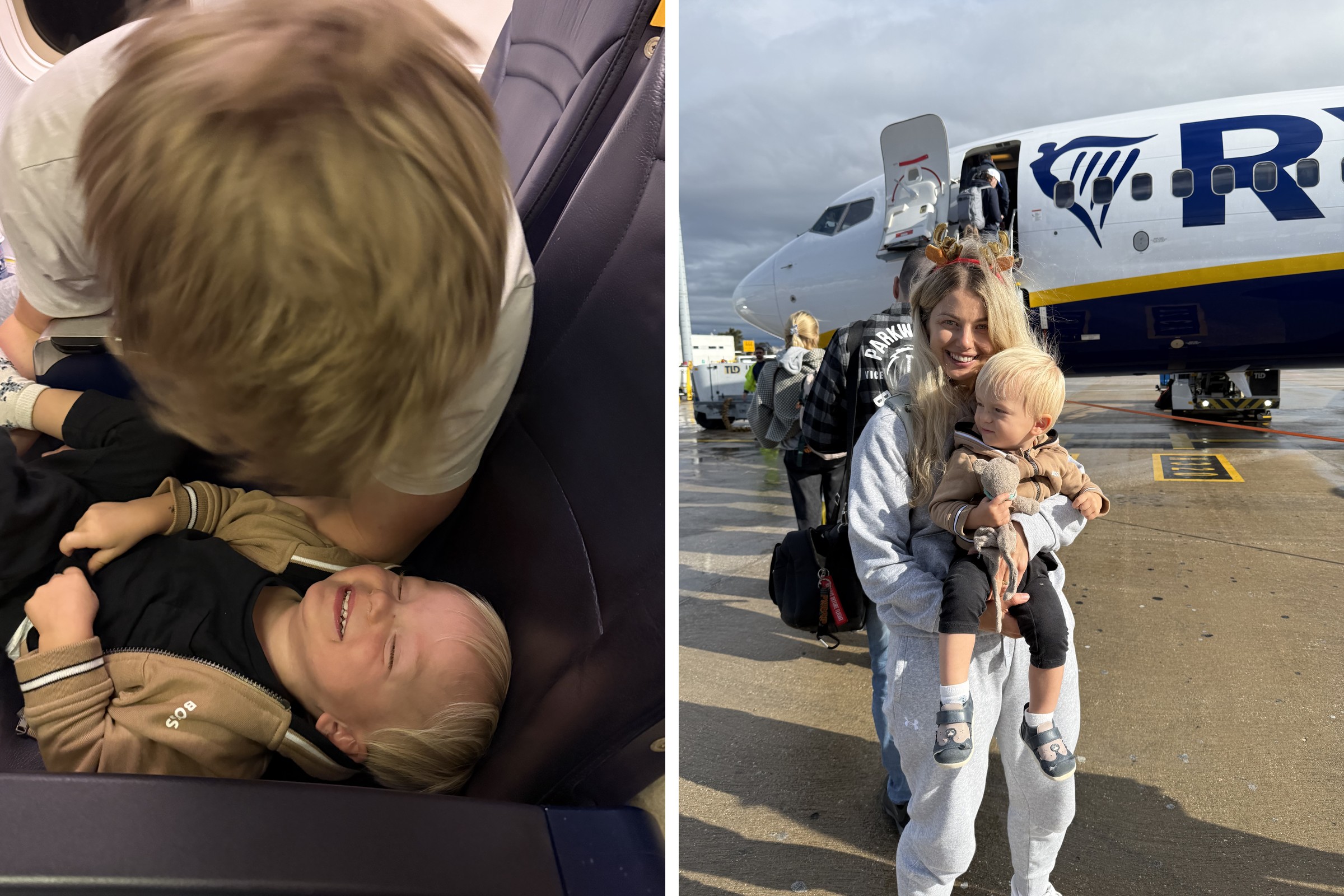
This is an absolute classic and a financial trap that families with toddlers fall into with incredible regularity. Airlines simply don’t care how old the child is at the moment you’re buying the tickets on your computer at home. The only thing that matters is the child’s age on the day they board that specific plane. If you’re heading off on a three-week holiday and your child is one year and eleven months at departure, they fly out as a lap infant at a fraction of the price.
But as soon as you celebrate that second birthday on the beach, the infant turns into a standard child passenger overnight and the rules are merciless. A child who turns two during the trip needs their own seat for all onward flights, and most carriers will want you to pay a full child ticket for the return leg. A wonderful exception here is British Airways, who give the child their own seat for the return trip but still only charge the original 10% of the adult fare for it.
💡 Tip: Never leave this to sort out at the airport before flying home, because staff might demand you pay the current, extremely expensive walk-up fare, or refuse to let you board at all. If you know your child will have a birthday during the holiday, call the airline’s customer line before buying the tickets and agree on the exact booking procedure.
4. When it’s worth buying an infant their own seat
Even if your child is under two and you’re fully entitled to take them on your lap for a few euros, sometimes it makes enormous sense to pay the full price for their own seat. Consider it especially on long-haul flights, because holding a twelve-kilo toddler on your lap for twelve hours is an experience that borders on physical torture for both of you. Your own seat gives you the much-needed space, the child can comfortably play and sleep, and you can at least eat a bit without someone kicking your tray table.
The second situation where a separate seat is unavoidable is a solo parent travelling with two children under two. Aviation rules have a hard rule stating that only one lap infant is allowed per adult, because in an emergency you only have two hands and there’s a limited number of oxygen masks per seat. So you have to buy the second infant their own seat and place them in a special car seat with an aviation certification label.
💡 Tip: With Wizz Air there’s a tried-and-tested trick for buying a seat for your baby online. You buy a normal adult ticket, type the word INFANT in the First Name field and put the child’s surname in the Surname field, which lets you avoid the infant fee and pay only for the seat. With Smartwings, on the other hand, a separate seat for an infant can only be bought over the phone.
5. How to add a child to an existing booking
It happens more often than you’d expect. In January, Grandma snaps up heavily discounted tickets for the whole family for an August holiday but completely forgets to click your one-year-old son into the system. Or you buy tickets a year in advance and a few months later find out you’re pregnant and will be flying to the coast one member heavier. If you need to add an infant under two who’ll fly on your lap, it’s usually a relatively painless process with most airlines.
It’s best to handle this directly through the airline’s customer line, because online systems aren’t always built to add people afterwards. Some airlines like easyJet do let you add an infant directly online in the app, but elsewhere you won’t get by without an operator on the phone. You pay that fixed fee or 10% of the fare, and the child is on the passenger list.
💡 Tip: A huge problem arises if you need to add a child over two to an existing adult booking, since they already need their own seat. The system usually won’t let you buy a standalone ticket for a minor without an adult accompanying them. In that case you always have to call support so the operator can manually link the new child ticket to your original adult booking.
6. Loyalty programmes and family traps
Budget airlines are absolute masters of sales psychology, and while buying a ticket they’ll run you through several screens flashing red warnings at you. Plenty of stressed parents click so-called family bundles into the basket believing they’ll save, but the opposite is often true. A typical example is Ryanair, where the family fare usually doesn’t pay off at all and it’s far cheaper to buy the plainest basic fare and then manually add only the bags you genuinely need.
With Wizz Air, on the other hand, it makes huge sense to get their Wizz Discount Club. If you’re travelling as a family of three or four, the membership fee very often pays for itself on the very first return booking, because you get a discount both on the fare itself and on added bags. So always mock up both options in the basket and compare the final amount right before payment.
💡 Tip: Watch out for family seating fees. From June 2026, after regulators stepped in, Ryanair had to change the rules and scrapped the mandatory seat reservation fee for families. If you choose random allocation today, the system has to seat children under 12 next to an adult for free, saving you a lot of money. You’ll just have to accept that you’ll probably end up at the back of the plane.
7. When to buy tickets with kids and how to keep an eye on the price
When you’re off for a weekend with a backpack, you probably don’t care whether you buy the ticket through a search engine like Kiwi or Trip.com. But once you’re travelling with small children, one absolutely iron, unbreakable rule applies that will save you a lot of stress. Always and only buy tickets directly on the official website of the specific airline. With kids, plans constantly change — you need to order a bassinet, sort out stroller dimensions, or deal with a sudden illness and cancellation.
If you have a ticket booked directly with Lufthansa or Ryanair, you call them, talk the problem through and sort it out. But if your ticket is from an intermediary, you become a hostage of their customer service, which charges hefty admin fees for every change, and communication with the airline through them is extremely slow. The €5 you saved on a comparison site will come back to bite you a thousand times over at the first kid-related mishap.
💡 Tip: Better times are on the horizon thanks to the European Union, which in July 2026 approved new passenger rights rules. From mid-2027, airlines will have to show the ticket price including cabin baggage right at the very start of the booking, so the stress of misleading prices — the ones where you then have to pay a fortune to add cases for the whole family at the end — will finally be gone.
8. Cancelling a ticket because of a sick child
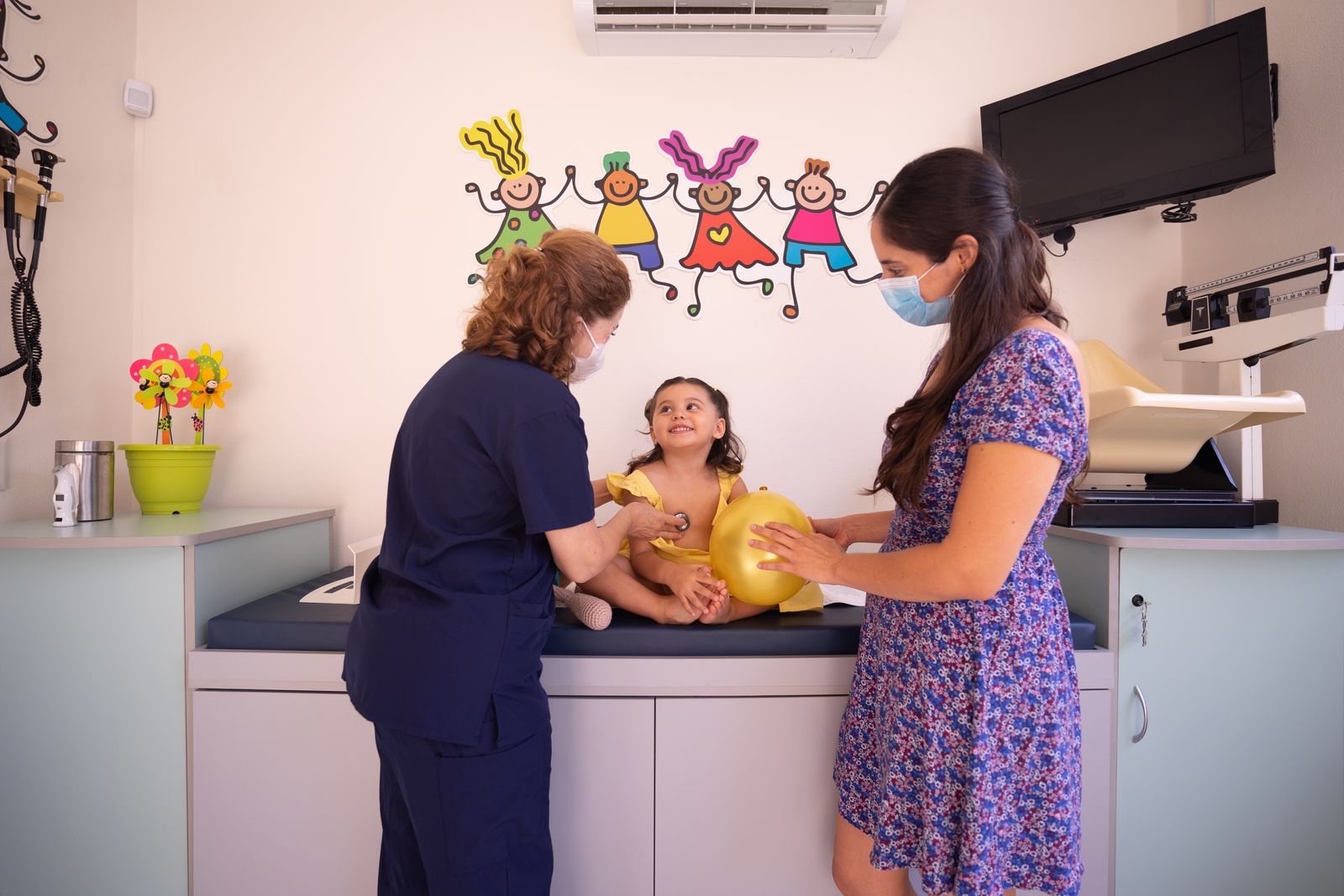
This is every parent’s nightmare. It’s nine in the evening, your plane to the coast leaves at six tomorrow morning, and your toddler starts vomiting or their fever shoots up to forty. It’s absolutely clear you’re going nowhere, and you have to act immediately to avoid losing hundreds of euros. If you have budget airline tickets from Ryanair or Wizz Air, you usually won’t manage the online cancellation in the system that evening before departure, so the case flips into what’s called an unused-flight or no-show mode.
To get your money back from the insurer, you need to obtain two absolutely crucial documents, without which you don’t stand a chance. First thing in the morning on the planned departure day, you must contact your paediatrician and have a medical note issued confirming unfitness to travel, and the date on the note must under no circumstances be later than the departure day. The second paper is a no-show confirmation, which you have to request from the airline retroactively and very proactively via their web form.
💡 Tip: With a cold or a runny nose, a problem arises on board due to sinus pressure that’s hard to equalise through the Eustachian tube. If your child has an acute middle-ear infection, the doctor may flatly advise against the trip and you’ll have a clear diagnosis in hand for the insurer. For a mild everyday cold, parents recommend applying a nasal spray before take-off and landing; with babies, breastfeeding right at the moment the plane begins its descent helps.
9. Cancellation insurance for families and what it really covers
People constantly confuse standard travel medical insurance with cancellation insurance. While an EHIC card and ordinary travel cover protect you only once you’re abroad and your child catches tonsillitis there, cancellation insurance saves your money the moment you’re still at home and can’t fly out at all because of illness. The crucial rule is that you can’t buy cancellation insurance a week before departure when the child is already coughing — you ideally have to arrange it the very day you buy the ticket or pay the first deposit.
When choosing cancellation cover, don’t just look at the price but above all at the terms for so-called accompanying persons. If a five-year-old falls ill, it’s logical that one of the parents stays home with them. But the insurer must have it clearly defined in the terms that they also accept cancellation for a healthy sibling and the second parent on the same booking, since they probably won’t fly to the coast alone. Also bear in mind that insurers usually don’t refund the full hundred percent but have a set excess, typically around twenty percent.
💡 Tip: Watch out for what happens with a damaged stroller. Under the international Montreal Convention, the airline is liable for a destroyed stroller, not your travel insurer. The compensation limit runs to over two thousand dollars, but you have to report the damage in writing within 7 days of arrival, ideally as a PIR report right at the airport desk. If you don’t do it straight away, you’ll struggle to get the money out of the airline. Remember that with Smartwings the stroller must be packed in a cover, otherwise they won’t be liable for it.
10. Delays and an infant’s right to compensation (EU 261)
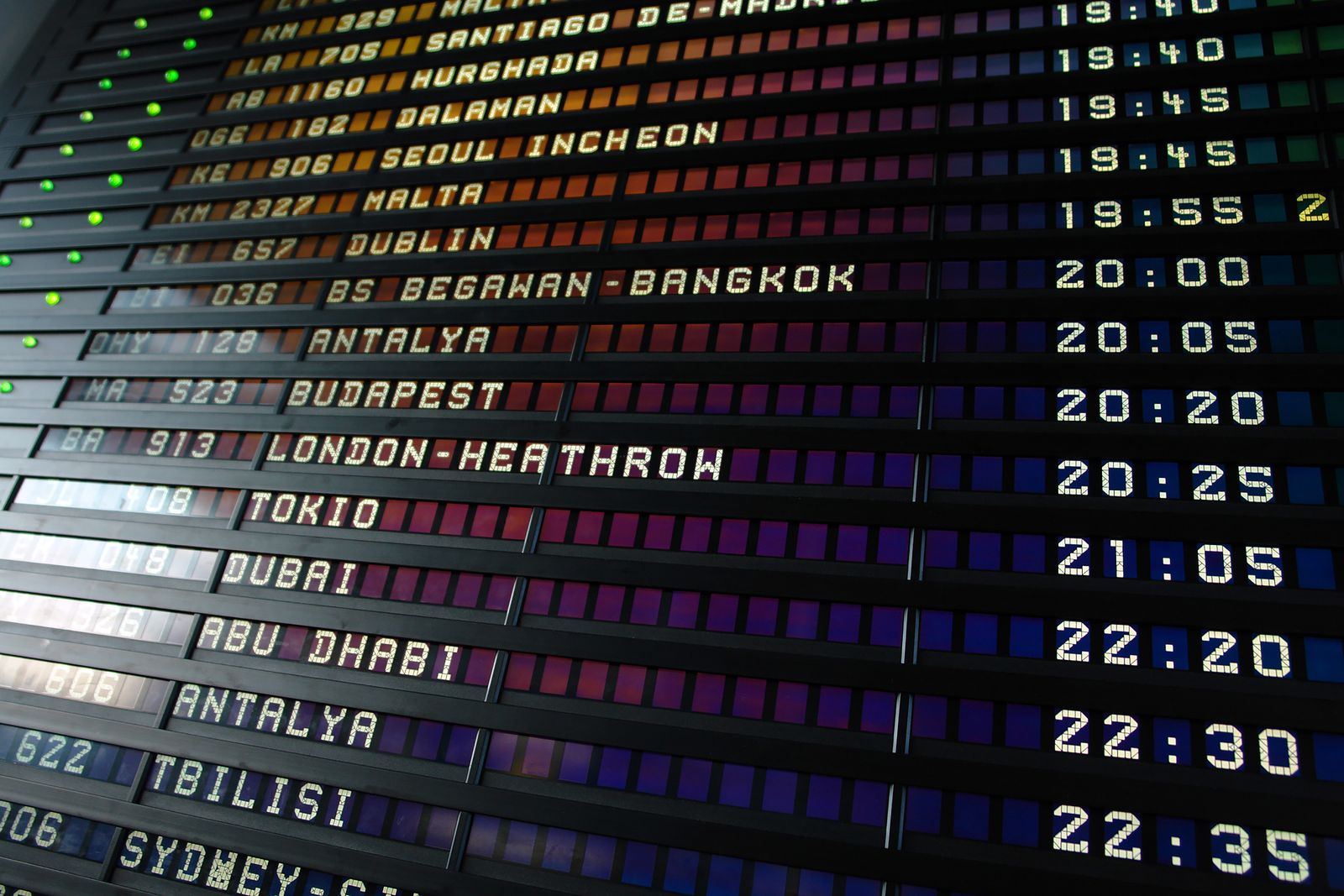
Since we’re talking about rights and money, we have to touch on a topic that’s extremely explosive among travellers and full of uncertainty. EU regulation 261/2004 guarantees you financial compensation of €250 to €600 if your flight is delayed by more than three hours or unexpectedly cancelled. But does this generous compensation claim also apply to a baby flying on your lap with no paid seat of their own?
This is demonstrably a contested area of law and the practice of individual airlines differs dramatically. In practice the deciding criterion is often whether you made any payment for the child. If the airline carries the child completely free, they’ll usually flatly refuse compensation. But if you paid that €25 with Ryanair or ten percent with Lufthansa, the child is a paying passenger with their own ticket and your chances of success rise, even though case law across Europe still isn’t fully unified.
💡 Tip: Don’t be put off by a first rejection. If your flight has a huge delay, always submit the compensation claim for the lap infant, because it only costs you five minutes at the computer. Expect the airline to automatically reject it in the first round, but they’ll often back down after an appeal or the threat of handing the case to the supervisory authority and pay the family the money in the end.
Practical Summary and Guide Prices
So you don’t get lost in this vast pile of rules, I’ve prepared two clear tables with specific figures that apply for this year. Remember that airline prices can change dynamically, so always double-check them right before buying, but as a springboard for your family budget they work absolutely reliably.
Lap infant fees by airline:
| Carrier | Price for a lap infant (0–2 years) | What’s included in the child ticket |
|---|---|---|
| :— | :— | :— |
| Lufthansa, Austrian, SWISS | 10% of the adult fare | Checked bag up to 23 kg, stroller, car seat |
| Qatar, Turkish Airways | 10% of the adult fare | Own checked bag, stroller or carrycot |
| Ryanair | €25 / £25 per segment (fixed) | Only a 5 kg bag (45×35×20 cm), 2 pieces of equipment (stroller) |
| Wizz Air | approx. €27 per segment (or the adult price) | Small bag up to 10 kg, stroller or car seat to check in |
| Smartwings | Reduced fare (depending on the specific flight) | Stroller and car seat (stroller must be packed in a cover) |
When it’s worth buying a separate seat for a child under 2:
| Type of trip and situation | When to fly on your lap (Infant) | When to buy a separate seat |
|---|---|---|
| :— | :— | :— |
| Short flights within Europe (up to 3 hours) | Ideal choice — you can hold the child and save a lot. | A pointless luxury; spend the money on a better hotel instead. |
| Long-haul flights to exotic spots (over 6 hours) | Only for very small babies that fit in a bassinet. | Recommended for toddlers (1–2 years), otherwise you’ll go mad. |
| One adult and two children under 2 | Not possible — the airline won’t let you board. | A must for the second child + certified car seat. |
| Need for a large car seat on board | The car seat has to go in the hold. | A must — the car seat is strapped to a purchased seat. |
Where to Next
If your first big trip with kids is coming up and your head is full of worries, take a look at more practical articles I’ve put together based on our own experience and deep research into airline rules:
- Flying with kids: the complete guide
- Baggage for children on a plane
- Where to sit with a child on a plane
- Ryanair baggage: dimensions, weight and fees
- Wizz Air baggage
- AirHelp review: claiming flight compensation
- Croatia with kids
Frequently Asked Questions
Is there a fee for a stroller on the plane?
With the vast majority of airlines, including low-cost carriers like Ryanair or Wizz Air, there is no fee for transporting a folded stroller. You are typically entitled to free stroller transport right up to the boarding gate, where you hand it over to staff for storage in the hold. Always check, however, whether the airline requires a protective cover for it.
Can I bring a car seat onto the plane?
Yes, you can bring a car seat on board, but you must purchase a separate full-fare seat for your child to secure it on. The car seat must also have a special certification label for use in air travel. If you don’t purchase a seat, the airline will check the car seat into the baggage hold free of charge.
What should we do when we have an infant on our lap with Ryanair and the system wants to seat us separately?
Since June 2026, Ryanair has abolished the mandatory fee for family seating, so the system must seat children under 12 next to one parent free of charge. Keep in mind, however, an important safety rule: an adult travelling with an infant on their lap must always sit by the window, because only there are two oxygen masks available in the panel.
Can I add an infant to a ticket I purchased a month ago?
Yes, adding an infant under two years old to an existing booking is a standard procedure. With some airlines, such as easyJet, you can do it directly online, while with most other carriers you need to call the customer service line and pay a fixed fee. Adding a child over two years old, however, is significantly more complex and requires operator assistance.
Do I have to pack liquids for children in 100 ml bags?
For food and drinks for infants and toddlers (formula, baby food, water for bottles), there is an exception to the 100 ml limit at security control. You can bring the amount needed for the duration of the flight. However, the security officer may ask you to open the bottle so they can test the contents in a special device.
Will a low-cost carrier refund my money if my child gets sick?
The low-cost airline itself will not refund your money for a non-refundable fare, because illness is not the carrier’s fault. That’s why it’s absolutely crucial for families to purchase trip cancellation insurance right when buying the ticket. With a medical report and proof of not boarding the flight, you then handle the refund directly with your insurance company, not with the airline.
When will the new EU rules for families on planes take effect?
The European Union approved new rules for passenger rights in July 2026, which should actually come into force after a transitional period starting mid-2027. They will bring, among other things, an obligation for airlines to seat children under 14 next to an accompanying person completely free of charge, as well as a requirement to display transparent pricing including cabin baggage right at the start of the booking process.
Tips and Tricks for Your Vacation
Don’t Overpay for Flights
Search for flights on Kayak. It’s our favorite search engine because it scans the websites of all airlines and always finds the cheapest connection.
Book Your Accommodation Smartly
The best experiences we’ve had when looking for accommodation (from Alaska to Morocco) are with Booking.com, where hotels, apartments, and entire houses are usually the cheapest and most widely available.
Don’t Forget Travel Insurance
Good travel insurance will protect you against illness, accidents, theft, or flight cancellations. We’ve had a few hospital visits abroad, so we know how important it is to have proper insurance arranged.
Where we insure ourselves: SafetyWing (simple monthly subscription) and TrueTraveller (for extra-long trips).
Find the Best Experiences
Get Your Guide is a huge online marketplace where you can book guided walks, trips, skip-the-line tickets, tours, and much more. We always find some extra fun there!


