

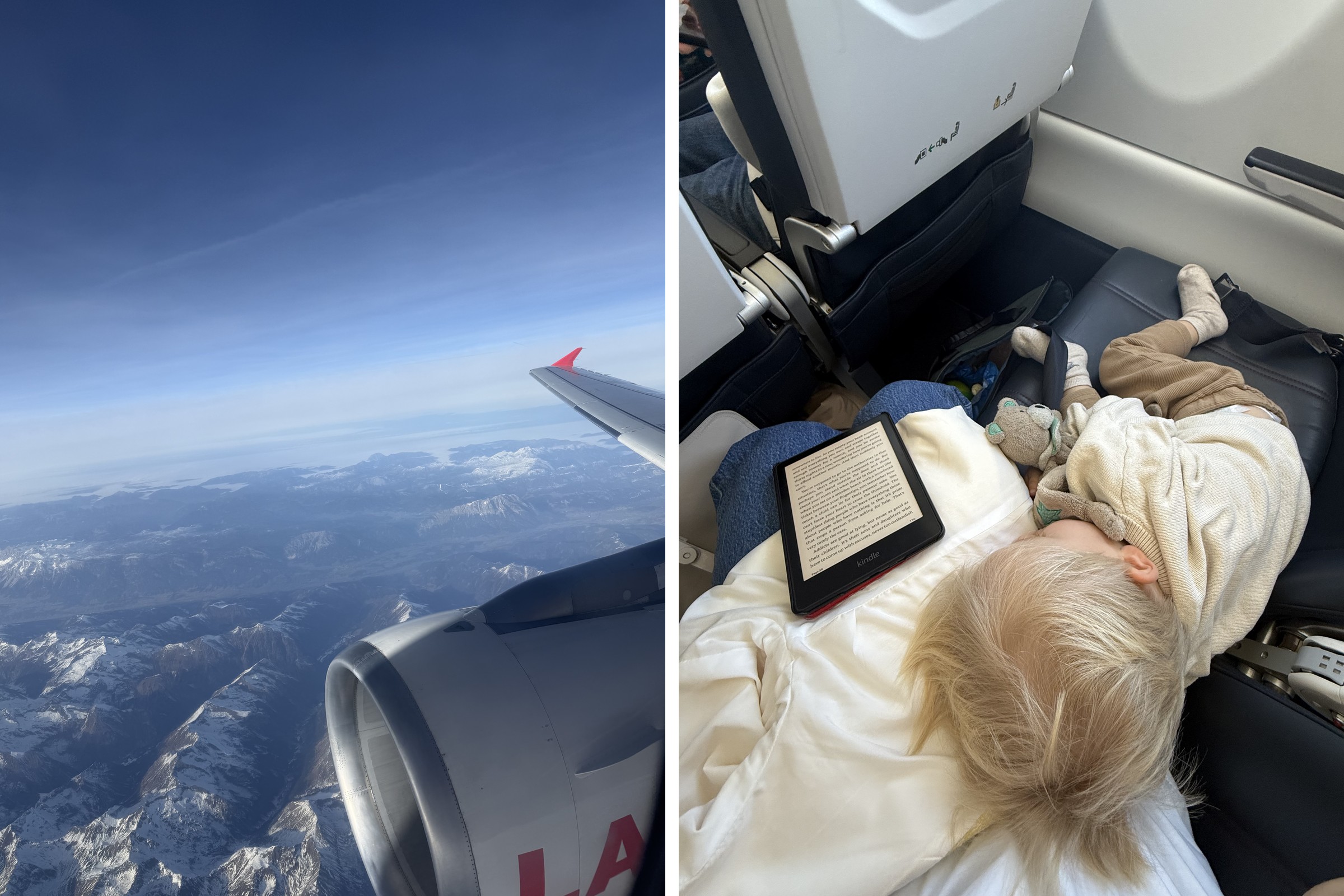
For years, airlines deliberately profited from parents’ fear of being split up from their family during a flight. They pushed us to pay extra for specific seats just to be sure a small child wouldn’t be seated at the opposite end of the plane. But airplane seating for children is finally starting to change for the better.
New European rules have helped. Thanks to them, you’ll get a seat next to a child under 14 for free — but in practice they only kick in from mid-2027. Until then, you have to work with each carrier’s booking system and safety regulations.
In the paragraphs below, I’ll explain exactly where you’re allowed to sit with your kids. You’ll also learn why Ryanair seats you strictly by the window when you have an infant on your lap (it’s all about the oxygen masks) and what to watch out for if you’re travelling as the only adult.
TL;DR
- New European rules: In July 2026, legislation was approved requiring a child under 14 to sit next to a parent for free. In reality, though, it only takes effect from mid-2027.
- Changes at Ryanair: Since the end of June 2026, the system assigns children under 12 to one adult for free — but you’ll usually end up at the back of the plane.
- Oxygen masks: An adult with an infant on their lap must sit by the window on many airlines.
- Hidden bassinet fees: A bassinet on a long-haul flight is often free, but some airlines charge up to $160 for the seat in that row.
- The end of open seating: In January 2026, America’s Southwest dropped its open-seating system, showing a global trend toward stricter control.
- Child-free zones: Corendon introduced an adults-only zone for a €45 surcharge; other European airlines are still refusing to follow.
10 Things You Need to Know Before You Fly
Let’s take a look at the most important things you should know.
1. The End of Ryanair’s Family Tax — With a Catch
💡 Tip: If you leave seating to chance, the system will most likely put you right at the back.
The biggest earthquake in the European market was recently caused by Ryanair itself. Under strong pressure from regulators, it scrapped the mandatory seat-reservation fee for families on 25 June 2026. Until recently, if you flew with children under 12, at least one adult had to buy a seat. Only then did the system let you add the children’s seats for free. It was a very clever trick for squeezing extra money out of families.
Today the system works differently and far more kindly. If you choose random seat allocation when buying your ticket, the booking system automatically — and completely free of charge — assigns children under 12 to one adult on your booking. Ryanair doesn’t specify exactly when this allocation happens, but you now have a guarantee of sitting together with one parent.
It sounds like an absolute win for the family budget, but there’s one massive catch hidden in it. When you leave seating to the random algorithm, you’ll almost always end up as a family at the back of the plane. The reason is purely mathematical and very logical. The front rows get snapped up by business travellers and passengers who happily paid to choose their seats. That logically leaves the seats at the back for families with free allocation.
2. The Oxygen Trap for Lap Babies
💡 Tip: With a lap infant without their own seat, you can’t sit just anywhere — the oxygen masks limit you.
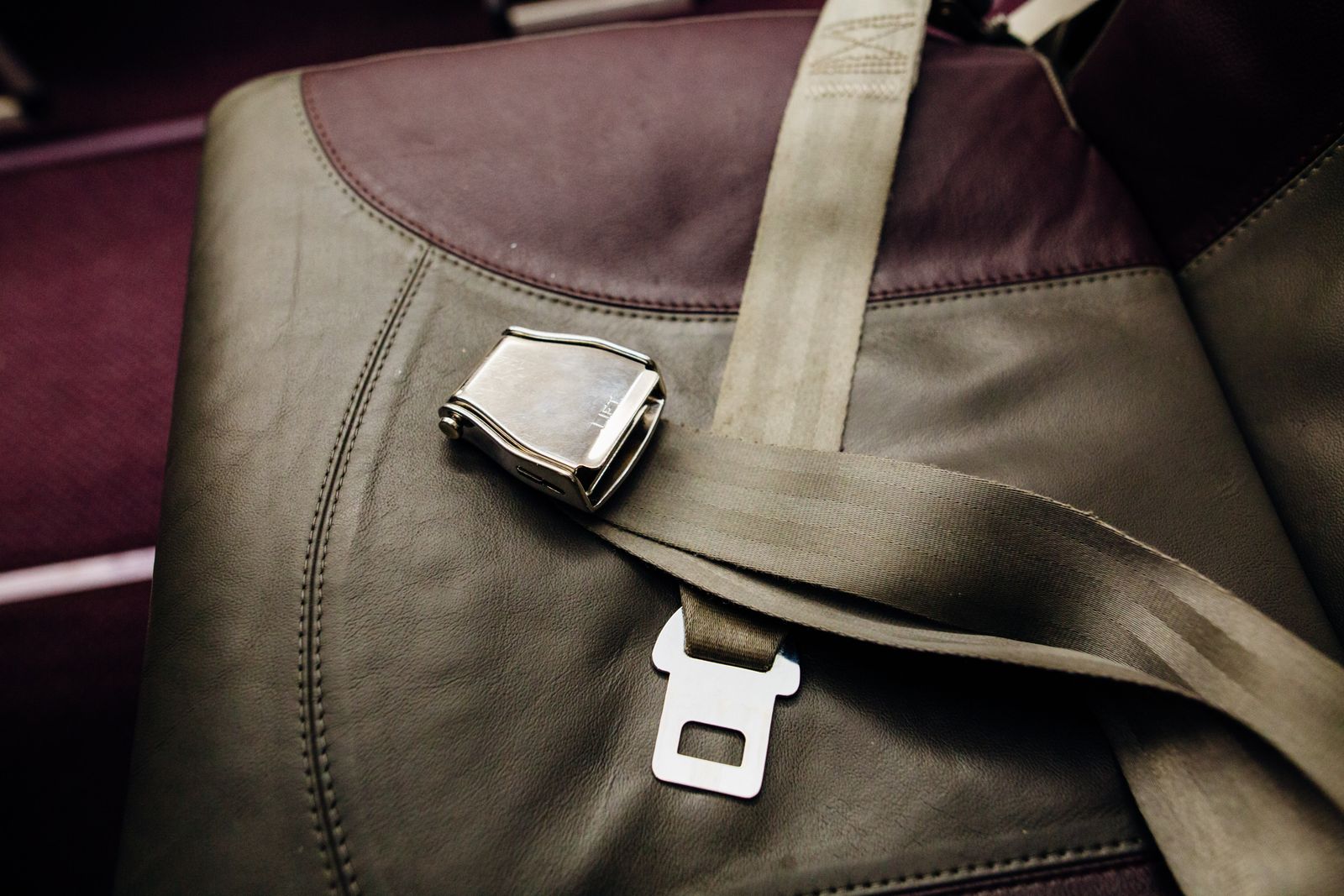
This is absolutely critical information if you’re flying for the first time with a baby aged from newborn to two years, who doesn’t have their own seat and travels on your lap the whole time. Online you’ll often hear the universal advice not to pay for seats because the system will seat you together anyway. But with infants, for safety reasons, it isn’t that simple.
Ryanair, for example — an airline many of us use — has a fairly strict requirement. An adult with an infant on their lap must sit strictly by the window. The reason isn’t a lovely view of the clouds, of course, but pure safety. Above the window seats there are two oxygen masks, whereas above the other seats there’s only one. That’s why an adult with a lap infant absolutely has to sit there.
You can’t sit in the aisle with a baby, and you can’t sit in the middle either. If you don’t buy a specific window seat and rely on random allocation, the system will indeed put you by the window, but it may scatter the rest of your family across the surrounding rows. Next to you will probably be a complete stranger. If you’re flying as two adults with a baby and you want a 100% guarantee, it’s better to just buy one window seat and one middle seat outright.
3. The European Revolution and the Rules for 2027
💡 Tip: The law on free seating for children under 14 has already been approved, but it only really takes effect in mid-2027.
In the summer of 2026, the long-awaited revision of the passenger rights regulation — which had been fought over in the European institutions for several long years — was finally completed. The European Parliament adopted the text on 7 July 2026 by an overwhelming majority, and the Council of the EU gave it the final green light on 13 July. For families with children, it’s an absolutely landmark moment.
A sentence made it into European law that changes the rules of the game for every airline. A child under 14 must be seated next to their accompanying person, completely free of charge. Airlines simply can no longer use children’s seating as a pressure lever to extract extra seat-selection fees from parents.
There’s one very important catch you need to watch out for, though. The regulation takes effect with a one-year transition period for all carriers. So in reality, we won’t get this legal certainty and the absolute end of fees until mid-2027. Until then, we’re in a transitional state where each airline tweaks the rules a little in its own way.
4. Car Seats Always Go by the Window
💡 Tip: If you buy your child their own seat and bring a certified car seat, strict rules apply to where it can go.
If you’re flying with a toddler for whom you’ve bought a separate ticket and you bring a certified car seat on board, you can’t choose just any seat in the cabin. A very tough safety rule applies here, required by airlines like Wizz Air as well as classic network carriers. The car seat must always be placed strictly on a window seat.
Next to that car seat there must be a parent or accompanying person over 16. Practical experience and safety regulations make it clear that a car seat should never block the way for other passengers in the event of an emergency evacuation. That’s why it can never be in the aisle or on a middle seat.
The American FAA even states that the safest place for a child is an approved restraint system on their own seat. Lukáš and I haven’t taken a car seat on board yet, because our little Jonáš flew on our laps until he was two, but for older toddlers it’s the best possible solution for safety during turbulence. The car seat must, however, have a special certification label for use in air travel.
5. Front or Back? The Eternal Parents’ Dilemma
💡 Tip: The front rows offer huge legroom, while the back of the plane saves the day with its proximity to the toilets.
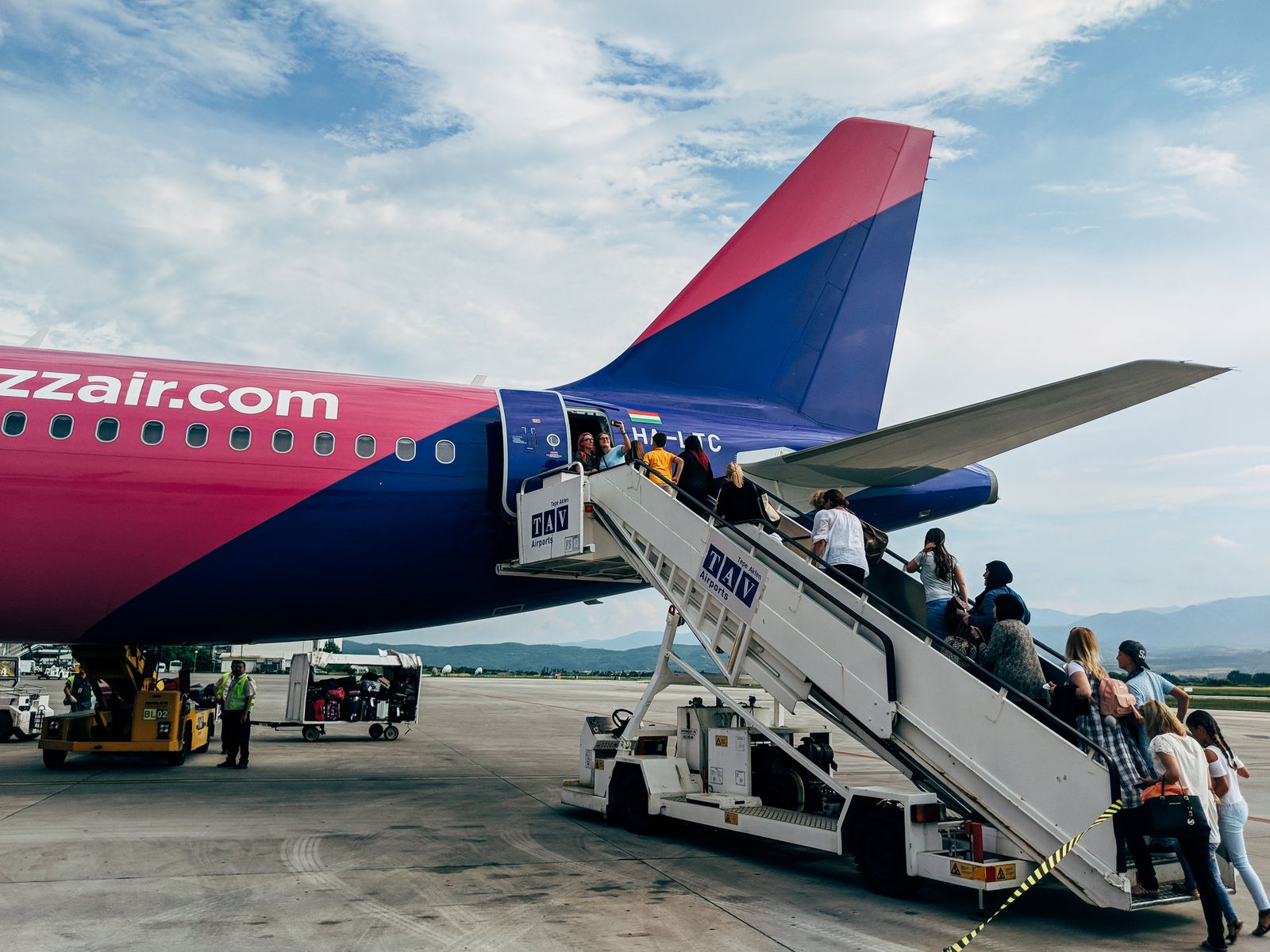
Once you decide to pay for seats, you face a fundamental decision about where to actually sit with your family. Traveller discussions are completely split into two irreconcilable camps on this. There’s no universally right answer, because it always depends on your children’s age and what your priority is during the flight.
The front-row fans swear by the space. In the first row behind the bulkhead you get loads of legroom, your child can in theory play on the floor for a while, and no one can recline their seat in front of you. You’re also first on the plane and first off, which is priceless with a tired toddler. The downside is that during takeoff and landing you can’t have any bags of toys under your feet at all, and the armrests are fixed, so they can’t be raised.
The back-row team, on the other hand, bets on practicality. The rear seats are a short walk from the toilets, which is absolutely key with recently potty-trained kids. Right next door is the galley, where you can go to warm up milk or stand and rock a crying baby in a carrier. The downside of the back is more noise, the constant stream of people heading to the loo, and the fact that you get off the plane dead last. For safety reasons, they’ll never seat you and your children by an emergency exit.
6. Bassinets and Their Hidden Cost
💡 Tip: An aircraft bassinet for your baby is usually free, but the airline often charges a hefty fee for the seat in that row.
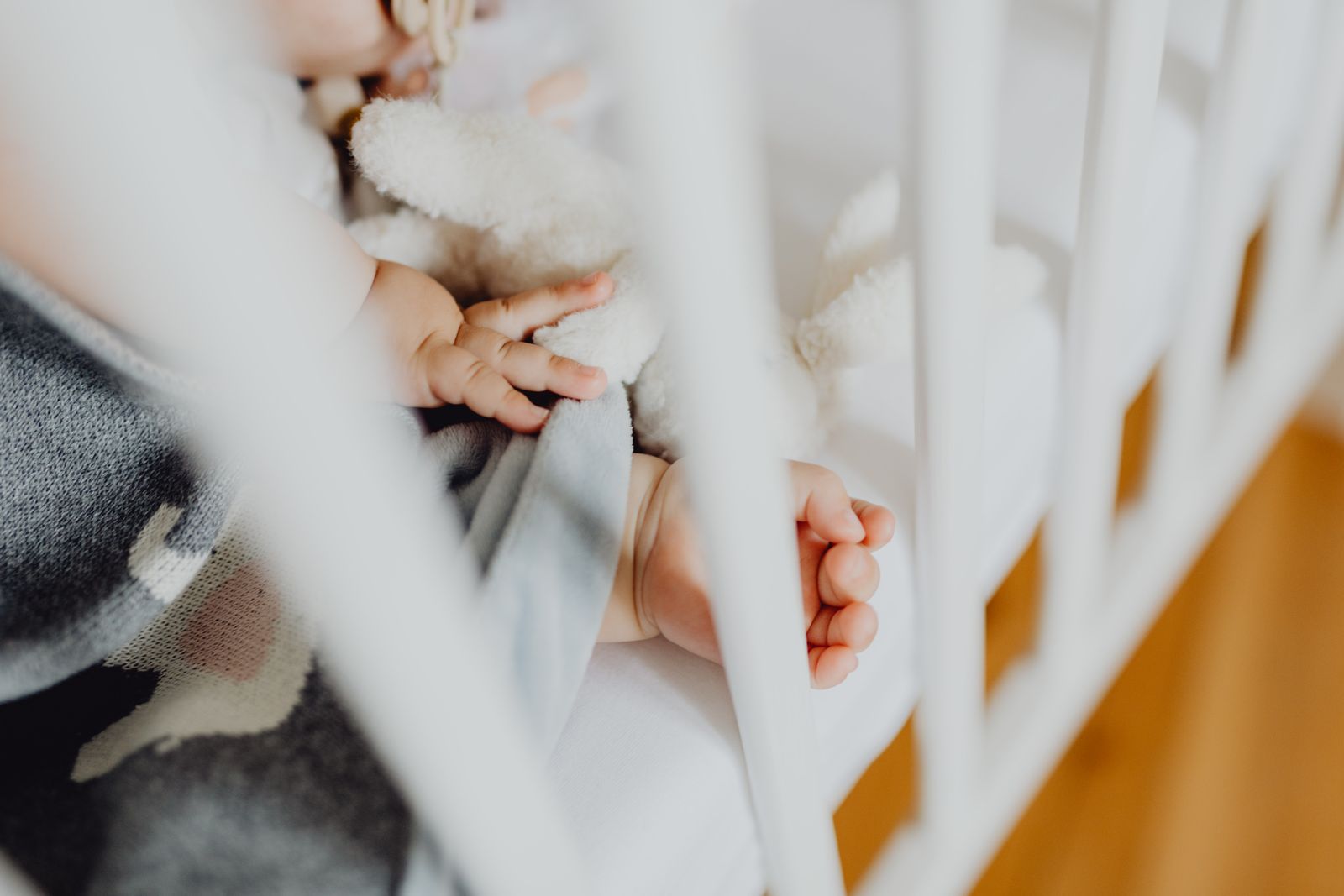
When it comes to sleeping on a plane with a small child on a long-haul flight, most parents immediately look for a so-called bassinet. It’s a special aircraft cot that the cabin crew physically attach to the solid bulkhead in front of the first row of seats after takeoff. Your child lies in it, sleeps, and you finally have your hands free. You won’t find them at all on short European routes with Ryanair or Wizz Air, though.
The bassinet itself is usually free to borrow on most classic carriers. The trap is that you have to reserve a seat in the bulkhead row, which airlines charge heavily for. An extreme example is Turkish Airlines, which charges a bulkhead-row surcharge of an incredible $80 to $160 per person per flight segment. A family can end up paying a real chunk just to get access to a bassinet at all.
On top of that, every airline has completely different weight and length limits for bassinets. The maximum weight usually ranges from 8 to 12.5 kilograms. As soon as the child exceeds the limit, the crew won’t give you the cot for safety reasons. It’s also crucial to know that during any stronger turbulence, when the seatbelt sign comes on, you have to immediately take your sleeping child out of the bassinet and back onto your lap.
7. The Empty Middle Seat Trick
💡 Tip: In a three-and-three seat configuration, book the window and aisle seats and leave the middle one empty.
Once you’ve got a few flights under your belt, you start thinking tactically. If you’re flying as two adults with a baby on your lap, experienced travellers recommend not buying seats right next to each other. When selecting seats, reserve a window seat and an aisle seat and deliberately leave the middle one empty.
The psychology of both the booking systems and the passengers themselves is clear. Nobody voluntarily chooses a middle seat unless they really have to. People only get assigned one as the very last resort, once the whole plane is full. If the flight isn’t 100% sold out, there’s a fairly high chance the middle seat stays empty and you get the whole three-seat row to yourself.
And what happens if the plane sells out to the last seat and someone does end up in the middle? You simply offer them a swap on board. Most passengers are more than happy to trade a cramped middle seat between a stranger’s family for a more comfortable aisle or window seat, so in the end you sit together anyway.
8. Seating Rules at Other Low-Cost Carriers
💡 Tip: With easyJet, check in the moment it opens; Wizz Air tries to keep children under 14 with their companion.
Every low-cost airline has a slightly different system during this transition period. If you’re flying with the British easyJet, their rules say that every child under 12 will be seated close to an adult on the booking. But the key word is “close,” together with the fact that seats are allocated strictly by check-in order. If you only remember to check in three hours before departure, the system physically won’t get you seats next to each other.
The Hungarian Wizz Air has its rules set up slightly differently. A child under 14 must be accompanied by a person over 16, and the airline tries to seat them together. Again, the earlier you check in online, the better your chances of sensible seats. On charter flights with carriers like Smartwings the situation is more specific, and a car seat can often only be bought by phone through the tour operator.
The European Union Aviation Safety Agency, EASA, has issued a fairly clear recommendation. Children under 12 should sit next to a parent, or at most across the aisle or in the row immediately in front of or behind them. For now, though, it’s only a non-binding recommendation, not a hard law, so airlines interpret it with varying degrees of leniency.
9. Child-Free Zones as the New Trend of 2026
💡 Tip: Some airlines are starting to experiment with adults-only zones; at Corendon you’ll pay an extra €45 for one.
As tensions on board rise, a service has appeared that stirs up huge emotions and debate. Corendon Airlines became the first European airline to introduce a so-called Adult Zone reserved exclusively for passengers aged 16 and over. The zone is physically separated within the plane, and the airline charges a €45 surcharge per one-way trip for a seat in it.
For families with children, it represents unnecessary extra psychological pressure. The economics of these zones are still very uncertain, though. European giants like KLM, TUI and Transavia have publicly stated they have no plans to introduce similar zones. Malaysia Airlines even quietly ended its child-free seating experiment.
On the other side of the Atlantic, though, things are tightening in a different way. The American giant Southwest abandoned its legendary open-seating system on 27 January 2026. The move triggered a huge wave of confusion and split-up families, which only confirms the global trend of airlines wanting absolute control over passenger seating.
10. What to Do If the System Splits You Up Anyway
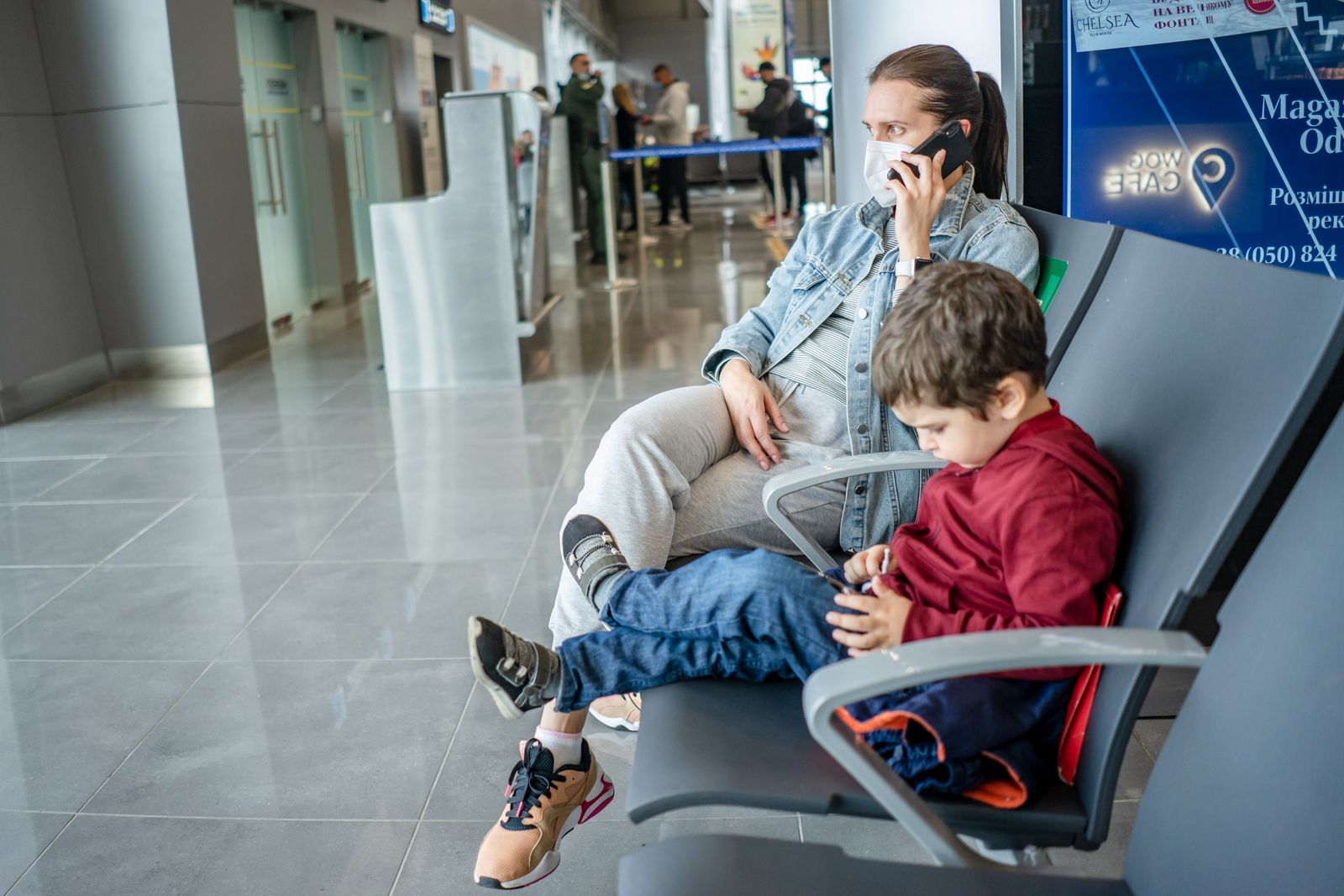
💡 Tip: Never try to fix split seats with other passengers on board — sort it out with the airline before departure.
It can happen to anyone. The aircraft type changes, the system crashes and you find out your five-year-old is supposed to sit ten rows away from you. In 2026, the solution definitely no longer lies in boarding the plane and begging people to swap seats with you. Passengers are less and less willing to give way to families.
As soon as you spot the problem, go straight to the carrier’s live chat. Write clearly and politely that the system has split up your family and that, under their own conditions of carriage, you’re requesting free reseating. If the chat doesn’t help, get to the airport very early and go straight to the check-in desk, even if you only have hand luggage. Airport staff have far greater powers in the system than you do in the app.
Only as an absolute last resort should you approach the cabin manager directly on board. Don’t argue with other passengers — deal only with the crew. Remember, though, that the crew can only move seat assignments in justified cases and you can’t force reseating on board, so it’s always better to sort everything out at the airport.
Practical Summary and Rough Prices
To help you get a better picture of what to expect from each airline, I’ve put together two clear tables. The rules can change, so before buying your ticket, always double-check them on the carrier’s official website.
Seating Rules by Airline (as of 2026)
| Carrier | Children’s seating | What to watch out for most |
|---|---|---|
| :— | :— | :— |
| Ryanair | Random allocation assigns children under 12 to 1 adult for free. | You’ll probably end up at the back of the plane. A lap infant must be by the window. |
| easyJet | Seats children under 12 close to an adult. | Seats are allocated by order. Check in the second online check-in opens. |
| Wizz Air | A child under 14 must be accompanied by a person over 16. | A toddler’s car seat must always be on a window seat. |
| Lufthansa | Always tries to seat parents with children together. | Bassinets can be reserved up to 52 hours before departure and fill up fast. |
| Turkish Airlines | Seats you together within the same class. | Brutal surcharges (up to $160) for a seat in the bassinet row. |
| Corendon | Standard family seating. | Offers a paid child-free zone (Adult Zone) for €45 per segment. |
Where to Sit on a Plane Based on Your Child’s Age
| Child’s age | Ideal spot on the plane | Main reason and benefit |
|---|---|---|
| :— | :— | :— |
| Baby (0–1 year) | Long-haul: first row behind the bulkhead. Europe: by the window. | Option to hang a bassinet. Window required because of the oxygen masks. |
| Toddler (1–3 years) | Rear of the plane, ideally the whole three-seat row. | Very close to the toilets and the crew galley (warming milk, room to rock the baby). |
| Preschooler (4–6 years) | A window seat in the front of the cabin. | The view keeps the child entertained; the front means a quicker exit after landing. |
| School-age (7+ years) | Aisle or window anywhere on the plane. | The child can sit still now; comfort and room for headphones and a tablet matter more. |
Where to Go Next
If you’ve got your first trip with kids coming up and need to soak up more practical tips, be sure to check out our other articles. We’ve written detailed guides that will save you a lot of nerves and money on airport fees.
- Flying With Kids: The Complete Guide
- Taking a Stroller on a Plane
- Ryanair Baggage: Dimensions, Weight and Fees
- Wizz Air Baggage
- easyJet Baggage
- AirHelp Review: Claiming Flight Compensation
- Paris With Kids
Frequently Asked Questions
When will the new European rule about free seating for children come into effect?
Although the revision of the regulation was approved by the European Parliament and EU Council back in July 2026, there is a twelve-month transitional period. In reality, free seating for children under 14 next to their parent won’t happen until mid-2027. Until then, airlines can still set their own transitional rules.
Are children’s suitcases like JetKids or inflatable bed boxes allowed?
This is a huge problem because the airline industry is very divided on this. Airlines like Emirates, British Airways, Air France or Delta explicitly ban these accessories for safety reasons. On the other hand, KLM or Virgin Atlantic allow them under certain conditions. Always carefully check the policy of the specific carrier in advance, otherwise the flight attendant will order you to deflate the accessory and put it away.
Am I entitled to compensation for a delayed flight even for a lap infant?
This area is unfortunately very contentious. The deciding criterion is usually whether you paid any fee for the child, for example the €25 at Ryanair or ten percent of the fare at traditional carriers. If the child flew completely free, airlines often refuse compensation. But definitely always submit a claim.
What should I do if the airline damages my stroller?
According to the Montreal Convention, the airline is liable for your stroller up to a fairly high amount. The most critical mistake parents make is late reporting of damage. You must report everything in writing within a maximum of 7 days of receipt, ideally right away at the airport at the baggage claim desk. For example, Smartwings now also requires the stroller to be wrapped in protective cover, otherwise they bear no liability.
Do sleep medications or melatonin help children on planes?
Experts from the International Paediatric Sleep Association have issued a clear warning that melatonin should not be given to children under two years old. For older children without a specific diagnosis, its use is not recommended and can even have the opposite, disruptive effect. Always rely primarily on adjusting sleep schedules and daylight exposure.
What about liquids and baby food in 2026?
Baby food and breast milk are exempt from the 100-milliliter limit. But be very careful about which terminal you’re flying from. Prague Airport has relaxed the rules to two liters, but this only applies to Terminal 2 (flights within Schengen). At Terminal 1, where Ryanair flies to places like London, the old strict 100-milliliter rule still applies.
Do children handle ear pain during takeoff and landing?
Descent is always much worse for children’s ears than takeoff itself. The most effective weapon is encouraging swallowing, in the form of breastfeeding, bottle feeding, or for older children drinking from a straw. If the child has a cold, nasal drops before descent are recommended, but always consult your pediatrician in advance about the specific dosage.
Tips and Tricks for Your Vacation
Don’t Overpay for Flights
Search for flights on Kayak. It’s our favorite search engine because it scans the websites of all airlines and always finds the cheapest connection.
Book Your Accommodation Smartly
The best experiences we’ve had when looking for accommodation (from Alaska to Morocco) are with Booking.com, where hotels, apartments, and entire houses are usually the cheapest and most widely available.
Don’t Forget Travel Insurance
Good travel insurance will protect you against illness, accidents, theft, or flight cancellations. We’ve had a few hospital visits abroad, so we know how important it is to have proper insurance arranged.
Where we insure ourselves: SafetyWing (simple monthly subscription) and TrueTraveller (for extra-long trips).
Find the Best Experiences
Get Your Guide is a huge online marketplace where you can book guided walks, trips, skip-the-line tickets, tours, and much more. We always find some extra fun there!


