

Low-cost airlines such as Ryanair and Wizz Air do not offer an unaccompanied-minor service, and children can only travel with them without adult supervision from the age of sixteen. If you want to send your child on holiday by plane alone, you need to choose a traditional full-service airline.
Smartwings allows children to fly alone from the age of six, but you will pay the full adult fare. Lufthansa accepts young travellers from the age of five, and its assistance costs €85 for one way. In every case, it is best to choose a direct flight without connections.
You will get an overview of all the necessary documents and find out how handing over a child at the airport works. I will also show you the rules for children with allergies so the whole journey can take place without unnecessary stress.
TL;DR
- Low-cost airlines do not accept children travelling alone: Ryanair, Wizz Air and easyJet do not offer an unaccompanied-minor service at all, and children can only fly alone with them from the age of 16.
- Smartwings has strict rules: The service is available only for children aged 6 to 11, must be requested 48 hours in advance, and the child pays the full adult fare.
- Lufthansa accepts children from age 5: The price of the assistance service starts at approximately €85 one way.
- New liquid limits in Prague: At Terminal 2 (Schengen), containers of up to 2 litres have been allowed since 1 October 2025; Terminal 1 still allows only 100 ml.
- Baby food is exempt: Infant formula and milk are not subject to the usual limits, but you must always follow the security rules of the particular airport.
- Travel consent is essential: If a child flies without either parent (for example with a grandparent) or with only one divorced parent, they need officially certified consent.
- Keep medication in the cabin: Never put life-saving medication in checked luggage, and carry a doctor’s letter in English.
10 Things You Need to Know About Children Flying Unaccompanied and with Special Needs
If you are planning to send your child out into the world without parental supervision, forget about simply buying a cheap ticket and hoping for the best. Logistics are absolutely crucial in this situation, and every airline has its own, often very strict, rulebook. Let’s look at the ten most important points that will determine whether your journey goes smoothly or ends in tears at the check-in desk.
1. Low-cost airlines will not let a child board alone
If you have a fourteen-year-old who routinely travels alone by train and can find their way around a big city, you may be surprised to discover that low-cost airlines are a very different story. Ryanair, Wizz Air and easyJet do not offer an unaccompanied-minor service at all. Their rules are completely uncompromising on this point: passengers may only travel alone from the age of 16.
There are no exceptions, no parental forms will help, and even a generous extra payment will not persuade the staff. If a child is under 16, they must be accompanied on board by an older person. Ryanair also has an additional detail to watch out for with the youngest children: its rules require infants under two to be accompanied by someone over 18. Always check the exact accompanying-age requirement for older children directly with the airline’s customer service.
There is only one conclusion. Anyone who wants to send a younger child alone must automatically remove the cheapest tickets from their shortlist. Your only option is to choose a traditional network airline, or an airline that has an active assistance programme for minors in its conditions of carriage and can guarantee the service.
2. How the unaccompanied-minor service works in practice
The unaccompanied-minor service, known in aviation terminology as UMNR (Unaccompanied Minor), is a paid assistance programme. If you book it with your chosen airline, airport staff take full responsibility for the child from the moment you hand them over at the check-in desk until the person you have authorised collects them at the destination.
Czech airline Smartwings offers this service, but you need to be aware of its clearly defined limits. It is available only for children aged 6 to 11; younger travellers cannot use it and are therefore not allowed to fly alone. If you have a child in this age range, you must request the assistance and report it no later than 48 hours before the planned departure. Otherwise, the airport system may no longer allow the service.
If you are travelling farther or your journey requires a connection, you will encounter more sophisticated systems. Lufthansa has one of the most comprehensive programmes in Europe and can look after children from the age of five. US airlines have an even more robust process: for children aged 5 to 14, this special assistance is mandatory, while older teenagers can purchase it voluntarily.
3. How much will a child travelling alone cost?
Sending a child alone is not cheap, because you are paying not only for the ticket but also for the airport staff’s time and attention. With Smartwings, be prepared for the fact that although the passenger is a child, the ticket is charged at the full adult fare. Do not expect a child discount on the fare; on top of that, the UMNR service fee is added according to the airline’s current price list.
With larger European airlines, assistance fees are separate but still fairly high. Lufthansa, mentioned above, charges a fee for an unaccompanied child that starts at approximately €85 one way. The price may increase depending on the child’s exact destination and whether the flight includes complicated connections at major European hubs.
Compared with the rest of the world, European fees are still relatively reasonable. If you sent your child across the ocean with US airlines such as American Airlines or Delta, you could easily pay as much as $150 one way for assistance. Alaska Airlines charges $50–75 for the same service. In Europe, you may save on the service fee itself, but because low-cost airlines do not offer it, the total cost of the journey can still rise considerably.
4. Departure handover: paperwork and procedure
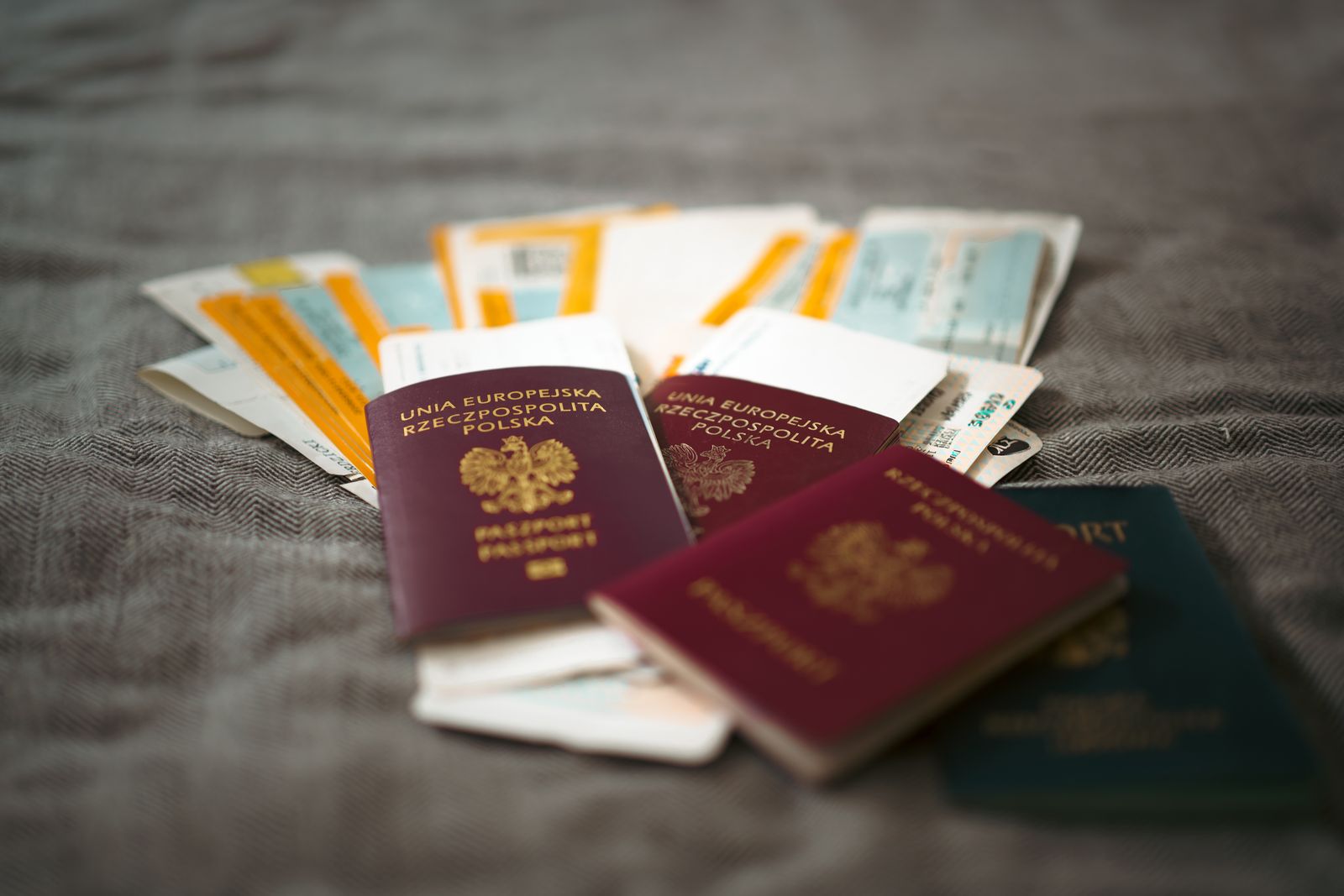
On the day of departure, forget about conveniently checking in online from home using a mobile app. You must arrive at the airport well in advance with the child and visit a traditional check-in desk in person, where quite a lot of paperwork awaits you. With Smartwings, for example, you must bring five completed copies of a special form to the airport.
The form must state precisely and without errors who is handing over the child at the airport, including their address, document number and telephone number, and who will collect the child at the destination. At the desk, the child will then receive a special plastic pouch around their neck (a so-called UMNR pouch), containing the ticket, passport and copies of the forms. The child must not remove this pouch at any point during the journey; it serves as their main identifier.
Once the paperwork is complete, an assistant takes over the child and you say goodbye before security screening. Important advice for parents: Never leave the airport until the plane has actually taken off and is in the air. If a technical problem forces the aircraft back from the gate and the flight is cancelled, the airline will bring the child back to you—and you must not already be sitting in your car on the motorway on the way home.
5. Arrival and collection at the destination
At the arrival airport, the assistance process works in almost exactly the opposite direction. Cabin crew do not simply let the child go after landing; instead, they hand the child over to a designated ground assistant. The assistant takes the child through passport control if necessary, helps them collect checked baggage, and then safely escorts them to the public arrivals hall, where the authorised family member or friend is waiting.
This is the most critical moment of the entire handover. Airlines require ground staff to physically check the ID card or passport of the person collecting the child. The details on the document must match letter for letter what you, as the parent, entered on the form at the departure airport. Nicknames or an expired document will not be accepted.
If the details do not match for any reason, there is a real risk that staff will simply refuse to release the child, because the security protocols are uncompromising. Always double-check the exact handover conditions and list of accepted documents directly with your airline, so that a grandparent is not left waiting in tears outside a locked airport office abroad.
6. Why it is better to avoid connections when children travel
Whenever the logistics and available flights allow it, always look for a direct, non-stop flight for a child travelling alone. Major network airlines such as Lufthansa regularly manage connections for unaccompanied minors: an assistant collects the child from the first aircraft and escorts them to a designated secure area for the transfer. Even so, connections bring unnecessary risks.
Imagine the first flight being seriously delayed because of bad weather, causing the child to miss the connecting flight. An airline will routinely look after an adult passenger, send them to a hotel and put them on a flight the next day. With a small child, however, this becomes a major complication. Having to arrange alternative care in an unfamiliar, enormous airport is unnecessary and extremely stressful for them.
For long-haul flights to exotic destinations or the US, always try to plan the logistics so that the child travels on one direct flight. It may even be worth having one parent accompany the child on the outbound journey and immediately fly back home on another aircraft. This will save both you and the young traveller a great deal of stress.
7. Travel consent and the child’s documents
What happens when neither parent is flying with the child, and they are accompanied by a grandparent, aunt or family friend instead? Airlines themselves generally have no problem with this; Smartwings, for example, explicitly states that it does not restrict travel with someone else’s child. The key is to give the accompanying adult the correct document: written consent from the legal guardians for the child to travel abroad.
This document is also essential if you are divorced and travelling to the seaside alone with your child. ⚠️ Whether this consent is strictly mandatory within the Schengen Area must always be checked with a lawyer or the relevant foreign ministry, but in practice border officials often ask to see it. If you encounter a particularly diligent official and do not have the consent, your holiday could become very complicated.
For peace of mind, always obtain consent from the other parent—or from both parents if a grandparent is travelling with the child. The document must identify both parties and include the destination and exact travel dates; it should be prepared in two languages, ideally the local language and English. ⚠️ It is generally strongly recommended to have the signature on the document officially certified, especially when travelling outside the European Union, where the rules against international child abduction are very strict.
8. A child with an allergy on board a plane
Flying with a child who has a severe food allergy, such as a peanut allergy, requires great care and planning. ⚠️ Airlines’ policies on nuts and other allergens vary widely, and you can never rely on them completely. Remember the main rule: no airline in the world can guarantee an environment that is entirely free of allergens.
Even if an airline deliberately does not sell nuts on a particular flight, it cannot physically stop a passenger three rows away from opening their own snack. So how can you minimise the risk? Always report the allergy when booking the ticket; do not wait until boarding. Never rely on food sold on board. Instead, prepare and pack your own safe food from home for the entire journey.
Once you board, take antibacterial wipes and thoroughly wipe down the tray table, armrests and seat-belt buckle. Most importantly, an adrenaline auto-injector (EpiPen) and antihistamines must always, without exception, be in your cabin bag under the seat. Never put these life-saving medicines in the overhead compartment: when the fasten-seat-belt sign is on, you are not allowed to stand up and reach them.
9. Autism, ADHD and the Sunflower airport programme
For children with autism spectrum disorder (ASD), ADHD or severe anxiety, a busy airport brings together almost everything they find most difficult: huge amounts of noise, unexpected sounds, harsh lights and having to stand in long queues. The international Hidden Disabilities Sunflower programme can be a great help. Its symbol is a green lanyard decorated with yellow sunflowers.
The lanyard silently signals to airport staff that the wearer has a hidden disability and may need a calmer approach or additional explanation. ⚠️ Be careful about relying on it everywhere: we were unable to reliably verify Prague Airport’s participation in the Sunflower programme, so do not count on it there. Prague Airport does, however, offer a free 24-hour assistance service that you can book in advance to help with moving through the airport.
With children who have special needs, predictability and careful preparation at home are key. Create a social story together using photos and describe what will happen at the airport. Pack noise-cancelling headphones for the flight, because the cabin is extremely loud during take-off. If waiting is difficult for your child, use the quiet rooms available at Prague Airport in both terminals, and preferably board only when you are among the very last passengers.
10. Chronic conditions, liquids and medication
Travelling with asthma, diabetes or epilepsy requires flawless preparation of your travel medical kit. The key rule is that prescription medication belongs exclusively in your cabin baggage. Checked luggage can be lost or delayed. If you are carrying syringes or insulin pens, it is recommended that you have a doctor’s letter in English, although the exact requirements are determined by the individual airline’s rules.
If you are carrying medication that must be kept cold, get an insulated bag with cooling packs. ⚠️ Be careful at security screening: gel packs are often required to be completely frozen when they pass through the X-ray, otherwise security staff may throw them away. If your child sleeps badly, you may think of using melatonin. ⚠️ We strongly advise against this: melatonin must not be given to children under two, and for older children you should use it only after consulting your child’s doctor. Sleeping pills generally have no place in a child’s air travel kit.
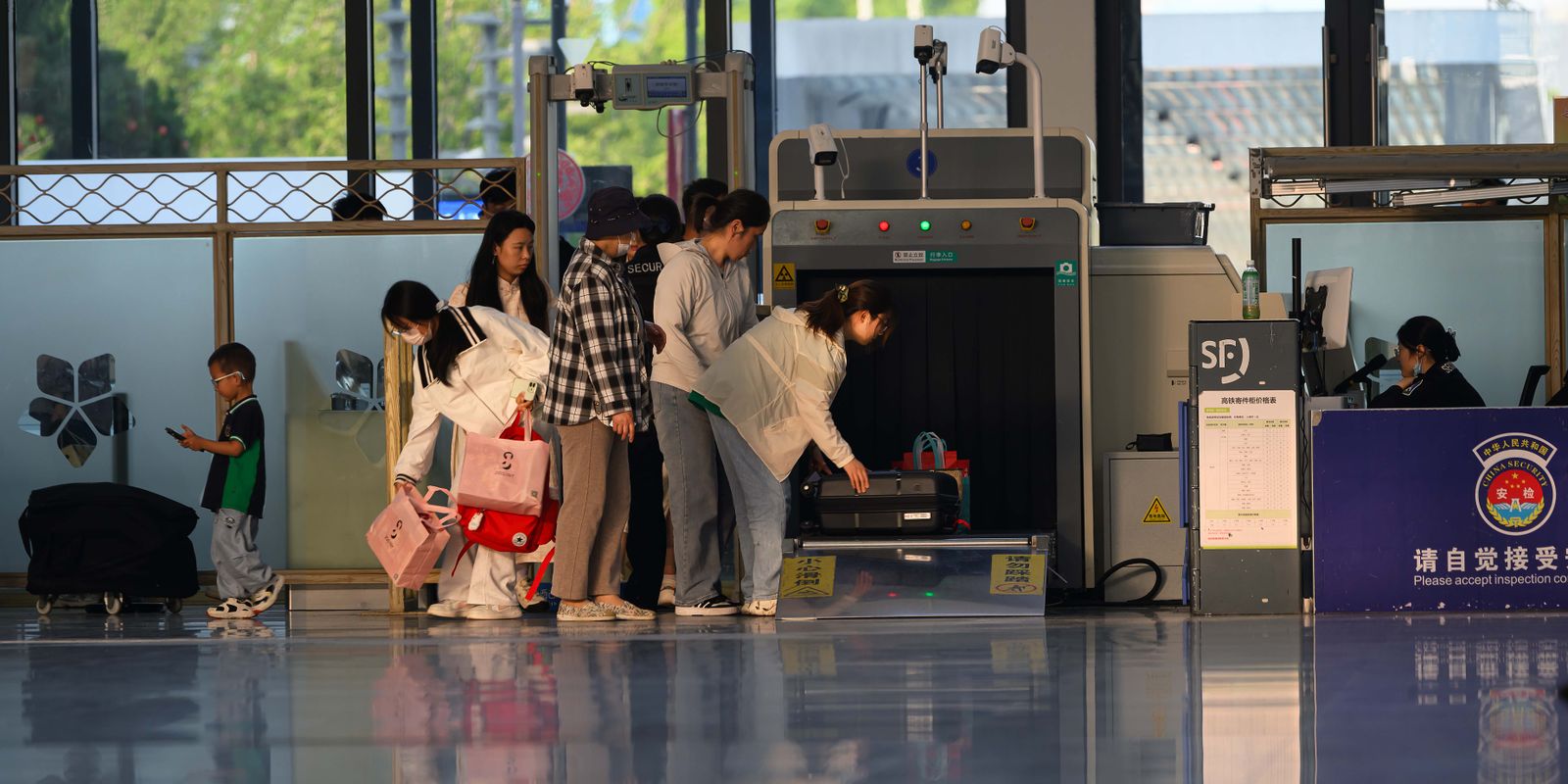
There is currently an interesting situation concerning liquids at Prague Airport. ⚠️ At Terminal 2 (Schengen flights), modern CT scanners have been in use since 1 October 2025, so you can take a container of up to 2 litres onto the plane. Terminal 1 (non-Schengen flights), however, still follows the old rules and has a 100 ml limit. The good news is that baby food and breast milk are exempt from these limits in quantities needed for the journey, subject to the airport’s rules, regardless of which airline you are flying with.
Practical Summary and Indicative Prices for 2026
To make all these rules and age limits easier to understand, I have prepared two clear tables with the facts currently applying in 2026. Age thresholds are absolutely crucial to airlines, so it is worth knowing them before you start clicking through a flight booking.
Table 1: The child’s key age milestones and what changes
| Child’s age | What changes in the airline rules |
|---|---|
| :— | :— |
| 2 years | The child must have their own seat and pay for a ticket. If they turn two during the journey, they will need a seat for the return flight. |
| 5 years | With Lufthansa, this is the age from which the paid Unaccompanied Minor service can be used (from approximately €85). |
| 6 to 11 years | The age range for ordering assistance with Smartwings (requires 48 hours’ advance notice and five copies of the forms). |
| 14 years | ⚠️ The revision of EU Regulation 261/2004 (approved on 13 July 2026 and effective from mid-2027) will guarantee children up to age 14 a free seat next to a parent. |
| 16 years | The key age for low-cost airlines. From age 16, Ryanair, Wizz Air and easyJet finally allow children to fly completely without an accompanying adult. |
Table 2: Rules for specific situations and equipment
| Item / service | Rules and recommendations for 2026 |
|---|---|
| :— | :— |
| UMNR service (child travelling alone) | Smartwings: ages 6–11 (adult fare). Lufthansa: age 5+ (from €85). Low-cost airlines do not offer the service at all. |
| Medication and EpiPen | Always keep them in cabin baggage under the seat. A doctor’s letter in English is strongly recommended. |
| Liquids at Prague Airport | Terminal 2 (from 1 October 2025): 2-litre limit. Terminal 1: 100 ml limit. Baby food and milk are exempt everywhere. |
| Consent to travel | Required when travelling without parents or with one divorced parent. The signature should be officially certified, and the form should be bilingual. |
What to Read Next
If you have a family holiday by plane coming up and want to make sure nothing surprises you at the airport or on board, take a look at our other detailed articles too. We cover everything from packing to finding your seats in the cabin:
- Flying with children: the complete guide
- A plane ticket for a child
- Consent for a child to travel abroad and children’s documents
- Where to sit with a child on a plane
- Travel insurance for children
Frequently Asked Questions
From what age can a child fly alone with Ryanair?
With Ryanair, just like with Wizz Air and easyJet, a child can fly completely alone only from the age of 16. These low-cost airlines don’t offer unaccompanied minor services at all. Younger children must always travel with an older person, and for the youngest infants under 2 years old, Ryanair requires an accompanying person over 18.
What about liquids and milk for children at the airport?
Baby food and breast milk have an exception at the airport and aren’t subject to normal limits, but the quantity must correspond to the length of the trip. Otherwise, as of 1 October 2025, Terminal 2 allows you to pass through with containers up to 2 litres thanks to new scanners. Terminal 1 still has a strict 100 ml limit.
Do I need the father’s consent when I fly with my child to the seaside alone?
If you’re divorced from the child’s father, officially notarized consent for travel is strongly recommended, even if you’re only flying within Europe. For trips outside Schengen, border control often requires it. ⚠️ For long-term stays abroad, consent is absolutely essential due to the risk of international abduction.
What if the plane is delayed – is the child entitled to compensation?
According to EU Regulation 261/2004, a child is entitled to financial compensation for delays over 3 hours if they had their own paid seat. ⚠️ For infants under 2 years flying on your lap, the situation is disputed; some airlines refuse to pay compensation, but we still recommend submitting a claim for all family members.
Can I give my child sleep medication before the flight, like Melatonin?
⚠️ Definitely not without consulting a doctor. Melatonin must not be given to children under 2 years old, and for older children its use should always be approved in advance by a pediatrician. Sleep medication isn’t a solution for airport stress – it’s much better to prepare children for the journey and keep them entertained with toys.
What should I do if our stroller is damaged at the plane?
Stroller damage must be reported ideally immediately at the airport at the Baggage Claim desk and you need to have a PIR (Property Irregularity Report) protocol issued. According to the Montreal Convention, you have a maximum of 7 days from the flight to file a written complaint with the airline, but without the protocol from the airport you’ll have a hard time getting anything resolved.
How do I get my own car seat onto the plane?
If you want to buy your child under 2 years old their own seat (it’s not mandatory, they can fly on your lap), you must bring a certified car seat approved for air travel. You’ll find this information on the seat’s label. With some carriers, for example Smartwings, you must book the ticket with a car seat by phone – the online system doesn’t allow it.
Is there a fee for the unaccompanied minor service at the airport?
Yes, UMNR service is always charged. With Smartwings you pay the full adult ticket price plus the current service fee. With traditional carriers like Lufthansa, a fixed amount is charged, starting at around €85 per direction of flight within Europe.
Tips and Tricks for Your Vacation
Don’t Overpay for Flights
Search for flights on Kayak. It’s our favorite search engine because it scans the websites of all airlines and always finds the cheapest connection.
Book Your Accommodation Smartly
The best experiences we’ve had when looking for accommodation (from Alaska to Morocco) are with Booking.com, where hotels, apartments, and entire houses are usually the cheapest and most widely available.
Don’t Forget Travel Insurance
Good travel insurance will protect you against illness, accidents, theft, or flight cancellations. We’ve had a few hospital visits abroad, so we know how important it is to have proper insurance arranged.
Where we insure ourselves: SafetyWing (simple monthly subscription) and TrueTraveller (for extra-long trips).
Find the Best Experiences
Get Your Guide is a huge online marketplace where you can book guided walks, trips, skip-the-line tickets, tours, and much more. We always find some extra fun there!


