

Kids always seem to pick the least convenient moment for their first cough or fever. That’s why the risk of cancelling a family holiday at the last minute is far higher than for a trip for two. Sort out travel insurance for children and trip cancellation right when you buy your flights — not once the first symptoms appear.
People often mix up two very different things. Ordinary medical expenses cover pays for a doctor or hospital stay once you’re already abroad. But to protect your money if someone gets sick before departure, you need to arrange trip cancellation insurance.
Below you’ll find a clear plan for unexpected situations before departure and at the airport. You’ll learn the right timing for cancellation cover and the list of documents you need if your child falls ill. I’ve also added a warning about the European Health Insurance Card and a guide for a damaged pram.
TL;DR
- Cancellation insurance and medical expenses cover are two different things, and you should ideally arrange cancellation on the very day you buy your flights — otherwise the insurer won’t approve it.
- Illness the night before departure means no-show mode, for which you absolutely need a medical report dated no later than the day of departure and a confirmation from the airline that you didn’t board.
- The blue EHIC card is absolutely not enough for Europe, because it doesn’t cover the high co-payments, treatment at private beach-side clinics, or any special transport home.
- The airline is liable for a destroyed pram under the Montreal Convention up to 1,519 SDR, but you must always report the damage in writing within a maximum of 7 days.
- New EU261 passenger-rights rules were approved on 13 July 2026, will actually take effect in mid-2027, and will guarantee free seating for children under 14 next to their parents.
- Liquids over 100 ml pass only through Terminal 2 in Prague, where a limit of up to 2 litres per container has applied since 1 October 2025, while Terminal 1 still has the strict 100 ml limit.
- Melatonin must never be given to children under 2, and for older children only after strict consultation with a paediatrician, because it can have a paradoxical effect and wire the child up instead.
10 things you need to know
1. The difference between cancellation, medical expenses and EU261
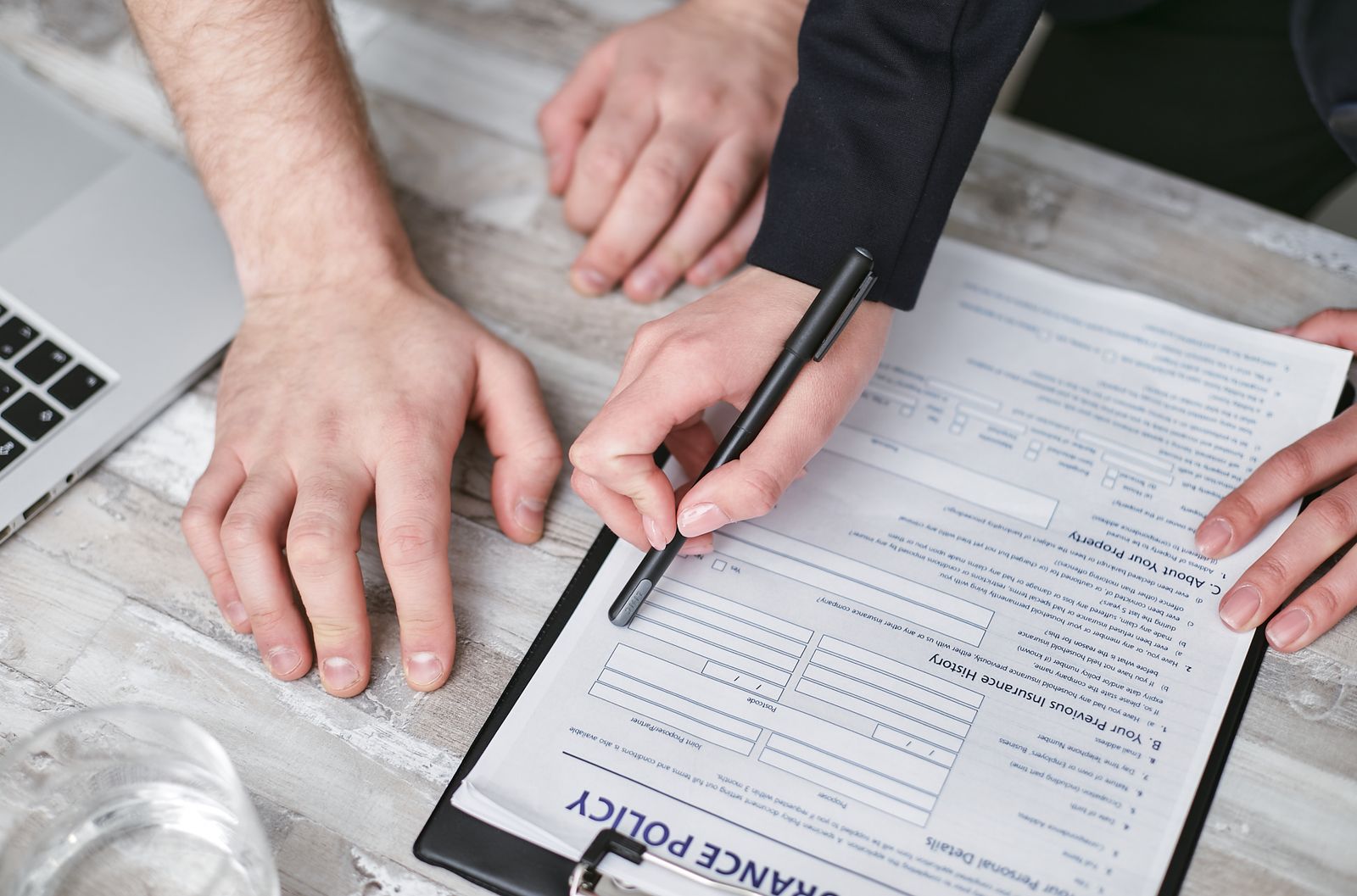
Parents panicking over a vomiting toddler routinely lump together three completely different things governed by entirely different laws, so it really helps to be crystal clear on the terms. Medical expenses travel insurance protects you once you’re already abroad and your child suddenly falls ill or gets hurt, so it pays for the doctor, medication or an ambulance transfer. Cancellation insurance, on the other hand, protects you while you’re still at home on the sofa, you’ve bought an expensive trip, but a sudden illness means you can’t fly at all.
The third pillar is the European passenger-rights regulation, known as EU261, which deals with situations where you and your whole family are perfectly healthy. EU261 kicks in the moment you’re standing at the airport with your bags, but the carrier cancels your flight, delays it significantly, or denies you boarding for capacity reasons. While cancellation is something you must sort out right when you enter your card details, medical cover is what you tick in the taxi on the way to the airport.
That’s because most insurers strictly require you to arrange cancellation either on the day you buy the flight itself, or within a very short window after paying the first deposit. If you only remember cancellation insurance once your child starts coughing, you’re unfortunately out of luck — no insurer on the market will backdate you into this scheme.
2. Cancellation insurance and why the risk multiplies for families
When choosing cancellation insurance, don’t just look at the lowest price — carefully check the percentage of cover and any excess you’ll have to top up yourself. Some providers, for example, refund 80% of cancellation fees and pay a family up to €4,100, which I mention purely as a sample from the market, not as a recommendation, because the terms change constantly. Weigh up for yourself whether, on an expensive exotic holiday, that missing twenty per cent of the total would sting, and choose a specific product with an adequate limit accordingly.
For families with children, the single most crucial item in the policy terms is the definition of so-called accompanying persons, which many people forget about when buying. Picture a perfectly ordinary situation where a five-year-old falls ill just before departure, so it’s obvious one parent stays home with them — but what about the other parent and an older sibling? They usually won’t fly off to the sea on their own, so the insurer must clearly define that if one child gets sick, cancellation is automatically recognised for all accompanying persons on the same booking.
Good cancellation insurance even covers situations where a close relative who wasn’t travelling with you at all falls ill and you have to care for them urgently. Cancellation makes huge sense for expensive package trips and long-haul flights, but if you snagged flights around Europe for €30 and your accommodation has free cancellation, it’s more of a waste of money. When you want proper medical cover, providers like Axa or Heymondo are worth a look.
3. The nightmare: your child falling ill the night before departure
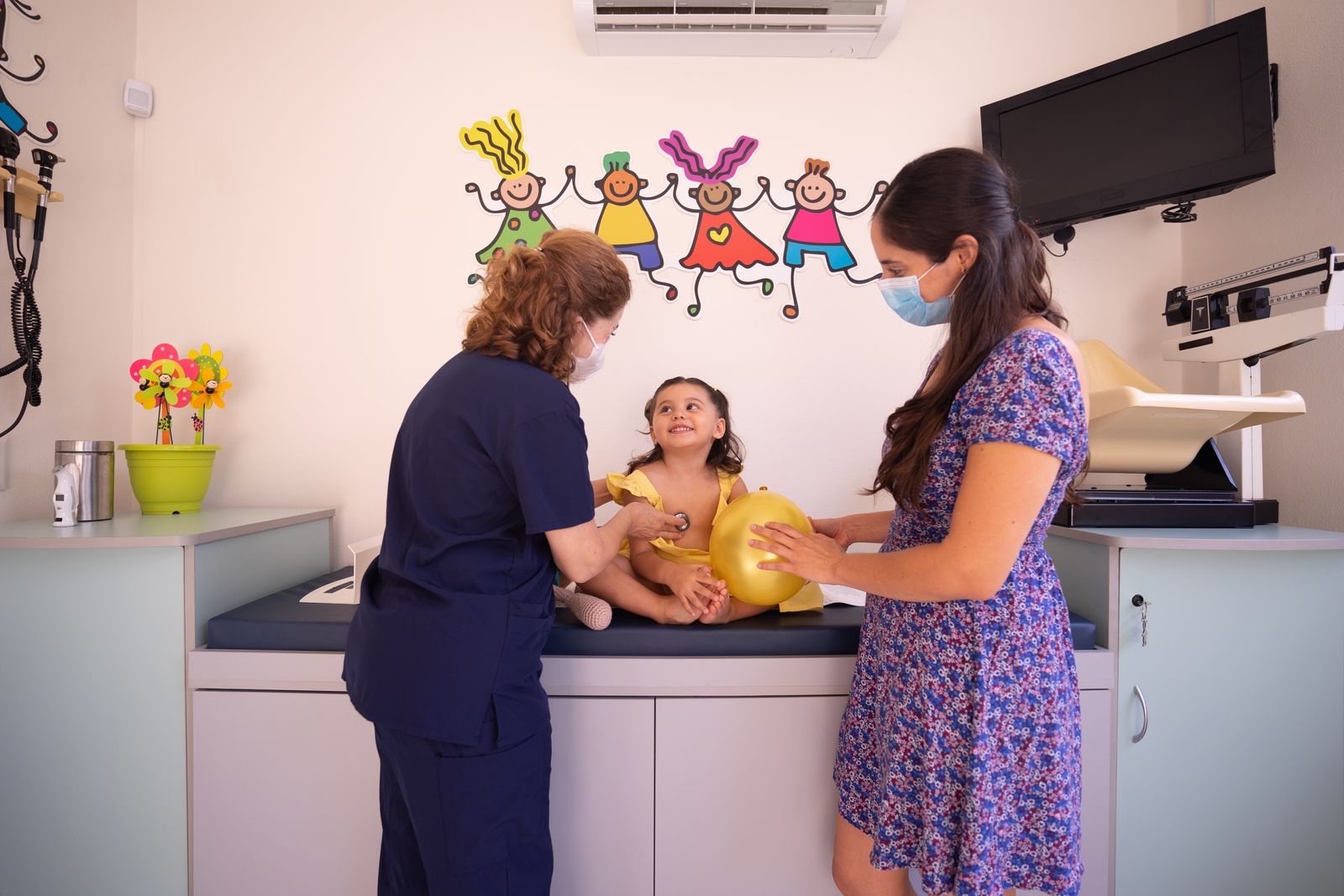
This is pretty much every parent’s nightmare: it’s nine in the evening, you fly at six tomorrow morning, and out of nowhere the toddler starts throwing up — it’s obvious you’re not flying anywhere. If you’ve got a package trip from a classic tour operator, the helplines usually aren’t running at this hour, and with a low-cost flight you simply won’t manage to cancel in the system in time. At that point the case flips into so-called unused-flight mode, which in airline terminology is a no-show, and to rescue your money you’ll need two key documents.
The first and absolutely essential piece of paper is a medical report of unfitness to travel, because the insurer really won’t take your word for it that the child had a temperature just because you write it in an email. First thing in the morning on the planned day of departure, call the paediatrician, explain the situation and have them issue an official certificate dated no later than your day of departure. The report must clearly state the acute illness and a strict ban on travel, otherwise the claims adjuster won’t even engage with you or send any money.
The second step is obtaining confirmation from the carrier itself that you genuinely didn’t board, which proves to the insurer that you really didn’t use the tickets. You have to actively request this confirmation afterwards, typically via customer service or a web form, which with some low-cost airlines can take quite a while.
4. Cancelling a flight versus cancelling a whole package trip
How you handle a cancelled trip differs dramatically depending on exactly what you’ve bought, and experience from discussion forums shows parents often get seriously confused here. With low-cost carriers like Ryanair or Wizz Air, a standard ticket is essentially non-refundable, so if you fall ill, the airline won’t voluntarily refund the fare itself. With cancellation insurance you therefore sort out the refund purely with your insurer — showing them the forfeited tickets and the medical report — not with the airline.
Some sources online ⚠️ mention that with non-refundable tickets you can at least claim back the airport taxes for the un-flown segment, but administrative fees vary so much between airlines that it’s often not worth it. With classic network carriers a lot depends on the specific fare, because the cheapest ones are just as non-refundable as low-cost tickets. Higher flexible fares may allow cancellation for a fee, where a certain amount is deducted from the original sum, and if you have cancellation insurance, the insurer covers exactly this charged cancellation fee.
With classic package tours through a travel agency, their cancellation table applies, where the hard rule is that the closer the departure date, the higher the percentage of the price they simply deduct. The insurer then covers this deducted amount that the agency kept, precisely according to the terms of your policy and the agreed excess.
5. Medical expenses, repatriation and personal liability cover
While you always sort out cancellation before departure, classic travel insurance starts protecting you exactly from the moment you and your family cross the border. Here one absolutely unquestionable rule applies: every child needs their own travel insurance from birth, even if they’re only flying on your lap for a symbolic fee. From the point of view of the insurer and foreign doctors, they’re a fully-fledged passenger who could need a doctor at any moment, and children’s emergency bills abroad tend to be astronomical.
When choosing, definitely don’t just look at the basic medical expenses limit — focus on so-called liability cover, colloquially and rather aptly known as “clumsiness insurance”. For school-age kids and teens this is possibly the most important item, because when a child accidentally knocks over an expensive vase in the hotel lobby or smashes someone’s pricey tablet by the pool, the insurance covers these mishaps in full. Without liability cover, you’d have to pay for all these adorable childhood accidents entirely out of your family budget.
Likewise, always carefully check the limits for repatriation and any accompaniment, because if a child had to be flown home in a special medical aircraft, we’re talking tens of thousands of euros. The insurer should also cover accommodation and a flight for an accompanying person if the child unexpectedly has to stay in a foreign hospital far longer than your originally planned end of the holiday. For longer trips, SafetyWing long-term insurance can be a practical option.
6. Why the blue EHIC card is absolutely not enough for Europe
Many parents naively assume that for summer trips around Europe the European Health Insurance Card — that familiar blue card you carry in your wallet — is more than enough. But that’s a huge and often unbelievably expensive mistake, because the EHIC only guarantees treatment at public facilities, and on top of that only under the exact same conditions as local citizens. It sounds great at first, right up until you discover that in many European countries you pay dearly out of pocket for a doctor’s visit, a hospital stay or prescribed medication.
In some countries care is largely free, but abroad you may pay a fairly high co-payment that the blue EHIC card simply never covers. Commercial travel insurance will pay these annoying top-ups without a hitch, which is priceless with childhood illnesses, because you end up in emergency more easily than you’d think. Another huge problem is the popular tourist resorts, where near the beach you often won’t find a state hospital at all — only private clinics that don’t take the EHIC.
If your child’s temperature shoots up at night in Tenerife or Crete, the hotel doctor is almost always a private practitioner, with whom the blue card gets you absolutely nowhere. The EHIC also doesn’t normally cover transport back to your home country, so if a child breaks a leg so unluckily that they can’t take a regular flight, you pay for the special transport yourself.
7. A destroyed pram, car seat and baggage insurance
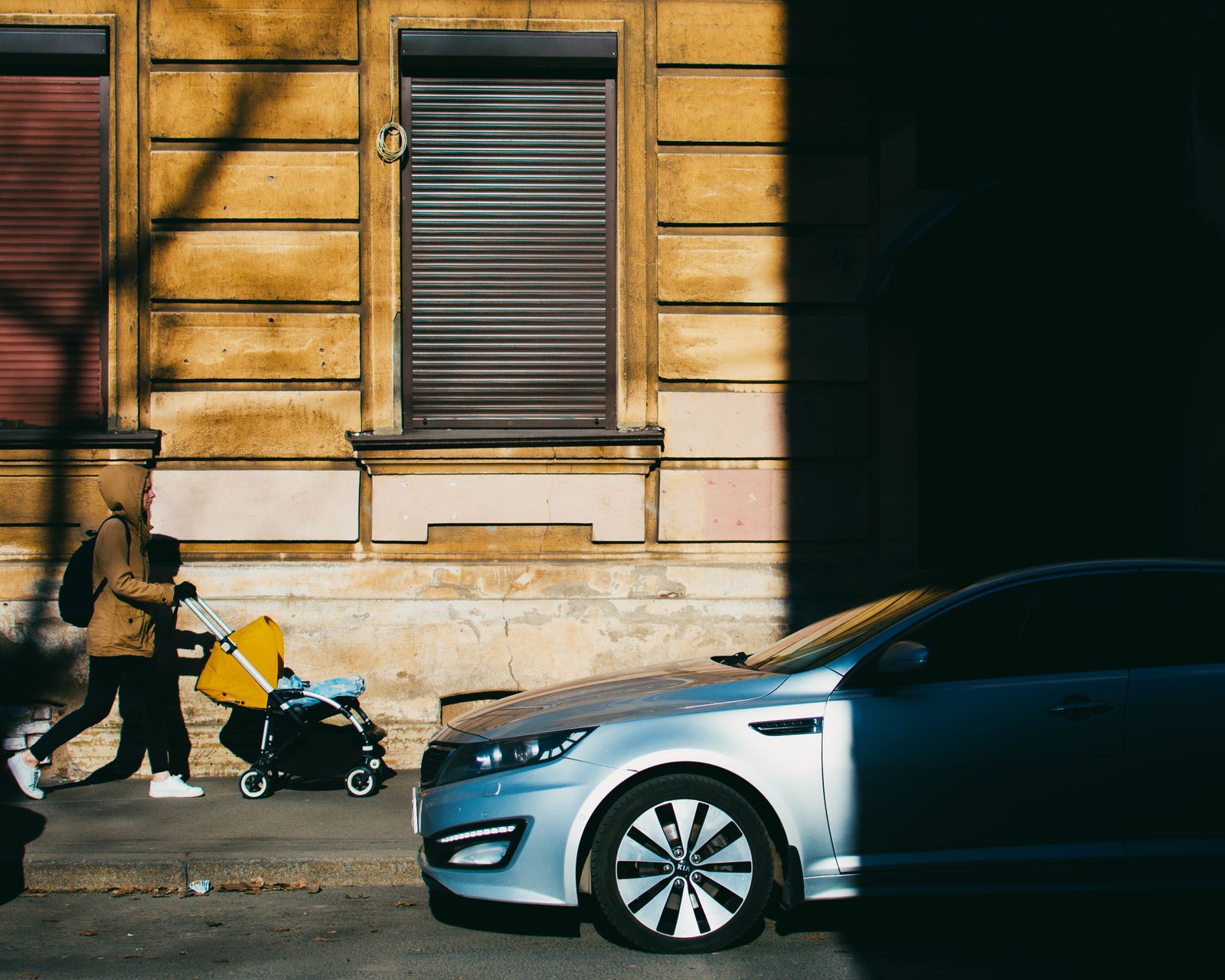
When you travel with small children, you’re carrying a mountain of expensive gear in the form of prams and car seats, which together can easily cost hundreds of euros. This is where a common mistake happens: parents try to claim for a destroyed pram with their commercial travel insurer, but they’re usually turned down on the grounds that primary liability rests with the carrier. On international flights the so-called Montreal Convention applies, which clearly states that the airline alone is liable for checked baggage, including prams handed over at the aircraft.
The limit of this liability is fixed in so-called Special Drawing Rights and currently sits around 1,519 SDR per passenger, which is roughly 2,175 US dollars. The absolutely key rule, though, is that you must report the damage in writing within 7 days — which is unfortunately exactly the step tired parents with a crying child most often skip after landing. If a pram comes off the belt with a bent frame, you must fill in the PIR report right at the baggage claim desk in the airport hall, otherwise the claim is very hard to prove.
Lukáš and I fly with our Joolz Aer pram and luckily we’ve had no problems so far, but with some carriers you should pay extra attention to their specific conditions. Some airlines explicitly state they aren’t liable for damage to unpackaged prams, so a protective bag or rigid cover isn’t just about keeping it clean — it’s a necessary condition for the claim to be accepted.
8. Flight delays, EU261 and an infant on your lap
When everyone’s healthy you don’t need cancellation insurance at all, but if an airline unexpectedly cancels your flight or racks up a huge delay, protection under Regulation 261/2004 kicks in. If you fly from an EU airport and the flight is delayed more than 3 hours at the destination, you’re entitled to financial compensation of €250, €400 or €600 depending on distance, which applies to every passenger with their own ticket. Where things get genuinely disputed is the ⚠️ situation of infants under 2 travelling on a lap, because airline practice varies dramatically and the case law here is far from consistent.
Some interpretations argue that the right to compensation arises even without a purchased seat, as long as you paid any fee for the child — which, with Ryanair for instance, is currently €25 per segment. Either way, always file a compensation claim for a lap infant — it only takes five minutes on an online form, and after the threat of referring the case to a supervisory authority the airline often backs down. On top of that, some travel insurers offer lounge access or a small cash benefit for delays over 2 hours — take that only as an example of an interesting perk on today’s market.
In any case, the European Parliament approved the final text of the rules revision on 13 July 2026, which should actually take effect from mid-2027 and will finally give families certainty. The new rules will strictly mandate that a child under 14 must be seated next to an accompanying person, completely free of charge and without having to buy pricey seats.
9. Colds, earache and motion sickness in children on a plane
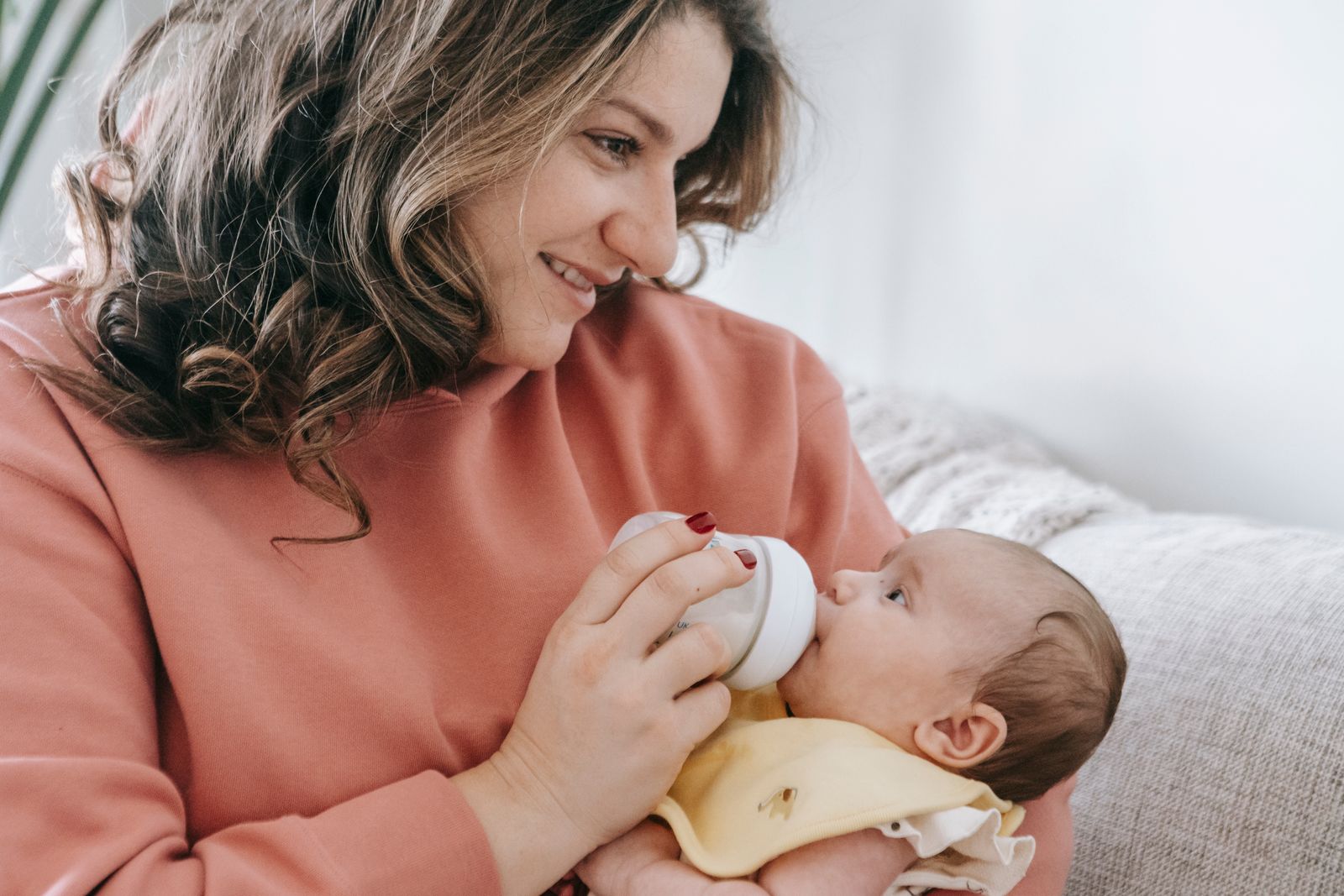
Deciding whether to board a plane at all with a child who has a cold is always tough, but experience from parenting forums is clear that a cold on a plane is sheer torture for the ears. The pain arises when cabin pressure can’t equalise through a blocked Eustachian tube, and the descent before landing is usually much worse for children’s ears than take-off itself. If you’re flying with a mild cold, experienced parents recommend applying a nasal spray before take-off and again before descent, and for small children you can even use a nasal aspirator on board.
Another hidden bogeyman that doesn’t get googled enough is motion sickness in children, because the plane’s movement and banking in turns can reliably upset a child’s stomach. If your child tends to feel sick in the car already, the traditional ⚠️ advice is to try to secure a seat over the wing, where movement should be felt least, and to avoid the rear of the aircraft. Don’t forget to bring your own sturdy sick bags, a pile of wet wipes and absolutely essential spare clothes — not just for the child, but ideally for yourself too.
As for cabin noise, ⚠️ scary numbers about possible hearing damage circulate online, but they mostly come from sellers of children’s ear defenders, so take them with a large pinch of salt. Noise-cancelling headphones do subjectively help children enormously, because they calm them in the monotonous drone, but remember that ear muffs do nothing for the pain of unequalised pressure.
10. Liquids at Prague airport, medicines on board and fighting jet lag
If you need to take baby food, medicines or breast milk on board, the rules differ quite a bit depending on which terminal at Prague airport you’re departing from. Since 1 October 2025, Terminal 2 has new rules with CT scanners, so you can take one container of liquid here up to a whopping 2 litres per person and you don’t have to take anything out of your bag. But if you fly outside the Schengen area from Terminal 1 — where Ryanair or Wizz Air commonly fly to London — the strict limit of 100 ml of liquids in a single transparent bag still applies. For repacking your own toiletries, handy travel bottles are worth it.
Baby food and milk are exempt from this strict limit, but liquids over 100 ml, such as a thermos of tea, may be subject to very detailed inspection or tasting. As for long-haul flights and the dreaded jet lag, the internet is full of desperate tips on slipping children melatonin so they’ll sleep nicely the whole way. But sleep experts are absolutely clear and ⚠️ melatonin is not recommended for children under 2 at all, while for older children it’s only possible after strict consultation with a paediatrician.
In some children melatonin has a strong paradoxical effect, so instead of calming them it wires them up brutally and drastically disrupts their sleep — something you really don’t want to experience on a plane over the ocean. The most effective tool against jet lag remains natural sunlight, so after landing take the kids outside as much as possible and keep the evening bedtime-story ritual exactly the same as at home. To stay hydrated, pack a travel first-aid kit too.
Practical summary and indicative prices
| Item | Specification and limits for 2026 |
|---|---|
| Liquids limit Prague T2 (Schengen) | Up to 2 litres per container (in effect from 1 Oct 2025). |
| Liquids limit Prague T1 (non-Schengen) | Still 100 ml. Baby milk is exempt but subject to inspection. |
| Compensation for a destroyed pram (Montreal Conv.) | Maximum 1,519 SDR (approx. 2,175 USD). Report within 7 days! |
| EU261 compensation (delay of 3+ hours) | €250 / €400 / €600 per person (for lap infants ⚠️ disputed). |
| Lap-infant fee (Ryanair) | €25 per flight segment. |
| New rules for families (EU261) | Child under 14 sits with a parent free of charge (in effect from mid-2027). |
Where to next
- Flying with kids: the complete guide
- A flight ticket for a child
- Travel first-aid kit: what belongs in it
- Flight delay with kids: what you’re entitled to
- Croatia with kids
Frequently asked questions
When exactly do I need to purchase trip cancellation insurance?
You need to purchase cancellation insurance almost immediately after booking, ideally on the same day you pay for flights or the first deposit for your trip. If you only remember cancellation coverage when your child starts coughing a week before departure, the insurance company won’t enroll you in the program and no one will refund your money for the cancelled trip.
What should I do if my child gets sick the night before an early morning flight?
If illness strikes at night and the tickets can no longer be cancelled, the case moves into no-show mode. First thing in the morning, you must contact your pediatrician and obtain a medical certificate of unfitness to travel dated no later than the day of departure. You must then request confirmation from the airline that you did not board the flight.
Does cancellation insurance also cover trip cancellation for a healthy parent?
Yes, if your insurance is set up correctly, it also applies to so-called accompanying persons. When one child falls ill, the insurance company will accept cancellation for parents and healthy siblings who are on the same travel contract or reservation, because it’s not expected that the rest of the family would fly to the seaside alone.
Is the blue EHIC card enough for traveling around Europe with children?
Definitely not, because the blue EHIC card only covers treatment at public facilities and doesn’t exempt you from paying often high co-payments for medication or hospitalization. Moreover, seaside resorts predominantly have private clinics that don’t accept EHIC at all, and the card doesn’t cover potential transport of an injured child home.
Can I give my child melatonin for sleep before a long flight?
Sleep experts strongly warn against this practice, and melatonin ⚠️ must not be given to children under 2 years old at all. For older children, it’s only possible after consultation with a pediatrician, because in some children the medication causes a paradoxical reaction and instead of calm sleep, it actually makes them highly agitated.
Who should I report to when an airline damages my expensive stroller?
You must report a damaged stroller directly at the airport at the Baggage Claim desk and file a PIR (Property Irregularity Report). The airline is liable for baggage under the Montreal Convention up to approximately 2,175 USD, but it’s absolutely crucial to meet the deadline and report the damage in writing within a maximum of 7 days from receipt.
Is an infant on lap entitled to compensation for flight delays?
This is a very ⚠️ disputed area and airline practices vary enormously. If the airline carries the child completely free of charge, they will usually refuse compensation, but if you paid a fee for them (for example €25 with Ryanair), always submit the claim, because after appeal airlines often back down and pay out.
How much liquid can I take for children through security at major airports?
It depends on the terminal. At terminals with updated security (Schengen zones), limits of up to 2 liters per container have been introduced since October 2025 at some airports. At terminals with standard security (non-Schengen flights, such as to London), the limit is still 100 ml. Baby milk and nutrition have an exception from this strict limit, but be prepared that they may be subject to detailed inspection.
Tips and Tricks for Your Vacation
Don’t Overpay for Flights
Search for flights on Kayak. It’s our favorite search engine because it scans the websites of all airlines and always finds the cheapest connection.
Book Your Accommodation Smartly
The best experiences we’ve had when looking for accommodation (from Alaska to Morocco) are with Booking.com, where hotels, apartments, and entire houses are usually the cheapest and most widely available.
Don’t Forget Travel Insurance
Good travel insurance will protect you against illness, accidents, theft, or flight cancellations. We’ve had a few hospital visits abroad, so we know how important it is to have proper insurance arranged.
Where we insure ourselves: SafetyWing (simple monthly subscription) and TrueTraveller (for extra-long trips).
Find the Best Experiences
Get Your Guide is a huge online marketplace where you can book guided walks, trips, skip-the-line tickets, tours, and much more. We always find some extra fun there!


