

When Lukáš and I arrived in Barcelona, Spain at the beginning of March, we were greeted by humid air and the promise of endless discovery. The Catalan capital has absolutely everything a traveler’s soul could wish for, from breathtaking architecture to wide beaches and outstanding food. We stayed at Hotel Gaudí, a short walk from the famous Palau Güell, and spent whole days on foot, because that’s the best way to soak up the real southern atmosphere.
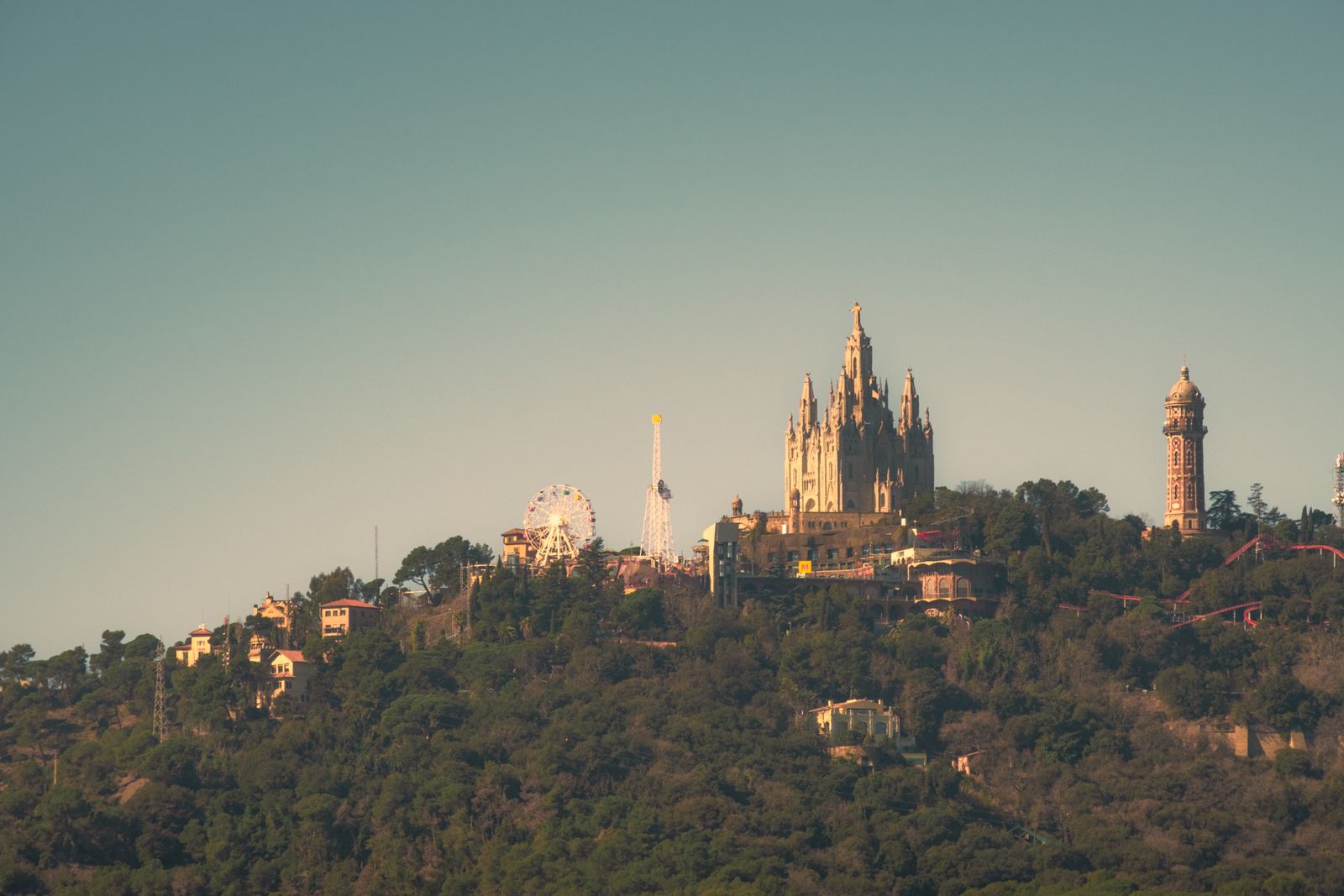
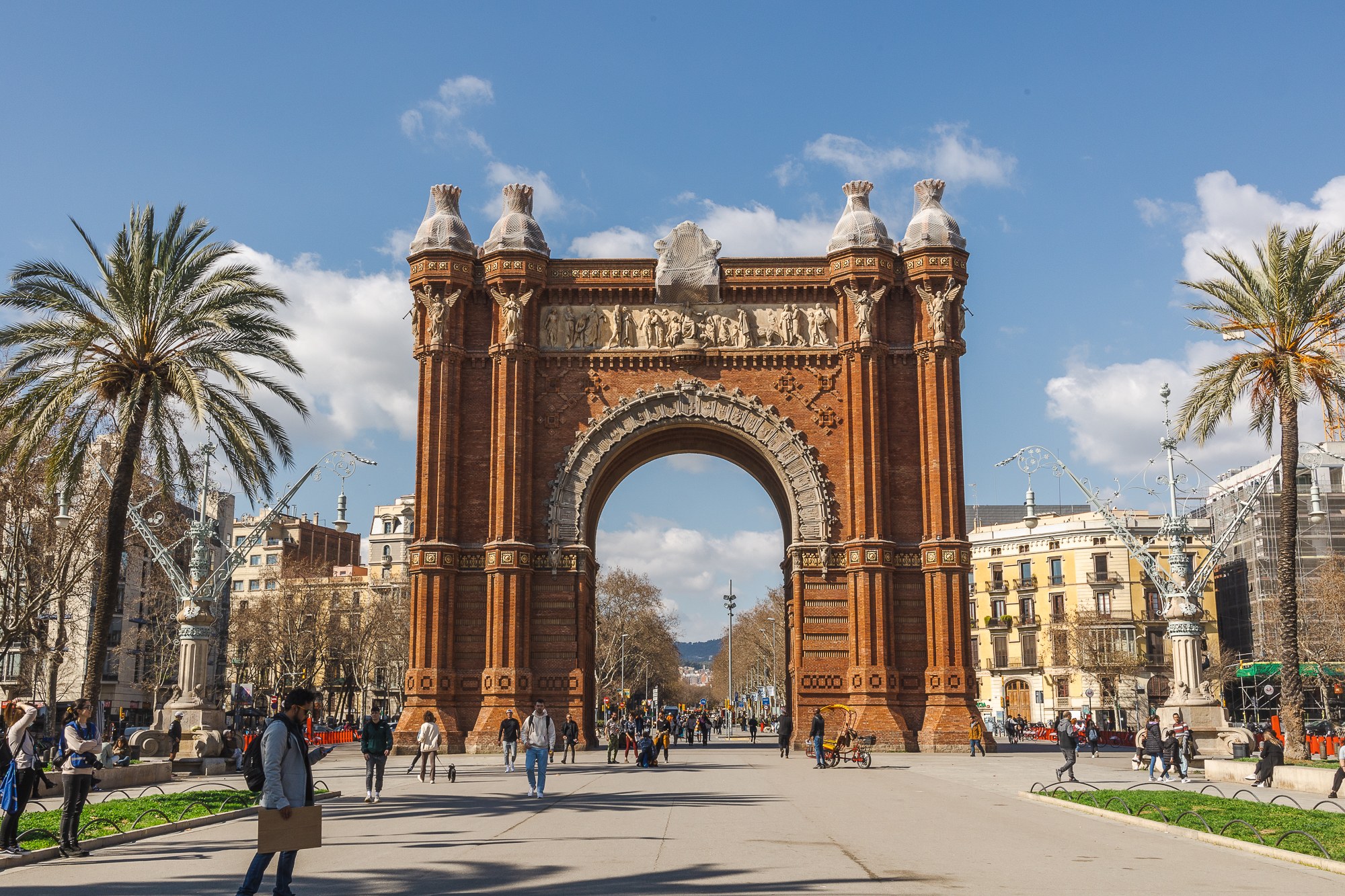
We headed out into the streets early in the morning and came back only at sunset with completely worn-out legs. Our steps led from the magnificent cathedral past the Arc de Triomf all the way to Barceloneta beach, where we listened to the murmur of the waves. Because of bad weather and stories about cars being broken into, we did skip the Tibidabo hill, but we didn’t mind at all, because the city itself offered us a month’s worth of experiences.
This article will serve as a complete operating manual for your trip. Forget generic advice, because in 2026 this city demands a clear strategy and planning. I’ll walk you through itineraries based on how much time you have, and show you how to avoid pointless queues, fines, and tourist traps.
TL;DR
- How many days is enough: For the absolute basics you need 2 days, the ideal long weekend lasts 3 to 4 days, and for day trips beyond the city set aside 5 days.
- Must-sees: The fascinating Sagrada Família, the fairy-tale Park Güell, and Gaudí’s famous houses along the Passeig de Gràcia boulevard.
- Where to stay: The Eixample district is the best base with its wide sidewalks, while Gràcia offers a calmer local vibe full of small squares.
- When to go: Spring and autumn are best; avoid August, when the heat is unbearable and local businesses are often closed for holidays.
- Getting around the city: Don’t buy expensive tourist passes; the best value is the shared T-familiar ticket for families or the non-transferable T-casual for individuals.
- Food and schedule: Spaniards have lunch between 1:30 and 3:30 p.m., and dinner isn’t until 9:00 p.m., so don’t forget a small afternoon snack.
- Key tip: You must buy tickets to the main sights exclusively online and weeks in advance; on-site physical ticket offices often no longer exist at all.
The full destination guide: Catalonia — guide and what to see
Before you go: what to book in advance
If you think you’ll just show up at a sight and buy a ticket, I have to quickly set you straight. The Catalan capital is bursting at the seams and the most beautiful gems have hard capacity limits you simply can’t get around. Without an early online reservation, you’ll spend your weekend staring at “sold out” signs, which would be a huge shame.
Completely uncompromising in this respect is the Sagrada Família, where slots open exactly 60 days ahead and on-site ticket offices no longer exist at all. Especially in 2026, when the 172.5-metre Tower of Jesus Christ was completed and the basilica became the tallest church in the world, demand for tickets is extreme. A basic ticket costs €26 and the version with tower access costs €36.
The second critical point is Park Güell, where the monumental zone with its iconic mosaic bench costs €18 and tickets vanish at lightning speed. Although a smaller part of the park is free to access, without a paid ticket you won’t see Gaudí’s most famous structures, so definitely don’t put off buying.
The same rule applies to Gaudí’s houses in the city centre, where tickets to Casa Batlló start at €29 when bought online. Sort out your airport transfer and transport tickets in advance too, because all this preparation from home will save you hours of precious time on the ground — time you’d rather spend over great tapas. And if you’re craving top-tier gastronomy and want a table at the famous Michelin restaurant Disfrutar, you’ll need to watch for a reservation several months ahead.
Also bear in mind that the tourist tax rose significantly from April 2026, so add this extra cost straight into your accommodation budget. A night in a five-star hotel comes to €12 per person, in a tourist apartment you’ll pay €9.50, and in a four-star hotel the fee is €8.40. This tax is charged for a maximum of seven consecutive nights.
Barcelona in 1 day: the very best
If you really only have a single day for the city, you’ll have to accept that you can’t see everything, and your itinerary will feel more like a fast sprint. Realistically you’ll have around six to eight hours of usable time, so the key to success is ruthless cutting and focusing only on the absolute essentials right in the centre.
Right after arriving, get a metro ticket, ideally the non-transferable T-casual for €13, or the shared T-familiar for €11.50 if you’re travelling in a group. Your day must start at the Sagrada Família, where you’ll buy a ticket for the first morning slot from home to avoid the biggest crowds and save precious minutes.
Lukáš and I explored the basilica both outside and in, and the sight of sunbeams passing through the coloured stained glass is simply something you’ll never forget. The visit takes about an hour and a half; then hop on metro line L2 and ride to the Passeig de Gràcia stop, where the second part of your architectural adventure begins.
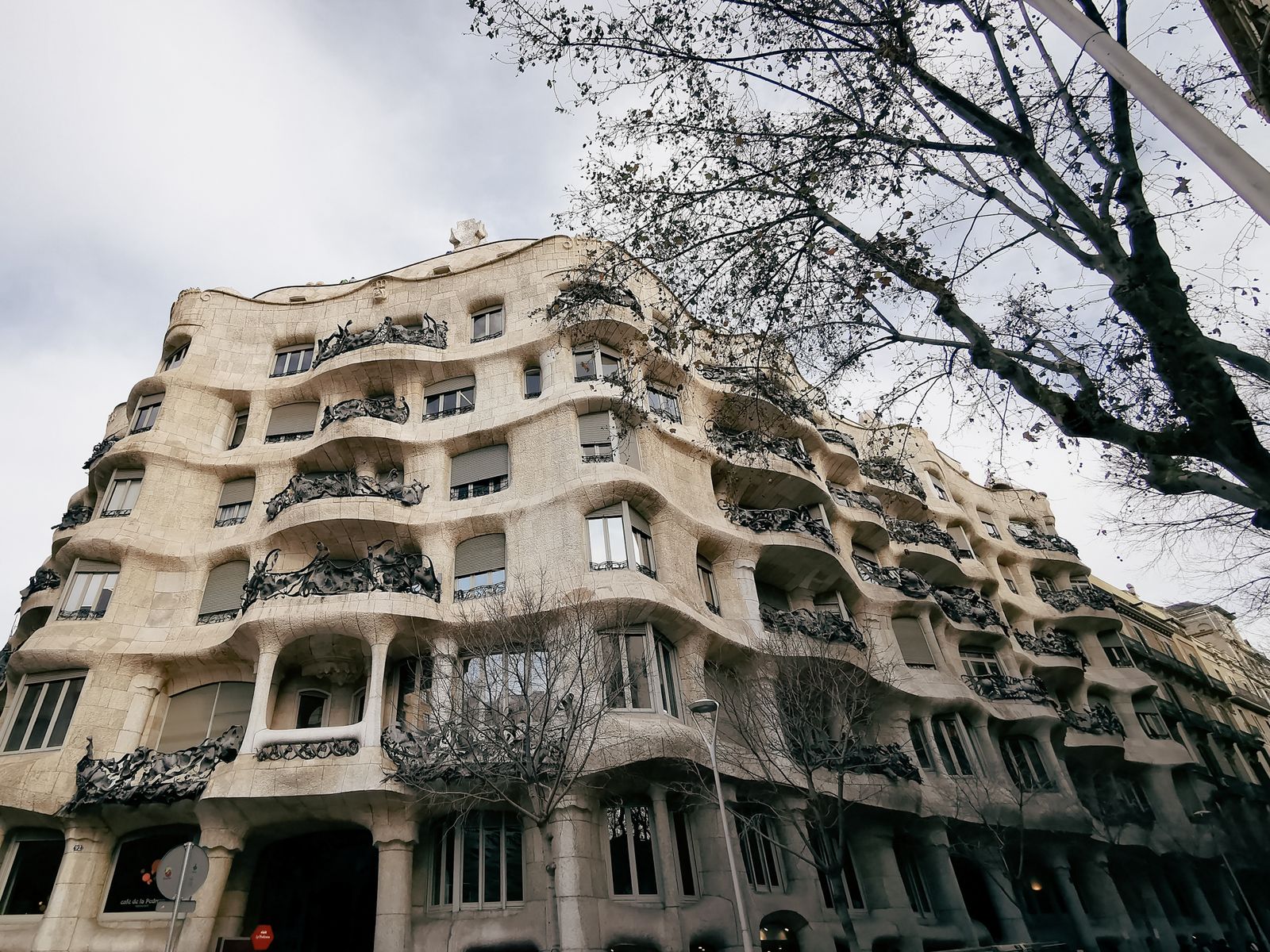
This famous boulevard is a showcase of Modernisme and you’ll find two of Gaudí’s masterpieces here close together. Given the time pressure, I’d recommend admiring the fascinating Casa Batlló and the massive Casa Milà from the outside only, because interior tours would take another three hours and swallow a huge chunk of your already tight budget.
Around 1 p.m., take a leisurely walk to Plaça de Catalunya and head straight into the narrow lanes of the Gothic Quarter (Barri Gòtic). Its shady corners are a perfect hideaway from the midday sun and this is where you’ll find the best little spots for a quick but incredibly tasty traditional-style lunch.
We fell in love with vegetarian tapas, so I definitely recommend ordering crispy patatas bravas with a spicy sauce, grilled pimientos de padrón peppers, and the absolute staple of local cuisine — bread rubbed with tomato and garlic, called pa amb tomàquet. This combination will fill you up perfectly and give you energy for the afternoon programme.
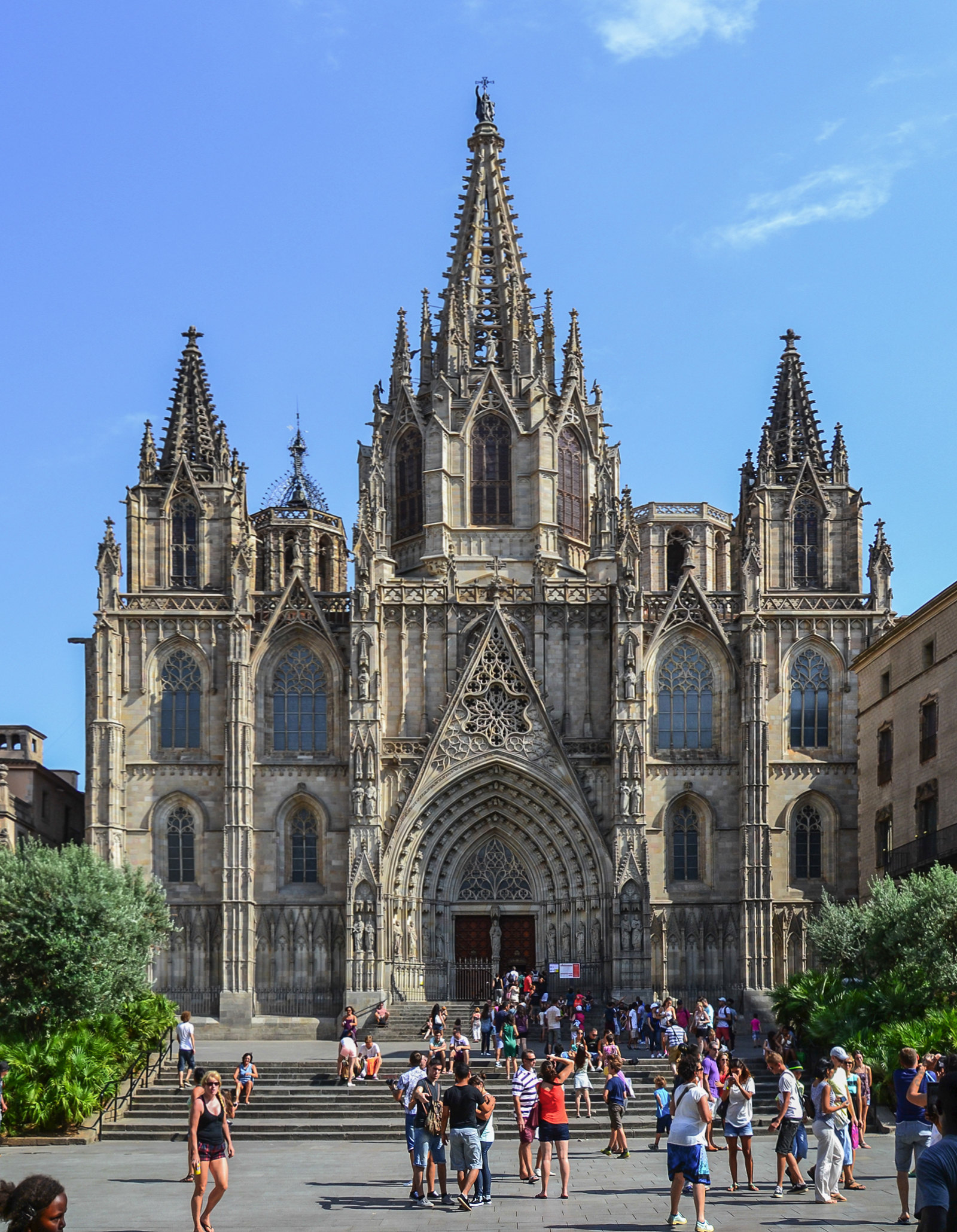
After lunch, head to the majestic Barcelona Cathedral, which is completely different from Gaudí’s playful buildings and represents pure Gothic austerity. I deliberately don’t advise going to Park Güell, because it’s too far from the centre; the round trip would eat up three hours and simply doesn’t fit logistically into a one-day plan.
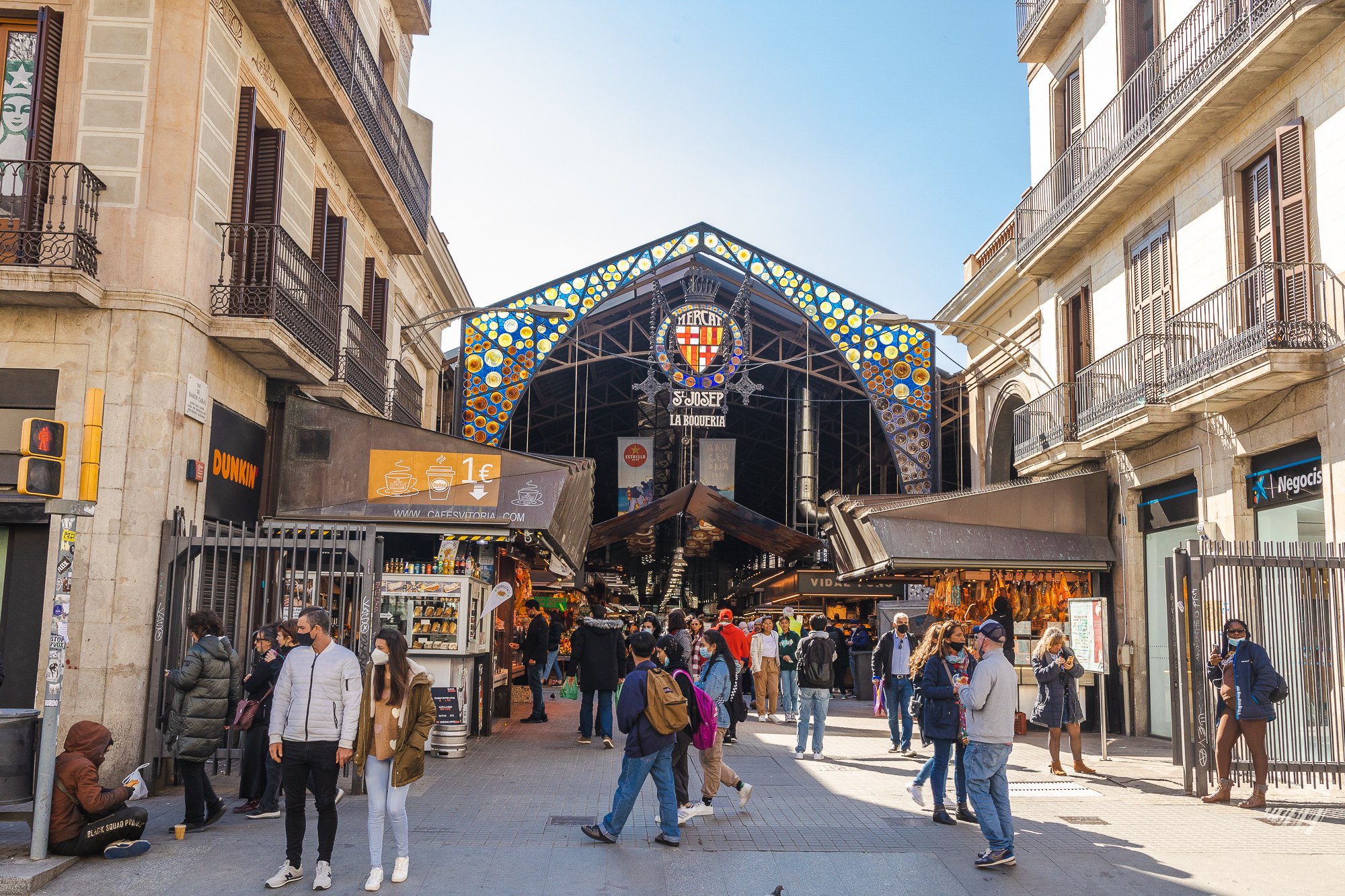
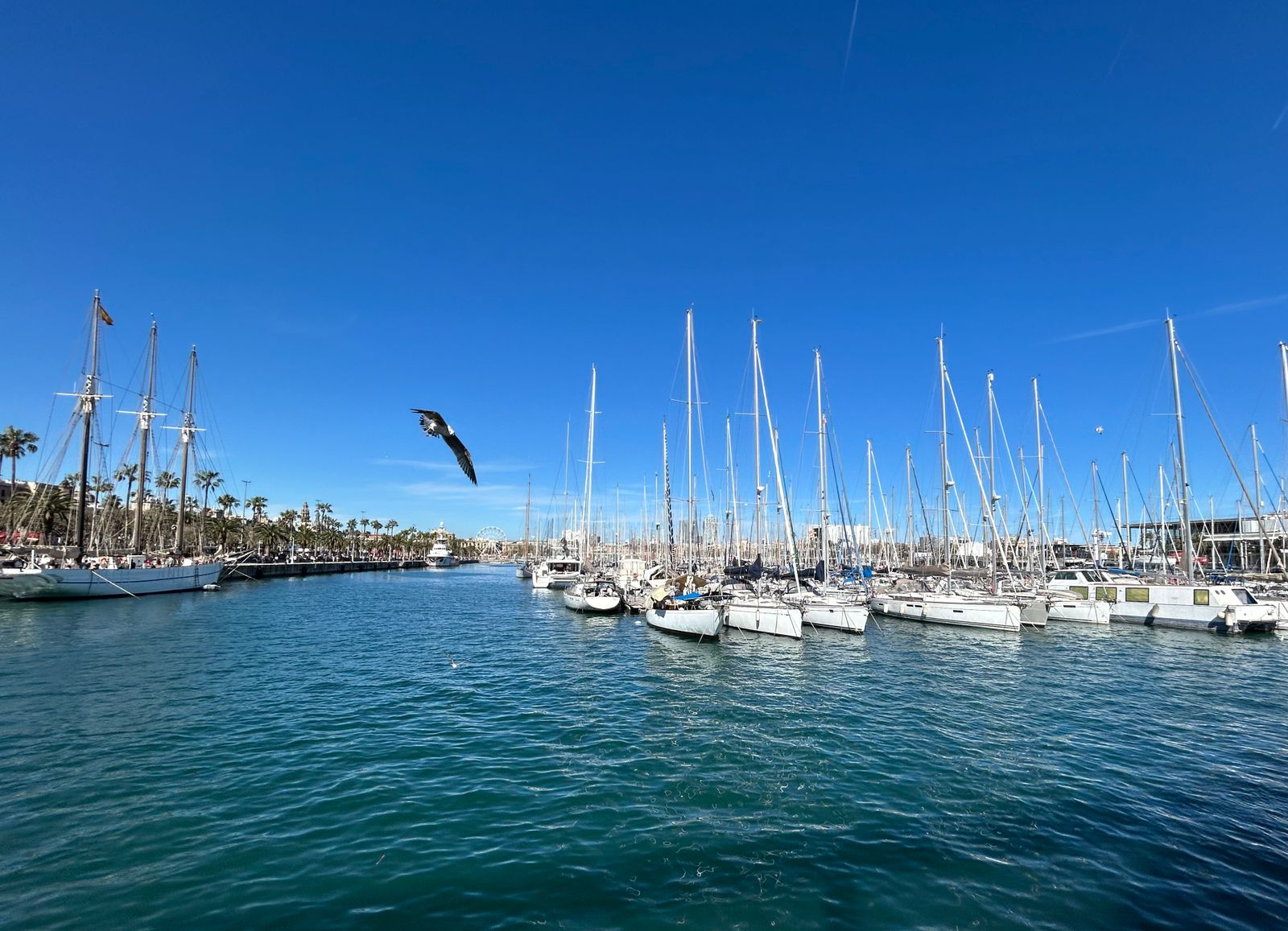
Devote the afternoon to a stroll down the famous La Rambla, where you should stop at the iconic La Boqueria market, which we two didn’t skip either, even though it tends to be packed with tourists. End the day by the sea at the statue of Christopher Columbus, from where it’s just a short walk to the harbour or to the Aerobús airport bus that will safely take you back to your flight.
Barcelona in 2 days: the classic weekend
The two-day option is the absolute minimum to not just rush through the city but to actually soak a little of it up. You’ll have time to add more iconic spots, taste more local specialities, and above all you won’t have to stress so much over the clock with every move between sights.
Let’s break this classic weekend itinerary down day by day, so you know exactly how to logically assemble the programme, save on pointless back-and-forth, and make the most of every minute of your stay.
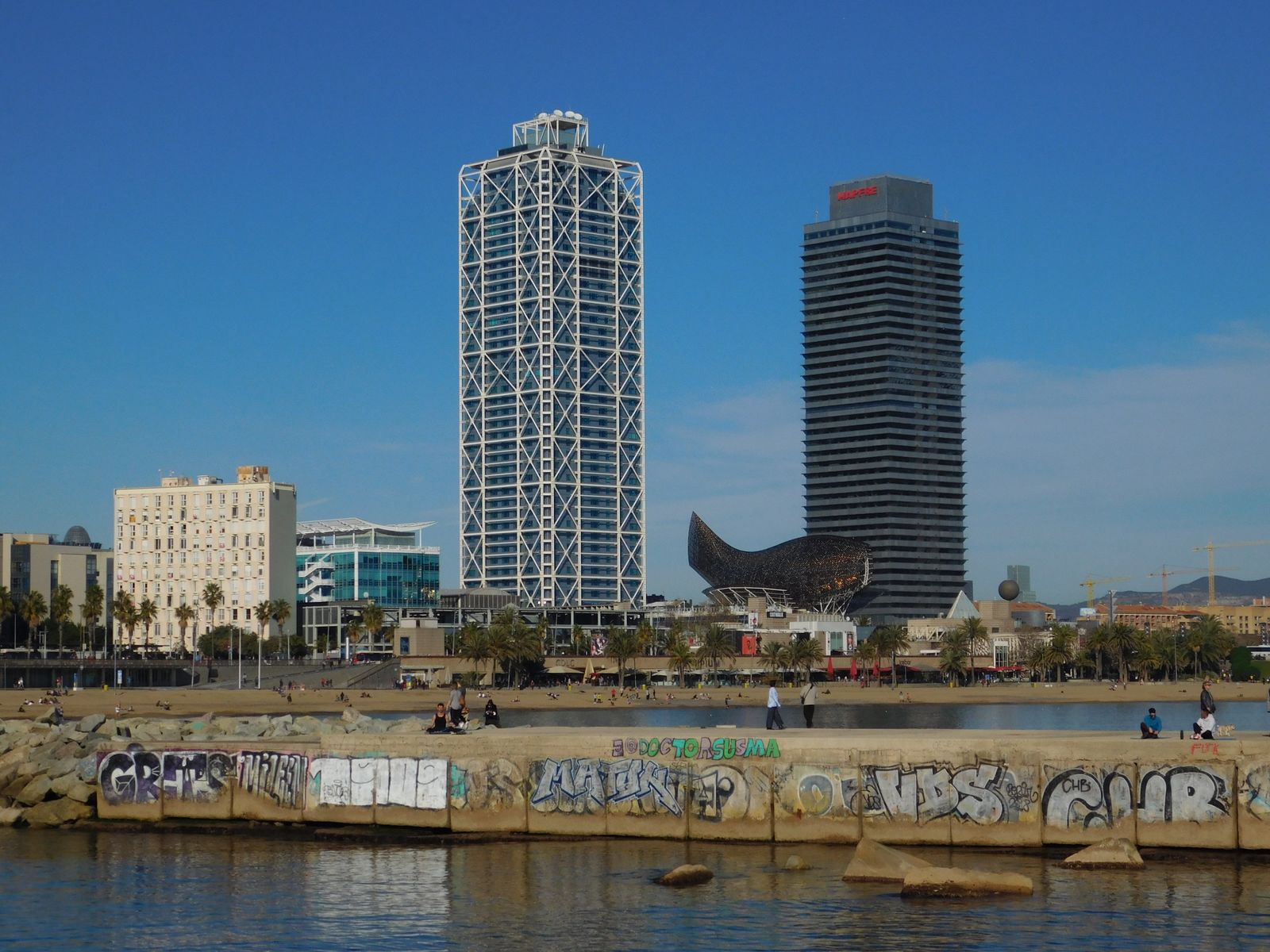
Day 1: Gaudí’s masterpieces and Gothic lanes
Dedicate the first day to the most famous things the city offers, and start early in the morning at the Sagrada Família, before the surrounding streets fill with crowds of tourists. After thoroughly exploring this architectural marvel, move on to the elegant Eixample district, which will captivate you with its wide boulevards and luxury boutiques.
Here, treat yourself to an interior tour of at least one of Gaudí’s houses; a ticket to Casa Batlló will cost you from €29 and it’s worth every euro. The play of light, colour, and organic shapes without a single straight angle will completely absorb you and you’ll grasp Gaudí’s genius in all its beauty. If you’d rather save the tickets for another time, at least admire the neighbouring Casa Milà from the outside.
In the afternoon, immerse yourself in history in the lanes of the Barri Gòtic and El Born districts, where you’ll get lost in a labyrinth of medieval streets hiding picturesque little squares and Gothic churches. We spent a lot of time in this area on foot and discovered gorgeous corners around the Arc de Triomf, which you should definitely go and see.
In the evening, tune into the local wavelength and go for proper Spanish tapas, but avoid the overpriced restaurants right on La Rambla, where the quality doesn’t come close to the high prices. Duck into one of the small bars in El Born, order a glass of wine and a few little plates of cheese or olives, and enjoy the buzzing atmosphere of a southern night. 💡 TIP: If you’re worried about missing the best places, consider an evening free walking tour where a guide will show you the most authentic local bars.
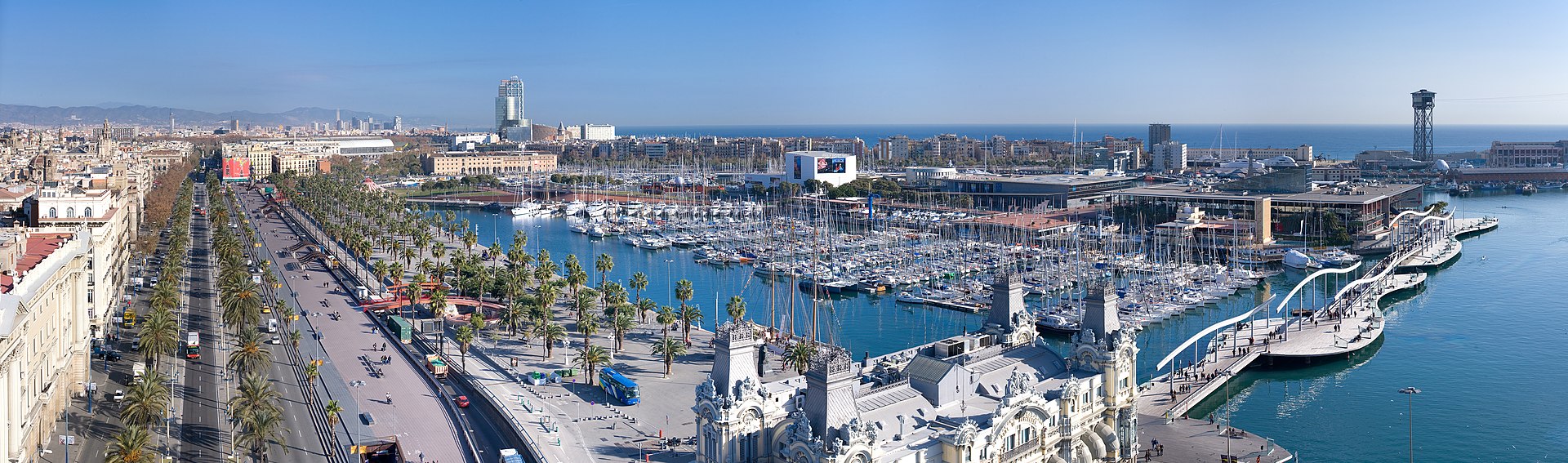
Day 2: A fairy-tale park and relaxing by the sea
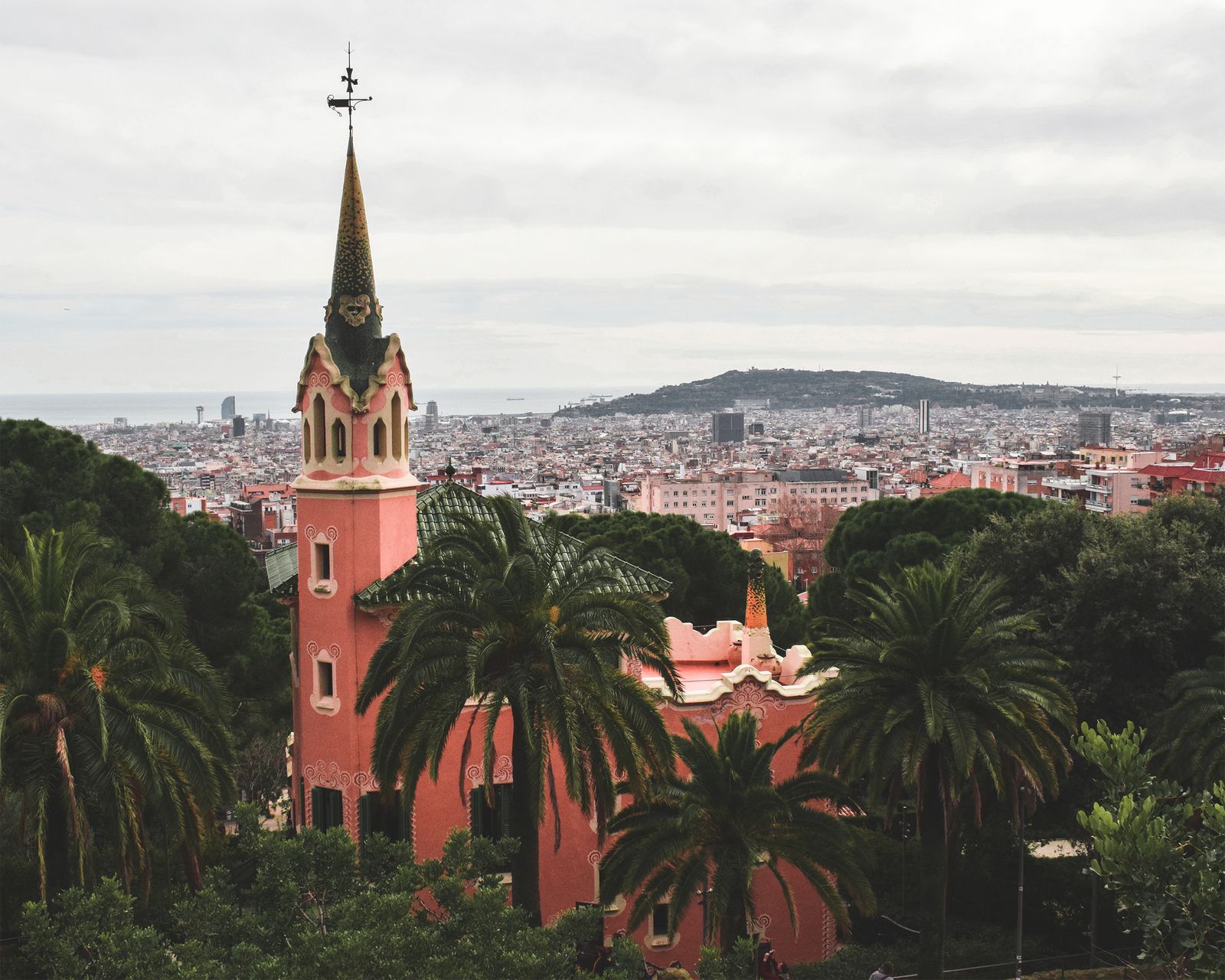
Start the second day with an early-morning trip to Park Güell, where you again need to reserve the very first morning slot, because later the park’s narrow paths become almost impassable. The paid monumental zone takes up only 12 hectares of the whole park, but that’s exactly where you’ll find the famous mosaic bench, with a fantastic view over the whole city all the way to the sea.
From the park, walk down into the Gràcia district, a former independent village that has kept an incredibly authentic character to this day, with no big hotels or crowds. The little squares here are lined with trees and cafés, making it an absolutely ideal place for lunch, where you can have a good-value daily set menu called menú del día for a pleasant €13 to €18.
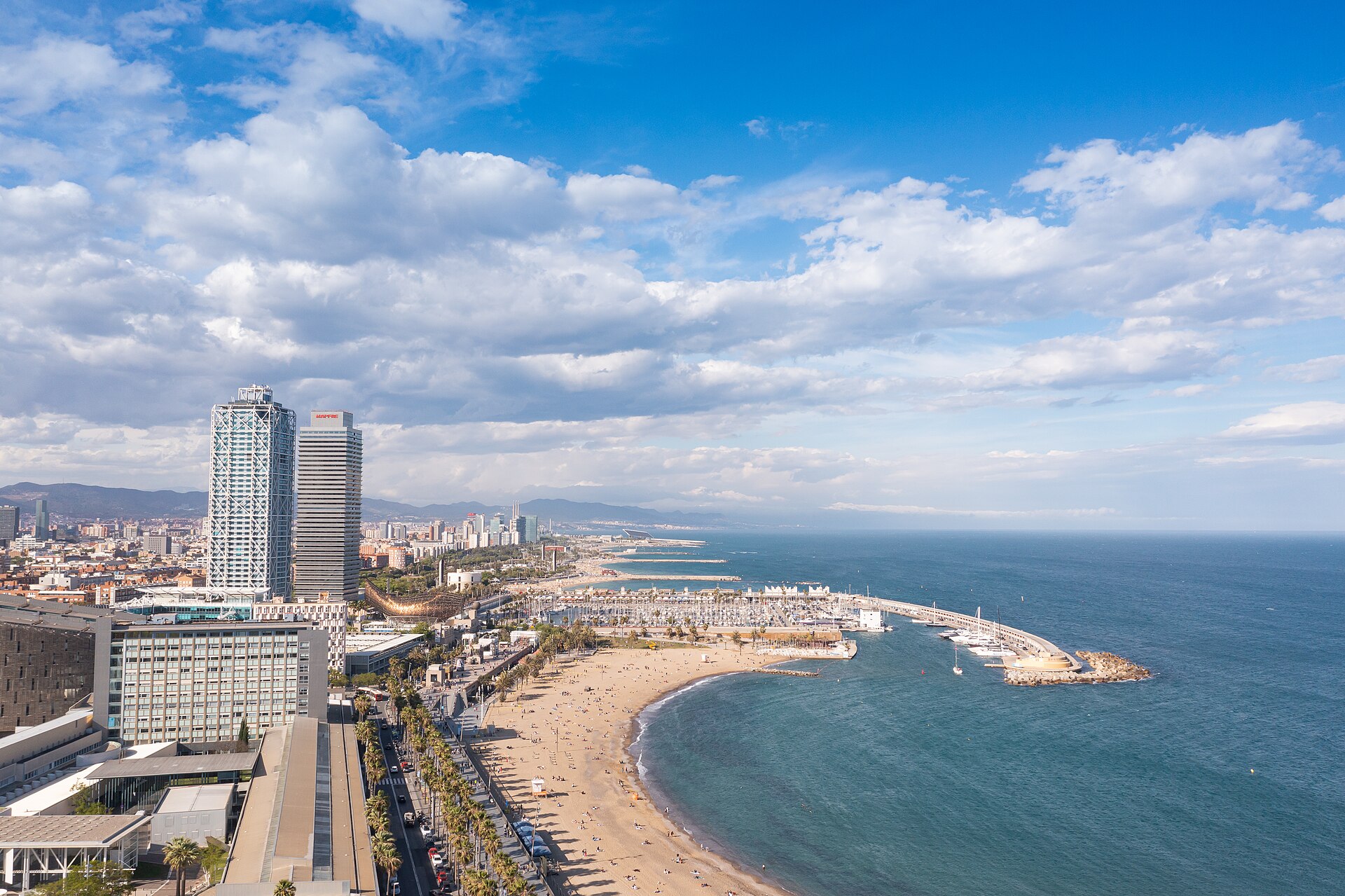
Devote the afternoon to a well-earned rest by the Mediterranean, but be very careful about which beach you choose, because the differences are truly enormous. We went to check out Barceloneta beach, which is the closest to the centre but was incredibly crowded, full of street vendors and constant noise.
A far smarter choice is to hop the metro a few stations further, specifically to Bogatell or Nova Icària beach, where you’ll find much more peace, cleaner sand, and better facilities. Towards evening you can then stroll along the seafront promenade, grab a chilled drink at one of the beach bars called chiringuitos, and watch the sun slowly slip below the horizon.
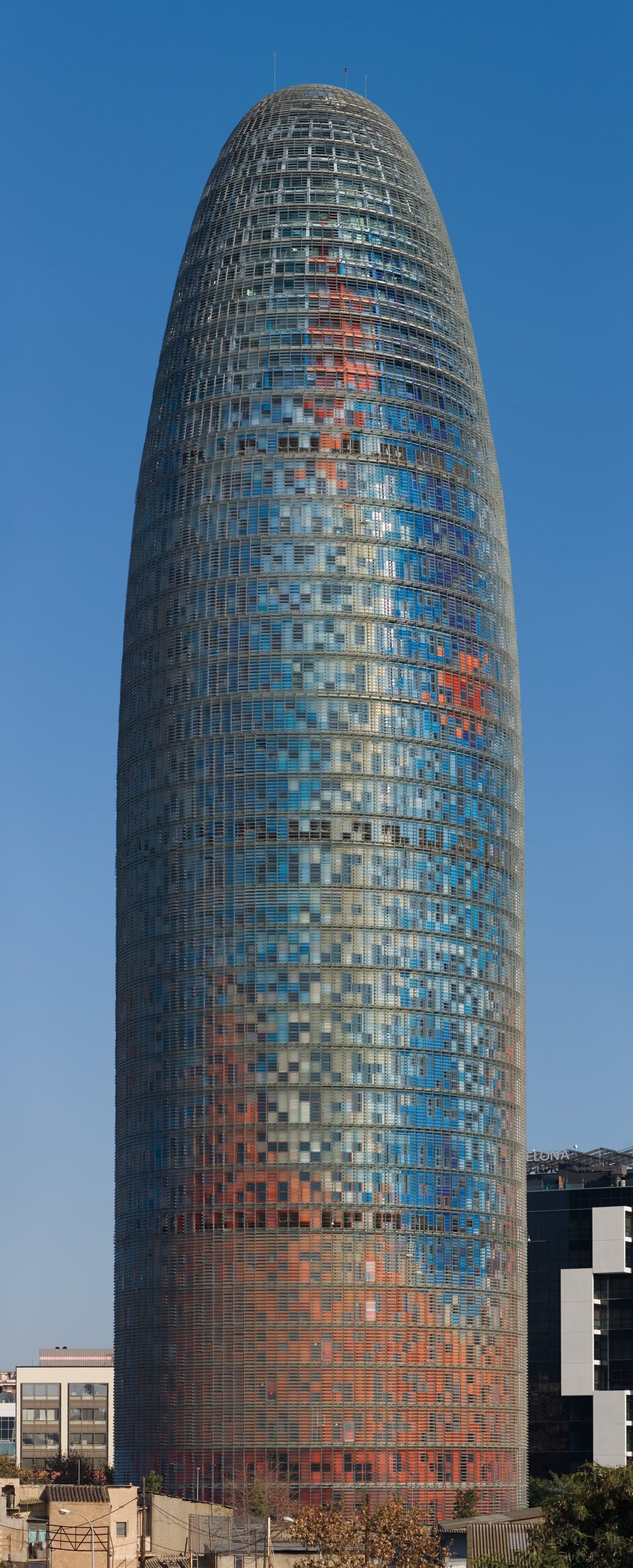
Barcelona, Spain in 3 days: the gold standard
A three-day stay is the absolute ideal for a European city break, because it gives you enough room for all the main icons while adding time to get to know the city more deeply. You can afford to slow down, enjoy a long afternoon coffee in the sun, and discover places that ordinary rushed tourists never reach.
The first two days of this itinerary match the previous two-day plan, so you’ll cover Gaudí’s buildings, the Gothic centre, Park Güell, and the beaches. The real difference comes on the third day, which we devote to art, gorgeous views, and gastronomic discoveries in districts with a slightly different feel.
Days 1 and 2: The essentials of the city
Because you have three full days, you can afford to slow the pace considerably and not rush. On the first day, explore the Sagrada Família and the houses on Passeig de Gràcia at your leisure, and your afternoon wander through the historic Barri Gòtic centre won’t feel like a race against the clock. You’ll have space to soak up the atmosphere, browse the windows of small boutiques, and photograph the narrow lanes without constantly checking your watch.
On the second morning you head to Park Güell and then move on to the local Gràcia district, where you can treat yourself to one of the most beloved Catalan rituals. Between noon and 2 p.m., duck into a traditional spot like Bodega Marín and order a glass of house vermouth (vermut de la casa) with a bowl of olives. It’s a small detail, but one that makes your holiday a far more authentic experience.
In the afternoon, you’ll then rest on the quieter Bogatell beach. Spreading the programme over more days simply lets you explore the city like a local, sit longer on café terraces, and not fret about missing something important.
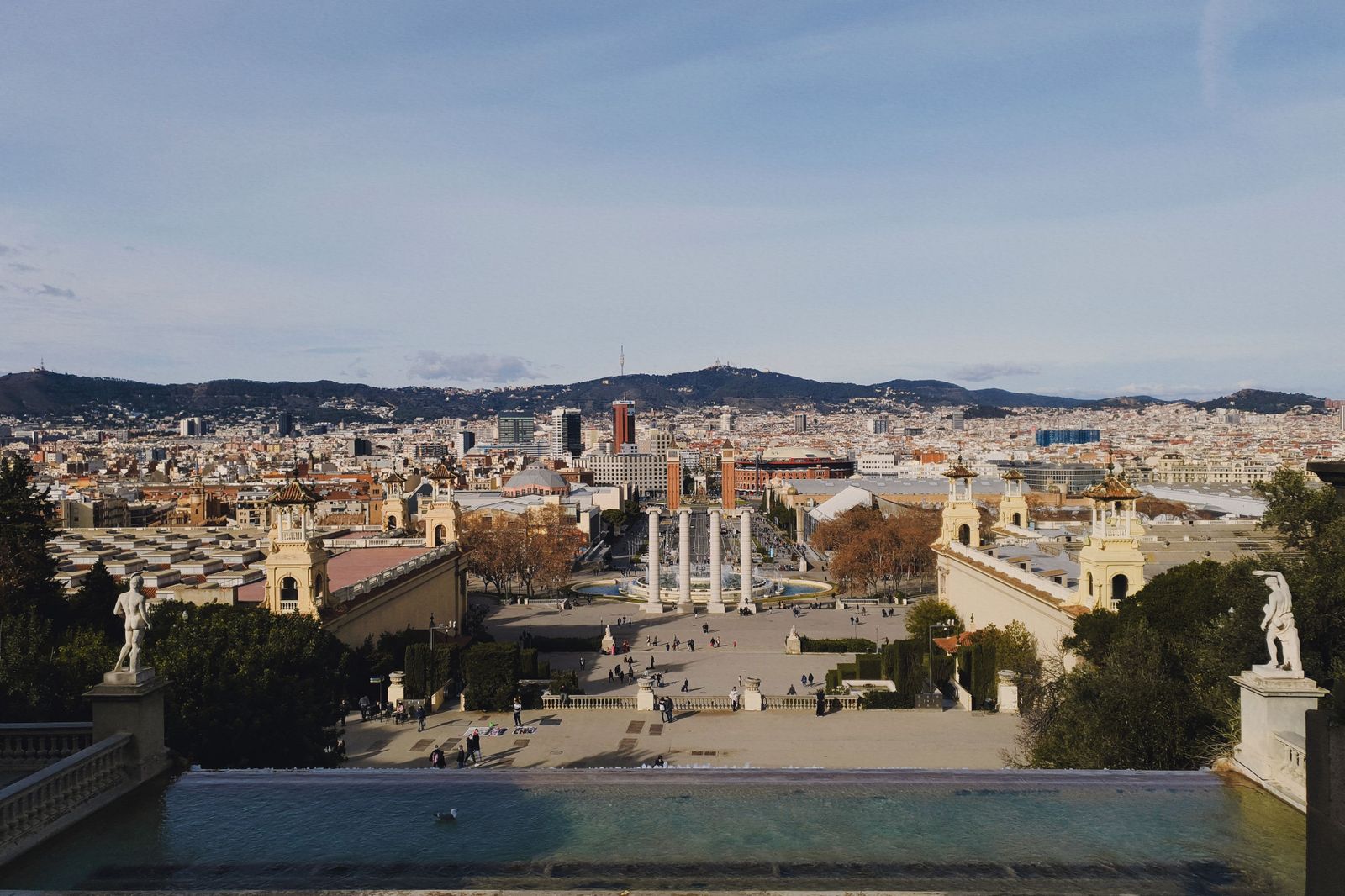
Day 3: Montjuïc hill and an evening feast
On the third morning, head up the sprawling Montjuïc hill, which rises right above the harbour and offers the most beautiful panoramic views over the wide surroundings. You can ride up on the iconic red cable car for €19 or take a regular bus, and at the top a huge complex full of gardens, Olympic sports venues, and top-tier museums awaits.
Art lovers definitely shouldn’t miss the National Museum of Catalan Art (MNAC) for €15 or the Fundació Joan Miró with the same entrance fee, where you’ll find fascinating collections of modern art. The walk around the hill itself takes several hours and the terrain is fairly hilly, so don’t forget to bring your most comfortable shoes and plenty of drinking water, because the sun here can be truly relentless.
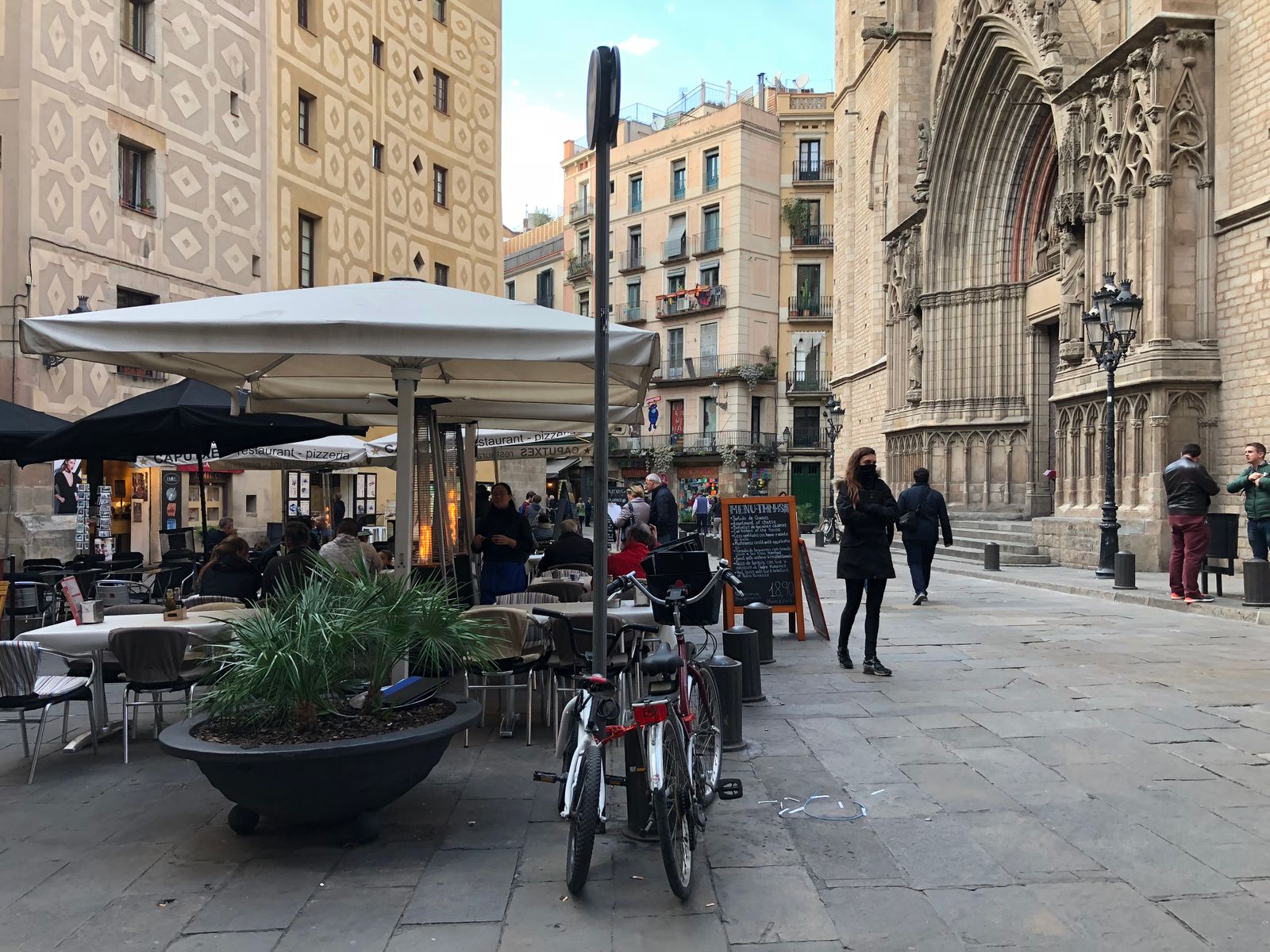
When hunger strikes in the afternoon, come down the hill into the Poble-sec district, home to the famous Carrer de Blai, an absolute paradise for all food lovers. This pedestrian street is lined with dozens of small bars specialising in so-called pintxos — small bites skewered on a toothpick, more typical of northern Spain.
The system here is absolutely brilliant and simple. You just walk up to the bar, load your plate with everything you like, and at the end the staff count your empty toothpicks and charge you accordingly. You’ll find fantastic vegetarian options, from pieces of tortilla to grilled aubergine and cheese croquettes, so everyone will get their fill here — and for very reasonable money too.
Barcelona in 5 days: with day trips out of town
If you’re lucky enough to be able to spend five whole days in the city, the option opens up to venture beyond the metropolis itself and get to know a slice of wider Catalonia. A five-day itinerary gives you enormous freedom — you can afford to skip the alarm, enjoy lazy mornings, and alternate days full of sights with days devoted to pure relaxation.
Devote the first three days to our gold standard described above, so you’ll calmly tick off all of Gaudí’s buildings, the museums, the beaches, and the tapas bars. Then use the remaining two days for day trips, which will show you a completely different face of this region, whether you’re craving mountains, history, or crystal-clear sea.
Day 4: A mystical monastery in the mountains
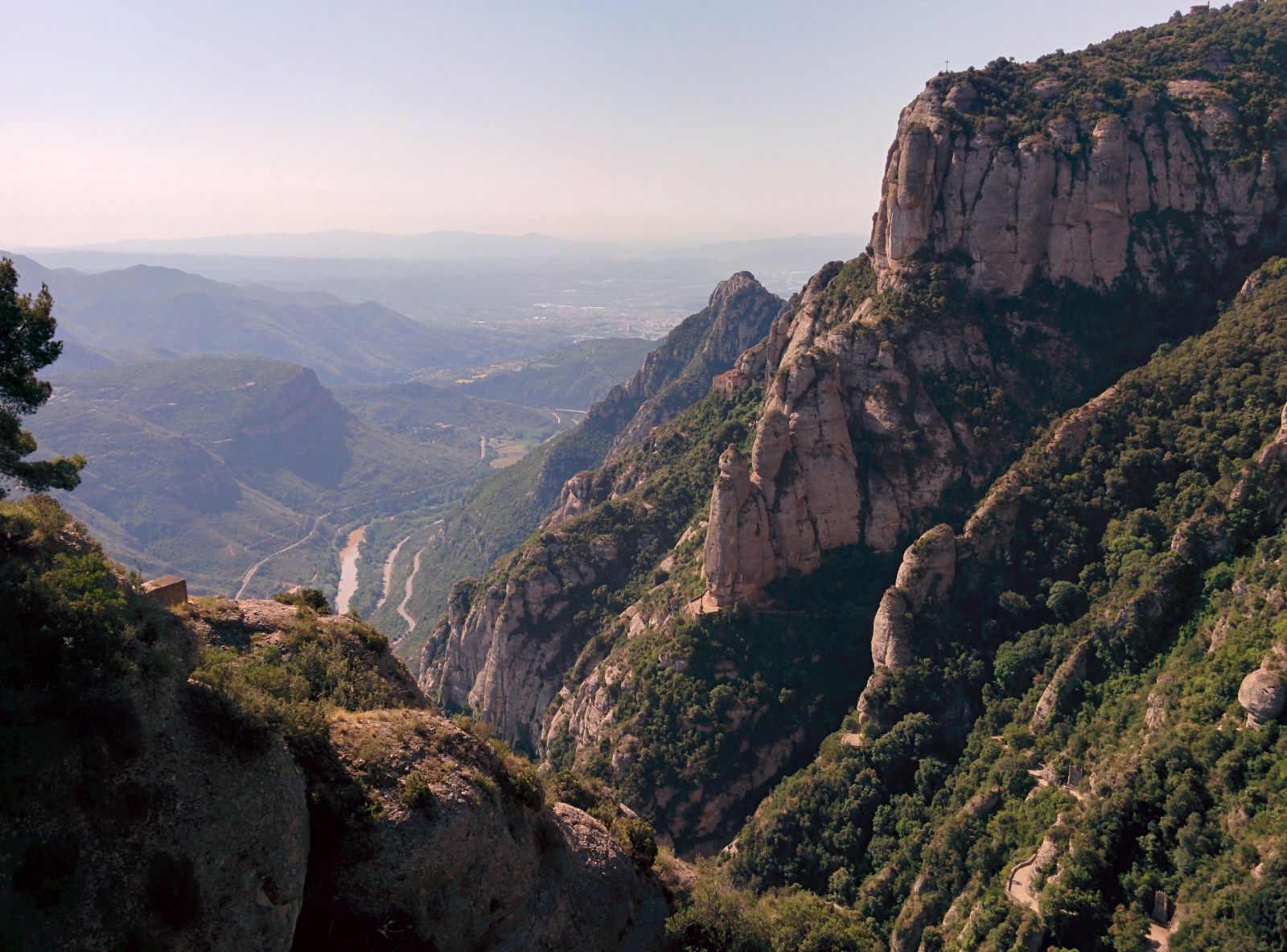
On the fourth day, take the most popular day trip from Barcelona, a visit to the sacred mountain of Montserrat with its fascinating monastery, set among bizarrely shaped rock towers. Over 40,000 organised tourists come here each year, because it’s a place with an incredible spiritual atmosphere and utterly stunning views into deep valleys.
The easiest way to get here on your own is to buy the TransMontserrat package for €50.15 right at the station on Plaça Espanya. This price includes complete transport — the train from the city, the rack railway up to the monastery, and even metro tickets — so you’ll be up top within just an hour and a half, without any worries about transfers.
If you plan your visit well, you can listen to the famous Escolania de Montserrat boys’ choir in the basilica — one of the oldest in Europe. 💡 TIP: Definitely check the official website in advance to see whether the choir happens to be on holiday (often in August), so you don’t miss out on this magical musical experience.
Day 5: Clean sea or undiscovered Gaudí
On the fifth day you can choose according to your mood. The first option is an escape to better swimming in the picturesque seaside town of Sitges. The train on the R2 Sud line takes just 43 minutes and beautiful clean beaches, narrow white lanes, and much calmer swimming than on Barcelona’s crowded sands await you.
But if architecture appeals to you more, take the train to Colònia Güell, a former workers’ colony just 20 minutes away, where a combined ticket costs €15.30. Here you’ll find Gaudí’s unfinished crypt, which served as his laboratory for testing the structural design of the Sagrada Família. It’s a fascinating place where you’ll see the master’s ideas in raw form.
In the afternoon, return to the city and add a visit to the enormous Art Nouveau complex of the Sant Pau hospital for €18. 💡 TIP: This complex lies just a short walk from the Sagrada Família, but there are almost no queues here, and for architecture lovers it’s an absolute hidden gem that ordinary guidebooks often leave out.
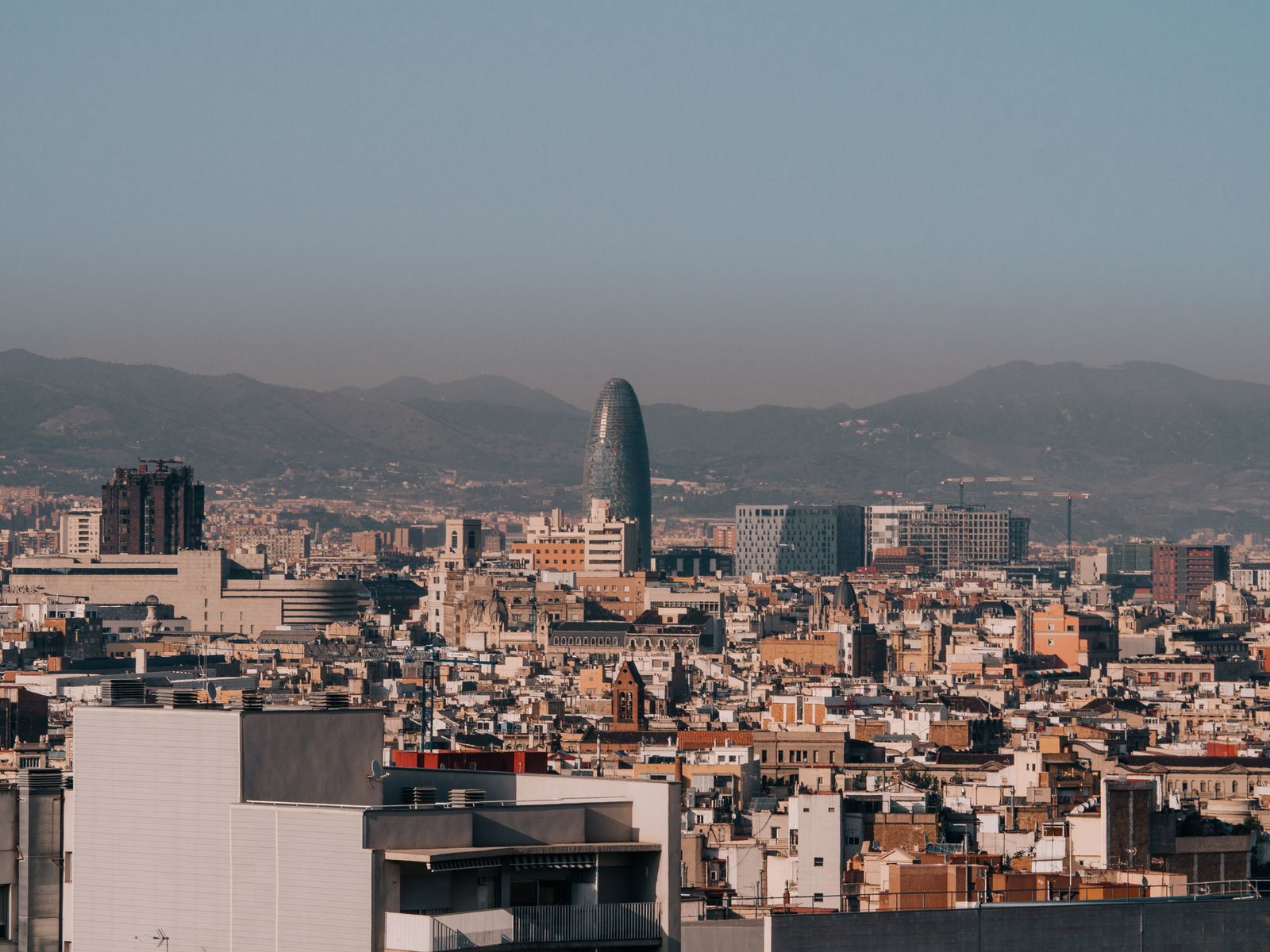
An itinerary based on who you’re travelling with
Every trip is completely different, and what works for a couple in love would drive a family with a stroller to tears. From in-depth research we’ve pulled out hard data and specific problems for different types of travellers, so you can avoid unpleasant surprises and enjoy your holiday exactly the way you need to.
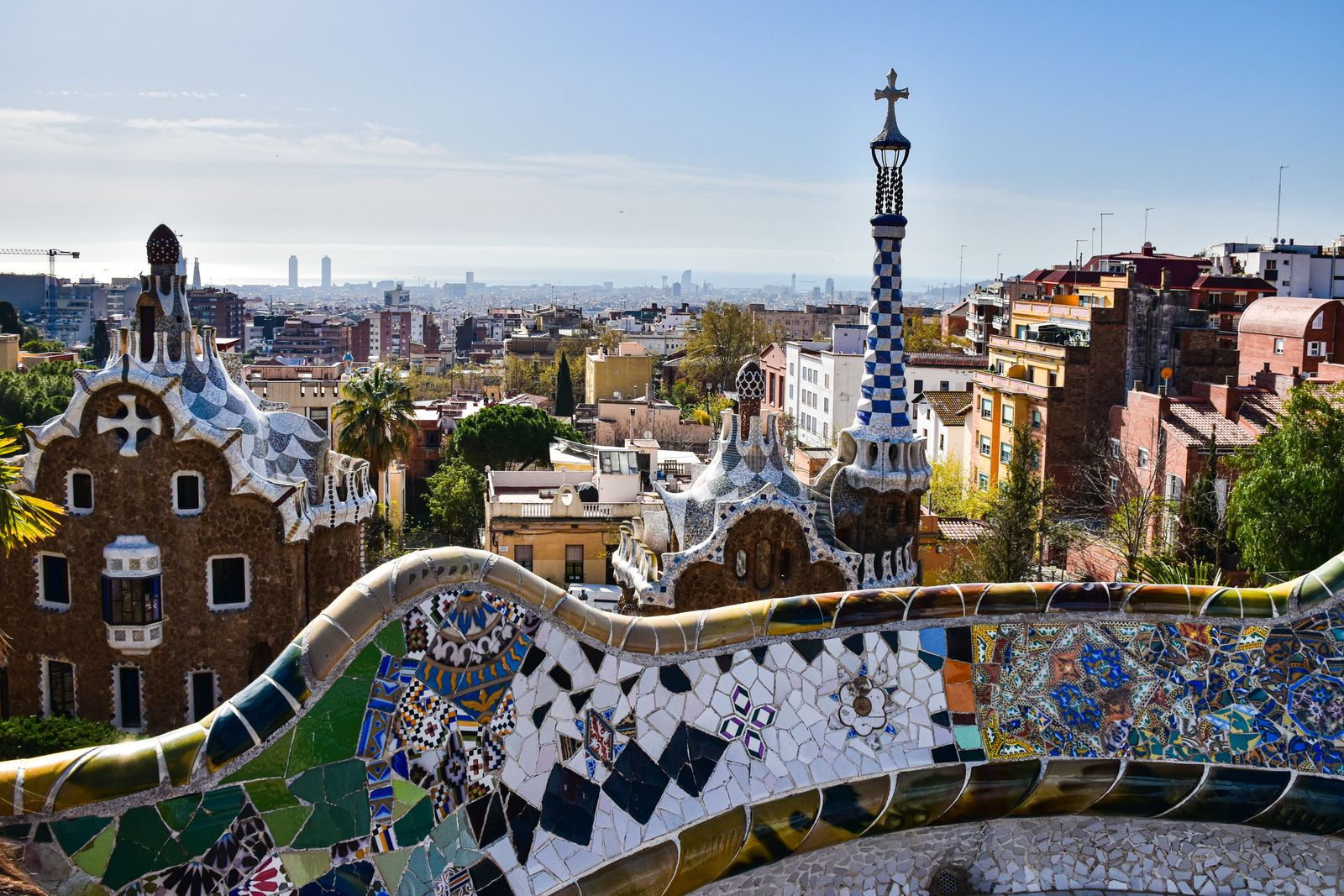
A couple on a long weekend
Most couples arrive with a clear budget of around €300 to €600 per person and want to enjoy the romance without needless stress over transport. My main piece of advice is to master the art of cutting: don’t try to see all of Gaudí’s houses from the inside, pick just Casa Batlló and admire the rest from the street. If you wanted to visit all three main icons of the city (Sagrada Família, Park Güell, and Casa Batlló), it would come to roughly €73 per person just for entrance fees.
For a romantic dinner, reserve a table at traditional spots in the centre, such as the popular restaurant Ca l’Estevet or 1881 per Sagardi with its gorgeous terrace and view. Avoid the huge restaurants with picture menus on La Rambla, where you’ll pay a fortune for average food and zero atmosphere. Look for accommodation in the Eixample or Gràcia districts, from where you can easily stroll around in the evening.
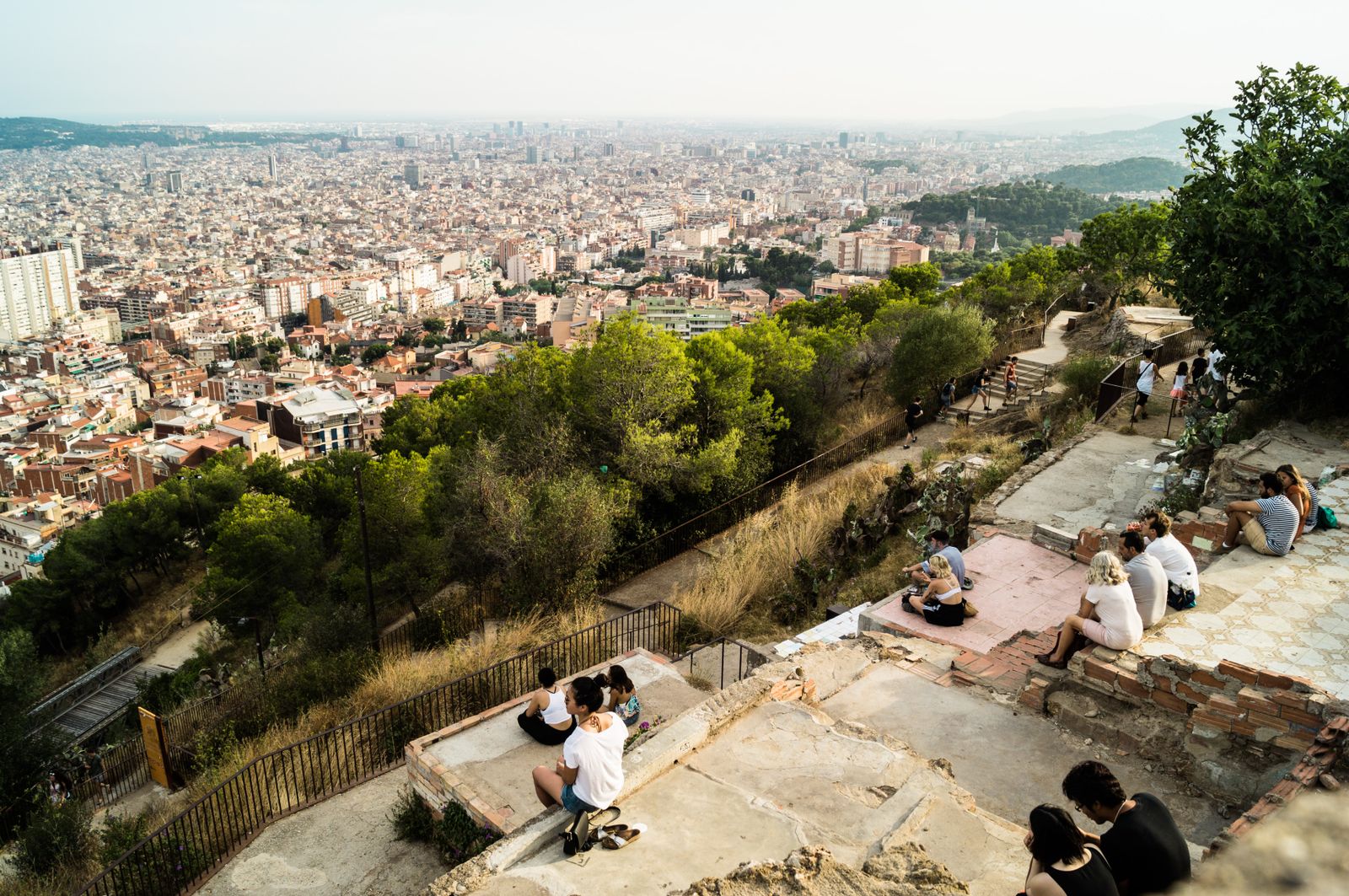
If you want to experience the beautiful city view from the famous Bunkers del Carmel viewpoint, you’ll have to get up early and arrive here at sunrise. In the evening the place tends to be incredibly crowded, and the city council also strictly closes the whole area at 7:30 p.m., which in summer is long before sunset, so you’d be climbing up there completely in vain.
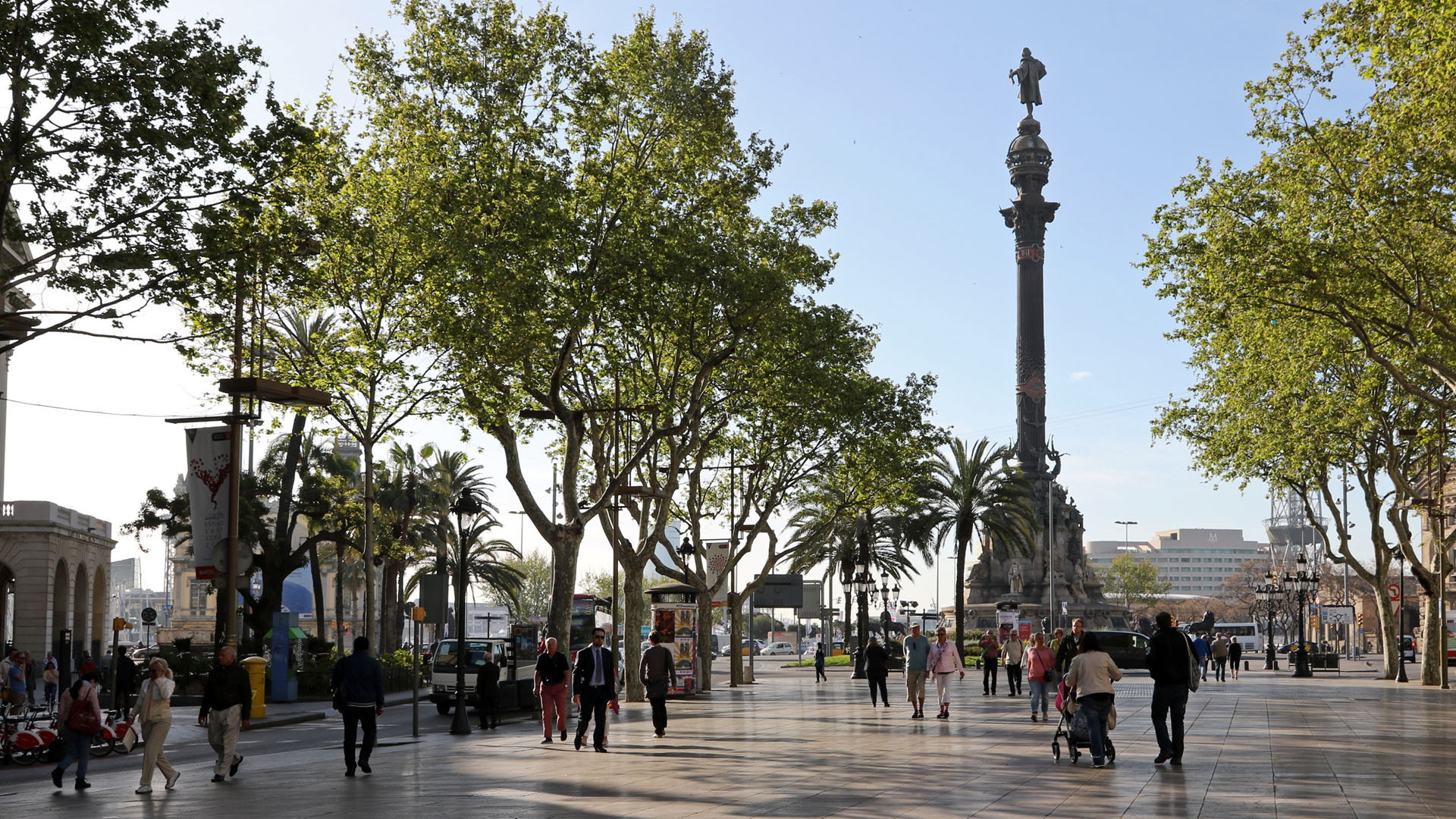

A family with small children (2–7 years)
Travelling with a stroller requires military-grade logistics, but luckily the Barcelona metro is more than 90% step-free, with lines L2, L9, and L10 having lifts everywhere and turnstiles offering special wide gates. You’ll save on admissions, because children under 4 ride public transport completely free and children up to 11 don’t pay entry to the Sagrada Família, which is a huge relief for the family budget.
The biggest pitfall is the eating schedule, because Spaniards don’t dine until 9:00 p.m., which a small child simply can’t manage and most restaurants don’t even cook earlier. So plan a big late lunch around 2:00 p.m., give the kids a hearty afternoon snack, and sort out a light dinner at 7:00 p.m. on one of the squares in the Gràcia district, where they can play safely while you eat. Changing tables barely exist in small venues, so large department stores like El Corte Inglés are a reliable rescue.
As a rainy-day rescue, note down the excellent CosmoCaixa science museum, where entry is just €8 and children up to 16 go completely free. If the sun is shining instead, the flat Parc de la Ciutadella is a great choice, with a playground, a lake with rowing boats, and a huge mammoth statue the kids will love.
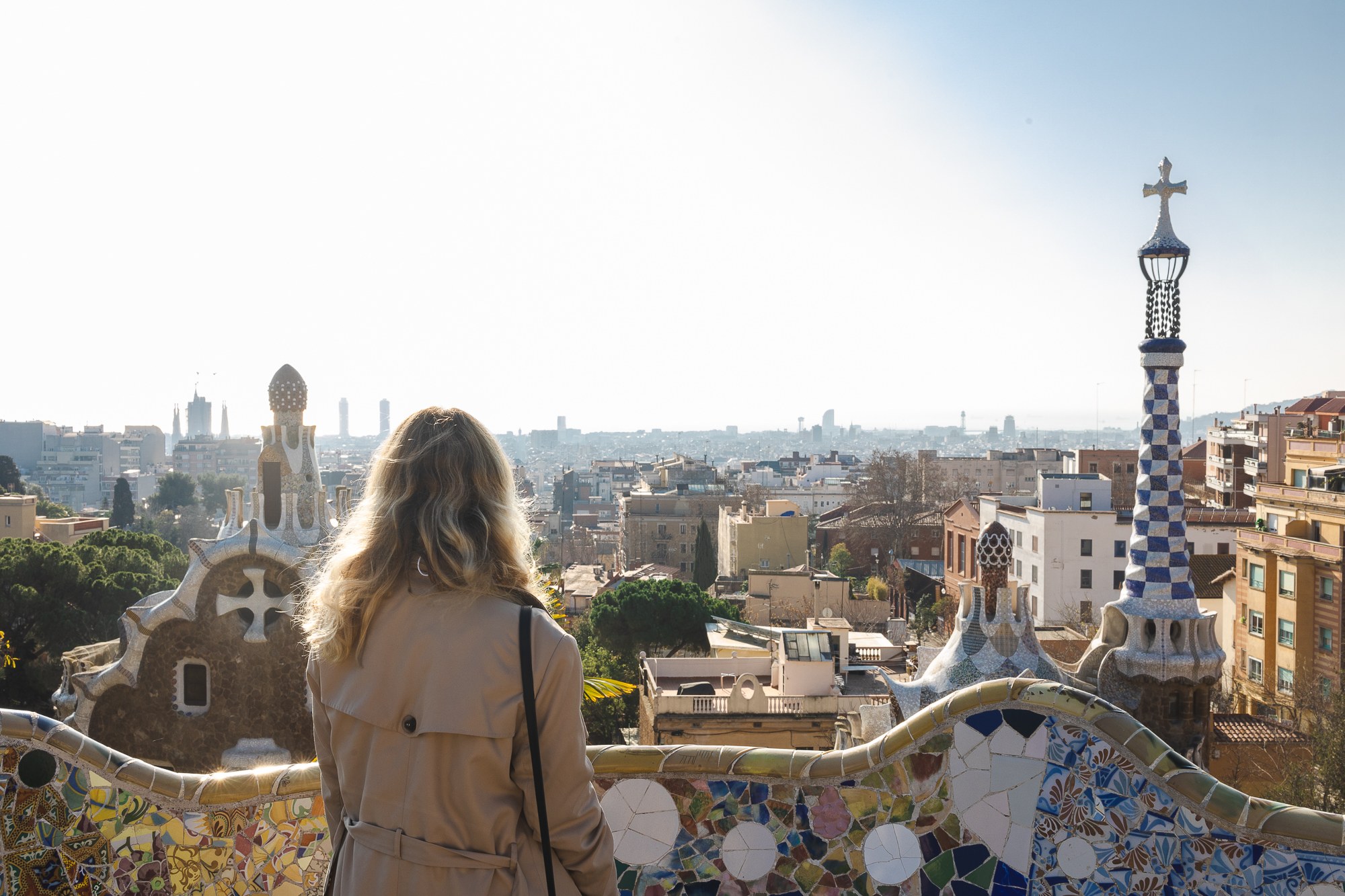
A family with teenagers (12–18 years)
With teenagers you need to introduce a clear exchange rate, where in return for two hours at Gaudí’s you offer two hours at the skatepark by Mar Bella beach or free time for shopping in the second-hand stores of El Born. The absolute crowd-pleaser that will save the whole family’s mood is a trip to the huge PortAventura theme park, which you can reach by train in an hour and a half. Be prepared, though, that full-day tickets will cost roughly €186 for a family of four.
Be extremely careful about transport, because since January 2026 shared electric scooters are banned in the city (like Lime and similar) and rental shops with a physical store start from €7 per hour. You must watch the kids strictly, because riding on the sidewalk means an instant €500 fine, and if you take a scooter into the metro, you’ll pay another €200.
Ideally look for accommodation in the Poblenou or Vila Olímpica area, which is just a short distance from the quieter city beaches, while you can still reach the centre by metro in fifteen minutes. 💡 TIP: If your teens are eyeing the evening club scene at the famous Razzmatazz, warn them in advance that without a valid ID and being 18, security absolutely won’t let them in.
The solo female traveller
Safety is an absolute priority for the solo female traveller, because the city is unfortunately known for a huge number of organised pickpockets who operate quickly and unnoticed, mainly on metro lines L1, L3, and L5. If you’re looking for company and don’t want to spend your evenings alone at a bar, go on so-called free walking tours, where at the end you tip usually around €10 to €15, and you’ll meet a bunch of fellow travellers from all over the world.
Eating alone here is completely normal and no one will look at you strangely. Just sit at the bar in the Santa Caterina or Sant Antoni market, order some tapas, and soak up the atmosphere without facing awkward looks. You’ll comfortably keep your daily budget between €50 and €70 including transport and food.
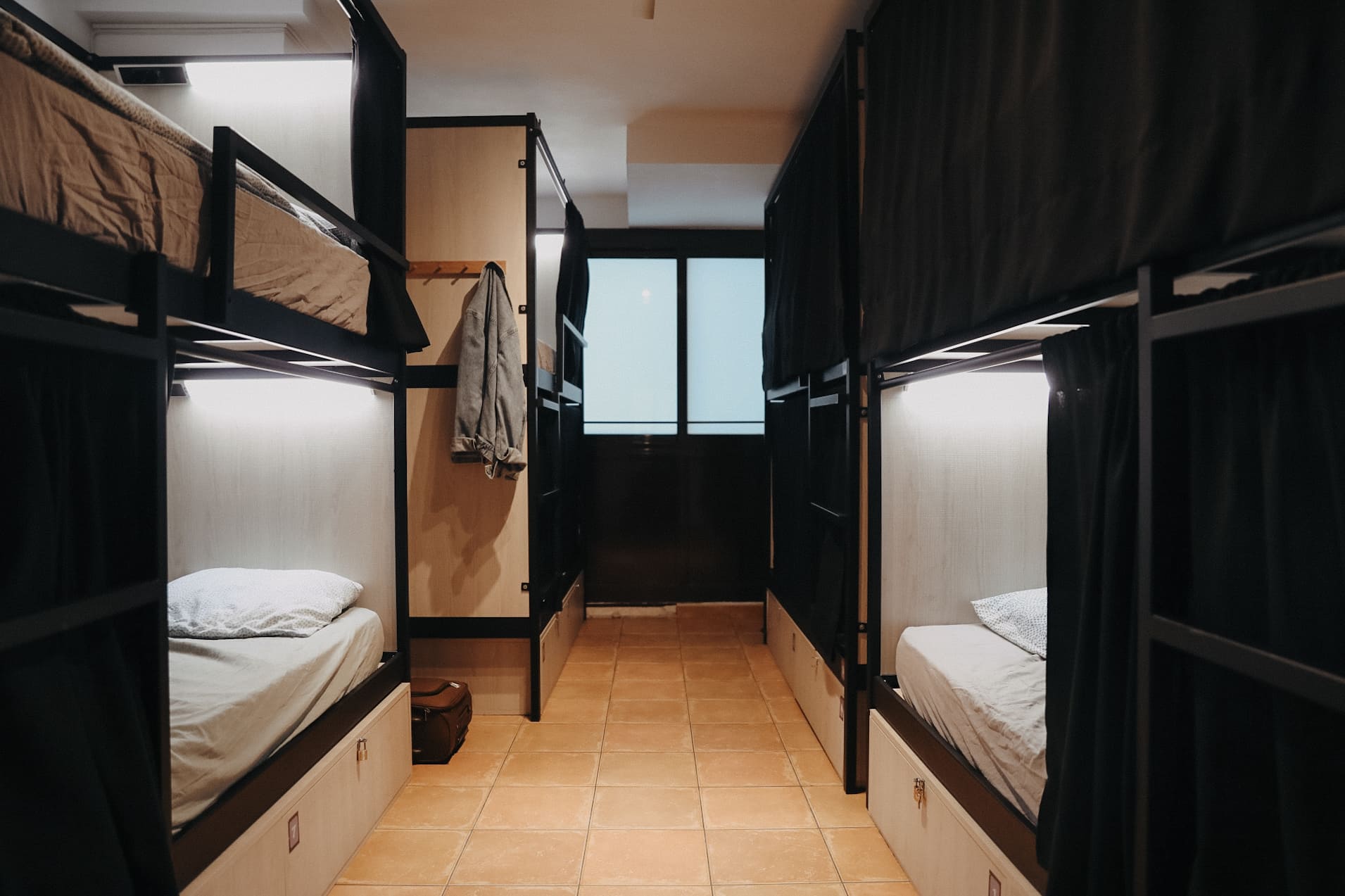
Look for accommodation in trusted hostels like the famous Kabul Party Hostel or the quieter Onefam Ramblas, where a bed will cost you roughly €15 to €30 per night. But be very careful about age limits, because some hostels strictly take guests only up to 45, and a very unpleasant surprise could await you at check-in.
Seniors and a slower pace
The city’s vertical profile is absolutely key for you, so stay in the flat Eixample district, which has wide safe sidewalks, and skip hilly areas like Montjuïc or the slopes above Gràcia. For getting around, use the metro, which is more than 90% fully step-free and fitted with lifts, so you don’t have to fear endless staircases.
A major advantage is the significant discounts for visitors over 65, thanks to which basic entry to the Sagrada Família costs you just €21 instead of the usual €26, and entry to the Picasso Museum is even completely free. You can cleverly replace walking in the heat with the Bus Turístic sightseeing bus, where the discounted 24-hour ticket for seniors costs €25.20 and safely carries you around all the key sights.
In the midday heat, plan a refuge in air-conditioned interiors; the enormous National Museum (MNAC) is perfect for this, along with the El Corte Inglés department store or the cathedral, with plenty of shady places to sit. 💡 TIP: If you’re heading to Park Güell, be prepared that the terrain here is fairly steep and the access paths from the metro lead up a big hill, so consider using the official shuttle transport or a taxi.
The cruise-ship day tripper (1 day)
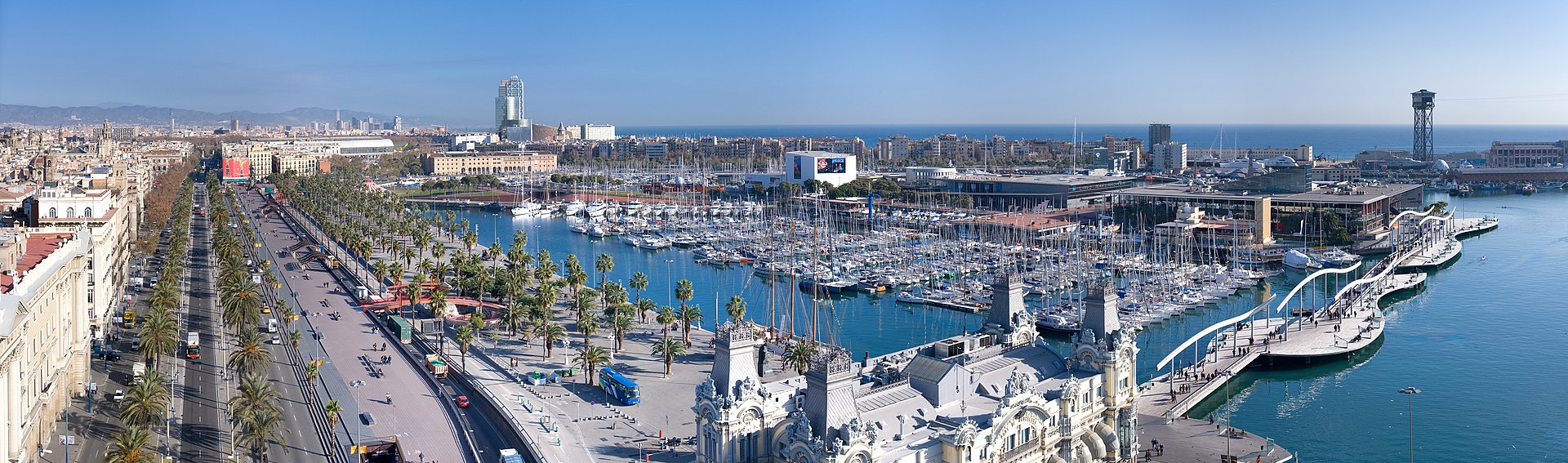
If you’re arriving on a giant ship for just eight hours, your real time in the city shrinks to a maximum of five hours after subtracting transfers, so time is your biggest enemy. From the Moll Adossat terminal, take the special T3 Cruise Bus for €4.50, which drops you off in ten minutes right by the Columbus Column at the start of La Rambla, from where you can head straight into the centre.
Choose a maximum of two interiors, with the Sagrada Família being a must, but you have to buy the ticket weeks in advance, or you don’t stand the slightest chance of getting inside. The golden rule is: don’t try to cram the basilica, Gaudí’s houses, and the Picasso Museum into one morning, because you’d risk the ship simply leaving without you. Leave at least an hour’s buffer for the return trip on the harbour bus.
Be ready for a tough financial hit too, because in 2026 the city radically raised the tourist tax for day trippers to an incredible €30 per person per day. This amount is made up of a city fee of €24 and a regional tax of €6, and with this move the council is actively trying to curb quick, few-hour visits.
Where to stay: Barcelona, Spain hotels
💡 Tip for accommodation and experiences: We prefer to look for accommodation on Booking.com, which usually has the best cancellation terms. Tickets, tours, and activities are then worth comparing and buying through GetYourGuide.
Your choice of district affects your experience more than you’d think, because each part of the city has a completely different dynamic, architecture, and price level. We stayed a short walk from the busy La Rambla, but for a calmer stay I recommend looking elsewhere, because the centre itself tends to be extremely loud and crowded at night with tourists coming back from all-night sessions.
The absolute best base is the elegant Eixample district, which offers wide safe sidewalks, plenty of great restaurants, and walking access to the biggest Gaudí sights. If you’re after a more local atmosphere, choose the Gràcia district full of small squares; families with teenagers, on the other hand, will appreciate the Poblenou area, which lies just a short distance from the quieter city beaches. With a stroller, however, avoid the southern part of the Raval and the Gothic Quarter, where lifts are missing and the lanes are uncomfortably narrow.
When searching for accommodation, keep in mind that the city has decided to scrap all licences for tourist apartments by November 2028. Already in 2026 the supply of private flats is noticeably thinner, and this move has caused a fairly noticeable rise in prices at regular hotels, so a last-minute booking can get very expensive.
Here are specific tips for great hotels with excellent ratings:
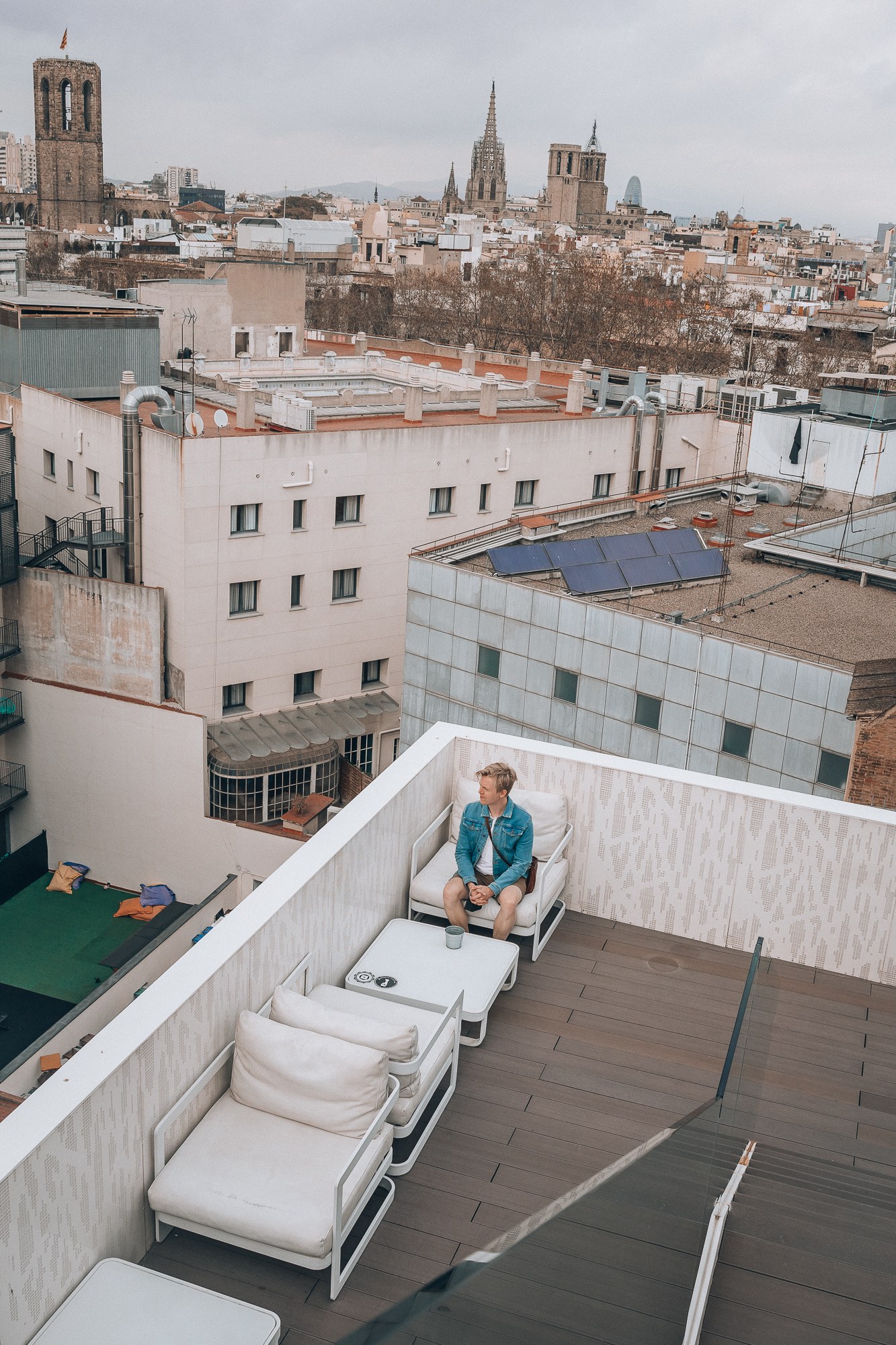
- Hotel Gaudí — Our personal pick right next to Palau Güell, offering a fantastic rooftop terrace with a city view and great access to the Gothic Quarter.
- Motel One Barcelona-Ciutadella — A modern and very popular hotel by Ciutadella Park, boasting a gorgeous rooftop bar, perfect cleanliness, and generous breakfasts.
- Sercotel Hotel Rosellon — This hotel is an absolute hit thanks to its location, because its rooftop terrace offers the best direct view of the majestic Sagrada Família.
- Hotel Barcelona Universal — A great choice on the border of the Raval and Poble-sec districts, just a few steps from the famous Carrer de Blai tapas street, with a small rooftop pool too.
Practical info
The Catalan capital has its own specific rules, and if you don’t know them, your trip can get expensive or complicated very quickly. From transport to prices to safety risks, here you’ll find all the hard data you need to survive in the streets of Barcelona.
Transport and tickets
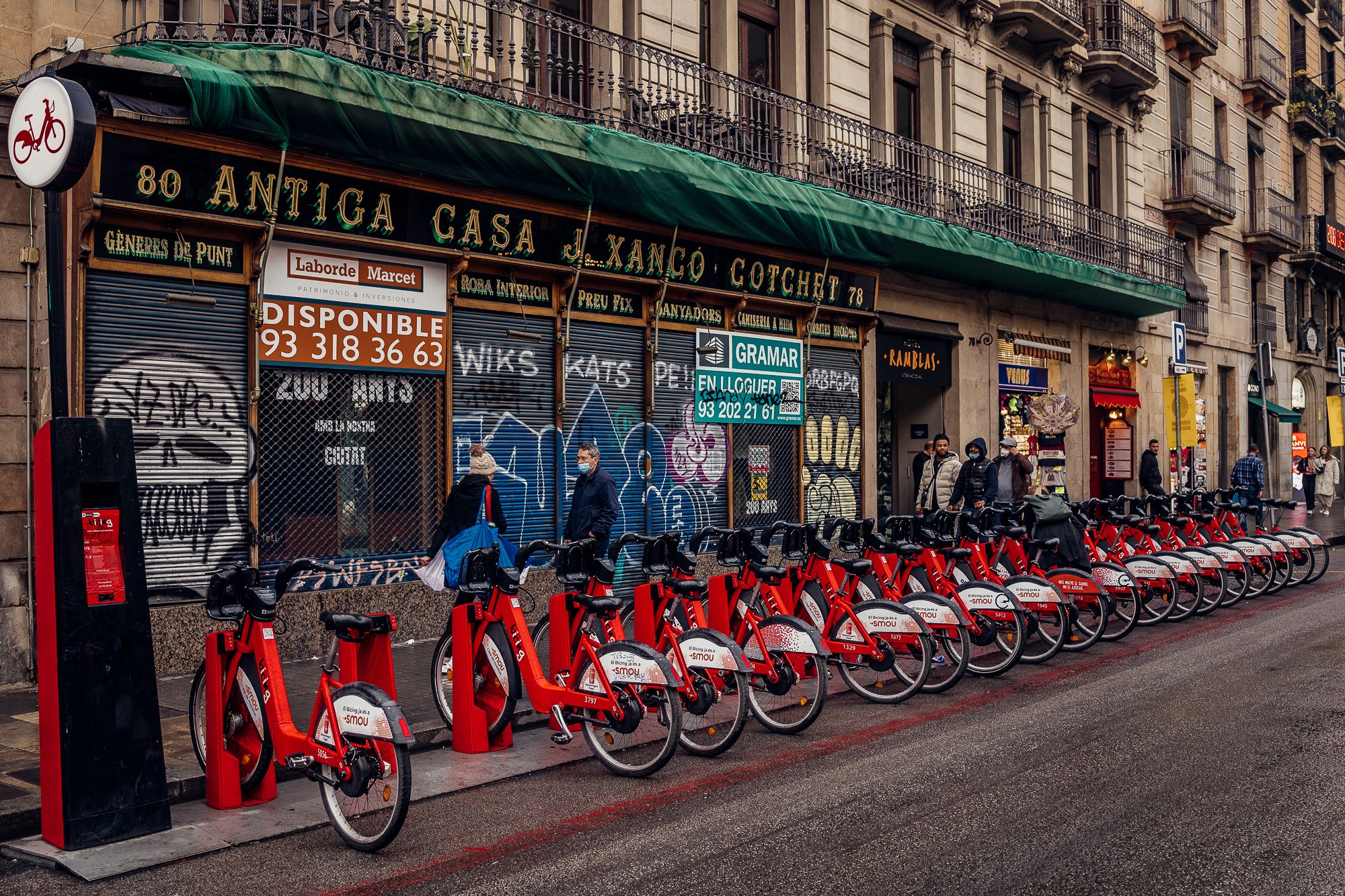
Forget single tickets right away; the best value is to buy a T-casual ticket for €13, which includes 10 rides but is strictly non-transferable for one person. If you’re travelling as a couple or family, a far better choice is the shared T-familiar ticket for €11.50 for 8 rides, which you can pass between each other at the turnstiles. There’s also the Hola Barcelona tourist card, which offers unlimited travel and starts at €18.70 for two days.
Be very careful, though, because ordinary tickets aren’t valid for the metro ride from the airport on line L9 Sud. For that you have to buy a special Bitllet Aeroport for €5.90 or use the comfortable blue Aerobús for €7.45. 💡 TIP: Apps like Uber or Bolt essentially don’t work in Barcelona due to strict legislation. Download the Free Now app instead, through which you can reliably call an official black-and-yellow taxi.
Getting a feel for prices and currency
Spain uses the euro, so if you’re coming from a non-euro country, keep an eye on the current rate before you go. Prices in supermarkets are fairly moderate, but services and restaurants in the centre are naturally pricier. For a morning coffee with a croissant at the counter you’ll pay around €3 to €5. You’ll get an excellent lunch menu (menú del día) for €13 to €18 and a single portion of tapas in an ordinary bar usually costs €4 to €8.
Basic entry to the Sagrada Família costs €26 and a total daily budget for a solo traveller ranges between €50 and €70. But if you crave luxury and reserve a table at the Michelin restaurant Disfrutar, be ready for a dizzying €325 tasting menu without wine. Most places routinely accept cards, but a little cash for tips or the market always comes in handy.
Safety and fines
The city is battling organised pickpockets, who operate quickly and unnoticed, mainly on metro lines L1, L3, and L5, so always keep backpacks on your front and don’t leave phones lying on a café table. Although the Pla Kanpai police operation cut thefts on public transport by 40% in 2026, vigilance in the city centre is still an absolute must.
In 2026 the council also introduced tough fines for inappropriate behaviour. For walking shirtless away from the immediate beach area you’ll pay up to €300 and for drinking alcohol in the street (so-called botellón) you can get a fine of €100 to €600. As for water, the tap water is perfectly safe and drinkable, but it’s so heavily chlorinated that most tourists and locals prefer bottled water.
Where to next
We also have these detailed guides to Barcelona:
- Park Güell: tickets, prices, and visiting tips
- Where to stay in Barcelona: 10 districts
- Transport in Barcelona: metro, tickets, and the airport
- Day trips from Barcelona: ideas for a day out
I hope this detailed itinerary helps you plan the best possible trip, but if you’re after even more detail, we’ve prepared further specialised articles for you. You can dive deeper into the local gastronomy, or read detailed guides to individual sights, so you’re a hundred percent prepared.
Further reading for your trip:
- For a complete overview of all the highlights, check out What to see in Barcelona: 25+ tips, where you’ll also find spots off the main tourist trail.
- For detailed info on how to avoid queues, see the article Sagrada Família: tickets, prices, and visiting tips.
- If you’re into fantastic architecture, don’t miss the guide Gaudí in Barcelona: Casa Batlló, La Pedrera, and other buildings.
- And if you love food, definitely read our article Spanish tapas: what they are and what to order, so you know exactly what to ask for at the bar.
Frequently asked questions
Let’s wrap up with the most common questions you send us about a trip to the Catalan capital, so you have all the important information neatly in one place and don’t have to look anything else up.
How many days do I need to visit the city?
For a basic tour of the most famous sights, 2 days will suffice. However, the ideal plan is an extended weekend of 3 to 4 days, so you have time to relax on the beach and enjoy evening tapas. For trips to the surrounding area, we recommend 5 days.
Do I need to buy tickets in advance?
Yes, in 2026 it’s an absolute necessity. Tickets to the Sagrada Família church and Park Güell are sold exclusively online, and you often won’t find physical ticket offices on-site at all. Prime morning slots disappear weeks in advance, so don’t leave your purchase until the last minute.
What about transport from the airport to the city centre?
The fastest option is the blue Aerobús shuttle, which runs every few minutes and costs €7.45. You can also take the L9 Sud metro line, but be aware that regular T-casual and T-familiar tickets are not valid for this route – you must buy a special airport ticket for €5.90. If you arrive via the Rodalies commuter train, you can use regular tickets, but the train only stops at Terminal 2.
What time do people go to restaurants?
The Spanish daily rhythm is shifted later. Lunch is usually between 1:30 PM and 3:30 PM, while locals gather for dinner around 9:00 PM. If you arrive at a restaurant at seven in the evening, the kitchen will likely still be closed. Better to have a light snack in the afternoon or pop into one of the small bars for a glass of vermouth and some tapas to stave off evening hunger.
Are the beaches in the city clean?
The city beaches are artificially created, and the most famous one, Barceloneta, is often overcrowded, full of street vendors, and noisy. We recommend taking the metro a few stops further to Bogatell or Nova Icària beaches, where you’ll find much cleaner sand, better facilities, and above all more peace and quiet to rest after a long day of sightseeing.
Is it safe to drink tap water?
Tap water is completely safe from a hygiene standpoint, and you can drink it without worry from the tap or from public drinking fountains. However, it is very hard and heavily chlorinated, so the taste isn’t particularly pleasant for Central Europeans. Most locals and tourists therefore prefer to buy bottled water, or use special filters at home.
Where’s the best place to stay in the city?
The best strategic location is the Eixample district, which offers wide, safe pavements, excellent access to monuments, and you’ll also find metro stations with lifts. If you’re looking for a more authentic local atmosphere, choose the Gràcia district. Definitely avoid accommodation directly on the noisy La Rambla boulevard, where you’d be disturbed at night by crowds of returning tourists.
How does the shared public transport ticket work?
The T-familiar ticket costs €11.50 and includes a total of 8 journeys in zone 1. Its huge advantage is that it can be shared by multiple people at once. You simply validate it at the turnstile, pass through, and hand it to the next member of your group – an absolutely ideal solution for families with children or couples for whom a non-transferable ticket wouldn’t be cost-effective.
Do seniors get any special discounts?
Yes, seniors over 65 receive significant admission discounts that can noticeably reduce the cost of your stay. The basic ticket to Sagrada Família costs seniors only €21 (instead of the usual €26), and entry to the Picasso Museum is even completely free. The Bus Turístic sightseeing bus tickets are also discounted. Always carry valid ID to prove your age.
Tips and Tricks for Your Vacation
Don’t Overpay for Flights
Search for flights on Kayak. It’s our favorite search engine because it scans the websites of all airlines and always finds the cheapest connection.
Book Your Accommodation Smartly
The best experiences we’ve had when looking for accommodation (from Alaska to Morocco) are with Booking.com, where hotels, apartments, and entire houses are usually the cheapest and most widely available.
 🚗 Car rental on the roadVerified rental cars in Catalonia
Search with the DiscoverCars comparison engine — it compares prices from dozens of local and international rental companies, and most bookings come with free cancellation.
Compare car prices in Catalonia →Don’t Forget Travel Insurance
Good travel insurance will protect you against illness, accidents, theft, or flight cancellations. We’ve had a few hospital visits abroad, so we know how important it is to have proper insurance arranged.
Where we insure ourselves: SafetyWing (simple monthly subscription) and TrueTraveller (for extra-long trips).
Find the Best Experiences
Get Your Guide is a huge online marketplace where you can book guided walks, trips, skip-the-line tickets, tours, and much more. We always find some extra fun there!
More from Catalonia
Full guide →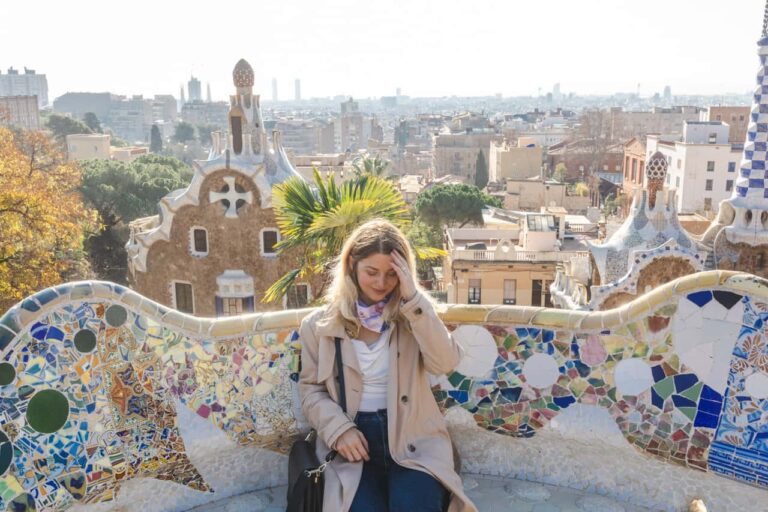 What to see · most readWhat to See in Barcelona Spain 2026: 25+ Must-Do Experiences
 BeachesCosta Brava: 18 Best Places to See – Stunning Beaches & Charming Towns
 PricesSagrada Família: 12 Tips You Need to Know – Tickets, Prices & Visit Guide 2026
 Day tripsFigueres Spain and the Dalí Museum: A Surreal Day Trip from Costa Brava
 With kidsBarcelona with Kids: 12 Tips for What to Do in 2026


