Lukáš and I headed to Barcelona at the start of March, and the whole time we stayed at the wonderful Hotel Gaudí, a short walk from Palau Güell. It had a fantastic rooftop terrace where we spent our evenings looking out over the illuminated city, and overall it made for a perfectly strategic base. Most of the time we explored the city on foot, because you simply can’t discover the narrowest lanes any other way. But once you’ve soaked up the metropolis, the best day trips from Barcelona are what make the whole region truly unforgettable.
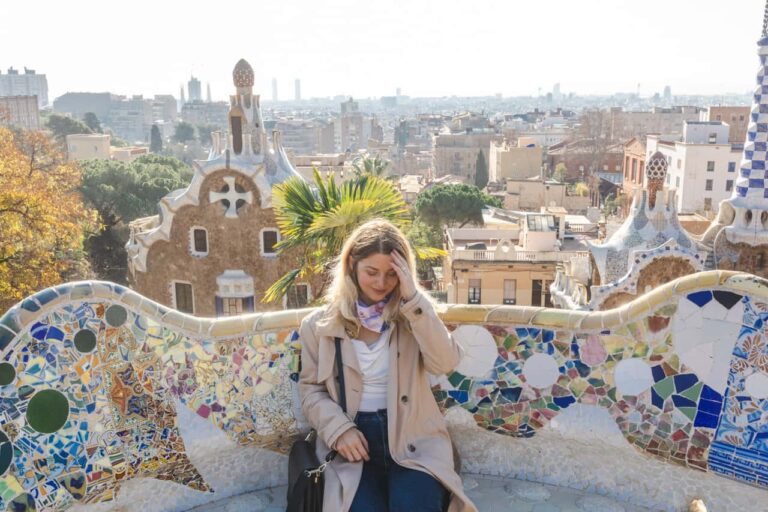
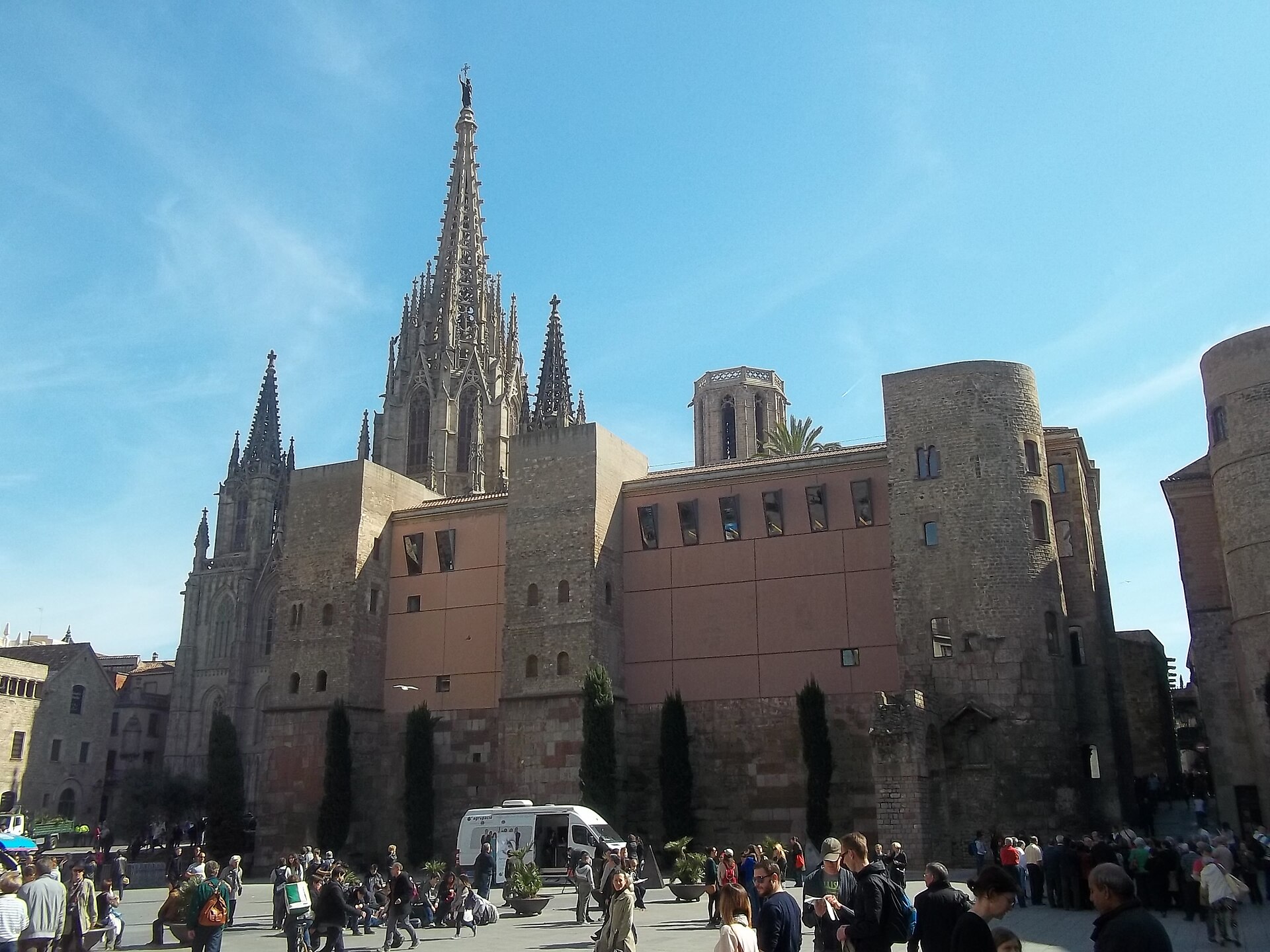
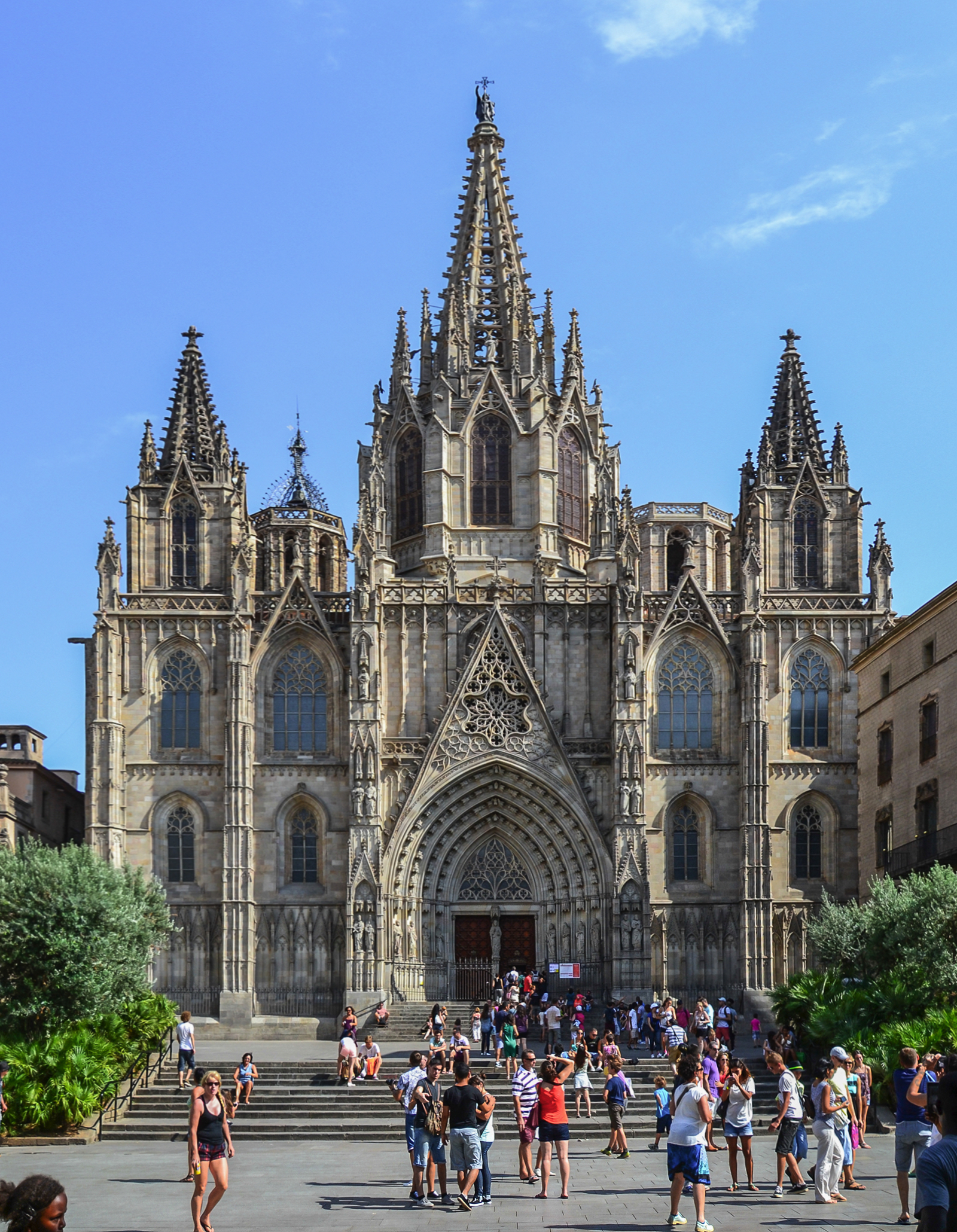
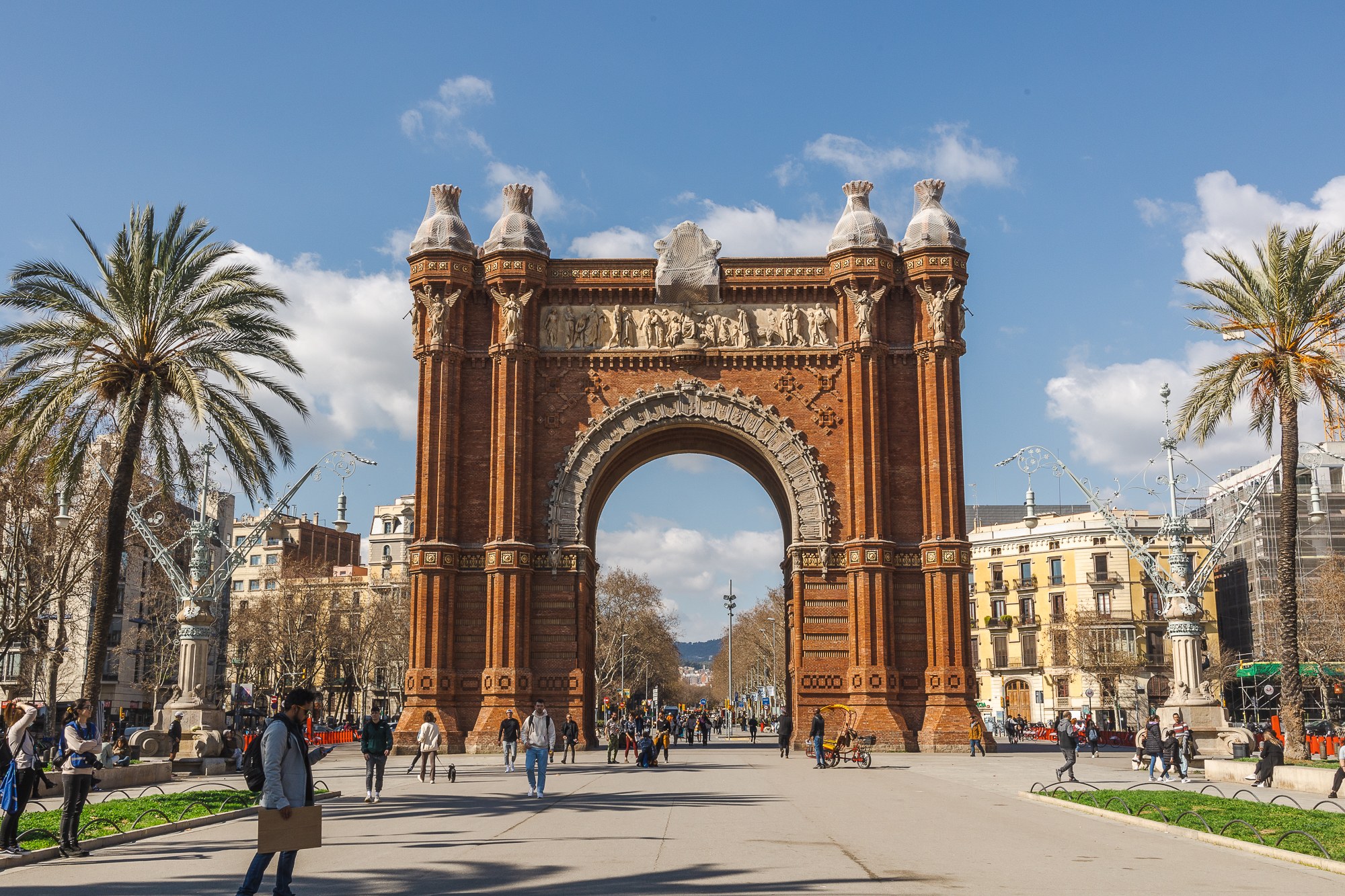
We sat on the famous mosaic bench in Park Güell, admired the fascinating Sagrada Família inside and out, and breathed in the fresh air on Barceloneta beach. Of course, we didn’t miss the famous La Boqueria market, the Gothic cathedral, or the monumental Arc de Triomf. We had originally planned to head up to Tibidabo hill too, but in the end we skipped it — partly because of the really bad weather, and partly because of the pile of reviews about cars being broken into in the area.
When you spend more than four days in the Catalan capital, though, the concrete and the constant noise start to wear you down a little. That’s exactly what these days are for — the region has fantastic day trips up its sleeve, all comfortably reachable by train or bus. I’ve put together a detailed guide to the best of what lies beyond the city limits, ordered by real traveller demand, so you know what truly deserves your whole day.
TL;DR
- Montserrat is the absolute number one. This bizarre mountain massif with its monastery draws more people than all the other excursions combined. As an EU citizen you get free entry to the sanctuary, but you must book a time slot in advance.
- Girona and Figueres make the perfect duo. The medieval lanes where Game of Thrones was filmed are easily combined with Salvador Dalí’s wild surrealist museum.
- Take the train to the beaches. Instead of city-centre Barceloneta, hop on the R2 Sud line to the resort of Sitges, which boasts nine Blue Flags for cleanliness.
- Head to Tarragona for history. This former Roman city offers a gorgeous amphitheatre perched right on the cliff above the sea.
- Watch out for tricky namesakes. When searching for connections, always add the word Barcelona to the name so the algorithms don’t send you off to a Caribbean island or the football club’s website.
- Buy local train tickets at the station. The suburban Rodalies trains have no seat reservations, and you can easily tap your ticket at the machines just before departure.
The full destination guide: Catalonia — guide and what to see
When to Take Day Trips from Barcelona
Catalonia has a pleasant Mediterranean climate, but during the summer holidays it turns into a furnace. If you’re planning a full day of running around sights, July and August will cost you a lot of energy and litres of sweat. In these months temperatures regularly climb above 35 degrees and the sun beats down mercilessly. If you’re coming in summer, go for beach destinations like Sitges or the Costa Brava instead.
The best time for exploring history and nature is in spring, from April to June, or in autumn during September and October. You’ll pull on a light jumper in the morning, but by the afternoon you can stroll around in just a T-shirt. In these months you’ll avoid the worst crowds and won’t have to queue endlessly for trains and cable cars. Winter months are also fine for travelling — we enjoyed March — just expect shorter days and the occasional shower.
As for time, for most of the places on this list you should set aside a whole day. Pack comfortable shoes and plenty of water in your backpack, and set off right after breakfast. You’ll usually be back only towards evening, pleasantly tired and full of memories. For some destinations, like the mountain monastery, the early connections make a big difference — they let you beat the organised coach tours.
Where to Stay in Barcelona as Your Base
💡 Tip for accommodation and experiences: We prefer to look for accommodation on Booking.com, where you’ll find the best cancellation terms. For tickets, tours and activities, it pays to compare and book through GetYourGuide.
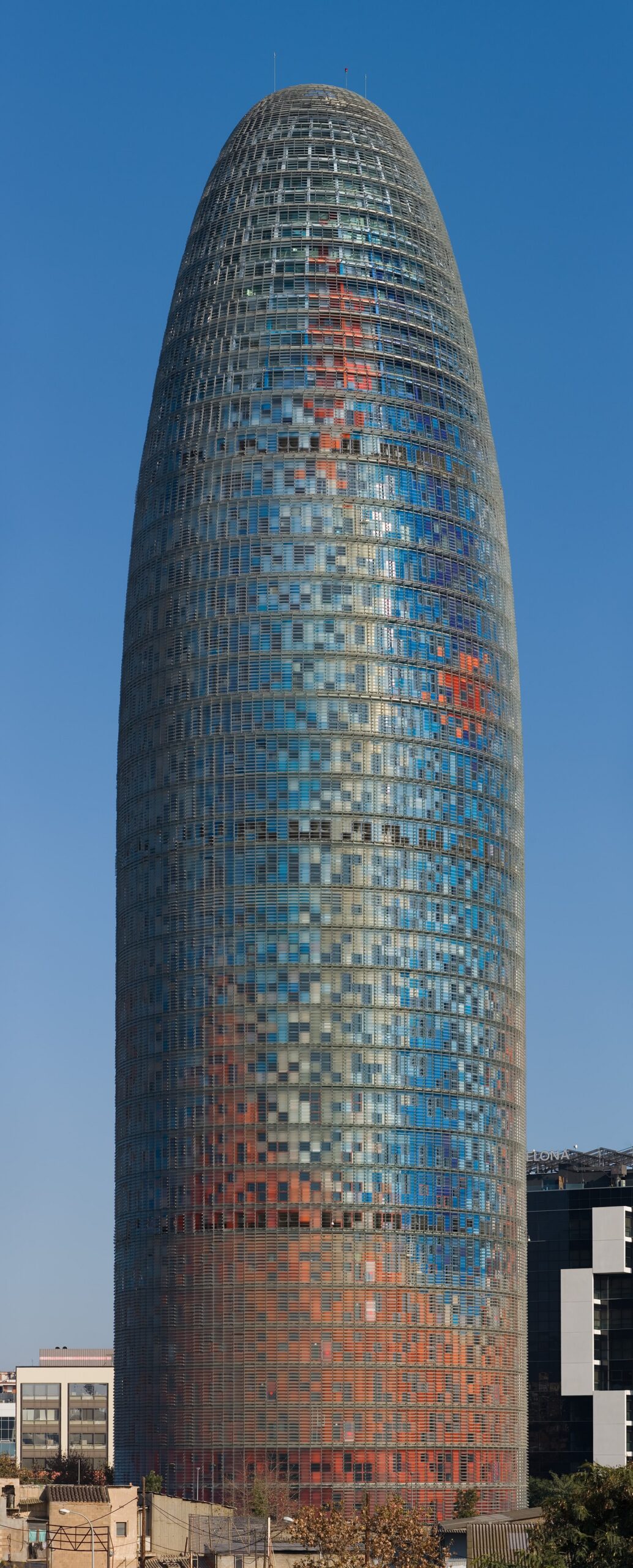
For day trips it’s absolutely crucial exactly where in the city you stay. If you pick a hotel in the wrong spot, you’ll waste a pointless half-hour every morning just weaving through the metro to the main station. Ideally you want to stay either within walking distance of the Sants or Plaça Espanya hubs, or somewhere in the centre itself, from where you can easily reach the green and red metro lines.
We always book accommodation through Booking, because that’s where we get the clearest overview of real reviews and flexible cancellation terms. Here are three specific hotel tips that will make your logistics incredibly easy (treat prices as a rough guide — they depend on the season and how far ahead you book).
- Hotel Gaudí (our tried-and-tested pick). You’re just steps from the famous La Rambla and the Liceu metro station. There’s a great rooftop terrace, the breakfasts are generous, and in the evening you’re right in the heart of the action. The ideal base for anyone wanting to combine the city with day trips.
- Barceló Sants. If you plan to take a lot of AVE high-speed trains (to Girona or Figueres, say), this hotel sits literally right above Sants main station. It has a space-age design, incredibly comfortable beds, and in the morning you can ride the lift straight down to the trains.
- Catalonia Barcelona Plaza. A perfect choice for trips to Montserrat, because the hotel stands right on Plaça Espanya, where the orange FGC trains depart. From the upper floors you also get a gorgeous view of the magic fountain and Montjuïc hill.
12 Best Day Trips from Barcelona
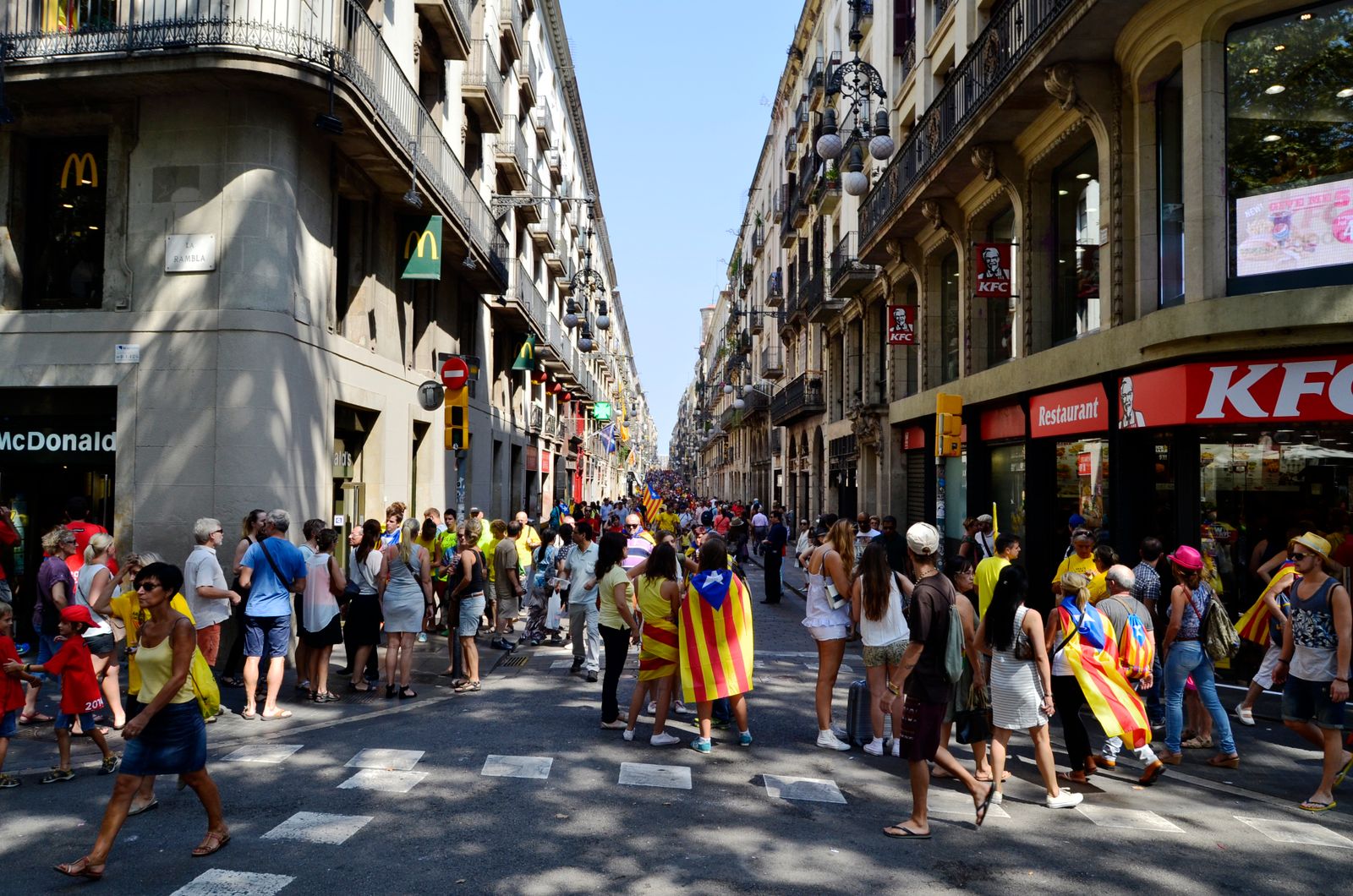
Let’s look at the specific places that deserve your attention. There’s one thing data and statistics can’t be denied — they show what travellers really enjoy. The order is therefore no accident, but reflects the real popularity of each destination. From mountain monasteries through medieval lanes to sleepy fishing villages (prices are given in euros for an international audience).
1. Montserrat (a monastery hidden in the limestone mountains)
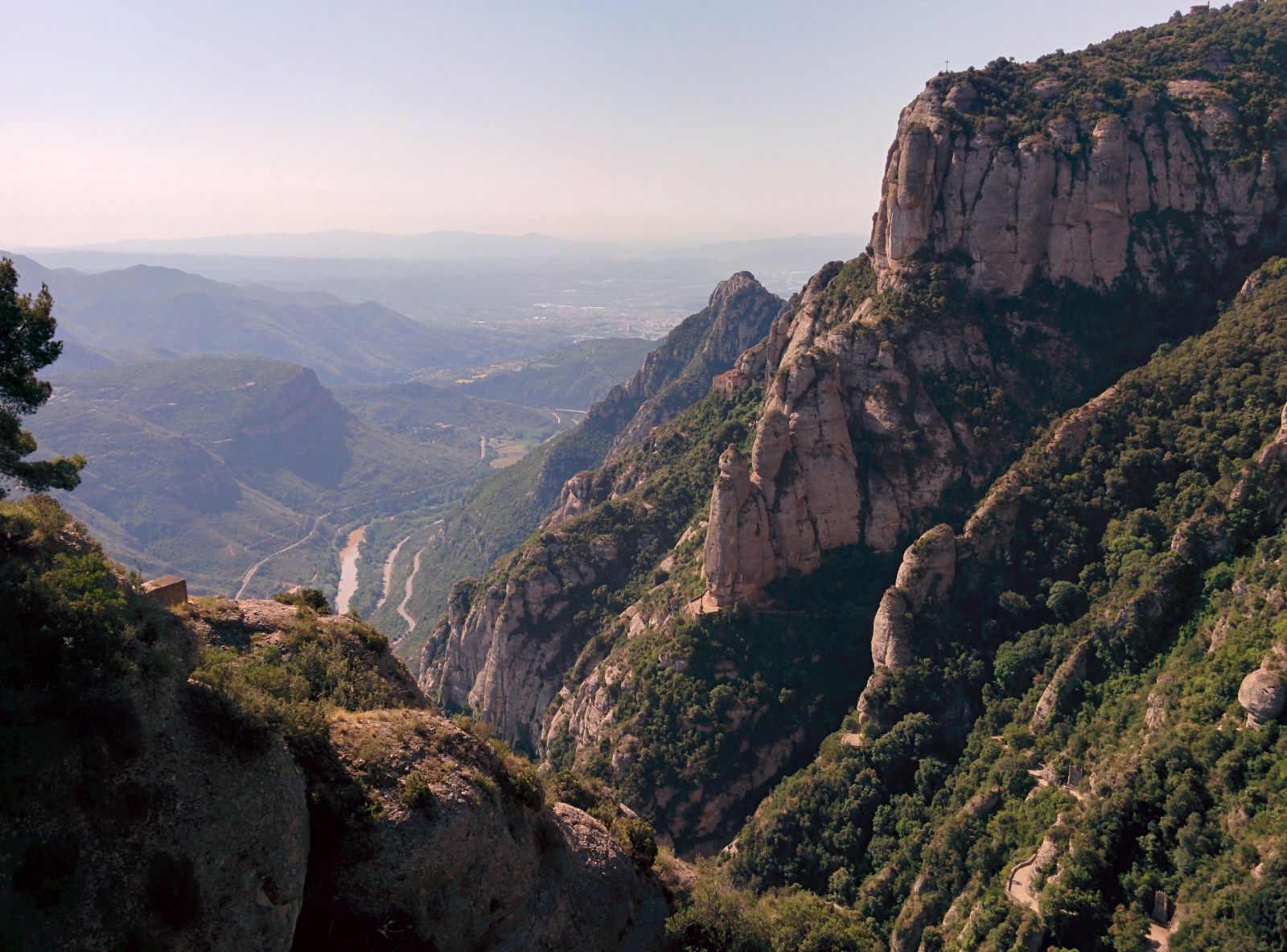
This is the absolute king of all Catalan excursions, and by the numbers more tourists head here than to all the other spots combined. It’s a bizarre, time-worn limestone massif into which a huge Benedictine monastery is set. Inside the basilica you’ll find the famous La Moreneta, the Black Madonna, patron saint of all Catalonia. The views into the valley from here are absolutely breathtaking.
Tourist websites will often push you into buying pricey basilica tickets, because since May 2023 you really do have to pay for entry. But there’s one huge catch — residents of EU countries get in completely free. So as an EU citizen you pay nothing, but you must book a time slot in advance on the official website reserves.abadiamontserrat.cat. You’ll save money you can then spend up top on more cable cars, or on excellent vegetarian tapas for lunch.
The second big draw is the Escolania, the oldest boys’ choir in Europe. They sing the Salve and Virolai every weekday at 13:00 and again after vespers. But if you’re planning to come in August, save yourself the disappointment (the choir is on holiday from 1 to 26 August 2026). The journey starts at the underground Plaça Espanya station, from where the orange FGC trains on line R5 head towards Manresa (the trip takes about 50 minutes).
To get up to the top you take either the rack railway (Cremallera) or the cable car (Aeri). Both cost €15 for a return ticket, but you can’t mix and match them. The rack railway is the safer bet — you get to sit comfortably and it takes you right to the basilica. The cable car offers a quick five-minute adrenaline rush, but in high season it’s bursting at the seams and stops running more than an hour earlier than the rack railway. 💡 Tip: Buy the combined TransMontserrat ticket at the station for €50, which covers the whole logistics from the city all the way to the summit.
2. Girona (medieval charm and Game of Thrones)
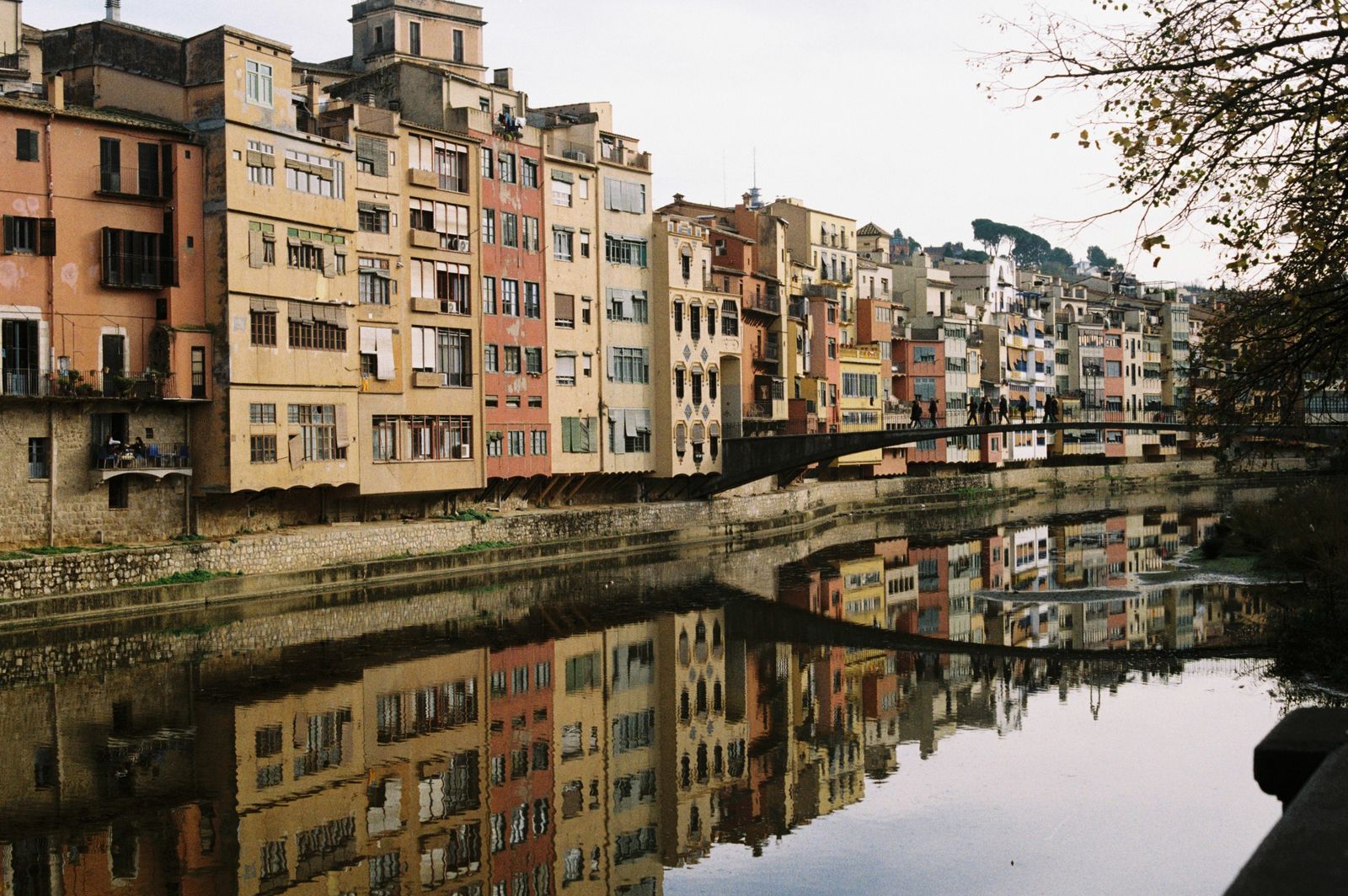
The second most sought-after direction takes you north to a city that breathes incredible history. Girona is an absolute architectural gem and the ideal place for lovers of narrow stone lanes. Its monumental cathedral holds a world record — it has the second-widest Gothic stone nave in the world (nearly 23 metres wide, beaten only by St Peter’s Basilica in Rome). The entrance up the enormous staircase will completely stun you.
Be sure to walk through the perfectly preserved Jewish quarter, the Call, and take a stroll along the old city walls (Passeig de la Muralla). From up there you’ll have the whole city laid out before you. Don’t forget to photograph the iconic colourful houses leaning over the Onyar river. In the eighties these houses were repainted in twenty-nine different shades, and they form the city’s most famous skyline.
But Girona was made most famous by filmmakers, because the tenth episode of the sixth season of Game of Thrones was filmed here. The cathedral staircase served as the Great Sept of Baelor, and the tangled lanes of the Jewish quarter became the free city of Braavos. AVE high-speed trains run here from Sants station and cover the route in under 40 minutes (the price is dynamic, roughly €12 to €30). You can also take the cheaper and slower regional R11 train.
3. Figueres and the Dalí Theatre-Museum
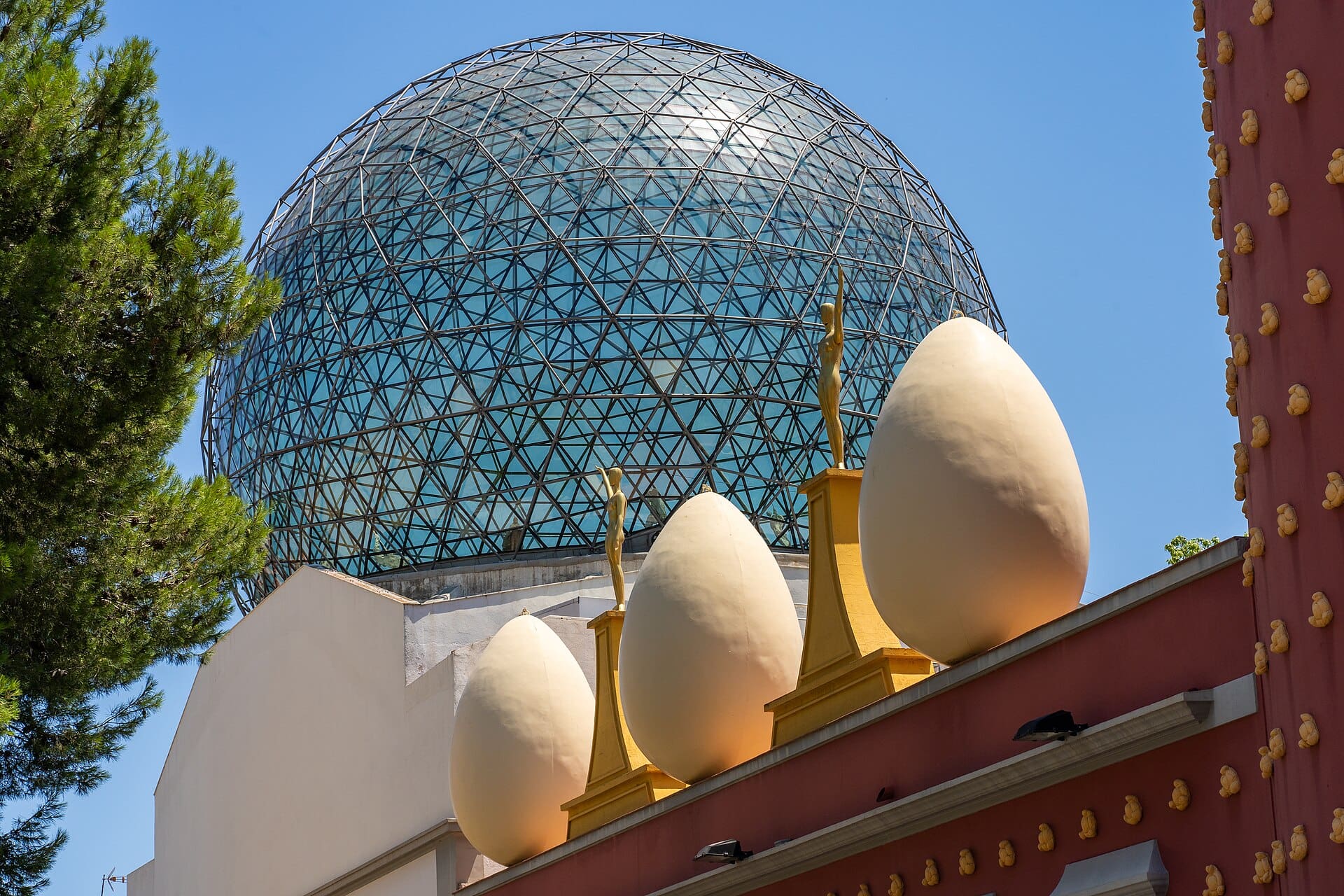
If you love art, you simply cannot skip this destination. Figueres lies a little further north of Girona, and there’s really only one reason to visit. Waiting for you here is the Teatre-Museu Dalí, probably the most bizarre museum you’ll ever see. Even from the outside the red building hits you in the eye, studded all around with giant eggs and golden statues.
Inside, absolute surrealist chaos reigns — exactly as the eccentric artist Salvador Dalí wanted it. He designed and built the museum himself on the ruins of the former town theatre, which burned down during the civil war. You’ll find his famous paintings, holographic installations, and the famous room whose furniture, viewed from a certain angle, forms the face of actress Mae West. In summer 2026 it’s open daily from 9:00 to 20:00.
Tickets in the summer months cost €22 when bought online and €24 at the box office. 💡 Tip: Always buy your tickets online, otherwise you risk not getting in at all. When travelling by train, watch out for one trap. The AVE high-speed trains stop at Figueres-Vilafant station, which is a long way from the centre. The ordinary regional R11 line, on the other hand, drops you right in town, just a few minutes’ walk from the museum.
4. Costa Brava (beauty without a car)
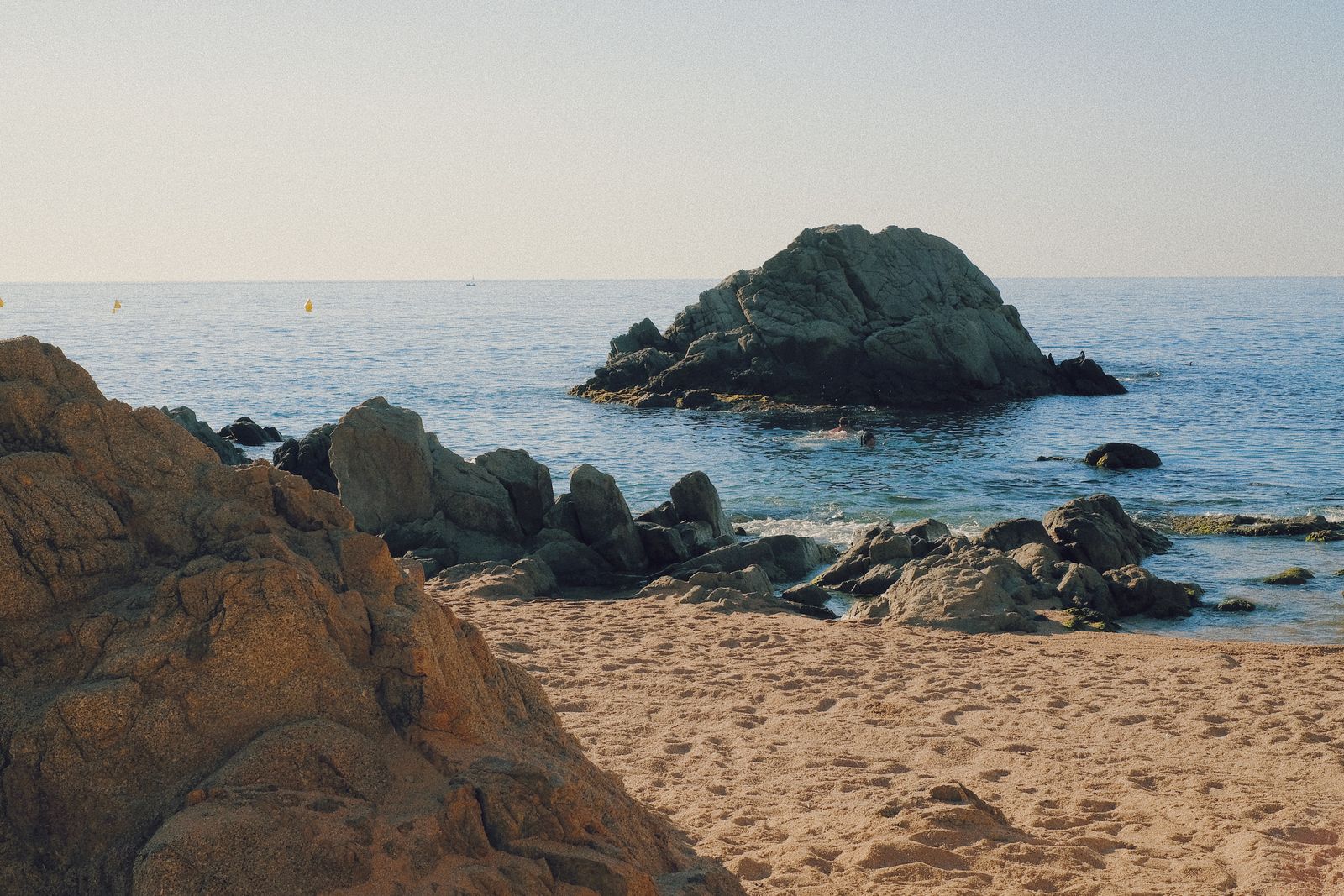
The Catalan coast north of the city is rugged, full of romantic coves and fragrant pine groves. Lots of people think there’s no way to get here other than by car, but driving is actually more of an ordeal here because of the parking. Public transport, on the other hand, goes surprisingly smoothly — you just have to swap trains for buses. The company Moventis runs regular services from the Estació del Nord bus station (a short walk from the Arc de Triomf metro).
One of the most beautiful stops is Tossa de Mar, where you’ll find a stunning medieval castle built right on the sandy beach. The direct bus takes an hour and twenty minutes (a ticket costs around €15 to €27). You can also use a clever combined ticket from Rodalies railways called Tren + Bus, which gets you by train to the town of Blanes, where you transfer straight onto a connecting bus.
If you’re after something more intimate, head to the gorgeous fishing village of Calella de Palafrugell. Its whitewashed houses and turquoise water look like they’re straight off a postcard. Here, though, watch out for the logistics, because there’s no direct long-distance connection from Barcelona. The bus drops you in the larger town of Palafrugell and you have to catch a local line, which calls for a little more planning for your return. Buy long-distance bus tickets in advance via compras.moventis.es.
5. Sitges (easy-going beaches and a great vibe)
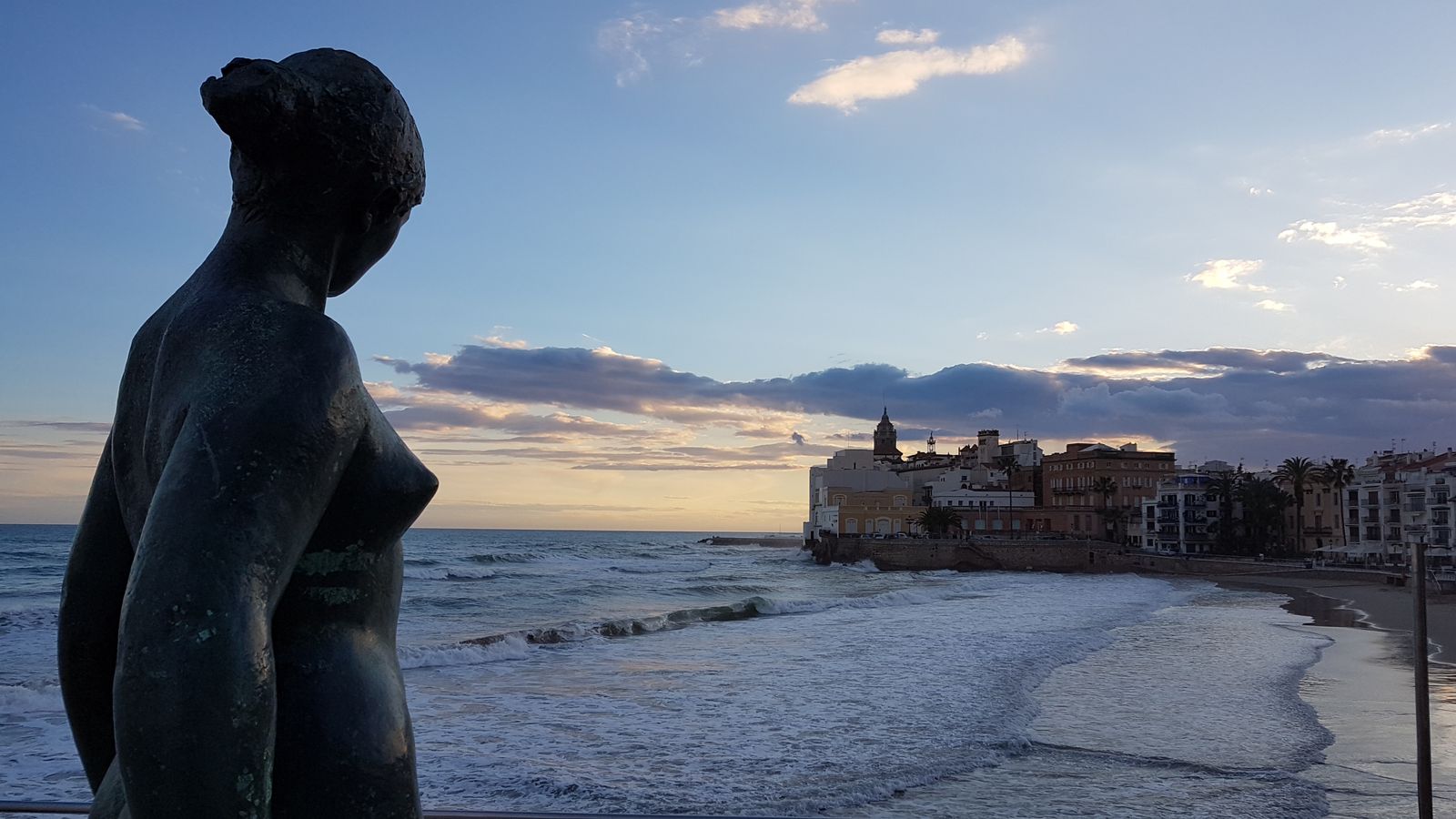
When the sea is calling but you don’t want to travel far north, this resort to the south is the obvious choice. Sitges is a beautiful beach town that boasts no fewer than nine Blue Flags for the cleanliness of its water and beaches (the most in all of Catalonia). It has a gorgeous palm-lined promenade, the lovely church of Sant Bartomeu towering on the cliff, and an incredibly relaxed atmosphere.
The town has a huge and very welcoming LGBT community, thanks to which it stays lively well into the night. Plenty of festivals take place here too, including the famous film festival (its 59th edition runs in October 2026) and the wild spring carnival. For lunch, drop into one of the local restaurants — they make excellent vegetarian paella full of fresh vegetables, and great patatas bravas.
The logistics are normally very simple. From Sants or Passeig de Gràcia station you hop on the Rodalies suburban train on line R2 Sud and step out by the sea in about 43 minutes. A ticket costs around €4.50. 💡 Tip: In 2026, though, take extra care — due to construction work by track operator Adif on the Garraf–Sitges section, alternative transport plans are in place. Before you set off, be sure to check the current situation at rodalies.gencat.cat.
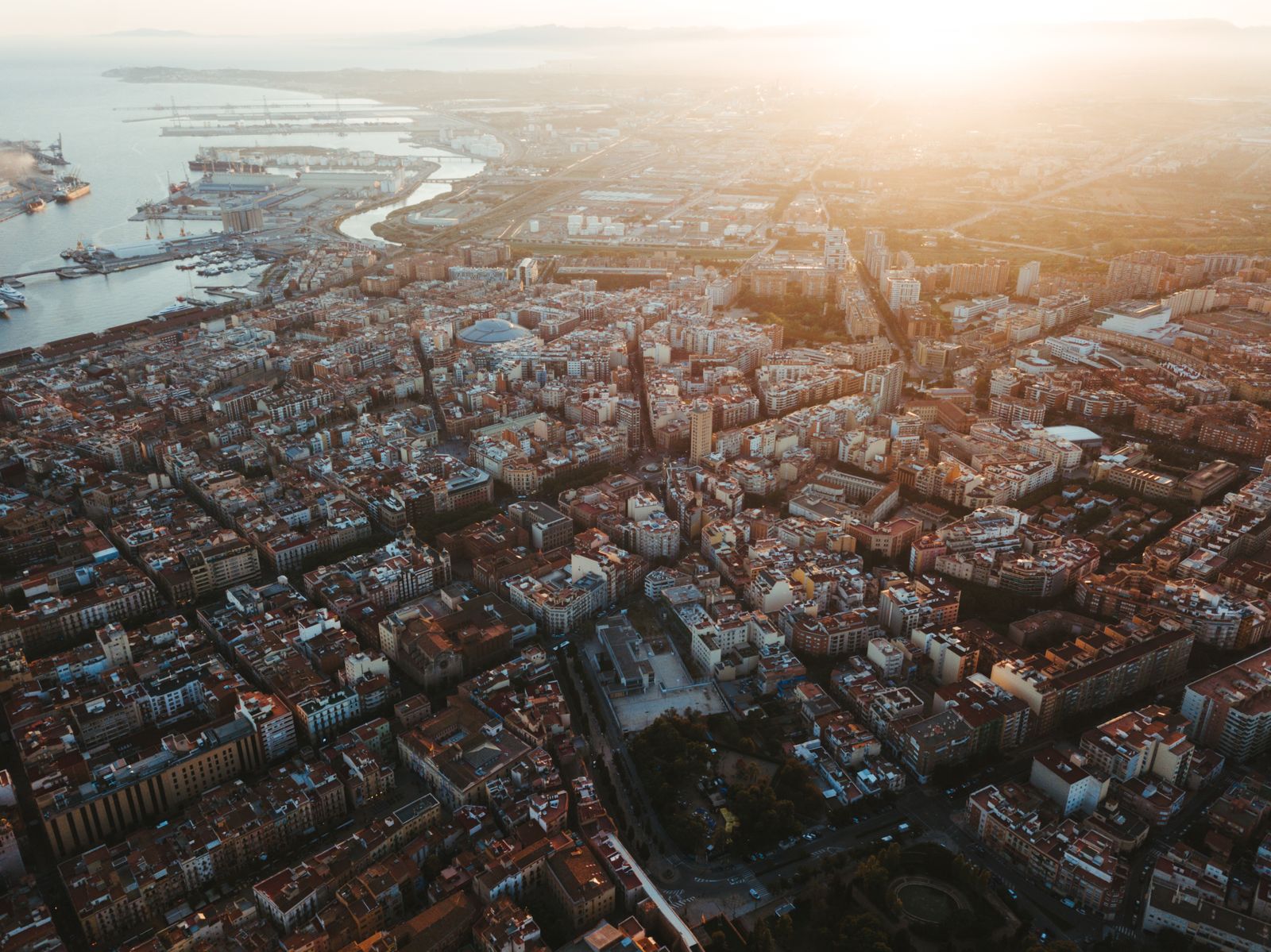

6. Tarragona (Roman heritage by the sea)
While Girona offers the Middle Ages, Tarragona is a paradise for all lovers of ancient Rome. The former capital of a huge Roman province (then called Tárraco) is rightly inscribed on the UNESCO World Heritage list. The city has a completely different, much calmer atmosphere than the rest of the tourist coast, and weaving through its historic centre is pure joy.
The crowning glory of the whole trip is the stunning Roman amphitheatre from the second century AD. It’s set right into the hillside, and as you gaze at the arena you have the endless blue Mediterranean in the background. Admission is a pleasant €5. The inscription lining its stage measures 140 metres and is the longest surviving one of its kind in the entire former Roman empire.
Besides the amphitheatre, you’ll find the remains of a Roman circus, the provincial forum and a gorgeous Gothic cathedral, reached by a steep staircase lined with little cafés. Getting here from Barcelona is very easy on the suburban trains on lines R14, R15, R16 or R17. The journey takes about an hour and a quarter, and a one-way ticket costs between €7 and €28 depending on the type of train.
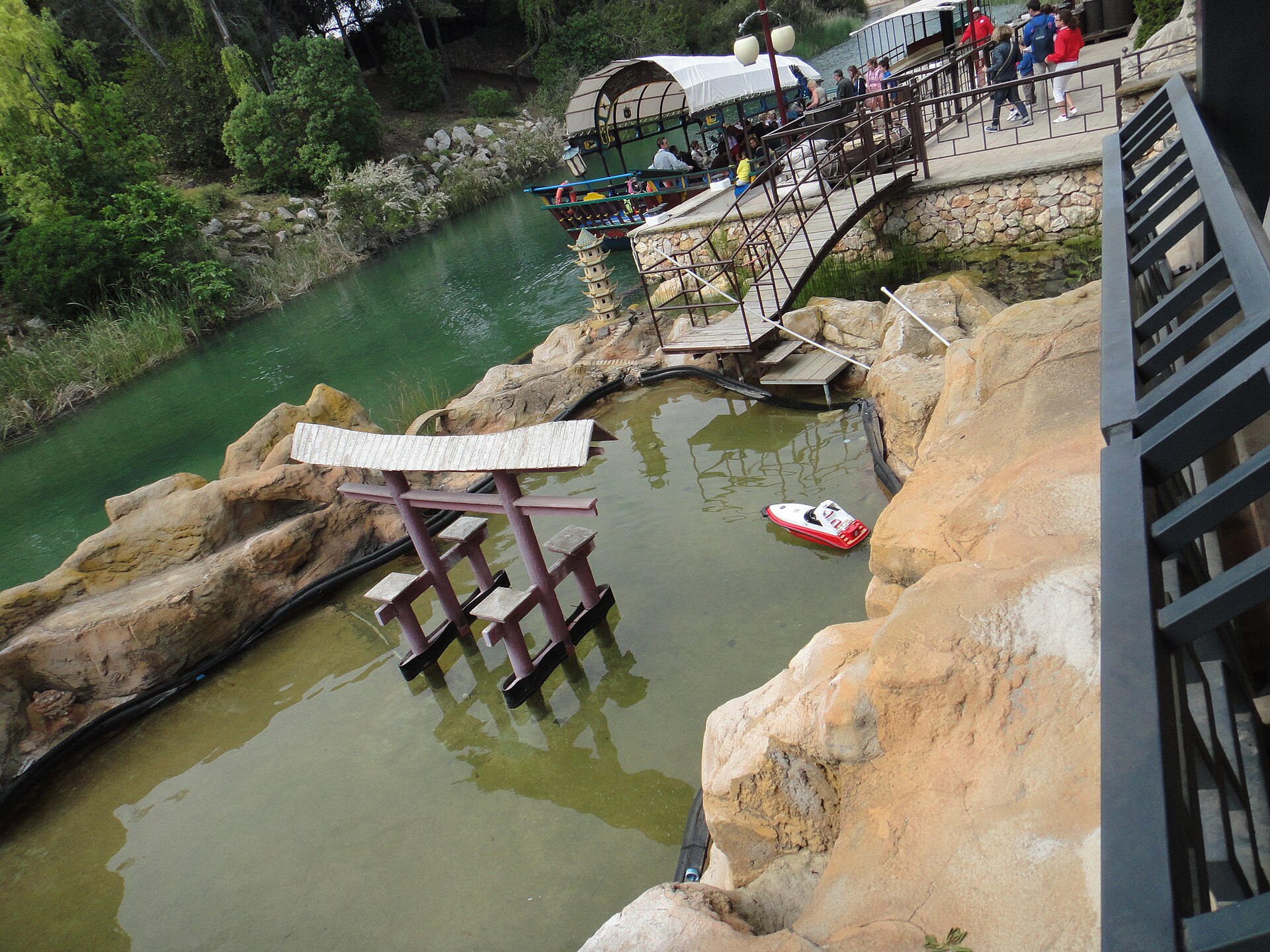
7. PortAventura for families with teenagers
Got older kids with you who staunchly refuse to admire yet another Gaudí building or ancient ruin? This is your absolute salvation. PortAventura World is a huge amusement park lying just south of Tarragona. It’s divided into several themed zones (from the Wild West through Polynesia to China) and offers some of the best and fastest roller coasters in all of Europe.
The 2026 summer season runs here from 27 June to 5 September. You’ll find the famous Shambhala coaster, which shoots you to an incredible height, and the frantic Dragon Khan with its eight loops. Right next to the main park there’s also the separate Ferrari Land area, where the Red Force ride awaits — it accelerates from zero to 180 km/h in just five seconds.
Getting here is brilliantly simple and good value. The park has its own train stop called PortAventura, served by the R-17 and RT2 lines. 💡 Tip: If you buy a combined park-plus-train package straight from Rodalies railways at the station, you get the return ticket from Barcelona completely free. The standard price of the trip alone through agencies runs at around €70.
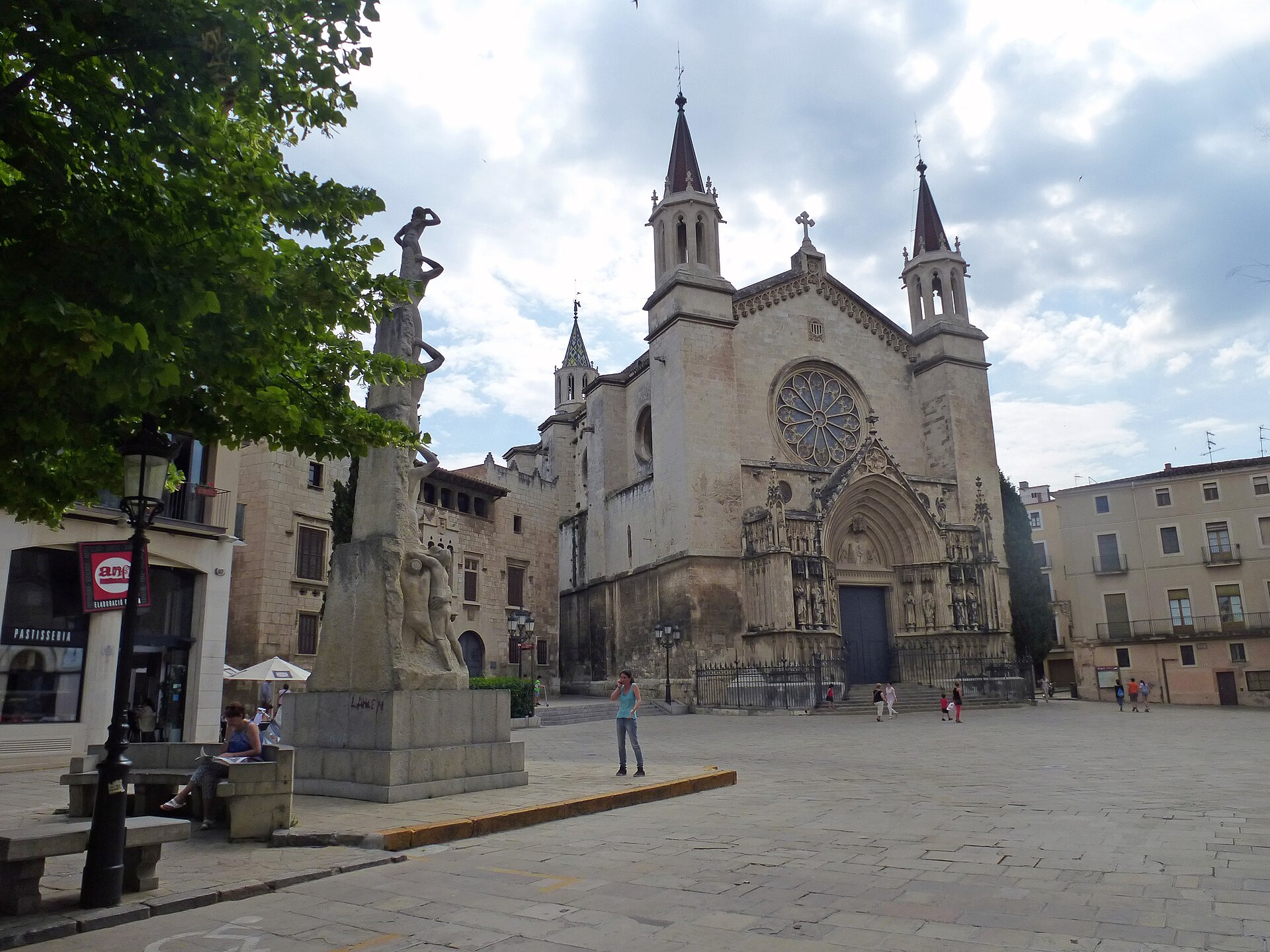
8. Penedès (by train for bubbles and cava)
If you love good wine and calm countryside, head inland. The Penedès region is home to the renowned cava — a Catalan sparkling wine made by the traditional method, much like French champagne. The green hills are dotted with endless vineyards and dozens of wineries, big and small, offering great tours and tastings.
The heart of the whole region, the picturesque town of Sant Sadurní d’Anoia, lies just 59 minutes away on the ordinary R4 line train from Plaça Catalunya or Sants station. Trains run here every hour, so you don’t have to worry about planning your departure precisely. The town itself is peaceful and smells of grapes and oak barrels.
The best and best-value deal on the market is the combined Freixetren ticket for just €18. It includes a return train from any station on Barcelona’s suburban network and a wonderful hour-and-a-half guided tour of the giant cellars of the famous Freixenet winery, with a tasting. 💡 Tip: You do have to reserve your cellar tour slot in advance by email or phone directly with the winery — the ticket alone doesn’t guarantee your place on the tour.
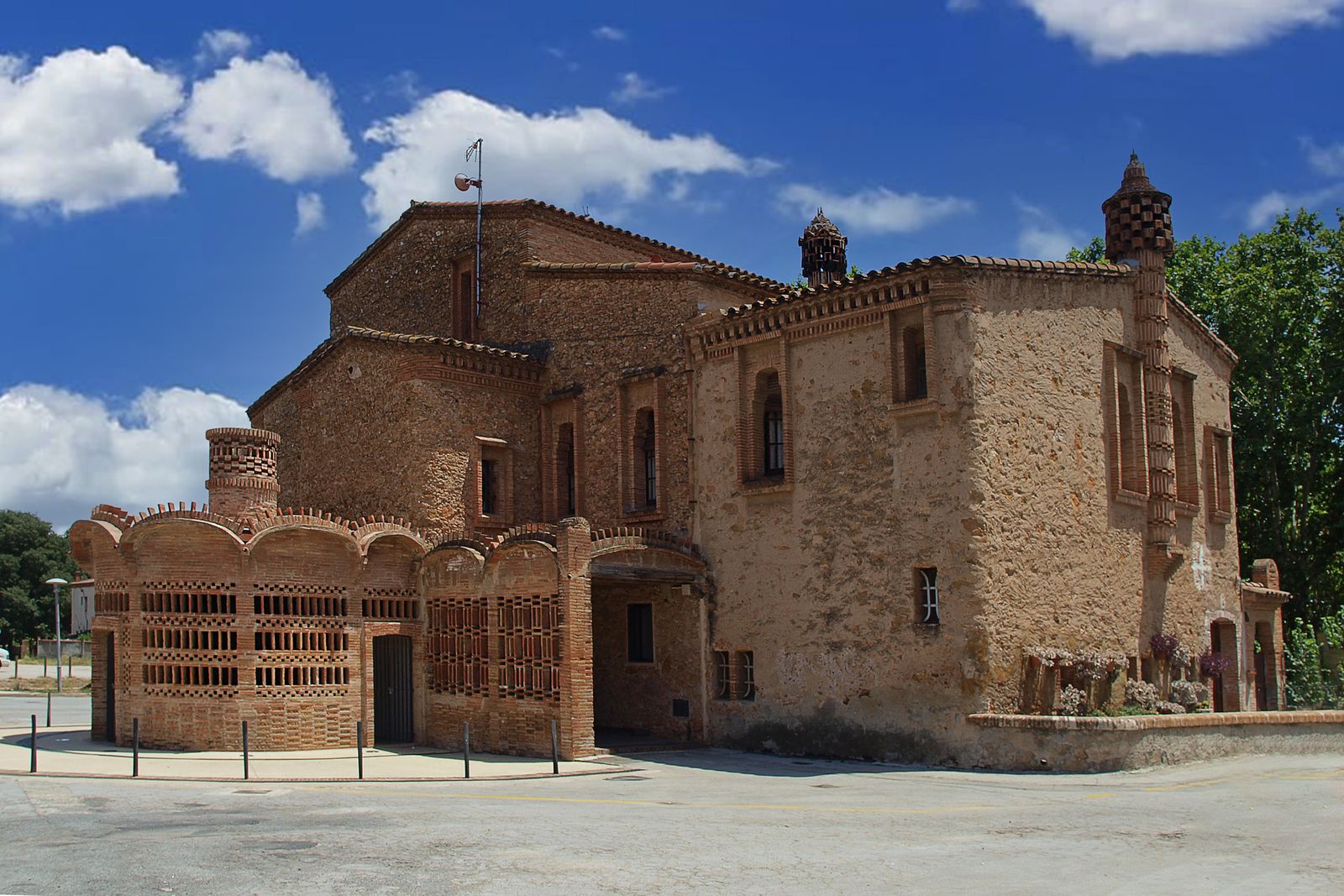
9. Colònia Güell (Gaudí’s underrated chapel)
This is an absolute hidden treasure for everyone who loves architecture but hates the crowds. While thousands of people squeeze into the Sagrada Família, only a handful of in-the-know travellers make their way to this former workers’ colony. Yet it was right here that Antoni Gaudí built a stunning crypt that served architecturally as a kind of laboratory for his later masterpieces.
The crypt looks as though it grew straight out of the ground, and its leaning columns and incredible play of light will take your breath away. The colony lies just 20 minutes away on the FGC trains (lines S3, S4, S8 and S9) from Plaça Espanya station. From the station, blue footprints painted right on the pavement safely guide you to the sights. Entry to the crypt with an audio guide costs €10.
💡 Tip: At the FGC counter on Plaça Espanya, ask for the combined Combinat Güell ticket for €15.30. It includes the return train from Barcelona, entry to the crypt and the audio guide, saving you several euros. Guided tours with a live guide run at weekends (in July and August they’re shifted to 11:00 and 11:30).
10. Vic (authentic markets and the Catalan countryside)
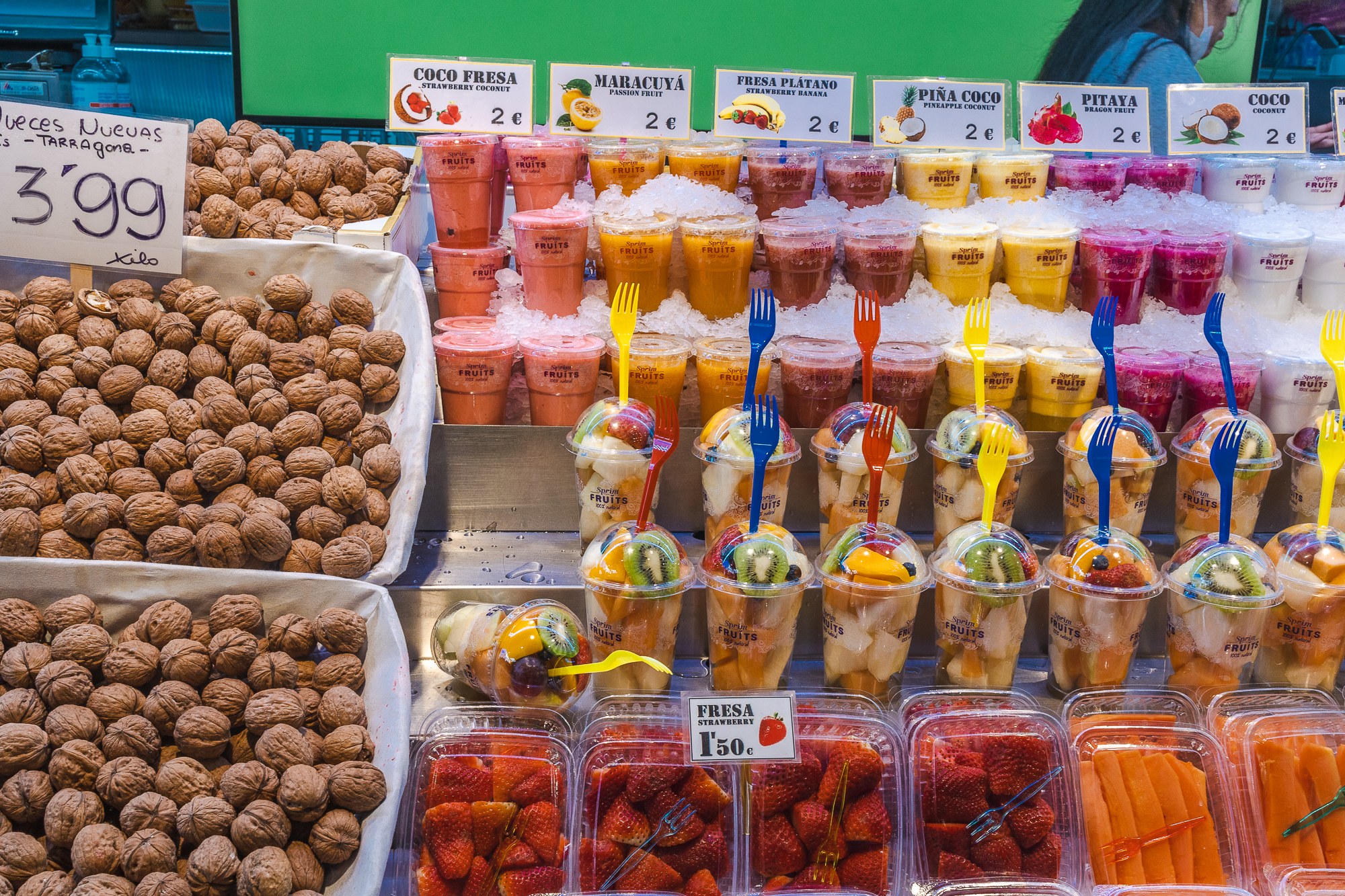
If you want to experience the real, unvarnished Catalonia, venture deeper inland. The town of Vic lies about an hour from the coast and will win you over with its enormous central square, Plaça Major, strewn with sand and lined with old arcades. This place has nothing in common with the beach resorts — a strong local pride radiates from it.
Vic is famous for its traditional markets, held on the main square every Tuesday and Saturday since the ninth century. You can pick up superb artisan cheeses, fresh fruit and local vegetables here. A short walk from the square rises an interesting cathedral with a Romanesque bell tower and gorgeous murals inside. Be sure to make time to visit the wonderfully preserved Roman temple from the second century too.
The journey from Barcelona is quite easy. You can take the Rodalies suburban train on line R3, which carries you through beautiful hilly countryside, or hop on a bus run by the Sagalés company. Buses run roughly every 30 minutes and a one-way ticket costs about €9 to €18 depending on the connection you choose.
11. Cardona (a salt mountain and a giant castle)
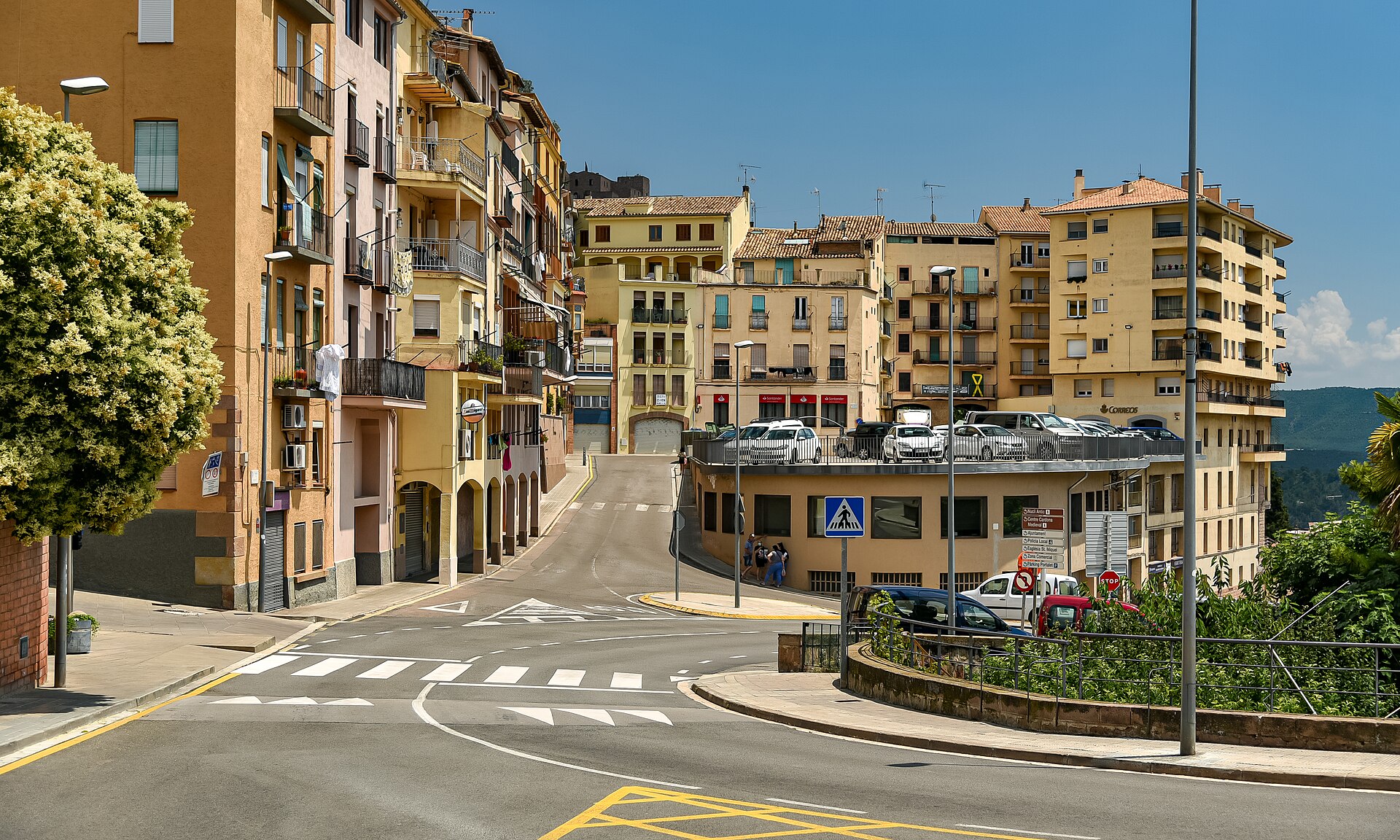
This is a tip for true connoisseurs, because it’s considerably harder to get to. Cardona boasts an enormous medieval castle that towers on a hill and was never conquered in its history. From its walls there’s a fantastic view of the surroundings. Inside the castle complex you’ll find the gorgeous Romanesque church of Sant Vicenç, one of the finest examples of the style in the region.
But the main attraction is the nearby Salt Mountain (Muntanya de Sal). It’s a fascinating geological formation where salt has been mined since Roman times. Today guides take you deep into the old galleries, where you’ll see incredible salt stalactites and stalagmites shimmering in all colours. A steady coolness holds in the interior spaces, which you’ll appreciate greatly in summer.
The logistics, however, are a tough nut to crack. Without a car it’s a trip more for adventurers, because the ALSA company bus runs here only once a day (Monday to Friday from Passeig de Gràcia). The journey takes almost two hours and the ticket costs between €7 and €15. For weekend trips by public transport you can forget it altogether — there, renting a car is an absolute must.
12. Castelldefels and Ocata (a quick beach escape)
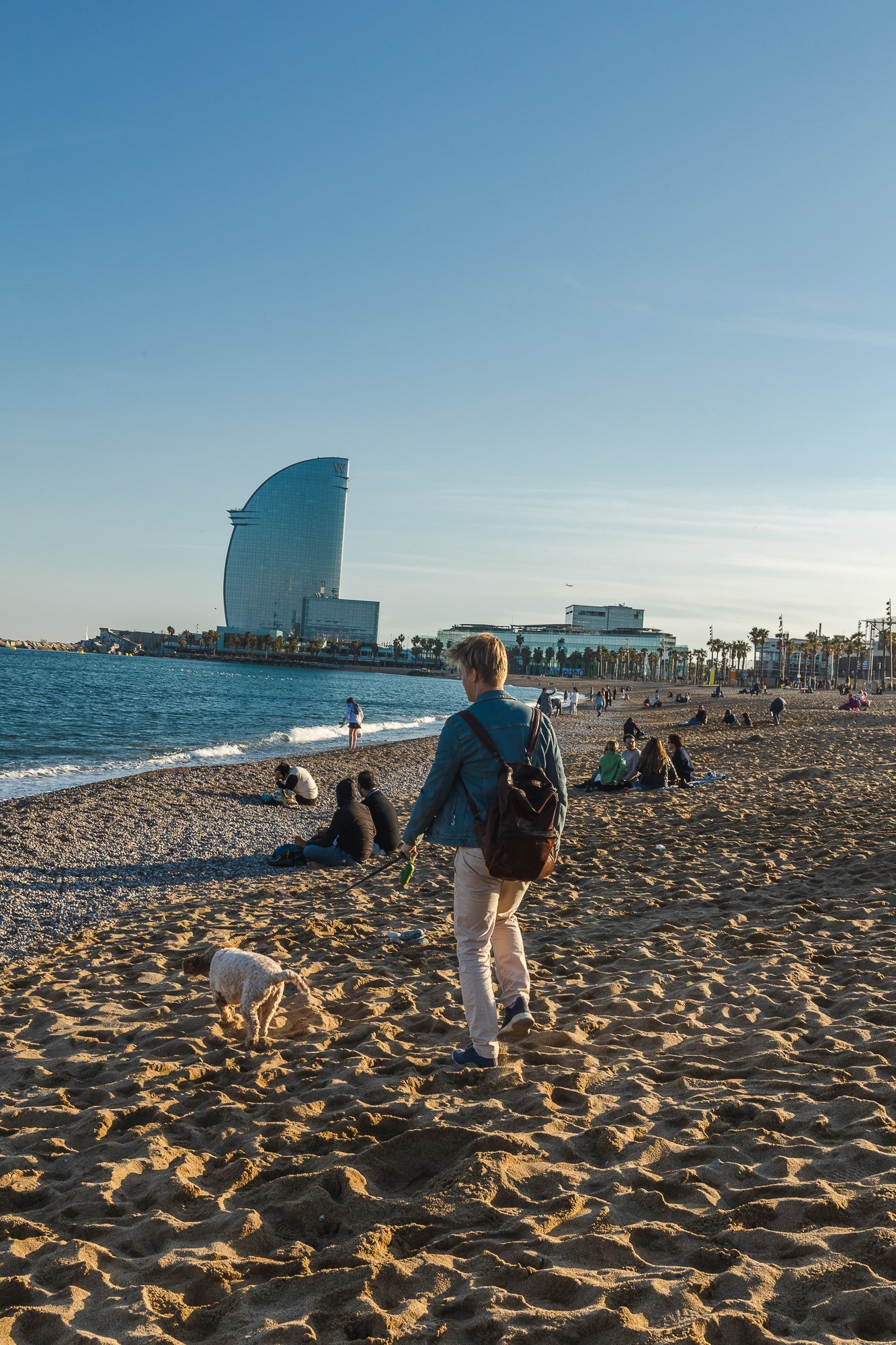
When you’ve got just a few free hours in Barcelona and Barceloneta city beach is hopelessly packed, the local trains will save you. Locals know very well that you only need to go a few stops out of the city to find wide sandy beaches with much cleaner water and more peace and quiet. These are the ideal places to just lie down on a towel, have a cold drink and switch off.
To the south lies Castelldefels, an enormous five-kilometre beach with fine sand and a shallow entry into the sea. You get here on the R2 Sud line train from Sants station in about 25 minutes. Get off at the Platja de Castelldefels stop (not in the town centre) and it’s literally a five-minute walk to the water. You can play volleyball here or rent a paddleboard.
If you head north instead, make for the resort of Ocata. The R1 line train takes you from the underground station beneath Plaça Catalunya straight to the sea in about half an hour. The stop is built perhaps fifty metres from the huge, wide beach, so you jump off the train and straight into the sand. You’ll also find plenty of pleasant beach bars (chiringuitos) here, serving great meat-free tapas and cheese platters.

Where to Go Next from Barcelona
We’ve got these detailed guides to Barcelona too:
- Getting Around Barcelona: metro, tickets and the airport
- Barcelona in 3 Days: an itinerary
- Weather in Barcelona: temperatures by month and when to go
- If you haven’t yet explored the city itself, open our article What to See in Barcelona: 25+ tips, where you’ll find maps and routes for Gaudí’s buildings and the Gothic quarter.
- Heading to the mountains? Read our detailed guide Montserrat: a day trip from Barcelona to the monastery mountains, where we break down the exact cable car and ticket times.
- For history lovers we’ve got a guide to Girona, Spain: 16 things to see and also the article Tarragona: Roman heritage by the sea.
- If surrealism appeals to you, don’t miss our piece Figueres and the Dalí Museum.
- If you’re after the perfect swim, check out Sitges: 14 things to see near Barcelona or the big overview Costa Brava: the most beautiful beaches and towns.
- And if you’re still undecided where to go for the sea this year, take a look at our big list Spain Holidays: 17 ideas of where to go.
Frequently Asked Questions
What is the best day trip from Barcelona?
Statistics and reviews speak crystal clear: the absolute number one is the mountain monastery of Montserrat. It offers the perfect combination of bizarre nature, deep history, and the experience of the journey by rack railway or cable car. Hot on its heels is historic Girona with its narrow streets and excellent gastronomy.
How do I buy tickets for Rodalies trains?
Rodalies suburban trains (e.g. to Sitges, Tarragona or Ocata) have no reserved seats. Simply buy your ticket at the orange machines right at the station (Sants, Passeig de Gràcia) just before departure. The machines can be switched to English and accept payment cards without any problem.
Is Montserrat really worth it when there are so many people?
Absolutely yes, but you have to be smart. If you head out early in the morning on trains between eight and half past nine, you’ll arrive at the top before the big tour buses roll in. You can calmly explore the basilica and then escape the crowds on the hiking trails leading to the summit of Sant Jeroni.
Is it worth going to Figueres just for a quick visit?
Yes, many people do it as a standard day trip. From Barcelona you can get there by high-speed train in just under 40 minutes (but watch out for the transfer from Vilafant station) or by regular train in under two hours. The Dalí Museum itself takes about two to three hours, so you can comfortably return to the city in the evening.
Can you do Girona and Figueres in one day?
You can, it’s actually the second best-selling combined day trip. But it will be a huge sprint. You have to leave early in the morning to Figueres for the museum opening, grab a quick lunch there, and then take a train in the afternoon to Girona to see the cathedral and ramparts. In the evening you’ll take the high-speed train back to Barcelona.
Where can I find the best beaches near Barcelona without crowds?
If you want clean water and peace, skip the city beach of Barceloneta completely. Jump on a train and head south to the resort of Sitges, which has an incredible nine blue flags, or to the long sandy beaches of Castelldefels. Going north, Ocata is an excellent stop where you step off the train right onto the sand.
What should we do if we only have half a day?
Choose destinations that are close and the journey won’t take hours. Ideal is Colònia Güell with Gaudí’s beautiful crypt, which you can reach by train from Plaça Espanya station in just 20 minutes. The beaches at Castelldefels are also a good choice, where you’re there from Sants station in 25 minutes.
Tips and Tricks for Your Vacation
Don’t Overpay for Flights
Search for flights on Kayak. It’s our favorite search engine because it scans the websites of all airlines and always finds the cheapest connection.
Book Your Accommodation Smartly
The best experiences we’ve had when looking for accommodation (from Alaska to Morocco) are with Booking.com, where hotels, apartments, and entire houses are usually the cheapest and most widely available.
 🚗 Car rental on the roadVerified rental cars in Catalonia
Search with the DiscoverCars comparison engine — it compares prices from dozens of local and international rental companies, and most bookings come with free cancellation.
Compare car prices in Catalonia →Don’t Forget Travel Insurance
Good travel insurance will protect you against illness, accidents, theft, or flight cancellations. We’ve had a few hospital visits abroad, so we know how important it is to have proper insurance arranged.
Where we insure ourselves: SafetyWing (simple monthly subscription) and TrueTraveller (for extra-long trips).
Find the Best Experiences
Get Your Guide is a huge online marketplace where you can book guided walks, trips, skip-the-line tickets, tours, and much more. We always find some extra fun there!