We arrived in Barcelona, Spain by car in early March, and after reading terrifying reviews about car break-ins, we completely skipped our planned trip up to Tibidabo hill. Instead, Lukáš and I walked dozens of kilometres through the city centre and spent most of our time discovering the city’s stunning architecture. We stayed at the lovely Hotel Gaudí with its heavenly rooftop terrace, right next to the famous Palau Güell mansion, which put all the main sights within easy reach.
The biggest price shock in the Catalan capital won’t come at a fancy restaurant, but rather when you pay for tickets to its architectural gems. A typical family with two older kids will soon discover that a single day packed with tours of famous houses can easily cost between €250 and €300. Entry to the interiors is simply the item that will reliably blow your travel budget to pieces unless you approach it tactically and pick only the absolute best.
These days, though, it’s often not enough for people to just walk up to a building and quickly snap a photo of its colourful façade. According to booking-portal data, over 177,000 people a year take a free walking tour with architectural commentary, while fewer than 70,000 tourists buy a paid Sagrada ticket. Travellers want to understand the deeper connections and are keen to learn why Catalan Modernism isn’t just a plain local copy of Central European Art Nouveau.
TL;DR
- Celebrations in 2026: Barcelona is marking a hundred years since the death of Antoni Gaudí this year and grandly celebrating the completion of the tallest tower of the Sagrada Família.
- Extreme ticket prices: Tickets to famous houses like Casa Batlló cost more than €30, so carefully pick just one or two interiors.
- Best value for money: The former hospital Recinte Modernista de Sant Pau, at €18, offers gorgeous architecture without the huge tourist crowds.
- Watch out for temporary closures: The well-known Casa-Museu Gaudí, located right inside the popular Park Güell, is currently closed.
- Modernism isn’t just Gaudí: The face of the city was also fundamentally shaped by the brilliant architects Lluís Domènech i Montaner and Josep Puig i Cadafalch.
- Booking ahead is a must: For the vast majority of sights, tickets aren’t sold on-site at all or are sold out days in advance.
The full destination guide: Catalonia — guide and what to see
When to Visit Barcelona
The Catalan capital is a year-round destination, but for exploring architecture you should ideally pick the spring or autumn months. We explored the city in early March, when it occasionally rained but we avoided the scorching summer heat and endless crowds of tourists. During July and August, temperatures regularly climb above thirty degrees, and weaving through sweltering streets among thousands of cruise-ship passengers can be genuinely exhausting. The weather in Barcelona, Spain really is at its best when the crowds thin out.
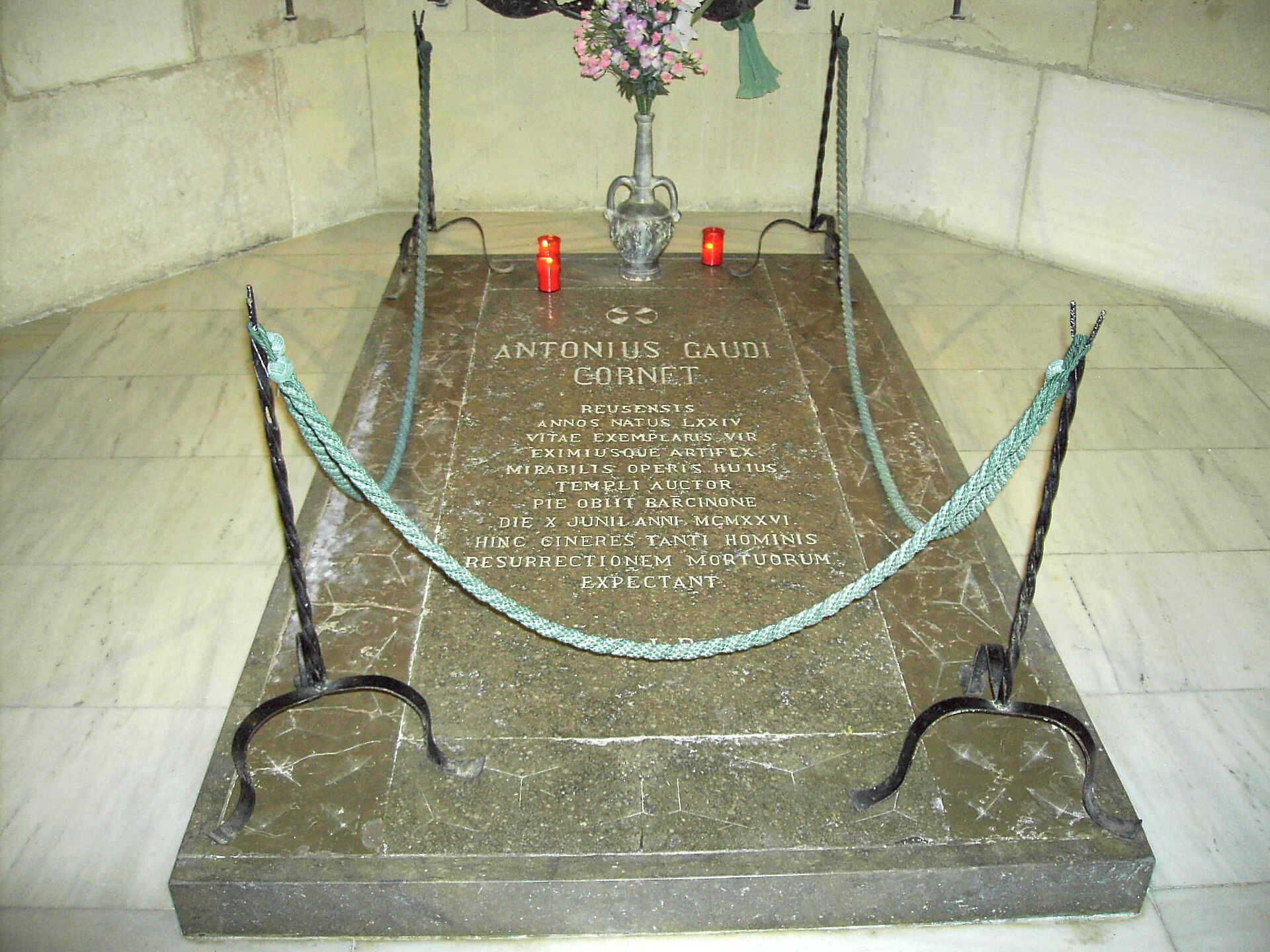
2026 is an absolutely exceptional year to visit, and you should expect the city to be bursting at the seams. Barcelona has become the UNESCO World Capital of Architecture and is marking exactly one hundred years since the death of Antoni Gaudí, who tragically died on 10 June 1926. More than fifteen hundred different activities are taking place, from a major international congress in the halls of La Pedrera to special exhibitions in the national museums. The heightened interest means not only far longer queues but also higher service prices, so planning well in advance is an absolute necessity this year.
For a proper tour of Gaudí’s buildings and to soak up the atmosphere, set aside at least three or four full days. If you try to cram three different architectural jewels into one afternoon, they’ll soon blur into one big, overcrowded squiggle that just leaves you with a headache. Spread out your programme so you see at most one paid interior per day and devote the rest of your time to strolling through parks or freely accessible neighbourhoods.
When planning your dates, also keep an eye on current events in the city, as local protests or strikes can temporarily limit access to popular sights. In spring 2026, for example, massive strikes by local teachers led to the temporary closure of some entrances to the Sagrada Família. On the other hand, you no longer need to worry about the earlier strict drought restrictions, since the Catalan reservoirs filled up after heavy rains and the water supply works for tourists completely without limits.
Where to Stay in Barcelona
💡 Accommodation tip and experiences: We prefer to look for accommodation on Booking.com, which usually has the best cancellation terms. It’s then worth comparing and buying tickets, tours and activities through GetYourGuide.
For comfortable architecture-hunting, choosing the right neighbourhood is absolutely key so you don’t have to spend hours on a packed metro. Go for strategic areas like Eixample for luxurious boulevards full of Modernism, the charming Gràcia district for a quieter local vibe, or the historic centre near the La Rambla boulevard. Always read the reviews carefully, though, because some alleys in the Gothic Quarter can be fairly noisy and busy at night. When comparing Barcelona, Spain hotels, location really is everything.
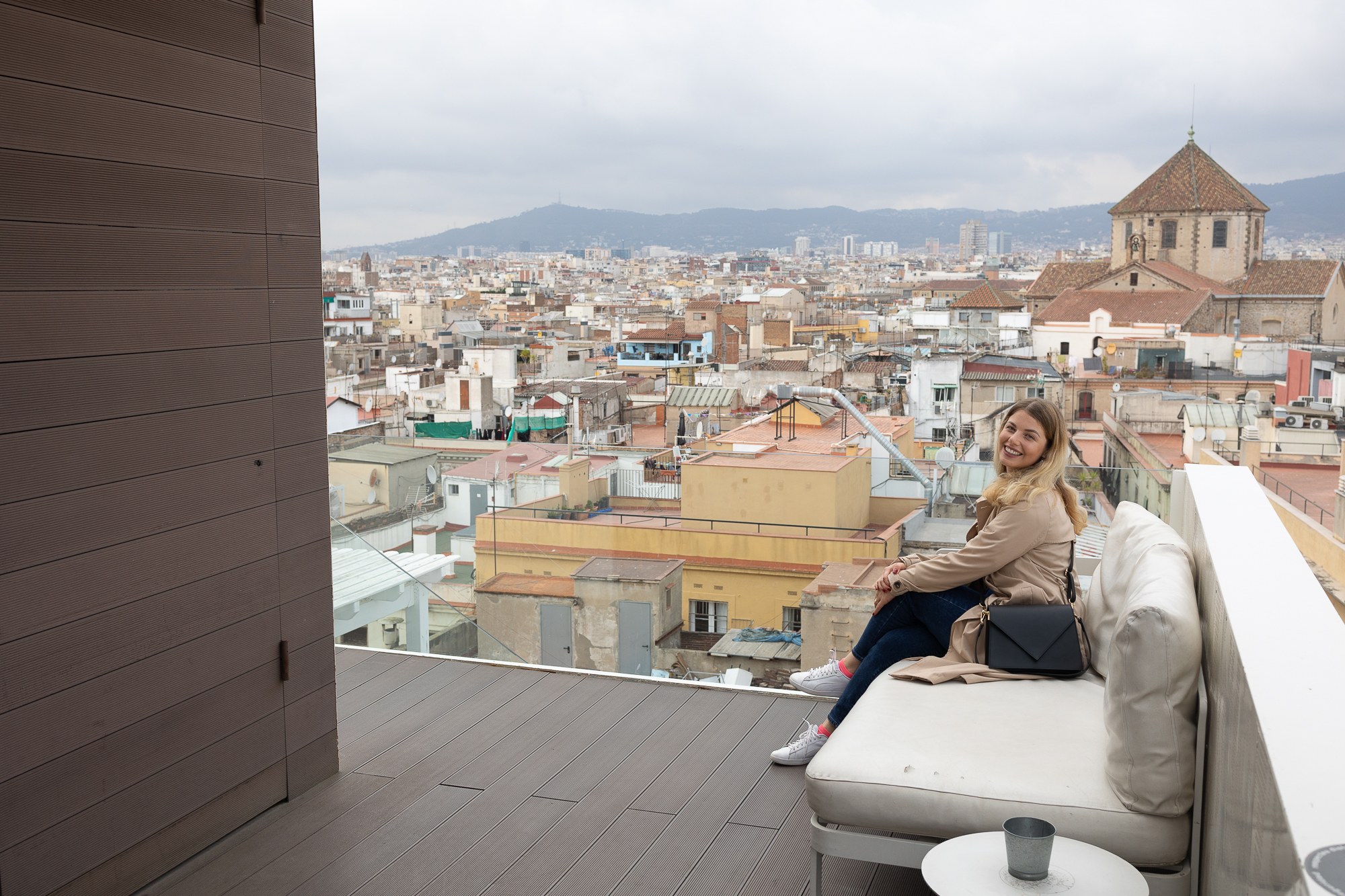
Lukáš and I stayed at the excellent Hotel Gaudí, which sits just a few steps from the Palau Güell mansion and boasts an absolutely fantastic rooftop terrace. The views of the mansion’s chimneys and of the whole city were breathtaking, and thanks to the central location we could walk practically everywhere. If you’re after accommodation with perfect access, definitely add this hotel to your shortlist.
For Modernism lovers who want to stay right next to the masterpieces, I can recommend the popular H10 Casa Mimosa. This gorgeous hotel is just one block from the famous La Pedrera building, and from its pool and terrace you’ll enjoy unforgettable views straight onto Gaudí’s chimneys. Another great choice for a more sensible budget is Motel One Barcelona-Ciutadella, located near the iconic Arc de Triomf, where we also took a lovely walk during our stay.
When booking, don’t forget a very important update, because the tourist tax rose radically from April 2026. For a night in a luxury five-star hotel you’ll now pay €12 per person, a stay in a four-star hotel will run you €8.40, and for tourist apartments the fee jumped to €9.50 per night. The tax is charged for a maximum of seven consecutive nights. What’s more, Barcelona is gradually revoking all ten thousand licences for tourist apartments, aiming to end their operation by 2028, so the supply of private accommodation is already visibly shrinking and prices for classic hotel rooms are rising accordingly toward an average of €188 per night.
12 Things to See and Do in Gaudí’s Footsteps
Let’s take a look together at a complete overview of the most interesting places you shouldn’t miss when hunting for Catalan Modernism. I’ll tell you where it’s worth paying the entrance fee and what you can simply admire from the street outside.
1. Sagrada Família and the Completed Tower
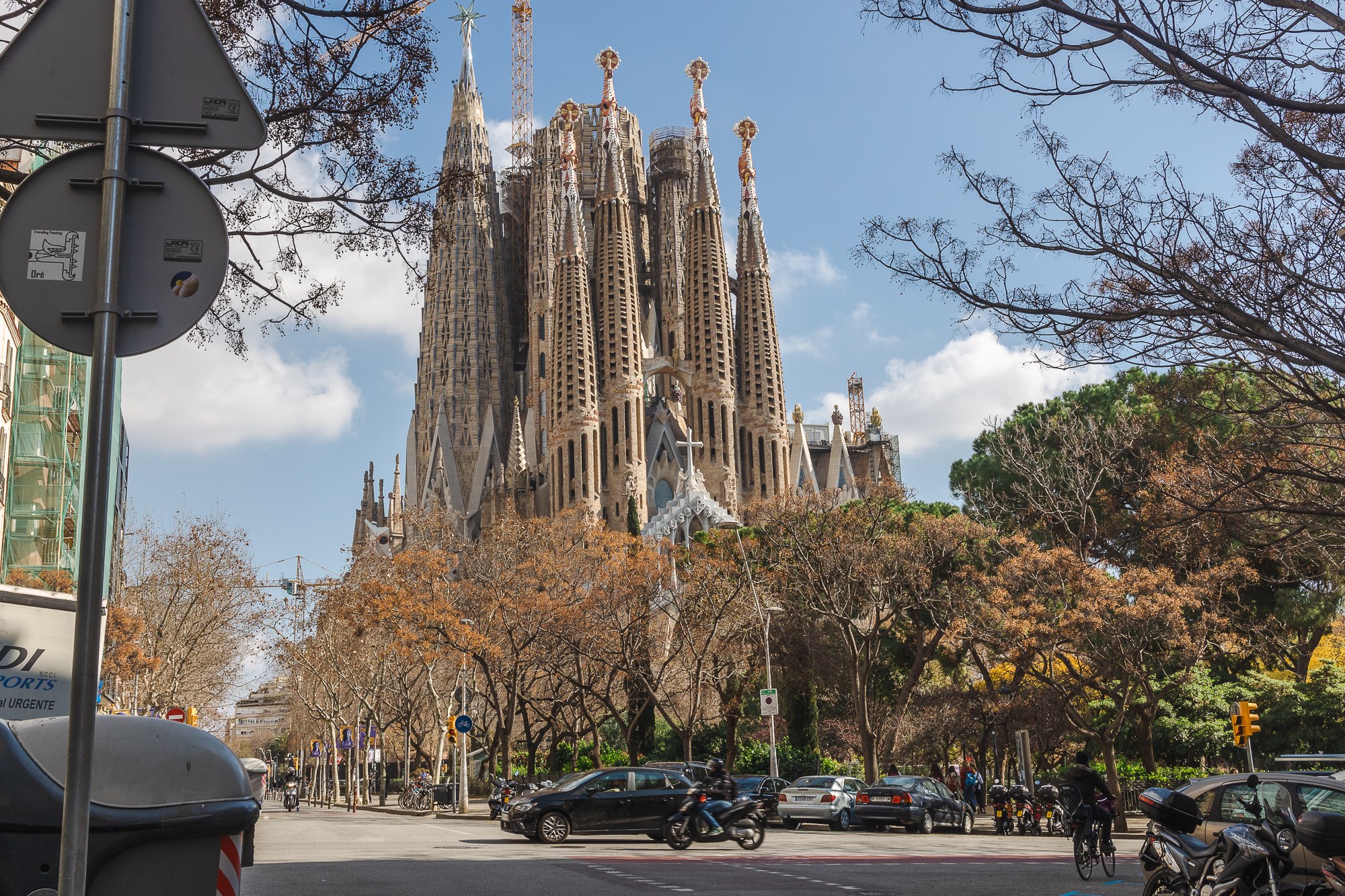
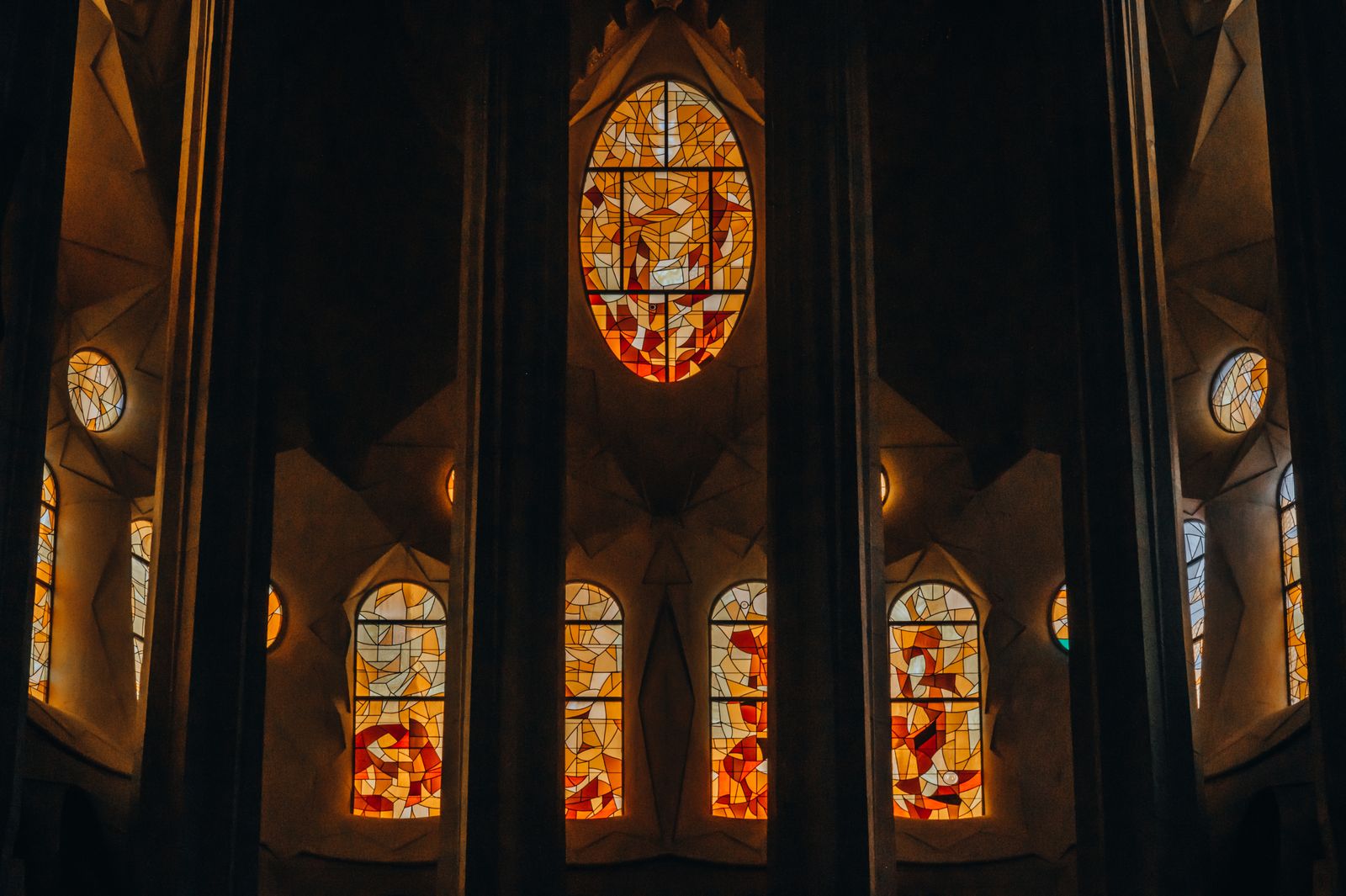
This iconic basilica is an absolute must that you can’t afford to miss. Lukáš and I explored the Sagrada thoroughly both inside and out, and I have to say the play of coloured light filtering through the stained glass into the main space simply takes your breath away. This year is truly pivotal for the building: on 20 February 2026 a hundred-tonne cross was ceremonially placed on the Tower of Jesus Christ, bringing the structure to a height of 172.5 metres and making it, by far, the tallest church in the world.
Pope Leo XIV solemnly blessed the whole tower on 10 June 2026, exactly a hundred years to the day since the brilliant architect’s death. A basic ticket with an audio guide costs €26, the version with access to the side towers costs €36, and a guided tour with a live guide will run you €40. You must buy tickets online, even several weeks ahead, otherwise you have no chance of getting inside. Barcelona residents have a huge advantage this year, as the city granted them a fifty-percent discount on all ticket types in honour of the anniversary.
💡 Tip: You’ll find complete information about ticket types, opening hours and how to avoid the queues in our separate article Sagrada Família: tickets, prices and visiting tips.
2. Park Güell and Mosaic Splendour
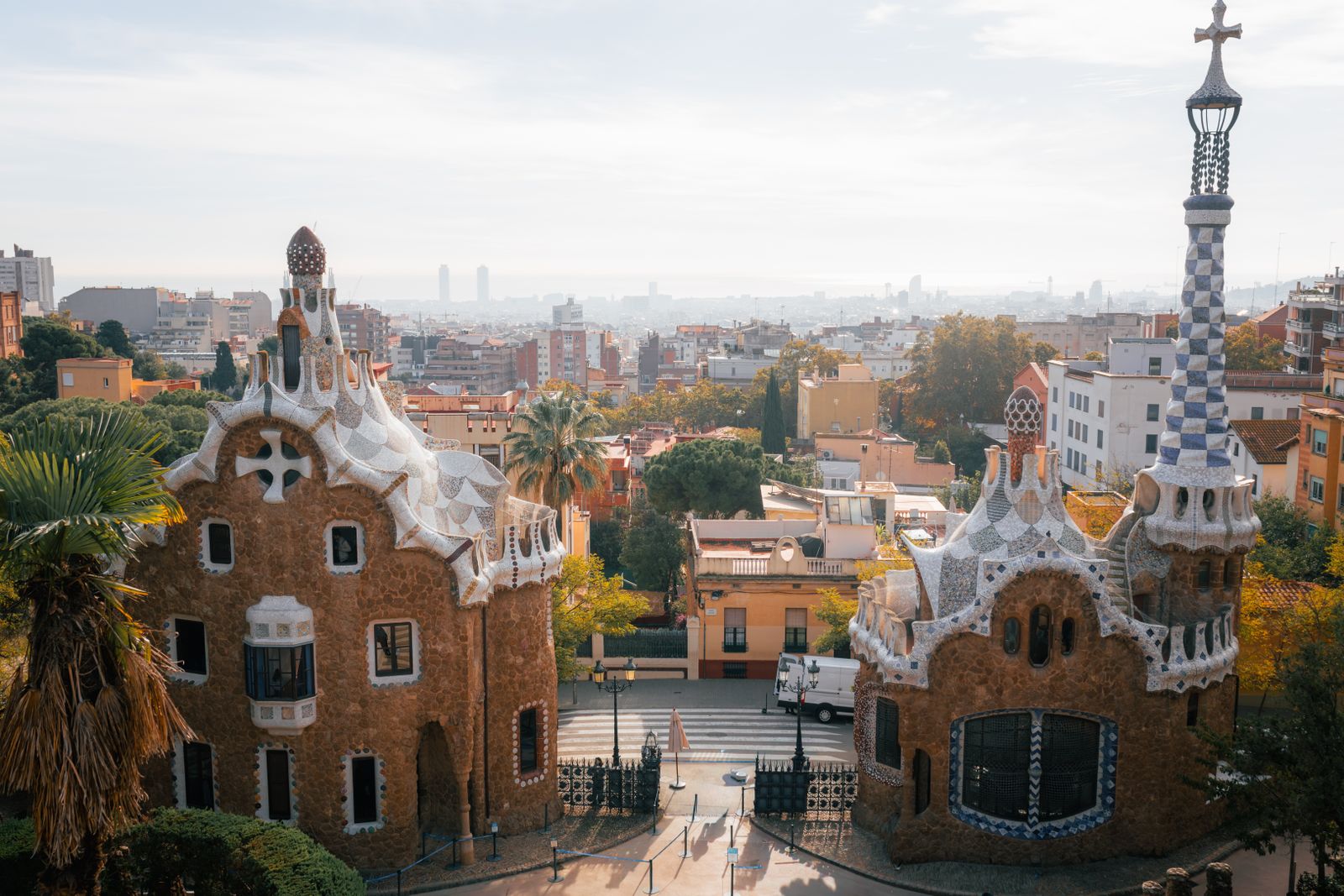
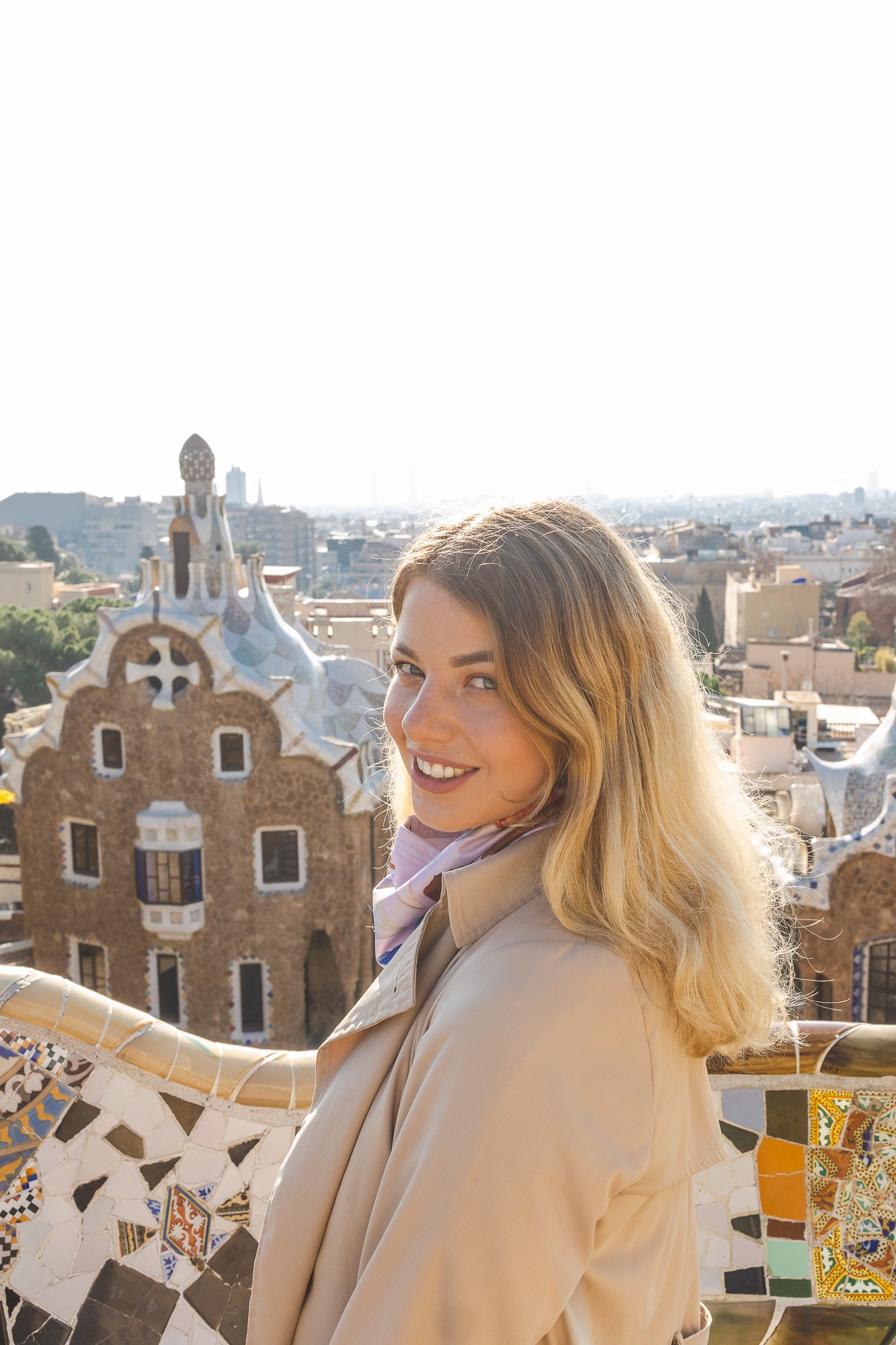
This sprawling complex full of greenery and organic shapes was originally conceived as a luxury garden city for the wealthy classes. During our visit we rested for a while on the famous long mosaic bench on the main terrace and enjoyed the view of the city. Many people mistakenly think most of the park is free, but in reality the paid monumental zone covers a full 12 hectares, while 8 hectares of natural park are freely accessible. If you’re only after a view of the city without paying, head to the highest point, Turó de les Tres Creus.
A basic ticket to the paid section costs €18, and €13.50 for children and seniors. Tickets are sold exclusively online and the rules here are absolutely relentless. You have exactly a thirty-minute tolerance for arrival, and once you exit through the turnstile you won’t be let back in. Also be very careful, because the well-known Casa-Museu Gaudí inside the grounds is currently closed with no known reopening date. Although the neighbourhood minibus number 116 runs to the main entrance, it’s hopelessly overcrowded, so it’s far more comfortable to take the metro to the Lesseps station and use the outdoor escalators.
💡 Tip: You’ll find more detail on the exact division of the zones in our guide Park Güell: tickets, prices and tips.
3. Casa Batlló and the Dragon-Scale Façade
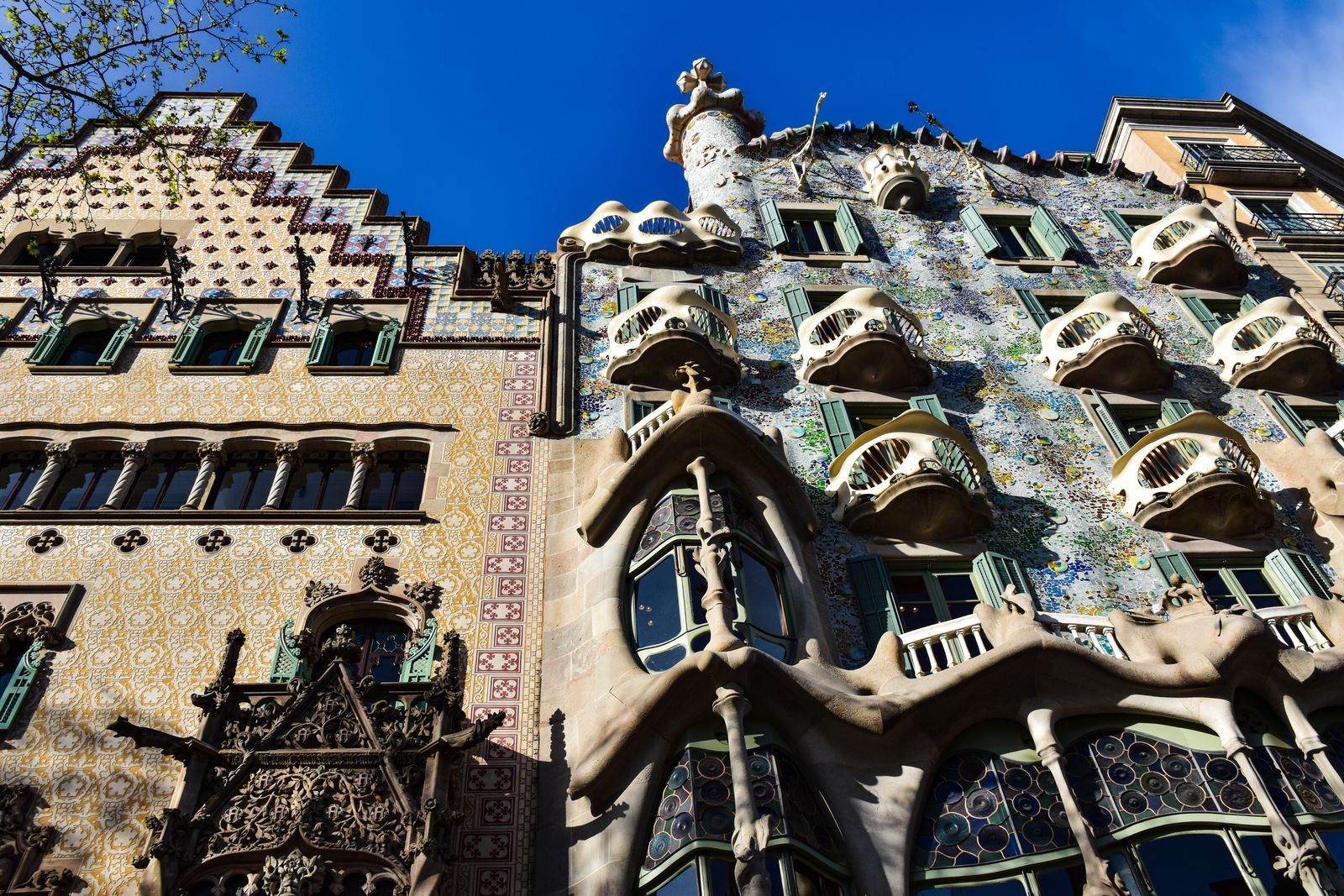
As you stroll along the luxurious Passeig de Gràcia boulevard, this building will hit you right in the eyes. Gaudí designed the façade to resemble the calm surface of a lake dotted with water lilies, while the roof itself clearly evokes the scales of a slain dragon and the balconies look like sinister skulls. Inside, an explosion of imagination awaits you without a single straight line, where everything ripples, flows and breathes pure originality.
The basic ticket, called Blue, starts online at €29, but the system uses dynamic pricing, so buying at the box office or last minute can easily cost you four euros more. The higher Silver and Gold packages then cost €38 and €45. Experienced travellers agree in reviews that the interior is fantastic and immersive, but tends to be extremely expensive and overcrowded. If you want to avoid the worst crowds, don’t visit between 11 a.m. and 3 p.m., or pay extra for the evening Magical Nights ticket (from €55), which from March to November offers a magical live music concert right on the rooftop terrace.
4. La Pedrera and the Roof Full of Chimneys
Just a few blocks further along the same street you’ll come across Casa Milà, which locals nicknamed La Pedrera (The Quarry) for its massive appearance. When Gaudí finished this undulating mass of grey limestone with wrought-iron balconies resembling washed-up seaweed, the people of Barcelona initially hated it. A basic daytime adult ticket runs about €25 to €29, with young people aged twelve to seventeen getting a discounted rate of €12.50.
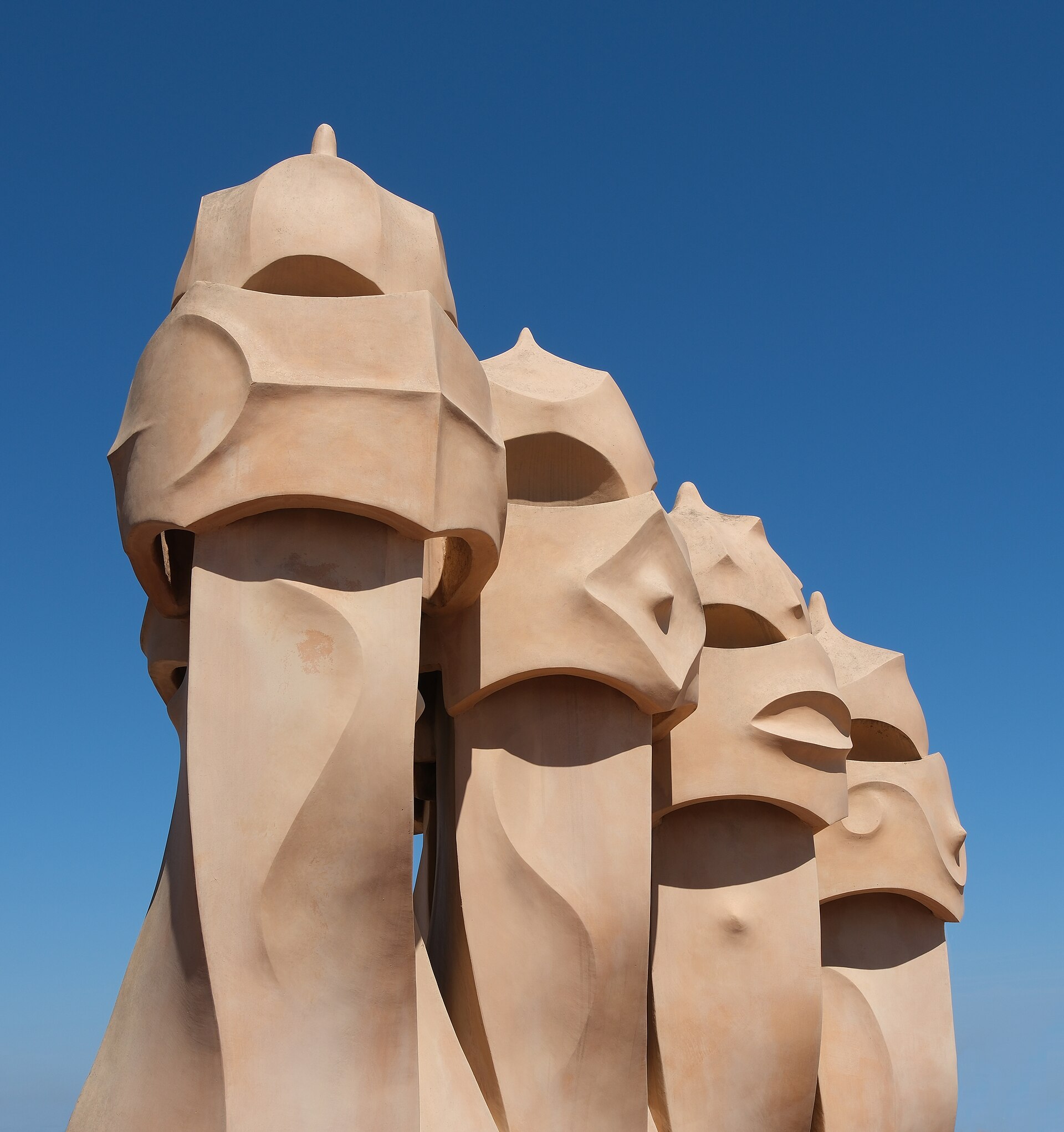
Inside, though, you’ll experience something completely different from the colourful Casa Batlló. Seasoned travellers point out that the residential interiors themselves are fairly plain and emptier, so they might not wow you as much. The main reason to visit is the stunning attic with its brick arches and, above all, the incredible roof studded with chimneys that resemble strange knights from the Star Wars films. A very popular option is the evening Night Experience for just under €40, which offers an impressive audiovisual show with a glass of chilled cava in hand.
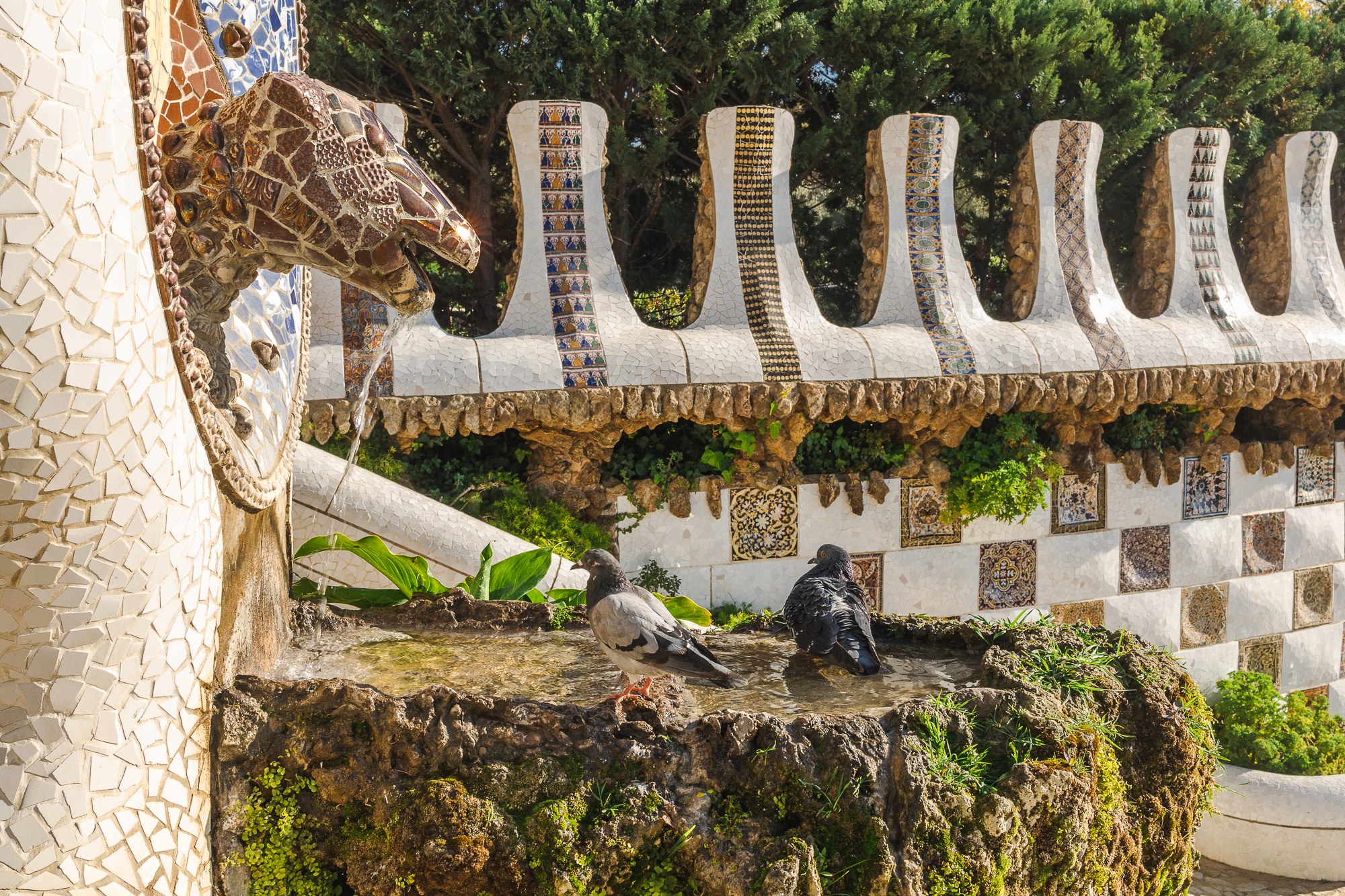
5. Casa Vicens and the First Big Project
In the Gràcia district, on Carrer de les Carolines, hides a house that Gaudí designed as his very first major architectural project for a wealthy brick-factory owner. The result looks like a fascinating oriental palace crossed with a Moorish fortress, playing in every shade of rich green, white and yellow. Admission costs a friendly €21, a guided tour adds just three euros, and the house is an absolute revelation that the big tourist crowds usually give a wide berth.
Don’t expect muted colours or the familiar organic curves of his late period here; Casa Vicens is geometric and sharply cut, so it strikes many visitors as one giant kaleidoscope. The building recently underwent a massive renovation and in November 2026 a unique smoking lounge reopens here with restored original polychromy dating from 1885. It’s a very underrated gem where you get much more calm and breathing space for your money than on the busy main boulevards.
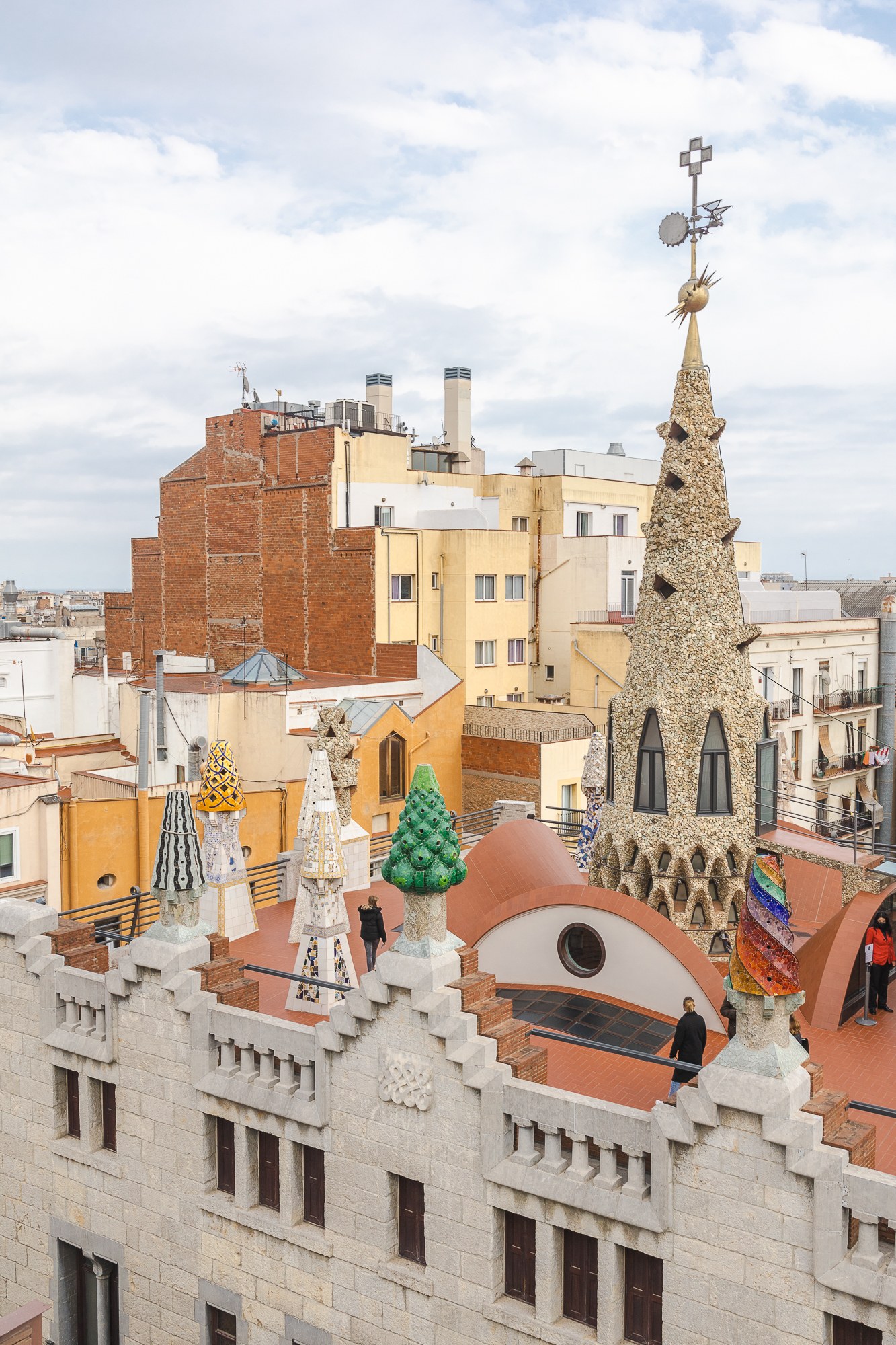

6. Palau Güell and Dark Gothic near La Rambla
Just a short walk from the bustling tourist boulevard La Rambla, on the narrow Carrer Nou de la Rambla, rises a massive palace that Gaudí built for his main patron, Eusebi Güell. As I mentioned, Lukáš and I stayed right next door at Hotel Gaudí, so we admired this sinister-looking building with its heavy iron gates every day. Inside hides a gorgeous parabolic dome dotted with tiny openings that let light through by day like distant stars in a night sky.
On the roof itself you’ll find a first taste of the famous colourful chimneys covered in the characteristic trencadís mosaic. The palace is open from April to October between 10 a.m. and 8 p.m., and in the winter months it closes as early as 5:30 p.m. A big advantage for budget-conscious travellers is the fact that Palau Güell always offers free entry to its interiors on the first Sunday of the month, making it a brilliant escape from the noisy, crowded Gothic Quarter.
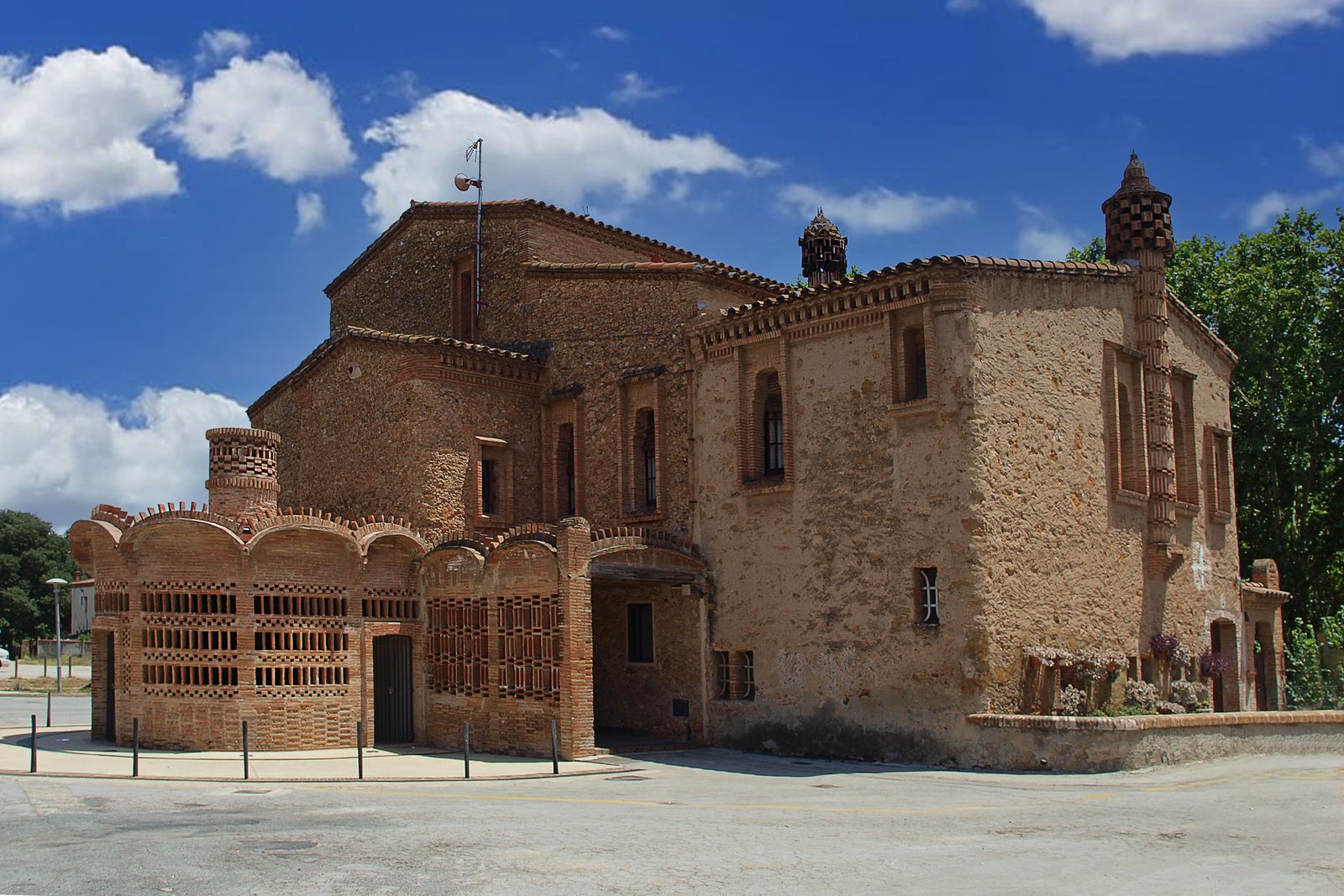
7. Colònia Güell and the Experimental Crypt
This is exactly the trip that the vast majority of tired tourists skip, and in doing so they make a huge mistake. The industrialist Güell was building a workers’ colony outside the city in Santa Coloma de Cervelló and commissioned Gaudí to build the local church, telling him to pay no heed to budget or rules. The architect spent ten long years here testing models with hanging weights to correctly calculate the angle of the columns. The church was never finished and only the crypt was built, but many experts call it his purest structure of all, full of twisted basalt columns.
Entry to the crypt alone costs just under €10. A far smarter move, though, is to buy the special Combinat Güell ticket for €15.30 at Plaça Espanya, which includes the return FGC train journey, entry and an audio guide. In just twenty minutes’ ride, you’ll find yourself in a peaceful architectural laboratory, and blue footprints painted right on the pavement will lead you reliably there from the station. It was here that Gaudí devised and tested the brilliant principles the famous Sagrada Família still benefits from today.
8. Bellesguard and the Castle Illusion
Of the absolute least-known buildings, you mustn’t miss the Torre Bellesguard tower, which rises at the foot of the Collserola mountains. At first glance it looks like a majestic medieval castle that someone accidentally dropped into the middle of a relatively modern city. Here Gaudí masterfully combined his signature style with elements of traditional Gothic, creating a completely unique atmosphere with gorgeous views over all of Barcelona, where ordinary tourists simply don’t wander.
Admission to the grounds is very reasonably priced between €10 and €16, making it one of the most affordable sights in the city. In September 2026, as part of the ongoing grand celebrations, a special concert series by the renowned musician Jordi Savall takes place here, lending the whole spot an even more magical air. If you’re looking for an architectural jewel that most ordinary guidebooks don’t even mention, Bellesguard is a guaranteed secret tip.
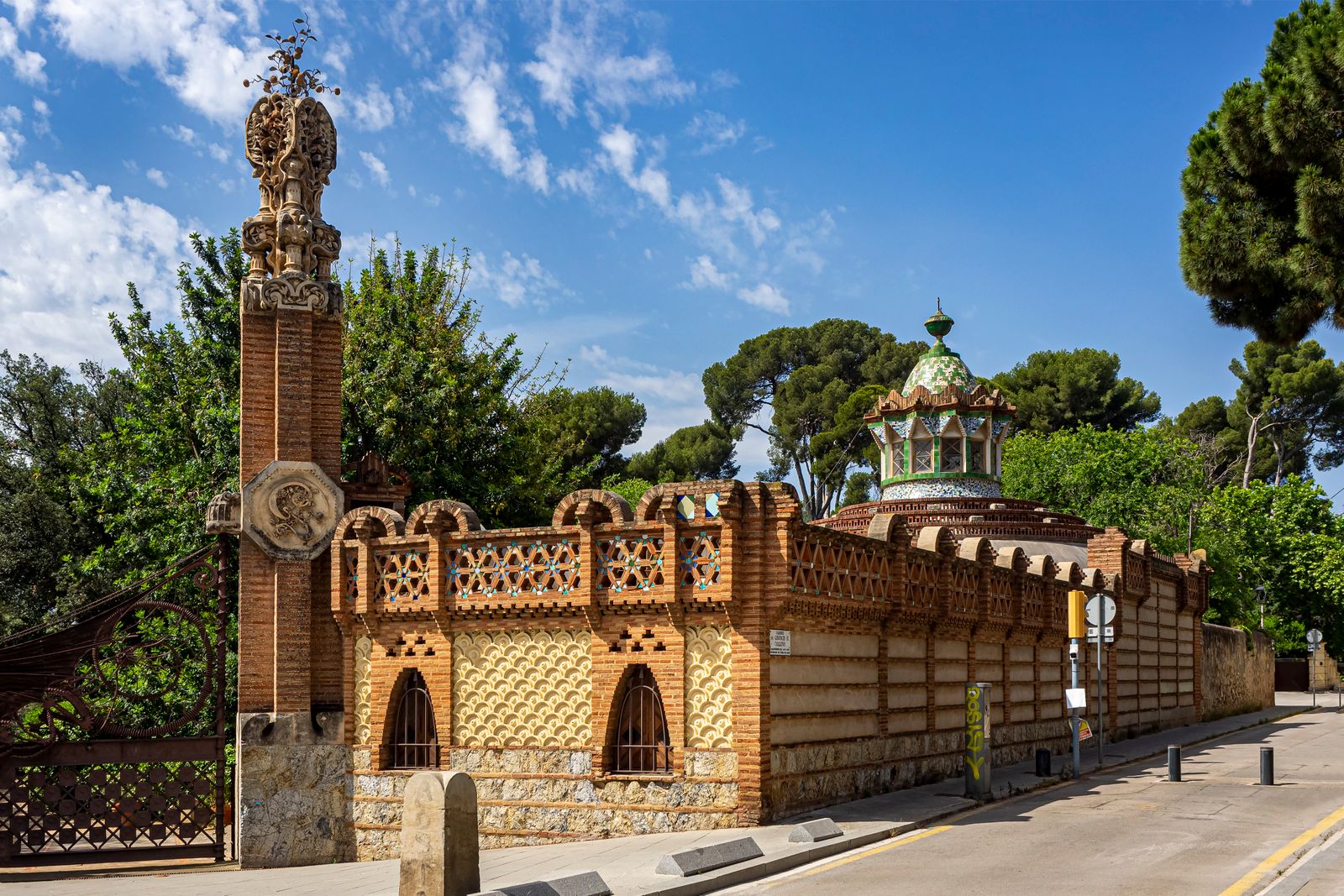
9. Finca Güell and the Menacing Dragon Gate
Even before Gaudí designed the famous park, he worked for the Güell family on modifications to their sprawling country estate. Today only small pavilions at the original entrance remain, but they’re definitely worth a short stop. The main draw is the massive wrought-iron gate in the shape of a mythical dragon, who, according to an old Greek legend, fearlessly guarded the fabled Garden of the Hesperides.
The dragon has its jaws thrown wide open, menacing bat-like wings and incredibly detailed scales, perfectly showcasing Gaudí’s absolute mastery of working with metal. The grounds aren’t as extensive as the other famous buildings, but you pay nothing at all for the view from the street and a detailed photo of the ironwork artistry. It’s a beautiful example of how Gaudí could transform even a completely ordinary utilitarian element into pure art that fascinates passers-by to this day.
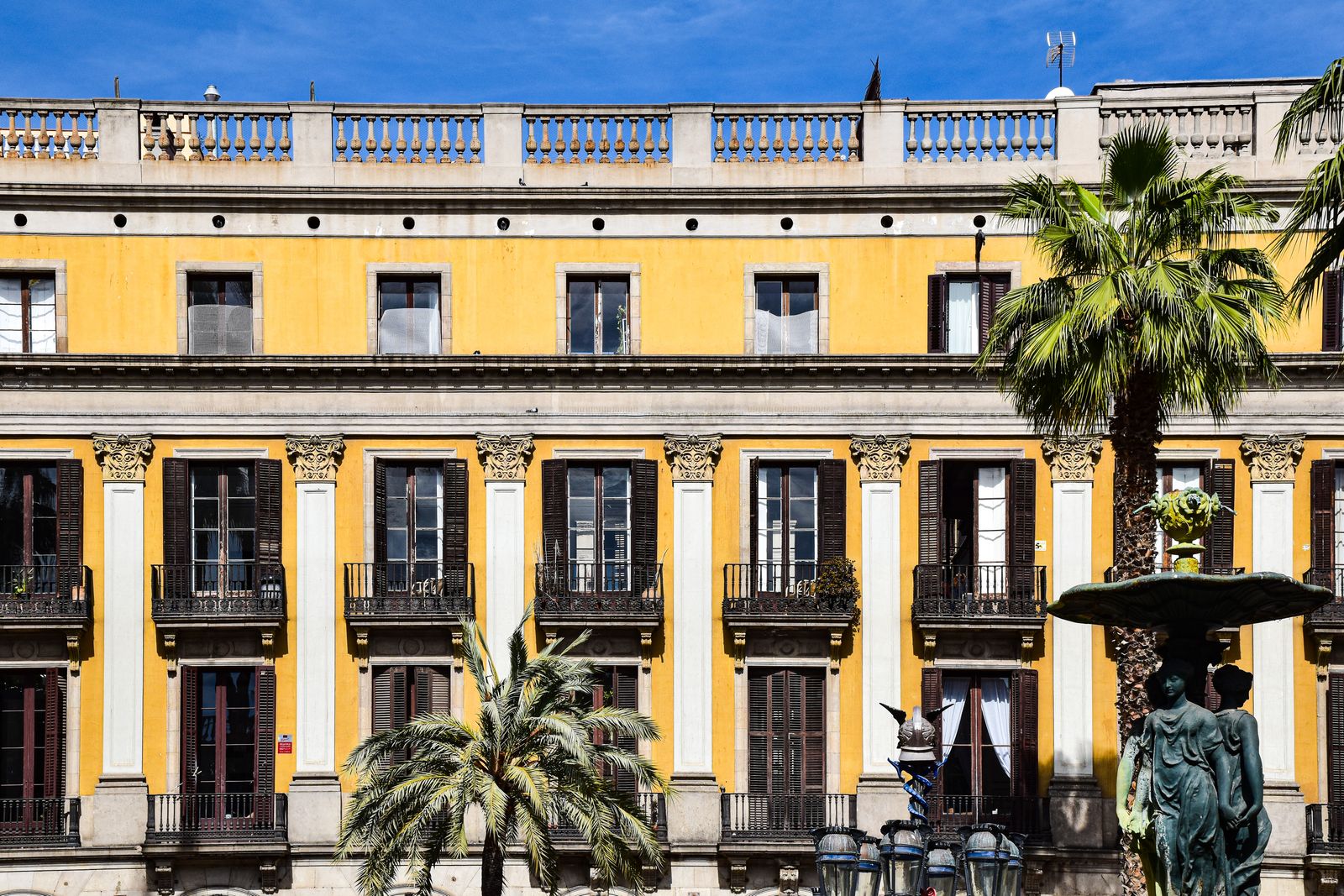
10. The Lamps on Plaça Reial and Morning Strolls
Right after successfully completing his architecture studies, the young Gaudí received his very first official municipal commission. He was to design public lighting for the elegant Plaça Reial square, lined with tall palm trees and brightly yellow house façades. The result is imposing six-armed iron lamps decorated with red details and crowned by the winged helmet of the god Mercury, which proudly light up their spot to this day.
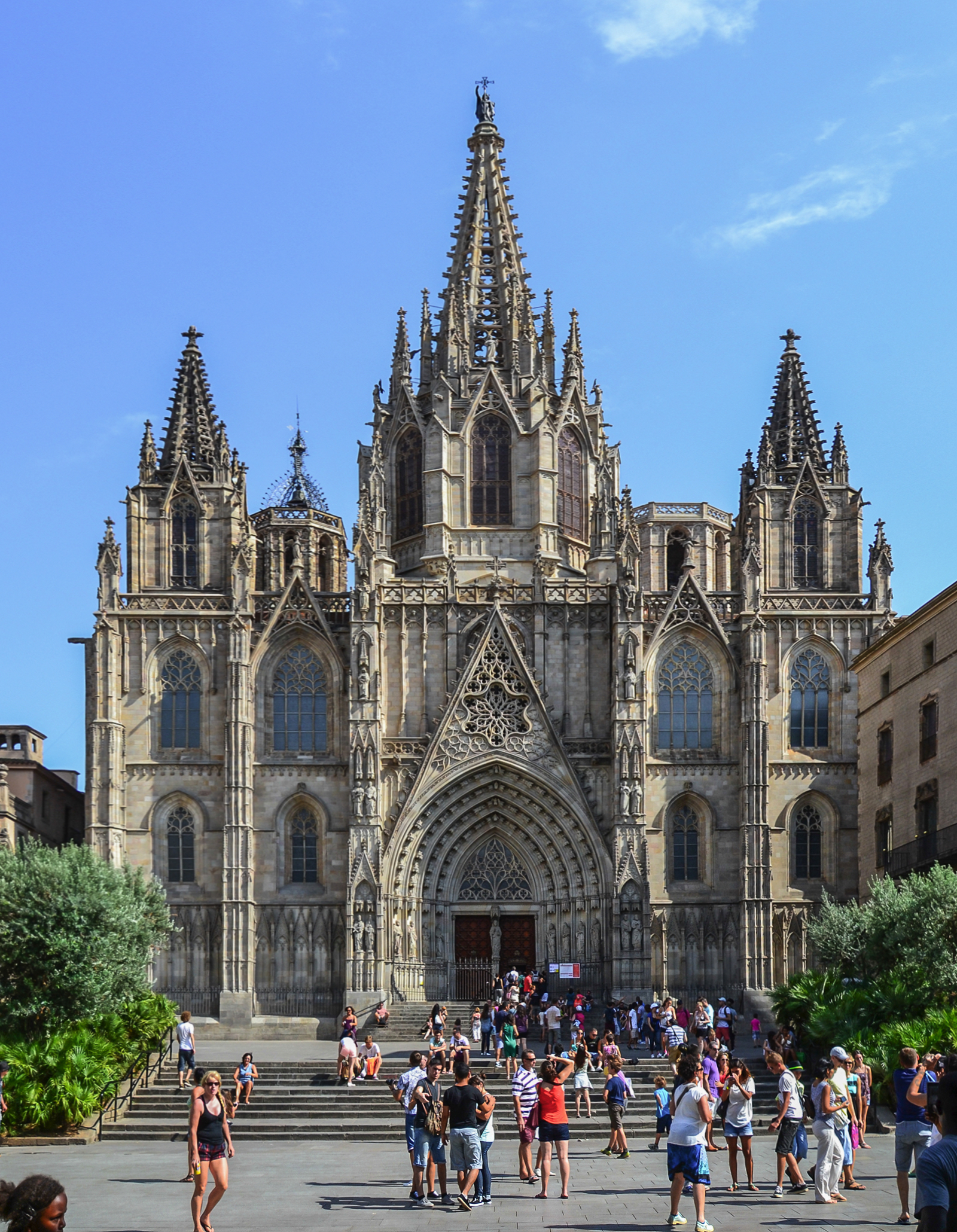
The square has a wonderful atmosphere, especially when you stroll through it early in the morning without the big tourist crowds. From here we set off on a short walk to the nearby famous La Boqueria market, where we had excellent vegetarian tapas full of fresh vegetables, olives and mature cheeses, and then happily continued on to the stunning Barcelona Cathedral. Admiring the lamps costs you nothing, of course, and it’s a great starting point for understanding Gaudí’s early work.
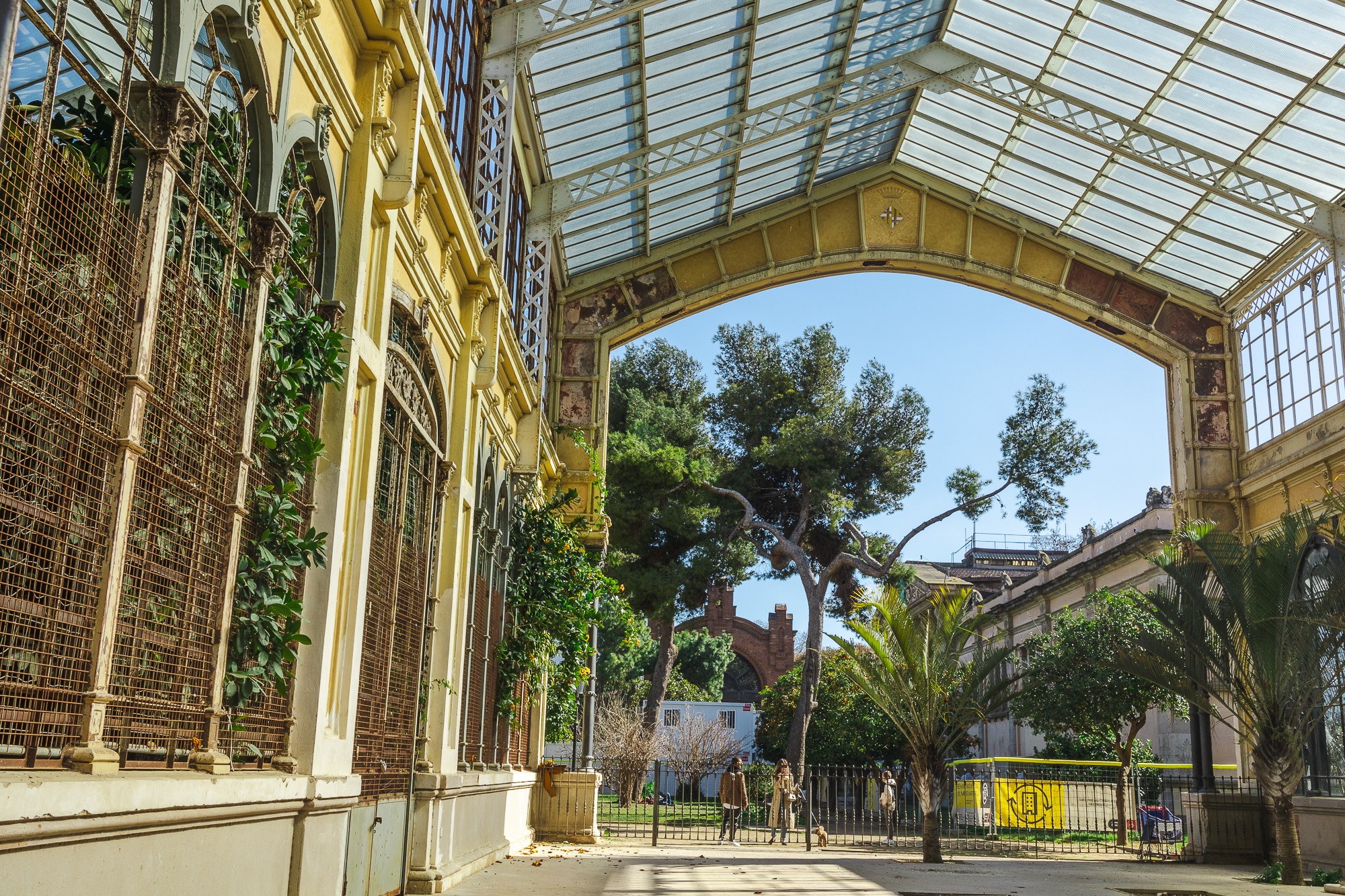
11. Sant Pau and Domènech’s Music Palace
Catalan Modernism isn’t just a local branch of Art Nouveau, but a deeply political phenomenon tied to the enormous wealth of the local bourgeoisie. Alongside Gaudí, the rational magician Lluís Domènech i Montaner created here, and his works are simply a must-see. Among them is the stunning Palau de la Música Catalana, the only concert hall in Europe lit by a huge inverted teardrop of coloured glass, where a tour costs €24 and offers an incredible visual experience.
His greatest triumph of all, though, is the former hospital Recinte Modernista de Sant Pau, which he cleverly designed as a healing garden city of red brick. In reviews, experienced travellers often call it the best architectural experience in the city, with perfect value for money. Admission here runs €18 and the grounds offer an absolute oasis of calm without unpleasant crowds; what’s more, it lies just a very short, pleasant walk along Avinguda de Gaudí straight from the Sagrada Família.
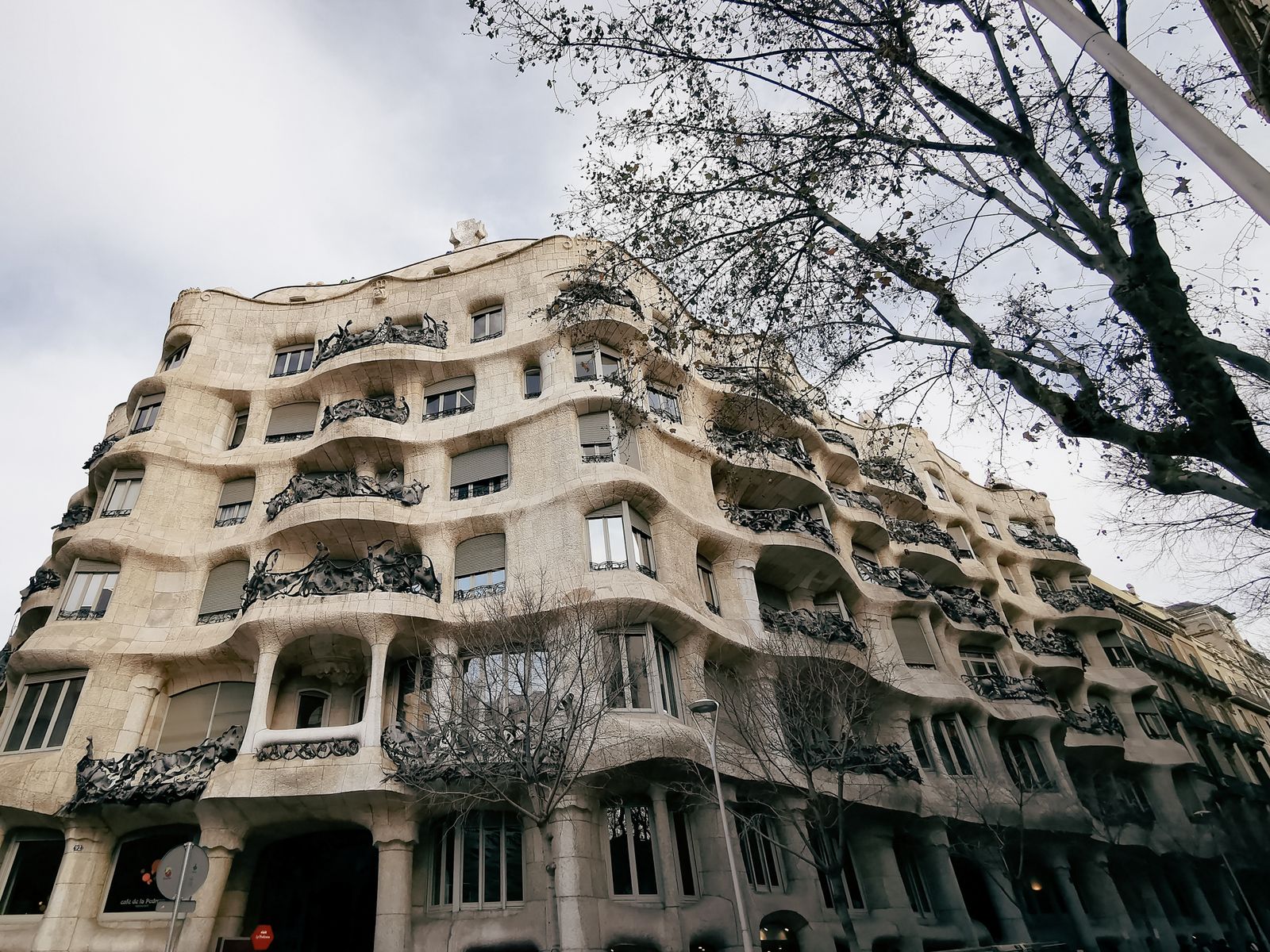
12. Casa Amatller and the Famous Block of Discord
The third member of the trio of Barcelona’s architectural titans was Josep Puig i Cadafalch, a man utterly obsessed with history and Nordic Gothic. You can best admire his style on the Passeig de Gràcia boulevard in the block of houses called the Manzana de la Discordia (Block of Discord). It was here that all three greatest Modernist architects clashed in a direct duel of egos, rebuilding closely neighbouring houses for wealthy industrialists.
Here Puig i Cadafalch designed Casa Amatller for a well-known chocolate maker. The building has a typical stepped gable, asymmetrical windows and looks more like a luxury praline box brought over from Amsterdam. Standing on the pavement and watching the fantastic contrast between the jagged Casa Amatller, the elegant Casa Lleó Morera by Domènech and the crazy Casa Batlló by Gaudí is an absolute must. You pay nothing for this view, and it best shows you the huge breadth and diversity of Catalan Modernism.
Where to Go Next from Barcelona
We also have these detailed guides to Barcelona:
If you’ve set aside more days for a visit to Catalonia and want to take a break from the big-city bustle, definitely check out our tips in the article Day Trips from Barcelona: 12 ideas. You’ll find plenty of inspiration for trips into nature and history in the surrounding area.
More interested in practical information about the overall budget, food prices and the exact rates of city fees? Then don’t miss the detailed overview Prices in Barcelona: budget and tourist tax.
And if you’re considering extending your trip to other parts of the country, we’ve put together an extensive guide, Spain Holiday: 17 ideas for where to go, where you’ll discover the most beautiful beaches and hidden historic towns. For more city tips, just click through to our main article What to see in Barcelona: 25+ tips.
Frequently Asked Questions
What is Catalan Modernism?
Catalan Modernism is a distinctive architectural and artistic style from the turn of the 19th and 20th centuries. It’s not just a version of typical Art Nouveau, but a deeply national movement connected to the enormous wealth of the local bourgeoisie. It’s characterized by inspiration from nature, use of traditional crafts, and highly ornate facades that proudly displayed the power and patriotism of building owners at the time.
Do I need to buy tickets to Gaudí’s monuments online in advance?
Yes, booking in advance is absolutely essential. For most famous monuments, such as the Sagrada Família or Park Güell, tickets aren’t sold on-site at all and you must have a precisely reserved time slot. Other buildings do have ticket offices, but tickets are usually sold out days in advance and those purchased on-site are typically several euros more expensive than the online version due to dynamic pricing.
How much does admission to the famous buildings in Barcelona cost?
Admission is quite expensive and represents a major burden on your budget. Basic tickets to Casa Batlló or La Pedrera start at €25 to €29 (around 725 Kč) for an adult. If you’re traveling as a family, visiting two such monuments in a single day can cost you more than €250, so I recommend carefully choosing which ones you’ll go inside and which you’ll just admire from outside.
How do I get to Park Güell?
The park is located on a steep hill. While the neighborhood minibus number 116 goes directly to the entrance, it’s often hopelessly overcrowded. The ideal option is to take the larger buses number 24 or V19, or take the metro to Lesseps station and prepare for a twenty-minute uphill climb, which fortunately is made easier in the steepest sections by installed outdoor municipal escalators.
Is it worth going inside all of Gaudí’s buildings?
Definitely not—you’d needlessly spend a lot of money and after the third interior you’d be completely architecturally exhausted. Choose one building that catches your eye the most from the outside, and admire the rest from the street. For a more balanced experience, add the cheaper and quieter complex of the former Sant Pau hospital, which is located a short distance from the Sagrada Família and offers beautiful architecture without the crowds.
Are there any cheaper alternatives to the expensive monuments?
Absolutely. The beautiful Palau Güell palace offers free admission to the interiors on the first Sunday of each month. Another excellent and budget-friendly choice is the underrated experimental crypt at Colònia Güell, which you can reach comfortably by train, and an advantageous combined ticket with admission and audio guide costs just €15.30 (380 Kč).
Is it true that part of Park Güell is accessible for free?
Yes, this is a fairly common misunderstanding among many tourists. The paid monumental zone with the mosaic bench and gingerbread houses covers 12 hectares, but another 8 hectares of the surrounding natural park are freely accessible without a ticket. You can stroll there and enjoy beautiful views of the city from the Turó de les Tres Creus viewpoint completely free of charge.
Tips and Tricks for Your Vacation
Don’t Overpay for Flights
Search for flights on Kayak. It’s our favorite search engine because it scans the websites of all airlines and always finds the cheapest connection.
Book Your Accommodation Smartly
The best experiences we’ve had when looking for accommodation (from Alaska to Morocco) are with Booking.com, where hotels, apartments, and entire houses are usually the cheapest and most widely available.
 🚗 Car rental on the roadVerified rental cars in Catalonia
Search with the DiscoverCars comparison engine — it compares prices from dozens of local and international rental companies, and most bookings come with free cancellation.
Compare car prices in Catalonia →Don’t Forget Travel Insurance
Good travel insurance will protect you against illness, accidents, theft, or flight cancellations. We’ve had a few hospital visits abroad, so we know how important it is to have proper insurance arranged.
Where we insure ourselves: SafetyWing (simple monthly subscription) and TrueTraveller (for extra-long trips).
Find the Best Experiences
Get Your Guide is a huge online marketplace where you can book guided walks, trips, skip-the-line tickets, tours, and much more. We always find some extra fun there!