

In the Middle Ages, Kutná Hora in the Czech Republic confidently breathed down the neck of Prague itself. Thanks to its enormous silver deposits and the royal mint where the famous Prague groschen was struck, it ranked among the most important towns in the Bohemian kingdom, and that wealth is still visible in its cobbled streets today. The silver rush drew in the finest architects and craftsmen of the era, who left behind monuments of world importance.
Today, people from all over the world come here to admire the majestic Church of St Barbara, which from afar resembles a giant stone tent, or the slightly eerie ossuary packed with human skulls. The entire historic core, together with nearby Sedlec, is rightly inscribed on the UNESCO list and makes a fantastic backdrop for a weekend escape from the daily grind. If you’re planning a trip and looking for information on what to see in Kutná Hora, Czech Republic, you’re in the right place.
The best part is that Kutná Hora lies just a short hop from Prague, so you can tackle it as a day trip — though trust me, it deserves much more time. Over just a few centuries, its accumulated silver wealth produced Gothic architecture unrivalled anywhere in Bohemia, plus one of the most bizarre landmarks in the country. I’ll also tell you how to dodge the biggest crowds and where to grab a great coffee.
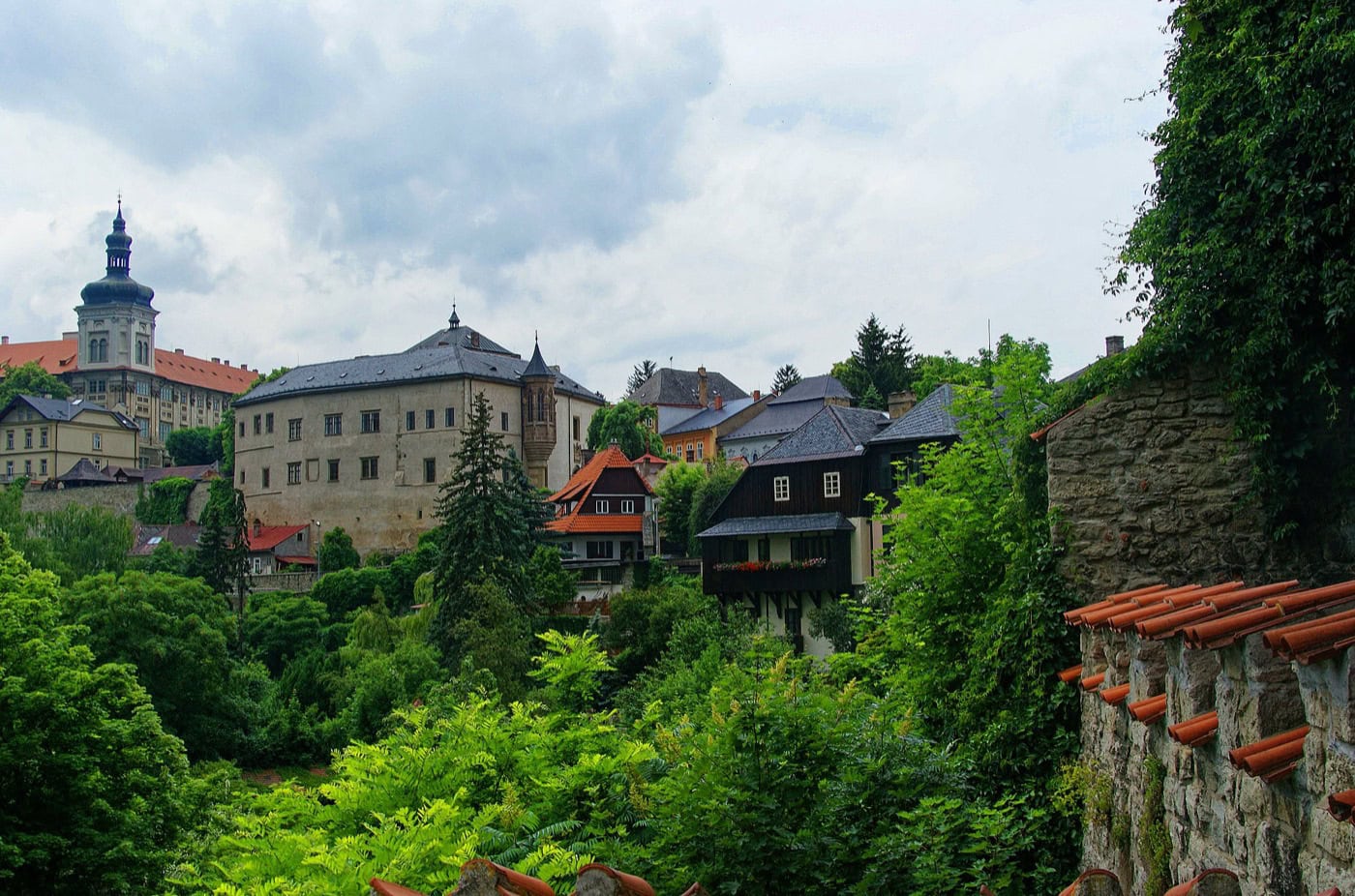
TL;DR: what to see in Kutná Hora
- Church of St Barbara: an iconic building with its trademark tent roofs, dedicated to the patron saint of miners.
- Sedlec Ossuary: a fascinating spectacle decorated with the bones of tens of thousands of plague and war victims.
- Italian Court: the former royal mint and the birthplace of the famous Prague groschen.
- Czech Museum of Silver: an adventurous descent in a traditional miner’s smock into a dark medieval mine.
- Jesuit College and Barborská Street: a gorgeous promenade lined with Baroque statues, sometimes nicknamed Kutná Hora’s Charles Bridge.
- Sedlec Cathedral: Santini’s masterpiece blending Gothic grandeur with Baroque lightness.
The full destination guide: Czechia — guide and what to see
When to visit Kutná Hora
Kutná Hora is worth visiting any time of year, but for wandering the town in the best possible light, spring or autumn is ideal. In those months it’s already pleasantly warm for long walks along Barborská Street, yet you’ll avoid the biggest summer tourist surges. The summer holidays in particular can be a real crush, as travellers from around the globe pour into town and long queues form outside the main sights.
If you do decide to come in summer, it pays to get up early and visit the most famous attractions first thing, or save your stroll through the centre for late afternoon, once most day-trippers have headed back to Prague. Winter, on the other hand, has its own undeniable charm — the snow-dusted roofs of St Barbara’s look incredibly romantic, and the cafés are far quieter. Just bear in mind that some smaller sights or guided tours may run reduced opening hours outside the main season.
Where to stay in Kutná Hora
Since Kutná Hora is such a popular destination, it offers a fairly varied range of accommodation, from cosy guesthouses in historic buildings to modern hotels. Nightly rates fluctuate with the season, and in the summer months and at weekends it’s wise to book a room well in advance. If you’re arriving by car, definitely check parking options beforehand, because the narrow lanes of the historic centre can be quite a headache.
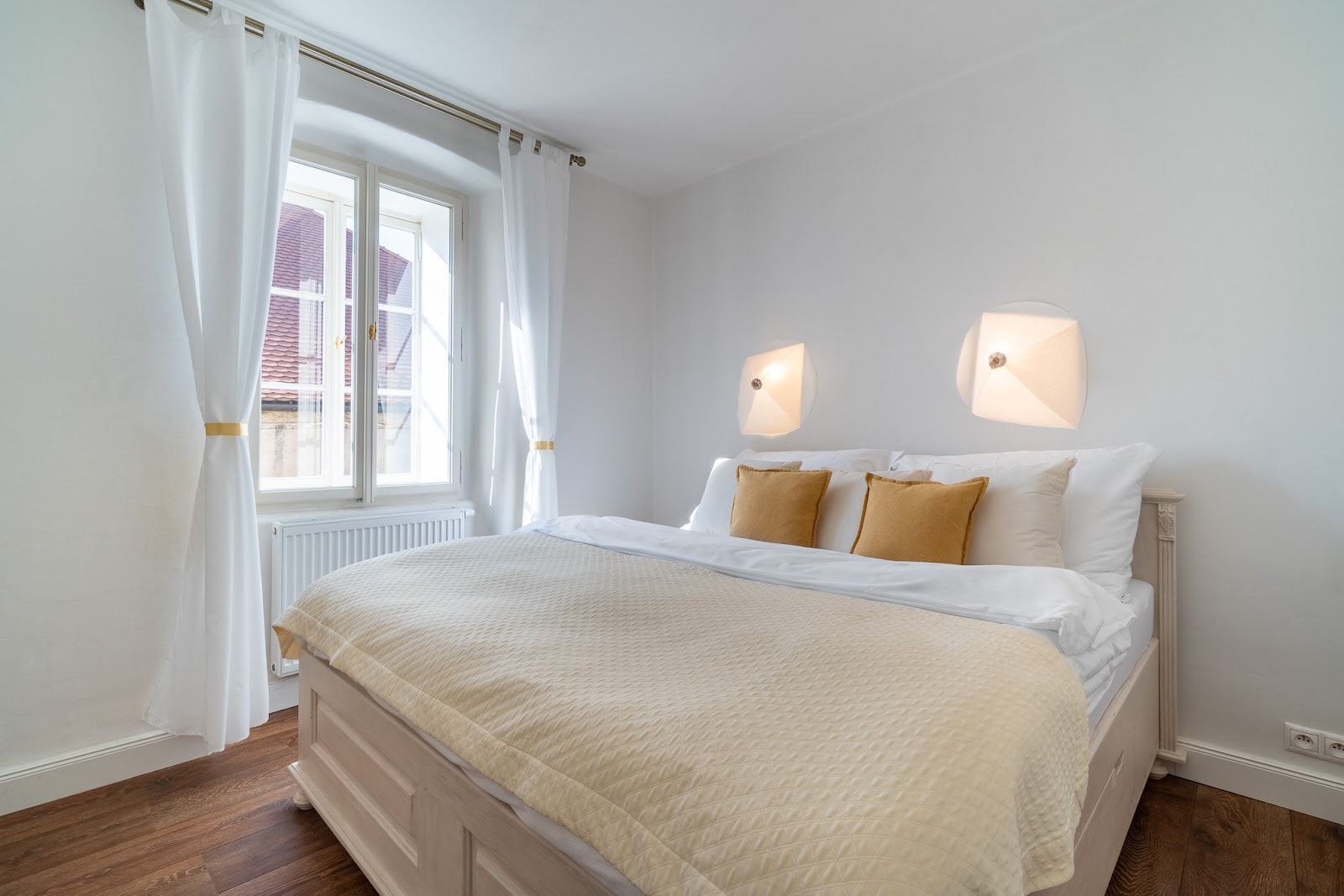
If you sleep right in the centre, you can head out into empty streets in the morning before the first trains full of tourists arrive. I’ve picked out a few specific hotels for you that boast excellent reviews and a great location.
- For design lovers: Boutique hotel Soukeníkův dům Kutná Hora occupies a beautifully renovated house and combines a historic atmosphere with very tasteful, modern furnishings.
- For families and practical travellers: Hotel U Kata Kutná Hora offers very comfortable facilities, spacious rooms and a strategic location that puts everything within easy reach.
- With a view of history: Hotel Barborský dvůr Kutná Hora is the ideal choice for those who want the most beautiful monuments literally at their fingertips.
- A classic in the very heart of town: LH Hotel Mědínek Old Town Kutná Hora sits right on Palackého Square, so you’ll be sleeping in the thick of the action with all the cafés just around the corner.
What to see and do in Kutná Hora
The historic core is fairly compact and you can cover most of the sights on foot. Only for Sedlec is it worth hopping on a local bus or train, since it lies roughly three kilometres from the centre. I’ve put together a list of ten places that definitely shouldn’t be missing from your itinerary.
1. Church of St Barbara
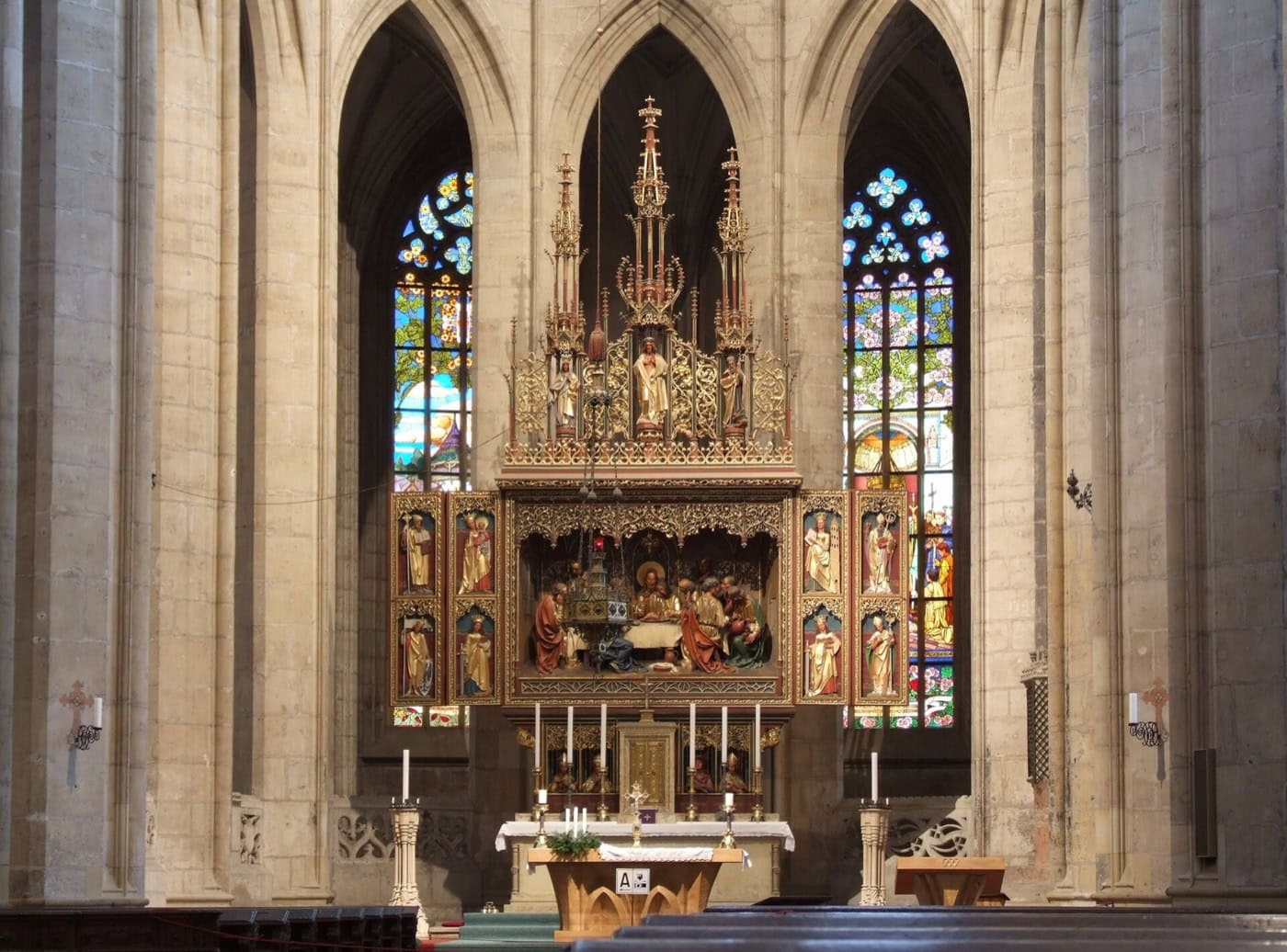
The Church of St Barbara is unquestionably the town’s most famous building, and its silhouette with those distinctive triple tent roofs is visible from far away. This High-to-Late Gothic cathedral is dedicated to St Barbara, who among other things is venerated as the patron saint of miners. It was the wealthy Kutná Hora burghers and silver miners who initiated its construction — they wanted to create a work whose grandeur would rival Prague’s St Vitus Cathedral and show everyone the town’s independence and riches.
Building began in 1388, and famous architects shaped its form: the successors of Peter Parler, Matěj Rejsek and later Benedikt Rejt, who designed the magnificent net vaulting, all worked on the lodge in turn. Curiously, as the silver mines gradually ran dry, the money dried up too in 1558, and construction had to be halted for centuries. The church only reached its present form and length of around seventy metres during the purist completion between 1884 and 1905, led by architects Josef Mocker and Ludvík Lábler. Inside, you’ll be captivated by the Late Gothic frescoes, which unusually depict not just biblical scenes but also detailed everyday scenes of miners and coiners at work.
2. Barborská Street and the Jesuit College
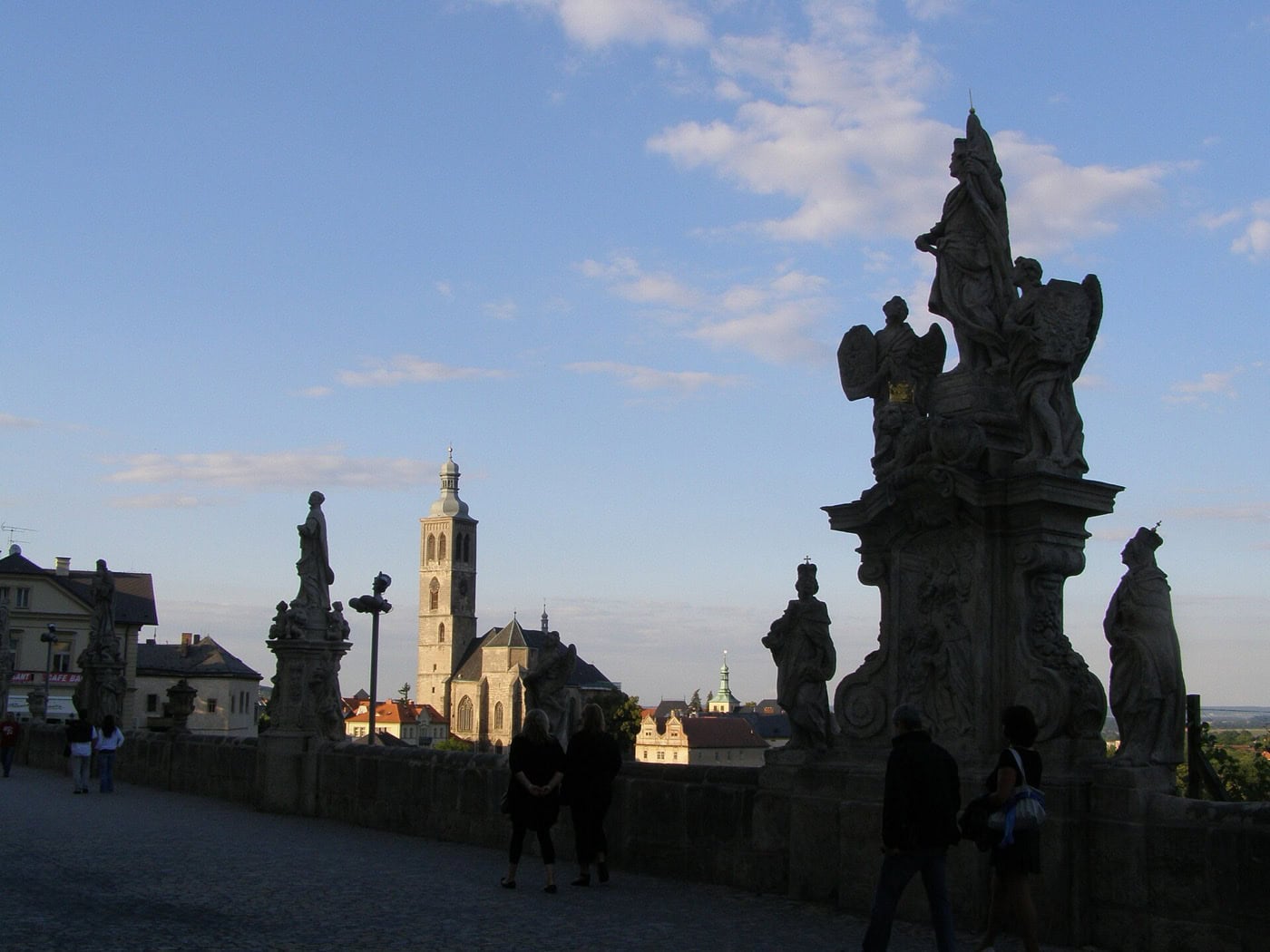
When you set off towards St Barbara’s, your steps will almost certainly lead you along Barborská Street. This wide promenade with its stone terrace is flanked on one side by the deep valley of the Vrchlice stream and on the other by a monumental building — which is why it’s sometimes light-heartedly nicknamed Kutná Hora’s Charles Bridge. The terrace is adorned with a stunning row of thirteen Baroque statues of saints, created by the Jesuit sculptor František Baugut roughly between 1709 and 1716, and a walk here ranks among the most romantic experiences in town.
The whole street is visually dominated by the mighty Early Baroque Jesuit College, whose foundation stone was laid in 1667 to a design by the architect Domenico Orsi; the entire structure was only completed several decades later, around 1750. Originally serving the needs of the Jesuit order and later used by the military, these generous historic spaces today house GASK, the Gallery of the Central Bohemian Region. It’s one of the largest and most modern galleries in the Czech Republic, home to superb fine-art exhibitions — and even if you’re not a big fan of paintings, the restored interiors of the college alone are worth seeing.
3. The Sedlec Ossuary
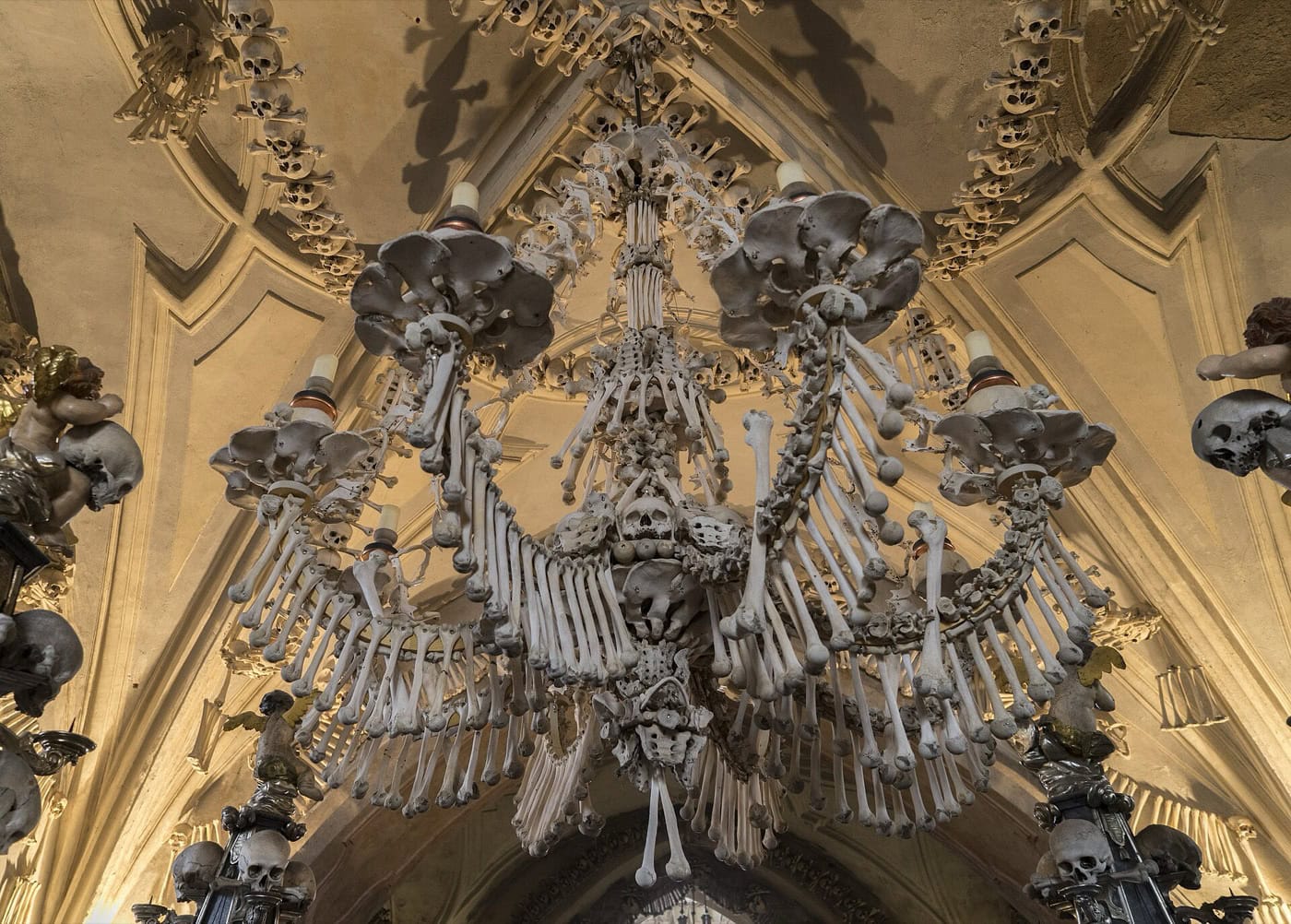
Let’s head briefly to the outlying district of Sedlec, home to a landmark that sends shivers down many a spine. The cemetery Church of All Saints hides in its basement an ossuary whose decoration is made from the remains of roughly forty thousand people. Most of them died during the devastating plague epidemic of 1318 and later during the brutal Hussite Wars. The local cemetery had been an immensely sought-after final resting place since the Middle Ages, because in 1278 Abbot Henry reportedly brought back a handful of sacred soil from Jerusalem’s Golgotha and scattered it over the grounds.
The fascinating and slightly bizarre interior you see today was created only in 1870 by the gifted woodcarver František Rint. He disinfected the bones, bleached them with chlorinated lime and arranged them into incredible shapes. On display are enormous chalices, crosses, pyramids of skulls and even an elaborate Schwarzenberg coat of arms. But the greatest attention traditionally goes to the massive chandelier hanging from the ceiling, which tradition claims contains every single bone of the human body. The place has a very peculiar, reverent atmosphere and will certainly get you reflecting on the transience of life.
4. Cathedral of the Assumption of Our Lady in Sedlec
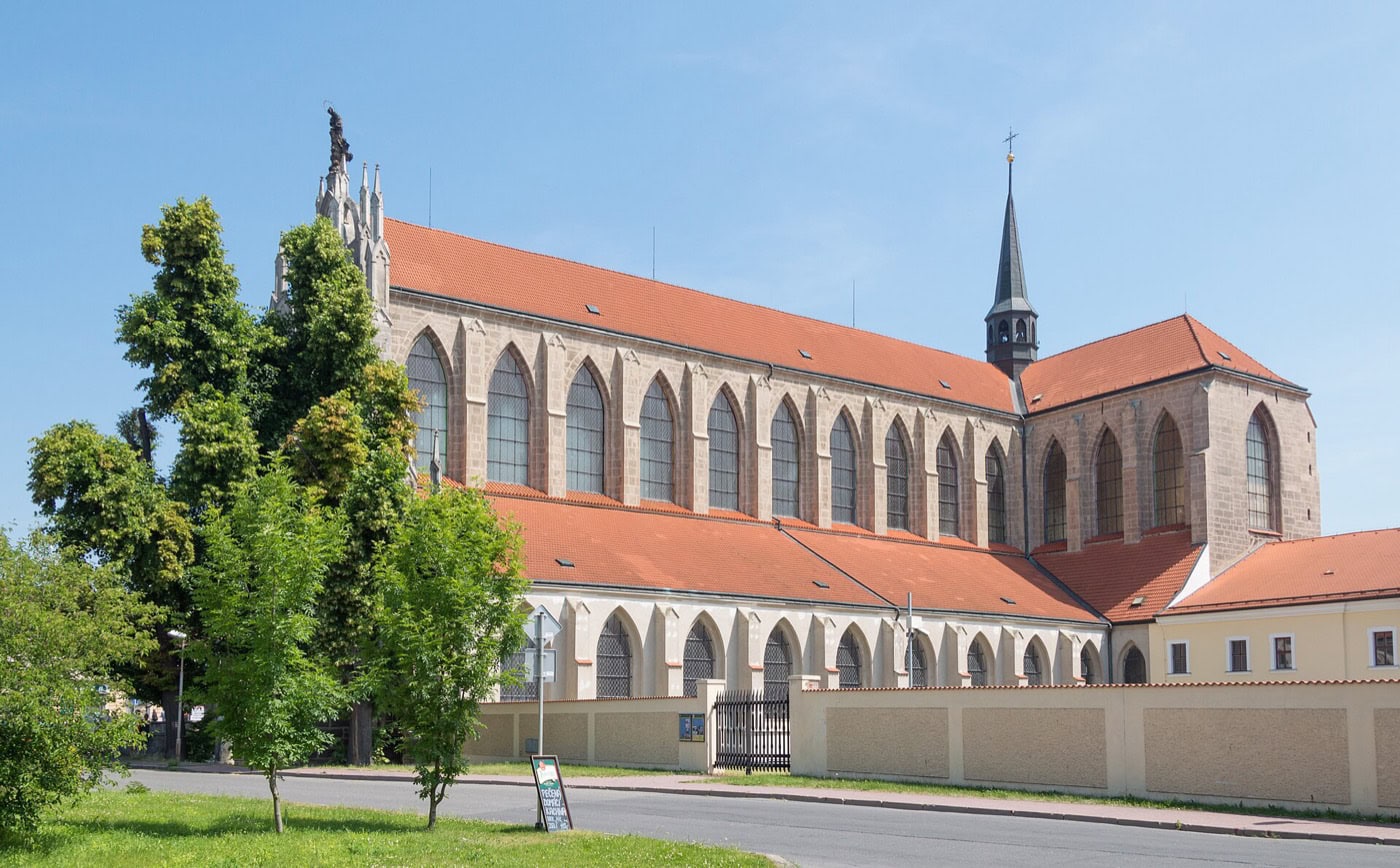
Just a few steps from the ossuary stands another architectural marvel that it would be a huge mistake to skip. This former conventual church belongs to the oldest Cistercian monastery in Bohemia, founded here back in 1142. The original Gothic cathedral rose roughly between 1280 and 1320 and was the first cathedral-type building on Czech soil. Sadly, it was later severely ravaged by Hussite armies and the structure lay in ruins for many years.
Its rebirth came only at the very start of the eighteenth century, when the restoration was taken on by the brilliant architect Jan Blažej Santini-Aichel. Between 1700 and 1708, he gave the ruined building a wholly unique form in the so-called Baroque Gothic style. Santini masterfully fused the original Gothic slenderness and monumentality with light, luminous Baroque elements, created a stunning self-supporting spiral staircase and flooded the entire interior with light. The building is an impressive 87 metres long and, together with the historic core of Kutná Hora, is proudly inscribed on the UNESCO World Heritage list.
5. The Italian Court
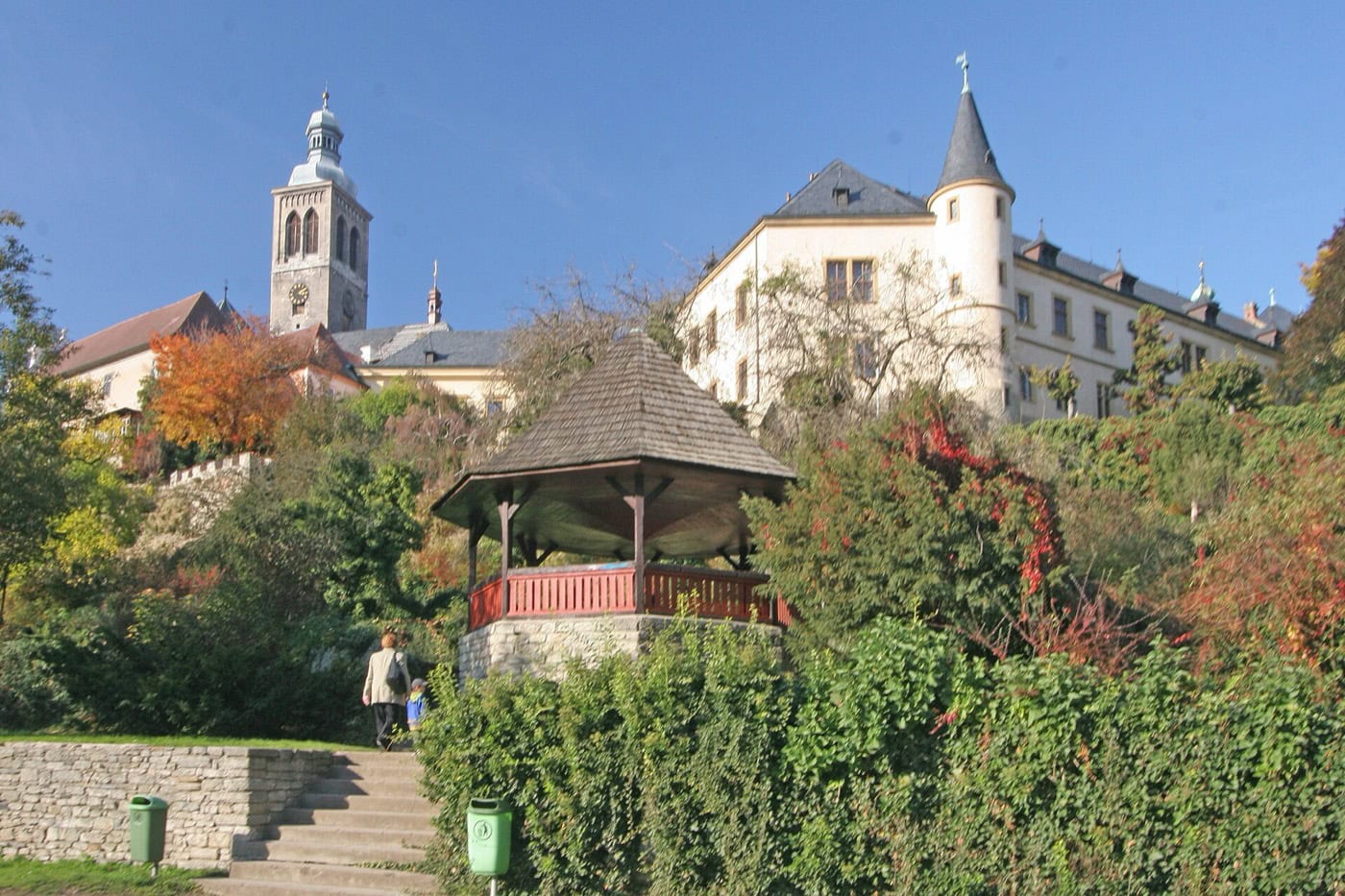
Back in the centre, you can’t miss the Italian Court, a place where the economic history of the country was quite literally forged. Originally a Gothic castle, it served as a royal palace and above all as the central royal mint, moved here by King Wenceslaus II as part of his sweeping monetary reform in 1300. It was here that the famous Prague groschen — an exceptionally high-quality and respected currency — began to be struck, and to better manage the whole industry a new mining code, the Ius regale montanorum, was issued at the same time.
The name Italian Court derives from the Italian experts and mint masters whom the king invited from Florence to oversee the coinage and introduce modern methods. If you take the tour, you’ll see the beautiful royal Chapel of St Wenceslas and St Ladislaus with its rich decoration, and peer into the rooms where the silver was processed. The mint finally ceased operating much later, in 1727, and today these historic spaces house the town hall and a very interesting exhibition devoted to the history of coinage.

6. The Czech Museum of Silver and the medieval silver mine
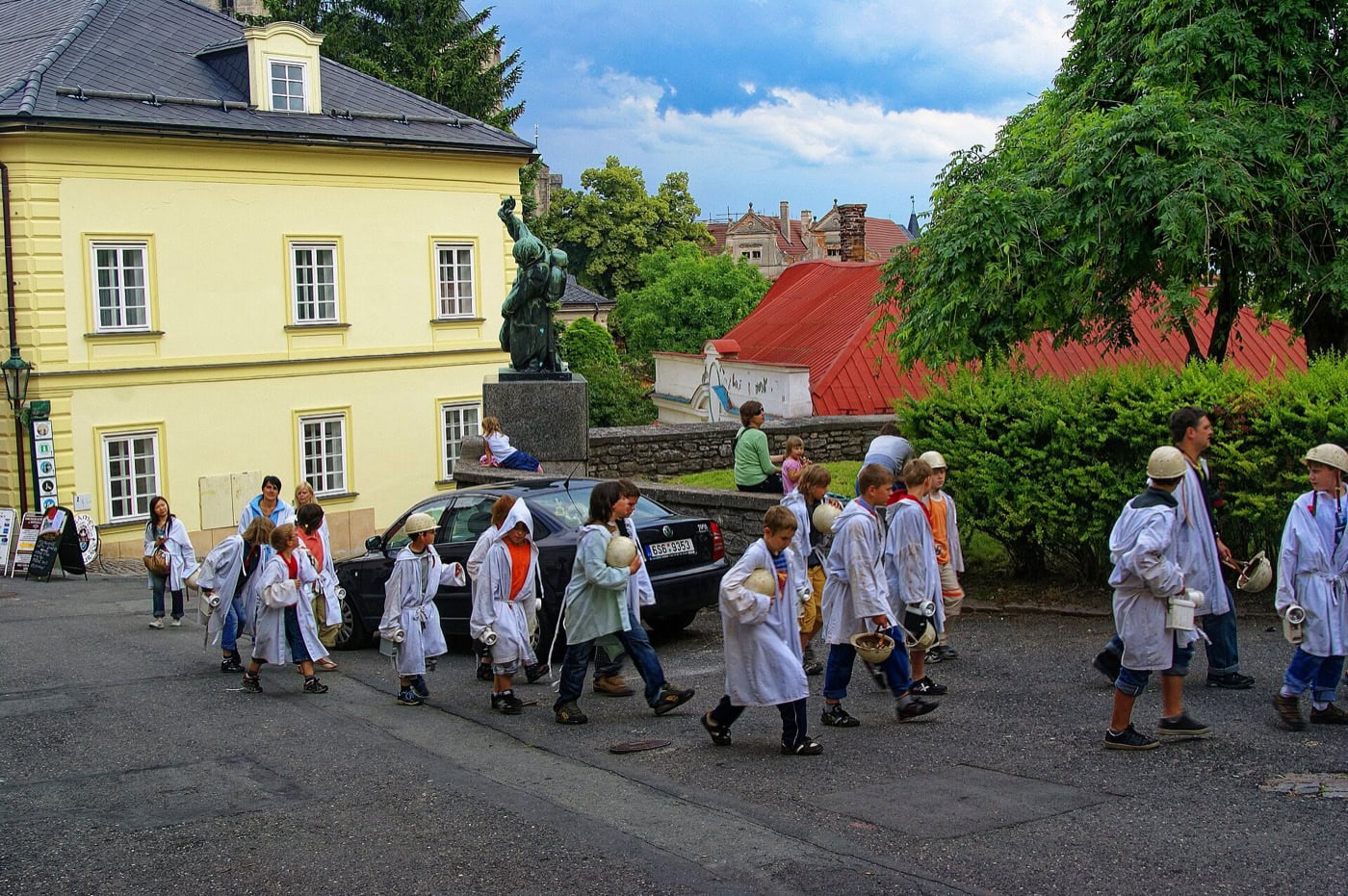
For anyone who wants to experience first-hand what the work of medieval miners was like, a visit to the Czech Museum of Silver is an absolute must. The museum is housed in the beautiful Gothic building of the Hrádek and offers visitors two guided tours. The most interesting one is called “The Silver Trail” and ranks among the town’s biggest draws, so it’s best to book tickets well in advance.
Before you descend underground, you’ll be kitted out in a traditional white miner’s coat, put a protective helmet with a lamp on your head and then head into the bowels of the earth. Around two hundred and fifty metres of original medieval tunnels are accessible, some of them so narrow and low that you’ll have to crouch right down. The journey through the damp, dark shafts deep beneath the town is a truly powerful experience, one that makes you fully realise the incredibly harsh conditions in which those workers once dug the silver ore that made the town so rich.
7. Church of St James
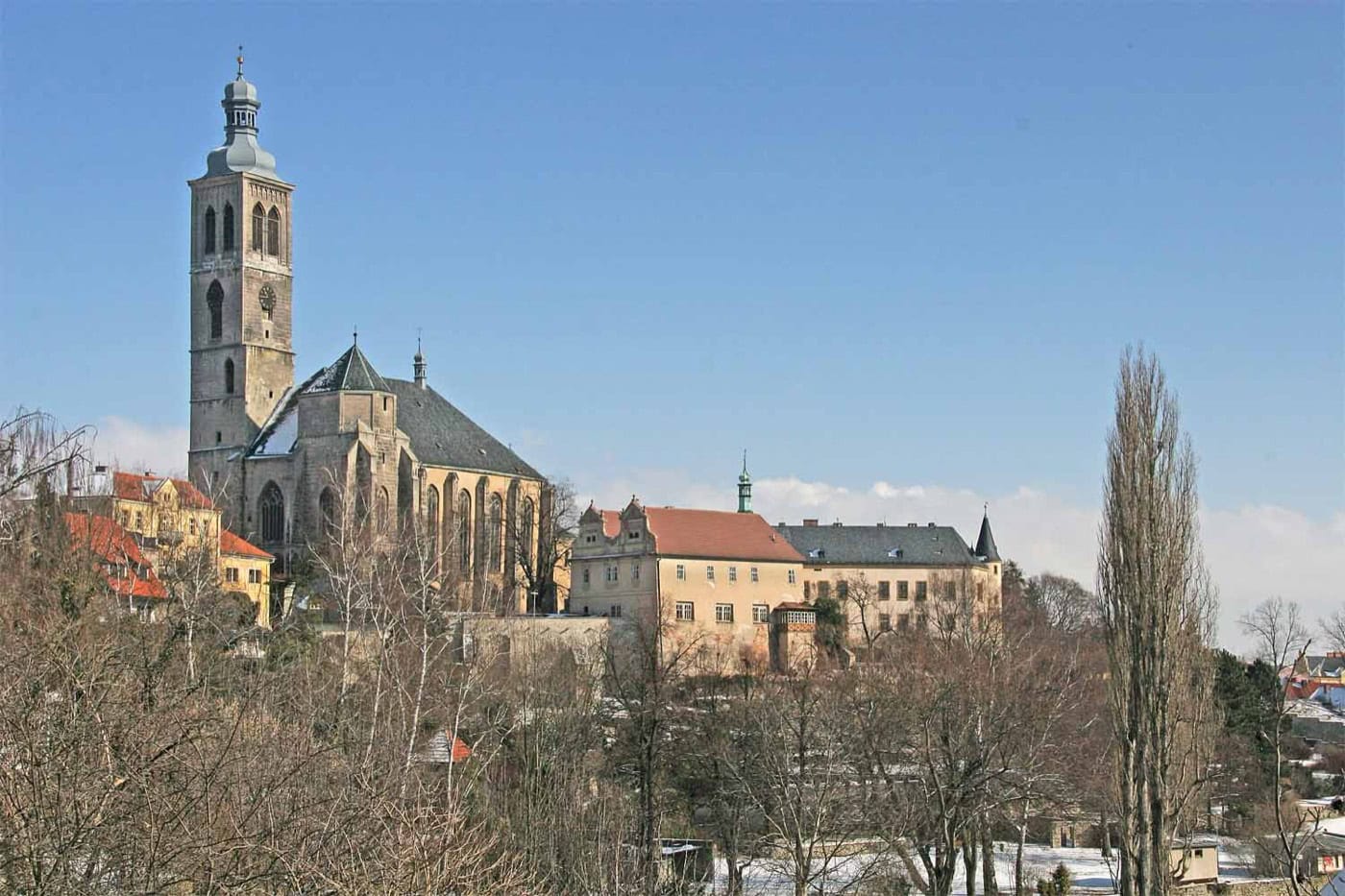
As you stroll through the historic centre, you certainly won’t miss the tall tower that dominates the whole skyline and makes a great landmark. It belongs to the Church of St James, the oldest stone church in the historic heart of town. Construction of this elegant Gothic building began soon after 1300 and was funded largely by successful silver miners.
The original architectural plans called for two grand towers, but in the end only one was completed — the northern one, which soars to an impressive eighty metres. The second tower sadly remained unfinished, most likely because the geological bedrock in this part of town was so heavily undermined by medieval shafts that it simply couldn’t bear the weight of another massive tower. Inside, a calm atmosphere prevails and you can admire valuable altars and historic pews.
8. The Stone House
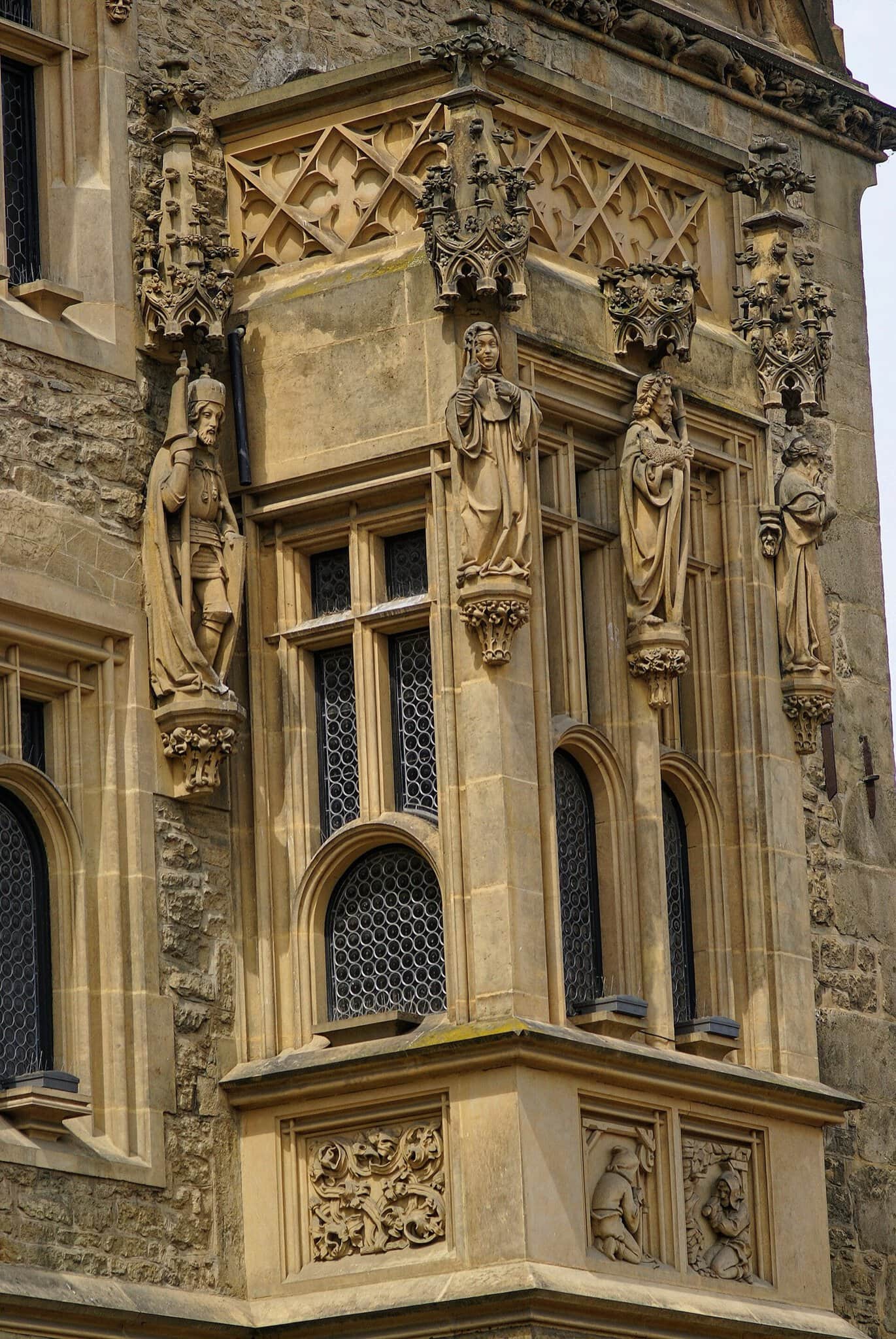
Another gem of Late Gothic architecture you’ll come across in the lanes is the so-called Stone House. From the outside, what catches your eye at first glance is its richly and very finely decorated stone gable, which experts consider one of the most beautiful of its kind in all of Bohemia. This masterful stonework, full of finials, crockets and reliefs, was created — in all likelihood — by the renowned master Brikcí sometime around 1485 to 1499.
The house was built for a wealthy patrician and today the building is part of the Czech Museum of Silver. If you decide to go inside, a carefully prepared exhibition awaits, devoted to burgher culture and the everyday life of the local inhabitants during the town’s heyday. You can view period furniture, ceramics and guild artefacts, and get a clear picture of the luxury in which those patricians once lived.
9. The Stone Fountain
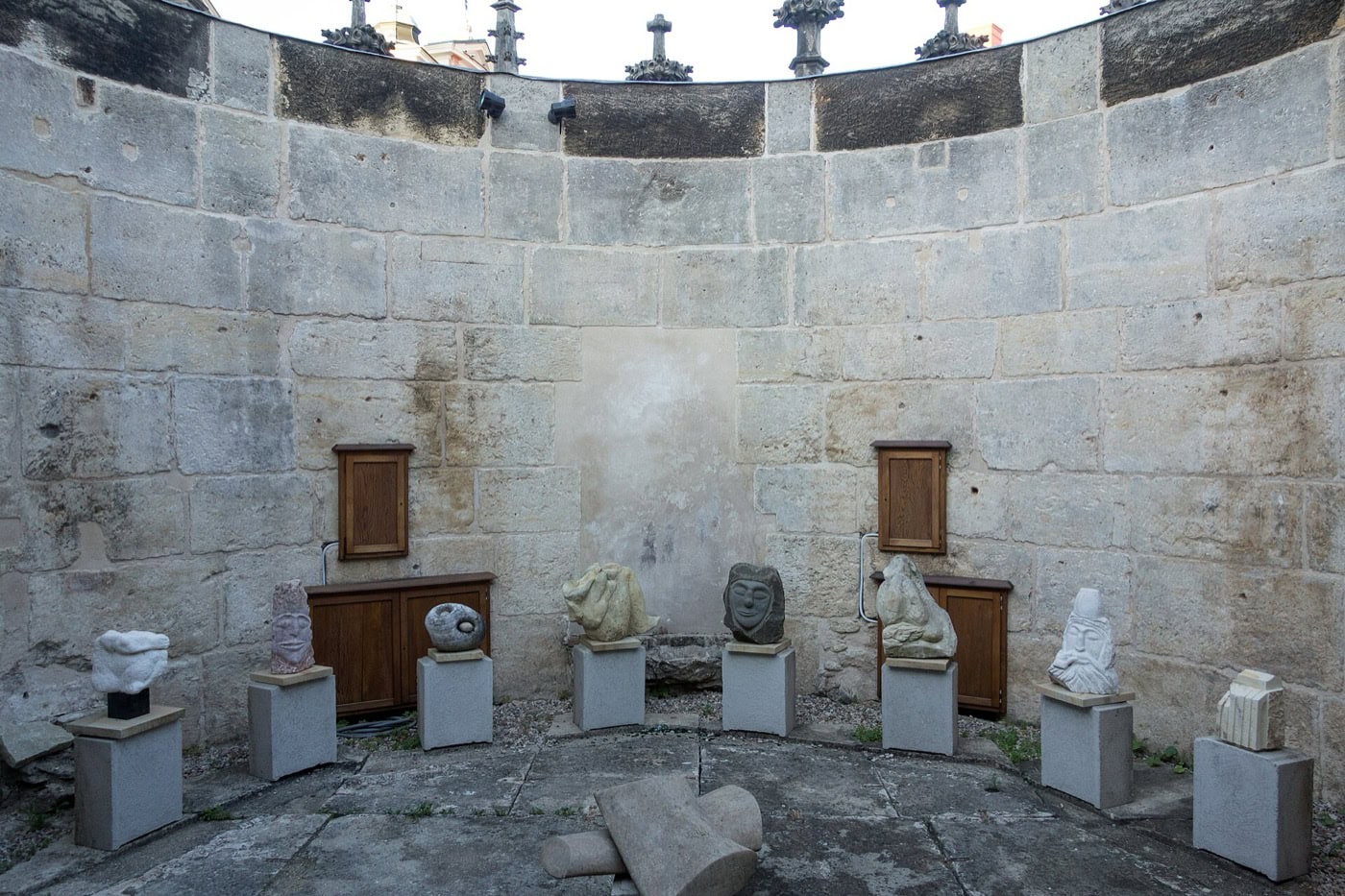
In this wealthy mining town, whose underground was riddled with hundreds of shafts, there was a massive problem with groundwater, which frequently flooded the mines — while on the surface there was a desperate shortage of quality drinking water. The councillors had to solve this, and so on Rejsek Square rose an enormous Late Gothic twelve-sided stone fountain, dating from 1493 to 1495.
The fountain essentially served as a huge municipal reservoir and drinking-water store, into which water was laboriously piped through wooden conduits from a spring several kilometres away. Its surface is incredibly richly decorated with tracery and finials, and although it was long thought otherwise, today the author of this beautiful stonework is believed to be the very same master Brikcí mentioned above. Even though the fountain no longer serves its original purpose, it remains one of the most photographed spots in the centre.
10. Palackého Square and the Sankturin House
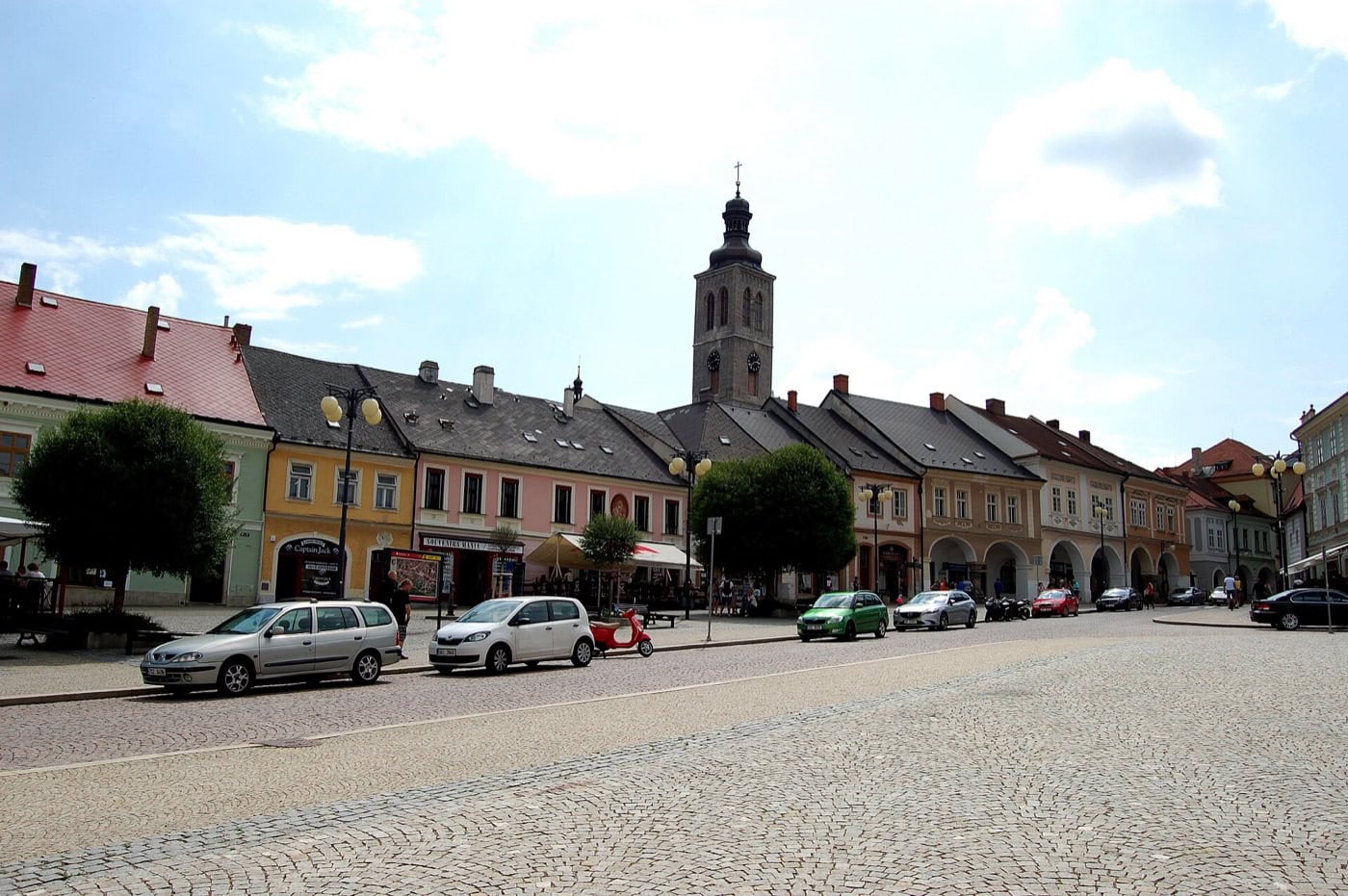
We’ll end our tour of the sights at Palackého Square, which acts as the natural heart of the whole historic core. Around it you’ll find plenty of beautiful burgher houses, restaurant terraces and little shops where you can pick up souvenirs. The most striking building here is undoubtedly the Sankturin House, which has an ancient Gothic core, even though its current façade is already Baroque. Today it houses the main information centre, so you can grab maps or buy tickets here.
Not far away, in narrow Šultysova Street, you’ll come across a slender Baroque plague column. It dates from 1713 to 1715 and was created by the sculptor František Baugut as a thanksgiving and memorial to the victims of yet another brutal outbreak of plague. The whole area around the square positively invites you to slow down for a moment and savour the genius loci of this exceptional town.
💡 Tip for families with kids: If you’re travelling with younger children who might quickly tire of trudging around monuments, definitely take them on the miner’s-smock tour at the Museum of Silver — donning a helmet with a torch is usually a big adventure for them. For a rest, I’d recommend a walk through the lovely parks below the Italian Court, where there’s plenty of space to run around.
Where to eat in Kutná Hora
After all that walking around the sights, you’re bound to work up an appetite, and the local cafés and restaurants certainly won’t leave you hungry. Whether you’re after a quick coffee stop or a proper lunch, the narrow lanes are dotted with cosy spots and friendly service. The coffee culture in particular has taken a huge leap forward in recent years, and you’ll find places that wouldn’t feel out of place even in Prague.
If you fancy a classic in a historic setting, locals rave about Restaurace V Ruthardce, which focuses on traditional Old Bohemian cuisine and even offers a dedicated meat-free menu. For great coffee and something sweet, head to the Coffeehood café, where they brew excellent speciality coffee and bake their own pastries, including gluten-free options. Also worth trying is Kafírnictví, a café combined with a creative ceramics workshop, where you can enjoy your coffee in an unusually laid-back setting. And if you’re craving something more contemporary, just a stone’s throw from the Stone House you’ll find Factory Bistro, which does superb pizza, fresh pasta and salads — an ideal choice not only for vegetarians. As for typical Czech cuisine, in many traditional pubs you’ll come across the classic fried cheese (smažený sýr), hearty crispy potato pancakes (bramboráky) or sweet fruit and quark dumplings.
Where to go on a trip from Kutná Hora
If you have a full two days or a long weekend and have already worked through all the Kutná Hora sights, the surrounding countryside offers plenty of other beautiful places worth visiting. Central Bohemia is full of historic residences and parks that you can reach by car in a matter of tens of minutes.
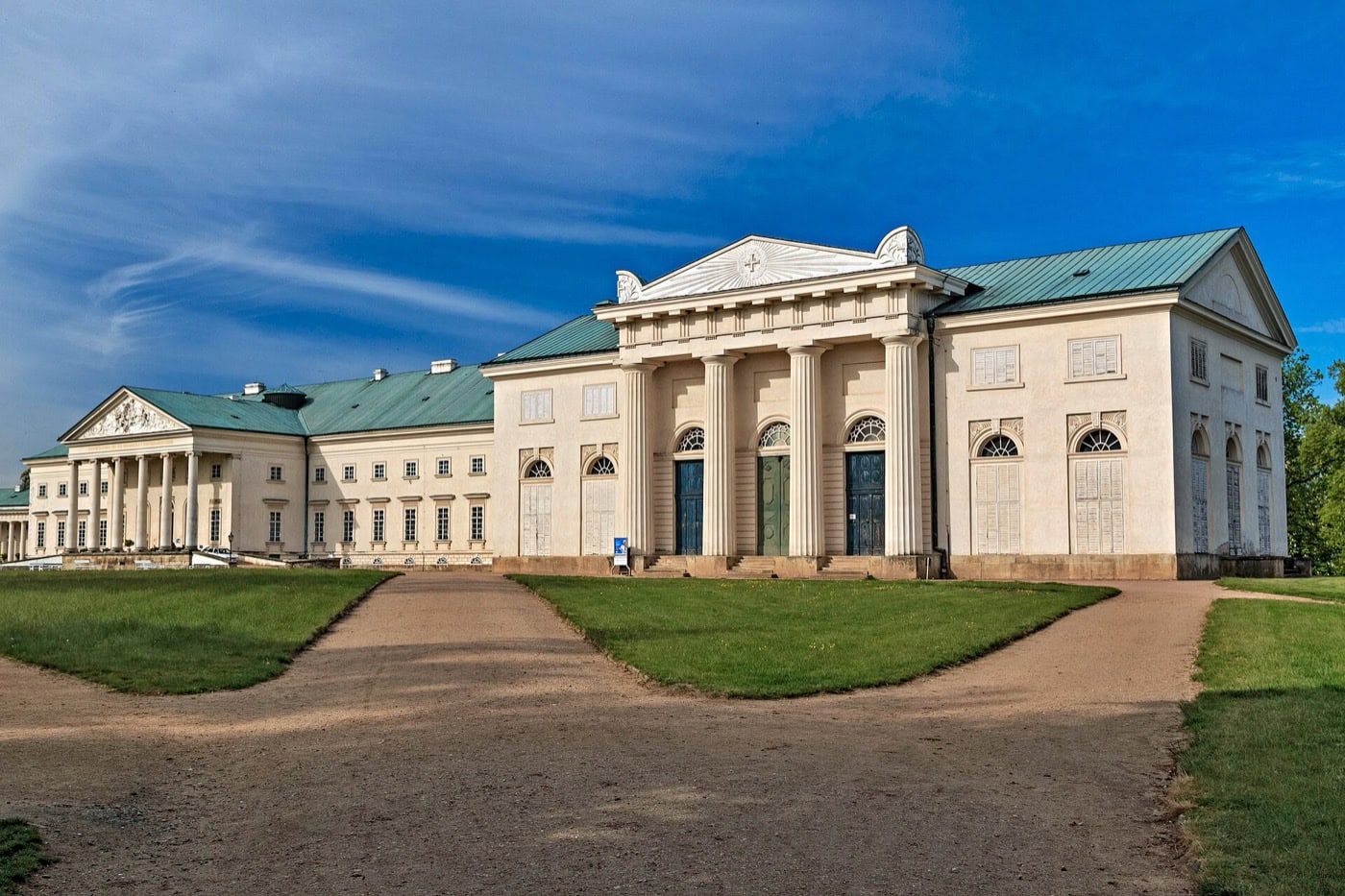
- Kačina Chateau: About seven kilometres from town lies one of the most important Empire-style chateaux in the Czech Republic, begun in 1802 for the Counts Chotek. Today its vast halls house the National Agricultural Museum with its engaging Museum of the Czech Countryside, and the chateau is surrounded by a gorgeous, sprawling English park perfect for long walks.
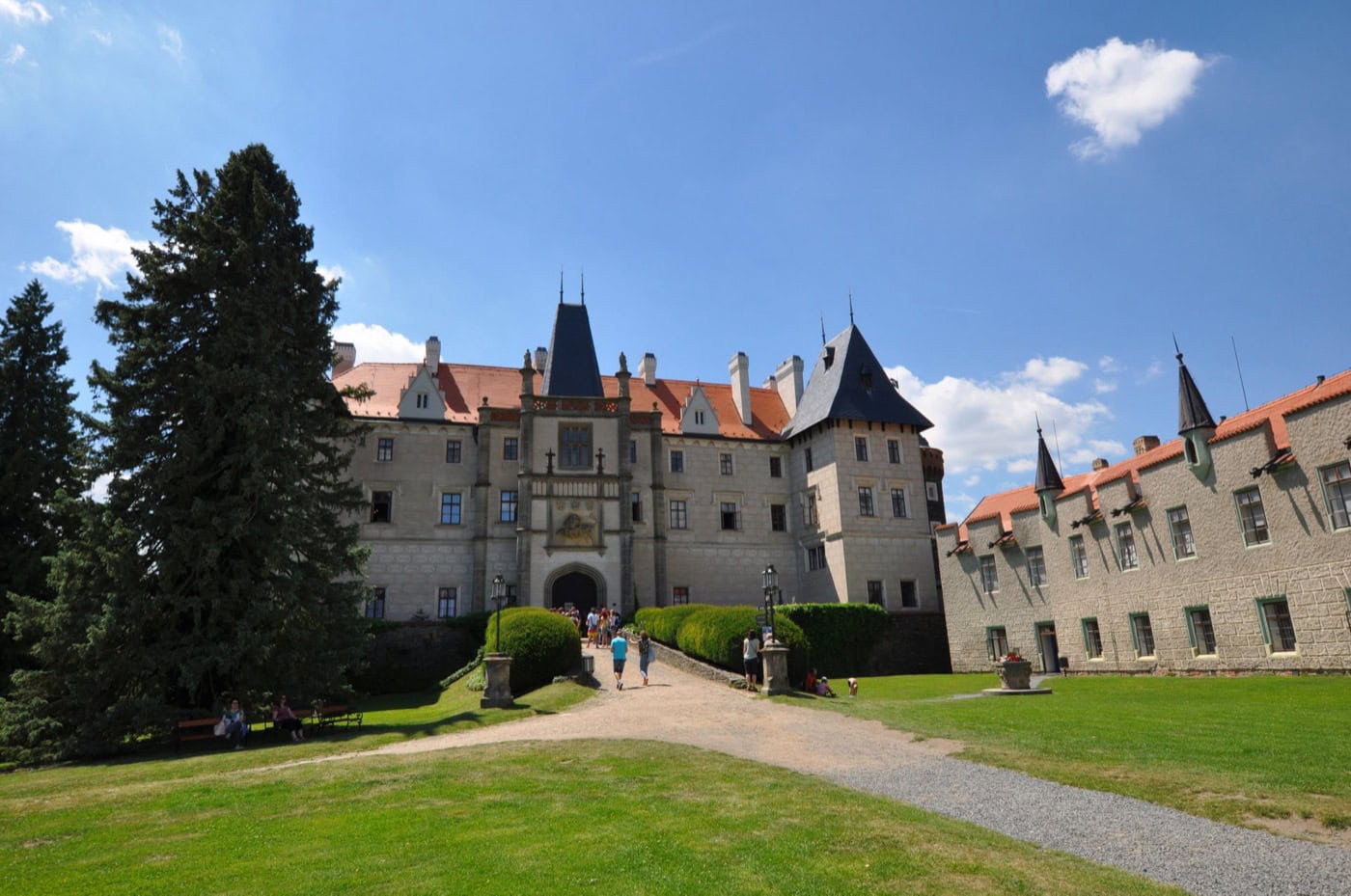
- Žleby Chateau: Around twenty kilometres away you’ll find this incredibly romantic neo-Gothic chateau linked to the Auersperg family. The interiors are richly furnished and hide an extensive armoury, while the adjacent chateau game park is home to rare white deer and hosts falconry displays.
- Zruč nad Sázavou: If you drive roughly thirty kilometres, you can visit a beautifully restored chateau with a well-tended park that rises picturesquely right above the Sázava River.
💡 GetYourGuide tip: If you’re planning a trip to Kutná Hora from Prague and don’t want to worry about transport or buying tickets, organised day tours through GetYourGuide work brilliantly. They pick you up in central Prague, provide a guide and often even entry to the ossuary and St Barbara’s Church, so you can just soak it all in.
Where to go next
Frequently asked questions
How long does it take to visit Kutná Hora?
A well-planned day trip will be enough to visit the main sights in the center and in Sedlec. However, if you want to explore the town at a more leisurely pace, sit in local cafés, and combine your visit with a trip to, for example, Kačina Castle, I definitely recommend setting aside a whole weekend for the journey.
How to get to Kutná Hora from Prague?
The journey by car is very comfortable, the distance is roughly eighty kilometres and it will take you about an hour. The train is also a great choice, by express train you’ll be there from Prague in less than an hour, but be very careful that express trains stop at Kutná Hora main station, which is located in the Sedlec area about three kilometres from the historic centre. From there you then need to continue by small local train to Kutná Hora město station, or alternatively use city bus line number 801.
Is there a combined ticket for the monuments?
Unfortunately no, the previously popular combined three-ticket is no longer valid, so you have to buy tickets for each site separately. You can purchase them either directly at the ticket offices of the individual monuments, or reserve them online for the most visited sites.
Is a reservation necessary for the ossuary?
Since this is one of the most popular monuments in the entire country, it can get really crowded here, especially on summer weekends. It’s therefore very good and practical to book your entry time in advance online, so you can avoid long queues and be sure you’ll get inside at a time that fits your itinerary.
Where to park in Kutná Hora?
The historic center has very narrow streets and finding a spot can be tricky. The most convenient option is to use one of the designated paid parking lots on the edge of the center, for example near the Italian Court or by St. Barbara’s Cathedral, from where it’s just a few minutes’ walk to all the sights. Keep in mind that on weekends these parking lots tend to fill up quite early.
Tips and Tricks for Your Vacation
Don’t Overpay for Flights
Search for flights on Kayak. It’s our favorite search engine because it scans the websites of all airlines and always finds the cheapest connection.
Book Your Accommodation Smartly
The best experiences we’ve had when looking for accommodation (from Alaska to Morocco) are with Booking.com, where hotels, apartments, and entire houses are usually the cheapest and most widely available.
Don’t Forget Travel Insurance
Good travel insurance will protect you against illness, accidents, theft, or flight cancellations. We’ve had a few hospital visits abroad, so we know how important it is to have proper insurance arranged.
Where we insure ourselves: SafetyWing (simple monthly subscription) and TrueTraveller (for extra-long trips).
Find the Best Experiences
Get Your Guide is a huge online marketplace where you can book guided walks, trips, skip-the-line tickets, tours, and much more. We always find some extra fun there!
More from Czechia
Full guide → Day trips · most readMikulov, Czech Republic: 10 Best Things to Do and See
 What to seeDancing House and Modern Prague: Architecture of the 20th and 21st Century
 Day tripsJetřichovice Viewpoints: 4 Tips for a Quieter Bohemian Switzerland Czech Republic 2026
 What to seePrague Jewish Quarter: 15 Things to See in Josefov (2026)
 What to seeLouny, Czech Republic: 8 Things to See in Benedikt Rejt’s Town in 2026


