Northern Norway: 11 Things to See Beyond the Arctic Circle in 2026

TL;DRArctic Norway packs in 11 must-see highlights: the city of Tromsø, the Lofoten and Vesterålen archipelagos, the island of Senja, the Bodø area with its Saltstraumen maelstrom, Alta with its UNESCO rock art sites, the Svalbard archipelago, the North Cape cliff, the Northern Lights, the midnight sun and Sámi culture around Kautokeini and Karasjok. Come between November and February for the Northern Lights, or late May to mid-July for the midnight sun. You’ll get around on the E6 road by car, aboard a Hurtigruten ship, or by air with Widerøe. A night in a rorbu cabin or hotel typically runs 1,200 to 3,000 NOK. Five to seven days is enough for one area like Tromsø, while 10 to 14 days lets you combine several regions.

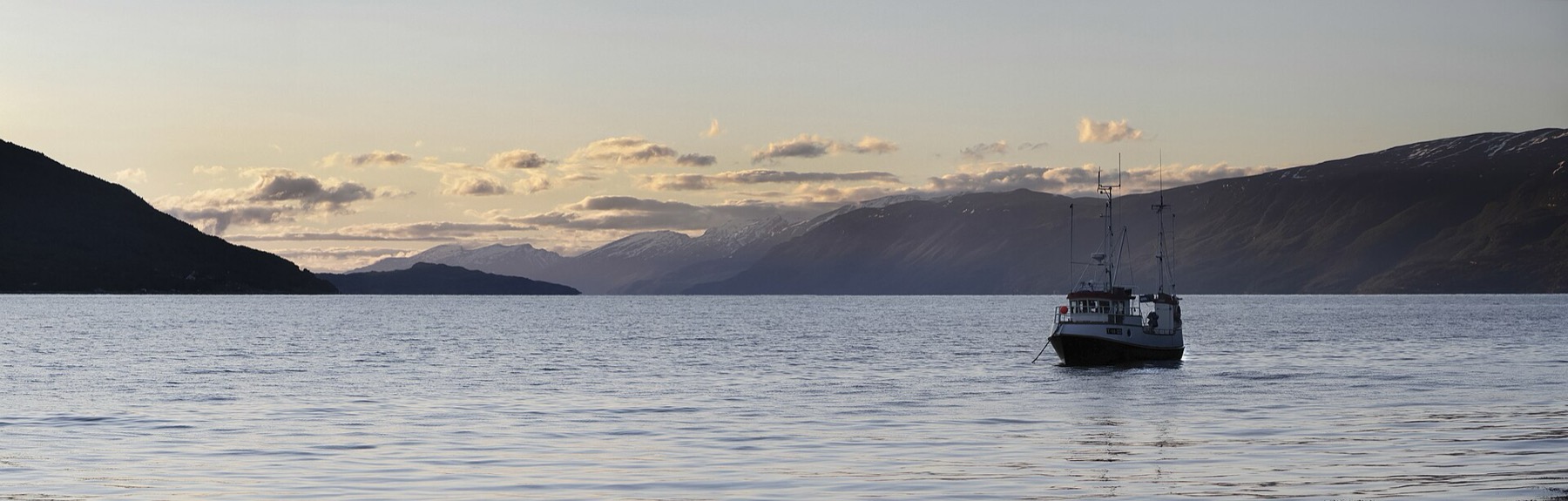
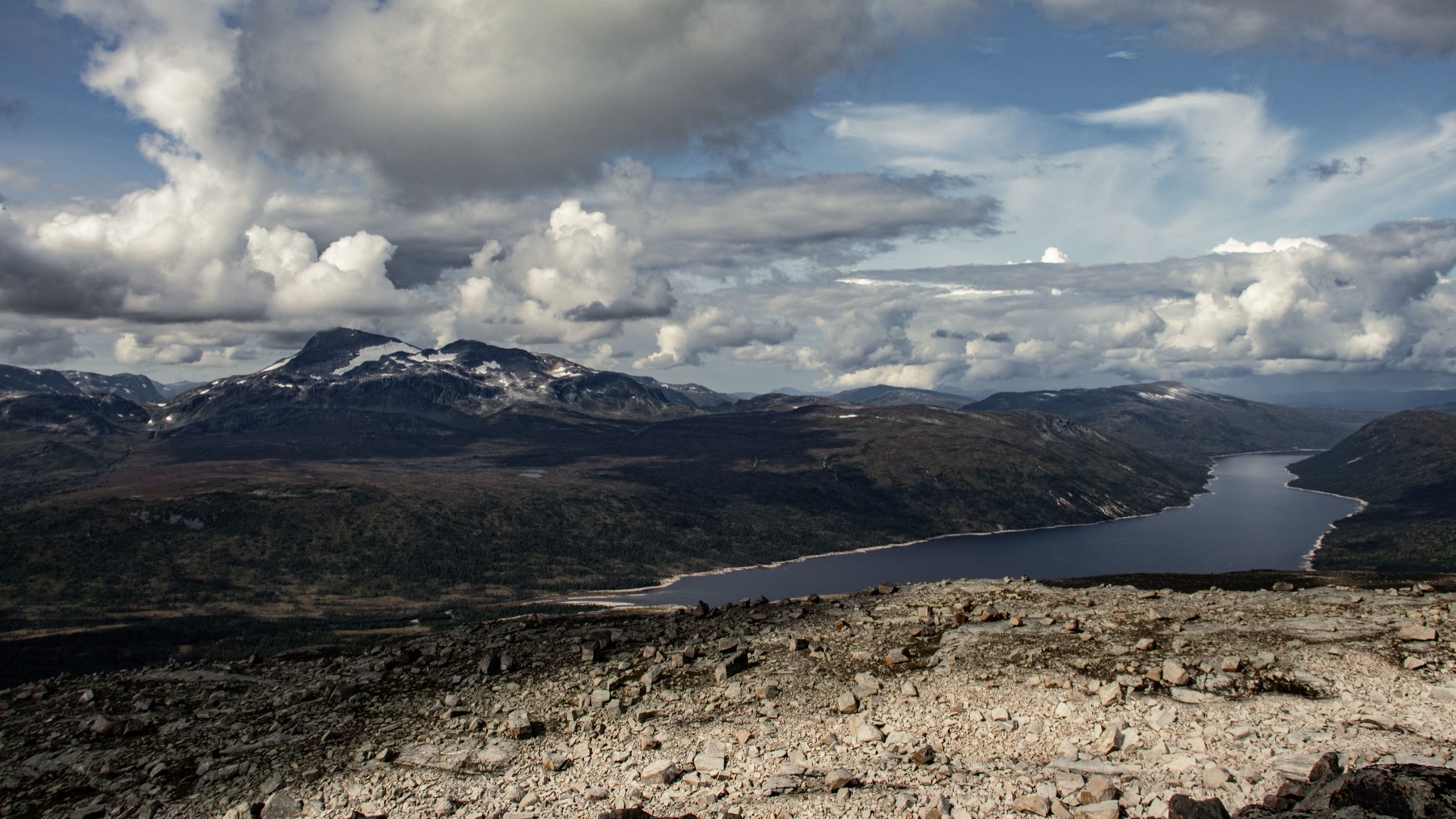
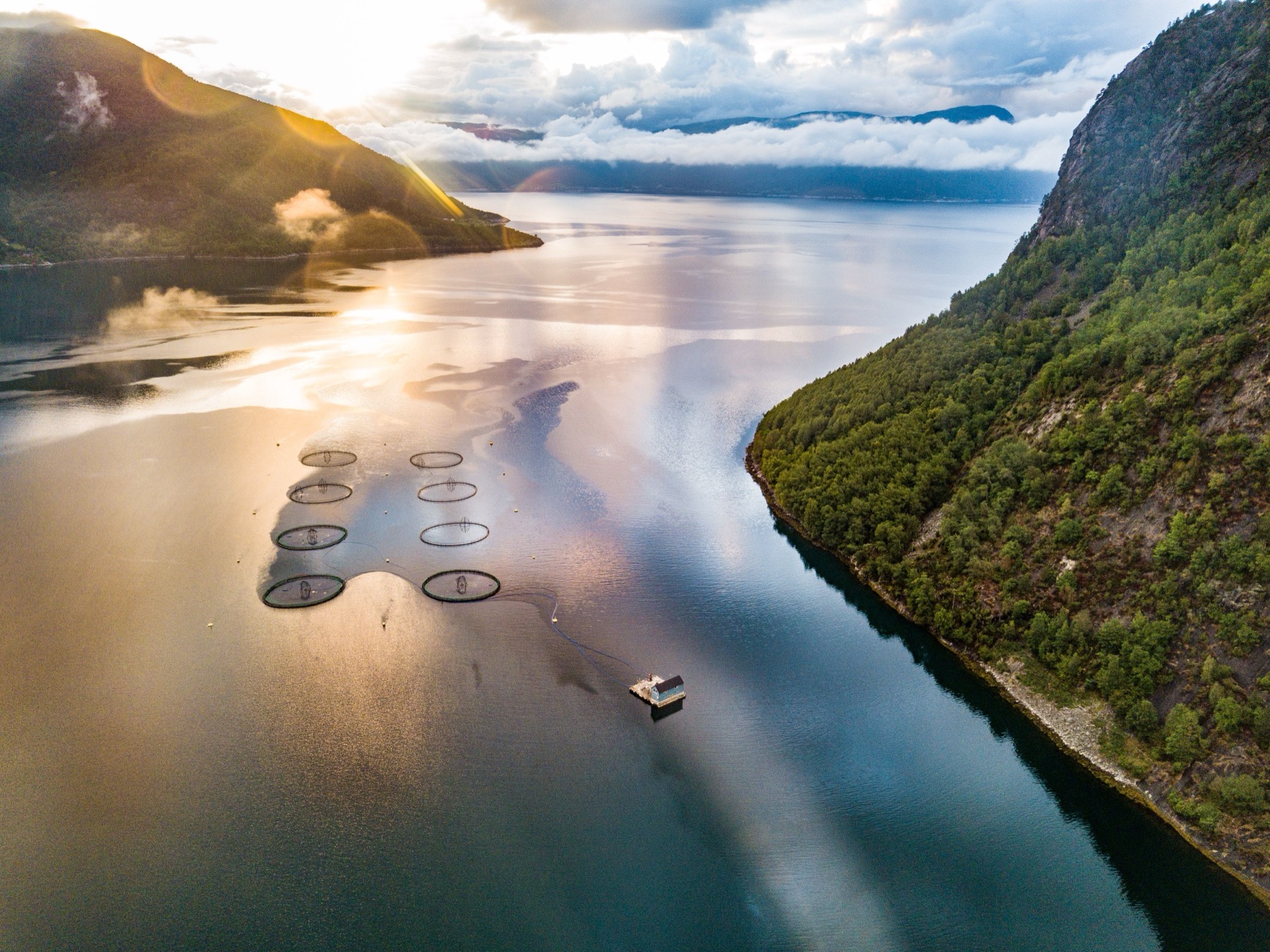
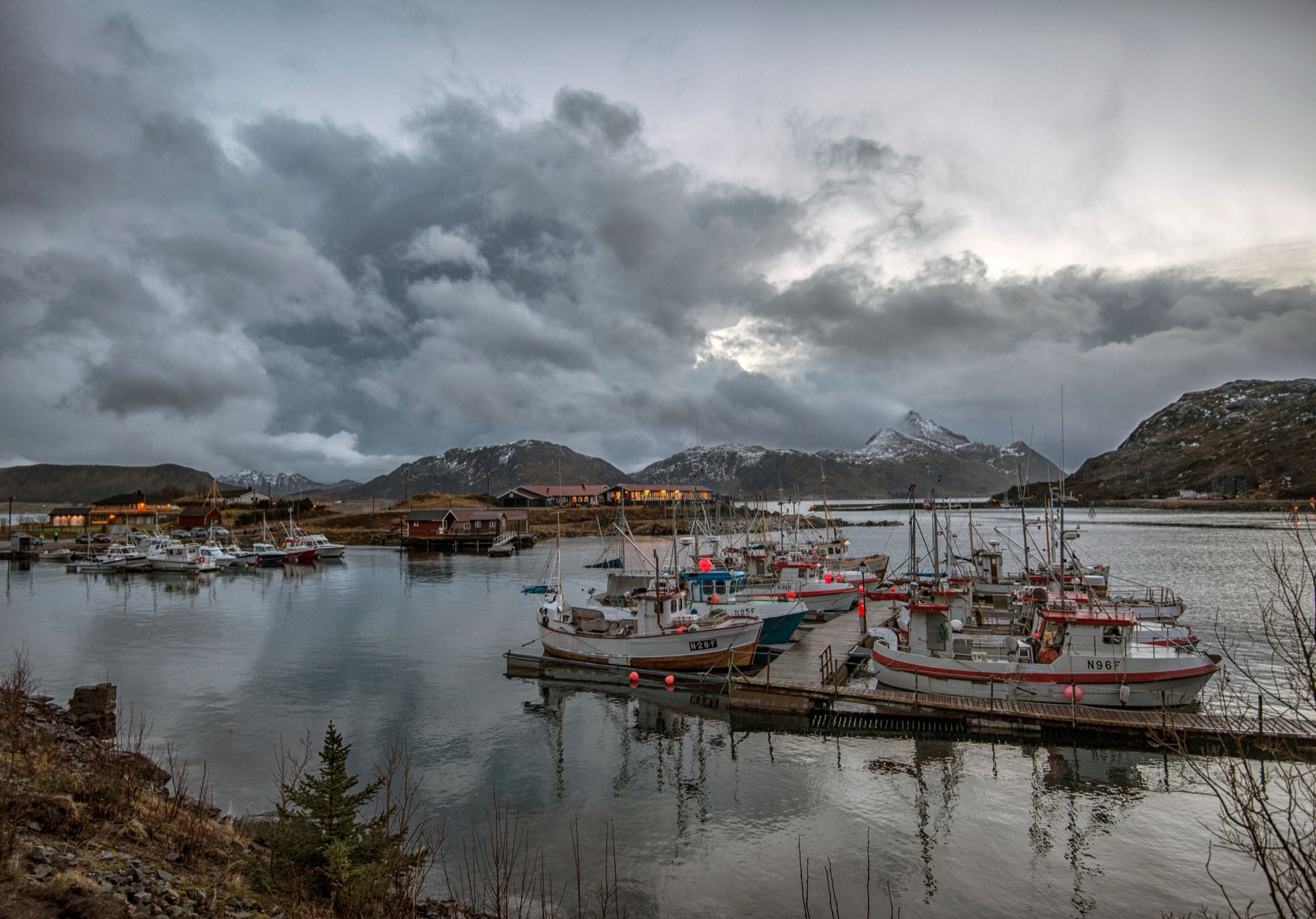
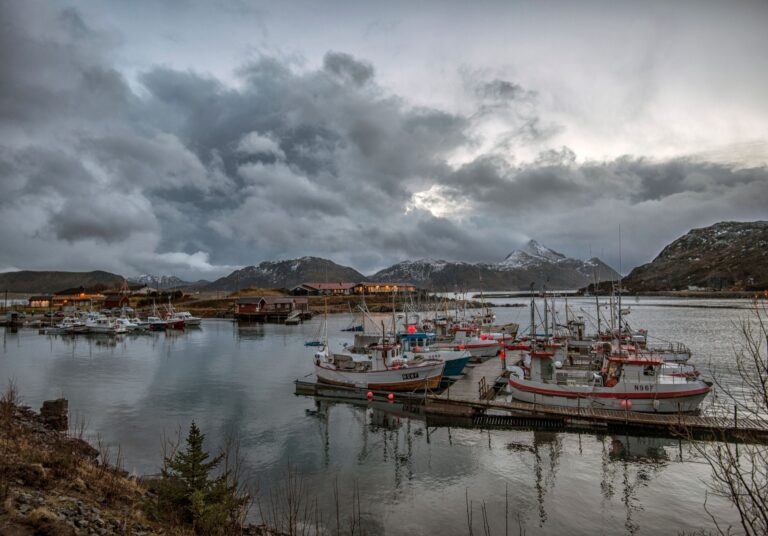
Northern Norway is one of those places on earth that will completely sweep you away with its raw beauty and untamed nature. The landscape beyond the Arctic Circle offers dramatic fjords, sharp mountain peaks plunging straight into an icy sea, and natural wonders that will simply take your breath away. Whether you crave the silence of absolute wilderness or the lively atmosphere of Arctic towns, this region has a little bit of everything.

If you’re planning a trip to these latitudes, be prepared for the fact that distances here are enormous and the weather is utterly unpredictable. While in winter people come for the magical northern lights and snow-covered plains, summer lures visitors with endless days when the sun never dips below the horizon. Northern Norway simply lives at its own pace and demands a little more planning.

In this guide we’ll take a look together at the most fascinating areas and phenomena you shouldn’t miss on a trip to the far north. You’ll find out how best to get around between the various islands and towns, where to find the cosiest fishing cabins, and what to prepare for so you bring home only the very best memories from the Arctic.

TL;DR

  • Main attractions: Watching the northern lights in winter, the midnight sun in summer, whale safaris and dramatic fjord scenery.
  • Best-known areas: Lively Tromsø, photogenic Lofoten, wilder Senja and legendary Nordkapp.
  • Getting around: You’ll get the most flexibility with a rental car, but sailing along the coast with the Hurtigruten ships or taking Widerøe’s domestic flights is a fantastic experience too.
  • Prices: Northern Norway is a very expensive destination, where accommodation commonly costs upwards of €80 per night.
  • Accommodation: Try traditional fishing cabins called rorbu, or glass igloos designed for stargazing the night sky.
  • When to go: From late May to mid-July for the midnight sun, from November to February for the best northern lights.

When to Go and How to Travel Northern Norway

Planning a trip to the north of Norway depends above all on exactly what you want to experience. The winter season from November to March is ideal for chasing the northern lights, dog sledding and whale watching, as the whales swim into the Arctic fjords to feed during this period. Bear in mind, though, that the days are very short and temperatures plunge well below freezing.

The summer months from late May to mid-July, on the other hand, offer the phenomenon of the midnight sun, when there’s daylight a full 24 hours a day. This is an absolutely perfect time for hiking, camping and exploring mountain trails, because you’re not tied to the time of day at all and can happily set off on a hike even at midnight.

As for getting around, the greatest freedom naturally comes with your own or a rental car. The region’s main artery is the E6 road, but you have to be ready for genuinely vast distances and frequent use of ferries between the various islands. If you’d rather not drive, the legendary Hurtigruten coastal route is a fantastic alternative — it works as both a ferry and a scenic cruise in one and connects most of the important ports. For faster hops across enormous distances, it’s worth using Widerøe’s network of domestic flights.

Where to Stay in Northern Norway

💡 Tip for accommodation and experiences: We love searching for places to stay on Booking.com, which tends to have the best cancellation conditions. For tickets, tours and activities, it pays to compare and book through GetYourGuide.

Accommodation in Norway’s Arctic regions is an experience in itself, but it requires a fairly generous budget. Prices per night, even in fairly ordinary hotels or cabins, commonly range between 1,200 and 3,000 NOK (roughly €105 to €265). In the peak summer season and during the height of winter, it’s absolutely crucial to book your accommodation through Booking several months in advance, because capacity in the smaller villages tends to sell out very quickly.

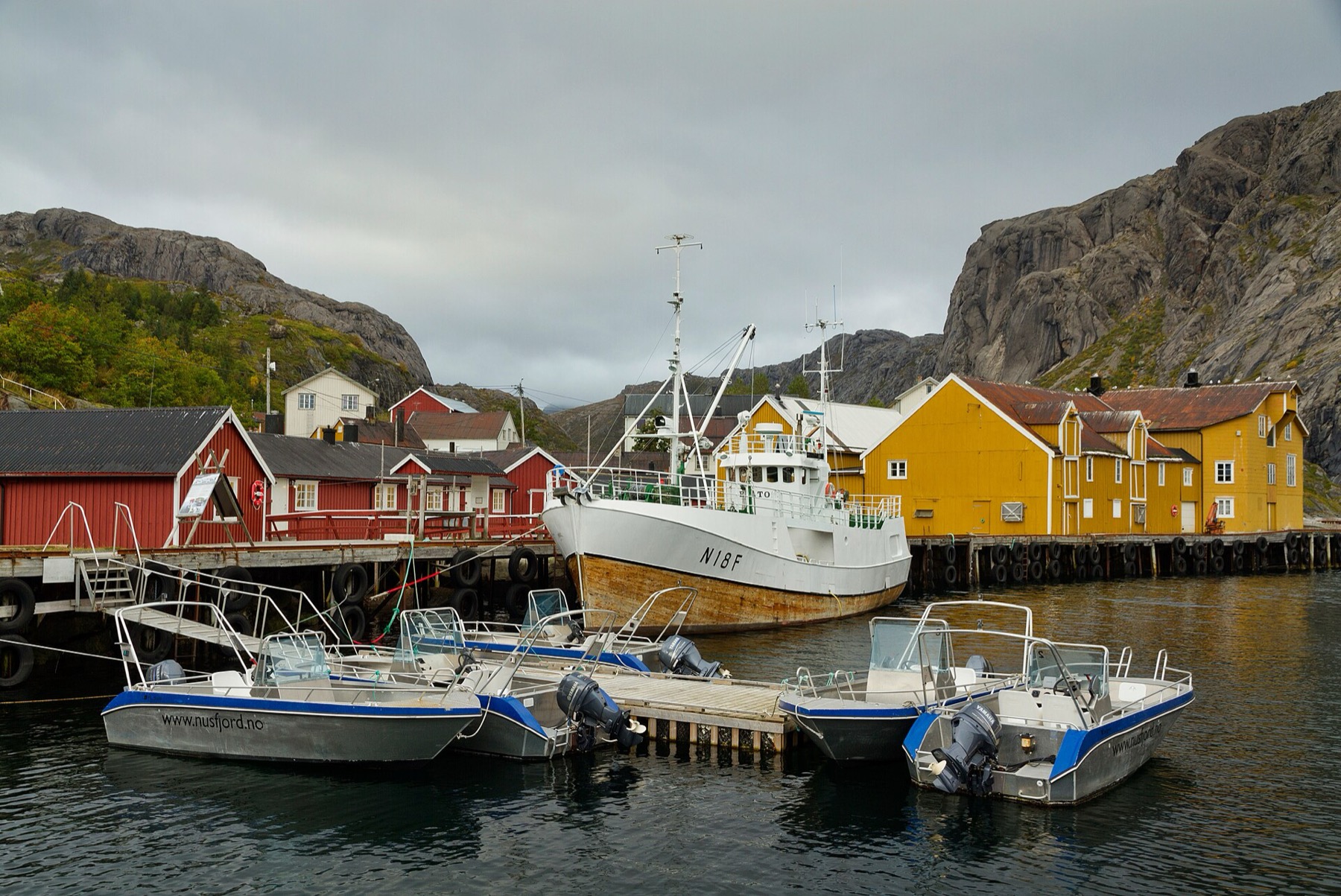
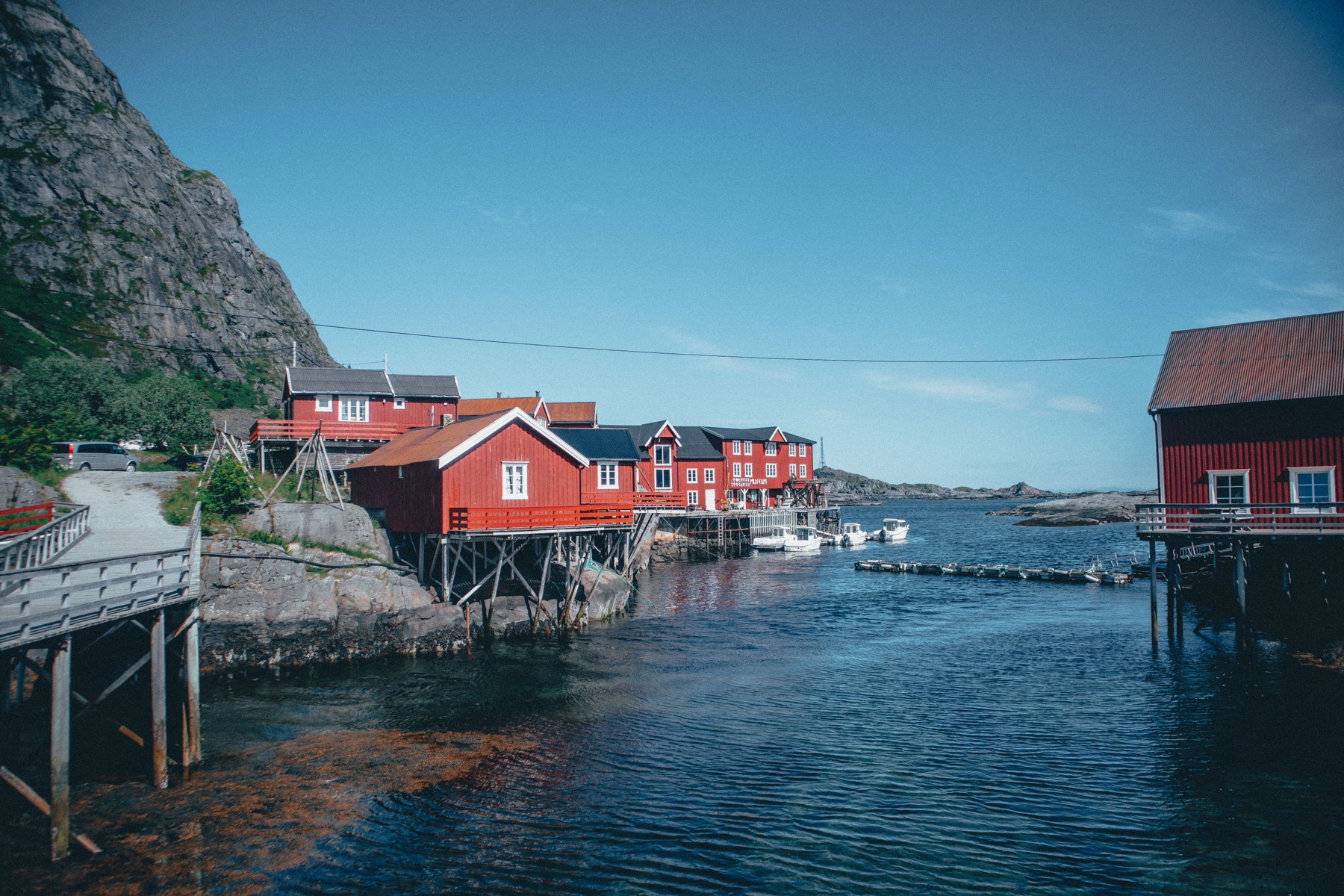
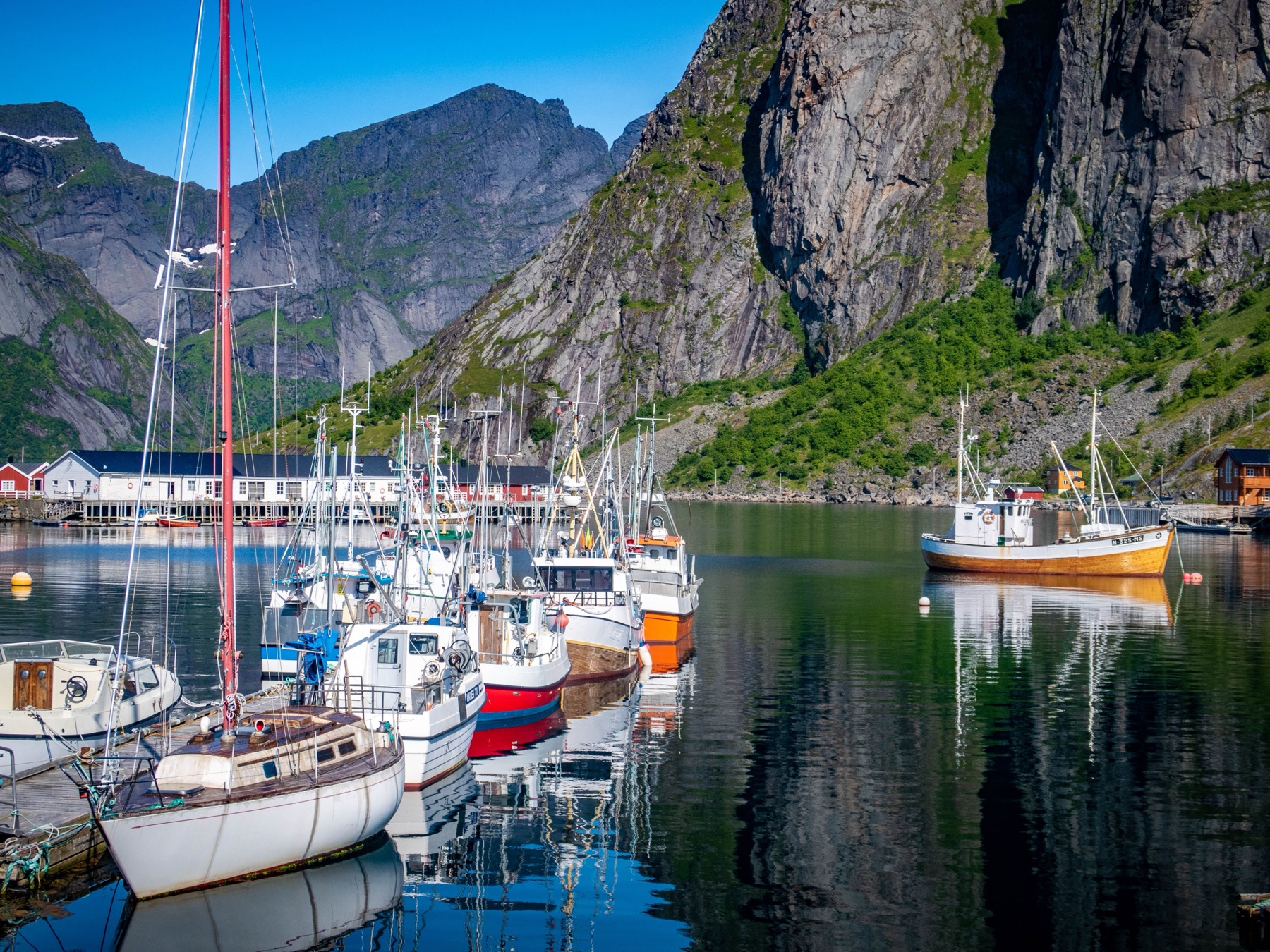
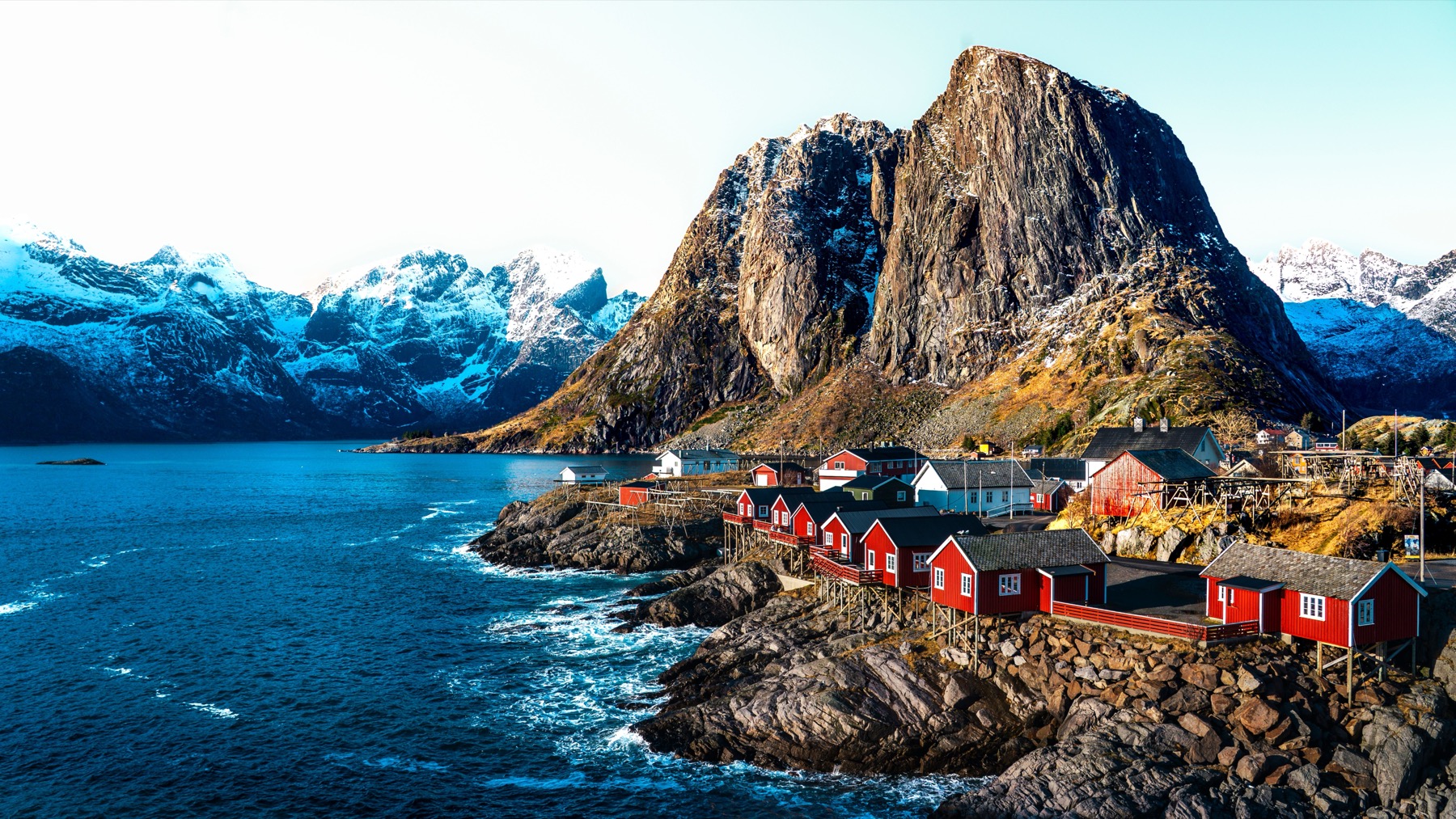
The absolute classics on the islands are the so-called rorbu — traditional red fishing cabins built on stilts right above the sea. From the outside they look charmingly historic, but inside you’ll usually find modern, very cosy furnishings. In the winter months, aurora accommodation is a huge hit, such as glass igloos or traditional Sámi lavvu tents, from which you can watch the northern lights right from a warm bed.

If you’re after specific tips, in bustling Tromsø the designer Clarion Hotel The Edge is an excellent choice, sitting right by the harbour with a wonderful view of both the water and the mountains. In Lofoten it’s definitely worth considering the iconic Eliassen Rorbuer cabins in the little village of Hamnøy, which rank among the most photographed spots in all of Norway. And for a truly unconventional winter experience, you can head to Alta, where the Sorrisniva Igloo Hotel is built every winter — unique accommodation carved entirely from ice and snow.

Arctic Cities and Islands

Northern Norway is a fascinating mosaic of sprawling islands, deep fjords and towns that have managed to grow up in inhospitable conditions far beyond the Arctic Circle. Each area has its own utterly unique character, whether it’s a pulsing cultural hub or an abandoned fishing settlement at the end of the world.

When planning your itinerary, it’s a good idea to pick just one or two main areas unless you have several weeks at your disposal. Trying to drive through all of these places during one short holiday would mean spending most of your time behind the wheel.

1. Tromsø

Tromsø is by far the largest and liveliest Arctic city, quite rightly nicknamed the Gateway to the Arctic. Here you’ll find the famous Arctic Cathedral, excellent museums dedicated to polar expeditions, and the Fjellheisen cable car, which offers the best view over the entire city. In winter it serves as the main and most popular base for chasing the northern lights and for all sorts of whale safaris.

💡 Tip: If you want to explore this city in more detail, read our separate article Tromsø — Gateway to the Northern Lights.

2. Lofoten

Lofoten is without doubt the most iconic archipelago in all of Norway, known for its sharp mountain peaks, picturesque fishing villages like Reine and Henningsvær, and snow-white Arctic beaches. It’s the most photogenic region in the whole north, drawing tourists and artists from all over the world.

💡 Tip: For a detailed itinerary and tips on specific trips, check out our guide What to See in Lofoten (the big guide).

3. Vesterålen

Just north of the famous Lofoten lies the calmer and somewhat less visited Vesterålen, which offers equally breathtaking scenery without the huge crowds of tourists. This area is world-famous above all for its year-round whale safaris, which set sail from the town of Andenes, as well as for fantastic opportunities to watch the adorable puffins on the island of Bleik. You can easily book various boat trips to spot marine life in advance through platforms like GetYourGuide, which is definitely worth doing in the summer season.

4. Senja

Norway’s second-largest island, Senja, is often described as Norway in miniature or a wilder Lofoten without the crowds. Here you’ll find dramatic viewpoints like Tungeneset and the absolutely iconic Mount Segla, whose sheer cliff plunging into the sea ranks among the most striking natural sights in the north.

💡 Tip: You’ll find more information about this gorgeous island in the article Senja — Lofoten’s Wilder Neighbour.

lukas a lucka
Lukáš and Lucie recommend
Where to stay in Northern Norway
4 accommodations — wellness hotels, hotels and other accommodation options

5. Bodø and Saltstraumen

The city of Bodø serves as the main gateway to Lofoten for many travellers, but it has plenty to offer in its own right — as proven by its title of European Capital of Culture for 2024. Just outside the city, what’s more, the strongest tidal current in the world, known as Saltstraumen, roars away. Every six hours, enormous masses of water surge through a narrow strait and create fascinating whirlpools, which can be safely observed from the shore or from the bridge.

6. Alta

The town of Alta, lying deep in Finnmark, is known above all for its fantastic conditions for stargazing the night sky and for its unique ice hotel. The real one-of-a-kind attraction, though, is the local prehistoric rock carvings, which are even inscribed on the UNESCO World Heritage list and depict the lives of hunters and gatherers thousands of years into the past.

7. Svalbard

If you want to experience the true High Arctic, you’ll have to fly even further north to the rugged Svalbard archipelago (Spitsbergen). The main settlement, Longyearbyen, is a place where you’ll meet more snowmobiles than cars in the streets and where the polar bear reigns supreme. Here you can admire huge glaciers, abandoned mining towns, and experience the extremes of the polar night, when there’s continuous darkness for several months on end.

8. Nordkapp

This tall cliff with its iconic globe monument, lying at the 71st parallel north, is often described as the northernmost point of mainland Europe. It’s a magical place that travellers head to mainly in summer, to watch the midnight sun hanging low over the surface of the Arctic Ocean from the edge of the cliff.

💡 Tip: We’ve gathered all the practical information about the journey to this end of the world in the article Nordkapp — the Northernmost Point of Europe.

Natural Phenomena and Culture of the North

Northern Norway isn’t just about specific towns and fjords — it’s above all about phenomena you won’t experience anywhere else in Europe. The interplay of light and darkness dictates the rhythm of life for people and animals alike, and creates the conditions for utterly singular cultural traditions.

It’s precisely these experiences that make a trip beyond the Arctic Circle something exceptional. Whether you’re standing beneath a sky glowing green or wandering through the mountains at midnight in full daylight, nature here puts on a show you’ll never forget.

9. The Northern Lights

The aurora borealis, or northern lights, is the main reason people travel to the far north in the freezing winter months. The official season runs from September to March, with the best viewing conditions usually during the dark months from November to February. Geographically, the most recommended areas are around Tromsø, Lofoten, Senja and Alta, as they lie directly beneath the so-called auroral oval. To catch this magical green dance across the sky, you need above all an absolutely clear sky, as little light pollution from towns as possible, and of course a little bit of traveller’s luck.

10. The Midnight Sun

While winter belongs to the darkness, summer is the season when the sun simply refuses to set. You can experience the midnight sun phenomenon beyond the Arctic Circle roughly from late May to mid-July. In practice this means you have endless time for exploring — you can head out on a mountain hike at eleven at night and enjoy the beautiful golden light that lends the landscape an incredibly romantic atmosphere. It’s also the ideal time for evening boat trips or wild camping out in the open.

11. Sámi Culture and Reindeer

The indigenous inhabitants of Scandinavia’s Arctic regions are the Sámi, whose culture is inextricably bound up with the harsh northern landscape. The traditional way of life, which includes reindeer herding and sleeping in lavvu tents, is passed down here from generation to generation. As you travel along the northern roads, free-roaming reindeer will be your most frequent companions, so you need to drive really carefully. The centres of Sámi culture are mainly the towns of Kautokeino and Karasjok, where traditional festivals are held and where you can also sample local specialities (mostly heavier meaty dishes to warm you up, while vegetarians will appreciate the excellent potato flatbreads or hearty vegetable soups made from root vegetables).

Where to Go Next from Northern Norway

If you have more time to explore Scandinavia, the northern regions are a great springboard for further adventures. You can carry on smoothly along the coast heading south and discover yet more breathtaking fjords and national parks.

Frequently Asked Questions

When is the best time to go to northern Norway?

“`html
It depends on your priorities. From late May to mid-July, head here for the midnight sun and endless possibilities for mountain treks. Winter from November to March, on the other hand, is ideal for observing the Northern Lights and whale safaris in snow-covered fjords.
“`

Where and when can I best see the northern lights?

The most reliable areas are Tromsø, Lofoten, Senja and Alta, which lie directly under the auroral oval. The season runs from September to March, but the absolute peak with the longest dark nights occurs from November to February.

How to best travel around northern Norway?

The greatest freedom comes from renting a car to travel along the main E6 route. If you don’t fancy driving for long hours, take advantage of the scenic Hurtigruten coastal cruises along the entire coastline or Widerøe airline’s domestic flight network.

How many days do I need to visit the Arctic?

“`html
For a taste of one specific area, such as Tromsø and its surroundings, 5 to 7 days will be enough. If you want to combine multiple regions, such as Lofoten, Senja and Vesterålen, definitely set aside 10 to 14 days for the trip.
“`

Is traveling in northern Norway expensive?

Yes, northern Norway is one of the most expensive destinations in Europe. The biggest expenses will be accommodation and transport. You can save money mainly by staying at campsites and cooking your own food with ingredients bought at supermarkets.

What’s best for a very first visit?

For a first introduction to the north, the most popular combination is the vibrant city of Tromsø followed by a transfer to the photogenic Lofoten Islands. This route offers you a perfect mix of culture, all amenities, and the most dramatic Norwegian nature.

Where exactly will I see the midnight sun?

The midnight sun is visible everywhere above the Arctic Circle from roughly the end of May to mid-July. Stunning views of the sun low above the horizon are offered by the northern beaches in Lofoten or the famous Nordkapp cliff.

Tips and Tricks for Your Vacation

Don’t Overpay for Flights

Search for flights on Kayak. It’s our favorite search engine because it scans the websites of all airlines and always finds the cheapest connection.

Book Your Accommodation Smartly

The best experiences we’ve had when looking for accommodation (from Alaska to Morocco) are with Booking.com, where hotels, apartments, and entire houses are usually the cheapest and most widely available.

Don’t Forget Travel Insurance

Good travel insurance will protect you against illness, accidents, theft, or flight cancellations. We’ve had a few hospital visits abroad, so we know how important it is to have proper insurance arranged.

Where we insure ourselves: SafetyWing (best for everyone) and TrueTraveller (for extra-long trips).

Why don’t we recommend any Czech insurance company? Because they have too many restrictions. They set limits on the number of days abroad, travel insurance via a credit card often requires you to pay medical expenses only with that card, and they frequently limit the number of returns to the Czech Republic.

Find the Best Experiences

Get Your Guide is a huge online marketplace where you can book guided walks, trips, skip-the-line tickets, tours, and much more. We always find some extra fun there!
Mexican Food: 20 Dishes to Try (Not Just Tacos)

TL;DRThe best Mexican dishes to try include tacos al pastor and quesadillas in Mexico City, Oaxaca’s mole negro sauce and tlayudas, cochinita pibil from around Mérida in the Yucatán, and chiles en nogada from Puebla. There are 20 specific tips here, grouped by category – from classic tortilla dishes and street food (elote, esquites) to soups (pozole, sopa azteca), regional specialities and drinks like mezcal or champurrado. Street food is cheap: a taco costs 15–25 MXN, elote around 30 MXN. At the heart of Mexican cuisine, added to the UNESCO list in 2010, is corn treated through nixtamalisation, along with beans and chilli. Vegetarians should watch out for hidden pork lard in beans and rice.

You know that feeling when you’re wandering through the streets in the evening and suddenly the intoxicating smell of toasted corn tortillas, lime and fresh coriander hits your nose? That’s exactly how real Mexico smells. Forget Tex-Mex, the hard corn shells from European supermarkets, or the bland cheese stuffed into a burrito. Real Mexican food is colourful, incredibly diverse, and above all seriously addictive.

In this guide you’ll find 20 tips on the best Mexican food to try in Mexico. Together we’ll look at iconic dishes, regional specialities, and how to enjoy local street food without the dreaded stomach troubles. And because Lukáš and I don’t eat meat, I’ll show you how to survive in Mexico as a vegetarian and which hidden traps to watch out for.

TL;DR

  • Cultural heritage: Mexican food is so unique that in 2010 it became the first national cuisine to be added to the UNESCO list.
  • Core ingredients: Everything revolves around corn, beans and chilli. Corn goes through a process called nixtamalisation, which makes the tortillas soft and nutritious.
  • Street food: The best food is often found on the street. The golden rule: eat where there’s a queue of locals and the food moves fast.
  • A trap for vegetarians: Lots of dishes (including beans and rice) have pork lard (manteca) or meat stock added. Always ask whether a dish is truly meat-free.
  • Regional differences: Oaxaca is a paradise for mole sauces and mezcal, the Yucatán is famous for slow-roasted meat, and Mexico City is the hub of top-tier fine dining and brilliant street food alike.

What makes Mexican food so special

Before we dive into specific dishes, let’s talk about why Mexican gastronomy is such a big deal. It’s not just about the heat. In reality it’s a fascinating mix of ancient indigenous traditions and Spanish influences.

Did you know that Mexican food was added to the UNESCO list of intangible cultural heritage back in 2010? The foundation of everything is the sacred trinity: corn, beans and chilli. Corn has been grown here for millennia, and locals use an ancient process called nixtamalisation. The kernels are cooked in an alkaline solution (often with lime), which releases nutrients and turns the corn into that perfect, pliable tortilla dough known as masa. Without nixtamalisation, Mexican cuisine simply wouldn’t exist.

💡 Tip: If you spot piles of blue, red or yellow tortillas at the market, definitely give them a try. Each corn variety has a slightly different, earthier flavour.

20 Mexican Food Dishes to Try (Not Just in Mexico City)

Mexican food is incredibly varied, and picking just twenty dishes is almost a superhuman task. I’ve split them into logical categories so you know exactly what to order at a stall or in a restaurant. Prices obviously vary depending on whether you’re eating on the street or in a fancier place, but for orientation I’ve listed typical street food prices (1 Mexican peso, MXN, is roughly €0.05).

Tortilla heaven

The corn tortilla is essentially cutlery in Mexico. You’ll find these classics on every corner.

1. Tacos

The taco is the absolute basic. It’s a small, soft corn tortilla filled with just about anything. Travellers and foodies agree that real tacos al pastor are worth the trip especially in Mexico City, where the meat is roasted on a vertical spit called a trompo (a bit like a kebab) and sliced with a piece of pineapple. If you’re a vegetarian like us, you’ll love tacos with nopales (cactus), mushrooms or flor de calabaza (squash blossom). A single street taco typically costs around 15–25 MXN (€0.70–1.20).

2. Quesadilla

Back home we know quesadillas as two wheat tortillas glued together with cheese. In Mexico (especially in the central regions) it’s often a single corn tortilla folded in half and toasted on a hot griddle called a comal. It might be filled with quesillo cheese, but in Mexico City you often have to ask for cheese explicitly (con queso), otherwise you’ll just get a tortilla with a filling such as mushrooms or potatoes.

3. Enchiladas

Picture soft corn tortillas filled with cheese, beans or meat, rolled up on a plate and generously smothered in sauce. Enchiladas verdes are doused in a spicy green sauce made from tomatillos (green tomatoes), while enchiladas rojas get a red chilli sauce. Finally they’re topped with fresh cheese, onion and a drizzle of sour cream. It’s the perfect comfort food, and a restaurant portion will set you back around 120–180 MXN (€6–9).

4. Tamales

Tamales are basically little gifts. They’re made of corn dough (masa) filled with sauce, cheese, vegetables or meat, wrapped in a corn or banana leaf and steamed. They’re a classic breakfast that locals grab from street vendors on their way to work. Wrapped in the leaf, the dough beautifully soaks up the aroma. They usually cost around 20–30 MXN (€1–1.50).

Sauces and dips

Mexico lives and breathes sauces, and with every meal you’ll get at least two different bowls placed on your table.

5. Guacamole

There’s probably no more famous Mexican export than guacamole. But in Mexico it’s a thousand times better than the stuff you buy in a plastic tub back home. It’s made from perfectly ripe avocados (which taste like butter here), fresh coriander, lime, onion and sometimes a little tomato. It’s served with crunchy totopos (tortilla chips).

6. Mole

The word mole simply means sauce, and it’s the absolute pinnacle of Mexican gastronomy. Oaxaca is often recommended as the culinary heart of Mexico, and this is where the famous mole negro comes from. This dark, incredibly complex sauce can be made from up to thirty different ingredients, including dried chillies, spices, nuts and a piece of dark chocolate. It’s rich, slightly sweet, earthy and spicy all at once.

7. Salsas (Pico de gallo, Salsa verde and roja)

Salsa is the foundation of everything. Pico de gallo is a fresh mix of chopped tomatoes, onion, coriander and jalapeños. Salsa verde is cooked from green tomatillos and has a pleasantly tangy flavour, while salsa roja, made from red tomatoes and chillies, is often properly hot. Always dab a tiny bit on the back of your hand first so you know what level of heat you’re dealing with 😅.

Street food treats

The best culinary life in Mexico happens on the street. This is where you’ll find the things a fancy restaurant could never teach you to love.

8. Elote

When you spot a cart with steam rising from it, run towards it. Elote is boiled or grilled corn on the cob skewered on a stick, which the vendor generously slathers with mayonnaise and sprinkles with crumbled cotija cheese, chilli powder and a squeeze of lime. It sounds odd, but the combination of sweet corn, salty cheese and spicy chilli is simply divine. It costs around 30 MXN (€1.50).

9. Esquites

If you’d rather not get messy from elote, go for esquites. It’s exactly the same thing, except the kernels are already cut off the cob and served in a small cup with the same toppings. Often the herb epazote is added too, lending a distinctive, slightly earthy flavour.

10. Tlayuda

This is an Oaxacan marvel, sometimes nicknamed the Mexican pizza. It’s a huge, thin and crispy corn tortilla spread with bean paste (watch out for the lard), topped with stringy quesillo cheese, tomatoes and avocado, then toasted over charcoal. It’s a massive portion that’s easy to share.

11. Tlacoyos

A thicker, oval corn patty made from blue or white corn, with beans or fava beans baked right into it before toasting. On top you’ll find cactus salad (nopales), cheese and salsa. It’s a brilliant, hearty vegetarian option that costs next to nothing on the street.

Soups to warm you up (and cure a hangover)

Mexicans love their soups and believe they can cure everything from a broken heart to a tequila hangover.

12. Sopa Azteca (Tortilla soup)

A rich tomato broth flavoured with the herb epazote and pasilla chillies. Right in front of you they’ll add crispy strips of fried tortilla, diced avocado, panela cheese and sour cream. The warmth of the soup melts the cheese beautifully. For me, it’s probably the best soup in the world.

13. Pozole

A traditional hearty soup built around giant nixtamalised corn (cacahuazintle). Locals most often eat pozole with pork, but in many places they also make a phenomenal vegetarian version with mushrooms (pozole de hongos). You top it yourself with shredded radish, lettuce, onion, oregano and lime. A bowl usually costs around 100 MXN (€5).

Something sweet

Mexican desserts are very sweet, often fried, and always a delight.

14. Churros

Originally a Spanish treat made from choux pastry, churros have become thoroughly at home here. The dough is fried into long, ridged sticks until golden and immediately coated in a mix of sugar and cinnamon. Crispy on the outside, soft inside. They’re best with a cup of hot chocolate for dipping.

15. Marquesitas

Crispy rolled pancakes that you’ll mostly come across in the Yucatán. The batter is as thin as a wafer. Inside hides an utterly crazy but brilliant combination: grated Dutch Edam cheese (they call it queso de bola) paired with something sweet, typically dulce de leche caramel, Nutella or jam.

Regional pride

These dishes are so specific to their regions that you simply have to know about them, even if you won’t try some of them because of the meat.

16. Cochinita pibil (Yucatán)

The pride of the Yucatán, made of pork marinated in a red paste of achiote seeds and the juice of bitter oranges. According to guides to regional cuisines, it’s traditionally wrapped in banana leaves and roasted overnight in an underground pit called a pib. It’s served with pickled red onion and habanero salsa.

17. Chiles en nogada (Puebla)

One of the most visually stunning dishes in Mexico, bearing the colours of the Mexican flag (green, white, red). It’s a large green poblano pepper stuffed with a mixture of meat, fruit and nuts, draped in a white walnut sauce (nogada) and sprinkled with red pomegranate seeds. It’s seasonal, served mainly around September for Independence Day.

18. Carnitas (Michoacán)

Another meat classic, this time from the Michoacán region. It’s pork slowly confited (braised in its own fat) in huge copper pots until perfectly tender. It’s commonly turned into tacos at street stalls.

19. Carne asada (Northern Mexico)

While the south lives on pork and corn, the rugged north of Mexico is cattle country and home to wheat tortillas. Carne asada is marinated beef grilled over an open fire, served in a wheat tortilla with guacamole and spicy salsa.

20. Fish tacos (Baja California)

The Baja California peninsula is famous for its fish tacos. Pieces of white fish are coated in batter, fried until golden and served in a tortilla with shredded cabbage, pico de gallo and a creamy mayonnaise sauce.

Street food: how to do it safely

Eating street food in Mexico is an experience it would be a crime to miss, yet plenty of people are scared of “Montezuma’s revenge”. We eat on the street all the time, and you just need to follow a few basic rules.

The most reliable street food rule according to seasoned travellers is simple: eat where there’s a queue of locals and where the food turns over fast. That means the ingredients are fresh and haven’t been sitting out in the sun. After all, the locals wouldn’t want to poison themselves either.

The classic traveller’s rule applies: “Boil it, cook it, peel it, or forget it.” Choose stalls where you can see the food being prepared right in front of you and served hot. A big hygiene red flag is when the same person who’s preparing your food (often with bare hands) also handles the money. Ideally a stall should have one person cooking and another taking payment, or the vendor should use a plastic bag as a glove when handling cash.

💡 Tip: Always drink bottled water only. If you’re having drinks with ice (hielo), in tourist areas and good restaurants the ice is made from purified water. On the street, though, it’s best to skip the ice altogether.

Mexican drinks — from agave to chocolate

Mexico isn’t just about the food, but also the drinks that complement it perfectly. Here are a few things you have to try:

  • Mezcal: While tequila may only be made from blue agave in a specific region, mezcal in Oaxaca is produced from more than 30 species of agave. The agave hearts (piñas) are slowly roasted in underground pits, giving mezcal its distinctive smoky flavour. It’s sipped slowly from small bowls (copita) and accompanied by orange slices with salt mixed with crushed worms (sal de gusano).
  • Tequila: Proper tequila made from 100% Weber blue agave tastes nothing like the stuff you knock back at a club. You don’t down it with lemon and salt — you sip it slowly.
  • Agua fresca: Fresh water blended with fruit. You’ll come across flavours like watermelon, mango, tamarind or sweet rice horchata with cinnamon. A refreshing icy drink that’s brilliant for cooling the burn of chilli.
  • Champurrado: Travellers strongly recommend champurrado. It’s an incredibly thick, velvety hot chocolate thickened with masa corn dough, scented with cinnamon and real Oaxacan chocolate. It’s almost a drinkable dessert, perfect with morning churros.
  • Café de olla: Traditional Mexican coffee brewed in a clay pot (olla) with brown cane sugar (piloncillo) and a stick of cinnamon. It’s very sweet and smells wonderful.

Vegetarians and vegans in Mexico

Although Mexican food is full of fresh vegetables, beans and corn, for vegetarians and vegans it can be a bit of a minefield.

Vegetarians need to watch out for hidden animal fat. Refried beans (frijoles refritos), tamale dough and various street patties are very commonly made with pork lard (manteca de cerdo). It gives the food a distinctive flavour and texture, but it’s a problem for us. Likewise, red rice (arroz rojo) and various soups are often cooked with meat stock (typically chicken).

  • When you order, it’s always best to ask:
  • ¿Tiene manteca? (Does it have lard in it?)
  • ¿Lleva caldo de pollo/carne? (Does it contain chicken/meat stock?)
  • Soy vegetariano/a. (I’m a vegetarian.)

Safe choices for us tend to be quesadillas filled with cheese and mushrooms, esquites (corn in a cup), tlacoyos with beans, or cactus salad. And in good restaurants they now know exactly what’s needed and will happily offer you a purely vegetarian version.

Regional cuisine: where to eat best?

Every state in Mexico has its own pride and its own signature dishes. So where do you find the very best?

Mexico City (CDMX): A city of extremes. You’ll find some of the best street food in the world here (especially tacos al pastor and churros), but it’s also a mecca of fine dining. Restaurants like Quintonil (ranked the world’s third best in 2025) and Pujol define modern gastronomy.

Oaxaca: The culinary heart of Mexico. Read our Mexico City guide to help you plan where to go. Oaxaca is home to seven kinds of mole, giant tlayudas and the best mezcal. The Michelin Guide arrived here in 2024, sparking a huge boom, so for the top spots (like Levadura de Olla) you’ll need to book weeks in advance.

Yucatán: The tropical south, where food blends with Maya traditions. The Yucatán is a completely different world, and this is where the iconic cochinita pibil comes from. The Caribbean influence shows in the greater use of bitter oranges, achiote seeds and super-spicy habanero peppers. Mérida is a great base for sampling Yucatecan specialities.

Puebla: A beautiful colonial city near Mexico City, the birthplace of the rich chocolate-and-chilli mole poblano and the seasonal stuffed peppers chiles en nogada.

Practical tips to finish

When you set off to discover Mexican flavours, a few practical pointers will come in handy:

  • Tipping (Propina): In restaurants 10–15% is standard. Watch out — sometimes it’s already included on the bill as “servicio”, so you don’t tip twice. At street stalls tipping isn’t usually expected; at most you round up the amount.
  • Card payments and ATMs: Street food can only be paid for in cash (keep plenty of small change on you). Better establishments take cards. When withdrawing from an ATM, watch out for DCC (Dynamic Currency Conversion) — the machine will offer you a poor exchange rate with a markup of easily 8–9%. Always decline this conversion and let it be charged in the local currency.
  • How to order: Don’t be afraid to speak up at the market. Just point and say “Uno de este, por favor” (One of this, please). Locals appreciate any attempt at Spanish.

Where to next

Experiences & tickets
traveler-rated · GetYourGuide
Prague: Medieval Dinner with Unlimited Drinks
★★★★★ 4.5 · 21 336 reviews
from €64
I want this experience →
🔗 These are affiliate links — they don't change your price and help us create content. · All experiences →

Frequently asked questions

How spicy is Mexican food really?

The food itself often isn’t spicy at all. Corn tortillas, meat, beans, and rice are mild at their base. You control the spiciness yourself with salsa (sauces) that they bring to your table in small bowls.

Is it safe to eat fruit and vegetables from street vendors?

Peeled fruit (like mango or pineapple) that the vendor cuts right in front of you is completely safe and really delicious. Watch out for pre-cut fruit salads that might have been sitting in the sun, or vegetable garnishes washed in unboiled water.

Can I drink tap water in Mexico?

No, tap water in Mexico isn’t safe to drink and could cause you serious stomach problems. Always drink only bottled water (agua purificada) and use it for brushing your teeth too.

What is nixtamalization?

“`html
It’s an ancient process where corn kernels are cooked and soaked in an alkaline solution (usually with lime). This releases nutrients, softens the hull, and transforms the corn into pliable dough for tortillas.
“`

How much does street food cost in Mexico?

Street food is very cheap. One taco will cost you roughly 15 to 25 pesos (€0.70 to €1.20), elote corn around 30 pesos (€1.40) and a more filling quesadilla on the street costs around 40 to 50 pesos (€1.90 to €2.40).

What to drink in Mexico besides alcohol?

“`html
The best choice is the so-called aguas frescas, which are refreshing drinks made from blended fresh fruit and water. Also very popular is horchata (a sweet rice drink with cinnamon) or jamaica (iced hibiscus tea).
“`

How do I know if a street food stall is safe?

“`html
The best indicator is a queue of locals. If there’s a crowd at a stall and the food is moving quickly, it means the ingredients are fresh and tasty. Also notice whether the vendor has a clean working environment.
“`

Tips and Tricks for Your Vacation

Don’t Overpay for Flights

Search for flights on Kayak. It’s our favorite search engine because it scans the websites of all airlines and always finds the cheapest connection.

Book Your Accommodation Smartly

The best experiences we’ve had when looking for accommodation (from Alaska to Morocco) are with Booking.com, where hotels, apartments, and entire houses are usually the cheapest and most widely available.

Don’t Forget Travel Insurance

Good travel insurance will protect you against illness, accidents, theft, or flight cancellations. We’ve had a few hospital visits abroad, so we know how important it is to have proper insurance arranged.

Where we insure ourselves: SafetyWing (best for everyone) and TrueTraveller (for extra-long trips).

Why don’t we recommend any Czech insurance company? Because they have too many restrictions. They set limits on the number of days abroad, travel insurance via a credit card often requires you to pay medical expenses only with that card, and they frequently limit the number of returns to the Czech Republic.

Find the Best Experiences

Get Your Guide is a huge online marketplace where you can book guided walks, trips, skip-the-line tickets, tours, and much more. We always find some extra fun there!
Sardinia, Italy with Kids: 10 Tips for a Family Holiday 2026

TL;DRSardinia with kids is all about picking the right base near shallow, calm water — think La Pelosa, Cala Brandinchi near San Teodoro, or the eight-kilometre stretch of Poetto beach in Cagliari. Go in June or September, when the sea’s warmed up and temperatures sit around 25 to 28°C. You’ll need a car once you’re on the island, and journeys take longer than the map suggests. There are ten practical ideas here, including spotting pink flamingos in Molentargius park, white donkeys in Asinara National Park, or a ride on the old Trenino Verde train. For places to stay, look around San Teodoro or Villasimius, or a rural agriturismo with room to roam and animals for the kids.

If you think you have to fly twelve hours to the Caribbean to find safe beaches with soft white sand and water that barely reaches your ankles, you might be surprised to learn that this kind of paradise lies much closer to home. A holiday in Sardinia, Italy with kids is a safe bet: it’s just a short flight from the UK, and this Italian island serves up exactly the family combo parents dream of. Water as shallow as a paddling pool, food even the fussiest eaters will devour, and flights shorter than a single afternoon at nursery.

Planning a trip to the island with little ones does call for a slightly different approach than backpacking as a couple, though. A family trip to Sardinia, Italy needs a strategic choice of base, because the island is enormous and the winding roads can really stretch out your journeys. Travellers on forums tend to agree that the key to success is picking one or two bases and taking only short day trips from them, so the kids don’t spend half the day strapped into a car seat.

We’ll give you ten tips to make sure your family holiday in Sardinia is stress-free and full of smiles. We’ll walk through the most beautiful shallow beaches, go in search of pink flamingos, share what to watch out for when packing the pushchair, and show you the experiences your kids are guaranteed to love.

TL;DR

  • Best time to go: June and September are ideal, when the sea is already pleasantly warm but you avoid the extreme August heat and the huge crowds.
  • Transport and distances: A car is an absolute must, but bear in mind that getting around the island takes longer than the map suggests.
  • Where to stay: Families love the so-called agriturismo (farms with animals and space to roam) or resorts with a pool near the shallow beaches on the east or south coast.
  • Top beaches for little ones: La Pelosa in the northwest, Cala Brandinchi near San Teodoro, and the long city beach of Poetto in Cagliari. All of them have very shallow water.
  • Book ahead: For the most famous beaches you have to reserve your spot several days in advance in season through official apps.
  • Animals and nature: Kids will be thrilled watching the pink flamingos in Cagliari or the semi-wild white donkeys in Asinara National Park.
  • Food for kids: Italian cuisine is a lifesaver for any parent — pizza, simple pasta and artisan gelato work like magic on children.

When to visit Sardinia, Italy with kids and what to keep in mind

Choosing the right dates is absolutely crucial for a family holiday, because the island’s weather can be merciless in high season. The best months for a trip with kids are clearly June and September, when daytime temperatures hover around a very pleasant 25 to 28 degrees Celsius. By June the water is already warm enough for the first swims, and in September the sea stays as warm as a bath while the beaches slowly empty out and accommodation prices drop nicely.

If you can, avoid August, because temperatures regularly climb towards 35 degrees and the sun is genuinely fierce — which doesn’t suit small children at all. On top of that, August is the time of nationwide Italian holidays, and especially around the Ferragosto bank holiday in mid-August the island is bursting at the seams. The beaches are packed solid, and the price of flights and car hire shoots up to astronomical heights.

When planning your journeys, remember that Sardinia is a genuinely enormous island with no classic motorways. The roads often run through hills or along the rugged coastline, so the average speed rarely tops 40 kilometres an hour. With kids in the car it’s wise to plan day trips within a maximum of one hour’s drive from your accommodation, to spare yourself the endless “are we there yet?”.

Where to stay with kids in Sardinia

Where you stay will decide whether you enjoy your holiday in peace or spend half the day in the car with grumpy kids. Families therefore often choose accommodation near San Teodoro in the northeast or around the resort of Villasimius in the south, because both areas offer the best shallow beaches with all the facilities. Travellers rave about the so-called agriturismo, traditional farms inland where the kids have masses of space to run around, often meet farm animals, and where you’ll feast on absolutely fantastic homemade food in the evening.

Where you lay your head in Sardinia matters surprisingly much — whether the sea is a five-minute walk away or an hour’s drive, and whether you’ll enjoy peace and quiet in the evening or the bustle. The island is huge, so booking blind doesn’t pay off. We’ve picked a few tried-and-tested tips depending on the kind of holiday you’re after:

💑 For couples and romance: Hotel Villa Las Tronas (Alghero) — a historic villa on its own rocky peninsula with the sea on three sides; guests especially praise the peace and the sunset views.

👨‍👩‍👧 For families by the beach: Hotel Nautilus (Villasimius) — on the calm south coast, a short stroll from the shallow sandy beaches where even smaller children can play safely.

💰 Best value for money: Cala Cuncheddi (Olbia) — its own beach and just minutes from Olbia airport, so you don’t have to cross half the island on day one.

✨ For a one-of-a-kind experience: Su Gologone Experience Hotel (Oliena) — the legendary art hotel beneath the Supramonte mountains; authentic Sardinia far from the beaches and the crowds.

💡 One last tip: you can book most hotels through Booking.com with free cancellation, so you can lock in your favourite spot right away and make up your mind later. Just don’t leave it too long — the most sought-after seafront addresses sell out for July and August up to six months ahead, and high-season prices climb tens of percent higher.

The best beaches for kids

The island is famous for its beaches, but not every one is suitable for small children. Many hidden coves involve a steep scramble down the rocks — something you simply don’t want to tackle with a pushchair and bags full of toys. Let’s take a look at the most accessible and safest options.

1. La Pelosa and Stintino (Northwest)

This beach regularly tops the rankings of the most beautiful beaches in Europe, and one look at it tells you why. La Pelosa boasts dazzling white sand and water so shallow that even tens of metres from the shore it barely reaches an adult’s knees. For little ones just learning to find their confidence in the water, it’s an absolutely perfect playground where you don’t have to worry about sudden drops or treacherous currents.

Because of its huge popularity, though, very strict rules apply here to protect the fragile ecosystem. You have to book your beach entry in advance, the daily limit is strictly capped, and adults pay a fee of around €3.50 (children usually go free). Watch out for one rule that catches plenty of tourists off guard: you have to place a firm reed mat under your fabric towel so the precious sand doesn’t stick to it. If you don’t have a mat, you risk a fine — but luckily they’re sold at every stall nearby. Be sure to book in good time through the official reservation portal, because in season it sells out weeks ahead.

2. Cala Brandinchi and La Cinta (Northeast)

The area around the little town of San Teodoro is made for families. Cala Brandinchi beach is nicknamed “Little Tahiti” for good reason, because its turquoise colour and incredibly fine sand really do bring to mind an exotic island. The water here is very calm and shallow, so parents can read a book in peace while the children play at the water’s edge. In the summer months you’ll need to reserve your spot here too, via a local app.

Just next door, the beach of La Cinta stretches for several kilometres, and its biggest advantage is simple. You’ll find a spot here even in peak season, so there’s no scramble for sunloungers — you just calmly set up your beach tent. Right behind the beach there’s also a shallow lagoon where, with a bit of luck, you can spot wading birds, which is always a welcome change of pace from a full day of swimming for the kids.

3. Poetto city beach in Cagliari (South)

If you decide to base yourself in the south of the island, the Poetto city beach in the capital, Cagliari, is sure to pleasantly surprise you. This beach is an incredible eight kilometres long and offers absolutely perfect facilities for families with pushchairs. A wide promenade runs alongside it, and you’ll find countless beach bars with toilets, showers and playgrounds right there in the sand.

It may not have the deserted, wild feel of the coves on the east coast, but Poetto’s practicality is priceless for parents with small children. You can nip off for an ice cream whenever you like, grab a fresh focaccia for lunch, or duck into the shade of a café when the midday sun gets too fierce. The water is also very clean and the entry into the sea is gradual, so it ticks all the safety boxes for carefree splashing about.

4. Chia and Su Giudeu (Southwest)

The Chia coast in the southwest of the island is famous for its massive sand dunes, which line the shore like a natural rampart. Su Giudeu beach is considered one of the best for families in this area, because the water is crystal clear and the seabed slopes only very gently. Kids love dashing across the dunes and building giant castles out of the fine golden sand.

Right behind the beach there are shallow ponds where flamingos often gather. The sight of pink birds against the turquoise sea is simply magical, and children are usually utterly enchanted by it. The Chia area also has several campsites and resorts specifically aimed at families, so there’s no shortage of evening entertainment programmes or kids’ pools.

Experiences kids love

Lying on the beach all day can start to bore the kids after a few days, so it’s great to have a few outings up your sleeve that are guaranteed to thrill them. The island offers plenty of natural and historical attractions that are perfect for little explorers — and they don’t require hours of hiking.

5. Pink flamingos in Molentargius Park

Seeing flamingos in the wild is a huge thrill for most children, and in Sardinia you have the perfect chance. Molentargius Nature Park sits right on the edge of the capital, Cagliari, and you can watch these elegant pink birds here practically all year round, because they find ideal nesting conditions in the shallow salt lakes.

The best way to explore the park with kids is to hire bikes on site or set off on an easy walk along the marked trails. The paths are flat and easy to manage even with a pushchair, so you really can bring the whole family. If you want to be sure of seeing the birds up close, it’s worth packing a small pair of binoculars. You’ll find more about opening hours on the Molentargius Park website.

Experiences & tickets
traveler-rated · GetYourGuide
From Sardinia: La Maddalena Archipelago Full-Day Boat Tour
★★★★★ 4.6 · 5 366 reviews
from €53
I want this experience →
🔗 These are affiliate links — they don't change your price and help us create content. · All experiences →
lukas a lucka
Lukáš and Lucie recommend
Where to Stay in Sardinia
5 accommodations — hotels, wellness hotels and other lodging options

6. White donkeys in Asinara National Park

The island of Asinara in northwest Sardinia has a very turbulent history — it once served as a high-security prison, but today it’s a beautiful national park. The biggest draw for children is the unique local white donkeys, which roam freely all over the island and are used to people, so they’ll often let you photograph them nice and close. They have lovely pale coats and blue eyes, which makes them truly adorable creatures.

You reach the island on an organised boat trip from Porto Torres or Stintino, and since private cars aren’t allowed here, the most fun way to look around is to hire an electric golf buggy or take a guided jeep tour — which kids love. You can check the details of the trips and the park rules on the Asinara National Park website.

7. The Cala Gonone aquarium and a boat trip

If you’re holidaying on the east coast and need to escape the fierce midday sun for a while, the little town of Cala Gonone is your saviour. The modern aquarium here may be small, but it’s hugely engaging for children, as it showcases the fascinating underwater life of the Mediterranean, including sharks, sea turtles and rays. A visit takes about an hour and a half, which is just right before kids lose interest. You can browse tickets on the Acquario di Cala Gonone website.

After the aquarium you can head straight down to the harbour and hop aboard a small boat that takes you along stunning limestone cliffs. For families, the shorter cruise to the Bue Marino cave is ideal — monk seals once lived there. The boat sails right into the heart of the huge cave, which feels enormously adventurous to children, while you enjoy the cool shade and the fresh sea breeze.

8. The historic Trenino Verde train

Driving along the winding roads can be tiring, but travelling on the historic green train is a whole different story. The Trenino Verde is a narrow-gauge railway that slowly winds through the most beautiful and wildest interior, places you’d never normally reach. The little train chuffs across old viaducts, rumbles through dark tunnels and serves up views of deep canyons and remote mountain villages.

A popular route for families is the one from the town of Mandas to Arbatax on the east coast. Kids absolutely love riding in the historic carriages, feeling like they’re in a fairy tale, while you can finally take in the scenery at leisure without having to watch the traffic. The timetables are quite specific and change with the season, so you’ll need to book tickets in advance on the Trenino Verde portal.

Adventure and fun for the whole family

If you’ve got slightly older kids at home who can’t sit still for long, you can break up the beach routine with a little history served in a fun way, or head off for some watery fun at a water park.

9. Su Nuraxi di Barumini as a stone maze

Sardinia is dotted with thousands of mysterious stone towers called nuraghe, left here by an ancient Bronze Age civilisation. The most famous and best-preserved complex is Su Nuraxi di Barumini, which is even on the UNESCO list. While for adults it’s a fascinating archaeological site, for children it’s simply a giant stone castle full of secret passages and staircases.

The tour runs only with a guide, and children can clamber through the narrow passages between the huge boulders, which they find enormously exciting as they feel like little explorers. The whole site feels like a gigantic maze. It’s a good idea to come either early in the morning or late in the afternoon, though, because it gets incredibly hot among the stones during the day and there isn’t much shade.

10. Water parks or a boat trip around La Maddalena

When the sea water gets a bit boring, a trip to a water park always does the trick. The island has several fun water parks, with the most popular including Aquadream in the resort of Baia Sardinia in the north and Divertilandia near Cagliari in the south. They offer plenty of slides, lazy rivers and safe paddling pools even for the very youngest visitors, so the whole family can easily be entertained for a full day.

An alternative to the water park is a full-day trip to the La Maddalena archipelago at the very north. Cruising the calm lagoons between the little islands feels like a pirate adventure, and when the boat stops in a shallow turquoise cove, the kids can pop on their goggles and snorkel, watching shoals of tiny fish that aren’t afraid to swim right up to them.

💡 Tip: Tickets, boat trips and organised tours fill up fast in season, so it pays to book them ahead online on GetYourGuide.

Practical tips for a holiday with kids

A few things come up again and again for parents travelling to Sardinia with kids, so let’s go through them so nothing catches you out once you’re there.

Sun protection and beach kit is topic number one here. The sun is genuinely fierce even outside the main summer months, so quality high-factor sun cream, sun hats and UV swim shirts should be absolute basics in your kit. A huge advantage is to pack a light pop-up beach tent, because hiring parasols and sunloungers on the popular beaches can cost you tens of euros a day, and natural shade by the sea is in short supply.

Pushchair vs. baby carrier is another big dilemma. On city promenades or in modern resorts you’ll get around with a pushchair without any trouble, but if you want to explore the historic centres of cities like Alghero or Cagliari, you’ll run into cobblestones everywhere, narrow alleys and plenty of steps. Travellers therefore swear by ergonomic carriers or slings, which leave your hands free and save you a lot of frustration over uneven terrain.

Watch out very carefully for the so-called ZTL zones (Zona Traffico Limitato), found in the centres of most historic towns. They mean a strict no-entry for non-residents and are enforced by cameras. If you accidentally drive into one while hunting for parking near the centre with a crying child on the back seat, a fine of €80 to €200 is pretty much guaranteed. It’s always better to park a few streets away in marked bays with a blue line and walk the rest of the way.

Feeding the kids is luckily the least of your worries in Italy. The local cuisine is very friendly even to fussy palates, and vegetarians eat easily here too. Pizza Margherita is a lifesaver, of course — it tastes completely different here than back home — as is fresh, fluffy focaccia from the local bakery, which you can pack for the kids as a quick beach snack. A traditional speciality is the thin, crispy shepherd’s bread pane carasau, which children love to crunch on, or the sweet dessert seadas, fried pockets filled with cheese and generously drizzled with honey. For meat lovers there’s the classic roast suckling pig porceddu or fish dishes, found in every decent traditional restaurant inland. And we mustn’t forget the ever-present Italian gelato, which works as a thoroughly reliable reward after every outing.

Where to next

If you’re interested in more details about the island and want to plan a complete itinerary, be sure to check out our big article Sardinia Holiday: What to See and Do, where you’ll find an overview of all the key spots. For a detailed look at the beaches, I recommend opening our guide to the Most Beautiful Beaches in Sardinia, where you’ll also learn how the reservation systems work.

If you’re sorting out the logistics of your trip, you’ll find practical information in our guide How to Get to Sardinia. And if you’re wondering whether to head over to the neighbouring island, our guide to Corsica might help you decide.

💡 Discover more of Sardinia: the main Sardinia guide, the most beautiful beaches, weather and when to go, a road-trip itinerary.

Frequently asked questions

Is Sardinia suitable for a vacation with kids?

Yes, it’s one of the best European destinations for families. The island is very safe, offers beautiful shallow beaches with fine sand, excellent Italian gastronomy and a relatively short flight time from the Czech Republic.

Which beaches in Sardinia are best for kids?

“`html
Among the safest beaches with the shallowest water are La Pelosa in the northwest, Cala Brandinchi and La Cinta near San Teodoro, the city beach Poetto in Cagliari, and the sand dunes in the Chia area in the south of the island.
“`

When to go to Sardinia with kids?

The ideal months are June and September. The weather during this time is pleasantly warm, the sea water is heated up, but you’ll avoid the extreme August heat, which often exceeds 35 degrees, as well as the biggest tourist crowds.

What to do in Sardinia with kids besides the beach?

You can head out to observe pink flamingos in Molentargius Park, see the white donkeys in Asinara National Park, visit the aquarium in Cala Gonone, or take a ride on the historic green train Trenino Verde through the beautiful inland countryside.

Is there a water park in Sardinia?

Yes, you’ll find several water parks on the island. The most famous are Aquadream water park in the Baia Sardinia resort in the north and Divertilandia near the capital city Cagliari in the south.

Can you travel around Sardinia with a stroller?

“`html
On beach promenades and in resorts, it’s absolutely no problem. However, if you want to explore historic town centers with cobblestone streets or venture out into nature, it’s much more practical to bring a baby carrier with you.
“`

Where to stay in Sardinia with kids?

“`html
The most popular family bases are the area around San Teodoro in the east or Villasimius in the south, where the concentration of shallow beaches is highest. Inland agriturismo accommodations are also a great and peaceful alternative, where children have plenty of space and often contact with animals.
“`

Tips and Tricks for Your Vacation

Don’t Overpay for Flights

Search for flights on Kayak. It’s our favorite search engine because it scans the websites of all airlines and always finds the cheapest connection.

Book Your Accommodation Smartly

The best experiences we’ve had when looking for accommodation (from Alaska to Morocco) are with Booking.com, where hotels, apartments, and entire houses are usually the cheapest and most widely available.

Don’t Forget Travel Insurance

Good travel insurance will protect you against illness, accidents, theft, or flight cancellations. We’ve had a few hospital visits abroad, so we know how important it is to have proper insurance arranged.

Where we insure ourselves: SafetyWing (best for everyone) and TrueTraveller (for extra-long trips).

Why don’t we recommend any Czech insurance company? Because they have too many restrictions. They set limits on the number of days abroad, travel insurance via a credit card often requires you to pay medical expenses only with that card, and they frequently limit the number of returns to the Czech Republic.

Find the Best Experiences

Get Your Guide is a huge online marketplace where you can book guided walks, trips, skip-the-line tickets, tours, and much more. We always find some extra fun there!
Tequila vs. Mezcal: How to Drink Them and Where to Taste in Mexico

TL;DRTequila is made purely from blue agave, steamed and baked in above-ground ovens (the best tastings are in Tequila itself, in Jalisco state, an hour from Guadalajara), while mezcal comes from more than 30 agave varieties roasted in underground pits, which gives it that smoky edge – 90% of production comes from Oaxaca state, specifically Santiago Matatlán. The rule for drinking either spirit is “besos, no tragos” (kisses, not gulps) – sip slowly, at room temperature, from small cups called copitas, never as a shot with salt and lime. When buying, always look for “100% Agave” on the label; otherwise you’re getting a mixto with added sugar, which is a hangover waiting to happen. A guided trip round the palenques in Oaxaca costs $55 to $90.

You know that feeling when you think back to your student days and the wild parties where everyone tossed back cheap shots with salt and lime, wincing the whole time? For most of us, our first encounter with this Mexican national treasure is tied up with a hangover and downing it as fast as possible. But once you start planning a trip and dive into the local culture, you discover that the whole salt-and-lime ritual is actually one big marketing myth. The real Mexico drinks its agave spirits in a completely different way — and with enormous respect.

If you’re curious about tequila in Mexico and its older, smokier brother mezcal, you’re in the right place. I’ve put together a guide that shows you the true face of these legendary drinks. Inside you’ll find a detailed comparison of both spirits, you’ll learn the key difference between tequila and mezcal, and above all I’ll show you how to drink tequila and mezcal like a true local. We’ll look at which regions to head to for the best tasting and how to spot real quality in the shop — the kind that won’t leave you feeling rough the next morning.

TL;DR

  • The basic difference: Every tequila is actually a mezcal, but not every mezcal is tequila. Tequila may only be made from a single type of agave (Weber blue agave), while mezcal uses more than 30 different varieties.
  • Production and flavour: The agave hearts for tequila are cooked in steam ovens, giving the drink a clean, sharper taste. Agave for mezcal is roasted in underground pits lined with hot stones, which gives it that signature earthy, smoky aroma.
  • How it’s drunk: Forget downing shots. The local rule is “besos, no tragos” (kisses, not gulps). The spirit is sipped slowly from small bowls, ideally at room temperature.
  • Where to taste it: For tequila you head to the state of Jalisco (to the town of Tequila itself), while a full 90% of mezcal production comes from the magical southern state of Oaxaca.
  • What to watch out for: Always buy only bottles clearly labelled “100% Agave”. If it’s not on the label, it’s so-called mixto (often topped up with cane sugar) — a guaranteed hangover.

Tequila vs Mezcal: What’s the Difference and Why It Matters

Say “Mexico” and most travellers immediately picture sun-drenched beaches, Mexican cuisine bursting with colour and, of course, a glass of something good. But what exactly is the key difference between tequila and mezcal? Think of it like the relationship between Champagne and sparkling wine, or Cognac and brandy. Mezcal is the umbrella category for all spirits distilled from the agave plant. Tequila is simply one very specific, strictly regulated type of mezcal.

The single biggest difference is the plant itself. For a bottle to call itself tequila, the spirit must be made exclusively from blue agave (Agave tequilana Weber var. azul), and only in five permitted Mexican states, with Jalisco being the absolute heartland. Mezcal, by contrast, is far wilder and more diverse. It’s made from more than thirty different agave varieties, the most common being Espadín. Each type of agave brings completely different flavour notes to the final drink, so tasting mezcal can feel more like exploring complex single-vineyard wines.

The second crucial factor is the production process. When agave is harvested, its spiky leaves are hacked away, leaving just the huge heart known as the piña, which looks like a giant pineapple. For tequila, these huge cores are cooked in above-ground industrial steam ovens, resulting in a cleaner, sweeter and gentler taste. Traditional mezcal, however, is made in a far more rustic way. The piñas are roasted in deep earthen pits lined with lava stones and wood, where they smoke away for several days. It’s this ancient process that gives mezcal its characteristic, unmistakable smoky aroma — one that reminds a lot of people of peaty Scotch whisky.

💡 Tip: If you want to dig deeper into the rules and history, I recommend checking out the official site of the Consejo Regulador del Tequila, the body that strictly oversees all production and quality in Mexico and guarantees that what you’re drinking is the real deal.

How to Drink It: Forget the Lime and Salt

When you arrive at an authentic Mexican bar and order a premium agave spirit, don’t expect the bartender to slam down a shot, a salt shaker and a dried-out slice of lime. That ritual was apparently invented mainly to mask the unpleasant aftertaste of the cheap, low-quality alcohol that gets exported around the world. In Mexico, quality spirits are drunk with enormous respect, and there’s a beautiful culture built around it.

The basic rule you’ll hear from every local is “besos, no tragos” (give it kisses, not gulps). Good spirits are drunk at room temperature and never knocked back in one go. With mezcal you’ll often find it served in a so-called copita — a small, wide clay or hollowed-out bowl, shaped a little like a tea bowl. That wide shape lets the drink breathe and gives you room to take in all those complex smoky and earthy aromas before you even take a sip.

It gets interesting when you look at what’s served alongside the drink. Traditionally, mezcal comes with a little plate of fresh orange slices dusted with a powder called sal de gusano. It might sound a touch exotic, but it’s salt mixed with chilli and crushed dried worms that live on the agave plants. To locals it’s a huge delicacy that supposedly draws out the drink’s flavour notes perfectly. But if, like Lukáš and me, you’re vegetarian, you can happily skip the worm ritual with a smile. For slow sipping we always prefer to order a hearty portion of homemade guacamole with crunchy corn nachos — which, by the way, is a combination that works absolutely brilliantly with agave spirits.

💡 Tip: In selected venues, tequila is often served with so-called sangrita. It’s a non-alcoholic “chaser” made of tomato and orange juice, lime and fiery chilli. You drink it by taking a small kiss of tequila and then a sip of sangrita right after. The two flavours come together wonderfully in your mouth.

Types of Spirits: From Clear to Aged Gems

So you don’t get lost in the menu of a local cantina, it’s worth knowing the basic terminology. Tequila is divided into several categories depending on how long it aged in barrels after distillation, which fundamentally affects not only its colour but, above all, its final flavour profile. It’s not that one type is necessarily better than another — each simply suits a different occasion and a different kind of drink.

The base is Blanco (often labelled Silver or Plata too). This tequila doesn’t age in barrels at all, or at most for just a few weeks in stainless steel tanks. It’s completely clear and offers the purest, sharpest taste of the agave itself. Blanco is the ideal choice for mixing quality cocktails. The next step up is Reposado (“rested”), which has spent anywhere from two months to a year in oak barrels. It has a lovely golden colour, and thanks to the wood the flavour mellows and gains notes of vanilla or caramel. It’s probably the most popular choice among locals for everyday sipping.

For true connoisseurs there’s Añejo (“aged”), which rests in barrels for one to three years, and Extra Añejo (aged more than three years). These bottles have a rich amber colour and taste incredibly close to premium Cognacs or old whiskies. They’re very smooth and sweet, and it would honestly be a sin to mix them with anything. With mezcal the situation is a little different. Although it can also be aged, the vast majority (estimated at over 90%) of the finest artisanal mezcal is drunk as Joven (young, unaged). Local master distillers believe that wood from barrels would only mask the beautiful, complex and subtly smoky taste of the roasted agave itself.

💡 Tip: When you’re choosing a bottle in a shop or at the bar, remember that colour can be deceptive. Cheaper brands sometimes just add caramel colouring to their “gold” tequila (labelled Joven or Gold) to make it look older. So always look for the words Reposado or Añejo right there on the label.

Where to Taste It: The Town of Tequila and Magical Oaxaca

If you want to go straight to the source and see all this beauty with your own eyes, Mexico offers you two completely different worlds. For tequila you’ll head to the central part of the country, specifically the state of Jalisco. About an hour’s drive from the big city of Guadalajara lies the eponymous town of Tequila, surrounded by endless fields of blue agave. This cultural landscape is even on the list of protected UNESCO sites. Here you can visit huge historic distilleries with famous names, walk among the spiky plants and watch the so-called jimadores skilfully strip away the agave leaves with special sharp tools called coa.

For mezcal, though, your steps must take you much further south, to the colourful and culturally rich state of Oaxaca. If you want to plan a trip to this region, be sure to read our detailed article Oaxaca, Mexico: a city guide. This is where the overwhelming majority of the world’s mezcal comes from. But forget giant industrial factories. Here mezcal is made in small, family-run distilleries called palenques, which often look like nothing more than a shed in the back garden, with a smoking pit in the ground and a draft horse turning a giant stone wheel that crushes the roasted agave.

The absolute heart of this craft is the unassuming little town of Santiago Matatlán, which proudly calls itself the world capital of mezcal. A trip here with a local guide will cost you roughly 50 to 85 € and it’s a once-in-a-lifetime experience. You can taste spirits straight from the stills and chat with families who have been practising this craft for generations.

💡 Tip: Oaxaca is currently going through a huge gastronomic boom, especially after the Michelin Guide arrived in 2024 and awarded local restaurants such as Los Danzantes and Levadura de Olla. If you want to combine a premium mezcal tasting with a luxury dinner (there are plenty of vegetarian specialities featuring their famous mole sauces), be sure to book a few weeks ahead.

What to Bring Home and How to Spot Real Quality

When it’s time to buy souvenirs and you’re standing in the shop in front of a wall of hundreds of different bottles, it can be a little overwhelming. But there’s one absolutely golden, unbreakable rule you must follow. Always — and I mean always — look on the tequila label for the clear, large words “100% Agave” (or 100% Puro de Agave).

If those words are missing from the bottle, you’re looking at so-called mixto. Under Mexican law, the spirit only needs to contain 51% agave sugars, and the remaining 49% can be made up by the producer with cheap cane or corn sugar. It’s exactly this mixing of different sugars and alcohols that’s the main reason people feel so dreadful the day after cheap tequila. With mezcal, the mixto label is almost never seen — the artisanal producers of Oaxaca would consider something like that an insult to their work — so your choice there is a bit safer.

Another thing to be careful about in Mexico is alcohol safety in tourist resorts. Unfortunately, reports of adulterated alcohol do occasionally surface (in some places it’s estimated to be as high as 36% of poured drinks), mainly in cheap all-inclusive resorts or in bars during wild student spring breaks. So it’s always best to buy bottles in specialised shops, the so-called licorerías, directly at distilleries, or to enjoy your drinks in established, well-reviewed venues that care about their reputation.

💡 Tip: Watch out for card payments in souvenir shops. Terminals in Mexico will very often offer to settle the bill in your home currency (GBP or USD instead of Mexican pesos, MXN). Always decline this option and pay in local pesos. This practice, known as DCC, is a tourist trap, and the unfavourable exchange rate adds 8 to 9% to your purchase.

Cocktails: What to Order at the Bar When You Don’t Fancy Neat Spirits

Even though slowly sipping a neat spirit is a wonderful experience, in the hot Mexican climate you sometimes simply fancy something longer, refreshing and on the rocks. If you want to know what else is worth tasting and what treasures there are to see, check out our guide to what to see in Mexico — the cocktail culture is definitely not something you should miss.

Most tourists immediately blurt out the word Margarita. This world-famous classic — blending blanco tequila, fresh lime juice and orange liqueur in a salt-rimmed glass — is excellent, but for Mexicans themselves it’s not the number one choice. The true king of the local bars is a drink called the Paloma. It’s an incredibly refreshing and simple drink made of tequila, fresh lime and grapefruit soda (most often the local Squirt brand), topped up with plenty of ice. It’s a light, slightly bitter and very sneaky drink, because it goes down almost like lemonade — but after a while in the sun you’ll definitely feel the alcohol in it.

For beer lovers, trying a Michelada is an absolute must. There’s no distilled spirit in it, but it’s an iconic Mexican beer cocktail in which a light lager is mixed with lime juice, spicy sauces and often tomato juice. The rim of the glass is coated in Tajín chilli seasoning, and it’s the best possible cure for any tiredness after a long journey.

💡 Tip: When you’re sitting at the bar and fancy a Margarita, try asking the bartender to mix you a so-called Mezcalita instead. It’s basically the same drink, but using mezcal gives the whole combination with lime a fantastic, subtly smoky touch that’s guaranteed to win you over.

Where to Next

If Mexican culture has captivated you and you’re planning a trip — or you simply love their food — be sure to take a look at our other articles, where we’ve gathered loads of practical tips from our travels:

You can book guided tequila and mezcal tastings on GetYourGuide.

Frequently Asked Questions

What’s the main difference between tequila and mezcal?

The main difference lies in the plant and production method. Tequila is made exclusively from blue agave and is steam-cooked, while mezcal can be made from over 30 types of agave, which is roasted in underground pits. This gives mezcal its characteristic smoky flavor.

Does tequila have to have a worm in the bottle?

No, that’s a common and very widespread myth. You’ll never find a worm in a bottle of real, quality tequila. The worm (gusano) was historically added only to some bottles of mezcal as a marketing gimmick, but premium mezcal producers don’t use it today.

What does the label 100% Agave mean?

“`html
It’s the most important quality indicator. It means that all the alcohol in the bottle comes solely from the fermentation of agave. If this label is missing, it’s a so-called mixto, where part of the agave is replaced with cheap cane sugar, which causes headaches.
“`

How to properly drink mezcal?

Locals drink it neat, at room temperature and always sip it slowly (besos, no tragos), they don’t throw it back like a shot. Traditionally it’s served in small wide bowls (copitas) and accompanied by an orange slice with salt made from crushed worms and chilli.

Where is the best place in Mexico for a tasting?

The destination for tequila is the state of Jalisco, around the town of the same name, Tequila, where there are vast plantations of blue agave. For mezcal, it’s best to head to the state of Oaxaca in the south of the country, specifically to the small town of Santiago Matatlán, which is known as the mezcal capital.

Is it safe to drink alcohol in Mexican bars?

In specialized bars, restaurants and distilleries, it’s completely safe. However, caution is advised in cheap all-inclusive resorts and during wild parties (e.g. spring break), where adulterated alcohol can occasionally appear.

What is the most popular tequila cocktail in Mexico?

Although the Margarita is the most famous worldwide, Mexicans themselves most often drink a cocktail called Paloma. It’s a very refreshing combination of tequila, fresh lime juice and grapefruit soda, served in a tall glass full of ice.

Tips and Tricks for Your Vacation

Don’t Overpay for Flights

Search for flights on Kayak. It’s our favorite search engine because it scans the websites of all airlines and always finds the cheapest connection.

Book Your Accommodation Smartly

The best experiences we’ve had when looking for accommodation (from Alaska to Morocco) are with Booking.com, where hotels, apartments, and entire houses are usually the cheapest and most widely available.

Don’t Forget Travel Insurance

Good travel insurance will protect you against illness, accidents, theft, or flight cancellations. We’ve had a few hospital visits abroad, so we know how important it is to have proper insurance arranged.

Where we insure ourselves: SafetyWing (best for everyone) and TrueTraveller (for extra-long trips).

Why don’t we recommend any Czech insurance company? Because they have too many restrictions. They set limits on the number of days abroad, travel insurance via a credit card often requires you to pay medical expenses only with that card, and they frequently limit the number of returns to the Czech Republic.

Find the Best Experiences

Get Your Guide is a huge online marketplace where you can book guided walks, trips, skip-the-line tickets, tours, and much more. We always find some extra fun there!
New York with Kids: 20 Attractions & Experiences for 2026

TL;DRNew York with kids is easy with the right tips: the American Museum of Natural History (AMNH) on the Upper West Side, with its 25-metre barosaurus skeleton and life-size blue whale model, Heckscher Playground in Central Park with its water features, or Coney Island for the Cyclone rollercoaster and the beach, reachable on the D or Q train in about 50 minutes. You can photograph the Statue of Liberty for free from the deck of the Staten Island Ferry, get a thrill on the glass floor at The Edge in Hudson Yards ($38), and older kids will love the Spyscape spy museum. Grab a proper slice at Joe’s Pizza for $4. Five to seven days is the ideal length of stay, and the best months to go are April to June and September to October.

At first glance, New York with kids might sound like a recipe for chaos — a loud concrete jungle reserved for grown-ups. But beneath the surface, the city hides an enormous playground. Instead of endless shopping and parties, your very first day might begin with a 25-metre Barosaurus skeleton towering in a museum lobby, a model blue whale floating beneath a ceiling, and cheeky penguins being fed just a stone’s throw from the skyscrapers. The city adapts to a child’s imagination far better than the photos full of yellow taxis would suggest.

The city of skyscrapers works surprisingly well for families, once you know exactly where to head. Green Central Park serves as endless space for burning off energy, world-class local museums design their exhibits to be as interactive as possible, and the ancient wooden roller coasters on Coney Island reliably entertain even bored teenagers. You’ll find that the fear of the big city melts away the moment you stumble upon a clean playground with water features, or when the whole family sits down on a bench with a fresh bagel in hand.

In the paragraphs below, you’ll discover where to find the best museums, how to outsmart the unpredictable subway with a pushchair, and where to eat when it’s half past five and the kids are teetering on the edge of a meltdown. Every neighbourhood offers specific anchor points that help you survive a family holiday without unnecessary stress and last-minute toilet hunts.

TL;DR

  • The best museum for dinosaur and space lovers is the American Museum of Natural History (AMNH) on the Upper West Side.
  • The biggest space for running around and water play is Heckscher Playground, right in Central Park.
  • For the ocean, the beach and historic fairground rides, hop on the subway to Coney Island.
  • You can photograph the Statue of Liberty for free from the deck of the Staten Island Ferry.
  • Interactive fun for older kids is guaranteed at the Spyscape spy museum in Midtown.
  • Grab a proper New York slice for $4 at Joe’s Pizza in Greenwich Village.
  • For a viewpoint with an adrenaline kick on a glass floor, head to The Edge in Hudson Yards.

The Best Museums for Kids in New York

Local exhibits differ from traditional European collections in their absolute focus on experience and touch. Here, young visitors can touch, press or try out almost everything for themselves.

American Museum of Natural History (AMNH)

The Natural History Museum occupies a huge complex of buildings on the Upper West Side at 79th Street. Kids usually fall silent right at the entrance, where a 25-metre Barosaurus skeleton rears up over the ticket desks, defending its young from an Allosaurus. On the fourth floor, dozens more dinosaur models await, arranged into dynamic scenes.

The Ocean Life hall offers a magical experience thanks to a giant model blue whale, 28 metres long, suspended straight from the ceiling. You can lie down on the carpet here and watch the underwater world from below. The Hayden Planetarium is also worth a visit, where spherical projections of the cosmos reliably amaze the whole family.

Basic admission for an adult is $37, while a child aged 2 to 12 pays $27. Booking timed tickets online is a must these days — they often sell out on site. 💡 Tip: arrive at 10 a.m. to avoid the queue and have the dinosaurs almost to yourselves. Bear in mind the visit takes at least half a day, but you could easily spend a whole day here. Find more information at amnh.org.

Children’s Museum of Manhattan (CMOM)

A few streets further north on 83rd Street, you’ll find a paradise for the smallest travellers up to age ten. The Children’s Museum of Manhattan specialises in very hands-on exhibits where kids can safely get dirty, wet and let off steam. Each floor has its own theme, focusing on water, art or media literacy.

Temporary exhibitions change every 6 months, so the space always offers fresh stimulation. It works brilliantly as a back-up plan for a rainy day, or as a calmer counterpoint after an exhausting visit to the enormous AMNH. Kids get a break from walking and put their hands to work.

Admission is $17 for all visitors, with only children under one year getting in free. Pushchairs must be left in the cloakroom on the ground floor — you explore the museum on foot or in arms. Check exhibition details at cmom.org.

Intrepid Sea, Air & Space Museum

On the western edge of Manhattan in the Hell’s Kitchen neighbourhood, an enormous decommissioned aircraft carrier is moored at Pier 86. The Intrepid Sea, Air & Space Museum fascinates fans of engineering at first sight. On the flight deck stand 30 historic and modern aircraft, including fast fighter jets and helicopters.

A separate air-conditioned pavilion at the end of the deck houses the real Space Shuttle Enterprise. You can also explore the cramped interior of the submarine Growler, moored right beside the main ship. 💡 Tip: head to the Enterprise pavilion first, then walk the deck with the aircraft. If you do it the other way round, the kids often run out of steam before reaching the spacecraft at the end.

An adult ticket costs $36, a child aged 5 to 12 pays $26. The deck gets very hot in summer, so pack plenty of water and sunscreen. Buy tickets through intrepidmuseum.org.

Spyscape — the Spy Museum

A modern building in Midtown West on 55th Street hides a technology museum aimed at older kids from age eight. Younger siblings usually get bored here, as the exhibits require reading and solving logic puzzles. Spyscape works more like an interactive game than a classic behind-glass exhibition.

Every visitor gets an electronic wristband and works through a series of spy-skill tests. Kids love crawling through rooms full of green laser beams against the clock, cracking encrypted codes and testing their nerve during a simulated interrogation. At the end of the tour, the system evaluates your personal spy profile and reveals which role in the secret service would suit you best.

This experience is one of the pricier ones, with an adult ticket at $47 and a child’s at $37. Room capacity is strictly limited, so book your slot online well in advance at spyscape.com.

Central Park and Trips into Nature

The city’s green lungs aren’t just for quiet strolls. Central Park behaves like the world’s biggest playground, safely tucked away amid a wall of towering skyscrapers.

Central Park: Zoo, Carousel, Boats and Skating

The largest and best-equipped playground in the park is called Heckscher Playground. You’ll find a separate corner for toddlers, tall climbing frames for older children, and in summer the staff switch on the popular water features. Central Park Zoo lies right next door and offers a very compact area you can walk through in two hours. You’ll see penguins, polar bears and playful sea lions. Adults pay $14, a child’s ticket costs $9.

A short walk from the zoo near 65th Street, the historic Victorian Carousel spins. Wooden horses have carried children to traditional melodies for decades, and one ride costs $3. If you want a break from walking, head to the Loeb Boathouse. Renting a rowing boat on The Lake costs $20 an hour and gives you a lovely view of the skyscrapers reflected on the water. Children from age 4 manage the ride without any trouble.

In the winter months, the park comes alive at the Wollman Rink. Skating with a view of the illuminated city skyline has a magical atmosphere. Entry ranges from $12 to $20 depending on the day of the week, so set aside extra money for skate hire too.

Coney Island — Beach, Luna Park and Aquarium

The subway ride from Manhattan takes about 50 minutes on the D or Q line, but it delivers you into a completely different world. Coney Island combines a wide sandy beach, a wooden boardwalk and loud entertainment all in one package. Entry to the Luna Park area is free — you only pay for individual rides by topping up a credit card at a local machine.

Older, braver kids from age 7 usually head straight for the legendary wooden roller coaster Cyclone from 1927. The whole family will then enjoy a ride on the giant Wonder Wheel ferris wheel with ocean views. Right beside the boardwalk sits the New York Aquarium, where sharks, walruses and dolphins swim in enormous tanks. An adult ticket costs $24, while for a child aged 3 to 12 set aside $20.

Brighton Beach and Coney Island Beach itself are free to access. In the summer months they fill up with locals and offer a more authentic experience than the strictly touristy parts of the city. 💡 Tip: try coming on a Tuesday or Wednesday. Weekends tend to be packed to bursting on the boardwalk.

Bronx Zoo

The largest urban zoo in the United States spreads across 107 hectares in the northern part of the city. The sprawling enclosures simulate the animals’ natural habitat far better than the concrete pens you’ll find in other zoos. The Bengal Express monorail is an excellent way to get around the huge grounds, slowly passing right by the elephants and tigers. The ride costs an extra $7.

In summer, the popular butterfly garden opens, where colourful butterflies land right on children’s shoulders. Standard admission is $41 for an adult and $31 for a child. On Wednesday afternoons there’s a pay-what-you-wish donation system, but be prepared for enormous crowds.

Set off first thing in the morning. The animals are most active in the morning hours and usually sleep, hidden in the shade, in the afternoon. Find a map of the grounds and current feeding times at bronxzoo.com.

Experiences the Whole Family Will Love

The Edge observation deck in the modern Hudson Yards neighbourhood takes the view of the city to a whole new level. It offers a triangular terrace with a glass floor, beneath which yawns a 36-storey drop. For brave kids from age 5, looking down at the miniature yellow cars below is a fantastic experience. Entry costs $38 for an adult. If you’re after a calmer alternative without glass drop-aways, choose Top of the Rock at Rockefeller Center, which gives you the best view straight over Central Park.

A ride on the orange Staten Island Ferry is one of the city’s most popular free attractions. The ferry departs every 30 minutes from Whitehall Terminal, sails across the bay and passes the Statue of Liberty at the perfect distance for photos from the deck. The crossing takes about half an hour each way. If you long to see the statue up close and step onto its base, or even into the crown, you’ll need to buy a paid reservation well in advance through the official website ferry.nps.gov.

The walk across Brooklyn Bridge measures 1.1 kilometres and runs along an elevated pedestrian walkway, safely separated from the cars. The Gothic stone arches and interwoven steel cables create the perfect backdrop. Set off around eight in the morning from Brooklyn towards Manhattan. Most tourists choose the opposite direction and get up later, so you’ll have the wide promenade almost to yourselves. After an early-morning walk, treat yourself to a well-deserved breakfast in the Dumbo neighbourhood, right beneath the bridge.

The former elevated railway line, the High Line, has been transformed into a 2.3-kilometre aerial park full of greenery, floating above the streets of Chelsea. The route ends near the Hudson River, where Little Island lies. This artificial island, built on giant concrete piles shaped like tulips, hides undulating playgrounds for kids, grassy hills and beautiful water views. Visiting both parks won’t cost you a dollar.

Broadway musicals like The Lion King or Aladdin can hold children’s attention even without perfect English. The stunning animal costumes, catchy music and lighting effects speak a universal language. The shows suit children from age 5 — toddlers don’t belong in the theatre. Buy tickets at least 2 months ahead through portals like broadwaybox.com. A cheaper option is the red TKTS booth on Times Square, where you can pick up tickets at 50% off on the day of the show, but you’ll have to queue for a while.

Two modern interactive museums aim primarily at the visual experience and family photos. The Color Factory in Soho offers rooms full of vibrant colours and installations you can catch, squeeze, climb on or crawl through. The Sloomoo Institute in Midtown works as the largest slime centre in the world. Kids wade through slime here and make their own stretchy goo exactly to their liking. Entry to both costs around $45 and requires a timed online booking.

lukas a lucka
Lukáš and Lucie recommend
Where to stay in New York
2 accommodations — hotels and other lodging options

Times Square for Kids

The glowing crossroads of the world acts as a giant magnet for kids’ attention. The M&M’s World store at 1600 Broadway takes up three whole floors and smells of chocolate from the moment you step in. Inside you’ll find a gigantic wall of colourful sweets in tubes, where kids eagerly dispense their own mix into bags and pose with giant sweet mascots. Right opposite shines Hershey’s Chocolate World, packed with American treats. Be warned: a twenty-dollar note won’t last long in your pocket here.

A few blocks away, a large Disney Store awaits with interactive screens and a fairy-tale tower in the middle of the shop. The rival LEGO Store draws crowds with detailed models of New York buildings, built from thousands of bricks right in the window. Inside, the popular pick-a-brick wall and building stations let kids try assembling their own creations.

The legendary FAO Schwarz toy shop isn’t actually on Times Square, but in nearby Rockefeller Center — yet this detour is well worth it. At the entrance you’re greeted by living guards in toy-soldier uniforms, and inside awaits a giant piano drawn on the floor. Kids and adults alike jump across the keys, playing melodies with their feet just like Tom Hanks in the famous film Big.

One honest warning. Times Square is an extreme sensory overload, full of flashing neon, loud music, street performers and enormous crowds. With small children, head here early in the morning, when the crossroads is surprisingly empty, or alternatively in the evening around nine o’clock, when you’ll enjoy the neon show without the worst of the afternoon crowds.

Where to Eat with Kids

A classic New York slice solves most family hunger crises. Joe’s Pizza on W 4th Street in Greenwich Village has been baking thin cheese slices since 1975. Two huge pieces with crispy crusts reliably fill up any diner. The queue outside the little shop often snakes around the corner, but it moves very quickly. One hot slice costs roughly $4 and you eat it standing up or on a bench outside.

For morning energy, nothing beats a proper, hearty New York bagel with a thick layer of cream cheese. I love a fresh veggie bagel at spots like Ess-a-Bagel or Russ & Daughters Cafe. It’s an ideal fresh, vegetarian choice for a quick breakfast. For fish lovers, these shops also offer traditional versions with smoked salmon and capers, which are part of the local cultural heritage.

You’ll find the fast-food chain Shake Shack in many spots across New York. Local burger joints are legendary here and make great beef patties, but I personally always go for their excellent vegetarian ShackBurger. Crinkle-cut cheese fries and a thick vanilla milkshake are an absolute must for the kids. Be prepared to queue for around 20 minutes at the popular locations.

When the family can’t agree on a single meal, Eataly in the Flatiron neighbourhood at 200 5th Avenue comes to the rescue. This enormous Italian market and food court offers specialist counters scattered throughout the hall. You’ll find a standalone pizzeria, a pasta bar and a counter with fresh mozzarella. For vegetarians it’s an absolute paradise full of fragrant tomatoes and basil — and for fussy kids who eat only plain pasta or margherita pizza, too. Prices match a classic restaurant, with mains running $18 to $28.

Chelsea Market in the Meatpacking District sits in the former Nabisco biscuit factory. The long industrial hall now hides dozens of small food stalls. Personally, I head for Los Tacos No. 1 for outstanding tacos with guacamole or grilled corn elotes. Meat lovers, on the other hand, stop at the Dickson’s Farmstand Meats counters for fresh sandwiches. To finish, don’t miss the creamy ice cream at The Creamline.

💡 Tip: If you’re after a quick breakfast, a light snack or a cheaper dinner, the Whole Foods and Trader Joe’s supermarkets work brilliantly. They have huge counters of ready meals, fresh fruit and salads. The food comes out far cheaper than a restaurant, you can easily buy healthy items, and the vegetarian selection is always well stocked.

Practical Tips for Travelling with Kids

Riding the subway with a pushchair takes nerves of steel and good planning. The MTA system has lifts in only about 25 percent of stations, and even those are unfortunately often broken or grubby. With a heavy off-road pram, New York ranks among the harder cities to get around. The best solution is a lightweight folding travel pushchair like the Yoyo or Babyzen, which you can scoop up in one hand along with your child and carry down the stairs if needed. For children up to 15 kilograms, an ergonomic baby carrier proved excellent in the cramped subway spaces.

💡 Tip: The official site accessibility.mta.info shows a live map of working lifts. Always check the status of your destination station in the morning before you set off — the situation changes every day.

Distances on the map are deceiving. Crossing 10 short blocks takes 15 to 20 minutes of brisk walking on foot; with small children, allow half an hour. Plan at most one big activity or museum for the morning. Leave the afternoon free for a park or a rest. For getting around with exhausted children, the Uber and Lyft apps work brilliantly. Choose the UberXL option to stow a pushchair, or order Lyft with Car Seat directly if you need a car seat.

Accessible toilets are probably the biggest problem for families in the city. When you’ve got a hopping three-year-old beside you, you’ll discover that public loos are few and far between. The most reliable spots are museums, Starbucks cafés, McDonald’s branches and large department stores like Macy’s or Bloomingdale’s. One exception is the lovely Bryant Park, which runs clean and safe public toilets right by the lawn.

The ideal conditions for a visit are in spring, between April and June, or in autumn during September and October. The temperatures are perfect for a full day of walking and the parks play with colour. The summer months tend to be hot, humid and crowded with tourists in the concrete streets. Winter and December bring a beautiful atmosphere thanks to the giant Christmas decorations, but the icy wind off the ocean makes moving around with small children a tough discipline.

Healthcare in the United States reaches extreme prices, and a trivial examination can wreck a family budget. A routine emergency treatment for a child in hospital, with a prescription for antibiotics, can easily cost $3,000 to $10,000. Travel insurance with a medical cover limit of at least $100,000 is an absolute necessity, not an optional luxury. We recommend SafetyWing travel insurance, which covers families heading to the USA.

💡 Tip: Quality insurance for a whole family with children for a 10-day stay costs roughly £50 to £120. That’s a negligible fraction of what you’d pay without it for a single trip to a local doctor.

Tips and Experiences from Families

  • Don’t over-plan your day. One big museum in the morning and a park visit in the afternoon make for an ideal, sustainable rhythm.
  • Central Park works like a magic button for burning off pent-up energy every time emotions start to escalate.
  • A lightweight folding pushchair or a baby carrier means a subway ride without needless stress at broken lifts.
  • A plain pizza slice or a bagel with cream cheese saves the day and tastes good even to very fussy eaters.
  • A Broadway musical entertains kids from roughly age 5. Buy tickets 2 months ahead to secure a seat, or on the day of the show via the TKTS booth for a hefty discount.

For more tried-and-tested advice from families who have repeatedly explored New York’s streets with kids and tested dozens of local playgrounds, head to the community portal Mommy Poppins.

Where to Stay with Kids

The residential Upper West Side neighbourhood offers families the best starting conditions. The streets are lined with mature trees, a calmer atmosphere prevails, and you stay right by the enormous Central Park and the AMNH natural history museum. Local family hotels have more spacious rooms than the cramped accommodation in noisy Midtown, and you’ll find a bakery for a quick breakfast on every corner.

If you’re after a cheaper, more authentic experience, turn your attention to Brooklyn. Neighbourhoods like Park Slope or DUMBO retain a friendly, neighbourly feel full of cafés and children’s playgrounds. The subway reliably gets you to Manhattan in twenty minutes, but in the evening you return to quiet streets without flashing neon and wailing ambulances.

With kids, you’ll stay most comfortably in the quieter Upper West Side, right by Central Park and the natural history museum, or you can compare all accommodation in New York.

Where to Next

Get ready for your trip down to the last detail and explore our other tried-and-tested guides to America’s metropolis.

Frequently Asked Questions

What to do in New York with kids?

The city offers dozens of great activities. Focus on interactive museums like AMNH, take advantage of the giant Heckscher Playground in Central Park, take a ride on the Staten Island Ferry to the Statue of Liberty, and visit the beach with an amusement park at Coney Island.

Which museum is the best for kids in New York?

The greatest success is celebrated by the American Museum of Natural History (AMNH) thanks to giant dinosaur skeletons and a blue whale model. For children up to 10 years old, the Children’s Museum of Manhattan is excellent, while older children from 8 years old will appreciate the spy missions at the Spyscape museum.

Can you ride the subway in New York with a stroller?

Yes, but it requires preparation. Only about a quarter of stations have functioning elevators. Ideally, travel with a very light folding stroller that you can carry up stairs if needed, or use an ergonomic baby carrier for smaller children.

How many days in New York with kids?

“`html
The ideal length for a family stay is between 5 and 7 days. This gives you time to keep a slower pace, alternate morning museum visits with afternoon relaxation in the parks, and avoid unnecessary exhaustion.
“`

Where to stay in New York with kids?

“`html
The best family neighborhood is the Upper West Side in Manhattan. It offers quiet tree-lined streets, direct access to Central Park, and proximity to museums. A great and more affordable alternative is peaceful Brooklyn, for example the Park Slope or DUMBO neighborhoods.
“`

Is New York suitable for families?

Surprisingly, yes. It offers a huge number of safe and clean playgrounds, interactive exhibits, accessible public drinking fountains, and a wide selection of food that even picky eaters will enjoy. You just need to slow down the pace and adjust the program to match children’s energy levels.

Tips and Tricks for Your Vacation

Don’t Overpay for Flights

Search for flights on Kayak. It’s our favorite search engine because it scans the websites of all airlines and always finds the cheapest connection.

Book Your Accommodation Smartly

The best experiences we’ve had when looking for accommodation (from Alaska to Morocco) are with Booking.com, where hotels, apartments, and entire houses are usually the cheapest and most widely available.

Don’t Forget Travel Insurance

Good travel insurance will protect you against illness, accidents, theft, or flight cancellations. We’ve had a few hospital visits abroad, so we know how important it is to have proper insurance arranged.

Where we insure ourselves: SafetyWing (best for everyone) and TrueTraveller (for extra-long trips).

Why don’t we recommend any Czech insurance company? Because they have too many restrictions. They set limits on the number of days abroad, travel insurance via a credit card often requires you to pay medical expenses only with that card, and they frequently limit the number of returns to the Czech Republic.

Find the Best Experiences

Get Your Guide is a huge online marketplace where you can book guided walks, trips, skip-the-line tickets, tours, and much more. We always find some extra fun there!
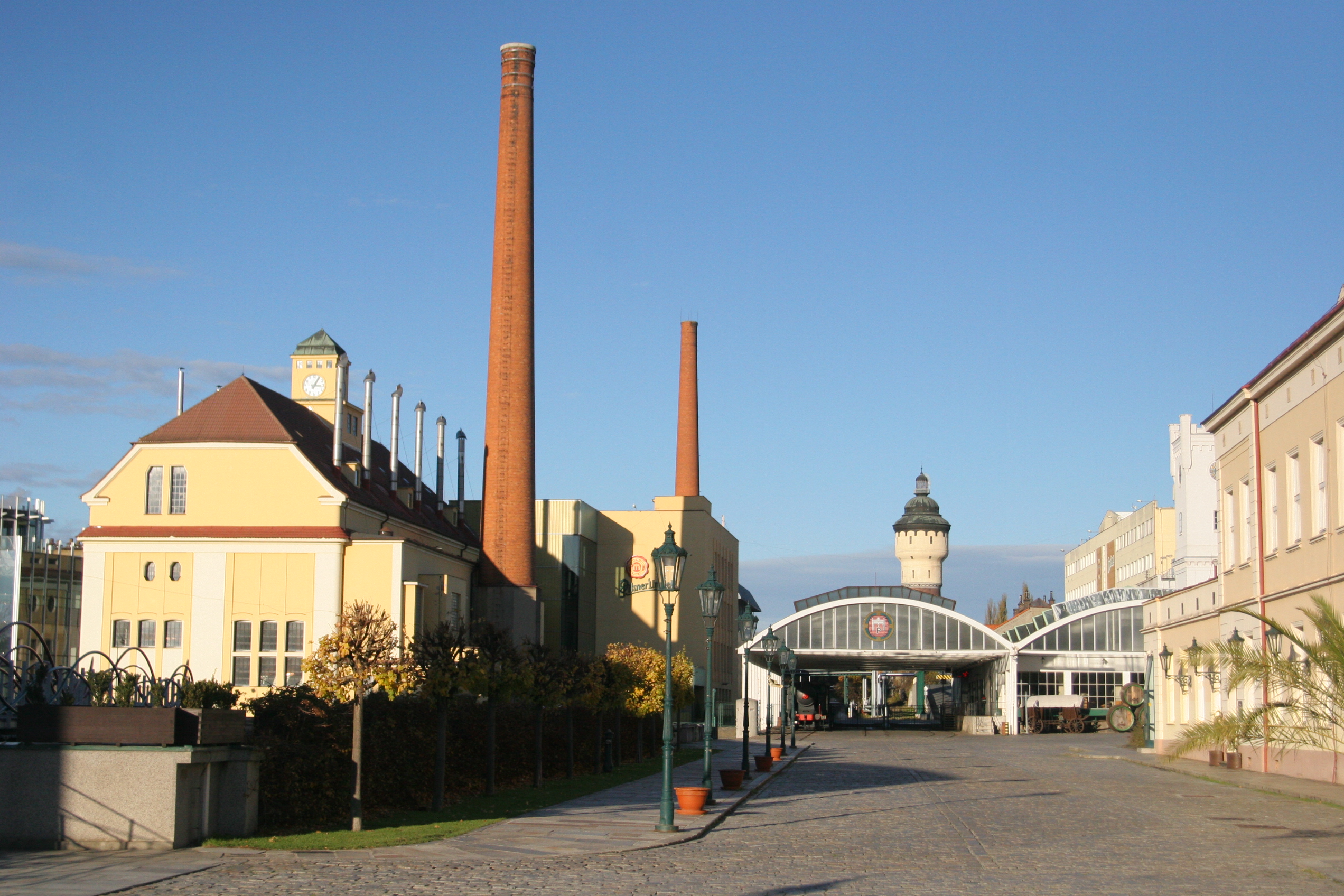
Batumi, Georgia: 22 Things to See & Do on the Black Sea in 2026

TL;DRIn Batumi, on Georgia’s Black Sea coast, don’t miss the seven-kilometre Batumi Boulevard, the moving statue of Ali and Nino, the colourful Europe Square, the mosaic-tiled Piazza and the Argo cable car up Mount Anuria, 250 metres above the sea. Two to three days is plenty for the city itself, and June or early September is the sweet spot, when the sea sits around 23 degrees and the crowds thin out. The dish to try is Adjarian khachapuri, a cheese-filled boat topped with egg and butter, for 10 to 24 lari. For softer black-sand beaches, head 55 kilometres north to the resort of Ureki — the beaches in town are pebbly all the way. From 2026, travel insurance covering your entire stay will also be mandatory to enter Georgia.

On the shores of the Black Sea sits a city that completely defies everything you probably imagine about the Caucasus. Batumi in Georgia is an unbelievable mix of subtropical palms, glittering skyscrapers and historic houses with carved balconies, all coming together to create the atmosphere of a sort of Caucasian Las Vegas. From photos it might even look a little mad, but apparently this combination has an incredible charm that you’ll fall for sooner or later.

If you’re planning to explore Batumi, Georgia, get ready for some huge contrasts. While the seafront promenade shows off the most cutting-edge architectural experiments and floodlit towers, just a few streets away you’ll stumble upon peaceful cobbled lanes filled with the smell of fresh coffee and spices. Travellers often say it’s exactly this mismatched mix that turns the city into a destination you simply have to see with your own eyes.

In this article you’ll find a detailed rundown of what to see in Batumi, which beaches you definitely shouldn’t miss and where to taste the best local cuisine. I’ll help you choose accommodation, we’ll go over the ideal time to visit, and we won’t forget the practical info on transport or the essential travel insurance.

TL;DR

  • When to go: The most ideal time is June or early September. You’ll enjoy warm sea, sunshine and avoid both the biggest crowds and the autumn rains.
  • How long to stay: Two or three days is plenty for the city itself. You can devote the rest of your holiday to trips into the mountains or a transfer to Tbilisi.
  • What not to miss: Definitely walk the seven-kilometre Batumi Boulevard, wait for the evening merging of the Ali and Nino statues, and take the Argo cable car for the best view.
  • What to taste: The culinary star is adjaruli khachapuri, a big cheese boat with an egg and butter. It’s a massive calorie bomb and an absolute must.
  • Where to stay: Couples will love staying in the old town, families with kids will find peace around Old Boulevard, and for longer stays the aparthotels near New Boulevard are great.
  • New requirement: Heads up — from 2026 all travellers are required to have valid travel insurance for the entire duration of their stay.

When to Visit Batumi

If you’re weighing up the ideal time to visit, there’s one crucial thing to know about the local climate. The weather in Batumi, Georgia is heavily influenced by the mountains and the sea, making it one of the rainiest areas in all of Georgia, with an annual rainfall of around 2,200 millimetres. The driest month is, paradoxically, May, while it rains the most in autumn.

For the perfect holiday, June or the first half of September are most often recommended. By June the air temperatures are already climbing to a pleasant 25 to 30 degrees and the sea sits around 23 degrees. At the same time you’ll still beat the peak holiday rush, so you’ll save on accommodation and the beaches in Batumi won’t be bursting at the seams.

The main swimming season runs roughly from June to October. In July and August the sea is warmest (around 26 to 27 degrees), but you’ll have to reckon with huge numbers of tourists and higher prices. If you go in October you’ll enjoy an empty city and cheap services, but you’ll need to factor in a fairly high risk of persistent rain.

How to Get to Batumi

Getting to the Black Sea takes a bit of planning. As things stand right now (valid for summer 2026), there’s unfortunately no direct flight from the UK to Batumi. The local airport actually sits just two kilometres from the centre with regular buses running into town, but you can only reach it with connections, usually via Istanbul.

The most common and cheapest option is therefore to fly with budget carrier Wizz Air to nearby Kutaisi. The journey from Kutaisi airport then takes a little over two hours, and the Georgian Bus company will get you there reliably, with departures cleverly timed to meet the flights. Hunt for cheap flights on Skyscanner — it’s our favourite search tool.

Another very popular option is travelling from the capital, Tbilisi. The two cities are connected by the modern and comfortable Stadler KISS train, which covers the route in roughly 5 hours. Tickets start at around 35 GEL (about £10) and it’s recommended to buy them well in advance online via the official Georgian Railways website (railway.ge). Trains usually run twice a day, typically in the morning and early evening.

If you miss the train, shared minivans — known as marshrutkas — depart regularly from Tbilisi’s Didube station. The trip costs around 30 to 35 GEL (roughly £9–£10) and takes about five and a half to six hours. It mostly depends on how heavy the driver decides to be on the accelerator. Getting around the city of Batumi itself is easiest on foot, or by local public transport for just 1 GEL, or via reliable apps.

💡 Tip: For getting around the city, be sure to download the Bolt or Yandex app. Regular taxi drivers loitering on the street tend to inflate prices for tourists absurdly, and there’s apparently even a little scam involving a quick swap of banknotes at dusk. With an app you know the price upfront and have complete peace of mind.

Where to Stay in Batumi

💡 Tip for accommodation and experiences: We prefer to find our accommodation on Booking.com, which tends to have the best cancellation terms. Tickets, tours and activities are worth comparing and booking through GetYourGuide.

Before you start picking a specific hotel, it’s worth getting your bearings on the individual neighbourhoods, because each one offers a completely different experience. Where to stay in Batumi depends mainly on who you’re travelling with and what you expect from your holiday.

For couples and first-time visitors, the old town and the centre around it are absolutely ideal. You’ll find the prettiest historic lanes, wonderful cafés, and everything essential within walking distance. Families with children usually prefer the area known as Old Boulevard, which is far calmer and full of mature greenery. The New Boulevard area, on the other hand, is packed with giant skyscrapers and modern aparthotels, which digital nomads and people planning longer stays will appreciate most.

Accommodation in the old town and centre: Among the priciest and most luxurious hotels, travellers swear by the elegant Radisson Blu Hotel Batumi with its gorgeous pool, or the iconic Hilton Batumi, which stands a short walk from the beach. The architecturally striking Le Méridien Batumi is also said to offer a beautiful view. If you’re after the golden middle ground and great value for money, the well-located Hotel Indigo Old Town has excellent reviews, as does the very cosy Black Sea Star Batumi. A great choice close to the action is also the Graphic Hotel Batumi.

Accommodation for families and cheaper options: In a quieter part near the greenery you can rent a fully equipped apartment with a sea view in the gigantic Orbi City Sea View complex. It’s a very popular choice for those who want to cook for themselves now and then. For travellers on a tighter budget looking for pleasant boutique digs, the lovely Hotel Old Town is often recommended. Backpackers and solo travellers will surely appreciate the great atmosphere at Harmony Backpackers.

22 Best Places and Experiences in Batumi

Let’s take a look at the main reasons people actually come here. From iconic promenades through mad statues to hidden historical treasures, what to see in Batumi could fill a decently thick book. Here’s my pick of the very best.

1. Batumi Boulevard — a Promenade with Palm Trees

This grand boulevard is the absolute heart of the city, stretching an incredible seven kilometres along the entire coast. Founded back in the late 19th century, it now forms a wide strip full of mature subtropical palms, benches and manicured flower beds.

You could happily explore it all day long, but apparently it has the loveliest atmosphere in the early evening, when the setting sun glows. All along the promenade you’ll find various bike and e-scooter rentals. Hiring a regular bike will set you back roughly 5 to 8 lari per hour (about £1.50–£2.50), which is the perfect way to explore the more distant stretches too.

2. Ali and Nino Statue — a Moving Symbol of Love

An utterly breathtaking work of art that tells the sad love story penned by Kurban Said. Two eight-metre metal figures represent the Muslim boy Ali and the Georgian Christian princess Nino, who couldn’t marry because of their different backgrounds and the war.

Every day these giant figures slowly move towards each other until, for a brief moment, they merge into a single body — and then go their separate ways again. You’ll find them right by the coast in the Miracle Park area, and entry is completely free.

💡 Tip: Although the statues are interesting during the day too, the real magic apparently arrives after dark, when they’re beautifully lit. The figures usually merge each day around 7 p.m., so it’s worth planning an evening stroll to see them.

3. Europe Square — an Architectural Mishmash

If you want to see the essence of that Caucasian Las Vegas, head to Europe Square. It’s surrounded by colourful buildings that look as though they’ve fallen out of a fairy tale, or out of some very creative architecture catalogue.

The dominant feature of the whole space is a tall column topped with a statue of Medea, who proudly holds the Golden Fleece in her hands. According to legend, the Argonauts sailed to the area of present-day Georgia. On one of the surrounding buildings, don’t miss the gorgeous astronomical clock, which shows not just the time but also the phases of the moon.

4. Piazza — a Slice of Italy in Georgia

Wandering through the city, you’ll suddenly find yourself somewhere that looks more like a Venetian piazza than a corner of the Caucasus. Piazza Batumi is surrounded by boutique hotels and pricey cafés, and is adorned with a clock tower from which mechanical figures emerge at noon and 3 p.m.

The biggest highlight of the space, though, is its floor. Here you’ll find the largest figurative mosaic in all of Europe, covering over 100 square metres and made up of a staggering three million tiny pieces. It’s said to be one of the most photogenic spots in the city.

5. Alphabet Tower — a Tribute to the Georgian Script

Georgian is an incredibly old language with its own unique alphabet, of which the locals are rightly proud. The thirty-three Georgian letters have therefore been immortalised in an imposing, 130-metre-high tower whose shape resembles a DNA double helix.

It symbolises that Georgians have their language encoded right in their genes. Once you’ve taken it in from the outside, you can ride the lift up to the glass viewing platform for a small fee of around 5 lari (about £1.50) and enjoy a bird’s-eye view of the city.

💡 Tip: Popular experiences in and around Batumi, such as sightseeing boat cruises, the dolphinarium or a full-day trip to the Makhuntseti waterfall, are worth booking in advance online via GetYourGuide, so you’re guaranteed a spot.

6. Batumi Tower — a Skyscraper with a Ferris Wheel

Just when you think the local architecture can’t surprise you with anything, you discover a two-hundred-metre building with a Ferris wheel built right into its façade, roughly at the hundred-metre mark. The structure was originally meant to serve as a technology university.

Today the building houses the luxury Le Méridien hotel and, although the Ferris wheel on the façade looks absolutely fantastic, according to available information it unfortunately doesn’t work and you can’t ride it. Still, it remains a favourite photo landmark along the whole coastline.

7. Miracle Park — the Hub of Evening Entertainment

The space known as Miracle Park lies at the very edge of the bay and, beyond the already-mentioned Ali and Nino statues, you’ll find several other attractions here. It’s dominated by a working observation Ferris wheel, which you can ride for a few lari and have the sea at your fingertips.

In contrast to the modern elements, there’s a beautifully preserved old lighthouse from 1882. In the afternoon the whole area fills with street performers, candyfloss sellers and families with children, which makes it the perfect place to soak up the local atmosphere.

8. Chacha Tower — a Tower with a Surprise

The tower known as Chacha Tower was meant to be a grand tribute to Georgia’s national spirit. This ornate clock tower was originally designed so that, instead of water, pure chacha would flow free from its fountains for all passers-by.

The idea was grand, but in practice it isn’t quite so glorious. Travellers report that the alcohol flows utterly unpredictably — maybe once a week for fifteen minutes, and often not at all for whole months. So take it more as a fun curiosity than a guaranteed source of evening refreshment.

9. Dancing Fountains by Lake Ardagani

Roughly halfway along the promenade you’ll come across the artificial Lake Ardagani, which by day serves as a pleasant spot to relax — but its real moment comes in the evening. During the summer season, roughly from May to October, a grand show usually takes place here around 9 p.m.

Jets of water shoot up to the rhythm of classical music and modern pop hits, all lit by colourful lasers. It’s a touch kitsch, but it somehow naturally belongs to the overall vibe of this seaside city, and an enormous crowd always gathers here.

10. Argo Cable Car — the Best Sunset

If you want to look down on this whole mad anthill from a proper height, head to the lower station of the Argo cable car near the port. A two-and-a-half-kilometre ride awaits, high above the city’s rooftops, all the way up to Mount Anuria, which rises 250 metres above the sea.

A return ticket costs around 30 lari (about £9) and the cable car runs year-round until late in the evening. Locals often advise that the very best time to go is roughly an hour before sunset, when you’ll see the city in daylight and return home after dark.

11. The Old Town — the Soul of Batumi

When the glass skyscrapers tire you out, duck into the lanes of the old town, which mostly date from the nineteenth century. Here you’ll come across wonderful examples of Art Nouveau, Art Deco and traditional Georgian houses with huge, richly carved wooden balconies.

This is exactly where you’ll find the most characterful cafés, tiny tucked-away wine bars and shops selling local ceramics. It’s a place where you can wander aimlessly for hours, admire the climbing plants on the façades and breathe in that true, calm Caucasian atmosphere.

lukas a lucka
Lukáš and Lucie recommend
Where to stay in Batumi
6 accommodations — hotels, wellness hotels and other lodging options

12. May 6 Park and Lake Nurigeli

One of the oldest public parks in the entire country is a great refuge for the moment when the sun on the promenade starts to feel too fierce. Surrounded by enormous ancient trees lies the tranquil Lake Nurigeli.

Right by the shore you can hire a rowing boat or pedalo and spend a lazy afternoon on the water. The park offers plenty of shaded benches, renovated paths for rollerblading, and for families with children it’s an absolutely ideal green oasis of calm amid the bustle of the city.

13. The Batumi Dolphinarium

Right within the grounds of the aforementioned May 6 Park lies the local dolphinarium, one of the most sought-after attractions for families. Admission costs around 20 lari (about £6) and the shows usually take place several times a day in several languages.

The attraction is enormously popular and during the summer months the stands are often packed to bursting. That said, many modern travellers prefer to watch animals in the wild and tend to steer clear of this kind of entertainment, so whether to visit is entirely up to you.

14. The Aquarium for Underwater Lovers

Right next to the dolphinarium you’ll also find a classic aquarium. For a very symbolic admission of around 4 lari (about £1), you can walk through several exhibits featuring fish from both fresh and salt water, including species typical of the Black Sea region.

Don’t expect any gigantic underwater tunnels in the style of Dubai or Valencia — the place has a slightly retro feel and comes across as rather modest, but for briefly killing boredom on a rainy afternoon it’s apparently a perfectly adequate stop.

15. Cathedral of the Mother of God

Georgia is a deeply devout Orthodox country, but this particular cathedral looks as if it doesn’t belong here. It was originally built at the beginning of the twentieth century as a Catholic church, which perfectly explains its striking neo-Gothic style and rich stained glass.

During Soviet times it had a very turbulent fate, even serving as a laboratory and an administrative building. Today it’s once again a functioning place of worship, and its dim interior with gorgeous frescoes is said to be able to impress every visitor regardless of their faith.

16. Orta Jame Mosque

Because the whole province of Adjara lies very close to the Turkish border, there’s a fairly strong Muslim minority here too. Orta Jame Mosque is now the only functioning mosque in the city, and you’ll recognise it from afar by its white minaret.

Its interior is decorated with beautiful calligraphy and wooden panelling. It’s accessible to tourists outside the main prayer times — just remember to wear appropriate clothing that covers your knees and shoulders. It beautifully illustrates the wonderful religious tolerance that Georgians are immensely proud of.

17. The Multicultural Historic Block

If you criss-cross the old lanes for a while, you’ll soon discover just how much the different cultures intertwine here. During a short walk within a radius of just a few hundred metres, you’ll pass several different places of worship.

Alongside the Georgian churches, a functioning Jewish synagogue, the Greek Orthodox Church of St Nicholas and a beautiful Armenian Apostolic church all stand peacefully side by side. It shows that Batumi has for centuries served as an important and open maritime hub where traders from every corner of the world met.

18. Batumi City Beach — Seven Kilometres of Sun

Right in front of the promenade lies a huge city beach, more than seven kilometres long. If you’re hoping for snow-white sand here, I have to warn you in advance — this entire stretch of coast is covered exclusively with medium-sized pebbles and stones.

The water gets deep fairly quickly and the sea can often be very rough, so it’s not ideal for very small children. On the other hand, along the beach you’ll find dozens of stalls, showers, sunbed rentals and an endless number of beach bars serving cocktails.

💡 Tip: Since the beaches are made of pebbles, I warmly recommend packing sturdy water shoes. Without them, walking on the hot stones and getting into the waves is apparently a fairly painful experience. The water on the main beaches near the port also isn’t the cleanest — slightly better swimming is said to be found on the edges of the city.

19. Green Cape Botanical Garden (Mtsvane Kontskhi)

One of the most underrated outings of all is a visit to the botanical garden, which spreads out about nine kilometres north of the centre on the so-called Green Cape. Admission for foreign visitors is 20 lari (about £6) and the sheer size of the park is staggering.

The garden is cleverly divided into nine different geographical zones, so within a few hours you’ll go from Himalayan flora through Mexican cacti to New Zealand ferns. Many terraces and viewpoints open up wonderful views of cliffs tumbling into the sea, and below the garden you’ll apparently find much cleaner swimming water than in the city itself.

20. Gonio-Apsaros Fortress

Heading south towards the Turkish border, you’ll come across the imposing remains of a Roman fortress from the first century AD. From the once-majestic structure, enormous stone walls totalling just under a kilometre in length have survived, and you can partly walk along them.

Inside the grounds you’ll find a tranquil garden, a small museum with finds from antiquity, and according to some legends the tomb of the Apostle Matthias even lies here. You can reach it easily and cheaply from the city centre on any bus number 16 for about 1 lari, and entry to the grounds itself costs around 10 lari (about £3).

21. Ureki — Black Magnetic Sand

If the pebbly beaches in Batumi have let you down and you’re travelling with small children, head about 55 kilometres north. You’ll reach the resort of Ureki, famous for its rare black sand, which is said to have very strong magnetic and healing properties.

The beach here slopes very gently into the water, the sea is calmer, and thanks to the dark colour of the sand it warms up incredibly fast. Just bear in mind that the little town is very busy during the holidays, and the black sand unfortunately gets uncompromisingly into absolutely everything, from swimwear to towels.

22. The Glass McDonald’s as a Curiosity

Under normal circumstances I’d definitely never send you to a fast-food chain, but this one has little to do with food. The local McDonald’s building near Lake Ardagani has won plenty of prestigious architecture awards and looks like a giant glass spaceship or an upturned crystal.

Inside, above a petrol station, you’ll find a gorgeous cascading garden planted with flowers, so you can sit peacefully surrounded by greenery even though you’re actually above a busy junction. It’s definitely worth a short stop and a photo or two — the building really is phenomenal.

What to Taste in Batumi and Nearby

When it comes to what to eat in Adjara, there’s one absolute champion that locals practically tell bedtime stories about. That’s adjaruli khachapuri (Adjarian khachapuri). It’s a giant boat baked from soft dough, generously filled before serving with a mix of salty sulguni cheese. Right at the end a raw egg is cracked into the middle and a proper slab of good butter is added.

You then have to quickly stir it all together with torn-off corners of dough before the egg sets in the hot cheese. It’s a brilliant, filling vegetarian dish that will reliably knock you out for the rest of the afternoon. Prices per portion roughly range from 10 to 24 lari (about £3–£7), depending on the venue and size.

The traditional Georgian table will easily delight anyone who doesn’t eat meat, too. Among the starters, travellers heavily praise pkhali — small balls of ground walnuts combined with spinach, beetroot or aubergine. Definitely don’t miss badrijani, thin slices of fried aubergine filled with walnut paste and sprinkled with pomegranate. An excellent, light dinner is also lobio, a hearty bean soup served in a clay bowl, and of course you mustn’t leave without tasting khinkali filled with mushrooms or cheese. Now and then you’ll come across the local speciality known as mtsvadi — quickly grilled pieces of marinated pork skewered on a spit, usually devoured by die-hard meat lovers.

The restaurant Retro and the popular Laguna are said to conjure up great khachapuri boats. If you’re after beautiful, cosy surroundings with a huge choice of local dishes, try the tucked-away Cafe Adjara Old House. If you prefer purely plant-based food, seek out the excellent spot called Go Vegan Cafe. Lovers of speciality coffee will surely be thrilled by the café Basil, and you can try an evening glass at the stylish BQ Wine Bar.

💡 Tip: On evening strolls you’ll come across dozens of different bars and clubs trying to lure you inside. But always check right at the entrance whether they have a drinks menu with clearly listed prices. There are plenty of places that deliberately hide their prices, and the resulting bill can easily relieve an unsuspecting tourist of 200 to 500 lari (around £60–£150) for a few ordinary cocktails.

And what would a trip to Georgia be without a drop of good drink! The country boasts the oldest winemaking tradition in the world, which is even on the UNESCO list. The unique local method involves ageing wine in large clay vessels called qvevri, which are buried deep underground. It’s from these that the famous amber wine comes. And if delicious wine isn’t enough, after dinner you might reach for a shot of traditional chacha, a brandy made from grape pomace.

Day Trips from Batumi

When you’ve had your fill of the city, the surrounding hills offer wonderful chances to escape. In a single day you can easily fit in a visit to the nearby Makhuntseti waterfall, from which it’s only a short walk to the gorgeous medieval stone bridge of Queen Tamara. It’s a wonderful example of old building craft, and both lie right by the road heading inland.

If you’re after slightly deeper contact with nature, definitely consider a trip to Mtirala National Park. This enormous Colchic rainforest is literally packed with lush wild greenery, little streams and suspension bridges. You can do a full-day trek through the damp hills or just a short walk along the water. You could also stop in the small coastal resort of Kvariati, which is said to have cleaner pebble beaches than the city itself.

An interesting and slightly unusual oddity is a trip to the village of Sarpi. This unassuming spot lies right on the Georgian-Turkish border, so you can swim in the sea and watch the enormous border buildings right next to the beach. A little further north of the city you’ll come across the peaceful resort of Kobuleti, which many travellers choose as a quieter alternative for a relaxing summer holiday.

Where to Go Next in Georgia

Batumi is usually just one stop on a much longer journey, and it would be a shame not to explore the rest of this enchanting country.

  • If you want to soak up some history and admire much more traditional architecture, definitely set off to explore the capital, Tbilisi.
  • For those arriving on budget flights, the starting point is often Kutaisi, which hides interesting markets and wonderful monasteries.
  • A once-in-a-lifetime experience is then a visit to the high Caucasus mountains, specifically the wild region of Ushguli and Svaneti.
  • Our detailed Georgia holiday itinerary will advise you how to combine it all without losing your mind.

Frequently Asked Questions

When is the best time to visit Batumi?

Definitely the most sustainable time to travel is June and the beginning of September, when you can expect warm sunshine, a fairly warm sea, and far fewer crowds of tourists. The holiday months of July and August tend to be hot but very overcrowded, whereas in autumn there’s a fairly significant risk of persistent rainfall.

How long to stay in Batumi?

“`html
Most travelers’ experiences say that you can comfortably explore the city itself in 2 to 3 days. However, if you’re planning long day trips to the mountains or just want to break up an active holiday with some beach lounging, you can easily spend a whole week here.
“`

How to get from Tbilisi to Batumi?

The most comfortable option is the modern Stadler KISS high-speed train, which usually runs twice daily and takes about five hours. If you miss it, shared minivans (marshrutkas) are also a reliable way to get there, departing regularly from Tbilisi’s Didube station.

Is Batumi good for children?

Families with children come here quite regularly and young visitors will find plenty of entertainment, from riding the Ferris wheel to green parks and the dolphinarium. However, it’s important to keep in mind that the city beaches slope down quite quickly and the large pebbles can be uncomfortable for children to run on, so it’s better to pack some water shoes.

Can you swim in Batumi and what are the beaches like?

Definitely yes, the regular swimming season starts already during June and lasts at least until the end of October. The local beaches stretch for an impressive seven kilometres, however they consist exclusively of stones and pebbles. For a softer and cleaner beach experience, it’s often recommended to look around the northern or southern outskirts of the town instead.

Is the city safe for evening walks?

Georgia is generally considered an extremely safe destination for tourists, and it’s no different here. Even in the late night hours, you can take a pleasant walk along the waterfront promenade or through the lit-up center without worry, just watch your personal belongings against pickpockets as you would in any other city.

How much does a vacation cost and what are the prices?

The local currency is the Georgian lari (GEL), with one lari roughly equivalent to around 0.32 euros (the exchange rate fluctuates, so check it before your trip). Overall, it’s very cheap here, and for two people, you’ll typically need about 100 to 160 lari per day for all food and entertainment without any problems.

Do I need a visa and insurance for Georgia?

Citizens of the European Union don’t need any visas and can even stay in the country for up to one year, simply with a valid ID card. However, be extremely careful about a new requirement. From January 1, 2026, mandatory travel insurance covering at least approximately €3,750 for the entire duration of your stay is strictly required for entry, and you must present it in English or Georgian. Without it, you could apparently face a quite hefty fine at the border. Check out, for example, a review of reliable SafetyWing insurance.

Tips and Tricks for Your Vacation

Don’t Overpay for Flights

Search for flights on Kayak. It’s our favorite search engine because it scans the websites of all airlines and always finds the cheapest connection.

Book Your Accommodation Smartly

The best experiences we’ve had when looking for accommodation (from Alaska to Morocco) are with Booking.com, where hotels, apartments, and entire houses are usually the cheapest and most widely available.

Don’t Forget Travel Insurance

Good travel insurance will protect you against illness, accidents, theft, or flight cancellations. We’ve had a few hospital visits abroad, so we know how important it is to have proper insurance arranged.

Where we insure ourselves: SafetyWing (best for everyone) and TrueTraveller (for extra-long trips).

Why don’t we recommend any Czech insurance company? Because they have too many restrictions. They set limits on the number of days abroad, travel insurance via a credit card often requires you to pay medical expenses only with that card, and they frequently limit the number of returns to the Czech Republic.

Find the Best Experiences

Get Your Guide is a huge online marketplace where you can book guided walks, trips, skip-the-line tickets, tours, and much more. We always find some extra fun there!
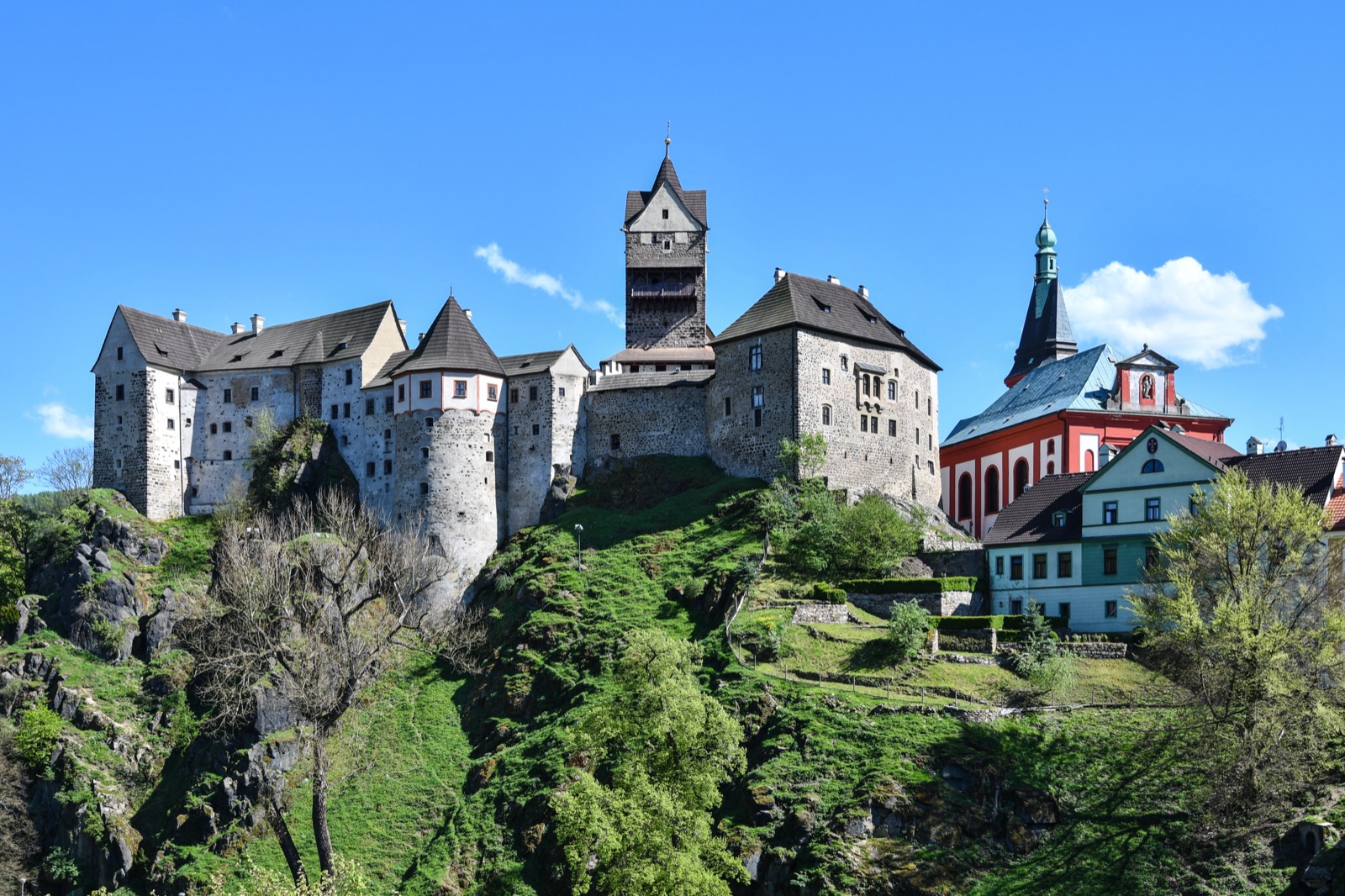
Menton, France: 11 Things to See and Do in the City of Lemons in 2026

TL;DRMenton, on the French Riviera right by the Italian border, is packed with things to do. There are 11 main tips here, from the pastel façades of Vieux Menton to a train hop across to Italy. Highlights include the Basilique Saint-Michel, the botanical gardens of Val Rahmeh and Serre de la Madone, the beach at Plage des Sablettes, the Jean Cocteau museum, a stroll along the Promenade du Soleil, and a train ride to Ventimiglia in Italy that takes under 15 minutes. Spring and autumn are the best time to go, with temperatures around 22 to 25°C, or come in February for the famous Lemon Festival (Fête du Citron), which pulls in over 200,000 visitors and gets through more than 140 tonnes of citrus fruit. Entry to the Val Rahmeh garden costs €7, and a set menu at a restaurant runs €15–€25. Thanks to the warmest microclimate on the Riviera, the sun shines here 316 days a year. It’s best to travel by TER train, since the coastal roads grind to a halt in summer.

Picture a place where the majestic peaks of the Alps tumble straight down into the azure waters of the Mediterranean and the air smells of lemons. That, in a nutshell, is Menton, France — a captivating little town tucked away on the eastern edge of the French Riviera, quite literally just a few steps from the Italian border. Menton is a visually stunning destination that has held on to its authentic charm and hasn’t fallen victim to mass tourism the way its neighbouring resorts have. You’ll find a perfect blend of French elegance and Italian temperament here, because the town breathes pure Italy. In this guide, we’ll look together at how to get the most out of a visit to Menton, how to dodge the summer crowds, and why you should arrive by train rather than by car. Get ready for pastel façades, fragrant gardens, and endless calm.

In this article you’ll find exactly 11 tips on what to see and do in Menton. We’ll wander the narrow lanes of the old town, taste the best local lemon specialities, and I’ll point you towards the smartest places to stay. You’ll also discover the best time to visit so you can enjoy the famous Lemon Festival, and how much a holiday on the south coast of France is likely to set you back.

TL;DR

  • Travel without a car: Forget about renting a car — the coastal roads grind to a halt in summer. The best way to get around is the reliable TER trains, which will take you everywhere.
  • The warmest microclimate: Menton is the warmest spot on the entire Riviera, which makes it an ideal destination for spring and autumn trips too.
  • The Lemon Festival: If you arrive in February, you’ll experience the famous Fête du Citron, when the town transforms into a giant parade of citrus sculptures.
  • An Italian crossover: The town sits right on the border, so in a single day you can nip across for an Italian coffee or a market in neighbouring Ventimiglia.
  • A botanical paradise: Thanks to its sheltered position, you’ll find some of the most beautiful exotic gardens in Europe here, such as the famous Val Rahmeh.
  • Pebble and sandy beaches: Unlike Nice, Menton has beaches with finer sand — the most popular being Plage des Sablettes.

When to visit Menton

Menton boasts a truly unique microclimate that genuinely has no equal anywhere else in France. The high mountains shelter the town perfectly from cold northern winds, so the sun shines here for an incredible 316 days a year. It’s precisely thanks to this favourable Menton, France weather that citrus fruit thrives on such an enormous scale, and the town holds its status as far and away the warmest place on the entire Côte d’Azur. That makes it a perfect refuge for anyone wanting to escape the British winter or stretch out their summer.

If you long to explore the sights and take long walks through the gardens, come in spring or autumn. In May, June and September the temperatures hover around a very pleasant 22 to 25 °C. The town isn’t overcrowded at this time, and you can enjoy your morning coffee on the promenade in peace without an exhausting wait for a free table. The local cafés and bistros run at a leisurely pace, so this is when you’ll best soak up the genuine Mediterranean atmosphere without any unnecessary stress. February is a chapter all of its own, when the celebrated Lemon Festival takes place. It’s an utterly magical time full of colour, but accommodation on those dates vanishes at lightning speed.

Summer on the Riviera, by contrast, can be a relentless furnace. In July and August the sun beats down mercilessly and temperatures very often climb to 35 to 43 °C, which can turn an ordinary stroll into a fairly demanding athletic feat. If you do come in peak summer season, you absolutely must adapt your schedule to the local rhythm. Head out to explore the town in the morning, hide in the shade over midday, and spend the afternoon swimming at the beach. And watch out for one crucial French custom: lunch is served in restaurants strictly between 12:00 and 14:00. If you turn up hungry at a quarter past two, the most you’ll get is a glass of wine, because the kitchens will be firmly closed. Evening life then only starts to stir after half past seven.

Where to stay: Menton hotels in France

💡 Tip for accommodation and experiences: We like to look for places to stay on Booking.com, which usually has the best cancellation terms. For tickets, tours and activities, it pays to compare and book through GetYourGuide.

Choosing the right accommodation on the French Riviera is absolutely crucial for both your happiness and your wallet. Fortunately, Menton offers great options that won’t ruin you financially in the way the luxury hotels in nearby Monaco or Cannes will. The best strategy is to stay within walking distance of the train station, so you can easily and efficiently make day trips around the area. As for renting a car — forget it entirely, because the coastal roads turn into one endless car park in summer, and hunting for a free space in the narrow lanes will only cost you precious time and frayed nerves.

If you love a historic atmosphere, look for somewhere right around the old town (Vieux Menton). You’ll be close to the best cafés and morning markets, and in the evening you can enjoy romantic walks through the narrow lanes without any long journeys. Prices per night for two in Menton hotels in France typically range from around €120 to €180 in high season.

For lovers of complete tranquillity and grander views, the Garavan district is the ideal choice, stretching elegantly towards the Italian border. Here you’ll find beautiful Belle Époque villas, quieter beaches, and the famous botanical gardens. Do bear in mind, though, that getting to the historic centre from here involves a slightly longer walk along the sea, which honestly is no hardship at all in the early evening.

Here are some specific tips for great hotels you can book:

  • Hotel Miléade L’Orangeraie: A beautiful historic hotel with a sprawling garden full of orange trees, just a short walk from both the beach and the centre.
  • Ibis Styles Menton Centre: A great choice for anyone after modern accommodation with excellent value for money, right in the heart of town.
  • Hotel Prince de Galles: If you long for a sea view and old-world charm, this hotel certainly won’t disappoint.

11 things to see and do in Menton, France

Let’s take a look together at the very best this sun-drenched town has to offer. We’ll discover narrow lanes lined with pastel houses, peek inside fascinating botanical gardens, and show you where to find the best lemon treats.

1. The old town (Vieux Menton) and colourful houses

The historic centre of Menton is an absolute visual gem that instantly, and without warning, transports you several centuries back in time. The old town rises in cascading tiers up a steep hill directly above the harbour, and from a distance it looks like a breathtaking palette of warm, glowing tones. The narrow lanes form a fascinating tangle of endless staircases and vaulted passageways, in which it’s an enormous pleasure to simply get lost for a few hours and soak up the calm local rhythm of life.

The local architecture makes it abundantly clear just how much the town was once influenced by neighbouring Italy. While in nearby Nice you’ll see a more elegant and orderly Savoyard style, Menton breathes a pure, slightly chaotic south. Every house façade here plays in vivid shades of yellow, ochre, deep orange and terracotta, which in perfect combination with the azure sky creates an incredible contrast. You’ll find plenty of small hidden squares where locals dry their laundry directly above the heads of passing tourists, and the constant scent of freshly brewed coffee drifts from open windows.

As you wander, don’t forget to lift your head and admire the beautiful historic details on the old wooden doors and window shutters. The atmosphere here flows noticeably slower and calmer than in the rest of the Riviera. If hunger strikes as you climb the hill, stop at one of the street stalls and buy some fresh socca. It’s a wonderfully traditional thin flatbread made from chickpea flour and baked in a wood-fired oven, which the locals love to enjoy with just a light dusting of coarse black pepper.

💡 Tip: Head into the old town either early in the morning or in the late afternoon. That way you’ll avoid the very worst of the midday heat, because climbing hundreds of steps in 43-degree summer temperatures is no joke.

2. The Saint-Michel Basilica and the view from the square

The true heart and landmark of the old town is, without question, the magnificent Saint-Michel Basilica (Basilique Saint-Michel-Archange). This majestic 17th-century building represents one of the very finest examples of Baroque architecture on the entire French Riviera. Its two distinctive yellow towers proudly dominate the Menton skyline and will reliably guide you back to it from any point in town, even if you happen to lose yourself for a moment in the winding lanes.

A very imposing, wide staircase leads up to the entrance of the basilica, and its paving is carefully crafted from intricate mosaics of white and grey sea pebbles. This old traditional style of paving is called calades, and it lends the whole forecourt before the church an incredibly elegant feel. The interior of the basilica is richly decorated with beautiful frescoes and massive gilded altars, so it’s well worth peeking inside to admire it — and to cool down pleasantly for a moment in its stone shade.

The main reason most visitors head up here, though, is the small square called Parvis Saint-Michel that spreads out directly in front of the church. It offers an absolutely phenomenal panoramic view of the sea and the harbour spread out far below you. It’s one of the best spots to capture those truly iconic photos of your holiday, especially in the soft early-evening light.

💡 Tip: If you come here during August, be sure to check the programme of the local music festival in advance. The square right in front of the basilica regularly hosts breathtaking open-air classical music concerts, which have absolutely perfect acoustics thanks to the surrounding historic buildings.

3. The Lemon Festival (Fête du Citron)

If you’re planning a visit during the cooler winter months, you’re actually in tremendous luck. Around the turn of February and March, Menton hosts one of the most bizarre and at the same time most beautiful events in all of Europe. The famous Lemon Festival draws over 200,000 enthusiastic visitors to the town every year and reliably shatters any winter melancholy. It lasts about two weeks, and during it the town quite literally smells of citrus for miles around.

During these grand celebrations, Menton transforms into a giant, dazzlingly yellow exhibition. More than 140 tonnes of fresh lemons and oranges are used to build the enormous sculptures and breathtaking allegorical floats. Each year the festival has a completely different theme — in the past it has been, for example, a colourful Bollywood, the wonders of world architecture, the underwater world, or famous theatre musicals. The fruit sculptures often reach several storeys high, and their painstaking construction takes the organisers entire weeks.

The main stage for the festival is the beautiful Biovès Gardens (Jardins Biovès), located right in the centre of town, where these massive installations are displayed for everyone to admire. At weekends there are grand and noisy parades along the seafront promenade, accompanied by plenty of musicians, dancers and acrobats. The fun doesn’t end after dark either, when the gardens are beautifully and mysteriously lit up.

💡 Tip: Be sure to buy tickets for all the parades and the gardens online on the festival’s official website well in advance. They tend to sell out long beforehand, and on the day you’ll often have no luck at all. What’s more, once the whole festival is over, the used fruit is sold to local residents for very symbolic prices.

4. The Val Rahmeh botanical garden

Thanks to its unique sunny climate, Menton is quite literally a paradise for all keen botanists and nature lovers. One of the very most beautiful oases of calm is the Val Rahmeh garden, founded with great care in the 19th century by the British aristocrat Lord Radcliffe. This incredible tropical paradise instantly pulls you out of the town’s busy pace and provides you with perfect — and much-needed — shade on hot summer days.

Today the garden proudly belongs to the prestigious Paris National Museum of Natural History and serves above all to protect very rare species. Only because the mountains shelter the town so perfectly from cold northern winds was it possible to create an incredible collection of more than 1,500 species of exotic plants brought over from Asia, Africa and faraway South America. You’ll walk among enormous green bamboos, towering palms and ancient olive trees, which together form a perfect cinematic backdrop.

The single greatest draw is the breathtaking pond full of giant water lilies, around which colourful exotic butterflies constantly flutter. Entry to the garden costs a friendly €7, and it’s well worth setting aside at least two hours for the whole visit. The atmosphere here is so incredibly peaceful that you might as well bring along a favourite book and settle onto one of the many wooden benches.

💡 Tip: The garden lies in the luxurious and quiet Garavan district, which you can reach from the main harbour on a very pleasant walk of about twenty minutes. Don’t forget to bring reliable insect repellent, though, as the damp environment around the pond occasionally attracts pesky mosquitoes.

lukas a lucka
Lukáš and Lucie recommend
Where to stay in Menton
4 accommodations — hotels and other lodging options

5. Hidden gem: the Serre de la Madone garden

If you love wild nature and are deliberately seeking out a place free of big tourist crowds, you absolutely mustn’t miss Menton’s second famous garden. The gorgeous Serre de la Madone was created in the 1920s by the very talented British botanist Lawrence Johnston. The garden is ingeniously set into a steep slope and made up of an intricate system of stone terraces, hidden pools and trickling fountains.

Johnston spent long years travelling all over the world, and from every expedition he eagerly brought back rare seeds and seedlings. Thanks to Menton’s specific warm microclimate, he managed to successfully grow plants that would never survive winter anywhere else in Europe. The garden is laid out very organically and freely, so in places it feels more like a wild, all-engulfing jungle than a carefully trimmed and maintained city park.

The whole visit is designed as a fascinating journey around the world. You’ll walk through a dense little bamboo wood, admire enormous, majestic redwoods, and catch the strong scent of rare species of mahonia. This garden is far less visited than the popular Val Rahmeh, which gives it a much more intimate and mysterious atmosphere. It’s an absolutely perfect spot for quiet contemplation and escape from the summer heat.

💡 Tip: The garden lies a little higher up in the hills outside the main centre of town. The easiest and most comfortable way to reach it is on the local bus, line number 7, directly from the main train station. It’s open Tuesday to Sunday, and it’s best to always check the current opening hours on their website, as they change fairly often throughout the year.

6. Relaxing on the beaches and swimming

After a full day of exploring historic sights and walking through gardens, there’s truly nothing better than cooling off pleasantly in the waves of the Mediterranean. Unlike neighbouring Nice, where you’ll find only very uncomfortable, large pebbles, Menton offers far more agreeable beaches. The water here is incredibly clear, shimmering in every shade of azure, and thanks to the calm sheltered bay the sea is mostly free of big, dangerous waves.

The most popular and visually most beautiful is Plage des Sablettes, which lies directly beneath the historic centre with a view of those colourful little houses. It’s a beach with very fine sand and just a little gravel, making it absolutely ideal for a day of summer lounging. Alongside it runs a renovated, lively pedestrian zone full of great restaurants and cafés with sea views, where you can comfortably pop in for a good lunch.

If you’re after a slightly quieter spot to relax, though, head towards the Italian border to the beaches in the Garavan district, specifically the lovely Plage Rondelli. On the complete opposite side of town you’ll find the pebbly Plage du Fossan, where there tend to be noticeably fewer people even in season. All of these town beaches have free public showers, which you’ll one hundred percent appreciate on a scorching summer’s day.

💡 Tip: Although the main Plage des Sablettes beach is mostly fine sand, right at the water’s edge you’ll hit a strip of small and occasionally slightly sharp stones. If you have sensitive feet, water shoes will definitely come in very handy here.

7. Art and the Jean Cocteau museum

In the mid-twentieth century, the famous French poet, painter and filmmaker Jean Cocteau fell head over heels in love with Menton. This incredibly versatile artist left a very distinct mark on the town and is, to this day, regarded by locals as something of a little hero. During his lifetime, the town even generously offered him the use of an old 17th-century stone defensive fort right on the seafront, known as the Bastion.

Cocteau carefully renovated this small fort himself and turned it into his own original museum. Here he created beautiful, intricate mosaics from tiny sea pebbles on the floors and even designed special illuminated display cases for his works. In the small but very atmospheric space of the historic Bastion, you’ll find a fascinating collection of his pastels, drawings and unusual colourful ceramics.

Not far from here, on the coast, stands the modern Musée Jean Cocteau building, which houses a vast collection of his work donated by the American collector Séverin Wunderman. Sadly, this modern building was seriously damaged by major flooding a few years ago, and its operation is still heavily restricted. Be sure, though, to at least visit the historic Bastion, which is well worth the cultural experience.

💡 Tip: If Cocteau’s highly original art has caught your interest, be sure to also visit the Wedding Hall (Salle des Mariages) located right inside Menton’s town hall. He personally painted this entire room from floor to ceiling with his beautiful, dreamlike frescoes.

8. A walk along the promenade and the harbour

Just like every proper, beloved resort on the French Riviera, Menton has its own iconic seafront promenade, where all the evening and social life plays out. The Promenade du Soleil stretches several long kilometres directly along the sea and is the absolutely ideal spot for a quiet early-evening stroll. It’s lined with towering palms, plenty of benches, and grand historic Belle Époque hotels that beautifully recall the faded glory of the 19th century, when wealthy British aristocracy came here to rest.

I’d warmly recommend starting your walk at the elegant local casino and ambling slowly all the way to the historic harbour, Vieux Port. Along the way you’ll pass dozens of small, tempting shops and cafés where you can have an excellent espresso for around €1.80 to €2.50, or a delicious artisan ice cream. Watching the sunset with a panoramic view of the terracotta houses of the old town is simply an experience that never gets old on the south coast of France.

In the harbour itself you can admire up close the genuine Mediterranean contrast between traditional wooden fishing boats (known as pointus) and the luxurious white yachts of wealthy holidaymakers. Local fishermen bring in their fresh catch here every early morning, so it stays alive all day long with a very authentic and lively buzz.

💡 Tip: If you enjoy photography, the very best light for capturing the old town and the harbour arrives about an hour before sunset itself. The warm colours of the yellow and ochre façades come alive incredibly in this light, and your photos will look like perfect postcards.

9. Tasting the local lemon specialities

Food in Menton is a beautiful chapter all of its own and is guaranteed to delight every lover of fresh summer flavours. The town is famous the world over for its perfect lemons, which have even earned the prestigious protected geographical indication (PGI). Menton lemons are noticeably sweeter, with a far thicker skin full of essential oils and a much more intense aroma than the ordinary citrus from the supermarket. Almost every good restaurant and bakery in town lovingly prepares some wonderful local speciality from them.

An absolute, non-negotiable must is to taste the famous Tarte au Citron (lemon tart). Delicate buttery pastry filled with an intense, sweet-and-sour lemon cream is the most perfect showcase of the local pastry art. You’ll find it in every honest boulangerie, and it pairs wonderfully with coffee. The local artisan jams, marmalades and olive oil infused with fresh lemon zest are also excellent.

As a souvenir, be sure to bring home a bottle of genuine Menton limoncello. Although this sweet liqueur is mainly associated with nearby Italy, the Menton version is simply unbeatable thanks to the quality of the local lemons. For a quick lunch or an afternoon snack, I’d recommend reaching for the vegetarian classic known as socca. It’s a hot, gorgeously crisp chickpea-flour flatbread baked in a wood-fired oven, typical of the whole coast and dusted with nothing but coarse pepper. In restaurants, look out for the so-called Menu du jour (menu of the day), which will set you back a very pleasant €15 to €25 at lunchtime.

💡 Tip: For the very best lemon products and local cheeses, head to the historic covered market, Marché des Halles. It’s open every morning, and besides fresh citrus you can pick up fragrant Provençal herbs, spices and sprigs of dried lavender.

10. A train trip to the Italian markets (Ventimiglia)

Once you’re based in Menton, it would be a downright sin not to make the most of its absolutely unique position right on the Italian border. You can reach the Italian border town of Ventimiglia on a comfortable local train in under fifteen minutes. The journey itself along the coast offers beautiful views of steep cliffs and a restless sea, and a return ticket will cost you literally just a few euros.

Ventimiglia is known throughout the whole wide region above all for its enormous and very popular Friday markets. Every Friday in the early morning, the broad waterfront transforms into an endless row of hundreds of stalls, where you can buy absolutely everything from fresh local vegetables and great Italian cheeses to quality leather handbags and designer clothing. The market is very noisy, gorgeously chaotic and full of wild haggling, which forms an incredibly stark contrast to the calm, French-orderly Menton.

Even if you don’t come on a Friday, the town is definitely worth a short afternoon visit. Stop in for a genuine Italian espresso at the bar (which costs a fraction of the French price here, usually just a little over a euro), have some excellent vegetarian pasta for lunch, and explore the old historic centre, Alta, which rises very romantically on a hill high above the river.

💡 Tip: If you’re heading specifically for the big Friday market, set off as early in the morning as you possibly can. The TER trains from France are packed to bursting from eight o’clock onwards, and by midday the best goods at the markets are simply gone.

11. A base for exploring the Riviera (without a car!)

Menton is an absolutely brilliant and strategic starting point for discovering the whole French Riviera, from the Italian border all the way to distant Cannes. The single biggest mistake tourists make in this region is trying to drive along the coast in a rental car. In the summer months the visually gorgeous roads turn into one endless, frustrating car park, and hunting for a free space in the narrow lanes will cost you plenty of nerves and money on parking.

Fortunately, the network of regional TER trains works absolutely perfectly and reliably here. The trains run with enormous punctuality and a frequency of three to four times an hour, stopping right in the centres of all the important towns. From Menton you can reach luxurious Monaco in just twenty minutes, with a ticket costing around €4 to €6, and the station is also stunningly carved right into the rock.

You’ll reach bustling Nice in about thirty-five minutes for around €6, and cinematic Cannes in roughly an hour for €7 to €10. If you’re planning more intensive travel and want to see as many places as possible, ask at the station about the regional Pass SudAzur ticket, which lets you travel unlimited throughout the whole department for a very good price. A great tip for a short train trip is also the nearby village of Èze, from which you can climb the famous Nietzsche Path up to an exotic garden full of cacti.

💡 Tip: For the absolutely easiest way to plan journeys and buy tickets online without needless queuing at the station, use the official website or the handy SNCF Connect app. You simply download the tickets straight to your phone and you’re all set.

Where to go next from Menton

Menton is a fantastic launchpad for exploring the south of France more deeply. If luxury tempts you, definitely take the train to Monaco, where you can walk around the Formula 1 circuit. For lovers of dramatic views, I’d recommend the medieval village of Èze, balancing on a rock high above the sea.

If you want to experience a vibrant city with perfect infrastructure, read our article about what to see in Nice. And if you’re interested in the wider context and more day-trip tips for the whole region, take a look at our big guide to the French Riviera.

Frequently asked questions

How to best get to Menton?

The easiest route is via the international airport in Nice (Nice Côte d’Azur). Direct flights operate from Prague, and if you book in advance, you can find tickets with Eurowings starting from around €40. From the airport, you can take the tram to the main station in Nice (Gare de Nice-Ville) and from there a direct TER train will get you to Menton in about 35 minutes. The official tourist portal highly recommends this mode of transport.

Is a vacation in Menton expensive?

Southern France is among the pricier destinations, but Menton is still more affordable than Cannes or Monaco. If you want to save money on food, look for the so-called “Menu du jour” (daily menu) at lunchtime, which will cost you around €15 to €25. Dinner at a regular restaurant costs between €20 and €35. A coffee on the promenade will set you back around €2.

Do I need a car on the Riviera?

Definitely not. Renting a car on the coast during summer season is rather a nuisance due to huge traffic jams on the roads and lack of expensive parking spaces. Regional TER trains work absolutely brilliantly, running 3 to 4 times per hour, are reliable, cheap and stations are located right in the centres of all interesting towns.

Are there sandy beaches in Menton?

Yes, unlike Nice, where there are only uncomfortable large pebbles, in Menton you’ll find beaches with fine sand and small gravel. The most popular and best-equipped is the central Plage des Sablettes. Even so, it’s worth bringing water shoes, because at the actual entry into the sea there are often smaller sharp stones.

How far is it from Menton to Italy?

Menton is located literally on the border with Italy. It’s only about 12 to 15 minutes by train to the nearest Italian town of Ventimiglia. You can easily cross the border on foot during a longer romantic walk along the sea and pop over to Italy for a proper cheap espresso for just one euro.

When does the famous Lemon Festival take place?

The Fête du Citron takes place annually at the turn of February and March and lasts roughly two weeks. If you’re planning to go and experience this magnificent parade of 140 tons of citrus fruits, buy tickets for the processions and exhibitions on the official website well in advance—even months ahead—as the event is enormously popular.

Is it necessary to leave a tip at restaurants?

In France, it’s common that the service charge (the so-called “service compris” of 15%) is already automatically included in the final bill. So tipping isn’t mandatory. However, it’s good practice to leave 1 to 2 euros in cash on the table if you were really satisfied with the service, since you often can’t add a tip through the card terminal.

Tips and Tricks for Your Vacation

Don’t Overpay for Flights

Search for flights on Kayak. It’s our favorite search engine because it scans the websites of all airlines and always finds the cheapest connection.

Book Your Accommodation Smartly

The best experiences we’ve had when looking for accommodation (from Alaska to Morocco) are with Booking.com, where hotels, apartments, and entire houses are usually the cheapest and most widely available.

Don’t Forget Travel Insurance

Good travel insurance will protect you against illness, accidents, theft, or flight cancellations. We’ve had a few hospital visits abroad, so we know how important it is to have proper insurance arranged.

Where we insure ourselves: SafetyWing (best for everyone) and TrueTraveller (for extra-long trips).

Why don’t we recommend any Czech insurance company? Because they have too many restrictions. They set limits on the number of days abroad, travel insurance via a credit card often requires you to pay medical expenses only with that card, and they frequently limit the number of returns to the Czech Republic.

Find the Best Experiences

Get Your Guide is a huge online marketplace where you can book guided walks, trips, skip-the-line tickets, tours, and much more. We always find some extra fun there!
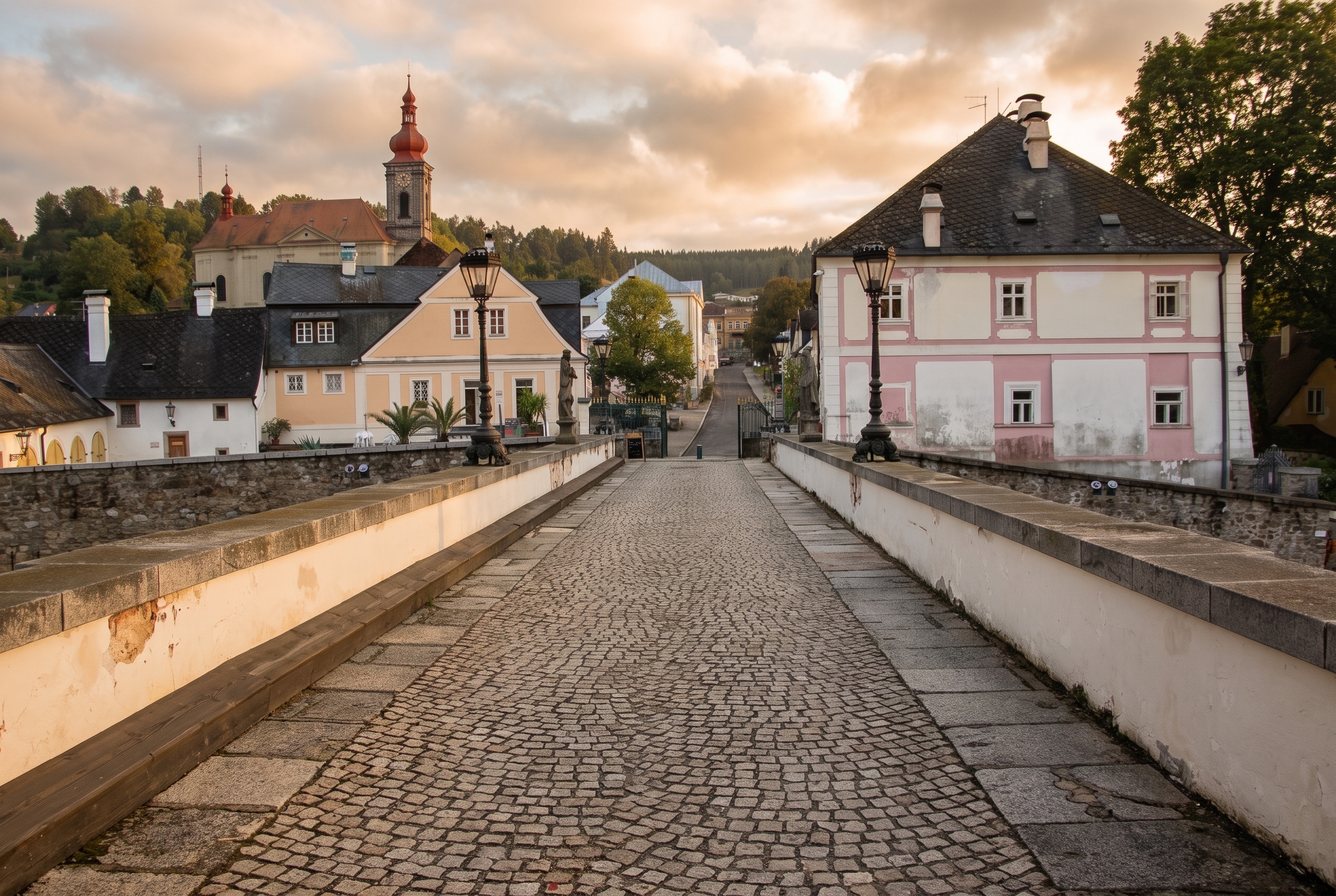
Muscat, Oman: 15 Best Things to See in the Capital in 2026

TL;DRMuscat, Oman’s capital, blends history and luxury along a coastline stretching 50 to 70 kilometres, so you’ll need a car or the Careem app to hop between districts like Mutrah, Qurum and Old Muscat. Among the 15 key tips, standouts include the Sultan Qaboos Grand Mosque with free entry (open Saturday to Thursday, 8:00–11:00), the ancient Mutrah Souq, the Mutrah Corniche waterfront, Al Alam Palace and Qurum Beach. For day trips, head to Wadi Shab and the Bimmah Sinkhole, roughly 130 kilometres from the city. The best time to visit is October to April, with temperatures of 25 to 30 degrees Celsius. Two to three days is enough for the city itself, or four to five if you’re adding side trips.

Thinking about a trip to Oman and wondering whether the capital is worth more than just a quick dash from the airport? Trust me, Muscat will completely charm you with its blend of ancient tradition and modern luxury. But right off the bat, I have to let you in on one absolutely crucial thing that catches almost every traveller off guard. Muscat, you see, is not a compact city at all in the way we’re used to in Europe.

In reality, the whole urban sprawl stretches a good fifty to seventy kilometres along the coast, with individual districts constantly separated by dramatic rocky mountains and wide motorways. So forget the idea of lacing up your trainers in the morning and strolling through the whole centre on foot. Without a rental car or the reliable Careem app, you simply won’t get far here, because the distances between the sights are enormous.

In this article we’ll take a look together at 15 tips on what to see and do in Muscat so you can squeeze the most out of it. I’ll guide you from the breathtaking Sultan Qaboos Grand Mosque through the fragrant alleys of the old souq all the way to the most beautiful beaches and day trips. I’ll also advise you on which district to base yourself in strategically and what to watch out for from a practical point of view.

TL;DR

  • Getting around: Muscat is spread out along the coast, so rent a car right at the airport, or download the Careem app for booking rides.
  • Sultan Qaboos Grand Mosque: The city’s main landmark is open to non-Muslims only Saturday to Thursday, from 8:00 to 11:00 in the morning.
  • Dress code: Oman is a very conservative country, so always keep your shoulders and knees covered (this applies to both women and men).
  • Where to stay: If you want history, choose the area around Mutrah. For beach relaxation, Qurum or the luxury bay of Barr Al Jissah are ideal.
  • Trips around the area: Definitely set aside a whole day to visit the wadi (Wadi Shab) and the turquoise Bimmah Sinkhole.
  • When to go: Ideally plan your trip between October and April; in summer the heat here is unbearable, well over 40 degrees.

When to Visit Muscat

If you’re planning a holiday in Oman, timing is absolutely key. The best period to visit Muscat runs from October to April, when temperatures hover around a very pleasant 25 to 30 degrees Celsius. In these months the sea is calm, the sky a clear blue, and you can fully enjoy sightseeing and swimming without bathing in your own sweat.

Conversely, you’re better off avoiding the country from May to September unless you genuinely love extreme heat. Summer temperatures in the capital regularly climb above 40 degrees and the humidity along the coast is often unbearable. During this period life moves exclusively into air-conditioned shopping malls, and outdoor activities are practically impossible during the day.

When choosing your dates, also check the timing of the holy month of Ramadan, which moves each year. During Ramadan most restaurants and cafés are closed during the day, and there’s a strict ban on eating and drinking in public until sunset. Travelling at this time does have its own distinctive spiritual charm, but from a practical standpoint it’s quite restrictive for tourists.

Where to Stay in Muscat

💡 Tip for accommodation and experiences: We like to look for places to stay on Booking.com, which usually has the best cancellation terms. For tickets, tours and activities, it pays to compare and book through GetYourGuide.

Given how sprawling the city is, choosing the right district is absolutely essential. If you want to be as close as possible to the historic sights and markets, look for accommodation in the Mutrah area or Old Muscat. For modern amenities, beaches and Western-style restaurants, on the other hand, the diplomatic district of Qurum works brilliantly, as does the newly built Al Mouj area just a short distance from the airport.

Most travellers handle hotel bookings the usual way through Booking, where you’ll find the widest selection from cheaper guesthouses to five-star palaces. Be prepared, though, that Oman isn’t exactly a cheap destination, and even decent three-star hotels often start at around 80 euros per night. Here’s a selection of tried-and-tested places, sorted by traveller type.

For lovers of absolute luxury and design, the obvious choice is The Chedi Muscat, which offers vast gardens, minimalist architecture and a stunning hundred-metre pool. Another iconic option is the Shangri-La Al Husn (or the family complex Shangri-La Barr Al Jissah), set in a private bay southeast of the city, where peace and quiet and first-class beach service are guaranteed.

If you’re travelling with children or looking for modern facilities near the airport, take a look at the Kempinski Hotel Muscat in the Al Mouj community, which has a gorgeous beach and pools. In the same modern district you’ll also find the trendy W Muscat, which younger couples in search of a livelier atmosphere and great lounge bars will especially appreciate.

For a happy middle ground and excellent value for money, I recommend the Crowne Plaza Muscat in the Qurum district, which gives you great access to the longest public beach in the city. If you’re on a tighter budget but still want clean, reliable accommodation in a good location, you won’t go wrong with the Mysk Al Mouj or the proven classic of the Ibis, which offer all the comfort you need without the inflated price tags.

15 Things to See and Do in Muscat

Let’s take a look together at the very best the capital has to offer. Whether you love history, fragrant markets or empty beaches, Muscat is guaranteed to keep you busy for several days.

1. Sultan Qaboos Grand Mosque

This breathtaking building, completed in 2001, is the city’s absolute landmark and one of the few mosques on the Arabian Peninsula that non-Muslims can enter. Its grandeur will amaze you right at the entrance, as the complex can hold an incredible twenty thousand worshippers. The polished marble courtyards literally gleam in the sun, and the architectural details are honed to perfection.

Inside the main prayer hall you’ll stare at the second-largest hand-woven Persian carpet in the world, which took six hundred women a full four years to make. Above it hangs a giant crystal chandelier studded with Swarovski crystals, weighing an incredible twenty-five tonnes. Entry is completely free, although you’ll find donation boxes at the entrance for voluntary contributions.

For tourists, the mosque is open only from Saturday to Thursday, between 8:00 and 11:00, while on Fridays it’s strictly closed for the main prayers. The golden rule is to arrive right at eight in the morning; that way you’ll avoid the crowds from the cruise ships and enjoy the best light for photos. The dress code is very strict — both men and women must have their shoulders and knees covered (no shorts), and women must also have their hair completely tucked under a scarf. If you don’t have suitable clothing, you can rent a traditional abaya at the entrance for a small fee.

2. Mutrah Souq

A visit to Muscat wouldn’t be complete without a stroll through the oldest market in all of Oman. Mutrah Souq is an endless maze of covered alleys where the scents of frankincense, rare spices and sandalwood mingle. It’s a place where the genuine atmosphere of the Thousand and One Nights tales washes over you.

These days the market is admittedly heavily touristy, but it still retains enormous charm. You’ll find absolutely everything here, from traditional silver daggers (khanjars) through colourful pashminas and lamps to fresh dates. Some vendors can be a little pushy, but it’s all in a friendly spirit, and haggling over prices is an absolute must here.

The best time to visit is late afternoon or early evening, when the market comes back to life after its afternoon break and fills up with locals too. Get lost in the tucked-away alleys further from the main entrance — that’s exactly where you’ll often stumble upon the most authentic little shops selling antiques and silver.

3. Mutrah Corniche Promenade

Right by the main entrance to the souq stretches the photogenic Mutrah Corniche seafront promenade, which elegantly lines the bay. It’s surrounded by tall palms and offers a gorgeous view of the traditional wooden dhow boats anchored nearby. On one side you have the deep blue sea, on the other white houses with carved windows and dramatic cliffs in the background.

This spot is absolutely ideal for a relaxed early-evening stroll. I recommend buying a fresh pomegranate juice or an ice cream here and simply watching the bustle of the harbour. As soon as the sun starts to set, the surrounding mountains and the old Portuguese forts on the horizon glow in incredible shades of gold and red.

The promenade also serves as a great orientation point and starting base. At its western end you’ll find the renowned fish market, while heading east you’ll pass through parks all the way to historic Old Muscat.

4. The Mutrah Fish Market

Although it might not sound like a typical tourist attraction, the fish market at the end of the Corniche promenade is, according to many travellers, one of the most authentic experiences in the city. It’s housed in a modern, architecturally very interesting building with a louvered roof that provides pleasant shade.

To experience the market in full swing, you have to get up early and arrive between six and seven in the morning. It’s at this time that the fresh catches are unloaded from the boats and the noisy bargaining begins over the best cuts of tuna, rays and giant prawns. It’s a fascinating spectacle full of shouting, colours and the scent of the ocean.

For vegetarians it’s of course more of a photographic and cultural experience than a gastronomic stop, but it’s still well worth it. Watching the skilled fishermen filleting enormous fish and soaking up the raw atmosphere of harbour life is simply something that belongs inseparably to seaside towns.

5. Royal Opera House Muscat

This elegant building of polished marble and intricately carved wood is a perfect example of modern Omani architecture. From the outside it looks like a grand palace surrounded by immaculate gardens, while inside it hides top-class stage technology and world-level acoustics.

Even if you’re not heading to an evening performance, definitely don’t miss the daytime tour of the building. These usually run at 11:00 and 15:00 (Saturday to Thursday, closed on Fridays) and take about half an hour. Admission for an adult costs roughly three Omani rials, and you’ll see beautiful interiors and a luxurious auditorium.

If you’d like to buy tickets for a concert (the season runs from September to June), bear in mind that a strict dress code applies to evening events. Gentlemen must wear a suit and ladies formal below-the-knee dresses, otherwise security will turn you away at the door without mercy.

6. Al Alam Palace (The Sultan’s Palace)

In the very heart of the historic Old Muscat district stands the ceremonial Al Alam Palace, which catches the eye with its unconventional façade. Its striking gold and turquoise columns, shaped like giant mushrooms, look a little like something out of a fairy tale or a sci-fi film, creating a fascinating contrast with the ancient buildings around it.

Sadly, ordinary mortals don’t get to go inside the palace, as it serves exclusively for official state visits and ceremonies. You can, however, freely wander around the huge open plaza in front of it, lined with perfectly trimmed gardens and marble paving.

The whole area is also enclosed by the bay and feels very calm, almost majestic. Entry to the square in front of the palace is free, and it’s one of the best photo spots in the entire city, especially when you get the surrounding mountains and watchtowers into the frame as well.

lukas a lucka
Lukáš and Lucie recommend
Where to stay in Muscat
6 accommodations — wellness hotels, hotels and other lodging options

7. The Al Jalali and Al Mirani Forts

When you look at the Sultan’s Palace, you can’t help noticing two dramatic forts rising on the cliffs to its left and right. These massive stone structures were built here by the Portuguese in the 16th century to protect the strategic harbour from attacks from the sea.

As with the palace, the rule is that you can’t get inside as a tourist, since to this day they retain military and historic status. That doesn’t matter at all, though, because their main charm lies precisely in how fantastically they complete the backdrop of all of Old Muscat from the outside.

The most beautiful view of them comes just before sunset, when their rough stone walls light up in orange. If you walk all the way to the waterfront behind the palace, you’ll have both forts and the dark ocean laid out before you.

8. The National Museum of Oman

Directly opposite the Al Alam Palace, the modern National Museum building rose in 2013, and it’s an absolute must for all history lovers. If you want to learn how Oman evolved from a maritime power into a modern state, you won’t find a better place.

The museum is divided into several themed galleries that engagingly chart Omani civilisation, maritime history, rare coins and the renaissance period under the beloved Sultan Qaboos. Everything is very clearly laid out, modernly lit and accompanied by quality English captions.

A tourist ticket costs five Omani rials (roughly 12 euros), and the museum is open Saturday to Thursday between 10:00 and 17:00 (until the afternoon on Fridays). It’s an ideal first stop before you set off to explore the surrounding Old Muscat on foot, as it gives you great context for what you’ll see.

9. The Bait Al Zubair Museum

A short walk from the National Museum, a beautifully renovated historic house hides the private Bait Al Zubair Museum. While the National Museum is more grand and official, this place has a much more intimate and personal atmosphere about it.

Here you’ll find a stunning collection of Omani silver, traditional jewellery, ornate daggers, historic weapons and colourful textiles from various regions of the country. The grounds also include a faithful reconstruction of a traditional Omani house and a very pleasant café in a shady garden.

Admission for an adult comes to about three rials, and it’s open the usual Saturday to Thursday. It’s a great choice for a hot afternoon, when you need to hide from the scorching sun for an hour while admiring the incredible skill of local craftsmen.

10. Al Riyam Park and the Giant Incense Burner

At the eastern end of the Corniche promenade, exactly halfway between Mutrah and Old Muscat, you’ll come across Al Riyam Park. Its main draw is the huge white structure shaped like a traditional Omani incense burner (mubkhar), which proudly towers on a steep hill above the sea.

This unusual monument was built to mark the twentieth anniversary of Oman’s National Day, and today it functions as a great viewing tower. After a short but steep climb, you’ll be rewarded with a fantastic panoramic view of the whole bay, the harbour and the surrounding jagged mountains.

Entry to the park and the monument is completely free. On weekends (in Oman that means Friday and Saturday) the park fills up with local families heading here for picnics and a small amusement park, so there’s a very lively, friendly atmosphere.

11. Historic Old Muscat

While most of the city is sprawling and full of modern roads, the Old Muscat district has retained a compact, almost fairy-tale character. It was once a fortified core surrounded by mighty walls, from which photogenic entrance gates survive to this day.

Here you’ll find incredible calm, clean alleys lined with bright-white buildings and official villas that are literally wedged between the dark ocean and steep cliffs. This is exactly where the Sultan’s Palace and both of the museums mentioned above are located, so you can easily walk the whole district on foot.

Set aside at least two to three hours in the late afternoon for a stroll through Old Muscat. The atmosphere here is completely different from busy Mutrah; you feel more as if you’re in a luxurious, very quiet open-air museum where time has stood still.

12. Qurum Beach and Park

Once you’re worn out by history, head to the diplomatic district of Qurum, home to the longest and cleanest public beach in the city. It’s a vast strip of golden sand lined with palms, cafés and modern Western-style restaurants.

Qurum Beach is hugely popular with locals and expats, who come here in the afternoons to run, walk their dogs or go kayaking. The sea here is usually very calm, making it an ideal spot for safe swimming with children. Right next to the beach lies Qurum Natural Park, the largest green oasis in the city, with a small lake and an enormous number of mature trees.

💡 Tip: Since this is a public beach in a conservative country, women should opt for more modest swimwear (ideally board shorts and a T-shirt) and save the classic bikini for the hotel pool.

13. Snorkelling at the Daymaniyat Islands

If you love the underwater world, this is the absolute highlight of your trip. The Daymaniyat Islands are a protected marine reserve, which you reach after roughly an hour’s ride by speedboat from the local marinas. Crystal-clear water, well-preserved coral reefs and white sand await you there.

Snorkelling here you’ll commonly come across dozens of sea turtles, colourful clownfish, rays and even harmless reef sharks. On the boat journey, too, huge schools of playful dolphins very often appear, racing alongside the bow of the boat.

💡 Tip: Opera tickets, boat cruises and snorkelling trips to Daymaniyat can all be easily booked in advance online through GetYourGuide, so you’re sure of a place in high season. To be fair, though, if you arrange the trip on the spot directly at the marina with local operators, you can often haggle a slightly lower price (a half-day trip usually comes to around 95 dollars).

14. Bandar Jissah Beaches and Qantab Bay

While Qurum is the urban beach, for slightly wilder scenery you’ll need to head about twenty-five minutes’ drive southeast of the centre. The Bandar Jissah area will captivate you with its amazing rocky cliffs and sapphire water — it’s one of the most photogenic parts of the Omani coast.

A short distance away lies the little fishing village of Qantab, which feels as if it sits at the end of the world. Traditional wooden boats rest on the beach here, and for a few rials the local fishermen will happily offer you a short cruise along the coast, showing you hidden caves and deserted mini beaches.

These coves are absolutely fantastic for photography and quiet relaxation far from the bustle of the city. The water here is wonderfully clear, and thanks to the rocks beneath the surface you’ll also find pretty decent conditions for snorkelling straight from the shore.

15. Omani Coffee and Vegetarian Feasts

Muscat is home to a huge Indian community, which means that if you love Indian cuisine, you’ll be in seventh heaven here. For vegetarians it’s an absolute gold mine. From my own experience, definitely head to purely vegetarian spots like Saravana Bhavan or Kamat, where they make incredibly good crispy dosas, lentil soups and generous thalis for next to nothing.

When it comes to traditional Omani flavours, everything revolves around the famous coffee known as kahwa. It’s a lightly roasted coffee strongly scented with cardamom, often with saffron or rose water too. It’s served in tiny cups and always comes with a full bowl of sweet dates. The traditional sweet finish is then halwa, a dense, gelatinous dessert made of rose water and nuts, which is naturally vegetarian and absolutely delicious.

In the markets and luxury restaurants, of course, local meat specialities also fill the air. Traditional shuwa is meat marinated in a blend of spices and roasted all day in an underground oven, while majboos is richly spiced rice served with huge cuts of meat. These dishes have an enormous tradition, but as a vegetarian you’ll get by perfectly well here with fresh breads, hummus, Lebanese mezze and the fantastic Indian scene mentioned above.

Where to Go Next from Muscat

Muscat is an absolutely ideal base for exploring the rest of the country. If you have a rental car, set off on day trips that will show you the true face of Oman’s nature.

An absolute classic is the trip southeast, where the famous Wadi Shab is located. After a short boat ride and a roughly forty-minute trek through a deep canyon, you’ll reach turquoise pools. From there you have to swim through a narrow crevice in the rock until you discover a hidden cave with a waterfall. On the way back to Muscat, definitely stop at the Bimmah Sinkhole, a giant sinkhole with crystal-clear water you can swim in. Both these places lie roughly 130 kilometres from the city and can comfortably be done in one long day.

If history and mountains appeal to you, after about two hours’ drive inland you’ll reach the historic town of Nizwa. Here you’ll find a beautifully restored circular fort and a huge souq selling pottery. If you arrive early on a Friday morning (before seven o’clock), you’ll witness the incredibly authentic cattle and goat market that has been held here for centuries. From Nizwa you can then continue by off-road vehicle high into the mountains to Jebel Akhdar (the Green Mountain) or Jebel Shams (the Sun Mountain).

For an experience straight out of the movies, head to the sandy Wahiba Sands desert, about three hours away. The golden dunes here are breathtaking, but rather than turning it into a day trip, I recommend booking an overnight stay in a traditional desert camp and enjoying the night sky without any light pollution.

You’ll find more inspiration and practical tips for planning the whole trip in our Oman Holiday: The Complete Guide. If you have more time in the country and are considering a flight south for greenery and beaches, take a look at the article Salalah and Southern Oman. And for those combining the trip with the Emirates, the Dubai: Holiday and Tips guide will come in handy.

Frequently Asked Questions

How does transportation from the airport to the center work?

The easiest way is to download the Careem or OTAXI app and call for a ride; the trip to the center takes about 20 minutes and costs roughly 10 rials. You can also use airport taxis, but always agree on the price beforehand, as they often don’t use meters. An alternative is the public bus line 41.

Can you buy alcohol in Muscat?

Oman is a conservative Muslim country, so you won’t find alcohol in regular supermarkets or cafés. Drinking is only permitted in licensed establishments, which are mostly upscale restaurants and bars inside large international hotels.

How much do you need to worry about the dress code?

“`html
Very much so. Even though Muscat is a modern city, respect for local culture is essential. Shoulders and knees should always be covered, even for men. Save your swimwear (ideally one-piece or with shorts) for the beach or hotel pool only.
“`

How many days to allocate for Muscat?

“`html
For the city itself – the mosque, palace, old town, souk, and relaxing on the beach – two to three days will be more than enough. However, if you’re planning day trips to the mountains or camping in the desert, set aside at least four to five days.
“`

Is it safe to rent a car and drive?

Yes, absolutely. Roads in Muscat and on the main routes to the mountains are modern, excellently signposted and in great condition. Local drivers drive quite briskly, but smoothly. Just pay extra attention to the ubiquitous fixed speed cameras.

How do you pay at markets and in restaurants?

“`html
In hotels, shopping centers and better restaurants you can pay by card without any problems. For shopping at Mutrah Souq, in smaller cafes or on remote beaches, always carry cash (Omani rials) with you.
“`

Is tap water drinkable?

“`html
Tap water is desalinated and technically drinkable, though most locals and tourists prefer to drink bottled water. You can safely use tap water for brushing your teeth or cooking.
“`

Tips and Tricks for Your Vacation

Don’t Overpay for Flights

Search for flights on Kayak. It’s our favorite search engine because it scans the websites of all airlines and always finds the cheapest connection.

Book Your Accommodation Smartly

The best experiences we’ve had when looking for accommodation (from Alaska to Morocco) are with Booking.com, where hotels, apartments, and entire houses are usually the cheapest and most widely available.

Don’t Forget Travel Insurance

Good travel insurance will protect you against illness, accidents, theft, or flight cancellations. We’ve had a few hospital visits abroad, so we know how important it is to have proper insurance arranged.

Where we insure ourselves: SafetyWing (best for everyone) and TrueTraveller (for extra-long trips).

Why don’t we recommend any Czech insurance company? Because they have too many restrictions. They set limits on the number of days abroad, travel insurance via a credit card often requires you to pay medical expenses only with that card, and they frequently limit the number of returns to the Czech Republic.

Find the Best Experiences

Get Your Guide is a huge online marketplace where you can book guided walks, trips, skip-the-line tickets, tours, and much more. We always find some extra fun there!
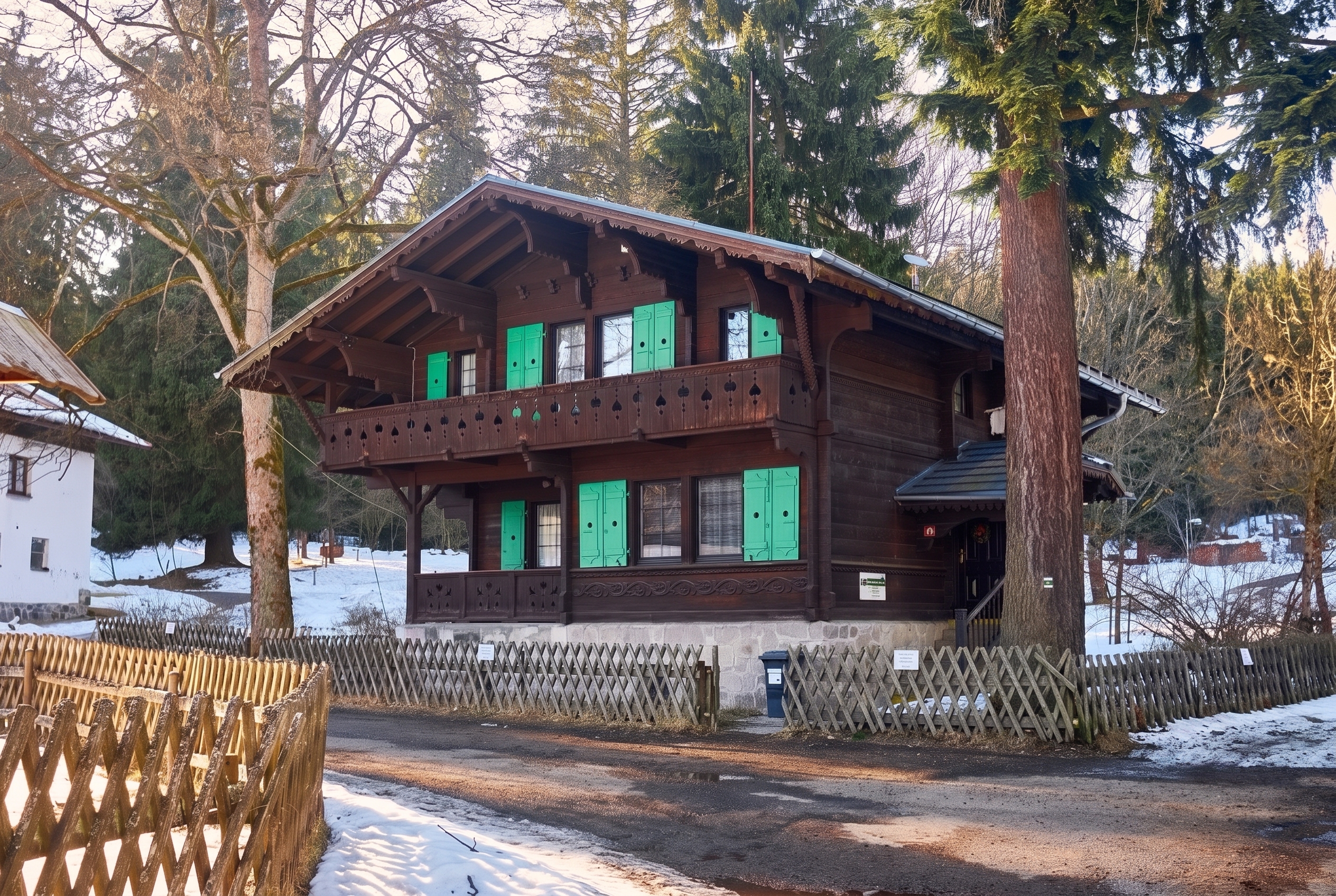
How Much Does a Trip to Norway Cost: Prices and 8 Tips to Save in 2026

TL;DRA typical fortnight for two in Norway, staying in hytte cabins or a tent and cooking your own meals, comes to 25,000–35,000 Kč per person for the week, excluding flights. Go for hotels and restaurants instead and the price doubles easily. Eating out is a real splurge — a main course runs 250–350 NOK and a beer 100–130 NOK — so it’s worth stocking up at budget chains like Kiwi or Rema 1000. Anything over 4.7% alcohol is sold only at state-run Vinmonopolet shops, petrol costs 21–24 NOK a litre, and tap water is free and perfectly safe to drink. There are 8 solid money-saving tips here, including free wild camping thanks to the allemannsretten right-to-roam law.

Mention a Scandinavian holiday and most travellers picture not only stunning fjords but also a slightly terrifying idea of the prices. Norway simply doesn’t have a reputation as a budget destination, and stories about an ordinary beer costing the better part of a tenner are enough to put plenty of people off the trip entirely. The truth is, though, that with a bit of planning this northern adventure doesn’t have to mean personal bankruptcy. Let’s take a look at how much a trip to Norway actually costs, what the current prices look like, and which tricks will help you save without missing out on the best bits.

TL;DR

  • Preparation is key: Norway is one of the most expensive countries in Europe, but thanks to free wild camping and cooking your own meals, you can cut costs dramatically.
  • Restaurants vs. cooking: A main course in a restaurant will set you back 250 to 350 NOK (roughly £18 to £25), while shopping at budget supermarkets like Kiwi or Rema 1000 will save your budget.
  • Alcohol is a luxury: Wine and spirits can only be bought in the state-run Vinmonopolet shops; in a normal shop you’ll only find weak beer up to 4.7% alcohol (around 100 to 130 NOK in a pub).
  • Transport and accommodation: Petrol runs at around 21 to 24 NOK per litre, and cabins at campsites (hytte) can be found from 200 to 500 NOK per night.
  • Water is free: Never buy bottled water — tap water and mountain spring water is drinkable, incredibly delicious and completely free.
  • Card payments: You’ll barely use cash in Norway — you can comfortably pay by card or Apple Pay almost everywhere.
  • Weekly budget: Travelling modestly as a couple with a car, a week works out at roughly £900 to £1,250 per person, excluding flights.

8 Things You Should Know About Prices in Norway

Getting your head around Norwegian price tags takes a moment, because the numbers don’t look so frightening at first glance — until you start multiplying them by the exchange rate (currently reckon on roughly £0.073 per 1 NOK). I’ve put together a detailed overview of the most important things you should know before your trip, so you won’t get an unpleasant surprise once you’re there.

1. Why Norway Is Actually So Expensive

The high prices in Norway aren’t aimed at tourists — they logically reflect the enormous standard of living of the locals. Norwegians have some of the highest average wages in the world, which naturally feeds through into the cost of every service, job and product. When you go to a restaurant, you’re paying above all for the staff’s time and labour, which is simply very expensive.

Another factor is high taxes and the country’s remoteness. Because of the harsh climate, farming here doesn’t operate on the same scale as in central Europe, so a huge amount of food has to be imported. VAT and special excise duties then send the prices of sugar and all alcoholic drinks sky-high.

You’ll feel this price shock most acutely the moment you want to sit down in a café or for dinner. On the other hand, you’ll notice that some basic groceries in supermarkets, or ferry fares, are actually set quite reasonably given the local wages. If you learn to function at least partly like a local, you’ll find it’s perfectly manageable.

💡 Tip: Try not to compare every item with prices back home. It’ll only spoil your mood. Accept it as a fact and focus instead on where you can save smartly and sensibly.

2. Food and Drink Prices in Restaurants

Eating out is considered a real event and a luxury in Norway, and the price tags reflect that perfectly. For an ordinary pint in a pub or bar you’ll pay 100 to 130 NOK (roughly £7 to £9.50). If you’re a coffee lover, reckon on an average cappuccino or flat white costing you 45 to 60 NOK. These amounts add up incredibly fast.

When you head out for a classic lunch or dinner, an average main course in an ordinary restaurant costs between 250 and 350 NOK. And we’re talking about normal places here, nothing Michelin-starred. You’ll often come across vegetarian dishes, which tend to be a slightly cheaper option than the traditional fare, but they still make a noticeable dent in the budget.

If hunger strikes on the road and you don’t fancy sitting in a restaurant, fast food will save you. A classic hot dog at a petrol station or a quick fast-food meal usually costs 60 to 90 NOK. It’s still a fair bit, but as an emergency solution in the middle of a long drive between fjords it works brilliantly.

💡 Tip: In many cafés and restaurants you’ll find a coffee thermos by the water station. In some places you can refill your purchased cup for free or for a small charge (the so-called påtår).

3. Grocery Shopping and Cooking as a Survival Basic

The secret to an affordable holiday in Norway lies in the supermarkets. If you want to save, your best friends will be discount chains like Kiwi, Rema 1000 and Coop Extra. Here you’ll find a wide range of all the basics, great bread and plenty of ready meals at prices that, while a touch higher than back home, are perfectly acceptable.

By contrast, steer well clear of smaller shops and convenience stores like Joker or Narvesen. These tend to stay open late into the night and sometimes even on Sundays, but you’ll pay a markup of tens of percent. Save the lovely local markets for the experience and the visual feast — buying ingredients for everyday cooking there would cost you a small fortune.

You’ll achieve the biggest savings by cooking for yourself. Most campsites have fully equipped shared kitchens, and if you rent a cabin you’ll usually find a basic stove and some cookware. Buying the ingredients for pasta with sauce or a hearty soup for two at Kiwi will cost you a fraction of the price of a single restaurant dinner.

💡 Tip: Look out for supermarket shelves with items nearing their use-by date. Norwegian shops very often slash prices by 40 to 50 percent to avoid waste. You’ll frequently find great bread or cheeses there.

4. Tricky Alcohol and the Vinmonopolet System

The Norwegian approach to alcohol often comes as a major culture shock to visitors. Sales are strictly regulated and burdened with massive taxes. Wine and all spirits can only be bought in the state-run shops called Vinmonopolet. You’ll usually only find these in larger towns; they have very limited opening hours and are firmly closed on Sundays.

In an ordinary supermarket you can only buy drinks with an alcohol content of up to 4.7 percent, which in practice means just ordinary beer or light ciders. But even here a trap awaits you in the form of sales hours. You can only buy beer in shops until 8 pm on weekdays and until 6 pm on Saturdays. If you reach the till a minute later, staff aren’t allowed to sell it to you.

Prices at Vinmonopolet are astronomical. An ordinary bottle of average wine starts at around 150 NOK, with better bottles running into the hundreds. If you can’t picture an evening without a glass, bring your duty-free allowance straight from home or stock up in the duty-free zone at the airport.

💡 Tip: If you’re planning a weekend road trip to the mountains and want to open a bottle of wine in the evening, you’ll need to plan your Vinmonopolet shop for Friday or Saturday morning. In remote areas you won’t come across these shops at all.

5. Accommodation and Getting Around the Fjords

After food, accommodation is the second-biggest item. Standard hotels cost on average 1,200 to 2,500 NOK per night. But if you’re heading out into nature, the absolute phenomenon is the wooden cabins at campsites known as hytte. The simplest ones without their own bathroom can be had from 200 to 500 NOK, which is a fantastic price for two to four people.

The golden middle path is hostels, where a bed in a shared room costs 350 to 600 NOK. In popular tourist spots like the Lofoten Islands you may come across traditional red fishermen’s huts called rorbu. They’re gorgeous and incredibly photogenic, but reckon on prices comparable to better hotels. You can easily compare and book all of these on Booking.com.

As for travelling by car, petrol and diesel prices fluctuate, but over the long term they hover around 21 to 24 NOK per litre. In Norway you’ll inevitably be using ferries across the fjords. A short crossing for a car with two passengers usually costs 150 to 300 NOK. Road tolls are paid automatically — cameras capture your number plate and the bill comes to you via the AutoPASS system.

💡 Tip: Many Norwegian petrol stations change their prices during the week. Travellers’ experience suggests you’ll often fill up cheapest on Sunday evening or Monday morning, while prices rise ahead of the weekend.

6. Daily Budget by Travel Style

To picture all this in practice, I’ve put together three daily budget models for one person. If you’re the ultimate penny-pincher, you’ll sleep exclusively in your own tent, cook pasta from Rema 1000 and drink water from a stream. In that mode you’ll comfortably stay within 800 to 1,200 NOK a day (including your share of petrol and ferries).

The most common is the golden middle path. You sleep in cosy hytte cabins or cheaper apartments, mostly cook for yourself, but occasionally grab a hot dog at a petrol station or a coffee in town. Now and then you’ll pay for a small boat trip or admission to an interesting attraction, which you can book through portals like GetYourGuide. Here reckon on a budget of 1,500 to 2,500 NOK a day.

If you want to treat yourself to total comfort — sleeping in nice hotels with a generous Norwegian breakfast, heading out to a restaurant for dinner every evening and not worrying about the price of a drink at the bar — your budget will shoot up fast. In that case you’ll need at least 3,500 NOK and more for each day spent in the country.

💡 Tip: Spending on attractions can be reined in very easily. The most beautiful things in Norway — the views, hikes through national parks or strolls around the fjords — are, for the most part, completely free.

7. The Best Tips on How to Save

The most ingenious way to save on accommodation in Norway is to make use of the law known as allemannsretten. This rule allows you to pitch your tent on any uncultivated land, provided you’re at least 150 metres from the nearest dwelling. Wild camping here is completely legal and entirely free.

Another survival rule is staying hydrated. Never spend money on bottled water in supermarkets. The tap water here is not only drinkable but tastier than most bottled water. Just bring a good bottle and refill it at campsites, petrol stations or even straight from the clear mountain streams.

Instead of lunch in a restaurant, adopt the habit of picnics. Norwegians love the outdoors and you’ll find beautiful rest stops everywhere, with wooden tables and amazing views. If you buy fresh bread, cheese and vegetables, you’ll enjoy a better atmosphere than in a pricey establishment. You’ll also save by travelling just before or after the high season (in September, for example), when the prices of some accommodation drop.

💡 Tip: Many campsites charge a small fee for showers (usually 10 to 20 NOK for a few minutes of hot water). Even though cash is rarely used these days, a handful of these small coins will come in extremely handy on the road.

8. How Much the Whole Holiday Costs (Rough Trip Price)

When we add it all up, we arrive at a final figure. Picture a classic scenario: you’re travelling as a couple, you rent a car, sleep mostly in hytte cabins or a tent, and cook most of your meals yourself from ingredients bought at the cheaper supermarkets. Now and then you grab a coffee and pay for all the necessary ferries.

In that case, a week-long holiday will work out at roughly £900 to £1,250 per person (excluding flights). It depends on how many miles you cover and how often you give in to the temptation of pricier groceries. If you spent the same week in hotels and ate out every day, the cost would easily climb to double that.

On top of these costs you need to add getting to Norway. Unless you’re driving your own car across Europe — a long and costly journey — you’ll be flying. Return flights from London to Oslo can usually be found for £60 to £200, depending on how far in advance you book and what luggage you take. Airlines like Norwegian, SAS and British Airways all serve the route.

💡 Tip: I recommend sorting out your car hire as early as possible, ideally months in advance. On the spot and at the last minute, rental prices climb steeply and you may find the cheaper car models hopelessly sold out.

Practical Summary and Rough Prices

For a clearer picture and quick budget orientation, I’ve listed the most important items. Bear in mind that in Norway you pay in the Norwegian krone (NOK). The good news is that you barely need to exchange any money in advance. The country is extremely digitalised and everywhere, from the most remote campsite to the parking machines, you can pay by card or Apple Pay.

  • 1 NOK = roughly £0.073 (always check the current rate before your trip)
  • Coffee in a café: 45–60 NOK
  • Pint in a bar: 100–130 NOK
  • Main course in a restaurant: 250–350 NOK
  • Hot dog at a petrol station: 60–90 NOK
  • Litre of petrol: 21–24 NOK
  • Short ferry (car + 2 people): 150–300 NOK
  • Night at a campsite (hytte): 200–500 NOK
  • Night in a standard hotel: 1,200–2,500 NOK

Tipping in Norway isn’t compulsory or strictly expected, because staff are very well paid. But if you were extremely happy with the service in a restaurant, rounding up the bill or adding five to ten percent is always a kind gesture.

Where to Next

If the prices haven’t put you off and you’re about to plan your northern trip, you’ll definitely find some more practical advice useful. Take a look at the comprehensive article Norway: 50 Things to See, where you’ll find plenty of inspiration. For those who love driving, we’ve prepared a detailed Norway by Car: Road Trip and Itinerary.

Don’t forget to find out how to pack, too, which we cover in the guide Norwegian Weather and When to Go to Norway. And if your main goal is nature, you shouldn’t miss the article Norwegian Fjords — A Guide.

Frequently Asked Questions

Is Norway Really That Expensive?

Quite honestly, yes. Norway has long been ranked among the most expensive European countries, which you’ll especially notice when dining out or buying alcohol. However, the high prices reflect the local standard of living. If you start shopping at regular supermarkets or use campsites, costs can be brought down very effectively.

How much does a week in Norway cost?

When traveling as a couple, sleeping in cabins or a tent, cooking for yourselves and getting around in a rental car, expect to spend between €1,000 and €1,400 per person excluding flights. If you’d prefer standard hotels and eating out at restaurants every day, the budget can easily double.

How to Save as Much as Possible in Norway?

The biggest savings come from cooking your own meals with ingredients from discount supermarket chains like Kiwi or Rema 1000. I also recommend sleeping in campsites, taking advantage of the allemannsretten right for free wild camping, drinking exclusively tap water, and avoiding purchasing expensive alcohol in local bars.

How much will I pay for beer and food at a restaurant?

“`html
Visiting a restaurant is a luxury. For an ordinary draft beer you’ll pay between 100 and 130 NOK. A main course in an average restaurant usually costs 250 to 350 NOK. A cheaper alternative is fast food, where you can get a hotdog or simple fast food for 60 to 90 NOK.
“`

Can you pay by card everywhere?

Yes, Norway is a pioneer in this regard. You can pay by card or mobile phone via Apple Pay absolutely everywhere, from supermarkets through parking meters to small coffee stands. Cash is almost a relic and you probably won’t need it at all during your entire stay.

Where can you buy alcohol?

The system is very strict. Regular supermarkets only sell beverages with an alcohol content up to 4.7% (mainly beer), and only until 8:00 PM on weekdays and until 6:00 PM on Saturdays. All wine and spirits can only be purchased at specialized state-run stores called Vinmonopolet, which have limited opening hours.

What daily budget should I plan for?

If you’re being extremely frugal and wild camping, you can get by on 800 to 1,200 NOK per day. The golden middle ground with the occasional coffee and sleeping in cabins will set you back 1,500 to 2,500 NOK daily. For comfortable travel with hotels and restaurants, prepare at least 3,500 NOK per day.

Is tap water really drinkable?

Yes, and it’s absolutely excellent. Norway has some of the cleanest water sources in the world. Buying bottled water in supermarkets is a complete waste of money and plastic. Bring a quality reusable bottle with you and refill it at your accommodation or at rest stops completely free of charge.

How much do tolls and ferries cost?

“`html
Most short ferries for a passenger car and two people cost between 150 and 300 NOK. Road tolls are paid automatically through cameras that capture license plates. If you have a rental car, the fees are loaded into the AutoPASS system and the rental company will subsequently charge them to your card.
“`

Tips and Tricks for Your Vacation

Don’t Overpay for Flights

Search for flights on Kayak. It’s our favorite search engine because it scans the websites of all airlines and always finds the cheapest connection.

Book Your Accommodation Smartly

The best experiences we’ve had when looking for accommodation (from Alaska to Morocco) are with Booking.com, where hotels, apartments, and entire houses are usually the cheapest and most widely available.

Don’t Forget Travel Insurance

Good travel insurance will protect you against illness, accidents, theft, or flight cancellations. We’ve had a few hospital visits abroad, so we know how important it is to have proper insurance arranged.

Where we insure ourselves: SafetyWing (best for everyone) and TrueTraveller (for extra-long trips).

Why don’t we recommend any Czech insurance company? Because they have too many restrictions. They set limits on the number of days abroad, travel insurance via a credit card often requires you to pay medical expenses only with that card, and they frequently limit the number of returns to the Czech Republic.

Find the Best Experiences

Get Your Guide is a huge online marketplace where you can book guided walks, trips, skip-the-line tickets, tours, and much more. We always find some extra fun there!
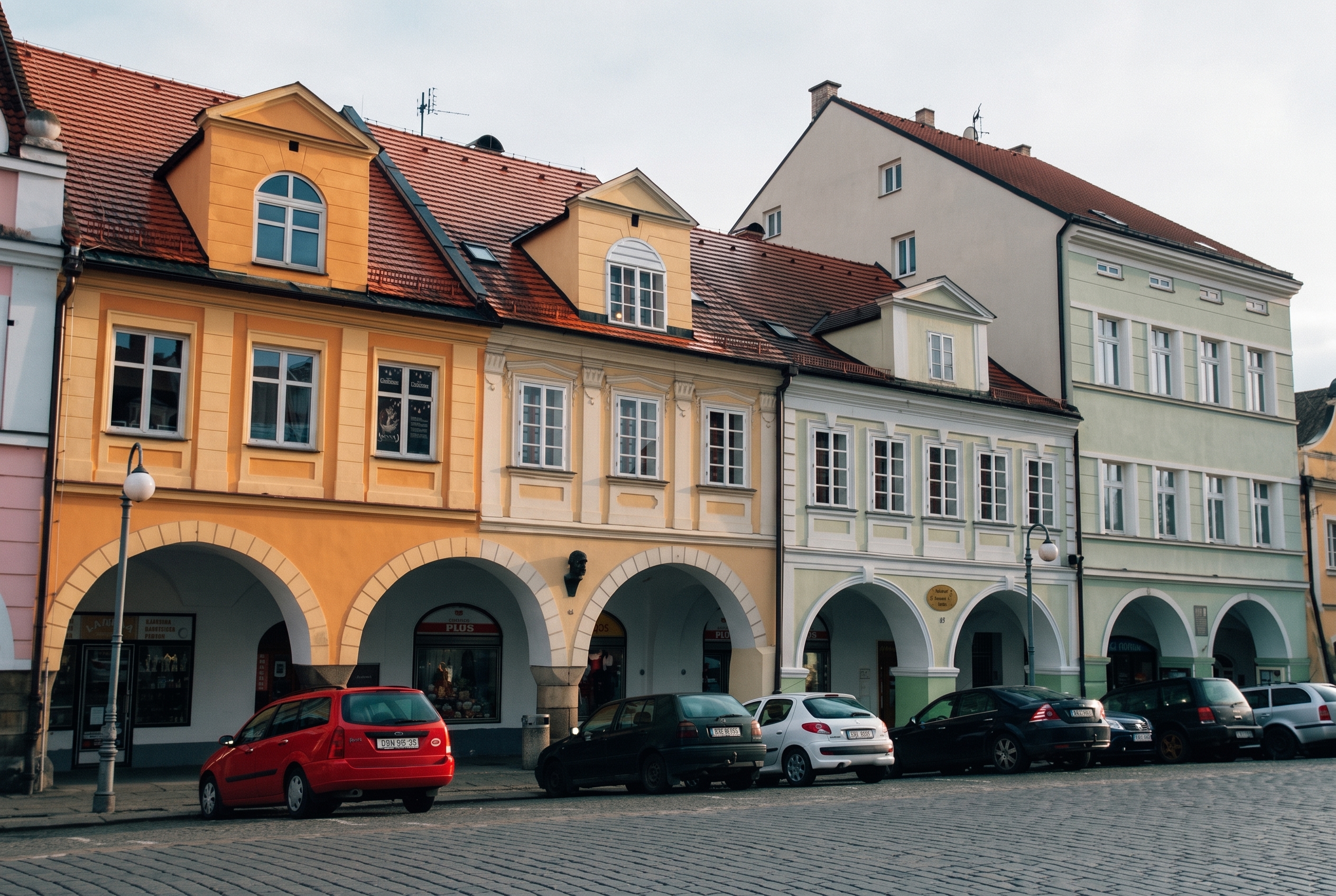
Norway Weather and When to Visit: A Month-by-Month Guide

TL;DRThe best time to visit Norway depends on what you’re after. Peak summer (June to August) opens up mountain roads like the Trollstigen, brings 18–22°C in the south, and gives you ideal conditions for hiking Preikestolen or Trolltunga. The northern lights, on the other hand, show up best from September to March, peaking between November and February around Tromsø, the Lofoten Islands, Senja and Alta. The midnight sun above the Arctic Circle lasts roughly from late May to mid-July. May and September are your cheapest, quietest bet, with accommodation prices dropping and the orchards around Hardangerfjord either blossoming or turning autumn colours. Bergen and the west coast see more than 200 rainy days a year, so layering up and packing a waterproof jacket is essential whenever you go.

Planning a trip to Scandinavia comes with one big quirk that can catch out even very seasoned travellers. Norway is an incredibly beautiful country full of dramatic cliffs and deep fjords, but if you’re heading there, you need to be ready for the fact that Norway weather plays by its own rules. Sometimes you’ll get clear skies, a sudden downpour and thick fog all within a single hour, so flexibility will be your best friend.

Choosing the right time for your holiday is absolutely crucial, because every season offers a completely different experience and calls for different preparation. If you dream of endless mountain hikes and boat cruises, you’ll set off at a different time than if your main goal is the magical northern lights or a dog-sledding adventure. I’ve put together a detailed guide to help you understand how Norway’s weather works and when the best time to travel is for your specific plans.

TL;DR

  • The main summer season runs from June to August, when all the mountain roads are open, the days are at their longest, and temperatures in the south can reach a pleasant 18 to 22 °C.
  • For watching the northern lights, it’s ideal to travel between September and March, with the absolute peak of the season — and the longest nights — falling between November and February.
  • You’ll experience the midnight sun above the Arctic Circle roughly from late May to mid-July, letting you explore the beauty of the north even at midnight.
  • The west coast around Bergen is extremely rainy — expect more than 200 rainy days a year — so a quality waterproof jacket is an absolute must in any month.
  • Winter months in the north bring temperatures commonly around −10 to −15 °C, while in the south around Oslo the winter stays far milder, hovering around freezing.
  • The best value and quietest experience, free of tourist crowds, comes in spring (May) or early autumn (September) — when the northern lights are also starting to appear.
  • Layering is the key to success, because Norway’s weather changes constantly and you’ll need thermal base layers, a warm mid-layer and a tough waterproof shell.

8 Things You Should Know About Norway Weather

Let’s take a detailed look at what to expect from each region and season. The differences between the south and the north are enormous, because Norway stretches over more than 1,700 kilometres and reaches high beyond the Arctic Circle. I’ll show you how to cope with these swings and what to watch out for most when planning your itinerary.

1. The Weather Varies Dramatically by Region

If you glance at a map of Norway, it’s immediately clear that you can’t expect the same conditions in Oslo and high up north in Tromsø. Southern Norway, around Oslo and the Sørlandet region, is the warmest and sunniest part of the country, where summer temperatures commonly sit between 18 and 22 °C. People even swim in the sea here in summer and enjoy fairly stable sunny days that feel like Central European spring. The weather for Oslo, Norway, is genuinely the gentlest in the country.

The west coast, with its iconic fjords, has a very specific climate shaped by the Gulf Stream — which keeps the harbours ice-free but also brings huge amounts of rainfall. Bergen and the surrounding fjords are famous for their rainy weather; summer temperatures here tend to stay between 15 and 20 °C and rain can arrive at any moment. Locals are so used to the rain that they treat it as a normal part of everyday life.

Northern Norway and the Arctic regions are a whole different world, with a harsher climate and a shorter summer. In summer the temperatures here only climb to around 12 to 16 °C, while the winters are long, very dark and bitterly cold. Still, the landscape beyond the Arctic Circle is utterly fascinating, and the rugged weather in Tromsø, Norway, and the far north is simply part of its character.

💡 Tip: When planning a road trip across the country, always check the current forecast for your specific location, because crossing the mountains from east to west can mean a temperature drop of ten degrees and a switch from clear skies to thick fog.

2. Summer (June to August) Means Long Days and Open Roads

The summer months are without doubt the most popular time to visit, because nature shows itself in full force and the logistics of travel are at their easiest. Only in June do all the high mountain passes open, including the famous Trollstigen road, which stays hopelessly snowed under for the rest of the year. If you’re planning to drive the national tourist routes, summer guarantees you can reach everywhere you need to go.

This is an absolutely ideal time for hiking and tackling the famous viewpoints, such as Preikestolen or Trolltunga. Thanks to the long days, you have plenty of time for treks and don’t have to worry about darkness catching you out in the mountains. Up north, you can also look forward to the midnight sun, which gives the landscape an incredibly magical, energising atmosphere.

The downside of the summer season is, of course, the crowds and significantly higher prices for accommodation and services. The best-known fjord attractions get very busy in July and August, so you’ll need to book ferries and hotels well in advance. Norway’s weather in summer can be glorious, but even in July you can still get several days of rain in a row by the fjords.

💡 Tip: Make the most of the long, bright evenings to visit the most popular spots. Set off on the famous treks in the late afternoon — you’ll avoid the biggest crowds from the cruise ships and enjoy a much calmer atmosphere.

3. Winter (December to March) Lures You with Northern Lights and Snow

Winter transforms Norway into a magical icy kingdom that draws lovers of adventure and winter sports. In the north of the country you’ll experience a true Arctic winter, where temperatures commonly range from −10 to −15 °C but can drop much lower on clear nights. The winter here is dark because of the polar night, but it’s certainly not dull — the snow beautifully reflects the remaining light and gives the landscape a bluish glow.

This is the perfect time for the most amazing winter activities you can imagine. You can go dog-sledding, ride snowmobiles or go whale-watching around Tromsø, where the whales gather in winter to feed. For skiers, central and southern Norway offer perfectly groomed slopes and thousands of kilometres of cross-country trails through gorgeous mountain scenery.

When travelling in winter, though, you’ll have to factor in significant logistical limitations. Many mountain roads and smaller passes are completely closed for the winter, and even the main routes can be temporarily impassable due to snowstorms. Driving in these conditions takes experience and a great deal of caution.

💡 Tip: If you plan to drive a hire car in the winter months, be prepared for roads often covered with a layer of packed snow and ice. Fortunately, rental companies automatically fit their cars with quality studded winter tyres that make driving much easier.

4. Spring (April to May) Awakens Nature and the Waterfalls

Spring in Norway is fairly short but enormously dynamic, the time when nature begins to wake from its winter slumber. Melting mountain snow fills the rivers and waterfalls, which show themselves in their full majesty in May and June, thundering with tremendous force. Watching the masses of water tumble down at this time of year is truly an unbeatable experience.

A major draw of the spring months is the blossoming of the fruit orchards, especially around the Hardangerfjord. At the turn of April and May, the steep slopes around the fjord turn white and pink, which, set against the snow-capped peaks in the background, creates an incredibly photogenic scene. Spring is also a great choice if you want to enjoy the popular spots in far greater peace, without the summer crowds.

You do have to bear in mind that Norway’s weather in spring is extremely unpredictable. While it may already be pleasantly warm and sunny down by the fjords, metres of snow still lie in the mountains and many hiking trails are impassable due to avalanche danger and mud. The high mountain roads, moreover, usually don’t open until the very end of May.

💡 Tip: May is considered one of the best months to visit southern and central Norway. You’ll enjoy long days, awakening nature and significantly lower prices for accommodation than in the peak summer season.

5. Autumn (September to October) Brings Colour and the Return of the Lights

The autumn months turn the Norwegian landscape into a perfect palette of gold, orange and deep red. September is an absolutely fantastic month for hiking, because the air is beautifully clean and crisp, the forests glow with colour, and the trails empty out again after the summer rush. Nature feels very calm and melancholy — ideal for those seeking an escape from the bustle of the cities.

As autumn draws in, the days start to shorten fairly quickly, which has one huge advantage. From September the magical northern lights reappear in the night sky, so you have a chance to spot them before the bitter winter frosts arrive. September and October are actually a great compromise between decent weather for outings and dark nights for aurora hunting.

In autumn, though, you have to reckon with Norway’s weather turning far wilder. Strong autumn storms and heavy rain appear more often, and the mountains can see their first snow as early as October. Some summer attractions and services cut their opening hours, and the ferries switch to sparser winter timetables.

💡 Tip: If you’re after autumn colours and crowd-free hikes, set off in the first half of September, when the weather is still relatively stable and most mountain roads remain open to traffic.

6. The Northern Lights Need Darkness and Clear Skies

Aurora hunters head to Norway from all over the world, but no one can guarantee this breathtaking natural phenomenon a hundred percent. The main season runs from September to March, with the absolute peak — the longest, darkest nights — falling between November and February. The more hours of darkness you have, the better your chance of seeing the green show in the sky.

For the best experience, you need to head high up north, far beyond the Arctic Circle. The best spots for watching are Tromsø, the Lofoten Islands, the island of Senja and the town of Alta, which lie directly beneath the so-called auroral oval. In these areas the geomagnetic activity is strongest, and the lights appear fairly often even during weaker solar flares.

Besides a good location, you need one more absolutely essential thing — clear, cloudless skies. Norway’s weather can be very overcast in the north, so it pays to have a car and to keep an eye on the local weather radar. Sometimes you only need to drive a few dozen kilometres inland or to the other side of the mountains for the sky to clear up miraculously.

💡 Tip: For up-to-date information on solar activity and cloud forecasts, I recommend downloading a dedicated aurora app to your phone. It’ll help you work out which direction to head and what your chances are on any given evening.

7. The Midnight Sun Will Throw Off Your Body Clock

The midnight sun is the exact opposite of the winter darkness, and you’ll only experience it in the summer months beyond the Arctic Circle. During this period the sun never sets below the horizon — it merely dips towards it and then begins to climb again. All night long the landscape is bathed in incredibly soft, golden light that is every photographer’s absolute dream.

The midnight sun period depends on how far north you go. At the famous North Cape (Nordkapp) it lasts roughly from mid-May to the end of July, while slightly further south in Lofoten you’ll catch it from late May to mid-July. During this time there’s huge energy in the north, with locals spending their nights outdoors and you feeling as though you don’t need to sleep at all.

It’s the ideal time for night hikes, fishing or kayaking in total silence under a golden sky. The constant light can really throw off your internal body clock, though, so it can easily happen that at three in the morning you find yourself wide awake and unable to fall asleep.

💡 Tip: If you struggle to sleep when it’s light, be sure to pack a good eye mask. Most Norwegian hotels have blackout curtains, but in campsites or cabins the constant daylight can be quite a problem when you’re trying to drift off.

8. What to Pack and How to Master Layering

The secret to happy travel in Scandinavia lies in the right gear. The golden rule is to dress in layers — clothing you can easily take off and put back on depending on how Norway’s weather decides to show its face. Even in summer it commonly happens that you set off in the morning in a jacket and hat, walk around at noon in a T-shirt, and get hit by a cloudburst in the afternoon.

The foundation of everything is a quality base layer, ideally merino wool, which keeps you warm even when you sweat and doesn’t smell after several days of wear. The mid-layer should be insulating, such as a fleece or a thin down jacket, to retain your body heat. Then the absolute must-have is the outer layer — a genuinely good waterproof and windproof jacket, without which you simply won’t manage in Norway.

Don’t forget sturdy, comfortable hiking boots that can handle mud, rocks and wet grass. Even in a summer backpack, always pack a thin hat and gloves, because high in the mountains or on a fjord cruise the wind can be very sharp and cold. If you’re travelling in winter, add proper thermal underwear, warm winter boots and thick woollen socks to your kit.

💡 Tip: Trust the tried-and-tested advice of fellow travellers and leave the umbrella at home. The strong wind by the fjords would turn it inside out instantly, and you’d needlessly have your hands full. A quality rain poncho or Gore-Tex jacket will do a far better job.

Norway Weather by Month: A Practical Summary and Rough Costs

To pull it all together neatly, I’ve put together a rough temperature overview and a quick season-by-season guide. Please take these figures with a pinch of salt, as extreme swings are completely normal in Norway, but for basic orientation this overview of Norway weather by month will definitely help.

  • Summer (June–August): The best time for fjords, hiking and the midnight sun. Temperatures of 18–22 °C in the south, 15–20 °C by the fjords, 12–16 °C in the north. All services are running and the roads are open, but prices are at their highest.
  • Winter (December–March): Ideal for the northern lights and winter sports. Temperatures around 0 °C in the south, −10 to −15 °C in the north. Many mountain roads are closed and winter gear is essential.
  • Spring (May) and Autumn (September): A great compromise for quieter, crowd-free travel. Temperatures average between 8–14 °C. In May the orchards bloom; in September the leaves turn and the aurora season begins. Accommodation prices tend to be more favourable.
  • Budget (rough estimate for 2026): Bear in mind that Norway is a very expensive destination. A standard double room in the summer season costs roughly 230 to 360 € per night, a simple meal at a bistro around 35 to 55 €, and a litre of petrol sits above the 2 € mark. Outside the season, accommodation prices can drop by as much as 30%.

For booking trips such as fjord cruises or evening northern-lights expeditions, travellers often recommend reserving in advance through platforms like GetYourGuide, where you’re guaranteed a spot and get clear cancellation terms.

Where to Go Next

If you now have a sense of what Norway weather has in store and you’re fine-tuning a specific itinerary, you’ll definitely find our other practical guides useful too. They’re packed with inspiration for planning your Nordic trip.

Frequently Asked Questions

When is the best time to visit Norway?

If you want to explore fjords, go on high-mountain treks and experience the midnight sun, head out in the main summer season from June to August, when all mountain roads are open. If your main goal is to observe the Northern Lights, plan your trip for the period from September to March.

When and where will I see the Northern Lights?

The northern lights appear in the sky from September to March, with the best conditions featuring long dark nights from November to February. For the highest chance of success, head north beyond the Arctic Circle, ideally to areas like Tromsø, the Lofoten Islands, Senja Island, or the town of Alta.

When and where is the midnight sun?

The midnight sun, when the sun doesn’t set below the horizon at all, can only be experienced above the Arctic Circle. At the northernmost point of Nordkapp, this phenomenon lasts roughly from mid-May to the end of July, while a bit further south in the Lofoten Islands, it lasts from the end of May to mid-July.

What’s the weather like in Norway in summer?

Summer Norwegian weather is very changeable and local. In the south around Oslo it’s usually pleasant with temperatures reaching 18 to 22 °C. By the western fjords expect temperatures between 15 and 20 °C and very frequent showers, while in the far north summer temperatures tend to range between 12 and 16 °C.

Does it rain in Norway all the time?

It depends on the region. The western coast is extremely wet and the city of Bergen records more than 200 rainy days per year, so it really rains very often there. On the other hand, the eastern part of the country and the south around Oslo are significantly drier and enjoy many more sunny days.

What to bring on the trip?

“`html
The key is always layering your clothing, even in summer. Pack a quality waterproof and windproof jacket, a mid-layer insulation (fleece or merino), sturdy waterproof boots, and just to be safe, a thin beanie and gloves. In winter, add heavy thermal underwear and warm winter footwear.
“`

When is Norway cheapest?

The best chance for more favorable accommodation prices and car rentals is outside the main summer season and away from major winter holidays. Ideal times are the spring months (especially May) and autumn (September and October), when the tourist crowds have thinned out, but the weather is still suitable for general exploring of the landscape.

Is Norwegian winter extreme?

In the north beyond the Arctic Circle and high up in the mountains, winter is truly harsh, with temperatures commonly dropping to −10 to −15 °C and very short days. In the south and along the west coast, however, thanks to the influence of the Gulf Stream, winter is much milder and temperatures hover around freezing.

When are the mountain roads open?

High mountain passes and famous tourist routes, such as Trollstigen, are typically open from roughly the end of May or beginning of June until October. During winter they are completely impassable due to enormous amounts of snow, and in spring there’s always a wait for their demanding snow clearing.

Tips and Tricks for Your Vacation

Don’t Overpay for Flights

Search for flights on Kayak. It’s our favorite search engine because it scans the websites of all airlines and always finds the cheapest connection.

Book Your Accommodation Smartly

The best experiences we’ve had when looking for accommodation (from Alaska to Morocco) are with Booking.com, where hotels, apartments, and entire houses are usually the cheapest and most widely available.

Don’t Forget Travel Insurance

Good travel insurance will protect you against illness, accidents, theft, or flight cancellations. We’ve had a few hospital visits abroad, so we know how important it is to have proper insurance arranged.

Where we insure ourselves: SafetyWing (best for everyone) and TrueTraveller (for extra-long trips).

Why don’t we recommend any Czech insurance company? Because they have too many restrictions. They set limits on the number of days abroad, travel insurance via a credit card often requires you to pay medical expenses only with that card, and they frequently limit the number of returns to the Czech Republic.

Find the Best Experiences

Get Your Guide is a huge online marketplace where you can book guided walks, trips, skip-the-line tickets, tours, and much more. We always find some extra fun there!