

For a lot of people, Ostrava in the Czech Republic still carries the label of an ugly black city full of coal and smog. Luckily, the truth is somewhere else entirely. This underrated destination has cleverly turned its raw industrial past into its biggest draw, proving that industrial heritage can be incredibly fascinating.
It’s a city of huge contrasts. Right next to giant rusty furnaces you’ll find modern glass-fronted cafés and lots of greenery. In fact, Ostrava is one of the greenest cities in the country. Anyone who comes here without prejudice usually leaves having seriously reshuffled their ranking of favourite Czech cities.
I’ve put together the best of what to see in and around Ostrava — from industrial furnaces and viewpoints to parks, plus tips on where to grab a great coffee and where to stay. Ostrava will probably surprise you more than you expect.
TL;DR
If you don’t have time to read the whole article, here’s a quick overview of Ostrava’s biggest highlights:
- Lower Vítkovice and the Bolt Tower: Former ironworks transformed into a huge cultural centre with a glass viewing platform.
- World of Technology: An interactive science centre that delights kids and curious adults alike.
- Mining exhibitions: Landek Park with a ride down underground, and the Michal Mine preserved exactly as the miners left it.
- Ema Slag Heap: Ostrava’s “volcano”, which still smoulders inside and offers lovely views over the city and the mountains.
- City centre and Nová Karolina: Historic Masaryk Square contrasting with a modern district and the reconstructed Trojhalí hall.
- Day trips nearby: Picturesque Štramberk, composer Leoš Janáček’s hometown of Hukvaldy, or a hike up Lysá hora.
The full destination guide: Czechia — guide and what to see
When to Visit Ostrava
Ostrava has something to offer in every season, but it really depends on what you’re coming for. Let’s look at the best months for your visit and what the weather in Ostrava is like.
Spring and Autumn for Relaxed Exploring
Months like May, June or September are probably the best for wandering around the city. Temperatures are very pleasant and you’ll avoid the summer heat, which you’ll especially appreciate when climbing the viewing towers or exploring the vast Lower Vítkovice complex. Autumn mists also lend the industrial landmarks a beautifully mysterious atmosphere.
Summer Full of World-Class Festivals
If you love music and live culture, summer in Ostrava won’t let you down. The city comes alive with huge events and an incredible energy. In mid-July it hosts the legendary Colours of Ostrava (in 2026, specifically from 15 to 18 July), held right in the magical setting of Lower Vítkovice. And at the turn of June and July the city pulses to the beat of the Beats for Love dance festival.
Where to Stay in Ostrava
Ostrava offers plenty of accommodation options for every budget. It pays to stay as close as possible to the centre or Nová Karolina, from where you can easily reach all the main sights on foot or by tram. Here are some popular hotels in Ostrava, Czech Republic, split up by what you’re after from your stay.
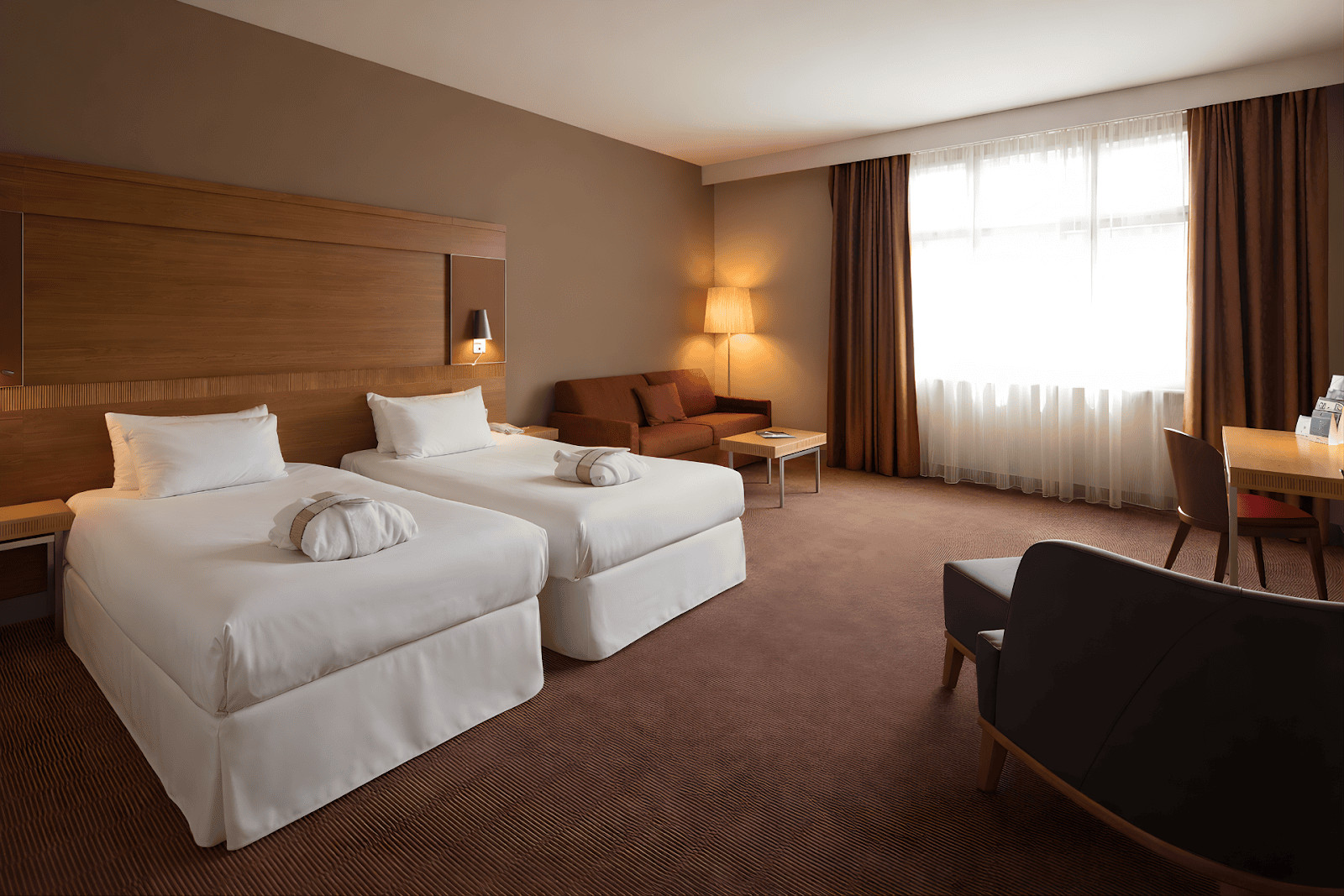
Modern comfort near Nová Karolina:
- Clarion Congress Hotel Ostrava: A very popular choice with a huge wellness centre and a great location near the sports arenas and the centre.
- Park Inn by Radisson Ostrava: A lovely modern hotel just a short walk from a popular park, praised by travellers for its spotless rooms and excellent breakfasts.
Classic elegance in the heart of the city:
- Mercure Ostrava Center: A modern, stylish hotel right in the city centre, just a few steps from the main square.
- Imperial Hotel Ostrava: One of the best-known addresses in the city, offering first-class service and a location right by the main square.
- Hotel Brioni Boutique Ostrava: A smaller family-run hotel with a very personal touch, located just a few steps from the famous Stodolní Street.
Quiet and lower prices outside the very centre:
- Harmony Club Hotel Ostrava: A great choice if you’re after good value for money, plus it sits in a quieter area not far from the centre.
Things to See and Do in Ostrava, Czech Republic
The city is easy to explore on foot and with its excellent public transport. Let’s take a look at the most interesting spots that you definitely shouldn’t miss on your first visit.
1. Lower Vítkovice (Dolní Vítkovice)
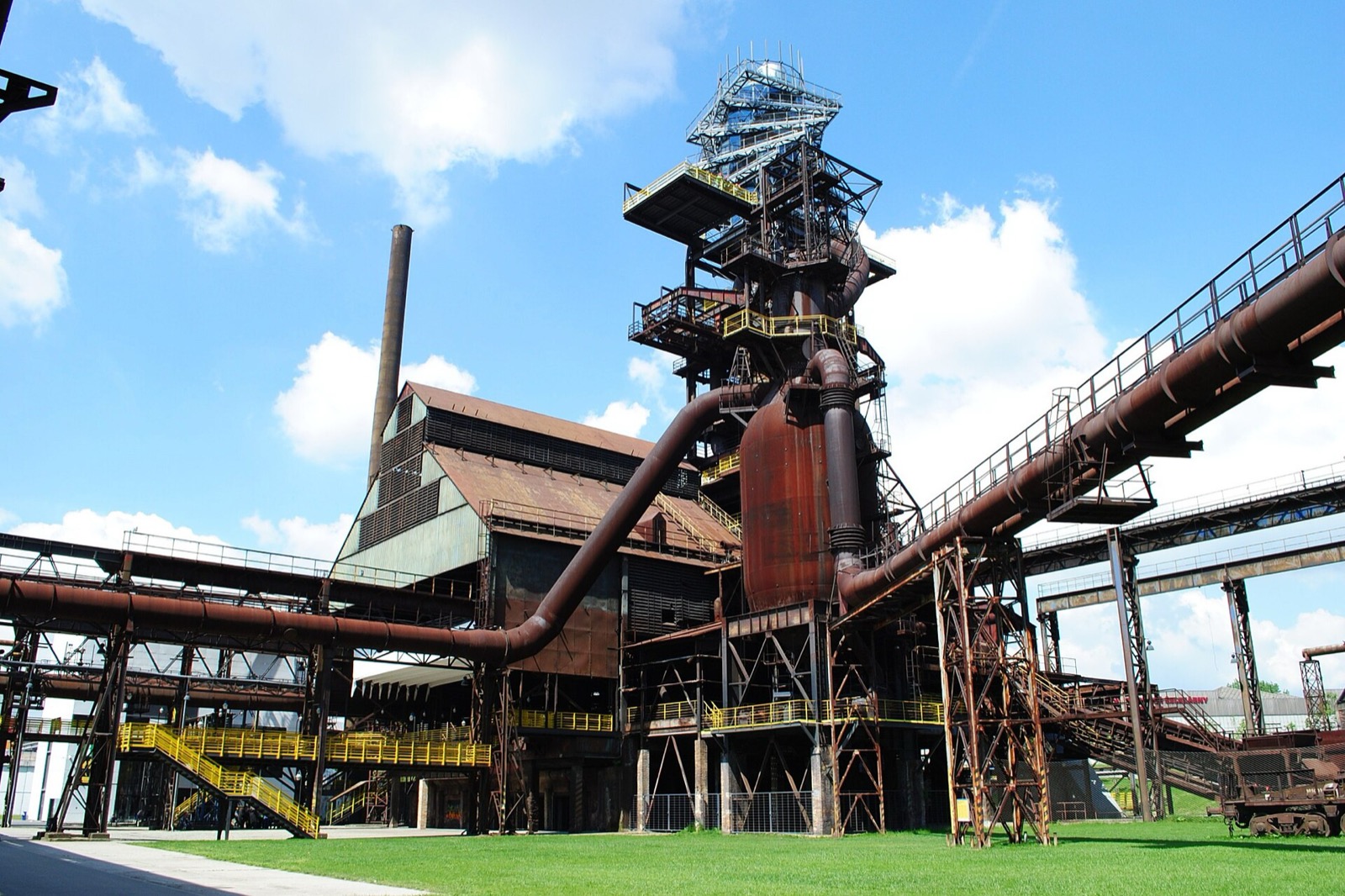
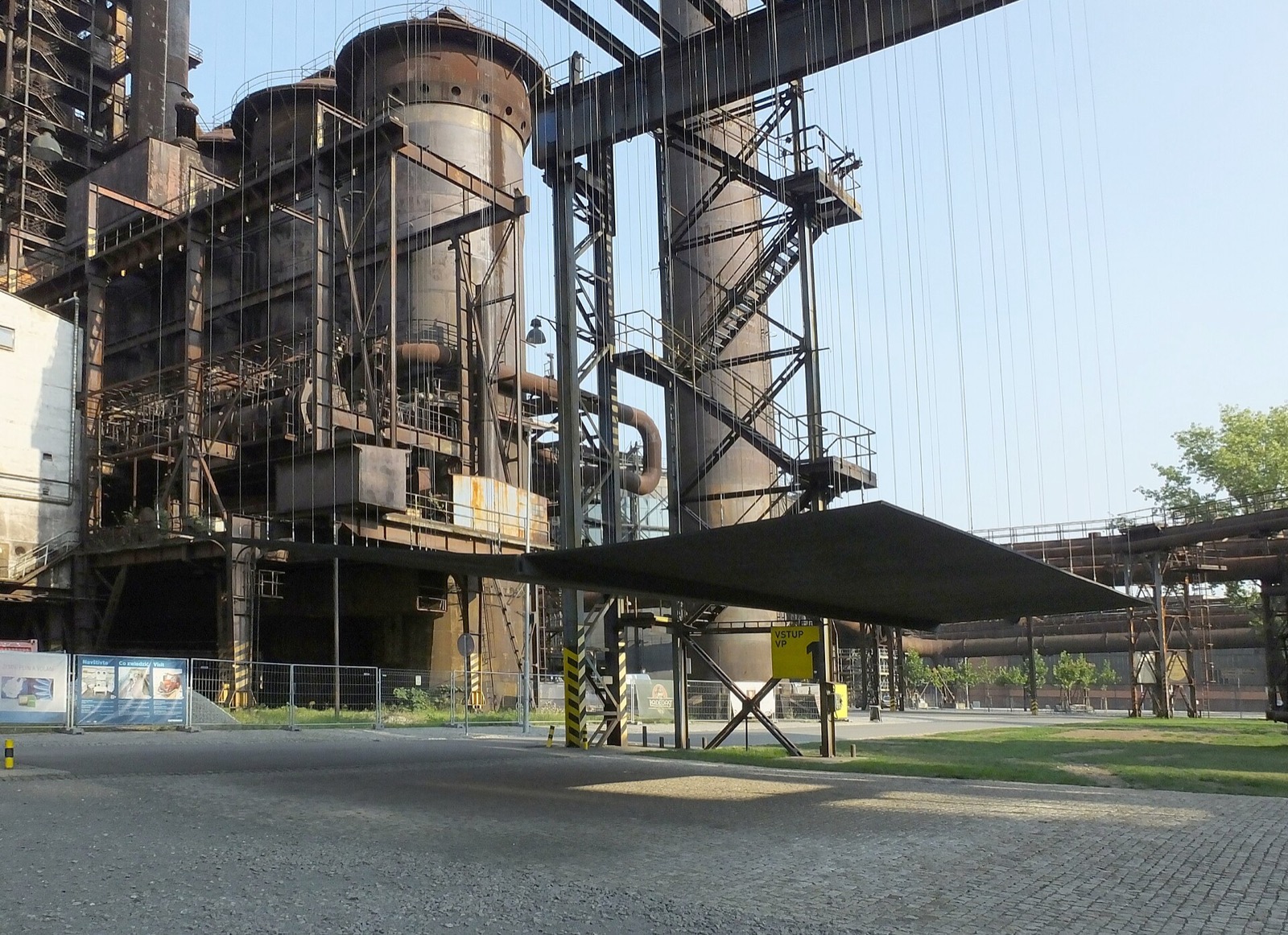
This enormous complex has no equal in the country and ranks among the most-visited places outside Prague. Coal was once mined here and iron produced in giant blast furnaces. Production stopped for good in 1998, and there was a real risk the whole complex would fall into ruin. Fortunately, the site was transformed into a national cultural monument that takes your breath away with its sheer scale.
Walking among the huge rusty pipes and mining towers is an experience that looks almost surreal in photos. The most striking structure is the old gas holder, which the brilliant Czech architect Josef Pleskot turned into the modern Gong concert hall, with a capacity of 1,500. It’s in the Gong and the surrounding grounds that tens of thousands of people gather each summer for the Colours of Ostrava festival.
Entry to the grounds themselves is free, so you can spend hours wandering around and soaking up that raw atmosphere. For a deeper understanding of the history, though, it’s worth paying for a guided tour, where you’ll learn incredible details about the gruelling work of the local labourers.
2. Bolt Tower
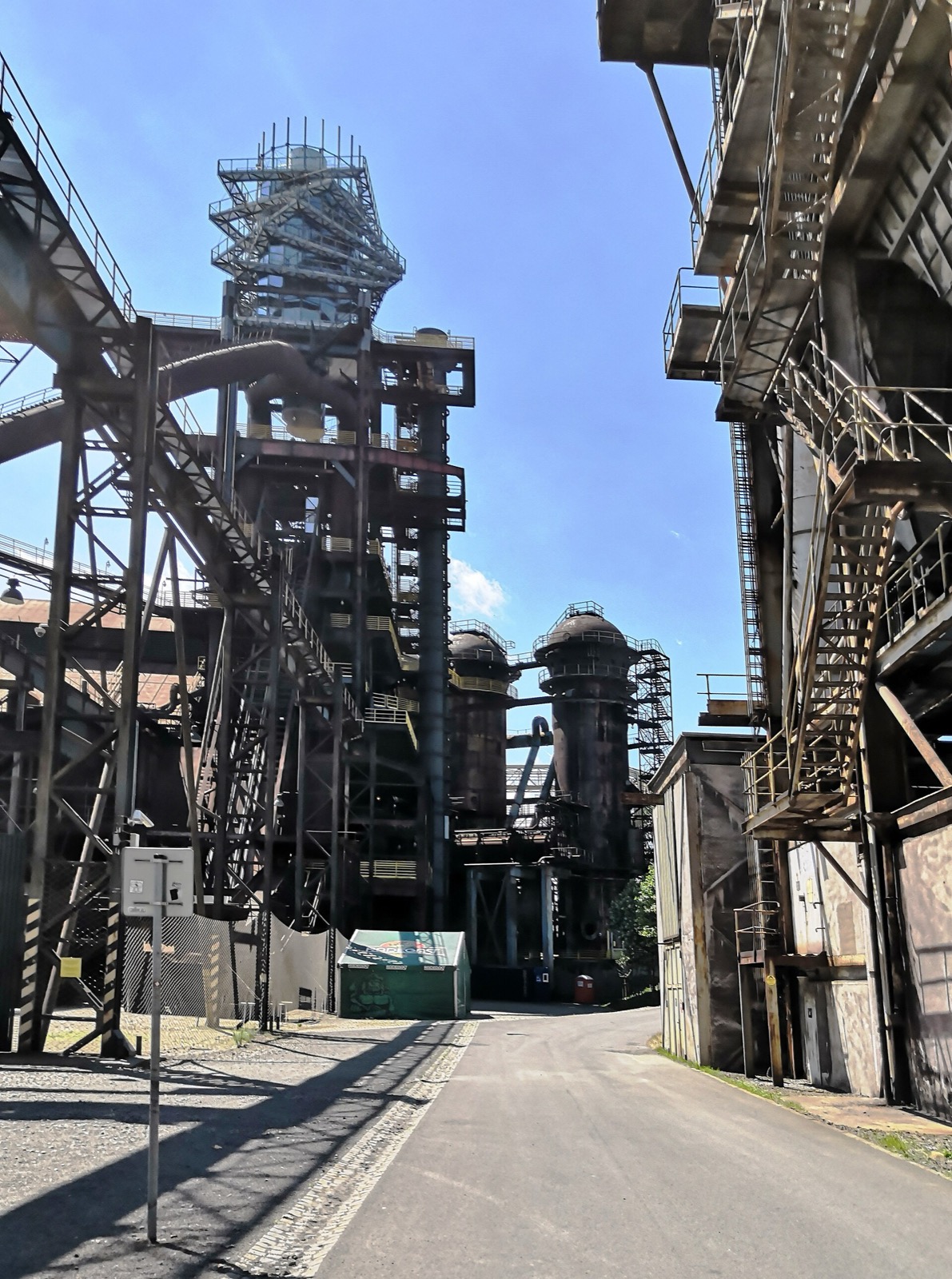
While you’re in Lower Vítkovice, you can’t skip its highest point. The Bolt Tower is an absolutely fascinating glass extension rising on top of the former blast furnace number 1. It was designed once again by the area’s resident architect Josef Pleskot, who gave it a shape resembling a helix.
The tower reaches almost 78 metres, and its name hides a little play on words. The English word “bolt” means a screw, but it also nods to the phenomenal sprinter Usain Bolt. He regularly came to Ostrava to compete at the Golden Spike athletics meeting and even christened this tower in person.
At the top, the lovely Bolt Café awaits, where you can enjoy a coffee with an incredible view over the whole city and, in good weather, all the way to the nearby Beskydy mountains. It’s probably the most popular photo spot in all of Ostrava.
3. World of Technology
Right next to the blast furnaces is a place where you could easily spend a whole day. The World of Technology is split into two parts, both worth a visit. The Big World of Technology occupies a brand-new building with a mirrored façade and works as a huge, modern science centre.
Inside you’ll find four main exhibitions: the Children’s World, the World of Nature, the World of Science and the World of Civilisation. Everything here is wonderfully interactive — you can get hands-on with the laws of physics, try out various experiments, and understand how the world around us works in a playful way. Set aside a whole morning, because the experiences are arranged so cleverly that time just flies by.
The Small World of Technology U6, by contrast, is housed in the historic building of a former power station. Its exhibition focuses on the history of inventions from the Industrial Revolution to the present day. You’ll find models of old steam engines, working looms and historic aircraft.

4. Landek Park
If you want to experience first-hand what work deep underground was like, head to Landek Hill. It’s home to the largest mining museum in the Czech Republic, with the entire exhibition built on the site of Ostrava’s oldest mine shaft. Visitors absolutely rave about the experience.
The highlight is the moment when the original mine cage lowers you into a real underground tunnel. You’ll walk through historic galleries and see an exhibition on mine rescue work, showing the dangerous and courageous efforts of rescuers during mining disasters. People reportedly come out rather quiet — which says a lot about the experience.
Landek Hill is also world-famous thanks to one unique archaeological discovery. In 1953, the so-called Landek (or Petřkovice) Venus was found here — a tiny figurine carved from mammoth ivory, over 20,000 years old. Interestingly, it’s the only slender Venus ever found in Europe.
5. Michal Mine
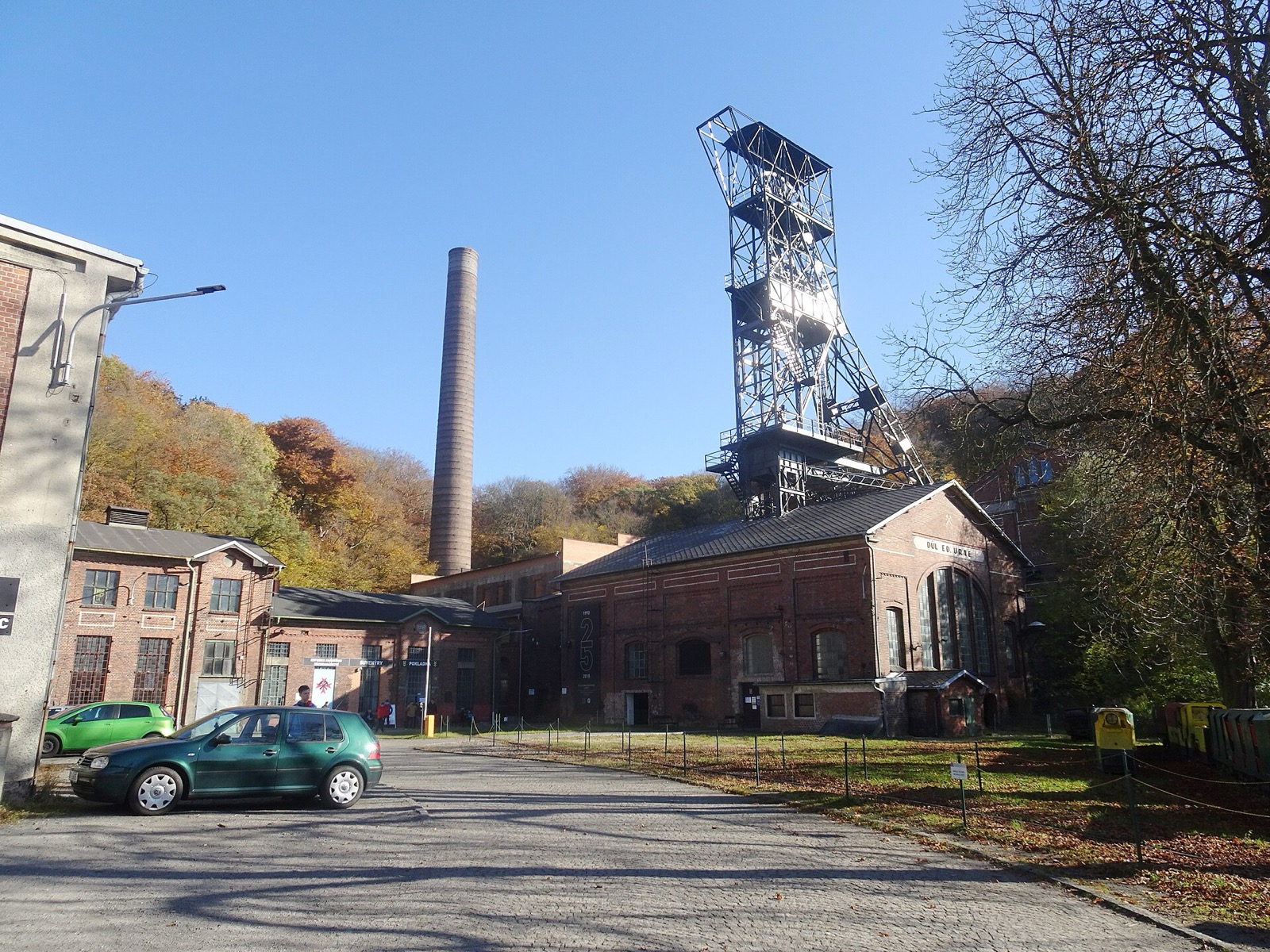
While Landek Park offers a varied museum exhibition, the Michal Mine in Michálkovice offers a completely different kind of experience. This national cultural monument is essentially frozen in time. Everything here has stayed exactly as the miners left it after their very last shift in 1993.
The tour route uniquely follows a miner’s daily journey to work. You’ll pass through the chain changing rooms, the token room and the lamp room, where the workers picked up their lamps, before reaching the mining tower itself. The atmosphere is so thick that the dust on the old equipment and the silence in the lamp room make it feel as though the shift only ended yesterday.
6. Silesian Ostrava Castle
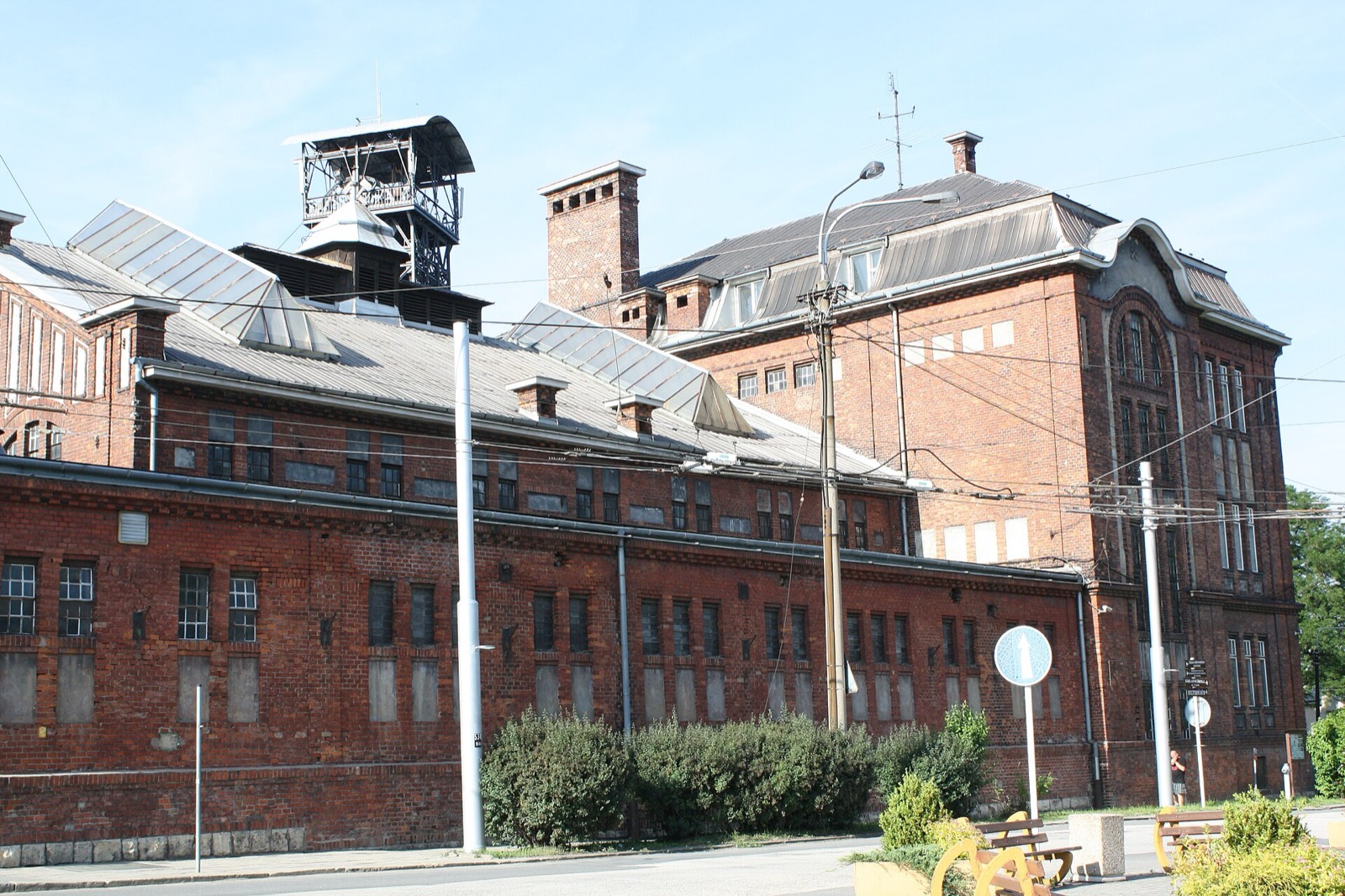
Yes, Ostrava has its own castle too. Its origins date back to the late 13th century, when it was meant to protect a regional trade route. The castle has had a very turbulent history — because of intensive coal mining in the bedrock, the whole structure gradually sank by several metres and spent long years sadly falling into disrepair.
Fortunately, at the turn of the millennium the city decided to save the ruin, and after a demanding restoration the castle reopened to the public in 2004. Today it’s a lively cultural centre worth visiting in almost any season. Visitors can see an exhibition on witches, an old torture chamber, and there are plenty of weekend events for families with children.

7. Ema Slag Heap
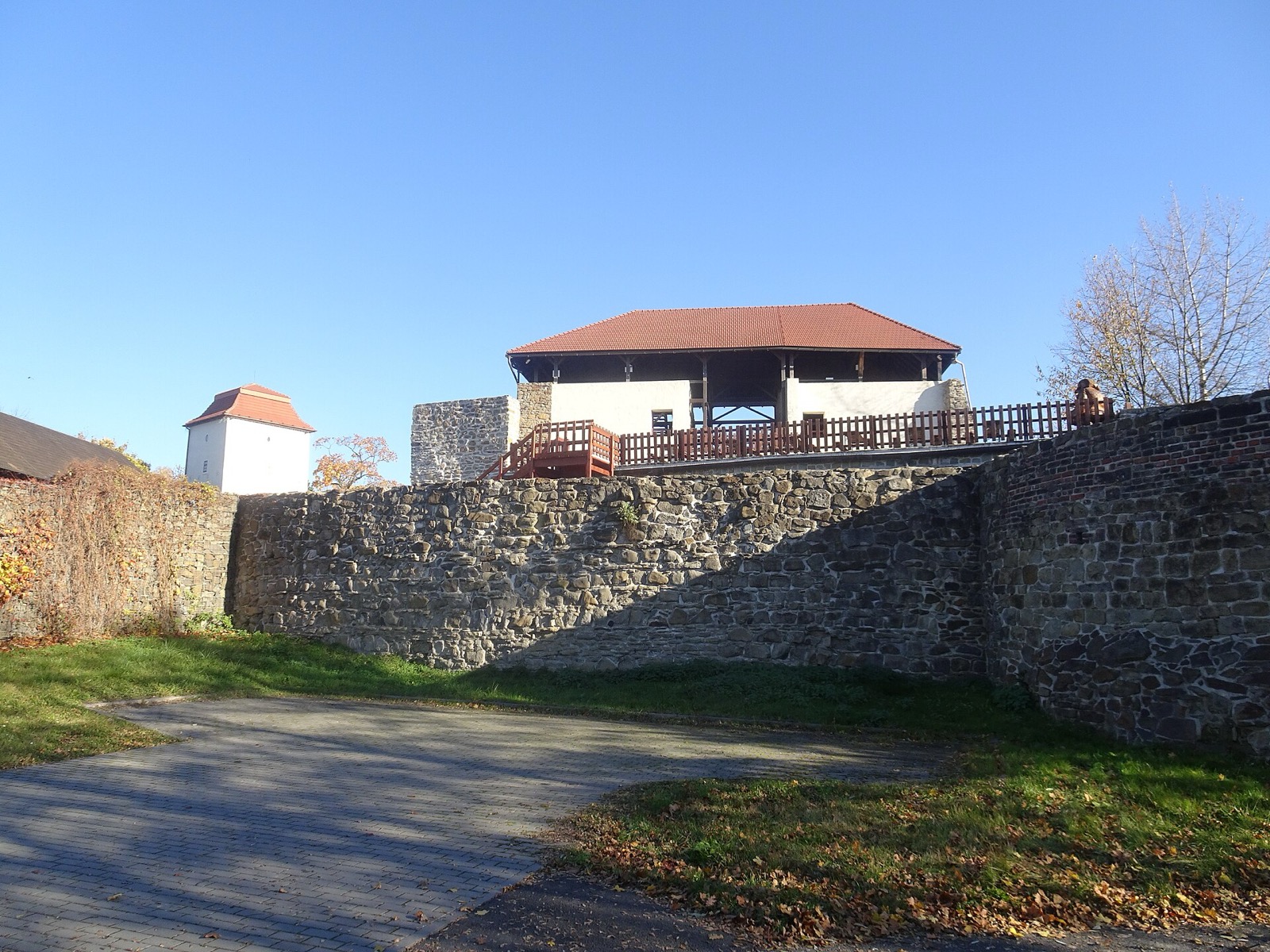
Locals lovingly nickname the Ema slag heap “Ostrava’s volcano”, and it’s not just poetic licence. This enormous hill of mining spoil has been slowly smouldering inside for over a hundred years. Temperatures inside the heap are estimated to reach hundreds of degrees Celsius.
White clouds of steam constantly rise from cracks on the surface, and the ground is hot to the touch in places. As a result, snow doesn’t settle here in winter, and heat-loving steppe plants grow on the slopes — the kind you’d never expect at this latitude. Hiking up along the yellow trail markers is a favourite weekend activity for locals.
The top of the Ema heap sits at over 300 metres above sea level and offers some of the most beautiful views around. On a clear day you can see not only the whole of Ostrava but also the panorama of the Beskydy mountains with the dominant Lysá hora, the ridges of the Jeseníky, and even a slice of neighbouring Poland.
8. New Town Hall Viewing Tower
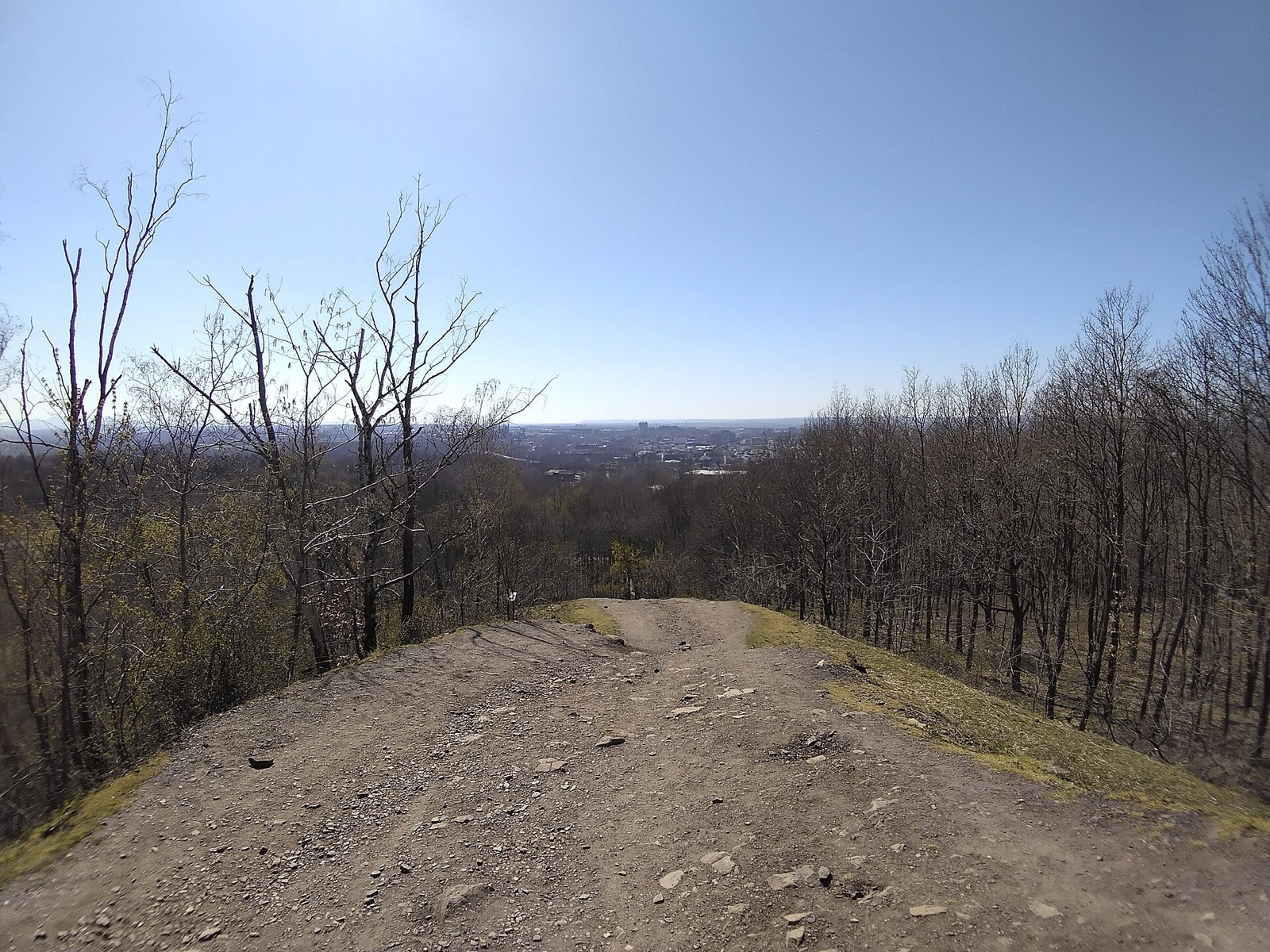
If you love views over the city from up high but don’t fancy climbing a smouldering slag heap, head straight to the centre. The New Town Hall is the largest town hall building in the country, and its tower is also the tallest town hall viewing tower in the entire Czech Republic. The whole structure rises to an impressive 85.6 metres.
The viewing gallery sits at 73 metres, and a huge bonus is that you reach the top comfortably by a fast lift. The view from the gallery is absolutely stunning, and from here you’ll see that famous Ostrava contrast beautifully: historic centre on one side, old factory chimneys on the other, and green parks all around.
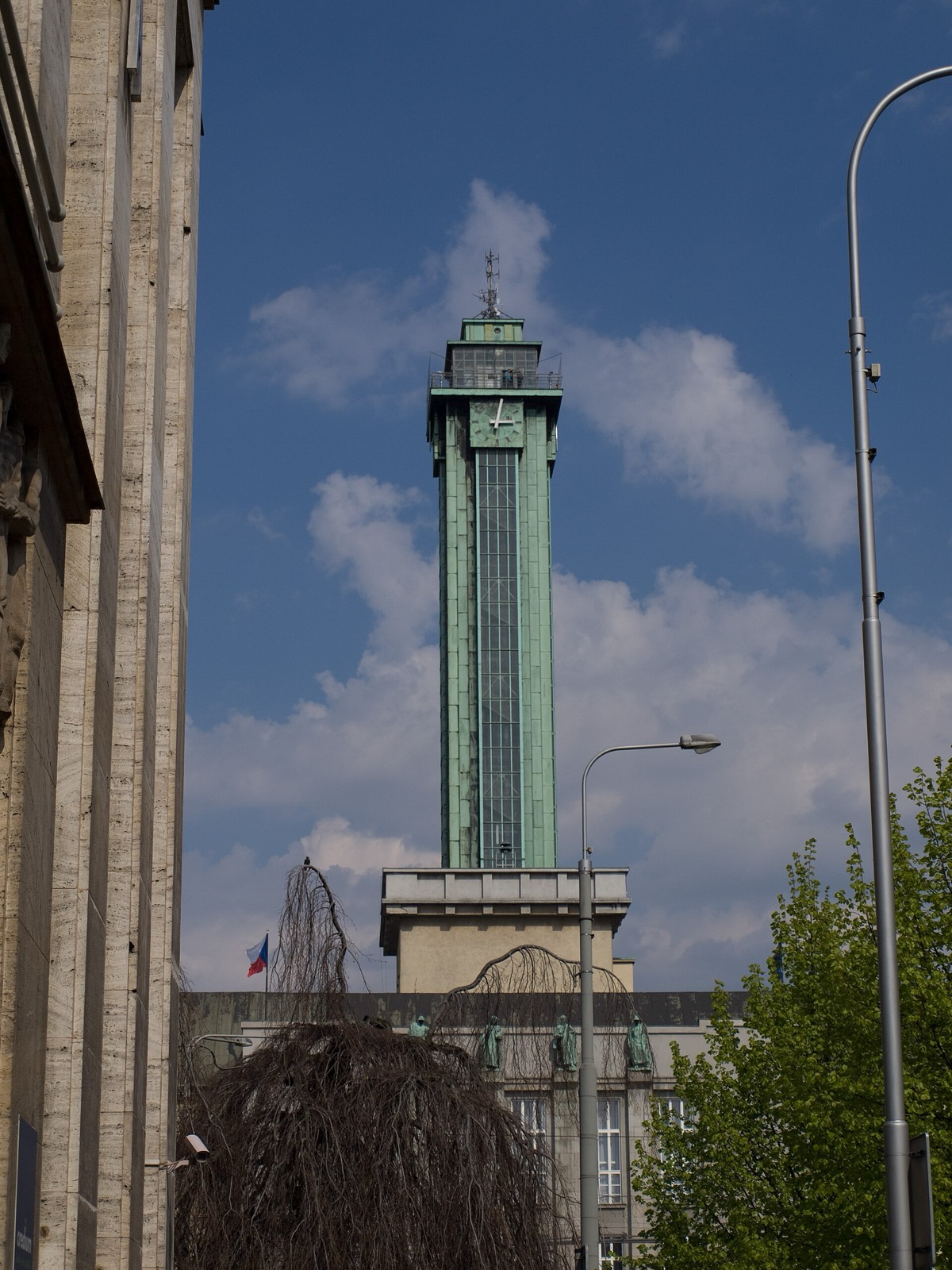
9. Masaryk Square and the City Centre
A stroll through the historic core of the city reveals that Ostrava has a classic city face too. The hub of all the action is the spacious Masaryk Square, dominated by the old town hall building, a Baroque plague column and a statue of St Florian. The square is lined with beautifully ornate façades of townhouses from the turn of the 19th and 20th centuries.
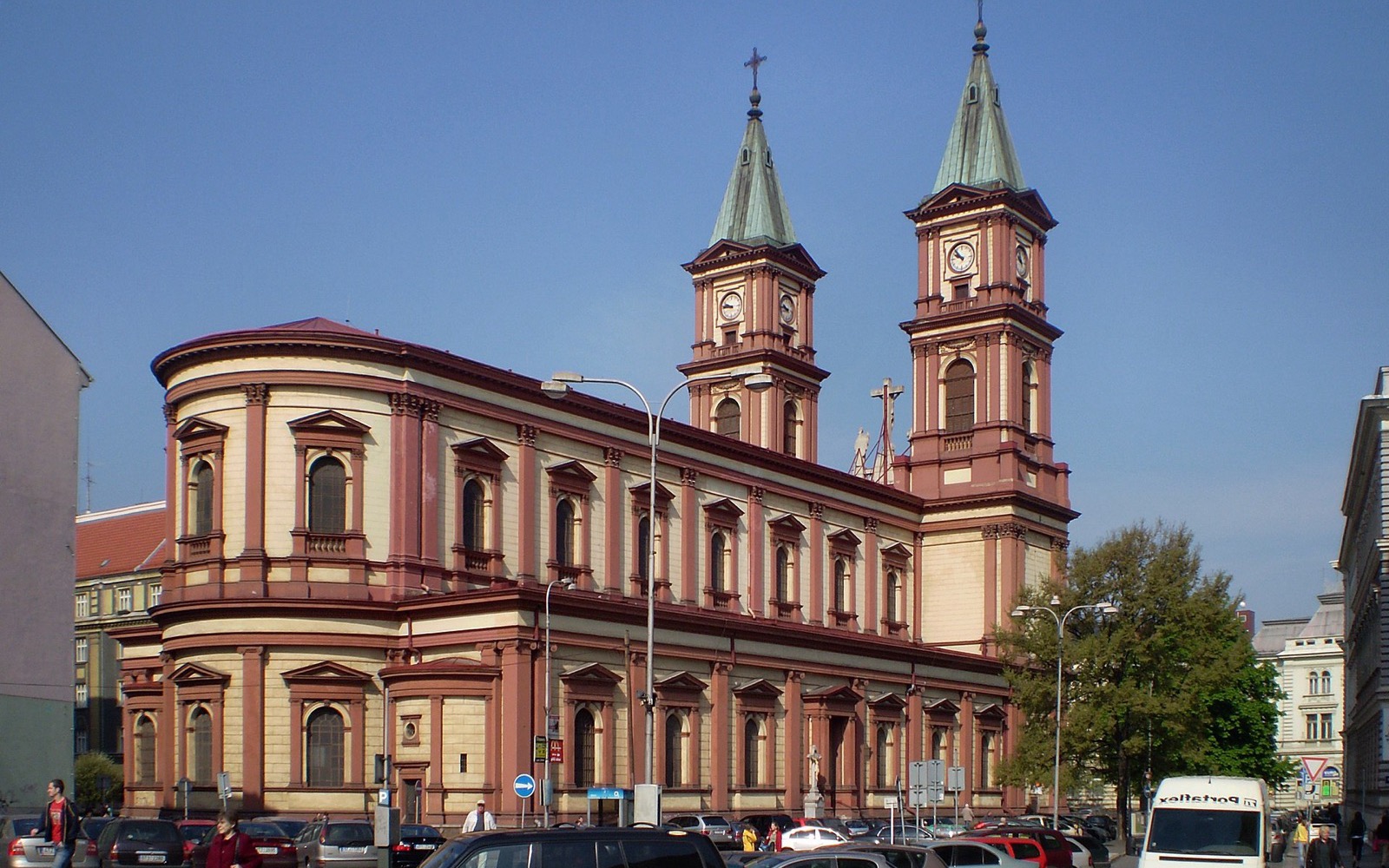
Just off the square you’ll find Ostrava’s most important churches. The Church of St Wenceslas is the oldest surviving building in the city, with a historic core dating back to the 13th century. Also worth seeing is the majestic Cathedral of the Divine Saviour, the second-largest church in Moravia, whose two enormous towers reach 67 metres.
10. Nová Karolina and Trojhalí Karolina
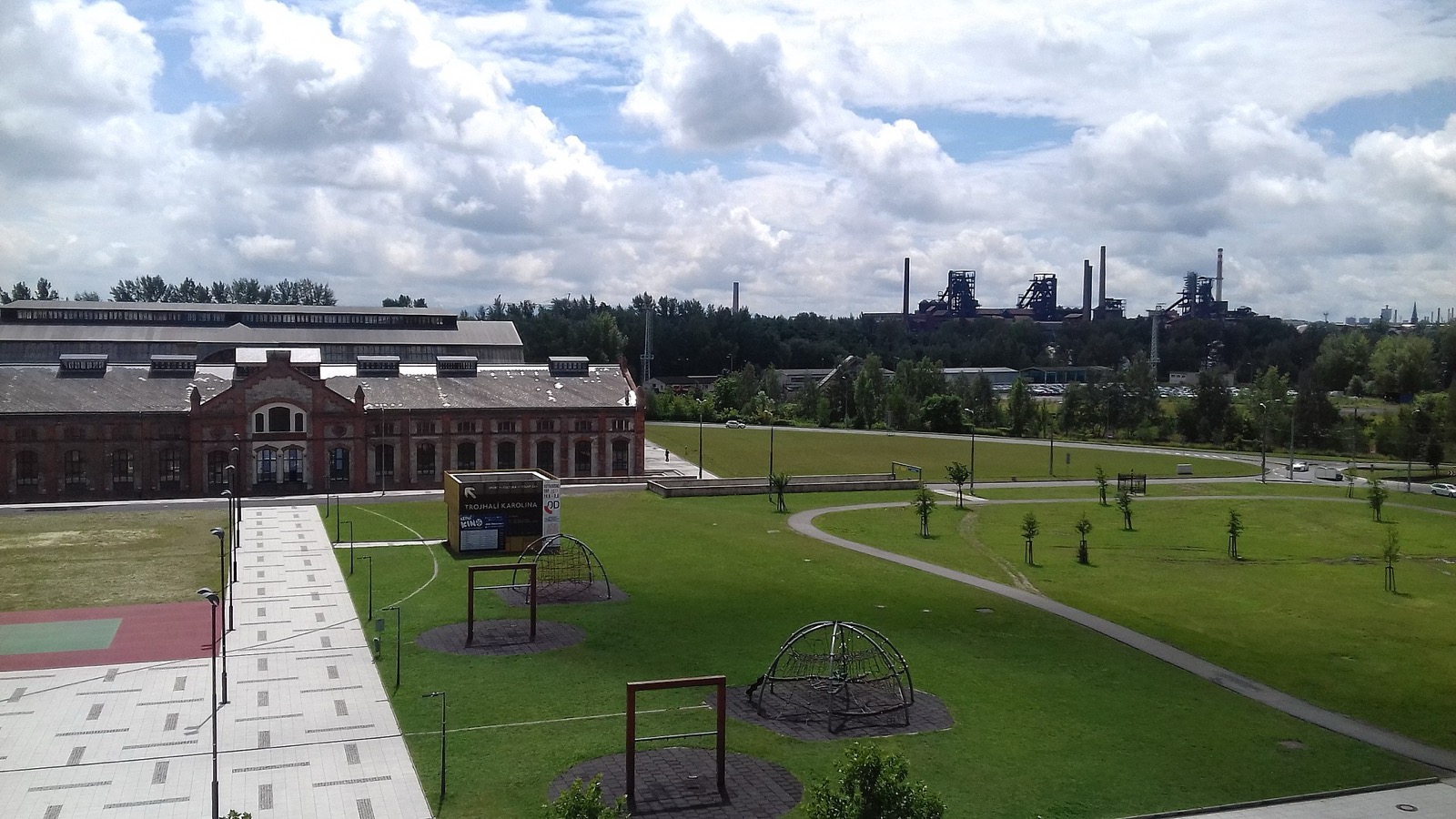
Just a short distance from the historic centre, a brand-new modern district has sprung up — a textbook example of the city’s transformation. Nová Karolina was built on the site of a former giant coking plant. Today it’s home to a large shopping centre, modern apartment blocks and spacious squares. It’s not the most romantic part of Ostrava, but it nicely shows where the city is heading.
Right next to the shopping zone stands an absolute architectural gem. Trojhalí Karolina is the rescued industrial hall of a former power plant from the early 20th century. The dilapidated building was taken in hand by architect Josef Pleskot, who sensitively turned it into a huge covered multifunctional space. Today it hosts markets, sporting events, concerts and exhibitions.
11. Stodolní Street
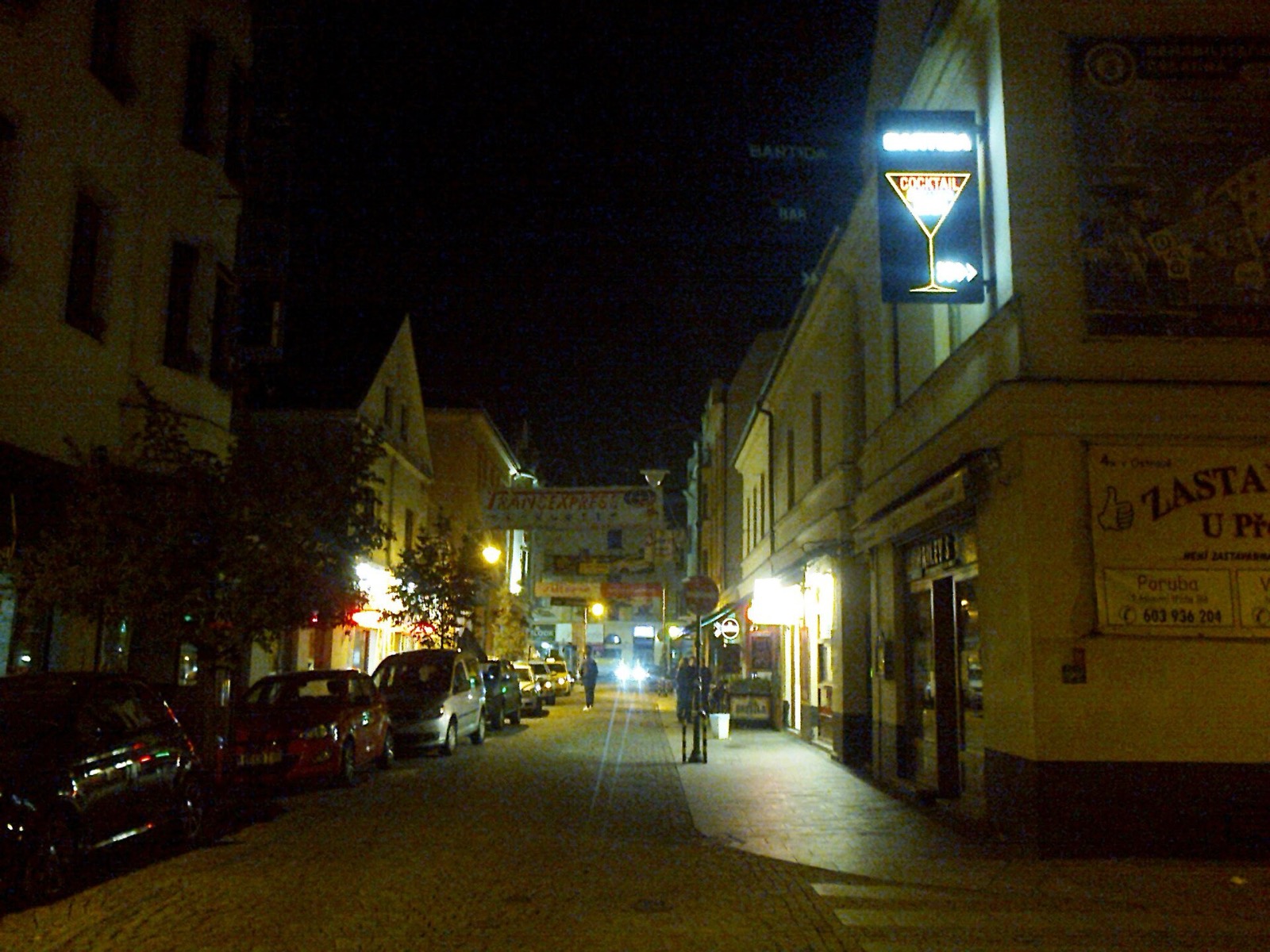
Stodolní Street. You’ll hear this name in Ostrava before you’ve even unpacked your suitcase. It has a reputation as the place that never sleeps, and in its heyday it was a genuine phenomenon across the whole country. Dozens of bars, pubs and dance clubs of every genre are crammed into one long street.
These days the street is apparently a bit quieter than at its peak around the turn of the millennium, but the evening atmosphere is still very much alive. Even if you’re not planning a wild night out, it’s worth at least walking through in the evening to soak up the distinctive energy Stodolní is so famous for.
12. Ostrava Zoo and Botanical Park
If you need a break from the industrial landmarks, Ostrava Zoo is an absolutely ideal retreat. It spreads across a huge area of around 100 hectares and is special in the way the animal enclosures blend seamlessly with a gorgeous botanical park. You’ll find, for instance, the country’s largest collection of colourful rhododendrons and azaleas.
The whole site is set within an old forest, so even in the hot summer there’s plenty of pleasant shade. Walks around the enclosures are nicely slow-paced and never rush you along, and when your feet start to ache, the popular little zoo train will carry you through the prettiest parts of the park.
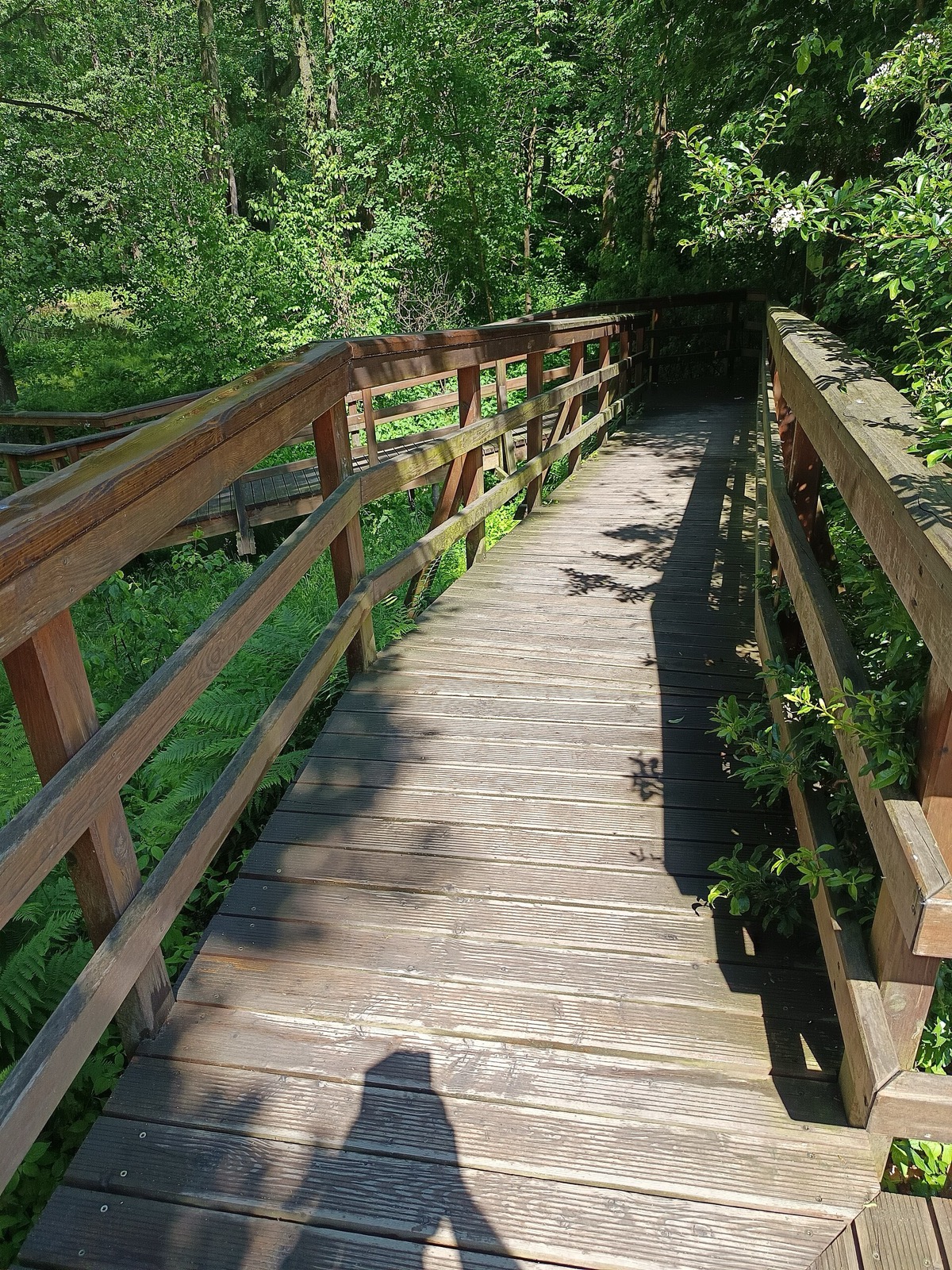
💡 Tip: With kids, don’t stop at the zoo — be sure not to miss the Papilonia butterfly house full of exotic butterflies, the miniature world of buildings at Miniuni, or the World of Technology mentioned above. Just outside the city you’ll also find a brilliant DinoPark, which children absolutely love.
Map of points of interest for your phone
Where to Eat and Grab a Coffee in Ostrava
Ostrava has a surprisingly excellent and very modern food scene. If you love speciality coffee and cosy spots, you’ll be in your element here. So where can you find the best food and coffee?
- Great cafés: An absolute legend is Kavárna Daniel, cleverly tucked away on the second floor of an old building in the centre, breathing First Republic nostalgia. For the modern coffee wave, head to CØKAFE, A Café in Mariánské Hory, or the stylish Black Tree Cafe near Prokešovo Square. Animal lovers will appreciate the cat café Čauky Mňauky.
- Vegetarian and vegan restaurants: Ostrava is very friendly to plant-based eaters. The fully vegan restaurant Kocouří způsoby has a rating of 4.9 out of 5, and anyone who knows it says it’s well deserved. You’ll also find excellent meat-free food at the Indian restaurant U Milé Gópí or the popular bistro Burfi. A great quick option is the Dhaba Beas branch, where you fill your plate with fresh food and pay by weight.
Day Trips from Ostrava
Once you’ve explored the city itself, it’s well worth venturing into the surrounding area. Ostrava is a great base for discovering picturesque towns and the nearby Beskydy mountains.
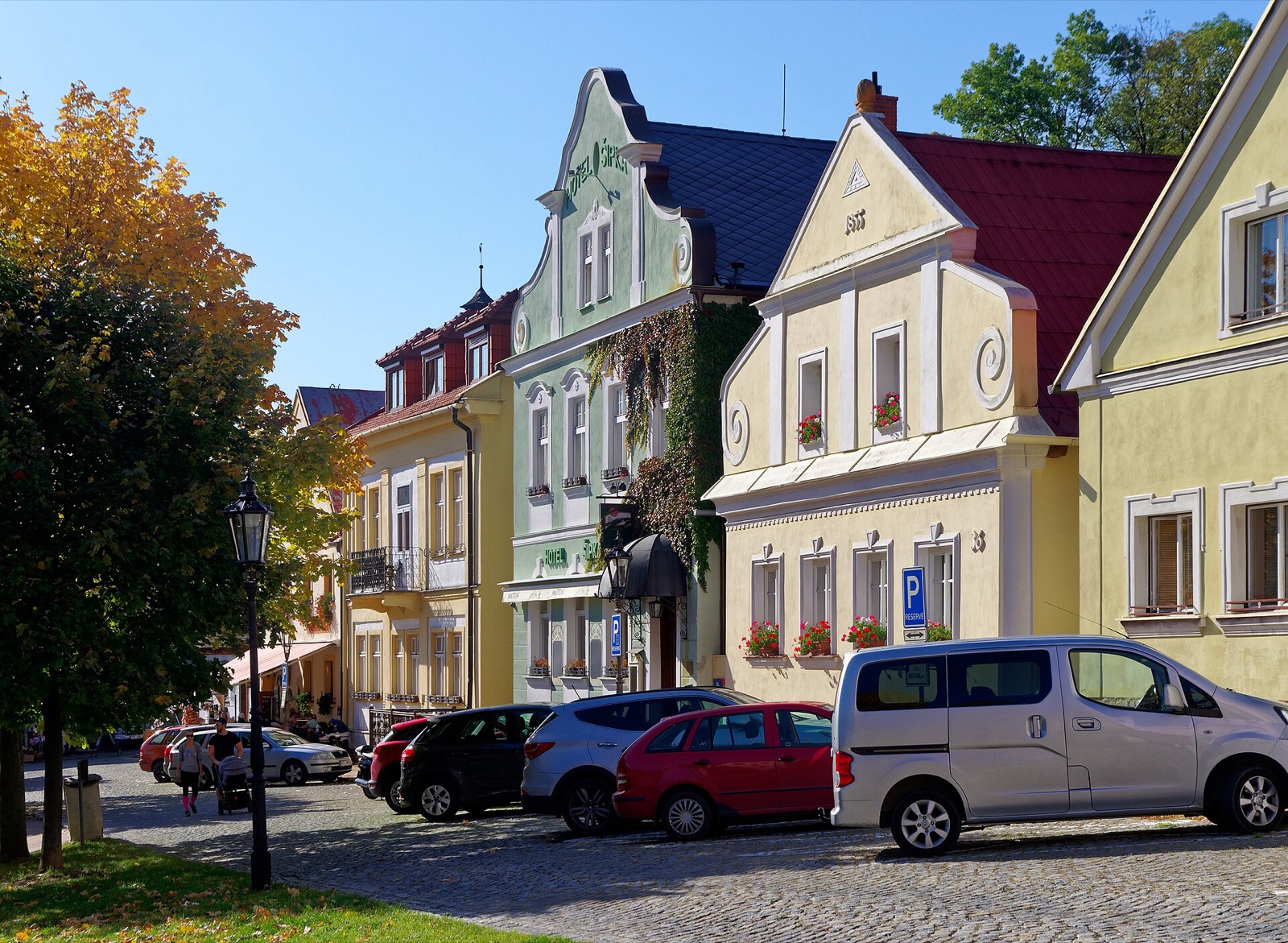
- Štramberk: This romantic little town is nicknamed the “Moravian Bethlehem”. You can climb the Gothic Trúba tower, explore the Šipka cave and, above all, taste the legendary gingerbread “Štramberk ears”.
- Hukvaldy: This picturesque village is known as the birthplace of composer Leoš Janáček. Stroll through the beautiful game park, stroke the statue of the Cunning Little Vixen for luck, and hike up to the largest castle ruin in Moravia.
- Příbor and Kopřivnice: In Příbor you can visit the birthplace of psychoanalysis founder Sigmund Freud, now a museum. Neighbouring Kopřivnice draws visitors with the superb technical museum of the Tatra car company and an exhibition dedicated to runner Emil Zátopek.
- Lysá hora and Pustevny: For mountain lovers, the Beskydy are an obvious choice. You can take on the more demanding climb up Lysá hora (1,324 m) or head to Pustevny and Radhošť, where you’ll see the charming timber buildings by Dušan Jurkovič and the famous statue of the pagan god Radegast.
💡 Tip: If you’d rather explore the region hassle-free, check out the GetYourGuide platform. You can often find organised guided tours running from Ostrava straight into the Beskydy or to the surrounding landmarks.
Where to Next
If you’re keen to discover more of the country’s beauty, here are some tips for further reading:
- The Beskydy and Wallachia: 20 trip ideas
- Bruntál: gateway to the Jeseníky and nearby Krnov
- Where to go on holiday in the Czech Republic
Frequently Asked Questions
How many days do you need to visit Ostrava?
For the historic center itself and the Lower Vítkovice complex, one packed day will comfortably do the trick. But if you’d like to see the other landmarks too, head to the zoo, and take a trip to the nearby Beskydy Mountains, it’s best to set aside a long weekend of 2 to 3 days.
Is Ostrava really ugly and dirty?
Definitely not. This old stereotype is long outdated. Ostrava is surprisingly one of the greenest cities in the Czech Republic and its preserved industrial heritage has an enormous charm that architects from all over the world admire.
What to do in Ostrava with kids?
The city is wonderfully prepared for families with children. The biggest attraction is the beautiful zoological garden and the incredibly entertaining interactive World of Technology. Younger children will surely also enjoy a trip to the nearby DinoPark or a tour of the miniatures of world buildings in the Miniuni complex.
How to get to Ostrava from Prague?
The journey is very straightforward and the most comfortable option is to take the train. Direct connections from Prague run every hour and the journey takes only about three hours. Moreover, the carriers České dráhy, RegioJet and LEO Express compete heavily on this route, so tickets can be purchased at very reasonable prices.
When does the Colours of Ostrava festival take place?
This legendary music festival takes place regularly in mid-July right in the magical grounds of the Lower Vítkovice Area. In 2026, the festival dates are from July 15th to 18th. We recommend booking tickets and accommodation well in advance.
Tips and Tricks for Your Vacation
Don’t Overpay for Flights
Search for flights on Kayak. It’s our favorite search engine because it scans the websites of all airlines and always finds the cheapest connection.
Book Your Accommodation Smartly
The best experiences we’ve had when looking for accommodation (from Alaska to Morocco) are with Booking.com, where hotels, apartments, and entire houses are usually the cheapest and most widely available.
Don’t Forget Travel Insurance
Good travel insurance will protect you against illness, accidents, theft, or flight cancellations. We’ve had a few hospital visits abroad, so we know how important it is to have proper insurance arranged.
Where we insure ourselves: SafetyWing (simple monthly subscription) and TrueTraveller (for extra-long trips).
Find the Best Experiences
Get Your Guide is a huge online marketplace where you can book guided walks, trips, skip-the-line tickets, tours, and much more. We always find some extra fun there!
More from Czechia
Full guide →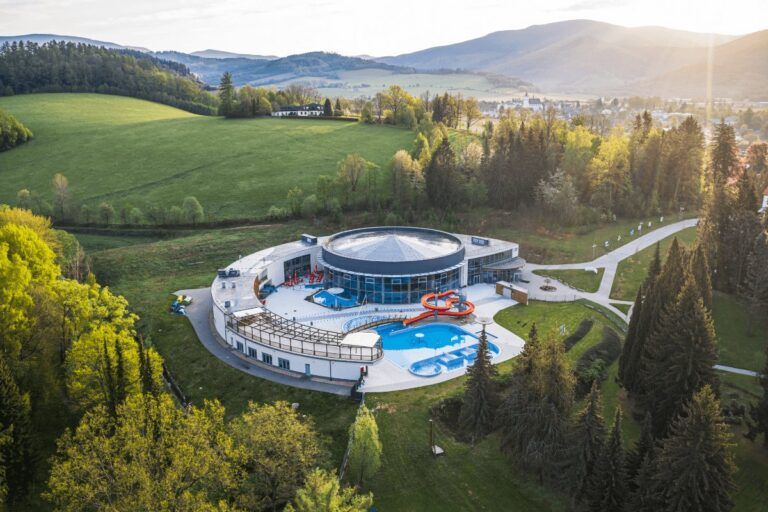 What to seeBest Thermal Spas in the Czech Republic: 12 Tips for Warm Water in 2026
 With kidsWhere to Holiday in South Moravia, Czech Republic: 15 Most Beautiful Places (Even With Kids) in 2026
 What to seeThings to Do in Kroměříž: 12 Tips for the UNESCO Gardens City in 2026
 What to seeBest Museums and Galleries in Prague: 16 Must-See Picks 2026
 Where to stay28 Best Wellness Hotels in the Czech Republic


