

For me, Northern Moravia and Silesia is a region of absolute contrasts that is guaranteed to grab you by the heart. It’s a land where the ridges of the Beskydy and Jeseníky mountains meet towering blast furnaces, so in a single day you can breathe the cleanest mountain air and then, that same afternoon, admire the raw beauty of industrial Ostrava. Trust me, you won’t find such a unique combination anywhere else in the country.
Whether you’re looking for peace and quiet in deep forests, love old castles, or want to show your kids giant mining wheels and technical marvels, this corner of the country has something for everyone. On top of that, the locals here wear their hearts on their sleeves and know how to make you feel welcome in a way you’ll remember for a long time.
I’ve put together a comprehensive overview with fifteen tips on what to see and do here. It covers everything from the majestic Praděd to Ostrava’s Dolní Vítkovice, and of course my favourite spots in the Wallachia region aren’t missing either. Make yourself a good coffee and let’s take a look together at the best of Northern Moravia and Silesia. ☺️

TL;DR
- Mountains and nature: Praděd, the highest peak in Moravia, offers the most beautiful views, while Lysá hora in the Beskydy will test your fitness.
- Industrial gems: Dolní Vítkovice and Landek Park in Ostrava are absolute world-class rarities you simply can’t miss.
- Family fun: The Pustevny cable car and the Ostrava zoo with its popular Safari Express will thrill travellers big and small.
- History and culture: Central Europe’s oldest open-air museum in Rožnov pod Radhoštěm and the romantic Sovinec castle will whisk you back centuries.
- Technical wonders: The Dlouhé stráně pumped-storage power plant, sitting right on a mountain top, feels like an apparition and leaves every visitor breathless.
- Great food: Don’t leave without tasting genuine Štramberk gingerbread “ears” or a proper Wallachian frgál pastry with quark and plum jam.
The full destination guide: Czechia — guide and what to see
When to visit Northern Moravia
Northern Moravia and Silesia have something to offer in every season, but it all depends on exactly what you expect from your holiday. Winter in the Jeseníky or Beskydy is ideal for lovers of downhill and cross-country skiing, because snow conditions here tend to be among the best in the country. Spring, on the other hand, favours wandering the awakening towns and industrial landmarks, when you can avoid the summer heatwaves and enjoy emptier streets.
Summer on the mountain ridges is absolutely magical, but bear in mind you won’t be alone at the most famous spots. If you head out in July or August, I recommend you use the early morning hours for mountain hikes to escape the biggest crowds and the afternoon storms. Autumn in the Jeseníky then turns wonderful golden shades and is probably the most romantic time to visit the spa towns.
There is one absolutely crucial thing to keep an eye on if you’re planning a summer visit to Ostrava. From 13 to 19 July 2026, Dolní Vítkovice is completely closed to the public because of the huge Colours of Ostrava music festival. That means during this period you won’t get into the blast furnaces or the Science and Technology Centre, so plan your family trip for a different summer week instead.
A long weekend definitely won’t be enough to see the whole region. To enjoy the mountains, towns and museums at a relaxed pace, set aside at least seven days for your holiday. Even then you’ll have to choose carefully — there are enough interesting spots here for several weeks, and leaving without any regret that you missed something is practically impossible.
Where to stay in Northern Moravia
Choosing the right base is key to exploring such a vast region. If you want to sample a bit of everything, the best strategy is to split your stay into a few nights in the mountains and a few nights in the city. Across the region you’ll find amazing mountain lodges with a view, luxury wellness hotels and interesting town accommodation with a touch of history.
Beskydy and Wallachia: If you like comfort and a well-earned rest after your hikes, Spa hotel Lanterna in Velké Karlovice is exactly that: a beautiful pool, luxurious wellness, and families return again and again — and that’s no coincidence. Its sister Wellness & spa hotel Horal in the same village offers a sprawling sauna world and is absolutely perfect for off-season stays too. Anyone who wants to stay right beneath the Beskydy giant will appreciate Hotel Freud in Ostravice, from which Lysá hora really is just a short walk away, and which works as a great starting point for trips to Pustevny too. Hidden in the middle of the forests is the mountain Hotel Sepetná, close to both the ski slopes and hiking trails. And if you long for evening romance in historic lanes, stay at Hotel Šipka in Štramberk, where you’ll have the picturesque little square below the Trúba tower almost to yourself.
Ostrava and Silesia: For exploring Ostrava’s industrial landmarks and cafés, Mercure Ostrava Center is very handy — from here you can walk to the Nová Karolina shopping centre and to the tram out to Vítkovice. More extensive facilities with its own wellness centre are offered by Harmony Club Hotel Ostrava, which works as a good anchor for longer sightseeing stays. A truly unique experience is then offered by Zámek Zábřeh on the edge of the city, where you swap classic city rooms for unusual sleeping in a chateau complex.
Jeseníky: Lovers of clean air and history should consider the Priessnitz Spa right in Jeseník, where you stay in majestic spa houses surrounded by forests. A great base for families is then Termály Losiny in Velké Losiny, because you’ll have a thermal park with sulphur water right under your nose and, a short drive away, buses head out to Dlouhé stráně.
Northern Moravia: 15 most beautiful places
Honestly — limiting myself to fifteen places was almost an impossible task, but I’ve assembled a varied mosaic of mountain peaks, technical curiosities and picturesque little towns for you, so you can build an itinerary exactly to your taste. Whether you long for demanding climbs or prefer soaking up the atmosphere with a coffee in hand, you’ll definitely find your thing here.
1. Jeseníky and Praděd
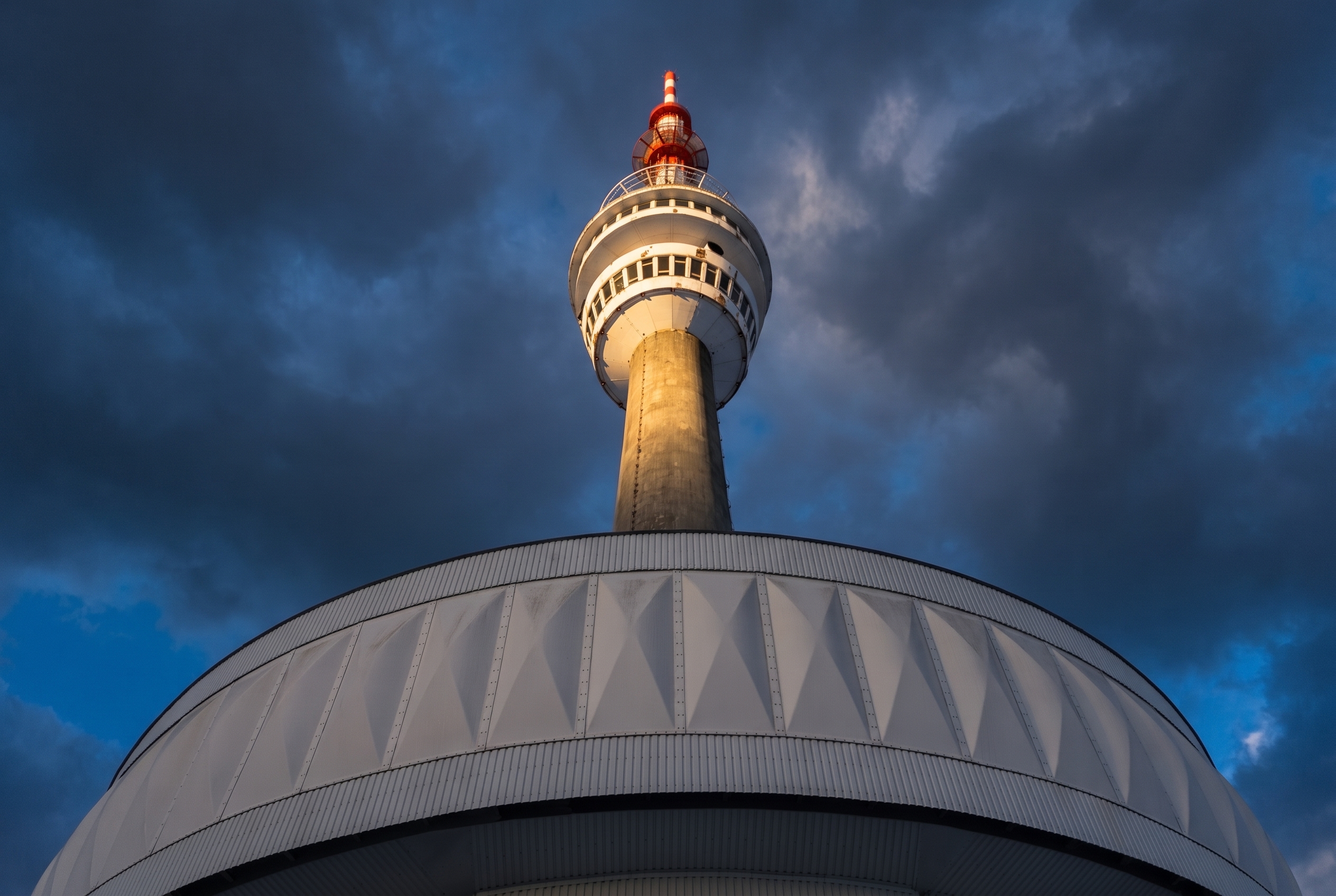
Say Jeseníky, and everyone immediately thinks of Praděd. At a respectable 1,491 metres, it is the highest mountain in Moravia and Silesia and, at the same time, the fourth-highest peak in the whole country. On its summit stands the iconic television transmitter with a viewing platform, which is, by the way, the highest-situated structure in the country.
Since the summit lies in the first zone of a protected landscape area, ordinary cars are, for understandable reasons, not allowed up here. If you don’t fancy walking the whole way from the valley, use the seasonal Ekobus, which runs from the Hvězda car park up to Ovčárna. From there it’s still a very pleasant, gentle stroll to the summit itself along a wide asphalt road, which even families with smaller children can manage.
The views from Praděd over the surrounding valleys are absolutely phenomenal in clear weather. Do bear in mind, though, that the weather here can change incredibly quickly, so even in the height of summer always pack a waterproof jacket and sturdy footwear in your rucksack.
💡 Tip: From Ovčárna a beautiful ridge trail leads over Petrovy kameny all the way to Jelení studánka, which is much quieter than the climb to Praděd itself. I recommend walking it if you long for a deeper connection with nature away from the crowds.
2. Dlouhé stráně
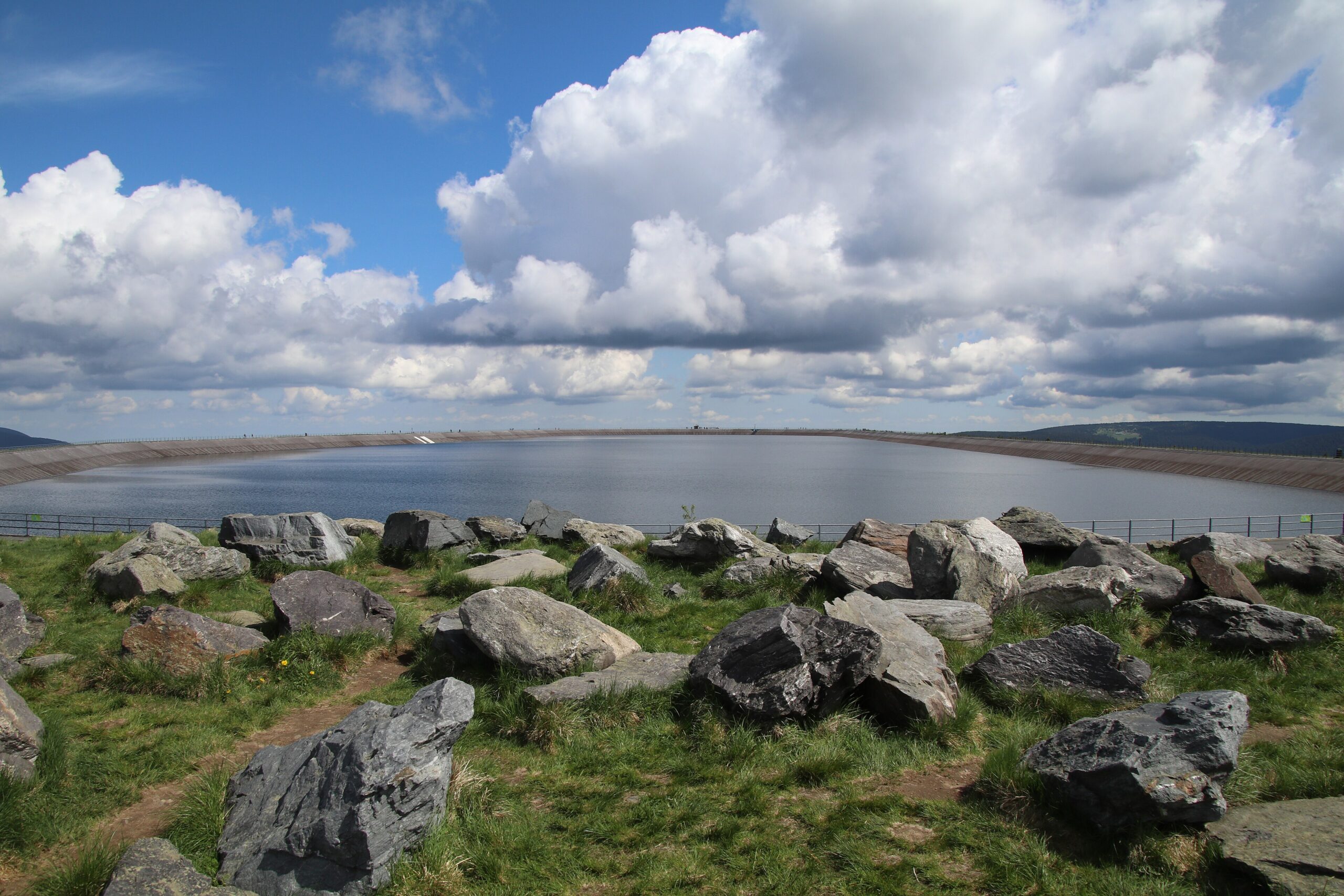
This place looks like an apparition from a sci-fi film. The Dlouhé stráně pumped-storage hydroelectric plant boasts a huge artificially built reservoir that sits right on a levelled-off mountain top at over 1,350 metres above sea level. It’s the largest facility of its kind in Central Europe, with the biggest reversible water turbine on the entire continent.
Getting here, however, requires quite careful planning. It’s important to know that tours are booked exclusively online through their official form — no one will secure you a spot by phone or email. All visitors then meet down at the base at SkiAreál Kouty, right at the bus stop in front of Bar Lyžárna by the prominent orange sign.
You can choose from two tour options. The first loop takes about two hours and includes the power plant itself and a ride up to the lower reservoir. Loop number two takes roughly three hours, takes you all the way up to the upper reservoir, and runs only from May to November. Always double-check the entrance fee in advance on the power plant’s website.
💡 Tip: A heads-up for all families: the tour isn’t suitable for children under seven. Part of the programme involves watching through VR goggles, which simply isn’t built for the youngest visitors, so with small children head somewhere else instead.
3. Pustevny and Radhošť
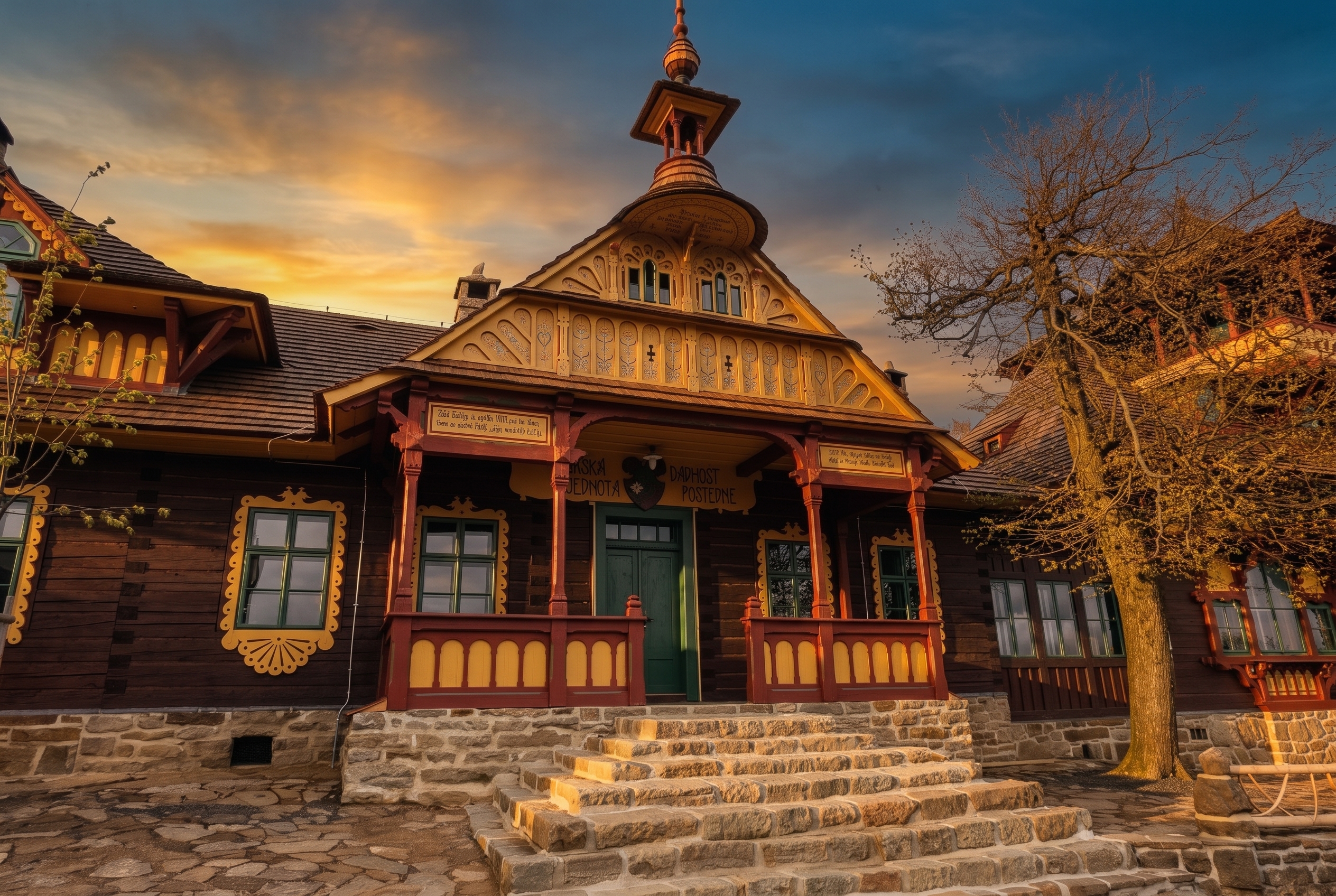
Pustevny is probably the best-known mountain saddle in the Beskydy, and Lukáš and I always love coming back here for its unforgettable atmosphere. The main draw is a beautiful set of wooden buildings by architect Dušan Jurkovič, which represent the so-called Wallachian Art Nouveau style from the end of the nineteenth century.
You may remember that the Libušín lodge tragically burned down in 2014. Today, though, it has thankfully been completely restored and reopened to the public in all its glory. From Pustevny there’s a comfortable ridge walk to the monumental statue of the pagan god Radegast, where we of course stood and took photos too. The walk takes about forty-five minutes and continues all the way to the chapel of Saints Cyril and Methodius.
You can comfortably ride up to Pustevny by cable car from Ráztoka. A return ticket for an adult bought online costs 300 CZK (about €12), while at the ticket office you’ll pay 320 CZK (about €13). Children aged five to eleven pay 190 CZK (about €8) online, and those aged four and under ride free. Remember that an online ticket is valid for six months, but a ticket from the office has to be used on the day of purchase.
💡 Tip: If you’re going up by cable car with equipment, a pushchair, dog or e-bike each cost an extra 60 CZK (about €2.50). You can ride back down the Knížecí cesta trail on a rented scooter, but they only lend children’s scooters from age ten.
4. Lysá hora

If Pustevny is an easy stroll, then Lysá hora is a genuine challenge for many hikers. At 1,323 metres, it is the highest and most massive peak of the Moravian-Silesian Beskydy, rightly nicknamed the Beskydy giant. On the very top you’ll find a meteorological station and a mountain lodge, where after the demanding climb everyone deservedly rewards themselves with good food.
The most popular and most common climbing routes lead from Ostravice or from the nearby village of Krásná. Be prepared for the trail being one relentless climb that will really give you a workout, but that feeling when you finally rise above the treeline and see the beauty is definitely worth it. The views from the summit rank among the most beautiful in all of Moravia.
Lysá hora is almost a religion among locals, and many come up to train every week. In good weather during high season the summit really is packed, so opt for an early start, otherwise you’ll be squeezing along the narrow paths with half the region.
💡 Tip: Don’t forget sturdy footwear and plenty of water. Especially in the summer months the climb along the open sections tends to be very exhausting, and you’d search in vain for any shade.
5. Dolní Vítkovice in Ostrava
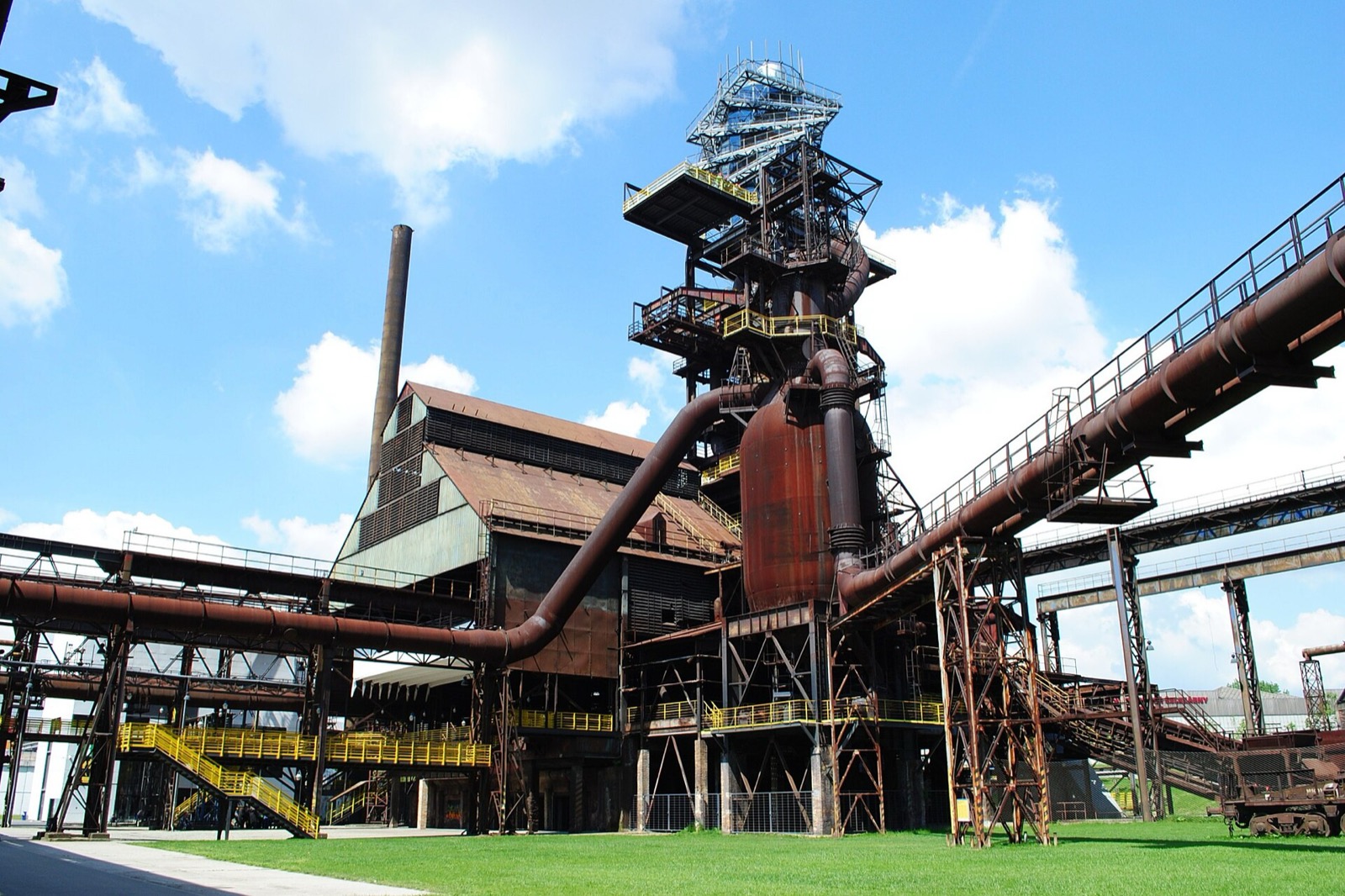
From the mountains we now move to a fascinating industrial world unmatched anywhere in the country. Dolní Vítkovice is a vast complex of former ironworks and mines that has transformed into a pulsing cultural and educational centre. This complex is listed as European Cultural Heritage, and at every step you can feel the raw history of heavy industry.
The highlight of any visit is Blast Furnace No. 1, opened to the public and topped by the glass Bolt Tower viewing extension. The tower was named after the famous sprinter Usain Bolt, and the view from it over the whole of industrial Ostrava is truly breathtaking. The blast furnace tour itself, which includes a visit to this unique tower, costs an adult 295 CZK (about €12), while the reduced fare is 220 CZK (about €9) and families pay 800 CZK (about €33).
Architecture lovers will be thrilled by the former giant gas holder, ingeniously converted into the modern multifunctional Gong hall. A visit to the Gong gallery costs 120 CZK (about €5) without commentary, but if you have a ticket to the adjacent Science and Technology Centre, you can see Gong completely free. If you opt for a guided tour with expert commentary, you’ll pay 180 CZK (about €7.50), and you need to book it in advance.
💡 Tip: If you just want to ride up to the heights without the long furnace tour, choose the ticket straight to the Bolt Café for 320 CZK (about €13). This price already includes 160 CZK (about €6.50) worth of refreshments, so alongside the fantastic view you can treat yourself to a great coffee and dessert too.
6. Landek Park and the Ema slag heap
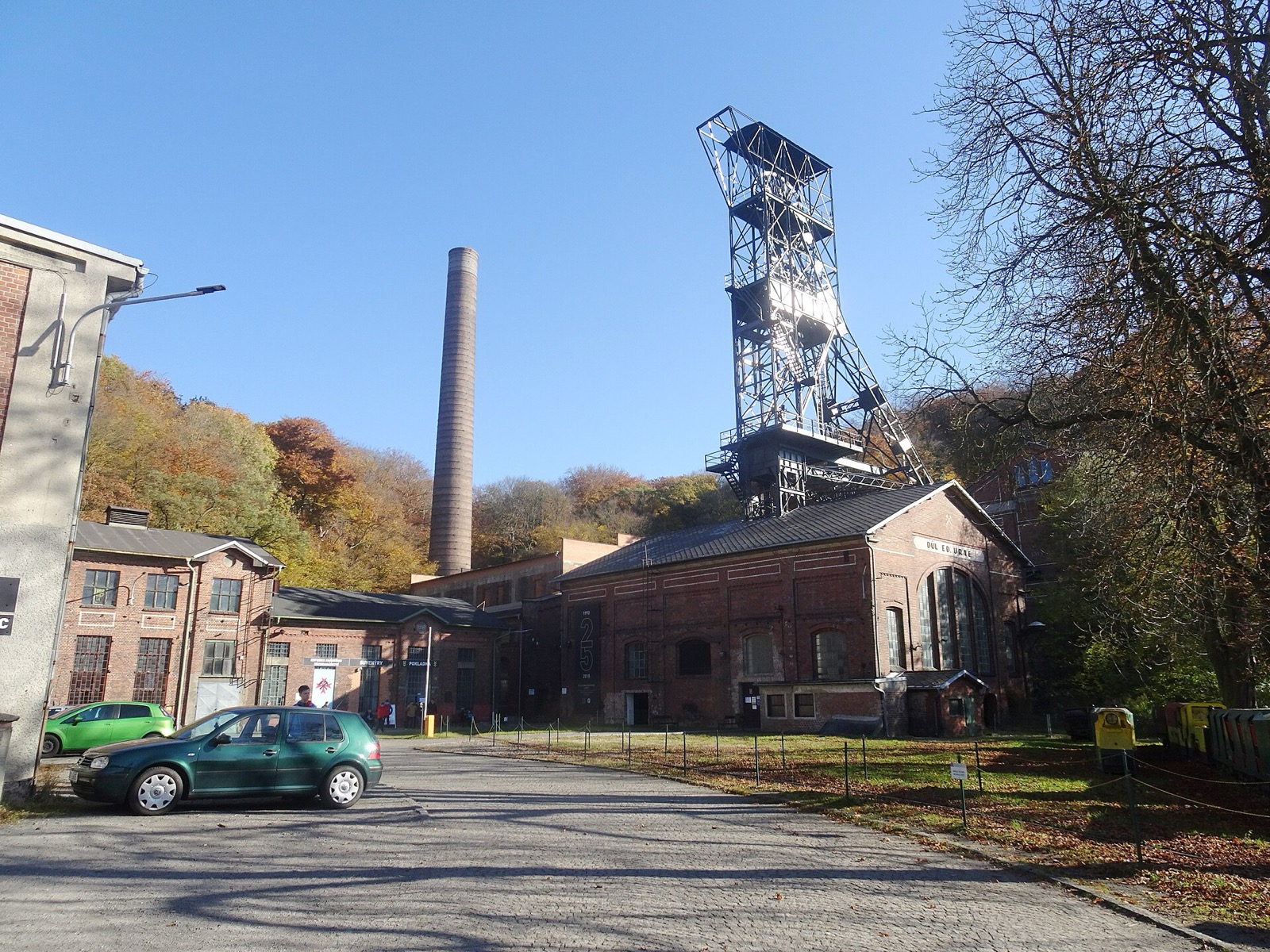
We’ll stay in Ostrava a while longer, because the city’s mining history offers more absolute gems. Landek Park in Ostrava-Petřkovice is, without any competition, the largest mining museum in the country, spreading out at the foot of Landek hill. It was on this very hill that archaeologists once discovered the famous Landek Venus figurine, which gives the place even greater historical weight.
The biggest thrill here is an authentic descent into the mine in a real mining cage, which is part of the so-called grand tour. Former miners guide you through, and an adult pays 295 CZK (about €12) for this unforgettable experience, the reduced fare is 220 CZK (about €9), and families pay 800 CZK (about €33). If you have less time, you can choose the small tour focused just on the engaging topic of mine rescue, which costs 150 CZK (about €6) for an adult. Children under six, by the way, get in free.
And once you’re soaking up that genuine Ostrava mining atmosphere, you absolutely have to see the Ema slag heap. This enormous burning heap of mining waste is still smouldering inside, with the temperature in its core holding around a thousand degrees Celsius. That’s precisely why snow never lies on it even in the harshest winter, and from its top one of the best views over the whole city opens up.
💡 Tip: At Landek Park, definitely take a ride on the original mining train that once carried miners to their shift. The ride costs just 60 CZK (about €2.50) and is an absolutely great addition to the whole trip, not only for kids.
7. Štramberk
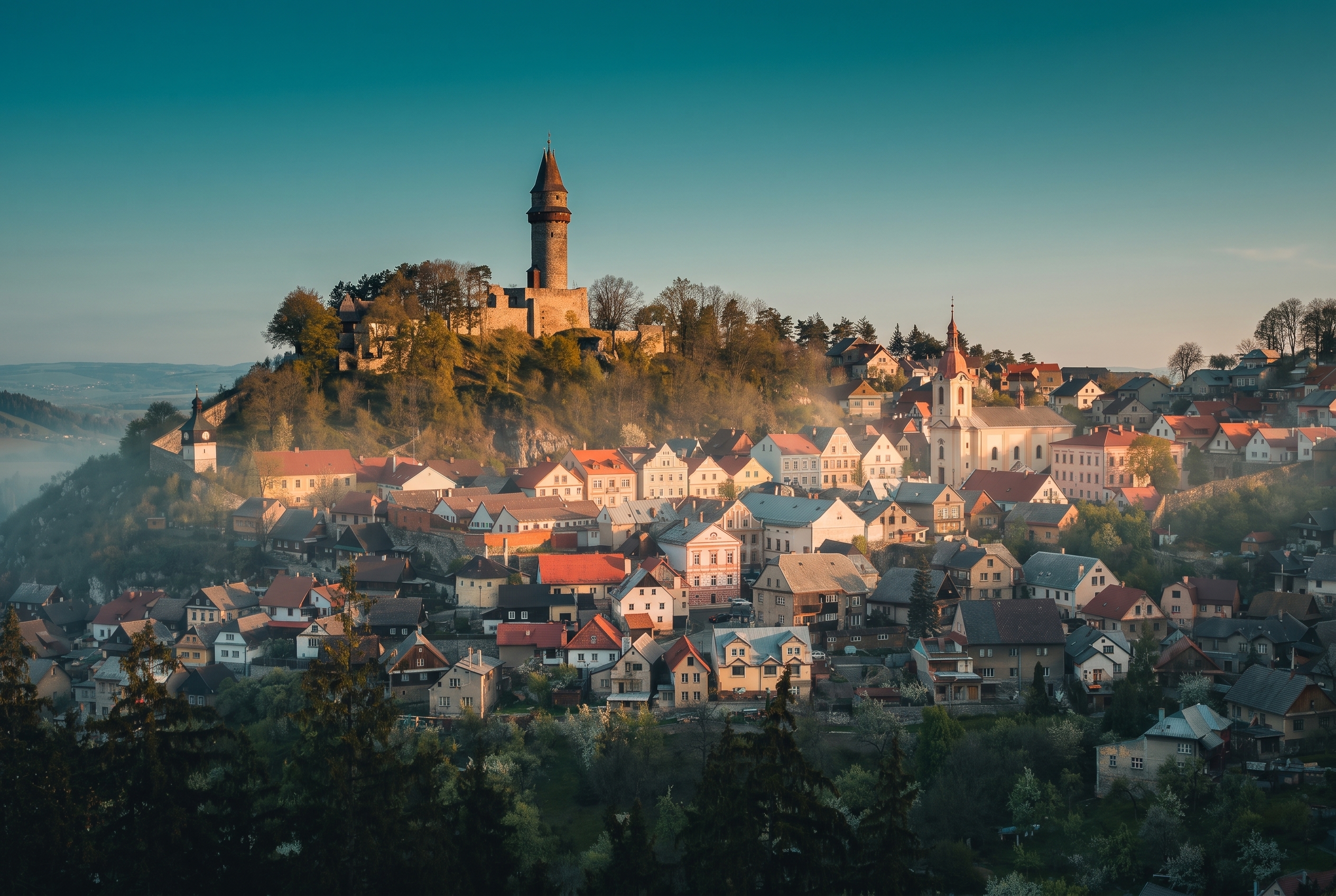
This little town is one of my greatest favourites in the whole region. As Lukáš and I climbed the stone steps between the old timbered houses, we felt as if we’d landed in a fairy tale. No wonder Štramberk, thanks to its amazing urban heritage reserve full of wooden houses, is quite often nicknamed the Moravian Bethlehem.
Everything is dominated, of course, by the tall cylindrical tower called Trúba, which is in fact the only larger remnant of the original Strallenberg castle. A spiral staircase lets you climb right to the top, from where there’s a fabulous view over all those picturesque rooftops below you. A short walk from the centre you’ll then find the famous Šipka cave, where archaeologists discovered the jaw of a Neanderthal child, and which you can visit entirely freely.
Strolling the narrow streets, you’ll one hundred percent catch the incredibly tempting scent of gingerbread. That’s where they bake the famous Štramberk “ears”, which hold an EU protected geographical indication. They’re cones of thin spiced gingerbread and, luckily, completely vegetarian, so Lukáš and I took several bags home with a clear conscience to enjoy with our coffee.
💡 Tip: Entrance fees for the Trúba tower and the other smaller exhibitions occasionally change, so check them before your trip on the official town website to be sure. But definitely don’t skip a walk across the square, which has an unreal charm.
8. Rožnov pod Radhoštěm and the Wallachian open-air museum
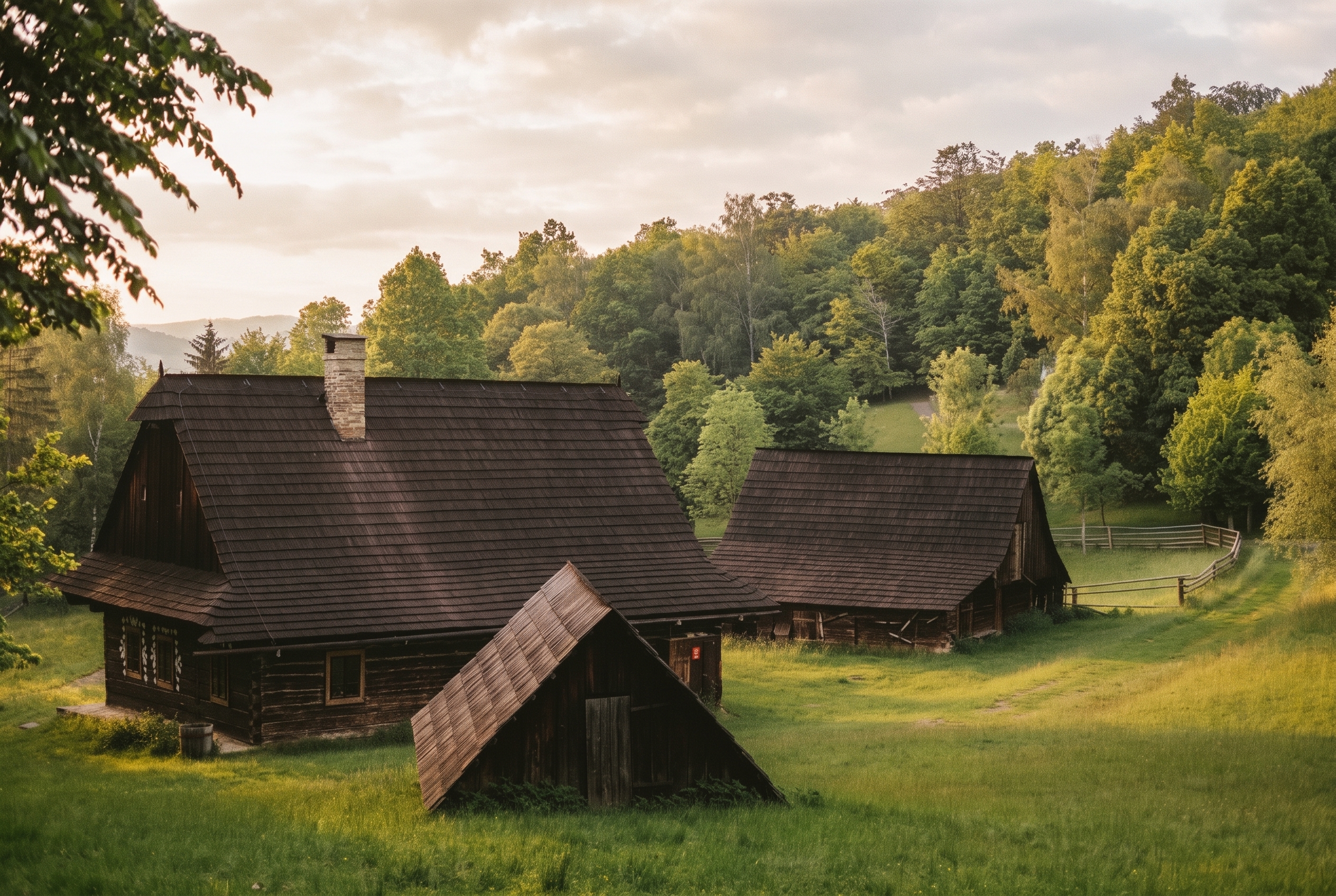
Do you love folk architecture and traditions? Then Rožnov pod Radhoštěm will completely absorb you. The local Wallachian Open-Air Museum was founded back in 1925, which makes it the oldest open-air museum in all of Central Europe. Lukáš and I spent a whole afternoon here and there was still plenty to discover, because the grounds are truly enormous and beautifully maintained.
The museum is divided into three separate parts, each with its own specific atmosphere. The Wooden Town is the oldest and most accessible part, where you’ll see a beautiful town hall and old merchants’ shops. Here you’ll also find the Wallachian Slavín, which is an honorary burial ground for notable figures of the region, where, for example, the famous Olympic athlete Emil Zátopek, a native of nearby Kopřivnice, rests.
The next part is the Wallachian Village, which is a bit more hilly and shows the hard life of ordinary people in remote homesteads. The third area is the Mill Valley, where you’ll see with your own eyes functioning old forges, mills and sawmills powered by water. Current entrance fees vary depending on how many loops you want to visit, so I recommend checking their official website.
💡 Tip: If you want to avoid the uphill walking and have less time, focus only on the Wooden Town. It’s beautifully flat, you can walk through it very comfortably, and you’ll even find an excellent pub inside.
9. Kopřivnice and Tatra
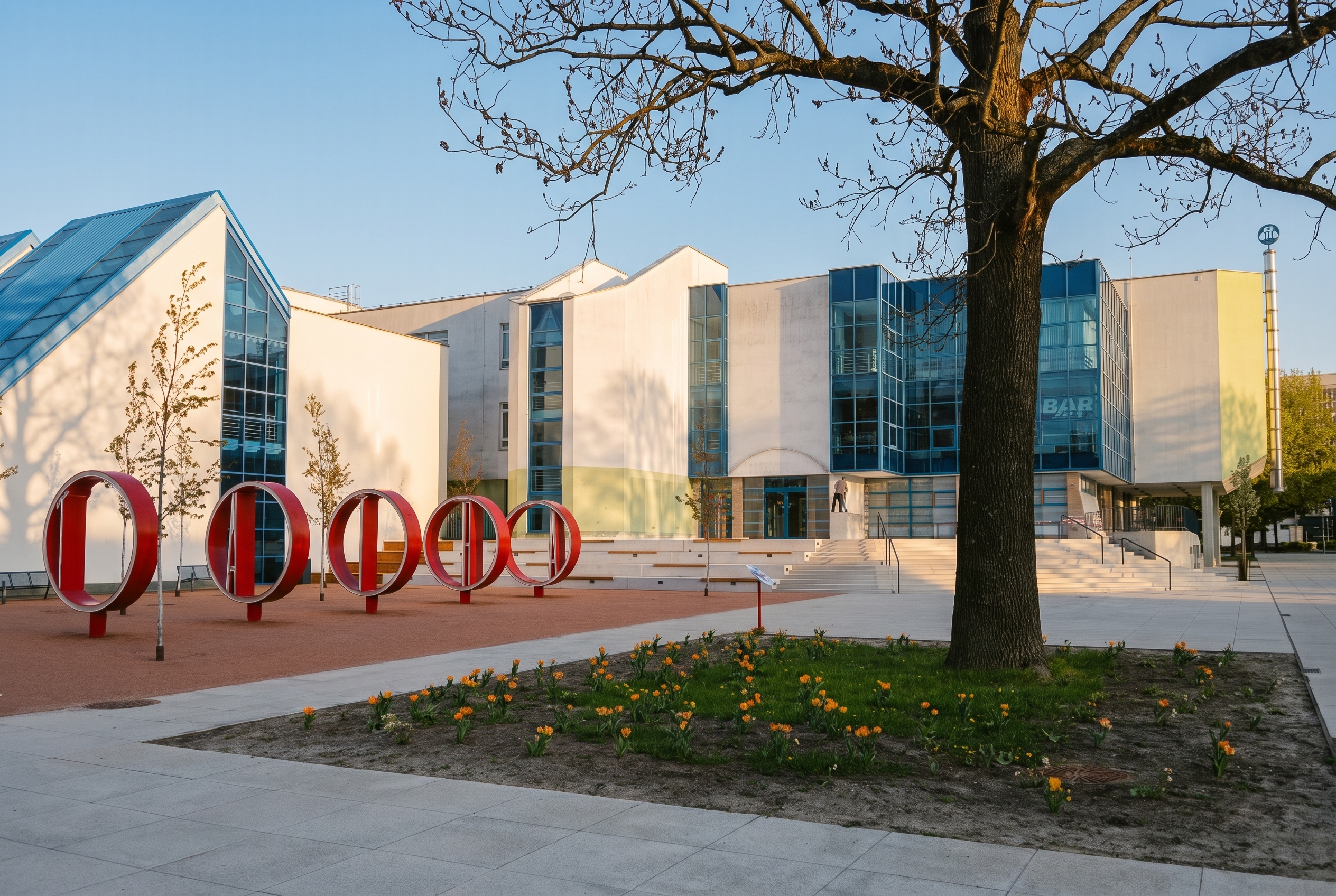
Did you know that Northern Moravia even has a town that properly shook up the world automotive industry? Kopřivnice is inseparably tied to the famous Tatra brand, whose rich history began right here. For all fans of engineering and motoring, this place is an absolute must you can’t skip on a visit to the region.
A brand-new Tatra Truck Museum has recently opened here, housed in a huge renovated hall. You’ll find dozens of beautifully restored trucks, Dakar rally specials and military vehicles that will make your eyes pop. A short walk further into the town centre sits the classic museum, which focuses more on this iconic brand’s passenger cars and shows its complete evolution.
But Kopřivnice is far from being only about cars — this is where Emil Zátopek was born, and the local museum has a separate exhibition dedicated to him and his wife Dana, which is, honestly, quite moving. Better check the entrance fees for both institutions on the web before your trip.
💡 Tip: You can very easily move between both museums on foot. The town isn’t big and the walk takes just a few minutes, so feel free to leave the car parked in one spot.
10. Hukvaldy
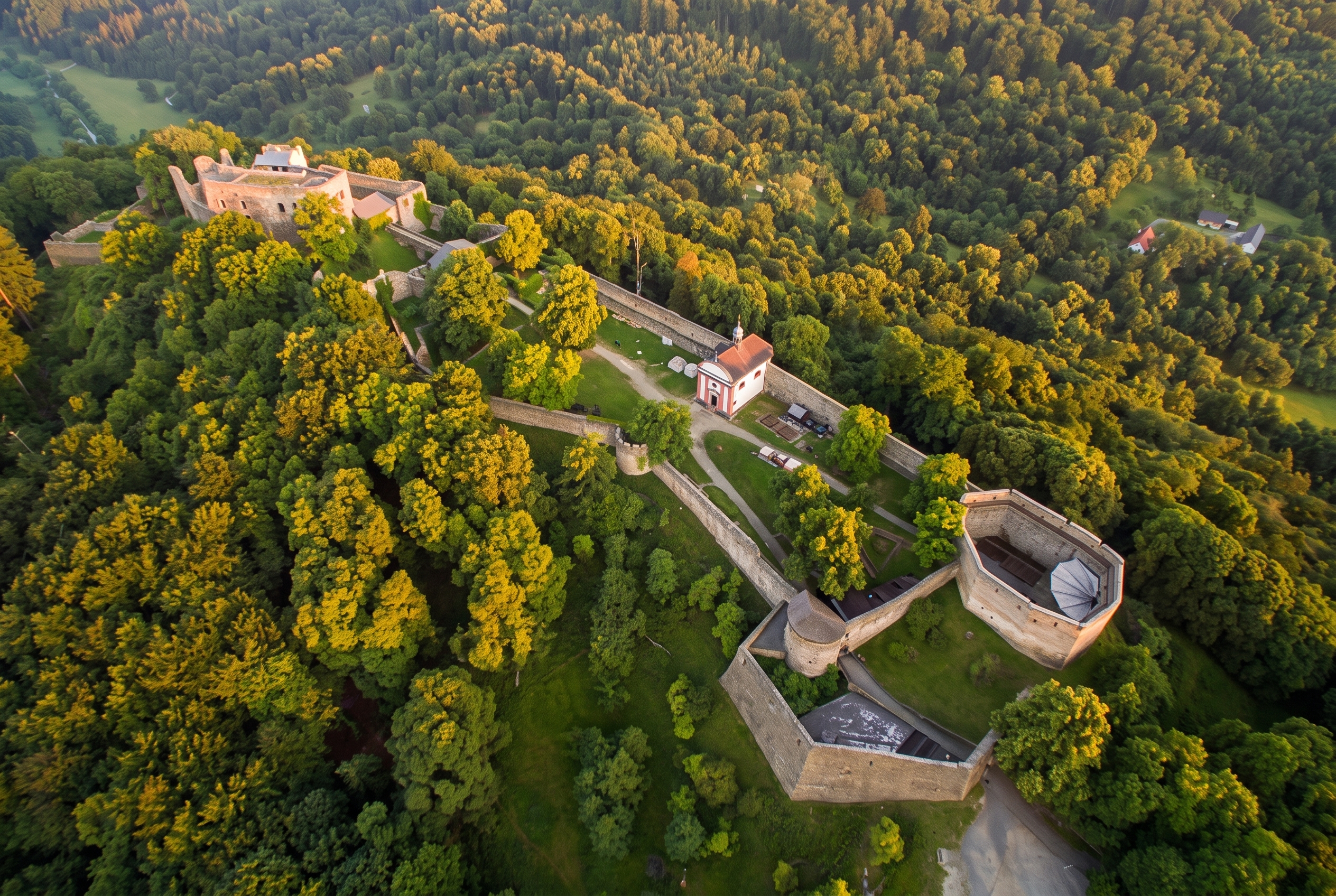
A short drive from Kopřivnice rises the majestic Hukvaldy, which boasts the second-largest castle ruin in the whole country. Lukáš and I hiked up the hill and the space of the old fortifications really is enormous. You could easily spend an hour just wandering through all the courtyards and ramparts and discovering hidden nooks.
The path to the castle leads through a beautiful old deer park, full of ancient trees and where herds of fallow deer roam freely. It’s in this park that you’ll find the famous bronze statue of the Cunning Little Vixen, sitting on a boulder. All the tourists stroke her tail for luck, so it’s already polished to a lovely golden shine.
Hukvaldy is also renowned far and wide as the birthplace of the world-famous composer Leoš Janáček. His legacy is felt here at every step, and the grounds regularly host music festivals in his honour, which have unique acoustics. You’ll always find up-to-date entrance fees for the castle ruin on the castle’s official website.
💡 Tip: The chateau deer park is freely accessible and is an absolutely great spot for a long Sunday walk, even if you no longer feel like exploring the castle itself.

11. Karlova Studánka and Bílá Opava
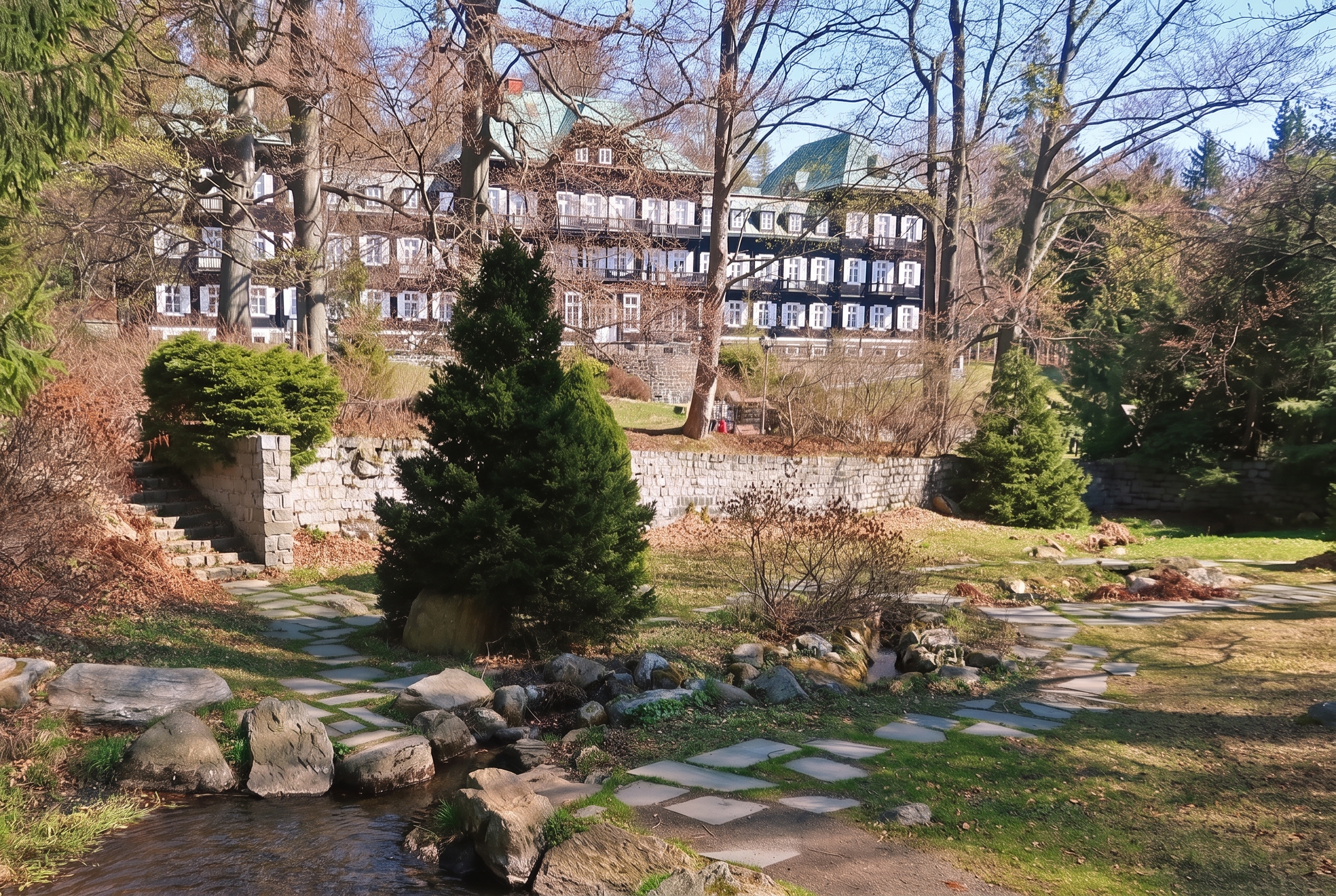
When you move back to the Jeseníky, under no circumstances should you skip Karlova Studánka. This picturesque spa village with its beautiful wooden Empire-style buildings looks like something out of a period film. Legend has it that here you breathe the absolutely cleanest air in all of Central Europe, which you’ll feel the moment you take your first deep breath.
The wild Bílá Opava river flows right through the village and forms a very wild waterfall above the spa. This is where the famous trail through the Bílá Opava valley begins, leading all the way up to the Ovčárna lodge below Praděd. It’s one of the most beautiful but also very demanding routes in the entire Jeseníky, full of wooden footbridges, slippery stones and steep ladders.
I’d like to strongly warn all families with small children, because this trail is absolutely impossible with a pushchair. It’s happened several times that someone got stuck there with a pushchair and had to make a difficult return, so choose a different, much more manageable route into the mountains instead.
💡 Tip: In Karlova Studánka itself, don’t forget to fill up on healing spring water from the local drinking fountains. What’s more, the spa architecture around you is freely on view without any entrance fee — all you have to do is stroll.
12. Velké Losiny
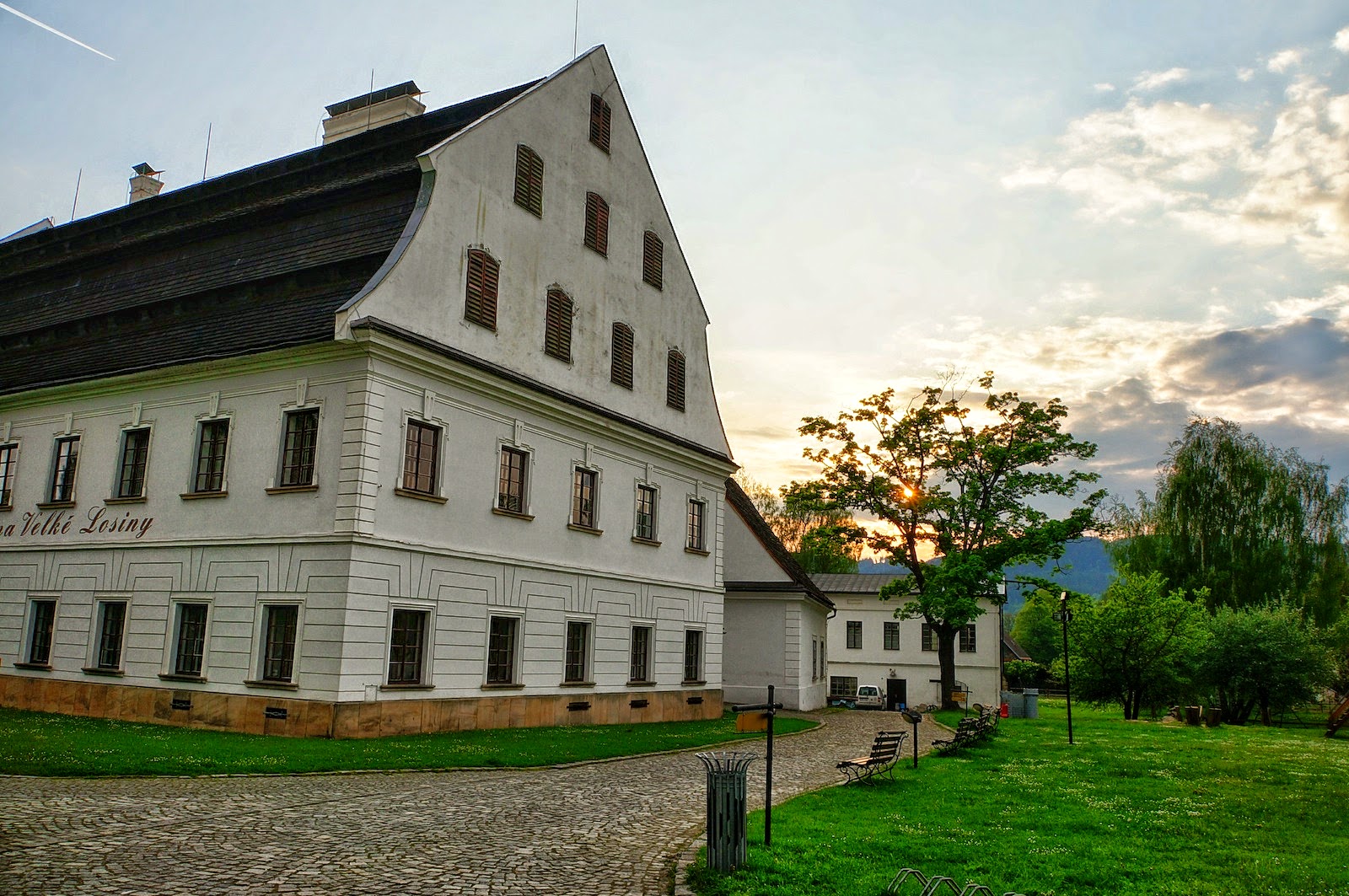
At the foot of the Jeseníky lies the unassuming village of Velké Losiny, which nevertheless hides several genuine European gems. The most significant is the local handmade paper mill dating back to the sixteenth century, one of the oldest still-functioning paper mills in all of Europe. To this day beautiful paper is still hand-crafted here in the traditional way, which you can see with your own eyes during a fascinating tour.
At the same time, Losiny is tied to a very dark chapter of Czech history. In the seventeenth century, brutal witch trials played out here at the local chateau under the fanatical inquisitor Boblig, which Otakar Vávra brilliantly captured in the legendary film Witchhammer.
After your historical excursions, definitely treat yourself to a well-earned rest. In the village you’ll find modern thermal baths that use the local healing sulphur springs. Bathing in warm water with a view of the mountain ridges is an absolutely great way to end the whole day. You’ll always find the exact entrance fees for both the paper mill and the extensive thermal baths on their websites.
💡 Tip: If you buy a small sheet of handmade paper with pressed meadow flowers at the mill, you’ll get an absolutely brilliant and original souvenir from your holiday.
13. Opava and Hradec nad Moravicí
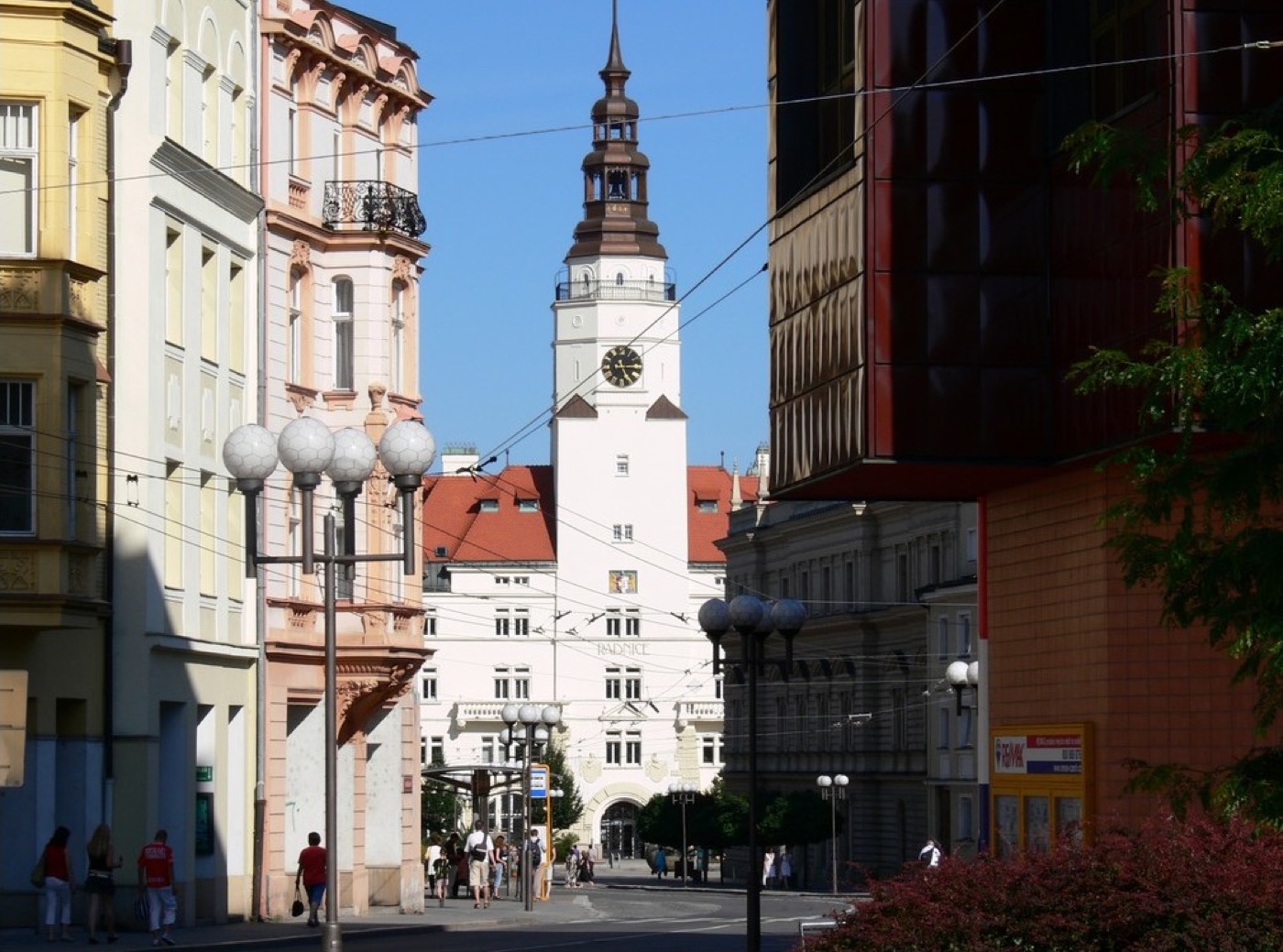
Opava is the historical and cultural centre of Czech Silesia, and it will surely surprise you with its refined elegance. A beautiful green ring of parks winds around the whole historic core, and on the Upper Square rises the Renaissance town hall tower called Hláska. The city’s landmark, however, is the enormous Co-Cathedral of the Assumption of the Virgin Mary, which is the largest brick building in all of Silesia.
Few people also know that in Opava you’ll find the Silesian Regional Museum, founded back in 1814, making it the absolute oldest museum in the territory of today’s Czechia. Just a short drive from Opava lies the majestic Hradec nad Moravicí chateau, made up of the romantic Red Chateau and the classicist White Chateau. Even Beethoven and Liszt took a liking to the chateau and, honestly, given the view, you can’t blame them at all.
A tour of Hradec nad Moravicí is also very friendly to families’ wallets. An adult pays 260 CZK (about €11) for the main tour, but children aged six to seventeen get a ticket for just 80 CZK (about €3). If you only want to stroll through the extensive chateau grounds without the interior, it’ll cost you a symbolic 60 CZK (about €2.50), and for climbing the White Tower you’ll pay a round 100 CZK (about €4).
💡 Tip: In Opava, don’t forget to admire the functionalist Breda department store from the outside. In its day it was the largest department store in the country, and it’s now gradually being given a well-deserved restoration.
14. Sovinec and the Rešov Waterfalls
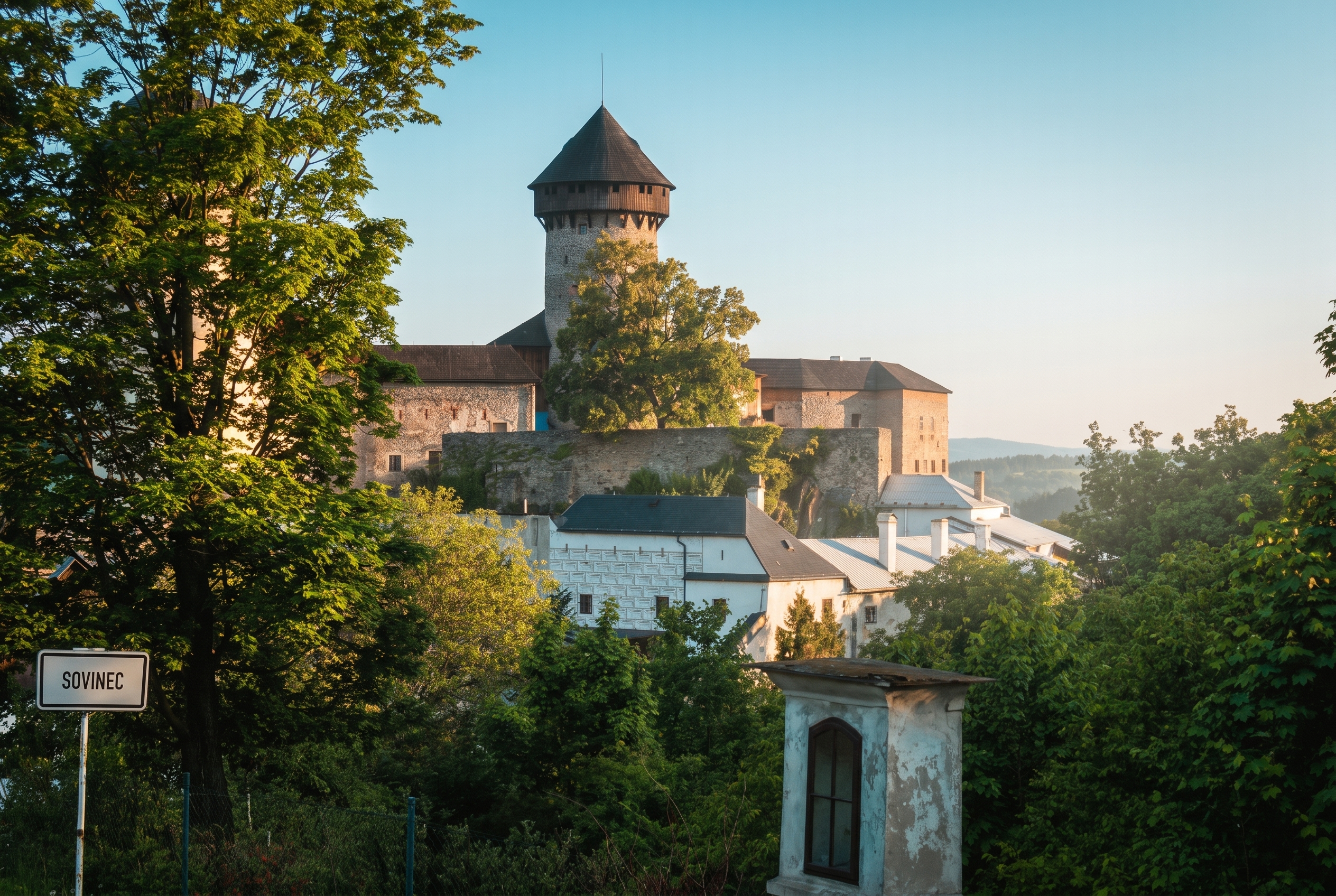
If you want to escape the main tourist trails and enjoy slightly wilder nature, head out to explore the Nízký Jeseník range. Here, on a rocky promontory, rises the sprawling Sovinec castle ruin with a beautifully preserved system of fortifications. In the summer season it tends to be quite lively here, because the castle courtyards very often host various fencing and falconry festivals.
From the castle it’s then only a short way to the Huntava river, on which sit the highest waterfalls in the entire Nízký Jeseník. The Rešov Waterfalls tumble down a deep rocky gorge, and the whole trail around them is very adventurous. You’ll climb up narrow wooden footbridges and steep stairs right beside the roaring water, which is a really powerful experience.
This part of the region is absolutely ideal for those looking for a quieter atmosphere without packed car parks. You’ll best find the current entrance fee for Sovinec castle on its official website, while access to the Rešov Waterfalls is free all year round without any charge.
💡 Tip: For the waterfalls, I really recommend good trekking shoes. The wooden footbridges in the shade of the gorge tend to be very often slippery even in the summer months, and safety comes first here.
15. Velké Karlovice and the Javorníky
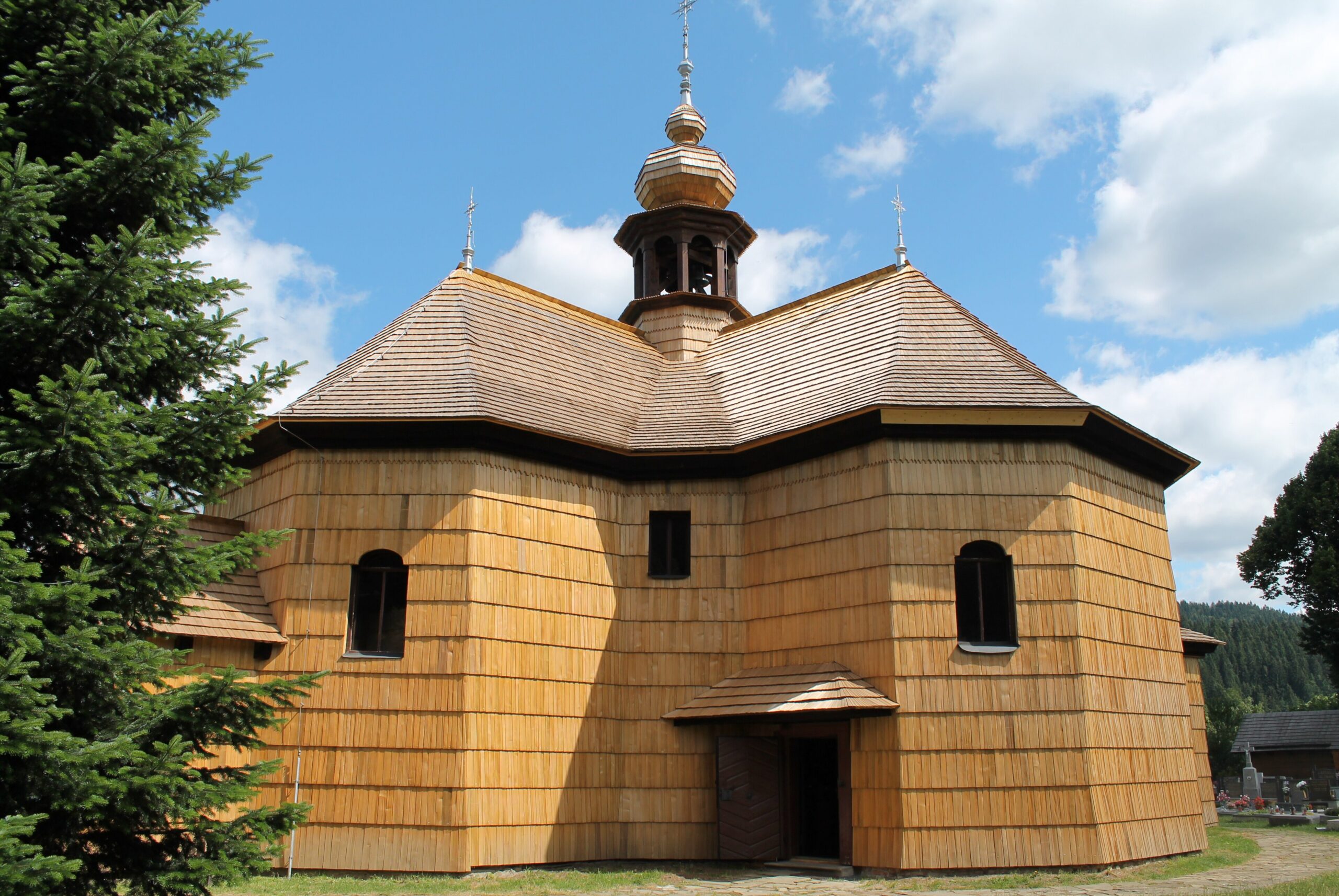
We’ll close our fifteen with a return to Wallachia, but this time to a much quieter corner of it. Velké Karlovice, tucked away in a valley between the Beskydy and Javorníky mountains, is a renowned base for a relaxed family holiday, where complete calm and a laid-back atmosphere reign, far from the crowds at Pustevny.
This long village is incredibly picturesque. Along the road and on the slopes you’ll see beautiful old timbered cottages, and in the middle of the village stands a unique wooden church of Our Lady of the Snows, built entirely without a single nail. In winter, family ski slopes work perfectly here, while in summer the valley is full of cyclists and hikers heading out to the ridges of the Javorníky towards the Slovak border.
If you’re looking for a place where you can really clear your head and slow right down, Velké Karlovice is a safe bet. You’ll find information about any entry fees to the small local museum on the municipal website, but the best things in Karlovice, like the views and the nature, are free anyway.
💡 Tip: Try hiking up to the ridge of the Javorníky to the wooden Miloňová lookout tower. From its top a fantastic panoramic view over the whole surrounding countryside opens up.
Northern Moravia with kids: the best family tips
Northern Moravia is a surprisingly rewarding destination for families with children. From mining adventures in Ostrava to cable cars and lookout towers to thermal pools, kids simply can’t get bored here. I’ve put together an overview of the most tried-and-tested tips that work one hundred percent.
Descending into the mine and the Science & Technology Centre

In Ostrava you’re set for fun several days ahead, and you definitely won’t be bored. Descending in a real mining cage at Landek Park is a huge adventure for kids, because they get to try on real miners’ helmets and walk through the dark tunnels of the former mine.
The Big World of Technology in Dolní Vítkovice is then an absolute smash hit full of interactive exhibits, where they can get hands-on with the laws of physics. A family ticket for two adults and three children to the Big World of Technology costs 1,140 CZK (about €47). If you want to explore the smaller U6 world too, a combined ticket is worth it, coming to 1,730 CZK (about €71) for a family. The Children’s World for the youngest, aged two to six, costs 105 CZK (about €4.50), and children under two get in completely free.
Bear in mind that both places won’t fit into a single morning. The mine descent at Landek Park takes a good two hours, including changing and the commentary, and the Science and Technology Centre is so vast that kids can easily last a whole afternoon there. It makes more sense to split them over two days, or pick one and leave the other as a reason to return. If you’re mainly interested in the mine descent, keep in mind the grand tour at Landek Park costs 295 CZK (about €12) for an adult and 220 CZK (about €9) for a child, while the shorter tour dedicated to mine rescue costs 150 CZK (about €6) and 110 CZK (about €4.50). You’ll find details on the Landek Park website and that of Dolní Vítkovice.
Ostrava Zoo and the Safari Express
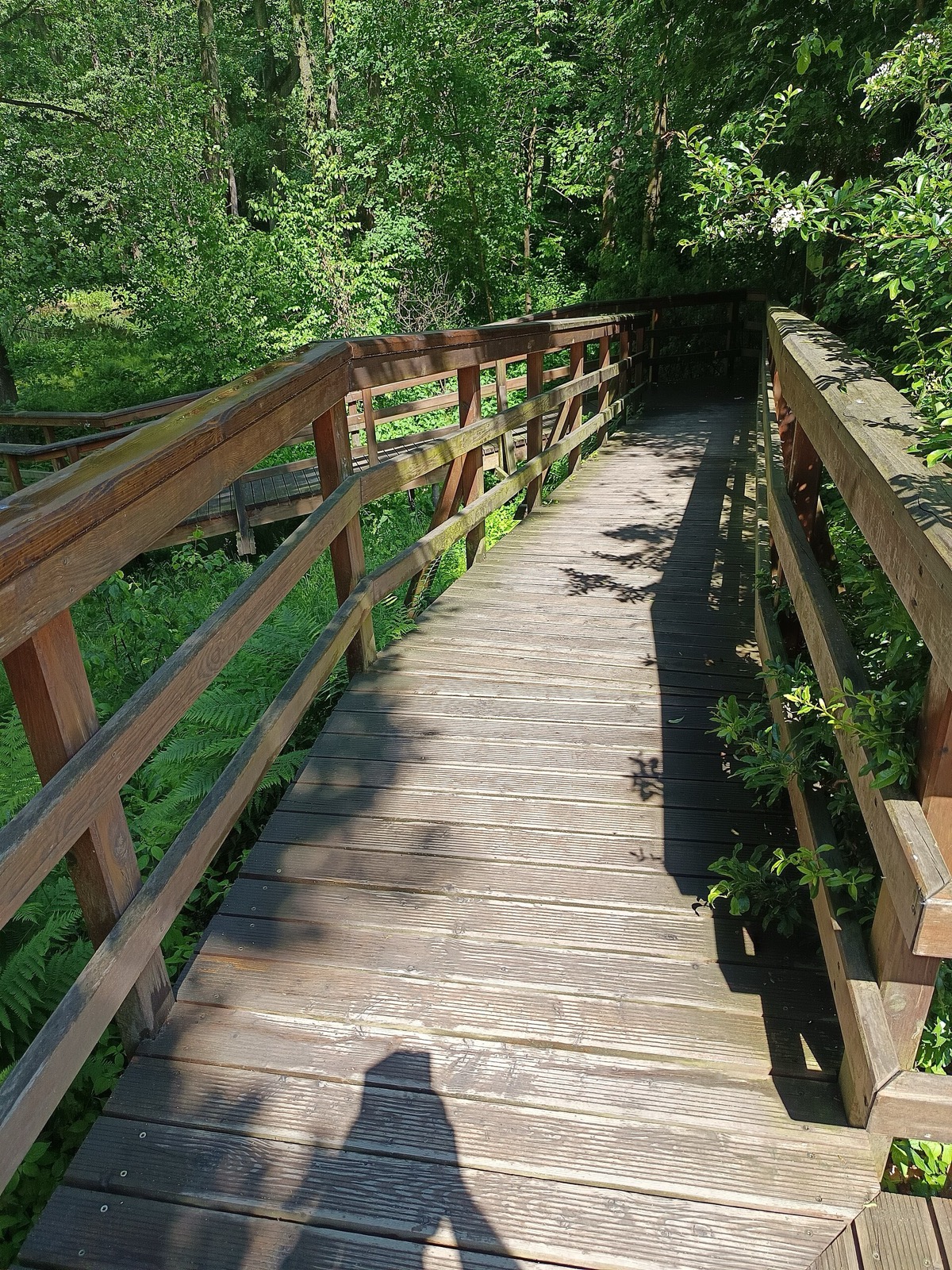
Kids simply love this zoo, partly because it’s cleverly connected to an extensive botanical park and the animal enclosures here are very natural. A big hit here is a ride on the Safari Express, which takes you through the sprawling enclosures of animals from Africa, Persia and India.
The summer entrance fee for an adult is 180 CZK (about €7.50), children aged three to fifteen pay 120 CZK (about €5), and those under three go completely free. If you’re from the area or come here more often, a family annual pass for 2,150 CZK (about €88) is definitely worth it. The zoo is open every day of the year, and in summer until eight in the evening, but note that the ticket offices and pavilions close as early as six, so don’t arrive too late.
The grounds are really vast and you won’t walk the whole thing with smaller children, so it’s worth grabbing a map right at the entrance and picking two or three areas. The paths are mostly paved and passable with a pushchair, just reckon with quite a significant elevation change between the different sections. Check the current opening hours and any pavilion closures on the Ostrava Zoo website.
When it rains: museums, aquaparks and the underground
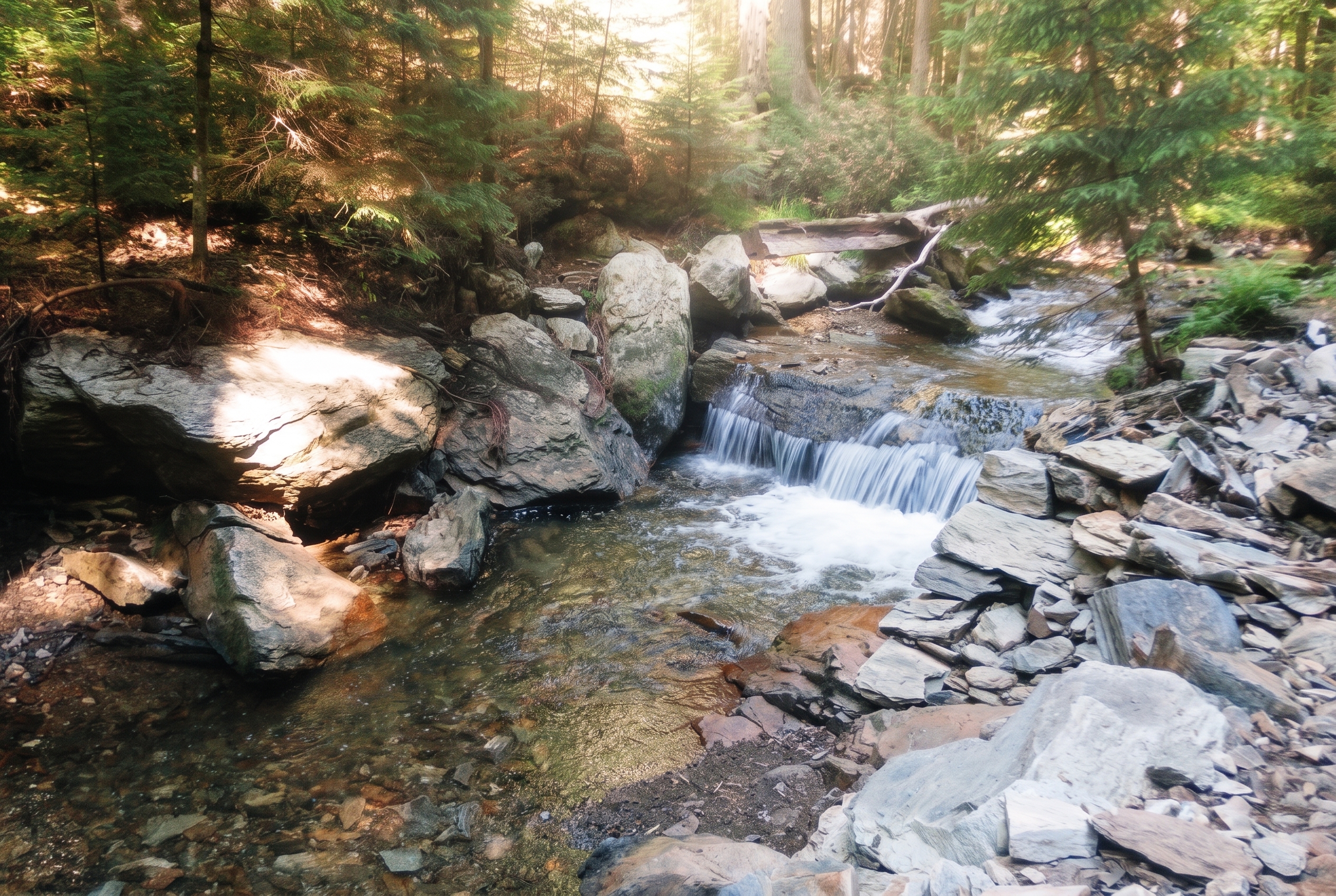
Rainy days tend to be a big challenge on a family holiday, but here there really are plenty of indoor options. A great saviour are the exhibitions in Dolní Vítkovice, with one great trick that saves money. The Science and Technology Centre offers a so-called Happy Hour from 5 to 6 pm, when a ticket costs just 105 CZK (about €4.50) to the Big World and 95 CZK (about €4) to the smaller U6, which is an amazing saving on an early-evening programme compared to the usual 320 CZK (about €13).
In Kopřivnice, you can explore the giant Tatra museums full of trucks with the kids, or simply head off to warm up in one of the region’s many indoor aquaparks. The warm thermal baths in Velké Losiny are also a great choice, where the kids enjoy the water and you get some well-earned rest.
One warning, though, belongs in every rainy-day plan in Northern Moravia. From 13 to 19 July 2026, the attractions in Dolní Vítkovice are closed to the public due to the Colours of Ostrava festival, so if your holiday happens to fall on exactly this week, reckon with an alternative programme. A good alternative is then the mining museum at Landek Park or both Tatra museums in Kopřivnice, which operate independently of what’s happening in Ostrava.
By cable car to Pustevny with a pushchair
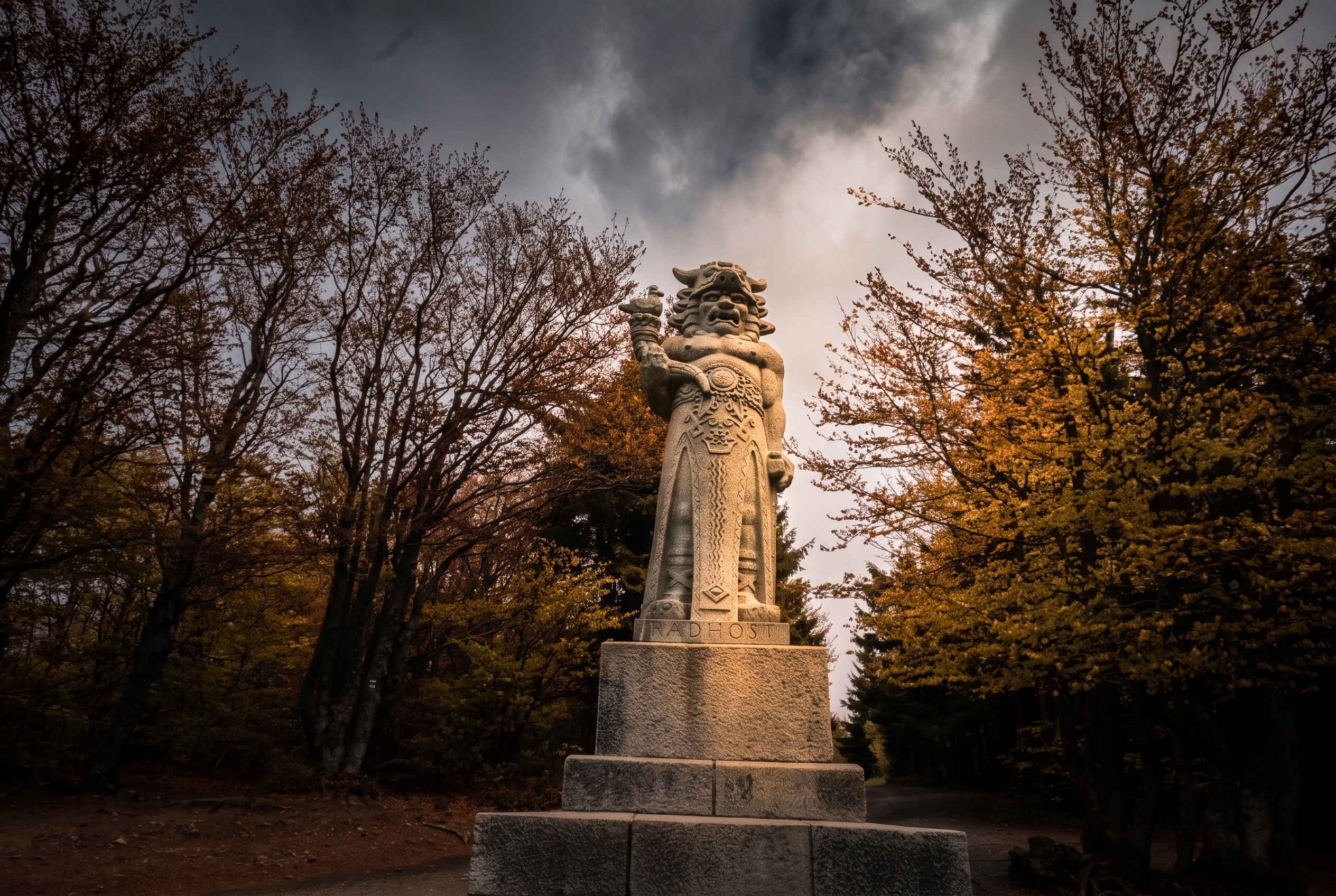
Heading into the mountains with a pushchair might sound like nonsense, but at Pustevny it works absolutely perfectly. You ride up comfortably on the chairlift from Ráztoka, paying a surcharge of just 60 CZK (about €2.50) to transport a pushchair. Up on the ridge a beautifully paved, wide path then awaits you towards the Radegast statue and the chapel on Radhošť, which is made for pushchairs and even balance bikes can handle it.
For older children you can rent scooters for the way down; a descent along the Knížecí cesta trail costs 220 CZK (about €9) with online booking. Just keep in mind that they only lend children’s scooters from age ten, and exclusively accompanied by an adult on another scooter.
One more practical thing worth knowing in advance. A ticket bought online is valid for a full six months, so you can buy it at leisure at home, but the one from the ticket office is valid only on the day of purchase. Prices also differ — an adult pays 300 CZK (about €12) online for a return ride, and 320 CZK (about €13) on site. You’ll find the timetable and current operations on the cable car website.
Where to eat in Northern Moravia
The regional cuisine in the north will fill you up so reliably that after lunch you’ll be wondering whether you can still conquer that castle. 😅 But it’s worth it. In Wallachia you absolutely must not skip the traditional frgály — huge thin pastries generously spread with quark, plum jam, poppy seeds or pears. They even have a protected designation, and we buy them at practically every stall.
Another classic that Lukáš and I have practically every time we come here is the delicious halušky with bryndza sheep’s cheese and potato pancakes. The locals also love traditional kyselica; they usually add sausages and bacon to it as a local speciality, but for us vegetarians a purely meat-free version of this hearty cabbage soup — which warms you up after every hike — can be arranged in many pubs.
In the Beskydy you’ll then come across the ubiquitous Ostrava beer Radegast, brewed nearby in Nošovice, and after a good meal the locals will happily offer you a shot of proper Wallachian slivovice plum brandy to aid digestion. And if you visit Štramberk, definitely have their famous gingerbread “ears” with a coffee or ice cream. They’re baked from thin dough, rolled into a cone, of course completely meat-free, and taste absolutely fantastic.
There are plenty of specific spots to drop into in the region. At Pustevny it’s worth stopping at Libušín and Maměnka, two of Jurkovič’s wooden buildings from the end of the nineteenth century, which today serve as an inn and a mountain hotel. Sitting in the carved interior with a view of the ridges is an experience in itself. In Ostrava the most interesting café is Bolt Café right on top of the blast furnace in Dolní Vítkovice. The ride up, including 160 CZK (about €6.50) worth of refreshments, costs 320 CZK (about €13), so you’re essentially paying for the view and getting the coffee thrown in.
Beer lovers will be delighted by the Radegast brewery in Nošovice below the Beskydy, where you can walk through the production and taste the beer straight from the source. You’ll find tour bookings and dates on the brewery’s official website. And at the Wallachian museum in Rožnov, several stalls with frgály and homemade baked goods operate during the season, so there you’ll eat practically on the go between the timbered cottages.
If you’re looking for specific tips on where to go, here are my tried-and-tested ones. When you’re in Ostrava, definitely drop into Hogo Fogo Bistro, where they make fantastic burgers and there are plenty of things for vegetarians too. In Rožnov pod Radhoštěm we were thrilled by the Valašská hospoda U Janíka right in the open-air museum, where they have the best kyselica far and wide. And in Štramberk don’t skip the café U Městského pivovaru, where along with fresh “ears” you can have an excellent coffee and enjoy a great atmosphere.
Practical tips: transport, bookings and crowds
The whole vast region is very well connected by rail, which makes travelling without a car considerably easier. Ostrava lies right on the main rail corridor, so you can get here incredibly quickly and comfortably by express train. From Ostrava’s stations, regular local services then connect towards the Beskydy, for example to Frýdek-Místek or Frenštát pod Radhoštěm, from where you can easily head out into nature.
If you’re travelling by car straight into the mountains, arm yourself in peak summer season with a good dose of patience. You can drive all the way up to Pustevny, but the car park tends to be hopelessly full on summer weekends as early as mid-morning. The safest bet is therefore to leave the car down in Ráztoka and use the cable car. You’ll find exactly the same parking problem at the popular Bílá Opava trail, where you have to arrive really early in the morning.
Want mountains, but without a queue for a selfie at every signpost? Head to the Nízký Jeseník. The areas around Sovinec castle or Velké Karlovice in the Javorníky offer beautiful, unspoilt scenery, yet keep a much sleepier and quieter character than the well-known peaks of the Beskydy. Always also check in advance for any traffic restrictions and closures along your route.
Where to go next
If you’re tempted to explore the local mountains in more detail, take a look at our article Beskydy and Wallachia: 20 tips on where to go, where you’ll find plenty of further inspiration. For those planning a trip to the Jeseníky, I recommend reading the guide Bruntál: 18 tips on what to see in the gateway to the Jeseníky. If you were drawn to the industrial history, definitely don’t miss the piece Ostrava: 12 tips on what to see and do, and for the history of Silesia head out with the help of the article What to see in Opava: 9 tips. And if you still don’t know where to go in summer, get inspired in our big overview 20 tips on where to holiday in Czechia.
Frequently asked questions
And because you keep asking me about Northern Moravia (and I love answering), here are the answers to the most common questions:
Where is the cleanest air in Central Europe?
According to long-term measurements and tradition, the picturesque spa village of Karlova Studánka in the Jeseníky Mountains boasts the cleanest air. The local microclimate is so unique and healthy that people with respiratory problems come here for treatment from all over the country. You can stroll freely among the beautiful wooden pavilions and breathe in the fresh air to your heart’s content.
Can you visit Dlouhé stráně without a prior reservation?
Unfortunately not, tour reservations are made exclusively online via the power plant’s official website. Staff will not book your tour by phone or email, so you must book everything in advance from home. Also remember that for safety reasons and due to the use of virtual reality, the tour is not at all suitable for children under seven years of age.
Are the Lower Vítkovice open during the Colours of Ostrava festival?
No, and this is very important information for the summer holidays. From July 13 to 19, 2026, the attractions at Lower Vítkovice are completely closed to the general public, so you won’t be able to visit the blast furnaces or the World of Technology that week. Plan your family trip for a completely different date to avoid disappointment on site.
Is the Bílá Opava trail suitable for strollers?
This beautiful trail in the Jeseníky Mountains is completely unsuitable and impassable for strollers. The path leads over wet stones, slippery wooden walkways and in places even over steep ladders, so only head here with children in a carrier or on foot. With a stroller, choose instead the comfortable paved path that leads from Ovčárna directly to the summit of Praděd.
How do I get to Praděd with small children?
The most comfortable family option is to use the seasonal Ekobus, which departs from the Hvězda car park up to Ovčárna. From Ovčárna, all that awaits you is a very pleasant walk along a paved path that even smaller hikers or parents with strollers can easily manage. The summit itself is in the first zone of the protected landscape area and you cannot get there by regular car.
When does the World of Technology in Ostrava have discounted admission?
If you want to save money, head to the exhibits in the early evening. During the so-called Happy Hour from 5:00 PM to 6:00 PM, you’ll pay only €4 for admission to the Big World of Technology and just €4 for the smaller U6 world. Compared to the regular price of €13, that’s an absolutely fantastic discount that will reliably please every family’s budget.
Are Štramberk ears suitable for vegetarians?
Yes, absolutely, you can enjoy them without any worries. They are traditional sweet cones baked from very thin and fragrant gingerbread that contain no meat at all. They even have protected EU geographical indication status and are best enjoyed in one of the local cafés on the square directly below the Trúba tower.
How long is an online cable car ticket to Pustevny valid?
If you purchase your ticket conveniently online from home, it’s valid for a full 6 months from the date of purchase. This is a huge advantage over a ticket purchased directly at the ticket office in Ráztoce, which you must use exclusively on the same day. Online you also save money, because a return ticket for an adult costs €12 instead of €13 on site.
Tips and Tricks for Your Vacation
Don’t Overpay for Flights
Search for flights on Kayak. It’s our favorite search engine because it scans the websites of all airlines and always finds the cheapest connection.
Book Your Accommodation Smartly
The best experiences we’ve had when looking for accommodation (from Alaska to Morocco) are with Booking.com, where hotels, apartments, and entire houses are usually the cheapest and most widely available.
Don’t Forget Travel Insurance
Good travel insurance will protect you against illness, accidents, theft, or flight cancellations. We’ve had a few hospital visits abroad, so we know how important it is to have proper insurance arranged.
Where we insure ourselves: SafetyWing (simple monthly subscription) and TrueTraveller (for extra-long trips).
Find the Best Experiences
Get Your Guide is a huge online marketplace where you can book guided walks, trips, skip-the-line tickets, tours, and much more. We always find some extra fun there!
More from Czechia
Full guide → Day trips · most readMikulov, Czech Republic: 10 Best Things to Do and See
 With kidsBest Water Parks in the Czech Republic: 13 Family Tips for 2026
 When to goBrno Christmas Markets 2026 – Tree Lighting, Opening Hours & Programme
 FoodPrague, Czech Republic: 10 Best Things to Do and See with a Toddler
 Where to stayPrague, Czech Republic: 10 Best Family Hotels for Your Stay with Children


