

You’re standing at the gate, gripping your boarding pass, and there it is — that dreaded metal sizer box stamped with a budget airline’s logo. There’s a quiet tension in the air. The chap in front of you is desperately trying to wedge his enormous hiking rucksack into the narrow slot while a flight attendant, smiling relentlessly, hands him a £45 receipt. That’s the exact moment you realise the right cabin backpack isn’t just a fashion accessory — it’s quite literally your ticket to free and easy travel.
We’ve been through every phase ourselves: lugging heavy suitcases, hauling overstuffed bags, right through to absolute minimalism. We’ve learned that travelling light is a huge relief for both your back and your wallet. If you’ve got a bag that’s guaranteed to slide under the seat in front of you, you’ll dodge all the hidden fees, skip the baggage carousel, and walk straight out of the terminal ready to explore.
But picking the perfect cabin companion can be a proper minefield. Airline rules change constantly, backpacks sneakily change shape once they’re packed, and what looks like the ideal size on paper can let you down badly at the gate. So let’s take a look together at which cabin backpack to choose, which dimensions you should genuinely watch out for, and which specific models on the market make the most sense.
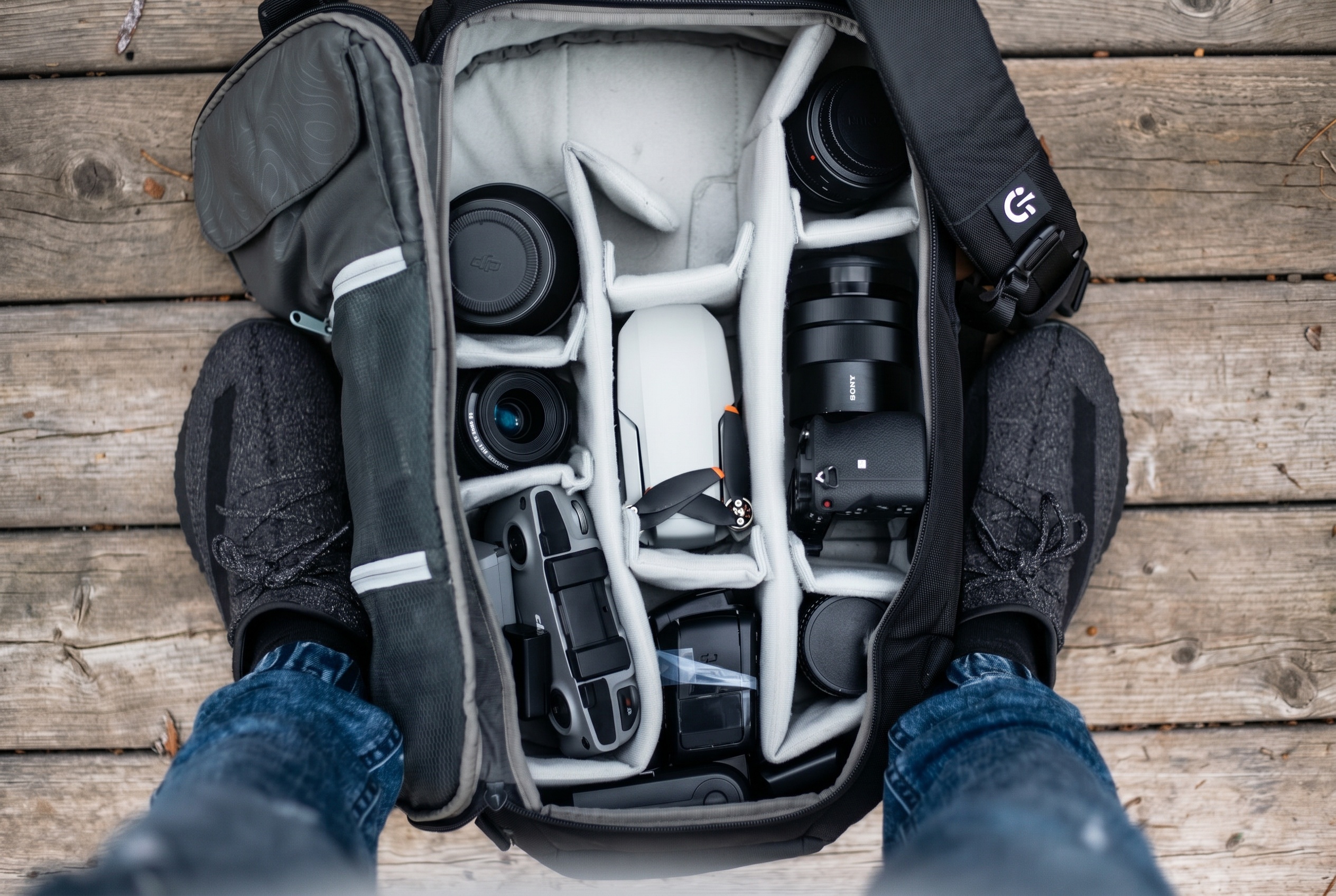
TL;DR
If you’re packing right now and don’t have time to read detailed reviews, here are the most important points to stick to when buying:
- The target size for flying free today is 40×30×20 cm. Ryanair and Wizz Air have aligned their limits, so you no longer need to anxiously chase the old narrow format.
- Keep your depth under 20 cm. This is the most important — and most treacherous — dimension, the one most people fall foul of at airport security.
- A soft backpack always beats a hard-shell case. A fabric bag is far easier to squeeze into a metal sizer.
- The gold standard of large cabin backpacks (when you’ve paid for Priority) is the legendary Osprey Farpoint 40 or the Fairview 40 for women.
- The best budget under-seat tip is the unbeatable Quechua NH100 from Decathlon for a few pounds.
- Never overstuff your backpack. Ideally fill it to no more than 80 percent so it doesn’t expand beyond the allowed limits. Simply wear your heaviest and bulkiest pieces of clothing instead.
Before you choose: 5 things to look for in a cabin backpack
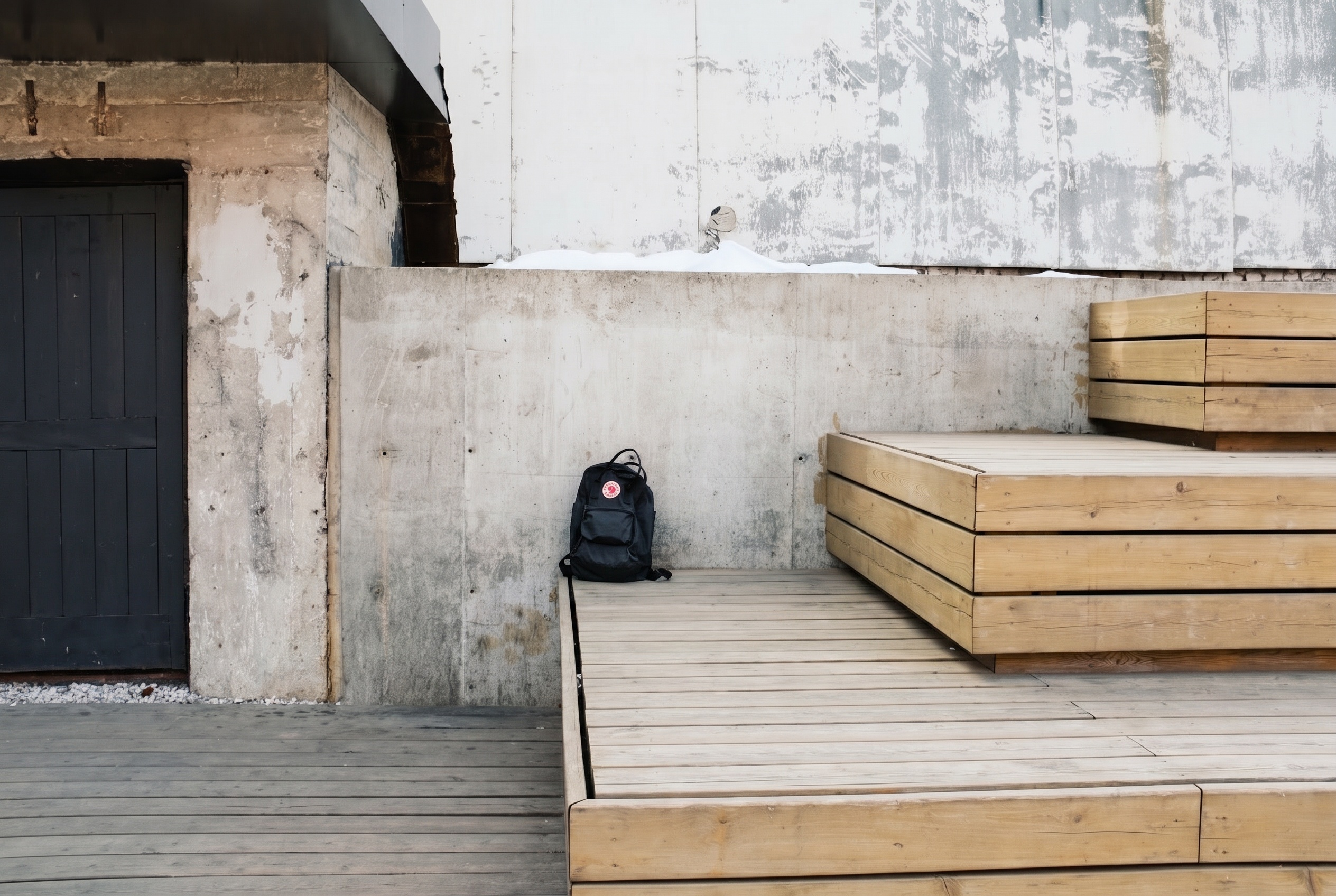
When you walk into a shop or open an online store, hundreds of models leap out at you. But not every hiking backpack is suitable for flying, and not every good-looking bag will survive rough handling. Focus on these parameters first and foremost.
1. Dimensions and matching your airline
This is the absolute basics. You always need to decide whether you’re after a small free personal item (which goes under the seat) or a large cabin bag (which goes in the overhead locker and which budget airlines charge extra for). Choose a backpack whose empty dimensions fit within the limits of the airlines you fly with most often.
2. Depth under 20 cm (the hidden killer)
This is an absolutely crucial point that’s hardly ever talked about. With a soft backpack you can usually squash the height and width somehow. But the 20-centimetre depth is utterly uncompromising with airlines like Ryanair, Wizz Air, easyJet or Vueling. The metal sizer at the gate has a rigid frame. As soon as you stuff the backpack to bursting, it tends to bulge precisely in depth and round off like a turtle. If your backpack already has a depth of 23 or 25 centimetres when empty, you’ll be sweating at the gate. Keep the depth under twenty and you’ll pass everywhere.
💡 Tip: The sizer cages at the gates have tightened up again slightly in 2026, and staff ruthlessly count protruding wheels, handles and chunky straps into the measurement. So always measure your backpack at its widest point at home first.
3. Suitcase-style opening (clamshell)
Ordinary hiking backpacks load from the top like a sack. For flying, though, that’s a nightmare. When you need to quickly pull out your laptop or your bag of liquids at security, you have to unload half your stuff. Look for backpacks with a so-called clamshell opening — a zip running all the way around. You can open them flat like a classic suitcase, you’ve got an instant overview of all your things, and packing is incomparably more comfortable.
4. The weight of the backpack itself
When travelling light, every gram counts. If an airline has a weight limit of, say, 8 or 10 kilograms and your hefty backpack weighs over two kilos empty, you’re needlessly robbing yourself of precious space for your stuff. Ultralight backpacks can easily come in under one kilogram, while on the other hand sturdier models with quality back padding (around 1.5 kg) will forgive you when you have to carry them around the city all day. It comes down to your priorities.
5. Stowable straps and a back system
You’ll appreciate this mainly with larger cabin backpacks. When you’re cramming a bag into a narrow overhead locker, or occasionally have to check it into the hold, loose dangling straps love to get snagged or torn off somewhere. The more premium models let you neatly zip the shoulder and hip straps away under a special back panel. In an instant, your backpack turns into a tidy travel bag.
The three dimensions you have to fit within
The world of airline rules has changed quite fundamentally of late, and it’s worth getting your head straight on it. Forget the old rules of thumb — these days the game is played by new numbers.
Size 40×30×20 cm (today’s free standard) This is currently the most important figure you should be aiming for when buying, if you want to fly entirely without extra charges. In August 2025 Ryanair finally enlarged its free bag to 40×30×20 cm, and Wizz Air aligned it to exactly the same from 1 November 2025. This size fits easily under the seat in front of you, and with a bit of practice you can pack it for a long weekend too.
Size 40×20×25 cm (the old safe bet for minimalists) For years this was the dreaded and hated limit of the old Ryanair. You no longer need to chase it nowadays, but if you buy a bag of these dimensions, you have a 100% guarantee that you’ll pass even the strictest check in the world. It’s a choice for true minimalists who never want to experience even a second of stress at the gate.
Size 55×40×20 cm (large cabin bag with a surcharge) This is the classic large cabin case or backpack you put in the overhead lockers. Beware — with budget airlines (Ryanair, Wizz Air, Vueling) it’s long no longer included in the basic ticket price. To take it on board, you’ll need to add the Priority service or a higher fare. The weight limit here is most often around 10 kilograms.
Handy table of airline dimensions (as of 2026)
Warning: Rules can change from one day to the next — before every flight, it’s best to verify the dimensions directly on the carrier’s website.
| Airline | Small free bag (under seat) | Large cabin (overhead) | Note on the rules |
|---|---|---|---|
| Ryanair | 40×30×20 cm (no weight limit) | 55×40×20 cm / 10 kg | Large bag only with Priority. |
| Wizz Air | 40×30×20 cm / up to 10 kg | 55×40×23 cm / 10 kg | Large bag only with WIZZ Priority. |
| easyJet | 45×36×20 cm / up to 15 kg | 56×45×25 cm / 15 kg | Long-standing most generous free bag. |
| Smartwings | 55×40×23 cm / 8 kg | – | Large case free for everyone; small bag only outside the LITE fare. |
| Eurowings | 40×30×25 cm | 55×40×23 cm / 8 kg | Large bag only in the SMART fare and above. |
| Vueling | 40×20×30 cm | 55×40×20 cm / 10 kg | Large bag only with higher fares. |
💡 Tip: Notice that the depth across the key budget airlines (Ryanair, Wizz, easyJet, Vueling) is identically set at 20 centimetres. A backpack with this depth is an absolute all-rounder that’ll save your wallet.
Best cabin backpack 40x30x20: free under the seat
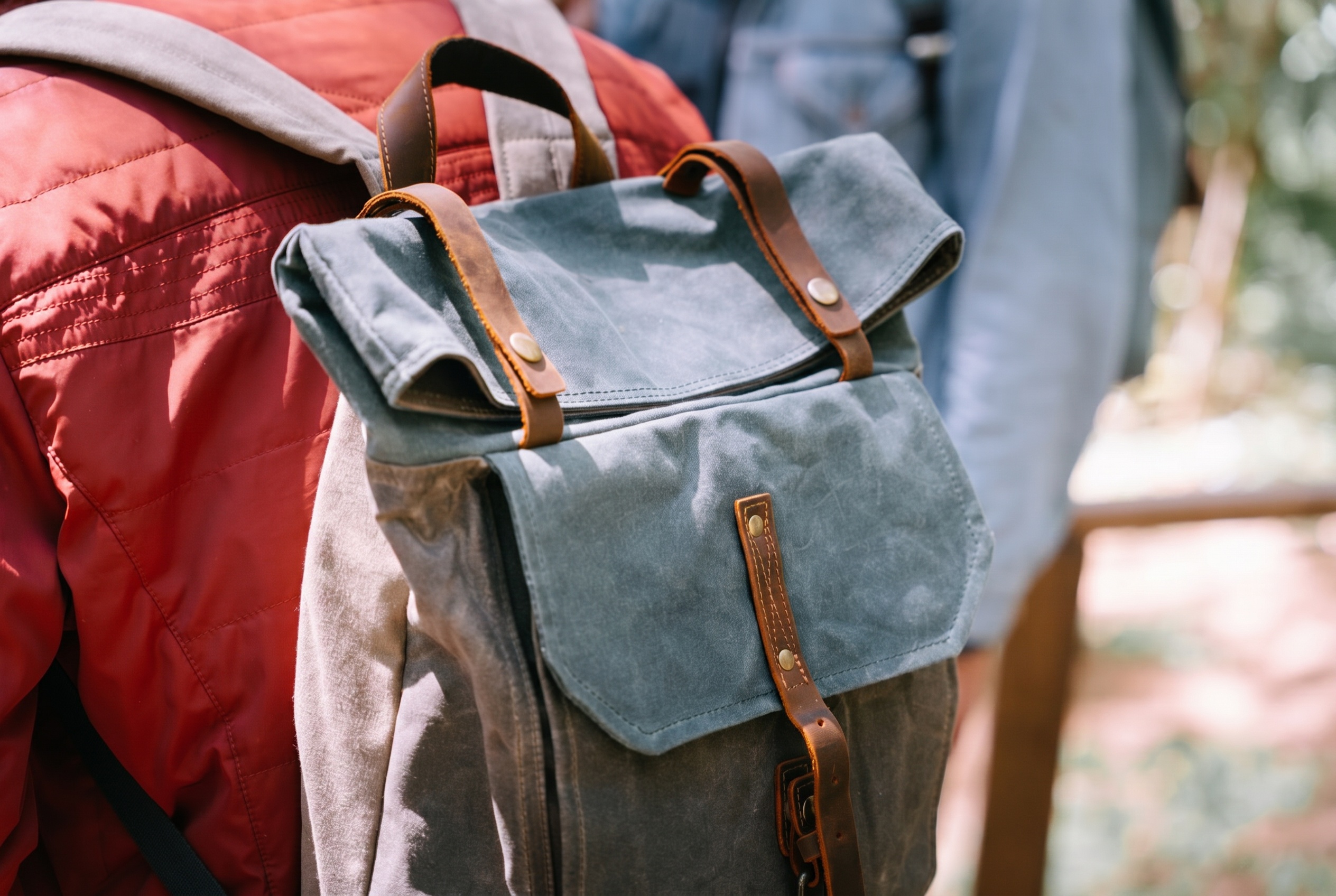
If your goal is to travel for weekends with absolutely no extra charges, you’ll find your favourites in this category. These backpacks make the most of the allowed space.
Quechua NH100 Arpenaz 20 l (Decathlon)
This is the absolute king of price-to-performance and probably the most common backpack you’ll see at airports. For around €12 you get a surprisingly durable companion with a 20-litre capacity and dimensions of roughly 40×28×18 cm. It’s beautifully light (weighing just half a kilo), has comfortable back padding, and sails through as a free bag with every airline. The downside is that it loads from the top and has no sophisticated internal pockets, but at that price you’ll forgive it absolutely everything.
CabinZero Classic 28 l
The CabinZero brand made its name producing backpacks built precisely to airline limits. The Classic 28 l model, with dimensions of 39×29.5×20 cm, fits under the seat like a glove. It’s essentially a fabric box with an ultralight construction (weighing only around 600 grams), so it doesn’t eat into your weight limit. It opens largely like a suitcase, which makes packing easier. The ballpark price is around €60. Travellers occasionally fault it for weaker back and strap padding, so it’s not for long mountain treks, but as a city mover it works brilliantly.
Roncato Move / Gateway
The Italian brand Roncato makes models that are explicitly marketed as a “Ryanair and Wizz Air free bag”. They measure exactly 40×30×20 cm and have a boxy shape, so they squeeze the absolute maximum out of the allowed capacity (around 24 litres). They’re a touch firmer and more elegant than sports backpacks, so you needn’t be embarrassed to take one on a business trip either. They weigh just under a kilo and cost roughly between €48 and €68.
And what about the popular Nike backpack? People often ask about Nike sports backpacks (specifically the Brasilia 24 l model) because they already own one. Let’s be honest about how it stands. Nike doesn’t make any certified flight backpack. You can usually cram the Brasilia into the cage if you don’t fill it to bursting, but its official dimensions are a bit larger and it doesn’t hold its shape. You can fly with it and you’ll probably pass, but it won’t guarantee you total peace of mind.
Best large cabin backpack 55x40x20 cm
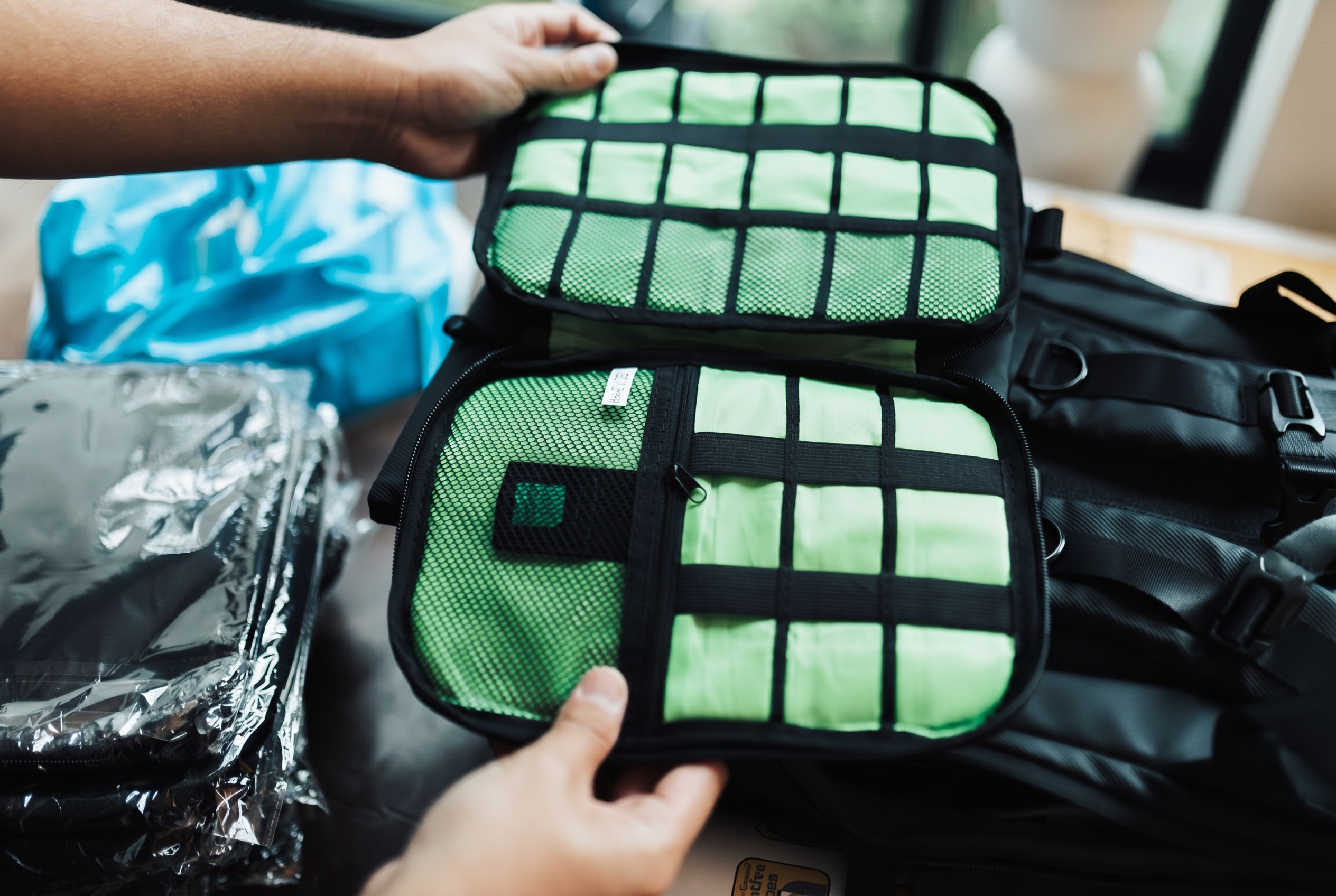
When you’re off for a week or a fortnight, a small under-seat bag usually isn’t enough. This is where the large backpacks come in — you have to pay for Priority boarding to bring them, but they reward you with masses of space.
Forclaz Travel 100 40 l (Decathlon)
The entry-level model of the Forclaz travel range is a darling of thrifty nomads. For around €52 it offers absolutely incredible features. It opens completely like a suitcase, has lockable zips, an integrated rain cover, and Decathlon gives it a ten-year warranty. The 40-litre capacity swallows two weeks’ worth of clothing. ⚠️ But it has one big catch. The empty backpack’s depth is 25 cm on paper. So with Ryanair’s strict measuring you mustn’t overstuff it and you’ll have to push it into the sizer a little. If you pack it sensibly, it passes without trouble.
Osprey Farpoint 40 and the women’s Fairview 40
This one’s a legend. Ask any community of travellers about the best cabin backpack and half of them will chorus Osprey Farpoint (or its Fairview version adapted to female anatomy). It’s a premium piece (roughly €130 to €170) that combines the advantages of a suitcase (clamshell opening) and a top-tier hiking backpack with a chunky hip belt. The straps can also be neatly tucked away under a zip. ⚠️ Here too the depth warning applies, as it sits around 22 to 23 cm. Luckily, though, the backpack has excellent external compression straps you can cinch down tight before the check so it slots into the cage.
CabinZero Classic 44 l
The bigger brother of the previous model is for people who want to maximise capacity and minimise the backpack’s weight. It weighs a mere 760 grams, and its huge advantage is the depth, which is exactly 20 centimetres. Thanks to this it fits superbly into every budget airline sizer. You can pick it up for around €68. Once again, though, there’s a price for the low weight — it lacks a hip and chest belt, and the carrying system is only very basic.
Tortuga Travel Backpack 40 l
If you’re after absolute luxury, love organisation and don’t mind paying extra, Tortuga is a premium American import. It costs roughly €240, but it’s an indestructible tank. Its greatest weapon is the perfect boxy shape with a depth of exactly 20 cm, so unlike the rounder Osprey it passes through the sizer completely smoothly even when fully loaded. On top of that it adds excellent padding and perfect materials.
💡 Tip: Always buy a backpack slightly smaller than you think you need, and never fill it right to the brim. A slightly empty backpack easily adapts to any airport sizer. Always pack the heaviest items like a laptop, power banks or shoes as close to your back as possible and in the lower part of the backpack — it significantly improves the centre of gravity.
Cabin backpack 40x20x25: a safe bet even for the strictest

As we’ve already said, Ryanair scrapped this limit in 2025 and enlarged it. Even so, this compact format still has its fans. It’s the ideal choice for minimalists who want to be certain they’ll be let onto the plane with their bag anytime, anywhere, without a single question from the staff.
Quechua NH500 Escape Rolltop 23 l A very clever solution from Decathlon (around €40). Thanks to the rolltop you can smoothly change the backpack’s size. When you roll it all the way down, it safely meets even the strictest 40×20×25 cm limits. Once you’ve passed the check or reached the city, you unroll the top and gain far more space for shopping. It also has plenty of pockets and looks great.
Cheap “Ryanair” bags and backpacks There are plenty of unbranded models on the market (for example from companies like Fabrizio or various no-name stores) sewn precisely to the 40×20×25 cm size. They tend to be very cheap (roughly €16 to €32) and their main purpose is to be a “safe bet”. Don’t expect top-tier padding or lifetime zips, but as a cheap solution for a few weekends a year they serve excellently.
Cabin backpacks compared in a single table
To make everything completely clear, here’s a handy comparison of the most popular models. Prices are approximate as of 2026.
| Model | Dimensions (cm) | Capacity | Weight | Price (€) | Who it suits best |
|---|---|---|---|---|---|
| Quechua NH100 Arpenaz | ~40×28×18 | 20 l | ~0.5 kg | ~12 | The cheapest under-seat safe bet, great value. |
| CabinZero Classic 28 l | 39×29.5×20 | 28 l | ~0.6 kg | ~60 | An ultralight piece for maximising the free limit. |
| Roncato Move / Gateway | 40×30×20 | ~24 l | ~0.95 kg | ~48–68 | Elegant, boxy shape ideal for Wizz and Ryanair. |
| Forclaz Travel 100 40 l | 55×30×25 | 40 l | ~1.4 kg | ~52 | Best value for a large cabin bag. |
| Osprey Farpoint/Fairview | ~55×35×23 | 40 l | ~1.5 kg | ~130–170 | Absolute comfort and quality for long trips with Priority. |
| CabinZero Classic 44 l | 51×37×20 | 44 l | ~0.76 kg | ~68 | A featherlight large cabin bag with an ideal 20 cm depth. |
| Tortuga Travel Backpack | 55×35×20 | 40 l | ~1.6 kg | ~240 | Premium quality, boxy shape that passes everywhere. |
| Quechua NH500 Rolltop | ~46×28×22 (rolls down) | 23 l | ~1.0 kg | ~40 | Clever rolltop for minimalists and pocket lovers. |
| Cheap Ryanair bags | 40×20×25 | ~20 l | low | ~16–32 | The cheapest absolute safe bet for the old strict size. |
Common mistakes when choosing a cabin backpack
People keep making the same mistakes when buying and packing, which then cost them a fair bit at the gate. Watch out for these most common slip-ups:
- Sneaky overstuffing: You cram the backpack so hard the zips barely hold. Even if the backpack’s paper dimensions are within the rules, once filled to bursting it bulges in depth and you simply won’t force it into the measuring cage.
- Ignoring the depth: You only check the height and width, but completely forget the third number. Yet a depth greater than 20 cm is the most common reason people pay fines with Ryanair.
- A hard-shell case: It looks nice and your things won’t crease, but it has one fatal problem. It has no give. If it exceeds the limit by even half a centimetre, you won’t press it into the iron frame. A soft backpack always yields a little.
- Buying a backpack blind: You pick a lovely hiking backpack but never verify its dimensions against the rules of the airline you’re flying to your holiday with.
- Needlessly chasing the old size: You’re still trying to find a tiny 40×20×25 cm backpack, even though Ryanair and Wizz Air switched to a much friendlier 40×30×20 cm long ago.
- Underestimating the empty backpack’s weight: You buy an indestructible expedition backpack that weighs two and a half kilos on its own. When your airline allows only 8 kilos, you’ll have laughably little space left for clothing.
💡 Tip: At home, put your packed backpack on the kitchen or bathroom scales. You’ll be surprised how quickly the kilos rack up once you toss in a wash bag and chargers.
How to pack your backpack smartly (and where to go next)
Choosing the right cabin backpack is only half the battle. The other half lies in what you put in it and how. If you’re heading to warm climes, you’ll pack a small free backpack fairly easily. With winter flights you have to do a lot of tactical thinking and layer up.
We’ve put together an extensive pillar article on how to pack light into your carry-on luggage, where you’ll find specific packing lists and tips on rolling clothes.
And because the limits really do vary from airline to airline, we recommend always carefully studying our detailed guides for individual airlines before your flight. There you’ll find exact weight limits and how much it actually costs to add a larger case:
- Ryanair luggage: The complete guide and fees
- Wizz Air luggage: How to avoid fines
- easyJet luggage: Rules for the more generous limits
- Smartwings luggage: Limits for holiday flights
Frequently asked questions
What carry-on backpack is completely free?
You can take a small personal item on board for free with most low-cost carriers (Ryanair, Wizz Air), which must fit under the seat in front of you. The current unified standard for these two airlines is 40×30×20 cm. Larger cabin backpacks (e.g. 55×40×20 cm) are subject to a fee with low-cost carriers.
What size should a backpack be for a week-long trip?
If you know how to pack efficiently and you’re flying somewhere warm, a 25 to 30-liter backpack will easily be enough for a week. Experienced travelers can fit everything they need in this volume even for much longer trips. If you’re just starting out with light travel or need warmer clothes, a 40-liter backpack will be ideal.
Does the Osprey Farpoint 40 fit on Ryanair?
Definitely not as a free under-seat bag. However, if you pay for the Priority service, you can take it as a large cabin bag (55×40×20 cm limit). Although the Osprey is slightly over 20 cm deep, thanks to the compression straps it can be quite easily compressed and will fit into the sizer without problems, as long as it’s not extremely overstuffed.
Is a backpack or small suitcase better for the plane?
For us, a soft backpack is definitely the way to go. A hard suitcase has rigid wheels and a handle that take up precious centimeters and grams from your limit. A soft backpack can be more easily squeezed into the airport sizing frame, it’s much more comfortable to move around with on cobblestones in historic city centers, and you have your hands free.
Is cheap Decathlon worth it, or better go with premium Osprey?
It depends on how often you fly and what you do with the backpack at your destination. Backpacks from Decathlon (Forclaz or Quechua range) offer a fantastic price-to-performance ratio and are more than enough for weekend travelers. You’ll appreciate Osprey and similar premium brands when you spend long hours with the backpack on your back, because they have incomparably better padding and a back system that distributes weight to the hips.
What does the 40×20×25 cm dimension mean and do I need to deal with it today?
This specific and very narrow dimension was for many years the limit for free cabin baggage with Ryanair. In August 2025, however, Ryanair relaxed its rules and increased the size to 40×30×20 cm. So today you no longer necessarily have to stick to this old dimension, but if you have such a backpack, it’s an absolute certainty that you’ll pass through all checks unnoticed.
Do straps and wheels count toward a carry-on bag’s dimensions?
Yes, and the staff at the airport gates are very uncompromising in this regard. The luggage must fit completely within the permitted dimensions, including handles, protruding pockets, straps, and for suitcases, of course, the wheels as well. That’s why it’s important to tighten loose straps on backpacks before the check or hide them if the backpack allows it.
Tips and Tricks for Your Vacation
Don’t Overpay for Flights
Search for flights on Kayak. It’s our favorite search engine because it scans the websites of all airlines and always finds the cheapest connection.
Book Your Accommodation Smartly
The best experiences we’ve had when looking for accommodation (from Alaska to Morocco) are with Booking.com, where hotels, apartments, and entire houses are usually the cheapest and most widely available.
Don’t Forget Travel Insurance
Good travel insurance will protect you against illness, accidents, theft, or flight cancellations. We’ve had a few hospital visits abroad, so we know how important it is to have proper insurance arranged.
Where we insure ourselves: SafetyWing (simple monthly subscription) and TrueTraveller (for extra-long trips).
Find the Best Experiences
Get Your Guide is a huge online marketplace where you can book guided walks, trips, skip-the-line tickets, tours, and much more. We always find some extra fun there!


