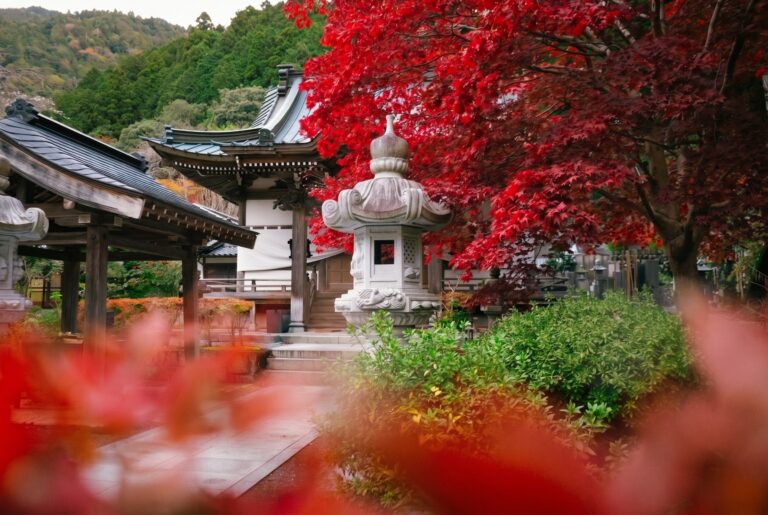
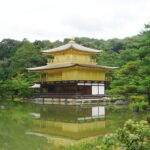
Tokyo is a city that completely defies every conventional idea of how a giant metropolis should work. On one side you’ll be swallowed up by an endless sea of neon, flashing arcades and crowds of people, but just around the corner you’ll find total peace in a quiet Zen garden. It’s a fascinating blend of the future and deeply rooted tradition, and in my opinion there’s nowhere else in the world quite like Tokyo, Japan.
If you’re planning a trip here, you’re in for what is probably the most intense travel experience of your life. I’ve put together a detailed guide to help you find your bearings in this enormous maze and show you the most interesting places. You’ll learn where to go for the best views, where to soak up the atmosphere of old Japan, and how not to get caught out by the local rules.
In the lines that follow, we’ll look at 25 specific things to do and see in Tokyo, and I’ll throw in some essential practical advice on transport and accommodation too. I’ll pay special attention to everyone who, like us, doesn’t eat meat, because Japanese cuisine can be surprisingly tricky for vegetarians.
TL;DR
- Transport is key: For getting around the city, your best friend will be the rechargeable Suica IC card, which on an iPhone you can easily add straight to Apple Wallet.
- Book early: Popular attractions like the Shibuya Sky viewpoint or the teamLab exhibitions often sell out weeks in advance.
- Watch out for hidden stock: If you’re vegetarian, be extremely careful about dashi (fish stock), which hides in almost every dish from miso soup to noodles.
- Basic orientation: The key JR Yamanote loop line runs through Tokyo, and most of the most important neighbourhoods sit along it.
- A city of views: You don’t always have to pay for the best panoramas — for example, the government building in Shinjuku offers a fantastic view completely free of charge.
- Head out of town too: Tokyo is a great base for day trips to Mount Fuji, historic Kamakura or the onsens of Hakone.
The full destination guide: Japan — guide and what to see
When to visit Tokyo
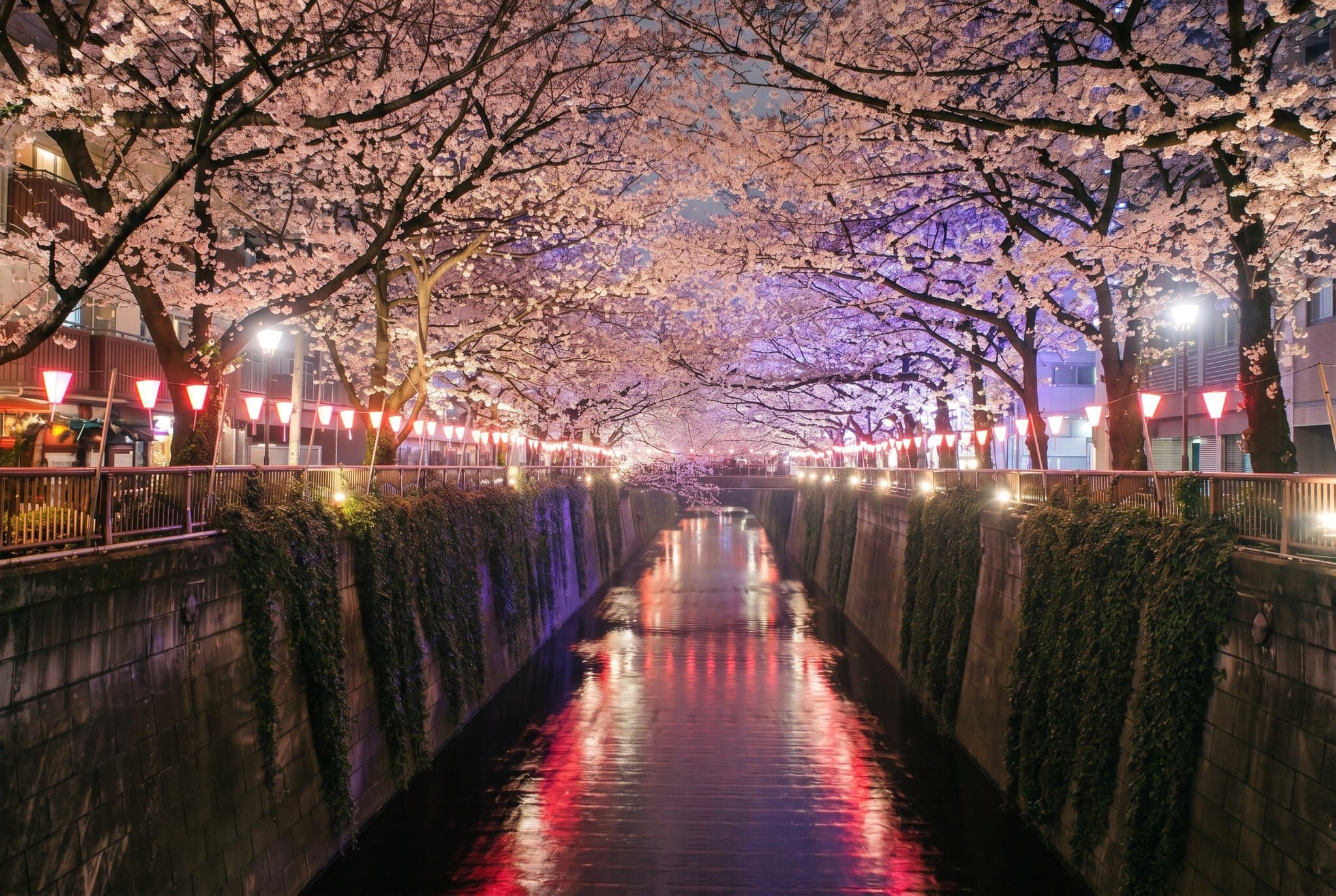
The most beautiful times to visit are without a doubt spring and autumn. The traditional cherry blossom season (hanami) usually falls in late March and early April, and for 2026 full bloom is estimated around 28 March. It’s an absolutely magical sight, but bear in mind the parks will be packed and accommodation prices shoot up.
Autumn is just as gorgeous, roughly from mid-November to early December. The trees turn incredible shades of red and gold (momiji), the temperatures are very pleasant for a full day of walking, and the autumn air is beautifully crisp. Autumn and winter also give you the best chance of spotting the snow-capped peak of Mount Fuji in the distance.
On the other hand, I’d recommend avoiding the Japanese summer. July and August bring extreme heat and huge humidity, when temperatures regularly climb towards 35 degrees and feel even higher. From mid-June to mid-July there’s also the rainy season (tsuyu), and in September there’s a risk of typhoons.
Where to stay in Tokyo
💡 Accommodation and experience tip: We prefer to look for accommodation on Booking.com, which usually has the best cancellation terms. For tickets, tours and activities, it pays to compare and book through GetYourGuide.
Choosing the right neighbourhood is absolutely crucial for a comfortable stay, because getting around by metro eats up a lot of time. The western part of the city around Shinjuku and Shibuya is ideal for lovers of nightlife, good food and shopping. If you’re planning to travel a lot by shinkansen outside the city, it’s worth looking for accommodation near Tokyo Station.
For those after a slightly calmer, more traditional atmosphere, the historic Asakusa district is a great choice. Here you’ll find more affordable hotels and quieter streets, while the centre is very easy to reach by metro. You can easily sort out most accommodation through the usual Booking, but book well ahead.
Here are a few specific tips for tried-and-tested hotels across various price ranges:
- The Millennials Shibuya – a stylish, ultra-modern capsule hotel right in the heart of the action, where a futuristic night’s sleep will run you roughly 3,000 to 9,000 JPY (about €18–55).
- APA Hotel Shinjuku Gyoemmae – a classic example of a Japanese business hotel that offers very small rooms, but the location and price of around 8,000 JPY per night (about €48) are unbeatable.
- Park Hyatt Tokyo – the iconic luxury hotel known from the film Lost in Translation sits in Shinjuku and reopened in December 2025 after an extensive renovation.
- Hoshinoya Tokyo – a stunning modern urban ryokan a short walk from Tokyo Station, which even has its own rooftop onsen with hot springs.
- Prostyle Ryokan Asakusa – a great middle ground for those who want to experience traditional sleeping on tatami with a modern twist, just steps from the Senso-ji temple.
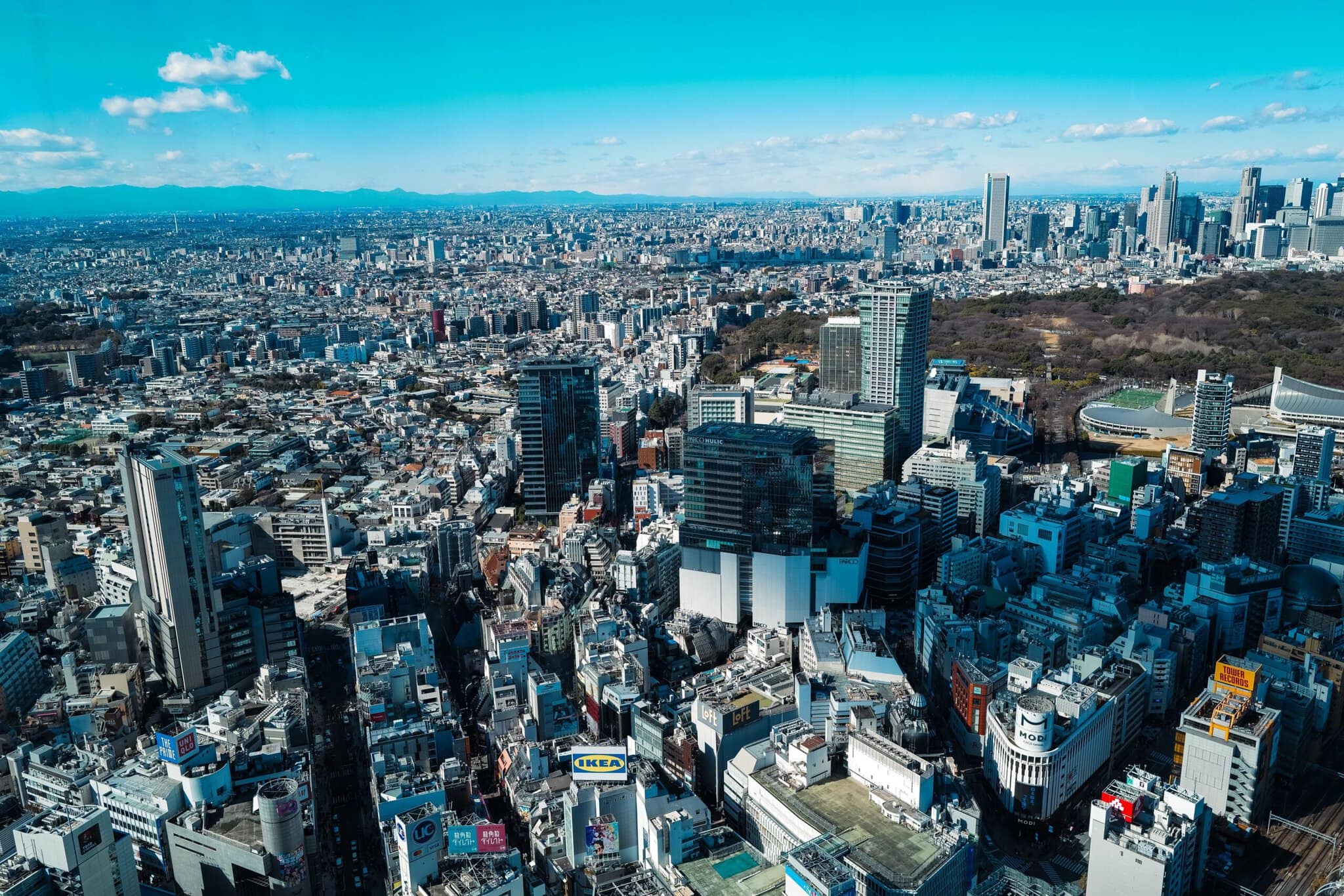
25 things to do and see in Tokyo
Let’s take a look at the specific places that shouldn’t be missing from your itinerary. I’ve deliberately ordered them to make it easier to plan your route and explore this endless metropolis.
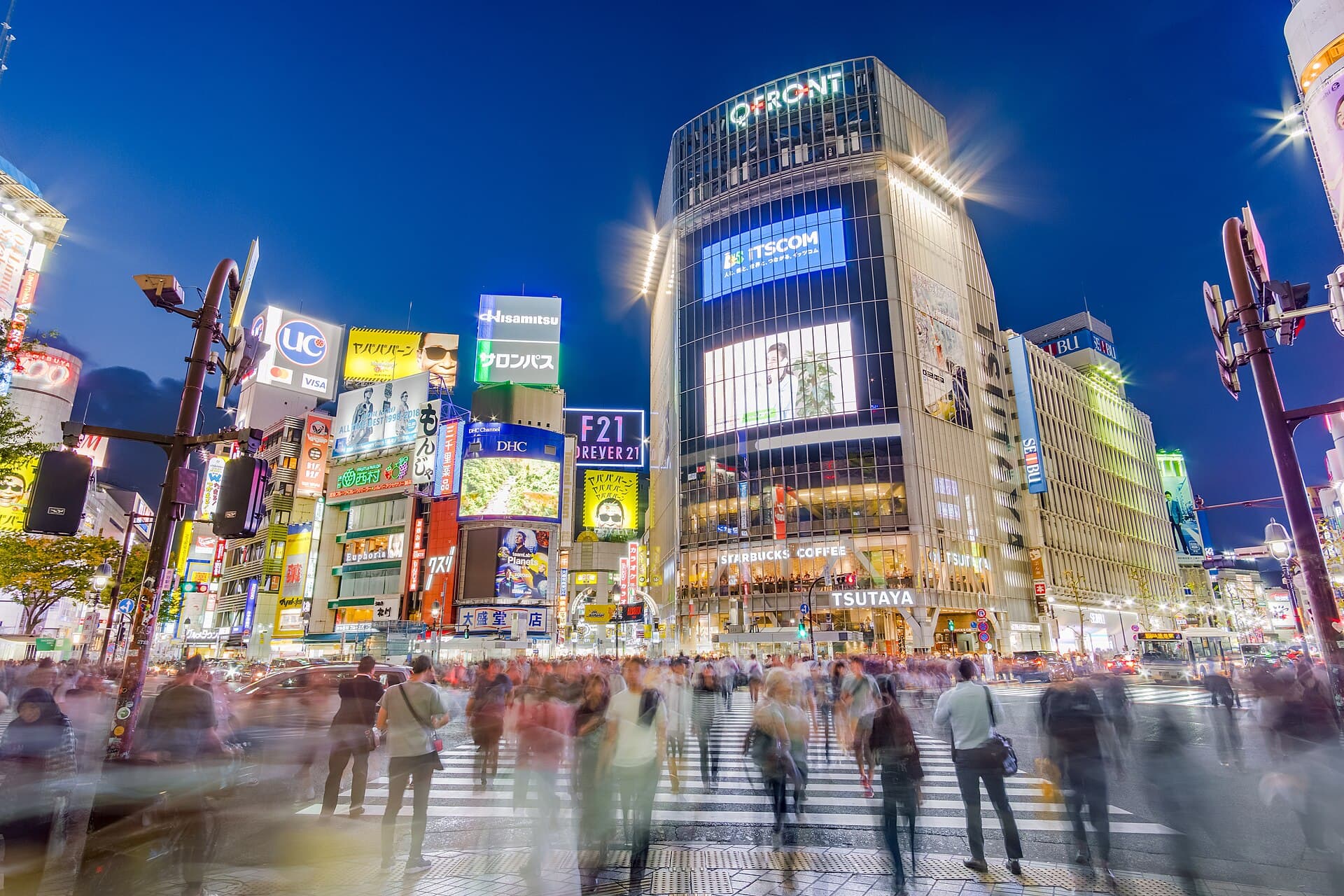
1. Shibuya Crossing
This spot is the absolute symbol of modern Tokyo, Japan and seeing it in the flesh is a genuinely powerful experience. The most famous crossing in the world can move up to 3,000 people on a single green light, yet there’s no chaos and everyone weaves elegantly around each other. It’s best to come after dark, when the surrounding giant screens and neon light up the whole intersection.
To get the best view from above, you don’t necessarily have to pay admission. Head to the Magnet by Shibuya 109 shopping centre, home to the rooftop Mag’s Park with a brilliant view straight down onto the crossing. Another popular classic is the glass floor of the local Starbucks Tsutaya, but snagging a window seat takes a hefty dose of patience.
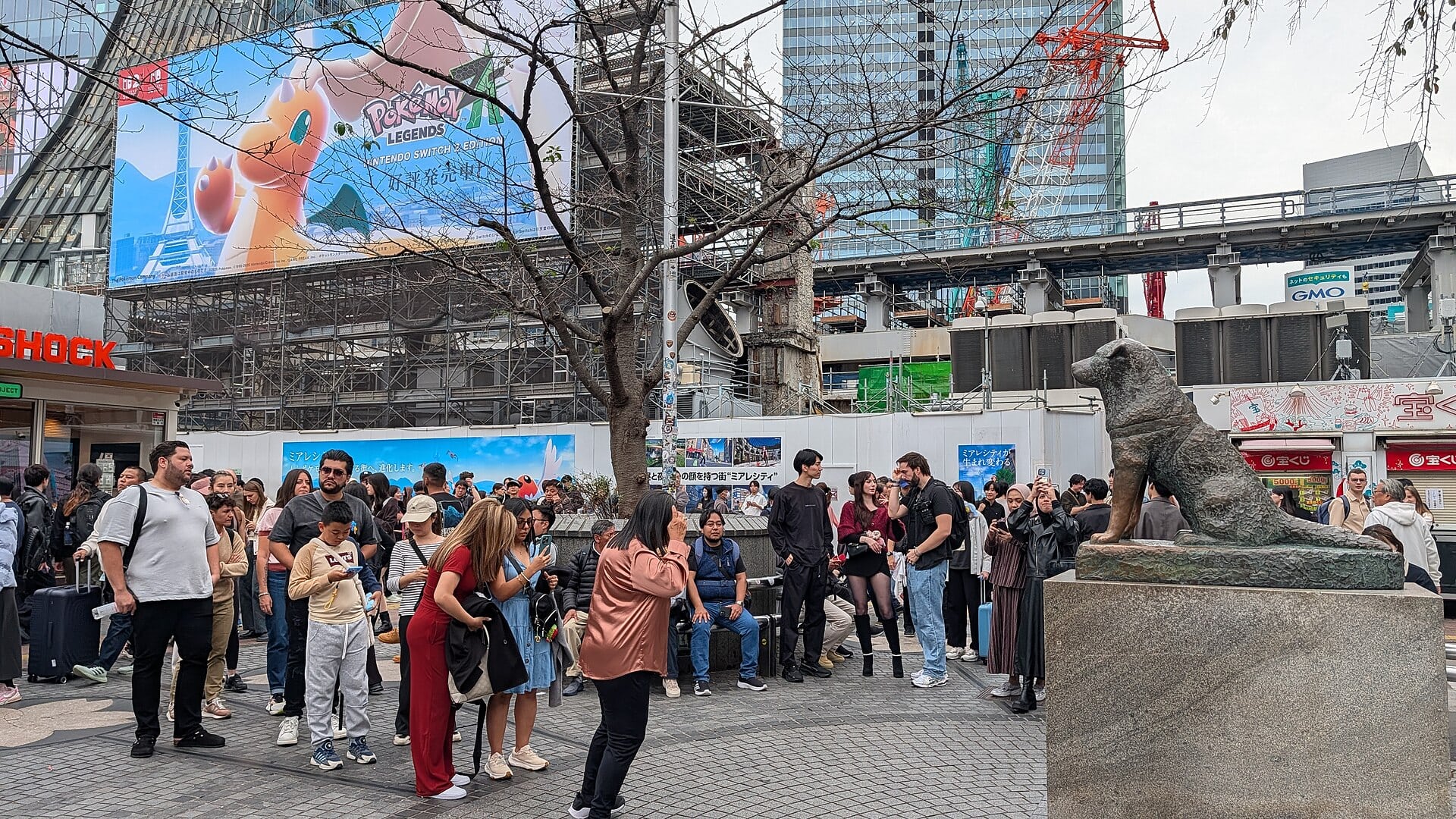
2. Statue of the loyal dog Hachiko
Right by the exit of Shibuya Station, a touching piece of Japanese history awaits you. The small bronze statue of the dog Hachiko commemorates a story of loyalty, of a dog who waited for his deceased owner at the station for nine long years. Today it’s easily the most popular meeting point in the entire city.
Be prepared for a constant crowd around the statue, and there’s usually a queue just to get a photo with the dog. Local dog owners often bring their own pets here dressed up in various little outfits, which adds an even quirkier touch to the whole scene.
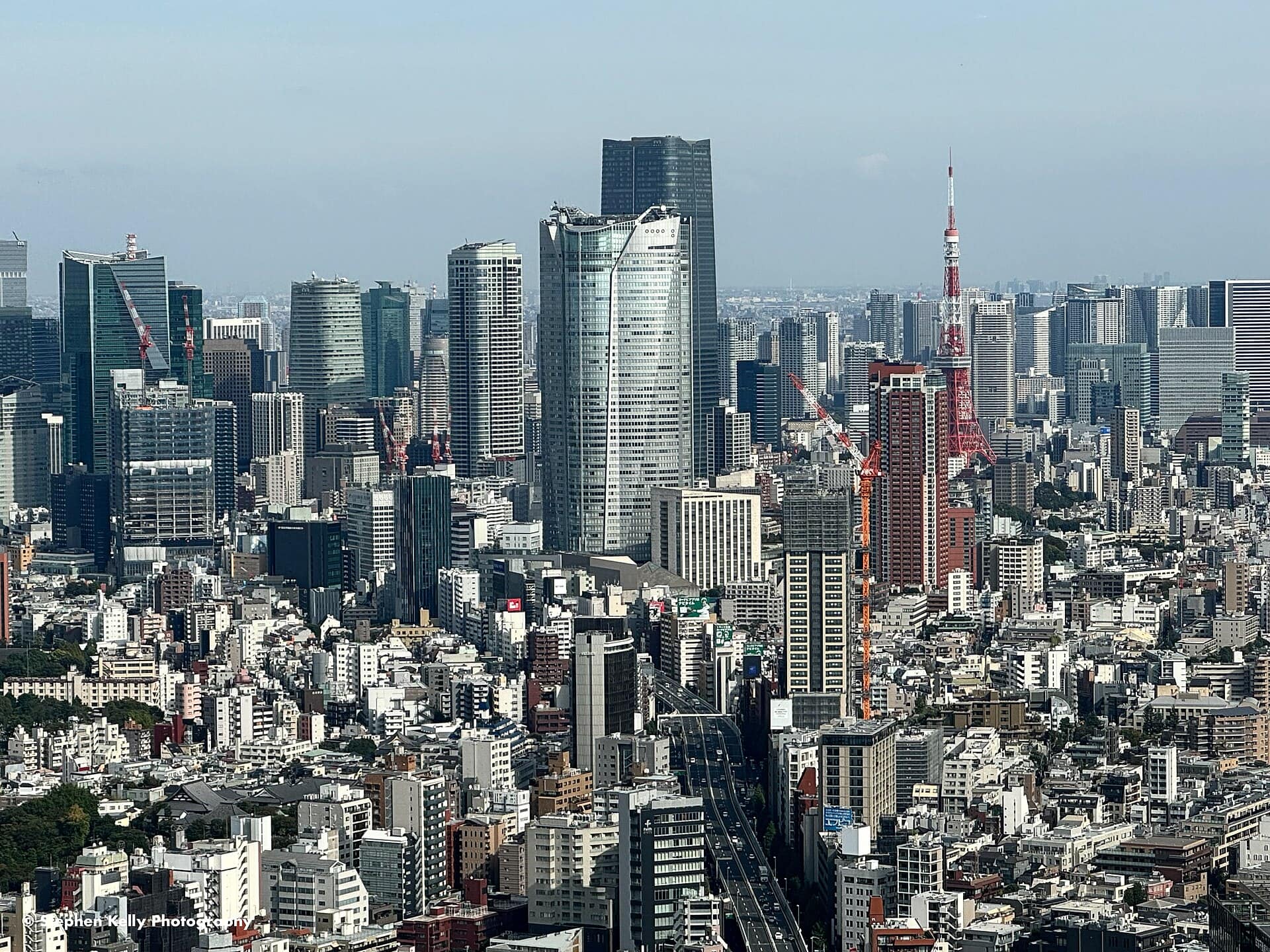
3. Shibuya Sky viewpoint
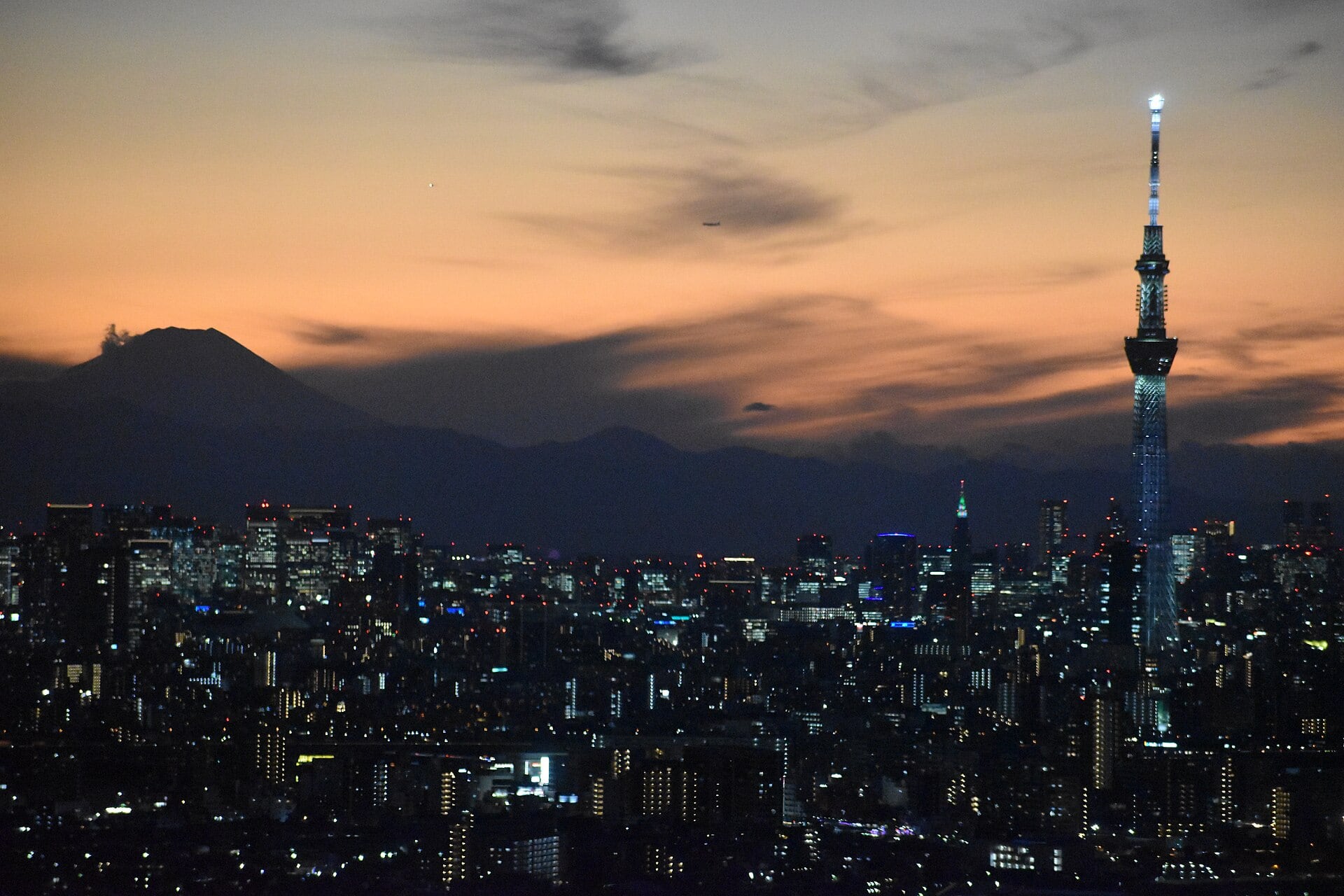
If you want to see the whole of Tokyo from a bird’s-eye view out in the fresh air, this is currently the best option. The open observation deck sits 229 metres up on the roof of the Shibuya Scramble Square skyscraper. On a clear day you can even see Mount Fuji, and the glass corners are made for perfect photos.
The golden rule is to buy your tickets online in advance for 2,500 JPY (about €15) — on the spot they’re usually pricier or simply sold out. The most sought-after slots before sunset disappear up to four weeks ahead, so definitely don’t dawdle. For tickets to attractions like this across Japan, I recommend using trusted portals such as GetYourGuide, where everything is laid out clearly in English.
4. Tokyo Metropolitan Government Building
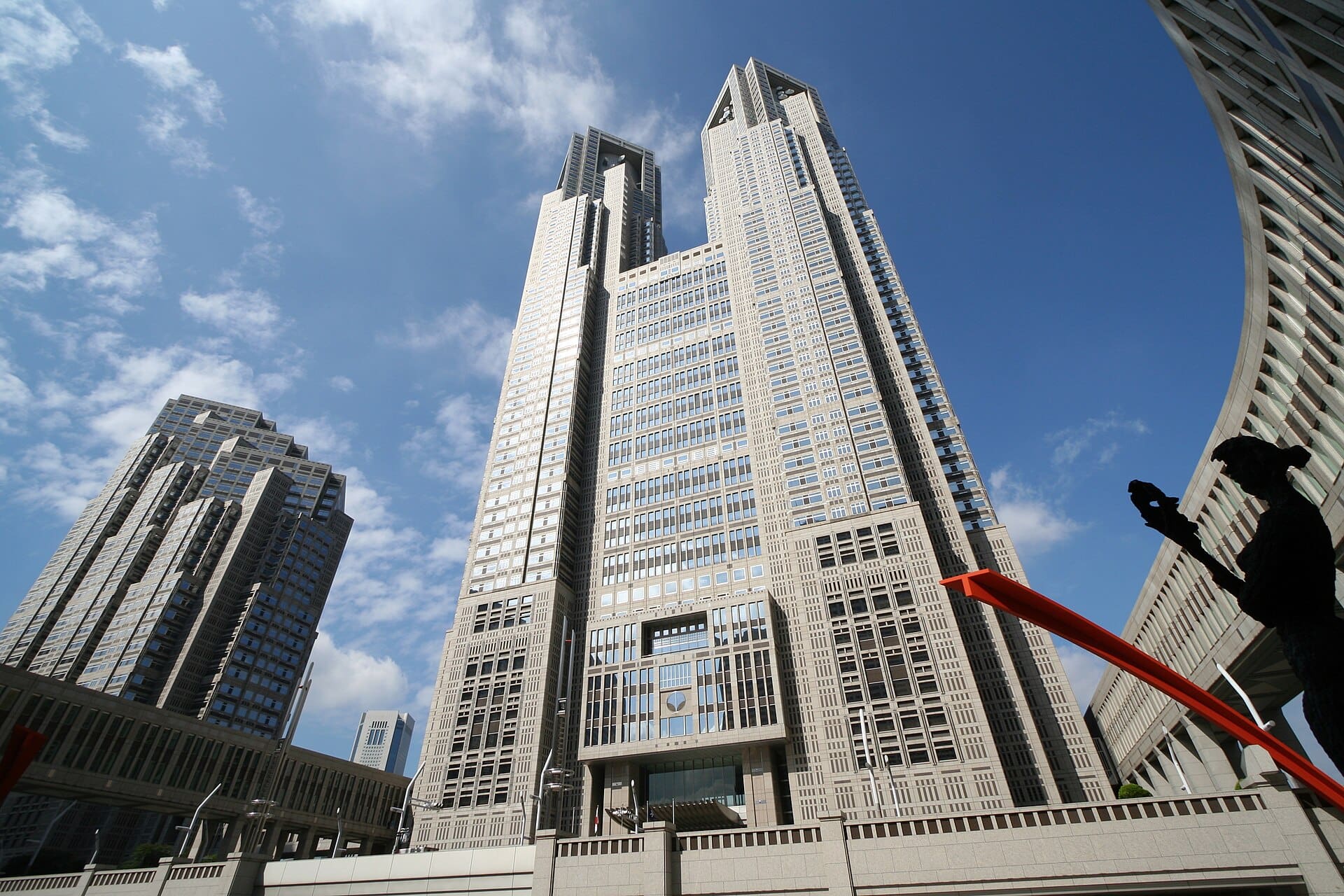
Don’t fancy paying thousands of yen for a view? Head to the Shinjuku district and the giant government building the locals call Tocho for short. Both its north and south towers have observation floors 202 metres up, and entry is completely free for all visitors.
They’re usually open from around 9:30 in the morning until 10 at night, so you can admire the city both by day and after dark. Inside you’ll also find a small café and a souvenir shop, and although there’s occasionally a short queue at the lifts, it moves very quickly.
5. The Golden Gai alleyways
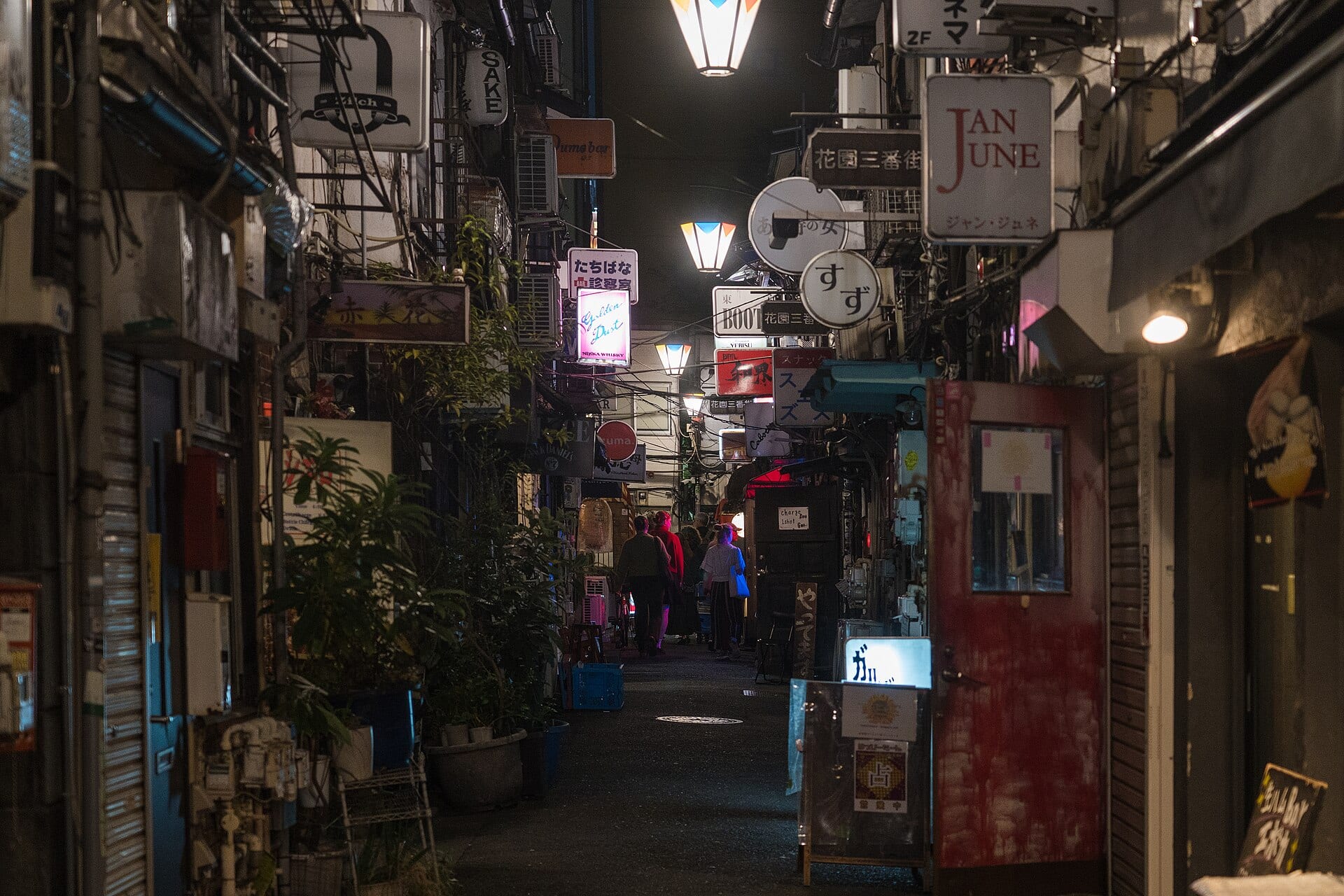
While the rest of Tokyo grows upwards, Shinjuku hides a little slice of the past that seems frozen in time. Golden Gai is a maze of six narrow alleys with around two hundred miniature bars, many of which fit only five or six guests. It’s a place with the utterly unrepeatable atmosphere of old post-war Japan.
💡 Tip: When you visit, watch out for the so-called table charge. Most bars charge a fee just for sitting down (often around 500 to 1,000 JPY, roughly €3–6), and drinks are paid for separately. Some establishments don’t accept foreigners at all, so look for ones with an English sign or menu outside.
6. The atmosphere of Omoide Yokocho
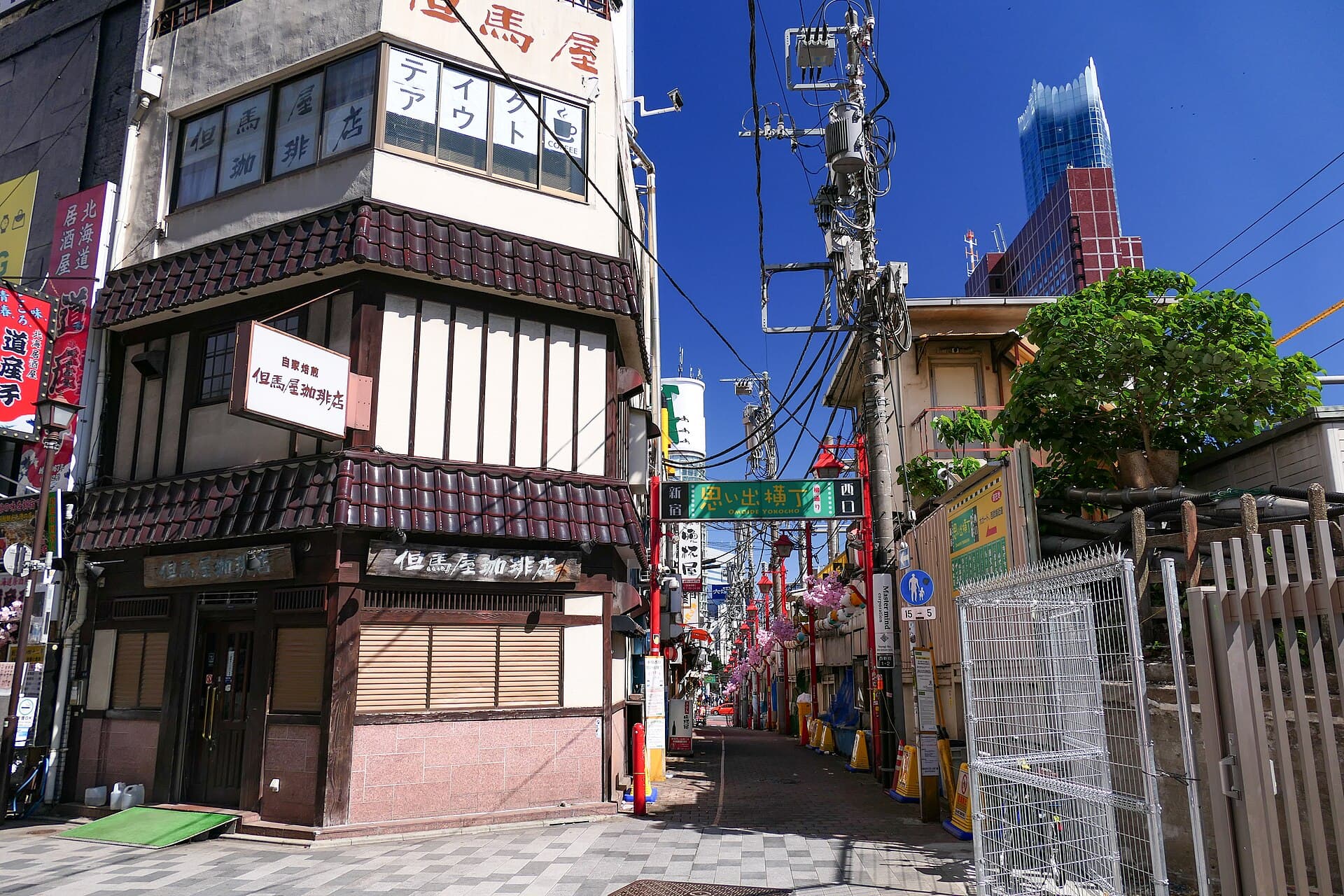
A short walk from Shinjuku railway station lies another famous historic alley packed with tiny pubs called izakaya. The space here is so cramped that guests are literally squeezed together at the counters, red lanterns hang overhead and the air is thick with smoke from grilled meat. For photography lovers it’s an absolute paradise.
If you’re vegetarian like us, you probably won’t come here to eat, since the main speciality is grilled yakitori meat skewers. Even so, I warmly recommend at least walking through the alley, soaking up the incredible atmosphere and watching the locals unwind after work over a glass of beer and sake.
7. The Kabukicho entertainment district
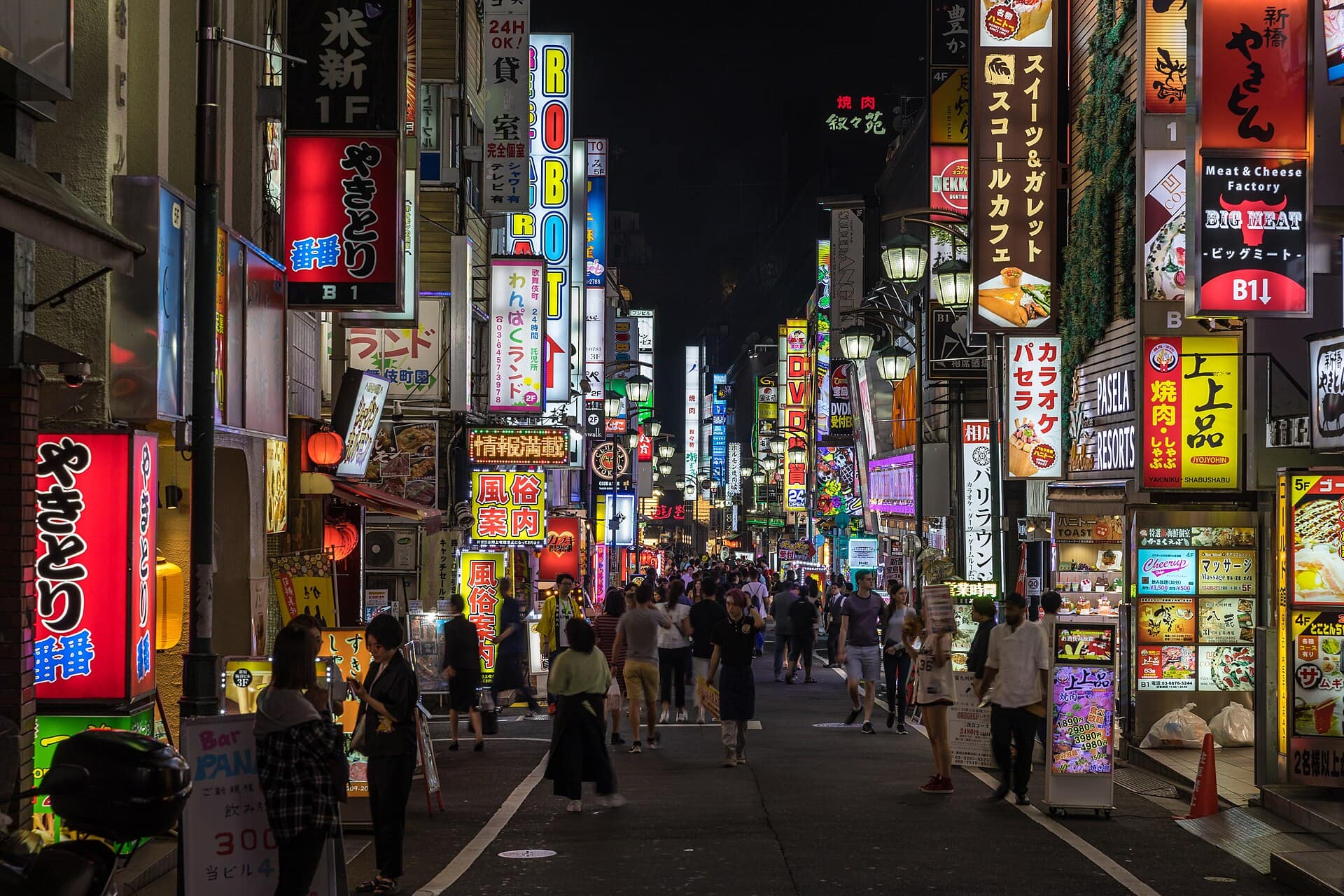
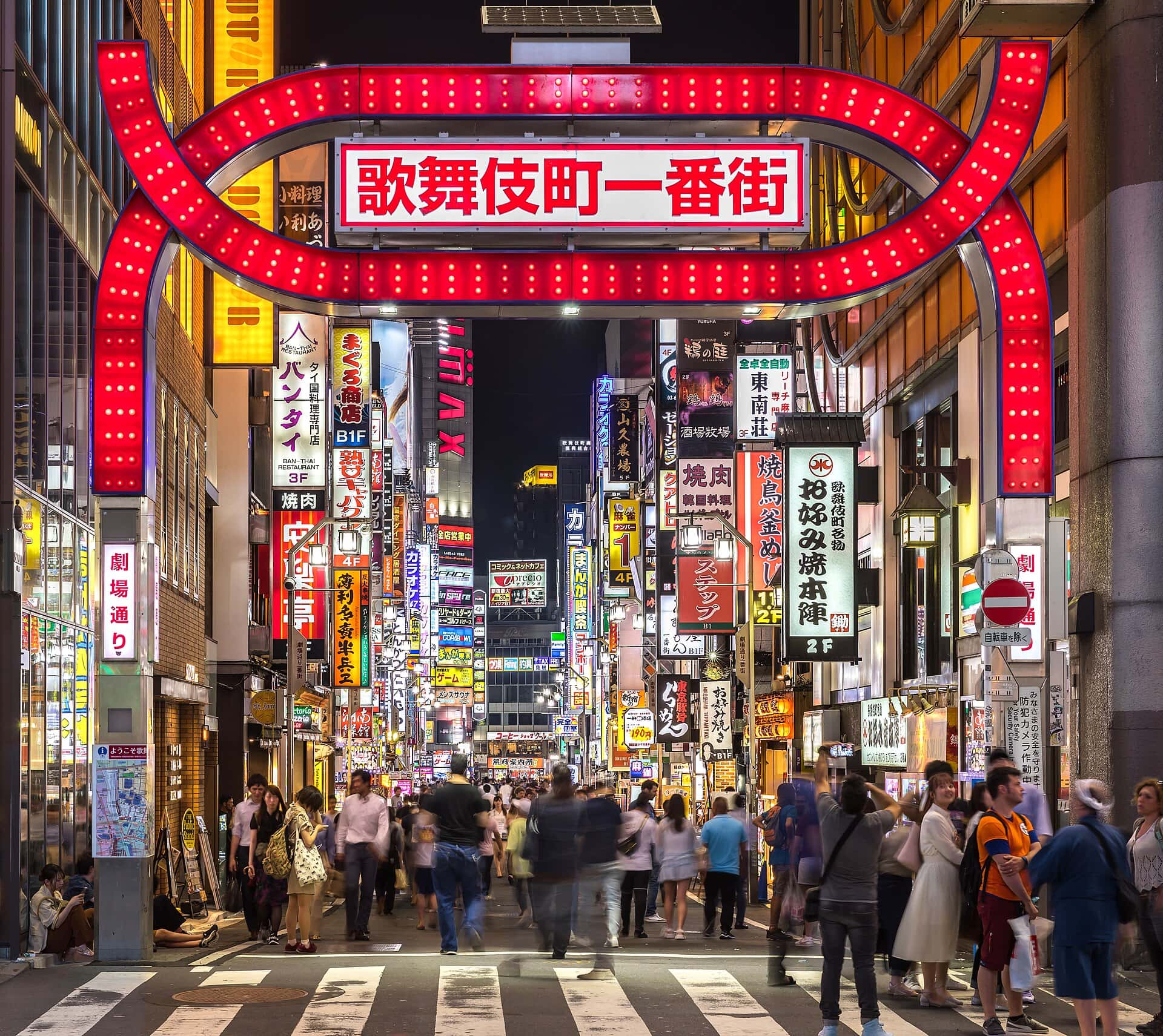
Right next to the quieter historic alleys sprawls Tokyo’s biggest entertainment and red-light district. Kabukicho comes alive mainly at night, when it lights up with thousands of colourful neon signs and the streets fill with club touts. You’ll find pachinko arcades, karaoke bars and a giant glowing Godzilla head peering out of one of the skyscrapers.
Although the district has a slightly wild reputation, a stroll along the main streets is perfectly safe for the average tourist. I strongly recommend ignoring all the street touts, though — they’ll lure you in with free drinks or a special show, but it’s usually an overpriced tourist trap.
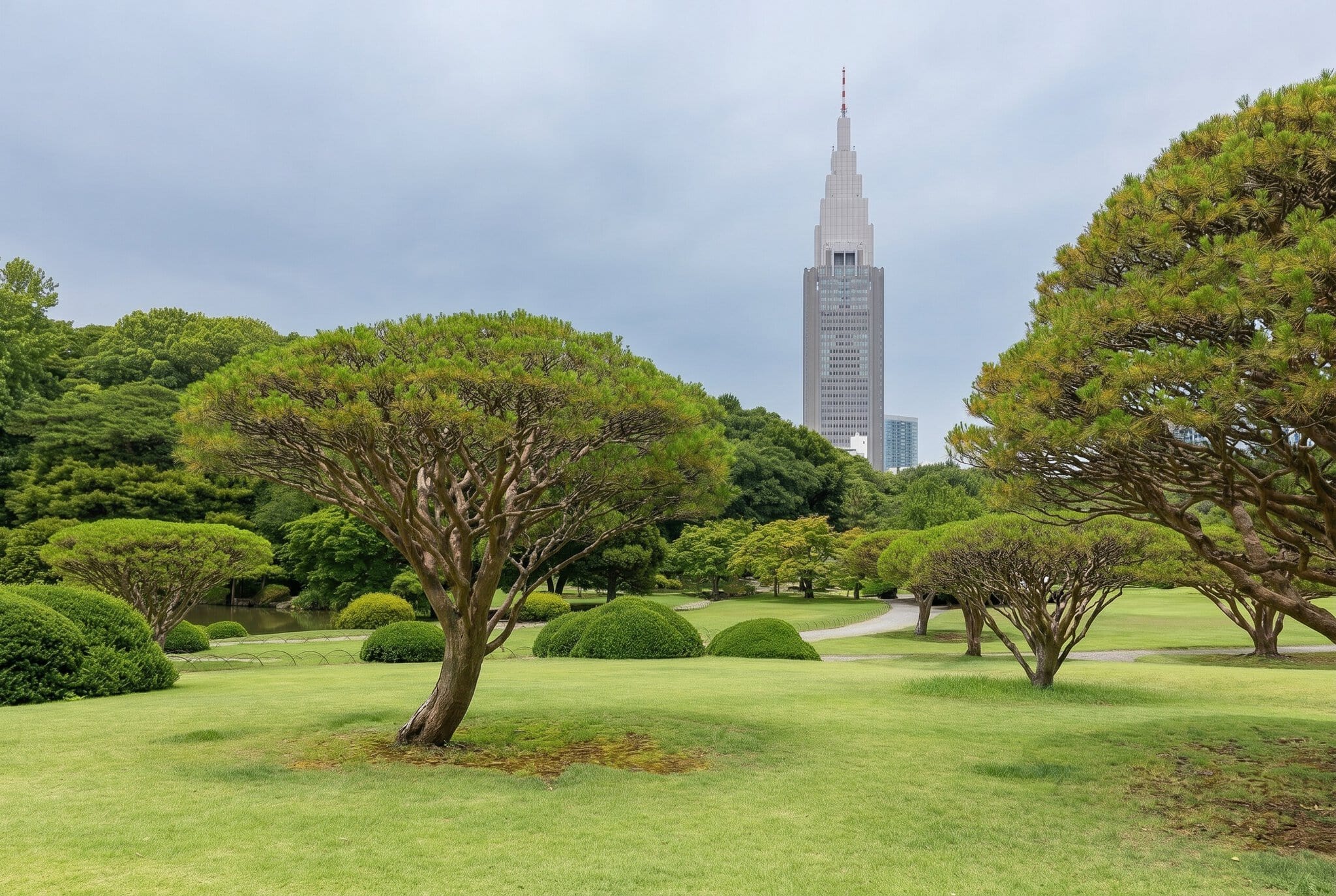
8. Shinjuku Gyoen park
When you want a break from crazy neon Tokyo, this enormous park is the best choice. The sprawling grounds combine a traditional Japanese, an English and a French garden and offer the perfect oasis of calm among the skyscrapers. Admission is very symbolic, at roughly 500 JPY (about €3).
In spring the park turns into one of the city’s most popular spots for cherry blossom viewing. You’ll find hundreds of blossoming trees here, and unlike other parks, alcohol is banned, so the atmosphere stays very peaceful and pleasant even during peak season.
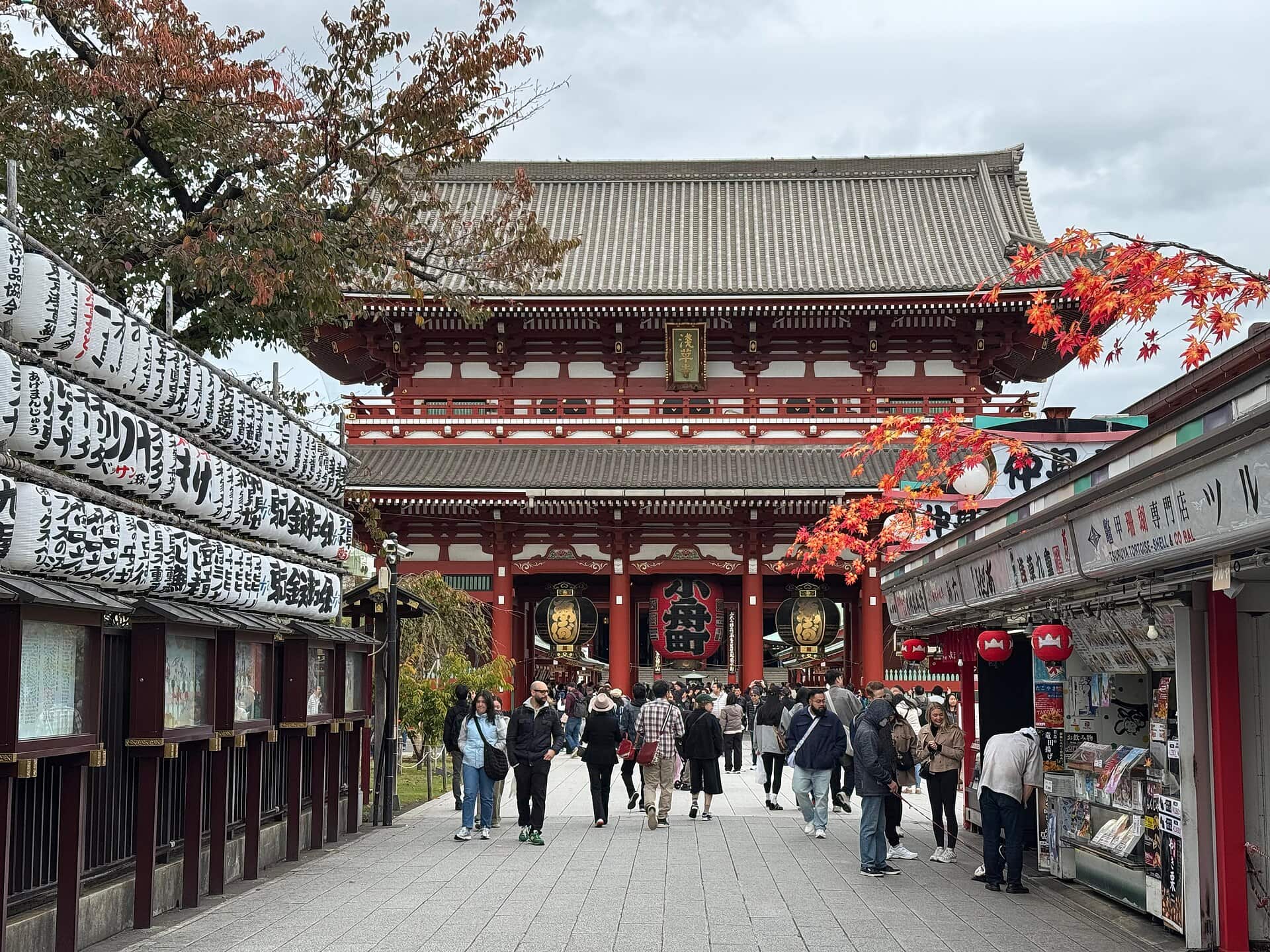
9. The Senso-ji temple complex
In the historic Asakusa district stands the very oldest and most important Buddhist temple in all of Tokyo. Senso-ji was founded back in 645 and remains the city’s spiritual heart to this day, drawing crowds of worshippers and tourists alike. Entry to the whole vast complex is free all year round.
Many visitors rent a traditional kimono and stroll the complex in historic dress, creating a beautiful backdrop for photos. Be sure to try the purification ritual in the smoke from incense at the large censer — tradition says the smoke brings health and good fortune.
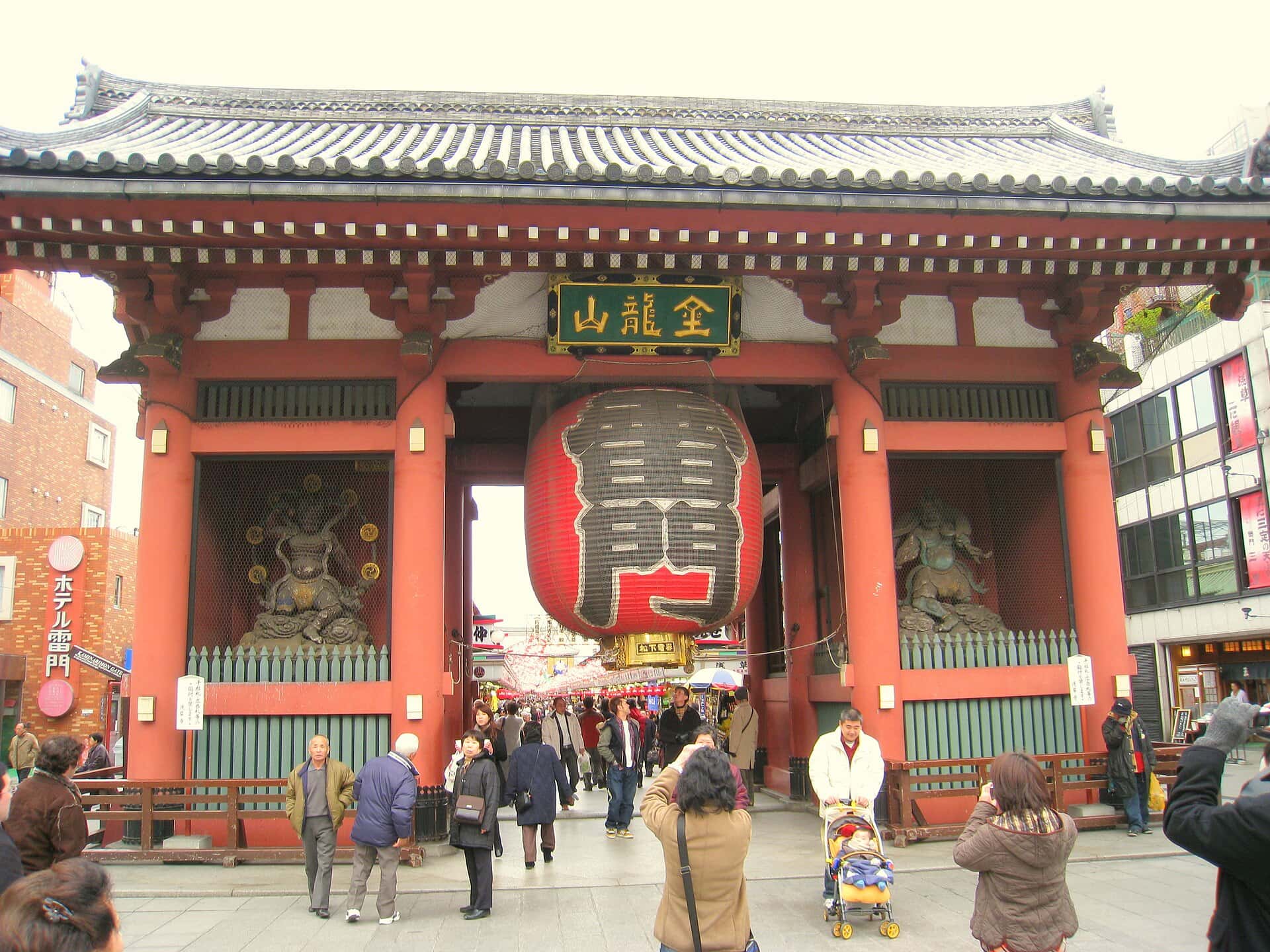
10. The Kaminarimon gate
On the way to Senso-ji you’ll have to pass through this iconic entrance gate, one of the most photographed spots in Japan. Its centrepiece is a gigantic red lantern weighing an impressive 700 kilograms, flanked by statues of the gods of wind and thunder.
The area in front of the gate gets extremely busy during the day, and getting a photo without hundreds of other people is nearly impossible. If you want to enjoy the architecture in peace, come early in the morning or late in the evening, when the shops are shut and the temple complex is beautifully lit.
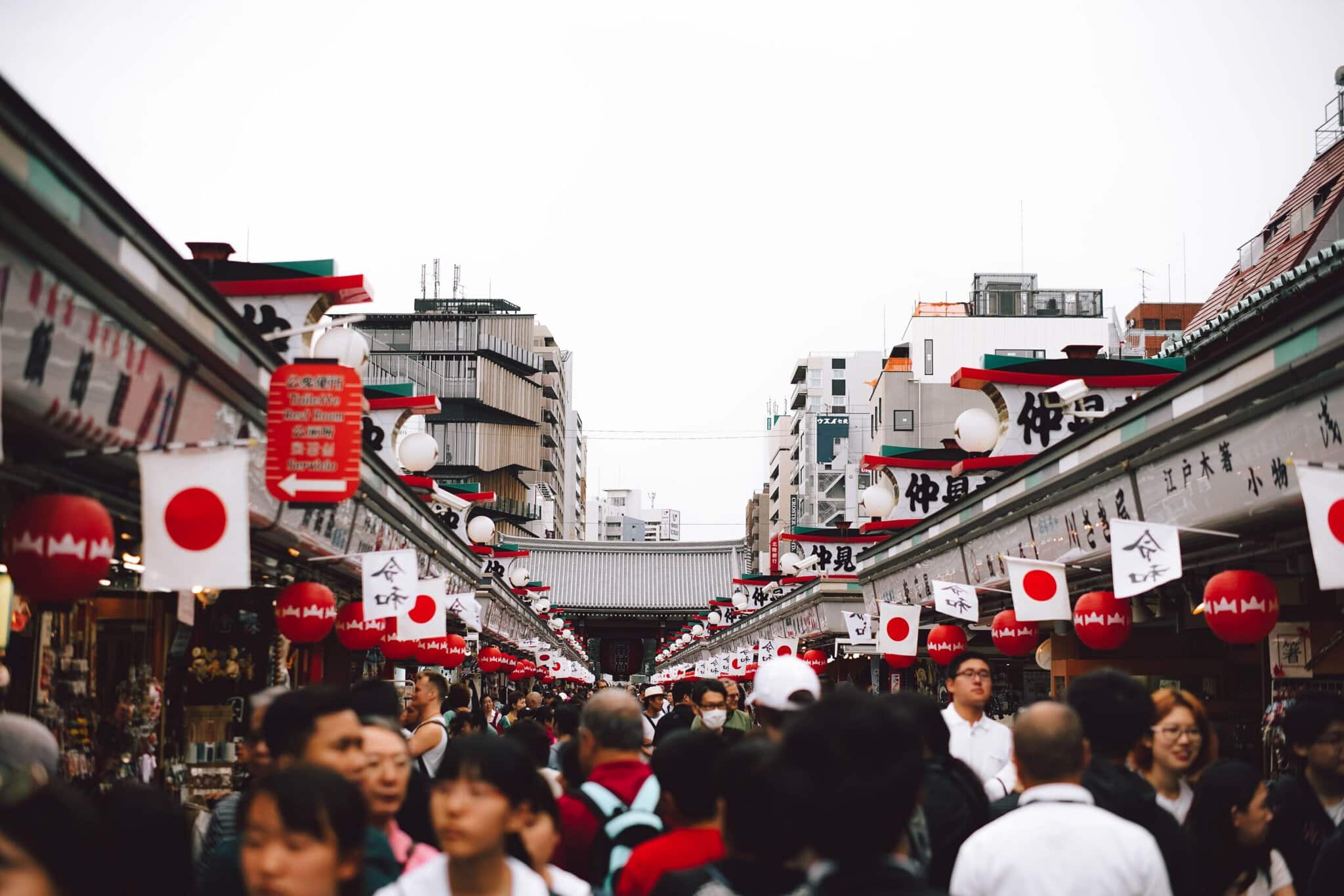
11. The Nakamise-dori market street
Just beyond the Kaminarimon gate begins a 250-metre-long historic street that leads you all the way to the temple’s main hall. It’s literally lined with dozens of little shops selling traditional souvenirs, fans, masks and above all local street food you can smell from a distance.
Definitely try the freshly baked senbei rice crackers or the traditional ningyo-yaki sweet cakes shaped like little figures and filled with red bean paste. But remember Japanese etiquette and don’t walk around while eating — always step aside near the stall where you bought your treat.
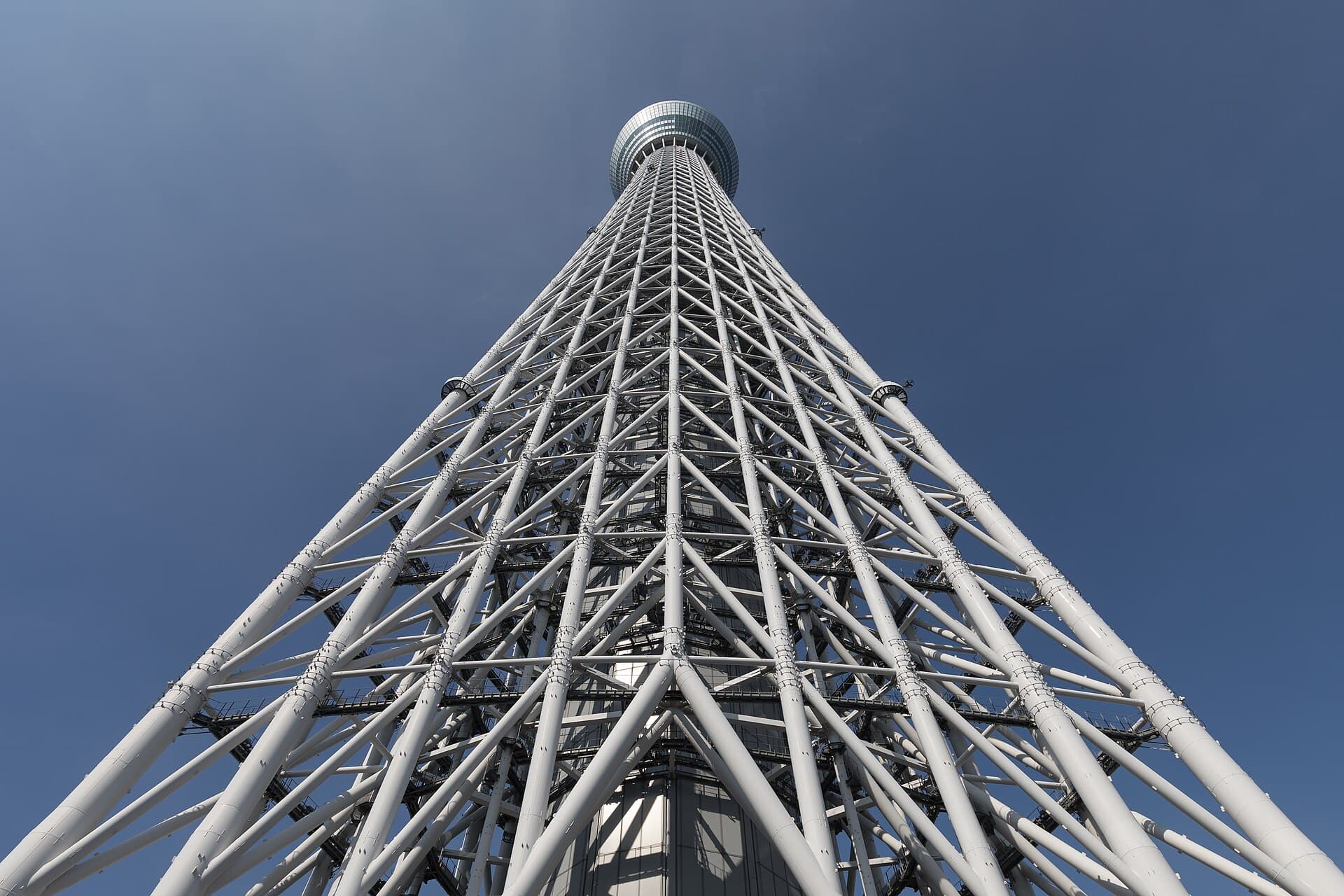
12. The Tokyo Skytree tower
This enormous broadcasting and observation tower is, at 634 metres, easily the tallest structure in all of Japan. The main Tembo Deck observation platform sits 350 metres up and admission costs around 1,800 JPY (about €11). If you pay another 1,400 JPY, you can ride up to the highest gallery at 450 metres.
Travellers on forums often agree that from such a great height the city starts to look a bit flat and loses its detail. Many people therefore advise saving the admission fee and admiring the beautifully lit tower from outside instead, for example from the park by the Sumida River near Oshiage station.
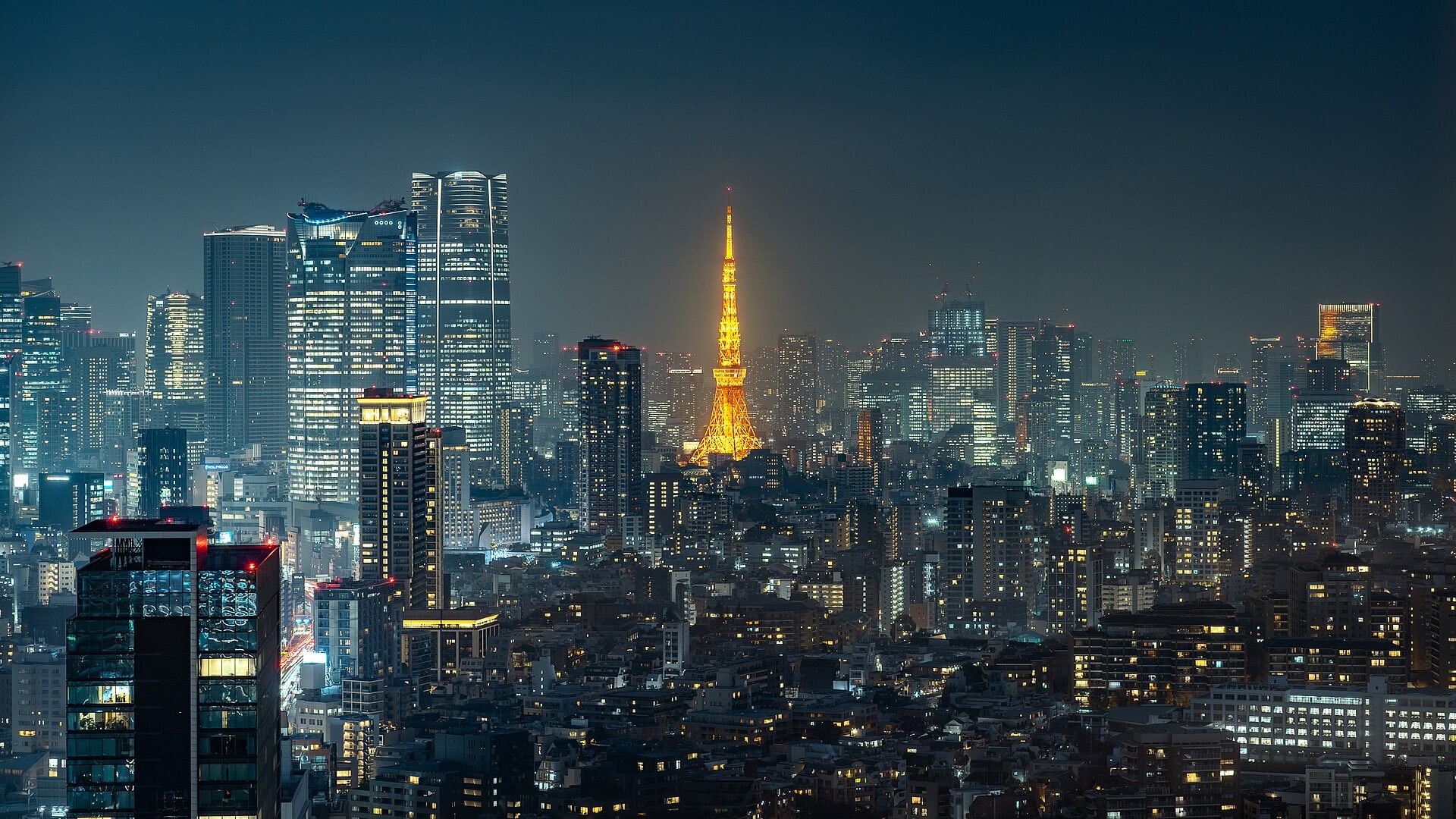

13. The classic Tokyo Tower
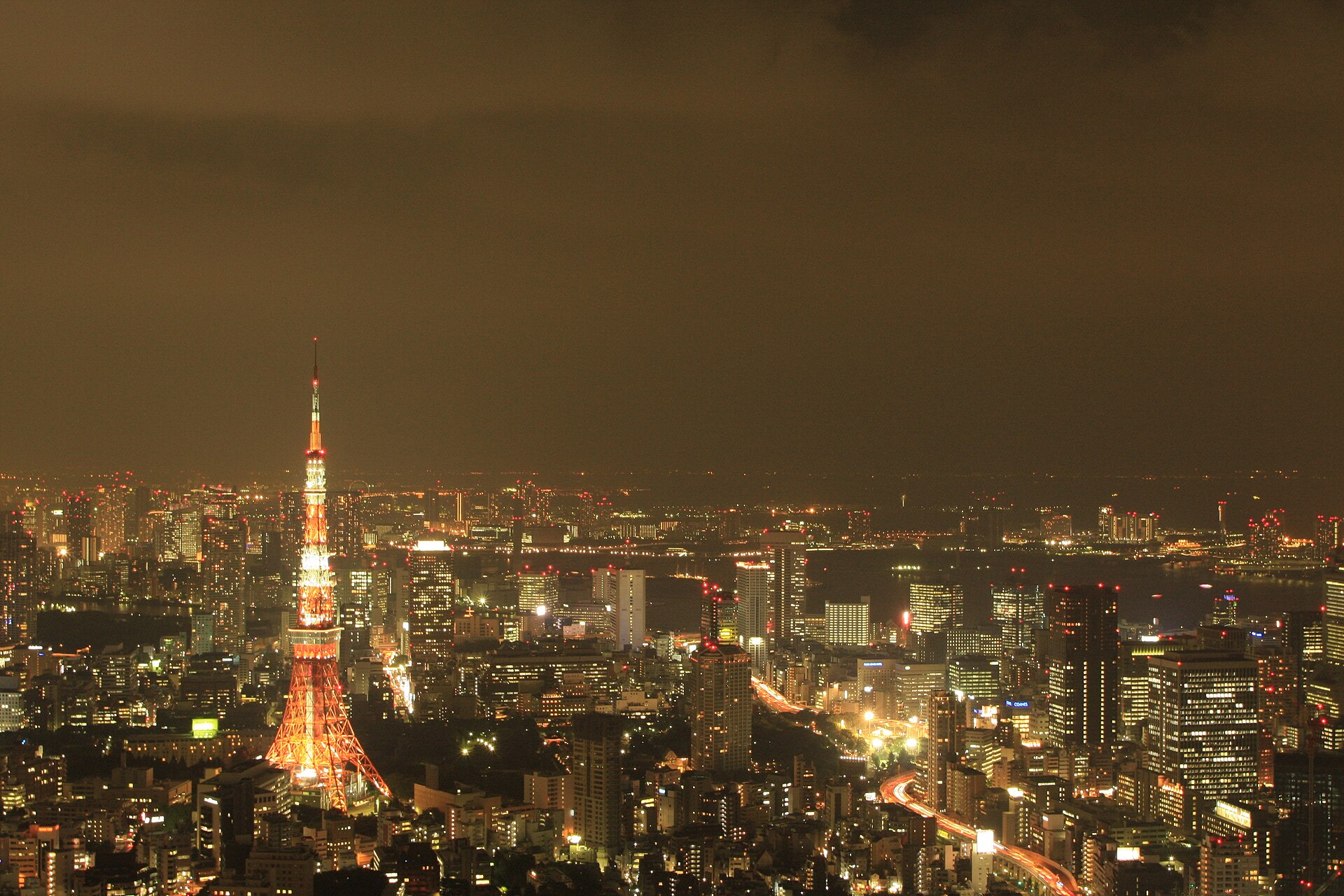
The older red-and-white tower from 1958, which bears a striking resemblance to the Eiffel Tower, holds far more charm for many visitors than the modern skyscrapers. Its main viewpoint sits 150 metres up (admission 1,200 JPY, about €7) and offers a wonderful view where you’re still, so to speak, inside the city skyline and can see the buildings and streets nice and close up.
For true enthusiasts there’s also the higher Top Deck at 250 metres for 2,800 JPY. Personally, I think the lower viewpoint is more than enough, and the tower itself makes for the most beautiful photos from the surrounding streets, when it glows into the night with its distinctive warm orange colour.
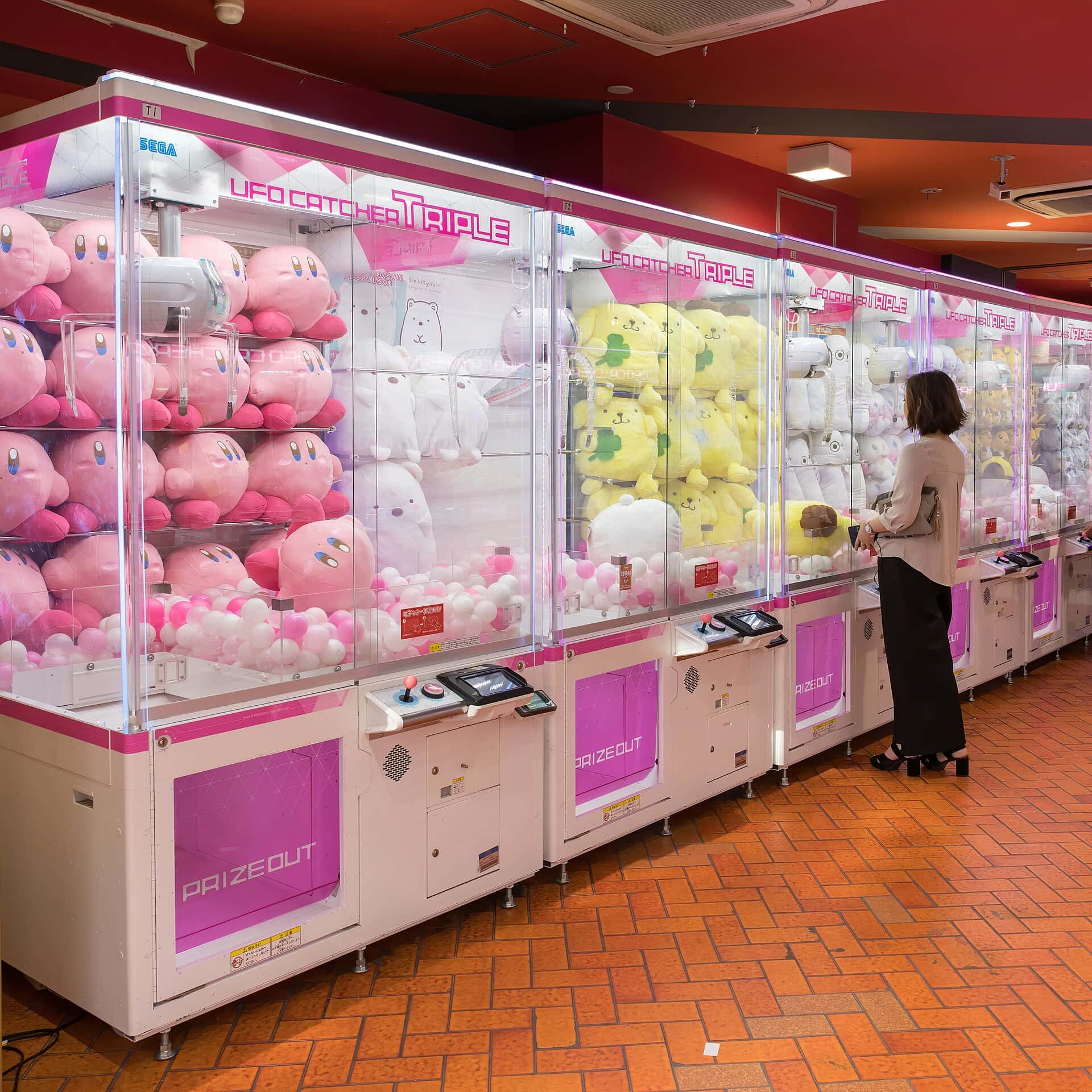
14. Electronics madness in Akihabara
The district known as Akiba for short is an absolute mecca for all fans of anime, manga, video games and electronics. The streets here are lined with multi-storey department stores packed with arcade machines, collectible figures and the latest technology. Just walking among the giant colourful adverts is an experience in itself.
Stop by the legendary Super Potato shop, where you’ll find an incredible collection of retro games and old consoles. The district is also famous for its maid cafés, where you’re served by waitresses in maid costumes — a very specific Japanese phenomenon that’s definitely not for everyone.
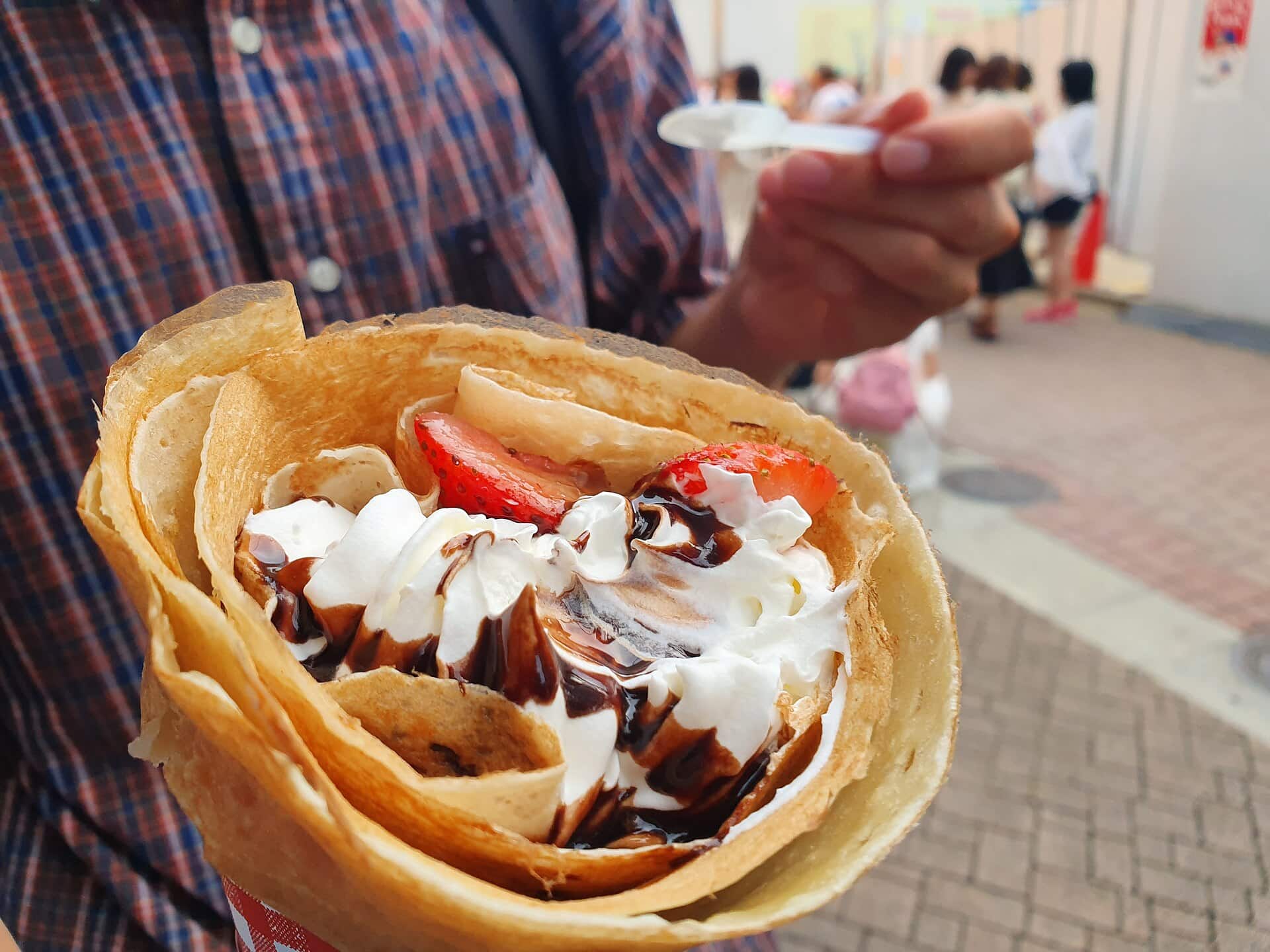
15. Crazy fashion in Harajuku
If you want to see just how far Japanese creativity in dressing can go, you have to head to the Harajuku district. The centre of all the action is the pedestrian street Takeshita-dori, where second-hand shops, outrageous fashion stores and stalls with the wildest sweets are all concentrated.
A traditional must is grabbing a giant crêpe filled with whipped cream, fruit and ice cream. Just one street over, meanwhile, lies the elegant Omotesando boulevard, nicknamed the Champs-Élysées of Tokyo, home instead to the world’s most luxurious brands in stunning architectural buildings.
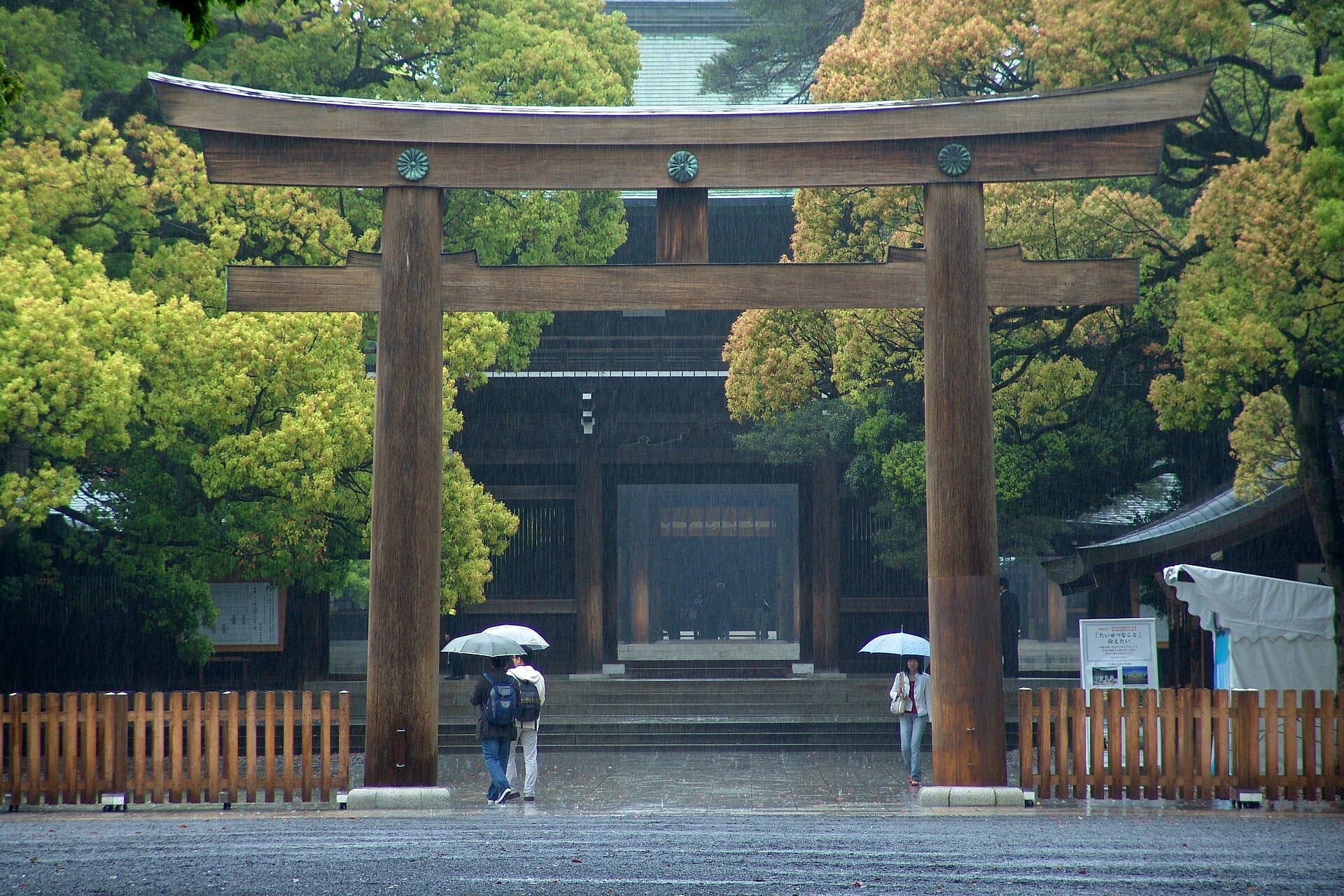
16. Meiji Jingu shrine
Right behind the busy Harajuku railway station stretches a completely different world. This enormous Shinto shrine is hidden in a deep forest made up of an incredible one hundred thousand trees donated by people from all over Japan. Entry to the whole grounds is free and there’s a divine sense of calm.
A long gravel path leads to the shrine itself, and along it you’ll certainly notice a huge wall of decorated sake barrels. If you’re lucky, you might spot a traditional Japanese wedding here at the weekend, with the bride in a white kimono and the groom walking through the temple courtyard beneath a red parasol.
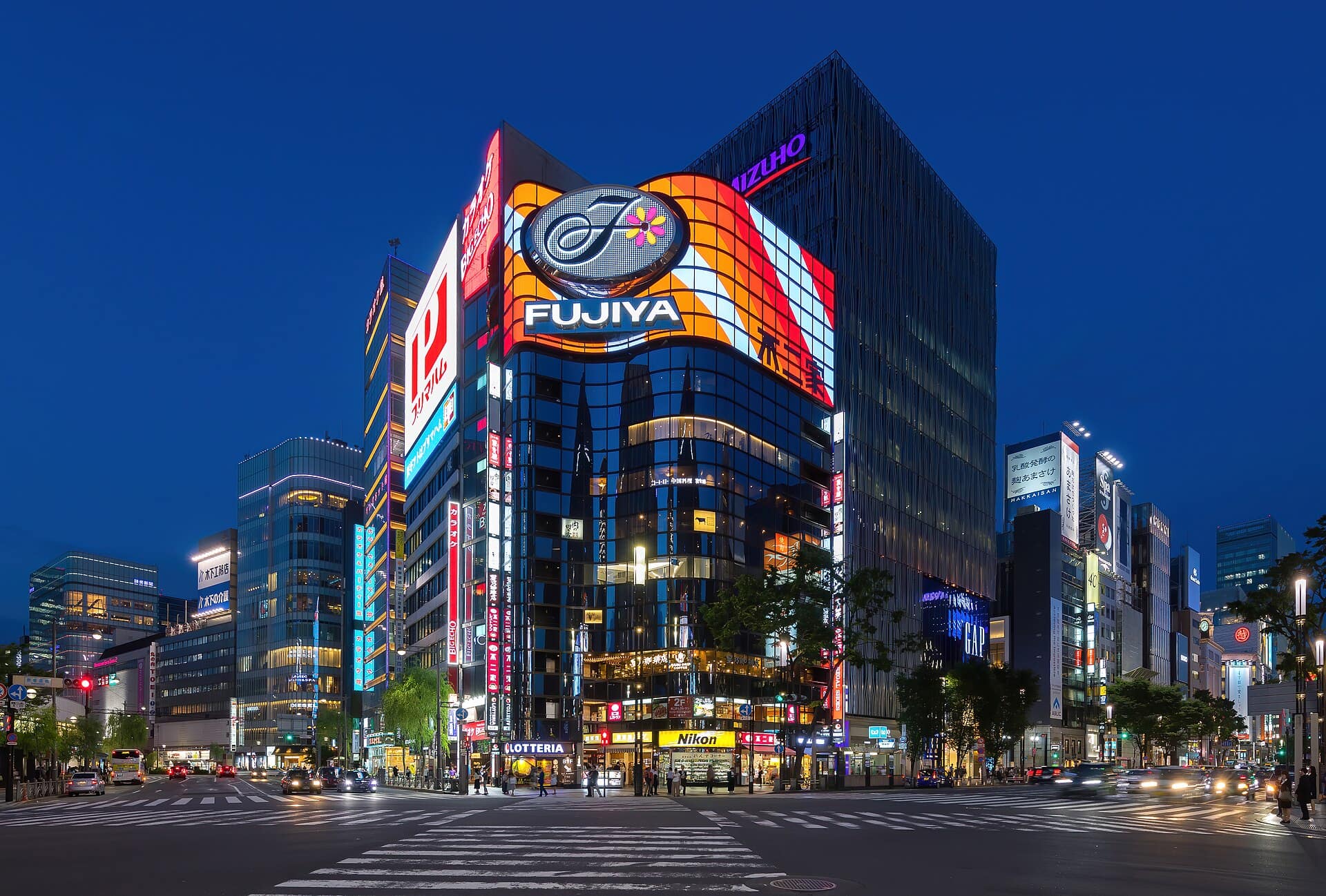
17. Luxury shopping in Ginza
Ginza is a byword for opulence, elegance and the most expensive shopping in Japan. You’ll find huge department stores like Ginza Six and boutiques of renowned designers whose window displays resemble art galleries more than anything. The district is also famous for its celebrated cafés and luxury restaurants.
The best time to visit is a weekend afternoon. The main avenue closes entirely to cars at that time and becomes an enormous pedestrian zone, where locals come out for a leisurely stroll. The atmosphere here is completely different from crazy Shibuya — everything feels very sophisticated and polished.
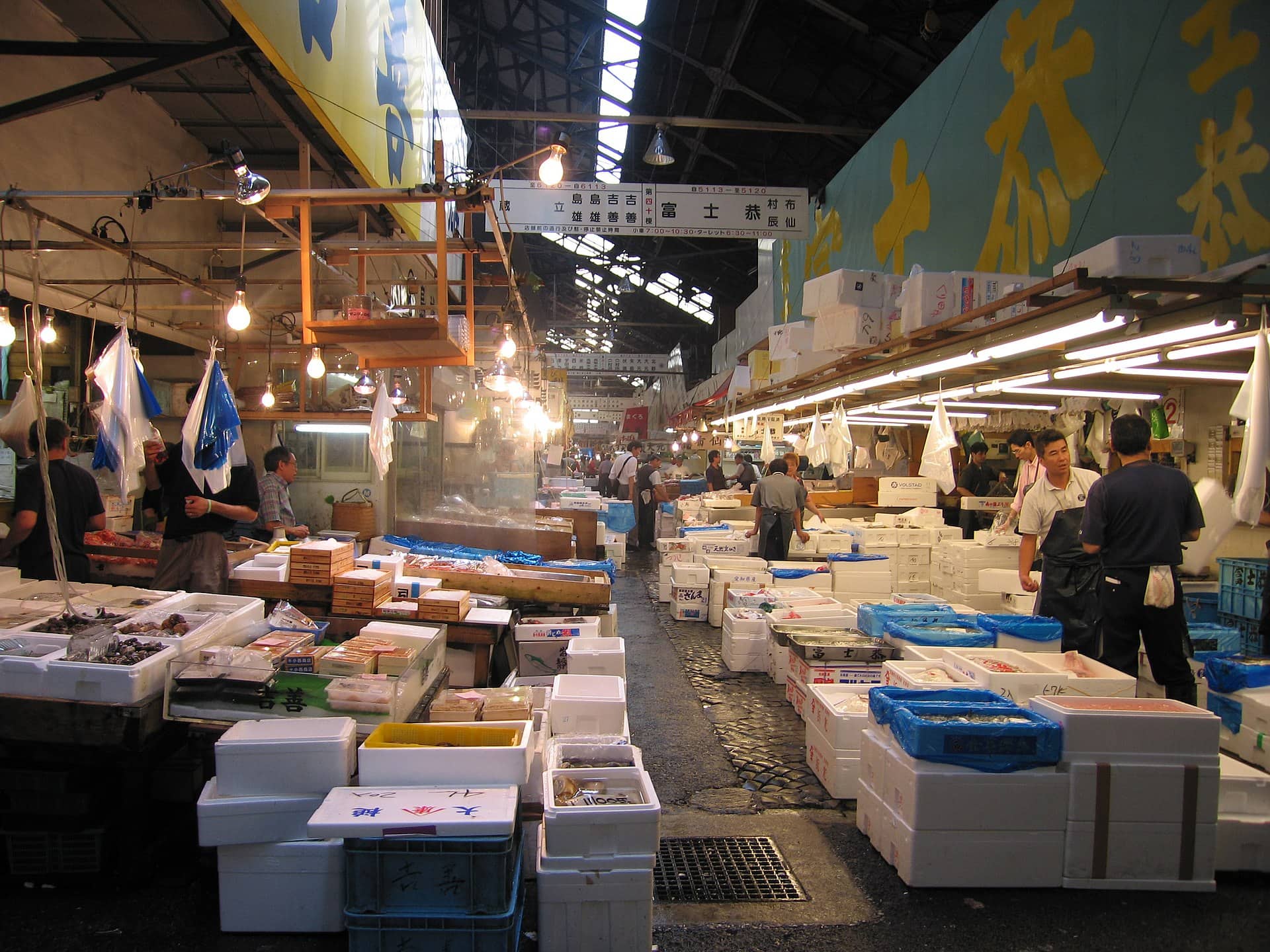
18. The Tsukiji and Toyosu markets
Although the famous morning tuna auction has moved to a new modern hall in Toyosu, the outer part of the original Tsukiji market still buzzes with life. Its narrow alleys pulse with incredible energy every morning, stallholders shout out their wares and the scent of fresh street food fills the air.
While for meat lovers it’s a paradise of fresh sushi, vegetarians can look forward to wonderful mochi rice-dough sweets, perfect Japanese fruit and excellent matcha. You can head to the new Toyosu site if you want to watch that morning fish auction for free from the glassed-in galleries — but be prepared for a very early start.
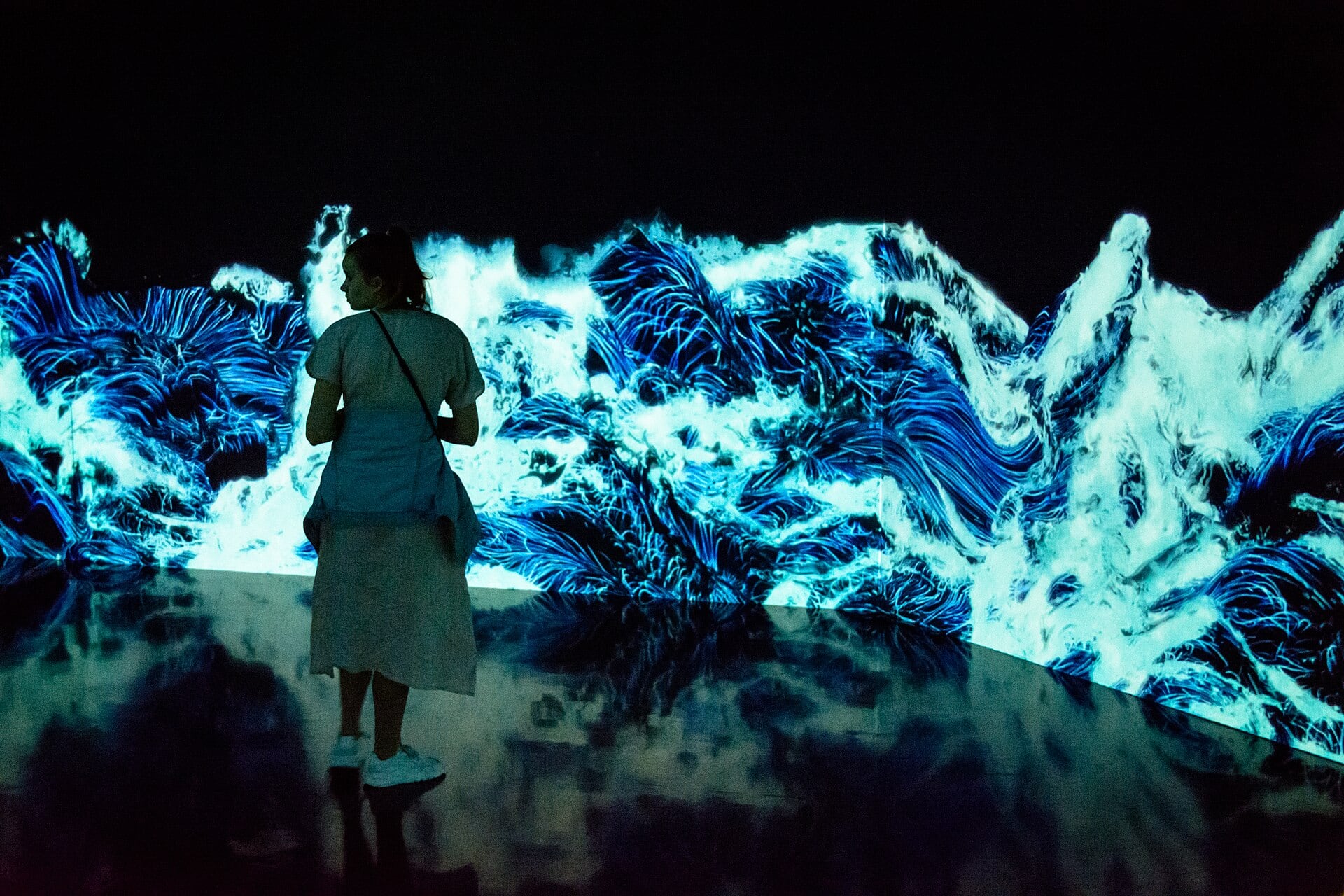
19. teamLab digital art
This isn’t an ordinary gallery but an utterly immersive interactive experience that shatters the boundary between artist and viewer. The teamLab digital art exhibitions use light, mirrors and projections to literally pull you into another world. In Tokyo you have two main locations to choose from.
The teamLab Planets exhibition in Toyosu (open until 2027) is unique in that you walk through it completely barefoot and in places wade through knee-deep water. The newer teamLab Borderless in Azabudai is an enormous maze with no fixed boundaries. Tickets cost around 3,200 to 4,800 JPY (about €19–29) and you absolutely must buy them online several weeks in advance.
20. Ueno park and its museums
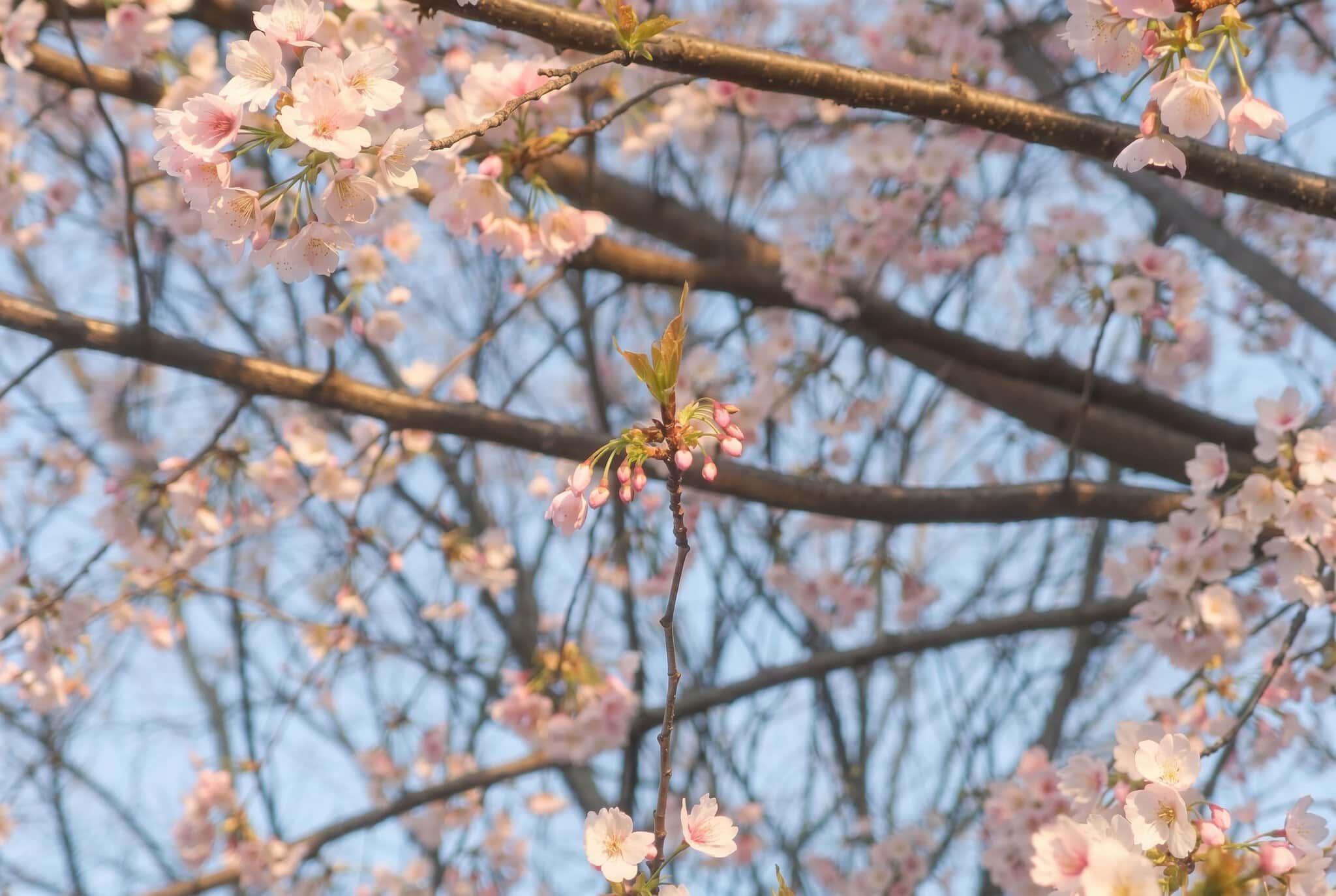
The sprawling Ueno park in the north of the city is Tokyo’s cultural heart. You’ll find an enormous concentration of the country’s best museums here, including the imposing Tokyo National Museum, which you can enter for around 1,000 JPY (about €6). The park itself is full of temples, ponds and greenery, and entry is free.
Many guidebooks still tempt visitors to the local zoo to see the giant pandas, but sadly the last pandas left Ueno in January 2026 and returned to China. The park is gorgeous all the same, especially in spring when its main avenues light up with thousands of pink cherry blossoms — though the crowds can be extreme.
21. The Imperial Palace and East Gardens
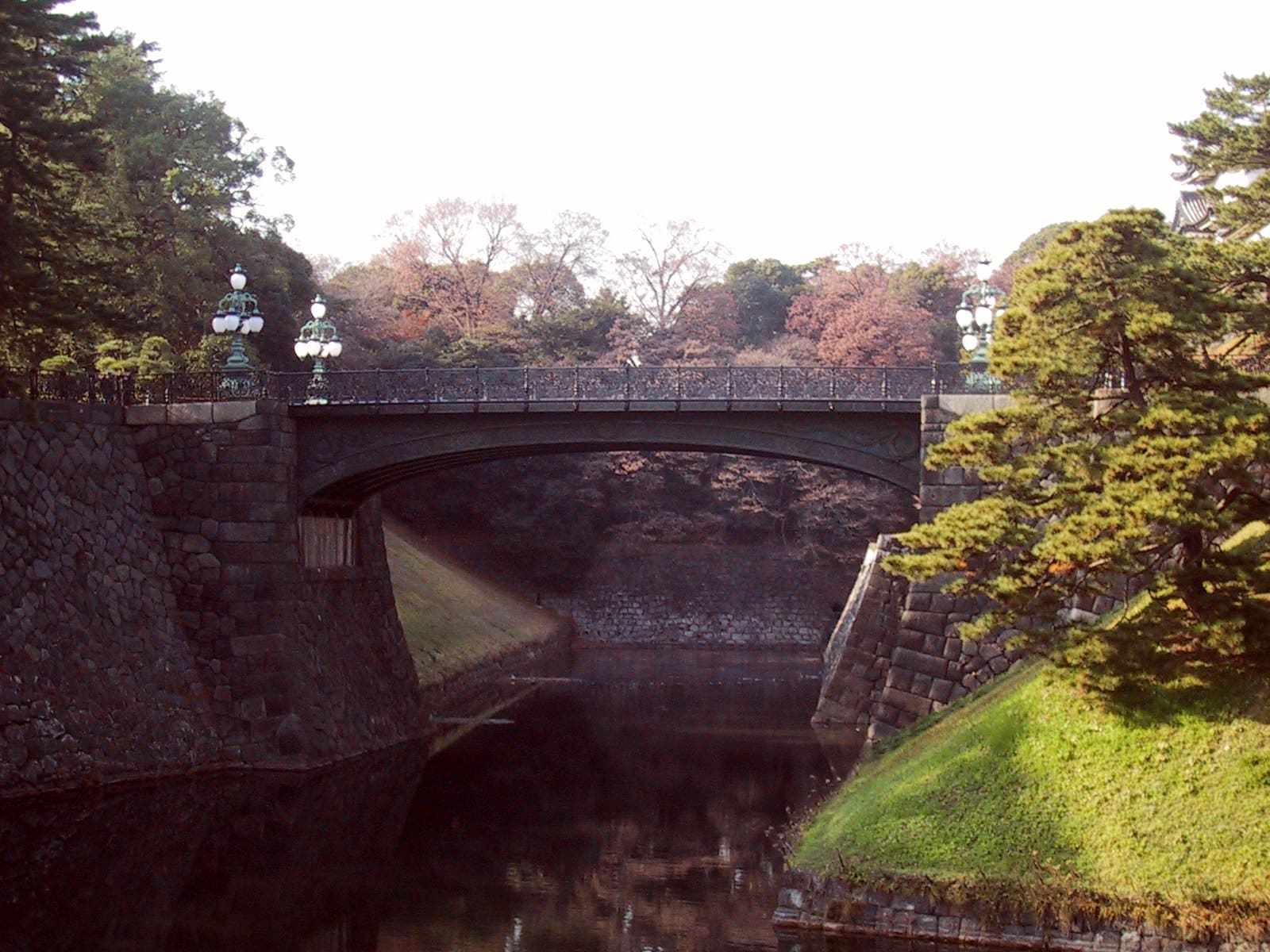
Right in the middle of the concrete jungle, not far from Otemachi station, sits the residence of the Japanese emperor. The inner palace itself is strictly closed to the public for most of the year, but from a distance you can photograph the iconic Nijubashi stone bridge that leads to it.
Far more interesting, though, is a visit to the adjoining East Gardens, where entry is completely free after registering at the gate. The gardens sit on the site of the original enormous Edo Castle, and to this day you can admire the remains of massive stone ramparts and beautifully landscaped Japanese scenery.
22. The artificial island of Odaiba
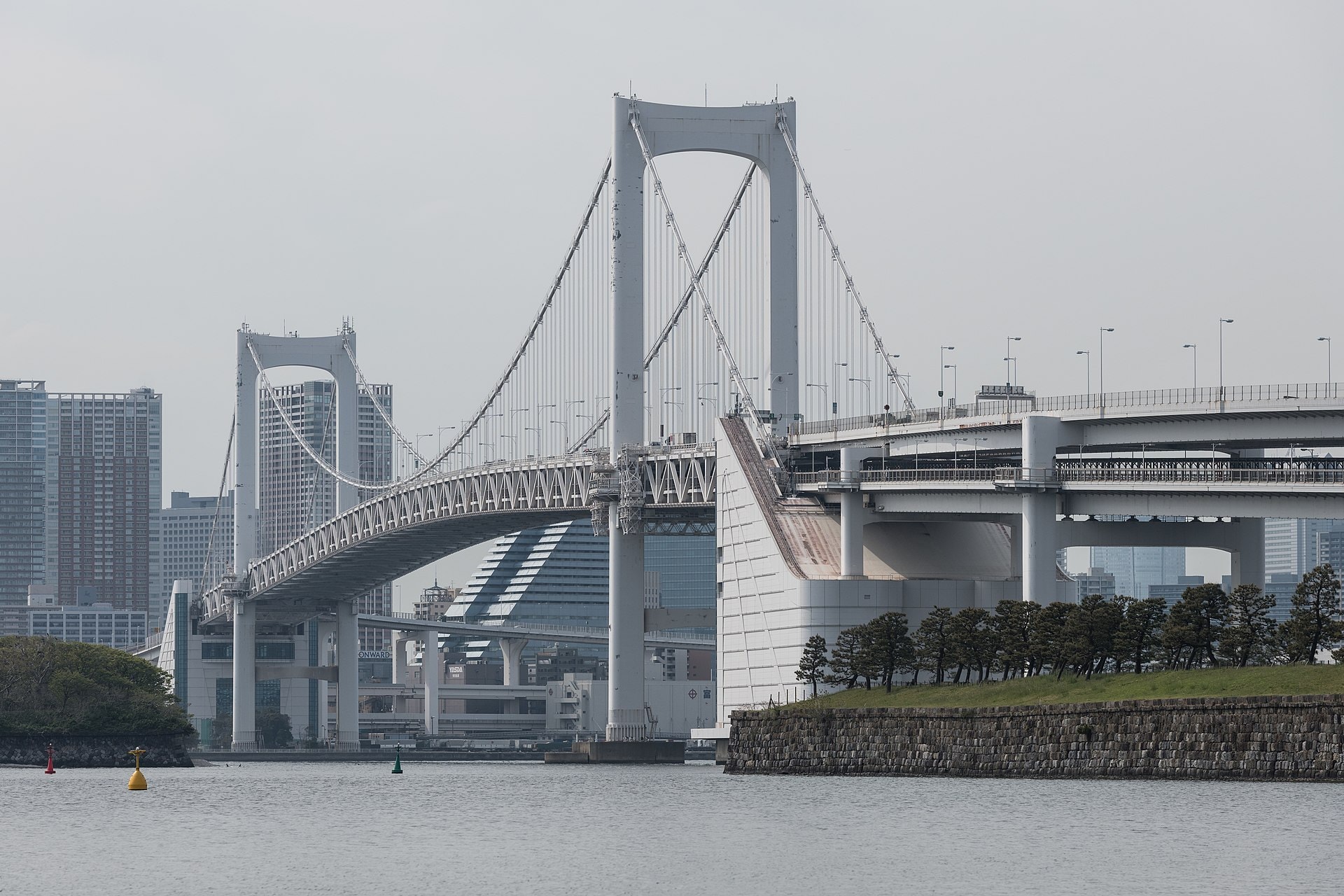
This ultra-modern district was built on artificial islands in Tokyo Bay, and you get here on the scenic driverless Yurikamome train. Odaiba offers the only urban sandy beach, the excellent Miraikan science museum and a stunning view of the illuminated Rainbow Bridge.
For years the biggest draw here was the giant transforming Unicorn Gundam robot statue by the DiverCity shopping centre. But keep an eye on the latest information, because the statue will only stand here until August 2026, so if you travel later you sadly won’t see it in this spot anymore.
23. Art and nightlife in Roppongi
The Roppongi district has two completely different faces. By day it’s a sophisticated centre of modern art, home to wonderful galleries like the Mori Art Museum on the top floors of a skyscraper, or the glass-walled National Art Center with its fantastic architecture.
But once the sun sets, the streets are taken over by clubs and bars. Roppongi has traditionally been the spot with the liveliest nightlife for foreigners, but just like in Kabukicho you need to watch out for touts luring you into venues with hidden charges.
24. Bohemian Shimokitazawa
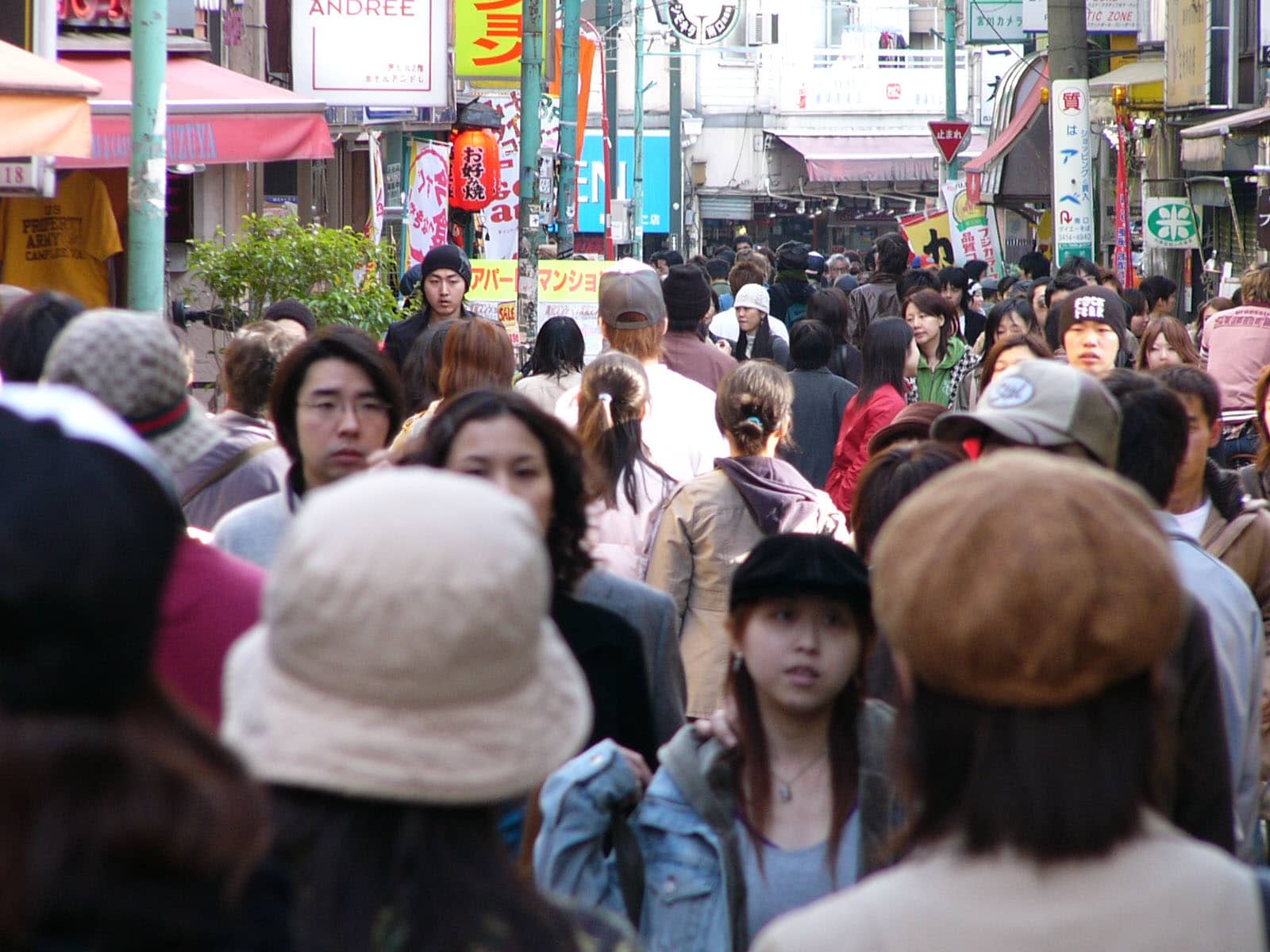
Just a few minutes by train from mad Shibuya lies a district that feels like it belongs to a completely different city. Shimokitazawa is the heart of Tokyo’s alternative culture, full of vintage clothing shops, small independent theatres and cosy cafés tucked away in narrow, car-free alleys.
It’s the ideal place for a slow afternoon, wandering around with no particular destination in mind. Travellers rave about the relaxed, slightly hipster atmosphere here, which is the perfect antidote to the perfectionist, fast-paced city centre.
25. Time stands still in the Yanaka district
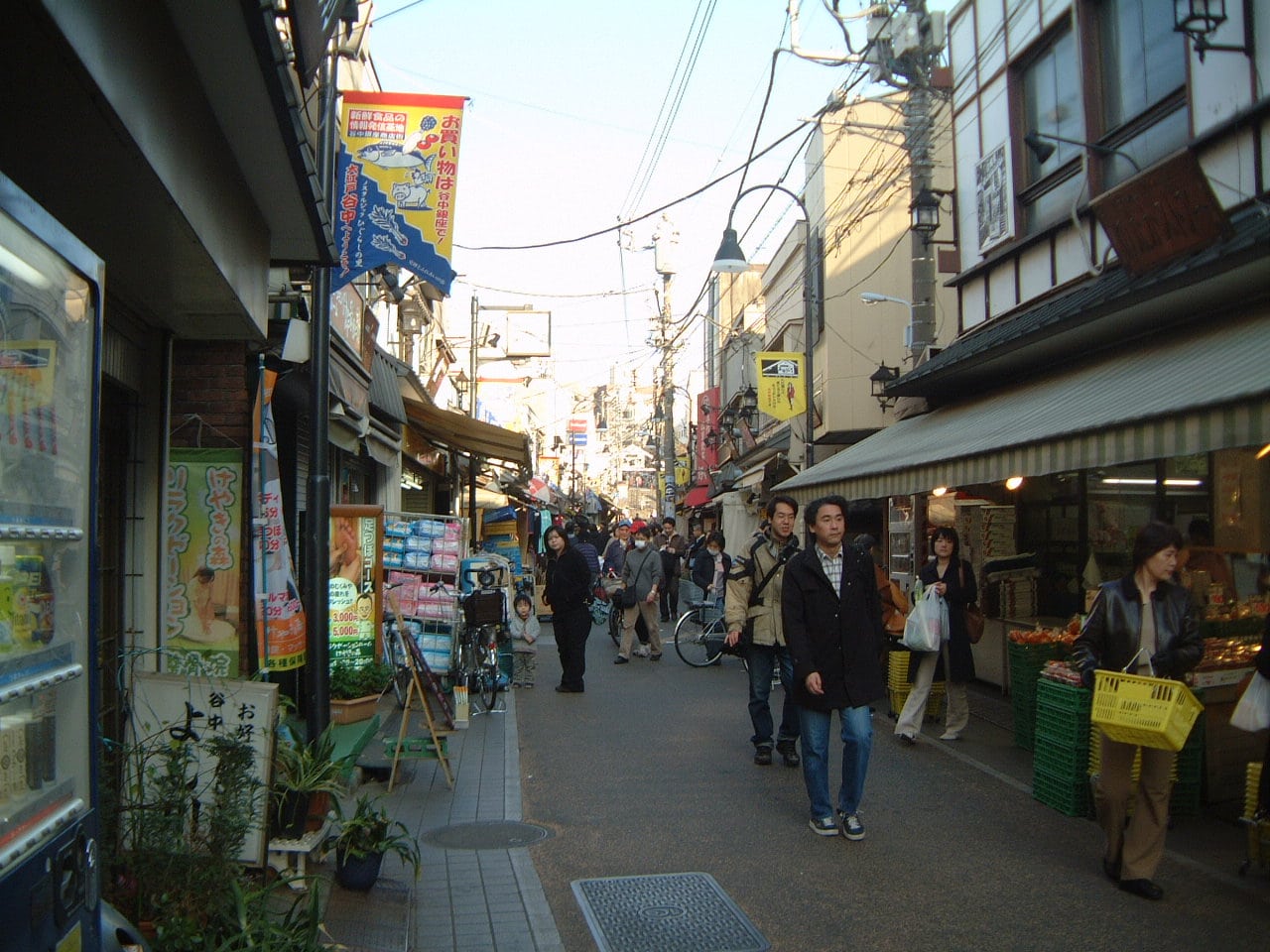
If you want to experience Tokyo as it was decades ago, head a short way from Nippori station. The Yanaka district miraculously survived both the bombing and major earthquakes, so old wooden houses and dozens of small family temples set among quiet streets still stand here today.
The heart of the whole area is the Yanaka Ginza shopping street, where time flows much more slowly. Local artisans sell their wares here, you’ll meet plenty of stray cats and you can taste traditional street food without having to fight your way through huge crowds of tourists.
Where to go next from Tokyo
Tokyo is an absolutely fantastic base for day trips to the surrounding area. If hot springs and views of Mount Fuji appeal to you, take the train to Hakone, where you can ride a cable car and even a pirate ship across Lake Ashi. For history lovers, the temple town of Nikko is a brilliant choice — it’s UNESCO-listed and tucked away in beautiful mountains.
Another popular stop near the city is Kamakura, with its giant bronze Buddha and beaches. If you want to see Fuji in all its glory, including the iconic photo with the Chureito Pagoda, hop on a bus to Lake Kawaguchiko.
Once you’ve explored Tokyo, be sure to head further west by shinkansen. Read our article Japan Holiday: The Complete Guide for a detailed itinerary. Don’t forget to check out our tips on Kyoto: What to See, and if you’re heading to the Land of the Rising Sun for the very first time, our guide Japan for First-Timers: JR Pass and Practical Tips will save the day.
Frequently asked questions
How many days is ideal for visiting Tokyo?
For the absolute basics and soaking up the atmosphere, set aside at least 4 to 5 full days. However, if you want to fit in a day trip to the surrounding area and not feel rushed, I recommend 7 days or more. Tokyo is so massive that you won’t get bored even after two weeks.
How to pay in the city and do I need cash?
Although the situation has improved significantly after the pandemic and cards are accepted in most hotels and larger shops, cash is still king. You’ll need it in small restaurants, at markets and street stalls. ATMs can be found on every corner in 7-Eleven or FamilyMart stores and operate 24 hours a day.
What is a Suica card and how to get one?
It’s an electronic rechargeable IC card that you use to pay for public transport, food at self-service restaurants, and vending machines. If you have an iPhone, you can load a mobile Suica directly into Apple Wallet and top it up with a regular card. Android users from the EU usually need to buy a physical Welcome Suica card at the airport.
What is the biggest pitfall for vegetarians in Japan?
The absolute biggest betrayal is dashi – a traditional broth made from katsuobushi fish flakes. It hides in almost everything that looks like a vegetarian dish, from miso soup to the sauce for vegetable tempura. Always ask the staff using the phrase “Dashi mo dame desu” (I can’t have dashi either) and rather look for safe vegan establishments through the HappyCow app.
Where to eat meatless in Tokyo?
For vegetarians and vegans, T’s TanTan at Tokyo Station is an absolute lifesaver, where a bowl of excellent vegan ramen costs around 1100 JPY. Definitely try the Buddhist shojin ryori cuisine as well, which is inherently meat-free, or at self-service restaurants, rely on onigiri rice triangles filled with salted plum umeboshi or kombu seaweed.
Is it worth getting tourist metro passes in Tokyo?
If you’re going to be moving around a lot, you can buy a Tokyo Subway Ticket for 24 to 72 hours (costs 1000 to 2000 JPY). But be careful, because it’s only valid on the subway network (Tokyo Metro and Toei) and not valid on the key above-ground JR Yamanote line. For maximum freedom, it’s often more convenient to tap with a Suica card, where a typical day of travel works out to around 800 to 900 JPY.
Is the view better from Tokyo Tower or from Skytree?
Every tower has something to it. While Skytree with its heights is good for realizing the endless expanse of the city, plenty of travelers claim that from the lower Tokyo Tower you have a much more intimate relationship with the city and can better distinguish individual buildings.
What are the basic rules of behavior?
The Japanese are extremely particular about being considerate to their surroundings. On public transport, silence your phone and don’t make calls, don’t eat while walking on the street and never leave a tip in a restaurant, it’s considered rude. Blowing your nose in public is also a major faux pas, better go to the toilet or just sniffle.
Tips and Tricks for Your Vacation
Don’t Overpay for Flights
Search for flights on Kayak. It’s our favorite search engine because it scans the websites of all airlines and always finds the cheapest connection.
Book Your Accommodation Smartly
The best experiences we’ve had when looking for accommodation (from Alaska to Morocco) are with Booking.com, where hotels, apartments, and entire houses are usually the cheapest and most widely available.
Don’t Forget Travel Insurance
Good travel insurance will protect you against illness, accidents, theft, or flight cancellations. We’ve had a few hospital visits abroad, so we know how important it is to have proper insurance arranged.
Where we insure ourselves: SafetyWing (simple monthly subscription) and TrueTraveller (for extra-long trips).
Find the Best Experiences
Get Your Guide is a huge online marketplace where you can book guided walks, trips, skip-the-line tickets, tours, and much more. We always find some extra fun there!