If you’re planning a trip to Japan, Kyoto in Japan is probably the main reason you’re so excited about it. The former capital is exactly the kind of destination where your image of traditional Japan, with wooden temples and blooming cherry trees, becomes reality. You’ll find thousands of breathtaking shrines here, picturesque zen gardens, and narrow lanes where geisha quietly slip by in the evening.
But Kyoto is also a city that has been experiencing an enormous surge of tourists in recent years. To truly enjoy its magic without drowning in the crowds, you need to plan smart and know where to head before everyone else. I really recommend getting up early in the morning, because the sight of an empty bamboo grove is absolutely worth it.
In this guide, I’ll walk you through 18 tips for the most beautiful places in Kyoto that you definitely shouldn’t miss. On top of that, I’ll add practical advice on transport, tips on fantastic vegetarian food, and show you where to base yourself strategically.
TL;DR
- Fushimi Inari Taisha and Kinkaku-ji are absolute essentials — head to them right at opening time.
- The historic Gion district has introduced strict rules; since 2024, entering the private lanes is banned under threat of a fine.
- Vegetarians will be spoiled here — Kyoto is famous for its monastic shojin ryori cuisine and excellent tofu.
- Getting around by bus can be slow; it’s often worth combining the subway and trains, or renting a bicycle.
- The ideal time to visit is spring and autumn, but be prepared for the absolute peak of tourist season.
- Book your accommodation well in advance — capacity near the station and in the Gion district disappears incredibly fast.
The full destination guide: Japan — guide and what to see
When to visit Kyoto
The most beautiful, yet also the busiest time to visit Kyoto is spring and autumn. At the turn of March and April, the city comes alive with blooming cherry blossoms (full bloom usually lasts just 7 to 10 days). In autumn, the trees turn a deep red, with the peak of the so-called momiji season usually arriving in late November and early December.
If you decide to travel during these months, brace yourself for enormous crowds and high accommodation prices. Temples and gardens are bursting at the seams, so it’s absolutely essential to head to the most popular sights between six and eight in the morning. On the other hand, after 5 p.m. the city empties surprisingly quickly, which you can use brilliantly for more peaceful strolls.
Summer in Kyoto tends to be very hot and humid, since the city sits in a basin where heavy, moist air lingers. From June to August there are gorgeous summer festivals, but exploring the sights takes a lot of energy and a constant supply of fluids. Winter, by contrast, is very quiet and cold, which makes it ideal for travellers who prefer emptier streets and lower prices.
Where to stay in Kyoto
💡 Tip for accommodation and experiences: We love searching for places to stay on Booking.com, where you usually get the best cancellation terms. Tickets, tours, and activities are then worth comparing and buying through GetYourGuide.
Choosing the right location is absolutely crucial for your stay in Kyoto, as it saves you a lot of time getting around. The most strategic spot is the area around Kyoto Station, from where trains and buses run in all directions, or the busier centre around Karasuma and Kawaramachi stations. But if you’re after that genuine historic atmosphere, look for accommodation in the Gion or Higashiyama districts.
When searching on Booking, I recommend reserving rooms even half a year in advance, especially if you’re travelling during cherry blossom season. The city offers everything from modern hotels to traditional Japanese inns called ryokan. I’ve picked out a few specific tips for you that rank among the very best rated.
If you want to treat yourself to absolute luxury, Ritz-Carlton Kyoto is top of the line, with impeccable service and views over the Kamogawa River. A night here can cost more than 80,000 JPY (around €480), but the experience of blending modern design with Japanese tradition is said to be unforgettable.
Lovers of traditional accommodation should definitely try Yuzuya Ryokan Gion, located right in the heart of the historic district. For around 30,000 to 50,000 JPY per night (roughly €180–300), you’ll also get a luxurious kaiseki-style dinner, sleep on futons, and relax in a traditional bath scented with yuzu citrus.
A great middle-ground option with wonderful aesthetics is Hotel SOWAKA, a beautiful boutique hotel in the Higashiyama district. It was created by renovating an old Japanese restaurant and offers an incredibly quiet retreat just a few steps from the busiest sights.
For travellers on a smaller budget, a fantastic choice is Piece Hostel Kyoto, which you’ll find near the main station. This is no ordinary hostel — it stands out with its clean, modern design, and you can get private rooms from just 4,000 to 6,000 JPY per night (around €24–36), which is a great price by Kyoto standards.
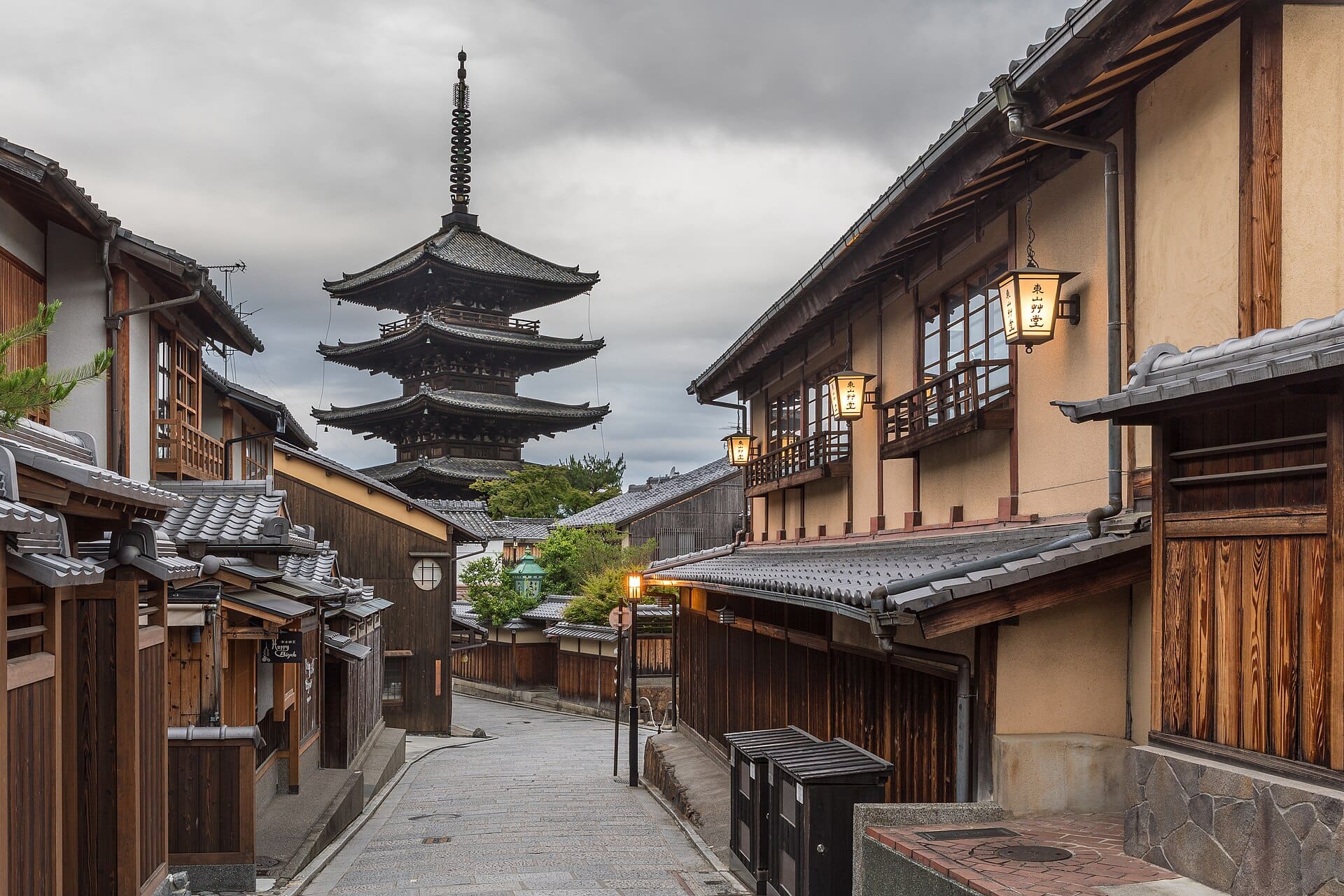
18 Things to See and Do in Kyoto
Let’s take a look together at the most beautiful places and experiences Kyoto has to offer — from iconic red gates to hidden zen gardens. I’ll also give you advice on how to avoid the worst crowds and where to eat brilliantly as a vegetarian.
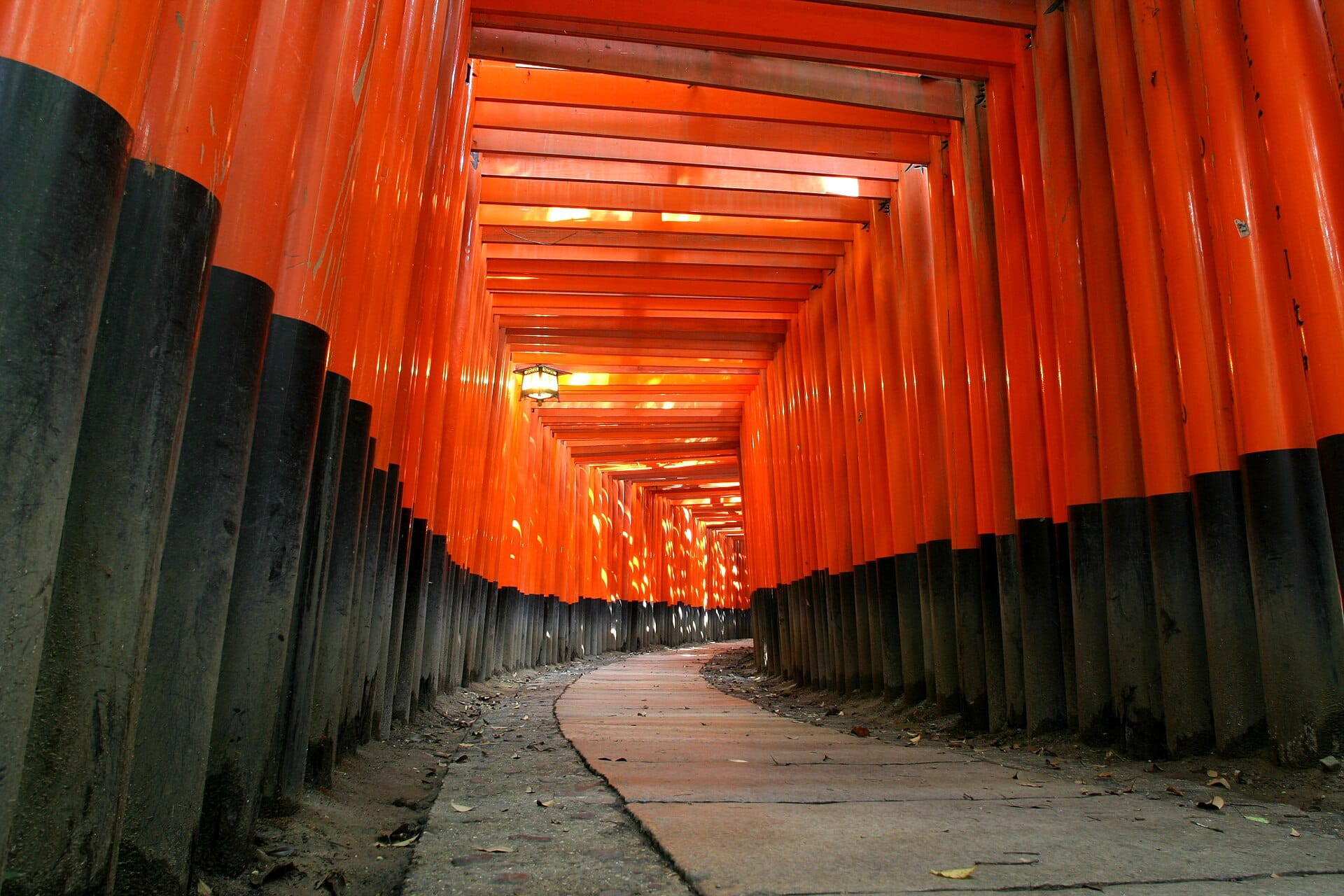
1. Fushimi Inari Taisha and thousands of red gates
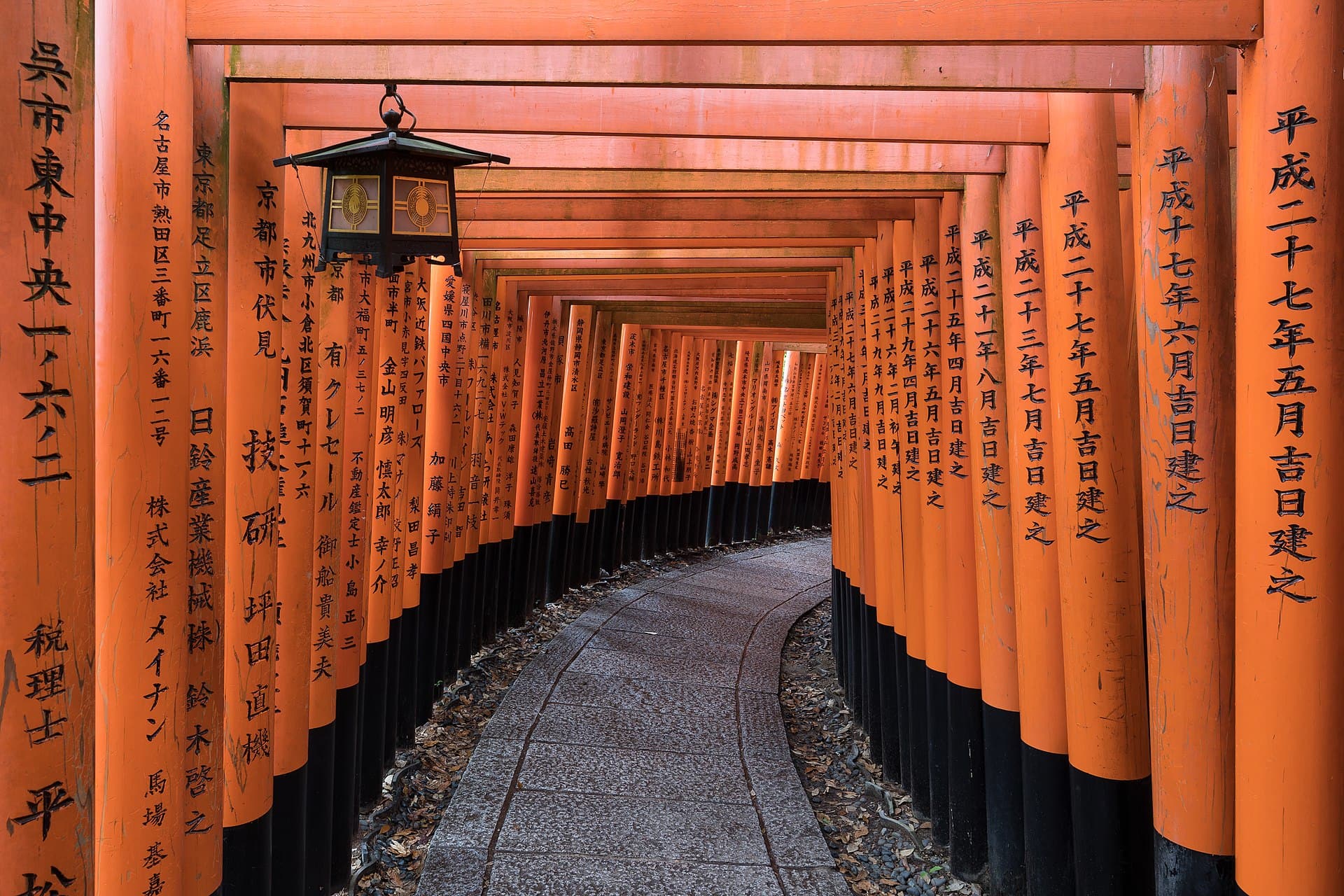
The Fushimi Inari Taisha shrine is probably the most iconic image from all of Japan. Here you’ll find thousands of vermilion-red torii gates lined up tightly along a forest path leading all the way to the summit of the sacred Mount Inari. It’s a fascinating spectacle, and it’s completely free to enter and open 24 hours a day.
The best way to get here is by taking the JR Nara Line train from Kyoto Station. You get off at Inari Station, which takes just about five minutes, and the temple complex is right across from the station. Since this is the most visited sight, I recommend arriving ideally around six in the morning.
Most tourists take photos right at the start of the path, where the crowds literally jam up. 💡 Tip: If you push on and walk uphill for about 15 to 20 minutes, the crowds start to magically melt away and you’ll get to enjoy the magical atmosphere of the gates all to yourself. The whole loop to the summit and back takes about two to three hours, and along the way you’ll meet plenty of stone fox statues, considered messengers of the deity Inari.
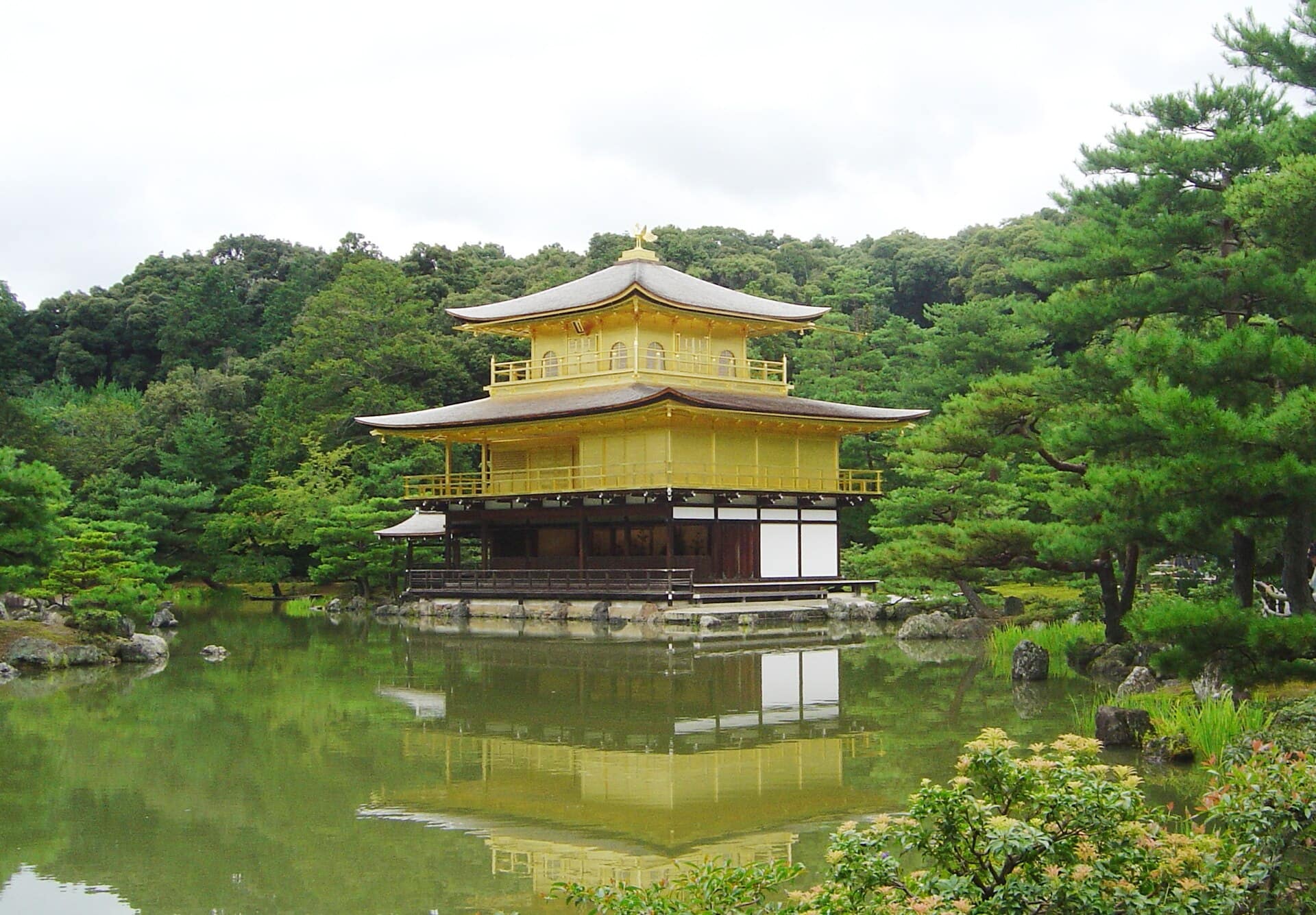
2. Kinkaku-ji (the Golden Pavilion)
If there’s one building that will literally take your breath away with its splendour, it’s definitely the Golden Pavilion, known as Kinkaku-ji. The top two floors of this zen temple are completely covered in gold leaf, and on sunny days they reflect beautifully on the surface of the adjacent pond.
The temple is open from 9:00 to 17:00, and admission costs 500 JPY (around €3), payable in cash only. From the main station, you can get here on buses 101 or 205 in just under 40 minutes. The temple grounds are fairly small and the walking route is one-way, so unfortunately there isn’t much room to escape the other visitors.
The best strategy is to be at the entrance gate before opening time, so you can see the temple in as much peace as possible. The visit itself won’t take more than an hour, since you’re not allowed inside the pavilion and can only admire the view from the outside.
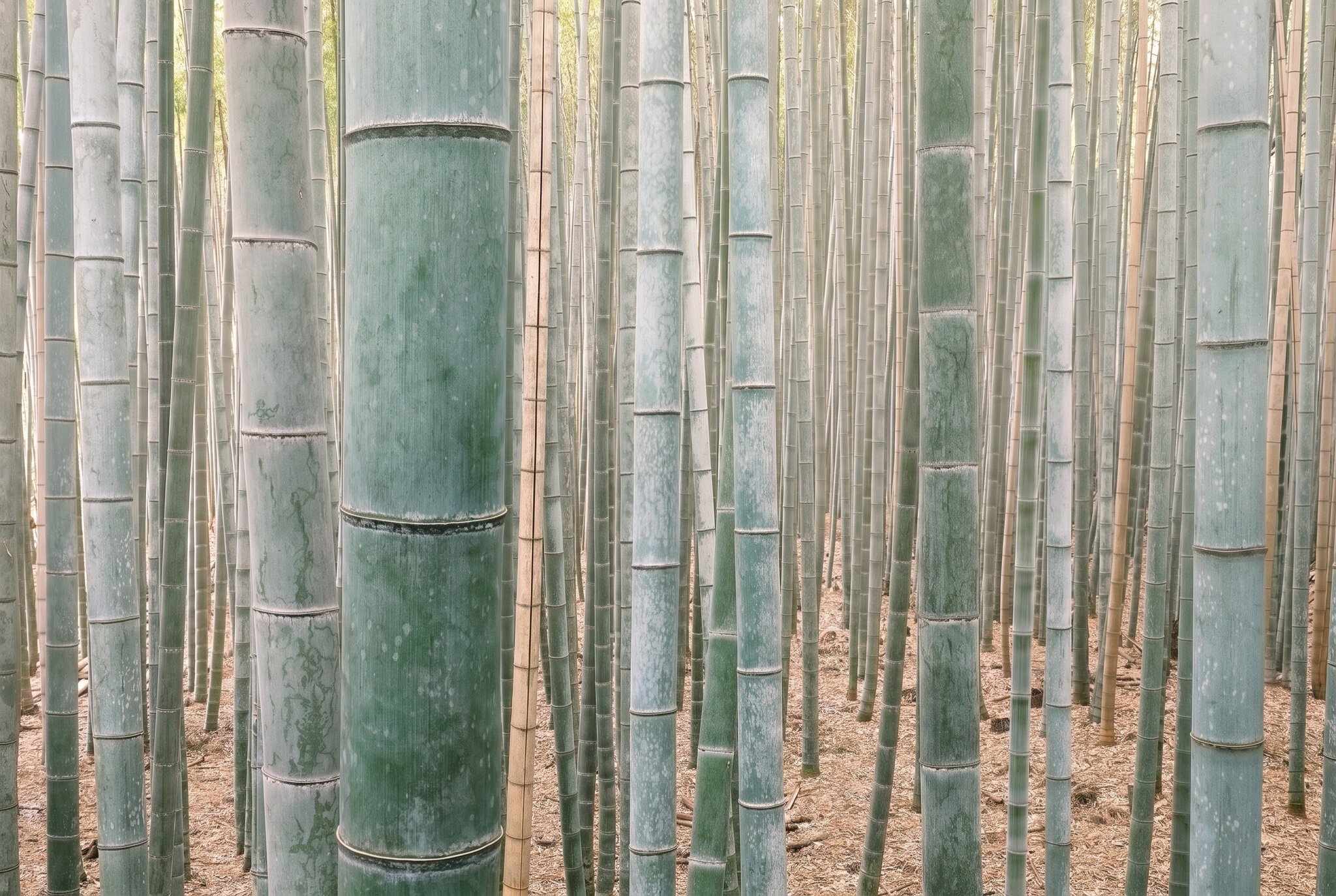
3. Arashiyama and the famous bamboo grove
The Arashiyama district on the western edge of the city is another absolute gem of Kyoto. Take the JR Sagano Line train from Kyoto Station and you’ll be there in about 15 minutes, getting off at Saga-Arashiyama Station. The main draw here is the iconic bamboo grove, where a narrow path winds through towering green stalks that soar high into the sky.
The bamboo grove is open around the clock and free of charge, but it’s actually fairly short and you can walk through it in 10 to 15 minutes. That’s exactly why it gets so crowded, so head here at first light. Right next to the grove lies the gorgeous Tenryu-ji temple, a UNESCO World Heritage Site, where entry to the gardens costs 500 JPY (around €3) and you’ll pay another 300 JPY to see the buildings.
If you’re a vegetarian, you’ll find the celebrated Shigetsu restaurant inside Tenryu-ji. It serves traditional monastic shojin ryori cuisine, which is purely vegan and has even earned a Michelin Green Star. Prices for this culinary work of art range from 3,000 to 9,000 JPY (around €18–54), and it’s said to be one of the best dining experiences in all of Japan. Don’t forget to also cross the wooden Togetsukyo Bridge and hike up to the Iwatayama Monkey Park for 800 JPY.
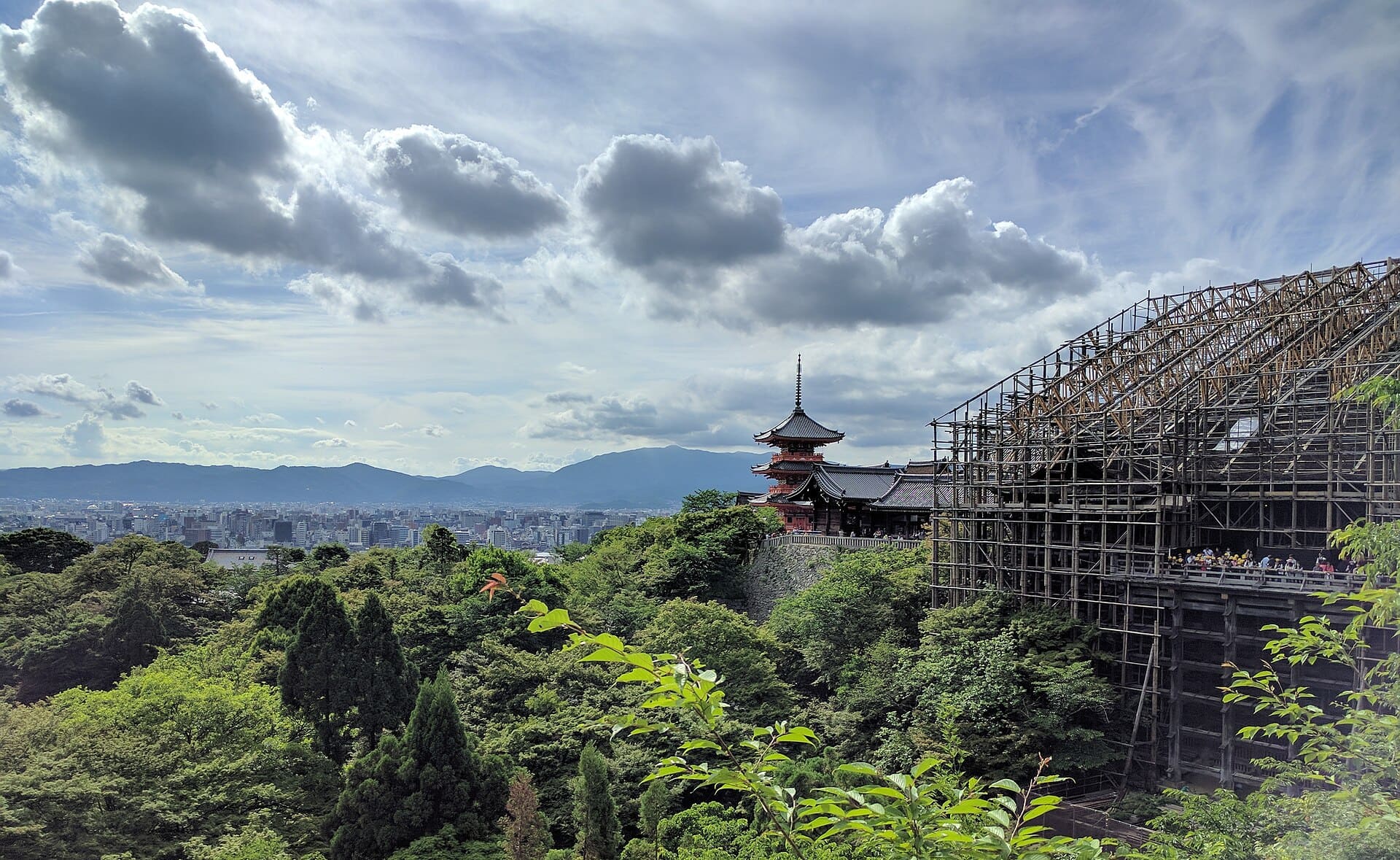
4. The wooden terrace of Kiyomizu-dera temple
The Kiyomizu-dera temple rises on a hill above the city, and its main highlight is a huge wooden terrace built without a single nail. It offers a fantastic view over all of Kyoto, and admission to the grounds costs 500 JPY (around €3).
The temple opens as early as 6:00 in the morning and closes at 18:00, though during the spring and autumn seasons it hosts popular evening illuminations. Buses 206 and 100 run here from the station to the Gojozaka stop. The path to the temple leads through the beautiful historic lanes of Sannenzaka and Ninenzaka, lined with traditional wooden houses, teahouses, and souvenir shops.
💡 Tip: Come here very early in the morning, or just before sunset. During the day, the approach lanes get so packed that you can only shuffle slowly through the crowd. Beneath the main terrace you’ll find the Otowa Waterfall, where visitors scoop up water with long ladles for health, success, or love.
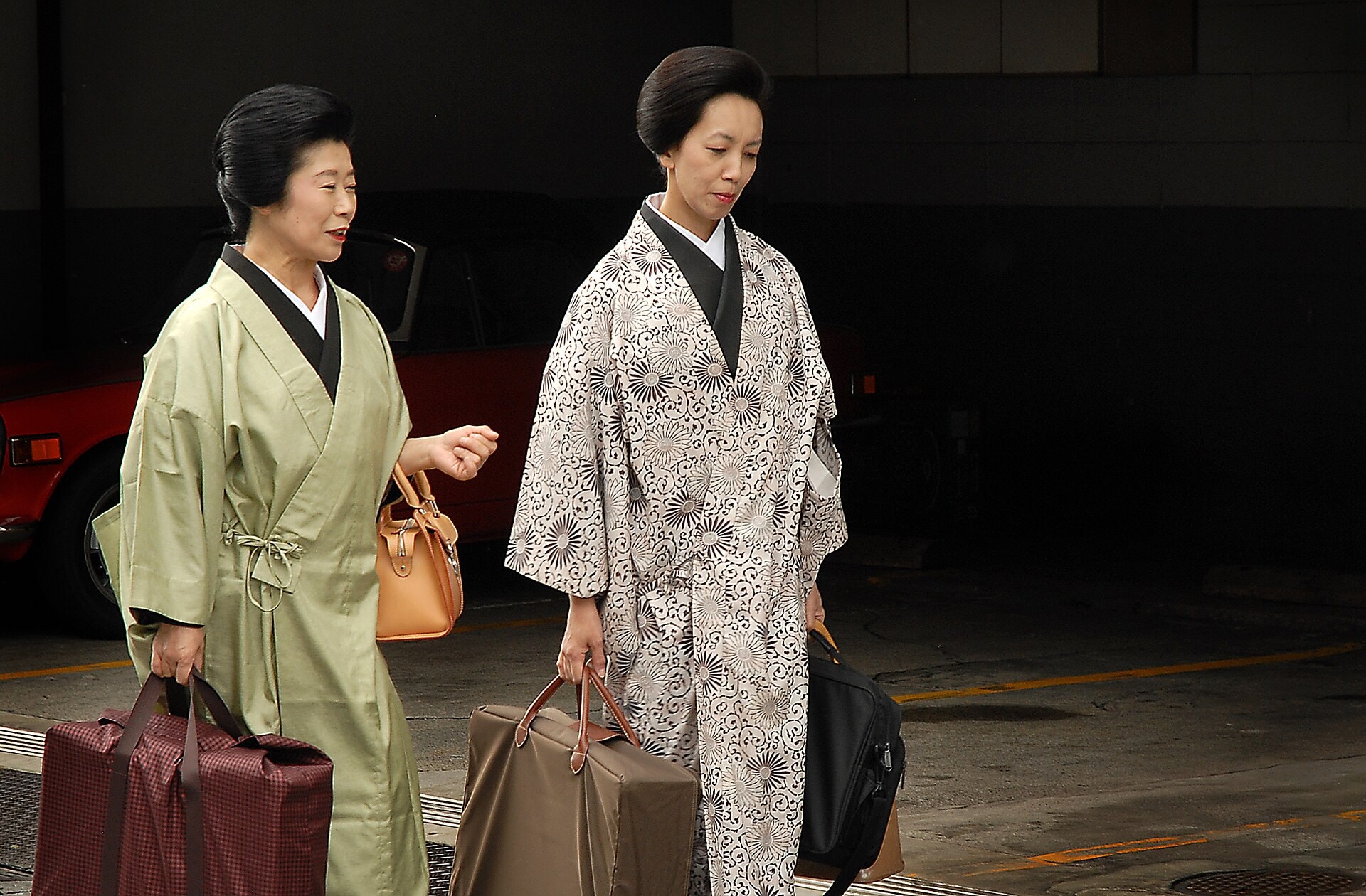
5. Gion and the mysterious world of geisha
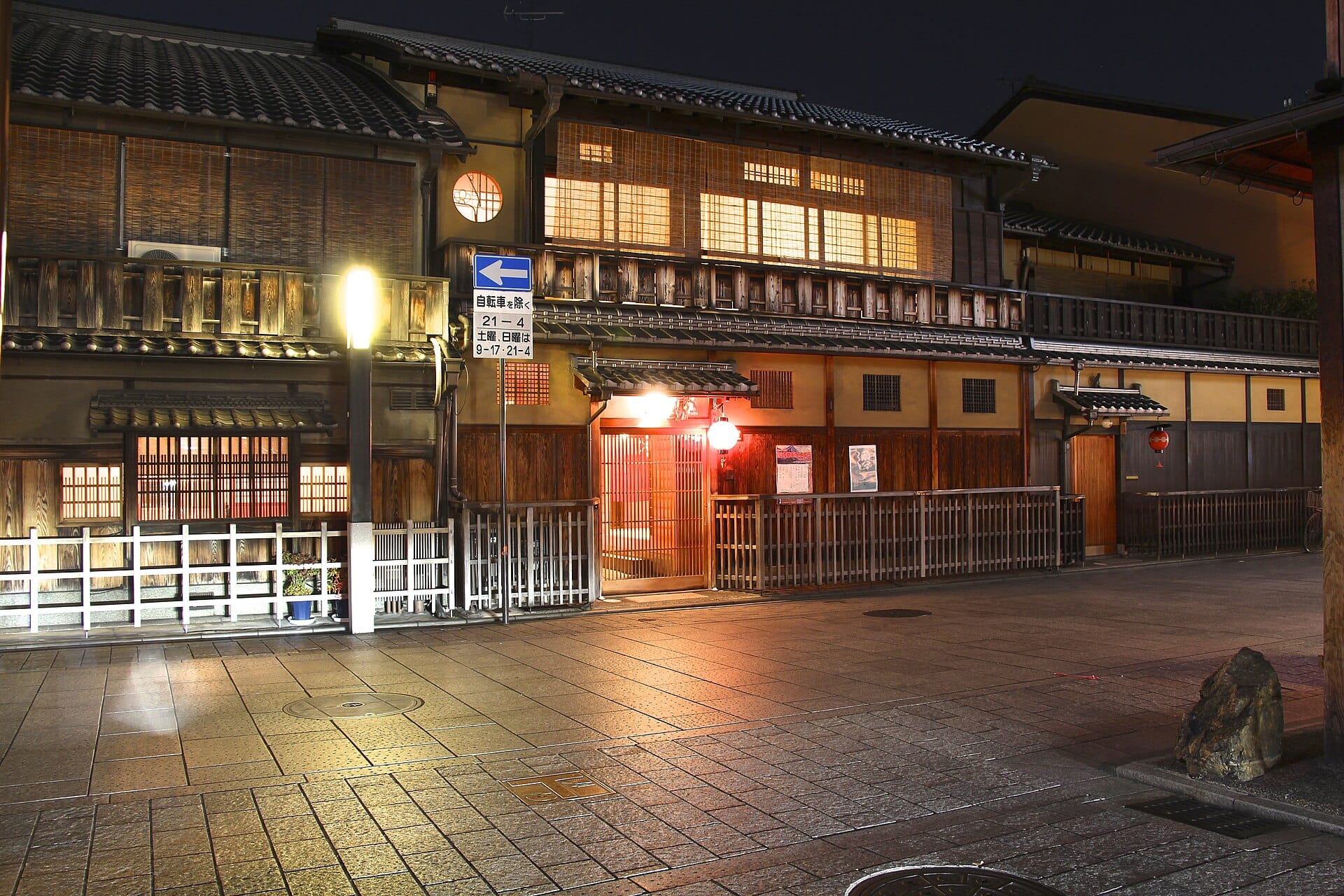
Gion is Kyoto’s most famous geisha district (here they’re called geiko) and home to their apprentices, the maiko. The main artery is Hanami-koji street, where you’ll find the most luxurious traditional restaurants and okiya teahouses. The atmosphere of the district is utterly unique, especially at dusk when the paper lanterns light up and the streets take on a nostalgic glow.
In recent years, however, the situation with tourists has gotten out of hand. Since 2019, there’s been a strict ban on photography in the private lanes, under threat of a 10,000 JPY fine. Due to unruly visitors behaving like paparazzi, the private lanes of southern Gion have been completely closed to tourists since April 2024.
So when strolling through Gion, always stick to the main public streets and respect the privacy of the local residents. If you’re lucky enough to spot a geiko or maiko, never block their path or try to photograph them up close. The easiest way to reach Gion is by taking the Keihan railway to Gion-Shijo Station.
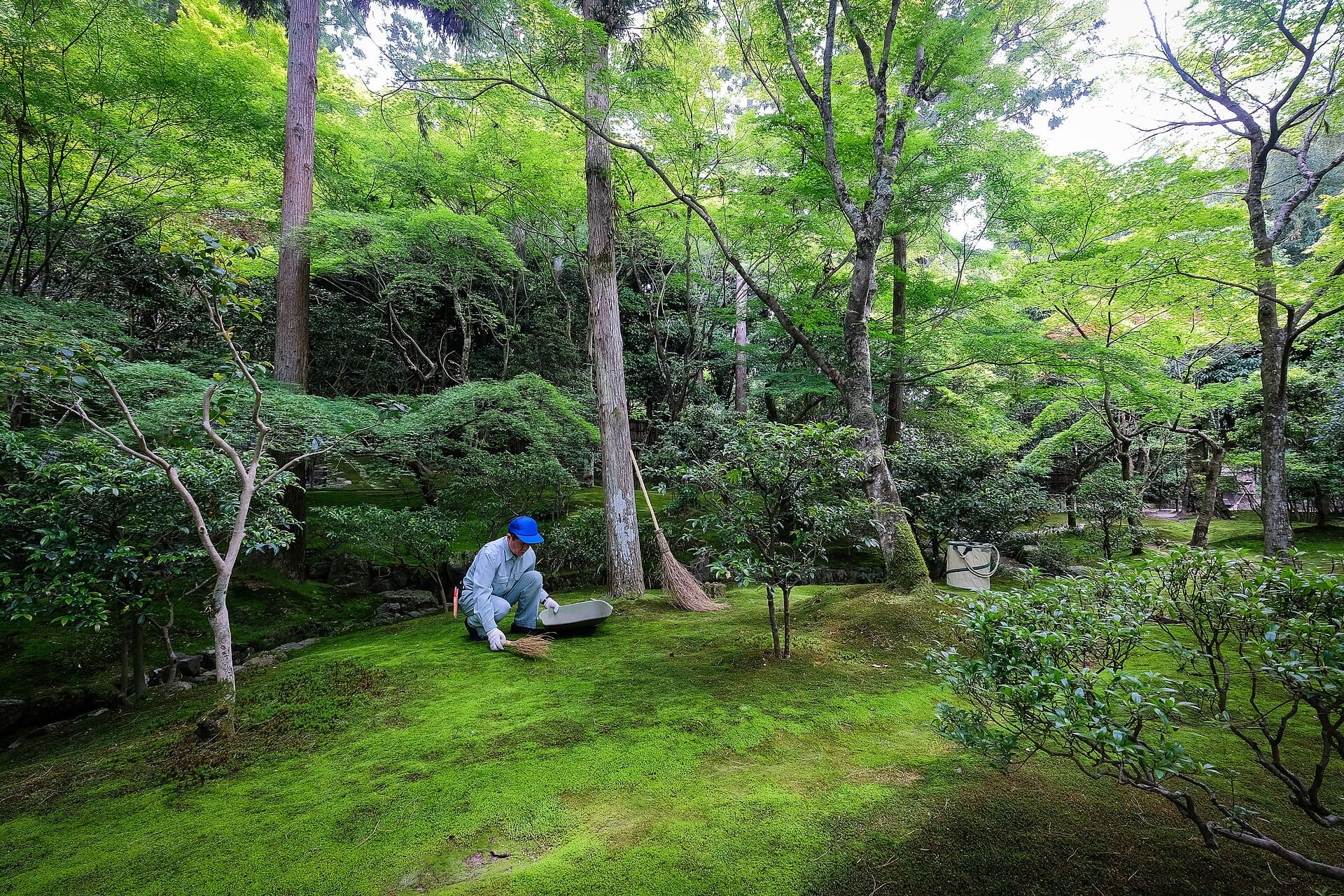
6. Ginkaku-ji and the romantic Philosopher’s Path
Although Ginkaku-ji translates as the Silver Pavilion, unlike its golden sibling it was never actually covered in silver. This zen temple offers a much more understated and subtle kind of beauty that perfectly embodies the Japanese aesthetic of wabi-sabi. The grounds include a stunning dry sand garden, meticulously raked into the shapes of mountains and waves.
Admission costs 500 JPY (around €3) and it’s open from 8:30 to 17:00. You can get here on buses 5 or 17 — just get off at the Ginkakuji-michi stop. The famous Philosopher’s Path begins right by the temple, running about two kilometres alongside a narrow canal.
This walk is an absolute hit during the spring cherry blossom bloom, when hundreds of trees form a pink tunnel over the water. The path is named after the Kyoto philosopher Nishida Kitaro, who used to walk here to meditate. Along the way you’ll come across plenty of little cafés and craft shops where you can pause for a while.
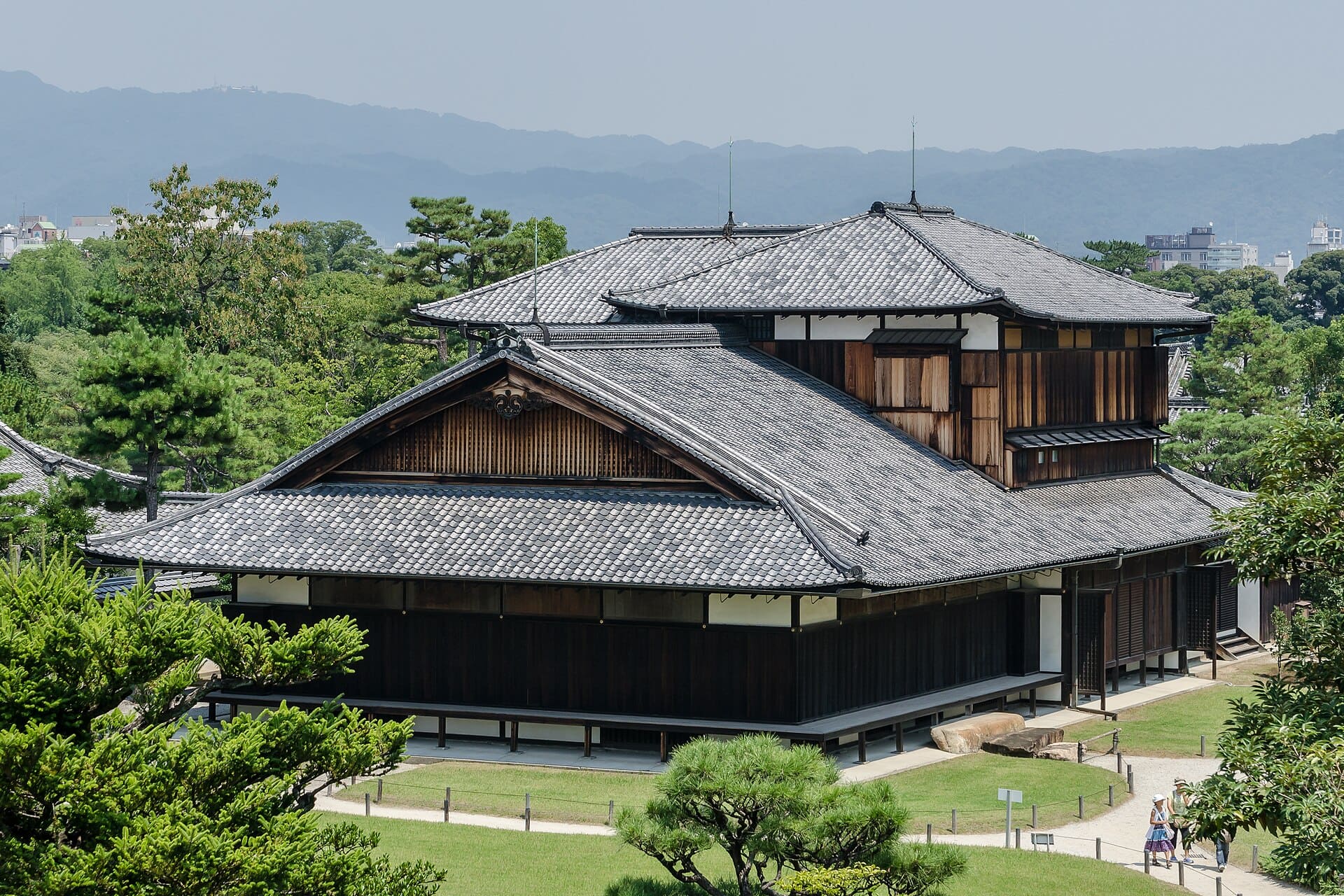
7. Nijo Castle and its nightingale floors
Nijo Castle served as the Kyoto residence of the powerful Tokugawa shoguns, and its architecture is deliberately a demonstration of immense power. Don’t expect a tall tower like at other Japanese castles — this is more of a sprawling complex of beautifully decorated single-storey palaces. Basic admission to the grounds costs 800 JPY (around €5), but definitely buy the combined ticket with Ninomaru Palace for 1,300 JPY.
The biggest attraction of Ninomaru Palace is the so-called nightingale floors, which quietly chirp with every step. This ingenious system worked as an ancient security alarm against creeping ninjas and assassins. Walking across them in your socks and listening to the gentle chirping is a truly unusual experience.
The castle is open from 8:45 to 16:00, and the easiest way to reach it is via the Tozai subway line. You get off right at Nijojo-mae Station and see the castle moat as soon as you exit. The grounds are surrounded by beautiful gardens, known for their plum trees that bloom as early as late February and early March.
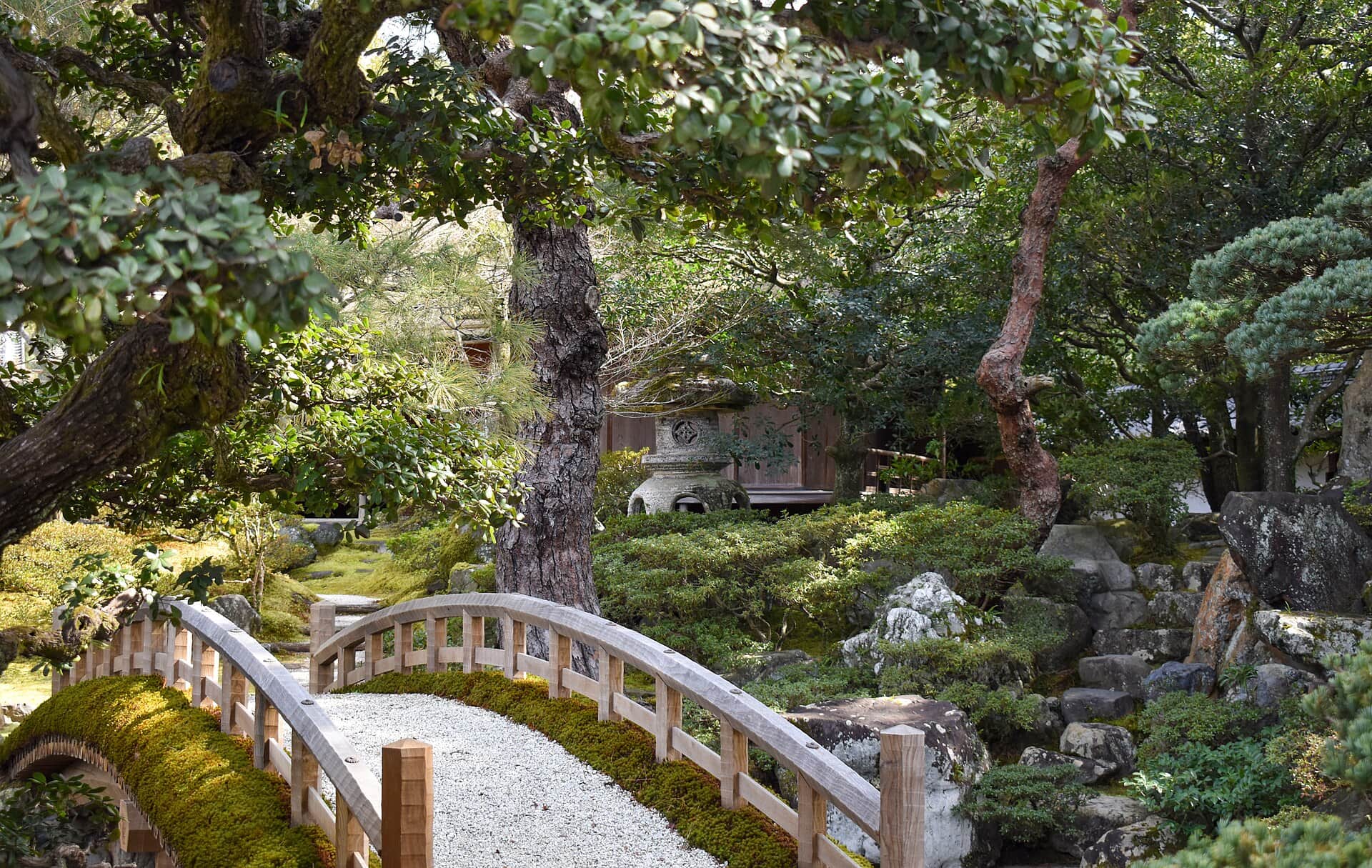
8. The Kyoto Imperial Palace and the vast Gyoen park
Until 1868, when the capital moved to Tokyo, the Kyoto Imperial Palace was home to the Japanese imperial family. The palace complex sits in the middle of the enormous Kyoto Gyoen park, which acts as the green lungs of the entire city. Entry to both the palace and the park is completely free, which is a welcome rarity in Kyoto.
While the park is always open, the palace itself has opening hours until 16:00 or 17:00 depending on the season, and it’s usually closed on Mondays. You used to have to apply for a tour well in advance, but nowadays you can simply enter the grounds after a security check of your bags at the entrance gate.
You can’t go inside the buildings, but you can admire the stunning traditional architecture and manicured courtyards up close. If you want to learn more about the history, free tours with an English-speaking guide take place every day at 10:00 and 14:00. The nearest subway stop is Marutamachi Station on the Karasuma line.
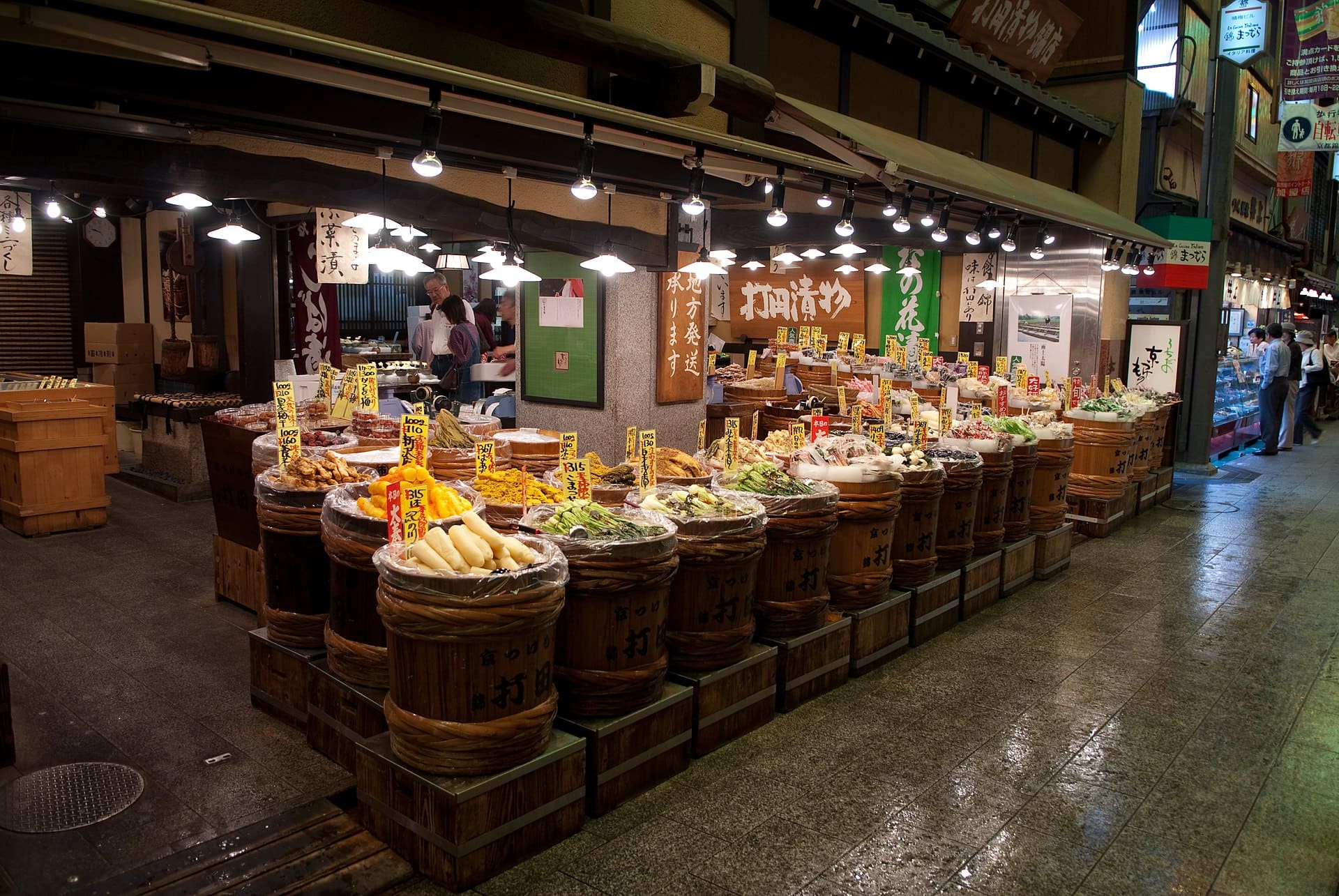
9. Culinary exploration at Nishiki Market
Nishiki Market is often nicknamed “Kyoto’s Kitchen,” and it’s a roughly 400-metre-long, narrow, covered street packed with food. Here you’ll find more than a hundred small stalls and shops selling everything from pickled tsukemono vegetables to all kinds of sweets and quality teas. Entry is free and most stalls open between 9:00 and 10:00 in the morning, closing around 18:00.
Vegetarians will be spoiled here, because Kyoto is famous for its soy products. Be sure to try the fantastic soy doughnuts, creamy matcha ice cream, dango rice dumplings, or a specialty called yuba, a delicate skin from soy milk. 💡 Tip: If you’re having soups or noodles, always ask whether they contain dashi (fish stock), which in Japan is added to almost everything.
Local rules are fairly strict, and eating while walking is strictly forbidden. At each stall where you buy a treat on a skewer, there’s a designated small area where you must eat your food calmly and dispose of the rubbish right there. The market lies just a short walk from Shijo subway station, so it’s very easy to reach from any part of the city.
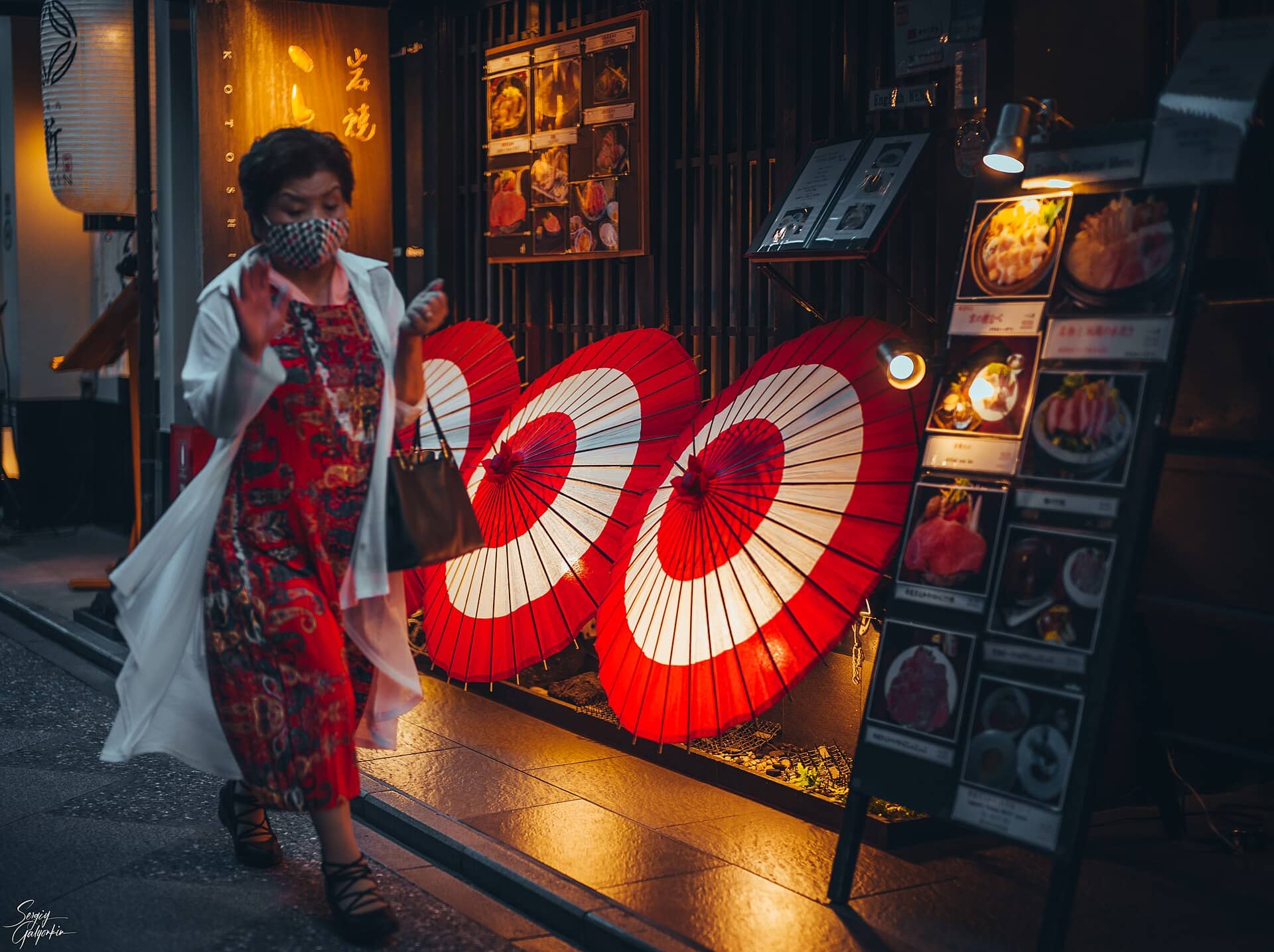

10. An evening stroll down Pontocho alley
If you’re looking for a place with the best evening atmosphere, head to the narrow Pontocho alley, which runs parallel to the Kamogawa River between Shijo and Sanjo streets. This cobbled lane is literally packed with restaurants, traditional bars, and teahouses, lit up after dark by dozens of red paper lanterns.
The atmosphere here is much more relaxed than in the more formal Gion. During the summer months, restaurants build wooden terraces over the river called kawayuka, where you can enjoy dinner with a view of the flowing water and a pleasant breeze. It’s a wonderful culinary experience, though prices on these terraces tend to be a bit higher.
The easiest way to get here is on foot from Keihan Gion-Shijo Station. The restaurants here offer everything from luxury dining to affordable noodles, so there’s something for everyone. If you don’t eat meat, I recommend scouting out vegetarian spots in advance, because many traditional restaurants in this alley specialise in meat dishes — which we’ll gladly skip, but it’s good to know for orientation.
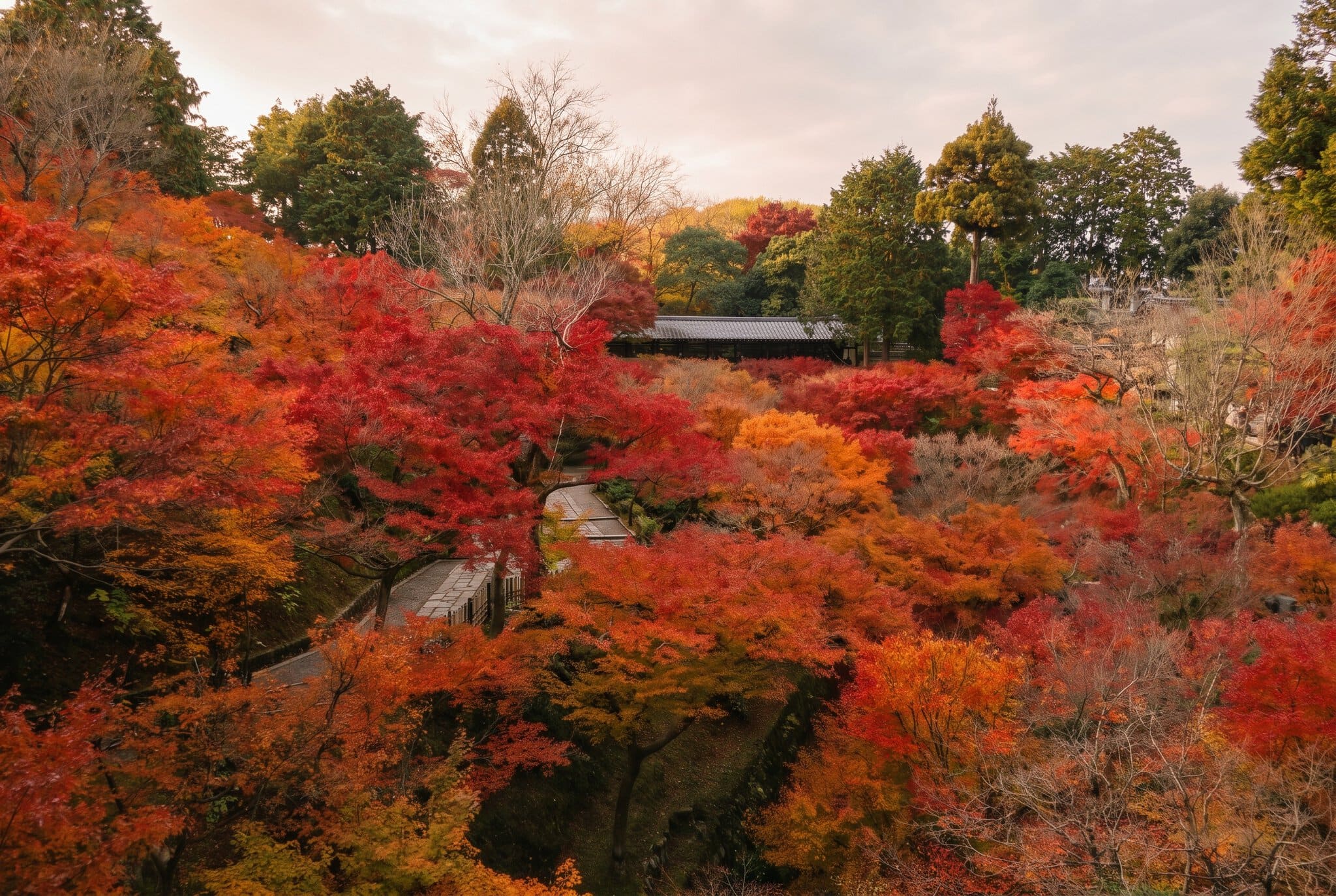
11. Tofuku-ji and its breathtaking autumn colours
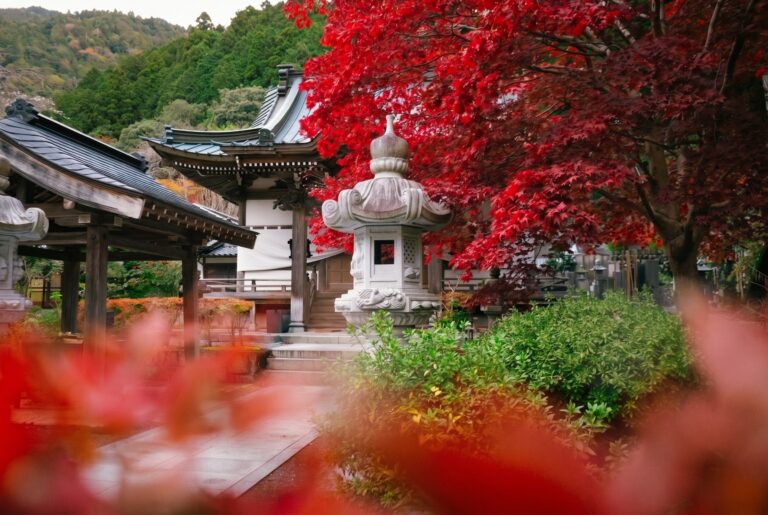
Tofuku-ji is one of the largest zen complexes in Kyoto and is often unfairly overlooked by tourists. While it’s pleasantly quiet in spring, from mid-November this place transforms into the most sought-after spot for admiring red maples (momiji).
The biggest draw is the wooden Tsutenkyo Bridge, which spans a deep little valley. When the trees turn fiery red and orange in autumn, the view from the bridge looks like a scene from a fairy tale. Admission to the bridge costs 600 JPY, the gardens 500 JPY, and a combined ticket is 1,000 JPY (during the autumn peak, however, the price for just the bridge rises to 1,000 JPY).
The temple lies very strategically in the south of the city — just get off at Tofukuji Station on the JR Nara Line, which is only one stop from Kyoto’s main station. 💡 Tip: Combine your visit to Tofuku-ji with a trip to Fushimi Inari — both sights lie on the same train line and can be perfectly done in a single morning.
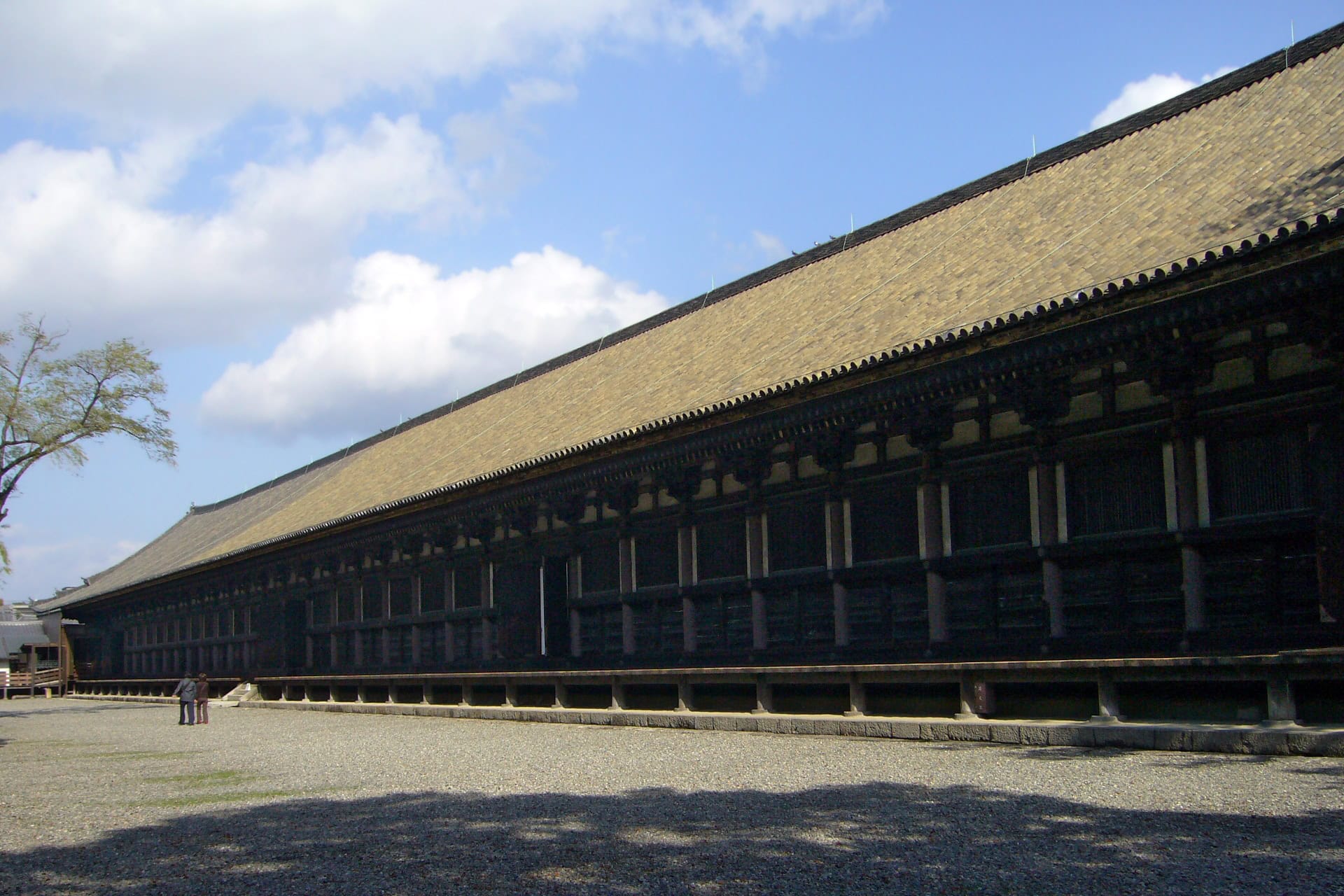
12. A thousand and one statues in Sanjusangen-do
If you want to experience something truly unique, head to the Sanjusangen-do temple. Its main hall measures an impressive 120 metres and is considered the longest wooden building in all of Japan. Inside awaits a sight that will send shivers down your spine.
In the dimly lit hall stand, in perfect rows, 1,001 gilded life-sized statues of Kannon, the goddess of mercy. In the middle of them enthrones one huge central statue, and each of the thousand smaller statues is said to have a slightly different facial expression. Admission to the temple is 600 JPY, and you can get here on buses 100, 206, or 208 from the main station.
It’s important to know that photography is strictly forbidden inside the main hall. Perhaps that’s exactly why this place retains such an incredibly mystical and quiet atmosphere, because visitors aren’t staring at their screens but truly sensing the energy of the space. Outside, you can then explore the garden and the targets where archery tournaments are traditionally held.
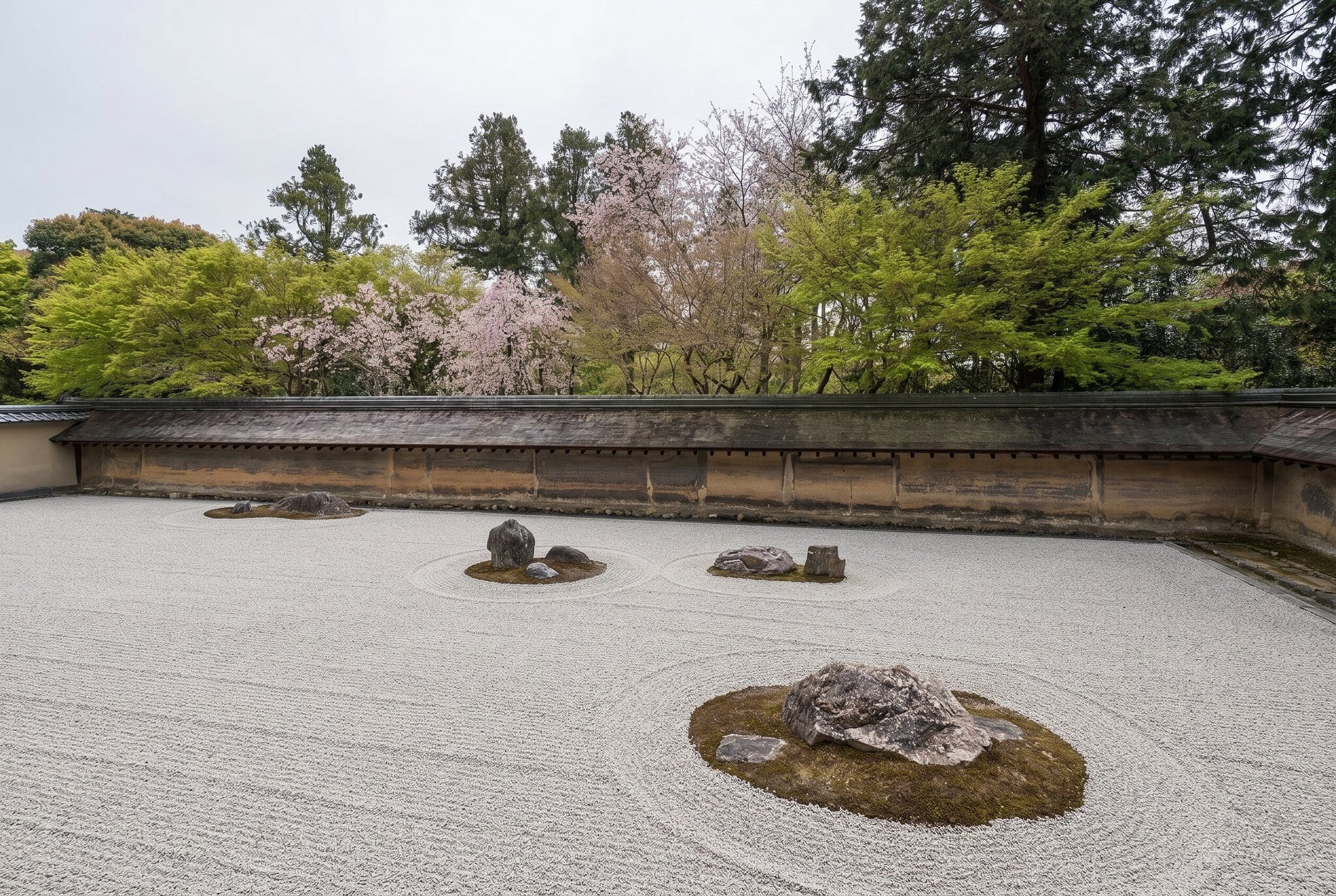
13. Ryoan-ji and the secret of the zen garden
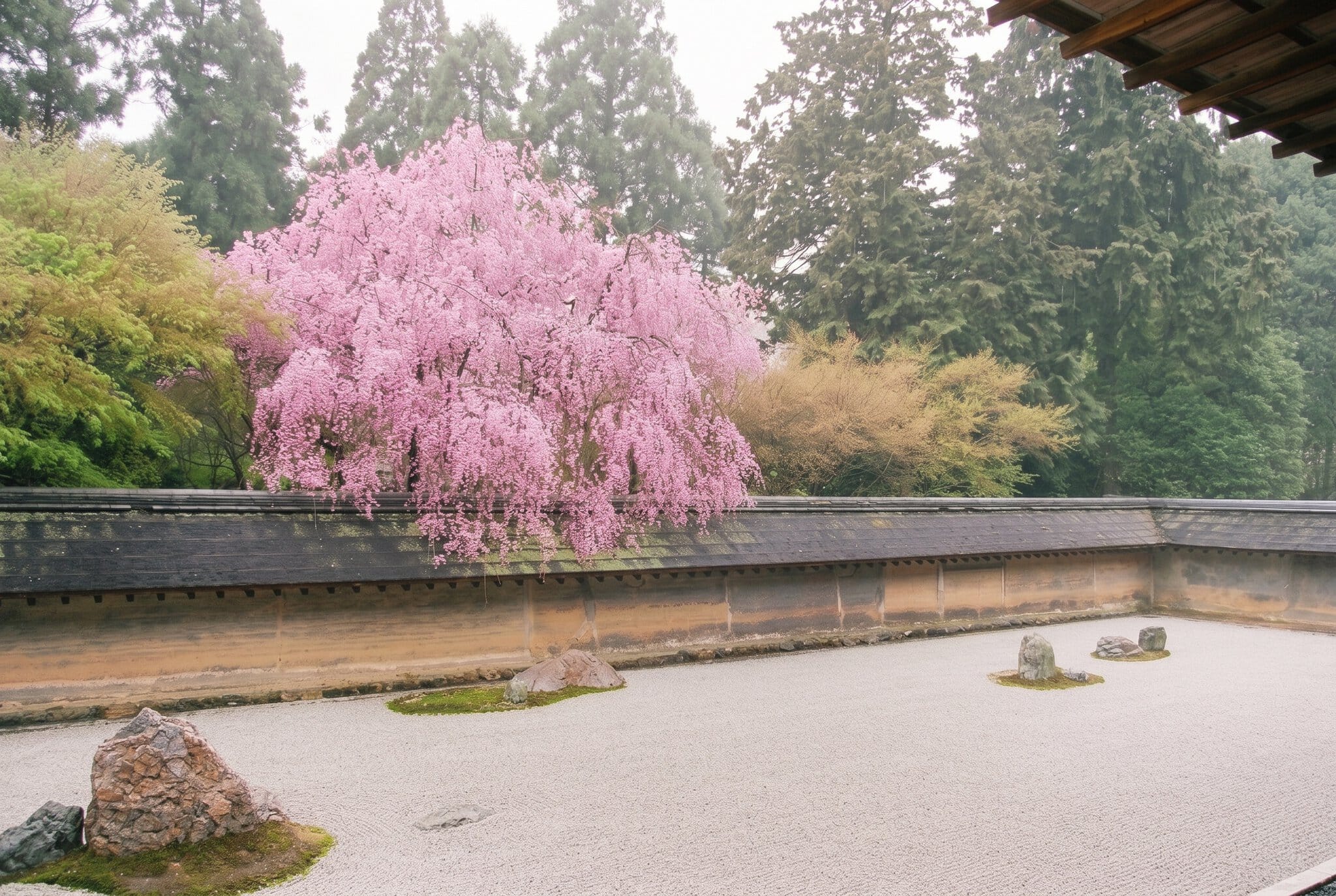
When someone says “zen garden,” most people familiar with Japan picture Ryoan-ji. This UNESCO-listed temple hides the most famous dry garden, made up of nothing but white sand and fifteen rocks. Admission to the grounds costs 600 JPY, and buses 50 or 55 run here from the centre.
The garden is designed with an absolutely ingenious optical illusion. No matter where you sit on the wooden veranda, you’ll never see all 15 rocks at once. One is always hidden behind the others, which in zen Buddhism symbolises human imperfection and the fact that we can never grasp the whole of reality.
For the place to truly wash over you with calm, I recommend arriving right at eight in the morning. During the day, the veranda fills with crowds and quiet contemplation turns into a battle for a place to sit. The temple lies fairly close to the Golden Pavilion, Kinkaku-ji, so it makes sense to combine both places into one sightseeing route.
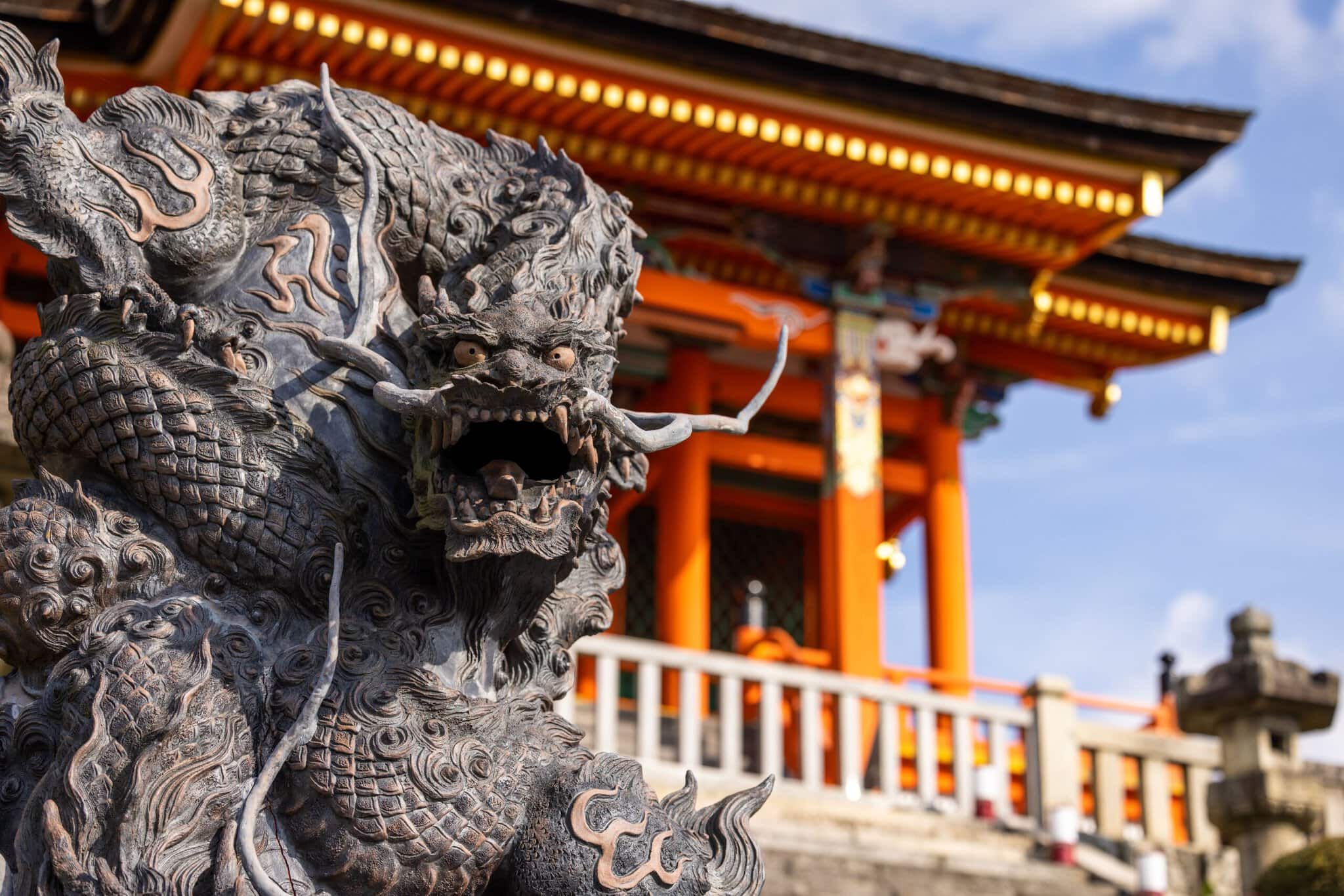
14. Kennin-ji and the dragons on the ceiling
Right on the edge of the bustling Gion district hides Kennin-ji, the very oldest zen temple in Kyoto, founded back in 1202. Surprisingly, it’s nowhere near as crowded as other spots, and it offers a perfect oasis of calm in the middle of the tourist bustle. Admission is 800 JPY and it’s open from 10:00 to 17:00.
The temple’s most famous feature is a huge, dramatic painting of two intertwined dragons that covers the entire ceiling of the main hall. It was only created in 2002 for the 800th anniversary of the temple’s founding, but it looks incredibly majestic and ancient.
Unlike other temples, here you’re allowed to photograph almost all the interiors and artworks. You can sit calmly on the tatami, watch the precisely maintained inner courtyard, and enjoy a moment of silence before diving back into the hustle of Gion’s lanes, which lie literally around the corner.
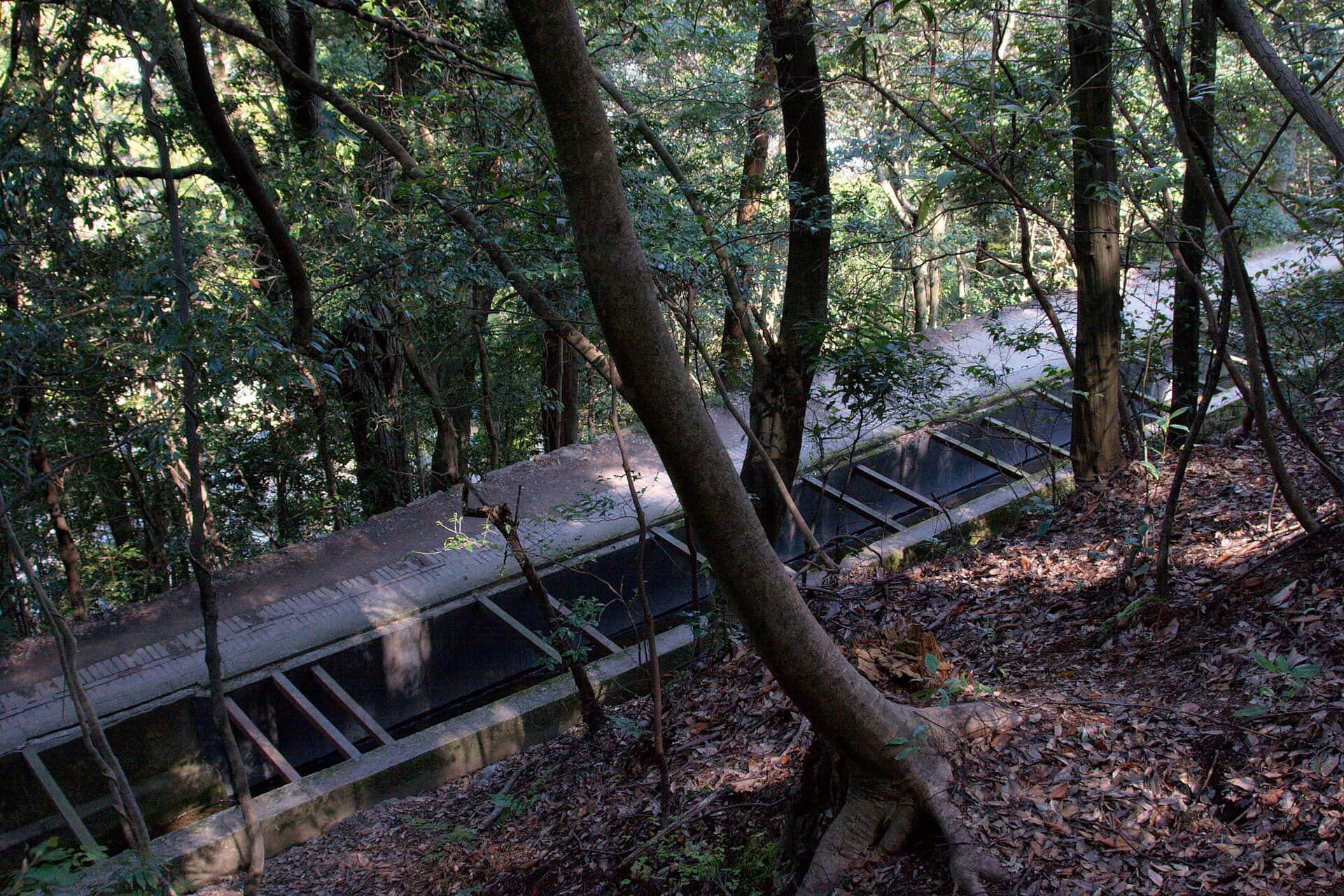
15. Nanzen-ji and the unexpected brick aqueduct
The Nanzen-ji temple complex lies at the foot of the eastern mountains and ranks among the most important zen temples in all of Japan. Entry to the sprawling outdoor grounds is free — you only pay to enter the individual sub-temples and gardens (usually around 600 JPY). The easiest way to get here is from Keage subway station on the Tozai line.
Right at the entrance you’ll be struck by the massive wooden Sanmon gate, which you can climb for a fee to enjoy a lovely view. Even more intriguing, though, is the brick Suirokaku aqueduct that runs right through the temple grounds. This 19th-century structure looks more like Roman architecture and creates a fascinating contrast with the traditional Japanese temples.
For vegetarians, Nanzen-ji is an absolute must, because the area around the temple is famous for preparing yudofu. This is very delicate boiled tofu served in a hot broth made from kombu seaweed, which you dip into a soy sauce with spring onion. I recommend visiting the Nanzenji Junsei restaurant, where you can savour this traditional dish in the beautiful setting of an old garden.
16. A trip to the mountain villages of Kurama and Kibune
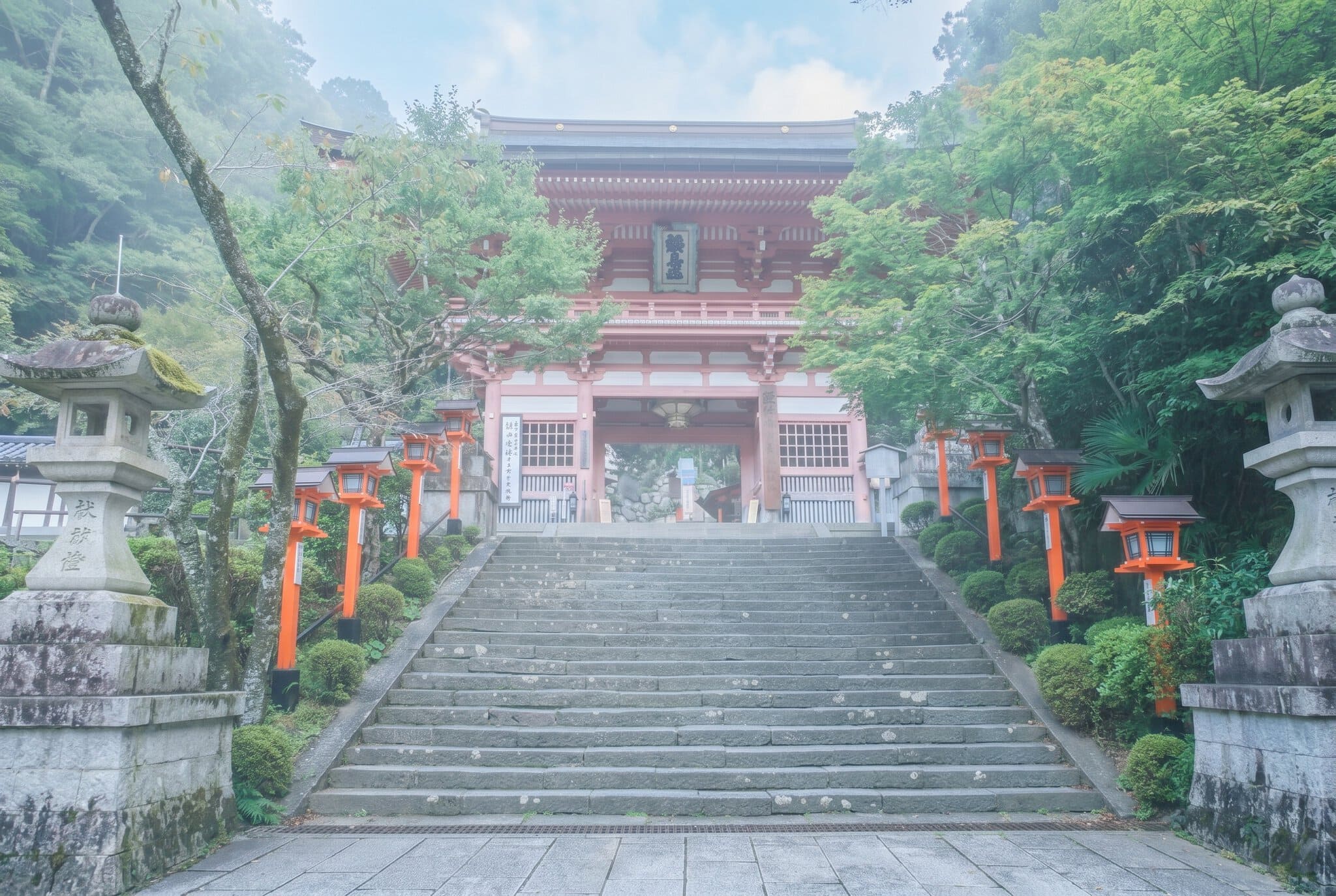
If you want to escape the city bustle, set off on a half-day trip into the mountains north of Kyoto. Take the Eizan Railway train from Demachiyanagi Station and you’ll reach the village of Kurama in about half an hour. From there, a beautiful forest trail leads over the mountain to the neighbouring village of Kibune, covering roughly 4 kilometres, which you can manage at a slow pace in two to three hours.
Along the way you’ll pass through the sprawling mountain complex of Kurama-dera temple, where you’ll pay a small 500 JPY fee for mountain upkeep. The trail leads over the roots of ancient cedars, and local legends claim that mythical creatures called tengu with long noses live in these forests. ⚠️ Note: The well-known outdoor Kurama Onsen baths have unfortunately been closed for some time.
When you descend into the village of Kibune, you’ll find yourself in a narrow valley beside a wild river. In the summer months, restaurants here build special terraces called kawadoko right over the flowing water, where you can enjoy a meal in wonderful coolness. Even without a meal, a walk through both villages is magical and shows you a completely different face of the Kyoto region.
17. Experiencing a traditional tea ceremony
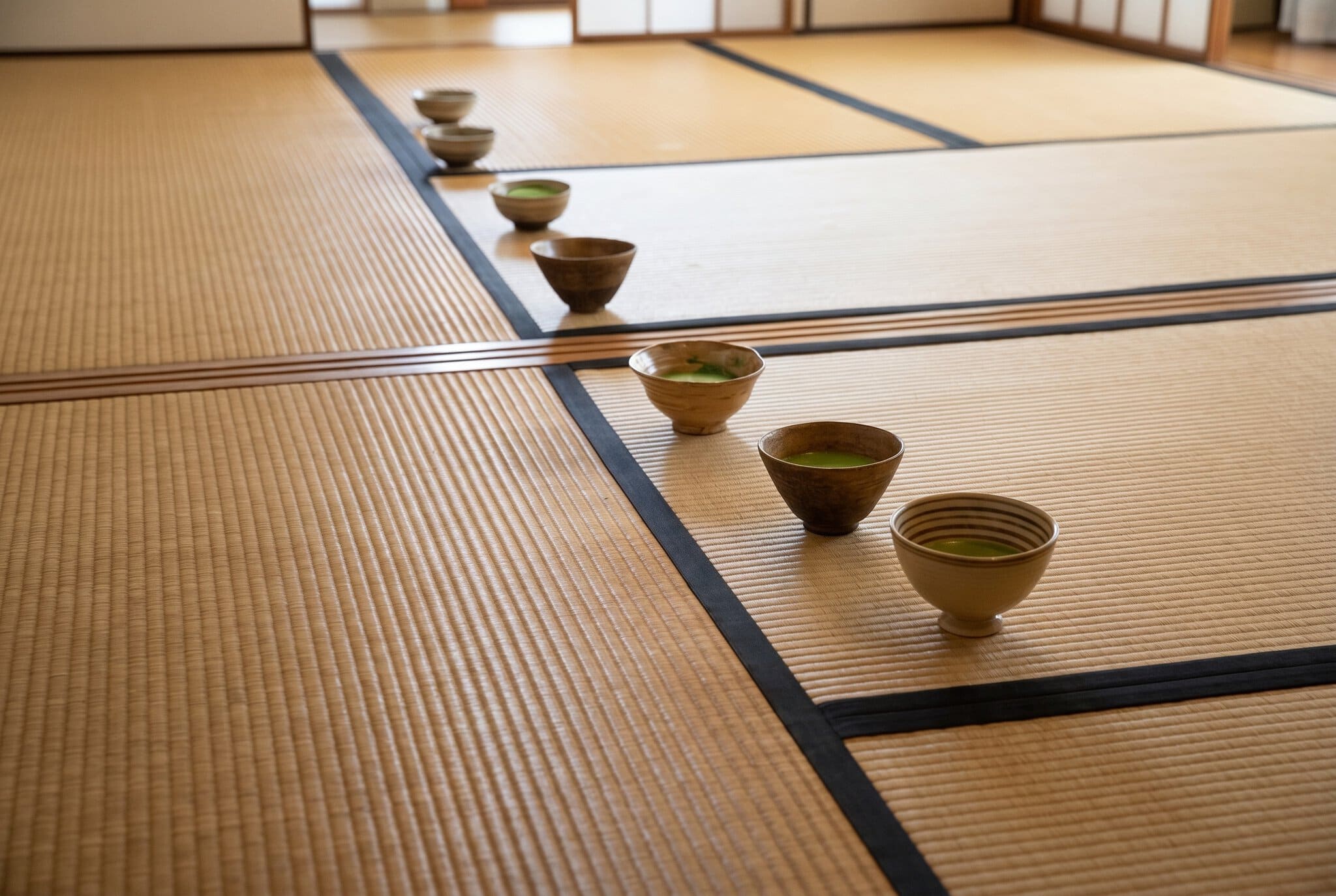
Kyoto is the very heart of Japanese tea culture, and taking part in a tea ceremony is one of the loveliest experiences you can take home from here. It’s not just about drinking tea — it’s a deeply meditative process full of precise movements, respect, and harmony that helps you understand the Japanese mindset.
There are plenty of places to try a ceremony, but I recommend always booking your spot in advance online, for instance through GetYourGuide. The Camellia teahouse near Ninenzaka street, for example, has excellent reviews, where for roughly 4,000 to 5,000 JPY (around €24–30) you’ll experience a ceremony led in perfect English with an explanation of every step.
If you want to take the experience up a notch, you can try houses like Maikoya in Gion, where they’ll also lend you a traditional kimono for the ceremony. This package costs 7,000 to 8,400 JPY (around €42–50). During the ceremony, thick whisked matcha tea is served, along with a traditional Japanese sweet called wagashi, which is meant to balance the tea’s slightly bitter taste (and is almost always purely vegan).
18. A stroll in a traditional kimono
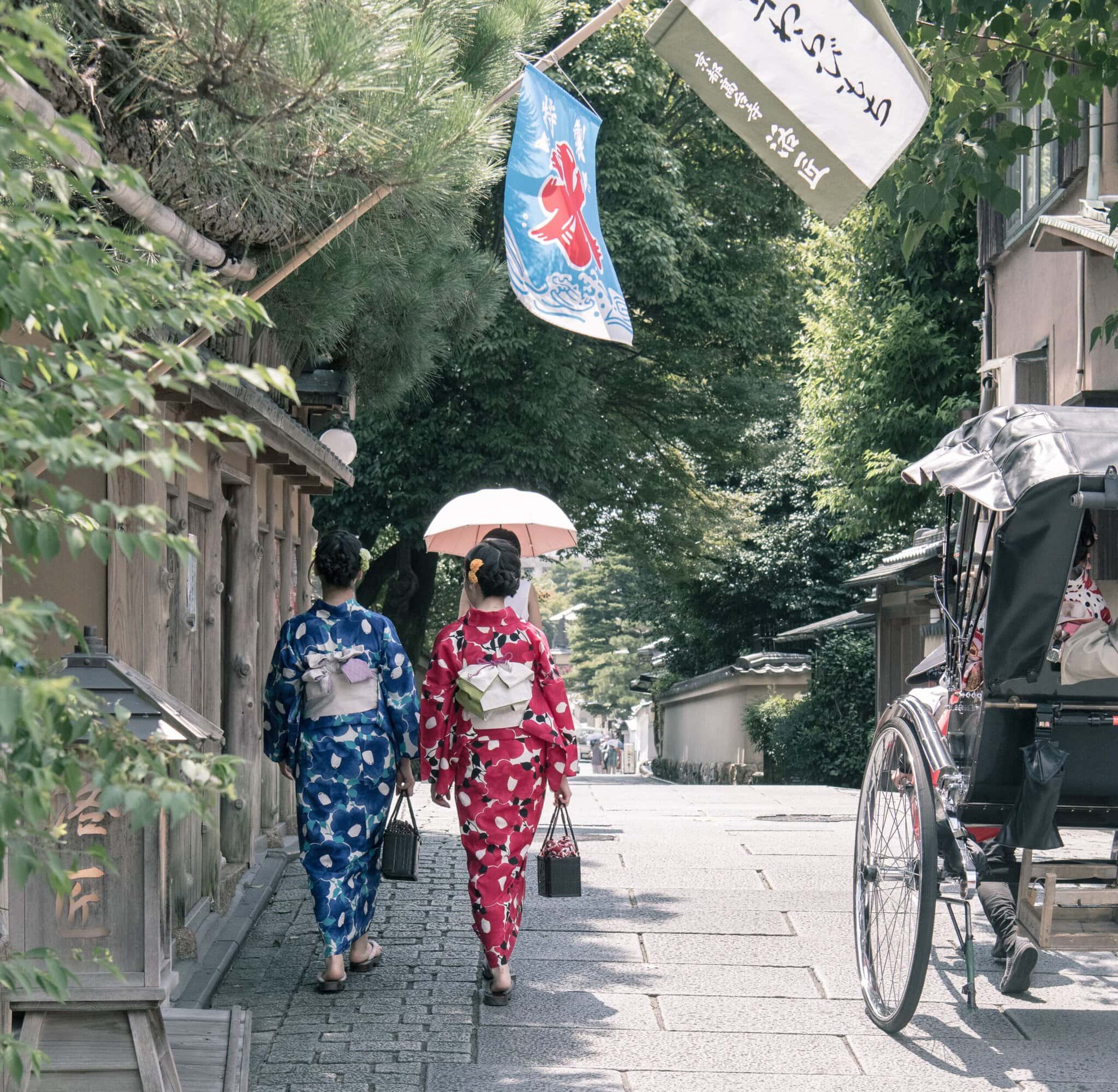
Strolling through Kyoto’s historic lanes in a kimono or a light summer yukata is hugely popular among visitors, and the Japanese warmly welcome it. There are dozens of rental shops around the city, with the highest concentration in the Higashiyama district and around Gion.
Established chains like Wargo or Yumeyakata offer basic packages from just 3,300 to 4,500 JPY per day (around €20–27). The price usually includes the dressing, which is a complex process in itself, and often basic hair styling too. 💡 Tip: Book your slot on GetYourGuide right at opening time in the morning, so you get the widest choice of patterns and colours.
Once you’re dressed in your kimono, head off to take photos in the Ninenzaka lanes or by the Kiyomizu-dera temple. But bear in mind that walking in traditional geta wooden sandals is fairly hard on the feet, and you probably won’t manage to walk around in a kimono from morning till night, so plan this experience for half a day at most.
Where to go next from Kyoto
If you have several days in Kyoto and have already explored the main sights, the surrounding area offers fantastic options for day trips. An absolute classic is the trip to see the deer, which I describe in detail in the article Osaka and a trip to Nara. The train journey to Nara takes just under an hour.
Another great tip is the town of Uji, which lies just 20 minutes by train south of Kyoto (on the JR Nara line). It’s the capital of Japanese green tea, and you absolutely must see the Byodo-in temple with its famous Phoenix Hall, which you might recognise from the Japanese ten-yen coin. Admission costs 700 JPY, and the matcha tastings on every corner are utterly unforgettable.
When you’re planning your other journeys around Japan, be sure to check out our overview in the article Japan Holiday: The Complete Guide, where you’ll find all the practical information in one place. And if you’re heading to the capital, you’ll find inspiration for the best spots in the guide Tokyo: 25 Things to See.
Frequently Asked Questions
How many days do I need to explore Kyoto?
Three full days are ideal to see the most important sights without unnecessary rushing. The first day you can dedicate to the eastern part (Higashiyama, Gion, Kiyomizu-dera), the second day to the north and west (Kinkaku-ji, Ryoan-ji, Arashiyama), and the third day to the south with the center (Fushimi Inari, Nishiki Market, Nanzen-ji). Don’t try to cram too many temples into your itinerary, otherwise you’ll quickly experience the so-called “temple fatigue” and all the buildings will start to blend together.
What are the rules for photographing geishas in Gion?
The rules today are very strict and violations are punishable by a fine of 10,000 JPY. Photography is prohibited in all private alleyways of Gion, and since April 2024, these alleyways in the southern part have been completely closed to tourists. You can take photos on public main streets (such as Hanamikoji), but you must never delay, chase, or block the path of geiko or maiko.
Is it better to get around Kyoto by bus or subway?
The bus network is very dense and tickets cost a uniform 230 JPY, but buses often get stuck in traffic jams and tend to be incredibly crowded. With large suitcases, the driver may not even let you on the bus. Much more reliable is using the two metro lines and suburban trains, or alternatively get an all-day Subway&Bus 1-Day Pass for 1,100 JPY, which combines both.
Can I pay by card in Kyoto, or do I need cash?
Although the situation has significantly improved after the pandemic and cards are accepted in larger shops and hotels, Japan is still very much a cash-based society. Especially at the entrance to smaller temples (e.g. Kinkaku-ji), at Nishiki Market or in small family restaurants, you will definitely need Japanese yen in cash.
How is it with vegetarian food in Kyoto?
Kyoto is probably the best city for vegetarians in all of Japan, thanks to its deep Buddhist tradition. An absolute specialty is the monastery cuisine shojin ryori or boiled tofu yudofu. However, be very careful with the so-called dashi, which is a fish broth (bonito) that the Japanese add even to seemingly meatless soups and noodles, so you should always ask to be sure.
Is it worth renting a bicycle in Kyoto?
Absolutely yes, Kyoto is surprisingly flat (except for the outskirts in the hills) and has fairly good cycling infrastructure. Renting a bike for the day costs around €6 to €9 and it’s often the fastest way to get between attractions, without having to wait in traffic jams on the bus.
How do I get to Kyoto from Osaka Airport (KIX) or from Tokyo as quickly as possible?
From Kansai International Airport (KIX) near Osaka, there’s a direct Haruka express train that gets you to Kyoto in about 75 minutes (a tourist ticket costs 2,200 JPY). From Tokyo, your best bet is the super-fast Nozomi shinkansen, which covers the journey in 2 hours and 15 minutes, but if you’re traveling with a JR Pass, you’ll need to take the slightly slower Hikari train, which takes about 2 hours and 40 minutes.
Tips and Tricks for Your Vacation
Don’t Overpay for Flights
Search for flights on Kayak. It’s our favorite search engine because it scans the websites of all airlines and always finds the cheapest connection.
Book Your Accommodation Smartly
The best experiences we’ve had when looking for accommodation (from Alaska to Morocco) are with Booking.com, where hotels, apartments, and entire houses are usually the cheapest and most widely available.
Don’t Forget Travel Insurance
Good travel insurance will protect you against illness, accidents, theft, or flight cancellations. We’ve had a few hospital visits abroad, so we know how important it is to have proper insurance arranged.
Where we insure ourselves: SafetyWing (simple monthly subscription) and TrueTraveller (for extra-long trips).
Find the Best Experiences
Get Your Guide is a huge online marketplace where you can book guided walks, trips, skip-the-line tickets, tours, and much more. We always find some extra fun there!