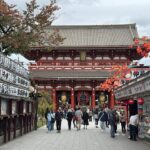
If you’re planning a trip to Japan, you’ve probably already got Tokyo and ancient Kyoto on your radar, but Osaka, Japan is a completely different world that would be a huge shame to miss. While Kyoto is quiet, traditional and packed with temples, Osaka is loud, incredibly lively and glows with neon colours long into the night. It’s known as the “kitchen of Japan,” and according to many travellers, it has the most laid-back atmosphere in the entire country.
Osaka works as an absolutely ideal strategic base for exploring the whole Kansai region. You can stay here for a few days, enjoy cheaper and more accessible hotels than in neighbouring Kyoto, and head out on day trips every day. That’s exactly why this guide includes not only tips for the city itself, but also a detailed plan for a half-day or full-day escape to magical Nara to meet the sacred deer.
You’ve got the buzzing Dotonbori district, the stunning Osaka Castle and the crazy world of Universal Studios waiting for you. In the lines below, I’ll show you in detail what to see and do in Osaka, how transport works here, where to base yourself strategically, and what to watch out for if you eat vegetarian.
TL;DR
- Best base: The Namba district (south) for lovers of nightlife and food, or Umeda (north) for a quieter stay and excellent transport links.
- Main attractions: The neon-lit Dotonbori street, historic Osaka Castle and the retro Shinsekai district with its observation tower.
- Theme park: Universal Studios Japan with the Super Nintendo World area requires buying tickets and an Express Pass ideally two months in advance.
- Trip to Nara: You can be there in 40 minutes by train from Osaka. The giant wooden Todai-ji temple and over a thousand free-roaming deer await, and you can feed them special crackers.
- Transport and discounts: For getting around the city, the digital Osaka Amazing Pass is worth it, offering unlimited metro rides and entry to dozens of attractions.
- Vegetarian food: Watch out carefully for dashi (the ever-present fish stock), but definitely try the vegetarian version of the okonomiyaki savoury pancake.
The full destination guide: Japan — guide and what to see
When to Visit Osaka
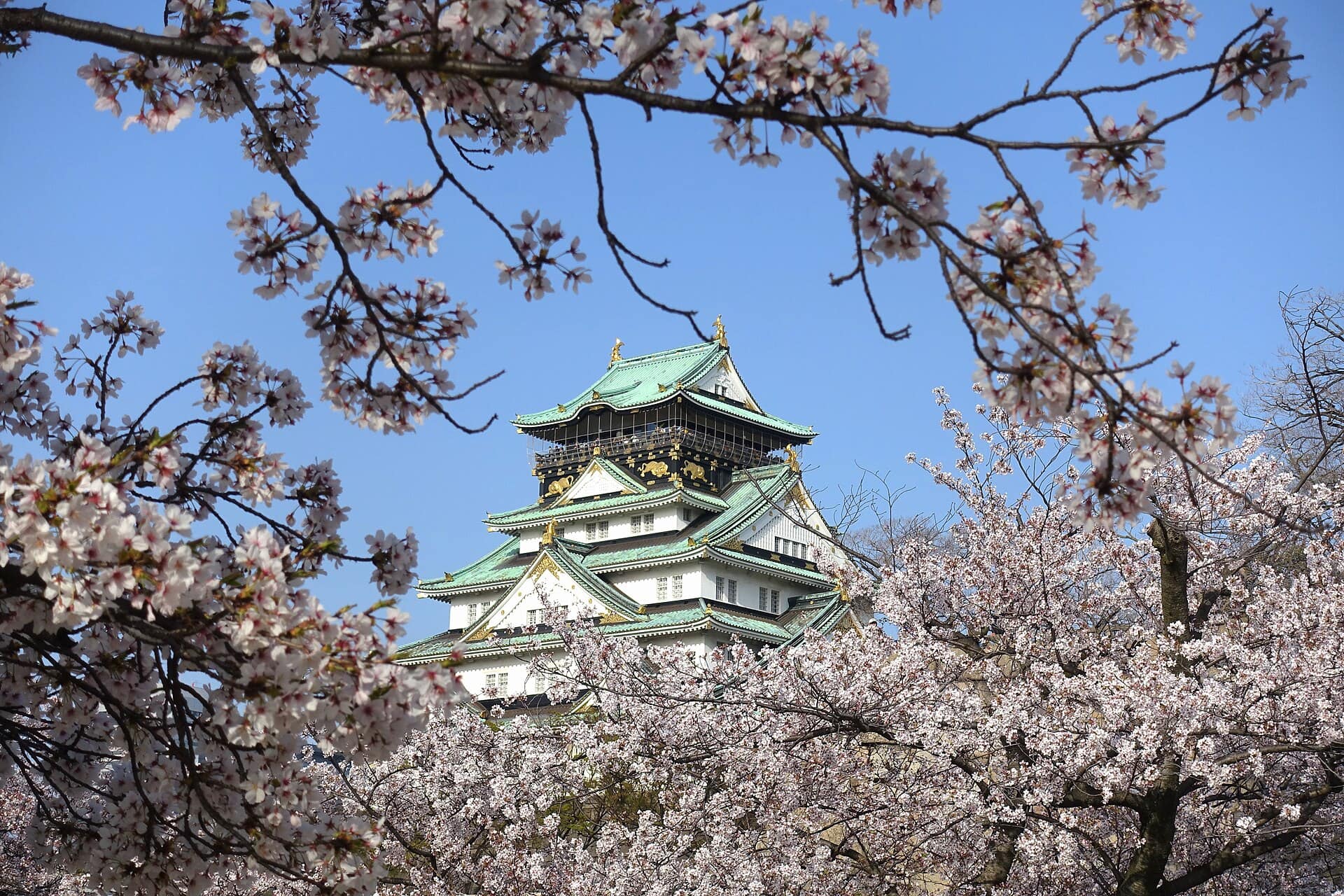
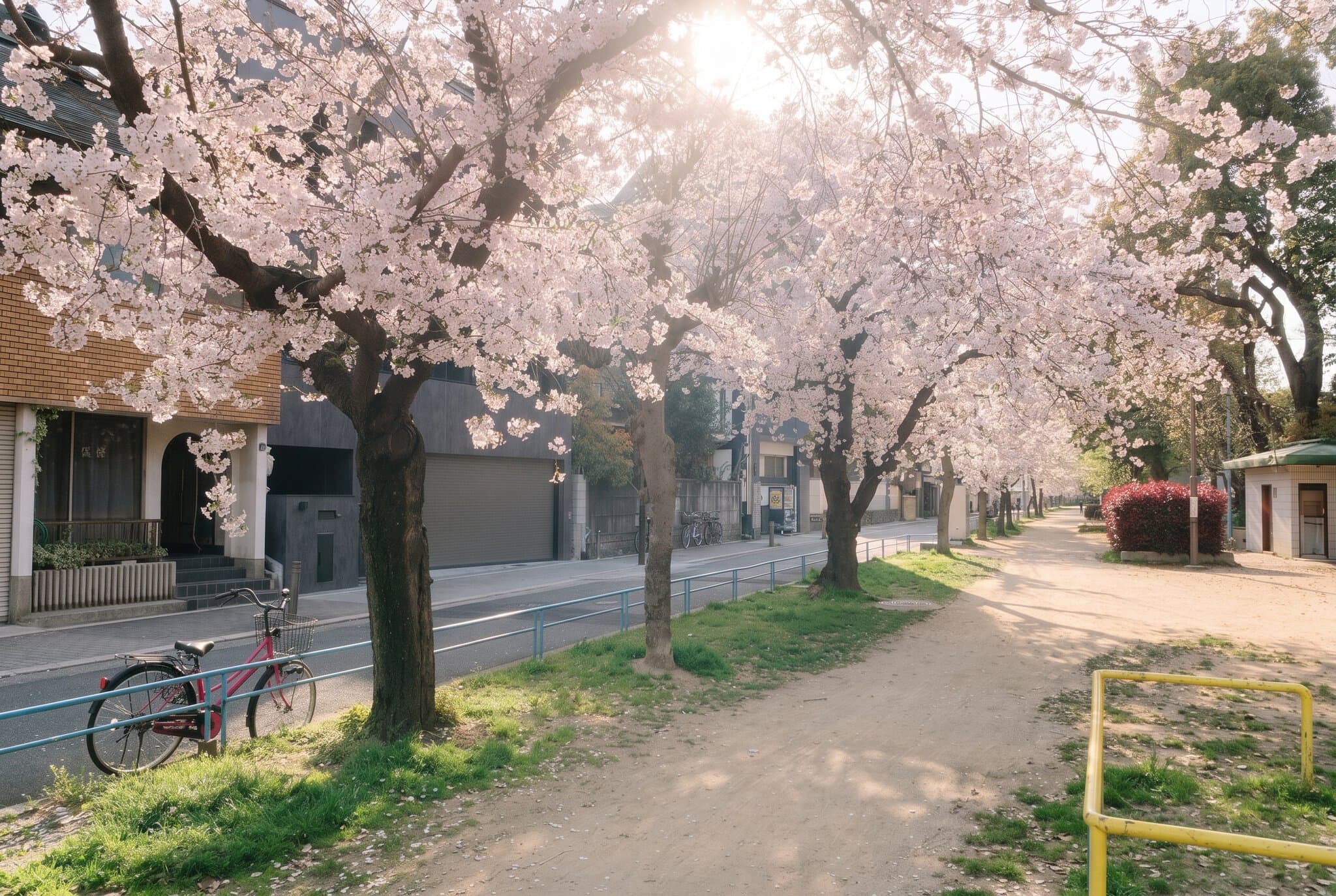
The most beautiful time to visit is, without a doubt, Japanese spring, specifically the turn of March and April. This is when cherry blossoms bloom across the whole city, and the park around Osaka Castle, for example, turns into a sea of pink. For 2026, full bloom is estimated around 2 April, but the dates shift slightly each year depending on the current weather.
Another great option is autumn, particularly late October and mid-November. Temperatures are very pleasant for a full day of walking around the city, and the maple leaves turn deep shades of red. Winter in Osaka tends to be fairly mild, and on top of that, you’ll snag flights and accommodation at much friendlier prices without the ever-present crowds.
I would definitely not recommend travelling in summer, especially in July and August. The Japanese summer is extremely hot and, above all, unbearably humid, which can turn sightseeing into a pretty exhausting ordeal. Keep in mind, too, that Osaka recently hosted Expo 2025, so interest in the city is enormous and you should sort out accommodation at least three to four months ahead.
Where to Stay in Osaka
💡 Tip for accommodation and experiences: We prefer to look for places to stay on Booking.com, where the cancellation terms tend to be the best. For tickets, tours and activities, it pays to compare and book through GetYourGuide.
When choosing where to stay in Osaka, you’ll probably be deciding between two main centres: the northern Kita area (around Umeda station) and the southern Minami area (around Namba station). The Namba district is the absolute heart of entertainment, nightlife and street food, so if you want to step straight out of your hotel into the neon streets, it’s the obvious choice.
The Umeda area, by contrast, is a little quieter, more modern and functions as a huge transport hub. This is where the fastest trains to Kyoto, Kobe and Tokyo depart from. Whichever of these two districts you choose, you can’t go wrong, because both are brilliantly connected by the main Midosuji metro line.
- Toyoko Inn Osaka Namba: If you’re after budget-friendly accommodation, this hotel chain is a Japanese classic. The rooms are tiny but clean, a simple Japanese breakfast is usually included, and the location near Namba is absolutely unbeatable.
- Cross Hotel Osaka: A great mid-range choice right by the famous Dotonbori street. It offers modern and, by Japanese standards, fairly spacious rooms. You can walk everywhere, and on Booking.com this place has consistently top-notch reviews for cleanliness and helpful staff.
- Conrad Osaka: For those who want genuine luxury and breathtaking views, this five-star hotel on Nakanoshima island is just the ticket. It boasts huge floor-to-ceiling glass walls, a gorgeous pool and first-class service that will satisfy even the most demanding travellers.
14 Things to See and Do in Osaka and Nara
Let’s take a look together at the very best this metropolis has to offer. Osaka can be beautifully covered in two packed days, with the third day set aside for the trip to nearby Nara.
While you can devote one day to the south of the city and to food, you’ll spend the other at the castle or among the modern high-rises. Don’t forget to pick up either the classic rechargeable ICOCA card for getting around, or explore the perks of the digital Osaka Amazing Pass, which will save you a lot of money on entry fees.
1. Osaka Castle and Its Sprawling Park
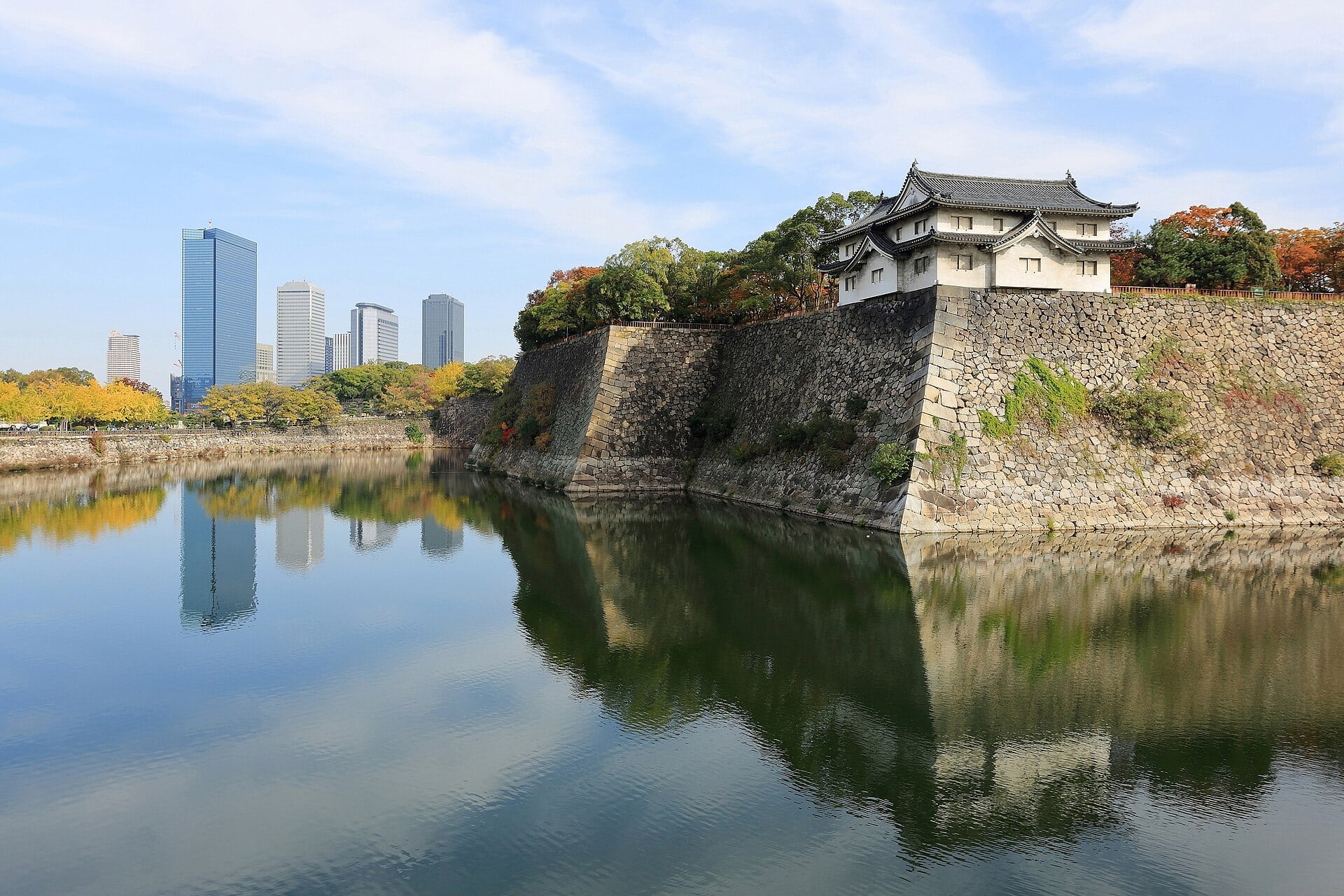
This is the absolute symbol of the whole city and a place that simply looks magnificent in photos. The current five-storey tower actually dates from the 20th century (the original from the 16th century was destroyed), but it rises majestically above the moats and enormous walls.
While entry to the surrounding park is completely free, you’ll pay 1,200 JPY to visit the main tower (careful — in 2025 the price shot up sharply from the original 600 yen). Inside you’ll find a history museum, and the top floor offers a fantastic view of the city’s modern skyline.
💡 Tip: Come here first thing in the morning, around nine o’clock, before the crowds from organised tours arrive. The nearest metro stop is Tanimachi 4-chome, or the JR train station Osakajo-koen.
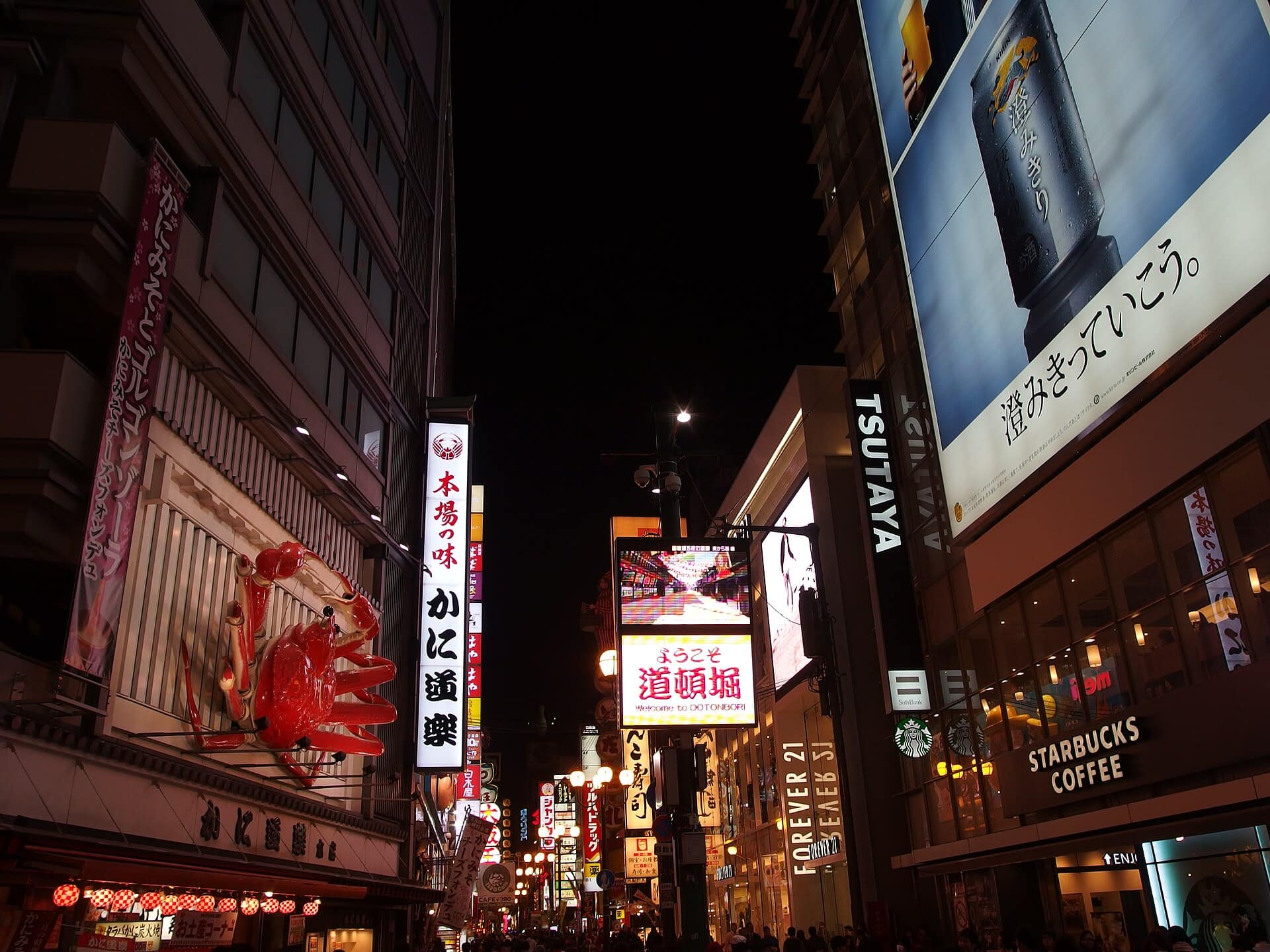
2. The Neon-Lit Dotonbori Street
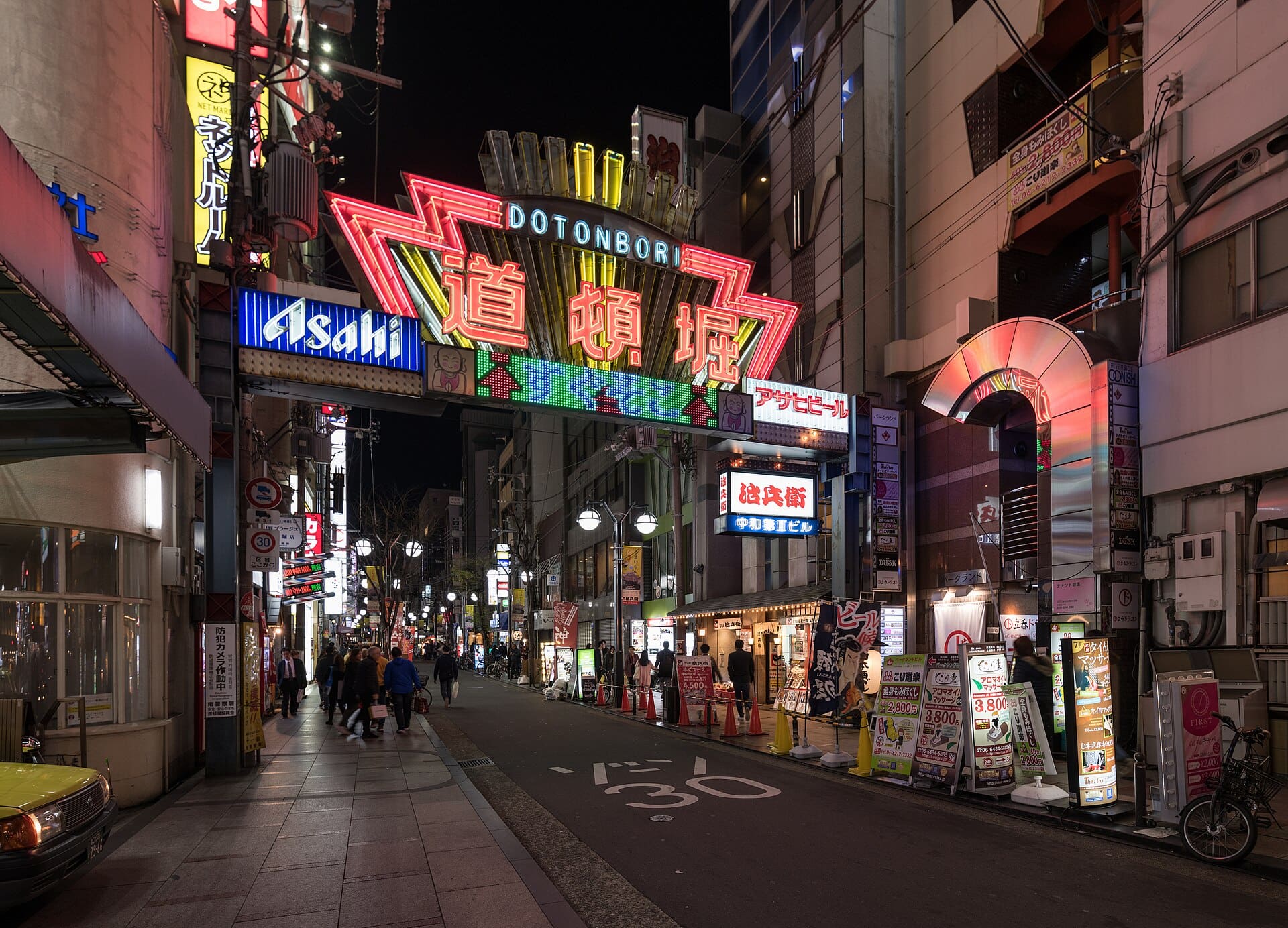
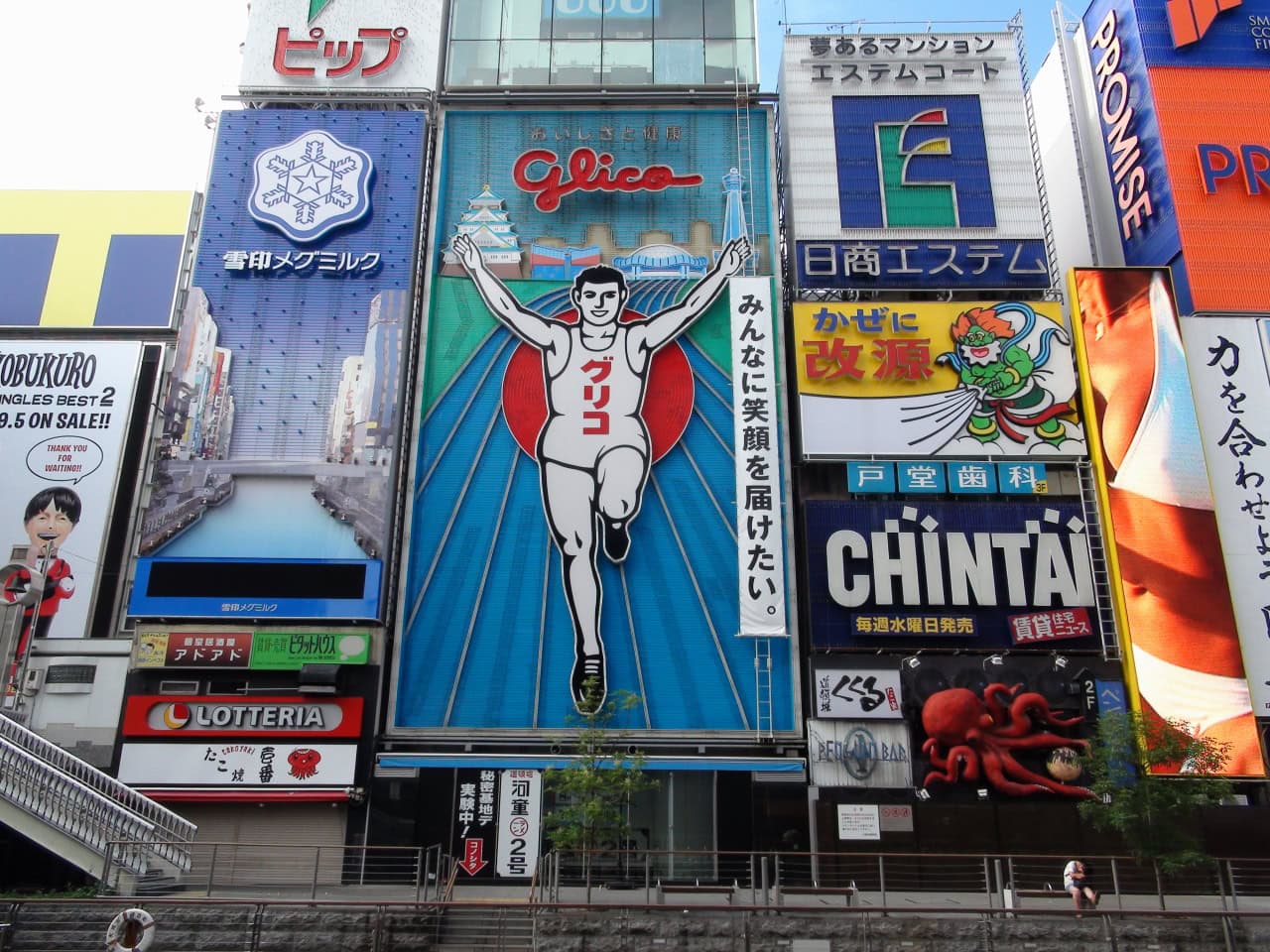
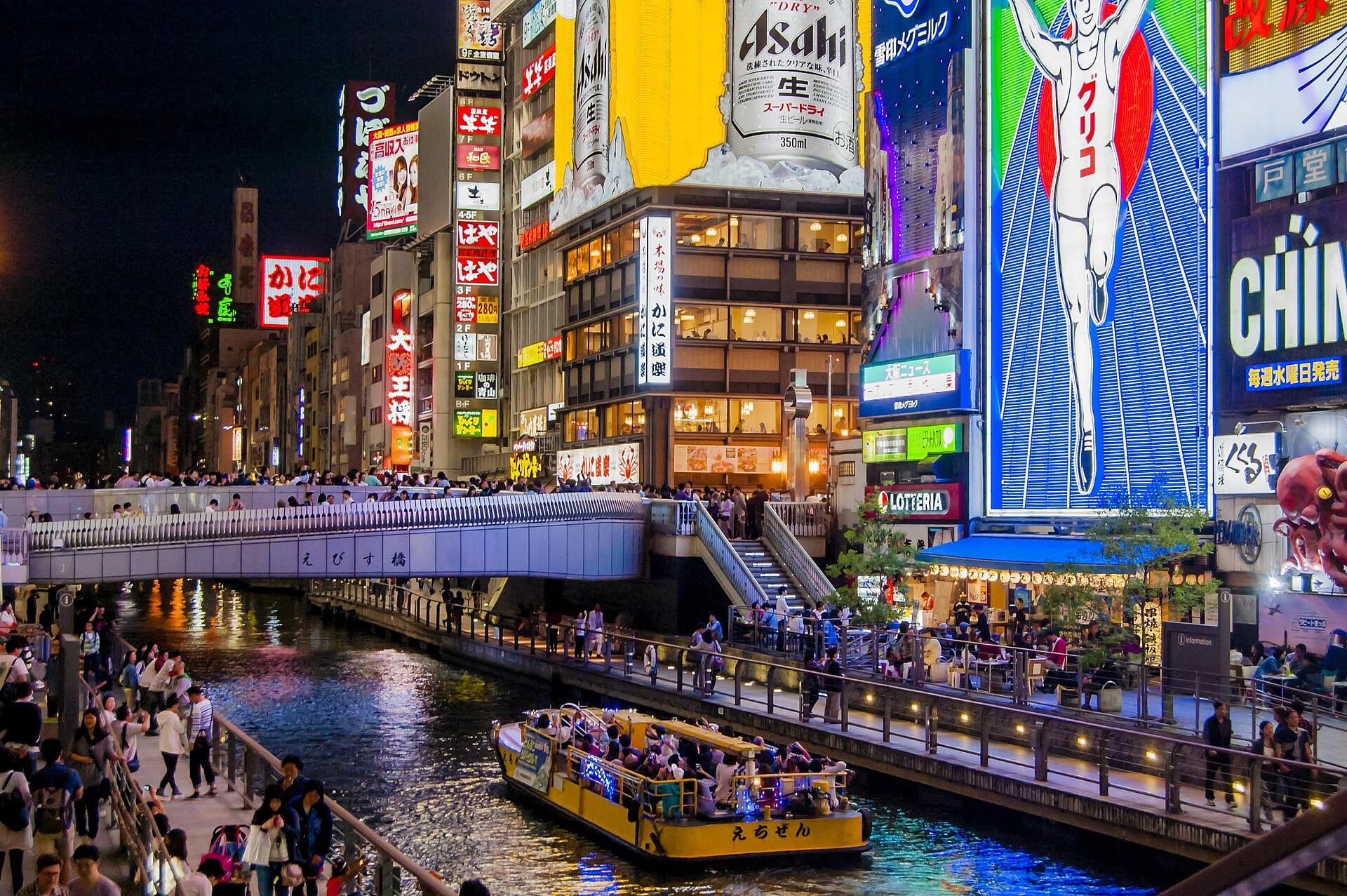
If you’ve seen a single photo of Osaka, chances are it was from right here. Dotonbori is a buzzing street running along the canal of the same name, literally studded with giant glowing signs and moving billboards.
The main star here is the famous Glico Man runner, a huge 20-metre-tall neon sign that has been glowing here since 1935. Another iconic spot is the giant mechanical crab Kani Doraku, which moves its claws right above the heads of passers-by.
You’ll experience the best atmosphere here after dark, when all the neon lights up and reflects on the surface of the canal. Try to snap the iconic photo from the Ebisubashi bridge, or head out on a short sightseeing boat ride right along the water, which is a wonderful experience.
3. The Retro Shinsekai District and Tsutenkaku Tower
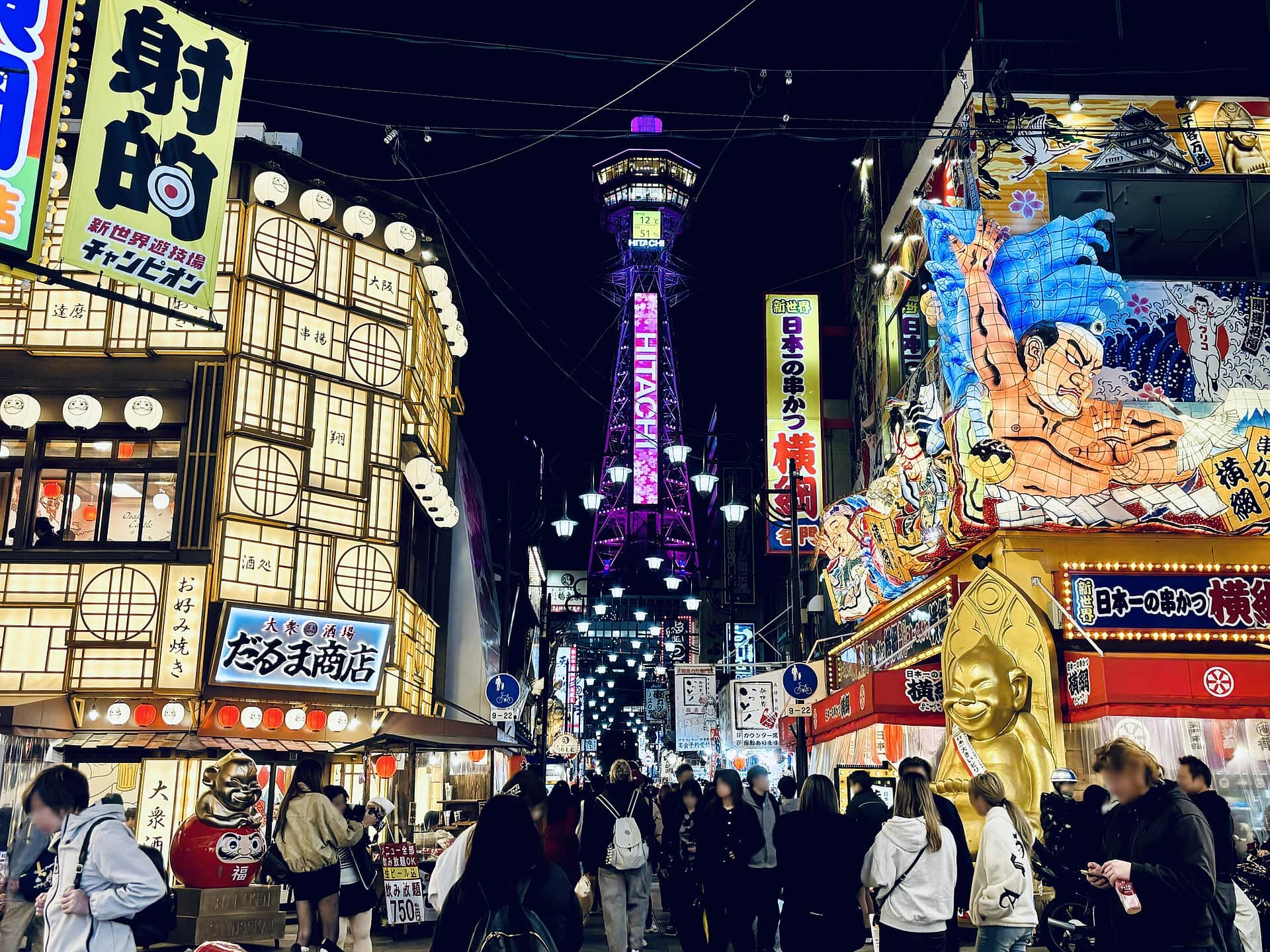
While elsewhere in Japan modernity and hi-tech rule, the Shinsekai district seems frozen in the first half of the 20th century. It was built modelled on Paris and New York, but today it has more of a wonderfully weathered, nostalgic and slightly crazy feel.
The district’s landmark is the 103-metre-tall steel Tsutenkaku tower, which you can ride up for around 1,000 JPY and enjoy the view from the open observation deck. Along the way you’ll meet countless statues of a grinning little god named Billiken — locals believe that stroking his feet brings good luck.
Shinsekai is also considered the home of kushikatsu deep-fried skewers. Although it’s typically a meaty affair, places like Daruma or Yaekatsu have plenty of vegetable and cheese varieties (the fried aubergine, pumpkin or camembert are excellent). Remember the strict rule — you must never dip a skewer into the shared sauce bowl twice!
4. Kuromon Ichiba Market
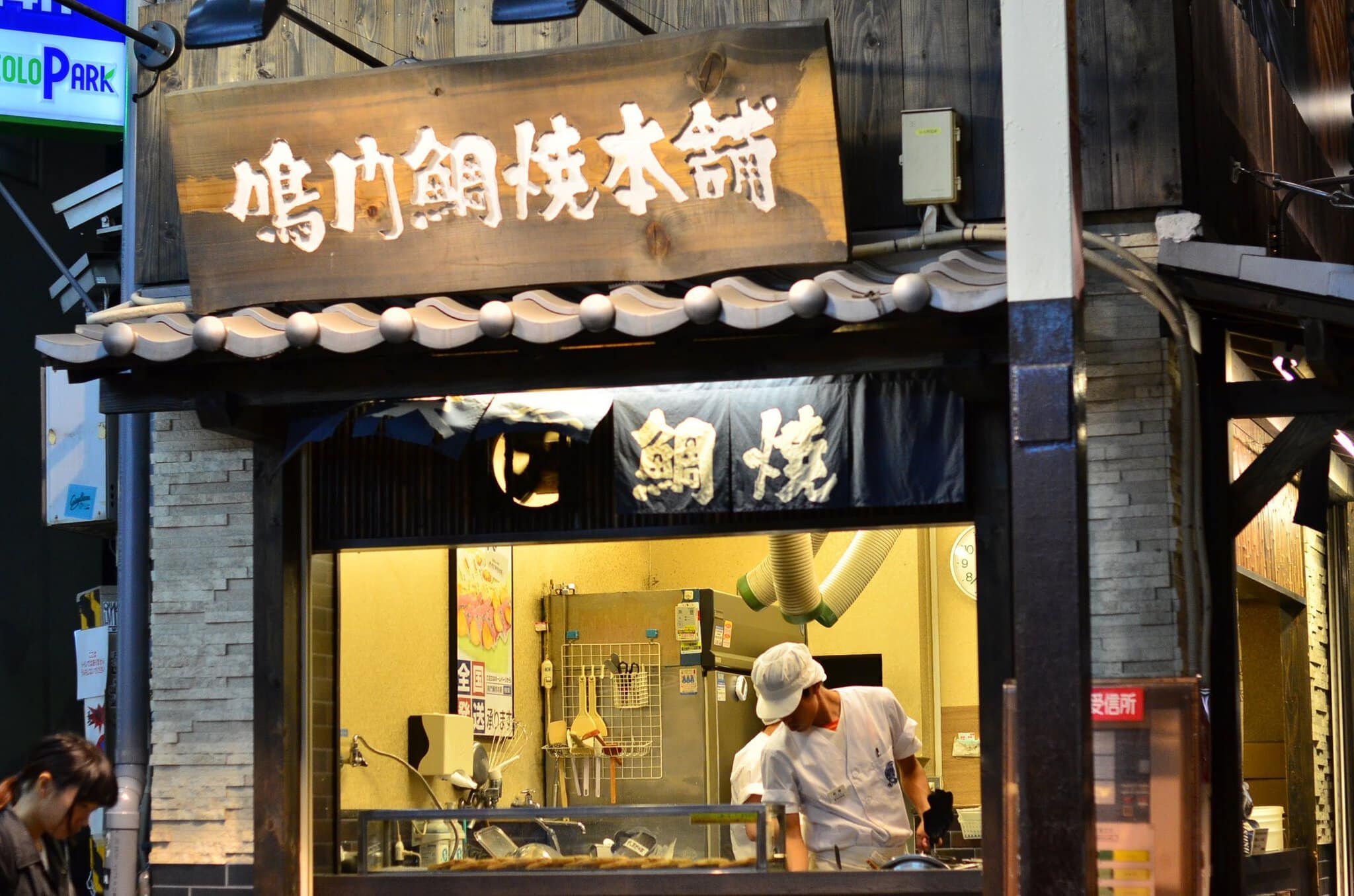
This nearly 600-metre-long covered market is nicknamed “Osaka’s kitchen.” You’ll find more than 150 stalls that have been supplying local chefs and eager tourists with the freshest ingredients and ready-made delicacies for almost 200 years.
Entry to the market is free, and it’s busiest between nine in the morning and five in the afternoon. You can get here easily from Nippombashi metro station (exit number 10). Locals here most often buy seafood and Kobe beef, but you’ll also find some great meat-free options.
For vegetarians, there are incredibly sweet fruit sundaes, traditional mochi sweets, delicious vegetable tempura or the sweet egg omelette tamagoyaki. But watch out carefully for the ever-present dashi fish stock, which in Japan gets added even to seemingly meat-free dishes, so always ask to be safe.
5. Umeda Sky Building and the Floating Garden
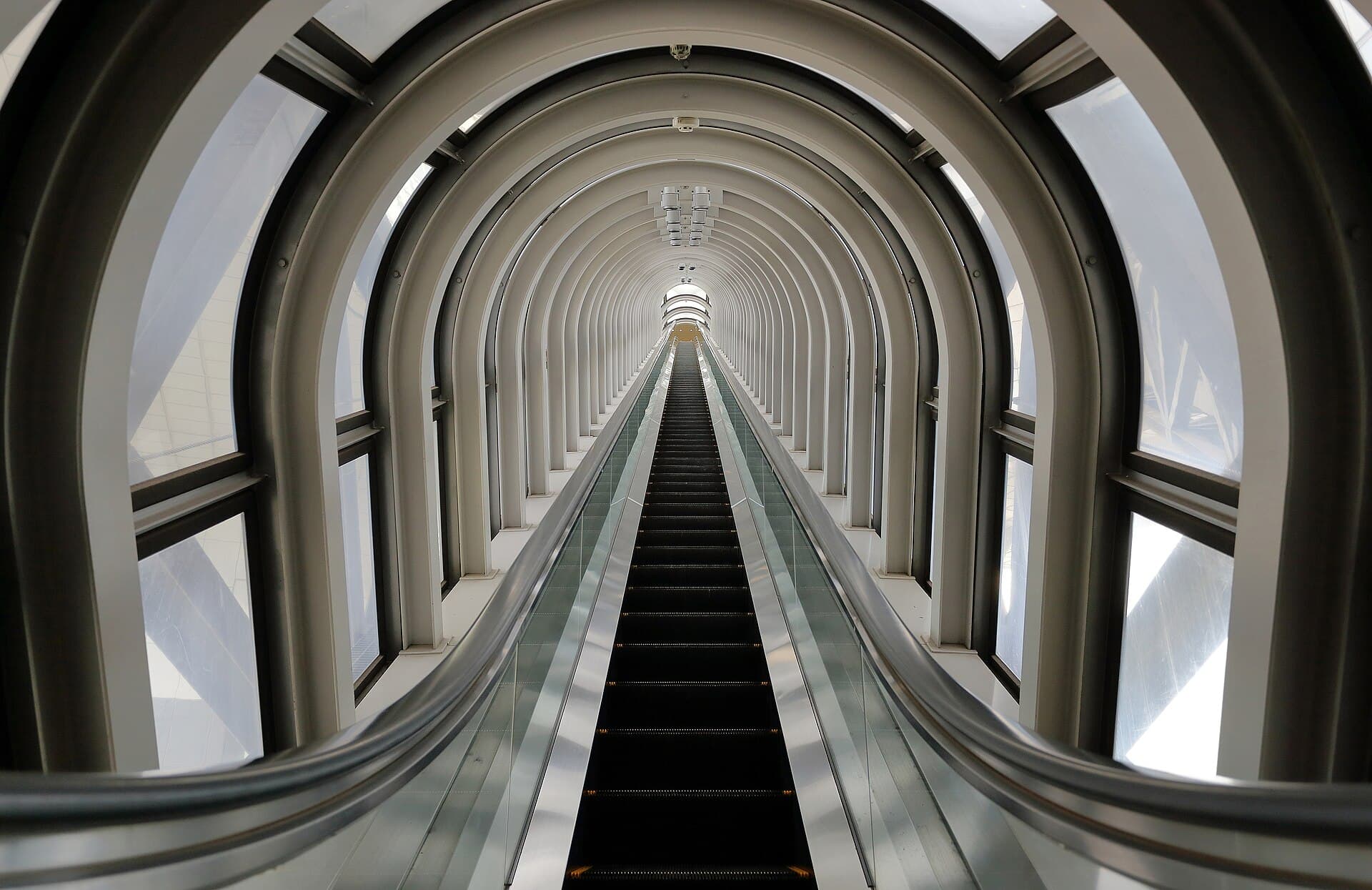
This is an architectural gem from the early 1990s that will amaze you at first glance. Two enormous towers are connected at a height of 173 metres by a circular observation deck, romantically called the Floating Garden Observatory.
Entry costs around 1,500 JPY, and a glass escalator takes you up, seemingly hanging in mid-air. It’s not for those afraid of heights, but the view over the whole of Osaka is well worth it, plus the roof is completely open with no distracting windows.
💡 Tip: The ideal time to arrive is about an hour before sunset. You’ll see the city in daylight, and within a moment the whole metropolis will light up with millions of tiny lights before your eyes. From Osaka/Umeda station it’s about a 10-minute walk.
6. Universal Studios Japan (USJ)
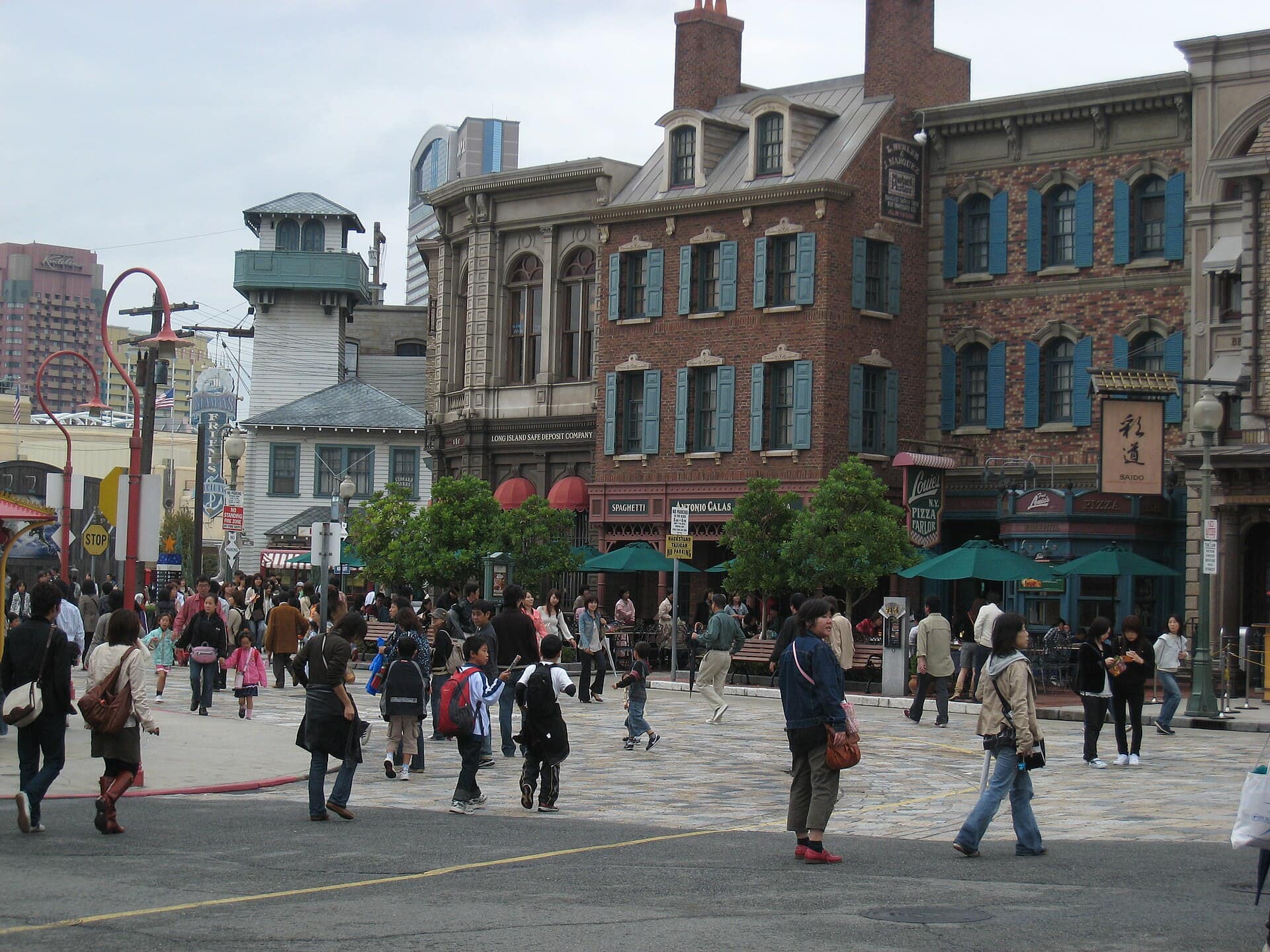
If you love film worlds or Nintendo, set aside a whole day for this theme park. Universal Studios Japan in Osaka is one of the most visited parks in the world, and you won’t manage without careful planning ahead. The basic Studio Pass will set you back 8,900 to 10,900 JPY depending on the season.
The biggest hit right now is Super Nintendo World with the amazing Mario Kart ride and the newly opened Donkey Kong Country zone (from late 2024). It’s precisely because of this area that the park is absolutely packed to bursting.
You must buy tickets online well in advance, for example through GetYourGuide. To avoid queuing for hours, travellers warmly recommend also buying the so-called Express Pass (from 9,800 JPY), which guarantees you timed entry straight into the popular Nintendo zone.
7. Shinsaibashi Shopping Arcade
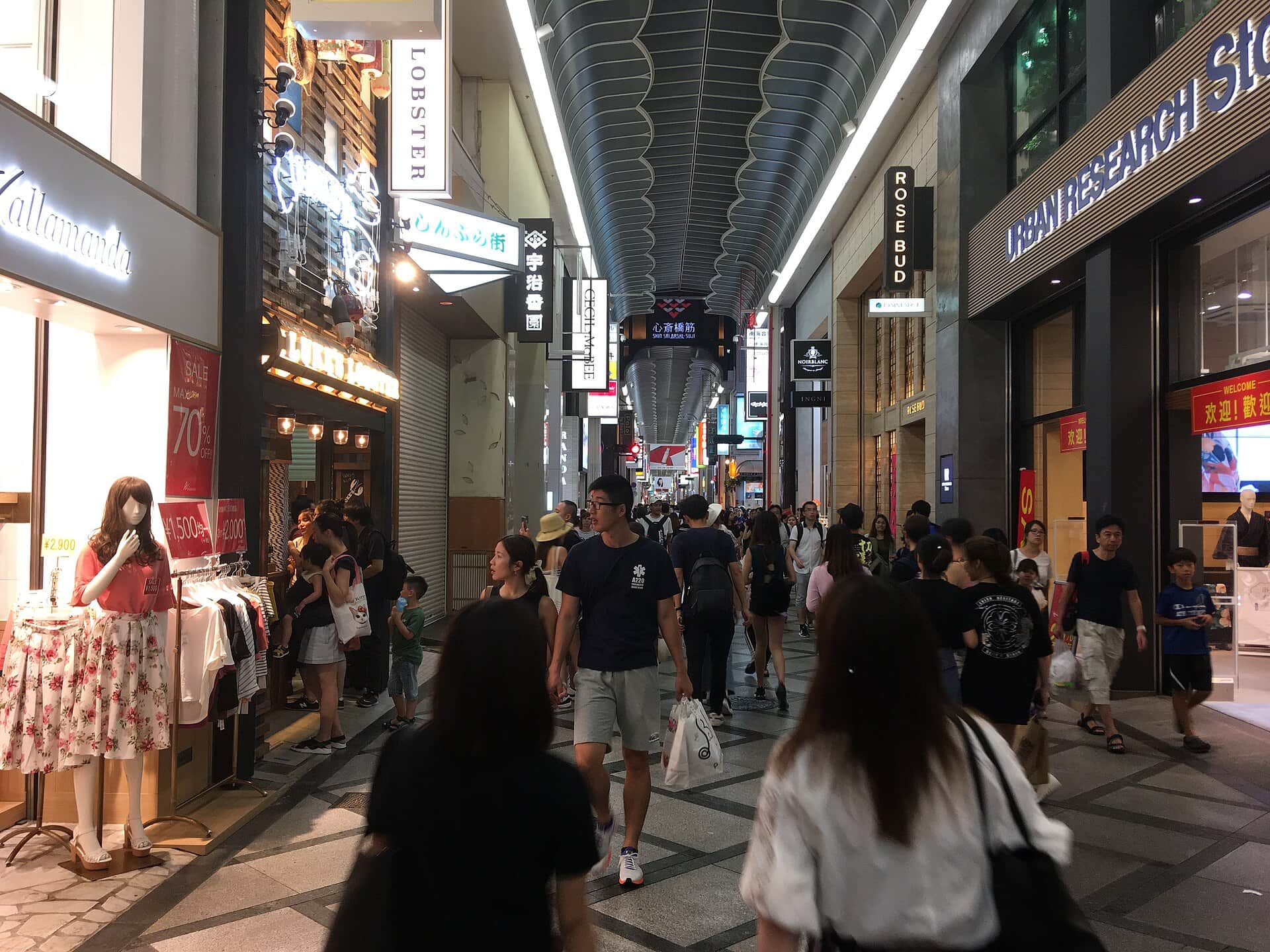
When it starts raining in Osaka, the more than 600-metre-long covered Shinsaibashi-suji arcade is the best possible rescue. You’ll find over 180 shops here, from international chains to traditional Japanese boutiques, cosmetics pharmacies and tea houses.
The arcade has been running since the Edo period, and today tens of thousands of people pass through it daily. Entry is, of course, free, and most shops open around ten or eleven in the morning and close only around eight or ten in the evening.
The arcade starts right at Shinsaibashi metro station and leads you seamlessly all the way to neon-lit Dotonbori. It’s the ideal place to buy Japanese souvenirs, clothes or crazy KitKat flavours.
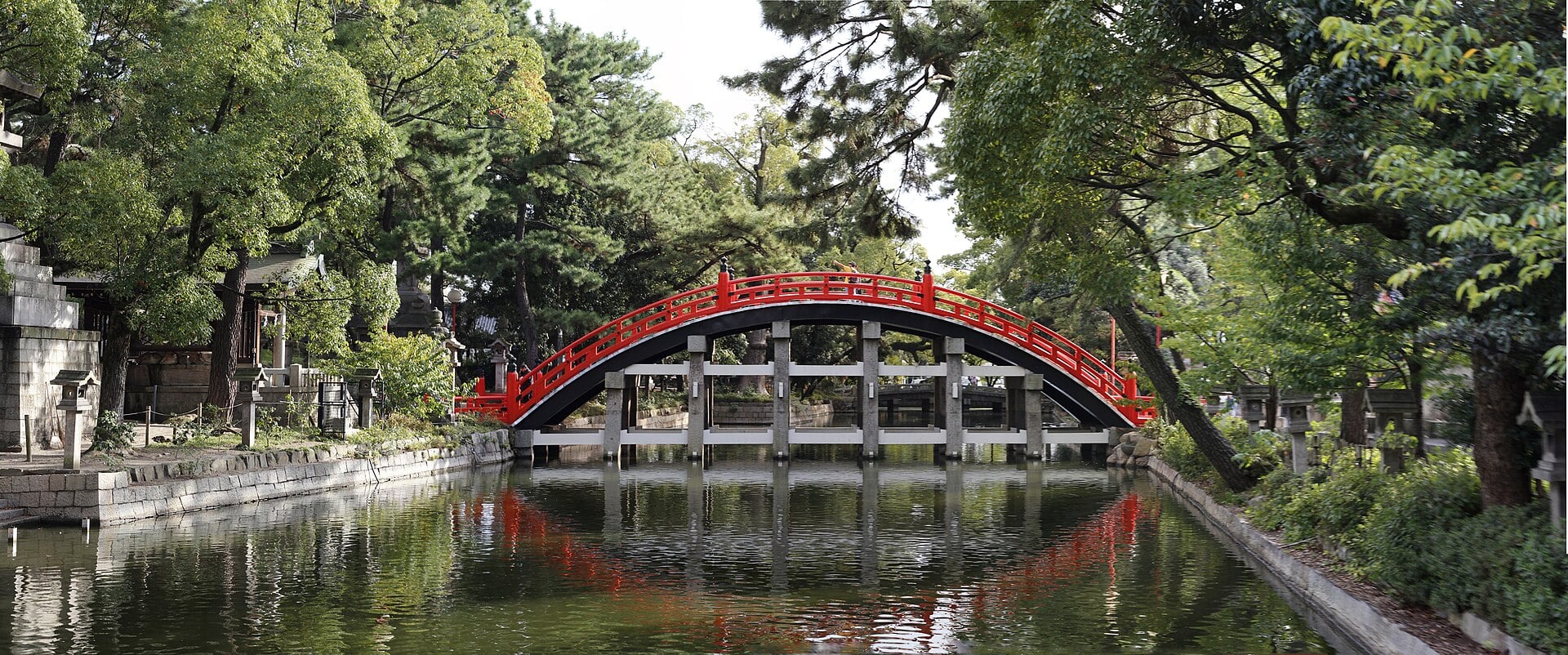

8. Sumiyoshi Taisha Shrine
If you want to escape the noise and modern buildings, head to one of the oldest Shinto shrines in all of Japan. It’s built in the unique sumiyoshi-zukuri architectural style, which emerged before the influence of the Asian mainland reached Japan.
The main visual draw of the complex is the steep, bright-red Taikobashi bridge, which arches elegantly over the water. Its reflection in the water forms a perfect circle, and photos from here look absolutely magical.
Entry to the complex is free, and it opens as early as 6:00 in the morning (the main gate then closes around 16:00). I recommend coming here as early as possible in the morning, when there’s a wonderful calm. You can get here on the Nankai trains or the old, romantic Hankai tram line.
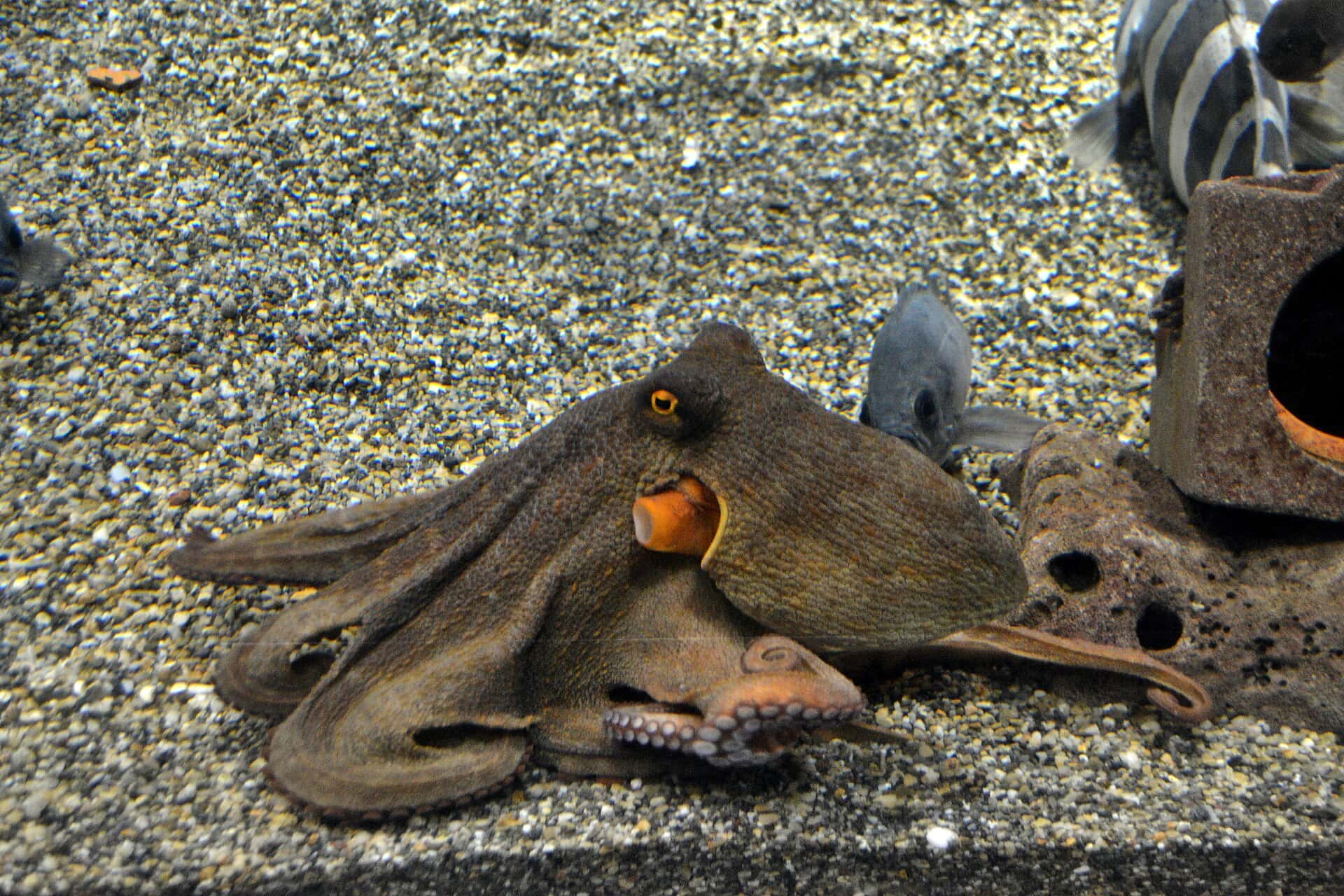
9. Osaka Aquarium Kaiyukan
One of the largest and most respected aquariums in the world can be found in Osaka’s harbour, in the area known as the Bay Area. It’s not just an ordinary display of fish, but a breathtaking journey from the surface of the Pacific Ocean all the way to the seabed.
The main highlight is the huge central tank representing the Pacific, in which a whale shark swims majestically — one of the few kept in captivity in the world. The building has a unique spiral design, so as you tour, you gradually descend floor by floor.
A ticket costs around 2,700 JPY, and I warmly recommend buying an e-ticket with a timed slot in advance. This way you’ll avoid pointless queues. Near the aquarium, by Osakako metro station, you’ll also find the giant Tempozan Ferris wheel, which offers a lovely view over the whole harbour.
10. Namba District and Den Den Town
Namba is the absolute heart of southern Osaka and a place that’s simply alive around the clock. Besides having plenty of restaurants and shops, it’s also an important transport hub where the Nankai Rapi:t train arrives directly from KIX international airport.
Definitely worth a visit is the architecturally striking Namba Parks complex, whose cascading rooftop gardens resemble a green canyon in the middle of the concrete jungle. It’s a great spot for a coffee and a rest.
Just nearby is the Nipponbashi area, nicknamed Den Den Town. It’s Osaka’s answer to Tokyo’s Akihabara district. You’ll find countless electronics shops here, along with manga, anime figurines and crazy retro video games.
Day Trip to Nara: How to Get There
From Osaka it would be a real sin not to spend at least half a day in nearby Nara, which was Japan’s first permanent capital. It’s an incredibly easy-going trip that you can handle by train on your own without any trouble.
The most practical option is to use the Kintetsu Nara Line, which you board at Osaka-Namba station. Rapid Express trains will take you to Kintetsu-Nara station in about 39 minutes for 680 JPY. This station is much closer to the main park than the competing JR line.
If you have a nationwide JR Pass, you can take the JR Yamatoji Line train from Tennoji station for 510 JPY (about 30 minutes). Just bear in mind that from JR Nara station it’s about a 15 to 20-minute walk to the park, or you’ll have to hop on a bus.
11. Nara Park and the Sacred Deer
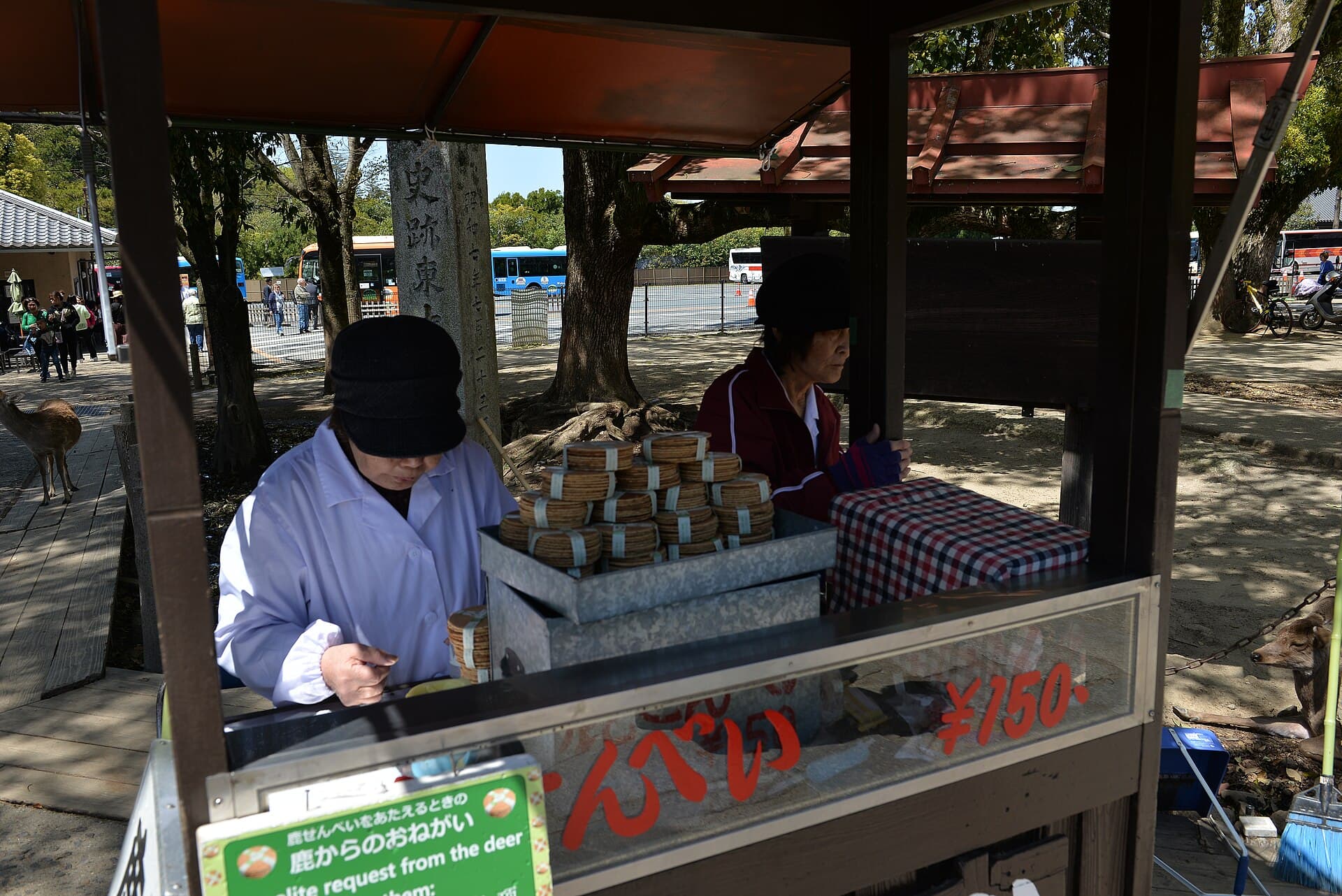
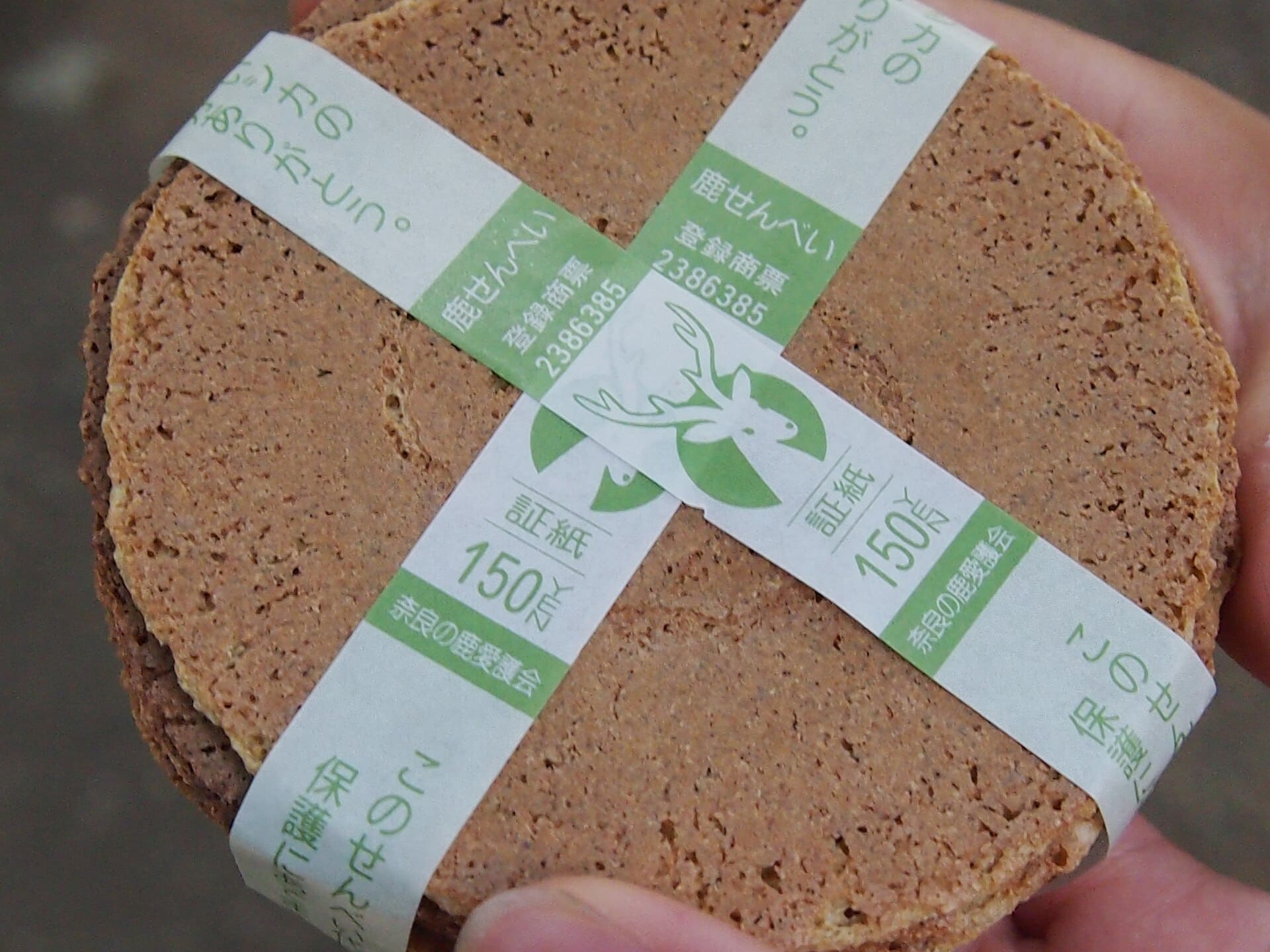
As soon as you arrive in Nara and head towards the parks, you’ll immediately come across the city’s main stars. Around 1,200 free-roaming sika deer live here, considered messengers of the gods in Shinto and holding the status of a national treasure.
Entry to the sprawling park is 24/7 and completely free. Along the paths you’ll find stalls selling special rice crackers (shika senbei) for around 200 JPY. Never feed the deer anything else! Some of them are so clever they’ve learned to bow when you show them a cracker.
⚠️ Important warning: However cute they look, these are wild animals. They can bite, headbutt or kick you if you don’t hand over the food quickly enough. Be especially careful in autumn of the more aggressive males in rut and of does with fawns. When you run out of crackers, hold up your empty palms in front of you — the deer will understand you have nothing left and move on.
12. Todai-ji Temple and the Great Buddha
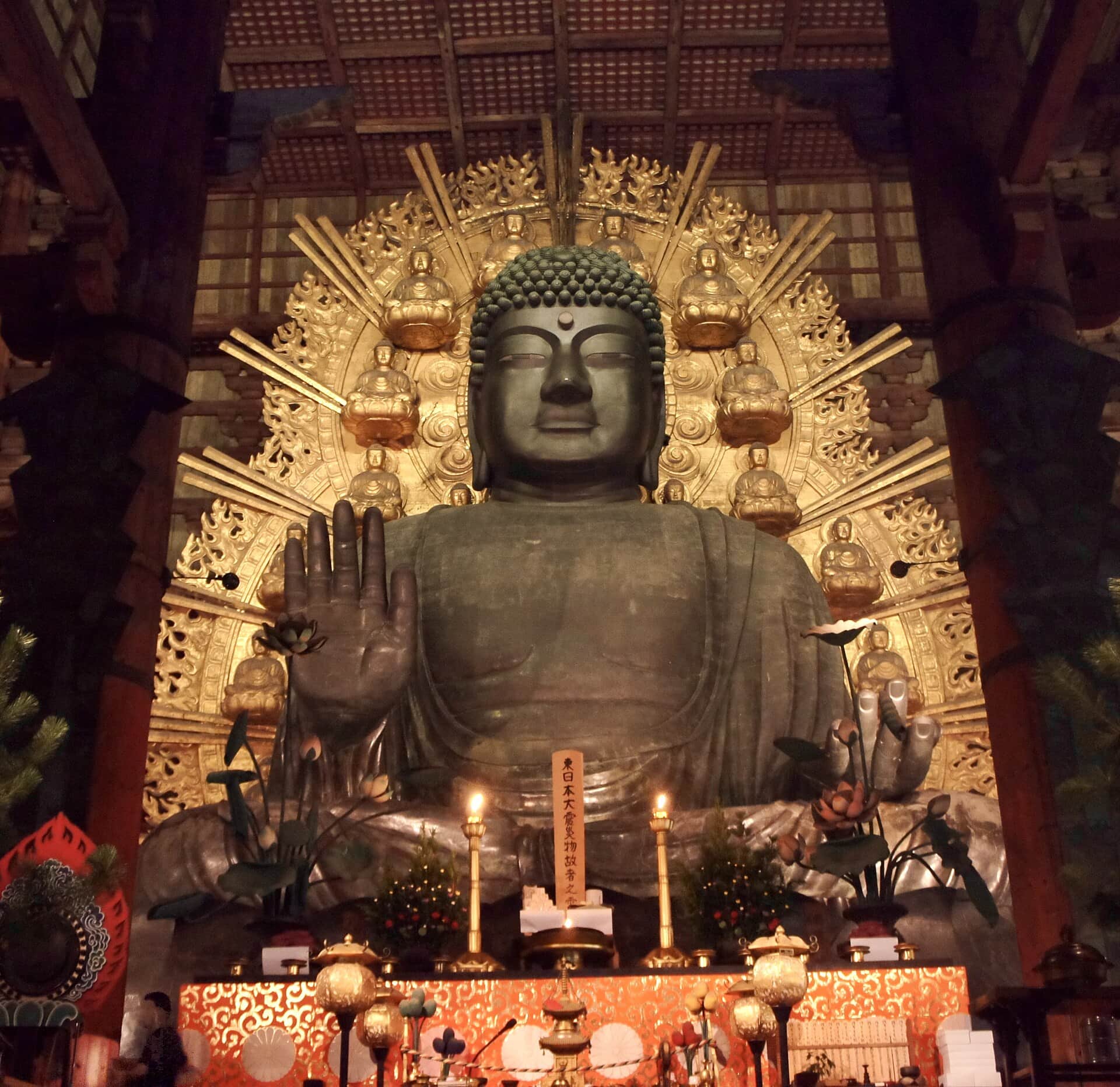
If you only have time for one single monument in Nara, it absolutely has to be Todai-ji. This temple is on the UNESCO list, and its main hall, the Daibutsuden, is among the largest wooden buildings in the world, even though today’s reconstruction is a third smaller than the original.
Entry costs 800 JPY, and a breathtaking sight awaits you inside. Here sits a huge, 15-metre-tall bronze Buddha (Daibutsu), whose creation once nearly bankrupted the Japanese economy.
Behind the Buddha statue itself, there’s a wooden pillar with a hole near the ground. This hole is nicknamed “Buddha’s nostril,” and legend has it that whoever can crawl through it will attain enlightenment in their next life. It’s quite narrow, so it’s mostly children who give it a go.
13. Kasuga Taisha Shrine and Thousands of Lanterns
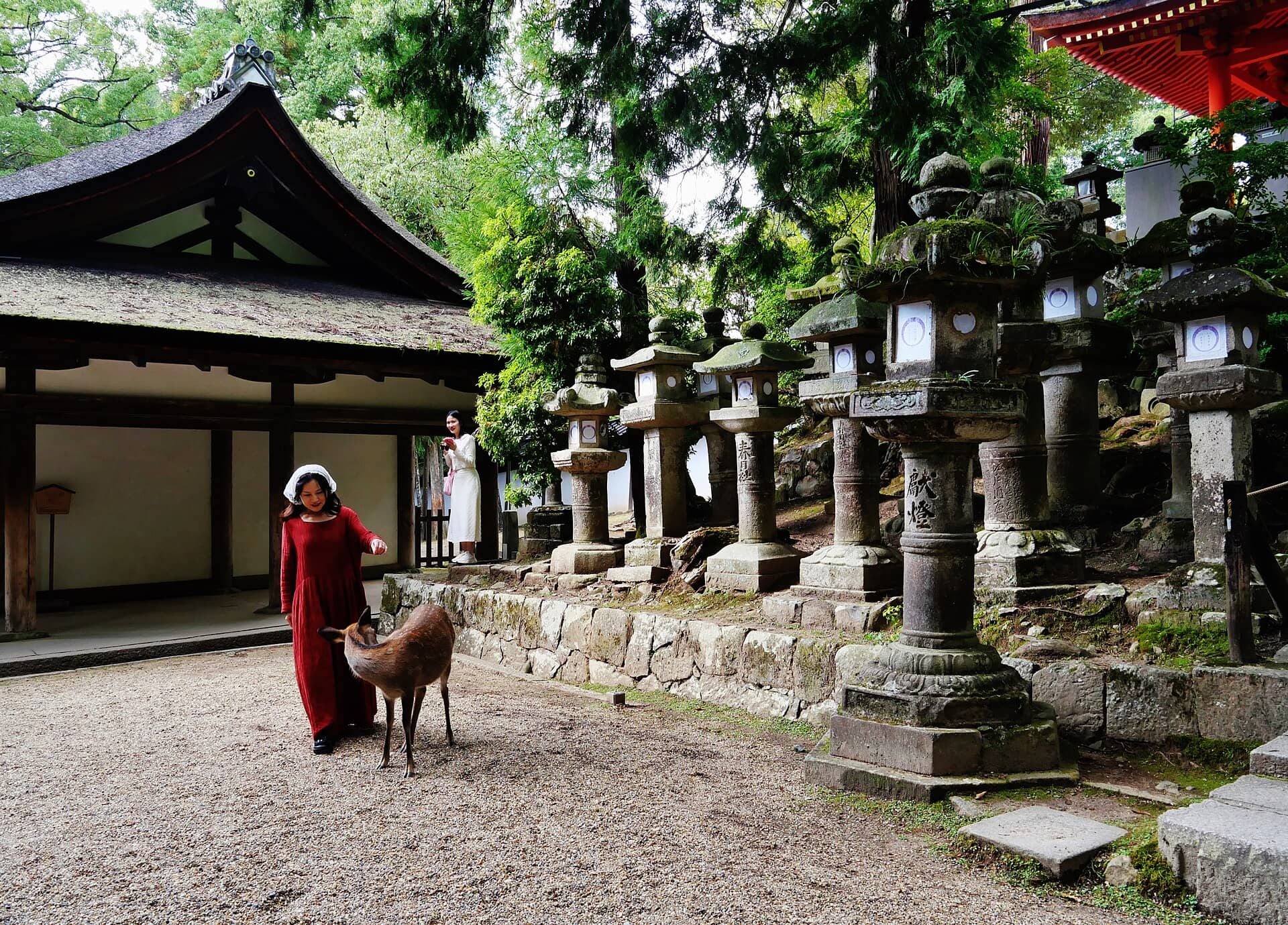
On the way from the Great Buddha, you can venture deeper into the forest, where you’ll find the most important Shinto shrine in Nara. Kasuga Taisha (also UNESCO-protected) is renowned for its gorgeous lanterns, which line the approach paths and the buildings themselves.
On the path to the shrine you’ll pass hundreds of moss-covered stone lanterns, while inside the complex, elegant bronze versions hang from vermilion-red beams. You can walk through the outer grounds for free, but entry to the inner courtyard costs 700 JPY.
All these lanterns are lit only twice a year during special festivals (in February and mid-August). Incidentally, the deer around this forest shrine tend to be much calmer and shyer than the aggressive scroungers right at the park entrance.
14. Isuien Garden
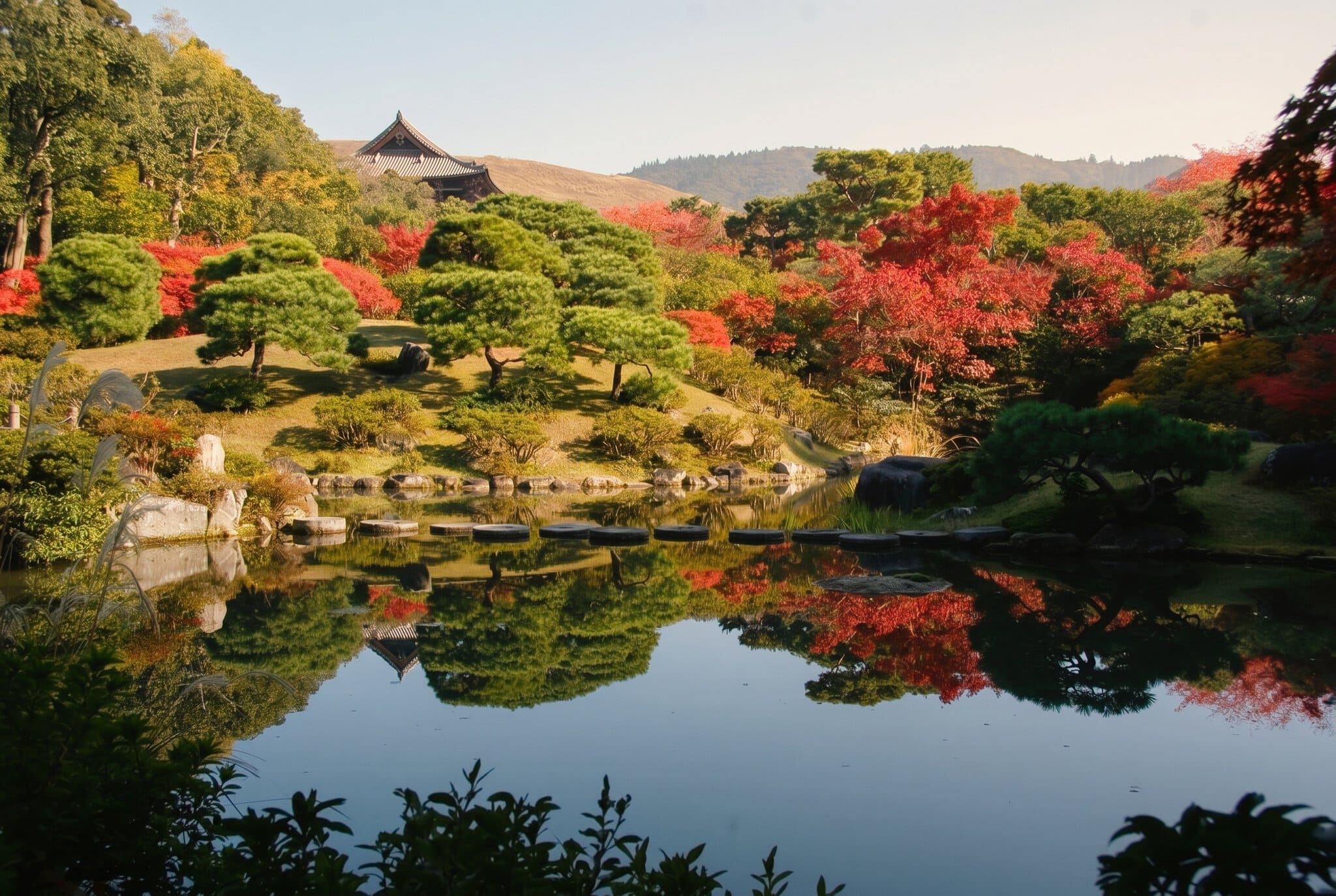
To round off the trip, I recommend escaping the crowds and visiting the classic Japanese Isuien Garden. A ticket costs 1,200 JPY (which also includes entry to the small Neiraku museum), and inside you’ll be met with pure zen and harmony.
The garden is divided into two parts with picturesque ponds and is a perfect example of the gardening technique called shakkei, or “borrowed scenery.” The architects cleverly arranged the trees so that they visually incorporated the surrounding hills and the roof of the nearby Todai-ji temple into the scenery.
In the garden you can enjoy a traditional matcha tea with a view over the water. Keep in mind that the grounds are usually closed on Tuesdays. Opening hours are from 9:30 to 16:30, so come here before your early-evening train ride back to Osaka.
Where to Go Next from Osaka
Osaka has an absolutely fantastic location for onward travel. If you have a valid JR Pass, you can hop on the super-fast shinkansen and be admiring the beautiful white Himeji Castle in under an hour, or continue further south and devote a day to an emotional visit to Hiroshima.
The city also almost merges with its more famous neighbour. If you want to immerse yourself in a traditional atmosphere full of geishas and zen gardens, read our article on what to see in Kyoto. You can be there from Osaka by train in under half an hour.
And if you’re still planning your whole dream trip and getting lost in everything there is to sort out, we’ve put together a comprehensive complete guide to a holiday in Japan, where you’ll find all the practical information from visas to etiquette.
Frequently Asked Questions
How to get from Tokyo to Osaka?
The fastest option is the Nozomi shinkansen line, which covers the route in 2 hours and 21 minutes. However, keep in mind that this fastest service is not covered by the standard nationwide JR Pass. If you have a JR Pass, you’ll need to use the slightly slower Hikari trains, which take about 2 hours and 45 minutes.
How to get from KIX airport to the city center?
If you’re flying directly into Kansai International Airport (KIX), the best option to get to the Namba district is the Nankai Rapi:t train. It looks a bit like something from a sci-fi movie, the journey takes 40 minutes and costs just under 1900 JPY. If you’re heading to the Tennoji or Umeda area, use the JR Haruka line trains (discounted tickets are available for tourists).
Is the digital Osaka Amazing Pass worth it?
This pass (costing around 3500 JPY for 1 day and 5000 JPY for 2 days in 2026) offers unlimited subway rides and free entry to approximately 40 attractions. It’s worth it if you’re planning to visit at least three paid sites per day (for example, Osaka Castle, Umeda Sky Building, and a boat cruise). The pass is now fully digital on your mobile.
Can you eat vegetarian in Osaka?
Yes, but you need to be very careful about dashi (fish stock), which is added to lots of sauces and soups. Definitely try the vegetable okonomiyaki pancake – meat-free versions are made at places like the OKO stand or the famous Mizuno restaurant. Locals also love takoyaki (octopus balls), but those obviously aren’t for vegetarians, even though you’ll find them on every corner.
How much time to set aside for a trip to Nara?
Most travelers will find that a half-day trip is more than enough. If you set off around nine in the morning from Osaka, you’ll have time to feed the deer in the park, admire the Great Buddha at Todai-ji Temple, and stroll over to Kasuga Shrine. Around three or four in the afternoon, you can head back at a leisurely pace and enjoy the evening in neon-lit Osaka.
Do Suica and Pasmo transit cards work in Osaka?
Yes! Even though Osaka is home to the local ICOCA card, the systems are now interconnected across all of Japan. If you got a Suica or Pasmo card in Tokyo (whether physical or in Apple Wallet), you can tap with it without any problems in the Osaka metro, trains, and shops.
Does the JR Pass work for a trip to Nara?
Yes, but only partially. With a valid JR Pass, you can board JR Yamatoji Line trains from Tennoji Station to JR Nara Station. The downside, however, is that JR Nara Station is about a 15 to 20-minute walk from the main deer park. The competing private Kintetsu Line (which the JR Pass doesn’t cover) stops much closer to the entrance.
Tips and Tricks for Your Vacation
Don’t Overpay for Flights
Search for flights on Kayak. It’s our favorite search engine because it scans the websites of all airlines and always finds the cheapest connection.
Book Your Accommodation Smartly
The best experiences we’ve had when looking for accommodation (from Alaska to Morocco) are with Booking.com, where hotels, apartments, and entire houses are usually the cheapest and most widely available.
Don’t Forget Travel Insurance
Good travel insurance will protect you against illness, accidents, theft, or flight cancellations. We’ve had a few hospital visits abroad, so we know how important it is to have proper insurance arranged.
Where we insure ourselves: SafetyWing (simple monthly subscription) and TrueTraveller (for extra-long trips).
Find the Best Experiences
Get Your Guide is a huge online marketplace where you can book guided walks, trips, skip-the-line tickets, tours, and much more. We always find some extra fun there!