Japan is an utterly fascinating country that will pull you in with its contrasts, but it can also give an unprepared traveller a real run for their money. If you’re heading to the Land of the Rising Sun for the very first time, chances are your head is spinning with unanswered questions about the complicated transport system, how money works, and the strict local customs. The good news is that thanks to the currently exceptionally favourable exchange rate of the Japanese yen, travelling around the islands is far more affordable than it was in past years. So let’s take a look together at everything essential you need to know before you fly, so you can enjoy your holiday without needless stress and avoid costly beginner mistakes.
TL;DR
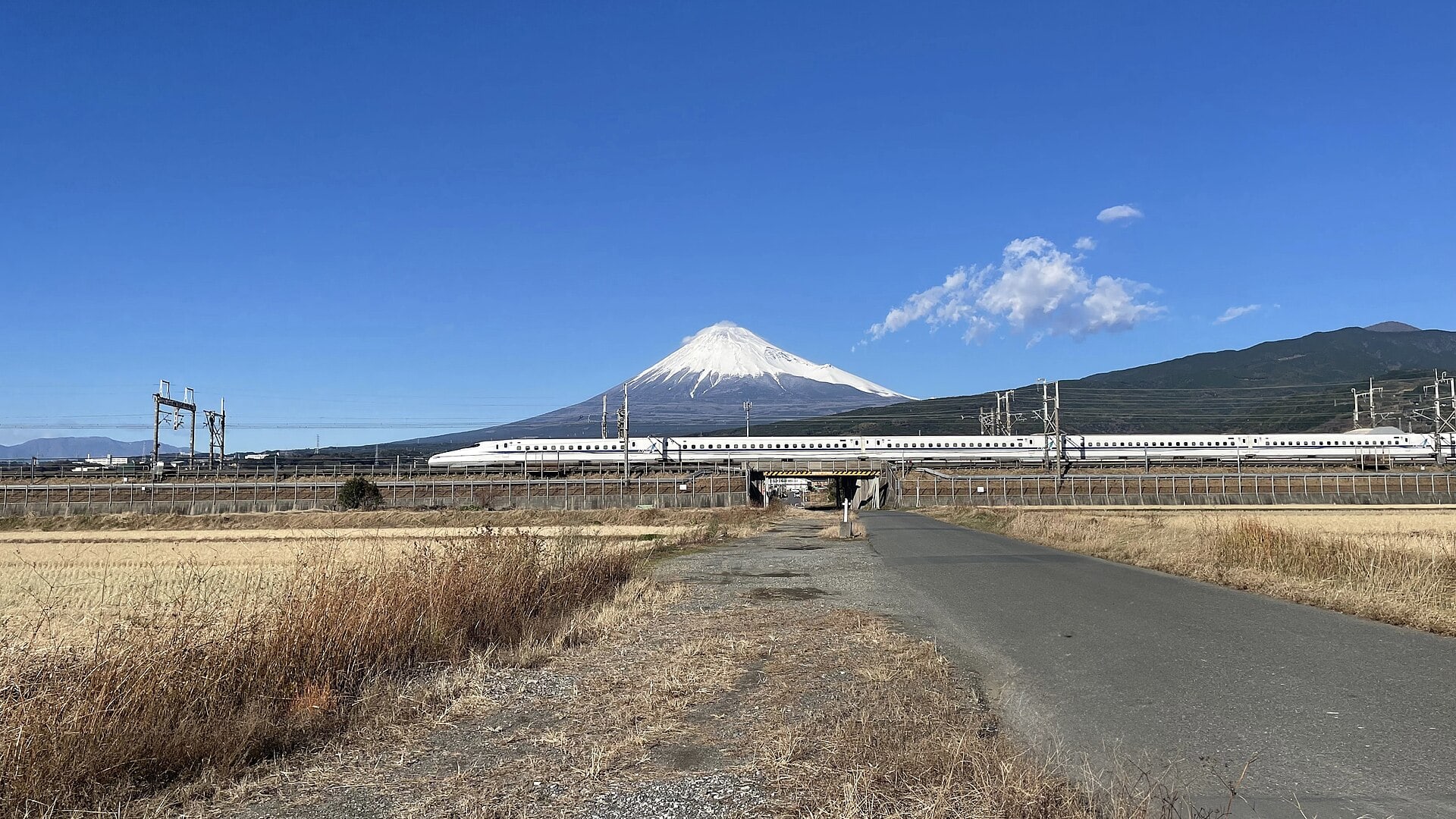
- The JR Pass has become drastically more expensive and usually isn’t worth it. A 7-day pass costs a flat 50,000 JPY (roughly £250) in 2026, so for the classic Tokyo–Kyoto round trip it’s cheaper to buy individual tickets.
- The JESTA law needn’t worry you just yet. Although the new electronic authorisation gets a lot of buzz, the system won’t launch before fiscal year 2028, and until then you travel visa-free with just your passport.
- Digitise your wallet with Apple Wallet. If you have an iPhone, download a virtual Suica card and tap to pay for the metro and small shops without even unlocking the screen.
- Large luggage on the train needs a reservation. If your suitcase exceeds 160 cm total across its three sides, you must book a special seat with luggage space on the shinkansen bullet trains in advance (for free), or you risk an unpleasant fine.
- Cash is still king in the countryside. Even though things have improved dramatically in cities since the pandemic, always carry at least 10,000 JPY in banknotes when visiting smaller temples or remote villages.
- Never leave a tip, anywhere. In Japanese culture, tipping is seen as insulting, and staff would likely chase you down the street to hand the money back.
- Download an offline dictionary and maps. English won’t save you outside the main tourist hubs and big stations, so a translator that can photograph text will be your best friend every single day.
The full destination guide: Japan — guide and what to see
12 Things You Need to Know Before Your Trip
Let’s dive into the most important things you should know before your first visit to Japan.
1. JR Pass: How Much It Costs and When It Pays Off
Just a few years ago the Japan Rail Pass was an absolute must for every tourist, but in autumn 2023 the price shot up by nearly 70 percent. Today you’ll pay 50,000 JPY (roughly £250) for the standard 7-day version, 80,000 JPY for the 14-day option, and a three-week pass will set you back 100,000 JPY. If you fancy the more luxurious first-class travel known as the Green Car, budget 70,000 JPY for a week, which is a serious dent in any travel fund.
For most ordinary tourists, this nationwide pass simply isn’t worth it. The break-even point for the 7-day ticket only comes once you take around eight longer bullet-train journeys within a single week. If you’re only planning the popular basic route from Tokyo to Kyoto, then on to Hiroshima and back to Tokyo, individual tickets will cost you around 44,180 JPY, so buying the pass would actually lose you money. On top of that, the pass still doesn’t cover the very fastest Nozomi and Mizuho services without a hefty surcharge.
The JR Pass only makes sense if you’re planning some seriously frantic long-distance dashing about. It can suit travellers who want to squeeze Tokyo, Kyoto, Hiroshima and Kanazawa into a single week and still get back again, but for more relaxed exploration it’s far wiser to pay for each journey separately or use smaller regional alternatives.
💡 Tip: Although another price adjustment from overseas sellers is expected in autumn 2026, the official japanrailpass.net site should hold current prices, so it’s recommended to buy the pass exclusively through it and skip the middlemen.
2. Regional Rail Passes as a Smarter Alternative
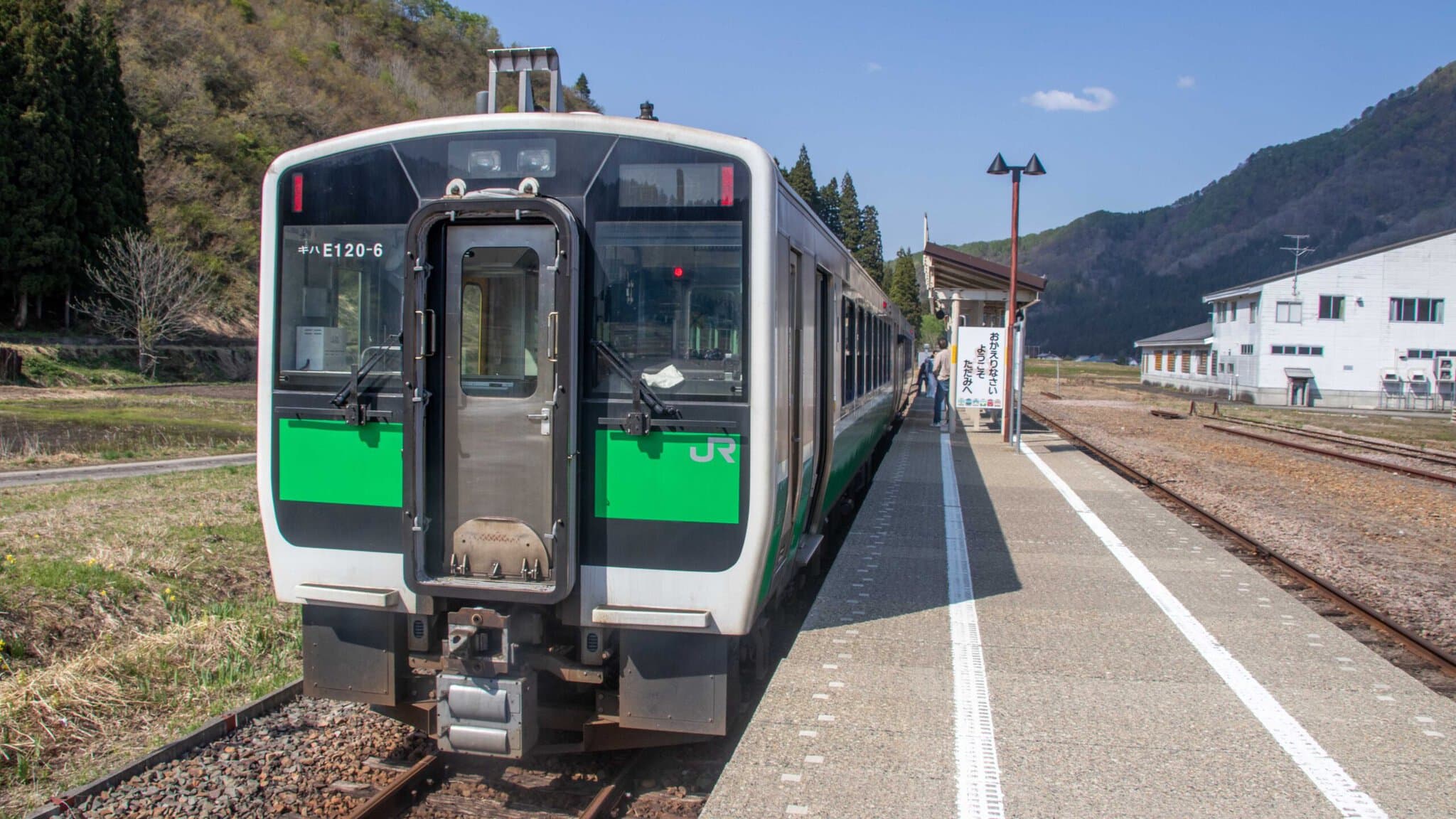
Once the national ticket no longer pays off, the so-called regional passes step onto the stage, offered by the individual branches of Japan’s railways. These passes are often a hidden lifesaver for your budget, because they focus only on specific islands or prefectures and their price is disproportionately lower. If, for instance, you’re mainly planning to explore the area around Tokyo and head north in search of snow, the JR East Pass for the Tohoku or Nagano region will be ideal.
The very best-value offer for tourists heading west is currently the Kansai-Hiroshima Area Pass from JR West. It costs an excellent 17,000 JPY, is valid for a full five days, and covers unlimited travel between Kyoto, Osaka, Himeji, Hiroshima, and even the ferry to the sacred island of Miyajima. A single return bullet-train trip from Osaka to Hiroshima alone usually costs more than the pass itself, so this investment pays for itself almost instantly.
Another great option is the Kansai Wide Area Pass, which starts at around 12,000 JPY and is more than enough for thoroughly exploring the wider surroundings of Osaka, Kyoto and Nara. I always recommend keeping Google Maps to hand, simulating your planned journeys in the public transport tab, and simply adding up what ordinary tickets would cost compared to the price of your chosen regional pass.
💡 Tip: Regional passes can usually be picked up directly at major stations, but buying online in advance on the carriers’ official sites often earns you a small discount and saves you time spent queuing.
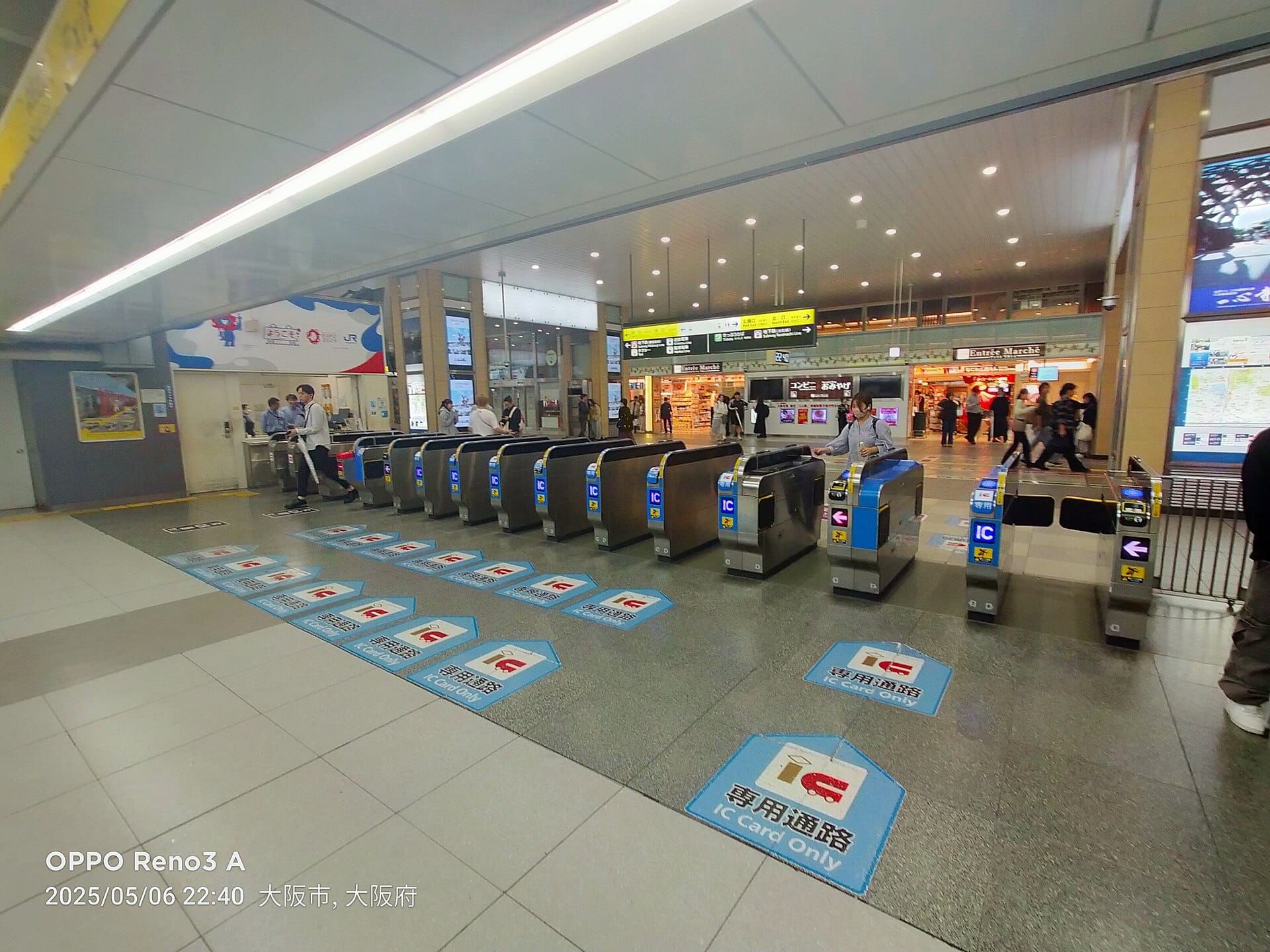
3. Suica and Pasmo IC Cards: Pay by Tapping Your Phone
In Japan you’ll come across a system of rechargeable smart cards called IC cards, the best known being Suica, Pasmo and Icoca. These cards were originally created for paying metro and commuter-train fares, but today they work as a universal electronic wallet that lets you pay in supermarkets, vending machines and some restaurants right across the country, no matter which city you bought it in.
The absolute game-changer for 2026 is the ability to add a Suica card directly to Apple Wallet on your iPhone. The whole process takes a few seconds, you top the card up with your UK bank card via Apple Pay, and thanks to Express Mode you then just tap your locked phone at the metro gates. It’s incredibly convenient and neatly solves the shortage of physical smart cards that Japan has been struggling with in recent years due to the global semiconductor shortage.
If you use an Android phone or simply prefer a physical card, you can pick up a special tourist version called the Welcome Suica at the airports. It requires no initial deposit, has a lovely cherry-blossom design, and is valid for exactly 28 days from activation, which is plenty for most holidays. Bear in mind, though, that no IC card can be used to travel on the long-distance shinkansen bullet trains between different regions — they’re strictly for local and commuter transport.
💡 Tip: Try adding the mobile Suica card to your iPhone before you even leave the UK — topping up with European Visa cards can occasionally play up, whereas transactions with Mastercard go through completely smoothly.
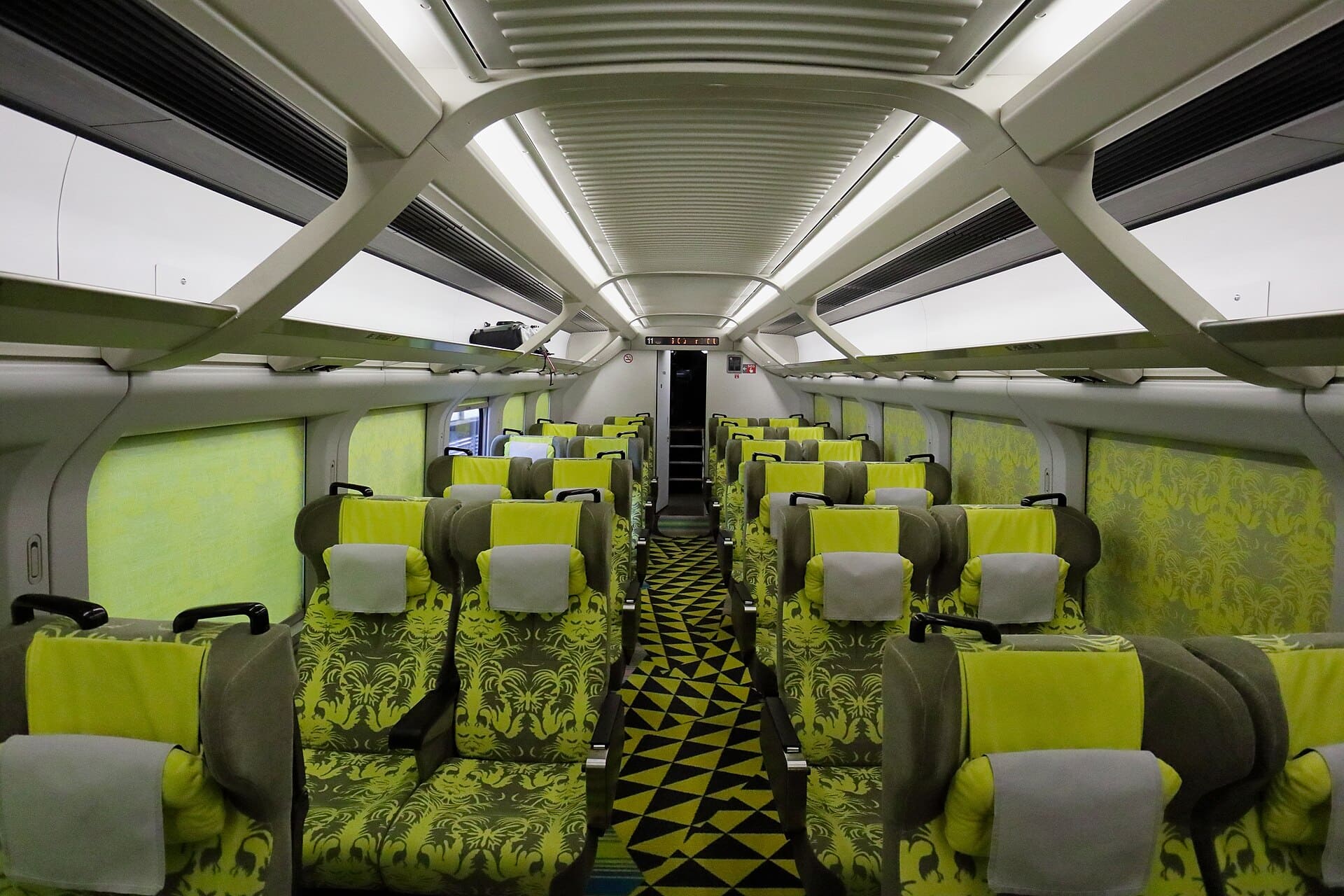
4. Shinkansen: Seat Reservations and Strict Luggage Rules
A journey on the Japanese bullet train, or shinkansen, is a huge experience, but it comes with its own specific rules. You can reserve seats on most trains completely free of charge, up to a month in advance, through the official smartEX app, on the website, or right at the station using the self-service machines. Although the trains also offer non-reserved cars for those who decide to travel last-minute, during Japanese holidays or peak tourist season booking a specific seat is an absolute must.
The most important change of recent years is the strict rules for travelling with oversized luggage. If your suitcase measures between 160 and 250 centimetres across all three sides combined (height, width, depth), you’re required to reserve a special seat in the last row of the car on the busiest Tokaido, Sanyo and Kyushu lines. This reservation is free, but the spots are limited and vanish quickly. If you board with a large suitcase without this special reservation, the conductor will hit you with an uncompromising 1,000 JPY fine and move your case to another car.
There’s a perfect culture of consideration and quiet on the trains. Making phone calls at your seat is an absolute taboo — for calls you must always step out into the vestibule between cars. Eating, on the other hand, is more than welcome, and buying a traditional train lunchbox called an ekiben, packed with local specialities, is one of the essential rituals of any longer journey, so don’t forget to leave yourself time at the station to pick out the nicest snack.
💡 Tip: While waiting for the shinkansen, look out for the markings on the platform floor that show exactly where your car’s doors will be. People here line up in perfectly orderly queues and nobody jumps the line.
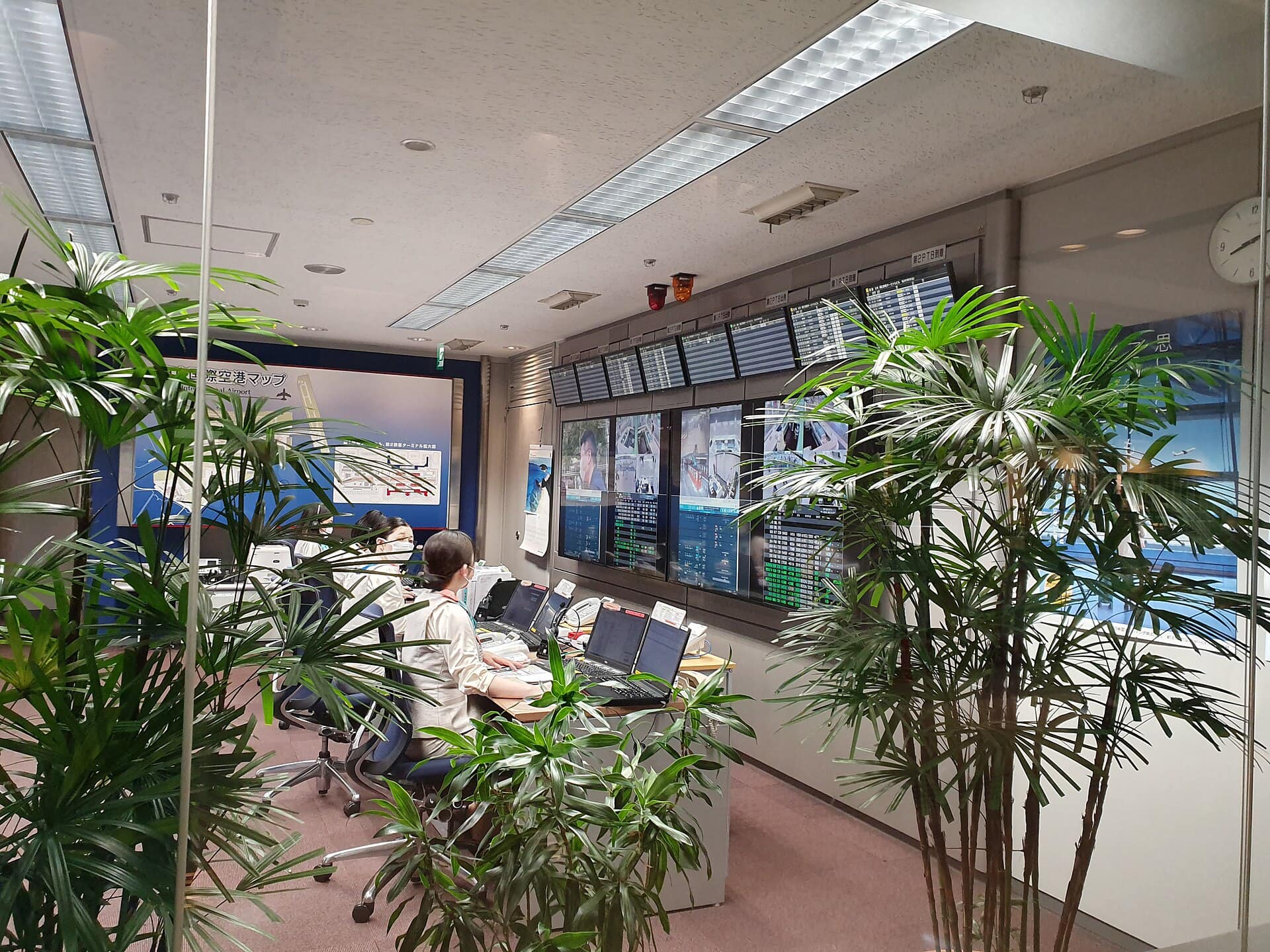
5. Visas and the Bogeyman Called JESTA
For UK citizens, travelling to Japan is very pleasant from a bureaucratic point of view, because you don’t need any traditional visa. You can spend up to 90 days there under the visa-free tourist scheme, and all you need is a valid passport. The only condition is that your passport be valid for at least the full duration of your planned stay in the country — you don’t need the famous extra six months of validity required in some Asian states.
Lately there’s been a lot of chatter online about the new electronic authorisation system called JESTA, which is meant to work much like the American ESTA. This law was recently passed, but the Japanese government has announced that it plans to launch it in earnest no earlier than fiscal year 2028. That means for trips in both 2026 and 2027 this newcomer needn’t worry you at all, and you’ll fly to Japan the old-fashioned way without filling in online forms.
Before you fly, though, be sure to fill in the online form on the Visit Japan Web portal. It generates QR codes for immigration control and customs declaration, which you then simply show on your phone screen at the airport in Tokyo or Osaka. It significantly speeds up your passage through the airport and spares you the tedious paper cards in the arrivals hall after a long flight.
💡 Tip: Even though JESTA is still a thing of the future, immigration officers at the desk may ask you to prove you have accommodation booked for the first few days and a return flight, so keep these documents printed out or saved offline on your phone.
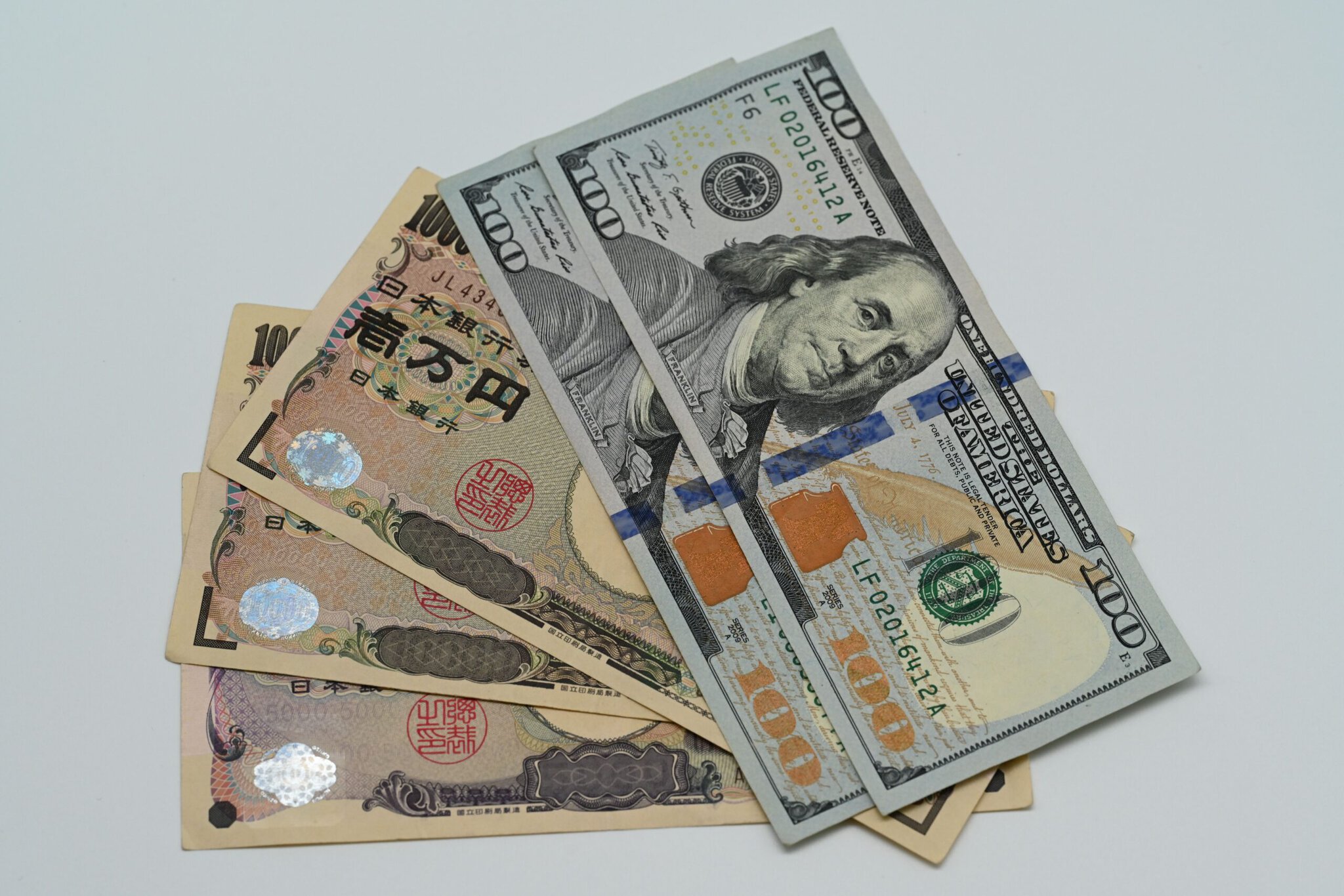
6. Money and ATMs: Japan Still Loves Cash
Although we all picture Japan as a country from the future, full of robots, when it comes to money time has stood still and cash is still hugely important. In big cities, modern hotels and chains you can pay by card or phone without any trouble these days, but the moment you head into small family-run restaurants, buy tickets to historic temples, or set off to explore the countryside, you simply can’t manage without those rustling banknotes.
Your best mate for withdrawing money will be the Seven Bank ATMs, which you’ll find in every 7-Eleven convenience store. They’re open 24 hours a day, have an excellent English menu, and happily accept the vast majority of European cards. The limit for a single withdrawal is usually around 100,000 JPY. Another reliable alternative are the ATMs at Japanese post offices (JP Post Bank), where the limit is set at 50,000 JPY per transaction.
The golden rule when withdrawing from an ATM or paying by card at a terminal is to always choose to be charged in the local currency, i.e. in Japanese yen. Never accept the DCC (Dynamic Currency Conversion) service that offers to convert straight into pounds, because that exchange rate is extremely unfavourable and you’d needlessly lose money on fees.
💡 Tip: Try to keep a reserve of around 10,000 JPY in cash on you at all times, just in case — it’ll save you in situations where you suddenly find yourself in a wonderful tucked-away spot that stubbornly refuses cards.
7. Mobile Internet: eSIM vs. Pocket Wi-Fi
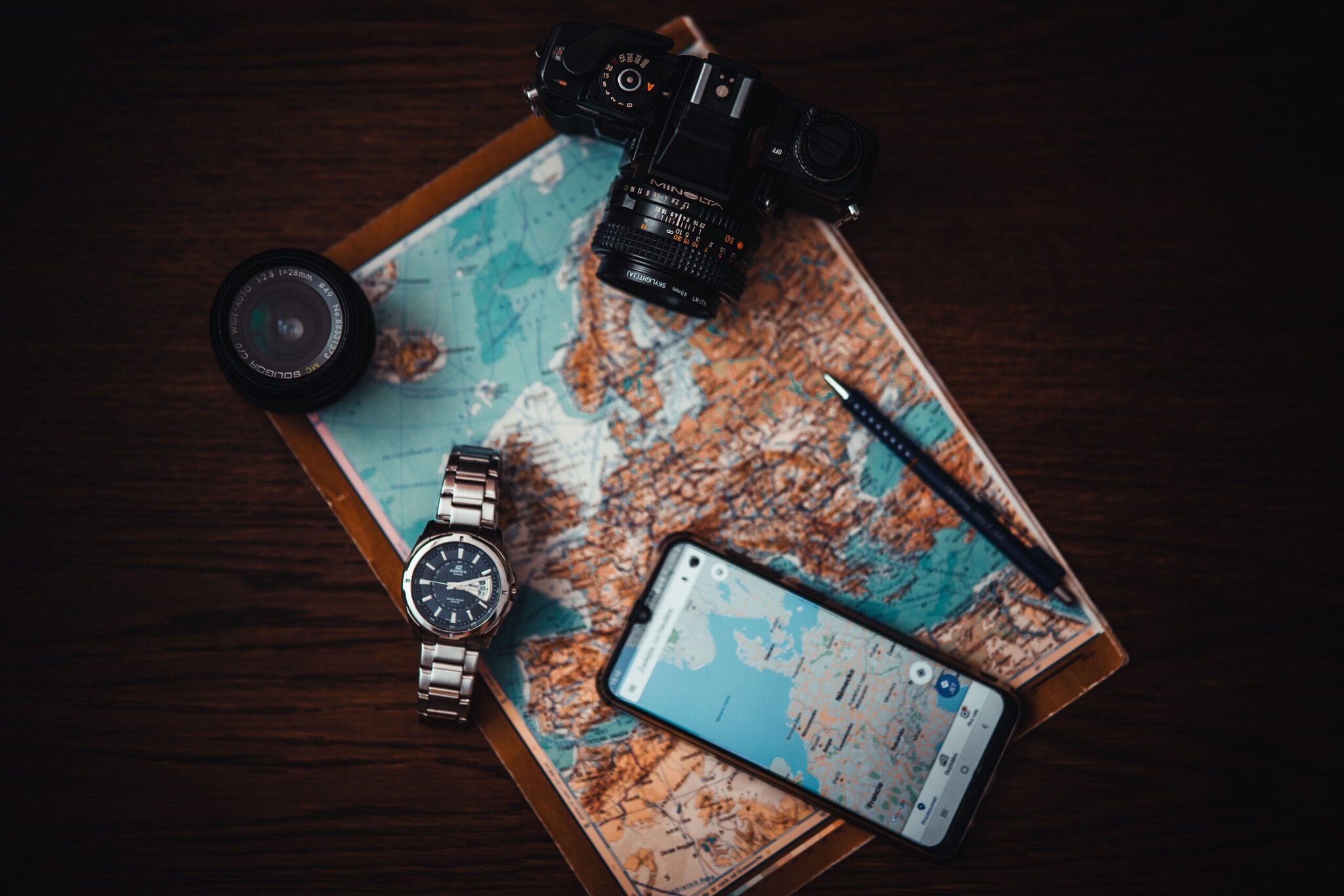
Being in Japan without an internet connection is like trying to navigate a maze blindfolded. Relying on public Wi-Fi networks in cafés or at stations is very frustrating, as they often require a complicated registration in Japanese or are incredibly slow. For individuals or couples, the clear choice in 2026 is getting an electronic SIM card, or eSIM, which you download to your phone while still at home and which activates itself the moment you land.
The advantage of an eSIM from providers like Holafly, Yesim or Ubigi is enormous flexibility. A weekly package with plenty of data can be had from around £3 to £12, and once your trip is over there’s nothing to return anywhere. Before buying, you just need to check that your smartphone supports eSIM technology and that it isn’t locked to a specific carrier, which thankfully is already standard on modern devices.
Renting the traditional Pocket Wi-Fi box, which once ruled the tourist market, only makes sense today for larger groups or families of three or more. The box creates a hotspot for everyone, so the cost is shared, but you have to accept that you must constantly charge it, lug it around in your backpack, and remember to return it at the airport or post it back to the operator at the end of your holiday.
💡 Tip: If you opt for an eSIM, download it to your phone at home over fast Wi-Fi and only activate it on the plane before landing, so you have data ready as soon as you step off for navigating to your hotel.
8. Etiquette, Onsen and Why You Should Never Tip
Japanese society runs on firm rules of consideration, and as tourists you should respect them. The basics come down to taking your shoes off. You’ll be taking off your shoes practically everywhere except modern hotels and shops — when entering temples, in traditional ryokan inns, and often in smaller restaurants too. Watch for the raised step at the entrance called the genkan; that’s a clear signal to remove your footwear. Take particular care with tatami mats, which you must not step on even in slippers, only in clean socks.
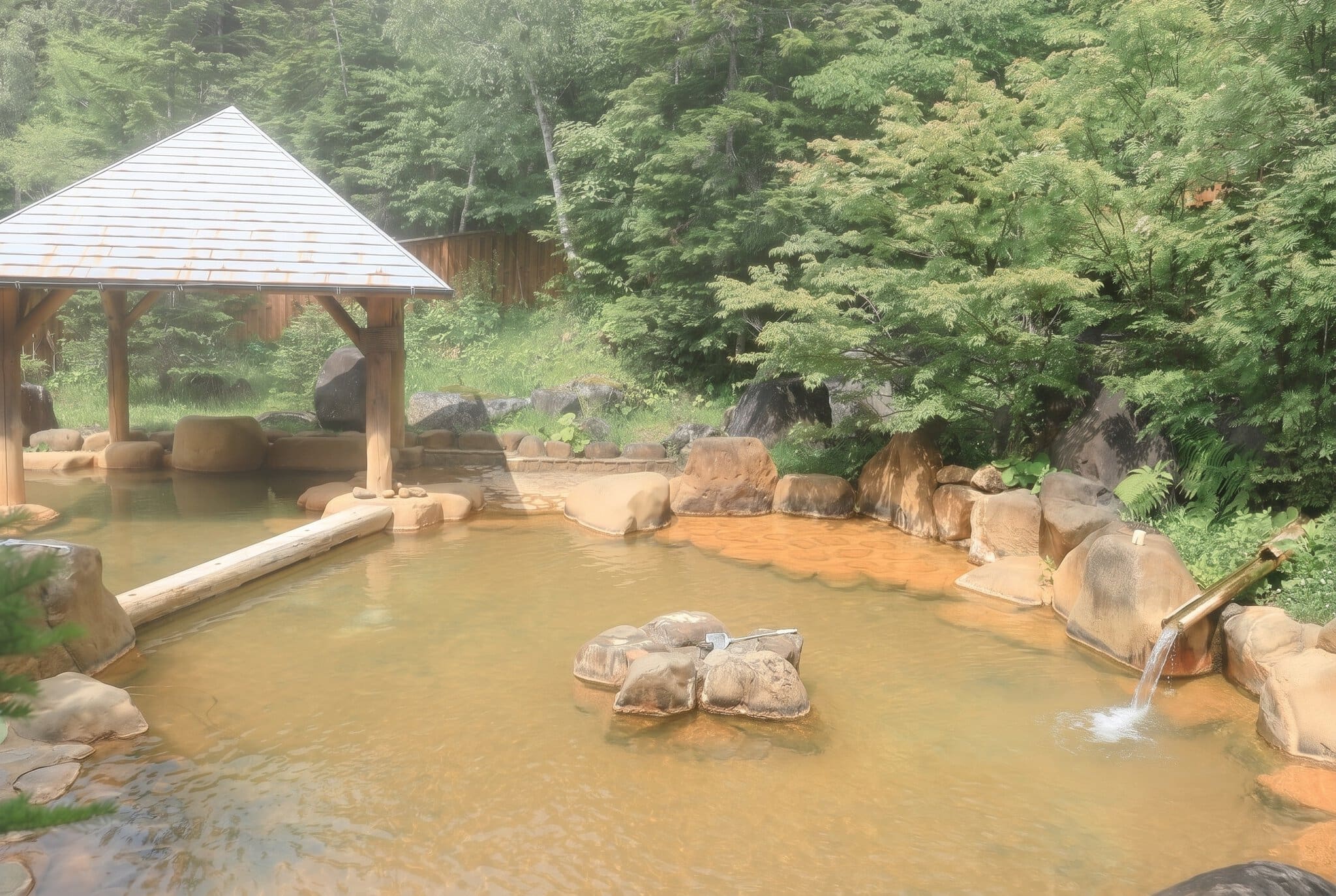
Visiting a traditional onsen hot spring also comes with its strict rules. You go into the water strictly without a swimsuit, so men and women have separate sections. Before you even step into the hot spring, you must wash thoroughly with soap on the little stools in the shower area. Never take your towel into the water; the Japanese usually fold it on top of their head to keep it dry. If you have a tattoo on your body, most public baths won’t let you in at all, so you’ll have to seek out special tattoo-friendly establishments or rent a private bath called kashikiri.
Another huge culture shock is the whole system of rewarding staff. In Japan you never, under any circumstances, leave a tip. Not in restaurants, not in taxis, not for the hotel cleaners. Good service is considered a given here, and an attempt to tip is seen as a rude insult, as it implies the employer pays their people poorly.
💡 Tip: Equally strict rules apply to a simple runny nose. Blowing your nose into a tissue in public is considered extremely rude — locals would rather keep sniffling constantly or slip off to the toilet.
9. The Language Barrier and How to Get By
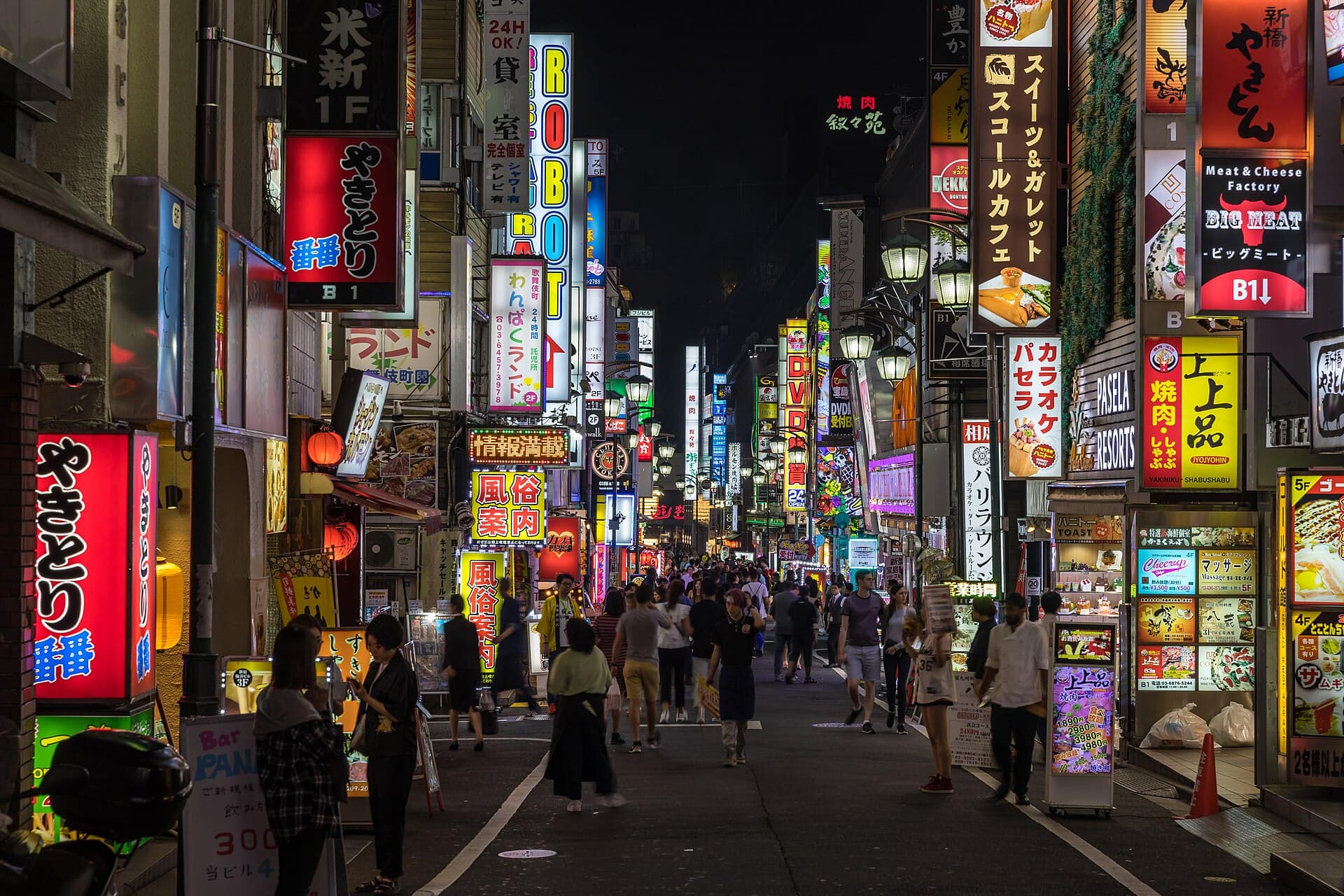
Be prepared for the fact that the level of English in Japan is surprisingly low. With the exception of major rail hubs, premium hotels and the best-known tourist attractions in Tokyo or Kyoto, you’ll run into a strong language barrier. Locals will try their hardest to help you, but it often ends in nothing more than awkward smiles and vigorous gesturing.
Your main survival weapon will be the Google Translate app, specifically its camera photo function. You’ll use it daily to scan illegible menus in restaurants, food labels in supermarkets, or the complicated buttons on the air-conditioning remote in your hotel room. Don’t forget to download the Japanese dictionary to your phone for offline use, because in basement restaurants the mobile signal often drops out.
Even with technology at your fingertips, learning a few basic phrases will win over the hearts of the locals. The single most important word is Sumimasen, which means both “excuse me” and “sorry”, and you’ll use it when squeezing through a crowd or calling over the staff in a restaurant. The thank-you Arigatō gozaimasu will bring a smile to any shopkeeper’s face, and when paying at an establishment the phrase O-kaikei onegai shimasu will come in handy.
💡 Tip: Many restaurants have display cases at the entrance with perfect plastic models of the dishes on offer. If you can’t read the menu, simply take the staff member outside, point at the model you’ve chosen, and say “Kore onegai shimasu” (This one, please).
10. Sockets, Adapters and the Saviour Called Konbini
Your UK chargers won’t work in Japan. The country uses type-A electrical sockets with two flat pins, the kind you know from the United States, and on top of that the voltage is only 100 V. To charge your phone or laptop, all you’ll need is a cheap little plastic adapter, since modern electronics handle the lower voltage without any trouble (look for the “100–240 V” label on your charger). If you’re planning to bring more powerful appliances from home, though, they’ll need a heavy, expensive voltage converter, so it’s better to leave them behind.
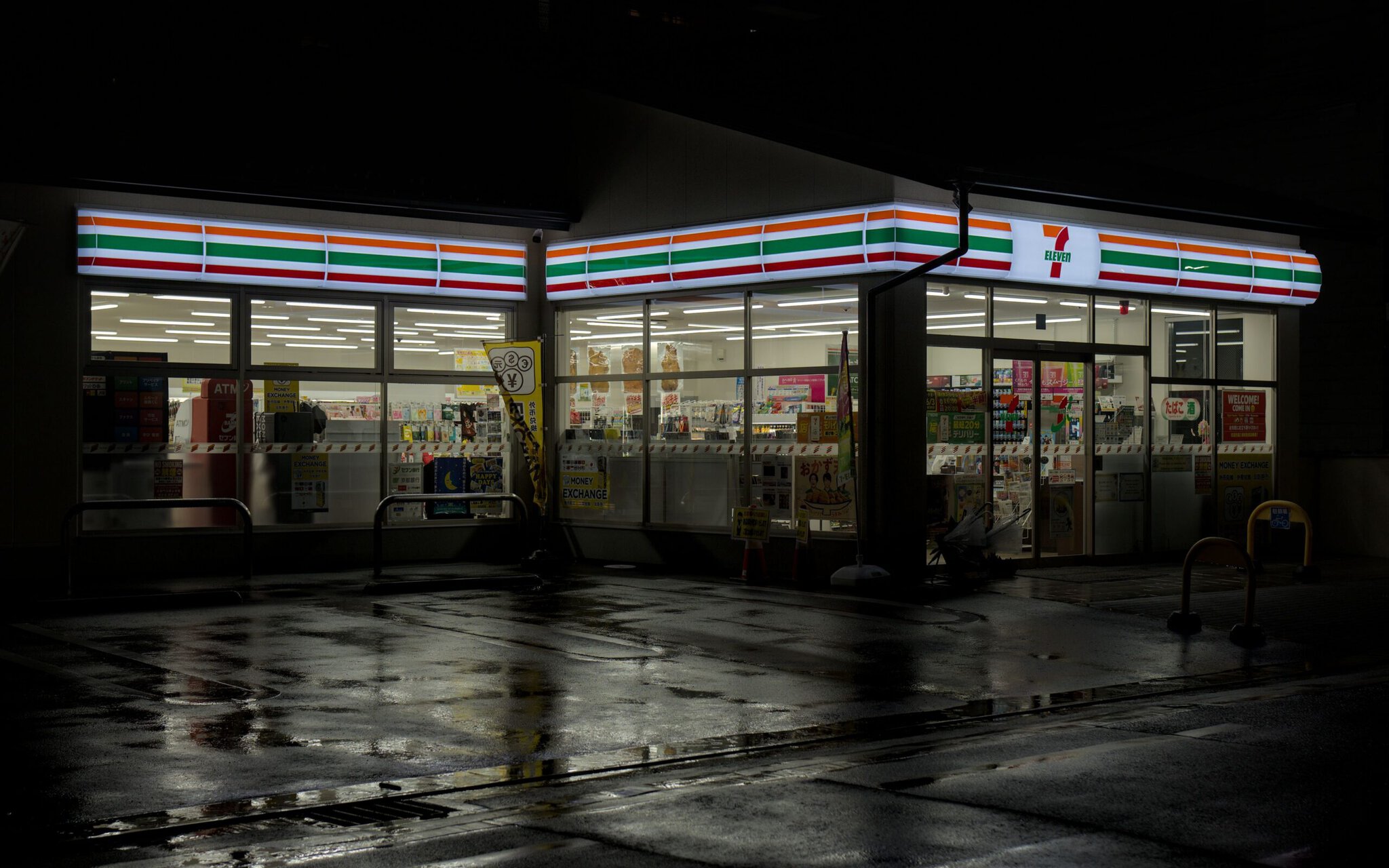
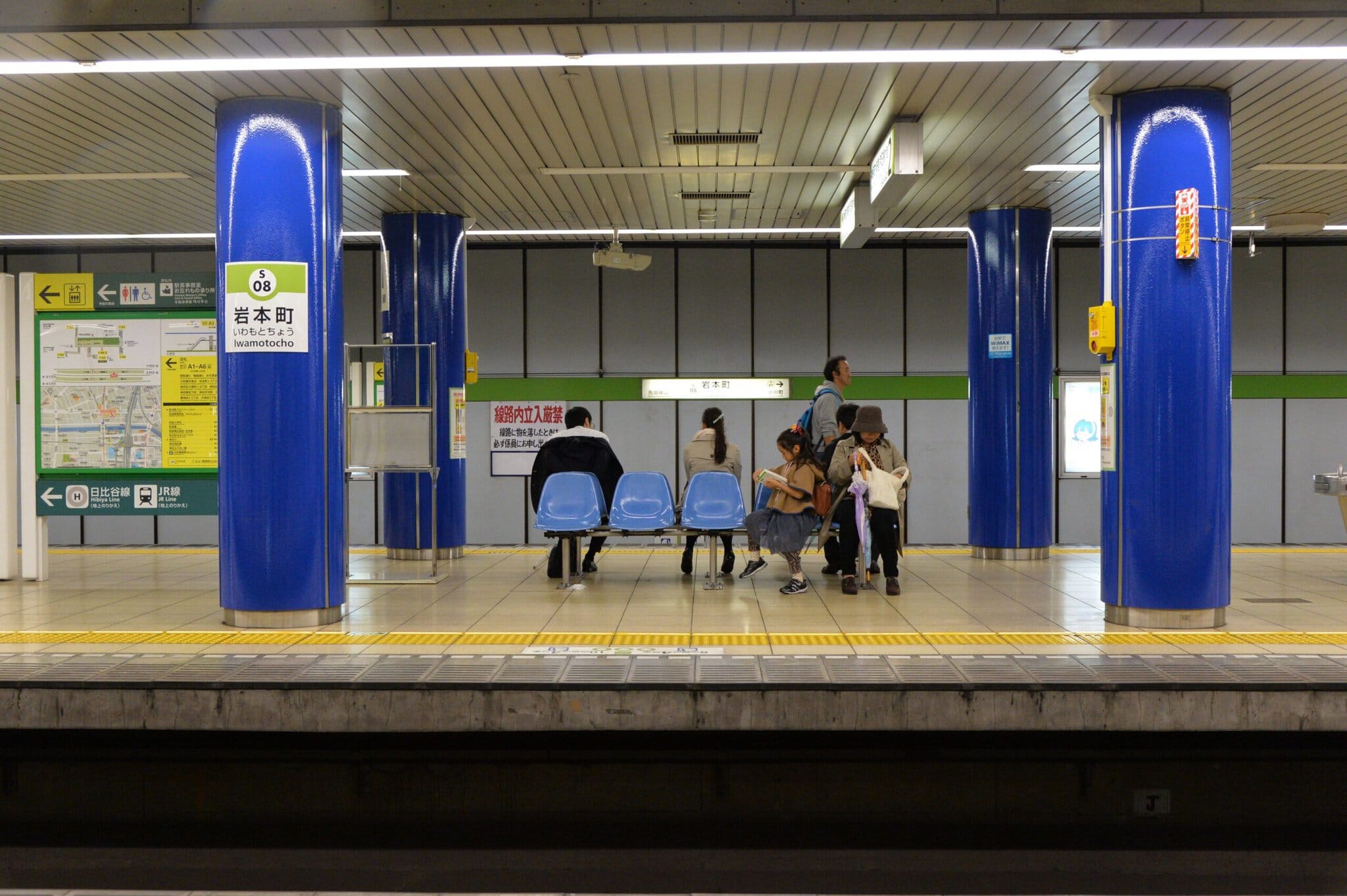
A cornerstone of Japanese society are the round-the-clock convenience stores known as konbini, the best-known chains being 7-Eleven, Lawson and FamilyMart. These shops glow on every corner and will quite literally save your life. You can buy fantastic, cheap food, grab plasters, clean socks or an umbrella, withdraw cash from the ATM, or print out your attraction bookings. Their standard is incomparably higher than any European corner shop.
A fascinating feature of the streets are also the vending machines you’ll come across even in the most unlikely places, the middle of a forest included. In them you can buy not only cold but also hot drinks (marked in red), which is an absolute lifesaver in the winter months. What’s more, most modern machines happily accept payment with your Suica IC card, so you won’t have to fish around for loose change.
💡 Tip: If you buy a lunchbox (bento) or the popular rice triangle (onigiri) at a konbini, the staff will automatically ask whether you’d like the food heated in the microwave and will throw in a set of disposable chopsticks too.
11. Apps That Will Save Your Life
A smartphone loaded with the right apps turns a complicated trip around Japan into a smooth, hassle-free experience. The absolute essential is Google Maps, which works here at an incredibly detailed level. When looking up a route by public transport, it shows you exactly how much the journey will cost, which platform you need, and even advises which metro car is best to board so you’re closest to the escalators for your transfer.
For planning longer rail journeys, I recommend downloading the excellent Japan Travel by NAVITIME app. You can set which specific rail passes you hold, and the app finds the exact routes and connections your passes cover, saving you from unpleasant surcharges. It also includes offline metro maps of major cities, which you’ll appreciate underground with no signal.
Besides the aforementioned Google Translate, many travellers also swear by the DeepL app, which often handles the tricky nuances of Japanese better when translating whole sentences into text. For convenient bullet-train bookings, download the smartEX app, where you can pick your seats from the comfort of your hotel bed and then simply link your ticket to your IC card for easy passage through the gates.
💡 Tip: Google Maps can even navigate you through the enormous underground complexes of Japanese stations, so switch it on the moment you step off the train to find the right exit onto the street from the maze of corridors.
12. Budget: How Much Japan Costs per Day
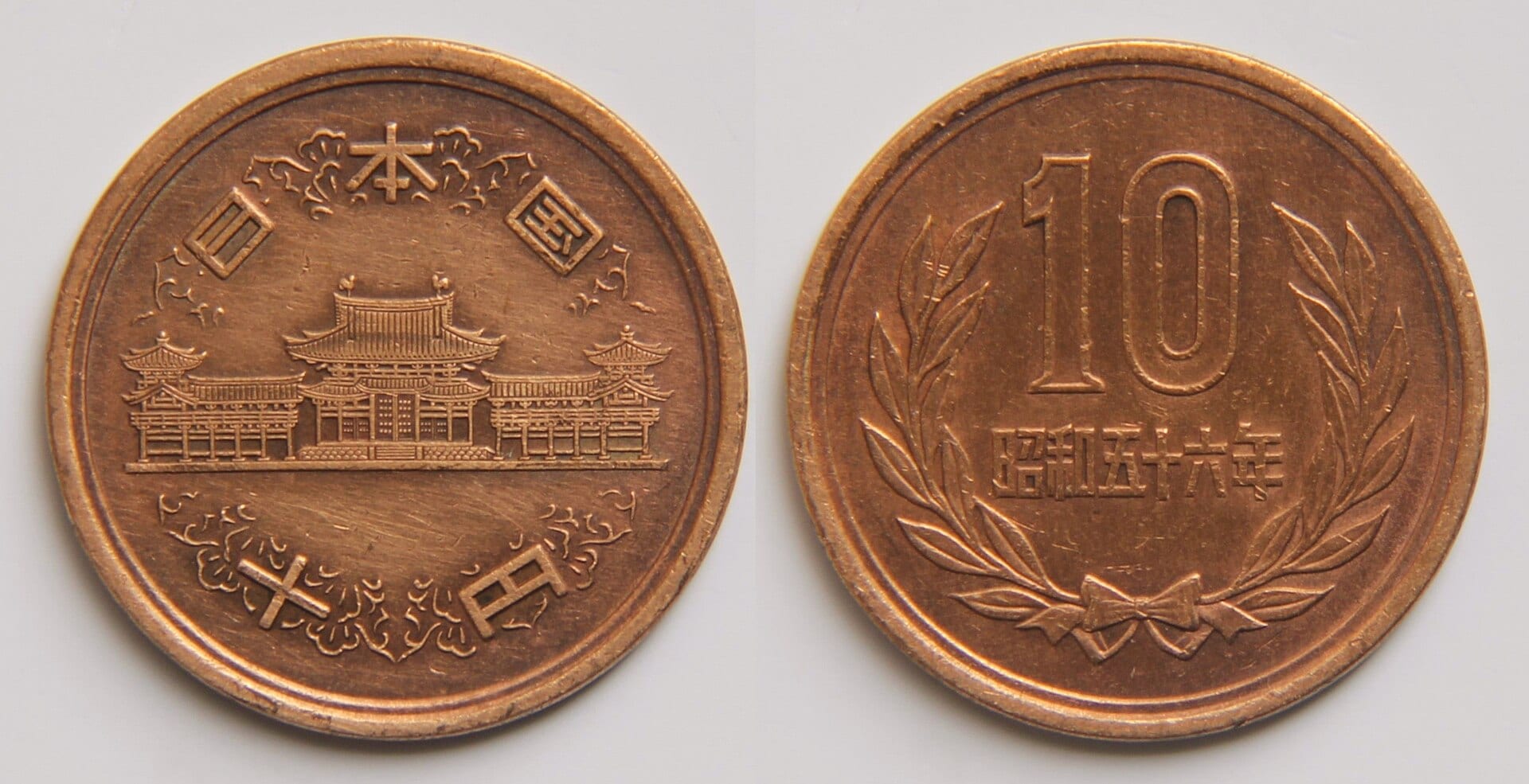
Japan has long boasted a reputation as one of the most expensive destinations in the world, but thanks to recent economic shifts and a weak yen it’s now exceptionally affordable for us. If you travel as a modest backpacker, sleep in hostels and eat at quick noodle joints, your daily budget can comfortably be squeezed down to 10,000–15,000 JPY, not counting intercity travel. Travellers looking for a happy medium with nice 3-star hotels and dinners at classic establishments should reckon on roughly 20,000–35,000 JPY per person per day.
Vegetarians will have a slightly harder time with both the budget and finding food. Japanese cuisine is heavily built on dashi fish stock, which is hidden absolutely everywhere, even in seemingly meat-free noodles. The HappyCow app becomes a veritable holy grail for vegetarians — with it you’ll find modern spots serving vegan ramen or traditional Buddhist shojin ryori cuisine in Kyoto’s temples. In a pinch, an onigiri from the convenience store filled with pickled umeboshi plum or seaweed will save you.
Don’t forget to factor the small hidden fees into your plans, either. The government has newly introduced a departure tourist tax of 1,000 JPY (which is usually already cleverly hidden in the price of your flight ticket), and some popular attractions and temples are slowly starting to experiment with so-called dual pricing, where foreign tourists pay a slightly higher admission than local residents.
💡 Tip: A great way to keep your budget in check is the set lunch menus in restaurants known as teishoku. While you might leave thousands of yen in an establishment in the evening, at lunchtime you’ll get an enormous tray with a main dish, rice, soup and salad for just a few hundred.
Practical Summary and Rough Prices
To give you a better idea of what budget to prepare for your trip, here’s a table of average prices for common items in 2026. Prices can of course vary slightly depending on whether you’re in the centre of Tokyo or in the more remote countryside.
- Bottle of water from a vending machine: 110–150 JPY
- Coffee at Starbucks: around 450 JPY
- A bowl of ramen at an ordinary spot: 800–1,200 JPY
- Onigiri (rice triangle) at a convenience store: 120–160 JPY
- A single metro ride in Tokyo: from 180 JPY depending on distance
- Admission to a major temple: 500–1,000 JPY
- A night in a decent business hotel for two: 8,000–14,000 JPY
- A pint of local draught beer (nama biru): 500–700 JPY
Where to Go Next
Frequently Asked Questions
When is the best time to visit Japan?
Japan is beautiful year-round, but the most popular tourist months are March and April due to the famous cherry blossom season, and then late October to early November, when the trees turn vibrant autumn colors. It’s best to avoid the summer months, as the humidity is unbearable, temperatures climb to extreme values, and there’s also the risk of typhoons.
Can I rent a car in Japan with a Czech driver’s license?
Unfortunately no, the standard international driver’s license issued in the Czech Republic (under the Vienna Convention) is not valid in Japan, because the Japanese exclusively recognize the Geneva Convention of 1949. If you wanted to drive here, you would need to arrange an official certified translation of your Czech license directly at the embassy or through the Japanese Automobile Federation JAF, which is a process requiring time and patience.
Is Japan safe for tourists?
Japan has long been considered one of the absolutely safest countries on the entire planet. The street crime rate here is almost zero, people commonly leave their laptops on café tables when they go to the bathroom, and even nighttime walks through Tokyo’s dark alleyways pose no security risk.
Is tap water drinkable?
Yes, tap water throughout Japan is completely safe, very clean, and suitable for drinking. In parks and train stations, you’ll even find special drinking fountains, so definitely bring a reusable bottle with you and save money on constantly buying bottled water from vending machines.
What should I do in case of an earthquake?
Japan is located in a seismically very active area and minor tremors are a daily occurrence. If you feel a stronger earthquake, stay completely calm, take cover under a sturdy table, protect your head and wait until the shaking passes. Modern buildings are constructed to withstand massive movements, and the Japanese are perfectly trained for these situations, so just follow their behavior.
How is it with using drones?
The rules for flying drones in Japan are extremely strict. Flying is broadly prohibited in densely populated areas, over parks, landmarks, and near airports, which covers practically all the places you’d want to film. Unless you’ve obtained complex special permits from the authorities, I recommend leaving your drone safely tucked away at home in the cupboard.
Where can I best get tickets for attractions?
The most popular attractions like teamLab Planets, Tokyo Skytree, or Universal Studios in Osaka tend to sell out weeks in advance. The easiest solution for tourists is to purchase e-tickets through platforms like GetYourGuide or Klook, where you have everything clearly laid out in English and you simply load your tickets into the mobile app without needing to print anything.
Tips and Tricks for Your Vacation
Don’t Overpay for Flights
Search for flights on Kayak. It’s our favorite search engine because it scans the websites of all airlines and always finds the cheapest connection.
Book Your Accommodation Smartly
The best experiences we’ve had when looking for accommodation (from Alaska to Morocco) are with Booking.com, where hotels, apartments, and entire houses are usually the cheapest and most widely available.
Don’t Forget Travel Insurance
Good travel insurance will protect you against illness, accidents, theft, or flight cancellations. We’ve had a few hospital visits abroad, so we know how important it is to have proper insurance arranged.
Where we insure ourselves: SafetyWing (simple monthly subscription) and TrueTraveller (for extra-long trips).
Find the Best Experiences
Get Your Guide is a huge online marketplace where you can book guided walks, trips, skip-the-line tickets, tours, and much more. We always find some extra fun there!