

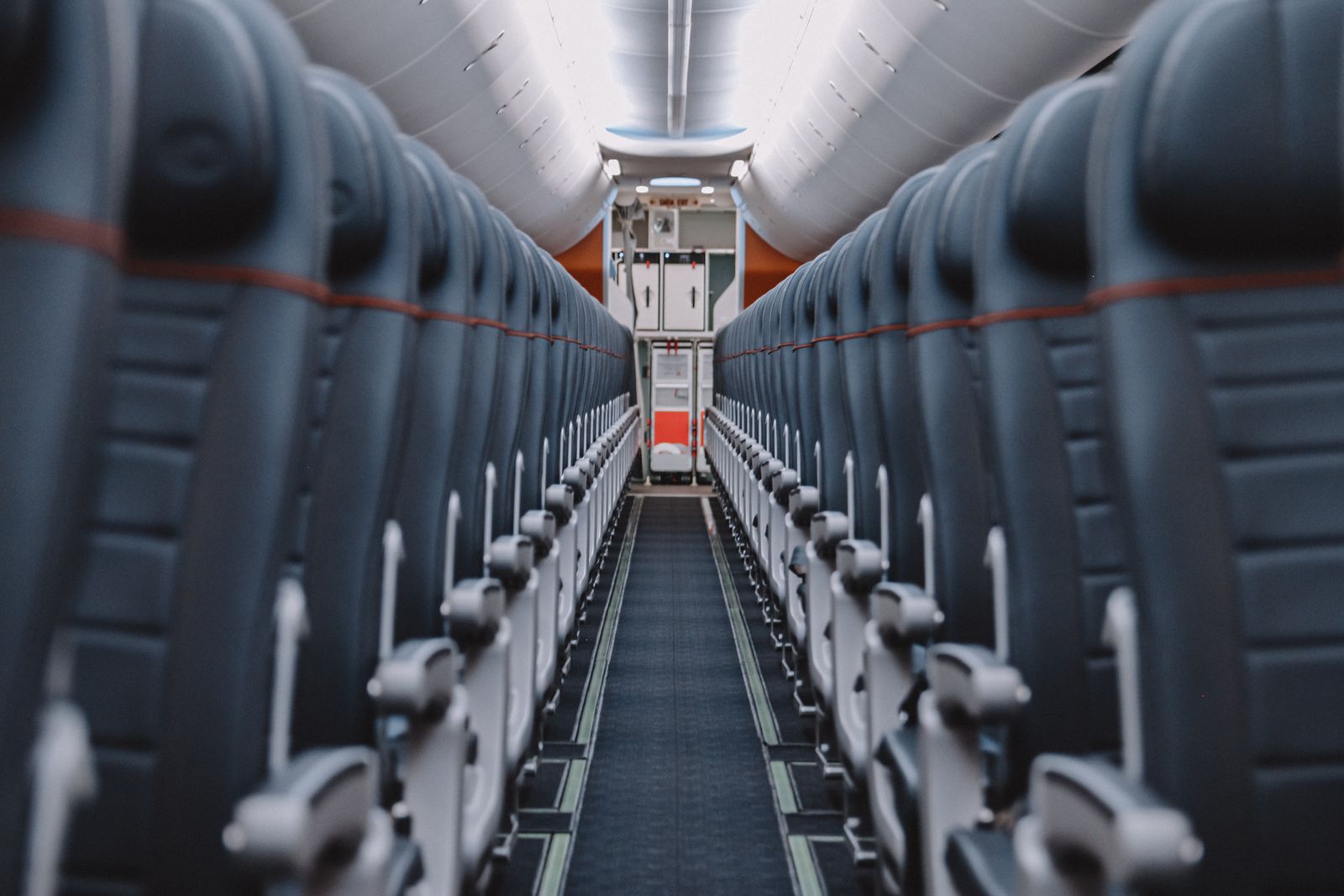
A hanging baby cot, better known as an airplane bassinet, is a lifesaver on long flights, but airlines never guarantee it automatically. It attaches to the bulkhead wall in the front rows, and every plane carries only a limited number of them, so parents have to actively request one.
Whether you can use one is limited by strict weight and length rules, which usually hover around ten kilograms and seventy centimetres. If you mostly fly around Europe with budget carriers like Ryanair or Wizz Air, you won’t find a bassinet on board at all.
I’ve put together a guide on how and when to request a bassinet so you have the best possible chance of getting one. You’ll also learn the exact differences between airlines and what age a bassinet actually makes sense for.
TL;DR
- A bassinet is an airplane cot that clips onto the fixed bulkhead wall in front of the first row of seats once you’re airborne.
- Getting one isn’t always free, because airlines often charge heavily for those extra-legroom seats (with Turkish Airlines, for example, you can easily pay 160 USD extra).
- Budget carriers like Wizz Air and Vueling don’t offer bassinets at all, and you won’t even find them on European flights with British Airways.
- During any turbulence the baby has to come out of the bassinet immediately, so on a bumpy transatlantic flight parents usually don’t get much rest.
- Weight and length limits vary — KLM, for instance, allows a maximum of 10 kg and 65 cm, while British Airways goes up to 12.5 kg.
- Inflatable beds and JetKids suitcases are banned by many airlines (Emirates and Lufthansa, for example), so always check with your carrier in advance.
- Melatonin has no place for children under two, and for older kids you must always run it by your paediatrician first.
10 Things You Need to Know About an Airplane Bassinet
1. What a Bassinet Actually Is and What It Looks Like
💡 Tip: Don’t expect a classic canopy cot — it’s a very specific and fairly small airplane tray-cot.
When parents start planning their first flight with a baby, most of them immediately search for the word bassinet. Keyword tools even show that this English term gets a huge number of searches, but the vast majority of people are looking for an ordinary home crib. Actual demand for the airplane version is much smaller, and many parents have no idea that such a thing even exists on board a plane, or they confuse it with a regular child car seat.
Physically, it’s a special hanging cot that the cabin crew attaches to the fixed bulkhead wall in front of the first row of seats once you’ve taken off. It’s the absolute holy grail for parents flying long-haul with a small baby for the first time. The baby lies in it comfortably, can sleep, and you finally have your hands free for the whole flight. There’s just one crucial catch you usually won’t read about in a travel agency brochure.
On short European routes you generally won’t find these cots at all. If you’re flying to the coast with a typical budget airline, forget this luxury right away, because carriers like Wizz Air and Vueling don’t have them on any of their routes. Even traditional British Airways offers them exclusively on long-haul routes, and on short European hops they simply aren’t available. The bassinet is really the domain of wide-body aircraft and long transoceanic or exotic flights.
2. Airplane Bassinet Weight Limit and Length Rules
💡 Tip: Every airline has completely different cots, so always check the exact centimetres and kilograms in advance.
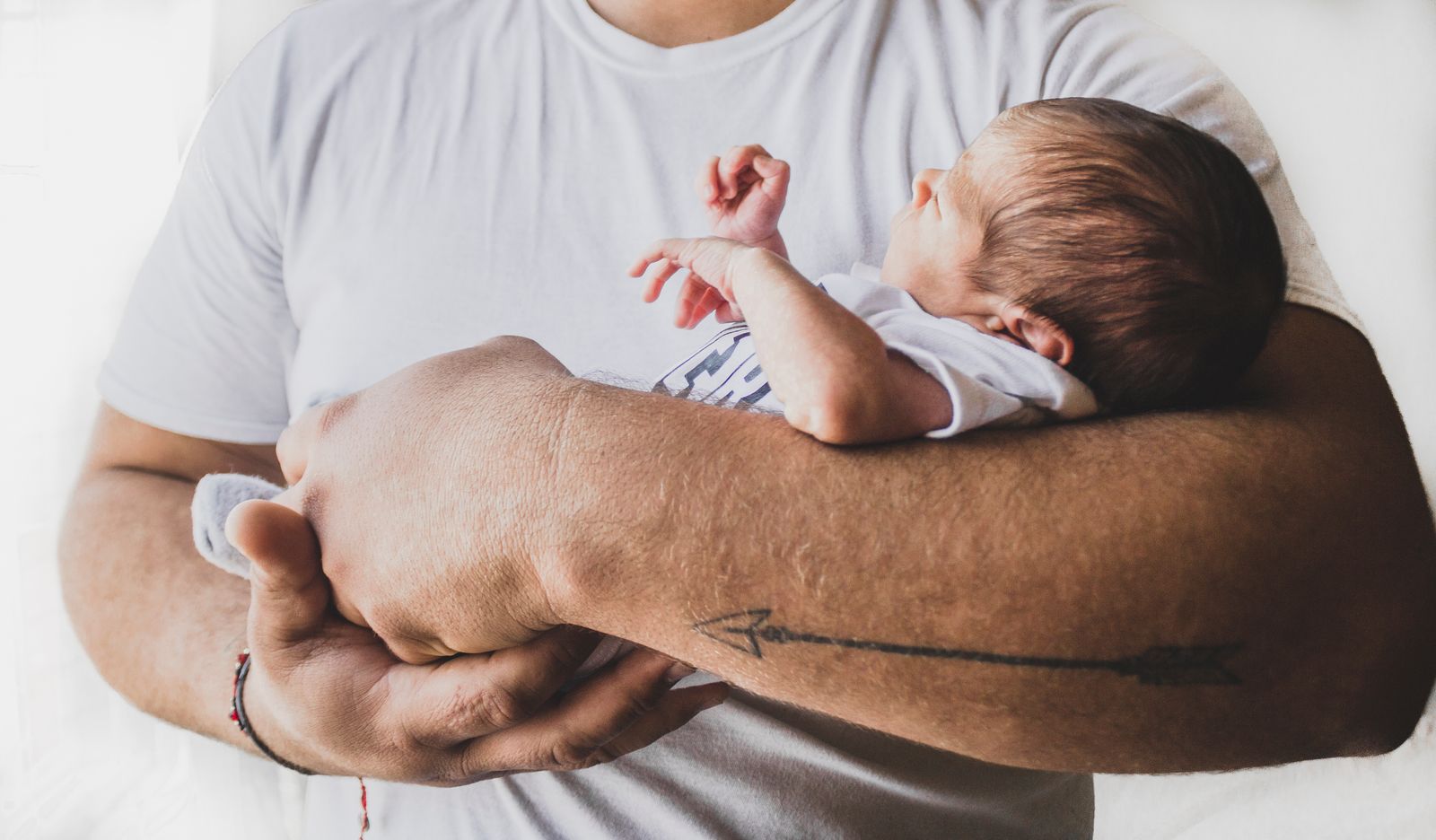
It’s not just about your child’s weight, but above all their overall body length. As soon as the child exceeds the set limit, the crew simply won’t assign you a bassinet for safety reasons. The Dutch carrier KLM, for example, sets its limit at a maximum of 10 kg and a length of just 65 centimetres. Air France also allows 10 kg, but the child can be up to 70 centimetres long.
British Airways is fairly generous in this regard. It offers a classic carrycot for babies up to 8 kg, but also has a special seat for children up to a respectable 12.5 kg. Qatar Airways allows a weight up to 11 kg and a length of 71 centimetres, with a firm safety cap of a maximum of four bassinets per cabin. Emirates limits the use of its cot by age — roughly up to eight months and a weight of 11 kg.
If your child is right at the edge of these dimensions, don’t count on the flight attendants turning a blind eye. Experiences from discussion forums clearly show that cabin crew are very strict and uncompromising here. If they see the child’s legs clearly sticking out of the cot, they’ll unclip the bassinet on the spot and carry it away.
3. The Hidden Cost of a “Free” Bassinet
💡 Tip: Airlines often don’t charge for the cot itself, but for the seat next to it.
This is the single most important thing you need to know before you even start planning the whole family trip. Loaning the cot itself is completely free with the vast majority of carriers. The problem is that the cot can only be attached to the fixed bulkhead in the so-called bulkhead row, which is the first row of a given section. And those extra-legroom seats are something airlines charge for very heavily as premium spots.
The biggest trap for families here is the popular Turkish Airlines. It’s the only Middle Eastern carrier that charges a drastic surcharge for access to the bulkhead row where the bassinets are physically located. They charge anywhere from 19 to 249 USD per person per flight segment, with the amount typically landing between 80 and 160 dollars per passenger.
Picture a real scenario where you’re flying as an ordinary family of four with one small baby. For the whole family to sit together by a single bassinet, you could pay 320 to 640 dollars extra just for seat selection. With SWISS the bassinet is free, but the airline charges 99 dollars per flight segment for each additional passenger on your booking who wants to sit in the same row.
Fortunately, there are also bright exceptions that will seat you at the cot without any painful extra costs. These include Qatar Airways and TAP Air Portugal, where you won’t face any financial surcharge for that specific seat. With carriers like British Airways or Air France the cot itself is free, but I’d always recommend verifying the premium bulkhead-seat fee policy directly with their customer line.
4. How to Book a Bassinet Seat on an Airplane and What to Do If You Don’t Get One
💡 Tip: You never buy a bassinet as a sure thing — you only request and reserve it with the airline.
Many parents live under the mistaken impression that once they tick the cot in the booking system, it’s one hundred percent guaranteed. The reality is that its availability on board is never fully guaranteed. By law, passengers in wheelchairs or with other medical needs always have priority for the bulkhead seats. In that case, the airline will reseat you without mercy and you simply won’t get the bassinet, even if you had it confirmed months in advance.
The way you reserve one also differs quite significantly between airlines. While with Qatar Airways you can easily click through to it in the manage-booking section of the website, with Air France or KLM you have to call the customer line directly. With Lufthansa, for instance, you absolutely must make the reservation at least 52 hours before your scheduled departure, otherwise the crew simply can’t arrange and prepare a cot on board for you at all.
An even bigger lottery awaits you with US carriers like American Airlines or Delta. There the bassinets are assigned right at the departure gate, on a first-come, first-served basis. You have absolutely no way to secure one ahead of time, so your only option is to reach the airport staff as early as possible. If there’s no cot left for you, unfortunately you’ll have to prepare for holding the baby on your lap the whole way.
5. Turbulence and Safety Rules During the Flight
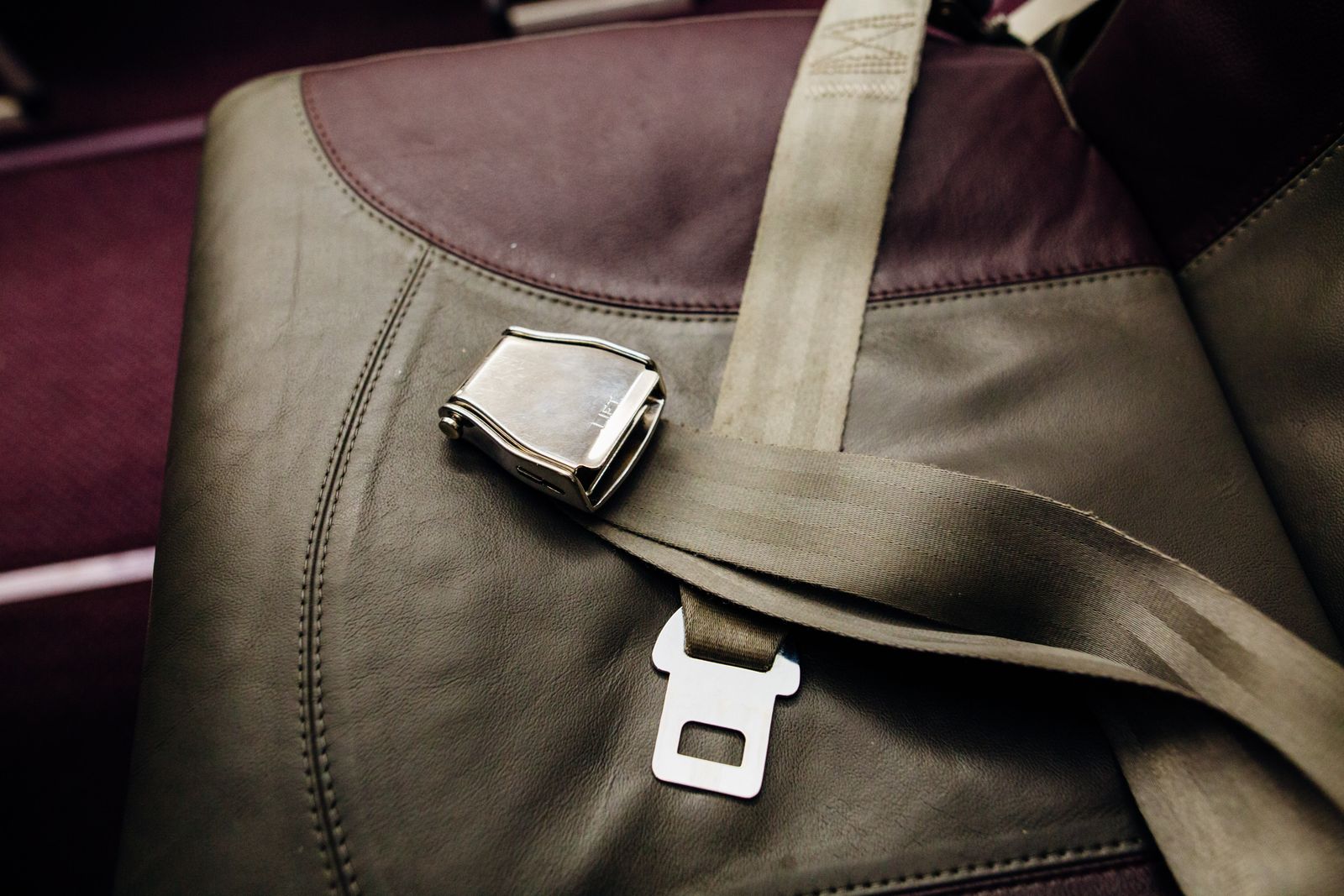
💡 Tip: A bassinet is not a safe car seat — the baby lies in it essentially completely free, without any straps.
Another hard reality check comes during the transoceanic flight itself. Because the baby isn’t secured in the cot in any way, a strict, absolute safety rule applies on board. The baby must be taken out of the bassinet during every taxi, take-off, landing, and above all during any turbulence.
As soon as the fasten-seatbelt sign lights up above your head, a flight attendant will come over immediately and tell you to take the sleeping baby out of the cot. If you’re flying across the Atlantic and hit rough air, you could be waking and lifting the baby out five times in a single night. That reliably wrecks any baby’s sleep cycle, and the dream of a restful flight turns into a fairly demanding night shift for both parents.
The only bright exceptions here are Virgin Atlantic and Australia’s Qantas. They use special cot types with a restraining safety net, so under certain conditions the baby can stay safely inside even during milder turbulence. With all other carriers, though, the crew won’t let you take the risk, and safety always takes uncompromising priority over peaceful sleep.
6. Bassinet Versus Own Seat and the Flight Bassinet Age Limit Trap
💡 Tip: Once your child reaches the crawling stage, a bassinet stops making any sense for them.
One mum on the British forum Mumsnet summed up flying with small children perfectly when she wrote she’d choose travelling with a baby over a toddler any day of the week. As long as you have a small, immobile baby, the bassinet works brilliantly, because the white noise of the engines lulls them to sleep beautifully and quickly. But as soon as the child starts crawling and curiously exploring the world, it becomes real chaos on board.
Parent discussions make it clear that at the crawling stage the child usually no longer physically fits properly in the cot. And even if they did squeeze in, they usually refuse to lie still in such a cramped space. On top of that, at this age children are much more prone to unpleasant motion sickness. One mother’s story from an online forum says it all — she described spending a twelve-hour flight covered in vomit because her eight-month-old started throwing up intensely right after take-off.
If you already have an older toddler, it’s far safer and more comfortable to just buy them their own seat. The US FAA even explicitly states that the safest place for a child is an approved restraint system, i.e. a certified car seat. The child is used to it from the car, knows its shape, knows they normally sleep in it, and most importantly they’re firmly and safely secured for the entire flight. The NTSB adds that an adult simply isn’t physically capable of holding a child on their lap during strong turbulence.
If you’re counting on new legislation to help you with kids on board, here’s an important heads-up. Although the revision of EU Regulation 261/2004 was approved back on 13 July 2026, because of a long transition period it won’t actually apply until mid-2027. Among other things, it promises that airlines will have to seat children up to fourteen next to a parent completely free, which will save family budgets a great deal in the future.
7. Alternatives for Older Kids and JetKids Suitcases
💡 Tip: Inflatable footrests and seat cots are strictly banned by many airlines.
Once your child is too big for a bassinet, or you’re flying with a budget carrier that doesn’t have one, you’ll probably start looking for other options. A huge trend these days are clever products like the JetKids BedBox by Stokke, Fly Tot or Plane Pal. These popular gadgets smartly fill the legroom space between your seat and the one in front of you, creating a flat surface where a toddler can comfortably stretch out.
Sounds like the perfect solution for long flights, right? Unfortunately, the airline industry is brutally divided on these devices. Many major carriers strictly ban them on board for safety reasons. This includes giants like Emirates, British Airways, Air Canada, Air France, Qantas, Qatar Airways, Lufthansa, and the American Delta and United. If you try to use one with them, the crew will uncompromisingly make you deflate it and stow it in the overhead bin immediately.
Fortunately, there are also airlines that go the extra mile for families and officially allow these handy gadgets on their flights. Among the more accommodating ones are KLM, Singapore Airlines (who even sell them on board themselves), Virgin Atlantic and American Airlines. A simple rule always applies: whoever bans JetKids suitcases usually bans all inflatable footrests too, so check your carrier’s policy carefully before buying your ticket.
As for the popular ride-on kids’ suitcases like Trunki, Ryanair officially accepts them as free hand luggage for children aged 2 to 11 — even though their rounded shape doesn’t meet the exact rectangular dimensions of a small bag. In practice, though, airport staff often have no idea about this exception, so always keep the official airline page ready on your phone as proof.
8. How to Survive a Night Flight and Your Child’s Sleep by Age
💡 Tip: Breastfeeding or bottle-feeding during take-off and descent reliably helps equalise the pressure in a child’s ears.
Sleeping on board is a discipline that changes radically with every extra year of your child’s age. When you’re flying for the very first time with a small baby, you’re actually at a relative advantage, because little babies love white noise, and a plane is basically one giant humming box. The key is constant swallowing, so try to time feeds so the baby drinks exactly when the plane is climbing or descending, which is always much worse for the ears. If they happen not to fall asleep in the bassinet, an ergonomic baby carrier is an absolute lifesaver on board. When the baby is restless, you just strap them on and walk around the back of the plane near the toilets until they settle.
With older preschoolers and school-age kids, peaceful sleep is mostly saved by modern technology and quality gear. Invest in noise-cancelling headphones and pack a favourite travel pillow. Many parents feel needlessly guilty about letting a child stare at a tablet for eight hours straight, but the American Academy of Pediatrics notes that there is no research whatsoever proving screens are harmful during long journeys. The tried-and-tested parent rule is beautifully simple: download four times more content than you think you’ll need, but don’t pull out the tablet at the first sign of unhappiness.
Any ear pain, which reliably ruins sleep, is very often caused by a simple runny nose, so if your child has a blocked nose, parents on forums recommend using a nasal spray before take-off and again before descent. ⚠️ Always run any specific medicines and dosages by your paediatrician first, though, so you don’t accidentally harm your child. Nasal spray will normally pass through security fine, but remember that liquid limits above 100 ml apply at some airports only in newer terminals with the latest scanners — many airports, including the ones budget carriers like Ryanair and Wizz Air often fly from, still enforce the strict 100 ml limit. Baby food and milk fortunately have a blanket exemption and follow the airport’s more lenient rules.
9. Melatonin and Sleep Aids: What Does the Science Say?
💡 Tip: Messing with your child’s sleep cycle on your own can backfire on you very quickly while travelling.
On long flights to exotic destinations, the inevitable question of jet lag and sleep aids sooner or later comes up. ⚠️ But you need to be extremely careful here, because the common practice of parents on online forums very often clashes fundamentally with official medical advice. While melatonin has very strong evidence of effectiveness in adult travellers, in typically developing children the scientific support is very weak to none at all. That’s why the IPSA clearly and firmly recommends that melatonin should not be given to children under two at all.
In older children, its use should be limited to specific diagnoses such as autism or ADHD, and always only after prior consultation with your paediatrician. In some children, melatonin also has an unpleasant paradoxical effect, so it actually completely disrupts sleep and you end up with a hyperactive child somewhere over the Atlantic. If you’re still considering it for an older child, always test it at home first in minimal doses, so you don’t discover a bad reaction inside a sealed aircraft cabin.
The first choice for adjusting a child’s sleep should always be natural light and a proper daily routine. Afternoon sun works wonderfully when travelling west, while morning light will save you when returning from the east. So never recommend or give classic sleep aids to children just to make a tiring flight easier for yourself. When you accept as a parent that you simply won’t sleep well for one night, you’ll both handle it much better in the end and with far less overall stress.
10. A Travel Cot at Your Destination — Bring It or Leave It at Home?

💡 Tip: Before you decide to lug your own bulky cot halfway across Europe, first ask your accommodation whether you can borrow one.
The final piece of the logistics puzzle is sleeping at the holiday destination itself, because most airlines are surprisingly generous to families. Ryanair, for example, will happily let you take two pieces of baby equipment per child for free, so you can check in a pushchair plus a travel cot. Wizz Air, meanwhile, allows a folding pushchair, a pram, a folding travel cot or a car seat free of charge into the hold, and even up to your child’s fourteenth birthday.
easyJet explicitly lists a travel cot among the items it allows for free, while Smartwings checks in both a car seat and a cot for free without you having to declare it in advance. The real question, though, isn’t whether you can take the cot for free, but whether you actually need to drag it the whole way. A travel cot is very bulky, heavy, and drains a lot of your energy during airport transfers.
You have to carry it to the desk, hand it over as oversized baggage, usually wait a long time for it at the special baggage claim at your destination, and then wrestle it into a taxi boot. If you’re travelling with just a cabin bag under the seat, where ⚠️ from August 2025 Ryanair enforces a new 40 × 30 × 20 cm standard for adults, every free hand really counts. So always message the hotel or apartment first, because the vast majority of accommodations will happily set up a baby cot in your room. We prefer to look for accommodation on Booking.com, where you can easily filter properties that offer a cot.
Practical Summary and Rough Prices
To give you a quick overview of how much tickets for a baby and a possible bassinet will cost, I’ve put together a clear table with specific data valid for 2026. Remember that with traditional carriers the bassinet itself is usually free, but you often pay for the expensive premium bulkhead seat.
| Airline | Infant fee (1 segment) | Bassinet available | Bassinet weight / length limit |
|---|---|---|---|
| :— | :— | :— | :— |
| Ryanair | 25 EUR / 25 GBP | No | Not on any route |
| Wizz Air | Approx. 27 EUR | No | Not on any route |
| KLM | 10% of adult fare | Yes (long-haul) | Max. 10 kg / 65 cm |
| Air France | 10% of adult fare | Yes (long-haul) | Max. 10 kg / 70 cm |
| British Airways | 10% of adult fare | Yes (long-haul only) | Max. 12.5 kg (seat) |
| Turkish Airlines | 10% of adult fare | Yes (long-haul) | Up to 160 USD seat surcharge |
| Emirates | 10% of adult fare | Yes (long-haul) | Max. 11 kg / up to 8 months |
If you’re dealing with regular baggage and gear for the hold, there too the differences between carriers are huge and can make your holiday surprisingly pricey. Budget carriers are stricter on cabin baggage, but paradoxically very accommodating when it comes to checking in pushchairs.
| Airline | Free baby equipment | Baggage for a lap infant |
|---|---|---|
| :— | :— | :— |
| Ryanair | 2 pieces (e.g. pushchair, car seat) | Bag up to 5 kg (45 × 35 × 20 cm) |
| Wizz Air | Pushchair / cot / car seat | ⚠️ Small piece up to 10 kg (40 × 30 × 20 cm) |
| Smartwings | Pushchair, car seat, cot | Food on board, otherwise per fare |
| easyJet | 2 pieces (including carrier backpack) | Extra changing bag |
| Norwegian | 1 pushchair and 1 car seat | Max. 5 kg checked bag |
Where to Next
If you’ve already sorted out safe sleeping for your baby and want more practical airport details, be sure to check out our other comprehensive guides, which will definitely help you plan your family trip.
- Flying with kids: the complete guide
- Where to sit with a child on the plane
- Car seat for the plane
- A plane ticket for a child
- Croatia with kids
Frequently Asked Questions
Do low-cost carriers like Ryanair and Wizz Air have bassinets?
Unfortunately not. Low-cost airlines flying primarily within Europe don’t offer bassinets on board at all, because their aircraft aren’t equipped for them. A child under two must therefore sit on your lap throughout the entire flight, secured with a special infant belt, or you must buy them their own expensive seat.
How much does an infant ticket actually cost?
With traditional airlines like Lufthansa or KLM, you’ll pay around 10% of the adult ticket price for a lap infant. With low-cost carriers it’s a fixed fee, where Ryanair charges €25 per flight segment and Wizz Air approximately €27, which can paradoxically be significantly more expensive than the adult ticket itself.
Where do I have to sit when I have a child on my lap?
With low-cost carriers like Ryanair, a strict safety rule applies: an adult with an infant on their lap must always sit by the window. It’s purely for safety reasons, because only above window seats is there a sufficient number of emergency oxygen masks for both the adult and the small child.
Can I get a bassinet for free?
The bassinet itself is free with most traditional airlines, but you very often pay a high fee for the premium bulkhead seat where the bassinet attaches. For example, with Turkish Airlines this seat can cost up to $160 extra per segment, even though the crew will lend you the bassinet itself free of charge.
What happens to the bassinet when turbulence starts?
As soon as the Fasten Seatbelt sign lights up on board, you must immediately take your child out of the bassinet and secure them firmly on your lap. Bassinets don’t have any fixed safety belts, so during stronger turbulence there’s a risk of injury. On a bumpy transatlantic flight, you can easily end up waking and removing your child several times in a single night.
Will baby formula get through security?
Yes, baby food, prepared formula and water for infants are exempt from strict liquid limits and you can carry them in containers over 100 ml. Airport staff will simply subject them to a special scanner test. ⚠️ Always remove them from your bag and alert the staff before going through the airport X-ray machine.
Am I allowed to bring a JetKids suitcase on board?
It depends entirely on the specific airline, because the rules vary enormously. While KLM or American Airlines officially allow these children’s ride-on suitcases and inflatable bed boxes, carriers like Emirates, Lufthansa, British Airways or Air France strictly prohibit their use on board for safety reasons.
Tips and Tricks for Your Vacation
Don’t Overpay for Flights
Search for flights on Kayak. It’s our favorite search engine because it scans the websites of all airlines and always finds the cheapest connection.
Book Your Accommodation Smartly
The best experiences we’ve had when looking for accommodation (from Alaska to Morocco) are with Booking.com, where hotels, apartments, and entire houses are usually the cheapest and most widely available.
Don’t Forget Travel Insurance
Good travel insurance will protect you against illness, accidents, theft, or flight cancellations. We’ve had a few hospital visits abroad, so we know how important it is to have proper insurance arranged.
Where we insure ourselves: SafetyWing (simple monthly subscription) and TrueTraveller (for extra-long trips).
Find the Best Experiences
Get Your Guide is a huge online marketplace where you can book guided walks, trips, skip-the-line tickets, tours, and much more. We always find some extra fun there!


