

Lukáš and I lived in Prague for years, so we’ve explored Central Bohemia, Czech Republic from top to bottom, and we still love coming back. It was our go-to escape whenever we needed to get out of the city for a while. Sometimes I think the best holiday can start just an hour by train from Prague, because this region has so much to offer that you could easily spend months exploring it. We know almost every corner here, from the deep forests of the Křivoklát area to the romantic viewpoints above the Berounka River.
Whenever we planned day trips near Prague, we were always surprised again by how easy it is. In the morning you just hop on a train and in under an hour you’re breathing fresh air somewhere out in nature, or strolling through the courtyard of a royal castle. Whether you’re after an active break on two wheels, a swim in a lake, or exploring abandoned quarries, Central Bohemia simply won’t let you down.
I decided to put together a complete guide to help you plan not only a weekend escape, but a full week-long holiday too. You’ll find tips on the most famous spots as well as hidden gems, up-to-date prices for 2026, and plenty of practical advice so you can enjoy your stay to the fullest and without unnecessary stress.
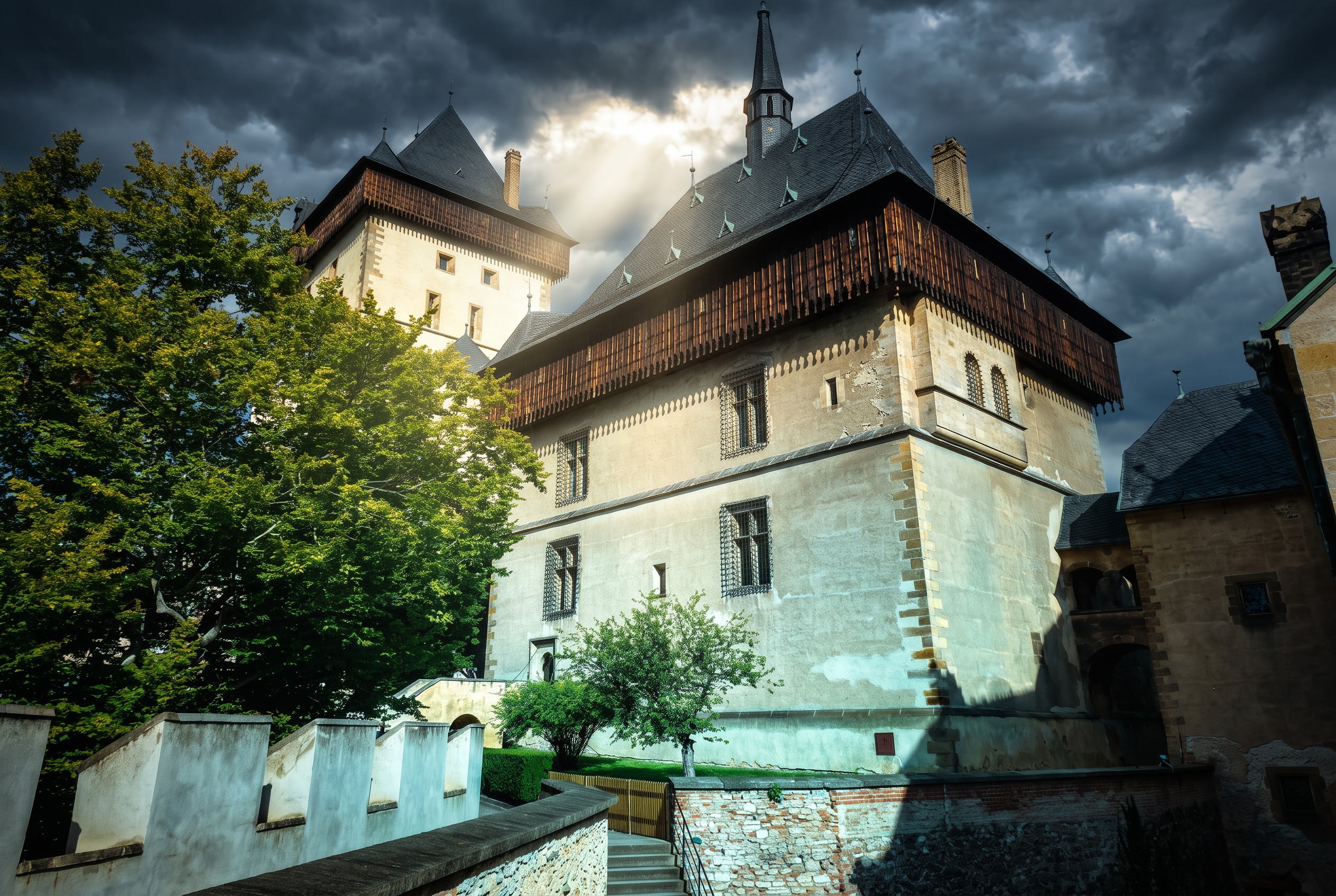
TL;DR
- Best castles and chateaux: Karlštejn with the Chapel of the Holy Cross, the majestic Křivoklát, or romantic Konopiště with its stunning Rose Garden.
- Natural wonders: the Koněprusy Caves in the Bohemian Karst, the breathtaking Amerika quarries, and the sandstone formations of the Kokořín area.
- Great day trips near Prague: a walk through Průhonice Park, a visit to Svatý Jan pod Skalou, or a nostalgic ride on the Posázavský Pacifik railway.
- Towns with history: Kutná Hora with the Church of St. Barbara and its unique ossuary, or the spa town of Poděbrady with its flower clock.
- Where to swim: the Slapy Reservoir with Měřín beach, or the clean water of Lhota Lake and the lake in Poděbrady.
- Family fun: the Mirakulum adventure park in Milovice, the hands-on Soběhrdy Farm Park, or the huge water park in Čestlice.
- Transport: you can reach most places very comfortably and quickly by train straight from the centre of Prague.
- When to go: the monuments are most beautiful in spring and autumn, but thanks to new year-round openings it’s worth visiting even in winter.
The full destination guide: Czechia — guide and what to see
When to go and how Central Bohemia works
The great thing about Central Bohemia, Czech Republic is that you can visit it all year round. Spring is ideal for blooming chateau parks; in May you shouldn’t miss the flood of rhododendrons in Průhonice or the awakening Elbe lowlands. Summer naturally tempts you to swim at Slapy, in Lhota Lake, or in Poděbrady, and it pairs perfectly with visits to the cool interiors of the castles.
In autumn, the deciduous forests around Křivoklát and Kokořín turn gorgeous colours, which in my opinion is the most photogenic time for hiking. And winter no longer means everything is closed. Kutná Hora, for example, is incredibly magical without the summer crowds, the Poděbrady spa runs non-stop, and some monuments now open even in the cold months. A good example is the Koněprusy Caves, which now welcome visitors as early as February.
You do need to bear in mind that on summer weekends the most famous spots get really busy. Weekend crowds at Karlštejn or the Velká Amerika quarry can be quite exhausting, so I always recommend planning visits to the top monuments on weekdays, or getting up early and arriving right at opening time. If you’re heading to the water, it pays to check the latest reports from the regional public health authority, which regularly monitors bathing water quality.
Transport around the region works absolutely brilliantly, and you can manage plenty of places without a car. The train network from Prague is dense; you can reach Karlštejn or Poděbrady in under an hour. A true legend is the Posázavský Pacifik, a picturesque railway winding through the valley of the Sázava River. Every weekend from late March to October, nostalgic old railcars run along it, turning the journey into a real experience. If you’re planning a longer holiday, it’s ideal to pick one base for three to five days and take day trips out from there.
Where to stay in Central Bohemia
If you don’t just want to commute from Prague but crave a real holiday, I’ve picked accommodation across the whole region. I went through plenty of reviews and found specific hotels and guesthouses that have great ratings and where people love to return. Prices per night for two usually range from around €55 in family-run guesthouses to around €120 in wellness hotels.
Right below the country’s most famous castle you’ll find the Romantický hotel Mlýn Karlštejn. It’s a beautifully restored old water mill with twenty-one rooms. In reviews, people most praise the wonderful summer terrace, which offers a perfect view straight onto the weir of the Berounka River. In the historic centre of Kutná Hora, a short walk from the Church of St. Barbara, you’ll find the lovely Boutique hotel Soukeníkův dům. This boutique guesthouse even offers a private wellness area and themed rooms. Visitors often mention the breakfast room, where you supposedly feel like you’re in a little chateau.
For a family holiday by the water, a great choice is Penzion Janata in Nová Rabyně at Slapy. It sits right by the campsite and really just a short walk from the beach, which is priceless with kids. A double room here comes to around €55 per night, and guests really praise the lovely seating on the terrace. If you want to treat yourself a little, head to the four-star Spa Hotel Felicitas right on the spa colonnade in Poděbrady. People are delighted with their new wellness centre; just watch out, the basic room rate usually includes the pool, but the saunas are typically an extra charge.
Just about thirty metres from the Mělník chateau stands the charming Penzion U Zámku. Rooms for two here cost roughly €70 to €105 per night, and according to reviews the biggest draw is the location, just a few steps from the viewpoint over the confluence of the Elbe and Vltava. Right below Kokořín Castle you can stay in the modern Kokořín Apartments complex, which has its own indoor saltwater pool. A short distance from the Sázava Monastery there’s the very pleasant family-run Penzion Venkoff, where bed and breakfast comes to roughly €30 per person and kids will love the huge garden with a trampoline.
For families who love splashing around, a huge draw is the Aquapalace Hotel Prague in Čestlice. The advantage is that you can walk straight from your room in a bathrobe into the giant water park. If you’re after something completely out of the ordinary, try the luxury glamping site Colony Glamping in Hutě pod Třemšínem in the Brdy hills. You’ll find beautiful tents and cabins in complete solitude surrounded by nature, with their own heated bath and a Finnish sauna.
Central Bohemia, Czech Republic: 15 most beautiful places
Let’s take a look at the very best that Central Bohemia has to offer. Whether you’re planning short day trips near Prague or a long holiday, these are places you definitely shouldn’t miss. I’ve included famous UNESCO-protected monuments, stunning natural wonders, and technical curiosities too.
1. Karlštejn
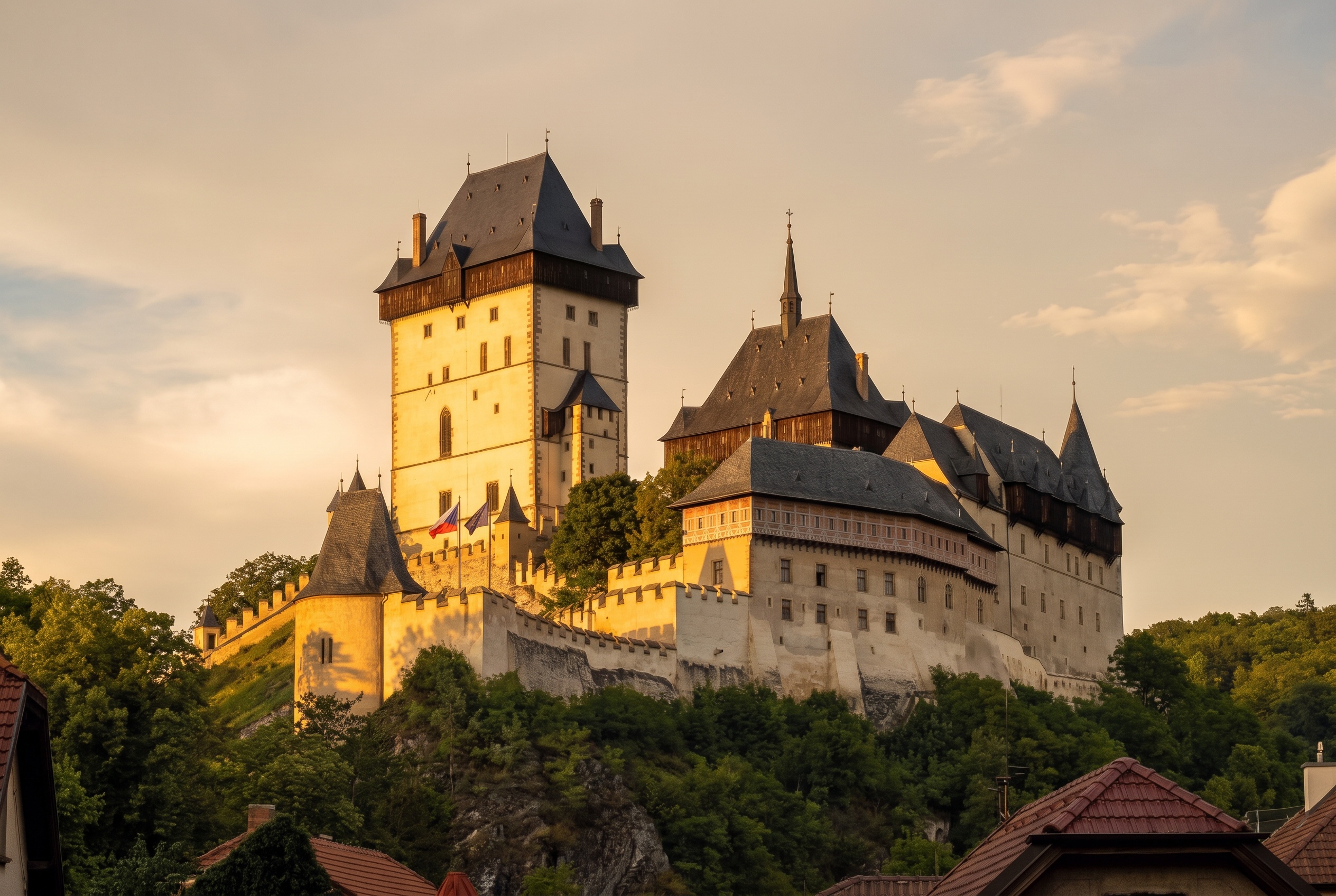
Lukáš and I have been to Karlštejn so many times I can’t even count. We came here on a date, I used to visit on school trips, and most recently we went with our little Jonášek too. This majestic castle founded by Charles IV as a vault for the crown jewels simply has an unbelievable charm, and its silhouette rising above the forests never gets old.
The basic Imperial Residence tour will cost you 300 CZK (about €12), with a reduced fee of 240 CZK (about €10). But we always advise everyone to pay extra for the exclusive tour of the Karlštejn castle chapels, where you’ll see the breathtaking Chapel of the Holy Cross. This tour costs 640 CZK (about €26) and you must book it well in advance. Also keep in mind that it’s only accessible from roughly March to October, to protect the precious panel paintings.
Getting here from Prague is a breeze. By train from the main station you’re here in forty minutes, they run frequently, and a ticket costs around €2.50. From the station you then face a pleasant, if slightly steep, two-kilometre walk up through the little town full of shops and cafés, which takes about half an hour.
💡 Tip: If you can, come here in late summer or early autumn, when the surrounding forests turn beautiful colours. The state heritage authority has also declared Sundays 30 August and 27 September 2026 free-entry days for the basic tour, but you’ll need to book in time through the online system.
2. Kutná Hora
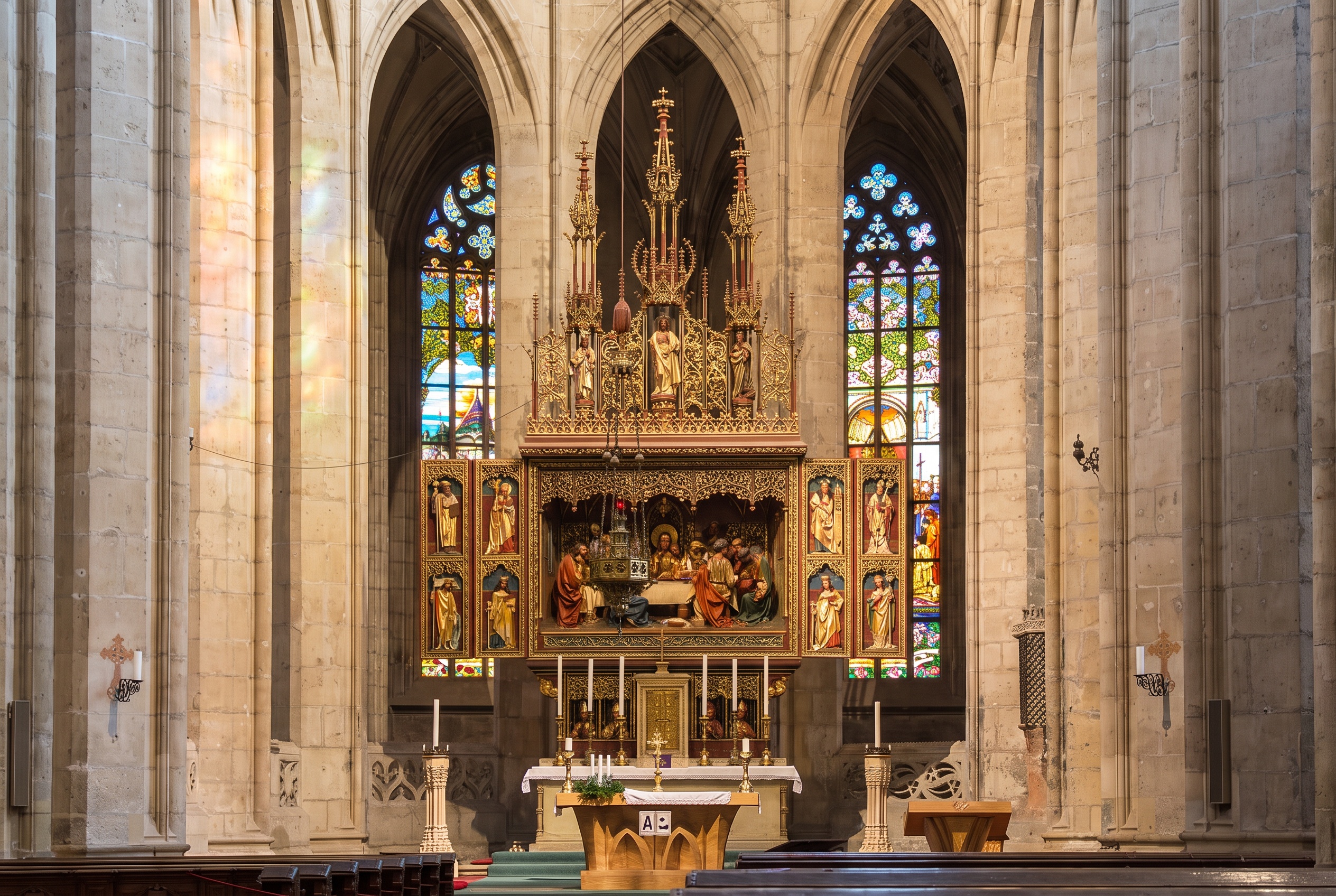
Kutná Hora is one of our most beautiful towns and rightly belongs on the UNESCO World Heritage list. Its history is closely tied to silver mining, and the town’s wealth is still visible at every turn. People come mainly to admire the stunning architecture, the winding lanes, and the beautiful views into the valley of the Vrchlice stream.
The absolute landmark is the Gothic Church of St. Barbara, where adults pay 180 CZK (about €7.50) and children from six years 60 CZK (about €2.50). The second huge draw is the famous Sedlec Ossuary, where tickets at 220 CZK (about €9) are sold exclusively online for a specific time slot. According to the latest reports, in June 2026 they’re successfully completing the restoration of the second bone pyramid. The overall reconstruction is still ongoing, though, so expect that you won’t see absolutely every part, even as a new Memento mori exhibition and a new entrance staircase are being prepared.
Between the Church of St. Barbara and the Sedlec district it’s roughly two and a half kilometres of pleasant walking. If you’re into the Middle Ages, travellers highly recommend visiting the Czech Museum of Silver with the option to descend right into the old mine, which is said to be an absolutely unforgettable, adrenaline-filled experience.
💡 Tip: Kutná Hora is beautifully melancholic in winter or early spring, and you’ll avoid the biggest crowds of tourists. On top of that, from summer 2026 the brand-new GASK guesthouse opens right next to St. Barbara’s, which is a fantastic choice for stylish accommodation in the centre.
3. Křivoklát
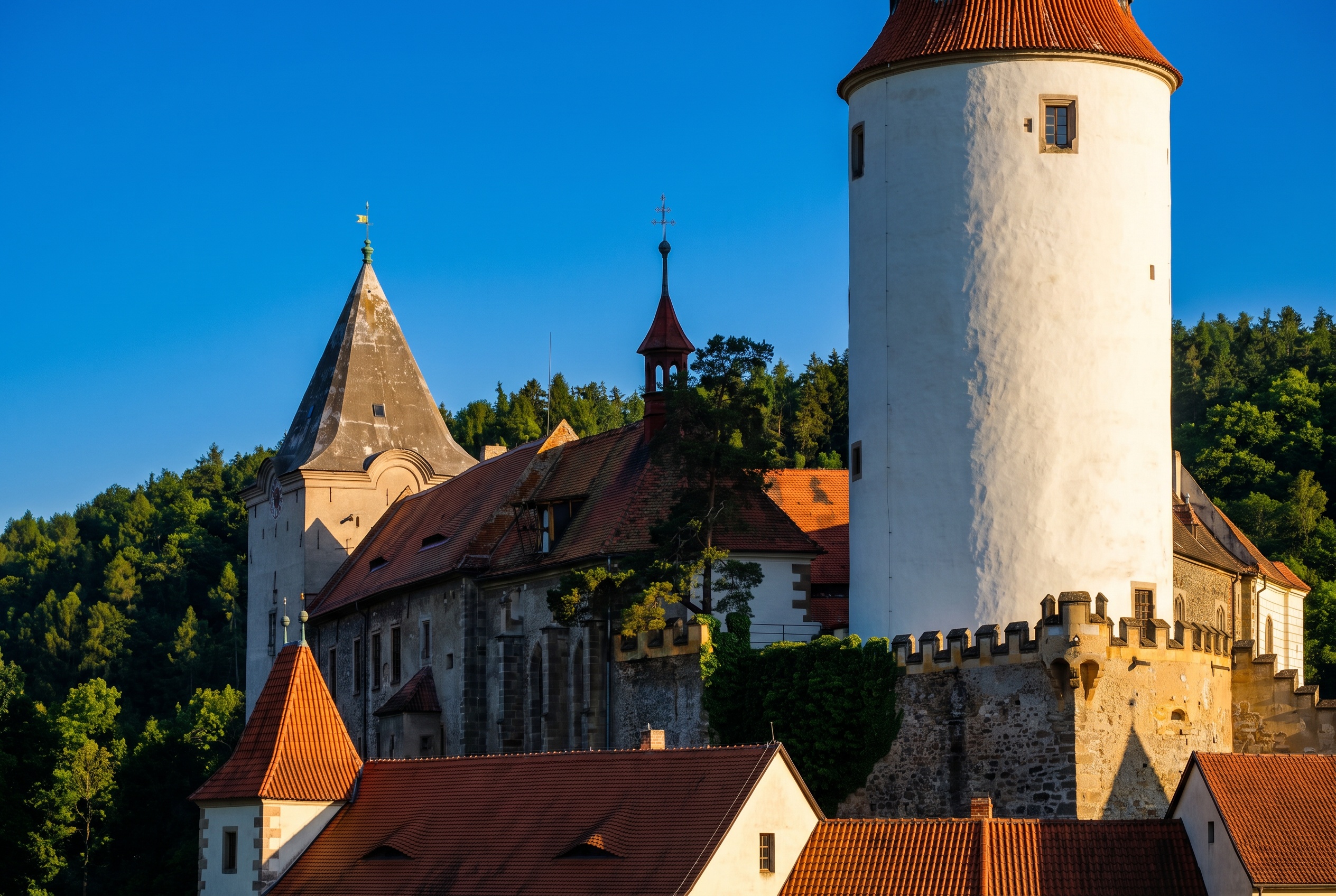
The royal castle of Křivoklát is hidden in the deep forests above the valley of the Berounka River and ranks among our most important and oldest monuments. Its mighty cylindrical tower and well-preserved ramparts feel incredibly majestic, and travellers often praise the far calmer atmosphere here than at nearby Karlštejn.
The basic Gothic Palaces tour costs 260 CZK (about €11) and the reduced fee 210 CZK (about €8.50), but if you want to see absolutely everything the castle offers, the Whole Castle tour at 360 CZK (about €15) is worth it. A huge hit of the 2026 season are the evening dramatised tours called The Habsburgs at Křivoklát, which run from June to August and promise a completely unique experience with a mysterious evening atmosphere.
The journey to the castle is an experience in itself, especially if you take the train from Prague, changing in Beroun to a little railcar that winds through the gorgeous Berounka valley. For many people the train ride is a far more romantic option than hunting for a spot in the paid car park below the hill.
💡 Tip: Křivoklát has also joined the free-entry days at the end of August and September 2026. But you have to grab the free tickets well in advance in the online booking system, because they disappear at incredible speed.
4. Konopiště
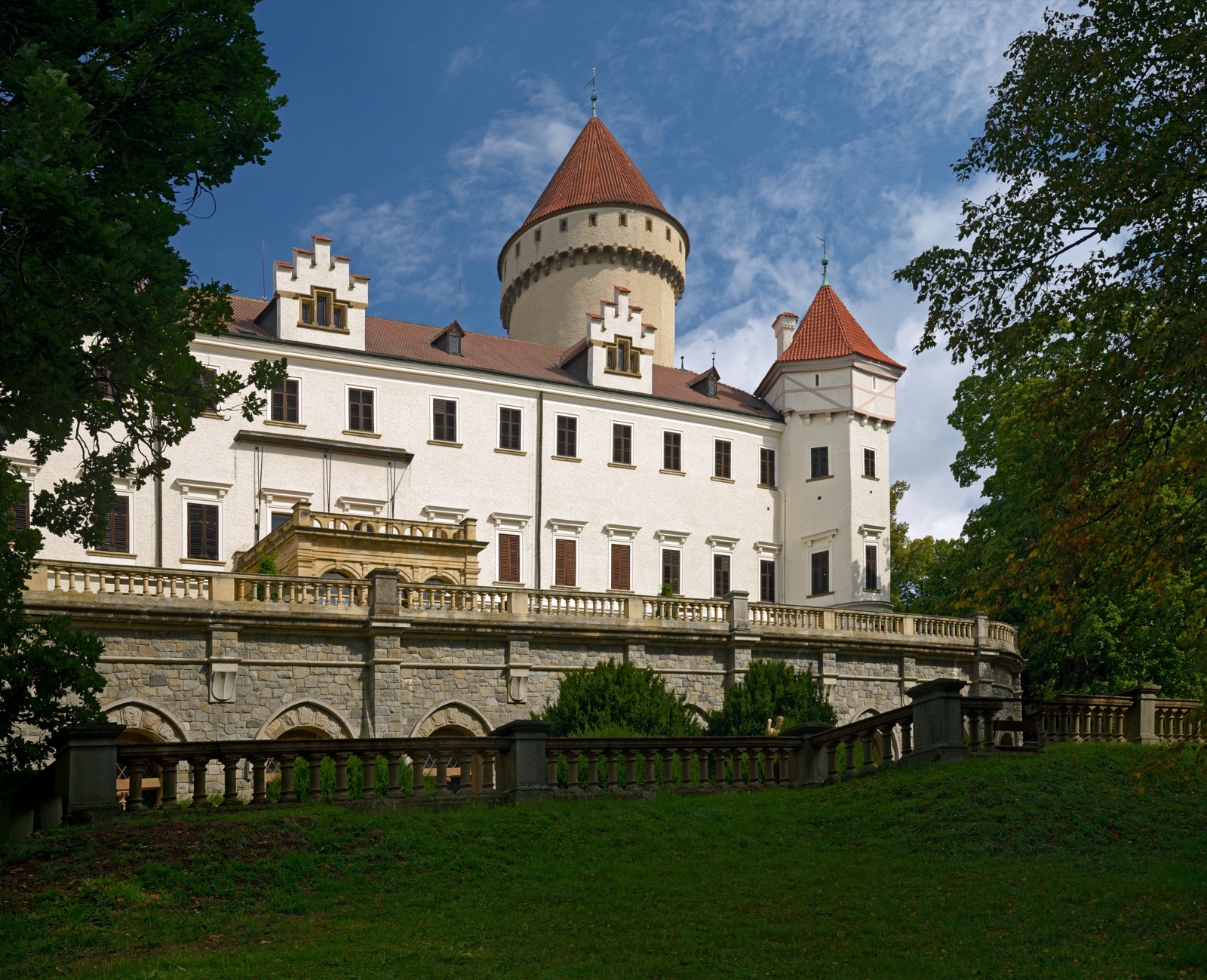
Most people associate Konopiště Chateau as the last residence of Archduke Franz Ferdinand d’Este, heir to the Austro-Hungarian throne, before his fateful assassination in Sarajevo. The chateau is surrounded by a vast English park and a beautiful pond, around which runs a very pleasant, flat path ideal for an afternoon stroll.
The basic tours cost 300 CZK (about €12) for adults and 240 CZK (about €10) reduced. But if you want to see the most interesting part, take the tour of the Private Rooms of Franz Ferdinand d’Este’s family for 460 CZK (about €19). Don’t miss the adjacent Rose Garden with its greenhouses for a flat 100 CZK (about €4), where in spring and summer the air smells incredible and hundreds of roses bloom.
After your tour, be sure to stop at the chateau restaurant. They cook the archduke’s beloved fruit dumplings, which visitors praise perhaps more than anything else on the menu. It’s a great meat-free lunch you’ll definitely enjoy.
💡 Tip: If you take the train to Benešov, you still face about a two-and-a-half-kilometre walk to the chateau. Alternatively, you can use the local bus, which stops near the entrance to the chateau park and saves you a lot of steps.
5. Bohemian Karst: Koněprusy Caves and Svatý Jan pod Skalou
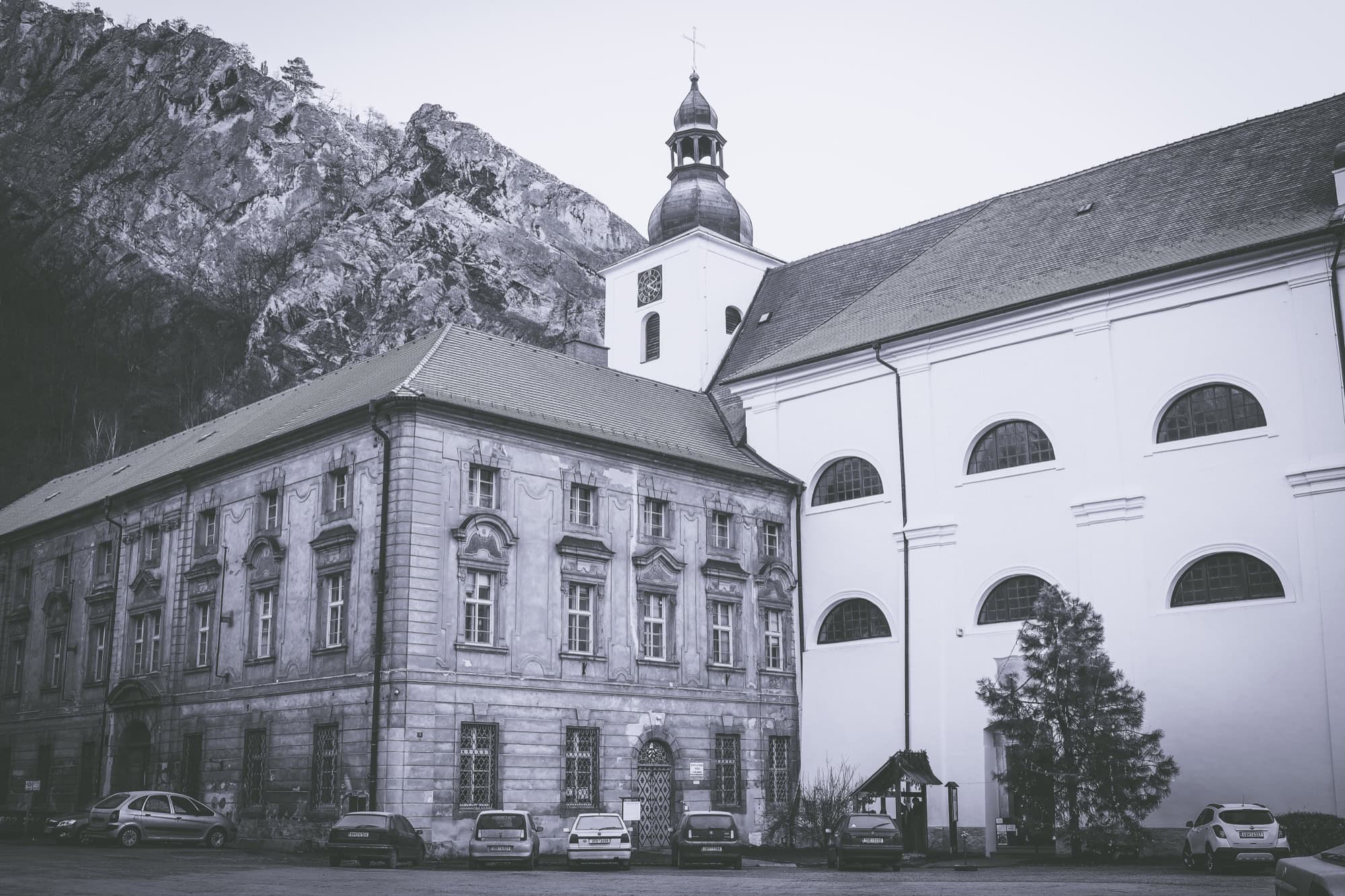
Lukáš and I love the Bohemian Karst area, and we look back on our autumn trip to Svatý Jan pod Skalou with a smile. It’s a beautiful valley with a monastery, a spring, and a huge 150-metre limestone wall topped with a cross, which you can climb for free in about forty minutes and soak up an incredible view.
Nearby is a huge natural gem, the Koněprusy Caves. It’s the largest cave system in Bohemia, and entry costs 270 CZK (about €11) for adults and 130 CZK (about €5.50) for children. During the hour-long tour you’ll walk over six hundred metres and tackle 483 steps, with the temperature staying around nine degrees year-round. Warm hoodies are a must, and you can’t bring a pushchair here at all because of the steps.
A big novelty for 2026 is that the caves are now open practically year-round, starting as early as February, and guides now highlight a special UV lighting of the opals. Along the route you’ll also see a secret 15th-century counterfeiters’ workshop hidden on the upper floor of the cave system.
💡 Tip: If you enjoy industrial history, combine your trip with a visit to the nearby Solvay Quarries open-air museum, where on weekends you can ride an old mining train for 90 CZK (about €3.50). Just note that access runs along field tracks, so bring proper shoes.
6. Slapy and the Máj viewpoint
When you say summer holiday in Central Bohemia, plenty of people immediately think of the Slapy Reservoir. It’s a huge body of water that serves as an ideal base for combining swimming and trips around the area. You’ll find plenty of beaches, campsites, and rowing-boat or pedal-boat rentals for family fun.
The regional public health authority regularly monitors the water quality, and for families with small children experts explicitly recommend Měřín beach, because it has a very nice, gentle entry into the water. In early summer 2026 the health officials reported very good water quality almost everywhere, but by late August it’s always better to check the current cyanobacteria status on the koupacivody.cz website.
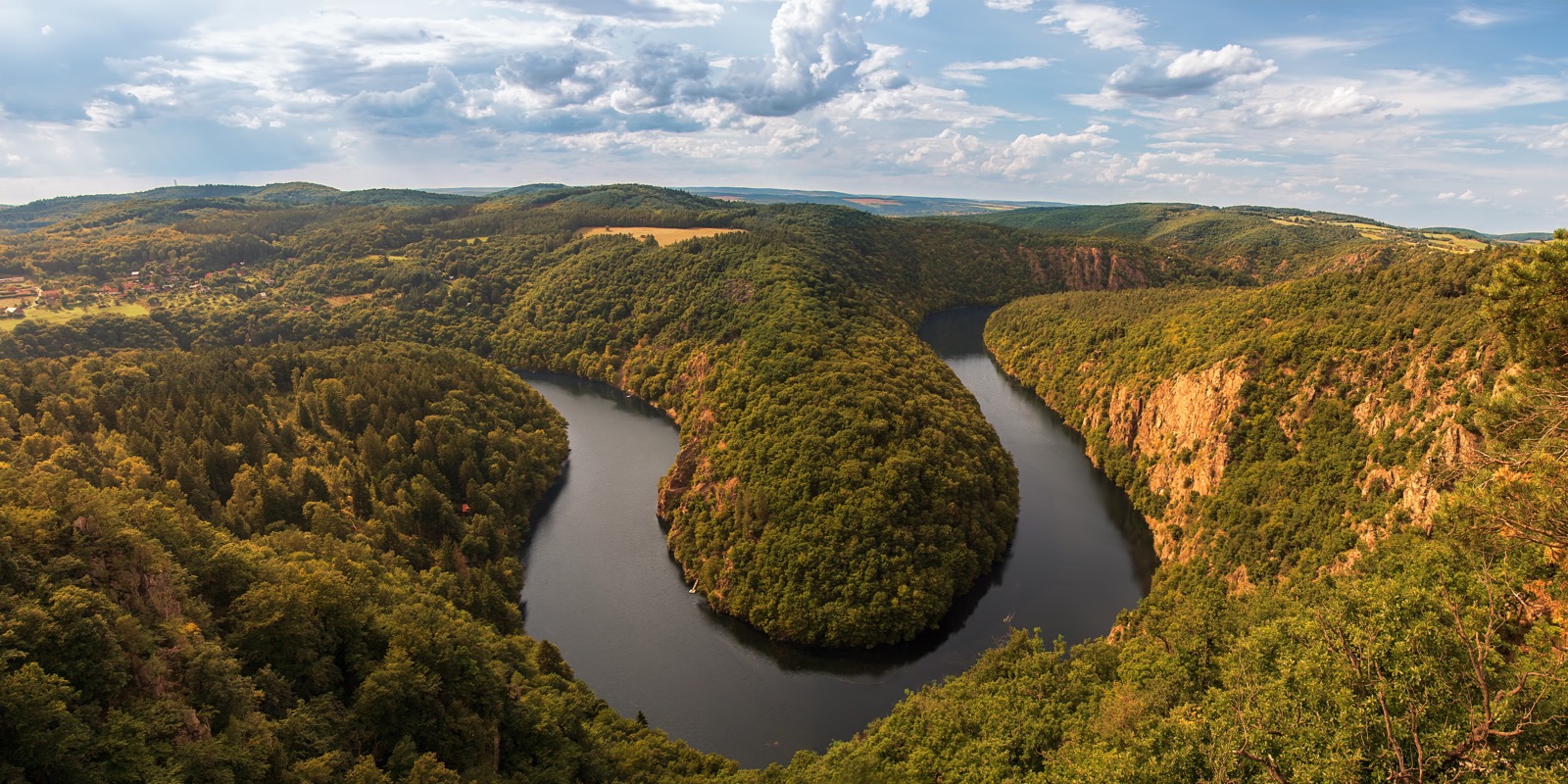
If you’re in this area, it would be a sin to skip the famous Máj viewpoint, which offers the best-known view of the Vltava meander. The viewpoint itself is free, but the car park in nearby Teletín has only fifteen spaces, and on a weekend it’s hopelessly full by ten in the morning.
💡 Tip: Head to the Máj viewpoint ideally early in the morning for sunrise. Not only will you park without any trouble, you’ll also avoid the crowds and take absolutely stunning photos bathed in morning light.
7. The Kokořín region and the Devil’s Heads
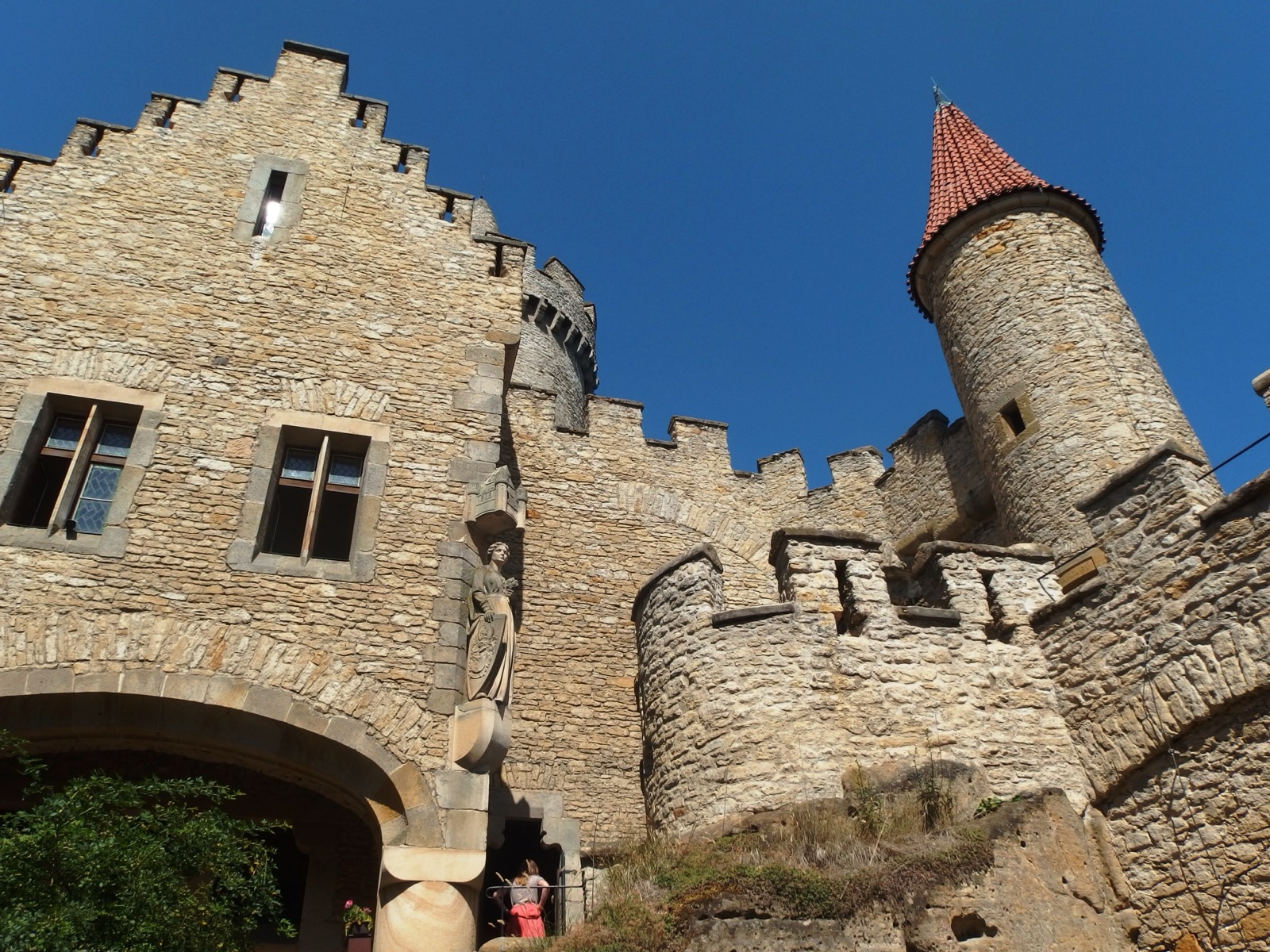
The Kokořín Protected Landscape Area is a paradise for lovers of sandstone rocks, deep ravines, and pine forests. This year is especially festive here, because the protected area celebrates a lovely fifty years since its founding in 2026, and the park administration is holding a series of themed guided nature walks.
The heart of the area is the romantic Kokořín Castle, where basic entry comes to 140 CZK (about €5.50) and a family ticket costs 340 CZK (about €14). After touring the castle, travellers recommend heading to the nearby Pokličky, unique rock formations resembling giant mushrooms, reached by a lovely nature trail above the valley of the Kokořín gorge.
A truly unique landmark of the region is the Devil’s Heads near the village of Želízy. These are nine-metre-tall faces carved directly into the sandstone rocks by the sculptor Václav Levý back in 1841–1846. They’re freely accessible for free, and you start out to them from a small car park right in the village.
💡 Tip: The Kokořín area is fairly hilly and the paths to the rock formations tend to be full of roots and steps, so definitely come in sturdy hiking shoes and leave pushchairs at home; a good carrier will serve you better.
8. Mělník
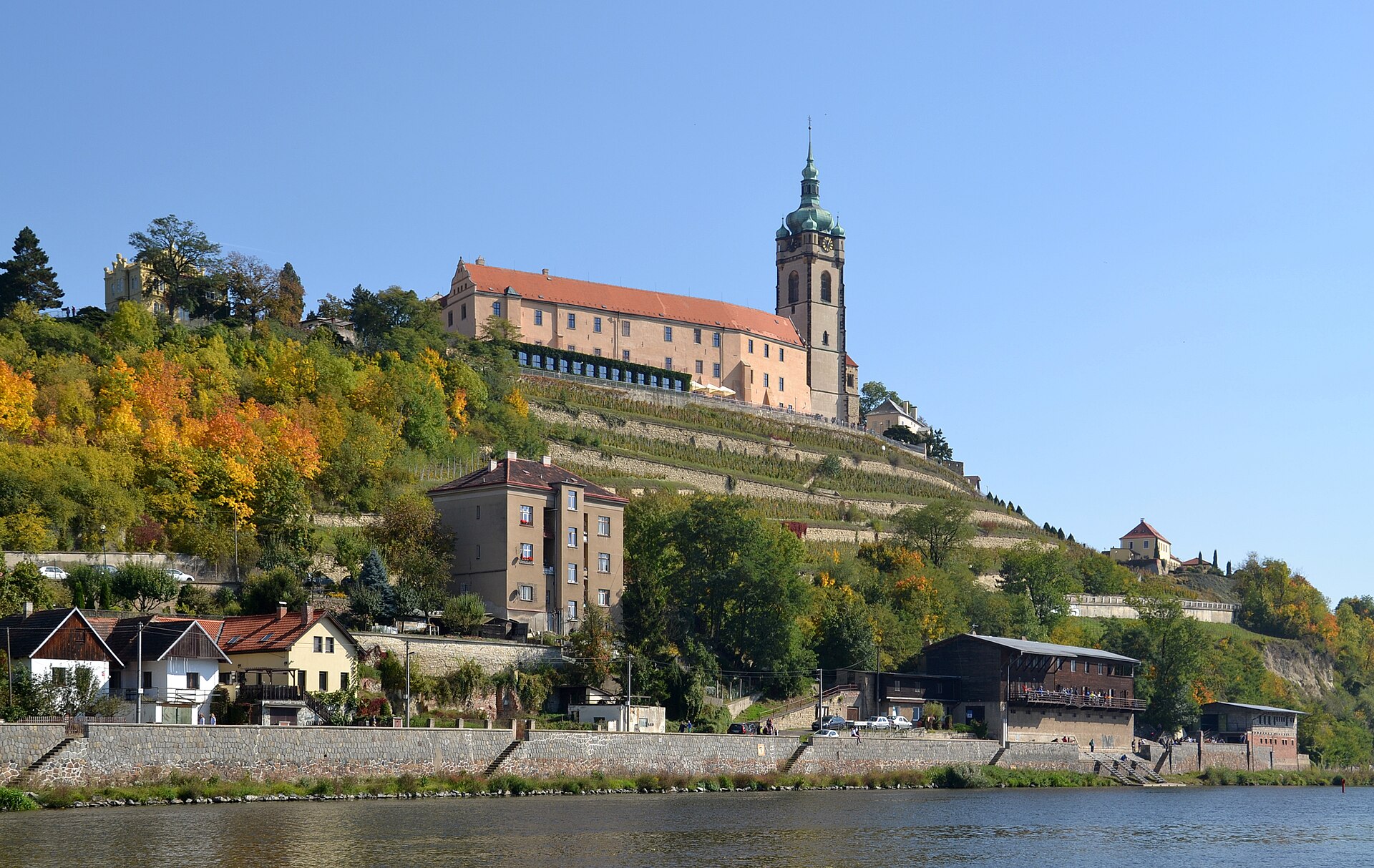
The royal dower town of Mělník rises on a hill right above the confluence of our two largest rivers, the Elbe and the Vltava. The town has a very pleasant historic centre with arcades and a beautiful town hall, but the main reason people come here is the impressive Lobkowicz family chateau and the local winemaking tradition.
Entry to the chateau according to the 2026 price list costs 230 CZK (about €9.50) for adults and 180 CZK (about €7.50) reduced. But every visitor recommends paying an extra 70 CZK (about €3) for a tour of the historic 14th-century wine cellars, which lie right beneath the chateau courtyard and host popular tastings.
The chateau terrace offers a breathtaking view of that river confluence and the legendary Říp mountain in the distance. Just be aware that the chateau restaurant is currently temporarily closed, so if hunger strikes, you’ll have to head to one of the pubs right on the town square.
💡 Tip: The Mělník chateau is closed on Mondays, so plan your visit for other days. Right by the chateau you’ll also find the Church of St. Peter and Paul with an ossuary in its crypt, though it’s best to check its opening hours in advance.

9. Průhonice Park
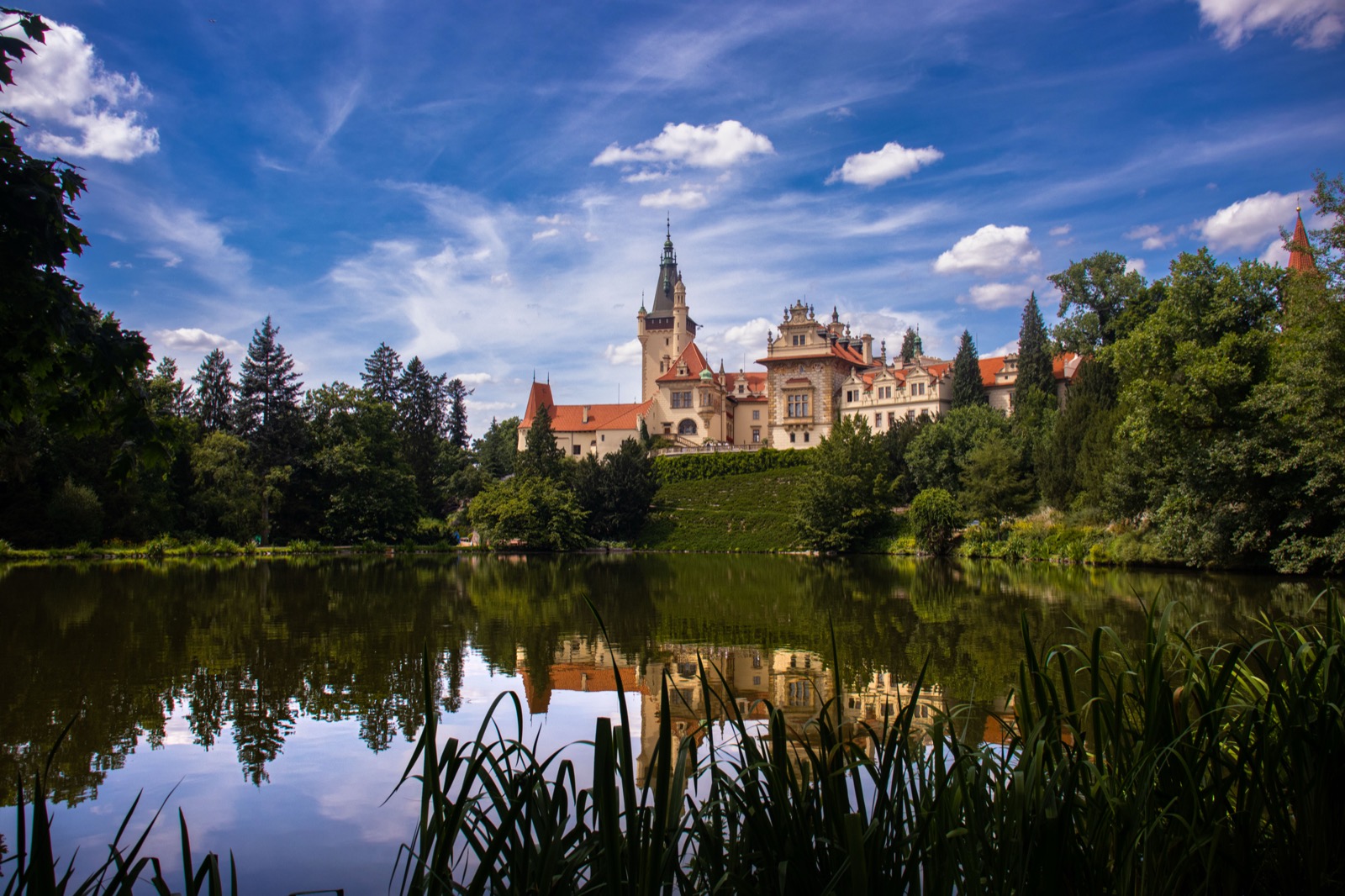
Right on the edge of Prague you’ll find a natural gem, listed by UNESCO as part of the historic centre of the capital. Průhonice Park is a huge landscape park covering 250 hectares, founded by Count Silva-Tarouca, who created a masterpiece of garden architecture here.
Entry is around 160 CZK (about €6.50) for adults and 120 CZK (about €5) for children, and tickets can be conveniently bought online through the park’s portal too. The park is criss-crossed by more than twenty-five kilometres of beautiful paths, the main loops of which are paved and easy to manage even with a pushchair or a balance bike.
The park sees the biggest surge of visitors naturally at the turn of May and June, when an incredible eight thousand rhododendron shrubs burst into bloom. It’s an absolute explosion of colours and scents that no nature lover should miss. But the park is gorgeous in October too, when the deciduous trees turn shades of gold and red.
💡 Tip: There’s also a lovely chateau in the grounds, but it’s the seat of the Botanical Institute of the Academy of Sciences and its interiors are usually closed to the public, so plan mainly for long walks outdoors in the fresh air.
10. The Sázava region: Český Šternberk and the Sázava Monastery
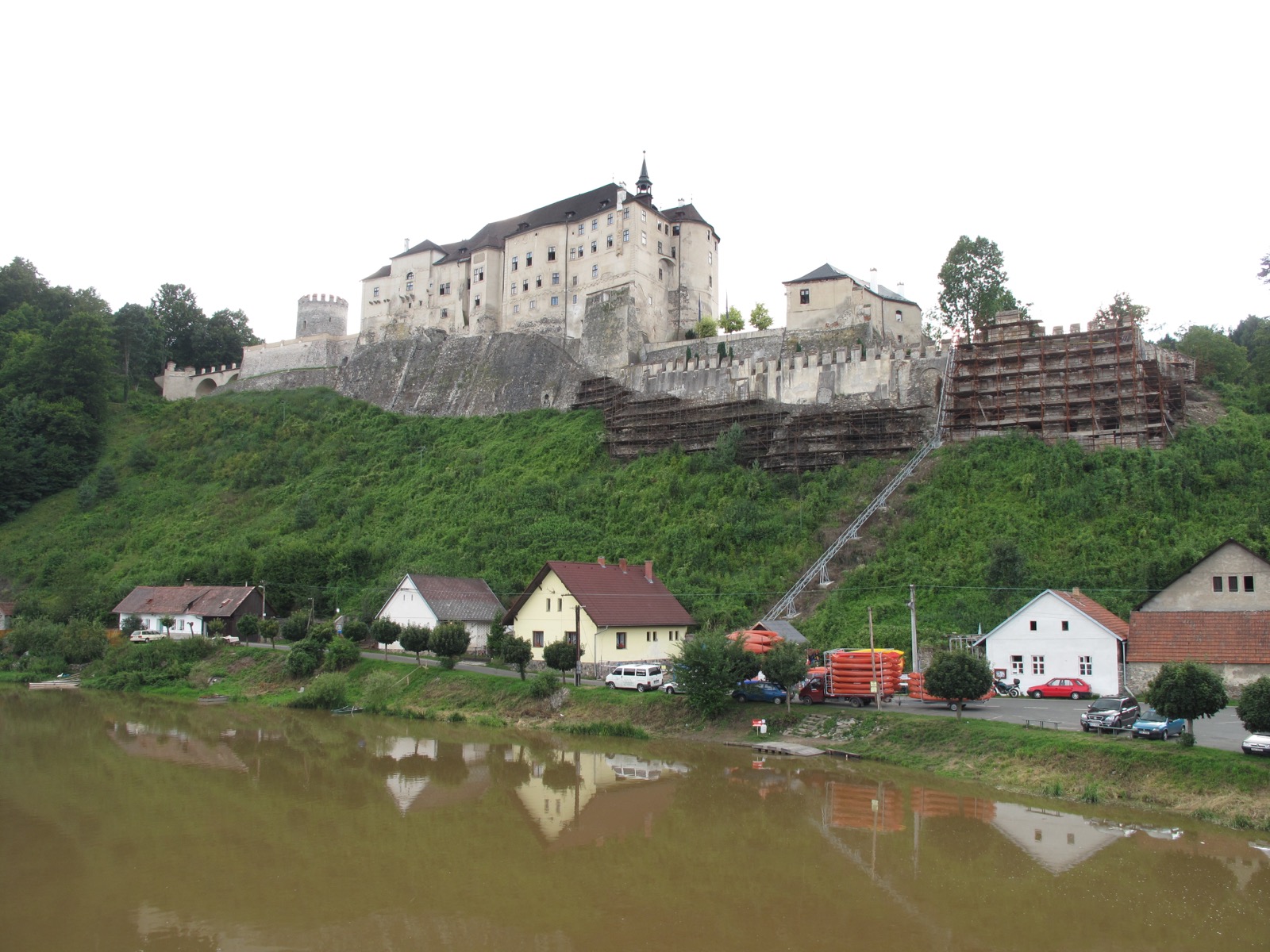
The countryside around the Sázava River has a huge reputation among ramblers and hikers. The dominant feature of the whole region is the majestic Český Šternberk Castle, which proudly towers on a steep rocky cliff. Entry costs 300 CZK (about €12), and a fascinating fact is that the castle is still owned and inhabited by the twentieth generation of the Sternberg family.
The region’s second huge landmark is the Sázava Monastery, cradle of the Slavonic liturgy, linked to the figure of St. Procopius. A tour here comes to 180 CZK (about €7.50), but note that if you want to climb the monastery tower, it’s only open in 2026 for a short period from mid-July to the end of August.
The most beautiful way to explore this area is to use the famous Posázavský Pacifik. It’s a historic railway full of tunnels and viaducts. Every weekend from late March to the end of October, nostalgic railcars run by the Railway Travellers’ Club travel along it, departing from Prague’s Braník district and weaving through the gorgeous valley.
💡 Tip: Český Šternberk is a complete exception among Czech castles, because in high season it’s open even on Mondays from ten to four, which is really handy when planning a summer holiday.
11. Poděbrady
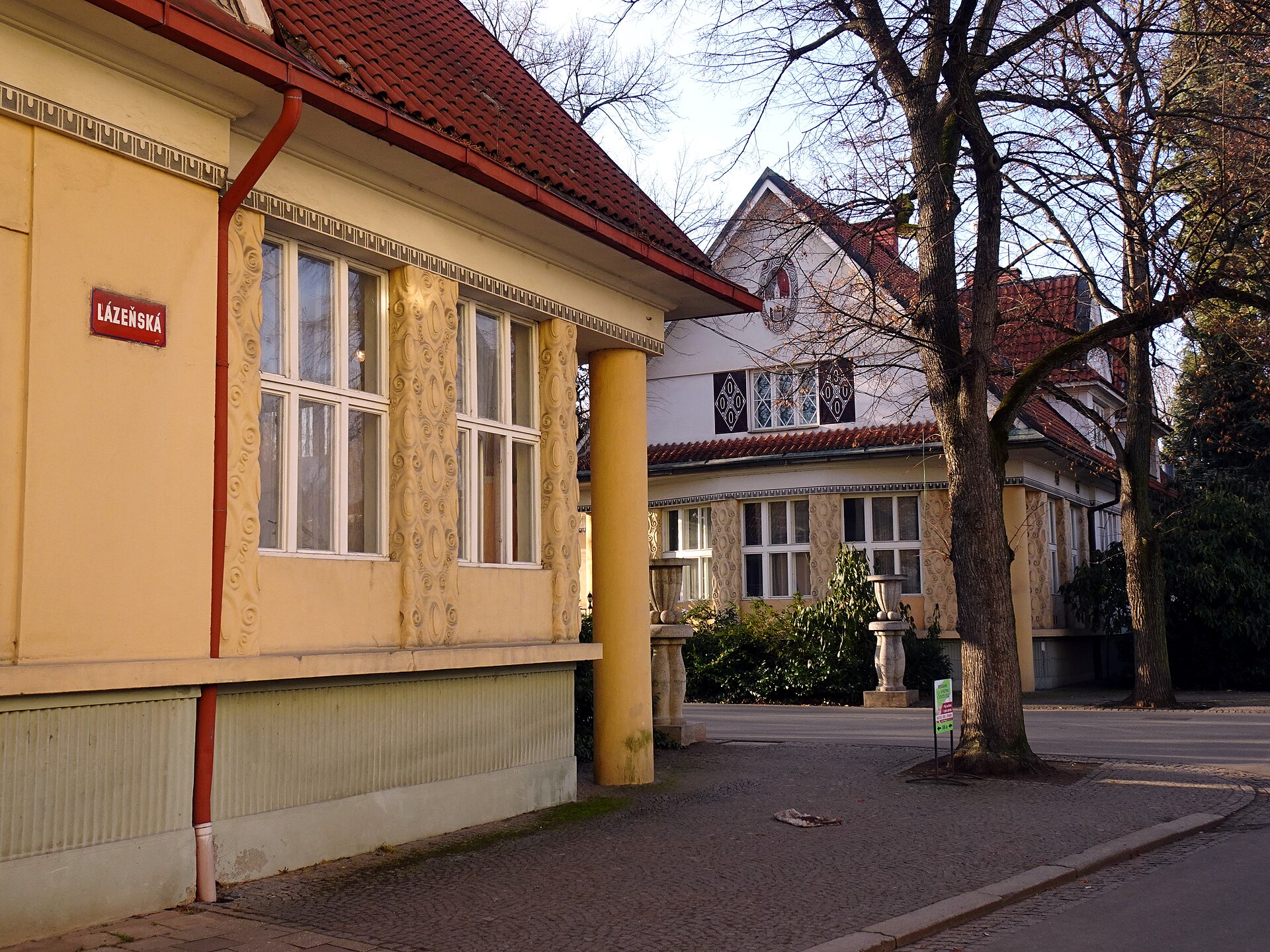
The spa town of Poděbrady is a synonym for a calm, relaxing holiday. The local heart spa has been running here since 1908, and people still come to treat heart and blood-pressure problems. The town centre is formed by a beautiful spa colonnade with its famous flower clock, where you can stroll and sip the healing springs.
A huge advantage of Poděbrady is how easy it is to reach. A direct train from Prague gets you here in fifty minutes and the colonnade begins just a five-minute walk from the station, so you don’t need a car for the trip at all. Stop on the way at one of the celebrated cafés, or grab warm spa wafers to eat on the go.
In summer the town turns into a popular resort thanks to Poděbrady Lake, whose season runs from mid-May to mid-September. You’ll find sandy beaches, slides, and free parking for visitors. In late July 2026 the health officials did report slightly worse water properties due to chlorophyll, but the situation changes quickly, and it’s always good to check before you set off.
💡 Tip: A great asphalt cycle path runs along the Elbe from Poděbrady to Nymburk. It’s completely flat, so it’s absolutely ideal for families with pushchairs, small children on balance bikes, or for inline skating.
12. The Brdy hills
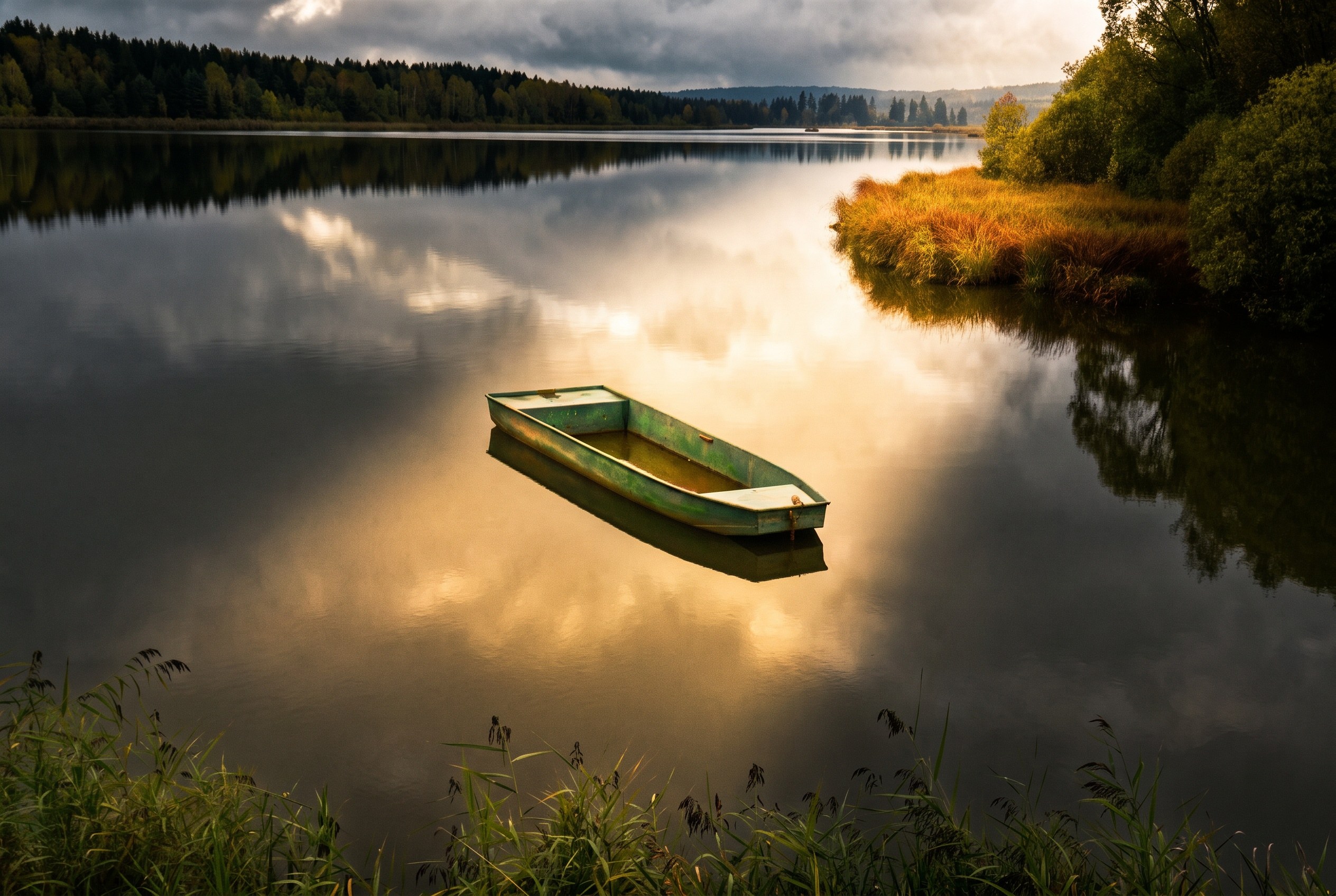
The former military training area of Brdy opened to the public only recently, and this year the Brdy protected area marks exactly ten years since the soldiers left in 2016. It’s rugged but stunning nature full of deep forests and heathland, where you won’t meet any commercial refreshment stalls, so you always have to carry a snack and drink in your backpack.
The biggest draw is the Padrť Ponds hidden in the middle of forests and peat bogs. The most comfortable way to reach them is by bike from Rožmitál pod Třemšínem, because the paths here are paved and asphalt. On foot you can go from the villages of Míšov or Trokavec, but be prepared to walk several kilometres in complete solitude.
Experts and rescue services constantly stress one crucial rule: strictly stick to the marked hiking trails. Because this is a former artillery range, there’s still a danger of unexploded ordnance off the paths, so wandering off to pick mushrooms deep in the forest really isn’t recommended here.
💡 Tip: This year’s novelty for 2026 is the opening of the brand-new Lipovsko nature trail, which will lead you through more fascinating nooks of this vast, deserted range full of beautiful views.
13. Škoda Museum, Mladá Boleslav
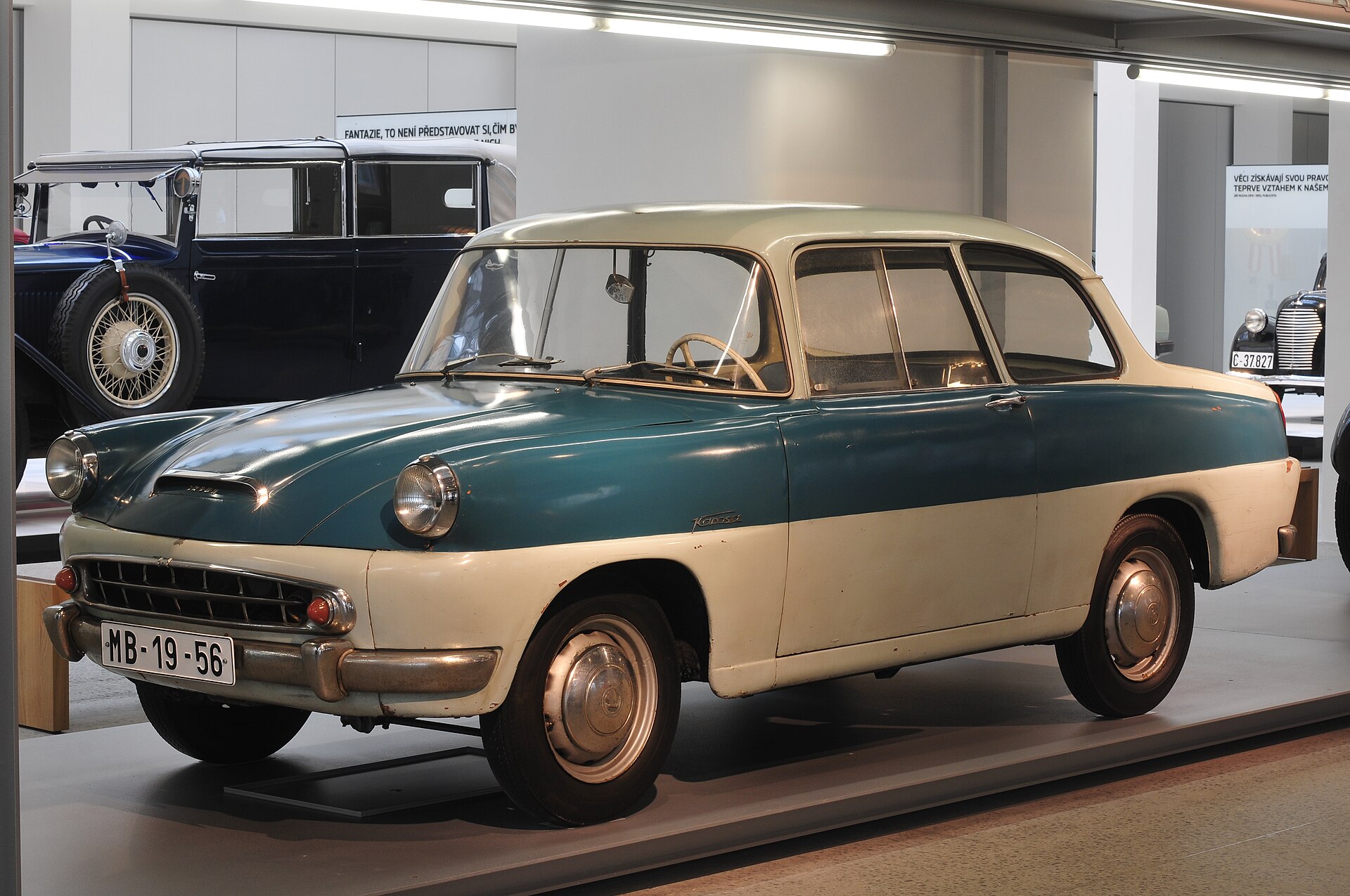
If you or your little ones are fascinated by cars, a trip to Mladá Boleslav is a safe bet. The Škoda Museum offers a huge exhibition on the history of the country’s most famous carmaker. A basic ticket costs 150 CZK (about €6), 75 CZK (about €3) for children, and a family ticket comes to a very reasonable 375 CZK (about €15), with the museum open daily from nine to five.
A big hit is the tour of the production facilities themselves, which you can join for 380 CZK (about €15.50). But you can only see the factory on weekdays, and children are only allowed from ten years of age. The absolute novelty of 2026 is the opening of a new depository, where you can see rare vintage cars and prototypes that never made it into regular series production.
The whole museum is perfectly adapted for families with children. They have worksheets ready, a kids’ corner with original push-along toys, and the whole complex is completely wheelchair-accessible, so you can easily come with a deep pram and walk through all the halls.
💡 Tip: This is an absolutely ideal “rainy-day option” for a trip. When it starts raining during your holiday in Central Bohemia, you can easily spend half a day in the museum, nice and dry, warm, and the kids definitely won’t be bored.
14. Kačina and Žleby chateaux
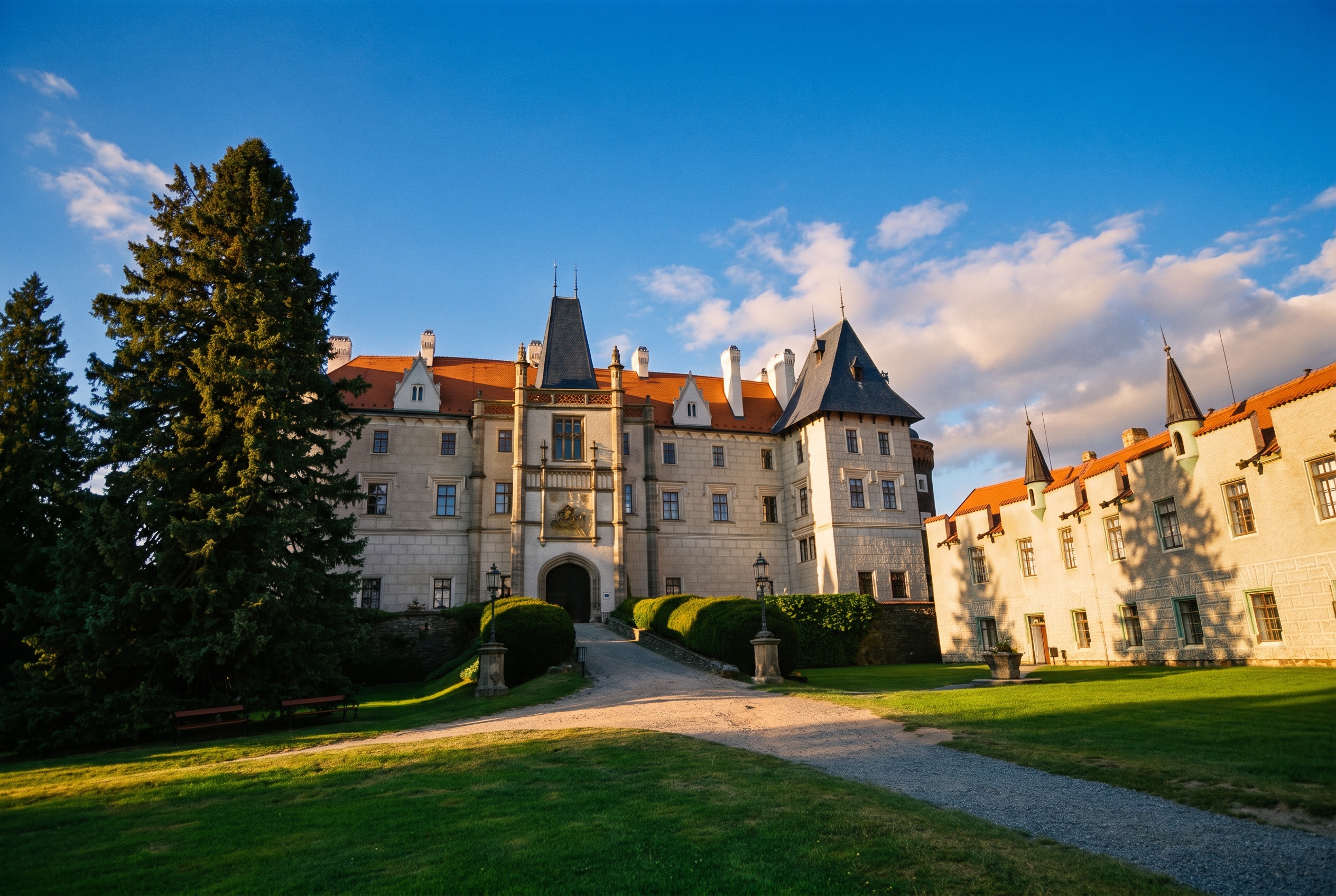
A short distance from Kutná Hora you’ll find two completely different but equally stunning chateaux. Kačina is a monumental Empire-style chateau of the Chotek family that resembles more a huge ancient temple. Entry to the main tour comes to 180 CZK (about €7.50), but a huge advantage is that the sprawling chateau park is accessible year-round and completely free.
While Kačina is a showcase of strict ancient symmetry, nearby Žleby is the embodiment of romance and resembles a miniature English Windsor Castle. The interiors are full of historic weapons, leather wall coverings, and mysterious nooks that transport you back in time. Basic tours here cost 260 CZK (about €11) for adults and 210 CZK (about €8.50) for students.
In reviews, travellers often mention that the combination of these two chateaux makes for a perfect full-day trip, because they’re only a short drive apart and architecturally present a wonderful contrast.
💡 Tip: At Žleby there’s also an enclosure with white deer, which tends to be a big draw for families. But if you’re heading there this year, it’s best to check its current operating status in advance, because visitor conditions occasionally change.
15. Kersko and the Elbe lowlands
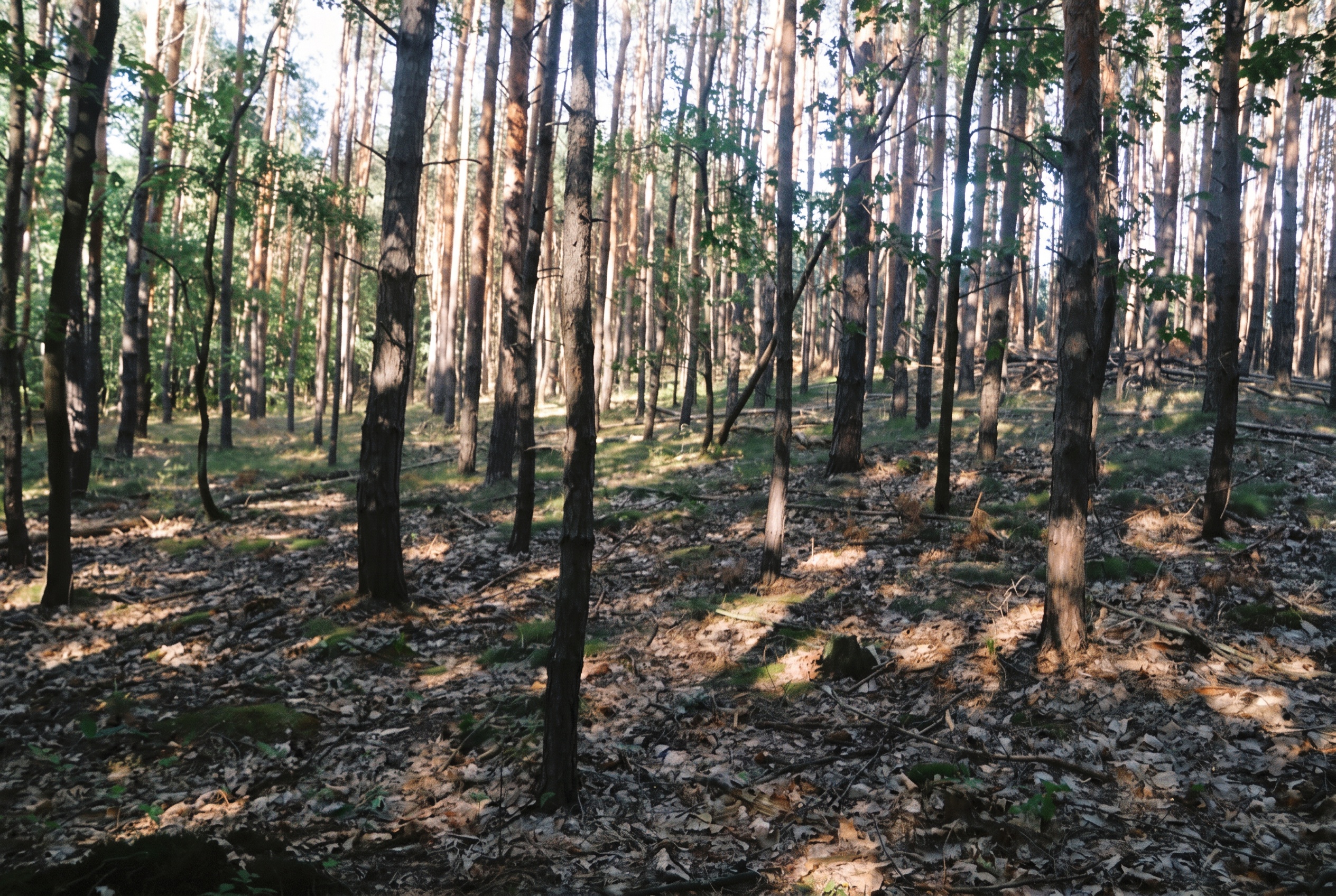
For lovers of literature and classic Czech films, Kersko is an absolute must. This woodland settlement in the Elbe lowlands is inseparably linked with the writer Bohumil Hrabal and his novel Snowdrop Festival. A lovely nature trail runs through it, you can visit Hrabal’s cottage, and you can taste the mineral water from the St. Joseph spring.
The centre of cultural life in the settlement is the Kuba Forest Studio, which has been selling wonderful local ceramics since the 1990s. By the studio you’ll find a nice children’s playground and also the original Hrabal Poesiomat, from which you can play excerpts of the master’s work right in the middle of the green forest.
When you say Kersko, plenty of people immediately start salivating over the legendary wild boar with rosehip sauce or with cabbage, still served at the famous Hájenka pub. It’s a local speciality, and according to reviews the pub is bursting at the seams, so at the weekend there’s quite a battle for a free table at lunch.
💡 Tip: In May the Hrabal’s Kersko event traditionally takes place here, but the date for 2026 hasn’t been set in stone yet. Be sure to check it on the village website or directly at the studio before any visit.
Central Bohemia with kids: the best family tips
If you’re heading off on a holiday with the little ones, Central Bohemia is literally dotted with places that will thrill kids. Parents often share their experiences on forums, and I’ve summed up the most useful information for you here to save you time with planning.
Mirakulum and adventure parks
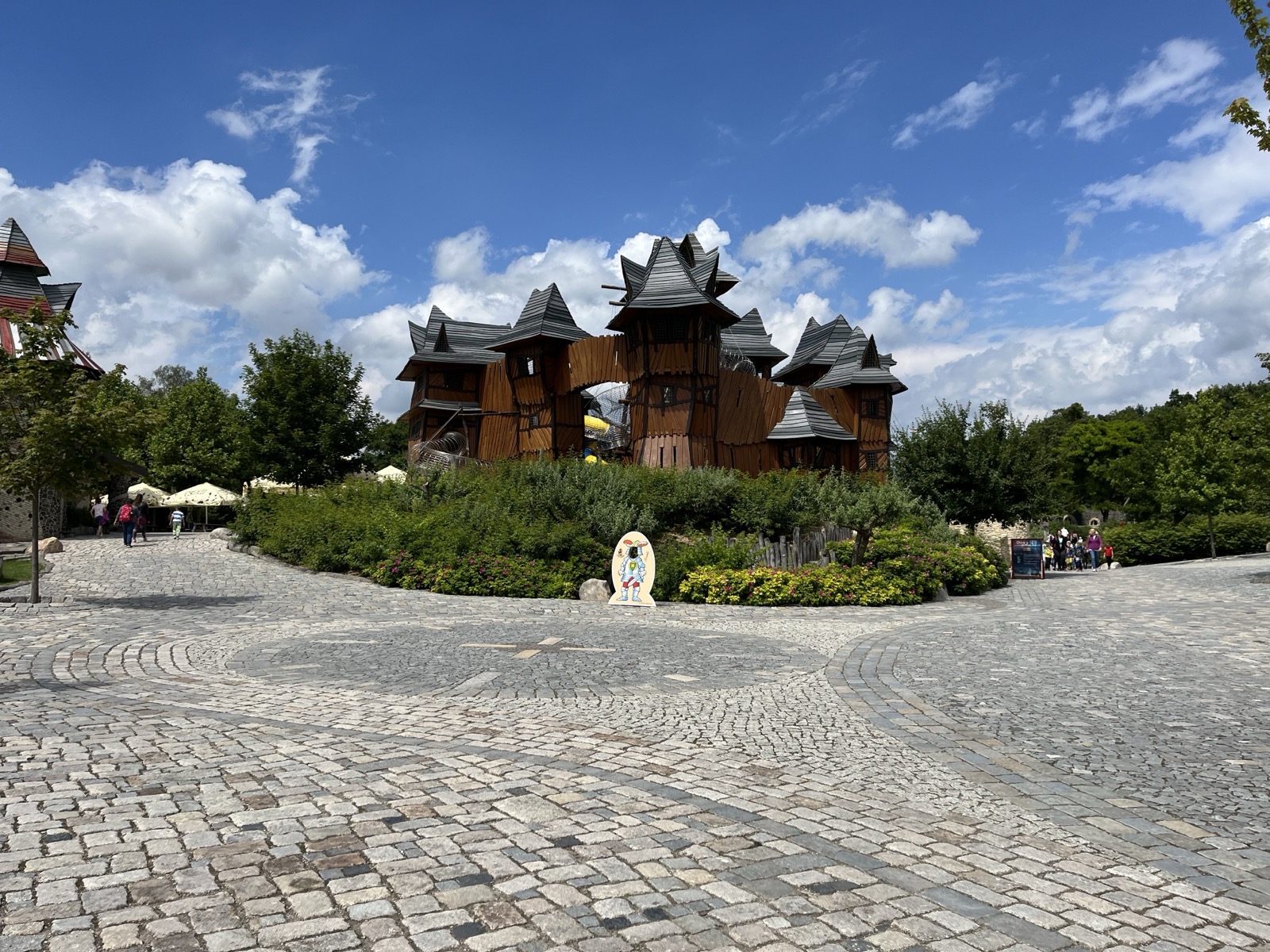
The Mirakulum edutainment park in Milovice is a huge hit. For 500 CZK (about €20) for adults and 450 CZK (about €18) for children you get access to giant castles, rope trails, and the popular water world. Parents strongly advise arriving right in the morning at opening time, because after lunch there are huge crowds and long queues form. On top of that, mums’ experiences on forums say the park is best suited to children from four years; there isn’t so much for toddlers here and they tire easily. Definitely write your phone number on their arm, the grounds are really extensive and it’s easy for someone to wander off.
Off to see the animals and visit farms
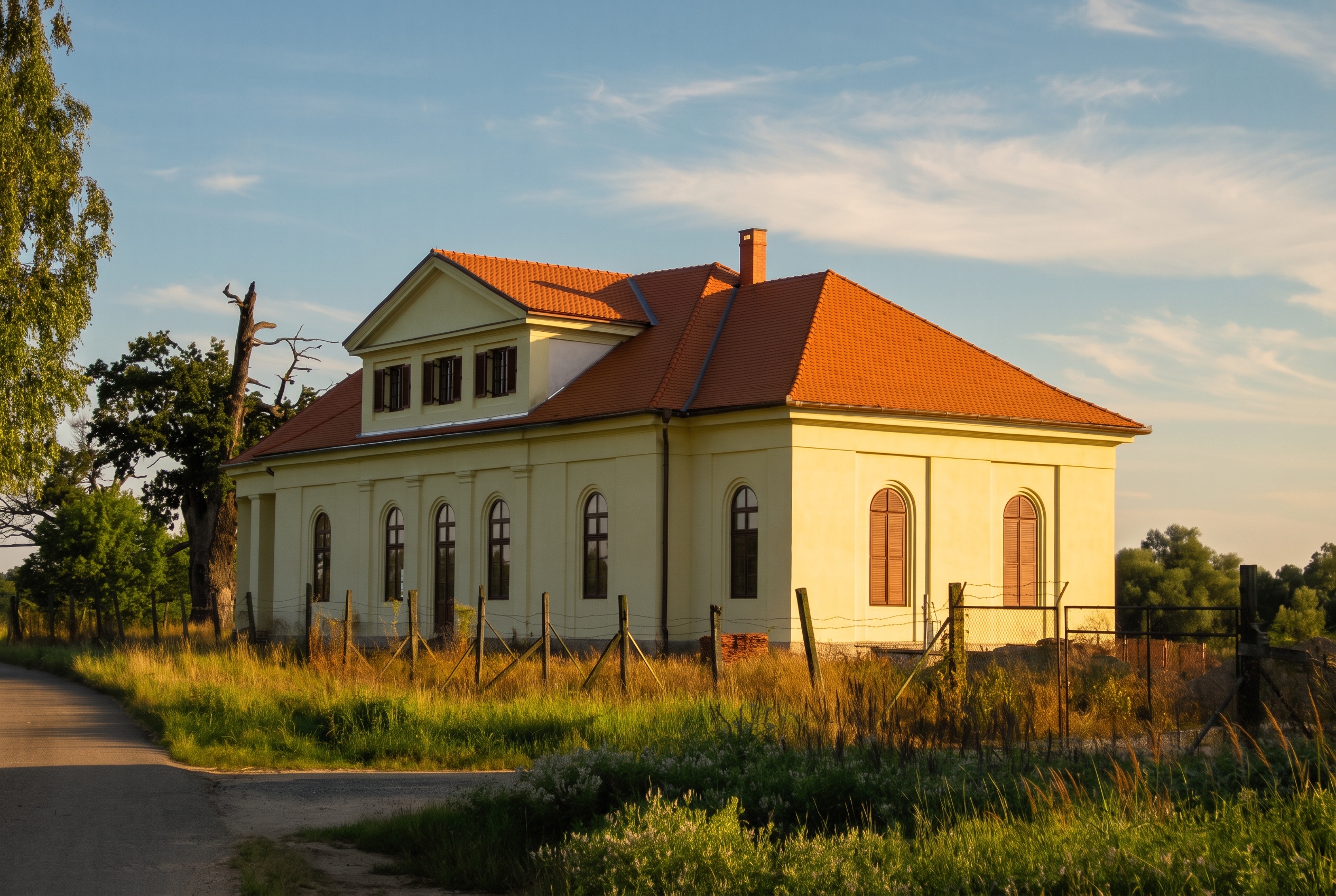
For smaller children under three, people recommend far more the Soběhrdy Farm Park with a flat entry of 390 CZK (about €16) on weekdays and 490 CZK (about €20) on weekends. You’ll find animals from five continents and playgrounds sized for the smallest explorers. A great trick is to download their mobile app in advance, which saves you a full 100 CZK (about €4) on every ticket, making a nice difference for a family of four. Another great animal stop is the cosy family-run Chleby Zoo near Nymburk, where a ticket costs 230 CZK (about €9.50) and you can feed selected animals right from your hand.
When it rains: the Škoda Museum, caves, and water parks
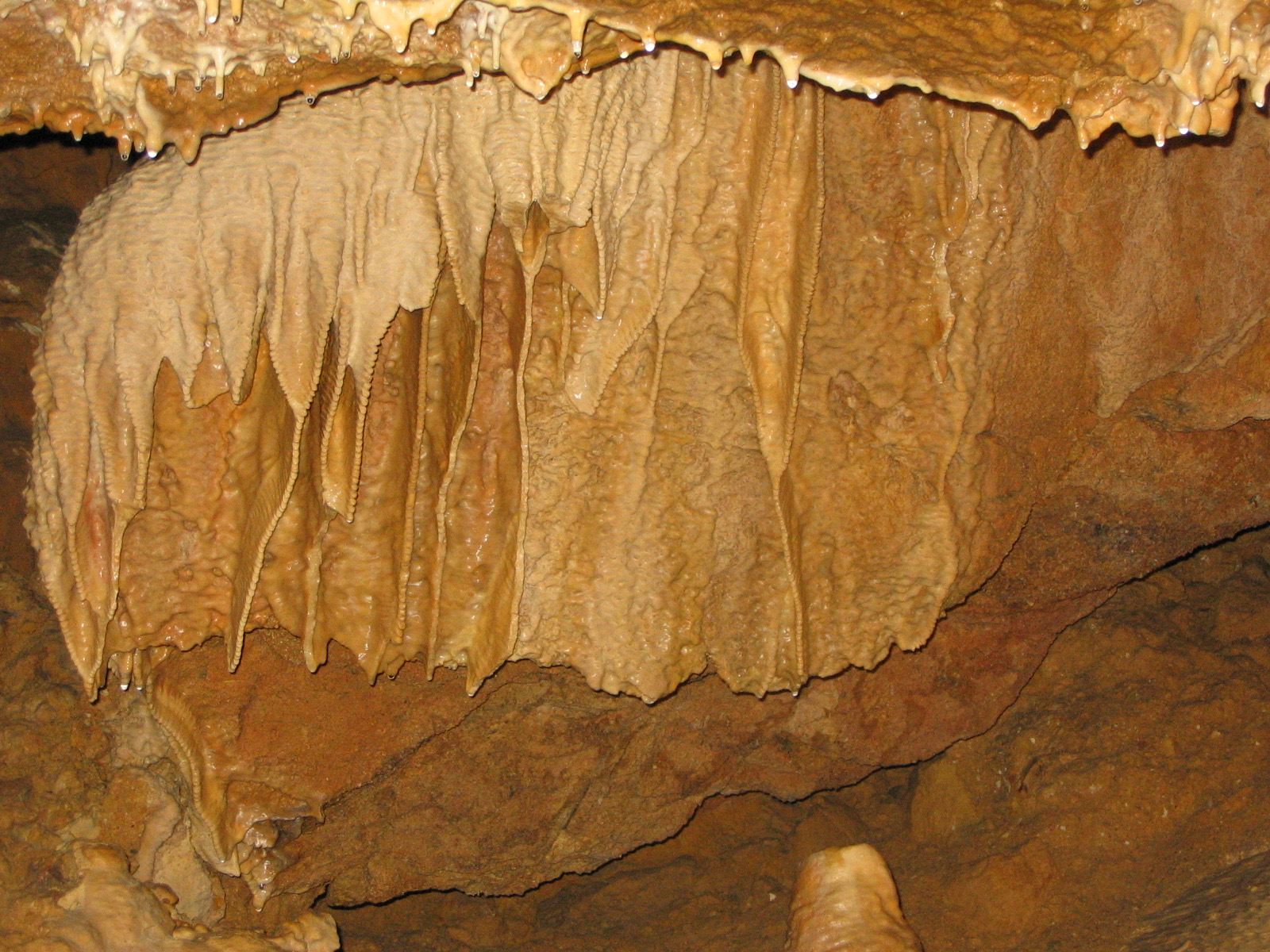
When the weather doesn’t cooperate, the giant Aquapalace in Čestlice will save the day; it pays to buy tickets through their e-shop, where you get the weekday price even at the weekend. Another great and, above all, affordable option is the Mining Museum in Příbram, where a family ticket costs just 150 CZK (about €6) and children pay only 30 CZK (about €1). Schoolchildren ride an old mining train here and go down a fifty-one-metre slide straight into the underground, which they enjoy far more than classic historic tours. The Škoda Museum in Mladá Boleslav is also a great indoor tip, with a nice kids’ corner.
With a pushchair around Prague
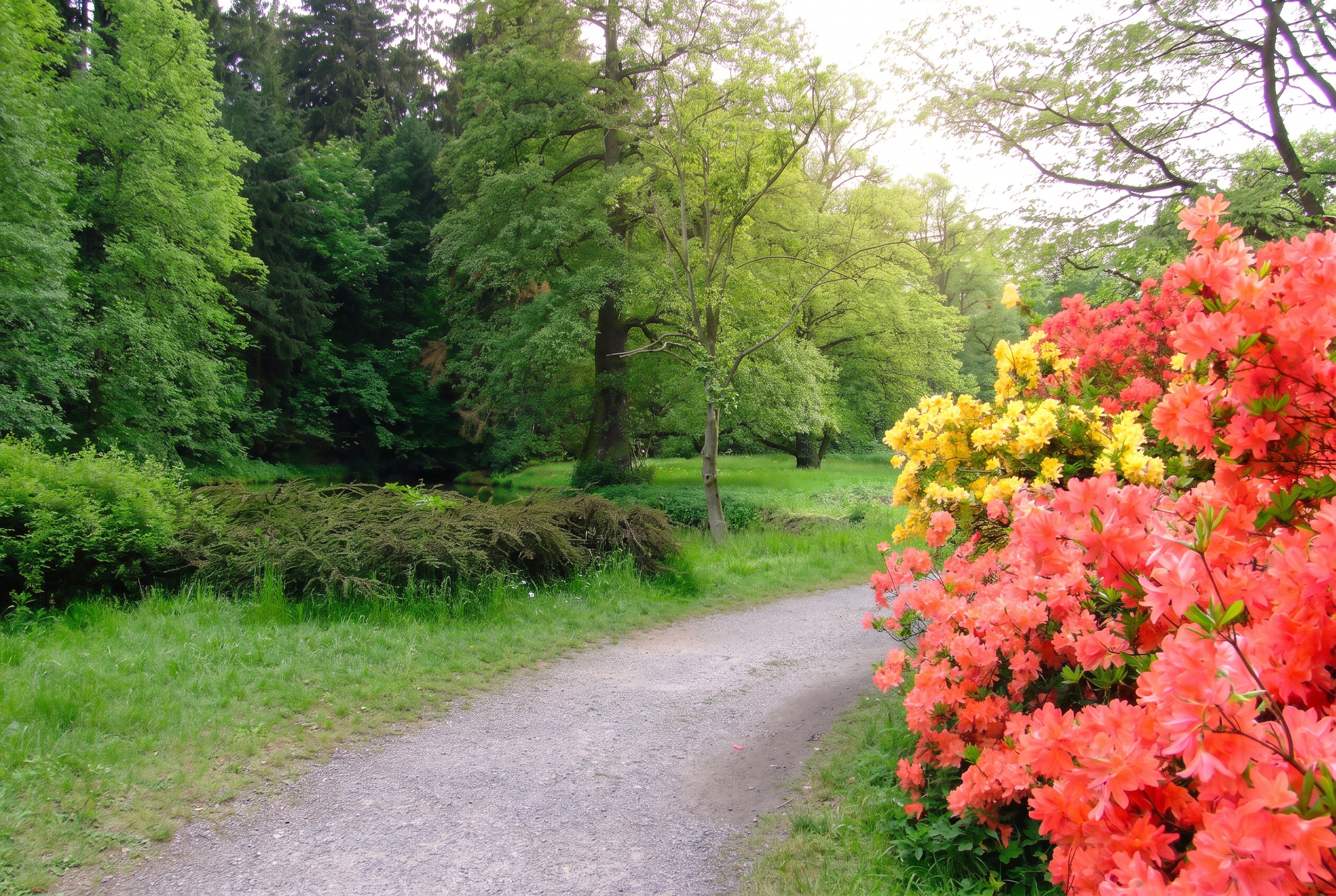
A deep pram rolls beautifully along the paved paths in the huge Průhonice Park, which has over twenty-five kilometres of routes and where a family ticket comes to a pleasant 430 CZK (about €18). The asphalt Elbe Trail from Nymburk to Poděbrady is also great; it’s just under ten kilometres and you’ll meet plenty of families with balance bikes. People also praise the flat chateau park in Lány, but just keep in mind it’s closed on Mondays and Thursdays and dogs aren’t allowed. The Lány Game Reserve itself, however, is strictly off-limits, so you unfortunately can’t get in there with a pushchair; you can only walk the surrounding nature trail.
Where to eat in Central Bohemia
On our travels we always look for lovely spots with good coffee and something sweet to nibble. A wonderful experience is sitting on the colonnade in Poděbrady. Be sure to try the warm spa wafers straight into your hand there, or sit down in the popular Café Viola. Having a good coffee and watching people stroll through the well-kept parks is the best rest you can give yourself after a full day of exploring.
If you head to Konopiště, the chateau restaurant makes the famous fruit dumplings of Archduke Ferdinand, which people come for even without touring the chateau. It’s a great lunch when you’re not into heavy meat dishes and want to try something local. Another superb gastro experience is on offer in Mělník, where you can enjoy excellent local Mělník wine during a tour of the old chateau cellars located right beneath the chateau courtyard.
In regions famous for game, such as the Křivoklát area or Kersko, you’ll come across traditional pubs serving game specialities and rich sauces at every turn. In Kersko the Hájenka pub is celebrated for its wild boar with rosehip sauce, which makes mouths water for miles around. People also often stop at the Lobeč brewery in the Kokořín area, where they brew excellent beer and there’s an interesting exhibition with an old steam engine too.
Practical tips: transport and planning
- Train versus car: To Poděbrady, Kutná Hora, or Karlštejn, go by train one hundred percent. You’ll save yourself huge stress hunting for a parking spot, plus trains from Prague run at regular intervals and a ticket costs just a couple of euros.
- Parking at the monuments: At Karlštejn Castle you leave the car down below the hill and have to walk quite a stretch. In Kutná Hora I recommend parking further from the centre, because the streets by the Sedlec Ossuary are often clogged with tour buses.
- Swimming and hygiene: If you’re heading to the water at Slapy or Poděbrady at the end of the summer holidays, always check the current cyanobacteria status and water quality on the public health authority website first, so you’re not disappointed on the spot by an unnecessary swimming ban.
- Booking tickets: For the most popular sites, such as the Chapel of the Holy Cross at Karlštejn or the Sedlec Ossuary, you have to secure tickets well in advance online. In Sedlec, tickets aren’t even sold on site and they only accept online bookings.
Where to next
If you’re interested in the details of the individual places, I’ve also written more detailed guides for you:
- Karlštejn Castle: the complete guide
- What to see in Kutná Hora: 10 tips
- Svatý Jan pod Skalou: 6 tips for a trip from Prague
- 20 tips on where to holiday in the Czech Republic
Frequently asked questions
If you’re still unsure how to put together your day trips near Prague or your summer holiday, I’ve compiled answers to the most common questions I get.
Tips and Tricks for Your Vacation
Don’t Overpay for Flights
Search for flights on Kayak. It’s our favorite search engine because it scans the websites of all airlines and always finds the cheapest connection.
Book Your Accommodation Smartly
The best experiences we’ve had when looking for accommodation (from Alaska to Morocco) are with Booking.com, where hotels, apartments, and entire houses are usually the cheapest and most widely available.
Don’t Forget Travel Insurance
Good travel insurance will protect you against illness, accidents, theft, or flight cancellations. We’ve had a few hospital visits abroad, so we know how important it is to have proper insurance arranged.
Where we insure ourselves: SafetyWing (simple monthly subscription) and TrueTraveller (for extra-long trips).
Find the Best Experiences
Get Your Guide is a huge online marketplace where you can book guided walks, trips, skip-the-line tickets, tours, and much more. We always find some extra fun there!
More from Czechia
Full guide → Day trips · most readMikulov, Czech Republic: 10 Best Things to Do and See
 With kidsBest Water Parks in the Czech Republic: 13 Family Tips for 2026
 When to goBrno Christmas Markets 2026 – Tree Lighting, Opening Hours & Programme
 FoodPrague, Czech Republic: 10 Best Things to Do and See with a Toddler
 Where to stayPrague, Czech Republic: 10 Best Family Hotels for Your Stay with Children


