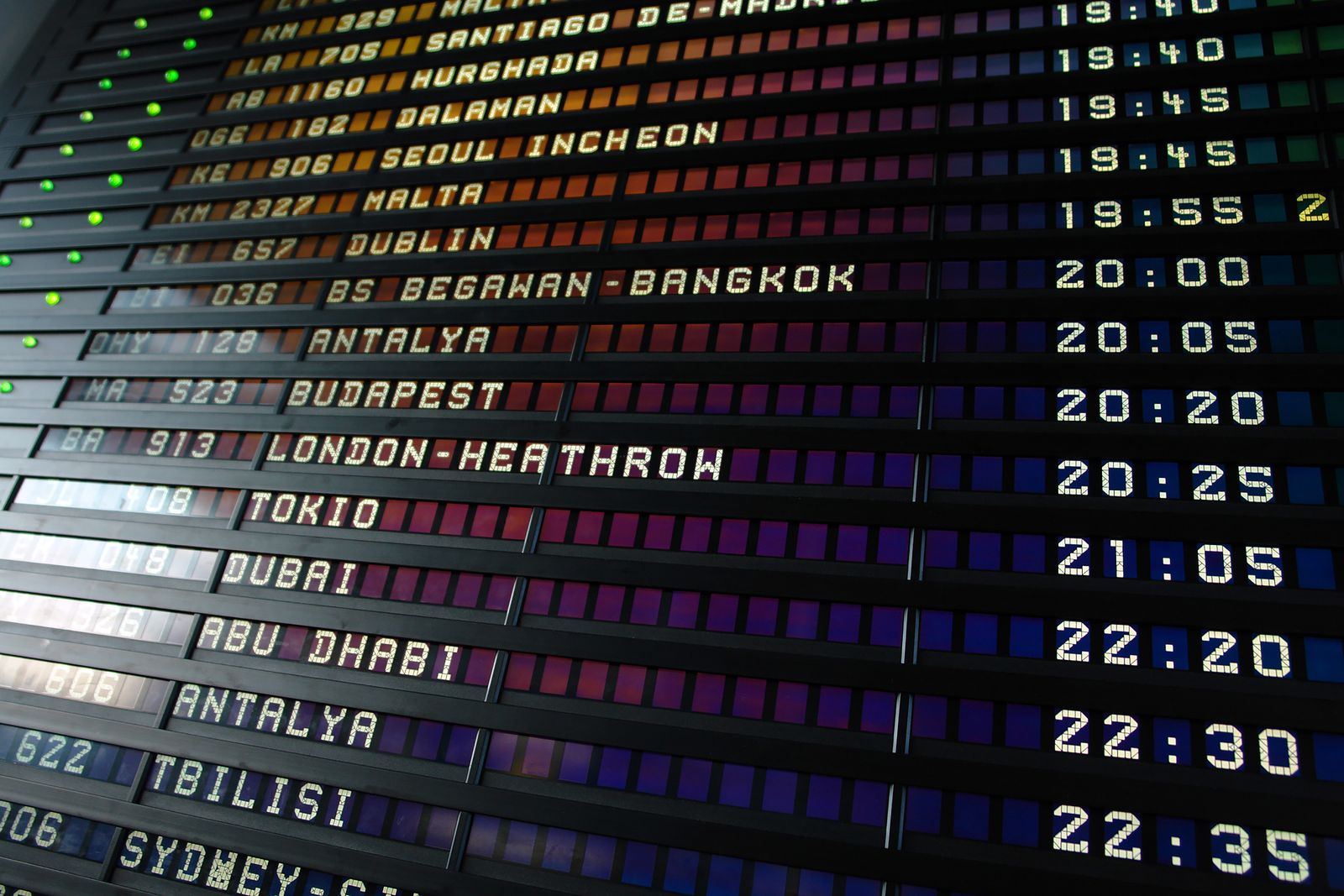
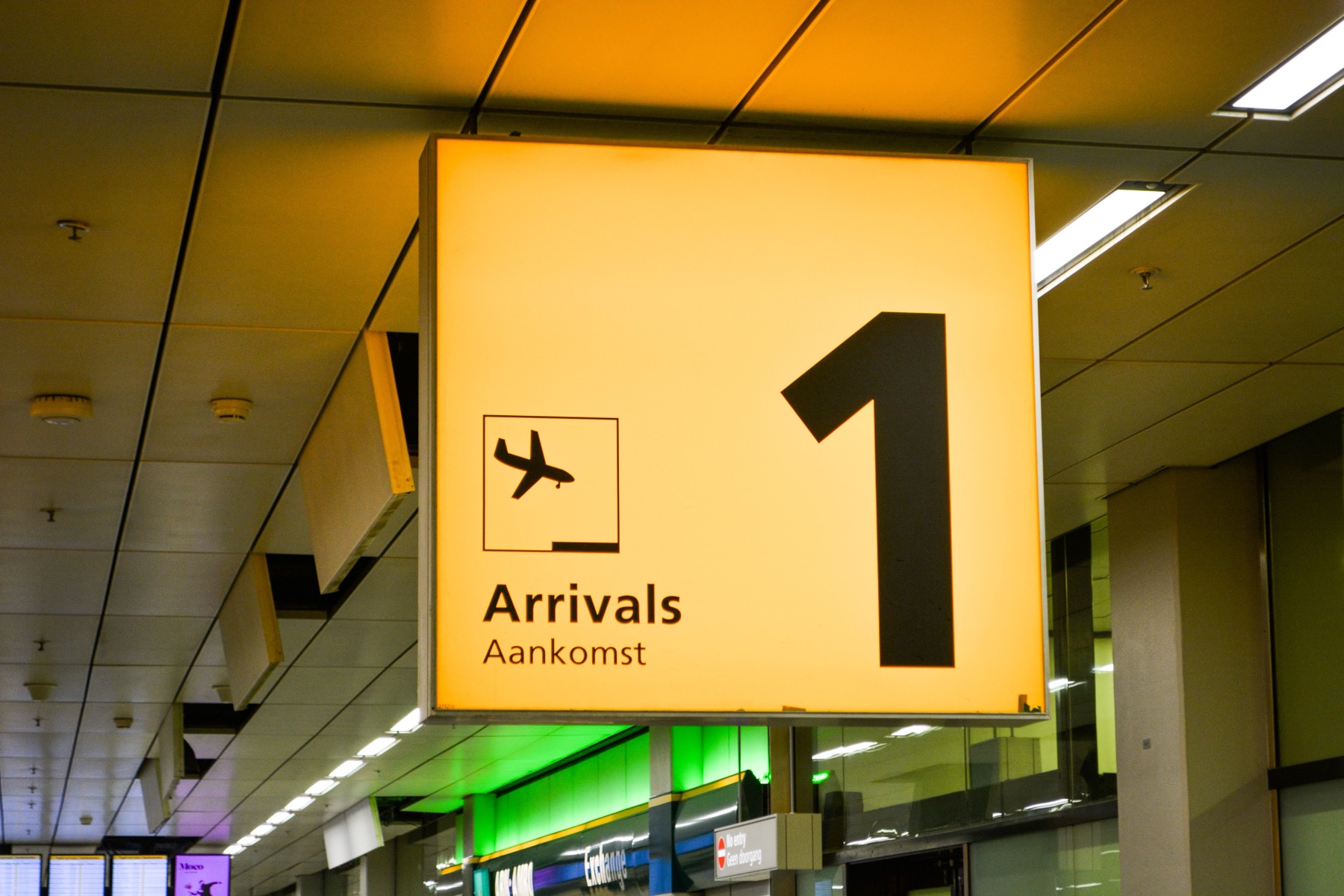
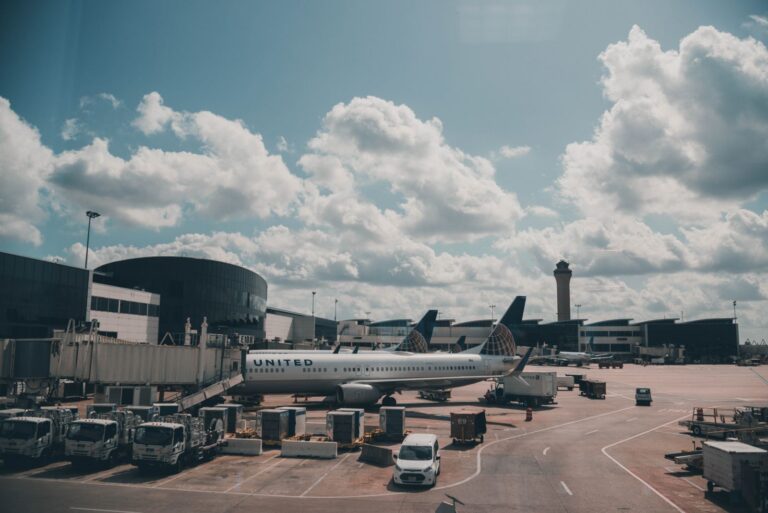
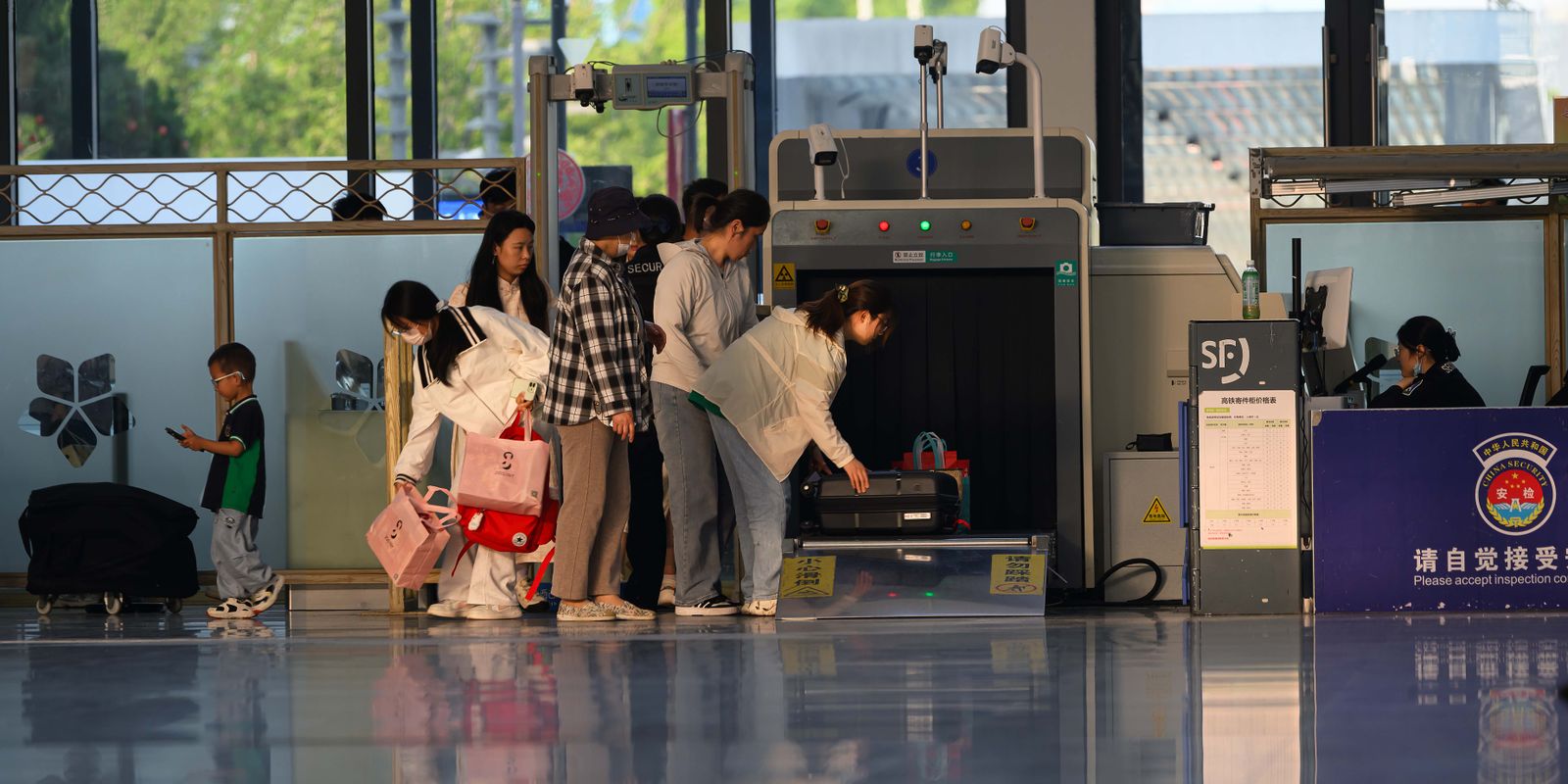
Stojíš s dětmi u odletové tabule, čas běží a najednou u tvého letu naskočí nepříjemný nápis zpožděno. V takové chvíli tě asi polije horko, ale jako cestující s rodinou máš jasná práva, která se vyplatí znát.
Zpoždění nad tři hodiny vinou aerolinky znamená nárok na finanční kompenzaci ve výši 250 až 600 eur. I když za čekání může špatné počasí, dopravce ti musí zajistit jídlo, pití a případně hotel. U dětí na klíně bývá odškodnění sporné, ale pokud jsi za ně platila poplatek, určitě o něj požádej.
Zjistíš, jak přesně formulovat žádost a nenechat se u přepážky odbýt. Navíc ti ukážu novinky z nedávno schválené revize nařízení, která vstoupí v platnost v polovině roku 2027. Získáš tak jistotu pro všechny další cesty.
Nárok na kompenzaci vzniká při zpoždění nad tři hodiny.
Shrnutí pro ty, kteří nemají čas číst celý článek
Základní odškodnění podle EU 261/2004: Při zpoždění nad 3 hodiny vinou aerolinky máš nárok na 250, 400 nebo 600 EUR podle délky tvého letu.
Právo na péči platí vždy: Jídlo, pití a případný hotel ti musí aerolinka zajistit i v případě, že za zpoždění nemůže (například kvůli špatnému počasí).
Velká změna pro rodiny v roce 2027: Revize nařízení byla schválena 13. července 2026 a zajistí, že děti do 14 let budou muset sedět vedle rodičů zcela zdarma.
Kojenec na klíně a peníze: ⚠️ Nárok na kompenzaci pro dítě bez vlastního sedadla je velmi sporný, ale pokud jsi za něj platila jakýkoliv poplatek, určitě o peníze zažádej.
Nová pravidla pro tekutiny v Praze: Od 1. října 2025 platí na Terminálu 2 (lety v Schengenu) limit až 2 litry, ale na Terminálu 1 (mimo Schengen) je to stále jen 100 ml.
Zničený kočárek řeš hned: Poškození nebo ztrátu musíš nahlásit ideálně ihned na letišti přes PIR protokol, nejpozději však do 7 dnů písemně.
Pojištění pomůže s čekáním: Komerční cestovní pojištění (například Direct) umí při zpoždění nad 2 hodiny proplatit vstup do letištního salonku nebo 500 Kč.
10 věcí, které musíš vědět o zpoždění s dětmi
Když se letadlo zpozdí, většina rodičů propadne panice z toho, jak dítě zabaví, a úplně zapomene na to, že je chrání silná evropská legislativa. Abys na letišti nestála bezradně a nečekali, až se nad tebou někdo smiluje, sepsala jsem pro tebe deset nejdůležitějších bodů, které musíš mít v malíku.
1. Finanční kompenzace podle nařízení EU 261
Základem všeho je evropské nařízení 261/2004, které ti dává jasný nárok na finanční odškodnění, pokud zpoždění zavinila sama aerolinka. Spadají sem situace jako technická závada na letadle, chybějící posádka nebo špatné plánování, naopak nepříznivé počasí nebo stávka letových dispečerů jsou takzvané mimořádné okolnosti. Výše kompenzace se vůbec neodvíjí od ceny tvojí letenky, ale čistě od vzdálenosti letu, takže můžeš dostat 250, 400 nebo až 600 EUR na osobu.
Nárok na tyto peníze ti vzniká v momentě, kdy dorazíš do cílové destinace s více než tříhodinovým zpožděním. Podle ustálené soudní praxe se tento čas neměří podle okamžiku, kdy kola letadla dosednou na ranvej, ale až ve chvíli, kdy se otevřou dveře letadla a můžeš reálně vystoupit. Úplně stejný nárok na kompenzaci máš i v případě, že ti aerolinka let zruší a oznámí ti to méně než 14 dní před odletem.
💡 Tip: Vždy si vyfoť odletovou tabuli s informací o zpoždění a pečlivě si schovej všechny palubní lístky. Pokud máš palubenky jen digitálně v aplikaci, udělej si z nich raději screenshoty, než ti po proběhlém letu z telefonu nenávratně zmizí.
2. Právo na péči tě zachrání přímo na terminálu
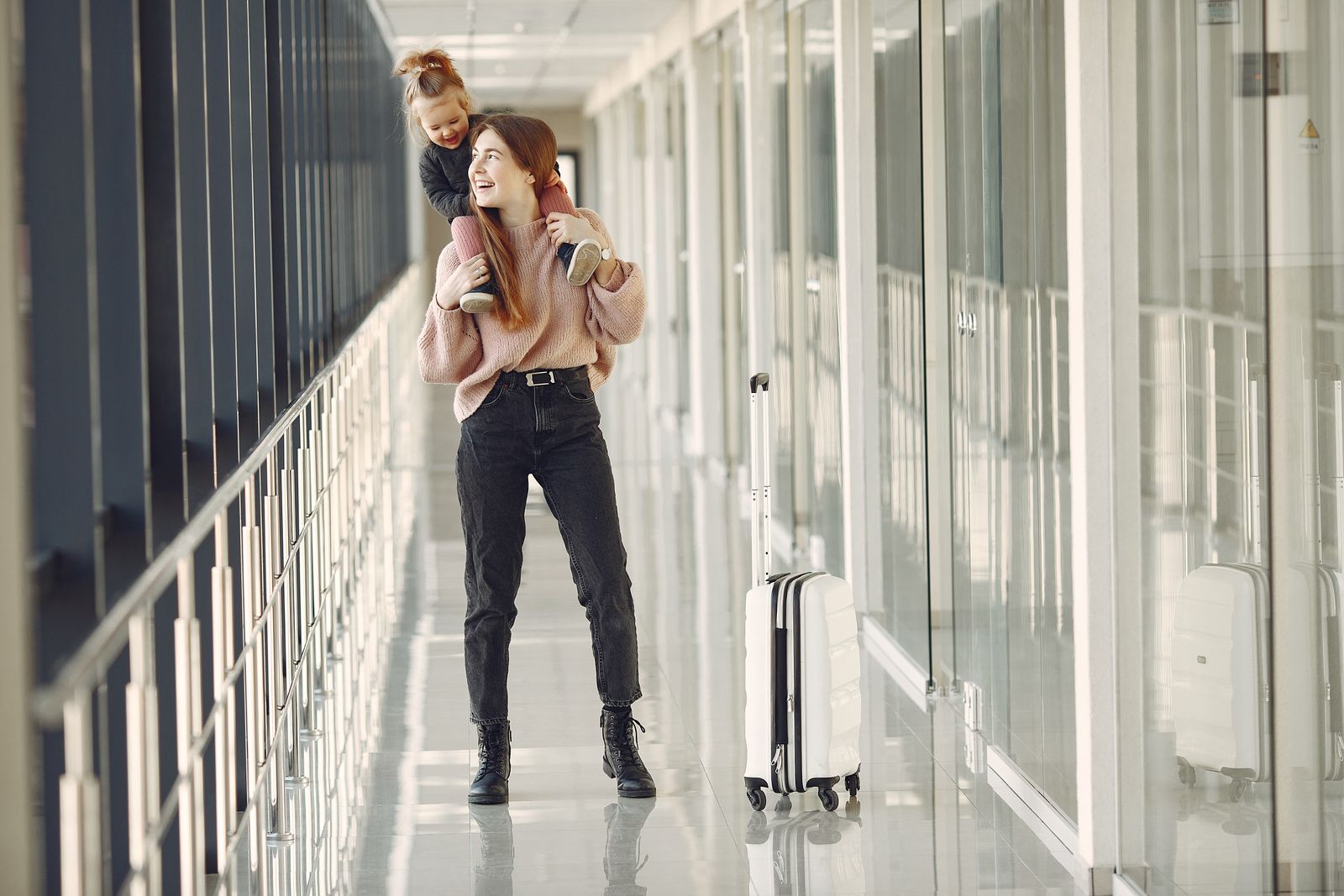
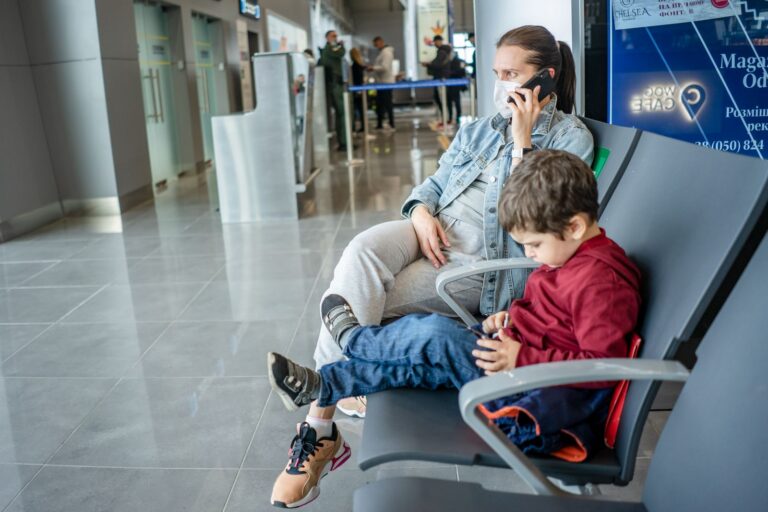
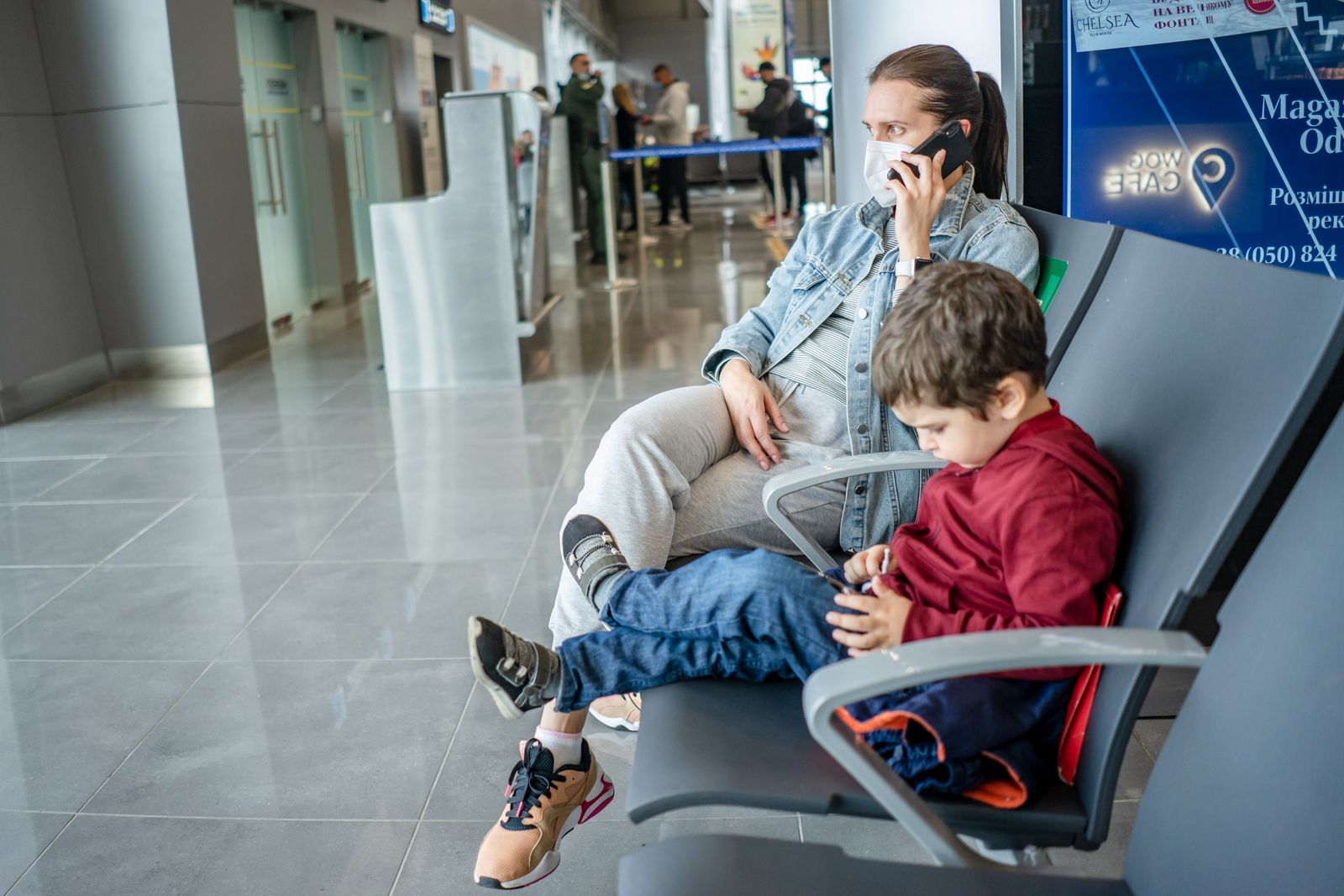
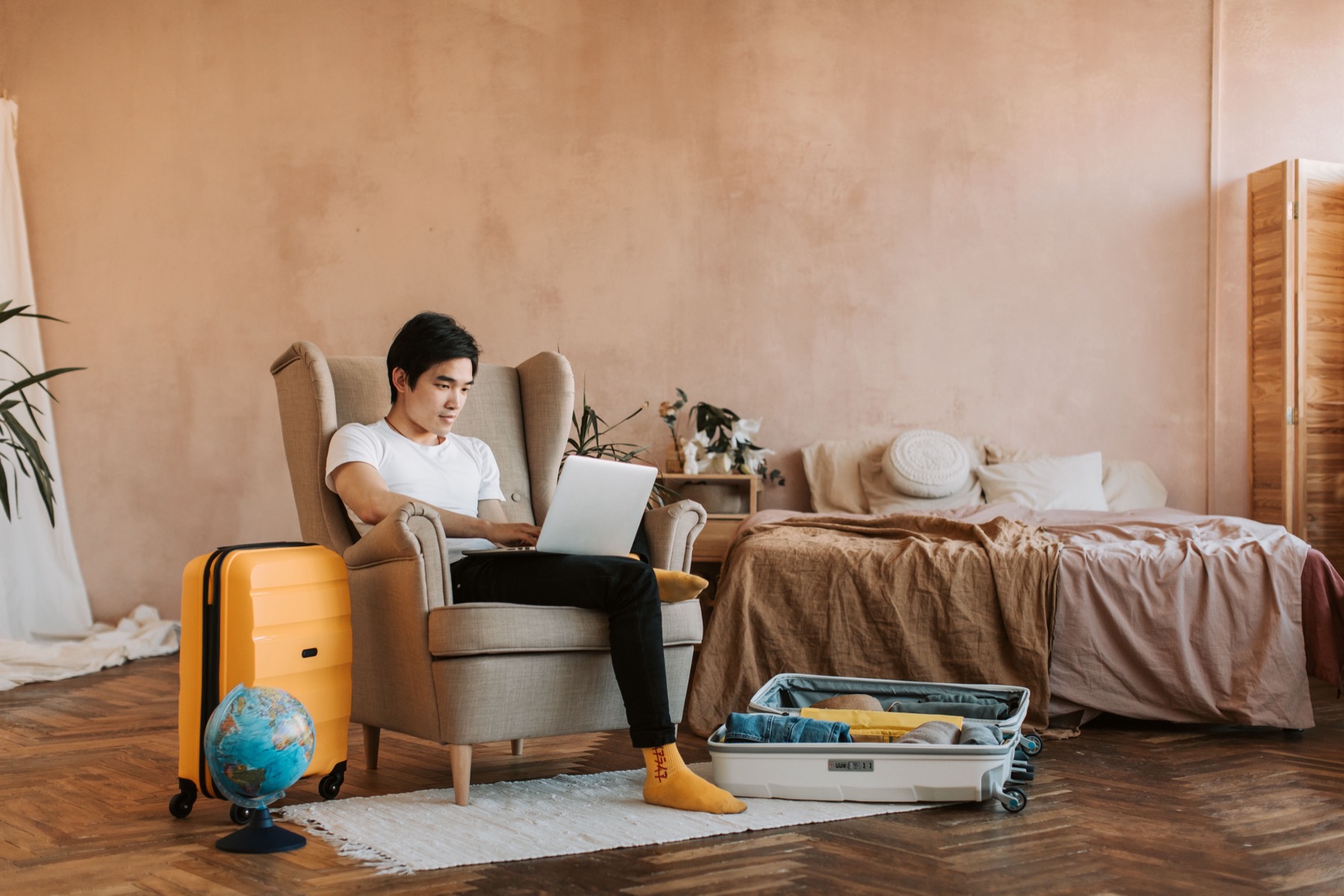
Zpoždění s dětmi rozhodí režim víc než cokoli jiného. Foto: Yender Fonseca / Pexels
Zatímco finanční kompenzaci budeš řešit v klidu až po návratu domů, právo na péči musí aerolinka zajistit okamžitě přímo na letišti. Tohle je pro rodiny s dětmi naprosto klíčové, protože tohle právo platí bez ohledu na to, čí to byla vina, takže i když venku zuří hurikán a kompenzace padá. Zahrnuje to především jídlo a pití úměrně době čekání, což většinou dostaneš formou poukázek neboli voucherů uplatnitelných v letištních restauracích.
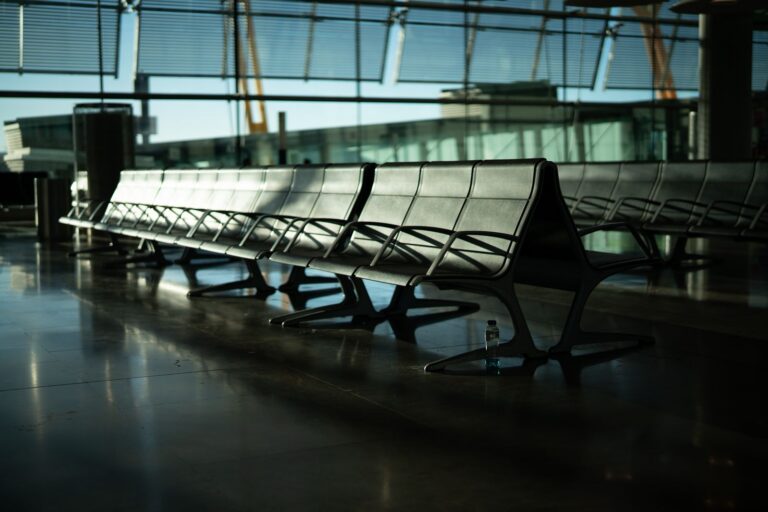
Pokud se tvoje zpoždění protáhne přes noc, aerolinka ti musí zaplatit ubytování v hotelu a také zajistit dopravu mezi letištěm a tímto hotelem. Zvlášť s miminkem je možnost vykoupat ho a uložit v čistém hotelovém pokoji tisíckrát cennější než vidina budoucích eur na účtu. Nenech se proto odbýt a trvej na tom, že nocování s batoletem na tvrdých letištních lavičkách prostě nepřipadá v úvahu.
💡 Tip: Jakmile je jasné, že zpoždění bude delší, jdi rovnou k přepážce aerolinky a žádej vouchery na jídlo. Pokud tam nikdo není a musíš si koupit jídlo ze svého, pečlivě si schovej všechny účtenky, abys si mohla tyto přiměřené náklady nechat po návratu proplatit.
3. Kojenec na klíně a kompenzace je šedá zóna
Tohle je obrovské téma, na kterém se pravidelně lámou zuby právníkům i samotným aerolinkám, protože pravidla nejsou vůbec jednoznačná. Když letíš s dítětem do dvou let, které nemá vlastní sedadlo a sedí ti na klíně, je jeho nárok na kompenzaci prokazatelně sporná oblast ⚠️. Část zdrojů tvrdí, že nařízení 261/2004 nepřiznává kompenzaci kojenci bez sedadla, protože necestuje na standardní letenku.
Jiné právní výklady naopak prosazují, že nárok vzniká i bez zakoupeného sedadla, pokud za dítě proběhla jakákoli platba, což je v praxi to nejdůležitější kritérium. Pokud totiž za kojence platíš pevný poplatek, jako je to třeba 25 EUR u nízkonákladového Ryanairu, nebo 10 % z tarifu dospělého u velkých dopravců, dítě má platnou letenku a za přepravu prokazatelně zaplatilo. Soudní judikatura napříč Evropou ale zatím není jednotná a praxe dopravců se extrémně liší.
💡 Tip: Nárok na kompenzaci pro kojence podávej u aerolinky vždy, protože vyplnění formuláře nic nestojí. Počítej ale s tím, že první odpověď může být zamítavá, takže pokud jsi za dítě platila, nenech se odbýt prvním e-mailem a případ dál eskaluj.
4. Velká revoluce v právech rodin přijde v roce 2027
Evropská unie po dlouhých letech debat konečně schválila masivní revizi práv cestujících, která pro rodiny s dětmi přináší naprosto zásadní úlevy. Tento společný text schválil Evropský parlament drtivým poměrem hlasů a Rada EU mu dala finální souhlas 13. července 2026. Nová pravidla začnou reálně platit po uplynutí přechodného období, takže se na ně můžeme těšit zhruba od poloviny roku 2027.
Tou největší a nejočekávanější změnou je pravidlo, že dítě mladší 14 let bude muset sedět vedle rodiče zcela zdarma. Skončí tak nesmyslné rozdělování rodin po celém letadle a vynucené poplatky za to, abys mohla letět pohromadě se svým školákem. Aerolinka bude mít nově tvrdě stanovených 30 dní na výplatu kompenzace a budeš mít 9 měsíců na uplatnění svého nároku, navíc se výslovně zakáže rušení zpátečních letenek, pokud nenastoupíš na první úsek letu.
💡 Tip: ⚠️ Během vyjednávání se bojovalo o garantované příruční zavazadlo zdarma, ale ve schváleném textu je zatím potvrzena jen jedna osobní věc. Přesné rozměry se dozvíme až z Úředního věstníku, takže do té doby si dál pečlivě hlídej limity konkrétní aerolinky.
5. Jak krizově přežít zpoždění na místě
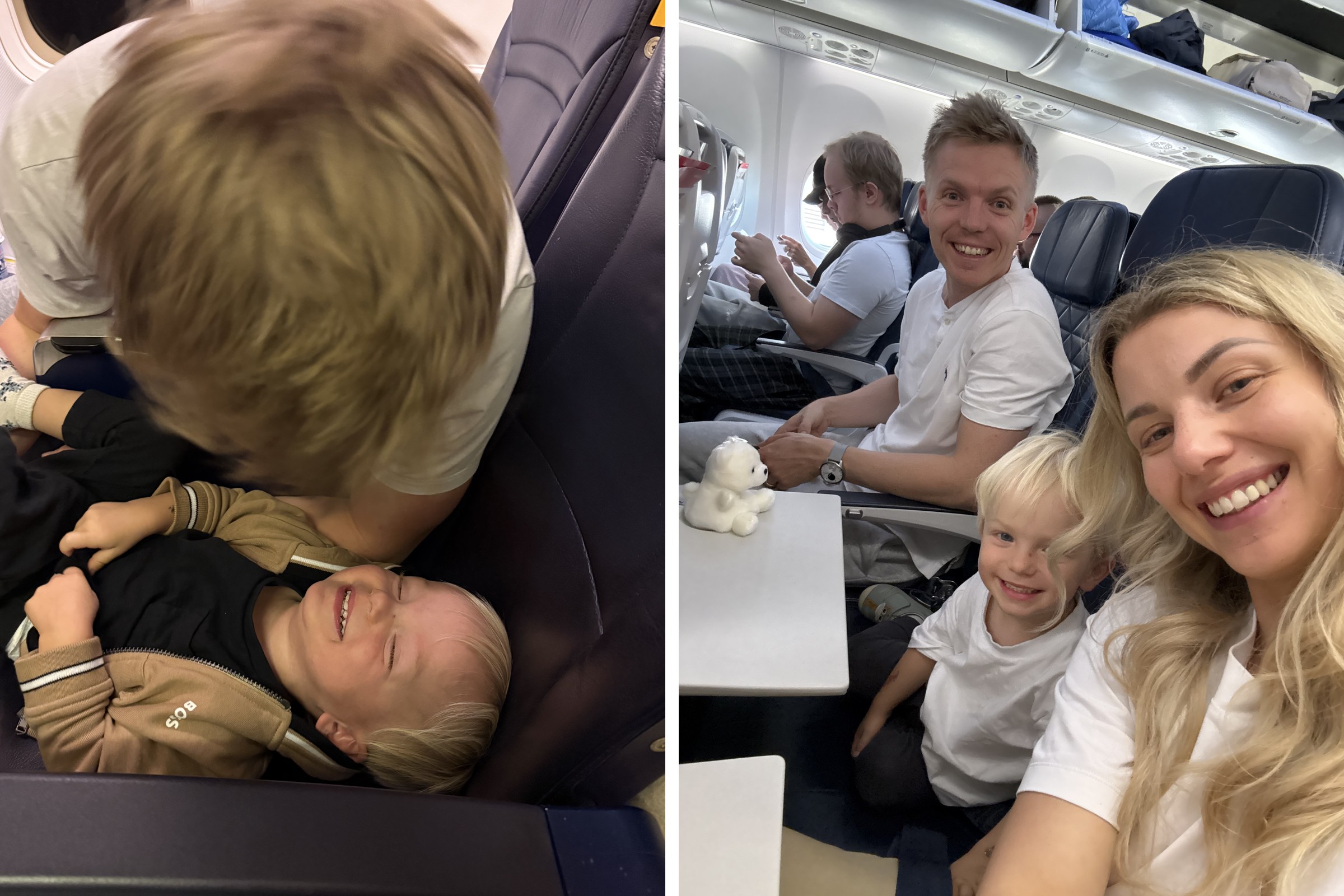
Zpáteční cesta se zpožděním a přesto v pohodě.
Teorie evropského práva je sice fajn, ale když stojíš v plné hale a dítěti dochází trpělivost, potřebuješ hlavně rychle jednat. První dvě hodiny zpoždění rozhodují o tom, v jakém psychickém stavu celá rodina situaci nakonec zvládne. Jedna maminka na fóru Mumsnet to shrnula velmi upřímně, když popsala, jak strávila dvanáctihodinový let pokrytá zvratky poté, co jí osmiměsíční dítě krátce po vzletu hodilo šavli, protože zpoždění narušilo celý jeho režim.
Děti do sebe naprosto spolehlivě nasávají tvůj stres, takže když víš, na co máš nárok, budeš mnohem víc v klidu. Doplň si vodu u pítek za bezpečnostní kontrolou, kup malé svačinky a najdi si letištní dětský koutek, aby se děti unavily. My létáme nejčastěji z Prahy a z Fara, přičemž pražské letiště má skvělé herní zóny v obou terminálech, které ti čekání obrovsky usnadní.
💡 Tip: Hračky a aktivity z batohu nedávej dítěti všechny najednou, ale letušky radí střídat je zhruba po dvaceti minutách. U starších dětí tě zachrání nabitá powerbanka, protože pokud mají co dělat a chápou situaci, zvládají čekání překvapivě dobře.
6. Záchrana v příručním zavazadle a zrádné tekutiny
Vlastní svačina je při zpoždění k nezaplacení.
Když se let zpozdí nebo zruší, už se většinou nedostaneš ke svému odbavenému kufru, takže všechno na dalších 24 hodin musíš mít u sebe. U miminek to znamená dostatek náhradního oblečení nejen pro dítě, ale pro jistotu i pro tebe, protože zpoždění znamená víc krmení a tím pádem i větší šanci na nehodu. Právě balení tekutin a dětského jídla bývá před bezpečnostní kontrolou ta nejvíce stresující část celé dovolené.
Od 1. října 2025 sice Letiště Praha zavedlo nová pravidla na Terminálu 2 (odkud se létá v rámci Schengenu), kde můžeš mít nádobu s tekutinou až do objemu 2 litrů, ale má to obrovský háček. Na Terminálu 1, odkud se létá do neschengenských zemí jako je Turecko, Egypt nebo Británie, platí stále starý limit 100 ml. O terminálu totiž rozhoduje tvoje destinace, nikoliv aerolinka, takže i s Ryanairem můžeš letět z obou terminálů a pravidla se budou lišit.
💡 Tip: Dětská výživa a mléko jsou z limitu 100 ml vyňaty v množství potřebném na cestu, ale počítej s tím, že po tobě ostraha může chtít ukázku obsahu. ⚠️ Pokud uvažuješ o lécích na spaní pro děti, pamatuj, že melatonin se nesmí podávat dětem do 2 let a u starších vždy jen po konzultaci s lékařem.
7. Zrušený let a právo na přesměrování
Pokud ti letadlo neodletí vůbec a aerolinka let zruší, tvoje práva se tím nemění, naopak máš jasné právo na vrácení peněz nebo na přesměrování. Dopravce ti musí nabídnout náhradní let za srovnatelných podmínek při nejbližší možné příležitosti, aby tě dostal do cílové destinace. Tohle je chvíle, kdy musíš být jako rodiče asertivní a nenechat se odbýt první nevýhodnou nabídkou.
Aerolinky se totiž strašně nerady přesměrovávají na lety své konkurence, i když by to podle evropských pravidel měly udělat. Nenech se natlačit do letu za tři dny, pokud ve skutečnosti letí jiná konkurenční aerolinka už zítra ráno a bys s ní mohla bezpečně odletět. Trvej na tom u přepážky a odkazuj se na nařízení EU 261, které ti právo na nejbližší srovnatelný let garantuje.
💡 Tip: I během čekání na přesměrovaný let ti zůstává právo na péči, takže pokud tě aerolinka přebookuje na let až na druhý den, musí ti zaplatit hotel, transfer a stravu po celou dobu čekání.
8. Jak podat žádost o kompenzaci krok za krokem
Pokud tvoje zpoždění přesáhlo magické 3 hodiny a nebyla to jen letní bouřka, po návratu domů si v klidu sedni k počítači a zažádej o kompenzaci přímo přes web aerolinky. Většina dopravců má na svých stránkách speciální formulář pro EU 261, kde stačí zadat číslo letu, tvoje rezervační údaje a přiložit kopie palubenek. Nová pravidla navíc dají dopravci tvrdý limit 30 dní na vyřízení tvojí žádosti, takže by se celý proces měl výrazně zrychlit.
Specializované zprostředkovatelské služby, jako je například AirHelp, si nech až jako svůj záložní plán B. Tyto firmy si účtují nemalou provizi z vymožené částky, takže u jasných případů, jako je technická závada, bys se zbytečně připravila o část peněz. Zprostředkovatele se vyplatí využít až ve chvíli, kdy tě aerolinka odmítne s obecnou výmluvou na počasí, ale máš silné podezření, že ti lžou a chtějí se jen vyhnout platbě.
💡 Tip: Na podání žádosti o kompenzaci budeš mít podle nových pravidel až 9 měsíců, ale nejlepší je to neodkládat a vše vyplnit hned první víkend po návratu, dokud máš všechny palubenky a účtenky pohromadě.
9. Zničený kočárek a co s tím dělat
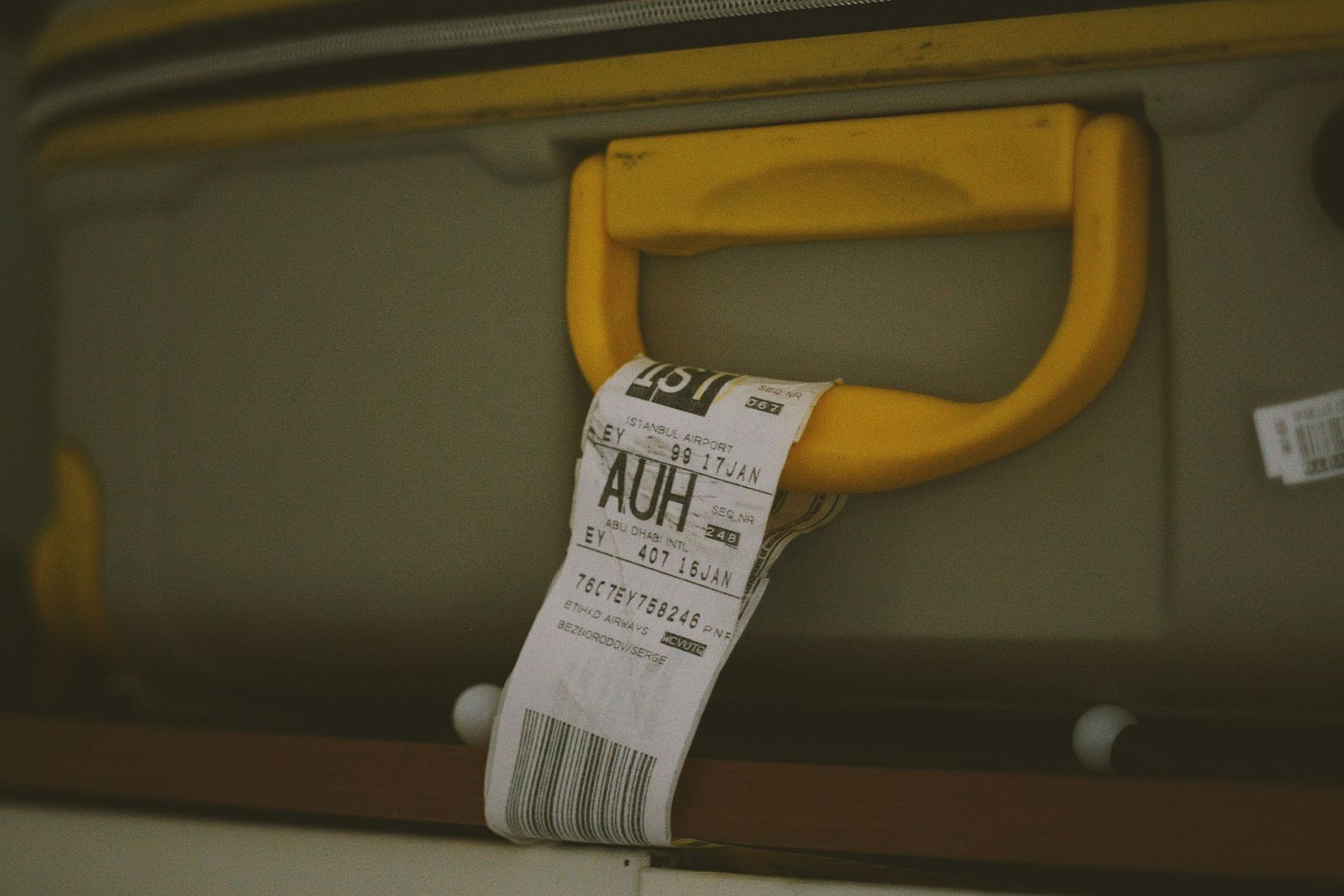
Bez štítku a palubenky reklamaci neuplatníš.
Tohle je naprosto specifická noční můra všech cestujících rodin, když odevzdáš kočárek u letadla a v cíli vyjede na pásu s ulomeným kolem. V těchto případech se neaplikuje evropské nařízení, ale mezinárodní Montrealská úmluva, která stanovuje limit odpovědnosti aerolinky za zavazadla na přibližně 2 175 USD. My nedáme dopustit na náš kompaktní cestovní kočárek Joolz Aer, který s námi létá v kabině, ale pokud odbavuješ velký kočárek, riziko poškození je obrovské.
Nejfatálnější chybou unavených rodičů je to, že zjistí poškození, dítě jim u toho brečí, a tak jedou rovnou na hotel s tím, že to vyřeší zítra přes e-mail. Tohle opravdu nikdy nedělej, protože poškození musíš nahlásit ideálně okamžitě na letišti u přepážky reklamací (Baggage Claim). Vyplníš tam takzvaný PIR protokol (Property Irregularity Report), který naprosto zásadně zvyšuje tvoji šanci na to, že ti aerolinka reklamaci uzná a proplatí.
💡 Tip: Pokud to na letišti opravdu nestíháš, máš na písemné nahlášení poškození kočárku 7 dnů, ale schovej si k tomu zavazadlový štítek (tag), palubenku a kočárek si velmi detailně nafoť ze všech úhlů.
10. Pojištění versus tvoje evropská práva
Rodiče často zaměňují nařízení EU s komerčním cestovním pojištěním, i když každé z nich řeší úplně jiný problém. Nařízení EU 261 tě chrání v situacích, kdy let zruší nebo zpozdí samotná aerolinka. Naopak kvalitní pojištění storna využiješ ve chvíli, kdy nemůžeš odletět ty, protože dítě dostalo den před vysněnou dovolenou vysoké horečky nebo neštovice a musíš zůstat doma.
Dobré cestovní pojištění ti ale může pomoci i přímo při zpoždění na letišti. Podle aktuálních podmínek například pojištění od Directu při zpoždění letu nad 2 hodiny proplácí vstup do letištního salonku nebo ti vyplatí 500 Kč jako kompenzaci za čekání. To se s dětmi ohromně hodí, protože v salonku je klid, jídlo zdarma a pohodlnější sezení, což ti ty první hodiny nejistoty neskutečně ulehčí.
💡 Tip: Praktická past číhá v načasování storna, protože pokud dítě onemocní v noci před ranním odletem, storno u aerolinky už většinou nestihneš. Pro pojišťovnu pak budeš potřebovat potvrzení od aerolinky o nenastoupení na let (takzvané no-show) a samozřejmě lékařskou zprávu.
Praktické shrnutí a orientační ceny
Aby v tom byl úplný pořádek, připravila jsem pro tebe dvě přehledné tabulky s konkrétními čísly a limity pro rok 2026. Hned uvidíš, o jaké částky se v případě problémů hraje a jaké termíny nesmíš při reklamacích promeškat.
Výše finanční kompenzace (EU 261/2004)
Vzdálenost tvého letu
Výše kompenzace na osobu
Kdy vzniká nárok
:—
:—
:—
Do 1 500 km (např. Praha – Řím)
250 EUR
Zpoždění v cíli nad 3 hodiny
1 500 km až 3 500 km (např. Praha – Tenerife)
400 EUR
Zpoždění v cíli nad 3 hodiny
Nad 3 500 km mimo EU (např. Praha – New York)
600 EUR
Zpoždění v cíli nad 4 hodiny
Limity pro zničené kočárky a zavazadla
Situace s kočárkem / zavazadlem
Maximální limit náhrady
Lhůta pro nahlášení
:—
:—
:—
Poškození kočárku při letu
Až 1 519 SDR (cca 2 175 USD)
Písemně do 7 dnů (ideálně hned přes PIR)
Zpoždění dodání kočárku
Až 1 519 SDR (cca 2 175 USD)
Písemně do 21 dnů od doručení
Úplná ztráta kočárku
Až 1 519 SDR (cca 2 175 USD)
Jakmile uplyne 21 dnů od zpoždění
Kam dál
Pokud tě čeká cesta do oblak s malými dětmi a chceš být připraveni úplně na všechno, mrkněte na naše další podrobné návody. Najdeš v nich spoustu praktických tipů od výběru sedadel až po balení hraček.
🔗 Odkazy jsou partnerské — vám cenu nezmění, nám pomáhají tvořit obsah. · Všechny zážitky →
Často kladené otázky
Kdy dostanu odškodnění za zpožděný let?
Na finanční kompenzaci máte nárok ve chvíli, kdy dorazíte do vaší cílové destinace s více než tříhodinovým zpožděním. Zpoždění se měří až od okamžiku, kdy se otevřou dveře letadla, a zpoždění musela zavinit sama aerolinka, nikoliv špatné počasí.
Má nárok na peníze i dítě do dvou let na klíně?
Tohle je bohužel ⚠️ velmi sporná oblast s nejasným výkladem. Obecně platí, že pokud jsi za dítě platila jakýkoliv poplatek (třeba 25 EUR u Ryanairu), měla bys žádost o kompenzaci určitě podat, ale počítej s tím, že se aerolinky budou bránit a možná budeš muset nárok eskalovat.
Jak je to s pitím pro děti přes kontrolu v Praze?
Dětská výživa a mléko mají výjimku a můžeš jich vzít množství potřebné na cestu. Od 1. října 2025 navíc platí v Praze na Terminálu 2 limit až 2 litry pro všechny tekutiny, ale pozor, na Terminálu 1 (lety mimo Schengen) platí stále přísný limit 100 ml.
Co dělat, když mi aerolinka zničí kočárek?
Poškození musíš nahlásit ideálně ihned po příletu u přepážky reklamací, kde ti vystaví nezbytný PIR protokol. Pokud to nestihneš na místě, máš na písemné nahlášení maximálně 7 dnů, jinak na náhradu škody podle Montrealské úmluvy ztratíš nárok.
Kdy začnou platit nová pravidla pro rodiny?
Revize evropského nařízení byla finálně schválena v červenci 2026, ale počítá se s ročním přechodným obdobím. V praxi tak začnou nová pravidla platit zhruba v polovině roku 2027, kdy mimo jiné získají děti do 14 let místo vedle rodičů zdarma.
Můžu dát dítěti prášek na spaní do letadla?
Lékaři před tímto postupem velmi důrazně varují. ⚠️ Melatonin by se neměl vůbec podávat dětem mladším dvou let, a u starších dětí to vždy předem konzultuj se svým pediatrem. Spoléhej raději na úpravu režimu, pohodlné oblečení a oblíbenou hračku.
Co se stane, když nám let zruší úplně?
Pokud ti aerolinka let zruší, tvoje práva zůstávají velmi silná. Máš právo na vrácení peněz nebo na přesměrování do cíle při nejbližší možné příležitosti. Během čekání na náhradní let ti dopravce musí zajistit jídlo a případně i hotelové ubytování.
Musím platit za to, abychom seděli s dětmi pohromadě?
Zatím to u mnoha aerolinek závisí na jejich dobré vůli nebo si musíš místa dokoupit, ale to se brzy změní. Díky novým pravidlům platným od poloviny roku 2027 bude muset aerolinka posadit děti do 14 let vedle jejich doprovodu zcela bezplatně.
Tips and Tricks for Your Vacation
Don’t Overpay for Flights
Search for flights on Kayak. It’s our favorite search engine because it scans the websites of all airlines and always finds the cheapest connection.
Book Your Accommodation Smartly
The best experiences we’ve had when looking for accommodation (from Alaska to Morocco) are with Booking.com, where hotels, apartments, and entire houses are usually the cheapest and most widely available.
Don’t Forget Travel Insurance
Good travel insurance will protect you against illness, accidents, theft, or flight cancellations. We’ve had a few hospital visits abroad, so we know how important it is to have proper insurance arranged.
Where we insure ourselves: SafetyWing (best for everyone) and TrueTraveller (for extra-long trips).
Why don’t we recommend any Czech insurance company? Because they have too many restrictions. They set limits on the number of days abroad, travel insurance via a credit card often requires you to pay medical expenses only with that card, and they frequently limit the number of returns to the Czech Republic.
Find the Best Experiences
Get Your Guide is a huge online marketplace where you can book guided walks, trips, skip-the-line tickets, tours, and much more. We always find some extra fun there!
People often confuse Estonia the country with Latvia or Lithuania and mentally file it somewhere in the grey post-Soviet east. In reality, this tiny nation belongs mentally and culturally to Scandinavia, and it is far closer to the Finns than to its Baltic neighbours.
Instead of crumbling concrete tower blocks, you’re welcomed by a highly modern and technologically advanced society, where medieval walls flow seamlessly into glass-fronted startup hubs. In the morning you can respectfully watch for bears deep in the taiga, and in the afternoon sip specialty coffee in a neighbourhood that looks like it was lifted straight from a Copenhagen design magazine.
In this article we’ll take a look at the most interesting and surprising facts that make Estonia a true European one-off. Among other things, you’ll find out why people here sometimes drive across the sea in winter without seatbelts, and how it’s even possible that locals handle all their official paperwork straight from the sauna.
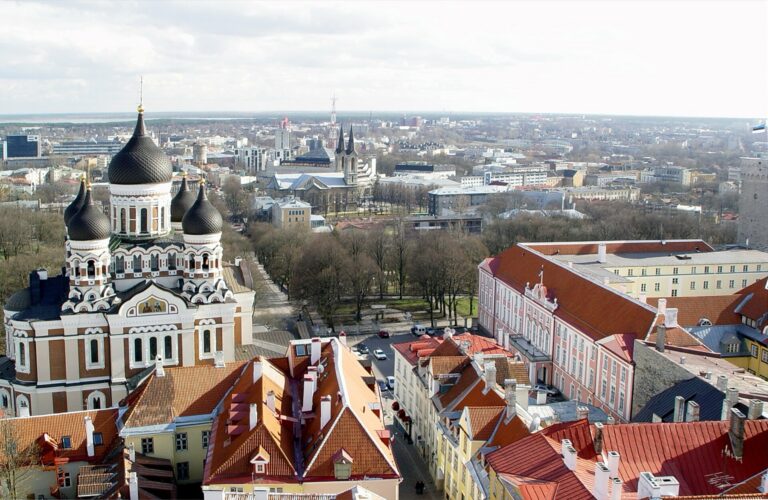
Photo: Scotch Mist / Wikimedia Commons, CC BY-SA 4.0
Quick answer
Estonia is the northernmost Baltic state, lying in north-eastern Europe by the Baltic Sea and bordering Latvia and Russia. The capital is Tallinn, the currency is the euro, and the official language is Estonian.
With a population of 1.37 million, the country belongs to both the European Union and NATO, and it stands out worldwide for the extreme level of digitalisation of its public administration.
Photo: Evelin Magnus / Pexels
TL;DR
Let’s sum up the most essential points right away. Estonia is incredibly diverse and offers a whole host of unique things.
Nordic at heart: Estonians don’t feel part of the Baltics at all, and both linguistically and culturally they are closest to neighbouring Finland.
The e-Estonia digital paradise: Almost 99 percent of all public administration runs online, including nationwide parliamentary elections.
A land of thousands of islands: More than 2,000 islands hug the Estonian coast, the most famous being Saaremaa and Hiiumaa.
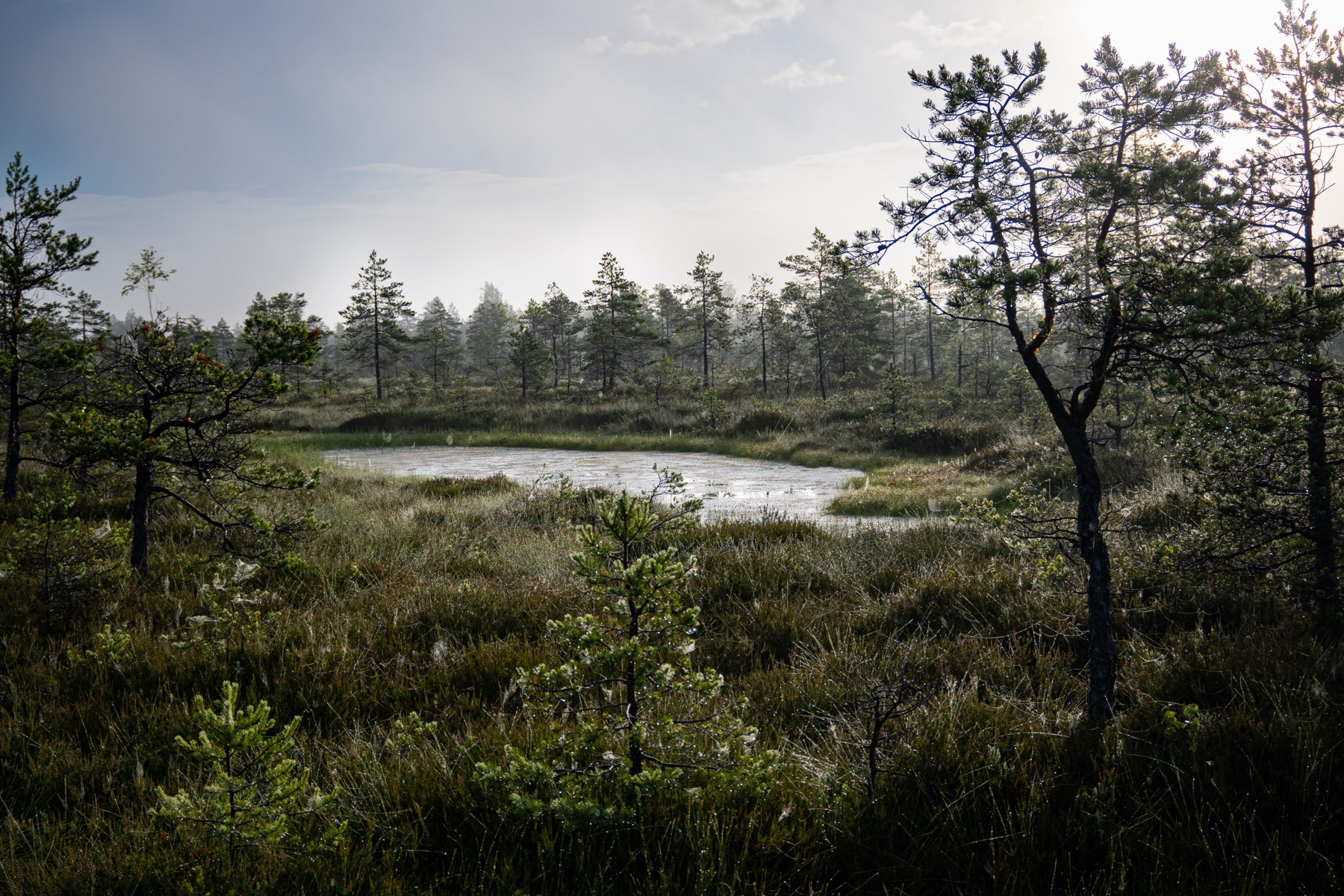
Unique wilderness: Deep forests cover half of the country, and in spring you can experience the so-called fifth season first-hand.
European historical firsts: Tallinn boasts the oldest continuously operating pharmacy and, quite likely, the first Christmas tree in Europe.
Safety first: Despite its proximity to Russia, it’s one of the safest and most media-literate countries in the entire world.
Photo: Sergei Gussev / Pexels
Key facts about Estonia the country
Fact
Value
Capital
Tallinn
Area
45,227 km² (roughly the size of Denmark)
Population
1.37 million (very low population density)
Currency
Euro since 2011
Official language
Estonian (Finno-Ugric language family)
EU and NATO membership
Yes, both since 2004
Time zone
Eastern European Time (EET)
International dialling code
+372
Highest point
Suur Munamägi (318 metres above sea level)
Coastline length
3,794 kilometres (including more than 2,000 islands)
Photo: Ou Kei / Pexels
20 interesting facts about Estonia
Estonia manages to surprise you at almost every turn. Here’s a selection of the most fascinating facts that perfectly capture this Nordic-leaning country. You’ll discover why the nature here is so unbelievably wild, just how much locals love digitalisation, and which unusual traditions have survived right up to the present day.
Think of this list as great inspiration and a springboard for planning your own Nordic adventure.
Photo: REINER SCT / Pexels
1. An e-state where you handle everything from the sofa
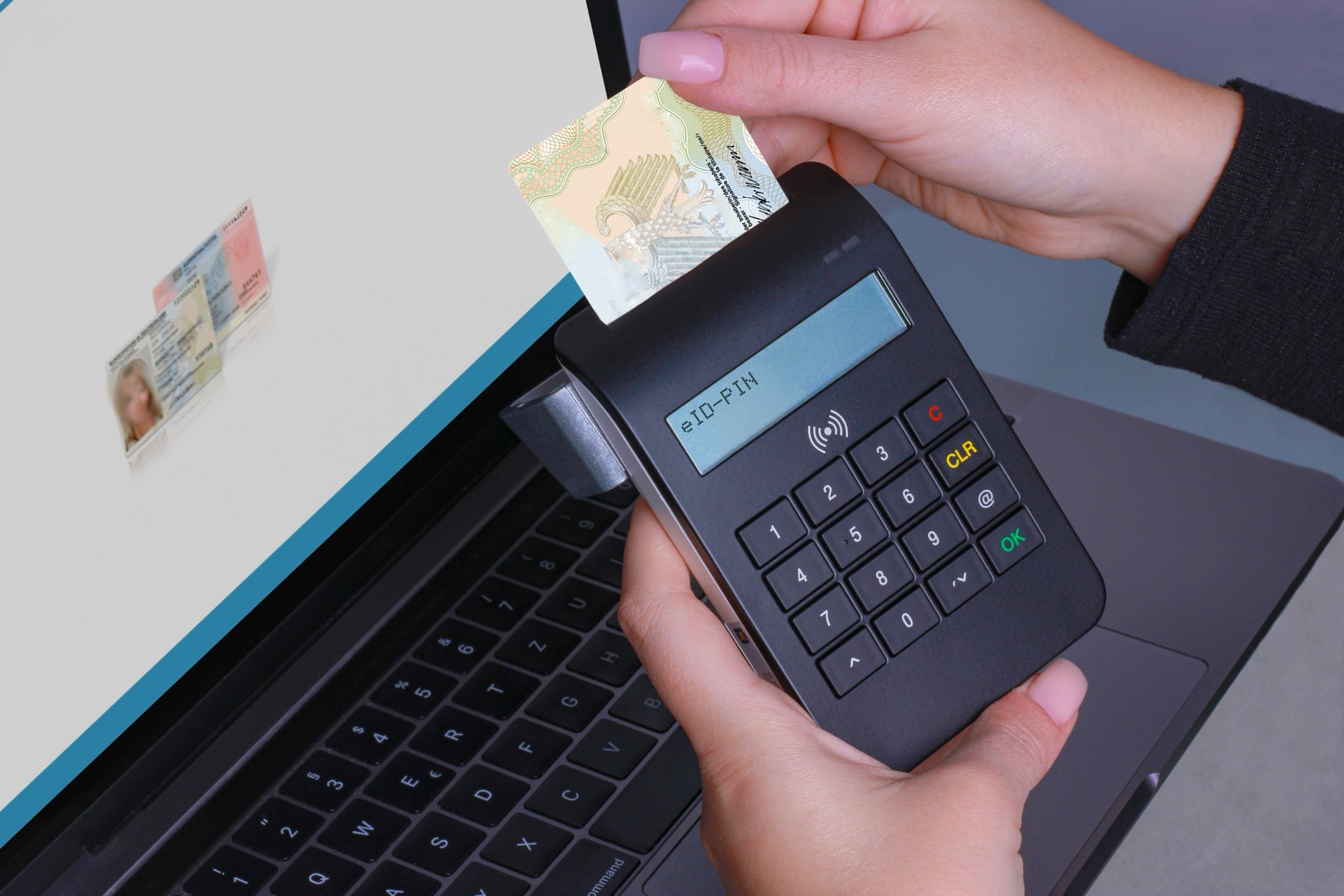
Estonia is an absolute world pioneer in digitalisation, because almost 99 percent of all official tasks can be done online. Under local law, there are only three specific things for which you physically have to show up at an office: getting married, getting divorced, and selling property.
This sophisticated system is called e-Estonia and covers absolutely everything, from setting up a company to picking up a prescription. Estonians were even the very first nation in the world to introduce nationwide internet voting, which saves them a huge amount of time and public money.
The state also offers so-called e-Residency, a virtual citizenship for entrepreneurs from all over the world, and it lures digital nomads with special visas. According to various surveys, the time locals save on paperwork is most often spent in nature or in their beloved saunas.
Photo: Margo Evardson / Pexels
2. Not Balts, but hidden Nordics
The key to understanding the Estonian soul lies in their complex language, which does not belong to the Baltic languages like neighbouring Latvian and Lithuanian. Estonian falls into the Finno-Ugric branch, so when an Estonian and a Latvian meet at the border, linguists say they don’t understand a single word of each other.
For this historical reason, locals don’t feel part of the Baltics and see the term more as an artificial geographic label. Mentally, culturally and historically, they look north towards Helsinki, with whom they share a Lutheran work ethic and a passion for minimalism.
The numbers only confirm this strong Nordic lean, because Estonia is by far the wealthiest of the Baltic trio. The country has the highest GDP per capita and consistently tops the whole region in the prestigious Human Development Index.
Photo: HartOve / Wikimedia Commons, CC BY 4.0
3. The oldest operating pharmacy in Europe
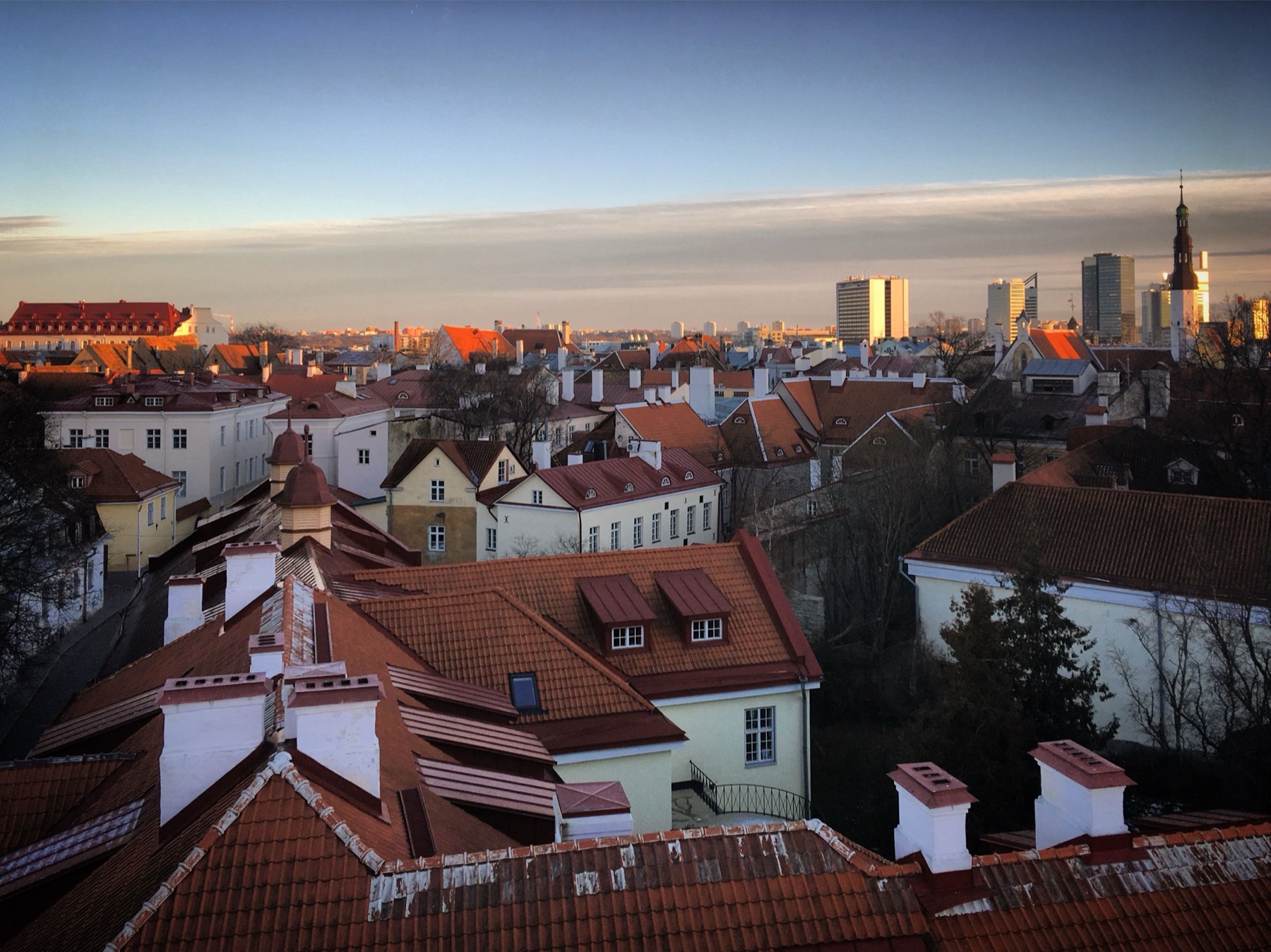
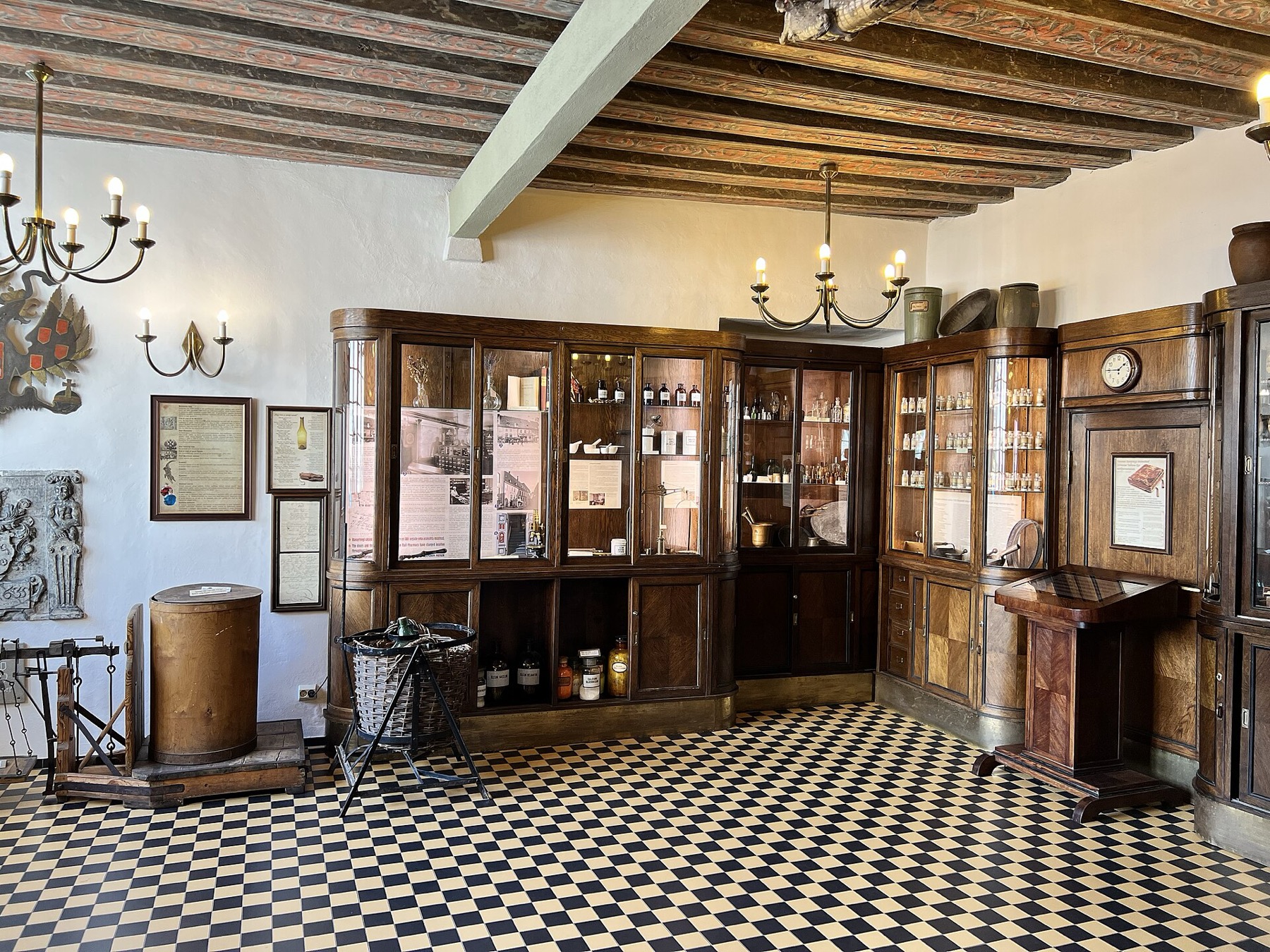
Right on Tallinn’s picturesque Town Hall Square, you’ll find a historic gem that many tourists walk straight past without noticing. It’s called Raeapteek, and it is the oldest continuously operating pharmacy in all of Europe, first opening its doors back in 1422.
In the dark days of the Middle Ages, it routinely sold utterly bizarre remedies, including powder from burnt hedgehogs, bat’s blood, and even dried toads. Back then the pharmacy also served as a social hub, where councillors sipped spiced wine and discussed important town politics.
You can’t buy bat’s blood here any more, of course, but the historical exhibition in the back room is completely free to visit and offers a fascinating glimpse into the history of medicine. Meanwhile, the front of the shop still functions as a perfectly ordinary modern pharmacy for locals.
Photo: Pjotr Mahhonin / Wikimedia Commons, CC BY-SA 4.0
4. The battle over the first public Christmas tree
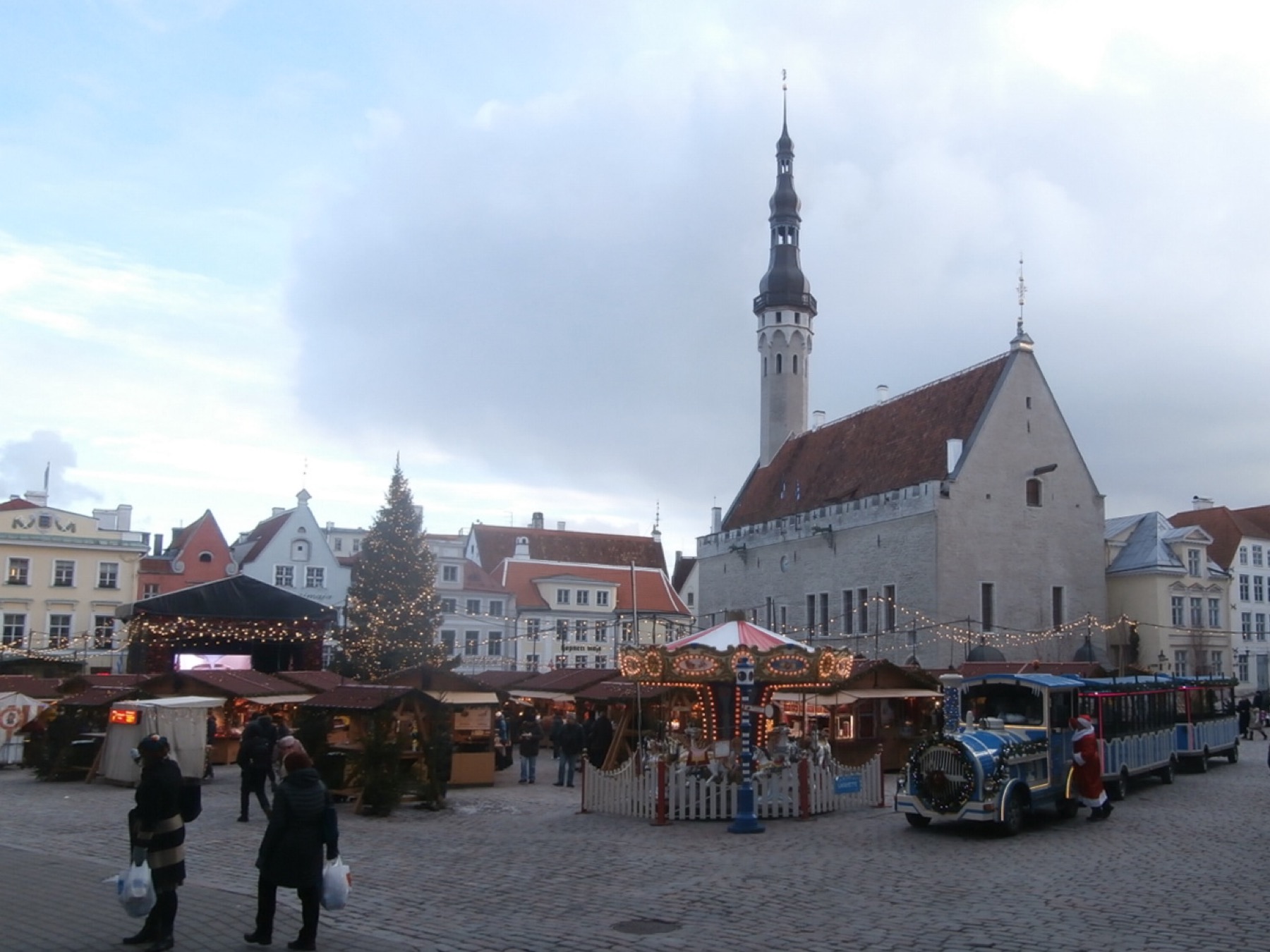
Tallinn very proudly claims one of the loveliest European firsts, and it’s all about everyone’s favourite winter holiday. Local historians insist that it was right here, on Town Hall Square, that the first public Christmas tree in Europe was raised in 1441.
This tradition was started by members of the powerful Brotherhood of Blackheads, a guild of unmarried merchants active across the Baltics. According to surviving records, they set up a huge fir tree on the square, then danced and sang around it before ceremonially setting it alight.
To this day, Tallinn still has a friendly rivalry with neighbouring Riga in Latvia, which claims to have put up its tree a few years earlier. Whoever’s right, the current Tallinn Christmas market ranks in many polls among the most beautiful on the entire continent. 💡 Tip: If you love the Advent atmosphere, head to Tallinn in December, when the markets are given their magic by the ever-present Nordic golden hour. You can easily book winter tours and activities in advance through GetYourGuide.
Photo: HUUM │ sauna heaters / Pexels
5. A smoke sauna on the UNESCO list
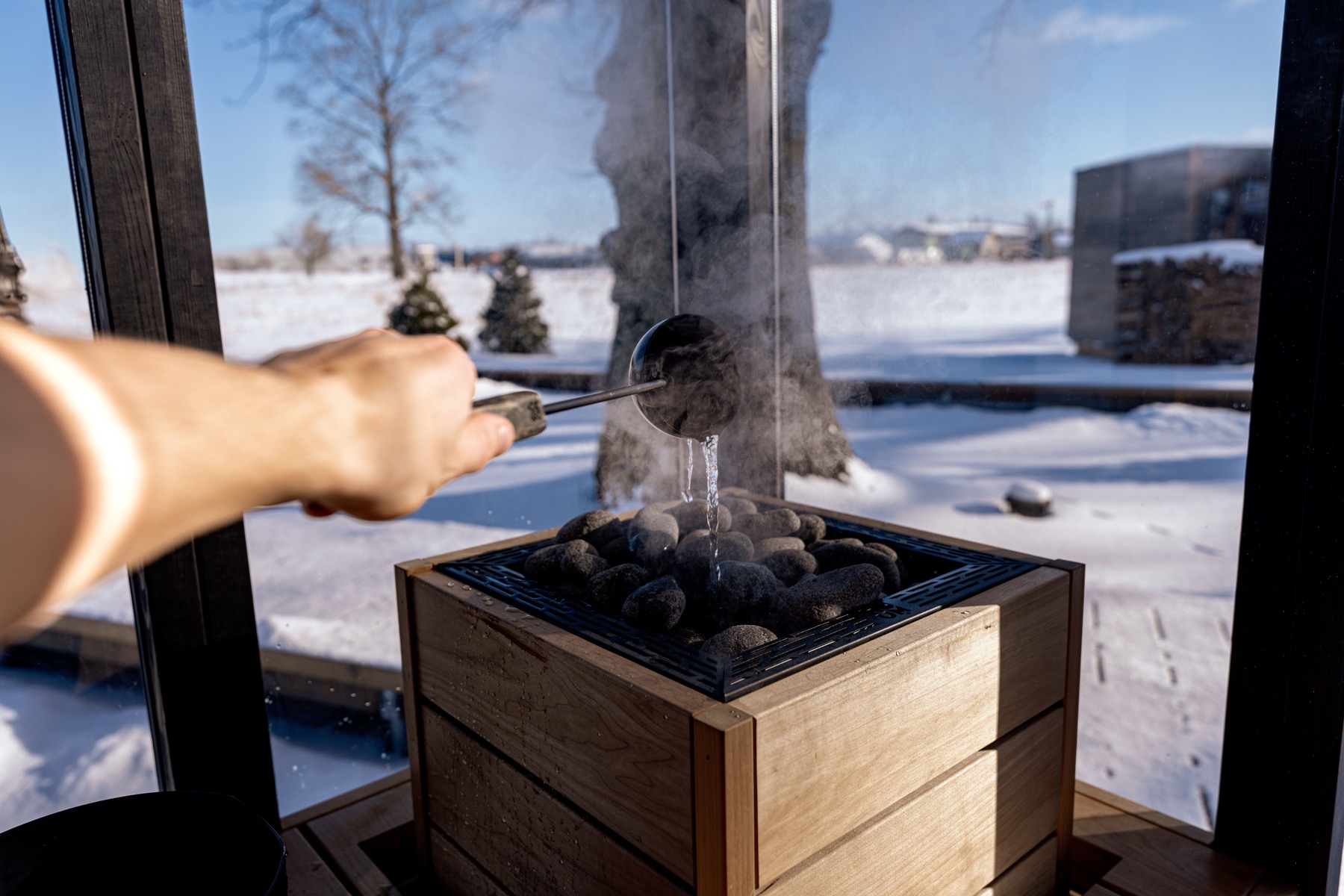
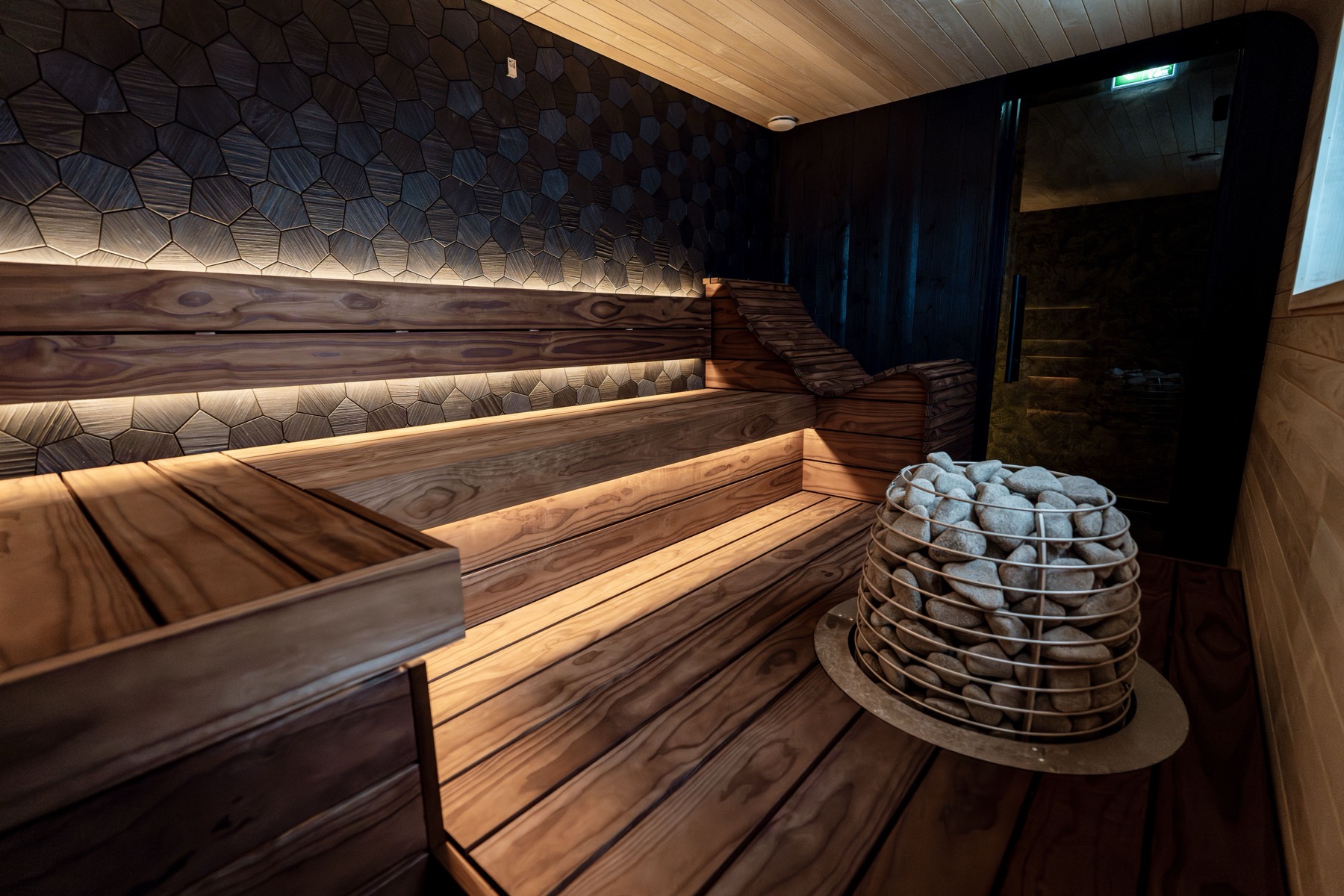
While you’ll find modern spa hotels all over the country, the true soul of Estonian sauna culture is hidden deep in the south in the characterful Võromaa region. It’s here that the unique tradition of the so-called smoke sauna has survived, which UNESCO added to its prestigious list in 2014.
This small log cabin has no chimney at all, so when a fire of good-quality wood is lit inside, thick smoke fills the whole room and soot covers the walls. Heating takes roughly half a day, and only once the fire has burned out and the smoke has cleared through a small window can people step inside.
The air inside smells incredibly clean, of wood and tar, and the heat is radiant, seeping soothingly right down to the bone. Local families use this all-day ritual to cleanse both body and mind, often whipping themselves with traditional birch whisks in the process.
Photo: Vaido Otsar / Wikimedia Commons, CC BY-SA 4.0
6. Matriarchy on the island of Kihnu
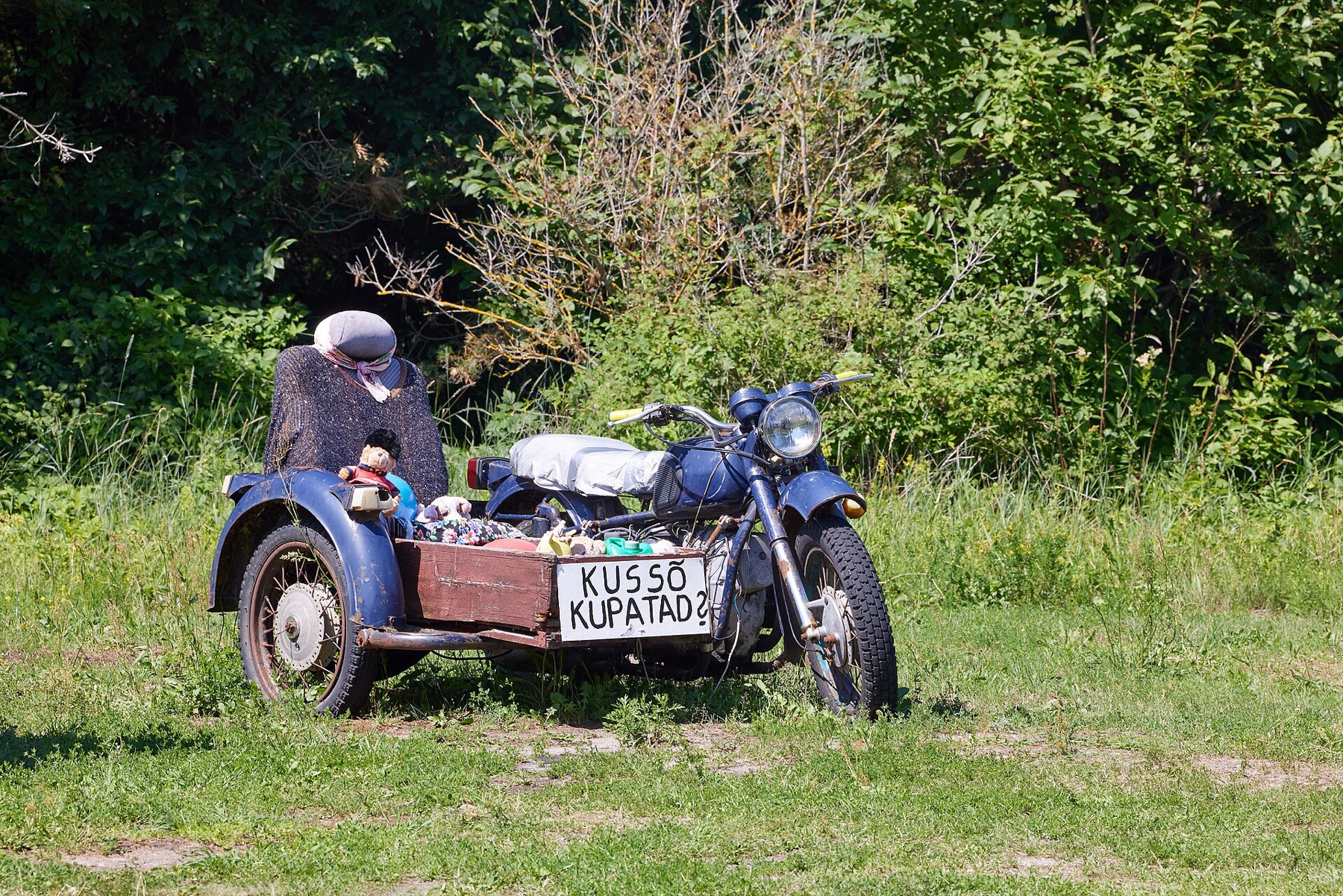
The small Estonian island of Kihnu is a genuine European rarity, often described as the last functioning matriarchy in Europe. Thanks to the preservation of ancient traditions, its fascinating cultural space is also protected by UNESCO.
The historical reason behind this arrangement is very simple and purely practical. The island’s men would sail off for months at a time to hunt seals, so the women had to take absolute control of running the farms, repairing agricultural machinery, and keeping folklore alive.
To this day, locals say you’ll routinely see island women driving heavy tractors or riding motorbikes dressed in traditional striped woollen skirts. The colour of the stripes on these skirts even carries a precise meaning, signalling to those around whether a woman is in mourning or, on the contrary, rejoicing.
Photo: gol golo4kin / Pexels
7. Ice roads with bizarre rules
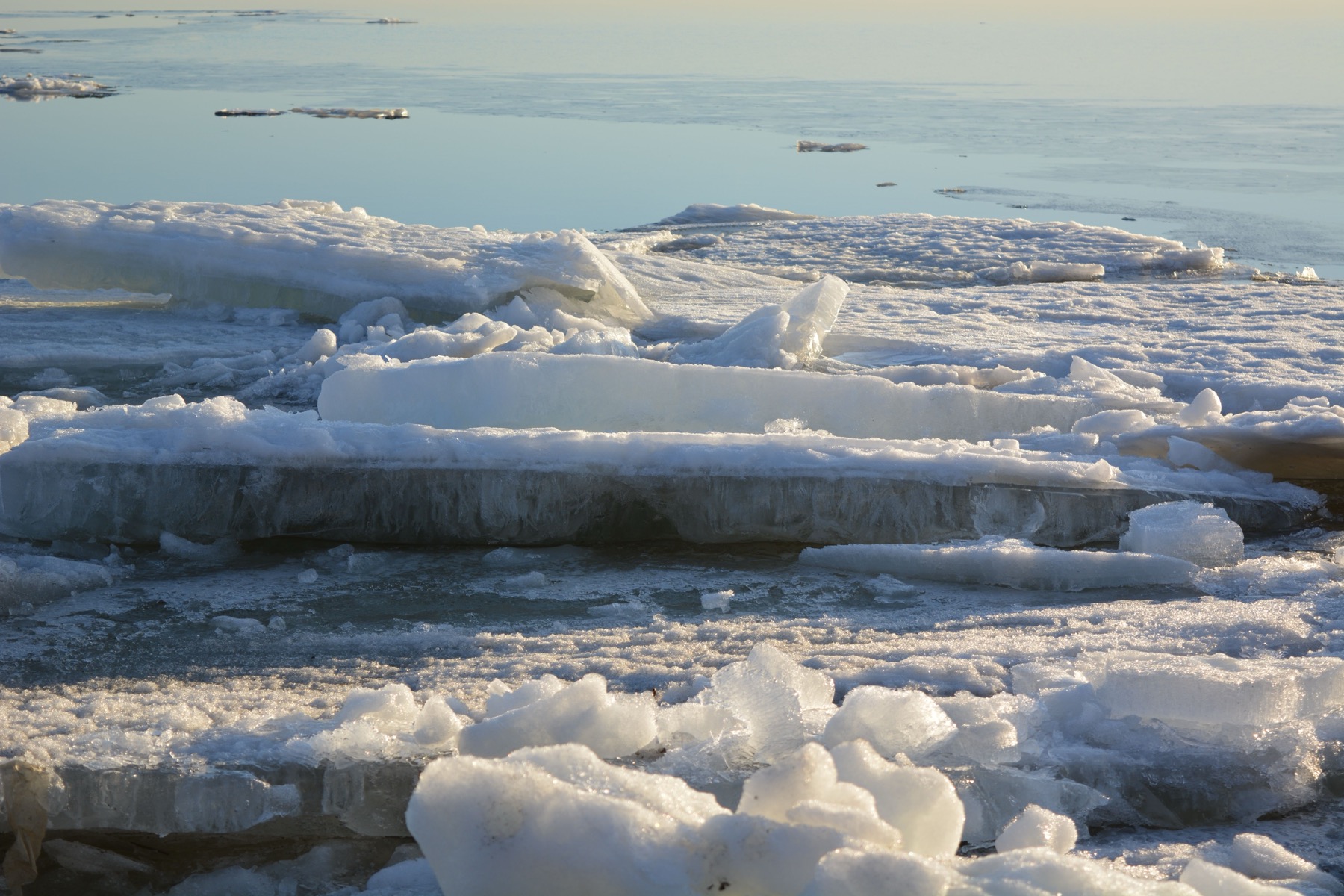
When a really hard winter grips the Estonian landscape and the Baltic Sea freezes solid enough, a phenomenon opens up that you won’t easily experience anywhere else in Europe. The state transport authority marks out official ice roads straight across the frozen sea, with the longest one, to the island of Hiiumaa, stretching an incredible 26.5 kilometres.
Driving across sea ice, however, is governed by rules that sound completely insane and defy all ordinary logic. While driving, there’s a strict ban on wearing seatbelts, so that you can leave the vehicle instantly and without delay if the ice unexpectedly cracks.
Another huge peculiarity is a forbidden speed range, because drivers must not travel between 25 and 40 kilometres per hour. In this specific range, the tyres create a strong resonance wave beneath the ice that could catastrophically shatter the frozen crust in front of the car.
Photo: Ruukel / Wikimedia Commons, Public domain
8. The fifth season in the flooded forests
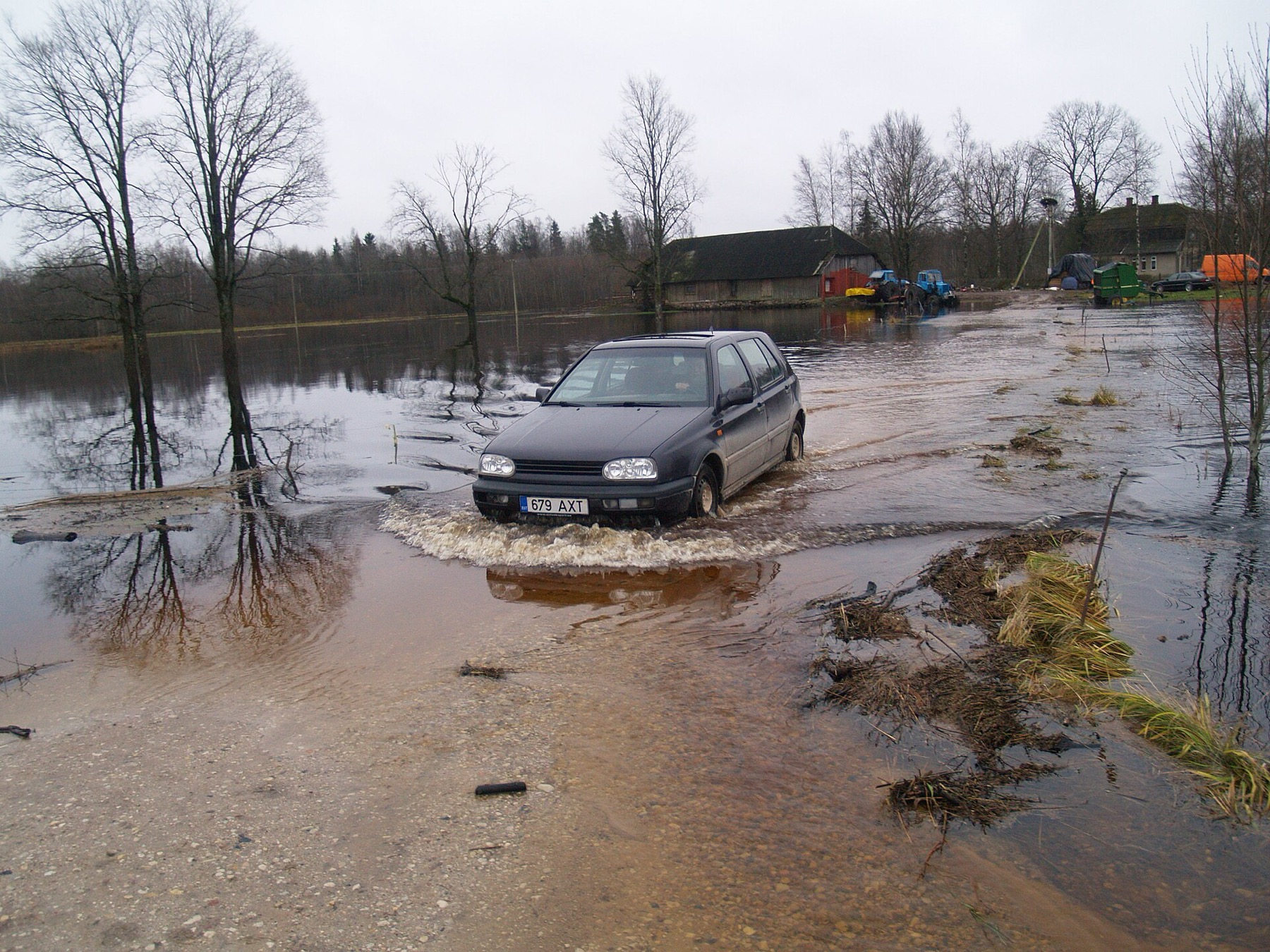
On top of the classic spring, summer, autumn and winter, Estonia has one more utterly unique natural anomaly. In Soomaa National Park, the so-called fifth season regularly plays out at the turn of March and April, drawing adventurers from far and wide.
Water from the rapidly melting snow can’t drain away naturally in this flat area, so it massively floods the sprawling meadows, forests, and local roads. For a few weeks, this enormous expanse turns into a fascinating, disorienting watery mirror.
Locals bring out their traditional canoes at this time, and tourists come to paddle right between the trunks of full-grown trees or straight up to the doorsteps of old rural farmsteads. It’s a surreal experience, but one that requires very good timing, as it lasts only briefly. 💡 Tip: You have to book canoe trips with local guides well in advance during this season, because demand hugely outstrips the available capacity.
Photo: Sergei Gussev / Pexels
9. White nights, when darkness never comes
If you’re planning a trip to Estonia during June, get ready for your sleep rhythm to take a proper battering. The country lies far enough north that around the summer solstice, the sun sets only around a quarter to eleven at night and the light lingers all night long.
This phenomenon, known as the white nights, means the sky never fully darkens and the landscape is wrapped only in a strange bluish twilight. If you’re one of those people who need total darkness to rest, definitely pack a good eye mask.
The biggest event of this period is the midsummer night known as Jaanipäev, which Estonians regard as the single most important holiday of the year. Towns empty out completely at this time, as all the locals flee en masse to the countryside, where they light huge bonfires and celebrate the arrival of summer until the small hours.
Photo: Flying Russian / Wikimedia Commons, CC BY-SA 3.0 ee
10. Two hundred years of mud-bath tradition
Although we usually associate healing treatments with warm springs, Estonian wellness culture is built on something completely different. The therapeutic treasure here is black sea mud, dredged from shallow bays and said to have miraculous effects on aching joints and rheumatism.
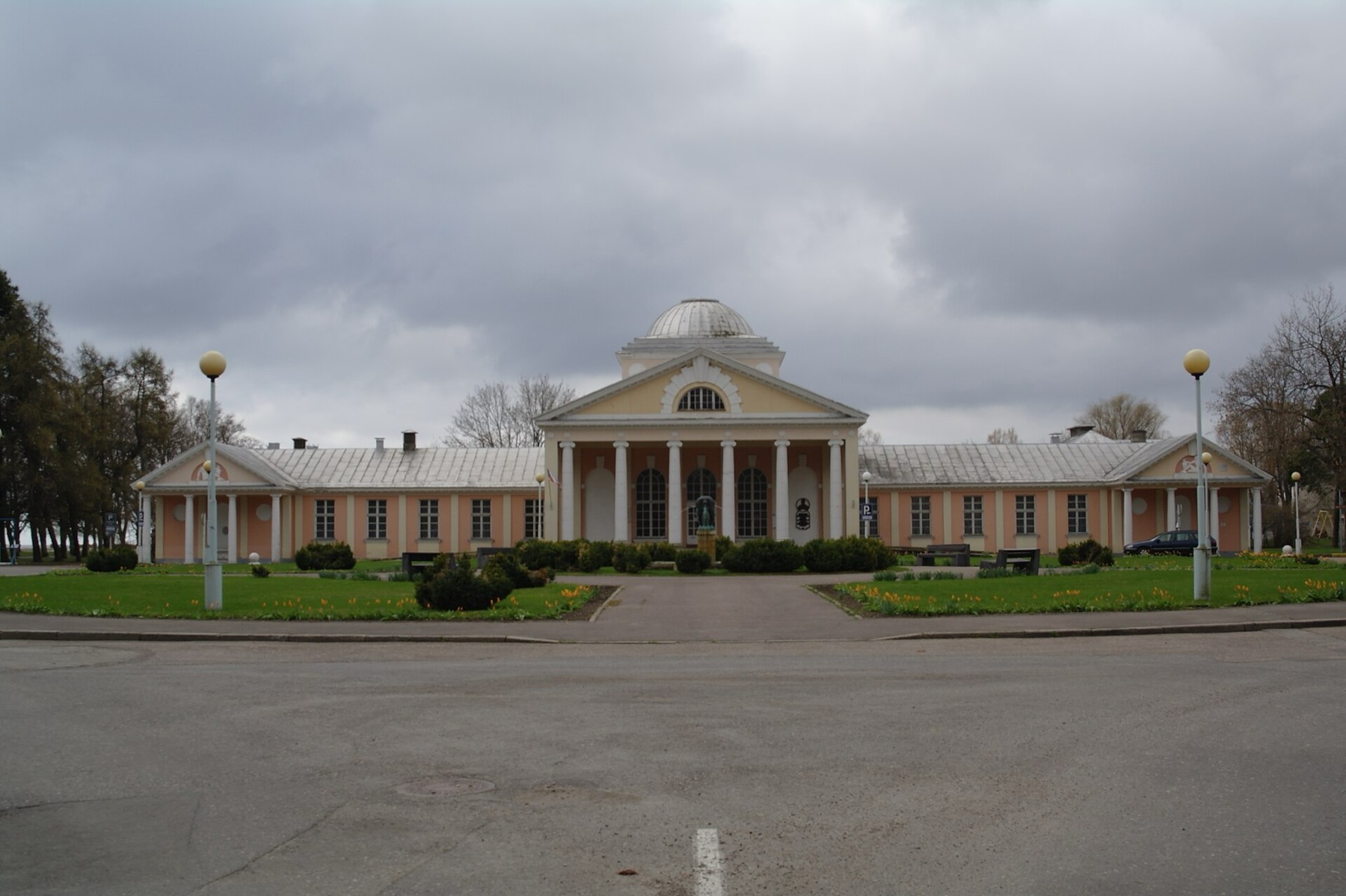
This tradition kicked off as early as the first half of the nineteenth century, when Russian imperial nobility began flocking here in great numbers. The first documented mud baths opened in 1824 on the island of Saaremaa, followed a year later by the picturesque coastal town of Haapsalu.
Today Estonia maintains a top Nordic standard in spa culture, and the town of Pärnu even holds the official title of summer capital. Local modern spa hotels skilfully combine historic mud wraps with clean Scandinavian design and extensive sauna worlds.
Photo: MART PRODUCTION / Pexels
11. Immunity to disinformation
While plenty of European states wage a tough battle against fake news online, Estonian society functions like a huge educational shield. In the Europe-wide media literacy ranking, Estonia holds an elite fifth place, making it the top of the class for the entire post-Soviet space.
This enormous lead really stands out when you compare it with its neighbours, because in the same ranking Latvia languishes in seventeenth place and Lithuania as far down as nineteenth. Estonians are, in short, highly educated, secular, and strongly resistant to information manipulation.
Experts attribute this success to a modern education system that teaches critical thinking from an early age, along with an overall trust in the digitalised state. As you stroll through the streets of the university city of Tartu, you’ll no doubt feel that calm, organised atmosphere of a smart society.
Photo: Diego Delso / Wikimedia Commons, CC BY-SA 3.0
12. A physical border between two worlds in Narva
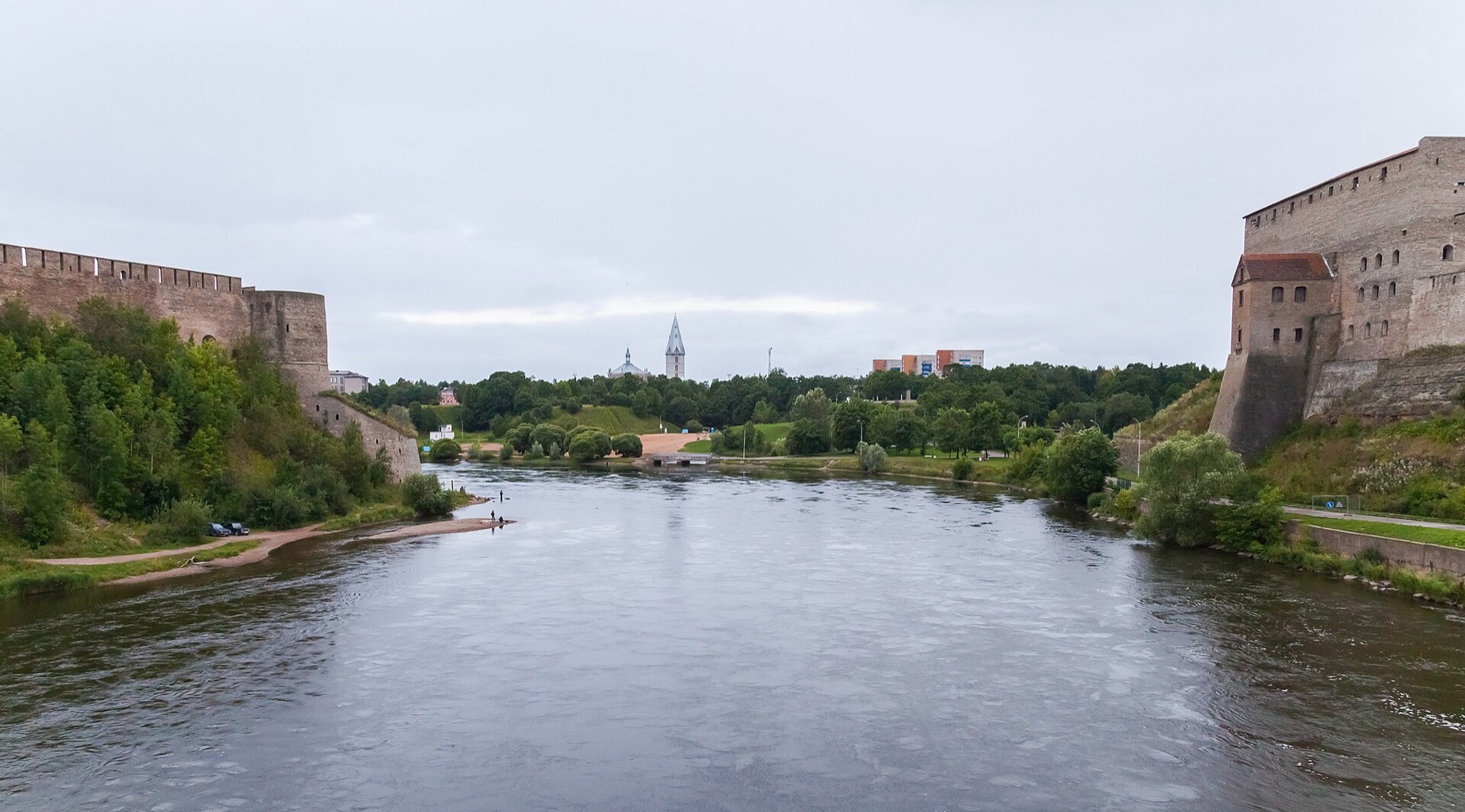
In the far east of the country lies the town of Narva, which offers an utterly fascinating, up-close look at today’s geopolitical reality. Across a narrow river, two mighty medieval fortresses stare straight at each other, marking the physical border between the European Union and Russia.
On one bank the Estonian Hermann Castle rises proudly, while barely a hundred and fifty metres away stands the dark Russian fortress of Ivangorod. It’s said to be the only place in the entire European Union where you can view this enormous clash of civilisations from such close range and in complete safety.
Getting to the other side by car is no longer possible, though, because Estonia uncompromisingly closed the main Narva-1 border crossing to all vehicles in February 2024. In theory you can still cross the border on foot, but travellers are strongly advised against it for safety reasons.
Estonian gastronomy has taken a huge leap forward in recent years, but one traditional element remains utterly unchanged. The dark, dense, slightly sweet rye sourdough bread called must leib isn’t just an ordinary side dish here, but represents the national identity itself.
You get it automatically in every restaurant, and it tastes best simply spread with a hearty layer of salted butter. If you enjoy trying local specialities, we also recommend sampling the sweet curd bar kohuke, a popular chocolate-coated treat you’ll find in every supermarket.
When you fancy something more traditional, local cuisine offers plenty of meaty dishes, with a renowned speciality being elk soup or marinated Baltic sprat. The little fish are usually served laid on a slice of black bread together with a boiled egg and dill.
Photo: Margo Evardson / Pexels
14. Forest cabins free for everyone
Every nature lover and camping enthusiast will instantly fall for Estonia’s forest management system. The state forestry organisation RMK maintains a huge network of perfectly marked trails and campsites across the whole country, available to absolutely anyone and completely free of charge.
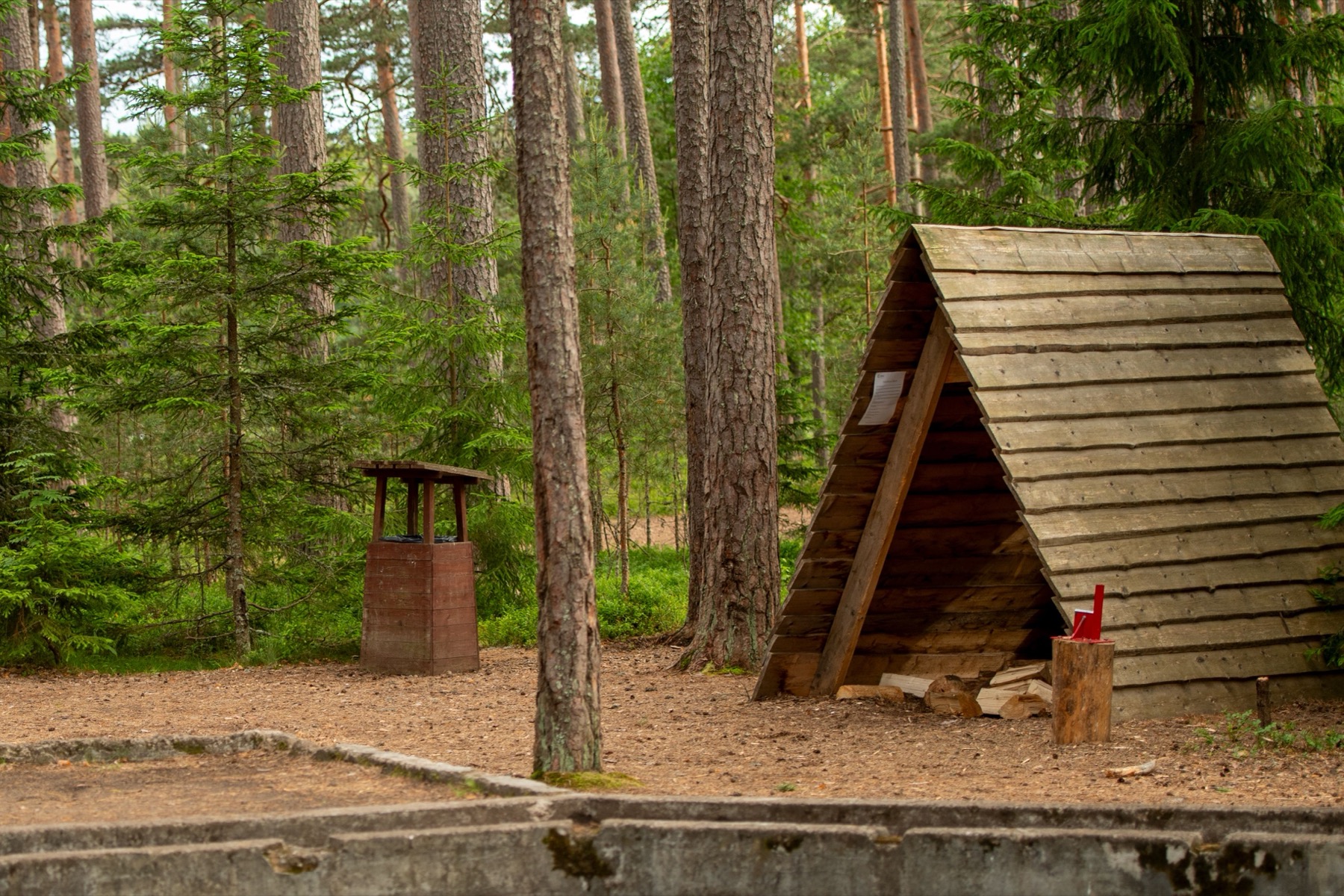
In the most beautiful spots by lakes or deep in the forests, you’ll find simple wooden cabins known as metsaonnid, where you can spend the night at no cost. They work on a fair principle: the bed simply goes to whoever gets there on foot first.
There’s always a carefully prepared fire pit at these campsites, often even chopped dry firewood and a clean dry toilet. This generous approach by the state clearly shows just how much respect Estonians have for their nature and how strongly they encourage free movement through the landscape.
Photo: Olavi Anttila / Pexels
15. A crazy sauna marathon in the frost
While Pärnu serves as the summer hub, southern Estonia has its winter counterpart in the town of Otepää, which becomes the official winter capital each year. In February it hosts an event that perfectly captures the slightly wild Estonian character: the European Sauna Marathon.
Picture nearly a thousand participants from all over the world, split into teams of four and often dressed in completely wild costumes. Map in hand, their task is to visit around twenty different saunas in the shortest possible time, scattered across the whole snow-covered region.
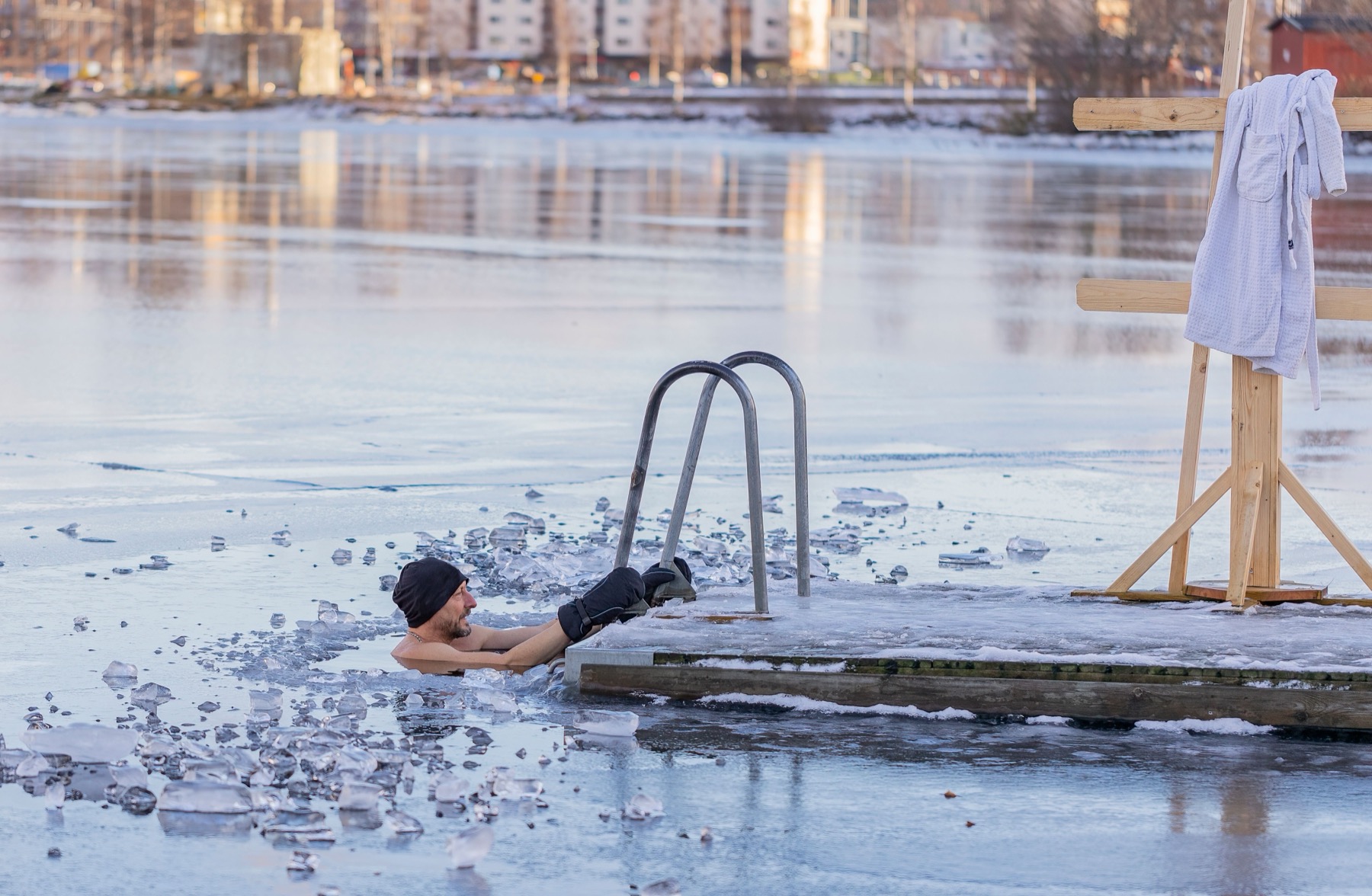
In each heated room they have to spend at least three minutes, and they collect further precious bonus points by voluntarily plunging along the way into ice holes cut into the frozen lakes. It’s a massive social event where you’re constantly cold, but the mood is fantastic.
Photo: Diego Delso / Wikimedia Commons, CC BY-SA 3.0
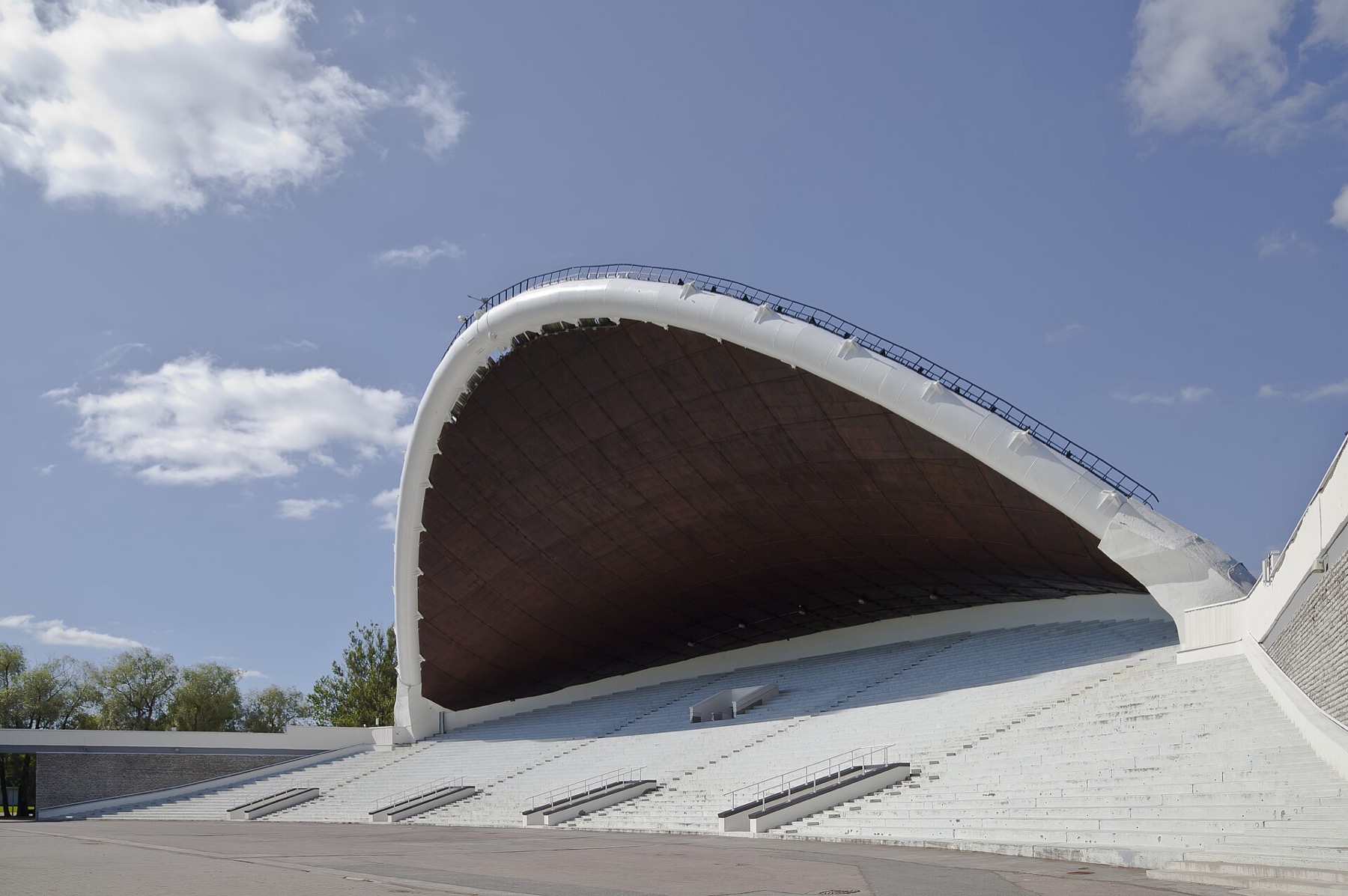
16. The Singing Revolution and the human chain
The way Estonia, together with its neighbours, broke free from Soviet rule is one of the most moving moments in modern European history. At the end of the 1980s, the nation rose up against the occupation through the so-called Singing Revolution, when people gathered in their hundreds of thousands and sang banned national songs.
This non-violent resistance culminated in August 1989 with a truly unique act called the Baltic Way. Around two million inhabitants of Estonia, Latvia and Lithuania joined hands and formed an unbroken human snake an impressive 600 kilometres long, linking the capitals of all three republics.
With this astonishing gesture, they drew the whole world’s attention to the fiftieth anniversary of the secret Molotov-Ribbentrop pact, which had once divided Eastern Europe. Two years later, Estonia finally restored its long-yearned-for independence, and it has never changed its westward orientation since.
Photo: Ymblanter / Wikimedia Commons, CC BY-SA 4.0
17. A meteorite crater full of mystery
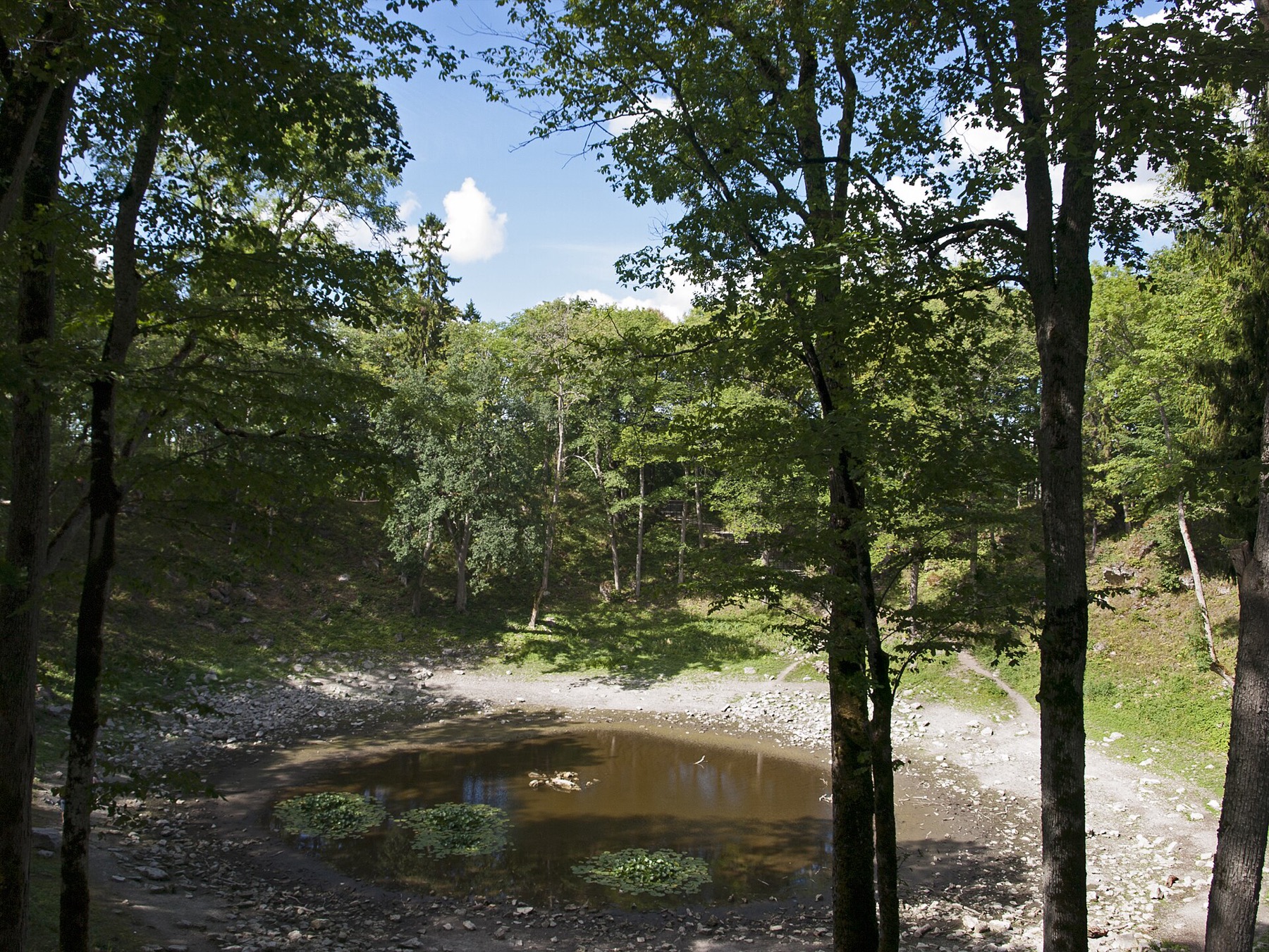
On Estonia’s largest island, Saaremaa, hides a geological curiosity that has earned the area the occasional nickname of the European Tunguska. Roughly three and a half thousand years ago, a mighty meteorite crashed here at enormous speed, shattering the bedrock on impact and creating several craters at once.
The main one is called Kaali, with an impressive diameter of over one hundred and ten metres, and a dark green lily pond now nestles at its bottom. Given that the area was probably already inhabited back then, the fall of a burning body from the sky must have felt to locals like the absolute end of the world.
The whole place still radiates a very strong pagan atmosphere, and archaeological digs suggest that in ancient times the crater served as an important sacrificial site. Around the pond, remnants of a thick stone wall were discovered, which protected the sacred space from the outside world.
Photo: Maël BALLAND / Pexels
18. Treacherous GPS signal jamming
The region’s geopolitical situation also brings one very practical problem you should definitely factor in when planning a road trip. In recent years, deliberate GPS signal jamming has been very frequently recorded over the entire Baltic Sea and especially in eastern Estonia.
If you rent a car (you’ll find great deals through Booking.com) and head towards the Russian border or south-east into the Setomaa region, the navigation on your phone may unexpectedly go haywire. The blue dot on the map might happily tell you you’re in the middle of the Gulf of Finland or deep in the forest.
For this reason it’s absolutely crucial to download offline maps to your phone before the trip. Thankfully, the classic road signage in Estonia is excellent and very clear, so you’ll reliably reach your destination even in the moments when modern technology briefly lets you down.
Photo: Abrget47j / Wikimedia Commons, CC BY-SA 3.0 ee
19. Two thousand islands to explore
When an Estonian family says they’re off to the islands for the weekend, it sounds much like heading off to a country cottage does elsewhere. The country may own more than two thousand assorted islands and islets, but tourist attention focuses mainly on the big western four.
Besides the already-mentioned spa pearl of Saaremaa and the traditional island of Kihnu, this group also includes the wilder, densely forested Hiiumaa, famous for its historic lighthouses. It’s here that the Kõpu lighthouse from 1531 stands, making it the third-oldest continuously operating lighthouse in the world.
The gateway to this island world is the smaller island of Muhu, which every traveller passes through on the way from the ferry. Here you’ll find the idyllic fishing village of Koguva as well as the luxuriously restored Pädaste Manor, considered the most prestigious country hotel in all of the Baltics.
Photo: Evelin Magnus / Pexels
20. Strict rules and a polar lottery
Estonia can be unexpectedly strict in some respects, which is especially true of its traffic rules. Although you’ll read in places about zero tolerance, the formal blood-alcohol limit for driving is set at 0.2 per mille, so it’s best to skip that single beer with lunch, because the fines are seriously steep.
Another peculiarity concerns winter equipment, because from December to March winter tyres are strictly mandatory, and they must now meet a strict certificate with the mountain-and-snowflake symbol. If you’re driving in winter, your reward for all these hassles might just be the view of the sky.
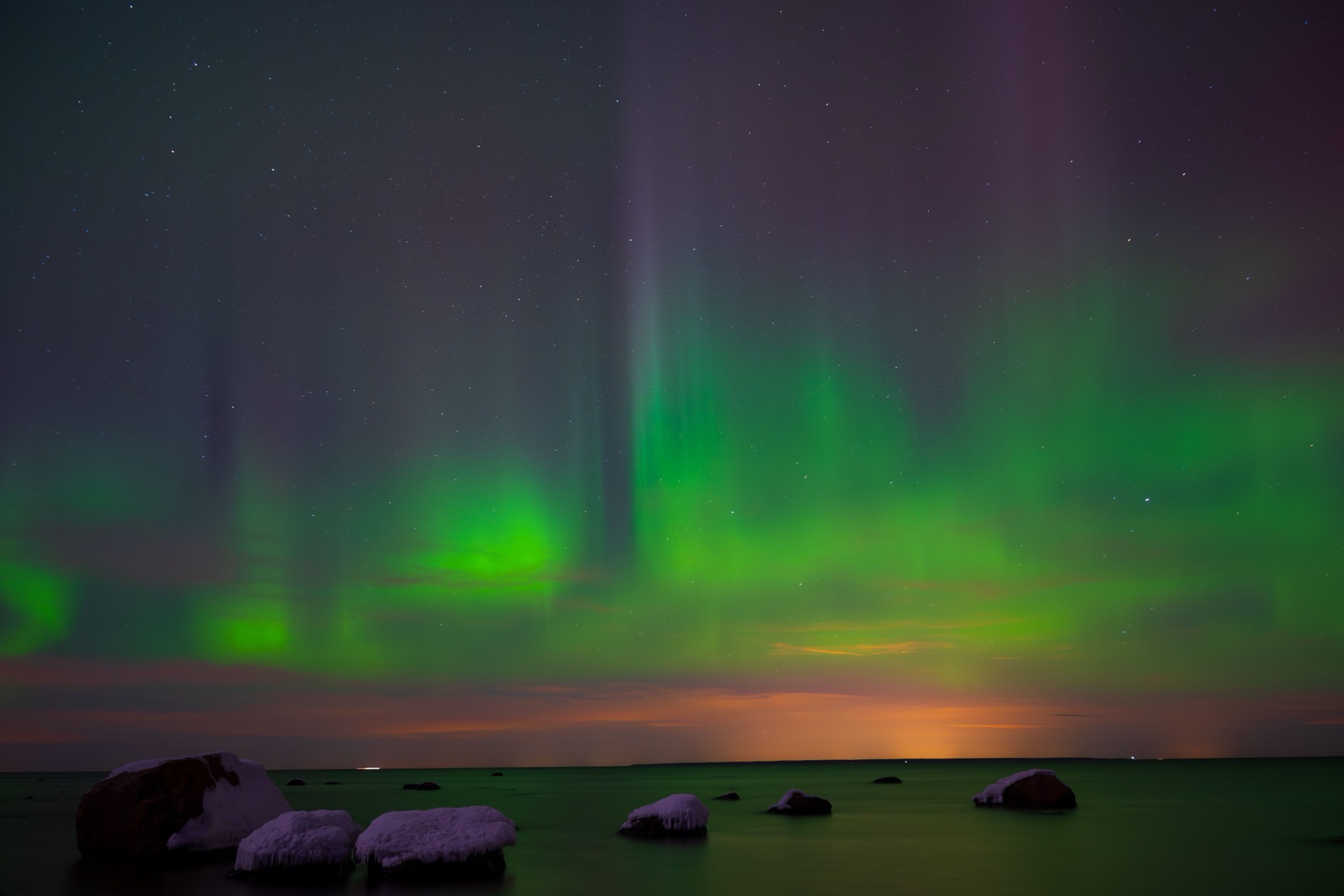
From late September to March, under favourable conditions, the northern lights appear here, which locals call virmalised. Don’t expect the same certainty as in Finnish Lapland, but if you head far from the light pollution of the big cities, you have a good chance of seeing this fascinating celestial dance with your own eyes.
Photo: Paolo Boaretto / Pexels
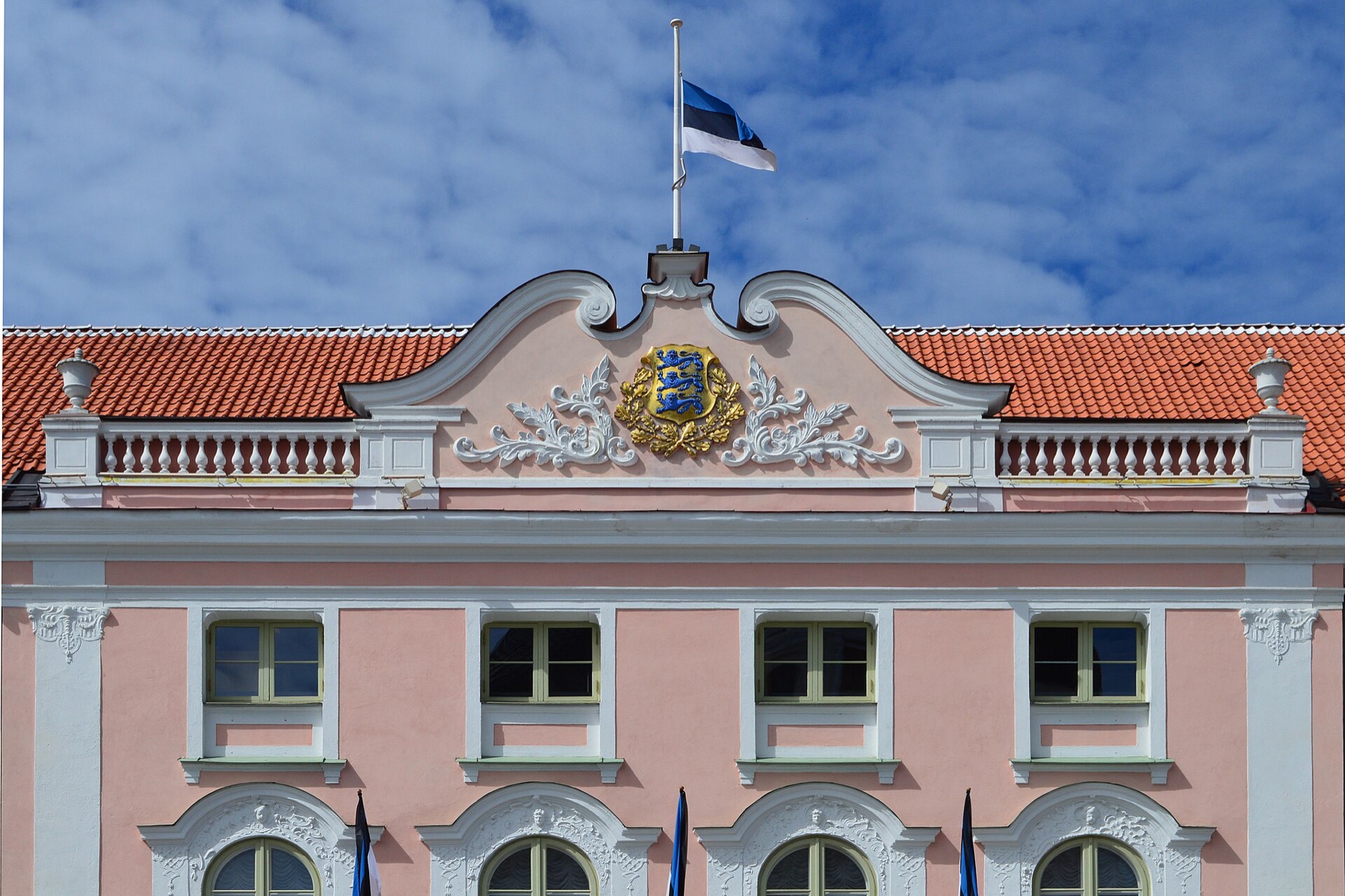
The Estonian flag and what its colours mean
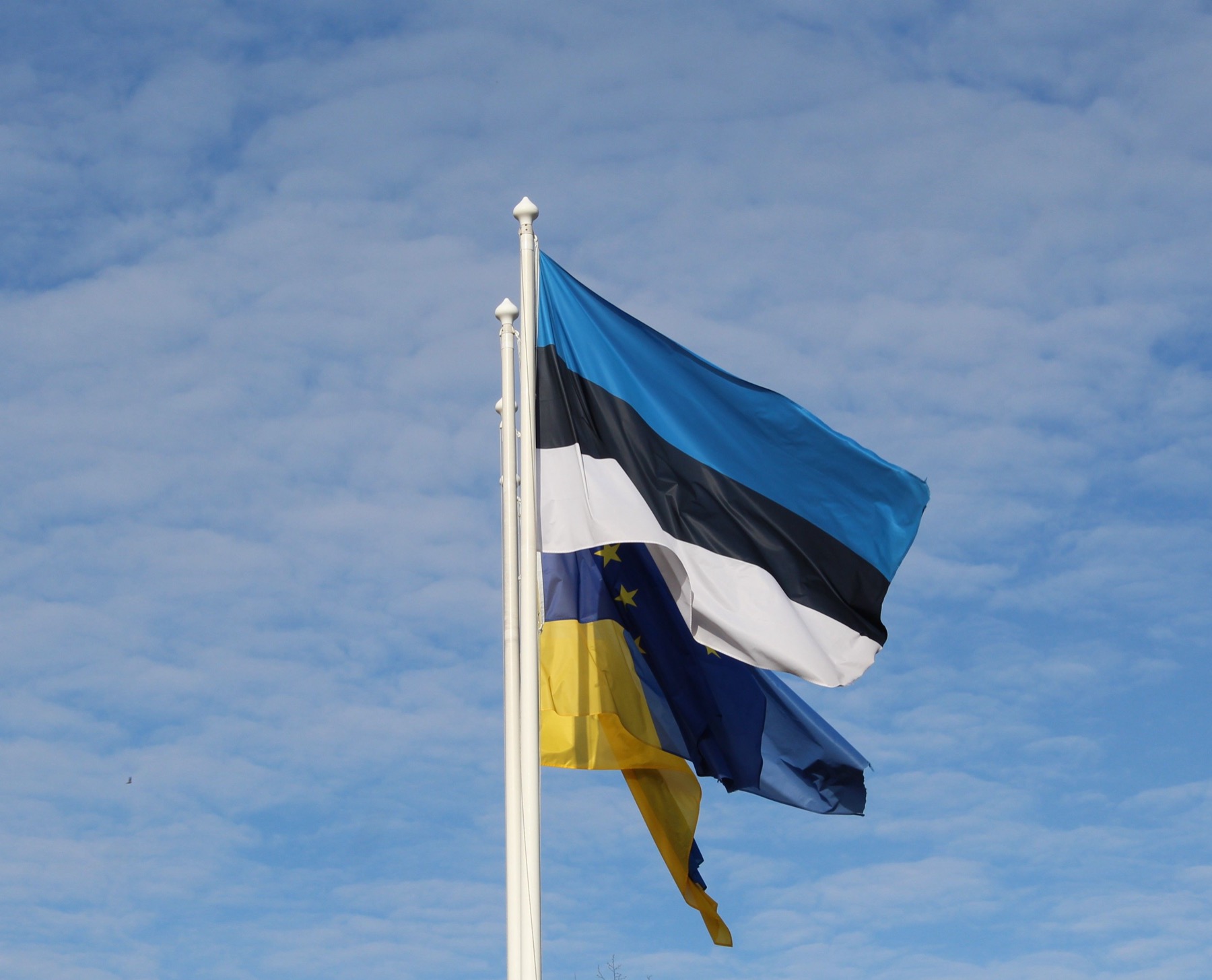
The Estonian flag is visually very clean, made up of three horizontal stripes in blue, black and white. The flag first saw the light of day in 1881 as the symbol of an Estonian student society in the university city of Tartu, and it soon became the official symbol of the national awakening.
Each of these three colours carries a very strong symbolic meaning tied to the local character and history. The blue represents the sky, loyalty to the homeland, and reflects the deep blue waters of Estonia’s hundreds of lakes and the Baltic Sea.
The black stripe in the middle symbolises Estonia’s fertile soil and at the same time serves as a reminder of the dark, hard past, when the nation suffered for centuries under the rule of foreign empires. White then represents purity, hope for a better future, and the traditional white bark of the ever-present birch forests.
Photo: icon0 com / Pexels
Language: why Estonian sounds like nothing nearby
The first time you hear locals speak, you’ll probably immediately think it sounds a bit like the Elvish from those famous fantasy films. That’s because Estonian belongs to neither the Slavic nor the Baltic languages, but falls into the Finno-Ugric branch and is very closely related to Finnish.
This fascinating language has several grammatical quirks that reliably make foreigners’ heads spin. Estonian works with an incredible fourteen cases, but on the other hand it has no grammatical gender at all and even lacks a future tense, which is expressed more from the context of the sentence.
If you want to score points with the locals, learn at least three basic words that will open plenty of doors. You can greet people with Tere! (Hello), say thank you with Aitäh! (Thank you, pronounced roughly ai-tah), and when clinking beers, don’t forget a cheerful Terviseks! (Cheers).
Photo: Sonny Sixteen / Pexels
The four faces of Estonia
Although the country is fairly small in area, it offers enormous regional diversity, and for travel we can loosely divide it into four main areas.
The northern region is the cultural and economic engine of the whole country, dominated by the metropolis of Tallinn with its medieval core and glass-fronted skyscrapers. Just beyond the city lies the beautiful Lahemaa National Park, which offers perfect boardwalks leading across vast peat bogs.
The western coast is synonymous with summer holidays, since this is where the popular islands are, led by Saaremaa and Hiiumaa. On the mainland lies the resort town of Pärnu, famed for its long sandy beaches and two-hundred-year tradition of mud baths.
Southern Estonia is gently rolling, immensely green, and dominated by the university city of Tartu, buzzing with youthful energy. Further south still, you’ll come across the characterful regions of Setomaa and Võromaa, where ancient traditions live on to this day, led by the famous smoke sauna.
The eastern border shows a more industrial, demographically distinct face of the country, as it’s home to a very strong Russian-speaking minority. The main magnet here is the town of Narva with its huge border fortress and the shores of the vast Lake Peipus, where communities of Old Believers still live and grow their renowned onions.
Photo: Harm Jakob Tolsma / Pexels
Practical questions people ask most often
When planning your trip you’ll surely run into plenty of practical questions, since Estonia does lie a little off the main tourist trails. If you’re wondering about the legalities, there’s no need to worry, as the country is a full member of the European Union and the Schengen area, so a valid ID card is more than enough to cross the border and there are no visas to deal with.
Finances are just as smooth, because the euro has been the currency here since 2011 and society runs almost entirely cashless, so you’ll get by with a card on your phone practically anywhere. There’s no language barrier to fear either, because the younger and middle generations of Estonians speak completely fluent English and are happy to use it.
As for safety, Estonia is one of the very safest countries in Europe and, as a NATO member, enjoys strong protection from allied forces. Getting here from abroad is fairly easy: from Central Europe it’s roughly a 1,500-kilometre road trip along the toll-free Via Baltica, or you can fly in with major carriers such as Ryanair, easyJet or Lufthansa to Tallinn from many European hubs.
Before your trip north, you might have a few more practical questions buzzing in your head. Here you’ll find clear answers to the most common ones, so you can set off completely worry-free.
Is Estonia in the European Union?
Yes, Estonia joined the European Union in spring 2004, together with several other countries. It also became a full member of the Schengen Area, so there are no border controls at all.
What is the currency in Estonia and is it expensive?
Since 2011, the euro has been used here and the country is one of the more expensive ones in the region. Following recent tax increases, prices in restaurants and services are roughly on par with Berlin and higher than in many other European destinations.
Is English commonly spoken in Estonia?
The young and middle generations speak English excellently and clearly prefer this language when communicating with foreigners. Russian is more likely to be encountered among older residents or in the border town of Narva.
Is it safe to travel to Estonia?
The country is extremely safe for tourists and crime has remained at an absolute minimum for a long time. Despite its proximity to Russia, there is complete calm here, guaranteed by strong membership in the NATO military alliance.
What is the capital and how many inhabitants does it have?
The capital is the modern yet historic Tallinn, located directly on the northern coast. The entire country has only 1.37 million inhabitants, making it one of the least populated countries on the entire European continent.
How far is Estonia from major European hubs?
If you set out by car, you can expect a roughly 1,500-kilometre route leading through Poland, Lithuania and neighbouring Latvia. This represents approximately eighteen hours of pure driving time and is an absolutely ideal opportunity for a great road trip.
Do I need a special visa for the trip?
Given that Estonia lies within the Schengen Area, you certainly don’t need any visa for your holiday if you’re an EU/EEA citizen. A valid ID card or standard passport is more than enough for free entry.
What is the current time difference in Estonia?
The country is in the Eastern European time zone, which in practice means the day starts a bit earlier here than in Central Europe. Upon arrival, you simply need to set your watch one hour ahead compared to standard Central European Time.
Tips and Tricks for Your Vacation
Don’t Overpay for Flights
Search for flights on Kayak. It’s our favorite search engine because it scans the websites of all airlines and always finds the cheapest connection.
Book Your Accommodation Smartly
The best experiences we’ve had when looking for accommodation (from Alaska to Morocco) are with Booking.com, where hotels, apartments, and entire houses are usually the cheapest and most widely available.
Don’t Forget Travel Insurance
Good travel insurance will protect you against illness, accidents, theft, or flight cancellations. We’ve had a few hospital visits abroad, so we know how important it is to have proper insurance arranged.
Where we insure ourselves: SafetyWing (best for everyone) and TrueTraveller (for extra-long trips).
Why don’t we recommend any Czech insurance company? Because they have too many restrictions. They set limits on the number of days abroad, travel insurance via a credit card often requires you to pay medical expenses only with that card, and they frequently limit the number of returns to the Czech Republic.
Find the Best Experiences
Get Your Guide is a huge online marketplace where you can book guided walks, trips, skip-the-line tickets, tours, and much more. We always find some extra fun there!
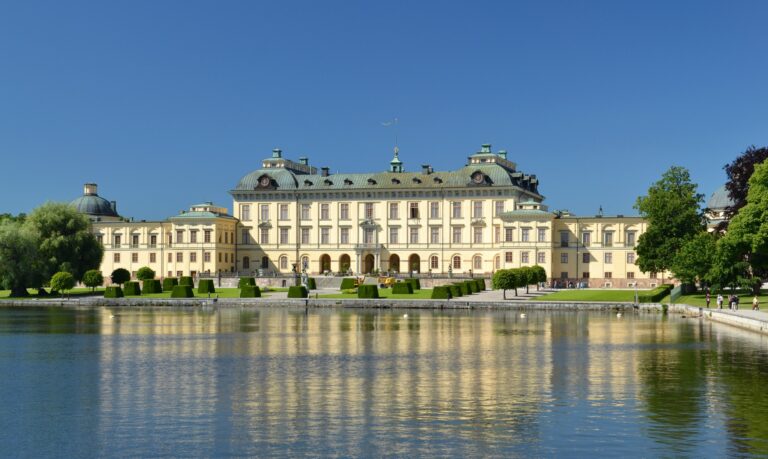
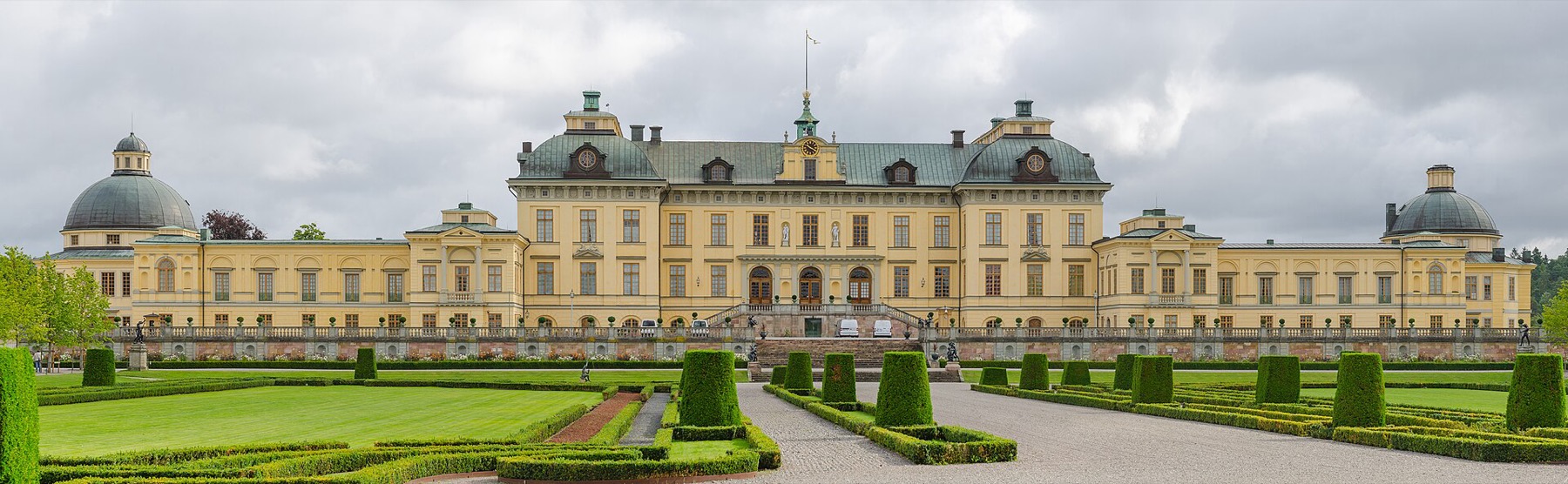
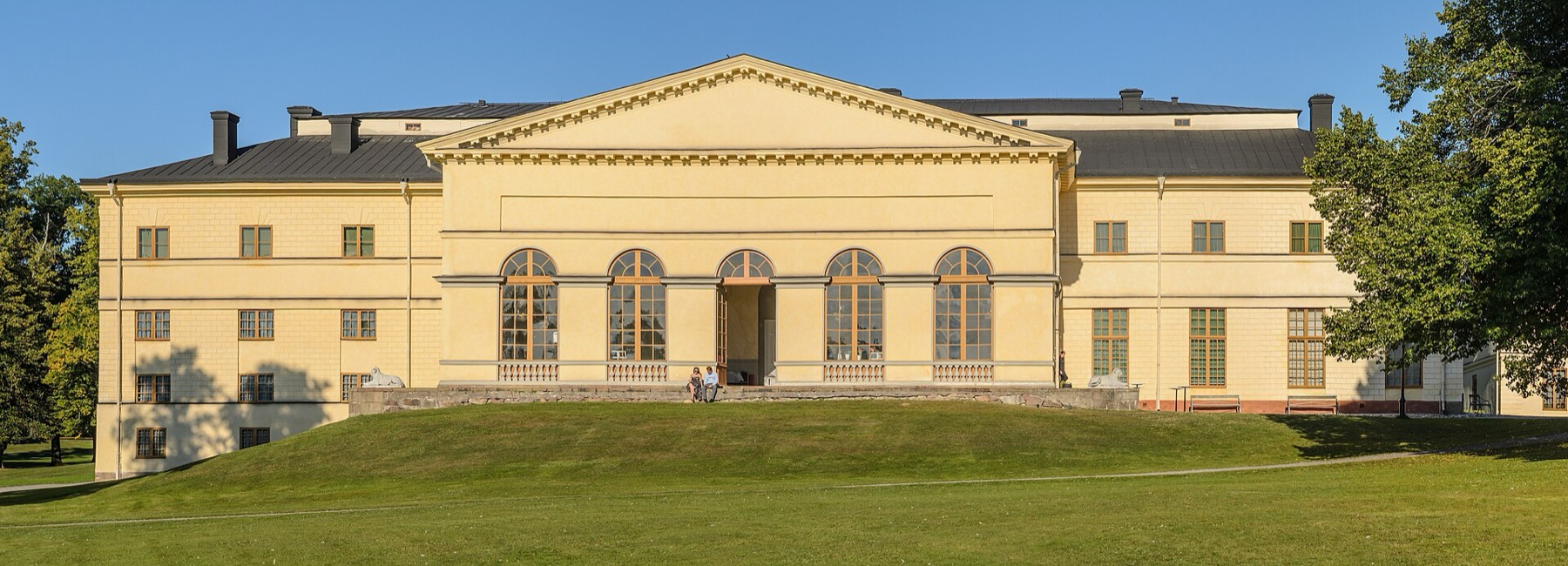
Drottningholm Palace in Sweden isn’t just a huge Baroque colossus — it’s the place where the Swedish king and queen actually live. And yet they let you wander through most of their state halls and palace gardens. It’s a fascinating showcase of Nordic elegance that easily rivals the French Versailles, while keeping that typically Swedish sense of ease and approachability. People often say it’s the single best half-day trip you can plan from Stockholm. On top of that, you’ll find a genuine world-class rarity here in the shape of an 18th-century palace theatre that still uses its original wooden stage machinery — the kind you won’t see working anywhere else in Europe.
If you’re looking for the perfect escape from the busy city centre, this place is guaranteed to enchant you. The palace complex, which has rightfully held a spot on the UNESCO World Heritage List since 1991, sits on the picturesque island of Lovön surrounded by the calm waters of Lake Mälaren. Here you’ll find everything you need to know — from transport and tickets to tips on when to arrive so you don’t end up with half of Stockholm in your photos.
Photo: Arild Vågen / Wikimedia Commons, CC BY-SA 3.0
TL;DR
The prettiest route goes by water: In season, historic steamboats sail here from central Stockholm (from the City Hall), the journey itself takes just under an hour, and it’s an incredible experience.
Royal residence: Drottningholm has served as the permanent home of the Swedish royal family since 1981, with the king and queen occupying the private south wing.
Combined ticket: Prices vary by season, so it usually pays to check the current price list on the official site kungligaslotten.se and buy your tickets online.
The palace park is free: You can visit the gorgeous Baroque gardens and the sprawling English park year-round without paying a cent, which makes it a great destination even for budget travellers.
Card payment only: Like almost all of Sweden, the Drottningholm grounds are strictly cashless in 2026 — you won’t be able to use physical banknotes here at all.
Ideal time budget: Set aside at least 3 to 4 hours of pure time for the palace, theatre, Chinese Pavilion and gardens — with transport it’s a solid half-day trip.
Photo: Hedwig Storch / Wikimedia Commons, CC BY-SA 3.0
12 Things You Need to Know Before Visiting
Drottningholm Palace in Sweden offers plenty of nooks and historical curiosities that would be a shame to miss. To help you explore the grounds and not skip anything important, I’ve put together twelve tips and observations. They’ll save you time and money, and they might just help you spot the things most tourists usually walk straight past.
Photo: Arild Vågen / Wikimedia Commons, CC BY-SA 3.0
1. The royal family as your neighbours
As you walk through Drottningholm’s long corridors, you might wonder whether you’ll bump into the king behind the next set of doors. Carl XVI Gustaf and Queen Silvia chose this palace as their permanent home in the early 1980s, because it felt far more suitable for raising children than the official Royal Palace right in central Stockholm. That one was simply too busy for their taste and too bound by state protocol, whereas the island of Lovön offered peace and nature.
The family lives exclusively in the palace’s south wing, which is understandably heavily guarded and completely off-limits to the public. The rest of this monumental building, however, is open to visitors — which is fairly rare and a very likeable gesture by European standards. So you can freely wander around places where official state dinners and ceremonial receptions for foreign guests still take place today. It’s a strange feeling to know that just a few dozen metres away the monarch might be having lunch.
The royal presence gives the place an incredibly living atmosphere, because it isn’t a cold museum but a real home. As you stroll the courtyards you can watch the palace guard, who don’t patrol here in the same huge numbers as in central Stockholm but still keep their typical Nordic elegance. The whole complex feels immensely well-kept and dignified.
💡 Tip: Want to tell whether the king is home? If the royal standard is flying from the main flagpole (a large flag with a yellow cross on a blue field and the state coat of arms in the middle), it means the monarch is present in Sweden and most likely right there at the palace.
Photo: Pham Ngoc Anh / Pexels
2. State halls full of Baroque luxury
The moment you step inside, you feel as though time has rewound a couple of centuries — back to the days when Sweden was a great power and made sure the world knew it. The main staircase with its illusionistic paintings is so lavish it might make your head spin, but that’s really just the beginning of the whole experience. Every ruler left their own unique mark here, so the interior works like a colourful textbook of Swedish art history.
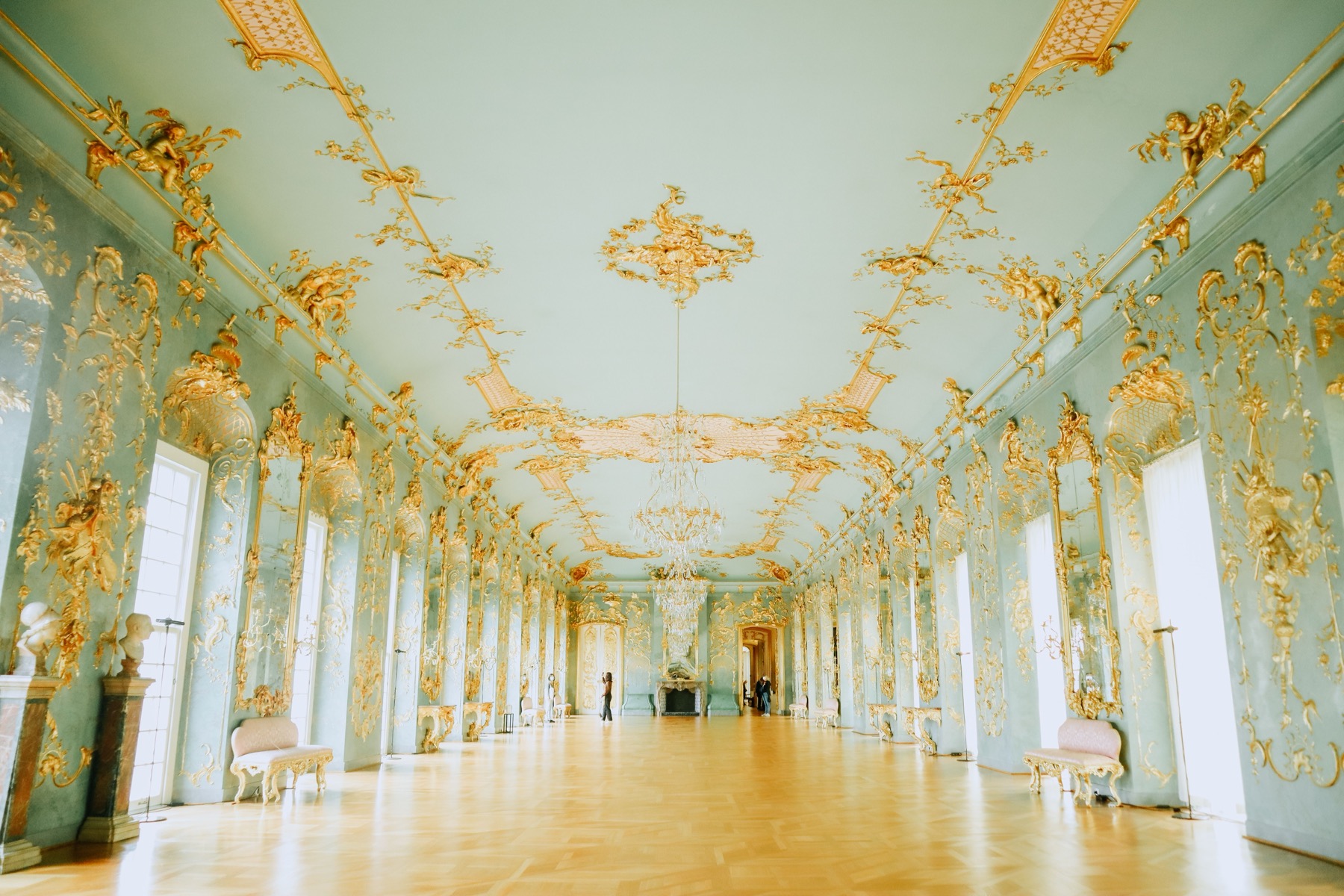
You’ll surely be wowed by the stunning Ehrenstrahl bedchamber with its dark, rich paintings, or the absolutely breathtaking library of Queen Lovisa Ulrika, said to be one of the most beautiful rooms in the entire country. Its glowing golden details and hundreds of historical volumes stacked from floor to ceiling create an incredibly photogenic space. Also well worth seeing is the long gallery of Karl XI, whose mirrors and windows are strikingly reminiscent of the Hall of Mirrors at the French Versailles.
As you move through these enormous halls, don’t forget to notice the very practical period details too, such as the richly decorated tiled stoves in the corners of the rooms. These Nordic gems not only look gorgeous, but during Sweden’s brutal winters they were the only thing standing between you and freezing. The huge, hard-to-heat chambers would have been completely uninhabitable without them.
💡 Tip: Try lifting your gaze to the ceilings during your visit. Most of the state halls boast incredibly detailed stucco work and frescoes depicting ancient myths or celebrating Sweden’s military victories of the era.
Photo: Arild Vågen / Wikimedia Commons, CC BY-SA 3.0
3. The Slottsteater palace theatre and its magic
If you were only allowed to see one single thing at Drottningholm and skip the rest, let it be the palace theatre. This unassuming building from 1766 hides a worldwide rarity, because its complete original 18th-century stage machinery has survived to this day. While similar theatres elsewhere in Europe burned down or underwent insensitive modernisation, here time has stopped completely.
The complex system of trapdoors, pulleys, ropes and giant winches is still operated purely by hand using human power, without a scrap of electricity. It’s absolutely fascinating to see machines that produce theatrical illusions — creating the effect of a stormy sea using rotating wooden cylinders, or a giant thunder machine where heavy stones roll down wooden cascades. The theatre slept for more than a hundred years under layers of dust before it was rediscovered and brought back to life in the 1920s.
The tour draws you into an era when the royal court invited Europe’s finest artists here, and you’ll even peek into the original actors’ dressing rooms, where old wood scents the air and time has frozen somewhere in the 18th century. Everywhere smells of old wood, and the atmosphere here is simply magical.
💡 Tip: During the summer months, opera and ballet performances in authentic Baroque style are held here regularly, with the orchestra playing period instruments and performers wearing replicas of old costumes. Tickets for these performances vanish at rocket speed, so you’ll need to snag them on the theatre’s website up to six months in advance.
Photo: Arild Vågen / Wikimedia Commons, CC BY-SA 4.0
4. The Chinese Pavilion, a Rococo surprise
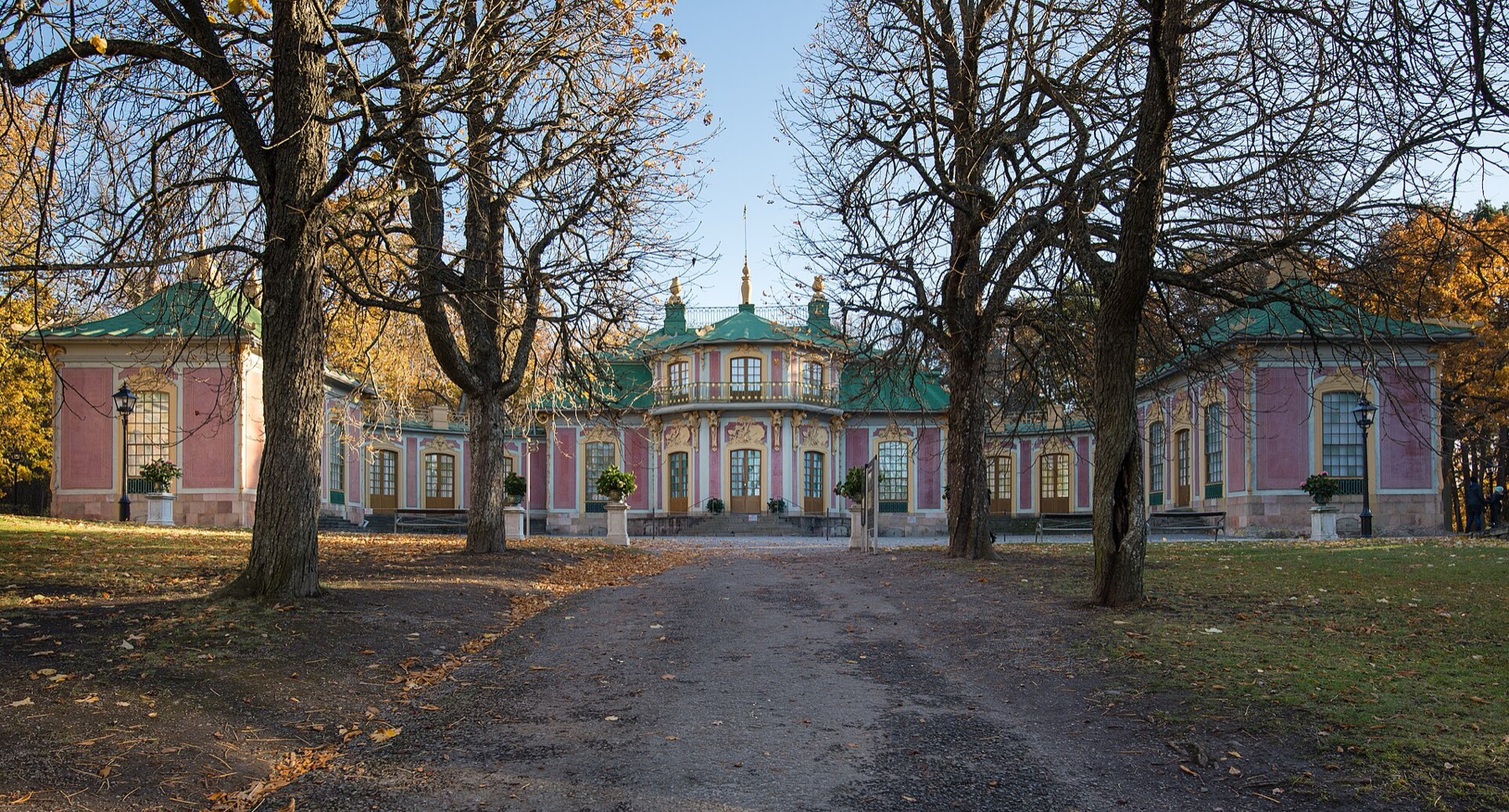
If you head a little deeper into the sprawling park from the main palace, you’ll come across a building that at first glance doesn’t belong here at all. The Chinese Pavilion (Kina slott) is a fairy-tale Rococo summer house that King Adolf Fredrik had secretly built as a huge birthday surprise for his wife Lovisa Ulrika in 1753. The queen reportedly couldn’t hide her delight, and the pavilion became her favourite retreat.
In the mid-18th century all of Europe was utterly obsessed with everything Chinese, even though it had only very romantic and heavily distorted notions of the real China. The pavilion is a wonderful example of the style known as chinoiserie, where traditional European Rococo boldly blends with oriental motifs, golden dragons, expensive silk wallpapers and lacquered furniture. It comes across as incredibly playful, exotic and — for the time — very relaxed.
Touring this smaller palace won’t take as much time as the main one, but it would definitely be a huge shame to skip it. Admission (roughly 120 SEK, about €11) is charged separately, but in the summer season it’s well worth buying a combined ticket straight away, which costs around 230 SEK (€21) and covers both buildings.
💡 Tip: Right next to the pavilion there’s a small romantic café serving excellent fresh waffles. You can sit down on the grass, order a coffee and calmly savour that absurd but visually gorgeous combination of Nordic nature and Asian architecture.
Photo: Cristian Salinas Cisternas / Pexels
5. A palace park with a Czech trace
Drottningholm’s gardens are so vast and varied that they could easily fill a whole day trip on their own. The best news is that entry to the entire park is completely free year-round, so you can come here just for an afternoon stroll without buying a ticket to the indoor exhibitions. That’s why locals love coming here to relax at weekends.
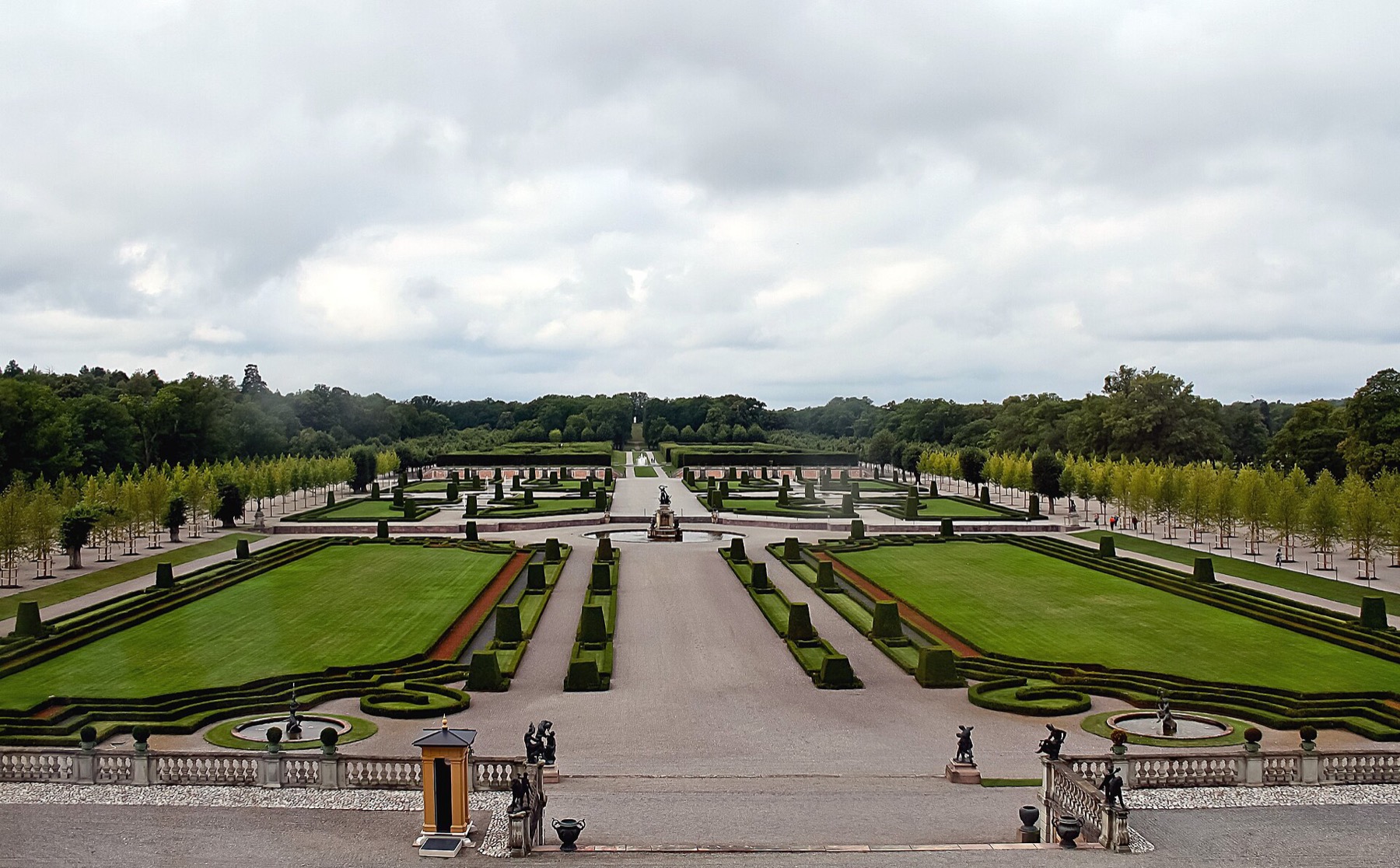
The park is divided into two entirely different sections, and the one closest to the palace is a strictly symmetrical Baroque French garden, full of geometrically trimmed hedges, large fountains and long avenues. This is exactly where an intriguing Czech surprise awaits you. Many of the bronze statues by the famous sculptor Adriaen de Vries that decorate this section were carted off by Swedish troops as war booty from Prague’s Wallenstein Palace at the very end of the Thirty Years’ War in 1648.
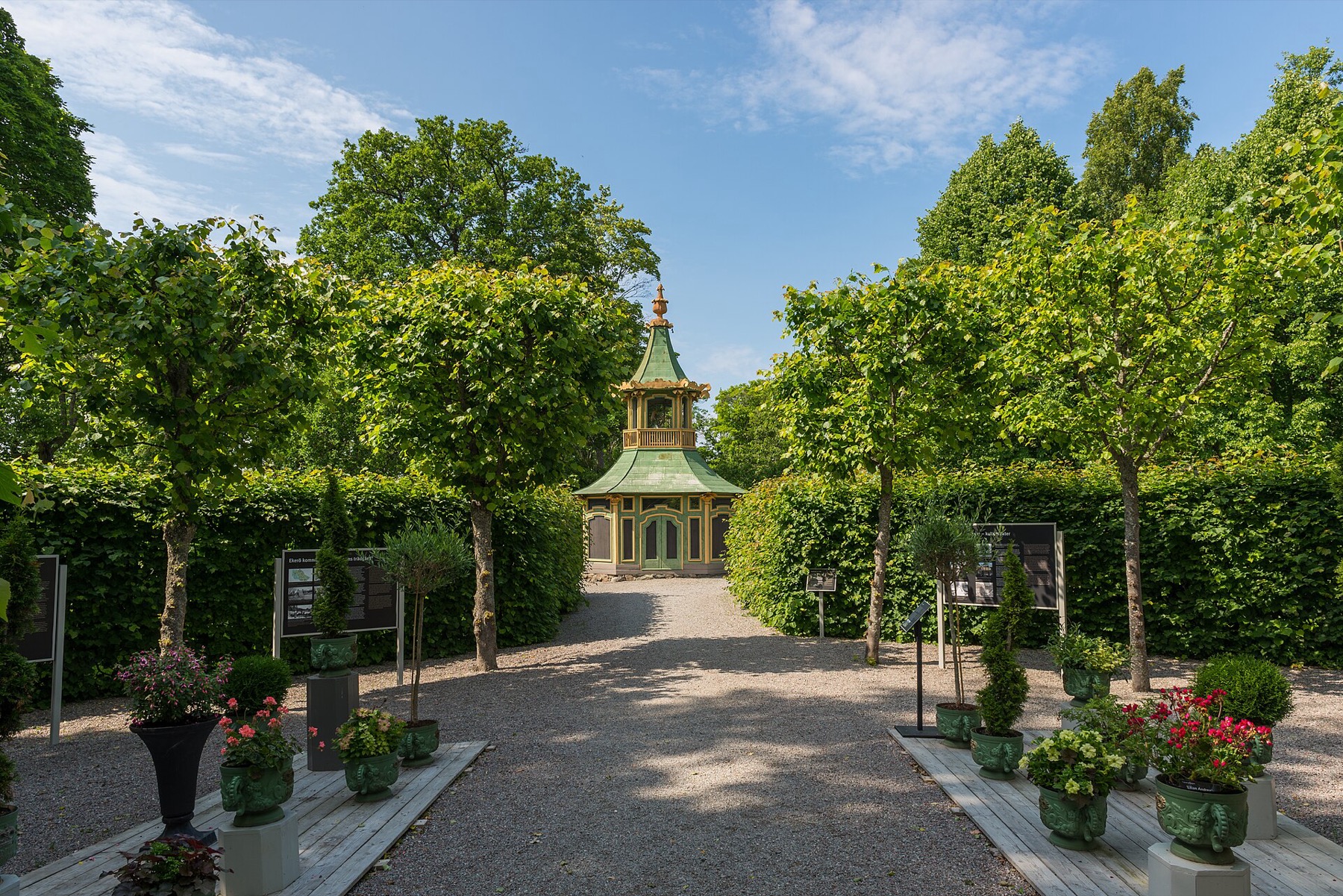
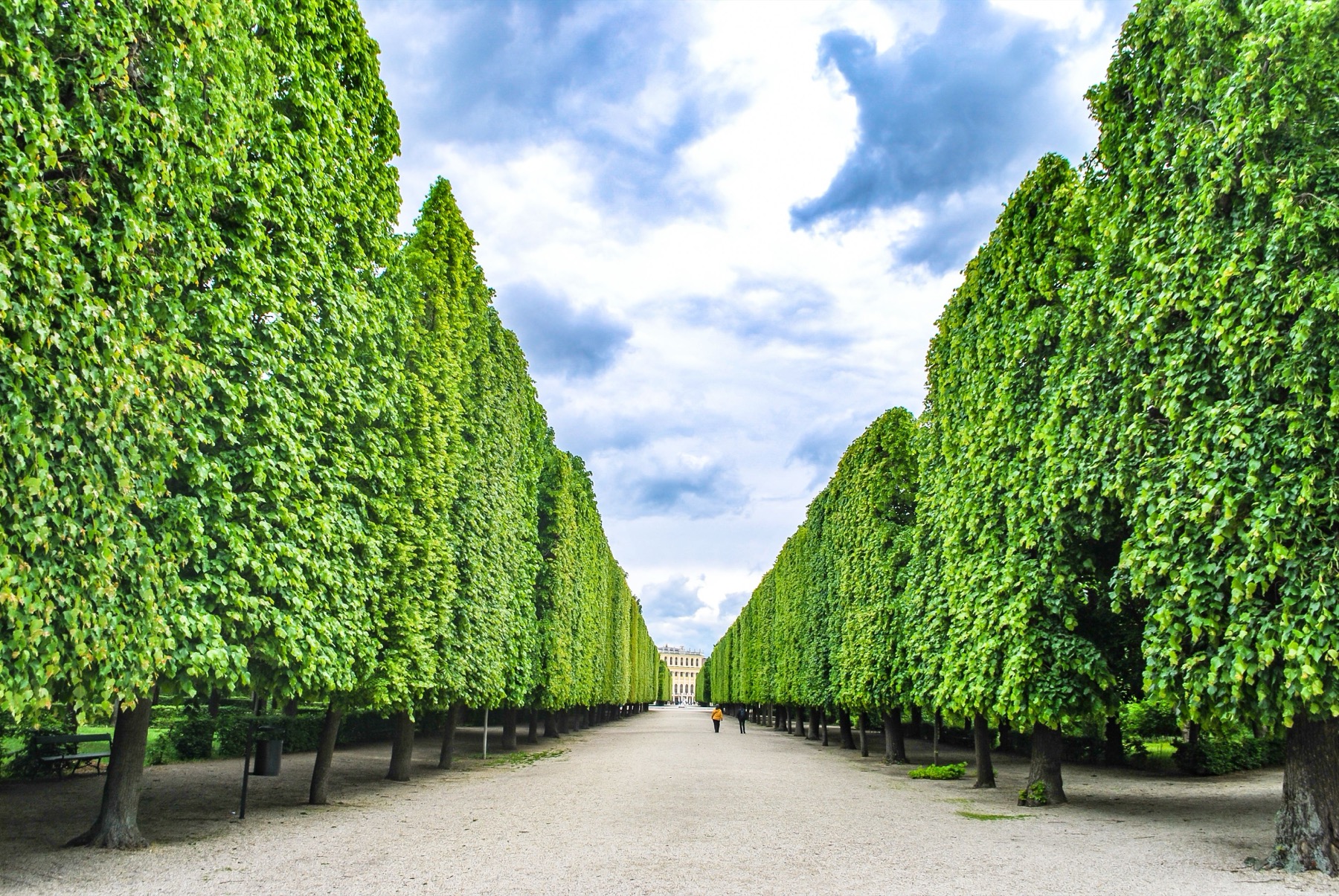
Further from the palace, this French formality smoothly gives way to a romantic English park, designed instead to evoke untamed, wild nature. You’ll find long winding paths, huge grassy lawns perfect for resting, and picturesque little ponds. For families with children there’s even a system of small hedge mazes where you can get lost for a surprisingly long time.
💡 Tip: If you enjoy long walks, head all the way to the far end of the English park. You’ll find much more peace and quiet there, along with wonderful views back towards the royal palace, beautifully mirrored on the surface of the local ponds.
Photo: Masi / Pexels
6. The royal chapel and Sunday services
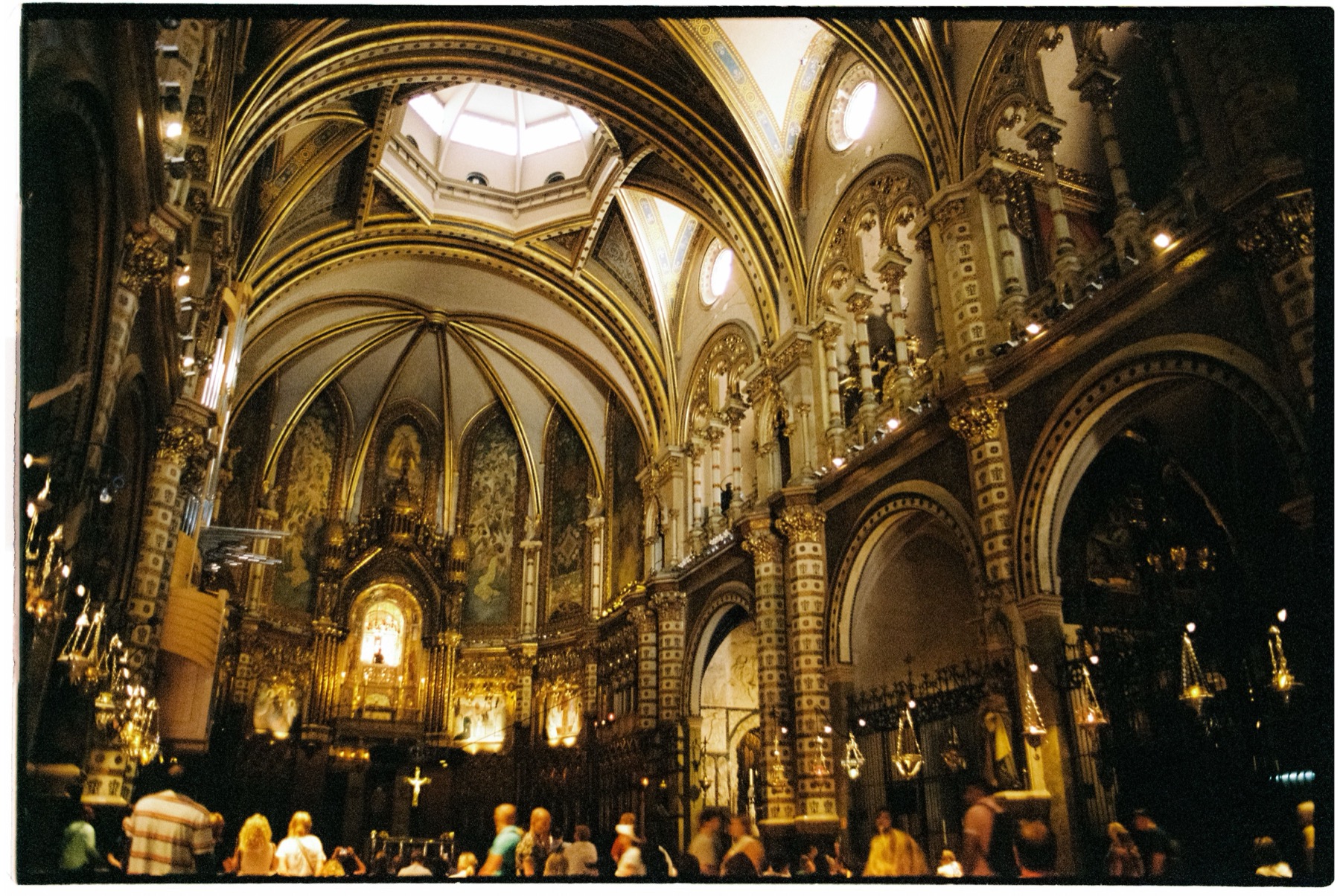
The architect masterfully incorporated the royal chapel into the palace’s north tower, and it remains genuinely alive today — not just a nicely lit backdrop. Its interior from 1746 is a display of the purest Nordic Rococo, dominated completely by snow-white paint combined with lavish gilding and heavy, hand-woven tapestries. Architect Carl Hårleman created a space here that feels incredibly bright and airy.
Since the late 18th century the chapel has been the regular parish church for all the permanent residents of Lovön island. If you come here on a Sunday morning, you can attend a classic Sunday service, which is open to the general public and requires no special invitation. It’s a beautiful and very authentic way to experience the palace’s atmosphere in its original, spiritual dimension.
During the summer, lavish weddings are also held here very often. It’s not at all unusual to unexpectedly run into a wedding party in their finest during a walk through the palace park. Locals love getting married here, so on a park stroll you might well come across newlyweds all dressed up — and that gives the whole place a completely different vibe than your average museum.
💡 Tip: Even if you’re not planning to attend a service, definitely pop into the chapel for at least a moment during your regular tour. The contrast between the plain exterior facade of the north tower and its richly decorated inner sanctuary is genuinely huge and well worth a few minutes of your time.
Photo: Jess Chen / Pexels
7. Two routes, two very different travel experiences
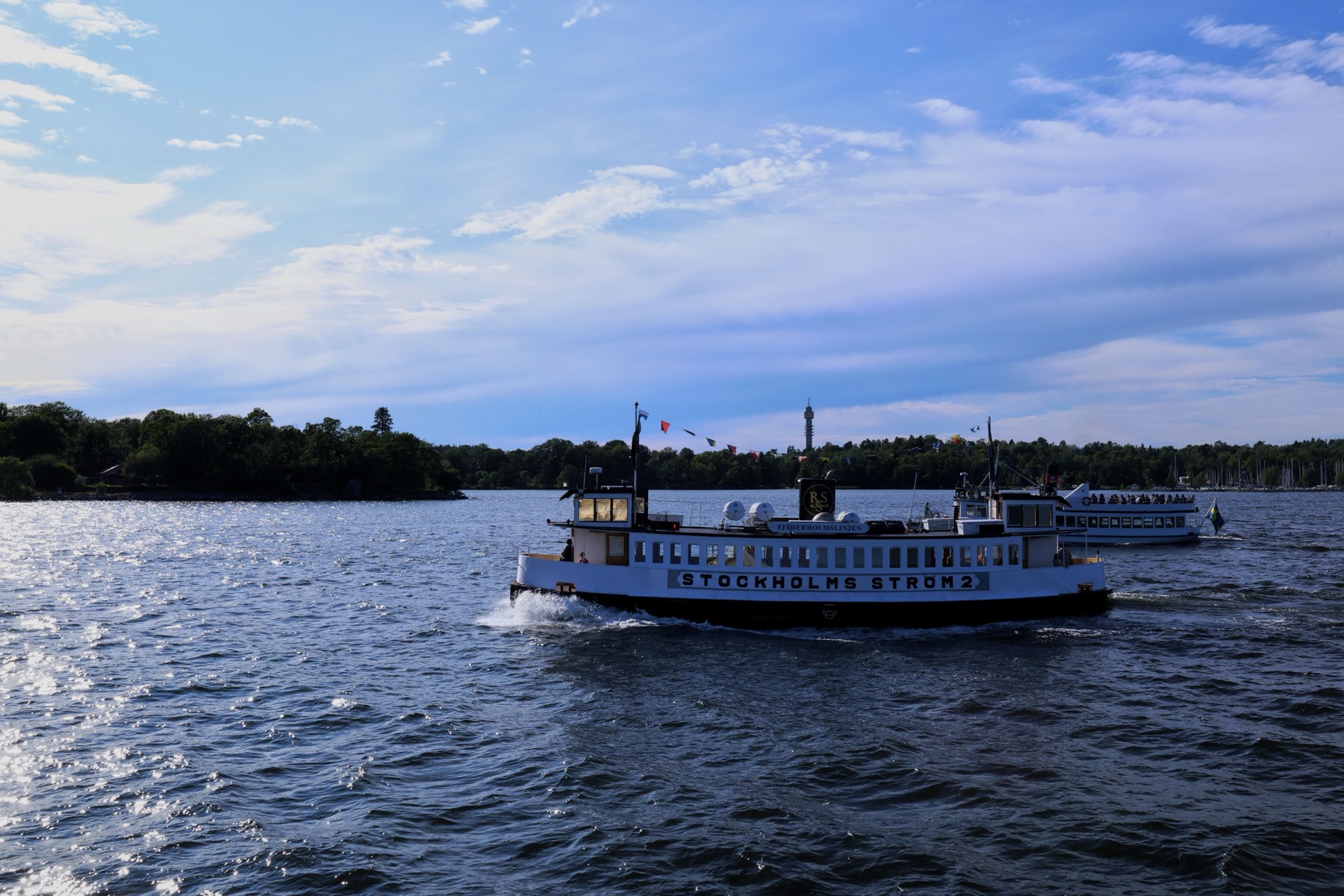
Getting to Drottningholm offers two completely different routes, and each has something going for it. The most romantic and by far the most beautiful option is a trip on a historic steamboat that transports you into the last century for a while. The cruise across the calm Lake Mälaren offers wonderful views of Stockholm’s shoreline, and that moment when the silhouette of the royal palace first appears on the horizon is simply priceless. You can sit on deck, sip your coffee and let the wind ruffle your hair.
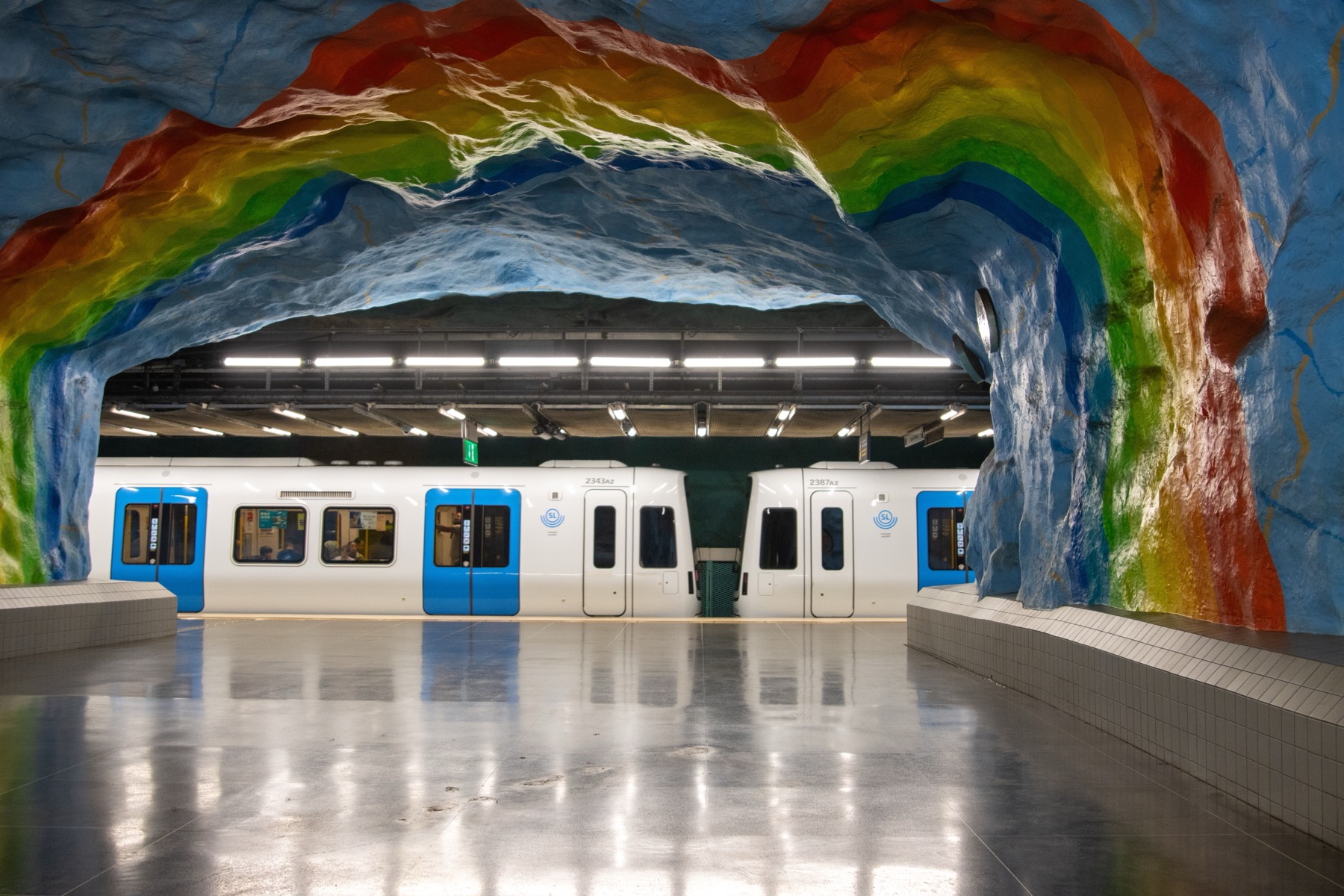
But if you need to save time or you’re travelling on a tighter budget, Stockholm’s metro will get you there reliably and noticeably faster — and while waiting for your connection you can even photograph those wonderfully painted stations. The transfer to the bus is then completely seamless and hassle-free.
Whether you choose water or land, the journey to the palace works as a great overture to the whole experience. The palace was historically built to impress visitors arriving by water the most, so if you have the chance, I recommend taking the boat for at least one leg — ideally the morning one on the way there.
💡 Tip: Many travellers cleverly combine the two options. In the morning they take the sightseeing boat to the palace to enjoy that grand arrival by water, and in the afternoon they head back to the centre on the fast metro, once they’re tired from all the walking and want to be back at the hotel as soon as possible.
Photo: Şengül Keleş / Pexels
8. When to arrive and how to avoid the crowds
Drottningholm is immensely popular, and it can get really packed during the summer months. The palace sees the biggest surge of tourists and organised tours from giant cruise ships between 11 a.m. and 2 p.m., when it can be a struggle to get a nice photo without strangers in the frame. The palace corridors can feel a little tight at this time.
If you want to enjoy emptier chambers and a quiet park, the ideal strategy is to arrive right at opening time, which is usually 10 a.m. Always double-check the specific month on the website, since the times shift slightly by season. You’ll have roughly an hour and a half of pure time for the most beautiful halls before the main wave of visitors arrives. Another great option is an afternoon visit after 3 p.m., when most big groups are already heading back to the centre for dinner and the grounds empty out pleasantly.
July in Sweden is the time of the so-called industrisemester, when almost the whole country takes its collective holidays and heads out sightseeing. In this month, expect the absolute peak of the season at Drottningholm and the longest queues at the ticket desks. Travelling outside the main holidays, typically in May, June or September, will give you a much calmer and more authentic experience of the whole place.
💡 Tip: If you don’t mind slightly worse weather, a winter visit to the palace has a truly one-of-a-kind charm. The snow-covered park looks like something out of a fairy tale, and inside the palace you’ll often have the state halls almost to yourself. Just don’t forget to check the winter opening hours — it’s usually open mainly at weekends.
Photo: TBD Traveller / Pexels
9. How much time to set aside for the visit
Definitely don’t count on popping in for a quick hour and heading straight off again. Drottningholm is a genuinely solid half-day trip that requires a certain time investment to be worth it and to enjoy at a relaxed pace. Just the journey from Stockholm and back will take you at least an hour and a half (if you go by public transport) to more than two hours (if you choose the sightseeing boat).
For the main palace itself and carefully working through the state halls you’ll need roughly 60 to 90 minutes of pure time, especially if you like to stop and study the historical details. The Chinese Pavilion lies fairly deep in the park, so the walk there and touring it will take you at least another hour. On top of that, the palace theatre can only be seen with a guide on a commented tour, which usually lasts 45 minutes.
Once you add in time for an afternoon coffee, the essential photos in the gardens and a walk through the sprawling English park, you’ll safely reach 3 to 4 hours spent purely on the island. So it’s ideal to set off first thing in the morning, take everything in at a relaxed pace, have lunch at the palace café and head back to Stockholm in the early afternoon.
💡 Tip: Don’t try to cram Drottningholm and another big Stockholm museum like the Vasa into a single day. You could probably manage it physically, but you’d just end up unnecessarily rushed and worn out from both experiences.
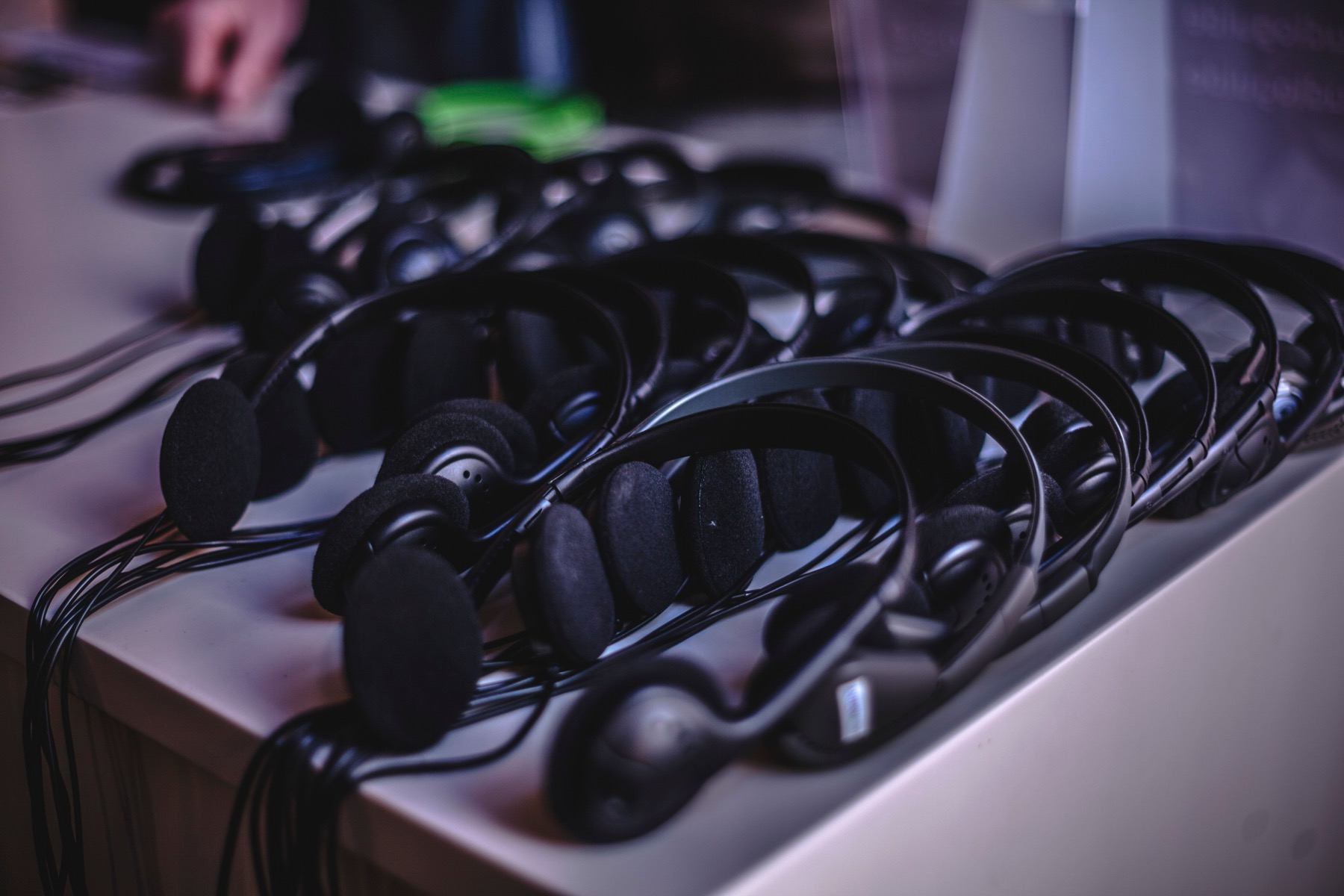
Do you hate being herded along in an organised group with someone dictating your pace? Drottningholm takes a very modern and welcoming approach here. You can download the official app completely free straight to your smartphone — it’s called Kungliga slotten (The Royal Palaces) and works as an absolutely brilliant personal audio guide to the whole complex.
This handy app is available in English and several other world languages. It offers very detailed commentary on individual rooms, paintings and statues in the park, so you’ll learn plenty of historical gossip and context. Just don’t forget to pack your own headphones and you can explore the whole palace at your own pace. Stop where it interests you most, and simply move faster through the rooms that don’t grab you as much.
The app works offline too, so you don’t have to worry about mobile data, and although there is Wi-Fi on the grounds, you can’t really rely on it everywhere across the sprawling park.
💡 Tip: If you still prefer a live voice to technology, guided tours in English are held here regularly during the summer season, from January to the end of September. These tours are often included right in the price of the basic ticket — you just need to turn up on time at the designated meeting point in the main courtyard.
Photo: Kampus Production / Pexels
11. Visiting Drottningholm with kids
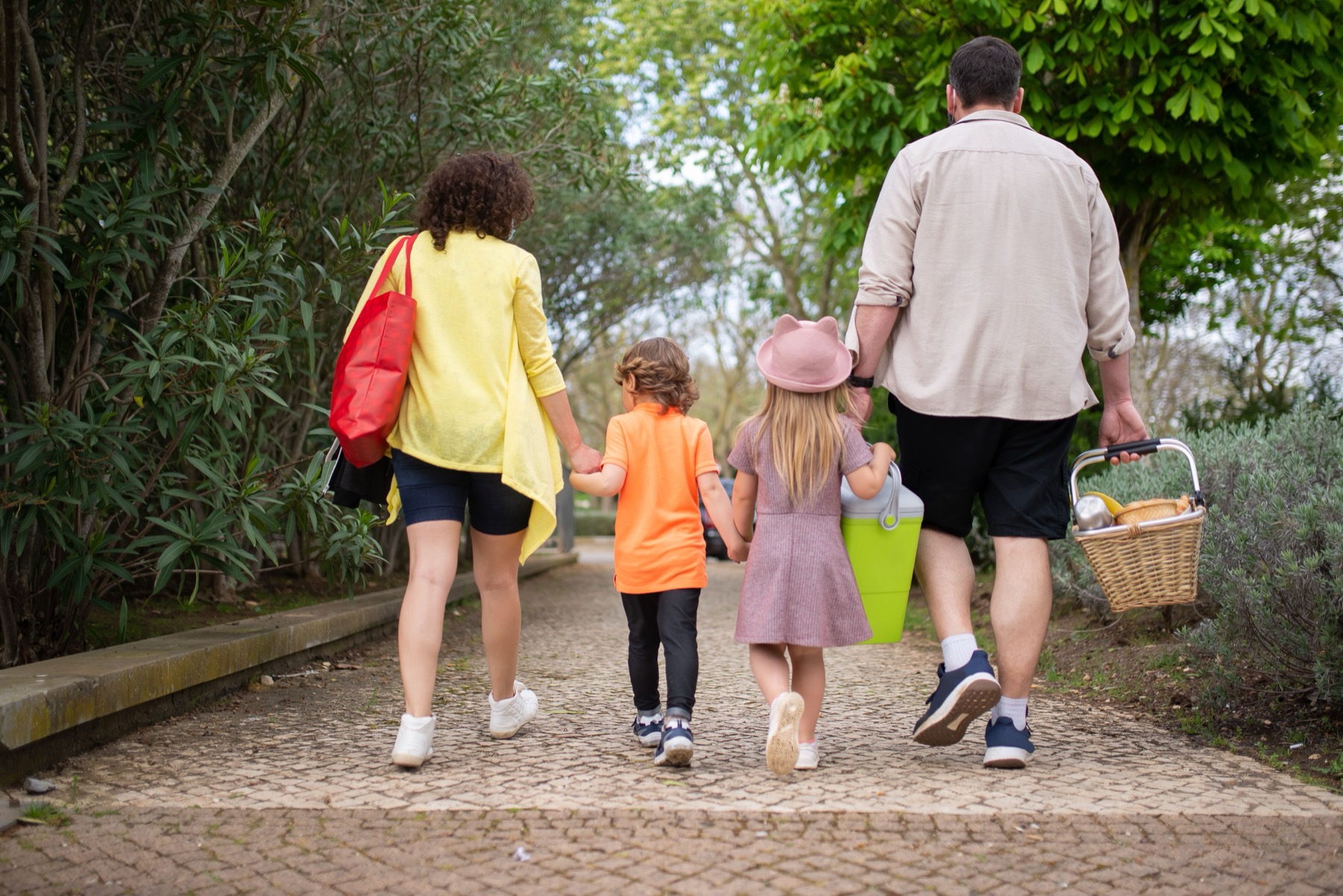
You might think dragging small children to a Baroque palace full of fragile historical furniture and gold ornaments is pure madness, but Swedes are extremely family-friendly and tolerant. During the summer months and school holidays there’s a special children’s programme here, where young visitors can actively join in various treasure-hunt games and fun historical quizzes right in the palace chambers.
But the real paradise for kids is clearly the adjacent palace park. The English section of the gardens with its large lawns practically invites running and family picnics. Nobody will scold you here when the children play on the grass or run around the trees. The local mazes made of tall hedges are also a huge hit, where you can get lost for a surprisingly long time and kids absolutely love it.
What’s more, the palace is largely barrier-free and accessible with a pram. Prams can’t, for understandable reasons, be taken directly into the historical halls to protect the precious floors and furniture, but there are safe spots ready right by the entrances where you can leave them parked without worry. You can then comfortably walk the interiors with smaller kids by the hand or in a carrier.
💡 Tip: A huge advantage for the family budget is the fact that all children and young people up to and including age 17 get free entry to all the indoor palace exhibitions. You only pay for the adult companions.
Photo: Ea Ehn / Pexels
12. Where to eat and vegetarian tips nearby
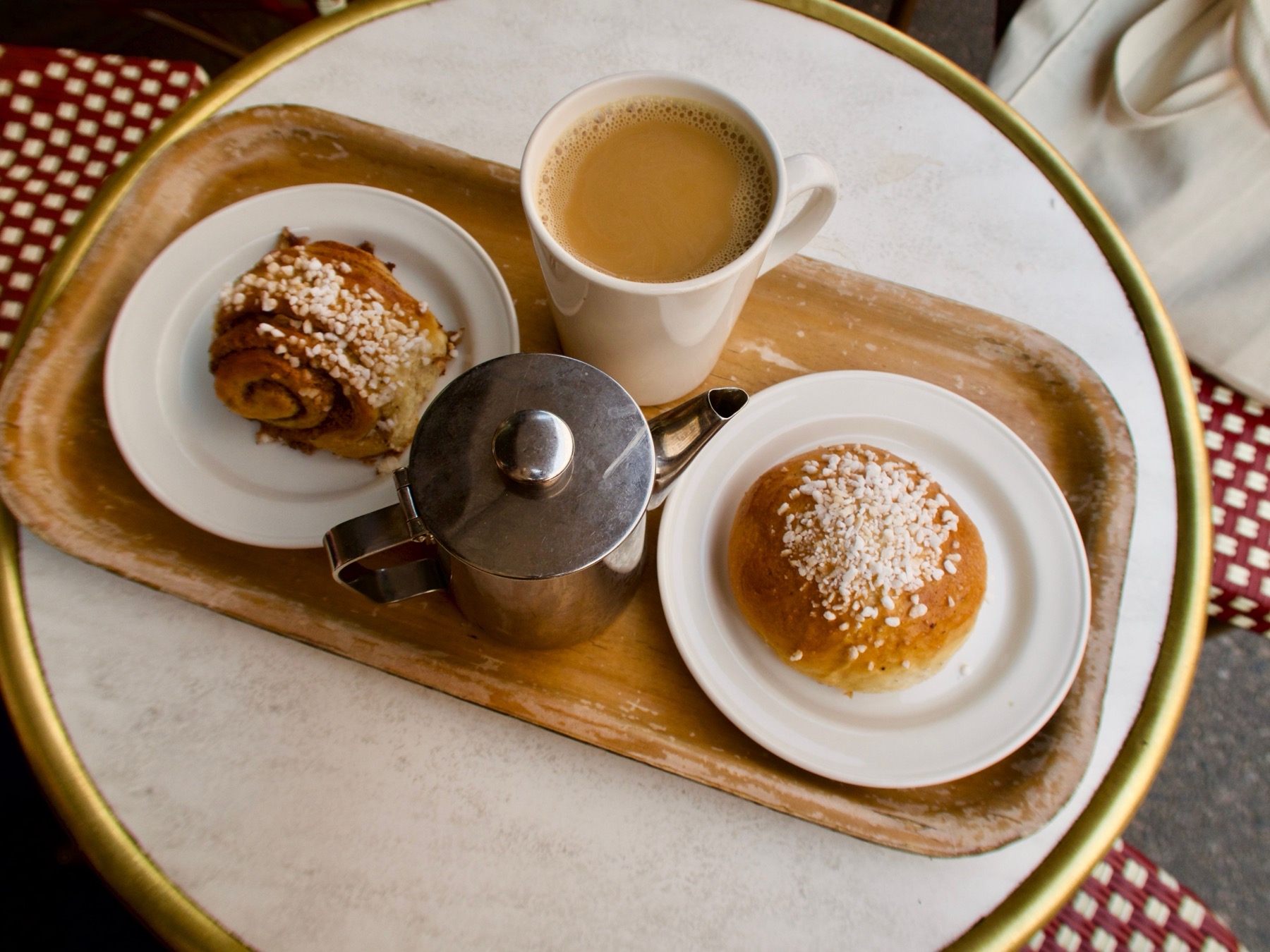
Exploring royal history reliably works up an appetite, and luckily the complex is superbly prepared for visitors. Right by the main palace entrance you’ll come across Karamellan Café, a cosy palace café and restaurant that offers absolutely fantastic surroundings for a traditional Swedish fika (coffee break). You can settle in comfortably inside or on the lovely outdoor terrace with a great view right over the water.
For vegetarians, Swedish cuisine is generally very welcoming, and Karamellan is certainly no exception. Definitely try their salad bowls or the vegetarian cheese sandwich — they’re properly filled and come perfectly in handy after a morning of marching through the park. And your afternoon coffee simply can’t be without a freshly baked cardamom bun (kardemummabulle), which is genuinely renowned here and smells beautiful from a distance. You’ll find another smaller café with excellent sweet waffles right by the Chinese Pavilion.
Prices in the palace cafés are understandably a touch touristy — a coffee with a sweet pastry will cost you roughly 75 to 100 SEK (about €7 to €9) — but for the setting it’s definitely worth it.
💡 Tip: If you want to save a little and enjoy the very best the grounds have to offer, buy fresh bread, cheese and vegetables in central Stockholm in the morning and treat yourself to a luxurious royal picnic. In the sprawling English park you’ll find hundreds of perfect spots in the shade of old trees where you can lay out a blanket and lunch with a view of the Baroque facades.
Photo: Efrem Efre / Pexels
How to Get to Drottningholm
The logistics of the trip are surprisingly simple — you just need to decide whether you prefer romance, or speed and a low price.
If you want to turn the journey into a full-blown experience, the historic steamboat is the clear choice. Boats run by Strömma depart in the summer season straight from central Stockholm at the Stadshusbron quay, which you’ll find right next to the famous City Hall. The cruise itself across the calm Lake Mälaren takes roughly 50 minutes. A return ticket will cost you around 260 SEK (about €24). I recommend buying tickets online in advance, since these sightseeing boats tend to sell out fairly fast during the summer months. There’s usually a small buffet on board, so you can enjoy a morning coffee with the views.
The second, significantly cheaper and faster option is to use Stockholm public transport (SL). In the centre you board the metro (blue line) and ride to Brommaplan station. The underground journey takes a short while, and at Brommaplan you just walk up the stairs straight to the bus station. There you hop on the connecting bus line 176 or 177, which drops you off in just under 10 minutes at the Drottningholm stop, only a few steps from the palace gate. The whole journey takes about 40 minutes.
The huge advantage of the metro and bus is the price. A standard single ticket for 42 SEK (about €4) applies here. And if you’ve bought a multi-day or monthly pass, the trip to the palace is essentially completely free. That’s especially worth it in 2026, when state subsidies have brought the price of the monthly pass down to 530 SEK.
💡 Tip: If you have a rental car, there’s a spacious central car park (Karamellan parking) at the palace. It’s usually paid, though, and fills up quickly in the summer peak. Another option is to cycle from Stockholm — safe, quality bike paths run alongside the roads, and the ride from the centre takes roughly 45 to 60 minutes at a leisurely pace.
Photo: Kirandeep Singh Walia / Pexels
A Half-Day Trip Step by Step
To make planning easier and save you from any needless fumbling on the spot, I’ve put together an ideal timetable for the whole trip. This plan assumes you want to avoid the worst of the crowds and enjoy the palace in as much peace as possible.
9:00 a.m. Departure from Stockholm: Set off from the city centre. If you’re going by metro you have plenty of time; if you’re taking the boat, be at the City Hall a little early so you can grab the best spots on the outdoor deck.
10:00 a.m. Palace opening and the main palace: Arrive at the gates on the dot of ten. Head straight into the main palace to the state halls. You’ll have roughly an hour to walk through the Ehrenstrahl bedchamber, the library and the gallery in relative calm, without having to dodge the big groups from the cruise ships, who are still having breakfast in the harbour.
11:30 a.m. Moving into the park and the Chinese Pavilion: Step out of the palace and immerse yourself in the sprawling gardens. Walk through the French Baroque section and head towards the Chinese Pavilion. You’ll spend around 45 minutes here admiring the Rococo architecture and exotic wallpapers.
12:30 p.m. Palace lunch or picnic: Time to refuel. Either sit down at the café by the Chinese Pavilion for fresh waffles, lay out a blanket in the English park for your own picnic, or slowly make your way back to the entrance gate to Karamellan Café for a hearty vegetarian sandwich and a proper coffee.
1:30 p.m. Palace theatre: After a good lunch, join the guided tour of the historic Slottsteater theatre. The tour lasts 45 minutes and you’ll learn all about the fascinating 18th-century wooden machinery.
2:30 p.m. Back to Stockholm: You’re full of impressions and you’ve got a few kilometres in your legs. It’s the ideal time to head back to the centre, whether by boat or bus, so you can rest for a while at the hotel before an evening of exploring Stockholm’s streets.
💡 Tip: You can of course stretch this timetable however you like. If you hit lovely weather, there’s absolutely no problem spending another two hours just lying on the grass in the English park.
Practical Summary and Approximate Prices (2026)
Sweden is an almost 100% cashless country, and the Drottningholm grounds are no exception. You’ll pay for tickets, coffee and souvenirs by card only — cash really is happily refused here. Admission is also dynamic and changes depending on the season, so I always recommend verifying the final prices on the official site kungligaslotten.se.
For easier orientation, count on a rate of roughly 1 SEK = €0.09.
Ticket to the main palace (adults): approx. 160–180 SEK (€15–17)
Ticket to the Chinese Pavilion: approx. 120 SEK (€11)
Combined ticket (palace + pavilion): approx. 230 SEK (€21), the best-value option in the summer season
Children and young people up to and including 17: FREE ENTRY to all buildings
Palace park and gardens: FREE ENTRY year-round
Coffee and a cinnamon bun at the café: approx. 75–100 SEK (€7–9)
Return ticket on the steamboat from the City Hall: approx. 260 SEK (€24)
Metro and bus (SL ticket for 75 min): 42 SEK (€4)
Photo: Katrīne Skrebele / Pexels
Where to Stay in Stockholm for an Easy Trip
💡 Accommodation and experience tip: We prefer to look for accommodation on Booking.com, where the cancellation terms tend to be the best. Tickets, tours and activities are then worth comparing and buying through GetYourGuide.
If you’re planning a trip to Drottningholm, it’s ideal to stay in Stockholm close to the main transport hubs so you don’t waste too much time in the morning crossing the city. Look for hotels either within walking distance of the City Hall (where the sightseeing steamboats depart), or near the blue metro line stations, which will quickly and comfortably take you to the Brommaplan interchange for the connecting buses.
Here are 3 specific tips for great accommodation, chosen for transport and quality:
Radisson Blu Waterfront Hotel: Just a few steps from the main train station and Stockholm City Hall. The location is genuinely ideal — it’s a few minutes’ walk from breakfast to the steamboat, and the views of the lake and the City Hall tower are a bonus that sets a great morning mood.
Scandic Grand Central: A classic Swedish hotel right by the main train station — clean, comfortable, and with the metro right under your nose. If you decide to take the metro and bus to the palace, it’ll save you loads of time on the early wake-up. Plus they have a great café right on the ground floor.
Castle House Inn: A more budget-friendly and very cosy option tucked right in the heart of the historic Gamla Stan. The rooms are smaller, but they have a wonderful old-town atmosphere. From here it’s a lovely, roughly fifteen-minute walk along the water to the City Hall for the steamboat, which will reliably wake you up first thing in the morning.
Where to Go Next
If you’ve already got Drottningholm behind you and you’re wondering what to add to your Swedish itinerary, Stockholm and its surroundings offer countless more experiences. Here are our best tips to help you plan the rest of your trip:
A standard adult ticket to the main palace costs around 160–180 SEK (approximately €14–16), depending on the season. In summer, a combined ticket with the Chinese Pavilion for about 230 SEK is excellent value. A huge advantage is that all children and youth up to 17 years old have completely free entry to all interior buildings.
What’s the best way to get there from Stockholm?
You have two main options. The quickest and cheapest is to take the metro (blue line) to Brommaplan station and then continue on bus line 176 or 177, which takes about 40 minutes in total and is covered by a standard public transport ticket. A more romantic but pricier option is the historic steamboat ride directly from Stockholm City Hall, which takes just under an hour.
Does the Swedish king really live at the palace?
Yes, Drottningholm has been the permanent and official residence of the royal family since 1981. King Carl XVI Gustaf and Queen Silvia occupy the southern wing of the palace, which is strictly guarded and closed to the public. The rest of the extensive complex, including the main state rooms, remains open to visitors.
How much time should I allow for the visit?
For the journey itself, a tour of the main palace, a visit to the Chinese Pavilion, and a pleasant walk through the expansive gardens, you should definitely allow 3 to 4 hours of pure time. With transport to and from central Stockholm, this makes for a solid half-day trip that’s worth taking at a relaxed pace.
Is the palace open in winter too?
Yes, Drottningholm is accessible year-round, although in the winter months you’ll need to expect very limited opening hours (often only open on weekends and closing early in the afternoon). However, the palace park is freely accessible every day of the year and has an absolutely magical atmosphere under a blanket of snow.
Can you visit the historic theater?
The Palace Theater (Slottsteater) can be visited, but only as part of organized guided tours, which are usually held from spring to autumn. During the summer season, opera performances are also staged here, but tickets need to be secured many months in advance.
Is a trip to Drottningholm suitable for children?
Absolutely! Although it’s a historic palace, the Swedes are very welcoming to families with children. In summer there are special children’s programs and treasure hunts, entry is free for everyone under 17, and the endless English-style park with its hedge mazes is an ideal place where kids can run around safely.
Do I have to pay to enter the park?
No, entry to the vast palace park, which includes both the French baroque garden full of fountains and the wilder English-style park, is completely free all year round. Many locals come here just for a weekend picnic or afternoon stroll without ever going into the interior exhibitions.
Tips and Tricks for Your Vacation
Don’t Overpay for Flights
Search for flights on Kayak. It’s our favorite search engine because it scans the websites of all airlines and always finds the cheapest connection.
Book Your Accommodation Smartly
The best experiences we’ve had when looking for accommodation (from Alaska to Morocco) are with Booking.com, where hotels, apartments, and entire houses are usually the cheapest and most widely available.
Don’t Forget Travel Insurance
Good travel insurance will protect you against illness, accidents, theft, or flight cancellations. We’ve had a few hospital visits abroad, so we know how important it is to have proper insurance arranged.
Where we insure ourselves: SafetyWing (best for everyone) and TrueTraveller (for extra-long trips).
Why don’t we recommend any Czech insurance company? Because they have too many restrictions. They set limits on the number of days abroad, travel insurance via a credit card often requires you to pay medical expenses only with that card, and they frequently limit the number of returns to the Czech Republic.
Find the Best Experiences
Get Your Guide is a huge online marketplace where you can book guided walks, trips, skip-the-line tickets, tours, and much more. We always find some extra fun there!
Nízkonákladové společnosti jako Ryanair nebo Wizz Air službu nedoprovázeného dítěte nenabízejí a bez dozoru dospělého s nimi mohou cestovat až šestnáctiletí. Pokud chceš poslat potomka na prázdniny letadlem samotného, musíš vybrat klasického dopravce.
U Smartwings mohou děti létat samy od šesti let, ale zaplatíš za ně plnou cenu dospělé letenky. Lufthansa přijímá malé cestovatele už od pěti let a asistence u ní vychází na 85 eur za jeden směr. V každém případě je ideální vybírat spojení bez přestupů.
Získáš přehled o všech potřebných dokladech a zjistíš, jak probíhá předání dítěte na letišti. Ukážu ti také pravidla pro malé alergiky, aby proběhla celá cesta bez zbytečných stresů.
Předání dítěte u nedoprovázených letů má pevný postup.
Shrnutí pro ty, kteří nemají čas číst celý článek
Nízkonákladovky děti samotné nevezmou: Ryanair, Wizz Air ani easyJet službu nedoprovázeného dítěte vůbec nevedou a samotné u nich může letět až od 16 let.
Smartwings má přísná pravidla: Služba funguje jen pro věk 6 až 11 let, musí se hlásit 48 hodin předem a dítě platí plnou cenu dospělé letenky.
Lufthansa bere děti od 5 let: Cena asistenční služby u tohoto dopravce začíná zhruba na 85 EUR za jeden směr.
Nové limity na tekutiny v Praze: Na Terminálu 2 (Schengen) platí od 1. 10. 2025 limit až 2 litry na nádobu, Terminál 1 má stále jen 100 ml.
Dětské mléko má výjimku: Kojenecká výživa a mléko nepodléhají běžným limitům, ale vždy se řídí bezpečnostními pravidly konkrétního letiště.
Souhlas s vycestováním je nutnost: Pokud dítě letí bez rodičů (s babičkou) nebo jen s jedním rozvedeným rodičem, potřebuje úředně ověřený souhlas.
Léky patří do kabiny: Život zachraňující medikaci nikdy nedávej do odbaveného kufru a měj u sebe potvrzení od lékaře v angličtině.
10 věcí, které musíš vědět o létání dětí bez doprovodu a se speciálními potřebami
Pokud plánuješ poslat svého potomka do světa bez rodičovského dozoru, zapomeň na to, že prostě koupíš levnou letenku a doufáš v nejlepší. Logistika je v tomto případě naprosto klíčová a každá aerolinka má svůj vlastní, často velmi nekompromisní manuál. Pojďme se podívat na deset nejdůležitějších bodů, které rozhodnou o tom, jestli tvoje cesta proběhne v klidu, nebo skončí slzami už u odbavovací přepážky.
1. Nízkonákladovky dítě samotné do letadla nepustí
Pokud máš doma čtrnáctiletého teenagera, který už naprosto běžně jezdí sám vlakem přes půl republiky a orientuje se ve velkoměstě, možná tě překvapí, že u nízkonákladových aerolinek tvrdě narazíš. Ryanair, Wizz Air ani easyJet totiž službu nedoprovázeného dítěte ve své nabídce vůbec nemají. Pravidla těchto společností jsou v tomto ohledu naprosto nekompromisní a samostatně u nich smí cestovat až mladí lidé od 16 let.
Žádné výjimky z tohoto pravidla neexistují, nepomůžou ti žádné podepsané formuláře od rodičů a ani nabídka tučného příplatku personál neobměkčí. Pokud je dítěti méně než 16 let, musí ho na palubě těchto aerolinek doprovázet starší osoba. U Ryanairu je navíc potřeba dát si pozor na detail u nejmenších dětí, protože jejich pravidla požadují, aby kojence do 2 let doprovázela osoba starší 18 let (přesnou hranici pro doprovod starších dětí si vždy ověř přímo na zákaznické lince dopravce).
Znamená to jediné. Kdo chce poslat mladší dítě samotné, musí automaticky vyřadit nejlevnější letenky z výběru. Tvojí jedinou možností je zvolit klasického síťového dopravce, případně takovou aerolinku, která má asistenční program pro nezletilé aktivně zavedený ve svých přepravních podmínkách a umí ho garantovat.
2. Jak funguje služba nedoprovázeného dítěte v praxi
Služba nedoprovázeného dítěte (v letecké terminologii označovaná zkratkou UMNR, tedy Unaccompanied Minor) je speciální placený asistenční program. Pokud si ho u vybrané aerolinky objednáš, letištní personál převezme za dítě plnou zodpovědnost od momentu, kdy ho předáš na odbavovací přepážce, až do chvíle, kdy si ho v cílové destinaci vyzvedne tebou pověřená osoba.
Český dopravce Smartwings tuto službu nabízí, ale je potřeba počítat s jasně danými mantinely. Služba je určena výhradně pro děti ve věku 6 až 11 let a pro mladší cestovatele zkrátka neexistuje, takže ti letět sami nesmí. Pokud máš školáka v tomto věkovém rozmezí, musíš asistenci objednat a nahlásit nejpozději 48 hodin před plánovaným odletem, jinak ti ji systém na letišti už nemusí povolit.
Pokud letíš někam dál nebo tvoje cesta vyžaduje přestup, narazíš na propracovanější systémy. Například Lufthansa má jeden z nejucelenějších programů v Evropě a dokáže se postarat o děti už od 5 let věku. Americké aerolinky mají tento proces ještě robustnější a pro děti od 5 do 14 let je u nich tato speciální asistence dokonce povinná, přičemž starší náctiletí si ji mohou přikoupit dobrovolně.
3. Kolik tě bude samostatná cesta dítěte stát
Nejštědřejší dopravci dávají kojenci i vlastní odbavené zavazadlo.
Poslat dítě samotné není levná záležitost, protože si nekupuješ jen letenku, ale platíš za čas a pozornost letištního personálu. Pokud využiješ služeb Smartwings, připrav se na to, že ačkoliv letí dítě, letenka se mu účtuje v plné ceně jako pro dospělého. Nepočítej tedy s žádnými dětskými slevami z tarifu, a k tomu se navíc připočítává poplatek za samotnou službu UMNR podle aktuálního ceníku dopravce.
U větších evropských aerolinek jsou poplatky za asistenci oddělené, ale také poměrně vysoké. Zmíněná Lufthansa si za službu pro nedoprovázené dítě účtuje částku, která začíná zhruba na 85 EUR za jeden směr. Tato cena se navíc může dále zvyšovat v závislosti na tom, do jaké konkrétní cílové destinace tvůj potomek cestuje a zda let obsahuje nějaké složitější přestupy na velkých evropských uzlech.
Ve srovnání se světem jsou ale evropské poplatky ještě docela milosrdné. Pokud bys posílala dítě přes oceán s americkými společnostmi jako American Airlines nebo Delta, zaplatíš za asistenci klidně i 150 USD za jeden směr. Alaska Airlines si za stejnou službu bere od 50 do 75 USD. V Evropě sice ušetříš za samotný poplatek, ale absencí této služby u levných nízkonákladovek se ti celkové náklady na cestu stejně výrazně prodraží.
4. Předání dítěte na odletu: Administrativa a postup
Bez souhlasu a dokladů dítě nikam nepoletí.
V den odletu s nedoprovázeným dítětem rovnou zapomeň na pohodlné online odbavení z domova přes mobilní aplikaci. S dítětem musíš přijet na letiště s velkým předstihem a vždy musíš fyzicky navštívit klasickou odbavovací přepážku (check-in), kde na tebe čeká poměrně dost papírování. U Smartwings například musíš na letiště přinést rovnou pět vyplněných kopií speciálního formuláře.
V tomto formuláři musí být naprosto přesně a bez chyb uvedeno, kdo dítě na letišti předává (včetně adresy, čísla dokladu a telefonu) a kdo si ho v cílové destinaci bude přebírat. Na přepážce dítě následně dostane na krk speciální plastovou kapsu (takzvaný UMNR pouch), do které se vloží letenka, pas a kopie formulářů. Tuhle kapsu nesmí dítě za žádných okolností během cesty sundat, funguje jako jeho hlavní poznávací znamení.
Po vyřízení papírů si dítě převezme asistent a ty se s ním loučíš ještě před bezpečnostní kontrolou. Důležité doporučení pro rodiče: Nikdy neopouštěj letiště, dokud letadlo reálně neodstartuje a není ve vzduchu. Pokud by se letadlo kvůli technické závadě muselo vrátit od brány zpět a let by zrušili, aerolinka ti dítě přivede zpátky a ty už nesmíš sedět v autě na dálnici cestou domů.
5. Přílet a vyzvednutí v cílové destinaci
Na příletovém letišti funguje celý asistenční proces naprosto zrcadlově. Palubní personál si dítě po přistání nenechá, ale předá ho určenému pozemnímu asistentovi. Ten s dítětem projde přes případnou pasovou kontrolu, pomůže mu u pásu s vyzvednutím odbaveného zavazadla a následně ho bezpečně vyvede až do veřejné příletové haly, kde už čeká pověřená rodina nebo známí.
Tady přichází ten nejkritičtější moment celé předávky. Dopravci naprosto striktně vyžadují, aby pozemní personál fyzicky zkontroloval občanku nebo pas přebírající osoby. Údaje na dokladu se musí na písmeno přesně shodovat s tím, co jsi jako rodič vyplnila do formuláře na odletovém letišti. Neprojde žádná zdrobnělina jména ani starý doklad.
Pokud by údaje z jakéhokoliv důvodu nesouhlasily, hrozí reálné riziko, že personál dítě prostě nevydá, protože bezpečnostní protokoly jsou v tomto ohledu neúprosné. Přesné podmínky tohoto předání a seznam akceptovaných dokladů si proto vždy raději dvakrát ověř přímo u své aerolinky, aby babička v cizině nečekala v slzách před zamčenými dveřmi letištní kanceláře.
6. Proč je lepší se u dětí vyhnout přestupům
Každý dopravce má jiná pravidla pro děti, rozdíly jsou velké. Foto: Andres Escalona Vergara / Pexels
Pokud to jen trochu logistika a nabídka letenek dovoluje, vždy hledej pro samotné dítě přímý let bez mezipřistání. Přestupy u služby nedoprovázeného dítěte sice velcí síťoví dopravci jako Lufthansa běžně zvládají, kdy asistent dítě vyzvedne z prvního letadla a odvede ho do vyhrazeného chráněného prostoru pro přestup, ale i tak to s sebou nese zbytečná rizika.
Představ si totiž situaci, kdy první let nabere velké zpoždění z důvodu počasí a dítěti nenávratně uletí navazující přípoj. Zatímco o dospělého cestujícího se aerolinka rutinně postará, pošle ho na hotel a letí další den, u malého dítěte to znamená obrovskou komplikaci. Nutnost řešit náhradní péči v cizím prostředí obrovského letiště je pro něj zbytečný a obrovský stres.
U dálkových letů do exotiky nebo do USA se proto vždy snaž celou logistiku vymyslet spíše tak, aby dítě letělo jedním přímým letem. Často se vyplatí i varianta, že s ním jeden z rodičů absolvuje cestu tam a obratem dalším letadlem poletí zpět domů. Ušetří to spoustu nervů ti i samotnému malému cestovateli.
7. Souhlas s vycestováním a doklady dítěte
Co se stane, když s dítětem neletí ani jeden z rodičů, ale doprovází ho třeba babička, teta nebo rodinná kamarádka? Samotné aerolinky s tím většinou nemají vůbec žádný problém a například Smartwings výslovně uvádí, že let s cizím dítětem nijak neomezuje. Klíčové je ovšem vybavit dospělý doprovod správným papírem, kterým je písemný souhlas zákonných zástupců s vycestováním.
Tento dokument je naprosto zásadní i v případě, že jsi rozvedená a letíš s dítětem k moři sama. ⚠️ Zda je v rámci Schengenského prostoru tento souhlas striktně povinným dokladem, je nutné vždy ověřit u advokáta nebo Ministerstva zahraničí, ale praxe ukazuje, že ho hraniční kontrola často chce vidět. Pokud narazíš na horlivého úředníka a souhlas nemáš, může se tvoje dovolená velmi nepříjemně zkomplikovat.
Pro klid duše si proto souhlas druhého rodiče nebo obou rodičů (v případě babiček) obstarej naprosto vždy. Dokument musí obsahovat identifikaci obou stran, cílovou destinaci, přesný termín cesty a měl by být připraven ve dvou jazycích (čeština a angličtina). ⚠️ Obecně se velmi doporučuje mít podpis na dokumentu úředně ověřený, zejména pokud letíš mimo Evropskou unii, kde jsou pravidla proti mezinárodním únosům velmi přísná.
8. Dítě s alergií na palubě letadla
Létání s dítětem, které trpí těžkou potravinovou alergií (například na arašídy), je disciplína vyžadující obrovskou opatrnost a plánování. ⚠️ Politiky jednotlivých dopravců ohledně ořechů a dalších alergenů se totiž velmi liší a nikdy se na ně nedá stoprocentně spolehnout. Pamatuj si hlavní pravidlo: žádná aerolinka na světě ti nedokáže zaručit prostředí zcela bez alergenů.
I když dopravce na daném letu oříšky záměrně neprodává, nemůže fyzicky zabránit tomu, aby si cestující o tři řady dál neotevřel vlastní svačinu. Jak tedy minimalizovat riziko? Alergii vždy hlas už při rezervaci letenky, nečekej až na nástup. Nikdy nespoléhej na jídlo z palubního prodeje a raději měj navařeno a sbaleno vlastní bezpečné jídlo z domova na celou cestu.
Jakmile nastoupíš do kabiny, vezmi antibakteriální ubrousky a důkladně otři sklopný stolek, područky a sponu bezpečnostního pásu. A to nejdůležitější: Adrenalinové pero (EpiPen) a antihistaminika musí být vždy a bez jediné výjimky ve tvém příručním zavazadle pod sedadlem. Nikdy nedávej tyto život zachraňující léky do přihrádky nad hlavou, protože když svítí nápis připoutej se, nesmíš k nim vstát.
9. Autismus, ADHD a letištní program Sunflower
Pro děti s poruchami autistického spektra (PAS), ADHD nebo těžkými úzkostmi je rušné letiště zhmotněním všeho, co jim dělá největší problém. Obrovský hluk, nečekané zvuky, ostrá světla a nutnost stát v dlouhých frontách. Skvělým pomocníkem je mezinárodní program Hidden Disabilities Sunflower, jehož symbolem je zelená šňůrka se žlutými slunečnicemi.
Tato šňůrka personálu letiště beze slov signalizuje, že dotyčný má neviditelné znevýhodnění a může potřebovat klidnější přístup nebo vysvětlení navíc. ⚠️ Pozor ale na českou realitu: Účast Letiště Praha na programu Sunflower se nám nepodařilo spolehlivě ověřit, takže na ni nespoléhej. Letiště Praha však nabízí bezplatnou 24hodinovou asistenční službu, kterou si můžeš předem objednat a která s průchodem letištěm pomůže.
U dětí se speciálními potřebami je klíčová prediktabilita a pečlivá příprava doma. Vyrob si společně sociální příběh s fotkami a popiš si, co se bude na letišti dít. Zabal do letadla sluchátka s potlačením hluku, protože v kabině je při vzletu silný kravál. Pokud má dítě problém s čekáním, využij klidové místnosti, které má Letiště Praha v obou terminálech, a k nástupu do letadla běž raději až jako úplně poslední.
10. Chronická onemocnění, tekutiny a léky
Léky patří do příručního, limit 100 ml se na ně nevztahuje.
Cestování s astmatem, diabetem nebo epilepsií vyžaduje bezchybnou přípravu cestovní lékárničky. Zásadní pravidlo zní, že léky na předpis patří výhradně do příručního zavazadla. Odbavený kufr se totiž může ztratit nebo zpozdit. Pokud vezeš injekční stříkačky nebo inzulínová pera, doporučuje se mít u sebe potvrzení od lékaře v angličtině, ačkoliv přesné požadavky určují pravidla konkrétního dopravce.
Pokud převážíš léky, které musí být v chladu, pořiď si termotašku s chladicími vložkami. ⚠️ Tady si dej pozor na bezpečnostní kontrolu: často se vyžaduje, aby gelové polštářky byly při průchodu rentgenem zcela zmrzlé, jinak je ostraha může vyhodit. U dětí, které špatně spí, tě možná napadne použít Melatonin. ⚠️ Důrazně varujeme: Melatonin se nesmí podávat dětem do 2 let a u starších dětí ho použij výhradně jen po předchozí konzultaci s tvým ošetřujícím lékařem. Léky na spaní do letadla obecně dětem nepatří.
Zajímavá situace je aktuálně kolem tekutin na pražském letišti. ⚠️ Na Terminálu 2 (lety do Schengenu) jsou od 1. 10. 2025 moderní CT skenery, takže si do letadla můžeš vzít nádobu až do objemu 2 litrů. Terminál 1 (lety mimo Schengen) má však stále stará pravidla a limit 100 ml. Dobrou zprávou ale je, že dětská výživa a mateřské mléko mají z těchto limitů výjimku v množství potřebném na cestu, a to podle pravidel letiště bez ohledu na to, s jakou aerolinkou letíš.
Praktické shrnutí a orientační ceny na rok 2026
Aby se ti v těch všech pravidlech a věkových limitech lépe orientovalo, připravila jsem dvě přehledné tabulky s fakty, která aktuálně pro rok 2026 platí. Zlomové věky jsou u dětí pro aerolinky absolutně klíčové a vyplatí se je znát dřív, než začneš klikat na rezervaci letenek.
Tabulka 1: Zlomový věk dítěte a co se mění
Věk dítěte
Co se mění v pravidlech aerolinek
:—
:—
2 roky
Dítě musí mít vlastní sedadlo a platí letenku. Pokud dovrší 2 roky během cesty, na zpáteční let už sedadlo potřebuje.
5 let
U Lufthansy začíná možnost využít placenou službu „Nedoprovázené dítě“ (od cca 85 EUR).
6 až 11 let
Věkové rozmezí, kdy lze objednat asistenci u Smartwings (vyžaduje 48 hodin předem a 5 kopií formulářů).
14 let
⚠️ Revize nařízení EU 261/2004 (schválena 13. 7. 2026, platná od poloviny 2027) zaručí dětem do 14 let bezplatné místo vedle rodiče.
16 let
Zlomový věk pro nízkonákladovky. Ryanair, Wizz Air a easyJet od 16 let konečně umožňují letět dítěti zcela bez doprovodu dospělého.
Tabulka 2: Přehled pravidel pro specifické situace a výbavu
Položka / Služba
Pravidla a doporučení pro rok 2026
:—
:—
Služba UMNR (dítě samo)
Smartwings 6-11 let (cena dospělé letenky). Lufthansa 5+ let (od 85 EUR). Low-costy službu vůbec nenabízejí.
Léky a EpiPen
Vždy pouze v kabinovém zavazadle pod sedadlem. Potvrzení od lékaře v angličtině je silně doporučeno.
Tekutiny na letišti Praha
Terminál 2 (od 1. 10. 2025): limit 2 litry. Terminál 1: limit 100 ml. Kojenecká výživa a mléko mají výjimku všude.
Souhlas s vycestováním
Nutný při cestě bez rodičů nebo s jedním (rozvedeným) rodičem. Podpis úředně ověřený, dvojjazyčný formulář.
Kam dál
Pokud tě čeká rodinná dovolená letadlem a chceš mít jistotu, že tě na letišti nebo na palubě nic nepřekvapí, určitě se mrkni i na naše další podrobné články, kde rozebíráme vše od balení až po usazení v kabině:
🔗 Odkazy jsou partnerské — vám cenu nezmění, nám pomáhají tvořit obsah. · Všechny zážitky →
Často kladené otázky
Od kolika let může dítě letět samo s Ryanairem?
U Ryanairu, stejně jako u Wizz Airu a easyJetu, může dítě letět naprosto samo až od dovršení 16 let. Tyto nízkonákladové aerolinky totiž službu nedoprovázeného dítěte vůbec neposkytují. Mladší děti musí vždy cestovat v doprovodu starší osoby, u nejmenších kojenců do 2 let vyžaduje Ryanair doprovod starší 18 let.
Jak je to s tekutinami a mlékem pro děti v Praze?
Dětská výživa a mateřské mléko mají na letišti výjimku a nepodléhají běžným limitům, množství ale musí odpovídat délce cesty. Jinak v Praze od 1. 10. 2025 platí, že na Terminálu 2 projdete s nádobou až do 2 litrů díky novým skenerům. Terminál 1 má stále přísný limit 100 ml.
Potřebuji souhlas otce, když letím s dítětem sama k moři?
Pokud jsi s otcem dítěte rozvedená, úředně ověřený souhlas s vycestováním se důrazně doporučuje, i když letíte jen v rámci Evropy. Při cestách mimo Schengen ho hraniční kontrola často vyžaduje. ⚠️ U dlouhodobých pobytů v zahraničí je souhlas absolutně nezbytný kvůli hrozbě mezinárodního únosu.
Co když má letadlo zpoždění, má dítě nárok na kompenzaci?
Podle nařízení EU 261/2004 má dítě nárok na finanční kompenzaci při zpoždění nad 3 hodiny, pokud mělo vlastní zaplacené sedadlo. ⚠️ U kojenců do 2 let letících na klíně je situace sporná; část aerolinek kompenzaci odmítá vyplatit, přesto doporučujeme žádost podat za všechny členy rodiny.
Můžu dát dítěti před letem léky na spaní, jako je Melatonin?
⚠️ Rozhodně ne bez porady s lékařem. Melatonin se nesmí podávat dětem do 2 let a u starších dětí by jeho použití měl vždy předem schválit pediatr. Léky na spaní nejsou řešením letištního stresu, mnohem lepší je děti na cestu připravit a zabavit je hračkami.
Co dělat, když nám u letadla poškodí kočárek?
Poškození kočárku musíte nahlásit ideálně ihned na letišti u přepážky reklamací zavazadel (Baggage Claim) a nechat si vystavit tzv. PIR protokol. Podle Montrealské úmluvy máte na podání písemné reklamace u aerolinky čas maximálně 7 dnů od letu, bez protokolu z letiště ale jen těžko něco vymůžete.
Jak dostanu vlastní autosedačku do letadla?
Pokud chcete dítěti do 2 let koupit vlastní sedadlo (není to povinné, může letět na klíně), musíte přinést certifikovanou autosedačku schválenou pro leteckou dopravu. Tuto informaci najdete na štítku sedačky. U některých dopravců, například u Smartwings, musíte letenku se sedačkou rezervovat telefonicky, online systém to neumožní.
Platí se za službu nedoprovázeného dítěte na letišti?
Ano, služba UMNR je vždy zpoplatněna. U Smartwings platíte plnou cenu letenky jako pro dospělého plus aktuální poplatek za službu. U tradičních dopravců, jako je Lufthansa, se platí fixní částka, která začíná na zhruba 85 EUR za jeden směr letu v rámci Evropy.
Tips and Tricks for Your Vacation
Don’t Overpay for Flights
Search for flights on Kayak. It’s our favorite search engine because it scans the websites of all airlines and always finds the cheapest connection.
Book Your Accommodation Smartly
The best experiences we’ve had when looking for accommodation (from Alaska to Morocco) are with Booking.com, where hotels, apartments, and entire houses are usually the cheapest and most widely available.
Don’t Forget Travel Insurance
Good travel insurance will protect you against illness, accidents, theft, or flight cancellations. We’ve had a few hospital visits abroad, so we know how important it is to have proper insurance arranged.
Where we insure ourselves: SafetyWing (best for everyone) and TrueTraveller (for extra-long trips).
Why don’t we recommend any Czech insurance company? Because they have too many restrictions. They set limits on the number of days abroad, travel insurance via a credit card often requires you to pay medical expenses only with that card, and they frequently limit the number of returns to the Czech Republic.
Find the Best Experiences
Get Your Guide is a huge online marketplace where you can book guided walks, trips, skip-the-line tickets, tours, and much more. We always find some extra fun there!
Švédský region Småland je pro mě osobně přesně tou pravou venkovskou idylou. Uprostřed hlubokých lesů a jezer tady stojí sklárny staré skoro tři sta let a jen o kousek dál leží vesnice, ve kterých vyrostly Pipi Dlouhá punčocha, Emil z Lönnebergy i Děti z Bullerbynu. Dokonale se tu propojuje drsná severská příroda s kouzlem nesmrtelné dětské literatury a špičkového světového designu.
Pokud hledáte tu nejlepší volbu pro cestu autem z trajektu, právě jste ji našli. Jižní Švédsko totiž nabízí archetypální krajinu plnou žulových balvanů a typických červených chalup, aniž byste museli jezdit tisíce kilometrů na drsný sever. A upřímně, pro rodiny s dětmi se v celé Skandinávii těžko hledá lepší místo.
Tenhle průvodce vás provede šestnácti tipy, které stojí za to — od sklárny Kosta Boda až po historický Kalmar. Poradím vám taky, kde se ubytovat, co ochutnat a kam si raději ani nezajíždět.
Foto: Efrem Efre / Pexels
Shrnutí
Srdce švédského venkova: Småland je domovem červených chatek u jezer, nekonečných lesů a fenoménu zvaného stuga.
Království skla (Glasriket): Historické hutě jako Kosta Boda nabízejí ukázky foukání skla i obří outlety.
Ráj pro rodiny: Zábavní divadelní park Astrid Lindgrens Värld ve Vimmerby patří k nejlepším rodinným zážitkům v Evropě.
Historický Kalmar: Renesanční zámek funguje jako brána na slunečný ostrov Öland.
Zrození fenoménu IKEA: V Älmhultu najdete vůbec první obchodní dům a fascinující muzeum designu.
Příroda a jezera: Národní park Åsnen nebo jezero Bolmen jsou ideální pro kanoistiku a cyklistiku.
Ceny a platby: Švédsko je téměř bezhotovostní, ceny jsou zhruba dvojnásobné oproti střední Evropě a kurz je přibližně 2,2 Kč za 1 SEK.
Foto: Petra Nesti / Pexels
Kdy vyrazit do Smålandu
Hlavní letní sezóna trvá od konce června do poloviny srpna, kdy má většina Švédů takzvaný industrisemester (průmyslovou dovolenou). V této době všechny atrakce, kempy a letní kavárny jedou na plné obrátky. Počasí v létě připomíná spíše severní Německo, teploty se pohybují kolem příjemných 20 až 25 stupňů a komárů je tu výrazně méně než na severu. Dny jsou nádherně dlouhé a světlo trvá dlouho do noci, což je naprosto ideální pro večerní grilování u jezera. Určitě si ale i v červenci přibalte dobrou větrovku a teplejší svetr, večery u vody umí být občas pěkně chladné.
Pokud vyrazíte v květnu nebo v září, užijete si nádherný klid a nižší ceny, ale musíte počítat s drobnými omezeními. Spousta sezónních hradů, muzeí a menších restaurací přechází na zkrácenou otevírací dobu, nebo rovnou zavírá, s cedulí, že majitelé odjeli na dovolenou. Zvláště u zábavních parků si proto vždy předem zkontrolujte aktuální otevírací dny, protože na podzim fungují často jen o vybraných víkendech.
Výjimkou je Království skla (Glasriket) a místní příroda, kam můžete vyrazit celoročně. Podzimní Småland se navíc mění v ráj pro houbaře a sběrače borůvek, které tu díky velkorysému právu volného přístupu do krajiny můžete sbírat zcela legálně kdekoli v lese. Sklárny fungují i v zimě, kdy horké pece nabízejí příjemný únik před severským mrazem a tvoří nádherný kontrast se zasněženou krajinou. Je to ten pravý čas na horkou kávu a dlouhé večery v teple.
Foto: Damir K . / Pexels
Kde se ubytovat ve Smålandu
💡 Tip na ubytování a zážitky: Ubytování si nejradši hledáme na Booking.com, kde bývají nejlepší storno podmínky. Vstupenky, výlety a aktivity se pak vyplatí porovnat a koupit přes GetYourGuide.
Småland je jako stvořený pro pronájem typické dřevěné chatky (stuga), ideálně přímo na břehu některého z tisíců tichých jezer. Tento styl ubytování vám dá obrovskou svobodu a vlastní kuchyňku, což je při švédských cenách v restauracích naprosto nedocenitelná výhoda. Dejte si jen pozor na to, že povlečení a ručníky nebývají v základní ceně a musíte si je buď přivézt vlastní, nebo si za ně docela znatelně připlatit. Stejně tak se často doplácí za závěrečný úklid (slutstädning), pokud si chatu před odjezdem nechcete perfektně uklidit sami 😅.
Pokud dáváte přednost hotelům nebo plně vybaveným kempům, nabídka je tu opravdu široká a velmi kvalitní. Pro rodiny s dětmi dává největší smysl ubytovat se v okolí města Vimmerby, odkud to máte blízko do všech pohádkových parků a nemusíte s malými cestovateli trávit hodiny v autě. Páry naopak často volí romantické penziony poblíž historických skláren nebo přímo u pobřeží nedaleko Kalmaru, odkud se dá snadno přejet na slunečný ostrov Öland.
Zde jsou konkrétní tipy na ubytování, které cestovatelé dlouhodobě doporučují a mají skvělé recenze:
Kosta Boda Art Hotel: Naprosto unikátní designový hotel přímo v srdci Království skla, kde je vše od lustrů až po barový pult vyrobeno ze skla. Cena za dvoulůžkový pokoj s vynikající snídaní začíná kolem 1 800 SEK (cca 3 960 Kč) za noc.
Smålandsbyn i Vimmerby: Skvělá volba pro rodiny, které míří za Astrid Lindgrenovou, protože areál nabízí malebné červené domečky kousek od zábavního parku. Noc ve vybavené chatce vyjde zhruba na 1 200 SEK (cca 2 640 Kč).
Ödevata Gårdshotell: Ekologický venkovský hotel s úžasnou atmosférou uprostřed lesů a jezer nedaleko Emmabodu, ideální pro milovníky přírody a večerního koupání. Pokoje se pohybují od 1 100 SEK (cca 2 420 Kč) za noc.
First Camp Vimmerby: Velký a perfektně vybavený kemp, který nabízí místa pro karavany i pronájem chatek, často s bazénem a obřím dětským hřištěm. Chatky v hlavní sezóně startují na 900 SEK (cca 1 980 Kč).
Hestraviken Hotell: Luxusnější venkovské sídlo u řeky Nissan nedaleko Isabergu, které oceníte ve chvíli, kdy hledáte klid a blízkost outdoorových aktivit. Noc pro dva vyjde na 1 600 SEK (cca 3 520 Kč).
Foto: Saiful Islam ƦƲƁЄԼԼ / Pexels
16 tipů, co vidět a dělat ve Smålandu
Následující seznam vás provede tím nejlepším, co jižní Švédsko nabízí, ať už cestujete s malými dětmi, nebo spíše hledáte tichou přírodu a pohlcující historii. Småland je obrovský region a vzdálenosti mohou na mapě trochu klamat, proto doporučuji vybrat si jen konkrétní oblasti a zbytečně netrávit celé dny zavření v autě. Dovolená tady má být přece hlavně o zpomalení!
Foto: CHG / Wikimedia Commons, Public domain
1. Astrid Lindgrens Värld ve Vimmerby
Tento obrovský divadelní park Astrid Lindgrens Värld přiláká ročně kolem půl milionu návštěvníků a tvoří naprostý středobod většiny rodinných dovolených ve Švédsku. Žádné blikající horské dráhy ani hlučné pouťové atrakce tu nečekejte, celý park stojí na rozlehlých kulisách z příběhů Astrid Lindgrenové, které se rozkládají na ploše neuvěřitelných 180 000 metrů čtverečních a děti se v nich mohou naprosto volně pohybovat.
Během celého dne tu na různých místech neustále probíhají živá divadelní představení, po kterých herci plynule seskočí z pódia a začnou si hrát přímo s dětmi. Můžete prolézat ikonickou Vilu Vilekulu, navštívit obrovský Mattisův hrad plný zpívajících loupežníků nebo prozkoumat spletité střechy, po kterých běhal Karkulín. Vše je nesmírně autentické, do detailu promyšlené a zasazené do krásného lesoparku, který poskytuje dostatek stínu i v horkých letních dnech. Rodiny z celého Švédska si sem mimochodem s oblibou nosí vlastní dřevěné vozíčky narvané jídlem na celý den a pořádají pikniky přímo na trávě.
Park je ideální především pro děti od tří do deseti let, které příběhy znají a nechají se okamžitě vtáhnout do děje. I když představení probíhají ve švédštině, vizuální stránka je natolik silná, že jazyková bariéra vůbec nevadí. Vstupné funguje dynamicky podle sezóny, přičemž v těch nejrušnějších letních měsících zaplatíte za dospělého i přes 450 SEK (cca 990 Kč), zatímco děti do dvou let mají vstup zcela zdarma.
💡 Tip: Park je opravdu obrovský a za jeden den ho celý nestihnete projít tak, aby si to děti užily v klidu bez stresu. Zvažte zakoupení dvoudenní vstupenky, která vyjde finančně podstatně lépe a umožní vám rozložit si zážitky.
Foto: Damir K . / Pexels
2. Vimmerby a rodný dům Näs
Samotné městečko Vimmerby je na první pohled malebné a velmi klidné, ale jeho hlavním kulturním tahákem je skutečný rodný dům spisovatelky, který najdete pod názvem Astrid Lindgrens Näs. Místo nabízí naprosto fascinující pohled na to, kde slavná autorka čerpala svou prvotní inspiraci pro všechny ty nesmrtelné příběhy, které dnes zná celý svět.
Součástí rozlehlého areálu je moderní expozice o jejím životě, a překvapí vás, jak otevřeně mluví i o těžších kapitolách jejího mládí. Kolem domu se rozkládají rozlehlé zahrady plné květin a starých stromů, které přímo vybízejí k pomalé procházce. Zahrady jsou pečlivě rozdělené do různých tématických částí a odrážejí spisovatelčinu celoživotní lásku k přírodě a svobodě. Uvnitř muzea navíc nechybí ani krásný obchůdek, kde koupíte snad každou knihu, jakou kdy Astrid napsala.
Součástí komplexu je také výborná kavárna s venkovním posezením, kde si můžete dopřát tradiční švédskou fiku (silnou kávu se sladkým skořicovým pečivem) a jen tak pozorovat okolí. Vstupenka do hlavní expozice a přilehlých zahrad vyjde dospělého přibližně na 190 SEK (cca 418 Kč). Pro dospělé návštěvníky a milovníky literatury je toto místo často mnohem silnějším zážitkem než samotný nedaleký zábavní park.
💡 Tip: Vyhraďte si na návštěvu alespoň tři hodiny, protože čtení osobních dopisů a prohlížení historických fotografií vás snadno pohltí na delší dobu, než byste původně čekali.
Foto: Damir K . / Pexels
3. Katthult a Gibberyd: Filmový statek
Pokud jste vy nebo vaše děti někdy milovali televizní seriál o zlobivém Emilovi z Lönnebergy, vesničku Gibberyd zkrátka musíte vidět na vlastní oči. Právě tady se v sedmdesátých letech natáčely všechny ty slavné filmy a celý statek Katthult tu stojí dodnes přesně v takové podobě, jakou si pamatujete z televizních obrazovek.
Projdete se po velkém dvoře, podíváte se na červený dům se stožárem (ten, kam Emil vytáhl místo vlajky svou malou sestru Idu) a kolem vás se v naprostém klidu pasou hospodářská zvířata, přesně tak, jak si to pamatujete z televizní obrazovky. Během návštěvy můžete samozřejmě nakouknout přímo do Emilovy slavné kůlny na dřevo, kde sedí desítky malých vyřezávaných panáčků.
Vstup na statek je v porovnání s jinými švédskými atrakcemi překvapivě levný (zaplatíte kolem 60 SEK, tedy zhruba 132 Kč) a celá prohlídka vám zabere přibližně jednu hodinu. Je to krásná, nenáročná zastávka na vaší trase, která vás okamžitě přenese v čase zpět do bezstarostných dětských let.
💡 Tip: Statek bývá nejvíce přeplněný kolem poledne, proto doporučuji přijet hned ráno po otevírací době, kdy budete mít celý dvůr i kůlnu téměř sami pro sebe.
Foto: Efrem Efre / Pexels
4. Bullerbyn a skutečný Sevedstorp
Jen malý kousek cesty od Vimmerby leží nenápadná vesnička Sevedstorp, která je skutečnou historickou předlohou pro milované Děti z Bullerbynu. Stojí zde přesně ty tři vedle sebe seřazené domy (Severní, Střední a Jižní dvůr), ve kterých vyrůstal otec Astrid Lindgrenové a kde se později natáčely i samotné filmové adaptace, které si spousta z nás pamatuje z televize.
Tyto ikonické domy jsou v soukromém vlastnictví místních obyvatel a nedá se proto jít přímo dovnitř, ale můžete se naprosto volně projít po návsi. Děti tu mohou skákat do sena ve staré stodole, prolézat duté stromy a nasávat tu neuvěřitelně poklidnou venkovskou atmosféru. Připadáte si tu úplně, jako byste se ocitli přímo uprostřed rozečtené knížky. Kdybyste hledali pohodu v té nejčistší podobě, najdete ji pravděpodobně právě tady.
Během letní sezóny je místo oživené a velmi vstřícné k návštěvníkům. Návštěva Sevedstorpu je naprosto ideální pro rodiny, které hledají klidnější alternativu k velkým a rušným zábavním parkům, protože tady se čas opravdu tak trochu zastavil.
💡 Tip: Přímo u domků funguje přes léto malebná kavárna Café Sörgården, kde dělají vynikající čerstvé vafle s domácí marmeládou. Dejte si tu odpolední kávu, posaďte se na dřevěnou lavičku a užívejte si ten nejčistší švédský venkov.
Foto: Magda Ehlers / Pexels
5. Kosta Boda: Nejstarší sklárna Švédska
Když se řekne Glasriket neboli slavné Království skla, Kosta Boda je jeho absolutním nekorunovaným králem. Tato ikonická sklárna byla založena už v roce 1742 a dodnes představuje absolutní špičku ve světě moderního sklářského designu. Její bohatá historie je fascinující ukázkou toho, jak se z drsného řemesla v lesích postupně stalo celosvětově uznávané umění.
Stojíte pár metrů od pece, sledujete, jak mistr otáčí píšťalou, a ani nevíte, kdy vám uteče hodina — a to teplo, které z haly táhne i v říjnu, je přitom příjemný bonus. Můžete si dokonce pod dohledem vyzkoušet foukání vlastního skleněného suvenýru, což je skvělá vzpomínka nejen pro rodiny s dětmi, ale prostě pro kohokoli, kdo rád tvoří.
Kromě samotné funkční hutě tu najdete obrovský outlet s designovým sklem, kde se dají krásné kousky pořídit za zlomek běžné ceny. Hledejte zboží označené jako andrasortering (druhá jakost, občas s nepatrnými bublinkami). Pokud máte rádi čistý severský design, vyhraďte si na celou Kostu minimálně půl dne, protože butiků a výstavních sálů je tam nespočet.
💡 Tip: Součástí areálu je také nádherná umělecká galerie Kosta Boda Art Gallery, kde uvidíte ty nejodvážnější skleněné sochy a instalace, které se prodávají za statisíce korun.
Foto: Hans Heemsbergen / Pexels
6. Orrefors a kouzlo menších hutí
Zatímco Kosta je opravdu obrovská a turisticky rušná, Království skla skrývá desítky menších hutí, které mají mnohem intimnější a komornější atmosféru. Jednou z nejslavnějších historických značek je Orrefors, jejíž rozlehlý areál se nachází uprostřed hlubokých smrkových lesů kousek od města Nybro a nabízí krásný pohled do industriální minulosti celého kraje.
V menších hutích, jako je například Målerås nebo Boda, se často dostanete do osobního kontaktu s nezávislými umělci a můžete si v klidu popovídat o jejich technikách. Je to skvělý a velmi uklidňující zážitek nejen pro dospělé, ale i pro starší děti, které fascinuje proces přeměny písku v křehkou krásu. Často vás nechají nahlédnout i do dílen, kam se běžně v obřích fabrikách nedostanete.
Každá huť má svůj naprosto specifický styl tvorby, od klasického broušeného křišťálu až po divoké barevné sochy zvířat. Projížďka autem po těchto malých lesních továrnách je jedním z nejlepších podzimních roadtripů, které můžete v jižním Švédsku vůbec zažít.
💡 Tip: Většina menších skláren má vstup do hutě zcela zdarma, platíte pouze ve chvíli, kdy si chcete sami vyzkoušet foukání skleněné koule s pomocí mistra skláře.
Foto: 晓鸟 蓝 / Pexels
7. Hyttsill: Tradiční sklářská večeře
Historie těžkého sklářství dala ve Smålandu vzniknout naprosto unikátní kulinářské tradici zvané hyttsill, což v překladu znamená večerní hostina přímo ve sklářské huti. V minulosti pece hřály celou noc a chudí skláři se u nich po šichtě scházeli, aby se ohřáli a upekl si jídlo ve zbytcích tepla, které rozžhavené pece vyzařovaly.
Dnes tento krásný komunitní zvyk ožívá pro návštěvníky a turisty. Zasednete k dlouhým dřevěným stolům přímo vedle chladnoucích pecí a za zvuků živé švédské hudby se podává tradiční menu. Historicky se zde připravují v peci pečení nasolení sledi, brambory a klobásky. Naštěstí se dnes ale běžně podává i výborná vegetariánská varianta plná pečené zeleniny a lokálních sýrů, kterou si určitě zamilujete.
Večer má neuvěřitelně přátelskou atmosféru, lidé si u stolů povídají a mistři skláři občas předvedou nějaký ten vtipný kousek s horkým sklem. Je to zážitek, který v běžné restauraci nikdy nedostanete.
💡 Tip: Hyttsill se pořádá jen ve vybraných hutích a pouze v určitých termínech během hlavní letní sezóny. Místa u stolů mizí opravdu bleskově, takže rezervace s velkým předstihem je naprostou nutností.
Foto: Pudelek / Wikimedia Commons, CC BY-SA 4.0
8. Kalmar a jeho renesanční zámek
Jakmile vyjedete z hlubokých smålandských lesů směrem k Baltskému moři, přivítá vás historické město Kalmar s jeho velkolepým zámkem. Kalmar slott je suverénně nejzachovalejším renesančním zámkem v celé Skandinávii a působí neuvěřitelně majestátně, když se jeho mohutné věže zrcadlí na klidné hladině moře.
Právě na tomto strategickém místě se v roce 1397 podepsala slavná Kalmarská unie, která spojila Švédsko, Dánsko a Norsko do jedné obří říše pod pevnou vládou mocné královny Markéty I. Interiéry hradu jsou dnes nádherně zrestaurované a interaktivní prohlídky vás okamžitě vtáhnou do drsných intrik středověké a renesanční politiky, kdy hrad sloužil jako hlavní obrana proti nedalekému Dánsku. Průvodci tu bývají oblečení v dobových kostýmech a opravdu to s výkladem umí.
Vstupné do zámku se pohybuje kolem 170 SEK (cca 374 Kč) a celý areál nabízí spoustu skvělé zábavy i pro děti. Mohou se zapojit do napínavého hledání pokladů nebo plnit speciální rytířské úkoly přímo na velkém nádvoří.
💡 Tip: Pokud nechcete platit plné vstupné, můžete se zcela zdarma projít po vnějších hradbách a užít si nádherné výhledy na moře a přilehlý městský park.
Foto: Swedish National Heritage Board from Sweden / Wikimedia Commons, Public domain
9. Gamla Stan v Kalmaru
Samotné město Kalmar rozhodně stojí za mnohem víc než jen za rychlou návštěvu slavného zámku. Jeho malebné historické centrum (Gamla Stan) je plné úzkých dlážděných uliček, zachovalých středověkých městských hradeb a starých dřevěných domů, které přežily dlouhá staletí bez jediné úhony. Celé město je skvěle uzpůsobené pro pěší, takže auto můžete s klidem nechat na záchytném parkovišti u přístavu.
Během návštěvy se určitě projděte podél živé městské mariny, kde se ve větru houpají luxusní jachty i staré plachetnice, a zastavte se na výbornou kávu v některé z mnoha místních kaváren. Atmosféra je tu uvolněná a přímořská: v létě se na terasách sedí do pozdního večera a z nábřeží táhnou zvuky živé hudby.
Na hlavním náměstí Stortorget najdete nádhernou barokní katedrálu a kolem ní spoustu malých nezávislých butiků a obchůdků s designem. Kalmar je zkrátka naprosto ideální městská zastávka plná skvělého jídla předtím, než vyrazíte prozkoumávat divočejší přírodu nedalekých ostrovů.
💡 Tip: V létě se na hlavním náměstí často pořádají farmářské trhy, kde můžete ochutnat čerstvé lokální produkty a nakoupit si skvělé sýry na večerní piknik.
Foto: Andreas Faessler / Wikimedia Commons, CC BY-SA 3.0
Z Kalmaru se přímo přes mořskou úžinu klene impozantní, více než šestikilometrový Ölandský most. Když ho v roce 1972 slavnostně otevírali, byl vůbec nejdelším mostem v celé Evropě, a dodnes je přejezd po něm obrovským vizuálním zážitkem, zvlášť když jedete při západu slunce a moře pod vámi krásně září.
Přejezd přes tento obří most je zdarma a dovede vás přímo na Öland, který mezi místními platí za švédskou letní riviéru: plochý ostrov proslulý stovkami historických větrných mlýnů, nekonečnými písečnými plážemi a vápencovou stepí Stora Alvaret zapsanou na UNESCO. Zatímco Småland je zalesněný a trochu drsný, Öland je v podstatě jedna velká prázdninová pláž plná karavanů a opalujících se Švédů.
Pokud trávíte ve Smålandu více dní, udělejte si na Öland alespoň celodenní výlet, nebo ještě lépe, věnujte mu samostatnou několikadenní část vaší cesty. Kontrast mezi hlubokými temnými lesy Smålandu a placatým, slunečným Ölandem je naprosto fascinující a ukáže vám dvě velmi odlišné tváře Švédska v jeden jediný den.
💡 Tip: Na samotném jihu ostrova najdete maják Långe Jan (Dlouhý Jan), který je nejvyšším majákem ve Švédsku a nabízí úchvatný výhled na ptačí rezervaci Ottenby.
Foto: Kigsz / Wikimedia Commons, CC BY-SA 4.0
11. IKEA Museum v Älmhultu
Småland dal světu ještě jeden globální fenomén, a to modro-žlutý nábytkářský gigant. V nenápadném městečku Älmhult otevřel mladý Ingvar Kamprad v roce 1958 svůj úplně první obchodní dům. Dnes v této původní a krásně zrekonstruované budově sídlí skvěle zpracované a velmi moderní IKEA Museum v Älmhultu. Ať už tuhle značku milujete, nebo ji nemůžete ani vidět, historie jejího vzniku vás prostě bavit bude.
Rozlehlá expozice vás poutavě provede historií firmy od velmi skromných začátků, kdy Kamprad osobně rozvážel zboží zákazníkům na kole, přes ikonické tištěné katalogy až po ty největší designové omyly, ke kterým se firma dnes s úsměvem a hrdě hlásí. Dozvíte se tu také vtipný fakt, že názvy nábytku vznikly kvůli Kampradově dyslexii. Aby si nemusel pamatovat složitá čísla, pojmenovával pohovky a stoly po skutečných švédských městech a jezerech.
V muzeu pochopitelně nechybí ani obří firemní restaurace, kde si můžete dát výborné vegetariánské rostlinné kuličky s brusinkami a bramborovou kaší. Vstupné stojí velmi příjemných 60 SEK (cca 132 Kč) a pro fanoušky bydlení a retro designu je to naprostá nutnost.
💡 Tip: V suterénu muzea najdete speciální sekci, kde si můžete vyfotit vlastní obálku slavného katalogu IKEA a odnést si ji domů jako vtipný suvenýr.
Foto: Swedish National Heritage Board / Wikimedia Commons, No restrictions
12. Växjö a muzeum Utvandrarnas Hus
Město Växjö je právem považováno za hlavní město Království skla a leží přímo na břehu nádherného stejnojmenného jezera. Jeho nejzajímavější a nejemotivnější památkou je Utvandrarnas Hus (Dům vystěhovalců), který vypráví silný a často velmi smutný příběh o hromadné švédské emigraci.
V 19. století byl Småland neuvěřitelně chudý region a kamenitá půda nedokázala uživit zdejší velké rodiny. Kvůli drsnému hladomoru a všudypřítomné chudobě odešlo více než milion Švédů (často právě ze Smålandu) hledat nový život a naději do Ameriky. Interaktivní expozice je plná osobních dopisů, lodních lístků a dobových deníků, a upřímně, nad některými z nich se zastavíte déle, než byste čekali. Expozice skvěle doplňuje i pochopení, proč jsou Švédové dnes tak hrdí na svůj sociální stát, který vybudovali prakticky od nuly.
Samotné Växjö navíc platí za jedno z absolutně nejzelenějších měst v celé Evropě, je plné cyklostezek, parků a skvělých moderních restaurací. Zastávka tady krásně vyváží dny strávené v hlubokých lesích a dodá vaší cestě trochu příjemného městského komfortu s výbornou kávou.
💡 Tip: Kolem jezera Växjö vede nádherná okružní stezka dlouhá zhruba pět kilometrů, která je ideální pro klidný podvečerní běh nebo dlouhou procházku před večeří.
Foto: Jonathan Petersson / Pexels
13. Národní park Åsnen a jezera
Pokud toužíte po naprostém splynutí s čistou severskou přírodou, rozhodně vyrazte do úchvatného Národního parku Åsnen. Tento unikátní jezerní labyrint se skládá ze stovek malých ostrůvků, hlubokých listnatých lesů a rozlehlých mokřadů, které jsou domovem obrovského množství ptactva včetně vzácných orlů mořských. Pokud máte dalekohled, určitě si ho nezapomeňte vzít s sebou.
Nejlepší způsob, jak celý Åsnen do hloubky prozkoumat, je z paluby pronajaté kánoe nebo rychlého mořského kajaku. Voda je tu neuvěřitelně klidná, bezpečná a čistá a během tichého pádlování často nepotkáte živou duši i několik hodin v kuse. Lodě se dají velmi snadno a levně pronajmout v kempech přímo na březích jezera, kde vám majitelé dají i základní instruktáž a vesty.
Kolem celého rozlehlého parku navíc vedou výborně značené a pečlivě udržované turistické stezky. Většina z nich je krásně rovinatá a nenáročná, takže je bez sebemenších problémů zvládnou i menší děti nebo starší cestovatelé. Pokud se rádi touláte, Åsnen pro vás bude ten pravý šálek čaje.
💡 Tip: Do parku vede několik oficiálních vstupů, ale nejlepší zázemí a nejhezčí výhledy najdete u vstupu Sunnabron, kde se nachází i moderní informační centrum.
Foto: Kirk Thornton / Pexels
14. Jezero Bolmen
Zatímco park Åsnen připomíná spíše spletitý labyrint, jezero Bolmen je obrovská a majestátní vodní plocha, celkově desátá největší v celém Švédsku. Najdete tu neuvěřitelných 365 zalesněných ostrovů, což místní obyvatelé rádi a často komentují tím, že máte jeden ostrov na každý den v roce. Pokud si rádi zaplavete daleko od břehu a objevujete vlastní malé kousky souše, tady budete ve svém živlu.
Bolmen je naprosto ideální destinací, pokud si chcete pronajmout osamělou chatu u vody a užívat si absolutní severské ticho. Okolí tohoto obřího jezera je obklopené hlubokými lesy, které jsou na podzim plné borůvek a hub, a voda je tu tak neuvěřitelně čistá, že se z ní zásobuje pitnou vodou celá jižní oblast Skåne.
Podél dlouhých břehů funguje několik malých, ale skvěle vybavených kempů, kde si můžete snadno půjčit kola a objet část jezera po malebných lesních cestách. Po dvou dnech u Bolmenu pochopíte, proč Švédové každé léto odkládají telefon a prostě jen sedí u vody.
💡 Tip: Pokud si netroufáte na dlouhé cyklovýlety, pronajměte si v kempu malou motorovou loďku a vydejte se hledat svůj vlastní opuštěný ostrov na odpolední piknik.
Foto: Pixabay / Pexels
15. Isaberg a outdoorové radovánky
Ačkoliv jižní Småland rozhodně nemá žádné vysoké hory, nabízí špičkové zázemí pro všechny outdoorové sporty, především pak v kopcovité oblasti Isabergu. Tento výrazný kopec je v zimě velmi oblíbeným lyžařským střediskem, ale v létě se mění v obří adrenalinové hřiště pro horská kola a aktivní turisty z celé Evropy. Areál je protkaný moderními lanovkami i půjčovnami všeho myslitelného vybavení.
Najdete tu desítky kilometrů perfektně připravených a značených trailů pro horská kola. Nabídka sahá od jednoduchých rodinných okruhů v lese až po technicky velmi náročné sjezdy plné skoků. Přímo ve středisku si bez problémů půjčíte veškeré špičkové vybavení včetně moderních elektrokol, takže sem vůbec nemusíte vozit vlastní kola na střeše auta.
Pokud máte rádi výzvy a adrenalin, určitě nevynechejte místní obří lanové centrum nebo rychlou bobovou dráhu, která baví dospělé stejně jako děti. Podobné, i když trochu dramatičtější přírodní scenérie pro pěší turistiku pak můžete zažít v nedalekém národním parku Skäralid, který se často při cestě na jih propojuje do jednoho itineráře a nabízí úchvatné výhledy z hlubokých roklí.
💡 Tip: Lanové centrum v Isabergu má několik úrovní obtížnosti, přičemž ta nejtěžší černá trasa prověří vaši fyzickou kondici v korunách stromů opravdu důkladně.
Foto: Suzy Hazelwood / Pexels
16. Tradiční fika a ostkaka
Gastronomie Smålandu je historicky selská, hutná a hodně masová, ale dnes tu naštěstí najdete spoustu skvělých a moderních vegetariánských možností. Naprostou kulinářskou povinností je ochutnat smålandskou specialitu zvanou ostkaka. Jde o teplý a bohatý dezert ze sýřeniny, který se tradičně podává se štědrou dávkou moruškové nebo jahodové marmelády a obrovským kopcem šlehačky.
Během aktivního dne vždy hledejte v restauracích cedule dagens lunch (výhodné denní menu). Za zhruba 130 SEK (286 Kč) dostanete hlavní jídlo, salátový bufet, chléb i kávu, a upřímně, lepší poměr ceny a množství jídla ve Švédsku asi nenajdete. K obědu si velmi často můžete vybrat skvělou vegetariánskou variantu, jako je zeleninový quiche, krémové polévky nebo pečená kořenová zelenina.
Ačkoliv je region historicky slavný svými kroppkakor (velkými bramborovými knedlíky plněnými vepřovým masem a slaninou, které místní milují), vaše srdce si na cestách získá spíše každodenní rituál fika. Velký skořicový šnek s dobrou překapávanou kávou někde na dřevěném molu u jezera je ten absolutně nejlepší gastronomický zážitek, jaký si tu můžete dopřát.
💡 Tip: Pamatujte, že alkohol nad 3,5 % (včetně vína) koupíte ve Švédsku výhradně ve státních prodejnách Systembolaget, které mají v sobotu odpoledne a celou neděli striktně zavřeno.
Foto: Ahmad Taba / Pexels
Kde se ve Smålandu dobře najíst
Ačkoli k typické švédské dovolené v pronajaté chatě patří spíše večerní grilování u jezera a vaření z vlastních zásob z lokálního supermarketu, ochudit se o místní gastronomii by byla ohromná škoda. Smålandská kuchyně je sice v základu hodně domácká a sytá, ale dnes už ji v restauracích fantasticky doplňují moderní severské vlivy. Vybrala jsem pro vás pár konkrétních podniků, které si určitě uložte do mapy.
Foto: Tiberiu / Pexels
Hvězdná gastronomie i venkovská pohoda
Pokud se chystáte na toulky do Växjö a chcete si dopřát něco opravdu výjimečného, zamiřte do restaurace PM & Vänner. Tento oceňovaný podnik se pyšní nejen michelinskou hvězdou, ale především neuvěřitelným vinným sklepem a lokálním menu, které hrdě odráží to nejlepší z místních lesů a jezer. Je to sice o něco dražší zážitek, ale stojí za každou korunu.
O něco víc uvolněnou atmosféru pak nabízí kultovní kavárna Café Sörgården přímo v Sevedstorpu (ve vesničce slavných Dětí z Bullerbynu). Dělají tam naprosto úžasné čerstvé vafle s domácí marmeládou, které k letnímu popolení prostě dokonale padnou. A jestli chcete otestovat klasiku, zajděte do restaurace přímo v IKEA Museu v Älmhultu, kde si můžete v moderním a hravém prostředí dát ty nejznámější masové i rostlinné kuličky.
Foto: Isaac Cedercrantz / Pexels
Jak se do Smålandu dostat a jak po něm cestovat
Cesta do Smålandu ze střední Evropy je překvapivě snadná a máte hned několik možností, jak ji pojmout. Většina cestovatelů volí vlastní auto v kombinaci s trajektem, což je nejpraktičtější varianta. Můžete jet přes Německo (z Rostocku) nebo Polsko (ze Svinoústí) a vylodit se v přístavech Trelleborg nebo Ystad. Z těchto jižních přístavů je to do srdce Smålandu (například do města Växjö) zhruba 200 kilometrů, což zvládnete pohodlně ujet za necelé tři hodiny.
Další oblíbenou alternativou pro roadtrip je cesta po souši přes Dánsko. Pojedete až do Kodaně a následně přejedete slavný Öresundský most přímo do švédského Malmö (mýto za auto činí zhruba 470 DKK, tedy necelých 1 600 Kč). Odtud už je to po kvalitní dálnici E4 na sever do Smålandu jen kousek.
Pokud nechcete trávit dny za volantem, můžete letět přímo na jih Švédska. Menší letiště se nachází přímo ve Växjö nebo v Kalmaru, případně můžete přiletět do Kodaně a na letišti nasednout rovnou na přímý vlak, který vás přes most doveze až do Smålandu během pár hodin.
Ať už přijedete jakkoliv, bez auta to ve Smålandu bude dost krušné: nejhezčí chatky leží hluboko v lesích a na autobus k odlehlým jezerům prostě nečekejte. Pokud se ale budete držet větších měst jako Kalmar, Växjö nebo Jönköping, švédské vlaky a autobusy jsou špičkové. V létě roku 2026 navíc švédská vláda masivně dotuje veřejnou dopravu, takže měsíční jízdenky na vlaky a autobusy v regionech pořídíte za přesnou polovinu běžné ceny.
Foto: Elias Strale / Pexels
Okruh po Smålandu na 5 dní
Pokud máte na Småland necelý týden a chcete vidět to nejlepší bez zbytečného spěchu, tento pětidenní itinerář vám nabídne dokonalý balanc mezi historií, designem a hlubokými lesy. Trasa počítá s tím, že přijíždíte autem od jihu (z trajektu nebo z Malmö).
Den 1: Historický Kalmar a ostrov Öland Začněte na východním pobřeží. Dopoledne prozkoumejte Kalmarský zámek a malebné uličky Gamla Stan. Odpoledne přejeďte přes Ölandský most a podívejte se na vápencovou step Stora Alvaret nebo na větrné mlýny. Nocovat můžete v kempu přímo na ostrově, nebo se vrátit do Kalmaru.
Den 2: Království skla a Växjö Z Kalmaru vyrazte na západ do hlubokých lesů (zhruba 100 km). Zastavte se ve sklárně Kosta Boda, podívejte se na foukání skla a nakupte v designovém outletu. Odpoledne dojeďte do Växjö, projděte se kolem jezera a navštivte Utvandrarnas Hus.
Den 3: Po stopách Astrid Lindgrenové Přejeďte na sever do Vimmerby (z Växjö je to asi 130 km). Pokud cestujete s dětmi, vyhraďte celý den parku Astrid Lindgrens Värld. Pokud jedete bez dětí, projděte si zahrady u rodného domu Näs a odpoledne zajeďte do filmového Katthultu. Nocujte v typické stuze v okolních lesích.
Den 4: Ticho jezer Sjeďte z Vimmerby zpět na jih směrem k národnímu parku Åsnen nebo k obřímu jezeru Bolmen. Tento den věnujte čistě zpomalení. Půjčte si kánoi, dejte si piknik na některém z opuštěných ostrovů a večer si zatopte v tradiční dřevěné sauně na břehu.
Den 5: Design a cesta domů Při cestě zpět k jižním trajektům se zastavte v městečku Älmhult. Projděte si fascinující IKEA Museum, dejte si vegetariánské kuličky v restauraci a nakupte poslední zásoby skořicových šneků předtím, než Švédsko definitivně opustíte.
Kam dál ze Smålandu
Na slunečný ostrov Öland: Pokud vás Kalmar nalákal na ostrovní život, podívejte se na náš podrobný článek Öland: 16 tipů, co vidět na švédské riviéře, kde najdete pláže, majáky i vápencové stepi.
Objevte celou zemi: Chcete po Smålandu pokračovat dál na sever k jezeru Vättern nebo do Stockholmu? Přečtěte si komplexního průvodce Švédsko: 30 tipů, co vidět a zažít.
Praktické tipy k ubytování: Pokud sníte o vlastní červené chatce, sepsali jsme pro vás návod Stuga: jak si pronajmout švédskou chatu u jezera, kde se dozvíte, na co si dát pozor před rezervací.
Plánování cesty na sever s sebou přináší spoustu praktických otázek. Kde se vlastně platí hotově, pro koho jsou místní parky vhodné a jak dlouho byste si na celý tenhle venkovský ráj měli v itineráři vyhradit?
Sepsala jsem pro vás proto odpovědi na ty úplně nejčastější dotazy, abyste na dovolenou odjížděli naprosto v klidu a stoprocentně připravení.
Co je to přesně Glasriket?
Glasriket, neboli Království skla, je geografická a kulturní oblast v lesích mezi městy Växjö a Kalmar, kde se od 18. století koncentrovala švédská výroba skla. Dodnes tu funguje přes desítku skláren, od obřích podniků jako Kosta Boda až po malé umělecké ateliéry, které můžete navštěvovat a pozorovat mistry při práci.
Kolik dní potřebuji na Småland?
Pro rozumné prozkoumání regionu doporučuji vyhradit si minimálně 4 až 5 dní. Pokud jedete s dětmi do parků a chcete si také odpočinout na chatě u jezera, týdenní pobyt je naprosto ideální, abyste nemuseli nikam spěchat a užili si pověstný severský klid bez každodenního balení kufrů.
Je Astrid Lindgrens Värld vhodný pro malé děti?
Ano, park je naprosto fantastický i pro menší děti (od zhruba 3 do 10 let), protože tu nenajdete děsivé atrakce ani agresivní hluk. Vše je koncipováno jako živé divadlo a obrovské hřiště, kde si děti mohou v klidu prolézat domečky a potkávat pohádkové postavy, které si s nimi hrají.
Kolik stojí vstupy do parků a muzeí?
Ceny vstupů jsou poměrně vysoké. Park Astrid Lindgrenové stojí v sezóně kolem 450 SEK (cca 990 Kč) na osobu, zámek Kalmar vyjde na 170 SEK (374 Kč) a IKEA Museum zhruba na 60 SEK (132 Kč). Platí se vždy a všude kartou, s hotovostí ve Švédsku u vstupů většinou vůbec nepochodíte a spousta míst ji ani neakceptuje.
Jak se do Smålandu nejlépe dostat?
Nejoblíbenější cestou pro rodiny je přejezd autem a následně noční trajekt z Německa nebo Polska do přístavů Ystad či Trelleborg, odkud jste ve Smålandu za necelé dvě hodiny jízdy. Alternativou je letět do Kodaně, půjčit si auto a přejet přes Öresundský most, nebo využít menší letiště přímo ve městě Växjö.
Kdy je nejlepší doba na návštěvu?
Pokud chcete mít otevřené všechny kavárny a atrakce, jeďte v červenci, kdy je ve Švédsku hlavní prázdninová sezóna (industrisemester). Pokud hledáte klid, sázíte na přírodu a nevadí vám kratší otevírací doby památek, konec srpna a září slibují nádherně zbarvené lesy a hojnost hub, které můžete volně sbírat.
Dá se ve smålandských jezerech koupat?
Rozhodně! Většina velkých jezer má písčité břehy a čistou vodu, která se v mělkých zátokách během července příjemně prohřeje. U spousty kempů a veřejných pláží najdete dřevěná mola, ze kterých se skáče do vody po ranním saunování, což je zážitek, který k letnímu Švédsku neodmyslitelně patří.
Kde se dá koupit švédské sklo levněji?
Přímo u velkých skláren, jako je Kosta nebo Orrefors, najdete obrovské outletové prodejny, kde se prodává takzvaná druhá jakost (andrasortering). Často jde o nepatrné bublinky nebo asymetrie, které laik vůbec nepozná, ale cena může být i o polovinu nižší než u bezchybných kusů prodávaných v běžných buticích.
Tips and Tricks for Your Vacation
Don’t Overpay for Flights
Search for flights on Kayak. It’s our favorite search engine because it scans the websites of all airlines and always finds the cheapest connection.
Book Your Accommodation Smartly
The best experiences we’ve had when looking for accommodation (from Alaska to Morocco) are with Booking.com, where hotels, apartments, and entire houses are usually the cheapest and most widely available.
Don’t Forget Travel Insurance
Good travel insurance will protect you against illness, accidents, theft, or flight cancellations. We’ve had a few hospital visits abroad, so we know how important it is to have proper insurance arranged.
Where we insure ourselves: SafetyWing (best for everyone) and TrueTraveller (for extra-long trips).
Why don’t we recommend any Czech insurance company? Because they have too many restrictions. They set limits on the number of days abroad, travel insurance via a credit card often requires you to pay medical expenses only with that card, and they frequently limit the number of returns to the Czech Republic.
Find the Best Experiences
Get Your Guide is a huge online marketplace where you can book guided walks, trips, skip-the-line tickets, tours, and much more. We always find some extra fun there!
Skåne je nejjižnější a nejteplejší kout Švédska, který na první pohled vypadá spíš jako Dánsko než jako typická Skandinávie. Místo nekonečných temných hvozdů a sobů u silnice tady najdete zářivě bílé písečné pláže, zvlněné zelené pláně a v květnu neuvěřitelně žluté lány kvetoucí řepky.
Z Česka i ze střední Evropy se sem dostanete překvapivě snadno a pohodlně. Trajekty z polského Svinoústí nebo německého Rostocku vás vyplivnou rovnou v srdci regionu, takže si ušetříte stovky kilometrů za volantem a můžete rovnou začít s objevováním.
Sepsala jsem pro vás 18 konkrétních tipů — od bílých pláží přes středověké hrady až po nejlepší falafel v zemi. A rovnou prozradím, kde se strategicky ubytovat a jak ušetřit za dopravu.
Shrnutí
Nejdostupnější část Švédska: Skåne je ideální pro roadtrip z Česka, trajekty vás dovezou přímo do Ystadu nebo Trelleborgu.
Öresundský most: Ikonická stavba spojující švédské Malmö s dánskou Kodaní, kterou přejedete autem nebo vlakem.
Ráj pro milovníky historie: Ystad nabízí stovky hrázděných domů, zatímco v Lundu stojí majestátní románská katedrála.
Švédské Stonehenge: Magické kameny Ales stenar se tyčí na útesu přímo nad rozbouřeným Baltským mořem.
Krásné bílé pláže: Oblasti jako Sandhammaren nebo poloostrov Falsterbo se pyšní pískem, který připomíná spíše Karibik.
Po stopách Wallandera: Fanoušci severských detektivek si užijí filmová místa z knih Henninga Mankella.
Levná doprava v roce 2026: V druhé polovině roku nabízí Skånetrafiken poloviční ceny na měsíční jízdenky pro všechny cestovatele.
Foto: Damir K . / Pexels
Kdy vyrazit do Skåne
Tento region se pyšní nejdelším a nejteplejším létem v celé zemi. Turistická sezóna se tu probouzí už na jaře a konec května tu vypadá jako by někdo přelil krajinu kbelíkem žluté barvy. Celá provincie se totiž zbarví díky kvetoucím polím řepky olejky, což na fotkách vypadá naprosto úchvatně a celá krajina září do dálky.
Pokud vás láká koupání a dlouhé večery, naplánujte si cestu na letní měsíce. Od konce června do poloviny srpna má většina Švédů takzvanou průmyslovou dovolenou (industrisemester), takže všechny letní kavárny, hrady i sezónní atrakce fungují na plné obrátky. Teploty tu běžně šplhají k příjemným pětadvaceti stupňům a mělké moře u bílých písečných pláží se dokáže velmi slušně prohřát. Počítejte ale s tím, že na pobřeží potkáte nejvíce turistů a ceny ubytování budou na svém maximu.
Naopak podzim láká na neuvěřitelný klid a fantastické gastronomické zážitky. Září a říjen jsou ideální pro pěší turistiku ve vnitrozemí, zejména v národním parku Söderåsen, kde se listnaté lesy barví do ohnivých odstínů červené a oranžové. V oblasti Österlen navíc v tomto období probíhá slavná sklizeň jablek, takže celá krajina voní po čerstvém moštu a pečených koláčích. Je to doba, kdy se příroda uklidní a vy si můžete vychutnat pravou severskou pohodu bez davů.
Foto: A.Savin / Wikimedia Commons, FAL
Kde se ubytovat ve Skåne
💡 Tip na ubytování a zážitky: Ubytování si nejradši hledáme na Booking.com, kde bývají nejlepší storno podmínky. Vstupenky, výlety a aktivity se pak vyplatí porovnat a koupit přes GetYourGuide.
Při hledání základny pro váš výlet záleží hlavně na tom, jaký typ dovolené preferujete. Pokud máte rádi ruch velkoměsta a chcete mít po ruce desítky skvělých kaváren s výběrovou kávou, zvolte si za základnu Malmö. Odtud můžete neuvěřitelně snadno vyrážet vlakem na jednodenní výlety do Kodaně nebo nedalekého akademického Lundu. Ceny v Malmö jsou překvapivě přívětivé a metro, tramvaje i půjčovny kol vás dopraví kamkoliv bez zbytečného stresu.
Pro romantičtější duše a milovníky moře je naprosto ideální volbou Ystad nebo malebná venkovská oblast Österlen. Najdete tu dokonalý klid, typické červené dřevěné chatky (stugy) a nádherné staré farmy přestavěné na útulné rodinné penziony. Vzdálenosti ve Skåne jsou na severské poměry velmi krátké, takže i z hlubokého venkova dojedete k hlavním památkám autem maximálně za hodinu.
Při rezervaci ubytování doporučuji podívat se na tyto konkrétní hotely napříč cenovými kategoriemi, které dlouhodobě sbírají skvělé recenze:
Clarion Hotel Malmö Live: Moderní mrakodrap přímo v centru Malmö, jehož výhled na město sahá až k Öresundskému mostu a snídaně staví na lokálních surovinách — čerstvý chléb, smörgås a místní sýry. Dvoulůžkový pokoj tu seženete zhruba od 1 200 SEK (asi 2 650 Kč) za noc a všude dojdete pohodlně pěšky.
Ystad Saltsjöbad: Luxusní lázeňský hotel ležící přímo na krásné pláži v Ystadu. Je to ideální místo pro odpočinek po celodenním výletování, kde si můžete užít vyhřívané bazény s výhledem na moře. Cena za noc začíná kolem 2 000 SEK (přibližně 4 400 Kč).
Kiviks Hotell: Nádherný butikový hotel obklopený jablečnými sady v oblasti Österlen. Ticho tu naruší leda vítr v jablečných sadech a zahrada je přímo stvořená pro odpolední knihu s moštem v ruce. Pokoje se pohybují okolo 1 500 SEK (zhruba 3 300 Kč) za noc.
STF Vandrarhem: Pro cestovatele s menším rozpočtem nabízí tato síť ubytoven skvělé a čisté pokoje po celém regionu, často v historických budovách. Ceny začínají už na 600 SEK (asi 1 300 Kč) za noc.
Foto: Rene Terp / Pexels
Kde se najíst ve Skåne
Švédsko možná na první pohled vypadá jako drahá destinace pro gurmány, ale když víte, kam zajít, ušetříte a ještě si skvěle pochutnáte. Jih Švédska je navíc vyhlášenou zemědělskou oblastí, takže lokální suroviny tu hrají hlavní roli.
Foto: Kostiantyn Klymovets / Pexels
Sázka na denní menu a tržnice
Přes den se rozhodně vyplatí hledat restaurace nabízející takzvané dagens rätt (denní menu). Většinou vás vyjde na přijatelných 100 až 130 švédských korun a kromě hlavního chodu, často ryby nebo vegetariánských placek, v něm máte zahrnutý i salátový bufet, pečivo a kávu. Z konkrétních míst doporučuji prozkoumat tržnici Saluhall v Malmö, kde najdete desítky stánků s čerstvými dobrotami od mořských plodů až po řemeslné sýry.
Foto: Aliaksei Lepik / Pexels
18 tipů, co vidět a dělat ve Skåne
Pojďme se rovnou vrhnout na konkrétní místa: připravila jsem pro vás mix historických měst, přírodních rezervací i architektonických kuriozit, ke každému s tipy na čas návštěvy a orientačními cenami.
Foto: Mksg1 / Wikimedia Commons, CC BY-SA 4.0
1. Öresundský most a cesta do Kodaně
Tato šestnáctikilometrová inženýrská nádhera spojuje švédské Malmö s dánskou Kodaní a stojí za to projet ho i tehdy, když vás Kodaň vůbec nezajímá. Část cesty absolvujete vlakem nebo autem pod hladinou moře, pak se vynoříte na umělém ostrově Peberholm a zbytek přejedete vysoko nad vlnami úžiny Öresund. Z centra Malmö se sem dostanete prakticky okamžitě, protože most navazuje přímo na okraj města.
Jde o nesmírně oblíbenou spojku, ale připravte si peněženku na mýtné. Standardní jednosměrný přejezd pro osobní auto vyjde zhruba na 470 až 510 dánských korun, což je v přepočtu asi 1 550 až 1 700 Kč (přibližně 750 švédských korun neboli SEK). Pokud plánujete cestu tam i zpět, absolutně se vyplatí pořídit si předem online roční předplatné ØresundGO. To cenu jednoho přejezdu srazí na 178 dánských korun (kolem 600 Kč), takže se vám investice vrátí hned při první zpáteční cestě. Most je otevřený nepřetržitě po celý rok, ale pro klidnou jízdu bez kolon se vyhněte pátečnímu a nedělnímu odpoledni.
Při přejezdu ze Švédska do Dánska a zpět nezapomínejte na cestovní doklady. Švédská vláda prodloužila namátkové hraniční kontroly minimálně do konce roku 2026. Ať už jedete autem nebo pohodlným vlakem přímo z kodaňského letiště, vždy mějte po ruce platný občanský průkaz pro všechny cestující. Pokud preferujete veřejnou dopravu, využijte spolehlivé regionální vlaky Skånetrafiken.
💡 Tip: Pokud jedete vlakem, kupte si jízdenku přes aplikaci Skånetrafiken. Cesta z centra Malmö na letiště v Kodani trvá jen něco málo přes dvacet minut, vlaky jezdí velmi často a vyhnete se tak stresu za volantem.
Foto: Susanne Jutzeler, suju-foto / Pexels
2. Malmö: Turning Torso a Västra Hamnen
Symbolem moderního Malmö je nepochybně mrakodrap Turning Torso, který navrhl slavný španělský architekt Santiago Calatrava. Tato sto devadesát metrů vysoká budova se tyčí nad městem jako obří vývrtka a dlouhé roky držela titul nejvyšší stavby celé Skandinávie. Nachází se jen deset minut jízdy autobusem z hlavního nádraží a z centra k ní dojdete i pěšky příjemnou procházkou podél pobřeží.
Má to ale jeden malý háček pro turisty. Nahoru se bohužel běžně nedostanete, protože mrakodrap skrývá pouze luxusní byty a soukromé kanceláře. Veřejná vyhlídková plošina tu chybí, takže si tuto architektonickou perlu musíte vyfotit jen zvenčí. Naštěstí samotný pohled z ulice je naprosto dechberoucí a obdivování zvenčí vás nebude stát ani korunu. Okolí budovy je přístupné dvacet čtyři hodin denně.
Budova stojí v ekologické čtvrti Västra Hamnen, která vznikla na místě bývalých průmyslových loděnic. V létě se tu po molech prohánějí joggeři, děti skáčou do moře a fronta na zmrzlinu sahá za roh. Podél vody se táhnou dlouhá dřevěná mola, kde si můžete sednout s kávou a užívat si výhled na dánské pobřeží v dálce. Neplatí se tu žádné vstupné a atmosféra je neuvěřitelně uvolněná.
💡 Tip: Vyrazte sem těsně před západem slunce. Od moře fouká příjemný vítr a silueta Öresundského mostu proti oranžovému nebi vypadá naprosto fantasticky.
Foto: Lars A / Wikimedia Commons, CC BY-SA 4.0
3. Malmö: Historické centrum a Lilla Torg
Od moderní architektury u moře se přesuňte přímo do srdce starého města, kterému dominuje náměstíčko Lilla Torg. Tento prostor je obklopený nádherně zrestaurovanými hrázděnými domy ze šestnáctého století a působí jako z historického filmu. Nachází se přímo v centru města, jen pět minut pěšky od centrální stanice, takže se sem dostanete naprosto bez problémů.
Přes den tu najdete ideální útočiště pro tradiční švédskou fiku, což je posvátná pauza na kávu a sladké pečivo. Káva se skořicovým šnekem vás tu vyjde zhruba na 65 až 100 SEK (asi 140 až 220 Kč). Večer se pak celá historická dlažba mění v jeden obří venkovní bar, kam se scházejí místní i turisté na skleničku a večeři pod širým nebem. Pokud si chcete užít klidnější atmosféru bez davů, doporučuji návštěvu brzy ráno nebo dopoledne.
Kousek odtud stojí majestátní Malmöhus, nejstarší dochovaný renesanční hrad ve Skandinávii. Dnes funguje jako rozsáhlé muzeum, kde narazíte na všechno možné od historických expozic vyprávějících o dánsko-švédských válkách až po menší přírodovědné akvárium. Vstupné pro dospělého stojí velmi příjemných 100 SEK (zhruba 220 Kč) a muzeum má obvykle otevřeno každý den kromě pondělí.
💡 Tip: Pokud máte rádi design, projděte si obchůdky v uličkách kolem Lilla Torg. Najdete tu spoustu nezávislých butiků s úžasnou severskou keramikou a textilem za rozumné ceny.
Foto: Jakob Andersson / Pexels
4. Malmö: Čtvrť Möllevången a legendární falafel
Pokud chcete zažít skutečnou duši dnešního Malmö, musíte vyrazit do čtvrti Möllevången, které místní láskyplně říkají Möllan. Toto místo je vzdálené jen asi patnáct minut chůze od hlavního nádraží, případně sem snadno dojedete jakýmkoliv městským autobusem. Město je domovem lidí ze sto osmdesáti zemí světa a právě tady tento neuvěřitelný multikulturní mix pocítíte naplno. Ranní trhy na náměstí překypují exotickým ovocem, vzduchem voní nejrůznější koření a ulice lemují desítky zajímavých bister.
Právě sem se chodí na legendární malmöský falafel do bistra Jalla Jalla na ulici Bergsgatan, které představuje regulérní místní kulturní instituci a záchranu pro každý cestovatelský rozpočet. Velký falafel roll tu koupíte za zlomek ceny jakéhokoliv jiného teplého jídla ve Švédsku. Většinou se vejdete do padesáti až sedmdesáti švédských korun (zhruba 110 až 150 Kč). Dostanete k němu čerstvou zeleninu, spoustu výborných omáček a dokonale se najíte zcela bez masa. Lokální bistra mají obvykle otevřeno od pozdního dopoledne až do hluboké noci.
Kolem bezpečnosti v Malmö sice koluje spousta divokých mýtů, ale centrum i čtvrť Möllan jsou přes den i večer naprosto v pohodě, takže stačí selský rozum jako kdekoliv v Evropě. Davům u stánků se nejlépe vyhnete příchodem chvíli před polednem nebo naopak až kolem druhé odpoledne.
💡 Tip: Vyzkoušejte k falafelu tradiční halloumi sýr navíc. Většina bister tuto vegetariánskou pochoutku nabízí za drobný příplatek kolem dvaceti švédských korun (asi 45 Kč) a posune to celý chuťový zážitek na vyšší úroveň.
Foto: User:Colin / Wikimedia Commons, CC BY-SA 2.0
5. Lund: Románská katedrála a orloj
Jen necelých dvacet minut jízdy vlakem z Malmö leží univerzitní město Lund, které působí jako z úplně jiného světa. Vlaky Skånetrafiken sem jezdí z Malmö každou chvíli a jízdenka vyjde na zhruba 60 SEK (asi 130 Kč). Zatímco Malmö je dravé a moderní, Lund je starobylý, akademický a neuvěřitelně klidný. Od nádraží dojdete do historického centra pohodlně pěšky během deseti minut.
Zlatým hřebem celého města je majestátní románská Lundská katedrála ze dvanáctého století. Uvnitř najdete fascinující orloj z patnáctého století, na kterém se dvakrát denně rozehraje mechanické představení. Dřevění rytíři svádějí souboj obvykle přesně ve dvanáct a ve tři hodiny odpoledne, takže si návštěvu naplánujte na tento čas. Vstup je zdarma a otevřeno je celoročně, takže nemáte žádnou výmluvu ji přeskočit.
Pod katedrálou pak leží temná a trochu strašidelná krypta. Podle staré severské legendy tam zkameněl bájný obr Finn, když se snažil celý kostel zničit a vy můžete jeho kamennou sochu obepínající sloup vidět na vlastní oči. Abyste se vyhnuli hroznům studentů a turistů, doporučuji návštěvu města naplánovat na víkendové dopoledne, kdy ulice ještě spí.
💡 Tip: Lund je městem bicyklů a studentů. Půjčte si kolo v jedné z mnoha městských půjčoven a projeďte se dlážděnými uličkami lemovanými cihlovými domky, které jsou romanticky porostlé břečťanem.
Foto: Nils Raabe / Wikimedia Commons, CC BY-SA 4.0
6. Skanör a Falsterbo: Bílé pláže a tuleni
Úplný jihozápadní cíp Švédska tvoří malebný poloostrov Falsterbo. Skály a temnou vodu byste tu hledali marně, místo nich se těšte na kilometry zářivě bílého písku a travnaté duny připomínající americký Hamptons. Z Malmö sem dojedete autem za necelou půlhodinku, případně můžete využít pravidelný regionální autobus číslo 300, který vás doveze přímo k moři. Vstup na pláže je samozřejmě zdarma, platí se jen parkovné, které vyjde na zhruba 20 SEK (45 Kč) za hodinu.
Tyto nekonečné pláže lemují stovky miniaturních, pastelově zbarvených plážových kabinek. Dědí se z generace na generaci, stojí naprostý majlant a vypadají tak pohádkově, že fotku prostě nemůžete nezveřejnit. Pokud chcete mít pláže jen pro sebe, vyrazte sem brzy ráno nebo mimo hlavní letní prázdniny, protože v červenci a srpnu tu bývá o víkendech opravdu plno.
Oblast je navíc domovem přírodní rezervace Måkläppen, která je známá početnou kolonií tuleňů. Na podzim se sem pro změnu sjíždějí ornitologové z celé Evropy, protože přes poloostrov migrují miliony ptáků na své cestě na jih. Jde o naprostý ráj pro milovníky nedotčené severské přírody.
💡 Tip: Vstup do rezervace Måkläppen je z důvodu ochrany zvířat povolen pouze od listopadu do ledna. V létě se sem nedostanete, ale tuleně můžete často pozorovat dalekohledem i z okolních pláží Skanöru.
Foto: A.Savin / Wikimedia Commons, FAL
7. Ystad: Hrázděné domy a klášter
Městečko Ystad ztělesňuje přesně to, co si představíte pod pojmem severská idylka. Jeho historické centrum protkávají křivolaké dlážděné uličky se stovkami perfektně zachovalých historických hrázděných domů. Z Malmö sem dojedete autem nebo pohodlným vlakem zhruba za padesát minut. Vlakové nádraží leží přímo u přístavu, odkud jste v historickém centru pěšky za pouhých pět minut.
Často se jim přezdívá mandlové domy kvůli jejich typické pastelové barvě. Při procházce narazíte i na nádherný klášter Gråbrödraklostret, který patří k nejlépe zachovaným středověkým stavbám v celém regionu Skåne a obklopují ho voňavé bylinkové zahrady. Vstupné do klášterního muzea stojí kolem 50 SEK (asi 110 Kč) a otevřeno je obvykle od úterý do neděle. Pokud si chcete užít romantickou atmosféru bez davů, vydejte se do uliček hned po snídani.
Centrum Ystadu si zachovalo svou původní uliční síť ze středověku, takže tu na každém kroku dýchá úžasná historie. Můžete se tu toulat hodiny, nakukovat do malých dvorků a obdivovat pečlivě udržované fasády staré několik staletí. Ystad je velmi kompaktní a všechna důležitá místa zvládnete obejít pěšky během jednoho odpoledne.
💡 Tip: Udělejte si pauzu v jedné z mnoha místních kaváren. Ystad je vyhlášený svými cukrárnami, kde dostanete ty nejlepší skořicové šneky široko daleko (počítejte s cenou kolem 40 SEK za kus).
Foto: Damir K . / Pexels
8. Ystad: Po stopách komisaře Wallandera
Globální slávu a davy turistů ovšem Ystadu přinesl spisovatel Henning Mankell a jeho fiktivní, věčně zachmuřený komisař Kurt Wallander. Knižní a televizní série udělaly z města oblíbenou poutní destinaci pro fanoušky severských detektivek z celého světa. Všechna důležitá místa z knih najdete rozesetá přímo v historickém centru města, takže nepotřebujete žádnou speciální dopravu.
V místním turistickém centru si můžete vyzvednout speciální mapku (často je zdarma nebo za drobný poplatek) a projít si město přesně po komisařových stopách. Trasa vás spolehlivě provede od jeho bytu v ulici Mariagatan až po jeho oblíbenou pizzerii, kde trávil večery. Procházku můžete absolvovat kdykoliv během roku, protože uličky jsou veřejně přístupné neustále.
Filmoví nadšenci by neměli minout ani Ystad Studios, kde se velká část seriálu natáčela. V interaktivním návštěvnickém centru si můžete prohlédnout původní kulisy a zjistit, jak se tvoří filmová iluze policejní stanice. Vstupné se pohybuje kolem 100 SEK (zhruba 220 Kč) a otevřeno bývá přes léto každý den, mimo sezónu většinou jen o víkendech.
💡 Tip: Zastavte se v kavárně Fridolfs konditori na ulici Lilla Östergatan. Právě sem chodil literární Wallander na kávu a dnes si tu na jeho počest můžete dát speciální modrý koláč za zhruba 50 SEK (110 Kč).
Foto: Omar Ramadan / Pexels
9. Ystad: Noční hlásný z kostela svaté Marie
V Ystadu se udržela jedna naprosto fascinující středověká tradice, kterou už jinde v Evropě jen tak neuvidíte. Z věže majestátního kostela svaté Marie se každou noc ozývá troubení na měděný roh. Kostel se nachází v samém srdci města na náměstí Stortorget a celou tuto podívanou (nebo spíše poslech) můžete zažít zcela zdarma, stačí jen být ve správný čas na správném místě.
Tuto práci zastává noční hlásný, který má za úkol hlídat město před požáry. Od devíti hodin večer do jedné hodiny ranní zatroubí do všech čtyř světových stran přesně každou čtvrthodinu, čímž obyvatelům oznamuje, že je město v bezpečí a mohou klidně spát. V letních měsících je náměstí tou dobou ještě plné lidí, takže se nemusíte bát procházet se tu po setmění.
Tato unikátní tradice funguje nepřetržitě už od osmnáctého století. Když se večer procházíte ztichlými dlážděnými uličkami pod kostelem a slyšíte táhlý zvuk rohu, máte pocit, že jste se přesunuli strojem času o tři sta let zpátky. Je to jeden z nejautentičtějších zážitků, které si můžete z jižního Švédska odvézt.
💡 Tip: Zvuk rohu je poměrně tichý a tlumený, takže se nemusíte bát, že by vás v noci v hotelu budil. Nejlépe ho uslyšíte, když se postavíte přímo na náměstí pod věž pár minut před celou.
Asi dvacet kilometrů východně od Ystadu se v malém zálivu ukrývá přístavní vesnička Kåseberga. Tvoří ji shluk malých červených domků, které se krčí přímo pod strmými zelenými útesy a chrání je mohutný vlnolam. Autem sem dorazíte za necelou půlhodinku, případně můžete využít místní autobus, který pravidelně vyjíždí z vlakového nádraží v Ystadu.
Místní uzenkárny sice voní rybami, což je obrovská švédská tradice, kterou tu místní udržují po staletí, ale vy si tu můžete dát výbornou odpolední fiku. Najdete tu několik útulných kaváren, kde podávají skvělou kávu a nadýchané koláče s čerstvým ovocem. Za kávu a dezert zaplatíte zhruba 80 SEK (asi 175 Kč). V létě kavárny fungují od brzkého dopoledne až do podvečera.
Kåseberga slouží jako hlavní výchozí bod pro výšlap k magickému monumentu Ales stenar. Přístav je skvělým místem pro odpočinek po procházce, kde můžete sedět na lavičce, poslouchat křik racků a sledovat rybářské lodě houpající se na vlnách. Přístav je otevřený neustále a neplatíte zde žádné vstupné, pouze parkovné.
💡 Tip: Parkoviště v Kåseberze bývá v letní sezóně velmi rychle plné (stojí asi 20 SEK na hodinu). Doporučuji sem dorazit buď brzy ráno, nebo naopak až v pozdním odpoledni, kdy davy turistů z autobusů odjedou.
Foto: OleNeitzel / Wikimedia Commons, CC BY 4.0
11. Ales stenar: Švédské Stonehenge
Přímo nad vesnicí Kåseberga leží jedno z nejmagičtějších míst celého jižního Švédska. Na vysokém travnatém útesu se tyčí Ales stenar, památka tvořená padesáti devíti obrovskými balvany, které jsou rozestavěné do majestátního tvaru lodi. Z Ystadu jste u parkoviště v Kåseberze autem za dvacet minut a odtud už musíte pokračovat pěšky. Samotný výšlap po upravené cestě nahoru na útes zabere zhruba čtvrt hodiny.
Tento megalitický monument měří úctyhodných sedmašedesát metrů na délku a pochází pravděpodobně z doby železné. Dodnes se přesně neví, zda šlo o posvátné pohřebiště významného náčelníka, nebo o sofistikovaný sluneční kalendář, který pomáhal určovat roční období. Památka leží volně v přírodě, takže je přístupná dvacet čtyři hodin denně po celý rok a neplatí se tu naprosto žádné vstupné.
Když tam pak stojíte, vítr vám cuchá vlasy a pod vámi divoce hučí moře, dýchne na vás neuvěřitelná mystická atmosféra starých Seveřanů. Během letních víkendů se tu tvoří davy, takže pro klidný zážitek doporučuji vyrazit mimo hlavní turistické špičky.
💡 Tip: Úplně nejlepší zážitek získáte, když k balvanům vyrazíte těsně před západem slunce. Kameny vrhají dlouhé stíny a zlaté světlo odrážející se od mořské hladiny vytváří dokonalou scénu pro focení.
Foto: Anastasiia Bushueva / Pexels
12. Pláže Sandhammaren a Ystad Sandskog
Pokud jedete do Švédska za koupáním, východně od Ystadu na vás čeká opravdový ráj. Pláž Sandhammaren bývá pravidelně vyhlašována za tu absolutně nejkrásnější pláž v celé zemi a její písek je tak jemný, že prý kdysi sloužil do přesných přesýpacích hodin. Z Ystadu sem dojedete autem přibližně za třicet minut, parkoviště leží jen kousek od pláže a platí se na něm standardní hodinová sazba kolem 20 SEK (45 Kč).
Bílý pás písku se táhne kilometry daleko a je obklopený borovicovými lesy, které poskytují příjemný stín v horkých letních dnech. Voda je tu sice chladnější než ve Středozemí, ale v červenci a srpnu se tu dá bez problémů koupat. Vstup na pláž je pochopitelně zdarma. Na podzim se pak pobřeží mění v ideální místo pro dlouhé melancholické procházky bez lidí.
Blíže k městu pak leží Ystad Sandskog, oblíbená rekreační oblast plná cyklostezek a promenád. Najdete tu perfektní zázemí pro rodiny s dětmi, dřevěné chodníčky i stánky s vynikající točenou zmrzlinou. Dostanete se sem z centra Ystadu klidně i na kole za deset minut.
💡 Tip: U pláže Sandhammaren si dávejte velký pozor na silné mořské proudy, které dokážou být velmi zrádné. Vždy respektujte varovné cedule a plavte jen v oblastech, které jsou vyznačené jako bezpečné.
Foto: C-M / Wikimedia Commons, CC BY-SA 3.0
13. Glimmingehus: Středověká pevnost
Ve vnitrozemí, necelých pětatřicet kilometrů severovýchodně od Ystadu, se tyčí hrad Glimmingehus. Představuje suverénně nejzachovalejší středověkou pevnost v celé Skandinávii. Tuto mohutnou kamennou stavbu nechal na konci patnáctého století vybudovat dánský rytíř Jens Holgersen Ulfstand. Autem sem dorazíte z Ystadu za necelou půlhodinku pohodové jízdy mezi poli a loukami.
Zámek byl navržen tak, aby odolal jakémukoliv útoku, a je plný důmyslných obranných prvků. Při prohlídce objevíte skryté střílny, falešné dveře i otvory ve stropech, kterými obránci kdysi lili na nezvané hosty vařící smolu. Vstupné pro dospělého vyjde na zhruba 100 SEK (asi 220 Kč). V letní sezóně je otevřeno každý den, mimo sezónu se otevírací doba zkracuje jen na víkendy, proto si ji raději ověřte online.
Dnes je Glimmingehus skvělým místem pro rodinný výlet. Během letní sezóny tu průvodci v dobových kostýmech pořádají zajímavé prohlídky a strašidelné večery, při kterých ožívají staré pověsti o hradních duších a dávných bitvách. Chcete-li se vyhnout školním výpravám, dorazte sem hned ráno po otevírací době.
💡 Tip: V hradním areálu se nachází krásná bylinková zahrada a příjemná kavárna, kde si můžete odpočinout a ochutnat vynikající vegetariánské speciality připravované podle tradičních středověkých receptů.
Foto: Efrem Efre / Pexels
14. Simrishamn a Österlen: Jablečné království
Jakmile budete pokračovat dál na východ, vjedete do malebné oblasti Österlen, které se často přezdívá švédské Toskánsko. Přivítá vás mírně zvlněná krajina, útulné umělecké galerie a nekonečné voňavé jablečné sady. Centrem regionu je městečko Simrishamn, vzdálené z Ystadu asi pětačtyřicet minut autem. Dostanete se sem velmi snadno i regionálním vlakem, takže auto není nezbytně nutné.
Srdcem ovocnářství je nedaleké městečko Kivik, kde sídlí slavná místní moštárna Kiviks Musteri. Na podzim se tu koná velkolepý jablečný trh, kde umělci vytvářejí obrovské a neuvěřitelně detailní mozaiky z desítek tisíc pestrobarevných jablek. Tento trh přitahuje tisíce návštěvníků, takže se obrňte trpělivostí při hledání parkování. V létě je návštěva sadů mnohem klidnější a vstup do areálu je volný, platí se jen za degustace.
Oblast Österlen je naprosto ideální pro cyklovýlety. Můžete pomalu přejíždět od jedné farmy k druhé a nakupovat čerstvé produkty přímo od místních farmářů. V Simrishamnu nechybí spousta kaváren, kde si odpočinete a naberete síly.
💡 Tip: Zastavte se v moštárně Kiviks Musteri na řízenou ochutnávku. Za zhruba 150 SEK (330 Kč) tu můžete degustovat klasické jablečné mošty i výborné nealkoholické cidery a nakoupit skvělé vegetariánské produkty z lokálních surovin.
15. Helsingborg a brána do Dánska
Na severozápadním pobřeží Skåne, asi pětašedesát kilometrů severně od Malmö, leží pulzující město Helsingborg. Slouží jako jedna z hlavních bran do Dánska a vlakem se sem z Malmö dostanete za necelou hodinu. Z historického centra je to k dánským břehům přes úžinu Öresund necelých pět kilometrů, takže dánské město Helsingør vidíte pouhým okem hned z přístavu.
Dominantou města je Kärnan, mohutná středověká cihlová věž, která jako jediná zbyla z původního obřího hradu. Když vyšlapete desítky schodů až na její vrchol, naskytne se vám dechberoucí výhled na celé město i na rušnou námořní trasu pod vámi. Vstupné do věže stojí okolo 80 SEK (asi 175 Kč) a v létě je otevřena denně. Abyste se vyhli návalu turistů, vyrazte na věž hned úderem desáté ranní.
Trajekty mezi Helsingborgem a dánským Helsingørem pendlují každou chvíli a lístek pro pěšího pasažéra vyjde na zhruba 50 SEK (110 Kč). Plavba trvá pouhých dvacet minut, takže si můžete udělat super rychlý jednodenní výlet za slavným dánským hradem Kronborg, kde se odehrává děj Shakespearova Hamleta.
💡 Tip: Přejezd trajektem s autem je často levnější a rychlejší alternativou pro cestovatele, kteří se chtějí vyhnout kodaňskému provozu a vysokým poplatkům za velký Öresundský most.
Foto: Masood Aslami / Pexels
16. Kullaberg: Útesy a maják
Kousek nad městem Helsingborg, asi pětatřicet kilometrů autem směrem na sever, vybíhá do moře poloostrov Kulla. Jeho samotnou špičku tvoří divoká přírodní rezervace Kullaberg. Tady končí klidné písečné pláže a začíná opravdové severské drama plné strmých skal a rozbouřených vln. Vstup do samotné rezervace je zdarma, u hlavních stezek se platí pouze parkovné.
Rulové útesy spadají desítky metrů kolmo do moře a celá oblast je protkaná náročnými stezkami přístupnými celoročně. Na samém konci poloostrova pak stojí maják Kullens fyr (nejvýše položený maják v celém Švédsku), do kterého se v létě za drobný poplatek můžete i podívat dovnitř.
Můžete si tu užít nádherné pěší túry s výhledy na moře, prozkoumat jeskyně ukryté ve skalách nebo vyrazit na organizované tulení safari na malých člunech. Oblast je zkrátka rájem pro všechny milovníky nespoutané přírody a adrenalinu. Pokud chcete mít útesy pro sebe, vydejte se sem brzy ráno, než dorazí rodiny s dětmi.
💡 Tip: Terén na útesech je velmi členitý a kamenitý. Určitě si sem obujte pevnou trekovou obuv a buďte opatrní, zvláště pokud fouká silný vítr od moře, který dokáže být velmi zrádný.
17. Nimis: Dřevěná stavba a mikronárod Ladonia
Na severním pobřeží poloostrova Kulla se ukrývá jedna z nejkurióznějších atrakcí celého Švédska. Jmenuje se Nimis a jde o obrovský labyrint věží a chodeb, který z naplaveného dřeva postavil excentrický umělec Lars Vilks. Místo je vzdálené jen kousek jízdy autem od hlavní rezervace Kullaberg a vstup je zcela zdarma, protože stavba leží volně v přírodě a je přístupná nepřetržitě.
Stavba vznikla nelegálně v nepřístupné přírodní rezervaci a úřady se ji léta snažily odstranit. Vilks na protest vyhlásil na tomto kousku pláže nezávislý mikronárod jménem Ladonia (dnes má desítky tisíc virtuálních občanů z celého světa). Celý tento bizarní příběh dodává místu úžasně rebelskou atmosféru.
Cesta k Nimisu není nijak značená a představuje docela slušný fyzický výkon. Musíte sestoupit po velmi strmé a kamenité stezce lesem dolů k moři, ale jakmile se před vámi objeví tyčící se dřevěné věže, pochopíte, že ta námaha stála za to. Vyrazte v pevných botách a ideálně během letních dnů, kdy je půda suchá.
💡 Tip: Pokud sem vyrazíte, nepočítejte s žádným turistickým zázemím. Není tu signál, záchody ani stánky s občerstvením. Vezměte si dostatek vody a nechoďte sem za deště, strmá stezka pekelně klouže.
Foto: jorchr / Wikimedia Commons, CC BY-SA 3.0
18. Zámek Bäckaskog a cyklostezka Skåneleden
Jižní Švédsko je poseté desítkami nádherných hradů a zámků, které kdysi sloužily dánské a švédské šlechtě. Jedním z nejhezčích je zámek Bäckaskog, který leží na úzkém pásu země přímo mezi dvěma třpytivými jezery. Nachází se poblíž města Kristianstad a z Malmö k němu dojedete autem přibližně za hodinu a půl. Do zámeckých zahrad se dostanete bez problémů, vstupné do samotných interiérů se pohybuje kolem 80 SEK (asi 175 Kč).
Bývalý klášter z třináctého století byl později přestavěn na letní sídlo krále Karla XV. Dnes si tu můžete projít nádherné rozlehlé zahrady, obdivovat staleté stromy a užívat si dokonalý klid daleko od hlavních turistických tras. Zámek je přístupný hlavně v letní sezóně, kdy se konají i pravidelné prohlídky historických interiérů a funguje tu fantastická zámecká kavárna. Můžete si v ní dát výborný jablečný koláč a kávu s nádherným výhledem na klidnou hladinu jezera. Celou provincií navíc prochází slavná síť turistických a cyklistických tras Skåneleden, která celkově měří přes třináct set kilometrů.
Díky převážně rovinatému terénu je Skåne naprostým rájem pro cyklisty, takže si klidně půjčte kolo a vyrazte objevovat staré zámky, větrné mlýny a malebné farmy čistě po vlastní ose. Většina cyklotras je perfektně značená a bezpečně se proplétá malebnými vesničkami i hlubokými bukovými lesy, kde najednou nevíte, jak dlouho jste jeli, protože vás to prostě pohltilo.
💡 Tip: Podél cyklostezek na venkově narazíte na spoustu takzvaných „loppis“ neboli bleších trhů, které Švédové naprosto milují. Často se konají přímo ve starých stodolách u farem a dají se tam najít úžasné vintage poklady za pár korun.
Foto: Lars H Knudsen / Pexels
Jak se do Skåne dostat a jak se tu pohybovat
Cesta do jižního Švédska je z České republiky překvapivě rychlá a nabízí hned několik pohodlných variant. Pokud plánujete roadtrip a vyrážíte vlastním autem, největší smysl dávají trajekty z Polska nebo Německa. Z polského přístavu Svinoústí (Świnoujście) doplujete do švédského Ystadu nebo Trelleborgu zhruba za sedm hodin. Ceny za auto s řidičem začínají na 95 eurech, což je v přepočtu kolem 2 400 Kč, a pokud zvolíte noční plavbu, ušetříte rovnou za jeden nocleh v hotelu a ráno vyjedete odpočatí. Z polské Gdyně se pak můžete plavit do Karlskrony, což trvá necelých deset hodin.
Německou alternativou jsou přístavy Rostock, Travemünde nebo Sassnitz. Trajekt z Rostocku do Trelleborgu zvládne cestu přes moře za šest hodin a představuje velmi oblíbenou volbu pro rodiny s dětmi, které chtějí minimalizovat čas strávený za volantem na dálnici. Lístky se pohybují mezi 60 až 200 eury podle toho, s jakým předstihem rezervaci provedete. Platí tu jednoduché pravidlo, že čím dříve lístek koupíte, tím přátelštější bude konečná cena.
Pro cestovatele, kteří preferují letadlo, je naprosto ideální kodaňské letiště Kastrup. Letenky z Prahy do dánské Kodaně bývají často mnohem levnější než přímé lety do Švédska. Z letištního terminálu pak naskočíte rovnou na pohodlný vlak a po překonání ikonického Öresundského mostu vystupujete za pouhých dvacet minut přímo v centru švédského Malmö. Samotné letiště v Malmö slouží spíše pro vnitrostátní lety nebo menší nízkonákladové aerolinky.
Pohyb po samotném regionu je neuvěřitelně snadný díky spolehlivému regionálnímu dopravci Skånetrafiken. Jejich fialové vlaky a zelené autobusy propojují snad každou větší vesnici, jezdí naprosto na čas a jízdenky koupíte na pár kliknutí přes aplikaci Skånetrafiken. Pokud do Skåne vyrazíte v druhé polovině roku 2026, můžete navíc těžit z plošných vládních dotací, které srazily ceny měsíčních jízdenek na fantastickou polovinu (zhruba 530 SEK, asi 1 170 Kč).
Auto vám sice dodá obrovskou svobodu pro objevování odlehlých pláží nebo skrytých jablečných sadů v oblasti Österlen, ale rozhodně to není nezbytná nutnost. Skåne je úžasně placaté a pyšní se stovkami kilometrů perfektních cyklostezek. Pokud se ubytujete strategicky v Malmö nebo Ystadu, můžete si jednoduše půjčit kolo, sbalit piknikovou deku a prozkoumat okolní pobřeží čistě vlastní silou.
Foto: Viktor Lundberg / Pexels
Okruh po jižním Švédsku na 5 dní
Pokud do Švédska přijíždíte ranním trajektem a máte na prozkoumání jihu zhruba pět dnů, připravila jsem pro vás ideální itinerář. Umožní vám vidět to absolutně nejlepší z celého regionu, ale zároveň vás neuvězní na dlouhé hodiny v autě. Vzdálenosti tu jsou opravdu nezvykle krátké, takže denně najedete maximálně kolem osmdesáti kilometrů a zbyde spousta času na vysedávání v místních kavárnách.
První den věnujte objevování Malmö. Začněte ranní kávou ve čtvrti Västra Hamnen s výhledem na mrakodrap Turning Torso, odpoledne se ztraťte v uličkách kolem Lilla Torg a večer si dejte ten nejlepší falafel ve čtvrti Möllevången. Přespat můžete pohodlně přímo v centru města, odkud všude dojdete pěšky.
Druhý den vyrazte hned ráno vlakem nebo autem do nedalekého Lundu. Prohlédněte si majestátní katedrálu s orlojem, projděte se po univerzitním kampusu a dejte si sytý oběd formou denního menu (dagens rätt), které často zahrnuje výborné vegetariánské placky. Odpoledne se přesuňte na úplný jihozápad k poloostrovu Falsterbo a Skanör. Projděte se mezi fotogenickými plážovými kabinkami, nasajte čistý mořský vzduch a ubytujte se v některém z místních menších penzionů u vody.
Třetí den přejeďte podél jižního pobřeží do Ystadu, což vám zabere sotva padesát minut klidné jízdy. Projděte si historické centrum plné hrázděných domů a vydejte se po stopách komisaře Wallandera. Na večeři zamiřte do útulné pizzerie a počkejte na setmění, abyste si poslechli nočního hlásného z věže kostela. Nocleh v Ystadu je naprostou nutností, ideálně v některém z romantických hotelů.
Čtvrtý den vás čeká mystika a příroda. Ráno vyjeďte k rybářské vesnici Kåseberga a vyšlápněte si k magickým kamenům Ales stenar dříve, než dorazí autobusy s turisty. Následně pokračujte dál na východ do oblasti Österlen. Zastavte se v moštárně Kiviks Musteri, nakupte lokální jablečné produkty a projděte se sady. Ubytování hledejte v okolí městečka Simrishamn, kde narazíte na malebné farmy přestavěné na ubytování v soukromí.
Pátý den můžete věnovat majestátnímu hradu Glimmingehus a následně vyrazit buď směrem na sever do hustých lesů Smålandu, nebo se pomalu vrátit po dálnici zpět do Trelleborgu k odpolednímu trajektu. Tento okruh záměrně vynechává odlehlejší severní poloostrov Kulla, abyste nespěchali a opravdu si naplno užili pomalé severské tempo.
Kam dál ze Skåne
Pokud už máte jih Švédska prozkoumaný, nabízí se hned několik možností, kam pokračovat. S autem se můžete vydat na sever do hlubokých lesů Smålandu a zažít pravé Švédsko, nebo zamířit ještě dál a strávit pár dní v úžasném Stockholmu.
Jestliže vás lákají velká města a skvělá gastronomie, určitě využijte Öresundský most a přejeďte do sousedního Dánska. Návštěva Kodaně je naprostou nutností. A pokud si chcete před cestou lépe naplánovat rozpočet, podívejte se na náš detailní rozpis cen a nákladů ve Švédsku.
Často kladené otázky
Jak se nejlépe dostat do Skåne z Česka?
Nejpohodlnější pro cestovatele s autem jsou trajekty z polského Svinoústí (do Ystadu) nebo z německého Rostocku (do Trelleborgu), které vám ušetří stovky kilometrů za volantem. Pokud preferujete leteckou dopravu, vyplatí se koupit letenku na kodaňské letiště Kastrup, odkud jste vlakem přes úžinu v centru Malmö za necelých dvacet minut.
Kolik dní potřebuji na prozkoumání jižního Švédska?
Abyste si region v klidu užili a nemuseli se nikam hnát, doporučuji vám vyhradit si alespoň 5 až 7 dní. Během této doby stihnete projet pobřeží, podívat se do Malmö, navštívit Ales stenar a projít si vnitrozemí bez zbytečného spěchu. Pokud chcete přidat i Kodaň, přihoďte další dva dny.
Potřebuji pro cestování po Skåne auto?
Auto vám dá absolutní svobodu, zvláště při hledání odlehlých pláží nebo malebných farem v oblasti Österlen, ale nutné určitě není. Síť vlaků a autobusů Skånetrafiken funguje naprosto spolehlivě a propojuje všechna větší města i turistické zajímavosti. V samotných městech si pak bohatě vystačíte s půjčeným jízdním kolem.
Je Švédsko opravdu tak extrémně drahé?
Není to tak hrozné, jak se často traduje. Ubytování a benzín stojí podobně jako v západní Evropě. Prodraží se hlavně alkohol a klasické večeře v restauracích. Pokud ale využijete polední obědová menu (dagens rätt) a nakoupíte si suroviny v supermarketech, váš rozpočet to bez větších problémů zvládne.
Kde najdu ty nejkrásnější pláže?
Za zářivě bílým pískem vyrazte na poloostrov Falsterbo nebo na vyhlášenou pláž Sandhammaren na jihovýchodním pobřeží, která se pravidelně umisťuje v žebříčcích nejhezčích míst. Voda v Baltu je sice o něco osvěžující, ale v červenci a srpnu se tu místní i turisté běžně koupou a užívají si severské léto.
Dá se stihnout výlet do Kodaně na jeden den?
Určitě ano! Vlakem přímo přes Öresundský most trvá cesta z centra Malmö na kodaňské hlavní nádraží necelých čtyřicet minut a spoje jezdí velmi často. Ráno tak pohodlně vyrazíte do Dánska na kávu a prohlídku města a večer se můžete vrátit zpět do svého levnějšího švédského hotelu.
Kde se natáčel seriál Wallander?
Drtivá většina filmových i knižních lokací se nachází v přístavním městečku Ystad. V místním informačním centru vám dají speciální mapku, podle které si můžete projít komisařův byt, jeho oblíbené kavárny i filmová studia na okraji města, kde si lze prohlédnout původní kulisy policejní stanice.
Jaké jsou hlavní kulinářské speciality regionu?
Skåne je zemědělským srdcem celého Švédska. Kromě všudypřítomných jablečných koláčů a čerstvých moštů tu najdete úžasný místní chřest, fantastické sýry a v Malmö si rozhodně musíte dát ten nejlepší levný falafel v zemi. Místní obyvatelé sice nedají dopustit na různé masité a rybí speciality v čele se sledi, ale i bez nich objevíte spoustu skvělých chutí.
Tips and Tricks for Your Vacation
Don’t Overpay for Flights
Search for flights on Kayak. It’s our favorite search engine because it scans the websites of all airlines and always finds the cheapest connection.
Book Your Accommodation Smartly
The best experiences we’ve had when looking for accommodation (from Alaska to Morocco) are with Booking.com, where hotels, apartments, and entire houses are usually the cheapest and most widely available.
Don’t Forget Travel Insurance
Good travel insurance will protect you against illness, accidents, theft, or flight cancellations. We’ve had a few hospital visits abroad, so we know how important it is to have proper insurance arranged.
Where we insure ourselves: SafetyWing (best for everyone) and TrueTraveller (for extra-long trips).
Why don’t we recommend any Czech insurance company? Because they have too many restrictions. They set limits on the number of days abroad, travel insurance via a credit card often requires you to pay medical expenses only with that card, and they frequently limit the number of returns to the Czech Republic.
Find the Best Experiences
Get Your Guide is a huge online marketplace where you can book guided walks, trips, skip-the-line tickets, tours, and much more. We always find some extra fun there!
You know that feeling when you stumble across photos online full of orange flowers, painted faces and candles, and you instantly want to pack your bags? The Day of the Dead in Mexico is exactly the kind of event every lover of travel and culture should experience at least once in a lifetime. It isn’t just a visual feast, but above all an incredibly powerful and emotional experience that completely changes the way you think about saying goodbye to the people we love.
In this guide you’ll find everything you need to know to experience the Day of the Dead in Mexico for yourself and stress-free. Together we’ll look at where the celebrations are most beautiful, how to behave respectfully towards local traditions, what delicious things to taste and, most importantly, how to plan the whole trip logistically. Because if there’s one time in Mexico you have to prepare for well in advance, it’s the turn of October and November. ☺️
TL;DR
When it’s celebrated: The main days are 1 and 2 November, but the atmosphere and street celebrations (comparsas) start as early as around 28 October.
Where to go: Oaxaca offers the most traditional and intense experience. Mexico City draws crowds with a giant parade, and Pátzcuaro with a magical (but now very overcrowded) night on the lake.
It’s not Halloween: It’s a joyful celebration of life and remembrance of the departed, not about scaring anyone. Since 2008 the holiday has been on the UNESCO list.
Booking accommodation: Hotels in the main locations sell out as much as six months to a year ahead, and prices can be up to three times higher.
Etiquette: Be quiet in cemeteries, don’t step on graves, and always ask locals for permission before taking photos.
What is Day of the Dead and why it isn’t Mexican Halloween
Photo: Shiebi AL / Pexels
Before we dive into specific tips and places, let’s clear up one absolutely crucial thing. Although both holidays fall at the same time of year and both feature skeletons, Día de Muertos has absolutely nothing to do with American Halloween. While Halloween is about fear and warding off evil spirits, the Mexican Day of the Dead is a colorful, loving and joyful celebration of the lives of those who are no longer with us.
Mexicans believe that for a few days each year the gates between the world of the living and the dead open up, allowing the souls of the departed to return home to their families. That’s exactly why locals build gorgeous altars (ofrendas) both at home and in cemeteries to show their loved ones the way. These altars are often literally buried in orange marigolds (cempasúchil), whose strong scent is said to draw the souls back to the family hearth.
💡 Tip: On the altars you’ll always see photos of the departed, candles, their favorite food and drinks, and if children are being remembered, even toys. It’s an incredibly moving sight that tugs at your heartstrings.
The holiday is so unique that UNESCO added it to the list of the Intangible Cultural Heritage of Humanity in 2008. During the celebrations you’ll come across the ever-present sugar skulls (calaveras) and figures of elegant skeletons known as Catrinas. These elegantly dressed skeletal ladies originally emerged as a satirical caricature of Mexico’s upper class in the early 20th century, but today they’re an absolute symbol of the whole holiday.
When exactly the holiday takes place
Planning a trip to Mexico requires precise timing, because although the holiday is called the “day” of the dead, it’s actually a multi-day affair. The official days are the first two days of November, but if you arrive at the last minute, you’ll miss out on a lot of the preparations and joyful anticipation in the streets.
The holiday itself is divided into two main parts. The first of November (Día de los Inocentes or Día de los Angelitos) is traditionally dedicated to remembering departed children. According to tradition, it’s the children’s souls that arrive first. The second of November (Día de los Difuntos) then belongs to adult souls and is the main day, when families gather in cemeteries to eat, drink, sing and share stories well into the early hours.
💡 Tip: Try to arrive in Mexico ideally around 27 or 28 October. You’ll see how the cities transform, how vendors start selling tons of flowers and how the first altars go up in the streets. On top of that, the first street parades already begin around these days.
Where to experience the Day of the Dead in Mexico for yourself
Mexico is an enormous country and the traditions change literally from state to state. In some places it’s celebrated intimately within the family circle, while elsewhere entire cities transform into one big festival. Let’s take a look at the places that offer travelers the most beautiful experiences.
Oaxaca: The most intense and colorful experience
Photo: Miguel González / Pexels
If you’re after the most authentic and lively atmosphere, Oaxaca is the clear winner. This beautiful colonial city in southern Mexico is famous for its deep indigenous roots, and the celebrations here reach truly epic proportions. The streets are full of music, color and the scent of an incense called copal.
The main draw here are the so-called comparsas — wild street parades full of people in costumes, live bands and dancing that snake through the entire city. Traveler Natasha N wrote on the Tripadvisor forum after her return that she absolutely fell in love with Oaxaca for the Day of the Dead and that it was the ideal place for solo travel, because there was always something happening and the atmosphere was fascinatingly alive.
💡 Tip: The experience of many travelers shows that the villages around Oaxaca celebrate on different days. As the blog No Maps or Foot Tracks points out, the village of Santa María Atzompa comes alive as early as 31 October, Etla on 1 November and Teotitlán del Valle on 2 November. So you can experience several different cemetery celebrations in a single trip.
Mexico City: A spectacular parade straight out of a Bond film
The capital offers a completely different style of celebration. Mexico City is a cosmopolitan metropolis that has embraced the Day of the Dead on a truly grand scale, including monumental altars on the main square, the Zócalo. But did you know that the famous giant parade, which now draws millions of people, is actually a complete novelty?
As the authors of the blog Inside the Upgrade report, this parade (Desfile de Día de Muertos) was held for the very first time only in 2016. The Mexican government was inspired by the fictional parade in the opening scene of the 2015 Bond film Spectre and decided to bring it to life. Even though it’s a modern affair, it’s a fantastic spectacle full of giant floats and incredibly elaborate costumes.
Pátzcuaro and Janitzio: A traditional night on the lake from the movie Coco
Photo: Iván Cisneros / Pexels
The Lake Pátzcuaro region in the state of Michoacán is the historic heart of the deepest traditions. On the night of 2 November, the local indigenous Purépecha people row out in small boats lit by candles to the island of Janitzio, where they spend the night in the cemetery. Visually, it’s exactly the scene you might recognize from the animated film Coco.
But there’s one big catch. It’s precisely thanks to Coco that such crowds of tourists started pouring in that the area now suffers from extreme overtourism. Commenters on Tripadvisor do admit it’s the more authentic choice thanks to the tradition of the night of the dead by the lake, but they warn about the crowds. If you’re traveling solo, they recommend Oaxaca instead for its better transport and infrastructure, because in Pátzcuaro it’s easy to get stuck somewhere because of traffic jams.
Mixquic: An authentic atmosphere a short drive from the capital
If you’re based in Mexico City but the giant Bond-style parade feels too commercial for you, head to the town of San Andrés Mixquic. It sits on the edge of the metropolis and has kept a very traditional village feel. After dark the local cemetery lights up with thousands of candles, and people sing and remember their loved ones in a far more intimate atmosphere than in the center of the capital.
What you’ll see and experience on the Day of the Dead
We’ve already touched on the altars and parades, but Día de Muertos offers many more layers. The most beautiful and moving experience is without doubt a nighttime visit to the cemeteries (for example the well-known Xoxocotlán cemetery near Oaxaca). After dark, the cemeteries literally glow with golden light, the flowers are fragrant and people sit by the graves on picnic blankets.
This is no quiet, gloomy wake like the ones we’re used to in Europe. Mexicans bring food to the cemetery, a bottle of something stronger, play guitars and swap funny stories about the departed. It’s a celebration of life that brings tears to your eyes in the most beautiful way possible. According to the experiences of many travelers, it’s fascinating to watch how the altars blend pre-Christian indigenous symbols with traditional Catholic elements, such as images of the Virgin Mary.
Also very popular is getting your face painted as a Catrina or a skeleton. On almost every corner you’ll find skilled makeup artists who, for a few hundred pesos, will create a beautiful work of art on your face in twenty minutes, decorated with glitter and rhinestones. It’s a great way to join in the celebrations and show respect for the local culture.
How to behave with respect: etiquette in cemeteries and beyond
Photo: Leopoldo Zenteno / Pexels
Although the Day of the Dead in Mexico is cheerful and colorful, it’s still a deeply spiritual and sacred time when families remember their dead. Unfortunately, with growing tourism there are sometimes situations where foreigners act as if they’ve arrived at a music festival full of alcohol. So let’s go over a few basic rules to help you be the best possible guest.
First, cemeteries are not a backdrop for Instagram photos. As the author of the blog Travel Mexico Solo aptly advises, always ask permission before photographing anyone, whether it’s families by the graves or beautifully decorated altars. On top of that, check that the flash on your phone or camera is really turned off so it doesn’t accidentally flare into the darkness in the middle of quiet reflection.
💡 Tip: Be very careful about where you step. Mexican cemeteries tend to be very cramped and the graves often aren’t clearly marked. Never step across headstones and don’t use them as benches to rest on.
Second, skip the American Halloween costumes. Sexy nurses, superheroes or bloody zombies simply don’t belong here, and locals may see them as a great disrespect. You’ll do far better to buy a traditional embroidered shirt or dress at a local market, have your face painted by local artists and blend right into the crowd.
Practical logistics: book your accommodation up to six months ahead!
This is probably the most important piece of advice in the whole article. From a tourism perspective, the Day of the Dead is the absolute peak of the season, and if you leave your arrangements to the last minute, you’ll either have nowhere to stay or you’ll pay utterly astronomical prices.
According to a firsthand guide from the blog Travel Mexico Solo, it pays to book accommodation in Oaxaca for the Day of the Dead well in advance, because the hotels in the center all eventually sell out completely. The author stresses that this really isn’t scaremongering, but the annual reality. On top of that, accommodation prices in this period commonly rise to double or triple the usual rate.
Where to stay in Oaxaca during the celebrations
The best option is to find a hotel right in the historic center (Centro Histórico) or in the neighborhoods of Jalatlaco and Xochimilco. That way you’ll have everything interesting within walking distance and avoid hunting for taxis, which tend to be hopelessly full.
Oaxaca is easy to explore on foot, so it’s worth staying as close to the Zócalo square as possible — you can head out to the market in the morning and up to a rooftop terrace for mezcal in the evening, without a single taxi. The center is full of colonial houses converted into gorgeous boutiques.
💑 For couples:Casa Antonieta is a nine-room boutique in a building from 1529 just steps from the Zócalo, with a rooftop terrace and wine at dusk — romance itself (around €280 per night).
👨👩👧 For peace and families:Hotel Casa Conzatti has a green patio garden, its own restaurant and is quiet, yet within walking distance of all the sights (from around €95 per night).
💰 Best value for money:Hotel Trébol is a cozy three-star hotel two minutes from the Zócalo, with a colonial patio and breakfast included that guests rave about (from around €60 per night).
✨ For the experience:Quinta Real Oaxaca is housed in the former Convent of St. Catherine from 1576 in the heart of the center, and it’s an icon of the city with blooming cloisters and a pool (from around €245 per night).
Booking tip: for all these hotels, choose a rate with free cancellation — plans change and you don’t want to pay for somewhere you never actually reach. And don’t leave it to the last minute: the top-rated addresses sell out in high season as much as several months ahead, and prices then jump by tens of percent.
Luxury experience:Quinta Real Oaxaca — A stunning hotel in a former 16th-century convent with a perfect location right in the center. In their reviews, travelers rave about the absolutely magical atmosphere and amazing breakfasts.
Middle of the road:City Centro by Marriott Oaxaca — The famous “pink hotel” in the Jalatlaco neighborhood (which, by the way, is the most decorated of all for the Day of the Dead). Great rooftop pool and modern amenities.
Boutique romance:Casa de Siete Balcones — A small, family-run and unbelievably charming hotel that guests say has one of the best locations in the city and fantastic, friendly staff.
Beautiful and affordable:Hostal Central — If you’re after cheaper but still beautiful and clean accommodation, this hostel offers great private rooms and excellent traditional breakfasts for free.
Transport and getting around
The best way to travel around Mexico is by comfortable long-distance buses run by companies like ADO or Primera Plus. Tickets range roughly between 500 and 800 MXN (about €25–40) depending on the distance. If you’re planning to continue from Oaxaca to the ocean coast (for example to the popular Puerto Escondido), we have great news. A new highway recently opened that cut the crazy seven-hour journey through the mountains down to a very pleasant 2.5 hours.
💡 Tip: If you want to rent a car, be extra careful and avoid driving at night. Tolls on the paid highways (cuotas) are usually paid in cash and cost roughly 50 to 300 MXN (€2.50–15) per stretch.
What to taste during the holiday (a vegetarian paradise)
Mexican cuisine is renowned all over the world, but during the Day of the Dead it takes on a whole new dimension. Although it’s full of meat specialties, as a vegetarian you’ll be over the moon here, because the greatest festive delicacies are entirely meat-free.
The absolute king is the so-called *pan de muerto* (bread of the dead). It’s a sweet, fluffy loaf with a light hint of orange blossom or anise, topped with pieces of dough resembling bones and dusted with sugar. During the holiday you’ll see it absolutely everywhere, and trust me, once you taste it, you’ll become a little addicted. 😅
Traditionally this sweet bread is dipped into hot chocolate. Oaxacan hot chocolate is absolutely exceptional — it’s made from freshly roasted cacao beans, almonds, cinnamon and sugar, and you can choose whether to have it mixed with water (the more traditional option) or milk. It’s a soothing treat, especially during the chillier evenings in the cemetery.
If you fancy something savory, definitely try Mexican tamales filled with cheese and jalapeño peppers (tamales de queso con rajas) or the legendary Oaxacan mole. The city is known for its seven kinds of mole, the most famous being the dark *mole negro*, which contains dozens of ingredients including chocolate and chili. In restaurants you can commonly get it in a vegetarian version served with rice or as a sauce for enchiladas.
And we mustn’t forget mezcal! Oaxaca is the world capital of this smoky agave spirit. Locals stick to the rule “Besos, no tragos”, which means mezcal isn’t downed as a shot but sipped in small mouthfuls, like kisses.
Where to go next
If you have time left over and want to explore more of Mexico’s beauty, I recommend digging into our other guides. A trip for the Day of the Dead pairs wonderfully with a visit to a pulsing metropolis where you certainly won’t be bored. Read our tips on everything Mexico City has to offer, or dive deeper into the secrets of a gastronomic and cultural gem in our article about Oaxaca.
You’ll find nighttime tours and tickets to Día de Muertos celebrations on GetYourGuide.
Frequently asked questions
Is the Day of the Dead in Mexico safe for tourists?
Yes, the celebrations in major tourist areas like Oaxaca or Mexico City are very safe, with a friendly, almost festival-like atmosphere. Just be mindful of your belongings in large crowds and avoid deserted alleyways late at night.
How much does it cost to get your face painted as a Catrina?
In the streets of Oaxaca and Mexico City you’ll find dozens of face painters right on the pavement. The price typically ranges between 150 and 300 MXN (approx. €7–15) depending on the complexity of the design, and painting takes around 15 to 30 minutes.
When exactly should I go to see the best parades?
The biggest commercial parade in Mexico City often takes place the weekend before the actual holiday (always check the specific date for the year you’re visiting). In Oaxaca, the street processions (comparsas) are most intense on the evening of November 1st.
Can I visit cemeteries during the day?
Absolutely. Visiting cemeteries in daylight has a completely different, more peaceful atmosphere and allows you to better admire the details of the elaborate floral altars. However, the true magic with candlelight comes after sunset.
Is it appropriate to bring a gift to the cemetery?
Visitors aren’t expected to bring gifts, but locals very much appreciate when you show respect for their culture. You could, for example, buy a bouquet of orange marigolds at the entrance and place it on an unattended grave, which is a very nice gesture.
Isn’t it inappropriate to participate in the holiday if no one close to me has died?
Not at all. Día de Muertos is a remembrance of the deceased, but at its core it’s a grand celebration of life itself. Mexicans are very welcoming and happy to share their traditions with respectful visitors from around the world.
Can you pay for things by card in Mexico without problems?
In better hotels and restaurants, yes, but during street celebrations you’ll definitely need cash. For face painting, street food, bread of the dead at markets or small souvenirs, you certainly won’t be able to pay by card, so always have plenty of smaller bills in Mexican pesos on hand.
]]>
Tips and Tricks for Your Vacation
Don’t Overpay for Flights
Search for flights on Kayak. It’s our favorite search engine because it scans the websites of all airlines and always finds the cheapest connection.
Book Your Accommodation Smartly
The best experiences we’ve had when looking for accommodation (from Alaska to Morocco) are with Booking.com, where hotels, apartments, and entire houses are usually the cheapest and most widely available.
Don’t Forget Travel Insurance
Good travel insurance will protect you against illness, accidents, theft, or flight cancellations. We’ve had a few hospital visits abroad, so we know how important it is to have proper insurance arranged.
Where we insure ourselves: SafetyWing (best for everyone) and TrueTraveller (for extra-long trips).
Why don’t we recommend any Czech insurance company? Because they have too many restrictions. They set limits on the number of days abroad, travel insurance via a credit card often requires you to pay medical expenses only with that card, and they frequently limit the number of returns to the Czech Republic.
Find the Best Experiences
Get Your Guide is a huge online marketplace where you can book guided walks, trips, skip-the-line tickets, tours, and much more. We always find some extra fun there!
Jeden dospělý smí mít na klíně pouze jednoho kojence do dvou let, což je pevné bezpečnostní pravidlo kvůli počtu kyslíkových masek. Pokud jako sólo rodič dorazíš na letiště s malými dvojčaty bez dalšího doprovodu, zkrátka tě nenechají odletět.
Jediným řešením této situace je koupit druhému dítěti vlastní plnohodnotné sedadlo. Na něj pak musíš umístit certifikovanou autosedačku, kterou daná letecká společnost schválí. Ušetříš si tak spoustu nervů už při samotném plánování cesty.
Zjistíš, jak přesně zvládnout letištní logistiku jen s párem vlastních rukou. Připravila jsem pro tebe i tipy k nutným dokumentům, když s tebou cestuje babička nebo mají děti jiné příjmení než ty.
Sólo rodič s dvojčaty do dvou let sám letět nemůže. Foto: Стас Ксензов / Pexels
Shrnutí
Pravidlo 1:1 je nekompromisní: Jeden dospělý smí mít na starost pouze jednoho kojence do 2 let letícího na klíně.
Dvojčata pod dva roky: Sólo rodič s nimi bez druhého dospělého nebo zakoupení vlastního sedadla s autosedačkou neodletí.
Nová pravidla pro tekutiny: Na Letišti Praha platí od 1. 10. 2025 na Terminálu 2 limit až 2 litry, ale na Terminálu 1 zůstává starých 100 ml.
Zákon o sezení rodin: Revize EU nařízení z července 2026 garantuje bezplatné sezení dětí do 14 let u rodiče, reálně ale začne platit až v polovině roku 2027.
Souhlas s vycestováním: Pokud máš jiné příjmení než dítě, nebo letí s babičkou, úředně ověřený papír tě zachrání před problémy.
Zpoždění a kompenzace: U dětí do 2 let bez vlastního sedadla ⚠️ není praxe jednotná a aerolinky žádosti často zamítají.
Věk doprovodu se liší: U Ryanairu ti s druhým dítětem pomůže jen osoba starší 18 let, Wizz Airu stačí 16 let.
10 věcí, které musíš vědět
Pojďme se teď podívat na to, na co bys si měla dávat pozor a co bys měla vědět.
1. Pravidlo jednoho kojence na jednoho dospělého
💡 Tip: Tohle je absolutní základ, na kterém spousta plánů ztroskotá. Jeden dospělý smí mít na klíně pouze jednoho kojence (dítě do 2 let). Pokud jsi sólo rodič a máš dvojčata, kterým ještě nebyly dva roky, standardním způsobem prostě neodletíš.
Důvodem není to, že by tě aerolinky chtěly trápit, ale čistá bezpečnost na palubě. Nad sedadly u okna jsou totiž k dispozici přesně dvě kyslíkové masky. Dospělý člověk by navíc fyzicky nedokázal při turbulencích nebo krizové situaci bezpečně fixovat dvě děti na svém těle.
Nízkonákladovky jako Ryanair proto usazují dospělého s kojencem vždy k oknu. Rezervační systém tě při pokusu zadat jednoho dospělého a dva kojence na klíně rovnou zablokuje a nepustí tě k platbě.
2. Jak to řešit, když druhý dospělý nemůže letět
Jonáškovi byly při prvním letu necelé dva roky.
💡 Tip: Pokud prostě musíš letět s oběma dětmi do 2 let sama, máš v podstatě jen jedno praktické řešení. Druhému dítěti musíš koupit vlastní sedadlo za plnou cenu dospělé letenky.
K tomu ale nutně potřebuješ přinést na palubu vlastní certifikovanou leteckou autosedačku, do které druhé dítě posadíš. Autosedačka musí mít viditelný štítek o schválení pro leteckou dopravu. U společnosti Smartwings si navíc tohle specifické sedadlo musíš koupit telefonicky přes infolinku, online systém tě k tomu nepustí.
⚠️ Zásadní varování zní: v některých jurisdikcích jsou pravidla ještě přísnější a ani varianta s autosedačkou pro sólo rodiče s dvěma kojenci vůbec neprojde. Před jakoukoliv rezervací v této sestavě je naprosto nutné volat na zákaznickou linku konkrétního dopravce a nechat si postup potvrdit.
3. Věk doprovázející osoby podle aerolinek
💡 Tip: Druhou možností pro dvojčata je sehnat si k sobě doprovod. Není ale jedno, koho si s sebou vezmeš, protože věk doprovázející osoby se u aerolinek dost zásadně liší.
Pokud letíš s Ryanairem a chceš, aby si druhé dítě vzal na klín starší sourozenec, musí mu být minimálně 18 let. Naopak konkurenční Wizz Air je v tomto benevolentnější a jako plnohodnotný dospělý doprovod mu stačí věk 16 let.
Vždycky si tyhle hranice ověř v přepravních podmínkách před nákupem. Od 16 let věku sice nízkonákladovky umožňují samostatné cestování, ale převzít zodpovědnost za kojence na klíně je z pohledu bezpečnosti úplně jiná kategorie.
4. Letadlo s babičkou nebo jiným příbuzným
💡 Tip: Co když s dítětem neletí ani jeden z rodičů a posíláš ho k moři s babičkou nebo tetou? Samotné aerolinky s tím většinou nemají nejmenší problém. Třeba Smartwings výslovně uvádí, že let s cizím dítětem nijak neomezuje.
Jedním dechem ale odkazují na podmínky cílového státu, a tam může nastat obrovský problém. Klíčové je vybavit babičku písemným souhlasem zákonných zástupců s vycestováním dítěte, ideálně ve dvou jazycích.
⚠️ Pravidla pro přesnou podobu dokumentu je nutné ověřit přímo u Ministerstva zahraničních věcí. Obecně se ale maximálně doporučuje mít na tomto dokumentu úředně ověřený podpis, a to obzvlášť, pokud babička s dítětem letí mimo Evropskou unii.
5. Rozdílná příjmení a souhlas druhého rodiče
Bez souhlasu a dokladů dítě nikam nepoletí.
💡 Tip: Běžná realita dneška je, že se matka jmenuje Nováková a dítě se jmenuje po otci Dvořák. Pro tebe je to normální věc, ale pro pasovou kontrolu to znamená potenciální red flag a podezření na únos dítěte.
Vždycky u sebe proto měj kopii rodného listu dítěte, v praxi se to na letištích ukazuje jako nedocenitelná pomůcka. Zastaví to zbytečné vyptávání dřív, než vůbec začne.
Druhý častý zádrhel je samotná podoba na dokladu. Dítě ve třech měsících vypadá úplně jinak než ve třech letech. Výrazná změna podoby je pádný důvod k výměně dokladu za nový, i když ten starý je časově stále platný, tak se nedej na úřadě odbýt.
6. Rozvedení rodiče a střídavá péče na cestách
💡 Tip: Tohle je absolutně nejsilnější téma celé problematiky a maminky to v diskuzích řeší neustále. Pokud jsi rozvedená a letíš s dítětem k moři, potřebuješ souhlas druhého rodiče?
Věcně vzato: ⚠️ zda je v rámci Evropské unie a Schengenského prostoru tento souhlas povinným dokladem, je nutné předem ověřit u advokáta nebo MZV. Hraniční kontrola ho ale může chtít vidět, obzvlášť pokud letíš mimo Schengen do zemí jako je Turecko nebo Egypt.
⚠️ Pokud by se ale jednalo o výrazně delší pobyt nebo dokonce přestěhování do zahraničí bez souhlasu, může to naplňovat znaky mezinárodního únosu dítěte. To už je velmi tenký led a vždy si pro klid duše obstarej ověřený souhlas druhého rodiče s přesným termínem a destinací.
7. Praktická logistika sólo rodiče na letišti
Sólo rodič musí mít logistiku promyšlenou dopředu.
💡 Tip: Když letíš sama s batoletem a k tomu máš starší dítě, potřebuješ naprostý systém. Základem úspěchu jsou zcela volné ruce, takže ideální je velký příruční batoh na zádech.
Z praxe se velmi osvědčilo ergonomické nosítko. Nejenže ti uvolní ruce, ale skvělá zpráva je, že nosítko se do zavazadel většinou vůbec nepočítá. U aerolinky easyJet je dokonce výslovně povoleno vzít si nosící krosnu zdarma jako jeden ze dvou kusů dětského vybavení k odbavení.
Při bezpečnostní kontrole se zapotíš nejvíc, protože musíš složit kočárek a vyndat elektroniku. Vždy proto využívej prioritní pruh pro rodiny s dětmi, který Letiště Praha i spousta zahraničních letišť naštěstí bez problémů nabízí.
8. Zrádné limity na tekutiny a kočárky
💡 Tip: Balení tekutin pro děti je noční můra, ale situace se mění. Od 1. října 2025 platí na Letišti Praha v Terminálu 2 nová pravidla díky CT skenerům, takže si můžeš vzít jednu nádobu až 2 litry navíc a nemusíš ji vyndávat z batohu.
⚠️ Dej si ale obrovský pozor, protože Terminálu 1 se tahle změna vůbec netýká a stále tam platí starý limit 100 ml. Právě z Terminálu 1 přitom létá Ryanair a Wizz Air do neschengenských destinací. Dětská výživa a mléko mají naštěstí vždy výjimku v množství potřebném na cestu, to se řídí pravidly letiště, ne aerolinky.
Co se týče kočárku, pokud letíš se Smartwings, pamatuj na jejich striktní pravidlo. Nezabalený kočárek ti při poškození nevyreklamují. Vak nebo pevná fólie nejsou doporučení, je to pro ně tvrdá podmínka.
9. Co si nabalit a co naopak vypustit
Přímý let bez přestupu je s dětmi nejjistější volba.
💡 Tip: Omez věci na absolutní minimum. Evropská agentura pro bezpečnost letectví (EASA) sice doporučuje, aby děti do 12 let seděly vždy u doprovázející osoby, ale u nízkonákladovek si tohle musíš pečlivě pohlídat a případně připlatit.
Do batohu přibal hlavně nové, neokoukané hračky a dostatek oblíbených svačinek, které pomáhají na vyrovnání tlaku v uších při klesání. Naopak se absolutně vyhni experimentům s léky na spaní.
Často se v diskuzích objevuje dotaz na umělý spánkový hormon. Pamatuj, že melatonin se nesmí podávat dětem do 2 let, a u starších dětí je to možné jen po velmi pečlivé konzultaci s tvým ošetřujícím lékařem.
10. Psychická příprava a co pomáhá nejvíc
💡 Tip: Připrav se na to, že se plány mohou zhroutit. Zpáteční cesta do Fara nám nabrala zpoždění, náš pečlivý spánkový plán se naprosto rozsypal a Jonáš byl vzhůru celou dobu. Stejně to bylo v pohodě, letadlo se mu líbilo a spokojeně koukal z okýnka.
Na dalším letu do Paříže zase nechtěl být při vzletu a přistání vůbec připoutaný dětským pásem, což vyžadovalo hodně trpělivosti. Pokud má let zpoždění více než 3 hodiny, řeší se kompenzace. ⚠️ U dětí do 2 let bez vlastního sedadla není praxe jednotná a aerolinky tyto nároky bohužel často zamítají.
A když ti u pásu vyjede zničený kočárek? Poškození musíš písemně nahlásit do 7 dnů podle Montrealské úmluvy, ale zdaleka nejlepší je sepsat takzvaný PIR protokol rovnou na letišti u přepážky reklamací.
Praktické shrnutí a orientační ceny
Orientovat se v poplatcích za děti je občas docela slušná matematika. Zatímco klasické aerolinky si berou procenta z ceny tvojí letenky, nízkonákladovky mají pevně stanovené taxy za každý jeden úsek, a to i když dítě nemá vlastní sedačku.
Typ poplatku / Pravidlo
Ryanair (2026)
Wizz Air (2026)
Běžné aerolinky (např. Lufthansa)
:—
:—
:—
:—
Kojenec na klíně (0-2 roky)
25 € / úsek
cca 27 € / úsek
10 % z ceny dospělého tarifu
Dítě s vlastním sedadlem (2+ let)
Plná cena dospělé letenky
Plná cena dospělé letenky
Často dětský tarif (sleva cca 20-30 %)
Minimální věk pro doprovod druhého dítěte
18 let
16 let
Zpravidla 16 nebo 18 let (nutno ověřit)
Kočárek zdarma
Ano (až 2 kusy dětského vybavení)
Ano (pro děti do 14 let)
Ano (často kočárek + autosedačka)
Pokud dítě dovrší 2 roky přímo během tvojí dovolené, na zpáteční cestu už mu musíš koupit regulérní vlastní sedadlo. Běžně se to řeší rozdělením rezervace nebo telefonátem na infolinku, tak na to při nákupu letenek mysli.
Kam dál
Pokud tě čeká cesta na letiště a chceš mít všechno pod kontrolou, určitě se mrkni i na naše další průvodce. Řešíme v nich ty nejpalčivější problémy, které rodiče před odletem mívají.
🔗 Odkazy jsou partnerské — vám cenu nezmění, nám pomáhají tvořit obsah. · Všechny zážitky →
Často kladené otázky
Můžu letět sama se dvěma dětmi pod dva roky?
Běžným způsobem to nejde. Jeden dospělý smí mít na klíně jen jedno dítě. Pro druhé dítě musíš zakoupit plnohodnotné sedadlo a přinést certifikovanou autosedačku, nebo si sehnat druhého dospělého jako doprovod (věk se liší podle aerolinky).
Co mám dělat, když máme s dítětem jiné příjmení?
Určitě si vezmi s sebou kopii rodného listu dítěte. Při cestách mimo Schengenský prostor je také velmi vhodné mít úředně ověřený písemný souhlas druhého rodiče s vycestováním, abys se vyhnula podezření z únosu.
Jaké jsou limity na tekutiny s dítětem v Praze?
Od října 2025 platí na Terminálu 2 (Schengen) uvolněný limit až 2 litry na nádobu. Na Terminálu 1 (mimo Schengen) ale nadále platí přísný limit 100 ml. Dětská výživa a mléko mají naštěstí výjimku na obou terminálech.
Budeme s dětmi v letadle sedět u sebe zdarma?
Evropská unie schválila v roce 2026 pravidlo, že děti do 14 let musí sedět s rodičem zdarma. V praxi to ale začne plně platit až od poloviny roku 2027. Do té doby tě nízkonákladovky posadí k sobě, ale často až do zadních řad.
Kde musí v letadle sedět kojenec na klíně?
Z bezpečnostních důvodů musí dospělý s kojencem na klíně sedět vždy na sedadle u okna. Jsou tam totiž umístěny dvě kyslíkové masky. Nemůžeš si sednout do uličky ani doprostřed.
Platí se za kočárek do letadla?
Ne, naprostá většina aerolinek přepravuje dětský kočárek zdarma. Můžeš si ho vzít až k nástupní bráně, kde ti ho personál složí do zavazadlového prostoru. Smartwings ale vyžaduje, aby byl kočárek zabalený v obalu, jinak neuznají případnou reklamaci.
Má kojenec nárok na kompenzaci při zpoždění letu?
Pokud letíš s dítětem do 2 let, které sedí na klíně a nemá vlastní placené sedadlo, praxe bohužel není jednotná. ⚠️ Aerolinky tyto žádosti často zamítají, ale vždy se vyplatí nárok podat za celou rodinu, nic tím neztratíš.
Tips and Tricks for Your Vacation
Don’t Overpay for Flights
Search for flights on Kayak. It’s our favorite search engine because it scans the websites of all airlines and always finds the cheapest connection.
Book Your Accommodation Smartly
The best experiences we’ve had when looking for accommodation (from Alaska to Morocco) are with Booking.com, where hotels, apartments, and entire houses are usually the cheapest and most widely available.
Don’t Forget Travel Insurance
Good travel insurance will protect you against illness, accidents, theft, or flight cancellations. We’ve had a few hospital visits abroad, so we know how important it is to have proper insurance arranged.
Where we insure ourselves: SafetyWing (best for everyone) and TrueTraveller (for extra-long trips).
Why don’t we recommend any Czech insurance company? Because they have too many restrictions. They set limits on the number of days abroad, travel insurance via a credit card often requires you to pay medical expenses only with that card, and they frequently limit the number of returns to the Czech Republic.
Find the Best Experiences
Get Your Guide is a huge online marketplace where you can book guided walks, trips, skip-the-line tickets, tours, and much more. We always find some extra fun there!
Když se řekne švédský sen, většina lidí si nepředstaví rušné ulice Stockholmu ani moderní muzea, ale spíš to, jak vypadá tradiční švédská chata na břehu tichého jezera. Tento únik z přetechnizovaného světa láká každé léto tisíce cestovatelů, kteří touží po naprostém klidu, nekonečných lesích a ranní kávě na vlastním dřevěném molu. Téměř každá švédská rodina má k podobnému místu přístup a v červenci, kdy začínají celonárodní dovolené, se do nich přesune snad polovina země.
Pronájem takové chaty, které místní neřeknou jinak než stuga, je bezkonkurenčně nejlepší způsob, jak severskou mentalitu pochopit do hloubky. Abyste si ale tuhle pohádku užili bez zbytečného stresu, potřebujete znát pravidla hry, protože švédský standard ubytování v přírodě se od toho středoevropského v mnoha ohledech liší. Místní chalupaření vyžaduje velkou míru soběstačnosti a respekt k nepsaným zákonům drsné severské přírody.
Kde hledat, na co si dát pozor a proč si vždy zabalit vlastní povlečení, to všechno se dozvíte níže. Jen se pohodlně usaďte a čtěte.
Foto: Damir K . / Pexels
Shrnutí
Základní ceny: Mimo sezónu pronajmete jednoduchou chatu už od 1 000 SEK (cca 2 200 Kč) za týden, v letní špičce počítejte s částkami mezi 5 000 a 12 000 SEK (11 000 až 26 500 Kč).
Povlečení a ručníky: Nikdy nebývají v základní ceně, Švédové si vozí vlastní nebo si za ně připlácejí nemalé částky předem.
Závěrečný úklid: Chatu musíte předat v naprosto dokonalém stavu, případně si připlatit za profesionální úklid, který vyjde i na více než 1 000 SEK.
Kdy rezervovat: Pro červenec a srpen doporučuji hledat ubytování už v lednu, ty nejlepší chaty s loďkou u jezera mizí neuvěřitelně rychle.
Kde hledat: Kromě klasického Airbnb využijte lokální švédské portály jako Stugknuten nebo Stugguiden, případně velké agentury typu Novasol.
Vybavení záchodu: Vždy si ověřte typ toalety, protože mnoho starších a odlehlejších chat má pouze takzvanou mulltoa (kompostovací suchý záchod).
Alkohol na večer: Veškeré nápoje nad 3,5 % alkoholu nakoupíte pouze ve státních obchodech Systembolaget, které mají v neděli striktně zavřeno.
Foto: Kevin A / Pexels
14 věcí, které musíte vědět před pronájmem stugy
Pronajmout si chatku kdesi ve skandinávských lesích zní jako ta nejjednodušší věc pod sluncem. Přijedete, odemknete, zatopíte v krbu a užíváte si klid. Jenže švédská kultura chataření má svá drobná, ale zásadní specifika. Od chybějícího povlečení po nutnost po sobě perfektně uklidit, je tu pár věcí, které vás jako středoevropského turistu mohou lehce zaskočit.
Aby vaše vysněná dovolená neskončila hned první den nedorozuměním s majitelem nebo zbytečně drahým příplatkem za služby, sepsala jsem pro vás ty nejdůležitější body. Pojďme se společně podívat na to, co byste před kliknutím na tlačítko rezervace měli určitě vědět.
Foto: Efrem Efre / Pexels
1. Co je to stuga a proč je to národní fenomén
Švédská letní chata neboli sommarstuga není jen obyčejná budova, ale skutečná národní instituce a symbol severského způsobu života. Když se řekne Švédsko, možná se vám jako první vybaví rušný Stockholm, slavné muzeum lodi Vasa nebo proslulé masové kuličky. Skutečná cestovatelská touha ale míří úplně jinam. Nejsilnější emoce a největší sny, které lidi na sever táhnou, totiž nemají podobu tepajícího města. Vypadají jako malá, temně červená dřevěná chatka na břehu tichého jezera, která je dokonale ztracená v hlubokém lese.
Odhaduje se, že po celé zemi stojí více než 600 000 těchto chatek, do kterých se místní uchylují při každé volné příležitosti. Téměř každá švédská rodina nějakou vlastní, případně k ní má přístup přes své příbuzné. Pro Švédy představuje stuga dokonalý únik před každodenním stresem a místo, kde mohou praktikovat své milované umění zpomalit. Tento fenomén je úzce spjatý s konceptem slow living, který zrodil nejednu celosvětovou hvězdu sociálních sítí. Lidé z celého světa s nadšením hltají videa o životě v souladu s přírodou a o naprostém tichu.
Zářným příkladem je Jonna Jinton, která ze své severošvédské samoty sdílí nádherné záběry zamrzlých jezer, polárních září a tradičního pasteveckého zpěvu kulning pro více než pět milionů odběratelů na YouTube. Podobně fascinující je příběh osmnáctiletého Erika Grankvista, který si jen pomocí sekery a ručního nářadí postavil srub hluboko v lese a jehož videa nasbírala desítky milionů zhlédnutí. Život na chatě se zkrátka řídí naprosto odlišným tempem.
Hlavní událostí dne zde není návštěva historické památky, ale obyčejné štípání dříví nebo sledování západu slunce nad klidnou hladinou. Pokud si takové místo pronajmete, nekupujete si jen pouhý nocleh. Pořizujete si především možnost zažít švédskou kulturu v její nejčistší podobě. Ve stuze zkrátka Švédsko pochopíte líp než v jakémkoliv muzeu.
💡 Tip: Nenechte se zaskočit tím, že v okolí chaty často nenajdete vůbec žádné turistické atrakce, promenády ani obchody se zmrzlinou. Celý smysl tohoto pobytu spočívá v tom, že jste obklopeni jen lesem a vodou.
Foto: Øyvind Holmstad / Wikimedia Commons, CC BY-SA 3.0
2. Proč svítí všechny chaty červenou barvou
Při cestě švédským venkovem vás okamžitě uhodí do očí naprostá vizuální jednota, protože devět z deseti venkovských stavení září identickým odstínem temně červené. Tato barva se nazývá falu rödfärg (falunská červeň) a v kombinaci s bílými okenními rámy tvoří nejznámější symbol švédské architektury. Nejde přitom o žádný moderní designový výstřelek, který by vymyslel zručný architekt, ale o hluboce zakořeněnou staletou tradici.
Tento specifický odstín vznikl jako vedlejší produkt při historické těžbě v měděném dole ve městě Falun, který je dnes zapsaný na seznamu UNESCO. Už v šestnáctém století se přišlo na to, že zemitý pigment bohatý na železo, měď a zinek funguje jako naprosto geniální a levný konzervant dřeva. Stačilo ho smíchat s lněným olejem a obyčejnou žitnou moukou. Původně si červenou barvou natírala domy pouze bohatá šlechta, aby tak napodobila drahé cihlové stavby z evropského kontinentu.
Postupem času se ale tento trend přelil na celý švédský venkov a zlidověl. Zázračná barva chránila dřevěné fasády před drsným severským počasím a hnilobou tak spolehlivě, že se rozšířila do každého koutu země. Dnes už to není jen otázka praktičnosti, ale tradice, přes kterou zkrátka nejede vlak. Rudá chata s bílými rohy a okenními rámy do švédské krajiny patří stejně přirozeně jako žulové balvany nebo vysoké borovice. Jakákoliv jiná barva by v lese působila vyloženě nepatřičně.
💡 Tip: Pokud vás historie této ikonické barvy fascinuje, doporučuji vám navštívit přímo měděný důl ve Falunu v regionu Dalarna. Prohlídka temných podzemních chodeb patří k obrovským a velmi poučným zážitkům.
Foto: Vlada Karpovich / Pexels
3. Kde chatu hledat a kdy ji rezervovat
Než se rovnou vrhnete na Airbnb, zastavte se, kvůli servisním poplatkům tam za stejnou chatu zaplatíte o dost víc, než musíte. Místo nich vám doporučuji prozkoumat švédské weby Stugknuten nebo Stugguiden, kde inzerují přímo majitelé a najdete tam ty nejautentičtější poklady za lokální ceny. Pro milovníky jistoty pak skvěle fungují velké agentury jako Novasol, Stugsommar nebo Dansommar, které drží vysoký standard kvality a řeší za vás veškerou administrativu.
Cenové podmínky se dramaticky mění podle ročního období a lokality, takže načasování hraje naprosto klíčovou roli. Zatímco v květnu nebo v září seženete krásné ubytování u jezera i za 2 500 SEK (zhruba 5 500 Kč) na týden, v červenci se situace diametrálně mění. Během takzvaného industrisemester (celonárodní švédské dovolené) ceny letí strmě vzhůru. Dobře vybavená chata pro rodinu na břehu jezera vás v hlavní sezóně vyjde klidně na 8 000 až 12 000 SEK (17 600 až 26 400 Kč) za týden.
K letním měsícům se navíc váže jedno zásadní specifikum. K jezerům v této době nemíří jen samotní Švédové, ale také tisíce německých a nizozemských turistů, kteří jsou proslulí svým precizním plánováním. Pokud si na léto vysníte dokonalou chatičku s vlastním molem a saunou, musíte být velmi rychlí, protože ty nejlepší kousky mizí z nabídky neskutečným tempem.
💡 Tip: Rezervaci na letní prázdniny nikdy nenechávejte na poslední chvíli, protože zkušení cestovatelé vykupují ty nejlepší chaty už v lednu nebo v únoru. Pokud chcete chatu s loďkou, hledejte ubytování ideálně půl roku předem.
Foto: Andrea Piacquadio / Pexels
4. Zásadní chyták: povlečení a závěrečný úklid
Tohle je absolutně největší past na středoevropské turisty, kteří jsou zvyklí na kompletní hotelový servis a berou určité věci jako samozřejmost. Ve Švédsku je naprostým a nezpochybnitelným standardem, že si na chatu vozíte vlastní povlečení i ručníky, protože v základní ceně pronájmu prostě chybí. Pokud cestujete letadlem a nemáte v kufru místo, musíte si tyto lůžkoviny objednat u majitele předem za příplatek, který se běžně pohybuje kolem 150 až 250 SEK (330 až 550 Kč) za jeden set pro osobu.
Druhým obrovským šokem bývá závěrečný úklid (slutstädning) téměř nikdy nebývá zahrnutý v ceně pronájmu. Očekává se od vás, že před odjezdem vezmete do ruky mop, čisticí prostředky, vysavač a chatu předáte v naprosto bezchybném stavu pro další hosty. Švédové jsou v tomto ohledu extrémně pečliví a zvyklí po sobě dokonale vypucovat i ty nejmenší detaily včetně trouby a lednice.
Můžete si sice rovnou zaplatit profesionální úklid, ale připravte se na to, že tato služba často stojí i více než 1 000 SEK (2 200 Kč). Pokud se rozhodnete uklízet sami a majitel po vašem odjezdu najde špinavou podlahu nebo drobky na stole, velmi nekompromisně vám úklid naúčtuje dodatečně a peníze si strhne ze zablokované kauce na kartě.
💡 Tip: Pečlivě si přečtěte podmínky v rezervačním formuláři a vždy si dvakrát zkontrolujte, co přesně je v ceně. Majitelé bývají na kvalitu závěrečného úklidu velmi přísní a jakékoliv nedoplatky opravdu důsledně vymáhají.
Foto: Dương Nhân / Pexels
5. Realita vybavení: od luxusu po kompostovací záchod
Švédské chaty pokrývají neuvěřitelně širokou škálu komfortu, od moderních prosklených vil s podlahovým topením až po rustikální sruby bez zavedené elektřiny. Zásadní pozornost musíte věnovat popisu toalety, protože mnoho starších stavení u jezer nedisponuje klasickým splachovacím záchodem. Místo něj najdete v samostatné budce na zahradě takzvanou mulltoa, což je moderní a překvapivě nezapáchající kompostovací záchod, který pro někoho může představovat velký výstup z komfortní zóny.
Dalším důležitým bodem k prověření je zdroj pitné vody a způsob vytápění. Zatímco lepší chaty mají plně vybavenou kuchyň s myčkou a tekoucí vodou z městského řadu, ty odlehlejší spoléhají na vlastní studnu nebo dokonce venkovní ruční pumpu na dvoře. V takovém případě si musíte vodu na mytí nádobí ohřívat na kamnech. Vybavení bývá celkově velmi praktické a přizpůsobené drsné přírodě. Uvnitř téměř vždy najdete prostorný sušák na mokré oblečení a dostatek úložného prostoru na zablácené boty, protože s rozmary počasí se zkrátka počítá.
Ani ta nejprostší chatička vás nezklamá — dřevěné obložení, pohodlná křesla a večer plno lampiček jsou u Švédů téměř zákon. Nikdy tu nechybí kávovar na překapávanou kávu a spousta drobných lampiček, které večer vytvářejí kouzelnou atmosféru.
💡 Tip: Pokud striktně vyžadujete klasický splachovací záchod a teplou sprchu uvnitř domu, hledejte v popisu inzerátu slovo vattentoalett. Ušetříte si tak po příjezdu případné rozčarování z rustikální reality.
Foto: Claudia Schmalz / Pexels
6. Jezero nebo moře? Jak si správně vybrat
Při plánování dovolené stojíte před zásadním rozhodnutím, zda preferujete klidnou hladinu sladkovodního jezera, nebo divoké pobřeží Baltského či Severního moře. Chaty na západním pobřeží v regionu Bohuslän nabízejí úchvatné výhledy na hladké žulové útesy a slanou vodu, ale musíte počítat s výrazně vyššími cenami a silnějším větrem. Je to naprostý ráj pro milovníky mořských kajaků, čerstvých krevet a drsnější severské romantiky, ale pro poklidnou rodinnou dovolenou to může být zbytečně divoké.
Naproti tomu vnitrozemská jezera, kterých je ve Švédsku neuvěřitelných sto tisíc, představují absolutní oázu klidu a pohody. Voda v nich bývá v létě o něco teplejší než v otevřeném moři a okolní husté lesy vás dokonale ochrání před nepřízní počasí a silným větrem. Cenově vycházejí jezerní chaty mnohem příznivěji a nabízejí přesně ten idylický obrázek z dětských knih Astrid Lindgrenové, který většina cestovatelů na severu podvědomě hledá.
Při výběru konkrétní chaty u vody buďte velmi ostražití při čtení inzerátů. Fráze “blízko jezera” v praxi může znamenat klidně kilometrovou procházku hlubokým lesem, a to se vám s ranní kávou v ruce absolvovat chtít nebude.
💡 Tip: Pokud hledáte ubytování přímo na břehu, pátrejte po označení sjötomt, což znamená pozemek bezprostředně u jezera s vlastním přístupem do vody. Jen tak si zajistíte tu pravou chatařskou romantiku.
Foto: Olavi Anttila / Pexels
7. Průvodce regiony: od Smålandu po divoký Norrland
Výběr správného regionu naprosto zásadně ovlivní charakter vaší dovolené, protože Švédsko je obrovská a rozmanitá země. Jižní provincie Småland funguje jako archetyp švédského venkova s kamennými zídkami a tisíci jezery, kam z Česka dojedete autem za jediný den. Je to naprosto ideální volba pro rodiny s dětmi, které chtějí zažít malebnou atmosféru slavného Bullerbynu bez vyčerpávajících mnohadenních přesunů napříč kontinentem.
Kulturním srdcem země je bezpochyby region Dalarna, rozkládající se kolem obrovského jezera Siljan, kde se dodnes udržují ty nejsilnější folklorní tradice. Vyrábí se tu slavní dřevění koníci dalahäst a chaty se často pyšní krásně vyřezávanými detaily. Naopak regiony Värmland a Dalsland ležící u norských hranic jsou absolutním rájem pro vodáky, protože jsou protkané nekonečnou sítí kanálů a hlubokých lesů.
Pokud toužíte po absolutní samotě a nevadí vám syrovější krajina, zaměřte se na historický těžební region Bergslagen severozápadně od Stockholmu. Lesy jsou tu mnohem tmavší a jde o jedno z nejlepších míst v zemi pro večerní pozorování losů ve volné přírodě. Pro opravdovou divočinu pak musíte vyrazit vysoko na sever do drsného Norrlandu.
💡 Tip: Pro první návštěvu Švédska vám doporučuji zlatou střední cestu v podobě Smålandu nebo Värmlandu. Nabízejí dokonalý poměr divoké přírody, dostupných služeb a snesitelné dojezdové vzdálenosti z Česka.
Foto: cottonbro studio / Pexels
8. Rituály zpomalení a jak si poskládat den
Život na sommarstuze má svá krásná, nepsaná pravidla, do kterých jako návštěvník velmi rychle a rádi vklouznete. Všechno často začíná už po příjezdu u vlajkového stožáru. Mnoho chat ho má na zahradě, a jakmile Švédové dorazí na místo, vytáhnou modro-žlutou plaménku, čímž dají okolí najevo, že chata ožila. Den pak začíná pomalou kávou na dřevěné verandě, ideálně s pohledem upřeným na ranní mlhu povalující se nad hladinou jezera.
Nikam se nechvátá, žádné hektické přesuny po památkách — dopoledne máte jediný úkol: naštípat dříví na večerní oheň. Odpoledne se nese ve znamení posvátného rituálu fika, což je tradiční pauza na kávu a sladké pečivo. Švédové ji dodržují s železnou pravidelností obvykle v deset dopoledne a ve tři odpoledne. K silné překapávané kávě neodmyslitelně patří vyhlášený skořicový šnek kanelbulle nebo jeho voňavější kardamomová varianta.
Zbytek dne můžete strávit potulkami po lese, kde díky unikátnímu právu veřejného přístupu smíte volně sbírat obrovské množství borůvek (blåbär). Na podzim se pak lesy stávají rájem pro houbaře, kteří tu s nadšením loví především oblíbené lišky (kantareller). Právě tyto drobné radosti zaručují dokonalý digitální detox.
💡 Tip: Neplánujte si na každý den výlety do okolí, ale dovolte si alespoň dva dny vůbec neopustit pozemek chaty. Teprve tehdy plně doceníte léčivou sílu severského ticha a umění nedělat vůbec nic.
Foto: HUUM │sauna heaters / Pexels
9. Švédská sauna a pravidla zimního koupání
K lepší letní chatě neodmyslitelně patří vlastní sauna (švédsky bastu), která často stojí jako malá samostatná budka přímo na břehu jezera. Zatopit dřevem, pořádně se prohřát a pak s křikem skočit do chladné vody patří k těm vůbec nejsilnějším zážitkům z celé dovolené. Švédská sauna nebývá tak extrémně horká jako ta finská a funguje spíše jako velmi příjemná společenská událost pro celou rodinu nebo partu přátel.
Etiketa v sauně má svá jasná pravidla. V čistě mužských nebo čistě ženských saunách se vyžaduje nahota a sedí se na vlastním ručníku, zatímco u veřejných smíšených saun na plážích se pravidla pro plavky liší místo od místa. Zato v soukromé chatě si samozřejmě můžete dělat, co chcete. Jen pamatujte, že v sauně se tradičně mluví potichu, nebo jen tak společně mlčíte a užíváte si ticho.
Zatímco v létě je skok do jezera osvěžující, skutečným národním sportem je zimní koupání neboli vinterbad. Místní pevně věří, že střídání horké páry a ledové vody vysekané v zamrzlém jezeře utužuje imunitu a vyplavuje obrovské množství endorfinů. Pokud si pronajmete chatu mimo hlavní sezónu, rozhodně tento rituál vyzkoušejte, protože vám vlije neuvěřitelnou energii do žil.
💡 Tip: Při používání sauny dbejte na to, abyste na kamna lili pouze čistou sladkou vodu, nikdy ne slanou vodu z moře. Sůl by totiž kamna velmi rychle zničila a majitel by vám naúčtoval tučnou pokutu.
Foto: Paul Lichtblau / Pexels
10. Loďka, povolenky a tajemství švédských jezer
Dovolená u vody by nebyla kompletní bez možnosti vyrazit na průzkum okolních zátok a opuštěných ostrovů. U mnoha kvalitnějších pronájmů najdete v ceně klasickou hliníkovou nebo dřevěnou pramici s vesly, případně si můžete za drobný poplatek pronajmout malý závěsný motor. Pohled na červenou chatu z prostředka jezera, když se do ní opírá večerní slunce, patří k těm nejikoničtějším obrazům celého Švédska, které si zkrátka musíte vyfotit.
Jezera lákají k nejrůznějším aktivitám a odpolední projížďka se rychle stane vaším oblíbeným rituálem: místní tráví hodiny klidným pozorováním hladiny a rybolovem, ale pokud ryby nechytáte, vezměte si do loďky knížku a nechte se unášet. Zatímco na pěti největších švédských jezerech (například Vänern nebo Vättern) je rybolov na udici zcela volný, na všech ostatních vodních plochách potřebujete povolenku zvanou fiskekort. Tu si dnes snadno pořídíte online nebo na nejbližší benzínové pumpě za pár desítek švédských korun.
Když už vyrazíte na vodu, buďte velmi opatrní na nečekané změny počasí. Hladina dokáže být zrádná a vítr se umí zvednout během pár minut.
💡 Tip: Pokud se vydáte na vodu, vždy mějte na sobě záchrannou vestu, kterou by vám měl majitel chaty poskytnout spolu s loďkou. Švédská jezera umí být velmi hluboká a voda v nich zůstává ledová i uprostřed parného léta.
Foto: 书畅 何 / Pexels
11. Chata s dětmi: nekonečná svoboda a na co si dát pozor
Pro rodiny s dětmi představuje pronájem stugy naprosto geniální řešení dovolené, které navíc výrazně uleví vašemu napjatému rozpočtu. Nemusíte utrácet tisíce korun za drahé vstupy do zábavních parků, protože okolní les a voda fungují jako to nejlepší hřiště na světě. Děti si tu mohou stavět bunkry z větví, cákat se v mělčinách a večer společně s vámi opékat u ohniště brambory nebo sýry.
Díky vlastní plně vybavené kuchyni navíc ušetříte obrovské peníze za švédské restaurace, které jinak rodinný rozpočet velmi rychle vyčerpají. Můžete si v klidu vařit z lokálních surovin nakoupených v levnějších supermarketech jako Willys nebo Lidl, nebo z toho, co si přivezete v kufru auta z domova. Zelenina z grilu, houbová omáčka z vlastních úlovků nebo vegetariánské párky potěší každého strávníka.
Bezpečí ve švédské přírodě je na velmi vysoké úrovni, jen je potřeba dohlédnout na to, aby se nejmenší děti nepohybovaly bez dozoru v těsné blízkosti hluboké vody. Dřevěná mola bývají po ranní rose velmi kluzká.
💡 Tip: Zabalte dětem kvalitní gumáky a nepromokavé oblečení, protože švédské letní počasí umí být velmi proměnlivé. S dobrým vybavením je neodradí ani odpolední přeháňka a vy nebudete muset řešit hromady zabláceného prádla.
Přestože je stuga vnímána primárně jako letní záležitost, její pronájem v zimních měsících přináší zcela fascinující, i když poněkud drsnější romantiku. Zasněžená krajina, zamrzlá hladina jezera a naprosté ticho vytvářejí neopakovatelnou atmosféru odříznutí od světa. V severnějších oblastech navíc získáte jedinečnou šanci pozorovat polární záři přímo z tepla vlastní verandy, zatímco přes den můžete vyrazit na běžky hned za dveře chaty.
Musíte se ovšem připravit na specifika zimního provozu, protože krátké dny a třeskuté mrazy prověří vaši připravenost na maximum. Zásadní položkou rozpočtu se stane vytápění, protože elektřina ve Švédsku není nejlevnější a majitelé si spotřebovanou energii v zimě často účtují zvlášť na konci pobytu. Předem si ověřte, zda má chata dostatek palivového dřeva (účet za elektřinu pak bude snesitelný), a nezapomeňte se zeptat, jestli je příjezdová cesta pravidelně pluhovaná: zapadnout s autem kilometr od hlavního tahu potmě a v mrazu opravdu nechcete.
💡 Tip: Pokud jedete v zimě, přibalte si dostatek kvalitních vlněných ponožek a teplé domácí oblečení, protože podlahy ve starších dřevěných chatách bývají navzdory topení poměrně chladné a izolace nemusí být stoprocentní.
Foto: Laura Kravcenko / Pexels
13. Komáři a mušky knott: jak přežít u vody
Švédské léto má jednu temnou stránku, o které se v propagačních materiálech příliš nemluví, ale dokáže vám spolehlivě zkazit večerní posezení. Od poloviny června do srpna se vnitrozemí a zejména severní oblasti Laponska mění v ráj bodavého hmyzu. Kromě klasických komárů vás budou trápit drobné a velmi agresivní mušky zvané knott (tiplíci), které dokážou prolétnout i běžnou moskytiérou a zanechávají nepříjemně svědivé kousance po celém těle.
Intenzita tohoto problému je ovšem extrémně lokální a hodně záleží na aktuálním počasí. Komáři i mušky k smrti nesnášejí vítr, takže na otevřených místech u velkých jezer budete mít většinou klid, zatímco v bažinatých zátokách a hlubokém lese na vás zaútočí okamžitě po vystoupení z auta. Naštěstí se na jihu země, v okolí Stockholmu a na západním pobřeží situace nijak zásadně neliší od běžného léta u českého rybníka, takže tam se invaze bát nemusíte.
Na severu je ovšem kvalitní ochrana naprostou nutností a bez moskytiéry přes hlavu se do lesa raději vůbec nevydávejte.
💡 Tip: Repelenty si z domova nevozte, protože na severský hmyz často vůbec nefungují. Kupte si až na místě lokální značky (například Mygga nebo US Djungelolja) s vysokým obsahem účinné látky DEET, které vás ochrání mnohem spolehlivěji.
Foto: Erik Karits / Pexels
14. Allemansrätten: co smíte dělat v okolí chaty
Pobyt ve švédské přírodě definuje unikátní zákon allemansrätten neboli právo veřejného přístupu do krajiny. Toto právo vám zaručuje obrovskou svobodu pohybu, takže smíte volně procházet lesy, koupat se v jezerech a stavět si na jednu či dvě noci stan, i když pozemek patří někomu jinému. Funguje to ale na křehké rovnováze a absolutní důvěře, že přírodu nebudete nijak ničit. Základní pravidlo zní jednoduše: “inte störa, inte förstöra” (nerušit a neničit).
Soukromí sousedů ale musíte garantovat, chrání ho takzvaná hemfridszon, tedy klidová zóna kolem domu. I když švédské chaty často nemají žádné ploty, nesmíte si zkracovat cestu přes cizí udržovaný trávník nebo si bez dovolení sednout na sousedovo dřevěné molo. Pokud si nejste jistí, kde přesně končí soukromý prostor, vždy raději dům obejděte větším obloukem a chovejte se maximálně ohleduplně.
Obrovský pozor si dejte na další častý omyl. Allemansrätten se v žádném případě nevztahuje na motorová vozidla. S autem nebo obytňákem nesmíte sjet ze silnice a zaparkovat si ho doprostřed lesa nebo na pláž, to řeší přísný zákon o jízdě v terénu.
💡 Tip: Při sběru hub a borůvek se nemusíte bát, že vás někdo vyžene z lesa za chatou. Právo na sběr lesních plodů je plně garantováno, jen si dejte pozor, abyste nelámali větve živých stromů a dodržovali ticho.
Foto: Efrem Efre / Pexels
Kde stugu hledat a kolik stojí
Když se rozhodnete pro dovolenou ve švédské chatě, první překážkou bývá najít ten správný portál pro rezervaci. Spousta lidí automaticky zamíří na Airbnb, ale to může být velká chyba. Kvůli vysokým servisním poplatkům platformy tam bývají ceny často zbytečně nadsazené. Pokud chcete ušetřit a dostat se k autentickým nabídkám, musíte hledat tam, kde hledají sami Švédové.
Naprostou jedničkou pro lokální pronájmy jsou portály Stugknuten a Stugguiden. Tady inzerují chaty přímo majitelé, takže neplatíte obrovské provize zprostředkovatelům. Nevýhodou může být občas krkolomnější komunikace, protože ne každý švédský senior umí perfektně anglicky a smlouvu často řešíte napřímo. Pokud naopak preferujete stoprocentní jistotu, profesionální smlouvu a garantovaný standard, sáhněte po zavedených agenturách jako Novasol, Stugsommar nebo Dansommar. Mají obrovský výběr napříč celou zemí a proces rezervace je naprosto hladký.
Cenové rozpětí je obrovské a závisí hlavně na sezóně. Mimo hlavní letní špičku, tedy v květnu nebo v září, si pronajmete jednoduchou stugu už od 1 000 do 3 000 SEK (cca 2 200 až 6 600 Kč) za týden. Jakmile ale v červenci udeří industrisemester a všichni Švédové mají dovolenou, ceny raketově rostou. Za kvalitně vybavenou chatu pro rodinu, která leží přímo u jezera a má vlastní saunu, zaplatíte v letní špičce běžně od 5 000 do 12 000 SEK (11 000 až 26 500 Kč) za týden.
Při prohlížení inzerátů si dejte obrovský pozor na několik detailů, které umí dovolenou pěkně zkomplikovat. Vždy si ověřte přesnou vzdálenost k nejbližšímu obchodu. Na švédském venkově to může být klidně dvacet kilometrů, takže bez auta si nenakoupíte ani čerstvé pečivo. Zkontrolujte si typ záchodu (mulltoa vs. vattentoalett) a pamatujte, že povlečení a závěrečný úklid se platí téměř vždycky zvlášť.
Foto: Jonathan Borba / Pexels
Kde se ubytovat
💡 Tip na ubytování a zážitky: Ubytování si nejradši hledáme na Booking.com, kde bývají nejlepší storno podmínky. Vstupenky, výlety a aktivity se pak vyplatí porovnat a koupit přes GetYourGuide.
Při výběru té nejlepší chaty hodně záleží na tom, jaký typ zážitku vlastně hledáte. Pokud chcete vyzkoušet prověřené ubytování bez stresu z dlouhého hledání na švédských portálech, vybrala jsem pro vás pár konkrétních míst, která za to opravdu stojí. Nezapomeňte ale, že v hlavní sezóně bývají ty nejlepší kapacity hodně rychle pryč.
Foto: Andrea Piacquadio / Pexels
Pro milovníky pohodlí a přírody
Jestli si chcete dopřát trochu luxusu s dechberoucím výhledem, rozhodně se podívejte na Orbaden Spa & Resort v regionu Hälsingland. Nejde sice o typickou malou červenou chatičku, ale jejich dřevěné vily nabízejí naprostý komfort s velkolepým saunovým světem přímo u vody. Pro klasickou jezerní romantiku doporučuji oblast Smålandu, kde najdete například kouzelné ubytování Kosta Lodge. Mají tu nádherné chaty uprostřed hlubokých lesů, vlastní bazény a skvělé zázemí pro rodiny s dětmi.
Foto: Raul Ling / Pexels
Útěk od civilizace
Pokud naopak toužíte po absolutním tichu a nevadí vám trocha rustikálnějšího stylu, zkuste pohledat volné termíny v Camp wilderness Värmland. Získáte klasickou dřevěnou stugu kousek od křišťálově čistého jezera a kolem vás nebudou žádní hluční sousedé. Je to dokonalá základna pro houbaření, rybolov a ty nejkrásnější ranní kávy na molu, jaké si jen dovedete představit.
Foto: Jonathan Borba / Pexels
Kde se najíst
I když je vaření z vlastních či lokálních zásob na chatě tím nejlepším způsobem, jak udržet rozpočet na uzdě, občas si prostě chcete odpočinout a ochutnat něco místního. Švédská gastronomie je mnohem víc než jen masové kuličky a byla by obrovská škoda nevyzkoušet pár lokálních podniků.
Foto: Lara K. / Pexels
Restaurace a kavárny, které stojí za zastávku
Na cestách hledejte podniky s cedulí dagens rätt (denní menu). Za 120 až 150 SEK (270 až 330 Kč) dostanete hlavní jídlo, salátový bufet, pečivo a kávu, a skoro vždy je na výběr i bezmasá varianta. Poctivé denní menu má i síť Rasta u hlavních silničních tahů, kde se dá zastavit cestou na chatu.
Pro fiku stačí jakákoliv venkovská kavárna s nápisem Kafé nebo Hembageri. Domácí pekárny na venkově pečou skořicové šneky lepší než většina městských podniků a káva se dolévá zdarma.
Součástí místní kultury jsou i udírny ryb (fiskrökeri), třeba Buhres på Kivik ve Skåne, kam si Švédové jezdí pro uzené ryby a krevety. Na chatě se pak tradičně griluje, ale zeleninový gril, houby nasbírané v lese a lesní plody fungují stejně dobře.
💡 Tip: Nejbližší supermarket může být i dvacet kilometrů daleko a v neděli mívá zkrácenou dobu. Velký nákup udělejte cestou z trajektu nebo z letiště, ať nemusíte hned první den zase do auta.
Foto: Gustavo Fring / Pexels
Týden na chatě: co to reálně stojí
Švédsko má pověst drahé země, ale dovolená na chatě, kde si sami vaříte, dokáže rodinný rozpočet překvapivě ušetřit. Abychom byli konkrétní, přepočítáme si hlavní položky do českých korun (při kurzu zhruba 1 SEK = 2,2 Kč).
Největší položkou hned po ubytování bude doprava. Pokud vyrazíte autem z Česka, čeká vás buď trajekt (například Rostock-Trelleborg), nebo přejezd přes Dánsko s placeným Öresundským mostem (ten stojí zhruba 1 550 až 1 700 Kč za auto jedním směrem). Celkové náklady na naftu či benzín a trajekty pro cestu tam i zpět vyjdou rodinu zhruba na 18 000 Kč. Švédské dálnice jsou naštěstí zcela zdarma, mýto se platí jen při vjezdu do Stockholmu a Göteborgu.
Ušetříte naopak na jídle, pokud se vyhnete každodennímu vysedávání v restauracích. V běžném podniku zaplatíte za oběd pro čtyři lidi hravě přes dva tisíce korun. Skvělou strategií je nakupovat ve velkých a levnějších supermarketech jako Willys nebo Lidl (jsou levnější než prémiové ICA a Coop) a vařit si na chatě. Na oběd během výletu pak můžete využít takzvaný dagens rätt (denní menu). Za cenu kolem 120 až 150 SEK (270 až 330 Kč) dostanete hlavní chod, neomezený salátový bufet, pečivo, vodu a kávu.
Obrovskou pastí na peněženku je ale alkohol. V běžném supermarketu koupíte jen slabé pivo do 3,5 %. Vše silnější se prodává výhradně ve státních obchodech Systembolaget, které mají vysoké daně a v sobotu po patnácté hodině (i celou neděli) mají striktně zavřeno. Za plechovku slušného piva tu dáte 18 až 35 SEK, víno začíná na stovce. Spousta českých cestovatelů si proto vozí zásoby vína a piva legálně v kufru auta už z domova.
Foto: Robert Pügner / Pexels
Praktické shrnutí a orientační ceny
Pronájem chaty ve Švédsku nabízí obrovskou variabilitu nákladů. Zatímco Stockholm a restaurace mohou váš rozpočet tvrdě zasáhnout, dovolená na stuze, kde si sami vaříte, vyjde překvapivě rozumně. Ceny v roce 2026 se ustálily na kurzu zhruba 1 SEK = 2,2 Kč.
Tady jsou tři modelové varianty, jak může váš týdenní pobyt vypadat:
Romantika pro pár v mimo sezóně: Malá chatička ve Smålandu v červnu vás vyjde na cca 3 500 SEK (7 700 Kč), k tomu nákupy ve Willys nebo Lidlu vyjdou oba zhruba na 1 500 SEK. Pokud přijedete úsporným autem, celá dovolená vás nezruinuje a večery můžete trávit grilováním zeleniny nebo sýrů.
Rodinná idyla v hlavní letní sezóně: Prostorná chata se třemi ložnicemi, saunou a loďkou v Dalarně během července vyletí na 9 000 SEK (cca 19 800 Kč). Náklady na cestu z ČR trajektem a benzínem spolknou dalších cca 18 000 Kč. Jídlo z vlastních zásob a občasné denní menu (dagens rätt) udrží útratu na uzdě.
Parta přátel se sdílenými náklady: Pokud vyrazíte v šesti lidech do velké vily u jezera (cca 12 000 SEK / 26 400 Kč), ubytování na osobu vyjde velmi levně. Nezapomeňte ale na alkohol.
Zásadní varování ohledně alkoholu: Ve Švédsku koupíte nápoje nad 3,5 % alkoholu pouze ve státních obchodech Systembolaget. Tyto prodejny mají velmi přísnou otevírací dobu. Ve všední dny zavírají obvykle v 18:00 nebo 19:00, v sobotu nekompromisně už v 15:00 a v neděli mají zavřeno úplně. Pokud přijedete na chatu v sobotu v podvečer a budete si chtít koupit víno na večerní posezení, máte zkrátka smůlu. Spousta cestovatelů si proto vozí povolené zásoby přímo z domova.
Vybrat si tu správnou švédskou chatu a naplánovat cestu může na první pohled připadat složitější, než ve skutečnosti je. Protože se na mě často obracíte se stejnými dotazy, rozhodla jsem se ty nejdůležitější z nich sepsat na jedno místo.
Ať už vás zajímá rozpočet, úklid nebo záludnosti severského počasí, tady najdete jasné a stručné odpovědi na to, co české cestovatele trápí před odjezdem na sever úplně nejvíc.
Kolik reálně stojí pronájem stugy na týden?
Ceny se odvíjejí od sezóny a vybavení. Mimo letní špičku najdete jednoduché chatky už od 1 000 do 3 000 SEK (cca 2 200 až 6 600 Kč). V červenci a srpnu, kdy mají Švédové dovolenou, počítejte u lepších chat u vody s částkami mezi 6 000 a 12 000 SEK (cca 13 200 až 26 400 Kč).
Kdy je nejlepší čas chatu rezervovat?
Pokud plánujete vyrazit v hlavní sezóně (od konce června do poloviny srpna), doporučuji vám řešit rezervaci už v lednu nebo v únoru. Ty nejkrásnější chaty s vlastní loďkou a saunou, které leží přímo u jezera, bývají vyprodané dlouhé měsíce dopředu.
Je v ceně pronájmu zahrnuté povlečení a ručníky?
Ve většině případů nikoliv. Ve Švédsku je naprostým standardem, že si hosté vozí vlastní lůžkoviny i ručníky. Pokud nemáte v zavazadle místo, musíte se s majitelem předem domluvit na pronájmu povlečení, což vás vyjde zhruba na 150 až 250 SEK za jeden set.
Musím před odjezdem chatu sám uklízet?
Ano, závěrečný úklid (slutstädning) nebývá v základní ceně. Očekává se, že chatu důkladně vyluxujete, umyjete podlahy a předáte ji v naprosto čistém stavu, připravenou pro další hosty. Alternativou je připlatit si za profesionální úklid, který ale často stojí i více než 1 000 SEK.
Má každá švédská chata vlastní saunu?
Rozhodně ne každá, ale u těch kvalitnějších a středně drahých chat je sauna (bastu) velmi běžným standardem. Často se nachází v samostatné malé budce blízko jezera. Vždy si ale v popisu ubytování ověřte, zda je sauna skutečně k dispozici a zda se za dřevo neplatí zvlášť.
Dá se stuga pronajmout i v zimních měsících?
Ano, mnoho chat má celoroční provoz a zimní pobyt nabízí nádhernou atmosféru zamrzlých jezer, polárních září a běžkování. Musíte si ale předem zjistit, jak je chata zateplená, zda má zavedenou vodu (kteráv mrazech nezamrzá) a jestli se za spotřebovanou elektřinu na topení neplatí nepříjemně vysoké příplatky.
Co mám dělat s všudypřítomnými komáry?
Situace s hmyzem je nejhorší na severu a v bažinatých oblastech od poloviny června do srpna. Doporučuji vám vybavit se oblečením z pevné látky s dlouhými rukávy, do severních oblastí i moskytiérou přes hlavu a hlavně si až na místě koupit lokální švédské repelenty s vysokým obsahem DEET (například Mygga nebo US Djungelolja). Větrná místa u velkých jezer a pobřeží na jihu bývají paradoxně téměř bez komárů.
Bude mít chata v lese připojení k internetu?
Švédsko má jednu z nejlepších telekomunikačních infrastruktur na světě. I když je chata hluboko v lese nebo desítky kilometrů od nejbližšího města, s velkou pravděpodobností tam na displeji chytíte rychlý 4G nebo 5G signál. Vlastní Wi-Fi routery na chatách už tak běžné nejsou, protože místní spoléhají na svá obrovská mobilní data, takže jako turisté využijete bez problémů evropský roaming.
Tips and Tricks for Your Vacation
Don’t Overpay for Flights
Search for flights on Kayak. It’s our favorite search engine because it scans the websites of all airlines and always finds the cheapest connection.
Book Your Accommodation Smartly
The best experiences we’ve had when looking for accommodation (from Alaska to Morocco) are with Booking.com, where hotels, apartments, and entire houses are usually the cheapest and most widely available.
Don’t Forget Travel Insurance
Good travel insurance will protect you against illness, accidents, theft, or flight cancellations. We’ve had a few hospital visits abroad, so we know how important it is to have proper insurance arranged.
Where we insure ourselves: SafetyWing (best for everyone) and TrueTraveller (for extra-long trips).
Why don’t we recommend any Czech insurance company? Because they have too many restrictions. They set limits on the number of days abroad, travel insurance via a credit card often requires you to pay medical expenses only with that card, and they frequently limit the number of returns to the Czech Republic.
Find the Best Experiences
Get Your Guide is a huge online marketplace where you can book guided walks, trips, skip-the-line tickets, tours, and much more. We always find some extra fun there!
Slavný trek Kungsleden, neboli Královská stezka, měří neuvěřitelných 440 kilometrů, ale drtivá většina lidí jde jen prvních zhruba sto z Abiska do Nikkaluokty. I to vám ale zabere pět až sedm dní poctivého pochodu nádhernou arktickou divočinou. Kungsleden je nepochybně jedním z nejslavnějších treků na světě, a pokud zvažujete svou první velkou severskou výpravu, těžko byste hledali lepší výchozí bod. Příroda vás tu naprosto pohltí, ale zároveň máte jistotu, že nezůstanete bez pomoci, pokud by se cokoliv pokazilo.
Zkušení cestovatelé se shodují, že švédský sever nabízí prostor a klid, jaký ve střední Evropě už zkrátka nenajdete. Krajina je tu neuvěřitelně rozlehlá, plná čistých jezer, březových lesů a holé tundry, která se táhne až za obzor. Nemusíte být ostřílení horalové s pětadvacetikilovým batohem, abyste si tento kout světa užili naplno. Díky unikátnímu systému horských chat a propracované logistice se sem může vydat i člověk, který s vícedenními přechody teprve začíná. Stačí jen vědět, jak se správně připravit a co od švédské přírody očekávat.
Takže co všechno musíte před odjezdem vyřešit? Pojďme na to pěkně po pořádku. Poradím vám, jaký úsek si vybrat, kdy je naprosto ideální čas vyrazit, abyste se vyhnuli mračnům komárů, a jak funguje ubytování v divočině. Rozebereme si také orientační rozpočet, protože Švédsko umí být finančně náročnější, a ukážeme si, jak si celou trasu naplánovat tak, abyste si z ní odvezli jen ty nejkrásnější zážitky.
Foto: Sidde / Pexels
Shrnutí
Základní fakta o trase, která byste měli znát, než se začtete hlouběji:
Délka a nejoblíbenější úsek: Celá Kungsleden má 440 km, ale nejčastěji se chodí severní trasa Abisko–Nikkaluokta (cca 105 km), která zabere 5 až 7 dní.
Kdy vyrazit: Sezóna trvá od konce června do poloviny září. Naprostým ideálem je druhá polovina září, kdy mizí komáři a příroda září podzimními barvami (období zvané ruska).
Ubytování na trase: Můžete spát ve vlastním stanu kdekoli v přírodě, nebo využít síť horských chat (STF). Noc vychází na 470 SEK pro členy při rezervaci předem.
Náročnost: Trasa je dobře značená a technicky nenáročná, ale vyžaduje slušnou fyzickou kondici kvůli vzdálenostem a proměnlivému arktickému počasí.
Logistika: Ideální je přiletět do Stockholmu a odtud pokračovat pohodlným nočním vlakem přímo do Abiska. Z cílové Nikkaluokty pak jezdí autobusy do Kiruny.
Rozpočet: Pokud budete spát v chatách, počítejte s náklady kolem 1 150 Kč (cca 520 SEK) za noc. Stanování nadivoko je díky allemansrätten zcela zdarma.
Foto: Efstathios Selimis / Pexels
14 věcí, které musíte vědět
Než si začnete balit batoh a kupovat letenky směr sever, pojďme si projít ty nejdůležitější body, které z vaší cesty udělají nezapomenutelný zážitek. Připravila jsem pro vás čtrnáct podrobných tipů, ve kterých se dozvíte všechno od plánování etap přes boj s arktickým hmyzem až po záludnosti placení v divočině. Uvidíte, že s tou správnou přípravou to zvládnete levou zadní.
Foto: Antti Kulmanen / Pexels
1. Co je Kungsleden a proč všichni chodí jen severní úsek
Kungsleden, v překladu Královská stezka, se táhne neuvěřitelných 440 kilometrů od Abiska na severu až po Hemavan na jihu. Jde o jeden z nejstarších a nejlépe udržovaných trekových systémů v Evropě, který vznikl už na začátku dvacátého století. Většina lidí, kteří se sem vydají, ale nemá čas ani ambice jít celou trasu, což by zabralo téměř měsíc náročného pochodu divočinou. Proto se drtivá většina trekařů soustředí na nejkrásnější a nejlépe dostupný úsek, který spojuje národní park Abisko a horskou osadu Nikkaluokta.
Tato severní část měří zhruba 105 až 108 kilometrů a provede vás tou nejikoničtější arktickou krajinou, jakou si jen dokážete představit. Uvidíte hluboká údolí ledovcového původu, rozlehlá jezera i holou tundru, která občas působí jako z jiné planety. Proč je tenhle úsek tak oblíbený? Jednoduše proto, že Švédové za dekády vybudovali infrastrukturu, která nechá ostatní treky závidět.
Na začátek do Abiska přijedete pohodlně nočním vlakem, vystoupíte přímo na začátku stezky a z cílové Nikkaluokty vás zase odveze pravidelný autobus. Trasa je navíc po celé délce lemována záchytnými body v podobě horských chat. Právě proto je severní Kungsleden perfektní volbou i pro lidi, kteří se na podobný podnik chystají poprvé. Máte tu úžasný pocit odloučení od civilizace, ale zároveň se můžete spolehnout na jasně značenou cestu a bezpečné zázemí na konci každého dne.
💡 Tip: Naprostá většina cestovatelů chodí tento úsek ze severu na jih, tedy z Abiska do Nikkaluokty. Má to obrovskou výhodu, protože tak máte slunce (a většinou i převládající severní vítr) příjemně v zádech a v cíli na vás čeká skvělá restaurace.
Foto: Darina Belonogova / Pexels
2. Jak dlouho trvá cesta a kolik ujdete denně
Pokud si vyberete klasickou trasu z Abiska do Nikkaluokty, připravte si na cestu zhruba pět až sedm dní poctivého pochodu. Zkušení trekaři obvykle ujdou mezi 15 a 20 kilometry denně, což v náročnějším horském terénu s batohem na zádech zabere pět až osm hodin chůze. Etapy jsou naprosto přirozeně rozdělené podle polohy jednotlivých horských chat, takže si nemusíte vůbec lámat hlavu s plánováním, stačí jen následovat zaběhnutý rytmus.
První den vyrazíte z Abiska příjemnými březovými lesy směrem k jezeru Abiskojaure, což je zhruba 15 kilometrů dlouhý a velmi snadný úvod. Druhý den vás čeká delší, dvacetikilometrový úsek, kdy budete postupně stoupat na holou tundru až k chatám Alesjaure. Tady se nachází velmi oblíbená sauna, která po celodenním stoupání s batohem neskutečně bodne. Třetí den je ve znamení překonání nejvyššího bodu celého treku, kterým je průsmyk Tjäktja ležící ve výšce 1 150 metrů nad mořem. Odtud už budete převážně klesat do dramatického a vizuálně ohromujícího údolí.
Následující dny vás provedou přes malebné chaty Sälka a Singi. Úseky mezi nimi měří kolem 12 kilometrů, takže si po náročném průsmyku trošku odpočinete. Od chaty Singi se stezka stáčí na východ k obrovskému komplexu Kebnekaise Fjällstation, kam dorazíte po dalších 14 kilometrech. Poslední den už vás čeká jen devatenáctikilometrový, víceméně rovinatý pochod do Nikkaluokty.
💡 Tip: Pokud máte čas, určitě si nechte alespoň jeden den jako rezervu pro případ špatného počasí. Arktické podmínky se umí změnit z hodiny na hodinu a občas je zkrátka příjemnější přečkat prudký déšť v teple u kamen, než se za každou cenu hnát dál.
Foto: Nadja Me / Pexels
3. Horské chaty STF a ceny pro rok 2026
Spaní na trase zajišťuje Švédský turistický svaz (STF), který tu provozuje síť ikonických dřevěných chat zvaných fjällstugor, umístěných zhruba každých 10 až 20 kilometrů. Nečekejte ale žádné luxusní alpské hotely s obsluhou, systém funguje spíše na principu samoobsluhy, komunity a vzájemné pomoci. V chatách nenajdete elektřinu ani tekoucí vodu. Vodu na vaření si musíte donést v kbelících z nedalekého potoka a na záchod se chodí kousek dál do klasických dřevěných kadibudek.
Základní a naprosto skvělé pravidlo švédských hor zní, že vás chatař nikdy nevyhodí. I když dorazíte pozdě večer a kapacita postelí bude plná, vždycky dostanete alespoň matraci a bezpečné místo na podlaze ve společné kuchyni. V roce 2026 jsou ceny nastavené tak, že člen STF zaplatí za noc 470 SEK (zhruba 1 030 Kč) při rezervaci předem online. Pokud platíte až na místě nebo je chata plná a vy spíte na zemi, cena se zvedá na 520 SEK (asi 1 150 Kč).
Nečlenové si musí připlatit o 100 SEK za noc více, proto se drtivé většině lidí vyplatí pořídit si roční členství přes oficiální web STF za 375 SEK (kolem 825 Kč). Členství se vám finančně vrátí už po čtvrté noci, takže je to úplný no-brainer, a mimochodem tím i pomáháte udržovat chaty v provozu, což se v divočině dost hodí. Uvnitř najdete plynové vařiče, veškeré potřebné nádobí, deky a příjemné teplo z velkých kamen.
💡 Tip: Vždy si ubytování rezervujte s maximálním možným předstihem přes oficiální web STF. Budete mít jistotu klasické postele a navíc získáte zmíněnou slevu oproti platbě na místě, což vám ušetří spoustu peněz na další zážitky.
Foto: Sidde / Pexels
4. Stanování, allemansrätten a servisní poplatky
Pokud nechcete platit za chaty a toužíte po absolutní svobodě, můžete si celou trasu projít s vlastním stanem. Švédsko se pyšní unikátním zákonem zvaným allemansrätten (právo veřejného přístupu), díky kterému si smíte postavit stan na jednu až dvě noci prakticky kdekoli v přírodě. Jedinou podmínkou je dodržet vzdálenost zhruba 150 metrů od nejbližšího obydlí, nebýt na dohled z oken a chovat se k přírodě s maximálním respektem.
Na drtivé většině Kungsleden toto právo platí v plném rozsahu, takže si můžete vybrat to nejkrásnější místo u jezera a utábořit se zcela zdarma. Jedinou výjimkou je samotný Národní park Abisko na začátku trasy, kde je stanování povoleno výhradně na k tomu vyhrazených místech poblíž chaty Abiskojaure, aby se ochránila citlivá místní flóra. Jakmile ale vyjdete za hranice parku a vstoupíte na tundru, celá severská divočina je jen a jen vaše.
Pokud spíte ve stanu, ale rádi byste využili komfortu chaty, systém STF na vás pamatuje. Můžete si postavit stan v blízkosti chaty a zaplatit takzvaný servisní poplatek. Ten pro členy STF činí 200 SEK (asi 440 Kč) na den. Získáte tak přístup do plně vybavené kuchyňky, můžete použít sušárnu na mokré oblečení a dojít si na udržovaný záchod.
💡 Tip: Při hledání ideálního místa pro stan se snažte vybírat mírně vyvýšená místa, kde alespoň trochu fouká vítr. Právě vánek je totiž vaší nejlepší přirozenou ochranou proti hejnům dotěrného hmyzu, který se drží v klidných údolích.
Foto: Jędrzej Koralewski / Pexels
5. Kdy vyrazit? Proč je září lepší než léto
Kdy vyrazit? To je vlastně ta nejdůležitější věc k promyšlení ještě doma, protože si tím můžete celý trek buď zachránit, nebo pořádně zkazit. Hlavní sezóna trvá od konce června do poloviny září, ale jednotlivé letní měsíce se od sebe propastně liší. Červenec sice nabízí fenomén půlnočního slunce a denní teploty kolem třinácti až osmnácti stupňů, ale také přináší masivní nálety komárů a drobných kousavých mušek (knott), které vás u vody dokážou úplně sežrat zaživa.
Srpen je zase měsícem, kdy se na trasu vydává naprosto nejvíce lidí. Koná se tu obří hromadná akce Fjällräven Classic, kdy na stezku během pár dní vyrazí přes patnáct set trekařů najednou. Chaty v tu chvíli praskají ve švech, místa pro stany jsou plná a na stezce jdete prostě v zástupu. Pokud hledáte klid a prázdnou krajinu, srpnu se raději vyhněte, nebo si velmi pečlivě ověřte konkrétní termín této události.
Zkušení cestovatelé proto míří na sever až ve druhé polovině září. Nastává magické období zvané ruska, kdy se břízy a keře borůvek zbarví do hořící žluté a červené barvy. Noční mrazíky navíc spolehlivě zabijí veškerý hmyz, takže moskytiéru můžete s klidem nechat hluboko v batohu. Noci se začínají prodlužovat, což vám dává obrovskou šanci spatřit přímo nad stanem dechberoucí polární záři.
💡 Tip: Plánování na září má jedno úskalí. Musíte se přesně trefit do okna před koncem měsíce, protože horské chaty STF zavírají na zimní sezónu obvykle kolem dvacátého až pětadvacátého září. Vždy si předem zkontrolujte otevírací dobu na daný rok.
Foto: Alex Andrews / Pexels
6. Co si sbalit a jak plánovat zásoby jídla
Na arktický trek musíte být připraveni na všechno, protože civilizace je daleko. Mnoho lidí má strach, že si na celý týden musí nést obrovské zásoby jídla na zádech, ale Kungsleden je k trekařům velmi milosrdná. Většina horských chat STF na trase, jmenovitě Abiskojaure, Alesjaure a Sälka, provozuje skvěle zásobené malé obchůdky, kde si bez problémů dokoupíte všechny základní suroviny.
Sortiment je překvapivě široký a praktický. Najdete tu klasické ovesné vločky na snídani, těstoviny, rýži, různé druhy oříšků, sušenky a bohatý výběr sušených vegetariánských jídel, která stačí jen zalít horkou vodou. Půl kila těstovin nebo vloček vás tu vyjde na zhruba 40 až 60 SEK (asi 90 až 130 Kč). Místní si sice často pochvalují tradiční sušené sobí maso zvané suovas, ale věřte mi, že si v obchůdcích hravě poskládáte plnohodnotný a vydatný rostlinný jídelníček, který vám dodá spoustu energie.
Ceny v chatách jsou logicky o něco vyšší než v supermarketu dole ve městě, protože veškeré zásoby se sem dovážejí v zimě na sněžných skútrech nebo v létě vrtulníkem. Systém placení je ale moderní a většina chat už akceptuje běžné platební karty, i když jsou terminály závislé na nevyzpytatelném satelitním spojení.
💡 Tip: Vezměte si těžší a dražší věci, jako jsou kvalitní proteinové tyčinky, oblíbené ořechy, čokoláda nebo speciální koření, z domova. Na místě pak dokupujte jen objemné a těžké základy, tedy hlavně těstoviny a vločky, abyste si co nejvíce ušetřili záda.
Foto: Alex Moliski / Pexels
7. Brodění řek a lodní převozy na trase
Kungsleden je sice výborně udržovaná a spravovaná trasa, ale pořád je to nespoutaná severská divočina. Během cesty vás čeká několik míst, kde budete muset překonávat vodní toky, a spolehlivé mosty zkrátka nejsou úplně všude. Většinu menších potoků přeskáčete po kamenech, ale po vydatných deštích se mohou rozvodnit a pak vám nezbyde nic jiného než sundat pohorky, takže si určitě přibalte lehké sandály nebo crocsy, ať nepřechodíte ledovou vodu naboso po ostrých kamenech.
Zajímavým a velmi fotogenickým specifikem trasy jsou jezera, která protínají cestu hned na několika místech. Zde fungují pravidelné lodní převozy, které zajišťují místní obyvatelé. Často máte na výběr dvě možnosti. Buď zaplatíte za rychlý a pohodlný převoz motorovým člunem, nebo využijete erární veslice, které jsou k dispozici zdarma. U veslic ale platí nekompromisní pravidlo, že na každém břehu musí vždy zůstat alespoň jedna loď. Někdy to znamená, že se musíte projet tam, vzít druhou loď do vleku a vrátit se zpět, abyste systém zachovali pro další trekaře.
💡 Tip: V horách často vypadává satelitní spojení pro platební terminály. Rozhodně si s sebou vezměte železnou hotovost kolem 700 SEK (zhruba 1 500 Kč). Budete ji nutně potřebovat právě na zaplacení soukromých motorových lodních převozů, které stojí zhruba 200 až 300 SEK za cestu a karty u nich neberou vůbec.
Foto: Benjamin Sadjak / Pexels
8. Výstup na Kebnekaise a zrádný ledovec
Zhruba v polovině trasy, po úžasném pochodu kolem chaty Singi, se stezka stáčí na východ k obrovské horské stanici Kebnekaise Fjällstation. Tady se většina ambicióznějších trekařů zastaví na den či dva, aby se pokusili zdolat horu Kebnekaise, což je nejvyšší vrchol celého Švédska tyčící se do výšky necelých 2 100 metrů. Jde o pořádný skalnatý kolos, který na vás kouká skoro celou trasu, a když se konečně dostanete pod něj, jasně pochopíte, proč si ho tolik trekařů nenechá ujít.
Musíte ale počítat s tím, že výstup rozhodně není úplně pro každého a vyžaduje perfektní počasí. Západní trasa, takzvaná Västra leden, je sice schůdná bez speciálního horolezeckého vybavení, ale je extrémně dlouhá, plná nekonečných polí ostrých kamenů a fyzicky vás naprosto vyčerpá. Zabere vám zhruba deset až čtrnáct hodin chůze tam a zpět.
Za zmínku stojí také zajímavý geografický fakt, že Kebnekaise má dva vrcholy. Jižní vrchol, tvořený mohutným ledovcem, byl dlouhá léta tím nejvyšším, ale kvůli globálnímu oteplování v posledních letech postupně taje a snižuje se. Výškově ho tak už trvale překonal severní skalnatý vrchol. Dramatické změny v přírodě tu zkrátka uvidíte na vlastní oči v přímém přenosu.
💡 Tip: Pokud si nejste jistí svými silami na dlouhé západní trase, nebo chcete zkusit kratší, ale technicky náročnější východní trasu vedoucí přes ledovec, určitě si najměte místního horského vůdce přímo na stanici Kebnekaise. Zajistí vám mačky, úvazek a maximální bezpečnost.
Foto: Francis Joseph Serina / Pexels
9. Kde přespat před trekem a po něm
Logistika ubytování na okrajích treku je poměrně jednoduchá a skvěle vymyšlená, ale vyplatí se rezervovat si místa s opravdu velkým předstihem. Na severním konci v Abisku je jasnou volbou STF Abisko Turiststation, obrovský a perfektně vybavený komplex, který nabízí vše od místa pro stan až po luxusnější hotelové pokoje. Najdete tu obchod se špičkovým vybavením, půjčovnu a hlavně velkou saunu, kde se můžete zrelaxovat před náročnou cestou. Ceny za postel ve sdíleném pokoji začínají kolem 600 SEK (zhruba 1 300 Kč).
Kebnekaise Fjällstation je vlastně takové malé rušné městečko uprostřed hor. Stojí devatenáct kilometrů před úplným koncem treku, ale rozhodně se tam zastavte. Mají tu fantastickou restauraci s obrovským bufetem plným výborných vegetariánských jídel, teplé sprchy a pohodlné postele. Je to naprosto ideální místo pro oslavu úspěšného treku, než se vydáte na poslední rovinatý úsek do civilizace.
V nedalekém městě Kiruna, odkud pravděpodobně poletíte domů, najdete mnohem širší nabídku klasických hotelů s veškerým komfortem, který vám v divočině chyběl.
💡 Tip: Pokud po treku přejíždíte do města Kiruna a čekáte na letadlo domů, doporučuji vám ubytování v Camp Ripan nebo ve Scandic Kiruna. Nabízejí skvělé zázemí, luxusní sauny a pohodlí, které po dnech v divočině maximálně oceníte. Počítejte ale s cenami od 1 500 do 2 500 SEK za dvoulůžkový pokoj.
Doprava na švédský sever je překvapivě pohodlná, spolehlivá a máte hned několik zajímavých možností, jak ji pojmout. Nejrychlejší variantou je samozřejmě letět do Stockholmu a odtud pokračovat vnitrostátním letem přímo do Kiruny. Z malého letiště se pak snadno dostanete pravidelným autobusem nebo vlakem přímo na start treku do Abiska. Létá sem především společnost SAS a v posezónních akcích se dají letenky sehnat za velmi slušné peníze. Při hledání těch nejlepších spojů mrkněte na letenky přes Kiwi.com, kde se dají najít parádní kombinace.
Mnohem romantičtější a ekologičtější volbou je ale noční vlak provozovaný společností SJ, který vyráží ze Stockholmu. Cesta trvá sice úctyhodných sedmnáct hodin, ale švédské vlaky jsou neuvěřitelně pohodlné a prostorné. Můžete si koupit klasické sedadlo od 475 SEK (cca 1 050 Kč), nebo si připlatit za lůžko ve sdíleném kupé od 835 SEK (cca 1 840 Kč). Večer nastoupíte v centru Stockholmu, dáte si večeři v jídelním voze a ráno se probudíte odpočatí přímo u výchozího bodu Kungsleden.
Zpáteční cesta z Nikkaluokty je na rozdíl od příjezdu naprosto bez stresu. Několikrát denně odtud odjíždí pravidelná autobusová linka, která vás zhruba za hodinu a půl doveze zpět do Kiruny na vlakové nádraží nebo k letišti.
💡 Tip: Jízdenky na noční vlak SJ si kupujte ihned, jakmile se na internetu otevře prodej pro váš termín (obvykle to bývá zhruba tři měsíce předem). Ty nejlevnější lůžkové varianty pro letní sezónu totiž mizí rychlostí blesku a na poslední chvíli zaplatíte i trojnásobek.
Foto: Brett Jordan / Pexels
11. Bezpečnost na trase a mobilní signál
Švédská divočina je nepochybně krásná a plná klidu, ale neodpouští zbytečné chyby a nepřipravenost. Největším rizikem na Kungsleden totiž není divoká zvěř nebo zloději, ale extrémně rychlé změny arktického počasí. Nádherný slunečný den se může během pár desítek minut proměnit v ledovou sněhovou vánici, a to dokonce i uprostřed srpna. Vždy mějte po ruce teplé vrstvy a kvalitní pláštěnku, i když to ráno vypadá na ten nejkrásnější letní den.
Musíte se také psychicky i prakticky připravit na to, že na drtivé většině trasy absolutně chybí jakýkoliv mobilní signál. Jakmile opustíte pohodlí Abiska, váš chytrý telefon vám poslouží už jen jako drahý fotoaparát a případně offline mapa. První pořádný signál chytíte většinou až v okolí Kebnekaise. Pro případ opravdové nouze jsou naštěstí všechny horské chaty STF vybaveny nouzovým satelitním telefonem, kterým lze přivolat záchranáře, přičemž číslo 112 funguje ve Švédsku stejně jako u nás.
💡 Tip: Pokud jdete mimo hlavní prázdninovou sezónu nebo plánujete odbočky mimo hlavní značenou trasu, zvažte zapůjčení satelitního komunikátoru, jako je například oblíbený Garmin InReach. Můžete díky němu poslat zprávu rodině, že jste večer v pořádku dorazili, nebo si v případě zranění přivolat pomoc vrtulníkem.
Foto: Jean-Paul Wettstein / Pexels
12. Alternativy pro méně zkušené cestovatele
Pokud vás láká arktická příroda, ale necítíte se na pětidenní pochod s těžkým batohem přes horské průsmyky, Švédsko má elegantní řešení i pro vás. Národní park Abisko je protkaný sítí nádherných jednodenních tras, na které můžete vyrážet nalehko a večer se vracet do pohodlí a tepla vašeho pokoje v Abisko Turiststation.
Doporučuji začít nenáročnou procházkou podél dramatického kaňonu divoké řeky Abiskojåkka, který se nachází jen pár set metrů od hlavní stanice. Naprosto úchvatným zážitkem je také výjezd lanovkou na horu Nuolja, ze které se otevírají fantastické a dechberoucí výhledy na rozlehlé jezero Torneträsk a slavnou přírodní formaci Lapporten, známou jako Laponská brána. Můžete vyjet nahoru lanovkou a dolů se projít pěšky, což je ideální a nenáročný půldenní výlet.
Další skvělou základnou pro začátečníky je už zmíněná Kebnekaise Fjällstation. Z Nikkaluokty sem dojdete po rovině za jeden den (19 kilometrů) a odtud pak můžete podnikat úžasné jednodenní výlety. Krásná je například cesta do údolí Tarfala k tyrkysovým ledovcovým jezerům. Užijete si tak opravdové hory naplno bez nutnosti tahat stan.
💡 Tip: I na jednodenní výlety z Abiska si s sebou do malého batůžku vždy berte nepromokavou bundu, teplou čepici a dostatek vody. Počasí se tu mění neuvěřitelnou rychlostí a horský vítr dokáže pocitovou teplotu srazit k bodu mrazu během chvilky.
Foto: stein egil liland / Pexels
13. Zimní Kungsleden pro běžkaře a skialpinisty
Kungsleden rozhodně neusíná ani s prvním napadaným sněhem. Naopak, od konce února do konce dubna se celá tato obrovská oblast promění v absolutní ráj pro milovníky zimních outdoorových sportů. Trasa se v těchto měsících mění v úžasnou dálnici pro běžkaře, skialpinisty a výpravy s širokými sněžnicemi. Dny už jsou na jaře krásně dlouhé, slunce má nečekanou sílu a sníh bývá často zmrzlý do ideální pevné krusty, po které se skvěle klouže.
Horské chaty STF na hlavní trase zůstávají i v zimním provozu spolehlivě otevřené. Ceny za ubytování jsou v zimě o něco vyšší, pohybují se kolem 520 SEK pro členy při platbě předem, ale ten neuvěřitelný pocit, kdy po celodenním běžkování v třeskutém mrazu zalezete k roztopeným kamnům, je zkrátka k nezaplacení. Trasa je v zimě nově značená typickými červenými kříži zapíchnutými vysoko ve sněhu, takže se neztratíte ani v nepříjemné bílé tmě, kdy splývá obloha se zemí.
Při plánování zimní výpravy ale nesmíte ani v nejmenším podcenit vybavení. Teploty mohou v noci běžně padat hluboko pod minus dvacet stupňů, takže kvalitní péřový spacák a vrstvení ze stoprocentní merino vlny jsou naprostou nutností.
💡 Tip: Spousta lidí si tuto zimní trasu prodlouží o návštěvu slavného ledového hotelu v Jukkasjärvi nedaleko Kiruny. Zmínila jsem ho v našem průvodci po švédském Laponsku, a je to dokonalá tečka za mrazivým dobrodružstvím.
Foto: Robert Pügner / Pexels
14. Sarek, Höga Kusten a další alternativy
Švédsko samozřejmě není jen Kungsleden a severní oblasti. Pokud už máte spoustu treků za sebou a hledáte absolutní výzvu, vaším dalším cílem by měl být ikonický Národní park Sarek. Zcela oprávněně se mu přezdívá poslední velká divočina Evropy. Nenajdete tu totiž vůbec žádné značené cesty, neexistují tu záchytné chaty ani bezpečné mosty přes divoké řeky. Brodíte ledovcové toky s vodou po pás, navigujete se jen podle papírové mapy a buzoly a týden nepotkáte živou duši. Sarek je ale určen jen pro skutečné experty.
Naopak velmi dostupnou, rodinnou a neuvěřitelně nádhernou alternativou na jihu je oblast Höga Kusten, tedy Vysoké pobřeží. Tento unikátní region chráněný UNESCO leží zhruba v polovině cesty mezi Stockholmem a Umeå, přímo na hlavní dálnici E4. Zdejší skvěle značená trasa Höga Kustenleden vás provede hlubokými zátokami, hustými lesy a dramatickými červenými žulovými útesy. Je to naprosto ideální volba, pokud cestujete autem z Česka a nechce se vám trávit další dny cestou až za polární kruh.
💡 Tip: Pokud máte na Švédsko jen prodloužený víkend, přiletíte do Stockholmu a chcete zažít přírodu, vyrazte na Sörmlandsleden. Tato síť stovek kilometrů stezek začíná hned na okraji hlavního města, provede vás typickými severskými lesy plnými borůvek a jezer a je perfektní pro první ochutnávku švédského kempování.
Foto: Murray Hemingway / Pexels
Co si sbalit na severský trek
Balení na Kungsleden vyžaduje trochu víc přemýšlení než víkend na Mácháči. Počasí za polárním kruhem je nevyzpytatelné a i uprostřed léta vás může překvapit sněhová přeháňka. Pojďme se společně podívat na to, co by vám v batohu rozhodně nemělo chybět, abyste trek zvládli v pohodlí a teple.
Základem je samozřejmě dobře padnoucí batoh o objemu zhruba 50 až 65 litrů, do kterého sbalíte vše potřebné. Naprosto klíčový je kvalitní spacák, protože teploty v noci na tundře padají k nule nebo i pod ni, a to klidně i v červenci. Pokud plánujete spát ve stanu, potřebujete spacák s komfortem alespoň kolem nuly až minus pěti stupňů a pořádnou izolační karimatku. Pro spaní v chatách vám sice stačí tenčí letní spacák, ale jistota je jistota.
Vaše nohy dostanou pořádně zabrat, takže bytelné, nepromokavé a hlavně dobře vyšlápnuté trekové boty jsou nutností. Terén je plný ostrých kamenů a často se budete brodit bažinatými úseky. Přibalte si dvoje až troje kvalitní ponožky z merino vlny a nezapomeňte na lehké sandály nebo crocsy na večerní přezutí a brodění menších potoků. Oblečení řešte systémem vrstvení. Bavlnu nechte doma, saje pot a studí. Budete potřebovat merino trika, teplou fleecovou nebo péřovou vrstvu a hlavně naprosto spolehlivou nepromokavou bundu a kalhoty.
Pokud vyrážíte v létě, moskytiéra přes hlavu a silný repelent s vysokým obsahem DEET vás zaručeně zachrání před šílenstvím z obrovských hejn mušek knott. Repelent si ale kupte až ve Švédsku, ty české na severský hmyz často nestačí.
Jestliže plánujete vařit venku, vezměte si lehký plynový vařič. Pamatujte jen na to, že plynovou kartuši si do letadla vzít nesmíte, ale bez problémů ji koupíte hned na startu v obchodě Abisko Turiststation. Co se týče jídla na dny mezi chatami, vsaďte na lehká a výživná sušená vegetariánská jídla, ovesné vločky a ořechy.
Na závěr nezapomeňte na orientaci a energii. Trasa je sice značená, ale papírová mapa (výborné jsou ty od značky Calazo) a offline navigace v mobilu, jako jsou Mapy.cz, vám dodají klid. V chatách si telefon nedobijete, chybí tam elektřina, takže si s sebou přibalte dostatečně kapacitní powerbanku, ať máte z čeho fotit ty nádherné výhledy.
Foto: rois martin / Pexels
Kde se ubytovat
💡 Tip na ubytování a zážitky: Ubytování si nejradši hledáme na Booking.com, kde bývají nejlepší storno podmínky. Vstupenky, výlety a aktivity se pak vyplatí porovnat a koupit přes GetYourGuide.
Před začátkem treku a po jeho skončení budete pravděpodobně potřebovat složit hlavu někde v civilizaci. V divočině sice spíte na chatách nebo ve stanu, ale na obou koncích trasy si můžete dopřát trochu toho klasického severského komfortu.
Pokud letíte domů z Kiruny a čekáte na letadlo, mrkněte na ubytování přes Booking.com. Můžu vám vřele doporučit Camp Ripan, který nabízí perfektní zázemí a luxusní sauny. Další skvělou volbou je klasičtější Scandic Kiruna, kde si po dnech strávených v přírodě užijete úžasně pohodlnou postel a obrovskou snídani.
Foto: Денис Лобанов / Pexels
Kde se najíst
Na samotném treku si sice budete vařit z vlastních zásob nebo dokupovat suroviny na chatách, ale na startu a v cíli na vás čekají fantastické gastronomické odměny, které si nesmíte nechat ujít.
Už na začátku v Abisko Turiststation najdete výbornou restauraci Kungsleden. Ještě větší pecka vás ale čeká na konci. Restaurace přímo na Kebnekaise Fjällstation je vyhlášená široko daleko. Jejich obrovský večerní bufet plný vegetariánských dobrot i klasických švédských specialit je zkrátka tou nejlepší odměnou za všechny ty našlapané kilometry v horách. V Kiruně pak před odletem určitě nevynechejte nějakou z místních kaváren na poctivou švédskou fiku s kávou a skořicovým šnekem.
Kolik stojí týden na Kungsledenu
Švédsko není levná destinace a Laponsko to jen potvrzuje. Přesto se dá trek zvládnout za poměrně rozumné peníze, pokud víte, za co platit a kde ušetřit. Cenu určuje především to, zda si dopřejete teplo horských chat, nebo zvolíte dobrodružnější spaní pod stanem. Připravila jsem pro vás dva ukázkové rozpočty na týdenní pobyt (zhruba 6 nocí na treku) pro jednu osobu, počítané s aktuálním kurzem kolem 2,2 Kč za 1 SEK.
Varianta 1: Spaní v horských chatách STF Tohle je pohodlnější cesta, kdy nesete jen lehký batoh. Doprava z Česka vás vyjde zhruba na 5 000 až 8 000 Kč podle toho, zda ulovíte akční letenky do Stockholmu a včas koupíte jízdenku na noční vlak do Abiska. Roční členství v STF stojí 375 SEK (asi 825 Kč) a rozhodně si ho pořiďte. Za šest nocí v chatách zaplatíte při online rezervaci celkem 2 820 SEK (zhruba 6 200 Kč). Jídlo nakoupené v místních obchůdcích a dovezené z domova vás vyjde na dalších 3 000 Kč. Připočtěte lodní převozy za 300 SEK (asi 660 Kč) a drobnou rezervu. Celkově vás takový výlet vyjde zhruba na 16 000 až 19 000 Kč.
Varianta 2: Spaní ve stanu s využitím allemansrätten Pokud chcete ušetřit a nevadí vám těžší batoh, stanování v přírodě je díky švédským zákonům zcela zdarma. Doprava z Česka zůstává stejná, tedy kolem 5 000 až 8 000 Kč. Členství v STF (825 Kč) se vám může hodit, pokud se rozhodnete využít servisní poplatek u chaty za 200 SEK (440 Kč), abyste si usušili věci nebo uvařili v kuchyňce. Dejme tomu, že to využijete dvakrát, což je 880 Kč. Jídlo a převozy lodí zůstávají stejné jako v první variantě. Celkově se s vlastním stanem dostanete na krásných 10 000 až 13 000 Kč.
V obou případech si ale určitě nechte malou finanční rezervu. Po týdnu na instantních ovesných kaších a sušených jídlech totiž s největší pravděpodobností neodoláte a v cílové stanici Kebnekaise nebo v Kiruně si dopřejete obrovskou a drahou večeři v restauraci. Ta vás vyjde klidně na dalších 800 Kč, ale věřte mi, že to bude to nejlepší jídlo, jaké jste za poslední dobu měli.
Foto: Oliver Schröder / Pexels
Praktické shrnutí a orientační ceny
Rozpočet na Kungsleden závisí primárně na tom, zda preferujete teplo horské chaty, nebo svobodu vlastního stanu. Zde je přehled orientačních cen pro rok 2026, abyste si mohli cestu lépe naplánovat (kurz se pohybuje kolem 2,2 Kč za 1 SEK):
Roční členství STF: 375 SEK (cca 825 Kč), vyplatí se už při 4 nocích.
Noc v chatě STF (člen, platba na místě): 520 SEK (cca 1 150 Kč).
Noc v chatě STF (nečlen): o 100 SEK dražší.
Servisní poplatek za stan u chaty (člen): 200 SEK (cca 440 Kč).
Stanování nadivoko v přírodě: Zdarma (díky allemansrätten).
Noční vlak SJ ze Stockholmu do Abiska: od 475 SEK za sedadlo, od 835 SEK za lůžko.
Lodní převoz přes jezero: 200–300 SEK (cca 440–660 Kč, platba v hotovosti).
Půl kila ovesných vloček nebo těstovin v chatě: cca 40–60 SEK.
Kam dál
Švédsko je obrovské a nabízí nepřeberné množství zážitků. Pokud vás láká sever a zvažujete, co dalšího do svého itineráře zařadit, podívejte se na naše další průvodce:
Máte ještě nějaké pochybnosti? Zcela vám rozumím, plánování arktické výpravy vyvolává spoustu dotazů. Tady jsem pro vás shrnula ty absolutně nejčastější z nich, abyste odjížděli s naprosto čistou hlavou.
Jak dlouho se jde Kungsleden?
Celá trasa z Abiska do Hemavanu měří 440 kilometrů a zabere zhruba tři až čtyři týdny. Většina turistů ale chodí jen nejoblíbenější severní úsek mezi Abiskem a Nikkaluoktou (cca 105 km), který průměrný trekař zvládne za 5 až 7 dní pohodového pochodu s batohem. Je to ideální vzdálenost pro seznámení se s arktickou přírodou.
Kdy je nejlepší čas vyrazit na trek?
Ideálním oknem je druhá polovina září, kdy probíhá takzvaná ruska. Příroda hraje podzimními barvami, noční mrazíky spolehlivě zlikvidují komáry a máte obrovskou šanci spatřit polární záři. Vyhněte se naopak srpnu, kdy se koná hromadná akce Fjällräven Classic a stezka bývá často dost přelidněná.
Potřebuji na Kungsleden vlastní stan?
Nepotřebujete. Severní úsek je lemován horskými chatami Švédského turistického svazu (STF) v rozestupech zhruba 10 až 20 kilometrů. Můžete jít celou trasu takzvaně „od chaty k chatě“, což vám výrazně ušetří váhu v batohu. Stan si berte jen v případě, že chcete ušetřit nebo toužíte po naprosté svobodě a spaní nadivoko v přírodě.
Kolik stojí ubytování v horských chatách STF?
Pro sezónu 2026 platí členové STF při platbě předem online 470 SEK za noc (cca 1 030 Kč), na místě pak 520 SEK. Nečlenové si musí připlatit o 100 SEK více. Roční členství stojí 375 SEK a rozhodně se vám vyplatí, pokud plánujete spát v chatách alespoň čtyři noci, navíc tím podpoříte celý systém.
Je trasa dobře značená a zvládne ji i začátečník?
Ano, Kungsleden je perfektně značená typickými červenými značkami a dřevěnými chodníčky přes bažiny. Úsek Abisko–Nikkaluokta je technicky nenáročný a doporučuje se i fyzicky zdatným začátečníkům, kteří si chtějí vyzkoušet svůj první vícedenní trek. Stačí mít dobrou kondici a kvalitní, vyšlápnuté trekové boty.
Jak se nejlépe dostanu na start treku?
Nejpohodlnější je přiletět do Stockholmu a odtud nasednout na přímý noční vlak společnosti SJ, který vás přes noc doveze přímo k výchozí stanici Abisko Turiststation. Další možností je vnitrostátní let ze Stockholmu na menší letiště do Kiruny a odtud krátký přesun pravidelným autobusem nebo vlakem.
Co mám dělat s komáry na trase?
Pokud jedete v červenci nebo začátkem srpna, připravte se na masivní nálety komárů a drobných tiplíků. Naprostou nutností je moskytiéra přes hlavu, oblečení s dlouhými nohavicemi a silný lokální repelent s vysokým obsahem DEET, který si kupte až na místě ve Švédsku, protože české repelenty na ně často vůbec nezabírají.
Tips and Tricks for Your Vacation
Don’t Overpay for Flights
Search for flights on Kayak. It’s our favorite search engine because it scans the websites of all airlines and always finds the cheapest connection.
Book Your Accommodation Smartly
The best experiences we’ve had when looking for accommodation (from Alaska to Morocco) are with Booking.com, where hotels, apartments, and entire houses are usually the cheapest and most widely available.
Don’t Forget Travel Insurance
Good travel insurance will protect you against illness, accidents, theft, or flight cancellations. We’ve had a few hospital visits abroad, so we know how important it is to have proper insurance arranged.
Where we insure ourselves: SafetyWing (best for everyone) and TrueTraveller (for extra-long trips).
Why don’t we recommend any Czech insurance company? Because they have too many restrictions. They set limits on the number of days abroad, travel insurance via a credit card often requires you to pay medical expenses only with that card, and they frequently limit the number of returns to the Czech Republic.
Find the Best Experiences
Get Your Guide is a huge online marketplace where you can book guided walks, trips, skip-the-line tickets, tours, and much more. We always find some extra fun there!