Durmitor National Park & Žabljak: 12 Hikes, Crno Jezero and Bobotov Kuk

TL;DRDurmitor National Park in Montenegro comes with 12 practical hiking ideas, all starting from Žabljak, the highest town in the Balkans, about 150 kilometres from the coast (3–4 hours by car). The main draw is an easy 3.5-kilometre loop around the turquoise Black Lake (Crno jezero), while the tougher option is the climb up Bobotov kuk (2,523m), the massif’s highest peak, reached via a 10-kilometre route from the Sedlo pass with 940 metres of ascent. Other highlights include the Ćurevac viewpoint above the Tara River canyon, the historic Đurđevića Tara Bridge with its zip-line, and rafting on the Tara. Park entry costs €5 a day, and the best window for hiking is mid-June to September, since snow can linger on the peaks until late June.

Montenegro isn’t only about sun-soaked beaches and strolls through historic Kotor, even if that’s probably what springs to mind first. But all it takes is jumping in the car, heading north, and within a few hours you find yourself in a completely different world. You’ll be greeted by rugged limestone peaks, deep canyons and emerald lakes that take your breath away. Durmitor National Park in Montenegro is the mountain jewel of the entire Balkans, and trust me, once you’ve been here you’ll want to keep coming back.

While the coast bakes in thirty-degree heat all summer, up here in the mountains you’ll find a pleasant cool-down and fresh, pine-scented air. The picturesque mountain town of Žabljak makes the perfect base — and it’s the highest town in the whole Balkans, by the way. You’ll find absolutely everything you need here, from cosy hotels to restaurants serving honest mountain cooking.

In this article we’ll take a look at 12 things to see and do in Durmitor National Park and its immediate surroundings. You’ll learn the best time for challenging climbs, where to find the most beautiful hidden lakes, and how much all this mountain splendour will cost you. And of course there’s no shortage of practical advice on accommodation and local vegetarian specialities.

TL;DR

  • Base camp: The ideal starting point is the town of Žabljak, which offers great facilities and accommodation at a fraction of coastal prices.
  • Most famous spot: The loop around the glacial Crno Jezero is doable for anyone — an easy and utterly gorgeous walk.
  • Highest peak: Bobotov Kuk (2,523 m) is the park’s icon, but beware — it isn’t Montenegro’s highest mountain (that’s Zla Kolata in the Prokletije range).
  • Summer snow: On the highest peaks and exposed saddles, snow lingers until the end of June — factor this in when planning your hikes.
  • Adrenaline and views: Don’t miss the Ćurevac viewpoint over the Tara River canyon and the famous Đurđevića bridge, where you can ride a giant zip-line.
  • Practical entry fee: A one-day entrance to the national park costs €5, or it’s worth getting the annual pass to all Montenegrin parks for €13.50.
  • Vegetarian food: Local cuisine is very meat-heavy, but traditional kačamak, cicvara, homemade cheeses or an honest shop-bought picnic will save you.

When to visit Durmitor National Park and Žabljak

If you’re planning to hike the mountains and bag some peaks, the best time to visit is from the second half of June through September. July and August see the most tourists, but even then it’s far quieter here than on the overcrowded Montenegrin coast. September offers absolutely ideal conditions for anyone who loves empty trails and more settled autumn weather.

But I have to give you a serious warning about spring and the early summer months. On iconic peaks like Bobotov Kuk or up in the Sedlo pass, snow commonly lingers until the end of June. If you come in early June, expect that perhaps sixty percent of the high-mountain trails will be under snow, and without proper crampons and experience you simply won’t make it up there.

Mountain weather here is highly changeable, and they don’t say for nothing that Durmitor plays by its own rules. Even in the middle of summer an afternoon thunderstorm or a sharp drop in temperature can catch you out. Always pack a good rain jacket, a warm mid-layer, and set off on longer hikes early in the morning to dodge the afternoon’s whims.

As for getting there, the drive from the coast takes roughly three to four hours by car. From Kotor it’s about 150 kilometres of winding mountain switchbacks, so your average speed won’t be dazzling. Either way, having your own car is a huge advantage here, because many trailheads simply can’t be reached by public transport. If you’re flying in from the UK, easyJet and Wizz Air run seasonal routes to Tivat or Podgorica, and from either airport a hire car is by far the most flexible option.

Where to stay in Žabljak and the surrounding area

💡 Tip for accommodation and experiences: We like to search for places to stay on Booking.com, where the cancellation terms tend to be the best. For tickets, tours and activities, it pays to compare and book through GetYourGuide.

Finding a place to stay in this area is genuinely a pleasure, because prices here are far friendlier than down by the sea. The best strategy is to find a hotel right in the town of Žabljak or just on its outskirts, putting all the natural wonders and restaurants quite literally within arm’s reach.

I always recommend booking your accommodation well in advance through Booking, because the best and cosiest mountain lodges vanish fast in peak season. Let’s take a look at a few specific hotels across different price brackets that have excellent reviews and that I can recommend with a clear conscience.

If you’re after absolute comfort and a brilliant location, check out Hotel Soa. This four-star hotel sits right on the first kilometre of the path to Crno Jezero, so morning strolls down to the water are completely effortless. Guests rave about the cleanliness, the on-site wellness centre with sauna, and the excellent breakfasts. In short, it’s a safe bet for anyone who likes to treat themselves to a touch of luxury after a hike.

For lovers of a cosy family atmosphere and a sustainable approach, the boutique Casa di Pino EcoLodge is made for you. It boasts absolutely fantastic reviews, incredibly kind hosts and honest homemade breakfasts. It has a beautiful wooden interior, free parking, and you’ll feel more like you’re visiting good friends than staying in a classic hotel.

Another great choice right in the very heart of town is the three-star Hotel Žabljak. It sits right on the main square, so you’re close to all the shops and bakeries. It offers very decent value for money, its own restaurant and a small spa zone where you can recover those tired legs. A solid middle-of-the-road option is Hotel Pavlović, renowned for its cleanliness and reliable service.

If you’d rather have peace and a touch of romance in nature, take a look at Durmitor Bungalows. These are beautiful wooden cabins tucked just under three kilometres from the centre of Žabljak, offering the perfect mountain atmosphere and privacy for couples and families alike. And for those who want to be a little away from the town buzz, Hotel Polar Star in the nearby village of Borje is excellent — a lovely mountain resort with stunning views over the surrounding plains.

12 things to see and do in Durmitor National Park and Žabljak

Durmitor National Park is enormous and offers enough to fill several active weeks. So you don’t get lost in the sea of options, I’ve picked out the twelve most interesting places and experiences for you. You’ll find everything here, from easy strolls around emerald lakes to full-day high-mountain ascents and adrenaline-fuelled attractions in the nearby canyons.

1. Crno Jezero: A loop around Durmitor’s turquoise icon

Crno Jezero (the Black Lake) is the absolute icon of the entire national park and probably the first place your feet will carry you. It lies just three kilometres from the centre of Žabljak and, despite its dark name, it’ll amaze you with its richly saturated, intensely green-blue water. Rising majestically right above it is the rocky peak of Međed, lending the whole scene a dramatic edge.

It’s actually two lakes (the Big and the Small) joined by a narrow natural isthmus. During the hot summer, when the water level drops, this isthmus is exposed so you can shorten your route and walk straight across the middle. The loop around both lakes is roughly 3.5 kilometres and it’s a very pleasant, easy walk you’ll comfortably manage in an hour to an hour and a half. The terrain suits all ages.

Entry to the national park costs €5 per person per day at the main gate. If you arrive by car, factor in a parking fee of about €1 per hour. In summer you can also rent a wooden rowing boat or a kayak (around €10 an hour) and explore the lake’s mysterious corners straight from the water.

💡 Tip: Come here early in the morning, ideally around eight o’clock. At this hour the wind hasn’t picked up yet, so the lake surface acts like a perfect mirror, reflecting the surrounding mountains. You’ll also dodge the crowds that roll in during the late morning.

2. Bobotov Kuk: A demanding climb to the roof of the park

At 2,523 metres above sea level, Bobotov Kuk is the highest and best-known peak in the entire Durmitor massif. It’s often mistakenly described as the highest mountain in all of Montenegro, but that’s wrong. The country’s true highest point is Zla Kolata (2,534 m), which lies in the Prokletije range on the border with Albania. None of which takes anything away from Bobotov Kuk’s majesty and beauty.

The most popular and easiest route to the summit starts in the Sedlo mountain pass (around 1,900 m above sea level). The whole there-and-back trail is about 10 kilometres with roughly 940 metres of elevation gain. Depending on your pace, the climb takes five to eight hours. There’s also a much longer variant straight from Žabljak — 20 kilometres taking 10 to 12 hours — but that one is really only for the fittest of mountaineers.

The climb is classified as hard. Prepare for walking across scree fields, the occasional bit of easy scrambling and fairly airy, exposed sections that are thankfully secured with fixed ropes. The final half-hour just below the summit is the steepest, but there’s always something to grab hold of. Don’t forget to take at least two litres of water per person, quality sturdy boots and several layers of clothing, because an icy wind often blows up top.

💡 Tip: As I mentioned in the intro, snow commonly lingers on the exposed sections below the summit right until the end of June. If you don’t have winter gear, plan this climb for July or August instead.

3. Ledena Pećina: An icy kingdom in the middle of summer

If you’re looking for a truly unusual experience, head to the Ice Cave (Ledena Pećina), set in the slope of Obla Glava mountain at around 2,160 metres above sea level. Inside, a stable temperature of around zero holds all year, and you’ll find fascinating ice stalagmites and stalactites that don’t melt even in the most sweltering August. The cave’s main chamber is huge, measuring roughly 40 by 20 metres.

The most common access route again leads from the Sedlo pass along marked alpine trails. The whole trip, including the return to the car park, takes around six hours. The path crosses beautiful limestone plateaus and serves up fantastic views of the park’s surrounding jagged peaks.

The descent into the cave itself, though, is quite a challenge. A very steep snow-and-ice ramp about forty metres long awaits, which you have to clamber down. This section is extremely slippery and demands great care, good boots and ideally some experience moving in similar terrain. It’s definitely not an attraction for small children or casual tourists in trainers.

💡 Tip: The temperature difference between the summer heat outside and the freezing interior of the cave is enormous. Be sure to pack a warm jacket and gloves, even if you only spend fifteen or thirty minutes down there.

4. Prutaš: A photogenic mountain with striped slopes

Prutaš mountain (2,393 m) is probably the most photogenic and recognisable peak in all of Durmitor. Its slopes are formed by distinctive vertical layers of limestone rock that, from a distance, look as if someone stacked the mountain from giant stone slabs. This unique silhouette makes it an immensely popular destination for photographers and nature lovers.

The easiest access route starts in the picturesque Dobri Do basin. It’s a moderately demanding trail about nine kilometres long (there and back) that you’ll manage at a comfortable pace in four hours. The path is constantly uphill, but unlike Bobotov Kuk there are no dangerous exposed sections or fixed ropes here.

Your reward for the effort will likely be the most beautiful panoramic views in the whole park. From the summit of Prutaš you’ll see the deep Sušica canyon, the sprawling valley of the Škrčko lakes, the neighbouring Planinica mountain and, of course, the iconic ridge of Bobotov Kuk. In short, it’s the kind of place where you’ll want to sit for hours and just drink in the endless beauty.

💡 Tip: During the climb, take a small detour that adds only about ten minutes. It brings you to a viewpoint directly above Veliko Škrčko lake, where you’ll capture absolutely stunning photos.

5. Planinica: A long trek for endless views

The Planinica summit (2,330 m) is a great alternative for those who want to experience the high mountains but don’t fancy tackling technically demanding climbing and exposed sections. The route up this mountain starts right at Crno Jezero, so you don’t have to drive anywhere. From the water you face a climb through fragrant pine forests and blooming high-mountain meadows full of rare plants.

This hike is classified as demanding, mainly because of its length and overall elevation gain. The trail is nearly ten kilometres one way, and the whole trip takes five to seven hours of actual walking (the ascent alone is around four hours). But it’s more of a long, endurance-style trek than dangerous mountaineering. Along the way you’ll also very often meet wild horses, grazing cows or nimble ibex.

The green summit of Planinica offers a breathtaking panorama of the deep Sušica canyon and both Škrčko lakes, glinting far below you like two blue teardrops. From here you also get a fantastic view of the jagged Bezimeni Vrh ridge and nearby Bobotov Kuk. The ideal time for this trek is from mid-June to mid-September, when the trails are safely free of snow.

💡 Tip: Given that the route starts at around 1,400 metres and ends at 2,330 metres, you’re facing almost a thousand metres of elevation gain. Pace yourself well and set off as early in the morning as you can.

lukas a lucka
Lukáš and Lucie recommend
Where to Stay in Durmitor National Park and Žabljak
6 accommodations — wellness hotels, hotels and other lodging options
⭐ TOP CHOICE ⭐ Luxury
Hotel Soa
Four-star hotel with an excellent location right at the first kilometer of the road to Crno Lake. Guests praise the cleanliness, private wellness center with sauna, and excellent breakfast. A safe bet for those who like to treat themselves to a bit of luxury after hiking.
★★★★ Check prices
Check availability
🏡 Pension/B&B
Casa di Pino EcoLodge
Boutique eco-lodge for lovers of cozy family atmosphere and sustainable approach. Fantastic reviews, incredibly friendly hosts, and honest homemade breakfast. Beautiful wooden interior, free parking. You’ll feel like you’re visiting good friends.
★★★★ Check prices
Check availability
🏨 Hotel
Hotel Žabljak
Three-star hotel right on the main square in the heart of town, close to all shops and bakeries. Offers very good value for money, its own restaurant, and a small spa area where you can rest tired legs.
★★★ Check prices
Check availability
🏨 Hotel
Hotel Pavlović
Hotel representing the golden middle ground, renowned for its cleanliness and reliable service. Ideal choice for those looking for hassle-free accommodation with good value for money.
★★★★ Check prices
Check availability
🏡 Pension/B&B
Durmitor Bungalows
Beautiful wooden cabins tucked away less than three kilometers from Žabljak center. Offering perfect mountain atmosphere and privacy for couples and families. Ideal for lovers of peace and romance in nature.
★★★★ Check prices
Check availability
🌲 Resort
Hotel Polar Star
Beautiful mountain resort with breathtaking views of the surrounding plains, located in the nearby village of Borje. Excellent choice for those who want to be a bit away from the city bustle and are looking for a peaceful environment.
★★★★ Check prices
Check availability

6. Ćurevac viewpoint: A majestic view into the heart of the Earth

If you’re not in the mood for a full day of trekking but still want to see something utterly monumental, head to the Ćurevac viewpoint. This unassuming spot at 1,626 metres above sea level offers the best possible view of the Tara River canyon. At a remarkable 1,300 metres deep, this canyon is the deepest in all of Europe and the second deepest in the world, right after America’s Grand Canyon.

Access to the viewpoint is very easy. From the centre of Žabljak it’s about a twenty-minute drive along a narrow tarmac road (roughly 7.6 kilometres) to a small gravel car park. From there it’s just about thirty minutes on foot along a pleasant trail through pine forest and across open meadows. The whole loop, with plenty of time for photos, takes an hour at most.

Looking down into that vast forested abyss, with the wild Tara River winding along the bottom like a thin green ribbon, you feel incredibly small. It’s a very short but emotionally powerful experience, and one that pairs perfectly with an afternoon visit to nearby Crno Jezero.

💡 Tip: There are no safety railings at the viewpoint or along the canyon edge. So be very careful, don’t overestimate yourself for the sake of a good photo, and if you’ve got younger children with you, keep them close at all times.

7. The Durmitor ring road by car: A panoramic loop over Sedlo

Some of Durmitor’s most beautiful views can be enjoyed without a single drop of sweat. Just set off on the so-called Durmitor Ring (Durmitorski Prsten), a panoramic road loop roughly 80 to 85 kilometres long. The route starts and ends in Žabljak, and pure driving time runs between two and four hours. Most people, though, turn this loop into a full-day trip packed with stops and picnics in the grass.

The highest and most dramatic point of the whole drive is the Sedlo mountain pass, crossed by the road marked P14. It sits at around 1,900 metres, making it the highest road saddle in all of Montenegro. The road is paved along the entire loop, with the exception of a short, roughly 2.5-kilometre gravel stretch just before the saddle itself, which you’ll get through carefully even in an ordinary car.

As you drive you’ll pass through stunning high-mountain scenery, skirt shepherd settlements and photograph deep basins. A big highlight on the route is also the gorgeous Modro Jezero (the Blue Lake), a deeply coloured pool lying right by the road near the pass. The whole route is brilliantly signposted with brown tourist signs, so there’s no fear of getting lost.

💡 Tip: In many places the road is really very narrow, often only wide enough for one car. Arm yourself with patience, drive slowly and be ready to occasionally reverse to the nearest passing place to let an oncoming vehicle through.

8. Škrčko and Zminje lakes: Oases of calm without the crowds

While you’ll meet hundreds of people at Crno Jezero in season, Durmitor hides other bodies of water where you’ll have nature almost to yourself. One of them is Zminje Jezero (Snake Lake), tucked away in deep pine forest just a short way beyond Crno Jezero. The surface here is a vivid emerald green, mist often rolls over it, and complete, undisturbed silence reigns. You can reach it easily along a marked trail.

The Škrčko lakes (Veliko and Malo Škrčko) are a whole different league. These two glacial lakes lie high in a rugged alpine basin at over 2,000 metres above sea level, hemmed in on all sides by steep limestone peaks. This is one of the least visited and wildest corners of the entire national park, one that has kept its rough authenticity.

You can reach these high-mountain lakes either via a demanding descent from the ridges, or you can look down on them from above during the climb up Prutaš or Planinica. Whichever option you choose, the sight of these blue pearls hidden among grey stone is one of the finest memories you can carry away from the Montenegrin mountains.

💡 Tip: Durmitor National Park hides a total of eighteen glacial lakes, poetically nicknamed the “mountain eyes”. There are no wide roads to many of them, so you’ll have to make your own way along narrow paths.

9. Žabljak as the ideal base and where to eat well

The town of Žabljak, sitting at around 1,450 metres above sea level, is an unbeatable starting point for exploring all of Durmitor. Everything important is quite literally within arm’s reach: Crno Jezero is three kilometres away, the Tara canyon about eighteen kilometres, and you can drive to the Savin Kuk cable car in five minutes. On top of that, you’ll find accommodation here at a fraction of what you’d pay in the seaside resorts.

When it comes to the local food scene, I have to flag up one important thing. The mountain restaurants in Žabljak are heavily focused on meat dishes, especially traditional lamb roasted under the bell (ispod sača) or fresh trout. If you don’t eat meat, as Lukáš and I don’t, the menu may seem limited at first glance, but in reality you’ll find fantastic vegetarian treats here.

An absolute safe bet and local speciality is traditional kačamak or cicvara. It’s a very rich corn porridge baked with potato, a huge amount of butter and a local creamy cheese called kajmak. I promise you’ll have enough energy for a whole day of trekking after one portion of kačamak. Also excellent are priganice (fried dough balls with honey and cheese) or savoury pies (pita) filled with cheese and spinach.

💡 Tip: If you’re heading out on a full-day hike deep into the mountains, where you won’t come across any mountain huts serving refreshments, stop at the local supermarket in the morning and buy ingredients for a picnic. Fresh bread, superb homemade cheeses from the surrounding sheepfolds and some vegetables will be a lifesaver on the trail.

10. Đurđevića Tara bridge and the adrenaline zip-line

About eighteen kilometres from the centre of Žabljak you’ll come across an architectural gem you might not expect in this wilderness. The elegant concrete Đurđevića Tara bridge was built in 1940, and with its five enormous arches it gracefully spans the deepest of chasms. The bridge is 365 metres long and rises roughly 149 metres above the river. Walking across it is free and the views are absolutely phenomenal.

But if simply gazing isn’t enough and you’re after a proper hit of adrenaline, try the local zip-line. Steel cables are stretched right across the vast canyon, parallel to the historic bridge. You’ll fly around 150 metres above the emerald river and reach speeds of up to 50 km/h on the more than one-kilometre-long line (some sources quote far higher speeds on the longest runs).

The whole flight lasts about a minute and it’s an experience you won’t forget in a hurry. The zip-line season usually runs from April to October. The price ranges roughly from €50 to €70 per person, and if you’re nervous about your first ride, you can arrange a tandem flight with an instructor.

💡 Tip: Parking at the bridge can be a little chaotic in peak summer season. Arrive first thing in the morning, ideally, before dozens of tour coaches park up, and you’ll be able to enjoy the bridge and views in relative peace.

11. Rafting on the emerald Tara River

Once you’re at the deepest canyon in Europe, it would be a sin not to try rafting down the Tara River itself. Its water has an incredibly clean, emerald-green colour and the rapids offer fun for complete beginners and more experienced paddlers alike. Most local agencies offer convenient pickup right from your hotel in Žabljak, usually around ten in the morning.

The most popular option is a half-day rafting trip. This route is about 14 kilometres, you’ll spend two to three hours on the water, and the approximate price is around €70 per person. If you’re after a genuine full-day adventure, you can choose the longer 38-kilometre run. That takes roughly five hours and will set you back around €150.

The trip price usually includes all the rafting equipment, transport and often a hearty lunch out in nature. That typically consists of traditional meat dishes or freshly caught fish, but the agencies will happily arrange a meat-free version if you ask in advance. The experience of floating along the bottom of the canyon, with rock walls over a kilometre high towering above you, is simply priceless.

💡 Tip: In July and August, demand for rafting is enormous. I recommend booking your trip several days in advance, whether online or in person at one of the tourist offices right in the centre of Žabljak.

12. Skiing and summer views on Savin Kuk

To finish, here’s a tip that’ll please winter sports lovers and laid-back summer tourists alike. Just five minutes’ drive from Žabljak you’ll find the Savin Kuk ski centre. In the winter months (from December to March or April, depending on snowfall), two double-chair lifts run here, carrying you up to a respectable height of around 2,213 metres above sea level. Carving down the snowy slopes with a view of Crno Jezero is an absolute treat.

What’s interesting, though, is that the lift also runs in summer for walkers (roughly from June to October). It’s an ideal option for days when your legs are aching from previous climbs but you still want to see the world from up high. A return ticket costs around €12 for an adult and €7 for a child.

From the upper lift station, an absolutely luxurious panorama opens up over the whole valley, the town of Žabljak and the surrounding jagged ridges. The local chairlift is an older model and the ride up takes quite a while, so you’ll really get to savour the calm and the views to the full.

💡 Tip: It very often blows hard up top, even when it’s pleasantly warm down in Žabljak. Before boarding the summer lift, be sure to put on a hoodie or windbreaker so you don’t get chilled up there for no reason.

Where to go next from Durmitor National Park

If you’ve got more time in Montenegro and you’re planning to head down to the sea after exploring the mountains, or to discover other corners of this gorgeous country, I’ve got another complete article ready for you. It’s full of inspiration and practical tips for planning your whole trip.

Take a look at my big guide: Holiday in Montenegro: 15 tips for the coast and the mountains.

Frequently asked questions

How much does entrance to Durmitor National Park cost in 2026?

For a one-day entry to the national park, you’ll pay approximately €5 per person (around €5), with free admission for children under six. If you’re planning to visit multiple parks in Montenegro, I recommend getting an annual pass (Montenegro National Parks Card) for €13.50 (around €13.50), which is valid for all five national parks in the country.

How difficult is the climb to Bobotov kuk and how long does it take?

The ascent is classified as difficult. From Sedlo Pass, you can expect a route of about 10 kilometers round trip with an elevation gain of around 940 meters, which takes five to eight hours. The route includes easy scrambling, exposed sections secured with cables, and a very steep finish. You’ll need sturdy boots, plenty of water, and a confident step.

When is the best time for hiking in Durmitor and how long does snow stay on the peaks?

The best time for mountain hikes is from the second half of June to the end of September. On the highest peaks, such as Bobotov kuk, and in exposed saddles, snow reliably remains until the end of June. At the beginning of June, a large part of these trails is under snow and you won’t get up safely without crampons.

How do I get to Žabljak from the coast?

The drive from the Bay of Kotor (e.g., from Kotor) will take you approximately 3 to 3.5 hours by car. The roads are full of bends and hairpin turns, so expect a slower but very scenic drive. Although several buses run here daily from the coast, having your own car is absolutely essential for comfortably exploring the mountains and the Durmitor loop.

Can you walk around Crno jezero and is it difficult?

Yes, Crno jezero can be very easily walked around in its entirety. The loop measures about 3.5 kilometers, follows well-maintained forest paths, and at a leisurely pace you can manage it in an hour to an hour and a half. It’s a very easy walk that’s absolutely ideal for families with small children or for a rest day.

What to eat when I’m a vegetarian?

Although mountain restaurants focus mainly on grilled meat, vegetarians won’t go hungry here. Definitely try the hearty kačamak or cicvara (cornmeal porridge with a huge amount of butter and local kajmak cheese). The fried priganice, cheese pies, or buying fresh ingredients at the supermarket for an all-day picnic are also excellent.

Is the Durmitor Loop by Car (Sedlo Pass) Worth It?

Definitely yes! This panoramic loop measures over 80 kilometers and takes you through the most dramatic landscape of the entire national park. You’ll cross the highest mountain pass in Montenegro (around 1,900 m above sea level) and see breathtaking views into the canyons. The drive itself takes 2 to 4 hours, but with photo stops, set aside at least half a day for it.

Tips and Tricks for Your Vacation

Don’t Overpay for Flights

Search for flights on Kayak. It’s our favorite search engine because it scans the websites of all airlines and always finds the cheapest connection.

Book Your Accommodation Smartly

The best experiences we’ve had when looking for accommodation (from Alaska to Morocco) are with Booking.com, where hotels, apartments, and entire houses are usually the cheapest and most widely available.

Don’t Forget Travel Insurance

Good travel insurance will protect you against illness, accidents, theft, or flight cancellations. We’ve had a few hospital visits abroad, so we know how important it is to have proper insurance arranged.

Where we insure ourselves: SafetyWing (best for everyone) and TrueTraveller (for extra-long trips).

Why don’t we recommend any Czech insurance company? Because they have too many restrictions. They set limits on the number of days abroad, travel insurance via a credit card often requires you to pay medical expenses only with that card, and they frequently limit the number of returns to the Czech Republic.

Find the Best Experiences

Get Your Guide is a huge online marketplace where you can book guided walks, trips, skip-the-line tickets, tours, and much more. We always find some extra fun there!
Kotor, Montenegro: 15 Things to See and Do in 2026

TL;DRKotor comes with fifteen top tips for exploring the old town, its walls and the Bay of Kotor beyond. Two to three days is enough to see it properly. Highlights include Saint Tryphon’s Cathedral, the 1,350-step climb up to San Giovanni fortress at 260 metres (entry 8–15 euros, free before seven in the morning), the Maritime Museum, a swim at Dobrota or Orahovac, and a half-day trip out to Perast and the island of Our Lady of the Rocks. June or September is when to come, with the sea around 23–25 degrees and fewer crowds — and you’ll dodge the cruise-ship hordes (up to ten thousand a day) by walking round before 9am or after 5pm. The old town itself is free and open round the clock; you only pay to get into individual sights.

Kotor, Montenegro is without doubt one of the most beautiful and best-preserved medieval towns on the entire Adriatic, and it captivates you the moment you spot its setting at the very tip of the Bay of Kotor. This deep sea inlet, carved into towering mountains, is often called Europe’s southernmost fjord — even though geologically it isn’t a fjord at all. The bay is framed by majestic limestone peaks, and beneath them huddles a Venetian labyrinth of narrow lanes full of history, cats and the smell of coffee.

If you’re thinking about visiting this photogenic gem, I have to flag one absolutely crucial thing right from the start — something that can either make or completely ruin your holiday. Kotor is a victim of so-called overtourism, and during the summer months up to four enormous cruise ships dock here every single day, disgorging as many as ten thousand day-trippers into a small town of barely fourteen thousand residents. Trust me, elbowing through the crowds in narrow stone alleys at high noon is not something you want to experience.

The key to a perfect experience is therefore smart planning and good timing, because early in the morning or in the late afternoon the town transforms into an utterly romantic oasis. In this article I’ll point you towards the most beautiful spots, give you advice on parking and accommodation, and throw in a few secret tips on how to dodge the biggest crowds — and even skip the entry fee to the town walls.

TL;DR

  • The biggest crowds from the ships flood the town between 10 a.m. and 4 p.m., so plan your walk around the old town ideally before nine in the morning or after five in the afternoon.
  • Entry to the old town itself is free and the gates are open round the clock — you only pay for selected monuments and access to the walls.
  • Don’t miss the climb up to San Giovanni Fortress, but set off at dawn to avoid the scorching sun and, with a bit of luck, the entry fee too.
  • Parking is a huge problem in season, so if you’re arriving by car, try to grab a spot in the paid car parks near the centre before nine in the morning.
  • Choose your accommodation strategically — the old town offers wonderful atmosphere at the price of late-night noise from the bars, while neighbouring Dobrota gives you total peace and a swim.
  • The loveliest half-day trip is a visit to the nearby baroque town of Perast and a boat ride out to the man-made islet of Our Lady of the Rocks.

When to Visit Kotor

Picking the right dates is absolutely key when planning a trip to the Bay of Kotor, because in the peak summer season of July and August it gets blisteringly hot here, with temperatures regularly climbing towards thirty degrees. Those months also mean the highest accommodation prices and endless traffic jams on the coastal road linking the surrounding resorts with the centre. If you’re checking the Kotor, Montenegro weather before you book, those are the months to think twice about.

The best balance of pleasant weather and a bearable number of tourists comes in June and especially in September, when the sea is still beautifully warm for swimming at around 23 to 25 degrees. Late September is then an absolutely ideal choice for anyone who wants to be sure all the monuments and restaurants are still open, while the streets already breathe a sense of calm.

As for the time of day, it pays to check the current cruise ship schedule before your visit on specialist sites like cruisetimetables.com. Ships usually moor in the harbour between ten in the morning and four in the afternoon, so I recommend using exactly that window to slip out of town — to a beach, into the mountains, or onto a boat trip around the bay.

Where to Stay in Kotor

💡 Tip for accommodation and experiences: We like to look for places to stay on Booking.com, where the cancellation terms tend to be the best. Tickets, tours and activities are then worth comparing and booking through GetYourGuide.

When hunting for accommodation you face one fundamental decision that will shape the whole character of your holiday: the choice between the lively historic centre and the quieter villages nearby. If you want all the monuments and restaurants within arm’s reach, stay right inside the old town walls — but bear in mind you can’t drive in, and at night the music from local bars may keep you awake.

The neighbouring areas of Dobrota, Muo or Prčanj, on the other hand, offer perfect peace, gorgeous views of the illuminated town walls and, above all, the chance to jump straight into the sea right outside your hotel. You’ll have a slightly longer way into the centre from here, but a pleasant evening stroll along the bay has a huge charm of its own — and you’ll usually park without any trouble.

I’ve put together a selection of highly rated hotels that travellers consistently recommend across a range of price brackets:

  • Old Town Hostel Kotor (budget): A fantastic choice for backpackers and solo travellers looking for cheap accommodation right in the heart of the walls, with both shared dorms and clean private doubles.
  • Hotel Vardar (mid-range): A reliable and very popular hotel right on the main Square of Arms, offering great value for money and a lively terrace in the middle of the action.
  • Guesthouse Palazzo Drusko Deluxe Rooms (mid-range boutique): A charming six-hundred-year-old noble stone house just steps from the cathedral, where you’ll be won over by the period furnishings and incredibly helpful staff.
  • Boutique Hotel Hippocampus (boutique hotel): A beautifully renovated design hotel tucked away in the lanes of the UNESCO centre, whose big advantage is a rooftop terrace with stunning views of the walls.
  • Boutique Hotel Astoria Kotor (four-star boutique): A more upmarket option right in the town centre, frequently praised in reviews for its exceptionally generous breakfasts and very comfortable rooms.
  • Palazzo Radomiri Heritage Boutique Hotel (luxury): A restored 18th-century sea captain’s palace in tranquil Dobrota, offering a pool surrounded by greenery, morning yoga and the perfect escape from the tourist crowds.
  • Forza Mare Hotel (five-star luxury): A truly exceptional hotel in Dobrota with ten themed rooms, its own private beach and even a private speedboat for guests.

15 Things to See and Do in Kotor

Let’s take a look together at the very best this Montenegrin town and its immediate surroundings have to offer. I’d recommend spreading these activities over at least two or three days so you can soak up the local atmosphere properly, without any unnecessary rush.

1. The Main Square and the Sea Gate

Your tour will probably begin at the main entrance to the old town, the majestic Sea Gate (Vrata od mora), built in 1555. Above the passageway, be sure to notice the curious contrast: next to the historic Venetian winged lion of St Mark you’ll see a carved communist slogan commemorating the town’s liberation.

Just past the gate, the Square of Arms (Trg od oružja) opens up in front of you — the largest and liveliest open space in the whole town. The square is dominated by a beautiful 17th-century clock tower, and in front of it stands the stone pillar of shame, where local wrongdoers were once punished.

Since this is the first place the cruise-ship crowds head for, it gets seriously packed during the day. If you want to photograph the square without people and enjoy your morning coffee in peace, get up early and arrive before nine in the morning.

2. The Cathedral of St Tryphon

This stunning Romanesque-Gothic building is an absolute symbol of the town, and its history goes all the way back to 1166 — which means it’s older than many of Europe’s famous cathedrals. You’ll recognise it at a glance by its two asymmetrical towers, which had to be rebuilt after a devastating earthquake in the 17th century.

Inside, you’ll be drawn above all to the ornate ciborium over the main altar, and on the upper floor you’ll find a rich treasury. Here lies the precious reliquary holding the remains of St Tryphon, the patron and protector of the entire town.

Admission to the cathedral, which includes the upstairs museum and access to a small balcony overlooking the square, costs around €3 to €4. Don’t forget to bring cash, as you often can’t pay by card here, and respect the dress code covering shoulders and knees.

3. The Church of St Luke

In a quieter part of town, on St Luke’s Square, you’ll discover a tiny but historically fascinating Romanesque church dating from 1195. Its true uniqueness lies in the fact that for centuries it served Catholic and Orthodox worshippers at the same time, which is why it once had two separate altars inside.

When you step inside, don’t forget to look down at your feet, because the floor is made up of old gravestones that lend the place a very particular atmosphere. Entry to the church is free, though you can leave a small voluntary donation in the box.

Right next door stands the much larger and more ornate Orthodox Church of St Nicholas, built at the beginning of the 20th century. This little square is generally a touch calmer than the rest of the centre, as large tour groups often never make it this far.

4. The Town Walls and San Giovanni Fortress

Climbing the old town walls is the absolute highlight of any visit and an experience you really shouldn’t skip. Roughly 1,350 stone steps await you, winding steeply up the slope to San Giovanni Fortress (St John), perched at a respectable 260 metres above sea level.

Your reward for the sweat-soaked shirt is the most iconic view over the whole bay and the red rooftops of the old town — the one you know from every postcard. The climb up itself takes about 45 to 60 minutes, but with frequent stops to take photos and catch your breath, set aside at least two hours.

In peak season admission runs around €8 to €15, with children under twelve usually getting in free. 💡 Tip: If you reach the turnstiles early in the morning, typically before seven, the gate is often open and the ticket booth unstaffed — so you’ll enjoy the climb for free and, better still, in the shade, away from the murderous midday heat.

5. The Secret “Ladder of Kotor” Trail

If you enjoy a bit of adventure and want to avoid paying the pricey wall fee, travellers recommend taking the old caravan path known as the Ladder of Kotor. This narrow, rocky, switchback trail starts discreetly behind the North (or River) Gate and originally served to supply the mountain villages.

About halfway up this steep climb you’ll come across a small window in the wall that you can clamber through for free, straight onto the official staircase to San Giovanni Fortress. That way you bypass the main ticket booth down in town, and along the way you can stop at the picturesque little Church of Our Lady of Health.

Keep in mind, though, that this trail is genuinely rocky, has no railings and turns into a furnace in the sun. Sturdy shoes and plenty of drinking water are an absolute must, as is an early morning start before the sun bears down on the slope.

6. The Maritime Museum of Montenegro

For lovers of history and ships — or simply as a great refuge from the midday heat or an unexpected downpour — I recommend a visit to the Maritime Museum (Pomorski muzej). It’s housed in the beautiful baroque Grgurina Palace on Boka Square, and its collection is surprisingly rich and very engaging.

Here you’ll find gorgeous, detailed models of old sailing ships, historic weapons, old navigation charts and portraits of famous local captains. The silver votive offerings on display clearly show just how much wealth flowed into the town in the days when it had one of the strongest merchant fleets on the entire Adriatic.

Admission costs around €6 and the price includes a handy audio guide that brings the whole tour to life beautifully. In season the museum tends to be open from eight in the morning until six in the evening, so it’s easy to pop in while wandering the lanes.

lukas a lucka
Lukáš and Lucie recommend
Where to stay in Kotor
6 accommodations — wellness hotels, hotels and other lodging options

7. The Cat Museum and Street Predators

If there’s one thing you’re guaranteed to notice while strolling through town, it’s the ever-present stray cats, which have become an utterly unofficial symbol of the whole place. According to old legend, they were brought here by sailors from all over the world to protect the town and its ships from rampaging rodents.

The locals are duly proud of their animal residents and have even set up a small and very endearing Cat Museum on the little Gospa od Anđela square. Inside you’ll find a collection of historic postcards, old engravings, stamps and various artefacts all featuring these four-legged friends.

Entry to the museum is more or less symbolic — you’ll pay just €1, and all the proceeds go directly towards feeding and providing veterinary care for the street cats. It’s a great stop especially if you’re travelling with children, who are sure to love photographing the furry friends in the alleys.

8. A Boat Trip Around the Bay of Kotor

A stay by the sea wouldn’t be complete without a proper boat trip — which, incidentally, is the single most popular activity in the whole area. Dozens of speedboats set off daily straight from Kotor’s pier, taking you on a fascinating exploration of the bay and the natural beauty around it.

The classic few-hour loop takes you out to the iconic islet of Our Lady of the Rocks, to the old island fortress of Mamula, and climaxes with a swim in the neon-blue water of the so-called Blue Cave. Along the way you’ll often spot the abandoned submarine tunnels left behind by the former Yugoslav army.

A seat on a group speedboat for around twelve people will set you back roughly €30 to €35 per person. You can easily book these trips online through platforms like GetYourGuide, but remember that the boats only sail in fair weather and calm seas.

9. The Epic Switchback Road to Lovćen

For drivers who don’t suffer from vertigo, driving the old panoramic road signed P1 — which climbs steeply out of town into Lovćen National Park — is an absolute must. An incredible 25 sharp hairpin bends carved into the rock await you, forming one of the most dramatic roads in all of Europe.

Your reward for a little stress behind the wheel is the very best view of the entire Bay of Kotor, which opens up from around the thirteenth bend and peaks at the twenty-fifth. During the summer season there’s often a small makeshift café near the top, where you can grab an iced coffee and drink in the view from over a thousand metres up.

The road is genuinely narrow, has no crash barriers, and passing oncoming traffic calls for a steady hand and steady nerves. Definitely don’t set off here between ten in the morning and two in the afternoon, when big tour buses full of cruise passengers come through and cause traffic chaos.

10. A Cheese Stop in the Village of Njeguši

Once you’ve conquered those crazy switchbacks, it would be a huge shame not to carry on a little further to the mountain village of Njeguši, set in a scenic saddle beneath Mount Lovćen. This is where the famous Montenegrin ruler and poet Petar II Petrović-Njegoš came from — the man after whom the famous mausoleum on the mountain’s summit is named.

The village, though, is famous above all for its food — specifically the local meat speciality njeguški pršut and its fantastic cheeses. If you’re vegetarian, or simply love cheese, be sure to order a plate piled with the superb hard njeguški sir in one of the traditional konobas (taverns); it matures in the clean mountain air.

This cheese is often served drizzled with local honey and paired with fresh olives and homemade bread — an absolutely perfect, light mountain snack. From the town centre you can drive here in about forty minutes along that winding road.

11. The Roman Mosaics in Risan

If you take a drive along the shore of the bay, stop after about fifteen kilometres in the little town of Risan, the oldest recorded settlement in the whole of the Bay of Kotor. It was once an important Illyrian capital of the feared Queen Teuta; today, though, it’s a far quieter place.

The main draw here is the remains of a Roman villa from the second century AD, in which some wonderful floor mosaics have survived. The most precious is undoubtedly the central section, featuring the only known depiction of Hypnos, the Greek god of sleep, anywhere in the world.

Admission to this archaeological site is a reasonable €5, and in the summer season it’s open from eight in the morning until eight in the evening. Bear in mind, though, that if you come in winter — specifically in January — the site is closed completely, and for the rest of the winter it also closes every Monday.

12. Swimming and the Promenade in Dobrota

When you tire of sightseeing and fancy a refreshing dip in the sea, head straight north from the centre to the adjacent district of Dobrota. Don’t expect any wide sandy beaches with beach clubs here, but rather a system of concrete jetties, stone platforms and ladders leading straight into the crystal-clear water.

This is exactly the place where the locals come to swim and unwind after work, so there’s a far more laid-back atmosphere than in the overcrowded centre. You’ll find the best access to the water near the well-known Hotel Vardar Dobrota, for example, or around the picturesque little Church of St Eustace.

What’s more, a long, flat promenade runs along the water, absolutely ideal for an evening stroll or a bike ride. Just don’t forget to pack water shoes, because the bottom of the bay is very rocky and the odd sea urchin sometimes hides down there.

13. A Quiet Escape to the Villages of Muo and Prčanj

If you’re after even greater peace and authenticity, head to the exact opposite — the southern shore of the bay, where the sleepy fishing villages of Muo and Prčanj lie. They sit directly across from the main town, so they offer the most beautiful view of the medieval walls climbing the hill on the opposite side.

Prčanj in particular is worth a closer look, as you’ll see plenty of dilapidated and restored palaces of old sea captains. The village is dominated by the enormous baroque Bogorodičin hram (Church of the Nativity of the Virgin Mary), reached by a monumental staircase and the largest church in the entire bay.

From the centre you can reach the village of Muo on a pleasant waterside walk in about twenty minutes, or you can use the little water taxis that ply the bay. It’s the perfect place to escape to when you want to enjoy a quiet lunch with a view of the water and avoid the crush.

14. The Town Beach and the Clear Water in Orahovac

If you don’t want to travel anywhere from the centre and just need a quick cool-down after climbing the walls, you’ll find a small town beach right behind the northern walls. It’s made up of fine pebbles and offers a unique view straight onto the fortifications, but be warned that in peak season it’s hopelessly packed to bursting.

A much better tip for a full day of swimming is the village of Orahovac, about ten kilometres north along the coastal road. The locals agree that, thanks to particular sea currents and underwater springs, this is the cleanest water in the entire bay.

You’ll also find organised sun loungers and parasols you can rent for a fee here, although the prices climb quite high in summer. The water in the bay is very calm, with no big waves, and it’s good for swimming from roughly mid-May until the end of October.

15. A Half-Day Trip from Kotor to Perast

The crowning glory of any visit to Montenegro is a short hop to the neighbouring baroque town of Perast, which looks as though it wandered in by mistake from Venice. In this miniature settlement you’ll find an incredible sixteen churches and seventeen noble palaces, and no busy through-road runs through its heart.

The main reason everyone comes here, though, is the iconic man-made islet of Our Lady of the Rocks (Gospa od Škrpjela), which lies just off the shore. From the local pier any of the small boats will take you out there for €3 to €10, and you’ll be able to admire the amazing baroque frescoes and the fascinating collection of silver votive plaques inside the chapel.

💡 Tip: Parking in Perast is an absolute nightmare in the summer months, as the town has only two limited car parks on its edges. I recommend arriving here by seven in the morning at the latest, otherwise there’s a strong chance you won’t find a spot and will have to leave empty-handed.

Where to Go Next from Kotor

Once you’ve thoroughly explored the alleys and the bay, it would be a shame not to see the other parts of this wonderful and varied Balkan country too. Montenegro may be small, but it offers huge contrasts — from the high mountains of Durmitor National Park to the long sandy beaches in the south near the Albanian border.

If you’re wondering what else you shouldn’t miss in the country and which places are worth visiting, be sure to read our detailed article: A Holiday in Montenegro: 15 Tips for the Coast and the Mountains. You’ll find plenty of practical information there to help you plan the very best itinerary.

While wandering the old town you’re bound to get hungry. From my own research and traveller reviews, I can warmly recommend a stop at Restobar Taraca, near the north gate, which offers great meat-free options like buddha bowls and vegan curry. For lovers of great Italian classics and fantastic pizza, the popular Caffe Pizzeria Mondo is a safe bet, where you’ll eat well without any complicated searching.

Frequently Asked Questions

How many days is enough for Kotor?

I need to translate Czech text to English in a travel blog tone, preserving all HTML tags and converting CZK to EUR where applicable. Let me examine the text:

The text contains no HTML tags, URLs, or currency amounts – it’s plain text about visiting an old town (likely Kotor based on the mention of Perast and Lovćen).

Translation:
“For exploring the old town itself and climbing the city walls, one to two days at a leisurely pace will suffice. However, if you use the town as a strategic base for trips around the entire bay, a visit to Perast, a boat trip, and an excursion to Lovćen, I recommend setting aside ideally two to three full days.”

For exploring the old town itself and climbing the city walls, one to two days at a leisurely pace will suffice. However, if you use the town as a strategic base for trips around the entire bay, a visit to Perast, a boat trip, and an excursion to Lovćen, I recommend setting aside ideally two to three full days.

How much does it cost to climb the walls and when is it free?

In the main tourist season, you’ll pay around 8 to 15 euros for the climb, though prices may vary and children under twelve usually get in for free. However, if you get up early and arrive at the turnstiles before seven in the morning, the ticket office is usually still unmanned; in the winter months, they typically don’t collect admission at all.

How many steps are there to San Giovanni fortress?

Up to the very top of the fortress at 260 meters above sea level, there are approximately 1,350 stone steps. The climb takes an average of forty-five to sixty minutes, requires sturdy footwear, plenty of fluids, and you should definitely avoid ascending in the midday heat.

Is there an entrance fee to the old town of Kotor?

No, entry to the historic core itself and strolling through the streets is completely free and the city gates are open twenty-four hours a day. You only pay for entry to specific monuments, such as the city walls, the cathedral with museum (around 3 euros) or the Maritime Museum (around 6 euros).

Can you swim in Kotor?

Yes, swimming is very popular here, but don’t expect long sandy beaches; the Bay of Kotor’s coastline is mostly made up of pebbles, rocks, or concrete piers. The best and most peaceful spots for swimming with clear water can be found in the nearby neighborhoods of Dobrota, Prčanj, or the little village of Orahovac.

How to avoid cruise ship crowds?

Large cruise ships bring thousands of tourists here who flood the streets mainly between ten in the morning and four in the afternoon. Therefore, plan your sightseeing either very early in the morning before nine o’clock, or in the early evening after five o’clock, when the ships weigh anchor and the city empties out again.

Is Kotor in the EU and what currency is used?

Montenegro is not a member of the European Union or the official eurozone, however it has unilaterally adopted the euro as its sole official currency, so you’ll pay with regular euros here. Don’t forget to arrange an eSIM or local data card before your trip though, as European roaming doesn’t apply here and data is very expensive.

Tips and Tricks for Your Vacation

Don’t Overpay for Flights

Search for flights on Kayak. It’s our favorite search engine because it scans the websites of all airlines and always finds the cheapest connection.

Book Your Accommodation Smartly

The best experiences we’ve had when looking for accommodation (from Alaska to Morocco) are with Booking.com, where hotels, apartments, and entire houses are usually the cheapest and most widely available.

Don’t Forget Travel Insurance

Good travel insurance will protect you against illness, accidents, theft, or flight cancellations. We’ve had a few hospital visits abroad, so we know how important it is to have proper insurance arranged.

Where we insure ourselves: SafetyWing (best for everyone) and TrueTraveller (for extra-long trips).

Why don’t we recommend any Czech insurance company? Because they have too many restrictions. They set limits on the number of days abroad, travel insurance via a credit card often requires you to pay medical expenses only with that card, and they frequently limit the number of returns to the Czech Republic.

Find the Best Experiences

Get Your Guide is a huge online marketplace where you can book guided walks, trips, skip-the-line tickets, tours, and much more. We always find some extra fun there!
Mexico Holidays: 20 Best Places to Visit & See in 2026

TL;DRThere are 20 solid tips here on where to head in Mexico – from the Chichén Itzá pyramid and swimming in cenotes to the Caribbean beaches of Tulum, Cancún and Cozumel, plus Mexico City, colonial Oaxaca and the whale-watching waters of Baja California. The dry season from November to April is the best time to go, May and October offer better prices, and February is the ideal all-rounder. A Yucatán road trip (Cancún, Valladolid, Chichén Itzá, Mérida, Tulum, Bacalar) needs 10 to 14 days. Entry to a cenote costs around 250 pesos (300 Kč), and a hot-air balloon ride over Teotihuacán comes in at about 200 dollars (4600 Kč). Yucatán is the safest region to base yourself. Brits don’t need a visa for Mexico, but if you’re changing planes in the US you’ll need an ESTA sorted beforehand.

In the morning you can hike through dense jungle to thousand-year-old Mayan pyramids, cool off at midday in a limestone cave filled with crystal-clear water, and fall asleep that evening to the sound of Caribbean waves. Mexico is a land of sharp contrasts, where pre-Columbian history blends with colonial architecture, Pacific beaches sit alongside luxury Caribbean resorts, and the food scene bursts with chilli and fresh coriander. If you’re wondering about the best places to visit in Mexico, you’re in the right place.

This guide covers everything you need for planning a trip to Mexico. We’ll look at specific destinations, how to get around safely, the best time to go, and how to avoid the most common mistakes. We’ll run through the individual regions and put together a list of twenty spots worth adding to your itinerary.

TL;DR

  • Safety in Mexico: Tourist areas like the Yucatán or Baja California Sur are very safe. Just follow the basic rules, avoid driving at night, and steer clear of high-risk states.
  • When to fly to Mexico: The best weather runs from November to April during the dry season. For cheaper prices, try May or October. Watch out for sargassum (seaweed) in the Caribbean during the summer months.
  • Visas and ESTA: UK citizens don’t need a visa for Mexico. But if you’re flying with a layover in the USA, you must arrange an ESTA electronic authorisation in advance, even for a simple transit.
  • Payment and currency: The currency is the Mexican peso (MXN), with 1 peso worth roughly €0.05. At ATMs, always decline the unfavourable currency conversion (DCC) and only withdraw cash from official banks.
  • Getting around Mexico: Modern ADO buses connect the cities brilliantly. For longer distances, domestic flights are worth it. When hiring a car, watch out for the compulsory third-party liability insurance (TPL).
  • Best places: Don’t miss the pyramids of Chichén Itzá, swimming in the Yucatán’s cenotes, the capital Mexico City, and the colonial gem of Oaxaca.

Mexico in a nutshell

Mexico is a vast country, with an area approaching two million square kilometres. It’s divided into 32 states that differ from one another culturally, climatically, and in terms of safety far more than individual European countries do. While the north is home to arid deserts, the south is covered in dense rainforest.

The official currency is the Mexican peso (MXN). Prices vary hugely depending on the location. Touristy Cancún or Tulum will cost considerably more than inland colonial towns like Mérida or Guanajuato. The official language is Spanish. In tourist resorts you’ll get by in English without much trouble, but inland a few basic Spanish phrases will be essential.

💡 Tip: Mexico spans several time zones. The state of Quintana Roo (Cancún, Tulum), for example, doesn’t observe daylight saving time, so the time difference from the UK shifts during the year between minus six and minus seven hours.

Is Mexico safe?

The question of safety crosses just about everyone’s mind before the trip. The reality for the average tourist is far calmer than the television news would suggest. The US State Department divides the country into several safety zones. While it’s best to avoid states like Sinaloa or Michoacán, the Yucatán Peninsula is one of the safest places in all of North America. Crime there is comparable to major European cities.

The biggest risk for tourists usually isn’t the drug cartels but rather petty theft, overpriced taxis, or ATM scams. Card cloning is fairly common, so always withdraw cash only from ATMs located inside branches of major banks (Santander, HSBC, BBVA).

Transport is another thing to watch. Never hail taxis straight off the street in Mexico City; always use apps like Uber or DiDi. In some cities, though, there’s an ongoing battle between traditional taxi drivers and Uber. At Cancún airport or in Tulum, for instance, Uber currently doesn’t operate and you’ll need to rely on official airport transfers.

If you’re after detailed statistics, advice for solo female travellers, and an analysis of the current situation for 2025/2026, read our complete article on whether Mexico is safe.

💡 Tip: If you’re hiring a car, one rule is absolutely essential: never drive after dark. The roads lack lighting, you’ll often hit unmarked speed bumps (topes), animals roam freely, and in more remote areas the risk of robbery rises.

When to go to Mexico

Getting the timing right is the key to a successful holiday. Mexico has two main seasons. The dry season runs from roughly mid-November to April and is the peak tourist season. The weather is stable then, with pleasant temperatures and minimal rainfall, but accommodation and flight prices stay at their highest.

The rainy season arrives in May and lasts until October. This doesn’t mean rain from morning till night; it’s usually heavy afternoon showers, after which it clears up again. The downsides of this season are high humidity and temperatures that can feel like over 40 degrees Celsius. From June to November there’s also the hurricane season, with the greatest risk in September and October.

A specific issue on the Caribbean coast is sargassum, an unpleasant seaweed that piles up on the beaches. In the winter months the beaches tend to be clean, but from April to August the situation worsens. Forecasts for 2026 warn of heavy build-ups, so it’s worth having a backup plan. You can head to the cenotes or to the islands of Isla Mujeres and Cozumel, which are protected from the seaweed by their position.

For more on temperatures, rainfall, and wildlife sightings, see our guide on when to go to Mexico.

💡 Tip: If you want the best of Mexico without the extreme crowds and at reasonable prices, February is the ideal choice. The weather is stable, the seaweed on the beaches is minimal, and visibility in the cenotes is the best all year.

How to get to Mexico and get around

Air connections from Europe to Mexico are reasonably comfortable, although there’s no direct flight from the UK. Most travellers choose flights with one layover in European hubs (Paris, Amsterdam, Frankfurt) or in the United States. From London, you’ll usually find good options via these major European airports.

If you fly via the USA, watch out for one bureaucratic requirement. Even if you’re only transiting through the US and don’t leave the airport, you must arrange an ESTA electronic travel authorisation in advance. It currently costs 21 USD and takes a few days to process. Many travellers forget this, and the airline then won’t let them board at all.

Getting around Mexico

For longer distances, flying is definitely worth it. Domestic flights with airlines like Volaris or VivaAerobus often cost just a few euros if you book well in advance. Travellers recommend booking flights directly on these budget airlines’ websites, as aggregators often hide the baggage fees.

For medium and shorter distances, buses absolutely dominate. The Mexican company ADO runs modern, safe long-distance buses equipped with toilets and power sockets. The journey from Cancún to Tulum, or from Mexico City to Oaxaca, is very comfortable on them.

We recommend hiring a car for exploring the Yucatán or Baja California. When booking online, though, pay close attention to the insurance. Those tempting rates of around 10 dollars a day are just bait. In Mexico it’s compulsory to take out third-party liability insurance (TPL) directly with a Mexican insurer. Insurance through your credit card won’t help, and when you pick up the car at the counter, the price can even triple because of this fee.

💡 Tip: The air conditioning on ADO buses tends to be set to extremely low temperatures. Even when it’s 30 degrees outside, always pack a hoodie or light blanket for the bus.

Regions of Mexico: where to head

Choosing the right area for a first visit tends to be the hardest part of the whole planning process. Let’s briefly introduce the most important Mexican regions so you have a clearer idea of where to point your itinerary.

Caribbean coast (Quintana Roo)

This is the Mexico of travel brochures, with bright white sand and turquoise sea. Here you’ll find the buzzing Cancún, the Mayan ruins rising right above the sea in Tulum, and the popular resort of Playa del Carmen. This region also includes the islands of Cozumel, Isla Mujeres, and the laid-back Holbox. If you’re after a beach holiday with excellent infrastructure, you’re in the right place.

The Yucatán Peninsula

While the Caribbean lures you with its beaches, the neighbouring state of Yucatán offers breathtaking Mayan history. Here you’ll find the pyramid of Chichén Itzá, the pastel-coloured colonial city of Mérida, and thousands of cenotes filled with fresh water. It’s the safest part of Mexico, ideal for a road trip in a hire car. Check out our tips for a Yucatán holiday.

Mexico City and central Mexico

The heart of the whole country. Mexico City (CDMX) is an enormous metropolis sitting at an altitude of over 2,200 metres. It’s packed with first-rate museums, historic architecture, and superb restaurants. Just outside the city stand the monumental pyramids of Teotihuacán. The surrounding area is also home to gorgeous towns from the silver-mining era, such as Guanajuato or San Miguel de Allende.

Pacific coast

Mexico’s western coast tempts surfers with a wilder ocean. The resort of Puerto Vallarta combines beautiful beaches with an authentic old town and a lively nightlife. Further south, Puerto Escondido is a hub for digital nomads, who come here for the relaxed atmosphere and enormous waves.

The south (Oaxaca and Chiapas)

These are the regions for travellers seeking authenticity. The state of Oaxaca is Mexico’s gastronomic capital and the cradle of mezcal. Neighbouring Chiapas is full of dense jungles, deep canyons, and indigenous Mayan communities that still preserve their traditions and language to this day.

Baja California

This long peninsula in the country’s northwest is a paradise for nature lovers. It offers rugged desert scenery, cactus forests, and incredible marine life. In the winter months, thousands of whales gather in the local lagoons to give birth to their young.

💡 Tip: Experienced travellers agree that the most common mistake first-timers make is trying to cram too many regions into one trip. Pick one or two areas and savour them to the fullest.

Where to stay in Mexico

Accommodation options in Mexico cover the entire spectrum, from cheap hostels with bunk beds for a few euros to opulent all-inclusive resorts.

If you’re heading to the Riviera Maya (the area between Cancún and Tulum), you’ll find the greatest concentration of giant resorts here. The Caribbean coast is built so you can arrive and not have to worry about a thing. In the colonial towns of the Yucatán or central Mexico, on the other hand, you’ll come across charming boutique hotels restored from historic haciendas, often with a small inner courtyard and a pool.

Here are a few specific accommodation tips with excellent ratings, sorted by location:

  • Cancún (Hotel Zone): If you’re after luxury right on the beach, check out the Hyatt Zilara Cancun. For great value away from the bustle, try the Renaissance Cancun Resort.
  • Tulum (town): Staying right on the beach in Tulum is extremely expensive. Far more reasonable prices can be found in town, for example at the boutique Boutique Hotel Cielito Lindo.
  • Mérida: You’ll soak up the colonial-era atmosphere at Luz En Yucatan, just a short walk from the main square and with a lovely pool.
  • Mexico City (Roma Norte): A leafy neighbourhood full of cafés. An excellent base is the design-led La Valise Mexico City.

💡 Tip: When searching for accommodation on Booking.com in Mexico, always check carefully whether the listed price includes all taxes. The base rate often has 16% VAT (IVA) added, and in some states there’s an additional tourist tax of 3 to 5%.

20 best places to visit in Mexico

We’ve put together a list of twenty specific places and activities across the entire country. We’ll start in the east and work our way through the centre to the Pacific, so you can easily pick the best places for your itinerary.

The Yucatán Peninsula and the Caribbean

This part of the country combines Mayan history with perfect beaches and is ideal for a first visit to Mexico.

1. The pyramid of Chichén Itzá

One of the modern seven wonders of the world and the most famous Mayan monument. The imposing Pyramid of Kukulcán fascinates visitors with its astronomical precision. During the spring and autumn equinoxes, the shadows create the impression of a serpent slithering down its steps. The complex also includes an ancient ball court and a sacred cenote. 💡 Tip: The gates open at 8:00 am. If you want photos without the crowds and souvenir sellers, be at the entrance by 7:30. Climbing the pyramid itself has been banned for years now. Read our guide to Chichén Itzá.

2. Swimming in the cenotes

Cenotes are natural limestone sinkholes filled with groundwater, which the Maya considered gateways to the underworld. You’ll find thousands of them in the Yucatán. Among the most photogenic is Cenote Suytún near Valladolid, where just after midday a beam of light breaks through a small opening in the ceiling straight onto a stone platform. Admission is around 250 pesos (€12). 💡 Tip: Across Mexico there’s a strict ban on using regular sunscreen before entering the cenotes, to protect the fragile ecosystem. Always shower before going in.

3. The city of Cancún

Cancún serves as the gateway to the country for most travellers. It’s split into two distinct parts. The Hotel Zone (Zona Hotelera) is a 22-kilometre strip of luxury resorts and nightclubs. The Downtown, by contrast, is where the locals actually live. Accommodation and food there are 30 to 40 percent cheaper.

4. The Mayan ruins of Tulum

Tulum is a Mayan city built right on a cliff above the turquoise waters of the Caribbean. The contrast of grey stone against the blue ocean is highly photogenic. The town of Tulum itself has transformed into a boho-chic destination full of boutiques and vegan cafés. Some travellers warn, however, that the place occasionally suffers from overtourism and extreme prices.

lukas a lucka
Lukáš and Lucie recommend
Where to Stay in Mexico
6 accommodations — hotels, wellness hotels and other lodging options

5. The island of Isla Mujeres

Just a twenty-minute ferry ride from Cancún lies Isla Mujeres, the Island of Women. The northern beach (Playa Norte) regularly tops the rankings for Mexico’s most beautiful beach thanks to its shallow, wave-free water. The island is tiny and best explored from behind the wheel of a rented golf cart.

6. The sandy roads of Holbox

For total relaxation, head to the island of Holbox at the very north of the peninsula. There are no cars here, the roads are just packed sand, and you get around on foot or by bike. From May to September, whale sharks also gather in the local waters.

7. The Lagoon of Seven Colours in Bacalar

It lies in the south of Quintana Roo state, close to the border with Belize. Bacalar isn’t the sea but an enormous freshwater lagoon. Thanks to its white limestone bed and varying depths, the water shimmers in every shade of turquoise and blue. You can hire a kayak here or set off on a sailing boat.

8. The colonial gem of Mérida

The capital of Yucatán state dazzles with its colonial architecture and its safety. Mérida offers wide boulevards, lively squares full of street performers, and superb Yucatecan cuisine. Every Sunday the centre closes to cars and the streets come alive with dancing and markets.

9. The colourful Valladolid

Smaller and more intimate than Mérida, yet full of colour. Valladolid is strategically located near Chichén Itzá and plenty of beautiful cenotes. Take a stroll down Calzada de los Frailes, lined with colourful house façades and little boutiques.

10. The jungle ruins of Cobá

While Chichén Itzá surrounds you with crowds and manicured lawns, the nearby ruins of Cobá are swallowed up by dense jungle. The site is sprawling, and visitors usually move between the individual pyramids on rented bikes.

Central Mexico and history

This region is the heart of Mexican culture, home to the best museums, enormous pyramids, and towns built on silver mining.

11. The pulsing Mexico City

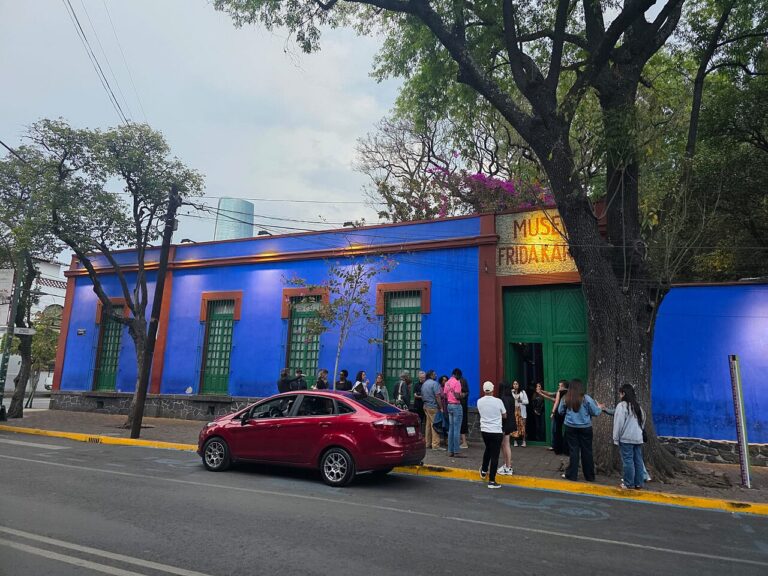
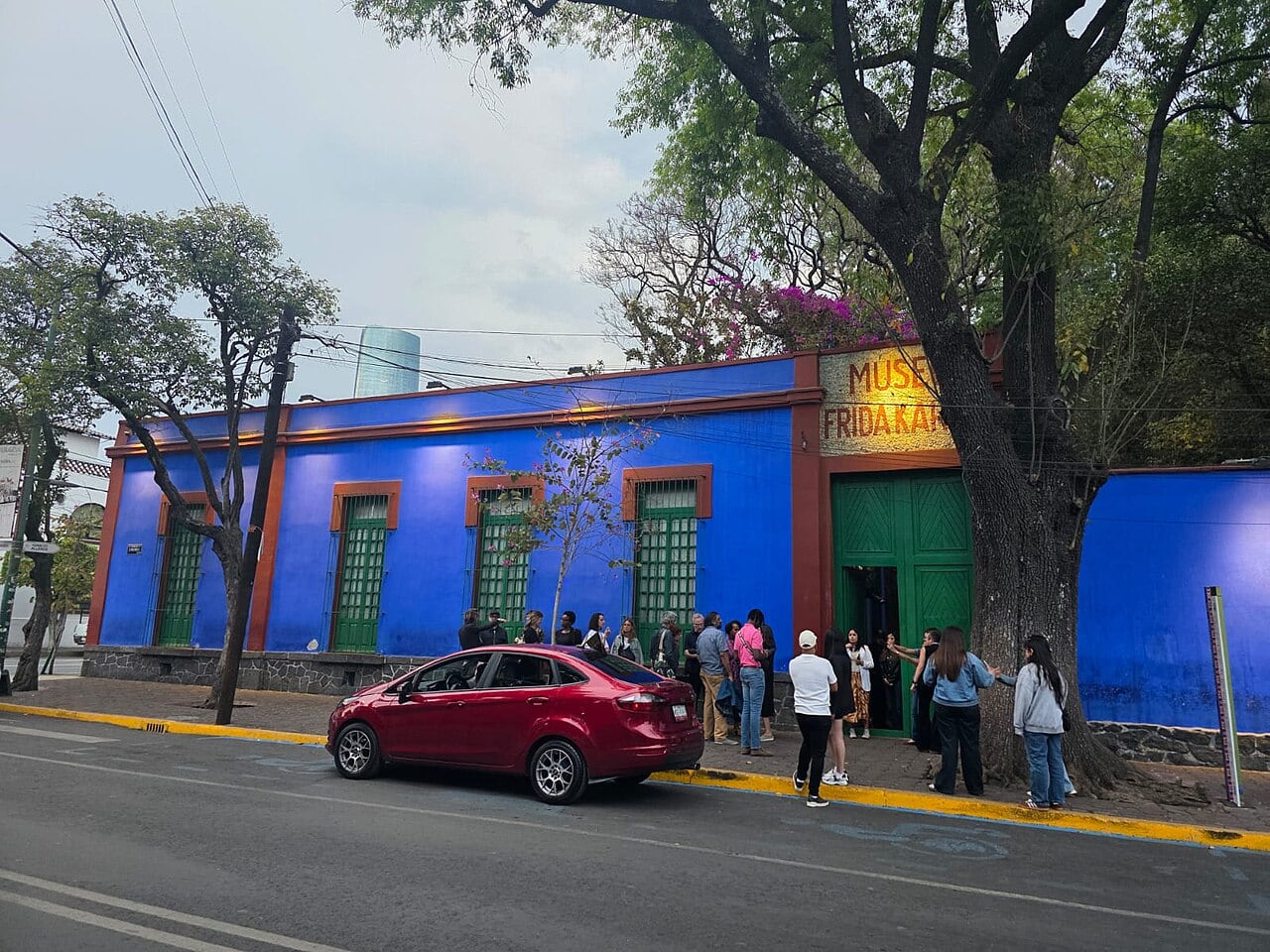
Mexico City is an enormous metropolis with more than twenty million inhabitants. The historic centre (Zócalo) hides a cathedral built from the stones of demolished Aztec temples. The Roma Norte and Condesa neighbourhoods, with their cafés, feel like European cities. Don’t miss the Anthropology Museum and the Blue House of painter Frida Kahlo. 💡 Tip: Tickets to the Frida Kahlo museum are sold exclusively online and tend to sell out even a month ahead. Book them well in advance.

12. The city of the gods, Teotihuacán

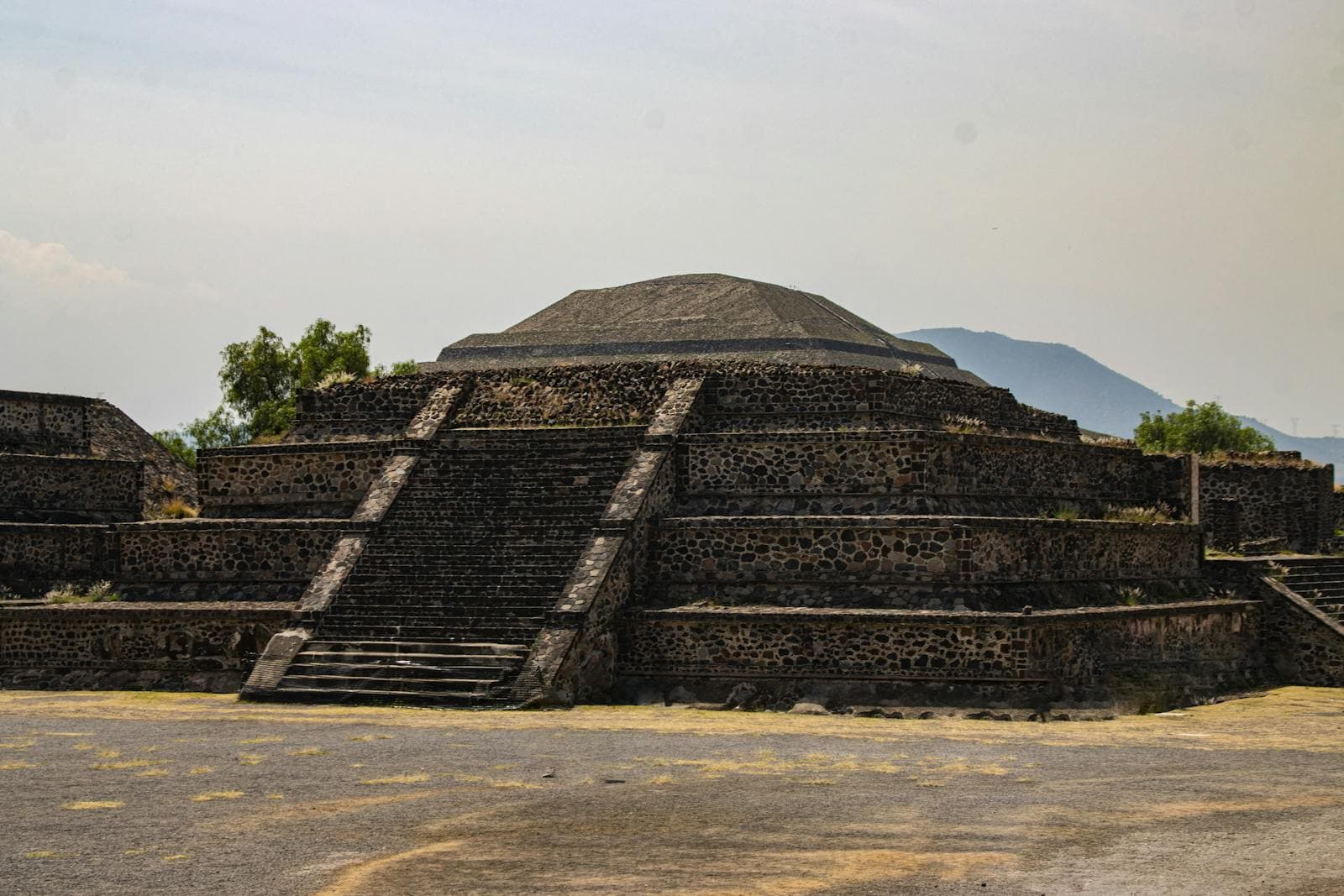
Less than an hour’s drive from the capital you’ll come across the remains of one of the largest ancient cities on the American continent. The Pyramid of the Sun and the Pyramid of the Moon flank the so-called Avenue of the Dead. A popular experience is a hot-air balloon flight over the site at dawn, which costs around 200 dollars (€185).

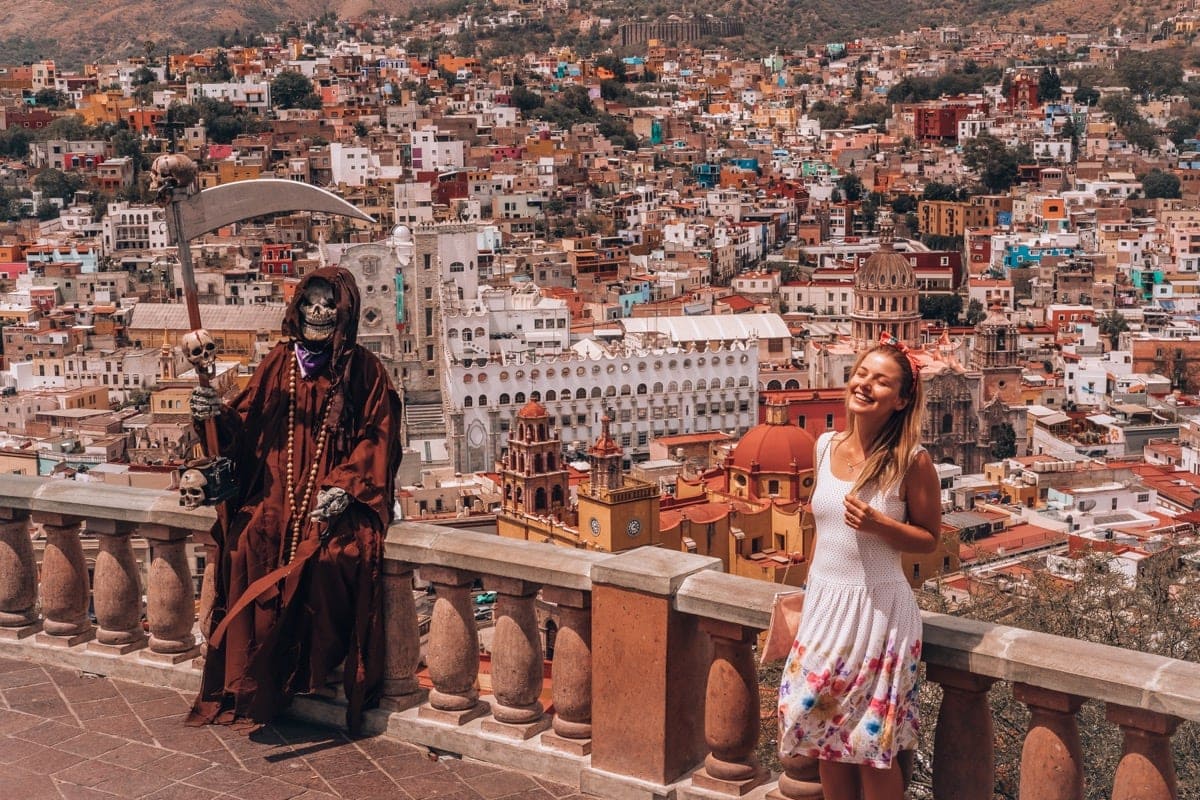
13. The silver city of Guanajuato

A city built in a narrow canyon, its lanes a tangle of staircases and colourful houses clinging to the slopes. Guanajuato grew rich on silver mining. Much of the traffic is diverted into a network of underground tunnels, so the historic centre is wonderfully quiet.

The south and the Pacific coast

Here you’ll discover wild nature, the huge waves of the Pacific, and the most authentic culinary experiences.

14. The cultural heart of Oaxaca

The city of Oaxaca sits in the south in a valley surrounded by mountains. It’s the centre of Mexican art and gastronomy. At the local markets you can taste endless varieties of chocolate. In the villages around the city, more than ninety percent of all Mexican mezcal is produced, a spirit distilled from the heart of the agave.

15. The cascades of Hierve el Agua

Near Oaxaca lies this unique natural phenomenon. From a distance it looks like a giant waterfall frozen in time at the edge of a cliff. In reality, it’s mineral deposits formed by springs with a high calcium content. At the top there are natural pools perfect for a swim.

16. The Sumidero Canyon in Chiapas

The state of Chiapas offers dramatic scenery, and the Sumidero Canyon is its jewel. The rock walls rise up to a kilometre above the surface of the Grijalva River. The best way to take in the canyon is from the deck of a small motorboat.

17. The romantic Puerto Vallarta

On the Pacific coast lies a city that Hollywood made famous back in the 1960s. Puerto Vallarta has a beautiful historic centre with cobbled lanes and a long seafront promenade (the Malecón) lined with sculptures. It’s a friendly city with a huge expat community.

18. Surfing in Puerto Escondido

If you’re into huge waves and a relaxed backpacker vibe, head to Puerto Escondido in the state of Oaxaca. Zicatela beach is one of the best surfing spots in the world, although the waves here are only suitable for professionals. Beginners can learn in the calmer bays nearby.

19. Whale watching in Baja California

The Baja California peninsula is wild and arid. But the main attraction here is the winter migration of whales. From January to March, enormous grey whales gather in the lagoons. They’re so curious that they often swim right up to the small boats.

20. Diving off the island of Cozumel

The island of Cozumel lies opposite Playa del Carmen and is surrounded by the second-largest coral reef on the planet. Underwater visibility here regularly exceeds thirty metres. You’ll find underwater walls plunging into the dark depths, shoals of colourful fish, and sea turtles.

Mexican cuisine in a nutshell

Mexican food has been added to UNESCO’s list of intangible cultural heritage. But forget the fast-food joints with their hard corn shells. Authentic Mexican cuisine is based on corn, beans, chilli peppers, fresh coriander, and lime.

If you don’t eat meat, Mexico will be a paradise for you. On every corner you can grab great vegetarian options. Try quesadillas filled with Oaxaca cheese and squash blossoms (flor de calabaza), or with huitlacoche mushrooms, a local delicacy reminiscent of truffles. On the street, have an elote, boiled or grilled corn smeared with mayonnaise, sprinkled with cheese and chilli. As a starter, freshly mashed guacamole with corn nachos never disappoints.

As for meat specialities, the streets often serve up tacos al pastor (pork sliced from a vertical grill) or, in the south, the popular cochinita pibil (slow-roasted pulled pork in a citrus marinade). In Oaxaca, the complex mole sauces reign supreme, containing dozens of ingredients including chilli and sometimes chocolate.

💡 Tip: Wonderfully refreshing on hot days are the so-called aguas frescas, light fruit drinks. The most common are made from hibiscus (agua de jamaica), tamarind, or rice and cinnamon (horchata).

Día de Muertos and festivals

Mexicans know how to celebrate like few others in the world. The most visually stunning festival is the Day of the Dead (Día de Muertos), which falls on the first two days of November. Death isn’t seen here as a definitive end but as a natural part of the cycle of life. Families build richly decorated altars in their homes and at cemeteries, laying out bright orange marigolds and sugar skulls.

The festival is celebrated most authentically inland, specifically in Oaxaca or in the towns of Michoacán state. If you want to experience this time in Mexico, be prepared for hotels in these areas to be sold out as much as six months in advance, with prices soaring. Read more about the traditions in our article on the Day of the Dead in Mexico.

💡 Tip: During the Day of the Dead celebrations, processions take place in the streets and people paint traditional Catrina masks on their faces. Local makeup artists will happily create this look for you right on the square for a few hundred pesos.

How to plan your itinerary

According to travellers, a major mistake is skipping the capital, Mexico City, on a first visit. It’s precisely the combination of city and beaches that makes for the best itineraries.

If you have 10 to 14 days for the trip, the ideal choice is a road trip around the Yucatán Peninsula. You fly into Cancún, hire a car, and set off along the route of Valladolid, Chichén Itzá, Mérida, Tulum, and Bacalar. In two weeks you can take in the Mayan ruins, swimming in the cenotes, and the Caribbean beaches, without having to spend whole days on the road.

For a two-week trip with a greater focus on culture, travellers recommend starting in Mexico City (4 days for the sights and museums), taking the bus to Puebla, and then on to Oaxaca. From Oaxaca you can take a domestic flight to the coast, whether to Puerto Escondido for the surfing or back to the Yucatán for the white sand.

If you’re planning to go for 3 weeks or more, you can afford to explore the more remote state of Chiapas, or fly over to Baja California and combine the desert landscape with whale watching. But always remember the rule that less is more. Pick two bases and take day trips from them.

💡 Tip: When planning your journeys, always allow some buffer time. Mexican buses do run on time, but city traffic and road checks can unexpectedly stretch out the trip.

Practical tips to finish

To make your trip go as smoothly as possible, we’ve put together a summary of the most important practical tips that will save you money and stress.

  • Tap water: Throughout Mexico, tap water isn’t drinkable for tourists or locals. Always drink only bottled water (agua purificada). You needn’t worry about ice in drinks at restaurants, as bars use factory-made ice from special filtration plants.
  • ATM withdrawals and DCC: Travellers warn about the dreaded tourist trap known as DCC (Dynamic Currency Conversion). The ATM will ask whether you want the amount converted and charged in pounds or dollars. Always decline this offer and let the transaction go through in Mexican pesos.
  • Tipping: Tipping (propina) is customary in Mexico. In restaurants, 10 to 15% on top of the bill is expected. Hotel housekeeping gets around 30 to 50 pesos a day, and petrol station attendants around 10 pesos.
  • Insurance and healthcare: Don’t travel to Mexico without good travel insurance. Private clinics are of a high standard, but they charge prices comparable to the United States.
  • Internet: Rather than hunting for Telcel shops after you land, it’s worth installing an eSIM on your phone in advance (for example via the Airalo app). Turn off standard roaming on your UK SIM immediately, as the per-megabyte rates in Mexico are astronomical.

💡 Tip: Always carry smaller notes (20, 50, and 100 pesos). Street vendors and drivers of smaller buses often can’t give change for a 500-peso note.

Where to next

If Mexico has caught your interest and you want to dive deeper into the planning, we’ve prepared a series of detailed articles focusing on specific places and situations. Find out more about how to plan the perfect Yucatán holiday, read our tips for the beach resort of Cancún, or get inspired by our cultural guide to the capital, Mexico City. If you’re trying to decide which month to travel, take a look at our article on when to go to Mexico.

Frequently asked questions

How much does a vacation in Mexico cost?

It depends on your travel style. Backpackers can manage on a budget of €40 to €60 per day. Mid-range travelers with accommodation in nice hotels and occasional car rentals will spend around €80 to €120 per day per person, while luxury resorts cost many times more.

Do I need a visa for Mexico?

No, citizens of the Czech Republic do not need a visa for tourist trips up to 180 days. However, it is absolutely essential to have a passport valid for at least 6 months after your planned return.

What is ESTA and why do I need it when flying to Mexico?

ESTA is an electronic travel authorization for the USA. If your flight from Europe to Mexico includes even just a short layover in the United States, you must have ESTA approved in advance, otherwise they won’t let you board the plane.

What type of outlets are used in Mexico?

“`html
Mexico uses type A and B electrical outlets, the same flat pins as in the United States. European appliances don’t fit them, so don’t forget to pack a travel adapter.
“`

Is it safe to eat street food?

Yes, street food stalls offer some of the best gastronomic experiences. Choose stalls where locals are queuing up, which guarantees a fast turnover of ingredients and freshness.

Can you commonly pay by card in Mexico?

“`html
In supermarkets, hotels, large restaurants and at gas stations you can pay by card without any problems. However, for shopping at markets, street stalls, in small buses (colectivos) and for paying tolls you will always need cash.
“`

Can I fly a drone in Mexico?

“`html
Flying a drone is officially prohibited for foreigners (non-residents) in Mexico. Your drone probably won’t be confiscated at the airport, but if you use it over monuments or in archaeological zones, you risk a hefty fine.
“`

Tips and Tricks for Your Vacation

Don’t Overpay for Flights

Search for flights on Kayak. It’s our favorite search engine because it scans the websites of all airlines and always finds the cheapest connection.

Book Your Accommodation Smartly

The best experiences we’ve had when looking for accommodation (from Alaska to Morocco) are with Booking.com, where hotels, apartments, and entire houses are usually the cheapest and most widely available.

Don’t Forget Travel Insurance

Good travel insurance will protect you against illness, accidents, theft, or flight cancellations. We’ve had a few hospital visits abroad, so we know how important it is to have proper insurance arranged.

Where we insure ourselves: SafetyWing (best for everyone) and TrueTraveller (for extra-long trips).

Why don’t we recommend any Czech insurance company? Because they have too many restrictions. They set limits on the number of days abroad, travel insurance via a credit card often requires you to pay medical expenses only with that card, and they frequently limit the number of returns to the Czech Republic.

Find the Best Experiences

Get Your Guide is a huge online marketplace where you can book guided walks, trips, skip-the-line tickets, tours, and much more. We always find some extra fun there!
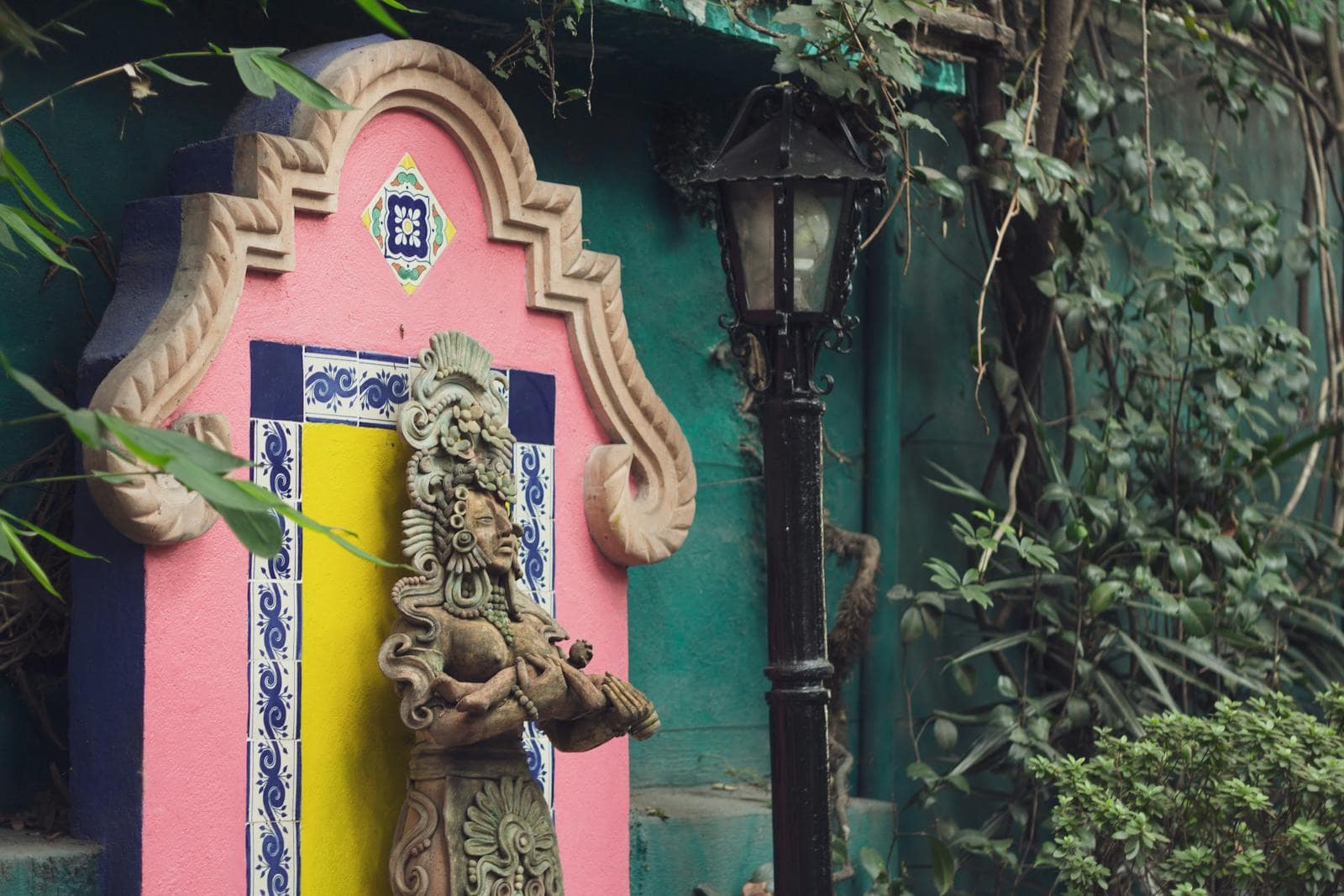
easyJet Baggage 2026: Hand, Cabin & Checked Sizes and Fees

TL;DReasyJet lets every passenger bring a small under-seat bag free of charge, measuring 45×36×20 cm and weighing up to 15 kg — a more generous limit than Ryanair’s (40×30×20 cm). The large cabin bag (56×45×25 cm, 15 kg) costs extra, starting around £6 online, and since 2023 it’s no longer included even with the pricier Up Front and Extra Legroom seats. Checked baggage comes in 15 kg or 23 kg options, with top-ups of 3 kg all the way up to 32 kg per bag, and prices start at roughly £7 online. If you leave it unpaid and get caught at the gate, a large bag will cost you around £48, so it’s worth sorting everything online in advance. The easyJet Plus annual membership (around £249), which includes a free large cabin bag on every flight, pays for itself if you take roughly eight to ten flights a year.

When it comes to easyJet baggage, the airline has one huge advantage over its low-cost rivals that Lukáš and I genuinely love: the free bag is actually big. While Ryanair and Wizz Air force you to squeeze everything into tiny dimensions, easyJet lets you slide a bag under the seat that’s roomy enough for a weekend trip for two. 😁

That doesn’t mean you can’t get stung, though. Quite the opposite — there are a few traps that catch people out and cost them money for nothing, mostly around the large cabin bag and the pricier seats. But once you know how it works, you can fly with only what’s included for free.

In this guide you’ll find all the easyJet baggage types for 2026, their dimensions, weights and rough prices, plus a full overview of the fees and easyJet Plus membership. easyJet prices are dynamic and usually quoted in pounds, so treat them as a rough guide and always check the current amount when you book.

easyJet baggage in a nutshell

  • Free small bag: a generous 45×36×20 cm and up to 15 kg, fits under the seat — everyone gets one.
  • Large cabin bag (56×45×25 cm, 15 kg): only for an extra fee, or with easyJet Plus or a FLEXI fare.
  • Checked baggage: 15 or 23 kg, top up in 3 kg steps to 32 kg per item, always cheaper online.
  • The trap: the pricier Up Front and Extra Legroom seats do not include the large cabin bag.
  • Always cheaper online than at the gate, where unpaid baggage costs many times more.

Free small bag: 45×36×20 and up to 15 kg

This is the main reason I love easyJet for packing light. Every passenger, regardless of fare, can bring one small bag for free measuring 45×36×20 cm and weighing up to 15 kg, which must fit under the seat in front of you. For comparison, Ryanair only allows 40×30×20 cm for free, so easyJet is significantly more generous here.

Pack smartly and you can fit a surprising amount into a bag this size — easily enough for a one-person week-long trip. If you’re not sure how to fit everything into these dimensions and travel with just this, take a look at our guide to packing for hand luggage.

💡 Tip: Even though the limit is 15 kg, you have to lift the bag yourself and stow it under the seat, so don’t overload it. A soft backpack or holdall also slips into the sizer more easily than a rigid hard case.

Large cabin bag (56×45×25) and who gets it

When the small bag isn’t enough, you can also bring a large cabin bag measuring 56×45×25 cm and weighing up to 15 kg, which goes up in the overhead locker. But this is not automatically free. You get it if you pay for it online (roughly from around £6), or if you have easyJet Plus, a FLEXI fare or a Standard Plus bundle.

⚠️ And here’s easyJet’s sneakiest trap: the pricier Up Front and Extra Legroom seats do NOT include the large cabin bag. easyJet scrapped this perk back in June 2023, so even if you pay for a better seat, you still have to buy the large bag separately. Plenty of people end up out of pocket over this.

If you don’t add the large cabin bag and bring it to the gate, easyJet will put it in the hold for a fee of around £48. So it always pays to sort it online in advance, where it’s many times cheaper.

Checked baggage: 15, 23 up to 32 kg

For a longer holiday you’ll want checked baggage in the hold. easyJet offers a 15 kg option (online only, at a lower price) and a standard 23 kg, and you can top up the weight in 3 kg steps up to 32 kg per item. You’re allowed up to three checked bags per person, and the sum of each bag’s dimensions must be under 275 cm.

BaggageDimensions / weightPrice (approx.)
Small bag45×36×20 cm
15 kg
free
Large cabin bag56×45×25 cm
15 kg
from ~£6 online
Checked 15 kgsides total up to 275 cmfrom ~£7 online
Checked 23 kgsides total up to 275 cm~£7–40+ online
Checked up to 32 kgmax 32 kg / itemtop up in 3 kg steps
Approximate easyJet baggage dimensions and prices as of 2026. Prices are dynamic and usually in pounds — check the current amount when you book at easyjet.com.

The same golden rule applies as with every low-cost airline: buy everything online in advance. The exact same bag sorted at the airport desk will cost you a lot more. One nice exception is that families can share the weight of checked bags across items on a single booking, as long as none of them goes over 32 kg.

Large cabin bag or checked? How to decide

It mostly comes down to the length of your trip and the number of travellers. To give you an idea, here are three typical scenarios.

A light weekend: the free small bag usually wins here. Thanks to the generous 45×36×20 cm and 15 kg, it holds more than enough and costs you nothing. Only bother with the large cabin bag if you genuinely need more room.

A week by the sea (solo): compare the price of the large cabin bag and checked 23 kg. For a shorter stay with a cheap add-on, the cabin bag wins — plus you skip the baggage carousel. If you need more, go for checked.

Two people or a family: often the cheapest option is one shared checked bag you pack together, plus a free small bag for everyone. It’s worth comparing the options in the basket before you pay.

All easyJet fees (and how to avoid them)

easyJet, like the other low-cost carriers, makes its money mainly on the things you didn’t sort out in advance. Here’s a rundown of the most common ones. The amounts are approximate, in pounds, and always highest at the gate.

FeeHow much (approx.)When it happens
Small bagfreealways
Large cabin bag onlinefrom ~£6added in advance
Bag at the gate~£48 / itemunpaid large bag at the gate
Checked at the airport~£40–55not bought online in advance
Excess weight~£12 / kgchecked bag heavier than paid for
Approximate easyJet fees. Almost all of them can be avoided by preparing in advance.

See the common thread? Nearly every fee only appears at the airport or at the gate. If you sort your baggage and check-in online and stick to the dimensions, you pay next to nothing extra.

easyJet Plus and fares: when they’re worth it

easyJet has several options around baggage and seats, and it’s easy to get lost in them. Here’s a quick translation.

  • easyJet Plus: annual membership (roughly around £249) that includes a free large cabin bag on every flight, a dedicated check-in desk, priority boarding, Fast Track and seat selection. It pays off from around eight to ten flights a year.
  • FLEXI: a fare that includes the large cabin bag, a 23 kg checked bag, priority boarding and free flight changes.
  • Standard Plus: a newer bundle that combines a chosen seat, 23 kg checked baggage, both the small and large cabin bag and other perks in one.

💡 Tip: If you only fly easyJet a few times a year, neither the membership nor the pricier fares will pay off. Just add exactly what you need online in advance and you’ll save the most.

Online check-in and boarding pass

With easyJet, check in online and use the mobile boarding pass in the app — it’s the easiest and cheapest route. Online check-in usually opens around a month before departure and closes a few hours before, so check the exact window for your booking in good time.

Have your boarding pass downloaded on your phone and keep the phone charged, so there’s nothing to sort out at the gate. The most important thing is a readable QR code.

Special baggage: kids, sports, instruments and pets

Travelling with something unusual? easyJet has its own rules, and it’s pleasantly generous with children. For each child you can bring up to two pieces of baby equipment for free in the hold — for example a pushchair and a car seat — and you can even check the pushchair right at boarding. An infant on your lap is also entitled to a changing bag up to 45×36×20 cm.

Sports equipment like skis, a bike or golf clubs go in the hold only, for a fee of roughly £45 online (more at the airport), up to 32 kg. A bike must be packed in a suitable cover.

And important for pet lovers: easyJet does not carry any animals — not in the cabin, not in the hold. The only exception is certified assistance dogs, which must be declared in advance. Emotional support animals don’t count. So if you’re travelling with a dog or cat, you’ll need to choose a different airline.

Liquids and what you can(not) take on board

The liquids rule isn’t invented by easyJet — it applies at security in general. You can take liquids, gels and sprays in containers up to 100 ml, all together in a single transparent bag of up to 1 litre. The exceptions are medicines and baby food in the quantities you need.

Many UK and European airports allow more in 2026 thanks to new scanners, but this isn’t the case everywhere and it varies from airport to airport. Plan reliably for 100 ml and treat anything more as a bonus. A great trick to get around the limit is to switch to solid, water-free toiletries, which don’t count as liquids. We write more about this in our light packing guide.

Is paid hand luggage about to end? (EU 2026)

You may have heard that hand luggage is supposed to be free with every airline. There’s some truth in it, but also some confusion. In January 2026 the European Parliament backed the right to bring a small extra piece of hand luggage into the cabin for free — but it isn’t law yet.

The proposal got stuck in negotiations between the Parliament and the member states, and by mid-2026 there’s a risk they won’t agree on the final form. Until the rule comes into force, the airlines’ current rules apply, so with easyJet you should keep planning around what we describe in this article. Keep an eye on the situation, but don’t count on being entitled to a free large bag just yet.

Where to next

Fly with other low-cost airlines too? Take a look at our guides to Ryanair baggage and Wizz Air baggage, as well as Smartwings baggage. And if you want to be sure you’ll fit everything in and pack smartly, our light packing guide and our rundown of the best cabin bags will help. Safe travels — and may it be only the others paying at the gate. 😉

What are the dimensions for hand luggage on easyJet?

A free small bag measures 45×36×20 cm and weighs up to 15 kg, fits under the seat and every passenger gets one. Large cabin baggage for the overhead bin measures 56×45×25 cm and 15 kg, but you only get that for an extra fee or with easyJet Plus, FLEXI fare or Standard Plus package.

Is carry-on luggage free with easyJet?

“`html
Small bag 45×36×20 cm up to 15 kg is free for all passengers and fits under the seat. Large cabin baggage 56×45×25 cm is not free, you need to purchase it separately, or have easyJet Plus or corresponding fare.
“`

Does the more expensive easyJet seat include a large cabin bag?

“`html
No. Up Front and Extra Legroom seats do not include large cabin baggage; easyJet discontinued this benefit in 2023. Even with a more expensive seat, you need to purchase the large bag separately or have easyJet Plus or a fare that includes it.
“`

How much does checked baggage cost with easyJet?

Prices are dynamic and usually in pounds. Checked baggage starts at around £7 online and, depending on the route and season, can go up to £40 or more; it’s significantly more expensive at the airport. Weight can be purchased in 3 kg increments up to 32 kg per piece. Always buy online in advance.

Can I take a dog or cat on an easyJet flight?

“`html
No. easyJet does not transport any animals, neither in the cabin nor in the cargo hold. The only exception is certified assistance dogs for passengers with disabilities, which must be reported and documented in advance. If you’re travelling with a dog or cat, you’ll need to choose a different airline.
“`

Tips and Tricks for Your Vacation

Don’t Overpay for Flights

Search for flights on Kayak. It’s our favorite search engine because it scans the websites of all airlines and always finds the cheapest connection.

Book Your Accommodation Smartly

The best experiences we’ve had when looking for accommodation (from Alaska to Morocco) are with Booking.com, where hotels, apartments, and entire houses are usually the cheapest and most widely available.

Don’t Forget Travel Insurance

Good travel insurance will protect you against illness, accidents, theft, or flight cancellations. We’ve had a few hospital visits abroad, so we know how important it is to have proper insurance arranged.

Where we insure ourselves: SafetyWing (best for everyone) and TrueTraveller (for extra-long trips).

Why don’t we recommend any Czech insurance company? Because they have too many restrictions. They set limits on the number of days abroad, travel insurance via a credit card often requires you to pay medical expenses only with that card, and they frequently limit the number of returns to the Czech Republic.

Find the Best Experiences

Get Your Guide is a huge online marketplace where you can book guided walks, trips, skip-the-line tickets, tours, and much more. We always find some extra fun there!
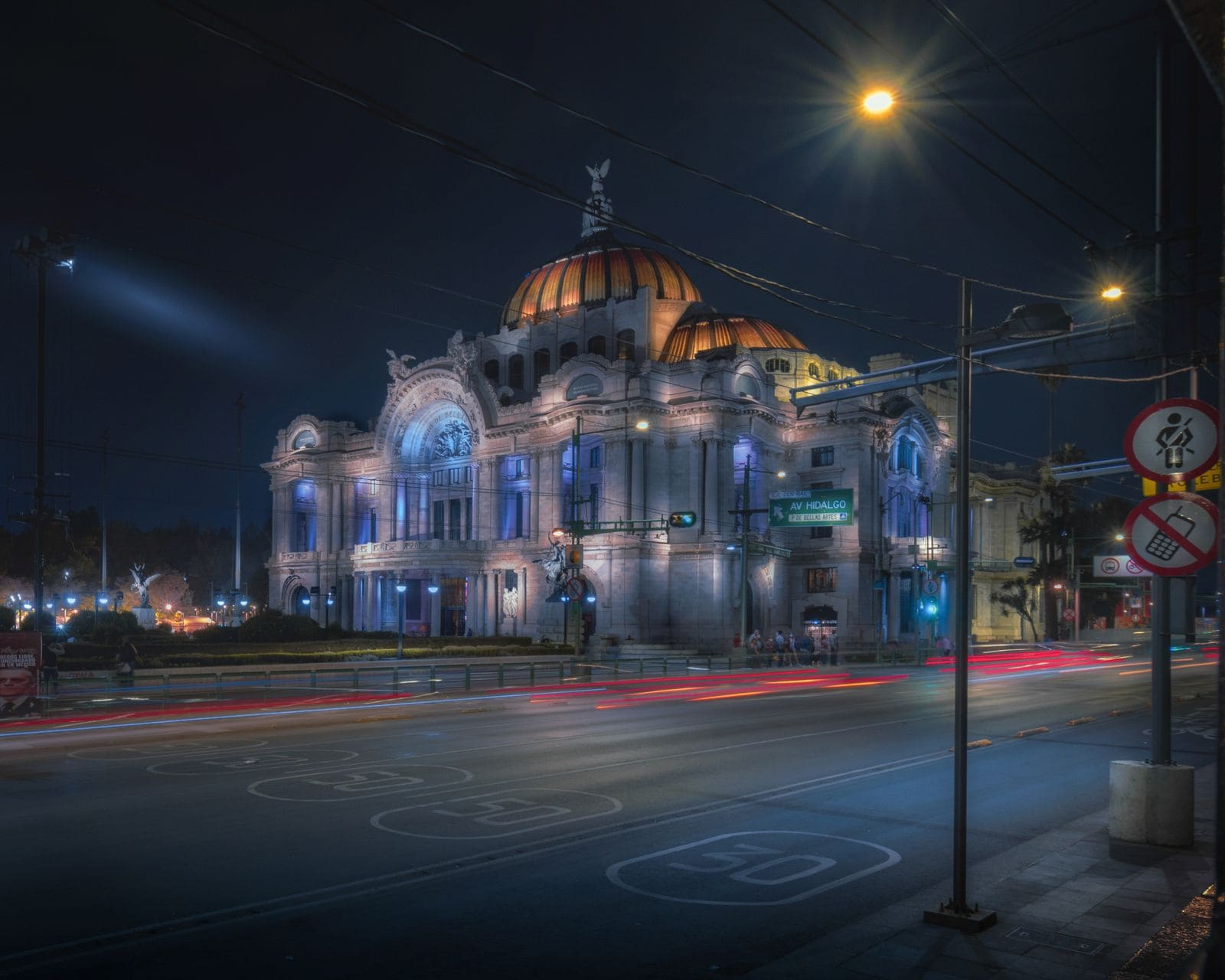
Costa Smeralda & Northern Sardinia, Italy: 12 Best Things to See and Do

TL;DRNortheast Sardinia serves up 12 tips for the Costa Smeralda and beyond: glitzy Porto Cervo with its superyacht marina, the beaches of Spiaggia del Principe, Capriccioli and Liscia Ruja, plus Cala Brandinchi – nicknamed Little Tahiti – and the three-kilometre stretch of La Cinta near San Teodoro. Up north, don’t miss Santa Teresa Gallura with its Rena Bianca beach, the moonscape of Capo Testa, and the Bear Rock near Palau, where ferries take 15–20 minutes to reach the La Maddalena archipelago. September is the best month for swimming, while peak season in July and August brings temperatures around 35°C and prices up 40 to 100%. You’ll struggle to get around without a car, and the airport is in Olbia.

Are you desperate for somewhere exotic with snow-white sand and turquoise water, like the Caribbean, but the thought of a twelve-hour flight puts you off completely? That’s exactly why northern Sardinia in Italy has become such a phenomenon. It’s said to be one of the most beautiful corners in all of Europe, and judging by the photos and the tales of starry-eyed travellers, it really does look almost unbelievable. Here, crystal-clear sea laps against stunning granite rocks, all of it scented with wild Mediterranean maquis.

In this guide you’ll find 12 tips on what to see and do in the area known as the Costa Smeralda and its wider surroundings. I’ll point you towards the most photogenic spots, advise where to base yourself strategically and tell you when the best time to visit is. We’ll wander through the most famous beaches, picturesque little towns and wild cliffs that would simply be a crime to skip. You’ll soon see that the north of the island offers far more than just luxury yachts and pricey boutiques.

The north of the island is often associated with eye-watering prices and the international jet set, but don’t let that scare you off. If you know exactly where to head and what to steer clear of, you can enjoy an absolutely dreamy holiday here without having to sell a kidney. Get ready to be enchanted by the sheer variety of this destination, because every cove here looks a little like it’s been lifted straight out of a catalogue for the perfect life.

TL;DR

  • The Costa Smeralda is a symbol of luxury: It was built in the 1960s and today it’s a hub for the global jet set, but its beaches like Spiaggia del Principe are open to everyone.
  • San Teodoro offers the Caribbean in Europe: The beaches of Cala Brandinchi and La Cinta boast incredibly fine sand and turquoise water.
  • Watch out for summer beach bookings: For the most famous beaches (including Cala Brandinchi) you have to reserve your spot in advance via an app in high season and pay a fee.
  • The wild north hides real treasures: The area around Santa Teresa Gallura and Capo Testa offers a lunar landscape full of bizarre granite boulders and incredible sunsets.
  • The Pink Beach is off-limits: The famous Spiaggia Rosa on the La Maddalena archipelago is strictly protected and you can only view it from a distance by boat, under threat of a hefty fine.
  • A car is an absolute must: Without a rental car it’s practically impossible to get around the north-east sensibly; public transport is very limited.

When to visit north-eastern Sardinia and how to get around

Before you start packing your bags, it’s worth being clear about what you actually want from your holiday, because northern Sardinia changes incredibly throughout the year. If your main goal is swimming in a warm sea, September is the best choice, when the biggest summer crowds have thinned out but the water is beautifully warm after the whole summer. July and August, on the other hand, are the absolute peak of the season, which means not just temperatures climbing towards 35°C, but above all huge numbers of tourists and wildly inflated prices for absolutely everything.

April and May tempt you with nature in full bloom and ideal conditions for hiking, although the sea at that time is only around 15 to 19°C. That’s a temperature suited perhaps to die-hard cold-water swimmers; the average mortal will get in only very reluctantly. By contrast, October is still very pleasant, the sea holds a respectable 21°C and you’ll have plenty of coves almost to yourself, even though you’ll need to reckon with the occasional shower and the stronger wind known as the mistral.

The main gateway to the whole region is Olbia international airport, and getting here from the UK is fairly straightforward — easyJet, Ryanair and Jet2 run seasonal flights from London, Manchester and other major airports, sometimes via Milan or Rome. Another option is to arrive by ferry from mainland Italy into the ports of Olbia or Golfo Aranci, which is ideal if you’re travelling with your own vehicle. However you arrive, you can’t manage here without a car, because while buses do exist, their timetables are more of a rough guide and they won’t take you to the prettiest beaches anyway.

When renting a car, be extremely careful which company you choose — travellers on forums strongly warn against Goldcar because of their very aggressive pressure to sell expensive insurance. You’re better off going with trusted local firms, or photographing everything carefully in advance to avoid trouble when you return the vehicle. Driving in Sardinia takes a bit of patience: the roads are often winding and your average speed rarely tops 40 kilometres per hour, so even short distances eat up a lot of time.

One absolutely crucial thing to watch out for while driving is the so-called ZTL zones, or limited traffic zones. They appear in the centres of many towns including Olbia, entry to them is monitored by cameras, and the fine will reach you automatically even back home, starting at around €87. As soon as you see a sign reading “Varco Attivo”, definitely don’t drive in — leave the car in a paid car park a few streets away instead.

Where to stay in north-eastern Sardinia

Finding the ideal accommodation in this part of the island can be quite a puzzle, because the Costa Smeralda counts as by far the most expensive region in all of Sardinia. In the summer months hotel prices here shoot up by forty to a hundred percent compared to the rest of the year, and finding something affordable right around Porto Cervo is a job for a magician. The luxury resorts here look absolutely fantastic, but for an ordinary budget they make more sense in the shoulder seasons outside the main rush.

If you’re after a much more sensible price-to-value ratio, focus on the town of San Teodoro or the area around Santa Teresa Gallura. San Teodoro is a great base for families and couples alike — you’re a short hop from the most celebrated beaches and in the evening the town comes alive with a pleasant buzz, markets and open cafés. Santa Teresa Gallura, right up north, is ideal for those who want dramatic cliffs close at hand and are perhaps even considering a day trip by ferry to neighbouring Corsica.

The north-east is the most expensive corner of the island, so it pays double here that smart accommodation choices save you both money and nerves. The closer to Porto Cervo, the higher the prices — but a little further out in Golfo Aranci or San Teodoro you’ll find comparable sea for a far friendlier sum. Pick based on what you expect from your holiday:

✨ For luxury and jet-set atmosphere: Hotel Cala di Volpe (Porto Cervo) — the legendary Costa Smeralda address with a private lagoon; the prices match accordingly, but the experience tends to be unforgettable.

💑 For couples and sea views: Gabbiano Azzurro Hotel & Suites (Golfo Aranci) — an elegant hotel right above the sea with a pool; great value for the luxury, just a short hop from the Costa Smeralda.

👨‍👩‍👧 For families with their own beach: Cala Cuncheddi (Olbia) — its own sandy beach and proximity to Olbia airport; an ideal start and finish to a family holiday in the north.

💰 For the best value for money: Due Lune Resort Golf & SPA (San Teodoro) — in San Teodoro by the famous La Cinta beach; comparable sea for a fraction of Porto Cervo’s prices.

💡 One last tip: you can book most hotels through Booking.com with free cancellation, so you can reserve your favourite spot right away and make up your mind later. Just don’t wait too long — the most sought-after seafront addresses sell out for July and August even six months ahead, and high-season prices climb by tens of percent.

Costa Smeralda and Porto Cervo

Let’s take a look together at the very heart of luxury, the legendary Emerald Coast, or Costa Smeralda. Right up until the early 1960s it was just a forgotten, wild stretch of land full of pastures, before it was discovered by Prince Karim Aga Khan, who decided to build it into an exclusive holiday destination for his wealthy friends. The architects did an incredible job back then, because every building had to strictly respect local traditions, colours and shapes so as not to disturb the surrounding landscape.

Thanks to these strict rules, you won’t find any ugly concrete hotels here today, but rather low pastel villas and residences that blend perfectly with the ever-present granite and Mediterranean greenery. It’s an area you come to in order to admire perfection, soak up the atmosphere of carefree wealth and, of course, relax on the beaches whose colour gave the whole coast its emerald name.

1. Porto Cervo and its famous marina

The little town of Porto Cervo is the absolute centre of the Costa Smeralda and reputedly one of the most expensive resorts in the world. It sprang up essentially from a green field thanks to the Aga Khan, and its architecture resembles a kind of fairy-tale Sardinian village, full of winding alleys, arcades and terracotta roofs. In the middle of it all you’ll find the Piazzetta, a small square lined with the boutiques of the most luxurious global brands, where ordinary mortals tend to come just to gaze through the shop windows.

On your visit you definitely shouldn’t miss the local marina, where in the summer season the planet’s biggest and most expensive superyachts drop anchor. A stroll around the harbour is an experience in itself, especially at dusk when everything lights up and the atmosphere takes on a slightly snobbish, yet undeniably magical air. Be sure to stop by the little church of Stella Maris, which rises above the harbour and offers a wonderful view over the whole bay full of pristine white boats.

2. Spiaggia del Principe, the prince’s favourite

This beach took its name from Prince Aga Khan himself, for whom it was supposedly the absolute most beloved spot on the entire coast. As you approach it along the stony path scented with juniper, you’ll understand why immediately, because the sight of the wide-open bay with white sand and incredible shades of blue will simply take your breath away. The beach is split into two parts by a small rocky promontory and is largely sheltered from the unpleasant wind.

Parking here in high season can be a bit of a battle, which is why travellers advise arriving as early in the morning as you can, ideally around eight o’clock. The car park itself is paid, and from there a roughly ten-minute walk downhill awaits you. Even though the Costa Smeralda is a symbol of exclusivity, entry to this gorgeous beach is completely free and open to everyone, so you can enjoy that genuine millionaire feeling even with an ordinary towel and your own packed lunch.

3. The iconic Capriccioli beach

Capriccioli is actually a cluster of several smaller beaches separated by huge granite boulders polished smooth by wind and water. These rocks often have an almost pinkish hue and, together with the turquoise water, form an absolutely iconic visual contrast that you’ll see on most postcards from this area. The water here is also very shallow and calm, which makes the spot a huge draw for families with younger children.

The area is surrounded by a thick grove of old olive trees and pines, which provide that much-needed shade on hot summer days. But once again the early-arrival rule applies, because the parking capacity is severely limited and after ten in the morning you usually have no chance of finding a single free spot. You can rent sun loungers and umbrellas on the beach, but the prices tend to be fairly astronomical given the location.

4. Liscia Ruja with its pinkish sand

If you don’t like small, cramped coves, Liscia Ruja will surely win you over, because it’s the longest beach on the entire Emerald Coast. It stretches more than half a kilometre and in many places its sand has a delicately pinkish tinge, which combined with the crystal-clear water creates a wonderful spectacle. The space is so generous that even in August you can find a little patch all to yourself.

Access to the beach runs along a dusty, unpaved road, for the use of which a fee is often charged in the form of a full-day parking ticket. Liscia Ruja is known for the fact that people don’t just come here to swim, but also to see and be seen — you’ll often come across various beach clubs with music and cocktails. It’s exactly the sort of place where, with a cocktail in hand, you feel like you’re starring in some summery Italian film.

The prettiest beaches of the north-east and San Teodoro

If we move a little south of Olbia, we come across the area around the town of San Teodoro, which competes ably with the Costa Smeralda itself. It’s precisely here that you’ll find the beaches that have earned Sardinia its fond nickname, the European Caribbean. The local coastline is typified by long stretches of fine white sand and water so incredibly clear that you can see for tens of metres.

A big advantage of San Teodoro is the fact that it offers far more favourable prices for both accommodation and food than the upmarket surroundings of Porto Cervo. But you do need to be prepared for the fact that the local authorities are trying to protect the fragile ecosystems from the onslaught of tourists, and so they impose strict daily visitor limits. Planning ahead is absolutely key here, because without a smartphone and a timely reservation you won’t get onto the prettiest stretches of sand in summer at all.

5. Cala Brandinchi, Sardinia’s Little Tahiti

You simply have to see this beach — travellers agree it’s one of the absolute highlights of all Sardinia. Locals quite rightly call it Little Tahiti, because its dazzling white sand and unbelievably shallow, bright turquoise water really do recall the exotic islands of the Pacific. The water here drops away so gradually that even fifty metres from the shore it barely reaches your knees, which is an absolute dream for non-swimmers and families with children.

Because Cala Brandinchi is extremely popular, strict rules and a daily visitor limit apply here. From 1 June to 30 September you have to reserve entry in advance via the official San Teodoro app and pay a small environmental fee (always check the exact amounts for the current season on the official website). Without a reservation they simply won’t let you through the barrier on the access road, and you’ll have to drive off empty-handed to try your luck elsewhere.

6. La Cinta and its flamingo lagoon

Right on the edge of San Teodoro lies La Cinta beach, which boasts an incredible length of over three kilometres. It’s an endless ribbon of white powdery sand where you can spend hours on long walks along the sea, collecting tiny shells. Unlike the enclosed coves, a pleasant breeze often blows here, which makes the beach a paradise for lovers of windsurfing and kiteboarding, who come from all over Europe.

The most interesting thing, though, lies right behind the beach’s sand dunes, where the vast shallow Stagno di San Teodoro lagoon spreads out. If you’re a little lucky, you might spot flocks of wild pink flamingos nonchalantly strolling through the shallow water in search of food. Seeing these elegant birds in the wild with the turquoise sea behind them is an experience you won’t easily forget.

7. Golfo Aranci for a quieter holiday

The Golfo Aranci peninsula, which juts out into the sea north of Olbia, is a slightly overlooked gem that offers a far calmer atmosphere than its more famous neighbours. Originally a small fishing village, it has turned into a likeable resort where mainly Italian families enjoy renting apartments. The area’s biggest draw are the picturesque coves like Cala Moresca or Spiaggia Bianca, which are sheltered from the strong winds and where the water is often as calm as a mirror.

From almost anywhere in Golfo Aranci you’ll have an absolutely fascinating view of the majestic island of Tavolara. This enormous limestone massif rises straight out of the sea to a height of over five hundred metres and resembles a kind of sleeping dragon mountain. According to local legend it’s even the smallest kingdom in the world, ruled by the Bertoleoni family, and you can take a very pleasant full-day boat trip out there.

lukas a lucka
Lukáš and Lucie recommend
Where to stay in northeast Sardinia and Costa Smeralda
5 accommodations — hotels, resorts and other lodging options

8. A trip from Palau, the gateway to La Maddalena

The port town of Palau serves as the most important springboard for exploring the La Maddalena Archipelago National Park. Ferries shuttle constantly from the harbour, taking you to the main island in roughly fifteen to twenty minutes, which is ideal for a day of exploring by car. But if you want to see the most remote and beautiful little islands, definitely book a full-day boat trip — dozens are on offer at the harbour.

During the cruise the guides will point out the legendary Spiaggia Rosa, or Pink Beach, on the islet of Budelli. The sand here got its unique colour from the crushed shells of microscopic sea creatures, but sadly today you can only photograph it from the deck of the boat. Since 1998 there’s been a strict entry ban — you’re not even allowed to swim within 70 metres — and if you were thinking of taking a little of that pink sand home as a souvenir, you risk an astronomical fine of up to €3,500.

Santa Teresa Gallura, Capo Testa and the wild north

The very north of the island shows Sardinia in a rather different, considerably rougher and wilder light. The coast here is constantly lashed by the north-westerly mistral wind, which over the millennia has sculpted the most bizarre rock formations you can possibly imagine. Forget the manicured lawns of the Costa Smeralda — here untamed nature reigns, with endless views of a stormy sea and dramatic cliffs.

This area is strategically brilliant if you fancy combining a visit to Italy with a touch of French charm. From the port of Santa Teresa Gallura, ferries sail every day to neighbouring Corsica, specifically to the gorgeous town of Bonifacio, which clings to the very edge of white limestone cliffs. The crossing takes just under fifty minutes and it’s one of the most popular day trips in all of Sardinia.

9. Santa Teresa Gallura and Rena Bianca beach

The town of Santa Teresa Gallura has a wonderful, almost bohemian atmosphere, and its focal point is a lively square full of cafés where the locals gather in the evenings. Just below the town lies the town beach of Rena Bianca, which boasts a Blue Flag award for its exceptionally clean water. The dazzling white sand here contrasts with the deep blue sea, and in good visibility you can supposedly see all the way to the white cliffs of Corsica mentioned earlier.

Above the beach proudly rises the old Aragonese watchtower Torre di Longonsardo from the sixteenth century. It’s worth the climb up to it mainly at dusk, because the cliffs around it offer the prettiest views over the whole bay and you can see deep into the Strait of Bonifacio. It’s a favourite spot for photographers and romantics, who come here to watch the boats passing between the two islands.

10. The lunar landscape of Capo Testa

Just a few kilometres from Santa Teresa lies the Capo Testa peninsula, which will literally take a lot of travellers’ breath away. Nature has carved a place out of the huge granite boulders here that looks like the surface of some alien planet. The rocks have smooth, rounded shapes and often resemble various animals or human faces — you just need a touch of imagination as you wander the narrow paths between them.

At the very tip of the peninsula stands a solitary white lighthouse, which lends the whole place an almost melancholy feel. People who know the area well recommend arriving about an hour before sunset and finding a comfortable spot on one of the sun-warmed rocks. Watching the setting sun turn the whole lunar landscape into fiery orange shades is one of the most powerful experiences you can take away from here.

11. Olbia and the Basilica of San Simplicio

Most tourists treat Olbia as just a necessary evil, where they step off the plane and dash to the car rental as fast as they can so they can head off to the sea. That’s a huge shame, though, because this port town definitely has plenty to offer. Its main artery is the lively shopping avenue Corso Umberto, lined with historic houses and small boutiques, which in the evening transforms into one big pedestrian zone full of restaurants and street performers.

The town’s greatest historical jewel is undoubtedly the Romanesque Basilica of San Simplicio, which dates from the eleventh century and is built entirely from roughly hewn blocks of local grey granite. It’s the oldest and most important religious building in the entire Gallura region, and its austere yet majestic interior offers wonderful calm and an escape from the summer heat. Beneath the basilica an extensive ancient necropolis was also recently discovered, which is certainly worth a short visit.

12. The Bear Rock at Palau, or Roccia dell’Orso

Our final tip takes us a little way back to the area around the port of Palau, home to one of the most famous natural monuments on the whole island. Roccia dell’Orso, or Bear Rock, is a huge granite formation hollowed out by erosion, which from the right angle perfectly resembles a giant bear gazing out towards the sea. This rock was even known to the ancient Greek seafarers, who used it as an important navigation point on their voyages.

A well-maintained paid trail leads up to the rock, winding uphill, and the climb itself takes around fifteen minutes. Your reward for a little sweat isn’t just the encounter with the stone bear, but above all an absolutely fantastic panoramic view over the whole La Maddalena archipelago, Corsica and the turquoise bay far below you. A strong wind blows here almost constantly, so don’t forget to pack a light jacket even in high summer.

What to taste in north-eastern Sardinia

The cuisine of Sardinia is a chapter all of its own, and it would be a huge mistake to dine only on international fare at your hotel. The cornerstone of the Sardinian table is traditional shepherd’s bread, pane carasau, which are extremely thin and crispy flatbreads sometimes nicknamed “music paper” for their thinness. You’ll find these flatbreads on the table in just about every restaurant before you’ve even managed to order your food.

If, like us, you prefer meat-free dishes, you have to seek out the absolute Sardinian marvel called culurgiones. These are hand-pleated pasta parcels whose shape resembles an ear of wheat, filled with a truly genius mix of potato, fresh mint and pecorino cheese. For dessert, don’t miss seadas — large golden-fried ravioli filled with young cheese, drizzled while still warm with a generous dose of bittersweet strawberry-tree honey.

Good food here goes hand in hand with wine, and in the north of the island the clear king is the white wine Vermentino di Gallura. It’s incidentally the only wine in Sardinia to boast Italy’s highest DOCG certification, and its mineral, slightly salty taste pairs perfectly with the local climate. On the menus you’ll commonly come across typical local specialities like roast suckling pig (porceddu) or dried fish roe (bottarga), delicacies the locals are immensely proud of and have been preparing for hundreds of years.

Where to go next

If Sardinia has caught your eye and you’d like to explore its beauty in even more depth, or you’re considering a trip to the neighbouring islands, be sure to check out our other articles. They’ll help you plan your whole itinerary, break down the best beaches in detail or prepare you for how things work just next door on French soil.

Bílá písečná pláž s tyrkysovou lagunou na Costa Smeralda 🚗 Car rental on the road Verified rental cars in Sardinia

Search with the DiscoverCars comparison engine — it compares prices from dozens of local and international rental companies, and most bookings come with free cancellation.

Compare car prices in Sardinia →
DiscoverCars comparison✓ free cancellation on most bookings✓ no hidden fees

Frequently asked questions

What to see on the Costa Smeralda?

The foundation is the luxurious town of Porto Cervo with its famous marina full of superyachts and designer boutiques. Among the beaches, you absolutely must visit Spiaggia del Principe, the rocky Capriccioli, or the long sandy beach of Liscia Ruja with its pinkish sand. The architecture of the entire coast in the style of Sardinian villages is a major attraction in itself.

Is Costa Smeralda expensive?

Yes, Costa Smeralda is hands down the most expensive region in all of Sardinia. During July and August, accommodation and service prices here typically jump by 40 to 100% compared to the rest of the island. If you’re on a tighter budget, it’s better to stay in surrounding areas like San Teodoro or visit outside the peak summer season.

Which are the most beautiful beaches in northeastern Sardinia?

Besides the beaches right on the Costa Smeralda, the absolute top-tier beaches are those around San Teodoro, especially Cala Brandinchi and La Cinta with its adjacent lagoon. Also very popular is the town beach Rena Bianca in Santa Teresa Gallura or the amazing shallow bay Cala Moresca near Golfo Aranci.

What is Little Tahiti in Sardinia?

The nickname Little Tahiti belongs to Cala Brandinchi beach near the town of San Teodoro. It earned this name thanks to its dazzlingly white sand, pine trees, and incredibly shallow turquoise water that truly resembles the Polynesian islands. During the summer season, advance booking is required through a special app.

Is Santa Teresa Gallura worth it?

Definitely yes. It’s a strategic little town in the very north of the island with the beautiful Rena Bianca beach and a lively center. It’s also an ideal base for trips to the stunning moon-like landscape on the Capo Testa peninsula, and Moby ferries depart daily from here to nearby French Corsica.

How to get from Costa Smeralda to the La Maddalena archipelago?

The best and fastest way is to drive to the port town of Palau (it’s about half an hour’s drive from Porto Cervo). From Palau, regular ferries continuously shuttle to the main island of La Maddalena, the journey takes only about 15 to 20 minutes. Alternatively, you can book a full-day boat cruise in Palau around the most beautiful bays of the national park.

Where to stay in northeast Sardinia?

If you’re not dealing with a budget and seeking luxury, the area around Porto Cervo is the clear choice. For a better price-to-performance ratio with excellent beach accessibility, San Teodoro is ideal, plus it’s great for families. If you want to explore the wild north or the islands, look for a base around Santa Teresa Gallura or Palau. A huge advantage is having accommodation close to official information centers, where they can advise you on current beach capacity limits.

Tips and Tricks for Your Vacation

Don’t Overpay for Flights

Search for flights on Kayak. It’s our favorite search engine because it scans the websites of all airlines and always finds the cheapest connection.

Book Your Accommodation Smartly

The best experiences we’ve had when looking for accommodation (from Alaska to Morocco) are with Booking.com, where hotels, apartments, and entire houses are usually the cheapest and most widely available.

Don’t Forget Travel Insurance

Good travel insurance will protect you against illness, accidents, theft, or flight cancellations. We’ve had a few hospital visits abroad, so we know how important it is to have proper insurance arranged.

Where we insure ourselves: SafetyWing (best for everyone) and TrueTraveller (for extra-long trips).

Why don’t we recommend any Czech insurance company? Because they have too many restrictions. They set limits on the number of days abroad, travel insurance via a credit card often requires you to pay medical expenses only with that card, and they frequently limit the number of returns to the Czech Republic.

Find the Best Experiences

Get Your Guide is a huge online marketplace where you can book guided walks, trips, skip-the-line tickets, tours, and much more. We always find some extra fun there!
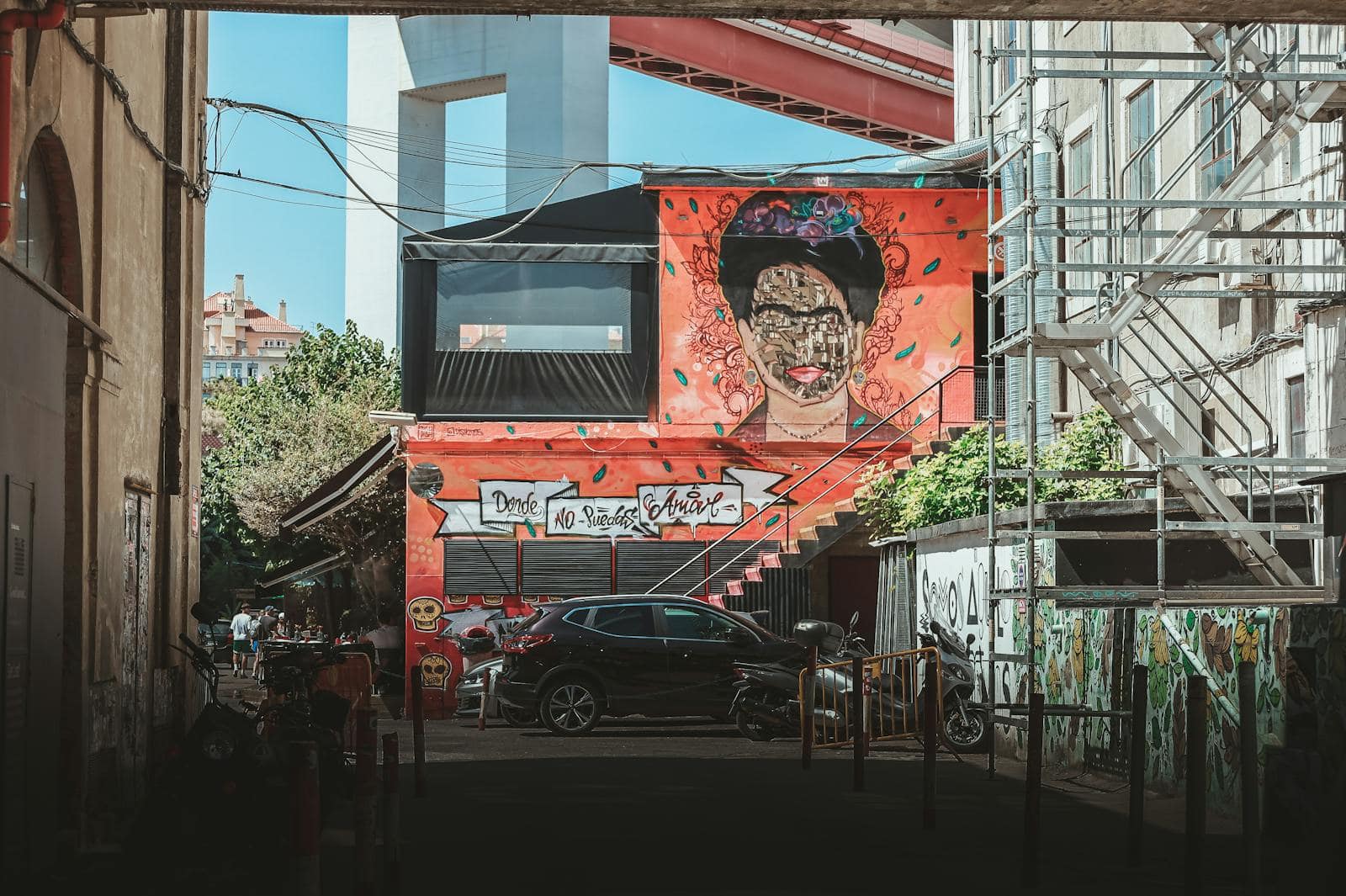
Helsinki, Finland: 15 Best Things to See and Do

TL;DRThe best things to see and do in Helsinki include the sea fortress of Suomenlinna, Helsinki Cathedral and Senate Square, the rock-hewn church of Temppeliaukio, Kauppatori market and the design-led seaside sauna Löyly. Two to three days is enough for the city, ideally topped up with a trip to picturesque Porvoo or a ferry across to Tallinn (the crossing takes around 2 hours). The best time to come is May to September, when the summer solstice brings white nights; a train gets you from the airport to the centre in about 30 minutes, and tram number 2 or your own two feet will take you everywhere else. Helsinki is also one of the most vegetarian- and vegan-friendly cities in Europe.

Helsinki tends to get a little overlooked. Plenty of travellers treat it as nothing more than a stopover on the way to Lapland or a gateway to the ferry to Tallinn, and that’s a real shame. The capital of Finland is one of the most enjoyable European destinations for a long weekend, where Scandinavian calm meets a Russian touch, world-class design, seaside saunas and dozens of islands just a short ferry ride away. ☺️

In this guide you’ll find 15 of the best things to see and do in Helsinki, Finland, from the Suomenlinna sea fortress and a church carved into solid rock to design saunas and day trips to Porvoo or the ferry to Tallinn. I’ll tell you when’s the best time to visit, how to get around the city cheaply and where to stay.

The good news is that Helsinki is compact and very easy to explore on foot. A lot of the best things to do here are free, too, and the city is famously vegetarian-friendly. If you’re heading further north after Helsinki, check out my guide to what to see in Rovaniemi and my big article on what to see in Lapland.

TL;DR

  • Don’t miss: the Suomenlinna sea fortress, Helsinki Cathedral and Senate Square, the Temppeliaukio rock church, the Kauppatori market square and a seaside sauna.
  • When to go: the best time is May to September, with white nights around the summer solstice. Winter is cold but magical thanks to the Christmas markets and saunas.
  • Getting around: a train runs from the airport to the centre in around 30 minutes. Around town, just hop on tram number 2, which loops past nearly all the sights, plus the ferry to Suomenlinna (all on a standard HSL ticket).
  • How many days: 2 to 3 days is plenty for Helsinki, ideally with a day trip to Porvoo or the ferry to Tallinn.
  • Tip for vegetarians: Helsinki is one of the most veg-friendly cities in Europe, with great vegan bistros and market halls.

When to visit Helsinki

The best time to visit Helsinki is from May to September. Summer is warm (around 18 to 20 °C in July), the terraces buzz, the islands beckon and the sun barely sets. Around the summer solstice you’ll experience the white nights, when it stays as light as dusk all through the night, which is utterly magical for walks and seaside saunas.

If you’re not a fan of crowds, the sweet spot is May and September, when the weather is still pleasant, there are fewer tourists and September brings autumn colours. Just watch out for the Finnish holiday of Juhannus (midsummer), when the city empties out and plenty of places close. Winter (December to February) is cold and dark, but it has its own charm: lit-up streets, Christmas markets on Senate Square, and saunas you jump straight out of into the icy sea. As always with the weather in Helsinki, Finland, pack layers whatever the season.

How to get to Helsinki and how to get around

There are direct flights from London to Helsinki (with Finnair and British Airways), with a flight time of around three hours. From Helsinki-Vantaa Airport to the centre, a commuter train (lines I and P) runs straight to the main station, the journey takes around 30 minutes and a ticket to zone ABC costs €4.80. You couldn’t ask for a simpler connection.

The centre is compact, so getting around on foot is a breeze. A great trick is tram number 2, which passes most of the sights and doubles as a cheap sightseeing tour for the price of a regular ticket (€3.30). The same HSL ticket is also valid on the ferry to Suomenlinna, so you don’t need any pricey hop-on hop-off bus. 💡 Tip: the Helsinki Card only pays off on an intense “museum” day with several paid entries. So much of the best stuff here is free that for a regular visit you can do without it. Check current fares on the HSL transport website.

Where to stay in Helsinki

The best bet is to stay in the centre near the cathedral and the station or in the Kamppi and Punavuori districts, which are close to the shops, the Design District and the nightlife. The bohemian, cheaper option is the Kallio district. I’ve picked some well-rated options across different categories, so you can choose to suit your budget.

Great value for money and location comes from the cosy Hotel Finn right in the centre by Kamppi. Equally practical is the stylish aparthotel Bob W Kamppi with a kitchenette (ideal for a longer stay), or the reliable Scandic Helsinki Hub. If you want a boutique experience, you’ll love the design-led Hotel St. George, the elegant Lilla Roberts in the Design District, or the atmospheric Hotel Katajanokka in a former prison near Uspenski Cathedral.

Fortress and cathedrals: must-see Helsinki

Let’s start with the most iconic things Helsinki has to offer. A sea fortress spread across islands, a snow-white cathedral and a church carved into rock are the kind of sights people come here for. Here are four you definitely shouldn’t miss.

1. Suomenlinna, the sea fortress on the islands

Suomenlinna is a sprawling 18th-century fortress spread across six connected islands in the bay off Helsinki, and it’s been on the UNESCO list since 1991. You’ll find ramparts, tunnels, old cannons, museums and cafés, and more than eight hundred people still live here. It’s the number one Helsinki day trip.

Locals come here to picnic, so do as they do: grab a snack at the market hall and take it with you. The island is only reachable by boat, the HSL ferry leaves from Kauppatori and the ride takes about 15 minutes on a standard ticket (€3.30). Buy your ticket in advance, as they aren’t sold on the boat. More on the official Suomenlinna website.

2. Helsinki Cathedral and Senate Square

Helsinki Cathedral, with its green domes above a monumental flight of steps, is the most photographed building in Finland. It stands on Senate Square, a unified neoclassical ensemble that the same architect also designed along with the university and the government palace. The view down from the steps over the square is the best photo in Helsinki.

Entry to the cathedral is free and the interior is beautifully understated. 💡 Tip: every day at 17:49 a sound installation fills the square, a lovely little detail that most tourists never stumble upon.

3. Uspenski Cathedral

A short walk from the harbour, on a hill in Katajanokka, rises Uspenski Cathedral, the largest Orthodox church in Western Europe. The brick-red building with golden onion domes is the complete opposite of the white cathedral, and together they beautifully illustrate Finland’s history on the border between Sweden and Russia.

Entry is free, the interior is richly decorated, and from the hill you get a lovely view of the harbour and the centre. Combine your visit with a stroll around the Katajanokka district, which is picturesque in its own right.

4. Temppeliaukio, the church carved into rock

This one is utterly unique. Temppeliaukio is a Lutheran church from 1969 carved directly into solid granite rock and topped with a copper dome. Bare rock walls, light streaming through a ring of windows beneath the dome and superb acoustics make it one of the most unusual places in the city.

Entry costs just a few euros and concerts are often held here, well worth catching. Opening hours change depending on services and events, so check them a few days ahead. The church is in the Töölö district, about a 15-minute walk from the centre.

Markets, design and modern Helsinki

Helsinki is a global design powerhouse and its modern urban culture is alive and kicking. From the harbour market to a jaw-dropping library and a seaside sauna, here are four tips that will give you a taste of contemporary Finland.

5. Kauppatori and the Old Market Hall

Kauppatori, the Market Square by the harbour, is the beating heart of the city. Seagulls swoop among the stalls selling food, souvenirs and seasonal produce, and right next door stands the covered Old Market Hall from 1889, full of delicacies. This is also where the ferries to Suomenlinna depart.

💡 Tip: the quality inside the hall is usually higher than at the outdoor stalls, which tend to be pricier. Grab a coffee with a cinnamon bun, korvapuusti, or stock up for a picnic at the fortress.

6. Esplanadi and Finnish design

The elegant green boulevard Esplanadi is where locals come to promenade, lined with cafés and Finnish brands like Marimekko and Iittala. In summer there’s live music on the Espa stage and the iconic Kappeli café sits at the end. From here it’s a stone’s throw to the Design District.

This marked district around Punavuori brings together some two hundred addresses: design shops, studios, galleries and boutiques, plus the Design Museum. If you love Scandinavian furniture, fashion or jewellery, you’ll lose track of time here. You can grab a free Design District map online.

7. Oodi, the most beautiful library you’ve ever seen

Don’t let the word “library” fool you. Oodi is an architectural gem of wood and glass from 2018, standing opposite the parliament and serving as the city’s living room. Inside you’ll find 3D printers, sewing machines, game rooms and a café.

The loveliest part is the third floor, “Book Heaven”, with its undulating ceiling and a terrace overlooking the parliament. Entry is completely free and it’s the perfect refuge when it’s raining or freezing outside. Details on the Oodi library website.

8. Löyly and Allas Sea Pool: a sauna by the sea

The sauna is sacred to Finns, and in Helsinki you can enjoy one in style. Löyly is an architecturally acclaimed wooden sauna complex by the Baltic, where after working up a sweat you cool off by plunging straight into the sea, even into an ice hole in winter. It’s the best-known design sauna in the city, but book ahead, as it tends to fill up.

If there’s no room at Löyly, go for the Allas Sea Pool right by Kauppatori, a floating spa with both a heated and a seawater pool and saunas overlooking the harbour. Entry runs around €16 to €22. More on the Löyly website.

lukas a lucka
Lukáš and Lucie recommend
Where to Stay in Helsinki
6 accommodations — hotels, wellness hotels and other accommodation options

Art, parks and neighbourhoods

Helsinki is best discovered slowly, by wandering through parks and neighbourhoods and dropping into one of its excellent museums. Here are four tips to get to know the city’s quieter, more creative side too.

9. Art museums: Ateneum, Kiasma and Amos Rex

Helsinki has a great trio of museums for every mood. Ateneum showcases the golden age of Finnish painting and the classics (plus the likes of van Gogh and Munch), Kiasma is the national museum of contemporary art, and the underground Amos Rex with its undulating skylights on the square is famous for its Instagram-worthy exhibitions.

Admission runs around €20 to €23 per museum, but it pays to look out for free days (Kiasma has free entry on the first Friday of the month). If you’re a museum buff, consider the annual Museokortti pass, which covers most Finnish museums.

10. The Sibelius Monument and Töölö Park

The Sibelius Monument is Finland’s most famous sculpture, a steel artwork made of six hundred hollow pipes resembling an organ, dedicated to the composer Jean Sibelius. It stands in a beautiful park in the Töölö district by the bay, so a visit pairs nicely with a stroll along the water.

It’s outdoors and free, 24 hours a day. 💡 Tip: tour buses arrive in the morning, so for some peace and better photos come early in the morning or towards evening.

11. Kallio, the locals’ bohemian district

If you want to see authentic Helsinki without the tourists, head to the Kallio district east of the centre. This former working-class area is now bohemian, full of students, artists, independent cafés, veggie bistros, second-hand shops and cheaper bars. This is where the locals hang out.

The landmark is Kallio Church, and nearby is the Hakaniemi market hall. It’s the ideal district for a slow morning over coffee and soaking up the city’s real life. By the way, for families with kids, the traditional Linnanmäki amusement park with free entry is just a short hop away.

12. Seurasaari, the open-air museum on an island

Twenty minutes from the centre lies the island of Seurasaari, connected to the mainland by a footbridge, and on it an open-air museum of traditional Finnish wooden farmsteads, little churches and mills brought here from all over the country. It’s a pleasant escape into the Finnish countryside and nature, where tame squirrels scamper around you.

The island itself is free to access and is perfect for a picnic and a walk, but the guided houses are only open in summer (roughly mid-May to mid-September). You can get here on bus number 24 from the centre.

The best day trips from Helsinki

Helsinki makes a great base, and just outside the city wait a few trips worth a full day. Whether you’re after a picturesque old town, Finnish wilderness or an entirely different country, here are three ideas.

13. Porvoo, a picturesque old town by the river

Porvoo is the second-oldest town in Finland and the prettiest day trip from Helsinki. The picturesque old town with cobbled streets and the famous rusty-red wooden warehouses by the river looks like something off a postcard. You’ll find cafés, craft workshops and local chocolate and liquorice.

Direct buses from Kamppi run roughly every half hour from Helsinki, the journey takes around 40 to 50 minutes, and in summer you can even sail there on a scenic river boat. Allow four to six hours on the ground.

14. Nuuksio National Park, Finnish wilderness within reach

Think the Finnish wilderness is far away? Wrong. Nuuksio National Park lies just about 35 km from Helsinki and offers classic Finnish taiga, lakes, blueberries and, with a bit of luck, even a flying squirrel. It’s a great way to taste Finnish nature without having to travel all the way to Lapland.

Entry is free and you can get here by public transport (train to Espoo and then a bus). The trails vary in length, and the Haltia nature centre sits by the entrance. Bring water and a snack, as there’s no kiosk in the park. Maps on the Finnish national parks website.

15. Tallinn by ferry, the Middle Ages around the corner

This is my favourite bonus. From Helsinki you can sail to Tallinn in Estonia in just two hours by ferry and spend a day in one of the most beautiful medieval towns in Europe. Tallinn’s old town is on the UNESCO list, is completely different from Helsinki and is cheaper too.

Ferries run frequently (around ten crossings a day) and as a foot passenger you’ll pay roughly €25 to €80 for a return ticket depending on the day and time. You can realistically do it as a full-day trip, just keep an eye on the time of the last ferry back.

What to eat in Helsinki (even as a vegetarian)

Helsinki is one of the most vegetarian- and vegan-friendly cities you’ll find in Europe, so if you don’t eat meat like us, you’ll feel right at home. The local speciality is salmon (such as creamy salmon soup) and reindeer meat up north, but I only mention that for completeness.

For veggie spots, try the fully vegetarian Yes Yes Yes, the popular falafel and bowls at the Fafa’s chain, excellent burgers at Bun2Bun or the Lebanese Levant with its hummus and mezze. You’ll also find great veggie stalls in the market halls. And don’t forget the Finnish sweets: the cinnamon bun korvapuusti, the almond-and-raspberry pastry runebergin torttu or (at your own risk) the salty liquorice salmiakki. ☺️

Panorama Helsinek, hlavního města Finska 🚗 Car rental on the road Verified rental cars in Finland

Search with the DiscoverCars comparison engine — it compares prices from dozens of local and international rental companies, and most bookings come with free cancellation.

Compare car prices in Finland →
DiscoverCars comparison✓ free cancellation on most bookings✓ no hidden fees

Frequently asked questions about Helsinki

How many days do you need for Helsinki?

“`html
2 to 3 days are more than enough for Helsinki itself. You’ll have time to see the main sights (Suomenlinna, the cathedral, the rock church, the market hall, sauna) and still have time left for one day trip, ideally to Porvoo or by ferry to Tallinn.
“`

When is the best time to visit Helsinki?

“`html
The best time is May to September, when it’s warm, days are long and everything’s open. Around the summer solstice you’ll enjoy the white nights. May and September are the sweet spot without crowds. Winter is cold and dark, but tempts with Christmas markets and seaside saunas.
“`

How do I get from the airport to central Helsinki?

“`html
The easiest option is the commuter train (lines I and P), which runs from Helsinki-Vantaa Airport directly to the central station in about 30 minutes. A ticket for zone ABC costs €4.80 (around 120 CZK) and is valid for 90 minutes.
“`

How to Get Around Helsinki on a Budget?

“`html
The center is compact and can be explored on foot. For longer distances, use the HSL public transport; a single ticket (€3.30) is also valid for the ferry to Suomenlinna. Tram number 2 also covers most of the sights and serves as a cheap sightseeing ride.
“`

Is the Helsinki Card Worth It?

“`html
The Helsinki Card is mainly worth it for an intensive museum day with several paid entries and lots of public transport use. However, since many of the best things in Helsinki are free (the Cathedral, Uspensky Cathedral, Oodi, Esplanadi, Seurasaari Island), it’s often not worth it for a regular visit.
“`

Can you do a day trip from Helsinki to Tallinn?

Yes, and it’s popular. The ferry to Estonian Tallinn takes roughly 2 hours and runs frequently, so you can comfortably manage a full-day trip to its medieval old town. A return ticket for a foot passenger costs around 25 to 80 €.

Are Helsinki suitable for vegetarians?

Very much so. Helsinki ranks among the most vegetarian and vegan-friendly cities in Europe. You’ll find fully vegetarian restaurants (Yes Yes Yes), vegan burgers, falafel chains, and great veggie stalls in the market halls.

Tips and Tricks for Your Vacation

Don’t Overpay for Flights

Search for flights on Kayak. It’s our favorite search engine because it scans the websites of all airlines and always finds the cheapest connection.

Book Your Accommodation Smartly

The best experiences we’ve had when looking for accommodation (from Alaska to Morocco) are with Booking.com, where hotels, apartments, and entire houses are usually the cheapest and most widely available.

Don’t Forget Travel Insurance

Good travel insurance will protect you against illness, accidents, theft, or flight cancellations. We’ve had a few hospital visits abroad, so we know how important it is to have proper insurance arranged.

Where we insure ourselves: SafetyWing (best for everyone) and TrueTraveller (for extra-long trips).

Why don’t we recommend any Czech insurance company? Because they have too many restrictions. They set limits on the number of days abroad, travel insurance via a credit card often requires you to pay medical expenses only with that card, and they frequently limit the number of returns to the Czech Republic.

Find the Best Experiences

Get Your Guide is a huge online marketplace where you can book guided walks, trips, skip-the-line tickets, tours, and much more. We always find some extra fun there!
Northern Iceland and the Diamond Circle: 12 Tips on What to See and Do in 2026

TL;DRIceland’s Diamond Circle in the north is a roughly 250-kilometre route — set aside two full days to do it justice. It links the Goðafoss waterfall, the volcanic Mývatn lake with the Hverir mud fields and Dimmuborgir lava formations, Europe’s most powerful waterfall Dettifoss, Ásbyrgi canyon and the whale-watching town of Húsavík. Akureyri makes the best base, with all the main sights reachable in a day trip. Late May to September is the best window, and autumn is a great bonus if you’re hoping to catch the northern lights. In 2026, factor in a new per-kilometre tax on hire cars, plus the closure of the Mývatn Nature Baths as they’re rebuilt into the Earth Lagoon.

When Lukáš and I finally reached northern Iceland on day eight of our big road trip, right at the turn of September and October, it was an incredible relief. The Golden Circle in the south is gorgeous, sure, but to be honest, at the most famous spots you sometimes end up queuing just to take a photo, and it feels less like wilderness and more like a crowded shopping street back home.

The moment you cross that invisible line and set off to explore northern Iceland, though, the landscape starts to breathe much more slowly, the roads magically empty out, and nature finally shows you its raw, untamed face.

The northern part of the island hides a giant volcanic laboratory, Europe’s mightiest waterfalls, and picturesque bays where a soothing silence reigns. In this article you’ll find 12 tips on what to see and do along the route known in English as the Diamond Circle, and you’ll discover exactly why you shouldn’t skip this region.

I’ll show you how to put together your itinerary, where to stay smartly, and how much the whole adventure will cost you, including all the changes and updates for 2026.

TL;DR

  • The north of the island is far quieter than the south, and to drive the Diamond Circle (about 250 kilometres) you’ll ideally need two full days.
  • The best base for excursions is the town of Akureyri, from which you can easily reach all the main attractions and find great cafés and the cheapest supermarkets.
  • In 2026 you need to watch out for the new per-kilometre tax on rental cars, as well as the complete reconstruction of the famous baths at Lake Mývatn.
  • A lovely paved road (route 862) leads to the mighty Dettifoss waterfall from the west, and a regular car will do just fine, whereas the eastern side is a wild gravel track better suited to 4x4s.
  • Lukáš and I didn’t camp at all, because autumn already gets pretty cold, but we stayed in cosy guesthouses and apartments with shared kitchens, where we cooked our own vegetarian meals.

When to go and how to get there

Planning a trip to the north of the island takes a bit more thought than a simple drive along the south coast, because the weather here can be far more treacherous and the distances are pretty big. From Reykjavík to Akureyri it’s roughly 380 kilometres along the main Ring Road, which in summer you can drive in some five hours of pure driving time, although in reality you’ll be stopping every twenty minutes for photos.

Anyone who’d rather take a break from the wheel can use the local Strætó bus lines, but the journey easily takes eight to ten hours. A ticket will set you back a fairly brutal 13,200 ISK (about £77), so for two people it really doesn’t make financial sense.

Lukáš and I have long had a great experience with DiscoverCars, through which we rent cars all over the world, and on Iceland that goes double.

If you come in summer and plan to stick to the main paved roads, including the road to the western side of Dettifoss, you’ll be perfectly fine with a regular two-wheel-drive car. We drove the north at the start of October, though, when frost and snow were already a real threat, so we had a 4×4 and Gravel Protection insurance, which is an absolute must on Iceland, because even on the Ring Road you’ll occasionally hit gravel stretches and replacing a windscreen costs ridiculous amounts.

On top of that, in 2026 the Icelandic government scrapped the traditional fuel tax, and while petrol did drop to around 305 ISK per litre (about £1.78), there’s now a new per-kilometre tax, which for ordinary passenger cars up to three and a half tonnes works out at 6.95 ISK per kilometre driven (roughly £0.04).

Some rental companies will bill you at the end based on the odometer, others handle it with a flat fee of around 1,390 to 1,550 ISK per day, so be sure to factor it into your travel budget.

The most beautiful time to visit is from late May to September, when you’ll avoid the big blizzards and enjoy long summer days full of the midnight sun. Just be sure to pack an opaque sleep mask, otherwise you won’t get much rest.

We loved the autumn dates mainly for the northern lights, because the north offers far more clear, cloudless nights than the rainy south. Even though the solar maximum peaked last year, in 2026 solar activity is still extremely strong and well above average. Just keep an eye on the Icelandic Met Office app and watch for a KP index of 2 or higher.

I’d also strongly recommend keeping the Safetravel.is website handy at all times, where you’ll find current warnings about strong winds or possible road closures, which incidentally saved us from a nasty situation. Finally, before you travel, make sure you know the physical PIN for your bank card, because at lots of self-service petrol stations simply tapping your phone unfortunately won’t get you very far.

Where to stay and how much northern Iceland costs

Accommodation in Iceland can really blow a hole in your wallet, but if you know where to look and how to organise your trip, it doesn’t have to mean personal bankruptcy. A mid-range budget for a couple for one week comes to around £3,000 to £3,200 including flights and a car, with the biggest expense after transport being the roof over your head. We planned our trip so that we’d sleep under a solid roof in the warmth, because autumn nights can get truly icy and camping didn’t appeal to us much.

We deliberately chose smaller family guesthouses, hostels, or apartments with access to a shared kitchen, which in our view was the best way to save money. Booking.com is our favourite accommodation search engine, and we always tried to find places where a night for two cost around 20,000 to 25,000 ISK (roughly £117 to £146).

The ideal strategic base for exploring the north is definitely Akureyri, where you’ll find the most options and shops for stocking up. If you fancy a bit of luxury right in town, take a look at the Kea or Berjaya hotels, where prices per night start from $88 upwards. For backpackers, the lively Akureyri Backpackers hostel is a great choice, where you’ll easily meet fellow travellers and pick up inspiration for trips.

Alternatively, you can try staying right in the area around Lake Mývatn, where it’s a little pricier, but you get breathtaking views straight from your door. Hotel Laxá is fantastic, as is the popular Vogafjós farmstay, which by the way offers absolutely magical morning views of the sun rising over the lake — you just have to book it well in advance.

If, on the other hand, you’re planning early-morning whale watching, it makes huge sense to spend the night right in Húsavík, where the very popular Fosshotel or the cosy family-run Cape Hotel are just a few minutes’ pleasant walk from the harbour.

💡 Specific accommodation tips (check prices and availability via Booking, and book early — in season and around the 2026 eclipse they disappear months ahead):

Akureyri and surroundings: 3 tips on what to see in the capital of the north

When, after several days in the wilderness, you descend towards the Eyjafjörður fjord and the lights of Akureyri (pronounced ah-koo-ray-ri) appear before you, you feel as if you’ve arrived in a giant metropolis, even though fewer than thirty thousand people live here. The town is enchanting, the red traffic lights are shaped like little hearts, and you’ll find excellent infrastructure for refuelling, so it’s unquestionably the capital of the entire north.

1. Akureyri’s centre and its amazing botanical garden

You can walk the centre itself in about twenty minutes, but it’s well worth stopping at the iconic Akureyrarkirkja church, reached by a seemingly endless staircase and offering a lovely view over the town.

Then head to the local botanical garden (Lystigarðurinn), which sounds like complete nonsense fifty kilometres below the Arctic Circle, but thanks to a special microclimate, thousands of plant species from all over the world really do grow here. Entry to the whole grounds is completely free, and in summer it’s a perfect oasis of calm, although we admired it more in autumn, when the trees were playing every possible colour and the falling leaves created an immensely romantic atmosphere.

Before heading further east, definitely do a big shop at the local Bónus supermarket, which you’ll easily recognise by its huge yellow logo with a cross-eyed pink piglet. They have the absolute best prices on the whole island, and we picked up a pile of ingredients for our evening cooking so we wouldn’t have to spend a fortune in restaurants along the way, where the choice for us vegetarians can sometimes be a little limited.

I’d also recommend filling up the tank, because petrol stations out in the wilderness further along the circle tend to be pricier and their card terminals occasionally play up. Never buy bottled water, though — Icelandic tap water is excellent, full of minerals, and available everywhere for free.

2. Bathing in the Forest Lagoon

If you’re looking for a calm alternative to the overpriced Blue Lagoon in the south, which is also often closed or evacuated due to unpredictable volcanic activity, the Forest Lagoon (Skógarböð) just outside Akureyri is in my opinion currently the absolute best place for a soak on the island. These new premium baths are cleverly set into a quiet birch wood with a view straight onto the deep fjord, and they offer an incredible experience without the huge crowds of shouting tourists.

Adult admission works out at roughly 5,990 ISK (about £35), and the water from natural thermal springs is a perfect 38 to 40 degrees, which after a whole day of freezing outside is simply bliss. Just be very careful with the unforgiving Icelandic pool etiquette, which a lot of foreigners have no idea about.

Before entering the water you have to shower completely naked and with soap, only putting on your swimsuit once you’re squeaky clean, because the local water is far less chlorinated and cleanliness is sacred here. If you try to slip into the shower in your swimsuit, you’ll get some very sharp looks and the local lifeguard will most likely send you straight back to the changing room. I’d recommend booking your tickets to Forest Lagoon in advance, as it’s often full.

3. A fairytale sunset at Goðafoss

About thirty-five minutes’ brisk drive east of Akureyri along main road number 1, you’ll come across one of the most beautiful waterfalls on the whole circle, shaped like a perfect wide horseshoe and serving as the symbolic gateway to the Diamond Circle. Goðafoss, or the Waterfall of the Gods, only drops twelve metres deep, but the enormous mass of turquoise glacial water from the Skjálfandafljót river shattering against sharp basalt rocks creates an utterly hypnotic spectacle.

It’s tied to a key moment in Icelandic history from the year 1000, when the influential local lawspeaker Þorgeir Ljósvetningagoði, after much deliberation, decided that Iceland would officially adopt Christianity to prevent a looming bloody civil war. As proof of this radical step, he threw his carved wooden figurines of the old Norse gods straight into the foaming waters, and that’s exactly where its noble name comes from.

We arrived at the end of our ninth day at the very moment when the sun was setting below the horizon and the whole sky was painting itself in unreal shades of deep purple and orange. It was already bitterly cold and I had to pull on a wool hat and winter gloves, but standing there with just a handful of other brave souls, listening to that thundering force, was without doubt one of the most beautiful romantic experiences of our entire Iceland trip.

The stop will take you about an hour, parking costs roughly 750 to 1,000 ISK, and from the car you can reach both viewpoints on the opposite banks in just a few minutes’ easy walk.

4. Skiing and town pools to warm up

If you happen to be travelling in the winter months and love active relaxation, Akureyri hides one huge secret: the fantastic Hlíðarfjall ski resort located right above the town. It’s the unbeatably best ski resort on the whole island, with perfectly groomed pistes and an ocean view that’ll take your breath away on the way down.

Whether you come back from skiing or a full-day trek, don’t miss a visit to the classic town swimming pool in Akureyri, where mostly locals come to relax after work. For just 1,200 ISK (about £7) you get access to several outdoor hot tubs at various temperatures, big swimming lanes, and steam saunas, which is a wonderfully cheap and utterly authentic alternative to the pricey tourist baths.

It’s in these hot tubs that all of Iceland’s social life takes place, and you’ll discuss absolutely everything with the locals, from politics to the weather.

💡 Tip: It pays to book tickets and organised tours (around Iceland and beyond) online in advance on GetYourGuide, as they fill up fast in season.

The wonders of Lake Mývatn: 5 spots straight out of another planet

As soon as you approach Lake Mývatn by car, the surrounding landscape starts to transform into a strange form that looks as though it’s fallen out of a completely different planet, full of frozen lava and smoking craters. The whole area is, after all, the geological and volcanic heart of the north. Just reckon with one small and immensely annoying discomfort, because the name Mývatn itself translates as “lake of midges”.

In the summer months, especially when there’s complete calm, literal black clouds of tiny insects swarm around its shallow banks. These critters luckily don’t bite at all, but they’ll relentlessly and persistently crawl into your eyes, nose, and ears. So if you’re travelling in July or August, definitely toss a protective head net into your backpack — it’ll save you a lot of frustration. Luckily, in autumn we had no problem with midges at all and could calmly enjoy all these bizarre natural phenomena.

5. Hverir and the bubbling mud of Mars

You’ll safely smell this fascinating geothermal field long before you even see it over the hill, because the intense smell of hydrogen sulphide, reminiscent of rotten eggs, hits you in the nose the instant you open the car door in the car park. Hverir, also known as Námafjall, is a constantly steaming and aggressively hissing plain full of bubbling mud volcanoes, smoking fumaroles, and incredibly coloured earth crust that plays every shade of yellow, orange, and grey.

Lukáš and I wandered here for about an hour and a half, and the whole time I kept fascinatedly repeating that this is exactly how I imagine a lonely walk on Mars, because the surrounding hills have no vegetation whatsoever. There is, however, one absolutely crucial rule you must observe without fail, and that is to stay strictly on the marked wooden walkways and designated paths.

The earth’s crust here is treacherously and invisibly thin, the ever-present grey mud beneath it has a boiling temperature exceeding one hundred degrees, and the slightest step to the side could mean very serious burns, so be extremely careful.

6. Dimmuborgir, the Dark Castles

Just a short drive from the lake itself, you’ll come across a vast field of enormous black lava columns and mysterious caves towering to the sky like the ruins of some ancient gothic city. These formations were created thousands of years ago when an extensive lava lake cooled rapidly after an eruption and its upper crust collapsed with an enormous crash.

Comfortable marked trails now lead through this labyrinth of petrified black lava, which you can choose by length and difficulty, and the whole stunning area is accessible completely free of charge.

Fans of Game of Thrones will probably recognise this place instantly, because the famous scenes of the freezing Wildling camp beyond the Wall were filmed here in winter. The overall atmosphere is wonderfully mystical, and old local legends claim that these dark towers and tunnels are home to the feared Icelandic Christmas trolls known as the Yule Lads (Jólasveinar).

Every December, they supposedly crawl out of their caves and play all sorts of mischievous pranks on people in the villages, from stealing sausages to slamming doors.

7. The romantic Grjótagjá cave

As you drive around the lake, make a little detour to an inconspicuous fissure in the ground, into which you have to descend very carefully over slippery boulders to find yourself in the small, intimate Grjótagjá lava cave full of crystal-clear turquoise water. Grjótagjá used to serve the locals as a hidden and immensely popular spot for wild swimming.

After a series of wild volcanic eruptions from the nearby Krafla volcano in the 1970s and 1980s, however, the underground springs heated up so much that you can no longer bear the temperature, and any dipping is now strictly forbidden under threat of a fine.

This place gained huge worldwide fame, once again thanks to Game of Thrones, because it was right here that Jon Snow broke his Night’s Watch vow with the wild Ygritte, so unfortunately today crowds of tourists take turns for a quick Instagram photo. Still, definitely stop here for ten minutes, carefully climb down, soak up that damp, hot atmosphere, and gently touch the mirror-like surface to discover for yourself that the water really is at a temperature where you could comfortably brew your afternoon tea.

8. Earth Lagoon: the big news for 2026

After a long, tiring day spent in volcanic dust, wind, and the constant smell of sulphur, you’ll definitely fancy plunging into hot thermal water and letting your sore muscles rest, but at Mývatn you currently need to keep a close eye on the construction calendar. The original and very popular blue baths, Mývatn Nature Baths (Jarðböðin in Icelandic), closed completely on 1 January 2026 for extensive demolition and rebuilding, so during the first half of the year they’re unfortunately entirely out of operation.

According to official information, this iconic complex should reopen sometime in spring or early summer under the new name Earth Lagoon, with a huge new building, a pool that’s thirty-five per cent larger, and a capacity for nearly six hundred people. Basic admission, the so-called Earth Essential, should start at 7,900 ISK (roughly £46), while the premium Signature version comes to 9,900 ISK.

If you fly here at a time when construction work is still under way and the complex is closed, don’t despair at all — just head back to the luxurious Forest Lagoon near Akureyri, or carry on north to the gorgeous GeoSea sea baths in Húsavík.

9. The Skútustaðagígar pseudocraters

On the southern shore of Lake Mývatn you mustn’t miss the curious green mounds that look like perfect miniatures of giant volcanoes, scattered both in the water and on land. These are the so-called Skútustaðagígar pseudocraters, another of this amazing area’s many free geological wonders. What’s surprising about them is that no lava has ever erupted from them in history.

They were formed when a stream of hot flowing lava poured over boggy, water-soaked terrain, the water instantly turned into a huge amount of steam beneath the airtight crust, and the resulting massive explosions blasted the soil into the shape of perfect craters.

Today these mounds are covered in soft grass, with pretty scenic paths running around them, and they’re also a fantastic spot for watching dozens of species of rare northern birds that regularly nest on Lake Mývatn.

lukas a lucka
Lukáš and Lucie recommend
Where to stay in northern Iceland
6 accommodations — hotels, resorts and other lodging options
lukas a lucka
Lukáš and Lucie recommend
Where to stay in northern Iceland
6 places to stay — resorts, hotels and other accommodation options

Dettifoss, Ásbyrgi and Húsavík: 6 experiences full of wild nature

When you continue along the circle from the volcanic inferno towards the deserted northeast, you enter a kingdom of untamed water and enormous rocky cliffs ruled by the fierce, ice-grey Jökulsá á Fjöllum river. It’s on this mighty river that the most beautiful waterfalls lie, and its flow empties all the way into the icy Greenland Sea, from which enormous whales arrive in sheltered bays each spring in search of food.

10. Dettifoss and its crushing power

Get ready for a truly unreal roar that no photo will prepare you for. Dettifoss is officially the mightiest waterfall in all of Europe, and its raw power is both terrifying and utterly fascinating at once.

It measures over forty-four metres high, an impressive hundred metres wide, and every single second an average of an incredible 193 cubic metres of grey water saturated with coarse glacial sand flows through it, so when you stand on the viewpoint near the edge, you physically feel the whole earth literally vibrating beneath your feet. Director Ridley Scott knew exactly what he was doing when he chose this very raw spot for the dramatic opening scene of his dark sci-fi film Prometheus.

Two roads lead to the waterfall from the south, and choosing the right one is an eternal dilemma for all travellers. Lukáš and I chose the western one along route 862, because it’s beautifully and freshly paved, comfortably drivable for absolutely any regular car, and brings you to a huge viewing platform.

We deliberately didn’t venture onto the opposite eastern bank via route 864, since it’s a rough, dusty gravel rollercoaster that’s open only in summer from June to September and is better suited to high 4x4s. It’ll reliably rattle your soul out of your body and coat your car in a thick layer of dust, but on the other hand it rewards you by letting you right up to the slippery edge of the abyss with no protective railing whatsoever, which is an experience only for the bravest of natures.

11. The smaller but beautiful Selfoss

Just a really short distance upstream from Dettifoss along the same fierce river lies another amazing and immensely photogenic waterfall called Selfoss, reached by a very well-marked rocky trail; from the car park you can walk there comfortably in about fifteen minutes. It’s nowhere near as tall and brutally powerful as its more famous neighbour, but here the water falls elegantly over an immensely wide cascade formed by many small basalt columns, creating a fantastic water wall that looks as though it’s been cut from a fairytale.

Unfortunately, we had to skip this promising walk to Selfoss with heavy hearts, because the absolute worst Icelandic weather caught us right at the main Dettifoss viewpoint — a horizontal gale mixed with freezing rain blew in, and after a mere twenty minutes of vainly battling the elements, we were chilled to the bone.

If you have even slightly more bearable conditions, though, and aren’t at risk of immediate hypothermia, definitely make the trip, because the vast majority of more comfort-seeking people settle for just the main waterfall, so at Selfoss you’ll have far more of the longed-for peace and quiet for perfect photos.

12. The hidden gem of Aldeyjarfoss

If you’ve rented a four-wheel-drive car and aren’t afraid to leave the main paved roads, set off to find one of the most amazing hidden gems of the entire north: the Aldeyjarfoss waterfall. You reach it along the rough gravel road F26, which means you cannot drive here in a regular hire car under threat of a huge fine, and the journey takes a bit more time and courage.

Your reward for this bumpy journey, though, will be the sight of a massive stream of white glacial water dramatically plunging down into a deep pool surrounded by absolutely perfect hexagonal basalt columns. These dark geometric formations look as though someone hand-carved them and arranged them into organ pipes, creating an utterly stunning contrast with the raging, foaming water, so if you have the right car, definitely circle this spot on your map.

13. The magical Ásbyrgi canyon

As the road past the waterfalls slowly curves around the northern coast and descends into the vast Vatnajökull National Park, a huge green canyon shaped like a perfect horseshoe suddenly opens up before you, bearing the resounding name Ásbyrgi. Walls of vertical grey basalt fall here from an incredible hundred-metre height and, very atypically, shelter a quiet birch wood inside, which on perpetually windswept and bare Iceland is an absolute visual rarity.

Rational geologists will convincingly tell you that this formation was carved out by enormous catastrophic floods from melting glaciers thousands of years ago, but fans of old Norse mythology, whom I always like to side with in places like this, believe a far more romantic version. According to them, Ásbyrgi is the giant hoofprint of the mythical eight-legged horse Sleipnir, on which the supreme god Odin himself once rode across the heavens.

Stop here, take a gentle trek along the canyon floor to the small turquoise pond Botnstjörn, or climb the central rock Eyjan and soak up that cathedral-like silence, which works as a perfect balm for the soul.

14. The town of Húsavík and a whale safari

Húsavík is a gorgeous harbour town with typical colourful Nordic houses, a beautiful pristine white wooden church from 1907, and snow-capped mountain peaks that form a monumental backdrop. Above all, though, it’s famous as the unquestionable whale-watching capital of all Europe, because the vast local Skjálfandi bay offers ideal conditions with an enormous amount of marine plankton.

The success rate of spotting these giant mammals here ranges between an impressive 97 and 99 per cent. While you’re there, before your voyage you can also pop into the excellent Whale Museum with its huge skeletons, where a ticket costs 1,600 ISK.

Lukáš and I skipped the famous whale watching this time, since we’d already admired whales on earlier trips and preferred to wander the empty harbour lanes with a coffee in hand, but if it’s your lifelong dream, definitely head out with North Sailing or Gentle Giants. Trips on traditional oak sailing ships last about three hours and cost around 12,990 ISK for an adult (about £76; children pay 6,990 ISK).

The chance of seeing majestic humpbacks, minke whales, or playful leaping dolphins here during the summer months is practically one hundred per cent. Anyone craving adrenaline can choose the super-fast RIB rubber boats, which get you much closer to the whales and puffins, but you’ll pay extra for those — up to 21,990 ISK. In June and July you can even occasionally spot the blue whale itself, which is an experience of a lifetime.

15. The warm GeoSea sea baths

If you’re chattering your teeth after returning from an icy boat full of frozen ocean wind, or simply looking for the most beautiful spot to relax after a day full of demanding clambering over cliffs, right above the harbour in Húsavík lie the architecturally perfect GeoSea geothermal baths. These dark grey pools with an amazing infinity edge are filled directly with hot geothermal seawater rich in minerals, which is an absolute natural rarity on the island, and the salt water beautifully buoys up your tired body.

From the hot pool, which stays at a constant and ideal thirty-eight degrees, you look straight out at the snow-capped Nordic mountains on the far shore of the dark fjord, just below the Arctic Circle. With a bit of luck, you can even watch the spouting geysers of breathing whales in the distance, straight from the hot water with a frosty beer or drink in hand.

Adult admission works out at a very pleasant 7,490 ISK (about £44), and it’s always best to double-check the more detailed opening-hours information directly on the official GeoSea website, which is worth checking even before you arrive.

💡 Tip: It pays to book tickets and organised tours (around Iceland and beyond) online in advance on GetYourGuide, as they fill up fast in season.

Where to eat in northern Iceland

Before your trip, most people will frighten you with the idea that outside Reykjavík you absolutely won’t find anything civilised to eat in the north and that you’ll starve over a can of beans, but the truth is that the town of Akureyri in particular has a culinary scene at a surprisingly high level.

I deliberately don’t focus our personal tips on the biggest obscure local meat specialities, like the infamous fermented shark or boiled ram’s heads, because Lukáš and I are vegetarians and honestly the very thought of such food doesn’t sit well with us, so we always happily hunted for places with a proper vegetable or meat-free offering.

Most of all, we fell in love with the excellent modern spot Café Berlin in Akureyri, where we’d recommend going for a really hearty late brunch with perfect specialty coffee, a great fresh avocado toast, and plenty of eggs, for which you’ll leave a fairly bearable 2,500 to 3,500 ISK.

If, after a whole day of freezing, you fancy something warmer and more traditional in the evening, stop by the beautiful historic building of Bautinn restaurant from 1902, where the prices are surprisingly reasonable and we had an absolutely perfect vegetarian creamy soup with fresh bread. If you’re more after a quick and cheaper lunch in a livelier atmosphere, the restaurant at the Akureyri Backpackers hostel or the nearby modern bistro Taste are also great choices.

On the other hand, be very wary of the widely acclaimed and upscale Rub23, which every printed guidebook is bound to recommend. It focuses almost exclusively on local fish and pricey seafood, so they’d only make you a proper meat-free meal after a great deal of long-winded persuasion.

For committed carnivores who want to save significantly, though, there’s one legendary lifeline: the ubiquitous N1 petrol stations, where they serve the classic Icelandic hot dog (pylsa) with crispy onions and mustard for a cheap-and-cheerful 820 ISK, which keeps a lot of travellers going for a whole week.

Once you head out of Akureyri into the wilderness, your options naturally thin out a lot. In the harbour town of Húsavík you’ll luckily find the rather lovely Japanese bistro Hlöðufell with good hot ramen and decent tofu options (mains here come to around 2,800 to 4,000 ISK), but we sorted out the whole eating side purely pragmatically.

Almost every evening after returning from our trips, we cooked our own hearty cheesy pasta and quick vegetable dishes in the shared kitchens of our accommodation, which saved us not only a lot of money but also a lot of hassle hunting for an open restaurant in the impenetrable darkness of the northern Icelandic countryside.

Comparison: Diamond Circle vs. Golden Circle

Lots of confused travellers often write to us asking whether, on their first trip, they should sacrifice their time for the famous and accessible Golden Circle near Reykjavík, or set off on the much longer, pricier, and more demanding journey to the Diamond Circle. The honest answer is that if you only have flights to Iceland for a quick long weekend, definitely stay in the south. You can comfortably drive the Golden Circle from the capital in a single day and see the biggest geysers and the historic Þingvellir National Park, although unfortunately you’ll inevitably have to push through enormous crowds of people with big cameras, and the car parks will be bursting at the seams.

But if you have at least seven full days for this magical island, the north will be an incomparably more authentic and powerful experience. Whereas the south is all too easily accessible and full of tour buses straight from the airport, the north is something you have to earn a little with a long, full-day drive across deserted plains. Your reward, though, will be far wilder waterfalls led by Dettifoss, active, dangerous mud volcanoes at Mývatn, a truly real and guaranteed chance to see humpback whales, and that wonderful, free feeling that, in the middle of beautiful wilderness with no signal, it really is just you and untamed Nordic nature.

Where to next

If the Diamond Circle in northern Iceland captivated you as much as it did us, or if you’re only just piecing together the whole itinerary of your dream trip around the island of fire and ice over your evenings, definitely check out our other articles too. In them we’ve shared a heap of practical tips from our own three-week journey in a campervan and a car:

Frequently asked questions

1. What is the Diamond Circle and how much time do I need for it?

This is an amazing tourist route in the far north of Iceland, approximately 250 kilometres long, which connects the main attractions into one logical whole, such as the Goðafoss waterfall, the restless volcanic Lake Mývatn, the giant roaring Dettifoss waterfall, the legendary Ásbyrgi canyon, and the charming whale-watching town of Húsavík. While you could technically rush through the whole thing in one extremely demanding day from dawn to dusk, it’s ideal to allow yourself two to three days for the entire circuit for relaxed, stress-free travel.

2. Which side of Dettifoss waterfall is better to go to?

If you have a standard regular passenger car from the rental company, head without any hesitation to the western side via the newly paved road 862, which will take you to a nice safe viewpoint and spare your shock absorbers. The eastern side accessible via road 864 is really rough, dusty and treacherous gravel road more suitable for high-clearance vehicles with four-wheel drive, moreover it’s impassable in winter months due to snow and open exclusively only in the main summer season.

3. Where can you swim at Mývatn in 2026?

The famous and very popular blue Mývatn Nature Baths (Jarðböðin) unfortunately closed completely on January 1st, 2026 due to extensive renovations and will reopen in full glory in spring or more likely summer under the new grand name Earth Lagoon. Until that happens for certain, you’ll need to use the excellent nearby alternatives for relaxation, which are the secluded forest baths Forest Lagoon near Akureyri (admission €40) or the exclusive seaside geothermal baths GeoSea built on cliffs in Húsavík (€50).

How much does a whale watching tour in Húsavík cost and what are the chances of seeing them?

The vast bay near Húsavík is among the absolute best spots in all of Europe, so the chance of seeing whales up close during the long summer season ranges between an amazing 97 to 99 percent. A classic quiet sailing trip with the renowned local company North Sailing lasts about three hours, often serves hot chocolate to warm you up, and costs 12,990 ISK per adult. For a faster boat, you’ll pay over 21,000 ISK.

5. What are those famous midges at Mývatn and how to protect yourself?

The Icelandic name of the lake literally translates to “midge lake” and in summer, especially when there’s complete calm on the island, literally black clouds of tiny insects constantly form along its shores. The advantage is that these tiny critters fortunately don’t bite or carry diseases at all, but they’re incredibly annoyingly flying into your eyes and ears in large numbers, so definitely pack a lightweight mosquito head net in your suitcase, it’ll save you a lot of cursing.

6. Is the town of Akureyri really a good base for exploring the north?

Absolutely the best you could possibly wish for. With just under thirty thousand inhabitants, it’s the largest bustling hub of the entire north, you’ll find loads of shops with the cheapest groceries (the legendary Bónus), plenty of good restaurants with vegetarian options, the excellent Forest Lagoon thermal baths, and you can reach the first waterfall Goðafoss, which is the gateway to the Diamond Circle, in a lovely thirty-five minute drive on asphalt.

Should I choose Diamond Circle or Golden Circle for my first trip?

This huge dilemma depends purely on your time constraints and nature. The Golden Circle in the south is closer to Keflavík Airport, you can easily manage it in a day, but be prepared for quite large crowds of tourists and constantly full car parks. The Diamond Circle, on the other hand, is much wilder, less crowded and offers an absolutely unique combination of raw volcanic activity with whales, but the journey there will simply take you several extra days of driving. ***

Where to Find the Best Flight Tickets

“`html
With Lukáš, we use Kiwi for all our trips and search for cheap flights there—it’s our absolute favorite portal for planning more complex flights around Europe.
“`

Renting a Car in Iceland

You definitely won’t get by without a reliable car in the north of the island, especially if you’re going outside the main summer season, when there’s a risk of snow and ice. Lukáš and I have long-term good experience with DiscoverCars, which we use all over the world and they’ll help you find the best deal across rental companies.

Accommodation Reservations

Booking.com is our favourite search engine for hotels and accommodation, where for expensive Iceland we almost always prefer to choose smaller guesthouses and apartments with a shared kitchen, where we can cook dinner ourselves in the evening.

Don’t forget good insurance

Medical care on the island and any helicopter evacuation from the wilderness is an extremely expensive affair, which is why we never head to these remote areas without quality insurance. For shorter trips we choose AXA (with a 50% discount) and for longer trips around the world we swear by the trusted insurer True Traveller.

Nezapomeňte na dobré pojištění

Lékařská péče na ostrově i jakýkoliv převoz vrtulníkem z pustiny je extrémně drahá záležitost, proto do těchto končin nikdy nevyjíždíme bez kvalitní pojistky. Na kratší cesty volíme AXA (s 50 % slevou) a na delší cesty po světě nedáme dopustit na ověřenou pojišťovnu True Traveller. —

Tips and Tricks for Your Vacation

Don’t Overpay for Flights

Search for flights on Kayak. It’s our favorite search engine because it scans the websites of all airlines and always finds the cheapest connection.

Book Your Accommodation Smartly

The best experiences we’ve had when looking for accommodation (from Alaska to Morocco) are with Booking.com, where hotels, apartments, and entire houses are usually the cheapest and most widely available.

Don’t Forget Travel Insurance

Good travel insurance will protect you against illness, accidents, theft, or flight cancellations. We’ve had a few hospital visits abroad, so we know how important it is to have proper insurance arranged.

Where we insure ourselves: SafetyWing (best for everyone) and TrueTraveller (for extra-long trips).

Why don’t we recommend any Czech insurance company? Because they have too many restrictions. They set limits on the number of days abroad, travel insurance via a credit card often requires you to pay medical expenses only with that card, and they frequently limit the number of returns to the Czech Republic.

Find the Best Experiences

Get Your Guide is a huge online marketplace where you can book guided walks, trips, skip-the-line tickets, tours, and much more. We always find some extra fun there!
Snæfellsnes, Iceland: 12 Things to See and Do in 2026

TL;DRThe Snæfellsnes Peninsula in north-west Iceland packs the whole country into one road trip: Kirkjufell mountain with its Kirkjufellsfoss waterfall, the postcard-pretty village of Arnarstapi with its coastal path to Hellnar, the black Búðakirkja church, Djúpalónssandur beach with its lifting stones, and the glacier-topped volcano Snæfellsjökull, made famous by Jules Verne. It’s about 140 kilometres (two to two-and-a-half hours’ drive) north of Reykjavík on Route 54, and the full loop runs to around 500 kilometres, taking 10 to 12 hours — so it’s worth staying at least one night in Grundarfjörður or Stykkishólmur. Drive clockwise so you reach Kirkjufell in the afternoon, when the light is softer. You’ll find a seal colony at Ytri Tunga beach, mainly from June to August.

On the second-to-last day of our two-week autumn road trip, we decided to dedicate our time to a region that’s affectionately nicknamed “Iceland in miniature.” In plain English, that means if you don’t have time to loop the entire island along the famous Ring Road, the Snæfellsnes peninsula in Iceland serves up the essence of everything that makes this country so magical, all on one compact stretch of land.

You’ll find dramatic cliffs plunging into a frothing ocean, golden and coal-black beaches, rising volcanic craters, and of course a majestic glacier glinting in the distance under gusts of Nordic wind. When Lukáš and I arrived here at the turn of September and October 2018, we were already pretty worn out from the previous days, but the wild, raw landscape instantly recharged our batteries.

Although we were mostly looking forward to the famous Mount Kirkjufell, I’ll admit straight away that it slightly disappointed us, because it was crammed with crowds of tourists wielding giant tripods, and that perfect postcard view only really works from one specific angle. But it was all made up for by the wonderfully romantic village of Arnarstapi, where we strolled hand in hand along the cliff edge while enormous waves shattered against the basalt rocks and snow-capped peaks loomed in the distance.

It’s probably one of the most beautiful places we saw on our entire trip. In this article you’ll find tips on what to see and do on the Snæfellsnes peninsula, advice on where to stay without breaking the bank, and a few recommendations for vegetarians, because finding good meat-free food outside the big cities can sometimes be a bit of a challenge. ☺️

TL;DR

  • Getting there from the airport: The peninsula lies about two to two and a half hours’ drive north of Reykjavík, so you can reach it easily via the well-surfaced asphalt Road 54.
  • How much time you need: Ideally set aside one full day to loop the entire peninsula, or stay overnight at least once so you don’t have to rush back to the city in the evening.
  • Main highlights: Iceland’s most photographed mountain Kirkjufell, the mysterious little black church Búðakirkja, Djúpalónssandur beach with its lifting stones, and the romantic coastal trail between Arnarstapi and Hellnar.
  • National park: At the very western tip sits the glacier-capped stratovolcano Snæfellsjökull, made famous by Jules Verne in his novel Journey to the Center of the Earth.
  • Transport and updates: As of 2026 Iceland has a new per-kilometre road tax, but fuel has become cheaper at the same time. Most of the sights along the route don’t require a 4×4, unless you’re coming in the depths of winter.
  • Accommodation: I recommend looking for a place with its own kitchenette around the towns of Grundarfjörður or Stykkishólmur. We slept a bit further south in Akranes and set off on our day trip from there.

When to go and how to get there

Planning a trip to Iceland always starts with logistics, and for the Snæfellsnes peninsula that’s doubly true, because even though it sits fairly close to the capital, the weather here can be utterly unpredictable. At the turn of September and October we got incredibly lucky with relatively sunny days, when the colours of the autumn grass blended beautifully with the dark volcanic rock, but winter was already making itself known with a freezing wind.

If you’re coming in summer, you’ll enjoy long days and seal-watching, but expect the biggest crowds of tourists. In the winter months the peninsula turns into a silent kingdom of snow and ice, which has its undeniable charm, but you’ll absolutely need a 4×4 vehicle with winter tyres, because while the roads are usually maintained, strong wind and black ice can turn even a short drive into an adrenaline experience.

Driving from Reykjavík, you’ll head north along the main Ring Road (Route 1), pass through the tolled undersea tunnel Hvalfjarðargöng, and then turn onto Road 54, which more or less loops the whole peninsula. The drive to the first stop is roughly 140 kilometres, taking about two to two and a half hours of actual driving. The full return loop measures around 500 kilometres, and with photo stops and walks you should set aside a comfortable 10 to 12 hours.

If I can offer one purely logistical tip: do the loop clockwise, heading first to the south coast and then to the north. That way you’ll reach iconic Mount Kirkjufell in the afternoon, when the light is much softer and your photos will look considerably better.

As of 2026 Iceland also has a new per-kilometre road tax for passenger vehicles at 6.95 ISK (about €0.05) per kilometre driven. Rental companies usually handle this either with a flat daily fee or by charging you when you return the car based on your actual mileage.

But there’s no need to panic, because alongside this charge the government scrapped the excise duty on fuel, so petrol at the pumps got significantly cheaper and overall the impact on your budget is minimal. Before you head off anywhere, please always check the current road conditions on the official site Umferdin.is, because Icelandic nature does absolutely whatever it pleases and plans can change here from one minute to the next.

Where to stay and how much it costs

When we were figuring out where to lay our heads, we knew for certain that campsites and tents weren’t our cup of tea. After a whole day of walking in the Icelandic wind, what you crave most is a hot shower and a heated room, so throughout the trip we slept exclusively in guesthouses, hostels or small apartments.

A big advantage of this kind of accommodation is access to a shared or private kitchenette. For us as vegetarians it was a literal lifesaver, because in the evening we could quietly cook up some pasta and didn’t have to pay astronomical prices in restaurants, where back then the meat-free offering was only timidly getting started.

We booked our room for the second-to-last night in the town of Akranes, which lies a bit further south. It turned out to be a fairly strategic spot with reasonable prices, a short hop from the peninsula and an easy onward drive straight to the airport the next day.

If you’d rather stay right in the thick of it on the Snæfellsnes peninsula itself, set aside a slightly bigger budget, because the supply of accommodation here isn’t endless and it vanishes fast in season. A very popular base is the northern town of Grundarfjörður, just a few minutes’ drive from Mount Kirkjufell.

Here you’ll find decent hostels where a night costs roughly €50 per person, or classic double rooms, for example at the excellent Kast Guesthouse, where prices hover around €150. For those after a bit more comfort and a good café right around the corner, the picturesque harbour of Stykkishólmur is a perfect choice, where you can stay at the stylish Fosshotel, for instance.

On the opposite side near the national park and glacier you’ll find the most enchanting but also most expensive locations. In the hamlets of Hellnar or Arnarstapi, where a more upscale room at Fosshotel Hellnar easily runs over €195 per night, you’ll wake up to a perfect ocean view.

The absolute pinnacle is the renowned Hótel Búðir right by the black church, an experience in itself, but be aware that here the prices climb really high. If you’re instead looking for ways to save a little and don’t mind driving a bit further, check out accommodation in the towns of Hellissandur or Ólafsvík at the very western tip of the peninsula, where guesthouses tend to be noticeably cheaper while keeping you right next to the national park.

💡 Specific accommodation tips (check prices and availability on Booking.com, and book early — in season and around the 2026 eclipse they sell out months in advance):

North coast: From a magical harbour to a famous mountain

The northern part of the peninsula welcomed us with a jagged coastline and a string of small fishing towns that feel as though time has stood still. This is exactly the part people head for when they’re after inspiration on what to see on the Snæfellsnes peninsula, because this is where the most photographed, iconic views are found. The coastal road undulates beautifully, every few moments opening up a view of the deep-blue ocean, while the snow-capped peaks of the local giants slowly take shape on the horizon.

1. The town of Stykkishólmur and the island of Flatey

We symbolically kicked off our all-day drive in the peninsula’s largest town, the picturesque Stykkishólmur. Although you have to take the word “largest” with an enormous grain of salt in Iceland, because it’s really a quiet village full of gorgeous, richly coloured wooden houses that contrast fantastically with the steel-grey Nordic sky.

It’s an absolutely perfect place for a morning coffee or to pick up some fresh pastries for the road. Right next to the harbour rises the small basalt islet of Súgandisey, which you can reach easily on foot along a short causeway. Climb up to the bright red lighthouse at its top and you’ll be treated to an incredible view over the vast Breiðafjörður bay, dotted with thousands of tiny scattered islets.

It’s from this lively harbour that the well-known Baldur ferry regularly departs, connecting the peninsula with the more remote Westfjords, specifically the port of Brjánslækur. On the way the ferry stops at the charming, isolated island of Flatey, which draws plenty of birdwatchers and rare-bird enthusiasts during the summer months.

A one-way ticket including an ordinary passenger car costs around 7,396 ISK (roughly €50), and if you’re travelling during the main summer season from early June to the end of August, the ferry usually departs twice a day. It wasn’t relevant for us, as we were heading onwards across the mainland, but if you’re planning a longer exploration of the western part of the country it’s a great logistical shortcut that saves you long hours behind the wheel.

2. The hidden lava field of Berserkjahraun

On the drive between Stykkishólmur and the well-known Grundarfjörður, there’s one stop most guidebooks rather unfairly overlook. The enormous Berserkjahraun lava field was created four thousand years ago, when three nearby volcanic craters suddenly erupted. Unlike many other spots on the island, the crowds don’t come here, so you’ll often have the dramatic atmosphere of twisted lava boulders, densely carpeted in bright green and incredibly soft moss, entirely to yourself.

An old gravel road runs through the field and is passable for most ordinary cars, as long as the worst winter conditions aren’t in play. Stop at one of the designated spots, walk a little way along the marked paths, and remember that Icelandic moss grows terribly slowly, so under no circumstances should you tread on it. The whole place also comes with a dark and bloody legend from the old sagas about two Swedish berserkers, after whom the lava field eventually got its tongue-twisting name.

3. Kirkjufell and Kirkjufellsfoss: an icon with a small catch

Say the word “Iceland” and lots of people instantly picture a mountain shaped like a perfect arrowhead pointing skyward, with a small waterfall thundering in front of it. That’s exactly Mount Kirkjufell (463 metres high, by the way), which became even more famous in recent years thanks to Game of Thrones, where it featured as “the mountain shaped like an arrowhead.”

I’d be hiding the truth from you if I didn’t admit that this utterly iconic stop slightly disappointed us, and that we probably had over-inflated expectations. The magic of that perfect postcard shot actually lies in very clever composition and the photographers’ artistry.

The Kirkjufellsfoss waterfall itself is actually rather small, and to get both the mountain and the water into one spectacular shot you have to stand at a precisely defined spot to the right of the cascades facing the mountain, where, of course, crowds of other eager photographers are jostling for space. Even so, it’s a place you simply have to see.

The car park sits right by the road, and recently a fee of 1,000 ISK (about €7) per car per day has been introduced, which you’ll most easily pay via the popular mobile app Parka.app. Be sure to also walk down beneath the waterfall itself, where on a calm, windless day the mountain reflects beautifully in a little pool.

💡 Tip: It pays to book tickets and organised tours (around Iceland and beyond) in advance online with GetYourGuide — they fill up fast in season.

4. The golden beach of Ytri Tunga and the local seals

This place is a little Icelandic paradox, because on an island otherwise renowned for its black volcanic beaches, a stretch of coast suddenly appears with fine golden sand. Ytri Tunga beach lies on the more southerly side, but logistically it’s worth the detour, especially if you love wildlife and nature photography. The shallow shore here, full of rocks poking out of the water, has been chosen as a resting spot by a fairly large colony of adorable harbour seals.

You’ll have the best chance of spotting them lazily lounging on the rocks and warming their blubber in the sun mainly during the summer months, roughly from June to August. We had no such luck back then in autumn, as the ocean was already too wild and cold, but even just the walk along the beach with the mountains at our backs was well worth the little detour.

Just remember that seals are shy wild animals, so for your own safety as much as theirs, keep a respectful distance of at least fifty metres and take care not to needlessly startle them with loud shouting or drones.

The national park and the westernmost tip full of lava

When the road leaves the northern side and starts to curve towards the very end of the peninsula, the landscape around you dramatically toughens out of nowhere. You find yourself in the protected territory of Snæfellsjökull National Park, where lush greenery alternates with endless lava fields, and over it all an ancient volcano keeps watch, its white peak visible on a clear day even across the entire bay from distant Reykjavík.

5. The Snæfellsjökull volcano and Journey to the Center of the Earth

This enormous snow-capped mountain is the absolute centrepiece of the whole national park. It’s actually a stratovolcano an incredible 700,000 years old, rising majestically to 1,446 metres above sea level, its summit permanently covered by a layer of glacier. Its name might ring a bell from your literature lessons, because it was the famous French author Jules Verne who chose this volcanic crater as the gateway to a mysterious underground world in his novel Journey to the Center of the Earth.

As much as we’d love to say we bravely climbed all the way to the very top, I have to assure you that for the average traveller the glacier is more of a fascinating backdrop for photos from a distance. The climb to the summit itself is a full-day, very demanding hike, which usually starts down in Arnarstapi. For safety reasons it requires an experienced local guide and special equipment including crampons, harnesses and ice axes, because along the way you have to weave between deep and treacherous crevasses in the ice.

So we contented ourselves with admiring it from the foot, where the black lava meets white snow in an incredible visual contrast. What’s more, even the guides confirm the sad fact that the glacier itself is shrinking fairly fast due to global warming.

6. The stairs into the Saxhóll volcanic crater

If you still want to enjoy the heady feeling of standing atop a real volcano (without working up a deadly sweat), take a short detour to the Saxhóll crater. This roughly hundred-metre-high extinct volcano is now very easily accessible thanks to a narrow, spiral metal staircase that the park authority built fairly recently to protect the extremely fragile volcanic soil from being completely trampled and eroded.

The climb up takes only about ten minutes of gentle ascent, so even smaller children can manage it with ease, and at the top a breathtaking 360-degree panorama opens up before you. On one side, a dark, jagged lava field resembling a lunar landscape spreads out deep below you, and on the other lies the endless silver expanse of the Atlantic. The wind here can blow so incredibly hard that at times you feel as though it might sweep you straight into the ocean, so be sure to pull your hat down tight.

7. Descending into the total darkness of the Vatnshellir cave

Speaking of Journey to the Center of the Earth, you can actually try something very similar for real. The roughly 8,000-year-old Vatnshellir lava tunnel is one of the most accessible underground systems on the whole of Iceland. Unlike the usual limestone caves back home, where you admire stalactites, here you’ll see stunning walls of solidified basalt lava, vivid mineral colours and incredible natural formations left behind by the rolling flow of molten rock.

You’re only allowed to enter the cave accompanied by a professional guide. Before going in you’re kitted out with a fetching helmet and headlamp, and then you descend dozens of metres down a steep spiral staircase into absolute, tangible darkness. It’s an utterly amazing experience, especially when the guide asks everyone in the middle of the cave to switch off their headlamps for a moment and listen to the perfect silence of the underground.

An adult ticket currently costs 5,400 ISK (about €37), youths aged 12 to 17 pay 2,400 ISK, and younger children get in completely free. In the summer season the tours, which you can arrange in advance via the operator’s official website, run regularly on the hour from roughly ten in the morning to six in the evening.

South coast: dramatic cliffs and a mysterious black church

While the north belonged to peaceful fishing harbours and brooding mountains, the southern side leans fully into the furious ocean. If you’re wondering whether it’s even worth looping both sides on your itinerary, then I honestly promise you that it’s the south that hides the absolute best that a visit to the Snæfellsnes peninsula has to offer tourists. Here you’ll walk along a black beach strewn with rusty shipwrecks and spend the late afternoon in places where the old Icelandic sagas come alive once more.

lukas a lucka
Lukáš and Lucie recommend
Where to Stay in Snæfellsnes
5 accommodations — hotels, wellness hotels and other lodging options

8. The lifting stones on Djúpalónssandur beach

Djúpalónssandur beach may sound like a perfect tongue-twister, but it’s one of the most iconic and most rugged spots on the island. The path to the storm-tossed shore winds through jagged lava formations and strangely twisted rock walls. The beach itself isn’t made of fine sand but of smooth black pebbles, and its main attraction right at the entrance is the four legendary lifting stones. Local fishermen once tested their raw strength on these to prove to the captain they were worthy of the hard work aboard a fishing boat.

The stones each have their own name and exact weight. They are Fullsterkur, meaning Full Strength (154 kg), Hálfsterkur as Half Strength (100 kg), the weakling Hálfdrættingur (54 kg) and finally the tiny Useless named Amlóði (23 kg). To get even a miserably paid spot on board back then, you had to lift the fifty-kilo weakling roughly to hip height. Feel free to give it a go, but honestly, Lukáš and I had quite a struggle just to peel even the lightest one off the ground, let alone get it up to our knees. 😅

Scattered casually across the beach are also rusty iron wreckage, remnants of the British fishing trawler Epine GY 7, which ran aground here during a terrible storm in 1948. The wreck serves as a memorial to the victims, so it’s strictly forbidden to take anything from it.

When walking along the water, be extremely careful, as the creeping waves here, known in English as sneaker waves, are unpredictable, so never, and I mean never, turn your back on the sea. I also recommend checking the warnings on the official safety website Safetravel.is.

9. Lóndrangar, the magnificent Rock Castle

As you continue along the road from the beach, two giant basalt towers suddenly emerge on the horizon, jutting brazenly from the cliff right above the roaring ocean. The Lóndrangar towers reach a respectable height of 75 and 61 metres, and from a distance they really do visually resemble the ruins of an enormous crumbling Gothic castle. They are in fact the only remnants of an ancient volcanic crater, whose softer parts were ground away over millennia by the relentless surf and weathering until only this extremely hard lava core remained.

You can leave the car at a nearby dusty car park and set off along a comfortable path that leads to safe viewing platforms on the cliffs. From them you’ll have an absolutely fantastic view not only of the basalt towers themselves, but also of thousands of nesting seabirds gracefully soaring on the strong air currents high above the foaming azure waves.

10. The villages of Arnarstapi and Hellnar: a place close to our hearts

As I hinted right at the start, this particular part of the island won our hearts more than just about anywhere else we saw. The village of Arnarstapi itself, made up of essentially just a few scattered houses, is genuinely charming, but the real natural gem is hidden down on the coast.

Right above the deep cliffs here begins a roughly two-and-a-half-kilometre walking trail that takes you right along the edge of the ocean to the neighbouring, perhaps even smaller and more isolated hamlet of Hellnar. It’s a completely undemanding, almost flat walk, so you’ll handle it perfectly fine even with children, and one way takes about forty-five minutes of actual walking.

As you stroll slowly along, you’ll pass fantastic lava arches carved out by marine erosion and deep caves into which water constantly crashes with a deafening roar. The best-known rock gateway on the route is Gatklettur, through which, in favourable weather and light, you can capture amazing shots with the white glacier outlined in the background.

Right in Arnarstapi, by the way, at the very start of the trail you’ll be greeted by an unexpectedly enormous stone statue of a mythological figure named Bárður Snæfellsás. According to the old Icelandic sagas, he’s a being who is half human and half fearsome giant, and who from the top of the glacier permanently protects the whole peninsula from evil spirits.

11. Búðakirkja: the legendary black church in the wilderness

Probably no proper Icelandic itinerary would ever be complete without the famous wooden church of Búðakirkja. Its enormous distinction lies not in its architecture or size, but in how incredibly sharply and strikingly it contrasts with its wild surroundings. The tiny, richly tar-painted black building with prominent white window frames stands alone in the middle of a vast lava field densely overgrown with golden grass. On one side it’s framed by the sea, on the other by the snow-capped volcano.

The current building actually dates only from the late 1980s, when it was rebuilt, but the history of this sacred site reaches deep into the nineteenth century. You can photograph the little church from the outside whenever you like, but unfortunately you can’t normally get inside, as it’s used exclusively for private religious ceremonies.

It’s even one of the most popular and most sought-after spots in all of Iceland, where couples from around the world come to marry in grand style, because those wedding photos with the glacier in the background must simply be breathtaking.

Where to eat well on Snæfellsnes

I have to admit quite openly that traditional Icelandic cuisine is historically heavily based on fresh fish, local lamb and dairy products, which for us as lifelong vegetarians means that the food on offer in remote regions outside the capital could sometimes be quite limited.

So during our trip Lukáš and I relied mainly on honestly cooking our own meals from ingredients bought at the well-known Bónus supermarket, but you’ll still find a few great places where, after a whole day of freezing in gusts of wind, you can warm up beautifully.

Right in the town of Stykkishólmur we can definitely recommend a stop at the excellent restaurant Narfeyrarstofa. We had an absolutely fantastic, honest veggie burger there, made from scratch with their own ingredients, along with excellent hot coffee that hit the spot wonderfully after a morning frost. The place is very cosy, nicely furnished, and the staff are extremely friendly.

Another popular choice, especially if you happen to be near the popular Mount Kirkjufell, is the restaurant Bjargarsteinn Mathús, set by the water in the harbour in Grundarfjörður. It’s a well-known, renowned establishment that prides itself on local fish and meat specialities for regular tourists, but thankfully the chefs always keep plant-based diners in mind too. They can conjure up an excellent, hearty and beautifully plated meat-free dish that doesn’t fall short of the rest of the menu in quality.

And if a sudden little crisis hits you in the middle of photographing the cliffs in the south, head straight to the very simple bistro Arnarstapi Center, where you can warm up exceptionally quickly with a hearty meat-free soup and a good chunk of fresh local bread and butter.

Practical tips to finish, and where to save

Travelling around Iceland isn’t exactly one of the cheapest hobbies, but once you know how, you can optimise your budget pretty cleverly. Here are a few practical pieces of advice that have always served us well on our travels through the rugged north and everywhere else:

How to keep an eye on the unpredictable weather

The basic rule number one in Iceland is that the weather can change literally within minutes. Just because the sun is shining over breakfast in the morning absolutely doesn’t mean you won’t run into a sudden blizzard over the very first hill. The number one official app and website for you is the Icelandic Meteorological Office (Vedur.is), where you’ll find not only a reliable forecast of precipitation and wind, but also a great cloud-cover map in the evenings, which is essential for a successful hunt for the Northern Lights.

⚠️ The solar eclipse in August 2026

If you’re planning your dream trip to Iceland in August 2026, you’d better sit up and pay attention. On exactly 12 August, Iceland will experience a total solar eclipse, and crucially, the ideal path of totality crosses right through our beloved Snæfellsnes peninsula and Reykjavík.

A huge festival is therefore being planned on the peninsula, and according to the official event information, prices for a bed are already soaring to unprecedented, astronomical heights, with guesthouses charging a comfortable €600 for an ordinary night. If you don’t have a reservation a year in advance, be prepared for both the logistics and the prices to be extreme throughout August.

Where to find flights

From the UK you’ll find plenty of options to Reykjavík: Icelandair and the budget carrier Play both run regular direct flights from London, and there are seasonal connections from Manchester, Birmingham and Edinburgh too. Booking a direct flight saves you the hassle with luggage at connecting airports, and the journey is only around three hours, so it makes for a very doable long weekend.

Renting a car and the tricky business of paying for fuel

When renting a car for Iceland, NEVER forget to calmly pay the small extra for gravel damage insurance (known as Gravel Protection). Very often you’ll come off the lovely smooth asphalt onto a dusty gravel road, and flying stones thrown up by fast oncoming cars are a completely common occurrence that, without insurance, will make a big dent in your budget.

Iceland is an utterly cashless country, where you pay by card on your phone even in the toilets, but be very careful at self-service petrol stations (N1) and at older parking machines. They often lack an Apple/Google Pay reader, and once you insert a physical plastic card, the old pumps uncompromisingly require you to enter your PIN, so it’s best to refresh it in your memory before you fly out.

Booking accommodation with a kitchenette

Booking.com has been our favourite hotel and private accommodation search engine for years. Personally, I always recommend carefully filtering the search results by amenities and deliberately choosing only rooms with access to a shared or private kitchenette. The hundreds of pounds you save on overpriced Icelandic dinners you can guilt-free invest instead in ferry tickets or cave admission.

Don’t forget good travel insurance

For the usual shorter trips within Europe we always choose reliable cover, and for longer or more complicated journeys halfway across the world we put our full trust in True Traveller, who offer genuinely excellent cover even for more demanding treks. Whatever you pick, make sure your policy covers hiking and any active pursuits you’re planning on Snæfellsnes.

Where to go next in Iceland

If you have more time on the island and want to know what else to add to your itinerary, take a look at our earlier articles from the road trip. You might just find the very inspiration that puts the crowning touch on your trip. 😉

Hora Kirkjufell s vodopádem Kirkjufellsfoss na Islandu 🚗 Car rental on the road Verified rental cars in Iceland

Search with the DiscoverCars comparison engine — it compares prices from dozens of local and international rental companies, and most bookings come with free cancellation.

Compare car prices in Iceland →
DiscoverCars comparison✓ free cancellation on most bookings✓ no hidden fees

Frequently asked questions

1. Can you do the Snæfellsnes peninsula in just one day from Reykjavík?

Yes, you can definitely manage it, but prepare yourself in advance for a fairly demanding day spent mostly behind the wheel. The journey there, back and the entire big loop around the peninsula means roughly 500 kilometers driven, which together with slow transfers, short walks and taking photos will take you 10 to 12 hours. To really enjoy the trip, soak up the atmosphere and not unnecessarily rush back to your accommodation, it’s definitely worth spending at least one night there.

2. Is the peninsula better and more beautiful than the famous Golden Circle?

These two areas are hard to compare, as each offers a slightly different experience. The Snæfellsnes Peninsula provides much greater diversity in one place, from a volcanic glacier through dramatic black beaches to seal colonies. The Golden Circle, on the other hand, is logistically much closer to the capital, is more accessible, and you’ll find the famous spouting Geysir there. However, Snæfellsnes is a considerably quieter destination, where even in season you’ll experience far smaller crowds of tourists. If you have time, definitely don’t skip either one.

3. Isn’t that heavily photographed mountain Kirkjufell a bit overrated?

It really depends on your personal expectations and mindset. The aforementioned waterfall in front of the iconic mountain is actually quite tiny, and the main charm of the entire place lies really only in one single very specific photographic composition. The site is also heavily crowded with people during the summer season. It’s definitely worth seeing with your own eyes, but don’t expect a mighty and deafening mass of water like at other Icelandic giants, such as Gullfoss in the south.

How much exactly does the entrance to Vatnshellir lava cave cost and can I go by myself?

No, entering the deep cave on your own is strictly forbidden for safety and nature protection reasons and is only possible with a certified guide and borrowed helmet with headlamp. An adult ticket will currently cost you 5,400 ISK (approximately €38). Youth aged 12 to 17 pay a significantly reduced amount of 2,400 ISK and the youngest children up to 11 years accompanied by parents have the tour completely free.

Is it possible to go to Snæfellsjökull glacier itself without a guide?

Definitely not, any attempt to climb the steep volcanic peak, which is permanently covered by a treacherous glacier, is extremely dangerous due to dozens of deep crevasses in the ice, often hidden by a thin layer of snow. This is a technically demanding full-day expedition for which you absolutely need not only a very experienced local guide who knows the terrain, but also heavy specialist equipment including crampons, sturdy harnesses and long ice axes.

6. Which towns are best suited as a base for accommodation and day trips?

The choice really depends on where exactly you’re coming from and what your budget is. The larger northern town of Stykkishólmur has absolutely excellent facilities and restaurants. If you want to stay right by the famous mountain, look for hostels in Grundarfjörður. For romantics who don’t suffer from a lack of money and want to wake up right on the cliffs with luxury ocean views, the settlements of Arnarstapi, Hellnar or the immediate vicinity of the iconic little church in Búðir are fantastic. For cheaper options, look for accommodation in Hellissandur.

7. Is it safe to travel around the peninsula by car even during the harsh Icelandic winter?

Yes, it’s definitely possible. The main ring road number 54 on the peninsula is fully paved and snow ploughs keep it maintained even in winter, however the constant supply of fresh snow, slippery ice and extremely strong crosswinds are literally an everyday occurrence here from November to March. During these winter months you therefore absolutely need a reliable car with all-wheel drive (4×4), quality winter tyres (ideally studded) and above all a huge amount of respect for the changeable Nordic nature. Check road conditions regularly on Umferdin.is.

Tips and Tricks for Your Vacation

Don’t Overpay for Flights

Search for flights on Kayak. It’s our favorite search engine because it scans the websites of all airlines and always finds the cheapest connection.

Book Your Accommodation Smartly

The best experiences we’ve had when looking for accommodation (from Alaska to Morocco) are with Booking.com, where hotels, apartments, and entire houses are usually the cheapest and most widely available.

Don’t Forget Travel Insurance

Good travel insurance will protect you against illness, accidents, theft, or flight cancellations. We’ve had a few hospital visits abroad, so we know how important it is to have proper insurance arranged.

Where we insure ourselves: SafetyWing (best for everyone) and TrueTraveller (for extra-long trips).

Why don’t we recommend any Czech insurance company? Because they have too many restrictions. They set limits on the number of days abroad, travel insurance via a credit card often requires you to pay medical expenses only with that card, and they frequently limit the number of returns to the Czech Republic.

Find the Best Experiences

Get Your Guide is a huge online marketplace where you can book guided walks, trips, skip-the-line tickets, tours, and much more. We always find some extra fun there!
Mexico Itinerary: Ready-Made Routes for 10, 14 and 21 Days in 2026

TL;DRMexico in 2026: three tried-and-tested routes to choose from. There’s a ten-day loop around the Yucatán (Cancún, Tulum, Valladolid, Chichén Itzá, Mérida, Uxmal), a fourteen-day mix of culture and food taking in Mexico City, Puebla, Oaxaca and the Pacific coast (Mazunte, Puerto Escondido), and a big twenty-one-day circuit linking central Mexico with the Caribbean, including Isla Mujeres, Holbox and Bacalar lagoon. The Yucatán comes out as the safest region, and getting around is easy thanks to ADO buses ($25–$40) and cheap domestic flights with Volaris or Viva Aerobus. The rule of thumb: stick to one region for ten days, or two at most for fourteen days with a single flight between them. Entry to the cenotes runs about 250–350 MXN, and the best time for Mexico City is March, April, or late October for Day of the Dead.

You know that feeling when you look at a map of your dream destination and a wave of panic washes over you, because you have absolutely no idea where to begin? Mexico is exactly that kind of place. The country is enormous — covering nearly two million square kilometres — and it offers such incredible variety that you could spend a whole year here and still have things to discover. From Mayan pyramids hidden deep in the jungle to buzzing megacities and Pacific beaches made for surfers.

And that’s exactly why a solid Mexico itinerary is the absolute foundation of a successful trip. Without one, it’s all too easy to spend half your holiday stuck on buses or chasing sights across the entire country for no good reason. We’ve put together a guide to help you find the right direction.

In this article you’ll find three complete, detailed routes. Whether you’re planning a quick ten-day taste of the Yucatán, wondering how to put together a 2 week Mexico itinerary with a focus on culture and food, or you’ve got a full three weeks for a grand loop, trust me — you’ll find something for you. I’ll show you how to get around, what to watch out for, and roughly how much it all costs.

TL;DR

  • The one-region rule: Mexico is huge. For ten days, pick a single state (the Yucatán, for example); a 14-day Mexico trip can handle at most two regions with one domestic flight.
  • Safety isn’t black and white: The Yucatán is statistically the second-safest place in North America. Use normal caution in the big cities, and plan any car or bus journeys strictly for daylight hours.
  • Getting around is easy: The ADO company runs luxurious, reliable buses, and domestic flights with Volaris or Viva Aerobus can be picked up for the price of a few coffees.
  • Tulum and prices (2025/2026): Tulum is going through a serious crisis and unbelievable price hikes. Beach clubs routinely require a minimum spend of $50 (around £40) just for the privilege of sitting on a lounger. For quieter beaches, try Isla Holbox or the Pacific coast instead.
  • Money and ATMs: Pay by card wherever you can, but cash (Mexican pesos) is a must for markets and smaller entry fees. Withdraw from a Santander ATM, which has the lowest fee (around 36 MXN / £1.50).
  • Don’t forget ESTA: Even if you’re only transiting through the US and never leave the airport, you’ll need a US ESTA authorisation. It costs $21 (about £17), and without it they won’t even let you board the plane.

Before you set off: how Mexico works

Planning a trip to Mexico is a bit like planning a trip across Europe. Each of Mexico’s 32 states has a completely different atmosphere, a different culture, slightly different food and — above all — a different climate. While you’ll be wandering around the Yucatán in your swimwear and sweating by the pyramids in January, in the capital, Mexico City (sitting at an altitude of over 2,200 metres), you’ll definitely want a warm jumper in the evening.

The biggest mistake travellers make is trying to cram the beaches of Cancún, the Mayan ruins, the capital and the Pacific coast all into a fortnight. The result is nothing but stress and exhaustion. It’s far better to pick one or two areas and really get to know them properly.

Fortunately, getting between cities is very comfortable. For longer distances, low-cost airlines like Volaris or Viva Aerobus work brilliantly. If you’re staying within one state, the buses run by ADO will be your invaluable companion. They’re clean, air-conditioned, safe, and tickets usually cost between $25 and $40. For shorter hops, locals use what are known as colectivos (shared vans) — a great, cheap experience, just don’t expect much personal space.

💡 Tip: If you’re heading to the Caribbean coast (Cancún, Playa del Carmen, Tulum), be sure to check the sargassum seaweed situation in advance. Fairly massive deposits are expected in 2025 and 2026, which can ruin your swimming. A great seaweed-free alternative is Isla Mujeres or the Pacific coast. You can keep an eye on the current state of the beaches via various webcams or specialist Facebook groups.

10-day itinerary: the classic Yucatán

This route is the absolute ideal for a first time in Mexico. The Yucatán Peninsula is incredibly varied, the infrastructure here is geared towards tourists, and of all Mexico’s states, the Yucatán is the very safest. Over ten days you’ll squeeze in Caribbean beaches, mysterious underground caves (cenotes) and colonial towns.

DayWhere / routeOvernightHighlight
1Arrive in CancúnCancúnAcclimatise, first tacos, rest
2Transfer to TulumTulumBeach visit, exploring the town
3Tulum and surroundingsTulumMayan ruins on the cliff, Gran Cenote
4Drive to ValladolidValladolidSwim in Cenote Dos Ojos en route
5Chichén ItzáValladolidWonder of the world at dawn, Cenote Suytún
6Transfer to MéridaMéridaThe yellow town of Izamal en route
7Mérida and UxmalMéridaThe Uxmal pyramids, food markets
8Cenote excursionMéridaThe village of Homún and a ride through the caves
9Back to the coastPlaya del CarmenBeach relaxation, souvenir shopping
10Fly out of CancúnHome, full of memories

Cancún and Tulum: Caribbean and ruins

Your trip will most likely begin at Cancún airport. Right at the airport, steer clear of the overpriced taxis that charge as much as 1,200 pesos for a ride into the hotel zone. It’s far better to use the official ADO buses into the centre, or to call an Uber, which works out at roughly a third of the price (Uber officially isn’t allowed to pick up at the airport because of pressure from taxi drivers, but travellers recommend walking a little way past the terminal and getting in there). By the way, accommodation in central Cancún (El Centro) is 30 to 40% cheaper than in the well-trodden Hotel Zone, and you’ll find the most authentic food stalls there too.

From Cancún, head straight south to Tulum. Tulum used to be a sleepy hippie village, but today it’s a very expensive, upmarket resort. Even so, it’s worth a visit. Be sure to head out early to the archaeological site perched right on the cliff above the sea. For lunch, grab some perfect vegetarian tacos with mushrooms and cheese in town, or fresh guacamole — the local cuisine is incredibly rich in meat-free options. Then cool off in the famous underground caves known as cenotes. Worth a visit are Gran Cenote and the breathtaking Dos Ojos (entry is around 350 MXN / £15).

Valladolid and the Mayan wonders

From the pricey coast you’ll head inland to the charming colonial town of Valladolid. The colourful streets, the calm atmosphere and the smell of fresh tortillas will win you over instantly. Valladolid is a strategic base for visiting Chichén Itzá. This modern wonder of the world opens at 8 a.m., and trust me, you want to be among the first at the gate. That way you’ll dodge not only the enormous crowds from the tour buses, but also the punishing midday sun.

In the afternoon you can make a trip to Cenote Suytún (entry 250 MXN / £11), famous for the magical beam of light that falls on the stone platform in the middle of the cave, best seen just after noon. Bear in mind, though, that ordinary sunscreens and insect repellents are strictly forbidden in the cenotes, to keep the fragile underground water clean.

Mérida and the authentic Yucatán

The next stop is Mérida, the capital of Yucatán state. It’s a cultural hub full of museums, music and dancing in the squares. From here, take a trip to the Uxmal ruins, which many travellers consider far prettier and more magical than the overcrowded Chichén Itzá.

An amazing experience awaits in the little village of Homún. The local community looks after dozens of cenotes here, and for around 250 pesos they’ll take you between them on special carts pulled along old rails by horses or a motorbike. It’s incredible fun, and the underground water here is crystal clear.

Valladolid is the ideal base for Chichén Itzá and the surrounding cenotes, and compared to the coast you’ll get far more for your money here — a colonial house with a pool instead of an anonymous resort. It pays to stay a few minutes from the main square, so both the evening buzz and your morning coffee are within easy reach.

💑 For couples and quiet: Zentik Project Boutique Hotel & Spa is an adults-only oasis with a pool inside an artificial salt cave and colourful art-deco rooms — travellers love it precisely for the privacy and calm (from ~£100 per night).

👨‍👩‍👧 For families: Hotel Posada San Juan occupies a 19th-century house, has two pools and a large garden full of trees just a stone’s throw from the centre, so the kids have somewhere to burn off energy (from ~£145 per night).

💰 Best value for money: Le Muuch Hotel Boutique offers stylish design rooms, two pools and a breakfast guests rave about, just a few minutes from the square (from ~£105 per night).

For history lovers: Hotel Real Hispano is set in a former monastery with a pool in the courtyard, and you’ll be staying just half a block from the main square (from ~£90 per night).

Booking tip: for all these hotels, choose a rate with free cancellation — plans change, and you don’t want to pay for somewhere you never end up reaching. And don’t leave it until the last minute: the best-rated addresses sell out in high season months in advance, and prices then jump by tens of percent.

💡 Tip: When budgeting for the Yucatán, watch out for the fact that ATM withdrawals can be expensive. Travellers recommend looking for Santander bank ATMs, which charge a fee of only around 36 MXN (£1.50), whereas HSBC, for example, can take as much as 81 MXN.

2 week Mexico itinerary: Mexico City and Oaxaca

This 2 week Mexico itinerary is made for those who love culture, fascinating history and want to taste the best food the North American continent has to offer. If you can, plan this trip for the turn of October and November. That way you’ll experience the Day of the Dead celebrations (Día de Muertos), an absolutely breathtaking cultural experience full of colour, candles and flowers.

DayWhere / routeOvernightHighlight
1Arrive in Mexico CityMexico CityCheck in, evening stroll through Roma
2Mexico City (Zócalo)Mexico CityHistoric centre, Anthropology Museum
3Mexico City (Coyoacán)Mexico CityFrida Kahlo Museum, Xochimilco canals
4Trip to TeotihuacánMexico CityHot-air balloon flight over the pyramids
5Transfer to PueblaPueblaTouring the city of Talavera tiles
6Transfer to OaxacaOaxacaFirst taste of Oaxacan gastronomy
7Oaxaca centreOaxacaMarkets, chocolate tasting, botanical garden
8Hierve el AguaOaxacaPetrified waterfalls and natural pools
9Monte Albán and mezcalOaxacaRuins above the city, a mezcal farm
10Fly/drive to the PacificMazunte/ZipoliteDemanding transfer to the Pacific coast
11MazunteMazunteBeach relaxation, yoga, sunsets
12Puerto EscondidoPuerto EscondidoWatching surfers on Zicatela beach
13Back to Mexico CityMexico CityDomestic flight back to the capital
14Fly homeLast-minute souvenirs and departure

Fascinating Mexico City (CDMX)

The capital will probably blow you away completely. It’s a buzzing, modern, green metropolis with amazing food. I’d recommend staying in the bohemian neighbourhoods of Roma Norte or Condesa, which are full of beautiful little cafés and parks. Just keep in mind that the city sits at 2,240 metres above sea level, so for the first few days you may find yourself short of breath even climbing the stairs — and be sure to drink plenty of water.

In CDMX you can’t miss the Anthropology Museum and, of course, the iconic Blue House (Casa Azul), where the famous painter Frida Kahlo lived. You’ll need to buy tickets on the museum’s official website well in advance — a month ahead is fine — because they don’t sell them at the door at all.

A huge highlight is a trip to the pyramids of Teotihuacán. If you want something truly special, travellers warmly recommend a hot-air balloon flight over the ruins at dawn. It’s a pricier affair (around $200 / £160), but the views are unforgettable.

lukas a lucka
Lukáš and Lucie recommend
Where to Stay in Mexico
6 accommodations — hotels, wellness hotels and other lodging options
lukas a lucka
Lukáš and Lucie recommend
Where to stay in Mexico
6 stays — wellness hotels, hotels and other options

Culinary Oaxaca and petrified waterfalls

Via the beautiful colonial city of Puebla (dotted with colourful tiles), you’ll make your way to Oaxaca. This city is the gastronomic heart of Mexico. At the markets, be sure to try the local speciality known as tlayuda (a giant crispy tortilla that can easily be made in a delicious vegetarian version with Oaxaca cheese, beans and avocado).

Oaxaca is also the home of mezcal, the famous smoky agave spirit. The locals have a lovely rule for drinking it: “Besos, no tragos” (Kisses, not gulps). In other words, mezcal is to be sipped and savoured. From the city, definitely take a trip to Monte Albán, an ancient city perched on the mountain tops, and to Hierve el Agua. These are fascinating limestone formations that look like petrified waterfalls, with natural pools at the top offering a fantastic view over the valley.

Relaxing on the Pacific coast

After all that intense sightseeing, a rest by the Pacific Ocean comes in handy. From Oaxaca you can reach the coast either by a long drive through the mountains or by a quicker domestic flight. Villages like Mazunte and Zipolite have an incredibly laid-back, slightly alternative vibe. If surfing tempts you, the famous Puerto Escondido lies a little further on. The waves on the main Zicatela beach are enormous, though, and suitable only for absolute pros — for swimming, head for the smaller bays instead.

Oaxaca is easy to explore on foot, so it pays to stay as close to the Zócalo square as possible — that way you can pop out to the market in the morning and up to a rooftop terrace for mezcal in the evening without a single taxi. The centre is full of colonial houses converted into gorgeous boutiques.

💑 For couples: Casa Antonieta is a nine-room boutique in a building from 1529, just a few steps from the Zócalo, with a rooftop terrace and wine at dusk — romance itself (around ~£235 per night).

👨‍👩‍👧 For peace and families: Hotel Casa Conzatti has a green patio garden, its own restaurant and is quiet, yet within walking distance of all the sights (from ~£80 per night).

💰 Best value for money: Hotel Trébol is a cosy three-star hotel two minutes from the Zócalo, with a colonial patio and breakfast included that guests praise (from ~£50 per night).

For the experience: Quinta Real Oaxaca is set in the former Convent of St Catherine from 1576 in the heart of the centre — a city icon with blooming cloisters and a pool (from ~£205 per night).

Booking tip: for all these hotels, choose a rate with free cancellation — plans change, and you don’t want to pay for somewhere you never end up reaching. And don’t leave it until the last minute: the best-rated addresses sell out in high season months in advance, and prices then jump by tens of percent.

💡 Tip: The Roma and Condesa neighbourhoods in Mexico City have been hit by huge gentrification in recent years thanks to an influx of digital nomads, which is pushing up rents for local residents disproportionately. As a visitor, try to behave respectfully, spend your money in local family-run businesses, and try to speak at least a little Spanish. The locals will really appreciate it.

21-day itinerary: the grand loop

Got a full three weeks to play with? That’s an absolute dream. In that case, you can combine the culture of central Mexico with the beaches and Mayan history of the Yucatán. This is the best way to get the very most out of Mexico without having to rush off somewhere every single day.

DayWhere / routeOvernightHighlight
1–4Mexico City and surroundingsMexico CityHistory, museums, balloon flight over Teotihuacán
5Drive to PueblaPueblaArchitecture, visiting the largest pyramid in Cholula
6–9Oaxaca and excursionsOaxacaMarkets, petrified waterfalls, food tastings
10Fly to the seaCancún / nearbyDomestic flight from Oaxaca (or CDMX) to the Yucatán
11Transfer to the islandIsla Mujeres / HolboxEscaping the crowds and sargassum on the islands
12–13Relaxing on the islandIsla Mujeres / HolboxSwimming in the Caribbean, golf-cart rides
14Inland transferValladolidMagical streets and arrival near the pyramids
15Chichén Itzá and cenotesValladolidEarly visit to the wonder, swimming underground
16Transfer to MéridaMéridaSwimming in Homún village en route
17Uxmal and surroundingsMéridaMayan architecture without the huge crowds
18BacalarBacalarJourney south to the Lagoon of Seven Colours
19Bacalar LagoonBacalarSailing trip across the freshwater lagoon
20Heading back northPlaya del CarmenMoving closer to the airport, shopping
21Fly homeJourney to Cancún airport

Bridging two worlds: from the mountains to the Caribbean

This grand loop begins much like the previous itinerary, in Mexico City and Oaxaca, where you’ll soak up the real, raw Mexican culture. Around the halfway point of your stay (roughly day ten), a domestic flight to the Yucatán Peninsula awaits. Flights can be picked up very cheaply and will save you days of gruelling bus travel across half the continent.

Instead of overhyped, pricey Tulum, though, I’d recommend heading straight from the airport to the ferry and off to the little islands of Isla Mujeres or Holbox. These are sandy paradises where there are no cars (just golf carts or bikes) and the vibe is utterly relaxed. If you come in the summer months (May to September), you’ll also have a chance to take a responsible trip to watch the giant whale sharks.

The magical south: Bacalar Lagoon

After looping through Valladolid and Mérida (as described in the ten-day itinerary), set aside time at the end of your stay for a journey right down south to the border with Belize. That’s where you’ll find Bacalar Lagoon, nicknamed the Lagoon of Seven Colours. It’s a huge freshwater lake with the most incredible turquoise water you can imagine.

The Bacalar area is far calmer than the northern Riviera, prices here are friendlier, and you’ll find beautiful accommodation right on the water with its own jetty. An experience it would be a crime to miss is renting a sailing boat at sunset. Unlike motorboats, a sailboat is kind to nature, and watching the shifting colours of the water from here is magical.

💡 Tip: On long bus transfers (for example from Mérida to Bacalar), follow one important rule that all experienced travellers stick to: travel by day only. Night buses can be risky on certain stretches in Mexico, so it’s always better to get up early for a morning service.

How to adapt your itinerary

Mexico is so varied that everyone can tailor it to their own style. The routes above are very easy to tweak depending on what you enjoy most.

If you’re a passionate lover of nature and wildlife, definitely consider a road trip around the Baja California peninsula in the northwest of the country. This region looks like a desert landscape with giant cacti that drops sharply into a deep blue sea. Rent a car in Los Cabos and head north via La Paz and Loreto. If you come in the winter months (January to March), you’ll experience something incredible: huge grey whales arrive in Magdalena Bay and San Ignacio to give birth, and they swim so close to the boats that you can sometimes look them right in the eye.

If, on the other hand, you’re after sport and a laid-back vibe, skip the Caribbean and fly straight to the Pacific coast in the state of Nayarit. The town of Sayulita is renowned for its surfing community, and unlike Puerto Escondido, the waves here are perfect even for complete beginners.

💡 Tip: For families with younger children, the Yucatán is by far the best choice. There’s no altitude issue like in CDMX, the roads are perfectly maintained and flat, so renting a car here is completely stress-free. What’s more, the distances between the ruins and the natural swimming spots in the cenotes aren’t huge at all.

Practical travel tips

Whichever route you choose, there are a few practical things worth knowing in advance so you’re not caught out once you arrive.

  • Car hire and tolls: If you decide to rent a car in the Yucatán or Baja California, be prepared for the fact that the quality motorways and expressways (known as cuota) are toll roads. Tolls are paid in cash at the toll gates and range from 25 to 150 MXN per stretch. Also check carefully whether your car includes third-party liability insurance (TPL), which is compulsory in Mexico — online comparison sites often hide it, so you end up paying for it at the desk.
  • The visa trap called ESTA: From Europe, flights to Mexico often go via a layover in the US. Even if you never leave the American airport and are simply transiting, the US authorities uncompromisingly require a valid ESTA electronic authorisation. It costs $21, and it’s best to sort it well in advance on the official US government website, so you don’t get stuck at the airport in Europe.
  • Safety on the road: Mexico’s security situation often makes the news (road blockades after a cartel member’s arrest, for instance). Tourists, however, are not the target in the vast majority of cases. The bigger problem may be getting stuck somewhere due to a cancelled service. So keep an eye on local English-language news, don’t venture into remote areas off the tourist trail, and never leave valuables in the car.

💡 Tip: If you’re choosing flights to Mexico City, pay close attention to which airport you’re flying into. The older and better-known one is Benito Juárez airport (MEX), which is close to the centre. The newer Felipe Ángeles airport (NLU) is enormous but lies a very long way from the city, and the journey into the centre can easily take two hours in horrendous traffic.

Where to next

If planning your trip has got you hooked and you want to dive even deeper into the preparations, we’ve written plenty more detailed guides for you. Be sure to read our big pillar article what to see in Mexico, where you’ll find all the country’s beauty described in detail.

Wondering when’s the best time to go to dodge the rain and the crowds? Take a look at our article on when to visit Mexico. For lovers of underground swimming we’ve got detailed coverage in our post on the most beautiful cenotes in the Yucatán, and if you’re planning to explore the culinary paradise, don’t miss our guide to Oaxaca.

You can book trips and tickets all along the route on GetYourGuide.

Frequently asked questions

Is it better to travel around Mexico by bus, or rent a car?

“`html
Renting a car in Yucatán and Baja California is a great and safe choice that will give you enormous freedom. For longer trips across the country or to the mountains in Oaxaca, however, the comfortable and luxurious ADO buses are much more worthwhile.
“`

How much does a typical meal cost in Mexico?

It depends where you eat. At street stalls (called taquerías) you can get excellent tacos for 15 to 30 MXN (approx. €0.80-1.60) per piece. In a regular restaurant outside tourist zones, expect to pay around 150 to 300 MXN for a main course.

How is it with sargassum seaweed on the Caribbean coast?

Sargassum is unfortunately a big problem affecting the Riviera Maya area (Cancún, Playa del Carmen, Tulum), especially during the warmer months. For 2025/2026, quite heavy accumulations are expected, so it’s better to check webcams or choose islands like Isla Mujeres, which are protected.

Do I need a visa for Mexico?

Citizens of the Czech Republic and Slovakia do not need visas for tourist trips to Mexico, provided their stay does not exceed 180 days. However, don’t forget that if you’re flying with a layover in the USA, you must have your American ESTA authorization sorted out.

Is it safe to drink tap water in Mexico?

“`html
No, tap water in Mexico isn’t drinkable and could cause you serious stomach problems. Always buy bottled water, even for brushing your teeth. Fortunately, ice in quality restaurants and bars is made from filtered water, so drinks are safe.
“`

When is the best time to visit Mexico City?

“`html
The capital city can be visited year-round, but it’s most beautiful in spring (March and April), when the purple jacaranda trees bloom. Late October and early November are also great thanks to the magical Day of the Dead celebrations.
“`

Can you eat vegetarian in Mexico?

Absolutely no problem. Mexican cuisine is full of great meatless ingredients. Everywhere you’ll find quesadillas filled with cheese and zucchini flowers, hearty beans, perfect guacamole, or vegetarian versions of tacos with mushrooms or nopales cactus.

Tips and Tricks for Your Vacation

Don’t Overpay for Flights

Search for flights on Kayak. It’s our favorite search engine because it scans the websites of all airlines and always finds the cheapest connection.

Book Your Accommodation Smartly

The best experiences we’ve had when looking for accommodation (from Alaska to Morocco) are with Booking.com, where hotels, apartments, and entire houses are usually the cheapest and most widely available.

Don’t Forget Travel Insurance

Good travel insurance will protect you against illness, accidents, theft, or flight cancellations. We’ve had a few hospital visits abroad, so we know how important it is to have proper insurance arranged.

Where we insure ourselves: SafetyWing (best for everyone) and TrueTraveller (for extra-long trips).

Why don’t we recommend any Czech insurance company? Because they have too many restrictions. They set limits on the number of days abroad, travel insurance via a credit card often requires you to pay medical expenses only with that card, and they frequently limit the number of returns to the Czech Republic.

Find the Best Experiences

Get Your Guide is a huge online marketplace where you can book guided walks, trips, skip-the-line tickets, tours, and much more. We always find some extra fun there!
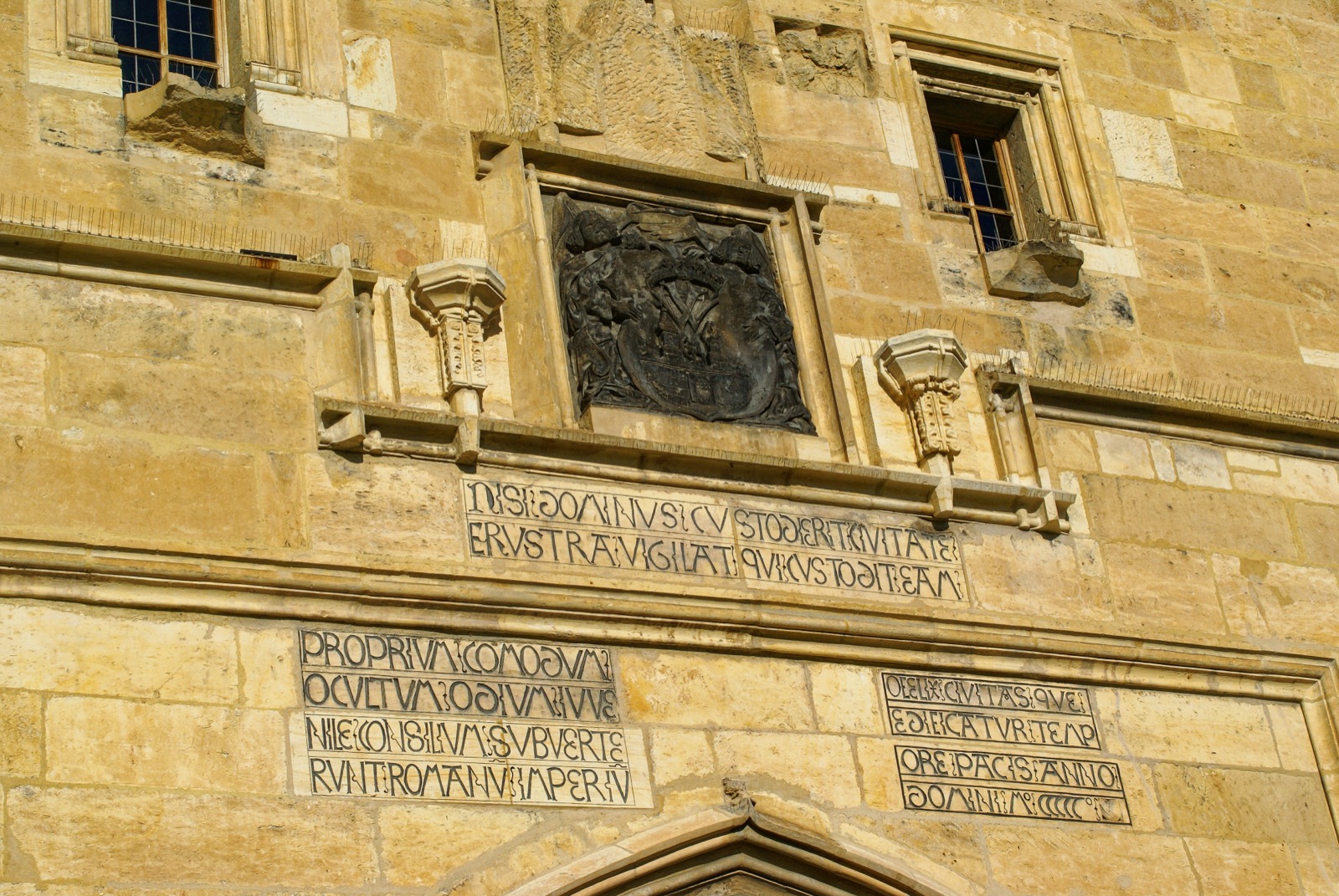
Puerto Vallarta, Mexico: 15 Things to See & Do + Sayulita

TL;DRPuerto Vallarta, on Mexico’s Pacific coast in Jalisco, is your spot for a beach holiday without the sargassum seaweed that plagues other coasts. The best time to visit is December to March, with temperatures around 27°C and humpback whales to spot in January and February. There are 15 tips here, from the Malecón promenade to the Zona Romántica with its Los Muertos beach, the Parroquia de Nuestra Señora de Guadalupe church, Isla Cuale, the Islas Marietas archipelago and the rock formations of Los Arcos de Mismaloya. About an hour north by bus you’ll find surf-town Sayulita and the quieter San Pancho, where a surf lesson costs around 1000 MXN. You pay in Mexican pesos (roughly 1.2 CZK to 1 MXN), a standard room in the centre runs 1500–2500 CZK a night, and the tourist zones are considered safe.

You know that feeling when you’re hunting for the perfect beach destination but you’d rather skip the overcrowded Caribbean resorts where great rafts of seaweed sometimes wash ashore? If you’re drawn to authentic Mexico, breathtaking sunsets and stunning scenery, Puerto Vallarta, Mexico will win you over completely. This town on the Pacific coast offers a unique blend of traditional Mexican charm, modern comfort and wild jungle that tumbles straight down into the sea.

While Mexico’s east coast battles sargassum seaweed in the Caribbean, the Pacific side has clear water — a touch cooler and darker, but clear. And the best part? Swimming in Banderas Bay is wonderfully safe, which is far from a given on the wild Pacific. In this guide you’ll find 15 things to see and do in Puerto Vallarta and the nearby surf mecca of Sayulita, so you come home from Mexico with the loveliest memories. I’ll tell you where to stay, how things stand with safety, and how many pesos to budget.

TL;DR

  • Pacific without seaweed: Unlike the Caribbean (Cancún, Tulum), Puerto Vallarta isn’t plagued by sargassum blooms. The water here is clear year-round.
  • Best time to visit: December to March. It’s dry, temperatures hover around 27 °C and, best of all, you can watch enormous humpback whales from a boat.
  • Zona Romántica: The historic heart of town with cobbled lanes, great cafés and an incredible atmosphere. For 2026 it’s officially becoming Mexico’s first “Friendly District”, with 10 million pesos invested into public space.
  • Sayulita and San Pancho: If you’re after a more bohemian vibe and waves to surf, head a little further north into the state of Nayarit.
  • Prices and currency: You pay in Mexican pesos (MXN). The exchange rate is roughly 20 MXN to 1 £. Always carry cash — plenty of smaller spots don’t take cards.

When to visit Puerto Vallarta

If you want to experience the best Puerto Vallarta has to offer, planning is key. The climate splits into two main seasons — the dry season and the rainy season — and each has its charms. Generally, though, most travellers head here when winter is at its coldest back home in the UK.

According to travellers, the best time to visit is December to March, when you’ll enjoy dry weather, temperatures around 27 °C and the peak of humpback whale season (January and February). February works out as the perfect compromise between gorgeous weather, whales and reasonable prices without the Christmas and Easter crowds, while November is a great tip for bargain hunters source.

If you go in summer (June to October), be ready for the rainy season. That doesn’t mean it pours from dawn to dusk, though. Mornings are usually beautifully sunny and the sharp tropical showers tend to roll in only in the late afternoon. The upside is that the surrounding jungle is incredibly lush and green during this time, and hotel prices drop sharply. For more detail, check out our article on when to visit Mexico.

💡 Tip: If you’re heading out on boat trips in January or February, throw a light hoodie or jumper into your case. The morning breeze on the ocean can be pretty chilly, even in Mexico!

Where to stay: from the historic centre to surf villages

Puerto Vallarta and the surrounding coast offer accommodation for every budget, whether you’re after a cheap hostel, a romantic boutique hotel or a sprawling resort that looks after you from morning till night. The town splits into several distinct neighbourhoods, so think carefully about which atmosphere suits you best.

If you love the buzz of the town, little cafés and want everything within walking distance, stay in Zona Romántica (the old town). It’s the liveliest and most popular part of town. For families with kids, or anyone after a quieter resort holiday, Marina Vallarta or the Nuevo Vallarta area (already over the line in neighbouring Nayarit) is ideal. And if you’re coming mainly for the surf and the boho vibe, head straight for the towns of Sayulita or San Pancho.

In Puerto Vallarta, the neighbourhood makes all the difference: the bohemian Zona Romántica by Los Muertos beach is the heart of the action, while the resorts on the southern tip offer peace and quiet with a view. Luckily, it’s all linked by the malecón boardwalk.

💑 For couples: Casa Maria Hotel Boutique & Gallery is an adults-only boutique in the heart of Zona Romántica, a two-minute walk from Los Muertos beach, with its own gallery and pool (from around £95 a night).

👨‍👩‍👧 For families: Hyatt Ziva Puerto Vallarta is an all-inclusive beachfront resort with six pools, a kids’ club and a family programme (from around £330 a night for two, all-in).

💰 Best value for money: Hotel Boutique Rivera del Rio is a charming boutique with individually styled rooms, a pool and a hot tub, a 15-minute walk from the beach — consistently great reviews (from around £115 a night).

For a splurge: Hotel Mousai Puerto Vallarta is a AAA Five Diamond adults-only resort above the bay with rooftop infinity pools and a butler (from around £470 a night).

Booking tip: for all of these hotels, choose a rate with free cancellation — plans change, and you don’t want to pay for somewhere you never end up reaching. And don’t leave it to the last minute: the top-rated addresses sell out months ahead in peak season, and prices then jump by tens of percent.

Here are a few specific tips for highly rated hotels that travellers — and we — have long sworn by:

  • Cheaper stay in the old town: Hotel Posada De Roger is an absolute classic in Zona Romántica. It has a gorgeous plant-filled courtyard, traditional Mexican architecture, a small rooftop pool and prices that won’t ruin your wallet (often under £60 a night).
  • The happy medium for couples: Casa Maria Hotel Boutique is a beautiful, design-led adults-only hotel. It sits just steps from Los Muertos beach, has a great pool, and reviewers can’t stop raving about its cleanliness and helpful staff.
  • Luxury with ocean views: Almar Resort is a top-tier beachfront hotel known for its fantastic beach club and infinity pool. Although it’s primarily aimed at an LGBTQ+ clientele, everyone is welcome — anyone after premium service and a good time will feel right at home.
  • A relaxed family holiday: Marriott Puerto Vallarta Resort & Spa in the Marina Vallarta area offers huge pools, a private beach and total peace away from the bustle of the centre.
  • Stylish stay in Sayulita: If you opt for the surf village, take a look at Hotel Ysuri Sayulita. It’s right on the beach, with a beautiful garden and a design that perfectly captures the local bohemian vibe.

💡 Tip: As a rule, you’ll find a standard double room in a good hotel in the centre for around £60 to £100 a night (roughly 1,250–2,000 MXN). During the holidays (Christmas, New Year, Easter), though, prices shoot up and you’ll need to book your stay several months ahead.

Things to see and do in Puerto Vallarta and around

Puerto Vallarta isn’t just about lounging on the beach with a margarita in hand — though you can absolutely do that from morning till night. The town and the surrounding Banderas Bay hide so many activities that you definitely won’t be bored. From strolls through the historic centre to whale watching and discovering hidden jungle waterfalls.

1. An evening stroll along the Malecón boardwalk

The nearly two-kilometre pedestrian promenade known as the Malecón is the beating heart of the whole town. It runs along the coast and offers the loveliest ocean views. By day it’s a nice spot for a walk, but the Malecón works its real magic just before sunset, when locals and tourists gather, street performers unpack their gear and dozens of food stalls open up.

According to travellers, the walk along the malecón is among the safest in town thanks to the lively buzz, good lighting and an ever-present police patrol. It stays busy here until late, but if you’re heading back to accommodation outside the main tourist zones, it’s recommended to call a registered taxi or an Uber for the journey at night source. As you stroll, be sure to notice the famous bronze sculptures lining the promenade. The most photographed is probably “The Boy on the Seahorse” (El Niño sobre el Caballo de Mar), which has become the town’s unofficial symbol.

2. Get lost in the lanes of Zona Romántica

If you’re looking for that real, authentic atmosphere, you have to head to Zona Romántica, also known as Viejo Vallarta (the Old Town). Travellers describe Zona Romántica as the heart of Puerto Vallarta, with cobbled lanes, little cafés and great restaurants, where you can walk almost anywhere on foot — plus the area is very clean, calm and safe source. The colourful house façades draped in bougainvillea will have you reaching for your camera at every turn.

The neighbourhood is also famous for its huge openness. Puerto Vallarta is considered Mexico’s most important LGBTQ+ destination, and the gay scene centres mainly around Lázaro Cárdenas street, where you’ll find over thirty different venues. For 2026, the town is preparing an official ‘Friendly District’ with rainbow signage, new pedestrian zones and public art, investing over 10 million pesos source. The atmosphere here is incredibly friendly and laid-back for absolutely every traveller.

3. Take a dip at Playa de los Muertos

Right on the edge of Zona Romántica you’ll find the town’s most famous beach, Playa de los Muertos (Beach of the Dead). Don’t let the slightly morbid name put you off — legend says a battle with pirates once took place here, but these days it’s all easy living, parasols and cold beer. It’s the busiest beach for miles around, but that’s precisely where its charm lies.

The beach’s landmark is the modern Los Muertos Pier, shaped like a giant ship’s sail. At night the pier is beautifully lit, and by day water taxis (known as pangas) set off from here to beaches you can’t reach by land. Renting two sun loungers with a parasol will set you back around 300 to 500 MXN (roughly £12–20) a day, though it’s often enough to order food and drinks above a certain value at the adjoining beach bar.

4. Photograph the iconic Parroquia de Nuestra Señora de Guadalupe

Even if you’re not big on sightseeing, you simply can’t miss this church. The Parish of Our Lady of Guadalupe is an architectural gem and the main landmark of the entire historic centre. Its tower is topped with a beautiful filigree crown said to be held up by angels.

The church is at its most beautiful from the outside, especially when you wander the narrow lanes climbing up towards it and the tower suddenly pops into view among the colourful little houses. Entry is, of course, free, and if you visit in early December you’ll experience the huge celebrations around the feast of Our Lady of Guadalupe, when the streets fill with processions, music and dancing.

5. Find some shade on Isla Cuale

Right in the middle of town, where the Cuale River flows into the ocean, lies a small green island called Isla Cuale. It’s like stepping into a completely different world. While the Malecón bakes in the sun and buzzes with activity, here you’ll find mature trees, shade, suspended rope bridges and plenty of fluttering birds. And if you’re lucky (or unlucky, depending on how you look at it), you might even spot wild iguanas basking on the branches.

The island is laced with walking paths and home to a huge market selling handicrafts, ceramics, silver and textiles. It’s probably the best place in town to pick up souvenirs. Just remember that a bit of haggling is expected here, especially if you’re buying several items from one stall.

💡 Tip: Stop on the island for a coffee or a fresh coconut. There are some lovely little cafés where you can sit and watch the world go by.

6. Hike up to the Mirador de la Cruz viewpoint

If you want Puerto Vallarta laid out in front of you and don’t mind working up a sweat, head to the Mirador de la Cruz viewpoint (the Lookout at the Cross). It sits on a hill right above the town centre and offers a truly spectacular 360-degree view over the whole of Banderas Bay, the red rooftops of the old town and the mountains in the background.

The way up runs along Abasolo street, and at the end you face a steep climb and a decent flight of steps. Entry is free, but I’d recommend going early in the morning or just before sunset — the hike up in the humid heat at midday wouldn’t be much fun. There’s also no shade or drinks stall at the top, so don’t forget to bring your own water bottle!
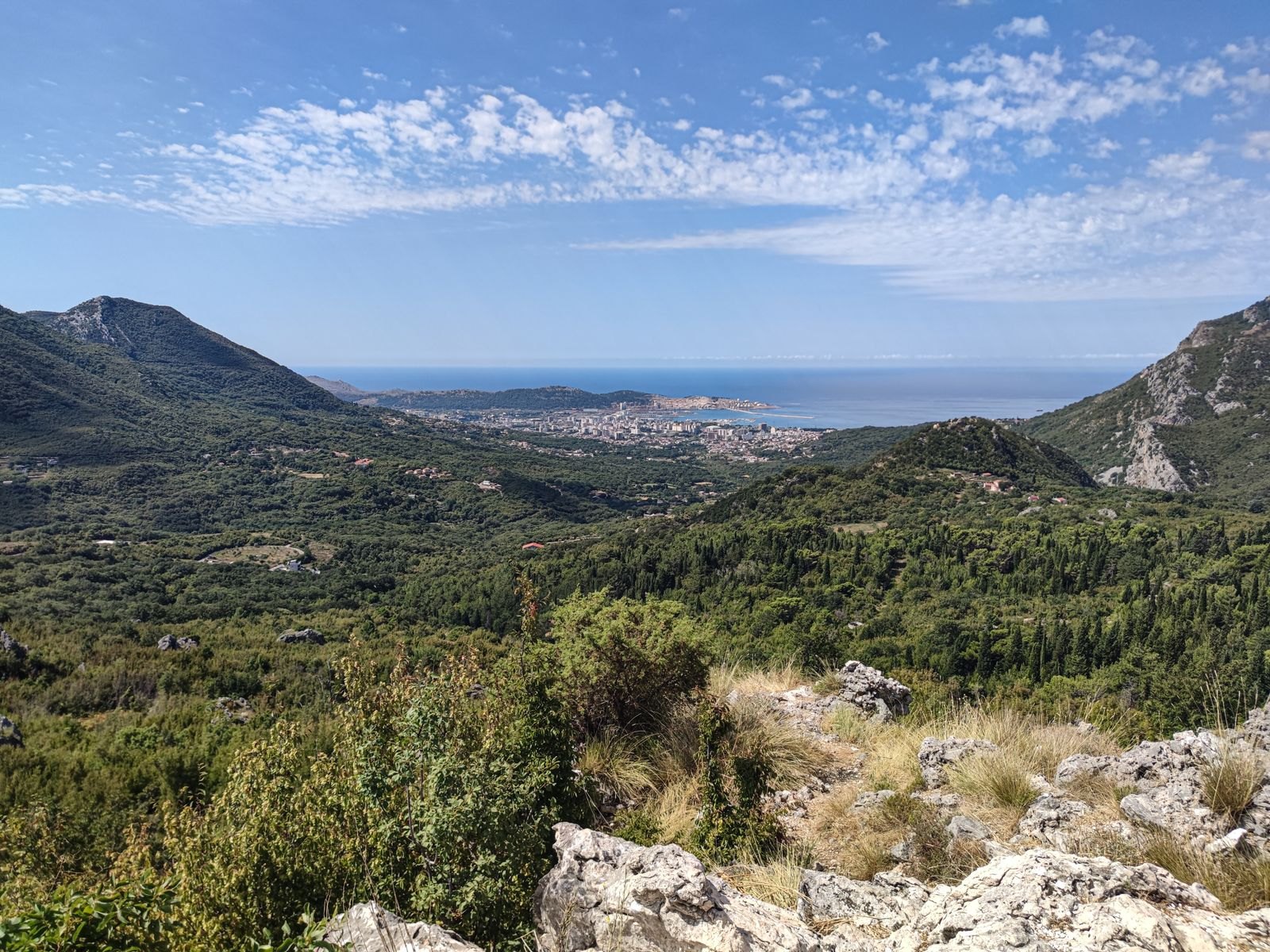
7. Experience spectacular whale watching

This is the experience that really makes it worth visiting Puerto Vallarta in winter. Every year from mid-December to the end of March, thousands of enormous humpback whales migrate to the warm, safe waters of Banderas Bay to mate and bring their young into the world. Seeing a twenty-metre creature up close as it leaps above the surface and crashes back down with an almighty splash is something you’ll never forget.

Plenty of agencies in town run these trips. You can choose anything from large, stable catamarans (ideal for families and anyone who suffers from seasickness) to small, fast boats (zodiacs) that get you much closer to the whales. A half-day trip usually costs between 1,200 and 1,800 MXN (roughly £50–75). Be sure to pick a company that has a marine biologist on board and follows strict animal-protection rules — Vallarta Adventures, for example, has a good reputation.

lukas a lucka
Lukáš and Lucie recommend
Where to Stay in Puerto Vallarta
6 accommodations — hotels, resorts and other lodging options
⭐ TOP CHOICE 🏨 Hotel
Casa Maria Hotel Boutique & Gallery
Adults-only boutique hotel in the heart of Zona Romántica, two minutes walk from Los Muertos beach, with its own gallery and pool. Beautiful design hotel with excellent reviews for cleanliness and helpful staff.
★★★★ from ~€92 per night
Check availability
🌲 Resort
Hyatt Ziva Puerto Vallarta
All-inclusive beachfront resort with six pools, kids’ club and family program. Ideal for family vacation.
★★★★ from ~€320 per night for two (all-inclusive)
Check availability
🏨 Hotel
Hotel Boutique Rivera del Rio
Charming boutique hotel with individually decorated rooms, pool and hot tub, 15 minutes walk from the beach. Consistently excellent reviews and best value for money.
★★★★ from ~€112 per night
Check availability
⭐ Luxury
Hotel Mousai Puerto Vallarta
AAA Five Diamond adults-only resort above the bay with rooftop infinity pools and butler service. Luxury experience with excellent service.
★★★★★ from ~€460 per night
Check availability
🏨 Hotel
Hotel Posada De Roger
Classic hotel in Zona Romántica with a beautiful courtyard full of plants, traditional Mexican architecture and a smaller rooftop pool. Budget accommodation in the old town.
★★★★ often under €60 per night
Check availability
⭐ Luxury
Almar Resort Luxury LGBT Beach Front Experience
Top-tier beachfront hotel known for its fantastic beach club and infinity pool. Primarily targeted at LGBTQ+ clientele, but everyone seeking premium service and entertainment is welcome.
★★★★ Check prices
Check availability
lukas a lucka
Lukáš and Lucie recommend
Where to stay in Puerto Vallarta
6 places to stay — wellness hotels, resorts and more
⭐ TOP PICK 🏨 Hotel
Casa Maria Hotel Boutique & Gallery
Adults-only boutique hotel in the heart of Zona Romántica, a two-minute walk from Los Muertos beach, with its own gallery and pool. A beautiful, design-led hotel with excellent reviews for cleanliness and helpful staff.
★★★★ from ~£95 a night
Check availability
🌲 Resort
Hyatt Ziva Puerto Vallarta
All-inclusive beachfront resort with six pools, a kids’ club and a family programme. Ideal for a family holiday.
★★★★ from ~£330 a night for two (all-inclusive)
Check availability
🏨 Hotel
Hotel Boutique Rivera del Rio
A charming boutique hotel with individually styled rooms, a pool and a hot tub, a 15-minute walk from the beach. Consistently great reviews and the best value for money.
★★★★ from ~£115 a night
Check availability
⭐ Luxury
Hotel Mousai Puerto Vallarta
AAA Five Diamond adults-only resort above the bay with rooftop infinity pools and a butler. A luxurious experience with outstanding service.
★★★★★ from ~£470 a night
Check availability
🏨 Hotel
Hotel Posada De Roger
A classic hotel in Zona Romántica with a gorgeous plant-filled courtyard, traditional Mexican architecture and a small rooftop pool. A cheaper stay in the old town.
★★★★ often under £60 a night
Check availability
⭐ Luxury
Almar Resort Luxury LGBT Beach Front Experience
A top-tier beachfront hotel known for its fantastic beach club and infinity pool. Primarily aimed at an LGBTQ+ clientele, but everyone after premium service and a good time is welcome.
★★★★ Check prices
Check availability

8. Discover the hidden beach on the Islas Marietas

The Islas Marietas archipelago is a protected national park lying just off the coast. It’s a cluster of volcanic islands made famous above all by the stunning Hidden Beach (Playa del Amor), which sits literally inside a huge crater. Boat trips to the islands cross the relatively calm waters of the bay, so they suit more sensitive stomachs too, and there’s a great chance of spotting dolphins along the way.

Reviews from 2025 praise the crew and the refreshments on the boats, but some tourists point out that the water here can be quite cold in January and the snorkelling itself sometimes falls short of expectations due to poor visibility source. It’s important to know that, for conservation reasons, only a very limited number of people are allowed onto the Hidden Beach each day (you’ll need to pay extra for a special permit), and the islands are usually closed to the public entirely on Mondays and Tuesdays by government order. A basic island trip costs around 1,500 MXN (£62), while access to the Hidden Beach will run to over 3,000 MXN.

9. Snorkel at Los Arcos de Mismaloya

A little south of town, enormous granite formations resembling arches rise out of the sea — these are Los Arcos. It’s a protected marine park and probably the best accessible spot for snorkelling and diving close to Puerto Vallarta. The water here is usually clear and the reefs are full of colourful fish and rays, and you might even meet a sea turtle.

The best way to reach the arches is to arrange a small boat (panga) on Mismaloya beach or Playa de los Muertos. A one- or two-hour trip will set you back around 800 to 1,200 MXN (roughly £33–50) for the whole boat. If you’re more active, you can rent a paddleboard or kayak and paddle out to the reefs from shore under your own steam.

10. Cool off at the Vallarta Botanical Gardens

Once you’ve had just about enough of salt water and sand, head up into the hills outside town. About 45 minutes’ drive south lie the beautiful Vallarta Botanical Gardens. This isn’t one of those dull gardens with neatly trimmed shrubs — it’s more a slice of wild jungle that someone has cleverly laced with trails.

You’ll find huge collections of orchids, vanilla plants, cacti and bromeliads. The site sits at a slightly higher altitude, so the air is noticeably more pleasant and cooler than down in town. Entry costs 300 MXN (around £12), and a big draw is the on-site restaurant with stunning views over the valley, where flocks of brightly coloured birds come to gather. From the centre, you can get here on the local bus heading towards “El Tuito”, which leaves from the junction of Venustiano Carranza and Aguacate streets.

11. Take a day trip to isolated Yelapa

Yelapa is a small, sleepy fishing village buried deep in the jungle on the southern edge of Banderas Bay. Its charm lies in the fact that no road leads here. The only way to reach it is by boat (water taxi) from the aforementioned pier at Playa de los Muertos or from the harbour at Boca de Tomatlán.

In the village you’ll find no cars, just narrow dusty tracks travelled by donkeys and horses. From the beach, a lovely 30-minute walk through the rainforest leads to the Yelapa Waterfall, where you can take a dip. On the beach, be sure to try the famous “Yelapa pie” — local women (the so-called pie ladies) wander around with huge tubs balanced on their heads, selling fresh pies, and the banana or coconut one is an absolute sensation! A return boat ticket costs around 400 MXN (roughly £17).
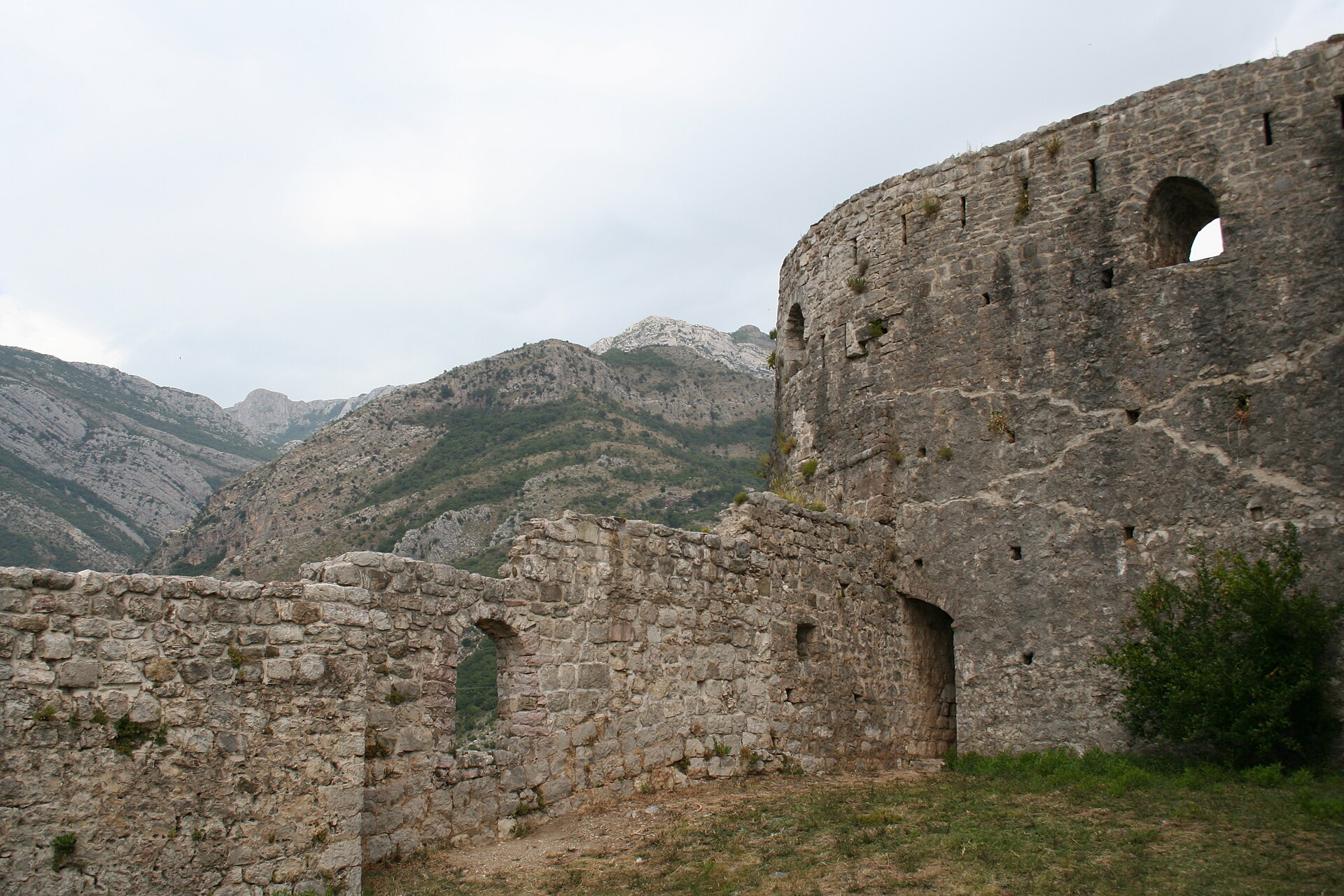
12. Get a glimpse of luxury in Marina Vallarta

If you fancy a break from the traditional Mexican chaos, head to the north of town to the Marina Vallarta district. It’s a modern harbour full of luxury yachts, manicured golf courses and upscale residences.

A beautiful colonnade runs around the whole marina, lined with upscale boutiques, cafés and restaurants. If you’re here between October and May, definitely come on a Thursday evening for the popular “Art & Market”, a huge market with art, jewellery and fantastic street food. It’s noticeably calmer and more “American” here than in the historic centre, but for a laid-back early evening it’s an ideal spot.

Sayulita and Nayarit: a paradise for surfers and free spirits

While Puerto Vallarta is a fully fledged town, the state of Nayarit just over the hill offers a completely different world. If you love surfing, yoga and dreamcatchers and don’t mind a slightly hipster atmosphere, head north.

Going by many travellers’ experiences, Sayulita is the place to switch off and slow right down, while Puerto Vallarta works as a town with shopping and a buzzing nightlife. For surfing, reviews clearly favour Sayulita, since the sea in the bay by Puerto Vallarta is often too calm. At the same time, travellers warn on forums that Sayulita is long past being an undiscovered little village and gets pretty crowded in season source.

13. Sayulita: colours, waves and papel picado

Sayulita is, hands down, the best-known surf town in the area. Its streets are literally roofed with colourful Mexican bunting (papel picado) that flutters in the wind and makes the best backdrop for photos. You’ll find dozens of surf schools here, where for around 1,000 MXN (£42) they’ll take you out for a two-hour beginner’s lesson.

The beach in Sayulita is lovely, but it can be packed shoulder to shoulder. If you’re after peace and quiet to read a book, it might be a touch too loud for you. The town is also full of beautiful boutiques selling handmade clothing and ceramics. From Puerto Vallarta you can get here comfortably by bus in about an hour (a ticket costs around 60 MXN).

14. San Pancho (San Francisco): the quieter sister

If you arrive in Sayulita and find it’s all a bit too much, don’t despair. Just hop a few kilometres further north to the town of San Francisco, which nobody here calls anything other than San Pancho.

San Pancho is what Sayulita was ten years ago. It’s incomparably more peaceful, with a wider and emptier beach (watch out, though — the waves and currents here can be quite strong and it’s not really the place for surf beginners) and a wonderful community. You’ll find the great community centre Entreamigos and plenty of businesses that take sustainability seriously. It’s an ideal place for an evening by the ocean.

15. Discover the hidden beaches of Nayarit

If you have a hire car or aren’t put off by longer jungle walks, the coast around Sayulita and San Pancho hides several beautiful, almost deserted beaches. One of them is Playa Carricitos, reached by a roughly 45-minute walk through the woods from Sayulita.

You won’t find any beer stalls or toilets here, just golden sand, palm trees and the wild ocean. It’s exactly the kind of place where you pack a picnic blanket, your own snacks and a book, and no one hears from you all day.

💡 Tip: If you head to Sayulita or San Pancho by hire car, be prepared — parking in the narrow lanes is a nightmare. You’re better off using the paid park-and-ride lots on the edge of the towns (around 100–150 MXN a day).

What to eat (and survive without meat)

Mexican cuisine is phenomenal and has even made it onto the UNESCO list. And if, like us, you don’t eat meat, there’s no need to worry about going hungry in Mexico — quite the opposite! The basis of the Mexican diet is corn, beans and cheese, so there’s a wealth of vegetarian options. The local street stalls and renowned restaurants alike serve up amazing flavours. Locals often tuck into chilaquiles with chicken for breakfast or enjoy fish ceviche and prawns during the day, but we’ve got different favourites for you.
You absolutely have to try the classic street tacos you’ll find on every corner. Look for stalls with tacos filled with mushrooms, beans, grilled cactus (nopales) or cheese. An absolute delicacy is *huitlacoche*, a corn fungus (often called the Mexican truffle) with a wonderful earthy flavour.

Another thing you can’t miss is *elote* — boiled or grilled corn on a stick, which the vendor generously slathers in mayonnaise, sprinkles with salty cotija cheese, drizzles with lime and dusts with chilli. It sounds odd, but it’s incredibly addictive! And to drink? Forget the beer for a moment and have a fresh *agua fresca*, a light fruity lemonade — the tamarind or hibiscus (jamaica) one is the best.
Practical travel tips

So that nothing catches you out on the ground, we’ve jotted down a few practical points. Mexico can occasionally be a little quirky, and it’s good to know what to watch out for.

  • Getting around and Uber: Uber isn’t officially allowed to pick up passengers at Puerto Vallarta airport (thanks to the taxi lobby). If you want to save money, just wheel your case across the pedestrian footbridge over the motorway right by the airport and call your Uber there. Ordinary trips around town then work perfectly fine and safely.
  • Money and cash machines: The currency is the Mexican peso (MXN), with an exchange rate of roughly 20 MXN to 1 £. Always carry cash — small stalls, buses and markets don’t take cards. When withdrawing from an ATM, watch out for so-called DCC (Dynamic Currency Conversion) — the machine will offer you a “guaranteed rate” in pounds, which is always terrible value (you can easily lose 8–9 %). Always decline this offer (Decline Conversion) and let it charge in pesos!
  • Is Puerto Vallarta safe? While some Mexican states (like neighbouring Sinaloa) carry the US government’s highest Level 4 warning, Puerto Vallarta lies in the state of Jalisco, and the town itself and its tourist zones are considered very safe. Common sense applies, of course — don’t leave belongings unattended on the beach, and don’t wander down deserted dark lanes at night. We’ve written more on this topic in our article Is Mexico safe?

Where to next

If you’re weighing up where else to head in Mexico, or still deciding whether the west coast is right for you, take a look at our other articles too, where we’ve put together plenty of practical guides:

  • Want a complete overview of the whole country? Read our big pillar article on what to see in Mexico.
  • If you fancy even wilder surf country in the south, explore Puerto Escondido.
  • And if you long for endless roads, desert and cacti, definitely consider a road trip across the Baja California peninsula.

Whale-watching trips, the Islas Marietas and yacht excursions can be booked on GetYourGuide.

Frequently asked questions

Is Puerto Vallarta or Cancún better?

It depends on what you’re looking for. Cancún offers turquoise Caribbean Sea and white sand (but with the risk of sargassum seaweed), huge all-inclusive resorts and American style. Puerto Vallarta has a more authentic Mexican atmosphere, mountains plunging into the ocean, darker sand and clear water year-round.

Do I need a visa for Puerto Vallarta?

If you’re traveling with a Czech passport for tourism purposes, you don’t need a visa. Upon arrival, you’ll receive a stamp with permission to stay for up to 180 days, and your passport must be valid for at least 6 months after your planned return.

Is it safe to drink tap water?

“`html
No, throughout all of Mexico it’s not recommended to drink tap water, not even in good hotels. Always drink only bottled water. For brushing your teeth, tap water is usually fine, but to be safe you can use bottled water as well.
“`

How much does food cost in restaurants and on the street?

Street food (tacos, quesadillas) is very cheap, one taco will cost you roughly 20 to 30 MXN (about €1–1.50). At a regular restaurant in the center you’ll pay around 250–400 MXN (€12–20) for a main course, depending on the level of the establishment.

How do I get from the airport to the center?

“`html
The easiest option is to take an official airport taxi, which has fixed prices according to zones (around €15–20 to the center). If you want to use cheaper Uber, you need to cross the pedestrian bridge over the highway in front of the airport with your luggage.
“`

Can you surf in Puerto Vallarta?

Right in Banderas Bay near the city, the waves are usually too small and calm, the sea here is more suitable for swimming or paddleboarding. For proper surfing, you need to head about an hour north to the towns of Sayulita or San Pancho.

Do European plugs work in Mexico?

“`html
No, Mexico uses American outlets (type A and B) with 110 V voltage. Don’t forget to pack a travel adapter in your suitcase at home – without it, you won’t be able to charge your phone.
“`

Tips and Tricks for Your Vacation

Don’t Overpay for Flights

Search for flights on Kayak. It’s our favorite search engine because it scans the websites of all airlines and always finds the cheapest connection.

Book Your Accommodation Smartly

The best experiences we’ve had when looking for accommodation (from Alaska to Morocco) are with Booking.com, where hotels, apartments, and entire houses are usually the cheapest and most widely available.

Don’t Forget Travel Insurance

Good travel insurance will protect you against illness, accidents, theft, or flight cancellations. We’ve had a few hospital visits abroad, so we know how important it is to have proper insurance arranged.

Where we insure ourselves: SafetyWing (best for everyone) and TrueTraveller (for extra-long trips).

Why don’t we recommend any Czech insurance company? Because they have too many restrictions. They set limits on the number of days abroad, travel insurance via a credit card often requires you to pay medical expenses only with that card, and they frequently limit the number of returns to the Czech Republic.

Find the Best Experiences

Get Your Guide is a huge online marketplace where you can book guided walks, trips, skip-the-line tickets, tours, and much more. We always find some extra fun there!