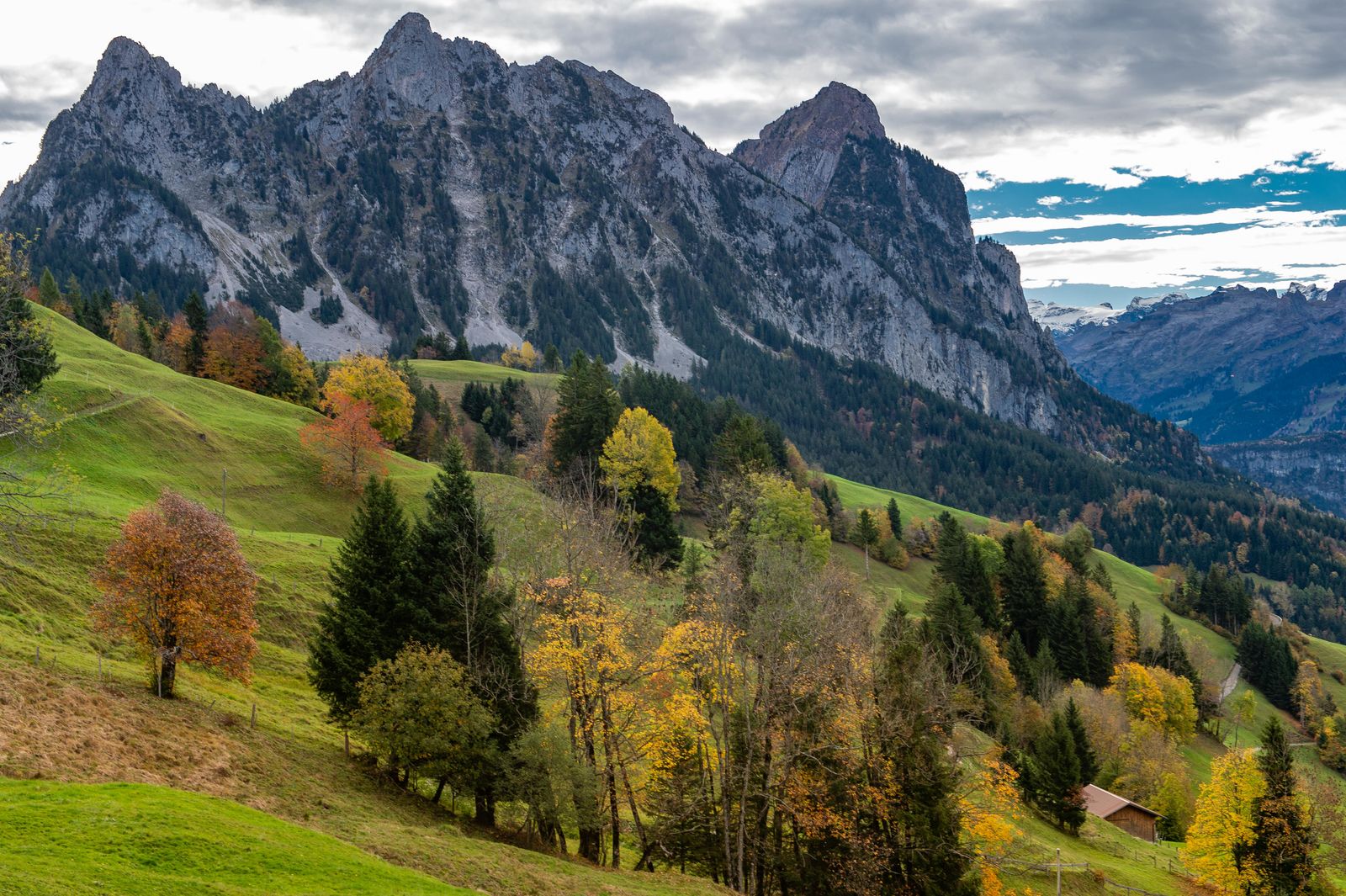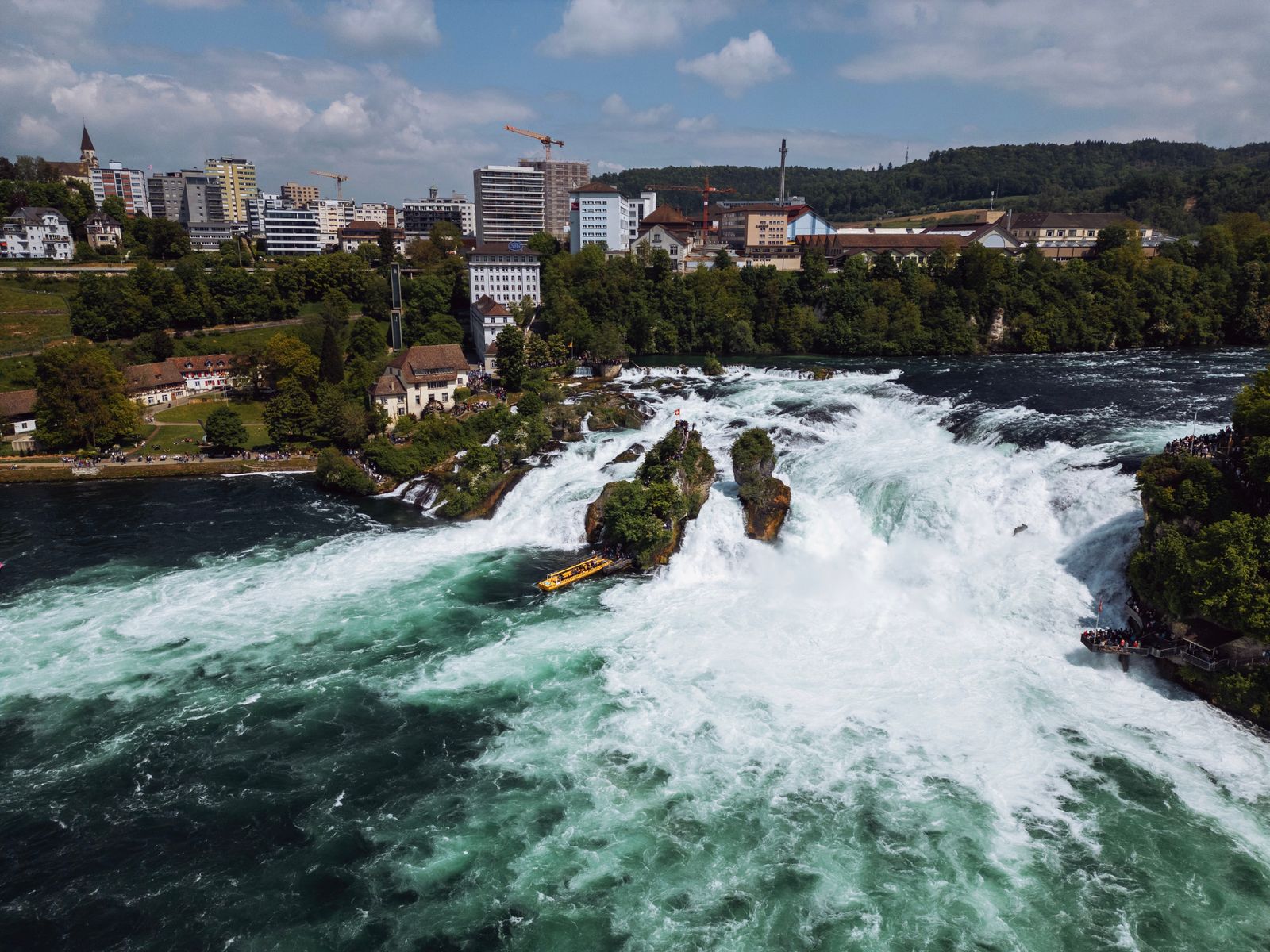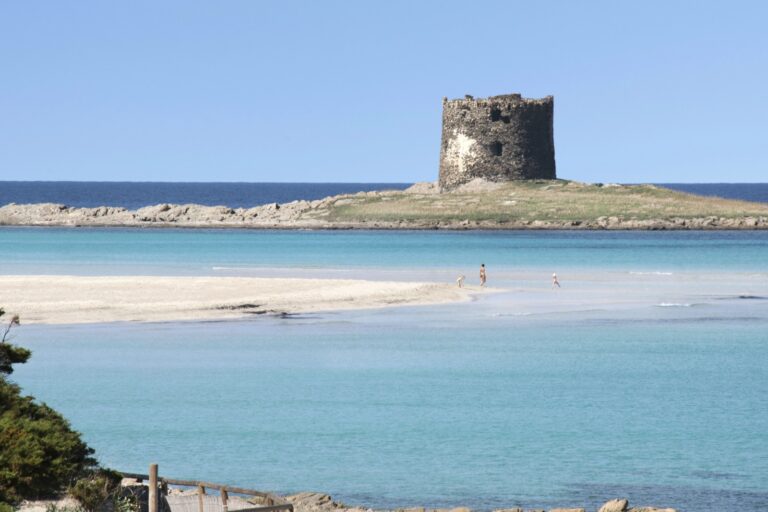
France Holidays: 30 Best Places to Visit in 2026

TL;DRThis piece rounds up 30 of the best places to visit in France, from Paris and the château country of the Loire to Mont-Saint-Michel and on south to sun-drenched Provence, the French Riviera and Corsica. Spring and autumn are best for sightseeing in towns and cities, with pleasant weather and fewer crowds, while summer is better suited to the beach, though the south can get properly hot. Allow three to four days for a single city, at least a week for a region, and 7 to 14 days if you’re road-tripping round the whole country. Highlights include the 170km Alsace Wine Route, the 700-metre-deep Verdon Gorge, the Dune du Pilat (Europe’s tallest sand dune at over 100 metres), and Mont Blanc, which stands at 4,808 metres. Provence’s lavender fields bloom from mid-June to mid-July.

France is a country that offers absolutely everything, from snow-capped Alpine peaks to sun-drenched Mediterranean beaches. If you’re wondering exactly where to go, I’ve put together this big overview to help you decide on the best places to visit in France.

Inside you’ll find the 30 best places to visit in France, whether you’re craving city romance or wild, untamed nature. That way you can easily pick the destination that matches your idea of a perfect holiday.

This guide will help you get your bearings if you’re after historic landmarks, outstanding wine, or simply peace and quiet by the sea. For every tip you’ll learn who the place suits best and what you definitely shouldn’t miss while you’re there.

TL;DR

  • Best time to visit: Spring and autumn offer pleasant weather without the extreme crowds.
  • Ideal trip length: Set aside at least a long weekend for one region; for a road trip I recommend 7 to 14 days.
  • History lovers: You’ll fall for the Loire Valley full of Renaissance châteaux or the stunning papal city of Avignon.
  • Nature and mountains: Head to Europe’s highest mountain in Chamonix, or marvel at the dramatic cliffs of Normandy.
  • Romance and wine: Make for the picturesque Alsace Wine Route or the prestigious region of Burgundy.
  • Swimming and sun: The French Riviera and wild Corsica will wow you with crystal-clear water and a Mediterranean vibe.
  • Top tip: Paris is an absolute classic and a great starting point for your first taste of French culture.

When to Visit France and for How Long

Planning a trip to this wonderfully varied country depends a lot on exactly what you want to experience and see. If you’re mainly interested in landmarks and historic towns, spring and autumn are absolutely ideal. The weather tends to be very pleasant and you’ll reliably avoid the biggest tourist crushes that arrive over the summer holidays. For more detail on individual months and weather, check out our separate article on when to visit France.

In summer you have to reckon with serious heat in the south, and the beaches and coastal towns burst at the seams. For a trip to sunny Provence or the glamorous Riviera, it’s often better to choose June or quieter September. As for the ideal length of stay, three days is usually enough to explore one particular city, but for wider regional discovery set aside at least a week.

You can travel comfortably by TGV high-speed trains, which connect the major cities perfectly, or set off under your own steam for greater freedom. If you’re coming from the UK, you can hop across on the Eurotunnel or a ferry from Dover to Calais and then drive on. If you go for that second option, definitely read our practical tips on what a road trip to France involves. Motorway tolls and fuel can add up on a longer route, but in return you’ll gain complete independence for exploring tucked-away villages.

The North, Normandy, Brittany and the Loire

The northern and western parts of the country will charm you with their rich history and breathtaking, dramatic coastline. You’ll find everything here, from a buzzing metropolis to wild cliffs battered by strong Atlantic winds.

1. Paris

You simply can’t skip the capital, because Paris is an absolute European classic. The iconic Eiffel Tower rises majestically over the city, elegant boulevards invite endless strolls, and the artistic Montmartre district still holds on to its unmistakable bohemian soul. We mustn’t forget the world-famous Louvre, the picturesque Seine, and the stunning Notre-Dame cathedral, which is gradually reopening to the world after the devastating fire of 2019.

It’s an ideal choice for a first visit to France, yet it offers so many layers that you’ll keep enjoying it on repeat visits too. We absolutely adore Paris and it’s a huge personal favourite of ours, somewhere we happily and regularly return to. If you want the best weather, come ideally in spring or autumn, because in summer the streets get extremely hot and the crowds can be rather exhausting.

The key to a successful trip is good planning and, above all, comfortable shoes for a full day of wandering. 💡 Tip: If you want to plan the perfect stay and find out which spots you really can’t miss, take a look at our detailed article with tips on what to see in Paris.

2. The Loire Valley

This gorgeous area is often nicknamed the Garden of France, and it hides dozens of enchanting Renaissance châteaux scattered along the River Loire. Among the biggest stars is the staggering Chambord, with 380 rooms and a unique double-helix staircase said to have been designed by Leonardo da Vinci himself. Equally fascinating is the elegant Chenonceau, built as a bridge straight across the river, along with the majestic Amboise and Villandry with its flawless geometric gardens.

This region is absolutely ideal for romantic souls and devoted lovers of history and architecture. You’ll enjoy the valley best by car or by renting a bike, as there are plenty of beautiful, easy cycle paths along the river. It also makes a brilliant trip from Paris, for which two or three days is plenty.

Be sure to book tickets to the most famous châteaux online well in advance. You’ll find more practical info and specific routes in our comprehensive guide to the Loire Valley châteaux.

3. Mont-Saint-Michel

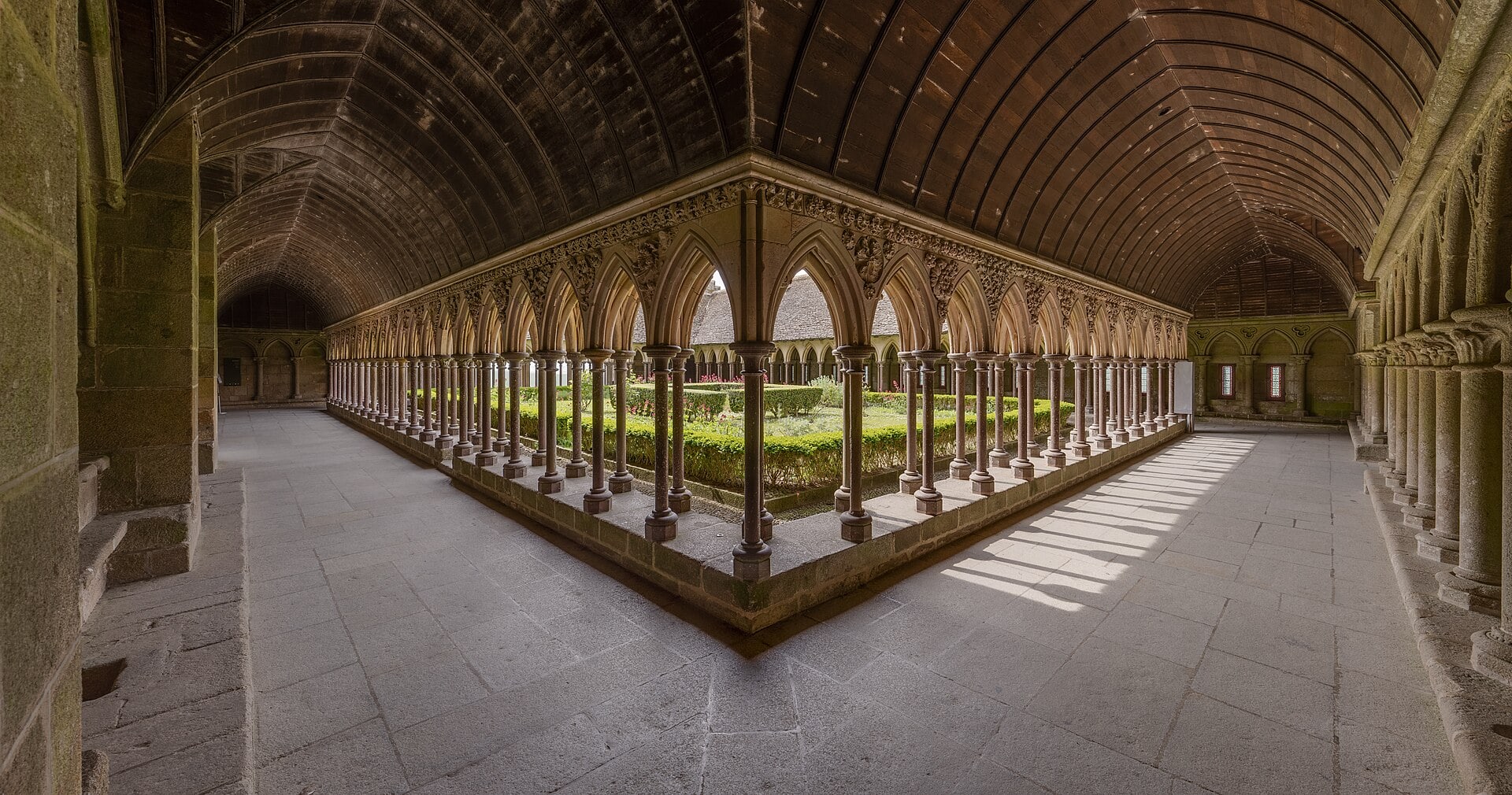
This magical rocky island with its stunning abbey in Normandy is one of the most photographed images of all of France. Ancient lanes wind up the steep hill all the way to the monastery itself, and the whole scene looks like it’s been cut straight out of a medieval fairy tale. The fascinating spectacle comes when the powerful tide surrounds the mount with water and cuts it off from the outside world, making it a truly unique UNESCO World Heritage site.

It’s a destination that every admirer of extraordinary architecture should see at least once in their lifetime. To really enjoy the atmosphere, though, you need to arrive either very early in the morning or later in the evening. During the day the narrow lanes fill with such huge crowds that you can barely squeeze through, and the romance quickly evaporates.

Bear in mind too that parking is located away from the mount itself to protect the environment. A free shuttle bus then takes you from the car parks to the island. For detailed trip planning, read our article about Mont-Saint-Michel.

4. Saint-Malo

This famous corsair town, ringed by mighty stone ramparts, sits on the Atlantic coast of Brittany. The main draw here is the wonderful walk right along the top of the ramparts, offering breathtaking views of the churning sea and the historic centre itself. The town is also renowned for its enormous tidal range, and at low tide you can walk dry-footed out to the nearby fortified islets.

The town serves perfectly as a great gateway to wild Brittany and nearby Normandy. It will win over anyone who loves soaking up a maritime atmosphere and doesn’t mind that classic fresh ocean breeze. In the narrow lanes you’ll find countless excellent crêperies where you can warm up nicely after a long walk.

💡 Tip: Be sure to set aside time to sit in one of the local cafés with a view of the waves. If this town tempts you, take a look at our further tips for Saint-Malo.

5. Brittany

This western tip of France offers the wildest and most magical coastline you can imagine. You’ll find the photogenic Phare du Petit Minou lighthouse, the incredible pink granite coast that shifts colour with the setting sun, and the mysterious prehistoric megaliths of Carnac. To all that add the traditional savoury crêpes known as galettes, delicious apple cider, and an ever-present Celtic atmosphere steeped in old legends.

The region is quite literally a paradise for everyone who loves untamed nature, dramatic cliffs, and wandering through morning mist. If you’re not after tropical heat but rather crave authentic experiences and a break from overcrowded resorts, Brittany will completely captivate you. Just be prepared for the weather to change from one minute to the next.

Definitely pack a good waterproof jacket, because the Atlantic wind can be very unpredictable. For more inspiration and specific itineraries, explore our big guide to Brittany.

6. Étretat

This little Norman town made its name thanks to the beautiful white chalk cliffs with natural arches that rise steeply above the crystal-clear sea. The coast is dominated by the famous rock needle known as the Aiguille, which fascinated artists for centuries and served as the main inspiration for the celebrated Impressionist painter Claude Monet. A walk along the paths high above the sea offers views that will quite literally take your breath away.

The spot makes a brilliant half-day stop on a road trip along France’s northern coast. It will win over photographers and lovers of dramatic natural scenery who appreciate the raw beauty of the local landscape. The loveliest atmosphere is in the late afternoon, when soft light bathes the white cliffs in warmer tones.

💡 Tip: Don’t limit yourself to the beach, but be sure to walk the trails up both cliffs that flank the town. If you’re planning a trip, read our article focused specifically on Étretat.

7. Normandy and the D-Day Landing Beaches

This region is where modern history was written, and it offers an incredibly powerful and moving Second World War experience. You can walk the famous Omaha Beach and Utah Beach, visit the stunning American cemetery at Colleville with its rows of white crosses, or explore the preserved gun batteries and museums. But Normandy isn’t only about history — it’s also the land of delicious Camembert cheese, traditional apple Calvados, and the beautiful Gothic cathedral in Rouen.

This area is a must for anyone interested in military history, but it offers plenty of beauty for ordinary travellers too. The combination of memorials, green pastures, and superb gastronomy makes it a hugely rewarding destination for a multi-day exploration. The atmosphere on the beaches remains deeply solemn and stirs everyone to deeper reflection.

Come here ideally in your own car so you can freely hop between the various memorials along the entire coastline. To plan your trip, use our extensive Normandy guide and our detailed article on how to visit the D-Day landing beaches in Normandy.

8. Giverny

This picturesque village earned its place in art history thanks to the beautiful garden and house of Claude Monet, who spent a large part of his life here. You can see the famous water-lily pond with your own eyes, cross the iconic Japanese bridge, and admire the endless flower beds that inspired the painter’s best-known canvases. The gardens are immaculately maintained, and the artist’s house itself, with its brightly coloured rooms, instantly transports you back in time.

It’s a perfect destination for admirers of Impressionism and everyone who loves blooming gardens. The site is open roughly from April to late November, with the most beautiful display in May and June, when everything bursts with colour. What’s more, it makes a very easy and popular day trip straight from Paris.

Bear in mind it gets busy at weekends, so I recommend arriving right as it opens in the morning. If you’re heading here, you’ll appreciate our practical advice for Giverny and Monet’s garden.

Alsace, Burgundy and the French Alps

The eastern regions are a promised land for lovers of top-class gastronomy, outstanding wine, and majestic mountains. Fairy-tale villages with colourful houses and breathtaking Alpine peaks await you here.

9. The Alsace Wine Route

The famous Route des Vins d’Alsace stretches for 170 kilometres and hides the most charming half-timbered wine villages dotted between the hills of the Vosges and the River Rhine. Stops like Riquewihr, Eguisheim, or Kaysersberg regularly — and rightly — top the rankings of France’s most beautiful villages. The whole region is renowned for fantastic white wines such as dry Riesling and aromatic Gewürztraminer, and at every turn you’ll spot stork nests on the rooftops.

This area is made for foodies and admirers of fairy-tale architecture. The colourful houses draped in vines look quite literally like sets from a film, and you’ll love them at first sight. If you want to experience the best atmosphere tied to the harvest, plan your trip ideally for the autumn months.

💡 Tip: Exploring the vineyards works brilliantly on rented e-bikes, which will easily carry you up into the surrounding hills. You’ll find a detailed itinerary in our article focused on the Alsace Wine Route.

10. Colmar

Thanks to its network of waterways, this stunning town is often nicknamed Little Venice of Alsace, and its historic centre is made up of perfectly preserved half-timbered houses. Especially in spring and summer, the whole town is covered in an incredible profusion of flowers adorning seemingly every bridge and windowsill. It’s one of the most romantic places in all of France, where you can wander aimlessly through cobbled lanes for hours.

Beyond the warm months, Colmar also draws visitors in winter, because at Christmas the town transforms into a magical setting for festive markets. Thanks to its location it also works as an absolutely ideal, strategic base for trips along the entire Alsace Wine Route. You’ll also find plenty of excellent traditional winstubs here, serving local specialities.

Be sure not to miss a short boat ride along the local canals, which offers a whole new perspective. For more on what else you shouldn’t miss, see our guide to Colmar.

11. Strasbourg

The capital of the entire Alsace region blends French elegance with German precision to perfection. The incredible Gothic Notre-Dame cathedral, with its fascinating astronomical clock, is one of the most stunning buildings in Europe. Just a stone’s throw away you’ll find the picturesque Petite France quarter, full of water canals and old tanners’ houses, while the modern part of the city is home to the important institutions of the European Parliament.

Strasbourg is a lively yet very safe and pleasant city that wins the hearts of lovers of culture and good food. You’ll experience a truly extraordinary atmosphere here in December, as the city boasts the title of Capitale de Noël and hosts some of the most famous and beautiful Christmas markets in the world.

If you’re coming in winter, book your accommodation well in advance, as rooms vanish at a rocket pace. Also read our detailed article on what the Strasbourg Christmas markets are like.

12. Burgundy

This picturesque region is the absolute embodiment of rural calm, top-class gastronomy, and some of the finest wine in the world. Drive the renowned Côte d’Or wine route, which takes you to famous villages such as Nuits-Saint-Georges, and stop in the beautiful medieval town of Beaune. There you mustn’t miss the iconic former Hôtel-Dieu hospice with its distinctive colourful roof, today a symbol of the whole area.

Burgundy is an absolute paradise for gourmets and everyone passionate about premium Pinot Noir and Chardonnay. The landscape here is dotted with peaceful abbeys and canals, along which you can set off on a slow cruise in a rented boat. It’s simply a place where time slows down and you can fully savour the present moment.

When visiting local wineries, don’t be afraid to taste wines from smaller family producers — they’ll often pleasantly surprise you. For more inspiration and tips on specific spots, check out our Burgundy guide.

13. Lyon

France’s uncrowned gastronomic capital lies at the stunning confluence of the Rhône and the Saône, and offers a great alternative to the busy capital. In the historic Renaissance quarter of Vieux Lyon you can explore the famous “traboules” — fascinating secret passageways through courtyards. Watching over the city is the majestic white Notre-Dame de Fourvière basilica, reached comfortably by funicular for fantastic views.

Lyon is a city for people who want to experience real French culture but avoid the biggest tourist crowds heading to Paris. Culinary enthusiasts will be in their element in the traditional eateries known as bouchons, serving honest regional dishes. If you come in December, you’ll witness the incredible Fête des Lumières, the famous festival of lights.

💡 Tip: Definitely buy a day ticket for the local public transport — it’ll save you a lot of steps tackling the hills. You’ll find more practical advice in our article focused on Lyon.

14. Annecy

This gorgeous Alpine town is often called the Venice of the Alps, thanks to its network of clean canals and flower-lined bridges. The historic centre is dominated by the incredibly photogenic island palace Palais de l’Île, which once served as a prison, while an ancient castle rises above the town with beautiful views. The crystal-clear lake of the same name then provides a perfect backdrop, with sharp mountain peaks in the distance.

It’s a destination that will thrill romantic souls and active sports lovers alike. In summer the lake is perfect for swimming and water sports, while a great cycle path runs along the shore, from which you can comfortably admire Alpine panoramas. The town feels very clean, cosy, and safe.

Set aside time to rent a pedalo or a little boat, because the views from the water are unbeatable. If this place tempts you, read our further trip tips for Annecy.

15. Chamonix and Mont Blanc

This famous Alpine resort lies right beneath the gaze of Europe’s highest mountain, the mighty Mont Blanc, which reaches a height of 4,808 metres. The biggest draw is the spectacular cable car to the summit of the Aiguille du Midi (3,842 m), where the glass viewing box “Step into the Void” awaits the brave and the air is noticeably thinner. Besides the cable cars, you can take a rack railway to the retreating Mer de Glace glacier and marvel at the immense power of Alpine nature.

The place is a mecca for all lovers of mountains, adrenaline, and high-altitude hikes. In winter it offers top-class skiing, while in summer it transforms into a paradise for hikers and climbers who come to push their own limits. Even if you’re not an experienced alpinist, the views from the cable cars are an experience you’ll never forget.

Given the high altitude, I recommend bringing really warm clothing even in the middle of summer, as temperatures at the top often drop below freezing. You’ll find more tips for this area in our guide to Chamonix and Mont Blanc.

Provence and the French Riviera

The south of France is an absolute byword for endless fields of purple lavender, the loud song of cicadas, and luxurious resorts by an azure sea. It’s the ideal destination for your sun-soaked summer holiday, full of fragrances.

16. Provence

This sun-soaked region is famous worldwide for its stunning lavender fields that scent the air far and wide. Among the most beautiful spots are the vast Valensole plateau and the picturesque Sénanque abbey, whose photos grace seemingly every travel brochure. But you’ll also find picturesque stone villages perched high on hilltops, such as Gordes or the red-hued Roussillon, plus ancient olive groves everywhere.

Anyone who loves southern ease, local markets full of fresh herbs, and romantic sunsets should head to Provence. If you want to see the lavender fields in full bloom, you need to plan your trip roughly from mid-June to mid-July, before the main harvest begins. That’s when the region is at its absolute most beautiful, although you’ll have to expect larger crowds.

The best way to get around here is your own or a rented car, so you can discover hidden corners off the main routes. We’ve gathered loads more useful tips in our big Provence guide.

17. The Verdon Gorge

This natural wonder is often called the Grand Canyon of Europe, with its limestone walls plunging to an incredible depth of 700 metres. At the very bottom flows a river of such a vivid turquoise colour that you’ll struggle to believe it isn’t a photo edit. At the end of the gorge the river flows into the gorgeous Lac de Sainte-Croix, lined with pebble beaches and ideal for a summer dip.

This area is an absolute must for anyone seeking the most beautiful natural experience in the whole south. You can rent a pedalo or a kayak here and glide right between the sheer walls of the narrow gorge, a hugely popular and relaxing activity. For driving fans there’s also the Route des Crêtes scenic road, offering panoramic views from above.

💡 Tip: In the summer months, get up early and rent a boat first thing in the morning to avoid the queues and the scorching midday sun. You’ll find detailed visiting advice in our post about the Verdon Gorge.

18. Avignon

The historic city of Avignon is proudly nicknamed the City of Popes, because in the 14th century it served as the seat of the head of the Catholic Church. The legacy of that era is the mighty Papal Palace (Palais des Papes), a vast stone fortress that still dominates the whole centre. Equally famous is the ruined Pont Saint-Bénézet bridge from the beloved nursery rhyme, which ends halfway across the broad River Rhône and is surrounded by well-preserved ramparts.

The city is guaranteed to thrill anyone who loves soaking up the atmosphere of the Middle Ages and stunning historic buildings. What’s more, it works perfectly as a strategic, well-connected base for further trips across Provence. During July the city comes alive with a huge theatre festival, filling the streets with street performers and a unique energy.

Be sure to book your palace tickets online in advance, as the queues can be gruelling, especially in high season. For more on what else to see here, check out our article on Avignon.

19. The French Riviera

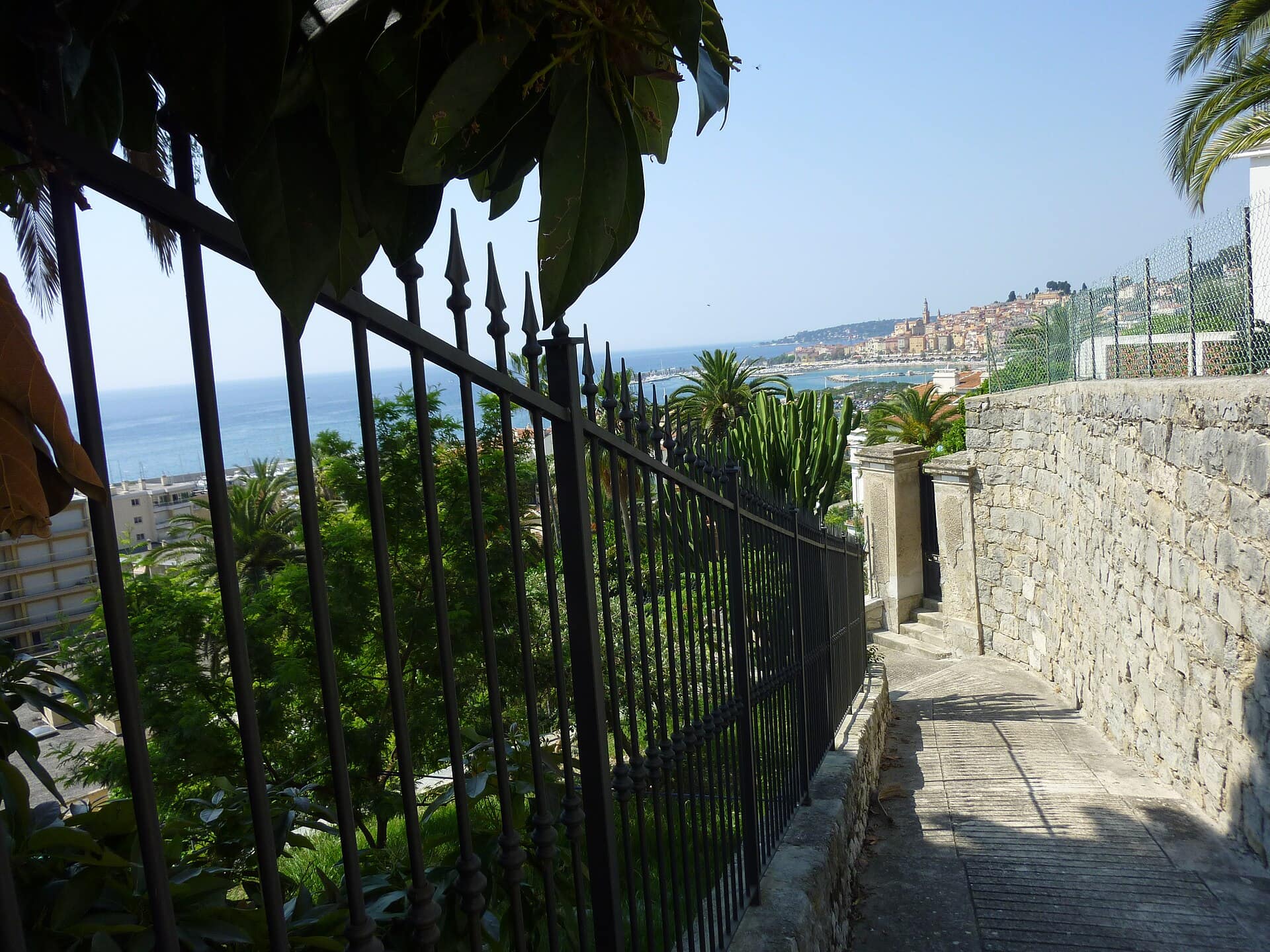
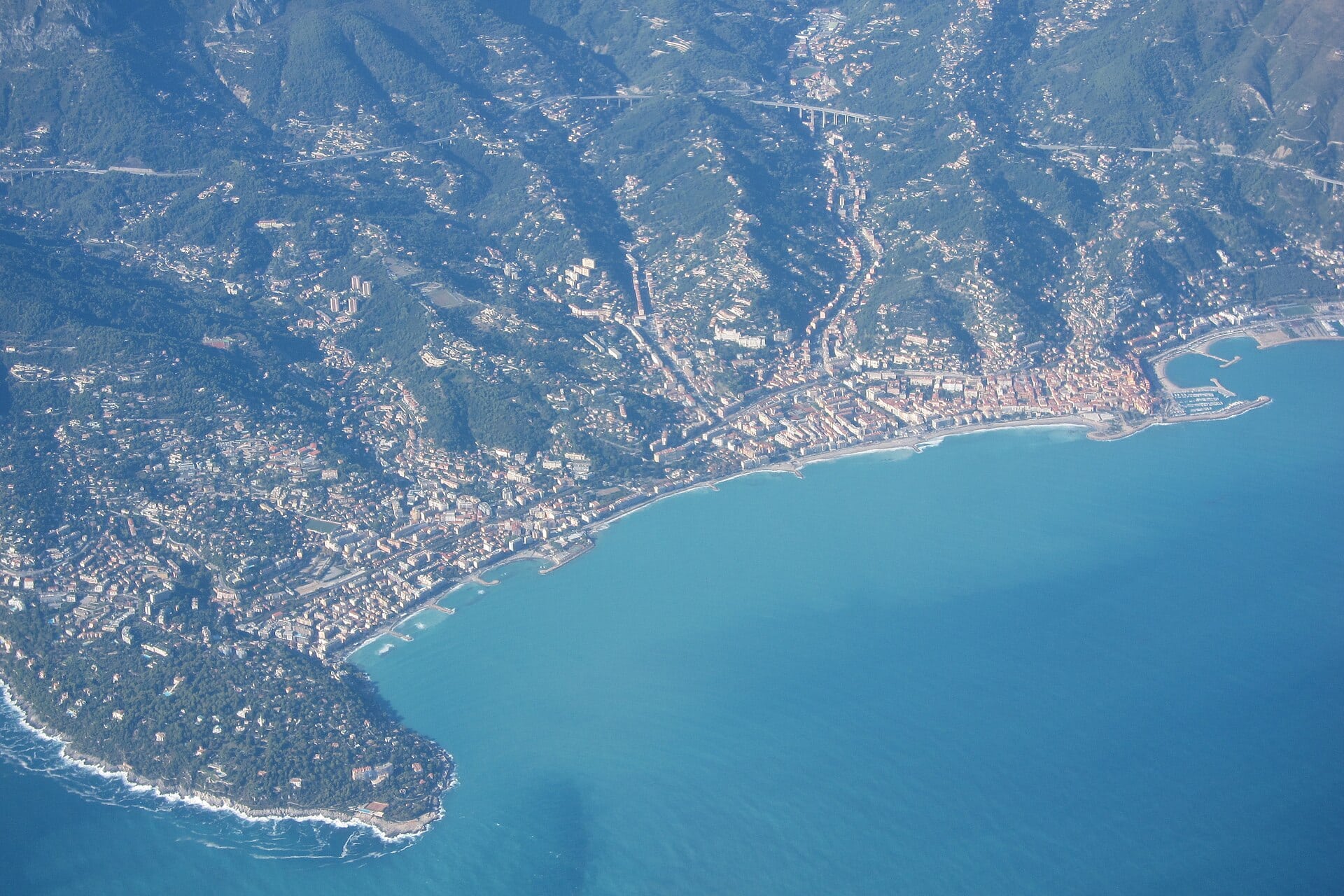
The famous Côte d’Azur is the embodiment of elegance, blue sea, and beautiful weather. The heart of the action is buzzing Nice, with its beloved Promenade des Anglais and the narrow lanes of the colourful Old Town. The whole coastal area offers a mix of beautiful pebble and sandy beaches, and on top of that it lies just a stone’s throw from the miniature, fabulously wealthy Monaco or the stunning hilltop “eagle’s nest” village of Èze perched high above the sea.

The Riviera is the south’s main summer destination, where people come for perfect sun, great swimming, and that typical French glamour. It suits both couples seeking romance and families wanting a relaxed summer holiday with everything on hand. The atmosphere balances between bustling seafront boulevards and quiet viewpoints high up in the hills.

When travelling between towns along the coast, make the most of the local trains to avoid the endless traffic jams on the roads. For detailed planning, explore our comprehensive article on the French Riviera.

20. Cannes

This town is inextricably linked with its famous film festival, which brings the world’s biggest celebrities here every year. The town’s main artery is the luxurious palm-lined La Croisette boulevard, full of designer boutiques, flanked by beautiful public and private sandy beaches and moored yachts. But once you escape the main streets, you’ll discover a quieter part of the old town with lovely views and a more laid-back atmosphere.

Cannes offers exactly the elegance and glamour you’d expect from the Riviera, and it draws everyone who enjoys life in the fast lane and first-class beach service. A big plus is that the town has very good, cheap train connections to all the nearby resorts along the coast, so you don’t need a car here at all.

💡 Tip: Be sure to take a short boat trip to the nearby Lérins Islands, where you’ll find unexpected calm and the scent of pines. If you’re heading here, take a look at our detailed article on Cannes.

21. Saint-Tropez

Over the years, a once sleepy and ordinary fishing village has become an absolute symbol of luxury and moored yachts, made famous in part by Brigitte Bardot and the New Wave era of cinema. Despite the huge influx of visitors, the old lanes full of pastel houses and the nearby citadel have managed to hold on to an undeniable and very specific charm. Beyond the town stretches the famous, long Pampelonne beach, where Europe’s elite come to sunbathe.

This resort attracts visitors keen to soak up its distinctive jet-set atmosphere and see the places they know from famous films. While in summer long lines of expensive cars clog the access roads, off season the town is surprisingly quiet and hugely romantic. So the best time to visit in peace is early spring or late autumn.

You can’t reach the town by train, so you either have to drive or take the regular ferries from the surrounding coastal towns. Find out more about this phenomenon in our post dedicated to Saint-Tropez.

22. Marseille

France’s oldest and second-largest city offers an incredibly energetic, multicultural, and slightly gritty port experience. The heart of the city is the bustling Old Port (Vieux-Port), watched over from a high hill by the stunning Notre-Dame de la Garde basilica, visible from almost everywhere. Also well worth exploring is the historic, once slightly forgotten Le Panier quarter, full of street art and charming cafés.

Marseille isn’t as polished as Nice, but it will win over those seeking an authentic atmosphere, great food, and vibrant southern culture. Besides the city itself, it serves as a perfect gateway to exploring the nearby national parks, especially the beautiful cliffs and inlets known as the Calanques, with their turquoise water. This wild nature begins quite literally on the city’s doorstep.

When visiting the basilica, be ready for a steep uphill climb, but the view over the whole city and the sea is well worth the effort. We’ve put everything you need to know about this metropolis into our Marseille guide.

Occitania and South-West France

This vast corner of the country hides breathtaking ancient monuments, perfect medieval fortifications, and enormous sand dunes. It offers a very varied and somewhat calmer alternative to the busy summer coastline of the Riviera.

23. Nîmes and the Pont du Gard

The city of Nîmes is rightly nicknamed the French Rome, because it hides an incredibly well-preserved ancient arena (amphitheatre) and the elegant Maison Carrée temple, which looks as though it was built yesterday. Even more astonishing, though, is the nearby Roman aqueduct Pont du Gard, a UNESCO-protected site whose three tiers of flawless stone arches arch magnificently high above the valley of the River Gardon.

If you’re fascinated by antiquity and you’re among the lovers of stunning classical architecture, this region will completely captivate you. The area around the aqueduct is also brilliantly set up for hiking, and in the summer months you can swim in the clean river right beneath the arches or rent a kayak and paddle under it.

It pays to buy a combined ticket covering both the arena and the aqueduct, saving you money and time in the queues. You’ll find more practical details in our comprehensive article on Nîmes and the Pont du Gard.

24. Carcassonne

When you first lay eyes on this hilltop town, you’ll feel like you’ve stepped into a historical blockbuster, because it’s the largest preserved medieval fortified Cité in Europe. Its majestic double walls with 52 defensive towers feel like an impenetrable, fairy-tale maze, and the whole town is proudly listed by UNESCO. Inside you’ll find narrow stone lanes, old wells, and a majestic castle.

A stop here is a must for families with children and anyone who admires castles and the history of knights. The town sits right on the strategic route between the large city of Toulouse and the Mediterranean coast, so it’s easy to slot into your road trip. To make the most of your experience, though, you’ll want to avoid the biggest daytime rush of day-trippers.

The fortress is at its most beautiful and mysterious after sunset, when it’s beautifully lit up, or early in the morning before the first coaches arrive. If you want to plan your visit, take a look at our article on Carcassonne.

25. Montpellier

This youthful, energetic city in southern France thrives above all thanks to its huge community of university students, who give it a modern flair. The heart of the action is the generous and beautiful Place de la Comédie square, from which the winding historic lanes of the old quarter known as the Écusson radiate out. The city is also surrounded by vineyards and lies just a stone’s throw from beautiful beaches and the wild Camargue nature park, with its flamingos.

Montpellier is a wonderfully sunny and lively city that’s perfect for discovering a relaxed southern atmosphere, and at significantly less cost than the glamorous Riviera. The centre is also largely car-free, so you can stroll endlessly and stop at any of the countless great cafés and bistros serving both modern and traditional cuisine.

💡 Tip: The local tram network will carry you comfortably and stylishly into the centre and to the nearby beaches — it’s a design experience in its own right. Our article on Montpellier offers more inspiration for exploring.

26. Collioure and the Côte Vermeille

This gorgeous Catalan port town lies just a stone’s throw from the Spanish border, and its skyline is unmistakably defined by an old stone bell tower rising straight out of the sea. The surrounding steep cliffs are dotted with green vineyards that tumble right down to the water, and this remarkably colourful scenery once deeply inspired famous Fauvist painters such as Henri Matisse and André Derain. You can feel the strong influence of nearby Catalonia everywhere here, both in the architecture and in the excellent food.

It will win over anyone craving Mediterranean colour, fresh seafood delicacies, and quieter coves with crystal-clear water. Be sure not to forget to taste the local sweet dessert wine known as Banyuls, grown here on terraced slopes. The whole Côte Vermeille coast is altogether much wilder and less built-up than the rest of the French south.

I recommend coming here in autumn, when the vineyards above the sea take on incredible red-gold tones. For more detailed tips on this area, open our article about Collioure and the Côte Vermeille.

27. Toulouse

This city in the south-west is nicknamed everywhere the “pink city”, thanks to its distinctive terracotta-brick façades, which take on a beautiful pinkish hue at sunset. Here you’ll find the grand main square Capitole, the huge Romanesque basilica of Saint-Sernin, and the tranquil Canal du Midi, which flows through the city lined with mighty trees. Beyond its rich history, Toulouse is also Europe’s capital of aviation, home to Airbus and a wonderful aviation museum featuring Concorde.

Thanks to its huge university, there’s a fantastic student energy here, and the city makes a perfect destination for a long weekend full of culture and science. It’s also a strategic starting point if you’re planning to explore the nearby Pyrenees or want to continue towards impregnable Carcassonne. Compared with the northern cities, the mood here is far more relaxed and friendly.

If you’re into engineering, definitely book a tour straight into the Airbus assembly halls in advance — it’s a fascinating experience. You’ll find more visiting advice in our post on Toulouse.

28. Bordeaux and the Dune du Pilat

Elegant Bordeaux is a world capital of fine wine, and its whole centre, full of classical architecture, is UNESCO-protected. Besides tastings at the modern Cité du Vin museum, you can enjoy the wonderful reflection of the palaces in the Miroir d’eau water mirror right on the riverbank. The city also serves as an ideal gateway to the Atlantic, where just off the coast lies the breathtaking Dune du Pilat — the tallest sand dune in Europe (it measures over 100 metres).

The combination of a prestigious city and nearby wild beaches is absolutely perfect for a summer road trip focused on experiences and tastings. From the top of the enormous sand dune you get a fantastic contrasting view of the deep-blue ocean on one side and endless green pine forests on the other.

The climb up the dune through deep sand is quite a workout, so set off in the morning before the sand heats up in the sun. If you’re planning a trip this way, read our article on Bordeaux and our detailed info for visiting the Dune du Pilat.

29. Dordogne, Périgord and Rocamadour

The area around the lazily flowing River Dordogne is full of medieval villages with slate roofs, such as Sarlat or the stunning La Roque-Gageac, which look as though they’re frozen in time. You’ll find ancient castles perched on cliffs and fascinating, mysterious caves with prehistoric paintings, the most famous of which is Lascaux. Nearby is also the famous pilgrimage town of Rocamadour, which is quite literally glued to a sheer rock face above a deep canyon, forming an utterly unforgettable silhouette.

It’s a destination sought out by great romantics and all lovers of ancient history and good food, as the region is renowned for its local farm specialities. Just a stone’s throw from Rocamadour lies the huge karst chasm of Gouffre de Padirac, which you descend into and explore along an underground river in little boats.

💡 Tip: Explore the river valley from the deck of the traditional wooden boats known as gabares — it’s a wonderfully peaceful experience. Find out more about these gems in our articles on Dordogne and Périgord and on Rocamadour itself.

30. Corsica

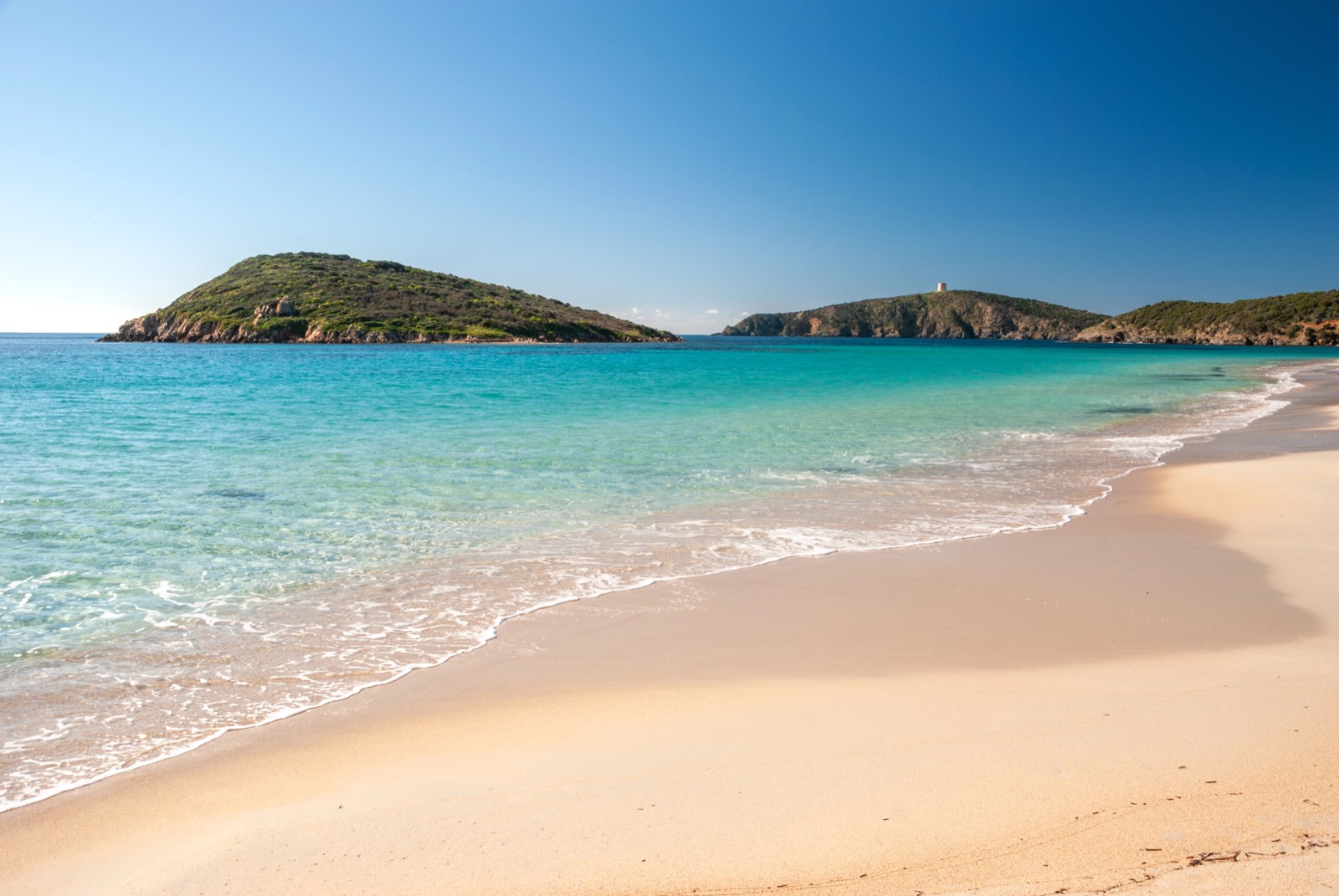
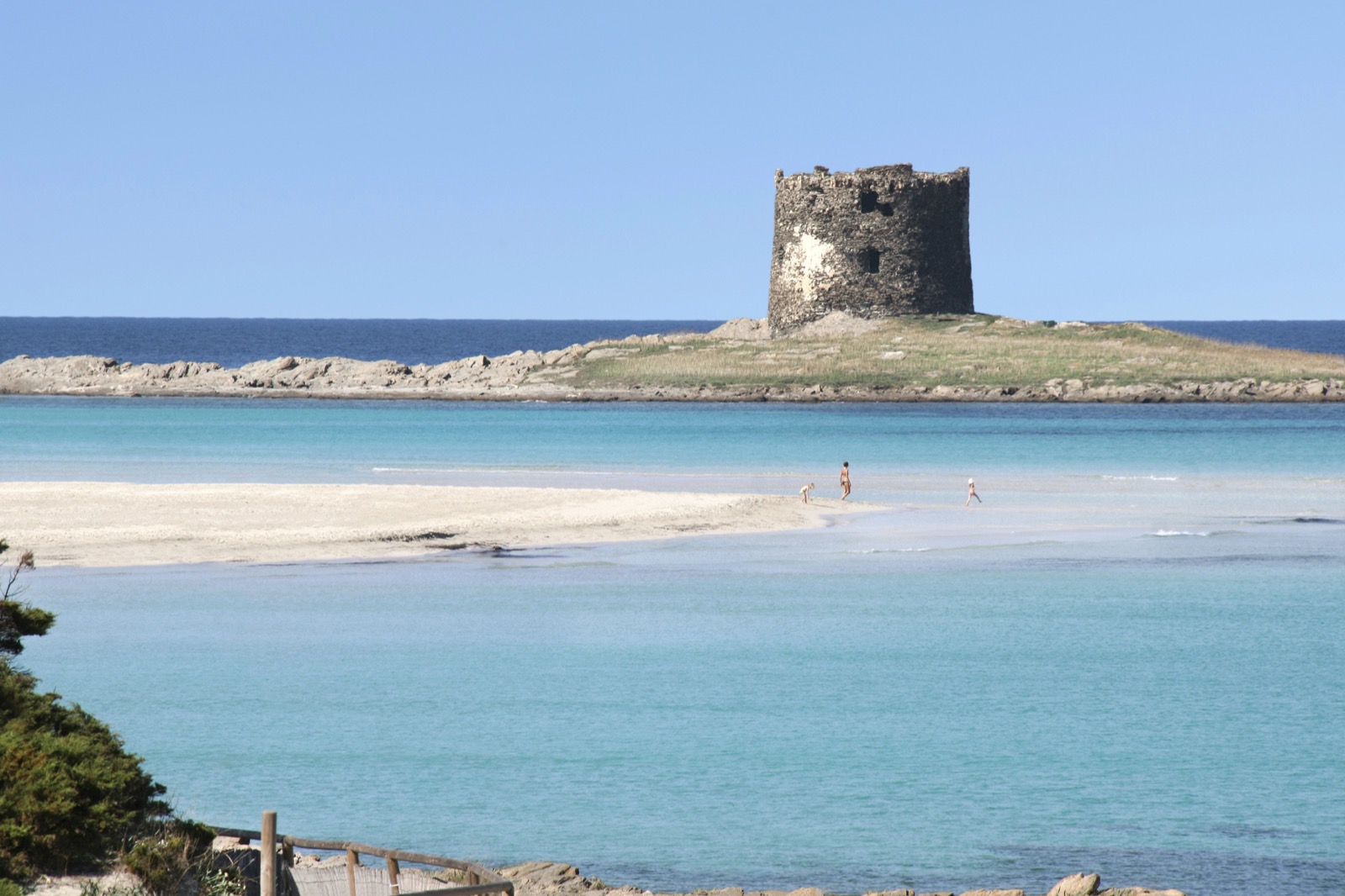
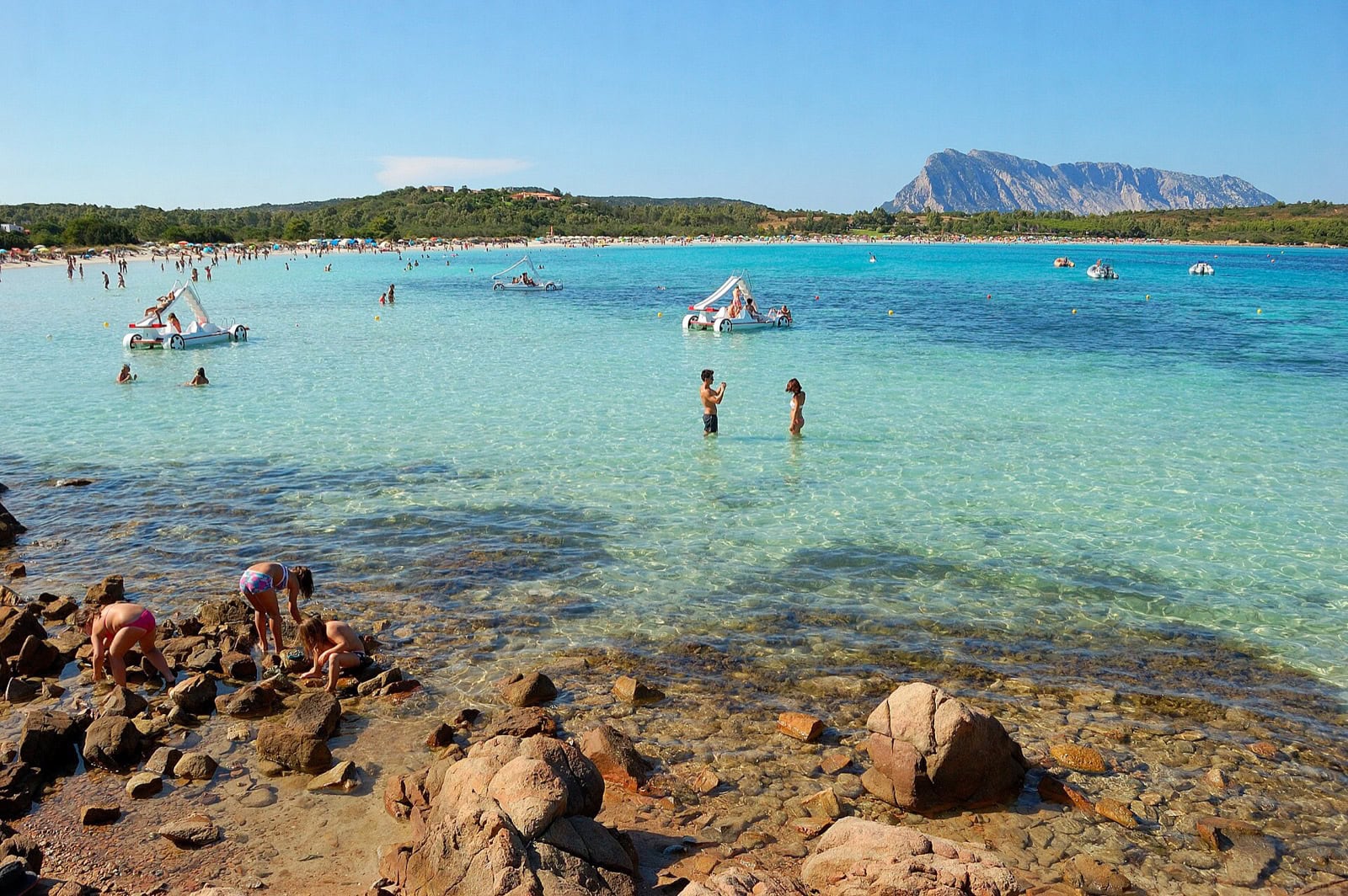
This Mediterranean island has more than earned its nickname the “Island of Beauty”, because its landscape takes your breath away at every step. While in the south around Porto-Vecchio you’ll find turquoise coves and white-sand beaches (such as Palombaggia or Santa Giulia), the interior is made up of rugged, wild mountains crossed by one of Europe’s toughest treks, the GR20, and the stunning Scandola reserve, which is even UNESCO-protected. In the far south lies the spectacular town of Bonifacio, with its historic citadel literally balancing on the edge of sheer white cliffs plunging into wild waves. On top of all that, you can look forward to the excellent and highly distinctive Corsican cuisine, full of local herbs and cheeses.

This island is a perfect destination for those who want to experience Caribbean-like beaches alongside demanding high-mountain climbs and deep forests, all in a single holiday. The local atmosphere is very proud, strongly traditional, and considerably wilder than the manicured mainland Riviera, which makes the island a truly unique world.

Given the variety of terrain, it really pays to arrive with your own car or rent one, so you can easily drive from the coast straight up into the mountain passes. We’ve gathered more detailed travel advice for the island in our big article on Corsica, or take a look at our tips for the stunning Bonifacio or the renowned beaches near Porto-Vecchio.

Where to Go Next

If the lines above have whetted your appetite, the best way to get to know this beautiful and incredibly varied country is to plan a proper road trip. You can easily take inspiration from our ready-made itineraries and set off on a shorter 7-day road trip around France or treat yourself to a grand 14-day road trip around France. If you’re mainly drawn to sun and sea, you’ll love our sun-soaked road trip around southern France, while lovers of good food definitely shouldn’t miss our easy-going wine road trip through France.

On a practical note, never underestimate the prep, especially if you’re driving your own car. So read up on the useful info about when to visit France to dodge the biggest summer crowds, and find out exactly how a road trip to France works and what it actually costs. That way you’ll avoid any unwelcome surprises at the motorway toll booths and know exactly what to expect from the long journey.

And if you still haven’t had enough, the map of France hides yet more incredible gems that simply didn’t make it into the main thirty. Well worth considering is the surfing paradise of Biarritz and the French Basque Country, with its giant Atlantic waves, or the utterly fantastic and world-unique historical park Puy du Fou, where you can experience first-hand some of the best and most spectacular shows in all of Europe.

Frequently Asked Questions

Where to go in France for your first visit?

For complete beginners, unforgettable Paris is an absolute must, offering the most famous monuments, excellent museums and a typical café atmosphere. However, if you prefer to head straight into peaceful nature, choose picturesque Alsace or the sunny French Riviera, where tourism is well-prepared and you can easily get by with English.

When is the best time to go to France?

Ideal conditions for exploring cities and monuments are always in spring and autumn, when there’s pleasant warmth and you’ll safely avoid the biggest crowds. Summer is indeed the ideal time for swimming and blooming lavender, but in the south be prepared for quite exhausting heat and beach resorts bursting at the seams.

How many days is enough for France?

For visiting one specific city like Paris or Lyon, a long weekend of three to four days will comfortably suffice. However, if you want to explore an entire region, such as touring all the châteaux of the Loire or discovering wild Brittany, set aside at least a week, and for a proper circular road trip I recommend a full two weeks.

What is the most beautiful part of France?

It obviously depends purely on your preferences, but among the most stunning and most photographed areas are the fairytale Loire Valley and the purple-hued summer Provence. Lovers of wilder scenery, on the other hand, swear by the dramatic coastlines of Brittany and Normandy with their amazing white chalk cliffs rising above the sea.

Where to go to the sea in France?

If you’re looking for warmth, guaranteed summer sunshine and luxury resorts with gentle slopes, head to the famous French Riviera or to the sandy beaches of wilder Corsica. On the other hand, the Atlantic coast in the west and north of the country offers giant waves and colder water, so it’s more suitable for surfers and lovers of long evening walks on the cliffs.

Is France Worth It by Car?

Absolutely yes, because having your own car will give you complete and invaluable freedom when exploring hidden wine villages or remote mountain passes. Just keep in mind that highways here are subject to relatively expensive tolls, so it often pays off not to rush and sometimes deliberately choose slower but incredibly scenic local roads.

Where are the lavender fields in France and when do they bloom?

You’ll find the most famous purple fields in the sunny Provence region in the south of the country, with the absolutely most beautiful being the vast Valensole plateau or the immediate surroundings of Sénanque Abbey. To catch the lavender in full bloom, you need to head there within a fairly narrow time window, roughly from mid-June to early July, before the big summer harvest begins.

Is France expensive?

Prices vary significantly depending on the specific region, with Paris and luxury resorts traditionally being the most expensive scattered along the south on the French Riviera. You can save money by staying in smaller towns further from the sea, buying excellent fresh produce at local markets, and avoiding the main summer tourist season.

Where to go in France with kids?

For a family vacation, the absolutely fantastic historical theme park Puy du Fou is amazing, offering breathtaking knight performances and spectacular shows in nature. At the seaside, families will appreciate the calmer and shallower beaches on the coast towards the Spanish border, or the fascinating medieval fortifications in the city of Carcassonne, which from a distance resembles a huge fairy-tale castle.

Tips and Tricks for Your Vacation

Don’t Overpay for Flights

Search for flights on Kayak. It’s our favorite search engine because it scans the websites of all airlines and always finds the cheapest connection.

Book Your Accommodation Smartly

The best experiences we’ve had when looking for accommodation (from Alaska to Morocco) are with Booking.com, where hotels, apartments, and entire houses are usually the cheapest and most widely available.

Don’t Forget Travel Insurance

Good travel insurance will protect you against illness, accidents, theft, or flight cancellations. We’ve had a few hospital visits abroad, so we know how important it is to have proper insurance arranged.

Where we insure ourselves: SafetyWing (best for everyone) and TrueTraveller (for extra-long trips).

Why don’t we recommend any Czech insurance company? Because they have too many restrictions. They set limits on the number of days abroad, travel insurance via a credit card often requires you to pay medical expenses only with that card, and they frequently limit the number of returns to the Czech Republic.

Find the Best Experiences

Get Your Guide is a huge online marketplace where you can book guided walks, trips, skip-the-line tickets, tours, and much more. We always find some extra fun there!
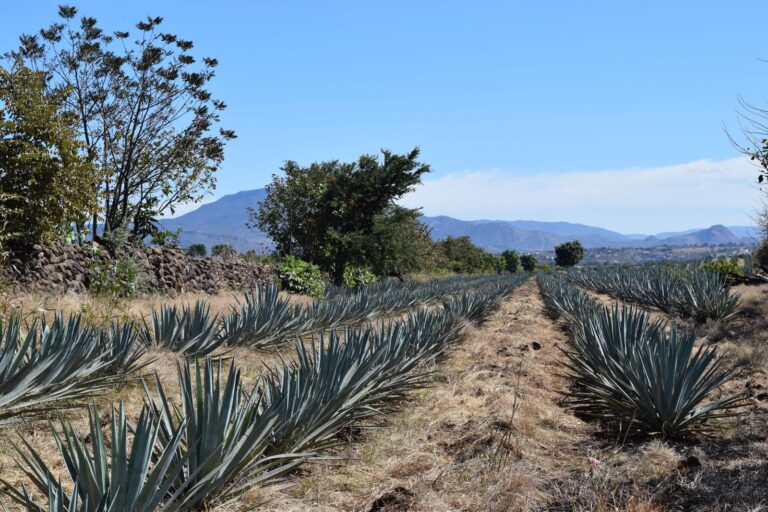
Rovinj, Croatia: 12 Best Things to See and Do in 2026

TL;DRRovinj, often dubbed Croatia’s little Venice, comes with twelve top tips, and the standout is the bell tower of St Euphemia’s Church, where the view after the climb costs around 4 euros. Don’t miss the artsy Grisia street, the Balbi Arch and the Zlatni rt woodland park with its Lone and Cuvi beaches. A day or a long weekend covers the old town, but if you want to swim, take a boat trip to the Lim Fjord and explore the nearby islands, plan on four to five days. June and September are the best months, with temperatures around 25 degrees, warm sea and far fewer crowds than in August. The Brijuni National Park and the little town of Bale, 14 kilometres away, are well worth a day trip, while Istria’s food scene is all about truffles, fuži pasta and Malvazija wine.

If you’re planning a trip to Istria, you absolutely cannot miss the most romantic town on the entire peninsula — the undeniably gorgeous Rovinj, Croatia. It’s often called Croatia’s little Venice, and the moment you first wander through its narrow cobbled lanes, you’ll instantly understand why. The historic centre originally sat on its own separate island, only artificially connected to the mainland in the second half of the eighteenth century, which gives it a truly unique atmosphere with houses crammed tightly against one another.

This picturesque bilingual little town with unmistakable Italian charm will win you over not just with the pastel colours of its old façades, but also with fantastic food and the ever-present scent of the salty sea. You can wander for hours, discovering tucked-away art galleries in winding alleys, then enjoy breathtaking sunsets in the evening right on the rocky shore. From the historic harbour, it’s easy to set off to the surrounding little islands, which offer peaceful pebble beaches hidden in the shade of fragrant pines.

Let’s take a closer look together at the very best this Istrian gem has to offer for your holiday this year. In this guide you’ll find twelve specific tips for interesting spots, practical parking information and plenty of recommendations on where to eat well or rest your head.

TL;DR

  • Best view: You’ll get it from the more than sixty-metre bell tower of the Church of St Euphemia, with admission costing around €4.
  • Swimming and nature: Zlatni Rt forest park offers kilometres of trails beneath mature trees and the lovely pebble beaches of Lone or Cuvi.
  • Historic centre: Be sure to stroll along the artistic Grisia Street and take in the Balbi Arch from Venetian times.
  • Day trips nearby: I recommend taking a boat to the nearby Lim Bay or exploring the charming hilltop town of Bale.
  • Local cuisine: Istria is a truffle paradise — be sure to try the traditional fuži pasta with truffle sauce and wash it down with Malvazija white wine.
  • Transport and parking: Cars are not allowed in the historic centre, so you’ll have to park in paid car parks before the pedestrian zone.

When to Visit Rovinj

The finest weather and ideal conditions for a visit come in June and September, when temperatures hover around a pleasant twenty-five degrees. The sea is usually warm enough for swimming, yet you’ll dodge the biggest summer crowds that flood the town during the school holidays. Spring and autumn are absolutely perfect for an active holiday packed with excursions and cycling, although swimming in May or October — with the sea at around eighteen degrees — will be more for the brave.

If you head out in August, be prepared for the town to be bursting at the seams, with temperatures climbing towards thirty degrees. During the summer holidays, finding a free parking spot is a huge problem and accommodation prices hit their annual peak. For a more peaceful experience it’s always better to avoid the high season, or at least set out to explore the lanes early in the morning, before the coach tours arrive in the centre from nearby resorts.

Where to Stay in Rovinj

💡 Accommodation and experiences tip: We like to search for our accommodation on Booking.com, which usually has the best cancellation terms. For tickets, tours and activities, it pays to compare and book through GetYourGuide.

Choosing where to stay depends a lot on the kind of holiday you prefer. Staying right in the historic centre has enormous charm, but bear in mind you won’t be able to drive up to your hotel and you’ll have to drag your suitcases over bumpy cobbled streets full of steps. What’s more, if you’re after total peace and quiet, the old town packed with bars and evening buzz may not be the best choice for you — though for many, waking up to a sea view in the morning makes it all worth it.

For a more comfortable holiday with luxury service and your own parking, take a look at the upscale Monte Mulini zone, which lies just south of the centre. Here you’ll find the best hotels in town, like the five-star Grand Park Hotel Rovinj, which offers breathtaking views straight onto the old town, or the modern and architecturally striking Hotel Lone. Both have excellent facilities and pools, and sit just a few steps from the loveliest town beaches and the wooded park.

Families with children often opt for resorts and campsites just outside town, where they have all the infrastructure and kids’ entertainment programmes on hand. A great choice in this respect is the Family Hotel Amarin, which sits on a small peninsula north of the town and is perfectly equipped for a family holiday. You can comfortably and securely book most accommodation in this area through Booking, where you’ll also find plenty of more affordable apartments a little further from the sea.

12 Best Things to See and Do in Rovinj

Let’s take a detailed look at what you definitely shouldn’t skip in this gorgeous town. You can cover it in a single weekend, but to leisurely explore all the beaches and trips around the area, I recommend setting aside at least four or five days.

1. Church of St Euphemia and Its Imposing Bell Tower

The main landmark of the whole town, visible from just about every angle, is the enormous Baroque Church of St Euphemia, which stands proudly at the very top of the historic centre. This majestic eighteenth-century structure is the largest Baroque sacred building in all of Istria and houses a marble sarcophagus with the remains of the local patron saint. Entry to the church itself is completely free, and its richly decorated interior is well worth a short visit — especially on hot summer days, when it offers a pleasant coolness.

Right beside the church stands the bell tower, over sixty metres tall, which strikingly resembles the famous St Mark’s bell tower in Venice. If you’re reasonably fit, you can climb more than two hundred steep wooden steps to the viewing platform for a fee of about €4. Your reward will be a truly fantastic panoramic view over the whole town, the sea and the surrounding archipelago, and on exceptionally clear days you can apparently even glimpse the distant peaks of the Alps.

At the very top of the tower, be sure to notice the copper statue of St Euphemia, which stands almost five metres tall and works as a giant weather vane. It’s mounted on a special bearing, so it turns precisely with the direction of the wind. Local fishermen apparently still read it to this day to tell what the weather will be and whether it’s safe to head out to sea.

💡 Tip: I don’t recommend the climb up the bell tower for anyone with vertigo, as the wooden staircase is fairly old, creaks, and you can see far down through the gaps between the steps.

2. Wandering the Rovinj Old Town and Its Historic Lanes

The best way to soak up the real atmosphere of Rovinj is simply to get lost in the tangle of narrow cobbled lanes of the old town. Until 1763 the town sat on its own separate island, which is why every centimetre of space here is used to the full. The houses are pressed tightly against one another, some of them with preserved Renaissance or Baroque features, and freshly washed laundry flutters cheerfully from the windows on lines strung between the buildings.

As you stroll, you’ll surely notice the old chimneys and intriguing details on the façades that clearly hark back to centuries of Venetian rule. The entire historic centre is woven through with little cafés, craft shops and hidden squares where you can rest over a good coffee. It’s simply a place where history breathes from every stone and where new picturesque corners keep appearing, tempting you to take photos.

💡 Tip: The local stone paving has been polished completely smooth by the millions of tourist footsteps, and it can be devilishly slippery. Definitely come in comfortable trainers and leave the heels or smooth flip-flops back at the hotel.

3. The Artistic Grisia Street Full of Galleries

Among all the lanes leading up to the Church of St Euphemia, the street called Grisia clearly stands out as probably the most famous in town. It’s lined with dozens of small galleries, studios and shops selling handmade jewellery, ceramics or paintings by local artists. Rovinj has long been considered a town of artists, and this long, cascading street is the best proof of it.

If you visit in August — specifically the second Sunday of the month — you can experience the famous open-air art exhibition, held here continuously since 1967. On this day the whole street turns into one enormous open-air gallery, with artists displaying their work right on the stone walls, shutters and doors of the houses. Tens of thousands of visitors make sure not to miss this exceptional event, and the atmosphere here is simply unrepeatable.

💡 Tip: Don’t buy the very first souvenir you spot down at the bottom of the hill. The higher up Grisia Street you climb, the more often you’ll come across genuinely original works of art and smaller studios that aren’t just your run-of-the-mill tourist shops.

4. The Balbi Arch and the Old Town Gate

As you enter the historic core from the main square, you’ll pass beneath the imposing stone Balbi Arch, which dates from the end of the seventeenth century. The arch stands exactly where the main town gate once stood, used to enter the then still island town. At the height of its glory, the town was protected by mighty walls and even had five gates and seven defensive towers, of which only fragments survive today.

The arch itself is a beautiful example of Venetian architecture, and at its very top you can spot a carved winged lion with an open book — the traditional symbol of the Venetian Republic. On one side of the arch is carved the head of a Turk wearing a turban, while on the other is the head of a smiling Venetian. Right next to the arch you can also admire the beautiful town clock tower, which once served as a prison.

💡 Tip: The square in front of the Balbi Arch, named Trg maršala Tita, is the ideal starting point for exploring the town. Among other things, you’ll find a lovely historic fountain here and plenty of benches with a view of the harbour.

5. The Harbour and the Traditional Batana House

A visit to a coastal town wouldn’t be complete without a stroll along the bustling harbour, where luxury yachts bob on the waves right beside old wooden fishing boats. The most typical local boat is the so-called batana — a traditional flat-bottomed wooden vessel that Rovinj’s fishermen have used for centuries. These brightly coloured boats give the harbour its distinctive, photogenic look and are a real symbol of the town.

If you’re interested in the history of local fishing, be sure to visit the fascinating Kuća o batani eco-museum, or Batana House, located right by the harbour. Here you’ll learn all about how these unique boats are built and about the lives of the local fishermen, and the project to preserve batana culture was even inscribed on UNESCO’s Register of Good Practices. Admission is very modest — adults pay around €3.50 — making it a great and affordable stop even for families with children.

💡 Tip: In the summer season the museum’s opening hours are usually split into a morning and an evening block with a fairly long afternoon siesta. So head here either first thing in the morning or save the visit for a romantic evening after dinner.

lukas a lucka
Lukáš and Lucie recommend
Where to Stay in Rovinj
4 accommodations — hotels, wellness hotels and other lodging options
lukas a lucka
Lukáš and Lucie recommend
Where to Stay in Rovinj
4 places to stay — wellness hotels, hotels and other options

6. Relaxing in the Zlatni Rt Forest Park

When you fancy a break from the sun-baked town streets, head south on foot into the beautiful Zlatni Rt forest park, also known by its Italian name, Punta Corrente. This vast green paradise, spread over more than fifty hectares, was founded at the end of the nineteenth century by the Austrian count Georg Hütterott. He had plenty of exotic trees brought in and planted, including majestic cedars, Douglas firs and even ginkgo biloba.

The park is absolutely ideal for walking, running or cycling, as it’s flat and laced with a network of well-maintained gravel paths. The whole area offers around five kilometres of rugged coastline with hidden coves, where you can find your own private spot to relax. Entry to the entire grounds is completely free all year round, and you can get here on a pleasant twenty-minute walk along the promenade straight from the town centre.

💡 Tip: Bring a blanket and some tasty snacks with you to the park — it’s probably the best picnic spot in the whole area. What’s more, thanks to the mature trees you’ll find pleasant shade even at high noon.

7. Rovinj Beaches and Swimming in Crystal-Clear Sea

Rovinj offers several great spots for swimming, most of them located right near the forest park mentioned above. The most popular is the renovated Lone pebble beach, set in the bay of the same name and offering a gorgeous view straight onto the historic town centre. You can hire sun loungers and parasols here, and thanks to the very clean water this spot is also a favourite for easy snorkelling.

Another great choice, especially if you have younger children, is the lovely pebble-and-sand Cuvi beach. It has a very gentle entry into the water, and a pine forest reaches almost down to the sea itself, so there’s no shortage of natural shade. Lovers of luxury will appreciate the modern Mulini beach a short walk from Hotel Monte Mulini, which boasts an elegant jetty, comfortable loungers and step-free access into the water.

💡 Tip: Most beaches in this area are pebbly or rocky, so definitely don’t forget your water shoes. They’ll protect you not only from the sharp stones but also from any unwelcome encounter with a sea urchin.

8. Boat Trip to the Surrounding Archipelago

Just off the town, a picturesque archipelago of more than twenty little islands spreads out across the sea, practically begging for a full day trip. The closest and most accessible is the island of St Catherine, which the local taxi boats from the harbour will take you to in under ten minutes. The return trip costs around €9, and the island offers beautiful manicured parks and stunning views back towards the town, which looks just like a postcard from here.

A little further out lies the somewhat larger Crveni Otok, or Red Island, which is actually made up of two artificially joined islets, Sveti Andrija and Maškin. The boat ride here takes about twenty minutes and a return ticket costs around €6. It’s an absolutely perfect place to escape the summer crowds — you’ll find an old monastery, plenty of pine trees and beautiful, peaceful beaches with crystal-clear water.

💡 Tip: In season, boats to the islands depart from the main harbour almost every hour. You can easily check current timetables and exact prices on the boards right by the harbour jetty or on the local tourist office website.

9. The Oldest Sea Aquarium in the Mediterranean

If the weather lets you down or you’re looking for something to keep the kids entertained, head to the local sea aquarium, which is one of the very oldest in the entire world. It opened back in May 1891 and is now run by the prestigious Croatian Ruđer Bošković Institute. Don’t expect huge modern tanks with sharks, but this historic facility has its own unmistakable old-world charm and offers a very authentic glimpse beneath the surface.

The aquarium specialises exclusively in the rich local marine flora and fauna, so you’ll see exactly the creatures that live in the Adriatic Sea right outside the building’s windows. You can take a look at all kinds of crabs, starfish, moray eels and colourful fish that hide among the underwater reefs. In summer it tends to be open from nine in the morning until nine in the evening, so you can easily squeeze a visit into any itinerary.

💡 Tip: Admission has changed fairly often in the past and official sources sometimes differ, so it’s best to check the current price in euros right at the ticket desk before going in.

10. By Boat to the Gorgeous Lim Bay

About ten kilometres north of the town lies one of the most fascinating natural phenomena in all of Istria — the deep, narrow Lim Bay. It’s often incorrectly called the Lim Fjord, because with its steep, wooded banks it really does resemble a Nordic landscape. The most beautiful view of this captivating natural channel opens up right from the deck of an excursion boat, which you can easily book in Rovinj’s harbour — whether by simply mentioning it to the sellers or online via well-known platforms like GetYourGuide.

Boat trips here usually last three to four hours and cost an adult between €35 and €55, depending on the type of boat and the programme on offer. The area is world-famous for farming high-quality mussels and oysters — renowned local specialities that seafood lovers come from all over the world to taste. The water in the bay is mixed with fresh water from underground springs, which apparently gives the local fish a truly unique flavour.

💡 Tip: If you suffer from seasickness or prefer travelling overland, you can also reach the bay by car heading towards Vrsar. There are several lay-bys along the road from which you can take gorgeous panoramic photos of the whole canyon from above.

11. Brijuni National Park and the Hilltop Town of Bale

Once you’ve explored the town from top to bottom, set off to discover the slightly more distant surroundings. An absolute hit is the nearby Brijuni National Park, made up of a group of gorgeous islands reachable by boat from the town of Fažana, just under an hour’s drive away. This park was once President Tito’s summer residence, and today you can admire not only ancient Roman ruins but also wander among animals roaming freely in a vast safari park — a huge thrill, especially for younger travellers.

Also well worth a stop is the historic hilltop town of Bale, lying just fourteen kilometres inland. It’s an utterly charming medieval village full of narrow stone lanes, old palaces and a sense of calm that stands in sharp contrast to the busy coast. Here you can stroll in peace without the tourist crowds, sit down in a little café and soak up the genuine, slow atmosphere of the Istrian countryside.

💡 Tip: In the high summer season, be sure to book your ferry tickets and entry to Brijuni National Park several days in advance via the official website, as the boats’ capacity tends to sell out very quickly.

12. Istrian Cuisine and Excellent Wine

Travelling around Istria is a paradise for all foodies, and vegetarians will be just as well catered for as everyone else. The peninsula itself is world-famous for its rich truffle deposits, so you absolutely must try the traditional Istrian pasta called fuži, served here with a rich truffle sauce or with wild mushrooms. Another great and hearty choice is the traditional thick vegetable soup maneštra or the delicious homemade gnocchi drizzled with top-quality local olive oil.

Good food naturally goes hand in hand with great wine, and the Istrian ones are among the best in the country. Be sure to have a glass of crisp Malvazija white wine, grown all around the area, or a heavier red Teran. If you’re after a truly exceptional gastronomic experience, you can visit the upscale restaurant Agli Amici Rovinj, which became the very first in all of Croatia to earn the prestigious two Michelin stars for 2025.

💡 Tip: If you’re keen to dive deeper into wine, plan a trip to the famous Roxanich winery, which lies a short distance from the town of Motovun. There you can take a tour of the enormous wine cellars combined with a luxury tasting.

Where to Go Next from Rovinj

If the Istrian peninsula has won you over, you can set off to discover more of its beauty. I definitely recommend visiting the ancient town of Pula with its magnificent Roman amphitheatre, or heading for sport and wine to Umag further north.

Frequently Asked Questions

Can you drive directly to accommodation in the old town?

It’s not possible, the historic center of Rovinj is a completely closed pedestrian zone and regular cars are strictly prohibited from entering. You must leave your car at the large paid parking lots before the center, for example at Valdibora or near the large marina, and walk the rest of the way with your luggage.

How many days do you need to visit the city?

If you just want to wander through the alleys of the old town and walk up to the church, one full day or a weekend is enough. But if you want to enjoy swimming, a boat trip to the Lim Bay, or explore the surrounding islands, the ideal length of stay is four to five days.

Are there any sandy beaches in Rovinj suitable for children?

“`html
Most of the local beaches are pebbly or rocky with concrete platforms. A very good choice for smaller children is Cuvi Bay, which combines small pebbles and a bit of sand with a very gradual entry into the sea and plenty of natural shade from the surrounding trees.
“`

How do I get there if I don’t want to go by car?

The nearest international airport is located in Pula, about forty-five minutes away. Regular buses run from Pula, with tickets costing just under eight euros. Unfortunately, there’s no train connection here, so a bus or rental car from the airport are the only realistic options.

What are the average food prices in restaurants?

Prices in the historic center and by the harbor are among the highest in all of Istria. For a simple pizza or pasta dish, you’ll commonly pay between twelve and fifteen euros, while coffee with a sea view will set you back three to four euros. In the more tucked-away streets further from the sea, prices are somewhat more reasonable.

Is the city suitable for a vacation with a dog?

Yes, Croatians are quite tolerant towards pets. You can freely walk with your dog through the beautiful Zlatni rt forest park, and in the surrounding area you’ll find several specially designated dog beaches where animals are allowed access to the sea as well.

Do I need to exchange money for Croatian kuna?

“`html
You don’t have to, Croatia officially adopted the euro at the beginning of 2023, so all cash payments and displayed prices in restaurants and shops are now exclusively in euros. Moreover, most establishments in the city readily accept standard payment cards.
“`

Tips and Tricks for Your Vacation

Don’t Overpay for Flights

Search for flights on Kayak. It’s our favorite search engine because it scans the websites of all airlines and always finds the cheapest connection.

Book Your Accommodation Smartly

The best experiences we’ve had when looking for accommodation (from Alaska to Morocco) are with Booking.com, where hotels, apartments, and entire houses are usually the cheapest and most widely available.

Don’t Forget Travel Insurance

Good travel insurance will protect you against illness, accidents, theft, or flight cancellations. We’ve had a few hospital visits abroad, so we know how important it is to have proper insurance arranged.

Where we insure ourselves: SafetyWing (best for everyone) and TrueTraveller (for extra-long trips).

Why don’t we recommend any Czech insurance company? Because they have too many restrictions. They set limits on the number of days abroad, travel insurance via a credit card often requires you to pay medical expenses only with that card, and they frequently limit the number of returns to the Czech Republic.

Find the Best Experiences

Get Your Guide is a huge online marketplace where you can book guided walks, trips, skip-the-line tickets, tours, and much more. We always find some extra fun there!
Tirana: 14 Things to See in Albania’s Capital in 2026

TL;DRTirana packs in 14 must-see stops, from Skanderbeg Square and the Et’hem Bey Mosque to the underground bunkers Bunk’Art 1 and 2, the revamped Pyramid, the Blloku district and the Dajti Express cable car up Mount Dajti. One full day covers the main highlights, while two extra days let you fit in the cable car and Bunk’Art 1 without rushing. Bunker entry runs €5–9, the Dajti cable car is around €15, a three-course meal costs €15–30, and street food comes in under €5 — and cash is often the only option. It’s about half an hour from Mother Teresa Airport into the centre, and the best time to visit is April to June or September to October. Tirana also makes a great base for day trips to Krujë, Durrës, or further afield along the Albanian Riviera.

Tirana won’t let you catch your breath. It’s loud, colourful, chaotic and constantly on the move. As the largest city and the main gateway into Albania, Tirana mixes Ottoman heritage, Italian architecture, hard-edged communist brutalism and unbridled modern capitalism all at once. If you’re expecting a sleepy Balkan capital, Tirana will quickly set you straight – here car horns blare, cranes rise, strong espresso is sipped on every corner, and history is being rewritten live.

Back in the 1990s this was a grey, isolated place still recovering from one of the harshest dictatorships in the world. Today it’s a self-assured European city full of brightly painted apartment blocks, cafés and surprisingly good food. Former mayor and later prime minister Edi Rama, a painter by trade, had the peeling façades repainted in bold geometric patterns and breathed a whole new energy into the city.

In this article you’ll find 14 things to see in Tirana – from Skanderbeg Square through the underground Bunk’Art bunkers to the cable car up Mount Dajti. We’ll also tell you where to stay, how to get here, how much things cost and how not to fall for the famous Albanian confusion where a nod of the head means “no”. Set aside one to two days to soak up the atmosphere – Tirana is the ideal launch pad before you head north to the mountains or south to the beaches of the Ionian Riviera.

TL;DR

  • How many days: One full day covers the highlights; a second day adds the Dajti cable car and Bunk’Art 1 at a relaxed pace.
  • Where to stay: Best in the centre around Skanderbeg Square or in the lively Blloku district (watch out for club noise).
  • Don’t miss: Skanderbeg Square, the Bunk’Art 1 and 2 bunkers, the reborn Pyramid, the Blloku district and the cable car up Dajti.
  • Money ⚠️: Pay in cash (many museums don’t take cards). The Albanian lek (ALL) is the strongest it has ever been, so Tirana is no longer “dirt cheap” – a three-course meal runs €15–30, street food under €5.
  • Bunkers: Bunk’Art 1 is a huge nuclear shelter on the edge of town, Bunk’Art 2 is smaller and creepier right in the centre. Entry around €5–9 in cash.
  • Mind the gestures: In Albania nodding your head up and down means NO and shaking it side to side means YES. When ordering, it’s safer to answer out loud.
  • Getting around: It’s about half an hour from Mother Teresa Airport to the centre. In town you’ll mostly walk; for longer hops, grab a taxi via an app.

When to go, how to get there and how to get your bearings in Tirana

Before you dive into the whirl of bunkers and cafés, sort out your arrival and timing. Tirana is at its most pleasant in spring (April to June) and autumn (September to October), when it’s comfortably warm for walking and the surrounding hills tempt you out for day trips. Summer in the valley can be muggy and hot, easily over 35 °C, so locals disappear into cafés and to the beaches around midday. Winter is mild but rainy – though cheaper and crowd-free.

The main gateway is Mother Teresa International Airport (TIA), about a half-hour drive from the centre. There’s a regular airport express bus as well as taxis; it’s best to agree the fare in advance or use a ride-hailing app. Direct flights connect Tirana with several UK airports, with carriers such as Wizz Air, easyJet and British Airways flying from London and other regional hubs – well worth comparing for the best fare. Traffic in the city used to be notorious, but in late 2024 the nearly 29-kilometre Tirana Outer Ring road opened, taking a lot of pressure off through-traffic.

The centre itself is comfortably walkable. Everything that matters lies within roughly twenty minutes’ walk of Skanderbeg Square. For longer trips (say to Bunk’Art 1 or the cable car), use a taxi, ideally via an app, so you can skip the haggling over price.

Tirana is also the main transport hub for the whole of Albania, so it’s easy to carry on from here. The rail network is practically negligible; the backbone of transport is buses and minibuses called furgon. From various terminals (such as the regional bus station in the north of the city) there are regular connections to Berat, Shkodër, Sarandë and the coast. Timetables tend to be flexible and buses often leave only once full, so check departures locally or through your accommodation. If you want freedom, especially for a trip along the Ionian Riviera and into the mountains, you’ll appreciate renting your own car right in Tirana or at the airport.

💡 Tip: Albania isn’t in the eurozone, but euros are often accepted at tourist spots. You’ll always lose out on the exchange rate, though – it pays to withdraw lek from an ATM (choose the option without the “conversion” the terminal offers you) and keep cash on hand, especially for museums and bunkers that don’t take cards.

Where to stay in Tirana (and what to watch out for)

💡 Accommodation and experiences tip: We like to look for places to stay on Booking.com, which usually has the best cancellation policies. Tickets, tours and activities are then worth comparing and booking through GetYourGuide.

Tirana is smaller than you’d expect, and the district you choose mostly determines how well you’ll sleep. You’ll find everything from cheap hostels to elegant boutique hotels, and prices are still gentler than in Western Europe, even if they’re slowly climbing.

If it’s your first time and you want everything on foot, stay in the centre around Skanderbeg Square. In the morning you’ll be standing by the Et’hem Bey Mosque before the bustle arrives, and in the evening you’re a short stroll from the action. If you want nightlife, cafés and the best restaurants, head for the Blloku district – once a forbidden zone for the party elite, today the liveliest spot in the city. Just be warned: the clubs here play late into the night, so if you want peace and quiet, avoid rooms right above Blloku’s main streets.

Here are specific picks by budget and location, chosen from real reviews (on Booking, aim for ratings of 8.5+ with plenty of reviews):

  • Backpackers and solo travellers, budget: Trip’n’Hostel a popular social hostel with a garden and bar a short walk from the centre, ideal for meeting other travellers.
  • Couples and best value for money: Vila Tafaj a cosy smaller hotel a few steps from the main boulevard and the Blloku district, praised for its friendly staff and breakfast.
  • Comfort and wellness: Xheko Imperial Hotel & Spa a boutique hotel with a spa and pool near Blloku, a good choice when you want to relax after a day on your feet.
  • Classic comfort and calm in the centre: Rogner Hotel Tirana a spacious hotel with a garden and outdoor pool right on the main boulevard, a green oasis in the middle of the hustle.
  • Luxury and views: Maritim Hotel Plaza Tirana a high-rise landmark a few steps from Skanderbeg Square with a rooftop bar and a panorama over the whole city.

💡 Tip: When booking, keep an eye on reviews (on Booking, aim for 8.5+ with lots of ratings), and at central hotels ask about air conditioning and soundproofing – summer can be muggy and the streets noisy. Breakfast is usually included, and the Albanian version is worth it: fresh bread, cheese, olives, eggs and honey.

14 Things to See in Tirana

Tirana is best discovered on foot and with your own eyes. Here are fourteen places and experiences worth staying an extra day in the Albanian capital for.

1. Skanderbeg Square: the heart that never sleeps

All roads in Tirana lead to Skanderbeg Square (Sheshi Skënderbej). This vast paved space, from which cars have been banished, is literally the centre of gravity of Albanian national pride. In the middle rises the equestrian statue of Gjergj Kastrioti, known as Skanderbeg – the medieval warlord who held off Ottoman expansion for an astonishing twenty-five years in the 15th century. His emblem, the black double-headed eagle, still adorns the Albanian flag.

The square is at its loveliest after dark, when it lights up and locals come out for an evening stroll. Of the surrounding buildings, the one that catches the eye most is the National History Museum with its giant mosaic on the façade (more on it below). Stand in the middle, turn full circle, and you’ll see the whole of Albanian history in a single sweep.

2. Et’hem Bey Mosque: the little gem that survived atheism

On the corner of the square stands the Et’hem Bey Mosque from the turn of the 18th and 19th centuries. It’s small but architecturally gorgeous, with rare frescoes of trees, waterfalls and bridges both outside and in – a great rarity in Islamic tradition. The mosque’s biggest story, though, is simply that it still stands: it survived even the dark year of 1967, when dictator Enver Hoxha declared Albania the world’s first officially atheist state and had thousands of churches and mosques demolished or converted into warehouses. Entry is free; just dress modestly and don’t enter with bare feet outside prayer times.

3. The Clock Tower (Kulla e Sahatit)

Right next to the mosque stands the Clock Tower from 1822. For a few lek you can climb its narrow spiral staircase, and your reward is a lovely view over the whole of Skanderbeg Square and the city’s colourful rooftops. It’s a quick stop, but it gives you a pleasant overview right at the start of your walk.

4. The National History Museum

You’ll recognise the country’s largest and most important museum from afar by the giant socialist-realist mosaic “The Albanians” on its façade, depicting the nation marching through history towards victory. Inside, the exhibition walks you through Albanian history from antiquity and the Illyrians through the Ottoman era to communism and persecution. It’s the best place to put things in context before you head down into the bunkers.

5. The Pyramid of Tirana: from dictator to the digital age

A short walk from the main boulevard you’ll come across a structure straight out of a sci-fi film. The Pyramid of Tirana was built as a megalomaniacal museum and mausoleum to Enver Hoxha. After the regime fell it crumbled, served as a NATO base and even as a giant concrete slide for local teenagers. Finally, between 2018 and 2023, the Dutch studio MVRDV completely transformed it.

Today the Pyramid is a technology and community centre with cafés, a coworking space and the TUMO education centre. You can climb its newly built staircases (around 130 steps) free of charge to the very top for a great 360° view of the city. It captures today’s Tirana perfectly – taking a dark past and reshaping it into something modern and useful.

6. Bunk’Art 2: an oppressive gateway into communist paranoia

To understand today’s Albania, you have to understand its recent past. After the war, dictator Enver Hoxha gradually cut the country off from the rest of the world, and from his paranoia that everyone wanted to invade Albania came the order to build concrete bunkers all over the country. In reality, over 173,000 were constructed and they were never used in battle – they simply drained the economy.

You’ll find Bunk’Art 2 right in the centre, a few steps from Skanderbeg Square. This smaller but all the more chilling bunker was connected to the Ministry of the Interior, and its exhibition focuses on the Sigurimi secret police – surveillance methods, wiretapping, labour camps and persecution. It’s a powerful and unsettling experience that stays with you for a long time.

  • Open: Daily, roughly 9:30 a.m.–6:30 p.m.
  • Admission ⚠️: Sources vary (roughly €5–9), so count on cash.

7. Bunk’Art 1: a five-storey labyrinth beneath Mount Dajti

Its bigger sibling stands on the edge of town, at the foot of Mount Dajti. Bunk’Art 1 is a huge five-storey nuclear shelter built specifically for Hoxha and the army command. It’s a massive underground labyrinth of corridors and rooms, where you’ll now find detailed exhibitions about the Albanian army, everyday life under communism and period technology. The atmosphere inside is chilling and oppressive – and that’s exactly why it’s worth it.

  • Open: Daily, roughly 9:30 a.m.–5:30 p.m.
  • Admission ⚠️: Around €9 for adults, audio guide €1 extra, cash only.

💡 Tip: Bunk’Art 1 is just a short walk from the lower station of the Dajti cable car. Plan both attractions for the same morning and you’ll save yourself a pointless trek across the whole city.

lukas a lucka
Lukáš and Lucie recommend
Where to stay in Tirana
6 accommodations — hotels, wellness hotels and other lodging options

8. House of Leaves: the museum of surveillance

An unassuming villa in the centre hides one of the most powerful experiences in Tirana. The House of Leaves (Shtëpia me Gjethe) served the secret police as a wiretapping and surveillance centre, and today it’s a museum of surveillance and persecution. Among the original bugs, microphones and cameras, you’ll understand what everyday fear looked like in a country where anyone could be an informant. It pairs perfectly with both Bunk’Arts, and together they form a trio that explains Albania to you better than anything else.

9. The Blloku district: from forbidden zone to heart of nightlife

The Blloku district is today a byword for cafés, boutiques, expensive cars and endless rows of bars. Under communism, though, ordinary mortals weren’t allowed to set foot here – it was a closed zone guarded by armed sentries and reserved for the top party elite. Enver Hoxha himself had a villa here, which you can still view from the outside today. Now Blloku is where young Albanians come to have fun, sip espresso and see and be seen. You’ll soak it up best in the evening, when the terraces light up and the streets come alive.

10. Pazari i Ri (New Bazaar): colours, scents and market stalls

If you want to soak up a more authentic atmosphere, head to Pazari i Ri (the New Bazaar). This former market has had a sensitive makeover and today it’s a beautiful open space full of stalls selling fresh fruit, vegetables, cheeses, olive oil, herbs and honey. The surrounding lanes are lined with cafés and traditional grill houses (zgara), making it the perfect spot for a late breakfast or a coffee between sights.

11. Tirana’s colourful façades: an open-air gallery

One of the loveliest experiences in Tirana doesn’t cost a penny – all you have to do is look up. When Edi Rama, as mayor, decided to fight the post-war greyness, he had the peeling apartment blocks painted in vivid colours and geometric patterns. Some streets turned into open-air galleries. Wander the neighbourhoods off the main boulevard and watch ordinary buildings transform into orange, turquoise and pink canvases. It’s the best illustration of how Tirana thinks about itself.

12. The Resurrection of Christ Cathedral and the university district

At the southern end of the main boulevard, towards the university, stands the modern Orthodox Resurrection of Christ Cathedral – one of the largest Orthodox buildings in the Balkans, completed in 2012. Its glass bell tower and circular interior are a beautiful showcase of contemporary Albanian architecture. Right next door is Mother Teresa Square with the university buildings. Here you’ll also clearly see Albania’s famous religious tolerance – in Tirana, Muslims, Orthodox Christians and Catholics live peacefully side by side.

13. Grand Park and the Artificial Lake (Parku i Madh)

When the bustle and heat wear you down, do what the locals do – head for the green. The Grand Park (Parku i Madh) with its Artificial Lake is a sprawling oasis on the southern edge of the centre, where Tirana comes to jog, picnic and row. You’ll find shady forest paths, lakeside cafés and a small church. It’s a pleasant counterpoint to all the concrete history and a great spot for a late afternoon.

14. Dajti Express cable car: an escape above the city

When the noise, dust and summer heat wear you out, do as the locals do and head up Mount Dajti. The Dajti Express is the longest cable car in the whole of the Balkans (4.7 km), and the ride up takes about fifteen minutes. Along the way you watch the city give way to suburbs and then to pine forests. The top station sits at over 1,000 m above sea level, where it’s noticeably cooler with cleaner air, plus a restaurant with panoramic views, mini golf and plenty of space for walks.

  • Fare: A return ticket is around 1,500 ALL (€15) per person.
  • Open: Roughly 9:00 a.m.–6:00 p.m., ⚠️ the cable car is closed on Tuesdays. Tickets can’t be bought online; you pay on the spot.

What to eat in Tirana (and where to go for meat-free food)

Albanian cuisine is Mediterranean, hearty and surprisingly vegetarian-friendly thanks to the abundance of grilled and stuffed vegetables. Espresso is drunk here from morning till night, too – cafés aren’t just for a quick caffeine hit, they’re institutions where business, politics and family are all discussed. When a local invites you for a coffee, it’s an expression of hospitality known as mikpritja, and it’s polite to accept with thanks.

  • Byrek – the king of Albanian street food. Crispy layered pastry filled with cheese, spinach or potato; it’ll set you back €1–1.5 from a bakery.
  • Fërgesë – a traditional central-Albanian speciality: a baked creamy mix of peppers, tomatoes and curd cheese (gjizë), into which you dip bread. An absolute vegetarian classic.
  • Trileçe – the most popular dessert. A moist sponge soaked in three kinds of milk with a caramel topping.
  • Tavë kosi – a national treasure from nearby Elbasan: lamb baked in a creamy mix of yoghurt and eggs (a meat dish vegetarians can only admire from afar).
  • Qofte – grilled minced-meat balls, which locals serve with bread and onion.

For meat-free diners, Tirana is surprisingly well equipped: you’ll even find purely vegetarian and vegan spots like Veggies, Happy Belly, Falafel House or Panja. And excellent coffee on every corner.

⚠️ A practical tip on communication: When ordering, watch your body language. In Albania (much like in Bulgaria) nodding your head up and down means NO, while shaking it side to side means YES. It can lead to some funny misunderstandings at the table – when in doubt, answer out loud: Po (yes) or Jo (no).

Safety, prices and practical information

Tirana is a safe city and violent crime against tourists is rare. The biggest risk is the heavy, chaotic traffic, so stay alert when crossing streets, even at pedestrian crossings. Keep an eye out for petty pickpocketing in crowds and at the market, as anywhere else, but otherwise you’ll feel comfortable in the city even in the evening.

As for money, forget the old blogs raving about how everything in Albania is practically free. The country is experiencing a tourism boom (in 2025 it welcomed a record 12.47 million visitors) and prices are rising. The main factor, though, is the strong Albanian lek: whereas in 2024 the rate was around 100 ALL to the euro, in 2025 it dropped to a historic low of around 97.85 ALL to the euro. For a tourist paying in euros, that makes the destination pricier, even though prices in lek stay the same. In Tirana, expect to pay €15–30 for a proper three-course meal, though street food and local bistros remain very cheap (under €5 for a generous portion).

💡 Tip: Many museums, the bunkers and the cable car take cash only, so withdraw lek from an ATM and carry it with you. For coffee, restaurants and hotels, cards are usually accepted without a problem.

Day trips from Tirana

Tirana makes a great base for half-day and full-day trips.

Krujë (Kruja). Less than an hour to the north lies a historic town clinging to a steep mountain slope, a symbol of Albanian resistance against the Ottomans and Skanderbeg’s stronghold. The old castle grounds are free to enter; inside you’ll find the National Skanderbeg Museum (admission around €4–5) and an excellent Ethnographic Museum. On the way up to the castle you pass through an old Ottoman bazaar with cobbled lanes and traders offering rugs, silver and antiques.

Durrës. About 40 minutes west along the motorway lies Albania’s main port and the country’s oldest city. The main draw is the enormous Roman amphitheatre from the 2nd century, the largest in the Balkans. If you’re after clean swimming, though, take note – the main beach in Durrës tends to be overcrowded in summer and the water quality isn’t the best. For beautiful beaches, head further south to the Ionian Riviera.

How to do Tirana in 1 to 2 days

Day 1: Start at Skanderbeg Square, climb the Clock Tower and peek inside the Et’hem Bey Mosque. Walk the main boulevard to the Pyramid and scramble to the top for your first view. Spend the afternoon at Bunk’Art 2 and the House of Leaves to grasp the communist past. End the evening in Blloku over dinner and coffee.

Day 2: In the morning, head to Bunk’Art 1 and hop straight onto the Dajti Express cable car next door for the views over the city. After lunch up top, head back down, wander through Pazari i Ri and catch your breath in the Grand Park by the lake. If you have time and energy to spare, add a half-day trip to Krujë for the castle and Ottoman bazaar.

Where to go after Tirana

Tirana is the gateway to the whole of Albania, so you can head off in every direction. For the most beautiful beaches, go south to the Ionian Riviera – read our tips on Ksamil and Sarandë, or our complete overview of where to go for a beach holiday in Albania. If you want to see the best of the country in one go, you’ll find inspiration in our article on what to see in Albania. And before you set off, it’s handy to know how to stay online with an eSIM.

Frequently asked questions

💡 Tickets and tours tip: The Dajti cable car and organised excursions (a guided Tirana tour, a full-day trip to Krujë or to the coast) can be booked online in advance through GetYourGuide – you’ll save time in the queue and secure your spot even in high season.

How many days are enough for Tirana?

For the most important sights (Skanderbeg Square, the Pyramid, Bunk’Art 2 and Blloku) one full day is enough. Two days will give you space to add the cable car to Dajti, Bunk’Art 1 and perhaps a half-day trip to Krujë, without rushing around. Tirana is usually taken as an entry point, which you combine with further travels around the country.

Is Tirana safe for tourists?

Yes, Tirana is among the safe European cities and violent crime against visitors is rare. The biggest risk is chaotic traffic, so be careful when crossing streets. In crowds and at markets, watch your valuables as you would anywhere else.

Do you pay in Tirana with euros or lek?

The official currency is the Albanian lek (ALL). In tourist areas, hotels and restaurants they’ll often accept euros too, but you’ll lose out on the exchange rate. The best option is to withdraw leks from an ATM (without accepting the offered “conversion”) and keep cash on hand especially for museums, bunkers and the cable car, where they mostly don’t take cards.

What does nodding your head mean in Albania?

In Albania it’s the opposite of what you’re used to: nodding your head up and down means NO, while shaking it from side to side means YES. Especially when ordering food this can cause confusion, so when you’re not sure, it’s better to answer verbally: Po (yes), or Jo (no).

Is it worth visiting both Bunk’Art 1 and Bunk’Art 2?

If you’re interested in history, yes. Bunk’Art 1 is a massive anti-atomic bunker on the outskirts of town with exhibits about the army and life under communism, Bunk’Art 2 is smaller and more personal, dedicated to the Sigurimi secret police right in the center. If you only have time for one, choose based on location – Bunk’Art 2 in the center, or Bunk’Art 1 combined with the Dajti cable car.

Is Tirana expensive?

It’s not as cheap as people say anymore. A three-course menu at a good restaurant costs 15–30 €, but street food and local bistros remain very affordable (under 5 €). Museum and bunker admission runs around 5–9 €. Thanks to the strong lek, prices for tourists paying in euros have actually increased in recent years.

Tips and Tricks for Your Vacation

Don’t Overpay for Flights

Search for flights on Kayak. It’s our favorite search engine because it scans the websites of all airlines and always finds the cheapest connection.

Book Your Accommodation Smartly

The best experiences we’ve had when looking for accommodation (from Alaska to Morocco) are with Booking.com, where hotels, apartments, and entire houses are usually the cheapest and most widely available.

Don’t Forget Travel Insurance

Good travel insurance will protect you against illness, accidents, theft, or flight cancellations. We’ve had a few hospital visits abroad, so we know how important it is to have proper insurance arranged.

Where we insure ourselves: SafetyWing (best for everyone) and TrueTraveller (for extra-long trips).

Why don’t we recommend any Czech insurance company? Because they have too many restrictions. They set limits on the number of days abroad, travel insurance via a credit card often requires you to pay medical expenses only with that card, and they frequently limit the number of returns to the Czech Republic.

Find the Best Experiences

Get Your Guide is a huge online marketplace where you can book guided walks, trips, skip-the-line tickets, tours, and much more. We always find some extra fun there!
When to Visit Italy: Month-by-Month Weather and How to Avoid the Crowds in 2026

TL;DRThe best time to visit Italy is April–May and September to early October, when temperatures sit at 18–26°C, crowds are manageable and prices dip below summer highs. Swimming season down south and on islands like Sardinia or Puglia runs from late May to October, though it’s worth dodging Ferragosto (15 August), when beaches are rammed and prices peak. For art cities like Florence, Venice and Milan, spring, autumn or even winter work brilliantly — that’s when the Uffizi and the Doge’s Palace are actually empty. In 2026, the Milan-Cortina Winter Olympics in February will send prices across northern Italy through the roof, so book both the big sights and Sardinia’s beaches weeks ahead.

Italy doesn’t really have a bad time to visit, but it definitely has bad decisions. You could be standing on an empty St Mark’s Square in November, staring into the morning mist and feeling like you’ve stepped into a historical novel. Or you could be stuck in traffic on the Amalfi Coast in mid-August, sweating in 40°C heat and paying absurd prices for a hotel hemmed in by the crowds. Understanding Italy weather and timing is what makes the difference.

The secret to travelling around Italy isn’t about chasing the “perfect month”. It’s about pairing the right time with the right region and your own travel style. If it’s your first trip and you want a taste of everything, the sweet spot is late April into May, or September. But the moment you’re after something specific – a wine harvest in Tuscany, empty museums in Florence or Caribbean-style beaches on Sardinia – the rules of the game change.

In this guide you’ll find month-by-month weather, a breakdown of the four seasons, an explanation of the August trap known as Ferragosto, and an overview of the new fees and limits for 2026. By the end you’ll know exactly when to head to the coast, when to visit the art cities, and when to escape into the countryside.

TL;DR

  • Best time overall: April–May and September–early October (pleasant warmth, bearable crowds, sensible prices).
  • For the coast: the swimming season in the south runs from late May to October; August = most expensive and most crowded.
  • For art cities: spring, autumn, even winter (empty museums, low prices). Avoid Venice, Florence and Milan in summer.
  • For skiing and Christmas markets: December to March in the Alps and the big cities.
  • ⚠️ August (Ferragosto, 15 Aug): the coast is bursting at the seams, the interior and small businesses shut down. The priciest and most demanding time to travel.
  • ⚠️ February 2026: the Milano-Cortina Winter Olympics will send prices in the north into orbit. If you’re not coming for the sport, steer clear of the north.
  • Golden rule for 2026: book key sights (Uffizi, Colosseum, The Last Supper) and Sardinia’s beaches weeks in advance.

The Four Seasons in Italy

Italy stretches more than a thousand kilometres, so “Italy weather” always depends on whether you’re standing at the foot of the Alps or down in Sicily. Even so, the year splits into four fairly clear chapters.

Spring (April–May): the golden mean

This is the real ideal. The snow in the mountains is melting, the Tuscan hills are turning a deep, rich green and poppies blaze everywhere. Temperatures sit in the comfortable 18–24°C range, so you can spend all day exploring cities or hiking the cliffs of Cinque Terre without wilting in the heat. The tourists have arrived, but the summer madness hasn’t kicked off yet. The sea in April is only for the brave; in the south the water starts warming up by late May. For Renaissance cities and the countryside, spring is absolutely peak.

Summer (June–August): heat and crowds

July and August in the big cities can be brutal. Thermometers in the stone streets of Florence and Milan routinely hit 40°C, cities turn into heat islands and Italy issues red heat warnings (bollino rosso). Summer belongs to the water: the Italian lakes are heaving, beaches from the northern Adriatic to Sardinia report full house and accommodation prices peak. If you have to travel in summer, skip the baking art cities and head for the water or the mountains instead.

Autumn (September–October): a second wind

September and October easily rival spring. The summer crowds thin out, but the sea in the south and on the islands holds onto its summer warmth, so the swimming season on Sardinia or in Puglia carries on quite happily. Autumn also smells of harvest: Tuscany, Umbria and Piedmont are in the middle of the grape harvest (vendemmia), and later come the olives. The light softens and the Val d’Orcia turns golden. It’s the perfect time for road-trip lovers, wine fans and anyone after a slower pace.

Winter (November–March): empty museums and skiing

Hate queues? Winter is your season. You can wander the Uffizi Gallery and the Doge’s Palace in total peace, and hotel prices drop to a fraction of summer rates. In the north, expect cold, rain and fog rolling off the Po Valley, while the south stays milder. Be aware, though: plenty of coastal resorts, restaurants and ferries to the smaller islands shut down for the winter. This is the season for big cities, Christmas markets, Alpine skiing and long dinners in cosy trattorias.

Weather by Region: North, Centre, South and the Mountains

Italy spans ten degrees of latitude, so when the almond trees are in bloom in Sicily, there’s still a metre of snow in the Dolomites. Before you lock in your dates, take a look at exactly where you’re heading.

North (Lombardy, Veneto, Piedmont, the lakes). A continental climate with a proper winter: fog off the Po Valley, damp cold and the occasional snow in the cities. Summers are hot and humid, spring and autumn changeable. The best window is May, June and September.

Centre (Tuscany, Umbria, Lazio, Marche). A mild Mediterranean climate with warm, dry summers and a wetter but bearable winter. Inland Tuscany can be surprisingly stifling in summer. The ideal is April, May, September and October.

South and the islands (Campania, Puglia, Calabria, Sicily, Sardinia). True Mediterranean: long, scorching summers and mild winters when temperatures rarely drop below 10°C. The swimming season is the longest in the country. Summer is tough without shade and air conditioning, so for sightseeing pick late May, June, September and October.

Mountains (Alps, Dolomites, Apennines). Two completely separate seasons: December to March for skiing and June to September for hiking, cable cars and via ferratas. In between (April, November) plenty of resorts and lifts close, so expect mud and fog.

Italy Month by Month

If you’re planning around a particular month, here’s a quick overview of what to expect in the north and south, how the crowds and prices look, and what to watch out for.

MonthWeather (north / south)Crowds and pricesWhat to see / watch out for
JanuaryCold, foggy / Mild, rainyLowest (outside the mountains)Cities empty, ideal for museums. The coast is asleep.
FebruaryWinter / CoolLow (peak in the Alps)⚠️ Milano-Cortina 2026 Winter Olympics + Venice Carnival = the north is extremely expensive.
MarchSpring stirring / PleasantMedium (rising towards Easter)Easter brings a surge into the cities. The lakeside gardens reopen.
April15–20°C / 18–22°CHigherTuscany lush green, great for Cinque Terre and Naples. Sea still cold.
May20–25°C / 22–26°CHighThe first ideal window. Late May allows swimming in the south.
June25–30°C / 28–32°CVery highBeach season in full swing, cities starting to get hot.
July30–35+°C / 35–40°CExtremeAvoid Florence and Milan. Coast and lakes at maximum.
AugustScorching / ScorchingAbsolute peak⚠️ Ferragosto (15 Aug). Coast packed, the interior deserted.
September22–27°C / 25–30°CHighThe second ideal time. Warm sea, grape harvest begins.
October15–20°C / 20–25°CMedium⚠️ Risk of acqua alta in Venice. Wonderful Tuscany (olives, truffles).
NovemberCold, raw / MildLowestThe least touristy month. Good only for big cities and food.
DecemberWinter / CoolRising over the holidaysChristmas markets, nativity scenes in Naples, start of ski season.

Ferragosto: the August Trap You Need to Know About

Anyone planning a trip for August should understand the phenomenon known as Ferragosto (15 August). It’s not just a public holiday – it’s practically a state of mind. On that day and in the weeks around it, the whole of Italy is on the move, with millions of Italians leaving the cities and heading for the coast or the mountains.

What does that mean in practice? The big tourist hubs like Florence and Venice keep running, because they live off foreign visitors. But the moment you turn into the authentic neighbourhoods or smaller towns, you’ll run into shutters down and signs reading Chiuso per ferie (Closed for the holidays). Family-run trattorias, bakeries and craft workshops can be shut for days or even weeks.

The beaches of Sardinia, Puglia and the northern Adriatic, on the other hand, experience an apocalypse. Finding a parking space near the sea feels like a fight for survival, the motorways grind to a halt and accommodation prices reach astronomical heights. If you really must come to Italy in August, book everything well in advance and arm yourself with patience.

Holidays and Festivals That Will Shape Your Trip

The Italian calendar is packed, and some events can transform an entire city – whether for the better or into a nightmare of sold-out hotels. Keep an eye on these:

  • Venice Carnival (February): two weeks of masks, costumes and magical atmosphere. But Venice is rammed and expensive – sort out your accommodation months ahead.
  • Easter (Pasqua, March/April): a movable feast and one of the busiest times in the cities. On Easter Monday (Pasquetta) Italians head out on day trips, so expect packed trails and restaurants.
  • Palio di Siena (2 July and 16 August): the famous horse race in Piazza del Campo. If you want to avoid the crowds, skip Siena on these days; if you want the experience, get there well ahead.
  • Ferragosto (15 August): the height of summer and the main trap, which we cover below.
  • Grape harvest (vendemmia, September–October): Tuscany, Piedmont and Umbria come alive with the harvest and wine festivals. A brilliant reason to head into the countryside in autumn.
  • Christmas markets and nativity scenes (December): from the South Tyrolean markets in Bolzano to the famous Neapolitan nativity scenes (presepi). The northern mountains kick off the ski season at the same time.

When to Go Based on the Type of Destination

Italy isn’t one trip – it’s several different worlds. Here’s how to time the four most common kinds of journey.

Art cities: Venice, Florence and Milan

The equation is simple: avoid summer. Renaissance architecture and narrow lanes soak up the heat and won’t let it go, and queuing for an hour outside the Uffizi in July is exhausting. Spring and autumn are ideal, while winter is a genius choice for connoisseurs who don’t mind packing a jumper.

⚠️ Venice day-tripper fee 2026: if you’re visiting Venice for the day only (no overnight stay) on selected 60 days between 3 April and 26 July, you won’t escape the entry fee. Pay in advance and it costs €5; leave it to the last minute and it’s €10. Anyone staying the night doesn’t pay the fee, but still has to register.

The Italian lakes: Lake Garda and Lake Como

The lakes have a shorter season than the south. From November to March it’s dead quiet, with many hotels and famous villas closed and ferries running a reduced service. The season turns at Easter. May and June are gorgeous (the azaleas and rhododendrons bloom at Villa Carlotta on Lake Como), while July and August burst at the seams under the onslaught of families. For British visitors, Lake Garda together with Gardaland is an absolute magnet. September is quieter and still plenty warm. You’ll find the details in our article on the weather at Lake Garda.

Coast and islands: Amalfi, Cinque Terre, Sardinia, Puglia

The swimming season in the south starts in late May and stretches into October. Sardinia and its Caribbean-style beaches tend to be extremely expensive and hopelessly overcrowded in August.

⚠️ Beach limits 2026: strict limits continue on Sardinia’s famous beaches. Only 1,500 people a day can get onto La Pelosa beach (€3.50 entry and a ban on laying towels directly on the sand), and just 250 onto Cala Goloritzé. Everything is booked online, sometimes several days ahead.

⚠️ Amalfi and Cinque Terre: on the Amalfi Coast road an alternating number-plate system (targhe alterne) applies in season, even for foreigners, while in Cinque Terre the national park manages the crowds with one-way traffic on the busiest trails. If you head here in summer, leave the car well outside town and hop on the train or boat instead. For a sense of the weather in the south, see our article on the weather in Bari.

The countryside: Tuscany and Umbria

The countryside changes with the colour of the fields. Spring Tuscany looks like that famous deep-green wallpaper scattered with poppies; in summer the landscape turns yellow (sunflowers and mown wheat), but expect punishing heat. Autumn Tuscany smells of grapes and freshly ploughed earth. If you’re planning to stay in a traditional agriturismo (a working farm), bear in mind that in high season owners often require a minimum stay of three to seven nights, and you can’t get by here without a car. That’s why the shoulder season (May or October), with its empty back roads, is worth its weight in gold.

What to Expect in 2026

Italy is putting the brakes on overtourism hard, and 2026 brings several changes that could shake up your plans.

  • ⚠️ Milano-Cortina Winter Olympics (February 2026): northern Italy is hosting the Winter Games. Milan, Cortina d’Ampezzo, Bormio and Livigno will see an absolute crush in February, accommodation prices in Lombardy and Veneto will rocket, and transport will be stretched to the limit. If sport isn’t your thing, give the north a wide berth in February.
  • Jubilee aftershocks: 2025 was a Holy Year in Rome, drawing tens of millions of pilgrims. The Holy Doors close on 6 January 2026, but the huge pressure on the booking systems of key sights (the Colosseum, Pompeii) will linger for a long time yet.
  • ⚠️ New fees and limits: from February 2026 there’s a €2 charge to visit the Trevi Fountain. Pompeii has introduced a daily limit of 20,000 visitors and named tickets. Florence has banned key-code boxes (keyboxes) on historic facades and is cracking down hard on short-term rentals.

The golden rule of modern Italy is clear: plan and book ahead. Tickets for Milan’s Last Supper need snapping up three months in advance, the Uffizi a month ahead, and the Colosseum exactly 30 days in advance.

💡 Ticket tip: you can compare and buy timed tickets and guided tours (Uffizi, Colosseum, The Last Supper, Doge’s Palace) as well as full-day excursions online in advance on GetYourGuide – in 2026, pre-booking the top sights is practically a must.

How to Choose Accommodation by Season

💡 Tip for accommodation and experiences: we like to look for places to stay on Booking.com, which tends to have the best cancellation terms. Tickets, tours and activities are then worth comparing and buying through GetYourGuide.

Accommodation prices in Italy swing more dramatically with the season than almost anywhere else. The same room on Lake Garda or in Sardinia can easily cost three times more in August than in April. A few principles to save you money and stress:

  • Book early in high season. By the coast and lakes in July and August, the good value-for-money options disappear a month ahead; choose accommodation with free cancellation so you keep your options open.
  • Play the shoulder season. In May or October you can grab even boutique city hotels for a fraction of summer prices.
  • Expect minimum stays in the countryside. An agriturismo in Tuscany often demands three to seven nights in summer, so plan short hops into the cities instead.

Where to Next

Once you’ve got the timing sorted, pick a specific destination. For inspiration on the best places across the country, see our big guide on where to go on holiday in Italy. If you’re heading for the water, detailed month-by-month forecasts come in handy, such as the weather at Lake Garda or the weather in Bari down south.

Frequently Asked Questions

When is the best time to go to Italy?

The best time overall is April–May and September–early October: pleasant temperatures around 18–26 °C, manageable crowds and more reasonable prices than in summer. If you’re primarily after the sea, the ideal time is late May to September, when the sea is warm too. City and museum lovers will appreciate winter as well, when monuments are empty and hotels cheap.

When to swim in the sea in Italy?

The swimming season in the south (Sardinia, Apulia, Campania) and on the islands lasts roughly from the end of May to October. The sea is warmest in August and September, but September offers equally warm water with smaller crowds. On the northern Adriatic and at the lakes, the season is somewhat shorter, concentrated from June to September.

Is August in Italy a good idea?

August is the most challenging month. Due to the Ferragosto holiday (August 15th), the coast is overcrowded, prices are at their peak, and in smaller towns, family-run businesses close down. Major tourist centers continue to operate, but the heat in art cities is exhausting. If you have no other option, book everything well in advance and expect crowds and high prices.

When are prices lowest in Italy?

The cheapest time is November to March (outside mountain areas and holidays). Big cities like Rome, Florence or Venice are significantly cheaper and less crowded in winter. Watch out though for February 2026, when the Milano-Cortina Winter Olympics will push prices in northern Italy to extremes.

Do I need to book tickets in advance for 2026?

For top attractions, yes. Tickets to the Uffizi are worth buying about a month in advance, to the Colosseum exactly 30 days ahead, and for Milan’s Last Supper easily a quarter of a year in advance. Pompeii and other sites have introduced daily limits and personalized tickets. Booking in advance is now more the rule than the exception in Italy.

Tips and Tricks for Your Vacation

Don’t Overpay for Flights

Search for flights on Kayak. It’s our favorite search engine because it scans the websites of all airlines and always finds the cheapest connection.

Book Your Accommodation Smartly

The best experiences we’ve had when looking for accommodation (from Alaska to Morocco) are with Booking.com, where hotels, apartments, and entire houses are usually the cheapest and most widely available.

Don’t Forget Travel Insurance

Good travel insurance will protect you against illness, accidents, theft, or flight cancellations. We’ve had a few hospital visits abroad, so we know how important it is to have proper insurance arranged.

Where we insure ourselves: SafetyWing (best for everyone) and TrueTraveller (for extra-long trips).

Why don’t we recommend any Czech insurance company? Because they have too many restrictions. They set limits on the number of days abroad, travel insurance via a credit card often requires you to pay medical expenses only with that card, and they frequently limit the number of returns to the Czech Republic.

Find the Best Experiences

Get Your Guide is a huge online marketplace where you can book guided walks, trips, skip-the-line tickets, tours, and much more. We always find some extra fun there!
Senja Island Norway: 7 Best Things to See and Do in 2026

TL;DRSenja is the wilder, quieter alternative to the Lofoten Islands, traced by an 86-kilometre National Scenic Route running between Gryllefjord and Botnhamn. The 7 highlights include the climb up the jagged peak of Segla (639m) and neighbouring Hesten, the Tungeneset boardwalk with views of the Devil’s Teeth, the Bergsbotn viewing platform 277 metres up, the golden sands of Ersfjord beach, the fishing village of Husøy, and the Hamn i Senja resort. The easiest way to reach the island is by car from Tromsø airport (roughly three hours’ drive) across the toll-free Gisundbrua bridge; in summer there’s also a ferry from Vesterålen. Two days is enough to cover the main viewpoints, while the tougher treks need three to four days. The best time to visit is the summer months of June to August for the midnight sun, or September for better prices.

If you’re planning a trip to northern Scandinavia and the thought of jostling for space at every viewpoint fills you with dread, Senja Island Norway definitely belongs on your radar. While the more famous archipelago to the south bursts at the seams during summer, this corner above the Arctic Circle still keeps its raw and peaceful character intact.

It’s often rightly nicknamed “Norway in miniature”, because in a relatively compact area it offers everything that makes this country so magical. You’ll find dramatic fjords cutting deep into the land, sharp mountain peaks rising straight from the ocean, and picturesque fishing villages with red cabins that look like they’ve stepped straight off a postcard.

In this guide we’ll look at what you absolutely shouldn’t miss when visiting Norway’s second largest island. I’ll show you where to stay strategically, which spots to add to your itinerary, and how to cleverly combine the trip with other Nordic gems ☺️.

TL;DR

  • Senja is the ideal alternative to Lofoten, offering equally breathtaking scenery but with far fewer tourists.
  • The backbone of the whole island is the Senja National Tourist Route, which is 86 kilometers long and takes you along the most beautiful fjords on the western coast.
  • Its most famous icon is the sharp mountain peak Segla, reached by a steep but rewarding hiking trail.
  • Among the main stops are the Tungeneset wooden boardwalk with a view of the Devil’s Teeth and the Bergsbotn viewing platform.
  • The best way to reach the island is by car from Tromsø airport, and in the summer season there is also a direct ferry from the nearby Vesterålen.

When to Visit Senja Island

The most popular time for a road trip around northern Norway is undoubtedly the summer months from June to August, when the weather is at its friendliest and all the mountain roads are safely passable. A huge draw at this time is the midnight sun phenomenon, which you can experience on Senja from roughly late May to late July. Thanks to the endless daylight, you can happily set off on mountain hikes even at midnight — an utterly unforgettable experience — and on top of that you’ll neatly avoid the biggest crowds at popular viewpoints. Senja Norway weather in summer usually hovers around a pleasant 12 to 15 degrees, though in the sun you can easily sunbathe in a T-shirt after a hike. In summer all the ferries connecting Senja with the surrounding islands run reliably, too.

If you’re more drawn to genuine winter romance, head north between late September and March, when you have an excellent chance of seeing the dancing northern lights across the night sky. Keep in mind, though, that the Nordic winter can be brutal, the days are extremely short, and from late November to mid-January the sun doesn’t rise above the horizon at all. For winter driving you’ll absolutely need quality studded winter tyres, known as piggdekk, because the narrow island roads are often buried under a thick layer of packed snow and ice. Some exposed mountain passes can even be completely closed for several days due to heavy blizzards.

The ideal compromise for calmer travel can be the month of September, when the island turns gorgeous autumn shades and accommodation prices ease off a little. You’ll dodge the last of the summer tourists, the days are still long enough for full-day excursions, and after dark you can happily start scanning the sky for the aurora borealis. The shoulder months like May or October, on the other hand, can be quite treacherous, since there’s still plenty of melting snow on the mountains and the trails turn into impassable bogs. Always check the opening hours of local services in advance, because outside the main summer season the infrastructure in Norway’s more remote areas is fairly limited and lots of restaurants close completely 😅.

Where to Stay on Senja

💡 Tip for accommodation and experiences: We love searching for places to stay on Booking.com, which tends to have the best cancellation terms. For tickets, tours and activities, it pays to compare and book through GetYourGuide.

When planning where to sleep, I recommend looking for accommodation on the more dramatic west or north coast, which puts you closest to all the main viewpoints and hiking trails. Capacity on the island is fairly limited, so especially in summer book hotels well in advance — even six months ahead — otherwise you’ll be left with only the priciest options. It’s also worth looking for apartments with their own kitchen, because there are very few places to eat on the island and prices in Nordic restaurants will give your budget a proper airing. 💡 Tip: Before you cross the bridge onto the island itself, do a big grocery shop in the town of Finnsnes on the mainland, where you’ll find large supermarkets like Rema 1000 with a far better selection and more reasonable prices than the island shops.

One of the most beautiful places to stay is the iconic Hamn i Senja resort, set right on the ocean’s edge with luxury apartments and glass-walled water views. In 2026, rates here start at roughly 2,500 NOK per night for a double room, which works out to around 215 €, but for the incredible comfort, the chance to rent kayaks, and the breathtaking scenery, it’s well worth it.

If you’re after a slightly more authentic experience in a traditional fishing village, a great choice is the Mefjord Brygge holiday complex in picturesque Mefjordvær. You’ll find traditional red Nordic cabins as well as modern hotel rooms, and it’s an ideal base for hiking, since you’re right in the heart of the highest mountain massifs and the marked trails begin just behind the village.

For mountain hiking lovers who want to set off early in the morning for the famous Segla peak or neighbouring Hesten, it’s a smart move to choose accommodation right in the little village of Fjordgård. You could try, for example, the cosy family-run guesthouse Segla Bed & Breakfast, which not only gives you a great base with a very generous breakfast, but also valuable advice from local hosts about the current weather and the condition of the mountain trails.

7 Things to See and Do on Senja Island

Let’s take a look together at the very best this wild island has to offer. Whether you’re craving steep mountain climbs or you’d rather soak up the views from the comfort of a warm car, Senja will amaze you at every kilometre.

1. The Senja National Tourist Route

The main artery that takes you through the absolute best of the island is the renowned Senja National Tourist Route, stretching roughly 86 kilometres between the towns of Gryllefjord and Botnhamn. The road, signposted Fv86 and Fv862, winds right along steep cliffs and serves up breathtaking views around every bend, the kind that make you want to stop and take photos constantly. It’s one of eighteen official scenic routes in all of Norway and rightly ranks among the most beautiful, because it perfectly combines ocean, mountains and deep fjords.

Driving here takes a bit of patience and experience, because in places the road is very narrow and full of blind corners, so you’ll quite often need to use the widened pull-outs marked with the letter M (møteplass) to safely pass oncoming vehicles. Definitely set aside a whole day for this 80-kilometre stretch, even though the navigation shows barely two hours of pure driving time. Those spectacular scenes simply won’t let you keep driving on. Also keep a sharp eye out for free-roaming sheep, which love to rest, very unexpectedly, right in the middle of the warm tarmac.

Along the entire route you’ll come across architecturally interesting rest stops, which the Norwegians build with an incredible feel for the harsh surrounding landscape, so they blend in naturally. 💡 Tip: Before joining the route, don’t forget to fill up the tank and stock up on food, because petrol stations and supermarkets are extremely rare in this remote part of the island and often have very limited opening hours.

2. Mount Segla and Neighbouring Hesten

Probably the most photographed spot on the whole island is the iconic sharp peak of Segla, which rises to an impressive 639 metres straight out of the dark fjord waters. The starting point for this hugely popular hike is the small fishing village of Fjordgård, where you’ll find a designated paid car park with machines and clear wooden signposts marking the start of the trail. The parking fee is usually around 150 NOK per day (roughly 13 €), and the money collected goes directly towards the essential upkeep of the local trails and toilets.

The climb up Segla itself takes about three to four hours and is extremely steep and physically demanding, especially in the final rocky section just below the summit, where the terrain is often full of scree. Your reward, though, is a breathtaking panoramic view that will likely make your head spin a little when you look straight down into the depths below ☺️. The trail can be dangerously slippery after rain and is not at all suitable for small children or anyone who suffers from severe vertigo.

If, however, you want to capture that famous photo showing Mount Segla in all its glory from the side, you’ll need to head up neighbouring Mount Hesten. This hike to 556 metres is a touch less demanding and offers the absolute best view straight onto Segla’s sharp ridge, which from here looks like a giant petrified sail of a Viking ship. In summer I warmly recommend setting off early in the morning or, conversely, late in the evening under the midnight sun, to avoid the throngs of other hikers on the narrow path.

3. The Tungeneset Viewpoint and the Devil’s Teeth

Right on the main scenic route sits an architectural gem in the form of the wooden boardwalk at Tungeneset, which safely guides you across the rough coastal rocks all the way to the ocean itself. This spot is built with incredible elegance from Siberian larch, so over time it has gained a beautiful silvery-grey patina and blends perfectly into the harsh Nordic surroundings. There’s also comfortable barrier-free access right up to the start of the walkway, so you can easily reach it with a pushchair or wheelchair.

From the very end of the boardwalk you get the unrivalled best view of the jagged Okshornan rock formations, very often nicknamed the Devil’s Teeth for their menacing, pointed shape. These dark, majestic peaks rise straight out of the churning sea and look their finest at sunset, when their sharp edges glow deep orange and purple. A stop here can be done in half an hour, but if you enjoy photography you’ll probably linger far longer.

When moving off the safely marked walkway, be very careful, as the wet cliffs can be treacherously slippery, especially if it has just rained or the tide is rising. You’ll even find very photogenic concrete toilets here, which are a small work of art in themselves and perfectly illustrate the Norwegian approach to public space. 💡 Tip: Definitely try a long exposure on your camera — the blurred water crashing against the rocks contrasting with the sharp mountain teeth looks absolutely fantastic in the final shots.

lukas a lucka
Lukáš and Lucie recommend
Where to stay in Senja
4 accommodations — resorts and other lodging options

4. The Bergsbotn Viewing Platform

Another modern architectural marvel on the route is the Bergsbotn viewing platform, literally and daringly suspended over the abyss at an impressive 277 metres above sea level. This 44-metre-long wood-and-steel structure lets you safely step out right over the deep valley and savour that stomach-fluttering feeling of floating in mid-air. It’s one of those magical places where you fully grasp just how small and insignificant human creations are in the face of the majestic Nordic landscape.

From here you get a stunning panoramic view over the deep Bergsfjord, surrounded on all sides by dark mountains and dotted with tiny green islets. Far below on the valley floor you can watch the little village of Bergsbotn, whose colourful houses look from this enormous height like scattered children’s toys on a carpet. In summer, it’s also an absolutely perfect and easily accessible spot for watching the midnight sun in all its nocturnal glory.

A stop here won’t take you more than twenty minutes, but you definitely shouldn’t skip it on your itinerary, because it’s one of the best places to grasp the overall scale of the Norwegian landscape. The car park at the viewpoint is unfortunately very small and fits only about five cars, so in summer you may have to wait patiently for a free space for a while, but the incredible views from the platform more than make up for that minor delay.

5. The Golden Sand of Ersfjord Beach

Most people probably don’t naturally associate Norway with a classic summer beach holiday, but the gorgeous Ersfjord beach, also known as Ersfjordstranda, will set you straight at first glance. You’ll find incredibly fine, almost golden-white sand framed by tall jagged mountains, creating a fascinating visual contrast you’d expect somewhere in Hawaii rather than high above the Arctic Circle. Right above the beach the sharp peaks of the Ersfjordgeite massif rise majestically, lending the whole place a unique, dramatic atmosphere.

The water in the bay is beautifully crystal clear and turquoise, though even on the hottest summer days its temperature rarely tops a refreshing 10 to 12 degrees Celsius. 💡 Tip: If you’re even slightly hardy, don’t be afraid to dash into the icy water at least for a moment — it’s an incredibly refreshing experience and a guaranteed way to snap back to life after a long stint of driving. Camping right on the beach is strictly forbidden to protect nature, but designated grassy tent pitches sit just next door.

A big and rather bizarre curiosity of this beach is also the local facility widely known among travellers as the famous golden toilet, because its asymmetric triangular roof is entirely covered in shiny gold sheeting. This extravagant architectural folly cost the Norwegian government roughly three million Norwegian kroner and today serves as a fairly amusing landmark for all passing tourists and a popular photo stop.

6. The Fishing Village of Husøy

If you want to see with your own eyes what life looks like in a truly remote place exposed to the elements, you must turn off the main road towards the island village of Husøy, which lies in the middle of the dark Øyfjord. You reach the little island via a very narrow and photogenic man-made causeway that connects it to the mainland and gives the place an incredibly dramatic, isolated feel. The winding road down into the valley is an experience in itself, dropping in sharp hairpin bends and offering fantastic bird’s-eye views over the whole village.

The village is literally squeezed onto a tiny patch of solid ground, and the older houses here are often tied down to the earth with thick steel cables for safety, so they can withstand the extremely powerful winter gales blowing in off the ocean. The close-knit local community still firmly holds onto its traditional way of life, so up close you can watch the bustling activity of the local cod-processing industry, which has formed the absolute bedrock of the economy here for centuries.

It’s utterly fascinating to simply stroll slowly between the old wooden houses and soak up the peaceful Nordic atmosphere, where all of time is dictated mainly by the unpredictable weather and the arrival of the fishing boats. Despite its huge remoteness, you’ll find a small but handy Joker supermarket here, where you can buy a hot coffee and a fresh cinnamon bun (a so-called kanelbolle), which after a windy, frosty walk around the island we, as vegetarians, certainly appreciate.

7. The Resort and Village of Hamn i Senja

On the island’s west coast you’ll come across the former historic village of Hamn, which has slowly transformed from a rugged mining settlement into one of the most beautiful and luxurious holiday resorts on all of Senja. In the 1880s, nickel was mined here on a large scale, and there was even one of the world’s very first hydroelectric power plants, something still recalled today by the very interesting information boards scattered across the sprawling site.

Today this picturesque and protected place is a major hub for outdoor activities, where through various local agencies you can arrange all sorts of adventurous trips. Renting sea kayaks is very popular, on which, accompanied by an experienced guide, you can explore the calm waters of the fjord, paddle past the nearby Kråkeslottet cultural centre, and watch the surrounding dozens of tiny islets with dazzling white sand. I warmly recommend booking these water activities early through platforms like GetYourGuide, as capacity tends to fill up fast in summer.

Even if you’re not planning to sleep here, a stop in Hamn is well worth it for the beautiful views and the chance to stroll along the landscaped wooden piers lining the turquoise bays. In the cosy local restaurant you can also stop for a hearty lunch, and since the choice of food on the island is rather limited, be sure to try the excellent vegetarian pasta or local cheeses with fresh bread, which will give you valuable energy before the next demanding leg of the journey around the island.

Where to Go Next from Senja

Senja is a great springboard for discovering more Nordic beauty, and it would be a shame to stay here alone. In summer (roughly from May to early September) there’s a ferry from the port of Gryllefjord to Andenes, which whisks you in under two hours straight to the Vesterålen. The crossing is an experience in itself, and with a bit of luck you can spot whales along the way.

If you have more time and want to experience the best Norwegian road trip, continue smoothly south from the Vesterålen. A few hours’ drive will bring you to the more famous Lofoten Islands, which serve up another helping of stunning mountains and beaches. To plan this part of the trip in detail, I recommend checking out our article with the big guide to Lofoten.

Frequently Asked Questions

How to best get to Senja island?

The fastest option is to fly to Tromsø International Airport, where you can rent a car right after arrival. From here, you’ll have roughly a three-hour drive through the picturesque Nordic landscape to the island, which is connected to the mainland year-round by the free Gisundbrua bridge near the town of Finnsnes, so you don’t need to worry about any ferries. An alternative is to fly into Evenes or Bodø airport, from where the journey is a bit longer, but you can easily combine it with a visit to Vesterålen and the famous Lofoten.

How many days do I need to explore the island?

For driving through the National Tourist Route and the basic viewpoints along the road, you’ll need two full days, during which you can cover the most important sights without unnecessary rush and stress. However, if you’re planning to tackle more challenging mountain treks like Segla or Hesten, I definitely recommend setting aside three to four days, so you have enough time buffer in case of bad weather, which here sometimes changes literally from hour to hour.

Is Senja a better destination than Lofoten?

It cannot be definitively said that it would be better or worse, it is simply significantly quieter and considerably wilder. While on the more famous Lofoten Islands you’ll encounter traffic jams and overcrowded car parks in summer, Senja still firmly maintains its authentic Nordic atmosphere without mass tourism, even though the natural scenery with jagged peaks, dark fjords and white beaches is very similar in both areas.

Can I visit Senju even in the winter months?

Definitely yes, the Nordic winter here offers absolutely phenomenal conditions for observing the Northern Lights and the snow-covered dramatic landscape feels truly magical. However, you must be a very experienced and cautious driver, because the island’s roads are often icy and in case of heavy snowstorms some mountain passes or coastal roads may be temporarily closed, so you need to have fairly flexible plans and account for very short days.

Do the ferries to neighboring islands run year-round?

The key summer ferry from the port of Gryllefjord to the neighbouring Vesterålen islands (to the port of Andenes) is a purely seasonal affair and typically operates only from late May to early September, when the sea is calmer. If you’re travelling outside this summer period, you’ll need to reach Vesterålen and subsequently Lofoten by taking a large detour via the mainland, which will add several extra hours of driving to your journey, so always carefully check the current timetables.

Is the hike up Mount Segla suitable for beginners too?

The hike is relatively short at around three to four hours, but the route profile is very steep and in the upper section you’ll be moving across loose, unsecured rocks where there’s a risk of slipping. People suffering from vertigo may have serious problems here, and in rain or wet conditions the route is dangerously slippery, so if you’re not one hundred percent confident in your abilities, it’s better to choose the somewhat gentler and safer neighboring trek to Mount Hesten.

How much does a vacation and accommodation in Senja cost?

Norway has long been one of the absolute most expensive countries in Europe, and the remoteness of the island only uncompromisingly confirms this. For 2026, expect accommodation prices around 1,500 to 2,500 NOK per night for two people in a standard room. You’ll save significantly if you rent an apartment with your own kitchenette and cook for yourself with groceries bought in supermarkets on the mainland, because even an ordinary meal in a restaurant will be extremely expensive.

Tips and Tricks for Your Vacation

Don’t Overpay for Flights

Search for flights on Kayak. It’s our favorite search engine because it scans the websites of all airlines and always finds the cheapest connection.

Book Your Accommodation Smartly

The best experiences we’ve had when looking for accommodation (from Alaska to Morocco) are with Booking.com, where hotels, apartments, and entire houses are usually the cheapest and most widely available.

Don’t Forget Travel Insurance

Good travel insurance will protect you against illness, accidents, theft, or flight cancellations. We’ve had a few hospital visits abroad, so we know how important it is to have proper insurance arranged.

Where we insure ourselves: SafetyWing (best for everyone) and TrueTraveller (for extra-long trips).

Why don’t we recommend any Czech insurance company? Because they have too many restrictions. They set limits on the number of days abroad, travel insurance via a credit card often requires you to pay medical expenses only with that card, and they frequently limit the number of returns to the Czech Republic.

Find the Best Experiences

Get Your Guide is a huge online marketplace where you can book guided walks, trips, skip-the-line tickets, tours, and much more. We always find some extra fun there!
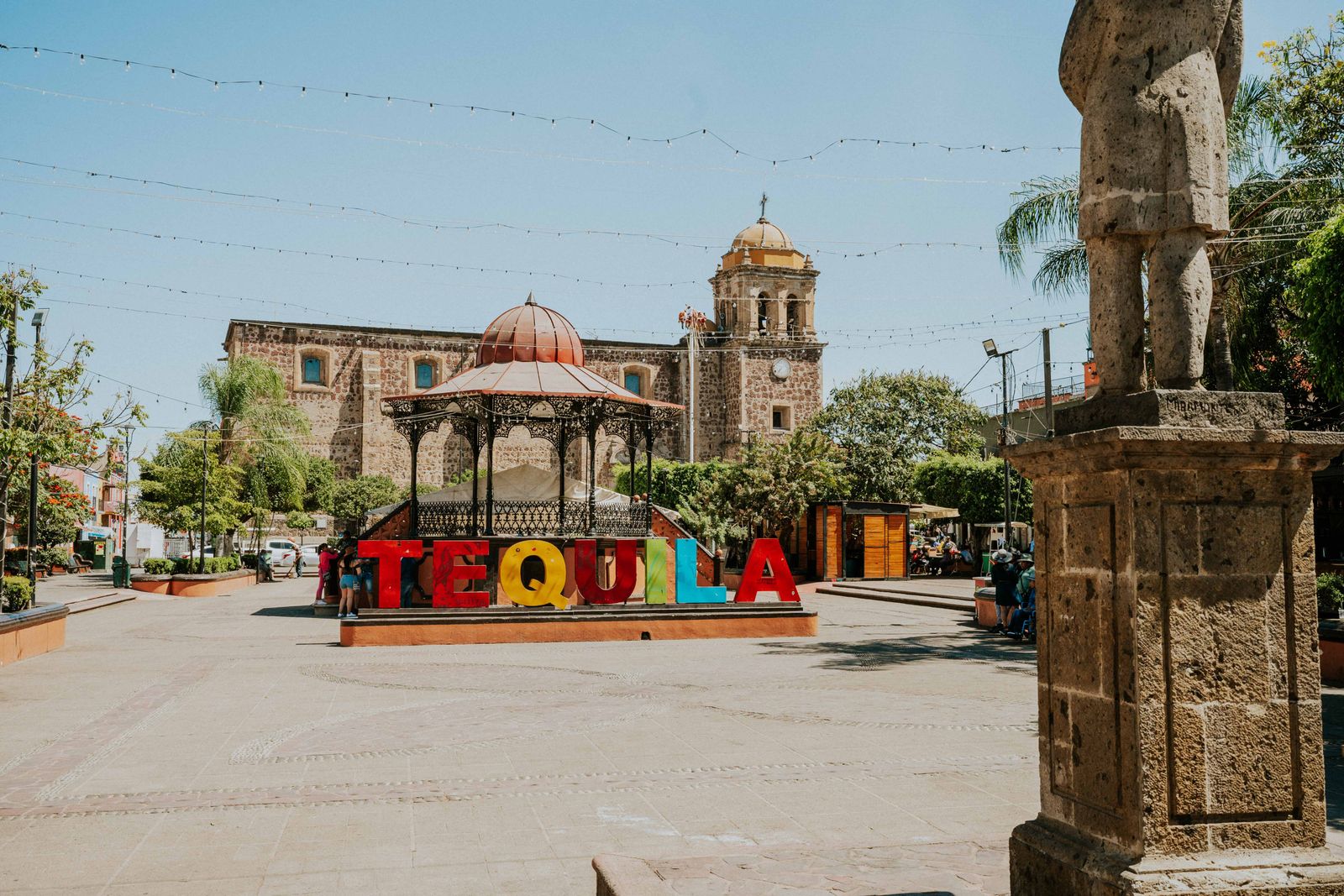
What to Pack for Lofoten, Norway: A Packing List for Every Season

TL;DRWhatever season you go, packing for the Lofoten Islands means layering up, and it all starts with a merino wool base layer, topped off with a waterproof hardshell jacket and trousers to fend off sideways rain and strong winds. Waterproof hiking boots with a Vibram sole are a must — even in summer, when temperatures only reach 12 to 15°C, the trails turn muddy and streams cross your path. In summer, the midnight sun means it never really gets dark, so bring an eye mask; in winter you’ll need a down jacket, ice cleats and a flask. Don’t bother with cash — Norway runs on card payments, and you’ll save money shopping at Rema 1000 or Kiwi supermarkets rather than eating out at pricey restaurants. Your EHIC card is valid, but you’ll still pay a 200 to 400 NOK excess for a doctor’s visit, so it’s worth getting private travel insurance too.

When most people picture a holiday above the Arctic Circle, they automatically imagine freezing temperatures and snowdrifts piling up. But the reality of the Lofoten Norway archipelago, in the far north of the country, is far more varied and, above all, utterly unpredictable. Packing your suitcase or backpack for a place where scorching sunshine, a fierce gale and horizontal rain can all take their turn in a single afternoon calls for a bit of strategic planning.

The weather in Lofoten simply does whatever it pleases, and even if you head north in mid-July, the average daytime temperature will hover at just around 12 to 15 °C. That’s why it’s an absolute must to download the Norwegian weather app yr.no to your phone — locals treat it like gospel, and you shouldn’t set off on any longer trip from your accommodation without checking it first.

The right gear decides whether you come home from those majestic mountains and deep fjords with breathtaking memories — or just the recollection of how cold you were the whole time. So let’s take a look together at what definitely belongs in your luggage, and what you can safely leave at home with a clear conscience.

TL;DR

  • Layer your clothing: The onion-layer system is essential for survival, and good-quality merino wool will serve you best, keeping you warm even when you sweat or get wet.
  • Go for a hardshell: A quality waterproof and, above all, windproof jacket with trousers will save you from unexpected showers and the strong ocean wind.
  • Sturdy footwear is a must: Norwegian trails are very often muddy and slippery, so you won’t manage without waterproof hiking boots with a good sole.
  • Don’t forget an eye mask: In summer you’ll experience the polar day, when the sun never sets, which can quickly disrupt your sleep schedule without proper blackout.
  • Leave the cash at home: Norway is a cashless society; you can pay absolutely everywhere without any problems by card or smartphone.
  • Shop smart: You’ll get groceries cheapest in the Rema 1000 or Kiwi supermarkets, as restaurants here are extremely expensive and cooking for yourself will save you huge amounts.
  • Get insured: The European Health Insurance Card is valid, but Norwegian excess fees are high, so quality commercial travel insurance is an absolute must.

7 Things You Need to Know About Packing for Lofoten, Norway

💡 Tip: Whatever time of year you head north, the key to success is flexibility and the ability to react quickly to changes in the weather. Pack your things so they’re easy to mix and match, and you won’t be caught out by either an unexpected morning frost or the afternoon sunshine that can warm up a mountain valley surprisingly nicely.

1. The layering system is the absolute foundation of your wardrobe

The secret to staying comfortable in the rugged north is layering — seasoned travellers wouldn’t call it anything else. Forget one huge, thick winter jacket that has you boiling the moment you start the first steep climb, only to leave you shivering when you stop at a viewpoint. What you need is a well-thought-out system of thinner layers that you can peel off and put back on as you walk, depending on how hard the wind is blowing or how brightly the sun is shining. The absolute essential — and the one piece you shouldn’t skimp on — is quality merino wool base layers, which have the wonderful property of keeping you warm even when damp, and won’t smell even after several days of wear.

Over this first base layer goes an insulating mid-layer, best handled by a lightweight fleece or a thin wool jumper that traps your body heat perfectly. I’d recommend leaving cotton T-shirts and classic jeans right at the bottom of your wardrobe back home, because once they get wet in Lofoten, they probably won’t dry until you’re back on home soil. If you’re planning more demanding climbs up the surrounding peaks, also pack a lightweight down or synthetic insulated jacket in your backpack — the one you slip on the moment you stop at the summit and start soaking up the views over the endless ocean.

You’ll appreciate this flexible layering system not just on long hikes out in nature, but also when moving from the chilly outdoors into the heated cafés or museums you’ll find surprisingly often across the archipelago. Well-chosen layers keep you comfortable all day long, and on top of that they take up far less room in your luggage than bulky, heavy winter coats you’d rarely use anyway.

2. A waterproof jacket and trousers will save you from the wind

The second most important item on your list should be the so-called hardshell layer — clothing that reliably protects you from the elements, namely rain and strong wind. The Lofoten weather is shaped by the Gulf Stream and the proximity of the open ocean, which in practice means you’ll very often encounter horizontal rain, against which a classic umbrella is completely useless and would simply snap in the gusts. What you need is a quality waterproof jacket, ideally with a Gore-Tex-type membrane that keeps water out but still lets your body breathe, so you don’t end up sweating like you’re in a greenhouse.

Equally important are waterproof over-trousers, which a lot of hikers sadly forget about and then end up spending the afternoon in soaking-wet trouser legs. These should be roomy enough to pull on easily over your usual hiking clothes the moment a sudden shower catches you out on the trail. Choose models with side zips down the legs, which let you put them on even with your trekking boots already laced up — saving you plenty of stress and time in pouring rain.

When choosing your jacket, pay attention to a roomy, well-adjustable hood that won’t blow off your head even in a real gale, and a high enough collar to protect your neck. Buying quality hardshell clothing might feel like a fairly steep investment, but in northern Norway it’s precisely the piece of kit that decides whether you’ll fully enjoy your trip or endure it cold and soaked through.

3. Sturdy, waterproof footwear for slippery treks

If there’s one thing you definitely shouldn’t skimp on when travelling to northern Norway, it’s quality boots, because the terrain here can be genuinely treacherous and unforgiving of mistakes. Most of the popular trails and viewpoints cross sharp rocks, peat bogs, deep mud and steep slopes, where ordinary city trainers will do you a real disservice and have you well on your way to a twisted ankle. Your best investment will be high trekking boots with a sturdy Vibram sole, which keep your foot stable even on very uneven ground and can handle the more demanding sections you’ll meet if you set off to explore the best treks in Lofoten.

Besides good ankle support, it’s absolutely essential that your boots are 100% waterproof, ideally fitted with a proven membrane, because even in summer you’ll often be wading through wet grass or stepping across small streams. Don’t forget to thoroughly waterproof your boots before you leave, and above all break them in at home, so you don’t end up with painful blisters on the very first day that spoil the rest of your trip. It’s also worth tossing a few pairs of quality trekking socks with a touch of merino wool into your backpack — they prevent rubbing and keep your feet dry and warm.

As a backup, I’d recommend packing a pair of comfortable, lightweight shoes to change into, which you’ll appreciate in the evening when relaxing in your rented cabin or nipping to the nearby supermarket. Some travellers also bring sturdy trekking sandals to Lofoten, but realistically you’ll only use them on the handful of genuinely hot summer days, or as handy slip-ons for shared bathrooms at campsites.

4. What’s different about packing for summer and winter

Although the basic rules for layering don’t change, what you pack will differ quite significantly depending on the time of year you’re heading to the far north. If you’re travelling in the summer months, when temperatures might occasionally creep up towards twenty degrees, you’ll experience the fascinating phenomenon of the midnight sun, when the sun never dips below the horizon and shines through your windows even at midnight. For that reason, be sure to pack a quality sleep mask for your eyes, because while many places to stay have blackout curtains, you can never rely on it completely — and your body clock could quickly go on strike.

Packing for the colder months, on the other hand, demands far more thorough preparation, which you can read more about in our article on Lofoten in winter, when battling low temperatures is the order of the day. Your winter kit absolutely must include a warm down jacket, thick ski gloves, a warm hat that covers your ears, and above all traction cleats, because icy paths and trails are a completely normal reality here for many months. If you’re hoping to watch the magical northern lights, bear in mind you’ll be standing motionless in the cold for hours on end, so a thermos for hot tea and a few chemical hand warmers for your pockets will come in handy.

Whether you’re racking your brains over when to visit Lofoten and which season is right for you, remember that the weather here is unpredictable all year round, and even in July you might be surprised by morning frost. The differences between seasons show up more in the thickness of your insulating layers and the length of daylight than in any chance you could leave the waterproof jacket hanging at home in summer with a clear conscience.

lukas a lucka
Lukáš and Lucie recommend
Where to Stay in Lofoten
2 accommodations — hotels and other lodging options
lukas a lucka
Lukáš and Lucie recommend
Where to stay in Lofoten
2 stays — hotels and other accommodation options

5. Electronics, adapters and camera gear for the winter

When it comes to charging your devices, I’ve got good news: all of Norway uses the same European-style Type C/F sockets, so if you’re travelling from the UK you’ll simply need a standard UK-to-European travel adapter — nothing special beyond that. What you absolutely will need, though, is a good high-capacity power bank, because in cold and windy weather the batteries in phones and cameras drain incredibly fast — often by tens of percent in just a few minutes. Get into the habit of carrying your phone and spare camera batteries in a chest pocket as close to your body as possible, where your body heat will keep them warm and extend their life during full-day trips along the cliffs.

For photography lovers, Lofoten is an absolute paradise on earth, but capturing the best shots calls for the right gear that can withstand even tougher weather conditions. If you’re planning to shoot the northern lights or the magical colours of the midnight sun, you won’t manage without a solid, stable tripod, because the wind on the coast is often so strong that holding a camera steady in your hand during long exposures is physically impossible. Don’t forget to pack plenty of memory cards, a set of lens-cleaning cloths (sea spray will constantly land on your lens), and perhaps a polarising filter to bring out the dramatic sky and sea.

If you’re planning to fly a drone, familiarise yourself thoroughly in advance with the very strict local rules, because flying is strictly banned in many places, including the popular national parks and near airports, and the fines are astronomical. It’s far more practical to download offline maps to your phone, because while the signal is surprisingly good in most places, in the deep fjords and more remote coves you can easily hit spots with no coverage.

6. First aid kit and health in remote areas

Norway isn’t a member of the European Union, but it is part of the European Economic Area, which means your UK Global Health Insurance Card (GHIC) — or an existing EHIC — is fully valid here and will cover essential emergency care in state-run facilities. It also means, however, that you pay the same Norwegian co-payment as Norwegians themselves, which usually runs around 200 to 400 NOK (roughly £15–30) for a standard doctor’s appointment, and can be considerably higher for an A&E visit. The card also doesn’t cover any repatriation back to the UK, so arranging reliable commercial travel insurance is an absolute, non-negotiable must before any trip north.

As for minor injuries or common colds, don’t rely on buying everything you need on the spot, because pharmacies (Apotek) are only found in the larger centres such as Svolvær or Leknes, and their weekend opening hours tend to be very limited. Put together a proper travel first aid kit at home, packing tried-and-tested painkillers like paracetamol or ibuprofen, blister plasters, antiseptic for scrapes from the slippery rocks, and possibly motion-sickness tablets if winding roads and boat trips don’t agree with you. In summer, particularly around the turn of July and August, sheltered spots out of the wind can be unpleasantly plagued by midges and mosquitoes, so don’t forget to pack an effective DEET-based repellent and a soothing after-bite cream.

The only full-service hospital on the entire archipelago is in the small town of Gravdal, which acts as the fallback point for anything more serious, while for non-emergency but urgent situations all of Norway uses a single phone number: 116 117. The operators on the line speak perfect English, will happily assess your situation with you, and advise whether you need to head to A&E or whether ordinary care in the warmth of your accommodation will do the trick.

7. What definitely not to pack and what to buy on arrival

When packing for expensive Nordic destinations, travellers often have a tendency to fill half their suitcase with food supplies from home, but in Lofoten it really isn’t necessary and you’d only be lugging around a heavy load for nothing. Norwegian supermarkets are superbly stocked, and if you head to the cheaper chains like the green Kiwi or the blue Rema 1000, you’ll pick up basic ingredients at prices that, while a touch higher than back home, certainly won’t ruin your budget. It’s worth seeking out the own-brand products in particular, which are of very high quality and will save you a fair bit on every shop.

What you can definitely leave at home is any physical cash, because Norway today is almost a perfect cashless society, where you can pay by card absolutely everywhere. Whether you’re buying a morning coffee at the tiniest bakery in the village of Å, paying for parking out in the middle of nature, or needing to use a paid public toilet, there’s a card terminal available everywhere. Locals very often use a mobile app called Vipps — their equivalent of sending money via QR codes — but as a tourist without a Norwegian bank account you’ll get by perfectly fine without it, and an ordinary payment card will always be enough.

As for local ingredients, you can buy and try them right there — like traditional Norwegian brown cheese, brunost, with its distinctive caramel flavour, or the tube of caviar paste that’s an inseparable part of any local breakfast. If you cook in the well-equipped kitchen of your accommodation — a huge financial lifesaver compared with the overpriced restaurants — be sure to grab some fresh cod, known as skrei, at the shop. Simply pan-fry it in butter and you’ll have a luxurious dinner for a fraction of what you’d pay at a restaurant in town.

Practical summary and rough prices

Budgeting for a trip to the far north can be a bit of a puzzle, so I’ve put together an overview of rough prices for the 2026 season to give you an idea of what to expect. The Norwegian currency is the Norwegian krone (NOK), and I’ve listed prices in the local currency with an approximate conversion to pounds.

  • Main course in an ordinary restaurant: 200 to 400 NOK (approximately £16 to £32)
  • Cost of cooking for yourself (per day/person): 112 to 195 NOK (approximately £9 to £16)
  • Excess fee for a doctor’s visit (with an EHIC card): 200 to 400 NOK (approximately £16 to £32)
  • Litre of petrol/diesel: 20 to 25 NOK (approximately £1.60 to £2)
  • Coffee in a café: 40 to 60 NOK (approximately £3 to £5)

💡 Tip: Some excursions, fjord cruises or organised northern lights tours can be booked very conveniently and safely in advance through trusted platforms like GetYourGuide, securing your spot even in the peak tourist season.

💡 Tip for accommodation and experiences: We like to look for our stays on Booking.com, where the cancellation terms tend to be the best. For tickets, tours and activities, it pays to compare and book through GetYourGuide.

Where to next

If you’re after more detailed information and want to plan your trip down to the very last detail, I’ve prepared a few more useful guides for you. Be sure not to miss our big guide to Lofoten, where you’ll find the most beautiful locations and hidden spots away from the tourist crowds.

If you’re still undecided about the timing of your trip, read our article on when to visit Lofoten to pick the best weather for your plans. Romantic and adventurous souls will surely appreciate our tips for travelling to Lofoten in winter, when the landscape takes on a truly magical air. And for active travellers, there’s a roundup of the loveliest views and trails covering the best treks in Lofoten.

Frequently Asked Questions

Do I need to exchange cash for Norway?

You definitely don’t need cash, because Norway functions as a modern cashless society and you can pay by card absolutely everywhere. Even public roadside toilets or small rural bakeries have terminals for card or smartphone payments.

What’s the weather like in Lofoten in summer?

Even in mid-July, average temperatures only range between 12 to 15 °C and the weather is very changeable. During a single day you can experience sunshine, strong winds and heavy rain, so you won’t get by without a quality waterproof jacket and warmer layers of clothing.

Are there mosquitoes in northern Norway?

Thanks to the strong ocean wind, the insect situation on the coast is much better than inland. You might experience minor issues with midges and mosquitoes mainly around the turn of July and August, so packing a quality repellent containing DEET is definitely worthwhile.

Does the Czech health insurance card (EHIC) work in Norway?

Yes, your blue card is fully valid here and will ensure you receive treatment in state facilities, but under the same conditions as local residents. This means you’ll be paying a relatively high co-payment, so commercial travel insurance is still an absolute necessity.

Where can you buy food the cheapest on the islands?

The biggest savings come from shopping at regular supermarkets and then cooking at your own accommodation. Head to chains like the blue Rema 1000 or the green Kiwi, where you’ll find quality groceries and store brands at fairly reasonable prices.

What power adapter will I need?

You don’t need to buy any adapter at all, because Norwegian electrical outlets are completely identical to those we commonly use in the Czech Republic. Instead, pack a quality power bank, as the cold weather quickly drains your devices’ batteries.

Does it make sense to pack an umbrella for trips?

“`html
You can leave your umbrella at home without any worries, because the exposed coastline very often experiences extremely strong winds that would instantly break and destroy it. The only effective protection against horizontal rain is a quality waterproof hardshell jacket with a sturdy hood.
“`

Tips and Tricks for Your Vacation

Don’t Overpay for Flights

Search for flights on Kayak. It’s our favorite search engine because it scans the websites of all airlines and always finds the cheapest connection.

Book Your Accommodation Smartly

The best experiences we’ve had when looking for accommodation (from Alaska to Morocco) are with Booking.com, where hotels, apartments, and entire houses are usually the cheapest and most widely available.

Don’t Forget Travel Insurance

Good travel insurance will protect you against illness, accidents, theft, or flight cancellations. We’ve had a few hospital visits abroad, so we know how important it is to have proper insurance arranged.

Where we insure ourselves: SafetyWing (best for everyone) and TrueTraveller (for extra-long trips).

Why don’t we recommend any Czech insurance company? Because they have too many restrictions. They set limits on the number of days abroad, travel insurance via a credit card often requires you to pay medical expenses only with that card, and they frequently limit the number of returns to the Czech Republic.

Find the Best Experiences

Get Your Guide is a huge online marketplace where you can book guided walks, trips, skip-the-line tickets, tours, and much more. We always find some extra fun there!
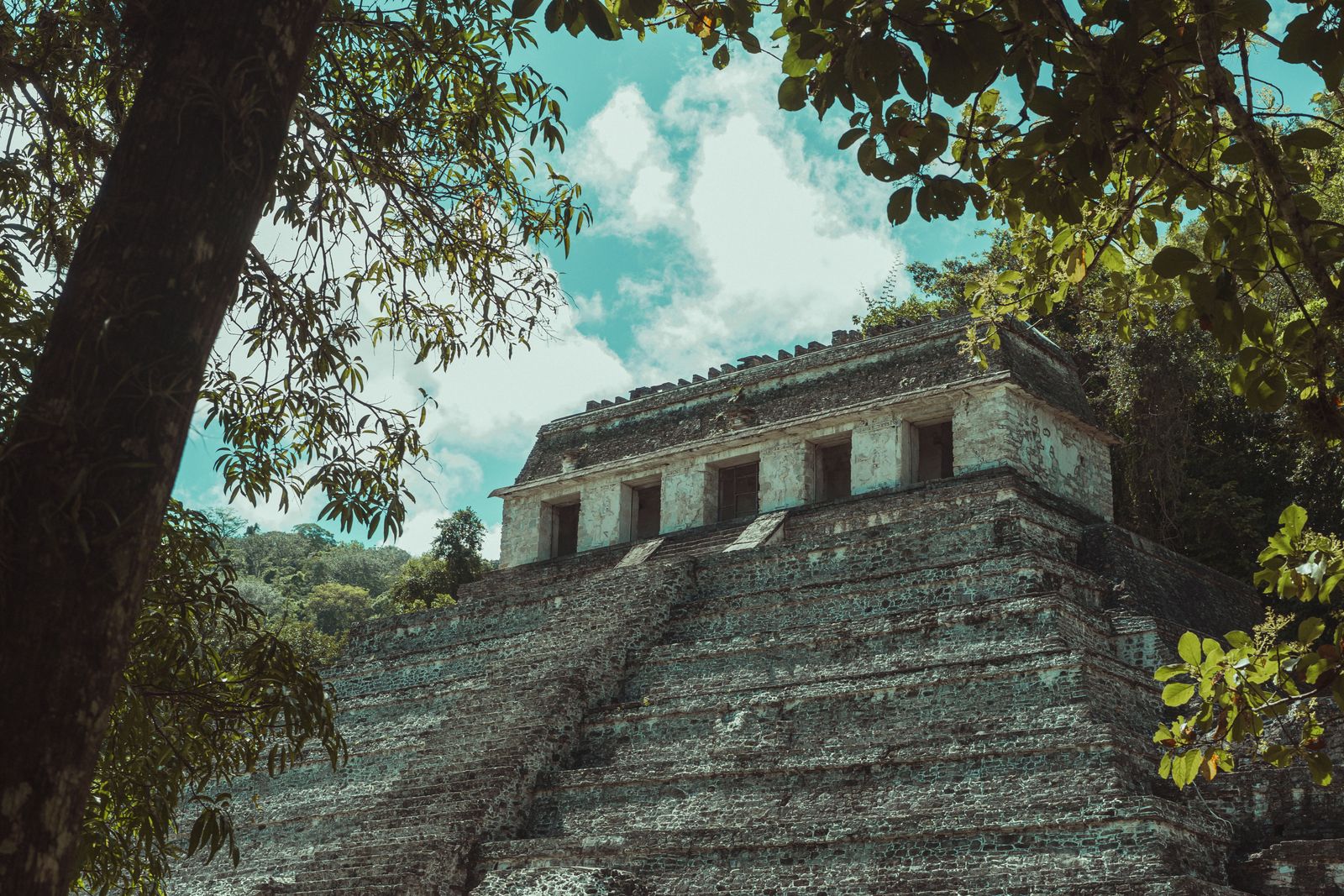
Toulouse, France: 13 Things to See and Do in 2026

TL;DRToulouse has 13 solid ideas for a trip, starting with Place du Capitole, the Romanesque basilica of Saint-Sernin, and the Jacobins monastery with the tomb of St Thomas Aquinas. Then there’s the space park Cité de l’espace, the Aeroscopia aviation museum, and a tour of the Airbus assembly line (book at least 3 weeks ahead). Two days covers the historic centre, with another one or two days for the technical attractions on the edge of town. May, June, September and October are the best months, avoiding summer highs above 35°C. Smartwings flies there directly, and the 240km Canal du Midi runs nearby — perfect for a houseboat trip or a cycle ride to Carcassonne.

Southwest France hides a metropolis that doesn’t bother with the cool stone elegance of Paris or the snobbish glamour of the Côte d’Azur. Toulouse, France glows in shades of terracotta and dusty pink, lives at its own relaxed pace, and smells of hearty food and red wine. But don’t let that slightly sleepy café vibe fool you, because this city literally has its head in the stars. While you admire centuries-old brick walls in the historic centre, the most modern airliners in the world are being assembled on the outskirts and technologies for missions to Mars are being researched.

If you’re after a destination that combines hi-tech industry, charming medieval lanes, and endless waterways, you’ve come to exactly the right place. Toulouse doesn’t need the sea to win you over instantly, because right beyond its gates begins an engineering marvel in the shape of the shady Canal du Midi. Let’s take a look together at everything the Pink City has to offer in 2026 and how to enjoy it to the fullest without any unnecessary stress. ☺️

TL;DR

  • The Pink City: Toulouse is nicknamed La Ville Rose thanks to its local fired bricks, which change colour incredibly throughout the day, from peachy to deep purple.
  • The space capital: Here you’ll find the interactive Cité de l’espace park and the giant Airbus factory, where real airliners are put together.
  • Book in advance: For the Airbus assembly line tour you must buy tickets at least 3 weeks ahead, otherwise they simply won’t let you in.
  • Canal du Midi: This historic canal lined with plane trees is ideal for a multi-day houseboat cruise with no licence required, or for easy-going cycling.
  • Gastronomy: The local legend is the extremely hearty cassoulet, washed down with strong local wine and guaranteed to send you straight to a nap for the rest of the afternoon. 😅
  • Easy to reach: Getting to Toulouse from the UK is simple, with direct flights from London on easyJet and British Airways, and the airport sits just a short hop from the centre.

When to visit Toulouse and how much time to set aside

Toulouse works as an absolutely ideal base for exploring the whole of southwest France, and it’s nowhere near as overrun with tourists as the popular Provence or the showy Côte d’Azur. From the UK you can get here without any hassle and in just a couple of hours, as both easyJet and British Airways run handy direct flights from London. That finally spares you the long, tiring connections at Paris Charles de Gaulle or busy Amsterdam Schiphol, which used to drag out the journey to the south of France and bump up the price.

The loveliest time to visit is without doubt spring, namely May and June, or the autumn months of September and October. The weather in Toulouse, France at this time of year sits at very pleasant levels, making perfect conditions for wandering the monuments and for long cycling trips along the shady canals. In July and August, by contrast, temperatures in the south of France routinely flirt with an extreme 35 to 43 °C. When the sharp midday sun beats down and heats up all those ever-present bricks in the city centre, even an ordinary stroll can become physically exhausting and you’ll be grateful for every air-conditioned café or cool church interior.

For the historic centre alone, two relaxed days are plenty to soak up the real atmosphere of the old town and explore the main sights. But if you’re travelling with kids, or you’re even slightly into modern technology and space, definitely set aside another day or two for the outskirts. A visit to the sprawling space park and the aviation museums will easily eat up a whole afternoon, and by the evening you won’t have the energy for anything else. You can then dedicate the remaining days to day trips around the region with a clear conscience, since the reliable regional TER trains will get you almost everywhere and you can completely forget about an expensive hire car for this holiday.

Where to stay in Toulouse and indicative prices for 2026

💡 Tip for accommodation and experiences: We love searching for places to stay on Booking.com, where the cancellation terms tend to be the best. For tickets, tours, and activities it pays to compare and book through GetYourGuide.

The historic centre is fairly compact and flat, so if you find a room right in the middle of it, you’ll easily reach all the main sights on foot without needing public transport at all. That said, the city’s metro and bus network runs brilliantly and is very reliable, so don’t be put off by the more modern hotels that sit a little further from the heart of the action. You’ll get to the centre from them in just a few minutes, and often for a fraction of what you’d pay right by the town hall.

The most prestigious and, naturally, the priciest location is the immediate area around the main square, Place du Capitole, where you’ll have the best restaurants, historic landmarks, and stylish cafés literally under your window. A lovely and somewhat quieter alternative is the more southerly Carmes district, which has kept an almost village-like feel and is full of small independent boutiques, hidden courtyards, and authentic bistros. If you’re planning frequent train trips around the region, strategically base yourself near the main railway station, Matabiau, from where services run every day in all conceivable directions, including to fairy-tale Carcassonne.

  • Boutique Hotel Soclo: A gorgeous, very stylish hotel a short walk from the main square, offering an incredibly peaceful garden with a small pool. You’ll appreciate this green oasis one hundred percent on hot summer days after wandering the sun-baked streets. The price for an elegant double room in 2026 sits at around €180 to €220 per night.
  • Hôtel des Arts: A very cosy and noticeably more affordable little hotel set right in the historic centre, with that typically relaxed French atmosphere and wonderfully friendly staff. A night in these romantic surroundings will cost you roughly €110 to €140, and everything important is within easy reach.
  • Ibis Styles Toulouse Centre Gare: A great, practical choice for anyone after a clean, modern standard who wants to be practically next door to the train station for early-morning day trips. Rooms here start from a very pleasant €90 per night, but book through Booking.com well in advance, as this hotel is often sold out.

13 things to do in Toulouse, France

Let’s take a look together at the most interesting things the Pink City currently has on offer. Expect monumental brick buildings, romantic riverbanks, and fascinating glimpses into the future of humanity.

1. Place du Capitole and the magnificent town hall

The heart of all the action in Toulouse is the enormous Place du Capitole, dominated by the majestic eighteenth-century neoclassical town hall building. This is exactly the iconic spot where you’ll sit down in the morning for a coffee and a sweet croissant, watching the city wake up while the sun slowly tints the surrounding facades into warmer pastel shades. It’s here that you’ll fully grasp why the city is nicknamed La Ville Rose. The local fired bricks change colour incredibly throughout the day, from a soft morning peach to a sharp midday orange and a deep purple at sunset.

Right in the middle of the square’s vast paving, be sure to spot the huge brass Occitan cross, which proudly nods to the deep historical roots of the entire southwestern region of Occitania. You can also step inside the town hall completely free of charge, which you really shouldn’t miss. The beautifully decorated historic halls, full of frescoes and paintings, are open to visitors and feel more like the interiors of a luxurious royal palace than an ordinary council office, plus they offer perfect shade on scorching summer days.

💡 Tip: The most beautiful light for photographing the town hall is in the late afternoon, when the sun shines directly onto its long brick facade, bringing out all the fine architectural details and golden ornaments on the building.

2. Saint-Sernin Basilica and a flood of pink brick

Once you’ve wound your way through the narrow, shady lanes from the main square heading north, you’ll come upon the breathtaking Saint-Sernin Basilica, which is one of the largest and most important surviving Romanesque buildings in all of Europe. It was built back in the eleventh century and for many centuries served as an absolutely crucial stop for thousands of weary pilgrims on the famous route to Santiago de Compostela in Spain, where they sought safe shelter and spiritual comfort.

Its massive octagonal bell tower forms an unmistakable landmark for the whole city and is a perfect example of why Toulouse is so proud of its brick architecture. The combination of the typical fired bricks and bright white stone looks incredibly elegant, especially when you consider how enormous, complex, and heavy this building actually is, and with what precision it had to be designed back in the Middle Ages.

Inside, you’ll be immediately struck by the vast and surprisingly austere space, which lets the perfect stone vaulting and the huge columns lining the nave really shine. For a small fee you can also visit the mysterious underground crypt, where precious religious relics and historical artefacts from the days of early Christianity are kept, carefully gathered here over the centuries.

3. The Jacobins Convent and the tomb of St Thomas Aquinas

From the outside, the whole Couvent des Jacobins complex looks like an austere, impregnable brick fortress, but the moment you step through the main gate, a huge architectural surprise awaits you. This thirteenth-century Gothic gem hides a unique structural feature in the form of a giant stone palm tree, from which an incredible twenty-two vault ribs fan out in all directions, supporting the entire enormous ceiling of the church. It’s a masterpiece of medieval engineering that will leave you shaking your head in disbelief.

During the day, the space is bathed in wonderfully colourful light thanks to the modern stained-glass windows, and despite the bustle of the streets outside, there’s an utter, soothing calm in here. It’s right here, directly beneath the majestic altar of polished stone, that the tomb of one of the most important medieval philosophers, Saint Thomas Aquinas, can be found, whose precious remains were ceremonially moved here in the fourteenth century and still draw visitors from around the world.

Don’t forget to pay the symbolic admission to the adjacent cloister, where you can sit in the pleasant shade of the colonnade and quietly contemplate the beauty of the historic architecture. It’s a perfect green oasis in the middle of a busy city, and especially in the summer months it often hosts small, atmospheric classical music concerts that lend the whole place an even more magical air.

4. The banks of the Garonne and the historic Pont Neuf

The wide Garonne river gives the whole city much-needed breathing space, and its carefully maintained banks act as one big open-air living room for the locals. The brick Promenade Henri-Martin is generously lined with trees, and in the warm spring and summer months, groups of students settle in from early afternoon with a bottle of wine, play guitar, hold picnics, and chat happily into the small hours.

The oldest and by far the most photogenic bridge in the city is the iconic Pont Neuf, even though its name paradoxically translates as “New Bridge”. It was ceremonially completed in the seventeenth century and is the only one of all the bridges to have survived every devastating flood, largely thanks to its cleverly designed asymmetrical arches and the special circular openings in the piers, which safely channel high water and prevent the massive structure from collapsing.

💡 Tip: Head down to the river just before sunset and sit on the stone steps by the lively Place Saint-Pierre. The sight of the flowing river and the historic bridge slowly turning a rich orange and deep purple is hands down the best visual experience in all of Toulouse, and it doesn’t cost a penny.

5. Cité de l’espace: Touch the cosmos

If you’re even slightly into science and modern technology, set aside ideally a whole day for the eastern edge of the city, home to the enormous interactive Cité de l’espace park. This is no dull museum with quiet, dusty display cases, but a fascinating and very hands-on celebration of humankind’s exploration of space that’s guaranteed to thrill adults and curious little ones alike.

From a distance you’ll be struck by the full-scale replica of the Ariane 5 launch rocket, which stands a respectable fifty-three metres tall and rises high above the surrounding trees like a towering beacon of progress. You can walk through real cramped modules of the famous Mir space station, try out special weightlessness simulators, or fully immerse yourself in incredible projections in the top-class IMAX cinema and modern planetarium, which will take you on a journey to the stars.

For 2026, the park has also prepared a brand-new and very extensive exhibition dedicated to the exploration of Mars, reflecting the latest findings from current space missions and the movement of robotic rovers across the red planet in clear, accessible detail. Best of all, you can get here from the city centre very easily and cheaply on ordinary public transport, so there’s no fiddly commute to worry about.

6. Aeroscopia and a peek into the world of aviation

On the complete opposite side of the city, right next to Blagnac international airport, lies another technological gem you really shouldn’t miss. The Aeroscopia museum is essentially a huge modern hangar packed with the most legendary flying machines that literally wrote the history of world aviation, gradually pushing the limits of engineering up to today’s modern standards.

The biggest draw for most visitors is, of course, the chance to walk through the cabin of the famous supersonic Concorde, whose cramped luxury interior looks surprisingly modest and out of place by today’s standards, even though it once represented the absolute pinnacle of travel for the elite. But you’ll also peer inside giant military transport aircraft, rescue helicopters, and early historic machines dating back to the very beginnings of flight.

Unlike the active Airbus factory next door, you thankfully don’t need a complicated booking made far in advance here, so you can fit a visit to this sprawling museum into a much more flexible travel itinerary fairly easily and spontaneously, without the stress of sold-out tickets.

lukas a lucka
Lukáš and Lucie recommend
Where to stay in Toulouse
4 accommodations — hotels and other lodging options

7. The Airbus factory: Where aviation giants are born

Without any exaggeration, this is the true European capital of aviation, and the unique chance to peek straight into the kitchen of the aviation giant Airbus is an absolutely one-of-a-kind experience for any traveller. The carefully organised tour, called “Let’s Visit Airbus”, takes you onto a special viewing platform right above the huge assembly line, where real airliners for the world’s airlines are put together before your very eyes.

The whole production site is the size of a small town, so internal buses are naturally used to move between the various halls, because it simply couldn’t be done on foot. During the action-packed tour you’ll see the complex process of testing, painting, and the final preparation of the aircraft just before they are ceremonially handed over to airlines from around the world and take to the skies for the first time.

⚠️ Crucial warning: There’s one big, non-negotiable catch to watch out for, though. Without careful preparation, you simply won’t get in. Booking the factory tour is strictly required at least three weeks in advance through the official website of the local tourist office. Tours in English typically run only on Wednesdays and Saturdays, and the available spots disappear in a flash. If you turn up blind expecting to buy tickets at the desk, you’ll be turned away one hundred percent due to the very strict security rules in place across the whole site.

8. Canal du Midi: Slowing down in the shade of plane trees

While nearby Airbus embodies the extreme speed of the modern age, the famous Canal du Midi is, by contrast, a perfect celebration of utter slowness and quiet calm. This impressive 240-kilometre-long navigable canal connects Toulouse with the Mediterranean Sea and today rightly features on the UNESCO World Heritage list as a seventeenth-century engineering masterpiece, the brainchild of visionary Pierre-Paul Riquet.

The canal is famous around the world above all for its magical green tunnel, because its banks are lined with tens of thousands of old plane trees that create perfect shade and protect the water from rapid evaporation in the summer heat. Sadly, in recent years you’ll also see a more sombre reality here, as the trees are being heavily attacked by a fungal disease known as chancre coloré. Because of this, there’s extensive felling of old trees and their gradual replacement with new, more resistant species, so some stretches have temporarily lost their iconic character.

The most traditional way to experience this watery marvel is to hire a comfortable houseboat, for which you need absolutely no boating licence or prior experience whatsoever. You cruise along at the soothing pace of a brisk walk, around five to eight kilometres an hour, manoeuvring through historic locks during the day and simply mooring up by the nearest picturesque village in the evening. If you prefer solid ground underfoot, the former towpaths along the water make a perfect flat cycle route, along which you can comfortably ride an amazing 105 kilometres from Toulouse all the way to fairy-tale Carcassonne in two days.

9. Tasting a local legend: cassoulet

You simply can’t leave Toulouse without bumping into the absolute local culinary icon on every corner, the dish that defines the region’s whole gastronomy. The famous cassoulet is definitely not a meal for the faint of stomach or for a light summer diet, though. It’s an ultra-hearty calorie bomb and a revered local institution, over whose one true and only correct recipe the towns of southwest France have been arguing for centuries, with the fiercest and loudest rivalry running between the cooks of Toulouse, Carcassonne, and nearby Castelnaudary.

This traditional and incredibly rich rustic dish typically consists of large white beans, local sausages, tender duck confit, and pieces of pork, with this whole rich mixture slowly baked in a special earthenware dish called a cassole until a deep brown, perfectly crispy crust forms on the surface.

For lovers of traditional meaty dishes it’s an absolute culinary must, which the locals best wash down with a hearty red wine from the nearby wine region. Just accept that after such a substantial lunch you probably won’t be walking very far and you’ll likely spend the rest of the afternoon contentedly snoozing in the shade of one of the city’s quiet parks.

10. Les Abattoirs museum and modern art

If you enjoy contemporary and slightly provocative art, definitely head into the lively Saint-Cyprien district on the left bank of the wide Garonne. The Les Abattoirs museum building has a very turbulent and supremely interesting history, because it’s a beautifully renovated sprawling complex of former municipal slaughterhouses dating from the nineteenth century, given an entirely new cultural lease of life.

Today, these beautiful industrial brick halls display top-class works of modern and contemporary art, both as part of rich permanent collections and during very bold temporary exhibitions that often reflect current social themes. The raw space itself, with its high ceilings and preserved industrial features, lends every art installation a wholly unique and faintly dark atmosphere.

The museum’s main highlight is undoubtedly the enormous theatre curtain painted in 1936 by the legendary Pablo Picasso himself, which bears the poetic title “La Dépouille du Minotaure en costume d’Arlequin”. However, it’s only displayed for a few selected months of the year, to reliably protect this extremely rare and fragile canvas from permanent damage caused by direct light.

11. Musée des Augustins and fine art

Lovers of classical art and old architecture, on the other hand, should head straight to the Musée des Augustins, which sits in the absolutely stunning rooms of a former Gothic convent dating from the fourteenth century. The historic building itself, with its richly decorated and quiet cloister, is worth the admission fee even if you have no interest in the paintings on display, because it offers a perfect escape from the noise of the modern city.

The collections of this important museum cover a huge time span, from early Romanesque sculpture to classical French painting of the early twentieth century. During your visit you’ll find valuable works by masters such as Delacroix, Ingres, and the famous Toulouse-Lautrec, but by far the most impressive is the extensive exhibition of medieval stone sculptures and fearsome gargoyles, gradually brought here from ruined churches across the surrounding region.

💡 Tip: The museum recently underwent a fairly extensive and lengthy overall renovation aimed at modernising the exhibition spaces. So always check the current opening hours on their official website just before you visit, as some of the smaller exhibition halls may still be temporarily closed to the public for necessary maintenance.

12. The Japanese garden: A zen escape from the city

When, after a few hours, you’ve had enough of sun-baked bricks, historic monuments, and busy streets, hop on the metro at the nearest station and head to the green Compans-Caffarelli park. Hidden right at its heart is a perfectly maintained Japanese garden (Jardin Japonais), carefully inspired by the traditional historic gardens of Kyoto in Japan, offering visitors absolute, undisturbed calm.

In a fairly small and cleverly enclosed space, you’ll find just about every classic Asian zen element, from the typical red wooden bridge and an elegant tea pavilion to a quiet pond full of giant colourful Koi carp that constantly and lazily drift beneath the surface. The garden is surrounded by a tall wall and dense trees, so none of the annoying noise from the wide traffic boulevards reaches in, and you can clear your head completely.

Entry to this gorgeous, lovingly maintained garden is completely free, and it’s an absolutely ideal spot for a short rest with a good book or a slow, peaceful stroll with a coffee in hand. This is especially true in spring, when the exotic Asian trees come into full bloom and the whole place takes on an incredibly romantic air.

13. The Victor Hugo market and local gastronomy

For the real, utterly authentic taste of local everyday life, you have to head to the Marché Victor Hugo, which is the largest covered market in the whole city and an absolute paradise for every food lover. On the ground floor of this massive concrete building, dozens of small, fragrant stalls are packed in, literally overflowing with fresh cheeses, incredibly crusty French bread, local delicacies, and vegetables from farmers in the nearby area.

Stop by one of the many wine stalls, pour yourself a glass of good local red, and have a careful selection of mature cheeses from the nearby Pyrenees sliced for you. There’s a wonderful, energetic buzz here, with locals cheerfully shouting back and forth with the stallholders, everyone on a first-name basis, and the overall atmosphere is incredibly infectious and warmly friendly.

But the very best comes right at lunchtime. On the first floor directly above the market are several very popular bistros that cook exclusively with fresh ingredients bought straight from the stallholders below them. The food here is fairly simple and rustic, but absolutely fantastic, and the final prices are far friendlier than at the overpriced tourist restaurants on the main square by the town hall.

Where to go next from Toulouse

Toulouse has a huge advantage in its strategic location, so if you have more days to spare, definitely set off to explore the surrounding area. The Occitania region is full of history and beautiful nature.

The most logical and most beautiful trip is the journey along the canal to the medieval fortress of Carcassonne. You can sail there by boat, ride along the flat cycle path, or simply hop on a train and be there in under an hour. This town with its double walls looks like something out of a fairy tale, and in our article Carcassonne: What to See and Do you’ll find all the practical tips for visiting.

And if you start missing the Mediterranean atmosphere and the sea breeze, hop on a high-speed train and head towards the coast. In roughly two hours’ travel you’ll find yourself in an elegant city full of students and modern architecture. For inspiration, read our guide Montpellier: Day Trip Tips.

Frequently asked questions

Is Toulouse a safe city for tourists?

Yes, the historic center and main tourist areas are very safe even for late evening walks. However, as in any large French city, watch out for pickpockets around the main Matabiau train station and in metro cars during the afternoon rush hour when people are packed together.

How to best get from Blagnac Airport to the city center?

Transportation from the airport is extremely easy and straightforward. The fast tram line T2 runs directly from the terminal, taking you to the Palais de Justice station, where you can transfer straight to the metro. The journey takes about thirty minutes and a ticket costs just a few euros. There’s also an airport express bus available.

Do I need a rental car in Toulouse and the surrounding area?

If you’re planning to stay just in the city and perhaps take a leisurely cruise along the Canal du Midi, you won’t need a car at all and it would actually be more of a hassle due to expensive and complicated parking. You can reach nearby towns very comfortably and quickly using the reliable regional TER trains.

When do museums in Toulouse have free admission?

Most city museums, including the popular Les Abattoirs and Musée des Augustins, offer completely free admission on the first Sunday of every month. However, keep in mind that on this day there tend to be quite large queues of locals, so I recommend heading there early in the morning before opening time.

Are there direct flights to Toulouse from Prague?

Yes, traveling has recently become significantly easier and more affordable for us. Smartwings airline has introduced very practical direct flights from Prague airport straight to Toulouse, so fortunately you no longer have to deal with lengthy and annoying layovers in Paris or Amsterdam that unnecessarily extended the journey.

Will I be able to get by with English here?

In the main tourist areas, at the airport and in modern hotels, you can get by in English without major problems. In smaller traditional bistros and at the market, however, things can get tricky, so it’s worth knowing at least basic French courtesy phrases. Locals will always greatly appreciate your attempt at French.

Is tap water in Toulouse drinkable?

Tap water (eau du robinet) is completely safe and drinkable here, and what’s more, it’s subject to very strict hygiene quality controls. In local restaurants, you can quite normally ask for it free of charge with your meal, which will save you loads of money on unnecessarily overpriced bottled water during hot days.

Can I handle cycling along the canal if I’m not athletic?

Absolutely without worry and without any special training. The former towpaths along the Canal du Midi are completely flat and physically undemanding. Families with small children or casual cyclists can easily manage the route with a smile, plus you can adjust the pace and distance exactly to your liking.

Tips and Tricks for Your Vacation

Don’t Overpay for Flights

Search for flights on Kayak. It’s our favorite search engine because it scans the websites of all airlines and always finds the cheapest connection.

Book Your Accommodation Smartly

The best experiences we’ve had when looking for accommodation (from Alaska to Morocco) are with Booking.com, where hotels, apartments, and entire houses are usually the cheapest and most widely available.

Don’t Forget Travel Insurance

Good travel insurance will protect you against illness, accidents, theft, or flight cancellations. We’ve had a few hospital visits abroad, so we know how important it is to have proper insurance arranged.

Where we insure ourselves: SafetyWing (best for everyone) and TrueTraveller (for extra-long trips).

Why don’t we recommend any Czech insurance company? Because they have too many restrictions. They set limits on the number of days abroad, travel insurance via a credit card often requires you to pay medical expenses only with that card, and they frequently limit the number of returns to the Czech Republic.

Find the Best Experiences

Get Your Guide is a huge online marketplace where you can book guided walks, trips, skip-the-line tickets, tours, and much more. We always find some extra fun there!
South Coast of Iceland: 12 Things to See and Do

TL;DRIceland’s south coast serves up 12 favourites for waterfalls, beaches and rock formations, from Seljalandsfoss to the black sands of Reynisfjara, all reachable from Reykjavík along the Ring Road in about two hours. Highlights include Seljalandsfoss (60m, and you can walk behind the curtain of water), the hidden cave waterfall Gljúfrabúi, the mighty Skógafoss, the Fjaðrárgljúfur canyon, the Sólheimajökull glacier, the DC-3 plane wreck on the Sólheimasandur plain, and the puffin-covered cliffs at Dyrhólaey. Parking at most sites costs 1000 ISK via the Parka app, or 750 ISK at the plane wreck. Give the area at least two days and one night, staying somewhere like Vík í Mýrdal, Selfoss or Hvolsvöllur.

When Lukáš and I set off on our big road trip at the turn of September and October 2018, I had a feeling it was going to be epic, but the reality ended up exceeding all our expectations. We planned to explore the south coast of Iceland on the very fourth day of our journey, and we privately nicknamed it our “day of waterfalls”.

I still remember how we set out in the morning and, with every passing kilometre, the landscape grew more dramatic, steeper and wilder. You simply feel tiny there in the face of that incredible power of nature, which offers you endless glaciers on one side and an untamed ocean on the other.

In this article you’ll find 13 tips on what to see and do in the south of the island. We’ll walk you through the most famous waterfalls that will leave you breathless, as well as hidden spots free of tourist crowds. I’ll tell you where to base yourself strategically, how parking and fees work in 2026, and above all I’ll warn you about what to be extremely careful of so you make it home in one piece.

TL;DR

  • The most beautiful waterfalls: Stop at Seljalandsfoss (you can walk behind it) and discover the hidden Gljúfrabúi in its cave right next door. Don’t skip the mighty Skógafoss either.
  • Parking costs money: At most natural landmarks (Seljalandsfoss, Skógafoss, Fjaðrárgljúfur), there’s now a parking fee of 1,000 ISK (roughly €7) paid through the Parka app.
  • The abandoned plane wreck: To reach the famous DC-3 wreck at Sólheimasandur, you either have to walk 45 minutes across the wasteland, or take the paid shuttle bus.
  • Dangerous beauty: The black sand beach of Reynisfjara is stunning, but extremely dangerous due to so-called sneaker waves. Never turn your back to the sea!
  • Puffin watching: If you visit in summer, your best chance to spot these adorable birds is on the cliffs of Dyrhólaey, but watch out for evening and night closures during nesting season.
  • Ideal timing: Set aside at least two days and one night for the south coast, so you don’t have to rush everything and can truly enjoy those views.

When to go and how to get there

The south coast is fairly friendly in terms of logistics, and you can reach it from Reykjavík along Ring Road number 1 in roughly two hours. So you can even manage it as a very packed day trip if you’re really short on time. Just bear in mind that in that case you’ll spend 10 to 11 hours straight on the road and on your feet, and you’ll only catch the main highlights.

For a more relaxed pace, I wholeheartedly recommend splitting the south into two days and one night. In summer you can drive the road in an ordinary car, but if you’re heading to the island out of season (October to April), I’d definitely recommend going for a 4×4 vehicle.

We had a larger car rented, and Lukáš and I have had a consistently good experience with DiscoverCars, which we use all over the world because it lets us see a comparison of all the big and local rental companies in one place.

If you’re heading here in summer (June to August), you’ll have a huge advantage in the form of endless daylight. The sun sets just after midnight and rises before three in the morning, so you have roughly 21 hours to explore and can head to the waterfalls at, say, midnight, when there are no crowds.

In August 2026, however, the south is extremely booked out due to a total solar eclipse, so reserve everything well in advance. Winter, on the other hand, offers rugged romance and the chance to see the Northern Lights — just be prepared that around the solstice you’ll have only a little over 4 hours of daylight.

When hunting for the aurora, always check the cloud cover on the official meteorologists’ website and arm yourself with patience, because on average it takes 5 to 7 nights here for a successful sighting.

What’s more, from 1 January 2026 a new per-kilometre tax applies in Iceland for passenger cars, amounting to 6.95 ISK (about €0.05) per kilometre driven. Rental companies will usually add a flat fee of around 1,390 to 1,550 ISK (roughly €10–11) per day, or tally up the kilometres when you return the car.

The good news, though, is that thanks to this, petrol has dropped to roughly 305 ISK per litre (about €2). The biggest enemy in the south, surprisingly, isn’t usually snow or ice, but wind. The Icelandic gale is something that’s hard to describe to anyone who hasn’t experienced it — it can calmly rip the doors off their hinges.

So always park into the wind and hold the doors firmly with both hands, because this kind of damage (so-called door-ripping) isn’t covered by any insurance and repairs cost incredible amounts. Definitely pay extra for GP insurance against gravel and, above all, SAAP (Sand and Ash Protection), because the strong winds in the south can whip up volcanic sand and literally sandblast your car’s paintwork down to the metal.

Where to stay + how much it costs

If you want to explore the south properly and don’t want to spend twelve hours straight in the car, I’d definitely recommend finding accommodation in the south of Iceland for at least one night. The most popular base for trips to the glaciers is the picturesque little village of Vík í Mýrdal, which lies at the very eastern edge of this region.

Capacities here are very limited, though, and prices in season shoot up steeply. A beautiful place to stay right in Vík is, for example, the Hotel Katla by Keahotels, where after a freezing day you can enjoy an outdoor hot tub and sauna, or there’s the cheaper Vík HI Hostel for backpackers.

A cheaper and more accessible option tends to be the town of Selfoss, which is closer to the capital and offers a huge number of choices, including the popular Bakki Hostel (prices here start at around €75 per night).

If you’re after a happy medium, try Hvolsvöllur, located roughly halfway to the biggest natural attractions. Here you’ll also find the utterly luxurious four-star Hotel Rangá, renowned for its hot springs and perfect views of the Northern Lights — provided, of course, you’re lucky enough to get a cloudless sky.

💡 Specific accommodation tips (check prices and availability via Booking.com, and book early — in season and around the 2026 eclipse they vanish months ahead):

Accommodation prices in Iceland aren’t exactly among the lowest, and a nice guesthouse for two will set you back around €100 to €200 (roughly 15,000 to 30,000 ISK) per night. Booking.com is our favourite hotel search engine, where you can sometimes snag a good discount.

On top of that, since 2024 an accommodation tax of 800 ISK (about €6) per room per night applies, charged directly on site. If you’re camping, the tax is 400 ISK per night. (We’ve probably got a bit too comfortable to camp these days, but plenty of people use the popular Camping Card for around 26,000 ISK, which is valid until mid-September.)

For cheap flights from the UK, Iceland is well connected — easyJet and Jet2 fly direct from London and several regional airports to Reykjavík (Keflavík), so it pays to compare routes and book early to save a good chunk of money and free up more budget for those gorgeous little hotels with outdoor pools.

Remember that while your EHIC/GHIC card is valid in Iceland, it doesn’t cover search and rescue operations (ICE-SAR), so quality travel insurance is an absolute must, and we’d recommend having the 112 Iceland emergency app downloaded on your phone. For staying connected on the go, a local eSIM from Holafly or Yesim is handy.

An incredible spectacle: the most beautiful waterfalls of the south

This part of Iceland could just as well be renamed the land of falling water, because nowhere else on the island will you find so many iconic waterfalls in such a small stretch of land. I recommend setting off from Reykjavík early in the morning (around seven o’clock is fine), so you beat the influx of the big tour buses, which usually arrive at the first stops around ten a.m.

Don’t forget to bring an extremely good waterproof jacket and trousers, because at these spots you simply won’t stay dry for a second.

1. An understated start at Gluggafoss

We kicked off the fourth day of our road trip right at Gluggafoss, a beautiful waterfall that tourists often unfairly overlook, located just off the busiest main road.

The water here doesn’t just plunge straight down in the usual way — it forces its way through interesting rock formations and “windows” carved into the soft stone. That gives it a completely different character and a gentler texture than the more famous giants waiting for you further along the route.

We had it entirely to ourselves early in the morning, enjoying the silence broken only by the roar of the water, and we could take plenty of beautiful photos without constantly having to dodge other travellers in yellow ponchos.

It’s a great place for a calm morning wake-up and for getting into the mood for what the day still has in store. ☺️ Nature here doesn’t yet feel quite so harsh and aggressive — on the contrary, there’s lovely green grass all around.

2. Seljalandsfoss: the waterfall you can walk behind

After roughly an hour and a half of driving from the capital, you’ll come across the real star of every postcard. The enormous Seljalandsfoss waterfall tumbles from a respectable height of 60 metres off a former sea cliff, an utterly elegant, narrow ribbon of water.

Its biggest and absolutely unique draw is that a slippery stony path runs right behind the wall of water, so you can walk the whole way around into the huge rocky overhang.

The experience of looking out through the thundering curtain of water at the setting sun is simply spectacular, though I have to admit we came out the other side soaked to the bone 😅. The spray flies in absolutely every direction here, so tuck your phones and cameras deep under your jacket and only pull them out for the most essential moment.

You can park here in a large car park, where there’s now a flat fee of 1,000 ISK (about €7) paid via the Parka app. I’d recommend downloading it at home and adding your payment card, which will save you a lot of stress at the machines — which, by the way, often require you to physically enter a PIN in Iceland, as simply tapping Apple Pay usually isn’t enough.

In the winter months the path behind the waterfall is often closed, because it turns into one enormous and deadly dangerous ice rink.

3. The mysterious Gljúfrabúi in its cave

Once you’ve paid for that parking at Seljalandsfoss (the ticket is valid for both spots), it would be a tourist crime to jump straight back in the car and drive off. Most people snap a few photos here and vanish, but you should head on foot just about five hundred metres to the left along the tall cliff.

You’ll come across an inconspicuous crack in the rock, with a stream flowing out of it, and inside lies an absolute treasure. Gljúfrabúi (meaning “dweller of the gorge”) is a waterfall hidden right inside the heart of the rock.

To see it in its full glory at all, you have to hop across slippery stones and quite literally wade through the bed of the shallow stream into the interior of the cave. It’s dark in there, hugely loud, and has an incredibly mystical atmosphere that draws you in at once.

Definitely don’t venture in without good waterproof boots with a solid tread and a non-slip sole, because one wrong step and you’ll have water in your boots for the rest of the day. But trust me, you’ll remember this experience for a very long time — it awakens that genuine childlike joy of discovery in you.

4. The thundering and majestic Skógafoss

Just under thirty kilometres further down the road, Skógafoss suddenly appears before you — an absolute beast among waterfalls. While Seljalandsfoss is more elegant, here you’ll feel the sheer, brutal force of nature from afar.

The waterfall plunges from a height of 60 metres, but it’s also 25 metres wide, and thanks to that enormous amount of spray, on sunny days you’ll almost certainly see a massive rainbow here (and quite often even a double one).

You can walk across the flat pebbles right up close beneath it, but bear in mind that the closer you go, the more it feels like standing inside a switched-on car wash. Or, like us, head to the right up the wooden steps to the viewing platform at the top.

There are exactly 527 steps here and your thighs will be burning, but the view from the edge of the cliff down onto the flat coastline is priceless. And a little bonus tip: the famous Fimmvörðuháls trek starts at the top.

Most people just peek out from the platform and head back down, but if you walk on a kilometre or two along the river Skógá, you’ll discover a gorgeous cascade of dozens of smaller waterfalls with no tourists at all.

Just watch your wallet — since May 2025, a parking fee of 1,000 ISK (about €7) is charged here too, via the Parka app (the parking limit is set at eight hours and overnight stays aren’t permitted).

💡 Tip: Tickets and organised tours (along the south coast and surroundings) are worth buying online in advance on GetYourGuide — they fill up quickly in season.

5. The green canyon of Fjaðrárgljúfur

It’s located a bit further east, just past the little town of Vík, but I definitely have to mention it among the most beautiful natural wonders. The Fjaðrárgljúfur canyon is a roughly two-kilometre-long and hundred-metre-deep miracle of nature, carved out by a glacial river.

The green moss covering the steep rock walls contrasts sharply with the blue water below, and the whole thing looks like a set from a fantasy film (which, incidentally, Justin Bieber also discovered — he shot a music video here and nearly destroyed the place by accident with the influx of fans).

Today, fortunately, a clearly marked and fenced trail runs along the edge of the canyon with several safe viewing platforms. Parking now also costs 1,000 ISK (about €7), sorted via the obligatory Parka app.

Just be careful if you’re flying to Iceland in the spring months, when the snow is melting. The Environment Agency regularly closes access to the canyon completely during this period, to protect the fragile vegetation from being trampled in the mud, so always check the current status in advance on the official ust.is website.

A dip and a drop of history beneath the glacier

When you tire, after a few hours, of constantly wiping water droplets off your camera lenses, the south coast of Iceland thankfully offers other pastimes too. You can try to warm up a little (though it has its big pitfalls), or shelter from the rain and travel back in time to the days of the first settlers.

6. An adventure in the Seljavallalaug pool

After a morning full of icy waterfalls, Lukáš and I got a mad craving to warm up at least a little, so we headed for the Seljavallalaug pool. It’s one of the very oldest outdoor swimming pools in all of Iceland, set into the rock back in 1923.

To get there, you have to walk from the car park through a breathtaking, narrow mountain valley (the walk takes about twenty minutes), and the scenery around you will simply move you.

But I’ll be completely honest with you: the reality of the bathing is a bit more punk-rock. Outside of the warmest summer days, the water in the pool isn’t exactly hot — it’s more like lukewarm — and because the bottom is cleaned by volunteers only very rarely, it’s full of slippery natural algae.

The changing rooms are a chapter all of their own — they’re old, damp and slightly grim, because it depends entirely on the tourists what state they leave them in.

Even so, we definitely don’t regret it — bathing in an abandoned concrete pool in the middle of wild green mountains, with mist lying on the peaks, simply has an incredibly special atmosphere.

7. Skógar museum full of turf houses

If you get caught along the way by the typical horizontal Icelandic downpour that no raincoat can withstand, the museum in Skógar (Skógasafn) is the ideal escape and emergency brake. You’ll find it just a minute’s drive by car from the Skógafoss waterfall, and for an admission of 3,000 ISK per adult (roughly €21) you’ll get access to a huge complex where you can easily spend two hours in the warm and dry.

The outdoor section consists of absolutely fairytale-restored old cottages with grassy turf roofs, which from a distance look literally like hobbit dwellings from The Lord of the Rings.

Inside the main building, you’ll find an incredibly rich collection of historical objects, from old fishing boats to traditional Icelandic knitted sweaters (lopapeysa) and tools. It’s a wonderful and at times chilling glimpse into history, which shows you in full just how desperately hard and harsh life the locals had centuries ago in the face of this nature.

lukas a lucka
Lukáš and Lucie recommend
Where to stay on Iceland’s south coast
5 accommodations — wellness hotels, hotels and other lodging options

Wastelands, ice and post-apocalyptic views

When you pass the greenest stretches near Skógafoss and draw closer to the Mýrdalsjökull glacier, the landscape around the road dramatically changes colour, from vivid green to deep ashen and black. This is where the island’s harsher face begins, where you can touch ancient ice or explore the rusted remains of an American plane lost on the endless plain.

8. Within reach of the Sólheimajökull glacier

Just past the turn-off for the plane wreck, you’ll find a little road leading straight to the glacial tongue of Sólheimajökull. It’s an outlet of the enormous Mýrdalsjökull glacier, which conceals beneath it the notorious and very active Katla volcano.

Don’t expect any dazzling white, sterile-clean snow like in the Alpine brochures here. This glacier is laced with thick black veins of volcanic ash from past eruptions, which the frost has literally pressed into it over the centuries.

You’ll reach the glacier’s face from the car park in about twenty minutes on foot, walking past the sadly murky glacial lagoon, where you can see with your own eyes how quickly Iceland is losing its ice and melting away.

Here, though, I have to add a huge and emphatic warning: never, under any circumstances, attempt to set foot on the ice itself without a certified guide and the proper equipment! The glacier is a living organism, constantly moving, cracking and forming deep crevasses called moulins, which can be treacherously covered by a thin layer of fresh snow.

From below, we watched with respect as groups of people in helmets, crampons and ice axes moved safely through the labyrinth of ice.

If you want to try a glacier hike yourself, three-hour walks with companies like Arctic Adventures or Troll Expeditions start at roughly 8,500 to 13,900 ISK (about €60–98), and trips to the local Katla ice cave cost around 29,900 ISK (about €210).

💡 Tip: Tickets and organised tours (along the south coast and surroundings) are worth buying online in advance on GetYourGuide — they fill up quickly in season.

9. The DC-3 plane wreck on the black plain

On the enormous and utterly flat outwash plain of Sólheimasandur, made of black volcanic sand and gravel, lies one of the most photographed locations in all of Iceland.

The wreck of an American DC-3 military plane made an emergency landing here in 1973 (luckily the entire crew survived without injury), and the army subsequently stripped out only the most valuable parts. The picked-clean metal skeleton of the plane has sat in the middle of the endless, gloomy plain to this day, and it looks incredibly post-apocalyptic out there.

These days you can’t drive to the wreck under any circumstances, because the landowners closed the road off due to the destruction of nature. You’ll pay 750 ISK (about €5) for parking by the main road, and then you have two options.

You can walk four kilometres one way, which takes roughly 45 minutes on foot across an absolute flat with not a scrap of shade or shelter from the wind (and honestly, if it’s raining, it’s sheer purgatory and a test of endurance).

The second, far more comfortable option is to buy a return ticket for the shuttle bus for roughly 3,000 to 4,000 ISK (about €21–28), which runs from ten a.m. to five p.m. and cuts the journey down to ten minutes.

The most beautiful beaches and cliffs at the end of the world

Our final stops of the day belonged to the ocean itself, and honestly I think this is where you’ll fully understand why people keep coming back to rugged Iceland. The beaches here definitely don’t have white sand and you won’t catch a tan in a bikini, but the incredible raw energy of the waves crashing into the black basalt columns will simply take your breath away.

10. Views and adorable puffins at Dyrhólaey

Before reaching Vík, the road turns off towards the coast and climbs the mighty headland of Dyrhólaey. It’s a huge rock arch of volcanic origin jutting deep into the sea (they say even a small plane could fly through it).

From the lighthouse at the top you’ll get the absolutely most beautiful panoramic view far and wide — you’ll see the endless black beach stretching west and the jagged rocks near Vík to the east, all of it with the roaring sea tens of metres below you.

Dyrhólaey is also probably the best place on the whole island where you can watch puffins in the wild. These adorable birds with their colourful beaks nest here from May to mid-August, and your best chance of seeing them is in the morning between seven and ten, or in the evening after six.

But here, watch out very carefully for nature’s schedule: to protect the nesting birds, the entire cliff is often completely closed from 7 p.m. to 9 a.m. from roughly mid-May to the end of June.

These evening and night closures tend to be strict, so it’s better to plan your visit during the day and always verify the information on nature conservation websites.

11. The deadly beauty of Reynisfjara black beach

Then we moved just a little further along to Reynisfjara beach, which many consider the most beautiful beach in the world (it featured, incidentally, in Game of Thrones too), and I have to absolutely agree with them.

The combination of deep black sand, the beautiful Hálsanefshellir cave lined with regular basalt columns resembling giant organ pipes, and the misty haze from the shattering waves creates a perfect visual masterpiece.

But the beauty of this place comes at the price of extreme risk, and I really must warn you emphatically. The ocean here doesn’t play by the rules, and Reynisfjara regularly kills people because of the phenomenon known as sneaker waves.

They come surging in out of nowhere, without any warning, reaching perhaps thirty metres further and far faster than the previous ones, and they have enormous power to drag a grown adult into the icy depths. Six people have died here in the last twenty years, and most recently, in August 2025, a nine-year-old girl tragically lost her life here.

Today there’s a warning traffic light at the entrance to the beach (yellow means don’t enter the yellow zone, red means don’t go beyond the safety marker), and the safe path is marked off by a chain. Please, keep a distance of at least 30 metres from the water and really never turn your back to the wild ocean for a photo!

12. Reynisdrangar and the legendary trolls of Vík

When you stand carefully on Reynisfjara beach, or move a few kilometres on to the beach in the town of Vík itself, you’ll see sharp, jagged rock pinnacles jutting out of the water just off the shore, called Reynisdrangar. They rise to a staggering height of 66 metres, and the ocean crashes into them with incredible force.

According to an old and very popular Icelandic legend, these aren’t just any old rocks. They’re said to be petrified trolls who, under the cover of darkness, were trying to drag a damaged ship with three huge masts onto the shore.

But they miscalculated a little, didn’t manage it before dawn, and the first morning rays of sunlight turned them forever into stone jutting out of the sea waves. We watched these rocks at evening dusk, when they looked truly menacing and dark, which gave this whole legendary atmosphere an absolutely perfect touch.

13. Cosy Vík í Mýrdal and Mount Reynisfjall

And here we are at the end of our southern journey. The village of Vík í Mýrdal itself, with just a few hundred inhabitants, is tiny, but it functions as an absolutely perfect anchor point and base camp.

You’ll find everything you need here after a whole day of running around outdoors — a large N1 petrol station, the Krónan supermarket for stocking up, and great cafés. Above the village stands the iconic white church with a red roof (Víkurkirkja) from 1934, from which you’ll enjoy the most beautiful, photogenic view across the whole town down to the beach and the basalt trolls in the sea.

If you like treks, have plenty of energy and want to escape the huge crowds that throng down on the beaches by the basalt columns, I have one great tip that many guides overlook.

Head up Mount Reynisfjall (235 metres high), which towers right above Vík. The hike up will take you roughly two and a half hours, and your reward will be unique bird’s-eye views of the south coast.

In the summer months it’s also a fantastic and much calmer spot for watching nesting puffins, without the stress of someone constantly stepping into your shot.

Where to eat

Iceland generally isn’t all that kind to your wallet, and food in restaurants costs quite a bit (reckon on roughly 2,500 to 4,500 ISK, about €18–32, for a classic main course in a restaurant).

After a long day in the cold, rain and wind, though, you simply need to treat yourself to something warm. Lukáš and I are both committed vegetarians, so along the way we carefully seek out places that will prepare us something hearty without meat, and in the town of Vík we found a few absolute gems.

Our favourite base became Black Crust Pizzeria, a smaller but incredibly cosy spot where they make unbelievably good pizza, both on classic sourdough and on black dough infused with activated charcoal.

We tucked into an excellent vegan pizza here (a personal pizza comes to about €28). It was beautifully crispy, filling, and exactly what we wanted after a frozen day at the waterfalls. As a sweet finish, they even offer vegan ice cream, which is simply love.

We also hugely enjoyed the original concept of a place called Skool Beans. It’s an adorable café that the owners converted from an old yellow American school bus. They make absolutely fantastic, quality speciality coffee here and also have plenty of vegan-friendly bites at more pleasant prices.

If you’d rather warm up with something more liquid and traditional, pop into the family bistro The Soup Company. They do prepare the famous Icelandic meat soup for those who eat meat, but what thrilled us was that they always have a luxurious, hearty vegetarian soup on the menu too, served in a huge hollowed-out bread loaf. After that you’ll feel beautifully warm right into the late evening!

And if you really need to save money and you eat meat, the cheapest and classic Icelandic option is to stop at the large N1 petrol station on the edge of Vík and buy their traditional hot dog, called pylsa, for around 820 ISK (about €6). We skip it, but for plenty of backpackers it’s a staple.

Where to next

If you’re planning your whole Iceland itinerary and mapping out your route, don’t miss our other articles either, where we’ve carefully written up all our experiences and practical advice, so nothing catches you off guard out there:

Frequently asked questions

Can you do Iceland’s South Coast in a day trip from Reykjavík?

Yes, it’s technically doable if you set off very early in the morning (ideally around 7 AM) and prepare yourself for a really packed and demanding 10 to 11 hours on the road, during which you’ll cover the main waterfalls and the black beach at Vík. For a more relaxed pace and a realistic chance to visit Fjaðrárgljúfur canyon or the plane wreck, I highly recommend splitting the trip into two days and staying overnight somewhere in the south.

How much does parking cost at the waterfalls in the south?

From 2025 onwards, at most of the best-known natural landmarks, such as Seljalandsfoss and Skógafoss waterfalls (where there’s also an 8-hour parking limit) or Fjaðrárgljúfur canyon, there’s a standard daily parking fee of 1000 ISK (roughly €6.50). Payment is usually made through the handy Parka app or at physical machines. At the car park for the DC-3 plane wreck, you’ll pay a fee of 750 ISK.

Why is the black beach Reynisfjara so terribly dangerous?

Its sad reputation and extreme danger are due to the phenomenon of sneaker waves (so-called sneaker waves). These unexpectedly surge from the ocean at tremendous speed, reaching far beyond where normal waves break, and the undertow has incredible strength to drag an adult into the icy sea. There’s a warning light system installed at the beach, and the rule of staying at least 30 meters from the water must always be observed. Remember, never turn your back to the sea!

How long exactly does it take to walk to the DC-3 plane wreck?

If you park your car by the main road and set off on foot across the flat black plain of Sólheimasandur, the walk (about 4 kilometers one way) will take you roughly 45 minutes. If it’s raining heavily or there are strong winds, a much smarter alternative is to pay for a ticket on the shuttle bus, which runs during the day directly from the parking lot to the wreck and costs between 3000 and 4000 ISK.

Can I eat without problems in the south if I’m vegetarian or vegan?

Definitely yes, as vegetarians we had no major problems in Vík and enjoyed some excellent food here. Our absolute favorite became Black Crust Pizzeria, where they make divine vegan pizza, or the cozy café in a school bus Skool Beans. Delicious and filling vegetarian soup in bread is also offered by The Soup Company. Iceland is very progressive in this regard.

Where is the best place to book accommodation along the route?

Logically the most frequent and popular spot to spend the night is the small village Vík í Mýrdal, because it lies furthest east and you’re right by the glaciers, but it has limited accommodation capacity and tends to be quite expensive, especially in season. An excellent and often cheaper alternative is the somewhat larger town of Selfoss (closest to Reykjavík) or the strategically located Hvolsvöllur halfway along the route.

Can I go explore Sólheimajökull glacier completely on my own?

Absolutely not, it’s strictly forbidden and extremely risky. Never venture onto the glacier without a certified and experienced guide and proper rented equipment (which includes crampons, an ice axe, and a helmet). The glacier is constantly melting, moving, and full of deep hidden crevasses. Safe and fascinating three-hour guided tours start at a reasonable price of approximately €55. For current and very important information about road conditions, possible storms, or warnings about dangerous winds, don’t forget to check the official reports at safetravel.is. The rescue teams will thank you! 😉

Tips and Tricks for Your Vacation

Don’t Overpay for Flights

Search for flights on Kayak. It’s our favorite search engine because it scans the websites of all airlines and always finds the cheapest connection.

Book Your Accommodation Smartly

The best experiences we’ve had when looking for accommodation (from Alaska to Morocco) are with Booking.com, where hotels, apartments, and entire houses are usually the cheapest and most widely available.

Don’t Forget Travel Insurance

Good travel insurance will protect you against illness, accidents, theft, or flight cancellations. We’ve had a few hospital visits abroad, so we know how important it is to have proper insurance arranged.

Where we insure ourselves: SafetyWing (best for everyone) and TrueTraveller (for extra-long trips).

Why don’t we recommend any Czech insurance company? Because they have too many restrictions. They set limits on the number of days abroad, travel insurance via a credit card often requires you to pay medical expenses only with that card, and they frequently limit the number of returns to the Czech Republic.

Find the Best Experiences

Get Your Guide is a huge online marketplace where you can book guided walks, trips, skip-the-line tickets, tours, and much more. We always find some extra fun there!
Smartwings Baggage 2026: Carry-On, Checked, Fares & Fees

TL;DRWith Smartwings, every passenger gets a free cabin trolley (55×40×23 cm, up to 8 kg), even on the cheapest LITE fare, but a small personal bag (40×30×15 cm, 3 kg) only comes with PLUS, FLEX and Business. Checked baggage on scheduled flights is 23 kg (2× 32 kg in Business), while package holidays follow whatever limit your tour operator sets, usually around 15 or 20 kg. Adding a bag at the gate costs roughly 1,500 CZK, but booking it online in advance brings it down to just 1,000–1,200 CZK. Smartwings is one of the few airlines that will carry pets too — smaller ones in the cabin for around 3,000 CZK, larger ones in the hold for around 5,500 CZK per direction, with 48 hours’ notice required. These fares and fees apply for 2026.

Smartwings is a Czech airline, and its Smartwings baggage rules come with one quirk worth paying attention to: it works the exact opposite way to Ryanair. With low-cost carriers you usually pay for a large cabin bag and get a small personal item for free, but with Smartwings it’s the other way round. 😅

Then there’s the second thing travellers regularly trip up on: it matters whether you’re flying a scheduled flight booked directly with Smartwings or a package holiday booked through a travel agency. With a package, the rules and limits are set by your tour operator, not by the Smartwings fares, so what you read on the airline’s website may not apply to you.

In this guide we’ll walk through all the types of Smartwings baggage for 2026, their dimensions, weights and prices, the individual fares, the fees, and the fact that Smartwings is one of the few airlines that will take animals on board. Prices can change during peak season, so treat them as a guide, and for a package always check the contract with your tour operator.

Smartwings baggage in a nutshell

  • Free cabin bag for everyone: a trolley 55×40×23 cm, 8 kg is included even with the cheapest LITE fare.
  • Small personal item (40×30×15 cm, 3 kg): only in PLUS, FLEX and Business fares, not in LITE.
  • Checked baggage: 23 kg on scheduled flights (Business 2× 32 kg); on a package it depends on your tour operator.
  • Smartwings takes animals both in the cabin and in the hold, unlike Ryanair, Wizz Air and easyJet.
  • Watch out: sorting baggage out at the gate costs around €60. Booking online in advance is significantly cheaper.

Carry-on baggage: trolley free, but mind the personal item

Here’s the reversed logic worth remembering. The cabin bag, the classic trolley measuring 55×40×23 cm and weighing up to 8 kg, is free for every passenger, even on the cheapest LITE fare. Compared with low-cost airlines that’s pleasantly generous, because they usually charge extra for a large carry-on.

The catch is the small personal item measuring 40×30×15 cm and up to 3 kg, the one you’d use for a handbag or laptop. You don’t get it for free on the LITE fare — it’s only included with PLUS, FLEX and Business. So if you’re flying on the cheapest LITE, count on having just one cabin bag and nothing extra.

💡 Tip: How to fit everything into an 8 kg cabin bag and travel really light is something we cover in our guide to packing carry-on only. With a free trolley for everyone, Smartwings is actually ideal for travelling light. A solid Osprey carry-on bag makes it even easier.

Smartwings fares: LITE, PLUS, FLEX and Business

On scheduled flights you choose from four fares, and that’s exactly what decides your Smartwings baggage allowance. Here’s an overview of the most important points around baggage.

FareCabin bag (8 kg)Personal itemChecked
LITE1 pcfrom €40
PLUS1 pc1 pc1× 23 kg
FLEX1 pc1 pc1× 23 kg
Business2 pcs1 pc2× 32 kg
Smartwings baggage by fare on scheduled flights (2026). FLEX and Business also offer more flexible flight changes.

Smartwings describes the fares nicely itself: LITE is “I travel light,” PLUS is “the golden middle ground,” FLEX is “I need freedom,” and Business is “maximum comfort.” For most holiday trips, PLUS is a sensible compromise, since it already includes both a personal item and checked baggage.

Scheduled flight or a package holiday?

This is the difference you need to know so you don’t end up overpaying for nothing. If you buy your ticket directly from Smartwings, the fares and prices described in this article apply. But if you’re flying a package booked through a travel agency, your baggage and its limits are set by your tour operator, not by Smartwings.

On a package, the price typically includes one piece of checked baggage, often around 15 or 20 kg, plus a carry-on, but you’ll only find the exact limit in the contract or brochure of your tour operator. Likewise, any extras such as excess weight, sports equipment or transporting a pet are arranged through the travel agency and at its prices.

⚠️ On a package, don’t rely on the numbers from the Smartwings website. The 23 and 32 kg limits are scheduled-flight fares. For your package, what counts is what’s written in black and white in your travel agency contract.

Checked baggage: 23 and 32 kg

On scheduled flights, Smartwings offers checked baggage up to 23 kg in the PLUS and FLEX fares and up to 2× 32 kg in Business. The LITE fare includes no checked baggage, and you can add Smartwings checked baggage from around €40. A single piece may weigh a maximum of 32 kg, the sum of its three dimensions must not exceed 250 cm, and no single side may exceed 150 cm.

Travelling with a baby? A child under two sitting on your lap doesn’t get their own baggage, but if your fare includes checked baggage, the child is allowed one checked piece up to 10 kg. And as always, add everything online in advance, ideally more than 36 hours before departure, when it’s cheapest.

All Smartwings fees (and how to avoid them)

As with other airlines, the most expensive option is whatever you sort out at the last minute or at the gate. Here are the most common fees — prices are per piece and per direction.

FeeHow muchWhen
Excess weight or extra piece€40–48online, ≥36 h / under 36 h before
Extra piece at the gate€60sorted at the departure gate
Sports equipment€90up to 32 kg, declare 48 h before
Animal in the cabin€120carrier up to 8 kg
Selected Smartwings fees for additional services (2026). For a package holiday, your travel agency’s price list applies.

The logic is simple: online in advance is cheapest, the airport check-in desk adds a service fee, and the gate is the most expensive of all. So if you sort your Smartwings extra baggage out from home via My Booking, you’ll save the most.

Flying with a dog or cat? Smartwings says yes

This is a big Smartwings advantage you won’t find elsewhere. While Ryanair, Wizz Air and easyJet don’t carry animals, Smartwings will take your dog or cat. You have two options depending on the size of your pet.

A smaller animal in the cabin (up to 8 kg including the carrier, with a carrier no larger than 43×30×27 cm) costs roughly €120 per direction and travels under the seat. A larger animal in the hold (up to 32 kg including the crate) costs around €220 per direction. The transport must be booked by phone at least 48 hours before departure.

💡 Tip: Watch out for the exceptions. Animals can’t be taken on flights to and from Dubai, Ras Al Khaimah and Marsa Alam, and on some routes with mandatory disinsection cats are only allowed in the hold. Guide and assistance dogs travel in the cabin free of charge. On a package, you arrange pet transport through your tour operator.

Special baggage: kids, sport and instruments

Smartwings is generous when it comes to children. It will carry a pushchair, car seat and travel cot for free, and you can take the pushchair right up to the boarding gate. For small children, a bottle of baby food up to 200 ml is allowed.

Sports equipment such as skis, a snowboard, a bike or golf clubs has a flat rate of around €90 per piece and direction, up to 32 kg, and needs to be declared at least 48 hours in advance. A smaller musical instrument can travel as carry-on if it doesn’t exceed 8 kg and 90×35×20 cm; for a larger one you can buy an extra seat.

Liquids and what you can (and can’t) take on board

The liquids rule isn’t a Smartwings one — it applies at security screening in general. Liquids, gels and sprays are allowed in containers up to 100 ml, all together in one transparent bag of up to 1 litre. The exception is baby food, which Smartwings allows up to 200 ml.

Some airports with new scanners allow more in 2026, but not everywhere, so to be safe count on 100 ml. A great trick to get around the limit is to switch to solid, water-free toiletries, which don’t count as liquids. We write more about this in our guide to packing light.

Is paid carry-on on its way out? (EU 2026)

You may have heard that carry-on baggage is supposed to be free with every airline. The European Parliament did back the right in January 2026 to take a small extra carry-on into the cabin for free, but it isn’t a valid law yet, and as of mid-2026 the details were still being negotiated.

Until the rule takes effect, go by the current fares. With Smartwings the situation is already pleasant on this front, because everyone gets the 8 kg cabin bag for free, so any European change would affect it the least. Keep an eye on it anyway — figures and prices may change before your trip.

Where to next

Flying with other airlines too? Compare the baggage rules for Ryanair, Wizz Air and easyJet. And when you want to fit everything in and pack smart, our guide to packing light and our roundup of the best carry-on bags will help. Safe travels, and may it be everyone else paying at the gate. 😉

What are the carry-on baggage dimensions for Smartwings?

Cabin baggage (trolley) measures 55×40×23 cm and weighs up to 8 kg, and every passenger gets it for free, including the LITE fare. A small personal bag measures 40×30×15 cm and weighs up to 3 kg, but only the PLUS, FLEX and Business fares include it in the price, not LITE.

Does the LITE fare with Smartwings include free baggage?

“`html
Yes, even the cheapest LITE fare includes free cabin baggage up to 8 kg (55×40×23 cm). However, it doesn’t include a small personal bag or checked baggage, which you’ll need to purchase separately, checked baggage from around €40.
“`

Do baggage allowances differ between package holidays and scheduled Smartwings flights?

Yes. For scheduled flights purchased directly from Smartwings, the LITE, PLUS, FLEX and Business tariffs apply. For package holidays purchased through a travel agency, your travel agent determines the baggage limits and prices; checked baggage of around 15 or 20 kg is often included in the price. You’ll find the specific limit in your contract with the travel agency.

Can I fly with Smartwings with a dog or cat?

Yes, Smartwings, unlike Ryanair, Wizz Air, and easyJet, does transport animals. A smaller animal up to 8 kg including carrier travels in the cabin for approximately €120 per direction, larger ones in the cargo hold for approximately €220. Transport must be reported by phone at least 48 hours before departure.

How much does extra baggage cost at Smartwings at the gate?

# Translated HTML

Baggage sorted out at the departure gate will cost you roughly 1,500 CZK (60 €) per piece. That’s significantly more than booking online in advance, where excess weight or an extra piece costs around 1,000 to 1,200 CZK (40-48 €). That’s why it’s worth taking care of everything online from home before your trip.

Tips and Tricks for Your Vacation

Don’t Overpay for Flights

Search for flights on Kayak. It’s our favorite search engine because it scans the websites of all airlines and always finds the cheapest connection.

Book Your Accommodation Smartly

The best experiences we’ve had when looking for accommodation (from Alaska to Morocco) are with Booking.com, where hotels, apartments, and entire houses are usually the cheapest and most widely available.

Don’t Forget Travel Insurance

Good travel insurance will protect you against illness, accidents, theft, or flight cancellations. We’ve had a few hospital visits abroad, so we know how important it is to have proper insurance arranged.

Where we insure ourselves: SafetyWing (best for everyone) and TrueTraveller (for extra-long trips).

Why don’t we recommend any Czech insurance company? Because they have too many restrictions. They set limits on the number of days abroad, travel insurance via a credit card often requires you to pay medical expenses only with that card, and they frequently limit the number of returns to the Czech Republic.

Find the Best Experiences

Get Your Guide is a huge online marketplace where you can book guided walks, trips, skip-the-line tickets, tours, and much more. We always find some extra fun there!
eSimGo Review: A Travel eSIM Tested by Real Travellers

TL;DReSimGo is an eSIM platform covering more than 160 countries, and traveller reviews give it 4.5 out of 5 stars, with 88% recommending it. You activate it in minutes via a QR code, no physical SIM required, and data bundles run from 1 GB to 5 GB or more, valid anywhere from a few days to a month. It works best in big cities and tourist hubs (think hopping between European capitals), while signal and speed drop off in rural or remote areas. Its strongest points are value for money (4.6/5) and customer support (4.6/5), making it a great fit for shorter trips of 1–2 weeks and for travelling across several countries without swapping SIMs.

Travel has changed a lot over the past few years. And not just in terms of where and how we go, but also in how we stay connected to the world. Physical SIM cards are slowly fading into the background, and eSIM technology is taking centre stage. If you’re after a reliable travel eSIM, one platform that’s been carving out a name for itself is eSimGo.

But how good is it really? Does it actually work as well as it promises? And what do the people who’ve already tried it have to say? Let’s take a closer look at this detailed eSimGo review.

TL;DR

  • Overall rating: 4.5/5 ⭐ (88% of users recommend it)
  • Activates within minutes via a QR code
  • Excellent value for money – cheaper than roaming
  • Works brilliantly in cities, weaker signal in the countryside
  • Occasional speed fluctuations depending on the local network

TIP: Read our Holafly review

What exactly is eSimGo?

eSimGo is a digital platform that provides eSIM profiles for mobile connectivity both while travelling and at home. The principle is simple – no physical SIM card, everything happens digitally through a QR code that you download to your phone.

The main advantage is that you don’t have to dash around the airport or hunt down local mobile operator shops. You just buy a package online, get a QR code, scan it in your phone’s settings, and within a few minutes you’re online. No stress, no queues, no hassle.

eSimGo offers coverage in over 160 countries worldwide and works with a partner network of local operators. There’s a choice of various data packages – from local ones for a single country, through regional plans, all the way to global tariffs for those who travel a lot.

How do we rate eSimGo?

In our review, eSimGo earns a solid rating of 4.5 out of 5 stars. Even more telling is that 88% of users actively recommend the service to fellow travellers. And we’re happy to do the same.

Ratings by category:

  • Features and options: 4.4/5
  • Value for money: 4.6/5
  • Ease of use: 4.2/5
  • Customer support: 4.6/5

It’s clear at first glance that the strongest points are value for money and customer support. In short, for a reasonable price you get a service that, in the vast majority of cases, works exactly as it should.

Activation within minutes

This is probably the most frequently mentioned benefit across all travellers. Activation is genuinely fast and simple. From buying a package to having a working data connection, you’re looking at minutes at most.

The app is intuitive and makes it easy to manage your data packages. You can check your usage, top up data, or switch between profiles – all in a few taps.

A price that makes sense

This is another big plus. eSimGo often works out cheaper than traditional roaming or even some local SIM cards, especially when you’re travelling across several countries at once.

Pricing transparency is also something we appreciate. You know exactly what you’re paying for, and there are no nasty surprises on your bill. No hidden fees, no automatic renewals that catch you off guard.

Seamless switching between countries

If you’re travelling around Europe or another region, you’ll appreciate that eSimGo often switches automatically to the right local network when you cross a border.

This is a huge relief, especially when you’re doing quick trips across several destinations. There’s no need to deal with new SIMs or worry about losing signal in the next country.

Customer support that actually helps

When a technical issue does crop up, eSimGo backs it up with decent customer support.

Support is available via email, online chat, or a contact form. It usually responds quickly and genuinely tries to help, although a reply can occasionally take a little longer, particularly with more complex technical queries.

What you need to keep in mind with eSimGo

No service is perfect, and eSimGo is no exception.

City versus countryside – a big difference

This is probably the most common complaint in other eSimGo reviews too. In larger cities and tourist hubs, eSimGo works brilliantly. Outside of them, it can be a different story.

In big, modern cities everything runs perfectly smoothly. But once you head out into the countryside or to the edges of towns, reliability drops noticeably. Sometimes pages won’t load even though the signal indicator shows full bars.

For city travellers this isn’t a problem. But if you’re planning a trip to more remote areas, bear in mind that you may need a backup solution.

Speed isn’t always consistent

Another thing that could be better is the fluctuating connection speed. It mostly works well, but occasionally the data slows down.

When streaming video or using map navigation, the service can sometimes wobble, especially when the network is congested or switching between operators. Data also tends to be slower when you travel to more remote spots.

In some countries, local networks may throttle speeds for roaming users – down to 512 kbps in certain situations, for example. That’s not strictly eSimGo’s fault, but rather a result of agreements with partner operators.

Dependence on partner networks

While eSimGo offers coverage in plenty of countries, it operates through partner local operators. That means connection quality depends on how good the network is in a given area.

In some countries eSimGo will simply work fantastically, in others a little less so. That’s the reality of every similar service, not just eSimGo.

Support can be slower

Even though customer support is generally rated positively with an average of 4.6/5, the response isn’t always instant.

For routine queries, support is quick, but with more complex technical problems, a resolution can take a bit longer.

You might also like: Our review of Yesim eSIM

Who is eSimGo actually right for?

Based on our experience, it’s fair to say that eSimGo is ideal for certain types of travellers.

✅ A perfect choice for:

  • City travellers and tourists: If you’re planning a tour of European capitals, visiting big cities, or staying in tourist hubs, eSimGo will work brilliantly.
  • Shorter trips (1–2 weeks): For week-long or two-week trips, eSimGo is more than enough. There’s no need to deal with long-term contracts or huge data packages. For “city-hopping” trips or short tours, eSimGo is often perfectly adequate.
  • Travellers visiting multiple countries: If you visit, say, France, Germany, and Italy on a single trip, you’ll love that you don’t have to buy a new SIM in every country.
  • People looking to save money: Compared to mobile operators’ roaming rates, eSimGo is significantly cheaper. Value for money is one of the service’s strongest points, rated 4.6/5.

⚠️ Less suitable for:

  • Long-term stays in remote areas: For extended stays in rural or remote areas, a backup local SIM or Wi-Fi connection is the safer bet.
  • Users needing 100% reliability outside cities: If you know you’ll be spending a lot of time away from the main tourist hubs, eSimGo may not be the best choice as your only solution.
  • Travel to regions with weaker coverage: In some developing countries or remote areas, partner network coverage can be limited or non-existent.

Travel eSIM comparison with the competition

eSimGo is primarily a wholesale (B2B) platform through which other brands offer eSIMs – the end traveller usually doesn’t buy from it directly. So, to give you a sense of where it stands, we’re comparing it with eSIMs you can buy directly. Prices are indicative.

ServiceCoverageData typePrice from (indicative)HotspotEnglish support
eSimGo190+ countriesData (B2B, via partners)depends on partnerDepends on partner✅ Yes
Airalo200+ countriesData packages~€3.50/GBYes✅ Yes
Holafly160+ countriesMostly unlimited dataHigher (unlimited)Limited✅ Yes
Saily (NordVPN)200+ countriesData packages~$3.99/GBYes✅ Yes
lk-sim.com (ours)200+ countriesData packagesfrom €3Yes✅ Yes
An indicative travel eSIM comparison. Always check current prices with the specific provider.

So how does eSimGo stack up against other similar services? eSimGo offers:

  • One-off prepaid packages with no contracts and no auto-renewals,
  • Full speed with no limits (aside from any local operator caps),
  • Hotspot support – you can share your connection with other devices,
  • 5G support where available,
  • Flexible tariffs – you can change or top up your data at any time.

Practical tips from experienced users

Based on our review and the experiences of other travellers, here are the most important tips for using eSimGo:

1. Always have a backup

With eSimGo you can move between countries on a single eSIM. But it can happen that the signal shows up while the data won’t load until you toggle aeroplane mode on and off.

Recommendation: For longer stays, carry either a backup local SIM, or download offline maps and key information in advance.

2. Check coverage for your destination

Before you set off, check what the coverage is like in the specific country or region you’re heading to. You’ll find up-to-date information on the eSimGo website or the MobiMatter platform.

3. Check device compatibility

Not all phones support eSIM technology. Make sure your device is compatible – these usually include:

  • iPhone XS and newer models,
  • Samsung Galaxy S20, S21, S22 and newer,
  • Google Pixel 3 and newer,
  • Some Huawei and Motorola models.

4. You’ll need Wi-Fi to activate

To download and activate the eSIM profile for the first time, you need a working internet connection – ideally Wi-Fi at the airport or in your hotel.

5. If you run into problems, try aeroplane mode

When the connection isn’t working properly, it often helps to toggle aeroplane mode on and off or manually select the correct network in your phone’s settings.

6. Monitor your usage in the app

The eSimGo app lets you track your data usage in real time, so you avoid any unexpected surprises.

Prices and data packages

eSimGo offers various types of tariffs depending on where you’re going and for how long:

Types of tariffs:

  • Local tariffs: Cover a single country and are great for shorter trips to a specific destination. Usually the cheapest option.
  • Regional tariffs: Cover several countries within one region (for example Europe or Asia). Ideal for trips across multiple destinations.
  • Global tariffs: Work worldwide in over 160 countries. Best suited to frequent travellers or long trips with various stopovers.

Package sizes:

Packages range from 1 GB to 5 GB and more, with validity from a few days up to a month. The price depends on the region and data volume – smaller packages are cheaper to buy, while larger ones offer better value per GB.

Payment options:

eSimGo accepts Visa, Mastercard, Apple Pay, and Google Pay. All transactions are encrypted and go through a secure payment gateway. From time to time there are promo codes or discount offersit’s worth keeping an eye on the MobiMatter platform or eSimGo’s official website.

Security and data protection

Personal data protection is a top priority for eSimGo. The company processes data in line with the European GDPR, so you should be on safe ground.

Information is transmitted over an encrypted SSL connection, and data is not shared with third parties without consent. If you want to change or delete your details, you can request it through customer support.

The data processing policies are transparently available on the website, and identity verification is a standard part of account management.

Read also: Maya Mobile eSIM review

Final verdict

To wrap up, it’s fair to say that eSimGo is a solid choice for modern travellers who want a simple way to stay online without the faff of physical SIM cards.

Main pros:

✅ Excellent value for money
✅ Fast and easy activation within minutes
✅ Great customer support
✅ Flexible tariffs for different types of trips
✅ Seamless switching between countries
✅ Transparent pricing with no hidden fees

Main cons:

⚠️ Weaker performance outside major cities
⚠️ Occasional connection speed fluctuations
⚠️ Dependence on the quality of partner networks
⚠️ Sometimes slower support response for complex queries

The bottom line:

88% of eSimGo users recommend the service, and an average rating of 4.5/5 speaks for itself. The service works best in larger cities and on short trips, where it replaces the tedious hunt for local SIMs and protects you from terrifying roaming bills.

It’s not a one-size-fits-all solution for every situation – in remote areas the signal can be weaker and the speed unpredictable. But for the vast majority of travellers who stick to the usual tourist routes and cities, eSimGo is a significantly better alternative than traditional roaming.

Recommendation: If you’re planning a city break, a shorter trip, or a road trip across several countries, eSimGo is a great choice. For long-term stays in remote areas, line up a backup solution. And in any case, check the coverage for your specific destination in advance.

Overall rating: 4.5/5 ⭐

In short, eSimGo does exactly what it promises – it gives travellers the freedom to stay online simply, quickly, and at a reasonable price. And that’s precisely what most of us need.

Prices, coverage, and terms for eSIM services change frequently. The figures in this article are indicative and were verified in June 2026 – always check the current offer directly with the provider before buying.

Frequently asked questions

How does eSIMGo work?

“`html
The process is simple: you purchase a data package online, receive a QR code via email, scan it in your phone settings, and within a few minutes you’re connected to the local network. Everything happens digitally without a physical SIM card.
“`

Is eSIMGo reliable?

According to verified reviews, eSIMGo has an average rating of 4.5/5 and 88% of users recommend the service. Reliability is high in major cities and tourist centers, though signal may be weaker in remote areas.

Do I need internet to activate it?

“`html
Yes, for the initial download and activation of the eSIM profile, you need a working internet connection – ideally WiFi at the airport, hotel, or another location with available connection.
“`

Can I use the hotspot?

Yes, eSIMGo supports connection sharing via hotspot. This means you can share your data with other devices, such as tablets or laptops.

How long does activation take?

“`html
Activation usually takes just a few minutes. After purchase, you’ll receive a QR code via email, which you simply scan on your phone and the profile will automatically download. Network connection should work pretty much instantly.
“`

Tips and Tricks for Your Vacation

Don’t Overpay for Flights

Search for flights on Kayak. It’s our favorite search engine because it scans the websites of all airlines and always finds the cheapest connection.

Book Your Accommodation Smartly

The best experiences we’ve had when looking for accommodation (from Alaska to Morocco) are with Booking.com, where hotels, apartments, and entire houses are usually the cheapest and most widely available.

Don’t Forget Travel Insurance

Good travel insurance will protect you against illness, accidents, theft, or flight cancellations. We’ve had a few hospital visits abroad, so we know how important it is to have proper insurance arranged.

Where we insure ourselves: SafetyWing (best for everyone) and TrueTraveller (for extra-long trips).

Why don’t we recommend any Czech insurance company? Because they have too many restrictions. They set limits on the number of days abroad, travel insurance via a credit card often requires you to pay medical expenses only with that card, and they frequently limit the number of returns to the Czech Republic.

Find the Best Experiences

Get Your Guide is a huge online marketplace where you can book guided walks, trips, skip-the-line tickets, tours, and much more. We always find some extra fun there!