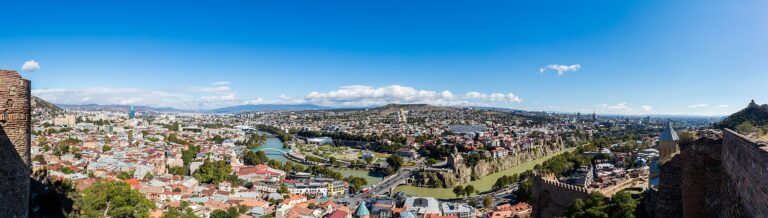
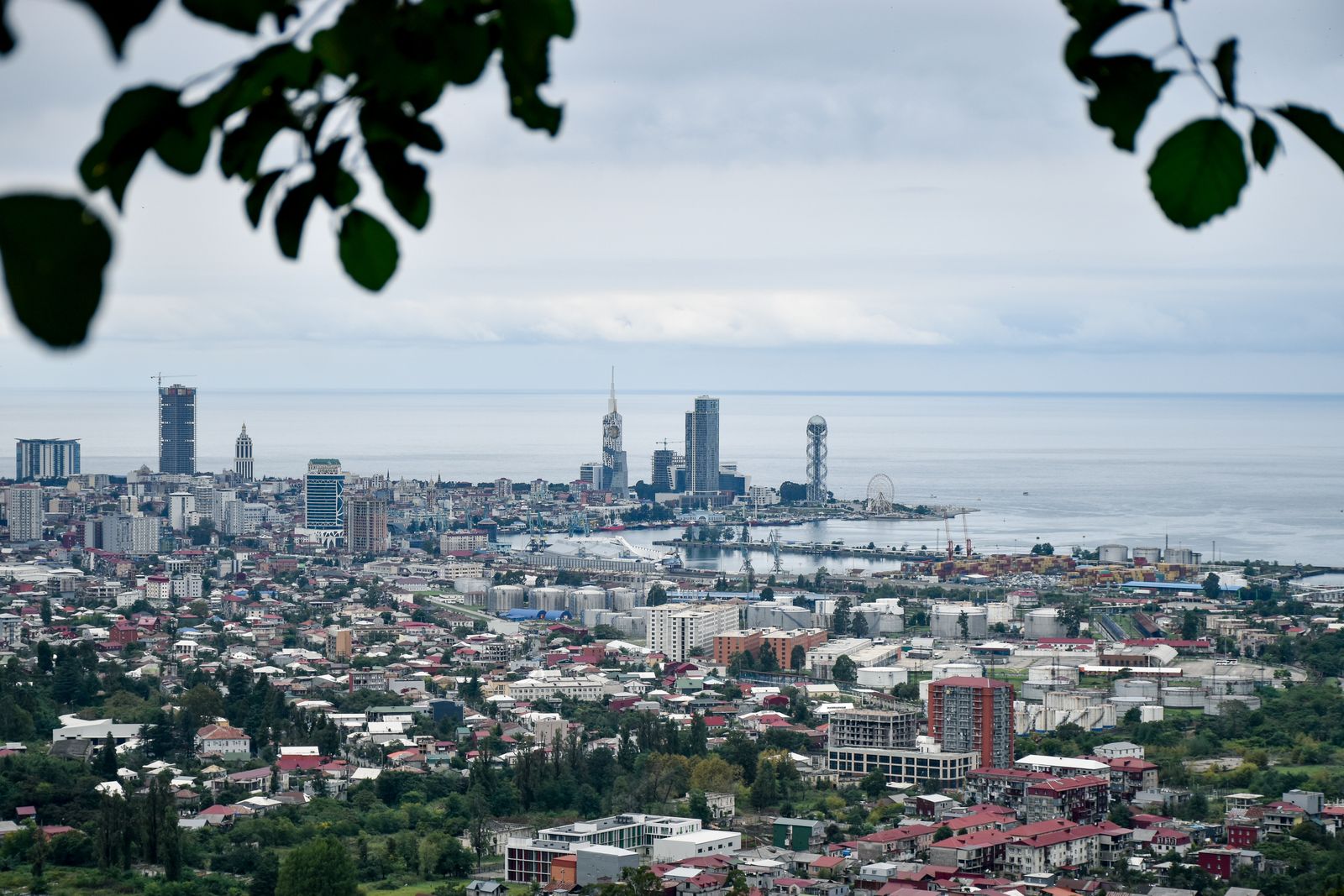
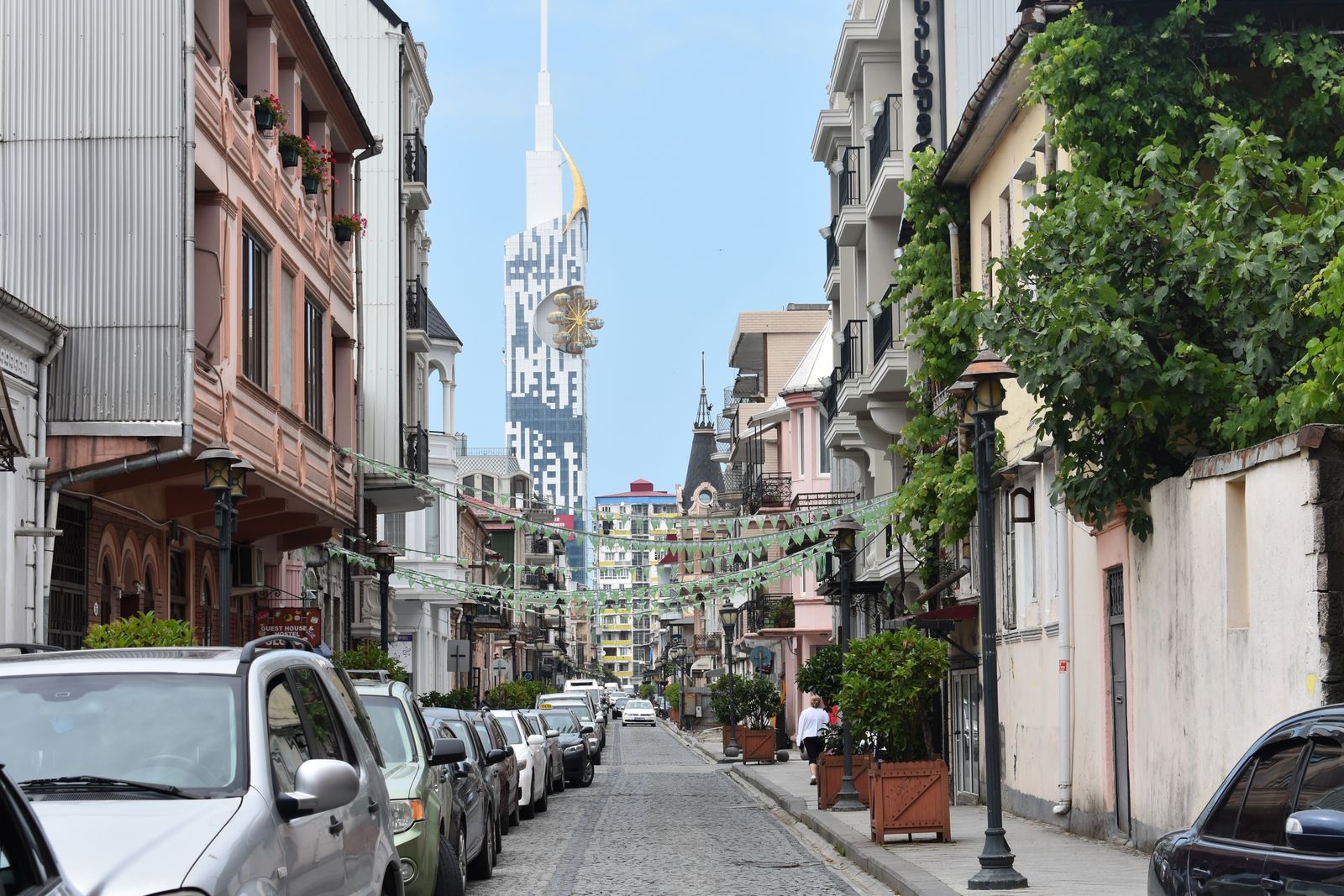
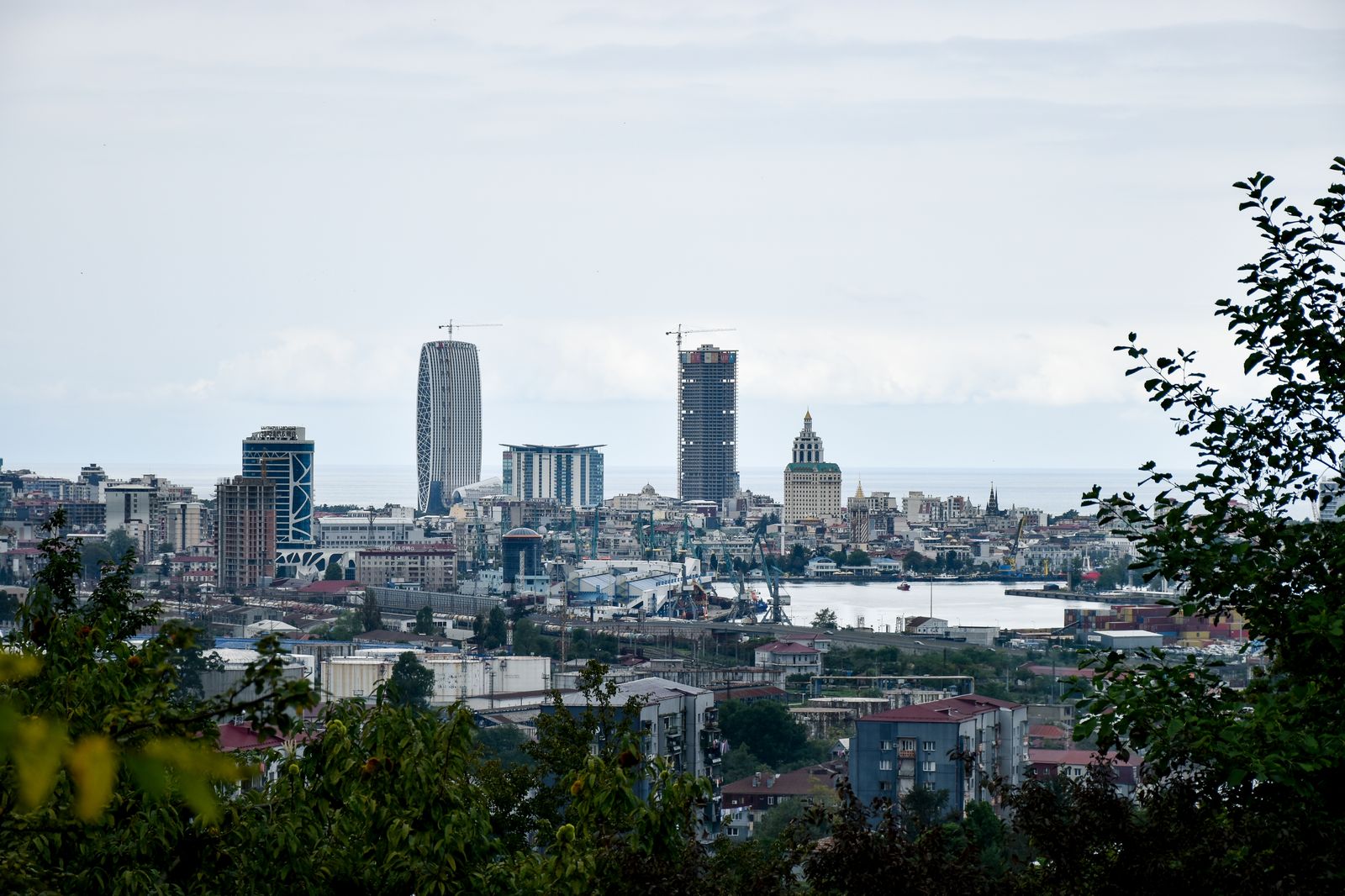
On the shores of the Black Sea sits a city that completely defies everything you probably imagine about the Caucasus. Batumi in Georgia is an unbelievable mix of subtropical palms, glittering skyscrapers and historic houses with carved balconies, all coming together to create the atmosphere of a sort of Caucasian Las Vegas. From photos it might even look a little mad, but apparently this combination has an incredible charm that you’ll fall for sooner or later.
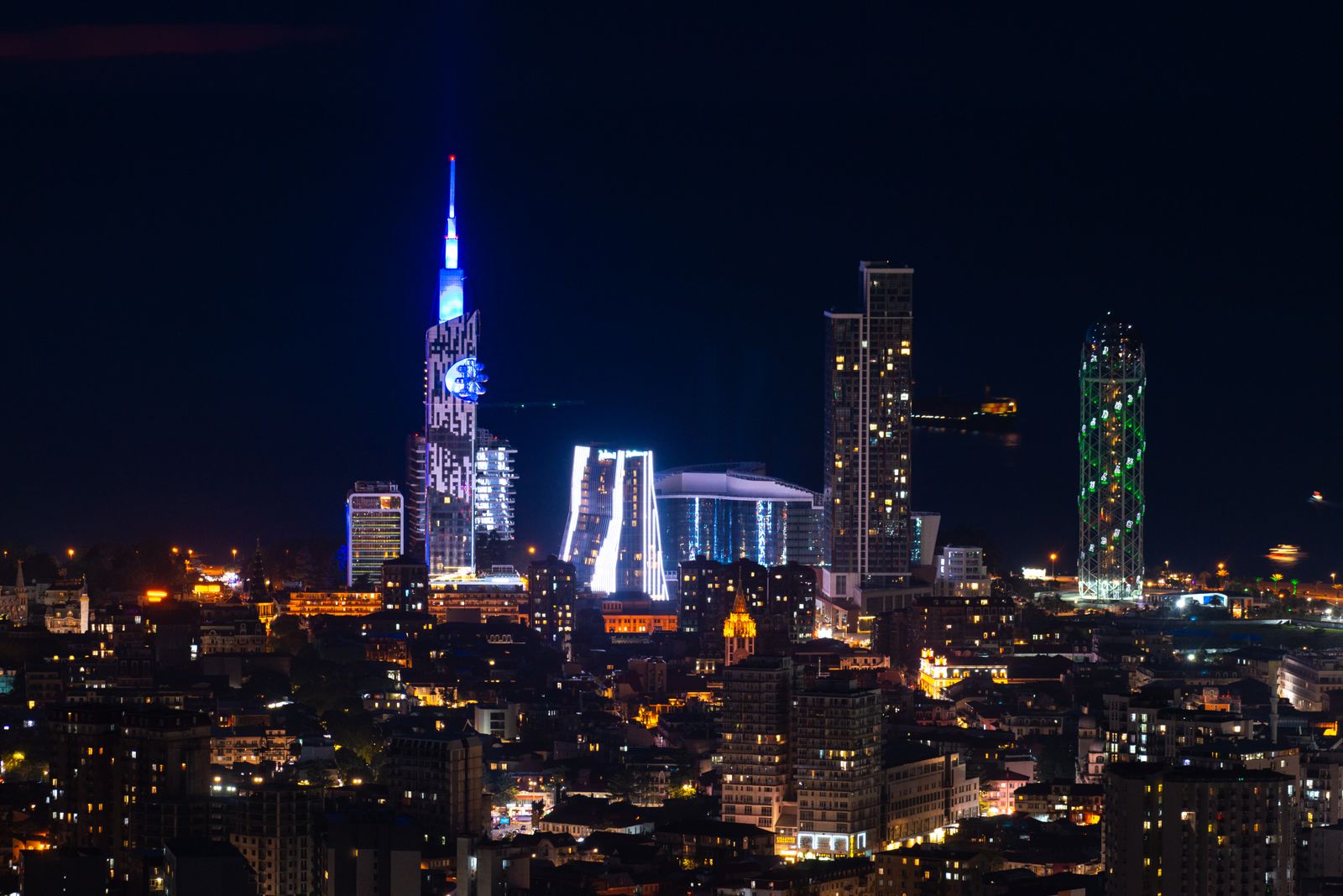
If you’re planning to explore Batumi, Georgia, get ready for some huge contrasts. While the seafront promenade shows off the most cutting-edge architectural experiments and floodlit towers, just a few streets away you’ll stumble upon peaceful cobbled lanes filled with the smell of fresh coffee and spices. Travellers often say it’s exactly this mismatched mix that turns the city into a destination you simply have to see with your own eyes.
In this article you’ll find a detailed rundown of what to see in Batumi, which beaches you definitely shouldn’t miss and where to taste the best local cuisine. I’ll help you choose accommodation, we’ll go over the ideal time to visit, and we won’t forget the practical info on transport or the essential travel insurance.
TL;DR
- When to go: The most ideal time is June or early September. You’ll enjoy warm sea, sunshine and avoid both the biggest crowds and the autumn rains.
- How long to stay: Two or three days is plenty for the city itself. You can devote the rest of your holiday to trips into the mountains or a transfer to Tbilisi.
- What not to miss: Definitely walk the seven-kilometre Batumi Boulevard, wait for the evening merging of the Ali and Nino statues, and take the Argo cable car for the best view.
- What to taste: The culinary star is adjaruli khachapuri, a big cheese boat with an egg and butter. It’s a massive calorie bomb and an absolute must.
- Where to stay: Couples will love staying in the old town, families with kids will find peace around Old Boulevard, and for longer stays the aparthotels near New Boulevard are great.
- New requirement: Heads up — from 2026 all travellers are required to have valid travel insurance for the entire duration of their stay.
The full destination guide: Georgia — guide and what to see
When to Visit Batumi
If you’re weighing up the ideal time to visit, there’s one crucial thing to know about the local climate. The weather in Batumi, Georgia is heavily influenced by the mountains and the sea, making it one of the rainiest areas in all of Georgia, with an annual rainfall of around 2,200 millimetres. The driest month is, paradoxically, May, while it rains the most in autumn.
For the perfect holiday, June or the first half of September are most often recommended. By June the air temperatures are already climbing to a pleasant 25 to 30 degrees and the sea sits around 23 degrees. At the same time you’ll still beat the peak holiday rush, so you’ll save on accommodation and the beaches in Batumi won’t be bursting at the seams.
The main swimming season runs roughly from June to October. In July and August the sea is warmest (around 26 to 27 degrees), but you’ll have to reckon with huge numbers of tourists and higher prices. If you go in October you’ll enjoy an empty city and cheap services, but you’ll need to factor in a fairly high risk of persistent rain.
How to Get to Batumi
Getting to the Black Sea takes a bit of planning. As things stand right now (valid for summer 2026), there’s unfortunately no direct flight from the UK to Batumi. The local airport actually sits just two kilometres from the centre with regular buses running into town, but you can only reach it with connections, usually via Istanbul.
The most common and cheapest option is therefore to fly with budget carrier Wizz Air to nearby Kutaisi. The journey from Kutaisi airport then takes a little over two hours, and the Georgian Bus company will get you there reliably, with departures cleverly timed to meet the flights. Hunt for cheap flights on Skyscanner — it’s our favourite search tool.
Another very popular option is travelling from the capital, Tbilisi. The two cities are connected by the modern and comfortable Stadler KISS train, which covers the route in roughly 5 hours. Tickets start at around 35 GEL (about £10) and it’s recommended to buy them well in advance online via the official Georgian Railways website (railway.ge). Trains usually run twice a day, typically in the morning and early evening.
If you miss the train, shared minivans — known as marshrutkas — depart regularly from Tbilisi’s Didube station. The trip costs around 30 to 35 GEL (roughly £9–£10) and takes about five and a half to six hours. It mostly depends on how heavy the driver decides to be on the accelerator. Getting around the city of Batumi itself is easiest on foot, or by local public transport for just 1 GEL, or via reliable apps.
💡 Tip: For getting around the city, be sure to download the Bolt or Yandex app. Regular taxi drivers loitering on the street tend to inflate prices for tourists absurdly, and there’s apparently even a little scam involving a quick swap of banknotes at dusk. With an app you know the price upfront and have complete peace of mind.
Where to Stay in Batumi
💡 Tip for accommodation and experiences: We prefer to find our accommodation on Booking.com, which tends to have the best cancellation terms. Tickets, tours and activities are worth comparing and booking through GetYourGuide.
Before you start picking a specific hotel, it’s worth getting your bearings on the individual neighbourhoods, because each one offers a completely different experience. Where to stay in Batumi depends mainly on who you’re travelling with and what you expect from your holiday.
For couples and first-time visitors, the old town and the centre around it are absolutely ideal. You’ll find the prettiest historic lanes, wonderful cafés, and everything essential within walking distance. Families with children usually prefer the area known as Old Boulevard, which is far calmer and full of mature greenery. The New Boulevard area, on the other hand, is packed with giant skyscrapers and modern aparthotels, which digital nomads and people planning longer stays will appreciate most.
Accommodation in the old town and centre: Among the priciest and most luxurious hotels, travellers swear by the elegant Radisson Blu Hotel Batumi with its gorgeous pool, or the iconic Hilton Batumi, which stands a short walk from the beach. The architecturally striking Le Méridien Batumi is also said to offer a beautiful view. If you’re after the golden middle ground and great value for money, the well-located Hotel Indigo Old Town has excellent reviews, as does the very cosy Black Sea Star Batumi. A great choice close to the action is also the Graphic Hotel Batumi.
Accommodation for families and cheaper options: In a quieter part near the greenery you can rent a fully equipped apartment with a sea view in the gigantic Orbi City Sea View complex. It’s a very popular choice for those who want to cook for themselves now and then. For travellers on a tighter budget looking for pleasant boutique digs, the lovely Hotel Old Town is often recommended. Backpackers and solo travellers will surely appreciate the great atmosphere at Harmony Backpackers.
22 Best Places and Experiences in Batumi
Let’s take a look at the main reasons people actually come here. From iconic promenades through mad statues to hidden historical treasures, what to see in Batumi could fill a decently thick book. Here’s my pick of the very best.
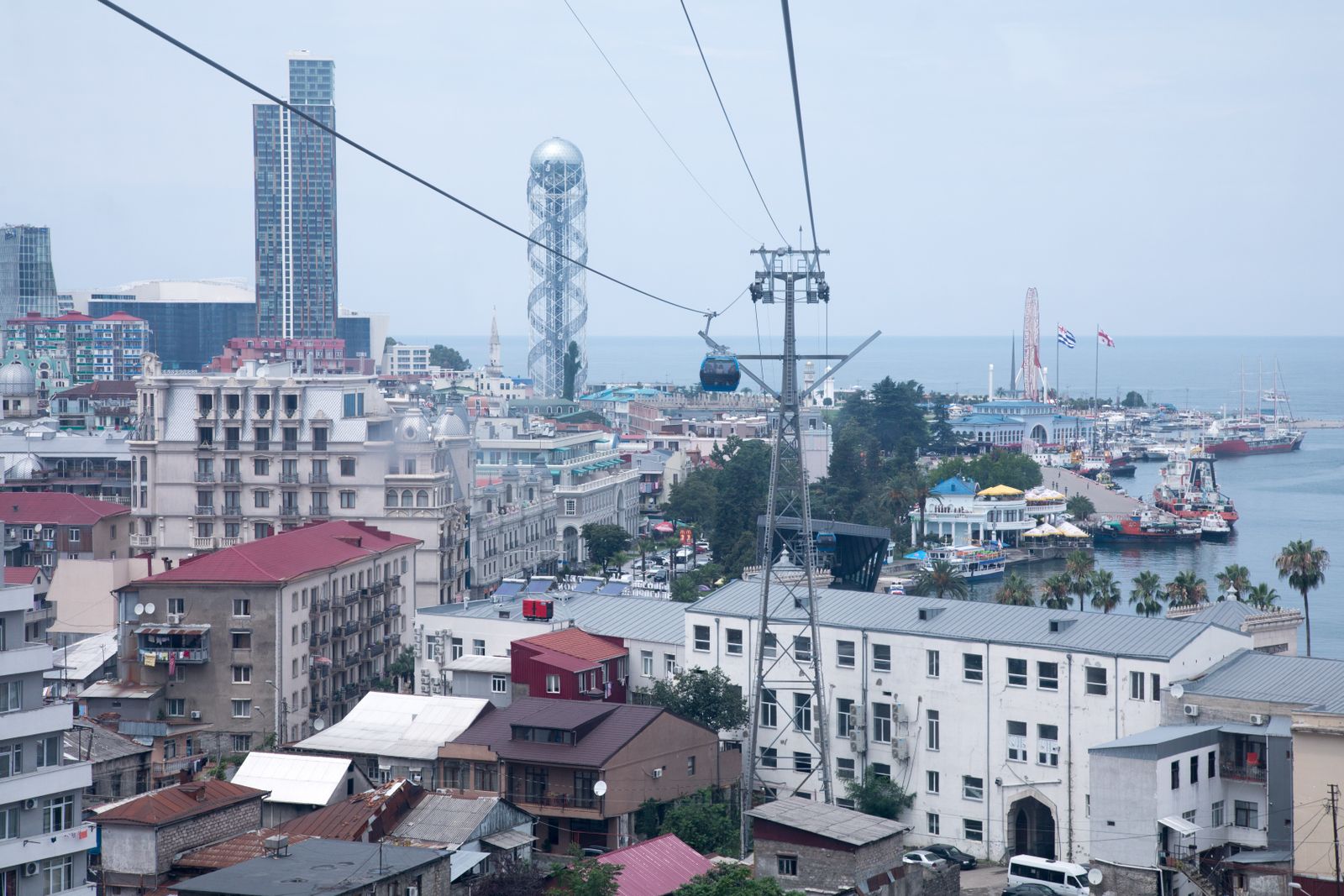
1. Batumi Boulevard — a Promenade with Palm Trees
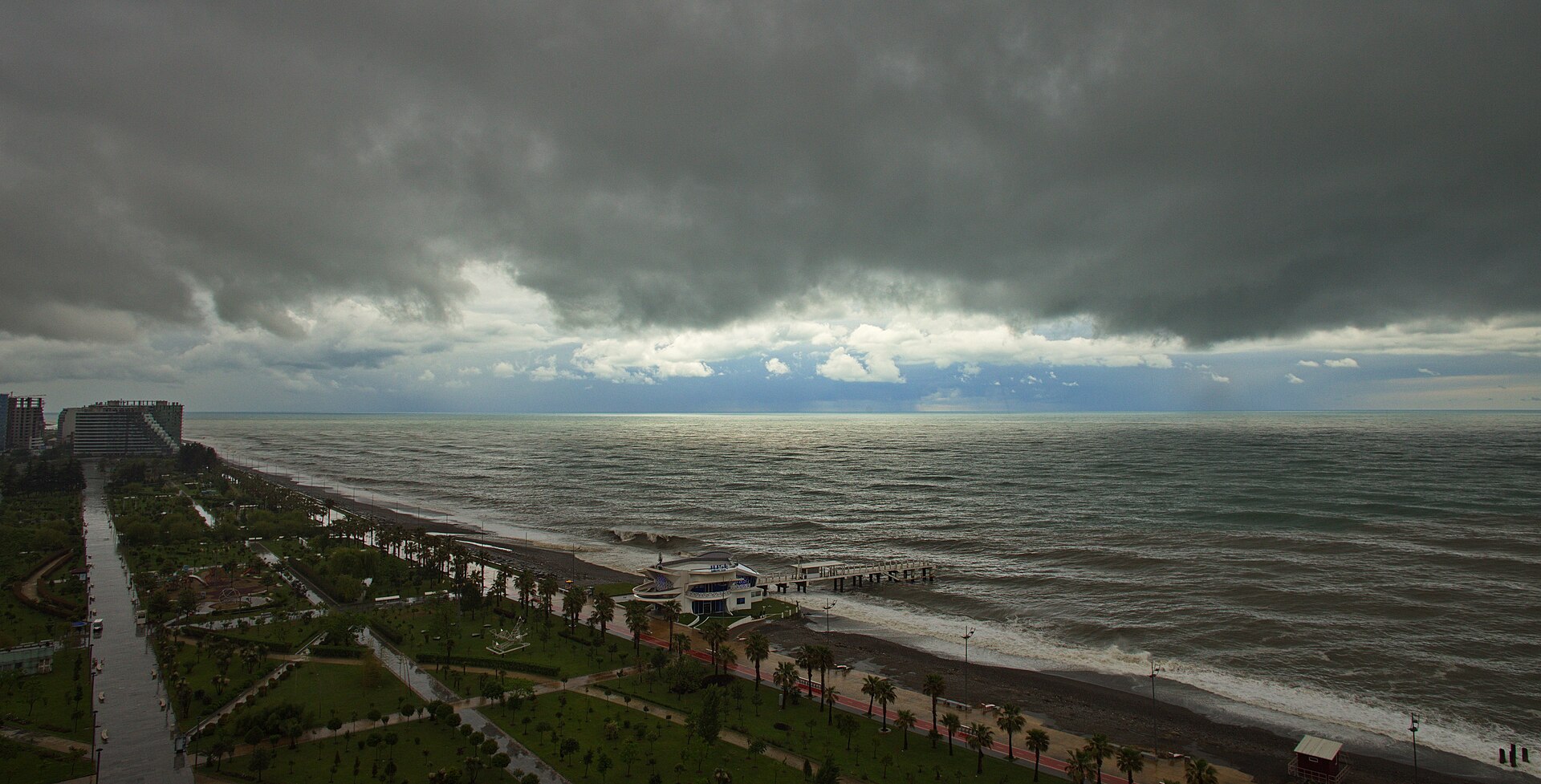
This grand boulevard is the absolute heart of the city, stretching an incredible seven kilometres along the entire coast. Founded back in the late 19th century, it now forms a wide strip full of mature subtropical palms, benches and manicured flower beds.
You could happily explore it all day long, but apparently it has the loveliest atmosphere in the early evening, when the setting sun glows. All along the promenade you’ll find various bike and e-scooter rentals. Hiring a regular bike will set you back roughly 5 to 8 lari per hour (about £1.50–£2.50), which is the perfect way to explore the more distant stretches too.
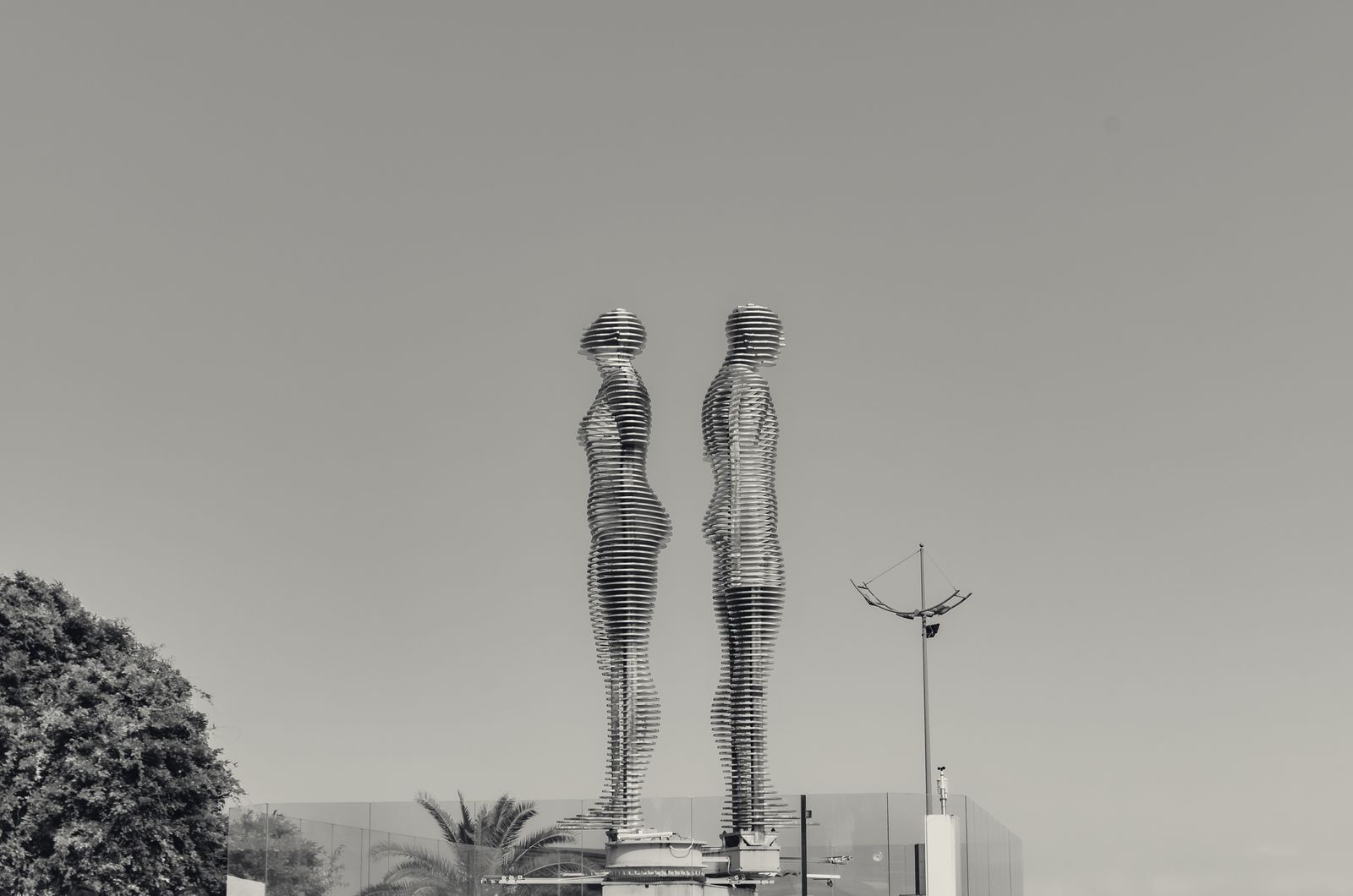
2. Ali and Nino Statue — a Moving Symbol of Love
An utterly breathtaking work of art that tells the sad love story penned by Kurban Said. Two eight-metre metal figures represent the Muslim boy Ali and the Georgian Christian princess Nino, who couldn’t marry because of their different backgrounds and the war.
Every day these giant figures slowly move towards each other until, for a brief moment, they merge into a single body — and then go their separate ways again. You’ll find them right by the coast in the Miracle Park area, and entry is completely free.
💡 Tip: Although the statues are interesting during the day too, the real magic apparently arrives after dark, when they’re beautifully lit. The figures usually merge each day around 7 p.m., so it’s worth planning an evening stroll to see them.
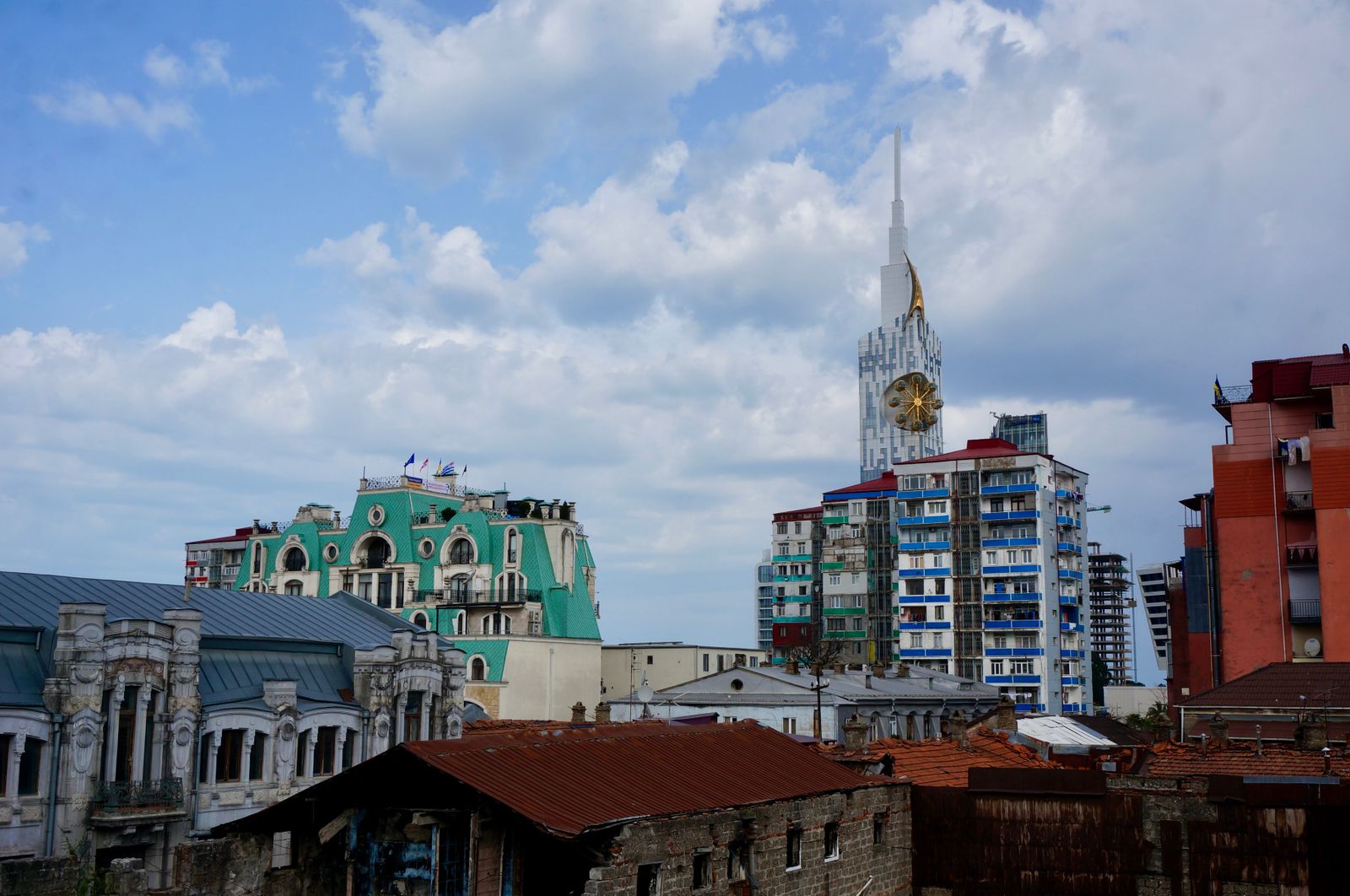
3. Europe Square — an Architectural Mishmash
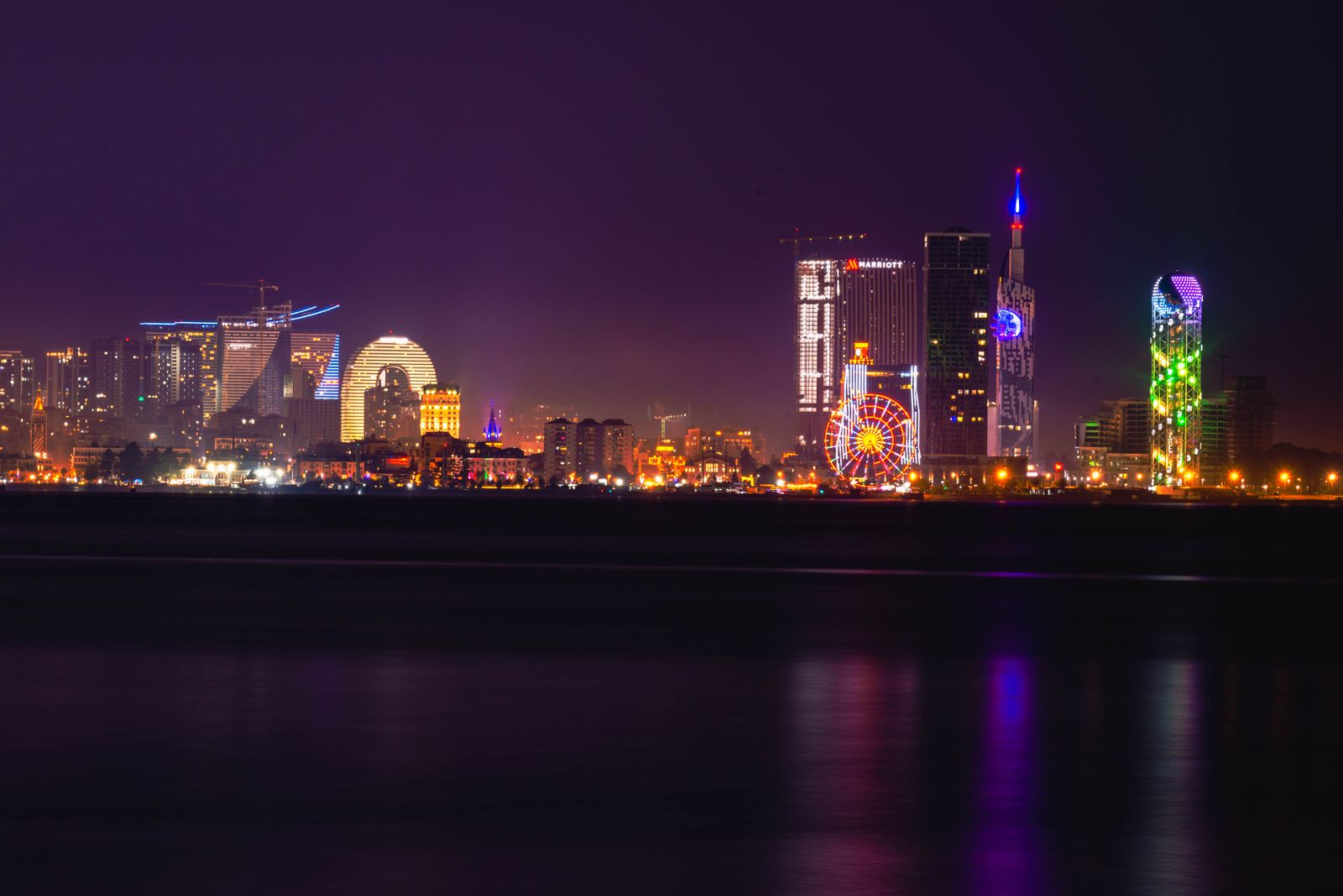
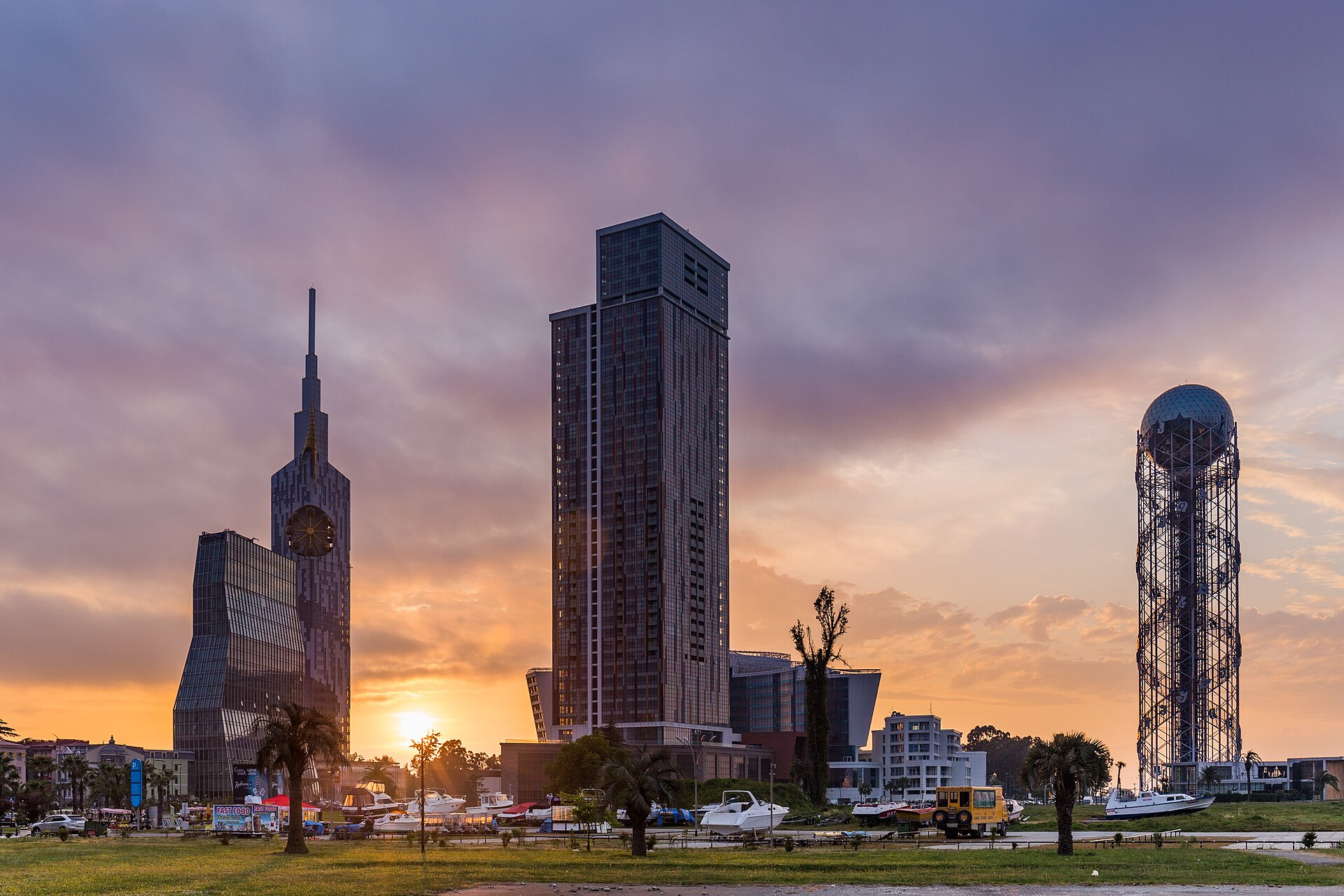
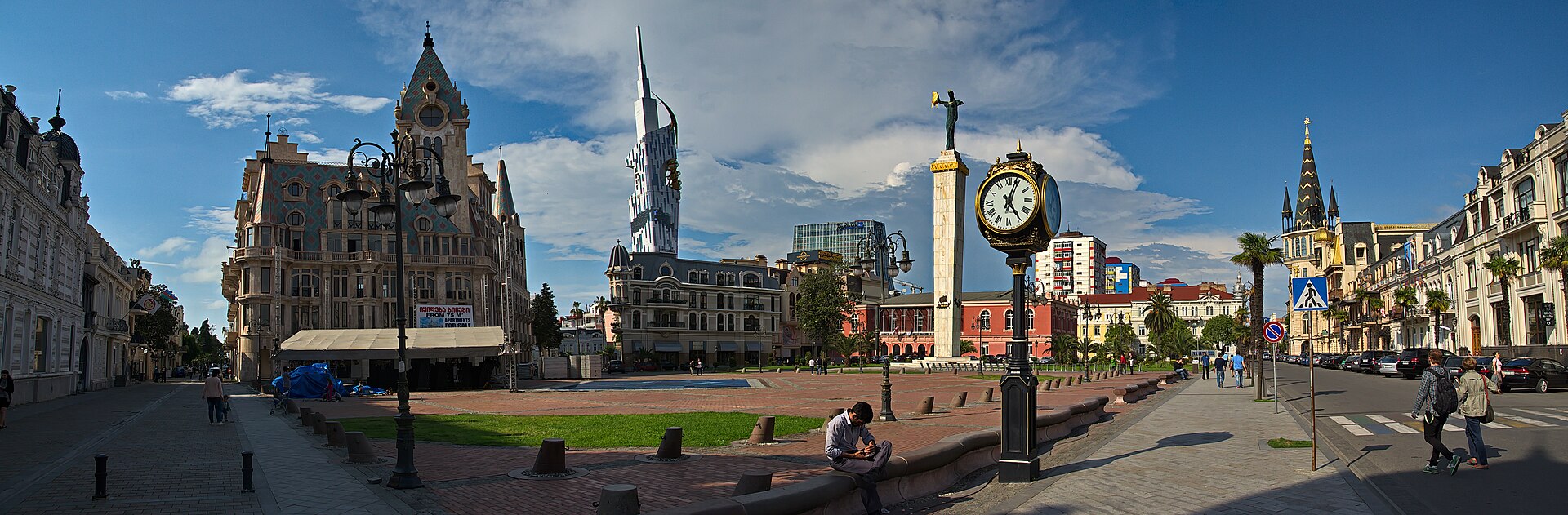
If you want to see the essence of that Caucasian Las Vegas, head to Europe Square. It’s surrounded by colourful buildings that look as though they’ve fallen out of a fairy tale, or out of some very creative architecture catalogue.
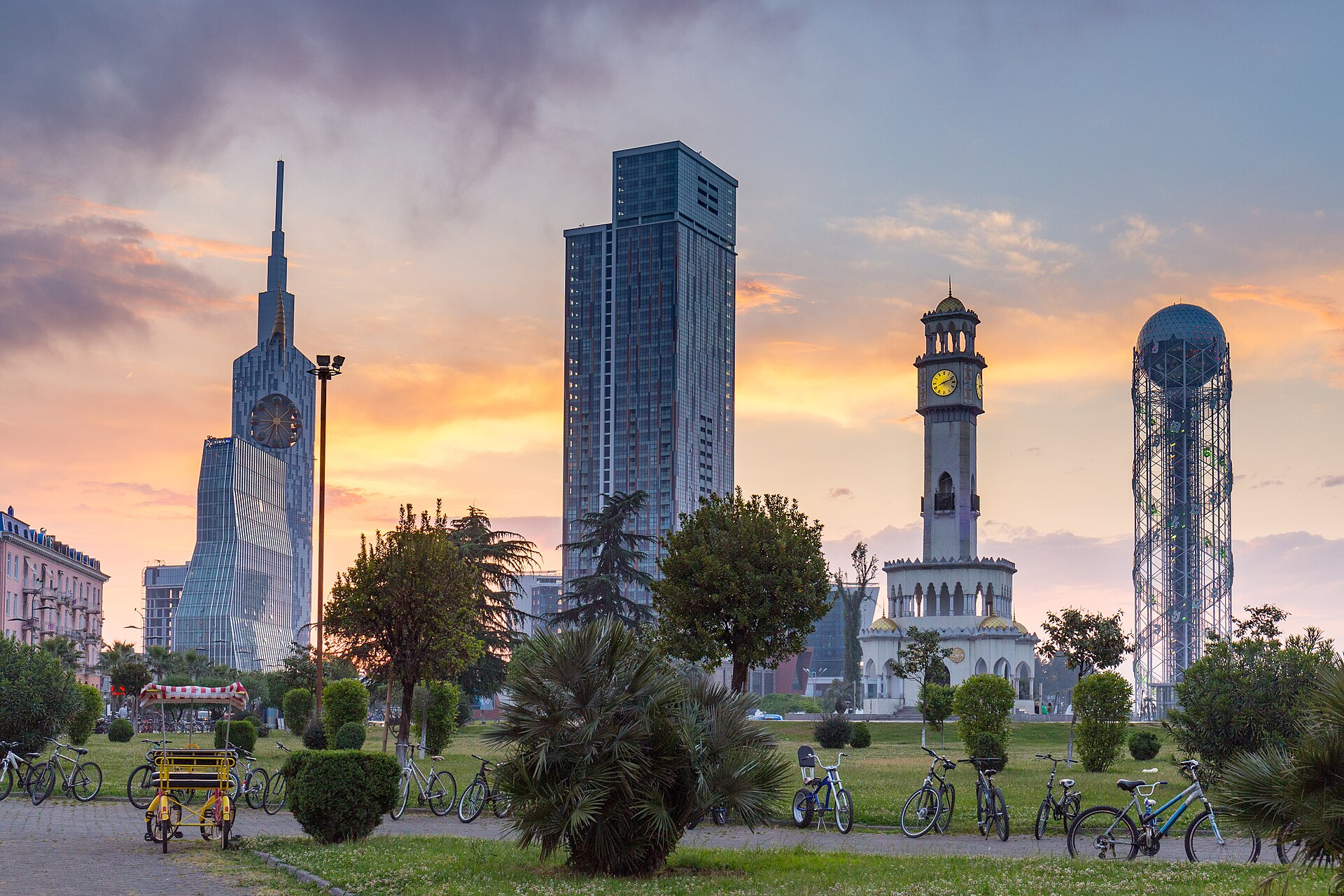
The dominant feature of the whole space is a tall column topped with a statue of Medea, who proudly holds the Golden Fleece in her hands. According to legend, the Argonauts sailed to the area of present-day Georgia. On one of the surrounding buildings, don’t miss the gorgeous astronomical clock, which shows not just the time but also the phases of the moon.
4. Piazza — a Slice of Italy in Georgia
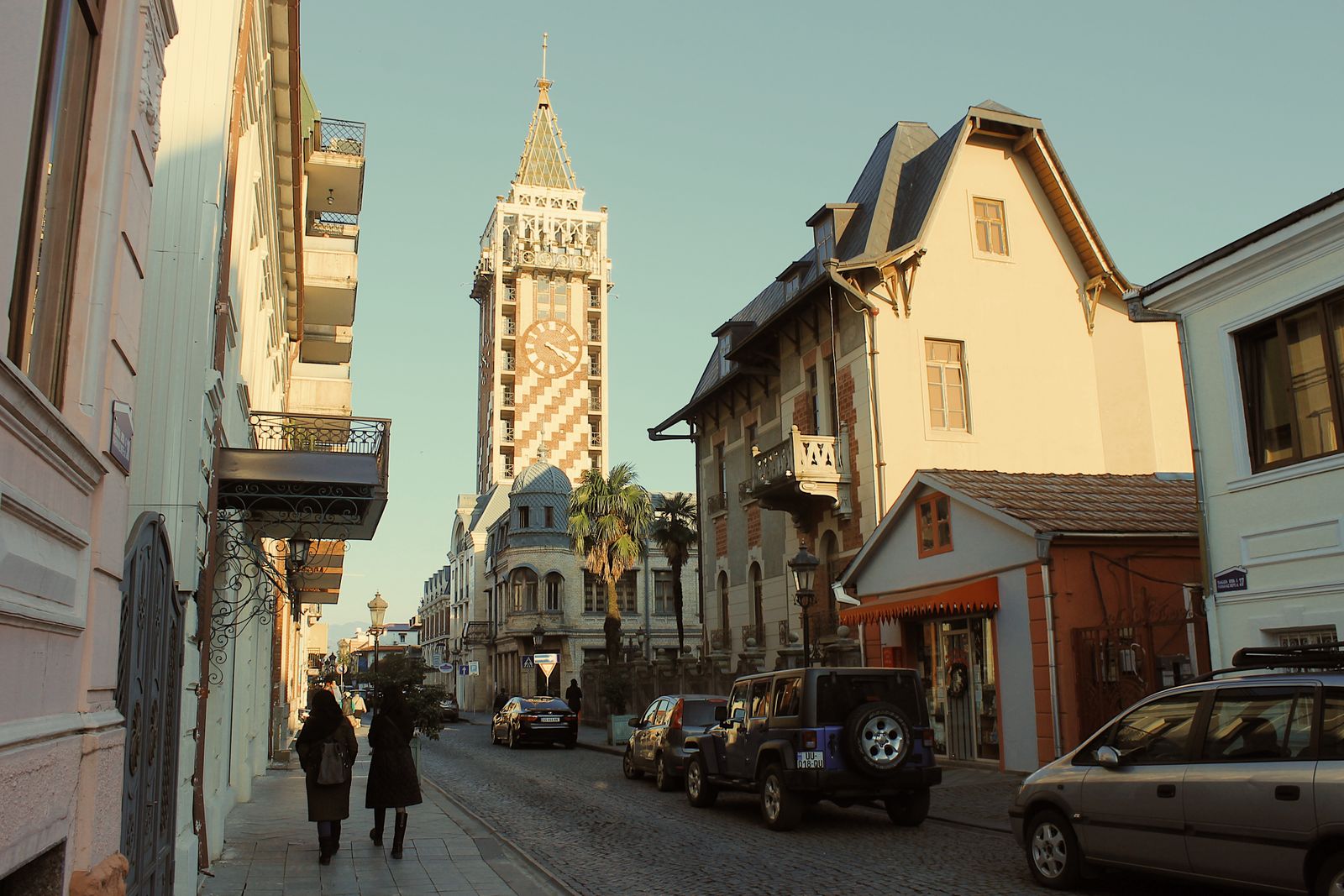
Wandering through the city, you’ll suddenly find yourself somewhere that looks more like a Venetian piazza than a corner of the Caucasus. Piazza Batumi is surrounded by boutique hotels and pricey cafés, and is adorned with a clock tower from which mechanical figures emerge at noon and 3 p.m.
The biggest highlight of the space, though, is its floor. Here you’ll find the largest figurative mosaic in all of Europe, covering over 100 square metres and made up of a staggering three million tiny pieces. It’s said to be one of the most photogenic spots in the city.
5. Alphabet Tower — a Tribute to the Georgian Script
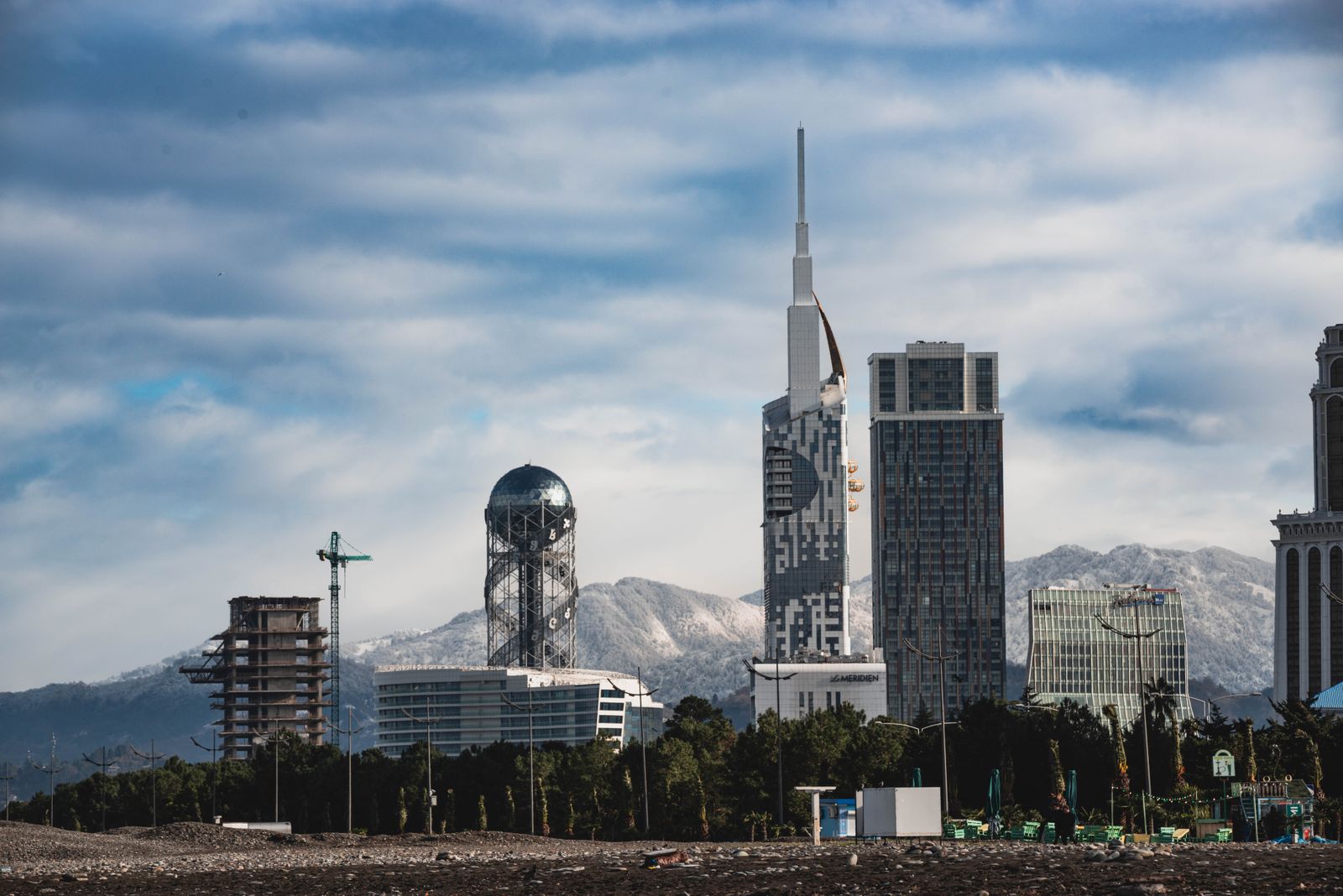
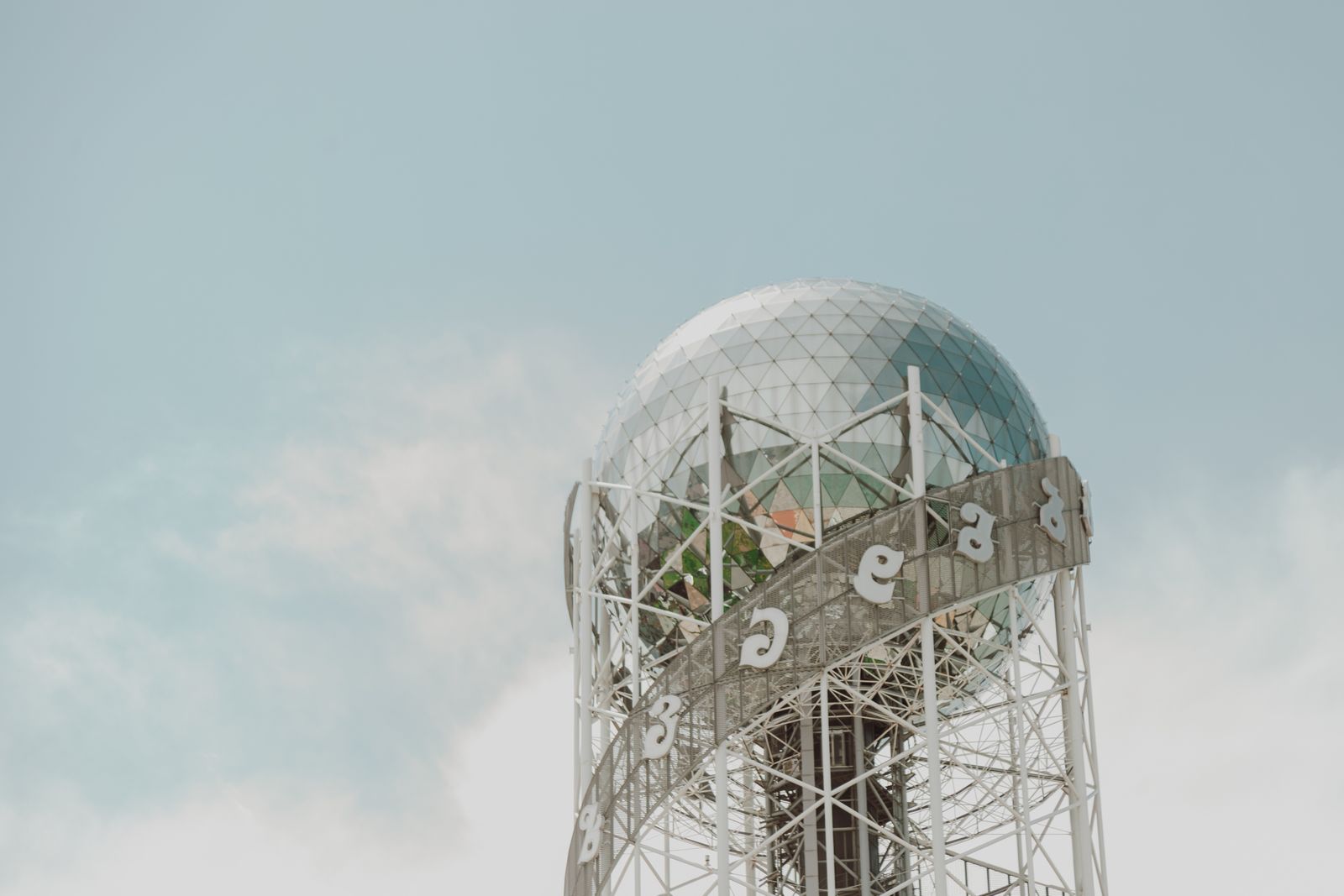
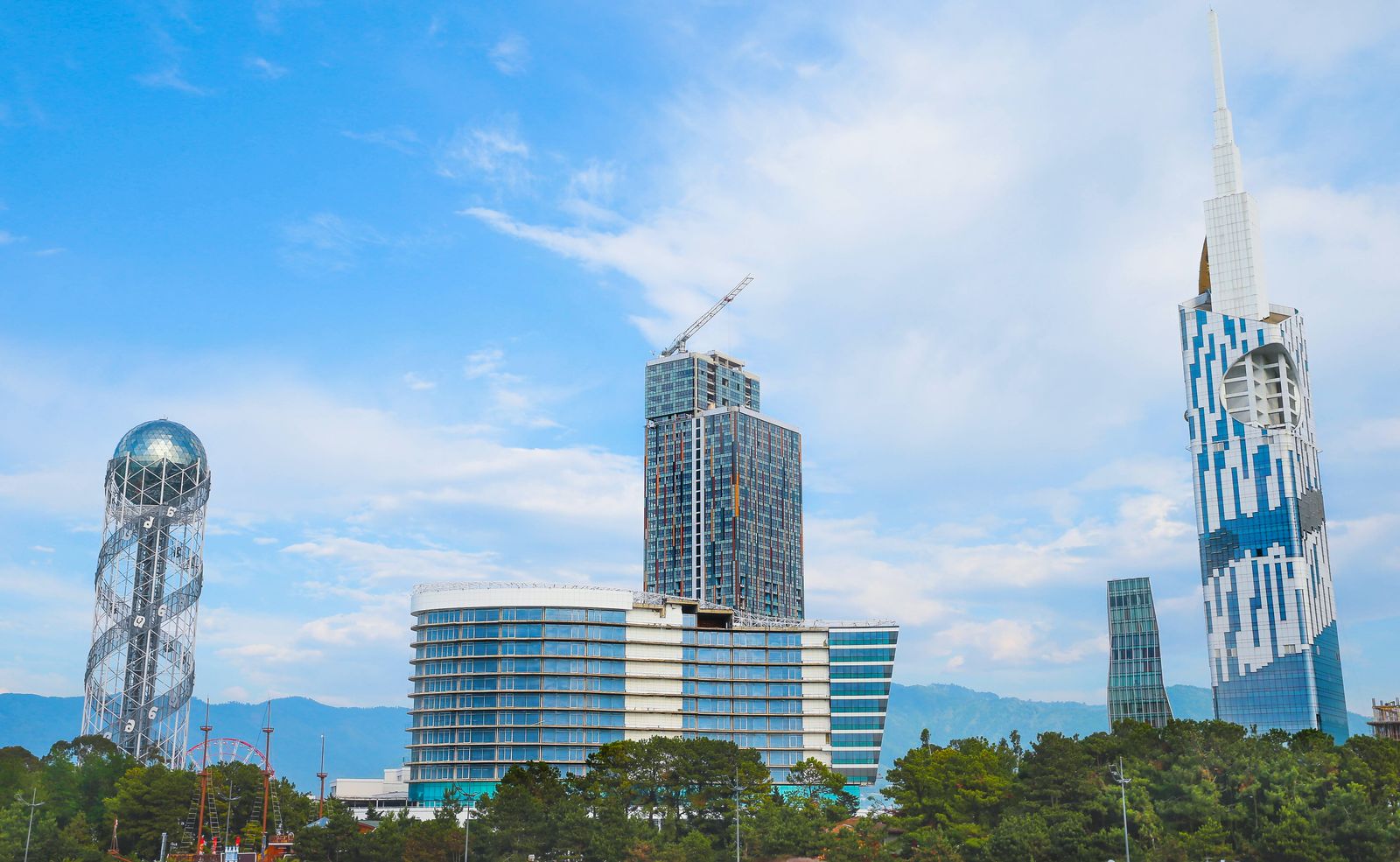
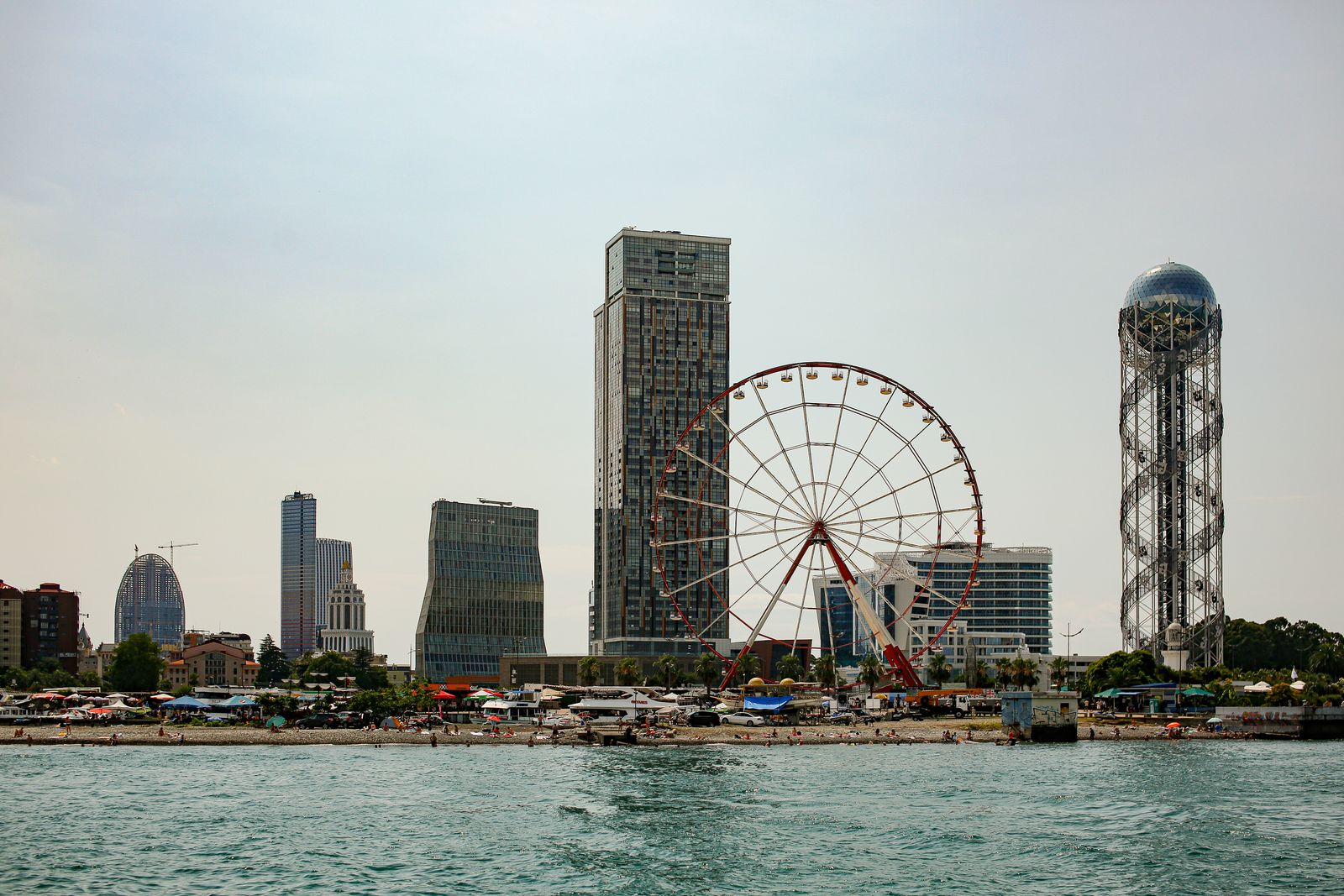
Georgian is an incredibly old language with its own unique alphabet, of which the locals are rightly proud. The thirty-three Georgian letters have therefore been immortalised in an imposing, 130-metre-high tower whose shape resembles a DNA double helix.
It symbolises that Georgians have their language encoded right in their genes. Once you’ve taken it in from the outside, you can ride the lift up to the glass viewing platform for a small fee of around 5 lari (about £1.50) and enjoy a bird’s-eye view of the city.
💡 Tip: Popular experiences in and around Batumi, such as sightseeing boat cruises, the dolphinarium or a full-day trip to the Makhuntseti waterfall, are worth booking in advance online via GetYourGuide, so you’re guaranteed a spot.
6. Batumi Tower — a Skyscraper with a Ferris Wheel
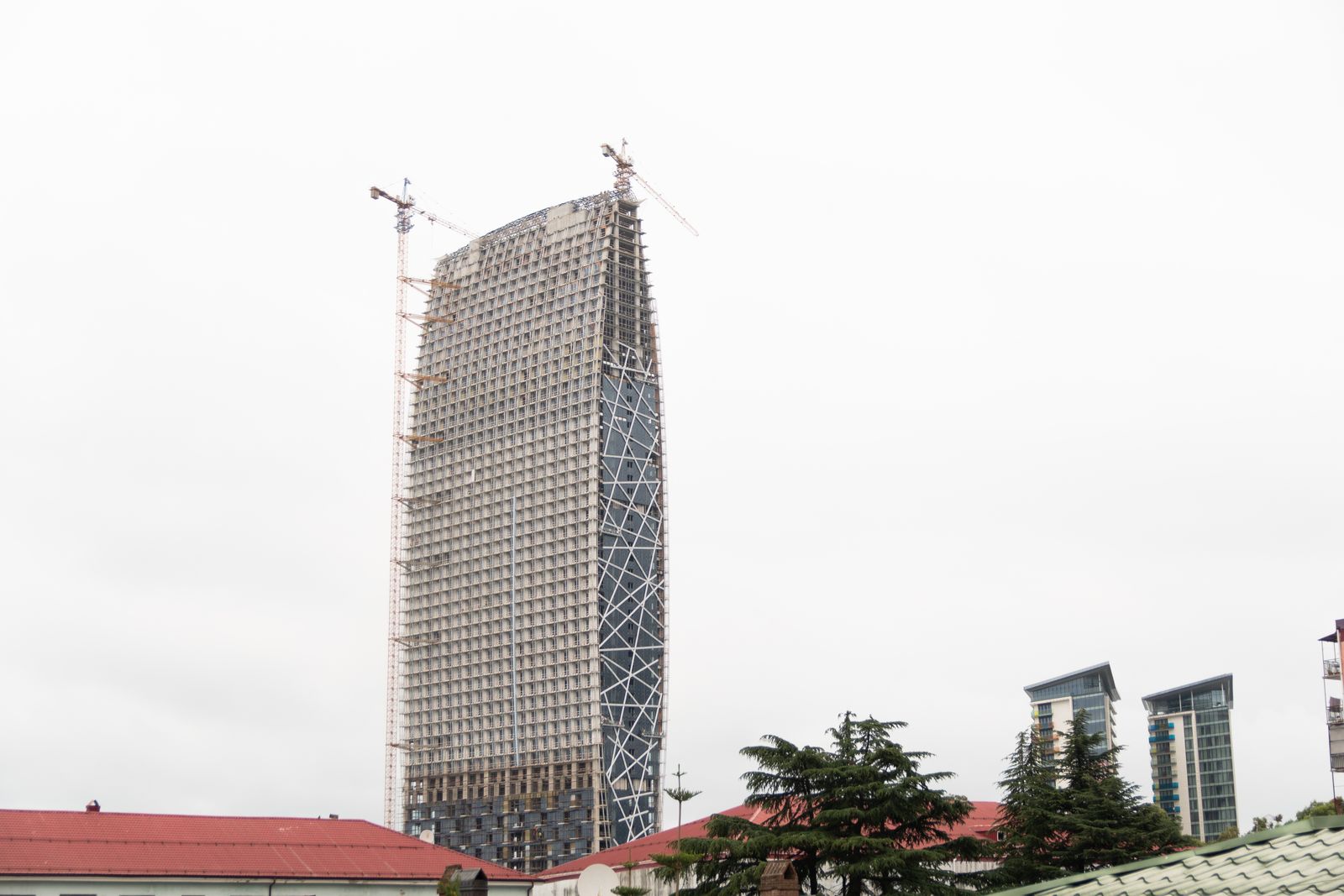
Just when you think the local architecture can’t surprise you with anything, you discover a two-hundred-metre building with a Ferris wheel built right into its façade, roughly at the hundred-metre mark. The structure was originally meant to serve as a technology university.
Today the building houses the luxury Le Méridien hotel and, although the Ferris wheel on the façade looks absolutely fantastic, according to available information it unfortunately doesn’t work and you can’t ride it. Still, it remains a favourite photo landmark along the whole coastline.
7. Miracle Park — the Hub of Evening Entertainment
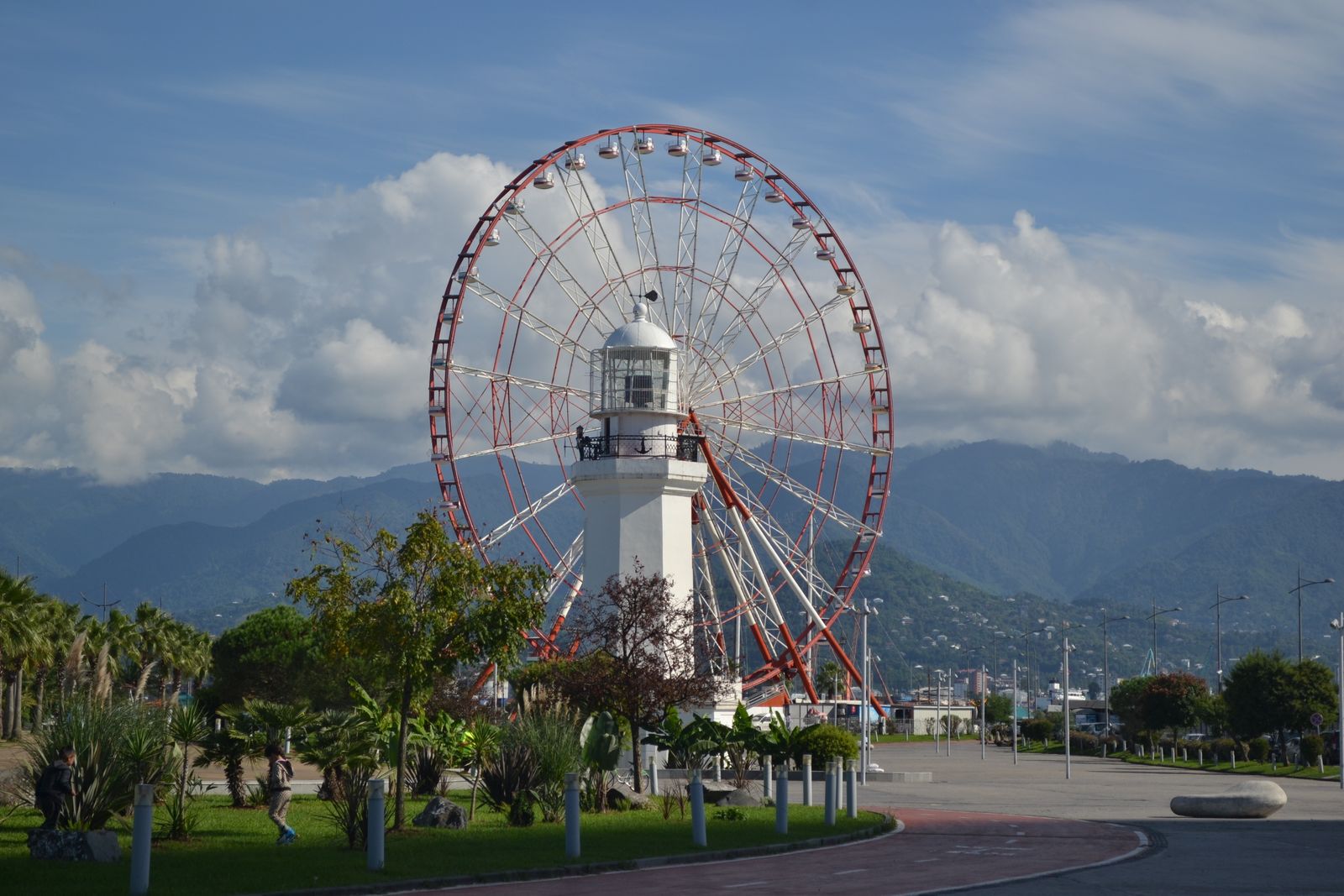
The space known as Miracle Park lies at the very edge of the bay and, beyond the already-mentioned Ali and Nino statues, you’ll find several other attractions here. It’s dominated by a working observation Ferris wheel, which you can ride for a few lari and have the sea at your fingertips.
In contrast to the modern elements, there’s a beautifully preserved old lighthouse from 1882. In the afternoon the whole area fills with street performers, candyfloss sellers and families with children, which makes it the perfect place to soak up the local atmosphere.
8. Chacha Tower — a Tower with a Surprise
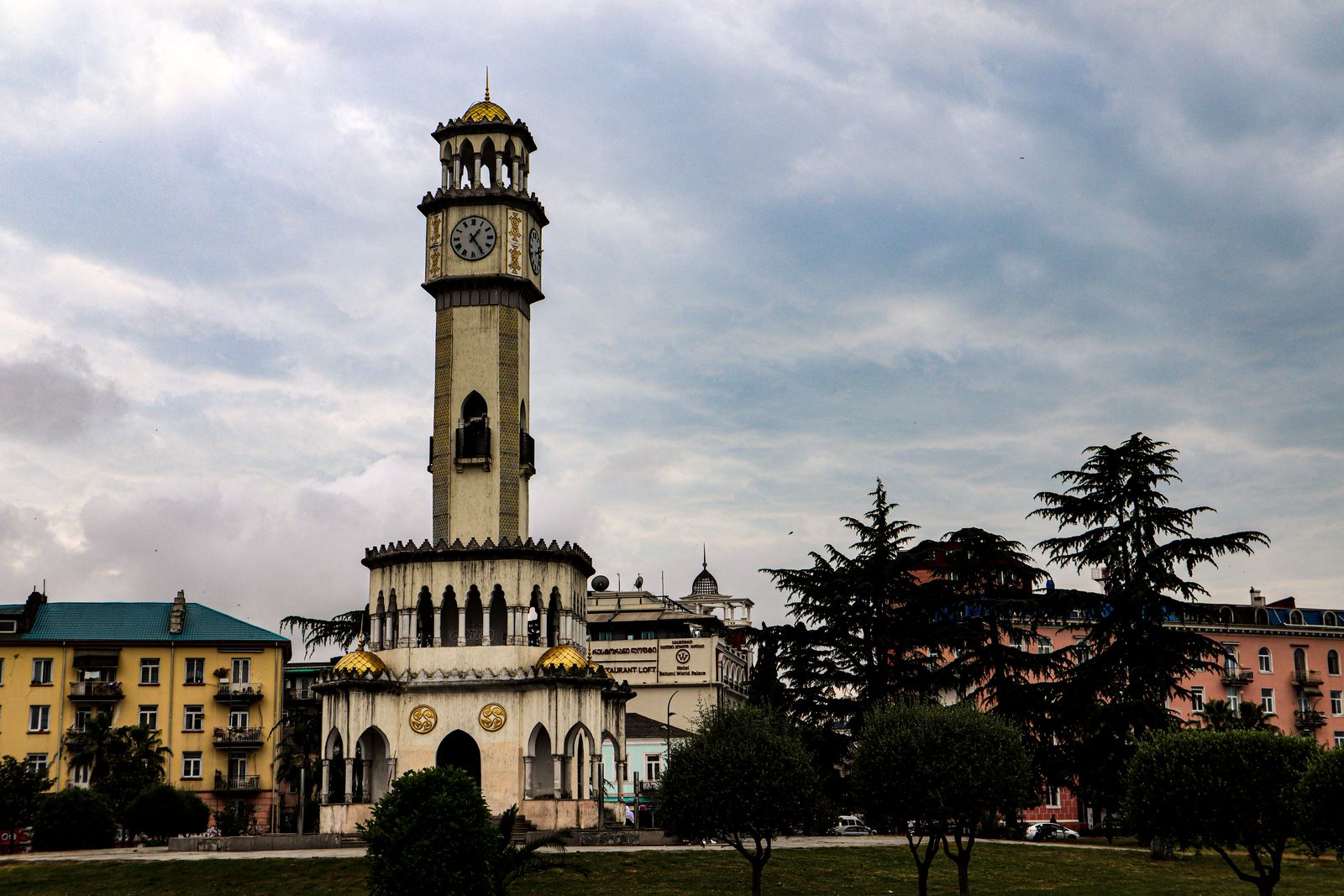
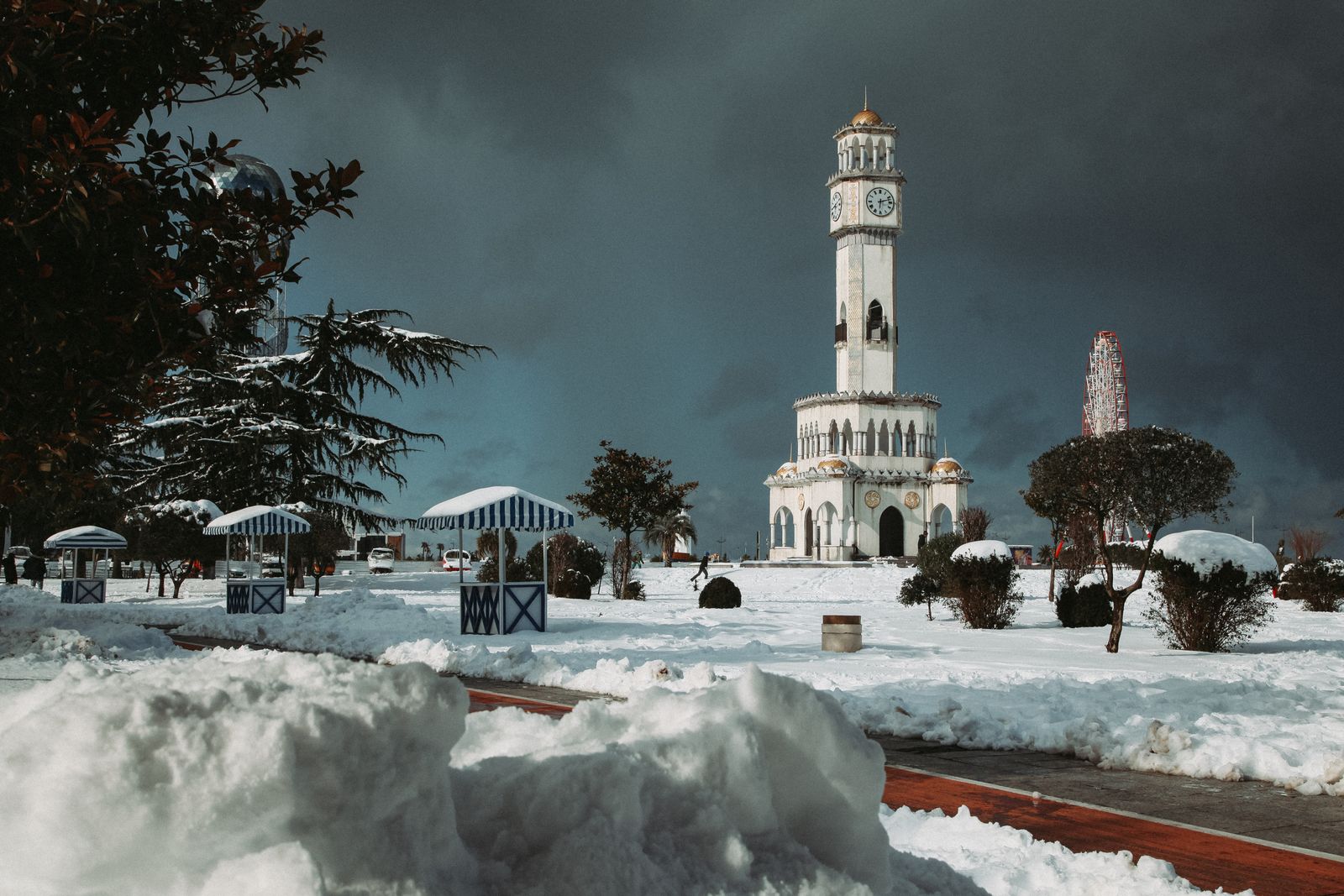
The tower known as Chacha Tower was meant to be a grand tribute to Georgia’s national spirit. This ornate clock tower was originally designed so that, instead of water, pure chacha would flow free from its fountains for all passers-by.
The idea was grand, but in practice it isn’t quite so glorious. Travellers report that the alcohol flows utterly unpredictably — maybe once a week for fifteen minutes, and often not at all for whole months. So take it more as a fun curiosity than a guaranteed source of evening refreshment.
9. Dancing Fountains by Lake Ardagani
Roughly halfway along the promenade you’ll come across the artificial Lake Ardagani, which by day serves as a pleasant spot to relax — but its real moment comes in the evening. During the summer season, roughly from May to October, a grand show usually takes place here around 9 p.m.
Jets of water shoot up to the rhythm of classical music and modern pop hits, all lit by colourful lasers. It’s a touch kitsch, but it somehow naturally belongs to the overall vibe of this seaside city, and an enormous crowd always gathers here.
10. Argo Cable Car — the Best Sunset
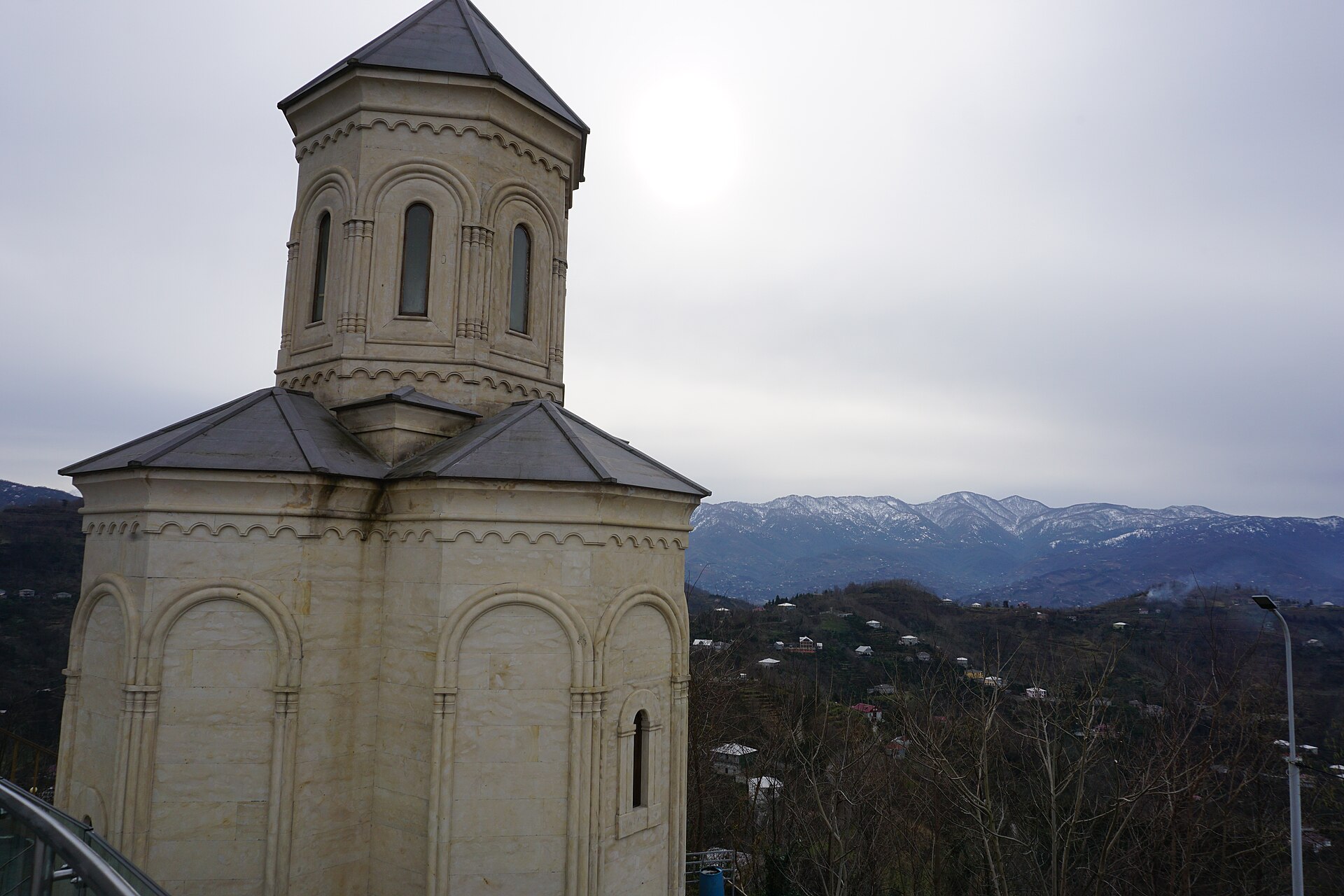
If you want to look down on this whole mad anthill from a proper height, head to the lower station of the Argo cable car near the port. A two-and-a-half-kilometre ride awaits, high above the city’s rooftops, all the way up to Mount Anuria, which rises 250 metres above the sea.
A return ticket costs around 30 lari (about £9) and the cable car runs year-round until late in the evening. Locals often advise that the very best time to go is roughly an hour before sunset, when you’ll see the city in daylight and return home after dark.
11. The Old Town — the Soul of Batumi
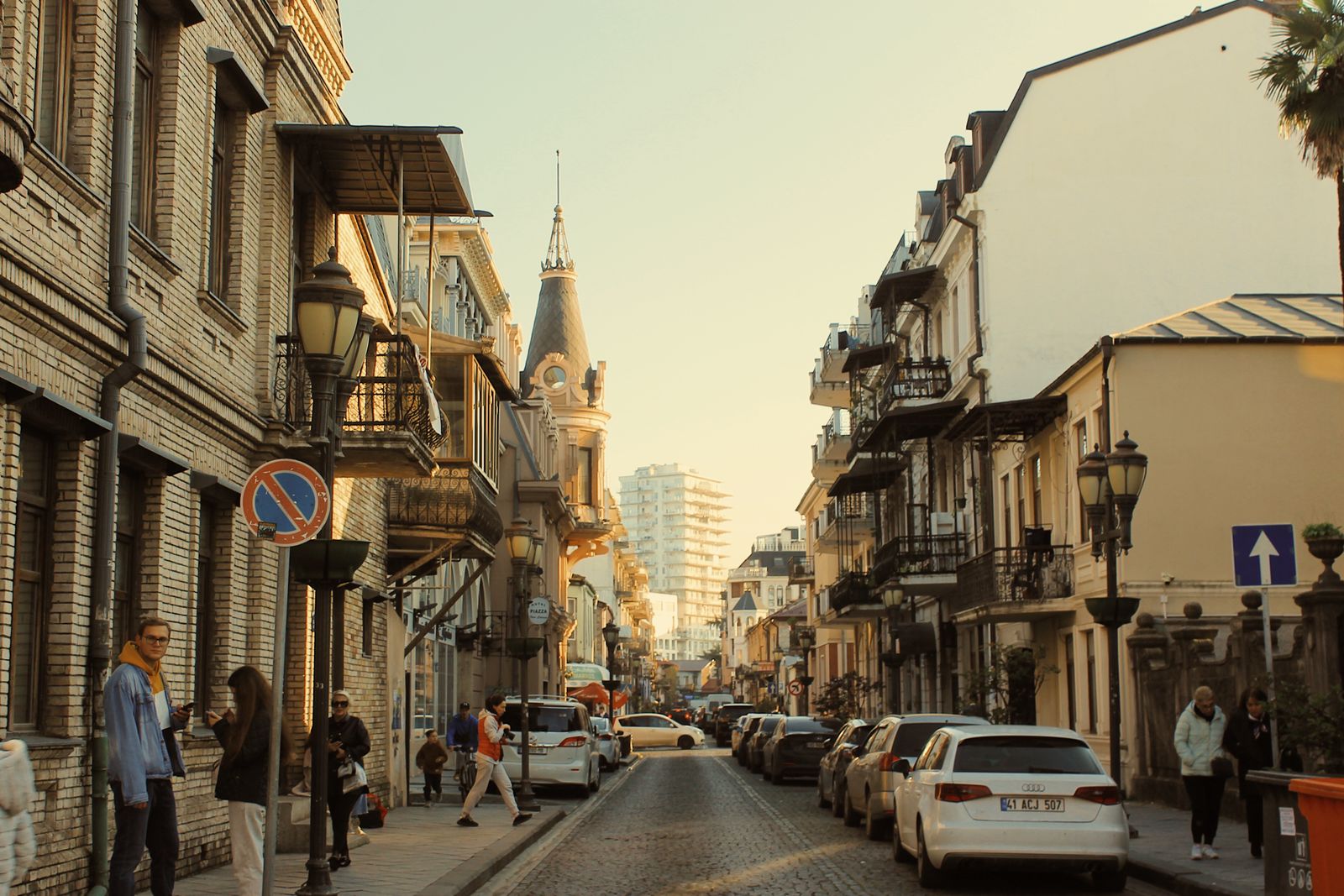
When the glass skyscrapers tire you out, duck into the lanes of the old town, which mostly date from the nineteenth century. Here you’ll come across wonderful examples of Art Nouveau, Art Deco and traditional Georgian houses with huge, richly carved wooden balconies.
This is exactly where you’ll find the most characterful cafés, tiny tucked-away wine bars and shops selling local ceramics. It’s a place where you can wander aimlessly for hours, admire the climbing plants on the façades and breathe in that true, calm Caucasian atmosphere.

12. May 6 Park and Lake Nurigeli
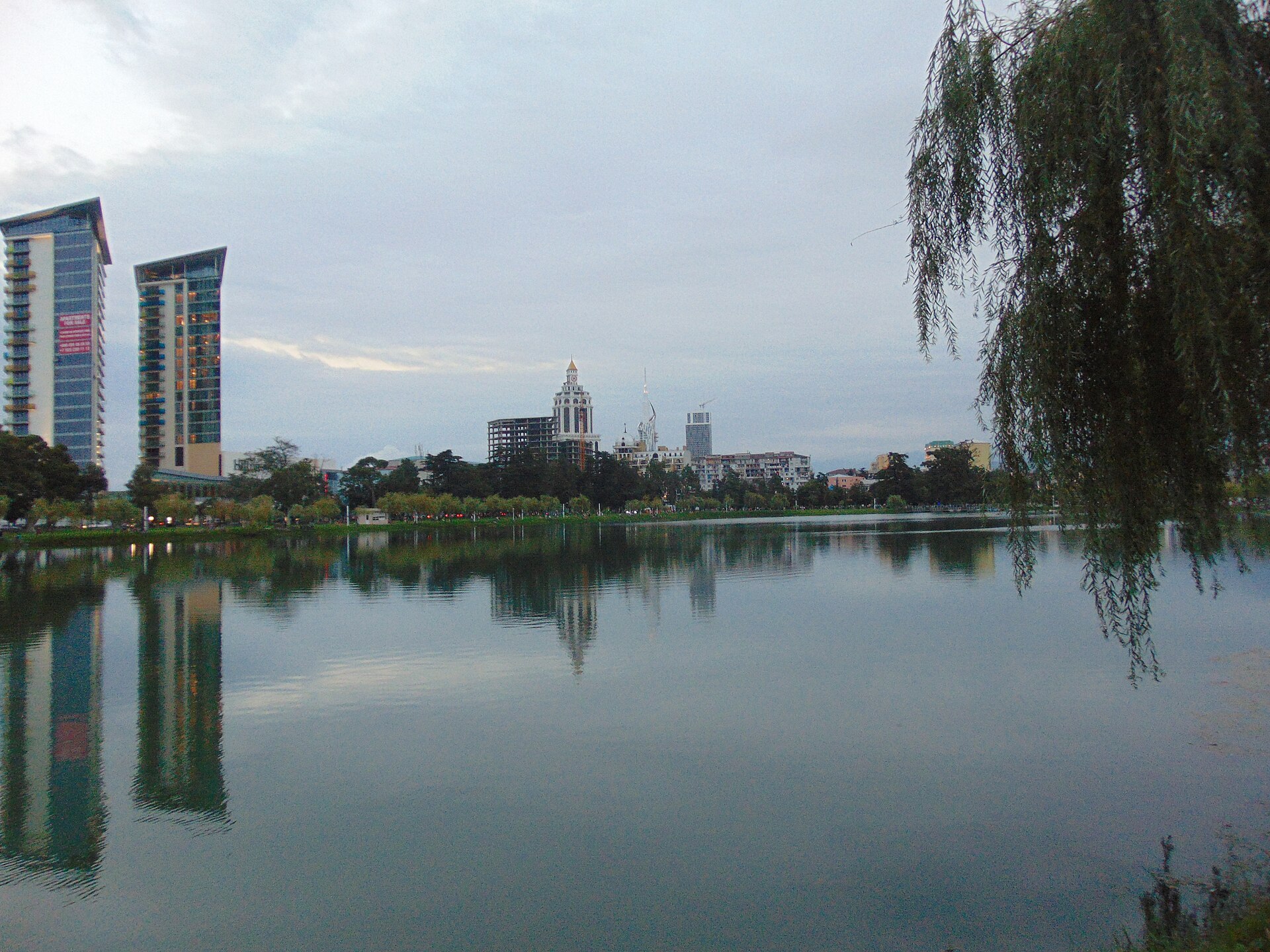
One of the oldest public parks in the entire country is a great refuge for the moment when the sun on the promenade starts to feel too fierce. Surrounded by enormous ancient trees lies the tranquil Lake Nurigeli.
Right by the shore you can hire a rowing boat or pedalo and spend a lazy afternoon on the water. The park offers plenty of shaded benches, renovated paths for rollerblading, and for families with children it’s an absolutely ideal green oasis of calm amid the bustle of the city.
13. The Batumi Dolphinarium
Right within the grounds of the aforementioned May 6 Park lies the local dolphinarium, one of the most sought-after attractions for families. Admission costs around 20 lari (about £6) and the shows usually take place several times a day in several languages.
The attraction is enormously popular and during the summer months the stands are often packed to bursting. That said, many modern travellers prefer to watch animals in the wild and tend to steer clear of this kind of entertainment, so whether to visit is entirely up to you.
14. The Aquarium for Underwater Lovers
Right next to the dolphinarium you’ll also find a classic aquarium. For a very symbolic admission of around 4 lari (about £1), you can walk through several exhibits featuring fish from both fresh and salt water, including species typical of the Black Sea region.
Don’t expect any gigantic underwater tunnels in the style of Dubai or Valencia — the place has a slightly retro feel and comes across as rather modest, but for briefly killing boredom on a rainy afternoon it’s apparently a perfectly adequate stop.
15. Cathedral of the Mother of God
Georgia is a deeply devout Orthodox country, but this particular cathedral looks as if it doesn’t belong here. It was originally built at the beginning of the twentieth century as a Catholic church, which perfectly explains its striking neo-Gothic style and rich stained glass.
During Soviet times it had a very turbulent fate, even serving as a laboratory and an administrative building. Today it’s once again a functioning place of worship, and its dim interior with gorgeous frescoes is said to be able to impress every visitor regardless of their faith.
16. Orta Jame Mosque
Because the whole province of Adjara lies very close to the Turkish border, there’s a fairly strong Muslim minority here too. Orta Jame Mosque is now the only functioning mosque in the city, and you’ll recognise it from afar by its white minaret.
Its interior is decorated with beautiful calligraphy and wooden panelling. It’s accessible to tourists outside the main prayer times — just remember to wear appropriate clothing that covers your knees and shoulders. It beautifully illustrates the wonderful religious tolerance that Georgians are immensely proud of.
17. The Multicultural Historic Block
If you criss-cross the old lanes for a while, you’ll soon discover just how much the different cultures intertwine here. During a short walk within a radius of just a few hundred metres, you’ll pass several different places of worship.
Alongside the Georgian churches, a functioning Jewish synagogue, the Greek Orthodox Church of St Nicholas and a beautiful Armenian Apostolic church all stand peacefully side by side. It shows that Batumi has for centuries served as an important and open maritime hub where traders from every corner of the world met.
18. Batumi City Beach — Seven Kilometres of Sun
Right in front of the promenade lies a huge city beach, more than seven kilometres long. If you’re hoping for snow-white sand here, I have to warn you in advance — this entire stretch of coast is covered exclusively with medium-sized pebbles and stones.
The water gets deep fairly quickly and the sea can often be very rough, so it’s not ideal for very small children. On the other hand, along the beach you’ll find dozens of stalls, showers, sunbed rentals and an endless number of beach bars serving cocktails.
💡 Tip: Since the beaches are made of pebbles, I warmly recommend packing sturdy water shoes. Without them, walking on the hot stones and getting into the waves is apparently a fairly painful experience. The water on the main beaches near the port also isn’t the cleanest — slightly better swimming is said to be found on the edges of the city.
19. Green Cape Botanical Garden (Mtsvane Kontskhi)
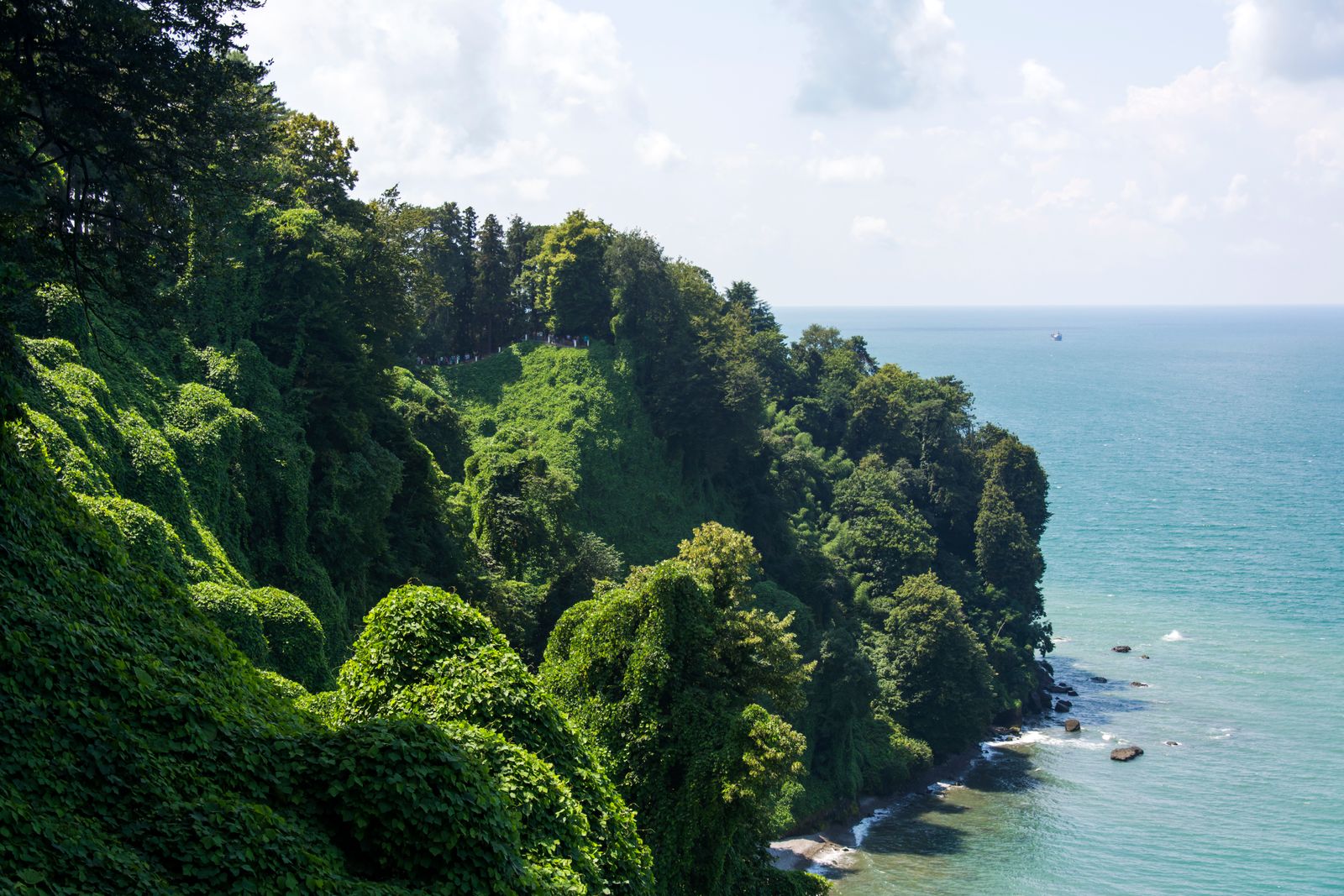
One of the most underrated outings of all is a visit to the botanical garden, which spreads out about nine kilometres north of the centre on the so-called Green Cape. Admission for foreign visitors is 20 lari (about £6) and the sheer size of the park is staggering.
The garden is cleverly divided into nine different geographical zones, so within a few hours you’ll go from Himalayan flora through Mexican cacti to New Zealand ferns. Many terraces and viewpoints open up wonderful views of cliffs tumbling into the sea, and below the garden you’ll apparently find much cleaner swimming water than in the city itself.
20. Gonio-Apsaros Fortress
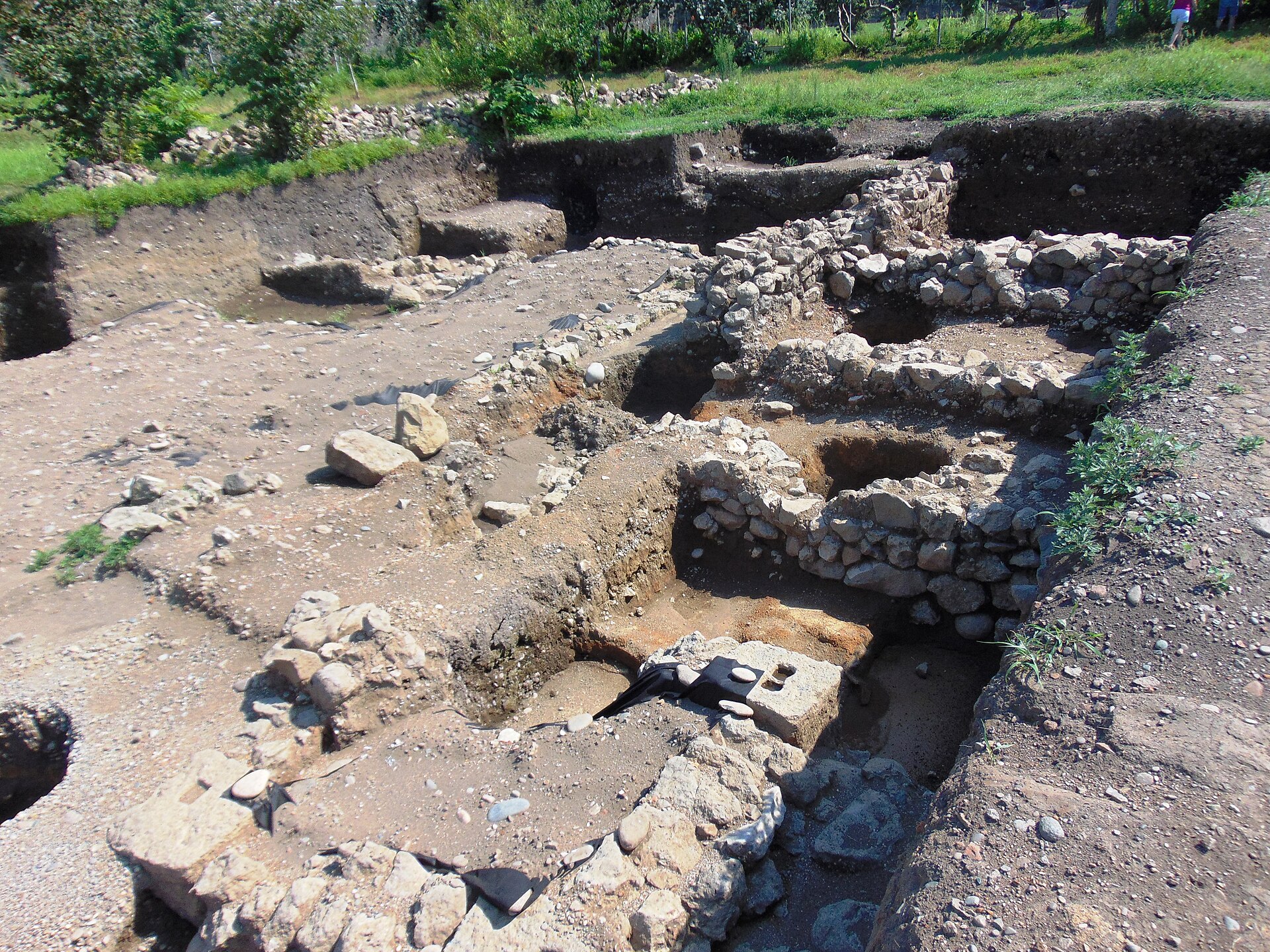
Heading south towards the Turkish border, you’ll come across the imposing remains of a Roman fortress from the first century AD. From the once-majestic structure, enormous stone walls totalling just under a kilometre in length have survived, and you can partly walk along them.
Inside the grounds you’ll find a tranquil garden, a small museum with finds from antiquity, and according to some legends the tomb of the Apostle Matthias even lies here. You can reach it easily and cheaply from the city centre on any bus number 16 for about 1 lari, and entry to the grounds itself costs around 10 lari (about £3).
21. Ureki — Black Magnetic Sand
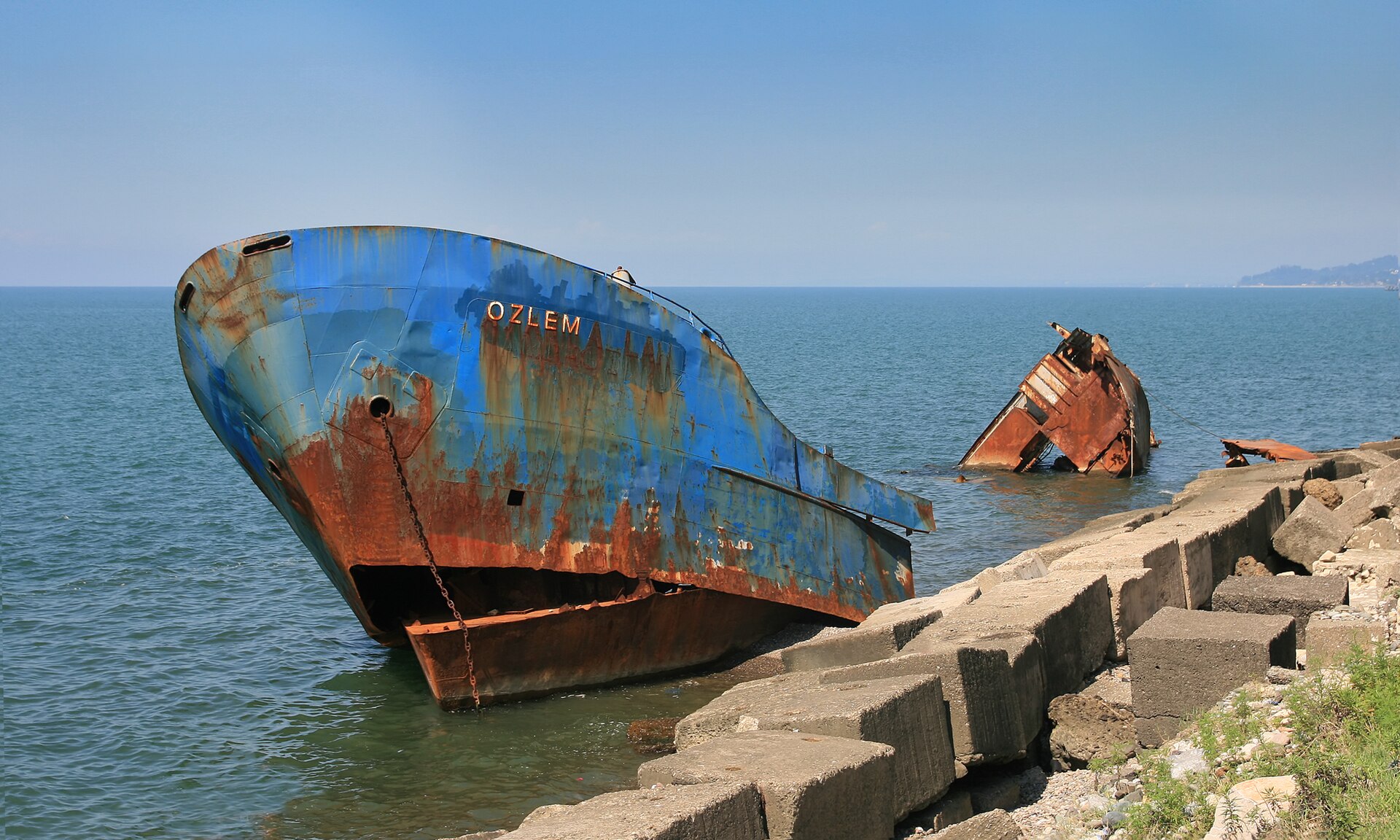
If the pebbly beaches in Batumi have let you down and you’re travelling with small children, head about 55 kilometres north. You’ll reach the resort of Ureki, famous for its rare black sand, which is said to have very strong magnetic and healing properties.
The beach here slopes very gently into the water, the sea is calmer, and thanks to the dark colour of the sand it warms up incredibly fast. Just bear in mind that the little town is very busy during the holidays, and the black sand unfortunately gets uncompromisingly into absolutely everything, from swimwear to towels.
22. The Glass McDonald’s as a Curiosity
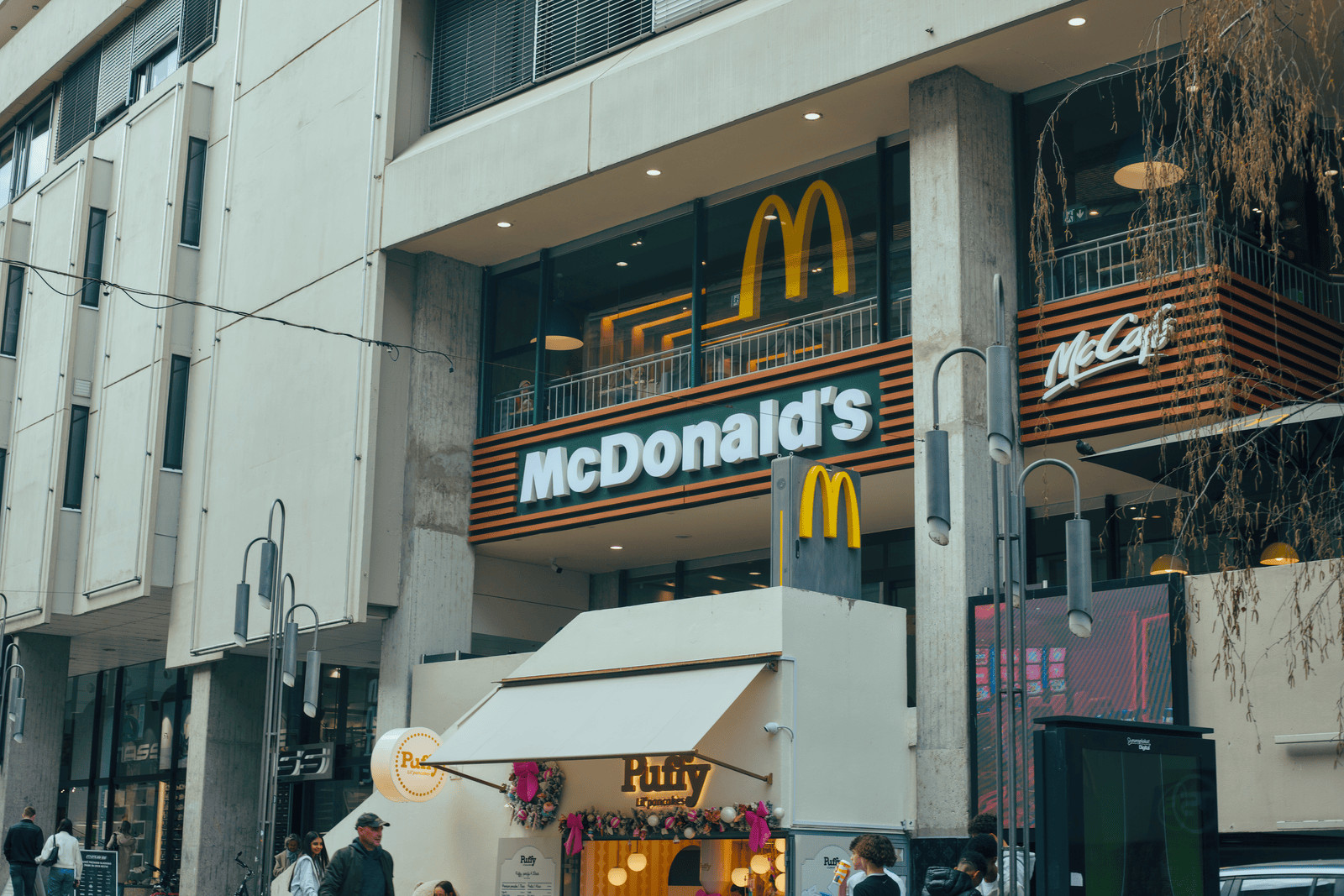
Under normal circumstances I’d definitely never send you to a fast-food chain, but this one has little to do with food. The local McDonald’s building near Lake Ardagani has won plenty of prestigious architecture awards and looks like a giant glass spaceship or an upturned crystal.
Inside, above a petrol station, you’ll find a gorgeous cascading garden planted with flowers, so you can sit peacefully surrounded by greenery even though you’re actually above a busy junction. It’s definitely worth a short stop and a photo or two — the building really is phenomenal.
What to Taste in Batumi and Nearby
When it comes to what to eat in Adjara, there’s one absolute champion that locals practically tell bedtime stories about. That’s adjaruli khachapuri (Adjarian khachapuri). It’s a giant boat baked from soft dough, generously filled before serving with a mix of salty sulguni cheese. Right at the end a raw egg is cracked into the middle and a proper slab of good butter is added.
You then have to quickly stir it all together with torn-off corners of dough before the egg sets in the hot cheese. It’s a brilliant, filling vegetarian dish that will reliably knock you out for the rest of the afternoon. Prices per portion roughly range from 10 to 24 lari (about £3–£7), depending on the venue and size.
The traditional Georgian table will easily delight anyone who doesn’t eat meat, too. Among the starters, travellers heavily praise pkhali — small balls of ground walnuts combined with spinach, beetroot or aubergine. Definitely don’t miss badrijani, thin slices of fried aubergine filled with walnut paste and sprinkled with pomegranate. An excellent, light dinner is also lobio, a hearty bean soup served in a clay bowl, and of course you mustn’t leave without tasting khinkali filled with mushrooms or cheese. Now and then you’ll come across the local speciality known as mtsvadi — quickly grilled pieces of marinated pork skewered on a spit, usually devoured by die-hard meat lovers.
The restaurant Retro and the popular Laguna are said to conjure up great khachapuri boats. If you’re after beautiful, cosy surroundings with a huge choice of local dishes, try the tucked-away Cafe Adjara Old House. If you prefer purely plant-based food, seek out the excellent spot called Go Vegan Cafe. Lovers of speciality coffee will surely be thrilled by the café Basil, and you can try an evening glass at the stylish BQ Wine Bar.
💡 Tip: On evening strolls you’ll come across dozens of different bars and clubs trying to lure you inside. But always check right at the entrance whether they have a drinks menu with clearly listed prices. There are plenty of places that deliberately hide their prices, and the resulting bill can easily relieve an unsuspecting tourist of 200 to 500 lari (around £60–£150) for a few ordinary cocktails.
And what would a trip to Georgia be without a drop of good drink! The country boasts the oldest winemaking tradition in the world, which is even on the UNESCO list. The unique local method involves ageing wine in large clay vessels called qvevri, which are buried deep underground. It’s from these that the famous amber wine comes. And if delicious wine isn’t enough, after dinner you might reach for a shot of traditional chacha, a brandy made from grape pomace.
Day Trips from Batumi
When you’ve had your fill of the city, the surrounding hills offer wonderful chances to escape. In a single day you can easily fit in a visit to the nearby Makhuntseti waterfall, from which it’s only a short walk to the gorgeous medieval stone bridge of Queen Tamara. It’s a wonderful example of old building craft, and both lie right by the road heading inland.
If you’re after slightly deeper contact with nature, definitely consider a trip to Mtirala National Park. This enormous Colchic rainforest is literally packed with lush wild greenery, little streams and suspension bridges. You can do a full-day trek through the damp hills or just a short walk along the water. You could also stop in the small coastal resort of Kvariati, which is said to have cleaner pebble beaches than the city itself.
An interesting and slightly unusual oddity is a trip to the village of Sarpi. This unassuming spot lies right on the Georgian-Turkish border, so you can swim in the sea and watch the enormous border buildings right next to the beach. A little further north of the city you’ll come across the peaceful resort of Kobuleti, which many travellers choose as a quieter alternative for a relaxing summer holiday.
Where to Go Next in Georgia
Batumi is usually just one stop on a much longer journey, and it would be a shame not to explore the rest of this enchanting country.
- If you want to soak up some history and admire much more traditional architecture, definitely set off to explore the capital, Tbilisi.
- For those arriving on budget flights, the starting point is often Kutaisi, which hides interesting markets and wonderful monasteries.
- A once-in-a-lifetime experience is then a visit to the high Caucasus mountains, specifically the wild region of Ushguli and Svaneti.
- Our detailed Georgia holiday itinerary will advise you how to combine it all without losing your mind.
Frequently Asked Questions
When is the best time to visit Batumi?
Definitely the most sustainable time to travel is June and the beginning of September, when you can expect warm sunshine, a fairly warm sea, and far fewer crowds of tourists. The holiday months of July and August tend to be hot but very overcrowded, whereas in autumn there’s a fairly significant risk of persistent rainfall.
How long to stay in Batumi?
Most travelers’ experiences say that you can comfortably explore the city itself in 2 to 3 days. However, if you’re planning long day trips to the mountains or just want to break up an active holiday with some beach lounging, you can easily spend a whole week here.
How to get from Tbilisi to Batumi?
The most comfortable option is the modern Stadler KISS high-speed train, which usually runs twice daily and takes about five hours. If you miss it, shared minivans (marshrutkas) are also a reliable way to get there, departing regularly from Tbilisi’s Didube station.
Is Batumi good for children?
Families with children come here quite regularly and young visitors will find plenty of entertainment, from riding the Ferris wheel to green parks and the dolphinarium. However, it’s important to keep in mind that the city beaches slope down quite quickly and the large pebbles can be uncomfortable for children to run on, so it’s better to pack some water shoes.
Can you swim in Batumi and what are the beaches like?
Definitely yes, the regular swimming season starts already during June and lasts at least until the end of October. The local beaches stretch for an impressive seven kilometres, however they consist exclusively of stones and pebbles. For a softer and cleaner beach experience, it’s often recommended to look around the northern or southern outskirts of the town instead.
Is the city safe for evening walks?
Georgia is generally considered an extremely safe destination for tourists, and it’s no different here. Even in the late night hours, you can take a pleasant walk along the waterfront promenade or through the lit-up center without worry, just watch your personal belongings against pickpockets as you would in any other city.
How much does a vacation cost and what are the prices?
The local currency is the Georgian lari (GEL), with one lari roughly equivalent to around 0.32 euros (the exchange rate fluctuates, so check it before your trip). Overall, it’s very cheap here, and for two people, you’ll typically need about 100 to 160 lari per day for all food and entertainment without any problems.
Do I need a visa and insurance for Georgia?
Citizens of the European Union don’t need any visas and can even stay in the country for up to one year, simply with a valid ID card. However, be extremely careful about a new requirement. From January 1, 2026, mandatory travel insurance covering at least approximately €3,750 for the entire duration of your stay is strictly required for entry, and you must present it in English or Georgian. Without it, you could apparently face a quite hefty fine at the border. Check out, for example, a review of reliable SafetyWing insurance.
Tips and Tricks for Your Vacation
Don’t Overpay for Flights
Search for flights on Kayak. It’s our favorite search engine because it scans the websites of all airlines and always finds the cheapest connection.
Book Your Accommodation Smartly
The best experiences we’ve had when looking for accommodation (from Alaska to Morocco) are with Booking.com, where hotels, apartments, and entire houses are usually the cheapest and most widely available.
 🚗 Car rental on the roadVerified rental cars in Georgia
Search with the DiscoverCars comparison engine — it compares prices from dozens of local and international rental companies, and most bookings come with free cancellation.
Compare car prices in Georgia →Don’t Forget Travel Insurance
Good travel insurance will protect you against illness, accidents, theft, or flight cancellations. We’ve had a few hospital visits abroad, so we know how important it is to have proper insurance arranged.
Where we insure ourselves: SafetyWing (simple monthly subscription) and TrueTraveller (for extra-long trips).
Find the Best Experiences
Get Your Guide is a huge online marketplace where you can book guided walks, trips, skip-the-line tickets, tours, and much more. We always find some extra fun there!