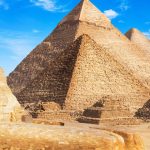
You know that miserable feeling when it’s grey and dreary outside, a cold drizzle is swirling around, and you trudge off to work in the morning while it’s still pitch dark? At moments like these it’s genuinely hard not to daydream about some beautiful spot where the warm sun is shining on your back right now and the air smells temptingly of the sea. Imagine a destination that works as a reliable emergency brake against that classic winter gloom and serves up gorgeous warmth just five hours’ flight from the UK. That destination is Egypt, and if you’re wondering where to holiday in Egypt, you’re in exactly the right place.
Egypt offers such an incredible variety of experiences that you can mix and match them precisely to suit your current mood. You can fly out purely to switch your brain off by the pool, but once the bug bites, the very next day you could be standing open-mouthed in front of thousand-year-old pyramids, or floating in a diving mask above a coral reef teeming with colourful fish that look like they’ve just swum straight out of an animated film.
Getting your head around that huge range of resorts and excursions can sometimes be a real puzzle, which is exactly why I’ve put together this detailed guide to make it easy. Inside you’ll find 20 specific tips for amazing places, whether you’re after a bustling promenade full of little shops, a quiet bay for a full day of snorkelling, or a proper adventure deep in the desert. We’ll walk through the very best areas, take a look at the newly opened museum in Cairo, and of course I’ll add essential practical advice on visas and some honest warnings on how to avoid the most persistent street touts.
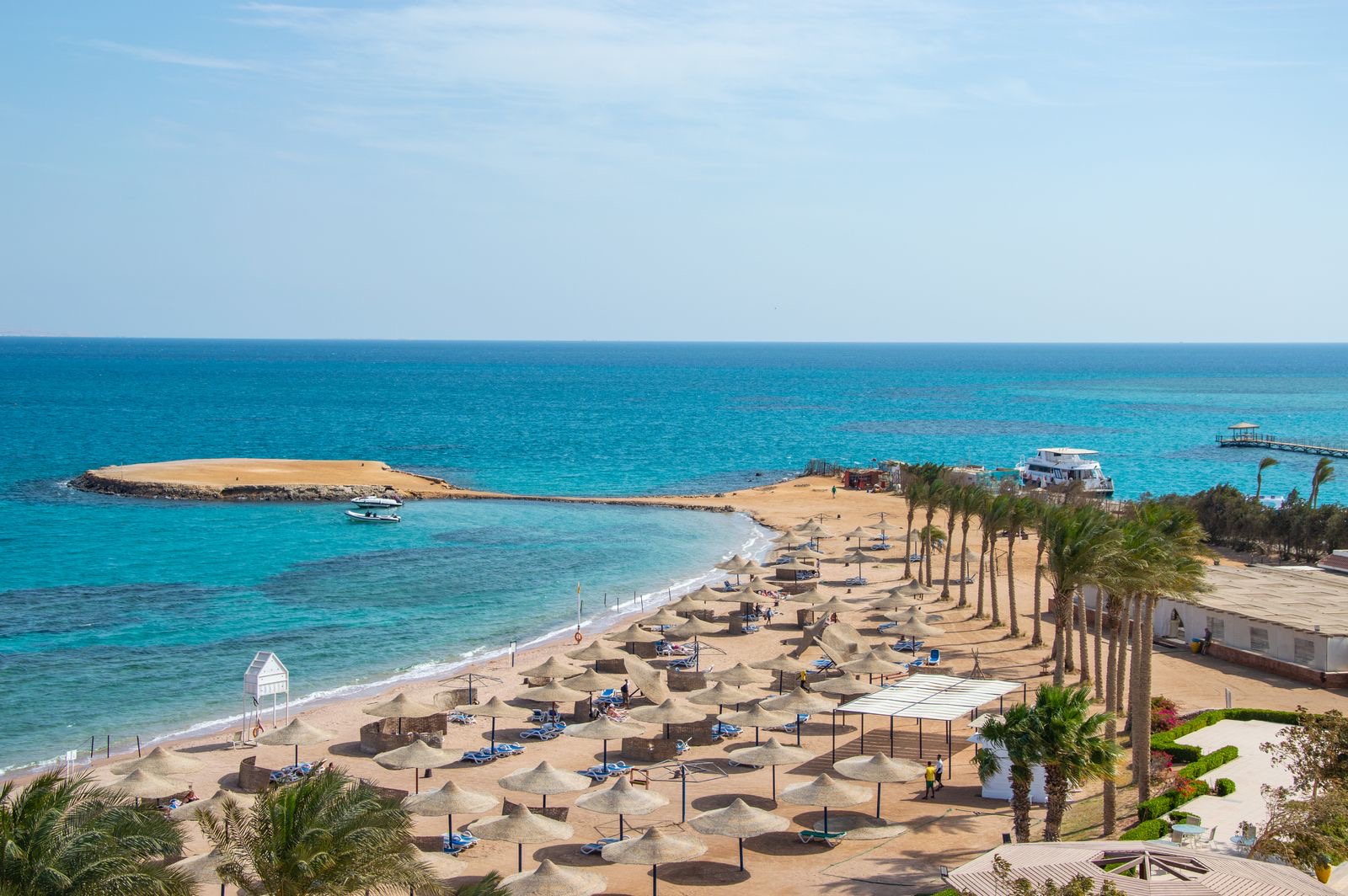
TL;DR
- Best resorts: Hurghada is enormous and absolutely ideal for families and first-timers, while Marsa Alam further south offers complete peace, far better-preserved reefs and slightly warmer sea during the winter months.
- When to go: The main season for a really pleasant holiday runs from October to April, when temperatures are lovely and bearable, while in summer you can definitely expect extreme heat over forty degrees that’s only survivable in the water, not while sightseeing around baking-hot monuments.
- New attraction: In Cairo, after endless years of waiting, the Grand Egyptian Museum (GEM) is finally opening, where for the very first time in history the entire staggering treasure from Tutankhamun’s tomb is on display in full.
- Visas and money: A standard tourist visa costs 25 USD (around 23 €) and you pay in Egyptian pounds, while many monuments now accept card only, so you keep small amounts of cash mainly for tips, known as baksheesh.
- Underwater world: The Red Sea quite rightly and for years has ranked among the very best diving destinations in the whole world, and in many hotels there the most gorgeous corals begin just a few metres from your beach lounger.
- Safety and health: Tourist resorts are carefully guarded and genuinely very safe, but trust me, you should always drink only bottled water and definitely remember to pack sturdy water shoes against sea urchins and sharp coral fragments.
The full destination guide: Egypt — guide and what to see
When to Go to Egypt and Where, by Season
A huge advantage of a Red Sea holiday is the brilliant fact that you can come here practically any time of year, you just need to set your own expectations a little in advance. The most pleasant time to visit is clearly spring and autumn, specifically April, May, October and November, when air temperatures in this absolutely ideal period hover around a comfortable 28 to 32 degrees, the sea is beautifully warmed up, and the evenings are just balmy enough for long stints outside with a glass of wine.
If you’re planning to escape the harshest part of the British winter, though, choose your destination a touch more carefully. January and February are Egypt’s coolest months overall, with daytime temperatures sometimes dropping to around 20 degrees, and a fairly cold sea breeze often blows along the coast, so in the evening you’ll be bundling up in a jumper. In this chillier period the absolute winner for me is the area further south, because the sea and the air there are simply always a few degrees warmer than in the north.
The summer months of July and August, on the other hand, mean genuinely extreme heat for the whole country, routinely climbing over 40 degrees in the shade, when the sea feels more like a heated thermal spa and is completely still, which is guaranteed to be loved by everyone who enjoys grilling themselves on the beach. Summer is, however, completely unsuitable for travelling to monuments in Cairo or Luxor, because the ever-present scorching stone and total lack of shade turn such a trip into a physical endurance test I certainly wouldn’t wish on you 😅.
For a detailed overview of exactly what temperatures and conditions await you in each month, do read our comprehensive article When to Visit Egypt / Weather. You’ll also find a specific comparison of water temperatures between the various big resorts, so you can pick the very best option for your dream holiday that fits your dates perfectly.
Where to Stay in Egypt
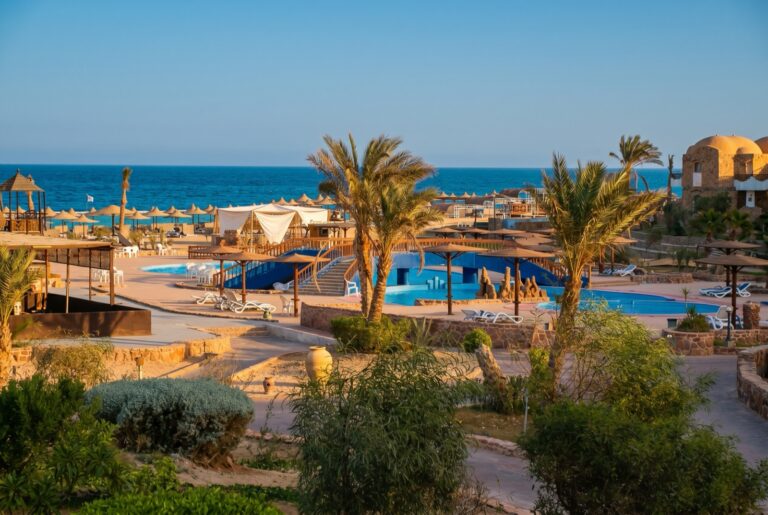
Among specific resorts that consistently score well, we can name Steigenberger Al Dau Beach in Hurghada, Steigenberger Coraya Beach in peaceful Marsa Alam, Reef Oasis Beach Resort in Sharm with a reef right off the beach, or the family-friendly Fort Arabesque in Makadi Bay. You’ll find more detailed hotel tips in the articles about the individual resorts.
Choosing the right hotel is absolutely crucial in this country, because let’s be honest, you’ll probably spend a substantial part of your holiday in your sprawling all-inclusive resort and its quality will fundamentally shape your overall experience. When hunting for the perfect spot, I recommend focusing on three main things, the very first of which is the so-called house reef. Trust me, if a hotel has beautiful corals right by the beach, it’s simply priceless for snorkelling lovers, who then don’t have to reach for their wallet every day and pay for expensive boat trips.
The second hugely important factor is the entry into the sea itself and the overall location of the chosen bay, so it’s worth checking reviews in advance to see whether you have to walk to deeper water along a kilometre-long wooden jetty, which can often be closed entirely due to strong wind and big waves. The completely ideal choice for calm family swimming with children is rather hotels in naturally sheltered bays, where the water surface stays beautifully calm even on the breezier days.
The standard of accommodation by the sea can vary quite a lot even within that lavish five-star category, which is why it’s always best to choose primarily based on verified personal experiences and recommendations from other travellers. If you’re after guaranteed luxury and top-class service right in the heart of the action, the Steigenberger ALDAU Beach Hotel is a sure bet for me with its enormous pools where you’ll want for nothing. For lovers of total quiet and snorkelling in the south, a fantastic choice is the Jaz Lamaya Resort, which sits in that magical sheltered bay with a gorgeous reef and no big waves.
And if you’re heading to the Sinai Peninsula this year and crave truly premium service, the wonderful Rixos Sharm El Sheikh offers brilliant views and absolutely flawless dining. To get a better idea of which area will actually suit you best, make yourself a coffee and have a look at our detailed article Hurghada or Marsa Alam?.
💡 Tip for the best prices on packages and flights: Accommodation prices are constantly changing and it really pays to keep an eye on them for a while, so before you rush into buying anything, check out our comparison of Egypt holiday deals, where our clever AI compares offers from various operators on exactly the same hotels and dates every day. If you’d rather fly out independently, definitely keep an eye on flight prices, which our system faithfully updates for you every twenty minutes.
Where to Holiday in Egypt: The Best Resorts
This is simply the single most important choice before you even take off, because the coastline stretches hundreds of kilometres and individual resorts differ enormously, even though on those pretty catalogue photos they can all look fairly similar. In some places wild nightclubs and bellowing pool animators await you, while elsewhere you’ll find total silence broken only by the soothing murmur of the waves.
So pick your resort precisely according to how you imagine your ideal relaxing moment by the sea, because it will soon become your base camp for all your excursions. Let’s take a look together at the nine most interesting locations, from bustling centres with little cafés to those beautifully hidden, exclusive bays.
1. Hurghada Is a Buzzing Classic for Everyone
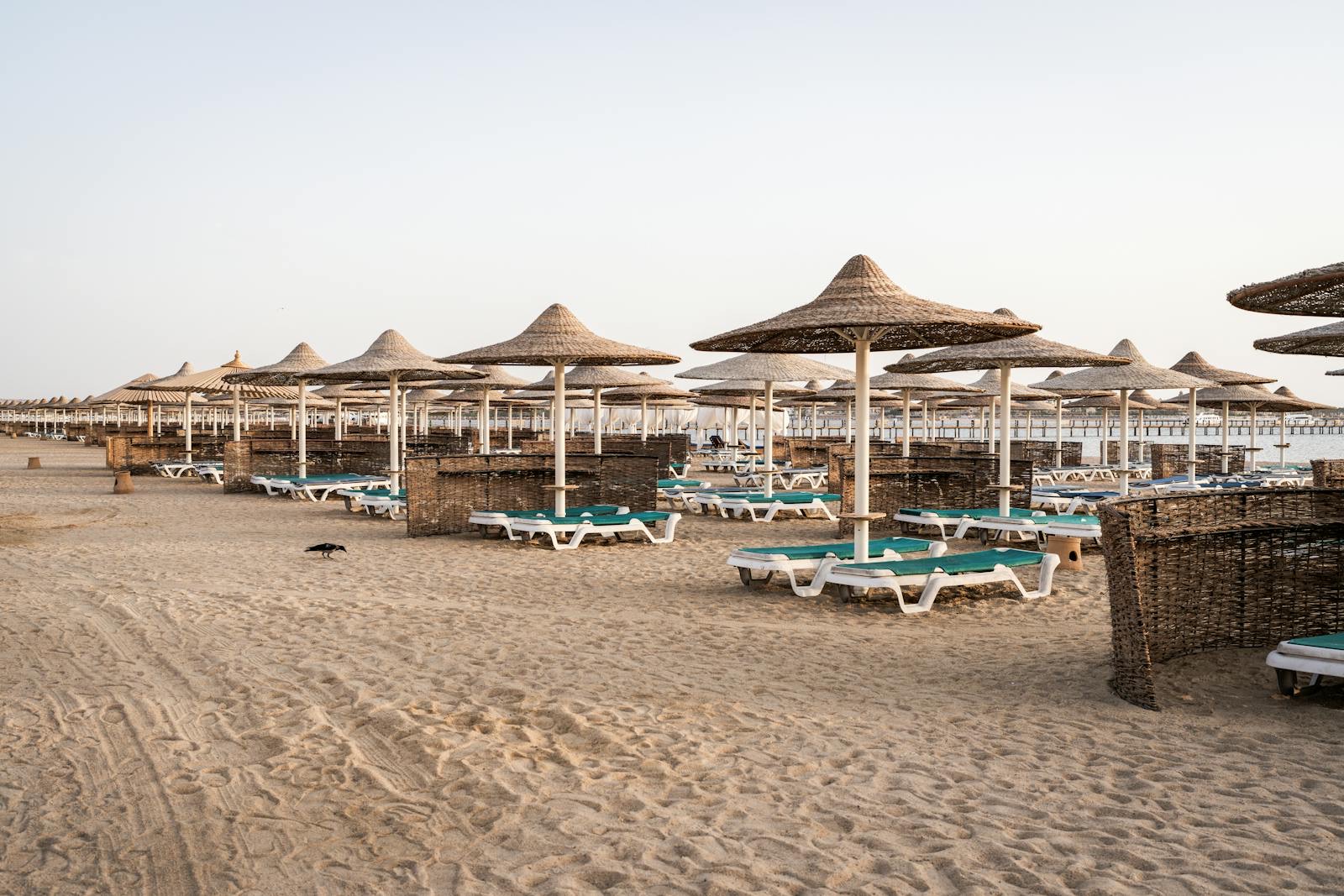
Hurghada is without doubt the biggest, liveliest and historically most accessible Egyptian resort, the one that once shaped all of the mass tourism here. You’ll find absolutely everything, from enormous complexes full of colourful water slides to the bustling new marina, where in the evening you can enjoy a great coffee and watch the luxury yachts. It’s an absolutely ideal choice for families with small children, and for all of you flying out for the very first time who want everything close at hand.
A huge plus of this popular spot is the short direct flight from the UK, taking just under six hours, so after landing you don’t have to endure endless hours on a coach through scorching wasteland, because plenty of the lovely hotels are only about fifteen minutes’ drive from the airport. The honest downside of the old centre itself is, unfortunately, that there are usually no nice coral reefs by the beaches, so for slightly better snorkelling you simply have to head out on paid boat trips to the open sea.
Luckily the town also has its own very authentic original centre called El Dahar, where you can happily lose yourself in a typical Arab market, haggle endlessly over the price of fragrant spices and soak up a good dose of that local North African chaos 😅. If you’d like to know even more, all the details and specific excursion tips are nicely written up in our article Hurghada: 13 Tips.
2. Marsa Alam Offers a Diving Paradise and Peace
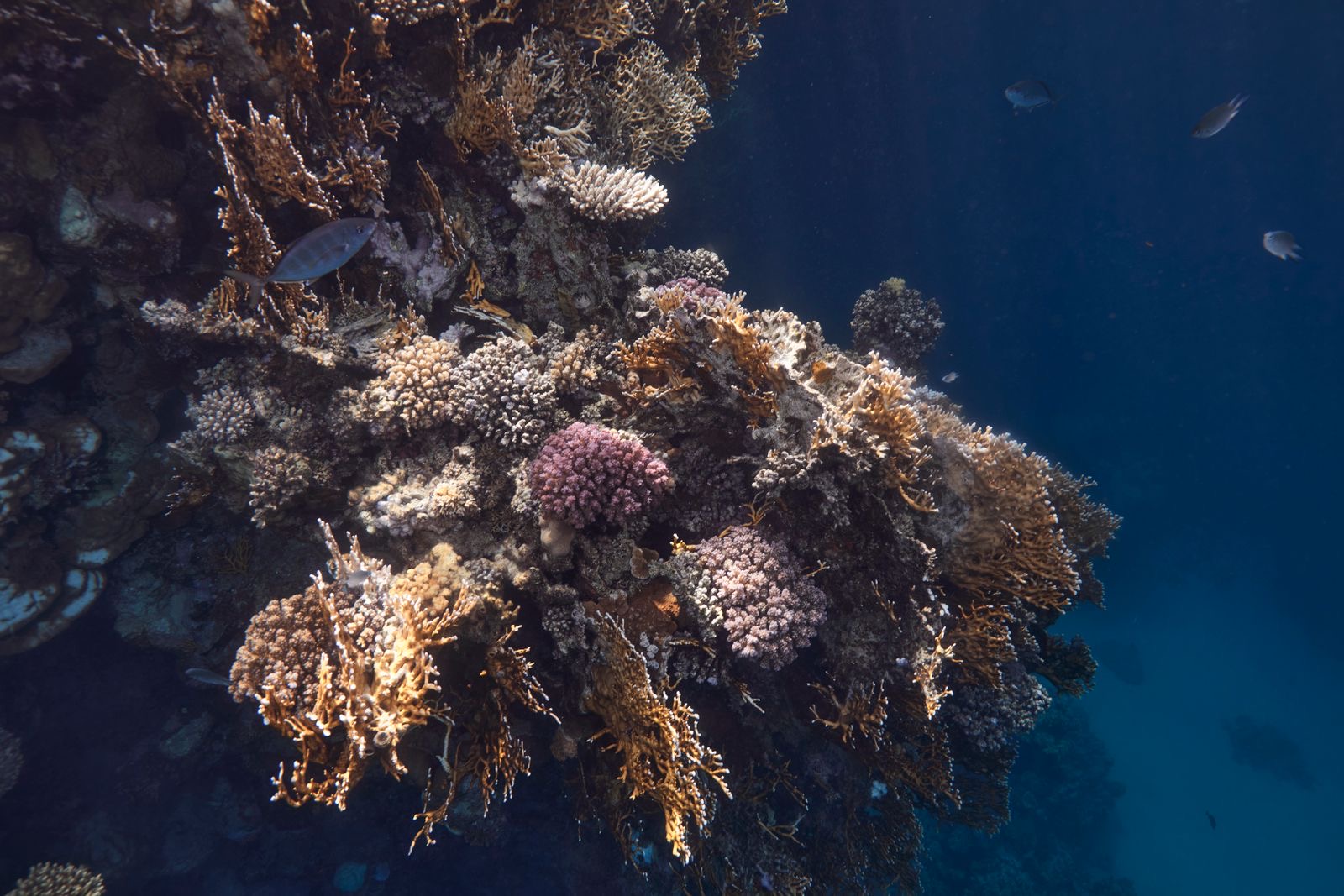
While the northern coast seems never to sleep, the Marsa Alam area lying roughly 270 kilometres further south is a genuine, utterly undisturbed oasis of quiet, beloved mainly by passionate divers and by people who simply desperately need to escape the noisy crowds and stress. You won’t find any big town here, nor even those busy shopping promenades, because most of the sprawling hotels stand somewhat in isolation in the desert along that gorgeous coastline.
The main draw here, of course, is the breathtaking nature, since this area offers some of the best-preserved house reefs in the whole country, which begin essentially right at the edge of the beach and are wonderfully full of life. Trust me, you can quite routinely swim side by side with enormous sea turtles here, and with a bit of travel luck you might even spot a rare dugong, or sea cow, in the famous Abu Dabbab bay.
Another huge bonus is the very favourable local climate, because thanks to its markedly more southerly position closer to the equator, both the sea and the air here are demonstrably warmer during our winter months, so for that gloomy January getaway it’s about the best possible choice for me. For lots more inspiration and practical advice, do have a look at our detailed article Marsa Alam: 13 Tips.
3. Sharm el-Sheikh Is the Jewel of the Sinai Peninsula
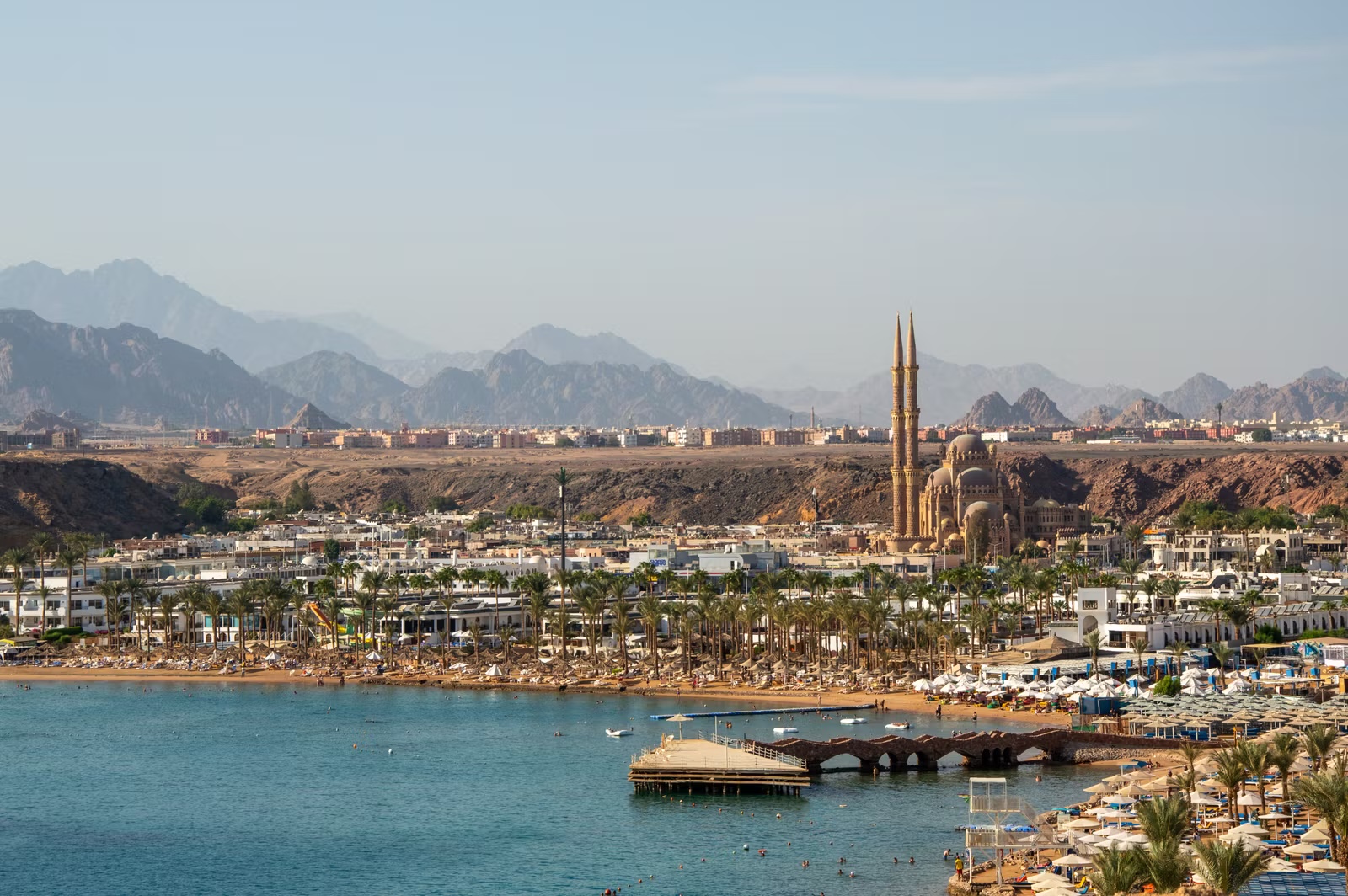
You’ll find this famous little town right on the southern tip of the Sinai Peninsula, and trust me, it has a completely different, far more European atmosphere than the African part of the country. Above all those luxury resorts loom imposing rocky mountains, giving the whole coast a dramatic and wonderfully photogenic look. The centre of all the action is the exceptionally lively Naama Bay, where plenty of modern cafés and little shops await you.
The very best of it, though, is hidden beneath the salty surface, and you absolutely must take a peek. The area is world-renowned for top-class diving, because it lies right next to the famous Ras Mohammed National Park. The coral walls here drop incredibly steeply into vast blue depths, and the colourfulness of the local reefs takes the breath away even of seasoned divers with thousands of dives under their belt.
Great news for us comfort-loving travellers is that, after years of breaks, direct charter flights from the UK are running again, so the need for those tedious, tiring connections falls away entirely ☺️. We’ve written up everything interesting about this breathtaking destination in our detailed guide Sharm el-Sheikh: 13 Tips.
4. Dahab Is a Bohemian Village Without Big Resorts
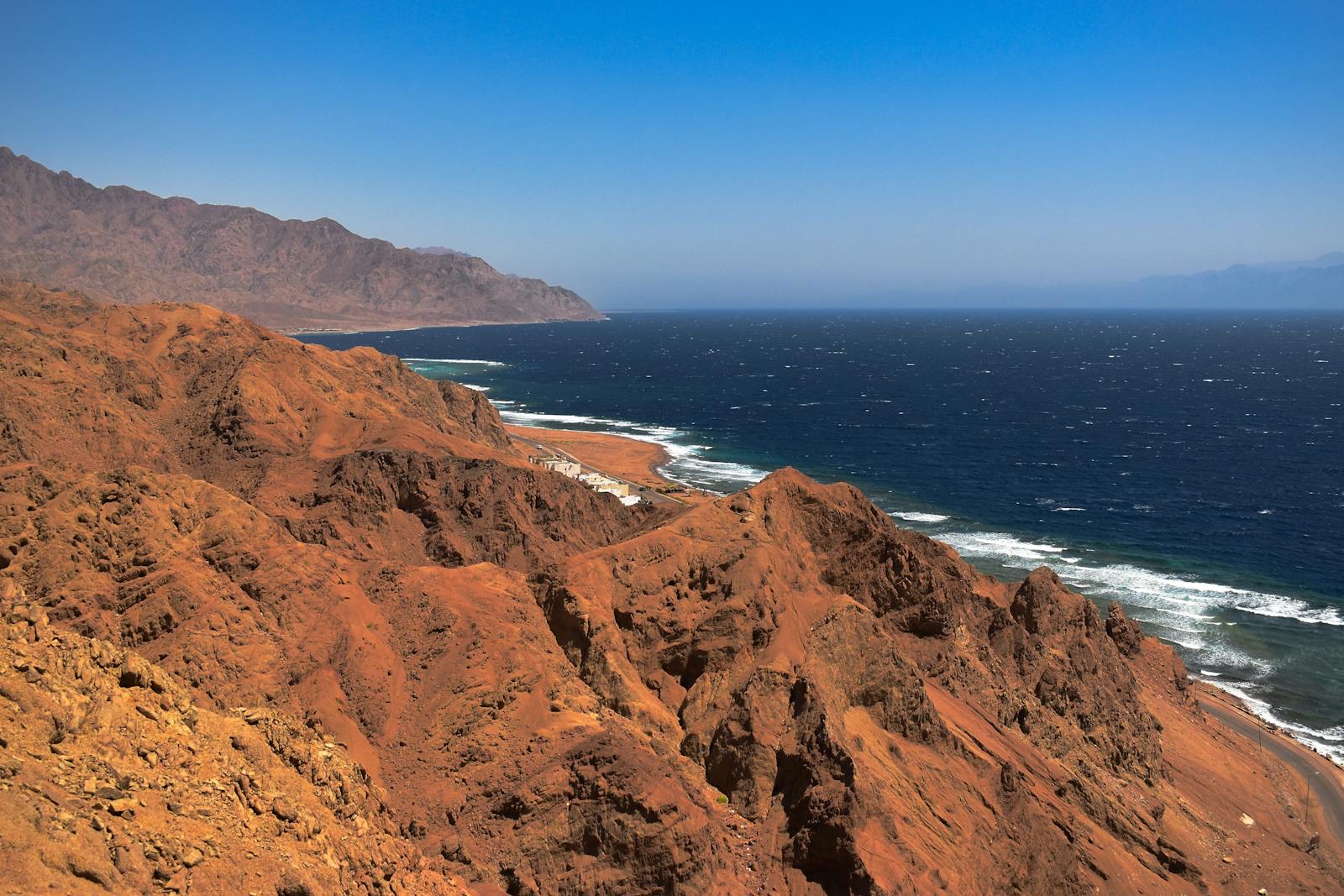
If the mere thought of shouting animators and organised entertainment in some giant all-inclusive hotel gives you goosebumps, head off instead to discover Dahab. This laid-back little town on the eastern coast of Sinai grew out of an original Bedouin village, and in the seventies it was discovered by free-spirited hippies. To this day it has kept a wonderfully informal atmosphere full of small family guesthouses and charming beach cafés.
Today this place is a literal magnet for independent backpackers and modern digital nomads who love to work with a view of the waves. It’s also a famous mecca for freedivers, mainly thanks to its proximity to the iconic, slightly terrifying spot known as the Blue Hole, a chasm over a hundred metres deep just a stone’s throw from the shore. You can conveniently rent snorkelling gear on pretty much every corner here for a few coins.
Thanks to a specific funnel formed by the surrounding mountains, a very strong and steady wind also blows here almost constantly, which makes the spot an absolutely fantastic base for windsurfing. It’s probably not the ideal destination for those of you looking for traditional luxury pools and marble lobbies, but if you want to soak up an authentic alternative atmosphere and sip a drink with your feet buried in the sand among cushions on the beach, you’ll definitely be thrilled 😅.
5. El Gouna Feels Like an Egyptian Venice Full of Luxury
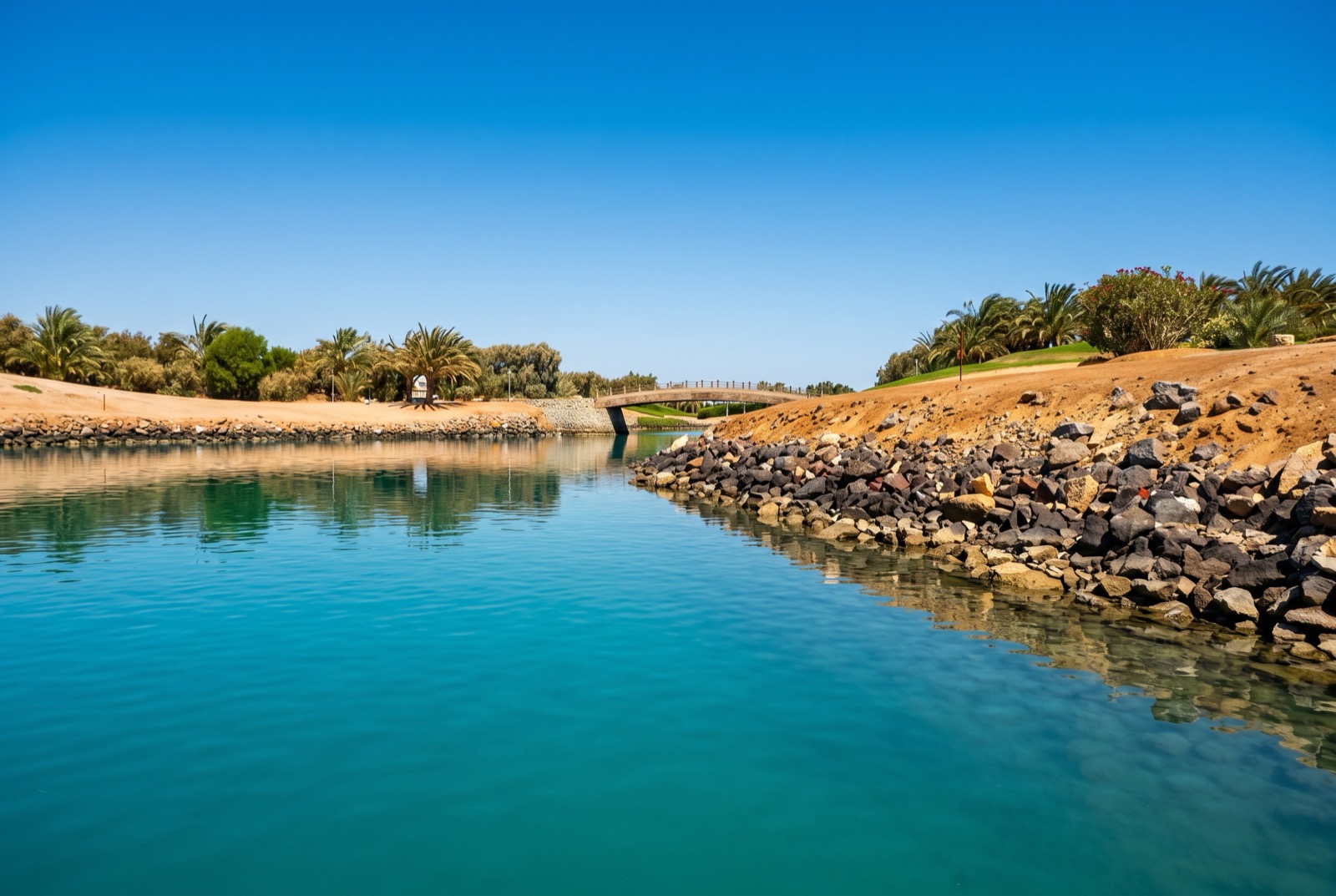
Imagine incredibly clean, litter-free streets, luxury millionaires’ yachts moored at the jetty, and not a single annoying vendor trying to shout at you. That’s exactly what El Gouna is like, a very exclusive, gated resort lying about twenty-five kilometres north of the busy airport. It was built entirely artificially on a rather intricate network of interwoven canals, which is why it’s rightly nicknamed the Egyptian Venice.
This whole lovely little town functions as a safe, carefully guarded microcosm with thoroughly premium services. The hotels here are often of a much higher standard than in the rest of the country, and there’s a strong emphasis on ecology and overall sustainability. It’s an ideal retreat for more demanding travellers or couples on a romantic holiday who want to enjoy a glass of good wine in complete peace and privacy.
The shallow turquoise lagoons with their soft sandy bottoms are also absolutely perfect for safely learning kitesurfing, because the water here is calm as a mirror. Just bear in mind that for this above-standard peace and high level of service you’ll pay a little more than for the classic offers, but every now and then you simply have to treat yourself to a bit of luxury 🙂.
6. Makadi Bay Offers Family Comfort in a Calm Bay
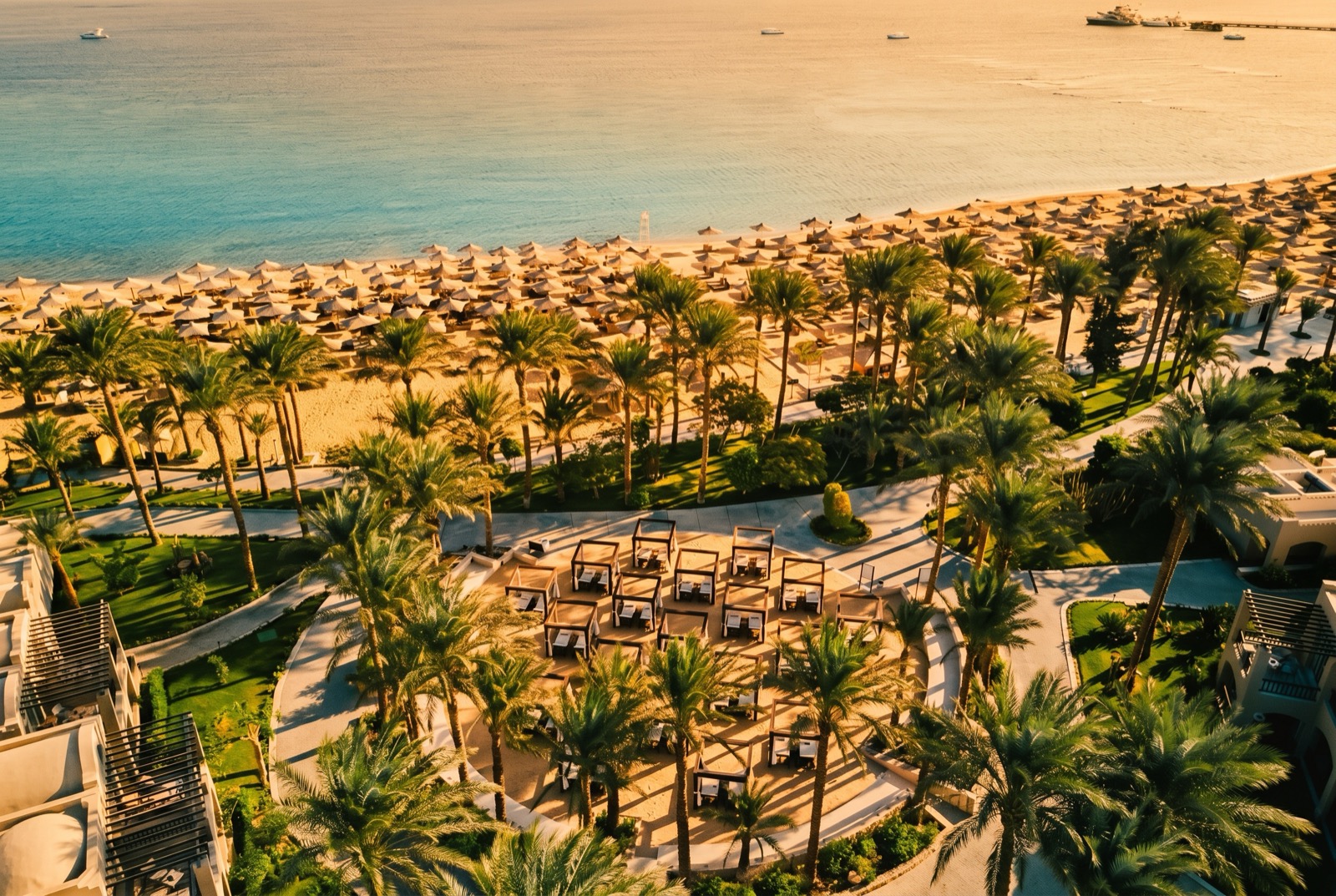
About thirty kilometres south of the city bustle lies Makadi Bay, which to me represents the absolutely perfect holiday compromise. It’s no longer the totally remote wilderness you get in the south, yet at the same time you won’t find any noisy city centre full of honking cars, which is a considerable relief. The whole area is made up of essentially just a row of large, modern resorts that are quite cleverly linked by a nice pedestrian promenade.
This area is exceptionally popular with families with small children, for several very practical reasons. Most of the hotels here have fantastic water parks within their grounds, and the entry into the sea from the beach is beautifully gradual. You don’t need to worry at all about giant waves here, because the bay is naturally and very well sheltered from strong winds off the open sea.
And what’s the best part of all? The bay hides in its waters very decent and colourful coral reefs for divers, within really convenient reach of the hotels. So for your first snorkelling adventures you really don’t have to immediately buy expensive full-day boat cruises; usually you just need to swim a little way from the shore and there it is, right in front of you 😁.
7. Soma Bay Means Golf, Kite and Premium Peace
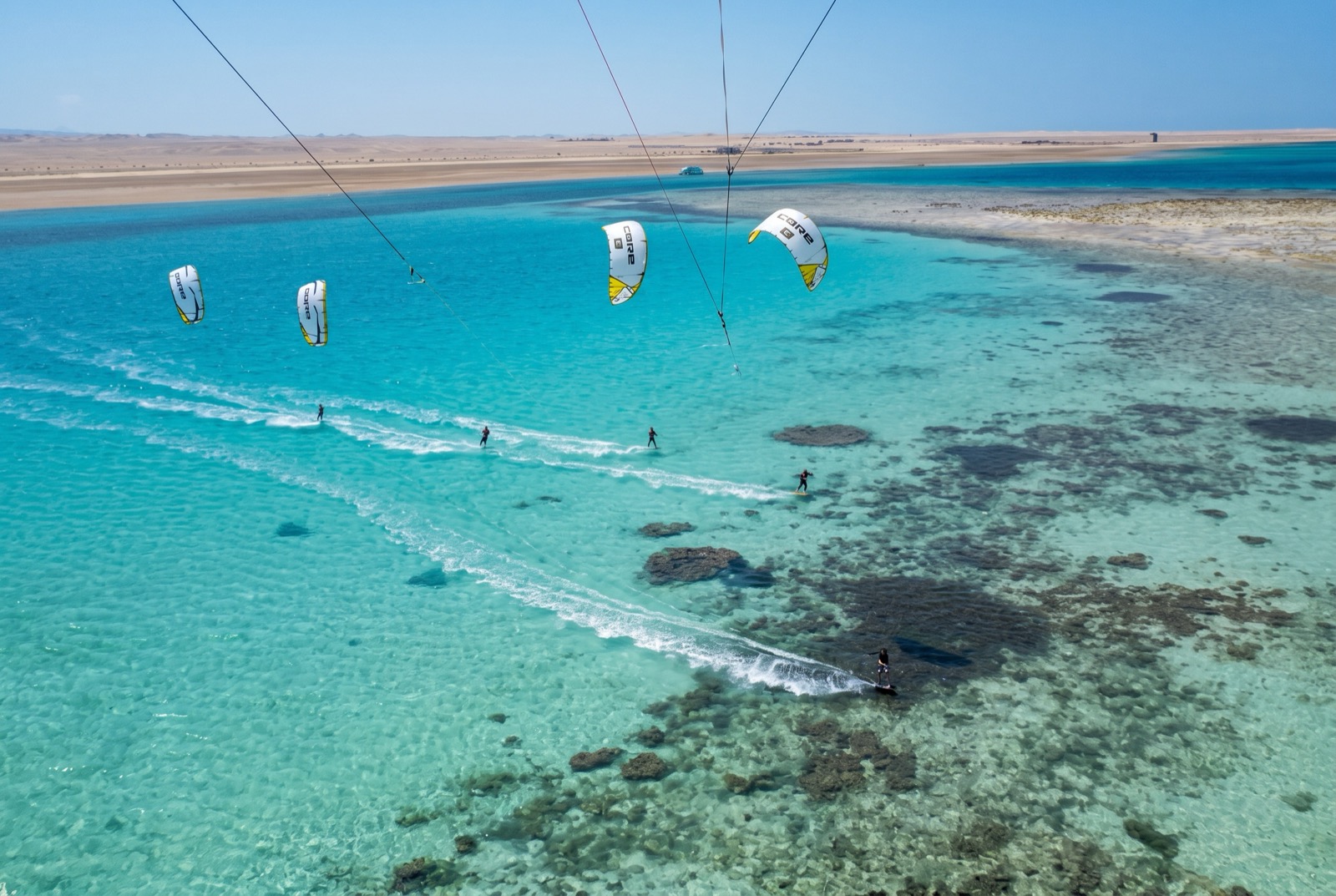
A little further south, the beautiful Soma Bay peninsula bites deep into the waters. This gated area is a true synonym for peace and a higher standard, because the hotels are a decent distance apart and don’t stand crammed one on top of the other. You’ll find mostly premium hotel brands here offering enormous clean pools and very luxurious wellness centres for that perfect moment of complete relaxation.
The place is world-famous mainly for two absolutely exceptional things that draw connoisseurs from all over Europe. The first is a top-class eighteen-hole golf course, which turns incredibly green right in the middle of the yellow desert with a view over the deep-blue sea. The second is the utterly phenomenal conditions for water sports, since the local bay acts as a kind of perfect wind tunnel.
For enthusiastic divers and swimmers, a gorgeous house reef hides just beneath the surface, formed of several enormous coral towers rising right up to the surface itself. It’s simply a place that wonderfully combines sporty activity with luxurious relaxation in a spot where genuinely nothing will disturb you, so you can just sit down, rest and enjoy your holiday to the full.
8. Sahl Hasheesh Is Modern Elegance Near the Airport
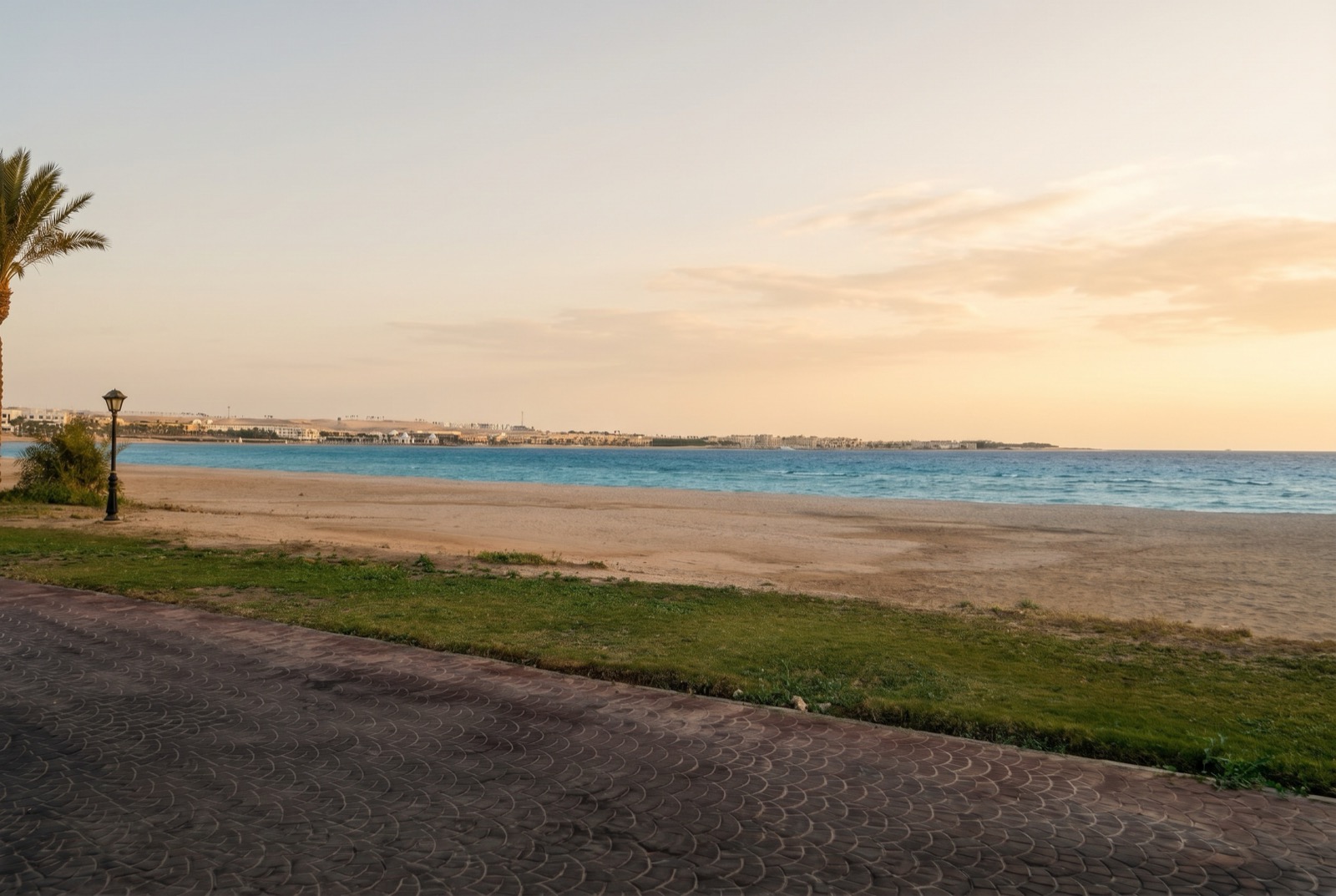
Sahl Hasheesh is a relatively new and, in my view, very cleverly thought-out resort lying just a few kilometres south of the main airport. In practice that means one huge advantage for you: a lightning-quick and very comfortable transfer straight to your hotel. Trust me, that feeling of getting from the plane to your room and your longed-for poolside lounger in an incredible half an hour, without any pointless, exhausting wait on a coach, is simply priceless.
The whole resort has been designed from the very start in a very modern, beautifully airy and pleasantly orderly way. Its main landmark is a twelve-kilometre paved promenade lined with tall palm trees, along which you can safely stroll at leisure with a coffee in hand, or try renting one of those popular little electric vehicles. The architecture of many local hotels also often resembles lavish palaces straight out of the romantic tales of the Thousand and One Nights.
In the sheltered, calm bay the sea is usually very gentle, and there’s even an interesting underwater curiosity hidden here for all you curious swimmers. Just off the shore, an artificial sunken city full of statues and columns has been created, which is gradually being overgrown by corals and forms an absolutely fantastic, slightly mysterious backdrop for beginner snorkellers with a mask 🙂.
9. Marsa Matrouh Hides Turquoise African Mediterranean
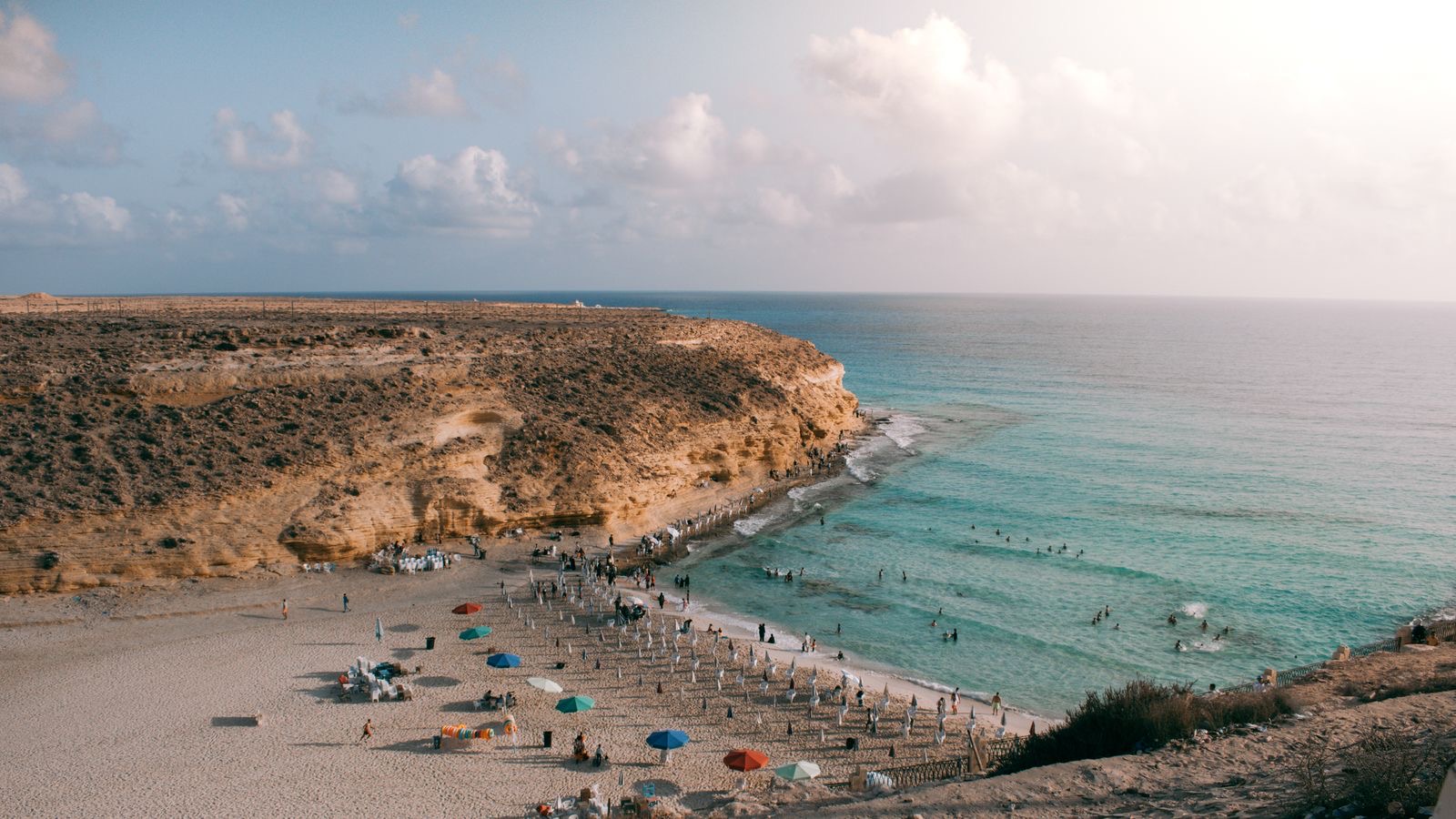
When people think of a holiday in this country, almost everyone automatically pictures just the sun-drenched Red Sea. But up in the north there’s also a surprisingly long Mediterranean coastline, and its main jewel is the absolutely gorgeous resort of Marsa Matrouh. Prepare for a completely different visual experience, because the water here has an incredible turquoise colour and all those long beaches are covered in snow-white sand whose hue more closely resembles some exotic Caribbean.
This little town is a very popular summer refuge for wealthier Egyptians themselves, who flee here somewhat en masse from the scorching August heat of Cairo. That’s precisely why you’ll feel a far more authentic and traditional local atmosphere here than in the classic big international resorts in the east. You’ll find here, for example, the breathtaking rocky Agiba lagoon, which is cleverly hidden away from the biggest crowds.
It’s hugely important to know, however, that the tourist season here actually works the complete opposite way to the south. This whole area comes alive exclusively in summer, from June to September, when the climate is very pleasant, while in the winter months a very cold wind blows in off the sea and you certainly won’t be jumping into the water unless you’re a dedicated cold-water enthusiast 😁.
What to See: Ancient Egypt’s Monuments
After all, to fly thousands of kilometres just for the sea and not see up close even a tiny piece of the area’s striking thousand-year history would, in my view, be a fairly big sin. The very most famous ancient monuments are scattered along the life-giving Nile, and most of them can surprisingly comfortably be managed as an organised full-day trip from the coast, often using a quick domestic flight or one of those classic overnight sleeper coaches.
When planning all these longer trips, please reckon with one very important practical thing, namely that the air conditioning on long-distance coaches runs constantly at maximum. So definitely pack a warmer hoodie or a light jumper in your day bag so you don’t needlessly catch a chill on the very first day. Below I’ll introduce you to five of the very biggest historical icons that draw people from all over the world, and which we cover in detail in our big article What to See in Egypt.
10. The Pyramids of Giza and the Mysterious Sphinx Take Your Breath Away
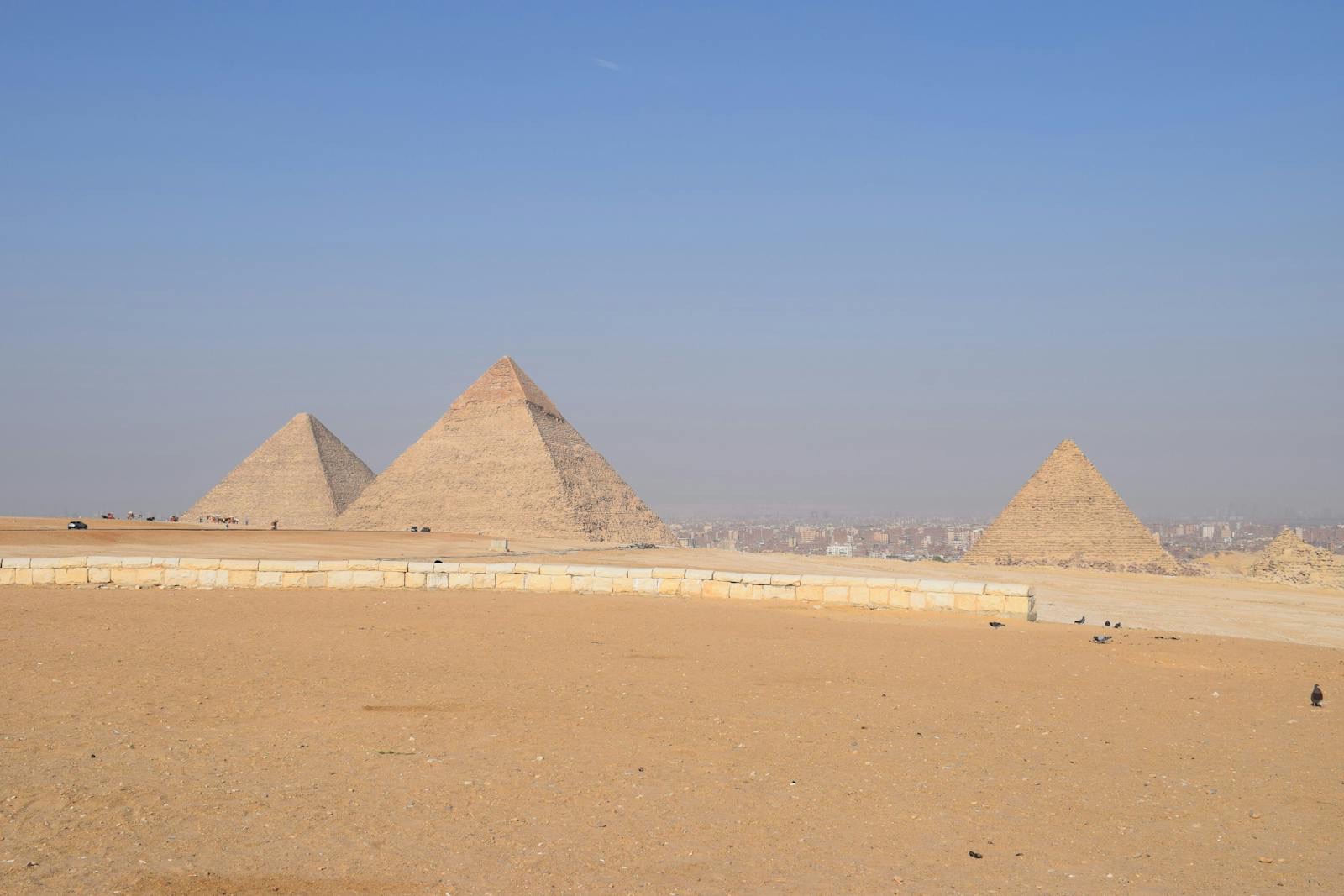
Standing on your own two feet beneath the only surviving wonder of the ancient world is an immensely powerful feeling that honestly cannot be satisfactorily captured by even the most beautiful photograph. The three enormous, majestic pyramids led by the famous Great Pyramid of Khufu, and the iconic Great Sphinx, rise at the very edge of the searing desert, while the noisy twenty-million-strong capital presses relentlessly in from the other side. Trust me, only up close do you fully grasp the utterly insane scale and the unbelievable weight of all those stone blocks.
When you head out here, please arm yourself with a big dose of patience and don’t let the ever-present and sometimes quite pushy touts get to you. The whole site is enormous and someone will constantly be trying to foist on you a camel ride supposedly almost for free, which is that absolutely classic tourist trick meaning that getting on is free, but for getting off the poor animal you’ll then pay easily twenty euros. The best defence here is dead simple: just keep repeating, with a kind smile but very firmly, an English “no” and resolutely carry on with your unhurried stroll.
If you want to bag the very best and most famous photos without the annoying crowds, head off on foot a little further to the elevated panoramic viewpoint in the desert, from where you can beautifully capture all three pyramids in one absolutely perfect line. Note that entry right into the heart of the largest pyramid carries an extra fee, and because of the quite noticeable lack of fresh air it’s more of a small athletic feat 😅.
11. Cairo and the New Grand Egyptian Museum (GEM)
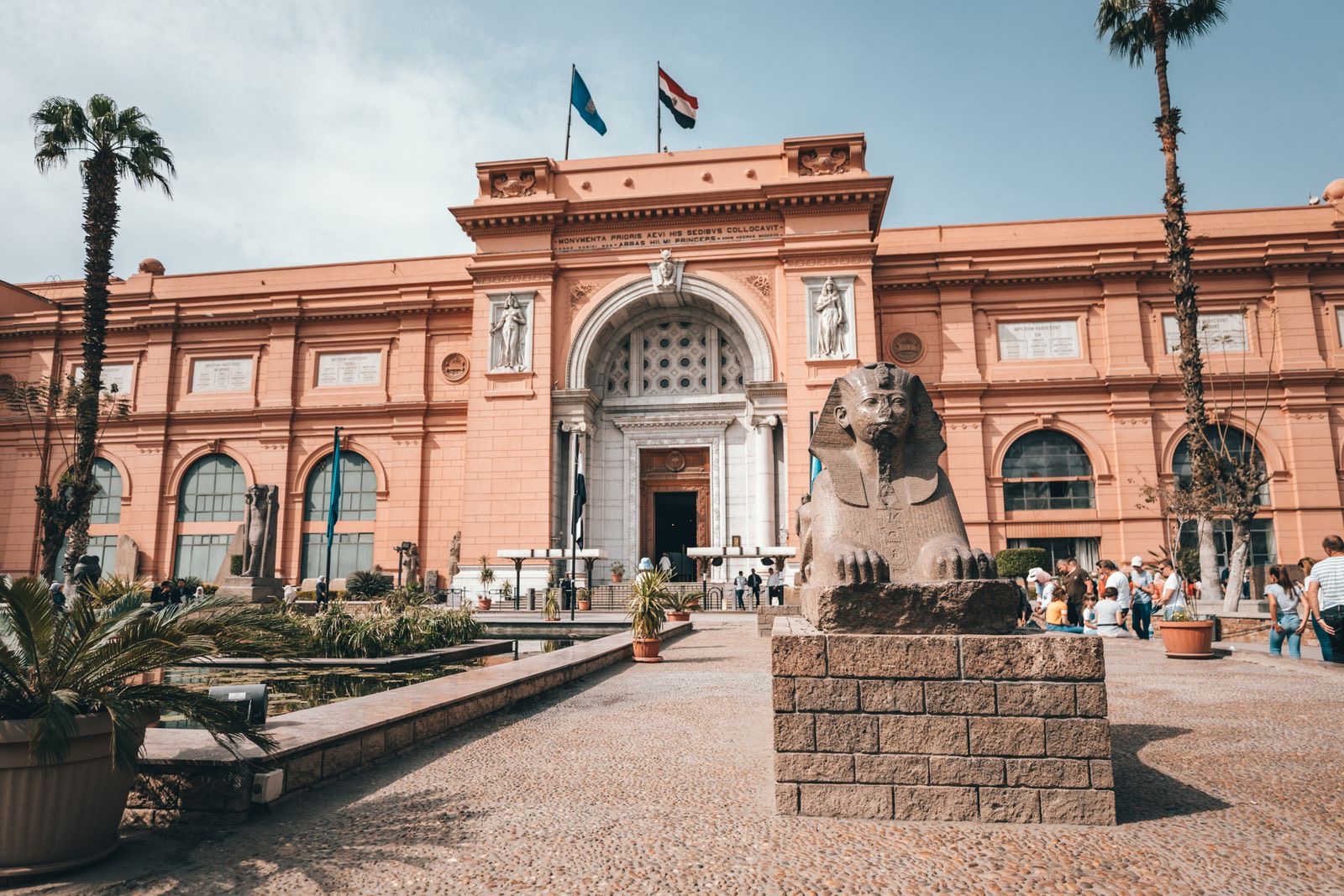
Cairo itself is simply an enormous city that, on arrival, will either completely absorb you with its untamed energy, or make you want to flee immediately because of all the ever-present noise. It’s a very chaotic and at the same time immensely fascinating mix of all sorts of cultures, where in endless traffic jams battered old cars weave between donkey carts and the air smells intensely of mysterious exotic spices. Apart from the gorgeous old Islamic centre, though, for most of us the biggest draw is of course that breathtaking ancient history.
One huge and truly long-awaited piece of news is that, just by the pyramids, the architecturally staggering Grand Egyptian Museum, known by the abbreviation GEM, has finally opened in full. It’s by far the largest archaeological museum in the whole world dedicated to one single civilisation, where under one gigantic roof over a hundred thousand breathtaking historical exhibits await you, leaving you shaking your head in disbelief.
The absolute crowning glory of this immense exhibition is the fact that, for the very first time in modern history, the entire treasure from Tutankhamun’s tomb is on display in full, including his iconic, breathtaking golden death mask. A practical aside for you: tickets for foreigners cost around 30 dollars, that’s about 28 euros, and be very careful, because they’re now bought exclusively online through the official system, so you simply won’t get anywhere with paper cash in your pocket on the spot.
12. Luxor and the Famous Valley of the Kings
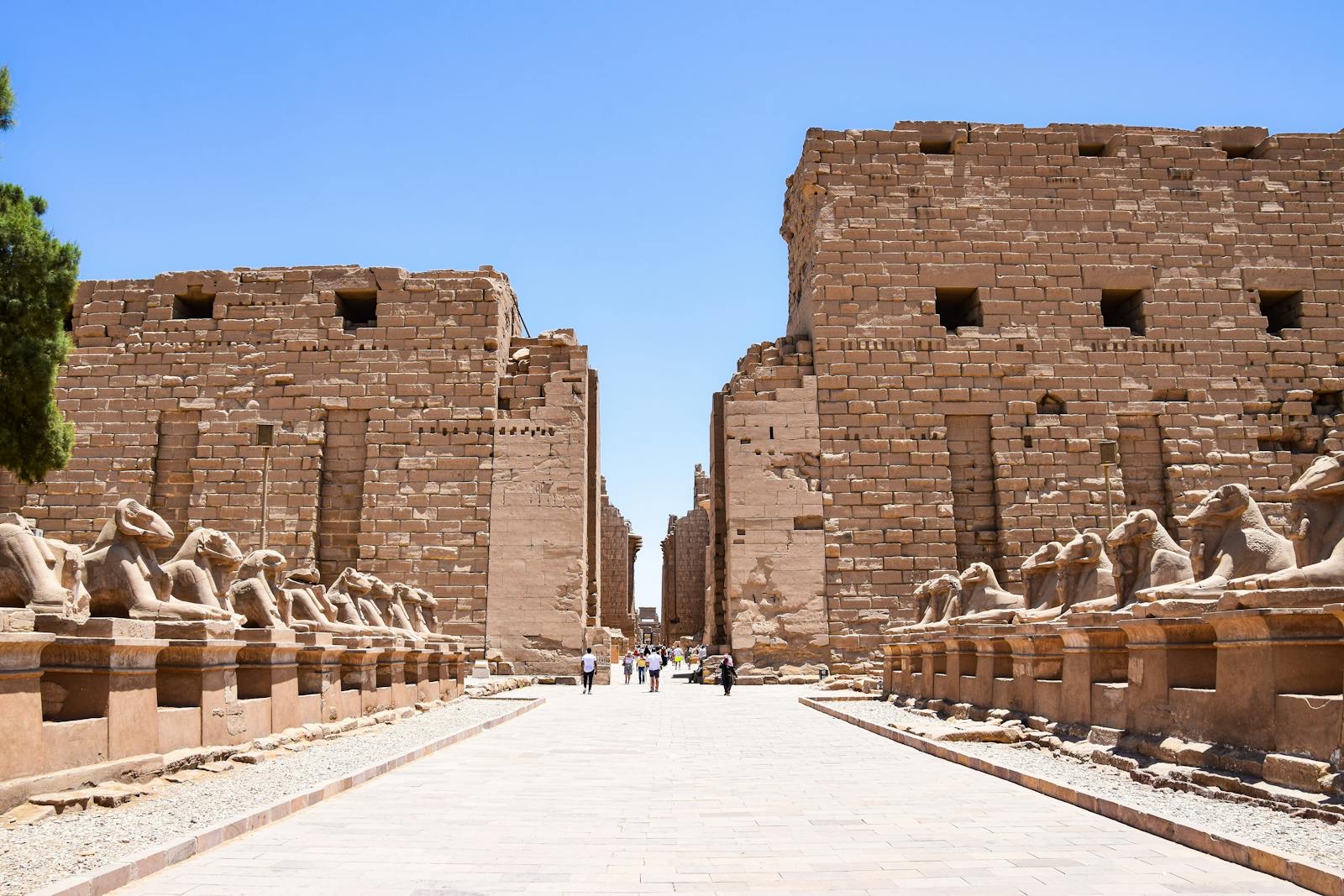
The city of Luxor, which lies nicely in the south of the country, is nicknamed among us travellers the largest open-air museum in the world, and really not without reason. This breathtaking little town on the fertile banks of the Nile was once the famous Thebes, and trust me, the concentration of immense monuments here is incredible. As you wander the eastern bank, you’ll be amazed by the gigantic Karnak temple complex with its enormous and absolutely fascinating, richly decorated hall of columns.
The western bank of the river, by contrast, belonged in antiquity exclusively to the dead, and strange funeral rituals took place here. This is precisely where you’ll find the famous and mysterious Valley of the Kings hidden in the parched sandstone cliffs, where pharaohs had elaborate tombs cunningly carved deep underground, just to protect them from greedy robbers. What’s perhaps most fascinating of all is the fact that the thousand-year-old wall paintings have kept their incredibly rich and vivid colours to this day, as if someone had painted them only yesterday.
A basic purchased ticket to this valley normally lets you enter any three of the open tombs, with the exception of the most famous ones, such as Tutankhamun’s, for which there’s always a hefty surcharge. Honestly, though, I have to warn you that during the summer months the heat here is genuinely unbearable, because the surrounding rocks act like a baking oven, so head out ideally first thing in the morning before you turn into a walking grilled chicken 😅.

13. A Nile Cruise Reveals History From the Deck
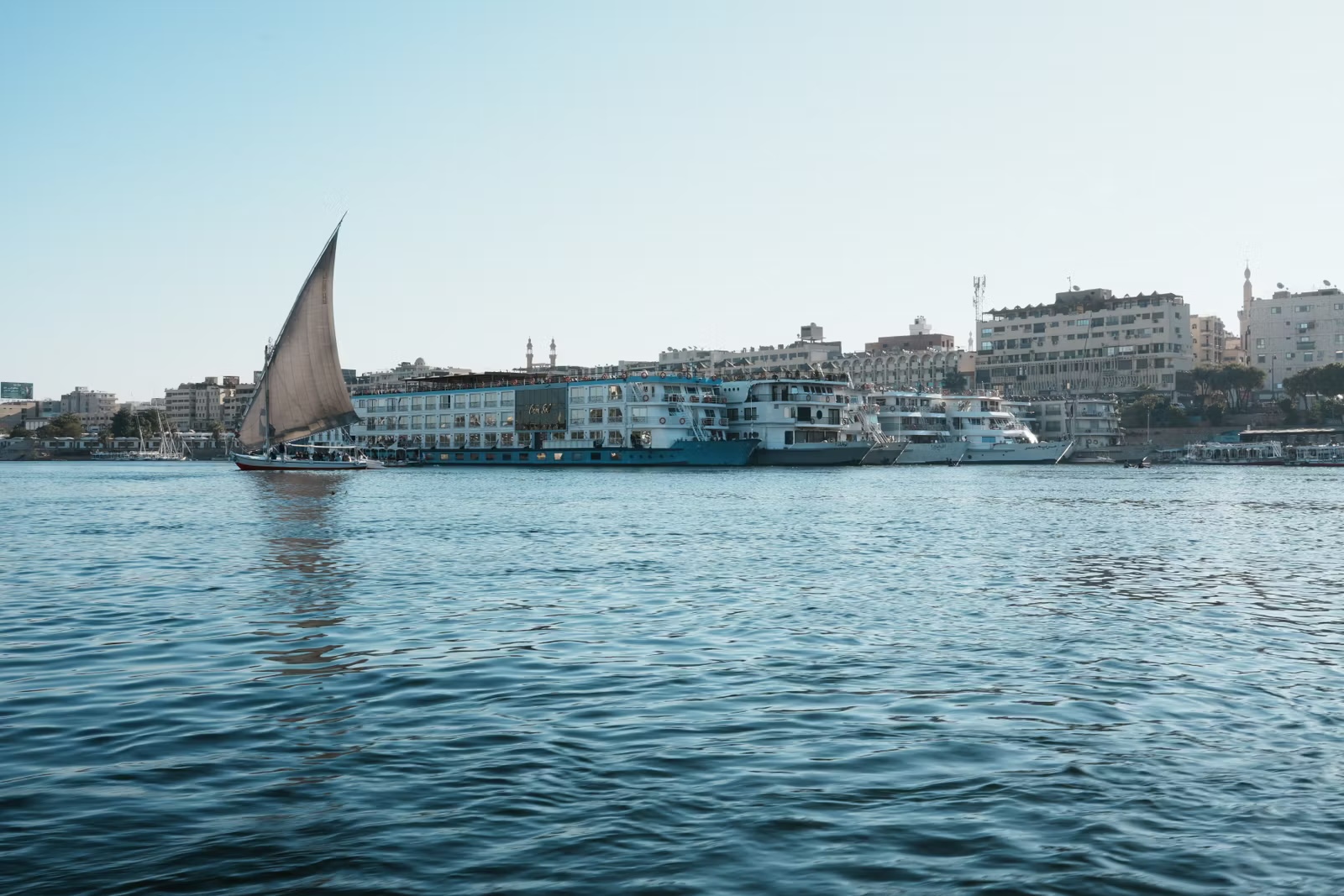
If, like me, you long to experience a bit of real old-world romance and feel, at least for a little while, like a character in a gripping Agatha Christie novel, definitely head out on a multi-day Nile cruise. It’s probably by far the most comfortable and elegant way to get to know the southern part of the country in real depth. The cruise itself usually takes place on a very comfortable cabin boat with full board and a small rooftop pool, and this treat typically lasts three or four nights.
A huge advantage of this easygoing way of travelling is simply the fact that you don’t have to laboriously pack and move from hotel to hotel every day, which is something I genuinely appreciate on my travels. Imagine waking up comfortably in the morning in your cosy cabin, the boat already nicely moored by a new ancient temple, you explore it in complete calm with a local guide, and after a good lunch you’re back sitting with a coffee on the sun deck, dreamily watching the banks slip by.
During this cruise heading south, you regularly stop at amazing and very well-preserved monuments, such as the unique double temple at Kom Ombo, which will give you goosebumps. You can easily buy this wonderful cruise as a standalone intensive sightseeing trip, or very cleverly combine it with a following week of relaxation on the beach, which to me seems like the absolutely ideal way to take home the maximum experience from your holiday while still getting a bit of rest.
14. Abu Simbel and Calm Nubian Aswan
The southern city of Aswan is a kind of figurative hot gateway to black Africa, and it gives off a completely different, far calmer and friendlier Nubian atmosphere than the incredibly hurried Cairo to the north. Across the wide river, white sailing boats called feluccas glide along elegantly and quietly, and on one such little island in the middle of the current stands the most beautiful temple of Philae, lovingly dedicated to the mighty goddess Isis.
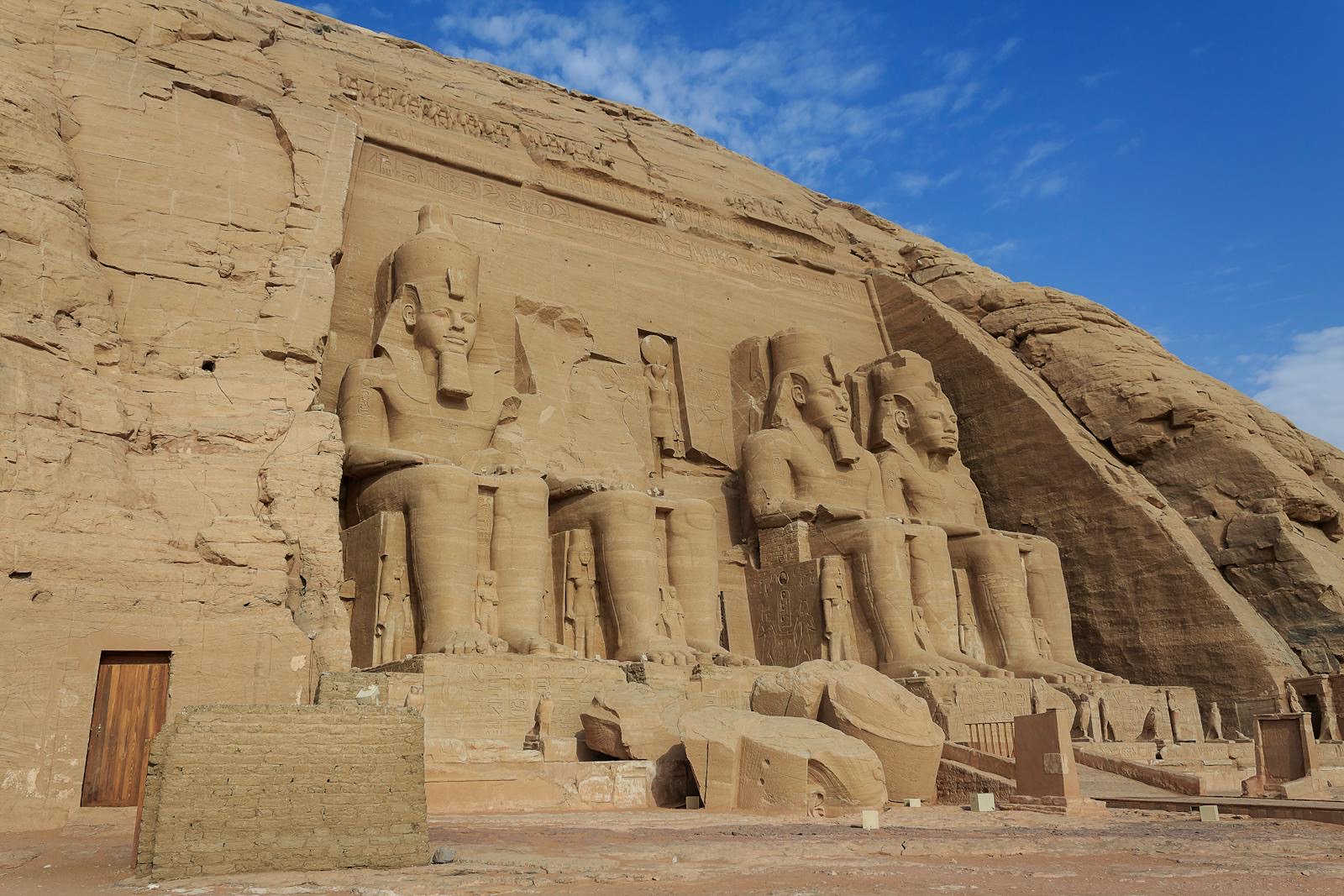
The main and most important reason why people venture all the way to that distant south near the Sudanese border, though, is the staggering, colossal complex of Abu Simbel, which you must see with your own eyes. The two gorgeous rock temples, built here long ago by the mighty pharaoh Ramesses II, are guarded by enormous twenty-metre stone statues of the immensely self-assured ruler himself, gazing intently somewhere into the distance.
The story of this mysterious, magical place is fascinating mainly in that the temples had to be, in the 1960s, completely cut into thousands of blocks and moved tens of metres higher. Otherwise, because of the construction of a huge dam, they would have vanished forever beneath the surface of a newly forming artificial lake, and we’d see nothing at all of that splendour, which would have been a genuinely enormous loss for all of humanity.
Map of points of interest for your phone
What to Experience: The Red Sea and the Desert
Trust me, this country really isn’t just dry old mummies and ancient stone temples breathing nothing but the past. Two enormous and very wild natural playgrounds, namely the deep sea and the endless desert, will offer you adrenaline and visual experiences that make people return here with enormous enthusiasm even ten times in their lifetime. You just need to overcome a little holiday laziness and leave the safety and comfort of your favourite beach lounger for a few hours 🙂.
15. World-Class Diving in the Red Sea
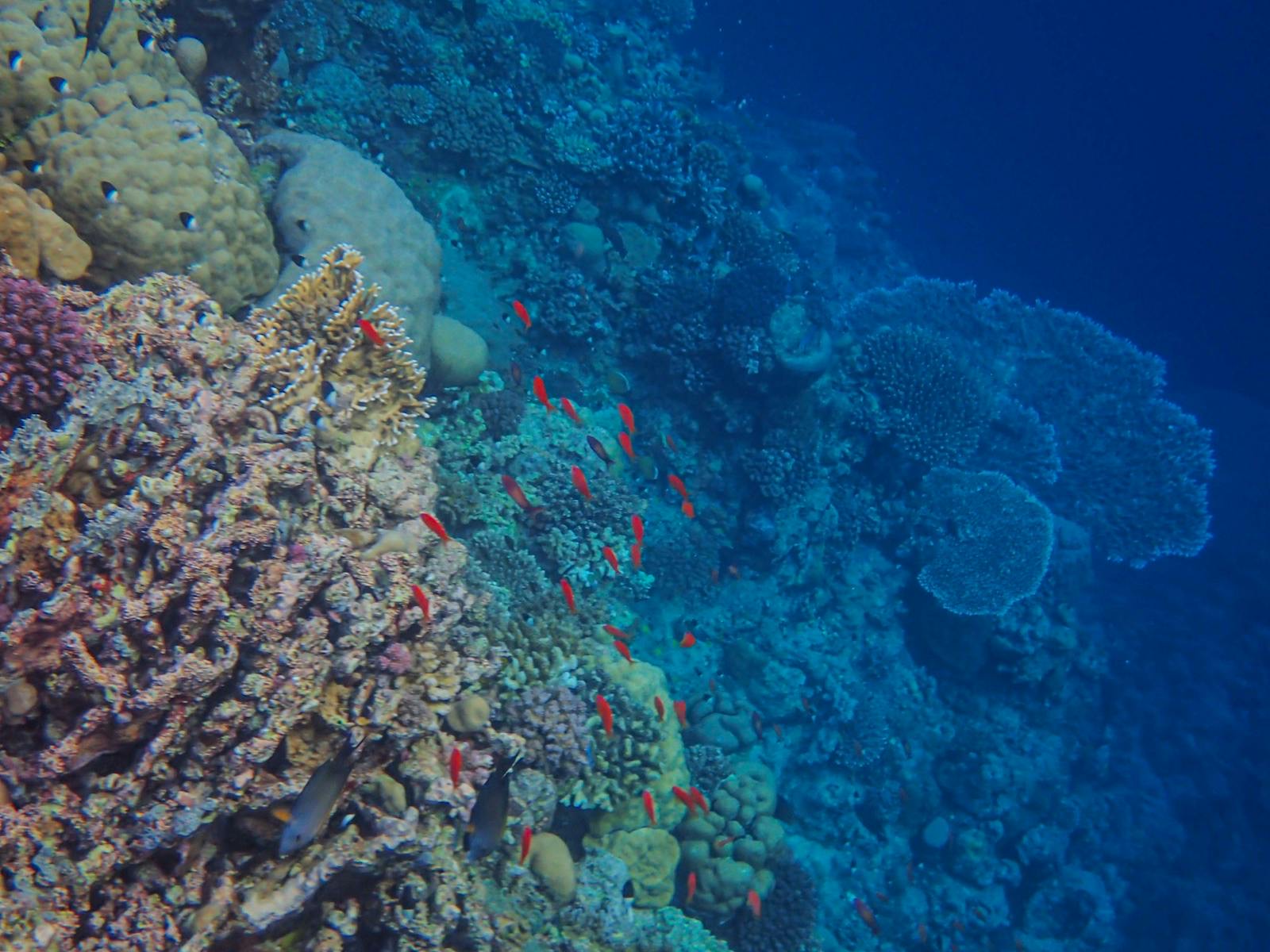
Whether you’re a very experienced professional diver or have never breathed from a steel tank in your life, the local underwater world will guaranteed bring you to your knees. This wonderful area has long and very rightly ranked among the top ten best diving destinations in the world, and for us Europeans it’s clearly the most accessible top tier, incredibly full of varied, colourful life.
For very advanced and certified divers there are legendary, slightly more demanding spots somewhere far out on the open sea. You can explore the famous wreck of the British ship SS Thistlegorm, still brimming to this day with rusty motorbikes and ammunition from the Second World War, or take a boat out to far-flung reefs like Elphinstone, popular for watching those breathtaking oceanic whitetip sharks.
If, on the other hand, you’re like a fish out of water and a total beginner only just discovering the water bit by bit, don’t worry at all, because almost every larger hotel has good access to a certified dive centre. For a few tens of euros they’ll very happily take you on a so-called try dive in shallow water, during which the instructor safely holds your hand the whole time and carefully watches your every breath, so there’s nothing to be afraid of.
16. Snorkelling and the Beauty of House Reefs
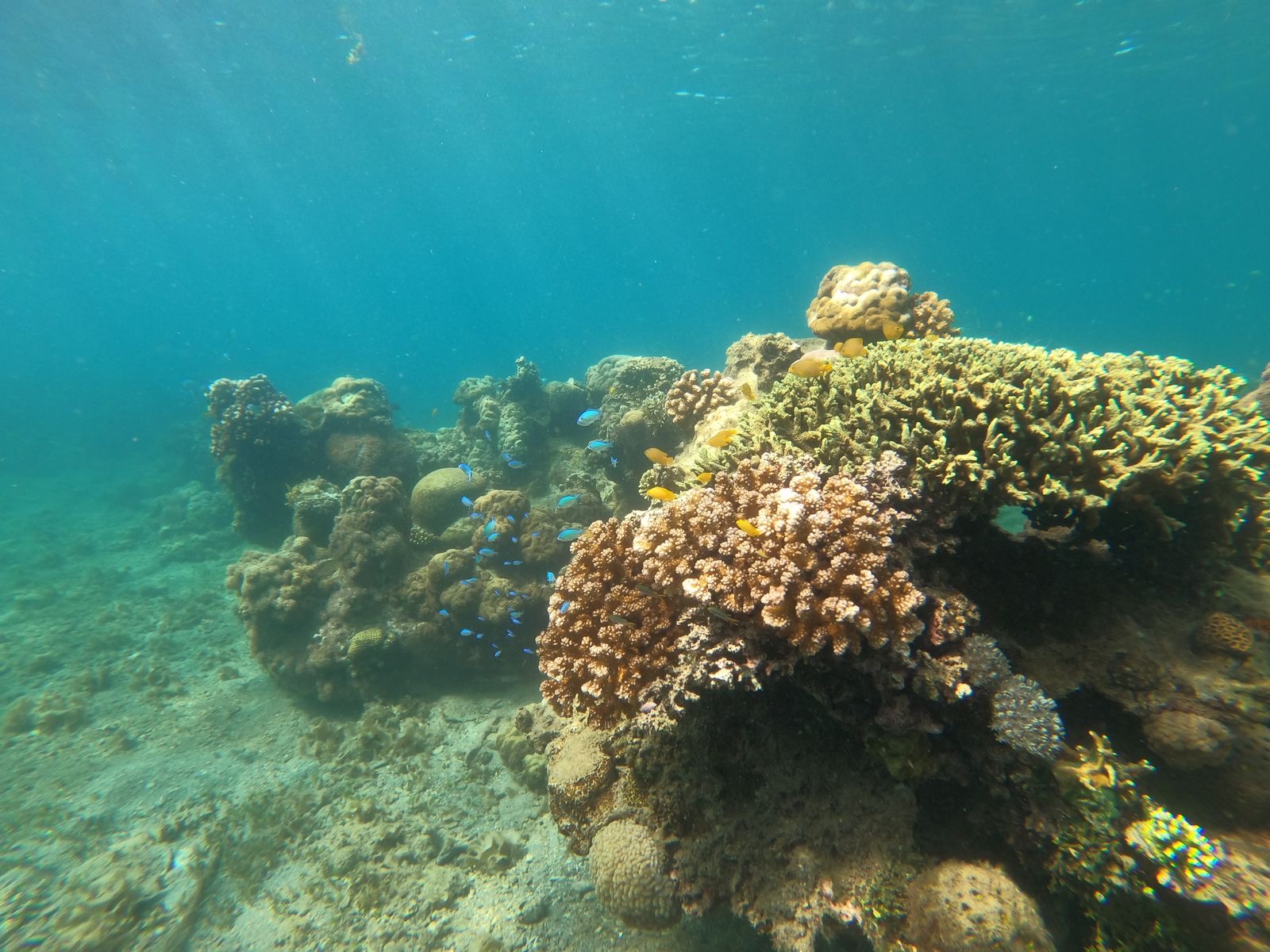
Don’t fancy lugging heavy neoprene gear around in the crazy African heat, and a bit daunted by the very idea of deep water? That doesn’t matter at all, because a lot of the most beautiful underwater life takes place at a safe depth of just a few metres below the surface, where the warmest sunlight reaches. For us slightly lazier travellers there’s also the huge benefit of those already-mentioned house reefs, which you can reach comfortably straight from the warm hotel beach.
Essentially you just need to put on a well-fitting mask, take a few slow strokes, and suddenly you’re above a coral reef where, right up close, shoals of brilliantly colourful fish swim past you, playful parrotfish contentedly nibble at the corals, and through it all glide majestic, if slightly venomous, lionfish. Especially in the more remote areas in the south and on Sinai, these reefs are still in incredibly good natural condition, so you’ve genuinely got plenty to look forward to.
Please, though, bear in mind one absolutely crucial rule every time you enter the water, which I urge upon you. Corals are extremely fragile and very sensitive living organisms, so never stand on them, never touch them with your hands, and genuinely don’t take anything from the sea home as a souvenir. And don’t forget to faithfully pack sturdy water shoes in your suitcase, which will protect you from a very painful moment after stepping on a hidden sea urchin 😅
17. Ras Mohammed National Park Is Full of Life
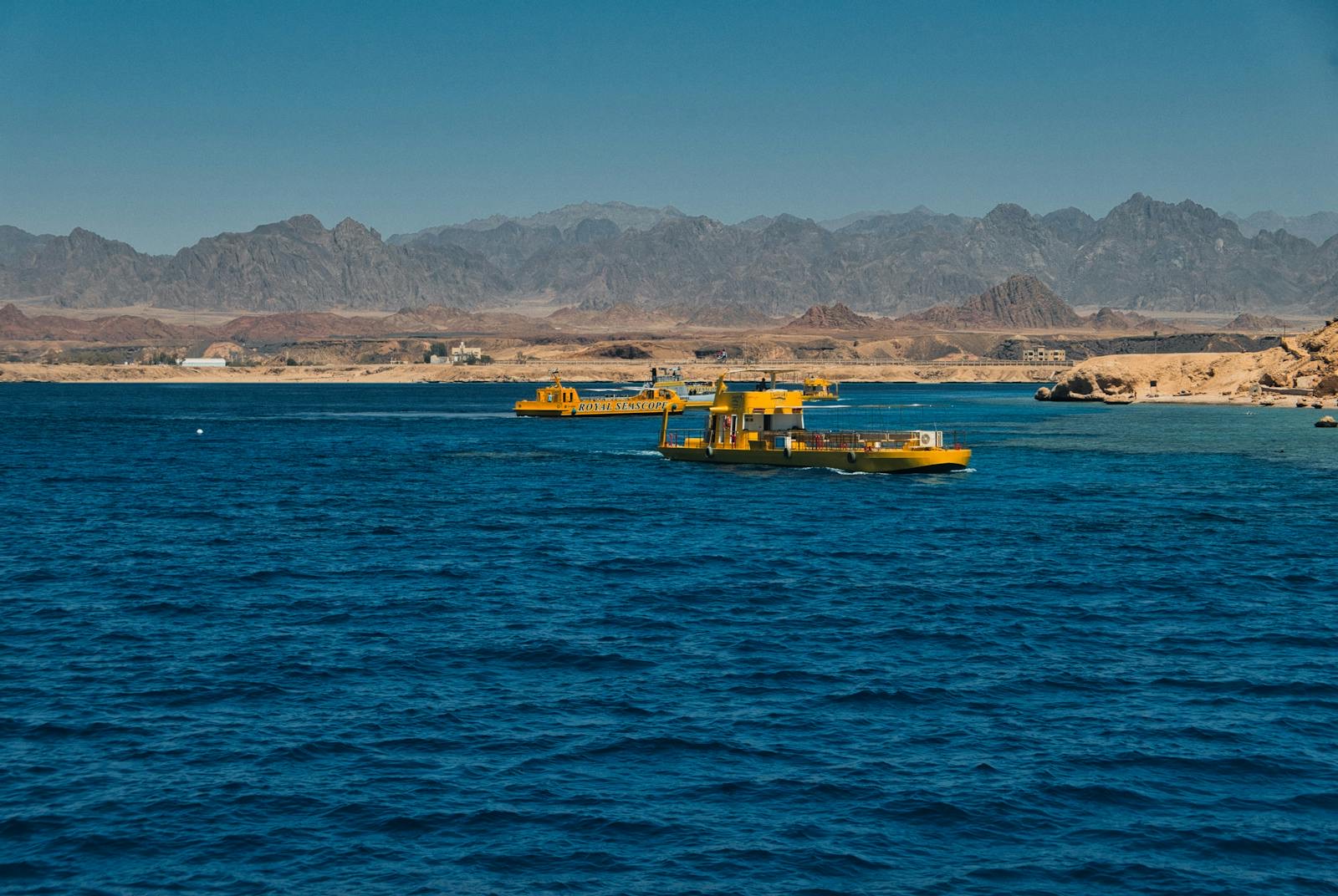
On the utterly sun-drenched southern tip of the Sinai Peninsula you’ll find the very first and historically oldest Egyptian national park, known as Ras Mohammed. It’s precisely at this unique spot that the waters of the Gulf of Suez and the Gulf of Aqaba meet and mingle wildly, creating fairly strong sea currents that constantly bring in vast amounts of much-needed nutrients for the whole underwater ecosystem.
The most famous and probably most photographed spot in this whole sprawling park is without doubt the dive at Shark and Yolanda Reef. Trust me, even if you’re not diving with heavy gear on your back, just the boat trip combined with ordinary snorkelling is an incredible once-in-a-lifetime experience, because beneath the surface you’ll see enormous shoals of barracuda and perhaps even the slightly comical cargo of toilet bowls from the sunken ship Yolanda.
You can also very easily reach this wonderful park by land in pleasantly air-conditioned off-road vehicles, which you’ll appreciate especially in the scorching summer. There you can bathe in a magical, very salty pool that, according to old Bedouin legends, supposedly grants secret wishes, and see the unique mangrove groves that miraculously manage to grow right in the salty seawater.
18. Desert Safari Under the Stars
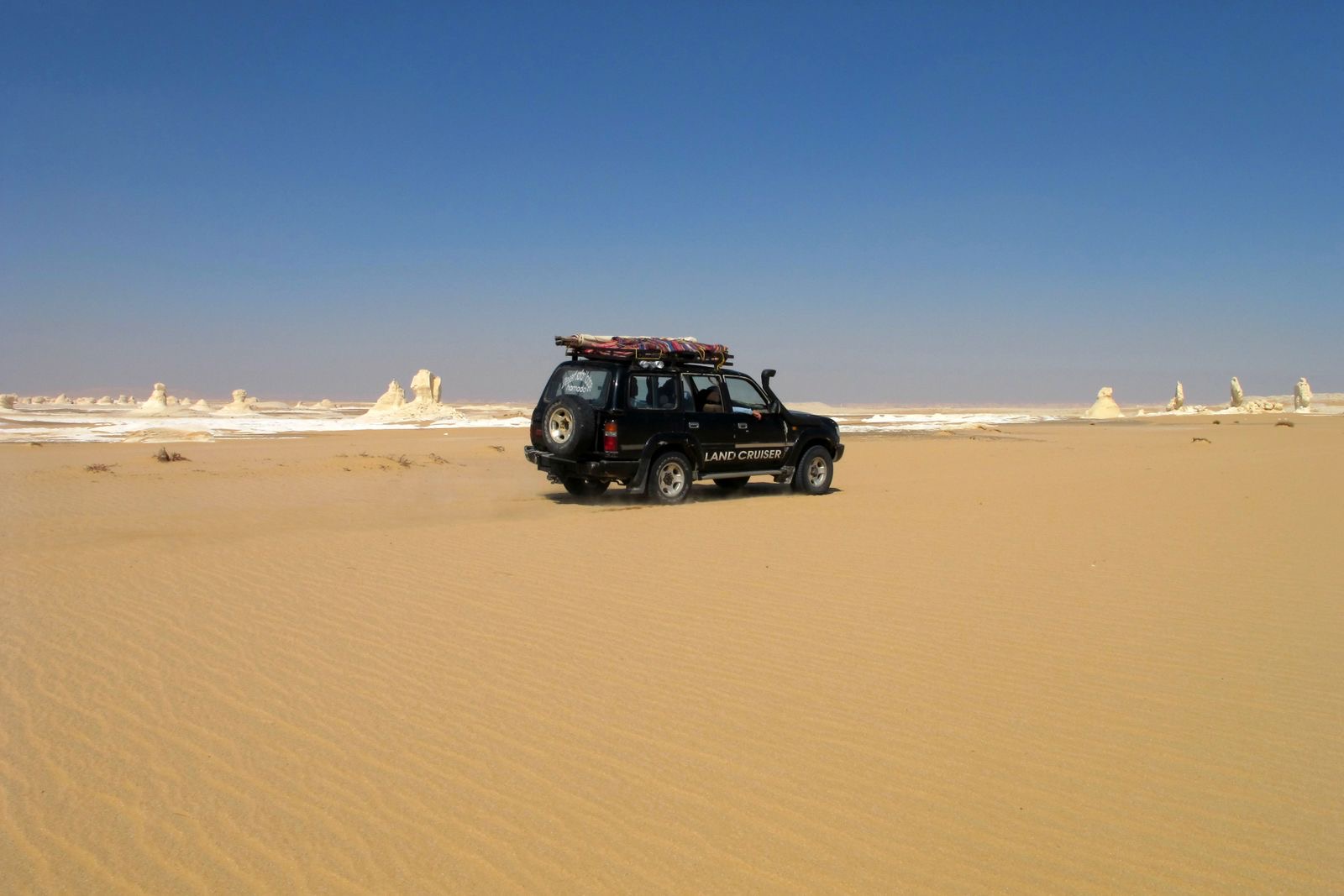
While at the harsh midday hour the endless desert looks more like an inhospitable, deadly furnace, come evening it transforms into an absolutely magical place full of long shadows. A half-day adventurous desert safari is a very popular and fairly cheap addition to an ordinary beach stay, organised from pretty much every larger resort, and usually starts with an afternoon adrenaline ride on fairly noisy quad bikes over the high sand dunes.
Most of these popular trips also include a short stop in a traditional, if honestly slightly touristy, Bedouin village, where you’ll see flatbread baked over a fire. The most beautiful and, for me personally, calmest moment of the whole trip, though, is the sunset itself, when the ever-present sand turns an incredibly rich orange and almost blood-red, from which you won’t be able to take your eyes.
After a simple but very tasty vegetarian dinner prepared over an open fire comes the main reason you’d go into the night desert at all. That’s the absolutely staggering, dark night sky, because thanks to the total lack of light pollution you’ll see the shining Milky Way as sharply and clearly as perhaps nowhere in our overcrowded Europe 🙂
19. The White Desert Looks Like a Landscape From Another Planet
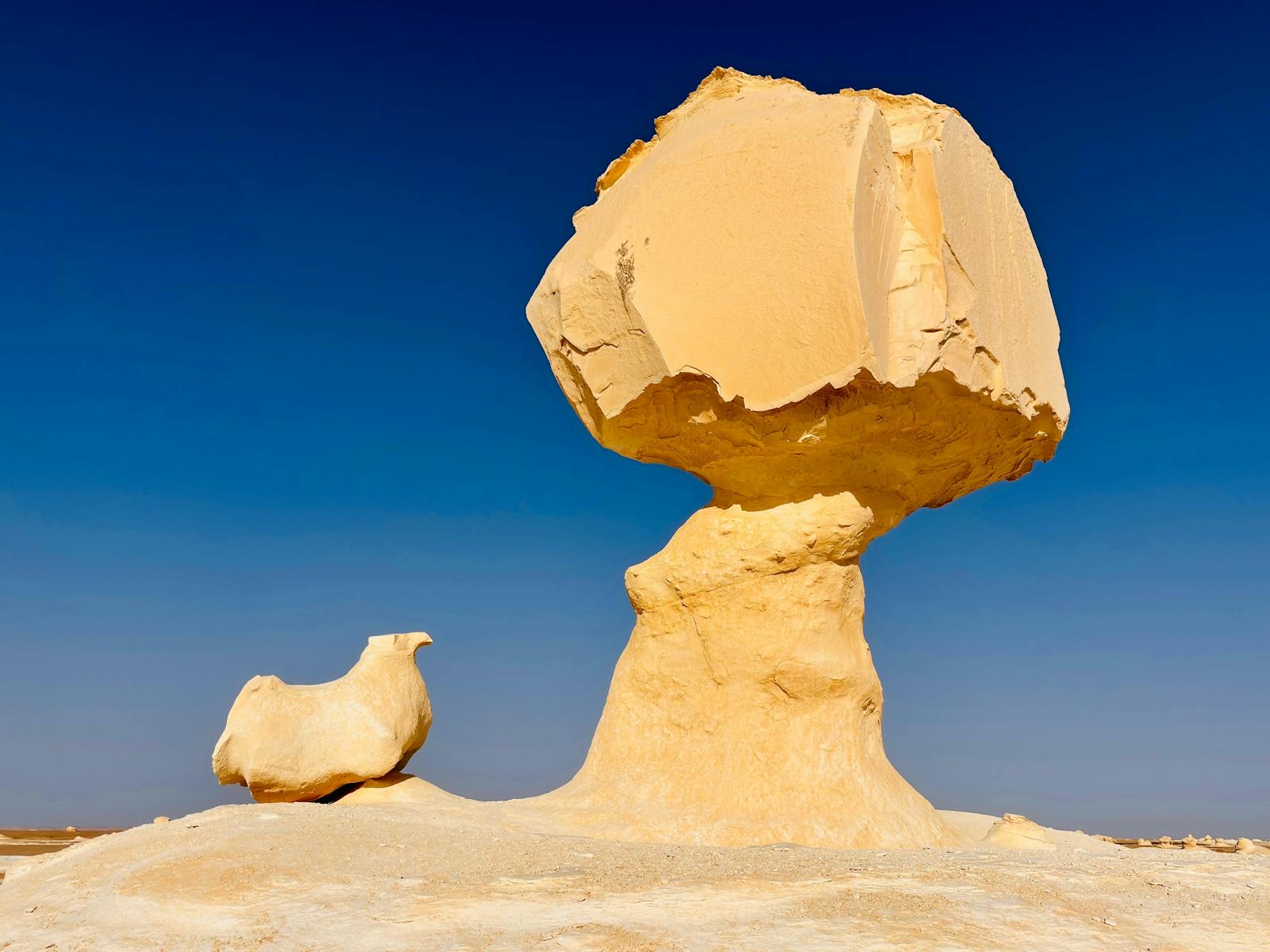
If you sometimes long for a genuine and slightly rougher adventure far from the safe tourist centres with their perfectly blue pools, the deep Western Desert hides one of the greatest natural wonders of all Africa. The gorgeous White Desert National Park looks exactly as its name suggests, because this whole sprawling area is strewn with giant, brilliantly white limestone formations that the tireless wind has gradually sculpted into the shapes of giant mushrooms and all sorts of animals.
I’ll warn you honestly that this is definitely no longer a simple afternoon trip just outside the hotel, but a proper and noticeably more demanding multi-day expedition, which usually begins with a long drive to the Bahariya Oasis. There, with local and very experienced guides, you climb into specially adapted off-road vehicles and set off on a long journey deep into the wilderness, where you can forget about any phone signal altogether.
The absolutely strongest and most romantic experience of the whole trip, though, is the overnight stay in a Bedouin tent itself, or even just in a warm sleeping bag right under the stars among these strange limestone sculptures. Especially at early dawn the rocks catch gorgeous pink and purple pastel tones, so you’ll suddenly feel like a bold explorer on the surface of a completely unknown planet.
20. The Siwa Oasis Is a Remote Berber Wonder
Even further into the hot west, not far from the carefully guarded border with Libya, lies the fascinating Siwa Oasis. If you’re after genuine exotica, head right here, because it’s one of the very most remote and most authentic places in all of North Africa, which was physically isolated from the rest of Egyptian civilisation for centuries, and thanks to that it has beautifully preserved its own distinctive Berber culture and customs.
The main visual landmark of this green oasis is the vast and very fertile palm groves and the ancient mud fortress of Shali, which feels incredibly imposing even though it’s already crumbling a little before your eyes. The atmosphere of the whole little town is unbelievably slow, quiet and calming, so along the dusty sandy lanes people quite routinely get about only on old bicycles or on wooden carts pulled by adorable little donkeys.
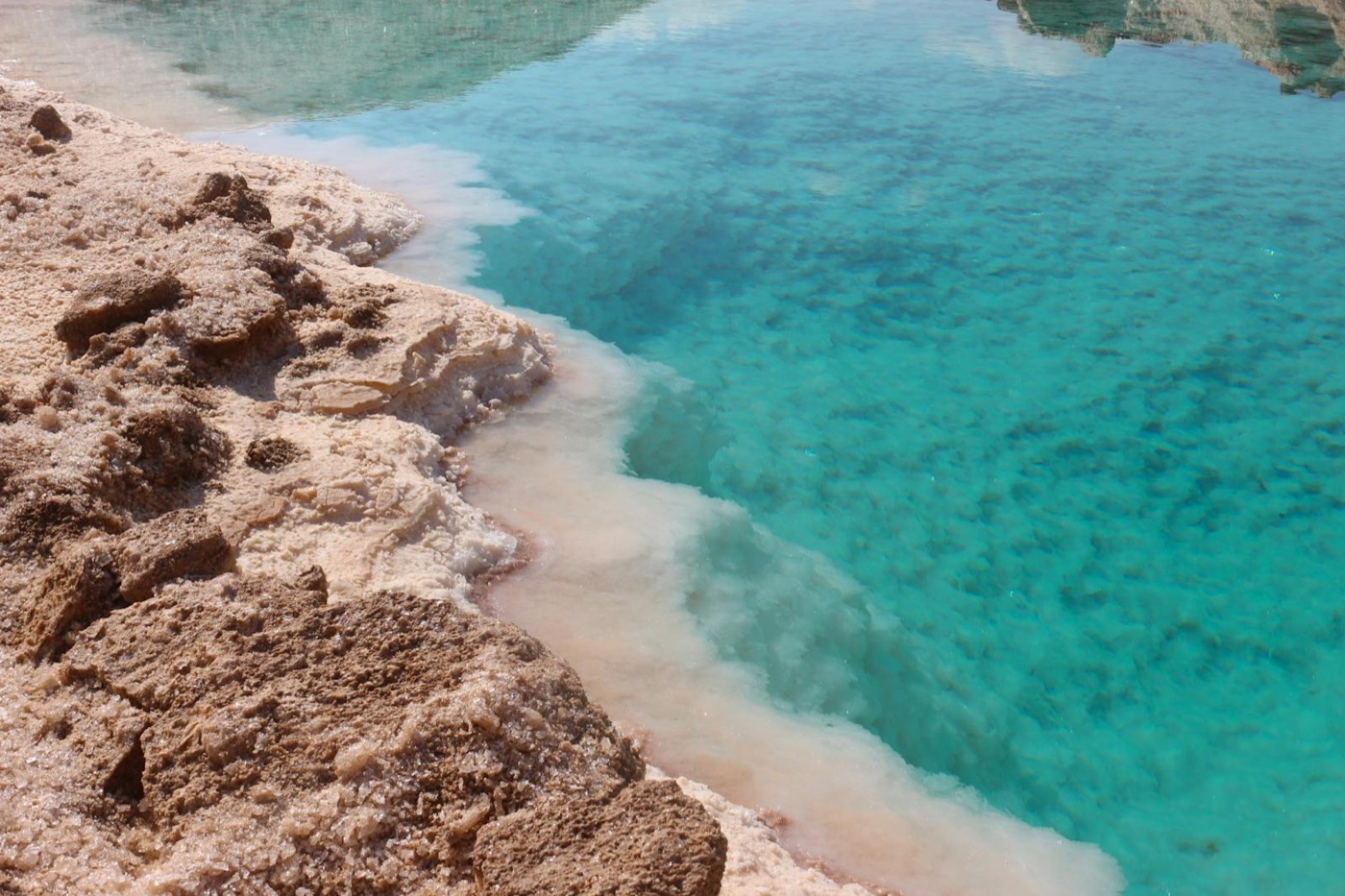
A huge draw for modern travellers, though, is the gorgeous local turquoise salt pools, in which the salt concentration is so extremely high that you’ll float effortlessly on the surface like a cork. I’ll honestly admit that the journey here from Cairo takes over ten hours on a wearisome overnight coach, but the amazing memories and photos are one hundred percent worth that moment of discomfort ☺️
Practical Info: Visa, Money and Safety
Preparing for a trouble-free trip to this breathtaking North African country fortunately isn’t especially complicated, but there are still a few very important bureaucratic and practical rules worth knowing well in advance. Trust me, that way you’ll save yourself a load of needless stress and money in the moment after stepping off the plane, and you won’t be caught out by the local quirks, which do differ quite a bit from our European ones.
That essential paperwork and visa requirement is the absolute basis. Your dream trip on a UK passport, which must be valid for at least six months after your return, unfortunately won’t happen without a standard single-entry tourist visa. This entry visa costs a flat 25 US dollars everywhere, which is roughly 23 euros, and entitles you to a peaceful stay of a maximum of thirty days in the country.
Essentially you have two options for obtaining this important document. Either you sort it out in advance from the comfort of home online via the official visa2egypt portal, or you simply buy it on arrival. But here comes one of my big honest warnings and a big watch-out at the airport: buy your visa exclusively at the official bank counter, and calmly ignore the reps at the so-called VIP desks who’ll rather cheekily push it on you for fifty dollars under the false pretext of some faster processing. We explain all these official formalities in detail in the article Egypt Visa.
For some of you, though, there’s one very pleasant exception, and that’s the so-called Sinai stamp, which is entirely free. You get it essentially automatically on arrival at the airport in Sharm el-Sheikh and it’s valid for fifteen lovely days, but be careful, because it limits you exclusively to staying in the southern Sinai area. If you then wanted to head off on one of those long trips to the pyramids, this stamp unfortunately won’t be enough and you’d have to arrange it differently.
As for money, the official state currency is the Egyptian pound (EGP), and the exchange rate is fairly favourable for us, hovering around 1.7 pence per pound. Although in the big tourist resorts people routinely and happily deal in cash euros or dollars, for those traditional purchases at fragrant markets or paying local taxis it’s always far better to pay in their local currency, so you don’t needlessly lose out on a really bad rate.
What has, however, changed radically for the better in recent years is paying for entry tickets themselves. Imagine that today, at many of those significant monuments, right at the pyramids or in the wonderful Grand Egyptian Museum (GEM), they accept card only and will simply send you away with any cash. Still, definitely keep that classic paper cash in small denominations for the so-called baksheesh, or tips, on which this smiling local culture of service is literally built.
In practice, you’d routinely give a few small pounds to a kind porter for help with your luggage, around twenty pounds a day for the hard-working hotel housekeeper, and roughly five to ten euros to the brilliant guides on full-day trips. Always try to have enough small notes on you, because the locals can’t do anything at all with our metal euro or dollar coins at their bank and simply can’t exchange them.
Safety and health are perhaps the most frequent topics of discussion over every glass of wine before departure. As for ordinary crime, the big seaside tourist resorts are genuinely very carefully guarded by police and absolutely safe, as confirmed by official UK Foreign Office advice. A separate chapter is the constantly media-hyped shark attacks, which are, however, statistically extremely rare, as long as you follow the most important basic rule and don’t swim in the sea at dusk or very early in the morning, when these marine predators routinely hunt for food.
Trust me, far more likely than some film-style shark encounter is the so-called pharaoh’s revenge, those dreadfully unpleasant stomach troubles 😅. The golden rule for survival is actually simple: never drink tap water and be very careful even with ice in mixed drinks, unless you know for absolute certain it’s made from bottled water. If these troubles do catch up with you despite everything, forget about your usual medicines from home and buy the very effective and cheap medicine Antinal at any local pharmacy.
A big test of your frazzled nerves can also be the very persistent street touts at the monuments and colourful markets, who’ll try to put enormous psychological pressure on you. Your basic defence is to never take anything from them into your hands that they smilingly call a wonderful free gift, because they’ll immediately, very aggressively demand payment. Simply learn to say a clear no with a light smile but very firmly, and just keep walking with a calm head.
Egypt With Kids and Who It’s Ideal For
If you’re just considering a proper big family holiday, know that this local culture is exceptionally welcoming to families with small children and genuinely loves them. The shorter flight, lasting just a little over five hours from the UK, is manageable with cartoons on a tablet in hand even for most of our little preschoolers without any major hysterical fits, and the sprawling all-inclusive resorts are fantastically and down-to-the-last-detail prepared for every conceivable family need.
Right within the sprawling hotel grounds you’ll routinely find enormous colourful water parks, perfectly safe kids’ clubs and entertainment programmes so rich that they’ll guarantee, with a smile, that you won’t know a thing about your beloved offspring for half a day and can enjoy a moment to yourself. Of the popular resorts, the best for families is clearly big Hurghada or the sheltered and beautifully calm Makadi Bay, where the entry into the sea is exemplary shallow, gently sandy, and there’s absolutely no danger of nasty waves.
Overall it’s simply an absolutely ideal and very affordable destination for all of you who are looking to reliably warm up your frozen bones in the middle of our ugly European winter with an excellent value-for-money ratio. Honestly, though, it’s probably not quite the right place for die-hard introverts seeking utterly calm wilderness with no people, or for those of you who genuinely struggle with the constant Arab haggling and the distinctive noise of the oriental street.
Where to Eat
Dining during a seaside holiday usually takes the form of those wonderfully abundant hotel buffets, where you’ll always find a nice mix of classic European and slightly adapted local cuisine. If you’re a vegetarian like me, I’ve got genuinely great news for you, because the traditional Arab cuisine is full of absolutely amazing and hearty meatless dishes, so you certainly won’t be left with just dry pasta and a sad salad.
An absolute national treasure you must one hundred percent try is the street dish called koshary. It’s a wonderfully hearty, very cheap carb bomb, which wittily mixes lentils, rice, chickpeas and pasta in one bowl, all of it topped with a mildly spicy tomato sauce and generously sprinkled with wonderfully crispy fried onions.
Among the other meatless delights at buffets or in local restaurants, you’ll routinely come across excellent chickpea or bean falafel, lovingly called ta’meya by the locals, and of course the best silky-smooth hummus or creamy aubergine dip baba ganoush. For breakfast Egyptians most often eat ful medames, a very slowly and long-cooked mash of fava beans, richly seasoned with cumin and olive oil. The locals do adore grilled meats or fish above all else, but here you’ll get by on a plant-based diet like royalty.
Where to Next
If you’re tempted by a much more detailed and deeper exploration of specific popular destinations, we’ve prepared a series of very detailed guides for you, to make your planning as easy as possible. Read our article Hurghada: 13 Tips, where we break down this busiest centre full of fun in detail, or explore the considerably calmer and quieter south in the guide Marsa Alam: 13 Tips.
For those of you tempted instead by the rugged beauty of the mountains and the very best diving far and wide, I recommend heading straight to the article Sharm el-Sheikh: 13 Tips. And if you’re now sitting over your coffee, still not quite sure which of those two most famous areas to choose for your first trip, our detailed comparison article will definitely help Hurghada or Marsa Alam?.
We haven’t forgotten history lovers and practical advice either, because it simply wouldn’t work without them. For those who want to soak up the truly mysterious atmosphere of antiquity and are planning trips to the pyramids, we’ve put together a comprehensive list What to See in Egypt. And so you don’t, heaven forbid, forget anything important at home, definitely run through our very practical checklist What to Pack for an Egypt Holiday at your leisure before packing your suitcase.
Frequently Asked Questions
When is the best time to go to Egypt?
The absolute best and most pleasant weather here is roughly from October to April, when daytime temperatures hover between a lovely 28 to 32 degrees, which is simply perfect for warming up frozen bones. Spring and autumn are the absolutely ideal compromise for that endless swimming in the sea and occasional exploration of scorching monuments. In summer, on the other hand, expect extreme heat over 40 degrees, and that’s really only for the biggest heat lovers.
Is Egypt safe and what about sharks?
The tourist resorts by the Red Sea are really very carefully guarded and officially designated as safe by the Ministry of Foreign Affairs itself. Shark attacks are statistically extremely rare, and it’s more than enough to follow the sensible ban on swimming early in the morning or at sunset and always swim only in the designated zones, so you definitely don’t need to worry.
Do I need a visa for Egypt?
Yes, Czech citizens need a standard tourist visa for entry, which costs 25 USD. You can conveniently arrange it in advance online through the visa2egypt portal, or simply purchase it at the bank counter right upon arrival at the airport. A major exception is the free Sinai stamp, but you’ll only get that if you stay exclusively in the popular southern Sinai.
Should I choose Hurghada or Marsa Alam?
Hurghada is significantly busier, full of large water parks and nightlife, which is absolutely great especially for families with restless children. Marsa Alam in the south, on the other hand, is a real oasis of tranquility, has much nicer and more vibrant coral reefs right at the hotel beach, and in the winter months always offers a sea that’s a few degrees warmer, which I personally quite appreciate.
How long does the flight to Egypt take?
A direct charter flight from Prague to the somewhat more northern Hurghada takes a very pleasant four hours and fifteen minutes, so you’ll barely have time to read a few chapters of your book. The flight to the more southern destination of Marsa Alam takes about fifteen minutes longer. To the popular Sharm el-Sheikh in Sinai, direct flights take just over four hours.
What currency is used and what about tips?
The official state currency is the Egyptian pound, but at resorts they commonly and happily accept euros and dollars as well. For entrance fees to monuments today you primarily need a payment card, but definitely keep some small cash on hand for baksheesh, which is simply an absolute social norm here for kind housekeepers or helpful drivers.
How to defend yourself against touts and salespeople?
I’ll be honest with you, in the street bazaars and at the pyramids, you’ll face quite a bit of pressure. The key to success is not to take anything into your hands that seems to be free, because then they’ll obviously want money from you, and most importantly, learn to say no with a smile but really firmly and just keep walking 😅.
Do I need water shoes for the sea?
Definitely pack them, trust me. The Red Sea is incredibly full of life, and besides the beautiful colorful fish, inconspicuous sea urchins, sharp shell fragments, or very stinging fire coral sometimes hide near the coral reefs. Those sturdy water shoes will reliably save you from a lot of unnecessary and, most importantly, painful health complications that you really don’t want to deal with on vacation.
Tips and Tricks for Your Vacation
Don’t Overpay for Flights
Search for flights on Kayak. It’s our favorite search engine because it scans the websites of all airlines and always finds the cheapest connection.
Book Your Accommodation Smartly
The best experiences we’ve had when looking for accommodation (from Alaska to Morocco) are with Booking.com, where hotels, apartments, and entire houses are usually the cheapest and most widely available.
 🚗 Car rental on the roadVerified rental cars in Egypt
Search with the DiscoverCars comparison engine — it compares prices from dozens of local and international rental companies, and most bookings come with free cancellation.
Compare car prices in Egypt →Don’t Forget Travel Insurance
Good travel insurance will protect you against illness, accidents, theft, or flight cancellations. We’ve had a few hospital visits abroad, so we know how important it is to have proper insurance arranged.
Where we insure ourselves: SafetyWing (simple monthly subscription) and TrueTraveller (for extra-long trips).
Find the Best Experiences
Get Your Guide is a huge online marketplace where you can book guided walks, trips, skip-the-line tickets, tours, and much more. We always find some extra fun there!