Egypt is probably one of the most fascinating countries on the entire planet. Just imagine being able to explore structures that are thousands of years old in the morning, and then happily snorkelling among colourful corals by the afternoon. Most people come here mainly for the seaside resorts, but trust me, when it comes to the best places in Egypt, it would be an enormous shame to spend your whole holiday lounging by the pool.
This country is quite literally a gigantic open-air museum that you simply have to experience for yourself. Whether you’re planning a Nile cruise, a big sightseeing tour, or just want to nip out from your resort for a few day trips, it definitely pays to know what’s truly worth your time and energy.
So pour yourself a glass of wine and let’s dive into my guide with 17 tips on what to see in Egypt, from the iconic pyramids and the temples of Luxor to the remote Siwa oasis. We’ll walk through the most beautiful monuments and places, show you current prices, give you tips on how to outsmart the ever-present touts, and of course there’ll be plenty of recommendations for fantastic local food.
TL;DR
- The Pyramids of Giza and the Great Sphinx are the only surviving wonder of the ancient world and pretty much an absolute must for every visitor.
- The new Grand Egyptian Museum (GEM) near the pyramids fully opened in autumn 2025 and houses the complete treasure of Tutankhamun.
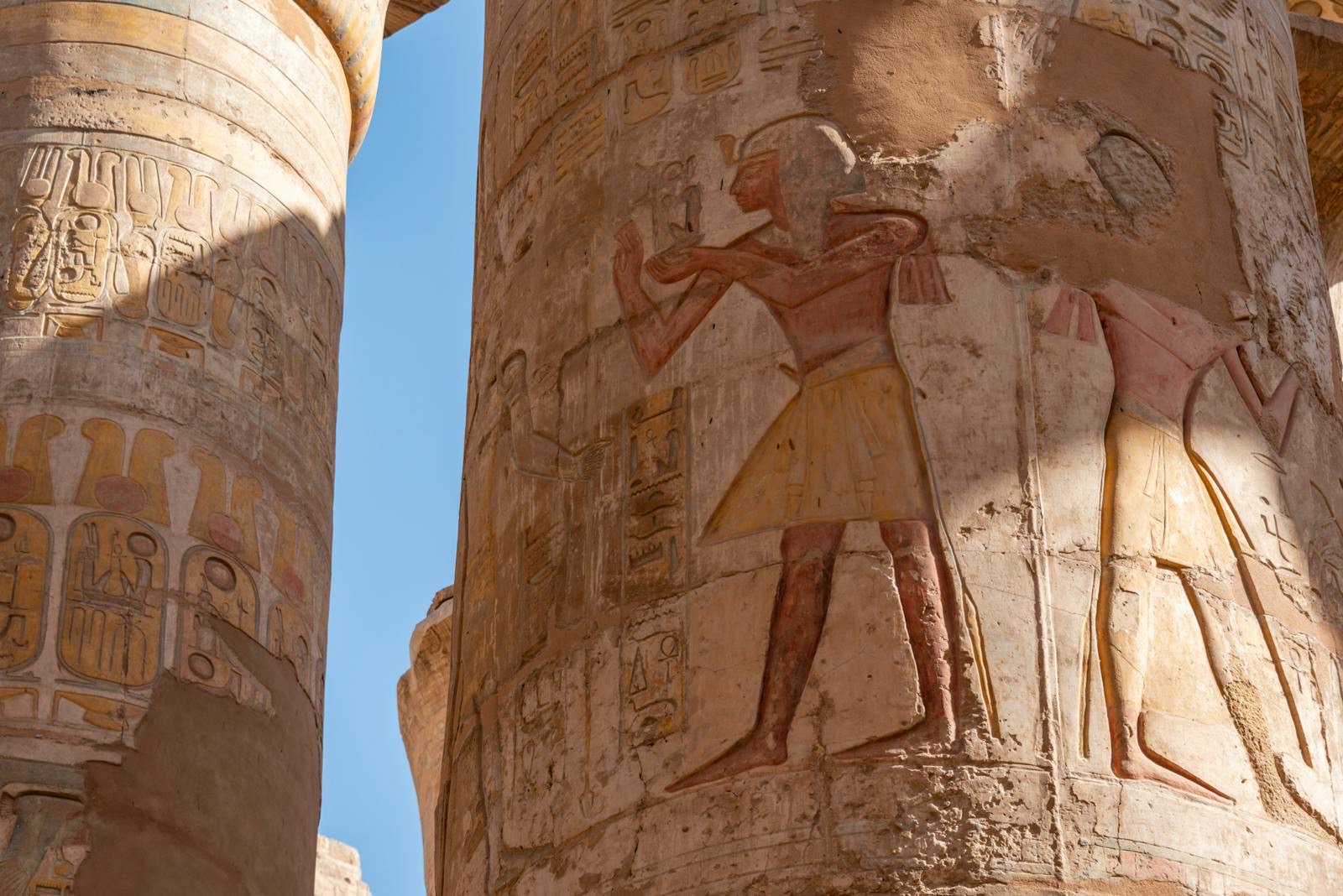
- The town of Luxor works like the world’s largest open-air museum, with Karnak, the Luxor Temple and the famous Valley of the Kings.
- The temple of Abu Simbel, with its colossal statues of Ramesses II in the far south near the Sudanese border, is probably the most monumental structure in the country.
- A classic Nile cruise conveniently combines the monuments in Edfu, Kom Ombo and Aswan into one big and wonderfully carefree experience.
- The Red Sea and the Ras Mohammed national park rank among the very best diving and snorkelling spots on the entire planet.
- The mysterious White Desert and the Siwa oasis show you a completely different, beautifully quiet and wild Egypt far from the tourist crowds.
- At the major monuments you now pay almost exclusively by card, but for baksheesh and out in nature you’ll absolutely need cash.
The full destination guide: Egypt — guide and what to see
When to Visit Egypt
If you’re planning a holiday focused primarily on sightseeing, you’ll need to choose your season very carefully, because the climate varies dramatically depending on whether you’re up north by the Mediterranean, in Cairo, or deep down south in Luxor and Aswan.
The absolute best time to visit the monuments is roughly from October to April, when Cairo and the south enjoy very pleasant temperatures of around 20 to 25 degrees Celsius, so you can stroll through the sprawling temple complexes without collapsing from unbearable heat.
The winter months from December to February are the main tourist season for sightseeing trips, which means the pyramids and the Valley of the Kings will be at their busiest and accommodation prices peak. The evenings and nights can also be surprisingly cold, and out in the desert temperatures drop below 10 degrees, so a warm jacket and a jumper are absolutely essential.
On the other hand, it’s best to steer well clear of the summer months from June to August if you’re planning intense sightseeing. While the coast is perfectly manageable thanks to the breeze and the swimming, in Luxor and Aswan temperatures regularly climb above 45 degrees in the shade.
In summer, a visit to the Valley of the Kings turns into a genuine test of physical endurance, with the rocks soaking up the heat and the tombs becoming impossible to breathe in. So if you absolutely must travel in summer, it’s crucial to head out to the monuments at dawn and rest in an air-conditioned hotel over midday 😅.
Where to Stay While Exploring Egypt
When planning a big sightseeing trip, it probably makes the most sense to split your accommodation between Cairo and the Luxor area, because these two strategic bases give you the best access to most of the key ancient monuments.
In Cairo you’ll have to decide whether you want to stay in the bustling centre near the old museum and the bazaars, or in the calmer Giza with views of the pyramids, which tends to be the nicer option for most travellers, as it lets you escape the worst of the city smog and look out at a wonder of the world right from your window.
Luxor offers accommodation on both banks of the Nile. The east bank is busier, full of restaurants, and home to the Luxor Temple and Karnak, while the west bank is much quieter and more rural, and closer to the Valley of the Kings.
If you fancy a truly unforgettable experience and top-notch service, I’ve picked out three specific hotels with fantastic reviews that will take your trip to a whole new level. We always book accommodation the classic way through Booking, where you can easily keep an eye on the cancellation terms.
- Marriott Mena House (Cairo, Giza): Marriott Mena House is an absolute legend among hotels, sitting right at the gates of the pyramid complex, with iconic views straight onto the Great Pyramid of Khufu from its gorgeous gardens and pool. Trust me, breakfast with this panorama is a once-in-a-lifetime experience.
- Steigenberger Nile Palace (Luxor): Steigenberger Nile Palace sits on the east bank right by the Nile and offers huge comfort, a beautiful inner courtyard with heated pools, and top-class service that just about everyone will appreciate after a demanding day in the dusty temples.
- Sofitel Winter Palace (Luxor): Sofitel Winter Palace is a real gem for history lovers, because this luxurious 19th-century palace with its enormous tropical garden breathes the atmosphere of bygone days, and this is where Agatha Christie wrote Death on the Nile.
17 of the Best Places to See and Things to Do in Egypt
Let’s take a look together at the very best this fascinating country has to offer. I’ve divided our list into four main geographical areas, so you can plan your trip more easily and find your bearings on the map.
We’ll start up north in the pulsing heart of Cairo and at the iconic Pyramids of Giza, then move south to Luxor, which is quite literally packed with ancient temples. After that we’ll cruise further along the Nile to the Sudanese border, and finally we’ll see that Egypt also hides incredible natural beauty and remote desert oases.
Cairo and Giza: pyramids, the Sphinx and the great museums
Almost every great sightseeing journey begins right here, around the unbelievably noisy, dusty, twenty-million-strong Cairo, where in a single place the deepest antiquity meets Islamic and Coptic heritage, and where the most modern museum in the world now stands.
1. The Pyramids of Giza and the Great Sphinx
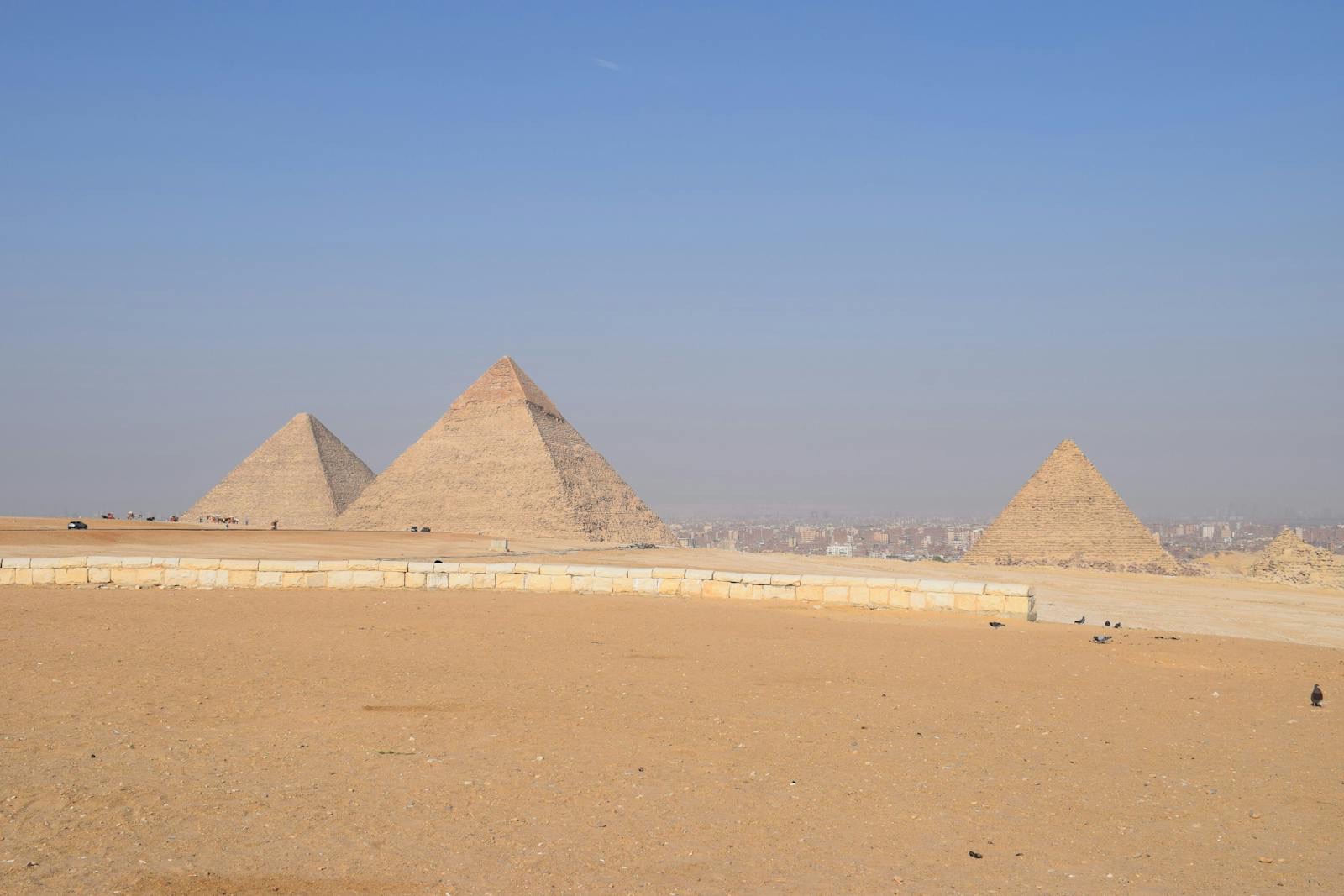
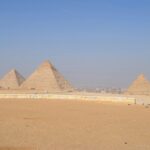
The Pyramids of Giza are the only surviving wonder of the ancient world and the main reason travellers from all over the planet have flocked here since time immemorial. Three monumental structures, led by the enormous Great Pyramid of Khufu, stand at the very edge of the desert right above the city. Only when you’re standing directly beneath them do you fully grasp the incredible scale and genius of the ancient builders.
Guarding the whole site alongside the pyramids is the mysterious Great Sphinx, a statue with a lion’s body and a human face. Basic entry to the site, which includes access to the Sphinx, now costs around 700 Egyptian pounds (roughly €12). If you want to go right inside the Great Pyramid, you’ll pay an extra 1,500 pounds or so (about €25) on top.
To be honest, though, there are no paintings or treasures whatsoever inside the pyramid — just steep, stuffy, empty passages leading to an empty burial chamber. It’s definitely not for the claustrophobic, and frankly it’s not really worth the extra money. So if you’re after a quieter alternative with fewer tourists, head instead to the nearby pyramids at Saqqara and Dahshur.
💡 Tip: The local touts will insist you have to take a camel to get the viewpoint of all three pyramids, but it’s not true — you can comfortably walk there on foot in about an hour, saving yourself a lot of stress over haggling.
2. The Grand Egyptian Museum (GEM)
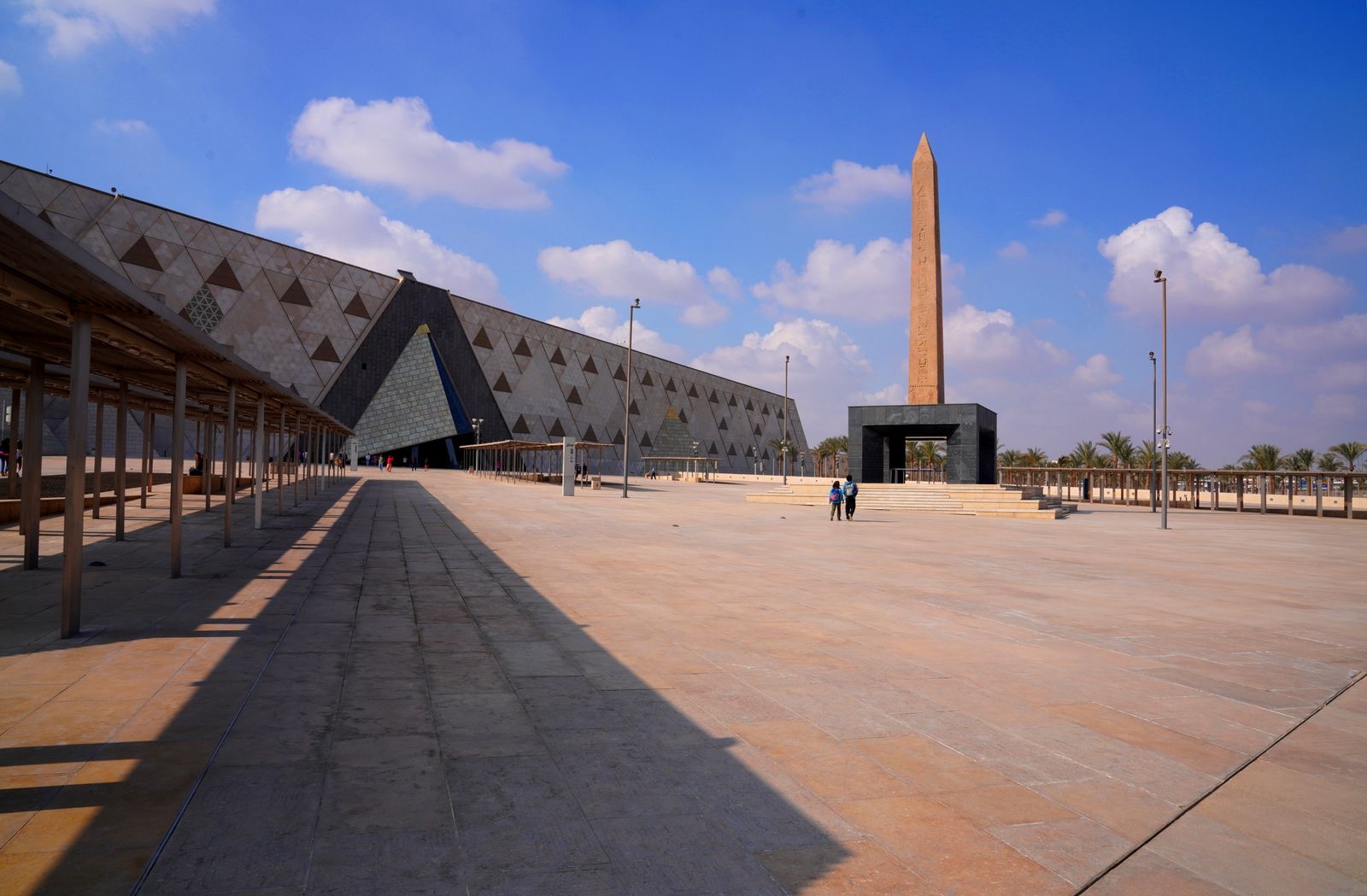
The biggest tourist draw in modern Egypt has sprung up right next to the pyramids, because after many years of delays the Grand Egyptian Museum fully opened in autumn 2025. It’s simply an architectural masterpiece and the largest archaeological museum in the world devoted to a single civilisation.
The main and by far the most dazzling star of the entire exhibition is the complete treasure from Tutankhamun’s tomb, where for the first time in history over five thousand objects are displayed together, including his famous golden funerary mask. A foreign visitor pays around 1,450 pounds (about €25 or $30) for this, and the tour of the Tutankhamun collection is already included in the price.
Set aside at least three solid hours for your visit, because the complex is genuinely gigantic, and if you go with a guide you could easily spend four or five hours here. Even the grand entrance staircase alone, lined with statues of pharaohs and a glass wall framing the pyramids, is guaranteed to take your breath away.
💡 Tip: For 2026 there’s an absolutely crucial rule: tickets cannot be bought on site at the box office — you must purchase them exclusively online in advance via the official site visit-gem.com for a specific time slot.
3. The Egyptian Museum in Tahrir
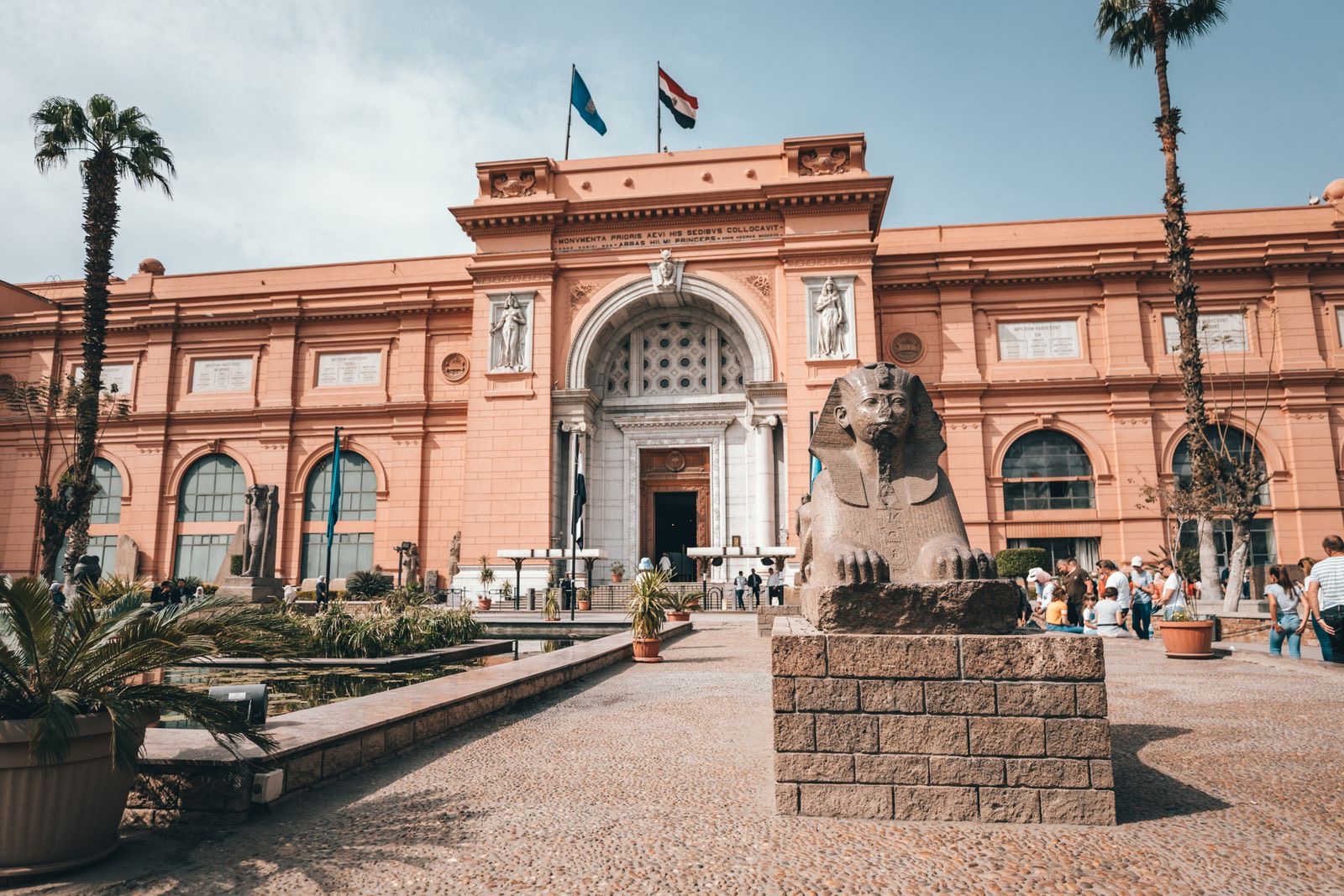
The famous old Egyptian Museum on Tahrir Square, which has been running since 1902, certainly didn’t close after the new GEM opened. And although the crowds and headline attractions like Tutankhamun and the royal mummies have moved on, this is actually a huge advantage for history lovers.
The Tahrir building has been incredibly lightened and you can finally breathe in it, while it still holds thousands of beautiful statues, massive sarcophagi and rare papyri that would be the headline stars of exhibitions anywhere else in the world. And all of it comes with that unmistakable old-school atmosphere, massive wooden display cases, and a slightly nostalgic, dusty feel from the days of the first discoverers.
Admission here is now also significantly lower than at the new museum by the pyramids, costing roughly 550 pounds (about €10). If you love an authentic museum atmosphere without shouting crowds and modern screens, definitely set aside at least two hours for Tahrir.
💡 Tip: On the first floor you’ll find a fascinating collection of animal mummies, from small cats and birds to enormous mummified crocodiles — a part of the exhibition that many people sadly miss in the labyrinth of corridors.
4. Islamic Cairo: Khan el-Khalili, the Citadel and the mosque
The heart of historic Cairo is the legendary Khan el-Khalili market, an incredible 14th-century labyrinth of narrow alleys that smells wonderfully of spices, perfumes and the sweet smoke of shisha pipes. You’ll certainly face huge pressure from sellers to buy, and haggling here is basically a national sport, but the atmosphere is utterly absorbing and unmistakable.
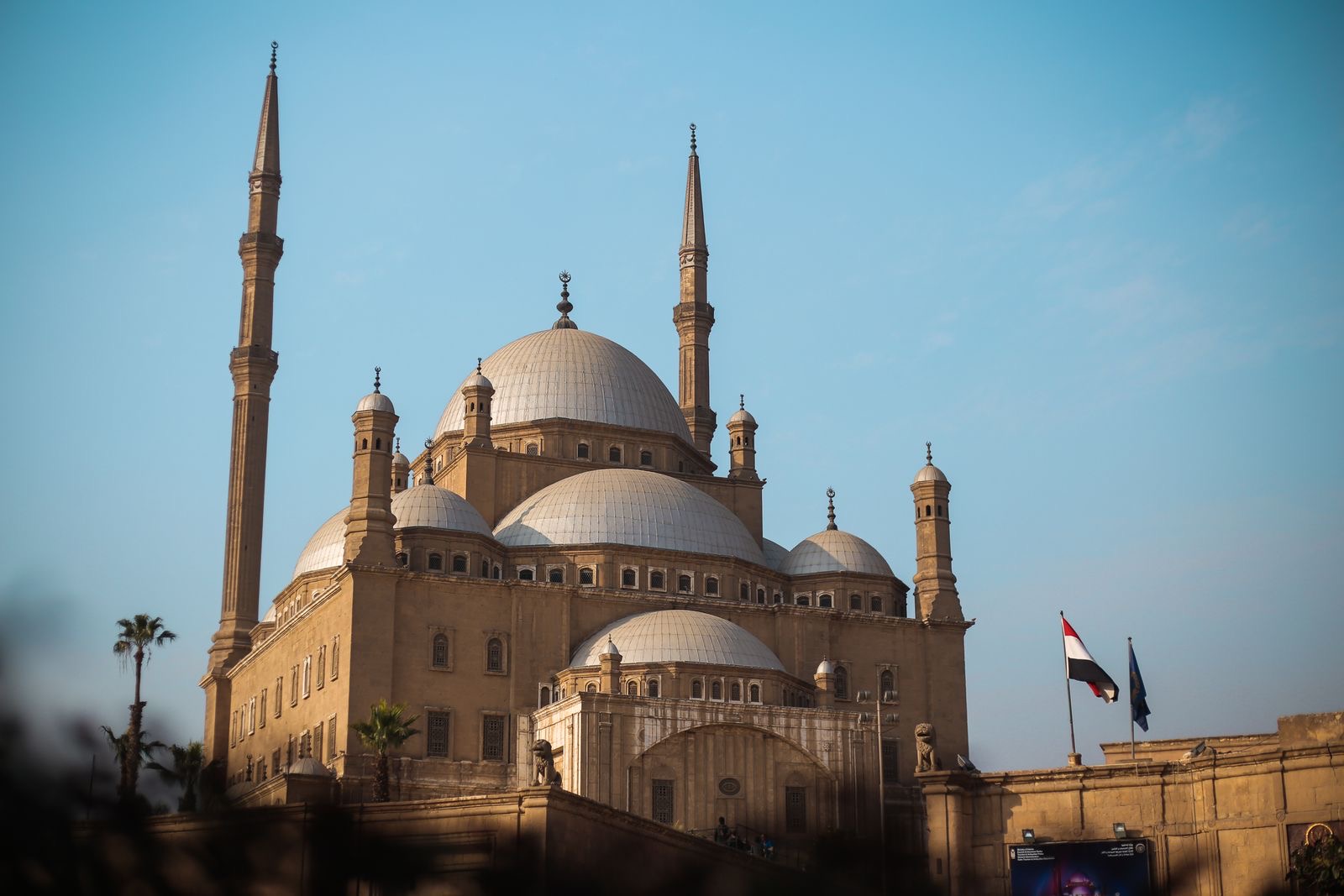
Just above the city rises the Citadel of Saladin, a mighty medieval fortress that served as the seat of rulers for centuries, and whose walls offer one of the best panoramic views over all of Islamic Cairo. Inside the complex stands the beautiful alabaster Mosque of Muhammad Ali, with its characteristic Ottoman domes and slender minarets.
Entry to the Citadel including a visit to the mosque costs around 550 pounds (about €10), while wandering the bazaar itself is of course free. And after your shopping, don’t forget to sit down in one of the legendary little cafés like El Fishawy for a strong mint tea ☺️.
💡 Tip: Inside the mosque both men and women must have their shoulders and knees covered, and women also need to cover their hair with a scarf. While robes can be borrowed at the entrance, it’s always much better to have your own suitable clothing ready.
5. Coptic (Old) Cairo
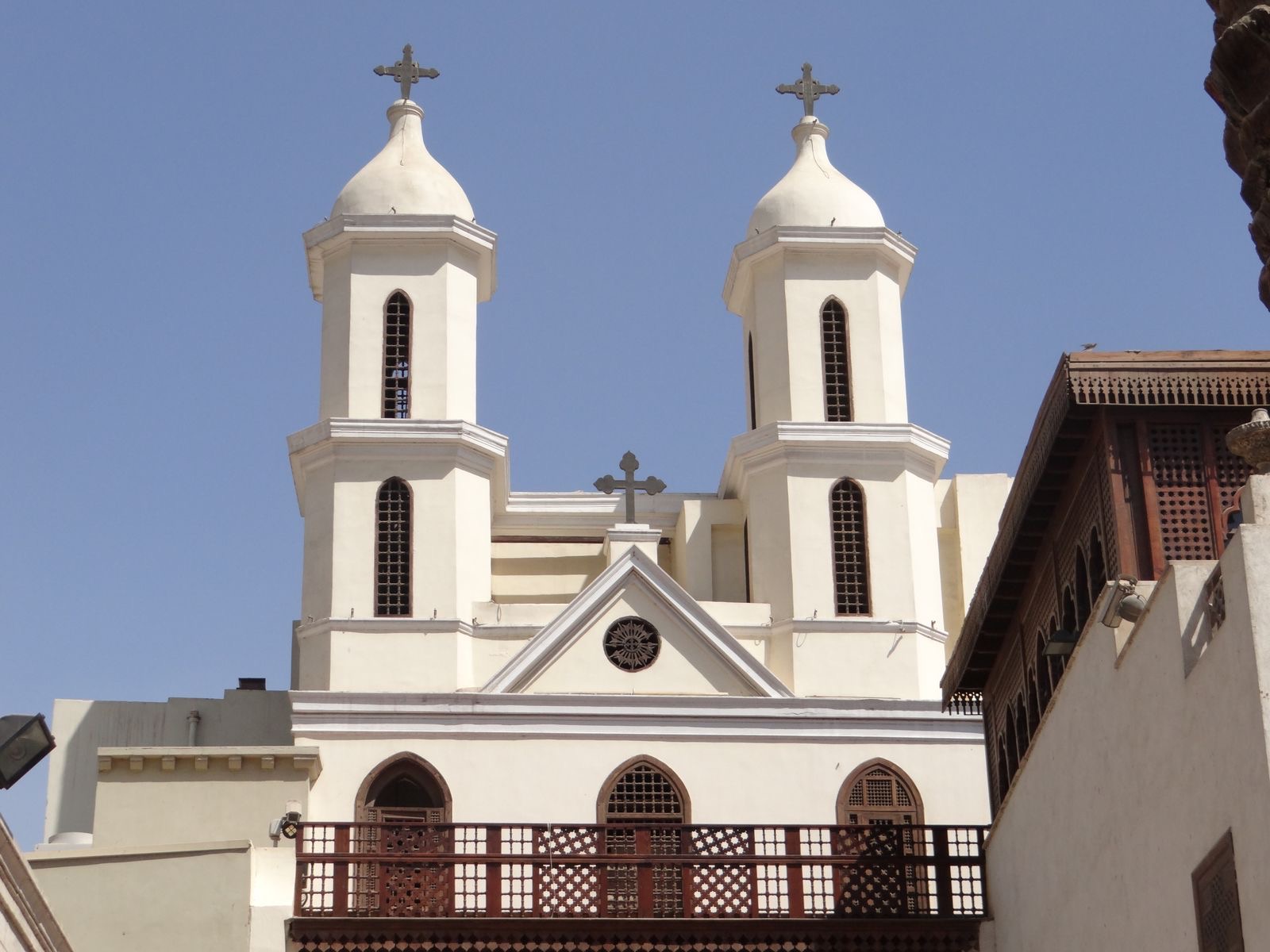
Often overlooked but utterly enchanting is Coptic Cairo, a peaceful Christian quarter that grew up directly on the foundations of the old Roman fortress of Babylon. It’s an incredibly quiet and peaceful counterpoint to the ever-present chaos and noise of the surrounding metropolis.
Here you’ll find the very oldest churches in the entire country. The most famous is the so-called Hanging Church, literally suspended above the old water gate of the Roman fortress, its wooden ceiling built in the shape of an inverted Noah’s Ark. A little further along the narrow alleys stands the Church of St Sergius, where, according to legend, the Holy Family sheltered while fleeing from King Herod.
Entry to these historic Christian sites is usually completely free — a small voluntary contribution towards upkeep is appreciated at the entrance — and since the whole quarter is fairly small, you can easily walk it in one pleasant morning.
💡 Tip: Right at the entrance to the quarter you’ll find the Mar Girgis metro station, which makes Coptic Cairo one of the most accessible historic spots when exploring the city on your own.
Luxor: the world’s largest open-air museum
When you think of ancient Egypt in all its glory, every connoisseur immediately pictures Luxor, where on the site of ancient Thebes, spread across both banks of the Nile, there’s such a concentration of ancient temples and tombs that no other place in the world can compete.
6. Karnak
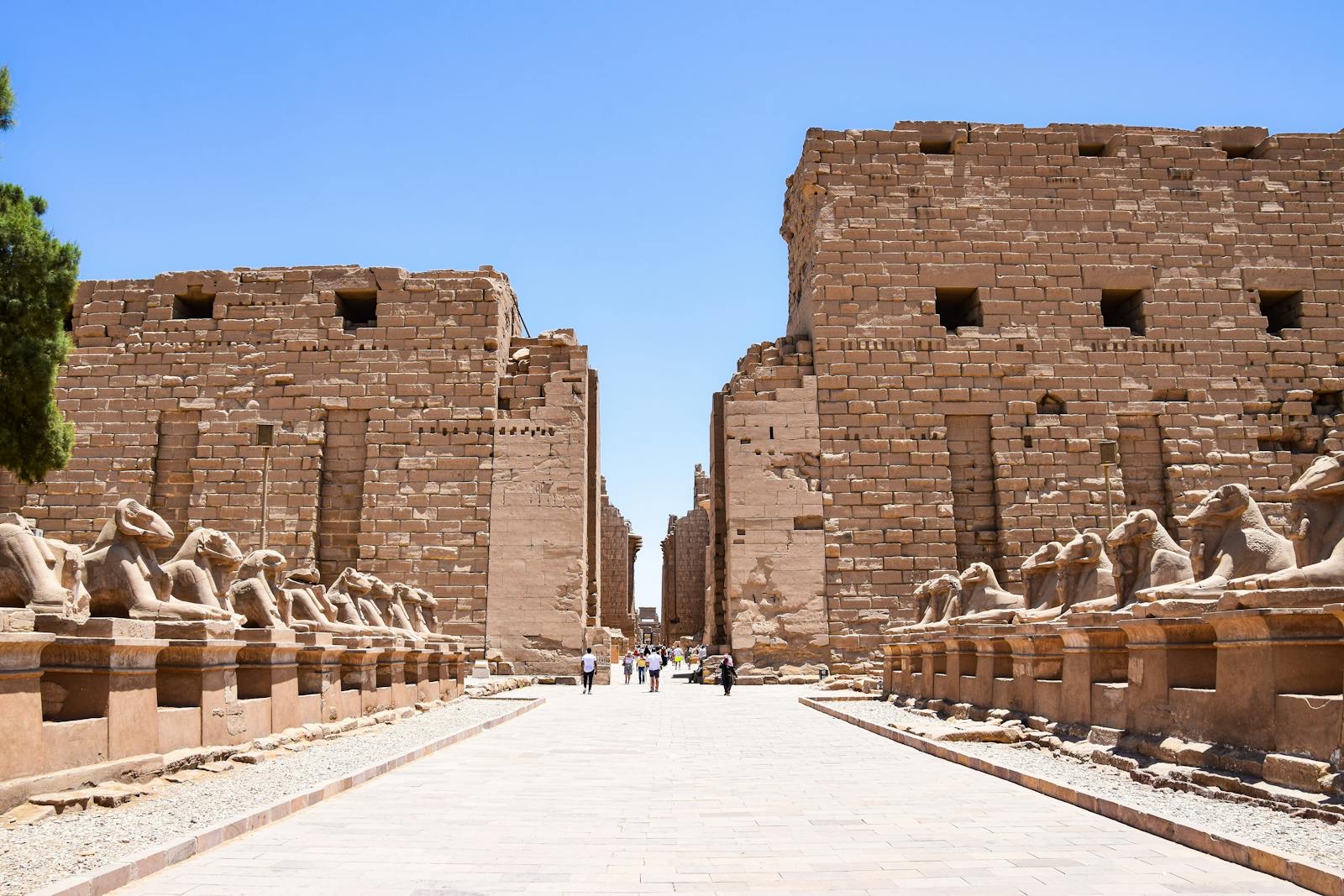
Karnak isn’t just some ordinary temple — it’s the single largest religious and temple complex ever built in ancient Egypt, constructed and expanded by various pharaohs over an incredible two thousand years. Every ruler wanted to leave their mark, so you’ll find a fascinating mix of obelisks, sanctuaries and massive courtyards.
The absolute heart of the complex, and a place that will take your breath away, is the Great Hypostyle Hall, where 134 gigantic stone columns stand, the tallest reaching over twenty metres. As you walk through this stone forest, you feel quite literally like an ant, puzzling in vain over how on earth they managed to build it thousands of years ago.
Admission to the site costs around 600 Egyptian pounds (about €11), and you’ll need at least two to three hours for a proper visit. The site is also largely without shade, so the sun here can be pretty merciless.
💡 Tip: You should head to Karnak first thing in the morning as it opens, or alternatively late in the afternoon, because around ten o’clock dozens of coaches arrive from the resorts, and by midday it’s both unbearably hot and absolutely heaving with crowds.
7. The Luxor Temple
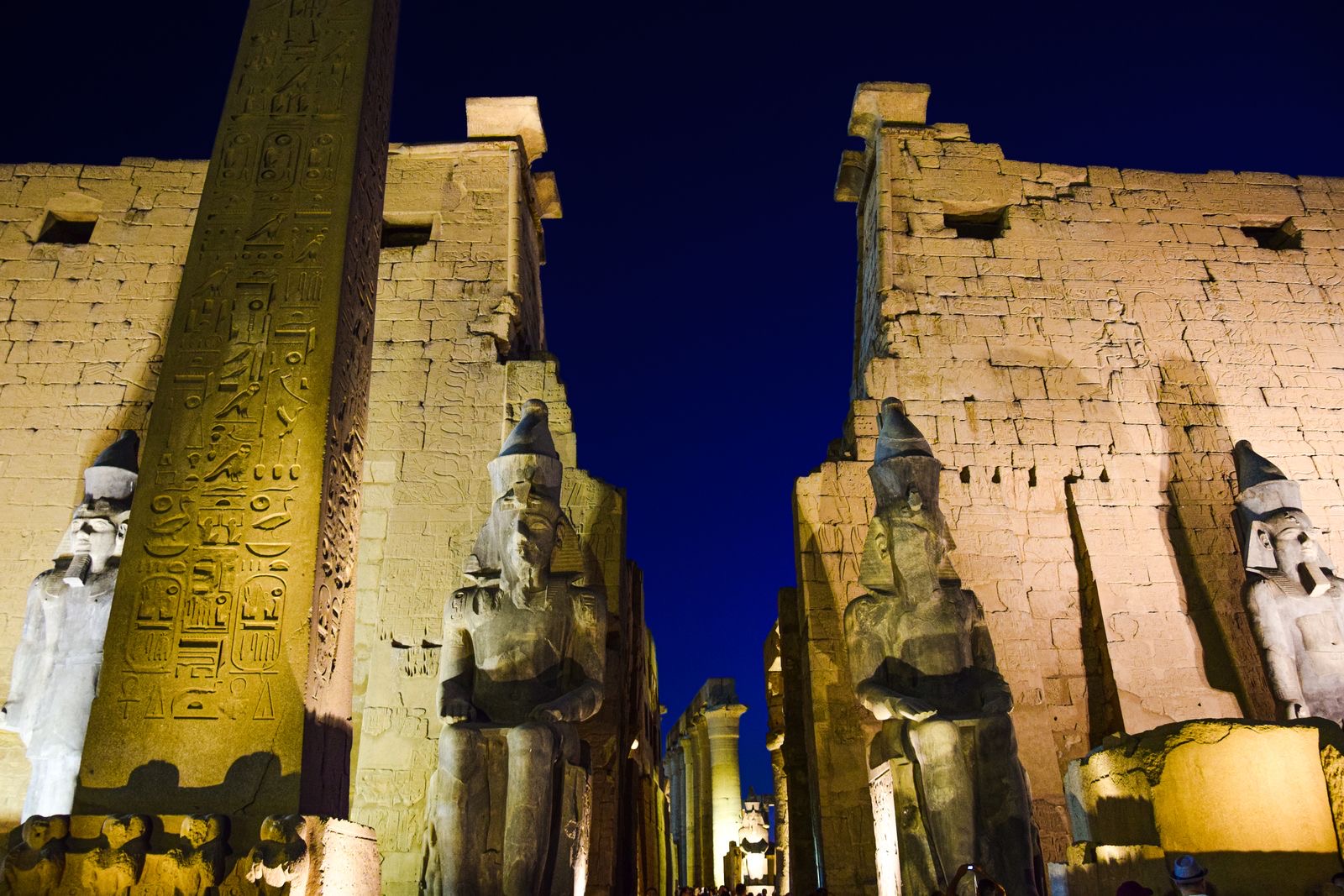
Right in the centre of town, literally just a few steps from the bustling streets and the banks of the Nile, stands the beautiful Luxor Temple. It was once connected to nearby Karnak, and after restoration is connected again today, by an almost three-kilometre-long avenue of sphinxes that you can stroll along romantically. The temple was built mainly by two famous rulers, Amenhotep III and Ramesses II.
The colossal statues of Ramesses II and his huge granite obelisk guard the monumental entrance pylon, and the peculiarity of this temple is the way history blends across the centuries — right among the ancient columns you’ll see the functioning Abu Haggag mosque built into the structure, and at the back even the remains of Roman frescoes.
Basic admission is around 500 pounds (roughly €9), and since the temple lies right in town you don’t need any transport to reach it — from most hotels on the east bank it’s a pleasant walk.
💡 Tip: While Karnak is best visited in the morning, definitely save the Luxor Temple for the evening, because after dark the whole complex is beautifully lit with warm light, takes on an incredibly magical atmosphere, and the temperature is far more pleasant too.
8. The Valley of the Kings
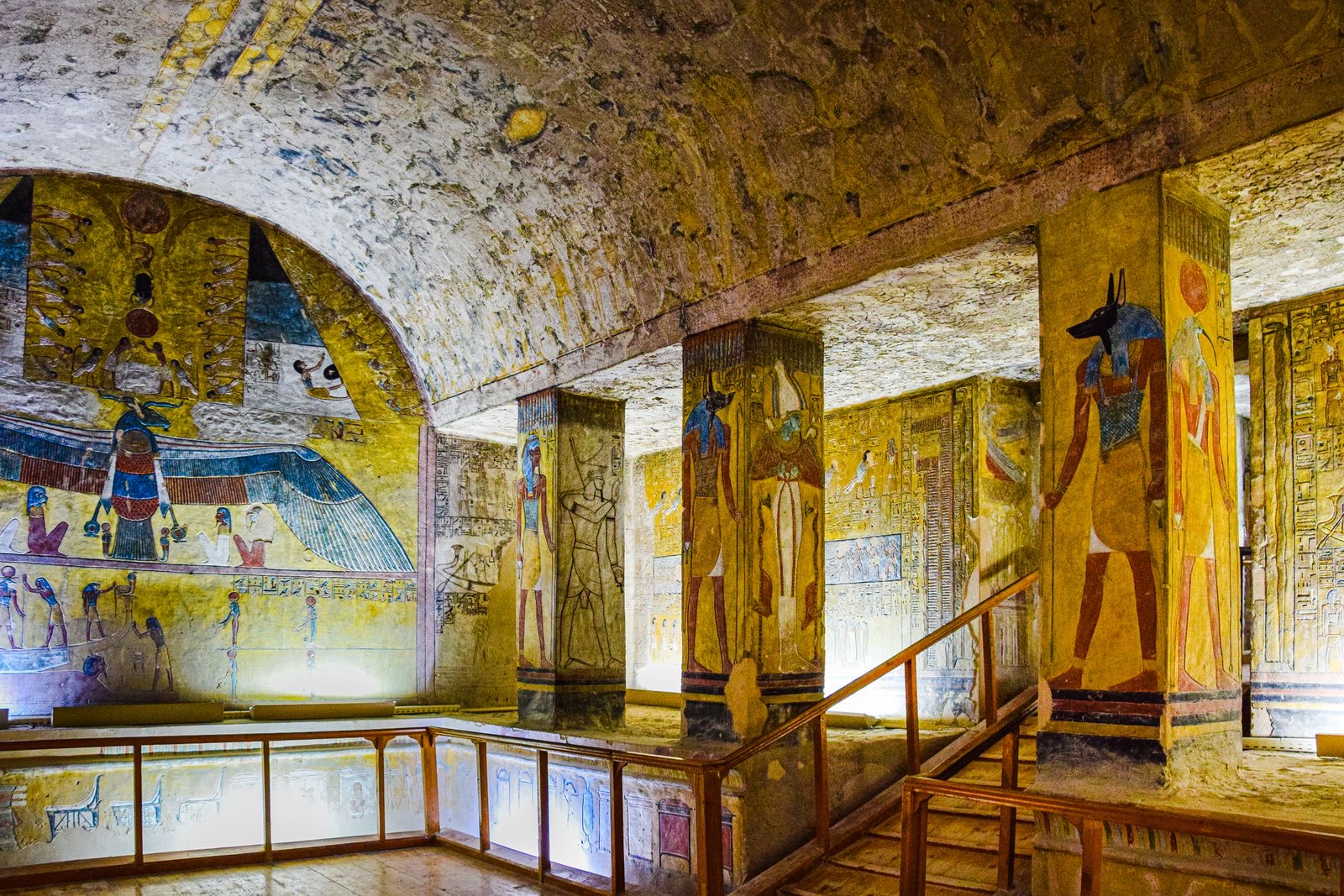
On the west bank of the Nile, hidden behind tall cliffs in a perfectly parched landscape, lies the mysterious Valley of the Kings — a vast burial ground of New Kingdom pharaohs concealing more than sixty tombs cut deep into the rock to protect them from grave robbers.
The basic ticket, which costs around 750 pounds (about €13), lets you into three tombs of your choosing from those currently open. The open tombs change and rotate regularly so the precious paintings can recover from the humidity visitors breathe in, but what will truly amaze you inside are the incredibly vividly painted walls and ceilings, whose colours are still vibrant after thousands of years.
For the most famous tombs you have to buy special extra tickets, and the famous but small tomb of Tutankhamun costs an additional 700 pounds or so. But if you want to see something truly breathtaking, splurge on the tomb of Seti I — the ticket costs over two thousand pounds, but it’s the absolute pinnacle of Egyptian art. An excellent choice within the basic ticket is the tomb of Ramesses V or VI.
💡 Tip: Watch out very carefully for the guards inside the tombs, who’ll happily offer to “help with your photo” or take you behind the rope, then start very aggressively demanding a hefty tip — even in places where photography is officially forbidden.
9. The Temple of Queen Hatshepsut
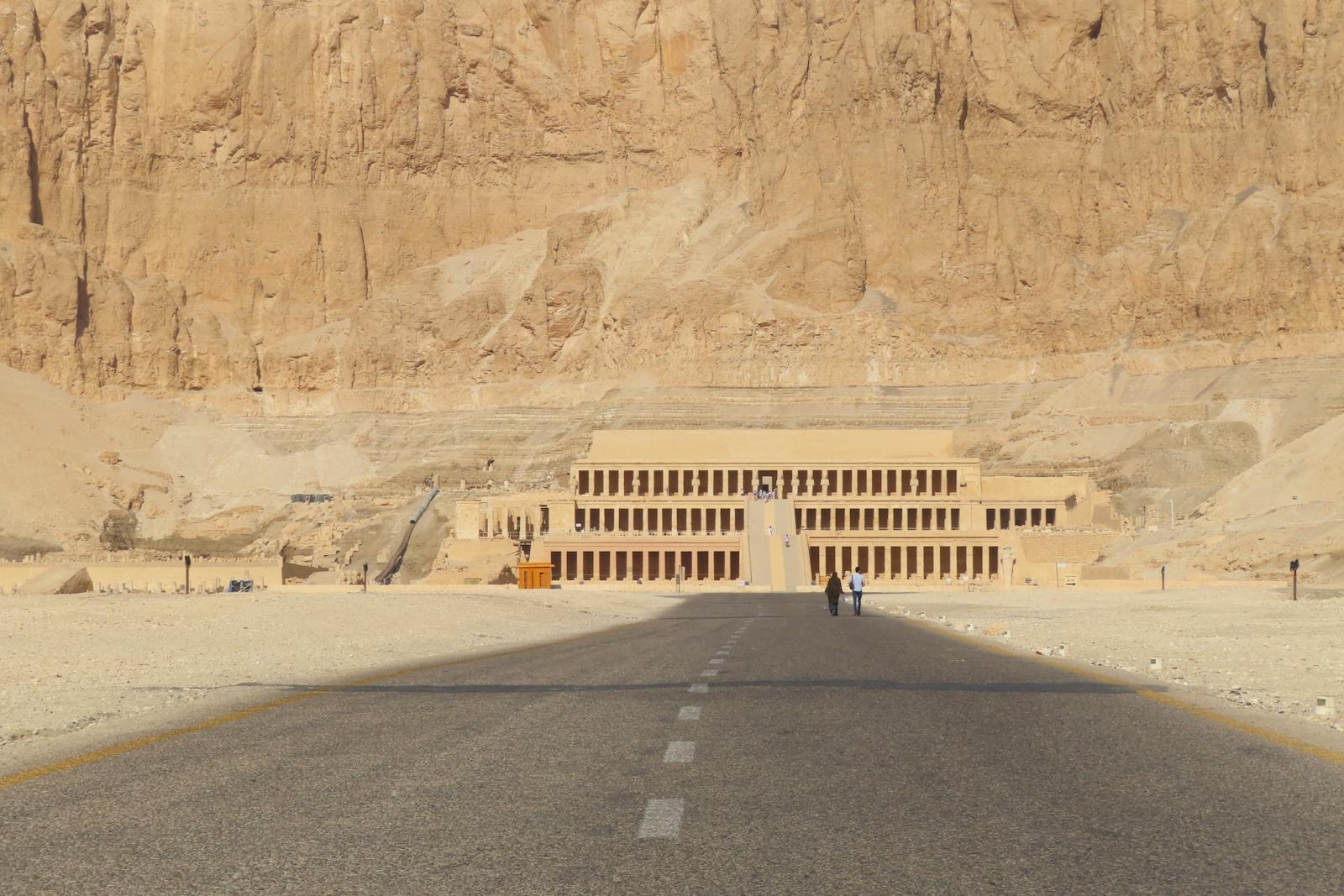
The terraced temple of Queen Hatshepsut is architecturally probably the most elegant structure in all of ancient Egypt, where three huge colonnaded terraces connected by long ramps rise straight up to dramatic yellow cliffs, into which the building is partly carved.
It’s a monument dedicated to the only powerful female pharaoh who ever successfully ruled Egypt in a male role, and after her death her successor Thutmose III tried to erase her name from history, having her statues and carved names chiselled away — something still clearly visible in many places throughout the temple.
Admission costs around 440 pounds (about €8). The complex is expansive and highly photogenic even from a distance as you approach it, so a visit here is usually combined into one big half-day loop around the west bank together with the Valley of the Kings.
💡 Tip: On the temple’s sprawling terraces there’s absolutely no shade at all, and the yellow limestone rocks act like a mirror reflecting the heat, so come here as early in the morning as possible and don’t forget a large bottle of water and a hat.
10. The Colossi of Memnon
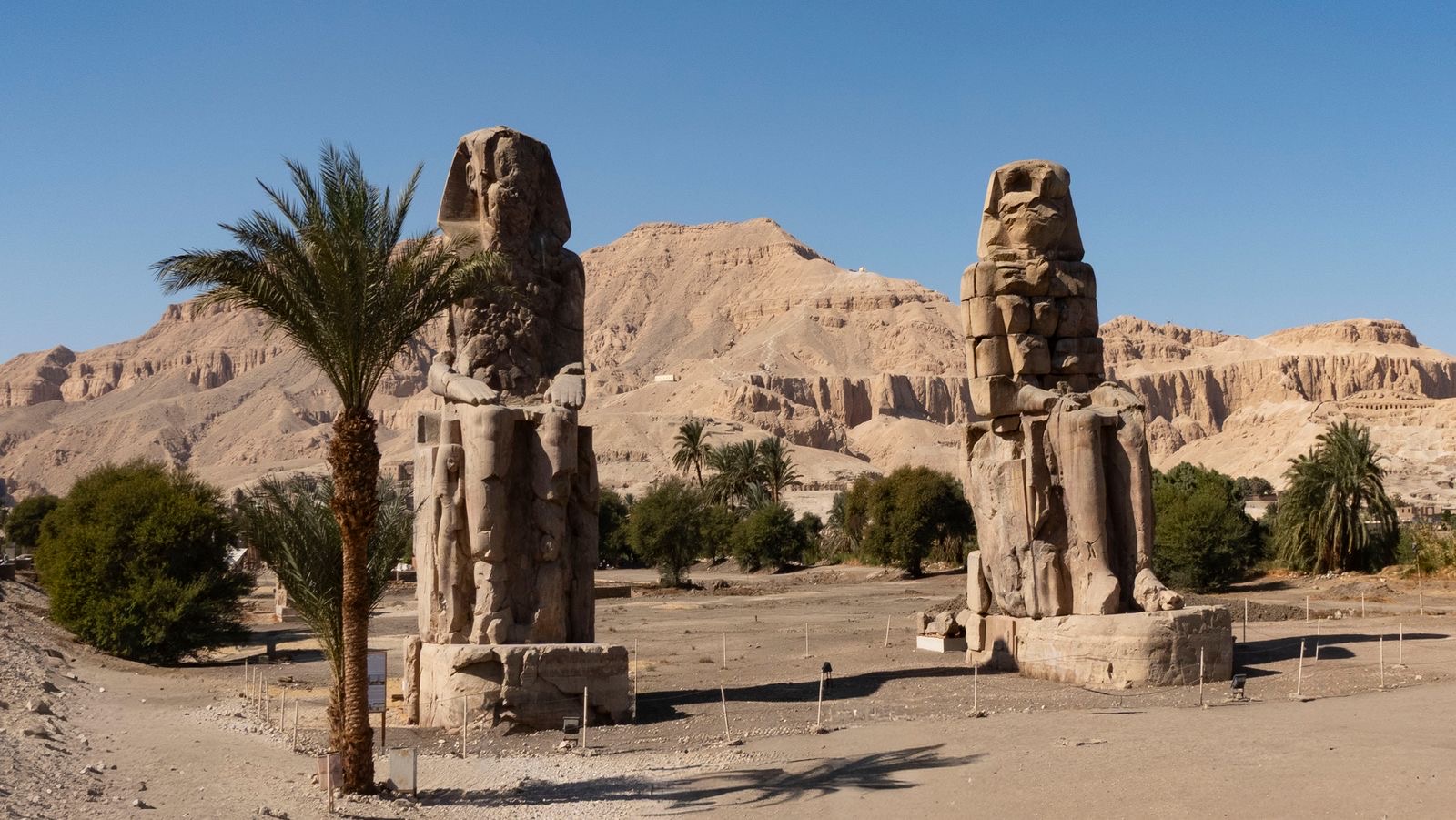
On your way from the Nile towards the tombs on the west bank, you’re guaranteed to pass two enormous, eighteen-metre-tall seated statues of Pharaoh Amenhotep III, known as the Colossi of Memnon. They’re the last surviving remnants of his once-gigantic mortuary temple, which was swept away by floods.
There’s a fascinating ancient legend attached to them: after an earthquake, the cracked northern statue began to emit a strange whistling sound at dawn, as if singing, and it sang on for centuries until a Roman emperor finally had it repaired.
A stop at the Colossi is completely free, as the statues stand freely accessible right by the main road, and although it’s only a very quick but utterly iconic photo stop, no driver or guide on a west bank tour will ever skip it.

South along the Nile: Edfu, Kom Ombo and Aswan
By far the most comfortable way to explore southern Egypt is the classic Nile cruise between Luxor and Aswan, where your cabin on the boat slowly and comfortably carries you from temple to temple, you never have to keep packing your bags, and the loveliest ancient landscape glides smoothly past your eyes.
11. The Temples of Edfu and Kom Ombo
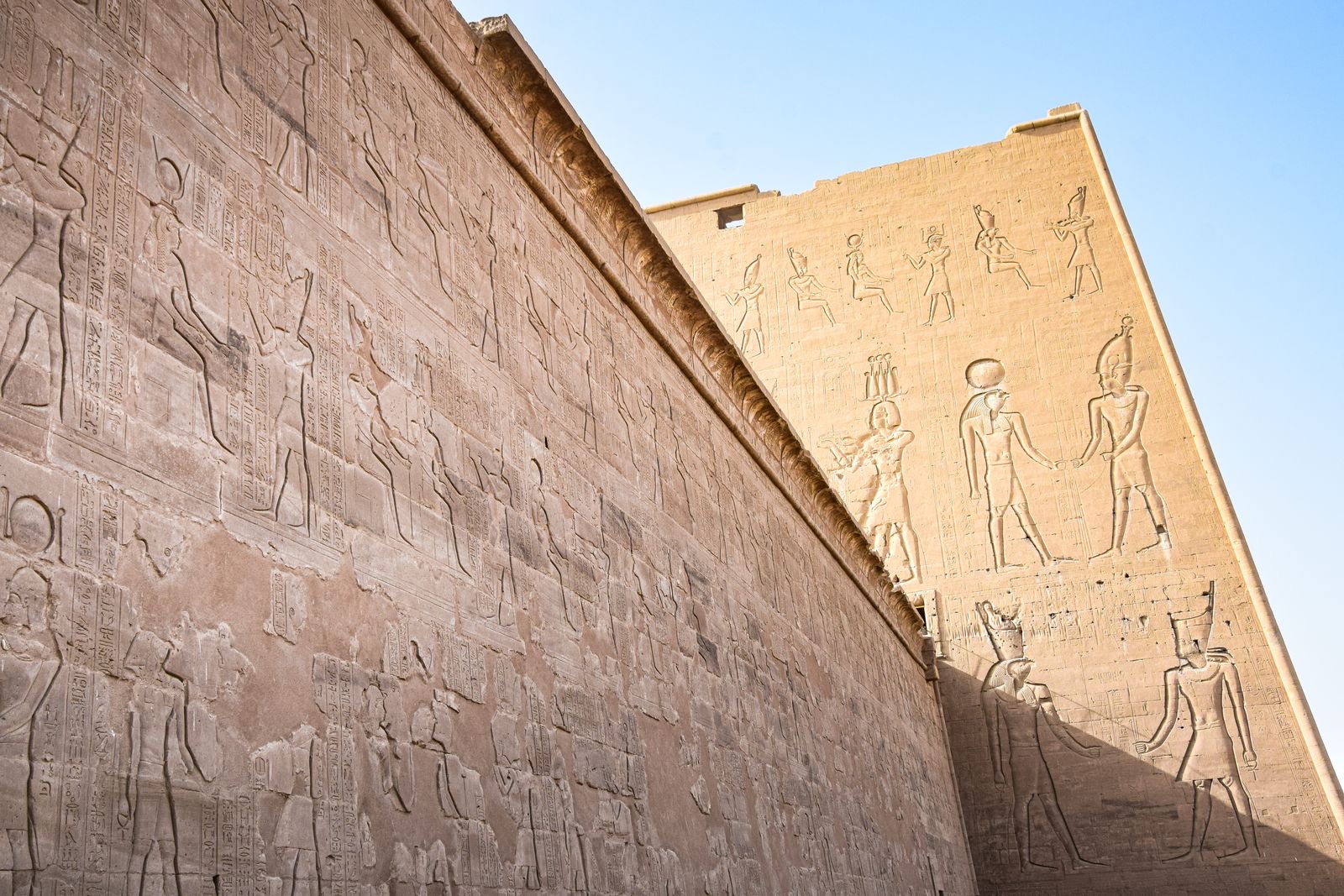
The essential and most popular stops on any proper Nile cruise are two fascinating temples lying between Luxor and Aswan. The temple in Edfu, dedicated to the falcon-headed god Horus, is the best-preserved temple in all of Egypt. Its massive walls and roof have remained intact, so in the dim light inside it feels as if it was finished only recently.
Kom Ombo, on the other hand, is an architectural one-off, because it’s a symmetrical double temple standing right on the bank of the Nile, dedicated to two gods at once — the falcon god Horus and the crocodile god Sobek. Right next to the temple you’ll also find a small but very interesting museum full of wonderfully preserved mummified crocodiles.
Admission to these monuments is the same, around 450 to 550 pounds (€8 to €10) per temple, and the temple in Edfu is traditionally reached from the cruise boat dock by horse-drawn carriage, which is an experience in itself for many.
💡 Tip: If you take a horse carriage at Edfu without a prepaid guide, negotiate and confirm the price very firmly in advance, ideally including the currency, because the drivers love to try “misunderstanding” tricks at the end of the ride and demand more money.
12. Aswan: the Temple of Philae and the High Dam
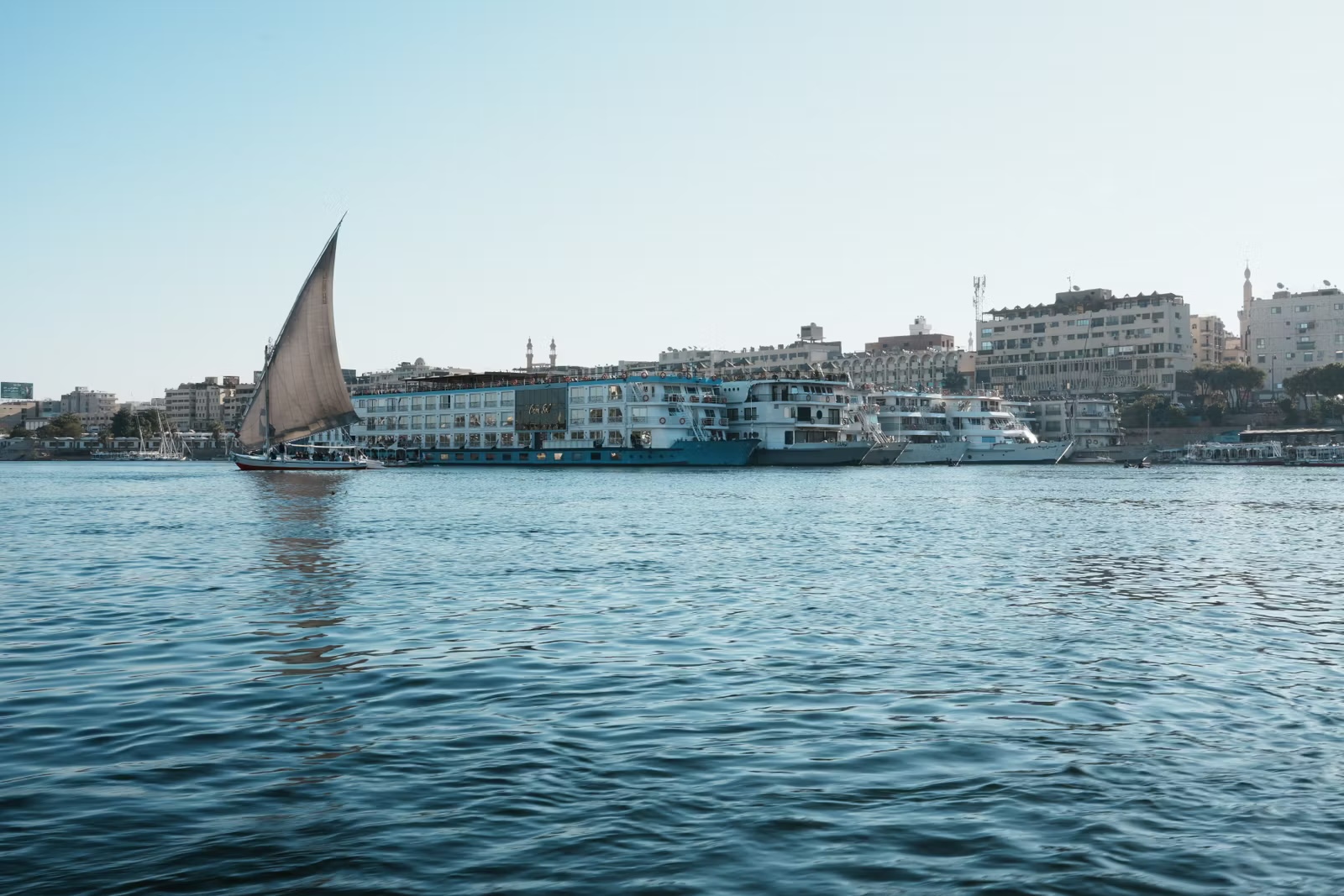
Aswan is the southernmost large city in Egypt and has a completely different, much calmer atmosphere than Cairo or Luxor. Here the Nile weaves between enormous granite boulders and traditional white sailing boats called feluccas constantly criss-cross the surface, making it the true heart of Nubian culture.
The absolute jewel of Aswan is the beautiful Temple of Philae, dedicated to the goddess Isis, which began to be swallowed by water during the construction of the first dam. So in a huge UNESCO-led project it was dismantled stone by stone and safely relocated to the higher island of Agilkia. You therefore have to reach it by motorboat, which adds wonderful romance to the whole experience.
Entry to Philae costs around 550 pounds (€10), but the boat fare to the island is negotiated and paid separately directly to the boatmen. Also worth a visit is the nearby controversial High Dam, and to add variety to your programme, the colourful Nubian villages on the west bank.
💡 Tip: For a sunset cruise in Aswan, definitely rent a traditional felucca sailing boat, because it’s a quiet, incredibly soothing experience without growling engines — just you, the wind and the setting sun over the ancient river.
13. Abu Simbel
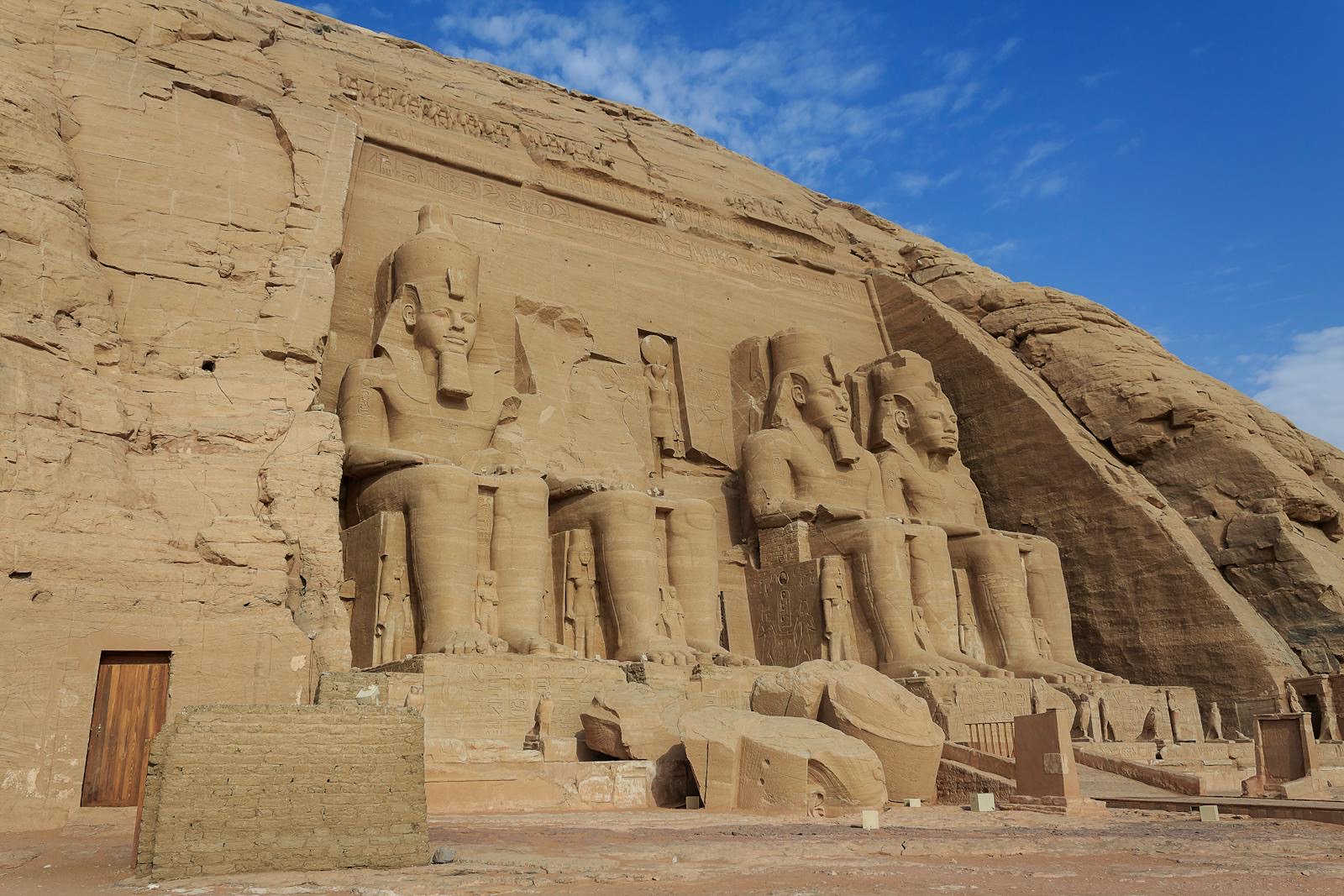
Far down in the south near the Sudanese border lies what is probably the most monumental monument in the entire country, where Abu Simbel comprises two massive rock temples of Pharaoh Ramesses II, whose façade is guarded by four breathtaking, twenty-metre seated statues of the ruler himself. The smaller temple is dedicated to his beloved wife Nefertari.
These temples too were saved by UNESCO from being flooded by the newly created Lake Nasser, when in the 1960s they were cut into giant blocks and moved dozens of metres higher onto an artificial hill. The perfection of the ancient builders is proven by the fact that twice a year the sun’s rays penetrate dozens of metres deep into the temple’s interior and illuminate the statues of the gods in the rear sanctuary.
Basic admission is around 750 to 820 pounds (about €13 to €14), and visiting this place requires a considerable time investment, but it’s absolutely worth it, because you won’t see such a display of pure pharaonic power anywhere else.
💡 Tip: You can get here from Aswan either by car or by plane. The drive in convoy takes a gruelling almost four hours each way through dark desert, with a 4 a.m. wake-up call, and costs around €40–60. The flight option takes just 45 minutes but costs an extra €100 or so, and flights are occasionally cancelled due to sandstorms. Either way, you’ll only spend about two hours at the site itself 😉.
Nature and desert: the Red Sea, Sinai and the oases
Egypt is far from just parched stone, dust and ancient temples, because beneath the surface of the Red Sea hides one of the most colourful underwater worlds on our planet, and deep in the desert, on the contrary, you’ll find silence and millions of stars the likes of which you’ll simply never see back home.
14. The Red Sea and Ras Mohammed National Park
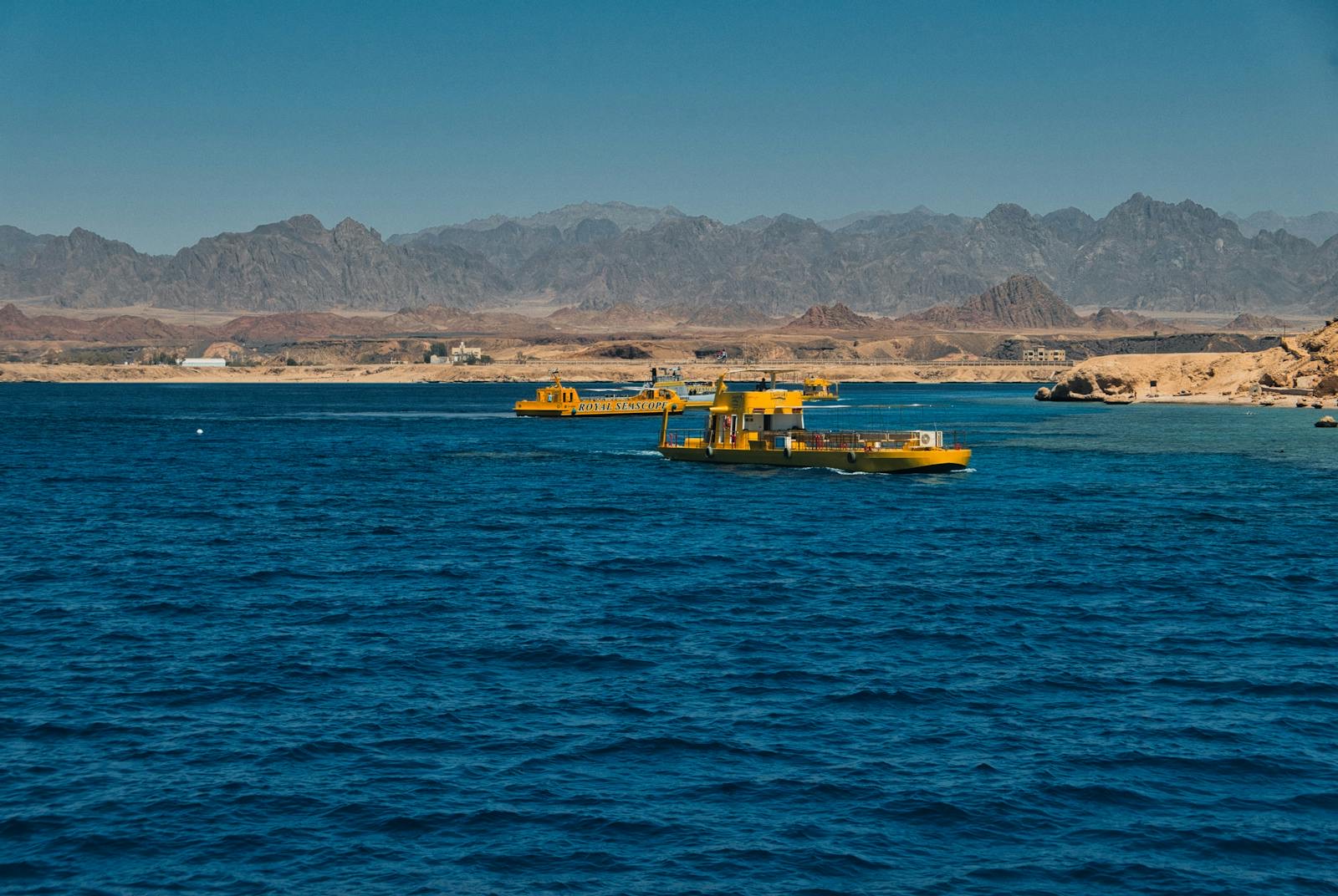
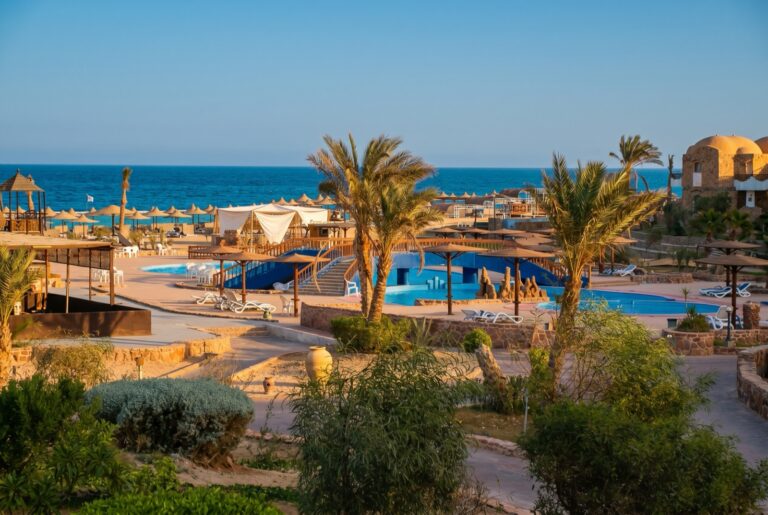
The Red Sea clearly ranks among the very best spots for snorkelling and scuba diving anywhere in the world, and for British travellers it’s one of the most accessible world-class diving destinations within easy reach, where rich coral reefs often start quite literally just a few metres from your hotel beach.
Even a complete beginner with an ordinary mask and snorkel will see incredibly colourful fish, rays and occasionally even sea turtles right by the shore, and the very most beautiful and best-preserved reefs with huge drop-off walls are protected by Ras Mohammed National Park just outside Sharm el-Sheikh.
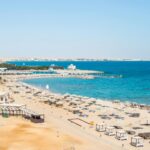
For visitors staying on the African coast, the resorts of Hurghada, or the more southerly and quieter Marsa Alam, make great starting points for boat trips out to corals and dolphins. The best season for diving with a pleasant water temperature is from October to the end of April.
💡 Tip: Fees for entering the marine nature reserves in southern Sinai and around the resorts have been rising lately, so take cash with you for these boat trips and park entries, because the card terminals on boats and in harbours very often don’t work at all.
15. St Catherine’s Monastery and Mount Moses
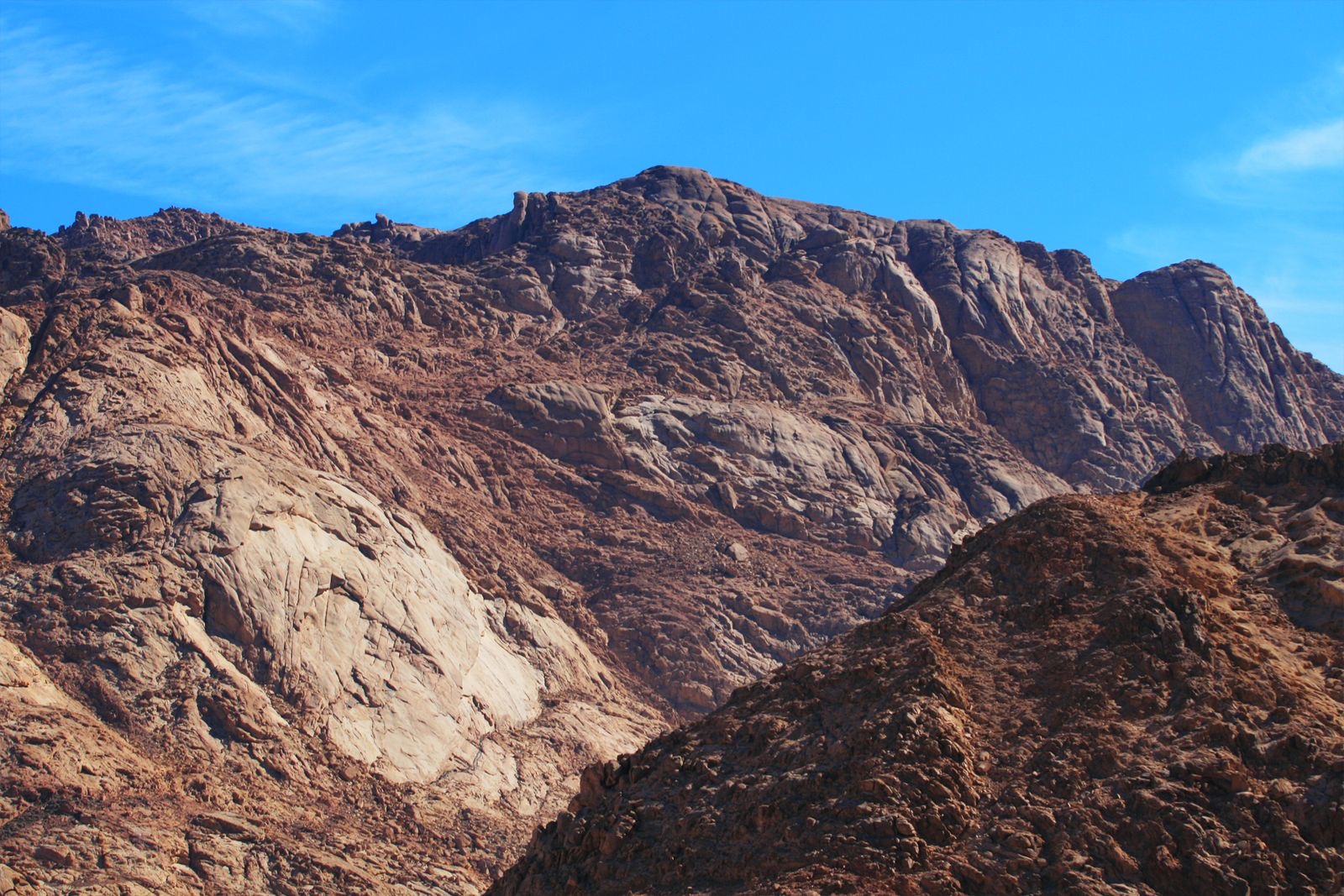
In the rugged mountains of the Sinai Peninsula, right beneath the summit where, according to biblical tradition, Moses received the Ten Commandments, stands the unassuming but enormously significant St Catherine’s Monastery — one of the very oldest continuously functioning Christian monasteries in the world, which with its walls resembles more of a fortress.
The monastery preserves an utterly priceless historical library of ancient manuscripts and beautiful Byzantine icons, and according to local tradition a direct descendant of the famous burning bush still grows in its courtyard to this day. For many travellers, though, the very greatest experience is the demanding night-time climb up Mount Moses itself and watching the magical sunrise from its summit. The ascent usually sets off deep in the night, and you can choose either the longer and slightly gentler camel path, or the shorter but extremely steep and physically demanding Steps of Repentance, with the reward being a view over endless jagged mountains tinged red.
💡 Tip: Even in the middle of the hot summer, the nights at the summit of Mount Moses are genuinely very cold and biting, so don’t forget to pack a warm jacket, a hat and a good torch or head lamp for the night-time hike. It’s best to check the monastery’s accessibility for 2026 in advance, because the complex occasionally undergoes renovations and has irregular closing days.
16. The White Desert
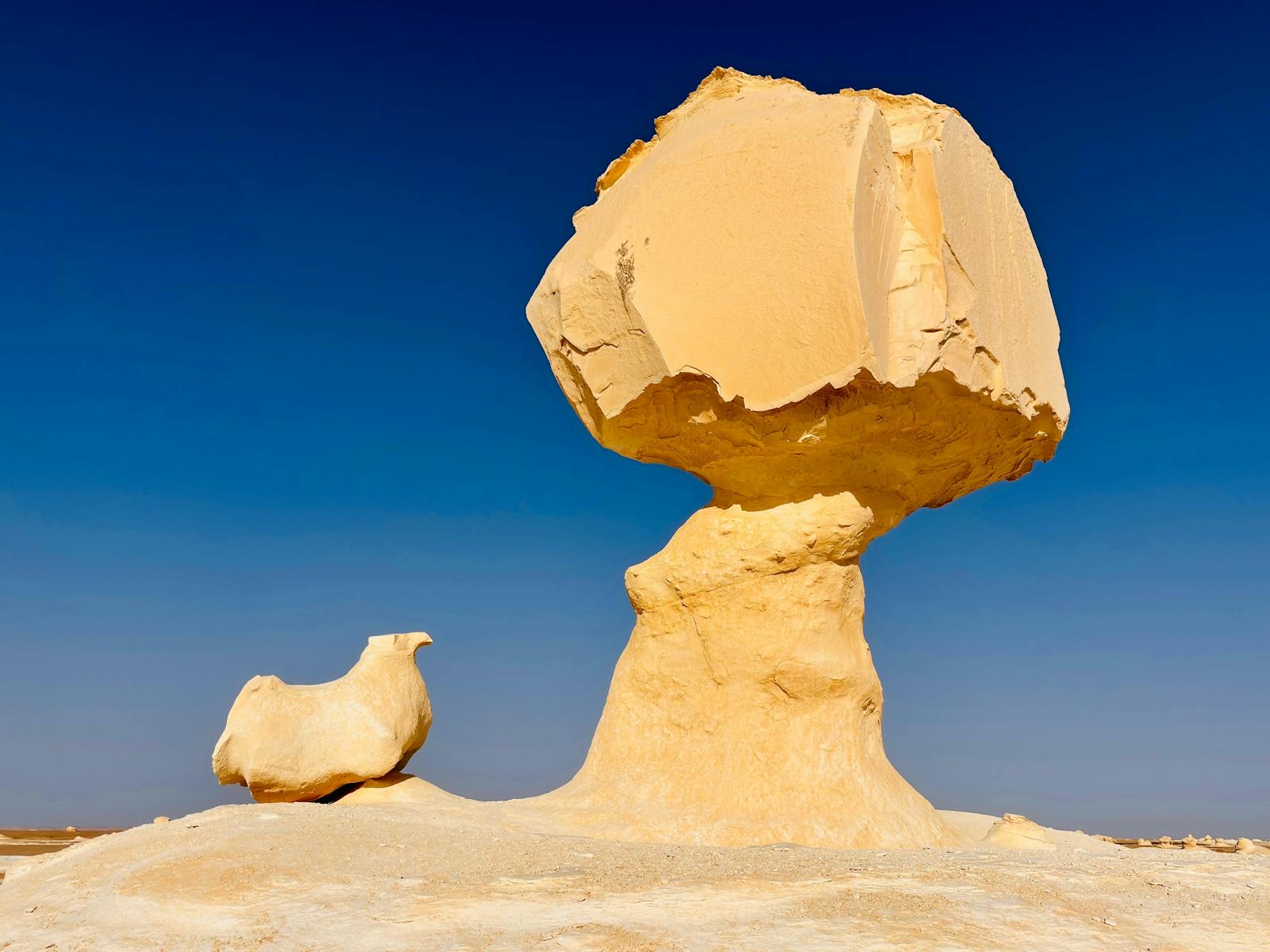
A few hours’ jeep ride west of Cairo lies the White Desert, a landscape where you’ll feel quite literally like you’re on another planet. Strong wind and sand have sculpted the enormous white limestone rocks into utterly bizarre and dreamlike shapes, so you’ll see stone mushrooms, tall towers, animals and abstract sculptures.
These snow-white formations are at their most beautiful precisely at dawn and dusk, when the sun tinges them in incredible shades of pink and orange. On the way to the White Desert you usually also pass through the contrasting Black Desert, whose yellow sand is densely scattered with dark volcanic stones resembling coal.
You can only get here on organised expeditions in 4×4 off-road vehicles, which start in the Bahariya oasis, and probably the greatest experience of all is an evening by the campfire and sleeping in a sleeping bag under the stars right among these chalky formations, where an absolute, almost ringing silence reigns.
💡 Tip: At night the desert is surprisingly cold even during the spring months, and even though the tour operators provide blankets, your own warm clothing is an absolute necessity. The most suitable period for this trip is from October to April, because in summer the trips often aren’t even run due to the extreme daytime heat.
17. The Siwa Oasis
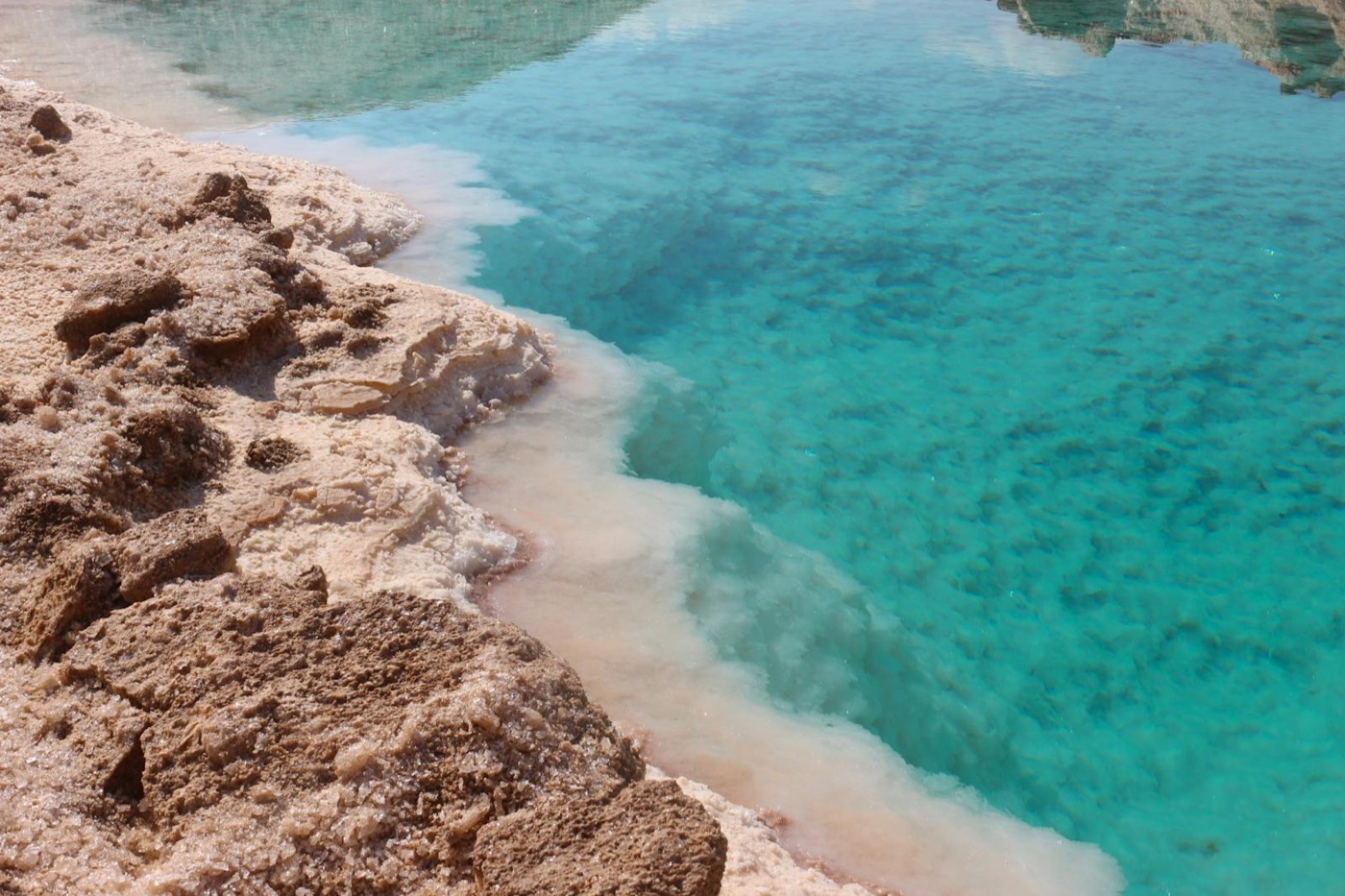
Of all the Egyptian oases, Siwa is probably the most remote and culturally the most distinctive, because it lies very deep in the Western Desert, near the border with Libya, and its inhabitants even have their own Berber language and unique traditions that differ markedly from the rest of the country.
Awaiting you here are endless green palm groves, the photogenic ruins of the old mud-brick fortress of Shali, bubbling springs like the famous Cleopatra’s Bath, and you can even explore the remains of the oracle of the Temple of Amun, where Alexander the Great himself once came for advice. But the main draw today is the turquoise salt lakes, where the salt concentration is so high that you’ll float on the surface just as you would in the Dead Sea.
The journey here is genuinely very long and exhausting, though, as from Cairo or via the resort of Marsa Matrouh you’ll travel many hours on a night bus, so you have to treat Siwa as a proper multi-day trip — it’s definitely not a quick afternoon stop.
💡 Tip: The reward for the long journey will be an authentic, slow Egypt completely off the main tourist trail, and those sunsets over the date palms and salt lakes are among the very most beautiful memories you can bring home from here.
Practical Tips for Visiting the Monuments
Egypt’s monuments are stunning, but moving between them requires a little patience and preparation, so it pays to know a few things in advance to enjoy your visit in peace and not let pointless scams spoil it.
- Touts and scams: The most common tourist complaint is the persistent sellers and touts, especially at the pyramids and in Cairo, where a classic trick is the offer of a “free” camel — but once you’re aboard you quickly discover you have to pay heavily to get off again. Ignore people with fake badges who want to take your ticket on the pretext of an inspection and then demand money to return it, and if someone slips a “free gift” into your hand, don’t take it — they’ll immediately demand payment. The best defence is a firm and decisive “La shukran” (no, thank you), a hand on the heart, and walking on smoothly without eye contact.
- The ever-present baksheesh: Tips, or baksheesh, are an absolutely fixed part of life here, so people will want it for using the toilet, for toilet paper, for “helping” with your photo at a monument, or just for showing you the way. Always keep small notes in Egyptian pounds in your pockets (ideally notes of 5 to 20 EGP, that’s about 10 to 35 cents), and avoid giving foreign coins, because no bank will exchange them.
- Cards vs. cash (2026): The situation is changing fast, and at the big official monuments like GEM, the pyramids or Karnak you now pay for tickets almost exclusively by card — they often don’t take cash at the box office at all. On the other hand, for markets, taxis, baksheesh and in the nature reserves you’ll absolutely need cash, so you simply have to carry both.
- Guide vs. exploring on your own: Cairo and the complicated temple complexes are worth visiting with a good local guide or as part of an organised tour, because it not only gives you historical context but above all acts as a perfect shield against the touts and sorts out the logistics in that insane traffic. If you go alone, be prepared for constant haggling over absolutely everything.
- Pharaoh’s curse and water: Stomach upsets are a real threat, so absolutely never drink the tap water — not even when brushing your teeth, please. Avoid ice in drinks from unknown sources and be wary of fresh salads, which may have been washed in tap water. Always drink only water from sealed bottles, and to be safe carry local medication (Antinal), which works far better on these troubles than the European stuff 😅.
- Clothing for mosques: When visiting Islamic monuments in Cairo, men must wear trousers below the knee and cover their shoulders. For women, the rule is long trousers or a skirt, covered shoulders and a scarf over the hair. At the tourist temples in the south the dress code is looser, but out of respect for the locals it’s probably always better not to wander around in swimwear or overly revealing clothing.
Where to Eat
Arabic cuisine is excellent, and the good news is that Egypt is incredibly welcoming to vegetarians, since the everyday diet of ordinary people is based on pulses, fresh vegetables and spices.
An absolute must, which you should try at a street stall or in a local eatery, is the national dish called Koshary (or Kushari). It’s a wild and unexpectedly hearty mix of rice, lentils, pasta, chickpeas and crispy fried onions, all topped with a proper, slightly spicy tomato sauce and garlic vinegar. It may look like a mishmash, but it tastes divine, and a bowl will cost you just a couple of euros.
Another great choice is the traditional Egyptian falafel called Ta’meya, which, unlike the Middle Eastern chickpea falafel, is made from crushed fava beans and lots of fresh herbs, giving it a vibrant green colour when you bite into it and making it wonderfully moist.
For breakfast, try Ful medames, a slowly cooked and fragrantly spiced fava bean mash served with warm pita bread. And of course there are the ever-present bowls of creamy hummus and aubergine baba ganoush, which make a great light lunch during the hot days in Luxor.
The locals do love to grill lamb and prepare fresh fish on the coast, but trust me, with the pulse-based specialities mentioned above you won’t miss the meat for a second. Just to be safe, I’ll remind you again to be careful with fresh vegetables and iced drinks in cheaper establishments, so you don’t end up with unpleasant stomach troubles.
Where to Go Next from Egypt
If the idea of combining history with relaxation has caught your eye and you’re wondering exactly where to rest your head and how to plan it all, be sure to read my comprehensive article Where to Go on Holiday in Egypt: 20 Tips. It’s a guide to the best resorts and will help you find your bearings and decide whether the north or the south is better for you.
If you’re drawn to perfect snorkelling conditions for the family and a wide range of history-focused trips, take a look at my guide to Hurghada: 13 Tips. And for lovers of quieter beaches, sea turtles and pristine corals, I’ve put together an article on Marsa Alam: 13 Tips.
Before your final flight purchase, definitely read up on When to Go to Egypt / the weather, so you don’t land in the Valley of the Kings in the worst of the August heat. Don’t forget to sort out the necessary Egypt visa in good time, and when packing your bags our practical checklist What to Pack for Egypt is sure to come in handy.
💡 Tip: For booking activities and guided tours hassle-free, we recommend GetYourGuide, where you can easily reserve everything from skip-the-line tickets to multi-day excursions. And for staying connected the moment you land, a local eSIM from Holafly saves you a lot of hassle with roaming.
Frequently Asked Questions
What absolutely must be seen in Egypt?
An absolute must for everyone is definitely the iconic pyramids in Giza with the Great Sphinx, the new Grand Egyptian Museum near Cairo, and the town of Luxor with Karnak and the Valley of the Kings. If you have a bit more time and budget, add to that the monumental Abu Simbel and a traditional Nile cruise.
How many days are enough for Egyptian monuments?
200000
Set aside about two to three days for bustling Cairo itself and the Giza area, and another two full days for Luxor with both banks. For a complete and leisurely exploration of the entire south, including Aswan and Abu Simbel, a Nile cruise is ideal, which typically takes three to four nights.
Can Egyptian monuments be seen from a beach resort too?
Yes, they do. Long optional excursions to Luxor or safari trips are organized daily from both Hurghada and Marsa Alam, but the bus trip to the pyramids from the resorts is extremely long and tiring (easily 7 hours one way), which is why it’s much more comfortable to choose the slightly more expensive flight option directly to Cairo.
Is the Grand Egyptian Museum (GEM) fully open yet?
Yes, the Grand Egyptian Museum (GEM) near the pyramids fully opened in autumn 2025. Now you can see the biggest attraction, the complete treasure of Pharaoh Tutankhamun, but tickets cannot be purchased on-site and you must book them online in advance.
Is it safe for tourists at the monuments?
The security situation in tourist areas is very good and strictly monitored by the tourist police, so you really don’t need to worry about violent crime. What you’ll actually be dealing with are pushy touts, trinket sellers and constant requests for baksheesh, which tests your patience rather than your safety.
Do you pay by card at major attractions, or is it more cash-based?
In 2026, at all major attractions (pyramids, museums, Karnak), tickets are now paid almost exclusively by card, and cash is often refused outright at the ticket office. However, definitely keep some cash in smaller Egyptian pounds for markets, taxis, baksheesh, and entrance fees to natural parks.
What about clothing for mosques in Cairo?
The rules here are pretty strict, so men must wear pants covering their knees and a shirt covering their shoulders. Women must wear a long skirt or pants, have their shoulders and neckline completely covered, and additionally must cover their hair with a scarf. While you can borrow robes at the entrance, it’s a hundred times better to come prepared.
Tips and Tricks for Your Vacation
Don’t Overpay for Flights
Search for flights on Kayak. It’s our favorite search engine because it scans the websites of all airlines and always finds the cheapest connection.
Book Your Accommodation Smartly
The best experiences we’ve had when looking for accommodation (from Alaska to Morocco) are with Booking.com, where hotels, apartments, and entire houses are usually the cheapest and most widely available.
 🚗 Car rental on the roadVerified rental cars in Egypt
Search with the DiscoverCars comparison engine — it compares prices from dozens of local and international rental companies, and most bookings come with free cancellation.
Compare car prices in Egypt →Don’t Forget Travel Insurance
Good travel insurance will protect you against illness, accidents, theft, or flight cancellations. We’ve had a few hospital visits abroad, so we know how important it is to have proper insurance arranged.
Where we insure ourselves: SafetyWing (simple monthly subscription) and TrueTraveller (for extra-long trips).
Find the Best Experiences
Get Your Guide is a huge online marketplace where you can book guided walks, trips, skip-the-line tickets, tours, and much more. We always find some extra fun there!