France isn’t just endless fields of fragrant lavender, slow sips of pastis in the shade of plane trees, or romantic strolls beneath the Eiffel Tower in Paris. The moment you head east toward the Italian and Swiss borders, a completely different world opens up — one ruled by granite, ice, thin air, and adrenaline. The French Alps and their foothills are a region all their own, and they’ll pull you in instantly with their raw, uncompromising beauty. Here you stand at the threshold of the highest mountains in Western Europe, where you can admire Renaissance lanes in the morning, swim in a crystal-clear lake at noon, and watch melting glaciers in the afternoon.
This itinerary takes you from a gastronomic metropolis through turquoise lakes all the way to breathtaking alpine peaks. The French treat their mountains with enormous respect, yet also with an engineer’s audacity that has let them build cable cars where you’d expect to find only eagles. Whether you crave high-altitude hiking, love cycling, or simply want to see the legendary Mont Blanc with your own eyes, this route serves up the very best of the entire region. Get ready for a journey that won’t hand you anything for free — but the memories will stay with you forever.
TL;DR
- Route length and time: The full loop measures roughly 450 to 550 kilometres, and ideally you should set aside a full 7 days so you never have to rush.
- When to go: The best conditions for a road trip are in June and September, when you avoid the summer extremes and the roads aren’t yet jammed with crowds of tourists.
- Main highlights: Gastronomic Lyon, the turquoise lake at Annecy, the rugged massifs around Grenoble, and the iconic view from the Aiguille du Midi.
- Getting there: The easiest option is to fly into Lyon or Swiss Geneva, rent a car, and set off — bearing in mind you’ll have to pay tolls on the motorways.
- Low-emission zones: To drive through bigger cities like Lyon or Grenoble you absolutely need a Crit’Air eco-sticker, otherwise you risk a hefty fine.
- Watch out for 2026: In July the region will be paralysed by the famous Tour de France, and at the turn of May and June the main viewing terrace on the Aiguille du Midi will close.
The full destination guide: France — guide and what to see
When to Take This Trip
Choosing the right dates is absolutely crucial in the French Alps, because the mountains don’t forgive planning mistakes and the weather here can be highly unpredictable. If you’re heading out on a road trip combined with sightseeing and light hiking, steer clear of the winter months, when the mountain passes are buried in snow and the region turns into one giant ski factory. Leave the period from December to April to the die-hard skiers heading for the endless resorts of the Three Valleys or the glacier at Tignes, and focus instead on late spring or early autumn.
The ideal window for this route is June, or alternatively September, when the weather is fairly stable and the days are long enough. By June the valleys are already beautifully green, even though snow may still linger on the high mountain cols. September, on the other hand, offers gorgeously crisp light for photography and lets you dodge the main French summer holidays, which run through all of July and August. During summer, huge numbers of domestic tourists head into the mountains, accommodation prices soar, and endless queues form at the lakes and cable cars.
The year 2026 brings a major complication in the form of the Tour de France, which will have an extremely demanding alpine finale. Unless you’re a passionate cycling fan, you should definitely mark the third week of July in your calendar as a time not to drive into the Alps. The riders will battle the mythic climbs to the Plateau de Solaison, raced on 19 July, and will tackle the legendary 21 hairpins of Alpe d’Huez twice over, on 24 and 25 July. During these stages the peloton will also conquer the dreaded Galibier pass. On these days the roads will be completely impassable, the hotels hopelessly sold out, and the whole region will be swept up in an electrifying but, for the ordinary traveller, very restrictive frenzy.
Practical Info: Car, Transport and Budget
Exploring this corner of France takes a bit of logistical preparation, since local rules differ from those at home in many ways. Unless you drive over from the UK in your own car (which means crossing the Channel and a long haul), the most sensible option is to fly into Lyon or Geneva and pick up a rental car right at the airport. France doesn’t use the classic motorway vignette, but rather a system of toll booths called péages. Reckon on paying roughly €9.50 for every 100 kilometres driven on the motorway, which can noticeably bump up your total trip budget. On some newer stretches they’re switching to a barrier-free Free-Flow system, where you pay the toll online based on your number plate.
One absolutely essential thing that tourists often forget about is France’s low-emission zones, known by the abbreviation ZFE. The Constitutional Court confirmed their validity in 2026, so if you plan to drive into the wider centre of Lyon or Grenoble, you must have a Crit’Air eco-sticker on your windscreen. This sticker costs just €5.11, but you have to order it online well in advance, because you won’t be able to buy it on the spot anywhere. On weekdays, only cars with a category 1 or 2 sticker may enter the cities, while older diesels are out of luck and risk a fine of €68 to €375.
As for a rough budget for 2026, France is certainly not a cheap destination. A lunch menu in an ordinary restaurant runs between €15 and €25, while dinner will set you back at least €20 to €35 per person. The mountain attractions will be a big line item — just a return ticket on the Aiguille du Midi cable car costs €81 to €83 depending on the season. You’ll find decent accommodation for around €100 a night, but in tourist hubs like Annecy or Chamonix expect prices from €130 upwards, especially if you don’t book several months ahead.
Day-by-Day Itinerary
This seven-day road trip is designed so you experience a gradual transition from urban culture all the way to rugged alpine wilderness. You’ll travel at a steady pace, without any pointless long drives, and each day offers completely different scenery.
Day 1: Lyon → Grenoble
Your journey begins in Lyon, rightly considered the true belly and gastronomic capital of France. The city, set at the confluence of the Rhône and Saône rivers, has an earthy atmosphere you simply won’t find in Paris. Spend the morning exploring the old town of Vieux Lyon, threaded with so-called traboules. These secret Renaissance passageways and corridors run straight through the inner courtyards and once helped silk weavers carry their fabrics safely. Just grab an inconspicuous handle and you’ll suddenly find yourself in a magical courtyard with a spiral staircase that the people on the busy street have no idea exists.
Around midday, don’t miss a visit to a traditional Lyon tavern known as a bouchon, where lunch is served strictly between 12:00 and 14:00. A lunch menu will cost you roughly €15 to €25. Although the local cuisine is famous for its heavy dishes, there’s always an alternative for meat-free eating. Try seeking out the excellent cheese specialities, or visit the Les Halles de Lyon Paul Bocuse market, where you can taste the finest French cheeses and wash them down with a glass of Côtes du Rhône.
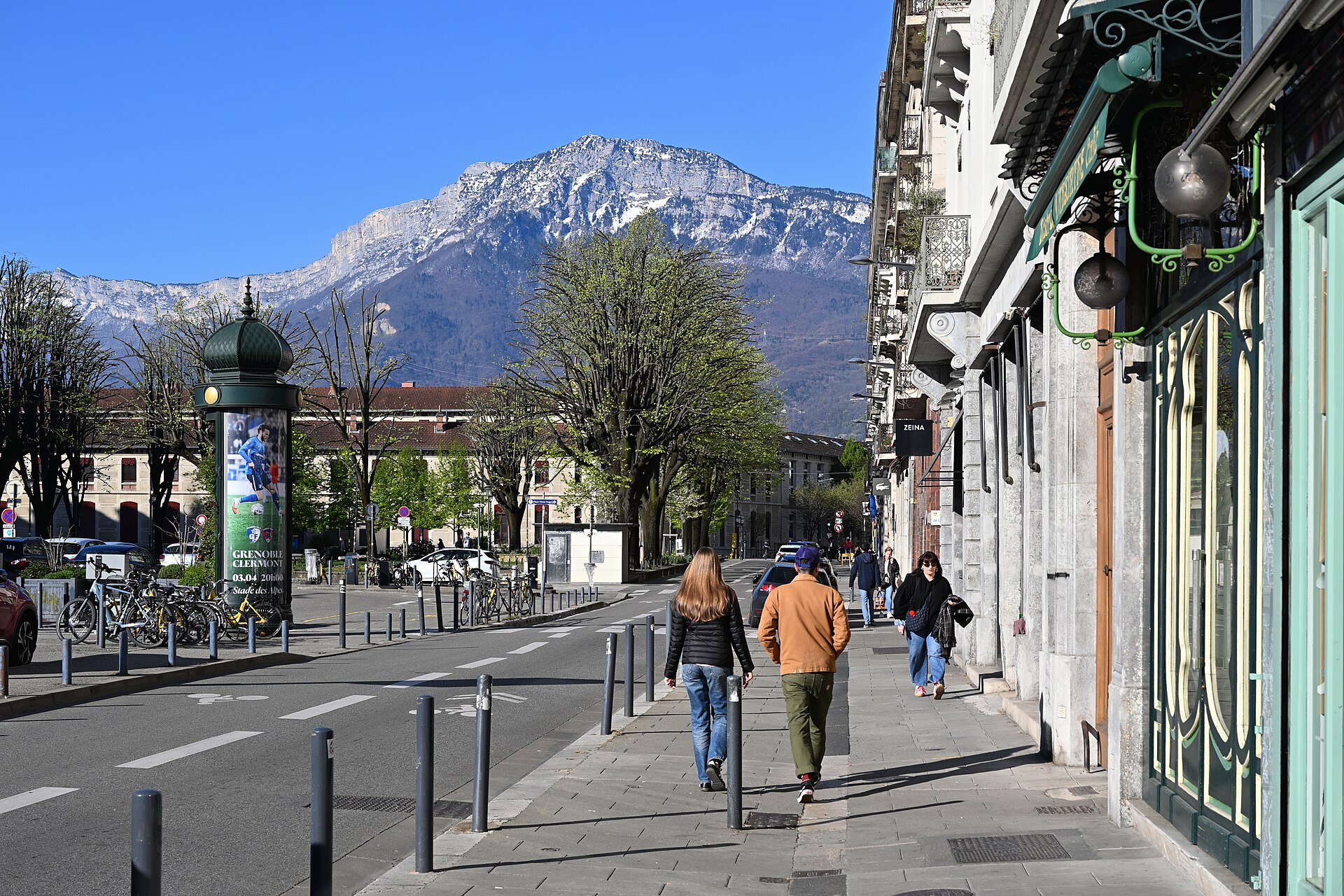
In the afternoon, pick up your car and set off on the roughly hour-and-a-half drive southeast. Your destination is Grenoble, the proud capital of the Alps, lying in a flat valley hemmed in on all sides by steep rock walls. The local tourist office boasts that, straight from the city, you have access to more than 800 kilometres of hiking trails using public transport alone.
💡 Tip: Only cars with a Crit’Air 1 or 2 eco-sticker may enter central Lyon. The best strategy is to leave the car at a P+R park-and-ride lot on the edge of the city and ride the excellent metro into the centre.
Day 2: Grenoble → Aix-les-Bains
On the morning of the second day, set off to discover the Vercors massif, which lies right at the gates of Grenoble and feels like an impregnable natural fortress. This vast limestone plateau is full of deep gorges and served as a safe refuge for French partisans during the Second World War. If you love views, head for the iconic Mont Aiguille, a solitary vertical rock tower that looks as though someone sliced it off the rest of the range with a giant knife.
An alternative for adrenaline lovers is a trip to Lac de Monteynard, spanned by unique Himalayan suspension footbridges called passerelles. These steel bridges sway dozens of metres above the turquoise water, and crossing them takes a serious dose of courage, because the view beneath your feet is literally breathtaking. For lunch, stop in one of the mountain villages, where they’ll happily prepare you a hearty potato pancake with local cheese.
In the afternoon you’ll head north to Lac du Bourget, which holds the title of the largest natural glacial lake in France. The drive takes about an hour and a half and brings you to the spa town of Aix-les-Bains. Its healing thermal springs were already known to the ancient Romans, and the town has retained its refined Belle Époque atmosphere to this day.
💡 Tip: For your overnight stay in Aix-les-Bains, choose a hotel with a lake view, such as the Golden Tulip Aix les Bains, which also offers a great wellness area for recovering after long mountain hikes.
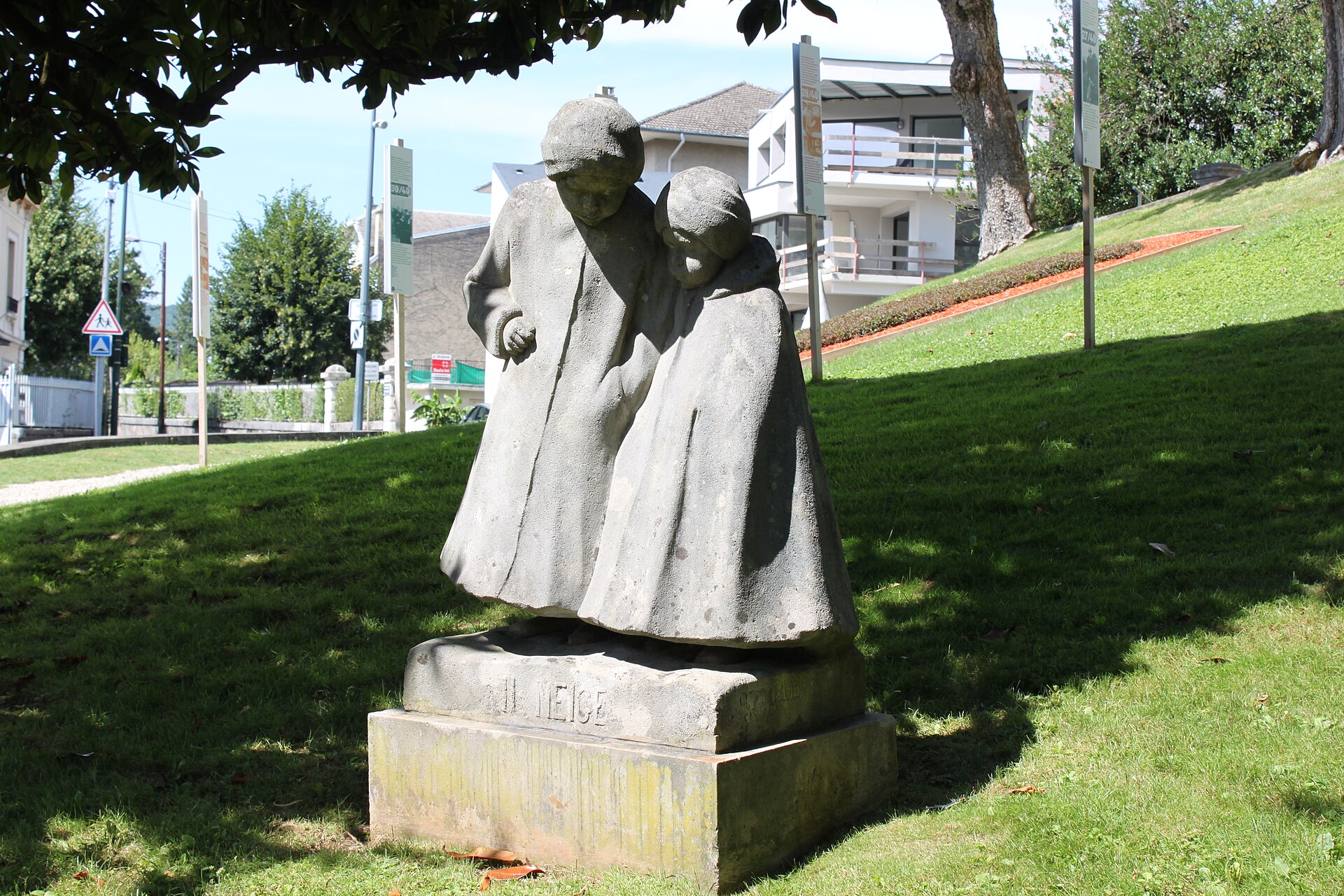
Day 3: Aix-les-Bains → Annecy
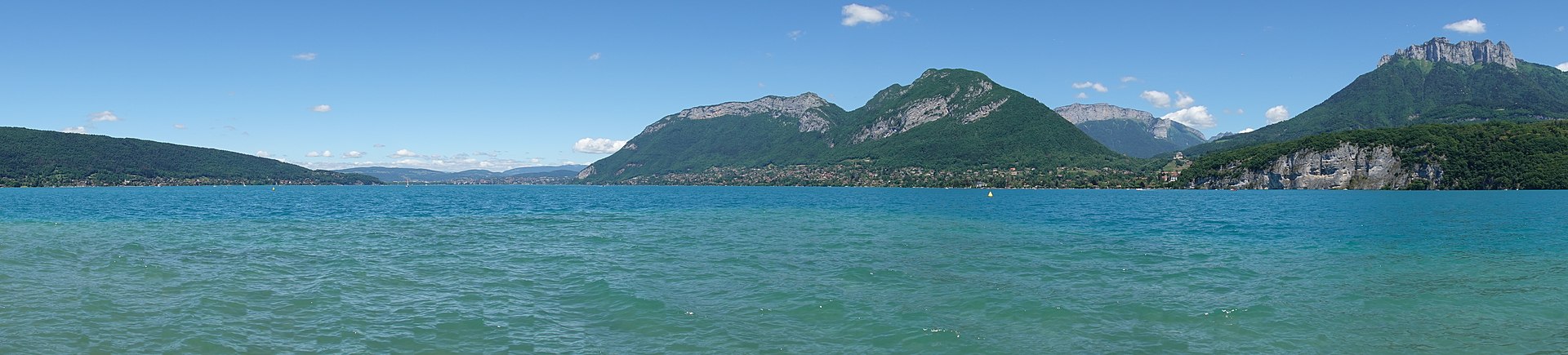
In the morning, say goodbye to Aix-les-Bains and set off on the short, forty-five-minute drive to Annecy. The moment you arrive, you’ll instantly understand why it’s nicknamed the Venice of the Alps the world over. A tangled network of canals runs through the historic centre, fed by the crystal-clear water of the nearby lake. In the middle of the main canal, don’t miss the Palais de l’Île, an iconic stone building shaped like a ship’s prow that has served over the centuries as a mint, a court, and a town prison.
The region’s main magnet, though, is Lac d’Annecy itself, which boasts the title of one of the cleanest lakes in all of Europe. The water has an incredibly rich turquoise colour and, in the warm months, it positively invites you to swim. If you prefer an active break, rent a bike and head out on the popular Voie Verte cycle path. This roughly forty-kilometre route runs right along the shore, is completely separated from traffic, and you can ride it in one easygoing afternoon. Experienced hikers can then tackle the demanding climb up the limestone massif of La Tournette, from where you can see all the way to Mont Blanc.
For dinner, be sure to head into one of the restaurants in the winding lanes of the old town. Although Savoy is known for its cured meats, you’ll easily come across excellent cheese fondue or a vegetarian version of tartiflette, baked potatoes with onion and a huge portion of the local Reblochon cheese.
💡 Tip: Accommodation in Annecy sells out fast in season. Look for smaller boutique hotels near the lake — a dream-like place such as Les Tresoms Lake and Spa Resort usually gets excellent reviews.
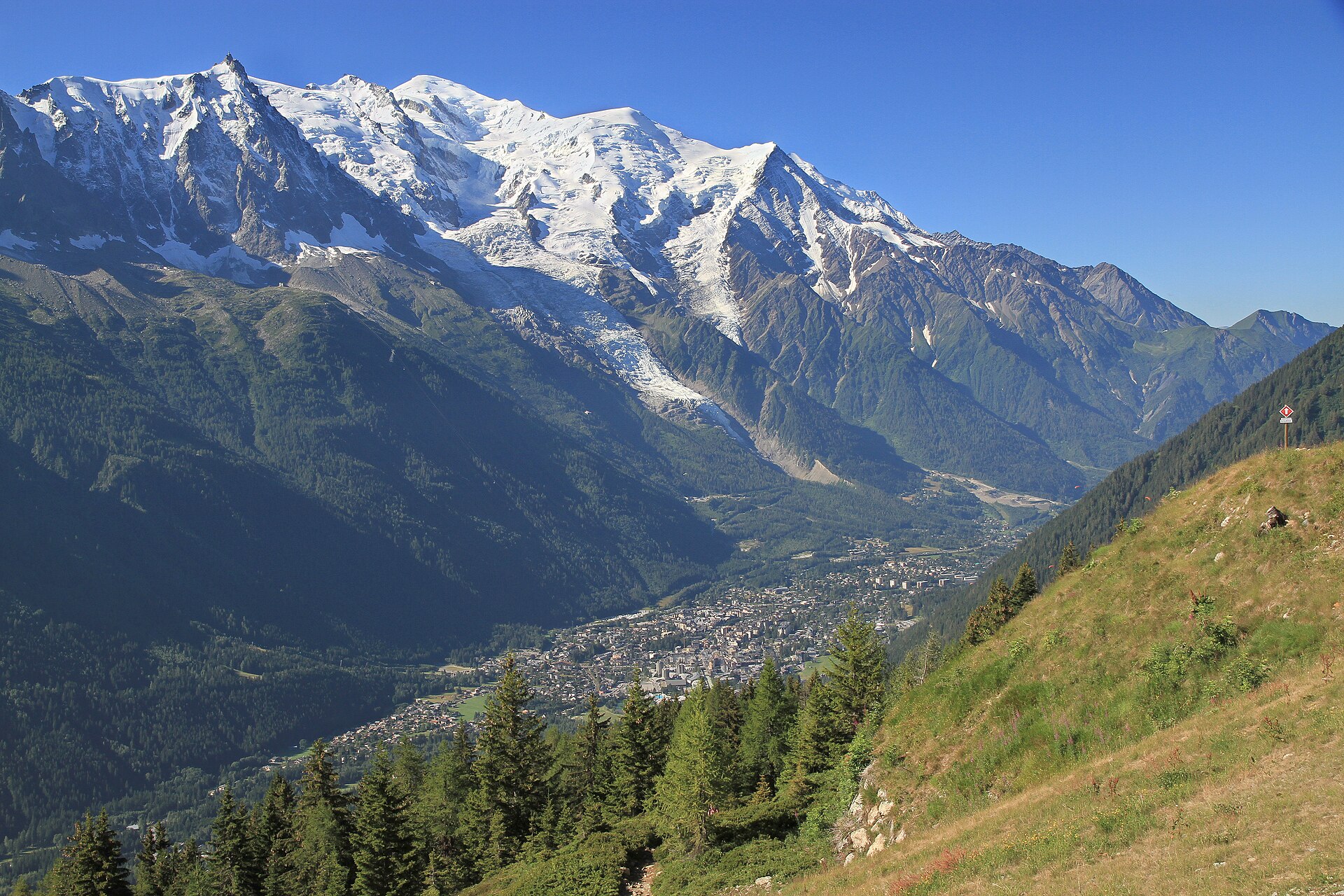
Day 4: Annecy → Chamonix
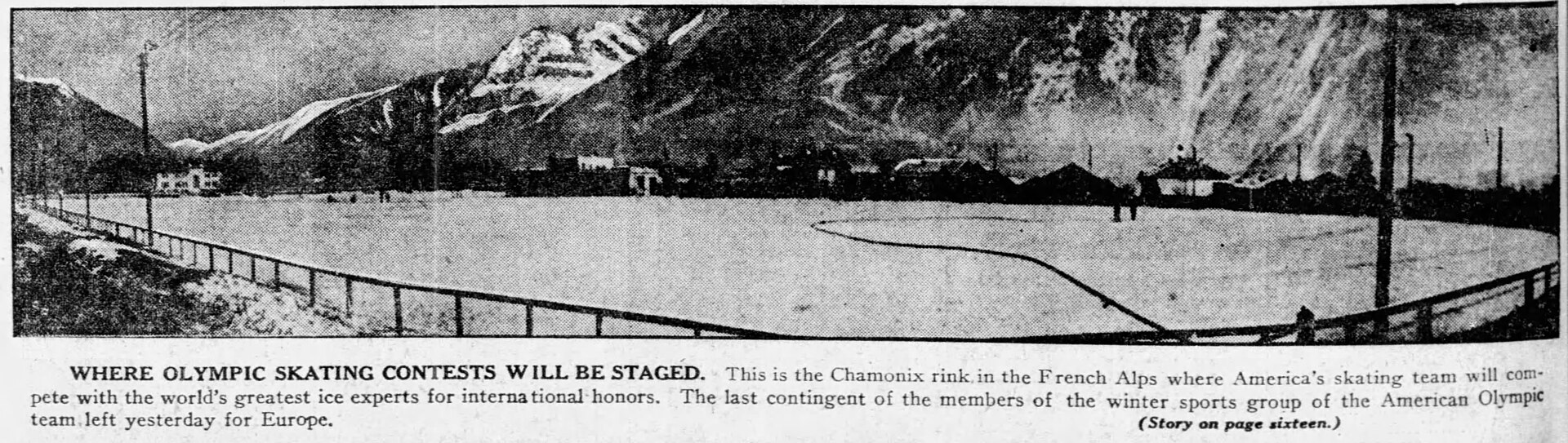
On the fourth day you’ll leave the calm waters of the lakes behind and head into the real high mountains. The drive from Annecy to Chamonix takes a little over an hour by motorway, and with every kilometre the scenery grows more dramatic. Chamonix-Mont-Blanc isn’t just an ordinary mountain resort — it’s the pulsing base camp of European alpinism, towered over by the massif of Mont Blanc itself like an enormous white wall.
After checking in, head to the local train station and board the historic Tramway de Montenvers rack railway, in operation since 1908. It carries you up through pine forests to an altitude of 1,913 metres at the Mer de Glace glacier. Be prepared: the sight of it is fascinating, but also rather sad. The glacier is retreating at a terrifying pace due to climate change, as shown by the information signs on the rocks marking the ice level in past decades. A brand-new gondola from 2024, which replaced the original lift, now takes you right down to the ice.
In the evening, head into the bustling streets of Chamonix, where Japanese tourists mingle with tanned climbers draped in carabiners. The town has a far rougher, sportier atmosphere than the polished Austrian resorts. For dinner you might treat yourself to a hearty Italian pizza — the border is just over the hill, and the local pizzerias offer great meat-free options baked in a wood-fired oven.
💡 Tip: For an authentic mountain experience, stay in a traditional wooden chalet or an alpine-style hotel. The Heliopic Hotel & Spa is a great choice, strategically located right by the Aiguille du Midi cable car station.
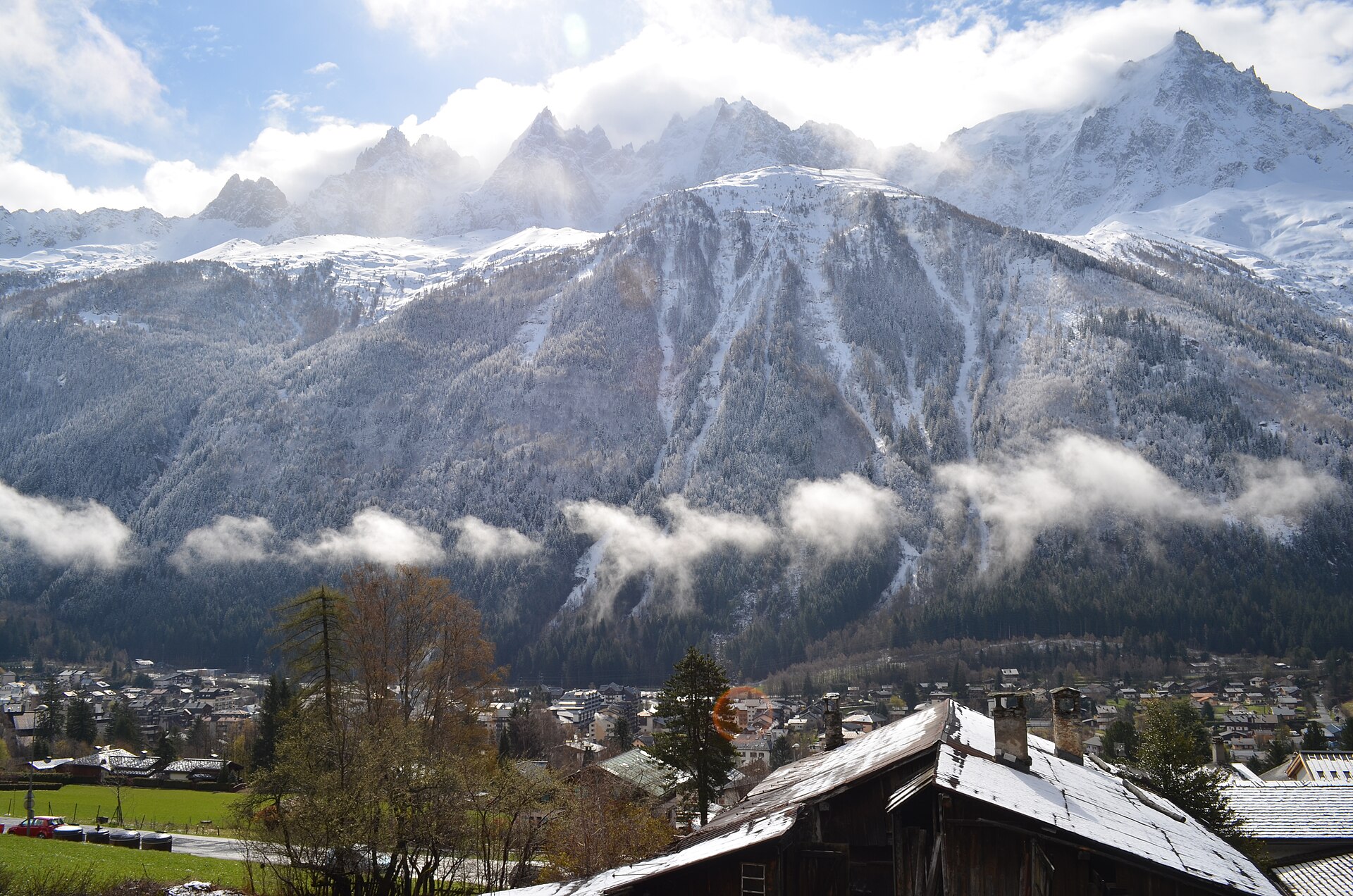

Day 5: Chamonix and the Aiguille du Midi
This day brings the absolute peak of the whole road trip — and that’s meant literally. If you only have time for a single attraction in Chamonix, it has to be the Aiguille du Midi cable car. This jagged rock needle reaches an altitude of 3,842 metres, and the ride up is an intense physical and mental experience. The upper section of the cable car spans an enormous drop without a single support pylon, so when the cabin swings out over a kilometre-deep abyss, everyone inside usually falls silent for a second.
At the top you get a proper slap in the face from the thin air — there’s 40 percent less oxygen here than at sea level. Every step up the stairs hurts, but the view of Mont Blanc and the surrounding glaciers is absolutely unrivalled. Don’t forget to try the Step into the Void, a glass box suspended in mid-air that you may enter only in special felt slippers so you don’t scratch the floor. The cable car ticket costs €81 in the spring season and €83 in summer, and booking a specific time slot is absolutely mandatory.
⚠️ Watch out for 2026: If you’re planning your trip at the turn of spring and summer, take note. From 25 May 2026 the main viewing terrace closes completely for 4 to 5 weeks for essential renovation. The cable car will still run and part of the complex will be accessible, but the most iconic view from the summit will be off-limits to tourists.
💡 Tip: After returning to the valley you’ll probably be wiped out by the altitude. Treat yourself to a relaxing afternoon at the local QC Terme thermal baths.
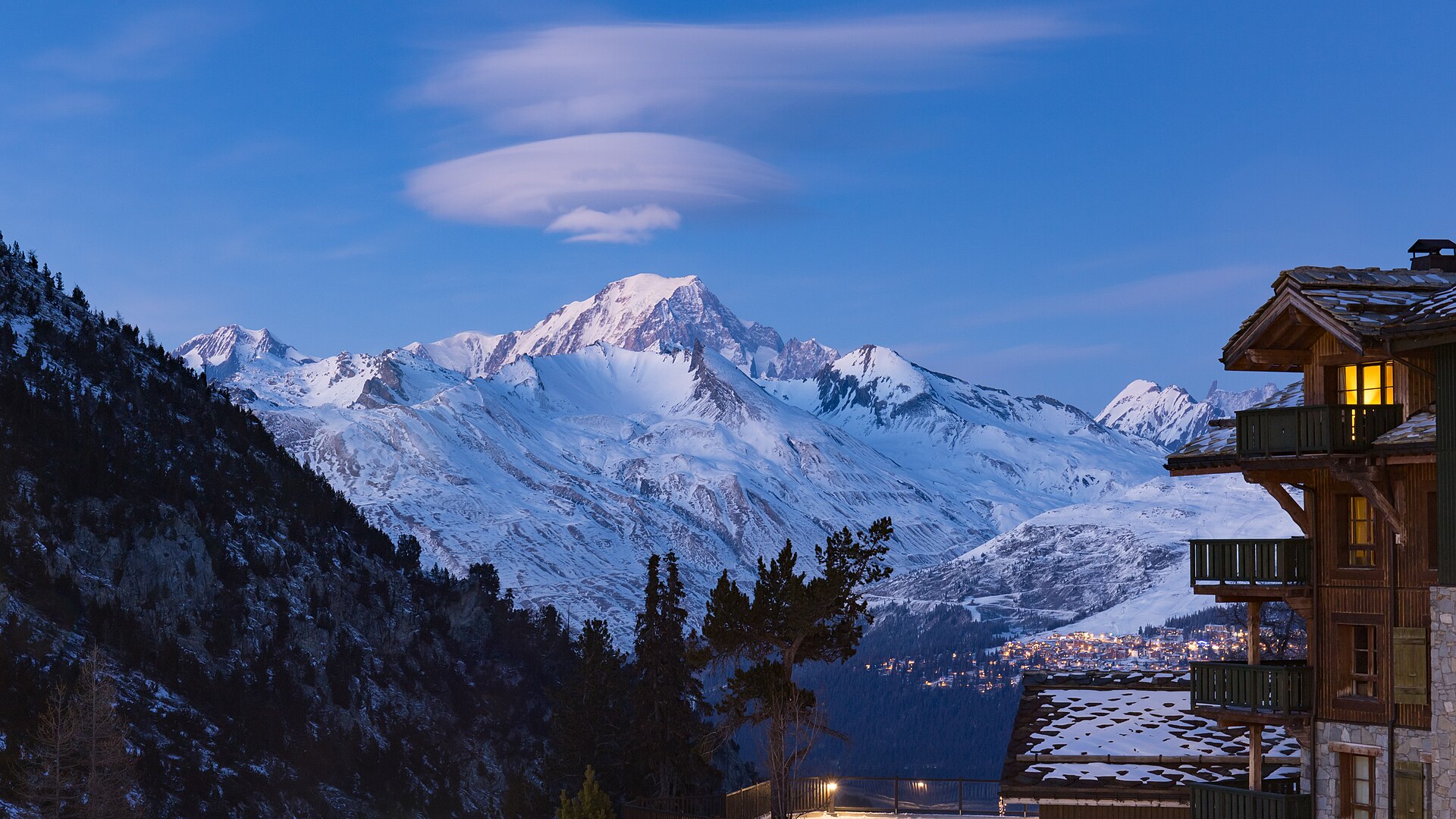
Day 6: The Mont Blanc Valley and Alpine Villages
After yesterday’s altitude extreme, treat yourself to a somewhat calmer day in the Mont Blanc valley. This region is home to the legendary Tour du Mont Blanc trek, which measures 170 kilometres, climbs over 10,000 metres of elevation, and circles the entire massif across three countries. You can carve off just a small one-day section, for example the beautiful stretch above the village of Les Houches, which opens up photogenic views of the creeping Bossons glacier.
If you ever wanted to do the whole trek with overnight stays in mountain huts, be aware that the logistics today are extremely demanding. Capacities are strictly limited and bookings open as early as 15 October the year before. Anyone who doesn’t book in the very first days is generally out of luck for the summer season. A night in a so-called refuge will then cost you roughly €80 to €90, including a hearty half-board meal, which is a must after a full day on the trail.
You, however, can calmly return to your car after a morning hike and explore the picturesque surrounding villages such as Argentière or Vallorcine. These hamlets have kept a much more authentic and peaceful character than the overcrowded centre of Chamonix itself. For lunch, drop into a tucked-away mountain pub, where they’ll serve you, with a smile, an honest onion soup or a rich vegetable quiche.
💡 Tip: Spend your last night in the mountains either at the same spot in Chamonix, or move a little further to the quieter Les Houches, for example to the RockyPop Chamonix hotel.
Day 7: Chamonix → Yvoire and Lake Geneva
The last day of your road trip brings the descent from the high mountains back down to civilisation. In the morning, set off from Chamonix heading northwest, and after roughly an hour and a half of driving you’ll reach the shores of the vast Lake Geneva. The landscape here is once again completely different — much gentler, sun-drenched, and dotted with fertile vineyards that slope right down to the water’s edge.
Your main stop will be Yvoire, a medieval stone village that regularly ranks among the most beautiful villages in all of France. This seven-hundred-year-old settlement is full of winding lanes, historic houses, and a flood of flowers that adorn seemingly every windowsill in the summer months. You’ll have to leave the car at a park-and-ride lot outside the ramparts, because the entire historic centre is reserved exclusively for pedestrians.
Stroll around the harbour, visit the lovely Garden of the Five Senses, and finally sit down at a café with a view over the lake. Switzerland lies just on the far shore, and you can calmly reflect on all the experiences of the past week. From here it’s just a short hop to Geneva airport, where you’ll return the rental car and head back home.
💡 Tip: If you still have a few hours before your flight, stop off in nearby Évian. This town is world-famous for its mineral water, and you can fill up straight from the public fountain for free.
Map of points of interest for your phone
Where to Stay Along the Route
💡 Tip on accommodation and experiences: We like to look for accommodation on Booking.com, which usually has the best cancellation terms. For tickets, tours and activities, it pays to compare and buy through GetYourGuide.
During this road trip you’ll move through several different locations, so it’s crucial to book your accommodation well in advance. French hotels often have smaller rooms, but they pride themselves on impeccable cleanliness and excellent breakfasts with fresh pastries. Set aside a budget of roughly €100 to €130 a night for two people, with prices rising further in tourist hubs during peak season. Here’s an overview of the ideal bases for your trip:
Lyon and around Look for accommodation in the Presqu’île (the peninsula) district, or right in the historic old town of Vieux Lyon. You’ll be close to the main sights and the very best restaurants. But be very careful about parking, since only cars with an eco-sticker may enter the centre. It’s safer to leave the car on the edge of the city at a P+R lot.
Grenoble as a gateway to the mountains Choose a hotel right in the centre near the busy Place Grenette. Grenoble works as a perfect urban base from which you can easily set out on day trips into the rugged Vercors or Chartreuse massifs, and return in the evening to a civilisation full of great cafés.
Lake Annecy Accommodation right by the turquoise lake or in the canal-laced historic centre is pricier, but it’s absolutely worth it. If you want to save money and avoid the biggest crowds, look around the smaller villages on the eastern shore of the lake, such as the picturesque Talloires.
Chamonix and the Mont Blanc valley If you want to be right at the heart of the action and soak up the climbing atmosphere, sleep in the town itself near the Aiguille du Midi cable car station. For quieter nights at far friendlier prices, opt instead for the neighbouring village of Les Houches or Argentière. These villages are superbly connected to the centre of Chamonix by a free train.
Where to Go Next
If this French region has charmed you and you’d like to extend your trip, or you’re just looking for more inspiration from the area, be sure to check out these more detailed guides:
- Want to learn more about the Venice of the Alps? Read our article on Annecy.
- Planning to stay in the mountains longer and conquer more peaks? Explore the details in our guide to Chamonix and Mont Blanc.
- Tempted by the gastronomy and the winding lanes? Get inspired by our tips for Lyon.
Frequently Asked Questions
Do I need an eco-sticker to enter the French Alps?
You don’t need one for mountain resorts. However, if you plan to drive through the wider centre of large cities such as Lyon or Grenoble, the Crit’Air eco-sticker is absolutely mandatory. Its absence is punishable by a fine ranging from €68 to €375. Order it well in advance online, because you won’t be able to buy it physically anywhere on site.
How much does the cable car ride to Aiguille du Midi cost?
In 2026, you’ll pay €81 for an adult return ticket in the spring season, with the price rising to €83 from June onwards. Bear in mind that during the season it’s absolutely essential to book a specific departure time on the official website or through an agent, as the cable cars are often hopelessly sold out.
Can you pay motorway tolls in France by card?
Yes, at all French toll gates called péages you can conveniently pay with a regular payment card. However, on some newer sections the classic barriers are completely absent. In such cases, you must pay the toll online within 72 hours of passing through according to your licence plate, otherwise you’ll certainly receive an unpleasant fine at home.
When is the best time to book mountain huts on the Tour du Mont Blanc?
If you want to complete this famous multi-day trek with overnight stays in official mountain huts, you need to be incredibly fast. The booking system for the summer season opens as early as 15 October of the previous year, and the most popular spots on the route disappear literally within just a few days.
What does the restriction at Aiguille du Midi mean in 2026?
From 25 May 2026, the main highest viewing terrace will be completely closed for 4 to 5 weeks due to extensive planned reconstruction. The cable car itself will continue to operate and you’ll be able to visit the lower parts of the entire complex, but the most iconic viewing point will be temporarily off-limits to all tourists.
When should I avoid the Alps because of Tour de France 2026?
The cycling race arrives in the Alpine region in the third week of July. The absolutely critical days are 19, 24 and 25 July, when the peloton tackles mythical climbs such as Galibier or Alpe d’Huez. During this time, roads will be completely closed, hotels sold out, and the entire area logistically paralysed.
Can I eat well in Lyon even if I don’t eat meat?
Although traditional Lyon bouchons are famous for heavy meat dishes and offal, you definitely won’t go hungry there. In any decent restaurant today they’ll happily prepare an excellent meat-free menu for you. You’ll also always be saved by a huge selection of top-quality local cheeses, creamy vegetable soups, and fresh pasta.
Tips and Tricks for Your Vacation
Don’t Overpay for Flights
Search for flights on Kayak. It’s our favorite search engine because it scans the websites of all airlines and always finds the cheapest connection.
Book Your Accommodation Smartly
The best experiences we’ve had when looking for accommodation (from Alaska to Morocco) are with Booking.com, where hotels, apartments, and entire houses are usually the cheapest and most widely available.
 🚗 Car rental on the roadVerified rental cars in France
Search with the DiscoverCars comparison engine — it compares prices from dozens of local and international rental companies, and most bookings come with free cancellation.
Compare car prices in France →Don’t Forget Travel Insurance
Good travel insurance will protect you against illness, accidents, theft, or flight cancellations. We’ve had a few hospital visits abroad, so we know how important it is to have proper insurance arranged.
Where we insure ourselves: SafetyWing (simple monthly subscription) and TrueTraveller (for extra-long trips).
Find the Best Experiences
Get Your Guide is a huge online marketplace where you can book guided walks, trips, skip-the-line tickets, tours, and much more. We always find some extra fun there!