Rovaniemi, Finland: 15 Best Things to See and Do in the Home of Santa Claus

TL;DRRovaniemi, the capital of Finnish Lapland right on the Arctic Circle, is best known for Santa Claus Village, where entry’s free and you can meet Santa himself. Beyond that, there’s the Arktikum museum, hunting the Northern Lights, husky safaris and reindeer sleigh rides. The best time to visit is December to March, with February and March offering the best balance of daylight and price. The airport is just 10 minutes from the centre, and 3 to 4 days is enough for the town and surrounding area. Other things worth seeking out include Alvar Aalto’s architecture, the Jätkänkynttilä bridge, the frozen waterfalls at Korouoma, and Ranua Zoo, home to Finland’s only polar bear. A four-day trip for two, including accommodation and a few activities, starts at around 45,000 Kč.

Rovaniemi, Finland has only around 65,000 inhabitants, yet one address here is known by almost every child on the planet. This is where Santa Claus lives. The capital of Finnish Lapland sits right on the Arctic Circle and is the easiest gateway into an Arctic winter fairytale you can imagine. Snow, reindeer, dog sleds, the northern lights, and on top of that a city that burned to the ground in World War II and was rebuilt by a famous architect in the shape of reindeer antlers. ☺️

In this guide you’ll find 15 of the best things to see and do in Rovaniemi, from Santa Claus Village and crossing the Arctic Circle to hunting the northern lights and husky safaris, all the way to the architecture of Alvar Aalto and frozen waterfalls. I’ll tell you the best time to visit, how to get there from the UK, where to stay and how much the whole thing will cost.

Rovaniemi is brilliant mainly because everything is within easy reach. The airport is ten minutes from the centre, Santa Claus Village is just outside town, and you can do most of the experiences without a car. If you’re planning a longer trip around the whole region, take a look at my big guide on what to see in Lapland.

TL;DR

  • Don’t miss: Santa Claus Village and crossing the Arctic Circle, the Arktikum museum, hunting the northern lights, a husky safari and a reindeer sleigh ride.
  • When: for the winter fairytale and northern lights, December to March; the best balance of daylight and price is February and March. Summer tempts with the midnight sun and river cruises.
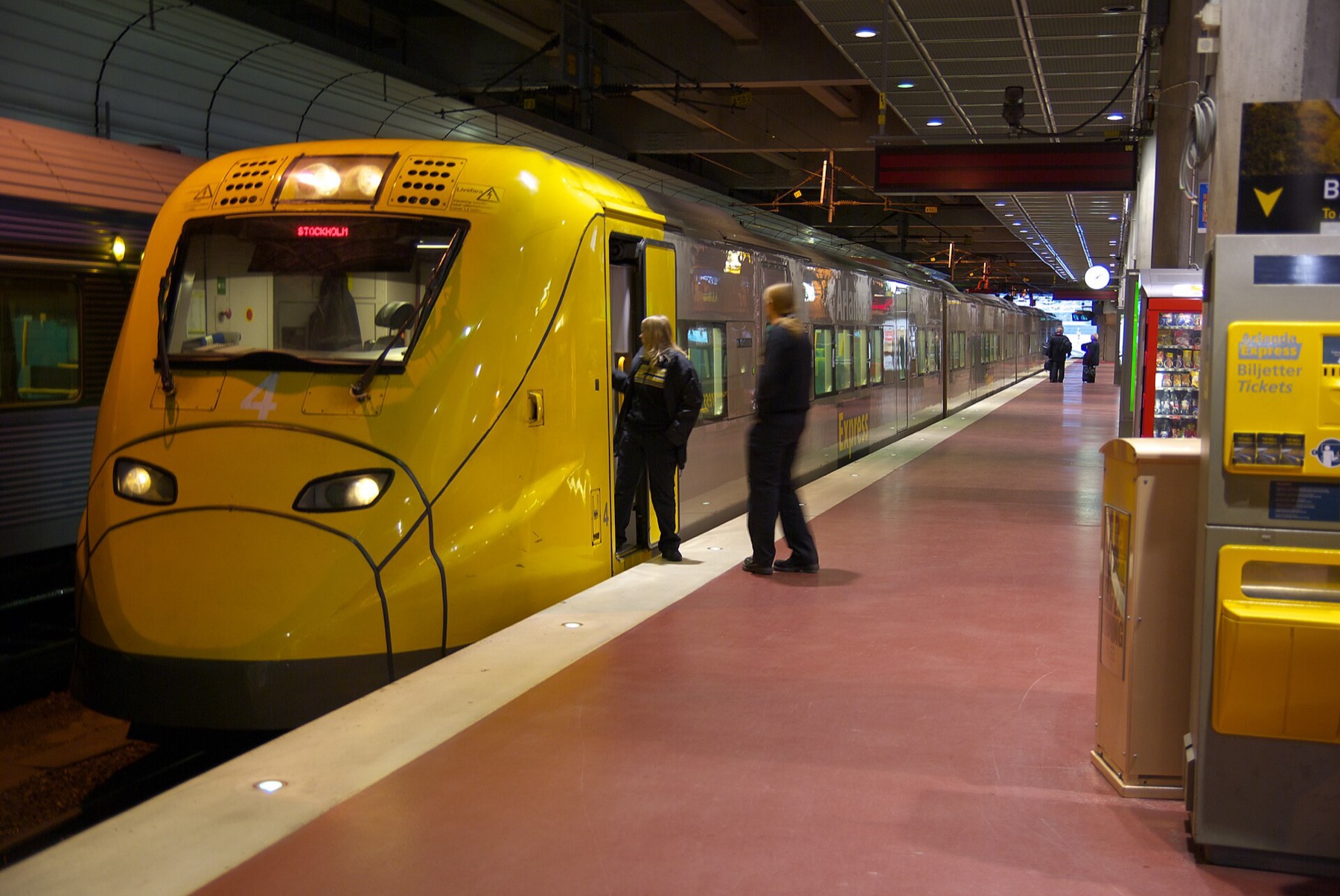
  • How to get there: direct winter charter flights to Rovaniemi from the UK, or via Helsinki (a short flight, or the overnight Santa Claus Express train). The airport is 10 minutes from the centre.
  • How many days: 3 to 4 days is plenty for Rovaniemi and its surroundings; allow a week for all of Lapland.
  • Northern lights: never guaranteed, so plan for several nights and trips out of town. There are spots right by the city too (Ounasvaara, Arctic Garden).

The best time to visit Rovaniemi

Rovaniemi has two faces, and which one you’re after will shape your timing. Winter season (December to April) is the headline act: snow, the northern lights, huskies, reindeer and the Christmassy atmosphere of Santa Claus Village. December and early January are the most festive, but also the priciest and darkest, with only a few hours of bluish twilight around the solstice.

For my money, the best compromise is February and March: there’s more daylight, the sky is clearer (which means better odds of catching the lights), there’s the most snow, and the cold is milder than in January. You can spot the northern lights roughly from late August to early April, with the statistically most active periods being September and March. And if winter isn’t your thing at all, summer serves up the midnight sun, river cruises and green hills, it’s cheaper and crowd-free, just without snow or the aurora.

How to get to Rovaniemi and how much it costs

Getting to Rovaniemi from the UK is easy. There are direct winter flights from London (typically with airlines like British Airways, Finnair or seasonal charters), and the flight takes around three to four hours. The other option is to fly via Helsinki, from where it’s just an hour and a half on to Rovaniemi, or you can add an extra experience and take the overnight Santa Claus Express train, which carries you from Helsinki in just under twelve hours (cabins from ~€49). You’ll find tickets on the VR Finnish railways website.

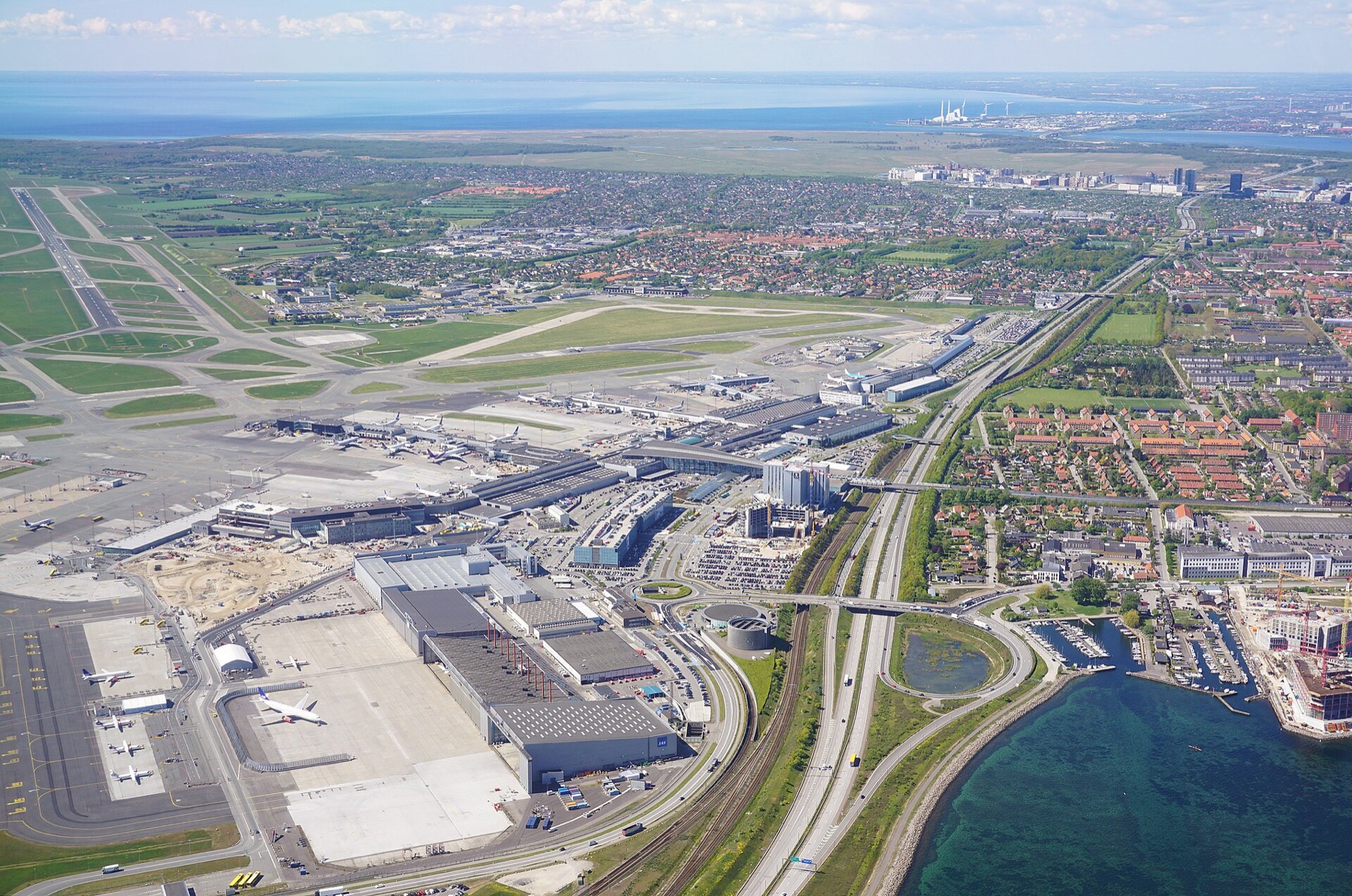
The great news is that Rovaniemi Airport (RVN) is just ten minutes from the centre and right next to Santa Claus Village. From the airport there’s the Airport Express shuttle running via the village into the centre (a ticket is around €8), and the year-round city bus number 8 links the centre with Santa Claus Village. So you don’t need a car at all unless you want to head out on more far-flung trips on your own.

Now for the money. Rovaniemi (and Finland in general) is one of the pricier destinations. Entry to Santa Claus Village is free, but the activities are expensive: a husky safari from ~€95, a guided northern lights hunt around €150, the Arktikum museum €30. For a sensible four-day trip for two with accommodation in town and two or three activities, budget from roughly €1,800 upwards. You’ll save by travelling in January, choosing accommodation with a kitchenette and making the most of what’s free.

Where to stay in Rovaniemi

Depending on what you want from your trip, a different type of accommodation will suit. Some people want a practical base in the centre to head out on day trips from, while others want to tick off a dream and fall asleep under a glass roof with a view of the northern lights. I’ve picked specific, well-rated options across categories. One word of warning: the most appealing places tend to be sold out months in advance, especially before Christmas.

In the centre, a reliable choice is Santa’s Hotel Santa Claus, which guests praise for its hearty breakfast and sauna, with everything within walking distance. Original Sokos Hotel Vaakuna with its perfect location works equally well, as does Arctic City Hotel. If you’re looking to save, you’ll appreciate Hostel Café Koti. For a dream come true, I recommend Arctic TreeHouse Hotel with its private suites up in the treetops and a glass wall, the peaceful lakeside Apukka Resort, or the unforgettable Arctic SnowHotel & Glass Igloos with its ice bar and glass igloos.

lukas a lucka
Lukáš and Lucie recommend
Where to stay in Rovaniemi
6 accommodations — wellness hotels, hotels and other lodging options

Santa Claus Village, the Christmas heart of Rovaniemi

Let’s start with the reason visitors flock here from all over the world. Eight kilometres north of the centre lies Santa Claus Village, a complex built right on the Arctic Circle, and everything Christmassy you can imagine revolves around it. Here are three spots you shouldn’t miss.

1. Santa Claus Village and crossing the Arctic Circle

Santa Claus Village is the most-visited attraction in all of Lapland and Finland’s biggest Christmas icon. The Arctic Circle is marked here by a line on the ground that you can ceremoniously cross, and the whole complex is open year-round. The best part: entry and meeting Santa are both free.

You only pay for the official photo with Santa, and it isn’t cheap (packages from ~€40–55), which tends to be an unwelcome surprise. In December and around Christmas the crowds and queues can be borderline maddening. 💡 Tip: come first thing in the morning right after opening. The complex also has the icy SnowmanWorld with slides and an ice restaurant. More on the official village website.

2. Santa’s main post office and a postcard with the Arctic Circle stamp

Right in the village sits Santa’s official main post office, which receives two million postcards from all over the world every year. Send a postcard home from here with the special Arctic Circle stamp you can’t get anywhere else, served up by “postal elves”. It’s a charming and, best of all, cheap experience.

You can also have a card written “from Santa” that arrives exactly at Christmas, which kids adore. And even if you turn up outside opening hours, the yellow postbox by the entrance will give your card that magical stamp too.

3. SantaPark, Santa Claus’s underground cavern

A short way from the village, SantaPark is carved into the rock, a Christmas amusement park hewn out underground. You’ll find an elf school, a gingerbread bakery, an ice gallery and a little train, and the whole place breathes Christmas whether you arrive in December or March. Unlike the village, there’s an admission fee here (from ~€49 per adult), but in return it’s indoor fun in any weather, which you’ll especially appreciate with kids.

The winter season usually runs from late October to mid-January, so check the current opening hours before you go on the SantaPark website.

Museums and architecture: Rovaniemi in any weather

Rovaniemi isn’t just about Santa. When it’s freezing or overcast outside, the city has plenty to offer indoors too, plus surprisingly interesting architecture. Here are three tips that’ll help you understand the city and the whole Arctic.

4. Arktikum: the museum where you’ll learn why the sky glows

The iconic glass building reaching towards the river houses Arktikum, a museum and science centre about the Arctic. Here you’ll learn about life in Lapland, about Sámi culture and about what actually causes the northern lights. It’s the best “any weather” tip and the ideal complement to hunting the aurora. When it’s overcast outside, at least here you’ll understand how that miracle comes about.

Admission costs around €30 for an adult, with a family ticket working out better value. A little further on you’ll also find the interactive science centre about the forest, Pilke (great for kids, everything is hands-on), and the Korundi culture house with its gallery. Details on the Arktikum website.

5. The Aalto Centre and a walk around the city

This is my tip for anyone interested in more than just Santa. Rovaniemi burned to the ground in 1944, and the famous architect Alvar Aalto designed its reconstruction, including an urban plan shaped like reindeer antlers. His hand also created the Aalto Centre with its gorgeous library, the Lappia theatre and the town hall. You can pop freely into the library, and the interior is well worth it.

You can walk the centre in half a day. On the way, stop at Lordi’s Square (named after the local metal band that won Eurovision), take a peek into the church with the monumental fresco “The Source of Life”, where you’ll find a reindeer instead of a lamb, and at the Marttiini shop you can pick up a traditional Lapland knife as a souvenir (just put it in your checked luggage, not your hand baggage).

6. The Jätkänkynttilä Bridge, a burning candle over the river

Rovaniemi’s signature silhouette is the Jätkänkynttilä Bridge, “the Lumberjack’s Candle” in English, suspended across the Kemijoki River. At the top of its two pylons sit flames that flicker to life after dark like giant candles, recalling the days when timber was floated down the river. It’s loveliest at dusk during the blue hour.

The bridge also makes a great photo spot for the northern lights over the river, because the water beneath it never fully freezes and the sky is clearly visible over the open riverbed. The walk here from the centre takes just a few minutes.

The Arctic experiences you come to Rovaniemi for

This is the heart of the whole trip. Rovaniemi is the ideal base for experiences you’ll never forget: silence broken by the panting of a dog team, a reindeer pulling a sleigh through snowy forest, and a sky glowing green. I’ve picked four you shouldn’t miss.

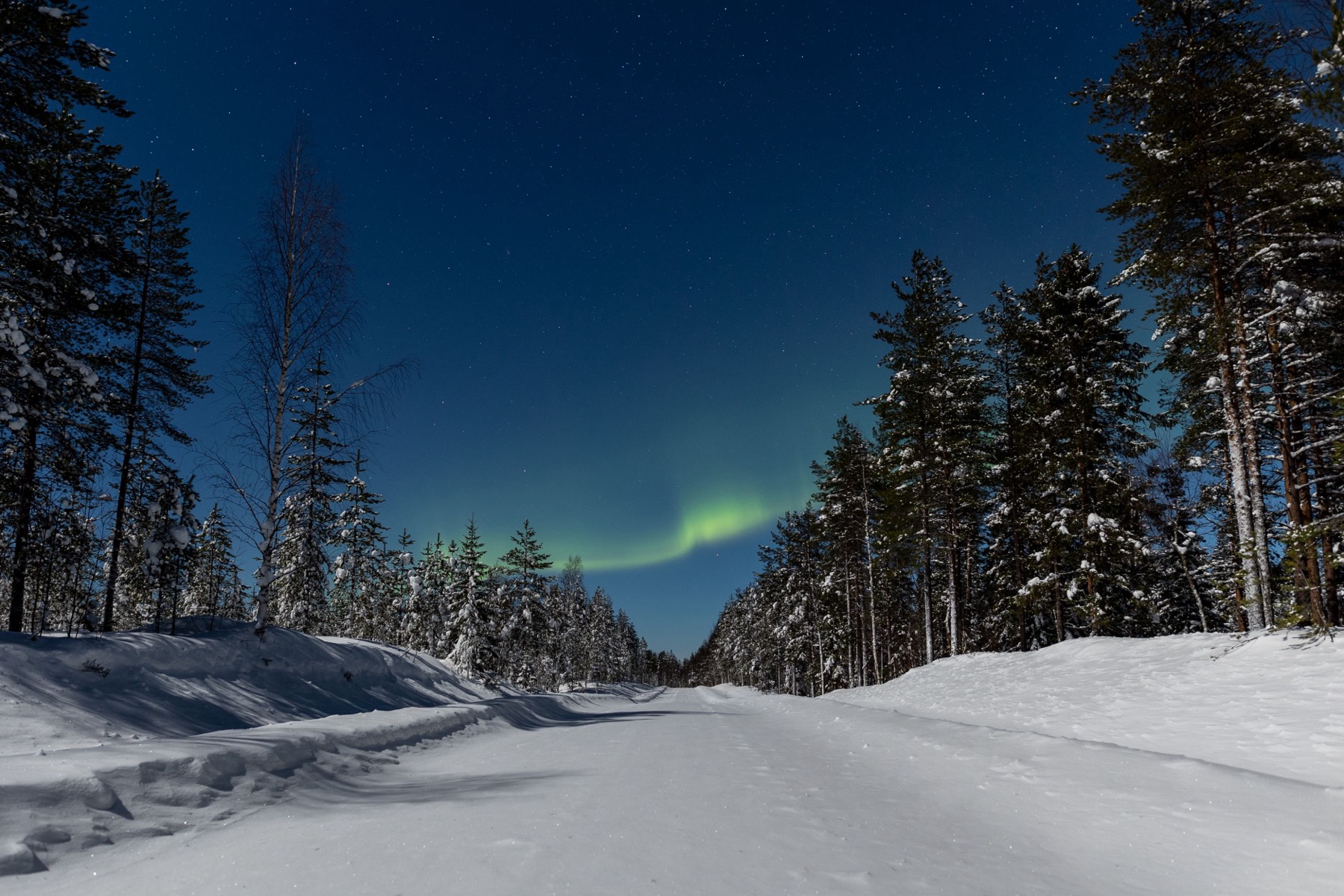
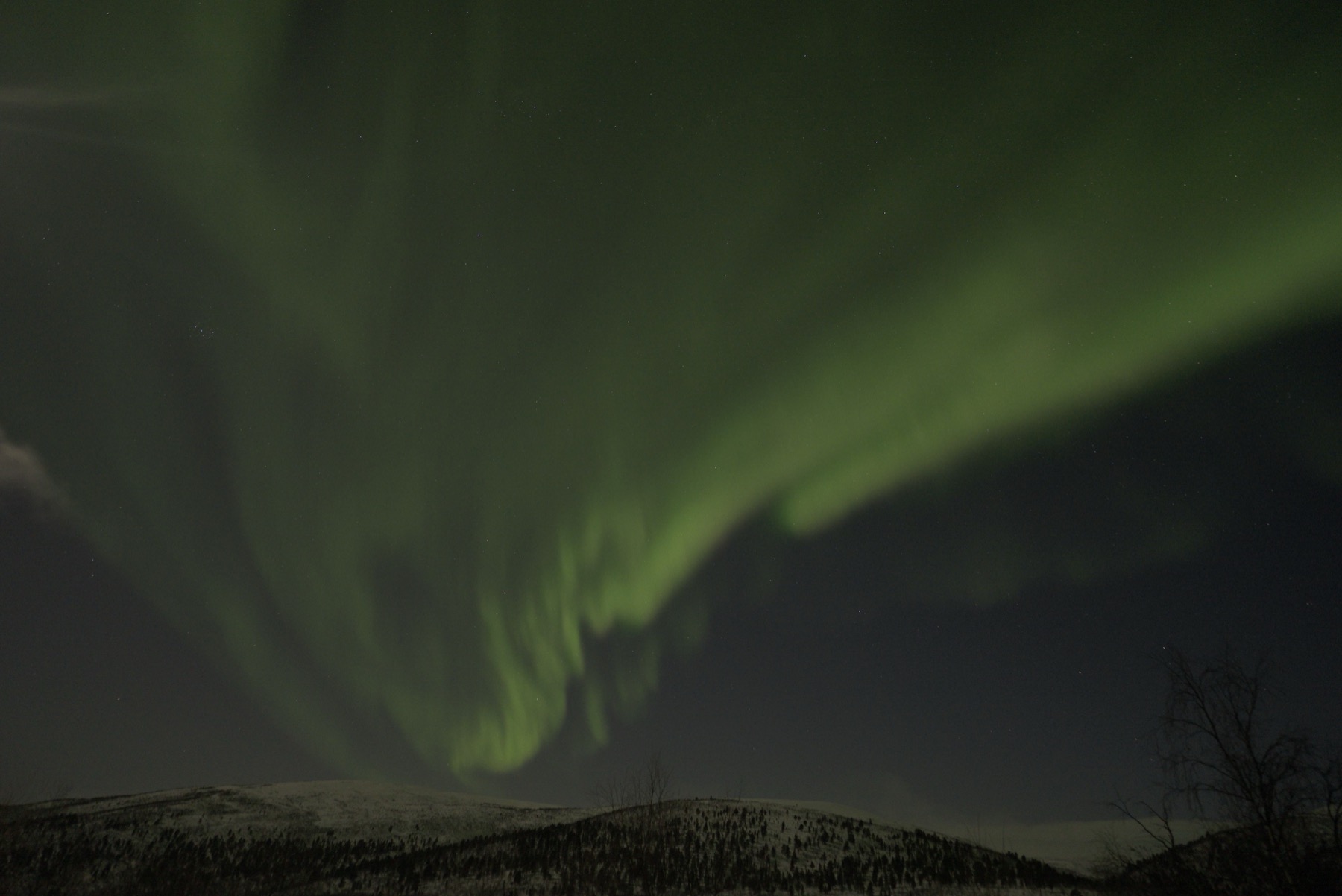
7. Hunting the northern lights right by Rovaniemi

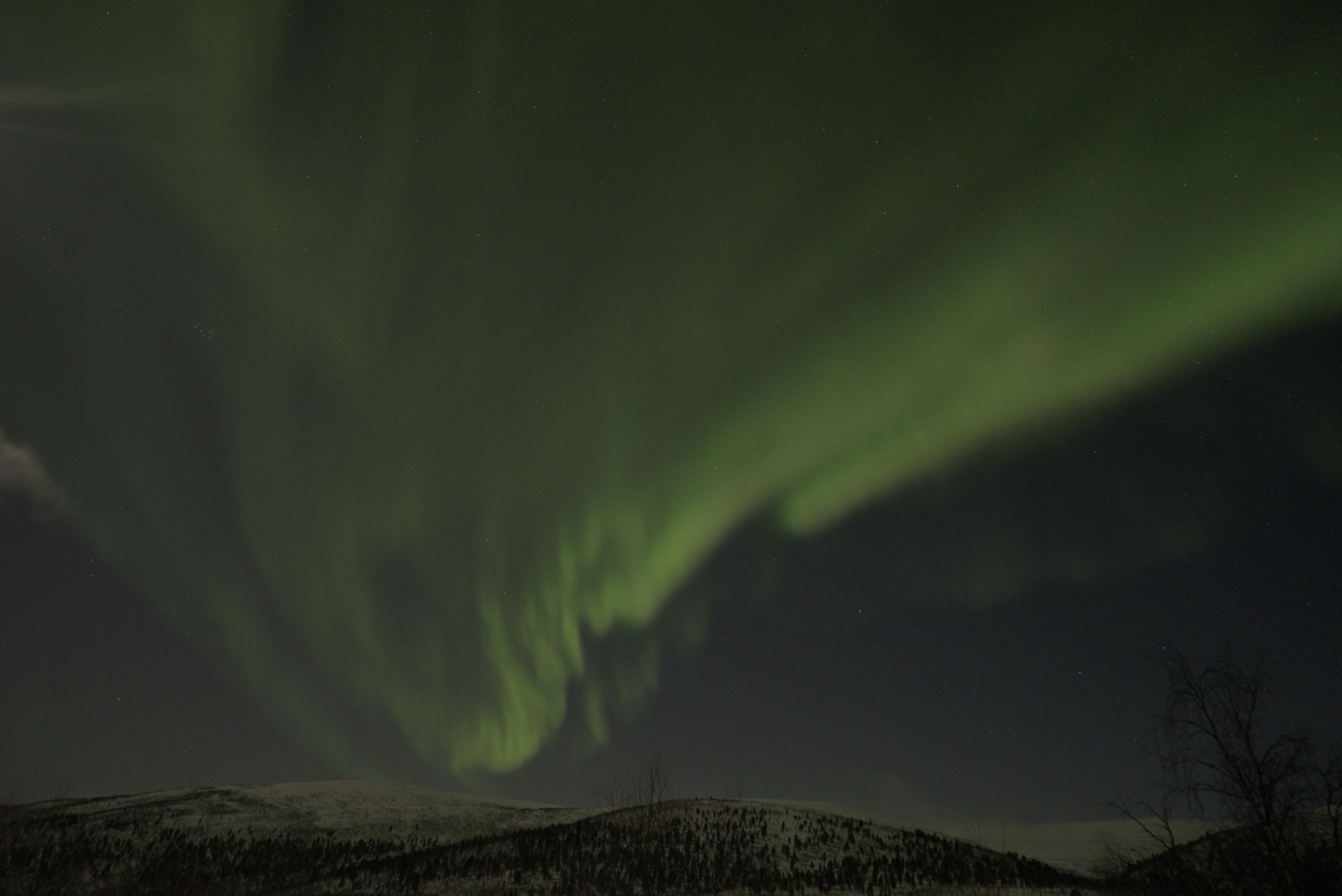
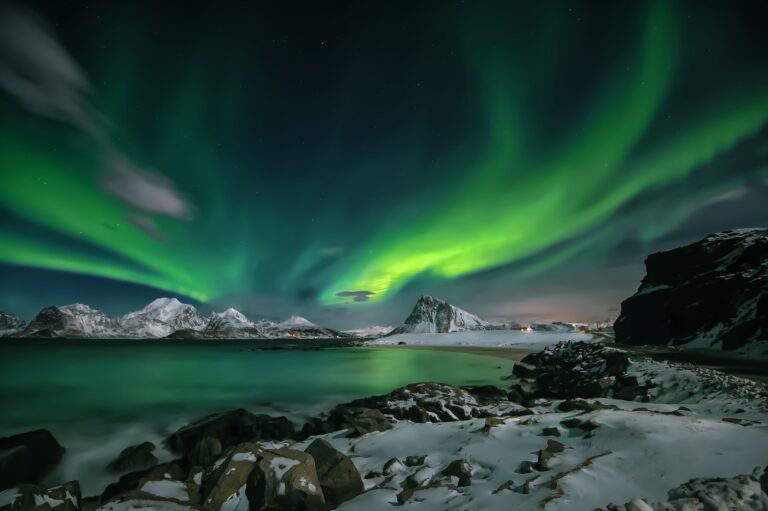
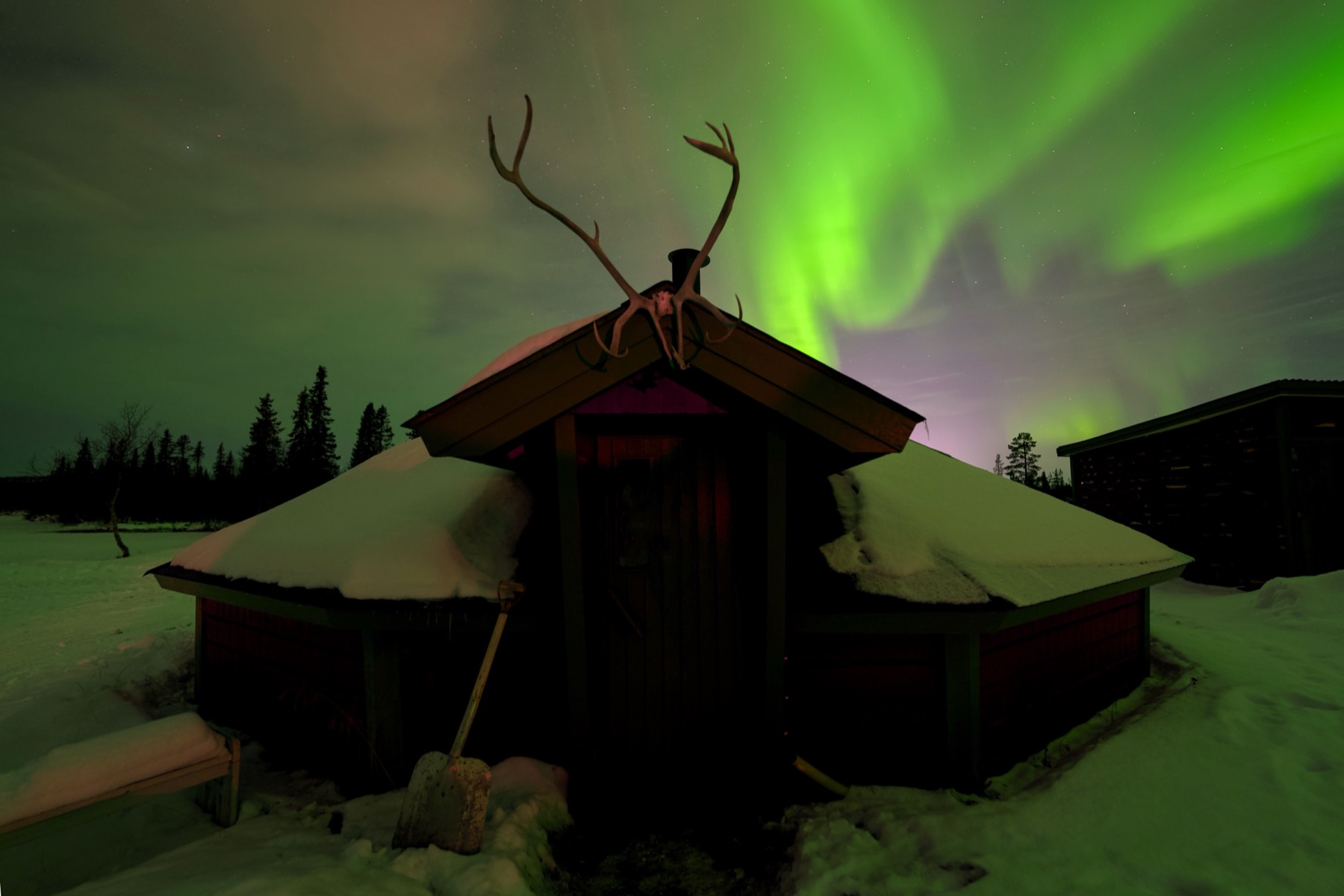
The northern lights are the main winter draw, and seeing them live is something completely different from the photos. The important thing is to have realistic expectations: they’re not guaranteed, a clear sky is the deciding factor, and it takes patience and quite possibly several nights. The great thing is you can hunt them right from Rovaniemi. The most accessible spots are Arctic Garden by Arktikum and the Ounasvaara hill, which you can walk to.

For darker skies it’s worth driving about 20 minutes to the Arctic Circle Hiking Area or to Lake Olkkajärvi. If you’d rather not worry about the weather and forecast yourself, go for a guided tour (around €150), which will take you to wherever the sky happens to be clear. You can book specific tours in advance through GetYourGuide.

8. Husky safari, a ride with a dog sled team

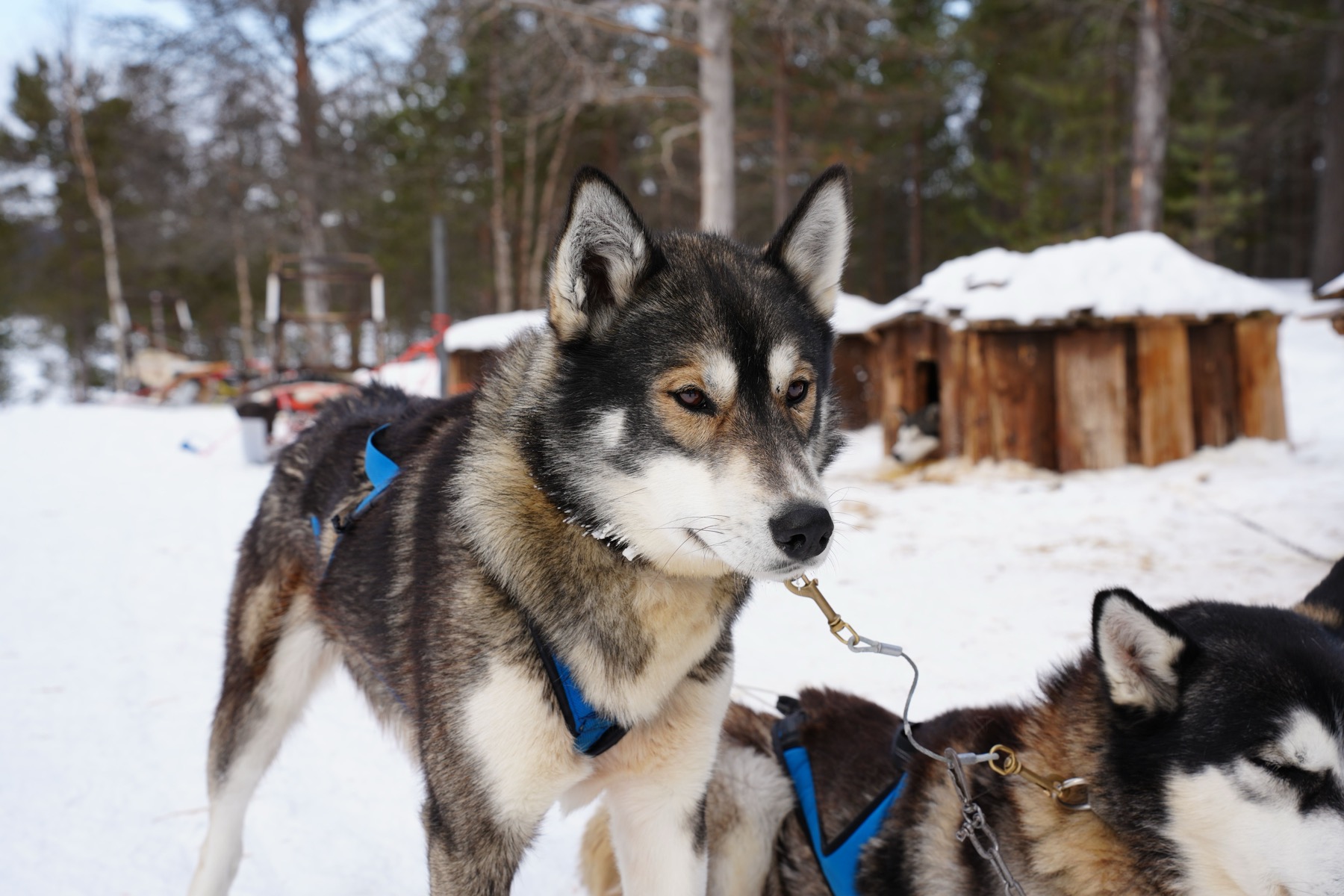
If Lapland has one unmistakable sound, it’s the panting and barking of huskies just before the start, replaced by complete silence the moment the team sets off. Visiting a husky farm and riding the sled is one of the most authentic Arctic experiences there is. You can ride as a passenger or drive your own team.

A short ride near Santa Claus Village costs just a few euros, while a full self-drive safari runs from €95 to €200 depending on length. Bear in mind the ride itself tends to be shorter than you’d expect, but intense in the cold, and that they’ll usually lend you a warm Arctic overall.

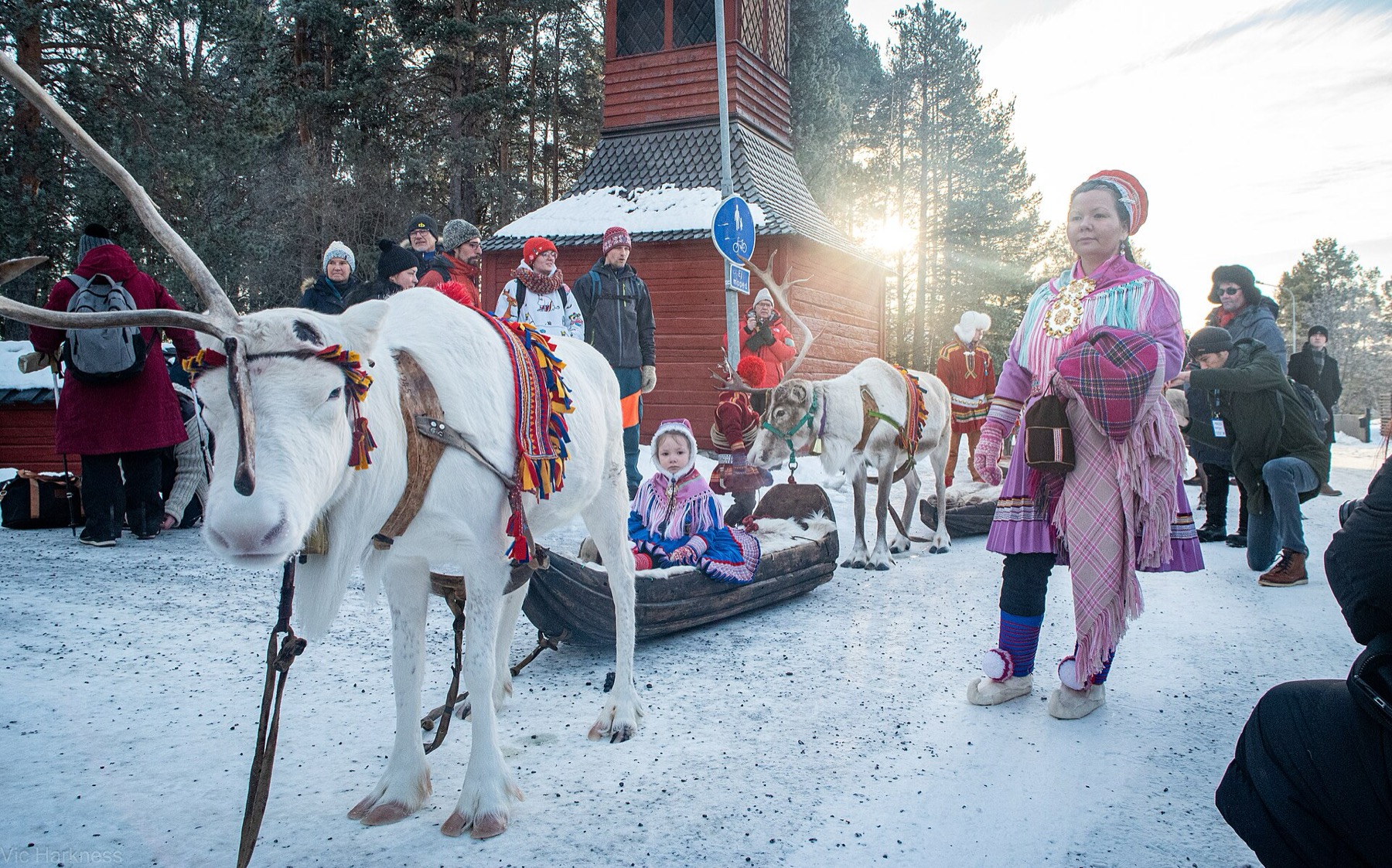
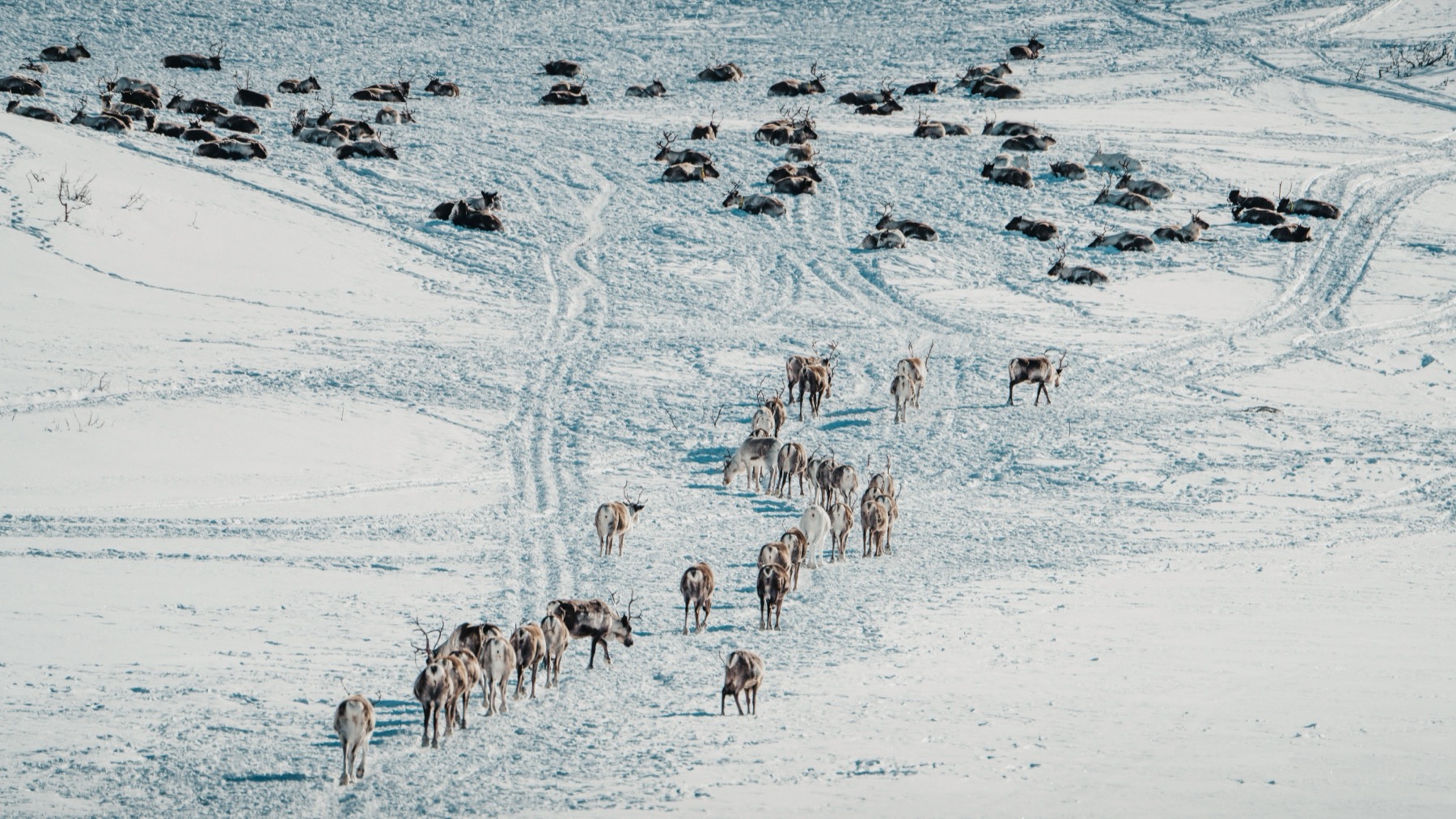
9. A reindeer farm and a sleigh ride with the Sámi

If a husky safari is fast and wild, a reindeer sleigh ride is its calm, fairytale counterpart. The reindeer goes at a walking pace, the scene is quiet and snowy forest stretches all around. Visiting a traditional reindeer farm, often run by herding families for generations, is also the most authentic way into Sámi culture.

After completing the loop you get a jokey “reindeer driving licence” that delights kids and adults alike, and the herders will tell you about life with their herds around the fire. It’s an experience that warms your heart even in the deepest cold. ☺️

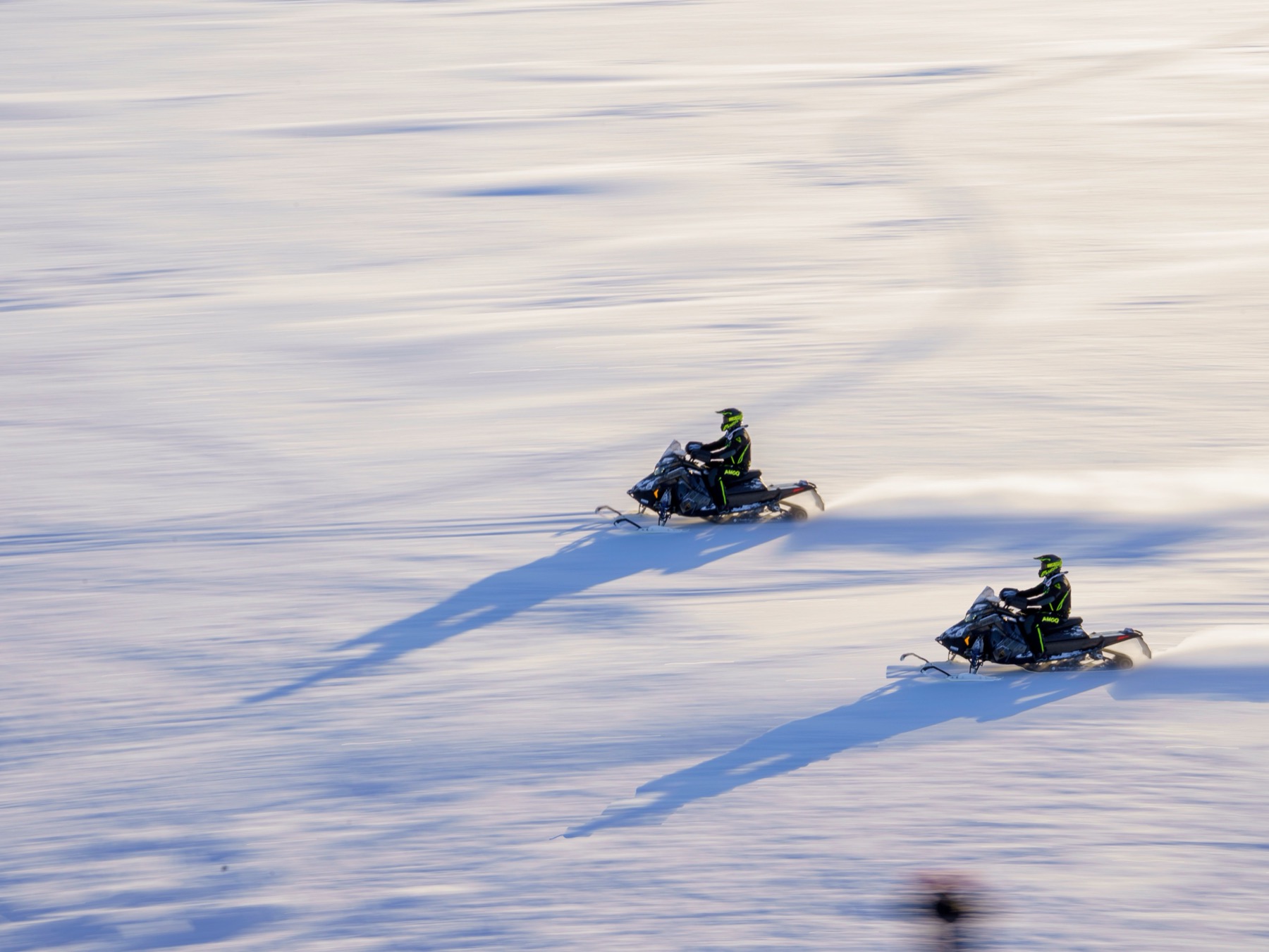
10. Snowmobiles across the wilderness

For adrenaline lovers there’s a snowmobile safari. On a guided trip you’ll zip through snowy landscapes you couldn’t otherwise reach, often combined with ice fishing or a northern lights hunt. Options range from gentle hour-long loops to full-day rides.

One important detail: anyone wanting to drive a snowmobile must have a physical category B driving licence and be over 18. Without one they’ll only take you along as a passenger. Prices are around €100–150 for a couple of hours.

Nature and day trips from Rovaniemi

Rovaniemi is a brilliant launch pad, and a few of the loveliest experiences lie just outside the city. When you have a spare day, head out into nature, see Arctic animals or visit frozen waterfalls. Here are five tips for day trips, plus what to do right in town at other times of year.

11. Ounasvaara: viewpoint, skiing and summer

Just across the river rises the Ounasvaara hill, the city’s sports and recreation centre with the best panorama of Rovaniemi and the confluence of the rivers from the observation tower. In winter there are ski slopes and cross-country trails, in summer trekking, mountain biking and a summer toboggan run. It’s a year-round playground just minutes from the centre.

The open slopes also give a good view of the night sky, so Ounasvaara doubles as an accessible spot for the northern lights. Access to the nature is free; you only pay for a ski pass if you want to ski.

12. Ranua Arctic Zoo and a polar bear encounter

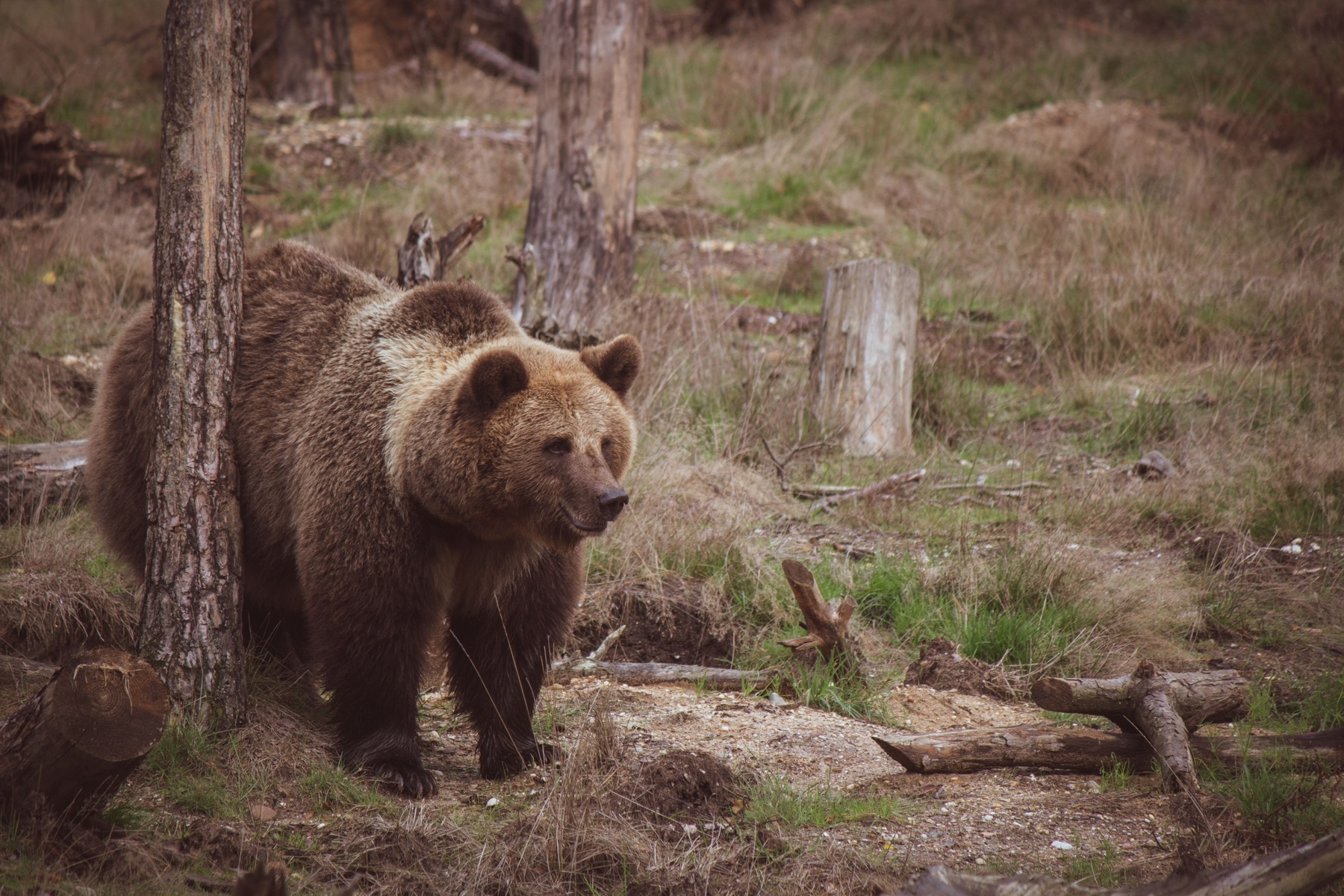
An hour’s drive from Rovaniemi (about 80 km) lies the world’s northernmost zoo, Ranua Wildlife Park. It focuses on Arctic animals, so you’ll meet the only polar bear in Finland, along with wolves, lynx, wolverines, Arctic foxes, owls and reindeer. You watch the animals from snowy wooden walkways.

It’s a sure-fire hit with kids and an ideal backup for a day when you haven’t booked any big activity. Admission is around €24.50 for an adult, and there are daily buses too. Current prices on the Ranua Resort website.

13. Arctic SnowHotel and a dip in icy water

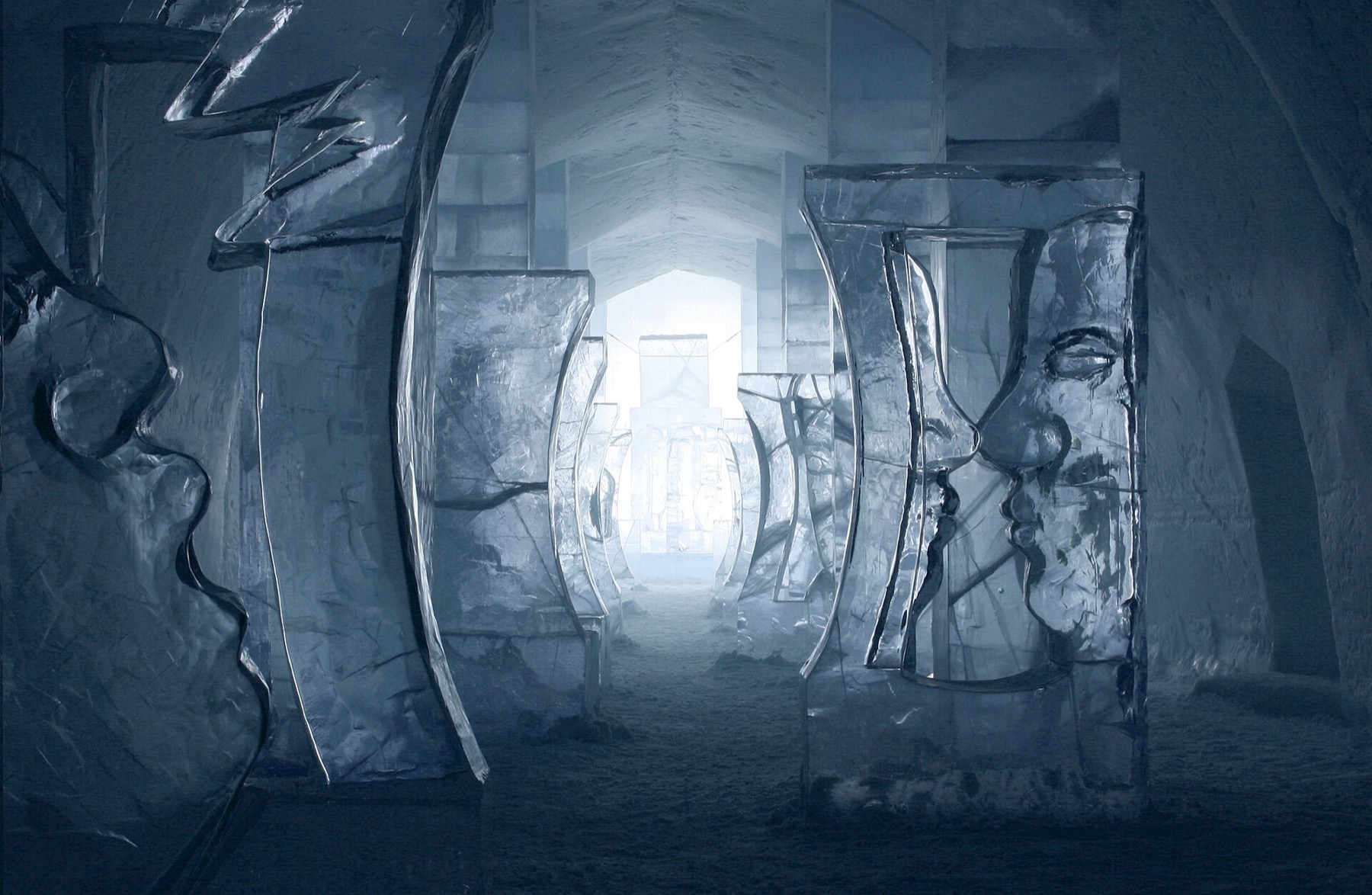
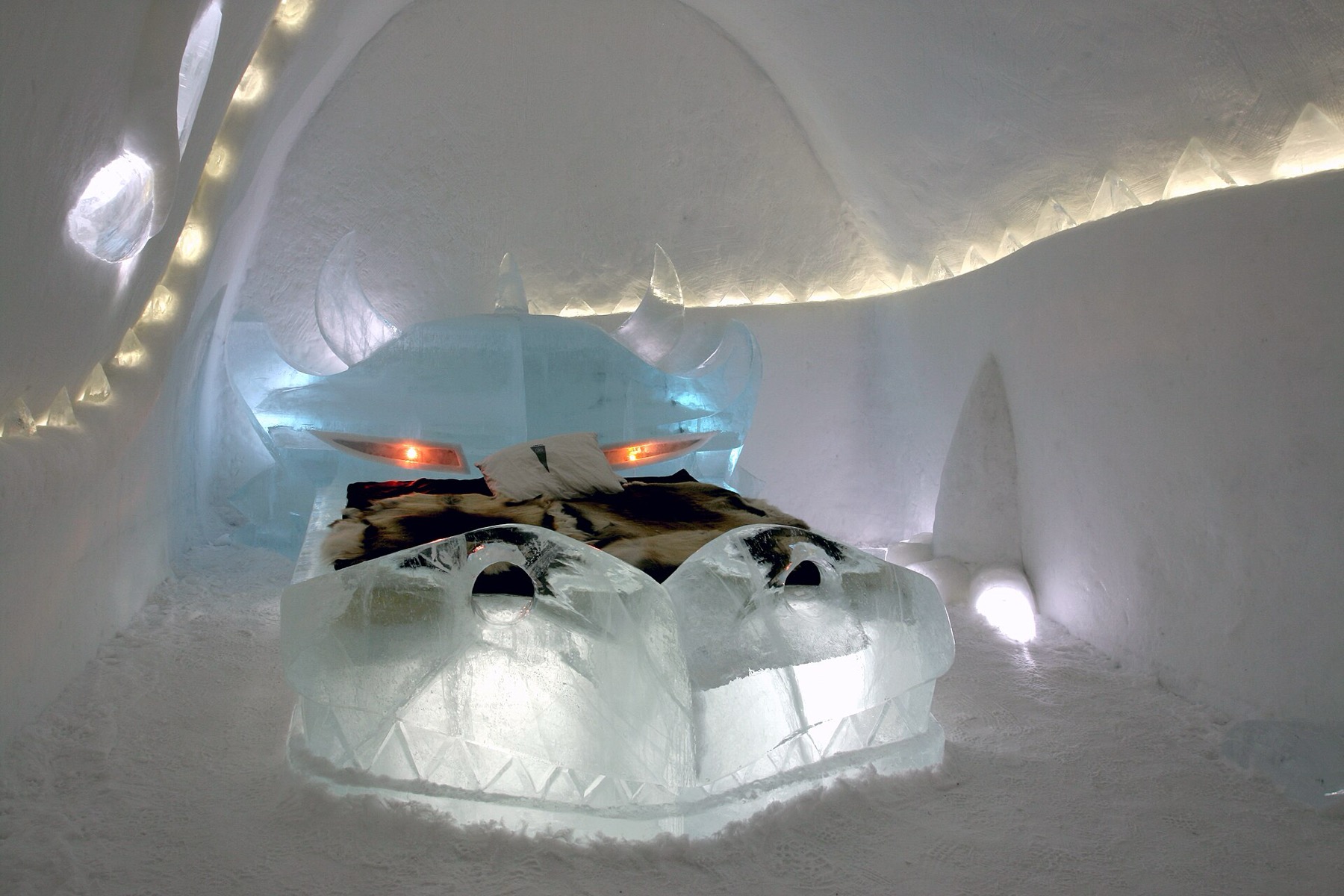
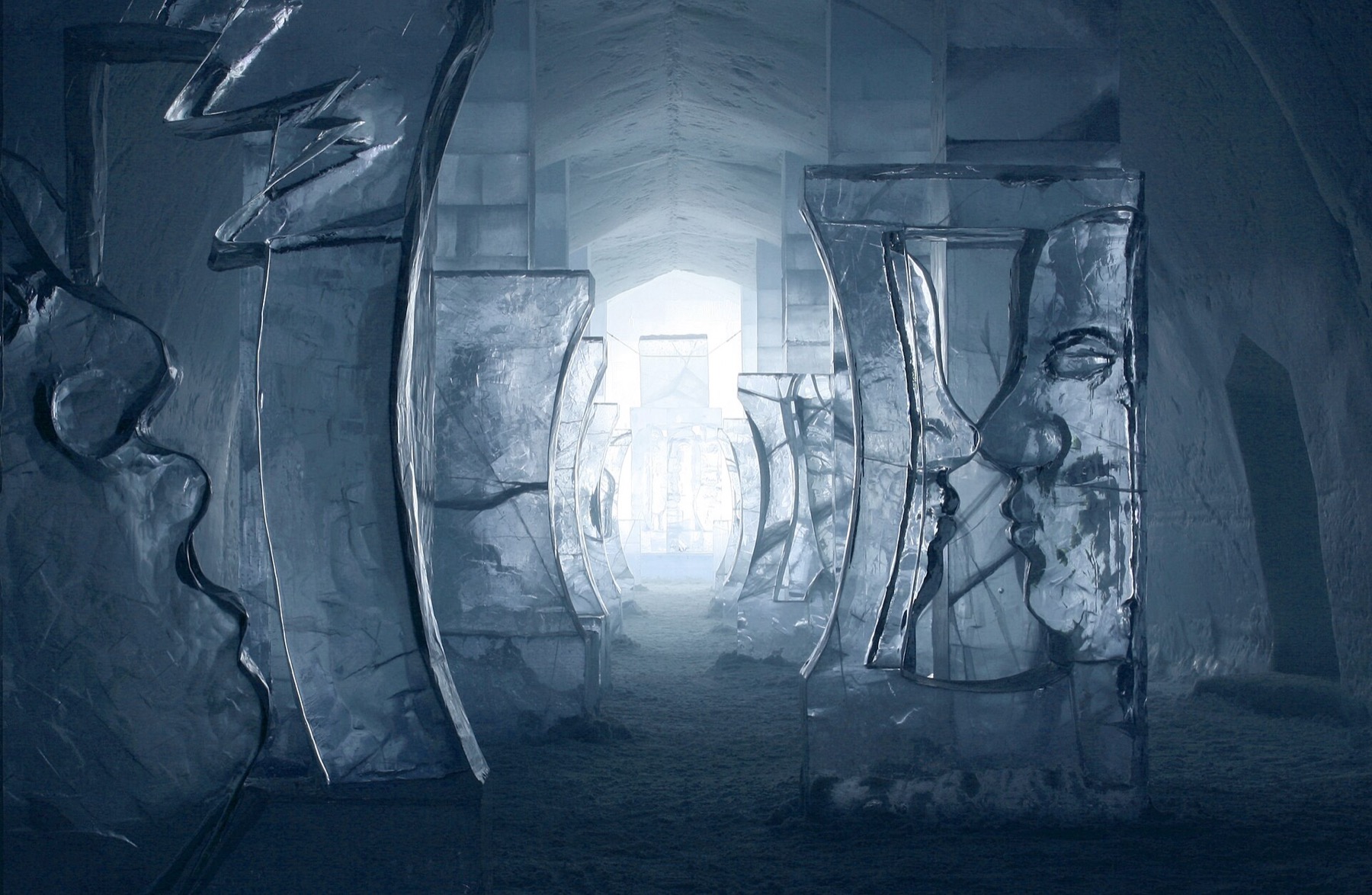
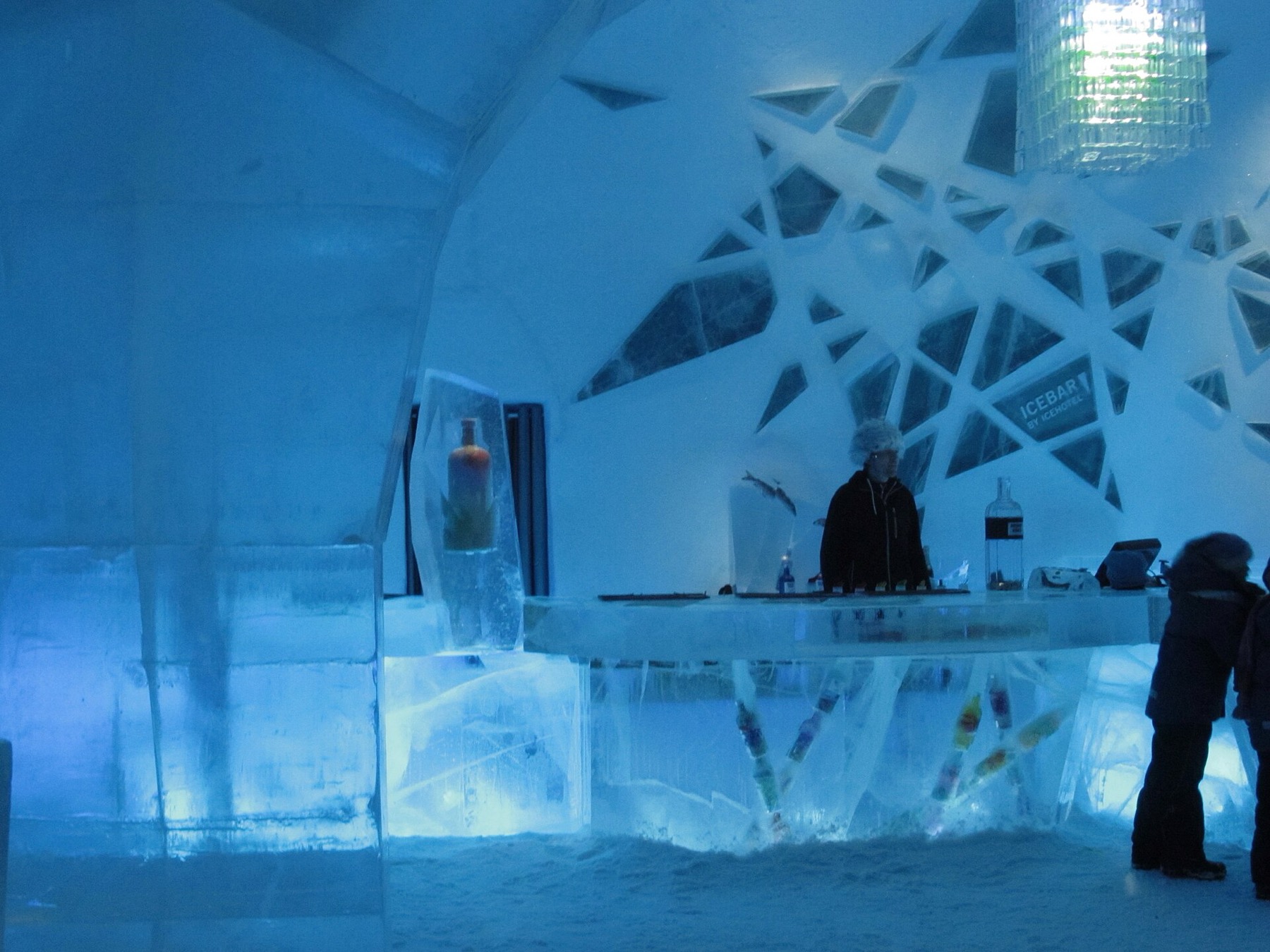
About 25 minutes from the centre stands the Arctic SnowHotel, which is re-carved from fresh snow every winter. You’ll find ice rooms, an ice restaurant, an ice chapel and an ice bar, where they serve your drink in a glass made of ice. And even if you don’t dare to stay overnight, you can come just for a tour (entry around €35).

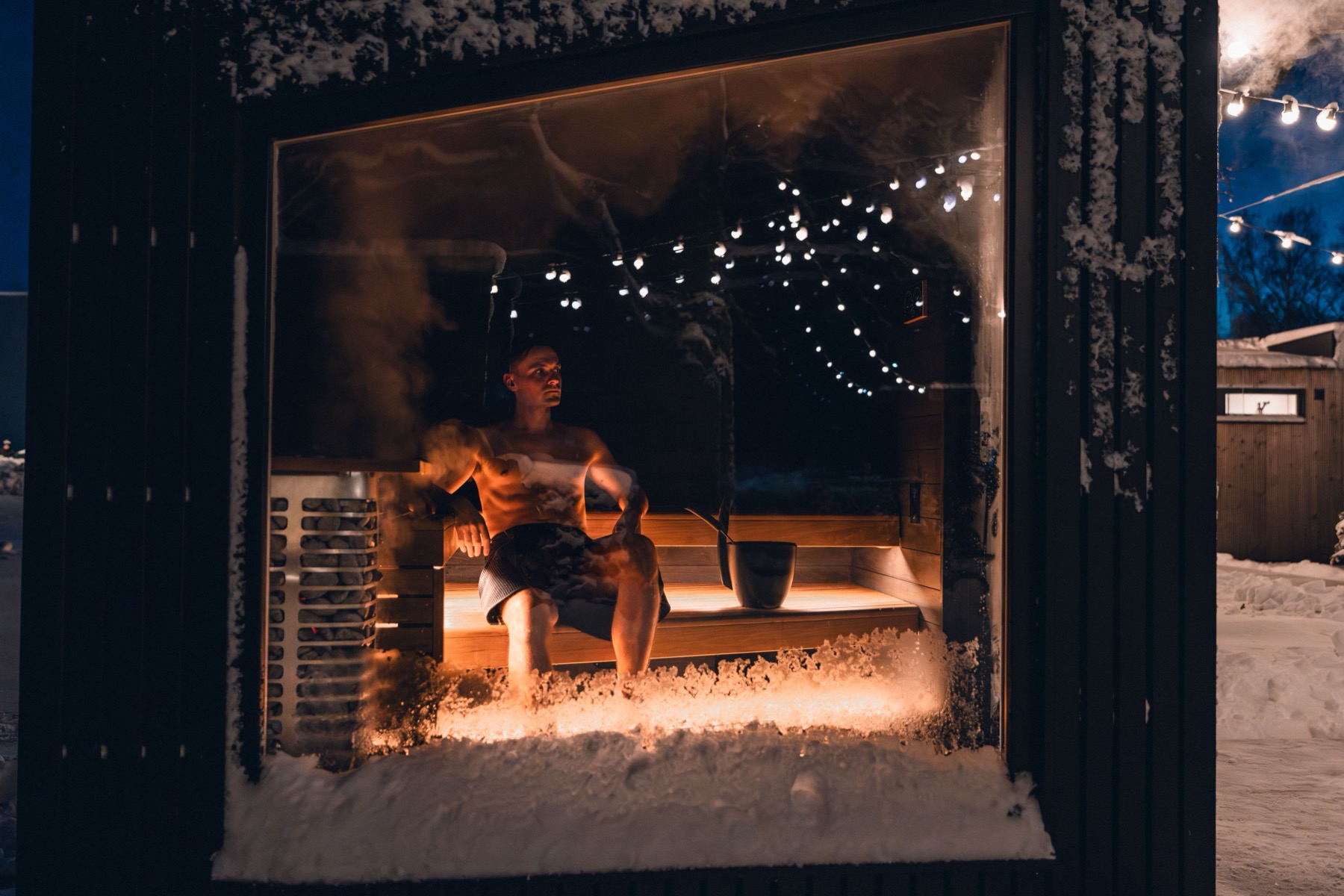
A classic experience here is a Finnish sauna followed by a dip in a hole cut into the icy water. It sounds mad, but it’s unbelievably refreshing and the locals swear by it. Details on the Arctic SnowHotel website.

14. Korouoma: frozen waterfalls from another planet

About 110 km from Rovaniemi cuts the Korouoma canyon with Finland’s most striking frozen waterfalls. In winter the flowing water turns into blue-and-white walls of ice up to 60 metres high, drawing both tourists and ice climbers with their axes. Most people come on a full-day trip from Rovaniemi, which usually includes a trek between the ice falls and grilling around a fire.

The ice falls are at their finest from February to April and the trip costs roughly €130 to €190 per person. Equally enchanting but more accessible is the Auttiköngäs waterfall with a nature trail through old-growth forest. It’s one of those experiences that leaves you feeling like you’ve been on a completely different planet.

15. Rovaniemi in summer: river cruises and the midnight sun

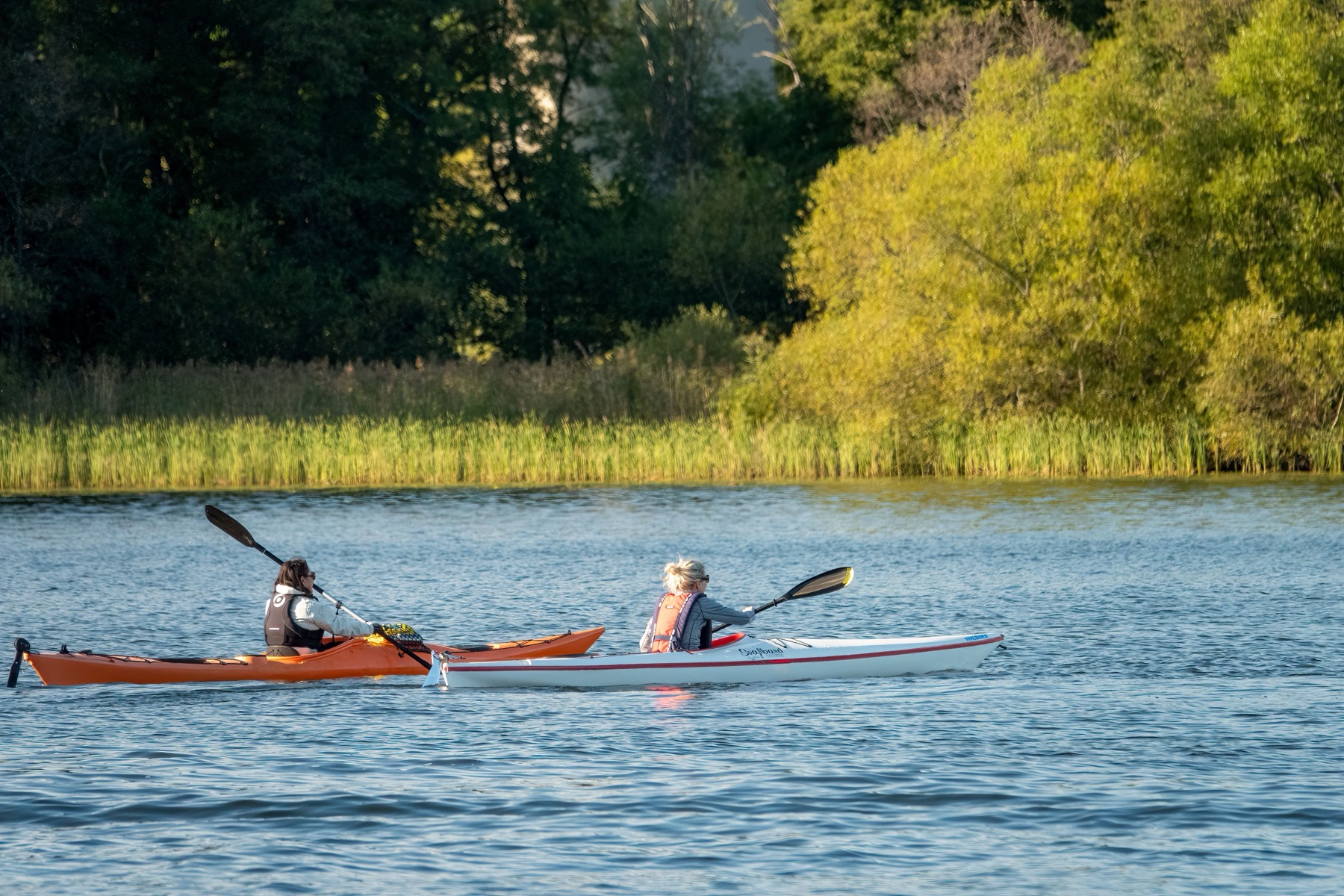
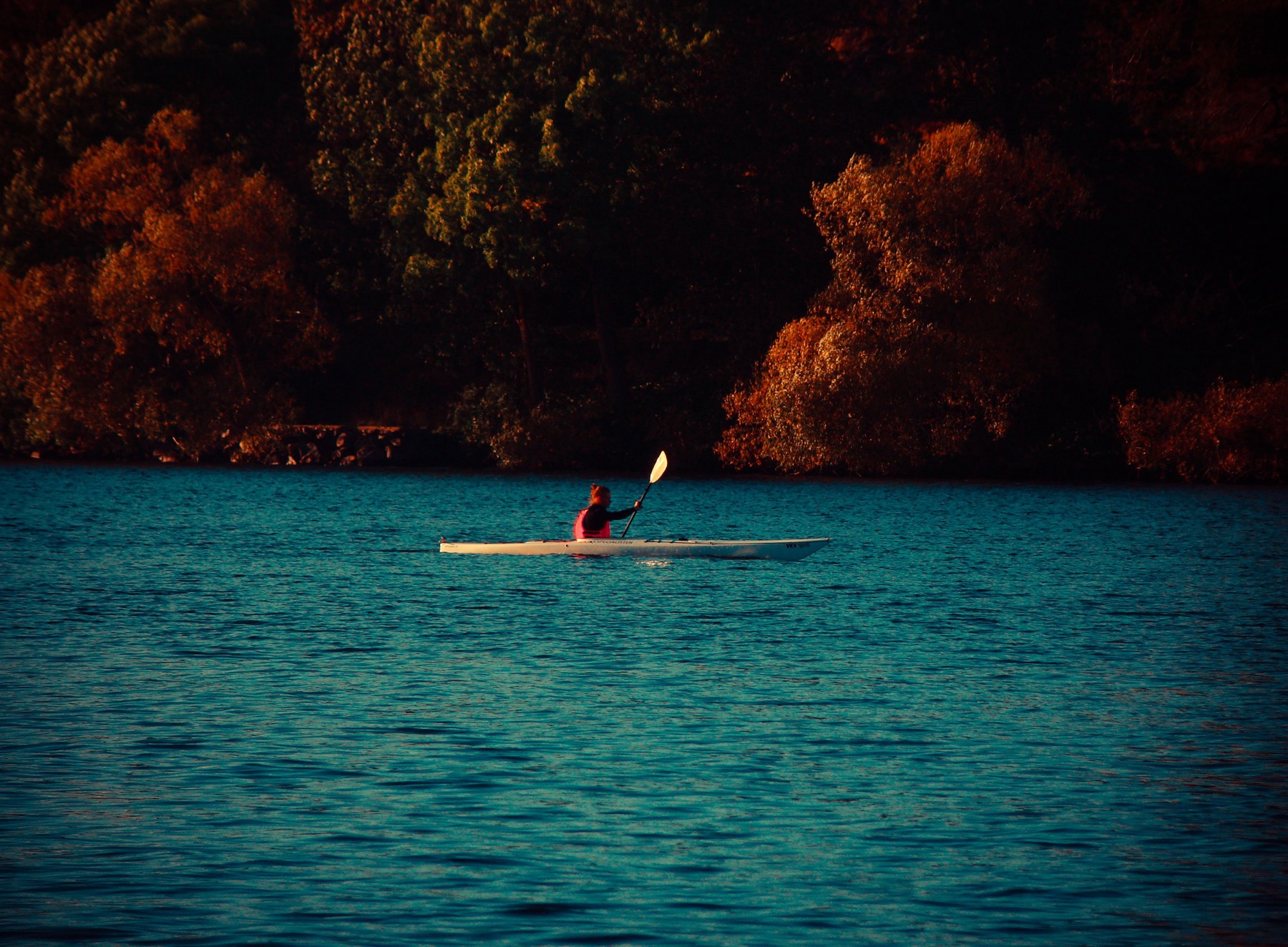
If you think Rovaniemi is all about snow, I’ve got a surprise for you. In summer it transforms into a green city on the water and life shifts to the Kemijoki and Ounasjoki rivers. You can head out on a scenic river cruise, go canoeing, or simply stroll along the waterfront past Arctic Garden.

And since you’re on the Arctic Circle, the midnight sun awaits, when around the summer solstice the sun never sets and night never fully falls. Cruising the river at midnight in full daylight is a surreal experience. Summer is also noticeably cheaper and crowd-free, just without snow or the northern lights.

What to eat in Rovaniemi (even as a vegetarian)

Lapland’s cuisine is hearty and warming. The local speciality is poronkäristys, sautéed reindeer meat with mashed potato and lingonberries, plus the ever-present salmon. I mention this mainly so you know what you’ll come across here. Lukáš and I are vegetarians, so if you’re in the same boat, I have good news: vegetarians will enjoy themselves here too.

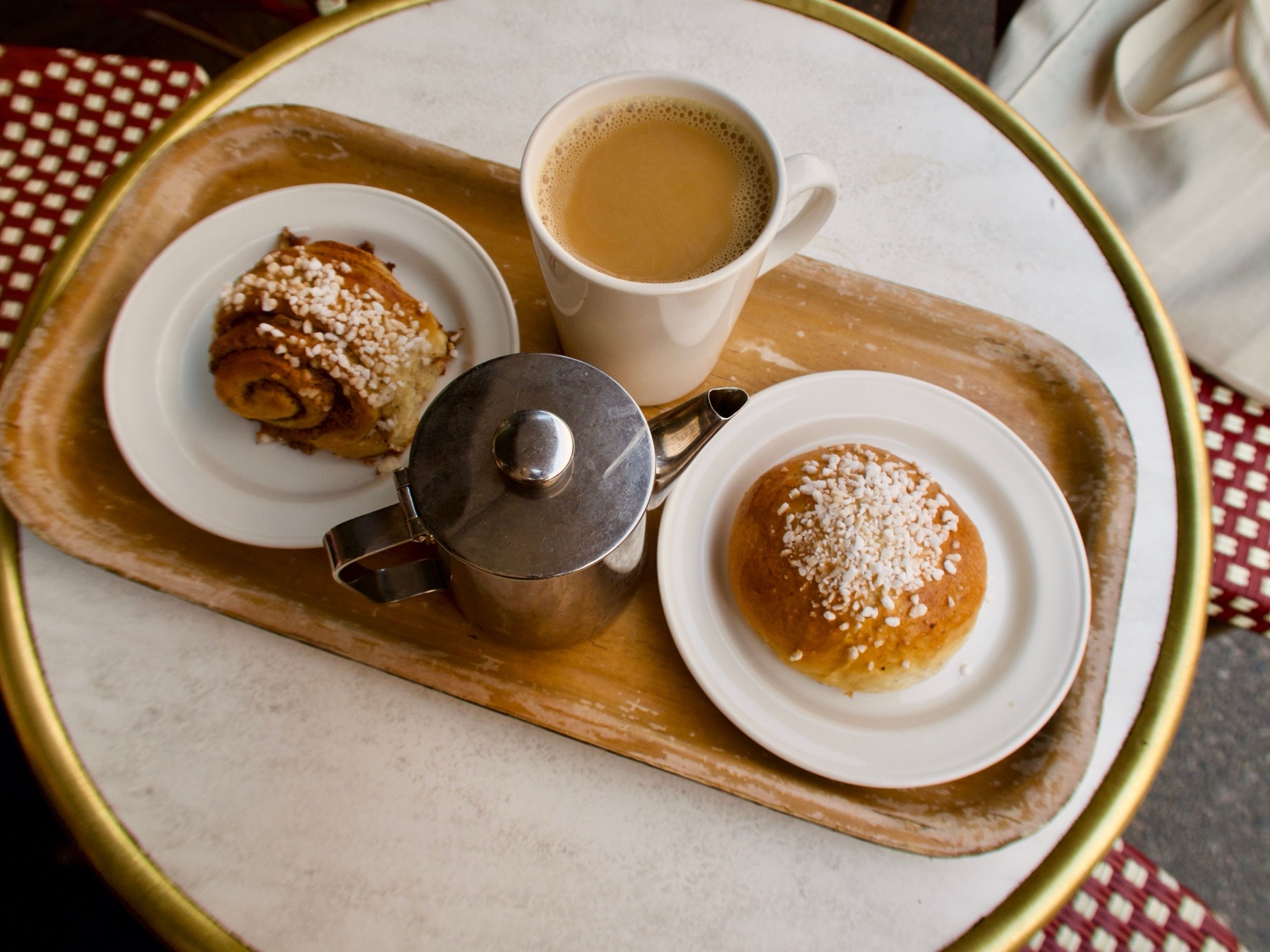
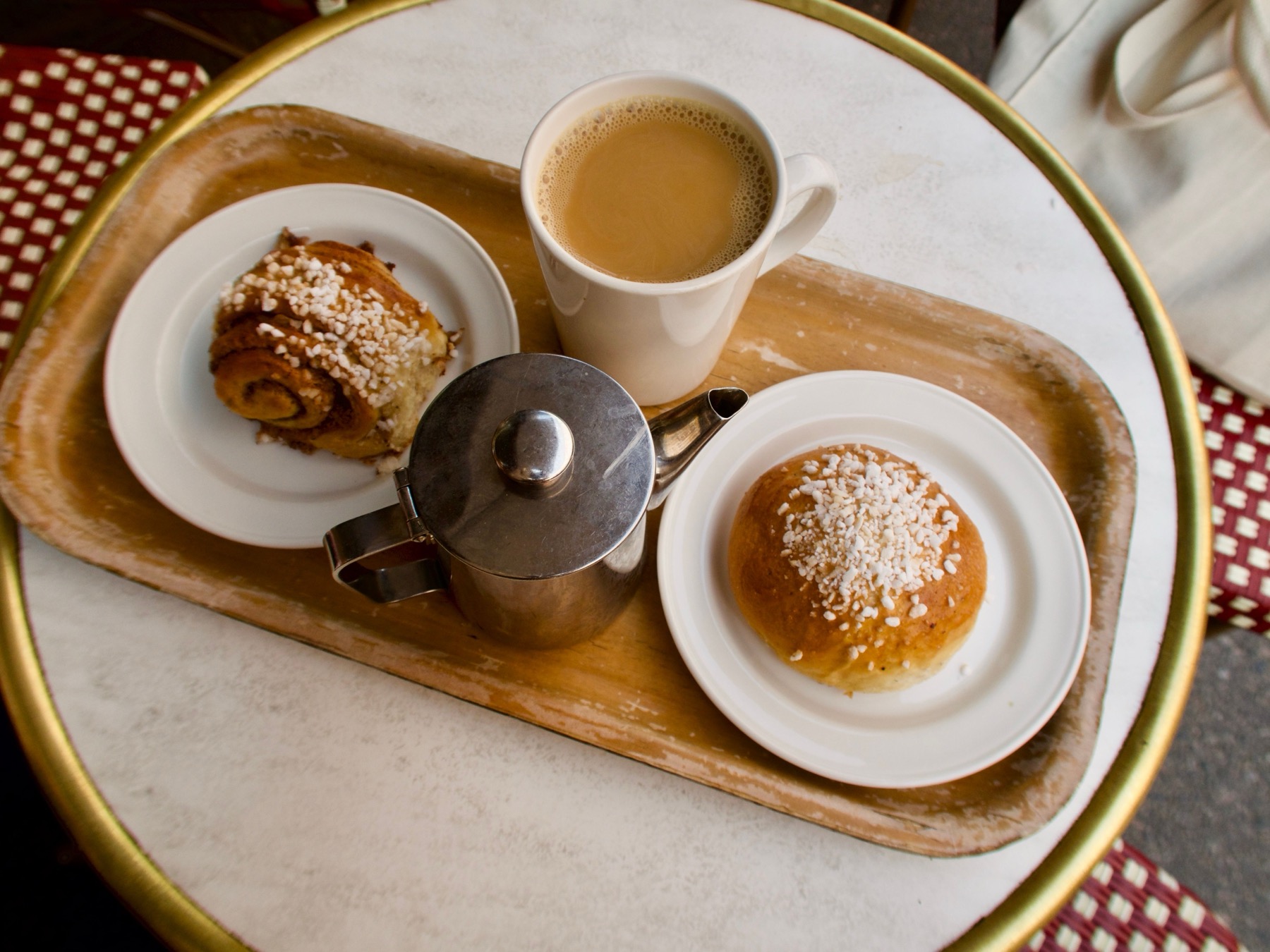
The bistro Roka Street Bistro has excellent vegetarian and vegan options (try their mushroom risotto made with freshly foraged mushrooms), and the café WOODSS serves a mostly plant-based menu. For wood-fired pizza and veggie burgers, head to the cult favourite Kauppayhtiö, while Gustav offers modern Finnish cuisine. With your coffee, try the cinnamon buns korvapuusti, and in winter warm up with glögi mulled wine.

Where next: ideas for more Nordic trips

If Rovaniemi has cast its spell on you, here are a few more tips for the north that pair beautifully with it:

Frequently asked questions about Rovaniemi, Finland

When is the best time to visit Rovaniemi?

For a winter fairytale, northern lights and Santa Claus Village, go between December and March. December is the most Christmassy, but the most expensive and darkest. The best compromise of light, price and chance of aurora is February and March. Summer tempts with midnight sun and river cruises and is significantly cheaper.

How many days is enough for Rovaniemi?

“`html
For Rovaniemi itself, Santa Claus Village and two or three activities (huskies, reindeer, northern lights) 3 to 4 days is more than enough. If you want to explore the surrounding area and wider Lapland or increase your chances of seeing the northern lights, it’s better to allow a whole week.
“`

Is entry to Santa Claus Village free?

Yes. Entry to the Santa Claus Village area and meeting Santa are free. You only pay for an official photo with Santa (packages roughly from 40 to 55 €) and for individual activities. The area is open year-round, but it tends to get very crowded in December.

How do I get from Rovaniemi Airport to the city center?

“`html
Rovaniemi Airport (RVN) is only about 10 minutes and 10 km from the center. The Airport Express shuttle runs from here via Santa Claus Village to the center (ticket around 8 €). City bus number 8 also runs year-round between the center and Santa Claus Village, so you don’t need a car.
“`

Will I see the Northern Lights in Rovaniemi?

“`html
You have a chance, but it’s not guaranteed, as the aurora depends mainly on clear skies and solar activity. The season runs roughly from late August to early April, with the most active periods typically in September and March. Give yourself several nights and head out of town (Ounasvaara, Arctic Circle Hiking Area) or join a guided tour.
“`

What to do in Rovaniemi with kids?

“`html
Rovaniemi is ideal for kids. Besides Santa Claus Village and meeting Santa, there’s the indoor SantaPark, the icy SnowmanWorld, Ranua Arctic Zoo with polar bears, huskies and reindeer, plus the interactive Pilke Science Centre where they can touch everything.
“`

Is Rovaniemi expensive?

Yes, Rovaniemi and Finland in general are among the pricier destinations. Entry to Santa Claus Village is free, but activities are expensive (husky safari from ~€95, northern lights hunting around €150). You can save money in January after the Christmas peak season, by booking accommodation with a kitchenette and taking advantage of what’s free.

Tips and Tricks for Your Vacation

Don’t Overpay for Flights

Search for flights on Kayak. It’s our favorite search engine because it scans the websites of all airlines and always finds the cheapest connection.

Book Your Accommodation Smartly

The best experiences we’ve had when looking for accommodation (from Alaska to Morocco) are with Booking.com, where hotels, apartments, and entire houses are usually the cheapest and most widely available.

Don’t Forget Travel Insurance

Good travel insurance will protect you against illness, accidents, theft, or flight cancellations. We’ve had a few hospital visits abroad, so we know how important it is to have proper insurance arranged.

Where we insure ourselves: SafetyWing (best for everyone) and TrueTraveller (for extra-long trips).

Why don’t we recommend any Czech insurance company? Because they have too many restrictions. They set limits on the number of days abroad, travel insurance via a credit card often requires you to pay medical expenses only with that card, and they frequently limit the number of returns to the Czech Republic.

Find the Best Experiences

Get Your Guide is a huge online marketplace where you can book guided walks, trips, skip-the-line tickets, tours, and much more. We always find some extra fun there!
Zanzibar Holidays: 21 Things to See and When to Go in 2026

TL;DRThe best time to visit Zanzibar is June to October and then December to February — skip April and May, when the rains really set in. If you want to swim regardless of the tide, head for the northern beaches of Nungwi and Kendwa, while fans of a quieter pace and kitesurfing go for the east coast around Paje and Jambiani. There are 21 concrete tips here, including the UNESCO-listed Stone Town, Prison Island with its giant tortoises, Jozani National Park and the Safari Blue trip. On top of the cost of the trip itself, budget for visa fees, mandatory ZIC insurance and hotel taxes of around $94 per person before you even set foot on the island.

Powder-white sand as fine as flour, the turquoise water of the Indian Ocean, and the scent of cloves hanging in the hot tropical air. For many people, Zanzibar holidays are a synonym for paradise — but if you’re heading here, there’s one crucial thing you need to prepare for. This isn’t just a beach destination; it’s a singular island with a rich (and at times very dark) history, and a completely different culture that will either sweep you off your feet straight away or catch you slightly off guard.

If you’re after sterile resorts sealed off from reality, this probably isn’t your cup of tea. Zanzibar is genuine Africa, warts and all — including the ever-present dust just beyond the gates of the luxury hotels, persistent beach vendors who love to haggle, and a completely different sense of time. The local mantra “pole pole” (slowly, slowly) isn’t just a phrase for tourists here, it’s a real way of life you simply have to adapt to.

So what’s in store for you? A tricky tide, a bit of bureaucracy, and 21 tips it would be a crime to skip. Pack your high-factor sunscreen and let’s get into it.

TL;DR

  • The tide is everything: On the east coast the ocean retreats by up to a kilometre, and you can only swim for a few hours a day. If you want to swim whenever you like, choose the northern beaches of Nungwi or Kendwa.
  • Extra fees: Be ready for the fact that entry formalities alone (visa, mandatory insurance and taxes) come to roughly 94 USD per person before you’ve even left the airport.
  • Don’t expect Egypt: Zanzibar’s all-inclusive resorts are smaller and more intimate, and the service runs at a far slower, more relaxed African pace.
  • When to go: The best weather runs from June to October and again from December to February. Definitely avoid April and May, when heavy rains lash the island.
  • Buy excursions wisely: Prices from local vendors on the beach are commonly around 40% lower than what your hotel rep will offer.
  • Culture and respect: This is a predominantly Muslim island, so away from the hotel beaches it’s polite to keep your shoulders and knees covered.
  • Safety and health: The island is fairly safe, but protect yourself from mosquitoes with a quality repellent and drink only bottled water.

Zanzibar weather: when to go

Timing your trip to Zanzibar isn’t just a detail. The tropical climate works completely differently from back home — it’s governed by the winds, not by four seasons — and picking the wrong month can genuinely cost you. The best time to visit is from June to October, when the pleasant Kusi wind blows. Temperatures sit around an ideal 28 to 30 degrees and the humidity is fairly bearable by local standards.

Another great option is the so-called short dry season, which runs roughly from mid-December to the end of February. Just be ready for the fact that this is the hottest part of the year, when temperatures climb towards 34 degrees and the ocean feels like a warm bath. Around November and early December come the so-called short rains (vuli), which tend to show up as quick afternoon showers and are easily manageable.

What you absolutely must avoid is the long rainy season known as masika, which peaks in April and May. During this time you can easily get 400 millimetres of rainfall, plenty of hotels and restaurants close completely, and the sea is often rough. Even though travel agents will tempt you with rock-bottom prices, a holiday at this time of year simply isn’t worth it.

Where to stay in Zanzibar

As already mentioned, on this island more than anywhere else, choosing the right coast defines the whole character of your holiday. If swimming in the sea at any time of day is your priority, you need to head north to the beaches of Nungwi and Kendwa. The tide here is minimal and the sea only pulls back by a few dozen metres.

In the northwest, Zuri Zanzibar is well worth a mention — beautiful design, its own private beach and unrestricted swimming all day long. For lovers of classic large resorts, a great choice is Riu Palace Zanzibar, All Inclusive, Adults Only in Nungwi, offering first-rate, child-free service. If you’re after total luxury and privacy, take a look at Safira Blu Luxury Resort & Villas, one of the highest-rated places on the island.

The east coast, on the other hand, is a paradise for lovers of peace and quiet, long walks across the exposed seabed and kitesurfing. But you’ll need to accept that the water here can retreat by up to a kilometre during the day and you’ll only get a swim in short windows around high tide. In the Matemwe and Pongwe area you’ll find wonderful calm, offered by the stylish Sunshine Marine Lodge or the incredibly luxurious Tulia Zanzibar Unique Beach Resort, where the term all-inclusive takes on a whole new dimension.

In the southeast, around the villages of Paje and Jambiani, there’s a very laid-back, almost backpacker vibe full of surfers and young people. Right in the heart of the kite community sits the lovely boutique hotel Mahali Zanzibar, while a little further on in Jambiani you’ll find the very pleasant and more affordable Blue Oyster Hotel. Right out east near Bwejuu beach stands the majestic Baraza Resort and Spa Zanzibar, which resembles an Arabian palace. And if you want to soak up some history, I’d recommend spending at least one night in the capital, Stone Town — ideally at the magical Emerson on Hurumzi, where you’ll feel like you’ve stepped into the Arabian Nights.

21 things to see and do in Zanzibar

There’s so much to experience here. From wandering ancient alleyways and discovering fragrant spice farms to that proper beach do-nothing bliss, where you just gaze into the unbelievably blue distance. I’ve put together a list of the very best the island has to offer, so you can pick exactly what appeals to you most. ☺️

At the same time, you’ll run into plenty of little African catches here, from pushy vendors to the ever-changing ocean, so it pays to be prepared. Let’s take a look at what you definitely shouldn’t miss on your trip.

1. Understand the Zanzibar tide and pick the right beach

The tide is by far the most crucial topic that gets debated over and over on every travel forum going. The island’s east coast is extremely shallow, which means that at low tide the sea draws back by hundreds of metres — sometimes up to a kilometre. So you can only swim for roughly two to three hours around high tide itself, otherwise all you’ll see in front of you is exposed coral bed full of puddles and seaweed.

This happens twice a day, and the times shift by around 30 to 40 minutes each day, so you’ll have to get used to checking tide tables. It’s not a deal-breaker, though. Low tide offers a great chance to explore the seabed on so-called reef walks, where you can spot starfish, crabs and the work of the local women on the seaweed farms.

That said, it’s absolutely essential to pack a good pair of water shoes, because the shallows hide a huge number of sea urchins. If you can’t imagine a holiday without being able to leap into the waves at any point in the day, your choice is crystal clear. You need to go for the northern resorts of Nungwi or Kendwa, where the seabed drops off more steeply and the water only retreats minimally.

2. Get ready for the bureaucracy and formalities in 2026

Arriving on this tropical island has become quite a bit more expensive in recent years, and you need to factor that into your budget in advance. The basics start with the tourist visa, which costs 50 USD and is best sorted from the comfort of home via the official government e-Visa portal. You can buy it on arrival at the airport too, but be prepared to queue for ages in an uncomfortable, sweltering airport hall.

The costs definitely don’t end there — quite the opposite. Since autumn 2024, local ZIC insurance has been mandatory for all visitors, costing 44 USD for an adult and 22 USD for children under seventeen. You arrange it through the official site visitzanzibar.go.tz and must show a generated QR code at immigration. It’s hugely important to know that this local insurance in no way replaces your standard UK travel insurance — you simply need both.

On top of that, your hotel will charge you an infrastructure tax of 4 to 5 USD per person per night, which often isn’t included in the package price. Add it all up and a family of four pays roughly 600 USD in these fees alone, which is a sum that really makes a dent in the budget. Also be very wary of various unofficial sites offering a “ZanzibarPass” that charge huge mark-ups for the service.

3. Rein in your expectations: all-inclusive here isn’t like Egypt

One of the most common reasons tourists end up disappointed is having the wrong expectations. People often compare Zanzibar’s resorts with those in Egypt or Turkey, but that’s a completely misguided idea. The hotels here are far more intimate — you’ll rarely come across vast complexes with five pools, noisy entertainers and endless water slides for the kids.

The quality and scope of the all-inclusive itself also tends to be different. For the price of a five-star hotel in Egypt, in Zanzibar you’ll get a very solid four-star, where the drinks are mostly local spirits and the buffet selection is considerably more modest. What’s more, service runs at that ever-present African pace of pole pole, so you’ll sometimes wait a while for your cocktail at the bar — and getting wound up about it serves absolutely no purpose.

Another huge difference is the hotel’s surroundings. While in other destinations you step out of the resort onto a tidy promenade full of shops, here a raw African village begins right behind the hotel wall. You’ll see dusty tracks, chickens running about and the very modest homes of local residents. In short: don’t come here for the hotel, come here for the atmosphere, and treat the hotel as nothing more than a base from which to set off and explore the real island.

4. Health and malaria prevention

Health questions are always a big topic before a trip to African destinations, and you won’t escape them here either. According to the US CDC, all of Zanzibar is still listed as a malaria-risk area, which is why they officially recommend taking antimalarials. On the other hand, thanks to massive elimination programmes, the incidence on the island itself is currently very low, and many UK GPs won’t even insist on prophylaxis for a beach-only stay.

The most sensible move is to book an appointment well in advance at a travel health clinic and discuss the whole situation with a specialist who can tailor advice to your own health. Whatever you decide, the absolute basics come down to protecting yourself against mosquito bites, because those pesky insects can also carry dengue fever, which is mainly active during the day.

DEET repellent (at least 30%) is a must — spray up properly, especially from the afternoon onwards. For drinking and brushing your teeth, only bottled water, and go easy on ice outside the hotel. And hepatitis A+B and typhoid jabs should be sorted before you leave home.

5. How to handle the beach vendors and Maasai with a smile

When you first head down from the hotel to the beach, you’ll probably be surrounded straight away by a cluster of local vendors, the so-called papasi or beach boys. Zanzibar’s beaches are public by law, so resorts can’t move these vendors on as long as they stay by the tide line. They’ll offer you everything from carved figurines to fresh coconuts to full-day boat trips.

It can feel a bit annoying at first, especially on the busy beaches in the north, but it’s important to stay calm and show some empathy. Most of the island’s inhabitants live on less than 5 USD a day and selling on the beach is their only source of income. If you’re not interested in anything, a polite but very firm “hapana asante” (no, thank you) does the trick, and after a few days they’ll stop bothering you.

You’ll also often come across young men in traditional red garments — these are Maasai from the mainland. They’re essentially at work, making a living selling beads and posing for photos with tourists, so if you want a picture, just pay them for it or buy something. Be friendly with them — most are happy to chat and their stories are well worth hearing.

6. An emotional stop at the old slave market

The capital, Stone Town, is a fascinating maze of alleyways, but it also has a very dark and painful past. Until the late 19th century this place was one of the largest centres of the slave trade in East Africa. A visit to the Old Slave Market, which stands on the site of the former market, is an extraordinarily powerful experience that you definitely shouldn’t skip if you want to understand the island’s history.

On the spot where some of the worst human tragedies once unfolded now stands a beautiful Anglican cathedral, built in the 1870s. Inside the complex, for an entrance fee of around 5 USD, you’ll find a very well-curated museum that describes the history of slavery in the region in detail and without sugar-coating. The most chilling part of the tour is the cramped underground chambers, where people were crammed together in utterly inhumane conditions before being sold at the market.

In front of the cathedral stands a striking memorial of stone slave statues bound with real iron chains from the period. It’s hardly a cheerful afternoon, but you’ll come out feeling you understand Zanzibar a little better now — and that makes it worthwhile.

7. Get lost in the alleys of magical Stone Town

Stone Town, a UNESCO World Heritage Site, is the absolute heart of the island. The best way to get to know it is simply to ditch the map and deliberately get lost in its narrow, winding alleys. The architecture here is a wonderful mix of Swahili, Arab, Indian and European influences, reflecting centuries of bustling trade along the Indian Ocean coast.

As you stroll around you’re bound to notice one of the town’s greatest symbols. These are the massive, gorgeously carved wooden doors, several hundred of which have survived. From the shape and decoration you can tell whether a house belonged to a wealthy Indian merchant or an Arab elite — typical features include the large brass studs that originally served as protection against elephants in India.

The streets are full of life, with scooters and bicycles constantly weaving through, the aroma of freshly roasted coffee in the air, and the call of the muezzins ringing out regularly from dozens of small mosques. I’d recommend staying overnight at least — once the day-trippers leave and only the locals and a few wanderers remain, Stone Town is a completely different place. Quieter, darker and far more itself.

8. House of Wonders and an evening feast at Forodhani

As you wander the town, sooner or later you’ll reach the waterfront, where you’ll come across one of the island’s most famous buildings. The House of Wonders was once the pride of the Omani sultans, as it was the first building in East Africa to have electric lighting and a working lift. Sadly, in December 2020 a large part of the historic facade collapsed, and the building has been surrounded by a metal fence ever since. It remains closed, with a lengthy restoration under way, and you definitely won’t get inside — so don’t be lured by offers from fake guides.

Right next door, though, you’ll find a place that comes utterly alive at sunset. The Forodhani Gardens transform every evening into a huge, buzzing night street-food market. You’ll see dozens of lit-up stalls wafting the scent of grilled specialities, spices and freshly pressed sugarcane juice, which the locals crush on old hand presses.

Although the market is famous mainly for its huge selection of seafood, octopus and prawns, which travellers often rave about, you’ll find plenty of other treats here too. A great tip is to always pick the stalls where the locals themselves are buying and where the turnover of ingredients is clearly highest. Also watch out for inflated tourist prices — always agree the price of the food clearly and unambiguously up front.

9. Discover the secrets of the spice island

Zanzibar has long been nicknamed the Spice Island, and it doesn’t carry that title for nothing. In the 19th century the Omani sultans turned it into one of the world’s largest producers of cloves, and growing exotic crops is still a big deal here today. A visit to one of the local community farms — a so-called Spice Tour — is a wonderful experience that takes you far beyond the usual beach lounging.

Most farms are in the green interior, in the Kizimbani or Tangawizi areas. During a roughly two-hour walk through dense tropical vegetation, the local guides will show you how things you only know as powder in supermarket sachets actually grow. You’ll guess the crops by smell and taste, see how vanilla flowers are painstakingly hand-pollinated, or what fresh nutmeg looks like hidden inside its bright-red casing.

The price of the tour from local vendors is around 20 to 35 USD per person. One word of warning: be ready for the guides to keep pressing things into your hand throughout and waiting for a dollar. It’s a touch wearing, but it’s all part of the experience.

10. Meet the giant tortoises on Prison Island

About half an hour by wooden boat from the harbour in Stone Town lies the little island of Changuu, which everyone simply calls Prison Island. The island got its name from the prison building constructed here in the late 19th century, although paradoxically it never served its original purpose. Instead it functioned as a quarantine station for yellow fever cases, and today it’s a very interesting historical site.

The island’s main draw, though, is its current animal residents. There’s a fairly large colony of giant Aldabra tortoises living here, brought over in the early 20th century as a gift from the governor of the Seychelles. Some of these majestic creatures are a venerable 150 to 190 years old — their age is often written in blue paint right on their enormous shells — and walking among them is a huge experience.

You can arrange the trip very easily yourself. Just go down to the harbour in Stone Town and arrange transport with one of the local captains. Hiring a whole boat shouldn’t cost more than 20 to 30 USD, plus there’s a small entrance fee to the tortoise reserve itself on arrival, around 5 to 8 USD. It’s an ideal, easy half-day trip that will reliably keep even younger children entertained.

lukas a lucka
Lukáš and Lucie recommend
Where to stay in Zanzibar
6 accommodations — resorts, wellness hotels and other lodging options

11. A full-day Safari Blue cruise

If you’re looking for the perfect day at sea, sooner or later you’ll probably come across an excursion called Safari Blue. It’s a full-day cruise on a traditional wooden dhow, which usually sets off from the village of Fumba on the island’s southwest coast. It’s probably the most popular tourist activity on the whole island and well worth setting aside time for.

The day holds several beautiful stops. You’ll snorkel over colourful coral reefs, glide through dense mangrove forests and pull up at a postcard-perfect sandbank that only appears at low tide. Here you can swim in unbelievably turquoise water and feel like you’ve accidentally stepped into someone else’s screensaver.

The highlight of the trip is the lavish lunch, served on the nearby island of Kwale. It’s typically a huge feast of grilled seafood, fish and lobster. If you’re vegetarian, though, it’s absolutely essential to flag this very firmly with the organisers in advance, ideally at the time of booking, so they have a chance to prepare a tasty meat-free alternative. Prices from beach vendors start at 50 USD, whereas with hotel reps you could easily pay double.

12. Snorkelling at Mnemba Atoll (but only early in the morning!)

The little island of Mnemba off the northeast coast is a private luxury resort that you, as an ordinary tourist, aren’t allowed to set foot on — but the surrounding reefs are open to the public and form a marine reserve. It’s one of the best spots for snorkelling and diving in the whole area, with a great chance of spotting shoals of colourful fish, sea turtles and, with a bit of luck, wild dolphins too. The coral reefs here are a riot of colour and underwater visibility is often absolutely fantastic.

There’s one huge catch, though. Mnemba is a victim of its own popularity, and during peak season hordes of tourists head here from every corner of the island. At the midday rush you can easily have a hundred noisy motorboats crowding around the reef, the water full of people swimming in orange life jackets, and the underwater paradise turns into a rather stressful experience more like an overcrowded swimming pool.

The trick to truly enjoying this place is fairly simple, but it requires a little self-discipline. You need to arrange a private boat from the nearby village of Matemwe and set off, ideally around six in the morning. At this hour you’ll have the entire reef to yourself, the sea is calm and the wildlife is far more active. For such a private early-morning trip you’ll pay locals around 25 to 40 USD per person — and trust me, every extra penny for that peace and quiet is worth it.

13. Visit the monkeys in Jozani National Park

When you tire of sunbathing on the beach, head inland to explore the island’s only national park, the Jozani forest. This area of roughly 50 square kilometres is the last remnant of the original rainforest that once covered most of Zanzibar. Its greatest draw and symbol is the rare Zanzibar red colobus, a monkey with a strikingly russet back and shaggy fur, found nowhere else on earth.

These monkeys are fairly cheeky, used to people and often move very low in the branches, so you can watch them up close and take great photos. It’s strictly forbidden to touch or feed them in any way, though, because human diseases can be fatal to them and their diet is highly specific.

The park visit also includes a very interesting walk. Along raised wooden boardwalks you’ll stroll through a dense, mysterious mangrove forest, which grows in the brackish coastal water and forms an absolutely vital ecosystem for protecting the island. Park admission costs around 12 USD and always includes the service of a local ranger, who guides you and shares interesting facts from the animal kingdom. The journey from the coast takes about an hour and a half.

14. Beware the unethical dolphin tours in Kizimkazi

The village of Kizimkazi at the very south of the island became famous as the launching point for the popular swimming-with-dolphins trip. This excursion is offered on every corner at very tempting prices, but it has a huge and very dark downside. The classic morning tours often resemble a brutal hunt of the animals, and if you have even a little love for nature, you’ll probably come back from such a trip disgusted.

In practice it often goes like this: as soon as someone spots a pod of dolphins, dozens of motorboats race over at breakneck speed, start chasing them and cutting off their escape routes. Screaming tourists then leap from the boats right among the stressed animals, disrupting their rest, and tragic injuries from boat propellers are common. This is absolutely neither sustainable nor ethical wildlife watching.

If you want to see these beautiful creatures, the only right way is to find a verified, ethical operator. Such guides head out to sea before dawn, approach the pod very slowly with the engine off and leave it up to the animals themselves whether they swim over to the boat or not. Alternatively, a far better experience is to trust to luck and encounter dolphins naturally while snorkelling at the Mnemba reef.

15. The Rock Restaurant: an iconic photo you pay for

The Rock — you’ve probably seen that photo many times. The white restaurant on a coral rock in the middle of the ocean, and yes, it really exists. It’s probably the most famous spot on the island and plenty of people have it on their list as a must-do stop. At high tide you have to swim or take a boat to reach it; at low tide you walk across the sand with dry feet.

It’s worth knowing exactly what you’re getting into, though. The restaurant is extremely popular, has only a handful of tables, and you have to book several weeks in advance. The prices here are genuinely astronomical by African standards — main courses run between 25 and 45 USD, and you could easily drop 150 USD on a full dinner for two. Reviews of the food itself are often fairly lukewarm, and travellers agree it’s pretty average.

Essentially, you’re not buying a gastronomic experience here, you’re paying for the exclusive location and the view. If you want to save both money and disappointment, there’s a very neat alternative. Pop down to the restaurant at low tide, take those iconic photos from the beach, which are the most beautiful anyway, and then head to one of the nearby spots on the mainland for great, much cheaper food.

16. Try kitesurfing around Paje

While the north of the island belongs to lovers of calm swimming, the southeast coast — specifically the area around the villages of Paje and Jambiani — lives for a completely different sport. Thanks to its shallow, flat-water lagoons and very steady winds, it’s one of the best places in the world to learn kitesurfing. The vibe here is far more youthful, the beaches are dotted with colourful kites, and the evenings buzz in the laid-back beach bars.

The ideal conditions occur during two windy seasons. From June to September the stronger Kusi wind blows, while from December to March comes the slightly weaker Kaskazi, which is absolutely perfect for complete beginners. Along the whole length of the beach you’ll find dozens of professional kite centres, where you can book lessons with certified instructors and hire complete gear.

If you’re thinking about taking up the sport, Zanzibar really is a great place to start. Lessons cost around 50 USD an hour, and because the water here is shallow and incredibly warm, you’ll spend far more time learning on the board than battling waves and cold. And even if you don’t want to ride, just watching dozens of kites against the sky from a sunbed, drink in hand, has something to it.

17. Where to eat: discover the flavours of Swahili and vegetarian cuisine

The local cuisine is a fascinating reflection of the island’s rich history — African, Indian and Arab influences all blend together, and it would be a huge shame to spend your whole holiday eating nothing but hotel spaghetti. If you’re after an authentic experience and you’re vegetarian, you absolutely must try Urojo soup, also known as Zanzibar mix. It’s a thick, slightly tangy broth of mango and tamarind, with fried potato balls, falafel and fresh vegetables added in. Meat is sometimes added originally, but on the street they’ll happily make you a purely vegetable version for under 3 dollars.

Another huge hit is Zanzibar pizza, which you’ll find at every night market. It has nothing to do with the Italian kind — it’s more of a thin pancake folded into a square, fried on a hot griddle with clarified ghee butter. You can have it savoury with egg, cheese and fresh veg, or go for the absolutely divine sweet version with banana, a generous helping of chocolate and nuts.

In the local restaurants, known as hoteli, you’ll come across plenty of other great, hearty meat-free dishes. Try mbaazi wa nazi, a delicious pigeon-pea dish slowly stewed in a thick coconut sauce, or maharage, similarly prepared red beans. Great side dishes include Indian chapati flatbreads or fragrant pilau rice packed with cloves and cardamom. If you’re in Stone Town, definitely drop into the legendary cheap eatery Lukmaan, which has a huge counter of vegetarian specialities.

18. How to handle money, haggling and tipping

The financial side of a Zanzibar holiday can be a little confusing at times, because the island essentially runs on a dual-currency system. The official currency is the Tanzanian shilling (TZS), but US dollars (USD) function here as a perfectly valid means of payment. You’ll commonly pay for hotels, tourist excursions and taxis in dollars, whereas for local street food, market purchases and tickets on local buses it’s far better value to pay in shillings.

If you bring dollars with you, it’s absolutely critical that the notes weren’t issued before 2009 and aren’t torn or written on, or the bureau de change will very likely refuse to exchange them. You’ll find ATMs reliably in Stone Town and in the larger resorts like Nungwi or Paje, but they often charge withdrawal fees and occasionally just run out of cash. Card payment in restaurants is possible, but they’ll commonly add 3 to 5% to the bill as a bank fee.

Haggling is part of the everyday culture here, but it has its rules. At souvenir markets or when arranging a beach excursion, the starting price is commonly up to three times the real one, so don’t be afraid to counter with 30% of the first offer and work your way to a compromise with a smile. Where goods have price tags, you don’t haggle. Don’t forget tips either, which are very much expected here — around 10% in restaurants, around 5 USD a day for drivers, and a dollar or two per bed for the housekeeper.

19. Respect the local etiquette and Ramadan

Even though we associate Zanzibar with a laid-back beach holiday, it’s very important to realise that more than 95% of the local population practises Islam. Tourists are welcomed here with open arms, but a degree of respect for the local culture is expected of them. The rules are actually pretty simple and don’t call for any great sacrifices.

The basic rule is that swimwear and bikinis belong solely on the beach or by the hotel pool. As soon as you leave the resort and head into the village, the market or on an excursion, you should keep your shoulders and knees covered, and that applies to women and men alike. It’s not a law you’d be locked up for breaking, but it’s a matter of basic courtesy and shows respect to the local people. Likewise, excessive public displays of affection aren’t advisable, and you shouldn’t hand things over or eat with your left hand, which is considered unclean in Islam.

A very specific time to visit is the fasting month of Ramadan. In 2026 it falls roughly from 18 February to 19 March, starting about 11 days earlier each year. In hotels and resorts you essentially won’t notice the fast as a tourist — everything runs as normal. But outside the resort walls, local restaurants will be closed during the day, and it’s highly inappropriate to provocatively eat, drink or smoke in the street in front of the fasting locals. As the sun sets, though, the streets come alive, and the evening iftar feasts have a fantastic atmosphere.

20. Consider whether Zanzibar is suitable for young children

The question of whether to bring young children to an African island divides travel forums into two irreconcilable camps. Logistically it’s quite a convenient destination, because from Europe you fly mostly south and the time difference is just one or two hours, so there’s no exhausting jet lag. What’s more, the locals absolutely adore children, and you’ll find they treat you with extreme warmth and a smile.

On the other hand, you do need to weigh up the objective health risks. Travel-medicine experts point out that exotic trips with small children should only be planned for malaria-free areas, which Zanzibar only meets with a very generous squint. On top of that, the standard of local healthcare outside the capital is fairly low, and in the event of more serious complications you’d probably have to fly to the mainland.

If you do decide to travel with children, definitely choose hotels in the north in Nungwi or Kendwa, where the swimming is safe and there’s no need to wade a kilometre across the ocean. Be extremely careful of the harsh African sun — UV-protection rash vests should be essential kit, and from 11am to 3pm children should be strictly in the shade. Give them only bottled water to drink and avoid ice cream from street stalls, because children’s stomachs are far more sensitive to foreign bacteria.

21. Combine the beach with a real African safari

Lying on the beach for two weeks can be a touch boring for more active types, and Zanzibar has one enormous geographical advantage. It sits just a few dozen kilometres off the coast of mainland Tanzania, which offers some of the best safari parks in the world. Many travellers therefore opt for a combination of a few days in the wild followed by relaxing by the ocean, which is probably the best way to get to know this part of Africa.

The classic, but fairly pricey, option is to do a multi-day safari in northern Tanzania (for example in the Serengeti and Ngorongoro parks) before flying over to the island. But if you’re already on Zanzibar and want to see wild animals, the best option is the so-called fly-in safari to Nyerere National Park (formerly Selous). You’ll fly there in a small plane in just about 45 minutes — you leave in the morning, spend the day in a jeep watching elephants, giraffes and lions, and you’re back at your hotel for dinner in the evening.

This single-day flying trip will set you back roughly 450 to 550 USD per person. If you can, definitely pay extra for the two-day version with an overnight stay at a lodge right inside the park, which costs around 1,500 USD for two. This option often also includes a fantastic boat safari along the Rufiji River, where you’ll see hippos and crocodiles up incredibly close. Just remember that mainland Tanzania has a far higher malaria risk, so here you really can’t do without consulting a doctor about antimalarials.

Where to go from Zanzibar

Zanzibar is gorgeous, but if you’re tempted to explore other corners of the world, you’ll find plenty more inspiration on our blog. If you love the exotic, full of fragrances, rainforests and excellent tea, definitely read our article Sri Lanka: holidays, 21 things to see and when to go. For those of you after a rawer volcanic landscape and guaranteed sunshine a little closer to Europe, I’d recommend a look at Cape Verde: holidays, 19 tips on what to see and when (not) to go.

If you’re a keen backpacker who wants to combine yoga, surfing and Hindu temples, you can’t miss our guide Indonesia, Bali: 57 tips on what to see. If, on the other hand, you’d rather swap the African dust for gleaming skyscrapers and luxury shopping, we’ve put together Dubai holidays: 43 great tips. And since a small bag is more than enough for all these trips to warmer climes, don’t forget to study our guide Cabin baggage and rucksack for the plane: how to pack light.

More exotic destinations from our series: Maldives: holidays, 21 things to see and when to go · Mauritius: holidays, 21 things to see and when to go · Dominican Republic: holidays, 21 tips and when to go · Abu Dhabi: holidays, 21 things to see and when to go

Frequently asked questions

When is the best time to head to Zanzibar?

“`html
Ideal weather prevails from June to October and then during the short dry period from December to February. Avoid especially April and May, when the island is hit by very heavy rains and many hotels are even closed.
“`

How does low tide work and where can you swim all day?

“`html
On the eastern coast, the sea is very shallow and recedes by up to a kilometer twice a day, so you can only swim for a few hours around high tide. If you want to swim in the ocean all day without restrictions, you need to choose accommodation in the northwest at the resorts of Nungwi or Kendwa.
“`

Do I need a visa and what is mandatory insurance?

Yes, the tourist visa costs 50 USD and can be arranged online or upon arrival. Additionally, all tourists must now purchase mandatory local insurance from the Zanzibar government (ZIC) for 44 USD in advance, which does not replace your regular Czech travel insurance.

Is there malaria in Zanzibar?

Zanzibar, thanks to massive elimination programmes, is an area with very low malaria incidence and many doctors do not require prophylaxis for stays exclusively on the island. However, definitely use strong repellents and consult with a doctor at a travel medicine centre before your trip.

How much does a vacation in Zanzibar cost?

“`html
Besides the package tour itself or flights and hotel, prepare roughly 94 USD per person just for entry formalities (visa and insurance). Street food costs a few dollars, dinner at a restaurant 10-20 USD, and full-day trips can be arranged with local vendors for 30 to 70 USD.
“`

Is the island safe?

“`html
The island is generally safe for tourists, but after dark it’s not recommended to walk outside of well-lit resorts – it’s better to take a taxi. The most common problem is petty theft of forgotten items, so keep an eye on your phones and don’t leave valuables unattended on the beach.
“`

How to dress with respect to local culture?

“`html
Zanzibar is a predominantly Muslim island, so swimwear and revealing clothing belong exclusively on the beach or by the pool. If you go on a trip, to the market, or to a village, it’s polite and a sign of respect to have your shoulders and knees covered.
“`

Can you go to Zanzibar with small children?

“`html
The journey is doable, the time difference is minimal and local children are lovely, but consider the lower standard of local healthcare and the need to be meticulous about hygiene. Choose northern beaches for safe swimming without tides and diligently protect children from the strong sun and mosquitoes.
“`

Tips and Tricks for Your Vacation

Don’t Overpay for Flights

Search for flights on Kayak. It’s our favorite search engine because it scans the websites of all airlines and always finds the cheapest connection.

Book Your Accommodation Smartly

The best experiences we’ve had when looking for accommodation (from Alaska to Morocco) are with Booking.com, where hotels, apartments, and entire houses are usually the cheapest and most widely available.

Don’t Forget Travel Insurance

Good travel insurance will protect you against illness, accidents, theft, or flight cancellations. We’ve had a few hospital visits abroad, so we know how important it is to have proper insurance arranged.

Where we insure ourselves: SafetyWing (best for everyone) and TrueTraveller (for extra-long trips).

Why don’t we recommend any Czech insurance company? Because they have too many restrictions. They set limits on the number of days abroad, travel insurance via a credit card often requires you to pay medical expenses only with that card, and they frequently limit the number of returns to the Czech Republic.

Find the Best Experiences

Get Your Guide is a huge online marketplace where you can book guided walks, trips, skip-the-line tickets, tours, and much more. We always find some extra fun there!
Where to Stay in New York: 17 Hotels by Neighborhood 2026

TL;DRThe best areas to base yourself in New York are Midtown for first-timers (close to the Empire State Building and Times Square), Williamsburg in Brooklyn for a more authentic feel and lower prices, Long Island City for the cheapest rooms with Manhattan views, and the Upper West Side for families near Central Park. Rooms in Midtown average $368 a night, while budget hotels start at $92; heading to Brooklyn or Queens instead saves you 30 to 50 percent. Worth booking: citizenM New York Times Square, Arlo Midtown, The Hoxton, Williamsburg and Z NYC Hotel. Just remember to factor in the 8.875 percent city tax plus hotel fees of $30 to $50 a night on top of the room rate.

More than 65 million people visit New York every year, yet half of them pick their hotel based on nothing but a photo of the façade. They then spend two hours a day crammed into the subway and waste pointless dollars on taxis. Choosing the right neighborhood shapes your entire dream trip, and finding the best new york hotels starts with location. Being close to an express subway station matters far more to your itinerary than free coffee at reception.

The city is made up of five enormous boroughs and hundreds of smaller neighborhoods. Staying in the middle of the neon doesn’t guarantee the best access to the sights. Plenty of newcomers chase an address on Manhattan island, even though the neighboring shores offer a better balance of price and peace. Seasoned travelers know that a smart choice of location saves both energy and your wallet.

I’ve put together a concrete list of hotels broken down by neighborhood. You’ll learn exactly where to find the best views, where to save money, and which streets to avoid altogether. You’ll get a clear picture of prices and hidden fees before you ever type in your card number.

TL;DR

  • For a first visit I recommend Midtown — you’ll save time getting to the main sights.
  • citizenM New York Times Square and Arlo Midtown offer a great central location for reasonable money.
  • Williamsburg in Brooklyn delivers a local vibe, and The Hoxton, Williamsburg scores high on value for money.
  • For the cheapest stay with a stunning view, look to Long Island City — try Z NYC Hotel.
  • Families with kids will appreciate the quiet Upper West Side a short walk from Central Park, plus Hotel Belleclaire.
  • The Lower East Side draws you in with nightlife — The Ludlow Hotel pulls you straight into a whirl of local wine bars.
  • Always add the city tax of 8.875 percent and the mandatory hotel fees on top of the listed price.

New York Hotels Prices and What to Watch Out For

New York charges handsomely for its space. Luxury hotels with a view of Central Park can easily ask 500 dollars or more for a single night. That price level gives you good context for judging the more ordinary options. Mid-range three- and four-star hotels will run you roughly 250 to 400 dollars in 2026. More modest budget hotels start somewhere between 92 and 136 dollars.

The average price right in the heart of Midtown reaches 368 dollars a night. Choose neighboring Brooklyn or Queens and your costs drop. Experience shows that crossing the river saves 30 to 50 percent off the total cost of accommodation — and you can still reach the center by subway in twenty minutes.

The price shown on booking sites often isn’t the final figure. You always have to add the so-called sales tax of 8.875 percent on top of the base rate. Most hotels also charge mandatory resort fees that tack on another 30 to 50 dollars a night. There’s no tourist tax-refund system (tax free) in the United States, so don’t count on getting anything back.

Level Price per night (USD) Who it’s for
Budget 92 – 136 Students, low-maintenance travelers
Mid-range 250 – 400 Couples, families, first visit
Upper mid-range 400 – 500 Design and boutique lovers
Luxury 500+ Anniversaries, honeymoons, top locations

Best Hotels in New York Manhattan for a First Visit: Midtown

Midtown Manhattan is the beating heart of the whole city. Here you’ll find the legendary Empire State Building, the modern Hudson Yards district and the famous Times Square. Staying in this area saves you hours of travel time. Most subway lines cross right here, so you can easily reach both the north and south ends of the island.

citizenM New York Times Square sits just three blocks from the main hub of activity at the corner of 50th Street and 8th Avenue. It offers cleverly designed compact rooms with enormous wall-to-wall beds. You control all the lights and blinds from a tablet right in bed. The rooftop bar with its terrace makes a brilliant refuge after a full day of walking among the skyscrapers.

Arlo Midtown leans into elegant design and a cozy atmosphere a short hop from the Penn Station transport hub. The rooms have large windows that let in plenty of daylight. Guests rave about the local coffee in the ground-floor café and the quieter street in an otherwise hectic zone. For walks down to the Hudson River, this spot makes the perfect starting line.

Pod 51 Hotel targets travelers after function and a low price in the middle of an expensive neighborhood. The rooms feel like ship cabins, fitting only the bare essentials. But you get a clean bed and a fantastic outdoor terrace strung with fairy lights. A station served by several subway lines is barely a two-minute walk from the main entrance.

The Ned NoMad occupies a historic early-twentieth-century building near the iconic Flatiron Building. The interiors breathe luxury, dark wood and vintage furniture. The complex includes top-tier restaurants and a private members’ club. A stay here will please lovers of old-world elegance and first-class service.

Stylish and Boutique Hotels: Lower East Side and Greenwich Village

Lower Manhattan pulses with completely different energy than the office-heavy middle of the island. Wide boulevards give way to narrow lanes packed with independent galleries and tiny bistros. In the evening the streets come alive with open wine bars and music clubs. Choose this location and you’ll experience the authentic face of artistic New York without the camera-toting crowds.

The Ludlow Hotel dominates the Lower East Side with its brick façade and industrial spirit. The rooms are decorated with Moroccan rugs, brass lamps and huge windows looking out over the bridges. The bathrooms come with luxury toiletries and plush robes. On the ground floor sits a beloved French restaurant that draws locals from all over the city.

Nine Orchard came to life through a meticulous restoration of a former bank, and a night here starts at roughly 520 dollars. High ceilings and original architectural details lend the place an unmatched grandeur. The rooms blend muted colors with modern art and quality linens. Guests come here for absolute privacy and top-notch dining right in the building.

citizenM Bowery builds on the same concept as its Times Square sibling, but in a far more creative setting. It’s covered by the tallest outdoor mural in the city, and inside you’ll find a huge collection of modern art. From the glass-walled bar on the upper floors you get an unobstructed view of the entire Manhattan skyline.

The Marlton Hotel in Greenwich Village feels like a 1920s Parisian pension. Writers once came here in search of inspiration, and the building holds onto that bohemian air to this day. The rooms are on the small side but immensely cozy, with wooden floors. A crackling fire in the fireplace at reception creates the perfect mood after a chilly autumn day.

Living Like a Local: Williamsburg and Brooklyn

Brooklyn shed its reputation as a dangerous outskirts long ago. The Williamsburg neighborhood has transformed into a hub of alternative culture, specialty coffee and local markets. Accommodation here comes cheaper and the streets are lined with converted factory halls. A ride on the yellow L subway line to Union Square in Manhattan takes a short twenty minutes.

The William Vale towers above the low-rise surroundings and gives every room its own balcony. A unique rooftop pool serves guests through the hot summer months. The observation terrace on the top floor offers an iconic view of the Manhattan skyline across the East River. Excellent Southern cuisine in the hotel restaurant rounds out the experience.

Wythe Hotel sits inside a carefully restored late-nineteenth-century textile factory. Exposed brick walls, concrete floors and enormous factory windows form the backbone of every room. The popular rooftop bar draws locals and tourists alike every evening. People seek out a stay here for that raw Brooklyn design paired with full service.

The Hoxton, Williamsburg brings a trendy European concept to the streets of New York. It scores big on value for money in an otherwise fairly pricey location. The rooms work cleverly with smaller spaces, betting on comfortable beds and brass details. The sprawling lobby doubles during the day as a busy café and workspace for local creatives.

lukas a lucka
Lukáš and Lucie recommend
Where to stay in New York
6 accommodations — wellness hotels, hotels and other lodging options
⭐ TOP CHOICE 🏨 Hotel
citizenM New York Times Square
Located three blocks from Times Square with cleverly designed smaller rooms featuring huge beds. All lights and blinds are controlled via tablet. The rooftop bar with terrace provides an excellent refuge after a full day of walking among skyscrapers.
★★★★ Check prices
Check availability
🏨 Hotel
Arlo Midtown
Features elegant design and a cozy atmosphere just steps from Penn Station. Rooms have large windows allowing plenty of natural light. Guests praise the local coffee in the ground-floor café and the quieter street in an otherwise bustling zone.
★★★★ Check prices
Check availability
🏨 Hotel
Pod 51 Hotel
Targets travelers seeking functionality and low prices in the middle of an expensive neighborhood. Rooms resemble ship cabins with only the essentials. But you get a clean bed and a fantastic outdoor terrace lined with string lights.
★★★★ Check prices
Check availability
⭐ Luxury
The Ned NoMad
Located in a historic building from the early twentieth century near Flatiron Building. Interiors exude luxury with dark wood and vintage furniture. The complex includes top-tier restaurants and a private members’ club.
★★★★ Check prices
Check availability
🏨 Hotel
The Ludlow Hotel
Dominates the Lower East Side with its brick facade and industrial spirit. Rooms are adorned with Moroccan rugs, brass lamps, and huge windows with views of the bridges. A popular French restaurant occupies the ground floor.
★★★★ Check prices
Check availability
⭐ Luxury
Nine Orchard
Created through careful renovation of a former bank. High ceilings and original architectural details give the place an unparalleled grandeur. Rooms combine muted colors with modern art and quality linens.
★★★★ from 520 USD/night
Check availability

For Families: Upper West Side

The northwest corner of Manhattan is bordered on one side by the Hudson River and on the other by the famous Central Park. Wide streets are shaded by mature trees, and classic brownstones form a calm residential backdrop. You’ll meet fewer tourists here and far more families with strollers. Within walking distance lies a vast natural history museum that reliably keeps the kids busy for a whole day.

The Lucerne Hotel occupies a beautiful historic building with a deep-red façade. It offers roomier accommodations, which families with lots of luggage really appreciate. The staff stand out for their warmth and willingness to help plan your day. A few steps from the main door you’ll find a red-line subway station that whisks you straight to Times Square.

Hotel Belleclaire tempts with its rich history — the writer Mark Twain once stayed here. The rooms recently underwent a sensitive modernization and now offer comfortable surroundings with wooden touches. Subway stops and acclaimed local bakeries sit just a few steps from the hotel. The safe neighborhood allows for peaceful evening strolls after a busy day full of adventures.

Cheap New York Hotels with a View: Long Island City and Financial District

The Long Island City neighborhood in Queens lies just across the river and is going through a massive building boom. From here you get the best panorama of all of Manhattan for a fraction of central prices. The Financial District at the southern tip of the island offers modern skyscrapers and excellent transport links. Once the working day ends, the streets empty out and you get to enjoy absolute silence.

Z NYC Hotel made its name with an unbeatable view straight from the bed of the Queensboro Bridge and the Midtown skyscrapers. Every room has enormous windows facing the river. The hotel used to offer a free minibus to the nearest subway station; now you walk there in roughly ten minutes. The evening sight of the glowing city more than makes up for every walk.

Ravel Hotel sits a stone’s throw from the water, right beside the famous bridge linking Queens and Manhattan. Rooms with balconies let guests soak up the atmosphere of the waking city. In the summer months a sprawling rooftop bar with a pool and live music comes alive. The location suits travelers who prefer a lower room rate and don’t mind a short morning walk to the subway.

Artezen Hotel proves that staying right on Manhattan doesn’t have to wreck your budget. It sits in the Financial District near several major subway lines and offers clean, modern rooms. Guests praise the comfortable mattresses and in-room coffee makers. It’s a smart choice for tourists planning an early-morning trip out to the Statue of Liberty.

The Wall Street Hotel brings boutique luxury with a touch of history to the southern tip of the island. The rooms combine soft pastel tones with marble bathrooms and cutting-edge technology. The attentive staff grant every wish and look after your comfort. Evening walks along the deserted Wall Street have a strange and unforgettable charm.

Where Not to Stay

Staying right on Times Square is tempting for its central position, but it comes with real drawbacks. Sirens, neon ads and crowds of tourists don’t let up even after midnight. Prices in the area are noticeably higher without the room comfort to match. A few blocks west or over in NoMad you get a far better balance of price and peace with the same subway access.

The Financial District goes quiet at night and you’ll need a flashlight to find an open restaurant after eight. The edges of Hell’s Kitchen on the island’s west side lack nearby subway stations. The Brownsville and East New York neighborhoods in Brooklyn lack tourist infrastructure and a safe feeling on a late-night return. The Hunts Point industrial area in the Bronx offers cheap motels, but the trip into Manhattan takes over an hour.

Tips and Traveler Experiences

  • A subway station within a ten-minute walk of your hotel is the absolute foundation of a successful trip.
  • Staying in Brooklyn or Queens will save you 30 to 50 percent compared with the center.
  • Always add city taxes and mandatory hotel fees to the displayed price.
  • Book your room ideally six to eight weeks ahead — popular dates disappear fast.
  • Check whether resort fees exist and how high they are before you enter your card details.

Local experts constantly track new trends in accommodation and publish fresh reviews. For a great overview of currently popular spots, check out Time Out New York. Follow their ratings — it’ll help you spot newly opened gems before they get dramatically more expensive.

The fastest way to pick a place is on a map where you can see both prices and the distance to the subway. Compare all the accommodation in New York by neighborhood and budget.

Find Your Stay on the Map

The interactive map helps you get your bearings and estimate distances. Pick your preferred neighborhood and filter the results to fit your budget exactly. You’ll see clearly how close the nearest park or subway station is.

Where to Next

Frequently Asked Questions

Where to stay in New York for the first time?

For a first visit, I recommend Midtown Manhattan. You’ll have the subway at your fingertips, plus the Empire State Building, Fifth Avenue, and Times Square. citizenM New York Times Square or Arlo Midtown offer great locations at reasonable prices.

How much does a hotel in New York cost?

“`html
In 2026, the average price ranges between 207 and 384 USD per night. Budget hotels cost 92 to 136 USD, mid-range 250 to 400 USD. Always add sales tax of 8.875% and hotel fees on top of that.
“`

Is Manhattan or Brooklyn better?

It depends on your priorities. Manhattan is closer to the sights and has the densest subway network. Brooklyn (Williamsburg) is 30 to 50% cheaper, more authentic, and you can reach downtown by subway in 20 minutes. For a first visit, I recommend Manhattan.

Where to stay cheaply in New York?

“`html
The cheapest options are in Long Island City in Queens (Z NYC Hotel, Ravel Hotel) or Brooklyn. In Midtown, check out Pod 51 Hotel or citizenM New York Times Square, which offer good value in an excellent location.
“`

Which hotels have the best view of Manhattan?

“`html
Unforgettable views are offered by Z NYC Hotel and Ravel Hotel in Long Island City — a panorama of Manhattan right from your window or rooftop bar. The William Vale in Williamsburg has an iconic view from its rooftop pool.
“`

Is Times Square a good place to stay?

“`html
Times Square is central, but comes with trade-offs: noise until late at night, crowded pavements and higher prices for worse value. A better choice is to stay a few blocks away in Midtown or NoMad and just pop over to Times Square for a stroll.
“`

Tips and Tricks for Your Vacation

Don’t Overpay for Flights

Search for flights on Kayak. It’s our favorite search engine because it scans the websites of all airlines and always finds the cheapest connection.

Book Your Accommodation Smartly

The best experiences we’ve had when looking for accommodation (from Alaska to Morocco) are with Booking.com, where hotels, apartments, and entire houses are usually the cheapest and most widely available.

Don’t Forget Travel Insurance

Good travel insurance will protect you against illness, accidents, theft, or flight cancellations. We’ve had a few hospital visits abroad, so we know how important it is to have proper insurance arranged.

Where we insure ourselves: SafetyWing (best for everyone) and TrueTraveller (for extra-long trips).

Why don’t we recommend any Czech insurance company? Because they have too many restrictions. They set limits on the number of days abroad, travel insurance via a credit card often requires you to pay medical expenses only with that card, and they frequently limit the number of returns to the Czech Republic.

Find the Best Experiences

Get Your Guide is a huge online marketplace where you can book guided walks, trips, skip-the-line tickets, tours, and much more. We always find some extra fun there!
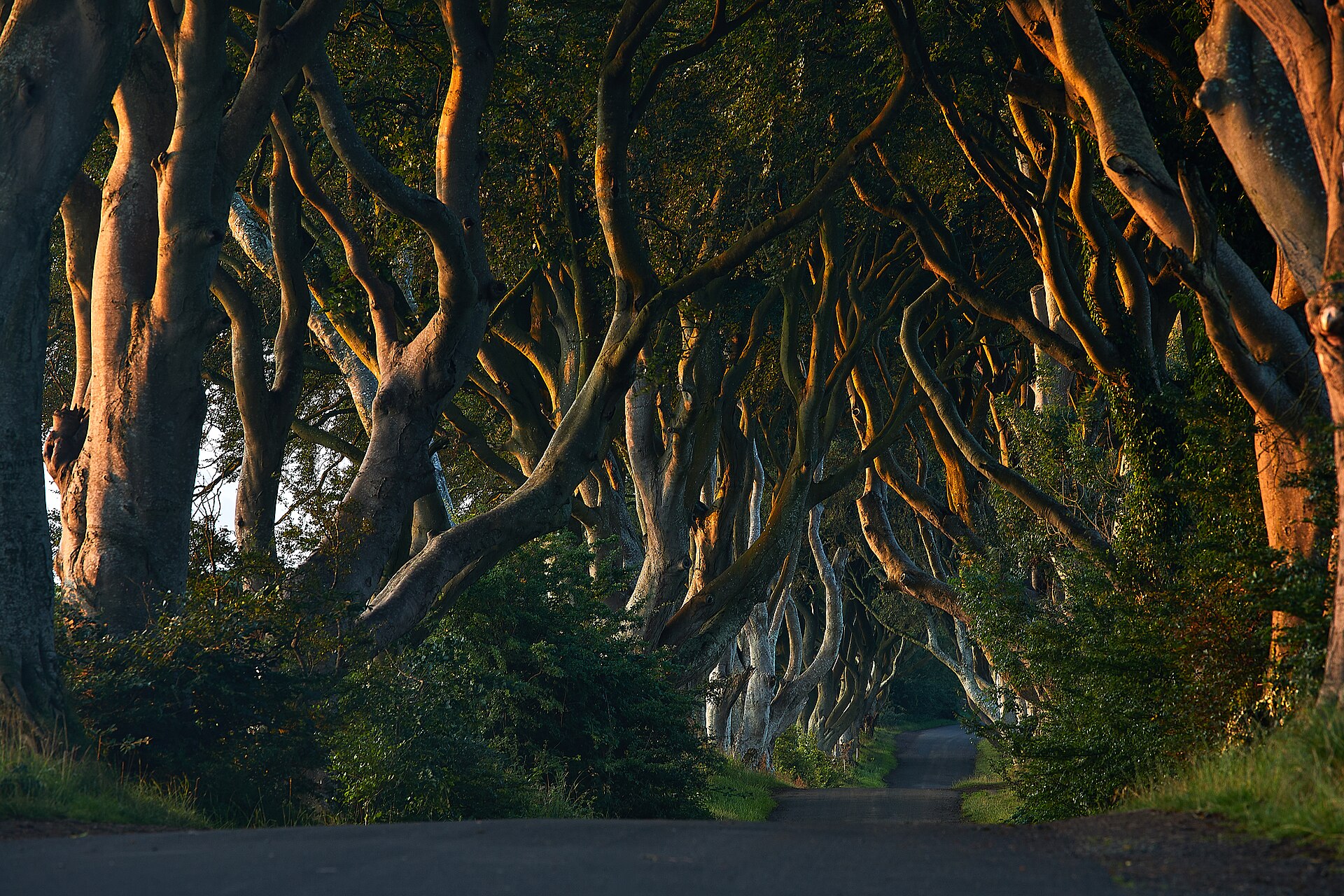
Ruin Bars in Budapest: 8 Best + Nightlife Guide (2026)

TL;DRThe best ruin bars in Budapest for 2026 are Szimpla Kert (the most famous, opened in 2002, free entry), Instant-Fogasház (the biggest party venue, with 18 bars and 7 dance floors) and Mazel Tov (the best food, served in a glass-roofed courtyard), alongside Karaván, Csendes Létterem, Ellátó Kert, Kőleves Kert and Anker’t. A beer will set you back 3 to 5.50 euros, and weekday afternoons are your best bet for crowd-free photos, while weekend nights bring long queues and stag do crowds. April, May, September and October are the best months to visit, with ideal weather for bar-hopping between venues. Most of them cluster in the 7th district (Erzsébetváros), and Szimpla Kert turns into a farmers’ market on Sunday mornings.

When the sun sinks behind the hills of Buda, Pest sheds its polished imperial mask and reveals a completely different, wilder face. While Vienna is sipping wine in its quiet alleys and central London is filling up with crowds looking for a traditional pub, Budapest comes alive inside half-ruined factories and abandoned tenement buildings. Lukáš and I keep coming back here, and every single time we’re fascinated all over again by just how much energy this city has after dark. The famous ruin bars in Budapest are the beating heart of it all.

Nightlife here isn’t defined by glitzy luxury clubs, but by the so-called ruin bars in the old Jewish Quarter. They’re loud, visually overwhelming, packed with second-hand furniture from flea markets and twinkling fairy lights. The basic concept of a ruin bar (romkocsma in Hungarian) is brilliantly simple, and it dates back to the early 2000s, when entrepreneurs decided to make use of crumbling buildings slated for demolition.

Let’s take a look together at exactly where to head for the best evening atmosphere in District VII. I’ll show you where to find the prettiest hidden courtyards, where to eat brilliantly as a vegetarian, and most importantly what to watch out for so you don’t fall for the street scammers who prey on tourists at night.

TL;DR

  • Most famous ruin bar: Szimpla Kert is an absolute legend you have to see, even if you don’t order a single drink.
  • Best for food: Mazel Tov offers an elegant atmosphere and fantastic Middle Eastern cuisine in a gorgeous glass-roofed courtyard.
  • Biggest party: Instant-Fogasház is a huge complex with 18 bars and 7 dance floors, where the dancing goes on until morning.
  • Prices in 2026: Despite recent price hikes, Budapest is still cheaper than Western Europe — expect to pay around €3 to €5.50 for a beer in a ruin bar.
  • When to go: For calmer photos and a proper look at the interiors, choose weekday afternoons; on weekend evenings expect enormous queues.
  • Watch out for scams: Never go into bars with girls who approach you on the street, and always check the prices on the drinks menu.
  • Sunday markets: On Sunday mornings Szimpla Kert turns into a charming farmers’ market, which is an experience in itself.

When to visit Budapest for the nightlife

If you’re planning your trip primarily around exploring the ruin bars and the city at night, spring and autumn are your best bet. In April, May, September or October the weather is ideal for wandering between venues and sitting out in the open courtyards. Summer can be really tough in the baking-hot city, and the indoor spaces of these old factories overheat easily, because they often have no air conditioning or it simply can’t keep up.

But the truly crucial decision is which day of the week you head to the Hungarian capital. From Monday to Thursday the bars have a relaxed, laid-back vibe. You can settle into an old bathtub or a retro armchair, grab a beer, and soak up the incredible visual feast. These are also the days when you can take your best photos, stress-free and without crowds of strangers in the frame.

It’s a completely different story from Friday afternoon onwards. Budapest has become the stag and hen party capital of Europe. British groups in bizarre fancy dress in particular flood the streets, and the legendary venues are bursting at the seams. From nine in the evening, endless queues form outside the famous ruin bars, and inside you often can’t even move. It has its own wild energy, but if you’re not a fan of crushes, you might want to avoid the city centre on weekend nights.

Interestingly, until a few years ago those weekends also featured noisy beer bikes. After complaints from locals, however, the historic centre banned them. In 2026 they’re still running, but the advertised routes only take you to the outer, greener parts of the city, so don’t expect to be drinking your way past the monuments anymore.

A special mention goes to Sunday mornings, which is probably Lukáš’s and my favourite time of all. Some ruin bars transform into community markets, where instead of alcohol there’s coffee flowing and the smell of homemade pastries in the air. It’s a beautiful contrast to the night-time madness and a great chance to support local sellers and take home some authentic souvenirs.

Where to stay in Budapest

Choosing the right area to stay in is key, because it determines how much sleep you’ll actually get at night. If you want to be right in the thick of it and don’t mind street noise, look for hotels in District VII (Erzsébetváros). This is where the heart of Budapest’s nightlife beats, and you can stumble from the bar to your bed in about five minutes on foot. It’s incredibly convenient, but be prepared for singing tourists under your window well into the early hours.

For those of you who like your peace and quiet but still want to be close to the centre, I’d recommend the neighbouring District V or District VI. They’re far more elegant, the streets are wider, and at night it’s calm. From these parts of the city you can stroll to the party district in fifteen to twenty minutes, which is quite a pleasant little break after a hearty dinner and a few drinks.

One of our favourite places is Hotel Memories Budapest, which sits right on the edge of the Jewish Quarter. It offers absolutely fantastic breakfasts and a strategic location just steps from the famous synagogue. The rooms are brilliantly soundproofed, so even though you’re a stone’s throw from all the action, you’ll sleep like a baby.

If you’re after something with a slightly more modern, youthful design, Roombach Hotel Budapest Center is a great choice. It’s tucked away on a quieter street but still within walking distance of all the main ruin bars. The staff are lovely and the beds are comfortable, which you’ll definitely appreciate after a night out. We always book our accommodation through Booking.com, where you can find some nice discounts if you book well in advance.

For true lovers of luxury and absolute silence, we’d recommend taking a look at the Kempinski Hotel Corvinus Budapest in District V. It’s a pricier affair, but the service here is absolutely top-notch. It’s also located right by Erzsébet tér, a short walk from the popular underground Akvárium Klub and the main shopping streets.

8 of the best ruin bars in Budapest

Let’s take a look at the very best the Budapest party district has to offer. I’ve picked out eight completely different venues for you, from the craziest labyrinths to elegant courtyards serving great food. You’ll see that the romkocsma phenomenon comes in many shapes and sizes — and these are the best ruin bars in Budapest worth seeking out.

1. Szimpla Kert (where it all began)

If you only have time to visit a single ruin bar, it absolutely has to be Szimpla Kert, no debate. It’s a true original and the pioneer of this whole phenomenon. The venue first opened its doors back in 2002, and two years later moved into a huge abandoned stove factory, where it still resides today. When you step inside, you’ll feel like you’ve wandered into some surrealist film full of colours and shadows.

The space is designed as one enormous tangled labyrinth full of unexpected nooks and crannies. Green plants and old 1990s televisions hang from the ceiling, and everything is lit by flickering disco balls. You can sit in old bathtubs that have been sliced open, in scrapped Trabant cars, or in creaky retro armchairs. There are eight different bars in here, so you can choose anything from a draught beer to brightly coloured cocktails.

But beyond the evening drinking, Szimpla has another wonderful side. Every Sunday morning the space turns into a farmers’ market, an event that Lukáš and I absolutely love. Before the beer starts flowing in the evening, you can buy the best honey, homemade jams and fresh vegetables straight from local farmers. It’s a wonderfully authentic experience, set to live acoustic music.

💡 Tip: Entry to Szimpla is always free. Be very careful, though, of the so-called VIP scam. Scammers often loiter outside the venue offering tourists a chance to skip the long queue for €20. It’s a complete trap — the queue moves fairly quickly even at weekends, and there are no paid VIP entries here at all.

2. Instant-Fogasház

While Szimpla is more about sitting back and taking in the visuals, Instant-Fogasház is a genuine dancing machine. This isn’t really just an ordinary bar anymore — it’s the biggest ruin club in the whole city. It was created by merging two originally separate, legendary venues, and today it sprawls across an enormous block of old buildings. If you really want to let loose and dance your shoes off until dawn, this is the right place.

The complex is incredibly vast and easy to get lost in. It boasts an astonishing 18 bars and 7 dance floors, each one playing a completely different genre of music. In one room hard electronica and techno thunders away, just next door they’re spinning rock hits, and down in the cellar the crowds sway to r’n’b. The atmosphere here is always wild and the energy radiates from every brick.

The decor here is perhaps even crazier than elsewhere. Giant plastic owls will fly over your head, along with strange animals and all sorts of light installations. The venue is popular with both local students and tourists, which creates a really colourful and international mix of people. It’s open every day until six in the morning.

💡 Tip: For a club this big and crowded, I’d strongly advise against wearing heels. The floors in these old buildings and courtyards are full of uneven surfaces, thresholds and cobblestones. Plain trainers are the best and safest choice for the whole night.

3. Mazel Tov

If you’re looking for the complete opposite of grungy underground, Mazel Tov will utterly enchant you. It’s the cleanest and most elegant ruin bar in Budapest. It’s housed in a spacious brick building with a beautiful glass roof. Cascades of green plants tumble down the walls, and the whole space is lit by hundreds of romantic light bulbs, creating an incredibly photogenic setting.

Mazel Tov works primarily as a brilliant restaurant focused on Mediterranean and Israeli fusion. Lukáš and I came here for dinner and we were blown away by their fantastic vegetarian food. We had wonderfully creamy hummus, fluffy pita, crispy falafel and excellent vegetable salads. It’s a place made for a romantic dinner for two or a relaxed evening with friends.

This is really not the place for wild benders and dancing on the tables. People come here for great wine, premium cocktails and refined conversation. There’s often live music that gently rounds off the whole atmosphere. The staff are very professional and the prices reflect the higher quality of the venue.

💡 Tip: Getting a table at Mazel Tov without a reservation in the evening is almost impossible. Book your table online even a few weeks ahead, especially if you’re planning to visit on a Friday or Saturday. Otherwise you risk being turned away by the security at the door.

4. Karaván

Right next to the famous Szimpla you’ll find a narrow gap between the buildings that hides another Budapest treasure. Karaván isn’t a classic bar but a fantastic street food court. It sprang up on the site of an abandoned car park and today it’s home to several brightly coloured food trucks and stalls. It’s the ideal stop for a quick bite before you dive into the whirlwind of the night, or to fight off a midnight hunger pang.

The ground is scattered with fine gravel, colourful lanterns glow overhead, and the smell of food from all over the world drifts through the air. You’ll find classic Hungarian specialities given a modern twist, as well as plenty of international cuisine. The atmosphere is completely relaxed — people sit on wooden benches or straight on barrels and share food with friends.

For us vegetarians it’s an absolute paradise. We tried an utterly perfect vegan burger here, and we couldn’t skip the traditional Hungarian lángos either, which they made for us in a meat-free version with just cheese, sour cream and lots of garlic. Meat-eaters can tuck into various local sausages, but we were more than happy with our choices.

💡 Tip: Karaván is open until late at night and often runs past midnight, when most regular restaurants have already closed their kitchens. It’s a safe and transparent place where the prices of food and drink are clearly written on signs, so there’s no nasty surprise waiting for you.

lukas a lucka
Lukáš and Lucie recommend
Where to stay in Budapest
4 accommodations — wellness hotels, hotels and other accommodation options

5. Csendes Létterem

Csendes, which translates as “quiet”, lives up to its name mainly during the day. It works as a wonderful vintage café and restaurant, where people come during the day to work on their laptops or for a peaceful lunch. It’s tucked a little away from the main party madness, near Károlyi-kert park, and offers a slightly different, more intellectual take on the ruin bar concept.

But once darkness falls, Csendes Létterem transforms into a lively, pulsing venue. The interior is absolutely fascinating and slightly creepy at the same time. The walls are plastered with old newspapers and hung with the severed heads of old dolls, strange toys, bicycles and abstract paintings. It has an incredibly bohemian atmosphere that draws in local artists and students.

It’s an ideal spot if you want to chat with friends, because the music here isn’t as loud as in the big clubs. They serve excellent Hungarian wines and great cheese boards, which pair perfectly with an evening’s drinking. They have beer too, but wine just suits this slightly decadent atmosphere far better.

💡 Tip: In 2026 Budapest saw a significant rise in restaurant prices, around 25%. But in more local venues like Csendes it’s still considerably cheaper than in touristy Szimpla. A beer here costs around €3, whereas in the most famous bars it can set you back as much as €5.50.

6. Ellátó Kert

If you’re after a place that’s kept a bit more of a local, laid-back feel, give Ellátó Kert a try. This venue has a strong Mexican vibe and is known for its big open courtyard. It’s one of those ruin bars where you won’t just bump into crowds of British tourists, but plenty of young Hungarians who come here for an after-work drink.

The courtyard is surrounded by old brick walls, and there’s no shortage of colourful bunting, old sofas and pallet tables. Even though it’s an outdoor space, part of it is roofed over and heated in winter, so it’s worth visiting at any time of year. The atmosphere here is always friendly and very casual.

When it comes to food, Ellátó Kert is famous for its tacos. We grew fond of their vegetarian tacos filled with beans and vegetables, which have just the right Mexican kick. To go with them they make excellent margaritas, which are pretty strong by local standards and come at a very reasonable price.

💡 Tip: If you like table football or pool, you’ll find several gaming tables here. It’s a great way to meet locals and break the ice, even if you don’t speak a word of Hungarian.

7. Kőleves Kert

Just a short way from the busy Kazinczy utca lies Kőleves Kert, a little splash of colour in the middle of the stone city. It’s primarily a summer garden that only opens in the warmer months. At first glance you’ll be drawn in by the brightly coloured chairs, the trees providing pleasant shade, and the hammocks strung between the trunks.

This space feels incredibly homely and playful. The ground is scattered with pebbles and flowers and herbs grow all around, which the chefs from the adjacent restaurant use straight in their dishes. The garden is popular with families with children during the day, and in the evening it fills up with groups of friends looking for a calmer refuge from the bass thumping out of the surrounding clubs.

The neighbouring Kőleves restaurant (“Stone Soup”) cooks brilliantly and offers plenty of meat-free options. We enjoyed some light pasta here and wonderful homemade lemonades, which are guaranteed to refresh you in the summer heat. The staff are very kind and never rush you, so you can happily sit here for hours over a single glass.

💡 Tip: Since it’s a purely outdoor space, bear in mind that it closes earlier than the covered clubs, usually around ten or eleven in the evening. This is to respect the night-time quiet for residents of the surrounding buildings. So head here ideally for an early-evening drink.

8. Anker’t

The last tip on our list is Anker’t, which offers yet another aesthetic again. It’s a minimalist and enormous space that ranks among the largest central beer gardens in Budapest. It’s located in a building dating all the way back to 1833, and the owners decided to leave the bare brick walls completely untouched, which creates a beautiful loft-style industrial feel.

Unlike the cluttered Szimpla, Anker’t is very airy, clean and understated in design. You’ll find four different bars and a huge open courtyard that often hosts summer parties, pop-up markets or slam poetry evenings. It’s a place that attracts local hipsters and lovers of modern art.

Here too you’ll find great options to eat. There are stalls serving outstanding vegan pizza, which we had to try and which was absolutely divine. The dough was beautifully thin and crispy. For lovers of the classics they also do excellent burgers, so there really is something for everyone.

💡 Tip: Budapest has a very open and lively LGBTQ+ scene, and while the vast majority of ruin bars are “queer-friendly”, some venues like Anker’t occasionally host dedicated events and monthly parties (such as the popular Garçons). The atmosphere here is always very tolerant and welcoming.

Where to go next from Budapest

Once you’ve had your fill of nightlife and ruin bars, Budapest offers an incredible range of daytime activities. During the day I’d recommend exploring the entire historic Jewish Quarter in much more detail. You’ll find the gorgeous Great Synagogue on Dohány Street, the largest in Europe, and plenty of tiny hidden cafés serving excellent speciality coffee.

If you’ve overdone it a little with the drinks in the evening, the best cure for a hangover is Budapest’s famous thermal baths. Lukáš and I swear by the iconic Széchenyi Baths with their enormous outdoor pools full of hot, healing water. The Gellért Baths are also beautiful and will amaze you with their stunning Art Nouveau architecture and mosaics.

The city is also wonderful to explore from the deck of a boat. A night cruise along the Danube with an open bar is, by the way, a great and above all very safe alternative for larger groups who want to have fun but don’t want to deal with street touts. The view of the floodlit Parliament and Fisherman’s Bastion from the water is breathtaking.

For a complete overview of everything you can do in the city, be sure to read our detailed article 66 things to see in Budapest. It contains full itineraries, tips on more vegetarian restaurants and practical advice on public transport.

Frequently asked questions

What is a ruin bar (romkocsma)?

It’s a specific type of bar that emerged in abandoned and dilapidated buildings of the old Jewish quarter. The owners didn’t renovate the spaces, but filled them with old furniture from flea markets, street art and flickering lights, creating an absolutely unique, slightly underground atmosphere.

Do you have to pay an entrance fee to ruin bars?

No, entry to the vast majority of ruin bars is free. You can simply walk in from the street, have a look around, and leave again. Watch out for scammers at the entrance (especially at Szimpla) who offer fake VIP tickets for skipping the queue.

What’s the dress code for the ruin bars?

The atmosphere here is completely relaxed and casual, jeans, a t-shirt and comfortable sneakers are ideal. Avoid heels—the floors in old factories are full of uneven surfaces and cobblestones. There’s no need to dress up fancy.

What scams should I watch out for at night?

“`html
The most common is the so-called consumption scam, where nice girls approach you on the street and lure you to “their favorite bar”. There you’ll get a bill of easily a thousand euros. Never follow strangers to dodgy establishments and always check the prices on the menu before ordering.
“`

Are beer bikes still allowed in the center?

Ne, the historic center (districts VI and VII) gave noisy beer bikes a red light years ago. In 2026, they are still in operation, but their routes have been pushed to peripheral and greener areas far from the main monuments.

Can I pay by card, or do I need cash?

“`html
Most modern establishments and large ruin bars accept payment cards without any issues. However, it’s a good idea to have some small cash in forints (HUF) on hand for tips or for purchases at Sunday farmers’ markets, where small vendors don’t have card terminals.
“`

Where can I find the gay and queer scene?

Budapest has a vibrant LGBTQ+ scene concentrated in the 7th district. The most popular is Alterego Gay Club, which hosts fantastic Friday and Saturday Transvariety shows. Moreover, most of the large ruin bars are very tolerant and “queer-friendly”.

Tips and Tricks for Your Vacation

Don’t Overpay for Flights

Search for flights on Kayak. It’s our favorite search engine because it scans the websites of all airlines and always finds the cheapest connection.

Book Your Accommodation Smartly

The best experiences we’ve had when looking for accommodation (from Alaska to Morocco) are with Booking.com, where hotels, apartments, and entire houses are usually the cheapest and most widely available.

Don’t Forget Travel Insurance

Good travel insurance will protect you against illness, accidents, theft, or flight cancellations. We’ve had a few hospital visits abroad, so we know how important it is to have proper insurance arranged.

Where we insure ourselves: SafetyWing (best for everyone) and TrueTraveller (for extra-long trips).

Why don’t we recommend any Czech insurance company? Because they have too many restrictions. They set limits on the number of days abroad, travel insurance via a credit card often requires you to pay medical expenses only with that card, and they frequently limit the number of returns to the Czech Republic.

Find the Best Experiences

Get Your Guide is a huge online marketplace where you can book guided walks, trips, skip-the-line tickets, tours, and much more. We always find some extra fun there!
Budapest in a Weekend: Itineraries for 1, 2 and 3 Days

TL;DRYou can tick off Budapest’s “best of” route in a single day — Fisherman’s Bastion, the Chain Bridge, the Parliament building — but three full days let you split your time properly between Buda and Pest, with room for a thermal bath session at Széchenyi Baths or the Rudas Baths. Two days is the classic compromise: one for Castle Hill and Gellért Hill, the other for Andrássy Avenue, Heroes’ Square and an evening in the Jewish Quarter at Szimpla Kert. The best base is the Pest side of the river, in districts V, VI or VII. Spring (April to May) and autumn (September to October) are the best times to come, or December for the Christmas markets.

When it comes to the perfect city for a long weekend, Budapest in Hungary is always right at the top of our list (mine and Lukáš’s). It’s a city that has absolutely everything you’d expect from a European capital, while still holding onto its own distinctive, slightly melancholic yet incredibly romantic atmosphere.

Just that feeling when you first stroll along the embankment and see the mighty river splitting the city into two worlds makes the whole trip worthwhile. On one side rises the ancient, hilly Buda with its castle and narrow lanes; on the other pulses the flat Pest, full of wide boulevards and cafés.

We come back here regularly and always discover something new. Sometimes we simply wander through the Jewish Quarter hunting for hidden ruin bars, other times we spend hours soaking in hot thermal water while it’s freezing outside.

If you’re heading to the Hungarian capital for the first time, its sheer size can be a bit deceptive. The sights are scattered across both banks, and without a good plan you’ll walk dozens of kilometres completely unnecessarily. That’s why I’ve put together detailed itineraries based on how much time you have.

TL;DR

  • How many days you need: You can rush through Budapest in a single day, but for a real experience and a visit to the baths I recommend spending a full three days here.
  • What you must see: Don’t skip the Parliament building, the views from Fisherman’s Bastion, an evening cruise on the Danube and the famous thermal baths.
  • Where to stay: The best strategic location is on the Pest side of the river, ideally districts V, VI or VII, from where you can walk to most of the sights.
  • When to go: The city is loveliest in spring and autumn, when temperatures are perfect for walking, or in December during the magical Christmas markets.
  • Top tip: Always buy tickets for the Parliament and the evening boat cruise well in advance online — on the spot they’re usually hopelessly sold out.

Budapest in 1 Day: The Best Of

Only got 24 hours in the Hungarian capital? It’ll be quite the marathon and your feet probably won’t thank you by evening, but the biggest icons can absolutely be done. The key to success is getting up early and having a clear route so you’re not bouncing back and forth across the river.

Start your morning on the Buda side, and as early as possible. Get up so you’re at Fisherman’s Bastion ideally before 9 a.m. This has two huge benefits you’ll appreciate. The first is absolute peace with no crowds wielding selfie sticks; the second is that entry to the upper towers is completely free before nine.

That saves you roughly 1,700 HUF (about 4 €) and rewards you with a perfect view over the waking city and the Parliament building opposite bathed in soft morning light. Right next to the bastion, take a look at Matthias Church, whose colourful diamond-patterned roof makes a striking contrast with the white stone. Admission inside costs around 2,500 HUF (about 6 €) and the interior is beautifully decorated.

From the church, walk towards Buda Castle — a lovely stroll through historic lanes lined with old houses. The castle complex itself is enormous and entry to the courtyards is free. Soak up the views, then head down to the river via the Royal Steps. I deliberately suggest skipping the historic funicular, which is fairly pricey for such a short ride and usually has a long queue.

By late morning it’s time to cross over to Pest. Walk across the Danube via the recently renovated Chain Bridge, the absolute symbol of the city. The walk over the river takes about fifteen minutes and leads you straight into the heart of the action. From there, head directly to St. Stephen’s Basilica, the most important church in the country.

If you don’t mind a few stairs or queuing for the lift, definitely pay for entry to the viewing terrace in the dome, which costs around 3,200 HUF (about 8 €). You’ll get a fabulous 360° view over all of Pest.

By around midday you’ll be ravenous, so it’s time to head to the Great Market Hall. It’s a huge historic hall of brick and steel that smells incredible and buzzes with energy. On the ground floor you’ll find heaps of fresh vegetables and ground paprika; upstairs there are food stalls.

We always grab a proper Hungarian lángos with a massive layer of cheese and garlic here — a classic you simply can’t miss. Just watch the opening hours, as the market is sadly closed completely on Sundays. If you happen to be here on a Sunday, I’d recommend popping into one of the smaller restaurants around the Váci utca promenade and trying, say, a vegetarian bean goulash.

The afternoon belongs to the most photographed building in all of Hungary. A tour of the Parliament is a huge experience, but remember you can’t get inside without a guide and a timely reservation. Tickets for EU citizens cost 7,000 HUF (about 18 €), so book them online even three weeks ahead. You can easily sort tickets through portals like GetYourGuide.

The tour takes just under an hour and you’ll see the gorgeous golden staircase and the famous Holy Crown of St. Stephen, watched over by an honour guard. Right after the tour, set off for a walk along the Danube embankment heading south.

After about five minutes you’ll reach the Shoes on the Danube Bank memorial. It’s a very quiet, deeply moving spot with sixty pairs of iron shoes commemorating the victims of the fascist regime at the end of the Second World War. It always sends a chill down my spine to realise that tragic history against the backdrop of the river flowing peacefully today.

In the evening, all that awaits is well-earned rest — but in the best possible style. Budapest is even more beautiful after dark than during the day. Buy a ticket for an evening cruise on the Danube, run by companies like Legenda or Silverline.

A fifty-minute cruise with a welcome drink will set you back around 15 €. Sitting on deck, sipping prosecco as the beautifully lit Parliament glides majestically past, is exactly the moment you fall in love with this city forever. Boat tickets are easy to grab through various portals such as GetYourGuide.

Budapest in 2 Days: The Classic Weekend

Two days is a far more sensible amount of time, as it lets you split the city into two logical halves. You can calmly dedicate one day to the hills and history on the Buda side, while reserving the other for flat Pest, the museums and some well-deserved relaxation in the thermal water.

Day 1: Castle Hill and Sunsets (Buda)

Start day one exactly as in the one-day itinerary. Explore Castle Hill from Fisherman’s Bastion through Matthias Church all the way to the Buda Castle complex. Don’t rush — savour the atmosphere of the old cobbled streets. Be sure to stop at Budapest’s oldest patisserie, Ruszwurm, which has been running since the nineteenth century.

Their traditional Dobos torte with a hard caramel crust or the delicate krémes are absolutely fantastic and pair perfectly with coffee. After lunch and exploring the castle courtyards, make your way gradually to the foot of Gellért Hill, which rises right above the river.

Here you’ve got about a thirty-minute climb up a woodland path, a bit like a steeper city-park hike back home. It’s nothing extreme, but in the heat of summer you’ll work up a sweat. The destination is the Citadella fortress and the enormous Liberty Statue right at the top.

From the summit you get the absolute best panorama of the entire bend of the Danube, all the iconic bridges and the Parliament building. Aim to come up in the late afternoon, as the soft light just before sunset paints the whole city in glorious golden tones. Just bear in mind that the Citadella is undergoing a long-term renovation, so some tight sections around the fortress may be partially closed.

In the evening, head back down to the river and treat yourself to a romantic evening boat cruise. If you fancy something a bit more special, you can even book a cruise that includes a four-course dinner and live music, which costs around 90 € and lasts over two hours.

Day 2: Boulevards, History and Relaxation (Pest)

Devote the second morning to Pest’s landmarks. Begin at the majestic Parliament building and the Shoes on the Danube Bank memorial, then move on to St. Stephen’s Basilica. This whole area is full of wide streets and gorgeous historic facades, so it’s lovely for a leisurely stroll.

Around midday, head to the famous Andrássy Avenue, Budapest’s answer to the Champs-Élysées in Paris. At number sixty stands the House of Terror, a museum housed in the former headquarters of the secret police. Visiting this museum is a very powerful emotional experience that helps you understand Hungary’s complicated twentieth-century history.

Admission is around 4,000 HUF (about 10 €) and expect to spend at least an hour and a half inside. Tickets are sold only at the box office on site, so it pays to arrive early and avoid the long queues. At the very end of this grand boulevard you’ll reach the monumental Heroes’ Square, full of giant statues, which flows seamlessly into the sprawling City Park.

And it’s right in City Park that the highlight of the second day awaits. Here you’ll find the famous Széchenyi Baths, the largest and most iconic thermal baths in the city. Their bright yellow neo-baroque building with outdoor pools is open year-round and it’s an unforgettable experience.

Soaking in hot thermal water under the open sky after a whole day of walking is pure balm for body and soul. A basic ticket costs just under 15,000 HUF (about 38 €) and is well worth it. After a perfect unwind in the baths, head out in the evening to the Jewish Quarter for a drink at Szimpla Kert. It’s the most famous ruin bar in the world, full of old junk, flickering fairy lights and incredible energy you simply have to experience.

Budapest in 3 Days: The Gold Standard

In our experience, and according to many fellow travellers, three days is the absolutely ideal length of stay. You don’t have to rush anywhere, you’ll catch all the main sights, and you’ll still have time for culinary discoveries, relaxed walks through the parks and a proper spa relaxation.

Day 1: Buda Panoramas and the River

Follow the plan for day one from the two-day itinerary, but this time really take your time. Wander through the entire Castle District at a leisurely pace and find a tucked-away little café in the narrow lanes around Matthias Church.

In the afternoon, climb Gellért Hill for the best sunset. In the evening I again recommend finishing on the waters of the Danube. For this three-day scenario, feel free to book a cruise with unlimited prosecco, which makes a great start to the weekend and costs around 27 €.

Day 2: Magnificent Pest and Ruin Bars

Start the morning at the Parliament, then move on to St. Stephen’s Basilica. A short walk away is the State Opera House, where during the day you can pay for a guided tour of the stunning interiors. For coffee, pop into the renowned New York Café. It’s often described as the most beautiful café in the world, and the interior really is breathtaking.

Be prepared, though, to pay a hefty premium for this luxury and probably queue at the entrance. In the afternoon, walk down Andrássy Avenue, visit the House of Terror and continue all the way to Heroes’ Square.

In the evening, dive headfirst into the whirl of the seventh district, the famous Jewish Quarter. Besides the aforementioned Szimpla Kert, you’ll find dozens of other original ruin bars and brilliant street food here. We grew very fond of the Karaván food alley right next to Szimpla Kert, where you’ll find loads of stalls serving an excellent vegetarian lángos burger and great hummus.

lukas a lucka
Lukáš and Lucie recommend
Where to stay in Budapest
4 accommodations — hotels and other lodging options

Day 3: Experiences, Flavours and Baths

On the third morning, head to the Great Market Hall on an empty stomach. Soak up the genuine local atmosphere, buy some ground paprika as a souvenir to take home and sample the fresh pastries. From there it’s only a short walk back to the Jewish Quarter, where you can admire the enormous Dohány Street Synagogue in daylight — the largest in all of Europe.

If the weather’s on your side and it’s a fine day, rent a bike or an app-shared e-scooter in the afternoon and head to Margaret Island. It’s a vast green oasis in the middle of the wide Danube, where cars are strictly banned.

Here you’ll find medieval ruins, a running track and, in the warmer months, a huge musical fountain at the southern tip of the island that shoots water in time with classical music. It’s a perfect spot for a rest and a picnic on the grass.

Save the thermal baths for your last evening. If you don’t fancy the most famous and often packed Széchenyi Baths, I’ve got a great alternative for you. Try the Rudas Baths on the Buda side of the river.

These are very authentic Turkish baths from the sixteenth century, plus they have a modern panoramic rooftop hot tub with an amazing view of the Danube. I’d also strongly like to flag one thing for the current season. The famous Gellért Baths have been completely closed since the end of 2025 for a huge, lengthy renovation, so don’t plan to visit them at all — you’d just hit closed doors.

Themed Tweaks: Who You’re Travelling With

Not every itinerary suits everyone, and it’s obvious that with kids you’ll have completely different priorities than with a group of mates on a stag or hen do. So I’ve put together a few small programme adjustments for you.

For couples and romantics: Budapest is made for those in love. Get up early on day one for sunrise at Fisherman’s Bastion — you’ll have it all to yourselves and the couple photos will be perfect. Instead of the big baths, I’d suggest the rooftop hot tub at the Rudas Baths, and in the evening a Danube cruise is an absolute must. A stroll across the floodlit Chain Bridge at night is then a sure-fire winner.

For families with children: If you’ve got little travellers in tow, cross heavy museums like the House of Terror off the list. Instead, head to the zoo in City Park, the oldest in the country, with plenty of interactive exhibits. Another brilliant experience is a ride on the Children’s Railway in the Buda hills, which is run by children themselves under adult supervision. Instead of the classic thermal baths, try the outdoor Palatinus pools on Margaret Island.

For groups and stag/hen dos: Pest will be your main playground. During the day, recharge at the Széchenyi Baths, which occasionally host wild night-time “Sparties” with electronic music right in the pools. Kick off the evening on a boat with bottomless prosecco and spend the rest of the night exploring the giant Instant-Fogas complex, an incredible maze of several clubs joined into one enormous party space.

For seniors and a calmer pace: Focus on the pleasures and minimise long uphill walks. To reach Castle Hill, take the little bus number 16 from Clark Ádám tér rather than the pricey funicular. Treat yourself to an afternoon coffee and cake in one of the classic cafés on Andrássy Avenue, and relax in the healing waters of the thermal baths — for example, the quieter and cheaper Lukács Baths.

Where to Stay

When it comes to choosing accommodation, the rule is fairly simple. The best strategic location is clearly on the Pest side of the river. From districts V, VI and VII you can walk to the vast majority of sights, the nightlife is right there, and you’re close to restaurants and great cafés.

If you’re after something elegant and you appreciate great design, definitely check out Hotel Moments Budapest, which sits right on the famous Andrássy Avenue. It’s a beautifully renovated building with an excellent breakfast and staff who’ll bend over backwards for you.

For those who want a bit of extra relaxation after a full day of walking, I can recommend Cortile Budapest Hotel. This design gem has a glass-walled rooftop pool with a view over the city — absolutely fabulous.

If you’re looking for a more budget-friendly option but still want to be right in the heart of the action, take a look at Roombach Hotel Budapest Center. It’s located right in the heart of the Jewish Quarter, has modern, clean rooms, and the best ruin bars are literally just a few steps away. All these hotels can be conveniently booked through Booking.com, where you’ll often find attractive seasonal deals too.

Practical Info

Direct flights to Budapest from the UK are plentiful — Wizz Air, Ryanair, easyJet and British Airways all run regular routes from London (Luton, Stansted, Gatwick and Heathrow) as well as from Manchester, Birmingham and other regional airports, with flight times of roughly two and a half hours. The journey from Ferenc Liszt Airport into the city centre is incredibly easy and cheap. The best option is the direct 100E bus, which takes you all the way to the central Deák Ferenc tér. A ticket costs a few euros and you can buy it simply at a machine or directly on your phone. If you prefer comfort, download the Bolt app — regular taxis hailed on the street tend to be needlessly overpriced.

For getting around the city, the BudapestGO app will come in handy. Through it you can buy single tickets and day passes for all trams, buses and the iconic old metro line. Just be very careful to validate your tickets correctly in the app — the inspectors here are quite strict and check thoroughly.

Hungary still uses the forint, and here comes one big warning. Steer well clear of Euronet ATMs, which are dotted all over the centre. They have absolutely terrible exchange rates and push so-called DCC, or dynamic currency conversion, on which you can lose tens of percent.

Likewise, when paying by card in a restaurant, always choose to pay in the local currency — that is, in forints. Honestly, you barely need cash in Budapest these days; Lukáš and I pay by card even at out-of-the-way market stalls.

As for prices this year, bear in mind that Budapest is no longer the super-cheap destination it was ten years ago. A main course in a restaurant typically costs around 4,000 to 6,000 HUF (roughly 10–15 €), a coffee comes to about 1,200 HUF (3 €) and a public transport ticket roughly 450 HUF (just over 1 €). Entry fees to the sights have risen noticeably, but it still works out cheaper than, say, a long weekend in Vienna.

Where to Go Next

If you have more days in Budapest and you’ve already covered the main sights, there are several great day trips into the surrounding area. The most popular is the picturesque baroque town of Szentendre, which you can reach by suburban train in just under three-quarters of an hour. It’s full of galleries and narrow lanes and has a gorgeous riverside.

In the summer months you can also head to Lake Balaton. The train journey to the resort of Siófok takes about an hour and a half, and for a day-trip swim it’s absolutely ideal.

Want to learn even more about the Hungarian capital? Read our exhaustive list of 66 tips on what to see in Budapest, where you’ll also find plenty of hidden gems.

If you’re more tempted by relaxing in hot water, we’ve prepared a detailed guide to the thermal baths in Hungary. And if you’re heading here in winter, definitely don’t miss our article on how to enjoy the magical Christmas markets in Budapest.

Frequently Asked Questions

How many days to visit Budapest?

We recommend setting aside three full days for visiting Budapest. This way you’ll have time to leisurely explore the main sights on both banks of the river, enjoy the thermal baths, and discover the local culinary scene without any unnecessary rush.

Can you do Budapest in 1 day?

Yes, it can be done, but it will be very demanding. You’ll manage to cover the basic route from Fisherman’s Bastion through the Chain Bridge to the Parliament, but you won’t have time for museums or a longer rest in the thermal baths.

When is the best time to visit?

“`html
The best time to visit Budapest is in spring from April to May and in autumn in September and October. Temperatures are pleasant for walking around all day and the sights aren’t as crowded as during the summer holidays.
“`

Are the thermal baths open in winter too?

Yes, most thermal baths including the most famous Széchenyi operate year-round. Swimming in hot outdoor pools when the surrounding air is close to freezing point is an absolutely fantastic experience.

Do I need cash in Budapest?

“`html
Most of the time, you’ll get by just fine with a payment card. Even market vendors and smaller cafés have terminals these days. A small amount in forints is only useful for small tips or potential payments at public toilets.
“`

Is Budapest an expensive destination?

Prices have gone up in recent years and Budapest isn’t as cheap as it used to be. Accommodation and food costs are comparable to Prague, but it’s still significantly cheaper here than in Western capitals like Vienna or London.

Is it better to stay in Buda or Pest?

For the vast majority of tourists, it’s much better to stay in Pest. The terrain is flat, most of the restaurants, ruin bars and shops are located here, and you can reach the main sights within walking distance.

How to best get from the airport?

The most convenient and cheapest option is to use the direct bus line 100E. It runs very frequently, the ticket costs just a few euros and takes you directly to the main transport hub Deák Ferenc tér in the city centre.

Is it safe in Budapest?

Budapest is generally a very safe city. The same rules apply here as in other European capitals. In crowds around major landmarks and on public transport, watch out for pickpockets and don’t leave your belongings unattended.

Tips and Tricks for Your Vacation

Don’t Overpay for Flights

Search for flights on Kayak. It’s our favorite search engine because it scans the websites of all airlines and always finds the cheapest connection.

Book Your Accommodation Smartly

The best experiences we’ve had when looking for accommodation (from Alaska to Morocco) are with Booking.com, where hotels, apartments, and entire houses are usually the cheapest and most widely available.

Don’t Forget Travel Insurance

Good travel insurance will protect you against illness, accidents, theft, or flight cancellations. We’ve had a few hospital visits abroad, so we know how important it is to have proper insurance arranged.

Where we insure ourselves: SafetyWing (best for everyone) and TrueTraveller (for extra-long trips).

Why don’t we recommend any Czech insurance company? Because they have too many restrictions. They set limits on the number of days abroad, travel insurance via a credit card often requires you to pay medical expenses only with that card, and they frequently limit the number of returns to the Czech Republic.

Find the Best Experiences

Get Your Guide is a huge online marketplace where you can book guided walks, trips, skip-the-line tickets, tours, and much more. We always find some extra fun there!
Weather in Budapest and When to Go: A Month-by-Month Guide (2026)

TL;DRMay, June and September are Budapest’s sweet spot, with temperatures around 20–25°C, while July and August bring sweltering heat above 30°C and heavy humidity off the Danube. For the cheapest rooms and thinnest crowds, come in January or February, when temperatures dip to -2 to 4°C — though that’s also when the thermal baths look their best. In 2026, steer clear of the Hungarian Grand Prix (24–26 July) and Sziget Festival (11–15 August), when hotel prices jump by up to 60%. Also worth knowing: Gellért Baths are shut for renovation until 2028, so head to Széchenyi or Rudas instead. The Christmas markets at St Stephen’s Basilica and Vörösmarty tér usually kick off in mid-November.

We first travelled to the Hungarian capital with Lukáš many years ago, right in the middle of a scorching summer, and what I remember most is how we practically melted onto the blazing-hot asphalt by the Chain Bridge. Since then we’ve come back in pretty much every season, and we quickly figured out one crucial thing. The weather in Budapest, Hungary completely and uncompromisingly determines what kind of experience you’ll take home with you. While in December the only thing that saves you from the freezing fog is hot thermal water and a cup of mulled wine, in April you’ll be soaking up blooming parks, and in August you’ll instead be praying for air conditioning in every café. Choosing when to travel is therefore about far more than how many layers you throw in your suitcase — it directly shapes your entire itinerary. So let’s take a look together at when the best time to visit really is, what temperatures you can expect in each month, and which dates in 2026 you should watch out for because of festivals and the Formula 1 Grand Prix.

TL;DR

  • Best months to visit: The absolute ideal weather awaits you in May, June and September, when temperatures hover around a pleasant 20 to 25 °C and the city lives outdoors.
  • Summer heat: In July and August, brace yourself for extreme heat regularly topping 30 °C, high humidity off the river, and crowds of tourists.
  • Critical dates for 2026: The Formula 1 Grand Prix (24–26 July 2026) and the music giant Sziget Festival (11–15 August 2026) will send accommodation prices through the roof, and the city will be bursting at the seams.
  • When it’s cheapest: If you want to save money and don’t mind the cold, go in January or February, when hotel prices drop to rock bottom and the thermal baths are at their most magical.
  • Closed baths: Keep in mind that the famous Gellért Baths are closed until 2028 due to a major renovation, so you’ll have to head elsewhere.
  • Christmas markets: Budapest’s markets are among the most beautiful in Europe, usually starting in mid-November, with the main action taking place in front of St. Stephen’s Basilica and on Vörösmarty tér square.

8 Things You Must Know About the Weather and Planning Your Trip to Budapest, Hungary

1. Spring (March–May) Brings an Awakening and Ideal Conditions

The spring months are an absolutely fantastic choice for a visit, even though early spring can still be a little unpredictable. In March a very cold wind often blows off the Danube and temperatures stubbornly hover somewhere around 10 to 15 °C. If you head here during this period, you’ll definitely still appreciate a warmer coat and the chance to duck into a cosy, heated café.

The turning point usually comes in April, when the city slowly starts to come alive. The trees on the popular Margaret Island (Margit-sziget) begin to bloom beautifully, and in the famous Jewish Quarter the first outdoor terraces of the legendary ruin bars open up. April is a great compromise if you want to catch nature waking up while still avoiding the biggest waves of tourists.

May is one Lukáš and I consider to be one of the absolute best months of the entire year. The mercury settles very steadily around an incredibly pleasant 20 to 25 °C. It’s the perfect time for long walks between flat Pest and hilly Buda.

The May sun already has some strength to it, but it doesn’t drain every last bit of energy out of you the way midsummer does. So you can calmly plan a hike up Gellért Hill for the views or a stroll across the iconic Chain Bridge. If you long to see the city in full bloom without fighting through impenetrable crowds at the Fisherman’s Bastion, come here at the tail end of spring.

2. Summer (June–August) Turns the City Into a Scorching Furnace

If you’re used to classic mild Central European summers, a Budapest summer will probably catch you off guard. July and August in particular often feel like a literal furnace. Official statistics mercifully quote average daytime temperatures around 28 °C, but the reality on the streets of Pest regularly climbs past 30 °C, and readings creeping toward 35 °C are no longer any rare exception.

This extreme heat also combines with high humidity rising off the river and huge amounts of sun-baked asphalt and stone. During the day the city becomes hard to bear for more sensitive types. Walking down the famous Váci utca shopping street at high noon, or climbing up to Buda Castle, sometimes feels more like a physical punishment than a relaxing holiday.

A Budapest summer therefore demands a complete change to your usual travel rhythm. You need to see the sights as early in the morning as possible. The gorgeous Fisherman’s Bastion, for example, is free before 9 a.m. and offers the best soft light for photos at that hour, without hundreds of other people in the shot.

During the day, by far the best strategy is to retreat somewhere shady. You can head to the sprawling Palatinus lido on Margaret Island or plan a visit to museums with powerful air conditioning, such as the striking House of Terror. In summer, life here simply shifts into the night-time hours, when the evening cruises along the Danube are absolutely magical and the ruin bars come alive with thousands of people.

3. Autumn (September–November) Offers the Golden Hour and the Wine Harvest

According to many locals and seasoned travellers alike, September is the single most beautiful month to visit. The oppressive August humidity finally lifts, the mercury settles around a fantastic 22 to 23 °C during the day, and the whole city is bathed in gorgeous golden autumn light.

A big advantage is that with the end of the main holiday season, the crowds of tourists finally thin out noticeably. It’s also the famous time of the wine harvest. The main Great Market Hall (Nagyvásárcsarnok) literally overflows with fresh paprika and sweet grapes, and you can enjoy a glass of excellent Tokaji wine in perfect peace on one of the many outdoor terraces.

October is still very pleasant weather-wise, though you’ll need to reckon with mornings that are getting fairly chilly and days that are getting noticeably shorter. It is, however, an absolutely great time to visit the thermal baths. That contrast between the cooler autumn air outside and the 38 °C hot water in the outdoor pools at the Széchenyi Baths, for example, becomes simply perfect in October.

November, sadly, acts more like the opening act for real winter. The days are very short, the sky is often steely grey, and over the river the long fog season begins. If you’re heading here in November, don’t forget to pack really warm clothes and an umbrella, as rainfall tends to be fairly frequent and clammy this month.

4. Winter (December–February) Tempts You With Fog, Markets and Hot Water

The winter months have a very specific, slightly melancholic atmosphere in the Hungarian capital. Temperatures mostly hover around freezing or just below it. The cold, heavy air also very often settles in the basin around the Danube, bringing lingering grey days, haze and very dense fog.

Because of this weather, your dreamed-of views from the Citadella or the terraces of the Fisherman’s Bastion can be seriously limited. Luckily, two absolutely essential things save the city in winter. The first is its renowned Christmas markets, which in December light up the entire historic centre beautifully and pour plenty of life and aromas into the frosty streets.

Although the markets mostly smell of the ever-present sausages and roasted meat, as vegetarians we swear by the fresh, hot lángos with cheese and sour cream, which reliably warms you up in the cold. For a sweet finish we always go for the traditional Kürtőskalács — a chimney cake baked right over glowing coals.

The second winter saviour is, of course, the thermal baths. It’s precisely in January and February that the outdoor hot pools make the most sense. Sitting in warm healing water while snowflakes fall on your head and thick white steam rises around you is a wonderful experience. ⚠️ But keep one absolutely crucial thing in mind: the famous Gellért Baths are closed until 2028 for renovation, so you’ll be better off heading to the Széchenyi or Rudas Baths instead.

5. Weather and Crowds in Detail, Month by Month

To help you get your bearings quickly when planning a weekend, we’ve put together a short overview of the whole year. Bear in mind that accommodation prices follow the crowd curve almost exactly. The more people head into the city, the more expensive not only your hotels but also flights and train tickets will be.

January and February are months of genuine winter. Average temperatures stay between -2 and 4 °C, it often freezes, and the city tends to be wrapped in fog. The upside is that these are the absolute cheapest months of the year — you can find accommodation for a fraction of summer prices and you’ll hit almost no queues in the museums.

March and April bring a gradual warm-up from 10 °C up to a pleasant 16 °C. It occasionally rains in April, but nature turns beautifully green. May and June then represent the notional peak of spring and the start of summer, with temperatures between 22 and 26 °C. The days are long, full of sunshine, and the city has enormous energy.

July and August mean an extreme onslaught. Temperatures consistently top 30 °C, it often rains in the form of quick summer thunderstorms, and the crowds of tourists are huge. September and October are a return to normal, with temperatures dropping to 15 to 23 °C, which is ideal for walking. November and December then bring a chill around 5 °C, but December is once again very expensive thanks to the Christmas markets.

6. When It’s Cheapest and How to Save Smartly

Overtourism is unfortunately a daily reality in Budapest. The city sees its biggest crush in July and August, when classic summer holidaymakers, visitors to the giant festivals and, on top of that, passengers from the enormous river cruise ships that dock here daily all overlap.

If you want to have at least a bit more of the city to yourself while not emptying your entire wallet, choose the right month. The best compromise between good weather and acceptable prices is April outside Easter, or the second half of October. The weather at this time is good enough for you to spend your days outdoors, but the streets are already nicely walkable.

If your main goal is to see museum interiors, taste great food in the cafés and soak in the thermal baths on the smallest possible budget, then January and February are your promised months. Prices of both flights and hotel rooms fall to the very bottom in this period, and you can treat yourself to a far better standard of accommodation for the price of an ordinary hostel in summer.

The key to saving your nerves even in peak season is then getting up early. Most tourists sleep in very late after a demanding night in the ruin bars. If you head to the Matthias Church for sunrise, you’ll have one of the most photographed spots in Europe almost entirely to yourself, and on top of that you’ll save on the morning admission to the bastion ramparts.

7. Major 2026 Events That Will Air Out Your Wallet

Budapest is written in very bold letters on the European map of big international events. If you’re deliberately aiming for one of them, a fantastic experience awaits you. But if you just want a quiet romantic weekend and accidentally land on these dates, your budget and nervous system will both take a proper beating.

The first giant event is Formula 1 – the Hungarian Grand Prix (24–26 July 2026). The Hungaroring circuit lies just under 20 kilometres from the city, and hundreds of thousands of fans from all over Europe descend on it. During this weekend, accommodation prices in the centre rise by up to 60% and hotels are sold out many months in advance.

Hot on its heels comes the famous Sziget Festival (11–15 August 2026). It’s one of the biggest music festivals in Europe, held on Óbuda Island. Half a million visitors spill from the island into the centre over the course of a single week, the ruin bars burst at the seams, and finding a free table in a restaurant without a reservation is nearly impossible.

The third critical event is St. Stephen’s Day, the national holiday (20 August). It’s the most important Hungarian holiday, full of military parades and air shows. It all culminates in the evening with a gigantic fireworks display over the Danube. The entire embankment on both sides of the river is hopelessly jammed and traffic in the city practically collapses. Give these dates a wide berth unless you’re a direct participant in the events.

8. What to Pack by Season and What Not to Forget

Packing for the Hungarian capital differs dramatically depending on exactly which month you’re travelling in. But there’s one thing you absolutely always have to pack in your suitcase, whether it’s thirty degrees outside or bucketing down. The absolute essential is, of course, swimwear and ideally your own towel and flip-flops, because a visit to the thermal baths is not to be skipped in any season.

If you’re going in winter, get ready for a very biting chill off the river. You’ll need a really warm winter coat or jacket, a good hat, a scarf and gloves. The streets in the centre are often wet and slippery, so insulated, waterproof boots with a good sole are essential if you want to enjoy the markets in comfort.

In the summer months, on the other hand, the key to survival is lightness and breathability. Pack clothing made of linen or thin cotton and definitely don’t forget a hat and sunglasses. The sun-baked stone streets show no mercy during the day. A reusable water bottle you can refill around the city will come in very handy too.

For spring and autumn, the only correct strategy is layering. Mornings can be very cold and you’ll be glad of a light jumper and a spring jacket, but around midday in the sunshine you’ll appreciate being able to strip down to just a short-sleeved T-shirt. And in every season, remember that Budapest is a city made for walking, so comfortable trainers are an absolute must.

Practical Summary and Rough Prices (2026)

To give you a better idea of your budget, we’ve put together a rough overview of the prices you can currently expect in Budapest. Do bear in mind that prices in Hungary have been rising fairly rapidly in recent years. When booking somewhere to stay, we always start on Booking.com.

  • Entry to the Széchenyi Baths: An all-day ticket with a lockable locker costs about 10,500 HUF on weekdays and 12,000 HUF at weekends (roughly €27 to €31).
  • Food at the Christmas markets: For a proper fresh lángos with cheese and cream you’ll pay around 2,500 to 3,500 HUF (about €6.50 to €9), and a hot chimney cake costs roughly the same.
  • Accommodation in the cheaper season (January–March): A double room in a solid hotel in the centre can be found from as little as €48 to €72 per night.
  • Accommodation in peak summer and during festivals: That same hotel could easily cost €140 to €220 per night in August or during the Formula 1.
  • Price of coffee in the centre: For a nice cappuccino in a specialty café you’ll usually pay around 1,200 to 1,500 HUF (about €3 to €4).
  • Entry to the Fisherman’s Bastion: A morning visit before 9 a.m. is completely free; during the day you’ll pay roughly 1,700 HUF (about €4.50) for access to the upper viewing towers.

Where to Next

If you already know which month you’ll be heading to the Hungarian capital, it’s time to start planning your specific itinerary. We’ve prepared a huge and very detailed guide for you — 66 tips on what to see in Budapest — where you’ll find not only the best-known landmarks but also our favourite hidden cafés, the best viewpoints over the city, and specific tips on how to get around efficiently using public transport. It’s our travel bible for this city, and we’re constantly keeping it up to date.

If you’ve decided to take the plunge and head into the winter cold to soak up a little of that magical Advent atmosphere, definitely read our special article focused purely on the Christmas markets in Budapest before you set off. In it we describe in detail which squares have the best stalls, what time the stunning 3D video mapping onto the façade of St. Stephen’s Basilica kicks off, and which overpriced tourist traps you’re better off avoiding by a wide margin.

And because a visit to this city wouldn’t be complete without properly warming your bones, we’ve also written a comprehensive overview mapping the best thermal baths in Hungary. In it we don’t just focus on the most famous Budapest complexes — we also give tips on smaller, quieter baths in the surrounding area, frequented mainly by locals. On top of that you’ll find practical advice on what to bring to the baths and how the system of wristbands and changing cabins works. To book tickets and guided tours in advance, we like using GetYourGuide.

Frequently Asked Questions

When is the best time to visit Budapest?

“`html
In terms of weather and pleasant temperatures, the absolutely best months are May, June and September. This way you’ll avoid the extreme summer heat, which commonly exceeds 30 °C, as well as the unpleasant winter cold and fog.
“`

What’s the weather like in Budapest in winter?

Winters tend to be quite cold and damp. Temperatures from December to February typically hover around freezing or just above. Dense fog very often forms over the river and the sky tends to be overcast, which perfectly complements the atmosphere in the hot thermal baths.

When do the Christmas markets take place in 2026?

“`html
Budapest’s Christmas markets are among the most beautiful in Europe and usually start in mid-November and last until January 1st. The main action is centered in front of St. Stephen’s Basilica and at Vörösmarty Square.
“`

Do thermal baths work even when it’s raining or snowing?

Yes, and that’s when they have their greatest charm. Sitting in 38°C hot water in the outdoor pool of Széchenyi Baths while snowflakes fall on your head is one of the best experiences in the entire city.

What to watch out for when planning a trip in summer 2026?

In summer 2026, be extremely careful about the dates of major events. Specifically, these are the Formula 1 races (July 24–26) and the Sziget Festival (August 11–15), when accommodation prices skyrocket and the city is absolutely packed.

When is accommodation cheapest in Budapest?

If you’re on a tight budget, head to the city in January or February. These are the months with absolutely the lowest tourist traffic, so hotels and hostels offer their rooms for a fraction of the usual summer or Advent prices.

Are the Gellért Baths open in 2026?

Unfortunately, they are not. The famous and architecturally magnificent Gellért Baths are undergoing extensive reconstruction and will remain completely closed to the public at least until 2028.

What not to forget to pack regardless of the season?

Whether you’re going in the middle of a sweltering summer or in freezing cold, always pack a swimsuit, your own towel, and ideally rubber flip-flops in your suitcase. Without visiting the thermal baths, your trip wouldn’t be complete at all.

Tips and Tricks for Your Vacation

Don’t Overpay for Flights

Search for flights on Kayak. It’s our favorite search engine because it scans the websites of all airlines and always finds the cheapest connection.

Book Your Accommodation Smartly

The best experiences we’ve had when looking for accommodation (from Alaska to Morocco) are with Booking.com, where hotels, apartments, and entire houses are usually the cheapest and most widely available.

Don’t Forget Travel Insurance

Good travel insurance will protect you against illness, accidents, theft, or flight cancellations. We’ve had a few hospital visits abroad, so we know how important it is to have proper insurance arranged.

Where we insure ourselves: SafetyWing (best for everyone) and TrueTraveller (for extra-long trips).

Why don’t we recommend any Czech insurance company? Because they have too many restrictions. They set limits on the number of days abroad, travel insurance via a credit card often requires you to pay medical expenses only with that card, and they frequently limit the number of returns to the Czech Republic.

Find the Best Experiences

Get Your Guide is a huge online marketplace where you can book guided walks, trips, skip-the-line tickets, tours, and much more. We always find some extra fun there!
Tivat & Porto Montenegro: 10 Tips for the Luxury Marina and Beyond

TL;DRTivat is home to the glitzy Porto Montenegro marina, where you can wander the promenade and gawp at superyachts for free. There are ten tips in total for the area – from Plavi Horizonti beach with its gently sloping entry into the water, to the historic village of Gornja Lastva, to the Naval Heritage Museum with its submarine, which costs 7 euros to visit. The airport sits a kilometre from the centre, a taxi into town takes five minutes, and Kotor is eight kilometres away (about 15 minutes’ drive). June and September are the best months to come, with temperatures of 25 to 28 degrees, letting you dodge the summer crowds and the summer prices. The marina itself is pricey, but the rest of Tivat, including the Pine promenade and the botanical garden, runs on normal Balkan prices.

Tivat in Montenegro was once an unassuming little port, but today it’s home to the most luxurious marina on the entire Adriatic, where the world’s priciest superyachts drop anchor. If you’re after a place that blends the glamorous atmosphere of the French Riviera with affordable Balkan prices, you’ve just found it.

In this guide we’ll explore 10 tips for what to see and do in Tivat, including the famous Porto Montenegro and the gorgeous surrounding area. You’ll discover that while you’ll find boutiques from the world’s biggest designer brands here, the beautiful promenade and the breathtaking views are completely free for everyone.

I’ll also tell you where to base yourself strategically, when is the best time to visit, and how to enjoy a perfect holiday without huge costs. Tivat is, after all, the ideal gateway into the whole of Montenegro, a place from which you can set off on wonderful day trips.

TL;DR

  • Tivat Airport sits right in town, so you’re on the promenade within a five-minute taxi ride from the terminal.
  • Entry to Porto Montenegro is free — you can wander around freely and admire the enormous superyachts.
  • The best beach for families is Plavi Horizonti, with its rare soft sand and a very gentle slope into the water.
  • History lovers will appreciate the Naval Heritage Museum, where you can climb inside a real Yugoslav submarine.
  • Prices in central Tivat are very friendly, unlike the luxury yacht district, where coffee or lunch will cost you noticeably more.
  • The Island of Flowers and the mountain village of Gornja Lastva offer the perfect escape from the tourist bustle into quiet nature.

When to visit Tivat

If you’re planning a holiday on the Montenegrin coast, the best months to visit are June and September. At this time the air temperatures hover around a very pleasant 25 to 28 degrees, the sea is beautifully warm, and best of all you’ll avoid the biggest crowds.

The peak summer season falls in July and August, when prices soar and long queues build up on the roads. Tivat Airport gets extremely busy during these months, so journeys along the coast take far longer.

Out of season, from October to April, Tivat is a great year-round base, because both the airport and the promenade keep running. You’ll find some restaurants closed, but the sprawling botanical park and the surrounding mountain villages have an absolutely magical winter atmosphere without a single tourist in sight.

Where to stay in Tivat

💡 Tip for accommodation and experiences: We like to look for places to stay on Booking.com, which usually has the best cancellation terms. Tickets, tours and activities are then worth comparing and buying through GetYourGuide.

Tivat offers an incredibly varied range of accommodation, from absolute five-star luxury to cosy hotels at very reasonable prices. It’s best to stay close to the centre or the promenade, so that all the main attractions, shops and local restaurants are within comfortable walking distance.

For those after an unforgettable experience with no budget worries, the obvious choice is the Regent Porto Montenegro. This iconic five-star hotel in a Venetian-Renaissance style offers luxury pools and direct access to the yacht-lined piers, with in-season prices climbing into the high hundreds of euros per night. An alternative for lovers of total peace and quiet is The Chedi Luštica Bay, a stunning resort on the nearby peninsula with a private beach, golf and top-class service.

If you’re looking for great value close to the water, I recommend the four-star Boutique Hotel La Roche, which guests love for its cleanliness and private beach. Also very popular is La Fleur Boutique Hotel, which offers a lovely setting with a spa and excellent breakfasts. For travellers on a smaller budget, the three-star Hotel Astoria sits right on the Pine promenade and, for around €100, offers perfectly adequate comfort with a view over the bay.

10 tips for what to see and do in Tivat

Tivat is definitely not just about expensive boats and luxury boutiques. Let’s take a look at 10 specific tips for places you shouldn’t miss, from beautiful sandy beaches and historic landmarks to stunning mountain viewpoints.

1. Porto Montenegro and the superyachts

On the site of the former Austro-Hungarian naval base Arsenal, the only platinum-certified marina in the world has sprung up. Here you can admire yachts up to 250 metres long, and the whole promenade between the boats is completely free for all visitors, with no entry gates or reception desks of any kind.

As you stroll, you’ll come across boutiques from world-famous brands like Rolex and Gucci, plus luxury restaurants lining the waterfront. It’s worth knowing that prices in this part are roughly 30 to 50 percent higher than in the rest of town. A coffee here can easily set you back €4, but for that view over the glittering water and the vessels, it’s sometimes well worth it.

💡 Tip: If you want to soak up the atmosphere without the crowds, come early in the morning, around seven o’clock. The piers are beautifully calm, the yachts bathe in the golden morning sun, and you can take the best photos in peace before all the businesses open.

2. Naval Heritage Museum and the submarines

At the northern end of the marina you’ll find a wonderful naval museum, housed in a carefully restored 19th-century shipyard building. It holds more than 300 historical exhibits, from old nautical charts to preserved ship-engineers’ equipment and period uniforms.

The biggest draw, though, is undoubtedly two real Yugoslav submarines standing outside in a dry dock. The larger one, named P-821 Heroj, is even accessible from the inside, so you can experience first-hand just how cramped the conditions were in which sailors once lived and worked deep beneath the surface of the sea.

💡 Tip: A museum ticket including the unique submarine tour costs a pleasant €7 for an adult. The museum alone, without the submarine, costs just €2 — a historical experience that would be a real shame to skip.

3. The Pine promenade and the old centre

The luxurious Porto Montenegro flows seamlessly into the traditional Pine promenade, which the locals call nothing other than Pinea. This beautiful three-kilometre pedestrian zone, lined with towering palms, is the heart of everyday social life, where Tivat’s residents head out for their traditional evening strolls.

You’ll find plenty of pleasant cafés, restaurants and ice-cream stands here, with ordinary local prices and no luxury markup. Lunch for two at places like Marquise or Propela averages between €15 and €30, while an excellent espresso costs just under €2.

💡 Tip: Pop into one of the local bakeries for traditional Montenegrin pastries, perfect for a quick snack. A great choice for vegetarians is meat-free zeljanica, a delicious savoury filo pie filled with spinach and local white cheese.

4. The sandy beach of Plavi Horizonti

Sandy beaches are quite a rarity in Montenegro, since most of the coast is simply pebbly or rocky. That makes Plavi Horizonti beach, on the nearby Luštica peninsula, all the more precious — it offers gorgeous golden sand and crystal-clear water awarded a Blue Flag for its high cleanliness.

This bay surrounded by a pine grove is an absolute paradise for families with small children. The shallows here reach up to 100 metres from the shore, so the little ones can play safely in the warm water while the grown-ups relax on rented sun loungers. From central Tivat you can get here by car in about fifteen minutes.

💡 Tip: Parking right by the beach costs €5 a day, but in the summer months capacity quickly fills up. I recommend arriving as early as possible in the morning, ideally just after eight o’clock, to secure a hassle-free space and a good spot on the sand.

lukas a lucka
Lukáš and Lucie recommend
Where to Stay in Tivat
6 accommodations — wellness hotels, hotels and other accommodation options

5. Luštica Bay and the village of Rose

About a twenty-minute drive from Tivat, a brand-new luxury resort called Luštica Bay is rising on the Luštica peninsula. It includes a beautiful promenade, top-class hotels and an emerging eighteen-hole golf course, from which a breathtaking view opens up over the open Adriatic Sea.

If you prefer something more authentic, take a trip to the very tip of the peninsula, to the old fishing village of Rose. No tourist buses come here, and you’ll find nothing but old stone houses and absolute calm, scented with olives and salt water. Cycling here through the olive groves takes just under an hour.

💡 Tip: Boat trips to the Blue Cave (Plava špilja) depart straight from the Luštica Bay resort or from the harbour in Tivat. Swimming in its crystal-blue water, which literally glows thanks to the refraction of sunlight, is a once-in-a-lifetime experience.

6. The Island of Flowers and the historic monastery

Just four kilometres from town lies the picturesque Island of Flowers (Ostrvo cvijeća), connected to the mainland by a narrow natural isthmus. So you can comfortably reach it on foot or by car, without needing to arrange any kind of boat transfer as you would for other islets in the bay.

This little patch of land is incredibly densely overgrown with palms, olive trees and wild herbs. It hides the remains of the 13th-century monastery of Saint Michael the Archangel, whose courtyard and two smaller working chapels you can explore at leisure, completely free of charge.

💡 Tip: Visit the island in the morning hours. Around midday and in the afternoon, organised groups of tourists from cruise ships start to arrive, and the place quickly loses its quiet, contemplative atmosphere.

7. The mountain village of Gornja Lastva

If you like to stretch your legs a little, set off on foot from Tivat up Vrmac hill, where the picturesque stone village of Gornja Lastva nestles. The path winds through fragrant olive groves and takes about three-quarters of an hour, with an absolutely phenomenal view over the bay and the marina from the top.

The village lives at its own slow, lazy pace; in the middle you’ll find a small square with a church, surrounded by perfect silence. It’s a great alternative to overcrowded Kotor, because most ordinary tourists never venture up here, leaving the old lanes all to yourself.

💡 Tip: For fitter hikers, a beautiful ridge trek leads from Gornja Lastva all the way to Kotor, measuring around 16 kilometres and taking roughly five hours on foot. Be sure to bring plenty of water and sturdy footwear.

8. The Veliki Gradski Park botanical garden

Right in the centre of Tivat lies the largest botanical garden on the entire southern Adriatic, covering an impressive four hectares. It was founded back in 1892, when the local admiral of the time ordered all captains to bring back rare seeds and seedlings from across the world during their voyages.

Today, more than one hundred and thirty years on, you’ll find huge old trees here — mighty eucalyptus, rare araucarias and beautiful magnolias. Especially on hot summer days, the park offers a perfect refuge full of cooling shade, and what’s more, entry to the whole protected site is completely free.

💡 Tip: The garden is ideal for a peaceful morning or afternoon stroll, when you need to take a break from the scorching Balkan sun for a while. Right next door you’ll also find a cultural centre with a few more small points of interest.

9. Tivat Airport as a practical gateway

Few seaside resorts in the world can boast an international airport just one kilometre from the centre. From the arrivals hall you can reach the town promenade by taxi in under five minutes, paying around €5. There are direct flights to the Montenegro Tivat Airport from several UK airports, particularly with easyJet and Jet2 during the summer season, which makes it an easy long-weekend destination.

This incredibly convenient location makes Tivat the most practical gateway to the whole coast. Famous Kotor is just eight kilometres away, a distance you can cover in fifteen minutes outside the peak summer rush hours.

💡 Tip: Unfortunately, no direct buses run from the airport to the main tourist destinations. So I recommend arranging a private transfer in advance or using a shared shuttle service — it’ll save you a lot of hassle with luggage in the heat.

10. Boat trips around the Bay of Kotor

To be in Tivat and not head out on the water would be a huge shame. Boats set off every day from the local piers on the most beautiful trips around the entire Bay of Kotor, with one of the most popular routes being the cruise to the artificial island of Our Lady of the Rocks (Gospa od Škrpjela) near historic Perast.

A group full-day cruise will cost you around €30 for an adult and €15 for a child. If you prefer privacy, you can hire a small motorboat with a skipper who’ll take you to hidden coves exactly as you wish.

💡 Tip: Plenty of tourists overlook the small islets right opposite Tivat, such as Sveti Marko or Gospa od Milosti with its 15th-century monastery. Yet it’s precisely here that you’ll enjoy far more genuine peace than at the more famous spots, where hundreds of people head every day.

Where to go next from Tivat

Tivat has an absolutely ideal location for exploring more of Montenegro. You definitely shouldn’t miss historic Kotor with its breathtaking walls, or head south towards the busier Budva. Nature lovers will be drawn to the stunning Lovćen National Park, which you reach via the famous Kotor switchbacks, full of incredible views.

If you’re looking for more inspiration for your trip, I’ve put together a big overview in the article Holiday in Montenegro: 15 tips for the coast and the mountains, where you’ll find plenty more practical advice and specific recommendations across this whole beautiful country.

Frequently asked questions

Is entry to Porto Montenegro free?

Yes, the entire luxury promenade in Porto Montenegro is freely accessible to anyone. You can stroll around as you please, photograph the enormous superyachts, and soak up the atmosphere without any entrance fee whatsoever. You’ll only need your wallet if you venture into the local boutiques or sit down at a café.

How much does entry to the Naval Heritage Museum with submarines cost?

7 euros per adult gets you a combined ticket to the maritime museum plus a tour of the large submarine. If you’d rather just visit the museum without stepping inside the submarine itself, you’ll pay a very symbolic 2 euros. It’s usually open from Tuesday to Saturday.

Is Plavi Horizonti beach suitable for small children?

Definitely yes, it’s actually one of the safest beaches in all of Montenegro. The bottom is covered with fine golden sand and the shallow water extends up to 100 meters from the shore, so children can play in the water without worry. Moreover, the beach is officially awarded the Blue Flag for high water quality.

How do I get from Tivat Airport to the city center and to Kotor?

The airport is located practically right in the city, so a taxi to the center of Tivat costs around 5 euros and takes five minutes. The journey to Kotor costs on average 10 to 20 euros and takes about a quarter of an hour, but in the summer season, count on up to forty-five minutes due to traffic jams. Unfortunately, direct buses from the airport don’t run.

Is Tivat suitable even for those who don’t want to spend money on luxury?

Absolutely! Although the new marina is very expensive, the old part of the town offers typical Balkan prices. The beautiful Pine promenade, the extensive botanical park, and trips to the surrounding mountains are completely free. Just walk a few hundred meters away from the yachts and you’ll find plenty of affordable hotels and excellent local bakeries.

Do I need a car for a trip to Luštica peninsula?

If you want to head to the sandy beach of Plavi Horizonti or the new resort of Luštica Bay, you’ll definitely need a car or taxi. The journey from Tivat center takes about fifteen minutes and you’ll pay an estimated 10 to 15 euros for a taxi. More luxurious hotels in the area also offer their own transportation for guests.

When to head to Plavi Horizonti beach to avoid the crowds?

In the main summer season during July and August, head here ideally early in the morning around eight o’clock. The car park with capacity for 5 euros per day fills up extremely quickly and as time goes by, the number of people on the sand increases. If you arrive outside the main season, you’ll enjoy plenty of peace even in the late morning hours.

Tips and Tricks for Your Vacation

Don’t Overpay for Flights

Search for flights on Kayak. It’s our favorite search engine because it scans the websites of all airlines and always finds the cheapest connection.

Book Your Accommodation Smartly

The best experiences we’ve had when looking for accommodation (from Alaska to Morocco) are with Booking.com, where hotels, apartments, and entire houses are usually the cheapest and most widely available.

Don’t Forget Travel Insurance

Good travel insurance will protect you against illness, accidents, theft, or flight cancellations. We’ve had a few hospital visits abroad, so we know how important it is to have proper insurance arranged.

Where we insure ourselves: SafetyWing (best for everyone) and TrueTraveller (for extra-long trips).

Why don’t we recommend any Czech insurance company? Because they have too many restrictions. They set limits on the number of days abroad, travel insurance via a credit card often requires you to pay medical expenses only with that card, and they frequently limit the number of returns to the Czech Republic.

Find the Best Experiences

Get Your Guide is a huge online marketplace where you can book guided walks, trips, skip-the-line tickets, tours, and much more. We always find some extra fun there!
Larch Valley & Sentinel Pass: Canada’s Best Autumn Hike 2026

TL;DRThe best autumn hike in Banff National Park is the trek through Larch Valley up to Sentinel Pass — 11.6 kilometres return, 725 metres of elevation gain, taking 4 to 6 hours. The peak of Larch Madness, when the larch needles turn golden-yellow, lasts only 7 to 10 days, usually between 20 and 30 September. The trailhead is at Moraine Lake, where private cars are banned year-round, so you’ll need to book the Parks Canada shuttle (adult ticket 12.75 CAD plus a 3.50 CAD fee) or a private operator. Grizzly activity means hikers are often required to move in groups of at least four adults. If you’d rather dodge the crowds, try the alternative routes to Eiffel Lake, Saddleback Pass or Consolation Lakes.

Larch Valley in Canada is hands down the most beautiful autumn hike in Banff National Park. Picture the perfect day: crisp mountain air mingling with the scent of pine needles while you stand in the middle of a valley that looks as though someone poured liquid gold over it. The Canadian Rockies put on an unbelievable show in autumn, but nothing compares to the phenomenon known as Larch Madness. The trail through Larch Valley up to Sentinel Pass is quite simply the most stunning place on earth to witness this explosion of colour with your own eyes.

If you’re planning a trip to Banff National Park in autumn 2026, this hike belongs right at the top of your itinerary. You’re looking at a route just under twelve kilometres long, leading you from the turquoise surface of Moraine Lake up steep forest switchbacks to a high alpine pass with breathtaking views. Be warned, though, you won’t have the trail to yourself at this time of year, and the whole logistics side demands careful planning well in advance.

Honestly, do yourself a favour and sort the logistics out beforehand — the booking system, the bears and the trail itself all come with rules worth knowing while you’re still at home on the sofa. I’ll walk you through the complicated transport reservation system, explain the strict rules for moving through bear territory and break down every section of the route in detail. You’ll see that, logistical hurdles aside, this Canadian classic is the kind of experience you’ll remember for the rest of your life.

TL;DR

  • Peak larch season: Typically lasts only a very short window, from 20 to 30 September, when the needles turn brilliant yellow.
  • Key route stats: The hike is 11.6 kilometres there and back, with a total elevation gain of 725 metres, and takes roughly 4 to 6 hours.
  • Getting to the trailhead: Private cars are banned from Moraine Lake all year round, so you’ll need to use the official Parks Canada shuttle or a private operator.
  • Strict bear rules: During grizzly bear season, hikers are often required to travel strictly in groups of at least 4 adults (the rule applies all day).
  • Essential gear: Sturdy boots for scree, warm clothing layers (it often snows up at the pass) and a bear spray always within reach.
  • Alternative routes: If you want to dodge the biggest crowds, head for nearby Eiffel Lake or opt for the quieter Consolation Lakes.

When to visit Larch Valley

Show up three days early and you’ll see a green forest. Show up two days late and the golden needles are already on the ground. The window really is brutally short. The golden window for seeing the larches in full colour typically lasts just seven to ten days, with your best shot at perfect colours falling between 20 and 30 September. Nature doesn’t follow a calendar, though, so the exact start of the season always depends on the current temperature trend and the first morning frosts, which speed the turning along. The first trees usually start to yellow around mid-September and hit their absolute peak roughly ten days later.

Arrive too early and you’ll see nothing but an ordinary green forest only just beginning to wake into autumn tones. Turn up a few days after the main peak, on the other hand, and an autumn gale or early snow can knock all those gorgeous golden needles to the ground without mercy. Larch Valley sits at a fairly high altitude of around 2,400 metres, so the trees here are among the very first in all of Banff National Park to change colour. Down by the lakes it might still feel like a warm autumn, but up top the approaching winter is already calling the shots.

For the 2026 season it’s well worth following the latest reports from Parks Canada and keeping a close eye on social media. People routinely share photos from the trail under the hashtag LarchMadness, which is by far the best and most accurate indicator of exactly what stage the colours are at. There’s no point relying on a date in the calendar alone — much better to scroll through fresh photos from other hikers before you set off. For more on year-round weather and mountain conditions, see the detailed guide to when to visit Banff.

Where to stay in the Lake Louise area

💡 Accommodation and experiences tip: We like to find our accommodation on Booking.com, which usually has the best cancellation terms. For tickets, tours and activities, it pays to compare and book through GetYourGuide.

The ideal base for this hike is the little village of Lake Louise, the departure point for all the official buses heading to the lakes. Accommodation in this area is extremely limited, though, and for the autumn season it can sell out a good six months in advance. If you want to stay right in the heart of the action and avoid a long commute, sort your booking through a portal like Booking.com well, well ahead of time. Staying close is a huge advantage, because parking at Lake Louise itself costs over 36 CAD (around €24) a day, and in summer and autumn the car park is hopelessly full before six in the morning.

The absolute pinnacle of luxury is staying right on the lakeshore, where you’ll experience genuine Canadian romance with glaciers in view. The iconic Fairmont Chateau Lake Louise offers first-class service and views, but you’ll pay handsomely for them, as nightly rates often start at 1,000 Canadian dollars (roughly €680). Another exclusive option is the gorgeous Moraine Lake Lodge, sitting right at the start of our route — and its guests are among the very few permitted to drive a private car all the way to the lakeshore, which these days is an enormous privilege.

The Lake Louise Inn is a hugely popular choice with an indoor pool and good restaurants, where nightly rates fall into a more bearable mid-range bracket and you’ll often run into local mountain guides. If you can’t find anything available right by the lakes or in the adjacent village, you’ll have to look at staying in the town of Banff itself, about 40 minutes away by motorway, from where you can catch an early-morning bus to the Park and Ride.

lukas a lucka
Lukáš and Lucie recommend
Where to Stay in Larch Valley
4 accommodations — wellness hotels, hotels and other lodging options

Where to eat around Lake Louise

A proper mountain hike will work up a serious appetite, so once you’re back down from Larch Valley to civilisation, you’ll definitely appreciate a good dinner. Right in the centre of Lake Louise village you’ll find a handful of great spots. If you fancy something quick and local, give Trailhead Café a go — it does fantastic wraps and sandwiches that will set you right back on your feet.

For a heartier meal and a well-earned pint, I’d recommend Bill Peyto’s Cafe, a real local institution tucked away inside the HI Lake Louise hostel. The portions here are genuinely generous, the prices reasonable by Canadian standards, and the atmosphere is wonderfully laid-back — the perfect place to swap trail stories with other hikers.

9 tips for what to see and do in Larch Valley and around

Let’s break the whole route and its quirks down step by step. Anyone of average fitness can manage it. The biggest stress actually comes before you even start — sitting at your computer, hunting for bus tickets. The points below will guide you through everything from buying those bus tickets to getting safely back down from the high alpine pass.

1. The gold rush known as Larch Madness

For Canadians, this phenomenon is a huge event that sparks an absolute tourist frenzy in Banff National Park every single year. The reason is a unique tree called Larix lyallii, or the subalpine larch, one of the few conifers in the world that sheds its needles for winter to prepare for extreme cold. But before its soft needles fall, they turn an incredibly rich, brilliant yellow-gold that, set against a deep blue sky and snow-dusted peaks, creates an absolutely perfect picture. These larches grow exclusively at high altitudes near the tree line, mostly above 2,300 metres, which is why you have to tackle steep mountain trails to reach them.

During this brief window, thousands of enthusiastic hikers, photographers and families with children flock up into the mountains. The atmosphere on the trails during these days is very distinctive and friendly — everyone shares the same excitement over the colourful spectacle. Strangers take group photos for one another, someone hands out snack bars, nobody’s in a rush to get anywhere. It’s actually rather lovely, even with hundreds of other people milling about.

💡 Tip: For the best light to photograph in, head up into the valley either early in the morning with the first buses, or late in the afternoon. The golden colour of the larches glows even more in low, slanting sunlight and takes on a deeper hue, whereas at high noon the harsh light can make the colours look a touch washed out.

2. Booking transport to Moraine Lake in 2026

Getting to the trailhead itself is now often more complicated and stressful than the uphill slog. Private cars are banned from Moraine Lake all year round, with absolutely zero tolerance for any visitor. The road is closed off without compromise right at the turn-off from the motorway, and only official Parks Canada buses, certified commercial operators and intrepid cyclists who pedal up under their own steam are allowed access. This drastic move was necessary because the car park used to be bursting at the seams by three in the morning.

For the autumn 2026 season, the booking gates for the official buses open on Wednesday 15 April at exactly 8:00 am local time (MDT). At that moment only 40 percent of the total ticket capacity is released, and a huge virtual scramble erupts instantly, with thousands of people waiting in an online queue. The rest of the tickets are released by the system on a rolling basis, always exactly 48 hours before each departure day, again on the stroke of eight in the morning.

💡 Tip: An adult ticket costs 12.75 CAD (about €8.50) plus a non-refundable booking fee of 3.50 CAD (about €2.30). Definitely set up a Parks Canada account the day before and be logged in to the exact second, otherwise you’ve got no chance. If the official system fails you, you can try pricier private operators like Moraine Lake Bus Company. You’ll find more detail in the guide to the Moraine Lake and Lake Louise shuttle.

3. The four-person rule and grizzly bears

Banff National Park is most definitely not a zoo, but a vast, untamed wilderness where nature dictates its own harsh rules. Larch Valley and the adjoining Paradise Valley are prime grizzly bear territory, and in autumn the bears feed intensively on berries across the mountain slopes, building up the fat reserves they urgently need for the approaching winter sleep. Because of the very high risk of an unexpected encounter, Parks Canada often imposes strict safety measures during this period — measures you really shouldn’t take lightly.

Very often there’s a strict requirement to travel in a group of at least four adults. This rule carries the force of law, and breaking it can mean genuinely hefty fines or, in extreme cases, a court summons. Your group must stay tightly together for the entire hike, ideally making noise by talking or clapping, and at least one member must always have a special bear spray within reach. The sound of a human voice is a clear signal to a bear that a person is approaching, and in most cases it will give you a wide berth in good time.

💡 Tip: If you’re travelling as a pair or completely solo, don’t worry about it at all and don’t skip the hike. There are always other small groups and individuals hanging around at the start of the trail by the lake, and within a few minutes you’ll naturally team up to reach the required number and head safely up together.

4. First section: the endless forest switchbacks

The hike itself begins innocently enough on the shore of the stunning Moraine Lake, but the trail soon shows its true, rather brutal face. As soon as you branch off the main path, you’re faced with about ten sharp switchbacks that bite mercilessly into the steep slope and don’t give you a moment to catch your breath. This section runs through dense spruce forest, where you won’t yet see any of those dreamed-of golden larches, and it’s without doubt the most physically demanding part of the whole day.

Over this opening hour and a half or so, you’ll climb a respectable 450-plus metres of elevation. It’s absolutely crucial not to burn yourself out by pushing the pace too hard at the start — take short breaks, breathe deeply and drink regularly. The upside of this steep climb is that it warms you up quickly even on a chilly autumn morning, and as you gain height, the first lovely glimpses of the turquoise lake far below start to open up between the trees.

💡 Tip: Do bring trekking poles for this section — they’ll save you a lot of precious energy on the way up and later, on the steep descent, they’ll really help protect your knees. The surface here tends to be riddled with exposed roots and can be unpleasantly slippery in the morning damp.

5. Entering the larch paradise of Larch Valley

The moment you finally conquer that last gruelling switchback, the forest parts and a vast high-alpine valley full of brilliant yellow larches suddenly opens up before you, looking like a set from a fantasy film. The wonderful contrast of golden needles against the deep blue autumn sky is exactly why everyone weighed up that long and fairly demanding journey to get here.

Beyond the trees themselves, you’ll be instantly bowled over by the backdrop of mighty mountains, aptly called the Valley of the Ten Peaks. These massive rock spires, hung with enormous glaciers, make the perfect backdrop for your photos and lend the whole place an incredibly majestic atmosphere. Here the trail winds pleasantly among the trees, offering plenty of beautiful spots to rest and enjoy a well-deserved snack with an unforgettable view across the landscape.

💡 Tip: Don’t rush — savour this flat section to the full, as it’s the prettiest stretch for quiet contemplation and photography. But please always stick strictly to the marked dusty trails: the fragile alpine tundra here is extremely sensitive, and it takes decades to recover from being carelessly trampled by crowds of hikers.

6. Reflections at Minnestimma Lakes

Once you’ve passed through the main, densest part of the larch forest, the trees slowly thin out and give way to rougher, rockier terrain. At this altitude you’ll come across a pair of small alpine tarns called the Minnestimma Lakes, a popular destination and often the final stop for many hikers. For a large share of visitors who, for whatever reason, don’t fancy the final steep climb to the pass, the whole hike comfortably ends right here by the water.

If you’re lucky enough to catch absolute stillness, the surface of these tarns acts as a perfect mirror. It reflects the surrounding golden trees and the mighty snow-capped peaks of the mountain massif, creating some of the best and most famous photo compositions in all of Banff National Park. The larger of the two tarns sits right at the foot of an enormous scree slope that looms menacingly overhead and leads up to Sentinel Pass.

💡 Tip: Your best chance of a calm, ripple-free surface is early in the morning or, conversely, in the early evening. During the day a fresh wind very often picks up in the valley and reliably breaks up the reflection, so it’s well worth timing your arrival at the tarns just right.

7. The final climb up to Sentinel Pass

For those who want to squeeze the absolute maximum out of the day and aren’t afraid of a bit of sweat, the trail continues on beyond the tarns. You’re looking at a roughly 1.5-kilometre climb up a large scree field, adding another 170 metres or so of elevation to your total. The trail here is clearly visible, though, zigzagging in wide, manageable switchbacks up the bare slope to the pass, which sits at a respectable altitude of 2,611 metres.

Although it looks fairly daunting and steep from down at the tarns, the climb takes around 30 to 40 minutes at an average pace and is nowhere near tricky technically — no scrambling required. Your reward for the effort is an incredible 360-degree panorama that opens up at the top of the pass. On one side you have the whole golden Larch Valley with the ten peaks laid out before you; on the other, a deep view down to the majestic Mount Temple and the wild Paradise Valley.

💡 Tip: Up at the pass there’s usually a very strong, icy wind, even when it’s pleasantly warm and sunny down in the valley by the lakes. Before you set off on this final exposed section, it’s best to pull on a windbreaker, hat and gloves right away, so you can enjoy those fantastic views up top in peace without your teeth chattering.

8. What to pack for the autumn mountains

Autumn in the Canadian Rockies is incredibly beautiful, but it’s also extremely unpredictable, and the weather here can turn in a matter of minutes. The absolute essential, then, is good clothing layers, because the morning by the lake can be below freezing, you’ll work up a sweat in just a T-shirt while climbing through the forest, and a sudden snow flurry can easily catch you out at the pass. Definitely pack a reliable hardshell jacket against the wind, a warm mid layer and, above all, don’t forget a winter hat.

As for gear, a good pair of hiking boots is an absolute must — they’ll support your ankle reliably on the scree and won’t slip on wet rocks. By late September you really shouldn’t be without microspikes in your pack either, since the upper sections just below the pass are very often iced over or covered in the first thin layer of snow at this time of year. And don’t underestimate water and snacks — there’s nowhere to refill along the trail, so what you carry is what you’ve got.

💡 Tip: Under no circumstances should your bear spray be buried somewhere at the bottom of your pack under your jacket. You need it within reach at all times, ideally clipped to your pack’s hip belt or in a special chest holster, so you can whip it out in a single second in an emergency.

9. Alternative larch trails without the crowds

If you happen not to land that coveted bus ticket to Moraine Lake, or you’re simply put off by the thought of hundreds of people on a single trail, there are some great alternatives. Right from Moraine Lake there’s an inconspicuous turn-off to Eiffel Lake, where you’ll meet maybe twenty people instead of two hundred, yet the views are every bit as gorgeous. This route is 11.2 kilometres long and offers fantastic panoramic views over the whole valley without that brutal climb to the pass, making it ideal for anyone seeking more peace and less steep terrain.

Another excellent option from a completely different starting point is the area around the nearby and very popular Lake Louise. Try the beautiful hike up to Saddleback Pass, around 7.2 kilometres long, which takes you through a dense larch forest with the tempting option of continuing on into the deserted Sheol Valley. For families with younger children, the very easy stroll to the Consolation Lakes is absolutely ideal — just 5.8 kilometres with minimal elevation gain.

💡 Tip: Whichever of these alternatives you choose, always check the current bear warnings on the national park’s official website beforehand. That mandatory group-of-four rule very often applies to these quieter, less-visited surrounding trails too.

Where to go next from Banff National Park

Once you’ve finished discovering the golden larches, western Canada has countless more adventures in store. Both Alberta and neighbouring British Columbia are made for long road trips, where a view that makes you pull over and reach for your phone waits around every bend. If you’ve got more time, you can combine high mountains with wild ocean and plan a grand Vancouver → Banff road trip.

Bear in mind that for any movement within the national parks you’ll need a valid pass (for 2026 that’s the traditional Canada Discovery Pass). When travelling through these remote areas, it also doesn’t pay to skimp on quality travel insurance. Any mountain rescue operation can climb into truly astronomical sums. We’ve had a good experience with the reliable SafetyWing travel insurance, for example. And to keep access to maps and bookings even high in the mountains, a reliable data connection via a Holafly eSIM will definitely come in handy.

Frequently asked questions

How difficult is the trail to Larch Valley?

Overall, the trek is rated as moderate difficulty. The biggest physical challenge is right at the beginning from the lake, where you have to tackle steep switchbacks through the forest with an elevation gain of roughly 450 meters. Once you reach the valley itself, the terrain flattens out significantly. The final ascent to Sentinel Pass is then just a short, albeit steep episode. With average physical fitness, it can be managed without any problems.

Is it worth going all the way up to Sentinel Pass?

Definitely yes. While Larch Valley itself is beautiful, from Minnestimma Lakes it’s only about 20 to 30 minutes of hiking up to the pass. For this little bit of extra effort, you’ll gain a fantastic 360-degree view, see the majestic Mount Temple up close, and peek into the deep Paradise Valley. It’s the cherry on top of the whole hike that would be a shame to miss.

How to best avoid the biggest crowds?

If you want to have the valley at least somewhat to yourself, you unfortunately have to sacrifice sleep. Book the special early shuttle (called Alpine Start), which departs at 4:00 AM, so you’ll be at the lake while it’s still dark. The second option is to hit the trail very late instead, around 2:00 PM, when most of the morning hikers are already heading back down to the buses. The time around lunch is absolutely the worst on the trail.

What to do when you can’t get tickets for the official Parks Canada shuttle?

You don’t need to panic right away and change your plans. You can use the services of commercial companies, such as Moraine Lake Bus Company. These private buses have permitted access to the road and often offer available tickets even when the state system is hopelessly sold out. Be prepared, however, that their services are considerably more expensive than the official state-subsidized transport.

Are dogs allowed on this trail?

Yes, dogs are allowed in Banff National Park and on this particular trail, but they must be kept strictly on a leash at all times. However, keep in mind that fall is a period of increased bear activity, and the valley is known grizzly territory. The presence of a dog (even on a leash) can make bears nervous or provoke them, so carefully consider whether it might be safer to leave your furry friend to rest at your accommodation for the day.

Where can I check the current bear regulations?

The most reliable source is always the official Parks Canada website, specifically the “Important Bulletins” section dedicated to Banff National Park. I also recommend checking the current “Trail Conditions”. If there’s a mandatory group of four requirement in effect, you’ll always find prominent yellow or red warning signs right at the trailhead by Moraine Lake.

Do I need a special permit for this trek?

# Translation

No special permit is needed for the hiking trek itself. For legal movement in the area, a standard national parks entry pass (Canada Discovery Pass or paid daily admission) is sufficient. The limitation and biggest obstacle is “only” that you need to purchase and reserve a seat on the bus in advance, which will transport you across the closed road to the starting point at the lake. EXCERPT: Discover the Larch Madness phenomenon and set out on the most beautiful Canadian autumn trek through a valley full of golden larches all the way to Sentinel Pass.

Tips and Tricks for Your Vacation

Don’t Overpay for Flights

Search for flights on Kayak. It’s our favorite search engine because it scans the websites of all airlines and always finds the cheapest connection.

Book Your Accommodation Smartly

The best experiences we’ve had when looking for accommodation (from Alaska to Morocco) are with Booking.com, where hotels, apartments, and entire houses are usually the cheapest and most widely available.

Don’t Forget Travel Insurance

Good travel insurance will protect you against illness, accidents, theft, or flight cancellations. We’ve had a few hospital visits abroad, so we know how important it is to have proper insurance arranged.

Where we insure ourselves: SafetyWing (best for everyone) and TrueTraveller (for extra-long trips).

Why don’t we recommend any Czech insurance company? Because they have too many restrictions. They set limits on the number of days abroad, travel insurance via a credit card often requires you to pay medical expenses only with that card, and they frequently limit the number of returns to the Czech Republic.

Find the Best Experiences

Get Your Guide is a huge online marketplace where you can book guided walks, trips, skip-the-line tickets, tours, and much more. We always find some extra fun there!
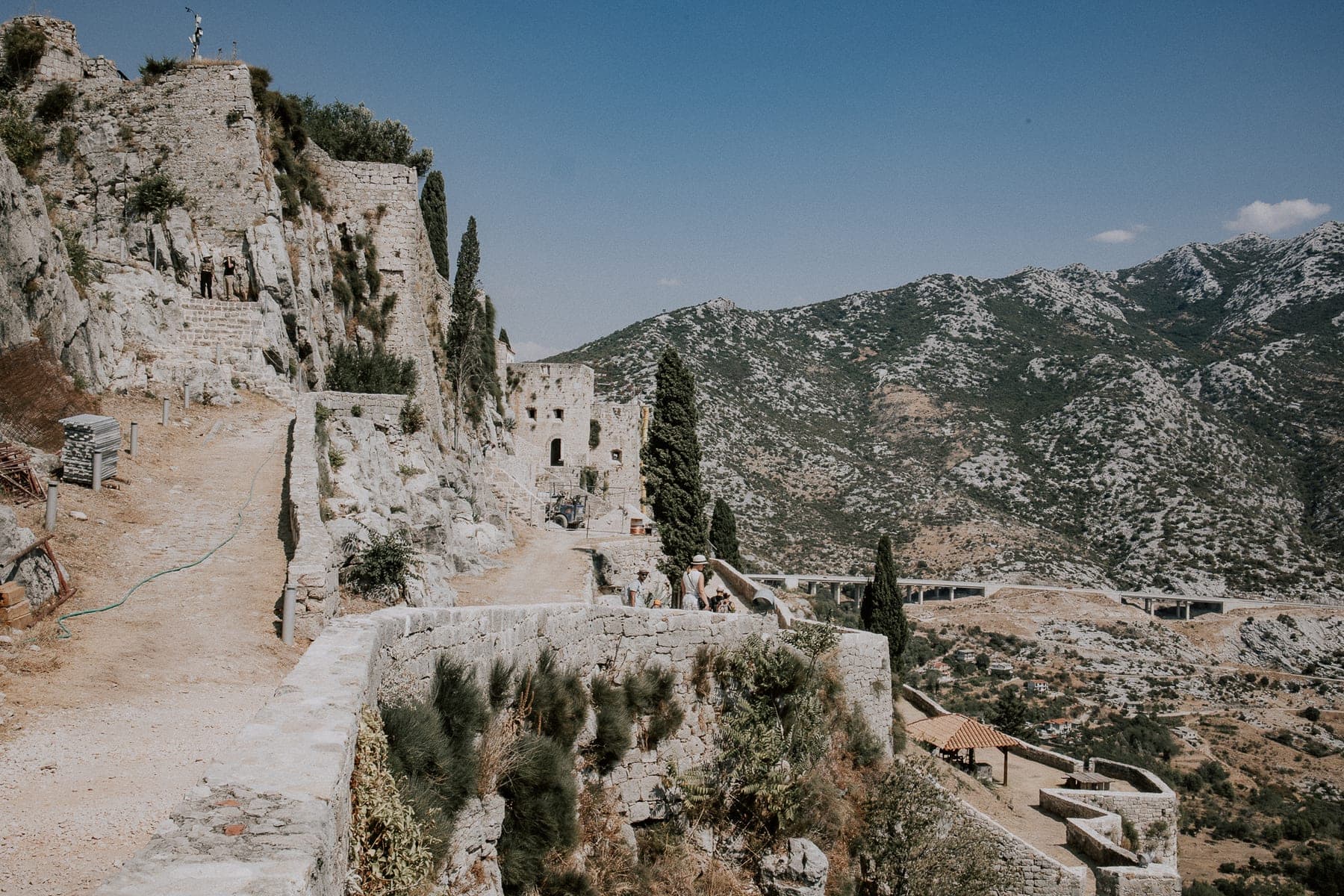
Herceg Novi, Montenegro: 11 Tips for the City of Stairs and Gateway to the Bay

TL;DRHerceg Novi is a Montenegrin port town just over the Croatian border, nicknamed the “gateway to the Bay of Kotor” and the “town of 100,000 steps”, with a historic centre guarded by the Forte Mare, Kanli Kula and Španjola fortresses. The article rounds up 11 tips, including the Savina Monastery, the seven-kilometre Pet Danica promenade, the Žanjice and Mirišta beaches (reachable by water taxi for €5), boat trips to the Blue Cave from €30, and the Igalo spa with Tito’s Villa Galeb. The best months to visit are June and September, when the sea sits at 22 to 26 degrees, while February brings the one-of-a-kind Mimosa Festival. It’s a 40 to 60 minute drive from Dubrovnik.

If you’re planning a trip to Montenegro from the Croatian border, I have one absolutely essential recommendation for you. Just across the border, Herceg Novi in Montenegro is waiting for you — a town that most tourists rush straight past on their way to the more famous Kotor or Budva. And that’s a real shame, because this is exactly where you’ll find one of the most authentic atmospheres on the entire Adriatic coast.

This area is often nicknamed the gateway to the Bay of Kotor, and the moment you arrive you’ll immediately understand why. The town clings to steep slopes right above the crystal-clear sea and welcomes you with a flood of subtropical greenery. Unlike the packed resorts a little further south, Herceg Novi still holds on to its laid-back Balkan character.

But be prepared for one important thing — the stairs. The town is nicknamed the city of 100,000 steps, and trust me, your calves are in for a serious workout. The views that open up from the upper terraces over the whole bay, however, are absolutely worth the effort. Let’s take a look together at the very best things you can experience here.

TL;DR

  • Strategic location: Herceg Novi is the ideal first stop on the way from Dubrovnik in Croatia, lying right across the border.
  • City of stairs and fortresses: The historic centre is laced with endless staircases and guarded by three stunning fortresses (Forte Mare, Kanli Kula and Španjola).
  • Car-free beaches: The most beautiful swimming spots are the Žanjice and Mirišta beaches, easily reached by water taxi for just a few euros.
  • Blue Cave: The local harbour is the best and closest starting point for trips to the famous Plava špilja.
  • Green oasis: Thanks to its microclimate, palms, fig trees and mimosas thrive here, blooming as early as February during the famous festival.
  • A calmer alternative: Compared to Budva or Kotor, even in high summer the atmosphere here is far more relaxed and less commercial.
  • A walker’s paradise: The seven-kilometre Pet Danica promenade runs along the sea, perfect for a morning jog or evening stroll.

When to Visit Herceg Novi

The best balance between gorgeous weather and manageable crowds is in June and September. The sea is already (or still) beautifully warm at 22 to 26 degrees, but you’ll dodge the biggest summer crowds. All the restaurants and boat lines are running at full tilt, and you can wander the town without swimming in your own sweat.

If you’re tied to school holidays and have to come in July or August, arm yourself with a little patience. Prices climb to their peak and big cruise ships sail into the bay. Even so, Herceg Novi is noticeably quieter than nearby Budva. A big draw in summer is also the film festival and evening open-air screenings right at the historic fortress.

The destination’s real speciality, though, is February, when the famous Mimosa Festival takes place. While the rest of Europe is freezing, here everything is already blooming in a brilliant yellow, with parades and markets filling the streets. In autumn, around October, the town sinks back into total calm, the sea is still surprisingly warm and accommodation prices drop to a minimum.

Where to Stay in Herceg Novi (Montenegro Hotels)

💡 Tip for accommodation and experiences: We love searching for places to stay on Booking.com, which usually has the best cancellation terms. For tickets, tours and activities, it pays to compare and book through GetYourGuide.

Choosing where to stay can be a bit of a puzzle here, because there are very few hotels right in the historic centre. Most of the best options sit along the long seafront promenade or in nearby districts like Meljine or Kumbor. It mostly comes down to whether you’re after sheer luxury or a cosy boutique hotel. You can easily book the local hotels in Montenegro through Booking, and I recommend doing so well in advance.

If you’re looking for the absolute top tier, I recommend the five-star One&Only Portonovi in the Kumbor district. It’s a breathtaking marble resort with its own sandy beach and flawless wellness — ideal for a romantic getaway or honeymoon. For lovers of historic atmosphere, a brilliant choice is the Lazure Hotel & Marina, set in a beautifully restored building right on the promenade and offering first-class service.

For a mid-range budget and a quieter stay, go for the Boutique Hotel Blanc & Bleu, which is closer to the centre and offers excellent value for money. If you want to roll straight out of bed and into the sea in the morning, book the popular Hotel RR, which has its own access to the water. And for anyone after something truly controversial and out of the ordinary, there’s Mamula Island by Banyan Tree, a luxury hotel built right inside a former island fortress.

11 Things to See and Do in Herceg Novi, Montenegro

Let’s take a look at the most interesting things this terraced town has to offer. Get your seriously comfortable shoes ready, because you’ll be clocking up plenty of kilometres.

1. The Old Town and 100,001 Steps

The historic centre is utterly unique in that you’ll find almost no cars here. Everything is connected by an intricate labyrinth of stone staircases — supposedly exactly 100,001 of them. Whether that’s true or just a legend, the stairs are an inseparable part of local life, something even the famous Nobel laureate Ivo Andrić wrote about, having lived here with his family in the 1960s.

The heart of the old town is the main Nikola Đurković Square, watched over by the beautiful Clock Tower, or Sahat Kula. It was built in 1667, still under Ottoman rule, and served as the main entrance gate. From there you can head higher up to the so-called Belavista, an upper terrace with a little church.

From Belavista you get the very best view over the red rooftops and the blue waters of the Bay of Kotor. I recommend coming here especially towards evening, when it’s no longer so hot and the setting sun bathes the whole town in gorgeous golden tones.

2. Forte Mare Fortress

Right above the promenade, at the very edge of the sea, stands the majestic sea fortress Forte Mare. Its construction began as early as the 14th century and was gradually improved by the Turks, Venetians and Austrians. The fortress guarded the main entrance to the bay, and today from its upper terrace you can watch ships sailing into Kotor as if they were in the palm of your hand.

Admission to the viewing walkway costs around €4, and definitely bring cash with you. A walk along the old ramparts takes no more than an hour, but the views over the bay and the old town are absolutely unbeatable and make for the best holiday photos.

What’s truly unique, though, is that the fortress has functioned as a summer cinema since 1952. It’s one of the very oldest open-air cinemas in Europe. If you’re here in summer during the film festival, don’t miss an evening screening under the stars — it’s a magical experience.

3. Kanli Kula, the Bloody Tower

Even higher above the town rises another fortress, one with a notably darker history. It’s called Kanli Kula, which translates as the Bloody Tower, and it was built by the Ottomans in 1539. For long years it served as a feared prison with no escape, and traces of that era can still be felt here today.

Admission ranges from €2 to €4, and if you already have a ticket from Forte Mare you’ll get a discount. From its walkways you have the entire old town and its tangle of lanes literally spread out beneath you, offering a completely different perspective than the lower fortresses.

Today, though, a much cheerier atmosphere reigns here. In the 1960s the interior was rebuilt into a huge summer amphitheatre for more than 1,000 spectators. During the season it hosts opera performances, guitar festivals and theatre plays, and the acoustics between the old stone walls are said to be absolutely perfect.

4. Španjola Fortress

If you want to escape the tourists and experience a slightly rawer slice of history, head up to the Španjola fortress. You’ll find it high on Bajer hill above the town, and the climb is quite demanding, though you can drive much of the way. It was originally built by the Turks, but got its name from the Spanish, who briefly owned it.

A huge advantage is that entry is still completely free. The fortress is currently going through the first phase of restoration, which should hopefully be finished by 2027. Despite the scaffolding and somewhat crumbling state, the grounds are freely accessible and there’s a wonderful atmosphere of a place being slowly reclaimed by nature.

From the old ivy-covered barracks you get perhaps the most picture-perfect view in the whole area. The combination of the bay, the open Adriatic and the high mountains in the background is breathtaking. You’ll meet hardly anyone here, so you can sit down in peace and soak up the silence.

5. Savina Monastery and the Local Vineyards

About half an hour’s walk from the bustling centre, the Savina Monastery is tucked away in a dense pine forest. The path here leads gently uphill, but the shade of the trees protects you from the worst of the heat. Entry to the grounds is free, but don’t forget appropriate clothing — shoulders and knees must be covered, as this is an active Orthodox monastery.

The whole complex is made up of three churches. The oldest is the Small Church, with fragments of frescoes from the 11th century, while the main attention falls on the large Baroque church from the 18th century with its ornate iconostasis. The third little church stands a bit higher up the slope, and even though it’s usually closed, the view from it is well worth it.

Around the monastery stretch traditional vineyards covering roughly two hectares. The monks grow vines here and make their own excellent Vranac wine. I recommend coming early in the morning, when there’s absolute peace, the scent of pine resin fills the air and you’ll meet only a handful of locals.

lukas a lucka
Lukáš and Lucie recommend
Where to stay in Herceg Novi
6 accommodations — hotels, wellness hotels and other lodging options

6. The Pet Danica Promenade

Once you’ve had your fill of climbing stairs, head down to the Pet Danica promenade. It stretches an impressive 7 kilometres along the coast from the Meljine district all the way to the spa town of Igalo. It was named in honour of five young partisan women called Danica, who fell during the Second World War.

Along the entire route you’ll find cafés, restaurants and little swimming jetties. You can simply stroll along, sit on a bench or dive straight into the sea, which sits at a pleasant 24 to 26 degrees in summer. It’s most beautiful here just before sunset, when the surrounding mountains turn pastel shades.

💡 Tip for vegetarians: Right on the promenade you’ll find Peters Pie & Coffee. They serve fantastic savoury meat-free pies, fresh vegetable dishes and great coffee. It’s one of the best vegetarian stops in the whole town. For lunch in the classic konobas, reach for the traditional cheese zeljanica or fried priganice, and leave the meat and fish specialities to everyone else.

7. Žanjice and Mirišta Beaches

Although you can swim straight off the concrete jetties in Herceg Novi, for the prettiest beaches you’ll need to take to the water. Your target should be the Luštica peninsula and its two gems, the Žanjice and Mirišta beaches. This way you’ll skip the stressful drive along narrow local roads.

From the main town pier of Škver, small water taxis run daily from nine in the morning. The trip takes about 15 minutes and a return ticket will set you back a bargain €5. Žanjice is a beautiful pebble beach lined with olive trees and Mediterranean greenery, offering absolutely crystal-clear water.

Mirišta lies right next door and is a little smaller and quieter. Both spots are equipped with sun loungers and restaurants, so you can easily spend the whole day here. It does get quite busy in season, though, so I recommend hopping on the very first morning boat to bag the best spot by the water.

8. The Blue Cave (Plava špilja)

Herceg Novi is the single best starting point for visiting the famous Blue Cave. It’s much closer from here than from Kotor or Budva, so you won’t spend half a day on the boat. You’ll find group trips at the Škver harbour and prices start at around €30 per person.

The cave’s main magic lies in a light effect. Sunlight penetrates through an underwater opening and turns the water inside an incredibly vivid shade of blue. Inside the cave you can even swim or snorkel, which is a wonderful experience in this glowing water.

💡 Tip: If you want to see the most intense blue hue, ideally set off on the trip around midday. That’s when the most sunlight reaches the cave. The cave is at its most beautiful from May to October, when the sea is calm and the light effect works to perfection.

9. Mamula Island

Looking out to the open sea from the promenade, you’re sure to notice a small circular island. It’s called Mamula, and on it stands a massive 19th-century Austrian fortress. During the Second World War it served as an Italian prison, something that still stirs up plenty of emotion and controversy among locals.

Today the situation on the island is completely different. Since 2026, the luxury five-star Mamula Island by Banyan Tree resort has been fully operating here. The fortress was rebuilt into an exclusive hotel with pools and a spa, and a memorial gallery was also created inside, commemorating the complicated history of this place.

It’s important to know that the island is not freely accessible to ordinary tourists. You can’t just sail over and walk along the ramparts — entry is permitted only to overnight guests, who arrive by private transfer. Regular tour boats merely slow down by the island so you can photograph this striking circular structure up close straight from the deck.

10. The Mimosa and the February Festival

Thanks to how sheltered the bay is from cold winds, the town has a unique subtropical microclimate. Palms, eucalyptus and large fig trees grow commonly right in the streets here. The greatest symbol of all, though, is the beautifully yellow mimosa, which lends the town its signature colour and scent.

While back home in February we’re scraping frost off our cars, here the mimosas are already in full bloom. To celebrate them, the famous Mimosa Festival is held here every year. In 2026 it will be the 57th edition, running exactly from 13 to 28 February. The town comes alive with spring markets, music and parades.

It’s an absolutely fantastic reason to come here outside the main season. Accommodation prices are ridiculously low, the streets smell of perfume from the blossoms and you’ll experience a real, genuine Montenegrin celebration without the summer tourist crowds.

11. Igalo, Healing Mud and Tito’s Villa

At the very western edge of the promenade, about seven kilometres from the centre, lies the spa district of Igalo. These days it’s practically merged with the town, but a far calmer atmosphere reigns here. You’ll find the famous Dr Simo Milošević Institute, renowned for its natural healing peloids — in other words, sea mud.

The spa is celebrated all over Europe, and in 2026 it even marks 50 years since the arrival of the first Norwegian patients. If you enjoy wellness, you can book various treatments here or stay right in the spa complex, which feels like an intriguing step back in time.

A huge curiosity here is the so-called Tito’s Villa Galeb. The Yugoslav president Josip Broz Tito himself stayed in this enormous residence from the 1970s. Today the building, with its 137 rooms, is part of the spa, and occasionally public tours are held here, taking you through the opulent historic halls.

Where to Go Next from Herceg Novi

Herceg Novi is an absolutely brilliant base for further travel. If you have a car, you can head deeper into the bay. To avoid driving all the way around the gulf, though, I recommend taking the Kamenari–Lepetane ferry. The crossing takes just 10 minutes, costs about €5 per car and saves you nearly an hour of driving to Kotor or Tivat.

I’d definitely recommend not skipping the country’s other iconic spots. If you’re after inspiration, take a look at our big article Holiday in Montenegro: 15 Tips for the Coast and the Mountains. You’ll find tips on national parks and historic towns there, and it’ll help you put together the very best itinerary.

Frequently Asked Questions

Can you visit Mamula island and the fortress there for free?

Unfortunately not. The island has recently been transformed into a private five-star luxury resort, Mamula Island by Banyan Tree, and only guests staying there have access. However, most tourist boats stop by so you can admire this photogenic fortress with a dark past at least from the deck.

Why is the city nicknamed the city of 100,000 stairs?

The entire historic center is built on a very steep slope and staircases are the only way to connect the upper quarters with the promenade. The number 100,000 is of course symbolic, but after a day of walking it will certainly feel that way. Nobel laureate Ivo Andrić himself described the city with the words: stairs, stairs, stairs.

How do I get here from Dubrovnik, Croatia?

It’s incredibly easy. By car from Dubrovnik airport, you’ll reach the border in about 40 to 60 minutes. Herceg Novi is the first larger town just past the crossing. However, in July and August, watch out for huge queues at the border that can extend your journey, so it’s better to set off early in the morning.

How much does entrance to the local fortresses cost?

Prices are still very friendly. For the view from Forte Mare, you’ll pay around 4 € in cash, while entry to the upper Kanli Kulu costs approximately 2 to 4 € (often with a discount if you already have a ticket from the lower fortress). The highest one, Španjola, is currently under reconstruction and visiting it is completely free.

Why should I go to Herceg Novi in February?

While winter reigns at home, the local microclimate is already awakening nature to life. The famous Mimosa Festival takes place here (in 2026 from February 13 to 28), the town is fragrant with blooming yellow trees, concerts are organized and accommodation prices are at their annual minimum.

How to best get to the famous beaches of Žanjice and Mirišta?

Although it’s located on the Luštica peninsula and you can drive there, the roads are narrow and parking is difficult. The best option is to take a boat taxi from Škver port. Boats run during the season from morning and a return ticket costs only €5, plus it’s a beautiful trip across the water.

Is the city good as a base for trips around the area?

Absolutely yes. It’s a strategic point from which you’re close to both the airport in Dubrovnik and the interior of Montenegro. Thanks to the nearby ferry in Kamenari, you can quickly get to Kotor as well. Plus, accommodation and dining here are somewhat cheaper than in the busier resorts.

Tips and Tricks for Your Vacation

Don’t Overpay for Flights

Search for flights on Kayak. It’s our favorite search engine because it scans the websites of all airlines and always finds the cheapest connection.

Book Your Accommodation Smartly

The best experiences we’ve had when looking for accommodation (from Alaska to Morocco) are with Booking.com, where hotels, apartments, and entire houses are usually the cheapest and most widely available.

Don’t Forget Travel Insurance

Good travel insurance will protect you against illness, accidents, theft, or flight cancellations. We’ve had a few hospital visits abroad, so we know how important it is to have proper insurance arranged.

Where we insure ourselves: SafetyWing (best for everyone) and TrueTraveller (for extra-long trips).

Why don’t we recommend any Czech insurance company? Because they have too many restrictions. They set limits on the number of days abroad, travel insurance via a credit card often requires you to pay medical expenses only with that card, and they frequently limit the number of returns to the Czech Republic.

Find the Best Experiences

Get Your Guide is a huge online marketplace where you can book guided walks, trips, skip-the-line tickets, tours, and much more. We always find some extra fun there!
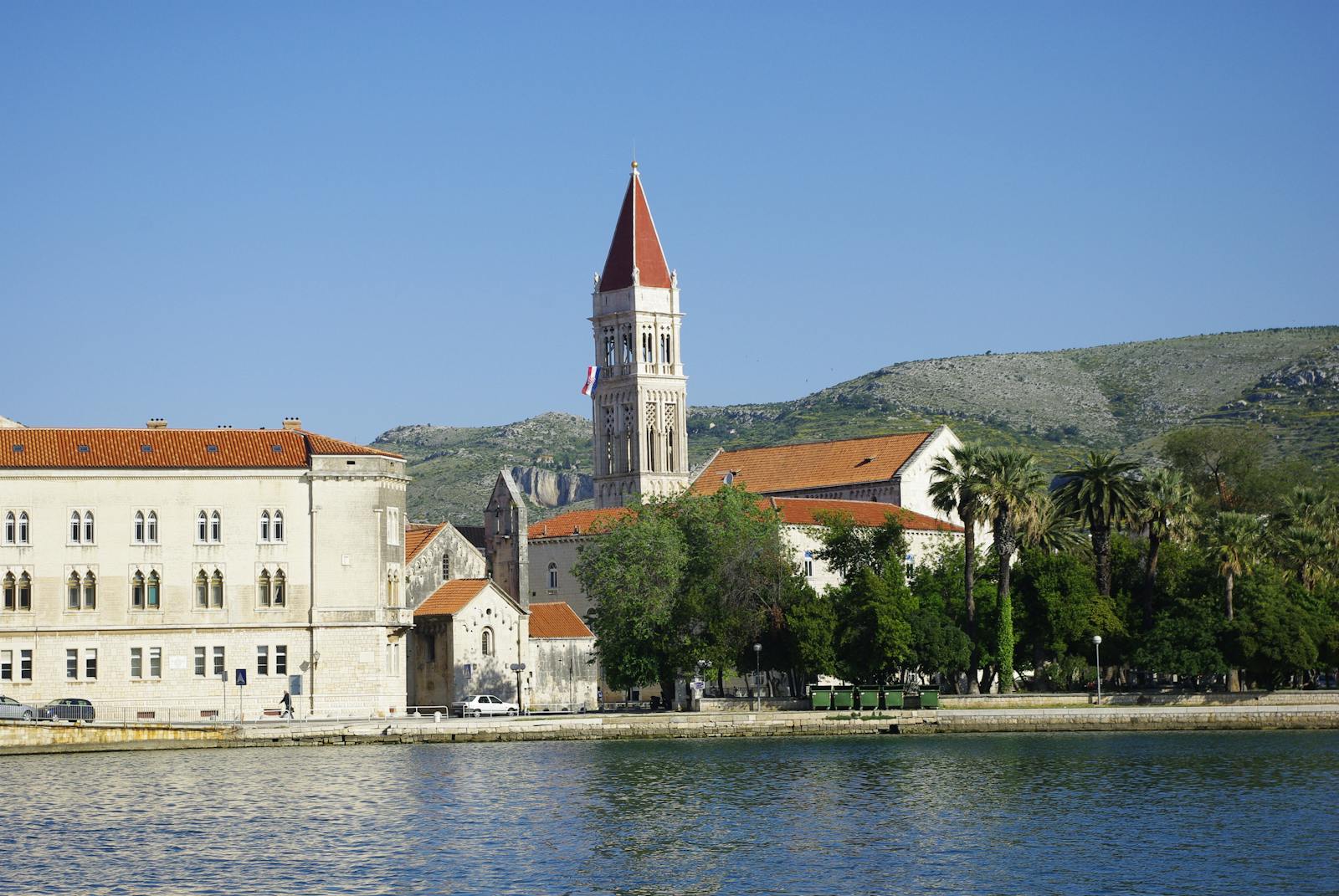
Canal du Midi, France: 11 Tips for the Tree-Lined Canal in 2026

TL;DRThe Canal du Midi is a 240-kilometre 17th-century waterway lined with plane trees, linking Toulouse to the Mediterranean. You can cruise it on a houseboat with no licence required (1,500 to 2,500 euros a week for four people), or cycle the flat towpath from Toulouse to Carcassonne — about 105 kilometres, doable in two days. Among the 11 tips, standouts include the nine locks of the Fonseranes staircase near Béziers, Carcassonne’s medieval walls, and cassoulet in Castelnaudary. Spring (May, June) or autumn (September, October) are best, with temperatures of 20 to 25°C — July and August push into 35 to 43°C. Book accommodation in Toulouse or Carcassonne ahead, expect 120 to 200 euros a night.

If you’re after a calmer alternative to the overcrowded Riviera in the south of France, the Canal du Midi in France will completely win you over. This 17th-century engineering marvel forces you to slow right down and enjoy life at the pace of a leisurely stroll. All 240 kilometres of the canal link Toulouse with the Mediterranean Sea, forming an endless green tunnel lined with plane trees.

In this article you’ll find 11 tips for experiences you simply shouldn’t miss here. You’ll learn how to take on a houseboat trip without any captain’s licence, discover medieval castles and taste local specialities. I’ll also point you towards the best places to base yourself and show you how to plan the whole holiday flawlessly.

TL;DR

  • Captain without a licence: You don’t need any qualifications to hire a houseboat on the canal — after a short briefing you can head straight out onto the water.
  • Best stretch: The route between Castelnaudary and Toulouse offers the most beautiful locks and gently rolling, photogenic countryside.
  • A paradise for cyclists: The former towpaths along the water are completely flat and make up one of the loveliest cycle routes in France.
  • Medieval fortresses: Whether on the boat or in the saddle, you can’t miss the fairy-tale ramparts of Carcassonne.
  • Space-age Toulouse: At the start of your trip, set aside time for the Pink City, the Airbus factory and the huge interactive Cité de l’espace park.
  • Beware the summer heat: In July and August temperatures regularly hit 40 °C, so it’s far nicer to set off in spring or autumn.

When to Visit the Canal du Midi

South-west France is a brilliant destination to explore from spring through to autumn, but picking the right month is absolutely key. The most beautiful time to visit is undoubtedly spring (May and June), followed by early autumn (September and October). In these months the canal is gloriously green, temperatures hover around a pleasant 20 to 25 degrees, and you won’t be elbowing your way through crowds on the cycle paths or at the locks. Spring also brings blossoming meadows and fields around the water, creating gorgeous scenery for photos.

If you possibly can, avoid the peak summer season in July and August. In recent years temperatures in southern France have regularly climbed to between 35 and 43 °C. On the sun-baked bricks of historic Toulouse, or on the deck of a boat where the sun beats relentlessly down onto the still water, that can be a genuinely exhausting experience 😅. On top of that, the French take their national holidays in summer, so boat hire and accommodation prices shoot up and long boat queues form at the popular locks, swallowing up plenty of your precious time.

Getting to this region from the UK is easier than ever. Several airlines fly directly from London to Toulouse, with easyJet and British Airways operating convenient routes that save you the hassle of long connections through the giant Paris airports. Toulouse-Blagnac Airport sits just a short hop from the centre, and a modern tram whisks you comfortably and quickly straight into the heart of the city.

If you only plan to explore the city and then head off on a boat or bike along the canal, you don’t need to hire a car at all. The regional TER train will reliably take you to the boat bases or to the start of the cycle route. These trains are perfectly set up for carrying bikes, so the logistics of a cycling trip are sorted here too.

Where to Stay Along the Canal du Midi

💡 Tip for accommodation and experiences: We love searching for places to stay on Booking.com, where the cancellation terms tend to be the best. For tickets, tours and activities, it’s worth comparing and booking through GetYourGuide.

Whether you’re planning a boat trip or a cycling tour, you’ll want a strategic base at the start and end of your journey. Toulouse and Carcassonne are the two best cities to stay in, as they offer excellent infrastructure, gorgeous historic centres and easy access right to the canal. Always book accommodation in these cities well in advance, especially if you’re travelling in the popular spring or autumn months. Booking offers an endless range of options, from small family-run guesthouses to luxurious boutique hotels.

If you’re starting in Toulouse, look for accommodation right in the centre, known as La Ville Rose. The city earned this nickname thanks to its ubiquitous fired bricks, which shift in colour throughout the day from soft peach to deep purple. One great choice is the boutique La Cour des Consuls Hotel and Spa, set in a historic building and offering total peace just a few steps from the bustling Place du Capitole. For those after something more affordable but still very stylish, the Boutique Hotel SOCLO fits the bill perfectly. You can walk to all the main sights from here with ease, and the train station — your gateway to the harbours — is just a few minutes away. A standard double room in season usually costs around 150 to 200 euros per night.

If you decide to anchor your trip in Carcassonne, definitely stay as close to the medieval ramparts as possible. Sleeping inside the fortifications is a once-in-a-lifetime experience, because once the day-trippers leave you get the floodlit town and its empty lanes all to yourself. The iconic Hôtel de la Cité & Spa MGallery offers unforgettable luxury and views that transport you centuries back in time. A cheaper but no less charming alternative is the Hotel de l’Octroi, just a short walk from the entrance to the old town, complete with a lovely pool to cool off in after a full day in the saddle. Prices around the ramparts start at 120 euros a night, but for those exclusive views you’ll naturally pay a little extra.

11 Things to See and Do on the Canal du Midi in France

Let’s take a look together at the most interesting things this unique waterway and its surroundings have to offer. From engineering wonders through historic towns to culinary experiences that’ll keep you coming back for more.

1. Canal du Midi Boat Hire — No Licence Required

This is probably the biggest draw of the whole canal, the very reason people travel here from all over the world. To pilot a houseboat you need no captain’s licence and no prior experience whatsoever. Companies like Le Boat or Locaboat will hire you a boat under a special exemption. At the base they’ll patiently spend thirty minutes explaining how to start, brake and safely tie knots, and then they simply hand you the keys. The boats are specially adapted for beginners and protected by chunky rubber bumpers, so you needn’t worry about the odd little bump.

Cruising on a houseboat is the absolute definition of slow travel. During the day you drift slowly from village to village at five to eight kilometres an hour, waving to people on the bank and focusing only on manoeuvring through the locks. The most beautiful and visually stunning stretch lies between Castelnaudary and Toulouse. The locks here are architectural gems and the landscape rolls gently and incredibly photogenically.

In the evening you simply find a nice spot under the trees, hammer iron stakes into the bank, tie up your boat and your accommodation is sorted. Most boats come with a fully equipped kitchen, comfortable showers and outdoor seating on deck.

💡 Tip: Hire prices for 2026 range roughly from 1,500 to 2,500 euros per week for a crew of four, depending on the season and the comfort of the boat. Always add bike hire to your booking — you’ll need them for those early-morning runs to fetch fresh baguettes from the more distant villages.

2. The Fonseranes Locks near Béziers

If historic engineering is your thing, this place will quite literally take your breath away. The cascade of locks at Fonseranes, just outside Béziers, is an engineering masterpiece and one of the most visited landmarks in the whole Occitanie region. It’s not a single ordinary lock but a staggering water staircase made up of nine consecutive stone chambers. Boats here have to overcome an incredible height difference of over twenty-one metres in a span of just three hundred metres.

Watching the process from the bank is a fascinating spectacle that can keep you entertained for hours. Every day crowds of spectators gather here to watch houseboat captains carefully steer their vessels into the narrow chambers. Some are clearly nervous beginners, which makes for plenty of amusing moments 😅. The water roars, the professional lock keepers (the so-called éclusiers) bark clear instructions, and the boats gradually rise or fall like on a giant escalator.

Entry to the locks area is completely free for pedestrians and the whole site recently underwent a major, tasteful renovation. I’d recommend setting aside at least two hours for your visit, so you can stroll the whole cascade from bottom to top at your leisure. At the top you can settle into the local café with a lovely view over Béziers. If you’re cruising the canal yourself, brace yourself with plenty of patience and keep an eye on the clock, because the lock keepers stick to a strict lunch break during which absolutely no one goes anywhere.

3. The Cycle Path Along the Banks and Its Perfect Flatness

For those who don’t fancy sleeping on the water, the canal offers an absolutely perfect alternative from the saddle of a bike. The former towpaths have today been transformed into a gorgeous long-distance greenway that runs along practically the entire length of the canal. Horses once trudged along these dusty tracks, heaving cargo barges laden with grain; today it’s an absolute paradise for cyclists. The terrain is completely flat from end to end and safely separated from cars, so even families with younger children or occasional riders can tackle the route without the slightest trouble.

The absolute classic is the cycle route from Toulouse to Carcassonne. This hugely popular stretch is around 105 kilometres long and can be ridden in two days at a relaxed pace. On the first morning you set off from the busy city, weave through the suburbs for a while and gradually sink into the deep calm of the French countryside. Along the way you pass old stone bridges, sweeping fields of sunflowers, picturesque vineyards and tiny villages where time stopped a hundred years ago. Getting back to Toulouse with your bikes is easy on a comfortable regional train.

💡 Tip: If you don’t have your own bike, use one of the local specialist agencies such as Abicyclette Voyages. They’ll arrange the hire of quality bikes, book accommodation in trusted guesthouses along the route, and even transfer your luggage to the next hotel each day, so you can ride the whole way light with just a small backpack.

4. The Plane Tree Avenue and Saving the Green Tunnel

The most characteristic visual feature of the Canal du Midi is, without question, its majestic trees. The banks are lined with tens of thousands of enormous plane trees, whose broad canopies create a perfect green tunnel over the water. This natural roof isn’t just for show — it was planted deliberately, to protect the canal’s water from massive evaporation during the hot summer months, while its deep roots reinforce the banks. Cruising or cycling through this shady corridor in summer is incredibly soothing and refreshing.

There is, though, one very sad reality you’ll inevitably encounter on your journey. The trees are being devastated by a deadly fungal disease called chancre coloré, essentially an incurable cancer of the plane trees. This microscopic parasite spreads rapidly through water and root systems, and can completely kill an infected healthy tree within just a few years. Because of this, extensive and entirely unavoidable felling of the old, sick giants is currently under way along the canal.

The French aren’t giving up on their unique green heritage, however. A huge reforestation project is in progress, with the felled plane trees being replaced by new, more disease-resistant species such as oaks, limes or special hybrid plane trees. Some sections have therefore temporarily lost their iconic shaded character and look a little bare, but even so the canal still holds its incredible, romantic charm — which is well worth the visit.

5. Toulouse, the Pink City at the Start of the Route

Before you set off on the canal itself, you simply have to explore the city where this whole waterway begins. Toulouse marches to its own slightly southern beat and certainly doesn’t put on the cool, stony elegance of northern France. It’s known as La Ville Rose, or the Pink City, because almost the entire historic centre is built from local fired bricks called terracotta. These bricks constantly change colour with the angle of the sun — soft peach in the early morning, blazing orange at midday, and deep purple at sunset.

At the heart of all the action is the vast Place du Capitole. This generous square is dominated by the town hall with its majestic neoclassical façade, in front of which something is always happening and where locals and tourists alike rub shoulders. It’s the absolute ideal spot to settle into one of the many little cafés, order a coffee and simply watch the world go by for ages. From here you just weave through the narrow lanes towards the breathtaking Basilica of Saint-Sernin.

This basilica is an absolute architectural must. It’s one of the largest surviving Romanesque buildings in all of Europe and was historically a key stop for pilgrims on the famous route to Santiago de Compostela. Its massive octagonal bell tower is an unmistakable landmark of the city. Toulouse is a city where you don’t need to chase sights with a map in hand — the loveliest thing to do is simply wander and soak up the atmosphere.

6. Space-Age and Aviation Toulouse for Enthusiasts

Alongside its history, Toulouse has another fascinating face — it’s a city that literally bolts on wings and reaches for the stars. It’s the main European hub of aviation and space research. If you’ve got even a spark of the tech enthusiast in you, or you’re travelling with family, definitely set aside a whole day for the outskirts of the city. On the eastern edge lies the wonderful Cité de l’espace, which isn’t some dull museum full of dusty display cases but a huge interactive space park.

From a distance you’re struck by the stunning full-scale replica of the Ariane 5 rocket, standing a respectable 53 metres tall. You can walk through a real Mir space station, try out all sorts of zero-gravity simulators or lose yourself in the projections of the state-of-the-art planetarium. For 2026 there’s also a brand-new, extensive exhibition dedicated to Mars and current space missions.

On the opposite side of the city, near the airport, sit the European aviation giant Airbus and the neighbouring Aeroscopia museum. The Let’s Visit Airbus tour takes you to a viewing platform right above the assembly line, where you can see with your own eyes how giant passenger planes are put together. ⚠️ There’s one huge catch, though. You need to book the factory tour at least three weeks in advance, English-language tours typically only run on Wednesdays and Saturdays, and the slots vanish in a flash, so turning up on spec means certain disappointment. If you can’t get onto the line, neighbouring Aeroscopia comes to the rescue, where you can get up close to icons like the legendary supersonic Concorde.

lukas a lucka
Lukáš and Lucie recommend
Where to stay on Canal du Midi
5 accommodations — wellness hotels, hotels and other accommodation options

7. Carcassonne: The Middle Ages from the Deck of a Boat

As you make your way along the shady canal, sooner or later you’ll reach a place that looks like it’s fallen straight out of a Disney film. The medieval fortified town of Carcassonne is the absolute highlight of the entire route. Seeing its massive double walls and dozens of pointed turrets rising proudly on the hill above the River Aude and the canal itself is a visual experience you simply never forget. The town is rightly listed by UNESCO and has long been one of the most visited landmarks in all of France.

If you’re travelling by boat, you can very conveniently moor at the town harbour, Port de Carcassonne, which is only about twenty minutes’ pleasant walk from the main entrance to the historic fortress of La Cité. The old town itself is laced with narrow cobbled lanes, small picturesque squares, Gothic churches and deep castle moats. It’s a place where genuine history breathes over you at every step.

💡 Tip: Surprisingly, there’s no charge at all to enter the old town itself — you can wander the lanes completely free and soak up the medieval atmosphere. You only pay to enter the inner castle (Château Comtal) and the main ramparts. Guided tours of the interior, as well as standard tickets, are easy to book in advance through GetYourGuide, saving you the tedious wait in the long queues that get absolutely brutal here in peak season.

8. Castelnaudary and the Legendary Cassoulet

Roughly halfway between Toulouse and Carcassonne lies the very pleasant town of Castelnaudary, which boasts an enormous water basin called the Grand Bassin. This vast seven-hectare body of water was created deliberately, to capture water from the mountains and naturally balance the level of the whole canal. Today it works as a beautiful, calm harbour where the surrounding historic buildings reflect on the surface and where you’ll find the best conditions for an evening mooring.

The town is famous all across France for something quite different, though — a real culinary trial by fire takes place here. Castelnaudary is considered the world capital of a dish called cassoulet. The locals wage an age-old, passionate war with the cooks of Toulouse and Carcassonne over whose recipe is the one true version. It’s an incredibly hearty local speciality of white beans, sausages and rich meat, slow-baked for hours in a special clay dish called a cassole until a thick crust forms on top.

This traditional dish is, of course, not one for vegetarians, so if you don’t eat meat, head straight for the local markets. In Castelnaudary, instead of heavy meat you can enjoy excellent local cheeses, fresh vegetable salads with figs and superb regional wine, which you’ll find on practically every corner for a few euros. The local cheese shops and bakeries offer so many treats that your stomach certainly won’t be rumbling here ☺️.

9. Trèbes and the Charm of Small Villages

While the big, busy cities of Toulouse and Carcassonne naturally draw the most tourist attention, the real, authentic soul of the canal lies in the small, unassuming villages. The little town of Trèbes is an absolutely perfect example of peaceful French life on the water. The harbour here is lined with excellent little restaurants with outdoor terraces, where you can sit back with a glass of wine and watch the boats inch their way very cautiously through the incredibly narrow profile of the canal beneath the old stone bridge.

Trèbes is also home to a wonderful local market, always packed with fragrant, fresh local produce from the surrounding farms. I’d definitely recommend visiting the renowned local jam-maker, Confiturerie de l’Écluse, just a short hop from the water, offering utterly incredible combinations of local fruit flavours. These honest preserves are the perfect place to pick up lovely edible souvenirs that you’ll happily take home.

Stops in villages like this let you experience the most authentic France without the needless gloss and tourist bustle. Mooring here in the evening is far calmer than in the big cities, and once the buzz from the surrounding cycle paths dies down at nightfall, all you’ll hear is the loud song of the cicadas and the gentle lapping of water against your boat’s hull. It’s precisely for these magical moments that people love to come to the Canal du Midi.

10. The History of an Engineering Marvel and Pierre-Paul Riquet

To fully appreciate the enormous work in front of you, it helps to know at least a little of its captivating history. The Canal du Midi didn’t come about by chance — it’s the life’s work of one stubborn and brilliant man named Pierre-Paul Riquet. In the 17th century, under the reign of King Louis XIV, this visionary tax collector came up with the crazy idea of linking the Atlantic Ocean to the Mediterranean Sea. He wanted to cleverly avoid the long and very dangerous trade voyage around the coast of Spain, where ruthless pirates were constantly on the rampage at the time.

It was an utterly unprecedented project for its day, with one huge technical snag. Riquet had to solve a fundamental physics problem: how to get water to the highest point of the entire route, so that the canal wouldn’t dry out in the scorching summer. He eventually solved it by building a complex network of reservoirs in the nearby Black Mountains (Montagne Noire), from which he channelled water into the main course through ingenious and intricate channels. The whole vast construction took fourteen long years and employed an incredible twelve thousand workers.

Today this entire waterway is rightly protected as a UNESCO heritage site. As you cruise, look closely at the perfect stone bridges, aqueducts and spillways. Everything here was designed and precisely built by hand over three centuries ago, and to this day it works absolutely flawlessly. The original purpose of this water corridor was above all the rapid transport of heavy loads of grain and regional wine, which at the time meant an enormous economic boom for the whole of south-west France. Today, though, commercial cargo boats vanished from the canal long ago, making way exclusively for lovers of slow, leisurely travel. It’s quite simply a fascinating celebration of human ingenuity and determination that, over the centuries, has blended utterly and naturally into the surrounding countryside.

11. Slow Travel and Early-Morning Baguette Runs

The final tip isn’t about any specific spot on the map but rather about the right mindset, without which you simply won’t enjoy this holiday. While the nearby Airbus in Toulouse embodies incredible speed and modern technology, on the Canal du Midi you have to forget about rushing and rigid travel schedules. If you plan back home to cover fifty kilometres a day by boat, you’ll ruin the whole holiday, because cruising speed is usually only around five to eight kilometres an hour. The magic of this place lies precisely in voluntarily surrendering to the lazy rhythm of the water and the opening hours of the locks — which also have a strict, non-negotiable lunch break that there’s simply nothing you can do about.

The most beautiful part of the day on the canal is the early morning, when everything around the water is only slowly waking up. You wake on the boat, a light morning mist drifts lazily over the surface, you pull out your bike and set off down the empty towpath to the nearest village. You find the fragrant local boulangerie, buy still-warm, gorgeously crusty baguettes, fresh butter and sweet buttery croissants. On the way back you stop at a small market for superb local cheese and fresh figs, which grow here on practically every corner.

Breakfast on the deck of the boat, with your feet propped up on the railing as you calmly sip hot coffee while curious ducks paddle past, is the very embodiment of perfect French country living. It’s an absolute digital detox and mental rest that will recharge you far more than a week spent in an expensive five-star resort by an overcrowded sea.

Where to Go Next from the Canal du Midi

The Canal du Midi is a brilliant springboard for discovering other parts of France. Here are some article tips to help you plan the next stops on your road trip or cycling tour through the south:

  • Carcassonne: A detailed guide to the medieval fortress, tips on when to visit without the crowds, and how to save on admission.
  • Toulouse: A detailed itinerary through the Pink City, including all the info you need to visit the Cité de l’espace and the Airbus factory.

Frequently Asked Questions

Do I need a license to operate a houseboat on the canal?

No, you don’t need any license or previous boating experience at all. Boat rental companies, such as Le Boat or Locaboat, have a special legal exemption for this purpose. Before setting sail, you’ll go through a short, roughly half-hour training session right at the base, where you’ll learn in detail the basics of maneuvering, engine braking, and safe knot tying, and then you’ll get the keys and can set off without worry.

How much does it cost to rent a boat for a week?

Prices vary greatly depending on the size of the boat, its overall comfort level, and the specific season. As a guideline for 2026, expect to pay between 1,500 and 2,500 euros per week for a crew of four during spring or autumn season. During the peak summer months, when the French have their nationwide holidays, these prices increase significantly and boats are often sold out months in advance.

Can you swim in the Canal du Midi?

Swimming directly in the canal is strongly discouraged for both hygiene and safety reasons. The water is not hygienically monitored, flows very slowly, and there’s also busy motorboat traffic. If you want to take a dip along the route, many campsites along the canal have their own maintained pools, or you can visit the nearby popular freshwater lake Lac de la Cavayère near the town of Carcassonne.

Are there mosquitoes by the canal?

Yes, given that this involves very calm fresh water that is closely surrounded by trees and lush vegetation, mosquitoes are simply present here during the summer months and in autumn. Definitely pack an effective repellent in your suitcase and make sure to close the insect screens on the boat in the evening. Fortunately, most modern houseboats come standard with these screens in the windows, so you can sleep peacefully.

How do locks work and do you have to pay for them?

Passing through the historic locks is free for all recreational boats, as all fees are already included in the boat rental price from the charter company. The locks are operated by professional workers, called éclusiers, so you only need to take care of throwing and safely holding the ropes from the shore. However, be aware that the locks have a very strict lunch break, during which no passage is possible.

Can I manage the bike path with kids?

Absolutely no problem at all, and it’s a fantastic experience for them. The former towpaths along the banks, where horses used to pull boats, are completely flat and you won’t encounter any challenging climbs. Most of the route is entirely separated from road traffic and is beautifully shaded by mature trees, making it one of the safest cycling routes for families with children in France.

How many days should you set aside for the canal?

If you want to cruise on a boat and enjoy it in complete peace, one week is the absolute minimum. During seven days, you can very comfortably cruise the most beautiful route from Toulouse to Carcassonne or from Castelnaudary to Béziers. If you’re planning just a cycling trip along the water, for the flat section between Toulouse and Carcassonne, you’ll need about two to three days of leisurely riding.

Tips and Tricks for Your Vacation

Don’t Overpay for Flights

Search for flights on Kayak. It’s our favorite search engine because it scans the websites of all airlines and always finds the cheapest connection.

Book Your Accommodation Smartly

The best experiences we’ve had when looking for accommodation (from Alaska to Morocco) are with Booking.com, where hotels, apartments, and entire houses are usually the cheapest and most widely available.

Don’t Forget Travel Insurance

Good travel insurance will protect you against illness, accidents, theft, or flight cancellations. We’ve had a few hospital visits abroad, so we know how important it is to have proper insurance arranged.

Where we insure ourselves: SafetyWing (best for everyone) and TrueTraveller (for extra-long trips).

Why don’t we recommend any Czech insurance company? Because they have too many restrictions. They set limits on the number of days abroad, travel insurance via a credit card often requires you to pay medical expenses only with that card, and they frequently limit the number of returns to the Czech Republic.

Find the Best Experiences

Get Your Guide is a huge online marketplace where you can book guided walks, trips, skip-the-line tickets, tours, and much more. We always find some extra fun there!