Long before Lukáš and I even knew that European weekend trips had become such a thing, we loved hopping on a train and slipping across the border with a backpack. Weekend wanderings through Kraków’s cafés or discovering Vienna’s galleries taught us early on just how incredibly refreshing it is to completely change your surroundings for a few days and switch off your head.
Today, a long weekend in Europe is a genuine phenomenon, and from major hubs you can reach dozens of destinations in just a few hours. You can choose between history-soaked capitals, sunny seaside towns, or simply head somewhere that really knows how to cook. There are so many options that the biggest problem is usually picking just one place.
To make that decision a little easier, we’ve put together a big list of the twenty-one best European cities that are absolutely ideal for a short escape from reality. We’ve deliberately split them by whether you can reach them comfortably overland, or whether you’ll need a direct flight, so you can choose based exactly on how much time you have.
Summary for those who don’t have time to read the whole article
- For your first trip, go with a classic: Vienna or Budapest will absolutely win you over, won’t ruin your budget, and the travel logistics are incredibly simple.
- Cheapest destinations: If you’re watching every euro, head to Poland’s Kraków, or Gdańsk, where you’ll find great value at very friendly prices.
- Food lovers can’t skip Italy: Bologna is rightly hailed on travel forums as the capital of European gastronomy, and Rome won’t let you down either.
- A long weekend by the sea: Valencia or Porto offer an amazing mix of landmarks, superb food and the ocean, all while avoiding the crushing crowds that plague Barcelona.
- The golden planning rule: Two full days in a city means three nights in a hotel — otherwise you’ll spend half your time off transferring to the airport and stressing over luggage.
- Don’t forget to book early: Tickets for iconic landmarks like Rome’s Colosseum or the Louvre in Paris must be bought online well in advance.
| City | Best for | How to get there | How many days |
|---|---|---|---|
| :— | :— | :— | :— |
| 1. Vienna | Culture and café life | Train or car | 2 to 3 days |
| 2. Budapest | Thermal baths and landmarks | Train or bus | 3 to 4 days |
| 3. Kraków | History and cheap food | Train or car | 3 to 4 days |
| 4. Dresden | Galleries and Christmas markets | Car or train | 1 to 2 days |
| 5. Munich | Museums and beer culture | Train or car | 2 to 3 days |
| 6. Bratislava | A short break and cafés | Train or car | 1 to 2 days |
| 7. London | World-class museums and markets | Direct flight | 3 to 4 days |
| 8. Paris | Romance and art | Direct flight | 3 to 4 days |
| 9. Rome | Ancient landmarks and food | Direct flight | 2 to 3 days |
| 10. Barcelona | Architecture and beaches | Direct flight | 2 to 3 days |
| 11. Amsterdam | Canals and galleries | Direct flight | 2 to 3 days |
| 12. Berlin | Modern history and parks | Train or direct flight | 3 days |
| 13. Lisbon | Views and historic trams | Direct flight | 2 to 4 days |
| 14. Copenhagen | Amusement parks and Nordic style | Direct flight | 2 to 3 days |
| 15. Athens | Antiquity and cheap eats | Direct flight | 2 to 3 days |
| 16. Edinburgh | Mysterious atmosphere and castles | Direct flight | 3 to 4 days |
| 17. Porto | Wine and beautiful bridges | Direct flight | 2 to 3 days |
| 18. Valencia | Modern architecture and parks | Direct flight | 2 to 3 days |
| 19. Bologna | Top-tier Italian gastronomy | Direct flight | 2 days |
| 20. Gdańsk | Amber and seaside vibes | Direct flight or train | 2 to 3 days |
| 21. Seville | Moorish palaces and flamenco | Direct flight | 2 to 3 days |
The full destination guide: Europe — guide and what to see
European weekend trips by train or car: 6 cities just around the corner
If you don’t fancy spending time at airports or you only have a few days off, Central Europe offers absolutely fantastic options. Travelling by train is often far more comfortable too, because it drops you right in the heart of the city and you skip the lengthy transfers from out-of-town airport terminals.
1. Vienna: Imperial elegance and fragrant coffee
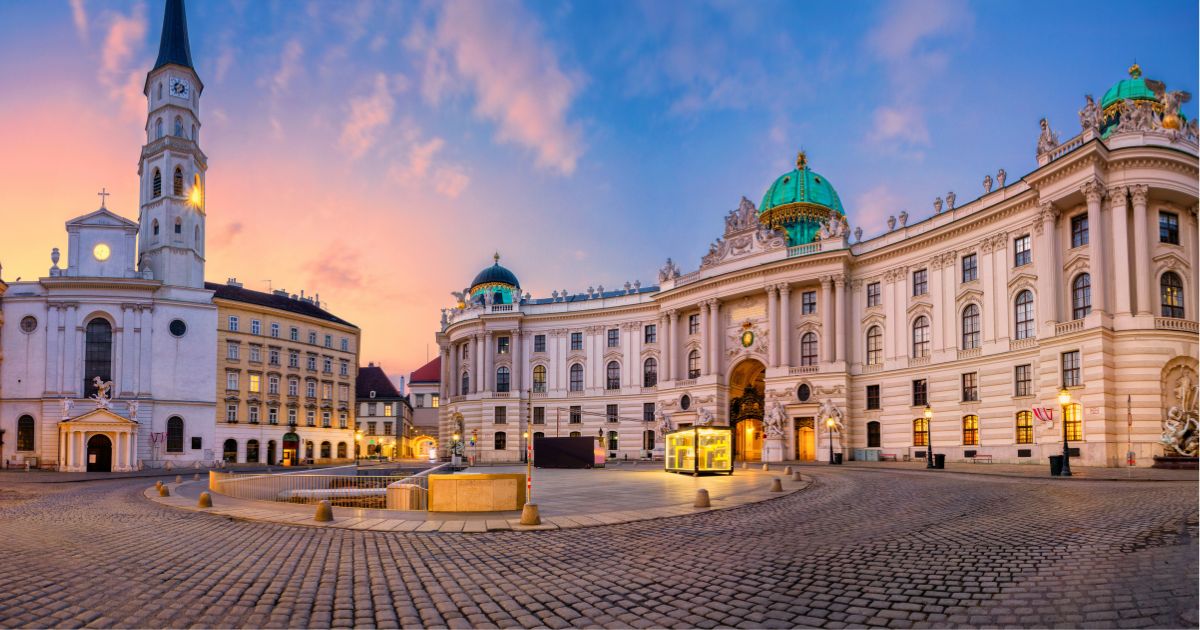
The Austrian capital is a total classic and, for many of us, the most comfortable choice for a culture-packed getaway. A comfortable Railjet gets you here from major hubs in around four hours, and it’s superbly connected across Central Europe. Travellers on Reddit often compare Vienna with Munich, and in those discussions the Austrian capital regularly wins out thanks to its excellent logistics and huge wealth of landmarks.
You definitely shouldn’t miss the magnificent Schönbrunn palace, where you can stroll through endless gardens completely free of charge, or the majestic winter residence, the Hofburg, right in the centre. Vienna is inseparable from its famous café culture, so make time for a proper Sachertorte and a cup of strong coffee. If you’re after something more authentic, head to the nineteenth district, where you’ll find traditional wine taverns known as heurigers.
While the city on the Danube is gorgeous all year round, its real magic shines in December. Mulled wine among baroque façades and the fragrant lanes will put you in the mood faster than you can say “Sacher.” Don’t forget to read our detailed article full of tips on what to see in Vienna, and if you’re planning a winter visit, our guide to the Vienna Christmas markets will come in handy too.
🗓️ When to go: Year-round, December has huge charm · ⏱️ How many days: 2 to 3 days · 💰 Budget: Mid-range (approx. €290 for two on a weekend) · 🛏️ Where to stay: Small Luxury Hotel Altstadt Vienna or the budget-friendly JO&JOE Vienna
2. Budapest: Thermal springs and nightlife
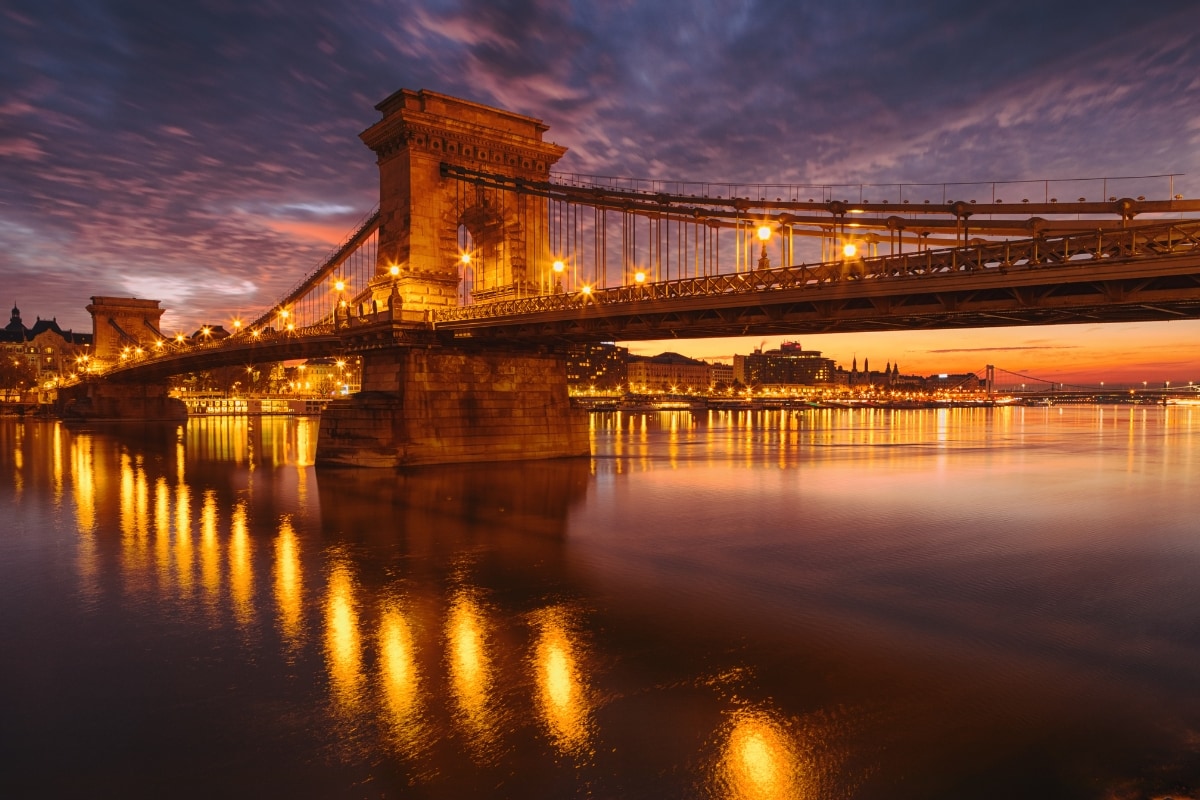
The Hungarian capital is an absolute champion on travel forums, and Lukáš and I fell hard for it too. You can spend half a day in the historic Rudas baths right on the bank of the Danube, and you’ll walk out feeling reborn, then move on in the evening to the iconic ruin bars. The most famous one is called Szimpla Kert, and while quiet farmers’ markets are held there in the morning, after dark the place comes alive with great live music and a pulsating atmosphere.
Beyond the baths, monumental landmarks await, led by the majestic Parliament and the fairy-tale Fisherman’s Bastion, which offers the best view over the whole city. The two of us keep coming back to Budapest for the fantastic food too, because a proper vegetarian lángos with sour cream and cheese simply tastes best in the Hungarian streets. Definitely download the BudapestGO app, where you can easily buy a very good-value 72-hour ticket for all public transport.
On travel forums, people often point out that the tourist-focused Budapest Card doesn’t pay off financially for most people, so a plain ticket for just under fifteen euros is a much smarter choice. If you’re looking for more inspiration on specific spots, we’ve got an article ready for you — Budapest: the best places — and we’ve also rounded up some great day trips from Budapest.
🗓️ When to go: April to May, September and December (summers get scorching here) · ⏱️ How many days: 3 to 4 days · 💰 Budget: Cheap (approx. €205 for two on a weekend) · 🛏️ Where to stay: Hotel Vision or Milford Suites Budapest
3. Kraków: Royal history on a budget
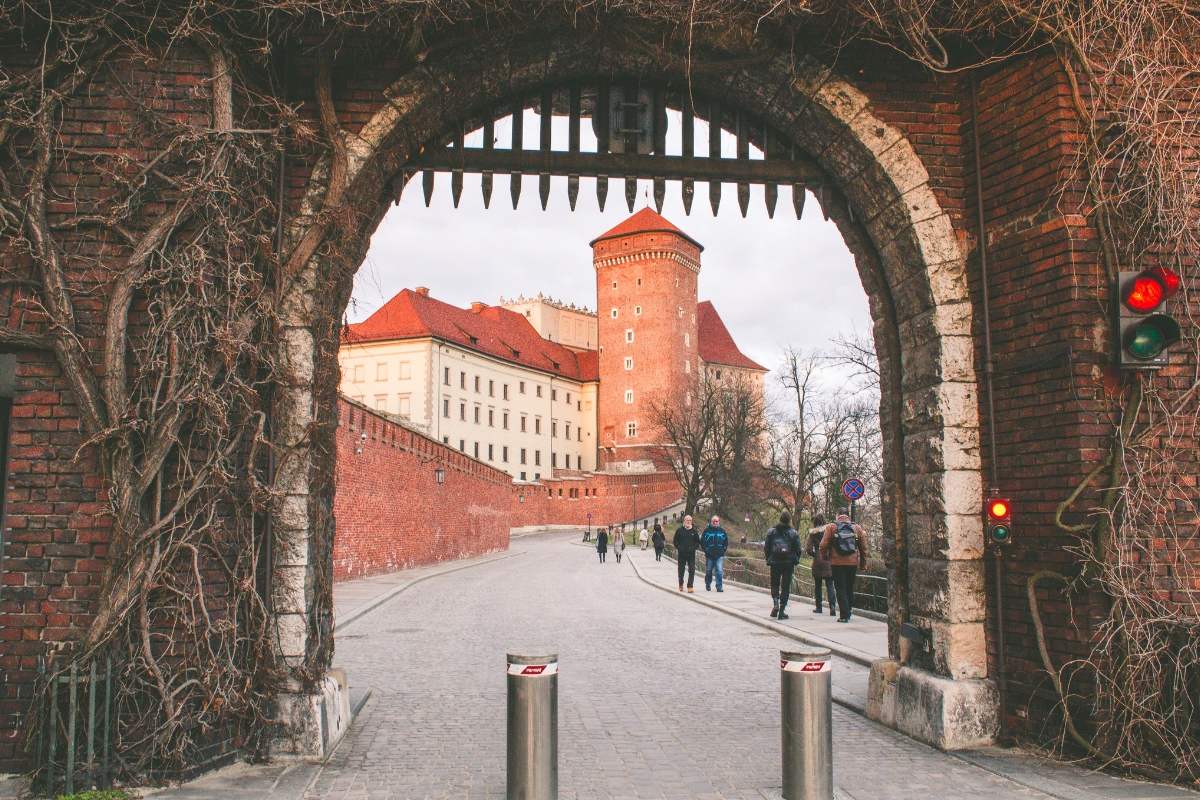
Kraków is a heartfelt affair for us, because this is exactly where Lukáš and I set off for a big winter train trip back in January 2018 — one we still remember fondly with a smile. We travelled with just our rucksacks back then, and the Polish city immediately surprised us with how much its perfectly tidy streets reminded us of Switzerland. The historic centre is packed with hipster spots, excellent cafés and beautiful architecture that survived the ravages of war.
Our steps led to the royal Wawel castle and the fascinating Jewish quarter of Kazimierz, where you’ll find the best independent galleries and shops. We were really taken with the modern MOCAK gallery, set right inside the industrial halls of the former Schindler factory. And since we’re big fantasy fans, we had to visit the Leaky Cauldron café, where they serve up an excellent butterbeer straight out of the world of Harry Potter.
Foodwise, definitely don’t miss the traditional obwarzanek, a fantastic vegetarian pretzel you can buy from blue carts on every corner for small change. We stayed in a beautiful apartment with breakfast included for absolutely ridiculous money, and even today Kraków remains one of the cheapest destinations in Europe. You’ll find more personal tips in our big Kraków guide.
🗓️ When to go: Year-round, spring and the December markets are ideal · ⏱️ How many days: 3 to 4 days (if you’re planning a trip to Auschwitz) · 💰 Budget: Very cheap (approx. €185 for two on a weekend) · 🛏️ Where to stay: K4 APARTHOTEL KRAKÓW or Avium Old Town Apartments
4. Dresden: A baroque gem on the Elbe
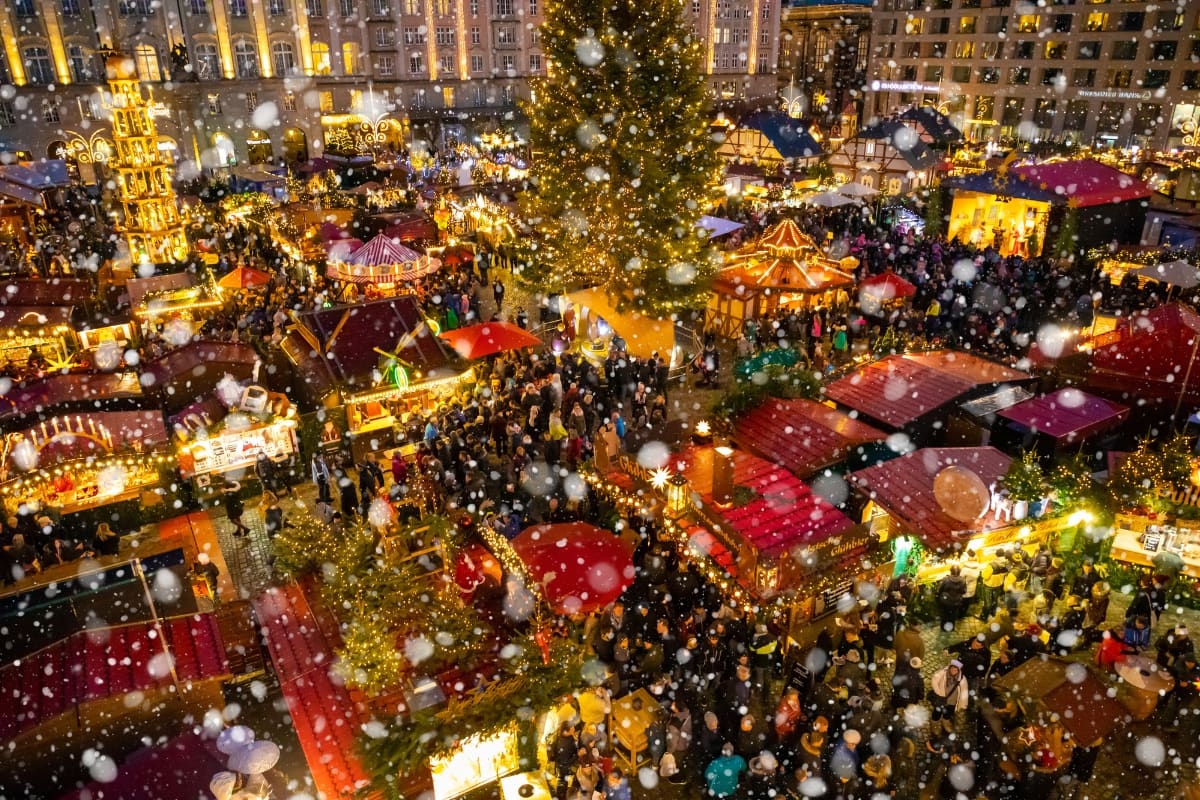
The Saxon capital lies so close to the border that you can reach it by car or train in under two hours, making it one of the fastest weekend escapes going. Even though you can pop over just for a day trip, Dresden definitely deserves an overnight stay, so you can enjoy the evening atmosphere on the Brühl Terrace at leisure — quite rightly nicknamed the Balcony of Europe.
The city boasts incredible history and breathtaking landmarks, led by the rebuilt Frauenkirche church and the baroque Zwinger complex. In the renowned Old Masters Gallery you can admire Raphael’s famous Sistine Madonna, an experience that thrills far more than just die-hard art lovers. Travellers on Reddit often praise the fact that it’s a very pleasant, medium-sized city you can comfortably walk end to end.
Dresden sees its biggest surge of visitors in December, when the legendary Striezelmarkt opens — reportedly the oldest Christmas market in all of Germany, with a tradition dating back to 1434. If you’re considering a winter visit paired with a hot mulled wine, definitely check out our article on the Dresden Christmas markets.
🗓️ When to go: Year-round, December is the absolute peak · ⏱️ How many days: 1 to 2 days · 💰 Budget: Mid-range (approx. €270 for two)
5. Munich: World-class museums and surfing in the park
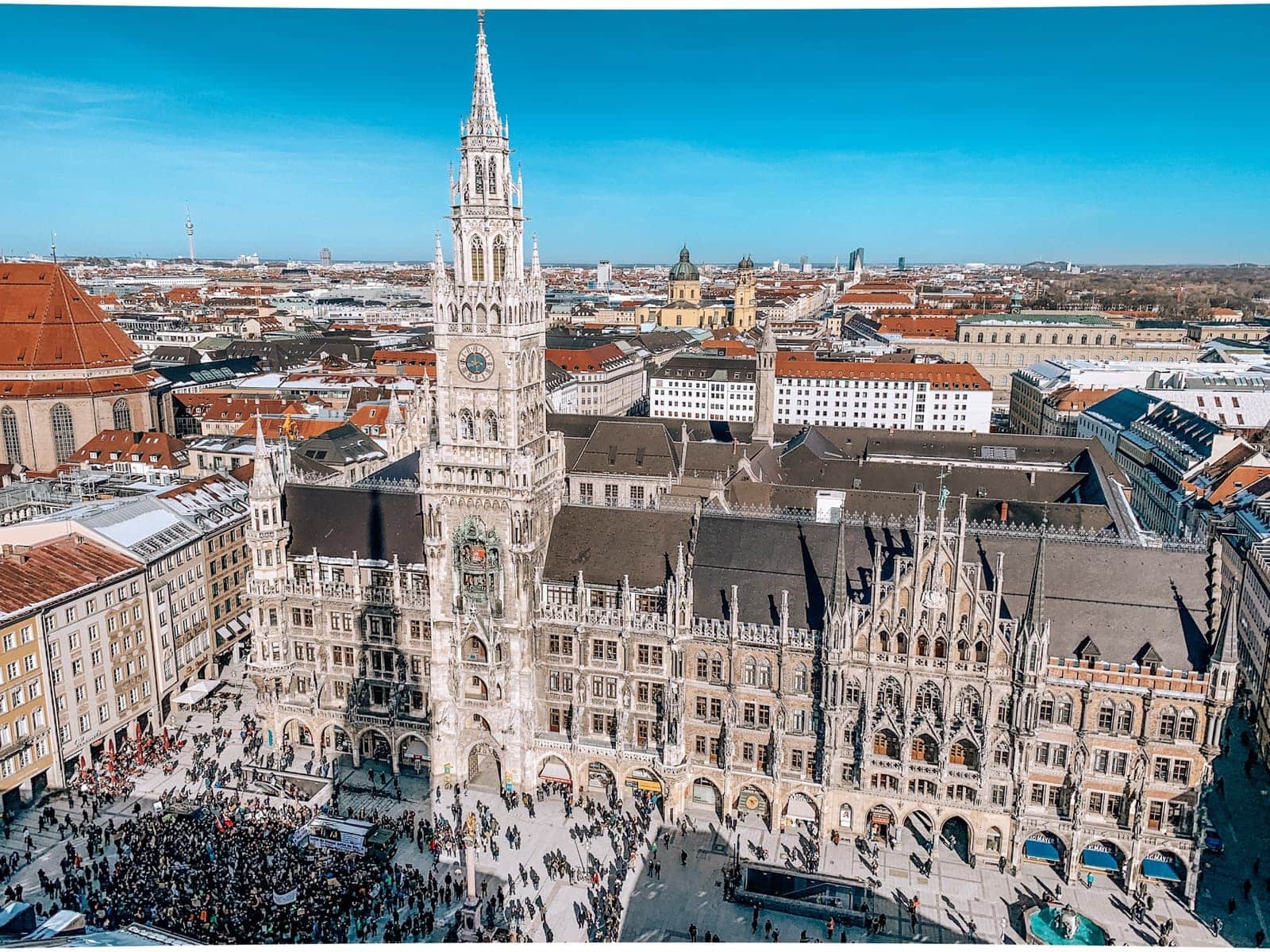
The Bavarian capital is around five hours away by train or bus and offers an absolutely unique mix of deep tradition and modern life. The heart of the whole city is the historic Marienplatz square with its famous glockenspiel, from where you can easily reach the best museums — among which the enormous Deutsches Museum of science and technology clearly stands out.
On Reddit, locals themselves like to complain that Munich is pricey and a touch snobbish, but foreign tourists love it and often write that they came for a day and wished they could stay a week. A total one-off is the huge English Garden, where even in the middle of winter you can watch daring surfers taming an artificial wave on the Eisbach river — a spectacle you’d hardly expect this far inland.
Munich is also an ideal base for a day trip to the fairy-tale Neuschwanstein castle, tucked away nearby in the Alps. Around the turn of September and October the city bursts at the seams for the legendary Oktoberfest, when accommodation prices shoot up steeply. If you want to avoid the extremes, read our article on what to do in Munich.
🗓️ When to go: May to September, avoiding Oktoberfest · ⏱️ How many days: 2 to 3 days · 💰 Budget: Higher (approx. €350 for two on a weekend)
6. Bratislava: A laid-back stop on the Danube
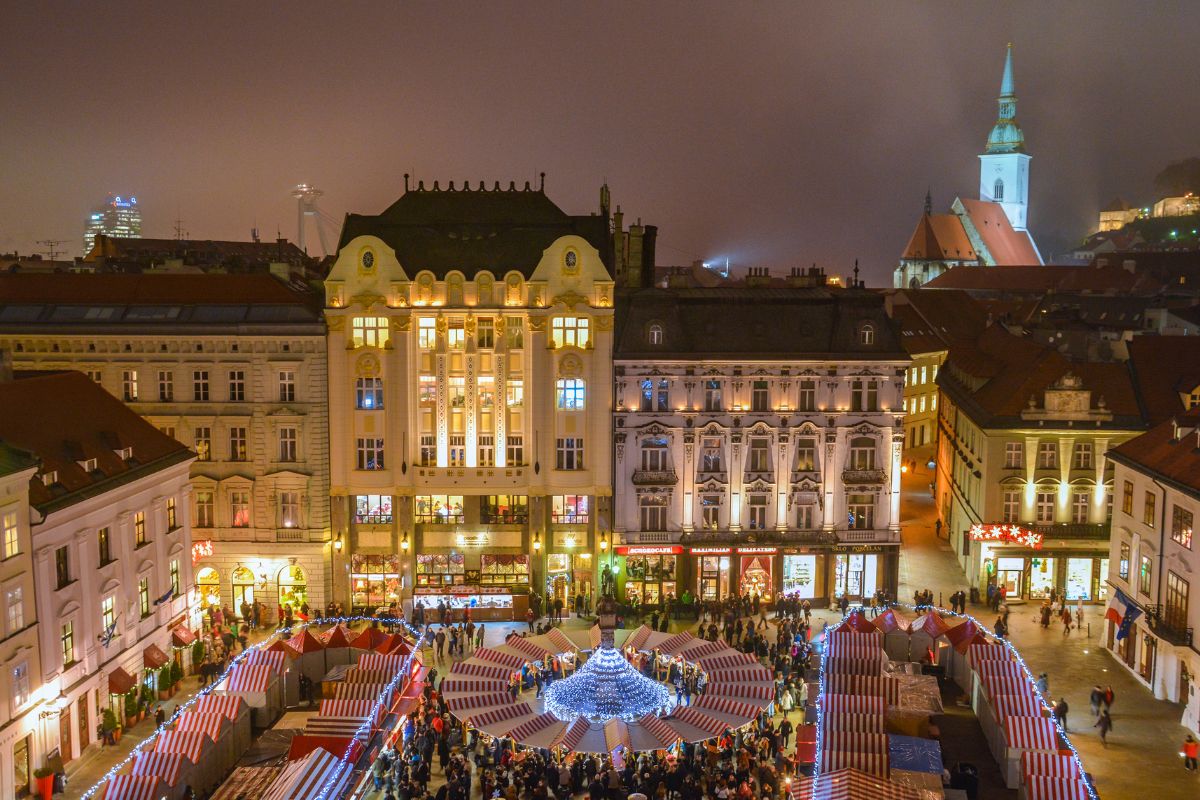
The Slovak capital is often unfairly overlooked, but Lukáš and I stopped here at the end of our big winter train trip and were pleasantly surprised. One Reddit discussion nailed it perfectly: Bratislava is simply the ideal size, so you don’t get bored, yet you also don’t have that stressful feeling of not having managed to see half the landmarks in the guidebook.
The landmark is of course the majestic Bratislava Castle and the beautifully restored old town, dotted with modern cafés and little bistros. Definitely head up to the UFO observation deck on the SNP Bridge, from where you’ll have the whole city and the flow of the Danube laid out before you. Here we feasted on absolutely luxurious vegetarian bryndzové halušky, a dish that’s inseparable from a visit to Slovakia.
Thanks to its excellent train connections, Bratislava pairs perfectly with a visit to neighbouring Vienna or serves as a great stop on the way to Hungary. If you’re wondering how to plan a multi-day trip like that, take a look at our 5-day train trip through the Polish and Slovak Tatras or read about what the Bratislava Christmas markets look like.
🗓️ When to go: Year-round · ⏱️ How many days: 1 to 2 days · 💰 Budget: Cheap to mid-range (approx. €225 for two)
Classics by direct flight: 10 cities you have to experience once
The moment you board a plane, all of Europe opens up to you. You’ve seen the following cities on a hundred postcards, and yet they’ll still surprise you on your first visit with how different they are in real life. Low-cost airlines like Ryanair and easyJet fly to these places almost daily, so you can often reach them for the price of a nicer dinner out.
7. London: A cosmopolitan metropolis and world-class museums
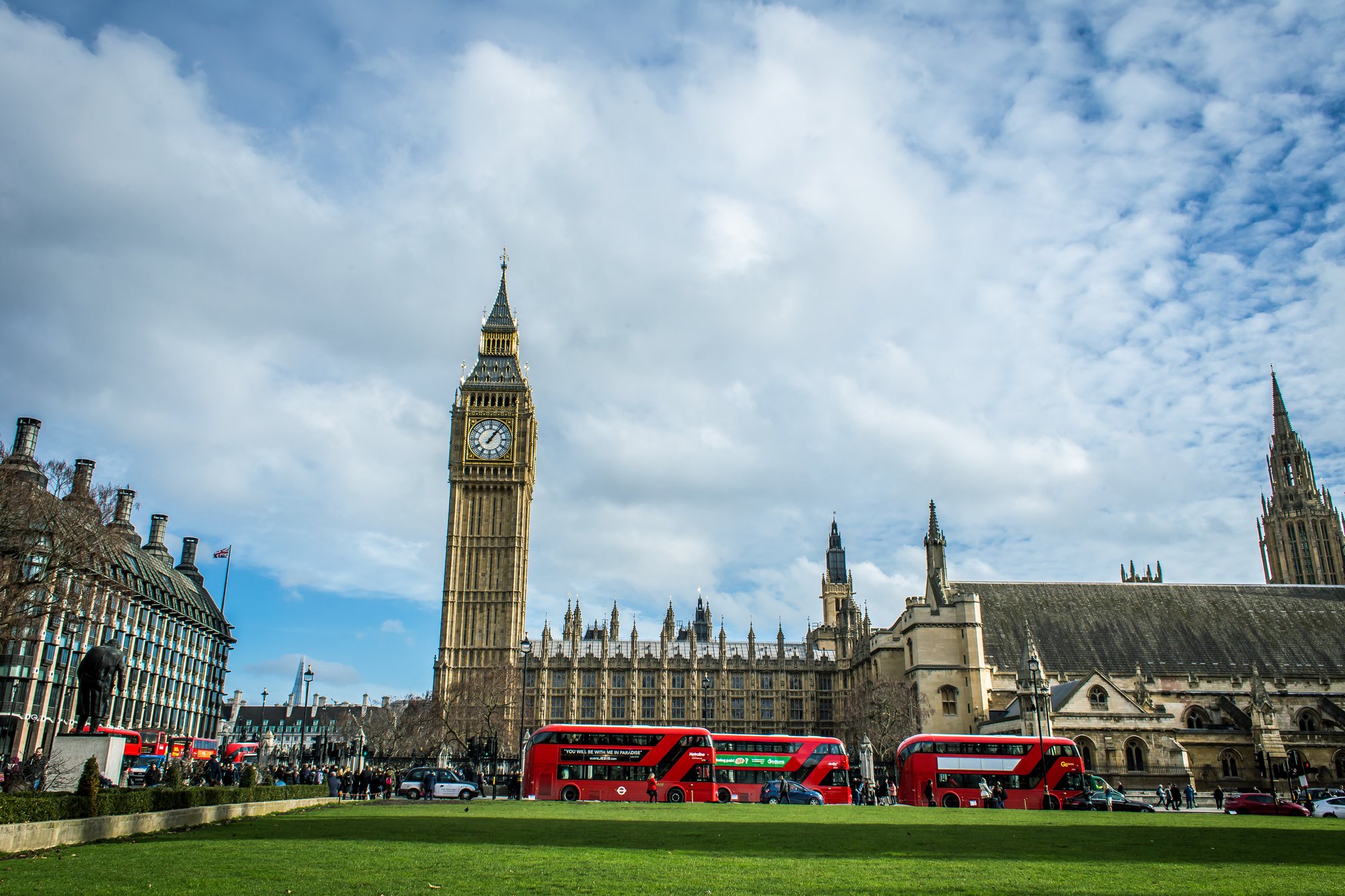
The British capital is enormous and incredibly diverse. From childhood I only remember the endless queues in front of Madame Tussauds, but when Lukáš and I came here as adults in 2017, the city completely swept us away. We rented city bikes, cycled past Westminster and the Tower, and joined a great free walking tour following the Harry Potter filming locations, which was a fantastic experience.
London is famous for being fairly pricey, but we discovered you can save brilliantly here thanks to the fact that entry to all the major national museums is completely free. You can spend whole days in the amazing British Museum or the Tate Modern and not pay a single pound. We then spent our afternoons at the buzzing Borough Market or in alternative Camden, where you can grab excellent food from all over the world.
Several low-cost carriers fly here, and tickets can be picked up cheaply if you book ahead. In December, the streets also light up with gorgeous Christmas decorations that rank among the best in Europe. So you don’t miss a thing, we’ve put together a giant list of 50 tips on what to see in London and we’ve also rounded up the best cafés in London.
🗓️ When to go: Year-round, December is magical thanks to the decorations · ⏱️ How many days: 3 to 4 days · 💰 Budget: Higher (but free museums save a lot) · 🛏️ Where to stay: The Z Hotel Trafalgar or The Cavendish London
8. Paris: Art, romance and a picnic by the Seine
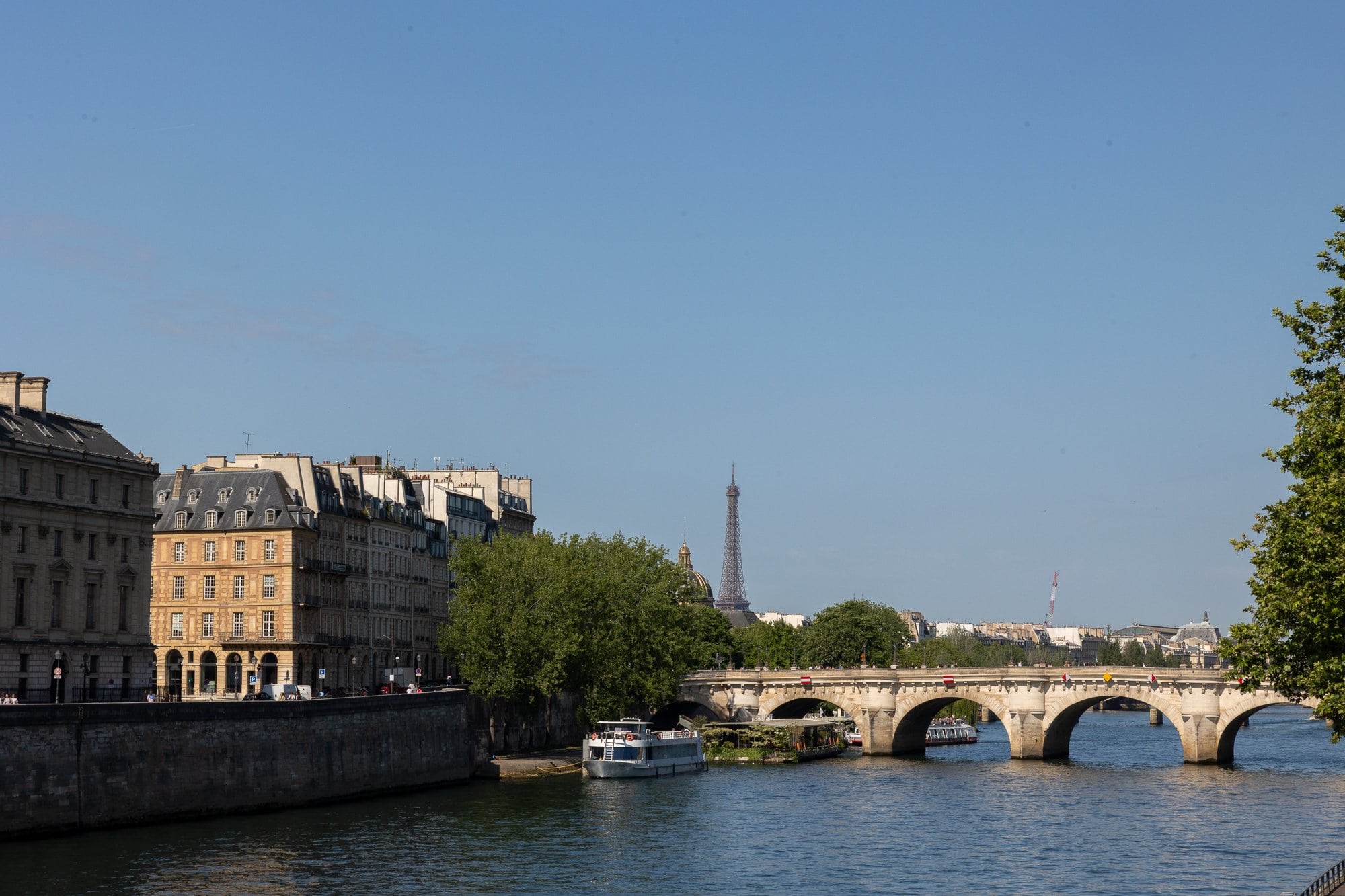
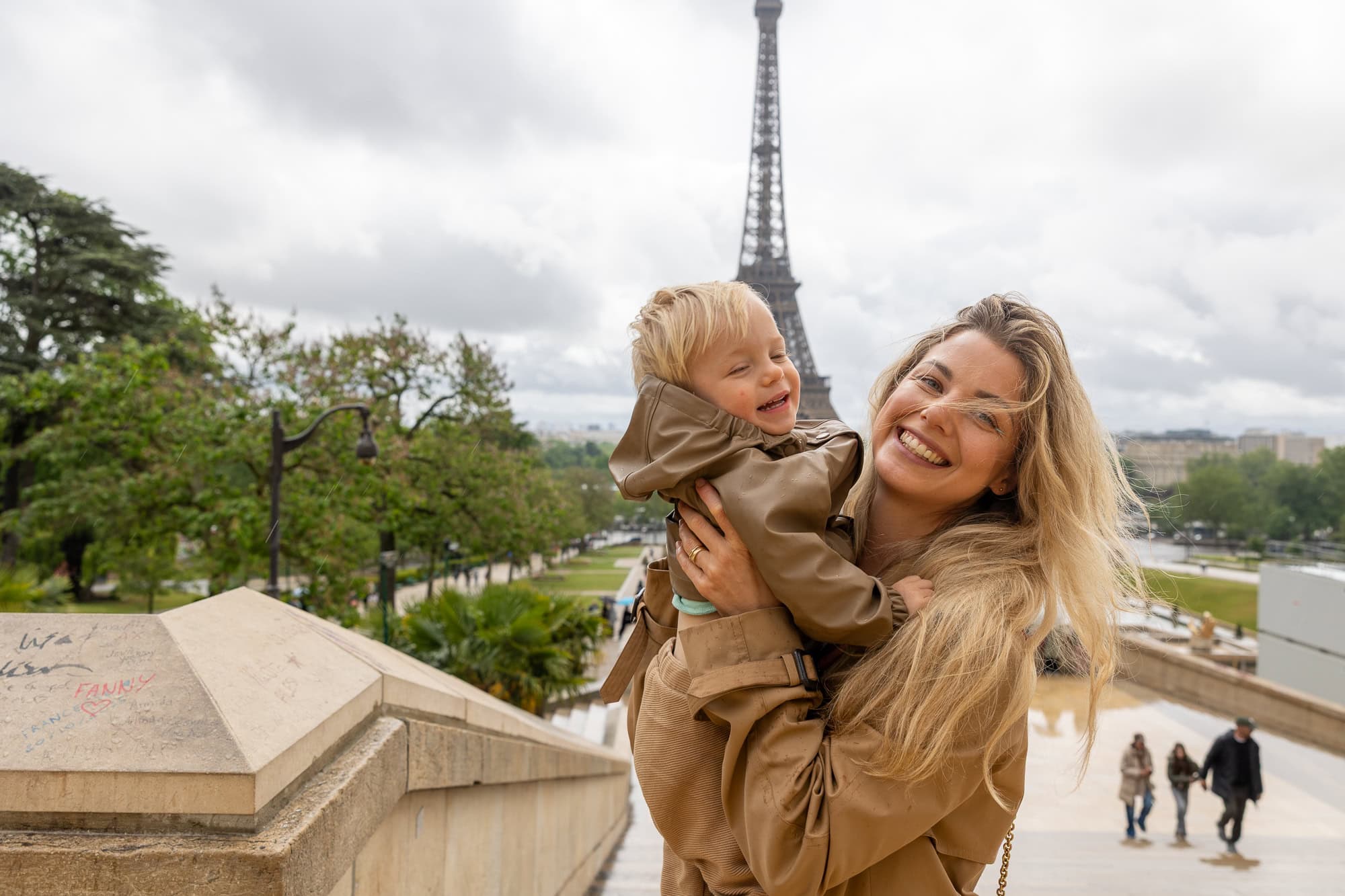
The French capital is the embodiment of elegance, and we too fell for its inimitable charm on our visit. There’s nothing better than buying a fresh, crusty baguette from a local bakery, a piece of fragrant cheese, and sitting down at dusk on the bank of the Seine with a view over the city. Wandering the steep lanes of artistic Montmartre or the ancient Latin Quarter is guaranteed to grab you by the heart.
With Paris, one absolutely crucial rule will save you a lot of nerves: tickets for the Eiffel Tower and the Louvre must be booked many weeks in advance. Without an online ticket, there’s basically no point even approaching these landmarks, because the queues on-site are devastating. The city is huge and getting around by metro takes plenty of time, so always plan your programme neighbourhood by neighbourhood.
The city wears its most beautiful colours in spring and early autumn, when the temperatures are perfect for long walks along the endless boulevards. Find out in advance what to see in Paris, and if you’re not sure which area to pick for your hotel, we’ve written a clear guide on where to stay in Paris.
🗓️ When to go: April to June, September to October · ⏱️ How many days: 3 to 4 days · 💰 Budget: Higher (approx. €370 for two on a weekend)
9. Rome: An open-air museum
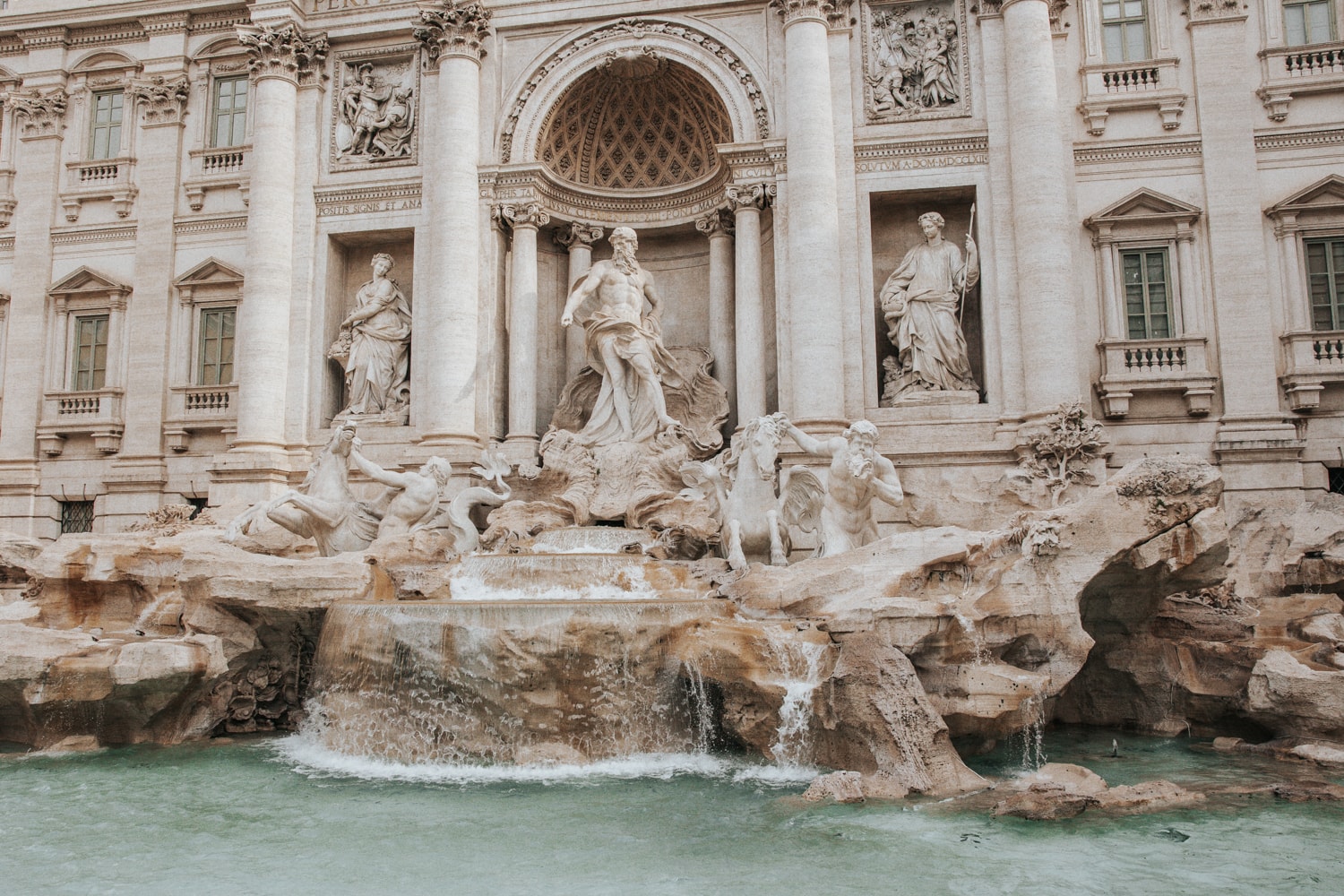
The Italian capital is one of the most beautiful places in the world, and every time Lukáš and I visit, it surprises us all over again with how incredibly laid-back a city it is. As one Reddit user aptly noted, in Rome you’re just walking down an ordinary street and suddenly the majestic Colosseum peeks out at you. History breathes from every stone here and blends with the bustle of modern life.
We love to spend our evenings in the picturesque Trastevere neighbourhood, sipping a refreshing Aperol and enjoying excellent vegetarian supplì — fried rice balls with melted mozzarella inside. During the day it pays to grab a quick pizza al taglio, cut to size exactly according to how hungry you are. Just as in Paris, for the Vatican Museums and the Colosseum you need a timed ticket bought well in advance.
Summer in Rome can be downright hellish, with temperatures regularly topping thirty-five degrees, so it’s much wiser to plan your trip for the spring or autumn months. You’ll find all the practical info and itineraries in our article on what to see in Rome.
🗓️ When to go: March to May, October to November (summer is exhausting) · ⏱️ How many days: 2 to 3 days · 💰 Budget: Mid-range to higher (approx. €330 for two) · 🛏️ Where to stay: Residenza Cavallini
10. Barcelona: Gaudí’s legacy and the crashing sea
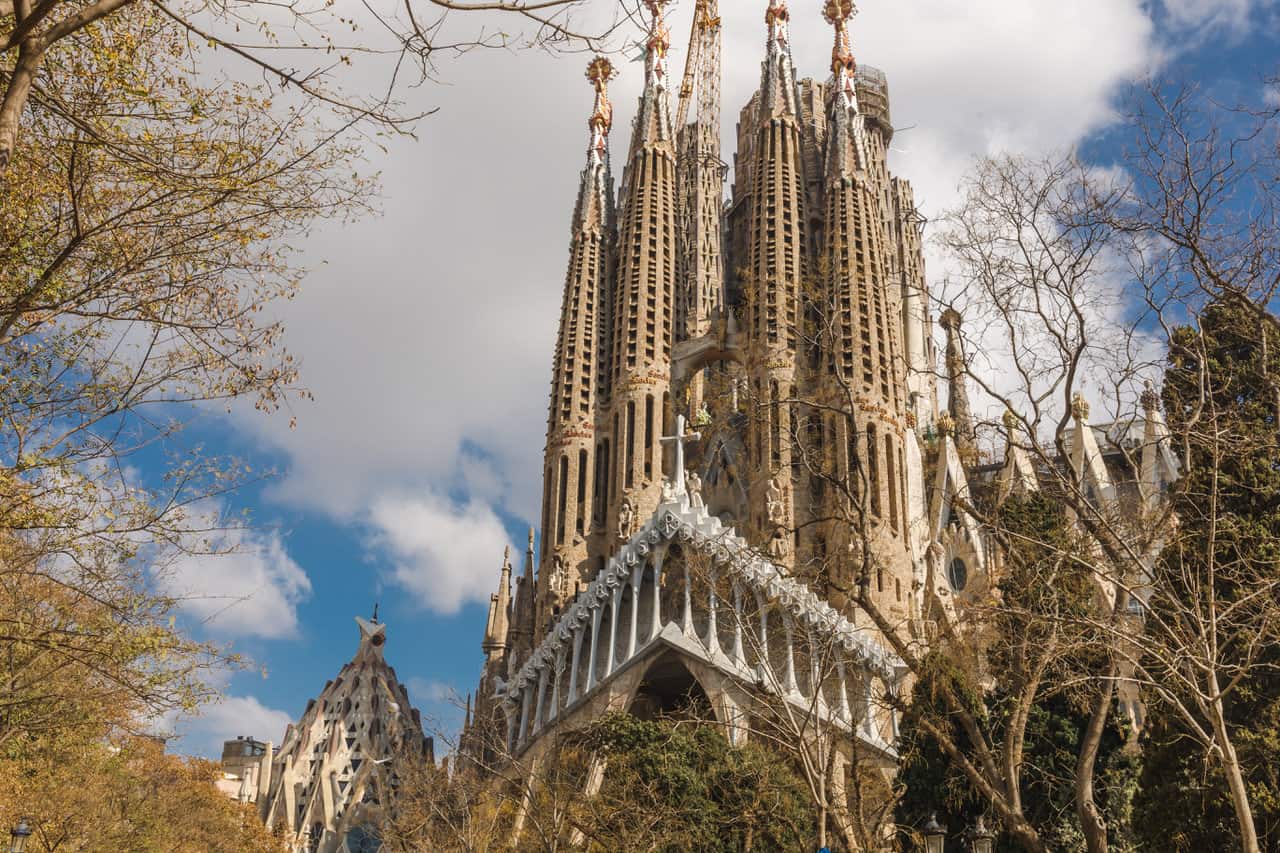
The Catalan capital offers an absolutely unique combination of breathtaking architecture, buzzing city life and long sandy beaches in the Barceloneta district. Most visitors head here for Antoni Gaudí’s fantastic buildings, whether it’s the colourful Park Güell with its view over the city, or the unfinished Sagrada Família cathedral, for which you have to secure tickets really far ahead.
But we have to add one honest warning that comes up often on travel forums: in recent years Barcelona has been grappling with a huge surge of tourists, and the local pickpockets are among the most skilled in all of Europe. You need to keep a close eye on your belongings, especially on the famous La Rambla avenue and in the mysterious lanes of the historic Gothic Quarter.
If you want to taste the local meaty tapas or the famous cured ham, you’ll find hundreds of excellent spots. Anyone after a calmer Spanish atmosphere without being squeezed by crowds should consider Valencia instead, but if you’re heading to Spain for the first time, Barcelona is simply a must-do you have to experience for yourself.
🗓️ When to go: April to June, September to October · ⏱️ How many days: 2 to 3 days · 💰 Budget: Mid-range to higher · 🛏️ Where to stay: Hotel Granvia or the budget-friendly Sant Jordi Hostels
11. Amsterdam: A cyclist’s paradise laced with canals
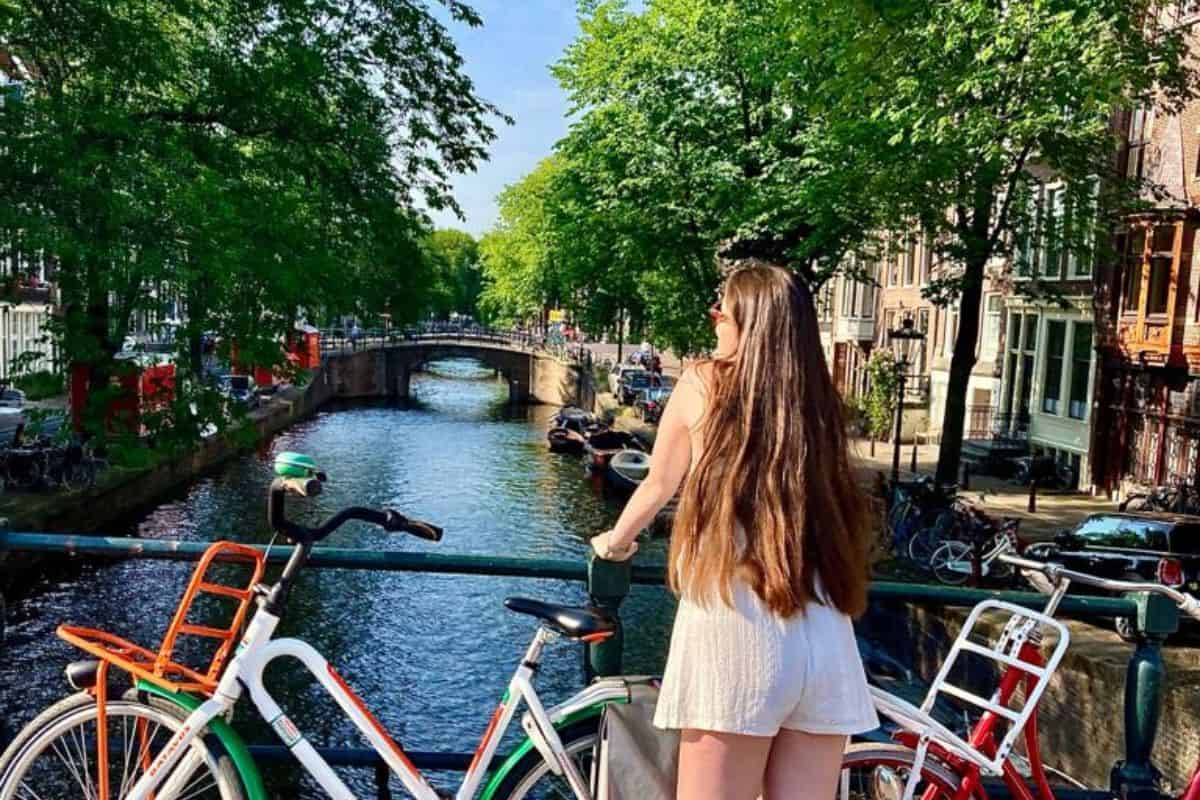
The Dutch capital is famous for its relaxed atmosphere, its thousands of bikes and the endless network of waterways known as grachten. A boat ride or renting your own bicycle is one of the best ways to soak up the unmistakable mood of the gorgeous Jordaan district. The city boasts top-tier galleries, and if you want to see original works at the Rijksmuseum or the Van Gogh Museum, booking online is an absolute must.
But it has to be said straight: on weekends Amsterdam is literally bursting at the seams, and accommodation prices are at times enough to make you weep 😅. It pays to arrive mid-week. Tourists flock here from all over the world, which is why it’s worth considering a trip during the middle of the week instead.
The absolute peak of the season is spring, when the whole country turns into a blaze of vivid colours. Take a look at our article on what to see in Amsterdam, and if you’re heading over in April, definitely don’t miss our guide to the legendary Keukenhof: tulips in Holland.
🗓️ When to go: April to May (for the tulips), June or September · ⏱️ How many days: 2 to 3 days · 💰 Budget: Very expensive accommodation (approx. €450 for two) · 🛏️ Where to stay: City Hotel Amsterdam or Hotel Oscar

12. Berlin: The city that never sleeps
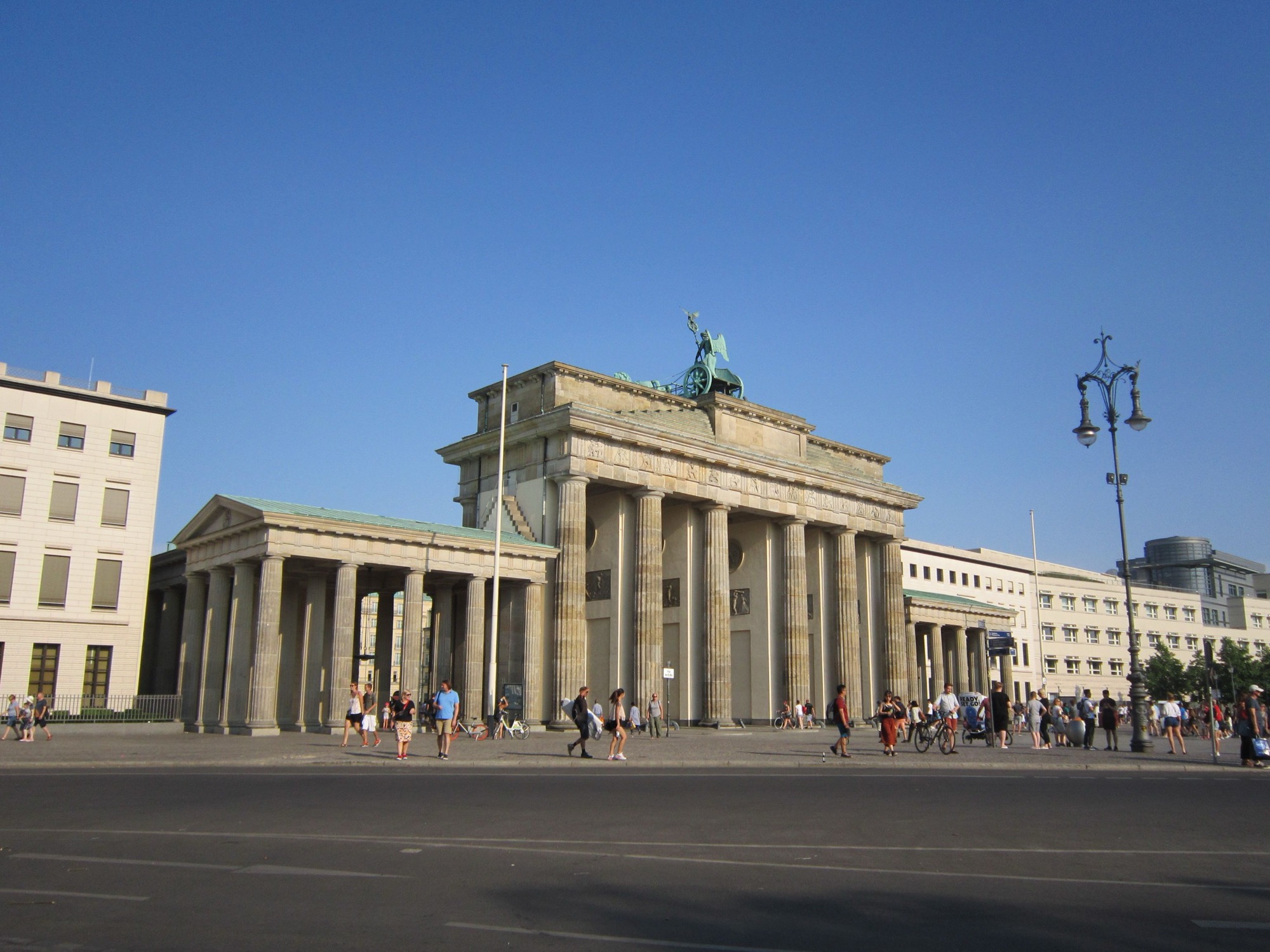
The German capital is incredibly layered, and one Reddit discussion aptly described it as: it’s not the prettiest city in Europe, but it’s definitely one of the most interesting. The dark history of the twentieth century is still very present here, whether you’re walking past the remnants of the famous wall at the East Side Gallery, or admiring the impressive Museum Island, a UNESCO World Heritage Site.
Berlin’s huge advantage is its affordability, because compared with nearby Munich, accommodation and food here are significantly cheaper. The city is renowned for its great street food and huge green spaces, the best known of which is the Tiergarten park. If you book your free entry in time, you can climb up into the glass dome of the Reichstag building, which offers a superb view.
There are also excellent direct trains that handle the journey in around four hours, so you can happily leave the plane at home. You’ll find all the important info and tips on iconic spots in our big Berlin guide.
🗓️ When to go: May to September · ⏱️ How many days: 3 days · 💰 Budget: Mid-range (approx. €270 for two on a weekend) · 🛏️ Where to stay: Motel One Berlin-Potsdamer Platz
13. Lisbon: Historic trams and ocean views
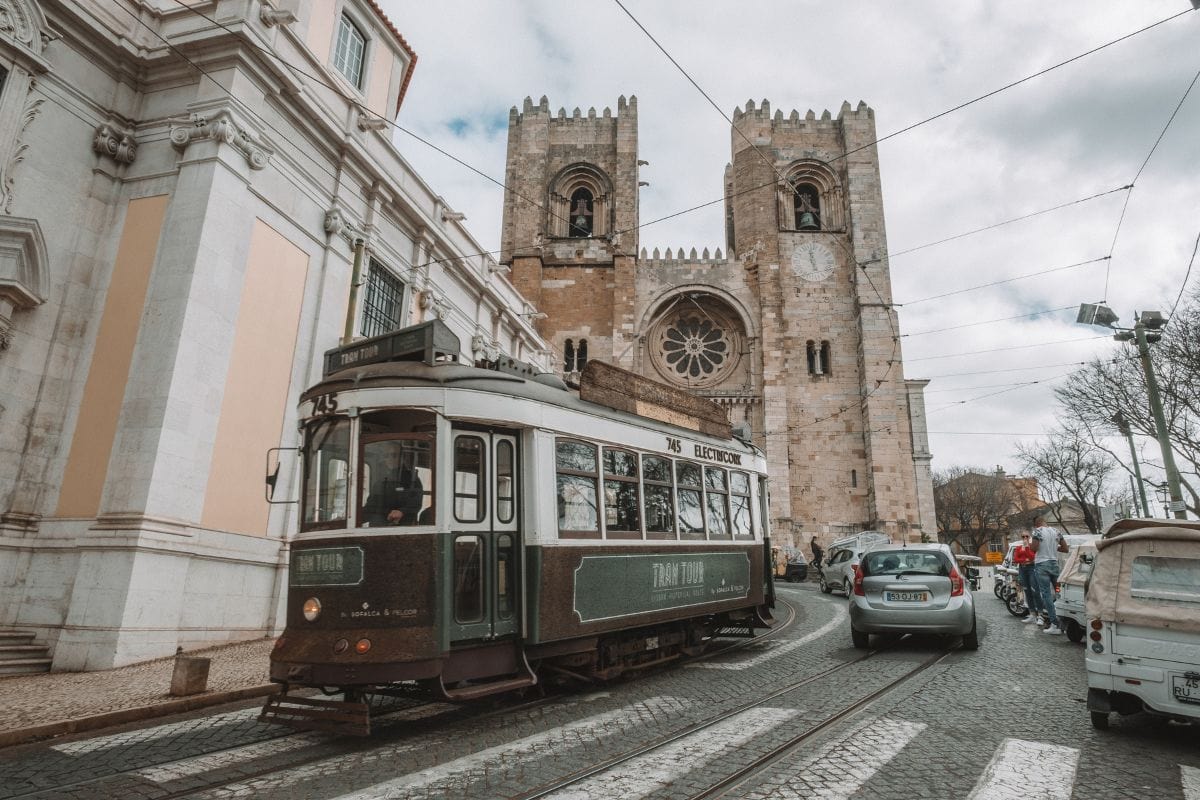
The Portuguese capital is built on steep hills that will really give you a workout, but the views make it absolutely worth it. The most famous experience is a ride on the historic yellow tram number 28, which threads its way with incredible agility through the narrow lanes of the ancient Alfama district. A short walk from the centre you’ll also find the unique Santa Justa lift, connecting the lower and upper parts of the city.
The Belém district, with its Monument to the Discoveries and beautiful tower, is definitely worth exploring. This is where the legendary pastéis de nata, filled with sweet egg custard, come from — and they taste absolutely divine. In the evening you should head to one of the local restaurants where traditional, melancholic fado music is played, transporting you instantly to times gone by.
In high season the centre gets very crowded and the steep streets can be exhausting in the summer heat, so we recommend visiting in spring or autumn instead. It’s also worth sacrificing a whole day to head into the nearby hills to admire the fairy-tale palaces. You’ll find everything you need in our articles Lisbon: a guide and the day-trip destination Sintra.
🗓️ When to go: March to June, September to November · ⏱️ How many days: 2 to 4 days (if you head to Sintra) · 💰 Budget: Mid-range (approx. €310 for two) · 🛏️ Where to stay: Memmo Príncipe Real
14. Copenhagen: Nordic style and cosy hygge
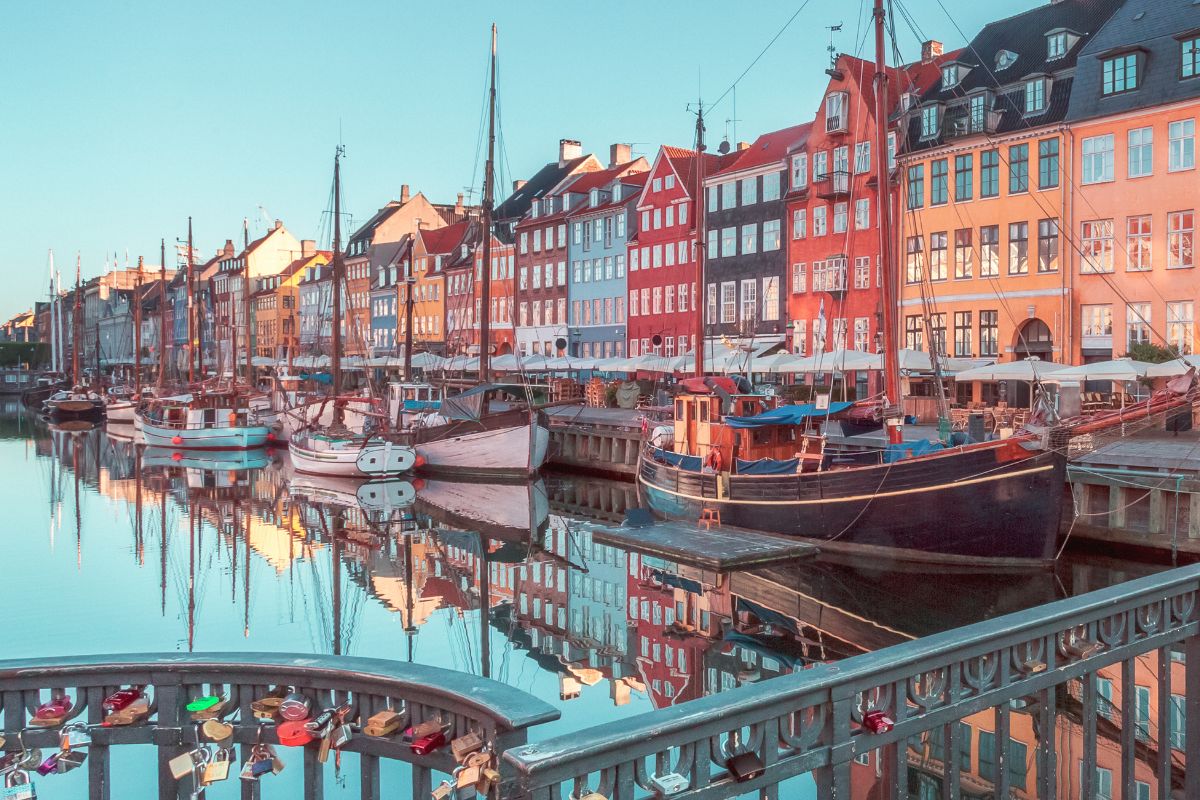
The Danish capital is a byword for top-tier design, great coffee and hundreds of kilometres of cycle paths. The iconic image of Copenhagen is the brightly coloured old houses lining the Nyhavn canal, where wooden sailing ships are moored. Travellers on forums often mention that two to three days are absolutely perfect for exploring the city, because you can walk to all the main sights without any trouble.
A total one-off is the Tivoli amusement park, which has been operating right in the very heart of the city since 1843 and is lit up in the evening by thousands of romantic bulbs. The city is full of cosy hygge cafés, perfect for hiding from the occasional Nordic rain, and the beautiful Rosenborg Castle is also worth seeing — it houses the Danish crown jewels.
You need to prepare for the fact that Copenhagen is a really pricey destination, especially when it comes to eating out and buying alcohol. Cleverly chosen budget accommodation and food bought at the supermarket will save you. You’ll find inspiration in our articles Copenhagen and Tivoli.
🗓️ When to go: May to September, December is lovely thanks to a Christmassy Tivoli · ⏱️ How many days: 2 to 3 days · 💰 Budget: Expensive services and food (approx. €410 for two) · 🛏️ Where to stay: Wakeup Copenhagen or Generator Copenhagen
15. Athens: The cradle of civilisation under the Greek sun
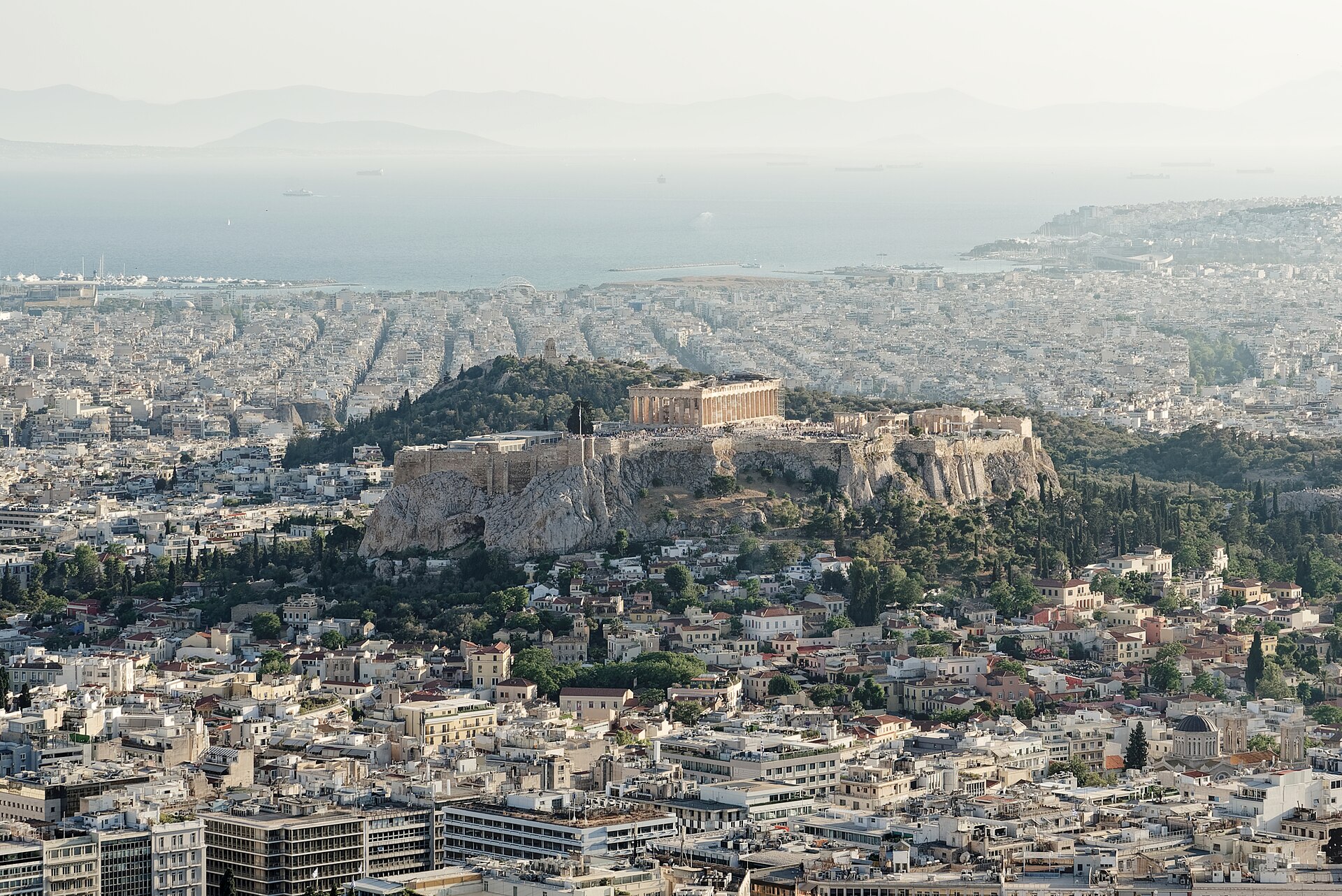
The Greek capital has been enjoying a huge boom in recent years and pops up with iron regularity in the Reddit thread on the most underrated cities. Travellers rave about the amazing rooftop bars with night-time views of the illuminated Acropolis and, above all, the excellent and incredibly cheap food you can grab on every corner. Athens is also beautifully layered and appeals even to those who don’t enjoy travelling to a strict itinerary.
The Acropolis itself and the adjacent ultra-modern museum are best visited first thing in the morning, before the crowds arrive from the cruise ships. You can then lose yourself in the narrow, flower-draped lanes of the gorgeous historic districts of Plaka and Anafiotika, which look as though you’ve suddenly landed on a deserted Greek island.
It has to be honestly admitted that some of the outlying parts of the city can feel a touch shabby, and at night it’s best to avoid the area around Omonia Square. But if you head here outside the main summer season, when temperatures hit thirty-eight degrees, you’ll be thrilled. Look for practical advice in our article Athens.
🗓️ When to go: March to May, October to November (too hot in summer) · ⏱️ How many days: 2 to 3 days · 💰 Budget: Cheap to mid-range (approx. €245 for two) · 🛏️ Where to stay: Hotel Byron or the luxurious The Dolli
16. Edinburgh: Mysterious alleys and Scotch whisky
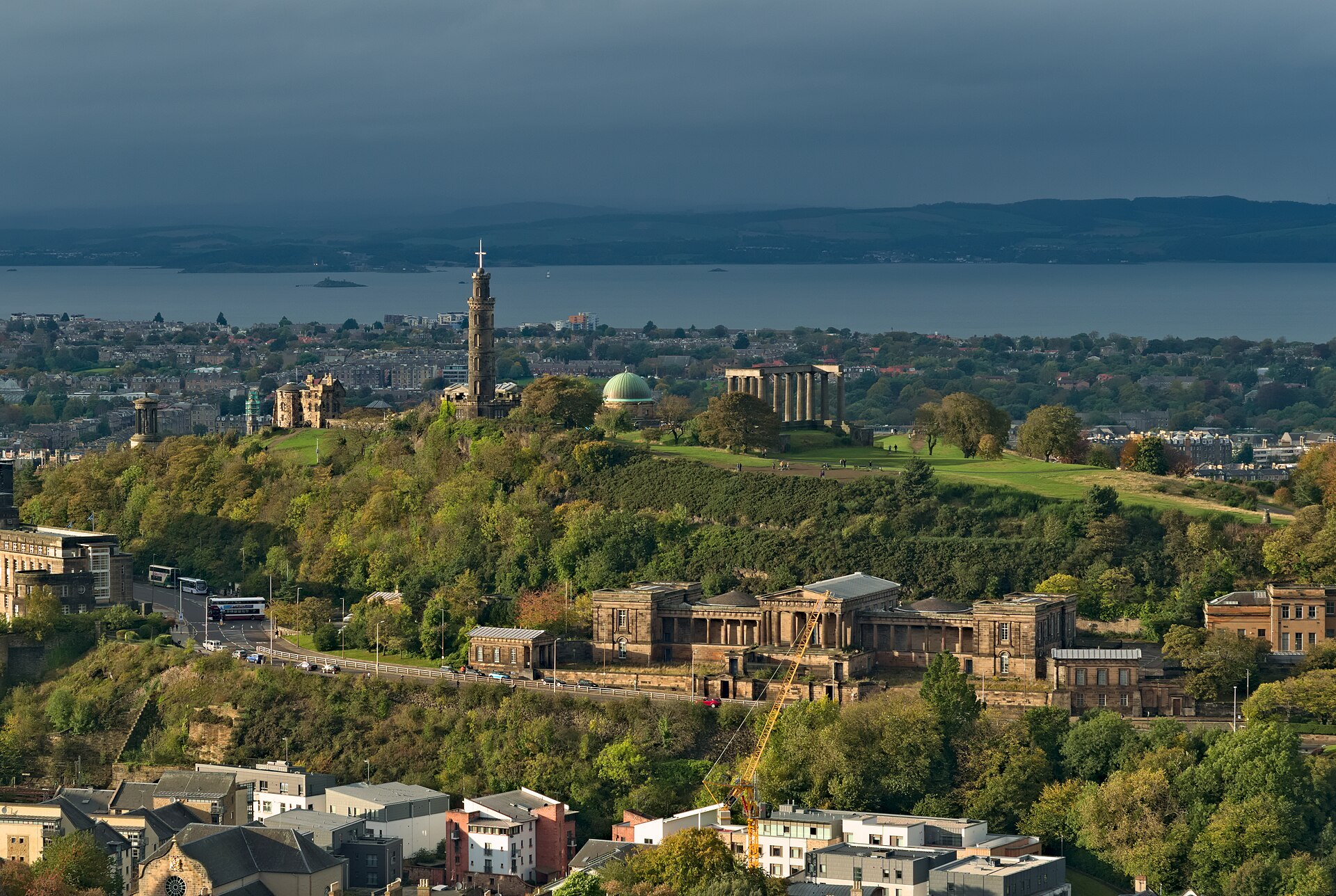
The Scottish capital instantly transports you to another world with its dark stone buildings and dramatic landscape. A walk along the historic Royal Mile towards the majestic castle is an experience in itself, as is the hike up the extinct volcano Arthur’s Seat, from where you have the city and the firth laid out before you. On travel forums, people often write that even in dreary November they were absolutely enchanted by the autumn atmosphere.
The city is threaded with bars where you can taste the best Scotch whiskies, and fans of the Harry Potter books will get their fill too, since the author drew heavy inspiration from the local lanes. If you want to experience a fantastic sunset, head up Calton Hill via the hidden side staircase, avoiding the biggest crowds and enjoying the view of the ancient columns of the National Monument, which locals nickname the Scottish Acropolis.
Bear in mind that in August the city hosts a giant arts festival, which means double prices and completely sold-out capacity, so during that period only come with a booking secured well in advance. Read about everything Edinburgh has to offer.
🗓️ When to go: May to June, September to November (August is extremely expensive) · ⏱️ How many days: 3 to 4 days · 💰 Budget: Higher (approx. €370 for two on a weekend) · 🛏️ Where to stay: Motel One Edinburgh-Royal or the luxurious The Balmoral
Weekend getaways in Europe without the crowds: 5 finds where there are no queues yet
Have you already walked the classic capitals from top to bottom, or do you simply hate being squeezed in with thousands of other people in front of the main landmark? We’ve picked five amazing cities that are slowly climbing the popularity rankings but still hold on to their authentic atmosphere and offer you a much calmer experience.
17. Porto: The internet’s darling and superb wine
On all the travel forums it repeats like a broken record: people arrive in Portugal, visit the capital, but end up falling in love with the smaller, cosier Porto, which they often rank far above Lisbon. The city on the Douro river will charm you with its fantastic bridges, one of which was designed by Gustave Eiffel’s famous studio, as well as with its warm locals.
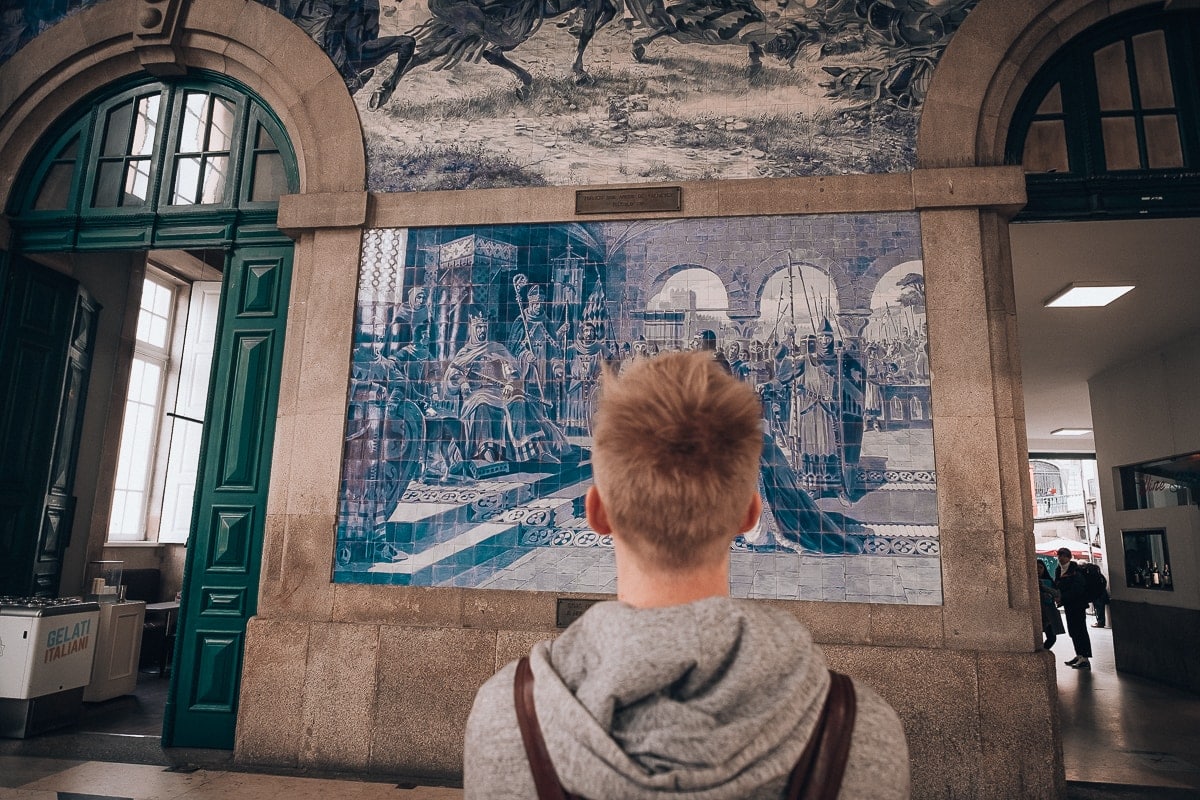
As you walk, you’ll come across gorgeous blue-and-white azulejos tiles decorating, for example, the entire São Bento railway station. Book lovers can’t miss the magical Livraria Lello bookshop with its incredible spiral staircase. Across the river in the Vila Nova de Gaia district, the famous wine cellars await, where you can join a tour paired with a tasting of genuine port.
Porto is also very budget-friendly, and you’ll eat superbly here for reasonable money. August and September are the ideal time to visit, when the weather is most reliable. We’ve written down all our observations in our Porto guide.
🗓️ When to go: May to September (ideally at the end of summer) · ⏱️ How many days: 2 to 3 days · 💰 Budget: Cheap to mid-range (approx. €245 for two) · 🛏️ Where to stay: Novotel Porto Gaia or Ibis Porto Centro
18. Valencia: A futuristic city full of greenery
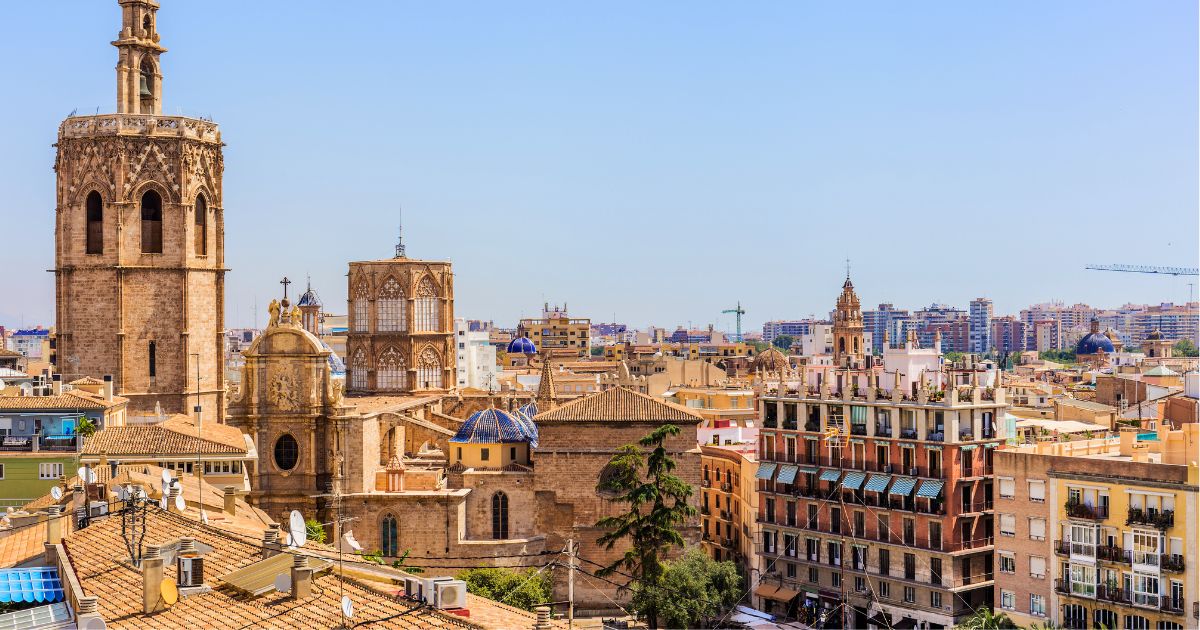
Spain’s Valencia is the perfect cure for anyone who finds Barcelona too touristy and overcrowded. Many travellers on Reddit agree that Valencia is, in their view, even prettier and offers everything you’d expect from Spain, but in far greater calm. The biggest draw is the futuristic City of Arts and Sciences complex (Ciudad de las Artes y las Ciencias), which includes the Oceanogràfic, the largest aquarium in all of Europe.
The city boasts a unique nine-kilometre Turia park, created in the former riverbed and now used for picnics and bike rides. The historic centre hides a Gothic silk exchange listed by UNESCO and the enormous Mercado Central market hall. Don’t forget that Valencia is the home of the legendary meat and seafood paella, though in the city you’ll also find fantastic vegetable versions (paella de verduras).
If you head over in March, prepare for the fact that the city comes alive with the crazy Las Fallas festival, full of fireworks and giant sculptures, so accommodation prices rise. Look for details in our articles Valencia and Las Fallas.
🗓️ When to go: March to June, September to October · ⏱️ How many days: 2 to 3 days · 💰 Budget: Mid-range (cheaper than Barcelona) · 🛏️ Where to stay: Soho Boutique Turia
19. Bologna: The capital of European gastronomy
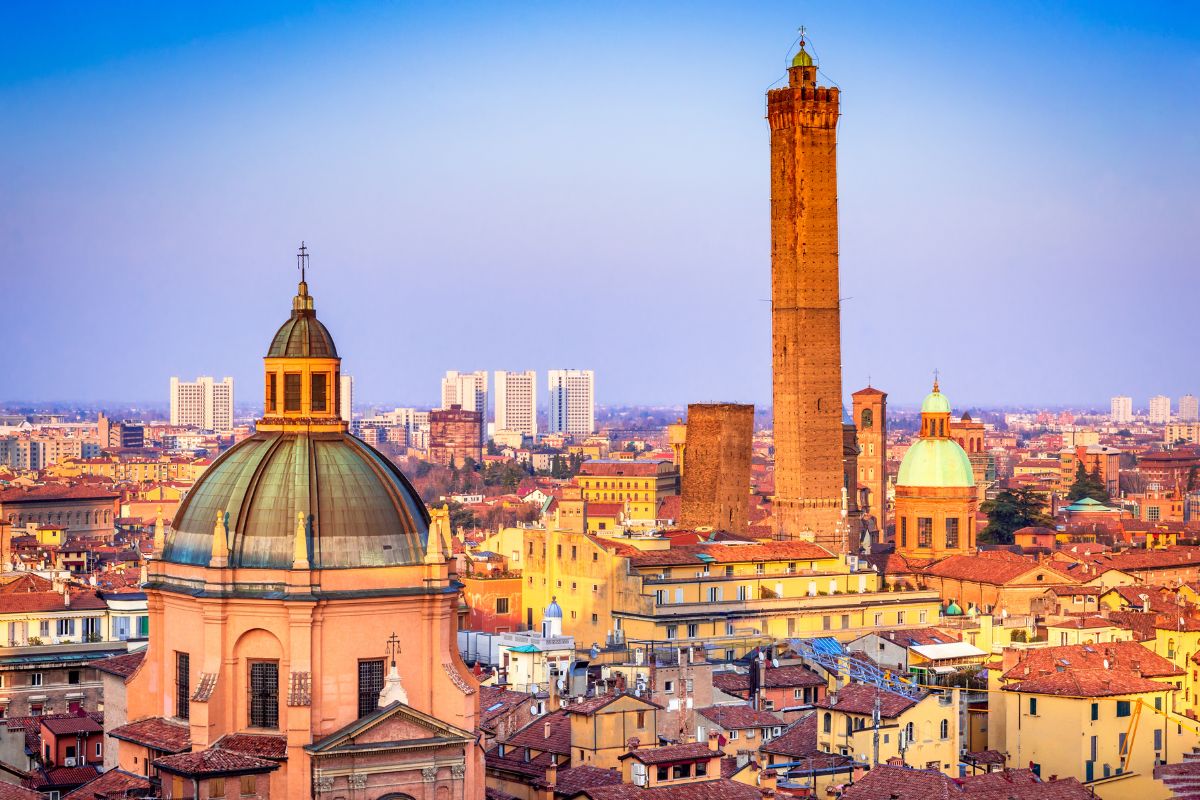
When Italians say they go somewhere just for the food, you can be sure it’ll be worth it. Bologna is praised on forums as a place you simply have to go to stuff yourself, because it’s the culinary heart of all of Italy. The city’s trademark features are its nearly forty kilometres of historic arcades, which shelter you from both sun and rain, and the two leaning towers, Asinelli and Garisenda.
Foodwise, the lanes of the Quadrilatero market will captivate you, where you can buy the finest local cheeses. The restaurants here are phenomenal, and as vegetarians we swear by the homemade tortelloni generously filled with fresh ricotta and spinach. Meat lovers, meanwhile, simply must taste the classic tagliatelle al ragù — because, as the local joke goes, you won’t find spaghetti bolognese in Bologna at all.
The city boasts the oldest university in Europe, which gives it a very youthful, lively atmosphere all year round. You’ll find everything you need to know before your trip in our article Bologna.
🗓️ When to go: April to June, September to October · ⏱️ How many days: 2 days (a very compact city) · 💰 Budget: Mid-range (approx. €270 for two) · 🛏️ Where to stay: Royal Hotel Carlton
20. Gdańsk: Amber and endless beaches
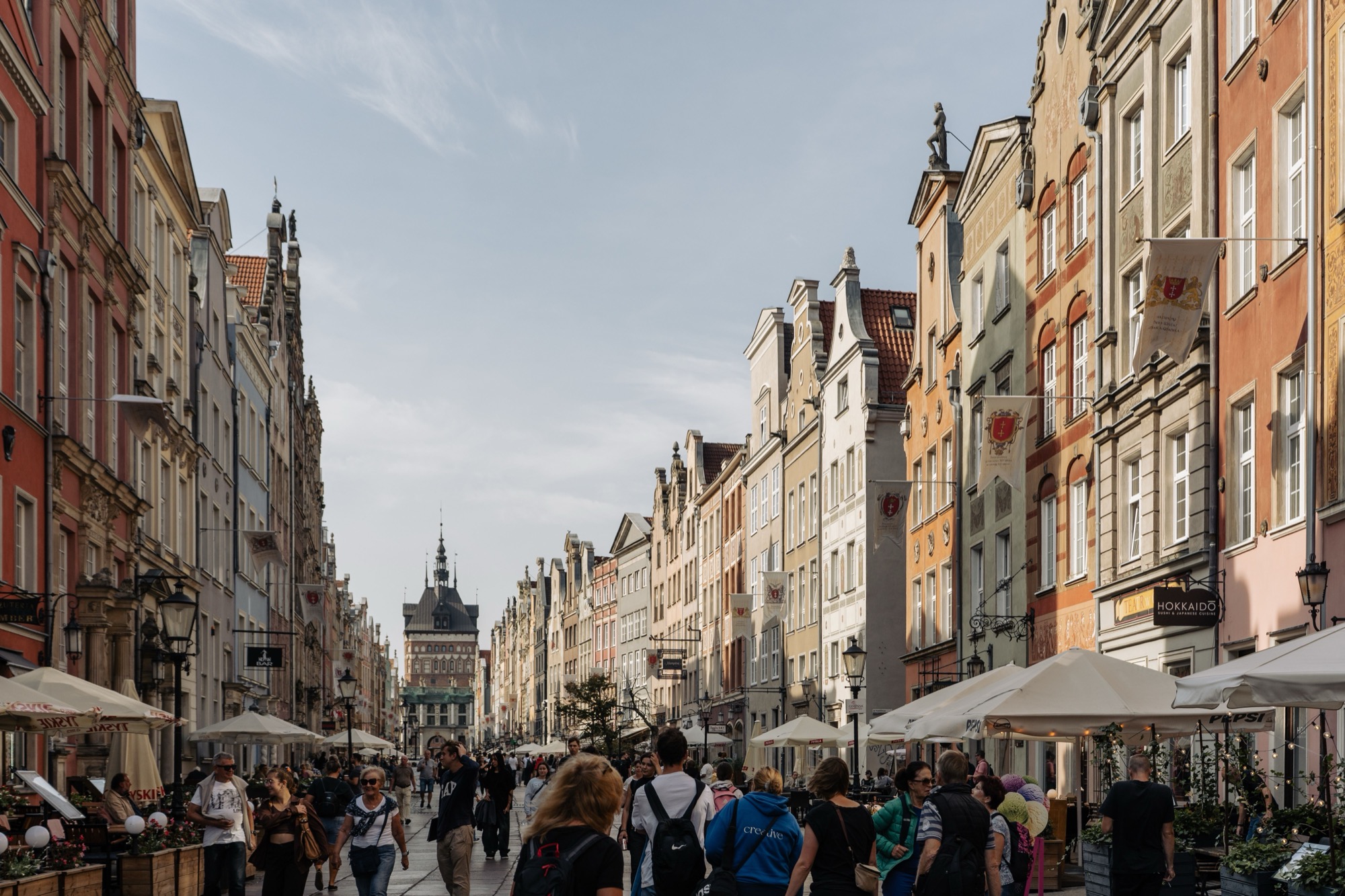
Northern Poland is still something of an undiscovered treasure for most of us, and that’s a huge shame. One traveller on Reddit summed up Gdańsk perfectly: it’s a beautiful city, a short hop from nature and the sea, and the local Solidarity museum was absolutely incredible even for people who normally aren’t into history. The impressive centre is full of little shops selling genuine Baltic amber, and the Long Market is capped by the iconic historic Żuraw crane.
A huge advantage is that from Gdańsk you can easily reach the neighbouring spa town of Sopot by train, where you can walk along the longest wooden pier in Europe and relax on endless sandy beaches. The city on the Baltic offers an atmosphere completely different from the rest of Poland, and you’ll experience a slightly Scandinavian feel at a fraction of the price. A trip to the Westerplatte peninsula, where the first shots of the Second World War were fired, adds another powerful historical dimension to your weekend.
You’ll find more details in our article Gdańsk, and if you’re considering a trip on the rails, take a look at how to get to the Polish seaside by train.
🗓️ When to go: May to September · ⏱️ How many days: 2 to 3 days · 💰 Budget: Cheap (approx. €205 for two on a weekend)
21. Seville: Orange trees and fiery flamenco
The Andalusian capital is winning over seasoned travellers for good reason: it’s hot-blooded, fragrant and still a little underrated. The streets are lined with fragrant orange trees, and as you stroll through the old Jewish quarter of Santa Cruz you’ll come across countless small venues where you can watch a breathtaking performance of traditional flamenco, known as a tablao, in the evening.
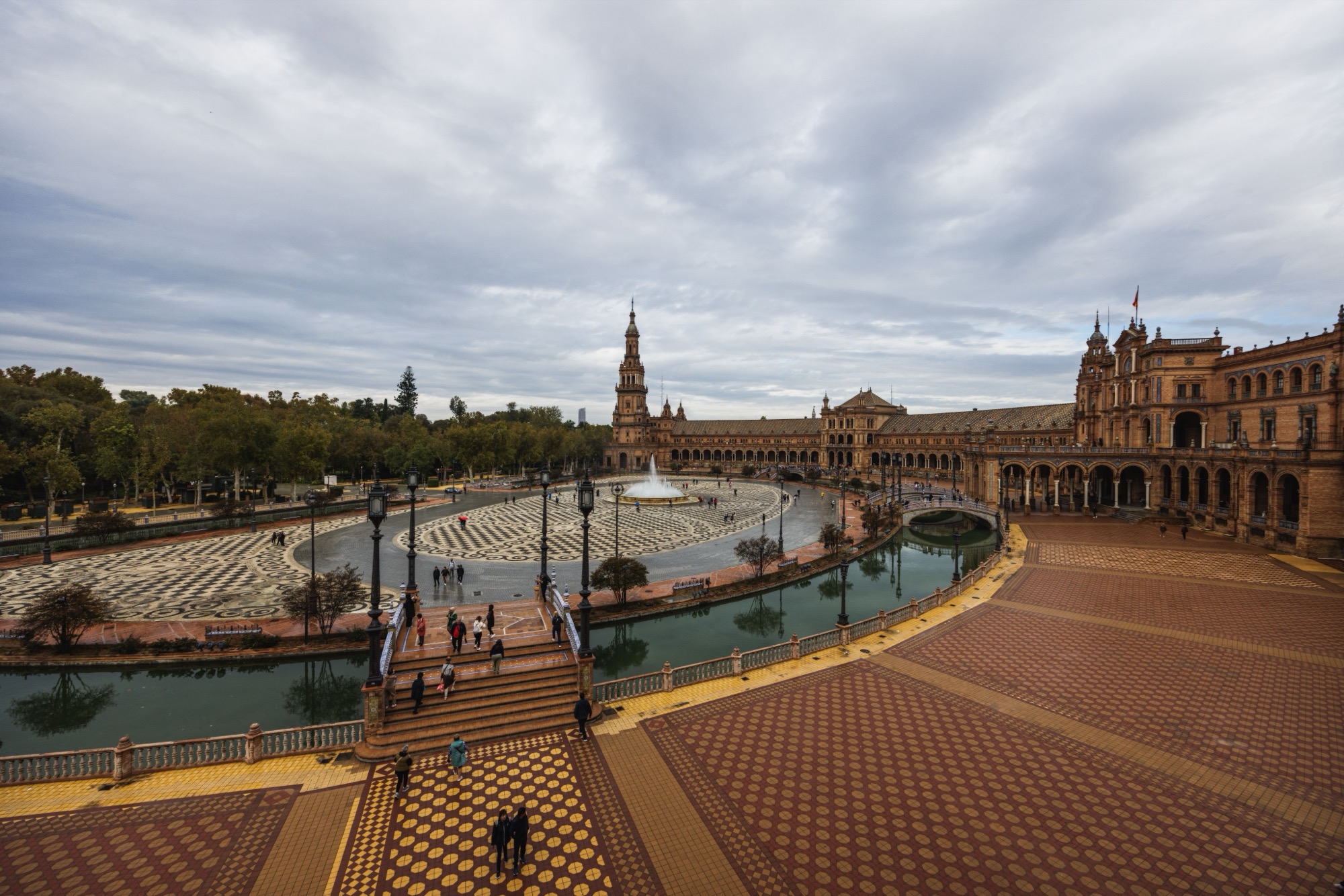
If you’re planning to visit the famous royal Alcázar palace, where Game of Thrones was filmed, or the enormous cathedral with its Giralda bell tower, you must book your tickets even several weeks in advance, because they tend to be hopelessly sold out. Also unforgettable is a visit to the magnificent semicircular Plaza de España, decorated with colourful ceramic tiles representing all the Spanish provinces.
Definitely don’t come here in summer, because temperatures regularly climb over a devastating forty degrees. You’ll find more inspiration for a trip south in our overview of where to holiday in Spain.
🗓️ When to go: March to May (the famous Feria de Abril is in April), October to November · ⏱️ How many days: 2 to 3 days · 💰 Budget: Mid-range (approx. €290 for two on a weekend)
How to plan a European weekend trip and save money
One absolutely crucial golden rule circulates on travel forums, and you should stick to it: two full days in a city must mean three nights in a hotel. The ideal is to fly in on Friday evening and only head back on Monday morning, because otherwise you’ll spend a significant chunk of your precious time off just transferring to the airport and stressing over check-in.
If you want to fly, pick destinations with a direct connection of around three hours or less, and learn to travel with just a small cabin bag, which will save you huge money on low-cost carriers like Ryanair or easyJet. The cheapest flights are traditionally to be had on mid-week departures, typically Tuesday or Wednesday, so it pays to keep an eye on comparison sites.
Always think through in advance which price bracket you want to aim for. While Kraków, Budapest, Athens or Gdańsk are among the very cheapest options, in cities like London, Paris or Amsterdam your wallet will weep quite a bit, and the middle road is represented by the likes of Rome, Lisbon and Berlin.
Don’t forget about booking early either, because iconic sites like Barcelona’s Sagrada Família, Amsterdam’s Van Gogh Museum or the Eiffel Tower in Paris require online tickets bought well in advance. And we’ll add one more honest warning from the internet: Italy’s Pisa is reportedly the most overrated stop in Europe, so just snap a photo of the tower there and head straight on to Bologna instead. Don’t forget to arrange travel insurance for your trip — for the shorter ones we most often go with AXA.
Where to next
If you still haven’t made your pick and you’re looking for more inspiration for your travels, take a look at our other big roundups that will help you plan the best possible programme:
- The best Christmas markets in Europe
- The best water parks and thermal spas in Europe
- 5-day train trip through the Polish and Slovak Tatras
Frequently asked questions
To wrap up, I’ve put together answers to the questions I hear most often about planning a European weekend trip.
What is a Euro weekend?
A Euro weekend or city break is a shortened form of vacation that typically lasts two to four days and focuses on exploring one specific European city. Travelers most often head out on long weekends from Thursday to Sunday or Friday to Monday to take a break from the daily work routine.
Where to go for your first Euro weekend?
If you’re planning your very first city break, Vienna or Budapest are absolutely ideal choices that definitely won’t disappoint. Both cities are easy to reach by train without the need to book flights, have excellent infrastructure, and an enormous number of beautiful sights right in the center.
Where to go for the cheapest Euro weekend?
Among the most budget-friendly destinations are consistently Central and Eastern European cities like Polish Krakow and Gdansk or Hungarian Budapest. If you’re drawn more to the south and warmer weather, you’ll also find very favorable prices for food and accommodation in Greek Athens or Portuguese Porto.
How many days should you go for?
Always try to follow the golden rule that two full days spent in a city require at least three nights of accommodation. While smaller and more compact destinations like Bratislava or Italian Bologna will need just two days, for huge metropolises like London or Paris, plan for at least three to four days.
Where can you reach by train or car from major European hubs?
From Central Europe you have excellent ground connections to a whole range of fantastic places. By train or car you can travel very quickly and comfortably to Vienna, German Dresden or Munich, Slovak Bratislava, Polish Krakow, or a bit further to Berlin or Budapest.
When should you book flights and tickets?
Flight tickets generally pay off when purchased about one to three months in advance, when prices at low-cost carriers tend to be most favorable. Watch out for iconic attractions like the Louvre in Paris, Sagrada Família in Barcelona, or the Colosseum in Rome, where timed-entry tickets disappear from official websites even weeks in advance.
Where to go for a Euro weekend in winter?
Winter months are perfect for visiting beautiful Christmas markets, which are especially famous in Vienna, nearby Dresden, or snowy Krakow. If you’d rather warm up in cold weather, head to Budapest where you can soak in outdoor thermal springs, or visit the enchantingly lit Tivoli amusement park in Copenhagen.
Tips and Tricks for Your Vacation
Don’t Overpay for Flights
Search for flights on Kayak. It’s our favorite search engine because it scans the websites of all airlines and always finds the cheapest connection.
Book Your Accommodation Smartly
The best experiences we’ve had when looking for accommodation (from Alaska to Morocco) are with Booking.com, where hotels, apartments, and entire houses are usually the cheapest and most widely available.
Don’t Forget Travel Insurance
Good travel insurance will protect you against illness, accidents, theft, or flight cancellations. We’ve had a few hospital visits abroad, so we know how important it is to have proper insurance arranged.
Where we insure ourselves: SafetyWing (simple monthly subscription) and TrueTraveller (for extra-long trips).
Find the Best Experiences
Get Your Guide is a huge online marketplace where you can book guided walks, trips, skip-the-line tickets, tours, and much more. We always find some extra fun there!