For many travellers, Athens, Greece has long been little more than a quick stopover on the way to the islands — a dash to photograph ancient columns before catching the first ferry from Piraeus. But that reputation is well out of date. The city has transformed into a confident destination in its own right, easily filling a long weekend and then some. Today you’ll find a wild mix of ancient grandeur and raw street culture: three-thousand-year-old marble monuments sitting just a stone’s throw from world-class street art, and traditional coffee houses buzzing alongside trendy cocktail bars. To truly get under Athens’ skin, you need to embrace its contradictions.
In this guide you’ll find exactly 21 tips covering the most fascinating places the city has to offer — from the iconic Parthenon to hidden Cycladic alleyways and the best spots to watch the sun go down. We’ll also warn you about the sneaky restaurant traps lurking in the historic centre, share advice on keeping your wallet safe on the metro, and explain the new ticketing rules that have changed quite dramatically in recent years. Get ready: the Greek capital is about to completely win you over.
TL;DR
- Acropolis entry: Tickets cost €30 year-round and you must book a specific time slot online in advance.
- Combined tickets scrapped: The state combined ticket covering seven sites was abolished in 2025 — you’ll need to use commercial bundle packages or buy tickets separately.
- Getting from the airport: The blue Metro Line 3 takes you to the centre for €9, but watch out for pickpockets.
- Restaurant scams: In tourist areas, watch out for the so-called bread scam, where you’re charged for bread placed on your table uninvited.
- Best time to visit: Spring and autumn are ideal; summers bring extreme heat exceeding 40 °C and sites close at midday.
- Where to stay: The charming neighbourhood of Plaka or the quieter but very trendy Koukaki district beneath the hill are both excellent bases.
- Day trips: Athens is a brilliant base for visiting the Temple of Poseidon at Cape Sounion or the nearby car-free island of Hydra.
The full destination guide: Greece — guide and what to see
Best Time to Visit Athens
Timing your trip right makes an enormous difference to how much you actually enjoy it — nobody wants to melt in a concrete oven. The sweet spots are April to mid-June and then September and October. Temperatures sit at a pleasant 20–25 °C, the air is easy to breathe, and the soft light is simply gorgeous for photographing ancient monuments. Crowds are manageable during these months too, so you won’t be queueing in the blazing sun for what feels like forever. Athens weather in spring and autumn is genuinely one of the city’s biggest selling points. Flights from the UK are very affordable — easyJet, British Airways and Ryanair all serve Athens from London and several regional airports, and if you book ahead you can often grab a return for well under £100.
As tempting as a Greek summer sounds, the city itself becomes mercilessly brutal in July and August. During the summer of 2025, temperatures climbed as high as 42 °C, which is frankly no fun at all. Authorities were forced to close historic sites repeatedly during afternoon hours (roughly noon to 5 pm) because visitors were collapsing on scorching marble, and the government introduced a ban on outdoor work over the midday period. If you do visit in the height of summer, you’ll need to fully adopt the local southern rhythm: head out to sites early in the morning, take a proper siesta in an air-conditioned room or visit the cool museums at midday, and only venture back out after sunset. Winter, on the other hand, is wonderful for history lovers who want the city almost to themselves — just don’t count on the winter ticket discounts that used to exist, as those are now gone. For the city centre itself, two to three full days is the right amount of time; add extra days if you want to swim or do day trips.
Where to Stay in Athens
💡 Accommodation & experiences tip: We always search for accommodation on Booking.com, which has the best cancellation policies. For tickets, tours and activities, it’s worth comparing and booking through GetYourGuide.
Choosing the right neighbourhood is one of the most important decisions you’ll make before your trip, because Athens doesn’t function as one compact whole. It’s more like a patchwork of connected villages, each with its own atmosphere and character. For a first visit, we recommend staying as close to the historic centre as possible so you can walk to most of the ancient sites without constantly wrestling with a crowded metro.
If you’re after classic charm and want the most famous monuments literally on your doorstep, stay in the picturesque Plaka neighbourhood. You’ll find beautiful neoclassical houses, cosy alleyways and cascades of bougainvillaea. A hugely popular option is the welcoming Hotel Byron, which offers excellent value for money, or the slightly more upscale Phaedra Hotel, where rooms start from around €120 per night. If budget is no object and you want full luxury, take a look at the new boutique The Dolli, which has a rooftop infinity pool with a breathtaking direct view of the Parthenon. We always recommend booking well in advance through Booking.com, as the best rooms disappear months before peak season.
For a quieter stay with a more local feel, the trendy residential neighbourhood of Koukaki is a brilliant choice. It sits right below the new Acropolis Museum, has far fewer tourists, and is home to some of the best independent cafés and bakeries in the city. A great option here is the modern CITYLUXE Suites & Rooms. If nightlife is your priority, the area around Monastiraki Square is a lively base, and the popular Plaka Hotel with its fantastic rooftop terrace is right in the thick of it. We’d strongly recommend avoiding the area around Omonia Square, Larissa station and the Vathi neighbourhood, which can feel unsafe after dark and are best given a wide berth at night.
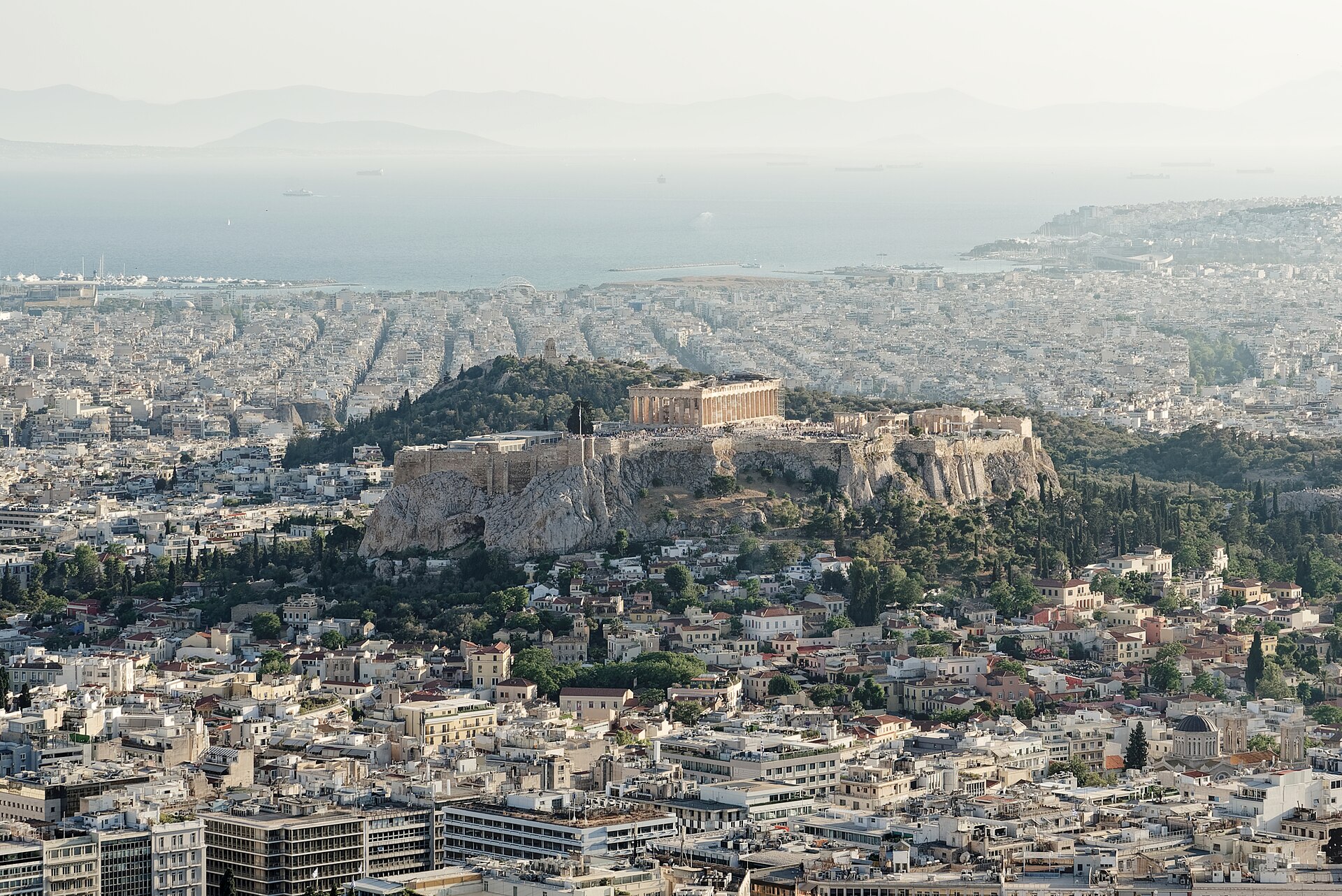
21 Best Things to See and Do in Athens, Greece
Let’s dive into the very best Athens has to offer. We’ve put together a comprehensive list of places ranging from ancient ruins to modern culinary experiences, so you can build your itinerary exactly the way you like it.
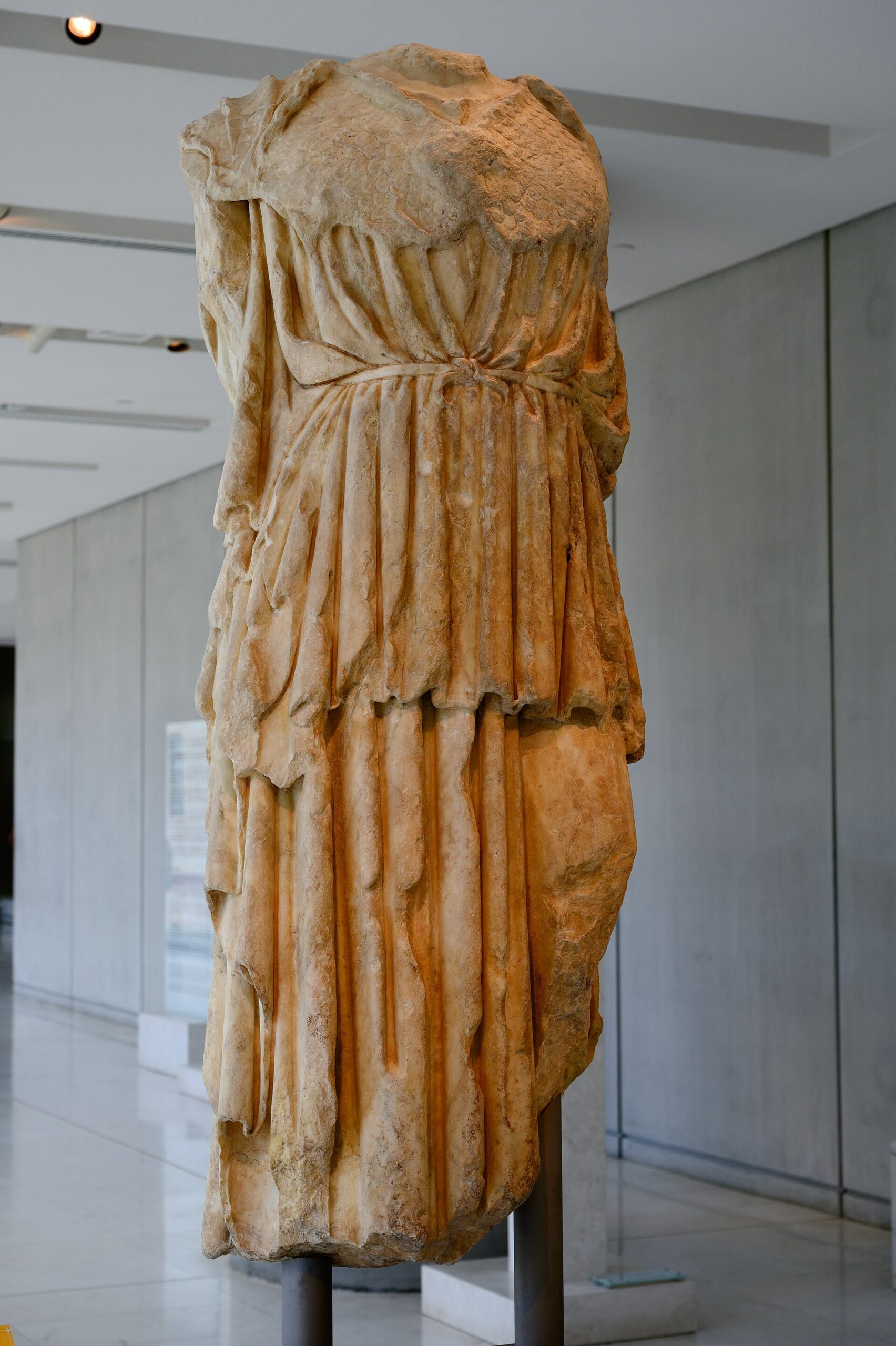
1. The Acropolis and the Iconic Parthenon
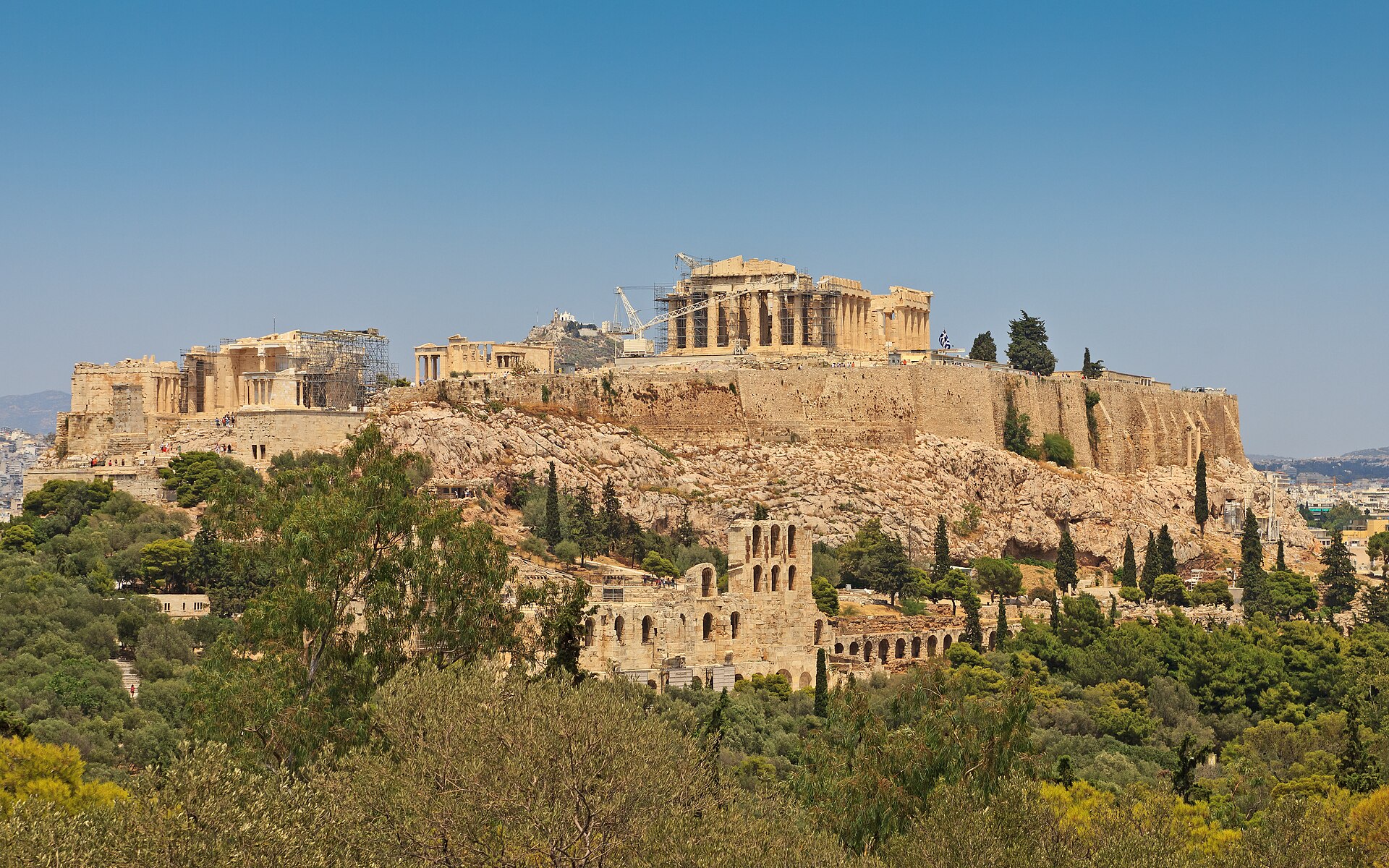
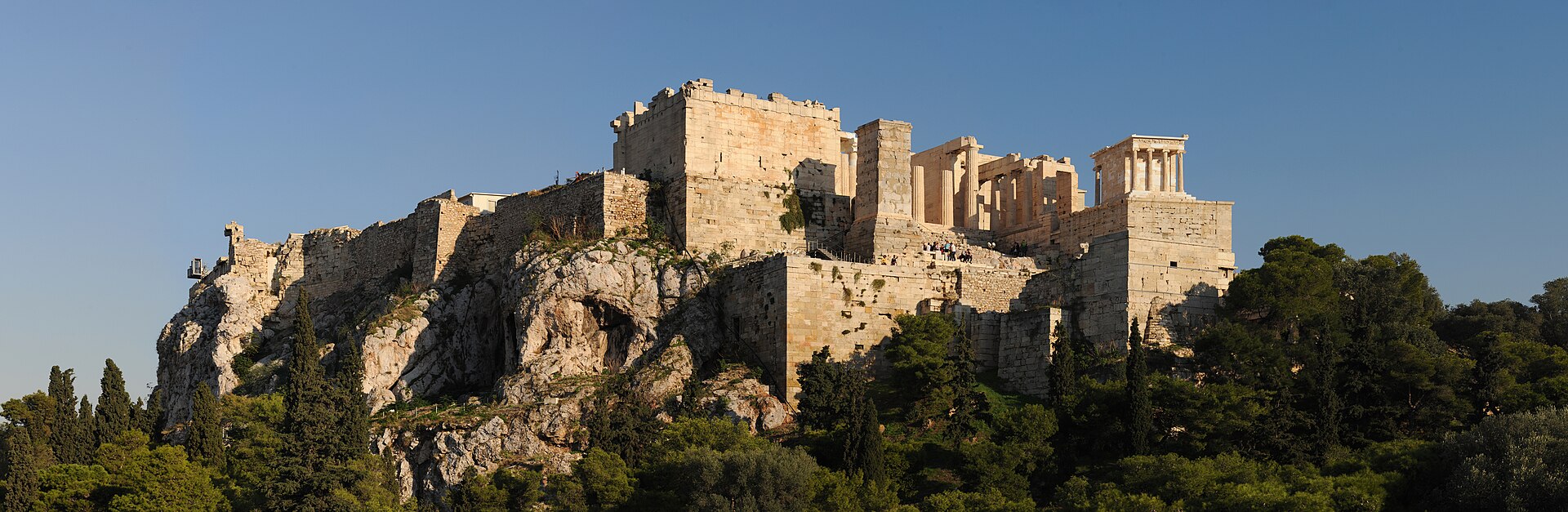
The city’s great landmark — visible from virtually every rooftop in Athens — is an absolute must for every visitor. But this is also where the realities of modern mass tourism hit hardest, and you really do need to prepare properly. The days of simply walking up to the ticket window are gone for good: Greece’s Ministry of Culture has introduced a strict daily cap of 20,000 visitors and mandatory timed entry slots.
You must buy your ticket online in advance at the official website hhticket.gr and select a specific entry window — you only get a fifteen-minute grace period. Miss your slot and you won’t be admitted, and there’s no refund. Admission costs a flat €30 per adult year-round, with all winter discounts having been permanently removed in 2026. The reward at the top, of course, is the Parthenon itself — the perfect temple dedicated to the goddess of wisdom, still breathtaking after centuries of looting and explosive damage. The Acropolis in Athens, Greece truly is one of the world’s great sights.
💡 Local tip: Book the very first entry slot at 8:00 am and buy tickets at least five days ahead. The air is still bearable in the morning, the light is perfect for photos, and — crucially — you’ll avoid the enormous crowds that pour in from the big cruise ships from around 10 am onwards, accounting for nearly half of all daily visitors.
2. The Modern Acropolis Museum
Even if you’re not usually a museum person, this stunning piece of modern architecture is absolutely not to be missed. The Acropolis Museum building — all glass and concrete — is built directly beneath the sacred hill, creating a thrilling contrast with the ancient ruins above. From the moment you step inside it’s an experience in itself, because you literally walk across a glass floor above carefully excavated remains of an ancient neighbourhood.
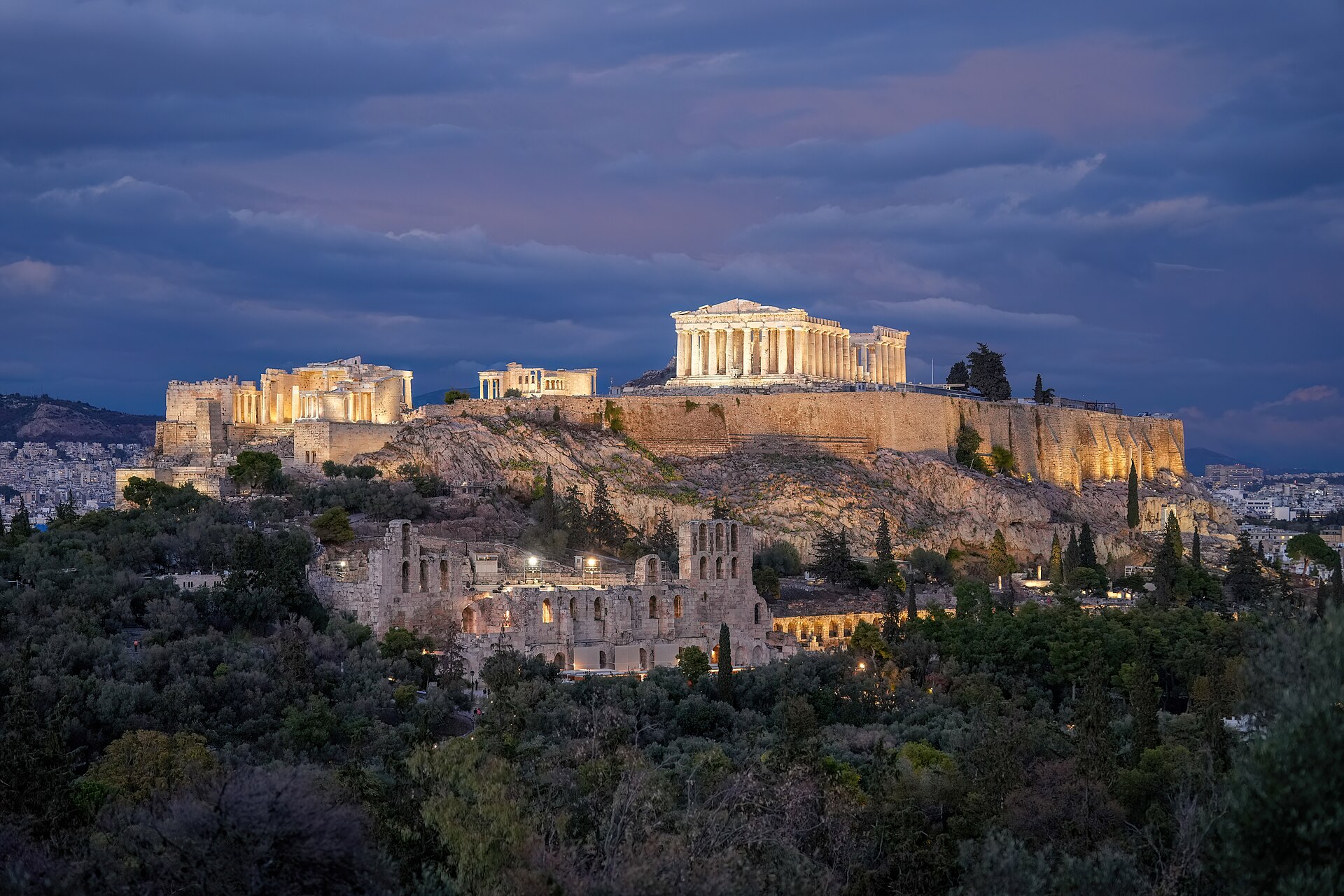
On the top floor, cleverly aligned parallel to the Parthenon itself, you can see the original friezes in natural daylight, which is genuinely awe-inspiring. The undisputed highlights of the collection, however, are the original Caryatids — the sculpted maidens who once held up the roof of the Erechtheion. Five of the original six are here; the sixth, sadly, remains in the British Museum in London. Admission is €15 in summer and €10 in winter.
💡 Local tip: If you want a view of the sacred hill without the crowds, head up to the museum’s rooftop café. You get a superb view of the Parthenon from up there — and you can visit without buying a ticket to the main galleries.
3. Plaka Athens — and the Restaurant Traps to Avoid
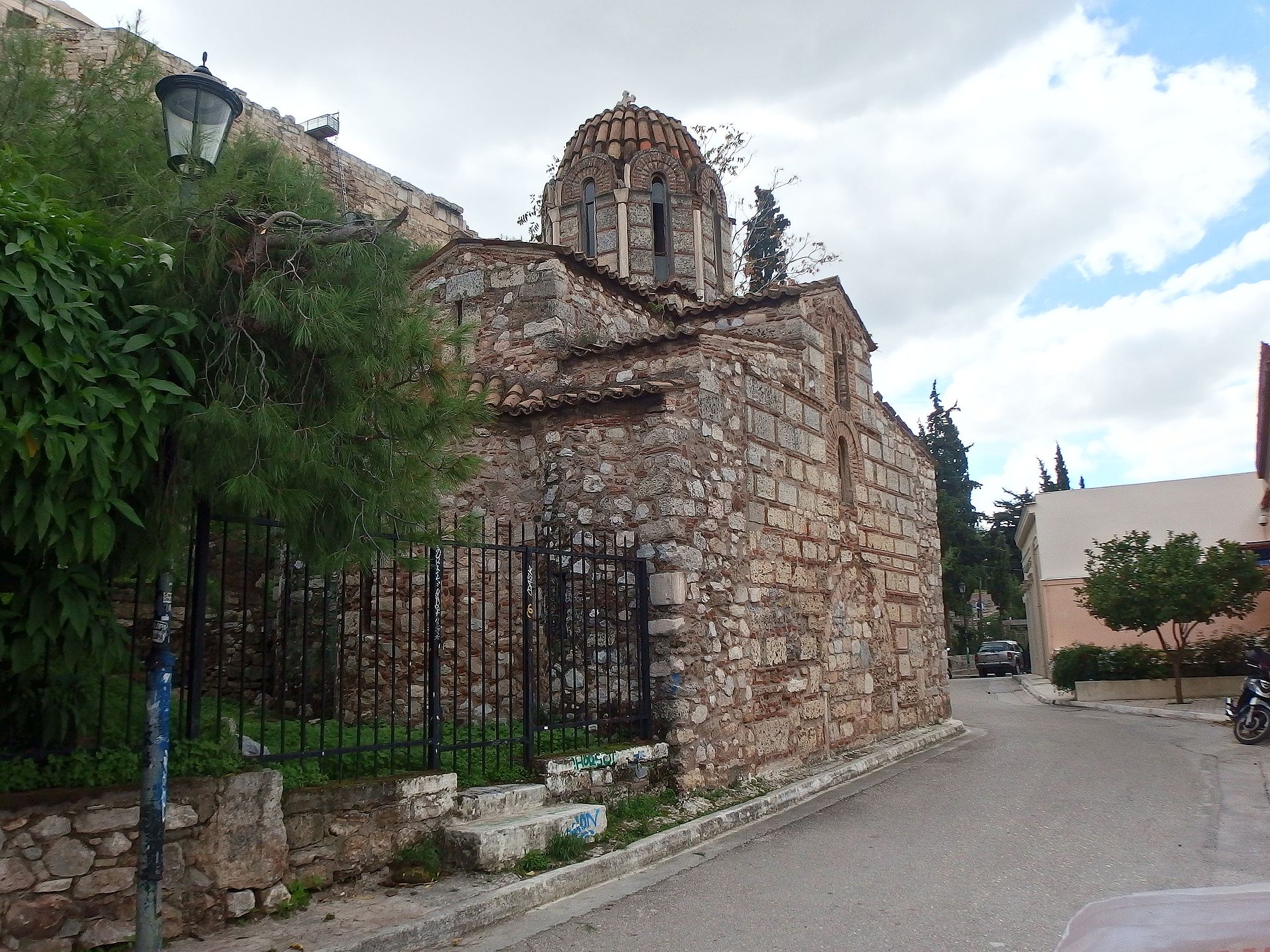
Plaka is the oldest and undeniably most photogenic neighbourhood in Athens, spreading across the slopes right at the foot of the sacred hill. Its narrow cobbled lanes, gorgeous neoclassical facades and cascades of pink bougainvillaea make it an irresistible backdrop for photos. It’s also a massive tourist magnet, which inevitably comes with some pitfalls you need to know about before you accidentally hand over more money than you intended.
Steer clear of any place where a tout is standing outside trying to hustle you through the door — genuinely good tavernas don’t need to do that. A very common trick is the so-called bread scam, where a waiter places a basket of bread and a bottle of water on your table without you ordering either, then adds up to €3 per person to the bill. Charging for unsolicited bread is actually illegal under Greek law (since 2013), so don’t be afraid to politely but firmly send the basket back. Always check that the restaurant has a menu with clear prices displayed outside before you sit down.
4. The Hidden Village of Anafiotika
Clinging to the northern slopes of the hill just above touristy Plaka is a tiny architectural miracle that most casual visitors never discover. In the nineteenth century, workers from the island of Anafi built their homes here in the traditional Cycladic style as a way of staying connected to their faraway home while they came to work on the construction of the royal palace in the capital.
What awaits you is dazzling whitewashed walls, vivid blue doors and narrow passages where two people can barely pass. Lazily sunbathing cats complete the perfect island atmosphere. In this pocket of the city, it’s astonishingly easy to forget you’re standing in the middle of a metropolis of four million people — it feels far more like Mykonos.
💡 Local tip: Come early in the morning for the best photos without the crowds. Please do remember to respect the privacy of the people who actually live here — the noise from the street is often right beneath their bedroom windows.
5. The Ancient Agora and Temple of Hephaestus
Once you’ve come down from the main hill, head towards this sprawling area at its base. This was once the political, commercial and social heart of the ancient city — the place where Socrates preached and the first democrats walked and debated. Today it’s a surprisingly green park full of fascinating ruins, where you can escape the busy streets and find shade under the trees.
The undisputed star of the site is the Temple of Hephaestus, which is one of the best-preserved ancient Greek temples in the entire country and is criminally underrated compared to the more famous Parthenon. Separate admission costs €10.
💡 Local tip: The old state combined ticket (which used to cover multiple sites for €30) was abolished by the Ministry in April 2025. If you want to see several sites in one go without queueing repeatedly, look for commercial combo packages on platforms like GetYourGuide, which will deliver e-tickets straight to your phone for multiple days ahead.
6. Monastiraki Square and the Flea Market
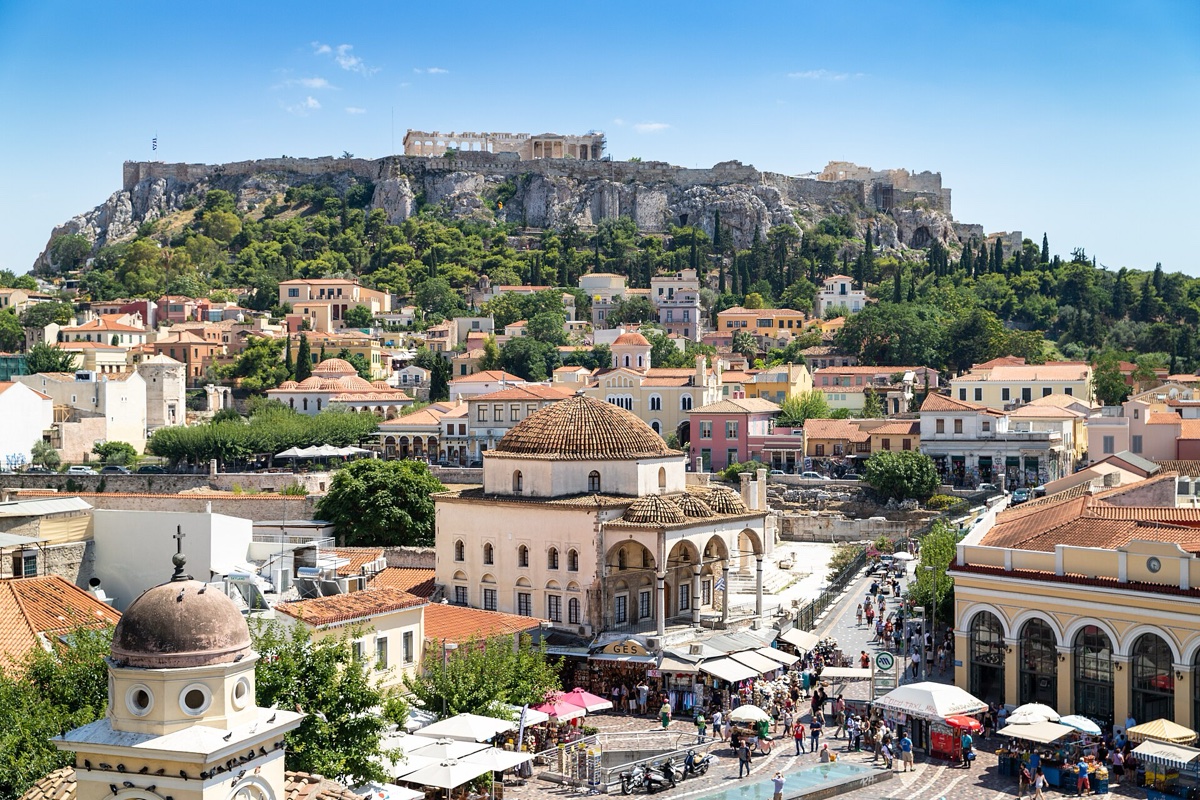
The beating heart of commerce and street bustle in Athens is right here. Monastiraki Square is the perfect spot to grab a seat and simply watch the incredible flow of humanity swirling around you. It also offers one of the finest views of the floodlit Acropolis in the city, particularly as dusk falls and the whole monument glows against the night sky.
The area is famous above all for its flea market, which runs mainly on Sunday mornings. You can find absolutely everything here, from old coins and leather sandals to the most wonderfully kitsch fridge magnets. In the surrounding streets — especially the famous Mitropoleos Street — you’ll find dozens of stalls where locals love to grab traditional street food. The smell of freshly baked pastries and fried snacks fills the air, so make sure you stop in at Krinos for loukoumades: honey-drenched doughnuts dusted with cinnamon that are absolutely addictive.
7. The Alternative Neighbourhood of Psyri
The neighbouring district of Psyri has undergone an enormous and fascinating transformation in recent years. What was once a run-down, rough-edged area of workshops and artisan trades has become a vibrant hub of alternative culture and nightlife where the local young crowd gravitates. Old workshops have made way for independent cafés and specialty coffee shops, and the walls of the buildings are covered in elaborate, colourful street art.
The place really comes alive in the evenings, and after 10 pm it changes beyond recognition. Streets fill with little outdoor tables, live music drifts out from every direction, and plates of mezedes arrive at the table. These are small portions of traditional sharing food, washed down generously with a carafe of house wine or a glass of fiery anise-flavoured ouzo. Don’t miss Pittaki Street, which is famous for its fairy-light decorations — a total Instagram hit and a wonderful backdrop for an evening stroll.
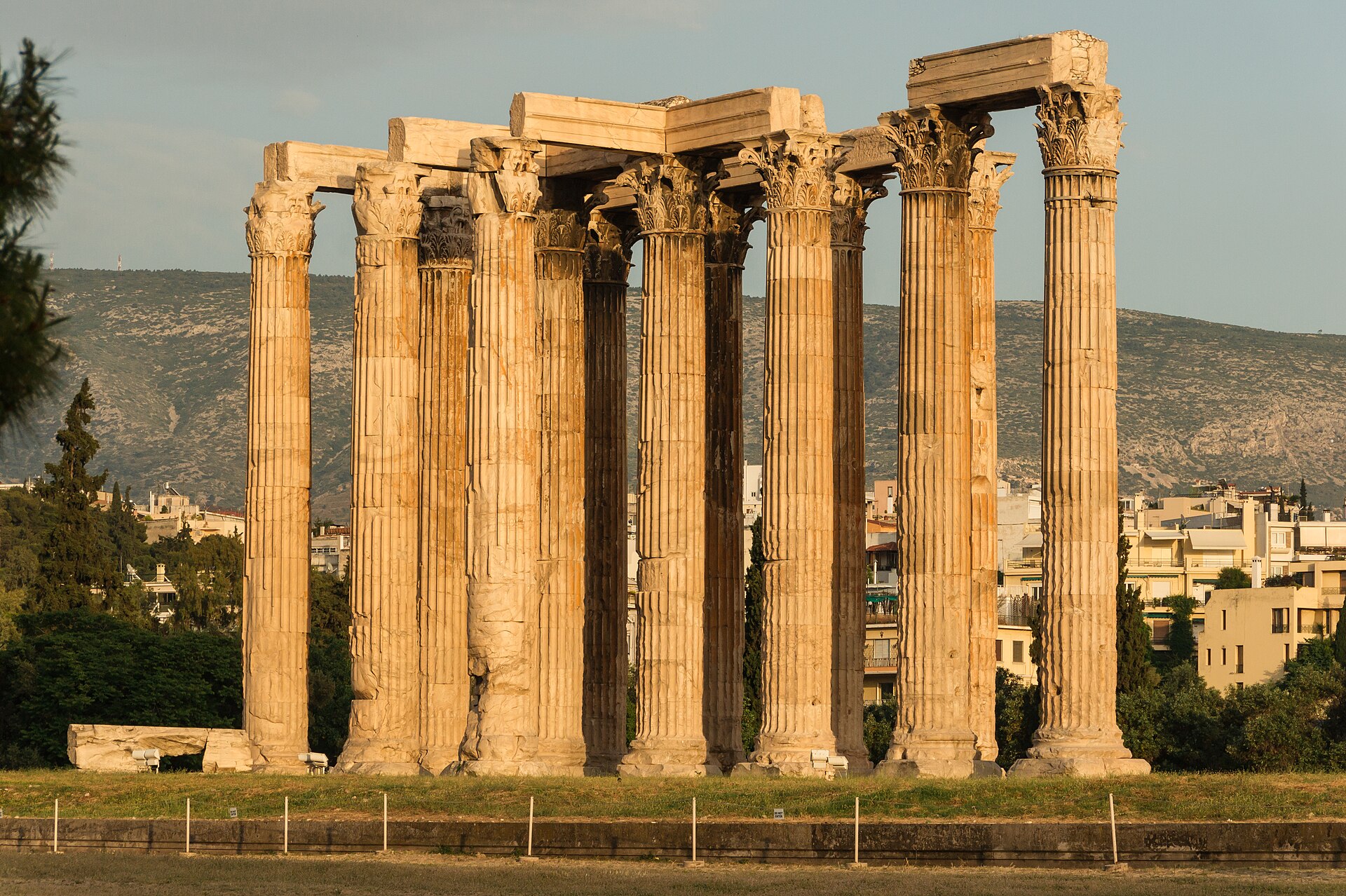
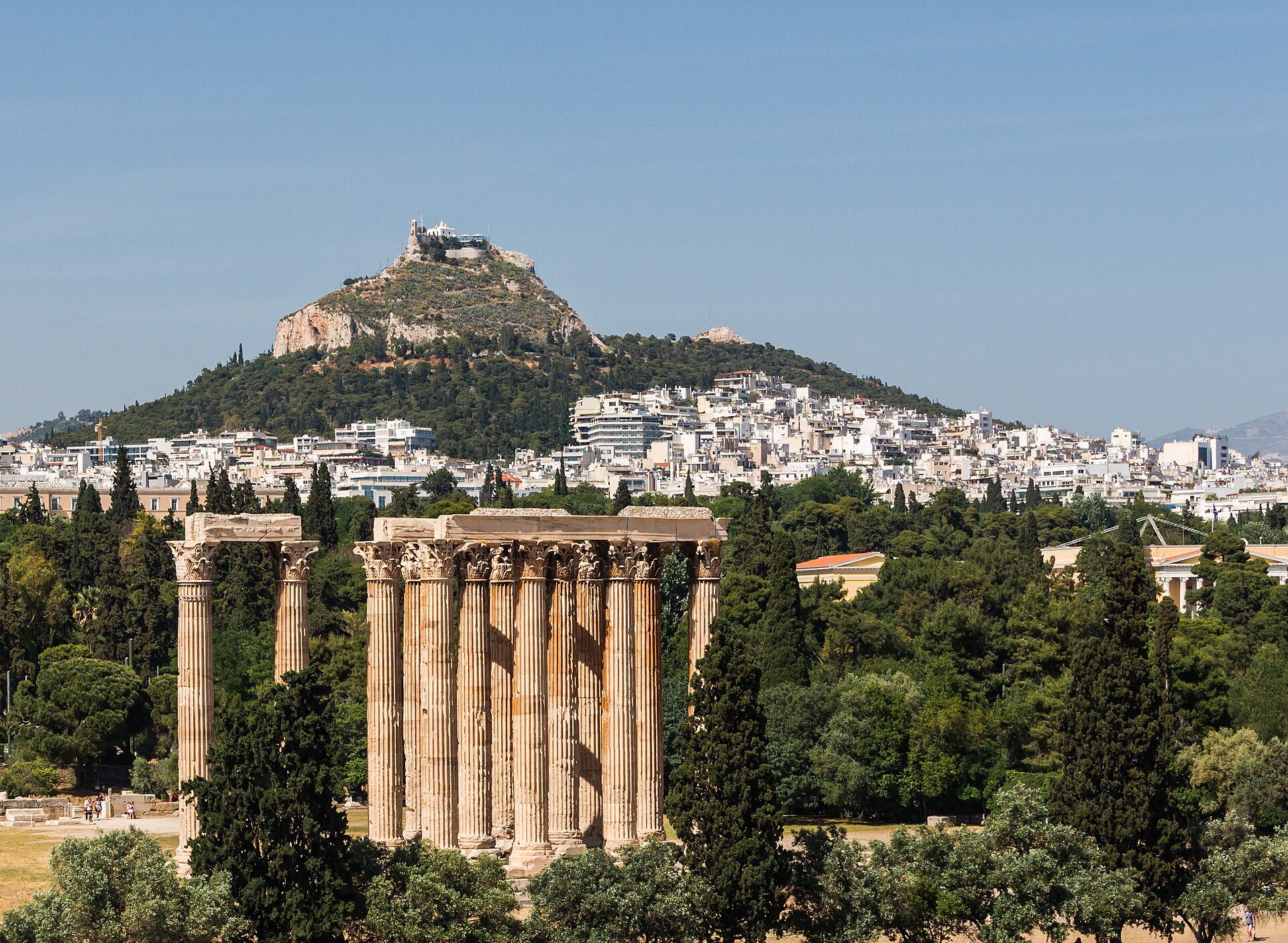
8. The Majestic Temple of Olympian Zeus
A short walk from the busy centre, you’ll come across the remains of what was meant to be the largest temple in the entire ancient world — and even today its scale is genuinely staggering. Construction of this colossus took an extraordinary seven centuries and was only completed by the Roman Emperor Hadrian. It’s a beautiful and relatively peaceful spot compared to the main tourist trail, making it a great place for some unhurried photographs.
Of the original 104 enormous Corinthian columns, only fifteen still stand — but that’s more than enough for them to radiate an absolutely extraordinary sense of monumentality and power. One column lies toppled on the ground after a severe storm in the nineteenth century, giving you a rare chance to examine its massive marble drums and intricate decorative details up close. Admission is €8, with a half-price discount available off season.
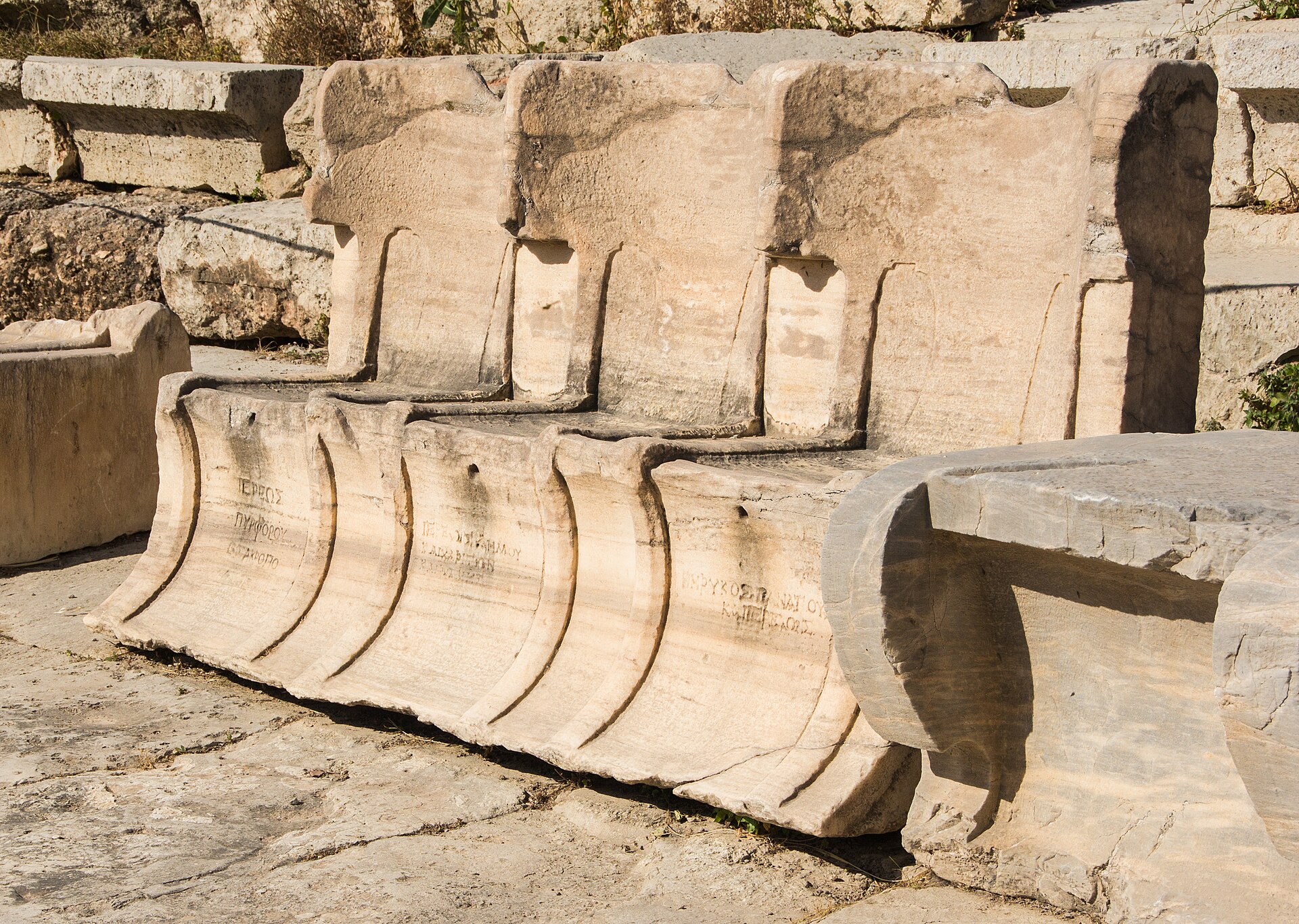
9. The Historic Theatre of Dionysus
As you descend the southern slope of the main hill, don’t miss this hugely significant site tucked right below the rock face. These stone seats are, quite literally, the birthplace of European drama and the place where the history of theatre as we know it began to be written. The plays of Aeschylus, Sophocles and Euripides all had their world premieres on this very stage.
The theatre once held an astonishing seventeen thousand spectators, and the beautiful marble thrones in the front row survive to this day — reserved in ancient times for the most important priests and senior dignitaries. Sit here for a moment, close your eyes, and you can almost hear the applause of the ancient Athenians. We recommend visiting either early in the morning or in the late afternoon, when the shadows cast across the stone create a truly magical atmosphere.
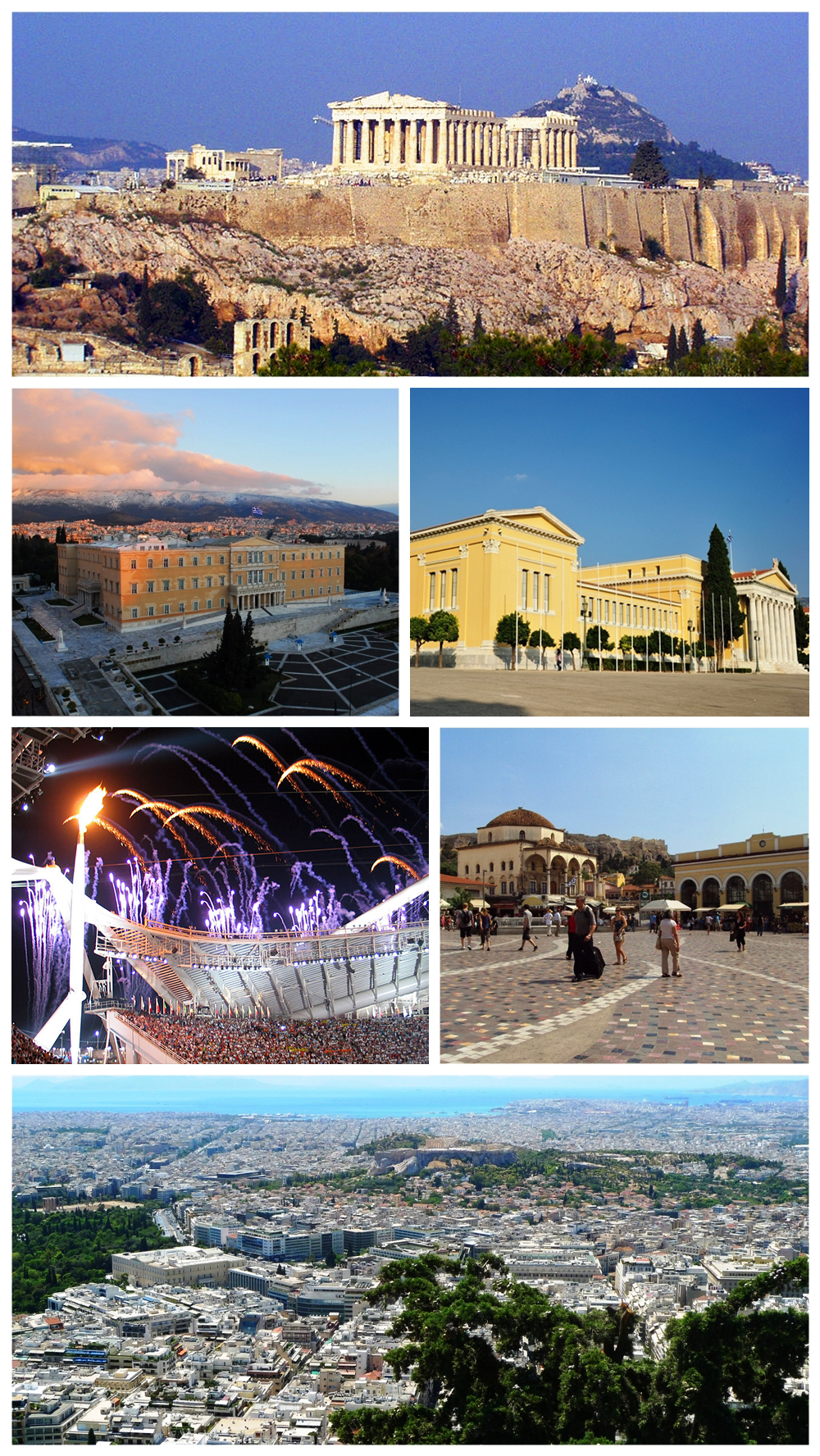

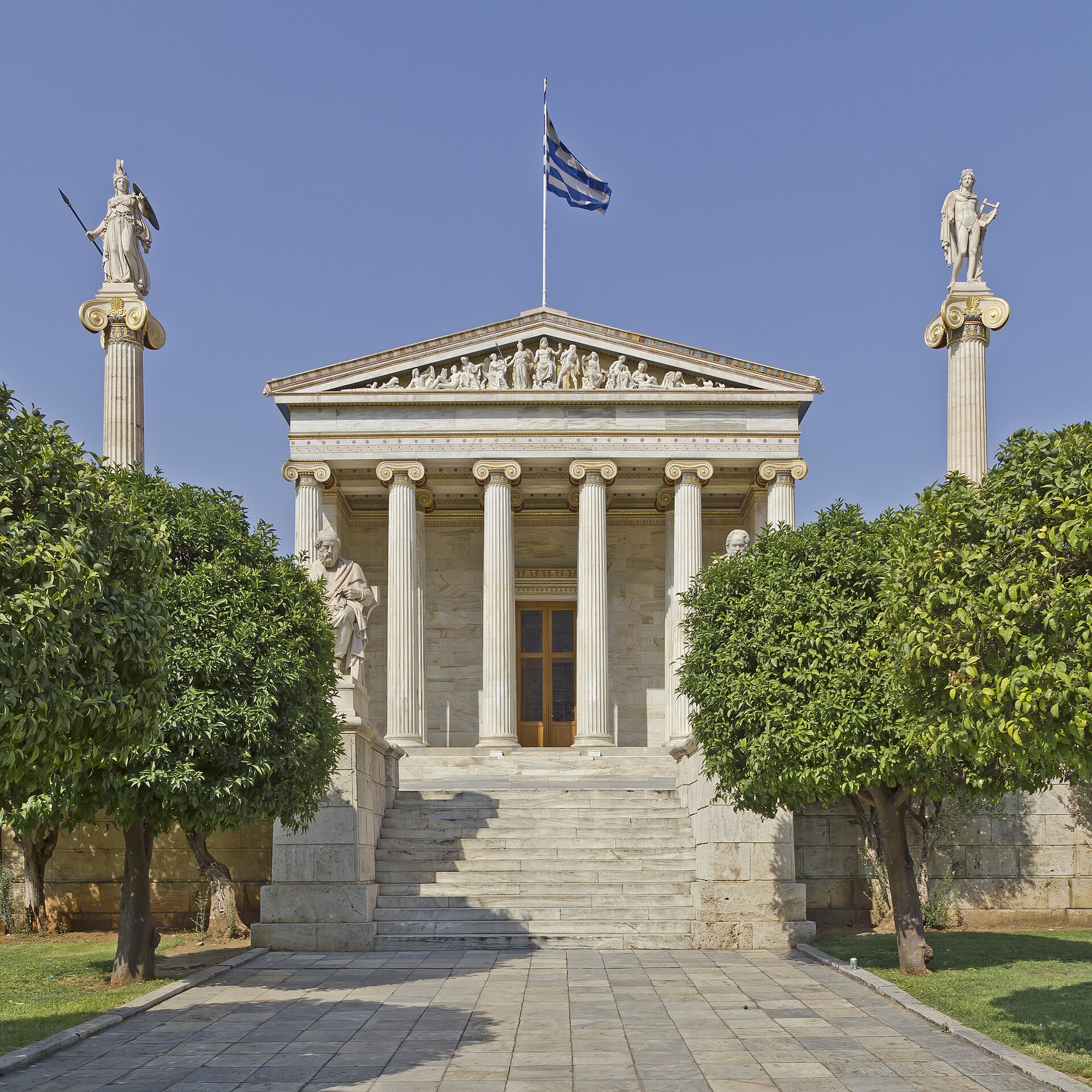
10. The National Archaeological Museum
Although the building is a bit further from the main historic centre, skipping it would be a serious mistake for anyone with even a passing interest in history. The grand neoclassical building may look a little old-fashioned from the outside, but inside it holds the greatest treasures ever discovered anywhere in Greece. Set aside at least two to three hours for your visit — the collection is enormous — and admission in summer is €12.
The undisputed centrepiece of the collection is the famous golden death mask that the German archaeologist Heinrich Schliemann famously — and mistakenly — believed belonged to the legendary Mycenaean king Agamemnon, when it actually dates several centuries earlier. You’ll also find the extraordinary Antikythera Mechanism, often described as the world’s first analogue computer.
💡 Local tip: The Ministry has approved a major renovation of the entire museum, which will see the building close for up to five years. Before you visit, always check the official website to confirm it’s still open to the public.
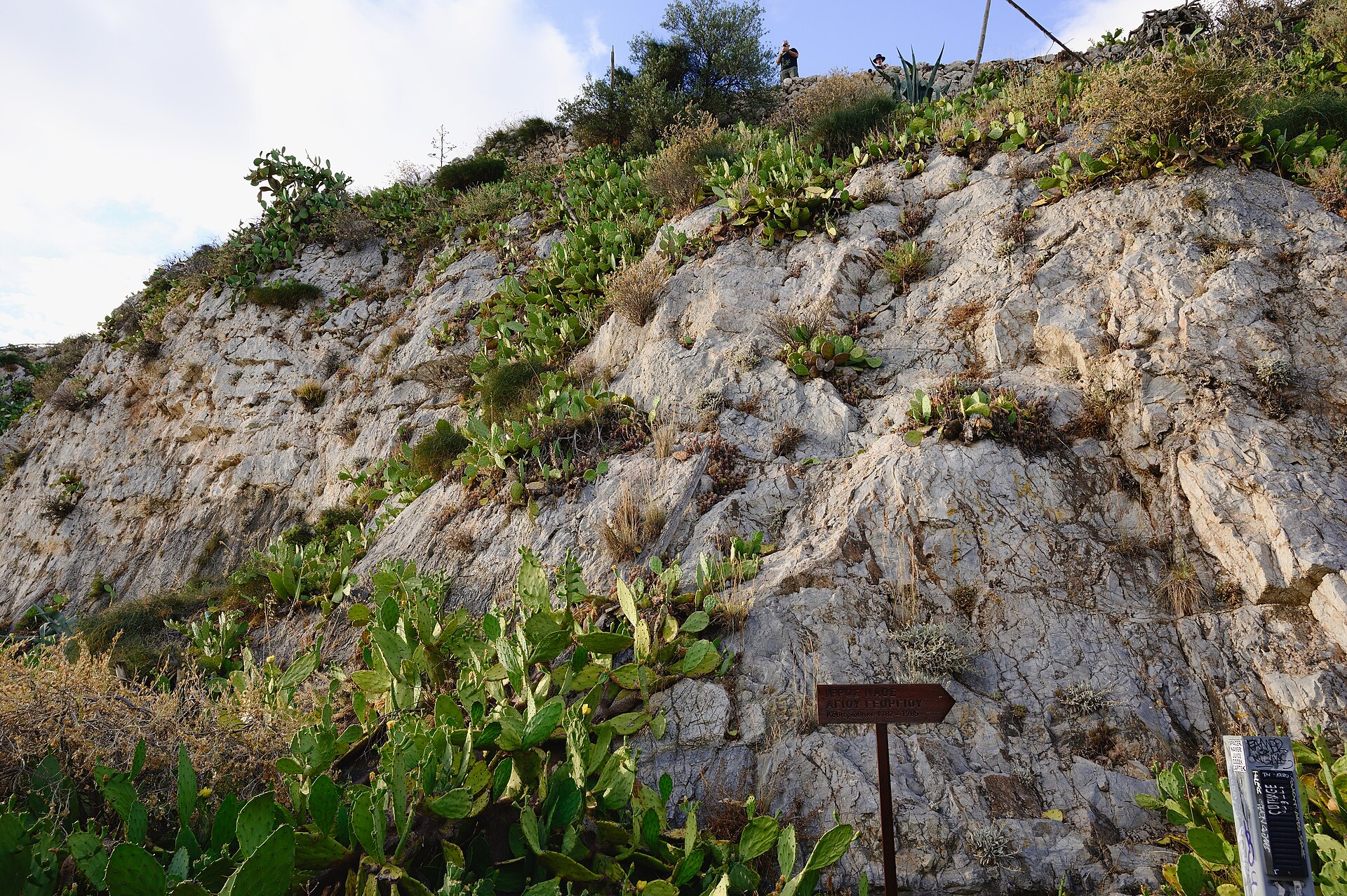
11. Views from Lycabettus Hill
For the very best panoramic view over the city, make your way to this prominent hill rising 277 metres above the rooftops. You can tackle the fairly steep walk up through a pine grove — which will definitely get you sweating — or save your energy and take the underground funicular for €7 one way. It runs roughly every half hour and whisks you to the top in just a few minutes.
At the top, a small whitewashed chapel of St George greets you, along with a view that is genuinely jaw-dropping. The panorama stretches across an endless sea of white buildings all the way to the port of Piraeus and the glittering Aegean. Sunset from up here is simply magical — just be prepared to share that idea with a fair number of other travellers.
💡 Local tip: If you don’t fancy paying for the funicular — which runs through a dark tunnel with no view anyway — order an Uber or a regular taxi. They’ll take you all the way up to the car park for around €5, which is definitely the best value if there are two or more of you.
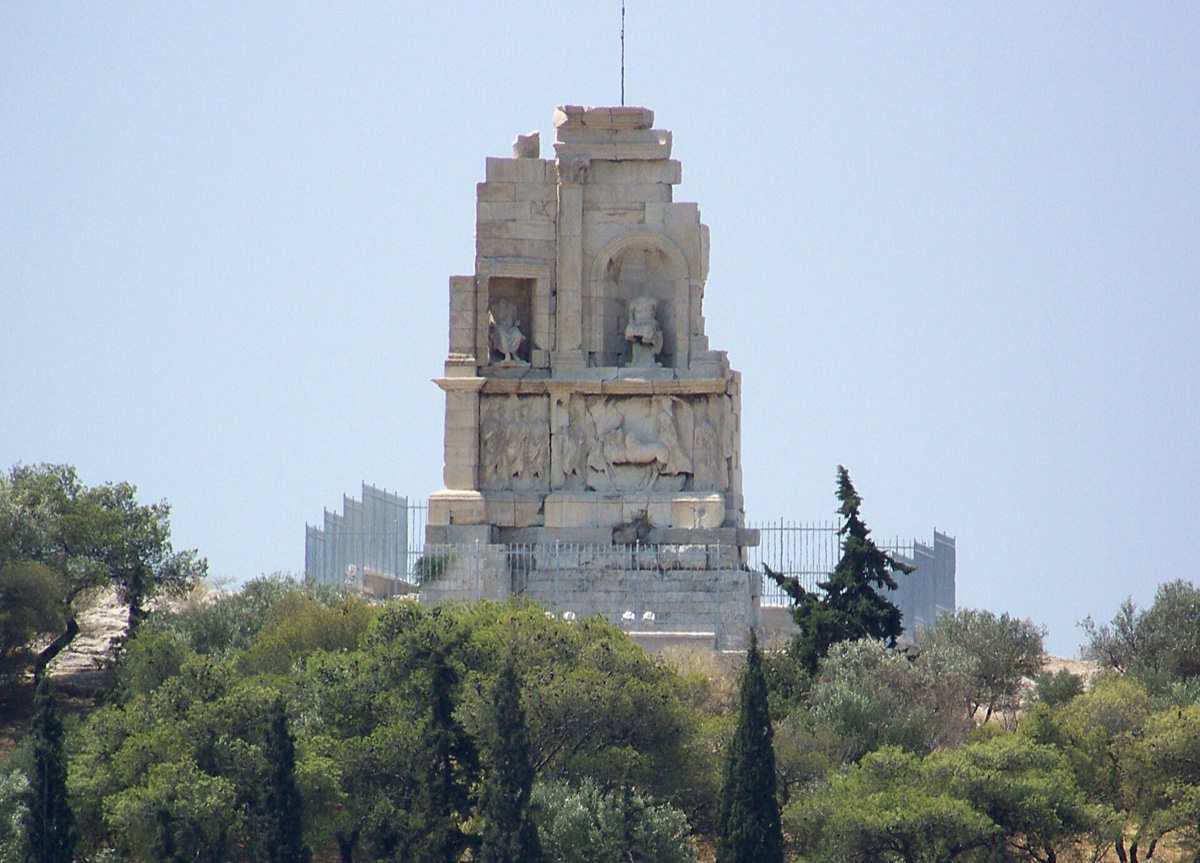
12. Free Views from Filopappos Hill
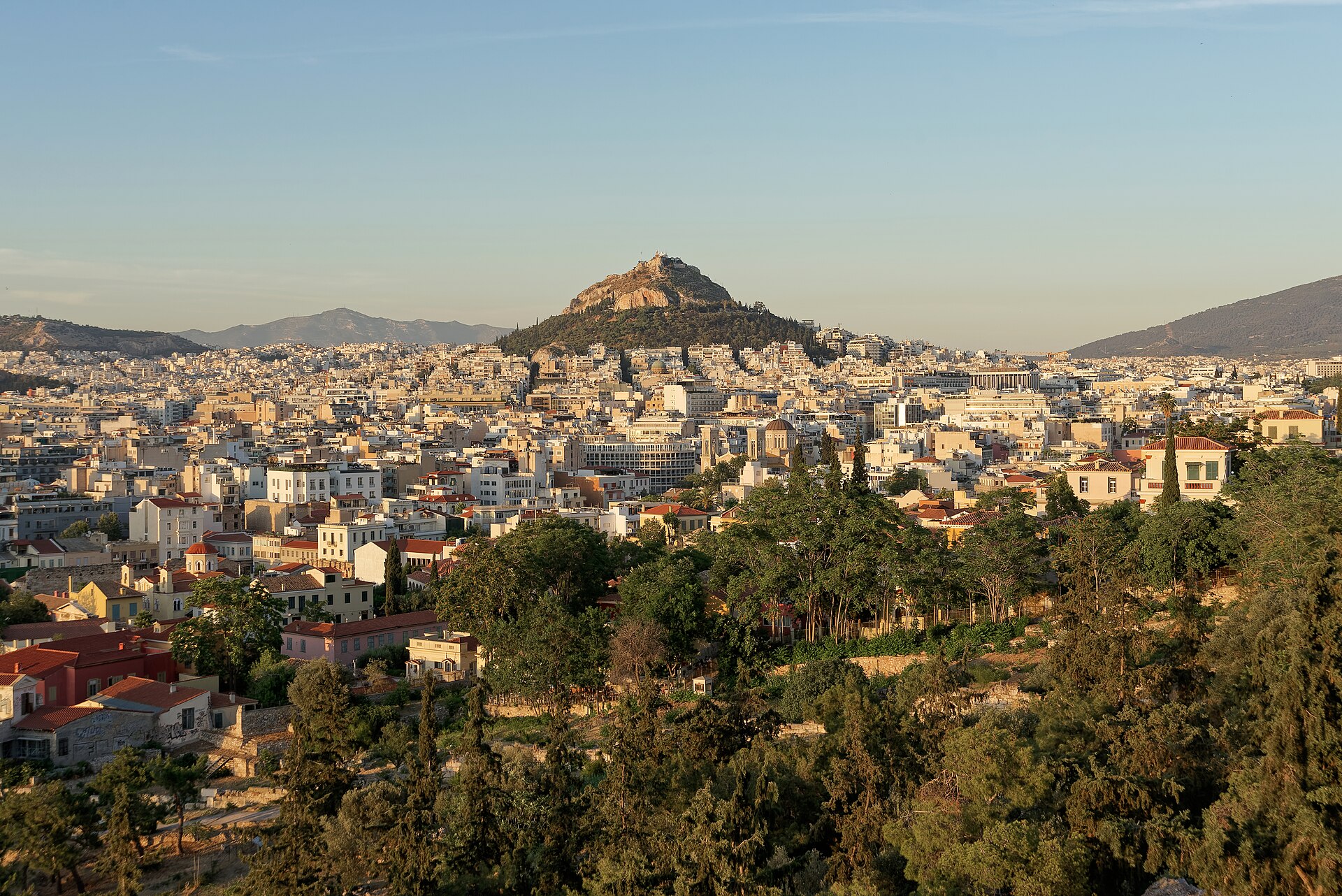
Looking for a quieter alternative with equally stunning views, minus the crowds? Head to this expansive public park. The hill sits at almost the same height as the Acropolis directly across the valley, giving you a completely unobstructed, face-on view of the Parthenon that really does look like you could reach out and touch it. Better still, entry is entirely free and the park is open around the clock.
At sunset, you can watch the ancient marble slowly change colour from gold to soft pink to deep amber — it’s one of those views that stays with you. The walk up to the monument at the very top takes a pleasant fifteen to twenty minutes along paved paths.
💡 Local tip: Wear sturdy shoes and bring plenty of water — there are no vendors or kiosks up top. Also make sure to head back down while it’s still light; the paths are poorly lit at night and it can feel a little uncomfortable after dark.
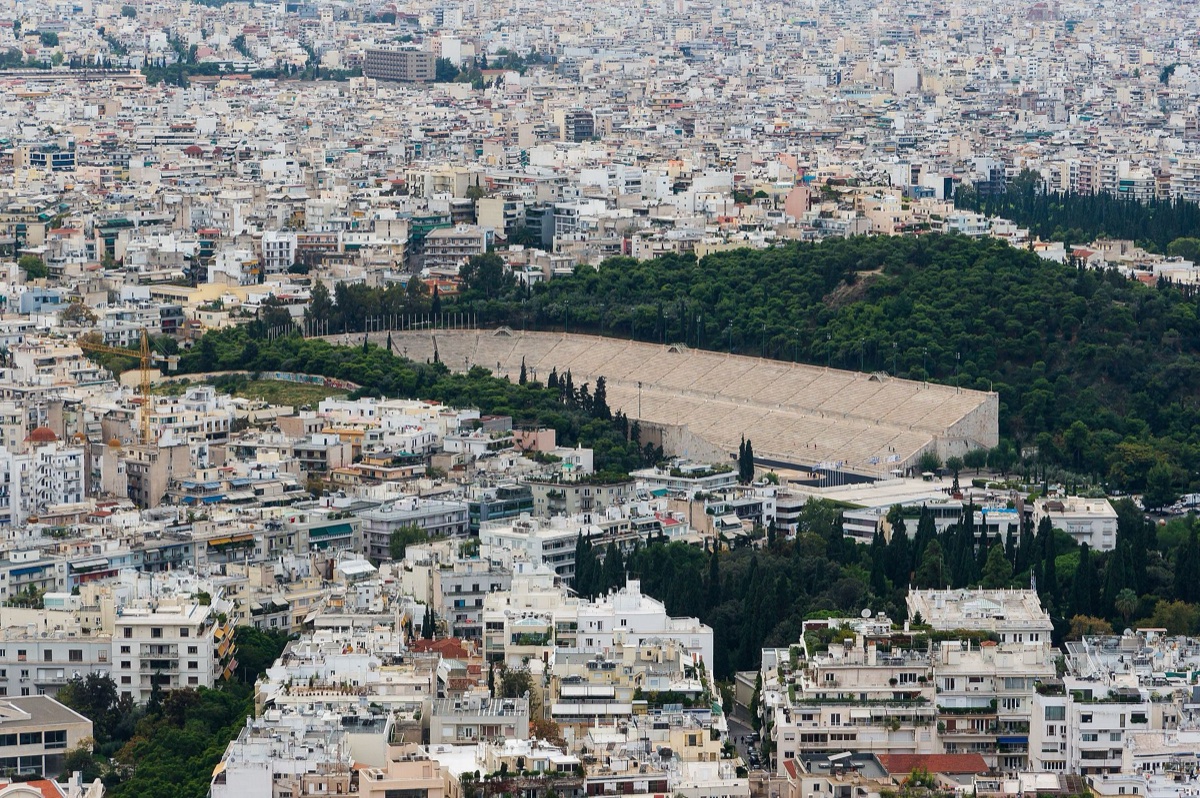
13. The Marble Panathenaic Stadium
This is a genuine world first, and the sight of it will make your jaw drop. It is the only full-size stadium on the planet built entirely from white marble, and on a sunny day it genuinely glows. Originally constructed for the ancient games, it was completely restored at the end of the nineteenth century to host the very first modern Olympic Games in 1896.
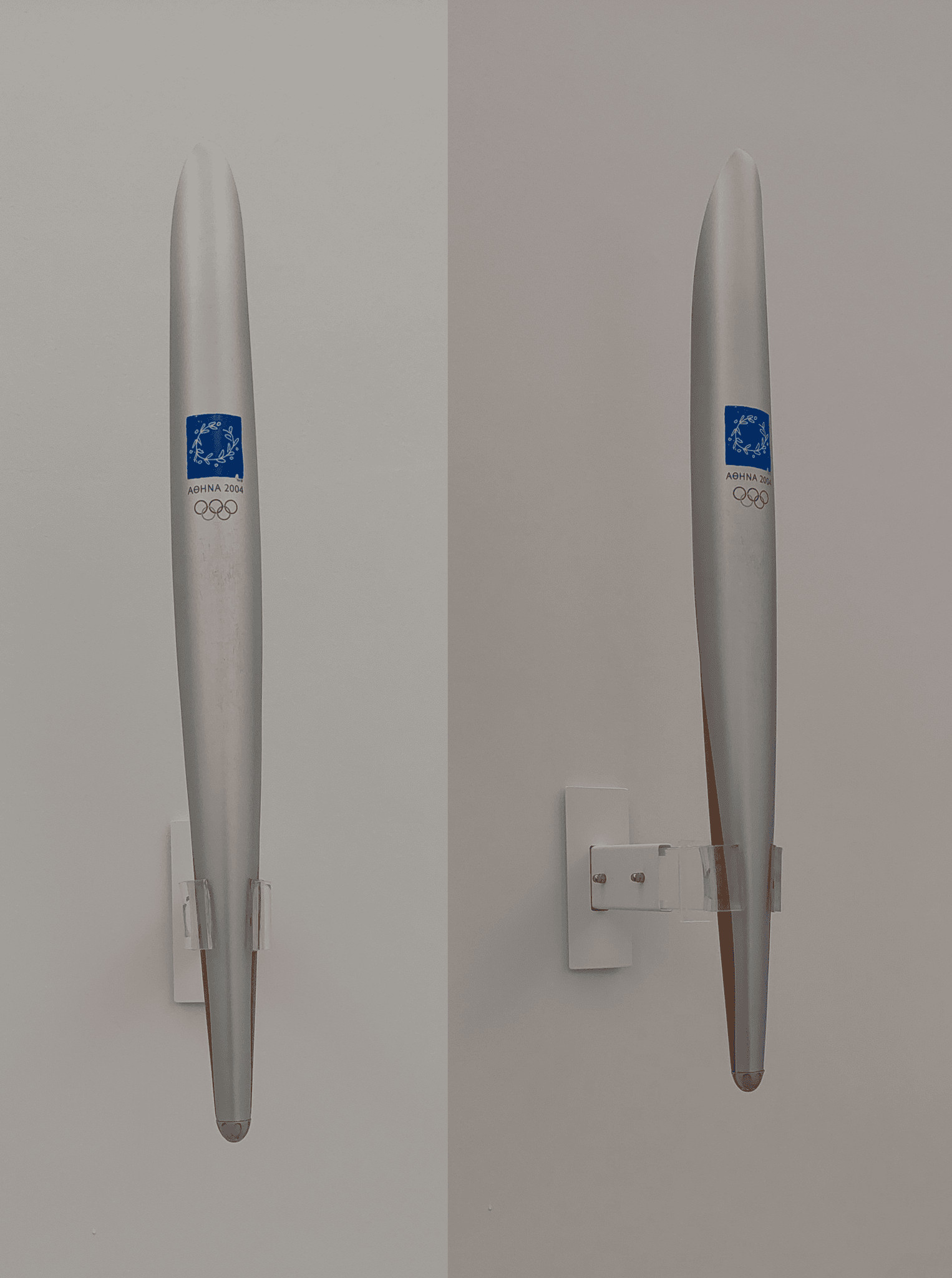
You’re free to jog along the same athletics track as those ancient champions, or climb the steep steps up to the highest marble terraces for a beautiful view over the whole arena and a slice of the city beyond. Inside the tunnels beneath the stands, you’ll also find a fascinating exhibition of all the Olympic torches from the modern era — a great experience even if you’re not a sports fan. Admission is €12, purchased on the day at the ticket desk; queues are generally short.
14. Syntagma Square and the Changing of the Guard
The central square functions as the main transport and political hub of the entire Greek capital. Here you’ll find the majestic Greek Parliament building and, directly in front of it, the Tomb of the Unknown Soldier. The main attraction, though, is the traditional changing of the presidential guard — the Evzones — which takes place with clockwork precision every hour on the hour.
The soldiers wear highly distinctive historical uniforms featuring hand-stitched kilts and heavy wooden clogs with large pom-poms, and the full outfit weighs an impressive twenty kilograms. The grandest and most ceremonial changing of the guard takes place every Sunday at 11 am, accompanied by a military band. Right next to parliament, you can also escape the urban buzz entirely by ducking into the beautiful and free National Garden, where you can rest in the shade of subtropical trees and spot tortoises basking beside the ponds.
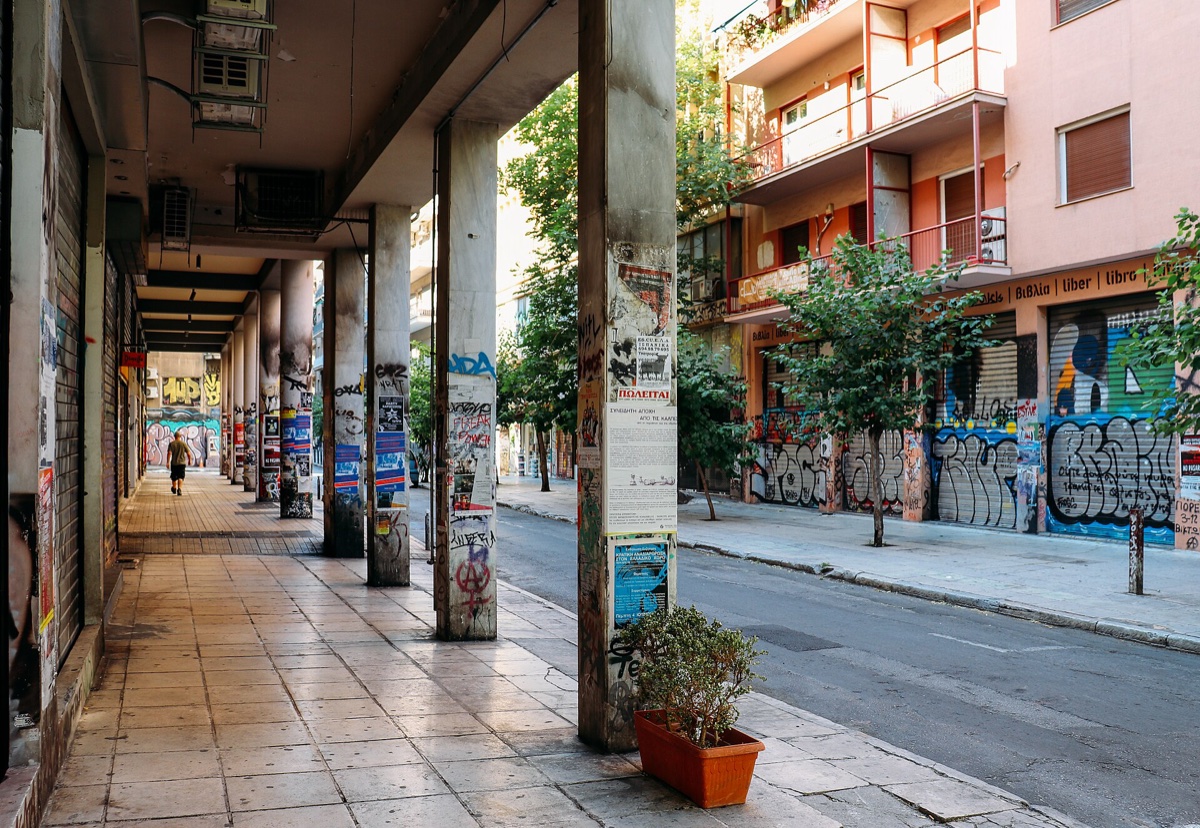
15. Where the Locals Live: Koukaki and Exarchia
More interested in everyday Athenian life than ticking off ancient monuments? Head south of the centre to the beloved neighbourhood of Koukaki. Don’t expect famous ruins here — instead you’ll find tree-lined pedestrian streets, brilliant bakeries and celebrated coffee shops along Drakou Street. This is where you’ll see Athenians doing what they do best: nursing a single iced freddo espresso for a good three hours while having an animated conversation with whoever happens to be around.
At the other end of the social spectrum sits Exarchia — traditionally the stronghold of students, artists and the occasional fierce anarchist. The walls are covered in political slogans and you’ll find the best independent bookshops and underground music scene in the city. If you visit on a Sunday, don’t miss the famous farmers’ market on Kallidromiou Street, where you can pick up excellent olives and fresh-pressed juices. Exarchia won’t be everyone’s cup of tea, but it has a raw and completely unfiltered energy that’s unlike anywhere else in Athens.
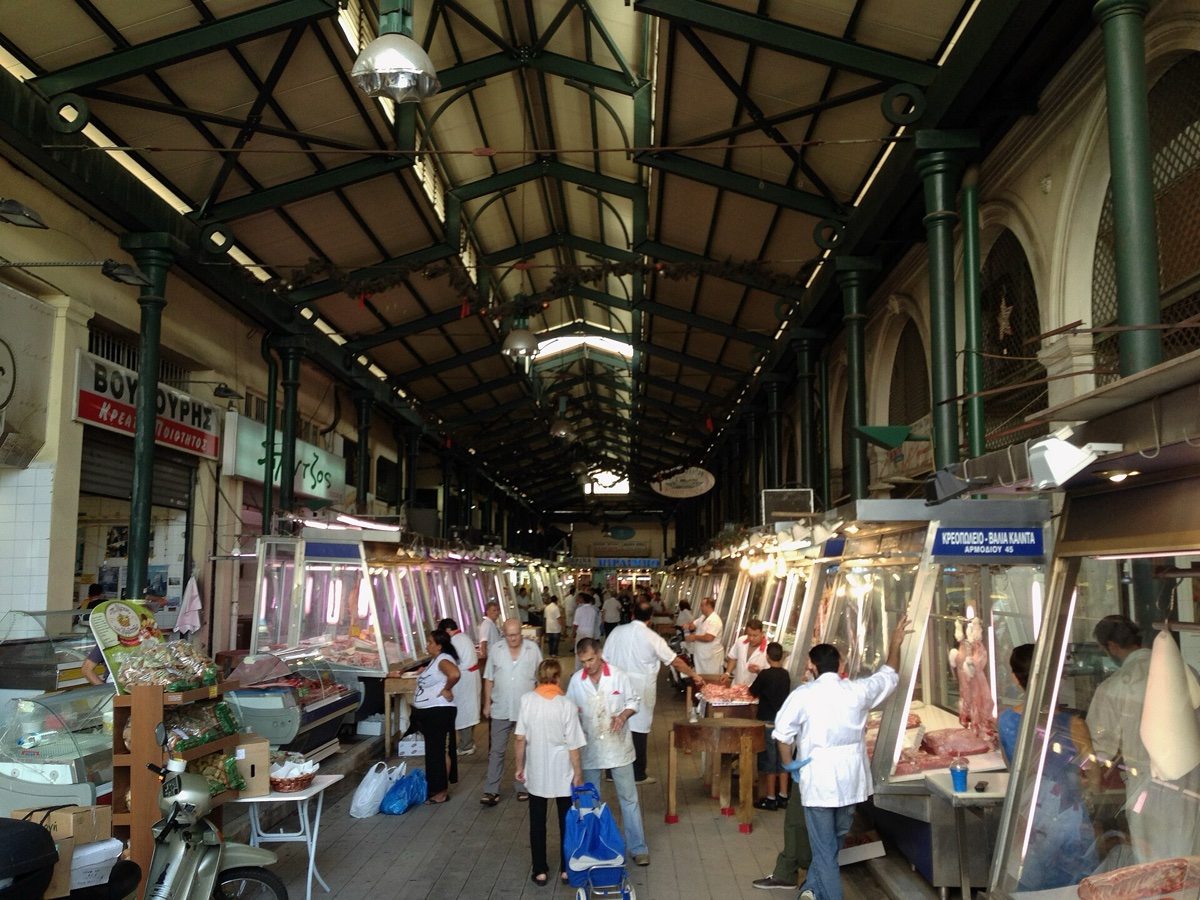
16. Koulouri Street Food and the Varvakios Market
Street food in this city deserves a chapter all of its own — Athenians absolutely love eating on the move. Every morning, on seemingly every corner, you’ll spot glass-fronted carts selling koulouri: a simple ring of dough generously coated in sesame seeds. Crispy on the outside, soft in the middle, and costing around fifty pence, it’s the perfect start to the day alongside a morning coffee.
For a proper culinary adventure, head to the Varvakios central market. The best and loudest atmosphere is between 8 and 11 am, when vendors are loudly calling out the prices of fresh cheeses, olives and fragrant spices. Around the market you’ll also find plenty of small, cheap bistros where locals actually eat. Close to nearby Omonia Square, you’ll find the legendary dairy bar Stani, where you can get an extraordinary Greek yogurt with walnuts and honey — a recipe they’ve been perfecting for over eighty years.
17. Where to Eat (A Vegetarian’s Paradise)
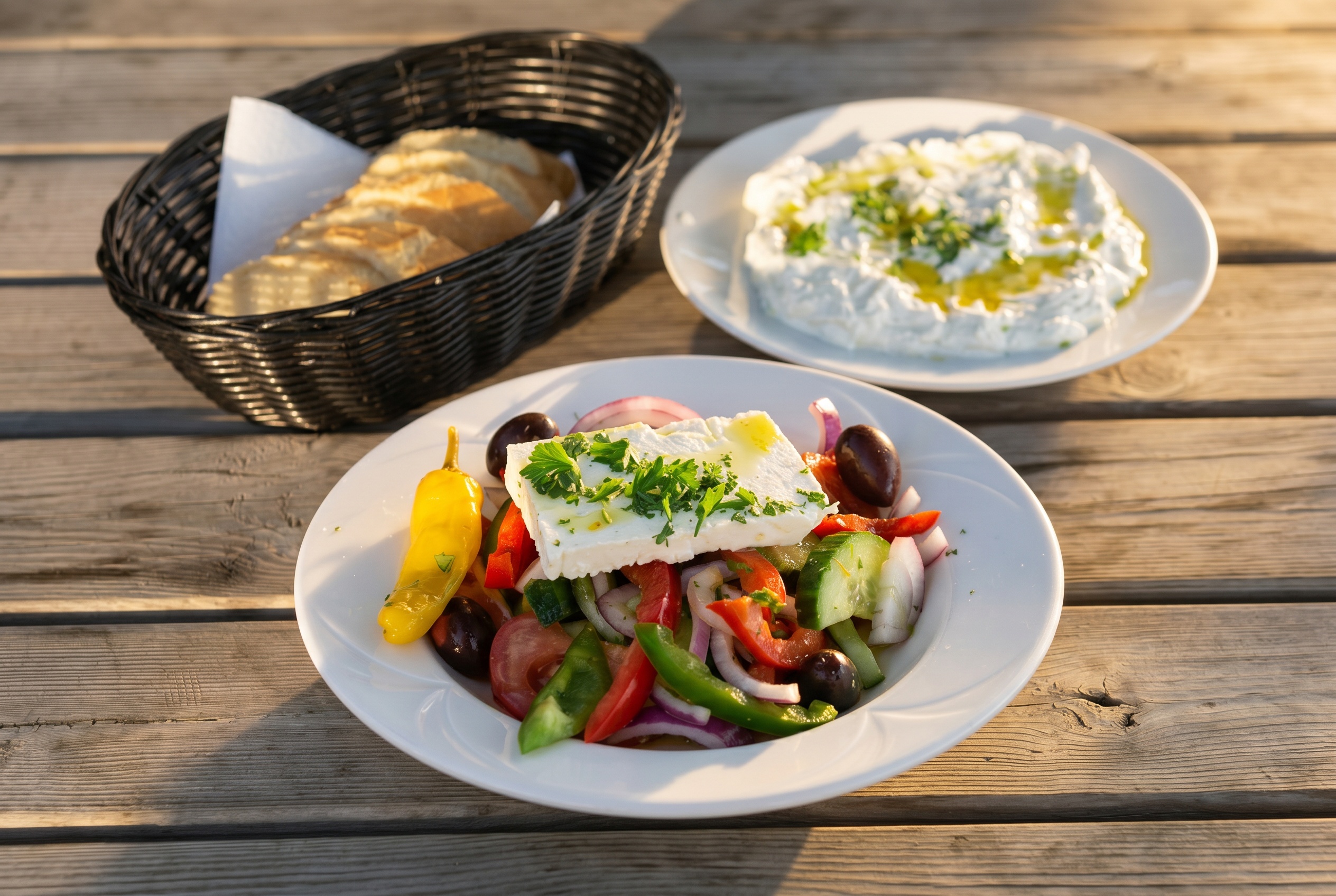
Greek cuisine is remarkably vegetarian-friendly, and you absolutely won’t go hungry. We can wholeheartedly recommend the excellent restaurant Avocado, one of the pioneers of meat-free dining in the city, located just a short walk from Syntagma Square. If you fancy modern healthy street food, try Mama Tierra, where they make outstanding veggie wraps and falafel.
In Koukaki, we love popping into the popular restaurant Peas, which focuses on fresh salads and wholesome bowls. In any standard local taverna, you can always order a classic Greek salad, dolmades (vine leaves stuffed with rice), saganaki cheese or a delicious fava bean dip with complete confidence. While you watch the locals on Mitropoleos Street tucking into gyros and souvlaki, treat yourself to a spanakopita — a traditional pastry filled with spinach and feta that is genuinely divine.
18. Rooftop Bars with a View
An evening drink with a view of the floodlit Acropolis is one of the absolute highlights of any trip to Athens. The most famous and most photographed option is the A for Athens bar right on Monastiraki Square. The view from there is genuinely iconic, but be prepared for cocktails priced around €15 and a bit of a scramble for a spot by the railing.
If you want something a bit more authentic, seek out a discreet side entrance and take an old lift up to the spacious Couleur Locale bar. Prices are friendlier, the vibe is more relaxed, and you’ll hear far more Greek being spoken than English. A drink here will set you back a very reasonable €8–12, and the view over the city at night is fantastic. Another great, more laid-back option is the Retirè bar on the roof of the Ergon House hotel, with comfortable sun loungers and beautiful fairy lights strung overhead.
19. Open-Air Summer Cinemas
Watching films under a starry sky is a much-loved summer tradition for Athenians, and it’s one you simply shouldn’t miss. These outdoor cinemas operate from roughly May to the end of September, offering an atmosphere that’s genuinely romantic and one-of-a-kind. The most famous is the historic Cine Thision, which has been running continuously since 1935 and oozes old-world charm.
As a bonus, beyond the screen you have a completely unobstructed view of the majestically lit Acropolis, looming large just behind it. The programme includes both classic films and the latest Hollywood releases, all shown in the original language with Greek subtitles — so no unwanted dubbing to worry about. During the screening, you can grab a cold beer or a traditional cheese pie from a small hatch and settle in for a perfect warm Athenian evening. Another lovely option is the recently renovated Cine Paris, right in the heart of Plaka.
20. The Athens Riviera and Lake Vouliagmeni
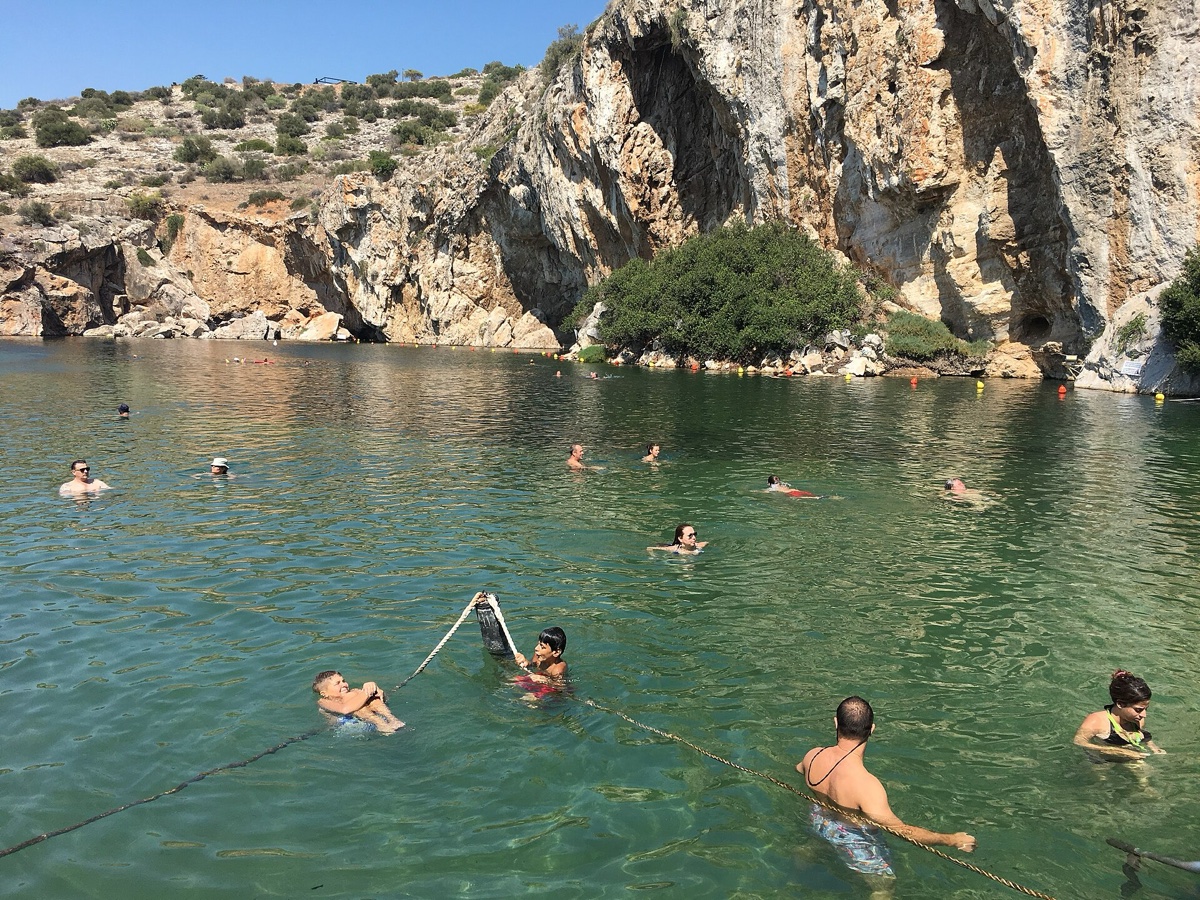
Not many people realise just how close you are to brilliant swimming from the sweltering city centre. The so-called Athens Riviera stretches directly south of the city and is easily reached by public transport — trams 5 or 6 run directly from Syntagma Square. An absolutely unmissable highlight is the unique Lake Vouliagmeni, a natural thermal lake nestled inside a sunken limestone cave surrounded by dramatic cliffs.
The water is fed by underground thermal springs and the nearby sea, maintaining a very pleasant temperature of around 24 °C all year round — meaning a dip is perfectly enjoyable even in January. As an added bonus, tiny Garra rufa fish give you a complimentary natural pedicure, gently nibbling away at your feet. Entry to the complex costs around €19 and includes well-maintained facilities, comfortable sun loungers and a restaurant for a full day of relaxation.
21. Day Trips from Athens: Sounion and the Islands
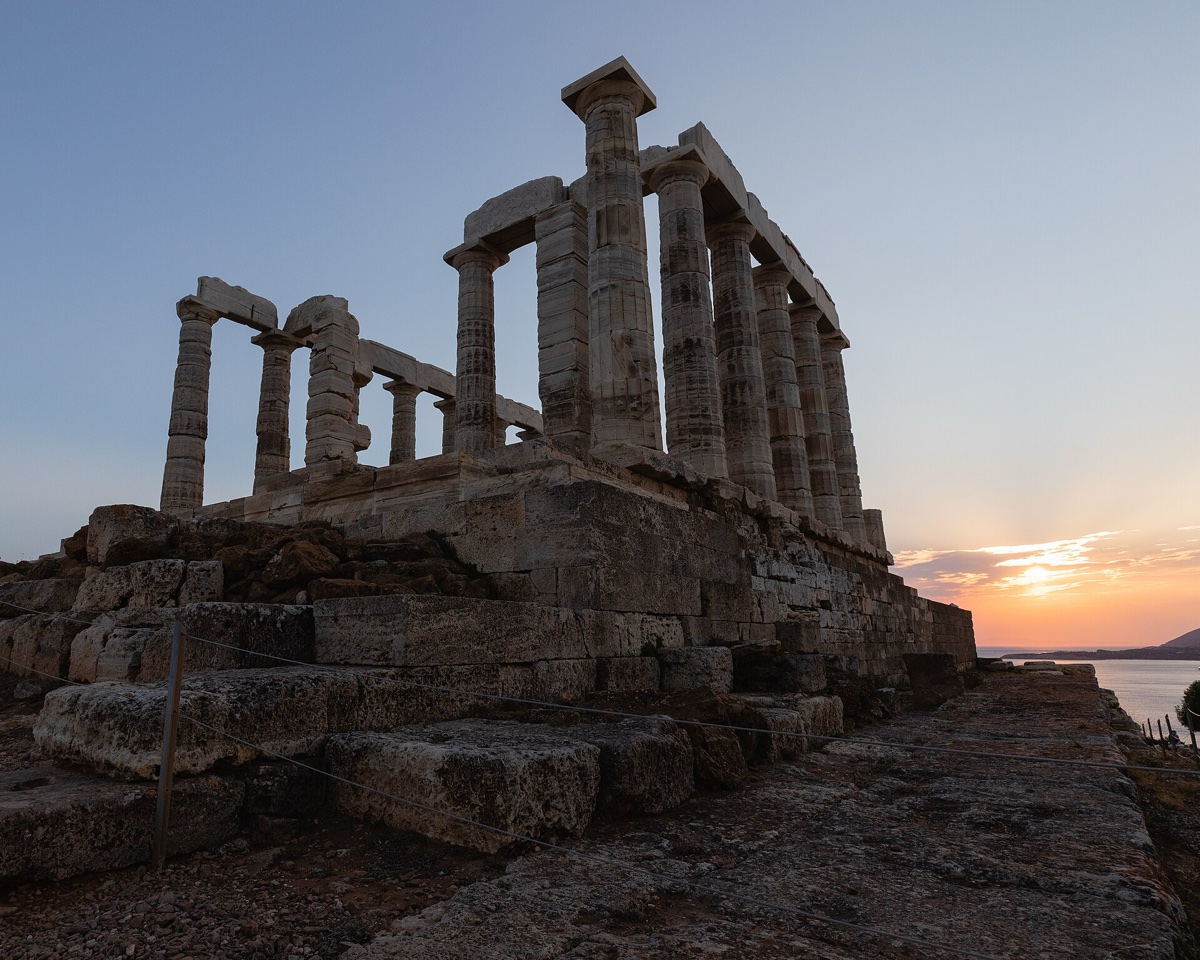
Athens is an ideal base for brilliant day trips into the surrounding area. If you hire a car or book an organised tour, head for Cape Sounion, where a stunning Temple of Poseidon perches dramatically on a sheer cliff above the sea — about an hour and a half’s drive from the city centre. We recommend arriving roughly an hour before sunset, because the sight of the sun dropping through the columns into the sea is genuinely unforgettable. 💡 Local tip: To avoid the really enormous crowds that gather at sunset, set your alarm and come for sunrise instead — you’ll practically have the whole place to yourself.
Thanks to excellent ferry connections from the nearby port of Piraeus, a quick day trip to the Saronic Islands is also very tempting. A particularly wonderful choice is Hydra, where a strict ban on all motor vehicles is in force. Time moves at a completely different pace here, and the alleyways full of donkeys will win you over immediately. For something more historically focused, you can also take a bus to the famous ancient oracle site at Delphi in the mountains, about three hours away.
Map of points of interest for your phone
Where to Go Next from Athens
Once you’ve explored the monuments and soaked up the city’s energy to your heart’s content, Greece offers endless options for your next stop. If you’re dreaming of crystal-clear water and white sandy beaches, have a read of our guide to Where to Go on Holiday in Greece, packed with practical tips.
For lovers of island life, we’ve put together an overview of the Most Beautiful Greek Islands. From Athens you can seamlessly fly on to the world-famous volcanic caldera, which we cover in our article on a Santorini Holiday. If you prefer variety and mountains, explore our tips on a Crete Holiday. Athens airport connects you cheaply to many other great destinations too, whether you fancy the vibrant nightlife of Mykonos or the historic streets of Thessaloniki. And before you leave home, make sure you check our packing list article on What to Pack for a Holiday in Greece.
Frequently Asked Questions
What are the must-see attractions in Athens?
Beyond the iconic Parthenon, don’t miss the modern Acropolis Museum with its glass floors where you can see the original famous sculptures. Stop by the ancient Temple of Hephaestus in the Ancient Agora and soak up the atmosphere at the Sunday flea market in Monastiraki. For great views, hike up Lycabettus Hill or head to Filopappou Hill for free.
When is the best time to visit Athens?
You’ll experience the most pleasant weather during the spring months from April to mid-June and in autumn during September and October, when temperatures drop to a comfortable 20 to 25 degrees Celsius. In summer, the city experiences extreme heat waves and historical sites often have to close around midday for safety reasons.
What should I watch out for in Athens?
Your biggest enemy will be skilled pickpockets, especially on the blue metro line number 3 from the airport, where a ticket costs 9 euros. In tourist restaurants in the Plaka district, watch out for unrequested bread on the table that they’ll charge you for, and with taxis, insist they turn on the meter, or better yet, use more reliable apps like Uber or FreeNow.
Where can I go on a day trip from Athens?
The most popular option is an afternoon trip to the Temple of Poseidon at Cape Sounion, where you can experience a beautiful sunset. From Piraeus port, you can take a fast ferry to the stunning car-free island of Hydra in an hour and a half, or you can head by bus to explore the historical oracle at Delphi.
How much does admission to the Acropolis cost?
A ticket costs 30 euros for adults year-round, and the previous winter discounts were permanently eliminated in 2026. Don’t forget that you must purchase your ticket online several days in advance and select a specific time slot. The state combined ticket for multiple sites has also been completely discontinued.
How many days do I need for sightseeing?
Two to three full days will be more than enough to cover the main historical sites, museums, and soak up the atmosphere in the narrow streets of Plaka. If you’re planning to head to the sea at the Athens Riviera or take a full-day trip to nearby islands, add another two days.
Can you swim in the sea in Athens?
Yes, just south of the city stretches the so-called Athens Riviera, which you can easily reach by public transport from Syntagma. You’ll find organized beaches in the Glyfada or Alimos neighborhoods, and a huge draw is Lake Vouliagmeni, a thermal lake with year-round warm water around 24 degrees Celsius.
What animal was the symbol of Athens?
The main symbol of the city and the beloved goddess of wisdom has been the owl since ancient times, specifically the little owl. You can still find its image on many preserved ancient coins, traditional souvenirs, and it’s even featured on modern Greek euro coins in the one euro denomination.
Tips and Tricks for Your Vacation
Don’t Overpay for Flights
Search for flights on Kayak. It’s our favorite search engine because it scans the websites of all airlines and always finds the cheapest connection.
Book Your Accommodation Smartly
The best experiences we’ve had when looking for accommodation (from Alaska to Morocco) are with Booking.com, where hotels, apartments, and entire houses are usually the cheapest and most widely available.
 🚗 Car rental on the roadVerified rental cars in Greece
Search with the DiscoverCars comparison engine — it compares prices from dozens of local and international rental companies, and most bookings come with free cancellation.
Compare car prices in Greece →Don’t Forget Travel Insurance
Good travel insurance will protect you against illness, accidents, theft, or flight cancellations. We’ve had a few hospital visits abroad, so we know how important it is to have proper insurance arranged.
Where we insure ourselves: SafetyWing (simple monthly subscription) and TrueTraveller (for extra-long trips).
Find the Best Experiences
Get Your Guide is a huge online marketplace where you can book guided walks, trips, skip-the-line tickets, tours, and much more. We always find some extra fun there!