When you watch the phenomenon that is Game of Thrones and marvel at that sweeping arrival into King’s Landing, your brain naturally reads it as one continuous city. In reality, though, you’re looking at a flawless digital jigsaw that exists only thanks to movie magic. The famous gate stands in one country, the winding alleyways were shot a few kilometres away, and those gorgeous sun-drenched gardens are in an entirely different country altogether.
Westeros simply doesn’t exist on a single map, as much as many fans might wish it did. The filmmakers built this epic world by stitching together the most stunning places across Europe. So if you want to follow in the footsteps of House Targaryen, the Lannisters or the Starks, you’re in for a journey across four utterly different corners of the continent.
Game of Thrones and House of the Dragon have turned the map of Europe on its head, because suddenly people are booking flights to see medieval walls in Croatia or the rain in Northern Ireland. And honestly, it makes total sense. I’ve put together everything you need to know, from choosing your destination to specific routes and tips on how to dodge the most annoying tourist traps.
Summary
- Four main countries: On-screen Westeros was filmed mainly in sunny Croatia, rainy Northern Ireland, rugged Iceland and colourful Spain.
- Highest concentration of locations: If you want to see as many filming spots as possible on a single trip, Croatia and Northern Ireland win hands down.
- Time needed: For a relaxed, detailed road trip around all the key Croatian strongholds, you’ll want exactly ten days.
- New 2026 rules in Dubrovnik: Entry to the walls and museums is now possible ONLY with a pre-booked timed slot (no exceptions).
- Cruise ship limits: Dubrovnik has also introduced a strict cruise cap, so a maximum of 2 cruise ships per day may dock, carrying no more than 8,000 passengers in total.
- What’s completely free: Most of Iceland’s natural wonders and the famous Dark Hedges avenue in Northern Ireland require no paid entry at all.
- Where booking is required: Besides Dubrovnik, you’ll need to secure tickets in advance for the Game of Thrones Studio Tour in Northern Ireland and free entry to the Spanish islet of Gaztelugatxe.
- Top tip: Never visit the filming locations in the middle of the summer holidays — the best photos are landed only early in the morning outside peak season.
The full destination guide: Croatia — guide and what to see
Where Game of Thrones was actually filmed
On-screen Westeros is so vast and varied that bringing it to life took more than one climate. The crews had to split into several units filming simultaneously in completely different weather conditions. The reality on the ground can genuinely surprise you — and not always pleasantly 😅.
While some landmarks were left almost untouched, others were heavily reshaped in digital post-production. If you head to a dream spot without doing your homework, you might be startled to learn that the famous cliff-top castle doesn’t actually exist. So what’s waiting for you, and where will you be packing your bags for?
Croatia: King’s Landing, Meereen and Qarth
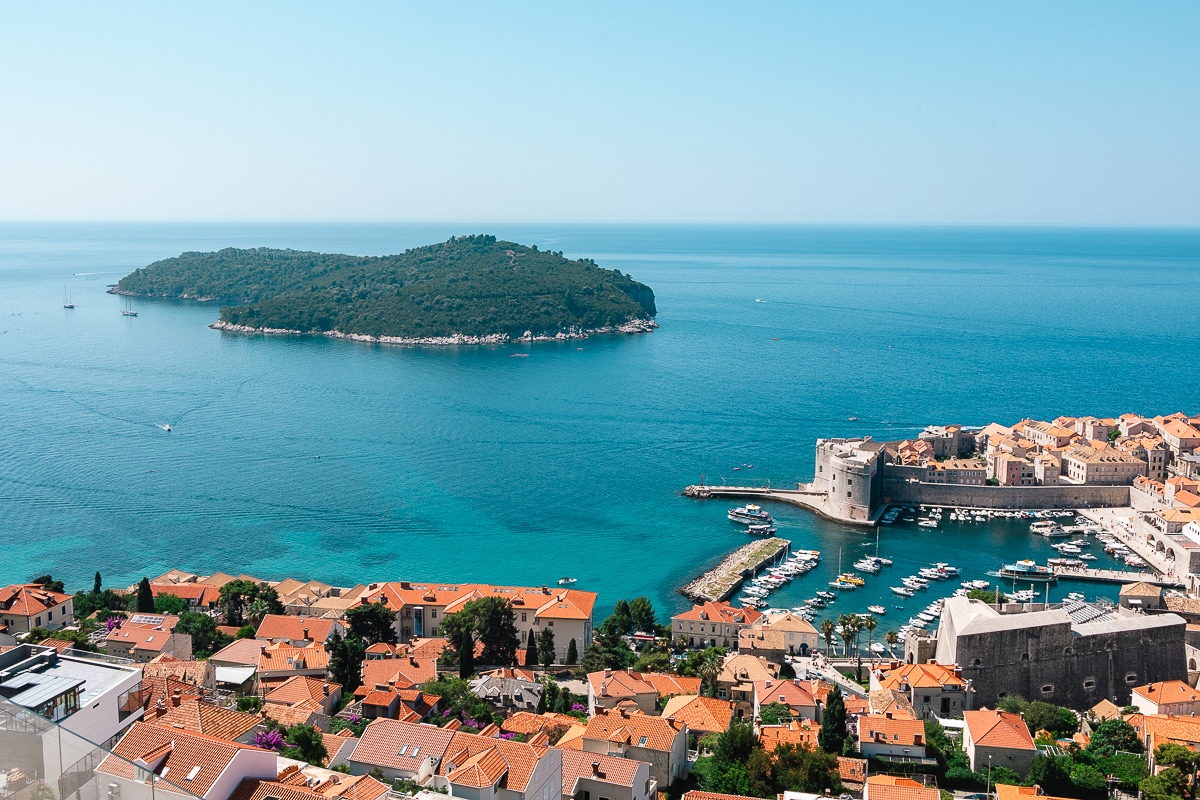
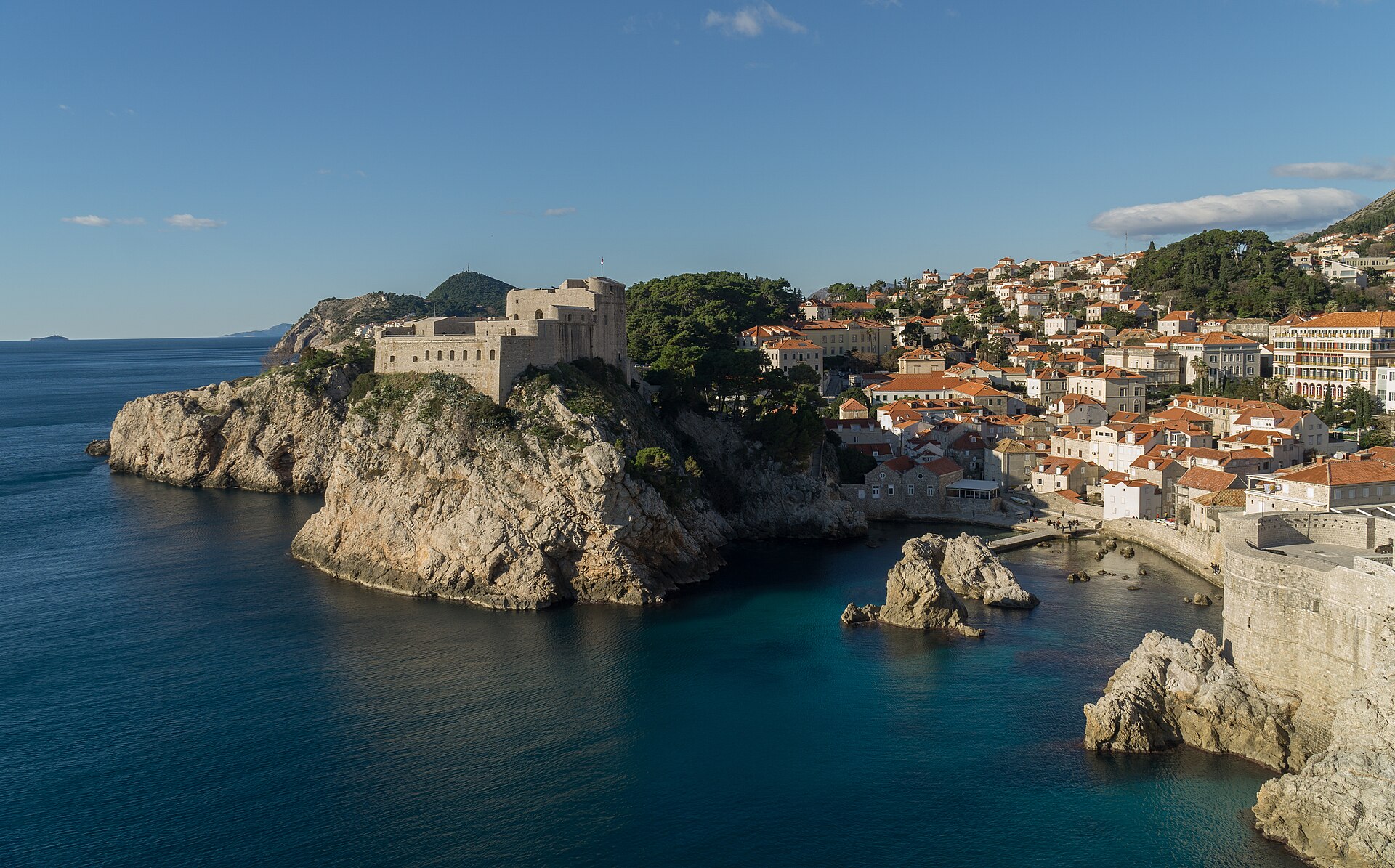
Croatia gave the whole show exactly the warmth and marble grandeur that the capital of the Seven Kingdoms demanded. Dubrovnik’s historic core is actually quite tiny and tightly hemmed in by high walls, so you can walk across it in under an hour. On screen, though, it comes across as an endless metropolis.
Step into the city through the majestic western Pile Gate and you’ll instantly recognise the scene of the famous riot, where the furious mob attacked King Joffrey. The sun beats down on that white limestone so fiercely you’ll be grateful for every patch of shade. A little further on you’ll come across the baroque steps of the Jesuit church, which stood in for Cersei Lannister’s infamous walk of shame.
Beyond Dubrovnik, the crews also moved further north to Split and its surroundings. The dark cellars of Diocletian’s Palace served as the dungeon where Daenerys kept her dragons locked away. The nearby Klis Fortress, with its steep cliffs, was transformed into the exteriors of the slave city of Meereen, with a fantastic view over the whole sea and the mainland in the distance.
Northern Ireland: Winterfell, the Iron Islands and the Kingsroad
If southern Europe represented political intrigue, Northern Ireland gave the show its harsh northern soul: this is where the Night’s Watch froze, where huge armies took shape and where the famous Winterfell was born. The Irish locations are raw, sprawling and often lashed by strong winds and rain rolling in off the ocean.
The base for fans is the huge Game of Thrones Studio Tour near Belfast, built right on the original sets: here you can walk across the same stone floor as Jon Snow. Along the north coast you’ll find Ballintoy Harbour, which played the inhospitable Iron Islands, and the magical Cushendun Caves, where Melisandre gave birth to the shadow assassin.
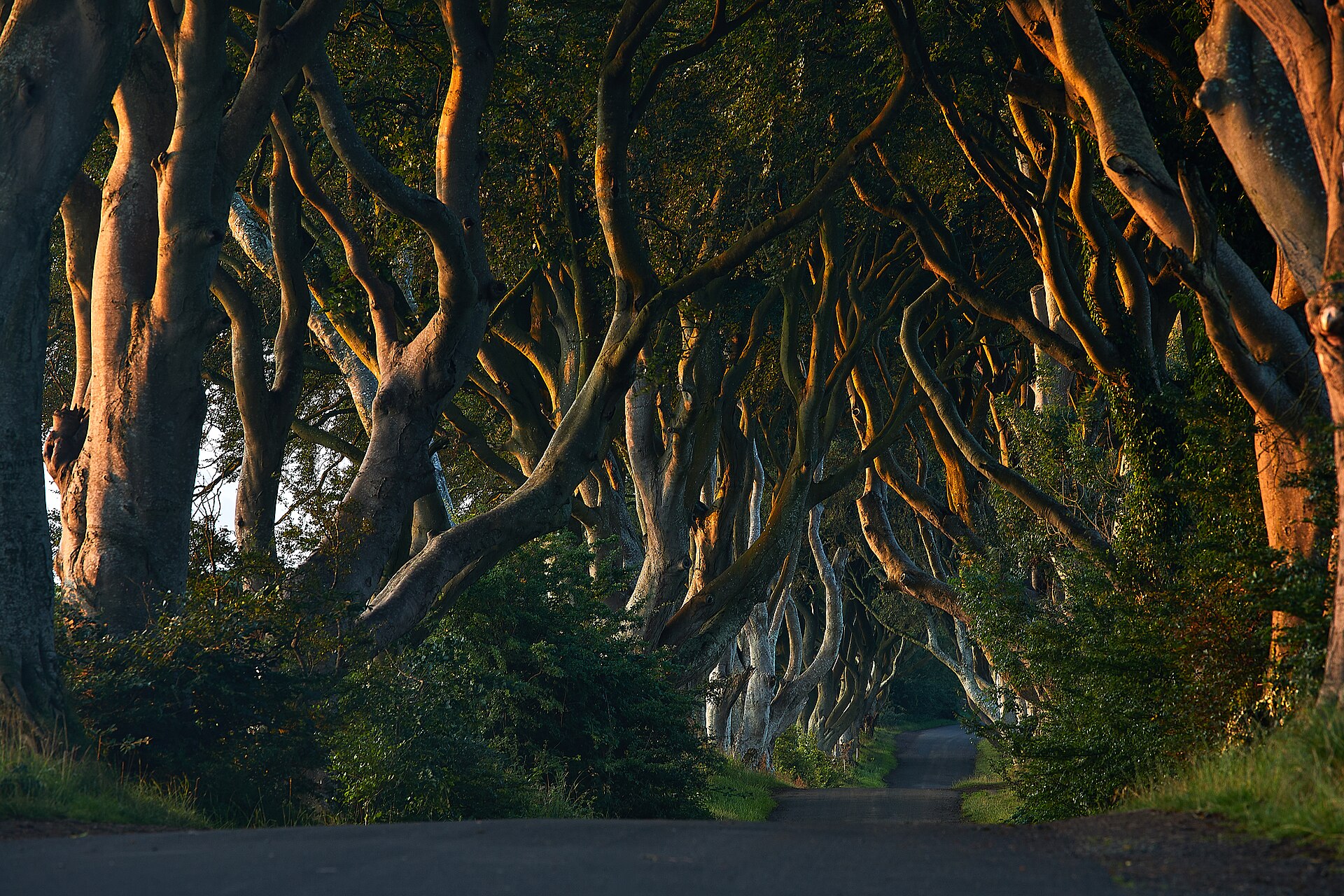
An absolute classic is the avenue of ancient, twisted beech trees known as the Dark Hedges. The tree-lined road served as the Kingsroad, along which Arya Stark fled disguised as a boy. The atmosphere here is utterly magical, especially if you arrive in thick morning mist before the coaches full of day-trippers start piling up along the road.
Iceland: everything beyond the Wall
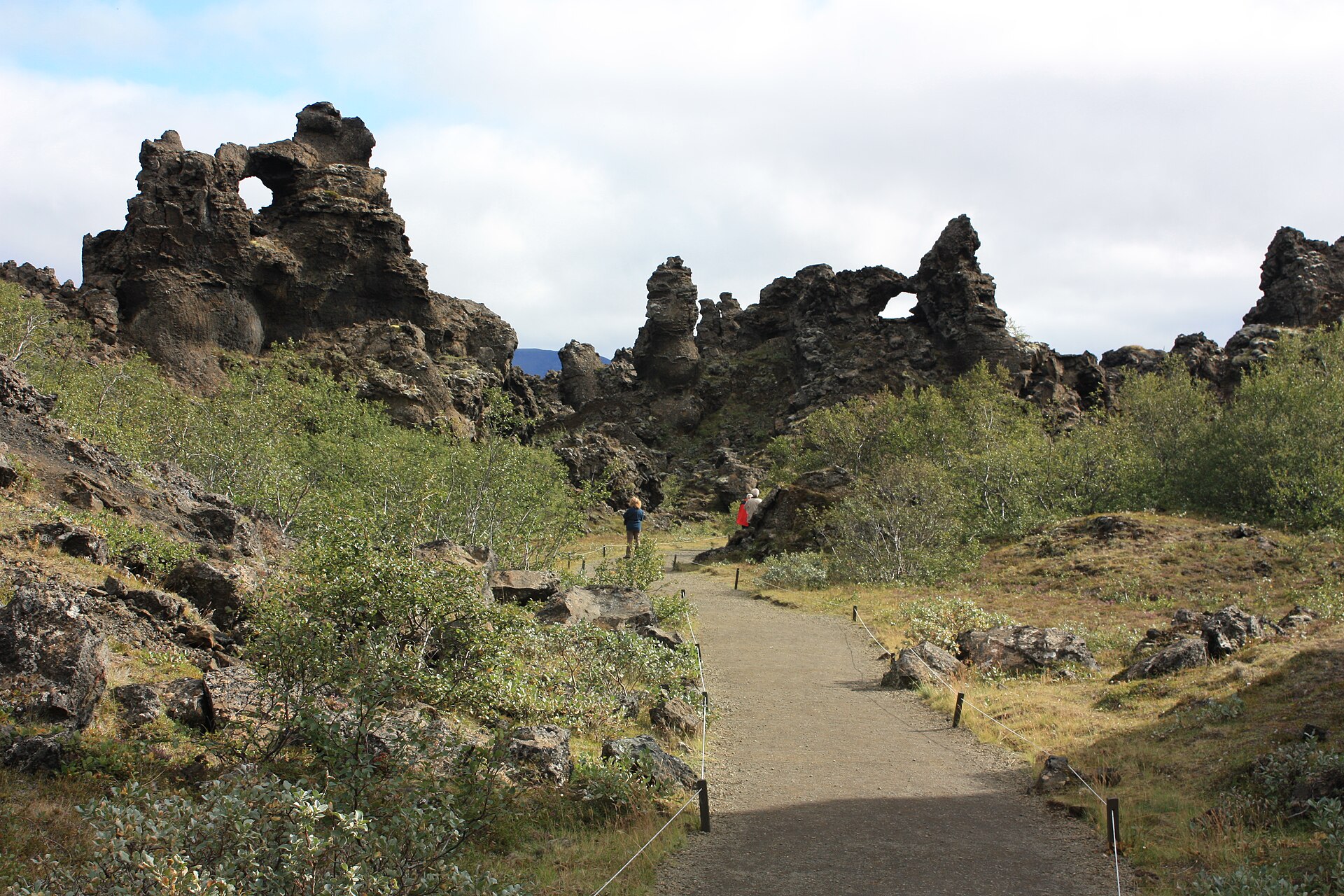
Iceland needed no digital effects at all to look like the perfect inhospitable wilderness far beyond the Wall. During filming, the actors waded through real snowdrifts and froze in genuine blizzards. Most of the fantastic locations lie within reach of the main Ring Road, so you can easily string them together with a classic loop of the island.
The biggest concentration of spots is in the north, around Lake Mývatn, where the volcanic landscape constantly steams and bubbles. Stop by the little rift cave of Grjótagjá, where Jon and Ygritte got intimately acquainted. The nearby sprawling Dimmuborgir lava fields, with their black pillars, then served as the gigantic camp of Mance Rayder.
In the south of the island you’ll be captivated by the tectonic fissure in Þingvellir National Park, which you’ll know as the Bloody Gate of the Vale of Arryn. Don’t miss the black volcanic beach of Reynisfjara either, whose dark sand became Eastwatch-by-the-Sea on screen. Iceland’s blue glaciers formed the backdrop for the terrifying battles with the White Walkers — but remember you must never venture onto them without an experienced guide.
Spain: Dorne, Braavos and Dragonstone
Spain only entered the game from season five, but it caught up fast. The country provided locations for sweltering Dorne, the free city of Braavos and majestic Dragonstone. The architectural gems here were often so overwhelming that the filmmakers barely had to change a thing and simply started rolling.
The royal Alcázar palace in Andalusian Seville was the perfect stand-in for the sun-drenched Water Gardens of House Martell. Catalan Girona, in the country’s northeast, doubled as the tangled stone alleyways of Braavos, where blind Arya desperately begged for food. The cathedral steps in the same city served as the Great Sept of Baelor in King’s Landing.
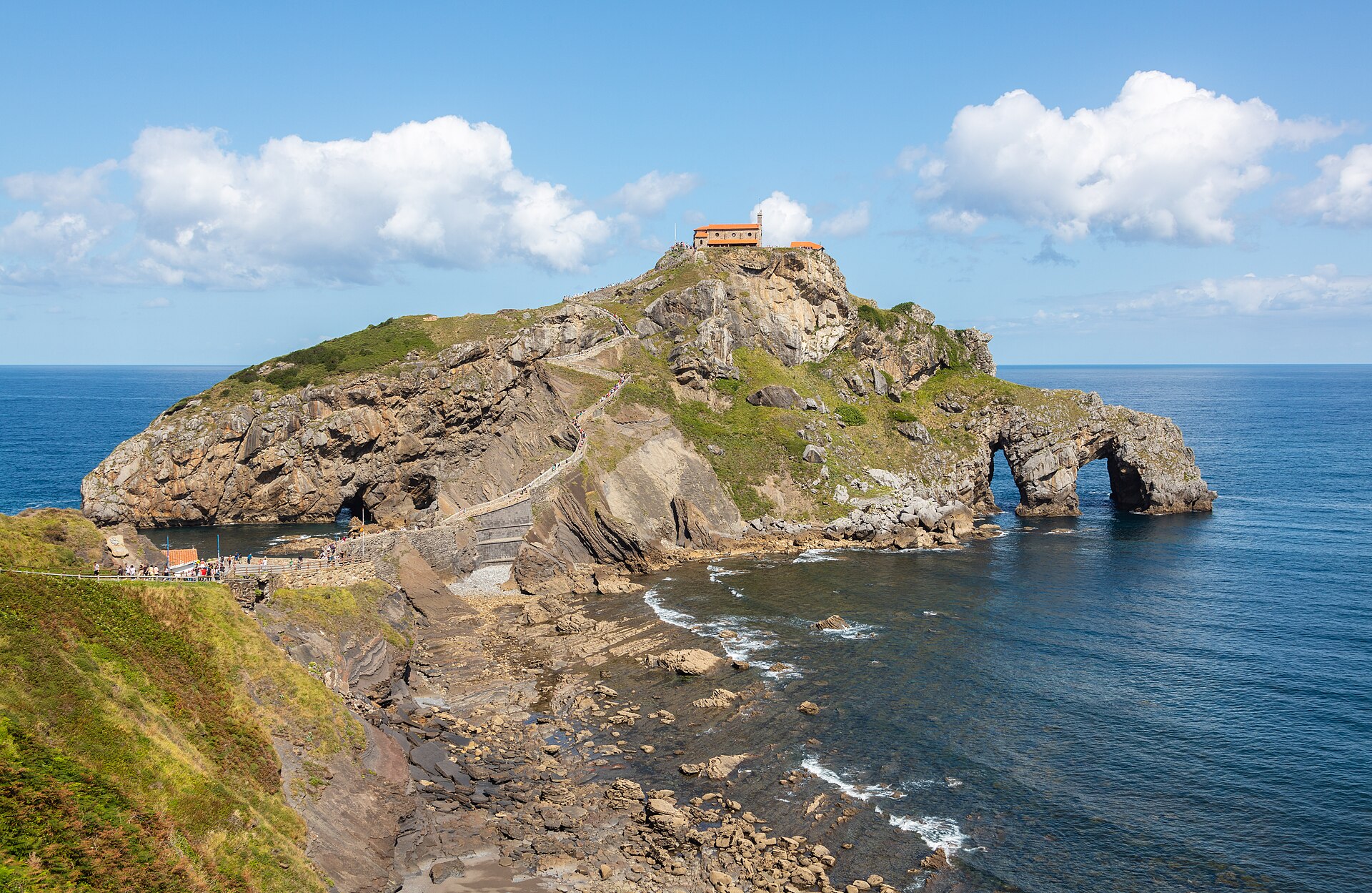
The most famous Spanish stop, though, is undoubtedly the Basque islet of San Juan de Gaztelugatxe. The winding stone staircase rising straight up from the ocean became the iconic approach to Dragonstone. Don’t bother looking for the castle at the top, though — that was added entirely in post-production, so all that greets you up there is a small, humble chapel.
When to go and what changed in 2026
Getting the timing right is absolutely crucial, because fan tourism can completely paralyse the most popular locations. In the summer months you’ll be fighting for every inch of space with thousands of other people. Dubrovnik, for example, is regularly named the most overcrowded city in the world, with up to 27 tourists per resident. Moving through crowds like that is not only exhausting but, in the summer heat, downright dangerous to your health.
It’s precisely because of this enormous pressure that the Croatian city has introduced brand-new and very strict rules for 2026. Entry to the famous walls and selected museums is now possible ONLY with a pre-booked timed slot. The city has also activated a so-called cruise cap, which means a maximum of 2 cruise ships per day may dock, and they may not bring in more than 8,000 passengers. This measure finally gives the city a chance to catch its breath.
If you’re heading to Northern Ireland or Iceland, on top of the crowds you’ll also have to reckon with unpredictable weather. In the Irish locations it often rains very heavily even in midsummer, so a good rain jacket with a decent hood is an absolute must. In Iceland, meanwhile, the winter months bring very short days, with just a few hours of daylight, which seriously complicates any longer drives.
The best time to visit the southern countries is clearly early spring or late autumn. Go in April or October and you’ll avoid the worst of the crowds, with weather that’s ideal for long walks where you won’t be drowning in sweat under a scorching sun. There’s also a golden rule: always arrive at the most famous spots right at sunrise, before the streets fill with the morning buzz of tourists.
Practical info: car, transport and budget
To explore the filming locations thoroughly, you’ll need a rental car in the vast majority of cases. Relying on public transport only makes sense in the big cities, but buses often don’t run to the remote castles and hidden beaches at all, or they run so infrequently you’ll waste an eternity waiting. So always secure your car booking well in advance through a trusted comparison site, to avoid overpriced offers at the airport.
In Northern Ireland you’ll need to prepare for driving on the left. The coastal roads here are unbelievably beautiful, but also very narrow and often lined with stone walls. Your average driving speed will therefore probably be far lower than your phone’s downloaded navigation suggests. I’d recommend renting a smaller, compact car — it makes squeezing past oncoming tractors on the narrow country lanes far easier.
When planning a Croatian road trip, you’ll mostly be travelling along the Adriatic coastal highway, which offers gorgeous sea views. If you decide to visit island locations like Lokrum, you’ll face short hops on local ferries. These run very frequently in high season, and you can buy tickets easily right at the harbour without any lengthy reservation.
Rough budget and entry prices: The famous walls in Dubrovnik will set you back €40 (verified 7/2026). I’d recommend picking up the official Dubrovnik City Pass, which costs exactly the same but also gets you into ten museums plus free public transport. A ticket for the Game of Thrones Studio Tour in Banbridge, Northern Ireland, starts at £19 (about €22) (verified 7/2026) and it’s definitely worth buying well in advance online.
Where to eat without the tourist traps
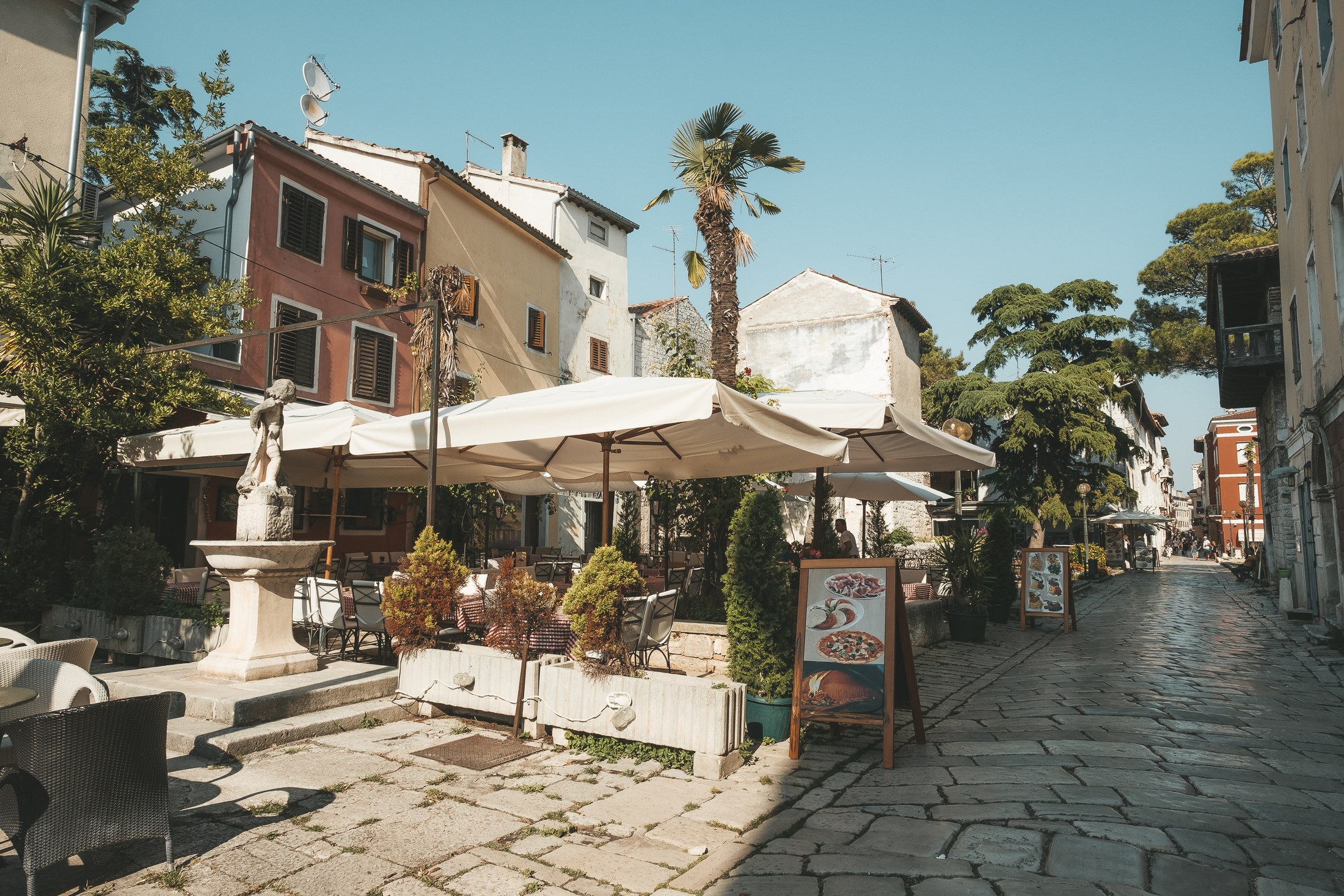
Food at filming locations can be tricky. Chasing the show’s spots is bound to work up a serious appetite, and because you’re moving through the most exposed areas, it’s all too easy to drift into an overpriced spot right on the main square, where you’ll get a mediocre meal at an astronomical price. The golden rule is simple: always go at least two streets away from the main drag 😉.
In Split, for instance, you’ll find the lovely family-run Pizzeria Gušt tucked away in an inconspicuous side alley. Near Klis Fortress, reward yourself after the dusty hike at the traditional konoba Perlica, where I recommend the homemade cheeses, grilled vegetables and fresh bread from the oven. In picturesque Trogir, head to the cosy Calebotta bistro for excellent pasta. And if you’re wandering Dubrovnik, steer clear of the pricey main Stradun and seek out the great Kopun restaurant for traditional Croatian cuisine.
Day-by-day itinerary: 10 days around the Croatian locations
This itinerary is designed so you can cover all the essential spots without needless rushing. The route runs logically from north to south, so you won’t have to double back along the same road. Get ready for an amazing blend of ancient history, beautiful seas and movie magic.
Day 1: Split and the cellars of Diocletian’s Palace
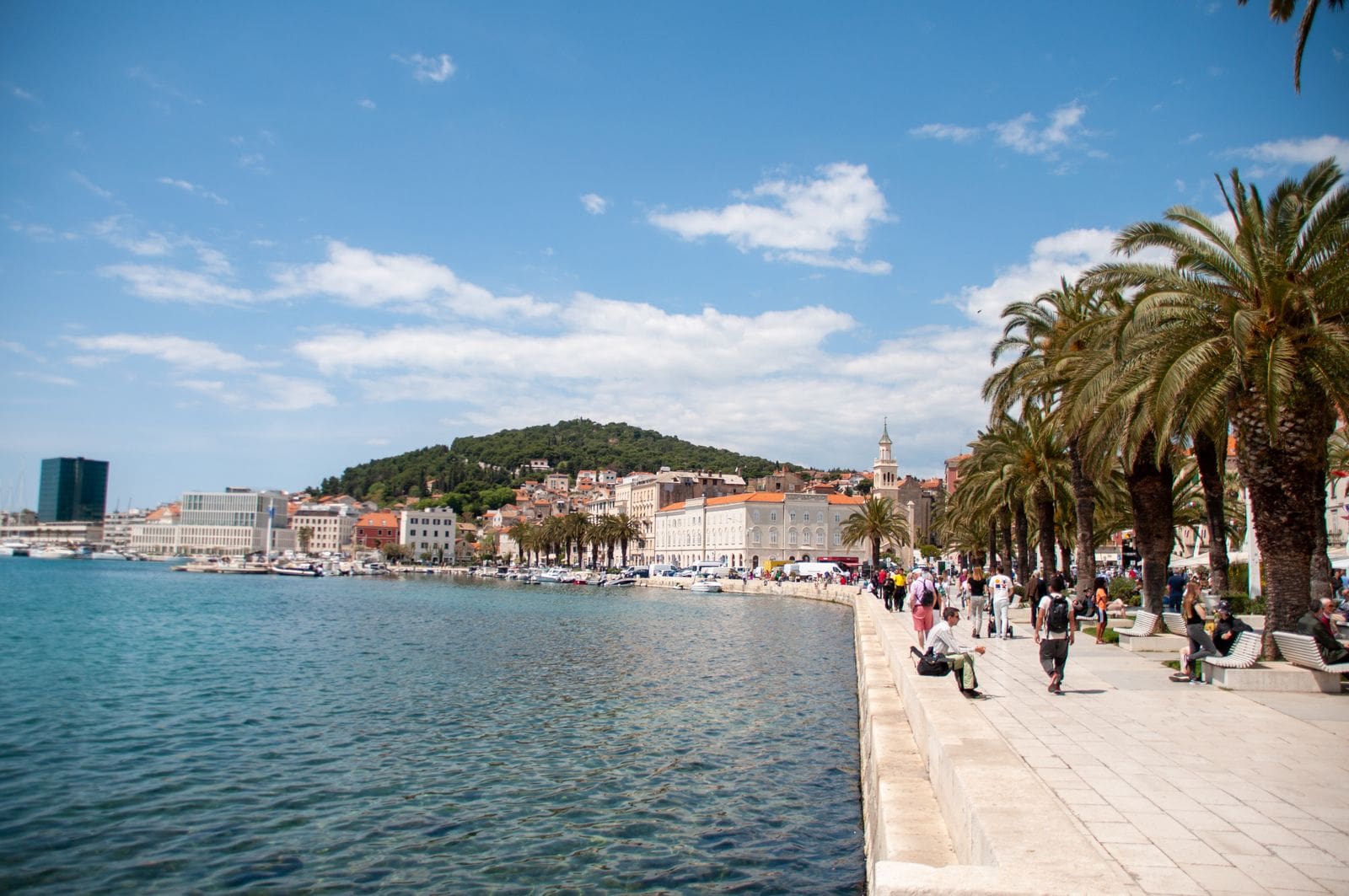
Your journey begins with a flight into Split, where you’ll pick up your booked car right at the airport. As soon as you’ve checked in, head into the historic centre, whose heart is the majestic Diocletian’s Palace. This isn’t a classic museum but a living town, where people actually live within the ancient walls and hang their washing above the narrow alleys.
The highlight of the day is descending into the dark cellars right beneath the palace. The air is damp and light seeps in only through narrow vents, creating exactly the gloomy atmosphere you know from your screen. This is where Daenerys kept her dragons locked away when they began slipping out of her control.
💡 Tip: For dinner, avoid the main squares and slip into a little side alley to Pizzeria Gušt. Try their excellent vegetarian pizza with grilled aubergine and fresh olives.
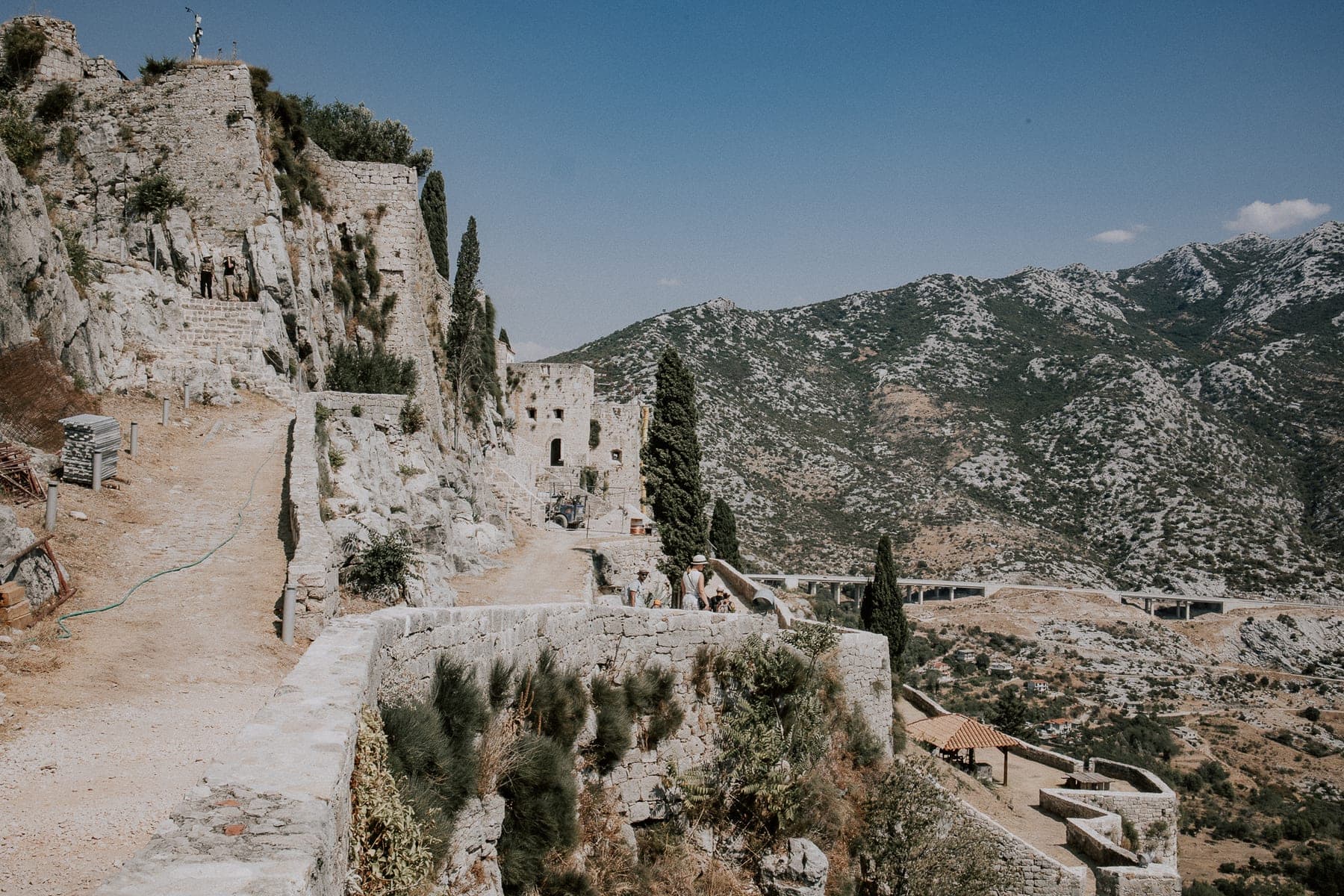
Day 2: Hike up to Klis Fortress
In the morning, head about 15 kilometres northeast of Split, where the ancient Klis Fortress proudly crowns a steep limestone cliff. The drive takes only about half an hour, but the climb up to the walls themselves will really test you in the summer heat: the fortress is sprawling, dusty, and the sun shows no mercy.
On screen, this spot served as the breathtaking exteriors of the slave city of Meereen. From these winding walls you’ll get an absolutely fantastic view over the whole bay and the Adriatic Sea. It was right here that an enraged Daenerys had the Great Masters mercilessly crucified, and where much of her storyline played out.
💡 Tip: After the demanding hike, stop at the nearby Konoba Perlica restaurant. For a meat-free treat I recommend the excellent homemade sheep’s cheese, fresh bread and local olive oil.
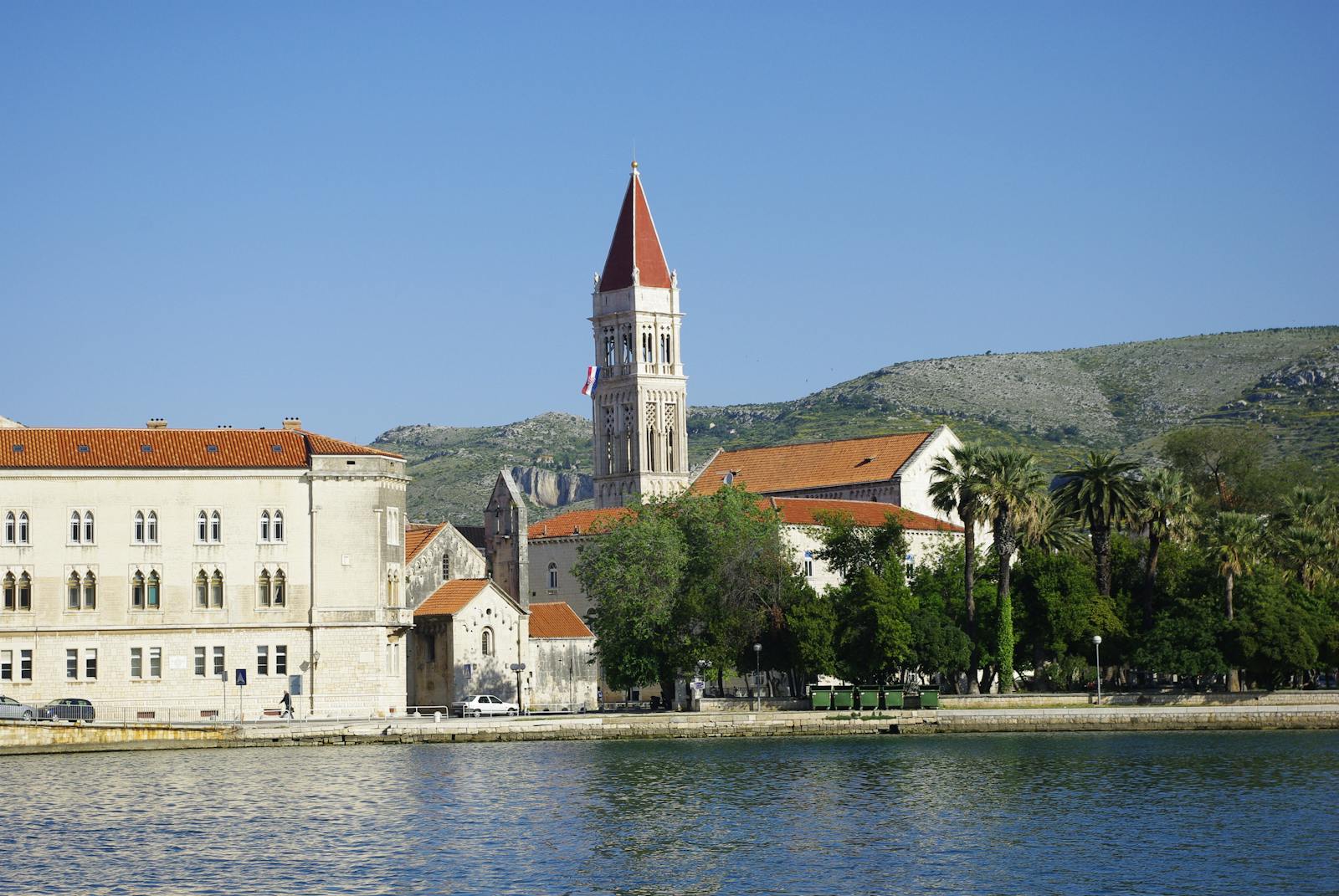
Day 3: Trogir as the trading hub of Qarth
Today brings a roughly half-hour drive west to the picturesque little town of Trogir, set on a small island. The entire historic centre is UNESCO-listed and forms a perfect maze of narrow stone lanes. Park your car in the mainland car park and set off on foot across the bridge to explore the old town.
In the show, Trogir played the opulent trading port of Qarth. Stroll along the beautiful palm-lined waterfront promenade, which appeared several times in the background of scenes from season two. The city’s Venetian-influenced architecture perfectly matches the wealth of the greatest city in the world, as Qarth called itself.
💡 Tip: At the Calebotta bistro on the waterfront, order a strong espresso and, for lunch, the excellent pasta with Istrian truffles, which they prepare to absolute perfection.
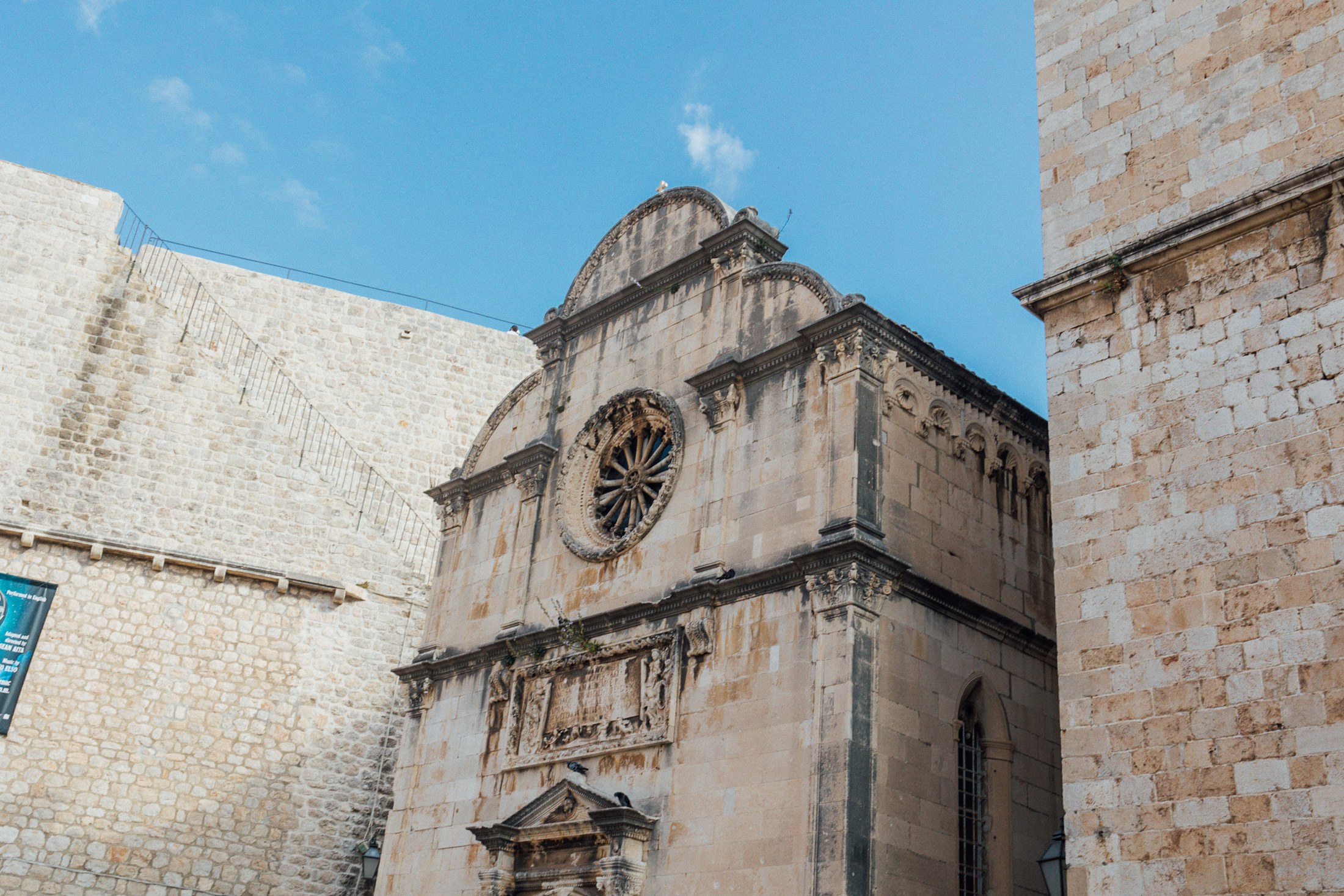
Day 4: Šibenik and the Iron Bank of Braavos
Continue your road trip with about an hour’s drive northwest until you reach historic Šibenik. The city sits within a deep bay, and you’ll find far fewer tourists here than in Split or Dubrovnik, so you’ll soak up much more of the local authentic atmosphere. The city’s landmark is the stunning Cathedral of St James.
This architectural gem served the filmmakers as the imposing exterior of the Iron Bank in Braavos. Stop by the rear apse of the cathedral, lined with dozens of intricately carved stone faces. These faces fit perfectly with the dark theme of the Faceless Men, even though they weren’t shown up close in the show itself.
💡 Tip: For dinner in Šibenik I warmly recommend traditional Croatian blitva (chard with potato and garlic). It’s usually served as a side with fish, but it also works brilliantly as a hearty meat-free dish on its own.
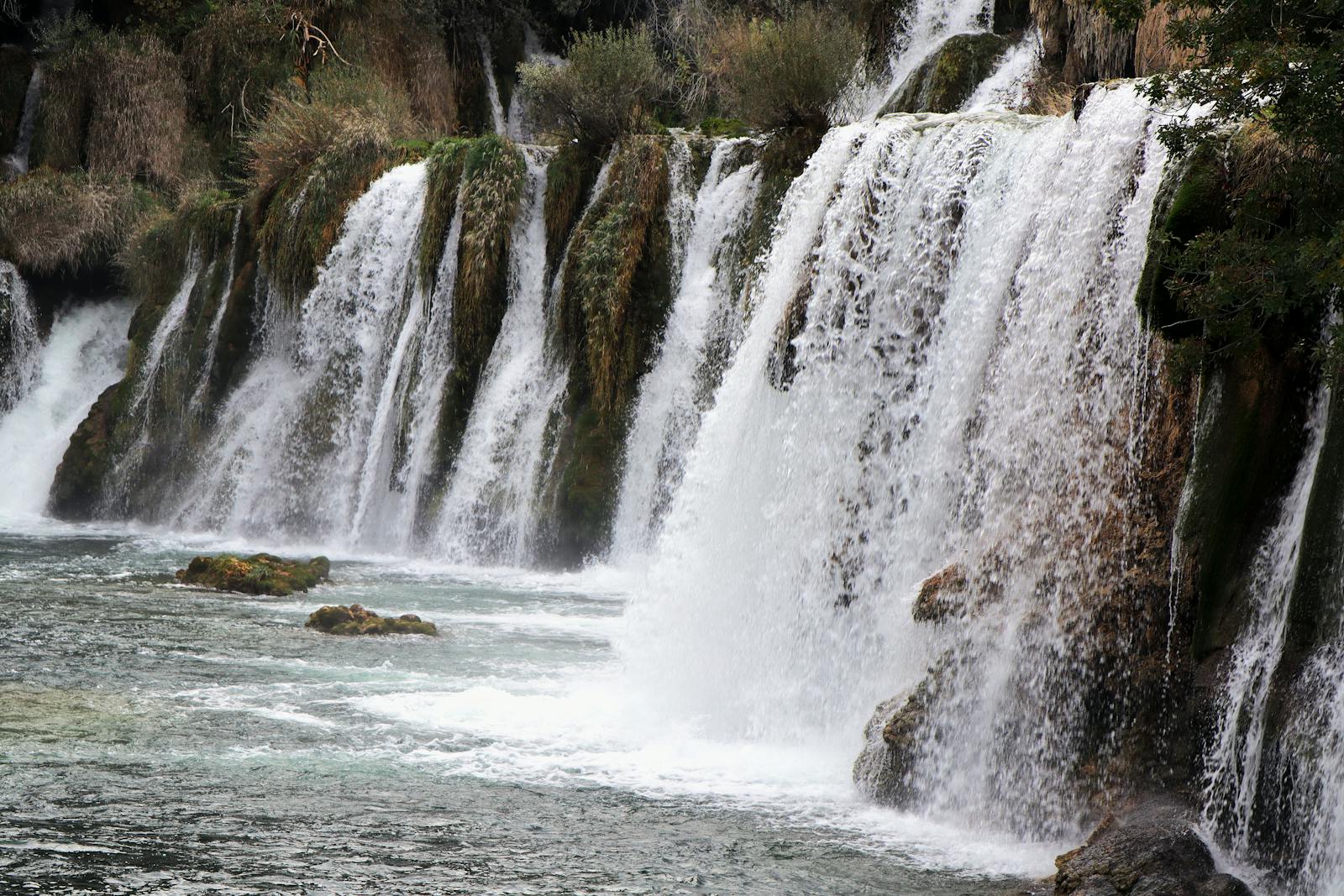
Day 5: Krka National Park and a rest
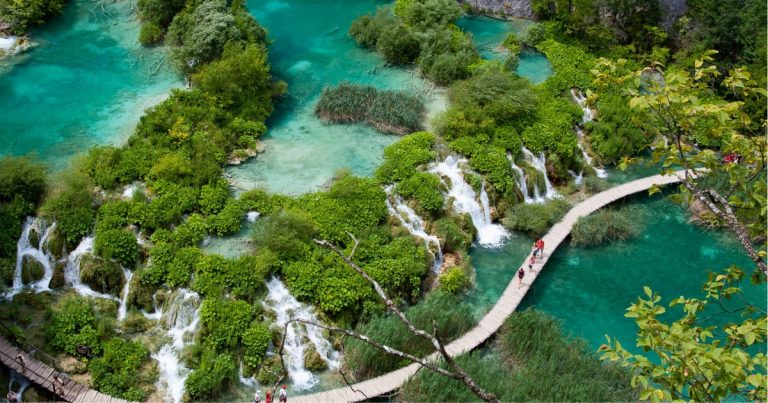
After a few days of walking through sun-baked cities, it’s time for a change of scenery. About twenty minutes from Šibenik lies Krka National Park, which didn’t actually feature in Game of Thrones, but you shouldn’t skip it on a Croatian road trip. Park at the Lozovac entrance and set off along the green trails.
You’re in for a pleasant walk along wooden boardwalks that wind right above the crystal-clear river and its cascades. The most famous waterfall, Skradinski buk, is absolutely stunning, and while you used to be able to swim here, it’s now banned for environmental reasons — something the local nature is clearly thriving on.
💡 Tip: Pack a picnic blanket in your backpack, pick up fresh baked goods with Balkan cheese from the local bakery, and enjoy a quiet lunch in the shade of the trees, away from the main crowds.
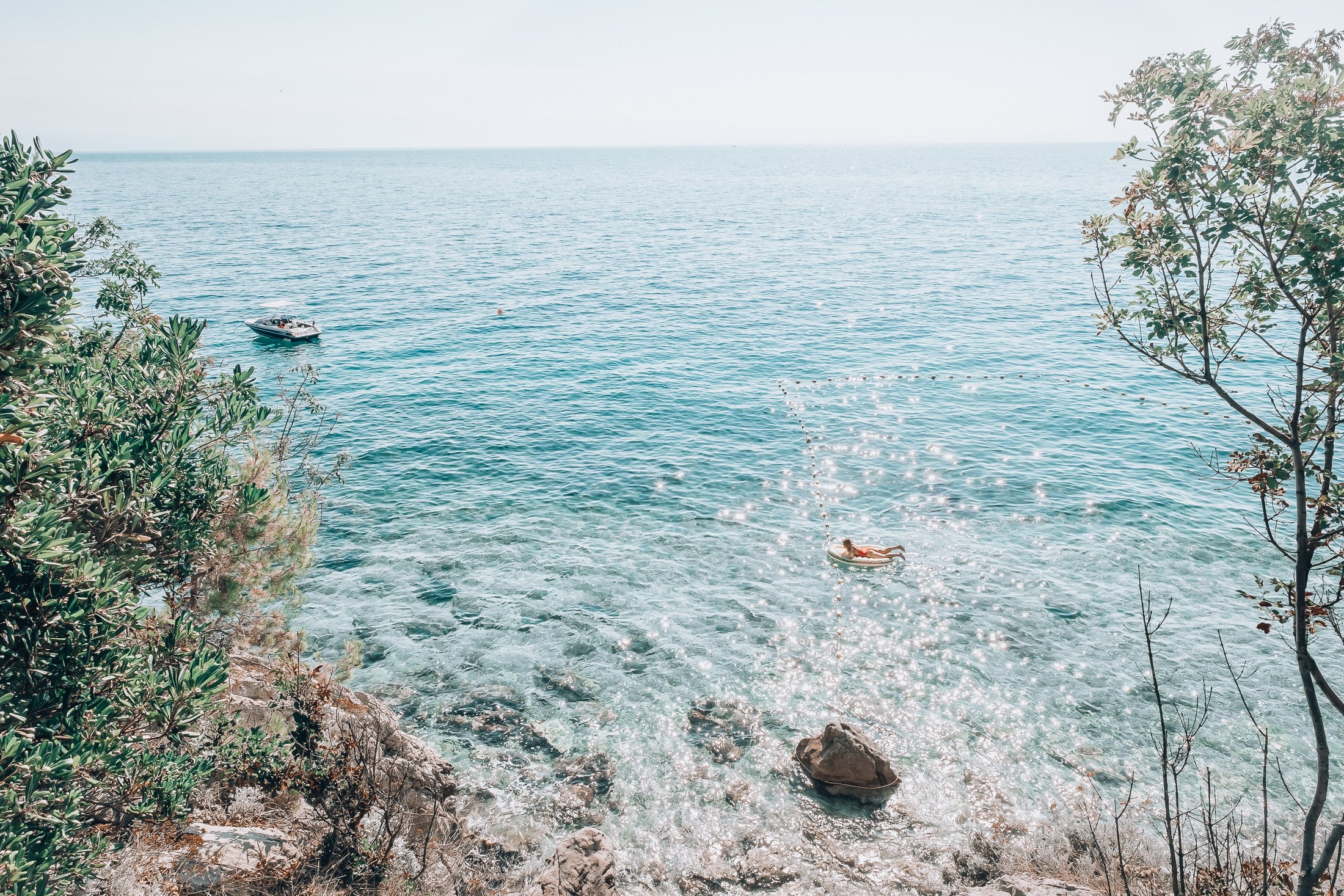
Day 6: Along the highway to Trsteno
Today brings the longest driving stretch of the whole trip. From central Dalmatia you’ll travel south along the famous coastal Adriatic Highway towards Dubrovnik. The drive takes about three and a half hours of pure driving time, but the breathtaking scenery and picturesque coves will make it fly by.
Your destination is the little town of Trsteno, just a short drive northwest of Dubrovnik. The local historic arboretum with its Renaissance fountains became the beautiful gardens of the Red Keep. It was in this very seaside pavilion that Olenna Tyrell sat and wove her intrigues with Sansa Stark.
💡 Tip: The gardens are usually very quiet, and thankfully the crowds from the big cruise ships don’t make it out here at all. It’s an ideal spot for a peaceful stroll and a rest after a long drive.
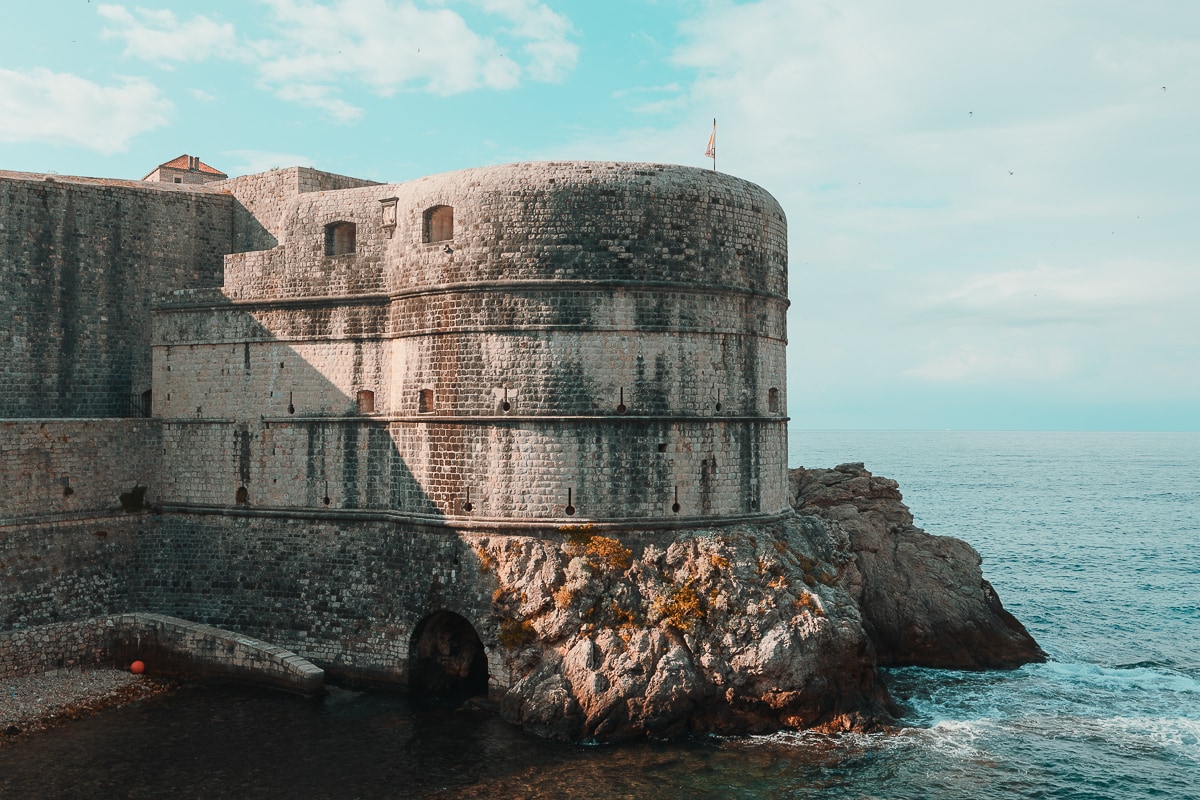
Day 7: Dubrovnik and the morning walls
Now for the main event: stepping into King’s Landing itself. Leave the car safely parked at your accommodation, because traffic is banned in the historic centre. Head to the main Pile Gate before seven in the morning, while the city is still breathing calmly and the cruise crowds haven’t arrived yet.
First thing in the morning, use your pre-booked timed slot and set off along the famous city walls. The walk takes about two hours, and from up high you’ll get the best views of the red rooftops and narrow lanes. The Minčeta Tower at the highest point of the walls will surely remind you of the mysterious House of the Undying from season two.
💡 Tip: You can easily book a guided Game of Thrones tour of Dubrovnik, plus a trip to Lokrum, right through GetYourGuide. Guides often carry books with film stills so you can compare shots exactly.
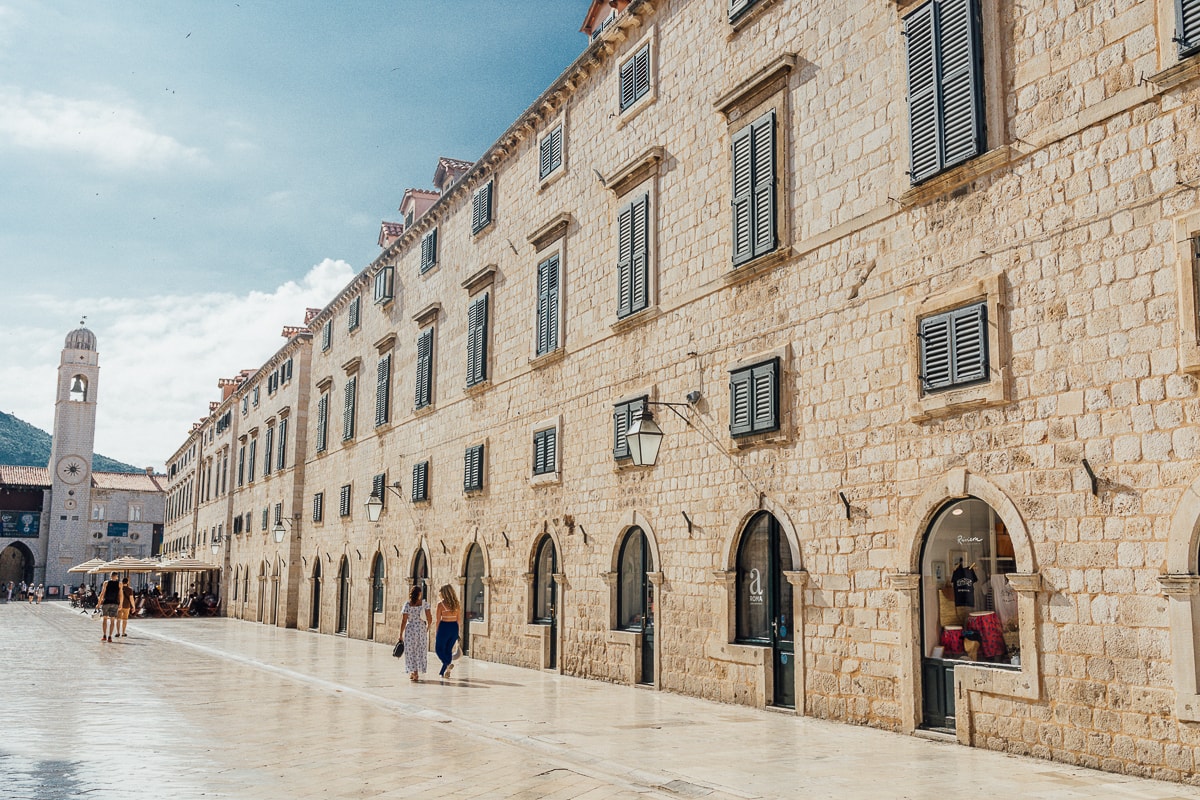
Day 8: Lovrijenac Fortress and the Jesuit steps
Devote your second day in Dubrovnik to spots that lie outside the main walls or are hidden deep in the alleys. Climb up to the majestic Lovrijenac Fortress, towering on a steep cliff above the sea. From here you get a perfect view over Blackwater Bay, the setting of the famous Battle of the Blackwater.
Then dive into the tangle of alleys and find the baroque steps of the Jesuit Church of St Ignatius. This is where the infamous walk of shame began. Be considerate of the local residents, though, and don’t shout out lines from the show — people genuinely live here, and after years of it, these little jokes really do wear thin.
💡 Tip: For lunch, avoid the overpriced restaurants on the main Stradun. Duck into the side streets and discover the Kopun restaurant, where you should order the wonderful local specialities made from quality ingredients.
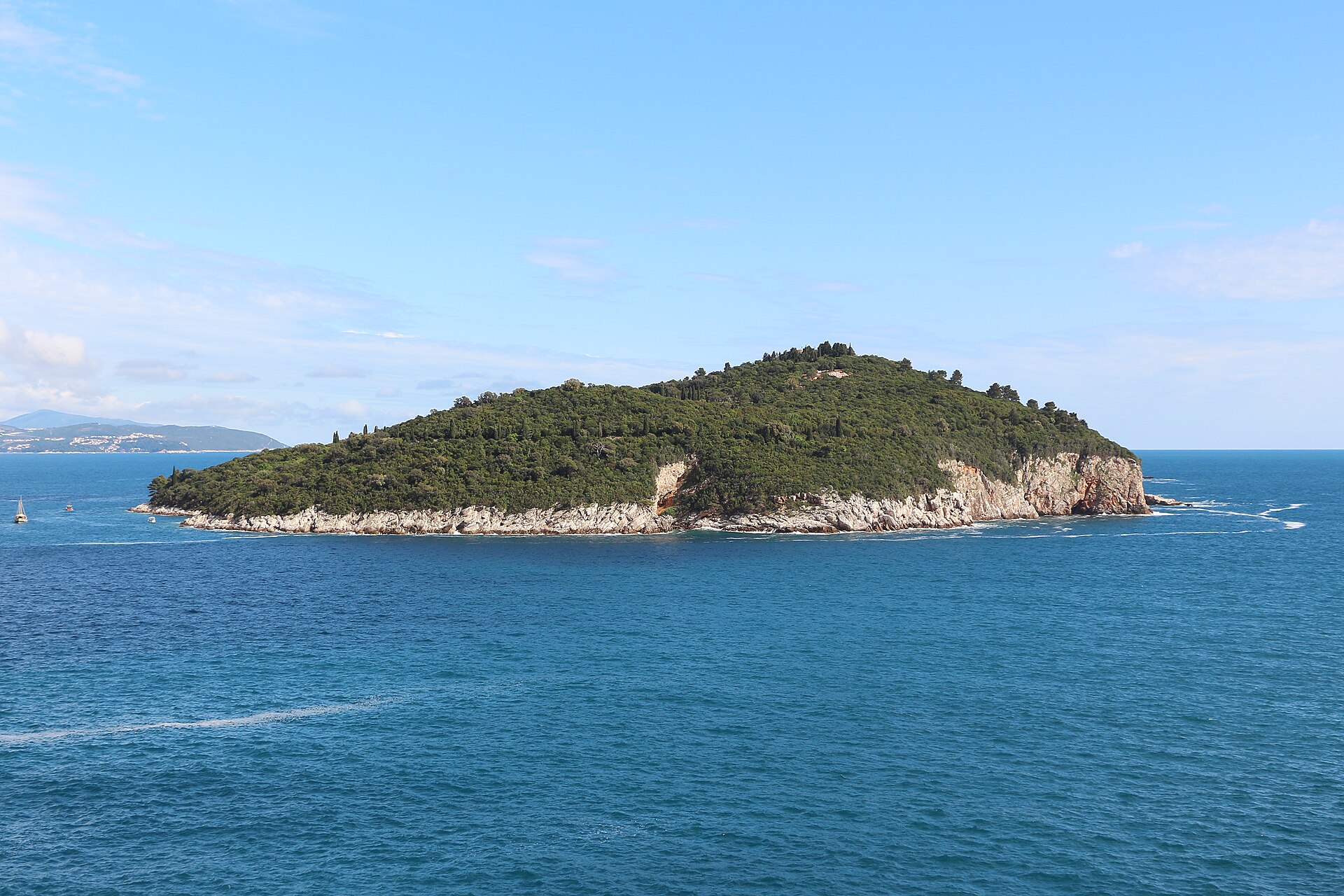

Day 9: Escape to the island of Lokrum
When the city fills to bursting point around midday, it’s high time to escape the crowds. Hop on a ferry in the small historic harbour and head over to the nearby islet of Lokrum. The crossing takes just over ten minutes, and suddenly you find yourself in a wonderfully calm nature reserve full of pines.
This wooded island, full of free-roaming peacocks, represented the exotic gardens of the city of Qarth in the show. In the small local monastery you’ll also find a great visitor centre, where you can sit on an official replica of the Iron Throne completely free of charge and snap a souvenir photo without any tedious queuing.
💡 Tip: On the island, make time to explore the botanical garden and the Dead Sea — a small salty lake in the middle of the island that’s ideal for a quick refresh on a hot day.
Day 10: Cavtat and the journey home
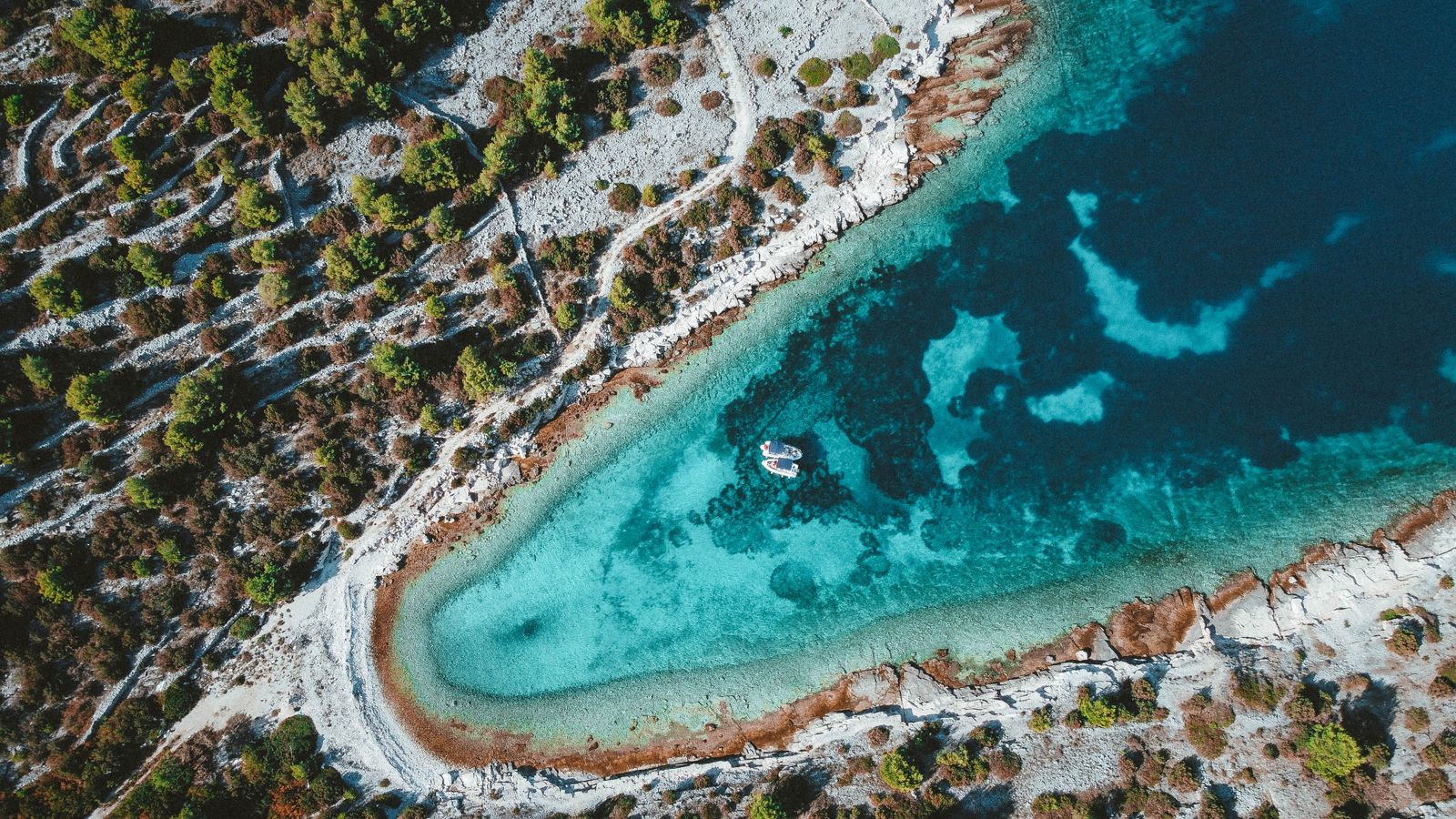
Devote the last day of your Croatian adventure to relaxing before your flight home. Drive a few kilometres south of Dubrovnik to the peaceful little town of Cavtat. Here you’ll find a beautiful pine-lined promenade and crystal-clear water that tempts you into one last proper swim.
Cavtat isn’t among the official filming locations, but it offers exactly the laid-back atmosphere you badly need after the hectic days in King’s Landing. Soak up the last of the Mediterranean sun, pick up some local souvenirs, and get ready for your flight from the nearby Dubrovnik airport.
💡 Tip: Before you head to the airport, stop at the Amor café on the promenade for one last excellent Balkan coffee and a slice of something sweet with figs and nuts.
Alternative: 8 days around Northern Ireland
If rugged northern nature and a melancholy atmosphere appeal to you more than the sun, Northern Ireland is the obvious choice. This route is a little shorter, but logistically far more focused on driving along remote country lanes and steep coastal roads.
| Day | Route and main destination | Filming locations and tips |
|---|---|---|
| :— | :— | :— |
| Day 1 | Arrival in Belfast | Pick up the car, acclimatise, explore the Titanic Quarter. |
| Day 2 | Belfast → Banbridge | Full-day visit to the Game of Thrones Studio Tour in the original studios. |
| Day 3 | Banbridge → Castle Ward | Explore the Winterfell exteriors and try your hand at archery. |
| Day 4 | Journey to the north coast | Drive along narrow roads, with a stop at the magical Cushendun Caves. |
| Day 5 | Causeway Coast | Visit Ballintoy Harbour (the Iron Islands) and the steep cliffs. |
| Day 6 | Magical beeches | Early-morning walk down the Dark Hedges avenue (the Kingsroad). The atmosphere is best in the mist. |
| Day 7 | Natural wonders | Visit the nearby Giant’s Causeway (not GoT, but a must). |
| Day 8 | Return to Belfast | Last shopping and the flight home. |
Northern Ireland is better suited to more experienced drivers, since driving on the left on narrow roads demands full concentration. On the other hand, you’ll meet far fewer of the classic summer tourists than in Croatia, so the whole trip feels much more intimate. This option is ideal for those who love layering up in warm clothes and don’t mind the occasional strong burst of rain in the face.
The landscape here is incredibly photogenic even in gloomy weather. Grey skies and thick mist give the locations exactly the right rawness you know from Jon Snow’s endless wanderings. On Discover Northern Ireland you’ll also find great interactive maps of all the scattered spots plus insider tips from the locals.
How to add Iceland and Spain
Flying specially to Iceland or Spain just to see a few film stones? Honestly, it isn’t worth it. I’d recommend treating these countries as a great add-on to your regular travel route. In Iceland, most of the show’s locations sit conveniently along the Ring Road, so you’ll pass them quite naturally while exploring the local waterfalls, hot springs and volcanoes.
The journey beyond the Wall in Iceland will amaze you above all with just how untamed the nature is. A trip to the Lake Mývatn area is worth it not only for the popular rift cave of Grjótagjá, but also for the ever-present thermal springs and bubbling mud that create an unforgettable, lunar landscape. The official Guide to Iceland website will help you perfectly plan a safe route to the glaciers and hot streams.
In Spain, the locations are scattered from north to south, which calls for a bit more planning. While in the south you can admire the stunning Moorish architecture of the Alcázar of Seville as you discover sizzling Andalusia, for Dragonstone itself you’ll have to head to the rugged, green north into the Basque Country. The official Gaztelugatxe administration requires free entry registration, so ideally combine it with sampling the wonderful local food in nearby Bilbao.
Where to stay along the route
Where you sleep matters more than you’d think. A hotel right in the thick of things gives you one crucial advantage: you’ll be out and about before the first cruise ship even drops anchor. Prices in Dubrovnik and Belfast are unfortunately quite steep in high season, so it pays to book the key rooms several months ahead. Below I’ve gathered specific tips for great hotels across various categories, which you can easily book to lock in your strategic starting point. We prefer to look for accommodation on Booking.com.
Where to stay in Split:
- Judita Palace Heritage Hotel (Boutique): You’ll stay right in the heart of Diocletian’s Palace amid beautiful historic furniture. In reviews, guests most appreciate the wonderful old-town atmosphere and the very helpful staff, who’ll assist with any question.
- Hotel Peristil (Mid-range): This cosy hotel sits just a few steps from the main square and offers great access to all the sights. Guests particularly praise the excellent, generous breakfast before demanding days out.
Where to stay in Dubrovnik:
- Hotel Excelsior (Luxury): This iconic seafront hotel offers the absolute best view of the old town and Lovrijenac Fortress. According to reviews, you’ll be delighted by the private beach and the first-class wellness area for evening relaxation.
- Prijeko Palace (Boutique): A beautifully restored palace tucked into one of the side alleys right inside the historic walls. Travellers particularly praise the unique design of each room and the fantastic rooftop restaurant.
- Guesthouse Rustico (Budget): A smaller but very clean and cosy guesthouse right in the heart of King’s Landing. In reviews, guests highlight the excellent value for money and the incredibly lovely owner.
Where to stay in Belfast:
- The Merchant Hotel (Luxury): This grand historic hotel in central Belfast instantly whisks you back to the old days. Reviews are lavish in their praise of the luxurious beds and the amazing bar with a huge selection of perfectly mixed cocktails.
- Bullitt Hotel (Mid-range): A modern, very stylish hotel offering everything you need for a comfortable stay while exploring the north. Guests particularly appreciate the very comfortable mattresses and the superb location near great local cafés.
Quick cheat sheet: where to find Westeros in the real world
| Location in the show | Real country | Specific place | Access and price |
|---|---|---|---|
| King’s Landing | Croatia | Dubrovnik (walls and alleys) | €40 / timed slot |
| The Red Keep | Croatia | Lovrijenac Fortress, Dubrovnik | Included in walls / City Pass |
| Red Keep gardens | Croatia | Trsteno Arboretum | Paid entry on site |
| Walk of shame alley | Croatia | Jesuit steps, Dubrovnik | Free, always accessible |
| House of the Undying | Croatia | Minčeta Tower, Dubrovnik | As part of the walls loop |
| Qarth (city) | Croatia | Trogir (promenade and alleys) | Free, open access |
| Qarth (gardens) | Croatia | Lokrum island | Ferry ticket required |
| Braavos (Iron Bank) | Croatia | St James’s Cathedral, Šibenik | Paid entry to the cathedral |
| Meereen (exteriors) | Croatia | Klis Fortress above Split | Paid entry on site |
| Dragon dungeon | Croatia | Diocletian’s cellars, Split | Paid entry to the cellars |
| Winterfell (courtyard) | Northern Ireland | Castle Ward | Paid entry to the grounds |
| The Kingsroad | Northern Ireland | Dark Hedges | Free, no car access |
| The Iron Islands | Northern Ireland | Ballintoy Harbour | Free, narrow access road |
| Beyond the Wall (Wildling camp) | Iceland | Dimmuborgir, Mývatn | Free, parking only |
| The Bloody Gate | Iceland | Þingvellir National Park | Free, parking only |
| Water Gardens of Dorne | Spain | Alcázar, Seville | Online booking required |
| Dragonstone (steps) | Spain | San Juan de Gaztelugatxe | Free, online booking required |
Etiquette: how not to be the tourist who gets it shut down
As set-jetting grows in popularity, so unfortunately does the frustration of local residents. The narrow alleys of Croatia’s Dubrovnik don’t stretch, and a ratio of 27 tourists per resident is utterly unsustainable for the city in the long run. If we don’t want the best locations to be sealed off behind barbed wire forever, we all need to learn to respect our hosts’ clear, unbending rules.
The biggest problem is fans who forget that filming locations are often someone’s home. Shouting the word “Shame!” for a laugh on the Jesuit steps at six in the morning really isn’t funny for the people who live there and are trying to sleep before their next shift at work. It’s just as thoughtless to set up a massive tripod in the middle of a narrow junction and block the locals’ way, all for the perfect angle on a single photo.
And then there’s the thing that can really wind up more than just the locals: people who show no respect at all for nature or private property. At the Dark Hedges in Northern Ireland, all vehicle access had to be strictly banned, because the roots of the centuries-old trees began dying off under the sheer weight of traffic. So you absolutely must leave the car in the designated car park nearby and walk to the iconic road on foot.
The golden rule for every fan is: leave no trace whatsoever. Don’t carve initials into historic stones, don’t take away chunks of masonry as souvenirs, and don’t dump your brought-along film props anywhere in nature. If you’d rather buy your coffee at a local spot and treat the residents with humility, you’ll come away with not just great photos, but a much better feeling about the whole trip.
Where to go next
If more film-inspired adventures appeal to you, be sure to read the detailed article on the phenomenon of Set-jetting and the White Lotus effect, where you’ll learn how popular shows are massively reshaping the map of world tourism. For those who want to focus more on the historic beauty of the Adriatic, I recommend our comprehensive guide to What to see in Dubrovnik or the detailed travel itinerary Split, Croatia.
And if you’re wondering where to head for warm seas well beyond the filming locations, get inspired by our big roundup of Where to holiday in Croatia. For lovers of the icy, rugged north, we’ve put together a very thorough article, Iceland: the complete guide, which will help you handle even the trickiest northern weather.
If you fancy sleeping right inside a filming location, browse our list of hotels from films and TV shows where you can actually stay the night.
Frequently asked questions
Planning a trip around famous filming locations can sometimes be pretty tricky. New tourist regulations, strict timed slots at landmarks and often very unpredictable island weather increasingly come into play, and any of them can turn your plans upside down in a matter of minutes.
That’s why we’ve put together answers to the most common questions, which will reliably help you prepare your dream itinerary. Whether you’re currently grappling with record-high Croatian entry fees or the safety of moving on Iceland’s frozen glaciers, here you’ll find everything you need neatly in one place.
Where was most of Game of Thrones filmed?
The largest portion of exteriors and warm locations was filmed in Croatia, primarily in the very heart of Dubrovnik itself and around Split. On the other hand, almost all studio interiors and the harsh northern scenery of Winterfell were created in rainy Northern Ireland, which served for several years as the main production base for the entire series. From a logistics standpoint, the filmmakers thus created two giant operational hubs from which they undertook smaller crew expeditions further afield. So if you want to see the greatest possible concentration of locations from both sides of the series spectrum at once, focus your itinerary primarily on these two beautiful and distinct countries.
How much is the entrance fee for the Dubrovnik walls?
A ticket to the magnificent city walls costs €40 (verified 7/2026), which is roughly a thousand crowns per visit. However, I recommend you buy without hesitation the Dubrovnik City Pass for exactly the same price, which additionally gives you completely free entry to ten museums and unlimited rides on the local public transport. This clever card pays for itself practically instantly as soon as you plan to spend at least one full day in the compact centre. You can also buy it very conveniently online before you even leave home, so you won’t waste a single precious minute on-site in queues at crowded ticket offices.
Do I need to book location entries in advance?
Yes, local rules have become much stricter across the board in recent years. In Dubrovnik, since 2026 you must have a strictly pre-booked specific time slot for the main walls. Likewise, you can’t get by without an online reservation for the Game of Thrones Studio Tour site in Ireland or to the islet of Gaztelugatxe in Spain, where they won’t let you through the gate at all without scanning a QR code. This clear trend of targeted capacity restrictions is gradually spreading to other places across all of Europe. So always check the official website of each given monument before your departure, so you don’t find out disappointedly on-site that it’s unfortunately already hopelessly sold out for today.
Do I need a car to explore the locations?
For all locations in Croatia, Northern Ireland, and rugged Iceland, a good car is absolutely essential. Many very interesting castles, mysterious caves, and beautiful remote beaches are located off all main routes, and public transport either doesn’t go there at all or only runs very limited services in summer season. Without a car, you’ll miss out on a huge amount of wonderful experiences. However, if you’re worried about driving in an unfamiliar foreign country, you can also use the abundantly offered specialized bus tours for fans. These will safely take you directly to the filming locations, but you obviously have to accept a fixed schedule and also the fact that you’ll be taking photos and jostling with an entire giant group of dozens of other people at the monuments.
How can I avoid the worst crowds in Croatia?
The absolute foundation of success is simply not to go there at all during the main summer holidays (July and August). Choose a quieter spring or autumn date in April or October. But if you’re already on-site during the season, head to the most famous and popular monuments always right at sunrise, before the dreaded thousands of other tourists manage to gradually disembark from the gigantic cruise ships. An excellent proven strategy is also to direct walks through the narrowest alleys and all photography to late summer afternoon. Most large ocean liners leave the local port by weighing anchor around four o’clock, and the historic towns thus immediately and pleasantly calm their breathless rhythm.
Can I swim in the Grjótagjá cave in Iceland?
Unfortunately, this has not been possible at this magical place for many years. Due to very high and unstable volcanic activity, the actual water temperature in the cave constantly changes dramatically and at certain moments often exceeds a lethal 45 °C. Swimming is therefore strictly forbidden for obvious safety reasons, but you can still carefully climb down the wet rocks and take a beautiful atmospheric photo. The surrounding volcanic area of Lake Mývatn fortunately offers visitors absolutely excellent and safe alternatives for hot water lovers. Just a few kilometres away, for example, you’ll find the very popular Mývatn Nature Baths thermal spa, where after a full day of freezing exploration of icy plains you can enjoy a beautiful relaxation in bright blue healing water.
Are filming locations the same in real life as on TV?
You’ll often encounter a really quite big and unexpected surprise on-site. Filmmakers extensively and gladly used advanced digital effects, so they simply added enormous towers, dark cliffs, or even entire artificial mountains by computer to many real existing buildings. The scale of the actual structures and houses is in reality simply usually much smaller than how it all magnificently appears on your wide television screen at home. At many stops, therefore, you’ll necessarily need to engage a large dose of your own imagination. Excellent and grateful helpers in this regard are specialized local guides, who very often carry boards with comparative photographs right at the specific location, so you can clearly see what is actual historical reality and what is already just pure green-screen magic.
Is it safe to visit Icelandic glaciers?
Visiting a glacier entirely on your own is an extremely and life-threateningly dangerous affair that is strictly forbidden to tourists for good reason. All glaciers are constantly moving living organisms full of deep and perfectly hidden crevasses. So if you want to see exactly the places where the nerve-wracking scenes with the White Walkers were shot, you must always book in advance a certified local guide with appropriate equipment. Certified Icelandic agencies will also always gladly lend you on-site all the necessary equipment from sharp crampons through ice axes to properly fitting helmets. Your initial investment in professional accompaniment will thus immediately ensure you not only peace and safety, but you’ll also learn lots of interesting stories and juicy details directly from filming in the freezing cold from the local mountaineers.
Tips and Tricks for Your Vacation
Don’t Overpay for Flights
Search for flights on Kayak. It’s our favorite search engine because it scans the websites of all airlines and always finds the cheapest connection.
Book Your Accommodation Smartly
The best experiences we’ve had when looking for accommodation (from Alaska to Morocco) are with Booking.com, where hotels, apartments, and entire houses are usually the cheapest and most widely available.
 🚗 Car rental on the roadVerified rental cars in Croatia
Search with the DiscoverCars comparison engine — it compares prices from dozens of local and international rental companies, and most bookings come with free cancellation.
Compare car prices in Croatia →Don’t Forget Travel Insurance
Good travel insurance will protect you against illness, accidents, theft, or flight cancellations. We’ve had a few hospital visits abroad, so we know how important it is to have proper insurance arranged.
Where we insure ourselves: SafetyWing (simple monthly subscription) and TrueTraveller (for extra-long trips).
Find the Best Experiences
Get Your Guide is a huge online marketplace where you can book guided walks, trips, skip-the-line tickets, tours, and much more. We always find some extra fun there!