TL;DRBergen, Norway’s second city, is all about the UNESCO-listed Bryggen wharf, the views from the Fløibanen funicular, and the harbour where boats set off for the fjords, including nearby Mostraumen. There are 14 specific tips on what to see in Bergen, from Bergenhus Fortress to the KODE art museum and the Fisketorget fish market. One to two days is enough for the centre and museums, but if you’re using Bergen as a base for fjord trips, allow at least 3 days. May to August is the best time to go, with temperatures of 15 to 20°C, though Bergen is one of the wettest cities in Europe, with more than 200 rainy days a year. From Flesland Airport, the Bybanen light rail gets you into the centre in about 45 minutes, and if you’ve got a packed itinerary, the Bergen Card is worth getting for discounts on transport and museums.
Norway’s second-largest city is often seen as nothing more than a quick stopover on the way to the natural wonders of the north. In my opinion, that’s a real shame. Bergen, Norway has a completely unmistakable atmosphere, shaped by centuries of Hanseatic merchant history and the dramatic scenery of the so-called seven mountains that surround it. The compact centre, packed with wooden houses, practically begs you to wander with a coffee in hand.
Although the city proudly holds the title of one of the rainiest places in Europe, don’t let that put you off. Even in the rain this place has enormous charm — you just need to dress properly and soak up the Nordic calm. You’ll find excellent museums here, cosy cafés and historic alleyways where you can easily lose yourself for hours.
In this guide we’ll take a look at the most interesting things you can experience in the gateway to the Norwegian fjords. I’ve put together 14 tips for great places to see, I’ll help you choose accommodation, and I’ll throw in some practical info on getting in from the airport too. Let’s plan your Nordic trip together.
TL;DR
Historic Bryggen: The iconic colourful houses on the waterfront are a UNESCO site and an absolute must for every visitor.
Best views: The Fløibanen funicular whisks you above the city in just a few minutes and serves up the most famous view over the bay.
Gateway to the fjords: Boats set off daily from the harbour into deep fjords, including the nearby Mostraumen.
Weather: Expect rain on more than 200 days a year. A good-quality rain jacket is essential kit.
Save with the Bergen Card: If you plan to visit museums and use public transport, the city card pays for itself very quickly.
Getting in from the airport: From Flesland Airport, the easiest way into the centre is the Bybanen light rail, taking roughly 45 minutes.
Planning a trip to Norway always revolves around the weather, and in this city that goes double. The best time to visit is the summer months from May to August. The days are gloriously long, temperatures sit at a pleasant 15 to 20 degrees, and statistically your chances of sunny days are at their highest. On top of that, all the boat trips into the surrounding fjords run without a hitch in summer.
That said, you should be ready for rain at any time of year. The city sits on the coast and traps the cloud rolling in off the Atlantic, so plenty of rain falls here. Thanks to the Gulf Stream, though, you won’t get extreme frosts. If you head over in winter, you’ll enjoy lovely Christmas markets and that mysterious Nordic darkness — even if it isn’t quite the season for long mountain hikes.
Photo: Jonathan Borba / Pexels
Where to stay in Bergen
💡 Tip for accommodation and experiences: We like to look for places to stay on Booking.com, which usually has the best cancellation terms. For tickets, tours and activities, it pays to compare and book through GetYourGuide.
The historic centre is fairly small and you can reach everything easily on foot. The smartest choice is to look for accommodation around the waterfront or near the main railway station, where the light rail from the airport also arrives. Accommodation prices in Norway are generally higher — for a night in a double room you’ll pay on average 1,500 to 2,500 NOK, which is roughly 130 to 215 €. Here are some specific tips for great hotels you can easily book through Booking:
Thon Hotel Orion: This hotel offers an absolutely perfect location just steps from historic Bryggen. Travellers rave about the generous breakfasts in their reviews, and a light evening meal is often included too, which saves you a lot of money in pricey Norway.
Zander K Hotel: If you prefer modern Nordic design, this hotel will win you over. It sits right next to the railway station, so if you’re planning to ride the famous Norwegian railway, the train is just a few steps away.
Opus XVI: For lovers of luxury and history, there’s this gorgeous boutique hotel. It was founded by relatives of the famous composer Edvard Grieg, and the entire interior nods to classical music and first-class elegance.
Photo: Marcelo Camargo Santos / Pexels
Historic heart and views: the first 6 things to see in Bergen, Norway
Bergen is a city set in incredibly photogenic surroundings. In this first part we’ll look at the spots that form the city’s metaphorical shop window. You’ll find the oldest architectural gems here, and I’ll also take you up to viewpoints where you can take in all that beauty from a bird’s-eye perspective.
Strolling through the historic centre, you’ll easily feel transported several centuries back in time. I’d recommend setting aside at least one full day for this area, so you don’t have to rush anywhere and can savour a coffee in one of the winding lanes.
Photo: Rino Adamo / Pexels
1. The Hanseatic quarter of Bryggen (UNESCO)
The iconic colourful houses with wooden facades are probably the first thing that springs to mind when this city is mentioned. This historic quarter is on the UNESCO World Heritage List and forms the very heart of the harbour. According to historical sources, Hanseatic merchants had their offices here from as early as the fourteenth century, controlling the trade in dried fish and grain across all of northern Europe.
When you walk along the waterfront, don’t just snap photos from a distance. Be sure to wander into the narrow passageways between the houses, where you’ll find old wooden staircases, small art galleries and craft workshops. Breathing in the scent of old wood and tar is a truly unique experience.
The houses here have been gutted by devastating fires several times over the years. Their current appearance dates mostly from the early eighteenth century, but the buildings have always been carefully rebuilt using original methods. Today you’ll also find cosy cafés here, perfect for sheltering from the typical Norwegian rain.
Photo: Barnabas Davoti / Pexels
2. The Fløibanen funicular and Mount Fløyen
If you want to see the city from above without taking a single extra step, head to the Fløibanen funicular. You’ll find the lower station just a stone’s throw from the Bryggen waterfront, and the ride up takes only about six minutes. The modern glass carriages carry you up to 320 metres above sea level, where the most iconic view over the city, the bay and the surrounding islands opens up.
But on top of Mount Fløyen, the view is far from the end of the fun. You’ll find an extensive network of well-maintained hiking trails that lead deep into the forests. For families with kids there’s the magical Trollskogen forest, full of carved wooden trolls and obstacle courses.
💡 Tip: In the summer months there are often huge queues for tickets. I’d recommend buying your ticket online in advance or taking advantage of the Bergen Card so you can head straight to the turnstiles. On the way back down, you can walk into the city along a pleasant, well-kept path.
Photo: Diana Melnyk / Pexels
3. The Ulriken cable car and the Vidden ridge walk
While Mount Fløyen is more of a leisurely affair, Mount Ulriken tempts the real hikers. At 643 metres above sea level, it’s the highest of the seven mountains surrounding the city. The Ulriken643 cable car carries you comfortably to the top, or you can really put yourself through the wringer and climb the thousands of stone steps built by Nepalese Sherpas.
If you enjoy longer hikes and the weather is on your side, locals highly recommend the Vidden ridge walk. This route connects Mount Ulriken with Mount Fløyen and offers fantastic panoramic views of the rugged Norwegian landscape. The hike takes roughly five to six hours and is moderately demanding.
Don’t forget that the weather in the Norwegian mountains can change minute by minute. Even if the sun is shining down in the city, the wind can be fierce up top, so always pack a windbreaker and a warm layer in your backpack. As a reward, you can enjoy a coffee at the summit of Ulriken in a modern glass-walled restaurant.
Photo: User:Sveter / Wikimedia Commons, CC BY-SA 3.0
4. Bergenhus Fortress and the Rosenkrantz Tower
Right at the entrance to the historic harbour you’ll come across one of the oldest and best-preserved stone complexes in Norway. Bergenhus Fortress served as a royal residence back when the city was the capital of the entire kingdom. The grounds are freely accessible and offer a pleasant spot to rest on neatly kept lawns.
The fortress’s biggest draw is the majestic Håkon’s Hall from the thirteenth century. Right next to it rises the defensive Rosenkrantz Tower, which combines medieval architecture with Renaissance touches. If you pay the entrance fee, you can climb the narrow spiral staircase all the way up to the tower’s roof.
According to travellers, the interactive exhibition inside the tower is very well done and brilliantly traces the city’s turbulent history. Large open-air summer concerts are sometimes held in the fortress grounds, so if you’re lucky you might catch a one-of-a-kind musical atmosphere here.
Photo: Bjoertvedt / Wikimedia Commons, CC BY-SA 4.0
5. Mariakirken church
As you wander beyond the historic waterfront, there’s no way you’ll miss the charming stone building with two towers. St Mary’s Church, or Mariakirken, is the oldest surviving building in the entire city. Its history reaches back to the twelfth century, and it’s a beautiful example of Romanesque architecture.
Interestingly, this church served the German Hanseatic merchants for centuries. Thanks to their wealth, the interior preserves gorgeous decoration that contrasts sharply with the austere Lutheran churches in other parts of Norway. The richly carved Baroque pulpit draws the most attention.
There’s an admission fee to enter the church, but it’s free with the city tourist card. Even if you only see it from the outside, its massive stone walls surrounded by mature trees create a beautiful nook ideal for a moment of quiet reflection.
Photo: Elles Bielitschi / Pexels
6. Old wooden lanes and the Gamle Bergen quarter
If you want to experience the atmosphere of old Norway without the crowds of tourists, head slightly out of the main centre. In the area around the waterfront heading towards the Sandviken district, you’ll find magical narrow lanes lined with white wooden houses full of flowerpots. This residential area is utterly quiet and incredibly romantic.
For an even more authentic experience, head to the Gamle Bergen (Old Bergen) open-air museum. It’s a reconstructed little town from the eighteenth and nineteenth centuries, made up of historic wooden buildings brought here from various parts of the city. You’ll find an old bakery, a pharmacy and the houses of the era’s high society.
In the summer season the museum comes to life. Staff in period costumes act out scenes from everyday life, so it really feels as though you’ve travelled back in time. It’s a fantastic spot for families and lovers of historical photography alike.
Museums, fjords and city life: 8 more things to see
In the second half of our guide, we’ll look at the places that fill the city with life, culture and unforgettable experiences. I’ll take you to galleries, show you ways to escape into nature, and of course we won’t skip the tips for good food.
Bergen is a lively university city full of students and artists. You definitely won’t be bored here even when it’s raining, because the local cultural scene is incredibly rich by Norwegian standards. Let’s discover more great spots.
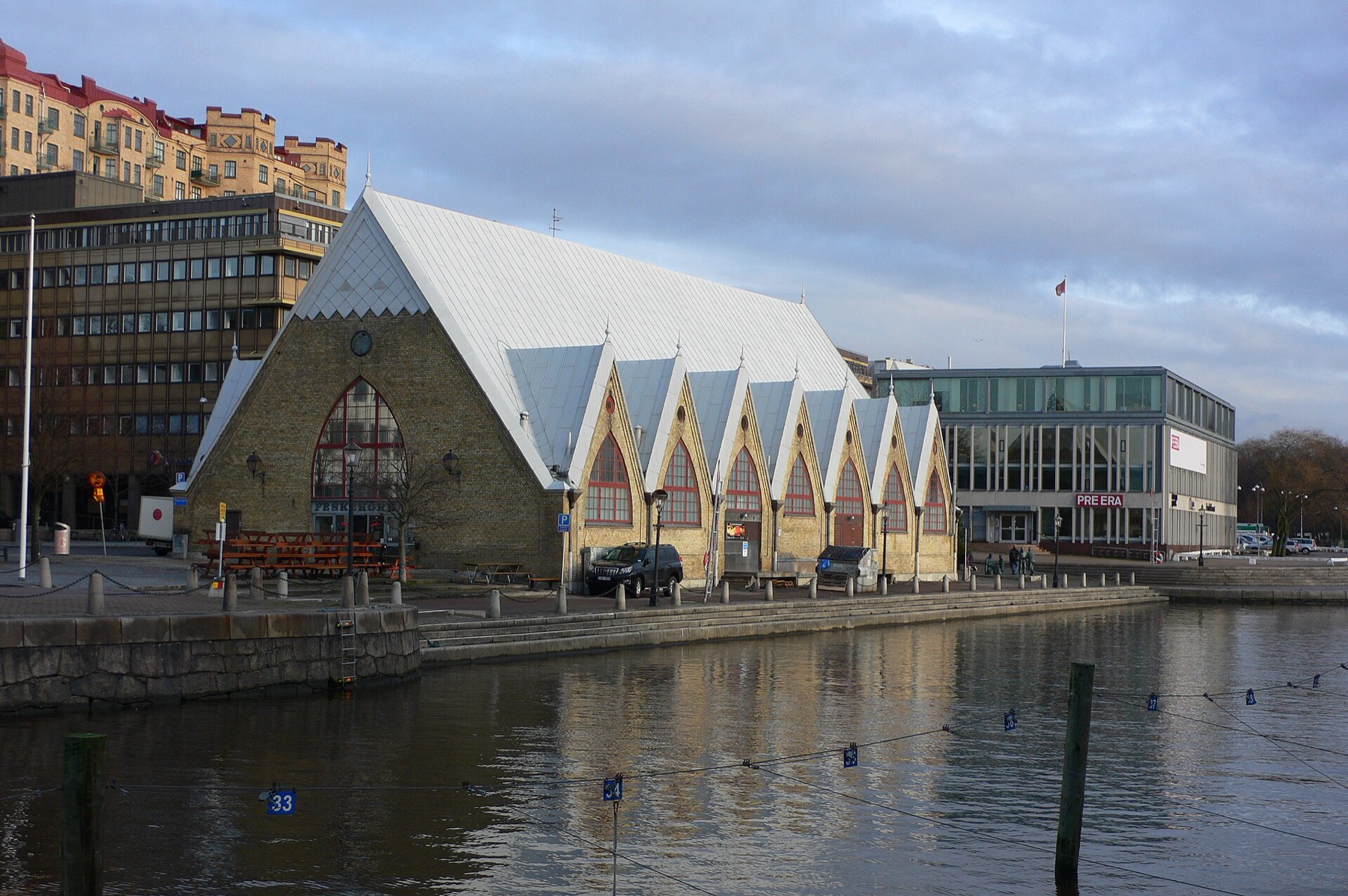
Right in the heart of the harbour, where dozens of boats are moored, lies one of the most famous market spots in Europe. The historic Fisketorget market has been running here since the thirteenth century and still forms the pulsing centre of the city. The market is divided into traditional outdoor stalls and a modern glass-covered indoor hall.
Local vendors put on an incredible parade of seafood. Fresh salmon, enormous crabs and piles of prawns lie on the counters, and visitors often have them prepared right there on the spot. Around the market, the scent of the sea mixes constantly with traders calling out in many languages of the world.
It’s not exactly a lunch spot for vegetarians, but the atmosphere is worth it. Beyond the fish, you’ll also come across stalls with fresh fruit, local cheeses and interesting souvenirs. Prices at the market tend to be steeply inflated, so seasoned travellers suggest coming here more for the experience and photos than for a big shop.
Photo: Michal Gorski / Wikimedia Commons, CC BY-SA 3.0
8. The Hanseatic Museum and Schøtstuene
To understand just how hard the lives of medieval merchants were, you need to explore the history up close. The Hanseatic Museum reveals the flip side of colourful Bryggen, where young apprentices from northern Germany survived in cramped, dark cubbyholes. The rules here were uncompromising and the work unbelievably hard.
The exhibition leads you through authentic interiors with original furniture. You’ll see hidden beds built straight into the walls, designed to protect their occupants from the biting cold, since fires were strictly forbidden inside the houses for fear of going up in flames.
The tour also includes the nearby Schøtstuene assembly halls. These were the only places where lighting a fire was permitted, so the merchants spent their winter evenings here, warming up their food and throwing wild celebrations. The museum weaves dry facts together with the real stories of specific people in a wonderfully engaging way.
9. The KODE galleries and Edvard Grieg’s home, Troldhaugen
Art lovers will be in seventh heaven in Bergen. The KODE galleries make up one of the largest museum complexes in all of Scandinavia, spread across four large buildings around a central pond. You’ll find everything here from contemporary design to classical paintings.
The biggest magnet is undoubtedly the collection of Norwegian art. The KODE 3 pavilion holds several famous works by Edvard Munch, in a wonderfully calm setting without the enormous crowds you get at the galleries in Oslo. You can also see stunning Romantic landscape paintings of Norway’s mountains and fjords.
If you love music, take a trip to the suburbs to the villa Troldhaugen. This enchanting wooden house belonged to the famous composer Edvard Grieg and sits in a gorgeous garden right by Lake Nordåsvatnet. In the summer months, piano concerts are held here regularly in a modern hall with a glass wall facing out into nature.
Photo: Premeditated / Wikimedia Commons, CC BY-SA 4.0
10. The Akvariet aquarium
If you’re travelling with kids, or simply love the underwater world, head out to the tip of the Nordnes peninsula. The aquarium here is one of the largest in northern Europe and makes a great escape on rainy days. You can walk here on a pleasant stroll from the centre or take the little ferry across the bay.
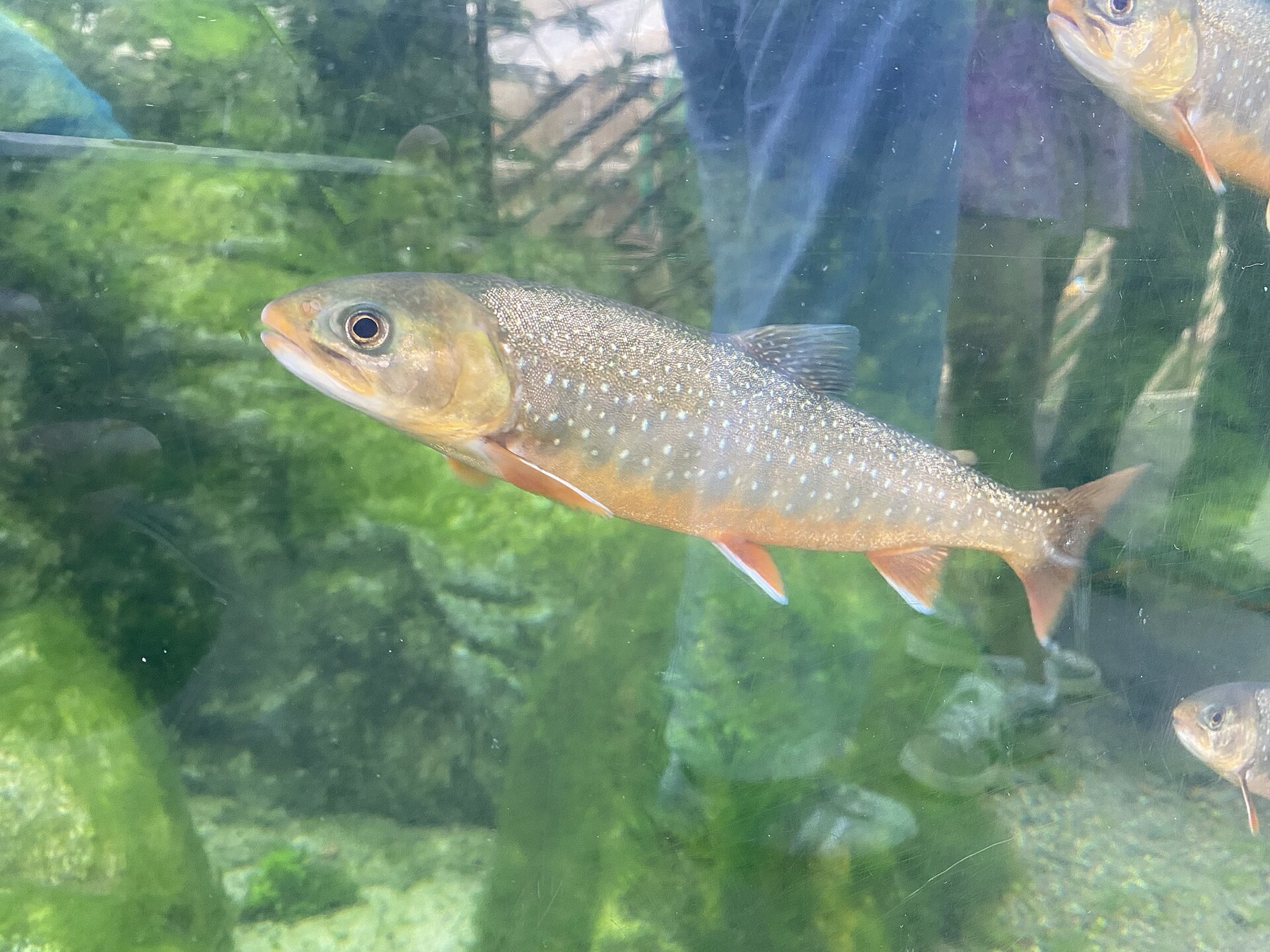
The outdoor pools are the most popular attraction. Visitors love the narrated feedings of the penguins and the playful seals, which have beautiful enclosures here mimicking their natural surroundings. The indoor pavilions hide enormous tanks with Nordic fish species and sharks.
The aquarium places great emphasis on education and conservation. You’ll also find a tropical section with crocodiles and snakes, although the main draw remains the chilly life beneath the surface of the Norwegian sea.
Photo: Enrique / Pexels
11. Boat trips into the fjords from Bergen
Being in this city and not heading out onto the water would be a sin. Bergen is the ideal starting point for exploring the Norwegian fjords, even if you only have a few hours to spare. Modern boats and quiet electric catamarans set off daily straight from the main harbour, Vågen.
The most popular half-day option is the trip into the narrow Mostraumen fjord. The boat sails through dramatic scenery full of sheer cliffs and waterfalls, and in some sections the channel is so narrow you feel like you could touch the rock straight from the deck.
💡 Tip: These trips tend to sell out fast in season. I’d recommend booking your cruise tickets well in advance — you can use the popular GetYourGuide platform, for example, where you’ll find clear ratings of the individual operators. For a longer explore, there are full-day cruises all the way to the majestic Sognefjord.
12. Bergen as the gateway to Norway in a Nutshell
If you want to experience the best of Norwegian nature in one neat package, this is the right choice. The city acts as the main starting point for the legendary Norway in a Nutshell tour, which combines travel by train, bus and boat through the most beautiful scenery.
The route usually starts with a ride on the Norwegian mountain railway to Voss. From there you continue by bus down steep hairpin bends to the fjord, where you switch to a boat sailing through the gorgeous, UNESCO-listed Nærøyfjord. The whole experience then climaxes with a ride on an incredibly steep railway line, which we describe in detail in our article on the Flåm Railway.
This loop can be done in one very long day, but locals recommend splitting it up. You can buy your tickets as a complete package through an agency, or book the individual legs yourself with the Norwegian railways, which works out a little cheaper.
Photo: Bingqian Li / Pexels
13. Street food, cafés and vegetarian eats
Although Norwegian gastronomy leans heavily on fish and meat, you won’t go hungry here even if you eat plant-based. Bergen offers a fantastic alternative and hipster scene that will delight any lover of good food and speciality coffee.
If you’re after a laid-back atmosphere, head to the Bergen Street Food hall. This modern concept brings together food stalls from around the world, you’ll find great vegetarian and vegan options, and in the evening the space turns into a lively spot with music and drinks. It’s an ideal hideaway from bad weather.
And what would a trip up north be without something sweet to finish? You absolutely have to try the traditional skillingsboller, the local take on a rich cinnamon roll. Apparently the best ones are baked in small family bakeries right in the lanes around Bryggen.
Photo: Dua’a Al-Amad / Pexels
14. Rain in Bergen and how to enjoy it
To finish, let’s talk about something that’s inseparable from this city. With more than 200 rainy days a year, Bergen holds the European record, so the odds of getting wet border on a certainty. The locals are used to the whims of the weather, though, and won’t let them dampen their mood.
The secret lies in the right gear and the right attitude. A good waterproof jacket and decent shoes are absolutely essential, while an umbrella usually doesn’t help much thanks to the frequent strong wind. In the rain, the city has an incredibly melancholic and photogenic atmosphere.
When it really pours, simply change your plans. Duck into one of the many cosy cafés, order a hot drink and watch the world go by through a fogged-up window. Or use the time to visit the KODE galleries or the Hanseatic Museum. Rain is simply part of the soul of this place.
Practical info: getting around and how to save
A few practical pieces of info will come in handy for getting around the city. The most comfortable way to reach the centre from Flesland Airport is the light rail. The modern Bybanen tram leaves straight from the airport terminal (line number 1) and brings you in roughly 45 minutes to its final stop, Byparken, right in the heart of the city. You can simply buy your ticket in the Skyss app or from the machines at the stop. Getting to Bergen from the UK is easy too — there are direct flights from London with airlines such as British Airways and Norwegian, and budget carriers also serve Bergen seasonally.
If you’re planning an action-packed itinerary, consider getting a tourist card. The Bergen Card offers free public transport and significant discounts on entry fees, including the Fløibanen funicular and most museums. You can buy it for 24 to 96 hours online or at the tourist centre by the fish market. Given Norway’s high prices, the investment in the card pays for itself very quickly once you visit two or three attractions a day.
Where to go next from Bergen
If you have more time in Norway, it would be a real shame to stay in just one place. Check out our other articles and plan an unforgettable road trip through the north:
Want to know what else this amazing country has to offer? Read our big list Norway: 50 things to see.
For a deeper dive into the surrounding nature, don’t miss our guide to the Norwegian fjords.
If the capital and its modern architecture appeal to you, get inspired in our article Oslo: what to see.
Frequently asked questions
How many days do you need to visit Bergen?
“`html
For the historic center itself, museums, and a cable car ride, 1 to 2 full days will be enough. However, if you plan to use Bergen as a base for boat trips to the fjords, set aside at least 3 days.
“`
Does it really rain all the time in Bergen?
“`html
Rain is very common here, it rains more than 200 days a year due to the location between the mountains and the ocean. However, it’s usually not a constant downpour, the weather changes quickly. Definitely bring waterproof clothing, the city has its charm even in the rain.
“`
Is it worth buying the Bergen Card?
Yes, if you’re planning an active program. The card pays off when you use the tram from the airport, take a ride on the Fløibanen funicular, and visit at least two paid museums. Plus, you’ll save time when buying tickets.
How to best get from Flesland Airport to the city center?
The most convenient and comfortable option is the Bybanen tram (line 1). It departs directly from the airport underground and takes you to the city center at Byparken stop in 45 minutes without transfers. The journey costs the same as a regular public transport ticket.
Is Bergen a good base for trips to the fjords?
Absolutely ideal. The port is nicknamed the gateway to the fjords and ships depart daily for half-day and full-day cruises. You can easily get from here to Sognefjord or take the popular Norway in a Nutshell route.
Where to eat vegetarian in Bergen?
Even despite the traditional focus on fish, you’ll find great options here. Excellent vegetarian and vegan dishes are offered at Bergen Street Food hall or countless modern cafés in the center. Definitely don’t miss the cinnamon roll skillingsboller.
What to see in Bergen when it’s really pouring?
Hide away in the extensive KODE gallery complex, explore history at the Hanseatic Museum, or head out with the kids to the massive Akvariet aquarium. The view from the Fløibanen funicular is also interesting, whose cabins are glass-enclosed and covered.
Tips and Tricks for Your Vacation
Don’t Overpay for Flights
Search for flights on Kayak. It’s our favorite search engine because it scans the websites of all airlines and always finds the cheapest connection.
Book Your Accommodation Smartly
The best experiences we’ve had when looking for accommodation (from Alaska to Morocco) are with Booking.com, where hotels, apartments, and entire houses are usually the cheapest and most widely available.
Don’t Forget Travel Insurance
Good travel insurance will protect you against illness, accidents, theft, or flight cancellations. We’ve had a few hospital visits abroad, so we know how important it is to have proper insurance arranged.
Where we insure ourselves: SafetyWing (best for everyone) and TrueTraveller (for extra-long trips).
Why don’t we recommend any Czech insurance company? Because they have too many restrictions. They set limits on the number of days abroad, travel insurance via a credit card often requires you to pay medical expenses only with that card, and they frequently limit the number of returns to the Czech Republic.
Find the Best Experiences
Get Your Guide is a huge online marketplace where you can book guided walks, trips, skip-the-line tickets, tours, and much more. We always find some extra fun there!
TL;DRTrondheim packs a dozen top tips around Nidaros Cathedral, Scandinavia’s largest medieval building, raised over the grave of St Olav. Highlights include the colourful Bakklandet district with its old Gamle Bybro bridge, the quirky Trampe bicycle lift, the timber Stiftsgården palace, Kristiansten Fortress and the island of Munkholmen, where you can swim in summer. One or two days covers the centre and Bakklandet, so add another if you fancy a boat trip and the museums. Summer, from May to August, is the best time to come, with temperatures around 18 to 22 degrees, and the loveliest way in is the Dovrebanen train from Oslo, taking roughly six and a half hours.
If you’re planning a trip up to the far north, you’re probably wondering where to make a strategic stopover. Trondheim is the historic heart of Norway, a city that many travellers unfairly overlook in their chase for the fjords. Yet this is exactly where you’ll find a fascinating mix of deep history, gorgeous Nordic architecture and the incredibly laid-back atmosphere that the local students bring to the place.
Although it once served as the capital and Norwegian kings are still crowned here to this day, it feels more like a very cosy and friendly little town. The colourful wooden warehouses along the River Nidelva contrast beautifully with the majestic towers of the enormous cathedral, while the ever-present little cafés tempt you to sit down over an excellent coffee. It’s no wonder this place regularly ranks among the very best cities to live in across Scandinavia.
Let’s take a look together at 12 things to do in Trondheim, Norway, so you get the absolute best out of your visit. I’ll tell you where to find the most unique bicycle lift in the world, which neighbourhoods to head to for great vegetarian food, and how to cleverly plan the train journey from Oslo.
TL;DR
The biggest landmark: Nidaros Cathedral is the largest medieval building in Scandinavia and an absolute must when visiting the city.
The most photogenic district: Bakklandet will charm you with its colourful wooden houses on stilts and the old Gamle Bybro bridge.
A unique experience: On the steep hill up to Kristiansten you can ride the only bicycle lift in the world, known as Trampe.
Where to eat: The former docks in the Solsiden district are now home to a hub of excellent restaurants and bistros.
A boat trip: In summer, be sure to head out to the islet of Munkholmen, where you can swim and have a picnic.
Getting there: The most beautiful way is by train from Oslo along the Dovrebanen line, or you can use Værnes international airport.
Norwegian weather can be unpredictable, but if you want to enjoy the city to the fullest, summer is definitely your best bet. From May to August the days grow incredibly long, the sun sets late into the night, and you’ll have plenty of time to explore the streets. Locals come alive during this season, filling the outdoor café terraces, and the riverside radiates an unbeatable sense of ease.
Summer is also the only time you can easily catch a boat to the popular islet of Munkholmen, a favourite spot for swimming and relaxing. In July and August, temperatures usually hover around a pleasant 18 to 22 degrees Celsius, which is absolutely ideal for hiking without exhausting heat. Just don’t forget to pack a light waterproof jacket, because a shower can appear at literally any moment.
Winter, on the other hand, has its own very different, darker but deeply romantic charm. The Christmas markets in front of the illuminated Nidaros Cathedral are among the most beautiful in the entire country. The days are very short and temperatures drop below freezing, but if you dress well, you’ll be rewarded with a magical winter atmosphere free of tourist crowds. Spring and autumn are quieter transitional seasons, when you should expect more frequent rain and wind.
Photo: Anton Ovcharov / Pexels
Where to stay in Trondheim
💡 Tip for accommodation and experiences: We like to look for places to stay on Booking.com, which usually has the best cancellation terms. Tickets, tours and activities are then worth comparing and buying through GetYourGuide.
Choosing the right hotel can take your city experience to a whole new level, especially in Norway, where accommodation standards are very high. Expect prices of roughly 1,400 to 2,600 NOK (about 120 to 225 €) per night for a double room. Most of the best hotels are within walking distance of the main sights, so you won’t have to worry about complicated commutes on public transport at all.
If you want to treat yourself to some genuine historic luxury, book a room at the iconic Britannia Hotel. This stunning five-star palace right in the centre offers first-class service, a beautiful spa and incredibly lavish breakfasts. It’s the perfect choice for special occasions or a romantic weekend you’ll remember for a long time.
For food lovers, an absolute legend is the Scandic Nidelven, which sits right by the river. This hotel regularly boasts the title of best hotel breakfast in all of Norway, which in a country with such high culinary standards is an enormous honour. A great and slightly more affordable option is the Clarion Collection Hotel Bakeriet, housed in the historic building of a former bakery and often including a light dinner in the room rate, which will save you a fair bit of money in Norway.
Photo: Daniel Shipilov / Pexels
How to get to Trondheim
The journey to this Nordic city can be a huge experience in itself. The most beautiful option is the train from Oslo along the famous line known as Dovrebanen. The journey takes around six and a half hours and offers absolutely breathtaking views of Norway’s mountains, deep valleys and the wild scenery of Dovrefjell National Park. It pays to buy tickets well in advance through the Norwegian railways, as prices rise sharply as the departure date approaches.
If you’re in a hurry or travelling from further afield, the fastest option is flying into Værnes international airport. From the UK, you’ll typically get here with one connection, usually via Oslo or Copenhagen — direct flights to Trondheim, Norway are rare, so check routes from London or Manchester with carriers like SAS, Norwegian or KLM. The airport itself lies about 35 kilometres east of the centre, from where regular airport buses or local trains will whisk you comfortably and quickly into town.
Trondheim also works as an absolutely ideal gateway for further travel to the far north. This is where another famous railway line, the Nordlandsbanen, begins, taking you all the way past the Arctic Circle to the town of Bodø. From there it’s just a short ferry hop to the magical Lofoten Islands, which makes the city a perfect multi-day stop on a longer Scandinavian road trip.
Photo: Jonas Bratland / Pexels
The historic centre and royal landmarks
The city centre is fairly compact and you can easily walk to all the main historic gems. This is where you’ll feel that majestic legacy of the past most strongly, from the days when the city served as the main seat of power for the whole country. The architecture flows seamlessly here, from medieval stone walls to gorgeous wooden palaces that still serve their original purpose to this day.
As you stroll through the cobbled streets around the main square, Torvet, be sure to notice the statue of the city’s founder, the Viking king Olav Tryggvason. From this central point, it’s easy to find your way to all three of the most significant landmarks that form the very soul of Norway’s royal and spiritual history.
Photo: Marian Florinel Condruz / Pexels
1. Nidaros Cathedral (Nidarosdomen)
This enormous structure is an absolute jewel and the largest medieval cathedral in all of Scandinavia. It was built over the grave of Saint Olav, the patron saint of Norway, and its west front, adorned with dozens of meticulously carved statues, will simply take your breath away. By tradition, the coronations and blessings of Norwegian monarchs still take place within these very walls, which lends the place enormous gravity.
While a walk around the exterior of the majestic building is completely free, there is an entrance fee to access the interior and to climb the tower. Inside, you’ll be captivated by the beautiful stained-glass windows and the darkly Gothic atmosphere, which contrasts with the typical Nordic restraint. If you love a good view, definitely climb the narrow steps up to the main tower, where you’ll get a stunning panorama of the whole city and the bay.
💡 Tip: You can easily book tickets for the cathedral tour in advance, as well as various fjord cruises or guided city walks, through platforms like GetYourGuide, so you have peace of mind on the spot and can skip the queues.
Photo: op23 / Pexels
2. The wooden palace of Stiftsgården
Right in the bustling centre you’ll come across an enormous yellow building that looks at first glance like a set from a historical film. Stiftsgården is the largest wooden palace structure in Scandinavia and still serves as the official royal residence when the royal family visits the city. It was built at the end of the 18th century, originally for a wealthy and ambitious merchant woman, which in itself shows the riches of the local elite at the time.
During the summer months, the gorgeous period interiors are open to visitors, accessible as part of guided tours. You can admire the lavish furniture and intricate wallpapers, and learn plenty of interesting facts about how people once lived and heated such an enormous wooden building. Even if you only decide to walk past, be sure to make time for a stroll through the lovely adjacent park, which is freely accessible.
Photo: Offerdal / Wikimedia Commons, Public domain
3. The pilgrimage route of Saint Olav
This might surprise you, but Trondheim has for centuries been the destination of hundreds of thousands of pilgrims and adventurers from all over Europe. The St. Olav’s Way pilgrimage route is a kind of Nordic counterpart to the famous Camino de Santiago de Compostela. The trails lead through wild mountains, quiet forests and picturesque valleys, all symbolically converging at the grave of Saint Olav in Nidaros Cathedral.
Today, this route is used by far more than just the faithful — it increasingly attracts lovers of hiking and slow travel. Even if you have no plans to walk hundreds of kilometres, you can at least cover the final few kilometres before the city gates and soak up that distinctive atmosphere of a path trodden for millennia by generations of pilgrims. At the information centre near the cathedral, you’ll discover fascinating stories about the history of this Nordic journey.
Photo: Gunnar Ridderström / Pexels
Iconic districts and city views
As soon as you leave the shadows of the medieval walls, a much more colourful and playful face of the city opens up before you. The wooden architecture and steep little hills create amazing photographic potential, which you’ll appreciate at every step. The city is brilliantly set up for walking, so you can gather all these iconic views over the course of a single afternoon.
Water plays the leading role here, as the River Nidelva winds lazily right through the middle of the city, creating gorgeous mirrors for the surrounding houses. Crossing the old bridges into the outlying districts will transport you back in time to the days when, instead of tourists, it was sailors, merchants and dock workers loading dried fish who strolled along here.
Photo: Rino Adamo / Pexels
4. The magical Bakklandet district
If there’s one place you’ll fall in love with instantly, it’s Bakklandet. This district is famous for its old wooden warehouses on stilts, which line the riverbanks and glow in every colour from rich ochre to traditional Falun red. It was originally a poor working-class neighbourhood, but today it has transformed into the most charming and bohemian spot in the whole area.
The narrow cobbled streets are full of independent boutiques, small galleries and cosy cafés, where locals gather over a cup of filter coffee and fresh cinnamon buns. Don’t forget to photograph the whole scene from the opposite bank near the cathedral, because from there the stilt houses reflected on the river’s surface stand out absolutely perfectly. It’s a scene straight off a postcard.
To make your crossing into the Bakklandet district stylish, you’ll need to use the most famous bridge in the city. Gamle Bybro dates back to the seventeenth century and, thanks to its iconic red carved portals, has earned the lovely nickname of the Gate of Happiness. Locals reputedly believe that if you make a wish beneath its arches, there’s a good chance it’ll soon come true.
The bridge itself is reserved exclusively for pedestrians and cyclists, so you can stop here calmly and take in the views on both sides of the river. This is exactly where you’ll capture the most beautiful photos of the colourful warehouses, and if you’re lucky with calm weather, the reflection of the houses on the water’s surface will be utterly flawless. The bridge is gorgeous not only by day but also in the evening, when it’s sensitively and romantically lit up.
Photo: Clemensfranz / Wikimedia Commons, CC BY-SA 3.0
6. The Trampe bicycle lift
Cycling is hugely popular in Norway, but the steep hills can be a serious challenge even for trained riders. That’s why an absolute world first was created here, called Trampe — a special lift for cyclists built straight into the pavement. You’ll find it just past the Gamle Bybro bridge, and it’s designed to make the demanding climb up the steep Brubakken hill easier.
It works surprisingly simply, though it takes a little practice the first time. The cyclist braces their right foot against a small metal footplate that emerges from the rail, and it pushes them and their bike up to the top at a brisk walking pace. Even if you’re not on a bike yourself, definitely stop here for a moment and watch the locals conquer this otherwise brutal incline with total elegance and zero effort.
Photo: Diego Delso / Wikimedia Commons, CC BY-SA 4.0
7. The baroque Kristiansten Fortress
Once you’ve made it up the hill above the Bakklandet district somehow, your steps should head towards the white ramparts. Kristiansten Fortress was built after the great fire in the 17th century to protect the city against raids from the east, primarily from the Swedish army. Its massive walls and old cannons still recall the turbulent military history of the entire region.
Today it’s mainly a popular relaxation spot with a sprawling park, where families head out for weekend picnics. The main draw, though, is the fantastic panoramic view of the city, the whole Bakklandet district, the mighty cathedral and the deep blue waters of the nearby fjord. Entry to the outer grounds of the fortress is free all year round, which makes it an ideal destination for an afternoon walk.
Photo: Jędrzej Koralewski / Pexels
Music, islands and modern life
Trondheim certainly doesn’t live off its famous past alone — quite the opposite, huge doses of youthful energy pulse through its veins. Thanks to the presence of Norway’s largest university, the city is full of students who set the tone for the contemporary culture, café scene and nightlife. The old industrial zones here are constantly being transformed into modern cultural hubs.
If you love art and music, you’ll be absolutely thrilled. You’ll find world-class museums here, dedicated both to classical instruments and to modern pop and rock. The combination of industrial architecture, the seaside and an innovative approach to public space makes this part of the city an immensely inspiring place to explore.
Photo: Magne Gisvold/Rockheim / Wikimedia Commons, CC BY-SA 3.0
8. The Rockheim national museum of music
Right by the harbour, you’ll be drawn to a building with a peculiar glowing cube on its roof, which lures visitors from afar. Rockheim is a fantastic interactive museum of popular music, mapping the Norwegian music scene from the 1950s right up to the cutting-edge present. Forget boring display cases — here everything is about the experience and trying things out hands-on.
You can try mixing your own hip-hop track, learn the basics of the electric guitar in soundproofed practice rooms, or wander through faithful replicas of teenagers’ bedrooms from different decades. It’s huge fun for adults and families with kids alike, where you can easily spend half a day. From the top floor and the restaurant, there’s also a cracking view of the harbour and the surrounding sea.
Photo: Daderot / Wikimedia Commons, Public domain
9. The Ringve music museum
If you prefer more classical tones and a quieter setting, you’ll need to head a little out of town to a beautiful old manor. The Ringve museum holds an enormous collection of rare musical instruments from all over the world, housed in gorgeous historic interiors. Unlike the modern Rockheim, here you’ll be met with the calm atmosphere of bygone days and aristocratic salons.
The great added value of this place is also its surroundings. The building is in fact encircled by a sprawling, carefully tended botanical garden, which is ideal for long romantic walks among blooming flowers and rare trees. The combination of history, music and beautiful nature makes Ringve one of the most enchanting secret tips in the entire region.
Photo: Jędrzej Koralewski / Pexels
10. The islet of Munkholmen
When you look out from the harbour towards the fjord, you’ll surely notice a small piece of land jutting out of the water not far from the shore. The islet of Munkholmen has an incredibly varied and dark history behind it, having served as an execution site, a monastery, a military fortress and a guarded prison. Today, thankfully, no horrors await here, and the place has transformed into a popular recreation zone.
During the summer season, small passenger boats full of locals and tourists sail out here regularly from the central harbour. It’s one of the best spots in the area for summer swimming and picnics on the grassy areas behind the old ramparts. You’ll also find a pleasant little café here, and you can pay for a guided tour of the remains of the old fortress and monastery, which will walk you through the island’s tangled history.
Photo: Gunnar Ridderström / Pexels
11. The student vibe and the Solsiden district
Thanks to the Norwegian University of Science and Technology (NTNU), students make up almost a fifth of the city’s entire population, and it shows enormously on the streets. This young energy is most concentrated in the Solsiden district, which translates as the Sunny Side. It’s a former area of old docks and shipyards that has undergone an amazing revitalisation and is now one of the most modern and liveliest addresses around.
The brick walls of the old factories and the preserved rusty cranes create a striking industrial contrast with the modern design and glass-fronted shops. The waterfront is lined with a huge number of bars, restaurants and clubs, where life buzzes from early afternoon until the late hours of the night. It’s the perfect place to head for an evening drink and soak up the relaxed Nordic atmosphere after a demanding day full of sightseeing.
Photo: Zak Mogel / Pexels
12. Street food, cafés and vegetarian dining
Norwegian gastronomy has long since stopped being just about dried fish — on the contrary, modern Nordic cuisine places enormous emphasis on local ingredients and innovation. If you’re looking for great vegetarian options, head to the Bakklandet and Solsiden districts, where you’ll find plenty of progressive bistros offering delicious plant-based dishes, homemade hummus and inventive vegetable soups. For those who want to try local meaty specialities, traditional spots serve reindeer stew or fresh salmon as a taste of the local heritage.
Lovers of good coffee will feel like they’re in a genuine paradise here, because the culture of speciality coffee in Norway is honed to perfection. Be sure not to skip a traditional Norwegian pastry with your coffee, such as cinnamon buns or cardamom knots, which they bake here incredibly soft and fragrant. Around the market in particular, you can hunt down some cracking street-food bites that’ll fill you up for a fraction of the price of the classic high-end restaurants.
Where to go next from Trondheim
Once you’ve enjoyed the historic streets and cafés to your heart’s content, the city will serve as the perfect springboard for further adventures. Norway is vast and offers countless places worth discovering. If you want to carry on exploring the breathtaking nature beyond the Arctic Circle, be sure to read our detailed guide on What to See in Lofoten (the big guide).
If, on the other hand, you’re heading more south or west and longing for the most famous natural scenery, our article on The Norwegian Fjords — a guide will help. For a comprehensive overview of the whole country and for planning bigger road trips, don’t miss our roundup of Norway: 50 Things to See. And if you’re returning via the capital or flying in from there, you’ll find plenty of inspiration in our guide to Oslo: What to See.
Frequently asked questions
How many days are enough for Trondheim?
For exploring the historical center itself, visiting the massive Nidaros Cathedral, and wandering through the streets of Bakklandet, one to two full days will easily suffice. However, if you’re planning to take a boat trip to the island of Munkholmen or visit more museums, it’s definitely worth adding an extra day.
Do you pay to enter Nidaros Cathedral?
Yes, while strolling through the beautiful outdoor grounds is free, there’s an admission fee for entering the interior of the cathedral itself and for climbing the tall viewing tower. It’s often better to buy tickets online in advance to avoid the long queues at the ticket office during the peak summer season.
How to get to Trondheim?
The most comfortable and visually stunning way to get there is by train from Oslo on the famous Dovrebanen railway line, which takes roughly six and a half hours through breathtaking scenery. The city also has an international airport, Værnes, which you can reach easily and relatively cheaply by air from Oslo or other European capitals.
When is the best time to visit?
The ideal time to visit is between May and August, when you can enjoy incredibly long days full of light and take a boat trip to the popular little island of Munkholmen. Winters here tend to be very dark and quite cold, but on the other hand, they reward you with the magical atmosphere of beautiful Christmas markets without the crowds of tourists.
Is Trondheim a good stop on the way north?
Absolutely yes, the city works as a completely perfect and strategic gateway for journeys deeper north to the Arctic Circle. The popular Nordlandsbanen railway line starts here, which will comfortably take you to the city of Bodø, and from there it’s just a short ferry ride to the magical Lofoten Islands.
Where to eat vegetarian in Trondheim?
The best options for plant-based food can be found in the student quarter Solsiden and in the cozy cafés around Bakklandet. You’ll find plenty of modern bistros focused on healthy street food, excellent coffee shops offering vegan desserts, and restaurants with quality vegetarian versions of Nordic dishes.
What to see in Trondheim with kids?
For families with children, the interactive popular music museum Rockheim is an absolute hit, where they can try playing various instruments. In summer, a boat trip to Munkholmen island combined with swimming is a great experience, and kids will definitely be entertained by watching the unique Trampe bicycle lift on the steep hill.
Tips and Tricks for Your Vacation
Don’t Overpay for Flights
Search for flights on Kayak. It’s our favorite search engine because it scans the websites of all airlines and always finds the cheapest connection.
Book Your Accommodation Smartly
The best experiences we’ve had when looking for accommodation (from Alaska to Morocco) are with Booking.com, where hotels, apartments, and entire houses are usually the cheapest and most widely available.
Don’t Forget Travel Insurance
Good travel insurance will protect you against illness, accidents, theft, or flight cancellations. We’ve had a few hospital visits abroad, so we know how important it is to have proper insurance arranged.
Where we insure ourselves: SafetyWing (best for everyone) and TrueTraveller (for extra-long trips).
Why don’t we recommend any Czech insurance company? Because they have too many restrictions. They set limits on the number of days abroad, travel insurance via a credit card often requires you to pay medical expenses only with that card, and they frequently limit the number of returns to the Czech Republic.
Find the Best Experiences
Get Your Guide is a huge online marketplace where you can book guided walks, trips, skip-the-line tickets, tours, and much more. We always find some extra fun there!
TL;DRÅlesund is Norway’s art nouveau port town, rebuilt in jugendstil style after a devastating fire in 1904, and it’s the perfect base for exploring Geirangerfjord and Hjørundfjord. Among the 12 highlights are a stroll along the Brosundet canal, the 418-step climb to the Aksla viewpoint, a visit to the Atlanterhavsparken aquarium, and puffin-watching on Runde island from April to mid-August. One day is enough for the centre and the viewpoint, but give yourself 2 to 3 days if you want to fit in the wider area and day trips. Summer, from May to August, is the best time to come, with the longest days and the mildest weather. You can reach Ålesund by air via Vigra airport, by Hurtigruten ferry, or by driving the coastal roads from Oslo or Bergen.
Norway is famous for its rugged mountains and bottomless fjords, but one town breaks completely free from that classic image. Ålesund in Norway is a fairy-tale harbour that rose from the ashes in a stunning Art Nouveau style after a devastating fire in 1904, and today it rightfully ranks among the greatest architectural gems in all of Scandinavia.
The town spreads across several islands right on the shores of the Atlantic, so alongside its elegant ornamented facades you’ll find the ever-present scent of the sea and the cry of gulls. And if you’re looking for the perfect base from which to explore the western coast, you’d be hard pressed to find a more strategic spot for your Nordic holiday.
In this article we’ll take a look together at 12 things to see and do in Ålesund, so you can get the absolute most out of your visit. I’ll show you where to find the most beautiful view over the town, where to spot adorable puffins, and how to plan an unforgettable trip into the surrounding wilderness.
TL;DR
Art Nouveau architecture: The entire town centre is built in a unified Jugendstil style, best admired on a stroll along the Brosundet canal.
Best view: The Aksla viewpoint offers an iconic panorama of the town and surrounding islands, with exactly 418 steps leading to the top.
Fjord trips: Ålesund serves as the main gateway to the famous Geirangerfjord and the quieter Hjørundfjord.
Wildlife and nature: On the island of Runde you can watch thousands of puffins in summer, while the Atlanterhavsparken aquarium reveals the underwater life of the ocean.
Getting there: The town is easy to reach by air via Vigra airport, by Hurtigruten coastal ferries, or on a scenic drive along the Norwegian coast.
If you want to experience the town and surrounding islands at their most beautiful, the best time to visit is without doubt summer — the period from May to August. The days are incredibly long during these months, nature comes alive, and you have the best chance of pleasant, sunny weather.
Summer is also absolutely key if you’re planning to watch the puffins on the island of Runde, since these tiny birds nest here roughly from April to mid-August. In the winter months you’d struggle to spot these beloved seabirds anywhere on the islands.
Thanks to the influence of the Gulf Stream, Ålesund has a fairly mild climate all year round, but the flip side is that you have to be ready for very changeable weather, where sunshine can give way to a sudden shower within minutes. So whatever month you head north, be sure to pack a good waterproof jacket and comfortable shoes.
Photo: Sofiia Asmi / Pexels
Where to stay in Ålesund
💡 Tip for accommodation and experiences: We prefer to book our stays on Booking.com, which usually has the best cancellation policies. Tickets, tours and activities are then worth comparing and buying through GetYourGuide.
When planning your trip I’d recommend looking for accommodation as close as possible to the historic centre and the Brosundet canal, where you’ll have all the main sights within walking distance. Norway isn’t exactly a cheap destination, and a night in a double room here typically costs between 1,500 and 2,600 NOK, which works out to roughly €130 to €230.
It’s always wise to book your stay well in advance through Booking, as rooms disappear at an astonishing rate during the summer season. Here are some specific hotel picks that travellers have long rated among the very best in town:
Hotel Brosundet: A gorgeous design hotel right on the main canal, which even offers the chance to stay in the old Molja lighthouse.
Scandic Parken: A great, more affordable choice right in the town centre, with a famously generous breakfast spread to look forward to.
Quality Hotel Waterfront: Modern accommodation right next to the harbour with beautiful sea views and very comfortable rooms for relaxing after your day trips.
Photo: Cynrar / Pexels
How to get to Ålesund
The quickest way from the UK is to use Vigra airport, which sits on a nearby island and is served by regular flights from Oslo, Bergen and other European hubs. From the UK you’ll generally connect via Oslo or Bergen, and once you land at Vigra you can reach the town centre easily and comfortably on regular buses.
If you prefer slower, more romantic travel, Ålesund is a major stop on the famous Hurtigruten coastal ferries, which sail the Norwegian coast all the way from the south to the far north. Arriving in the harbour at dawn or sunset is an experience that simply belongs to any Norwegian holiday.
For travellers with a rental car, the town is reachable along beautiful coastal roads from Oslo or Bergen, though you’ll need to factor in the occasional ferry crossing linking the various stretches of mainland. From Ålesund you can then continue seamlessly along the famous Eagle Road (Ørnevegen) straight into the heart of Geirangerfjord.
Photo: Andreas Berget / Pexels
The Art Nouveau heart of the town and breathtaking views
Ålesund’s historic core is utterly unique and may well surprise you with its elegant architecture, which you’d hardly expect amid such rugged Nordic scenery. Let’s take a look at the most important landmarks that draw art lovers here from all over the world.
You’d do well to set aside at least a full day to explore the centre itself, so you’ll have plenty of time to wander the narrow streets, soak up the atmosphere, and conquer the famous viewpoint that towers right above the town.
Photo: Andreas Berget / Pexels
1. Art Nouveau (Jugendstil) architecture in the town centre
When a huge fire destroyed almost the entire wooden town of the time in 1904, residents had to start completely from scratch. Thanks to international aid and young Norwegian architects, a new town of stone and brick rose up in the then-fashionable Jugendstil style, making it a true world-class rarity.
Today you can stroll along the picturesque Brosundet canal and admire dozens of pastel-coloured houses decorated with all manner of turrets, arches and intricate ornamentation. The most beautiful photos come from the bridges arching over the canal, where the historic facades are mirrored on the calm surface of the water.
💡 Tip: As you walk, don’t forget to look up, because the most beautiful details and reliefs inspired by Norse mythology are often tucked away just beneath the rooflines of the individual buildings.
Photo: Wycher van Vliet / Pexels
2. The Aksla viewpoint and Fjellstua
If there’s one place you absolutely must not skip on your visit, it’s the Aksla viewpoint. From the Byparken town park, a climb of exactly 418 steps awaits, leading you to the top of the hill right above the historic centre.
Your reward for a little physical effort is an absolutely iconic and unforgettable view of the town’s fairy-tale rooftops, the scattered islands all around, and the majestic peaks of the Sunnmøre Alps in the distance. Right at the top you’ll find the Fjellstua restaurant and café, where you can enjoy a well-earned coffee and drink in the beauty.
If the steps would be too much of an obstacle, or you’re travelling with small children, you can also reach the viewpoint very easily by car along the road that leads up the back of the hill. I’d definitely recommend coming here in the early evening, when the setting sun paints the whole town in gorgeous golden hues.
Photo: Alex Does Pictures / Pexels
3. The Art Nouveau Centre (Jugendstilsenteret) and KUBE gallery
For a deeper understanding of how the town rose from the ashes after the fire, I’d recommend heading to the Art Nouveau Centre, which is housed in the gorgeous building of a former pharmacy dating from 1907. The preserved pharmacy interior alone, with its original wooden fittings, is well worth a look.
Inside the museum you’ll find fascinating exhibitions on the town’s history, a so-called time machine showing the progress of the devastating fire, and of course rich collections of Art Nouveau furniture, jewellery and art. The displays are very modern and engaging, and will captivate even visitors who aren’t usually all that interested in architecture.
Right next door, connected to the museum, you’ll also find the KUBE gallery of modern art, which regularly hosts exhibitions of contemporary Norwegian and international artists. You can buy a combined ticket for both institutions, giving you a great cultural programme for a rainy afternoon.
Photo: Susanne Jutzeler, suju-foto / Pexels
4. The Molja lighthouse and Brosundet harbour
At the very end of the pier that guards the entrance to the main harbour stands the tiny red-and-white Molja lighthouse, an inseparable part of the town’s silhouette. Even though it’s only a little over three metres in diameter, it has reliably guided ships for more than 150 years.
Interestingly, the interior of this historic lighthouse was recently completely renovated and now serves as a truly unique hotel room, part of the nearby Hotel Brosundet. Even if you don’t stay here, a walk along the breakwater out to the lighthouse offers lovely views back towards the town centre.
The Brosundet harbour itself is the proverbial beating heart of Ålesund, where luxury yachts are moored alongside traditional fishing boats, and the whole promenade is dotted with pleasant cafés and restaurants with outdoor seating.
Photo: Stefan de Vries / Pexels
Nature, open-air museums and the underwater world
Ålesund isn’t just about the town’s streets — it’s also about its close bond with the wild Nordic nature that surrounds it on all sides. It would be a huge shame to stay only in the centre when you’ll find fascinating natural and historical attractions right on its doorstep.
Set aside some time to explore the underwater world and local history, because these experiences will help you better understand just how hard, yet beautiful, life on the Atlantic coast has been over the centuries.
Photo: El Pantera / Wikimedia Commons, CC BY-SA 4.0
5. The Atlanterhavsparken aquarium
Just a few kilometres from the town centre lies Atlanterhavsparken, which boasts the title of one of the largest saltwater aquariums in all of northern Europe. It’s unique above all because much of it is sensitively built right into the rugged coastal rocks at the ocean’s edge.
Inside you’ll be captivated by enormous tanks of seawater, home to majestic cod, halibut and other inhabitants of the northern seas. The biggest draw, though, is the regular afternoon fish feeding, when divers plunge straight into the main tank — something that never fails to thrill visitors young and old.
The sprawling outdoor area is then home to large pools with playful seals and penguins, where you can spend plenty of time watching their aquatic acrobatics. The whole park is also surrounded by beautiful walking trails with sea views, so feel free to plan a half-day trip here.
Photo: Ad Meskens
You are free to use this picture for any purpose / Wikimedia Commons, CC BY-SA 4.0
6. The Sunnmøre Museum (open-air museum and ships)
If you want to step back a few centuries in time, head to the wonderful Sunnmøre open-air museum, set just outside town in a beautiful wooded area. It’s a sprawling open-air museum that gathers dozens of historic buildings from the wider region.
Walking among the old farms, barns and cottages with their typical grass roofs gives you a great sense of how people lived in Norway many centuries ago. The cottages are often open, with period furnishings inside, which adds enormously to the place’s authenticity.
The museum also boasts one more huge attraction: an extensive collection of historic ships and boats, including stunning replicas of ancient Viking vessels. The boats are displayed in special halls and right on the water, perfectly illustrating the importance of seafaring to this Nordic region.
Photo: Barnabas Davoti / Pexels
7. A hike up Mount Sukkertoppen
The Aksla viewpoint may offer the classic view of the town, but if you fancy a bit of hiking out in nature, set off for the hill known as Sukkertoppen (literally “Sugar Top”). This cone-shaped peak rises 314 metres and sits on the island of Hessa, which is connected to the centre by bridges.
The climb to the top is a touch more demanding than walking the steps from the town park, but any reasonably fit walker can manage it, with the route from the car park taking about an hour and a half. The trail starts off through forest and then climbs along an open rocky ridge.
From the summit you’ll be treated to a fantastic panoramic view in all directions, taking in not only Ålesund itself but also the endless ocean, the islands and the deep fjords cutting into the mainland. It’s a hugely popular spot with the locals themselves, who love coming here to unwind after work.
Islands, fjords and boat trips around the area
Ålesund’s geographic location makes it the perfect springboard for trips across the wider region, whether you’re drawn by the dramatic cliffs of the islands or the deep waters of the mainland fjords. Heading out to sea here is simply an absolute must, without which your holiday just wouldn’t be complete.
In this section we’ll focus on tips that will require a drive or the purchase of a boat ticket, but believe me, every Norwegian krone you invest will pay you back a hundredfold in unforgettable experiences.
8. Ålesund as the gateway to Geirangerfjord and Hjørundfjord
From the town it’s only a short hop to some of the most famous natural wonders in all of Norway. Ålesund serves as the official gateway to the famous Geirangerfjord, a UNESCO World Heritage site that dazzles visitors with its steep cliffs and roaring waterfalls.
No less impressive, yet far quieter in terms of tourism, is the neighbouring Hjørundfjord, lined with the sharp peaks of the Sunnmøre Alps, which offers a rawer, more untouched experience of nature. You can reach both fjords from town by car along scenic roads complemented by short ferry crossings.
💡 Tip: Boat trips straight into the fjords can be easily booked online through portals like GetYourGuide, which in the summer season I strongly recommend doing well in advance, as the spots on these cruises often sell out very quickly.
Photo: Mario Vogt / Pexels
9. The Alnes lighthouse on Godøy island
Just a short drive from the town centre, during which you’ll pass through several stunning undersea tunnels, takes you to the picturesque island of Godøy. Right here, on the very edge of a wild, wave-battered coastline, stands the iconic Alnes lighthouse.
This photogenic red-and-white lighthouse contrasts with the rugged landscape and offers the chance to climb all the way up to the viewing platform, from where the view out over the open ocean is mesmerising. Right by the lighthouse there’s also an excellent café and gallery, where you can grab a hot drink and traditional Norwegian waffles.
The area around the lighthouse is made for long wanders along the beaches and rocks, where you’ll feel the incredible power of Atlantic nature. It’s an ideal half-day trip for those days when you have a car at your disposal and want to escape the bustle of town.
Photo: Jonas Bratland / Pexels
10. The bird island of Runde for puffins
If you love wildlife and are planning a summer trip, you absolutely must not skip a visit to the island of Runde, which lies a little to the south of town. This unassuming patch of land transforms each year into one of the southernmost and most important bird colonies in Norway.
From April to August, hundreds of thousands of seabirds nest on the steep cliffs here, including the incredibly cute puffins, whose colourful beaks lure photographers from all over the world. The best time to watch them is in the early evening, when they return from fishing at sea back to their nests.
You can reach Runde under your own steam via a system of bridges and tackle a hike along the cliff edge, or opt for organised boat trips that take you on a cruise right beneath the bird cliffs themselves, offering a completely different and breathtaking perspective.
Photo: Martine Sunde / Pexels
11. Kayaks and boat trips among the islands
A town surrounded by water positively invites you to explore it from the deck of a boat or the seat of a sea kayak. Local operators offer an endless variety of trips that show you Ålesund from a whole new angle, whether you prefer gentle paddling or a shot of adrenaline.
Very popular are organised kayak outings right through the town canals, where you glide close past the Art Nouveau houses and take in the town from the water. These trips are safe even for complete beginners and often run in the evening hours too.
If you’re after a bit more excitement, head out on a fast RIB boat onto the open sea, where you’ll bounce over the Atlantic waves, explore deserted islands and, with a bit of luck, even come across curious seals or sea eagles hunting for fish.
Photo: Ovidiu Magadan / Pexels
Where to eat and refuel
After a full day of exploring cliffs and climbing steps, you’re bound to work up an appetite. Ålesund may not be a huge metropolis, but its culinary scene will pleasantly surprise you with its variety and its emphasis on local ingredients.
Most of the best places are concentrated around the main harbour, so you won’t have to travel far for a good meal and can keep soaking up the town’s atmosphere even over dinner.
Photo: Andreas Berget / Pexels
12. Street food, cafés and vegetarian dining
As you stroll along the Brosundet canal, you’ll come across plenty of cosy cafés and modern bistros serving great coffee and fresh pastries — perfect for slow Nordic mornings. Norway is of course famous for its fish specialities, which the locals adore, so in many restaurants you’ll find menus built around the day’s catch from the ocean.
We vegetarians won’t go hungry here either, since plenty of modern eateries offer great meat-free alternatives, whether it’s hearty vegetable soups that warm you up in chilly weather or imaginative street-food dishes inspired by world cuisine. Lots of local cafés also have tasty vegan sandwiches and desserts on the menu.
💡 Tip: For a quick and more affordable lunch, I’d recommend dropping by one of the local food trucks or smaller bistros near the harbour, where for reasonable Norwegian prices you can pick up a great meal without the long wait for a table at a fancy restaurant.
Where to go next from Ålesund
Once you’ve explored the narrow streets and soaked up the views from Mount Aksla, your Norwegian adventure is far from over. From this strategic harbour you can set off in countless directions to discover more breathtaking natural beauty. Here are some spots worth adding to your itinerary:
Norway: 50 things to see — Read our ultimate guide packed with a huge dose of inspiration for the whole country.
Geirangerfjord — Head a little inland and discover Norway’s most beautiful fjord, full of roaring waterfalls.
Norwegian fjords — a guide — Find out how to prepare for travelling through the labyrinth of Nordic inlets and valleys.
Frequently asked questions
How many days are enough for Ålesund?
For exploring the historic center itself and conquering the Aksla viewpoint, one full day will be more than enough. However, if you’re planning to head out to the bird island of Runde, visit the aquarium, or take a boat trip into the fjords, it’s better to set aside 2 to 3 days for the entire area.
How many steps are there to the Aksla viewpoint?
From the city park Byparken, there are exactly 418 steps leading up to the viewpoint, which anyone with average fitness can manage. However, if you don’t feel like climbing, you can also reach the hilltop very comfortably by car via the back access road.
Is Ålesund a good gateway to Geirangerfjord?
Yes, the town serves as the main and strategic starting point for exploring Geirangerfjord and the adjacent Hjørundfjord. Numerous excursion boats depart from the harbor, and you can reach the fjords by car in just a few hours via stunning coastal roads.
When is the best time to visit?
The most ideal period is definitely summer, specifically the months from May to August, when there’s long daylight and more pleasant temperatures. Summer months are moreover absolutely essential if you’re planning to watch puffins or planning frequent boat trips.
Where to see puffins near Ålesund?
These popular birds nest in large numbers on the nearby island of Runde, where excursions are organized. But don’t forget that puffins stay on the cliffs only during the nesting season, which lasts roughly from April to mid-August, with the best chance of spotting them in the evening.
How to get to Ålesund?
Do města se nejlépe dopravíte letecky přes letiště Vigra, které má spojení s Oslem i Evropou.
Wait — here is the correct translation:
The best way to reach the city is by air via Vigra Airport, which has connections to Oslo and the rest of Europe. But you can also sail here aboard the legendary Hurtigruten ships, or drive along the scenic roads from Bergen and Oslo, using the local ferries along the way.
Where to eat vegetarian in Ålesund?
The largest selection of great restaurants and cozy cafés can be found right in the center around the Brosundet canal, where modern establishments commonly offer delicious vegetarian dishes and vegetable soups as well. Even though fish and seafood are very popular in Norway, vegetarians certainly won’t go hungry here.
Tips and Tricks for Your Vacation
Don’t Overpay for Flights
Search for flights on Kayak. It’s our favorite search engine because it scans the websites of all airlines and always finds the cheapest connection.
Book Your Accommodation Smartly
The best experiences we’ve had when looking for accommodation (from Alaska to Morocco) are with Booking.com, where hotels, apartments, and entire houses are usually the cheapest and most widely available.
Don’t Forget Travel Insurance
Good travel insurance will protect you against illness, accidents, theft, or flight cancellations. We’ve had a few hospital visits abroad, so we know how important it is to have proper insurance arranged.
Where we insure ourselves: SafetyWing (best for everyone) and TrueTraveller (for extra-long trips).
Why don’t we recommend any Czech insurance company? Because they have too many restrictions. They set limits on the number of days abroad, travel insurance via a credit card often requires you to pay medical expenses only with that card, and they frequently limit the number of returns to the Czech Republic.
Find the Best Experiences
Get Your Guide is a huge online marketplace where you can book guided walks, trips, skip-the-line tickets, tours, and much more. We always find some extra fun there!
TL;DRSardinia’s interior hides more than 7,000 Bronze Age megalithic towers known as nuraghi, and the star of the show is Su Nuraxi di Barumini, a UNESCO-listed complex about an hour’s drive from Cagliari. Among the ten key highlights are the mysterious cave village of Tiscali in the Supramonte mountains, the painted village of Orgosolo with over 200 political murals, Mamoiada with its eerie Mamuthones masks, and the island’s highest peak, Punta La Marmora (1,834 m), in the Gennargentu range. The best time to visit is spring or autumn, with temperatures of 20–25°C, ideally during the Autunno in Barbagia festival from September to December. You really can’t explore the interior without a car — off-season hire costs €30–€45 a day — and it’s best not to plan more than 150–200 kilometres of driving in a single day.
Most people fly to this Italian island with a single image in mind: collapsing onto a sun lounger on a white-sand beach and staring out at an endlessly turquoise sea. And honestly, I don’t blame them, because the coastline here is said to be absolutely unrivalled and easily holds its own against far-flung tropical destinations. But few travellers realise that just a few dozen kilometres from the gleaming yachts and luxury resorts hides a completely different, rugged and utterly fascinating world. The interior of Sardinia is a place where time has stood still, where mysterious stone towers called nuraghi await you, along with the traces of a civilisation that history textbooks barely mention.
Come with me to peel back that postcard surface and discover the real, authentic face of the island. We’ll talk about astonishing Bronze Age structures, villages covered in painted murals, and mountains where ancient shepherding traditions still hold sway. The local culture is so different from mainland Italy that at times you’ll feel as though you’ve landed on an entirely different continent. In this guide you’ll find 10 tips on what to see and do in inland Sardinia, including practical travel advice.
A beach in Sardinia
TL;DR
Mysterious nuraghi: The island is dotted with more than 7,000 Bronze Age stone towers, the most famous being the Su Nuraxi di Barumini complex on the UNESCO World Heritage list.
The Nuragic civilisation: A mysterious culture that left no written records, but did leave behind giant stone statues known as the Giants of Mont’e Prama.
Rugged Barbagia: The heart of authentic Sardinia lies in the province of Nuoro, home to villages like Orgosolo with its political murals and Mamoiada with its eerie carnival masks.
Active holidays: The interior is a paradise for hikers — you can trek to the cave village of Tiscali or explore Gennargentu, the island’s highest mountain range.
When to go: Spring or autumn is ideal for exploring the sights and mountain villages, especially for the autumn festival Autunno in Barbagia.
Getting around: Without a rental car you simply can’t reach the more remote areas, so be ready for winding mountain roads and slower journeys.
When to visit inland Sardinia and how to explore it
If you’re planning to explore mountain villages and archaeological sites, cross summer straight off your list. In July and August temperatures regularly climb towards 35 °C, and trudging across the scorching stones of ancient monuments in that kind of heat is probably the last thing you want to do on holiday. The best time to visit the interior is without question spring or autumn, when temperatures sit at a pleasant 20 to 25 degrees and the landscape is either beautifully in bloom or glowing with autumn colour.
An absolute highlight for culture lovers is the period from September to December, when the mountain villages host the traditional festival Autunno in Barbagia. Over these weekends locals throw open their homes and courtyards, demonstrate old crafts and serve up the finest local cheeses and wine — an experience that’s said to stay with you forever. Just bear in mind that you have to actually get up into the mountains somehow, and without a rental car that’s all but impossible. Public transport does run between the larger towns, but buses simply don’t reach the more remote sites and mountain passes.
When planning your itinerary, be very careful with distance estimates, because there are no proper motorways on the island and only narrow, extremely winding roads lead into the mountains. You can easily find a 60-kilometre stretch taking an hour and a half, so don’t plan more than 150 to 200 kilometres of driving per day. Renting a small, nimble car outside the peak summer season will cost you roughly 30 to 45 euros a day, but travellers often warn about the aggressive tactics of some budget rental firms, so always insist on thoroughly photographing the vehicle before you take it.
Where to stay in inland Sardinia
Finding a place to stay in the mountains is a completely different game from booking a hotel on the beach, because here you’ll mostly come across traditional, family-run accommodation. The absolute classic is the so-called agriturismo — working farms and rural homesteads where you’ll often be offered not just a lovely room but a fantastic home-cooked dinner made from their own produce. Basing yourself right in the heart of Nuoro province or around the little town of Oliena is a safe bet, since the most important archaeological sites and mountain treks are just a stone’s throw from your door.
Unlike on the coast, in inland Sardinia you’re not paying for a sea view but for peace, authenticity and mountain scenery. You’ll find the island’s famous art hotels as well as family agriturismi where they serve you whatever they’ve grown just behind the house. Most of the loveliest addresses are tucked around Oliena and Nuoro, from where it’s easy to set off to the nuraghi and into Barbagia. Choose according to your style of holiday:
✨ For a unique artistic experience:Su Gologone Experience Hotel(Oliena) — a renowned art hotel beneath the Supramonte mountains, brimming with Sardinian craftsmanship; authentic Sardinia straight out of a picture.
🏡 For an authentic agriturismo:Agriturismo Guthiddai(Oliena) — a family farmstead among vineyards and olive groves near the Su Gologone spring, where you eat what they grow themselves.
⛰️ For peace and quiet in the forest below Supramonte:Hotel Monte Maccione(Oliena) — a small mountain hotel hidden in the woods above Oliena, a paradise for hikers and the starting point for treks across Supramonte.
🏙️ For a practical base in town:Euro Hotel(Nuoro) — comfortable lodgings right in Nuoro, ideal for day trips to the nuraghi and the mountain villages of Barbagia.
💡 One last tip: you can book most hotels through Booking.com with free cancellation, so you can reserve your favourite spot right away and make up your mind later. Just don’t wait too long — the most sought-after places by the sea sell out for July and August even six months ahead, and prices in high season climb by tens of percent.
Nuraghi and mysterious monuments
Before we dive into specific places, let’s first explain what we’re actually talking about, because the Nuragic civilisation is a genuine world rarity. Nuraghi are megalithic conical towers that were built on the island during the Bronze Age, roughly between 1800 and 500 BC. The builders used no mortar at all — they simply stacked enormous boulders on top of one another with great precision, and although this civilisation left not a single written record, it did leave behind over 7,000 of these breathtaking structures.
1. Su Nuraxi di Barumini
This enormous complex is the undisputed king of all the nuraghi and the only one on the island to have earned a place on the UNESCO World Heritage list. It lies about an hour’s drive north of Cagliari and is said to be the best-preserved example of how the entire Nuragic society once functioned. The central tower originally stood at an impressive 18 metres, and over time a whole fortified village of dozens of circular stone huts grew up around it.
The Su Nuraxi di Barumini nuraghe complex, a UNESCO World Heritage Site
Picture an immense ancient labyrinth of mighty boulders that you can wander through freely, marvelling at the ingenuity of those long-gone builders. The complex can only be visited with a guide, but that’s actually a huge plus, as you’ll learn plenty of fascinating details about the everyday life of this mysterious culture. If you’re planning to come, I’d recommend checking the current opening hours on the official Barumini Foundation website, where you’ll also find the admission prices for the current season.
💡 Tip: Tickets, boat trips and organised tours fill up fast in season, so it pays to book them in advance online through GetYourGuide.
2. The Giants of Mont’e Prama
While at least some tourists have heard of the nuraghi, most people have no idea that giant sandstone statues even exist. The Giants of Mont’e Prama are among the oldest monumental sculptures in the entire Mediterranean, and many historians compare them to an Italian version of China’s Terracotta Army. These figures of warriors, archers and boxers, standing over two metres tall and with fascinating concentric eyes, were discovered entirely by chance in a field back in the 1970s.
The stone Giants of Mont’e Prama
It remains a mystery why these huge statues were deliberately smashed into thousands of small pieces in ancient times — fragments that archaeologists then had to painstakingly piece back together over decades. The largest collection of these statues can be seen in the small town of Cabras at the Civico Giovanni Marongiu museum, but you’ll also find several very well-preserved examples in the National Archaeological Museum in the capital, Cagliari.
3. Nuraghe Santu Antine and Losa
If the stone towers fascinate you, you should definitely work these two stunning complexes in the northwest of the island into your itinerary. Nuraghe Santu Antine near the town of Torralba has earned the local nickname Sa Domo de su Re, which translates as the House of the King, and once you stand in front of it you’ll understand why. Its mighty central tower and incredibly sophisticated system of inner passages and staircases feel more like a medieval castle than a Bronze Age structure.
Nuraghe Santu Antine near Torralba
Just a short distance away, near the village of Abbasanta, stands the majestic Nuraghe Losa, which stands out for its massive triangular floor plan. Travellers reportedly love the fact that, unlike the more famous Barumini, there tend to be far fewer tourists here, so you can often soak up the mysterious atmosphere of the cool stone corridors entirely on your own. Both sites charge a small admission fee, and you can comfortably visit each in about an hour.
4. The Nuragic village of Tiscali
This one is a treat for anyone who likes to combine a little history with a proper mountain hike in wild surroundings. Tiscali is a unique prehistoric village built neither on a hill nor in a valley, but literally hidden inside a vast cave whose roof collapsed in the distant past. It sits in the rugged limestone Supramonte mountains and is reached by a fairly demanding trek that will take you at least two hours of steep climbing.
The Nuragic village of Tiscali hidden in a cave in the Supramonte mountains
The remains of the circular huts themselves are admittedly fairly ruined, thanks to the passage of time and ancient grave robbers, but the location is utterly breathtaking. People are said to have lived in this isolated natural fortress for many centuries, successfully hiding here even from the raids of the mighty Romans. The route isn’t for complete beginners, so bring sturdy footwear and plenty of water, because you won’t find any facilities at all along the way.
5. Giants’ tombs and domus de janas
The Nuragic and pre-Nuragic cultures left behind not only defensive towers but also incredibly mystical burial sites, which the locals gave wonderfully poetic names. The Tombe dei giganti, or giants’ tombs, are monumental stone graves with an enormous front stele, which villagers long believed must have held the bodies of actual giants. In reality these were mass tombs of the elite of the day, and the most beautiful of them lie scattered near the town of Arzachena.
Tomba dei giganti Li Lolghi near Arzachena, a so-called giant’s tomb
Even older and stranger are the so-called domus de janas, which in Sardinian means houses of the fairies. These are prehistoric rock-cut tombs carefully hewn into sandstone or limestone, often resembling tiny rooms with carved doors and ritual symbols. There are thousands of them dotted across the island, so as you roam the interior you’re guaranteed to stumble upon a few — and it would be a shame not to explore them, even just for a moment.
If any region can be called the true soul of the whole island, it’s unquestionably the province of Nuoro and its historic Barbagia area. This remote mountain region was completely isolated for centuries, and thanks to that it has held on to its own rugged dialect, shepherding customs and deeply rooted independence. Even the ancient Romans never managed to fully conquer the area, calling it the land of barbarians — which is, in fact, where today’s name comes from.
6. Orgosolo and its murals
The moment you arrive in Orgosolo, they say, you’re hit by a very particular, almost slightly rebellious atmosphere with no equal in the Mediterranean. This mountain village is famous for its murals — huge wall paintings that have covered the walls of most of the houses here since the late 1960s. But these aren’t just ordinary street art; they’re a visual cry from the locals, who use them to voice their stance on politics, poverty and social injustice.
Orgosolo and its murals
You’ll find over 200 paintings here, criticising everything from wars around the world to the expropriation of shepherds’ land, and a stroll through the local lanes feels like a visit to a free open-air gallery. Orgosolo once had a very dark reputation tied to blood feuds and bandits, but today it’s a friendly place where you can confidently pop in for an excellent coffee and soak up the incredibly powerful local energy.
7. Mamoiada and the Mamuthones masks
Just a few kilometres further on lies the unassuming village of Mamoiada, home to one of the strangest and most mysterious traditions in all of Europe. The village’s main symbol is the terrifying Mamuthones masks, worn by local men during the traditional winter carnival. Picture figures dressed in heavy dark sheepskins, with an expressionless black wooden mask covering their faces and a huge cluster of heavy cattle bells strapped to their backs, clattering deafeningly with every step.
Mamuthones masked figures during a traditional procession in Mamoiada
This pagan ritual is said to symbolise the shepherds’ victory over evil spirits, and its roots may reach all the way back to ancient Nuragic times. Definitely don’t miss a visit to the wonderful museumMuseo delle Maschere Mediterranee, where you can examine these eerie costumes up close and understand just how deeply these magical rituals are etched into the hearts of the local people.
8. Oliena and the Su Gologone spring
At the foot of the steep limestone Supramonte mountains lies the white village of Oliena, famous above all for producing a fantastic, full-bodied red wine from the Cannonau grape. Just outside town you’ll also find the karst spring of Su Gologone, an absolute natural phenomenon and one of the most beautiful spots in the region. Ice-cold, crystal-clear water gushes here under enormous pressure from a dark crack in the rock, forming a gorgeously coloured blue-green pool.
The Su Gologone karst spring near Oliena
The area around the spring is beautifully landscaped, surrounded by lush greenery and ancient trees, making it an absolutely ideal spot for a peaceful afternoon stroll. What’s remarkable is that the cave system beneath the spring is so vast that even the most experienced cave divers have never been able to fully explore it, and you can buy tickets to visit this magical place through the regional tourism portal.
Mountains and living traditions
Once you’ve had your fill of scorching stones and village walks, I’d recommend lacing up some proper hiking boots and heading for the island’s highest reaches. Inland Sardinia offers fantastic conditions for mountain hiking, where instead of crowds of tourists you’re more likely to meet free-grazing flocks of sheep and half-wild horses. The nature here is wild, and in many places it still looks exactly as it did thousands of years ago.
9. The Gennargentu mountains and Fonni
The Golfo di Orosei and Gennargentu National Park covers a huge swathe of the eastern interior and conceals the very highest peaks. The highest point on the island is Punta La Marmora, rising to 1,834 metres, from which they say you can see all the way to the coast on a clear day, where the blue sea merges with the sky. The trek to the summit is long but technically fairly easy, so any reasonably fit hiker can manage it.
The Gennargentu mountains, the highest peaks in Sardinia
Your base for trips into the mountains could be the picturesque little town of Fonni, the highest-lying settlement in all of Sardinia. It sits at exactly a thousand metres above sea level, and while people are swimming in their bathing suits down by the sea, here it’s perfectly normal for snow to fall in winter — there was even a small ski lift here in the past. Today Fonni is better known for its colourful murals and its crunchy local biscuits.
10. The Autunno in Barbagia festival
This is probably the best tip for anyone who wants to experience completely genuine local hospitality. The Autunno in Barbagia festival is a roaming autumn celebration held every weekend from September right through to December, each time in a different one of the roughly thirty participating villages. During these days the so-called Cortes Apertas, or open courtyards, take place, when local families welcome you right into their homes and old stone courtyards.
The Autunno in Barbagia autumn festival
You’ll see grandmothers hand-rolling pasta, woodcarvers crafting wooden masks, and you’ll taste products you won’t find in any ordinary supermarket. You’ll sample cheeses you can’t buy in a regular shop, hear traditional polyphonic singing, and leave with the feeling that you’ve glimpsed behind a curtain the average tourist never lifts. Don’t forget to check the exact festival calendar for the current year on the official Autunno in Barbagia website.
What to eat in inland Sardinia
The Sardinian mountain cuisine is completely different from what you’ll be served at the seaside resorts, and it’s a genuine culinary treasure. Be sure not to miss the culurgiones, beautifully hand-folded pasta parcels stuffed with mashed potato, strong pecorino cheese and fresh mint leaves. Travellers reportedly agree that, paired with a simple tomato sauce, they’re a real delicacy — one that originally comes from the Barbagia and Ogliastra regions.
With absolutely every meal you’ll also get pane carasau, an extremely thin and crispy shepherd’s bread that stayed fresh for long months while the men went up into the mountains with their flocks. The locals love it in the form of pane frattau, where the flatbreads are layered with sauce and cheese, but if you don’t eat meat, it’s always best to ask whether the cook used a meat stock. For a sweet finish you simply have to try seadas, sinfully good fried parcels filled with fresh cheese and generously drizzled with slightly bitter chestnut honey.
As for local meat specialities, in the interior they reportedly swear by traditional porceddu, a slow-roasted suckling pig on the spit flavoured with wild myrtle, cooked over an open fire for several hours. The locals love to wash all that wonderful food down with a full-bodied red wine from the Cannonau grape, which is said to be the secret to the longevity of the people here, or with a shot of mirto, a strong herbal liqueur.
“`html
These are megalithic cone-shaped towers from the Bronze Age, built from enormous stone boulders without using mortar. There are more than 7,000 of them across the entire island, and they were likely defensive, residential, or religious structures of the ancient Nuragic civilization.
“`
Which nuraghe in Sardinia to visit?
If you only have time for one, definitely choose the magnificent Su Nuraxi di Barumini complex, which is a UNESCO World Heritage Site. Also very popular and impressive are Nuraghe Santu Antine and Nuraghe Losa in the northwest of the island.
What is Su Nuraxi di Barumini?
This is the most famous and best-preserved archaeological site of the Nuragic culture on the island. It consists of a central massive stone tower surrounded by extensive fortifications and the remains of an ancient circular village, with visits possible only with a guide.
Who are the stone giants of Mont’e Prama?
“`html
These are unique ancient sandstone statues of warriors, archers and boxers that measure over two metres tall. You can admire these fascinating sculptures from the Nuragic civilization period at the museum in the town of Cabras or at the National Archaeological Museum in Cagliari.
“`
What to see in Barbagia?
“`html
Don’t miss the mountain village of Orgosolo full of political murals, the mysterious Mamoiada with traditional Mamuthones masks, and the beautiful village of Oliena. Also worth seeing are the magical karst spring Su Gologone or the high mountain town of Fonni.
“`
Why are there murals on the houses in Orgosolo?
So-called murals began to appear in Orgosolo in the late 1960s as a form of political and social protest. Local residents continue to express their disagreement with poverty, land expropriation, and global conflicts through these massive wall paintings.
Where to stay in inland Sardinia?
The absolute best experience is to choose a so-called agriturismo, which are rural estates and working farms where they take care of you like family. Accommodation in the area of Nuoro or Oliena, right in the heart of the Barbagia province, has an ideal strategic location for trips.
Tips and Tricks for Your Vacation
Don’t Overpay for Flights
Search for flights on Kayak. It’s our favorite search engine because it scans the websites of all airlines and always finds the cheapest connection.
Book Your Accommodation Smartly
The best experiences we’ve had when looking for accommodation (from Alaska to Morocco) are with Booking.com, where hotels, apartments, and entire houses are usually the cheapest and most widely available.
Don’t Forget Travel Insurance
Good travel insurance will protect you against illness, accidents, theft, or flight cancellations. We’ve had a few hospital visits abroad, so we know how important it is to have proper insurance arranged.
Where we insure ourselves: SafetyWing (best for everyone) and TrueTraveller (for extra-long trips).
Why don’t we recommend any Czech insurance company? Because they have too many restrictions. They set limits on the number of days abroad, travel insurance via a credit card often requires you to pay medical expenses only with that card, and they frequently limit the number of returns to the Czech Republic.
Find the Best Experiences
Get Your Guide is a huge online marketplace where you can book guided walks, trips, skip-the-line tickets, tours, and much more. We always find some extra fun there!
TL;DRThe Warner Bros. Studio Tour London sits in Leavesden near Watford, about 32 kilometres north-west of the city centre — the studios where the Harry Potter saga was filmed over ten-odd years.
Adult tickets start at £56 and children’s from £47. They’re sold online only, for a specific time slot, so it’s worth booking up to two months ahead. The tour itself takes three and a half to four hours. To get there, hop on a train from Euston to Watford Junction (just under twenty minutes), then catch the free shuttle bus the rest of the way.
There are 14 highlights to look out for here, from the Great Hall and Diagon Alley to Platform 9¾ and the Hogwarts castle model. The best time to go depends on what’s on — seasonal events like Hogwarts in the Snow or Dark Arts are worth planning your visit around.
If you’re heading to England and count yourself among the fans of the wizarding world, a visit to the Harry Potter Studio just outside London is an absolute must. Warner Bros. Studio Tour London isn’t your typical theme park with roller coasters — it’s a genuinely fascinating walk through the real sets where the entire saga was filmed over more than a decade. You’ll spot an incredible amount of detail that you’d never catch on screen, and you’ll come to appreciate just how much painstaking work went into every single shot.
Planning this trip is something you really shouldn’t underestimate, because tickets vanish at lightning speed and the logistics of getting there take a bit of thought. The studios sit in Leavesden near Watford, roughly 32 kilometres northwest of central London, and the usual London public transport doesn’t cover them. So here’s my complete guide to squeezing the most out of your visit without being caught off guard by the crowds or the prices.
I also have to be honest with you: this whole adventure isn’t exactly cheap, and if you’re going with the whole family, your budget will definitely feel it. The gift shops in particular send prices soaring into the stratosphere, so it pays to set yourself a clear limit on how much you want to spend beforehand. On the other hand, the atmosphere when the doors to the Great Hall open in front of you for the first time is absolutely worth every penny — even grown-ups often find themselves choked up with emotion. ☺️
Foto: Photograph by Mike Peel (www.mikepeel.net). / Wikimedia Commons, CC BY-SA 4.0
TL;DR
If you’re in a rush and just need the key points, I’ve put together a quick overview. Here’s everything essential in a nutshell.
You must buy tickets well in advance: There are no on-site sales whatsoever — everything runs on a specific timed entry slot, and dates often sell out one to two months ahead.
The official website is the cheapest: An adult ticket starts at £56, children pay £47, and the price includes the free shuttle bus from the station.
Set aside plenty of time: The tour itself takes an average of three and a half to four hours, but factoring in the journey from central London, plan for a full-day outing.
Travelling by train is the easiest: From Euston station you’re at Watford Junction in under twenty minutes, and from there a stylish themed bus whisks you straight to the entrance for free.
Check the opening times before you go: The studios open early and stay open late, but slots are fixed — your entry time is set, even though you can stay inside until closing.
Try the local speciality: The cult-favourite Butterbeer costs around £7.45, and the bottled version is even suitable for vegans.
Foto: Photograph by Mike Peel (www.mikepeel.net). / Wikimedia Commons, CC BY-SA 4.0
Harry Potter Studio tickets, prices and how to get there
The biggest mistake you can make when planning is assuming you’ll be able to grab tickets on the day or a few days before. The studio’s capacity is strictly limited and tickets are sold for a precise time (so-called timed entry) to keep the crowds inside manageable. Weekends, school holidays and special winter events can sell out as much as two months in advance. The only sure bet is buying through the official website wbstudiotour.co.uk, where you can pick an available slot at your leisure.
Price-wise, be prepared for the fact that an adult Harry Potter Studio ticket starts at £56, though during busier periods it can climb to £58.50. A child aged five to fifteen costs £47, and little ones up to four go in free — but you still have to “purchase” a zero-value ticket for them in the system so they’re let inside. To give you an idea, basic entry for a family of four works out at around £206, and that’s before we even start on food and transport. Once inside, though, there’s no time limit and you can stay until closing.
As for getting there, the cheapest and fastest option is the train run by National Rail, which departs from London Euston and heads to Watford Junction. The journey takes just fifteen to twenty minutes, and an off-peak return ticket costs £13.80, which you can easily look up on The Trainline. Right outside Watford station you then board the official shuttle bus, which takes you straight to the entrance in fifteen minutes — completely free once you show your ticket. For travellers who prefer more comfort there are also direct-coach options from central London, but they come in noticeably pricier.
One more thing not to forget: even for UK residents travelling within Britain there’s nothing to worry about on the paperwork front, but if you’re flying in from abroad, be sure to check the latest entry requirements before you book. For anyone driving up from southern England, the M25 and M1 motorways connect smoothly to Leavesden, and there’s ample on-site parking that comes free with your ticket.
💡 Tip: Nervous about sorting trains and happy to pay a bit more for convenience? You can use packages that combine direct coach transport from central London and a ticket in one. These organised transfers are easy to book through GetYourGuide — just bear in mind that prices start at around £94 and you’re tied to a fixed return departure time.
Foto: Mike Prince from Bangalore, India / Wikimedia Commons, CC BY 2.0
Seasonal events and when to go
The studios are constantly changing throughout the year, and a visit in summer looks completely different from one in December. Your standard ticket includes special seasonal exhibitions that rotate regularly, adding new props or lighting effects to the displays. If you’re planning your trip in 2026, Magical Mischief runs right at the start of the year, from January to April — focused on film trickery and the Weasley twins’ antics, where you’ll see things like flying letters or O.W.L. exams set up right in the Great Hall.
The main draw for 2026, though, is the grand celebration of the 25th anniversary of the premiere of the Philosopher’s Stone, running from May to early September. During this summer event the studio pulls the rarest original props from the first film out of storage, including the original Golden Snitch, and visitors get a special house sorting ceremony. In autumn, the popular Dark Arts event traditionally takes place from mid-September to November, when the spaces are plunged into darkness, over a hundred carved pumpkins hover from the ceiling, and you’ll meet masked Death Eaters in the aisles.
The most magical atmosphere of all, though, comes at the end of the year during Hogwarts in the Snow. From mid-November to mid-January the whole site dons its festive coat. The giant castle model is blanketed in artificial snow, and the Great Hall is laid out for the legendary Yule Ball. These winter dates attract absolutely enormous interest and sell out the moment they go on sale.
If you want to enjoy the exhibition in peace without unnecessary jostling, I recommend hunting for tickets on weekdays and grabbing the earliest morning slots. The earlier you enter the studios, the emptier the corridors ahead of you, because the crowds only start building up as the hours go by. And what’s more, no one inside hurries you towards the exit, so early birds have a clear advantage: empty corridors plus the whole day ahead.
Foto: Snowman Guy (talk) / Wikimedia Commons, Public domain
Butterbeer and where to eat
Halfway through the tour you’ll inevitably step out onto the outdoor courtyard, where it’s the perfect time to refuel and taste an absolute cult classic. The on-site Backlot Café and the adjoining Butterbeer Bar serve the famous Butterbeer, which is of course entirely non-alcoholic and tastes like a very sweet combination of caramel and cream soda. A single cup costs around £7.45, and once you’ve finished, you can rinse the plastic tankard at special sinks and take it home as a souvenir.
Besides the classic foam-topped version on tap, they also offer a refreshing Frozen Butterbeer slush or a delicious Butterbeer ice cream. For anyone with dietary restrictions, it’s worth knowing that the traditional foam contains milk proteins, but the gift shop sells a glass-bottled Butterbeer Light that’s fully vegan. The drink is fairly filling on its own, so I’d suggest having it after a meal rather than before.
As for a proper lunch, the offering inside the studios is fairly standard attraction fare at slightly elevated prices. At the aforementioned Backlot Café, though, vegetarians will have no trouble finding something, as they serve an excellent chickpea vegan burger, plenty of fresh salads and, of course, bottomless portions of chips. The rest of the menu consists of classic British hot dishes or pre-made sandwiches from the main entrance hall, the Food Hall. The best strategy is to have lunch around half past eleven to avoid the biggest rush of hungry families. 😅
Foto: Ank Kumar / Wikimedia Commons, CC BY-SA 4.0
14 best sets to see at the Harry Potter Studio
This is the moment you’ve been looking forward to the whole journey. The full list of what you’ll see at the studio could fill a small book, because the level of detail there is simply incredible. I’ve picked out the absolute best of it for you — the things you definitely shouldn’t miss as you make your way through the sets.
Whether you’re a die-hard fan who knows every line by heart or you’re tagging along more as company, these sets simply won’t leave you cold. Let’s take a look at the biggest highlights one by one.
Foto: Ank Kumar / Wikimedia Commons, CC BY-SA 4.0
1. The Great Hall
The tour begins with a short introductory video in a cinema room, after which the screen lifts and you’re standing right in front of the enormous entrance doors. When you step into the Great Hall, you feel as if you’ve landed straight inside the film, because you walk across the original floor of genuine York stone, which the filmmakers chose so it would withstand the stamping of hundreds of child actors.
On either side you’ll see the long tables laid out for a feast, surrounded by detailed costumes of students and professors from all four houses on display. Although the filmmakers added the magical glowing ceiling digitally, the majesty of the whole space will simply floor you.
Foto: Ank Kumar / Wikimedia Commons, CC BY-SA 4.0
2. The common rooms and Dumbledore’s office
As soon as you leave the Great Hall, a gigantic hall full of interconnected sets opens up before you — this is where most of the filming took place. The Gryffindor common room feels incredibly cosy thanks to its rich red wallpaper and comfy armchairs, though the prop crew admit they had to keep shortening the beds in the adjoining boys’ dormitory for the later films, simply because the actors had outgrown them.
Right next door, headmaster Dumbledore’s majestic office will astound you, packed to bursting with hundreds of hand-painted portraits of sleeping headmasters, a beautifully crafted Pensieve and a giant phoenix skeleton tucked beneath the ceiling.
Foto: Mike Prince from Bangalore, India / Wikimedia Commons, CC BY 2.0
3. Professor Snape’s Potions classroom and Hagrid’s hut
This is where you’ll really appreciate the amazing craftsmanship of the art department, which never settled for any half-measures. In the dark Potions classroom, shelves lined with more than five hundred bottles rise along the walls, each one bearing a hand-written label and concealing curious props ranging from plastic animals to baked animal bones from the local butcher.
A little further on, the cosy Hagrid’s hut awaits, where the guides love to explain the magic of forced perspective. The filmmakers built two differently sized versions of the furniture so that in one the actor looked like a real giant, while in the other ordinary people looked like dwarfs.
Foto: Mike Prince from Bangalore, India / Wikimedia Commons, CC BY 2.0
4. The Weasleys’ Burrow
This wonderful set is hands-down the favourite stop for families with kids, because of all the sets it feels the most alive. The wonky Weasley kitchen is full of interactive elements you can try out yourself with just a wave of your hand over special sensors.
You can set the magical iron gliding across the board yourself, make a pan scrub itself with a brush, or start the knitting needles working on yet another of the famous Christmas jumpers. The whole space is designed to exude the endearing family clutter and warm atmosphere of the red-headed family.
Foto: Karen Roe from Bury St Edmunds, Suffolk, UK / Wikimedia Commons, CC BY 2.0
5. Animatronics and magical creatures
Today’s films often rely purely on computer trickery, but here you’ll see with your own eyes how many creatures were physically built in the Creature Effects section. The biggest star is the beautiful hippogriff Buckbeak, whose feathers the creators glued on one by one by hand, and who will even bow elegantly to you if you stand in the right spot.
Right beside him lurks the giant spider Aragog, which will probably be a bit much for arachnophobes, and at his feet crouches the mechanical elf Dobby. On him you can examine the intricate cables that let him blink his eyes and move his ears exactly as the director instructed.
Foto: Peyton Eyre from Lille, France / Wikimedia Commons, CC BY 2.0
If you’re craving a bit of action, this interactive section certainly won’t let you down, even if longer queues often form for it. You put on a genuine Quidditch robe and sit on a broomstick in front of a huge green screen, while instructors advise you on how to lean so the result looks realistic on screen.
Giant fans blow around you, so on the monitor you really do look as though you’re soaring over the Thames and the rooftops of London. The experience and the demonstration of the trick are completely free, but if you’d like to take home a printed photo or a video on a USB drive, brace yourself for a hefty surcharge running into tens of pounds.
Foto: Bryn Holmes / Wikimedia Commons, CC BY-SA 2.0
7. Backlot Stage
This exhibit is relatively new (it opened in 2025 for the anniversary of the Goblet of Fire) and, honestly, plenty of people walk right past it — which would be a huge shame. This enormous covered hall reveals the deepest secrets of visual effects and shows how the most demanding action sequences of the entire series were shot.
Through live demonstrations and large-scale projections, you’ll understand how the eerie underwater scenes during the lake task were created, or how the stunt performers dodged the fiery flames of a furious Hungarian Horntail dragon. It’s an absolutely fascinating glimpse into the technical backstage of modern cinema.
Foto: Marek69 / Wikimedia Commons, CC BY-SA 4.0
8. The outdoor backlot
Halfway through the tour you step out into the fresh air to an outdoor rest area dotted with the biggest props. Most photos here are taken in front of the perfectly bland façade of the Dursleys’ house at number 4 Privet Drive, which you can even peek into and check out the living room buried under hundreds of swirling letters.
Right next to it sits the iconic purple Knight Bus, which the creators assembled from three old London double-deckers. You can also walk across the gorgeous wooden Hogwarts bridge, which the filmmakers originally built just for the third film but which ended up staying in the series for good.
Foto: Ank Kumar / Wikimedia Commons, CC BY-SA 4.0
9. Diagon Alley
Heading back inside drops you straight into Diagon Alley, and honestly, this is where even those who claim they aren’t fans at all won’t be able to resist. You walk along the cobbled street between the wonderfully crafted shopfronts of the original stores, where the lighting changes regularly to simulate the shift from day to night.
You’ll be most captivated by the dusty Ollivanders wand shop, the majestic white frontage of Gringotts Bank, or the colourful three-storey Weasleys’ Wizard Wheezes shop, with its giant mechanical rabbit constantly staring out of the window and tipping its hat.
Foto: Ank Kumar / Wikimedia Commons, CC BY-SA 4.0
10. Knockturn Alley and the Ministry of Magic
Just around the corner from the cheerful shopping street the atmosphere noticeably thickens and you move into much gloomier locations. The mysterious Knockturn Alley with the creepy Borgin and Burkes antique shop feels genuinely spooky thanks to its dim green lighting.
Next comes the monumental Ministry of Magic set with its gleaming green walls, which at first glance look like luxurious tiles but are in fact masterfully painted chipboard panels. The whole space is dominated by a giant, chilling statue of dark marble bearing the inscription “Magic Is Might”.
Foto: Oast House Archive / Wikimedia Commons, CC BY-SA 2.0
11. Gringotts Wizarding Bank
This 2019 addition is the largest and most spectacular expansion of the studios to date, and it will completely floor you with its scale. You step into a stunning marble hall with crystal chandeliers, along which incredibly detailed figures of goblin tellers sit behind their counters.
You then move deep underground to the Lestrange family vault, in which an incredible thirty-eight thousand pieces of golden treasure are piled up, including the rare cup of Helga Hufflepuff. The whole section culminates in a breathtaking simulation of the destroyed bank, from which a huge animatronic dragon lunges with a deafening roar.
Foto: Steve Bracken / Wikimedia Commons, CC BY 2.0
12. Platform 9¾ and the Hogwarts Express
For many fans this part is the most emotional moment of all, because this is exactly where the whole adventure always began. In a hall full of artificial steam stands the genuine historic GWR Olton Hall locomotive, gleaming in its iconic red livery and radiating a sense of incredible majesty.
During the main season you can even step right into the narrow corridors of the carriage, peek into the individual compartments, get your photo taken with a luggage trolley disappearing into the platform wall, or examine the cage with Hedwig the owl set aside among the old suitcases.
Foto: CapStudio – Clementp.fr / Wikimedia Commons, CC BY-SA 4.0
13. The giant 1:24 Hogwarts castle model
As you near the end, have your tissues ready, because the finale tugs at the heartstrings absolutely brilliantly. In an enormous darkened hall, a detailed model of Hogwarts castle appears before you, measuring over fifteen metres wide and worked on by eighty-six artists.
Every four minutes a wonderful day-and-night cycle plays out here, gradually lighting up more than two and a half thousand tiny windows to the sound of moving orchestral music by John Williams. The filmmakers used it for all the epic aerial shots of the entire site.
Foto: Jack1956 at English Wikipedia / Wikimedia Commons, CC0
14. The Wand Room
The very final flourish of the tour before you enter the main gift shop is far more intimate, but all the more beautiful for it. You walk down a long corridor lined with more than seventeen thousand wand boxes, stretching from floor to ceiling.
On every single box is the hand-written name of one member of the film crew, from the leading acting stars through the stunt performers to the carpenters and lighting technicians. It’s an incredibly moving tribute to all the ordinary people behind the camera, without whose enormous dedication this magical world would never have come to life.
Foto: Matt Brown from London, England / Wikimedia Commons, CC BY 2.0
Where to stay near the Harry Potter Studios
💡 Tip for accommodation and experiences: We like to find our accommodation on Booking.com, which usually has the best cancellation terms. As for tickets, tours and activities, it pays to compare and buy them through GetYourGuide.
Most people treat it as a half-day outing, and frankly that makes the most sense. A hotel in central London near Euston station is the most convenient option, especially if you don’t want to stress about complicated connections in the morning. But if you know you’ve booked the very earliest entry at nine o’clock, or you’re travelling with small, tired children, it makes a lot of sense to stay at least one night right in Watford.
Here are three specific accommodation tips in different price brackets, which you can easily book through the likes of Booking:
Premier Inn London Watford: Reliable, clean mid-range from around £80 a night — the ideal choice for families looking for great value without unnecessary frills.
Hilton London Watford: A comfortable, modern upper-mid-range hotel conveniently located close to Watford Junction station, so in the morning you can stroll straight to the shuttle bus.
The Grove: A fantastic luxury five-star resort amid the countryside, complete with a golf course and spa, which you’ll love when you want to pair your trip with some premium relaxation.
Where to go next from London
If you’ve successfully got the studios under your belt and you’re wondering what else to add to your trip to Britain, the options really are endless. London itself could easily take you a whole week and you still wouldn’t have had your fill.
Have a look through our exhaustive article London: 56+ things to see and do + map, where you’ll find a detailed itinerary and loads more ideas for your free time.
And if you’ve got a few more days and want to soak up the true Scottish atmosphere full of dark alleys — which, incidentally, also greatly inspired the author of Harry Potter — be sure to read Edinburgh: 31 things to see and do.
Frequently asked questions
Plenty of practical questions are bound to spring to mind before your trip. So here I’ve put together answers to the most common ones, which will no doubt help you with your planning.
Can you buy the ticket on-site at the entrance?
It doesn’t, this is absolutely the most important rule of the entire visit. Tickets are not sold at any on-site ticket office and you must purchase them online in advance for a specific time slot. People who show up without tickets unfortunately won’t get past security at all, which often ends in huge disappointment and a ruined trip.
How far in advance do I need to book tickets?
Ideally one to two months in advance. Demand is extremely high year-round and weekends or special Christmas and summer holiday dates disappear from the booking system incredibly fast. If you leave your purchase to the last minute, you’ll usually only get the least attractive evening time slots, when you won’t have as much time for your visit.
How long does the studio tour take?
The average visitor spends approximately three and a half to four hours inside. The tour is designed as self-guided, so no one will rush you anywhere and die-hard fans commonly last five to six hours straight here, studying the props in detail.
Is photography and filming allowed in the studios?
Definitely bring your cameras and phones, taking photos is allowed pretty much everywhere except the opening cinema hall. Only in the darker spots will the staff occasionally ask you to skip the flash, so you don’t disturb the magic of the whole space and the other visitors.
Do I need any special visa for the trip?
You don’t need a classic visa as Czech citizens, but from 2026 an electronic travel authorization called the UK ETA is fully mandatory. You can arrange it easily online, it costs 20 pounds, and you must have it approved before you even board the plane heading to Britain.
Can you bring your own food and drinks inside?
You can bring your own snacks, but consumption of your own food is only allowed in designated outdoor areas or in the main entrance hall. Among the actual film sets, any food and drink is strictly forbidden for understandable reasons, to prevent damage to the precious originals.
Is the entire exhibition suitable for people in wheelchairs?
The studios have been designed from the very beginning to be fully accessible and wheelchair-friendly for all visitors. The vast majority of sets have level floors or accessible ramps. Only some of the older vehicles like the Knight Bus or the train are physically inaccessible by wheelchair, which is understandable.
Tips and Tricks for Your Vacation
Don’t Overpay for Flights
Search for flights on Kayak. It’s our favorite search engine because it scans the websites of all airlines and always finds the cheapest connection.
Book Your Accommodation Smartly
The best experiences we’ve had when looking for accommodation (from Alaska to Morocco) are with Booking.com, where hotels, apartments, and entire houses are usually the cheapest and most widely available.
Don’t Forget Travel Insurance
Good travel insurance will protect you against illness, accidents, theft, or flight cancellations. We’ve had a few hospital visits abroad, so we know how important it is to have proper insurance arranged.
Where we insure ourselves: SafetyWing (best for everyone) and TrueTraveller (for extra-long trips).
Why don’t we recommend any Czech insurance company? Because they have too many restrictions. They set limits on the number of days abroad, travel insurance via a credit card often requires you to pay medical expenses only with that card, and they frequently limit the number of returns to the Czech Republic.
Find the Best Experiences
Get Your Guide is a huge online marketplace where you can book guided walks, trips, skip-the-line tickets, tours, and much more. We always find some extra fun there!
TL;DRNorway’s fifty essential tips cover fjords, treks, cities, the north and Arctic, scenic drives, waterfalls and cultural highlights. The standout spots include Geirangerfjord, Nærøyfjord and the 204-kilometre Sognefjord, plus the iconic Preikestolen hike (8 km, 4 hours) and the much tougher Trolltunga (28 km, 10–12 hours). Then there’s the Lofoten archipelago, Nordkapp and Tromsø, your gateway to the Arctic. Summer, from June to August, is best for fjords and hiking, while the northern lights are visible from September to March, peaking between November and February. You can fly to the south or north, or drive over via the ferry from Hirtshals. A week covers the basic fjord loop, while a full south-to-north route needs 14 days or more. Norway is one of Europe’s priciest countries, though shopping at Kiwi or Rema 1000 supermarkets helps keep costs down.
Norway might not be kind to your wallet, but one thing is certain: every penny spent on this natural wonder is worth it. If you’re hunting for the best places in Norway, get ready for deep fjords carved between sheer cliffs, mountains plunging straight into the sea and raw Nordic scenery that will completely swallow you up. Be prepared to pull the car over every few kilometres with your jaw on the floor, because the views are simply unbelievable.
Whether you dream of standing on the famous Pulpit Rock with a view down into the abyss, or you’re drawn to the magical northern lights dancing over snow-capped peaks, Norway has something amazing and fresh for everyone. Travelling across this vast country takes a bit of planning, mainly because of the distances and changeable weather, but the result is more than worth the effort.
A serious dose of inspiration awaits. We’ll cover not only the most famous draws but also the more hidden gems, iconic hikes and charming little towns so you can put together an itinerary exactly to your taste. We won’t forget practical advice on budgeting either, because saving a few quid always comes in handy in pricey Norway.
TL;DR
Fjords are the foundation: Geirangerfjord and Nærøyfjord can’t be missing from any summer itinerary — they’re absolute natural one-offs.
Hikes for everyone: Preikestolen can be done in half a day, while Trolltunga demands a full day of effort and excellent fitness.
Expensive, but worth it: Brace yourself for high prices for food and alcohol; you’ll save the most by shopping at Kiwi or Rema 1000 supermarkets.
The weather is unpredictable: Layering is key even in the middle of July, because sunshine can turn into a cold downpour in five minutes.
Travelling by car is ideal: Renting a car gives you the freedom to stop at viewpoints — just budget for tolls and the many ferries.
The north calls in both winter and summer: Hunt the northern lights from September to March, while you’ll experience the midnight sun in the north around late June and early July.
If you’re drawn to green fjords, hiking and boat trips, the best time to visit is undoubtedly the Norwegian summer from June to August. During this period all the mountain passes are open, including the famous Trollstigen, and in the north you can experience the fascinating midnight sun. Just bear in mind this is peak season, so accommodation prices soar and you’ll meet the most tourists at the well-known spots.
For lovers of winter pursuits and northern lights hunters, on the other hand, it’s ideal to head out from late September to March, when the nights grow longer and the sky puts on its most beautiful light show. Shoulder months like May or September are a great compromise, when you avoid the biggest crowds; in spring you’ll also see the gorgeous blossoming orchards around Hardangerfjord.
Where to stay in Norway
💡 Accommodation and experience tip: We like to look for accommodation on Booking.com, which usually has the best cancellation conditions. Tickets, tours and activities are then best compared and booked through GetYourGuide.
Finding a bed in Norway can be quite a puzzle, because capacity in the summer season disappears unbelievably fast and prices climb to astronomical heights. A very popular and more affordable option is campsites, where you can rent a small wooden cabin called a hytte, which usually costs around €18 to €45 a night. For mountain lovers it pays to become a member of the Norwegian Trekking Association (DNT), which gives you access and discounts at the network of mountain cabins scattered across the country.
If you prefer the comfort of hotels and apartments, definitely book your accommodation through Booking several months in advance, especially if you’re heading to the fjord region or the north. In the big cities, prepare for amounts from €130 to €220 for a double room, while on the coast you’ll happily pay even more for the romantic fishermen’s cabins called rorbu.
Here are a few specific tips on where to lay your head so you really enjoy your holiday:
Oslo: The beautiful and modern Clarion Hotel The Hub sits right in the centre near the station and offers a fantastic breakfast and a rooftop bar.
Bergen: A great location near the historic centre is offered by Thon Hotel Orion, just a few steps from the old Hanseatic houses.
Lofoten: For a truly authentic experience, try the famous red cabins of Eliassen Rorbuer in the village of Hamnøy, where you’ll find the most beautiful views.
Tromsø: An excellent base for northern lights hunting is the Radisson Blu Hotel, which sits by the harbour where most organised tours depart from.
Geiranger area: If you want to treat yourself to a little luxury with a fjord view, head to the iconic Hotel Union Geiranger, which also has a gorgeous spa.
Norwegian fjords
The Norwegian fjords are the main reason most people come here, and it’s no wonder. These deep arms of the sea, carved between thousand-metre sheer walls, rank among the most dramatic scenery in the world. Norway has over a thousand of them, and we’ve picked out the very most beautiful that you definitely shouldn’t miss.
1. Geirangerfjord
Geirangerfjord is one of those places you simply have to see with your own eyes, and its UNESCO listing doesn’t even capture half of it. The fjord cuts deep inland and huge masses of water tumble from its steep walls, among which the famous Seven Sisters waterfall and the Suitor opposite it stand out. The best view of all this beauty opens up from the Dalsnibba viewpoint, which sits at 1,500 metres and is reached via the toll road Nibbevegen.
As you drive down towards the water, don’t forget to stop at the famous Ørnesvingen hairpins, also known as the Eagle’s Road, where the most famous photos are taken. In summer it does get really crowded, so it pays to set out early in the morning before the crowds arrive from the giant cruise ships, but that view is absolutely worth it. 💡 Tip: You’ll find more detail and practical advice in our article on Geirangerfjord.
2. Nærøyfjord
If you’re looking for something even more dramatic, Nærøyfjord will win you over: it boasts the title of the narrowest fjord in Europe. In some spots it’s just 250 metres wide and the surrounding mountains tower so high above it that you’ll feel utterly tiny in your little boat. It too is rightly on the UNESCO list and offers an unforgettable spectacle of snow-capped peaks and wild waterfalls.
In Gudvangen, which sits at the very end of the fjord, you can visit the fascinating Viking village of Njardarheimr, where you’ll learn plenty about the history and life of the old Norsemen. The best way to explore the fjord is to hop on the ferry to Flåm, which is, by the way, a very popular part of the Norway in a Nutshell package. 💡 Tip: You’ll find more inspiration for exploring this area in our guide to the Norwegian fjords.
3. Sognefjord
This giant is respectfully nicknamed the King of the Fjords, and no wonder, because it’s the longest and deepest fjord in all of Norway, stretching an incredible 204 kilometres inland. Its depth reaches up to 1,308 metres and it serves as the main artery from which other smaller but all the more picturesque branches split off, such as Nærøyfjord or Aurlandsfjord. Its banks are lined with picturesque villages full of colourful wooden houses, old orchards and historic monuments.
The area around Sognefjord is an absolutely ideal base for exploring old stave churches, the glacier tongues of Jostedalsbreen National Park, or for riding the famous Flåm Railway. Most tourists head here in summer, when the days are long and the nature around the water glows a rich green. 💡 Tip: Be sure to plan a stop in the town of Lærdal, known for its well-preserved historic centre with traditional wooden architecture.
4. Aurlandsfjord and the Stegastein viewpoint
Aurlandsfjord is one of the most picturesque arms of Sognefjord, and its calm surface surrounded by majestic mountains looks like a perfect picture postcard. The biggest draw of this area is undoubtedly the architectural gem of the Stegastein viewing platform. This elegant wooden structure juts 30 metres out into the void at a height of 650 metres above the fjord and ends in nothing but transparent glass, guaranteeing a real adrenaline experience and views you’ll never forget.
You reach the viewpoint along a narrow, winding road from the town of Aurland, which flows seamlessly into the famous mountain route Aurlandsvegen, also known as the Snow Road. As the name suggests, even in midsummer high snow barriers often line the road, creating a completely surreal contrast with the blooming valleys down by the water. 💡 Tip: If you’re driving a larger campervan, take great care on the way to the viewpoint — the road is genuinely very narrow and passing oncoming vehicles takes patience.
5. Hardangerfjord
Hardangerfjord is the country’s second longest fjord and is often affectionately called the orchard of Norway, because its milder climate favours growing apples, plums and cherries. If you head here around late April and early May, you’ll witness an incredible spectacle as millions of fruit trees burst into white and pink against a backdrop of snow-capped peaks. Local farmers make excellent juices and traditional cider from the apples, which you simply must taste.
Besides the orchards, this area also offers gorgeous hiking trails, including the panoramic Dronningstien trek or trips to the Folgefonna glacier, which towers majestically above the fjord. There are roaring waterfalls too, the most famous being Vøringsfossen, which is easily accessible and offers a view of the immense power of falling water. 💡 Tip: At many farms along the road you’ll come across small self-service fruit stands, where you grab a basket of cherries and simply drop the money into a tin.
6. Lysefjord
If you love raw, rugged nature, Lysefjord will completely win you over, because above its waters tower Norway’s most famous rock formations, led by Pulpit Rock and the boulder Kjeragbolten. Just the boat cruise from Stavanger or the town of Forsand is a huge experience, because from below you get the feeling those steep granite walls are about to collapse on you any second. The fjord is 42 kilometres long and its water often has a deep blue to emerald colour.
Besides the famous climbs, you’ll also find one great curiosity here: a wooden staircase in the little village of Flørli with an incredible 4,444 steps that rise alongside an old water pipe. The climb up is a proper thigh-burner, but the bird’s-eye view of the fjord more than makes up for the effort. 💡 Tip: In summer it’s best to book your fjord cruise tickets in advance, as they tend to sell out very quickly.
7. Hjørundfjord
While crowds of tourists head to Geiranger, nearby Hjørundfjord still retains a wonderful atmosphere of calm and solitude, even though its scenery is in no way inferior to its more famous rivals. It cuts deep into the so-called Sunnmøre Alps near the town of Ålesund and is surrounded by dramatic, sharply cut mountain peaks, the best known of which is the summit of Slogen. The water here is crystal clear and only a few sleepy villages lie along the shores, often reachable only by boat.
This area is an absolute paradise for high-mountain hikers seeking more challenging routes without the crowds of camera-wielding visitors, and in winter ski tourers from all over Europe gather here. If you want to escape busy roads and experience true Norwegian wilderness, this is the right place. 💡 Tip: Make a stop at the historic Hotel Union Øye, which looks like something from a fairy tale and breathes the atmosphere of the late 19th century.
8. Geirangerfjord and Nærøyfjord as World Heritage
You might wonder why these two fjords in particular are on the UNESCO list, when there are over a thousand in Norway. The answer lies in their pristine nature, geological uniqueness and the fact that they represent classic western Norwegian fjord scenery in its purest form. They aren’t disturbed by any heavy infrastructure or large bridges, which makes them a kind of living museum of the Ice Age, when these vast valleys were formed.
When planning your trip, don’t worry that you’d miss out by choosing just one of them, because both offer absolutely phenomenal experiences and breathtaking views. While Geirangerfjord dazzles with its number of waterfalls plunging from steep cliffs, Nærøyfjord fascinates with its incredible narrowness and its gloomy, almost mystical atmosphere. 💡 Tip: If you have time, definitely try to do both. They’re about half a day’s drive apart along beautiful mountain roads.
Iconic climbs and hikes
Norway is a hiking paradise and some of its views have become genuine social media icons. From easy half-day outings to demanding full-day grinds, here are the most famous rocks and ridges worth lacing up your boots for. For each one you’ll also find a rough difficulty rating, so you know what you’re getting into.
9. Preikestolen (Pulpit Rock)
The climb to Pulpit Rock is an absolute classic that no one with at least basic fitness should miss. This huge flat rock rises an impressive 604 metres straight above the waters of Lysefjord and offers a view that takes your breath away. The route is about 8 kilometres there and back, you’ll gain around 500 metres of elevation and at a relaxed pace the trip takes roughly 4 hours. The path is very well maintained, and while in places you’ll walk up stone steps, there’s no actual climbing involved.
As this is the most visited trek in the country, be prepared not to be alone in summer, and if you want a bit of peace for photos without the crowds, you’ll need to set out really early in the morning or later in the afternoon. The car park below the trek is paid and fills up fairly quickly in peak season, so an early arrival will save you a lot of stress. 💡 Tip: Want to know exactly how to prepare for the trek and where to park? Check out our detailed guide Preikestolen — the climb step by step.
10. Trolltunga
While Pulpit Rock is a pleasant half-day walk, the trip to the famous troll’s tongue is a proper full-day grind that will test your stamina and demands excellent physical preparation. The route measures a gruelling 28 kilometres, takes 10 to 12 hours of walking and you’ll gain around 800 metres of elevation across rugged mountain terrain. Your reward, though, is a photo on a thin rock ledge that juts into the void 700 metres above the mirror-like surface of Lake Ringedalsvatnet near the town of Odda.
If you want to spare yourself the worst of the initial climb on tarmac, you can use the local shuttle service that takes you up to the higher Mågelitopp car park, shaving a few kilometres off the route. The trek is safely accessible only in the summer months, and even then the weather up top can close in unexpectedly, so quality clothing and plenty of food and water are an absolute must. 💡 Tip: Don’t underestimate the preparation and read all the practical advice in our article Trolltunga — the climb to the troll’s tongue.
11. Kjeragbolten
Another huge challenge above Lysefjord mainly tempts adrenaline lovers, because standing on a boulder wedged firmly between two sheer cliffs at 984 metres above the abyss takes some seriously steady nerves. The trek itself starts at the Øygardstøl restaurant above the town of Lysebotn and is about 12 kilometres there and back, which takes around 6 to 7 hours. The route is quite demanding, with three steep climbs across smooth granite slabs where you have to hold onto stretched steel chains.
When you finally reach the boulder, a queue for the photo often forms, so you’ll wait a while for your turn to take that step into the unknown. If it’s raining or the rock is wet, climbing onto the stone itself is strongly discouraged, because the slightest slip would have fatal consequences. 💡 Tip: The drive to the starting point along the Lysevegen road is an experience in itself — 27 sharp hairpins tumble down to the fjord.
12. Besseggen
This legendary ridge is an absolute classic of Norwegian hiking and every year tens of thousands of enthusiastic walkers cross it, eager to see the stunning contrast of two differently coloured lakes. On one side, the dark blue Lake Bessvatnet spreads out below you, while on the other the emerald turquoise surface of the huge Lake Gjende glows. The route lies in Jotunheimen National Park, measures roughly 14 kilometres and takes 6 to 8 hours of fairly demanding walking with around 550 metres of elevation gain.
Most people opt for the tactic of taking the morning boat from Gjendesheim to Memurubu, then walking back along the ridge to the car, which is strategic also for the better views during the toughest climb. On the steepest section you’ll occasionally have to use your hands, but if you don’t suffer from severe vertigo, you’ll manage the trek without major problems. 💡 Tip: Buy your tickets for the morning boat across Lake Gjende online a few days in advance during the season, as they’re often sold out on the spot.
13. Galdhøpiggen
Fancy bragging that you stood on the roof of all of Scandinavia? Norway’s highest mountain measures 2,469 metres, and considering what a giant it is, conquering it is surprisingly accessible even for ordinary hikers. The most popular route starts at the Juvasshytta mountain lodge, which sits at over 1,800 metres, so the elevation gain isn’t so drastic. There’s one big catch, though — the route crosses the Styggebreen glacier full of hidden crevasses.
For that reason, the glacier crossing is permitted only with a guide, to whom you’re tied on a shared rope for safety, so the trip must be booked in advance. At the summit itself you’ll find a small cabin with refreshments, and on a clear day you’ll see an endless sea of mountain peaks in Jotunheimen National Park. 💡 Tip: If you want to avoid the paid guide and the glacier, you can set out on the longer, more demanding route from the Spiterstulen lodge, which is free but considerably steeper.
14. Romsdalseggen and Rampestreken
If you love ridge walks and aren’t afraid of heights, Romsdalseggen offers some of the most dramatic views in all of Norway, where you’ll have the famous Trollveggen, the highest vertical rock face in Europe, right in front of you. The full-day trek measures a little over 10 kilometres, but it’s very demanding, exposed and requires a sure foot, because in some sections you really walk along a narrow edge between two precipices. The logistics are easy — a bus takes you from the town of Åndalsnes to the start and you then walk back down.
On the descent you definitely won’t miss the famous Rampestreken viewing platform, which juts out into the air like a steel pier and offers an iconic view of the town and the river winding through the valley. You can also reach this platform via a shorter, very steep climb directly from town, which takes about two hours and is doable even for those who don’t fancy the whole ridge walk. 💡 Tip: Be prepared for the descent from the viewpoint down to Åndalsnes to follow endless stone steps that really give your knees a workout.
15. Gaustatoppen
This mountain in the Telemark region is a real phenomenon, because although it measures 1,883 metres, in perfectly clear weather you can reportedly see as much as one sixth of all of Norway from its summit. The climb itself from the car park at Stavsro isn’t extremely long, taking around two to three hours up over stony terrain, so it’s a great family outing. At the top a mountain cabin awaits, where as a reward you can buy coffee and warm waffles.
If you don’t fancy hiking up on foot, the mountain hides a huge Cold War secret in the form of the unique Gaustabanen funicular, which runs through a tunnel carved right inside the rock massif. Originally a military project, it now comfortably takes you almost to the summit, and the ride through the heart of the mountain in old carriages is an experience that not only kids will appreciate. 💡 Tip: It often blows very hard at the summit, so even if the summer sun is shining below, you won’t last long up top without a warm jacket and a hat.
Cities you must see
Norway draws you mainly with its nature, but its cities are definitely not just transit stops on the way to the fjords. From cosmopolitan Oslo through rainy Bergen to art nouveau Ålesund and Arctic Tromsø, each has its own character and is worth at least a day’s stop.
16. Oslo
Norway’s capital has undergone an incredible transformation in recent years and has changed from a slightly dull metropolis into a buzzing hub of modern architecture, great art and top-class gastronomy. Definitely take a walk up the sloping marble roof of the iconic Opera House, from where you get a beautiful view over the whole bay, and right next door check out the new, architecturally very bold building of the museum dedicated to the painter Edvard Munch. In good weather, a stroll through the vast Vigeland Park is an absolute must, where more than 200 fascinating sculptures depicting the cycle of human life await you.
For lovers of history and explorers, the Bygdøy peninsula is reserved, easily reached by boat from the centre, where you’ll find the famous museum of the polar ship Fram and the Kon-Tiki raft museum of Thor Heyerdahl. In the evening, move on to the hipster district of Grünerløkka, full of cosy cafés, small boutiques and great vegetarian bistros that serve fantastic hummus and falafel. 💡 Tip: If you want to fit in more museums, consider buying the Oslo Pass, which gives you free entry and also serves as a ticket for all public transport. We have more detailed advice in our guide Oslo: what to see.
17. Bergen
Bergen is nicknamed the gateway to the fjords and ranks among the most beautiful Norwegian cities, even though it carries a curse in the form of rain on average more than 200 days a year. The centre is dominated by the famous quayside district of Bryggen, on the UNESCO list, where the crooked wooden houses of old Hanseatic merchants crowd together, now hiding craft workshops and galleries. Right next door you’ll find the famous fish market, where traders offer fresh prawns, oysters and other local specialities, though the prices are pushed very high here.
When the weather calms down for a moment and the sun comes out, definitely hop on the Fløibanen funicular, which whisks you up Mount Fløyen in a few minutes, where you’ll have the whole city and surrounding islands at your feet. Plenty of beautiful hiking trails lead from the hill into the surrounding forests, and if you have more time, you can head up the higher mountain of Ulriken, served by a classic cable car. 💡 Tip: Don’t be put off by bad weather — buy decent rain jackets and dive into the alleyways. You’ll find more tips in the article Bergen: what to see.
18. Stavanger
For most tourists Stavanger serves as the main starting point for the climb to Pulpit Rock, but the city itself hides an incredibly picturesque historic centre that it would be a big mistake to rush through. The Gamle Stavanger district boasts a collection of 174 beautifully renovated wooden houses from the 18th and 19th centuries, painted brilliant white, their residents carefully decorating the windows with flowers and little lanterns. In complete contrast to this calm part is Øvre Holmegate street, known as Fargegata, where all the houses are painted in wild neon colours and home to the best cafés in the whole city.
Because Stavanger is the capital of the Norwegian oil industry, a big draw is the modern Norwegian Petroleum Museum, which explains in a playful, interactive way how Norway became one of the richest countries in the world. Just outside the city you’ll come across surprisingly long sandy beaches in the Jæren area, which aren’t for swimming but are made for romantic walks among the dunes. 💡 Tip: In Fargegata, definitely pop into one of the cafés and have a coffee with a traditional Norwegian cinnamon roll, skillingsboller.
19. Trondheim
Norway’s third largest city is the historic heart of the country and its absolute landmark is the majestic gothic Nidaros Cathedral, the largest medieval building in all of Scandinavia. It was built over the grave of King Olaf the Holy and still serves as an important pilgrimage destination and the place where Norwegian monarchs are crowned. Just nearby, the old wooden bridge Gamle Bybro arches over the river with its carved red portals, romantically nicknamed the Gate of Happiness by locals.
As you stroll, you’ll come across the gorgeous Bakklandet district lying along the Nidelva river, where a row of colourful warehouses stand on old wooden stilts above the water, now turned into stylish restaurants and shops. A technical curiosity you won’t see anywhere else in the world is the local bicycle lift Trampe, which pushes tired cyclists up the steep hill right to the Kristiansten fortress. 💡 Tip: If you want to learn more about the history of popular music, visit the huge modern Rockheim museum, which guides you through the Norwegian music scene from the 1950s to the present day.
20. Ålesund
Ålesund is utterly unique by Norwegian standards, because after the devastating fire of 1904, the entire town was rebuilt from the ground up in an elegant art nouveau (Jugendstil) style full of turrets, arches and ornate facades. It sprawls across several islands right on the ocean coast and forms the gateway to the beautiful Hjørundfjord. If you want the best view of the town’s fairy-tale roofs, you have to climb exactly 418 steps up Mount Aksla to the Fjellstua viewpoint.
The climb up will get your blood pumping a little, but the view of the town surrounded by the blue ocean with the snow-capped peaks of the Sunnmøre Alps rising in the background is simply priceless. Families with children often head to the large Atlanterhavsparken sea aquarium, set right into the coastal cliffs and one of the best in northern Europe. 💡 Tip: In the town centre you’ll find plenty of excellent bakeries, so after your morning climb to the viewpoint pop in for a sweet reward in the form of a vanilla swirl bun.
21. Tromsø
Tromsø proudly calls itself the gateway to the Arctic and it’s by far the liveliest and most interesting city in the far north, where people from all over the world gather in winter to hunt the northern lights. A prominent landmark visible from afar is the Arctic Cathedral with its triangular shape resembling ice floes, glowing into the Arctic night. I definitely recommend taking the Fjellheisen cable car up Mount Storsteinen, from where you’ll see the whole city surrounded by dark fjords.
In the winter months, a huge number of boats set out from here on popular whale safaris, and you can spend the evenings sipping local beer at the world’s northernmost brewery, Mack. The city has a very young, energetic atmosphere thanks to its university, so despite the bitter winter you’ll come across plenty of cosy pubs and cafés full of life. 💡 Tip: You’ll find a detailed guide on how to plan a winter adventure and exactly where to watch for the green lights in the sky in our article Tromsø — the gateway to the northern lights.
22. Røros
If you’re looking for something completely different from the classic fjords, head inland towards the Swedish border, where the old mining town of Røros lies, so fantastically well preserved that UNESCO added it without hesitation to its World Heritage list. It’s made up of dark brown wooden houses with grass-covered roofs, above which a massive stone church towers, and all around you’ll see old slag heaps from the days of intensive copper mining. The atmosphere here is utterly unique and you’ll feel as though you’ve stepped back three hundred years in a time machine.
The town is famous mainly in winter, when it hosts huge Christmas markets full of crafts and horse-drawn sleighs with jingling bells drive through the snowy streets. Because of its location high in the mountains it gets properly cold here, and temperatures dropping to minus thirty are nothing unusual in January. 💡 Tip: Be sure to visit the Smelthytta mining museum, which has absolutely perfect scale models showing the brutal conditions in which the miners once worked.
23. Kristiansand
The southern Norwegian city of Kristiansand is the very first place many tourists see in Norway, because huge ferries arrive here from the Danish port of Hirtshals and the city serves as the main entry point for road trips along the west coast. It has a beautiful old town called Posebyen, where the regular blocks of white wooden houses have been preserved and a very relaxed, almost summery seaside mood prevails. Norwegian families come here to spend their holidays in summer, because the local beaches are among the best and sunniest in the country.
By far the biggest magnet of the whole region, though, is the vast Dyreparken complex, which brilliantly combines a sprawling zoo full of Nordic and exotic animals with a large amusement park featuring a pirate village. If you’re travelling with children, be prepared to easily spend two whole days here. 💡 Tip: The port is full of nice cafés, so if you arrive on the morning ferry, have a leisurely breakfast here before you set off clocking up the kilometres towards Stavanger.
The north and the Arctic
The further north you head, the wilder, emptier and more magical Norway becomes. Here beyond the Arctic Circle, the jagged peaks of Lofoten, whales, the midnight sun in summer and the dancing northern lights in winter await you. Count on long distances, but also on the fact that this is exactly where you’ll want to keep coming back.
24. Lofoten
This archipelago beyond the Arctic Circle is probably the most photogenic corner of Europe, and its jagged, snow-covered peaks rising sheer from the ocean are guaranteed to take your breath away. You’ll find famous fishing villages here like Reine, Henningsvær and Nusfjord, where red cabins crowd above turquoise water and thousands of cod dry in the wind. Just bear in mind that the beauty of Lofoten is no longer a secret, and in the summer season the roads and car parks get really busy.
Among the biggest draws are the short but extremely steep climb up the steps to the Reinebringen viewpoint and the gorgeous white-sand beaches like Haukland or Kvalvika, where you’ll feel more like you’re in the Caribbean — until you try the water temperature. 💡 Tip: So as not to drag this out unnecessarily, we’ve put together a huge standalone guide What to see in Lofoten (the big guide), where you’ll find absolutely everything.
25. Vesterålen
Just north of Lofoten lies the Vesterålen archipelago, which is somewhat in the shadow of its more famous neighbour, but offers a far calmer atmosphere, gentler hills and absolutely fantastic conditions for wildlife watching. By far the biggest draw is the town of Andenes on the northern tip, from where boats set out year-round on whale safaris and the chance of seeing giant sperm whales is huge. Compared to Lofoten, you’ll meet a fraction of the tourists and the roads are much emptier.
If you’re keen to see the beloved little birds with colourful beaks, head to the village of Bleik, from where boat trips run to the islet of Bleiksøya, where tens of thousands of adorable puffins nest in summer. The long sandy beach of Bleikstranda is also a perfect spot for watching the setting midnight sun in the evening. 💡 Tip: In summer a direct ferry runs from Andenes in Vesterålen to Gryllefjord on the island of Senja, an ideal link for continuing your journey north.
26. Senja
Norway’s second largest island boasts the title of Norway in miniature and is often spoken of as Lofoten without the crowds, because equally dramatic mountain peaks plunge into the ocean here, but you’ll meet far fewer campervans. Most of the most beautiful views lie along the national tourist route on the west coast, where you mustn’t miss the modern wooden viewing platform of Tungeneset, with its view of the jagged Okshornan rocks, nicknamed the Devil’s Teeth.
The island’s most famous and most photographed spot is the imposing Mount Segla, whose sheer wall drops over 600 metres straight into the sea, and the climb up the neighbouring Mount Hesten guarantees you the best view of its massif. The nature here is wild and raw, which makes the island an absolute paradise for hikers seeking true Arctic peace. 💡 Tip: As you drive around the island, don’t forget to stop at the Bergsbotn viewpoint, which hangs high above the valley and offers a wonderful panorama of the surrounding fjords.
27. Nordkapp (North Cape)
Everyone who travels to Norway somehow subconsciously dreams of driving all the way to the end of Europe, to the symbolic globe on the steep cliff of the North Cape, which rises 307 metres above the wild Barents Sea. It lies on the island of Magerøya, comfortably reached via a deep undersea tunnel, and in summer crowds head here mainly to watch the sun at midnight just touch the horizon before climbing straight back up. On the huge plateau around the cliff, herds of reindeer belonging to the local Sámi commonly graze.
A small geographical catch is that Nordkapp isn’t actually the northernmost point — that’s the neighbouring, lower-lying Knivskjellodden cape, which you have to reach via a hike of about nine kilometres. Entry to the visitor centre at Nordkapp is fairly expensive, but parking and access to the cliff itself should, under Norwegian law, be free. 💡 Tip: The weather on the cliff is extremely changeable and a fog so thick that you can’t see five metres often rolls in, so it definitely pays to have at least a small time buffer.
If mainland Norway isn’t enough for you and you want to experience the true High Arctic, you’ll need to board a plane in Oslo or Tromsø and head out to the remote Svalbard archipelago, where there are more polar bears than people. The main hub is the small town of Longyearbyen, from where in winter you set out on long expeditions by snowmobile or dog sled across endless glaciers and frozen fjords. The nature here is incredibly harsh, no trees grow and in winter the absolute darkness of the polar night reigns.
For safety reasons, you can’t leave the boundaries of the town without a rifle and special training, so for all trips into the wilderness you have to rely on experienced local guides. Although a trip here is very expensive, coming face to face with the Arctic wilderness, walruses or blue glacier caves is an experience from a completely different dimension. 💡 Tip: Longyearbyen lies so far north that from mid-April to the end of August the sun never sets and shines 24 hours a day.
29. Alta
The town of Alta lies in a deep fjord in the north of the country and attracts tourists mainly thanks to its huge fields of Stone Age rock carvings, which are over 6,000 years old and rightly belong on the UNESCO list. In the summer months you can walk the outdoor trails, along which you’ll see thousands of reddish images of hunters, reindeer, bears and salmon, giving an incredible insight into how people once survived here.
Alta is also famous as a city of the northern lights, because it has excellent, stable climatic conditions with minimal cloud cover, so the chance of seeing the green spectacle is genuinely huge. What’s more, just outside the city the amazing Sorrisniva ice hotel is built each winter from huge blocks of ice, where you can have a drink from ice glasses or even spend a properly freezing night on reindeer skins. 💡 Tip: Don’t miss the stunning Northern Lights Cathedral right in the city centre, whose titanium facade reflects the Arctic light in all directions.
30. Saltstraumen
Just outside the town of Bodø an incredible spectacle unfolds, because this is where you’ll find the most powerful tidal current in the world, created when hundreds of millions of cubic metres of water force their way through a narrow strait from the ocean into the fjord and back again. During the incoming and outgoing tide, which usually happens four times a day, the water reaches speeds of up to 40 kilometres per hour and huge whirlpools up to ten metres across form on the surface. The best view of all that roaring mass is right from the road bridge, which arches high above the strait.
The area is an absolute paradise for anglers, because the strong currents bring huge amounts of food here and catches of giant cod or halibut are no rarity. You can also pay for an adrenaline trip on a fast inflatable boat, which takes you right to the edge of the biggest whirlpools. 💡 Tip: Before your visit always check the exact tide times online, because outside these times the water in the strait is completely calm and you won’t see anything interesting.
Dream roads and scenic trains
In Norway, the journey itself is the destination. The country’s engineers managed to thread roads and railways through the most inaccessible places, so the journeys themselves rank among the greatest experiences. Here are the most beautiful scenic roads, hairpins and trains that deserve a place in any itinerary.
31. The Atlantic Road (Atlanterhavsveien)
This eight-kilometre road is often called the most beautiful road in the world, and its uniqueness lies in the way it hops across small islets and reefs via eight elegant bridges. By far the most photographed spot is the huge arched Storseisundet bridge, which from a certain angle looks as though it ends straight in mid-air with cars tumbling into the sea. The route is one of the prestigious national tourist roads and offers several beautiful rest stops with viewing walkways around the coastal rocks.
The driving experience differs wildly depending on the weather — on a calm summer day you can admire the views over the water and watch for whales, while during autumn storms huge waves from the raging ocean crash across the road. You’ll drive the whole stretch in a few minutes, but you’ll definitely turn around at the end and do it at least once more. 💡 Tip: On one of the islets, stop at the café in Eldhusøya, from where a very nice modern walkway leads around the whole islet with beautiful views of the bridges.
32. Trollstigen (the Troll Road)
The famous Troll Road is an engineering miracle from the 1930s, and driving its 11 extremely sharp and steep hairpins, which bite into the sheer rock face, is a must for any proper road trip. As you climb you’ll pass the roaring Stigfossen waterfall, which plunges over 300 metres into the valley, and on the sharpest bends you’ll be hoping a huge tour bus doesn’t appear coming the other way. When you finally reach the top, a modern visitor centre awaits.
From the centre, concrete walkways lead to steel viewing platforms that hang high above the valley and offer an incredible view of the cars winding below like little ants. Because of the snow, the road is open from roughly mid-May to October, but lately there have been problems with rockfalls, so before your trip you must check whether it’s passable. 💡 Tip: If you’re driving a long campervan, take great care — passing on the bends requires experience and maximum precision.
33. The Flåm Railway (Flåmsbana)
Even if you arrive in Norway by car, make an exception and buy a ticket for this historic train, which climbs 860 metres of elevation in just twenty kilometres, making it one of the steepest standard-gauge railways in the world. The train starts at the high-mountain station of Myrdal and slowly descends a deep green valley full of waterfalls and steep cliffs down to the fjord at the town of Flåm. The ride takes about an hour and through the window you’ll watch scenery you otherwise couldn’t reach at all.
The highlight of the journey is a brief stop at the enormous Kjosfossen waterfall, where the train halts, you can step out onto a platform and immerse yourself in Norwegian mythology in the form of the dancing fairy Huldra, who lures travellers. Tickets disappear at incredible speed in the summer season, because the line is the main star of the all-day Norway in a Nutshell tour. 💡 Tip: On the way down from Myrdal to Flåm, sit on the right side of the carriage if you can, where the view into the deep valley is much better.
34. Bergensbanen (Oslo–Bergen)
The train journey between the capital and Bergen takes about seven hours and ranks among the most beautiful railway routes in the world, because it crosses the wild Hardangervidda plateau. It’s the highest mountain railway in northern Europe, its highest point at Finse station sitting at 1,222 metres above sea level. Even in midsummer you’ll often see snow and frozen lakes outside the window, creating an absolutely amazing contrast with the blooming valleys at the start of the journey.
If you like cycling, definitely plan a trip along the famous Rallarvegen route, which runs right alongside the railway and offers absolutely phenomenal views of glaciers and mountains. You can easily rent bikes at one station and return them at the next, with most of the route running downhill towards the fjord, so even occasional cyclists can manage it. 💡 Tip: Buy train tickets online from the Vy company well in advance — the cheaper fares are long sold out at the station.
35. Hurtigruten
This legendary coastal voyage was originally created to deliver post to remote communities, but today it’s one of the most iconic ways to discover the Norwegian coast in all its rugged beauty. The journey from Bergen all the way to the far north at Kirkenes takes a full seven days one way, and the ship stops at 34 different ports along the route. On the way you’ll sail through the narrow Trollfjord, pass the majestic peaks of Lofoten and even see the famous Nordkapp cliff.
You don’t have to buy a ticket for the whole week-long voyage, though — the ships also work as regular ferries, so you can hop on for just a single night between two interesting ports. It’s a more expensive experience, but the view of snow-capped mountains right from the deck of a heated ship is simply priceless. 💡 Tip: You’ll find more detailed information about this famous voyage in our article on the Norwegian fjords.
36. Sognefjellet and Gamle Strynefjellsvegen
Driving enthusiasts will be in their element in Norway, especially on the mountain passes, the very highest in all of northern Europe being the scenic Sognefjellet road, which climbs to 1,434 metres. The route takes you through the harsh landscape of Jotunheimen National Park, where you’ll pass huge glacial fields, frozen turquoise lakes and mighty stone cairns. At the highest point definitely make a stop, because the view of the surrounding 2,000-metre peaks is absolutely stunning.
Another gorgeous, well-preserved road is the historic Gamle Strynefjellsvegen route, which connects deep fjords with old glaciers and in many places still has its original gravel surface from the nineteenth century. Along the road you’ll find old stone markers and bridges that make you feel as though you’ve travelled back in time to the days of the first explorers. 💡 Tip: Because of the masses of snow, these high-mountain roads usually open only around late May or early June, so always check whether they’re passable before a spring trip.
37. Norway in a Nutshell
If you don’t have a car or you’re pressed for time, this brilliantly devised tour serves up the biggest natural hits of western Norway in a single, albeit very packed, day. It’s essentially a clever combination of tickets connecting the scenic Bergensbanen train ride, the steep descent of the Flåm Railway and a gorgeous cruise along the narrow Nærøyfjord to Gudvangen. From there a bus then takes you up the adrenaline hairpins of Stalheimskleiva back to the train, which returns you to base.
You can do the whole package from either Oslo or Bergen, and although it sounds like a very touristy affair, logistically it works absolutely perfectly and without stress. The advantage is that you don’t have to fiddle with the timetables of the individual operators — everything flows seamlessly and you just enjoy the views with your camera in hand. 💡 Tip: You can buy the tickets as a single package online or put them together yourself section by section, which sometimes works out a little cheaper.
Waterfalls, glaciers and nature
Wherever you look in Norway, water is falling or ice is sliding. Melting glaciers and high rainfall gave rise to hundreds of waterfalls and huge ice fields well worth a detour. We’ve picked out the mightiest waterfalls and the most accessible glaciers that will leave your jaw on the floor.
38. Vøringsfossen
You’ll see so many waterfalls in Norway that you’ll soon stop counting, but Vøringsfossen in the Måbødalen valley near Hardangerfjord is among the very mightiest and most famous in the whole country. The water plunges into a deep gorge with a tremendous roar over a total height of 182 metres, and a thick spray constantly forms around it, in which beautiful rainbows glow on sunny days. Just by the waterfall’s edge stands the old historic Hotel Fossli, where the famous Edvard Grieg reportedly once composed music.
Recently an architecturally stunning viewing bridge was opened here, which arches right over the deep gorge and offers absolutely fantastic angles for photos. Walking across the bridge is completely safe, but a look down into the roaring depths is guaranteed to set weaker stomachs trembling. 💡 Tip: You reach the waterfall very easily right off main road number 7, so it makes an ideal short stop during a longer drive.
39. Låtefossen
Just outside the town of Odda you’ll find a real natural one-off, because Låtefossen is not one but two huge streams of water that fall side by side and merge into a single roaring river just above the road. The water flows with such force that the old six-arched stone bridge over which cars drive is constantly shrouded in thick mist, so you pass straight through a free car wash. It’s one of the most photographed spots in the region and the romantic scenery has been drawing tourists since the nineteenth century.
The best time to visit is early summer, when a huge amount of snow melts in the mountains and the waterfall reaches its maximum power, so you’ll hear its roar from a great distance. There’s a small car park and a souvenir kiosk right by the bridge, but in peak season finding a free spot to stop can be a huge problem. 💡 Tip: Keep a dry cloth ready for your camera lens, because the spray flies everywhere and keeping the lens dry is an almost superhuman task here.
40. Jostedalsbreen
This enormous icy giant is the largest mainland glacier in all of Europe, and its massive tongues slowly slide into the deep valleys north of Sognefjord. By far the most visited arm is Briksdalsbreen, reached by a comfortable walk around a turquoise lake, though the glacier itself is sadly retreating quite quickly each year due to warming. You can even be driven up to it in small open vehicles that the locals call troll cars.
If you want a real adventure, head to the Nigardsbreen arm, where you can pay for a tour with a professional guide and, in crampons with an ice axe in hand, walk right across the blue ice full of deep crevasses. It’s a safe but physically more demanding experience that shows you the immense power of nature from a completely different perspective. 💡 Tip: Never venture onto the glacier on your own or without the necessary equipment — hidden crevasses beneath a thin layer of snow are extremely dangerous.
41. Folgefonna
Above the orchards of Hardangerfjord, the Folgefonna glacier rises majestically, which mainly tempts keen skiers and snowboarders, because the local summer ski resort offers the best conditions for hitting the snow in the middle of summer. The road takes you high up into the mountains right to the glacier’s edge, where you can admire an incredible view of the blue fjord far below while standing knee-deep in snow.
Besides skiing, popular roped glacier hikes are also held here, on which you’ll explore amazing bluish ice caves and deep crevasses. Even if you opt for just a short walk around the car park, bring warm clothing, because the wind blowing off the glacier is icy even on the warmest August days. 💡 Tip: The road to the summer ski resort runs along a very narrow, winding road from the town of Jondal, so allow plenty of time and steady nerves for the drive.
42. Lovatnet and the Loen Skylift
Lake Lovatnet, tucked away near the town of Loen, has such an incredibly rich emerald-turquoise colour that you’ll be suspected of going overboard with filters in your photos, but the colour is actually caused by fine sand from melting glaciers. The valley is gorgeous, but it also carries the dark history of two huge landslides that triggered a deadly tsunami wave at the start of the twentieth century and wiped out the local villages. Today you can rent a rowing boat or a kayak here and enjoy absolute peace on the water.
If you want to see the whole valley from a bird’s-eye view, hop on the super-modern Loen Skylift cable car, which in an incredible five minutes takes you from fjord level right to the top of Mount Hoven at 1,011 metres. From the summit further hiking trails lead off, and for adrenaline lovers there’s a great via ferrata that includes crossing a long suspension bridge. 💡 Tip: At the top by the cable car station there’s a great panoramic restaurant where you can have excellent coffee and warm waffles with a view of the glaciers.
43. Jotunheimen NP
The name Jotunheimen translates as Home of the Giants, and this vast mountain wilderness is, without exaggeration, the most beautiful and most rugged national park in all of southern Norway. You’ll find more than two hundred peaks exceeding 2,000 metres here, among which wild glacial rivers and deep turquoise lakes weave. This is exactly where the legendary Besseggen ridge and the highest mountain Galdhøpiggen lie, which we mentioned above in the section on iconic hikes.
The park is an absolute paradise for passionate hikers who want to trek from one red cabin to the next with a backpack on their shoulders and enjoy complete isolation from civilisation. The weather here can change from minute to minute, though, so even for a short walk you must always have a waterproof layer and a warm hat ready in your pack. 💡 Tip: A great starting point for exploring the park is the village of Lom, where besides a beautiful stave church you’ll also find an excellent traditional bakery.
44. Dovrefjell
While Jotunheimen fascinates with sharp peaks, the neighbouring Dovrefjell National Park is a landscape of endless bare plains and rounded hills, home to one absolute animal one-off in the form of the huge musk ox. These shaggy Ice Age giants roam freely across the tundra here, and setting out on an organised hiking safari with a guide to see them from a safe distance ranks among the top experiences in all of Norway. You shouldn’t approach the animals on your own to within less than 200 metres — they can attack unexpectedly fast.
The main symbol of the whole park is the imposing Mount Snøhetta, at whose foot the architecturally amazing viewing cabin of the Norwegian Wild Reindeer Centre was recently built. From it you can sit warm by the fire and watch through binoculars the herds of wild reindeer and Arctic foxes wandering across the vast plateaus. 💡 Tip: The scenic railway from Oslo to Trondheim also passes through Dovrefjell park, so you’ll see the beauty of the wilderness from the comfort of the carriage too.
Culture, stave churches and gems off the beaten track
Norway isn’t just nature. A thousand years of history have left behind mysterious wooden churches, mining towns and star-shaped fortresses that most tourists pass by. If you want to escape the crowds and glimpse the soul of the country, head exactly here.
45. Wooden stave churches (stavkirke)
These dark structures, fragrant with wood and tar, are probably the most famous and oldest architectural heritage in all of Norway, at first glance resembling Viking ships with dragon heads more than classic Christian places of worship. Most of them were built in the Middle Ages more than eight hundred years ago, and thanks to clever construction from vertical posts and regular tarring, they’ve survived to the present day. The very oldest and most precious is the church at Urnes, on the UNESCO list, which lies inconspicuously hidden by Sognefjord.
If you want to see the best preserved of them, go and visit the Borgund church, whose cascading shingle roofs adorned with dragons look absolutely magical and fairy-tale-like. The largest church in Heddal is also worth mentioning, often nicknamed the wooden cathedral for its imposing dimensions. 💡 Tip: Entry to the church interiors tends to be quite expensive, but even a look at that wonderful carpentry work from the outside is worth a little detour off the main route.
46. The Telemark Canal
Say Norway and everyone pictures sea fjords, but this historic inland canal from the 19th century, connecting the town of Skien with inland Dalen, is a fascinating example of how local engineers managed to cope with the harsh terrain. The route is over 100 kilometres long and boats on it must overcome 72 metres of elevation using an amazing system of eighteen old stone locks. To this day all the locks are still operated honestly by hand, exactly as they were a hundred and fifty years ago.
In the summer season, beautiful historic paddle steamers run here, from which you can watch the green landscape of the Telemark region and observe the skilled work of the lock operators. An excellent cycle path also runs along the whole canal, so you can cycle part of the route and comfortably ride back by boat. 💡 Tip: At the end of the canal in the town of Dalen, be sure to look at the historic hotel of the same name, built in a magnificent dragon style — it’s a real gem.
47. Lillehammer
The 1994 Winter Olympics turned this small town by Lake Mjøsa into a global legend, and the sporting atmosphere is still strongly felt at every step here, especially when you stand beneath the huge Lysgårdsbakkene ski jumps. You can take a lift right up to the tower and try to imagine the terror the ski jumpers feel just before take-off. The town has a beautiful pedestrian zone with colourful wooden houses, where you’ll find plenty of excellent cafés.
Just outside the centre lies the sprawling Maihaugen open-air museum, one of the largest in the country, perfectly showing how Norwegian life changed from the harsh Middle Ages to the present day. Families with children then regularly head to the nearby fairy-tale park of Hunderfossen, dominated by a gigantic statue of a Norwegian troll. 💡 Tip: In winter Lillehammer becomes an absolute paradise for cross-country skiers, with hundreds of kilometres of perfectly groomed tracks in the surrounding hills.
48. Fredrikstad
If you want to see how Scandinavian towns once defended themselves, head a little south of Oslo to Fredrikstad, which boasts the very best preserved fortified old town in all of northern Europe. The Gamlebyen district lies protected behind huge earthen ramparts in the shape of a perfect star, surrounded by a deep moat. Inside you’ll find picturesque cobbled alleys lined with historic brick and wooden houses, where people still live today and small art galleries are based.
The best way to reach the old town is by a small free ferry straight from the modern centre across the Glomma river, which makes the whole trip a very pleasant and peaceful, car-free experience. On the ramparts you can look at the old cannons and in summer sit on the terrace of one of the local pubs. 💡 Tip: Every Saturday traditional markets are held in the square in the old town, where you can buy local cheeses, baked goods and beautiful handmade products from local artists.
49. The northern lights and the midnight sun
We’ve already touched on these two phenomena a little, but they deserve a separate mention, because it’s exactly these light displays that make Norway a country you want to see both in the middle of summer and in the depths of winter. You’ll experience the midnight sun in the northern regions above the Arctic Circle from roughly late May to mid-July, when the sun simply doesn’t set and you can happily set out at midnight on a long mountain trek in full daylight. It’s a huge drain on your energy, so don’t forget to pack a sleep mask for the hotel.
Hunting the northern lights, or aurora borealis, on the other hand requires darkness, clear skies and a dose of luck, with the best chance of the green spectacle from September to March in the far north, ideally around Tromsø or Alta. The peak of the season tends to be the cold months from November to February, when the nights last longest. 💡 Tip: Download a reliable northern lights forecast app to your phone (e.g. My Aurora Forecast), which will alert you in time that something is starting to happen in the sky.
50. Norwegian beaches
Say a beach with white sand and turquoise water and most people picture the Caribbean, but Norway has hundreds of them, and paradoxically you’ll find the very most beautiful high beyond the Arctic Circle in the Lofoten archipelago. Beaches like Haukland, Uttakleiv or the surfers’ paradise of Unstad look absolutely idyllic — until you dip your toe in the water and discover it’s barely twelve degrees even in August. Swimming here really is only for the hardiest souls.
In the south of the country, just outside the city of Stavanger, you’ll come across surprisingly long sandy dunes in the Jæren area, where whole Norwegian families come with their children to relax at weekends. On the beaches of Sola or Borestranden you won’t experience tropical heat, but for kite-flying, romantic evening walks and watching the waves they have no rival in Europe. 💡 Tip: Pack a thick wool jumper — a strong, very cold wind often blows off the ocean on Norwegian beaches.
Practical information: when to go, transport and how much it costs
Norway is geographically huge, but for easier orientation you can divide it into three main regions that differ wildly from one another. The southwest is home to the most iconic deep fjords around Bergen and Stavanger, the east and south centred on Oslo offer gentler mountains and culture, and the north with the Arctic (from Trondheim to Lofoten and Nordkapp) is wild, empty and ideal for hunting the northern lights.
How to travel to Norway and around it
The most comfortable and quickest route from the UK is to use direct flights from London or other major airports to Oslo or Bergen, from where you can easily hop on connecting services or pick up a rental car right at the airport. If you’re planning a bigger road trip in your own vehicle and don’t mind long drives, the ideal route is to cross through Germany to Denmark and at the port of Hirtshals load your car onto a ferry that takes you straight to Kristiansand or Stavanger.
For really exploring the fjords and remote national parks, renting a car is clearly the best choice, because it gives you absolute freedom to stop at every waterfall or viewpoint. When driving, count on paying tolls (bompenger), which are handled fully automatically here via toll gates reading your number plate (AutoPASS), so you’ll get a car with a tag from the rental company and settle the bill at the end. Travel is also spiced up by hundreds of small ferries that shuttle across the fjords and basically work as a seamless continuation of the road.
How much a holiday costs and how to save
Let’s be straight: Norway is one of the very most expensive countries in Europe, and if you head here, you have to be prepared for your wallet to take a proper shock, especially when visiting restaurants and pubs. As a rough guide, count on paying around 250 to 350 NOK (roughly €22–31) for a main course in an average restaurant, a beer will easily set you back 100 to 130 NOK (about €9–12) and a quick hot dog at a petrol station costs around 60 NOK (€5). Alcohol is generally very heavily taxed here, and you can only buy spirits or wine at the specialised state-run Vinmonopolet shops; in supermarkets you’ll only find light beer up to 4.7% alcohol, and even that only until eight in the evening.
By far the best way to keep your budget in check is to buy groceries at cheaper chains like Kiwi, Rema 1000 or Coop Extra and cook for yourself at campsites or in well-equipped apartments. To give you an idea, the daily budget of a very frugal traveller with their own tent and stove sits around 800 to 1,200 NOK (€70–105) per person, the golden middle road with sleeping in cabins works out at 1,500 to 2,500 NOK (€130–220), and if you want comfortable hotels and dinners, set aside 3,500 NOK (around €310) and more. (Note: Prices are approximate for 2026; 1 NOK is roughly €0.087.)
💡 A local speciality you should definitely try at breakfast is the sweetish brown cheese brunost, which Norwegians spread on warm waffles. Dishes like salmon, cod (skrei) or the controversial whale meat are on the menu of every better coastal restaurant as a local speciality, but even as a vegetarian you’ll eat very well here thanks to the great cheeses and sweet pastries.
A handy table of the most famous treks
For quick orientation, we’ve put together a table of the most sought-after hikes so you immediately know what you’re getting into with a backpack on your shoulders:
Trek
Length (return)
Time
Elevation gain
Difficulty
Preikestolen
~8 km
~4 h
~500 m
moderate
Trolltunga
~28 km
10–12 h
~800 m
very demanding
Kjeragbolten
~12 km
6–7 h
~570 m
demanding (chains)
Besseggen
~14 km
6–8 h
~550 m
demanding
Reinebringen (Lofoten)
~3 km
1.5–2 h
~450 m (steps)
moderately demanding
Itinerary inspiration by length of trip
If you’re not sure exactly how to plan your days in this vast country, here’s a quick sketch of what can be fitted in:
7 days (The best of the fjords): Bergen → Hardanger waterfalls → Flåm and Nærøyfjord → majestic Sognefjord → Geiranger with its viewpoints.
10 days (Fjords and famous treks): Stavanger (climb to Preikestolen) → Odda (Trolltunga) → Bergen → Flåm → Geiranger → Ålesund and the Atlantic Road.
14 days and more (The classic south-north): Oslo → Telemark region → Stavanger → western fjords → Trondheim → flight to Lofoten or Tromsø.
Where to go next from Norway
If Nordic nature has stolen your heart and you’re planning to explore more breathtaking corners of this huge country, we’ve put together more detailed guides to other great places. These articles go deeper and will help you with detailed planning:
How much does a vacation in Norway cost and is it really that expensive?
Yes, Norway is without a doubt one of the most expensive countries in Europe. The biggest part of your budget will go to accommodation and eating out at restaurants, so if you really want to save money, sleep at campsites and buy your groceries at budget supermarkets like Kiwi or Rema 1000.
When is the best time to visit Norway?
“`html
For mountain hiking and fjord cruises, the summer period from June to August is absolutely ideal, when it’s warm and the midnight sun shines. If, on the other hand, you’re drawn to the magic of the northern lights, you need to head north from September to March.
“`
How to get to Norway from Czechia?
The fastest way is by direct flights from Prague to Oslo, Bergen or Stavanger. For a road trip with your own car, the best option is to drive through Germany and then take a ferry from the Danish port of Hirtshals.
How many days is enough for Norway?
“`html
To explore the most important fjords in the southwest, set aside at least 7 days, but ten is ideal. If you want to travel the country from south to north or add the remote Lofoten Islands, count on at least fourteen days to three weeks.
“`
Where and when is the best time to see the Northern Lights and the Midnight Sun?
“`html
You can see the Northern Lights best in the north (Tromsø, Lofoten, Alta) from September to March, with the absolute peak season occurring from November to February. The Midnight Sun shines above the Arctic Circle roughly from the end of May to mid-July.
“`
What currency is used in Norway and will I be able to get by with English?
“`html
The currency used here is the Norwegian krone (NOK), but you basically don’t need any cash at all, as you can pay everywhere without problems by card or via Apple Pay. English will get you by absolutely everywhere here, the locals speak it at an excellent level.
“`
Which trek is the best and most challenging: Preikestolen, Trolltunga, or Kjerag?
Preikestolen is the most accessible and you can manage it in a comfortable 4 hours. Kjeragbolten is more challenging and full of adrenaline thanks to climbing chains to reach the boulder above the abyss, while Trolltunga is an extremely demanding all-day slog covering 28 kilometers.
Do I need a car in Norway?
“`html
For exploring remote fjords and hiking trails, a car is an absolute necessity as it gives you the desired freedom. However, if you only want to travel between cities, a combination of trains, ferries, and packages like Norway in a Nutshell will serve you perfectly.
“`
How to best get to the Lofoten Islands?
The fastest option is to fly from the mainland to Bodø or Evenes airport and then continue by car or ferry. For connoisseurs, there’s also the long scenic drive in your own car along the famous E10 highway.
Tips and Tricks for Your Vacation
Don’t Overpay for Flights
Search for flights on Kayak. It’s our favorite search engine because it scans the websites of all airlines and always finds the cheapest connection.
Book Your Accommodation Smartly
The best experiences we’ve had when looking for accommodation (from Alaska to Morocco) are with Booking.com, where hotels, apartments, and entire houses are usually the cheapest and most widely available.
Don’t Forget Travel Insurance
Good travel insurance will protect you against illness, accidents, theft, or flight cancellations. We’ve had a few hospital visits abroad, so we know how important it is to have proper insurance arranged.
Where we insure ourselves: SafetyWing (best for everyone) and TrueTraveller (for extra-long trips).
Why don’t we recommend any Czech insurance company? Because they have too many restrictions. They set limits on the number of days abroad, travel insurance via a credit card often requires you to pay medical expenses only with that card, and they frequently limit the number of returns to the Czech Republic.
Find the Best Experiences
Get Your Guide is a huge online marketplace where you can book guided walks, trips, skip-the-line tickets, tours, and much more. We always find some extra fun there!
TL;DRNew York doesn’t have to break the bank — there are dozens of free attractions and a few smart tricks for transport, food and where to stay. Free highlights include the Staten Island Ferry with its view of the Statue of Liberty, a walk across Brooklyn Bridge, the High Line, Central Park, Grand Central Terminal, the New York Public Library, the Oculus, the 9/11 Memorial and Times Square. From JFK, the cheapest way into Manhattan is the AirTrain combined with the subway for $11.75, and around the city you’ll want OMNY — take 12 rides (\$35) in a week and the rest are free. A slice of pizza or a bagel costs \$2 to \$5, while Long Island City, Astoria and Greenpoint are the cheaper neighbourhoods to base yourself in. January and February bring the best deals on both flights and hotels.
Tempted by the city that never sleeps, but feel your eyes start to spin when you look at flight and hotel prices? Doing New York on a budget isn’t impossible — you just need to know where to go and which tourist traps to avoid. Most people assume there’s no point flying across the ocean without a bottomless wallet, which is luckily a big misconception. The streets of Manhattan work like the best open-air museum in the world, and you’ll see plenty of iconic spots without spending a single dollar.
This article works as a practical manual for anyone who knows the yellow cabs and skyscrapers from the movies but is now planning their first or second real visit. Forget overpriced sightseeing cruises and pointless fees for attractions that simply aren’t worth it. We’ll give you specific prices, exact neighbourhood names and practical details so your wallet doesn’t bleed dry on your very first day at Times Square.
The key to success is strategic transport planning, choosing your accommodation wisely outside the priciest zones, and knowing the local tricks. You’ll learn how contactless payment works on the subway, where to grab a cheap and honest slice of pizza, and why you should be wary of outdated advice about museum entry fees. Pack some comfortable shoes, because the best and cheapest way to get around this city is your own two feet.
Grand Central Terminal, free entry (photo: Axel Tschentscher, Wikimedia Commons, CC BY-SA 4.0)
The cheapest way from JFK airport is combining the AirTrain with the regular subway, which comes to roughly $11.75.
When getting around the city, use your own payment card with the OMNY system — after twelve rides in a single week (Monday to Sunday) you ride free.
The best view of the Statue of Liberty comes courtesy of the Staten Island Ferry, which runs around the clock and doesn’t cost a cent.
Ignore old guidebooks — the so-called pay-what-you-wish entry to the Met and the Natural History Museum now applies only to local residents.
You can pick up a fantastic bagel or a huge slice of New York pizza for $3 to $5 — just duck into the smaller bakeries.
For cheaper accommodation, look at neighbourhoods like Long Island City or Astoria in Queens, just ten minutes by subway from Manhattan.
The cheapest flights and hotels are in January and February, when the city also offers discount weeks on Broadway shows.
The Best Free Attractions
New York offers a huge number of places you don’t have to pay a thing for. The most famous landmarks that make up the city’s classic skyline are best enjoyed from publicly accessible parks, promenades and streets. You just need to know exactly where to head and at what time of day to dodge the biggest crowds.
Staten Island Ferry
The orange ferries connecting the southern tip of Manhattan with Staten Island are the best free attraction in the city. The trip takes around twenty-five minutes and offers a fantastic view of the Statue of Liberty and the skyline. Board at the Whitehall terminal, grab a spot on the right-hand side of the boat and soak up the scenery. Once you reach Staten Island you have to disembark for security reasons, walk through the terminal, and board the next ferry back through a different set of doors.
Central Park and the High Line
The High Line, a free elevated park (photo: Richard Harris, Pexels)Central Park is the city’s green lungs, and you could easily spend a whole day here. Stroll around The Lake, visit the John Lennon memorial at Strawberry Fields, or have a picnic on Sheep Meadow. If you’re after more modern architecture, head to the Chelsea and Hell’s Kitchen neighbourhoods on Manhattan’s West Side. This is where you’ll find the High Line, a unique elevated park built on a former freight railway line. I’d recommend getting on at Gansevoort Street in the Meatpacking District and walking north.
Brooklyn Bridge and Brooklyn Heights Promenade
A free walk across the Brooklyn Bridge (photo: Famartin, Wikimedia Commons, CC BY-SA 4.0)
Walking across the Brooklyn Bridge is one of those essential experiences. The wooden walkway runs above the car lanes and offers gorgeous views through the tangle of steel cables. Go early in the morning, when the only people you’ll meet on the bridge are joggers and commuters. Once you reach Brooklyn, head down to the waterfront in the DUMBO neighbourhood and carry on to the Brooklyn Heights Promenade. From this raised terrace you’ll see the entire Lower Manhattan skyline laid out in front of you.
Little Island and Grand Central Terminal
In Hudson River Park near the West Village, a fascinating artificial island called Little Island has sprung up, standing on white concrete piles that look like tulips. Entry is free and it has some great corners to relax in. From this modern architecture, step back into history at Grand Central Terminal. Admire the starry ceiling in the main concourse, the majestic Vanderbilt Hall, and try out the acoustic marvel that is the Whispering Gallery, where you can whisper into one corner and someone in the opposite corner will hear you clear as day.
New York Public Library and the Oculus
The New York Public Library building by Bryant Park is guarded by two famous marble lions, Patience and Fortitude. Inside you’ll find the stunning Rose Main Reading Room with its wooden panelling and painted ceiling, which you’re welcome to pop into for free. Down in Lower Manhattan near Fulton Street, the dazzling white Oculus station leaves a real impression. Architect Santiago Calatrava designed this structure as a dove being released from a child’s hands, and its ribbed interior makes a perfect backdrop for photos.
9/11 Memorial and Times Square
When visiting the World Trade Center area, distinguish between the museum and the memorial. While the underground museum is paid, the outdoor 9/11 Memorial plaza with its two huge square pools where the original towers once stood is free to access. From here, take the subway into the neon swirl of Times Square. This place is alive at any hour of the day or night, and even if you don’t end up buying anything, watching the giant advertising screens and street performers from the famous red steps has an atmosphere all its own.
The Statue of Liberty from the free Staten Island Ferry (photo: Jakub Hałun, Wikimedia Commons, CC BY 4.0)
Museums for Cheap or Free
A lot of inaccurate information about New York’s museums floats around online. Big institutions like the Metropolitan Museum of Art (the Met) and the American Museum of Natural History (AMNH) used to offer a pay-what-you-wish system for all visitors. That rule has since changed and now applies only to residents of New York, New Jersey and Connecticut. Regular tourists have to pay full admission, which is $30 at the Met and $28 at the Natural History Museum. The popular free Friday entry to the Museum of Modern Art (MoMA Free Friday) works the same way — from 5 p.m. it’s reserved for local residents with photo ID.
Luckily there are plenty of great places you can get into without paying. The New York Public Library itself often exhibits rare historical documents, including an original Gutenberg Bible and beautiful collections of decorative art. If contemporary work is more your thing, pin MoMA PS1 in Queens to your map — from 2026 it plans to offer permanently free entry to all visitors.
For lovers of modern art, the best option is a wander through the private galleries in Chelsea, specifically the streets around the West 20s. Entry to these spaces is free, and on Friday evenings in particular they host openings that are open to the public. The Bushwick neighbourhood in Brooklyn offers a similar alternative scene full of independent art, and it also stands out for its fantastic street art.
History buffs will enjoy a visit to Federal Hall on Wall Street, where George Washington once took his oath. The building serves as a national memorial and there’s no admission fee. On the southern tip of Manhattan in Battery Park, the National Museum of the American Indian falls under the Smithsonian umbrella and offers free entry to all its exhibitions dedicated to the continent’s Indigenous peoples.
The Metropolitan Museum (photo: Arad, Wikimedia Commons, CC BY-SA 3.0)
Free Experiences and Events (Especially in Summer)
The summer months turn New York into one giant stage where something is always happening. The most famous festival, SummerStage, runs from June to August across the whole city, with its main stage right in Central Park. Most concerts across various music genres are free to attend — just check the programme on the official summerstage.org website and turn up early. Another huge summer event is Shakespeare in the Park at the Delacorte Theater. You can get free tickets either by queuing in the park in the morning, or more comfortably through a digital lottery in the TodayTix app the day before the performance.
Friday evenings in summer belong to open-air films. In Bryant Park, hundreds of blankets are spread out and people watch classic films projected onto a big screen. Come just after midday to claim a good spot on the lawn, because it fills up fast. If you find yourself in the city in early July, don’t miss the spectacular Macy’s fireworks held on Independence Day, the 4th of July. The best views of this light show are from the East River waterfront or the Brooklyn parks.
At weekends I’d recommend hopping on the ferry from Battery Park out to Governors Island. This car-free island is a great place to relax and take in the views. If you catch the morning ferries on weekends and holidays you’ll ride free; in the afternoon the ticket costs a symbolic $4. You can spend a Saturday afternoon at the popular food festival Smorgasburg in Prospect Park or by South Street Seaport. Entry to the grounds is free and you simply pick whatever food takes your fancy. Various community festivals also pop up regularly on the streets — you’ll easily find a roundup by searching for “NYC Free Events”.
Eating out is a major item in any traveller’s budget. The city’s signature phenomenon is the so-called dollar pizza, though prices have crept up a little. You’ll pay between three and five dollars for an excellent, filling New York slice. Seek out legendary spots like Joe’s Pizza in the West Village or the 2 Bros Pizza branches around Midtown, where you’ll get fresh, crispy food straight from the oven. A great alternative for a quick lunch is the Halal Guys street carts, specifically the most famous one on the corner of 53rd Street and 6th Avenue. For less than $10 you’ll get a huge portion of food here, and I’d recommend ordering the excellent vegetarian combo with falafel, rice and veg.
For lovers of Asian cuisine, the Xi’an Famous Foods chain has branches in Manhattan and in Flushing. Their hand-pulled noodle soups will keep you going for half a day and comfortably fit under the $15 mark. Solve breakfast like a true New Yorker by buying a fresh bagel. Drop into bakeries like Ess-a-Bagel, Murray’s Bagels or Tompkins Square Bagels, where the bagel itself costs around two to four dollars. Staying hydrated won’t cost you anything either, because the tap water in the city is good quality and restaurants serve it to you automatically and for free. You’ll spot the classic local hot dogs and meaty sandwiches on plenty of corners, but the city offers so many meat-free options that you won’t miss them.
The city’s transport system has introduced a revolutionary payment method called OMNY. Just tap your own payment card or phone against the turnstiles in the subway and on buses. The system automatically tallies your rides over a single week from Monday to Sunday. Once you’ve spent $35 — which equals twelve rides — you ride free for the rest of the week. The cheapest way from JFK airport into Manhattan is combining the AirTrain with the regular subway for $11.75, a huge saving compared to a taxi, which usually runs between $60 and $80. Just remember that Manhattan is a fairly narrow island and you’ll best explore many neighbourhoods on foot.
Cheap Viewpoints and Budget Travel Tricks
Tour companies often sell sightseeing cruises around the Statue of Liberty for $40 to $60. Skip them and hop on the free Staten Island Ferry, which gives you an almost identical experience without spending a dollar. Instead of paying for pricey tickets to the official skyscraper observation decks, try the rooftop bars. Spots like 230 Fifth in Midtown, with its perfect view of the Empire State Building, or ELLE Rooftop let you admire the city for the price of a single drink.
You’ll get fantastic free views of the city from the walking routes too. The view from the Brooklyn Bridge at sunset beats many paid attractions. The elevated High Line park offers great vistas to the west, where the sun sets over the Hudson River. If you take the subway over to the Brooklyn neighbourhood of Williamsburg and stand on the riverbank in Domino Park, you’ll see the entire eastern skyline of Manhattan, bridges and all.
Many travellers automatically buy tourist passes like the CityPASS or New York Pass. These cards only pay off, though, if you plan to visit three or more expensive attractions within two days. For a more relaxed pace focused on soaking up the street atmosphere, they’re more like money down the drain. One interesting detail: many ordinary hotels have a publicly accessible rooftop bar where you can pop in for a coffee even as a non-guest and enjoy the view.
Travellers’ Tips and Experiences
You’ll soak up a huge part of the city’s unforgettable atmosphere without spending a single dollar — you just need to plan your route through the neighbourhoods well the day before.
No commercial boat company beats the value for money of the free orange ferry to Staten Island.
Don’t be fooled by old guidebooks — the pay-what-you-wish system at the Met has definitively ended for tourists.
If colder weather doesn’t bother you, plan your trip for January or February, when flight and accommodation prices drop to their annual low.
Install apps like Time Out New York on your phone — they update a map of free events, concerts and markets in your area daily.
You can find an up-to-date list of free events on the Time Out New York website.
💡 Tip: Before you travel, download offline Google Maps and mark all the subway stations with lifts. The local underground is old, and hauling a suitcase up and down the stairs will drain your energy fast right after landing.
Where to Stay on a Budget
Sleeping right on Manhattan eats up a huge chunk of your budget, which is why savvy travellers head across the river. The Long Island City neighbourhood in Queens is the holy grail of cheap accommodation. It’s just one or two subway stops from central Manhattan, the trip takes ten minutes, and hotels here cost a fraction of Manhattan prices. Another great option is Brooklyn’s Greenpoint. This area has a lively community scene full of cafés and bakeries, and it’s noticeably cheaper than neighbouring, tourist-heavy Williamsburg.
Multicultural Astoria in Queens draws you in with quieter residential streets and fantastic family restaurants from all over the world. If you’re travelling solo and looking for the cheapest possible bed, check out the well-reviewed hostels. A prime example is the HI New York Hostel on 103rd Street on Manhattan’s West Side, which offers clean shared rooms, a large community garden and great subway access.
You can walk across the Brooklyn Bridge, visit the High Line park, check out the reading room in the New York Public Library, admire the architecture of the Oculus station, or soak up the buzz at Times Square. Outdoor memorials like the 9/11 Memorial or a ride on the Staten Island Ferry are also free.
Is entry to New York museums free?
Most major museums like the Met or the Natural History Museum have abolished the voluntary admission fee for tourists and require full price. However, you can visit private galleries in Chelsea, the MoMA PS1 museum in Queens, or Federal Hall on Wall Street for free.
How to Save Money on Food in New York?
The cheapest food options are street carts, where you can get filling vegetarian portions for under ten dollars. The legendary New York pizza slice can be bought at small joints for three to five dollars, and breakfast is easily sorted with a fresh bagel from a local bakery.
How to Travel New York on a Budget?
The best choice is to use the contactless OMNY system in the subway and buses. Just tap your own payment card and after twelve rides within one week, which equals thirty-five dollars, you ride until the end of the week without any additional charge. From JFK airport, use the combination of the AirTrain and subway.
Is the Staten Island Ferry really free?
Yes, this orange ferry operates as regular public transportation and doesn’t require any ticket. It runs twenty-four hours a day, seven days a week, and offers the best free view of the Statue of Liberty and the Lower Manhattan skyline.
When is New York cheapest?
“`html
The best chance for cheap flights and affordable hotels is during the winter months, specifically in January and February. The city also hosts various discount promotions on Broadway shows and menus at upscale restaurants during this time.
“`
Tips and Tricks for Your Vacation
Don’t Overpay for Flights
Search for flights on Kayak. It’s our favorite search engine because it scans the websites of all airlines and always finds the cheapest connection.
Book Your Accommodation Smartly
The best experiences we’ve had when looking for accommodation (from Alaska to Morocco) are with Booking.com, where hotels, apartments, and entire houses are usually the cheapest and most widely available.
Don’t Forget Travel Insurance
Good travel insurance will protect you against illness, accidents, theft, or flight cancellations. We’ve had a few hospital visits abroad, so we know how important it is to have proper insurance arranged.
Where we insure ourselves: SafetyWing (best for everyone) and TrueTraveller (for extra-long trips).
Why don’t we recommend any Czech insurance company? Because they have too many restrictions. They set limits on the number of days abroad, travel insurance via a credit card often requires you to pay medical expenses only with that card, and they frequently limit the number of returns to the Czech Republic.
Find the Best Experiences
Get Your Guide is a huge online marketplace where you can book guided walks, trips, skip-the-line tickets, tours, and much more. We always find some extra fun there!
TL;DRTop spot for families in 2026, according to this list of twelve picks, is Austria’s Sonnentherme Lutzmannsburg, with a baby lagoon at 34–36°C and just 10–50 cm deep — perfect even for infants. Other recommended spots include Tatralandia, AquaCity Poprad and Gino Paradise Bešeňová in Slovakia, the Czech Aqualand Moravia, Aquapalace Praha and Centrum Babylon Liberec, Hungary’s Aquaworld Budapest and Zalakaros, Poland’s Suntago, Germany’s Tropical Islands and Slovenia’s Terme Čatež. Most parks let kids in free or for a token fee (under 120 cm costs just 1 euro at AquaCity, for instance), and many have a hotel built right in. Go on a weekday outside school holidays, when prices drop and queues are shorter.
Finding the perfect splash holiday for the whole family can be a bit of a challenge, because not every water world is automatically friendly to the very littlest ones. If you’ve got a toddler at home, you’re probably not interested in adrenaline-pumping funnels, but rather in shallow, warm children’s pools where your little one can safely reach the bottom.
In this article, we won’t focus on the steepest slides, but on the best aquaparks for families with kids, where even babies are perfectly looked after. The best-quality complexes offer special baby worlds with water heated to 34–36 °C, quiet zones for breastfeeding, and even professional childcare with entertainers.
A huge bonus for parents is having a hotel right inside the complex. Just picture the convenience of walking from your room to the pool in nothing but a dressing gown, then tucking your tired little one straight into bed after their swim, without having to pack bags and drive anywhere. I’ve put together a ranking of twelve places, roughly ordered from the ones most suitable for babies through to paradises for bigger, more daring kids.
TL;DR: the best family aquaparks at a glance
Sonnentherme Lutzmannsburg (Austria): The absolute king for babies and toddlers, with an enormous baby lagoon.
Tatralandia (Slovakia): A year-round all-rounder with a pirate pool and a Caribbean atmosphere.
AquaCity Poprad (Slovakia): Salt water, an indoor treasure island, and kids under 120 cm for just one euro.
Gino Paradise Bešeňová (Slovakia): Superb thermal baths with a fantastic children’s water castle.
Aqualand Moravia (Czechia): The country’s largest water world, with thermal springs and a kids’ zone.
Aquapalace Prague (Czechia): A huge Palace of Treasures that’ll keep kids busy all day.
Centrum Babylon Liberec (Czechia): An indoor Jules Verne–themed complex where kids under 100 cm get in free.
Aquaworld Budapest (Hungary): A gem under a glass dome with documented free childcare.
Zalakaros (Hungary): A destination with 23 slides just a short hop from Lake Balaton, great for slightly older kids.
Suntago (Poland): The largest indoor park in Europe, with a tropical climate and a giant family zone.
Tropical Islands (Germany): An artificial rainforest where you can camp with the kids right by the beach.
Terme Čatež (Slovenia): The largest water world in Central Europe with a pirate island, ideal as a stop on the way to the sea.
The golden rule for a stress-free trip to a water world is wonderfully simple: avoid weekends and public holidays. If you can manage it, plan your outing for a weekday morning, when the kids can enjoy their favourite attractions without long queues.
Many complexes also offer cheaper admission during the working week or special family discounts. If you’re going in peak summer season or over the school holidays, be prepared to be patient and always buy your tickets in advance online to save time at the ticket desks.
Where to stay with kids
When you’re travelling with small children, the strategic location of your accommodation is the absolute key to success. The greatest comfort comes from hotels connected to the aquapark by a covered walkway, so all you need to move between them is your swimsuit and a dressing gown.
If you’re heading to Austria, definitely take a look at the Hotel Sonnenpark 4*S, which is purpose-designed for families with babies and offers exclusive access to the thermal baths. In Slovakia, the Holiday Village Tatralandia is hugely popular, where you stay in cosy bungalows right next to the pools.
For a weekend break in Hungary, travellers often choose the Aquaworld Resort Budapest 4*, where younger children often stay free and the water is literally just a few steps away. I’d recommend sorting your Booking.com reservation well in advance, because these family rooms tend to sell out very quickly in season.
12 of the Best Aquaparks for Families with Kids
Let’s take a closer look at our specific tips for where to head with the family for some watery fun. We’ll begin with the complexes most suitable for babies and gradually move on to places that will thrill bigger schoolchildren craving a bit of adrenaline.
1. Sonnentherme Lutzmannsburg (Austria)
This complex in Austria’s Burgenland region is officially number one for babies and toddlers, and according to glowing parent reviews, it thoroughly deserves the title. At the heart of the complex is an enormous Babylagune with depths of 10 to 50 centimetres, where the water sits at a lovely 34–36 °C, so the little ones won’t get chilly even after a long splash about.
Beyond the safe sandy Baby Beach, you’ll also find a special children’s sauna and breastfeeding and nappy-changing corners. Absolutely invaluable is the fully equipped baby kitchen with microwaves and bottle warmers, along with free pushchair hire right on site.
Older siblings can let off steam on the XXL Monster Ride, which at 270 metres is the longest indoor slide in Austria. The complex is well placed for a road trip and you can stay at the brilliant family-friendly Hotel Sonnenpark 4*S, which connects directly to the thermal baths.
💡 Tip: If you can, come on a Friday, when the complex often runs a Family Day offer with 10% off admission.
2. Tatralandia (Slovakia)
Tatralandia in Liptovský Mikuláš is one of the most popular family destinations and offers fun no matter what the weather is doing outside. Under the transparent roof of the Tropical Paradise hall, the temperature stays above 30 °C all year round, creating the perfect illusion of a Caribbean holiday.
For families, the Kids Island zone is absolutely central, with its fantastic pirate pool, and the very littlest ones are catered for in the peaceful Baby Silent Zone. Here you can calmly feed or change children up to three years old, and at weekends, brilliant entertainers with mascots take care of the fun.
In summer, the whole complex expands to 14 pools and an incredible 30 slides, but even in winter there are 10 pools with water pleasantly warmed up to 36 °C. The ideal base for the whole family is Holiday Village Tatralandia, just a gentle stroll from the pools.
💡 Tip: Children under six often get free admission, which is a welcome relief for the family budget.
3. AquaCity Poprad (Slovakia)
This complex at the foot of the Tatras is utterly unique thanks to its geothermal, salt-water pools. The biggest draw for families is the year-round indoor Treasure Island with salt water at 34 °C, where, alongside a pirate wreck, you’ll even find an aquarium and live iguanas.
Parents really appreciate that the complex offers free hire of children’s cots and baby baths, which saves a huge amount of luggage space. In the summer months, the outdoor FUN KIDS zone also opens, where professional entertainers and a popular mascot keep spirits high.
Right on site you can choose from three lovely hotels — Mountain View, Seasons and Riverside — from which you can step straight into your swimsuit. All-day admission for an adult runs from around €28 to €36, but children under 120 centimetres pay just a symbolic one euro.
💡 Tip: Watch out for the planned refurbishment of the year-round slides, scheduled from April to the end of May 2026 — it’s best to check the latest information on the website before you travel.
4. Gino Paradise Bešeňová (Slovakia)
Bešeňová in the Liptov region is renowned for its beneficial thermal springs, but it also offers a perfect setting for a family holiday. Kids will be absolutely thrilled by the indoor pool with its big water castle, mini slides and fun water cannons.
During the warmer months, an outdoor children’s pool with a water volcano opens up, while the grown-ups can relax in thermal water reaching up to 39 °C. More experienced swimmers and teenagers will definitely want to try the new 30-metre tower, from which six slides descend, making it the longest attraction of its kind in Slovakia.
Children under six get in free (a maximum of two per adult), which makes Bešeňová a very wallet-friendly choice. If you’re after maximum comfort, definitely consider the connected Hotel Akvamarin 4*, where the watery fun is literally right on your doorstep.
5. Aqualand Moravia (Czechia)
The largest Czech aquapark, in Pasohlávky near Brno, is a great choice if you don’t fancy crossing borders with the kids. It offers not only fantastic children’s zones with gentler slides, but also the popular outdoor thermal pools Romulus and Remus, heated to 38 °C all year round.
While the children romp about in the water, parents can treat themselves to some well-earned relaxation in the extensive sauna world. There are 16 pools and 24 slides in total, including the longest in the country, which measures an impressive 242 metres.
Accommodation is elegantly sorted at the Hotel Aqualand Inn, which stands right by the complex, with pool entry often included in the price of the stay. Children under six visit for free, but before travelling in summer 2026 it’s worth checking the new price list on their official website.
💡 Tip: If you buy your tickets online a few days in advance, you’ll get a much better price than at the ticket desk.
6. Aquapalace Prague (Czechia)
This vast complex in Čestlice boasts the title of the largest indoor aquapark in the Czech Republic, and for families it’s a safe bet. At its heart is the sprawling Palace of Treasures with a pirate ship, artificial waves and a series of shallow pools for the very youngest visitors.
Bigger kids and adults will fall in love with the quarter-kilometre-long Wild River slide or the virtual reality ride on the Magic Tube attraction. Admission here is a touch higher and works dynamically, but the complex regularly runs its popular “Child for a Penny” promotion, which can save you a fortune.
In the evening there’s no need to drive anywhere, because the luxurious Aquapalace Hotel Prague 4* sits right next to the complex. After a full day of swimming and saunas, you’ll fall into bed before you can even say goodnight.
Lukáš and Lucie recommend
Where to stay at waterparks for families with children
6 accommodations — resorts, wellness hotels and other lodging options
If you’re looking for somewhere in northern Bohemia to keep everyone entertained on a rainy weekend, Liberec’s Babylon is an absolute classic. The entire indoor complex is beautifully styled after the novels of Jules Verne and feels more like a mysterious underwater city than an ordinary pool.
You’ll find four different slides here, including the popular Spacebowl, mysterious caves, and even marine aquariums built right into the poolside. A huge advantage for families is the rule that all children under 100 centimetres get in completely free.
The complex isn’t just about water — there’s also a funfair, bowling and a 4D cinema, so you could easily spend three whole days here. Your ideal base will be the connected Wellness Hotel Babylon 4*, where you’ll be looked after from a hearty breakfast through to evening relaxation.
8. Aquaworld Budapest (Hungary)
This stunning complex hides beneath an enormous glass dome and ranks among the best family choices in Central Europe. The youngest visitors have their own safe children’s pool no deeper than 90 centimetres, where the water stays at a pleasant 29–31 °C all year round.
Aquaworld’s key trump card is the Bongo children’s club, which, as one of the few of its kind, offers childcare by qualified staff completely free of charge. While you go off to try one of the eleven slides, the kids can have a blast at a children’s disco with a gorilla mascot.
If you’re coming for several days, I recommend choosing the lovely Aquaworld Resort Budapest 4*, where children under 14 often stay free. It’s an easy drive, making it a perfectly ideal distance for a long weekend.
💡 Tip: In summer the outdoor Aqua Spray Park also opens, but over winter, bear in mind that most of the fun takes place inside under the dome.
9. Zalakaros (Hungary)
The spa town of Zalakaros, just a short hop from the much-loved Lake Balaton, offers the perfect balance between thermal relaxation and children’s fun. Alongside an indoor children’s water world and a family three-lane slide, you’ll also find a fantastic Adrenalin Park that will thrill teenagers in particular.
In total there are 23 different slides to ride here, with the most popular including the enclosed Black Hole and the 81-metre Anaconda. Admission is also fairly friendly — adults pay around €16 and younger children even less.
Families really rate the accommodation in nearby hotels such as MenDan Magic Spa or Park Inn by Radisson, where the food is excellent and they often have spacious family apartments available.
10. Suntago / Park of Poland (Poland)
About fifty kilometres from Warsaw, the largest indoor water park in Europe has sprung up, instantly transporting you somewhere exotic. In the enormous Jamango zone, designed primarily for families, the tropical climate and air temperature of 32 °C will make you feel like you’re somewhere in Bali.
Across a total indoor area approaching seventy thousand square metres, you’ll discover more than thirty slides spread across six floors. Parents will definitely appreciate that the relaxation and sauna zones are strictly separate and accessible only to adult visitors, guaranteeing complete peace and quiet.
It pays to buy your tickets online in advance, because prices are dynamic and are noticeably higher on the door. For a multi-day stay, there’s a purpose-built village, Suntago Village, where you can stay in modern cabins and reach the pools on a free shuttle bus.
11. Tropical Islands (Germany)
Near Berlin, a genuine rainforest hides inside an enormous former airship hangar. Here you’ll find a sandy beach with live palm trees and a warm lagoon, which let you enjoy a seaside holiday in absolutely any weather.
For children there’s the extensive Tropino Kids world and the Jungle Splash water playground, while bigger daredevils can conquer the giant 27-metre slide tower. The air in the hall holds steady at 26 °C, so you can wander around the whole time in just your swimsuit and a light T-shirt.
The biggest experience of all, though, is undoubtedly the accommodation, because alongside classic rooms you can sleep in tents right on the sandy beach inside the hall. Children under three also get in completely free, which makes this a brilliant destination for a long weekend.
12. Terme Čatež (Slovenia)
If you’re planning a trip to the sea in Croatia and want to break up the journey, this largest of Slovenian water worlds makes a perfect stop. With a sparkle in their eyes, children will explore the big pirate island, enjoy the artificial waves, or drift along the lazy river.
The complex is open 365 days a year, offering both a sprawling summer riviera and a glass-roofed winter hall, where the water sits at a lovely 26–36 °C. While the kids put the triple slide through its paces, you can unwind in the sauna park reserved just for adults.
Right on site there are several accommodation options, from the four-star Toplice and Terme hotels to the popular Terme Village holiday resort.
💡 Tip: If you’re already at the sea in Istria, families with children also rave about the local Istralandia and Aquacolors Poreč complexes.
Where to go next from the aquapark
Did our selection catch your eye, but you’d also like to explore options closer to home? Luckily, there are plenty of beautiful spots with slides and warm water all around.
Before you pack the swimsuits and towels, I’ve got a few tried-and-tested pieces of advice that’ll save you a lot of stress. For the bigger attractions and slides, always check the height and age limits in advance, because the big slides are often only for those over 100 or 140 centimetres — and you don’t want to deal with a disappointed child right there on the steps.
Don’t leave the baby gear to the last minute and ideally bring your own swim nappies and armbands, since they tend to be needlessly pricey in the on-site shops. And if you go for the dynamic online pricing and buy your tickets ahead of time, you’ll not only save money for ice cream but, more importantly, neatly sidestep the morning queues at the ticket desks.
Looking for more tips on watery fun? Take a look at our big hub of the best aquaparks and thermal baths in Europe, where you’ll find icons across countries and a selection based on exactly what you’re after.
Frequently asked questions
Which resort is best for babies and toddlers?
According to parents’ reviews, Sonnentherme Lutzmannsburg in Austria is the clear leader. They have a shallow baby lagoon with water heated up to 36 °C, special baby kitchens with microwaves, and right next door the excellent baby hotel Sonnenpark.
Which ones have their own hotel right by the pools?
“`html
S ubytováním v županu počítejte v rakouském Sonnentherme, slovenské Tatralandii, AquaCity a Bešeňové. U nás tuto výhodu nabízí Aqualand Moravia, Aquapalace a Babylon, v zahraničí pak Aquaworld, Suntago, Tropical Islands a Terme Čatež.
“`
Wait, I need to translate the text. Let me do that:
“`html
You can expect bathrobe accommodation at Austrian Sonnentherme, Slovak Tatralandia, AquaCity and Bešeňová. In our country, this perk is offered by Aqualand Moravia, Aquapalace and Babylon, and abroad by Aquaworld, Suntago, Tropical Islands and Terme Čatež.
“`
Where do they have childcare?
“`html
Verified childcare by qualified staff free of charge is offered by Aquaworld Budapest in their Bongo club. A similar service can be found at the Austrian hotel Sonnenpark, in other regular complexes childcare is not standardly documented.
“`
Where to Go with the Littlest Ones in the Czech Republic?
“`html
The best facilities can be found at Aqualand Moravia with its thermal zones and at Aquapalace in Čestlice, where they have the giant Treasure Palace. The Babylon in Liberec is also a great choice, because children up to one metre tall get free entry.
“`
Do children pay admission?
Very often, the youngest children get free admission. In Tatralandia, Bešeňová and Aqualand, children under six don’t pay anything, in AquaCity Poprad children under 120 cm get in for just one euro, and in Tropical Islands children under three enter for free.
Which one is year-round and operates in winter too?
Most large resorts have indoor sections open 365 days a year. In winter, you can warm up in Tatralandia, AquaCity, Bešeňová, Aqualand, Aquapalace, Babylon, Aquaworld, Suntago, Tropical Islands, Terme Čatež, and Sonnentherme.
How much does a family ticket cost?
Prices vary greatly depending on location and season. As a guide, they start at 22 euros for a family on a weekday at Budapest’s Aquaworld, while adults in Slovakia and Austria pay roughly 26 to 40 euros. Czech facilities often use dynamic pricing, which can climb above 29 euros per person.
Tips and Tricks for Your Vacation
Don’t Overpay for Flights
Search for flights on Kayak. It’s our favorite search engine because it scans the websites of all airlines and always finds the cheapest connection.
Book Your Accommodation Smartly
The best experiences we’ve had when looking for accommodation (from Alaska to Morocco) are with Booking.com, where hotels, apartments, and entire houses are usually the cheapest and most widely available.
Don’t Forget Travel Insurance
Good travel insurance will protect you against illness, accidents, theft, or flight cancellations. We’ve had a few hospital visits abroad, so we know how important it is to have proper insurance arranged.
Where we insure ourselves: SafetyWing (best for everyone) and TrueTraveller (for extra-long trips).
Why don’t we recommend any Czech insurance company? Because they have too many restrictions. They set limits on the number of days abroad, travel insurance via a credit card often requires you to pay medical expenses only with that card, and they frequently limit the number of returns to the Czech Republic.
Find the Best Experiences
Get Your Guide is a huge online marketplace where you can book guided walks, trips, skip-the-line tickets, tours, and much more. We always find some extra fun there!
TL;DRMexico’s tourist areas are safe to visit in 2026 – Yucatán and Campeche rank among the safest spots in the Americas, with just 23 murders per two million people in the first nine months of 2025. The US State Department puts the whole of Mexico at Level 2, the same as France or Spain, while the real danger zones are specific states like Sinaloa, Guerrero or Colima (101 murders per 100,000 people) – places tourists don’t normally go near. In spots like Cancún, Tulum, Playa del Carmen or Mexico City, you’re far more likely to run into taxi scams or dodgy cash machines than actual violence – the odds of a tourist being murdered are well below one in a million. Stick to bottled water, use Uber or ADO buses to get around, and only withdraw cash at official bank branches.
You know that feeling when you stumble across the perfect flight deal, picture white-sand beaches, Mayan pyramids and an endless supply of guacamole, and then one nagging thought stops you in your tracks? You ask yourself: is Mexico safe? And the moment you say that question out loud in front of family or friends, you’re usually met with horrified looks and warnings about the drug cartels they know from the Netflix series Narcos.
But the truth is that the media image and the everyday reality of tourist destinations are worlds apart. Mexico is an enormous country — roughly eight times the size of the UK — and lumping the entire place into one basket makes about as much sense as claiming that unrest somewhere in Eastern Europe means it’s unsafe to take a holiday in Portugal.
In this guide you’ll find a realistic, data-backed look at Mexico safety in 2026. We’ll look at which states are best given a wide berth, why tourist zones are guarded like the crown jewels, what real scams to watch out for, and how to enjoy this incredibly diverse country in total peace of mind.
TL;DR
Tourist areas are safe: States like Yucatán or Campeche are among the safest places on the entire American continent. Cartel-related murders and violence happen in specific regions where tourists simply never go.
Cartels don’t target tourists: Foreign visitors are a huge source of income for Mexico. Violence against tourists draws the attention of the army and police, which is the last thing organised crime wants for its business.
The biggest risk is scams, not kidnappings: You’re far more likely to run into an overpriced taxi, change-counting tricks, or an ATM that charges you a terrible exchange rate (so-called DCC) than any actual violence.
Water and food: Never drink tap water in Mexico, anywhere. Always buy bottled water. Ice in drinks at good restaurants is safe because it’s made from filtered water in factories (you can recognise it by the hole in the middle).
Transport: Avoid hitchhiking and flagging down taxis in the street. Always take an official prepaid taxi from the airport, use Uber in cities (where it works), or the reliable and comfortable ADO coaches.
The short answer: is tourist Mexico safe?
If you’re heading to popular destinations like the Yucatán Peninsula, the capital or Oaxaca, and you use common sense, the answer is a clear yes. Statistically, as an ordinary tourist the chance of becoming the victim of a serious crime is absolutely minimal.
Just look at the cold, hard numbers. Tens of millions of tourists arrive in Mexico every year, a huge proportion of them Americans. In 2021, for example, out of nearly five million American visitors, exactly four people died as a result of murder. That puts the probability well below one in a million. Seasoned Cancún visitors often stress the gulf between the media image and the reality of the tourist zone. One traveller who had been to Cancún eighteen times noted aptly on a forum that he felt far less safe during a recent night-time walk through London than anywhere in the Riviera Maya, because the hotel zone is perfectly fine with normal caution source.
Experienced travellers agree that danger in Mexico mainly affects those doing things they shouldn’t be doing. If you’re not out looking for drugs in dark alleys at three in the morning, getting into fights in dodgy bars, or wandering around the city outskirts with the most expensive iPhone in your hand, you’re perfectly safe. One traveller who has been visiting Cancún every year for twenty-five years and even raised her children there gives one simple piece of advice: stick to the tourist zones, go where the crowds are, and stay aware of your surroundings — exactly as you would in Barcelona or Paris source.
What the official travel advisories say
For a really detailed and unsentimental view of safety, the best source is the US State Department. They have the most thorough data, and they rate Mexico not as a whole but state by state. The UK Foreign Office (gov.uk – link opens in a new window) also provides a solid general summary, but the American breakdown into four levels is absolutely invaluable for planning your trip.
As of spring 2026, the US government currently ranks all of Mexico as a Level 2 country (Exercise Increased Caution) — which, incidentally, is exactly the same level as France, Italy or Spain. But let’s take a look at the individual states.
Warning level (US State Dept)
What it means
Mexican states in this category
Level 1
Exercise normal caution (Safest)
Yucatán, Campeche
Level 2
Exercise increased caution (Tourist standard)
Quintana Roo (Cancún, Tulum), Mexico City, Oaxaca, Baja California Sur (Los Cabos)
Level 3
Reconsider travel (Higher risk)
Jalisco, Chiapas, Chihuahua, Guanajuato, Sonora, Baja California
💡 Tip: Before you go, always sign up for the UK Foreign Office’s travel advice email alerts for Mexico. It takes two minutes, and in the event of any problem (from a hurricane to transport disruption) you’ll get updates with instructions straight to your inbox.
Where it’s dangerous and where it really isn’t
Look at the map and the statistics and you’ll quickly discover one crucial thing. The places where cartel wars are fought and the places people go on holiday barely overlap at all. They’re two completely different worlds.
Level 4 states like Sinaloa or Colima suffer from extreme rates of violence. Colima, for instance, has a horrifying statistic of roughly 101 victims per 100,000 inhabitants. But these are industrial or agricultural areas and transit hubs — there is absolutely nothing there to draw you in as a tourist. You won’t find Mayan ruins, beach resorts or famous little cafés.
At the opposite end of the spectrum lies the state of Yucatán (home to towns like Valladolid and Mérida). This state is statistically safer than most large European or American cities. In the first nine months of 2025 it recorded just 23 murders among more than two million inhabitants. The local police here are exceptionally efficient and well paid, and the state guards its reputation as a peaceful haven very closely.
Tourist zones realistically: Cancún, Riviera Maya, Tulum
Let’s look at the places you’ll most likely head to if you’re flying to Mexico for the first time. The state of Quintana Roo, which these destinations belong to, sits at Level 2 in the eyes of the US government. What does that mean in practice?
Cancún splits into two parts. The so-called Hotel Zone (Zona Hotelera) is a fifteen-mile strip of luxury resorts, beaches and restaurants, guarded from both ends. It’s essentially a safe bubble where you can stroll around even after dark without worry. Downtown (Centro) is an ordinary Mexican city where people go for cheaper food and markets. During the day it’s perfectly fine; at night, stick to the main lit-up streets and take an Uber back to your hotel.
Riviera Maya and Playa del Carmen offer a more laid-back atmosphere. The Quinta Avenida pedestrian zone in Playa is packed with tourists, police patrol constantly, and the only thing likely to threaten you here is the pushy sombrero sellers and the people offering tequila.
Tulum has undergone an enormous transformation in recent years, from a sleepy hippy town into a luxury party destination. With the rapid growth came problems, and the town has seen a slight dip in tourism — but if you stay in modern, guarded neighbourhoods like Aldea Zama or La Veleta, you’ll feel very comfortable. You can reach the beach zone (Zona Hotelera) by bike or taxi; just avoid walking back at night along the unlit road.
The real risks you’ll actually encounter
Photo: Sebastian PH / Pexels
This is the most important part. Forget the kidnappings from the movies. The real threats to your wallet and your health are far more mundane — and very easy to prepare for.
Card and ATM scams
Mexico is largely a cash economy, but you can use cards in better restaurants, supermarkets and hotels. The biggest trap for tourists is ATMs. Never, and I mean never, withdraw money from standalone ATMs in the street or in tucked-away corner shops. Skimming gangs (who install card readers) are sophisticated, and by some estimates they’ve already stolen over $1.2 billion this way.
Always withdraw cash only inside official branches of major banks (Santander, HSBC, BBVA, Banorte), ideally during opening hours. These ATMs are guarded and safe. Expect a withdrawal fee charged by the Mexican bank (e.g. Santander takes around 36 MXN, HSBC roughly 81 MXN).
💡 Tip: When the ATM offers you a currency conversion at the end of the transaction (Dynamic Currency Conversion – DCC), ALWAYS press “Decline” or “Rechazar”. If you accept, the ATM charges you a hidden surcharge of 8 to 9%. You’ll get your money either way, but the rate will be calculated by your own UK bank, which is far better value.
Also watch out for the classic counterfeit-money trick at markets. The seller takes your genuine 500-peso note, turns away, discreetly swaps it for a fake, and hands it back claiming it’s counterfeit and asking for another one. It helps to pay the exact amount, use smaller notes (20s and 50s are worth their weight in gold), and say the value of the note out loud as you hand it over source.
Airport taxis and express kidnapping
Transport from the airport (especially in Cancún and Mexico City) is where tourists most often lose money. The most common airport scam is when the meter shows an amount, but at the end the driver claims it’s in US dollars, not pesos. One unlucky passenger was charged over $3,000 for a short transfer between terminals instead of the usual few coins. The solution is simple: never take an unofficial taxi source.
Book a transfer through your hotel in advance, or buy a ticket for an official airport taxi at the airport desk. It’ll cost around 800 to 1,200 pesos (roughly €40–60), but you’ve got peace of mind. An even better option for travelling between cities is the modern, air-conditioned ADO coaches.
In cities, never flag down a taxi in the street. That’s how you avoid the so-called “secuestro exprés” (express kidnapping), where a fake taxi driver takes you to an ATM and forces you to withdraw your daily limit. Use Uber, Didi, or have a radio taxi called from a restaurant. Occasionally you might also encounter a fictitious fine from corrupt police while driving. Travellers describe situations where police threaten to impound the car and offer to “resolve” things on the spot for $100 in cash. Remember that genuine police never demand payment of a fine in cash directly on the street without any kind of receipt source.
Adulterated alcohol
This is a topic that doesn’t get talked about much, but it matters. In the past (around 2017), the Mexican government released a report stating that up to 36% of the alcohol on the market may be of illegal origin, often cut with methanol. This mainly affects cheap all-inclusive resorts, nightclubs and “three cocktails for the price of one” deals.
It sounds scary, but prevention is easy. Drink beer that’s opened in front of you, buy wine, or only have drinks in better, trusted venues where you can see which bottle the bartender is pouring from. Definitely steer clear of bottomless 50-peso margarita cups on the beach.
Water, food and mosquitoes
Montezuma’s revenge (traveller’s diarrhoea) is fairly common in Mexico, but it’s avoidable. Tap water isn’t drinkable anywhere. Always drink “agua purificada” (bottled water) and use it for brushing your teeth too.
When it comes to ice in drinks, there’s no need to panic. All decent restaurants and cafés use safe factory-made ice from filtered water. You can spot it easily — it’s cylinder-shaped with a hole in the middle.
And the food? This is where paradise awaits. Vegetable fajitas, quesadillas stuffed with cheese and mushrooms, fresh guacamole to dip your crunchy nachos into, or street elote (corn with mayonnaise, cheese and chilli). Always choose stalls and restaurants packed with locals — that’s the best guarantee of freshness.
As for mosquitoes and the risk of Zika virus or dengue fever, protect yourself with good-quality repellent in coastal and tropical areas (buy it locally at pharmacies like Farmacia del Ahorro — the ones you bring from home often don’t work). But if you’re travelling to Mexico City (CDMX), which sits at an altitude of over 2,200 metres, you don’t need to worry about mosquitoes at all. They don’t live at that altitude.
Safety for solo female travellers
Mexico is a surprisingly excellent destination for women travelling on their own, as long as they choose the right location. Traditionally the safest and most welcoming cities for solo female travellers are Mérida and Oaxaca. Both have fantastic culture, beautiful architecture and a very friendly atmosphere, where you can wander around the centre without worry even in the evening.
If you’re drawn to the enormous Mexico City, the secret to success lies in choosing your neighbourhood. Solo female travellers often agree that the historic centre (Centro Histórico) can be a bit wild and unpleasant after dark. By contrast, neighbourhoods like La Condesa or Roma Norte are full of greenery, lovely cafés and people walking their dogs, and feel incredibly safe. One traveller advises relying exclusively on Uber in CDMX, ignoring the pink street taxis, and always getting a lift back to your accommodation after evening drinks, even if it’s just a few blocks source.
In Tulum, as a solo female traveller, avoid cheap accommodation on the outskirts and instead choose the aforementioned Aldea Zama or La Veleta, where there’s a good community of nomads and expats.
2026 update: roadblocks after a cartel crackdown and the football World Cup
Before you travel, it’s always good to know the current context. In February 2026 a fairly major event took place in Mexico when security forces in the mountains moved against one of the most wanted bosses (El Mencho). This triggered an immediate reaction in the form of so-called “narcobloqueos” (roads blocked with burning vehicles) in roughly twenty states. Sounds like a dispatch from a war zone, right?
But here we come back to the tourist’s reality. During these blockades, which briefly affected even the main routes in Quintana Roo, tourists were not a direct target. Hotels and beaches carried on operating normally. No tourists were injured. The biggest practical risk was that you might get stuck in traffic on the way to the airport. Local media monitored the situation, and it turned out that all you needed was a flexible itinerary and, on the day of the unrest, to simply stay by the pool with a book source. The situation calmed down very quickly.
On top of that, Mexico is currently preparing intensively to co-host the FIFA World Cup in summer 2026. The government is pouring vast sums into security, infrastructure and deploying the National Guard in key cities (particularly CDMX, Monterrey and Guadalajara) to show the country in the best possible light. For the ordinary tourist this means that the police presence on the streets is, and will be, higher this year than ever before.
The practical essentials before you go
To make your trip run completely smoothly, we’ve put together a list of practical things to sort out before you fly or as soon as you land.
Insurance and emergency contacts
Never travel to Mexico without quality travel insurance that also covers potential repatriation home. Healthcare in private Mexican hospitals is at top American standards — but they also charge American prices for it.
Save the British Embassy’s emergency number in your phone — you can find the current contact details for the British Embassy in Mexico City on the gov.uk website. If you’re driving and run into trouble on the road, Mexico has a brilliant service called the Green Angels (Ángeles Verdes) on the number 078. They’re government mechanics who patrol the toll motorways free of charge and will help you with a flat tyre or an empty tank.
💡 Tip: If you’re hiring a car, you’ll run into a quirk of Mexican insurance. The law requires Mexican third-party liability insurance (TPL). Your credit-card insurance doesn’t cover it. You’ll often see rental offers for $5 a day, but at the desk they’ll make you pay an extra $20 to $30 a day for this compulsory cover. Factor that into your budget in advance.
Money and budget
The basic rate is around €0.05 per 1 Mexican peso (or roughly 18 MXN to 1 USD). How much money will you need?
Backpacker: $40–60 a day (approx. €37–55) – street food, colectivos, hostels.
The happy medium: $80–120 a day (approx. €74–110) – a nice Airbnb, dinner out, ADO coaches.
More luxurious holiday: from $200 a day (€185+) – resorts, domestic flights, car hire.
In restaurants you leave a tip (propina) of 10 to 15%. Leave the housekeeper 25–50 pesos a day, and the petrol-station attendant around 10 pesos for cleaning the windscreen and filling up.
Transport and internet
For longer distances, use the ADO coaches (a ticket from Playa del Carmen to Cancún costs around $10). For shorter trips, try the local vans called “colectivos” — just hop on, and when you want to get off, call out “Baja!”.
Watch out for a recent change in Mexico City. Since March 2026 there’s been a strict ban on picking up passengers via apps like Uber at CDMX airport. The area is guarded by the National Guard, so you’ll have to take an official taxi from the airport and only use Uber for trips around town. In Tulum, Uber doesn’t work at all because of the powerful taxi-driver union.
To have constant access to maps and be able to call an Uber, get yourself internet the moment you land. Either buy a physical Telcel SIM card in any Oxxo convenience store (they have the best coverage), or install an eSIM before you even leave home through a provider like Holafly or Yesim.
Mexico is a beautiful, colourful and incredibly warm-hearted country. Once you’ve spent your first few days there, you’ll discover that the locals are immensely kind and ready to help. Just stick to the basic rules, don’t fall for pointless scams, and your holiday will be exactly what you dreamed of when you booked those flights.
Where to next
If Mexico is calling you and you want to start planning a concrete itinerary, we’ve written detailed guides to its most beautiful places. Have a read of our other articles:
🔗 These are affiliate links — they don't change your price and help us create content. · All experiences →
Frequently asked questions
Is it safe to go out in the evening in Mexico?
In tourist zones, such as Zona Hotelera in Cancún, the pedestrian zone in Playa del Carmen, or safe neighborhoods in CDMX (Condesa, Roma), an evening stroll is completely problem-free. However, always stick to well-lit streets where there are plenty of people, and if you’re heading back to your hotel late at night from a bar, it’s better to call an Uber or an official taxi.
Can I drink tap water in Mexico?
“`html
No, tap water is not drinkable in Mexico, not even for locals. Always use bottled water (agua purificada), even for brushing your teeth, to avoid digestive issues.
“`
Does Uber work in Mexico?
“`html
Yes, Uber works great in most big cities like Mexico City or Mérida and it’s the safest way to get around. But be aware that in Cancún and at the CDMX airport there are issues with Uber due to conflicts with taxi drivers, and in Tulum it doesn’t work at all.
“`
Do I need to know Spanish to communicate there?
In the main tourist resorts in Yucatán, you’ll get by with English without any problems, but outside of them only a small percentage of Mexicans (about 4%) speak English fluently. However, just learn a few basic phrases, smile, download Google Translate offline and you’ll always manage to communicate with the locals.
Are night buses in Mexico safe?
First-class buses from companies like ADO are very safe, comfortable and run on toll highways. Nevertheless, it is generally recommended to plan longer journeys during daylight hours, especially in less touristy states due to the risk of road obstacles.
What vaccinations do I need before traveling to Mexico?
“`html
No vaccinations are mandatory, but it’s strongly recommended to have valid vaccinations against hepatitis A and typhoid fever, as both diseases are transmitted through contaminated water and food. A valid tetanus vaccination should also go without saying.
“`
What should I do if I get stopped by corrupt police?
The task requires me to:
1. Translate Czech text to English in a native travel-blog tone
2. Preserve all HTML tags, attributes, and URLs exactly
3. Convert CZK to EUR where applicable
4. Return only the translated HTML
Looking at the provided text, I can see:
– It’s plain text without any HTML tags
– It’s advice about dealing with police/fines (multa is Spanish for fine)
– No CZK amounts to convert
– No HTML structure to preserve
Since there are no HTML tags in the input, I’ll translate the plain text in a natural travel-blog tone.
Stay calm, smile, and pretend you don’t understand a word of Spanish and only very little English. Never pay a fine in cash on the spot without a receipt—insist they give you an official ticket (multa) that you’ll pay at the station, which usually deters them pretty quickly.
Tips and Tricks for Your Vacation
Don’t Overpay for Flights
Search for flights on Kayak. It’s our favorite search engine because it scans the websites of all airlines and always finds the cheapest connection.
Book Your Accommodation Smartly
The best experiences we’ve had when looking for accommodation (from Alaska to Morocco) are with Booking.com, where hotels, apartments, and entire houses are usually the cheapest and most widely available.
Don’t Forget Travel Insurance
Good travel insurance will protect you against illness, accidents, theft, or flight cancellations. We’ve had a few hospital visits abroad, so we know how important it is to have proper insurance arranged.
Where we insure ourselves: SafetyWing (best for everyone) and TrueTraveller (for extra-long trips).
Why don’t we recommend any Czech insurance company? Because they have too many restrictions. They set limits on the number of days abroad, travel insurance via a credit card often requires you to pay medical expenses only with that card, and they frequently limit the number of returns to the Czech Republic.
Find the Best Experiences
Get Your Guide is a huge online marketplace where you can book guided walks, trips, skip-the-line tickets, tours, and much more. We always find some extra fun there!
TL;DROaxaca is the culinary and cultural heart of southern Mexico, the place to try tlayudas, seven kinds of mole, and smoky mezcal — the region produces ninety percent of Mexico’s total output. The best time to visit is October to April, ideally late October into November for the Día de Muertos celebrations, though you’ll need to book accommodation a year ahead for that. Among the fifteen tips here are the Zapotec ruins of Monte Albán, the petrified waterfalls at Hierve el Agua, and craft villages like Teotitlán del Valle. Set aside four to five days for a visit. Buses from Mexico City take 6–7 hours, while the coast at Puerto Escondido is now just 2.5 hours away.
A city where the air smells of roasting corn tortillas on every corner, where the strum of guitars drifts out of colourful little houses, and where every evening locals and travellers alike gather over a small glass of smoky agave spirit. This stunning colonial city in southern Mexico is the cultural and culinary heart of the entire country — and once you set foot here, chances are you won’t want to leave.
Oaxaca, Mexico (pronounced “wah-HAH-kah”) is a place where sixteen living indigenous cultures blend together, where you’ll find the most beautiful handicrafts, and where the very best Mexican cuisine was born. If you’re after an authentic Mexico with rich traditions, colourful festivals and a fascinating history, you’ve come to the right place. In this guide you’ll find all the key tips on what to see and do in Oaxaca, where to head for day trips, where to stay, and what you absolutely have to taste.
Photo: Amar Preciado / Pexels
TL;DR
Best time to visit: From October to April, during the dry season. The absolute peak is the turn of October and November for the Día de Muertos festival — but you’ll need to sort out accommodation a year in advance.
Getting there: You can reach Oaxaca by luxury ADO buses from Mexico City (roughly 6–7 hours) or by plane. A new highway has also cut the journey to the coast at Puerto Escondido down to just 2.5 hours.
Don’t miss: The Zapotec ruins of Monte Albán, the petrified waterfalls of Hierve el Agua, and the weaving villages in the surrounding area.
Food: Oaxaca is a culinary paradise. Try the famous tlayuda, the seven kinds of mole sauce, and of course the local mezcal. Since 2024 you’ll even find Michelin-starred restaurants here.
Budget: Prices are a touch lower than on the Yucatán Peninsula, but as the city’s popularity grows, so do the costs. As a rough guide, the exchange rate is around 0.05 € per 1 Mexican peso (MXN).
The best time to visit Oaxaca is unquestionably during the dry season, which runs from late October until roughly April. Daytime temperatures sit at a very pleasant 25 to 28 degrees, while evenings and mornings tend to be cooler — so a light jumper definitely won’t go to waste in your backpack. Oaxaca lies at an altitude of over 1,500 metres, so although the sun is lovely and warm during the day, the air is crisp and you won’t face the oppressive tropical humidity you get on the coast.
If you’re tempted to experience Mexico in its most colourful and spiritual form, try to plan your trip around the famous Día de Muertos (Day of the Dead). According to one seasoned traveller, it pays to arrive a few days early — ideally around 27 October. The official dates are 31 October to 2 November, but the preparations, altar decorating and street processions (comparsas) start well in advance. The Xoxocotlán cemetery is utterly unforgettable, full of candles and orange cempasúchil flowers, but be ready for enormous traffic jams. Accommodation and tours for this festival are best booked as early as January, as prices climb to three times the usual and everything sells out hopelessly. Another huge celebration is July’s Guelaguetza, a festival of indigenous cultures bursting with dance and traditional dress, when the city is also packed to the rafters.
💡 Tip: If you want to avoid the biggest crowds and inflated prices, head over in February or March. The weather is gorgeous and the city ticks along at its own calm, easygoing pace. If you’d like to learn more about how the weather works across the whole country, take a look at our article on when to go to Mexico.
Where to Stay in Oaxaca
Oaxaca is a fairly compact city, and you’ll spend the vast majority of your time in the historic centre, which is a UNESCO World Heritage Site. The ideal move is to find a place to stay right here, so everything is just a short walk away — you can wander the colourful streets and safely make your way back from dinner or from a mezcalería in the evening.
The historic centre (Centro Histórico) is divided into several smaller neighbourhoods. The area around the Santo Domingo church and Calle Macedonio Alcalá is the most beautiful — but also the most expensive — part of town. You’ll find gorgeous boutique hotels in colonial buildings, stylish cafés and the very best restaurants here. If you’re after a happy middle ground, look for accommodation around the Barrio de Jalatlaco. It’s a charming, quieter neighbourhood full of street art, cobbled lanes and small family-run cafés, with a totally unique atmosphere — and it’s only a few minutes’ walk to the centre. Another great and more affordable option is Barrio de Xochimilco, the city’s oldest quarter with ancient aqueducts and local markets.
Price-wise, Oaxaca ranges from very cheap backpacker hostels (around 12 to 20 € a night) through lovely mid-range hotels (60 to 120 € for a double room) all the way up to luxurious historic villas.
💡 Tip: Because Oaxaca sits at a higher altitude and night-time temperatures in the winter months can drop to around 8 degrees, take care when choosing your accommodation to make sure the room has heating — or at least ask for extra blankets. Most traditional houses have thick stone walls and tiled floors, which is a blessing in summer but chilly in winter ☺️.
Oaxaca is easily explored on foot, so it pays to stay as close to the Zócalo square as possible — that way you can head to the market in the morning and up to a rooftop terrace for mezcal in the evening without a single taxi. The centre is full of colonial houses converted into beautiful boutique hotels.
💑 For couples:Casa Antonieta is a nine-room boutique hotel in a building dating back to 1529, just steps from the Zócalo, with a rooftop terrace and wine at dusk — romance itself (around 270 € a night).
👨👩👧 For peace and families:Hotel Casa Conzatti has a green patio garden, its own restaurant and a quiet feel, yet it’s within walking distance of all the sights (from around 90 € a night).
💰 Best value for money:Hotel Trébol is a cosy three-star hotel two minutes from the Zócalo, with a colonial patio and breakfast included that guests rave about (from around 60 € a night).
✨ For the experience:Quinta Real Oaxaca is housed in the former Convent of St Catherine from 1576 in the heart of the centre — a city icon with flowering cloisters and a swimming pool (from around 240 € a night).
Booking tip: at all of these hotels, choose the rate with free cancellation — plans change and you don’t want to pay for somewhere you never end up reaching. And don’t leave it to the last minute: the top-rated addresses sell out in high season several months ahead, and prices then jump by tens of percent.
What to See and Do: 14 Tips
Let’s take a look together at the best things to see in Oaxaca and its immediate surroundings. This city is like a living museum brimming with colours, aromas and ancient history. From fascinating archaeological sites and smoky markets to craft villages where time stopped centuries ago. Set aside ideally four to five days for Oaxaca so you can soak up the real atmosphere without having to rush anywhere.
1. The Zócalo Square
Photo: Emilio González / Pexels
Every proper Mexican town has its main square, known as the Zócalo, and the one in Oaxaca is among the liveliest in the entire country. It’s surrounded by shady trees, beneath which locals constantly sit, swap the latest news and listen to street musicians. On one side of the square stands the majestic Catedral de Nuestra Señora de la Asunción, and on the other you’ll find the government palace.
The whole square is lined with arcades housing dozens of cafés and restaurants. Even though prices are a little higher and aimed more at tourists, sitting down here with a cup of local hot chocolate, watching the sellers of colourful balloons and listening to marimba music is an experience that’s simply part of any visit to the city.
2. Templo de Santo Domingo de Guzmán
Photo: Amar Preciado / Pexels
If the Zócalo is the social heart of the city, then the Santo Domingo church is its soul. This Dominican temple is an absolute architectural gem. From the outside it impresses with its massive stone façade, but the real surprise awaits inside. The interior is incredibly richly decorated with gold, stucco and intricate ornamentation. An astonishing amount of gold leaf is said to have gone into its decoration.
In front of the church lies a wide plaza dotted with agave, where weddings, traditional dances or simply resting students from the nearby university are a common sight. Right next door is the Museo de las Culturas de Oaxaca cultural centre, which is well worth a visit if you’re interested in the history of the Zapotec and Mixtec cultures.
3. The Botanical Garden (Jardín Etnobotánico)
Photo: Miguel González / Pexels
Right within the grounds of the former monastery beside the Santo Domingo church, you’ll find one of the most interesting botanical gardens in the world. The garden was founded in the 1990s with the support of local artists (including the famous painter Francisco Toledo), and it features exclusively plants native to the state of Oaxaca.
You’ll stroll among giant cacti that look like sculptures, rare species of agave and beautifully flowering trees. There’s just one catch: you can’t simply wander in on your own — you have to go with a guide. English-language tours usually run only a few times a week, and tickets (around 100 MXN / 5 €) are bought on the spot, so I’d recommend arriving early and queuing, as capacity is very limited.
4. Mercado 20 de Noviembre and Benito Juárez Markets
Photo: Miguel González / Pexels
Markets are the beating heart of Mexican culture. Oaxaca has two main ones, sitting right next to each other, and each is a little different. Mercado Benito Juárez is great for buying fresh fruit, vegetables, cheeses, spices and traditional clothing. It’s here that you’ll see sacks full of dried grasshoppers (chapulines), which locals crunch on the way we’d munch peanuts.
Mercado 20 de Noviembre, by contrast, is a giant food hall. According to some travellers, the biggest experience is the so-called Pasillo de Humo (Smoke Hall). It’s chaotic, noisy and literally filled with smoke from dozens of grills. Locals pick out raw meat that the vendors grill for them right there over hot coals. The advice is to come on a Sunday around four in the afternoon, when the biggest crowds have thinned out. We vegetarians won’t be sampling the meat, of course, but the atmosphere is fantastic and you can always arrange grilled spring onions, peppers and fresh avocado with a hot corn tortilla.
5. The Calle Macedonio Alcalá Pedestrian Zone
Photo: Amar Preciado / Pexels
This cobbled street is the main artery of the historic centre, connecting the Santo Domingo church with the Zócalo. It’s a pedestrian zone, so you can take your time enjoying a stroll between gorgeous, colourful colonial houses draped with climbing flowers.
The street is full of craft boutiques, galleries, textile shops and, of course, cafés. In the evening it comes incredibly alive — street vendors appear, artisans lay out their jewellery on blankets on the ground, and you’ll often come across a procession with music and giant paper puppets (mojigangas).
6. The Monte Albán Ruins
Photo: Magaly Taboada / Pexels
This is an absolute must. The Zapotec ruins of Monte Albán sit on an artificially levelled mountaintop just outside the city, and visitors describe them as a fascinating place with a huge area to explore. It was once one of the most important cities in Mesoamerica, and the views over the valley from here are simply breathtaking.
Admission costs roughly 95 MXN (around 5 €), and you can get here from the city either by tourist bus (which departs near the Zócalo) or by grabbing a taxi or colectivo. An important warning from travellers: there’s practically no shade up top. Genuinely take plenty of water, a hat, and slather on sunscreen — the sun here can be merciless. I’d recommend heading out right at opening time at 8:00 a.m. For more up-to-date information, check the official INAH institute website.
7. The Petrified Waterfalls of Hierve el Agua
Photo: Jorge Acre / Pexels
About an hour and a half’s drive from Oaxaca lies one of Mexico’s most beautiful natural wonders. From a distance, Hierve el Agua looks like an enormous waterfall cascading off a cliff, but in reality these are mineral springs that, over thousands of years, have formed gorgeous stalactite-like cascades. At the very top there are natural mineral pools of turquoise water where you can bathe right on the edge of the cliff, with mountain views.
Admission is around 50 to 100 MXN (roughly 2.50 to 5 €). A moderately challenging climb of more than a hundred steps leads down to the pools and beneath the waterfall, so it’s definitely worth bringing sturdy shoes — sandals really won’t cut it. You can come here on an organised tour, or hire a car and set off on your own.
8. Mezcal Tasting in Central Oaxaca (Mezcalerías)
Photo: Viridiana Rivera / Pexels
Oaxaca produces an incredible 90% of all Mexican mezcal. While tequila may only be made from blue agave in the state of Jalisco, mezcal is distilled from more than 30 species of agave and has its characteristic, slightly smoky taste because the hearts of the agave (piñas) are roasted in earthen pits over hot coals before fermentation. As the locals say: “Para todo mal, mezcal, y para todo bien, también” (For everything bad, mezcal — and for everything good, too).
In the city centre you’ll find dozens of so-called mezcalerías. These are cosy, often dimly lit bars with an enormous selection of bottles from small local producers. The staff will happily explain the differences between varieties (Espadín is the most common, while Tobalá or Tepeztate are rarer and pricier). Mezcal isn’t downed in one — it’s sipped slowly (locals say “besos, no tragos”, kisses not gulps) and enjoyed alongside slices of orange dusted with sal de gusano (salt with ground worms and chilli).
9. A Trip to the Distilleries in Santiago Matatlán
Photo: Ricardo Olvera / Pexels
If mezcal genuinely interests you, head straight to the source. The village of Santiago Matatlán lies just under an hour from the city and proudly calls itself the mezcal capital of the world. Along the way you’ll see endless fields of blue-green agave, and in the village itself and its surroundings you’ll find dozens of traditional distilleries known as palenques.
Travellers’ experiences confirm that an organised guided tour (prices range from about 50 to 80 €) is the best option. They’ll take you to small family-run producers and show you the whole process, from chopping the agave and roasting it in the ground to distillation in copper or clay vessels. The tastings often take place on terraces overlooking the fields, served alongside traditional Oaxacan food.
10. The World’s Widest Tree, Árbol del Tule
Photo: Liisbet Luup / Pexels
In the village of Santa María del Tule, just outside the city, grows a Montezuma cypress (a relative of the cypress tree) with the widest trunk in the world. The circumference of the trunk is an incredible 42 metres, and the tree’s age is estimated at more than 2,000 years. It’s so enormous that at first glance you’ll think it’s several trees fused together — but DNA tests have confirmed it really is one single tree. There’s a symbolic admission fee of around 20 MXN (1 €), and for that brief stop it’s absolutely worth it.
11. The Weaving Village of Teotitlán del Valle
Photo: Walter Alejandro / Pexels
Oaxaca is famous for its craft villages, with each one specialising in something different. Teotitlán del Valle, about 30 minutes east of the city, is home to the finest weavers. They make beautiful woollen rugs and tapestries called tapetes.
As visitors describe, once you arrive at the family workshops, the locals almost always take you under their wing and show you the entire process with enormous pride. You’ll see the washing and carding of the wool, the dyeing in cauldrons over fire using natural pigments (such as red from cochineal beetles, yellow from marigold or blue from indigo), and finally the weaving of intricate Zapotec patterns on huge wooden looms. If you head here on a Monday morning, you’ll also catch the warm, traditional market.
12. Black Pottery in San Bartolo Coyotepec
Photo: Miguel González / Pexels
Another fascinating stop on the craft trail is San Bartolo Coyotepec. This village is known the world over for its unique black pottery (barro negro). The technique was discovered in the 20th century by a local potter who found that when the clay is smoothed with a quartz pebble before firing and baked at a lower temperature in a sealed, oxygen-free kiln, it takes on a beautiful, glossy black colour. You can visit plenty of workshops here, watch demonstrations at the potter’s wheel, and of course take home one of those delicate vases or bowls as a souvenir.
13. Wooden Alebrijes Figures in San Martín Tilcajete
Photo: Dainé Zeferino / Pexels
Remember those magical, brightly coloured animal guides from the animated film Coco? They’re called alebrijes, and they come from exactly here. The villages of San Martín Tilcajete and Arrazola are full of family workshops where fantastical creatures are carved from soft copal wood — hybrids of dragons, dogs, eagles and other animals. The figures are then hand-painted with incredibly tiny, vividly coloured dots and patterns. It’s painstaking work, and the largest, most detailed pieces sell for thousands of dollars — but you can pick up a small, colourful little dog here for just a few euros.
14. The Día de Muertos Celebrations (If You’re Lucky)
Photo: Isai Matus / Pexels
If you manage to snag accommodation and arrive at the turn of October and November, something utterly extraordinary awaits you. Día de Muertos in Oaxaca is a once-in-a-lifetime experience. The streets are strewn with sand tapestries, houses fill the air with the scent of sweet pan de muerto bread, and in the evening processions (comparsas) roll through the city — full of people with painted faces in the style of the elegant skeleton Catrina, accompanied by brass bands. The whole thing isn’t sad at all; on the contrary, it’s a joyful celebration of life and a remembrance of those who are no longer with us.
💡 Tip: To explore the Monte Albán ruins and all those beautiful craft villages and distilleries in the area, it pays either to hire a car (the roads here are in relatively decent shape) or to arrange a driver/guide for the day. Most of the attractions don’t lie within Oaxaca itself but within an hour’s drive — and relying solely on public colectivos (shared vans) will cost you a lot of precious time.
What to Eat: Mexico’s Culinary Paradise
Oaxaca is regarded by Mexicans as the country’s culinary capital, and in 2024 this was officially confirmed by the famous Michelin Guide, which awarded stars to restaurants such as Los Danzantes and Levadura de Olla. Since then there’s been an enormous boom, and at the best establishments you’ll need to make reservations weeks in advance. Mexican cuisine as a whole was the first in the world to be added to the UNESCO list, and Oaxaca is its most dazzling jewel.
The absolute foundation of the local cuisine is mole. It’s an incredibly complex, thick sauce whose preparation can take several days and may contain well over thirty ingredients. In Oaxaca there are seven basic types of mole, the most famous being the dark mole negro, which contains, among other things, chocolate and a heap of spices. The flavour is deep, slightly sweet, spicy and smoky all at once.
Another icon that travellers can’t get enough of is the tlayuda. It’s often nicknamed the Mexican pizza. It’s a huge, thin, crispy corn tortilla spread with bean paste (frijoles) and generously topped with the local stringy quesillo cheese (which tastes a bit like a saltier mozzarella). It’s then grilled over coals and folded in half. Locals often have grilled meat added, but in the basic cheese-and-bean version, rounded off with fresh tomato and avocado, it’s a perfect vegetarian treat.
At the markets and on the streets you’ll definitely come across meaty specialities too, such as slow-pulled barbacoa or fried pork carnitas, which people here would happily kill for. To drink, treat yourself to a refreshing agua fresca (for example from hibiscus — jamaica, or rice dusted with cinnamon — horchata).
💡 Tip: If you love corn, don’t miss elote (a boiled corn cob on a stick, slathered in mayo, cheese and chilli) or its cup version esquites, which are sold on practically every corner once darkness falls. For us vegetarians, Mexican street food can occasionally be a bit tricky because of the lard, but corn, cheesy quesadillas, or tacos filled with mushrooms or beans and a slice of cactus (nopal) will never let you down.
Practical Travel Tips
Let’s take a look at a few practical bits and pieces so that nothing catches you off guard once you arrive. Mexico is an amazing country, but it has its quirks, and it’s good to be prepared for them.
Transport and roads. There are domestic flights to Oaxaca from Mexico City, but you can get here perfectly comfortably on the long-distance buses run by ADO or Primera Plus too. The journey from the capital takes roughly 6 to 7 hours and a ticket costs around 23 to 37 €. If you’re planning to head to the coast after exploring the colonial centre, I have great news. A new highway towards Puerto Escondido has recently opened, cutting the insane seven-hour journey of hairpin bends down to an easy 2.5 hours. If you’re driving a hire car, there’s a golden rule here: avoid driving at night. The roads tend to be poorly lit, animals often wander onto them, and for safety reasons it’s simply not the wisest idea.
Money and payments. Even though plenty of the better restaurants and hotels take cards, cash is still king in Oaxaca. At markets, for street food, smaller entrance fees and shared vans (colectivos), you won’t be able to pay with anything but Mexican pesos. When withdrawing from an ATM, watch out very carefully for so-called DCC (Dynamic Currency Conversion) — the machine will offer you a “guaranteed” conversion rate into pounds or euros, which is extremely unfavourable (you can lose 8–9%). Always decline this offer and have the amount charged in the local currency. As for tipping, restaurants typically expect 10 to 15%. Just keep an eye out for whether it’s already been added to your bill as a “servicio” or “propina” line item.
Safety. The state of Oaxaca and its capital are among the very safe areas within Mexico, especially for tourists. You can move around the historic centre and surrounding neighbourhoods completely at ease, even in the evening. Just stick to the usual common sense — don’t flash expensive jewellery unnecessarily, don’t carry all your cash in one pocket, and at night on the edges of the city it’s better to use an official taxi.
💡 Tip: If you’re worried about the stomach upset known as “Montezuma’s revenge”, remember the street-food rule: “Boil it, cook it, peel it, or forget it.” Tap water isn’t drunk in Mexico — always buy bottled, and it’s best to use bottled water for brushing your teeth too.
Where to Go Next from Oaxaca?
If you have more time for Mexico (which I hope you do, because it’s enormous!), Oaxaca is a great springboard for further adventures.
Be sure to check out our big guide to what to see in Mexico, where you’ll find plenty of inspiration for the whole country. If you’re keen to learn more about the Day of the Dead celebrations, take a look at our article on Día de Muertos in Mexico. For foodies, we’ve put together an extensive article on Mexican cuisine, where you’ll discover more about the dishes you mustn’t miss. And if, after Oaxaca, you’re craving another dose of indigenous culture and wild nature, head south and explore the state of Chiapas with us.
You can book tours to Monte Albán, Hierve el Agua and mezcal tastings on GetYourGuide.
Frequently Asked Questions
How many days do I need for Oaxaca?
Ideally, you should set aside 4 to 5 days for Oaxaca. You’ll spend two days wandering through the historic center, markets, and tasting amazing food, and another two to three days you’ll use for trips to the surrounding areas like the Monte Albán ruins, Hierve el Agua, and artisan villages.
Is Oaxaca safe for tourists?
Yes, Oaxaca is one of the safest and friendliest states in Mexico. In the historic center and tourist areas you don’t need to worry, only normal precautions against pickpockets at markets and in crowds apply.
Do I need a car to visit Oaxaca?
Definitely not a necessity. You can easily walk around the city, and the main sights in the surrounding area (Monte Albán, Tule) are accessible by bus, colectivo, or you can pay for an organized tour. Renting a car is worth it if you want to explore more remote mezcal distilleries or artisan villages at your own pace.
Can you drink tap water in Oaxaca?
Definitely not. Tap water in Mexico isn’t drinkable. Always buy bottled water or bring a bottle with your own filter. In better restaurants, water for drinks and ice is filtered, so you don’t need to worry, but be careful on the street.
Is it expensive to eat in Oaxaca?
It depends where you go. At local markets and street stalls you can eat for just a few crowns, a classic tlayuda will cost you around 80 to 150 MXN (€4–7). In renowned Michelin-starred restaurants, however, you’ll obviously pay more and prices approach European levels.
When is the Día de Muertos festival celebrated?
The official holiday falls on November 1st and 2nd, but the main events, altar decorations, and street parades in Oaxaca begin several days earlier, roughly from October 27th or 28th. Accommodation for this period must be arranged well in advance.
How do I get from Oaxaca to the ocean?
Thanks to the newly opened highway, the journey to the Pacific coast is much easier. You can now reach the surf town of Puerto Escondido by car or bus in just 2.5 hours, compared to the previous 7 hours winding through mountain roads. You can also fly there by small local plane, which is an experience in itself.
Tips and Tricks for Your Vacation
Don’t Overpay for Flights
Search for flights on Kayak. It’s our favorite search engine because it scans the websites of all airlines and always finds the cheapest connection.
Book Your Accommodation Smartly
The best experiences we’ve had when looking for accommodation (from Alaska to Morocco) are with Booking.com, where hotels, apartments, and entire houses are usually the cheapest and most widely available.
Don’t Forget Travel Insurance
Good travel insurance will protect you against illness, accidents, theft, or flight cancellations. We’ve had a few hospital visits abroad, so we know how important it is to have proper insurance arranged.
Where we insure ourselves: SafetyWing (best for everyone) and TrueTraveller (for extra-long trips).
Why don’t we recommend any Czech insurance company? Because they have too many restrictions. They set limits on the number of days abroad, travel insurance via a credit card often requires you to pay medical expenses only with that card, and they frequently limit the number of returns to the Czech Republic.
Find the Best Experiences
Get Your Guide is a huge online marketplace where you can book guided walks, trips, skip-the-line tickets, tours, and much more. We always find some extra fun there!