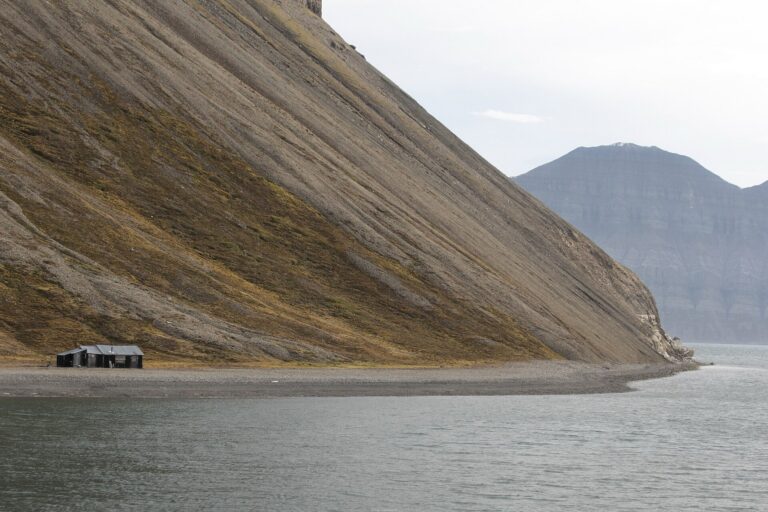
Is Turkey Safe? Scams, Earthquakes & Advisories in 2026

TL;DRTurkey is safe for tourists sticking to the main routes: Istanbul, Cappadocia, the Riviera (Antalya, Alanya, Side, Kemer) and the Aegean coast (Bodrum, Marmaris, Ölüdeniz) all lie hundreds of kilometres from the risk zones and operate as normal. The one area to avoid is the 10km strip along the Syrian and Iraqi borders, which carries the highest level advisory. The real risk to tourists isn’t violence but petty crime and scams in Istanbul — the classic taxi banknote switch and bar scams that leave you with a bill running into hundreds or even thousands of euros. The magnitude 7.8 earthquake in February 2023 hit the country’s southeast, but tourist spots like Cappadocia (300km from the epicentre), Antalya, Bodrum and Istanbul were completely unaffected. EHIC cards aren’t valid in Turkey, so proper travel insurance is essential — a trip to A&E can cost anywhere from $200 to $600.

Type “Turkey” into a search engine and you’ll get a wild mix: headlines about earthquakes and warnings against travelling near the Syrian border sit right next to smiling photos of friends stuffing themselves with baklava at a resort in Antalya or floating over Cappadocia in a hot-air balloon. When it comes to Turkey safety, the country really has two faces and operates in two completely different realities.

If you’re flying on a package deal to the Riviera or heading to Istanbul for a long weekend, your real safety risk boils down to whether a taxi driver rips you off or a pickpocket dips into your backpack at the Grand Bazaar. Turkey’s tourist backbone is safe. But if you strap on a backpack and head out to the wild east near the borders, the rules of the game change.

In this guide you’ll find the reality behind the headlines: where it’s absolutely safe and where not to go, a detailed breakdown of the ten most common scams, a rational look at the earthquake threat, advice on money and insurance, and what to do if things go sideways.

TL;DR

  • Safe: Istanbul, Cappadocia, the entire Riviera (Antalya, Alanya, Side, Kemer) and the Aegean coast (Bodrum, Marmaris, Ölüdeniz).
  • Don’t go ⚠️: the zone within 10 km of the Syrian and Iraqi borders (highest-level advisory) – doesn’t affect regular tourists.
  • Main risk: petty street crime and scams in Istanbul, not violence.
  • Top scams: banknote swap in taxis, the “friendly local” bar scam, the shoe-shiner, “just for a cup of tea” carpet shops, restaurants with no prices.
  • Money ⚠️: pay in lira (TRY), refuse DCC, watch out for 8% ATM fees (avoid Euronet).
  • Earthquakes: the major 2023 quake did not affect tourist areas; in Istanbul, choose a hotel built after 2000.
  • Insurance ⚠️: the EHIC does NOT work in Turkey – commercial travel insurance is a must.

Turkey’s Two Faces: Where It’s Safe and Where Not to Go

The basic rule is clear: Turkey’s tourist backbone is safe. That means Istanbul, Cappadocia, the entire Mediterranean Riviera (Antalya, Alanya, Side, Kemer) and the Aegean coast (Bodrum, Marmaris, Ölüdeniz, İzmir). These areas lie hundreds of kilometres from the risk zones, life carries on as normal, and the only real threat you face is overdoing it at the all-inclusive buffet.

It’s a completely different story in the southeast near the Syrian and Iraqi borders – there the rule is uncompromising: don’t go. Official travel advisories rarely agree, but here they do ⚠️ (as of 2026; always check the UK FCDO website before travelling):

  • The UK FCDO issues a strict “no travel” advisory for the area within 10 km of the Syrian border and warns of a terrorism risk in major cities.
  • The US State Department keeps Level 2 for the whole of Turkey, Level 3 for 12 southeastern provinces, and an uncompromising Level 4 (do not travel) for the 10 km border zone.
  • Most European foreign ministries rate the Riviera and Aegean resorts as safe, advise extra caution in big cities, and strongly warn against trips to the border regions with Syria, Iraq and Iran.

If you’re flying to a resort on a package holiday, you don’t need to worry about the borders at all. If you’re an independent traveller dreaming of Göbekli Tepe or Mount Nemrut, it’s best to put those plans on hold for now.

Pickpockets, Solo Female Travellers and LGBT Travellers

In big cities, especially Istanbul, the biggest risk is petty street crime. Pickpockets work the dense crowds around the Blue Mosque and Hagia Sophia, along the İstiklal pedestrian strip, on the Galata Bridge, in the Grand Bazaar and on the packed T1 tram. Wear your backpack on your front and never keep your wallet in a back pocket – the classic distraction theft (one bumps into you, the other lifts your wallet) works a treat here.

Women travelling alone: Turkey is generally welcoming for solo female travellers, and the reality tends to be milder than the alarmists claim – the locals are hospitable. That said, expect persistent staring, especially in more traditional neighbourhoods if you’re wearing short shorts. Physical assaults are rare; ⚠️ even so, it pays to stay alert in bars at night and be wary of hotel and spa staff.

LGBT travellers: Same-sex relations are legal, but society remains strongly conservative and the political climate is hardening (Istanbul Pride has been banned since 2015). ⚠️ It’s best to avoid public displays of affection (holding hands, kissing in the street), even in Istanbul – they would attract unwanted attention.

The Ten Most Common Scams and How to Avoid Them

Istanbul is the premier league of street scams – the local hustlers are charming, fast, and have their little performances rehearsed to perfection. Here are the most common traps:

ScamWhere you’ll run into itHow to avoid it
Banknote swap in taxisIstanbul (airport, centre)Use the BiTaksi/iTaksi apps; pay with small notes and say the amount out loud
“Friendly local” bar scamİstiklal, Taksim, BeyoğluDon’t go for a drink with a stranger who approaches you on the street
Dropped brush (shoe-shiner)Galata Bridge, centreDon’t pick up the brush; step over it and keep walking
DCC and 8% feesATMs and terminalsAlways “Pay in TRY”, avoid Euronet ATMs
Carpets “just for a cup of tea”Grand Bazaar, SultanahmetPolitely decline the invitation; don’t buy under pressure
Restaurants with no pricesBosphorus waterfrontEat where there’s a menu with prices; watch out for “on the house” extras
Fake police officertourist centresA real officer won’t want your wallet, at most your passport
“The mosque is closed”around the Blue MosqueCheck the opening hours yourself at the official entrance
Fake skip-the-line ticketsHagia Sophia, TopkapıBuy only at the official box office / online
Forced rose / braceletsquaresDon’t accept anything “free” handed to you

⚠️ Let’s take a closer look at the two most dangerous ones. The bar scam targets solo men: a well-dressed “local” who speaks perfect English approaches you, invites you for a drink, girls join you at the club, champagne is ordered, and the bill ends up running into hundreds or even thousands of euros – bouncers stand by the door and force you to withdraw cash from an ATM. The taxi banknote swap is the most common: you hand over 100 TRY, the driver palms it in a split second, shows you a 10 TRY note, and starts shouting that you didn’t pay enough.

Earthquakes: The Reality Without the Panic

In February 2023, a monstrous magnitude-7.8 earthquake struck southeastern Turkey, claiming over 53,000 lives. But there’s one crucial fact for your holiday: the tourist areas were completely unaffected by this quake – Cappadocia lies 300 km from the epicentre, and Antalya, Bodrum and Istanbul carried on without interruption. Cancelling a summer holiday on the Riviera because of an earthquake near the Syrian border makes no sense.

⚠️ The situation in Istanbul is different, as it sits on the North Anatolian Fault. Scientists put the probability of a strong earthquake in the coming years as high, but the risk is long-term – the odds of it striking precisely during your three-day weekend are statistically very low. There’s no reason to panic, but it pays to be prepared:

  • Choose a hotel in a building constructed after 2000 (after 1999, Turkey radically tightened its building codes).
  • If it starts shaking: DROP, COVER, HOLD ON – get to the ground, under a sturdy table, protect your head, don’t run for the stairs or the lift.
  • Download the AFAD app (Turkey’s disaster authority) and follow staff instructions.
lukas a lucka
Lukáš and Lucie recommend
Where to stay in Turkey
1 accommodation — hotels and other lodging options

Money, ATMs and Currency Exchange

The Turkish lira (TRY) keeps weakening due to high inflation, and prices in lira change so fast that menus get rewritten with a marker pen. The takeaways for you are clear: don’t exchange money at home (the rate will be terrible) and don’t hold onto lira as savings (it loses value before your eyes).

In big cities and resorts you can pay by card almost everywhere, but you’ll need lira cash for the bazaars, street food, tips and toilets. Your best bet is to bring euros or pounds and change them at licensed exchange offices in town (never at the airport or hotel reception). At ATMs, ⚠️ always choose “Pay in TRY” and refuse DCC; watch out for 8% fees when withdrawing with a foreign card (avoid the blue-and-yellow Euronet ATMs). A tip (bahşiş) of 5–10% should always be given in cash. More detail in our article on when to go to Turkey and in the main guide holiday in Turkey.

Healthcare and Insurance

Critical point: Turkey is not in the EU, so the EHIC card is useless here – not even state hospitals accept it. Without commercial travel insurance, you’re playing Russian roulette: a trip to A&E in Istanbul costs 200–600 USD, and an IV drip in a private hospital after bad food poisoning can easily top €800.

The most common ailment for tourists is “Turkey belly” – traveller’s diarrhoea. ⚠️ Even in big cities where the tap water is chlorinated, drink only bottled water (it costs a few lira), use it to brush your teeth too, and watch out for ice in your drinks.

What to Do If Things Go Sideways

If you get robbed or scammed, don’t panic:

  • The Tourist Police (Turizm Polisi) – in Istanbul they have a station in Sultanahmet opposite the Basilica Cistern; they speak English. Just threatening to call them is often enough for a taxi driver to suddenly “find” the right change.
  • Emergency number 112 (ambulance, police, fire).
  • UK consular emergency: +44 20 7008 5000 (emergency travel document if you lose your passport; British Consulate-General in Istanbul, Embassy in Ankara).
  • ⚠️ Insulting the state: Insulting Turkish state symbols, the president or Atatürk is a criminal offence, and a foreign passport won’t protect you – no jokes at the expense of the flag or the president.

Turkey is a beautiful, hospitable and fascinating country, and the vast majority of its millions of tourists experience nothing but great food, warm weather and stunning monuments. Use a bit of common sense, steer clear of the Syrian border, and don’t let Istanbul’s taxi drivers take you for a ride, and you’re in for a hassle-free trip.

💡 Tip for accommodation and experiences: We like to look for places to stay on Booking.com, which usually has the best cancellation policies. For tickets, tours and activities, it’s worth comparing and booking through GetYourGuide.

Where to Next

The main hub holiday in Turkey, the big cities Istanbul and Cappadocia, the bazaars and bargaining in hammam, bazaars and the art of haggling, plus practical advice on when to go to Turkey and what to pack for a holiday in Turkey.

Frequently Asked Questions

Is Turkey safe for tourists in 2026?

Yes. The tourist backbone – Istanbul, Cappadocia, the Riviera (Antalya, Alanya, Side, Kemer) and the Aegean coast (Bodrum, Marmaris, Ölüdeniz) – is completely safe and lies hundreds of kilometres from risk zones. The main risk is petty street crime and scams in Istanbul, not violence. ⚠️ The only exception is the zone within 10 km of the borders with Syria and Iraq, where a travel ban applies.

What are the most common scams in Istanbul?

The most common is the taxi banknote swap (the driver pockets your hundred and claims you gave less) and broken/rigged taximeters. Also the “friendly local” bar scam targeting solo men (bills for thousands of euros), the shoe shiner with a dropped brush, carpets “just for tea”, restaurants without prices, and fake skip-the-line tickets. You can protect yourself with taxi apps, ignoring overly friendly strangers, and paying in lira.

Is Turkey at Risk of an Earthquake?

The devastating earthquake from February 2023 hit the southeast near the Syrian border, tourist areas were not affected at all. In Istanbul, there is a long-term risk of a strong tremor, but the chance during a short stay is statistically very low. Choose a hotel in a building constructed after 2000 and download the AFAD app – there’s no need to panic.

Does European health insurance (EHIC) work in Turkey?

No. Turkey is not in the EU and the blue EHIC card is not valid here, not even in state hospitals. Commercial travel insurance is a must – treatment is expensive (emergency room 200–600 USD, hospitalization over 800 €). Also, drink only bottled water to avoid “Turkish tummy”.

Is Turkey safe for women traveling alone?

Generally yes – Turkey is more welcoming to solo female travelers than commonly believed, and locals are hospitable. However, expect persistent staring in more conservative areas and maintain healthy caution in the evening at bars and towards hammam staff. Physical assaults are exceptional, but standard precautions as in any major destination are worthwhile.

Tips and Tricks for Your Vacation

Don’t Overpay for Flights

Search for flights on Kayak. It’s our favorite search engine because it scans the websites of all airlines and always finds the cheapest connection.

Book Your Accommodation Smartly

The best experiences we’ve had when looking for accommodation (from Alaska to Morocco) are with Booking.com, where hotels, apartments, and entire houses are usually the cheapest and most widely available.

Don’t Forget Travel Insurance

Good travel insurance will protect you against illness, accidents, theft, or flight cancellations. We’ve had a few hospital visits abroad, so we know how important it is to have proper insurance arranged.

Where we insure ourselves: SafetyWing (best for everyone) and TrueTraveller (for extra-long trips).

Why don’t we recommend any Czech insurance company? Because they have too many restrictions. They set limits on the number of days abroad, travel insurance via a credit card often requires you to pay medical expenses only with that card, and they frequently limit the number of returns to the Czech Republic.

Find the Best Experiences

Get Your Guide is a huge online marketplace where you can book guided walks, trips, skip-the-line tickets, tours, and much more. We always find some extra fun there!
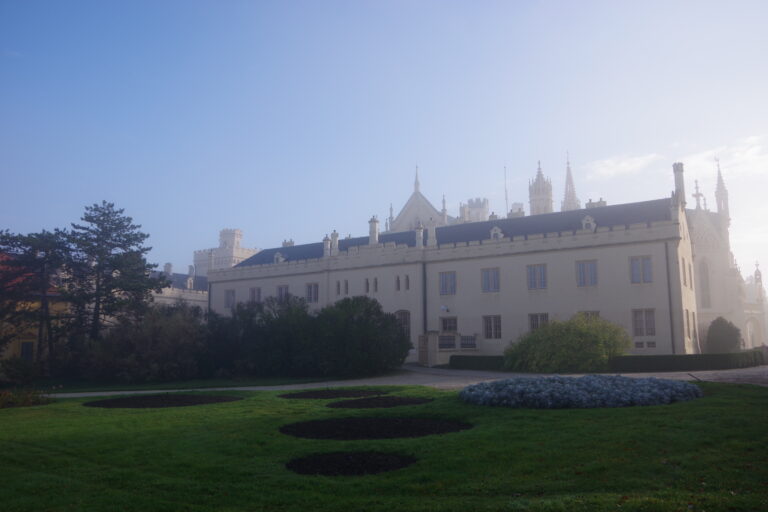
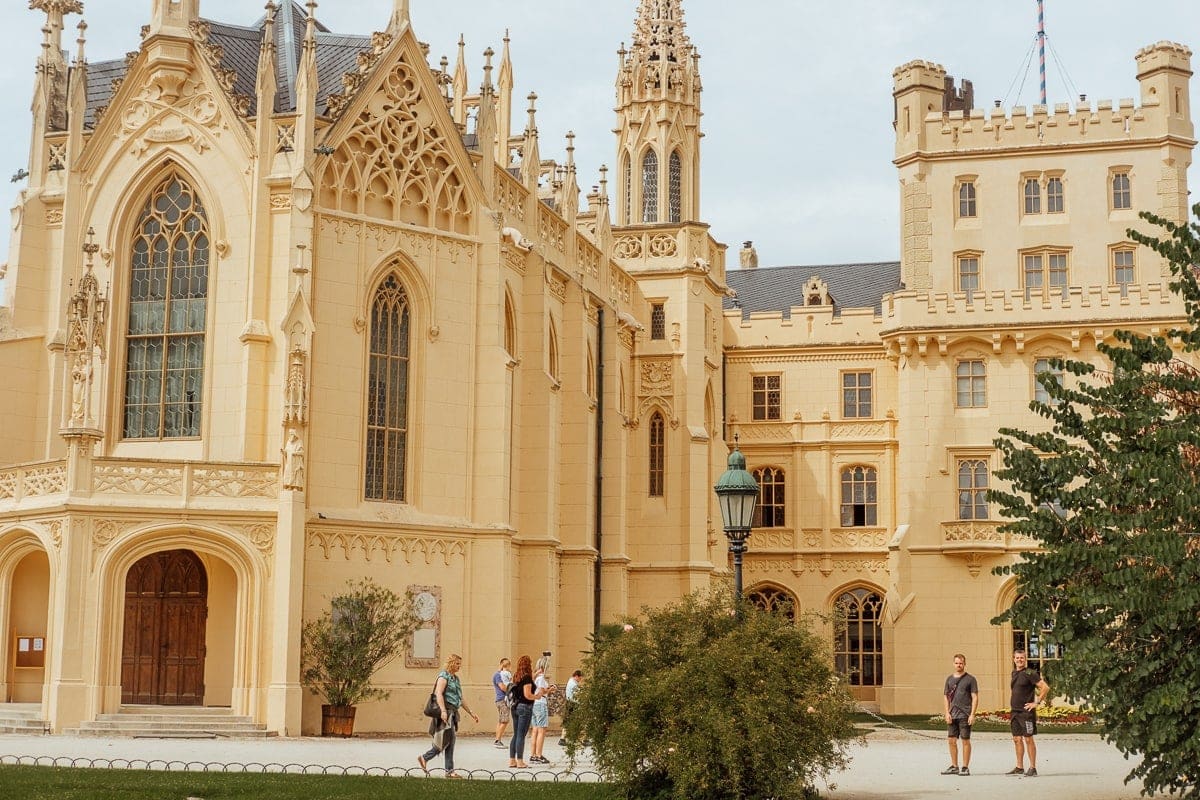
Sveti Stefan, Montenegro: 10 Tips for the Adriatic’s Most Photogenic Island

TL;DRSveti Stefan is a tiny rocky island of stone cottages and red roofs, joined to the mainland by a narrow sandy isthmus. The island itself is the luxury Aman Sveti Stefan resort, reopening on 1 July 2026 after a five-year closure. Without a room booked, you can only get in on a guided tour for €25 (about 630 Kč) or with a restaurant reservation, while the public Sveti Stefan Beach and King’s Beach (Miločer) are free to access from July 2026. The best free view is from the lay-by on the Adriatic Highway (E65) — ideally at dawn. There are 10 tips here, from Praskvica Monastery to the village of Pržno and the nine-kilometre Path of Seven Beaches from Budva, with June and September recommended as the best months.

Say the word Montenegro, and most people instantly picture one particular image. It’s a tiny rocky islet packed with stone cottages and red rooftops, connected to the mainland by nothing more than a narrow sandy isthmus. Sveti Stefan in Montenegro is, quite simply, the most photographed spot on the entire Adriatic, and trust me, in person it looks even more magical than on all those picture-perfect postcards.

In this article you’ll find 10 tips on what to see and do in Sveti Stefan so you can get the absolute most out of your visit. You’ll discover the fascinating story of how an ordinary fishing village became a luxury resort for Hollywood stars, and I’ll fill you in on the current situation regarding beach access, which was finally resolved in 2026 after years of dispute.

I’ll also point you toward the best viewpoints for that perfect photo, and show you quiet spots nearby that most ordinary tourists have no idea about. Let’s take a look together at how to enjoy this Montenegrin gem stress-free and where to rest your head if you decide to spend a few days in this gorgeous area.

TL;DR

  • Luxury reopening: The famous Aman Sveti Stefan resort reopens on 1 July 2026 after a five-year pause and disputes.
  • Access to the island: The island itself is reserved exclusively for resort guests, but you can pay for a guided tour for €25 or book a table at one of its restaurants.
  • Public beaches: As of July 2026, Sveti Stefan Beach and King’s Beach (Miločer) are fully open to the public, and you only pay if you rent sunbeds.
  • Royal exclusivity: The stunning Queen’s Beach remains closed and accessible only to guests of the Aman resort.
  • Iconic viewpoint: You can get the best free photos from the lay-by right on the Adriatic highway (the E65), ideally early in the morning at first light.
  • Peaceful surroundings: Don’t miss a stroll through the Miločer botanical park and a visit to the nearby fishing village of Pržno, where the food is fantastic.

When to visit Sveti Stefan

If you want to experience Sveti Stefan at its absolute best, June and September are the ideal months. The sea is already beautifully warm at a pleasant 22 to 24 degrees, but you’ll avoid the most extreme summer crowds and accommodation prices are noticeably friendlier than at the absolute peak.

In July and August you have to expect the high season in full swing. Temperatures regularly climb well above 30 degrees and the beach car park fills up hopelessly before 8 a.m. If you come in summer, I’d recommend getting up early and being by the water as soon as you can.

October offers a very appealing alternative for those who love peace and quiet. The water is often still warm enough for a swim, the beaches are empty and the autumn light for photography is absolutely fabulous, even though some beach bars may already be slowly shutting their doors.

Where to stay in Sveti Stefan and nearby

💡 Tip for accommodation and experiences: We love searching for places to stay on Booking.com, which tends to have the best cancellation policies. For tickets, tours and activities, it pays to compare and book through GetYourGuide.

The area around the island is among the most luxurious in the whole Balkans. A shining example is Aman Sveti Stefan and Villa Miločer, an ultra-luxury category where a night in a suite can easily run to €1,500 or more. But for an ordinary holiday you can find gorgeous hotels with excellent value for money.

Here are some specific accommodation tips that enjoy great reviews:

  • Villa Geba Boutique Hotel (5 stars): An utterly exceptional boutique hotel boasting a stunning infinity pool with a view straight onto the island. You can stroll down to the beach in about five minutes, and a night runs from roughly €630.
  • ĀNANTI Resort, Residences & Beach Club (5 stars): One of the best-rated places to stay in the whole area, offering a private beach club and modern design. It sits a little further from the island, which guarantees blissful peace, and a night here starts at around €635.
  • Hotel Azimut (4 stars): A great choice for couples and families looking for sensible luxury on a quiet street with sea views. The hotel has excellent wellness facilities and an indoor pool, with prices starting at a very reasonable €178 per night.
  • Maestral Resort & Casino (5 stars): If you prefer larger resorts, you’ll find this one right on the beach in the neighbouring village of Pržno. It offers complete facilities including outdoor pools and a spa, with a night here from around €155.
  • Hotel Adrović (3 stars): A highly rated mid-range hotel lying just a 3-minute walk from the main Sveti Stefan beach. It’s a fantastic budget option in a pricey location, with nights from around €95.

10 tips on what to see and do in Sveti Stefan

Let’s take a look at some specific tips on how to plan your stay in this area. From history through practical beach advice to hidden viewpoints that ordinary guidebooks often miss.

1. History: from a fishing fortress to a celebrity paradise

The story of this place is one of the most remarkable on the entire Adriatic. In the 15th century it was a walled fortress and refuge of the powerful Paštrovići clan, who connected the island to the mainland with a narrow isthmus to defend themselves against pirates. The village thrived for centuries, but in the mid-20th century most of the residents moved away in search of better work.

In 1955 the Yugoslav government then relocated the remaining families and turned the entire historic village into a luxury hotel complex. Through the sixties and seventies the doors never stopped swinging, with Sophia Loren, Elizabeth Taylor, Marilyn Monroe and Orson Welles all holidaying here.

After the difficult 1990s the resort fell into decline, but in 2007 it was taken over by the prestigious Aman group. If you stop in at one of the local taverns today, the older generation will happily tell you about the glory days — they’re incredibly proud of their island’s history.

2. The viewpoint above the island: the iconic shot, for free

That most famous photo you know from every travel brochure is surprisingly easy to get, and completely free. It’s taken from the Adriatic highway (the E65/E80) right above the island, where there’s a special parking lay-by built for tourists.

From here you have the whole island, the sandy isthmus and the turquoise sea laid out before you. But if you’re after something even more unique, drive about 10 minutes up into the hills to the village of Đenaši and the little church of St Sava. From there you’ll get a breathtaking bird’s-eye view that photographers rate as the best sunset spot in Montenegro.

💡 Tip: In July and August the main viewpoint on the highway is besieged by coaches from 8 a.m. onwards. Head up at first light, around half past six, and you’ll have the golden rays and the whole spot all to yourself.

3. Aman Sveti Stefan: reopening on 1 July 2026

The atmosphere around the resort has been fairly tense in recent years. The hotel closed in 2021 after huge protests by local residents, who were fighting in court for free access to the historic beaches. That five-year legal battle finally ended in a settlement, and the resort is officially reopening on 1 July 2026.

This agreement brings great news for ordinary visitors. Montenegro will now receive 10% of the resort’s net profit, and crucially, two key beaches are opening to the public. The island itself, however, remains an exclusive private space for resident guests only.

If you want to wander the picturesque stone lanes of the island without splashing out on accommodation, you have just two options. You can pay for a guided tour for €25, which lasts around 45 minutes, or make an advance reservation at one of the island’s restaurants.

4. Sveti Stefan Beach: the public beach and sunbeds

This is the main, breathtaking beach that flanks the narrow access road to the island on both sides. It’s made up of fine pink pebbles and tiny gravel, and the water here is usually crystal clear. As of July 2026, access to both sides of this beach is completely free and open to everyone.

The southern side of the isthmus tends to be a little livelier, and renting two sunbeds with a parasol will run you roughly €30 to €60 a day. You’ll always find a free spot, though, where you can lay out your own towel without any trouble and enjoy the sea for free.

The northern side of the beach is managed directly by the Aman resort, and although you can walk on freely, the daily charge for premium sunbeds reaches astronomical heights here, often over €180. That’s the price for absolute silence and premium beach service.

lukas a lucka
Lukáš and Lucie recommend
Where to stay in Sveti Stefan
6 accommodations — wellness hotels, resorts and other lodging options
⭐ TOP CHOICE ⭐ Luxury
Aman Sveti Stefan
Famous ultra-luxury resort on the island, reopening on July 1, 2026 after a five-year closure. The island is exclusively for resort guests, with suites easily costing €1,500 and more per night.
★★★★★ from €1,500/night
Check availability
🏨 Hotel
Villa Geba Boutique Hotel
Absolutely exceptional boutique hotel with a stunning infinity pool overlooking the island directly. You can reach the beach downhill in about five minutes.
★★★★★ from €630/night
Check availability
🌲 Resort
ĀNANTI Resort, Residences & Beach Club
One of the best-rated accommodations in the entire area, offering a private beach club and modern design. Located a bit away from the island, which ensures divine peace and quiet.
★★★★★ from €635/night
Check availability
🏨 Hotel
Hotel Azimut
Great choice for couples and families looking for reasonable luxury on a quiet street with sea views. The hotel has excellent wellness facilities and an indoor pool.
★★★★ from €178/night
Check availability
🌲 Resort
Maestral Resort & Casino
Larger resort right on the beach in the neighboring village of Pržno. Offers complete facilities including outdoor pools and spa.
★★★★★ from $170 (approx. €160)/night
Check availability
🏨 Hotel
Hotel Adrović
Excellently rated mid-range hotel located just 3 minutes’ walk from the main Sveti Stefan beach. A fantastic budget option in an expensive location.
★★★ from $103 (approx. €95)/night
Check availability

5. King’s Beach and the beautiful Miločer park

In the very next bay lies a beach that many travellers consider the most beautiful on the entire Budva Riviera. King’s Beach (or Miločer Beach) offers 280 metres of fine pebbles brushing up against a dense forest. It takes its name from King Alexander I, who chose this spot for his summer residence back in the 1930s.

You reach the beach on foot through the freely accessible Miločer botanical park, which is an experience in itself. A walk along the paved path beneath enormous Lebanese cedars offers wonderful shade and divine peace.

Access to the beach itself is free, and while the Aman resort offers its luxury sunbeds here, you’ll also find room for your own towel. Be sure to explore the so-called Rock Tunnel, a photogenic passage carved straight into the limestone cliff at the edge of the beach.

6. Queen’s Beach: exclusively for Aman guests

So you don’t wander around the area and end up disappointed, it’s important to mention the third famous beach. Kraljičina plaža, or Queen’s Beach, is a small emerald cove hidden away behind cypresses and olive trees. Under the new agreement, this is the only beach reserved exclusively for guests of the Aman resort.

Although it’s wildly photogenic, with pines tumbling almost down to the water’s edge, ordinary visitors can’t get onto it. You can approach it along the park trail, but the entrance is guarded by resort security, who won’t let you any further without a hotel card.

7. The village of Pržno: fishing-village calm next to the icon

If you walk about a kilometre and a half north of the island, you’ll come across the picturesque fishing village of Pržno. It’s tucked away behind a bend in the highway and exudes an incredibly authentic atmosphere, especially early in the morning when the local fishermen are hauling in their nets.

The village has its own quiet beach, but the main draw here is the fantastic restaurants. A real gem is Konoba More, set in a 500-year-old stone house right by the water. The local speciality is fresh fish, but if you don’t eat meat, you’ll be thrilled by their grilled vegetables, homemade olive bread and huge portions of shopska salad.

💡 Tip: If you’re after great food at more reasonable prices than right by the island, pop into the nearby restaurant Lola Kuzina. It’s one of the highest-rated spots in Pržno, and their Mediterranean cuisine certainly won’t disappoint.

8. Praskvica Monastery: a quiet retreat in the hills

When you’ve had enough sun and salt water, take a short walk up into the hills above the Miločer park. There you’ll find the Orthodox monastery of Praskvica, whose roots, according to legend, go all the way back to 1050. Historically it was the spiritual centre of the whole region.

The monastery got its quirky name from a local spring whose water is said to smell of peaches (in the local dialect, “praske” means peach). Entry to the courtyard is completely free, and for a symbolic €2 you can take a peek inside the monastery treasury full of historic icons.

Bear in mind that a strict dress code applies for entering the monastery, so you and your partner will need to cover your shoulders and knees. It’s a beautiful, quiet place free of tourist crowds, and it offers lovely views out over the blue sea too.

9. The walking trail from Budva to Sveti Stefan

For lovers of a more active holiday, there’s the so-called Trail of the Seven Bays, which links bustling Budva with peaceful Sveti Stefan. This roughly nine-kilometre route takes two and a half to three and a half hours at a leisurely pace, and it’s more of a pleasant coastal promenade than a demanding trek.

Along the way you’ll pass several interesting spots. You’ll go by the long beach at Bečići, walk through a mysterious tunnel in the rock near Kamenovo Beach and rest up in fishing-village Pržno. Only on a short stretch before Pržno do you have to walk a little alongside the road; otherwise the trail runs safely along the coast.

You don’t have to trudge all the way back to Budva, either. A regular local bus runs from Sveti Stefan and takes you back to town in just twenty minutes for around €2.

10. Perfect timing and where to park

If you’re not staying right on the spot, the logistics of arriving are absolutely crucial in high season. The main car park lies right by the sandy isthmus and costs roughly €2 to €4 an hour, but in July and August it’s full by half past seven in the morning.

Photographers recommend arriving early in the morning, and not just for the parking. The golden morning light catches the island from the side, creating a beautiful three-dimensional effect, and the water in the bays is perfectly calm. Sunset is magical too, but you’ll be shooting the island more or less as a dark silhouette against the glowing sky.

💡 Tip: If the main car park is full, try parking at the Maestral Resort in Pržno. From there you can take a lovely fifteen-minute walk through the shady Miločer park and avoid the stress of circling around crowded streets.

Where to go next in Montenegro

Montenegro may be small in area, but it offers such a variety of experiences that one trip won’t be enough. From the coast you can easily head off into dramatic mountains, to glacial lakes or deep canyons. If you’re planning a broader itinerary, be sure to get inspired by our article Holiday in Montenegro: 15 tips for the coast and the mountains, where you’ll find a complete guide to an unforgettable road trip.

Frequently asked questions

Can you walk to Sveti Stefan island, or is it completely private?

The island has been reopened since July 2026 as a luxury Aman resort and is primarily reserved only for overnight guests. Regular visitors can only access it as part of a guided tour for €25 or if they have a confirmed reservation at one of the island’s restaurants.

How much does Sveti Stefan Beach cost, is the beach paid?

Entry to both sides of this beautiful beach is completely free from July 1, 2026. You only pay if you want to rent sunbeds with a parasol, which on the southern side costs roughly 30 to 60 € (about 750 to 1,500 CZK) per pair. But you can always lay out your own towel for free in the open zone.

Is Queen’s Beach public, or only for Aman guests?

“`html
According to a new government agreement, Queen’s Beach (Kraljičina plaža) remains exclusively for guests of the Aman resort. Unlike the neighboring King’s Beach and the main beach by the island, regular tourists cannot access this area and hotel security guards the entrance.
“`

Where are the best photo viewpoints of Sveti Stefan?

You can take the most famous classic view completely free from a rest area right on the Adriatic Highway (road E65) high above the island. If you want a more dramatic bird’s-eye view, drive up to the Church of Saint Sava in the village of Đenaši, from where you’ll see the entire peninsula and adjacent bays spread out before you.

How do I get from Sveti Stefan to King’s Beach and Praskvica Monastery?

Na King’s Beach dojdete od ostrova a pleasant ten-minute walk through the shady Milocer botanical park. A marked trail leads uphill to Praskvica Monastery directly above the park, taking you about 15 to 20 minutes on foot, or alternatively you can drive there in a few minutes by car.

How to get from Sveti Stefan back to Budva?

The easiest and cheapest option is to use the local bus line, which runs regularly along the main road. A ticket costs around 2 € and the journey to Budva takes 15 to 20 minutes. Alternatively, you can take a taxi, which will cost you approximately 12 €.

Is Aman Sveti Stefan expensive? Can you at least have breakfast there without a room?

Aman belongs to the ultra-luxury category, so room rates run into tens of thousands of crowns. Without accommodation, you can only get to the island with a paid tour or with a reservation at the restaurant for dinner or lunch, where meal prices match five-star standards. The resort doesn’t offer regular breakfast for walk-in guests.

Tips and Tricks for Your Vacation

Don’t Overpay for Flights

Search for flights on Kayak. It’s our favorite search engine because it scans the websites of all airlines and always finds the cheapest connection.

Book Your Accommodation Smartly

The best experiences we’ve had when looking for accommodation (from Alaska to Morocco) are with Booking.com, where hotels, apartments, and entire houses are usually the cheapest and most widely available.

Don’t Forget Travel Insurance

Good travel insurance will protect you against illness, accidents, theft, or flight cancellations. We’ve had a few hospital visits abroad, so we know how important it is to have proper insurance arranged.

Where we insure ourselves: SafetyWing (best for everyone) and TrueTraveller (for extra-long trips).

Why don’t we recommend any Czech insurance company? Because they have too many restrictions. They set limits on the number of days abroad, travel insurance via a credit card often requires you to pay medical expenses only with that card, and they frequently limit the number of returns to the Czech Republic.

Find the Best Experiences

Get Your Guide is a huge online marketplace where you can book guided walks, trips, skip-the-line tickets, tours, and much more. We always find some extra fun there!
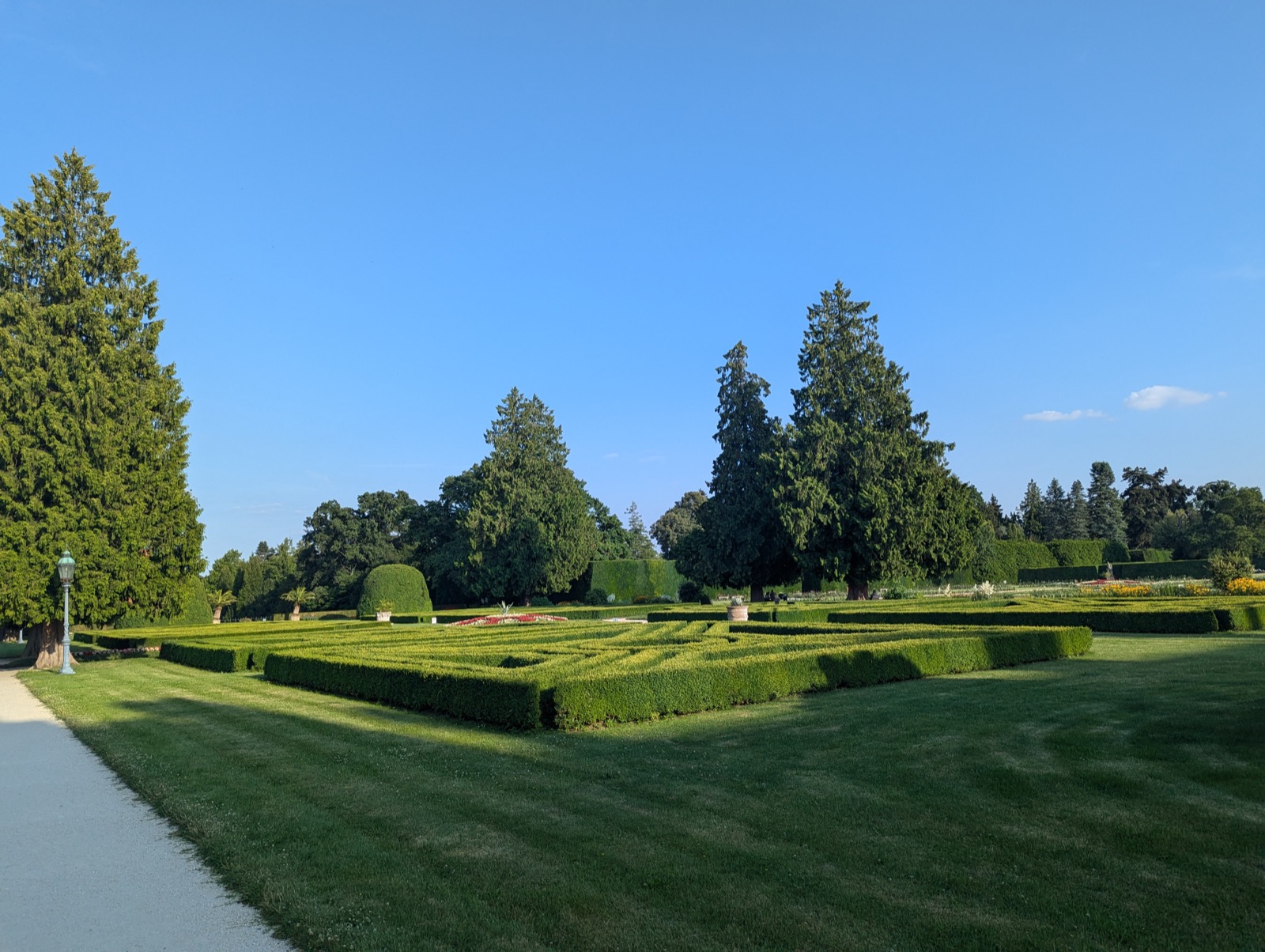
Ajaccio, Corsica: 11 Tips Following Napoleon’s Footsteps in 2026

TL;DRAjaccio, Corsica’s capital and Napoleon Bonaparte’s birthplace, comes with 11 tips tied to his legacy — from his childhood home, Maison Bonaparte, to the memorial on Place d’Austerlitz and the second-largest collection of Italian painting in France at the Musée Fesch. One or two days covers the old town, but allow 2 to 3 days if you want the nearby beaches and a trip out to Pointe de la Parata and the Îles Sanguinaires. The best months to visit are June and September, when the sea’s warm and the crowds thin out — steer clear of August, when prices spike and everywhere’s packed. The ferry from Nice takes 6 to 7 hours, from Marseille as long as 11 to 14 hours, and without a hire car getting around the island is pretty much impossible.

The moment you step off the plane or ferry and take your first deep breath, you’ll feel it instantly. Corsicans call it the maquis, and it’s a truly distinctive blend of wild thyme, rosemary, myrtle and sun-baked earth. The famous military commander Napoleon Bonaparte himself once reportedly declared that he could recognise his home island blindfolded, purely by this unique scent. And today we’re heading together to the very city in Ajaccio, Corsica, where this French emperor was born.

Ajaccio is the capital of Corsica and offers an utterly fascinating combination of an elegant French atmosphere and rugged island pride. Don’t expect a polished Riviera with promenades for ladies walking their poodles, though, because Corsica is far wilder and more untamed. In this article I bring you 11 tips on what to see and do in Ajaccio and its immediate surroundings. You’ll discover where to find the most beautiful works of art, where to head for sunset, and how to plan your trip so you avoid the biggest tourist crowds.

TL;DR

  • Napoleon at every turn: Definitely don’t miss his birthplace, Maison Bonaparte, and the majestic monument on Place d’Austerlitz.
  • World-class art: The Musée Fesch holds the second-largest collection of Italian painting in France, after the Louvre in Paris.
  • Natural scenery: Head to the Pointe de la Parata and take a boat out to the Sanguinaires Islands (Îles Sanguinaires), where you’ll witness an unforgettable sunset.
  • When to go: Absolutely avoid August, when the island is bursting at the seams. The ideal months for a relaxed holiday are May, June and September.
  • Transport and logistics: Without a car you’re lost on Corsica, so make sure to rent one right after arriving by ferry or landing at the local airport.

Ajaccio, Corsica Weather and How to Get There

Corsica has four airports in total, and the largest international one is right in Ajaccio, where you can fly very conveniently during the summer season with a connection in Paris or Nice. For travellers from the UK, the simplest options are direct seasonal flights to Ajaccio Corsica airport from London, or a quick hop via Paris with Air France. A large number of travellers, however, logically choose to go by ferry, because it makes huge sense in terms of getting around the island itself. I recommend looking for tickets with Corsica Ferries, which sails regularly from several French and Italian ports. The fastest connection is from the French port of Nice, from where you can reach Bastia in Corsica in 6 to 7 hours. The crossing from Toulon takes roughly 8 to 10 hours, and from Marseille you’ll be aboard the boat for a good 11 to 14 hours, so don’t forget to pack a good book.

If you’re weighing up dates, there’s one absolutely crucial rule here. Skip August entirely if you can, because that’s the month when the French and Italians descend on the island in force, with two to three times as many people as in July. The roads quickly turn into endless car parks, ferry and accommodation prices for 2026 shoot to absurd heights during this period, and the best beaches around the city are hopelessly packed. The ideal months to visit Ajaccio are June and especially September, when the sea is still beautifully warm from summer and you can finally breathe freely in the old town’s narrow streets. May, meanwhile, is fantastic for hiking, because the whole island is incredibly fragrant and in full bloom. As for the Ajaccio Corsica weather, expect hot, dry summers and mild winters, with the swimming season comfortably stretching from late May to October.

Bear in mind that without a car you’re stuck on Corsica. Public transport does technically exist here, but relying on it means spending your holiday pointlessly waiting for buses that may not even turn up. A car gives you the real freedom to discover empty coves and breathtaking mountain passes inland. A single ferry ticket for one passenger costs between €40 and €100. A return ticket for two people with a car will then set you back roughly €250 to €1,000. It depends mainly on how far in advance you book your trip and exactly which port you sail from, with routes from Italy historically working out a touch cheaper.

Where to Stay in Ajaccio

💡 Tip for accommodation and experiences: We like to look for accommodation on Booking.com, which usually has the best cancellation terms. It then pays to compare and book tickets, tours and activities through GetYourGuide.

Ajaccio offers two main strategic areas where it makes complete sense to look for accommodation. Your choice depends mainly on whether you prefer lively city bustle or perfect peace and quiet by the beach. If you want all the historic sights and renowned cafés within arm’s reach, stay right in the historic centre near the harbour and Place Foch. Accommodation here tends to be a bit pricier, and be aware that parking in the narrow one-way streets can be quite a headache for less experienced drivers. That romantic evening atmosphere of an illuminated town full of excellent restaurants is well worth it, though.

The second and very popular option is to look for hotels along the Route des Sanguinaires. This is a stunning coastal road that stretches west out of the city towards the Sanguinaires Islands and offers absolutely fantastic views. Here you’ll find plenty of lovely resorts with direct sea views, just a few steps from the best sandy beaches. On top of that, parking is far easier here, which you’ll really appreciate when travelling with a rental car on Corsica. I recommend sorting your accommodation well in advance via Booking, because the best places at reasonable prices vanish as early as spring.

For lovers of urban elegance, the historic Hotel Fesch & Spa is a great choice. It sits right in the city centre just a short walk from the famous museum and boasts a beautiful rooftop pool with breathtaking panoramic views over the whole bay. If, on the other hand, you long for romance by the murmuring sea, take a closer look at Hotel Les Mouettes. It’s a gorgeous 19th-century villa with its own private beach and a heated pool, where you’ll feel like you’re in a genuine Mediterranean paradise. Prices per night in a double room at these better hotels run around €180 to €250 during the peak summer season.

11 Things to Do in Ajaccio, Corsica

Let’s now take a look together at the specific places you definitely shouldn’t miss when visiting the Corsican capital. Ajaccio is wonderful to explore on foot, the historic centre is fairly compact, and you can comfortably tackle the biggest draws over one or two days. Prepare yourself for the fact that the name Napoleon will pop up absolutely everywhere, from street names to statues to souvenir shops.

1. Napoleon Bonaparte’s Birthplace (Maison Bonaparte)

This is an absolute must for every visitor to the city and the place where the future French emperor was actually born in 1769. The house sits on the inconspicuous and very narrow Rue Saint-Charles, which may even surprise you with its unexpected modesty. The Bonaparte family owned this sprawling property from the late 15th century and lived here on and off until 1923, when the historic building was ceremonially handed over to the state. From the outside the house looks very unassuming, but inside a fascinating excursion into rich European history awaits you.

During the tour you’ll pass through beautifully furnished rooms where you’ll see original 18th-century period furniture, historic weapons and all sorts of family portraits. There’s even a small, plain little room where the young Napoleon reportedly spent much of his Corsican childhood. The exhibition is brilliantly put together and brings to life not only the life of the commander himself but also the incredible fates of his many siblings, who later became kings and princes across Europe. You’ll get a wonderful, detailed glimpse into the everyday life of the island nobility of the time.

💡 TIP: In the summer months, definitely buy your tickets online in advance. The historic house’s capacity is strictly limited to protect the monument, and the queues in the narrow street can be truly exhausting in the afternoon heat. Basic admission costs around €7 and the whole tour takes roughly an hour of very pleasant time.

2. Cathedral of Our Lady of the Assumption (Cathédrale d’Ajaccio)

Just a few steps from the Bonaparte family home you’ll come across the city’s main cathedral, which is absolutely impossible to miss on its small square. That’s down to its bright ochre façade, which contrasts beautifully with the deep blue Mediterranean sky on sunny days. This Renaissance building from the late 16th century is the place where the infant Napoleon was baptised. Right by the main entrance you’ll still find the original marble font where this historic moment, so important for France, took place.

The interior of the church isn’t as overwhelming and vast as the famous French cathedrals on the mainland, but it has its own beautiful and very intimate atmosphere. This is enhanced by striking wall frescoes, massive columns and richly decorated side chapels. The cathedral is dedicated to the city’s patron, Our Lady of Mercy, to whom the local residents still pray with great reverence for protection. Note also the beautiful historic organ and the majestic altar of pure white marble, which was once laboriously brought here from Lucca in Italy.

💡 TIP: Entry to the cathedral is completely free, and it’s also an ideal spot for a short rest while exploring the city. The rough stone walls provide wonderful, much-sought-after shade where you can duck out of the sharp Corsican sun for a while.

3. Musée Fesch and Stunning Italian Painting

If you love classical art and history, this museum will absolutely knock your socks off and is one you definitely mustn’t skip when visiting the Corsican capital. It was founded by Cardinal Joseph Fesch, Napoleon’s uncle on his mother’s side and an utterly passionate collector of works of art. Over his busy and influential life he amassed an incredible 16,000 paintings and valuable historic artefacts. Today the museum holds the second most significant and largest collection of Italian masters in all of France, after the famous Louvre in Paris.

As you wander the air-conditioned and very spacious halls, you’ll come across original canvases by Botticelli, Titian and Bellini. Seeing works by such Renaissance masters on a relatively small island in the Mediterranean is an enormous and very unexpected cultural experience. Besides the rare Italian works, you’ll also find a large collection of local Corsican art and a vast historic library with tens of thousands of rare volumes. The museum’s main courtyard, meanwhile, is presided over by a large bronze statue of the proud founder himself.

💡 TIP: In the right wing of the building is the Chapelle Impériale (Imperial Chapel), which still serves as the main family crypt of the Bonaparte dynasty. The museum ticket, which costs around €8, also covers entry to this gorgeous neo-Renaissance chapel, where Cardinal Fesch himself is buried.

4. The Old Town and Life on Place Foch

The heart of historic Ajaccio is the picturesque Place Foch, which locals often affectionately call simply the Square of Palms (Place des Palmiers). The square is lined on all sides with tall, shady palm trees and plenty of cosy cafés with sprawling outdoor terraces. Its main landmark is a huge marble statue of Napoleon clad in an ancient Roman toga, proudly surrounded by four lions. It’s an absolutely ideal spot to sit down with an iced coffee and simply watch the city’s lively buzz for hours.

Straight from the square spreads a dense network of the old town’s narrow streets, full of tall pastel-coloured houses with traditional shutters. Here you’ll find dozens of small boutiques, family bakeries and intriguing craft workshops. Lose yourself for a while in favourite lanes like Rue du Roi de Rome and admire the typical Mediterranean architecture, which clearly betrays a strong Italian and Genoese influence from past centuries. In the evening these charming streets fill with locals and tourists alike, and the atmosphere is incredibly relaxed.

💡 TIP: Pop into one of the tucked-away little cafés and order something sweet with your afternoon coffee. The local café owners are very friendly and will happily give you tips on where to head for a good vegetarian dinner, whether you fancy proper Italian pizza or excellent pasta.

5. The Local Market and Old Harbour (Marché d’Ajaccio)

Right next to Place Foch, a renowned local market takes place every morning (except Mondays) and is an absolute paradise for all lovers of good, quality food. You’ll find dozens of small stalls that literally overflow with fresh local produce, and the whole space smells incredible with maquis herbs, ripe cheeses and freshly baked crusty bread. It’s exactly the kind of authentic place where local grandmothers and the chefs from the best Corsican restaurants buy their ingredients, and where you’ll experience that genuine island atmosphere.

I definitely recommend trying the local Brocciu cheese, an incredibly delicate sheep’s or goat’s cheese with a texture very similar to Italian ricotta. This excellent cheese forms the absolute foundation of many Corsican vegetarian specialities. Also delicious are the traditional beignets (hot fried doughnuts) filled with this very cheese, which fill you up perfectly. Don’t forget to sample the various cakes and biscuits made from chestnut flour (farine de châtaigne), which is utterly typical of this rugged island. At the back of the market you’ll then find stalls where local fishermen sell their morning catch from the surrounding bays.

💡 TIP: Get up early and head to the market ideally around eight in the morning, when the selection of fresh cheeses and fragrant bread is at its absolute best. You’ll also very elegantly dodge the biggest tourist crowds, who usually pour in around ten o’clock.

lukas a lucka
Lukáš and Lucie recommend
Where to stay in Ajaccio
3 accommodations — hotels and other lodging options

6. Pointe de la Parata and the Majestic Tower

About 12 kilometres west of central Ajaccio lies the dramatic rocky headland of Pointe de la Parata, which is most certainly one of the most photographed spots in the wider area. At the very top of this steep granite cliff stands an old Genoese watchtower from the 16th century, proudly withstanding the strong winds. In the past it served as an important strategic point for defending the Corsican coast against unexpected pirate raids. The path to the tower is very well maintained these days and offers absolutely breathtaking views over the churning deep blue sea.

The whole area around this majestic cape is a strictly protected nature reserve, where you can fully enjoy the genuine scent of the wild island. You’ll find several short walking trails here that safely guide you through the typical Corsican maquis scrubland, which constantly smells of wild thyme, myrtle and rosemary. You can set out on a very pleasant loop walk around the entire peninsula, which takes roughly an hour of relaxed walking and is absolutely suitable even for families with small children, since the elevation gain here is truly minimal.

💡 TIP: There’s a large, spacious paid car park on site, where you’ll usually park without any trouble. Right next to it you’ll also find a modern visitor centre with a small, cosy café, where you can buy chilled drinks before the climb up to the historic tower.

7. The Sanguinaires Islands (Îles Sanguinaires) and a Magical Sunset

Directly opposite the Parata cape lies the legendary archipelago of four small rocky islets that rise straight out of the sea. They’re called the Sanguinaires Islands (Îles Sanguinaires) and to this day they remain one of Corsica’s main tourist symbols. Their eerie name fortunately doesn’t come from any bloody historical battle, but refers solely to the deep red colour of the porphyry rocks. These light up magically every evening when the last fading rays of the setting sun fall upon them, creating a natural spectacle you’ll remember for a very long time.

The best way to explore these deserted islands up close is to take an organised boat trip directly from the main harbour in Ajaccio. I recommend easily booking these popular cruises online via GetYourGuide, which saves you from needless haggling with vendors on the spot. The trips often include a short walking stop on the largest island, Mezzu Mare, where you can stroll at leisure to the ruins of an old lazaret and the tall lighthouse, from which there’s a wonderful 360-degree view over the open sea.

💡 TIP: The most popular trips of all are naturally the evening cruises paired with a little tasting. To go with the fantastic sunset over the sea, you’ll usually get a tasting of good Corsican wine or the locally beloved Pietra beer, which is traditionally brewed on the island with a touch of local chestnuts.

8. Relaxing on the Beaches Along the Route des Sanguinaires

If you want a bit of a rest after a demanding round of sights and air-conditioned museums, all you need to do is head out of the city centre along the coastal Route des Sanguinaires. This scenic route is literally lined with a string of beautiful, easily accessible beaches that beckon you in for an immediate swim. One of the absolute most popular is Plage de Marinella, which boasts very fine white sand and wonderfully clear turquoise water. The entry into the sea here is very shallow and the surface exceptionally calm, making it an ideal and safe spot. Just above the beach even stands the famous villa of the well-known French singer Tino Rossi.

A bit further along the same winding road you’ll come across Plage de Terre Sacrée, a very picturesque and photogenic cove dotted with enormous rounded granite boulders. They give it a far wilder and more exotic look that you’ll fall in love with instantly. The beach takes its noble name from a large stone monument dedicated to the fallen Corsican soldiers of the First World War. Most of these beaches offer modern beach clubs where you can rent comfortable loungers, but you’ll always find plenty of free space to spread out your own towel.

💡 TIP: In the summer months, a special bus line number 5 runs from central Ajaccio along the entire coast. It stops at all the main beaches and is an absolutely brilliant alternative if you’d rather not battle for an expensive free spot in the packed car parks during peak season.

9. Place d’Austerlitz and the Casone Grotto

A little away from the busy main historic centre you’ll find the huge and very spacious Place d’Austerlitz, reachable on a pleasant walk. This place is dominated by an absolutely monumental monument to Napoleon Bonaparte, which is visible from afar thanks to its sheer size. At the very top of a tall stone pyramid stands a majestic bronze statue of the emperor in his typical proud stance, hand firmly tucked into his coat. On the enormous sloping stone slabs beneath him are carved in detail the names of his most famous and greatest military victories, which reshaped the map of Europe at the time.

Right behind this imposing historic monument lies a mysterious spot called the Grotte du Casone, surrounded by lush greenery. It’s not actually a classic deep cave, but rather an enormous granite boulder forming a kind of small, shady rocky hideaway. According to a very popular local legend, the young Napoleon would come here to play in secret and, even in early childhood, would quietly spin his grand military plans for the future conquest of the entire world.

💡 TIP: Although this favourite tale of the playing commander may well be just a romantic story for tourists, the place has its own peculiar and very powerful historic charm. A walk to the monument along the shady, mature avenue is a very pleasant afternoon addition to your visit, where you can elegantly escape the worst of the traffic for a while.

10. A Scenic Ride on the Tourist Train

If your feet are properly aching after a full day of exploring, or you’re travelling with small children who simply don’t fancy walking in the heat, I have a great tip to save the day. A brilliant and very popular option for a quick, comfortable introduction to the city is a ride on the local tourist train (Petit Train d’Ajaccio). These charming little trains depart very regularly from the main square, Place Foch, and offer tourists two different interesting scenic routes. The first is a bit shorter, takes you through the old town’s narrow streets and shows you all the main historic sights connected to Napoleon.

The second, noticeably longer and far more scenic route, takes you out of the city along the entire coast as far as the Parata cape and the famous Sanguinaires Islands, so you’ll see the best of the surrounding nature. Throughout the journey you can comfortably enjoy the sea views and listen through headphones to an engaging audio guide packed with facts about the history, culture and Corsican nature. It’s a very pleasant and effortless way to get a basic overview of where everything is located in the city.

💡 TIP: A ticket for the longer loop to the cliffs costs an adult visitor roughly €12. The trains are very popular among tourists in the summer months, so I recommend arriving at the square a little early so you can comfortably grab the best seats by the edge with a good view.

11. Trips Inland (Corte and the Mountains)

Although Ajaccio’s sun-drenched coast with its sandy beaches is gorgeous, Corsica’s true rugged soul lies hidden deep inland, which you definitely shouldn’t skip. Roughly an hour and a half of winding driving from the capital brings you to the historic mountain town of Corte. It’s perfectly surrounded by sharp granite peaks and in the 18th century served, under the leadership of Pasquale Paoli, as the capital of the independent Corsican government. The town is crowned by an old stone citadel majestically perched on a steep rock, from where there’s an absolutely fantastic view into the surrounding deep green valleys full of chestnut forests. The island’s only university still operates here too.

From Corte you can then head into the stunning Restonica valley, through which a crystal-clear and very icy mountain river wildly flows. Along its course it forms gorgeous natural stone pools that are absolutely ideal for a quick summer dip. The narrow mountain road takes you all the way to a remote car park, from where you can set out on a more physically demanding trek to the mountain lakes of Melo and Capitello. It’s high in these mountains that you’ll fully grasp the incredible contrast between the elegant French coast and the utterly wild, untamed nature that rules Corsica.

💡 TIP: If you’re experienced mountaineers, you may be interested to know that the legendary GR20 trek runs not far from here. It crosses the island, measures 180 kilometres and involves an enormous 12,000 metres of elevation gain. Wild camping along it is strictly forbidden under heavy fines, and places in the mountain refuges must be booked well in advance.

Where to Go Next from Ajaccio

Corsica may be a fairly small island in terms of size, but because of its incredibly winding mountain roads, journeys here take far longer than you’d expect. If you have a car at your disposal, I recommend heading south to the town of Bonifacio, whose old quarter balances on huge white limestone cliffs dropping vertically into the sea. It’s a visually utterly stunning experience that seems to defy the laws of gravity. Beneath the mighty citadel you’ll also find the famous Aragonese Steps carved straight into the steep rock face, leading you all the way down to the sea.

The trip to the northwest coast is also beautiful, and you can read more about it in our article on the Calvi and Balagne region. There you’ll find a huge citadel towering over the sea, narrow cobbled streets and plenty of small mountain villages tucked away in the hills. If you’re planning to explore the whole island and are after comprehensive information about the GR20 trek, campsites or other hidden white-sand coves, definitely don’t miss our extensive guide to all of Corsica.

Frequently Asked Questions

How many days do I need to explore Ajaccio?

For the city itself and its main sights, including Napoleon’s birthplace and the extensive Fesch museum, one full day is more than enough. However, if you want to leisurely enjoy the surrounding beaches along the Route des Sanguinaires, take an evening boat trip to the Sanguinaires Islands, and do a shorter trek near Cape Parata, I definitely recommend setting aside 2 to 3 days for this area.

Do I need a car when staying in Ajaccio?

If you’re planning to stay just in the city center and occasionally hop on bus line 5 to the nearest beach, you don’t necessarily need a car. However, as soon as you want to head out on trips to the interior, explore the mountains around the town of Corte, or travel to the beautiful south to Bonifacio, a car is an absolute necessity. Public transport on the island is very sparse, buses run irregularly, and without your own vehicle you’ll miss out on real freedom.

When is the best time to visit the city?

The best conditions are in June and September, when the sea is beautifully warm, the narrow roads aren’t so crowded, and you can find reasonable accommodation prices. May is absolutely perfect for hiking, as the island blooms beautifully and is fragrant with typical maquis, though the water might still be a bit cold. Definitely give August a wide berth – the island is extremely overcrowded and prices for everything are at their absolute peak.

Where can I find the best beaches in the area?

The most beautiful and accessible sandy beaches lie along the coastal road Route des Sanguinaires directly west of the city. Among the most popular are Plage de Marinella and Plage de Terre Sacrée, which have wonderfully fine sand and a very gentle entry into the water. The bays are also sheltered and calm, making them an ideal and safe place for swimming, even for families with small children.

Is a vacation in Ajaccio expensive?

Corsica generally belongs to the noticeably more expensive French destinations. In 2026, expect that better accommodation during the season can easily cost around 180 to 250 euros per night. A main course in a restaurant will cost approximately 20 to 30 euros, and the fixed prices for ferries from the mainland or local car rentals are also quite high. If you want to save money, travel strictly outside the main summer season.

How do I best get to the Bloody Islands?

You can reach the Bloody Islands (Îles Sanguinaires) exclusively by boat. Several organized excursion boats depart daily from the main port in Ajaccio. The most popular by far are the evening cruises combined with wine or local beer tasting. From the deck, you can then peacefully observe the breathtaking sunset, when the local porphyry rocks take on their typical reddish color and create an unforgettable spectacle.

What should I try from the local gastronomy?

Make sure not to miss the fresh sheep or goat cheese Brocciu, which is added to many excellent vegetarian dishes including hot fried doughnuts (beignets). For dessert, try fiadone, a fabulous lemon cake made with this very cheese, or any sweet pastry baked with traditional Corsican chestnut flour. You can then wash it all down in style with local Pietra beer, which is brewed with the addition of chestnuts.

How long does the ferry ride from the mainland take?

The fastest ferry connection is offered from the French city of Nice, where the crossing takes approximately 6 to 7 hours. If you’re sailing to the island from Toulon, expect 8 to 10 hours at sea. The longest journey awaits you from Marseille, where you’ll spend 11 to 14 hours on board. On the other hand, ferries from Italian ports have historically been the most budget-friendly option.

Tips and Tricks for Your Vacation

Don’t Overpay for Flights

Search for flights on Kayak. It’s our favorite search engine because it scans the websites of all airlines and always finds the cheapest connection.

Book Your Accommodation Smartly

The best experiences we’ve had when looking for accommodation (from Alaska to Morocco) are with Booking.com, where hotels, apartments, and entire houses are usually the cheapest and most widely available.

Don’t Forget Travel Insurance

Good travel insurance will protect you against illness, accidents, theft, or flight cancellations. We’ve had a few hospital visits abroad, so we know how important it is to have proper insurance arranged.

Where we insure ourselves: SafetyWing (best for everyone) and TrueTraveller (for extra-long trips).

Why don’t we recommend any Czech insurance company? Because they have too many restrictions. They set limits on the number of days abroad, travel insurance via a credit card often requires you to pay medical expenses only with that card, and they frequently limit the number of returns to the Czech Republic.

Find the Best Experiences

Get Your Guide is a huge online marketplace where you can book guided walks, trips, skip-the-line tickets, tours, and much more. We always find some extra fun there!
Turkey Itinerary: Istanbul City Break, Cappadocia & Aegean Route in 2026

TL;DRThe best itinerary for Turkey depends on how much time you’ve got: 3–4 days is enough for a city break in Istanbul (Hagia Sophia, Topkapı, the Grand Bazaar, the Bosphorus), 7 days covers the most popular combo of Istanbul plus a balloon ride over Göreme in Cappadocia, 10 days gets you round the Aegean’s ancient sites by car (Ephesus, Pamukkale, Fethiye, Kaş), and 14 days makes for a proper Grand Tour taking in everything, coastline included. Domestic flights are the easiest way to move between regions, at around $30, and Istanbul to Cappadocia takes about ninety minutes in the air. Spring and autumn are best for Istanbul and the ancient sites, June to September for the beaches, and April–June or September–October for balloon flights in Cappadocia. Alternatively, base yourself at a resort in Antalya for 7–10 days, with day trips out to Pamukkale or a spot of white-water rafting.

Turkey isn’t a single destination – it’s a set of parallel universes that happen to share one set of borders. You can spend a week here without ever leaving an air-conditioned all-inclusive bubble, or sleep out under the stars right on top of ancient ruins. The key to building the perfect Turkey itinerary isn’t chasing the objectively “best” places, but the ones that suit you.

And because the country is enormous (it’s over 700 km from Istanbul to Antalya), don’t try to see everything at once. It’s far better to pick one cleverly assembled route and really enjoy it.

In this guide you’ll find six ready-made day-by-day itineraries – from a three-day Istanbul city break, through the most popular Istanbul + Cappadocia combo and an Aegean ancient route by car, to a family resort with day trips. We’ll also explain the best ways to get between regions.

TL;DR

  • 3–4 days: Istanbul city break (sights, bazaars, the Bosphorus).
  • 7 days: Istanbul + Cappadocia – the most popular combination for a first visit (city + balloons).
  • 10 days: Aegean ancient route by car (Ephesus, Pamukkale, Fethiye, Kaş).
  • 7–10 nights: resort on the riviera + day trips (Pamukkale, boat trip, rafting).
  • 14 days: Grand Tour (Istanbul + Cappadocia + ancient sites + sea).
  • Getting around: domestic flights (~£25) are the secret weapon; long-distance buses are cheap; a car is comfortable ⚠️ (watch out for the HGS toll).
  • When to go: city and ancient sites in spring/autumn, beaches June–September, balloons April–June and September–October.

How to build your own itinerary

Turkey is huge, so smart transport is everything. You have three options:

  • Domestic flights are the secret weapon for covering big distances – Turkish Airlines, Pegasus and AJet fly everywhere, and a ticket booked in advance costs around £25. Istanbul to Cappadocia (Kayseri/Nevşehir) takes about an hour and a half.
  • Long-distance buses (Kamil Koç, Metro Turizm) are modern and cheap – the overnight Istanbul–Cappadocia service (10–12 h) costs £20–32, with tickets via obilet.com.
  • A car is ideal for the Aegean coast and the ancient sites. ⚠️ Remember the electronic HGS toll – you can’t pay it in cash or by card, the vehicle has to have a chip (the rental company sorts this out), or you risk a fine.
ItineraryLengthBest forWhen to go
Istanbul city break3–4 dayscouples, foodies, culturespring, autumn
Istanbul + Cappadocia7 daysfirst visit, romanceApril–June, Sept–Oct
Aegean ancient route10 daysindependent travellers, history loversMay, September
Resort + day trips7–10 nightsfamilies, relaxation + sightseeingJune–September
Grand Tour14 daysmaximalists, organised toursMay, September
Family all-inclusive7 nightsfamilies with young childrenJuly–August, September

Itinerary 1: Istanbul city break (3–4 days)

Three days is the ideal minimum for Istanbul. Stay in the historic Sultanahmet district (everything within walking distance) or in livelier Beyoğlu.

  • Day 1 – the classic trio: in the morning Hagia Sophia (tourists on the upper gallery for €25 ⚠️ – the ground floor is for worshippers only, often under scaffolding), then the underground Basilica Cistern (~€38) and in the afternoon Topkapı Palace (~€55).
  • Day 2 – bazaars and views: the Grand Bazaar (haggle – start at 40–50% of the asking price), the Spice Bazaar for spices and tea, plus a balık ekmek (fish sandwich) by the Galata Bridge.
  • Day 3 – Europe and Asia from the deck: the Galata Tower, İstiklal Avenue and then a public Şehir Hatları ferry (a few lira with an İstanbulkart) across to Asian Kadıköy for street food.
  • Day 4 (optional) – relax: a traditional hammam bath (Çemberlitaş from ~€68), more in our article on hammams, bazaars and haggling.

⚠️ Watch out for taxi drivers (a favourite trick: swapping a 100-lira note for a 10-lira one) – use the BiTaksi or Uber apps.

Itinerary 2: Istanbul + Cappadocia (7 days)

The most popular combination for a first visit to Turkey – and the one that bags those iconic photos.

  • Days 1–3: Istanbul (see Itinerary 1).
  • Day 4 – flight between worlds: a morning flight to Kayseri or Nevşehir (1.5 h), a transfer to the little town of Göreme and a stay in an authentic cave hotel. The local speciality for non-vegetarians is testi kebab, slow-cooked in a sealed clay pot.
  • Day 5 – balloons and fairy chimneys: a 4 a.m. wake-up call and a balloon flight over the fairytale landscape (€250–450 in season, around €100 off-season ⚠️). In the afternoon, the Göreme Open Air Museum (rock-cut churches with frescoes, a UNESCO site).
  • Day 6 – underground and valleys: a Green Tour to the Derinkuyu underground city and a walk through the Ihlara Valley.
  • Day 7: a morning flight back to Istanbul and departure.

⚠️ Balloons don’t fly when it’s windy – so set aside at least 3 nights in Cappadocia as a buffer.

Itinerary 3: Aegean ancient route by car (10 days)

For history lovers who don’t want to stay put in one spot. This route pairs the best ancient ruins with the turquoise sea.

  • Days 1–2 – İzmir and Ephesus: arrive in İzmir, pick up a hire car and stay in the wine village of Şirince. In the morning, Ephesus (€40 entry + €15 for the Terrace Houses) – be at the gate by 8 a.m., before the crowds from the cruise ships arrive.
  • Days 3–4 – Pamukkale: the white travertine terraces of Pamukkale (€30, walked barefoot ⚠️) and ancient Hierapolis above them.
  • Days 5–7 – Fethiye and Ölüdeniz: head down to the coast, the Blue Lagoon and paragliding off Mount Babadağ. More in Fethiye and Ölüdeniz.
  • Days 8–9 – the Lycian coast: the bohemian town of Kaş, the photogenic Kaputaş beach and protected Patara.
  • Day 10: drop off the car and fly home from Antalya.
lukas a lucka
Lukáš and Lucie recommend
Where to stay in Turkey
2 accommodations — hotels and other lodging options

Itinerary 4: Resort + day trips (7–10 nights)

The classic beach holiday in a smarter package – for those who can’t bear to just lie around but still love a touch of all-inclusive luxury.

  • Base: the Antalya region – Side for sand and ancient ruins right outside the hotel gates, Kemer for mountains and pine forests (heads up, there are pebbles), Alanya for buzz and lower prices.
  • Days 1–3: acclimatise, swim and hit the buffet.
  • Day 4: a full-day trip to Pamukkale (~€65) – either through your tour rep (pricier but guaranteed) or a local agency (cheaper).
  • Days 5–6: sea and a scrub in the hotel spa.
  • Day 7: a boat trip along the Green Canyon near Manavgat (~€62) or rafting in the Köprülü Canyon.

For how to pick a good resort and avoid getting caught out, see our article on all-inclusive in Turkey.

Itinerary 5: Grand Tour (14 days)

A plan for those who have time and want a bit of everything. It combines flights and driving:

  • Days 1–4: Istanbul (sights, the Bosphorus, food).
  • Days 5–7: fly to Cappadocia (balloons, underground cities, treks).
  • Days 8–9: fly via Istanbul to İzmir, pick up a hire car, Ephesus and Şirince.
  • Days 10–11: Pamukkale and the drive down to the sea.
  • Days 12–14: relax on the beaches around Fethiye or Kaş, flying home from Dalaman or Antalya.

The pace is brisk, but you’ll see the best of western Turkey. ⚠️ The east (Nemrut, Lake Van, Göbekli Tepe) is fascinating, but because of the security situation near the Syrian and Iraqi borders it’s currently not recommended.

Itinerary 6: Family all-inclusive (7 nights)

Why do so many families flock here? Because the kind of money that gets you a self-catering apartment elsewhere in the Med lands you a five-star resort with a water park in Turkey. Plenty of UK airports (including London, Manchester and Birmingham) fly direct to Antalya throughout the summer season.

  • Where to choose a hotel: Lara/Kundu (15 min from the airport, fine sand, great for the littlest ones), Türkler/Okurcalar (isolated resorts with water slides), Alanya (the liveliest and cheapest).
  • What to expect: ultra all-inclusive with imported alcohol, ice cream all day and kids’ clubs.
  • ⚠️ The downsides: after five days the food at weaker hotels starts to repeat itself (chicken and meatballs on a loop), and in Kemer and parts of Side there are pebbles in the water – pack water shoes for the kids.

Booking early in the year often means kids go free; the warmest sea (29 °C) is in August, while September brings calm and a pleasant 26 °C. More in our article on when to go to Turkey.

💡 Accommodation and experiences tip: We like to look for places to stay on Booking.com, which usually has the best cancellation terms. For tickets, tours and activities, it pays to compare and book through GetYourGuide.

Where to go next

Our main hub holidays in Turkey, the big cities Istanbul and Cappadocia, the ancient sites Ephesus and Pamukkale, the coast Fethiye and Ölüdeniz and Bodrum, plus practical advice on when to go to Turkey, all-inclusive in Turkey and is Turkey safe?

Frequently asked questions

What’s the best itinerary for a first visit to Turkey?

For a first visit, the most popular option is Istanbul + Cappadocia in 7 days – three days of monuments, bazaars and the Bosphorus in Istanbul, then a flight to Cappadocia for a balloon ride, cave hotels and underground cities. You’ll capture the most iconic photos and it’s logistically easy thanks to cheap domestic flights.

How many days is enough for Istanbul?

For Istanbul, 3 to 4 days is ideal. Three days is enough for historic Sultanahmet (Hagia Sophia, Topkapı, Cistern), the Grand and Egyptian Bazaar, and a ferry cruise on the Bosphorus to Asian-side Kadıköy. The fourth day is great for relaxing in a hammam or a Bosphorus excursion.

Is it worth renting a car in Turkey, or flying?

It depends on the route. For the Aegean ancient circuit (Ephesus, Pamukkale, Fethiye, Kaş), a car is ideal. For long distances (Istanbul–Cappadocia), however, the fastest and surprisingly cheap option is domestic flights (~30 USD). ⚠️ With a car, remember the electronic toll system HGS – the vehicle must have a chip, otherwise you risk a fine.

Can you fit Istanbul, Cappadocia and the sea into one vacation?

Yes, for a 14-day Grand Tour: 4 days Istanbul, 3 days Cappadocia (flight), then via İzmir to Ephesus and Pamukkale and finish on the beaches near Fethiye or Kaş. The pace is brisk and there’s a lot of flying, but you’ll see the best of western Turkey. For a more relaxed version add days or skip one region.

When to set out on which itinerary?

Istanbul and ancient sites (Ephesus, Pamukkale) are best saved for spring and autumn, when it’s not scorching hot. Beaches and resorts operate from June to September (August has the warmest sea, September offers the best balance of peace and warmth). Hot air balloons in Cappadocia fly most reliably in April–June and September–October. More details in the article when to go to Turkey.

Tips and Tricks for Your Vacation

Don’t Overpay for Flights

Search for flights on Kayak. It’s our favorite search engine because it scans the websites of all airlines and always finds the cheapest connection.

Book Your Accommodation Smartly

The best experiences we’ve had when looking for accommodation (from Alaska to Morocco) are with Booking.com, where hotels, apartments, and entire houses are usually the cheapest and most widely available.

Don’t Forget Travel Insurance

Good travel insurance will protect you against illness, accidents, theft, or flight cancellations. We’ve had a few hospital visits abroad, so we know how important it is to have proper insurance arranged.

Where we insure ourselves: SafetyWing (best for everyone) and TrueTraveller (for extra-long trips).

Why don’t we recommend any Czech insurance company? Because they have too many restrictions. They set limits on the number of days abroad, travel insurance via a credit card often requires you to pay medical expenses only with that card, and they frequently limit the number of returns to the Czech Republic.

Find the Best Experiences

Get Your Guide is a huge online marketplace where you can book guided walks, trips, skip-the-line tickets, tours, and much more. We always find some extra fun there!
Siena & San Gimignano: 8 Things to See in Medieval Tuscany in 2026

TL;DRTuscany’s inland heart around Siena and San Gimignano makes for a brilliant medieval road trip with eight essential stops. Start at Piazza del Campo and the 102-metre Torre del Mangia, then head to the Gothic Duomo, whose marble floor is only uncovered in 2026 from 27 June to 31 July and 18 August to 15 November. Don’t miss San Gimignano’s towers, especially the Torre Grossa viewpoint. Add the Chianti wine road (SR222), the Val d’Orcia valley with Pienza and the thermal springs at Bagno Vignoni, the walled town of Monteriggioni, and Etruscan Volterra. Go by car between April and June or in September and October, when temperatures sit at 21–27°C and the crowds thin out. An agriturismo stay in 2026 costs €200–€375 a night. Watching the Palio di Siena on 2 July or 16 August is free if you stand in the piazza, while grandstand seats run to €150–€400.

Forget the crowded squares of Italy’s big cities for a moment and set off to discover a place where time has stood still. The inland Tuscan countryside around Siena, Italy and San Gimignano isn’t the kind of destination where you race around ticking sights off a list — it’s a place that teaches you to enjoy slow travel. If you’re after that perfect image you know from films and postcards, you’ll find it right here, among the rolling green hills, morning mist drifting through the valleys, and lonely stone farmhouses reached by long driveways lined with slender cypress trees.

This region suits anyone happy to spend the day wandering down country roads with no fixed destination, discovering local cheeses and watching the sun set over endless vineyards. Medieval stone towns sit majestically on hilltops, looking down over the fertile landscape they’ve watched over for centuries, and every little village hides stories hundreds of years old.

Whether you’re planning to taste full-bodied red wines in the Chianti region, or you long to see the famous Palio horse race in the heart of Gothic Siena with your own eyes, I’ve put together a detailed guide for you. In it you’ll learn how to avoid those nasty parking fines, when the best time to visit is, and which spots would be an absolute shame to miss.

TL;DR

  • A car is a must: Smaller towns like San Gimignano and Volterra aren’t on the railway, so to explore the countryside and the vineyards you’ll absolutely need your own or a rental car.
  • Watch out for the ZTL: Historic centres are strictly monitored by cameras and driving into them means a hefty fine, so always park exclusively in the marked car parks outside the walls.
  • A base on a farm: You’ll get the best Tuscan experience by staying in a so-called agriturismo — working farms surrounded by nature, which do, however, often require a multi-night stay.
  • Siena’s marble treasure: The stunning mosaic floor in Siena Cathedral is covered for most of the year, and in 2026 you can admire it only from 27 June to 31 July and from 18 August to 15 November.
  • Towering San Gimignano: Of the original 72 family towers, only 14 survive, and you can climb the tallest, Torre Grossa, for the best view over the region.
  • World-class gelato and wine: In San Gimignano you can’t skip the ice cream from a world champion at Gelateria Dondoli and a glass of the local white wine, Vernaccia.
  • A gem called Val d’Orcia: This UNESCO-listed area offers the most iconic Tuscan scenery, Renaissance Pienza full of pecorino cheese, and open-air thermal baths.

When to Visit Medieval Tuscany

The landscape of inland Tuscany changes colour so dramatically that it looks like a completely different corner of the planet in every season, which makes it a destination worth returning to again and again. Spring, from April to June, is an absolute explosion of vivid green, when temperatures are lovely for strolling through the towns and thousands of red poppies bloom along the roads. It’s the ideal time if you want to dodge the worst of the summer heat and enjoy nature waking up at full strength.

Summer, through July and August, gives you the most classic postcard scene, because the wheat fields turn golden and huge fields of sunflowers come into bloom — but you’ll need to brace yourself for scorching heat and the absolute peak of the tourist season. During this time the historic towns are bursting at the seams, accommodation prices shoot up, and crowds also descend on Siena for the August race, so planning well in advance is essential.

Autumn, in September and October, is then the absolute sweet spot for travellers, as temperatures drop to a very manageable 21 to 27 degrees and the light takes on a wonderfully soft tone. This is when the traditional grape harvest begins, followed a little later by the olive harvest, so although the landscape is a touch parched after summer, the atmosphere full of good food and wine remains utterly unbeatable and the crowds noticeably thin out. If you’re checking the weather for Siena, Italy, this is the most forgiving stretch of the year.

Where to Stay in the Heart of Tuscany

💡 Accommodation and experiences tip: We like to look for places to stay on Booking.com, where the cancellation terms tend to be the best. Tickets, tours and activities are then worth comparing and booking through GetYourGuide.

If you’re travelling by car, it doesn’t make much sense to stay in a standard hotel in the middle of town, because the real phenomenon of this region is staying on a working farm, or agriturismo. These are sensitively restored historic stone estates, usually set in splendid isolation, with a pool overlooking the countryside and fantastic dinners made from their own produce. For 2026, expect the comfortable middle-of-the-road rooms to cost roughly €200 to €375 per night, but watch out for one quirk of high season, when most farms require a minimum stay of 2 to 6 nights. A great base for exploring the area is the eco-friendly Agriturismo Castello di Spedaletto, set right in the picturesque Val d’Orcia valley, or the gorgeous Palazzo Malaspina in the Chianti region.

If you prefer evening strolls along cobbled streets and you’re travelling by train, Siena makes an absolutely fantastic base, full of great restaurants and Gothic architecture. For lovers of views and boutique style I warmly recommend Campo Regio Relais, a wonderful guesthouse right in the historic centre. If you’re after something more affordable with an unbeatable location, Piccolo Hotel Etruria is a great choice — it’s just a few dozen steps from the main square, Piazza del Campo.

Here are some specific tips for tried-and-tested accommodation across all categories (you can compare prices and availability in one click with Stay22, which searches for the best deal across Booking.com, Airbnb and others):

  • Campo Regio Relais – A boutique guesthouse in Siena’s historic centre with gorgeous views, an ideal base for day trips around the area.
  • Piccolo Hotel Etruria – An affordable hotel just a few steps from Piazza del Campo.
  • Hotel Leon Bianco – A hotel right on Piazza della Cisterna in an 11th-century building with wooden beamed ceilings.
  • Hotel L’Antico Pozzo – A historic 15th-century palazzo inside the walls of San Gimignano.
  • Agriturismo Castello di Spedaletto – An organic farm in Val d’Orcia with panoramic apartments and authentic countryside (often a 2-night minimum).
  • Palazzo Malaspina – A guesthouse in the heart of Chianti with breakfast, close to the wine villages and San Gimignano.

The town of towers, San Gimignano, is extremely packed with coach-trippers during the day, but if you decide to spend the night inside the walls, you’ll have the quiet stone lanes almost to yourself morning and evening. Right on the main square you can stay in an 11th-century historic building, home to Hotel Leon Bianco, and soak up the medieval atmosphere to the full. Another gem is Hotel L’Antico Pozzo, set in a carefully restored 15th-century palazzo, offering an unforgettable experience right in the heart of this tower-studded town.

8 Things to Do in Medieval Tuscany

Let’s take a look together at the very best this part of Italy has to offer, from the Gothic lanes of Siena to the endless vineyards of the Chianti region. I’ve put together a detailed list of eight places and experiences to help you plan the perfect itinerary, whether you’re coming for a long weekend or a two-week road trip.

1. Siena: Piazza del Campo and the Torre del Mangia

Siena is the breathtaking Gothic counterpoint to Renaissance Florence, and its heart is Piazza del Campo, a square with the utterly unique shape of a shell that slopes gently down towards the town hall. The whole space is paved with red bricks divided into nine segments, which historically symbolise the rule of the so-called Council of Nine that governed the city during its greatest heyday around the turn of the 14th century. At the top edge of the square you can’t fail to notice the richly decorated Fonte Gaia fountain, where visitors constantly gather, but the best view comes when you simply sit down on the sun-warmed paving and drink in the atmosphere.

The whole space is dominated by the town hall, Palazzo Pubblico, from which the slender Torre del Mangia rises to an impressive 102 metres. If you don’t suffer from claustrophobia and have the energy, I recommend tackling the roughly 400 narrow steps, because the view over Siena’s red roofs and the surrounding green hills is absolutely phenomenal. A ticket for the tower alone costs €10, but the combined ticket for €15 is far better value, opening the door to the adjoining Musei Civici as well (children under 11 enter free).

Once you’re back on solid ground, don’t miss a tour of the town hall itself, which hides some genuine artistic treasures. The halls of the Musei Civici house the famous frescoes by Ambrogio Lorenzetti titled The Allegory of Good and Bad Government, which weren’t merely decoration but a constant visual reminder to the politicians of the day about the consequences their decisions would have for the whole city.

2. Siena: The Duomo and Its Uncovered Secrets

Siena Cathedral, the Cathedral of the Assumption of the Virgin Mary, known simply as the Duomo di Siena, is one of the most beautiful churches in all of Italy, and its striped black-and-white façade will literally take your breath away. The real treasure, though, is hidden inside, in the form of a unique marble mosaic floor made up of 56 detailed panels that artists worked on for an incredible six centuries. To see this masterpiece in all its glory you need good timing, because the floor is carefully covered with boards for most of the year to protect it from wear. 💡 Tip: In 2026 the floor will be fully uncovered only from 27 June to 31 July and then from 18 August to 15 November, so if you’re planning a trip, definitely try to hit those dates.

Besides the nave of the cathedral itself, you should absolutely not miss stepping into the Piccolomini Library, located right beside the left aisle. The library is decorated with incredibly vibrant frescoes by the painter Pinturicchio, which even after centuries look as though the master finished them only yesterday, and it preserves rare illuminated choir books. Also worth your attention are the crypt, discovered only in 1999, and the baptistery with its magnificent font, worked on by artists such as Donatello and Lorenzo Ghiberti.

If you want to see everything important, the best-value option is to buy the combined OPA SI Pass, which costs from €16 to €18 depending on the season. This pass is valid for three consecutive days and includes entry to the cathedral, library, crypt, baptistery and museum, and it also lets you climb the unfinished façade known as the Facciatone, which offers a wonderful view over the whole city. Bear in mind that during the period when the marble floor is uncovered, pass prices tend to be slightly higher, so always check the current rates in advance on the official site operaduomo.siena.it.

3. Siena: The Madness Known as the Palio di Siena

If you visit Siena during the summer, you might just witness an event that means more to the locals than almost anything else in the world. The Palio di Siena is a brutal, centuries-old horse race held on the main square, Piazza del Campo, twice a year — specifically on 2 July and 16 August. This isn’t your average tourist attraction but a deeply rooted rivalry between the city’s seventeen districts, the so-called contrade, ten of which are drawn by lot to take part in each race.

The atmosphere in the city during these days is electric — the streets are decked with flags, and the evening before the race each district holds a huge communal open-air dinner for thousands of people. The race itself lasts just 90 seconds, during which the bareback riders circle the square three times, and the rules are so loose that even a horse that crosses the finish line without its jockey can win. Watching this tradition with your own eyes is a once-in-a-lifetime experience, but it takes a bit of strategic planning and, above all, a huge dose of patience.

For 2026, entry to the centre of the square is completely free for spectators, but bear in mind that the spots fill up 6 to 8 hours before the start, and you’ll be standing in an incredibly tightly packed crowd the whole time with no chance to nip to the loo. If you crave comfort, seats in the stands around the track range from €150 to €400, and spots on the balconies of surrounding buildings can easily set you back €300 to €800. It’s very important to know that there’s no official central ticket-sales portal — tickets have to be sourced through local agencies or directly from property owners many months in advance.

lukas a lucka
Lukáš and Lucie recommend
Where to Stay in Siena and San Gimignano
6 accommodations — resorts, hotels and other lodging options

4. San Gimignano: The Medieval Manhattan and the Torre Grossa

As you approach the town of San Gimignano, its skyline will amaze you from afar — and quite rightly it’s nicknamed the medieval Manhattan. In the 12th and 13th centuries, wealthy noble families built 72 tall defensive towers here, with one clear purpose: to show the world the enormous wealth and power of their owners. Of this incredible number, 14 stone giants survive to this day, which is why the town has kept its unmistakable character and earned a place on the UNESCO World Heritage list.

If you want to see the town from a bird’s-eye view, the only tower normally open to the public is the majestic Torre Grossa, which stands an impressive 54 metres tall. To reach the top you’ll need to climb 218 fairly steep steps, but your reward will be a panoramic view over the whole valley and the neighbouring towers, well worth the effort. A ticket for the tower is part of the Musei Civici circuit and costs €10 for an adult and €8 for the reduced rate, with opening hours from April to October extended until 7.30 pm.

When visiting this town, be extremely careful about traffic restrictions, because the entire historic centre falls within a ZTL zone and driving in is strictly forbidden. The historic lanes are watched by cameras and the fines are uncompromising, so always leave your car in the car parks outside the walls, from where it’s just a short walk into the centre. 💡 Tip: The best choice for hassle-free parking is the large P1 Giubileo or P2 Montemaggio car parks, where you’ll easily find a space even during busier times of year.

5. San Gimignano: World-Class Gelato and Vernaccia White Wine

San Gimignano isn’t just about historic architecture — it also offers truly exceptional culinary experiences that draw people from all over the world. On the triangular Piazza della Cisterna you’ll find the renowned Gelateria Dondoli, run by Sergio Dondoli, a two-time world champion gelato maker. The queue outside his shop is often long, but it moves fairly quickly and the result is well worth the wait, because you won’t easily find such creamy ice cream made from top-quality ingredients anywhere else.

Once you’re at the counter, you simply have to order the master’s signature creation called Champelmo, an ingenious and very refreshing combination of pink grapefruit and local white wine. Vernaccia di San Gimignano is itself another jewel of the region, a dry white wine with a delicately bitter almond finish that has been grown here, in this otherwise mostly red-wine country, since medieval times. In fact it was the very first Italian wine to be granted the prestigious DOC protected-origin status, back in 1966.

When you get peckish from exploring Tuscan cuisine, remember that the local gastronomy is absolutely fantastic for vegetarians, as it’s built on simple, quality ingredients. Order pici cacio e pepe — thick, hand-rolled pasta with cheese and pepper — or try the all’aglione version with a delicious tomato-and-garlic sauce. I recommend trying the wonderful pasta and the hearty bread soup ribollita right in Siena at places like Antica Trattoria Papei or the cosy Osteria Il Grattacielo. And if you spot bistecca alla fiorentina on the menu, know that it’s a huge, very rare Florentine steak from a local breed of cattle — a famous speciality, though we vegetarians prefer to give it a wide berth.

6. Chianti: The SR222 Wine Route and the Black Rooster

The Chianti Classico area, stretching between Florence and Siena, is densely wooded, hilly and literally dotted with endless rows of vines. The backbone of the whole region is the famous SR222 road, known as the Chiantigiana, which links the most important wine-producing villages and offers roughly 60 kilometres of the most beautiful views you can imagine from behind the wheel. The ideal route is to set off from the little town of Greve in Chianti, continue through Panzano and Castellina all the way to Radda, with historic wineries tempting you to a tasting at every turn.

When choosing wine in the local shops and wine bars, look for the symbol of a black rooster, or gallo nero, on the neck of the bottle — it’s the official seal of genuine Chianti Classico DOCG, guaranteeing the highest quality. Alongside the classics, you’ll also come across so-called Super Tuscan wines, which emerged in the 1970s as a rebellion by winemakers against the strict rules; although they carry a lower classification, their quality and complexity put many a famous bottle to shame. If you really want to enjoy the tasting experience, I recommend booking an organised cellar tour in advance — these are very easy to find and book through GetYourGuide, for example.

Wine tasting in Italy does, however, come with one very crucial and strict rule you shouldn’t take lightly. The alcohol limit for drivers is set at 0.5 per mille, but if you’ve held your driving licence for less than three years, an absolute zero applies to you. So be very careful behind the wheel and consider whether it might be better to arrange a sober driver to explore the vineyards, pay for a minibus tour, or learn to professionally spit your wine into the spittoons provided after tasting.

7. Val d’Orcia: Cypresses, Pienza and Montepulciano

If you’ve ever seen the perfect photo of the Tuscan landscape, 99% of the time it was the Val d’Orcia valley, which lies south of Siena. This region is so aesthetically flawless that it was added to the UNESCO list in 2004 as an example of the Renaissance ideal of beauty, where people have shaped nature for centuries to please the eye. Here you’ll find the most iconic golden hills and the famous lone chapel Cappella di Vitaleta, reached by a path lined with slender cypresses.

A basic loop through this valley should definitely begin in Renaissance Pienza, which Pope Pius II had built in the 15th century as a utopian “ideal city”. Today Pienza smells mainly of wonderful sheep’s cheese, as it’s the home of the famous pecorino di Pienza, which you can buy here at dozens of different stages of maturity. From there, head to Montepulciano, perched high on a limestone ridge, where huge historic cellars hide beneath the steep streets, ageing the excellent red wine Vino Nobile di Montepulciano.

For lovers of relaxation, this valley holds one more big and very pleasant surprise. In the village of Bagno Vignoni, the main square isn’t a paved area but a vast medieval pool of hot thermal water, in which the ancient Romans once bathed. Swimming right on the square is understandably forbidden these days, but just below the hill you’ll find freely accessible cascades where you can enjoy the hot springs out in the open air, completely free of charge.

8. Monteriggioni and Etruscan Volterra

A short way from Siena lies the tiny but utterly fascinating fortified village of Monteriggioni, which looks as if it fell straight out of a period film. Its perfectly circular walls from 1213 are lined with fourteen defensive towers, and the whole structure is so iconic that even Dante Alighieri mentioned it in his Divine Comedy. Walking along the wall walkway will take you just a few dozen minutes, but it offers a beautiful view over the surroundings and a feeling that you’ve genuinely travelled several centuries back in time.

If you long for even deeper history, head west to mysterious Volterra, which rises on a high hill and breathes its ancient Etruscan past. The biggest draw here is the massive Porta all’Arco, the best-preserved Etruscan gate in Italy, whose stone arches remember the days long before the rise of the Roman Empire. The town has no railway connection, so you’ll need to drive here too, and don’t forget to pick up a small souvenir, because Volterra is world-famous for its beautiful craftsmanship in translucent alabaster.

Where to Go Next from Medieval Tuscany

If you’ve had enough of wandering between vineyards and medieval towers and you’re wondering where to take your Italian road trip next, there’s a whole host of options. Definitely take a look at our comprehensive article Tuscany: where to go on holiday, where you’ll find plenty more inspiration. Art lovers, of course, shouldn’t miss the cradle of the Renaissance, about which we’ve written a detailed guide to Florence.

If you want to take that famous photo, read our article Pisa and the Leaning Tower, where you’ll learn how to buy tickets stress-free. If after all those trips you mostly crave some rest, check out our tips for wellness hotels in Tuscany. And if you’re still in the planning stages, you’ll definitely find the overview Where to go on holiday in Italy useful, along with the practical advice on when to visit Italy, so you can avoid the worst of the crowds.

Frequently Asked Questions

Do I need a car to travel around the Tuscan countryside?

“`html
Yes, a car is an absolute necessity for exploring the interior, as towns like San Gimignano, Volterra, or Montepulciano don’t have train stations at all and bus connections are very infrequent. Without a car, you’ll miss out on the freedom to stop at viewpoints and vineyards.
“`

What is ZTL and how to avoid fines?

ZTL (Zona a Traffico Limitato) is a limited traffic zone in historic city centers, where tourists are strictly prohibited from entering under threat of hefty fines. In Siena, use for example the large park-and-ride facilities Parcheggio Stazione, Stadio or Fortezza, from where you can easily reach the center on foot or by escalators.

How many days should I set aside for Siena and the surrounding area?

“`html
For a quick visit to the main points, a long weekend will suffice, but if you really want to enjoy the atmosphere, wine tastings, and farm stays, it’s ideal to set aside 5 to 7 days.
“`

Where can you buy tickets for the Palio di Siena horse race?

For the year 2026, there is no official central portal. Entry to the center of the square is free, but if you want to sit in the grandstands (€150–400), you need to hunt for tickets several months in advance through local agencies or directly from property owners with balconies.

When is the marble floor uncovered in Siena Cathedral?

This unique treasure is covered most of the year. In 2026, the floor will be fully uncovered for the public from June 27th to July 31st and then during the autumn period from August 18th to November 15th.

What good things can I try if I don’t eat meat?

“`html
Tuscan cuisine is absolutely fantastic for vegetarians. Be sure to try hand-rolled pici pasta with all’aglione sauce, the hearty bread soup ribollita, panzanella salad, or the excellent pecorino sheep’s cheese from Pienza.
“`

What’s the best way to get from Florence to Siena?

Although a car is great for the countryside, public transport works perfectly for direct transfers between these two cities. The regional train from Florence to Siena takes about an hour and a half, or you can use the reliable direct buses that drop you off just a short walk from the historic center.

Tips and Tricks for Your Vacation

Don’t Overpay for Flights

Search for flights on Kayak. It’s our favorite search engine because it scans the websites of all airlines and always finds the cheapest connection.

Book Your Accommodation Smartly

The best experiences we’ve had when looking for accommodation (from Alaska to Morocco) are with Booking.com, where hotels, apartments, and entire houses are usually the cheapest and most widely available.

Don’t Forget Travel Insurance

Good travel insurance will protect you against illness, accidents, theft, or flight cancellations. We’ve had a few hospital visits abroad, so we know how important it is to have proper insurance arranged.

Where we insure ourselves: SafetyWing (best for everyone) and TrueTraveller (for extra-long trips).

Why don’t we recommend any Czech insurance company? Because they have too many restrictions. They set limits on the number of days abroad, travel insurance via a credit card often requires you to pay medical expenses only with that card, and they frequently limit the number of returns to the Czech Republic.

Find the Best Experiences

Get Your Guide is a huge online marketplace where you can book guided walks, trips, skip-the-line tickets, tours, and much more. We always find some extra fun there!
Aix-en-Provence, France: 12 Things to Do in 2026

TL;DRAix-en-Provence, the elegant counterpart to gritty Marseille, comes with 12 key ideas: the Cours Mirabeau promenade with its historic café Les Deux Garçons, Saint-Sauveur Cathedral, Paul Cézanne’s studio (Atelier des Lauves) and a trip out to Montagne Sainte-Victoire, the mountain the painter immortalised in more than eighty canvases. There’s also the Musée Granet, the Hôtel de Caumont, the Thermes Sextius spa, and the city’s best-known fountain, Fontaine de la Rotonde. Two days cover the historic centre nicely; allow three to four if you want to fit in trips further afield. The nicest months to visit are May, June and September, when you’ll dodge the summer heatwaves that push temperatures to 35–43°C. A decent double room in the 2026 season runs €150–€200 a night.

The sun in Provence burns with such intensity that by midday the colours often lose their outlines and fade to white. The air smells of pine resin, thyme and lavender, while the soundtrack is provided by the relentless chirping of cicadas. If you really want to understand this corner of southern France, you have to experience it in all its variety and beauty. Aix-en-Provence in France is the perfect starting point for any traveller.

While nearby Marseille is wild and raw, Aix-en-Provence is the very embodiment of refined bourgeois elegance. It’s a city of a thousand fountains, wide plane-tree avenues and ochre facades of historic houses. Nobody rushes here, and life flows at a slow, café-terrace pace. Today I’ll share the best things to do that will turn your visit into an unforgettable experience.

This city also has a wonderful youthful, student atmosphere that keeps it lively all year round. It’s not just a polished open-air museum for tourists, but a buzzing university town full of culture and art. Be prepared to fall head over heels for its narrow lanes and sun-drenched squares.

TL;DR

  • Cours Mirabeau: The city’s main artery lined with giant plane trees and historic cafés where locals gather.
  • City of fountains: You’ll discover dozens of beautiful fountains, with Fontaine de la Rotonde being the most famous.
  • In Cézanne’s footsteps: Visit his preserved studio and head out to the majestic Montagne Sainte-Victoire.
  • Provençal markets: Every morning the city comes alive with markets full of fresh cheeses, olives and lavender.
  • Saint-Sauveur Cathedral: A fascinating architectural mix of styles from the fifth to the seventeenth century.
  • Hôtel de Caumont: A former aristocratic palace that today serves as a prestigious art centre with a beautiful garden.
  • Thermal roots: The city was founded by the Romans for its thermal springs, which you can still enjoy today at the Thermes Sextius spa.

When to visit Aix-en-Provence

Choosing the right time is absolutely crucial for a trip to southern France, because the local climate can be very unforgiving. The ideal months for exploring Aix-en-Provence are May, June and September, when the weather is most pleasant for all-day walks. The days are long, the sun shines, but you’ll avoid the worst heatwaves that regularly hit the whole region in midsummer and turn the stone streets into a furnace.

If you go in July or August, brace yourself for a real extreme, as temperatures in the south of France routinely reach 35 to 43 degrees Celsius and the city radiates heat even at midnight. Your only salvation on these days will be the shade of the plane trees and the omnipresent fountains, where you can at least cool off a little. If you drive here during this period, arm yourself with patience for the so-called “black days”, when the main A6 and A7 motorways are clogged with endless traffic jams of French holidaymakers.

The local gastronomic rhythm also plays a key role in planning, and it is utterly unforgiving. Traditional lunch is served strictly between noon and two o’clock, so if you walk into a restaurant with a rumbling stomach at three in the afternoon, the most you’ll get is some nuts and a drink. The kitchen only reopens for dinner, usually around seven in the evening, which is worth keeping in mind when planning a full day.

If you’re planning trips to see the purple splendour, you’ll need to plan your route precisely according to altitude. The main flowering season on the famous Valensole plateau runs roughly from mid-June to mid-July, with the absolute peak falling around the turn of these two months. Don’t be tempted by August dates for lavender festivals, as these often celebrate the harvest itself, and in the fields you’ll only be looking at cut, parched brown stubs.

Where to stay in Aix-en-Provence

💡 Accommodation and experiences tip: We prefer to look for accommodation on Booking.com, which usually has the best cancellation terms. For tickets, tours and activities, it pays to compare and book through GetYourGuide.

Accommodation in this elegant city doesn’t come cheap, but the experience of staying in the historic centre is well worth it. The best strategy is to find a hotel right on the edge of the pedestrian zone, so the sights are within reach yet you don’t have to deal with the nightmare of parking. The centre is very difficult to drive through and car parks are extremely expensive, so the ideal choice is to leave your vehicle at a Park & Ride on the outskirts of town.

If you’re travelling from the UK, the easiest option is to fly into Marseille Provence Airport, which is just a short transfer from Aix and well served by airlines such as British Airways, easyJet and Ryanair from London and other major UK cities. If you prefer to drive, French motorways are in great condition, but tolls at the péage barriers are fairly pricey, costing roughly €9.50 per hundred kilometres. For 2026, also bear in mind that the average price for a good double room in season starts at €150–200 per night, so it pays to book well in advance.

A great choice is, for example, the Hotel Aquabella, located right by the ancient walls and seamlessly connected to the thermal baths. It offers a lovely garden with a pool, which is an absolute lifesaver from the midday sun during the hot summer months. It also has its own car park, saving you plenty of hassle on arrival, and the staff are well used to international guests.

If you’re looking for something smaller with a personal touch, try the Boutique Hotel Cézanne, just a short walk from the main Cours Mirabeau. It offers a perfect blend of historic charm and modern comfort, with an outdoor terrace made for long Provençal breakfasts. Wherever you stay, remember one golden rule of French etiquette: when you arrive at reception, always start with a smile and a clear “Bonjour”, which will instantly earn you a much warmer welcome from the staff.

12 things to do in Aix-en-Provence

Let’s take a look together at the very best this charming city has to offer. A walk through history, art and unforgettable culinary experiences awaits you — the kind that are an inseparable part of southern France.

1. Cours Mirabeau and the plane-tree avenue

The wide Cours Mirabeau boulevard forms the very heart of the city and separates the historic centre from the aristocratic Quartier Mazarin. This stunning street is lined with huge, centuries-old plane trees that provide much-needed shade in the sweltering summer, creating a kind of natural green tunnel. A stroll down this avenue is an absolute must for every visitor and the ideal way to start getting to know the city.

On one side of the street you’ll find a row of grand mansions with richly decorated wooden doors and wrought-iron balconies, while the other side is full of elegant cafés and bistros with outdoor seating. Life here revolves around people-watching with an espresso in hand, which in 2026 will set you back roughly €2 to €2.50. The French can sit here for hours, reading the paper and simply soaking up the unique southern atmosphere.

The most famous establishment on the boulevard is undoubtedly the historic café Les Deux Garçons, which has been running since the late eighteenth century and boasts a gorgeous interior full of mirrors and gilding. It was a favourite haunt of many famous figures, including Paul Cézanne, Émile Zola and Pablo Picasso, who debated art and life here. Although the building recently underwent extensive reconstruction after a devastating fire, it still retains its unmistakable historic character.

💡 Tip: If you want the perfect photo of the whole avenue without crowds of tourists, come here early in the morning, around seven o’clock. The street is still beautifully empty, the shadows are long and the morning sun gives the ochre facades an incredibly warm glow. Also remember that a 15% service charge is included in the price by law in France, but it’s polite to leave a euro or two in coins on the table for good service, as it often can’t be added to a card payment.

2. The old town (Vieil Aix) and its lanes

Just beyond the Cours Mirabeau lies Vieil Aix, the historic old town, which forms a labyrinth of narrow, cobbled lanes and small squares. Getting lost in this architectural tangle is actually the very best way to truly get to know the city and absorb its rhythm. Every corner hides a surprise, whether it’s a small statue of a saint in a niche, a tucked-away fountain, or historic wooden doors with masterfully forged details.

Unlike raw, wild and slightly chaotic Marseille, the old town in Aix is incredibly tidy, clean and far calmer. You’ll find hundreds of small local boutiques, craft workshops and elegant shops selling French fashion, cosmetics and perfumes. It’s a true paradise for lovers of shopping and discovering independent brands you definitely won’t find in ordinary shopping centres.

Look up now and then to admire the beautiful details on the facades of the eighteenth-century townhouses. Many buildings have retained their distinctive coloured wooden shutters, which protect the interiors from the summer heat and give the streets that perfect Provençal look. Late in the afternoon the lanes fill with people and the air begins to carry the tempting aroma of fresh herbs from dozens of small restaurants.

💡 Tip: The old town is full of temptations, but be very careful when choosing a restaurant right on the main tourist arteries, where prices tend to be needlessly inflated. The real culinary gems and excellent local vegetarian bistros are more likely to be found in the quieter back lanes towards the town hall. Order traditional Provençal ratatouille made from fresh vegetables, or a delicious salad with warm goat’s cheese and honey.

3. Saint-Sauveur Cathedral and its architectural mix

Saint-Sauveur Cathedral is not just an ordinary church but literally a fascinating textbook of architecture, built and constantly rebuilt from the fifth to the seventeenth century. Thanks to this incredibly long history, you’ll see Romanesque, Gothic and Baroque styles on a single building, blending here organically and very naturally. This utterly unique mix makes it one of the most interesting religious buildings in all of sunny Provence.

As soon as you enter the church, you’re sure to be struck by the richly carved walnut doors from the early sixteenth century, which represent the pinnacle of woodcarving art. They are so immensely valuable and delicate that they are often covered with protective wooden panels and revealed in their full glory only on exceptional religious occasions. The interior is surprisingly spacious, dark and offers very pleasant coolness during the sweltering summer days.

The oldest and historically most precious part of the whole complex is the early Christian baptistery dating back to the fifth century. The octagonal stone font is surrounded by massive ancient columns that the builders probably salvaged from older Roman temples nearby. It’s a magical place that exudes the incredible history of the beginnings of Christianity in Europe.

💡 Tip: Don’t miss the adjoining Romanesque cloister, hidden right next to the cathedral’s main nave. Its slender columns are decorated with masterful carvings of plant motifs and there’s a wonderful, almost otherworldly calm here. I recommend sitting on a stone bench and enjoying a moment’s rest after a whole day of walking on the scorching pavement.

4. In the footsteps of Paul Cézanne (Atelier des Lauves)

In the eyes of the whole world, Aix-en-Provence is forever linked with the name of the father of modern art, the famous painter Paul Cézanne. The artist was born here, spent most of his life here and left an indelible artistic mark you can still discover today. There’s even a special and very popular walking trail through the city, marked with brass plaques bearing the letter C in the pavement, which will reliably guide you through places connected with his turbulent life.

The biggest and most personal experience is a visit to his last studio, known as the Atelier des Lauves. This vast, naturally lit space has been preserved exactly as the artist left it before his death. You’ll find his favourite brushes, canvas work coats, ceramic jugs and the plaster skull models he so often loved to paint. You can’t shake the feeling that the master has just nipped out for a coffee.

The second absolutely key stop is the family estate Bastide Jas de Bouffan, which has undergone extensive renovation in recent years and reopened to the public with great fanfare in 2025. In the beautiful gardens of this historic residence, Cézanne painted dozens of his early works, and the place itself has the wonderful atmosphere of old rural Provence.

💡 Tip: For 2026, definitely check the exact opening hours of these sights in advance on the official city website, as they often change unexpectedly depending on the tourist season. Tickets for the studio itself tend to sell out very quickly in summer due to limited capacity, so I recommend booking online at least a month ahead.

5. Markets with Provençal produce

If you want to experience the real, pulsing soul of the city and understand the local food culture, you have to head to the traditional morning markets. They are exactly what you probably picture under the romantic term “Provençal market”. You’ll find huge mounds of marinated olives, fresh seasonal vegetables, loaves of artisan cheese and bundles of dried lavender. The colours and scents blend into an incredible sensory experience that completely sweeps you away.

The most beautiful and authentic markets take place on the picturesque Place Richelme, pleasantly shaded each morning by huge plane trees. Local farmers bring their best produce here at dawn, and the atmosphere is incredibly lively, loud and friendly. The stallholders will happily let you taste their products with a smile before you decide to buy anything.

If you arrive on a Saturday, you’ll experience the local markets at their absolute biggest and grandest. They take over several connected squares, and besides food you can buy beautiful breathable linen shirts, hand-woven wicker baskets or traditional Marseille soaps. It’s the ideal opportunity to buy authentic souvenirs for the family and support local small-scale producers directly.

💡 Tip: Head to the market as early as possible, ideally right around eight or no later than nine in the morning. Before lunch the very best goods sell out at lightning speed, and around one o’clock the tired stallholders start packing up their stalls. Don’t forget to bring plenty of cash, as card terminals still aren’t a given here.

lukas a lucka
Lukáš and Lucie recommend
Where to stay in Aix-en-Provence
3 accommodations — hotels and other lodging options

6. Hôtel de Caumont and its art exhibitions

Despite its name, the Hôtel de Caumont isn’t a classic hotel where you could stay, but a magnificent and incredibly well-preserved eighteenth-century aristocratic palace. After a recent, very costly and careful restoration, it has been transformed into one of the most prestigious art centres in the entire region. Even a slow stroll through its richly decorated historic interiors with period furniture is an enormous aesthetic treat.

In the spacious upper floors of the palace, top-class exhibitions of world-renowned painters rotate regularly and to great acclaim, covering everything from the Renaissance to modern art. The curators often bring in unique works that normally hang in the finest galleries in Paris or New York. You can also make your tour even more enjoyable with a detailed audio guide, which engagingly introduces the details of each painting.

The absolute jewel and pride of the whole estate, however, is the palace garden, which was restored a few years ago exactly according to the original historic plans. Geometrically precise clipped hedges, gently bubbling fountains and pleasantly shaded benches create a perfect oasis of calm in the otherwise fairly busy city centre.

💡 Tip: On the ground floor of the palace there’s a beautiful, elegant café, Café Caumont. I recommend stopping here for a strong coffee and a delicious French vegetarian dessert in the historic salons, or in fine weather sit right out on the terrace overlooking the manicured garden. It’s a refined experience that, at least for a while, transports you back to the days of the French aristocracy.

7. The city of a thousand fountains

Over the years of its existence, Aix-en-Provence has rightly earned the flattering nickname “city of a thousand fountains”, and you’ll soon understand why after arriving. Water is utterly omnipresent here, and the gentle bubbling of the fountains creates a very pleasant, natural soundtrack to your wanderings across the cobblestones. The very largest, most majestic and most photographed is undoubtedly the Fontaine de la Rotonde, whose three statues form a symbolic gateway to the historic centre.

Another iconic and much-sought-after stop is the Fontaine des Quatre-Dauphins, which you’ll find in the heart of the Quartier Mazarin. This elegant Baroque fountain with four dolphin-shaped spouts is one of the most charming corners in the city. Its perfect proportions and delicate details harmonise beautifully with the restrained aristocratic palaces surrounding it.

Completely unique, and for many very surprising, is the Fontaine Moussue, which stands right on the Cours Mirabeau. It essentially looks like a huge green boulder entirely overgrown with a thick layer of moss. The interesting thing is that thermal water at a constant temperature of eighteen degrees continuously flows from it, so on colder winter mornings it gives off a mysterious and highly photogenic steam.

💡 Tip: During extreme summer heat you can cool off very pleasantly at the many fountains, but never drink the water from them unless they clearly and visibly bear the marking “eau potable”, meaning drinking water. Most of the water comes from closed circuits, so for refreshment always carry your own filled bottle.

8. Thermal baths and Roman roots (Thermes Sextius)

The history of this enchanting city began back in 122 BC, when the famous Roman consul Sextius Calvinus founded a military settlement called Aquae Sextiae here. The main reason for the settlement’s creation was the local hot springs, which the Romans absolutely loved for their renowned bathing rituals. Water from these ancient springs still reliably supplies the city today and feeds some of its historic fountains.

On the site of the original ancient baths, discovered by archaeologists, now stands the very modern and luxurious Thermes Sextius spa complex. You can gaze in fascination at the remains of the old Roman pools and original masonry right through a glass floor in the entrance hall. It’s an absolutely fascinating and seamless fusion of ancient history and contemporary wellness luxury, proving that some human needs haven’t changed in millennia.

If you want to treat yourself to a little well-earned pampering after demanding travel, book a relaxing massage here or simply entry to the warm thermal pools. After several long days of walking on the scorching cobblestones, such deep rest will be an absolute blessing for your tired feet. The mineral-rich water also has proven healing effects on the skin and joints.

💡 Tip: Entry to these popular baths is in high demand, especially in summer, so I strongly recommend booking treatments well ahead — even several weeks in advance. What’s more, if you cleverly stay at the connected Hotel Aquabella, you’ll often get a discounted and far more convenient access to the hotel relaxation zones in your bathrobe.

9. A trip to Montagne Sainte-Victoire

The Montagne Sainte-Victoire massif forms an utterly unmissable and majestic landmark of the entire Provençal region, its white limestone cliffs rising high above the rolling countryside. This rugged and beautiful mountain was the lifelong muse and obsession of the painter Paul Cézanne, who captured it on canvas in every possible colour more than eighty times. Today it’s a sought-after paradise for all lovers of wild nature and more demanding hiking.

You can reach the foot of the mountain very easily even without a rental car, as regular and reliable bus lines run there directly from the centre of Aix. You can choose from several marked hiking trails of varying difficulty. The easier, flatter ones lead you along the foothills among fragrant pines and wild rosemary, while the considerably tougher ones climb steep terrain all the way to the rocky summit and the historic Prieuré priory.

The climb up the rocky paths is physically quite demanding, but the panoramic view over the whole sun-drenched Provence is absolutely worth the sweat-soaked shirt. From up there you’ll see a beautiful mosaic of fields, vineyards and small stone villages scattered deep in the valley. Up top, though, the strong, cold mistral wind often blows, so don’t forget to pack an extra layer of clothing.

💡 Tip: In the hot summer months it’s absolutely essential to have sturdy hiking boots, a hat and a really large amount of drinking water, because the pale limestone reflects heat like a mirror and you won’t find any shade or natural springs along the route. It also often happens that the authorities ban access to the massif overnight due to high wildfire risk, so always keep an eye on the latest local information.

10. Musée Granet and its art collections

The Musée Granet is undoubtedly one of the most important cultural institutions in the entire region, and experts rank it among the very best fine art museums in France outside Paris itself. It’s housed in the beautifully restored premises of a former priory of the Knights of Malta and offers visitors a stunning, extensive collection of European art. You’ll find carefully curated exhibitions ranging from classical painting to modern masters.

The extensive collections include priceless works by such greats as Rembrandt, Rubens, Ingres, but also Picasso, Monet and Van Gogh. A surprising historical paradox is that for a very long time it lacked canvases by the local native Cézanne himself, because conservative local academics simply didn’t recognise him during his lifetime and rejected his work. Today, fortunately, you’ll find a small but all the more prized collection of his paintings in the hall of honour.

The museum recently also gained a second branch called Granet XXe, located nearby in a deconsecrated chapel and logically focused on twentieth-century art. In particular, the unique collection of the Swiss collector Jean Planque, with dozens of works by modern Impressionists, Post-Impressionists and Cubists, is absolutely breathtaking and you shouldn’t miss it.

💡 Tip: You can very easily buy a ticket to both museum buildings online without queuing, or use popular booking platforms like GetYourGuide. On these portals you can sometimes find very good-value combined tickets with an English-speaking guide, who will give you much broader artistic context and point out details you’d probably miss on your own.

11. Tasting traditional Calissons d’Aix

While you’re spending time in Aix, you definitely can’t leave without tasting the greatest local culinary treasure — a small sweet called the Calisson. This tiny, incredibly delicate boat-shaped almond confection has been made here with pride according to a strictly guarded, unchanged recipe since the fifteenth century. It’s an absolute regional classic that the locals love and often give as a luxurious gift.

The base of a true calisson is very finely ground almond paste mixed with quality candied yellow melon and grated orange peel. This entire fruit-and-nut mixture sits on a wafer-thin base resembling a communion host, topped with a perfectly smooth, crisp royal icing made of sugar and egg whites. The taste is very distinctive, elegantly sweet and beautifully scented with fruit and sunshine.

By far the most famous and respected producer in the city is the company Le Roy René, which has several beautiful, luxurious-feeling boutiques in the historic centre. You can buy beautifully decorated, embossed tin boxes full of these treats, which make the absolutely perfect edible souvenir from your trip around Provence.

💡 Tip: With the exception of the egg-white icing, the composition of traditional calissons is purely plant- and nut-based, so it’s a perfect and completely safe vegetarian treat to go with your afternoon coffee. Besides the absolutely classic flavour, creative producers today also offer modern, colourful variations enriched with freeze-dried raspberries, quality dark chocolate or even fragrant culinary lavender.

12. The Quartier Mazarin and its quiet elegance

Just south of the busy, tourist-packed Cours Mirabeau lies the aristocratic Quartier Mazarin, which at first glance feels like it’s from a completely different world. It was generously designed in the seventeenth century in a strictly geometric grid layout and very quickly became a sought-after home for the wealthiest city aristocracy, influential politicians and judges.

Compared to the old town, the streets here are far wider, surprisingly quiet and lined with grand, enormous palaces with high stone walls and hidden inner gardens. A slow stroll through this quarter offers a wonderful, almost meditative contrast to the very lively and at times slightly noisy old town. It’s the ideal spot for moments when you need a break from the crowds and simply want to admire the architecture.

As you walk, you’ll also find a whole range of small private art galleries and prestigious antiquarian bookshops selling old historic maps, rare books and luxurious Provençal antiques. The overall atmosphere here is immensely cultivated and noble, and every step exudes the rich history of the old French families who shaped the region’s history.

💡 Tip: During your wanderings, be sure to stop at the church of Saint-Jean-de-Malte, which was the very first Gothic sacred building in all of Provence. Its fairly austere yet elegant facade and very tall slender bell tower form a striking landmark of this elegant quarter and offer a lovely counterpoint to the mostly Baroque palaces around it.

Where to go next from Aix-en-Provence

Aix has an absolutely strategic location, allowing you to easily explore the rest of the region. The widest range of options is offered by Provence, where picturesque villages in the Luberon or a visit to majestic Avignon await you. For 2026, I recommend trying the new HistoPad in Avignon’s Papal Palace, which transforms the empty halls back into their fourteenth-century form.

If you crave contrast and a sea breeze, head south to Marseille. This raw, fascinating city is the exact opposite of elegant Aix. Watch out for your car, though: in 2026 the ZFE-m low-emission zone has been tightened here, and without a valid Crit’Air environmental sticker you risk a hefty fine. Better to use the excellent train connection.

Unforgettable experiences are also offered by the nearby French Riviera and the associated Calanques National Park with its dazzling white fjords. Just remember that to visit the most famous Sugiton cove, you must have a free online reservation during the 2026 summer season, otherwise the park rangers won’t let you in.

Frequently asked questions

How many days do I need to visit Aix-en-Provence?

“`html
Two days will be more than enough for the historic center itself. However, if you’re planning to head out to Mount Sainte-Victoire or want to use the city as a base for trips to the surrounding lavender fields, I recommend setting aside three to four days.
“`

Is dining in Provence expensive?

Yes, Provence isn’t among the cheap destinations. For a classic three-course lunch menu at a regular bistro, you’ll pay between 15 and 25 euros in 2026. Dinner will cost you roughly 20 to 35 euros, and that’s without wine or other drinks included. Remember that lunch is served only between noon and 2 PM.

How is parking in the center?

“`html
Parking in the historic center is an expensive nightmare. By far the best strategy is to use the Park & Ride parking lots on the outskirts of the city, from where you can get to the center comfortably and cheaply by special bus lines.
“`

Is the city safe even after dark?

Unlike some neighborhoods in nearby Marseille, Aix-en-Provence is a very safe city at any time of day. You can stroll through the nighttime streets without any worries—the only thing to watch out for is the occasional pickpocket in crowded markets.

Can I get by with English in restaurants and shops?

“`html
Most younger people and staff in tourist areas speak English. However, the basic rule is to always greet with a smile “Bonjour” and only then ask about English. This small sign of respect for the French language will ensure much friendlier treatment.
“`

When is the best time for shopping at the markets?

The largest and best markets take place every Tuesday, Thursday and Saturday morning. The vegetable markets at Place Richelme run daily, but I recommend you arrive right around eight in the morning, when the selection is best and the stalls aren’t yet overrun with tourists.

Can I drive to Aix-en-Provence in my own car from the Czech Republic?

Yes, the journey takes roughly 13 to 15 hours. The motorways in France are in excellent condition, but bear in mind that there are fairly expensive tolls at the toll gates (approximately 9.50 euros per 100 kilometres). Also be very careful about low-emission zones in the surrounding major cities.

Tips and Tricks for Your Vacation

Don’t Overpay for Flights

Search for flights on Kayak. It’s our favorite search engine because it scans the websites of all airlines and always finds the cheapest connection.

Book Your Accommodation Smartly

The best experiences we’ve had when looking for accommodation (from Alaska to Morocco) are with Booking.com, where hotels, apartments, and entire houses are usually the cheapest and most widely available.

Don’t Forget Travel Insurance

Good travel insurance will protect you against illness, accidents, theft, or flight cancellations. We’ve had a few hospital visits abroad, so we know how important it is to have proper insurance arranged.

Where we insure ourselves: SafetyWing (best for everyone) and TrueTraveller (for extra-long trips).

Why don’t we recommend any Czech insurance company? Because they have too many restrictions. They set limits on the number of days abroad, travel insurance via a credit card often requires you to pay medical expenses only with that card, and they frequently limit the number of returns to the Czech Republic.

Find the Best Experiences

Get Your Guide is a huge online marketplace where you can book guided walks, trips, skip-the-line tickets, tours, and much more. We always find some extra fun there!
All Inclusive Algarve Portugal: Best All-Inclusive Hotels and Resorts in 2026

TL;DRThe best all-inclusive resorts in the Algarve cluster around Albufeira and Olhos d’Água, led by the family favourite 3HB Clube Humbria, which has its own mini water park (a 9.0 rating on Booking), followed by Jupiter Albufeira (8.6). For five-star luxury, look at Tivoli Alvor Algarve and NAU São Rafael Suites, while couples without kids will love the adults-only TUI BLUE Falésia, perched on the cliffs above Falésia beach, or AP Maria Nova Lounge in historic Tavira. Vila Galé Lagos and Auramar Beach Resort offer the best value for money. There are 14 specific hotels covered in all, all-inclusive works out roughly a third pricier than room-only rates, and June or September give you the best mix of price and weather for booking.

If you’re planning a holiday in southern Portugal and looking for total, worry-free relaxation, let me set the scene first. We’ve been travelling to the Algarve in Portugal every single year since 2020, and we know it as a culinary paradise packed with brilliant, affordable restaurants, little cafés and bakeries.

For that reason, you historically won’t find as many all-inclusive resorts here as you would in Spain, Turkey or Egypt. Most local hotels offer half board instead, on the assumption that you’ll head into town or down to the beach for lunch.

Even so, going all-inclusive in the Algarve makes a lot of sense, especially for families with kids or travellers on a fixed budget. You know exactly what the whole holiday will cost, there’s nothing to plan, and you can simply soak up the sun by the pool.

But if you’re a serious foodie who loves discovering local flavours, consider classic half board instead. That happy medium lets you enjoy hotel breakfasts and dinners while spending your days sampling regional specialities down hidden backstreets.

TL;DR

Which area to choose

When you go hunting for full board, you’ll soon realise the offering is concentrated in a few specific spots. The absolute capital of all-inclusive in the Algarve is Albufeira and its neighbouring areas like Olhos d’Água. You’ll find the highest concentration of family resorts here, plenty of entertainment and gorgeous cliffs.

If you’re after a slightly calmer, more luxurious atmosphere, focus on the town of Alvor to the west. There are beautiful wide beaches and several top-tier five-star complexes offering premium service at a very high level.

The eastern part of the region around the town of Tavira, on the other hand, is ideal for couples and nature lovers. Local hotels often cater to adults (adults-only), and instead of busy water parks you’ll find views over the lagoons of the Ria Formosa national park.

When to go and when to book

Hotel prices in southern Portugal swing dramatically with the season. If you want to save money while still enjoying great weather, go in June or September. In those months the ocean is already (or still) pleasant, but you’ll dodge the biggest summer crowds and the peak-season markups.

In high season during July and August, expect prices to rocket, and the best family resorts tend to sell out well in advance. So if you’re going during the summer school holidays, I’d recommend booking as early as the start of spring.

When you compare the numbers, all-inclusive works out roughly a third more expensive than self-catering accommodation. On the flip side, you never have to reach for your wallet once you’re there, which is priceless if you’ve got kids who constantly fancy ice cream and fizzy drinks.

14 best all-inclusive hotels in the Algarve, Portugal

Let’s take a look at the specific hotels that, based on our research and reviews, we’ve confirmed genuinely offer a full all-inclusive programme. I’ve ordered the selection from the most luxurious, through family paradises, down to the more budget-friendly options.

1. NAU São Rafael Suites

Location: Praia de São Rafael (Albufeira) | Category: Luxury / For families and couples

This five-star complex is a byword for an elegant holiday. It sits just a short walk from one of the prettiest beaches in Albufeira and offers accommodation exclusively in spacious suites, which you’ll appreciate if you like your space. Its rating hovers steadily around 8.1 on Booking.

For dining, you have two excellent restaurants with a very wide choice. The hotel caters to everyone, so you’ll find a separate children’s pool and a quieter adults-only zone. There’s also a luxurious spa centre.

💡 Tip: If you’re travelling as a couple and want to unwind, ask for a room as far as possible from the main family pool.

2. Tivoli Alvor Algarve

Location: Alvor | Category: Luxury family

Tivoli Alvor is one of the few hotels in the region offering a truly full-blown five-star all-inclusive with all the trimmings. Guests on Booking (rating around 8.3) rave about the fantastic food, which includes a classic buffet as well as the option to dine for free at three different à la carte restaurants.

The resort is huge, scattered across beautiful gardens, and offers several pools including an adults-only zone. Free drinks include local house wine and standard spirits; premium brands come at an extra charge.

💡 Tip: You’ll want to book the à la carte restaurants ideally right after you arrive, as they fill up fast in season.

3. ROBINSON Quinta da Ria

Location: Vila Nova de Cacela (near Tavira) | Category: Premium / Active families

This resort is an absolute winner for anyone who can’t spend the whole holiday just lying on a sun lounger. Set in stunning countryside in the eastern Algarve, it boasts a rating of 4.7 out of 5. Alongside superb food in the open kitchen and a fine-dining restaurant, you’ll find top-notch sports facilities here too.

It’s quite literally a paradise for golfers, but tennis players and wellness lovers will be well looked after as well. The kids, meanwhile, are cared for at a professional kids’ club, so you get time for yourselves.

💡 Tip: The hotel is very popular with German guests, so most of the entertainment and activities run in German and English.

4. 3HB Clube Humbria

Location: Olhos d’Água | Category: Family favourite

If you’re looking for the best spot for a family holiday, you’ve just found it. With a 9.0 rating on Booking, it’s the clear number one in the Olhos d’Água area. The main draw is a fantastic mini water park with four slides, and you’ll struggle to drag the kids away from it.

Dining is served as generous buffets, and there’s a well-stocked poolside bar. Just be aware that the hotel closes over winter (it’s out of service roughly from November to mid-March).

💡 Tip: Ground-floor rooms often have direct access to the lawn, which is great if you’ve got little ones who don’t want to be cooped up on a balcony.

5. Pestana Blue Alvor Beach

Location: Alvor | Category: Five-star for families

This modern resort built close to the beach in Alvor is designed to entertain the whole family. With a rating of around 8.2, it offers something for every age group. There are three separate pools sensibly split by age (for the little ones, a family pool, and a quiet one for guests aged 16 and over).

The price includes three restaurants, three bars and even sports activities like padel or minigolf. An all-day entertainment team keeps things lively, and there’s a great kids’ club too.

💡 Tip: It’s a short walk to the beach, but the hotel also runs a free little land train, which the kids absolutely love.

6. Jupiter Albufeira – Family & Fun

Location: Montechoro (Albufeira) | Category: Fun and family

This hotel’s name says it all. It’s a five-star complex dedicated to fun, holding a superb score of 8.6 on Booking. The biggest draw is its own water park with slides, which will keep the kids busy for days on end.

In the evening you can look forward to professional shows and lavish buffets. As a nice bonus, you get one free entry to the hotel spa as part of your stay, so you can escape the kids’ racket for a while.

💡 Tip: The hotel is set a little further from the sea on a hill, but the beach shuttle bus runs perfectly and comes round frequently.

7. Eden Resort

Location: Albufeira | Category: Families with younger children

Eden Resort is designed more like a little village of smaller houses and apartments, which gives it a very cosy, intimate feel. With a rating of 8.8, it’s one of the most popular family choices in Albufeira.

The main dining takes place at the Pecado restaurant in the form of large buffets, and snacks are available by the pool during the day. It’s worth knowing, though, that food service outside the main lunch and dinner times is a little more limited than at the giant resorts.

💡 Tip: Choose villa-style accommodation if you want your own terrace and complete peace and quiet for evening relaxing.

lukas a lucka
Lukáš and Lucie recommend
Where to stay in Algarve
6 accommodations — wellness hotels, hotels and other accommodation options
⭐ TOP CHOICE 🏨 Hotel
3HB Clube Humbria
Family hit with its own mini water park with four slides, rated 9.0 on Booking. Rich buffets and well-stocked poolside bar. Ground floor rooms often with direct access to the lawn.
★★★★ Check prices
Check availability
🏨 Hotel
Jupiter Albufeira – Family & Fun
Five-star complex dedicated to entertainment with its own water park and slides, rated 8.6. Professional shows, rich buffets and one free spa entry. Beach shuttle bus runs regularly.
★★★★★ Check prices
Check availability
⭐ Luxury
Tivoli Alvor Algarve
Luxury five-star resort with full all-inclusive, rated 8.3. Fantastic food including three à la carte restaurants for free, several pools including an adults-only zone.
★★★★★ Check prices
Check availability
⭐ Luxury
NAU São Rafael Suites
Five-star complex with accommodation exclusively in spacious suites, rated 8.1. Two excellent restaurants, separate pool for children and a quieter zone for adults, luxury spa center.
★★★★★ Check prices
Check availability
🏨 Hotel
TUI BLUE Falésia
Adults-only hotel right on the cliff above the iconic Falésia beach, rated 4.5 out of 5. High-quality dining with à la carte menu and evening barbecue. Peaceful atmosphere for couples.
★★★★ Check prices
Check availability
🏨 Hotel
AP Maria Nova Lounge
Adults-only (16+) city hotel in historic Tavira, rated 8.5. Two excellent restaurants and rooftop cocktail bar with city views. Combines all-inclusive with walks through landmarks.
★★★★ Check prices
Check availability

8. Alfagar Alto da Colina

Location: Olhos d’Água | Category: Family / Vegetarian bonus

This complex perched on a cliff above the ocean is a great compromise between fun and tranquillity. The kids will love the water slides and paddling pools, while you’ll appreciate the beautiful views.

So why am I mentioning it? Alfagar is one of the few resorts that even has its own vegetarian à la carte restaurant. So if you want to avoid endlessly scouring the buffet, you’ll be more than happy here.

💡 Tip: The Alfagar complex is enormous and made up of several buildings, so when booking, make sure you’ve picked the right room type close to the facilities that matter most to you.

9. TUI BLUE Falésia

Location: Olhos d’Água | Category: Adults-only

If you’re after romance and total quiet with no splashing from children’s pools, TUI BLUE is a safe bet. This adults-only hotel sits right on the cliff above the iconic Falésia beach and has a top rating of 4.5 out of 5.

Dining is at a very high level. Besides the main buffet restaurant, you can use the à la carte menu or the evening barbecue. There’s a very relaxed, calm atmosphere here, made for couples.

💡 Tip: Getting to the beach means walking down quite a lot of wooden steps from the cliff, so bear that in mind for the afternoon climb back to your room.

10. AP Maria Nova Lounge

Location: Tavira | Category: Adults-only (16+) / City style

This hotel is completely different from most Algarve resorts. It’s located right in the historic town of Tavira and only accepts guests aged 16 and over. With an 8.5 rating on Booking, it’s a perfect choice for those who want to combine all-inclusive with strolls around the sights.

The price includes two excellent restaurants, but the biggest experience is an evening in the rooftop cocktail bar overlooking the whole town. It’s not your typical beach hotel, but it has bags of charm.

💡 Tip: From Tavira you take a little boat across the lagoon to reach the beaches, which is a lovely daily experience in itself.

11. AP Cabanas Beach & Nature

Location: Cabanas de Tavira | Category: Adults-only (14+) / Nature

Another great hotel from the AP family sits at the very eastern edge of the Algarve, right by the Ria Formosa nature park. It’s for guests aged 14 and over, so it often attracts couples or families with older teenagers. Its Booking rating is a brilliant 8.7.

Their all-inclusive programme is very generous. It includes a classic buffet, the option to dine at the beautiful à la carte restaurant Ria, unlimited cocktails and an afternoon grill. The atmosphere is far calmer and more authentic than in busy Albufeira.

💡 Tip: The hotel has its own solar-powered boats that ferry you for free across the lagoon to a gorgeous, half-empty beach.

12. Vila Galé Náutico

Location: Armação de Pêra | Category: Family / Good value

The Vila Galé chain has a long tradition in Portugal, and this particular hotel is known for its excellent value for money. With a rating of 8.1, it offers everything a family needs, including a kids’ club and an indoor heated pool for cooler days.

Dining includes generous buffets, plus a hotel pizzeria and even its own brewpub. Just watch out that local alcoholic drinks are only served as part of the all-inclusive between 10am and 10pm.

💡 Tip: Armação de Pêra has a beautiful long promenade, ideal for an evening stroll after dinner.

13. Vila Galé Lagos

Location: Lagos (Meia Praia) | Category: Family / Seasonal all-inclusive

This design hotel sits right by the enormous sandy Meia Praia beach and has a cracking 8.4 on Booking. It’s a fantastic choice for families, because on site you’ll find a playground, a huge outdoor pool and even a zip-line.

It’s important to know that the all-inclusive programme here only runs seasonally (usually from April to October). Outside that window, the hotel operates more on a half-board basis. During summer, though, you can look forward to buffets and à la carte options.

💡 Tip: The hotel is fairly close to a train stop, from where you can reach the historic centre of Lagos in just a few minutes.

14. Auramar Beach Resort

Location: Albufeira | Category: Most budget-friendly

If your budget is tight but you still want full board by the ocean, Auramar is a decent choice. It sits on a beautiful cliff with a breathtaking view, and its rating stays around 8.1. It’s no luxury, but you get an honest standard for your money.

The rooms are a touch dated, but the food is varied and local drinks are included from 8am to 11pm. It’s a great base for exploring the coast without having to splash out on eating out.

💡 Tip: Book a sea-view room, as that clifftop view is absolutely worth the small extra charge.

How to choose the right hotel

Choosing a hotel in southern Portugal can be a little tricky. Many tour operators and booking portals occasionally label complexes as “resorts” even when they don’t offer full board at all. So always check the meal plan terms very carefully.

For example, very popular and luxurious hotels like Tivoli Marina Vilamoura or Aqua Pedra dos Bicos don’t do all-inclusive at all. They usually run on a bed-and-breakfast or half-board basis (often through a so-called Dine Around programme). Likewise, at the popular VidaMar Resort you have to buy the all-inclusive package separately, as it isn’t included as standard.

When it comes to drinks in the hotels, the established standard is that you get local Portuguese spirits and excellent local beer for free (most often Super Bock or Sagres). If you want premium imported alcohol or proper branded cocktails, most hotels will happily mix them for you, but at an extra cost.

And what about vegetarians at hotel buffets? Portuguese cuisine is heavily based on fish and meat. At the buffets, though, you’ll always reliably find a big selection of fresh salads, cheeses, olives, pasta and the traditional caldo verde vegetable soup. If the hotel food starts to feel monotonous after a few days, head into town. In both Albufeira and Faro you’ll find great vegetarian all-you-can-eat restaurants (such as the popular Eurasia), where you can eat your fill for next to nothing.

Where to next

If all-inclusive turns out not to be for you after all, take a look at our wider selection of the best hotels in the Algarve across all categories, or specifically at where to stay in Albufeira.

Frequently asked questions

Finally, here are the answers to the questions you most often ask about all-inclusive in the Algarve, Portugal.

Is all-inclusive in the Algarve a good choice?

For families with children and travelers on a fixed budget, it’s a great and carefree solution. However, if you’re more of a foodie and enjoy discovering local culture, half board is a better choice. The Algarve is renowned for its abundance of excellent and affordable restaurants, which would be a shame to miss out on.

Where in the Algarve are there the most all-inclusive hotels?

The absolute center is the town of Albufeira and its surrounding areas (for example, Olhos d’Água). You’ll find the highest concentration of all-inclusive resorts here, ranging from luxury options to budget-friendly alternatives.

Which hotel is best for families with children?

“`html
The consistently top-rated hotel is 3HB Clube Humbria, which has an amazing mini water park and perfect facilities. Also very popular are Jupiter Albufeira and the five-star Pestana Blue Alvor.
“`

Are there adults-only all-inclusive hotels in the Algarve?

Yes, although there aren’t many. The absolute top choice is TUI BLUE Falésia perched on a cliff, or the urban AP Maria Nova Lounge in Tavira (for guests 16 and over). You’ll also find peace at AP Cabanas Beach & Nature.

What exactly do drinks include as part of all-inclusive?

“`html
In most resorts, unlimited consumption of soft drinks, Portuguese beer, and local house wine is included in the price. Local spirits are served from the hard liquor selection. International and premium brands typically come at an extra charge.
“`

Will vegetarians find enough food at hotel buffets?

“`html
Basic offerings like salads, cheeses, pasta and vegetable sides are always available. However, the selection of main vegetarian dishes tends to be somewhat limited in traditional resorts. An exception is, for example, Alfagar Alto da Colina, which has a dedicated vegetarian restaurant.
“`

Is the Tivoli Alvor hotel really full all-inclusive?

“`html
Yes, Tivoli Alvor Algarve is one of the few luxury five-star resorts that actually offers full board, including the option to use several à la carte restaurants free of charge.
“`

When is it worth booking a summer vacation?

If you’re planning a trip for July or August, especially to popular family resorts, book your stay ideally in winter or early spring. However, you’ll get the best value for money and weather in June or September. EXCERPT: Discover the 14 best all-inclusive hotels in the Algarve. We’ll advise you which resorts are ideal for families, where to find peace and quiet without children, and what to watch out for.

Tips and Tricks for Your Vacation

Don’t Overpay for Flights

Search for flights on Kayak. It’s our favorite search engine because it scans the websites of all airlines and always finds the cheapest connection.

Book Your Accommodation Smartly

The best experiences we’ve had when looking for accommodation (from Alaska to Morocco) are with Booking.com, where hotels, apartments, and entire houses are usually the cheapest and most widely available.

Don’t Forget Travel Insurance

Good travel insurance will protect you against illness, accidents, theft, or flight cancellations. We’ve had a few hospital visits abroad, so we know how important it is to have proper insurance arranged.

Where we insure ourselves: SafetyWing (best for everyone) and TrueTraveller (for extra-long trips).

Why don’t we recommend any Czech insurance company? Because they have too many restrictions. They set limits on the number of days abroad, travel insurance via a credit card often requires you to pay medical expenses only with that card, and they frequently limit the number of returns to the Czech Republic.

Find the Best Experiences

Get Your Guide is a huge online marketplace where you can book guided walks, trips, skip-the-line tickets, tours, and much more. We always find some extra fun there!
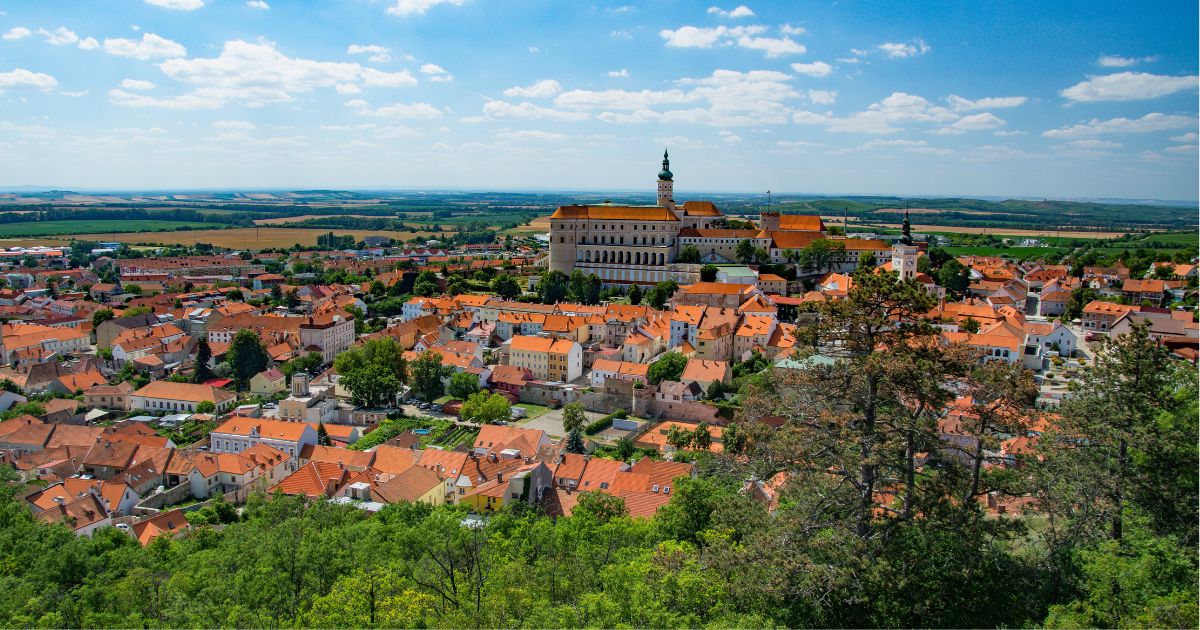
Flights to Iceland: Where, When and How Much to Fly in 2026

TL;DRThe cheapest way to reach Iceland in 2026 is a connecting flight outside peak season (usually via Vienna, Frankfurt or Copenhagen), running £130–£260, while direct summer flights from London with Icelandair take around 3 hours and cost £260–£475. Budget carrier PLAY Airlines collapsed in September 2025, so it’s no longer an option. International flights land at Keflavík Airport, a 45-minute Flybus ride from central Reykjavik. The best deals come outside the summer months, when you can also take advantage of the free Icelandair Stopover, letting you break your journey in Iceland for up to 7 days if you’re flying on to the US.

When you first step off the plane at Keflavík Airport, the cold, raw ocean wind will probably hit you square in the face. It smells of salt, distant sulphur and uncompromising wilderness, reminding you in that very first second that here, nature is in charge — not people. Booking flights to Iceland is the first step towards one of the most otherworldly trips you can take in Europe.

Lukáš and I set off for this magical island at the turn of September and October 2018, and I still remember how, right after landing, I was mesmerised by that endless, untamed emptiness that simply forces you to reconsider your own significance.

Searching for flights back then was a small nudge towards what felt like the trip of a lifetime, because Iceland isn’t just another holiday destination — it’s more like a different world altogether.

In this article you’ll find a complete guide to flights to Iceland: where it’s best to fly from, and what to watch out for in 2026.

I’ll show you where to find the best connections, explain the differences between the local airports, and throw in practical advice on car hire, current prices and accommodation, so you can enjoy the land of fire and ice to the max and without any unnecessary stress.

TL;DR

  • Direct flights from the UK: In peak season, easyJet, Jet2, British Airways and Icelandair all fly direct from London and other UK cities. The flight takes roughly 3 hours.
  • Flights with a connection: Off-season you may need to connect (often via Amsterdam, Copenhagen or Frankfurt), with return fares commonly running from £100 to £180.
  • Collapse of PLAY Airlines: The budget carrier PLAY went bust in September 2025 — you’ll still see it mentioned in old guides, but you can no longer book tickets with them.
  • Icelandair Stopover: If you fly Icelandair onward to North America, you can add a free stopover in Iceland for up to 7 days.
  • Airport: International flights land at Keflavík (KEF), not in Reykjavík itself. The capital is about 45 minutes away by Flybus coach.
  • Flight search: For the cheapest fares and trickier connections, we’ve long relied on the Skyscanner and Kiwi search engines.
  • Prices and taxes 2026: A new per-kilometre tax on hire cars has been introduced, but petrol has actually dropped to roughly 210–225 ISK per litre.
  • Documents: Iceland is in the Schengen Area. UK travellers can visit visa-free for up to 90 days, but you must have a valid passport (and from late 2026 you’ll need ETIAS).

When to Go and How to Get There

Planning a trip starts with the right transport connection, which has changed quite dramatically in recent years. Getting from the UK up towards the Arctic Circle has never been easier, though you do need to keep an eye on seasonality and choose carefully which airline you entrust your plans to. Let’s take a look at which flights to Iceland make the most sense right now and how to avoid being caught out by outdated info floating around the internet.

1. Direct Flights from the UK and the Summer Season

If you can’t stand hanging around airports and want to reach your destination as fast as possible, I recommend focusing on the summer timetable. In season, direct flights to Iceland from the UK are offered by carriers such as easyJet, Jet2, British Airways and Iceland’s national carrier Icelandair, mainly from London but increasingly from regional airports too.

The flight from London officially takes around 3 hours, which is honestly an incredibly short time to find yourself in a completely different world full of volcanoes and glaciers. Flights usually run at fairly sensible times, so once you land you’ve still got a shot at picking up the car and doing your first food shop.

Return fares in summer commonly sit between £150 and £350, though the low-cost carriers occasionally drop sale tickets to around £90–£120. I’d advise against leaving your booking to the last minute, because despite the higher price tags, summer dates tend to sell out very quickly.

Always check your baggage allowance carefully, because basic fares often include only a small piece of hand luggage, and you’ll pay quite a bit extra for a hold suitcase. With winter clothing, which takes up an enormous amount of space, you simply won’t manage without a big case.

2. Connecting Flights Outside Peak Season

If you decide to head off in autumn, winter or early spring (which is what we did, at the turn of September and October), you’ll probably face a journey with a connection. Direct routes often don’t operate outside the main tourist season, or run only on a very limited schedule.

The most common transfer points are European hubs such as Amsterdam, Copenhagen, Frankfurt or Dublin. It does mean slightly longer travelling, but at least you can stretch your legs and grab a coffee at another European airport.

Although the journey takes longer, it often lets you snag genuinely cheap flights to Iceland, which off-season can start somewhere around £80 with the budget carriers. The typical average for a return with a connection runs between £100 and £180.

From my own experience, a short connection in Amsterdam or Copenhagen is nothing to dread, and the money you save on the ticket will come in handy on this very expensive island — for decent accommodation or a hire car.

3. Watch Out for the Collapse of PLAY Airlines

This is crucial information for 2026 that you must keep in mind if you’re reading older guides. You’ll sadly no longer see the bright red planes of budget airline PLAY Airlines in the sky.

The airline went bankrupt at the end of September 2025 and ceased all operations. It was a huge event that left eighteen thousand passengers stranded at airports around the world.

So if you come across tips on forums or older blogs telling you to look for super-cheap flights to Iceland with this airline, just close them and keep searching. The main stable carrier on the island now remains the dominant Icelandair, alongside the UK low-cost carriers in the summer season.

4. Icelandair’s Brilliant Stopover and How to Search for Flights

If you’re planning a big trip to North America (say to New York, Toronto or Chicago) and flying with Icelandair, you’ve got a huge trump card up your sleeve.

The airline offers a fantastic programme called Stopover, which lets you break your journey in Iceland for up to 7 nights at absolutely no extra cost on top of the ticket price. You’re effectively flying across the ocean and ticking magical Nordic wilderness off your bucket list along the way, without paying for another flight.

For searching out all these options, Lukáš and I swear by Skyscanner and the Kiwi app. They’re our favourite tools, cleverly combining different carriers to find either the fastest or, on the flip side, the cheapest connections.

Just be careful that your connections aren’t too tight. The weather in Iceland can be incredibly moody, and strong winds can occasionally delay flights a little.

Keflavík vs. Reykjavík: How the Airports Work and Getting into the City

When people buy their first flights to Iceland, they often assume they’ll land right in the capital and be at their hotel within five minutes. The reality, though, is that the island has its airports split in a very specific way, and it’s worth knowing where you’ll end up and how to get onward from there. The moment you step off the plane, you’ll feel that typical northern air and start sorting out the first logistical steps of your trip.

1. Where You Actually Land — and a Shopping Trick

All the major international flights you’ll book to Iceland from Europe or America land at Keflavík International Airport (KEF). This fairly modern airport sits on the Reykjanes Peninsula, about 45 minutes’ drive by car or coach from the centre of Reykjavík itself.

The capital does have its own smaller airport (Reykjavík Domestic Airport), but it serves exclusively domestic flights — to places like Akureyri in the north, the remote eastern fjords, or special flights to Greenland.

Keflavík Airport is very clear and perfectly organised, so you definitely won’t get lost. But I’ve got one huge tip for the moment you land.

Most duty-free shopping happens right by the baggage belts, because you simply can’t buy a bottle of wine or beer in ordinary Icelandic supermarkets.

Alcohol is sold only in the state-run Vínbúðin shops, which have very limited opening hours and astronomical prices. So if you fancy a glass after a day on the trails, stock up at the airport straight away.

2. Getting from the Airport into the Capital

The most comfortable way to get from Keflavík to central Reykjavík without your own car is the Flybus airport coaches. They leave directly from the arrivals hall, and a huge advantage is that they’re timed to every arrival.

That means the coach will wait for you even if your flight is delayed by bad weather. The journey into the centre takes the aforementioned 45 minutes, and along the way you can soak up your first views of the lava fields.

The coaches also offer drop-off right at your hotel or at designated stops around the city. Lukáš and I bought our tickets conveniently in advance online, so that after landing we didn’t have to hang about at the counters and could hop straight onto a warm coach while a proper Icelandic gale was already kicking off outside.

💡 Tip: It pays to book tickets and organised tours (Iceland and beyond) in advance online via GetYourGuide — in season they fill up fast.

3. Car Hire, Wind and Iceland’s Tricky Insurance

Exploring Iceland without your own car is like going to the cinema and keeping your eyes shut. To compare deals and pick up a car right at Keflavík Airport, we use the service below.

Car hire here is a discipline all of its own, with prices ranging from 5,000 ISK a day in winter up to 35,000 ISK for a proper SUV in summer. If you’re travelling in summer and only plan to drive the main paved Ring Road (Route 1) or the famous Golden Circle, a regular two-wheel-drive car will be more than enough.

But the moment you head into the rugged interior on the mountain F-roads (where ordinary cars are strictly banned and you risk ruinous fines) or travel in winter, 4×4 is an absolute must.

Pay close attention to the insurance, because Iceland has its own very specific rules and the forums are full of horror-story bills for damaged cars. Basic CDW cover simply isn’t enough here. Definitely pay extra for Gravel Protection (GP), which covers you against flying stones.

Roughly a third of the island’s roads are unpaved, and stones flung up by oncoming cars crack windscreens with absolute regularity. If you’re heading south and east, also consider SAAP (Sand and Ash Protection) against sandstorms, which can literally strip the paint off a car — a bill running into thousands of pounds.

The biggest enemy, though, is the Icelandic wind. It can be so strong that, if you’re careless, it’ll literally rip the car door clean off its hinges. Remember that this damage (so-called door-ripping) is usually covered by no insurance whatsoever.

Always hold the door firmly with both hands when getting out 😅! And if you’re heading into the interior with a 4×4, know that no insurance covers flooding the car while fording wild rivers — all the risk is on you.

Where to Stay + How Much It All Costs

Accommodation in Iceland takes a sizeable chunk out of your budget, and you really need to factor that in realistically in advance. A week-long road trip for two people at a mid-range standard (with your own hire car, insurance and heated guesthouse stays) will cost roughly £2,800 to £4,500 in 2026, excluding flights.

If you economise hard, sleep in a tent and cook your own food, you can bring it down to around £1,700 to £2,400. Booking.com is our favourite search tool, because the island has an enormous range of cosy guesthouses and farm stays.

From 1 January 2026, the government also introduced a new per-kilometre tax (Kilometre Fee) on all vehicles, amounting to roughly 6.95 ISK per kilometre driven (about £0.04). Car hire firms will either charge you this as a fixed daily rate (around 1,390–1,550 ISK) or deduct it from your card when you return the car, based exactly on the odometer.

The good news, though, is that as compensation the government scrapped part of the fuel tax. Whereas last year petrol cost a crazy 305 ISK, in 2026 the price has dropped to a more pleasant 210–225 ISK per litre (roughly £1.25–£1.35). In the end you’ll pay about the same — you’ll just hand the money to the car hire firm rather than the petrol station.

1. Reykjavík and the Southwest as a Base

If you’d rather not pack your bags every day and you’ve only got a long weekend or 4–5 days in Iceland, it makes huge sense to stay right in the capital or in its immediate surroundings on the Reykjanes Peninsula. From there you can do day trips out and back.

From Reykjavík you can comfortably drive the famous Golden Circle in a single day and return to the warmth. The next day you could set off to the volcanoes or the thermal baths.

Staying in the city also offers the luxury of great cafés and bakeries just around the corner. Guesthouses here run around €80 to €150 per night for two.

💡 Specific accommodation tips (check prices and availability via Booking — book early, as in season and around the 2026 eclipse rooms vanish months ahead):

2. Accommodation on the Ring Road (South and East)

If you decide to drive right around the island on the Ring Road, which involves over 1,300 kilometres, you’ll need to embrace a nomadic way of life. The distances here are enormous and there’s no point doubling back.

In the south around the town of Vík, capacity tends to sell out very fast, because the vast majority of tourists head here to admire the black beaches and glaciers.

Heading east into the Eastfjords, both accommodation and crowds thin out, but I’d advise against leaving bookings to the last minute. We stayed in gorgeous wooden cabins overlooking endless pastures.

3. Camping and the Camping Card for Adventurers

Plenty of people tackle the cost of pricey accommodation by camping in the car or straight up in a roof tent, which is a huge phenomenon in Iceland. If you go for this option (and don’t mind a bit of cold), definitely get yourself a Camping Card.

In 2026 this card costs roughly 26,000 ISK (about £155) and is valid for 28 nights for two adults and four children. It gives you access to more than 40 campsites across the island.

On site you then only top up a token accommodation tax of 400 ISK per tent or car per night. It’s an absolutely fantastic way to save big money — just remember that most campsites close in mid-September.

What to See in Iceland: 6 Regions You Can’t Miss

Getting your bearings on the island is actually pretty simple, because the whole thing is ringed by the paved Ring Road. Newcomers, though, often make the huge mistake of cramming their itinerary to bursting point and trying to circle the island in five days.

The result is that they spend eight hours a day in the car and collapse with utter exhaustion every evening. For a relaxed loop of the whole road you need at least 8 to 10 days.

If you have less time, pick just a few regions from this list and get to know them properly. Let’s take a look at the very best Iceland has to offer.

1. The Golden Circle: A Classic to Start With

The Golden Circle is comfortably the most visited part of Iceland, and it’s an absolutely ideal day trip straight from Reykjavík, since the loop measures roughly 250 kilometres.

The first stop is usually Þingvellir National Park, a place of huge historical significance, since this is where Iceland’s first parliament was founded in 930.

It’s also the only place in the world where you can walk (or even dive in 2°C water) right in the Silfra fissure, which separates the North American and Eurasian tectonic plates.

The second must-see stop is the geothermal area of Haukadalur, where the famous Strokkur geyser awaits. Unlike the dormant Great Geysir, it spouts boiling water up to thirty metres high every five to ten minutes. It’s an absolutely fascinating natural spectacle that’ll leave you standing open-mouthed.

The crowning jewel of the loop is the massive two-tier Gullfoss waterfall. The water plunges into a deep canyon with a deafening roar, and in summer beautiful rainbows often shimmer around it.

2. The South Coast: Waterfalls and Stunning Black Beaches

As soon as you head east out of Reykjavík along Route 1, a parade of the most iconic, postcard-worthy spots opens up before you. First to greet you is Seljalandsfoss waterfall, which is unique in that you can walk all the way around it — even behind the falling water — along a slippery path.

Just a little further on you’ll reach the immense and majestic Skógafoss, with hundreds of steps leading up alongside it to a viewpoint at the top. Since 2025, there’s unfortunately a parking fee of around 1,000 ISK at Skógafoss, easily paid via the Parka or EasyPark apps.

On the south coast you also can’t skip the iconic wreck of an American military plane, the DC-3, which made an emergency landing on the endless black sand plain of Sólheimasandur.

The walk to it from the car park takes about 45 minutes of dull trudging each way (or you can take the paid shuttle bus), but the photos from here look like something out of a post-apocalyptic film. And then the charming little town of Vík awaits, with the nearby and breathtaking Reynisfjara beach.

3. The Southeast: Jökulsárlón Glacier Lagoon and Vatnajökull

Once you pass the town of Vík, the crowds noticeably thin out and the landscape transforms. The entire southeast is unwaveringly dominated by Vatnajökull National Park, home to the largest glacier in Europe, which covers an incredible eight per cent of Iceland’s whole area. The absolute highlight of this whole region — and for Lukáš and me one of the most beautiful places on the planet — is the Jökulsárlón glacier lagoon.

In this massive lagoon, enormous, vividly blue chunks of ice break off the melting glacier and drift slowly across the surface towards the ocean. The silence and majesty of it all are breathtaking.

Once the ice floes reach the ocean, strong waves polish them and wash them back onto the black volcanic beach opposite, fittingly known as Diamond Beach. The contrast of crystal-clear ice against coal-black sand is something you simply have to see with your own eyes.

4. North Iceland and the Diverse Diamond Circle

The capital of North Iceland is called Akureyri, and it’s a wonderful, lively little town full of great cafés and excellent food, sitting at the very end of a long fjord. From here people typically set out on the so-called Diamond Circle.

On it you’ll discover the divine Goðafoss waterfall, the stunningly bubbling mud pools of Hverir and the bizarre lava formations of Dimmuborgir by Lake Mývatn.

The circle is then crowned by Dettifoss, the most powerful waterfall in all of Europe by flow rate, with the roar of its murky water felt right through the soles of your boots.

If you’re heading north, stop off in the town of Húsavík, which is a global mecca for whale watching. Boats set out from here with a fascinating success rate of nearly 99%, and in the summer months you can sometimes even spot gigantic blue whales.

⚠️ I’ve got one more great tip for 2026: the popular Mývatn Nature Baths thermal spa is currently closed for a major rebuild, but under the new name Earth Lagoon it’s reopening in spring 2026, enhanced with an amazing new cave set right inside a lava fissure.

Experiences & tickets
traveler-rated · GetYourGuide
Buggy Adventure: Off-Road Thrills in South Iceland
★★★★★ 5.0 · 14 reviews
from €215
I want this experience →
🔗 These are affiliate links — they don't change your price and help us create content. · All experiences →
lukas a lucka
Lukáš and Lucie recommend
Where to Stay in Iceland
3 accommodations — hotels and other lodging options

5. Snæfellsnes and the Remote Westfjords

The Snæfellsnes Peninsula is often affectionately nicknamed “Iceland in miniature”. You’ll find absolutely everything here — a dormant volcano capped with a glacier, the dramatic, wave-battered cliffs of Arnarstapi, the lonely black church of Búðir, and comfortably the most photographed mountain in Iceland, the pointed Kirkjufell, made famous by Game of Thrones.

Snæfellsnes is an absolutely ideal destination if you’ve only got 2 to 3 days to explore and don’t want to needlessly race around the whole island by car.

The Westfjords, by contrast, are a completely different, isolated world that fewer than ten per cent of all tourists ever reach. The roads here wearily trace deep fjords, the tarmac constantly turns to gravel, and driving is incredibly slow (set aside a good two days for a loop).

The reward for all that effort, though, is total isolation, the monumental cascading Dynjandi waterfall and the majestic cliffs of Látrabjarg.

These are the westernmost point of Iceland and, in summer, home to an incredible fifty thousand pairs of adorable little puffins. These fjords, however, are only sensibly drivable in summer.

6. The Wild Interior (Highlands)

This is the rugged heart of the island and a place for true adventurers only. No paved roads lead into the Highlands, you won’t find hotels with hot showers, and you won’t pass a single petrol station.

The only routes in are gravel mountain tracks called F-roads, which cross deep fords over wild glacial rivers. The area is accessible only with a proper 4×4 vehicle, and only in the summer months from mid-June to roughly mid-September.

If you dare to venture here, you’ll see a landscape that looks like it’s from another planet. You can bathe in natural hot springs in the Landmannalaugar area, famous for its rainbow-coloured rhyolite mountains.

The journey to the lunar landscape and the Askja volcano crater is a real test of driving skill. It’s stunning, but it demands maximum respect and preparation.

When to Go and What to Prepare For in Iceland

Iceland has one absolutely brilliant and fitting saying: “If you don’t like the weather, just wait five minutes.” That pretty much says it all. The Gulf Stream does keep temperatures within fairly bearable limits, but the ever-present wind can knock the perceived temperature down a good few notches.

So rule number one is constant layering and a really good, waterproof jacket that you probably won’t take off even in July.

1. The Reykjanes Eruptions and Safety

You may have seen frightening footage on TV of lava flowing on the Reykjanes Peninsula and wondered whether flights to Iceland are even a good idea. Since spring 2021 there have indeed been a whole series of eruptions here, and according to the meteorological office, over 26 million cubic metres of magma have gathered beneath the area.

It sounds apocalyptic, but for the overwhelming majority of tourists nothing actually changes. The eruptions here are effusive. That means the lava calmly flows out of fissures, but the volcano doesn’t spew clouds of ash into the atmosphere that would halt air travel.

Keflavík Airport, the capital and the main Ring Road route all operate with no restrictions whatsoever and are completely safe. The only real impact is on residents of the evacuated town of Grindavík and on the nearby famous Blue Lagoon spa.

The Blue Lagoon runs on a dynamic basis — sensors monitor activity and, if needed, the spa can be fully evacuated with two hours’ notice. Before you head anywhere, always check the current warnings on the excellent official site safetravel.is and on the meteorological office’s site vedur.is.

2. The Black Sun: The August 2026 Solar Eclipse

If you’re planning a trip for August 2026, I’ve got news that will either bring an excited smile to your face or force you to completely rethink your budget.

On the afternoon of Wednesday 12 August 2026, a band of total solar eclipse will pass right across Iceland. It’s the astronomical event of the century — the first such eclipse visible from Iceland since 1954, and the next one won’t be visible until the 22nd century!

The band of total darkness will sweep across the Westfjords, the Snæfellsnes Peninsula, Reykjavík and Keflavík. The longest darkness, over 2 minutes, will be experienced at the Látrabjarg cliffs. In Reykjavík itself the sun will disappear for roughly a minute around 17:43 local time. A huge festival is even being planned on Snæfellsnes, so the whole west will be buzzing.

If you want to see this magical phenomenon, be prepared for the island to be utterly, hopelessly packed to bursting. Accommodation in the eclipse band has largely been sold out since the start of 2025, and the prices of everything — from flights to car hire — are rocketing skywards.

An ordinary guesthouse here costs an astronomical $700 a night on these dates. If you’re going, you’d best book everything well in advance and get detailed info from the official site eclipse2026.is.

3. Treacherous Waves and the Dangerous Reynisfjara Beach

Although Iceland has long been the absolute safest country in the world in terms of crime, the nature here doesn’t forgive mistakes. The most famous and, sadly, most tragic example is the gorgeous black beach of Reynisfjara near the town of Vík in the south of the island.

Enormous waves, dramatic basalt columns and magical black sand form a breathtaking combination that draws crowds with cameras.

But I have to warn you very strongly about the phenomenon of so-called sneaker waves (treacherous, hidden waves). These waves arrive very unexpectedly, carry enormous force and reach tens of metres further up the beach than the previous ones.

Since 2013, six tourists have sadly lost their lives here, and most recently, in August 2025, the current swept away a nine-year-old girl. The beach now has a warning light traffic signal, which please respect without exception.

The golden rule is: never turn your back on the ocean and stay at least thirty metres from the water. A photo really isn’t worth it.

4. Chasing the Northern Lights (Aurora Borealis)

People often ask me whether winter flights to Iceland will guarantee them a sight of the Northern Lights. The honest answer is: no, they won’t — but your chances are huge.

One of the biggest travel myths is that the Northern Lights are somehow connected to cold and frost. In reality, to see them you only need three crucial things: complete darkness (which is why you’ve no chance in summer), a clear, cloudless sky and sufficient solar activity.

2026 is still well above average and exceptional for viewing, because the solar cycle is highly active, as confirmed by experts at NOAA. Lukáš and I got incredibly lucky and saw that fascinating green show on our very first evening, right by the guesthouse.

Don’t forget to bring a tripod, because on the camera screen you’ll see the aurora far more clearly than with the naked eye (shoot on manual, ISO around 1600–3200 and an exposure of 5–15 seconds). Also keep a regular eye on the KP index and cloud layers in the Veður app.

Where to Eat (Without Wrecking Your Budget)

When you start thinking about how much a holiday in Iceland costs, food will probably be the most painful item on the bill. A visit to even a perfectly ordinary restaurant can easily set you back 2,000 to 3,500 ISK (roughly £12 to £20) for just a main course. Lukáš and I are vegetarians, and although Iceland is a paradise for lovers of meat and fish, exploring a slightly different culinary scene was surprisingly no problem at all, and we ate brilliantly.

1. Bónus Supermarkets and Cooking on the Road

Every traveller’s best friend in Iceland is the Bónus supermarket, which you’ll spot from afar by its iconic yellow sign with the cheeky pink piggy. They have by far the friendliest prices, so this is where we’d go to stock up.

We regularly bought lovely fresh bread, Icelandic cheeses, plenty of vegetables, and in the guesthouse we’d prepare our own snacks each morning for the whole long day of trips. A slightly pricier alternative is the Krónan supermarket, and if you want something more premium, head to Hagkaup.

One more absolutely essential tip on drinks: tap water across the whole of Iceland is incredibly delicious, drinkable and completely free. Buying bottled water in plastic at the shop here is a huge sin, a waste of plastic and, above all, money thrown away. Just bring a reusable bottle from home and refill it anywhere from the tap.

2. Great Vegetarian Spots in Reykjavík

Reykjavík surprised us no end with its options for non-meat-eaters. I warmly recommend the renowned little spot Chickpea, where we had absolutely perfect fresh falafel with amazing hummus and warm pita.

Excellent, colourful and healthy vegetarian bowls are made at the restaurant Gló. And if, after a whole day freezing outside, you crave something warm and hearty, the pizzeria Flatey Pizza (on Grandagarður street) does a superb Margherita baked right in a wood-fired oven.

For breakfast we fell in love with the traditional Icelandic dairy product skyr. Don’t worry, it’s basically a thick yoghurt and is completely vegetarian. A tub of skyr is packed with protein (easily 16 grams) and fills you up wonderfully before a long hike to the waterfalls. In the towns you’ll also come across excellent Icelandic bakeries that make fantastic cinnamon buns.

3. Traditional Icelandic Cuisine (for Carnivores)

If you’re not vegetarian, Icelandic gastronomy offers a few very specific (and for some, perhaps terrifying) experiences. The national dish here is so-called hákarl, which is fermented shark. After catching it, locals leave it to rot and ferment buried in the ground for months, then wash it down with strong Icelandic schnapps, Brennivín.

Another common delicacy, which you’ll smell in every supermarket, is harðfiskur — hard-dried fish, eaten spread with a thick layer of butter. And of course there’s the ever-present Icelandic lamb. The sheep roam completely free across the mountains from spring to autumn, and Icelandic lamb soups are reportedly very popular among tourists after a whole day out in the cold.

Bureaucracy, Documents and Etiquette to Prepare For

Travelling around Europe is changing fast and the paperwork is piling up, but luckily Iceland is one of those countries where fairly simple rules still apply to UK travellers, even though this island isn’t formally a member of the European Union at all. There’s no visa to worry about for short trips — you just need to focus on a few cultural and practical quirks that’ll save you a lot of awkward moments and make your stay easier.

1. Passport, and a Word on ETIAS and EES

Because Iceland is a firm, full member of the Schengen Area, UK citizens can visit visa-free for up to 90 days within any 180-day period for tourism. You’ll need a valid passport (with at least three months’ validity beyond your planned departure and issued within the last 10 years). There’s a lot of wild chatter online lately about new fees and systems, so let’s set the record straight.

From 10 April 2026, the biometric EES system fully launches at the borders, and by the end of 2026 so does the paid travel authorisation ETIAS (the European equivalent of America’s ESTA, costing €20). As a UK traveller, both of these will apply to you as a non-EU visitor.

In practice, EES means your fingerprints and a photo will be registered at the border instead of a passport stamp, and ETIAS is a quick online form you’ll fill out before travel. Neither is complicated, but do factor in slightly longer queues at Keflavík while the new system beds in.

2. Nudity Rules in Icelandic Pools

While most tourists head straight for luxury spas like the famous Blue Lagoon (where you’ll pay crazy money), our favourite was the ordinary municipal pools called Sundlaug. You’ll find them in every smaller town, the water is heated by geothermal energy to a gorgeous 38–40°C, and entry costs only a fraction of the price. They do, however, have one very strict and uncompromising rule.

Before you even enter the pool, you must wash thoroughly with soap in the communal showers (including hair and armpits), and completely without swimwear! For us Central Europeans this is quite a shock at first, but Iceland uses an absolute minimum of chlorine in the water, and hygiene here is simply sacred.

The changing rooms are often supervised by staff who will send you back without mercy if you try to wash with clothes on. Don’t be shy — nobody’s going to stare at you, it’s simply a completely natural part of their culture.

3. Forget Cash, and Don’t Forget Your PIN

As I touched on above, exchanging Icelandic krónur (ISK) at a bureau de change back home is utterly pointless and you probably won’t even find them anyway. Iceland is a near-100% cashless society, where you can pay by card absolutely everywhere — from a morning coffee in a tiny café, to a camping fee somewhere by a glacier, to using the toilet at a rest stop.

The one absolutely critical thing you must have sorted is carrying a physical plastic payment card and knowing your PIN.

At self-service petrol stations (for example the very popular N1 chain) or at parking machines, simply tapping a phone with Apple Pay or Google Pay very often doesn’t work, or there’s a contactless limit of 7,500 ISK.

The fuel pump will simply, point-blank, require you to insert your card into the reader and tap in the numbers. Without it, you’re going nowhere.

Where to Next

If Iceland is calling you, Lukáš and I have put together plenty of other resources to help you plan your dream trip down to the last detail and gather more inspiration:

Frequently Asked Questions

1. How many days do I need to drive around Iceland?

If you want to drive the entire Ring Road at a relaxed pace (all the way around, 1,322 km), set aside at least 8 to 10 days. Less time means just stress in the car. If you only have 4 to 5 days, focus solely on Reykjavík, the Golden Circle, and the south coast. To visit the remote Westfjords or the interior (Highlands), you’ll ideally need 12 to 14 days.

Do I need a 4×4 vehicle, or will a regular car do?

In the summer season, a regular smaller car (2WD) will be more than enough for driving the main asphalt Ring Road and visiting the Golden Circle. However, if you’re traveling in the winter months or planning to venture into the rugged interior on unpaved mountain roads (F-roads) in summer, 4×4 drive is an absolute necessity and even your legal obligation.

3. Should you reconsider your visit because of ongoing volcanic eruptions?

Definitely not. The volcanic activity on the Reykjanes Peninsula is very localized and the eruptions are so-called effusive (lava just flows out and the volcano doesn’t spew huge clouds of ash). Keflavík Airport and the main tourist routes like the Ring Road are operating completely normally. You just need to follow the current information on safetravel.is and avoid the evacuated area around the town of Grindavík.

How much does a week-long vacation in Iceland cost for two people?

A week-long road trip for two people with an average rental car (including insurance), petrol, accommodation in warmer guesthouses and occasional eating out will cost you on average €3,200 to €5,200 (excluding flights) for a mid-range experience. If you’re on a tight budget, cooking pasta and sleeping in a tent with a Camping Card, you’ll get down to roughly €2,000 to €2,800.

5. What’s the situation with taxes and expensive gas in 2026?

From January 2026, a so-called mileage tax was newly introduced, which amounts to 6.95 ISK per kilometer driven. The car rental company will usually charge it to you at the end of your trip. Thanks to the introduction of this tax, however, the government abolished part of the fees at gas stations, so fuel prices dropped significantly from the previous 305 ISK per liter to a more pleasant 210 to 225 ISK per liter.

6. Is Reynisfjara Black Beach Really That Dangerous?

Unfortunately, yes. While the beach is beautiful, it’s notoriously known for the phenomenon of so-called “sneaker waves” (hidden, treacherous waves). These massive waves come completely unexpectedly and with enormous force reach dozens of meters further than regular ones. Since 2013, six people have died here. It’s essential to watch the warning signal, not walk close to the water, and never turn your back to the ocean.

7. Do I need a passport, visa, or ETIAS fee for the trip?

You don’t need a visa or even a passport at all. Iceland is a full member of the European Schengen Area, so all you need to enter is a regular valid ID card. Moreover, citizens of the Czech Republic are not affected at all by the upcoming bureaucratic changes called ETIAS and EES, which are intended for travelers from outside the European Union.

Tips and Tricks for Your Vacation

Don’t Overpay for Flights

Search for flights on Kayak. It’s our favorite search engine because it scans the websites of all airlines and always finds the cheapest connection.

Book Your Accommodation Smartly

The best experiences we’ve had when looking for accommodation (from Alaska to Morocco) are with Booking.com, where hotels, apartments, and entire houses are usually the cheapest and most widely available.

Don’t Forget Travel Insurance

Good travel insurance will protect you against illness, accidents, theft, or flight cancellations. We’ve had a few hospital visits abroad, so we know how important it is to have proper insurance arranged.

Where we insure ourselves: SafetyWing (best for everyone) and TrueTraveller (for extra-long trips).

Why don’t we recommend any Czech insurance company? Because they have too many restrictions. They set limits on the number of days abroad, travel insurance via a credit card often requires you to pay medical expenses only with that card, and they frequently limit the number of returns to the Czech Republic.

Find the Best Experiences

Get Your Guide is a huge online marketplace where you can book guided walks, trips, skip-the-line tickets, tours, and much more. We always find some extra fun there!
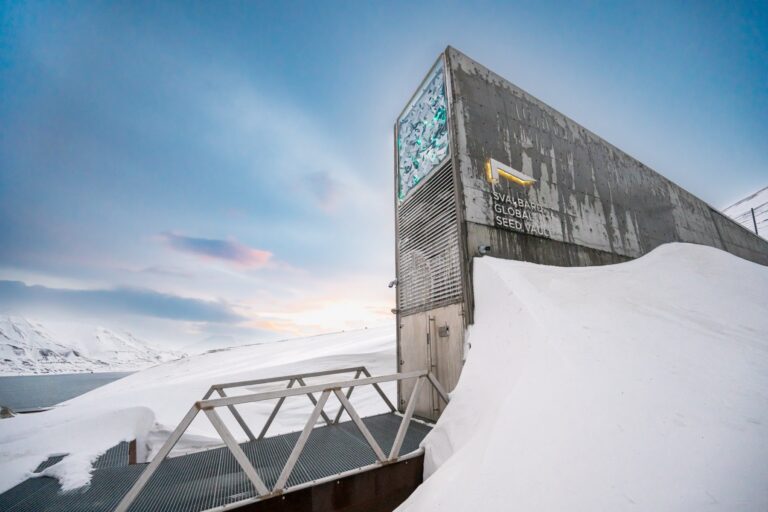
Kjerag, Norway: 7 Tips on What to See and Do Around Lysefjord

TL;DRKjeragbolten is a roughly five-metre boulder wedged in a crack 984 metres above Lysefjord in Norway, up on the Kjerag plateau. The hike from the Øygardstøl car park runs about 12 kilometres there and back, takes 6 to 7 hours, and climbs steep granite slabs secured with steel chains. Summer, from June to September, is the best time to go — ideally setting off early in the morning. Worth adding to the trip is a fjord cruise from Stavanger or Forsand, at around 500 NOK, and a climb up the world’s longest wooden staircase in the village of Flørli, with its 4,444 steps. Stavanger or the settlement of Lysebotn at the end of the fjord usually serve as your base.

Norway is full of natural extremes, but few places command as much respect as the legendary Kjerag in Norway, perched high above the majestic Lysefjord. This iconic boulder, wedged firmly between two sheer cliff walls almost a kilometre above the fjord’s surface, draws travellers and mountain-hiking enthusiasts from all over the world. If you’re after a challenge that’s guaranteed to get your heart racing and put your fitness to the test, you’ve come to the right place.

In this guide we’ll take a detailed look at 7 tips on what to see and do around Kjeragbolten and Lysefjord. You’ll learn how to prepare for the demanding climb across granite slabs, why a trip out on the water is well worth it, and where to find the longest wooden staircase in the world.

I’ll also give you advice on where to base yourself strategically, how to plan the journey from Stavanger, and what to watch out for the most. You’ll get all the information you need to enjoy this breathtaking corner of Norwegian nature safely and without any unnecessary stress from unexpected surprises.

TL;DR

  • Kjeragbolten is a roughly five-metre-wide boulder wedged into a crevice 984 metres above the surface of Lysefjord.
  • The hike up to the Kjerag plateau is around 12 kilometres there and back and takes 6 to 7 hours of walking.
  • The route is fairly demanding — expect steep climbs across smooth granite slabs where you’ll need to haul yourself up using steel chains.
  • Actually stepping onto the boulder is optional, but in peak season long queues form, and in rain or wind it’s strongly discouraged.
  • The area is best visited during the summer season from June to September — ideally set off first thing in the morning.
  • A great addition to the hike is a boat trip along Lysefjord, which departs from Stavanger or Forsand and costs around 500 NOK.
  • Make Stavanger your base for day trips, or stay right in the tiny hamlet of Lysebotn at the very end of the fjord.

When to Visit the Kjeragbolten and Lysefjord Area

Norwegian mountains can be unpredictable, so choosing the right time to visit is absolutely crucial. The main tourist season runs from June to September, when most of the snow has long melted and the mountain roads are safely passable. If you try to go earlier in spring or later in autumn, you’ll likely run into closed roads and very unfavourable conditions for a safe climb to the plateau.

Even in the middle of a sunny summer, it pays to set off on the hike really early in the morning. Not only will you neatly avoid the biggest crowds that gather at the boulder around midday, but you’ll also minimise the risk of unpleasant afternoon thunderstorms. The weather at Lysefjord can change within a matter of minutes, so it’s vitally important to keep an eye on the latest forecast and always have decent waterproof layers packed in your rucksack.

Where to Stay Near Lysefjord

💡 Tip for accommodation and experiences: We like to look for places to stay on Booking.com, which tends to have the best cancellation terms. For tickets, tours and activities, it’s worth comparing and booking through GetYourGuide.

When planning a trip to this area, you essentially have two main options for where to rest your head and recharge. Most travellers choose nearby Stavanger as their base, from where it’s an easy commute to the fjord and where you’ll find a rich choice of restaurants and cafés. But if you want to be right in the thick of things and save precious time on morning transfers, you can stay right in the small hamlet of Lysebotn at the very end of the deep fjord.

I’d recommend booking your accommodation well in advance through Booking, as availability disappears at incredible speed during the summer season. Here are some specific tips for tried-and-tested places:

  • Thon Hotel Stavanger: A highly rated hotel right in the lively centre of Stavanger, serving really generous and tasty breakfasts. It’s an ideal choice if you want to combine mountain hikes with evenings out in the city’s streets.
  • Radisson Blu Atlantic Hotel, Stavanger: Another excellent option with gorgeous views over Lake Breiavatnet. The rooms are very modern, and the location a stone’s throw from the main harbour is absolutely perfect for early-morning ferry departures.
  • Lysefjorden Turisthytte: Simple but incredibly authentic accommodation right in the hamlet of Lysebotn. You’ll be just a short distance from the very start of the hike, and after a demanding day you’ll be guaranteed to appreciate the peace and quiet and the views of the surrounding steep mountains.

Kjerag in Norway and Around Lysefjord: 7 Tips on What to See and Do

The Lysefjord area offers far more than just one famous rock — there’s a whole string of fascinating spots and activities worth adding to your itinerary. Let’s take a detailed look at 7 specific tips for putting together your stay in this dramatic landscape. You’ll learn how not to miss anything important while not underestimating the difficulty of the local terrain.

1. What Exactly Is the Kjeragbolten Rock?

Kjeragbolten is a natural phenomenon that probably has no equal anywhere else in the world, and it draws the gaze of thousands of curious visitors. It’s a huge round boulder roughly five metres in diameter that became firmly wedged into a narrow rock crevice during the last ice age. You’ll find it right on the edge of the majestic Kjerag mountain plateau, which towers high above the water.

Looking down over the edge may well make your head spin, because directly beneath the boulder yawns a 984-metre-deep drop, with the blue surface of Lysefjord glittering far below. Standing on it has become an absolute travel classic, although it’s definitely not an experience for anyone who suffers from a fear of heights. That said, simply seeing this geological wonder is worth the effort even for those who wisely decide to keep both feet planted firmly on the safe surrounding rock.

2. The Demanding Kjerag Hike up to the Plateau

The route to the boulder begins at the restaurant and car park at Øygardstøl, which sits at an altitude of around 640 metres. From there you face a route of roughly 12 kilometres (there and back), for which you should definitely set aside about 6 to 7 hours of actual walking time. The climb is made up of three fairly steep and strenuous ascents, between which you thankfully get a bit of a breather in shallow mountain valleys.

The toughest sections of the route lead across very smooth granite slabs, where sturdy steel chains have been installed to keep hikers safe. Especially after morning dew or rain, the rock can get extremely slippery, so solid hiking boots with a good non-slip sole are absolutely essential for this trip. Don’t skimp on your Kjerag shoes — they make all the difference on those slick slabs.

The Kjerag HikeRoute Information
:—:—
Distance (there and back)~12 km
Time required6 to 7 hours
Total elevation gain~570 metres
DifficultyDemanding (steep sections, chains)
Height above the fjord984 metres

3. The Photo Queue and the Question of Safety

When you finally reach your dream spot after several hours of physical effort, you’ll probably be greeted by a long line of fellow enthusiasts. The queue for that iconic photo on the boulder can take more than an hour in peak summer season, so arm yourself with plenty of patience. Be sure to pack enough warm clothing, because waiting around in a cold mountain breeze can get pretty unpleasant.

It’s really important to stress that actually stepping onto the boulder is always entirely optional, and no one is forcing you to do it. Although it looks terrifying from certain angles in photos, the approach from behind is slightly wider than it first appears. Even so, one absolutely fundamental rule applies: never step onto Kjeragbolten in wet, snowy or strongly windy conditions. There have sadly been Kjeragbolten deaths and accidents over the years, and a slip would have utterly fatal consequences — no photo for social media is worth such an enormous risk.

lukas a lucka
Lukáš and Lucie recommend
Where to stay near Kjeragbolten and Lysefjord
4 accommodation options — hotels and other places to stay

4. Lysefjord and Boat Trips from Stavanger

If you want to relax pleasantly after a demanding hike, or you’d rather discover Norwegian nature in comfort, a boat trip along Lysefjord is a phenomenal and hugely popular experience. These cruises most often set off from the large harbour in Stavanger or from the smaller town of Forsand. You can easily buy tickets online, and I’d recommend exploring GetYourGuide, where you’ll find various departure times.

From the deck of a sightseeing boat you get a completely different perspective on the whole fjord and fully appreciate its enormous scale. Among other things, you’ll see the famous Kjeragbolten from far below (it’ll look like a tiny pebble stuck high up in the rock), sail right beneath monumental cliffs, and get a close-up look at majestic waterfalls plunging straight into the fjord. The price for a classic sightseeing cruise is around 500 NOK, which works out at roughly 45 €.

5. The Flørli Staircase: 4,444 Steps to the Sky

A lesser-known but all the more fascinating destination in the Lysefjord area is the picturesque and very peaceful village of Flørli. It hides an absolute technical marvel — the longest wooden staircase in the world. It climbs steeply upward alongside an old water pipeline that once supplied the local power station, and it counts exactly 4,444 wooden steps.

This vertical climb is an extreme test for your legs and lungs, but your well-earned reward at the top will be breathtaking views over the whole of Lysefjord. You can’t reach Flørli by car — you’ll need to take the local passenger ferry. 💡 Tip: Many experienced travellers combine a visit to this staircase with a boat trip along the fjord, neatly tying two great experiences together in a single day.

6. The Lysevegen Road and Its 27 Hairpin Bends

The very drive to the starting point of the Kjeragbolten hike is an unforgettable adventure behind the wheel. The mountain road called Lysevegen, which connects the high-altitude area with the hamlet of Lysebotn down at fjord level, is a genuine engineering masterpiece. Over a very short stretch it overcomes huge differences in altitude and twists through a total of 27 sharp hairpin bends.

The biggest surprise on this dramatic route is a roughly kilometre-long tunnel that curves into an unexpected spiral inside the massive mountain. Driving on this narrow road takes plenty of caution and steady nerves, especially when you have to squeeze past large oncoming campervans on the bends. Before the descent into the valley, be sure to stop for a moment at the viewpoint near the Øygardstøl restaurant — that panorama over the valley is truly worth it. If you’re hiring a car for the trip, remember that Norwegian mountain roads demand confident driving.

7. Kjerag as a Mecca for Base Jumping

Besides ordinary hikers, on the Kjerag plateau you’ll also come across a far more specific and daring group of people. Thanks to the enormous sheer drop and favourable air currents, this spot has become a world Mecca for base jumping in Norway — that is, extreme parachute jumps from fixed rock objects.

During the summer months you can watch enthusiasts from a safe distance as they hurl themselves into the deep abyss in special wingsuits and, after a few seconds of dangerous free fall, open their parachutes low above the fjord’s surface. It’s an absolutely fascinating spectacle that injects the whole place with a serious dose of adrenaline, without you having to take on any personal risk yourself.

Where to Go Next from Lysefjord

Once you’ve thoroughly explored Kjerag and its immediate surroundings, there are plenty of other great options for where to continue in Norway. Here are a few more of our guides that are sure to help you plan the rest of your trip:

Frequently Asked Questions

How difficult is the hike to Kjeragbolten?

The route is generally considered quite challenging. It measures approximately 12 kilometers round trip, conquers a total elevation gain of around 570 meters, and takes 6 to 7 hours of hiking. The most difficult parts are the very steep sections over smooth granite slabs, where hikers must physically assist themselves using installed steel chains.

Is it safe to stand on the Kjeragbolten boulder?

“`html
Stepping onto the boulder itself is completely voluntary and up to you. In dry and windless conditions, it can be managed quite safely, as the rear access is wider than it appears in photos. However, in rain, snow, or strong gusty winds, it is very strongly discouraged for obvious reasons.
“`

Is a boat trip on Lysefjord worth it?

Absolutely yes, it’s a totally amazing way to relax and see the rugged nature from a completely different perspective. A leisurely cruise will show you Kjeragbolten itself, the impressive Preikestolen rock, and numerous roaring waterfalls from directly below. Ticket prices are around 500 NOK (approx. €45).

Is it better to go to Kjeragbolten or to Preikestolen?

Preikestolen is much more accessible and an easier hike that takes only about 4 hours and can be managed even by fitter families, although it tends to be significantly more crowded with tourists. Kjeragbolten, on the other hand, is much more challenging, longer, and offers a somewhat greater adrenaline rush for more physically experienced hikers.

When is the best time to visit the area?

Ideal conditions for the ascent are during the main summer season, from June to September, when there’s the best chance of stable weather and safely passable mountain roads. It’s strongly recommended to set out on the hike very early in the morning to avoid large crowds and frequent afternoon thunderstorms.

What is the Flørli staircase?

Flørli is a very small and peaceful village located right on the shore of Lysefjord, which is world-famous for the longest wooden staircase in the world. It counts an incredible 4,444 steps and follows the route of an old water pipeline. From its top, absolutely fantastic views of the entire fjord open up.

How to get to the starting point of the ascent?

From nearby Stavanger you can drive and use the passenger ferry, which will take you directly to the small settlement of Lysebotn. From there you just drive up the dramatic serpentine road Lysevegen to the large car park at Øygardstøl. Another convenient option is to use special tourist buses.

Tips and Tricks for Your Vacation

Don’t Overpay for Flights

Search for flights on Kayak. It’s our favorite search engine because it scans the websites of all airlines and always finds the cheapest connection.

Book Your Accommodation Smartly

The best experiences we’ve had when looking for accommodation (from Alaska to Morocco) are with Booking.com, where hotels, apartments, and entire houses are usually the cheapest and most widely available.

Don’t Forget Travel Insurance

Good travel insurance will protect you against illness, accidents, theft, or flight cancellations. We’ve had a few hospital visits abroad, so we know how important it is to have proper insurance arranged.

Where we insure ourselves: SafetyWing (best for everyone) and TrueTraveller (for extra-long trips).

Why don’t we recommend any Czech insurance company? Because they have too many restrictions. They set limits on the number of days abroad, travel insurance via a credit card often requires you to pay medical expenses only with that card, and they frequently limit the number of returns to the Czech Republic.

Find the Best Experiences

Get Your Guide is a huge online marketplace where you can book guided walks, trips, skip-the-line tickets, tours, and much more. We always find some extra fun there!
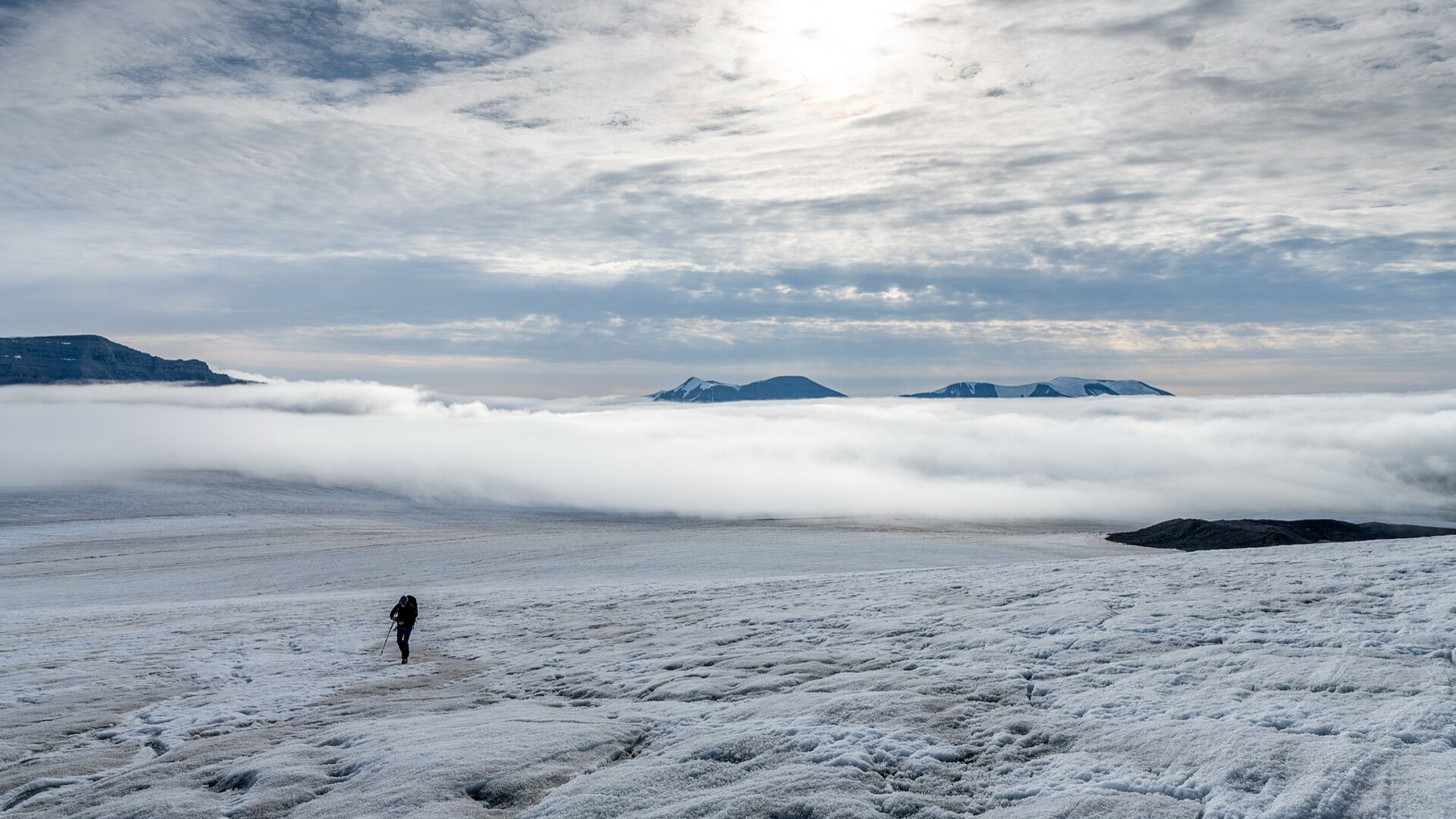
Oslo, Norway: 14 Best Things to See in 2026

TL;DRHere are 14 things to see in Oslo: the striking white Opera House with its walk-on roof, the Edvard Munch museum (MUNCH) home to The Scream, the Nordic region’s largest National Museum, Akershus Fortress, Vigeland Park with over 200 sculptures, Ekeberg Park, the Royal Palace, the Bygdøy peninsula with the Fram and Kon-Tiki ships, the Grünerløkka neighbourhood, the Aker Brygge waterfront, and the Holmenkollen ski jump. Set aside a day for the centre, half a day for Bygdøy, and three days overall is ideal. May to August is the best time to go, when you can swim in the fjord and take a boat out to islands like Hovedøya or Langøyene. The Oslo Pass, which covers public transport and museum entry, is well worth getting.

Norway has a reputation as a land blessed with endless mountains and deep fjords, but its capital might just surprise you with its incredibly modern face. Oslo, Norway has undergone a huge transformation in recent years, evolving from a quiet Nordic city into a buzzing hub of innovative architecture and outstanding food.

If you’re thinking about a long weekend up north, you’ll love how this city combines world-class museums with the chance to take an afternoon swim in the fjord. The centre is also wonderfully compact, so you can comfortably explore most of the best sights on foot or with the help of an excellent public transport network.

In this guide we’ll take a look at 14 places in the Norwegian capital you simply can’t miss. I’ll also help you pick a strategically located hotel, show you how to save money with the city card, and point you towards the best vegetarian food in town.

TL;DR

  • Top attractions: Walk across the sloping roof of the iconic Opera House and don’t miss the famous painting The Scream in the new National Museum.
  • History and seafarers: On the Bygdøy peninsula you’ll find incredible museums of polar expeditions and Viking history, easily reached by a little ferry from the centre.
  • Nature in the city: Vigeland Sculpture Park boasts over two hundred unique sculptures and is absolutely perfect for an afternoon stroll.
  • When to go: The best time to visit is from May to August, when you can enjoy long bright days and head out to the islands in the Oslofjord.
  • Transport and discounts: If you plan to hop between museums, it’s definitely worth getting the Oslo Pass, which also covers all public transport.
  • Where to stay: Choose a hotel within walking distance of the central station or in the modern Bjørvika district, where everything is right at your fingertips.

When to Visit Oslo

Planning a trip to Norway depends a lot on what exactly you want from your holiday. The city is at its most beautiful from May to August, when temperatures climb to a pleasant 20 degrees and the days are incredibly long. In summer all the outdoor terraces come alive, locals head down to the fjord for a swim, and you can make the most of boat trips to the nearby islands.

If you don’t mind cooler weather, spring and autumn offer a much calmer atmosphere without the tourist crowds. Just keep in mind that some seasonal attractions or boat lines may run on reduced schedules. Flights are often cheaper at this time of year, and you’ll have the museums almost to yourself.

The winter months have their own special magic in the Nordic countries, though be prepared for very short days and freezing temperatures. Before Christmas the city draws visitors with its enchanting festive markets, while in January and February you can combine your trip with skiing on the famous Holmenkollen hill, easily reached from the centre on the ordinary metro. This is also one of the best times to catch the northern lights on a day trip further north.

Where to Stay in Oslo

💡 Tip for accommodation and experiences: We love searching for places to stay on Booking.com, where you’ll usually find the best cancellation policies. For tickets, tours and activities, it pays to compare and book through GetYourGuide.

Norway generally isn’t the cheapest destination, and accommodation makes up a fairly large chunk of the budget. The best strategic location is around the central station and Karl Johans gate, from where you can comfortably walk to both the Opera House and the harbour. Don’t leave your Booking reservation until the last minute, because the best hotels tend to sell out months ahead in the summer season.

For lovers of modern design and great breakfasts, I recommend the Clarion Hotel The Hub, which boasts a fantastic rooftop bar and sits right in the heart of the city. A night for two costs roughly 2,000 NOK (around €175), which is a very fair price for this standard by local norms.

If you’re after the golden middle ground with excellent value for money, take a look at the Thon Hotel Rosenkrantz. This hotel is famous for its generous breakfasts and a night will set you back around 1,800 NOK (about €155), all while staying just steps from the main sights.

More demanding travellers will certainly appreciate the gorgeous Amerikalinjen, a more luxurious boutique hotel set in the historic building of a former shipping company. Rooms here start at roughly 2,500 NOK (around €220) per night, and the interiors transport you back to the era of the first transatlantic crossings.

Architectural Icons and Museums in the Centre

The foundation of any visit to the Norwegian capital is exploring its modern face, which is concentrated mainly around the harbour and the Bjørvika bay. In recent years the city has invested huge sums into developing the waterfront, giving rise to buildings that collect architectural awards all over the world.

These flagship institutions also house the most precious works of Nordic art. Set aside a whole day to explore these three main buildings and the historic fortress, because the collections are genuinely vast and it would be a shame to rush through them.

1. The Opera House (Operaen) and the Rooftop View

This is an absolute classic, and no visit to Oslo would be complete without it. The pristine white Opera House resembles a giant ice floe emerging from the waters of the fjord, and its architectural design is pure genius. The building is clad in Italian marble and white granite, which creates a stunning contrast with the blue sky on sunny days.

The biggest draw is the roof itself, which you can walk right up to the very top of, completely free of charge. From the highest point a fantastic view opens up over the city and the bay at any time of day. Try coming here in the early evening, when the surrounding glass buildings turn golden in the light of the setting sun.

💡 Tip: Right next to the Opera House, it’s also worth seeing the new Deichman Bjørvika public library, whose interior with its modern reading rooms and light installations will take your breath away. Entry is free and you can even grab an excellent coffee here.

2. The Edvard Munch Museum (MUNCH)

Right next to the Opera House rises the unmissable asymmetric tower of the new museum dedicated to Norway’s most famous painter. Since opening, MUNCH instantly became one of the most visited attractions, offering the world’s largest collection of the artist’s work across thirteen floors. The building itself sparked some pretty heated debate among locals, but inside it works absolutely brilliantly.

The main attraction is naturally the iconic painting The Scream, which draws crowds of tourists. The museum owns several versions of this masterpiece, and to protect it from light, only one is displayed at a time, rotating at regular intervals. Beyond The Scream, you’ll find thousands of other prints and paintings from Munch’s estate.

On the top floor of the skyscraper there’s an observation terrace and an elegant bar. Even if you’re not planning to see the exhibition, it’s worth taking the lift to the top, because the view of the Oslofjord from this height is simply spectacular, and a drink with that kind of view tastes that little bit better.

3. The National Museum (Nasjonalmuseet)

If you love art and design, this place will absolutely thrill you. The new National Museum opened in 2022 and is the largest art museum in Northern Europe, even bigger than the Rijksmuseum in Amsterdam. The enormous slate building just off the Aker Brygge waterfront holds over 400,000 objects spanning antiquity to the present day.

On the first floor you’ll lose yourself in the wonderful exhibitions of design and fashion, while the second floor is dedicated to fine art. You’ll find another famous version of Munch’s The Scream here, this time the 1893 one, along with a fascinating collection of Nordic landscape painting. Of course, there are also works by European masters such as Picasso, Monet and Van Gogh.

On the museum’s roof is the so-called Light Hall, a vast sunlit space dedicated to temporary contemporary art exhibitions. Allow at least three hours for your visit, because the museum really is enormous and the exhibitions are incredibly engaging.

4. Akershus Fortress

After all the modern architecture, this historic complex makes for a pleasant change. The medieval Akershus Fortress has protected the city since the end of the 13th century and still serves as an important military area today, even though most of the grounds are freely open to the public. The stone walls and old bastions form a beautiful contrast to the glass skyscrapers in the background.

A walk along the ramparts offers some of the best views over the harbour and the city hall. Entry to the outdoor grounds is completely free; you only pay to tour the Renaissance castle itself and the military museums inside. You’ll even find a royal mausoleum here, where Norway’s monarchs are laid to rest.

The fortress grounds are an ideal spot for a quiet afternoon stroll, especially in the summer months when it’s full of greenery. Various cultural events and concerts are often held here, so it’s worth checking the current programme before you go so you don’t miss anything special.

Parks, Art and Royal History

When you need a break from the busy streets, Oslo offers an incredible amount of greenery right in the centre. The city is famous for its huge sculpture parks, which are freely accessible all day and form an integral part of the local lifestyle.

At the same time, this is a monarchy, so a walk past the historic buildings and wide boulevards has its own distinct elegance. The blend of nature and grand architecture is handled superbly here and shows just how brilliantly public space can be planned.

5. Vigeland Park

This park is, without exaggeration, one of the greatest treasures in all of Norway. Vigeland Park is the largest sculpture park in the world created by a single artist, Gustav Vigeland, who devoted a substantial part of his life to it. There are more than 200 sculptures in bronze, granite and wrought iron, depicting the entire cycle of human life from birth to death.

The centrepiece of the whole complex is the fourteen-metre-high Monolith, an incredible column carved from a single block of granite. The Monolith is made up of 121 intertwined human bodies reaching towards the sky, and the intricate detail of each figure is utterly fascinating. Dozens of other sculpture groups depicting various life situations are arranged around it.

Be sure to hunt down the famous little statue Sinnataggen, the angry crying boy who is one of the city’s unofficial symbols. Entry to the park is free all year round and the gates never close, so you can happily come for an early morning stroll or watch the sculptures at sunset.

6. Ekeberg Park

If you love art in nature and beautiful views, you’ll fall head over heels for this place. Ekeberg Sculpture Park sits on a wooded hill southeast of the centre and offers an amazing panoramic view over the entire Oslofjord and the Opera House. Compared to Vigeland Park, this area is noticeably wilder, with sculptures scattered through the forest.

You can see works by world-renowned artists such as Salvador Dalí, Auguste Renoir and Damien Hirst. Interestingly, it was the view from Ekeberg hill that inspired Edvard Munch to paint The Scream, so you can stand in the very same spot and imagine the blood-red sky from his famous canvas.

The climb up requires a bit of effort, but the reward is well worth it. Several pleasant trails wind through the park, where you’ll pass plenty of locals out running with their dogs, and at the top there’s a lovely restaurant with a terrace where you can treat yourself to a well-earned coffee after the hike.

7. The Royal Palace (Slottet)

The landmark of the western part of the centre is the official residence of the Norwegian royal family. The Royal Palace stands on a gentle rise at the end of the main avenue and feels very elegant yet approachable. There are no huge fences around the building, as we know from other countries, and visitors can stroll right beneath its windows.

Every day at 1:30 pm, the traditional changing of the guard takes place in front of the palace, lasting about 40 minutes and proving a popular tourist attraction. During the summer months, part of the interior is open to the public, so you can take a guided tour of the ceremonial halls where the king receives foreign delegations.

The building is surrounded by a sprawling palace park with ponds and old trees, which locals use for picnics and relaxing. The atmosphere here is incredibly laid-back, and if you’re lucky, you might spot a member of the royal family heading out, since they reportedly move around the city quite freely and without much fuss.

lukas a lucka
Lukáš and Lucie recommend
Where to stay in Oslo
4 accommodations — hotels, wellness hotels and other lodging options

8. Karl Johans gate and the Cathedral

The main artery of the whole city is the wide shopping and promenade avenue Karl Johans gate. This bustling boulevard connects the central railway station directly with the Royal Palace and is lined with historic buildings, shops, cafés and street performers. In winter, part of the street turns into a beautiful ice rink and Christmas market.

As you walk along the street, you won’t miss the Norwegian parliament building, known as the Stortinget, which catches the eye with its yellow brick façade and rounded shapes. Right next to it stand the National Theatre and the old university building, so you’ll see the most important institutions in the country all in one place. The street is especially magical in the evening, when everything is beautifully lit up.

I’d also recommend stopping by Oslo Cathedral, which dates back to the 17th century and stands out for its beautiful modern stained glass and painted ceiling. Around the cathedral are the picturesque Basarene arcades, where today you’ll find cosy cafés and small shops selling handmade crafts, ideal for picking up original souvenirs.

Maritime History on the Bygdøy Peninsula

Norway and the sea belong inseparably together, and in Oslo you’ll feel it at every turn. The best concentration of maritime history is found on the Bygdøy peninsula, which you can reach either by bus or, far more stylishly, by a small ferry directly from the centre near the city hall.

This wooded residential district hides the most interesting museums dedicated to explorers and polar adventurers. Set aside at least half a day for this area, because moving between the various exhibitions takes some time, and each one is completely different and incredibly captivating.

9. The Bygdøy Peninsula (Fram, Kon-Tiki and the Open-Air Museum)

This is an absolute paradise for all lovers of adventure and history. The biggest hit is the Fram Museum, where the actual wooden ship is on display — the very vessel Roald Amundsen used to become the first person to reach the South Pole. You can board the ship, climb through the cabins and try to imagine how the sailors survived the brutal cold in such cramped conditions.

Right across the way you’ll find the Kon-Tiki Museum, dedicated to another Norwegian hero, Thor Heyerdahl. Here you’ll see the original balsa raft Kon-Tiki and the papyrus boat Ra II, which this adventurer used to sail the world’s oceans in order to prove his historical theories. The exhibits and expedition photographs are absolutely gripping.

The peninsula is also home to the sprawling Norwegian Open-Air Museum (Norsk Folkemuseum), where the atmosphere of old Norway washes over you. Among more than one hundred and fifty historic buildings from across the country, the stunning wooden Gol Stave Church stands out, built around the year 1200. By the way, a brand-new giant Viking ship museum is also being built on the peninsula, which everyone is already very much looking forward to.

Modern Districts, Fjords and Skiing

If you want to experience the true atmosphere of present-day Oslo, you need to venture beyond the main historic centre. Former industrial zones and old docks have transformed into the most stylish addresses here, full of great food, cafés and young people.

The city also has the incredible advantage of having nature right at your fingertips. Within half an hour you can take a ferry from a busy shopping street to a peaceful island or ride the metro high up into the hills, where you can strap on cross-country skis in winter. This accessibility makes the Norwegian capital an utterly unique place to live.

10. The Grünerløkka District and Great Food

This is, without debate, the coolest part of the whole city. The former working-class district of Grünerløkka has transformed into a hipster paradise, full of vintage stores, independent boutiques and excellent cafés where they’ll make you the best speciality coffee. Colourful street art decorates the streets and the atmosphere is far more relaxed than in the slightly buttoned-up centre.

If you love plant-based food, you’ll be in absolute seventh heaven here, because Oslo has an incredibly varied selection of great vegetarian bistros and restaurants. You absolutely have to try the local hotspots famous for hummus and fluffy falafel, which have been popping up like mushrooms after rain in recent years and draw queues out the door. Among local specialities you’ll also come across plenty of fish and seafood, but the plant-based scene really steals the show.

The centrepiece of the area’s food scene is the Mathallen food hall, a brick industrial space full of stalls serving cuisine from all over the world. From here you can set off on a lovely walk along the Akerselva river, which flows through the district and whose old brick factories along the banks have been cleverly converted into galleries and art schools.

11. The Aker Brygge and Tjuvholmen Waterfront

While Grünerløkka is alternative, this waterfront represents pure luxury and modern design. Aker Brygge used to be an old shipyard, but today it’s a gleaming waterside promenade, full of the priciest restaurants, glass offices and luxury apartments. Especially in summer, hundreds of people sit out on the outdoor terraces, soaking up the sun with a view of Akershus Fortress.

The promenade flows seamlessly into the newly built artificial island of Tjuvholmen, a showcase of cutting-edge contemporary architecture. The island’s main draw is the Astrup Fearnley Museum of Modern Art, whose gorgeous sail-shaped building was designed by the famous architect Renzo Piano. The collections are fairly provocative and exhibitions by the world’s best-known creators are often held here.

Around the museum there’s a small sculpture park and a beautiful city beach where you can swim in summer. The architects here really thought about connecting the city with the water, so everywhere you’ll come across wooden jetties, steps down into the water and benches where you can simply sit and watch the boats sail by.

12. The Oslofjord and Its Islands

To be in Oslo and not head out onto the water would be a real sin. Regular ferry lines depart right from the city hall pier and function like ordinary public transport, so a normal ticket or tourist card is valid on them. Sailing through the maze of small islands with their colourful wooden houses is one of the most beautiful experiences of all.

💡 Tip: I recommend booking tickets for a longer sightseeing cruise on the fjord or various guided city tours in advance through GetYourGuide, where you’ll find plenty of interesting trips clearly laid out in one place and right on your phone.

The closest island to the centre is Hovedøya, where the journey takes barely ten minutes. On the island you’ll find romantic ruins of a medieval monastery, dense forests and several lovely beaches, which fill up with picnicking families in summer. There are no cars here, making it a perfect escape from the city bustle.

A bit further out lies the island of Gressholmen, known for its adorable rabbits and a historic pub, or the island of Langøyene, famous for its long sandy beaches and the option to camp. You can easily spend a whole afternoon hopping from one island to another and discovering their hidden nooks and corners.

13. Floating Saunas and Swimming in the Fjord

This is a huge hit of recent years and an experience that simply belongs to modern Norway. Right in the centre by the Opera House, or along the Aker Brygge promenade, a fleet of floating saunas is moored, which you can rent or buy a single entry to the shared sweat room. These wooden cabins on barrels often have large glass walls with a view straight onto the opera.

The principle is simple: you warm up properly and then jump straight into the icy waters of the fjord. Locals love this ritual and swim here year-round, even in the depths of freezing winter, when they sometimes have to chop a hole in the ice. The initial shock of the icy water is quickly replaced by an incredible rush of endorphins.

Demand for the saunas is enormous, so it’s almost essential to reserve a spot several days in advance online. The best-known operators are KOK and SALT, where, alongside the sauna, various cultural events and musical performances are held in huge wooden structures resembling fish-drying racks.

14. The Holmenkollen Ski Jump

Our last tip takes us high above the city, into a paradise for all winter sports. The legendary Holmenkollen ski jump is visible from afar and forms an unmistakable silhouette of the city, easily reached by metro line number one. The journey up takes about half an hour and offers amazing views in its own right as the train gradually climbs into the hills.

The current steel structure of the jump looks a bit like a spaceship, and inside its base hides the oldest ski museum in the world. You’ll see the evolution of skis over the centuries and exhibitions dedicated to famous polar expeditions, which couldn’t have happened without skis. The biggest draw, though, is the lift ride up to the very top of the jump.

When you stand on the starting platform and look down into the abyss, only then do you fully grasp how much courage the jumpers must have. The view from the tower takes in the entire city, the fjord and the surrounding wooded hills of Nordmarka. If you love adrenaline, you can try out a realistic jumping and downhill skiing simulator down below, which is guaranteed to make you break a sweat.

Practical Info: How to Save and Not Wreck Your Budget

Norway is expensive, there’s no point arguing about it. But if you plan to visit several museums, getting the Oslo Pass is an absolute must, sold in 24, 48 or 72-hour versions. This card gives you free entry to most of the main sights (including the MUNCH museum, Fram and Kon-Tiki) and, crucially, works as an unlimited ticket on all public transport, including the ferries to the islands.

From Oslo Airport (Gardermoen) you can reach the centre in several ways. The fastest is the Flytoget express train, which takes around twenty minutes, though it’s fairly pricey. A very smart alternative is the ordinary red trains run by the state railway (Vy), which travel the same route, take just three minutes longer, but cost roughly half the price of the express. Travellers flying in from the UK will find direct flights to Oslo from London and several other British cities, with carriers such as Norwegian and SAS serving the route.

As for food, restaurants can put a serious dent in your wallet. The well-stocked supermarkets (such as REMA 1000 or Kiwi) are a real lifesaver, where you can buy fresh ingredients for a picnic in the park, along with the Asian and vegetarian bistros in Grünerløkka, which offer hearty and delicious portions at far more reasonable prices than the spots right on the waterfront.

Where to Go Next from Oslo

Frequently Asked Questions

How many days do you need to visit Oslo?

“`html
Two full days will be enough for the most important things in the center. However, if you want to leisurely explore the museums on the Bygdøy peninsula and take a boat trip to the islands in the fjord, I recommend setting aside a long weekend for the city, ideally three full days.
“`

Is the Oslo Pass worth it?

Definitely yes, if you’re planning to explore culture. The card pays for itself the moment you visit two paid museums in a day and use the tram or boat a few times. You can conveniently download it straight to the mobile app.

How to best get from the airport to the center?

The most comfortable option is the train. The express Flytoget will get you to the central station in 20 minutes, but it’s more expensive. If you want to save money, go for the regular Vy connections, which run very frequently, take 23 minutes and you can get a ticket for a much more reasonable price.

When is the best time to visit the Norwegian capital?

“`html
The most beautiful experiences can be had from May to August, when the days are incredibly long and the warmth invites you to sit outside or go swimming. If you’re drawn to Christmas markets and skiing at Holmenkollen, head there during December or January, but expect early darkness.
“`

Is Oslo really that expensive?

“`html
Yes, the prices of services, alcohol and food in restaurants are very high for us. You can cleverly cut your budget by getting an Oslo Pass, using clean water fountains and occasionally buying food at local supermarkets.
“`

Where can you get good vegetarian food in the city?

A complete paradise for plant-based food lovers is the Grünerløkka district. You’ll find plenty of small bistros making fantastic creamy hummus and fresh falafel, as well as the Mathallen food hall, where everyone will find something from the diverse range of stalls.

What to see in Oslo with small children?

Children will be thrilled with the boat ride and the enormous polar ships in the Fram and Kon-Tiki museums. The outdoor Norwegian Folk Museum is also brilliant, where animals roam freely, and older kids will certainly enjoy the ski simulator beneath the Holmenkollen ski jump.

Tips and Tricks for Your Vacation

Don’t Overpay for Flights

Search for flights on Kayak. It’s our favorite search engine because it scans the websites of all airlines and always finds the cheapest connection.

Book Your Accommodation Smartly

The best experiences we’ve had when looking for accommodation (from Alaska to Morocco) are with Booking.com, where hotels, apartments, and entire houses are usually the cheapest and most widely available.

Don’t Forget Travel Insurance

Good travel insurance will protect you against illness, accidents, theft, or flight cancellations. We’ve had a few hospital visits abroad, so we know how important it is to have proper insurance arranged.

Where we insure ourselves: SafetyWing (best for everyone) and TrueTraveller (for extra-long trips).

Why don’t we recommend any Czech insurance company? Because they have too many restrictions. They set limits on the number of days abroad, travel insurance via a credit card often requires you to pay medical expenses only with that card, and they frequently limit the number of returns to the Czech Republic.

Find the Best Experiences

Get Your Guide is a huge online marketplace where you can book guided walks, trips, skip-the-line tickets, tours, and much more. We always find some extra fun there!