Bruges, Belgium: 16 Best Things to See and Do in 2026

TL;DRBruges comes with 16 concrete tips on what to see and do, from climbing the 366 steps of the 83-metre Belfort tower to taking a boat trip along the Rozenhoedkaai canals or finding some quiet in the UNESCO-listed Begijnhof. One day is enough to cover the main sights, but staying a day and a half with an overnight lets you also fit in the Groeningemuseum, the De Halve Maan brewery and the Choco-Story chocolate museum. The best time to visit is April to the end of September, when days are longer and August temperatures sit around 23 degrees. Trains from Brussels airport take about 90 minutes and cost €25 to €35, while from central Brussels it’s roughly an hour.

Often nicknamed the Venice of the North, Bruges, Belgium is the kind of place where time seems to stand still. If you’ve seen the cult black comedy In Bruges with Colin Farrell, this picture-perfect Belgian city has probably been on your travel radar for ages. It’s a place where you can wander for hours among historic gabled houses, watching the reflection of Gothic spires shimmer on the calm surface of the canals.

In this article I’m bringing you 16 of the best things to see and do in Bruges, so you can get the absolute most out of your visit and discover its hidden corners too. You’ll quickly notice that, unlike the hectic capitals of Europe, a far more laid-back atmosphere reigns here, even though the main square can get seriously packed with eager tourists during the day.

I’ll also help you figure out the best time to go, how to get here easily by train from the airport, and why it pays to stay overnight right in the historic centre. And I’ll throw in a few practical tips on where to satisfy your taste buds, whether you’re craving proper Belgian chocolate or an excellent local beer.

TL;DR

  • Best view: Climb the 366 steps up the iconic Belfort bell tower, where you’ll have the entire historic centre laid out before you.
  • Key experience: A boat ride through the winding canals shows you the city from a completely different perspective and is an absolute must.
  • Best photo: Head to the corner of Rozenhoedkaai early in the morning, where the historic buildings reflect perfectly in the water without the crowds.
  • Where to find calm: The Begijnhof convent courtyard offers a quiet oasis in the heart of the city, and in spring it’s carpeted with gorgeous daffodils.
  • What to taste: Don’t miss a visit to the family-run De Halve Maan brewery and try the local Brugse Zot beer or some fresh waffles.
  • Why stay overnight: Most tourists only come for a day trip, so if you stay the night you’ll have the magical lanes all to yourself in the morning and evening.
  • How to get here: Very comfortable, fast trains run here from Brussels in about an hour, and at the weekend you even get a discount on the ticket.

The weather in Bruges, Belgium, and when to visit

Belgium has a mild oceanic climate, and you should bear in mind that it rains fairly often, so packing a reliable rain jacket or umbrella is essential whatever the season. The summer months tend to be very pleasant and mild; in August temperatures hover around a comfortable 23°C, which is ideal for full days of sightseeing without sweltering heat.

The loveliest time to visit is from April to the end of September, when the days are longer and the city is fully alive. If you come in April, the Begijnhof courtyard treats you to an absolutely breathtaking spectacle of blooming carpets of yellow daffodils that contrast beautifully with the white facades of the historic houses.

From November to early March it’s low season and the streets are much quieter, although some outdoor attractions such as the historic windmills may be closed. A chapter all of its own is the much-loved Christmas season, when the city is wrapped in the Winter Glow festival of lights and the Christmas markets fill the whole square with the scent of mulled wine — Bruges in winter is genuinely magical.

The biggest challenge for any traveller is the crowds of day-trippers who fill the historic centre roughly between 10am and 4pm. If you want the most famous sights to yourself and you’d like to take lovely photos without strangers in the frame, it really pays to get up early and hit the streets before 9am.

Where to find a hotel in Bruges, Belgium

💡 Tip for accommodation and experiences: We like to look for places to stay on Booking.com, which usually has the best cancellation policies. Tickets, tours and activities are then worth comparing and booking through GetYourGuide.

The vast majority of visitors make the mistake of coming just for a quick day trip, which often ends up rushed and robs you of the true atmosphere. If you decide to stay overnight in the historic centre, you gain a huge advantage: once the afternoon coaches full of day-trippers leave, the city empties out beautifully and the floodlit lanes at night have an incredible charm.

Accommodation here is also often a little cheaper than in nearby Brussels, so it makes sense financially too, especially if you’re after quieter surroundings. The historic core is very compact and you can comfortably reach everything on foot, so it makes the most sense to look for a hotel within walking distance of the main square or the romantic canals.

For lovers of pure luxury and history, the clear choice is the five-star Hotel Dukes’ Palace, set in a beautifully restored 15th-century palace with royal breakfasts. If you’re after something truly special and cinematic, book a room at the boutique Relais Bourgondisch Cruyce, which sits right on the edge of a canal and featured in the film In Bruges.

Great value for money comes from the cosy guesthouse B&B Old Bruges, where you’ll find a personal touch from the owners and a fantastic location just steps from the main sights. Travellers on a slightly tighter budget rave about the clean and pleasant Hotel Asiris, or the very popular backpacker hostel St Christopher’s Inns – The Bauhaus Hostel, where you’ll easily meet fellow travel enthusiasts from all over the world.

16 Best Things to See and Do in Bruges, Belgium

Let’s take a look together at the most interesting sights and activities you definitely shouldn’t miss during your visit. From majestic Gothic buildings and canal cruises to secret corners and superb chocolate shops, this city has something interesting for everyone and is guaranteed to win you over with its one-of-a-kind atmosphere.

1. Markt Square and Its Guild Houses

The main Markt square is the very pulsing heart of the city and is probably the first place you’ll head for after arriving. You’ll be instantly captivated by the row of gorgeous, colourful gables of the old guild houses, which look straight out of a fairy tale and today house mostly bustling restaurants and cosy cafés.

In the middle of this expansive open space stands a striking statue of two local heroes, Jan Breydel and Pieter de Coninck, who led a successful 14th-century uprising against French rule. The square is reserved mostly for pedestrians and cyclists, so you can stroll around calmly and safely and soak up that genuine historic atmosphere.

💡 Tip: If you want to photograph the square without hundreds of other tourists and the ever-present horse-drawn carriages, arrive early in the morning around 8am, when the sun is just hitting the colourful facades.

2. Climbing the Iconic Belfort Bell Tower

Right on the main square, rising to an impressive height of 83 metres, stands the imposing medieval Belfort bell tower, which for centuries served as both a lookout and the city treasury. If you don’t suffer from claustrophobia and you’re reasonably fit, definitely make your way to the top via the 366 very narrow, spiralling steps — your reward is an absolutely fantastic panoramic view over the whole surroundings.

During the demanding climb you can rest on several mezzanine floors, where you’ll get a close look at the huge, intricate clock mechanism and the famous carillon made up of 47 bells. Admission costs roughly 15 €, and given the enormous interest and the tower’s limited capacity, it’s absolutely essential to buy your tickets online well in advance.

You may well remember this striking building as the main setting for the grand finale of the aforementioned film In Bruges, which only adds to its popularity with tourists. In high season the tower is open until 8pm, so you can plan your climb for late afternoon and enjoy the city bathed in the golden light of the setting sun.

3. Burg Square and the Historic Town Hall

Just a few dozen steps from the bustling Markt, you’ll pass through a narrow lane and emerge onto the far more elegant Burg square, which for centuries served as the main political and religious centre of the whole region. This space is literally a parade of different architectural styles and feels much more dignified and peaceful than the neighbouring market square.

The undisputed landmark of the whole space is the beautiful Gothic town hall, the Stadhuis, built back in 1376, which makes it one of the very oldest town hall buildings in the entire region. Its richly decorated facade is full of elaborate statues and fine stone details that tell the long, complex history of the city and command the well-deserved admiration of every passer-by.

If you love historic interiors, definitely pay to go inside and admire the magnificent Gothic Hall with its wooden vault, decorated with striking wall paintings from the late 19th century. The whole square is surrounded by other important buildings, such as the old court of justice with its Renaissance facade adorned with golden details that shine beautifully in the afternoon sun.

4. The Mysterious Basilica of the Holy Blood

Tucked into the right-hand corner of Burg square is the unassuming yet all the more significant Romanesque-Gothic Basilica of the Holy Blood, which guards one of the most sacred Christian relics in all of Europe. Its dark, richly decorated facade with gilded statues stands in sharp contrast to the surrounding pale buildings and instantly draws your attention.

The interior of the church is divided into two completely different parts: the lower Romanesque chapel from the 12th century is very plain and dark, while the upper neo-Gothic section blazes with colour and is adorned with gorgeous stained-glass windows. Entry to the basilica itself is completely free, but if you want to visit the adjoining little museum full of rare historic artefacts, you’ll pay a symbolic admission of around 5 €.

The biggest draw for pilgrims from around the world is the ornate crystal vial said to hold a drop of Christ’s blood, which, according to legend, was brought here by Count Thierry of Alsace after the Second Crusade. You can see and venerate this revered relic with your own eyes only between 2pm and 4pm each day, when it is ceremonially displayed for the public in the presence of local clergy.

5. A Boat Ride Through the Romantic Canals

However long you spend in the city, a classic boat ride along the winding waterways is an absolutely key experience that would be a sin to skip. From the low deck of an open little boat you’ll see the city from a completely different and far more romantic angle, gliding under dozens of old stone bridges and discovering secret gardens you’d never reach on foot.

The cruise lasts roughly 30 minutes and costs 15 € per adult; there are five different boarding points in the city, all located close to the main square. It’s important to know that these traditional city cruises cannot be booked online at all — you always pay on the spot, and in high season you’ll likely queue for quite a while.

💡 Tip: Even though you can’t buy boat tickets online, you can use GetYourGuide to book a combined walking tour with a local guide, which often includes a canal cruise in the programme and saves you a lot of planning hassle.

6. Rozenhoedkaai for the Best Photo

If you’re looking for that one particular spot that graces all the postcards and travel brochures, punch the magical quay called Rozenhoedkaai into your navigation. This is exactly where the two main city canals meet, creating an utterly iconic composition in which the old brick houses, a weeping willow and the tall Belfort tower in the background reflect perfectly on the calm water.

The name of this picturesque spot translates as the Quay of the Rosaries, because in the Middle Ages rosaries were sold here in bulk, made of Baltic amber and cut glass. Today it’s without a doubt the most photographed and busiest corner in the whole city, where during the day crowds of tourists with cameras and phones constantly jostle for the best spot at the railing.

For your photos to truly be worth it and to avoid the frustration of the crowds, you really have to come here very early in the morning, ideally just after sunrise, when a light mist still hangs over the water. This spot is just as magical late in the evening, when the surrounding historic buildings and trees are beautifully and sensitively floodlit, creating an incredibly romantic and mysterious atmosphere.

7. The Lake of Love and Romantic Minnewater Park

On the southern edge of the historic centre, just a short walk from the main train station, lies the beautiful and peaceful Minnewater park, centred on the so-called Lake of Love. According to an old, sad local legend, the lake is named after a girl called Minna, who died of exhaustion in the arms of her beloved while fleeing an arranged and unwanted marriage.

Today it’s an immensely popular spot for quiet walks and picnics on the grass, as it offers an escape from the busy streets in the centre, and you’ll find plenty of benches under mature trees. The lake and its surroundings are home to dozens of beautiful white swans that glide majestically across the surface and have been an official, protected symbol of the city since the late 15th century.

A stroll along the calm water naturally leads you to an imposing old defensive tower of red brick, which once served as the main watchtower at the city’s entrance. The place has enormous charm, especially at dusk, when the lake’s surface calms to a mirror and the surrounding trees turn warm hues in the setting sun.

Experiences & tickets
traveler-rated · GetYourGuide
Zeebrugge to Bruges Return Cruise Shuttle Service
★★★★★ 4.6 · 4 256 reviews
from €30
I want this experience →
🔗 These are affiliate links — they don't change your price and help us create content. · All experiences →
lukas a lucka
Lukáš and Lucie recommend
Where to stay in Bruges
6 accommodations — wellness hotels, hotels and other accommodation options

8. The UNESCO-Listed Begijnhof Convent Courtyard

When you pass through the ornate gate near the Lake of Love, you’ll find yourself in a completely different world and discover the unique Begijnhof convent courtyard, founded back in 1245. This enclosed complex of snow-white houses arranged around a spacious grassy courtyard with mature trees rightly belongs on the UNESCO World Heritage list and breathes pure tranquillity over you.

Originally this was home to the Beguines, emancipated and pious women who, although they pledged a life of chastity and obedience, did not take lifelong vows like classic nuns and could leave the community at any time. Today these historic houses are home to Benedictine sisters, and during your visit you’re expected to respect the strict rule of silence and not disturb the peaceful atmosphere.

A visit to this magical place is completely free; you only pay a symbolic admission to a small house that serves as a period museum and shows the original way of life of the local women. If you’re lucky enough to arrive during March or April, you’ll witness the most beautiful sight of all, when the entire inner courtyard lights up with an enormous carpet of blooming yellow daffodils.

9. Art at the Prestigious Groeningemuseum

For every lover of classical fine art, a visit to the Groeningemuseum is an absolute and unavoidable must, as it’s the most important art gallery in the entire area. The collection is carefully arranged in modern, bright spaces and charts more than six hundred years of visual art in this very rich and cultured Belgian region.

The museum’s main and most precious highlight is its world-famous collection of works by the so-called Flemish Primitives, among whom names like the masterful Jan van Eyck, Hans Memling and the mysterious Hieronymus Bosch stand out. On display, for example, is the famous painting Madonna with Canon van der Paele, which astonishes visitors with its incredible detail and masterly handling of light and fabric textures.

Besides the old masters, you’ll also find very interesting and valuable works from the Renaissance and Baroque periods, as well as representative examples of modern Belgian expressionism. If you plan to visit several similar institutions and you’re into history, it pays to get the 72-hour Musea Brugge card, which gives you very good-value access to most of the city’s museums.

10. The Church of Our Lady and Michelangelo’s Madonna

As you wander the city, your gaze will constantly be drawn to the huge brick tower of the Church of Our Lady, rising to an impressive 115.5 metres — a reliable way to know exactly where you are. It’s actually the second-tallest brick tower in the entire world, and its construction took an incredible two hundred years, which only proves the enormous wealth and power of the medieval merchants here.

Entry to the main nave of this majestic church is completely free, but the greatest and most precious treasure is hidden in the paid museum section, where you’ll pay around 6 €. There awaits a treasure of immeasurable value: a beautiful marble sculpture of the Madonna and Child by the legendary Italian sculptor Michelangelo Buonarroti.

This incredibly finely carved sculpture is all the more precious because it’s the only sculptural work by Michelangelo that demonstrably left his native Italy during his own lifetime. Besides this Italian masterpiece, you can also quietly admire the richly decorated and very well-preserved bronze tombs of the powerful Burgundian Duke Charles the Bold and his daughter Mary of Burgundy.

11. A Stop at the Romantic Bonifaciusbrug

Right behind the Church of Our Lady hides the very inconspicuous yet all the more beautiful and incredibly picturesque stone Bonifacius bridge, one of the most enchanting corners in the city. Although its rough stones and architecture make it look like an original medieval structure, don’t be fooled — it was only built at the start of the 20th century as a very convincing historic replica.

The bridge arches elegantly over a narrow, dark bend in the canal, hemmed in on all sides by old brick houses and partly shaded by the overhanging crowns of mighty trees. Standing in the middle of the bridge and simply watching the tour boats glide beneath your feet is an immensely calming experience and a great opportunity for lovely portrait photos.

💡 Tip: Because this spot is very popular with travellers and professional photographers alike, it gets quite crowded during the day and you’ll have to wait your turn. Once again, it pays to plan your walk this way for very early morning or, conversely, late evening, when the lamplight gives the place an almost fairy-tale feel.

12. The History of Medicine at Sint-Janshospitaal

Directly opposite the famous Church of Our Lady stands a sprawling historic complex of buildings that hides one of the very oldest surviving hospitals in all of Europe. This venerable complex, known as Sint-Janshospitaal, tirelessly served sick pilgrims, poor townsfolk and travellers for a full eight hundred years, cared for by devoted sisters and monks.

Today these fascinating medieval spaces house a captivating museum where, for an 8 € entry fee, you’ll get a glimpse into the everyday life of old doctors and nurses through period instruments and apothecary jars. The old hospital pharmacy, with its wooden shelves and the scent of dried herbs, is superbly preserved and feels incredibly authentic, as if the apothecary had just stepped out for a moment.

But this historic hospital is also famous for one more very important reason: the masterpieces of the renowned painter Hans Memling, which are displayed here very sensitively and beautifully. On show are huge, detailed altarpieces and, above all, the famous reliquary shrine of St Ursula, which ranks among the absolute pinnacles of 15th-century Flemish art.

13. The De Halve Maan Family Brewery and Local Beer

Belgium is world-renowned for its huge, diverse beer culture, and a visit to the historic centre wouldn’t be complete without a stop at the authentic family-run De Halve Maan brewery. This much-loved brewery has operated on the same spot since 1856 and is the last truly working brewery right in the heart of the old town, where excellent beer is still lovingly brewed to this day.

I definitely recommend booking the very entertaining 45-minute guided tour, which costs around 11 € and walks you through both old and modern brewing technologies. The route even takes you high up onto the building’s roof, where you’ll get a completely unique and unspoilt view over the historic skyline, and the ticket price includes a proper tasting at the end.

An absolute technical curiosity here is the fascinating three-kilometre-long underground beer pipeline, which the owners had built in 2017 and which connects the brewhouse in the centre with the bottling plant in the suburbs. Thanks to this very unique and innovative solution, heavy tanker lorries no longer have to drive through the narrow lanes of the centre, which has greatly eased local traffic and protected the well-preserved cobblestones.

💡 Tip: Tours in different languages tend to sell out very quickly, so book yours online via GetYourGuide, where you’ll also find all kinds of beer tastings at local bars. Be sure to try their famous and excellent Brugse Zot beer, which has a lovely golden colour, is pleasantly fruity and is perfectly fine for committed vegetarians too.

14. History in Chocolate at Choco-Story

When it comes to sweets, Belgium is an absolute world superpower, and the local pralines are renowned far and wide for their smooth texture and delicious flavour. For an entry fee of around 9.5 € the whole family can visit the very interactive Choco-Story chocolate museum, which takes you through the long history of growing cacao from the ancient Maya and Aztecs all the way to modern factory production.

Part of the engaging tour is also a live demonstration by an experienced master chocolatier, who right before your eyes crafts the finest pralines with enormous skill, and you can then taste them straight away. It’s an absolutely ideal and very fun stop, especially when you get caught outside by a typical rain shower and need to warm up somewhere dry.

For buying edible and beautifully wrapped souvenirs to take home, I recommend skipping the most ordinary tourist shops and heading instead to the celebrated artisan chocolatiers that have a huge tradition here. An absolute legend is the daring The Chocolate Line, or the very traditional family-run Dumon, where you can be sure you’re buying the highest-quality sweet treat made with honest ingredients that will please vegetarians too.

15. The Frietmuseum Dedicated Entirely to Chips

Another gastronomic stop, but this time a huge and slightly bonkers curiosity, is the completely unique Frietmuseum, said to be the only museum in the whole world devoted purely to humble chips. For just under 11 € you’ll learn everything essential about the long history of growing potatoes in South America and discover exactly how the beloved chip became a Belgian national treasure.

Even if the theme might seem a little amusing, the exhibition is put together very carefully, full of historic fryers and peeling machines, and children absolutely love it for its playfulness. At the end of the tour you can of course buy a portion of fresh, twice-fried chips down in the basement, which are beautifully crispy on the outside and perfectly fluffy inside, exactly as old Belgian tradition demands.

⚠️ Important warning: If you’re vegetarian or vegan, be extremely careful, because traditional Belgian chips are fried exclusively in beef fat, not vegetable oil. So before buying at street stalls, always double-check with the staff which fat is used, or for lunch opt for the great and proven vegetarian restaurant De Bron, which has been running for over a quarter of a century and cooks absolutely fantastically. A little further on is the much-praised vegan spot De Brugsche Tafel, where among other things they make amazing meat-free waffles. (You can admire the typical meat dishes like carbonnade flamande — beef stewed in beer — on your fellow diners’ plates, but you’ll be enjoying something better.)

16. The Sint-Janshuismolen Windmills and the Jerusalem Chapel

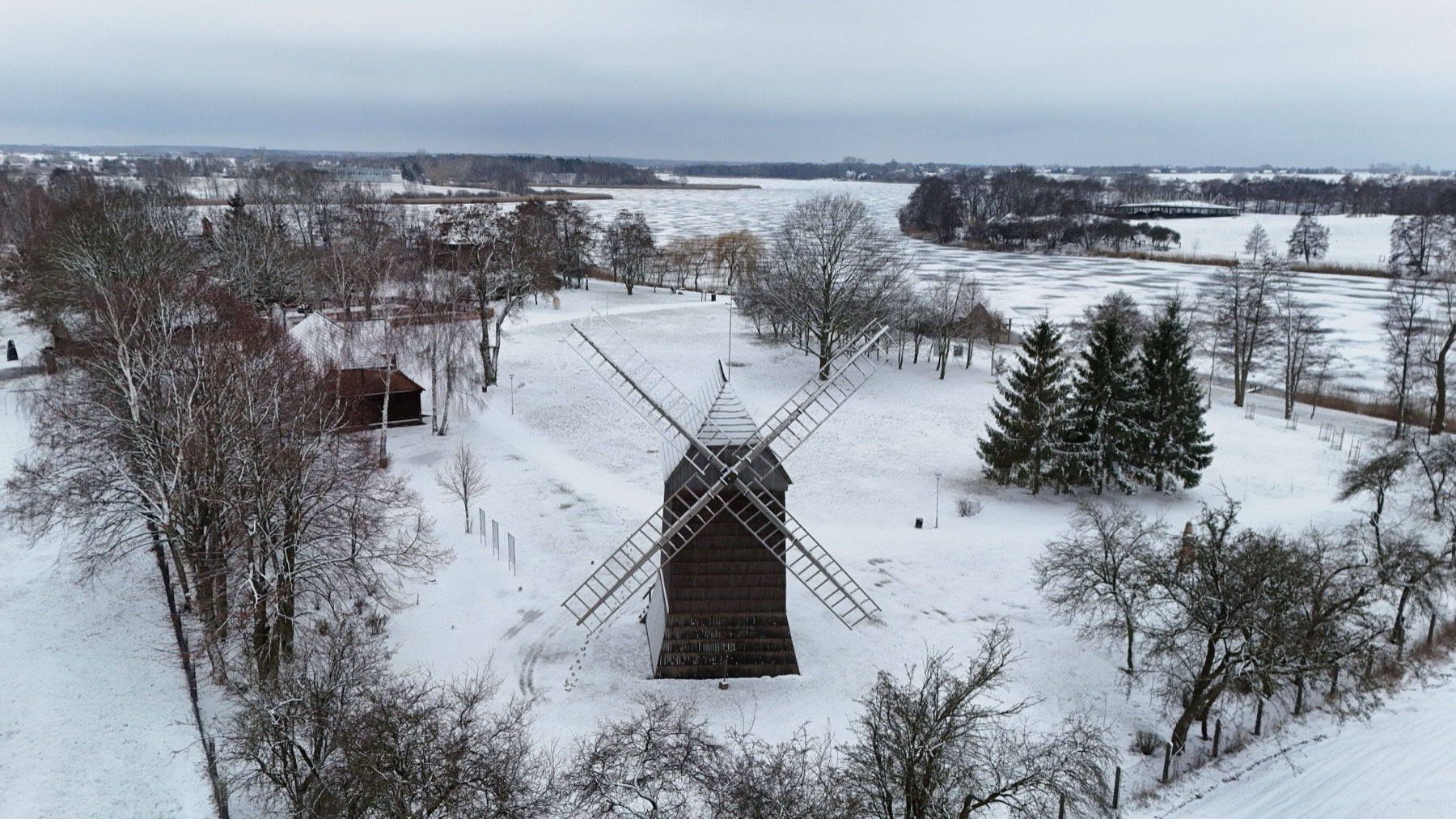
If you take a very pleasant walk just a few minutes from the busy historic centre along the old grassy ramparts, you’ll discover an unexpectedly calm and beautiful spot with windmills. Dozens of them once stood here to defend and feed the city; today four lovely historic structures remain, and they look absolutely idyllic on their green hillocks.

Of these windmills, only the Sint-Janshuismolen is still fully functional; you can visit it inside for around 5 €, but bear in mind it’s only open during the summer season, roughly from April to October. From the outside, though, you can admire and photograph them for free anytime, and it’s a great place for a peaceful afternoon rest away from the main tourist trails.

On the way back into the whirl of the old town, be sure to stop at an unassuming hidden gem: the very unusual and quiet Jerusalem Chapel from the early 15th century. It was built by the wealthy and influential merchant Adornes family precisely after the model of the Church of the Holy Sepulchre in Jerusalem, and its dark interior with a unique altar studded with skulls will leave a very strong and slightly mysterious impression on you.

Where to go next from Bruges

If you have more days to explore Belgium, it would be a huge shame not to also head to its capital, which is full of surprises and incredible architecture. From the famous peeing little boy to the majestic Atomium monument, this metropolis offers so many highlights that you should definitely read our detailed guide Brussels: 19 Things to See and Do, where you’ll find all the practical information for your trip.

Keep in mind, too, that Belgium and its neighbouring countries are absolutely famous for their festive, magical end-of-year atmosphere, when the streets fill with the scent of roasted chestnuts and mulled wine. If you’re planning to set off for some winter romance and you’re looking for the right inspiration, definitely browse our big roundup of the Best Christmas Markets in Europe, so you know exactly where to soak up the most beautiful festive mood.

Frequently Asked Questions

How many days do I need to explore the city?

“`html
To see the most important sights and take a boat ride, one packed day will be enough, but it tends to be very rushed. Ideally, plan to spend at least one night and around a day and a half there, so you can enjoy the illuminated evening streets and manage to visit museums without stress and crowds.
“`

How does transportation from the airport work?

If you fly into Brussels’ main airport (Zaventem), it’s super straightforward because comfortable direct trains run right from the terminal. The journey takes about an hour and a half, they run very frequently, and a ticket will cost you between 25 and 35 euros depending on how far in advance you buy it.

Can I explore the city on foot?

Definitely yes, the historic center is very compact and flat, so you can easily get everywhere on foot. From the main train station, you can reach the main square Markt with a pleasant and easy walk in about twenty minutes, or you can take the frequent city buses, which will get you there in five minutes.

Is the city safe?

“`html
The city is one of the very safe and peaceful destinations and serious crime is practically non-existent here, so you’ll feel comfortable even in the evening. Nevertheless, be aware of pickpockets as usual in the huge crowds around Markt square or at Rozenhoedkaai, who try to take advantage of excited tourists’ lack of attention.
“`

Can I get by with English here?

Although Flemish (which is a dialect of Dutch) is the official and main local language, you won’t have the slightest problem with English here. The locals, restaurant staff and guides speak English completely fluently and very willingly, so communication here is an absolute pleasure.

Where should I park the car?

Driving your car directly into the narrow streets of the historic center is a very bad idea full of restrictions and one-way streets, plus parking here is expensive and limited. Much smarter is to leave your car at cheap park-and-ride lots on the outskirts of town or right by the main train station, from where you can reach the center on foot or by bus.

Is the tap water drinkable?

Yes, tap water here is completely safe, clean and drinkable, so feel free to bring your own reusable bottle. However, restaurants often won’t offer you tap water for free and will want to sell you more expensive bottled water, so always ask politely and directly.

Tips and Tricks for Your Vacation

Don’t Overpay for Flights

Search for flights on Kayak. It’s our favorite search engine because it scans the websites of all airlines and always finds the cheapest connection.

Book Your Accommodation Smartly

The best experiences we’ve had when looking for accommodation (from Alaska to Morocco) are with Booking.com, where hotels, apartments, and entire houses are usually the cheapest and most widely available.

Don’t Forget Travel Insurance

Good travel insurance will protect you against illness, accidents, theft, or flight cancellations. We’ve had a few hospital visits abroad, so we know how important it is to have proper insurance arranged.

Where we insure ourselves: SafetyWing (best for everyone) and TrueTraveller (for extra-long trips).

Why don’t we recommend any Czech insurance company? Because they have too many restrictions. They set limits on the number of days abroad, travel insurance via a credit card often requires you to pay medical expenses only with that card, and they frequently limit the number of returns to the Czech Republic.

Find the Best Experiences

Get Your Guide is a huge online marketplace where you can book guided walks, trips, skip-the-line tickets, tours, and much more. We always find some extra fun there!
New York Nightlife: 20 Best Rooftop Bars, Clubs & Jazz 2026

TL;DRFor a night out in New York, start with rooftop bars like 230 Fifth for Empire State Building views (cocktails $18–$22) or Brooklyn’s Westlight ($20–$25). Greenwich Village’s jazz clubs — Village Vanguard, Smalls and Blue Note — charge $20–$50 on the door, while speakeasy bars such as Please Don’t Tell hide their entrance behind a phone booth. Round things off with Brooklyn’s dance clubs House of Yes and Brooklyn Mirage ($15–$80) or a laugh at Comedy Cellar ($12–$20). You need to be 21 to drink, a cocktail with tip runs $20–$34, and bars stay open till 4am, so head out early if you want to catch everything.

Midnight Manhattan smells of hot asphalt and gin and tonic. This is exactly when the real show begins. The lights of yellow taxis illuminate the crowds rushing through the intersections. People leave their austere offices, slip into evening dress and head high above the noisy streets. The famous rooftop bars that define New York nightlife offer the best view of the glittering skyscrapers. You’ll find outstanding drinks there. And you’ll soak up the unforgettable atmosphere of this great American city.

Down on the street, things move to a completely different rhythm. Hidden speakeasies tempt you with secret passwords and dark corners. The seductive sound of a saxophone drifts up from underground jazz clubs. The city’s pulse grabs you instantly. Brooklyn throbs with fast electronic music until the early morning hours. Every neighbourhood tells its own nocturnal story, full of unexpected surprises. It’s entirely up to you which chapter you choose for tonight.

💡 Tip: New York never sleeps, but its bars close on the dot at 4 a.m. Head out for fun in good time.

We’ve put together a detailed guide for you. Together we’ll explore elegant rooftop terraces and tucked-away music cellars in different corners of the metropolis. You’ll find out the exact cocktail prices and the strict entry rules for each spot. Here are the most interesting venues, neatly divided by neighbourhood.

In this guide you’ll find specific addresses, prices and reasons why each venue is worth a visit. We’ve sorted them by style and neighbourhood. We’ll save you hours of searching online.

TL;DR

  • 230 Fifth for the iconic view of the Empire State Building.
  • Westlight for a perfect Manhattan panorama seen from Brooklyn.
  • Village Vanguard for authentic, historic jazz.
  • Please Don’t Tell for a secret entrance through a phone booth.
  • House of Yes for a wild dance show full of costumes.
  • Comedy Cellar for the best stand-up comedy in the city.
  • The Press Lounge for an elegant evening with a river view.

Best Rooftop Bars in New York

A bird’s-eye view of the glittering city will exceed your expectations. The metropolis spreads out beneath you like a giant glowing map. You feel the cool wind in your hair. And you get the best drink in hand.

230 Fifth sits in the popular Flatiron District. It offers a magnificent view straight onto the magically lit Empire State Building. The terrace runs year-round without a break. In the winter months you’ll find iconic heated igloos here for perfect cosy comfort. A cocktail costs roughly €17 to €20. Go there for that classic Manhattan photo.

Westlight crowns the 22nd floor of The William Vale hotel in Williamsburg. It boasts a breathtaking view of the entire Manhattan skyline across the dark water of the river. The space cleverly combines rough industrial design with luxurious touches. You’ll pay between €18 and €23 for a cocktail. Head here for a romantic sunset.

The Press Lounge is on the 16th floor of the Ink48 hotel in Hell’s Kitchen. From here an unobstructed view opens up over the Hudson River and the New Jersey shore beyond. The setting feels clean and sophisticated. Cocktail prices hover around €18 to €22. It’s the ideal spot for a quieter evening with friends.

Magic Hour Rooftop Bar & Lounge is housed in the extravagant Moxy Times Square hotel. Designers turned it into a wild grown-up amusement park. You’ll find a rotating carousel and even an original mini-golf course. A drink will set you back €17 to €20. This place guarantees a playful night full of laughter.

Le Bain occupies the top floor of The Standard hotel right above the High Line park. It pairs sweeping panoramic views with a buzzing dance floor full of enormous energy. In the hot summer there’s even a small pool. Cocktails range from €18 to €26. This is where every lover of loud electronic music heads.

Ophelia shines on the 26th floor of the historic Beekman Tower in Midtown East. The gorgeous art deco interior recalls the era of the roaring twenties. From the windows you’ll see the shimmering East River. Drinks come to €17 to €22. You’ll fall in love with the place for its inimitable vintage flair.

💡 Tip: New York rooftop bars don’t accept bad weather as an excuse. 230 Fifth runs heated igloos even in January. The Press Lounge has a backup interior with an identical view. Always book a table in advance, especially if you’re planning for sunset. The popular rooftops tend to have a queue at that hour.

Jazz and Live Music in New York

The cradle of American jazz pulses in dark basement venues. Live music here has a huge, unbroken tradition. Every night new magic is born on stage.

Village Vanguard has been shaping the musical history of Greenwich Village since 1935. This legendary triangular club has hosted the biggest names in the field. A ticket will cost you €33 to €37, including the obligatory two-drink minimum. You sit right up close to the musicians themselves.

Blue Note Jazz Club is a key musical pillar of Greenwich Village. International stars take turns on stage with talented local musicians. A ticket costs €18 to €46 plus an obligatory food or drink minimum. The experience is rounded off by fantastic acoustics and a highly professional programme.

Smalls Jazz Club hides on a quiet street in the West Village. This intimate space is famous for its late-night sets. They often don’t start until after midnight. Entry costs €23, with no further minimum required. Here you’ll meet hot young talents and future masters of the genre.

Birdland Jazz Club sits in the busy Theater District, a stone’s throw from Broadway. The venue proudly carries the name of the great Charlie Parker. It offers an excellent view of the stage from every single seat in the room. A ticket costs €18 to €41. Go here for perfect sound and comfortable seating.

Dizzy’s Club is a fixed part of the sprawling Lincoln Center complex. A glass wall behind the stage opens up a magical view over Central Park at night. Respected, world-class artists perform here. A ticket costs €28 to €46, plus reckon on a €9 minimum spend. An exceptionally elegant musical evening awaits.

Mezzrow works as a smaller sister club to nearby Smalls in the West Village. The intimate basement space is strongly reminiscent of old Parisian salons. You only pay a minimum spend at the well-stocked bar. There’s plenty of free jazz and experimental avant-garde played here.

💡 Tip: The jazz clubs of Greenwich Village are active every day of the week. The best sets tend to be Thursday to Saturday. For entry to Village Vanguard or Dizzy’s Club, book ahead through the club’s website — capacity is limited.

Jazz in New York is not a museum exhibit. Musicians here constantly experiment, revive old traditions and blend genres. One night you’re listening to traditional bebop, the next a modern fusion with hip-hop or an Afro-Cuban rhythm. Each club has its own personality and its own loyal community. That’s what will keep drawing you back, again and again.

Cocktail Bars and Speakeasies

The Prohibition era left the city a fascinating, living legacy. Secret bars take some hunting to find. But the reward for your effort will be very sweet indeed.

Please Don’t Tell (PDT) tempts you with an adventurous entrance in the East Village. You get inside through a hidden phone booth in the little Crif Dogs diner. A reservation in advance is strictly required here. An excellent cocktail comes to €17 to €20. Go for the unique thrill of all that secrecy.

Attaboy sits discreetly in the bustling Lower East Side, with no sign on the door whatsoever. There are no printed menus. The bartender mixes your drink precisely to match your current mood. Cocktail prices range from €15 to €18. You get the most personal bartending service in the city.

Death & Co kicked off the modern cocktail revolution in the East Village. Dark wood and luxurious leather complete the dense, mysterious atmosphere. Drinks cost between €17 and €22. Here you’ll taste the most complex liquid creations of our time.

Employees Only beats in the heart of the West Village. The beautiful art deco interior is matched by staff in elegant white jackets. They serve great late-night food until half past three in the morning. A cocktail costs €17 to €20. It’s the perfect refuge for famished night owls.

Bathtub Gin is found in the narrow lanes of Chelsea. The entrance is cleverly disguised as the ordinary Stone Street Coffee shop. The interior is dominated by a large copper bathtub made for crazy photos. You’ll grab bold cocktails for €15 to €20. Head there for a rollicking twenties atmosphere.

💡 Tip: Speakeasies usually have no visible sign. Look for small, inconspicuous doors or entrances other than the main one. On Google Maps, search for them under their original name, not the nickname.

Cocktail culture in New York has moved far beyond the ordinary bar. Bartenders here train like chefs. They work with house-made bitters, fermented juices and seasonal ingredients. If you order “bartender’s choice”, you’ll get a drink tailored exactly to you.

lukas a lucka
Lukáš and Lucie recommend
Where to stay in New York
3 accommodations — hotels and other lodging options

Clubs and the Dance Scene

New York nightlife offers far more than just sitting at a bar. The dance floors burst at the seams under a surge of energy. Fast music simply won’t let you stand still.

House of Yes defines the wild Bushwick neighbourhood in Brooklyn. It combines ecstatic dance music with breathtaking performance art. Guests wear costumes here with huge enthusiasm — it’s almost a must. A ticket comes to €13 to €27. It offers an unrepeatable atmosphere of absolute freedom.

Brooklyn Mirage dominates the vast industrial area of East Williamsburg. The huge open-air amphitheatre dazzles visitors with giant LED visuals. Top-tier techno and fast electronica play here. A ticket costs €28 to €74 depending on the DJ’s name recognition. The venue only operates in the summer season and requires early booking.

Le Bain on the roof of The Standard High Line was mentioned above in the rooftop bars section. But it deserves another shout-out for its brilliant dance floor too. A renowned DJ plays here right through till morning. Cocktails cost €18 to €26. It draws a very fashionable, stylish crowd from all over the world.

The Lower East Side and neighbouring Williamsburg hide an endless number of smaller bars. The scene here changes fast and is constantly evolving. Improvised nights spring up spontaneously from one day to the next. Just wander the streets and follow the loud music. The open doors will lead you straight to the best fun.

Comedy and Evening Entertainment

Laughter belongs to this city just as inseparably as the yellow taxis. The stand-up scene here has the deepest roots. The lit-up microphone awaits the brave.

Comedy Cellar is the absolute shrine of stand-up comedy in Greenwich Village. Even very famous names come to perform unannounced in the legendary brick basement. You might bump into Chappelle or Rock without warning. A ticket costs €11 to €18 and there’s a strict two-item minimum.

Broadway Comedy Club sits in the busy heart of Midtown near the theatres. Several different shows run back to back here every evening. A ticket comes to €9 to €18. You’ll see a broad spectrum of comedians, from stage-frightened newcomers to slick TV pros.

💡 Tip: World-famous names like Dave Chappelle, Chris Rock or Jerry Seinfeld turn up to perform at the Comedy Cellar unannounced. You never know who you’ll see on the night. A reservation in advance via the website is mandatory — capacity is small.

But the evening shows in New York don’t end there. Every day there are dozens of improv shows, burlesque performances or drag shows. Time Out New York magazine publishes the current programme every week. Check what’s on during your specific dates before you set off.

Practical Tips for New York at Night

  • The legal drinking age is 21. Even people in their thirties and forties must show ID, so always carry it with you.
  • The tip per drink is usually $1 to $2. Alternatively, you can leave 20 percent of the total bill.
  • The dress code for rooftops and clubs calls for smart casual. Clean trainers usually pass. Leave sportswear at home.
  • Table reservations work through the OpenTable app or directly via the bars’ websites. Rooftops fill up an hour before sunset.
  • The subway runs reliably 24 hours a day. In the late-night hours it’s often more comfortable to call a quick Uber.
  • Cocktails here aren’t cheap. Reckon on roughly €15 to €26 per drink. Add the obligatory service charge. In total, one drink will cost you €18 to €31.

Tips and Visitor Experiences

Other travellers’ experiences will make your lengthy planning easier. They’ll help you avoid pointless mistakes. And you’ll save precious time.

  • Rooftop bars hit capacity long before sunset. Turn up at least an hour ahead or reserve a table in good time.
  • The jazz clubs of Greenwich Village have a special mood. At Smalls and Mezzrow especially, the atmosphere is the most intimate. You’re literally sitting right by the stage.
  • The bartender will refuse to serve you without physical ID, even in your thirties or forties. Only leave your passport at your accommodation if you carry at least a good photocopy of it.

You’ll find the current programme and venue reviews at Time Out New York.

Where to Stay for the Nightlife

Choosing the right neighbourhood saves a lot of money on late-night taxis. Staying close to the action always pays off. In the morning you’ll appreciate the short trip back to bed. The Lower East Side offers an endless number of bars right around the corner from your hotel. The East Village will delight lovers of unconventional cocktails and alternative underground spaces. Williamsburg in Brooklyn combines a great music scene with stunning views of Manhattan across the river.

For a night out, it pays to stay close to the bars and clubs. Take a look at the Lower East Side or Brooklyn’s Williamsburg, or compare all accommodation in New York.

Where to Go Next in New York

Frequently Asked Questions

Where are the best rooftop bars in New York?

200000

The most beautiful views are offered by 230 Fifth with its view of the Empire State Building and Westlight in Brooklyn.

Where to Go for Jazz in New York?

Greenwich Village is the center of jazz with historic clubs like Village Vanguard, Smalls, and Blue Note.

What’s the best speakeasy bar in New York?

Please Don’t Tell in East Village offers an unforgettable entrance through an old telephone booth.

At what age are you allowed to drink alcohol in the USA?

“`html
The legal age for alcohol consumption is 21 and establishments very strictly check IDs.
“`

How much does a cocktail cost in New York?

The usual price of a cocktail ranges from 16 to 28 USD plus tip, so you’ll pay a total of 20 to 34 USD for one drink.

Where to go dancing in New York?

Brooklyn offers the amazing clubs House of Yes and Brooklyn Mirage, while on Manhattan Le Bain scores big.

Tips and Tricks for Your Vacation

Don’t Overpay for Flights

Search for flights on Kayak. It’s our favorite search engine because it scans the websites of all airlines and always finds the cheapest connection.

Book Your Accommodation Smartly

The best experiences we’ve had when looking for accommodation (from Alaska to Morocco) are with Booking.com, where hotels, apartments, and entire houses are usually the cheapest and most widely available.

Don’t Forget Travel Insurance

Good travel insurance will protect you against illness, accidents, theft, or flight cancellations. We’ve had a few hospital visits abroad, so we know how important it is to have proper insurance arranged.

Where we insure ourselves: SafetyWing (best for everyone) and TrueTraveller (for extra-long trips).

Why don’t we recommend any Czech insurance company? Because they have too many restrictions. They set limits on the number of days abroad, travel insurance via a credit card often requires you to pay medical expenses only with that card, and they frequently limit the number of returns to the Czech Republic.

Find the Best Experiences

Get Your Guide is a huge online marketplace where you can book guided walks, trips, skip-the-line tickets, tours, and much more. We always find some extra fun there!
Bohemian Switzerland: 8 Things to See & a Practical Guide 2026

TL;DRBohemian Switzerland has eight must-sees: the Pravčická Gate (entry to the area around 125 CZK), a boat trip through the Wild Gorge on the Kamenice river (roughly 80 CZK), the Tisá Walls (entry around 100 CZK), the Jetřichovice lookouts and Mariina Skála, Hřensko, Dolský Mlýn, Růžovský Vrch and the Bastei bridge just over the border in Saxon Switzerland. It’s about 135 kilometres from Prague (roughly ninety minutes’ drive along the D8), entry to the national park itself is free, and spring or autumn is the best time to go, when there are fewer crowds. One day is enough for a quick look at the highlights, but for a more relaxed exploration of the eastern part plus a side trip into Germany, it’s worth setting aside a long weekend of up to three days. Because of the wildfires in 2022 and 2026, only the burnt area and the Gabriela Trail remain closed long-term — everything else, including the Pravčická Gate, is open.

Bohemian Switzerland is a breathtaking kingdom of sandstone cliffs, deep forests and mysterious gorges in the very north of Czechia. When most people hear the name of this national park, one image springs to mind immediately: the iconic Pravčická Brána (Pravčická Gate). It’s a place with a truly unique atmosphere, well worth visiting at least once in a lifetime. We fell head over heels for the landscape here, and I’m convinced this sandstone realm will sweep you off your feet just the same.

I have to be honest with you right from the start, though: the park was hit by two wildfires — a major one near Hřensko in 2022 and a smaller one near Jetřichovice in the spring of 2026. That might sound a little alarming, but rest assured, most of the most beautiful spots are safely accessible and nature is recovering fast. Our photos of Pravčická Brána in this guide were taken when the forest was still green, before the fire, so you can see its beauty in full force.

In the lines that follow I’ll show you what to see in Bohemian Switzerland, how best to get here, and where to base yourself strategically. You’ll also learn which places to avoid at the height of summer and how to plan a weekend that lets you soak up as much peace among the rocks as possible.

TL;DR

  • Pravčická Brána: The largest sandstone arch in Europe and the absolute symbol of the whole park — a must-see.
  • Boat trip through the gorges: A romantic ride in little boats through the canyon of the River Kamenice, complete with the ferryman’s wonderfully witty commentary.
  • Rock towns and viewpoints: The mysterious maze of the Tisá Walls and the stunning views from Mariina Skála near Jetřichovice.
  • Getting around and parking: Driving in via the D8 motorway is ideal, but in high summer you really do need to reach the car parks early in the morning.
  • Current restrictions: Most popular trails are operating normally; only the burnt area and the famous Gabriela Trail remain closed long-term.
  • Cross into Saxony: You can easily pop over to neighbouring Germany by boat or train to see the famous Bastei stone bridge.

When to visit Bohemian Switzerland and for how many days

Planning a trip to this sandstone kingdom depends a lot on what you expect from the trip and how much the crowds of fellow tourists bother you. Every season has its own particular charm, but if I’m going to recommend something straight from the heart, come here in spring or autumn. In autumn the deep forests turn unbelievable shades of gold and red, and the morning mists rolling through the valleys create an utterly magical atmosphere you’ll fall in love with. Spring, meanwhile, is perfect for anyone who wants to see nature waking up and enjoy plenty of water in the streams and gorges.

In the summer months, bear in mind this is peak tourist season. If you come during the holidays, set your alarm as early as you can and reach the main attractions first thing, otherwise you’ll spend ages hunting for a parking space and squeezing through the crowds. One very important thing is the so-called fire warning system. The national park authority puts it in place during periods of severe drought, when there’s a heightened risk of forest fires. In such cases there’s often a night-time ban on entering the forest and a strict ban on leaving the marked trails. So always check the current situation on the official website before you set off.

So how many days should you set aside? For a quick taste of the biggest highlights, one really packed day will do. You can do the classic loop from Hřensko up to Pravčická Brána, cross over to Mezní Louka and return via the Wild Gorge. But if you want to really get to know the park, enjoy the quieter eastern section around Jetřichovice and pop over to neighbouring Germany too, set aside a long weekend or even three full days.

How to get to Bohemian Switzerland from Prague

Getting to the national park is fairly straightforward, and you have several options depending on whether you prefer the comfort of your own car or like to travel by public transport. The central hub for most trips is the picturesque little town of Hřensko, which sits right on the border with Saxony and forms the gateway to the whole region. Most international visitors fly into Prague first — there are direct flights from London, Manchester and several other UK airports — and then continue north.

If you’re driving from Prague, you’re looking at a journey of roughly 135 kilometres. You’ll cover most of the route comfortably on the D8 motorway towards Ústí nad Labem and Děčín. (A Czech motorway vignette is required — you can buy the e-vignette online before you set off.) From Děčín you continue along the beautiful valley of the River Elbe right into Hřensko, which takes about an hour and a half of smooth driving in total. You can then leave the car at one of the park-and-ride car parks, though in season you really need to be an early bird, as the spaces fill up at an incredible rate and by around ten in the morning they’re often full.

Travellers without a car can get here perfectly easily and comfortably. Regular, fast trains run from Prague to Děčín — the journey takes about an hour and a half and the trains are usually clean and spacious. Right in front of Děčín railway station you then hop on the main tourist bus, number 434. It takes you not only to Hřensko but continues on via Mezní Louka all the way to Jetřichovice. In the main summer season you can also spice up the journey with a romantic boat ride along the Elbe from Děčín to Hřensko. Another interesting option is the border ferry connecting Hřensko with the Saxon village of Schöna on the opposite bank, which gives you easy access to the German rail network.

Entry to the Bohemian Switzerland National Park, the fires and the current situation

Good news for your wallet: entry to the Bohemian Switzerland National Park itself is completely free. Only specific attractions charge admission, such as the Pravčická Brána complex, the boat trips through the gorges of the River Kamenice, and the rock maze at Tisá. The rest of the beautiful scenery, the viewpoints and the forest paths you can admire without paying a penny, free to roam as you please.

It’s important to be honest about the fact that the park has been through a really tough ordeal in recent years. In July 2022 it was hit by the largest forest fire in the modern history of the Czech Republic, which burned through more than a thousand hectares of forest near Hřensko. As if that weren’t enough, in May 2026 another, much smaller fire broke out in the eastern part near Jetřichovice and Rynartice. These events naturally transformed the landscape, but nature has an incredible ability to regenerate. Already, new trees are turning green among the charred trunks, ferns are growing and the forest is filling with life.

Today only the specific burnt area and places where dry trees risk falling remain closed. Most popular trails and attractions operate completely without restrictions. The biggest loss for visitors is the long-term closure of the famous Gabriela Trail, which used to link Pravčická Brána with Mezní Louka. You now reach the arch via the alternative Mlýnská route or the classic trail from Hřensko. Before every trip I recommend checking the national park’s official website, where you’ll always find up-to-date information on any closures and the status of the fire warning system.

Where to stay in Bohemian Switzerland

Choosing the right accommodation can make a nature trip immeasurably more pleasant and save you loads of time on your morning journeys to the sights. In the area you’ll find everything from more upmarket hotels with wellness facilities to cosy family guesthouses with a homely atmosphere. It mainly comes down to whether you want to stay right in the thick of the action or prefer the quieter edges of the national park, away from the main bustle.

The most practical choice for exploring the best-known spots is undoubtedly Hotel Mezní Louka. It sits in an absolutely strategic location, just a few steps from the trail to Pravčická Brána and to the gorges. As well as a great position, it offers its own restaurant, a sauna for unwinding in the evening after demanding hikes, and — crucially — the huge advantage of on-site parking, which is worth its weight in gold in this area.

If you have a soft spot for a bit of history and would love to relax in a wellness centre after a day on your feet, take a look at Hotel Praha. You’ll find it right in the heart of Hřensko in a beautiful historic building, and it makes an ideal base for trips across the border into Saxony. Another great option in Hřensko is the cosy and very friendly Pension Klepáč, which sits right by the path leading towards Pravčická Brána and has a lovely atmosphere.

For those of you seeking peace and quiet who want to explore the eastern part of the park around the viewpoints, a fantastic choice is Penzion Starý Mlýn in Jetřichovice. Guests rave about the honest home cooking and the complete tranquillity away from the biggest tourist crowds, which usually concentrate more around Hřensko.

What to see in Bohemian Switzerland

Let’s take a look together at a pick of the most beautiful places you definitely shouldn’t miss when you visit the national park. I’ve included the biggest crowd-pullers as well as a few quieter spots out in nature.

1. Pravčická Brána

This is the absolute symbol of the whole national park and a place you simply have to see with your own eyes. With a span of over twenty-six metres, Pravčická Brána is the largest sandstone rock arch in all of Europe. Lukáš and I visited the arch in person, dog in tow, and the sight of that majestic arch towering high above the forests completely blew us away — it’s a genuinely unforgettable experience. Tucked just below the arch is the picturesque little Falcon’s Nest (Sokolí Hnízdo) chateau with its wooden balconies, lending the whole place an unbelievably fairy-tale feel.

Admission to the complex costs an adult around 5 €, and it gets you onto several stunning viewpoints in the immediate surroundings, where you can photograph the arch from the very best angles. You haven’t been able to walk onto the rock arch itself since 1982 for safety reasons — the sandstone is very fragile and the crowds of tourists were slowly wearing it away. As I mentioned earlier, the popular Gabriela Trail to the arch has been closed since the big fire, so right now you climb up either from Hřensko or via the alternative Mlýnská route from Mezní Louka.

Detailed guide: Pravčická Brána

2. The gorges of the River Kamenice

The deep canyons of the River Kamenice are among the most romantic experiences that northern Bohemia has to offer. The river has carved deep into the massive sandstone cliffs, creating steep walls that reach up to fifty metres high in places. The biggest draw here is the boat trip, where the ferryman pushes you along the water with a long pole while telling funny stories about the local rock formations — with a little imagination you can spot various animals or fairy-tale characters in them.

At the moment the Wild Gorge (Divoká soutěska) is in operation for visitors, where you’ll pay around 3.50 € for a boat ride and enjoy a beautiful trip through the mysterious canyon. The neighbouring Edmund’s Gorge — sometimes called the Quiet Gorge — was sadly hit significantly by the fire, and clearing the aftermath is proving very difficult. Travellers still highly recommend the trip through the Wild Gorge, but please always check the current boat operating situation on the official website before you go, just to be safe.

Detailed guide: the gorges of the Kamenice

3. The Tisá Walls

If you love walking among the rocks and enjoy discovering narrow passages and mysterious nooks, the Tisá Walls are sure to win you over, by all accounts. This sandstone rock town lies on the edge of the Elbe Sandstones Protected Landscape Area near the pretty village of Tisá, and it’s made up of an incredible maze of towers, columns and ravines with fascinating shapes. Admission to the rock town costs around 4 €. The scenery here might look familiar — the winter scenes for the famous Hollywood film The Chronicles of Narnia were shot here.

It’s very important to know that, due to enormous tourist interest, the Tisá Walls have had a daily visitor limit since 2025, with tickets sold for a specific time slot. If you’re planning to come at the weekend or during the summer holidays, it’s recommended to buy your tickets online well in advance, so you’re not disappointed by a sold-out capacity once you arrive and don’t have to change your plans.

Detailed guide: the Tisá Walls

lukas a lucka
Lukáš and Lucie recommend
Where to Stay in Bohemian Switzerland
5 accommodations — hotels and other lodging options

4. The Jetřichovice viewpoints

The eastern part of the national park around the village of Jetřichovice offers a somewhat calmer atmosphere than busy Hřensko, and it’s home to some of the most beautiful views over the landscape. The biggest stars here are Mariina Skála, with its iconic wooden gazebo right at the summit, and the nearby Vilemínina Stěna. The climbs up to these rocky viewpoints do take a bit of effort and you’ll work up a proper sweat on the steps, but the breathtaking panoramas of rolling forests and rocks are one hundred percent worth it.

Access to these viewpoints is completely free; you only pay for parking down in the village. In the spring of 2026 a smaller forest fire hit this particular area, but the viewpoints fortunately survived and remain safely accessible via the marked trails. It’s said to be one of the very best spots in the whole park for romantic sunset-watching.

Detailed guide: the Jetřichovice viewpoints

5. Hřensko

Hřensko is the main gateway to the national park and, at the same time, a fascinating place that holds one interesting Czech geographical record. It lies at the confluence of the Elbe and Kamenice rivers and, at an altitude of around 115 metres above sea level, it’s the lowest-lying village in the entire Czech Republic. Steep rock walls hem it in on both sides, which means it stays pleasantly cool here even in the height of summer.

The village is well known for its large Vietnamese market, which stretches along the road and which tourists view rather ambivalently — though it has become something of a historical fixture of the local colour by now. Hřensko serves as the main starting point for both Pravčická Brána and the boats in the gorges. You should be prepared, however, for the local car parks to be hopelessly full by mid-morning in high season. Nearby Mezní Louka makes a great alternative for parking.

6. The Dolský Mlýn

Deep in the forests between Jetřichovice and Kamenická Stráň lies a spot that looks straight out of a fairy tale. The Dolský Mlýn is the romantic ruin of an old water mill on the River Kamenice, now a protected cultural monument that draws plenty of photographers. Its magical atmosphere has enchanted Czech filmmakers too — scenes for the legendary fairy tale The Proud Princess and, later, the popular film Hell with the Princess were shot here.

You can’t drive to the mill — you have to make a pleasant walk through the forest to reach it, which only adds to its remote and mysterious charm. Entry is free year-round. Travellers recommend packing a good snack in your rucksack and enjoying a peaceful picnic here to the sound of the babbling river and rustling old trees.

7. Růžovský Vrch

At 619 metres above sea level, Růžovský Vrch is the highest peak in the whole national park, and thanks to its characteristic conical shape it has earned the lovely nickname “the Děčín Fuji”. It’s a mighty basalt hill of volcanic origin that rises majestically out of the surrounding sandstone landscape and forms an unmistakable landmark for miles around, visible from far away.

But I have to give you fair warning about one important thing. If you were thinking of clambering up purely for the grand panoramas, you’ll be rather disappointed. The summit itself is densely covered with old beech woodland and there’s no view over the countryside at all. People climb Růžovský Vrch instead for the silence, the gorgeous primeval-style forest and a feeling of genuine peace — because, unlike Pravčická Brána, nowhere near as many tourists make it up here.

8. The Bastei and Saxon Switzerland (a trip across the border)

It would be a terrible shame to be so close to the German border and not pop over to our neighbours’ Saxon Switzerland National Park. Just across the border lies the famous Bastei stone bridge, masterfully wedged between tall sandstone towers high above the River Elbe. It looks almost unbelievable in photos, and in real life it’s said to be an even more impressive sight. The bridge itself and the adjacent viewpoints are freely accessible with no admission fee.

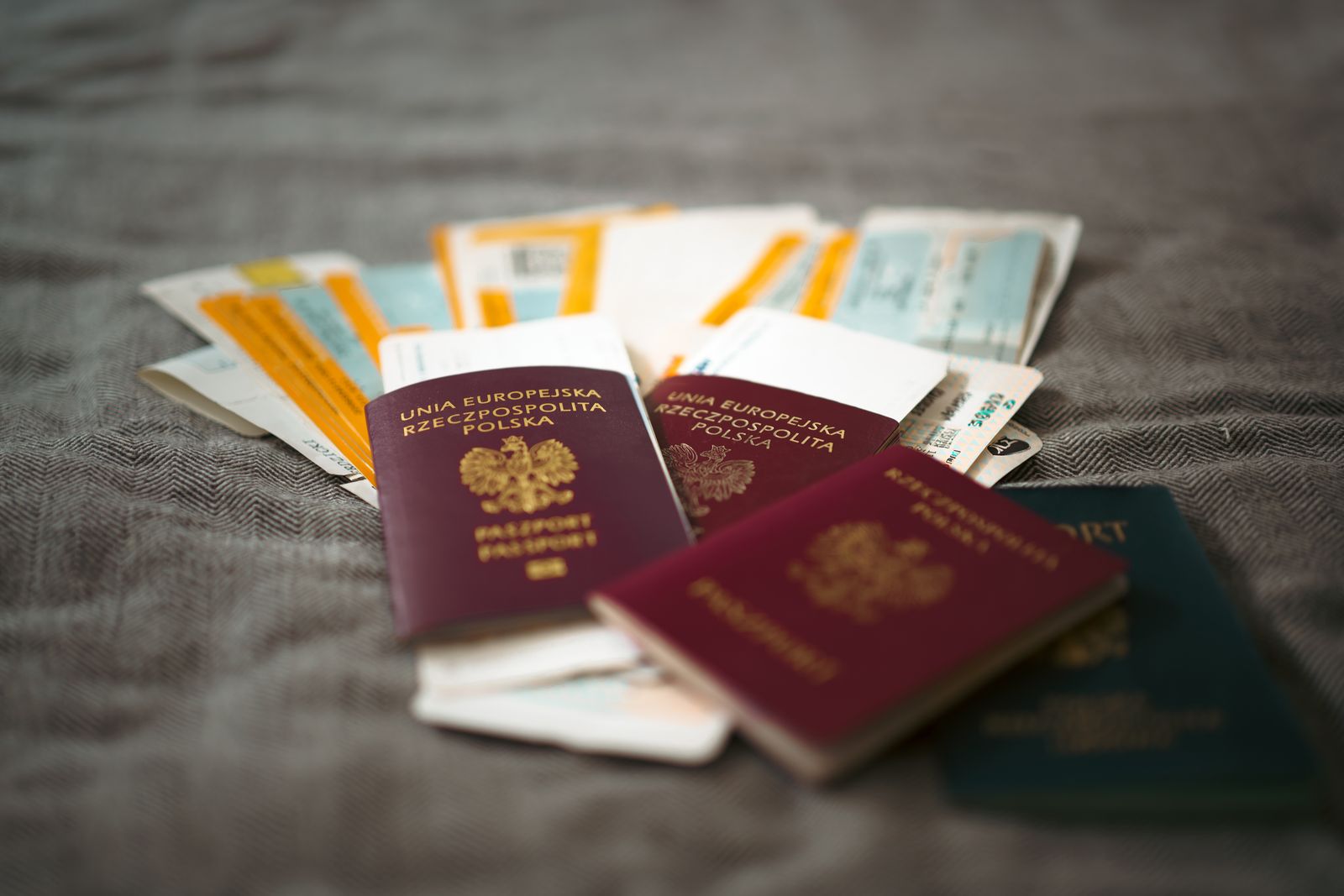
Getting here is very simple. Just hop on the border ferry in Hřensko, connecting the Czech bank with the German village of Schöna, and from there continue comfortably by train along the river — or treat yourself to a lovely excursion by pleasure boat. Just remember you’re crossing into another country, so although the Czech Republic and Germany are both in the Schengen Area and there are no routine checks, you should still carry a valid passport or national ID card with you.

💡 Tip: Before you head off into the deep forests and rocks, download offline maps of the whole area to your phone. The signal in the gorges and among the rocks is very poor and often drops out entirely, so a saved map will be a big help in finding your way.

Where to eat

After a solid day of trekking across rocks and viewpoints, you build up a proper appetite — and good food is simply the foundation of any successful trip. Right in the thick of the action by Pravčická Brána you can sit down at the Falcon’s Nest (Sokolí Hnízdo) chateau, where they serve classic mountain cuisine and you can savour a hot coffee with an incredible view straight onto the enormous rock arch. Other popular inns and restaurants are concentrated mainly at Mezní Louka and down in Hřensko. If you’re spending more time around Jetřichovice, you’ll come across smaller family pubs serving excellent home cooking at friendlier prices than in the main tourist centres.

The region is historically well known for its local forest and game specialities, which you’ll find on the menus of traditional pubs.

Lukáš and I don’t eat meat, though, so we always eagerly seek out the meat-free options — and luckily you won’t go hungry here. In most pubs you’ll easily find the failsafe classics: smažený sýr (fried cheese) and chips, hearty garlic soup, crispy potato pancakes, or sweet yeast dumplings and pancakes with forest fruits, which give you exactly the right energy boost after a demanding hike.

Where to go next

You’ll find useful links for planning your trip on the official website of the Bohemian Switzerland National Park Authority, on the official tourist portal, and for visiting the arch directly at Pravčická Brána.

Frequently asked questions

Do you have to pay an entrance fee to Bohemian Switzerland National Park?

Entry to the national park itself is completely free. You only pay admission to selected tourist attractions, such as the Pravčická Gate area with viewpoints (around €5), boat rides through the Wilde Gorge (around €3), or entry to the sandstone labyrinth of Tiské Walls (around €4). You can enjoy the surrounding nature and hiking trails free of charge.

Can you walk directly onto the arch of Pravčická brána?

No, direct access to the sandstone arch of Pravčická Gate has been strictly prohibited since 1982. The reason is severe erosion and the great fragility of the sandstone, which was slowly crumbling under the pressure of millions of footsteps. You can admire the majestic bridge from several beautiful designated viewpoints in the immediate vicinity or from the Falcon’s Nest château.

What did the 2022 fire cause and is the park open?

A major fire in summer 2022 affected over a thousand hectares of forest around Hřensko and undoubtedly changed the face of the landscape. Nevertheless, most of the park is normally and completely safely open to tourists. Only the burned area and places with the danger of falling dead trees remain closed, including the popular Gabriela Trail. Pravčická Gate, the gorges, and viewpoints are normally accessible.

Where is the best place to park when visiting Pravčická brána?

The best starting points are the paid parking lots directly in the village of Hřensko or at nearby Mezní Louka. However, during summer season and on sunny weekends, both places fill up incredibly fast, so I really recommend arriving as early as possible in the morning, ideally before 9 AM, to avoid circling around for a long time.

Are Edmund Gorge and Wild Gorge accessible by boat?

Currently, only the Wild Gorge with the shorter boat ride is open to tourists. Unfortunately, the operation of Edmund Gorge, also called the Quiet Gorge, was significantly affected by the consequences of a forest fire and its gradual restoration is being addressed. Please always check the current status directly on the national park administration website.

Can you get to Bohemian Switzerland by train?

Yes, traveling by train here is very comfortable. You can reach Děčín hlavní nádraží station by direct train from Prague or Ústí nad Labem. Right in front of the station, you can then transfer to tourist bus line 434, which will reliably take you directly to the heart of Hřensko, to Mezní Louka, and further to Jetřichovice.

Do I need a passport if I want to see Bastei Bridge?

The Bastei Bridge is located in the neighboring Saxon Switzerland National Park in Germany. Since you are crossing an international border, you must have a valid passport or ID card with you, even if you’re just going on a very short afternoon trip by excursion boat or train.

Tips and Tricks for Your Vacation

Don’t Overpay for Flights

Search for flights on Kayak. It’s our favorite search engine because it scans the websites of all airlines and always finds the cheapest connection.

Book Your Accommodation Smartly

The best experiences we’ve had when looking for accommodation (from Alaska to Morocco) are with Booking.com, where hotels, apartments, and entire houses are usually the cheapest and most widely available.

Don’t Forget Travel Insurance

Good travel insurance will protect you against illness, accidents, theft, or flight cancellations. We’ve had a few hospital visits abroad, so we know how important it is to have proper insurance arranged.

Where we insure ourselves: SafetyWing (best for everyone) and TrueTraveller (for extra-long trips).

Why don’t we recommend any Czech insurance company? Because they have too many restrictions. They set limits on the number of days abroad, travel insurance via a credit card often requires you to pay medical expenses only with that card, and they frequently limit the number of returns to the Czech Republic.

Find the Best Experiences

Get Your Guide is a huge online marketplace where you can book guided walks, trips, skip-the-line tickets, tours, and much more. We always find some extra fun there!
Teotihuacan, Mexico: Pyramids, Balloon Flights & a Day Trip from Mexico City

TL;DRTeotihuacán is an archaeological site with pyramids, about 50 kilometres northeast of Mexico City. A coach from the Autobuses del Norte terminal gets you there in about an hour, and entry costs around 95 Mexican pesos (roughly $5). The main draws are the Pyramid of the Sun, the Pyramid of the Moon and the Avenue of the Dead, which stretches over two kilometres — set aside at least three to four hours to see it properly. A popular experience is a hot air balloon ride at dawn, lasting 40 to 60 minutes and costing around $200 per person. Best to turn up right at opening, 8am, and skip Sundays, when entry is free for locals and the crowds are at their worst.

The Teotihuacan pyramids in Mexico are among the most awe-inspiring structures on the planet, and I can promise you this is a sight you won’t forget in a hurry.

Whether you’re planning to wander down the mysterious Avenue of the Dead or you’re tempted by an epic balloon flight over Teotihuacan at sunrise, this place simply has a magical atmosphere. On top of that, it makes an absolutely ideal day trip from Mexico City — one you can pull off easily and without any unnecessary stress.

In this guide you’ll find everything you need to plan the perfect trip. We’ll walk through its fascinating history, point out the most beautiful spots in the complex, cover transport, and I’ll throw in a heap of practical tips so that nothing catches you off guard once you’re there.

TL;DR

  • Where it is: Roughly 50 kilometres northeast of Mexico City (about an hour away by bus).
  • Main highlights: The Pyramid of the Sun, the Pyramid of the Moon and the sprawling Avenue of the Dead.
  • Balloon flight: Starts as early as 4–5 a.m., flies at dawn, and costs around 200 USD (roughly £155).
  • Climbing the pyramids: Climbing is periodically banned or permanently restricted to protect the monuments and ensure safety. Check the current situation before you travel.
  • When to go: Be at the gate right at 8:00 a.m. That way you’ll dodge the punishing midday heat and the biggest tourist crowds.
  • What to avoid: Whatever you do, don’t come on a Sunday. Mexicans get in free and the site bursts at the seams.

What is Teotihuacan and why you can’t miss it

Teotihuacan is no ordinary ruin. It’s a place that was already a huge mystery to the Aztecs themselves. When they arrived in the region in the 14th century, all they found were abandoned, grass-covered monumental structures. They were so overwhelmed that they named the place Teotihuacan, which in the Nahuatl language means City of the Gods or The Place Where Men Become Gods. The Aztecs believed it was right here that the gods created the present world and the sun itself.

Today we know the city was built by a pre-Aztec civilisation around 100 BC. At the height of its glory, roughly in the fifth century, more than 100,000 people lived here. It was one of the largest and most advanced cities in the world at the time. The streets were carefully laid out in a grid, houses were decorated with gorgeous colourful frescoes, and the whole city was dominated by giant ceremonial structures.

The mystery is why the city suddenly collapsed around the seventh century. Evidence points to a widespread fire and a possible uprising of the poor against the ruling elite. Today you stroll through ruins that still feel utterly magnificent after so many centuries. Just imagine that these pyramids were once coated in a smooth layer of lime plaster and painted a brilliant red. It must have been a sight straight out of another world.

💡 Tip: Keep in mind that the site sits at an altitude of over 2,200 metres above sea level. If you’ve just flown into Mexico and haven’t acclimatised yet, you might find yourself a little out of breath on longer walks. Drink plenty of water and don’t rush anywhere. You’ll find official information about the history and excavations on the website of Mexico’s INAH institute.

What to see: 6 spots you can’t skip

If you want to explore the site properly, set aside at least half a day. The distances between the individual monuments are fairly large and the sun can be merciless. Let’s take a look at the most interesting things waiting for you here.

1. The Pyramid of the Sun

This is the absolute centrepiece of the whole complex and the third-largest pyramid in the world. With a base over 220 metres wide and a height of around 65 metres, it looks like an enormous man-made mountain. It was built roughly in the second century AD, and scholars believe even older structures are hidden inside. You used to be able to climb all the way to the very top, but these days the climbs tend to be banned for conservation reasons. Even from below, though, the view is staggering.

2. The Pyramid of the Moon

Although it’s slightly smaller than the Pyramid of the Sun, it stands on raised ground, so its summit is essentially at the same height. It sits at the very northern end of the site and offers the most iconic view over the whole of Teotihuacan. This is exactly where those famous symmetrical photos looking down the entire Avenue of the Dead are taken. According to archaeologists, important religious ceremonies were held here.

3. The Avenue of the Dead (Calzada de los Muertos)

The main artery of the entire ancient city. It runs more than two kilometres and connects the Pyramid of the Moon with the so-called Citadel. Only as you walk along this wide avenue do you fully grasp just how vast and meticulously planned the city was. On both sides you’ll see smaller platforms that the Aztecs mistakenly believed were tombs. That’s exactly why they named the street the Avenue of the Dead. Today you’ll mostly run into the ever-present souvenir sellers.

4. The Temple of Quetzalcoatl (Temple of the Feathered Serpent)

You’ll find this temple at the southern end of the site in an area known as the Citadel. Compared to the austere giant pyramids, here you’ll be surprised by the incredibly detailed sculptural decoration. Stone heads of the feathered serpent Quetzalcoatl and the rain god Tlaloc jut straight out of the pyramid’s walls. It’s one of the best-preserved spots and showcases the artistic mastery of the ancient builders.

5. The murals and residential quarters

Most visitors head straight off after seeing the big pyramids, which is a huge shame. Be sure to make time to visit the Tepantitla or Tetitla palaces. This is where you can admire beautifully preserved colourful frescoes depicting deities, jaguars, pumas and the everyday life of the inhabitants. These paintings will give you a far better sense of just how colourful Teotihuacan once was.

6. The on-site museum (Museo de la Cultura Teotihuacana)

Right within the complex there’s an excellent museum that’s definitely worth a visit. You’ll find original artefacts uncovered during the excavations. There are stunning jade masks, obsidian tools, ceramics and even skeletal remains that prove human sacrifices were carried out in the city. A visit to the museum nicely ties the stone ruins together with the stories of the people who lived here.

💡 Tip: For basic orientation, I recommend entering the site through Gate 1 (Puerta 1), walking through the Citadel and the Temple of the Feathered Serpent, and then continuing along the Avenue of the Dead towards the pyramids. You’ll find more information about the protection of this World Heritage Site on the official UNESCO website.

A hot air balloon flight at dawn: an experience of a lifetime

Look, I won’t lie to you — getting up at four in the morning on holiday sounds like a proper punishment. But if there’s one place on earth where it’s genuinely worth it, it’s Teotihuacan. A balloon flight over these monumental structures at sunrise is the kind of experience that gives you goosebumps and one you’ll remember for the rest of your life.

The whole adventure begins while it’s still pitch dark, when a van picks you up in Mexico City and drives you straight to the launch field near the pyramids. Around six in the morning, dozens of balloons start inflating their colourful envelopes. The sound of the roaring burners in the morning silence is absolutely magical. As soon as you lift off the ground and slowly start to climb, a view opens up that words simply can’t describe.

The flight usually lasts 40 to 60 minutes depending on the wind. From a bird’s-eye view, the geometry of the whole city suddenly makes perfect sense. You’ll see how precisely the Avenue of the Dead is aligned and how the Pyramid of the Sun dominates the entire valley. Travellers and photographers alike agree that the morning light casts absolutely perfect shadows over the ancient stones. After landing, you’ll traditionally be greeted with a sparkling-wine toast and often a hearty Mexican breakfast.

In 2025/2026 the price for this experience comes in at around 200 USD (roughly £155) per person. It’s not cheap, but it’s one of those investments in experiences you definitely won’t regret.

💡 Tip: Up in the basket it can get pretty chilly early in the morning, so dress in layers. Bring a warm hoodie or jacket that you can easily take off after landing as the day warms up. Be sure to book your balloon well in advance through trusted agencies; the Visit Mexico tourism portal offers a great overview of licensed operators.

💡 Tip: The balloon flight and organised trips to the pyramids (usually with hotel pickup, entry and breakfast included) are worth booking online in advance through trusted operators on GetYourGuide — the popular sunrise slots sell out several days ahead, and you’ll save yourself the early-morning scramble for transport.

How to plan a trip from Mexico City: transport and admission

Teotihuacan lies just a short hop from the capital, so getting there is genuinely easy even if you don’t have a rental car. The best, cheapest and most authentic option is to take an intercity bus.

Your journey starts at the enormous northern bus station, called Terminal Central de Autobuses del Norte. You can get there easily on the yellow metro line (Autobuses del Norte station) or via Uber, which works perfectly reliably and safely in Mexico City. Once you walk into the station hall, head left towards Gate 8 (Sala 8). That’s where you’ll find the Autobuses Teotihuacanos ticket window.

Buses depart roughly every 15 to 20 minutes and the trip takes about an hour. It depends, of course, on how clogged up Mexico City happens to be. Buy a return ticket straight away, and the driver will usually drop you off at Gate 2 (Puerta 2), which is directly opposite the Pyramid of the Sun.

Admission to the site is around 95 Mexican pesos (roughly £4.50), which for such an enormous monument is an absolutely laughable amount. Keep in mind that at the entrance you almost always pay in cash only. The ATMs near the pyramids often don’t work, so withdraw plenty of pesos in advance in the city.

💡 Tip: If you’d rather not deal with public transport, you can use Uber. A ride from central Mexico City to the pyramids will cost you around 600 to 800 pesos. Be careful on the way back, though, because near the pyramids you sometimes wait quite a while for an available Uber. You can check timetables and terminal information on the Terminal Norte station website.

Practical tips for visiting the pyramids

To make sure your trip goes off completely smoothly and without unnecessary hiccups, it pays to prepare for a few things. The site is huge, there’s no shade, and there really are a lot of tourists.

The basic rule is clear: arrive right at 8 a.m., when the gates open. In the morning the air is still pleasantly cool, the light is ideal for photos, and best of all you’ll have the monuments almost to yourself. Around ten o’clock the huge air-conditioned coaches full of tourists start rolling in and the site fills up fast. And absolutely avoid visiting on a Sunday. Mexican citizens and residents get free admission to monuments on Sundays, so be ready for utterly unbelievable crowds.

Bring plenty of water, good-quality sunscreen, sunglasses and a hat or cap. Once the sun comes out, it beats down on the stone platforms with enormous force and there’s nowhere to hide. Comfortable closed shoes are an absolute must, because the paths are dusty, full of stones and uneven.

As you walk around, a huge number of local sellers will approach you. They’ll offer you obsidian figurines, silver jewellery or whistling toys that make a jaguar sound. If you’re not interested in anything, just smile and say a clear “No, gracias” and keep walking. If you do want to buy something, definitely haggle, because the first price offered is deliberately inflated.

As for food, you won’t find big restaurants inside the site itself, but just outside the gates there are plenty of smaller eateries and stalls. Be sure to try the local street food. It’s a paradise for vegetarians — just order a quesadilla filled with squash blossom (flor de calabaza), corn fungus (huitlacoche) or sautéed cactus (nopales). It’s cheap, incredibly tasty and gives you energy after a long day of walking.

💡 Tip: Don’t bring large backpacks or drones on your visit. Bigger bags will force you to leave them in the cloakroom at the entrance, and flying drones over any archaeological site in Mexico is strictly forbidden and heavily fined.

Where to go next in Mexico

Now that you’re in central Mexico, it would be a huge shame not to keep exploring. The capital itself offers so much that you could spend a month here and still not have enough. We’ve put together a detailed guide to Mexico City, where you’ll find tips on the best neighbourhoods and restaurants.

Art lovers absolutely shouldn’t miss the blue house in the wonderful Coyoacán neighbourhood. Check out our article on how to visit the Frida Kahlo Museum, because tickets have to be bought well in advance. And if you’re planning a longer holiday and thinking about heading off to the beaches of the Yucatán or the mountains of Chiapas, find inspiration in our big overview of what to see in Mexico.

You can buy tickets and a balloon flight over Teotihuacan on GetYourGuide.

Frequently asked questions

When is the best time to visit Teotihuacán?

“`html
It’s best to head out early in the morning right at opening time at 8:00. This way you’ll avoid the heat and large crowds of tourists who arrive around ten o’clock. I definitely don’t recommend visiting on Sunday, when locals get free admission and the grounds are overcrowded.
“`

Can I climb the Sun Pyramid or the Moon Pyramid?

“`html
Currently, climbing the pyramids is prohibited to protect the historical monument and for visitor safety. Nevertheless, the view from below and walking through the site is an absolutely fascinating experience that’s well worth it.
“`

How long will it take me to tour the entire complex?

Set aside at least three to four hours for your visit. The complex is truly enormous, the distances between individual monuments are long, and you’ll definitely want to stop at the local museum as well.

Is it safe to take the bus from Mexico City?

Yes, the journey from Terminal Norte by direct bus with Autobuses Teotihuacanos is safe and is used by thousands of tourists every day. Just keep an eye on your personal belongings inside the terminal and on the bus, just like anywhere else in the world.

How much does a hot air balloon ride cost and is it worth it?

A balloon ride costs around $200 (about €185). Travelers from all over the world agree that it’s one of the most beautiful experiences in Mexico, and the view of the pyramids bathed in the morning sun is definitely worth the money.

Can I pay with a credit card at the entrance and vendors?

“`html
Don’t count on it. Entrance fees to archaeological sites in Mexico are mostly cash-only, and the same goes for small souvenirs or food at stalls. Make sure to have enough Mexican pesos ready while still in the city.
“`

What should I wear for touring the pyramids?

The base is comfortable closed-toe shoes, because you’ll be doing a lot of walking on uneven and dusty surfaces. Don’t forget a head covering, sunglasses and strong sunscreen, because there’s almost no shade in the entire area.

Tips and Tricks for Your Vacation

Don’t Overpay for Flights

Search for flights on Kayak. It’s our favorite search engine because it scans the websites of all airlines and always finds the cheapest connection.

Book Your Accommodation Smartly

The best experiences we’ve had when looking for accommodation (from Alaska to Morocco) are with Booking.com, where hotels, apartments, and entire houses are usually the cheapest and most widely available.

Don’t Forget Travel Insurance

Good travel insurance will protect you against illness, accidents, theft, or flight cancellations. We’ve had a few hospital visits abroad, so we know how important it is to have proper insurance arranged.

Where we insure ourselves: SafetyWing (best for everyone) and TrueTraveller (for extra-long trips).

Why don’t we recommend any Czech insurance company? Because they have too many restrictions. They set limits on the number of days abroad, travel insurance via a credit card often requires you to pay medical expenses only with that card, and they frequently limit the number of returns to the Czech Republic.

Find the Best Experiences

Get Your Guide is a huge online marketplace where you can book guided walks, trips, skip-the-line tickets, tours, and much more. We always find some extra fun there!
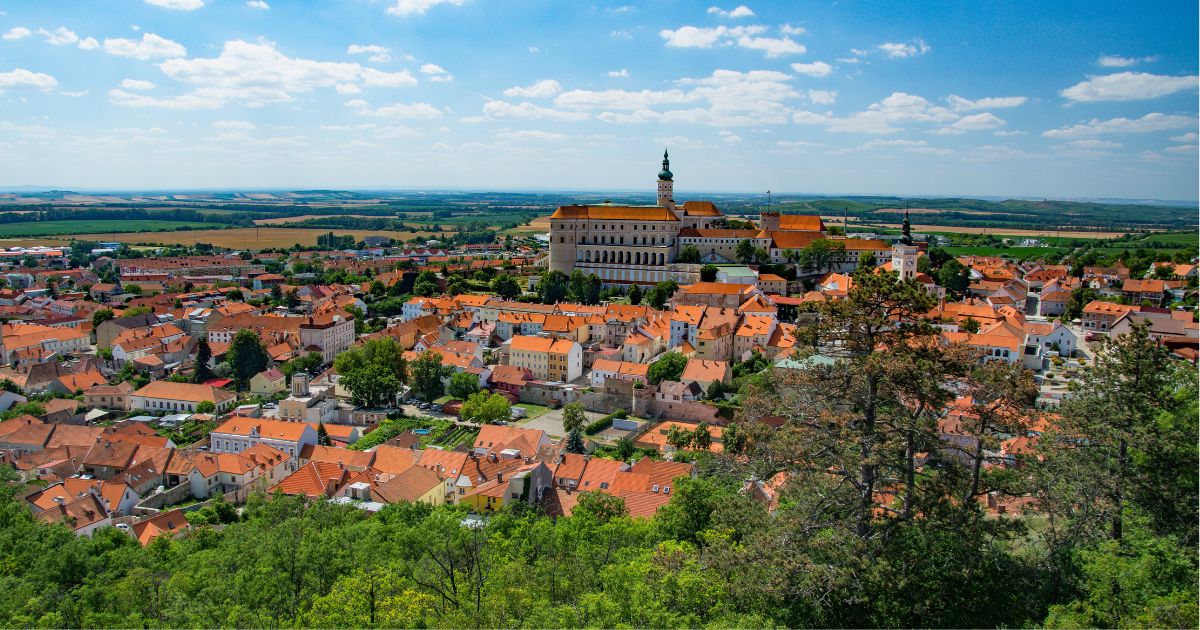
What to Eat in New York: 40 Restaurants and Dishes (Hidden Gems and Michelin)

TL;DRWhat to eat in New York? Start with a classic pizza slice at Joe’s Pizza or Brooklyn’s Lucali, a bagel with cream cheese at Russ & Daughters (going strong since 1914), a pastrami sandwich at the iconic Katz’s Delicatessen, and vegetable dumplings in Chinatown at Nom Wah Tea Parlor. Fine dining fans shouldn’t miss the three-Michelin-starred Eleven Madison Park, with its all-vegan tasting menu running $300 to $500 a head, while tacos at Los Tacos No.1 or the dollar pizza hatches dotted around the city cover the budget end. From April to October, the weekend Smorgasburg market is worth a visit too, with more than 70 food stalls from around the world. Reservations at the top restaurants open 30 days ahead and vanish within seconds.

New York doesn’t just breathe air, it smells of a thousand world cuisines. On one corner you catch roasted garlic drifting from an Italian trattoria, a block away the steam rising from a vent carries the scent of fresh Asian dumplings, and right next door neon signs glow above bistros that never close. If you’re planning a trip to the city and trying to figure out where to find the best New York restaurants, forget the sterile tourist guides full of generic phrases. Tracking down good food across Manhattan and the surrounding boroughs takes a little prep, sturdy shoes, and a willingness to queue where the locals queue.

The food scene in the Big Apple is forever changing, but its foundations rest on solid institutions that have survived for decades. Steer clear of the glass-fronted spots on Times Square with touts at the door. The best culinary experiences hide in unassuming places in Brooklyn, in the narrow lanes of Chinatown, or in old bakeries on the Lower East Side. We’ve put together a concrete map of venues for you, with exact addresses and detailed tips on what to order at the counter.

TL;DR

  • Joe’s Pizza (Greenwich Village): The classic triangle of cheese pizza, eaten on the go, for a few dollars.
  • Russ & Daughters (Lower East Side): Iconic bagels with cream cheese, going strong since 1914.
  • Nom Wah Tea Parlor (Chinatown): The city’s oldest dim sum parlor, with excellent vegetable dumplings.
  • Katz’s Delicatessen (Lower East Side): A cult Jewish deli where crowds head for the famous meat sandwiches.
  • Los Tacos No.1 (Chelsea Market): Authentic Mexican food with brilliant bean and cheese tacos.
  • Eleven Madison Park (Flatiron): A three-Michelin-star experience with an entirely plant-based tasting menu.
  • Smorgasburg (Williamsburg): A weekend open-air market with dozens of stalls from around the world.

New York classics you simply have to try

Some dishes define a city’s identity. New Yorkers will argue for hours about who makes the best dough, who boils their bagels correctly, and which bakery uses the proper cheese. The places below have shaped the local food culture, and visiting them is part of every traveller’s basic education.

Pizza, from the dollar slice to cult bakeries

You’ll recognise New York-style pizza instantly. Thin, wide dough with a crisp edge carries a layer of tomato sauce and melted mozzarella. Eating it properly takes a bit of technique. You fold the slice in half along its length, hold the edge between your fingers, and stride happily down the street. That fold keeps the hot oil from dripping onto your shoes.

On the corner of Carmine Street and Bleecker Street in Greenwich Village sits Joe’s Pizza. Pino Pozzuoli opened it in 1975, and to this day it offers the purest version of the experience. Order a plain cheese slice, pay a few dollars in cash, and eat it outside on the pavement. The queue moves fast.

If you’re after the major league, head to Carroll Gardens in Brooklyn, where you’ll find Lucali. Mark Iacono created a phenomenon here. You can’t book online. People start lining up outside around three in the afternoon to write their name on a paper list. But the result is worth every minute of the wait. The wood-fired cheese pizza with fresh basil ranks among the best in the entire United States.

For a modern take on the classic, try L’Industrie Pizzeria in Williamsburg. Locals come for the perfect marriage of Italian ingredients and the New York format. The dough ferments for longer, which gives it a light, airy texture.

A Brooklyn legend in the Midwood neighbourhood is Di Fara Pizza on Avenue J. From 1965 until his death, Domenico DeMarco personally made every pie here and snipped fresh basil onto it with scissors. The family carries on the tradition. Brace yourself for a longer wait and a higher price, but the old-school atmosphere remains intact.

To beat hunger fast, there’s the “dollar pizza” phenomenon (these days more like a $1.50 slice). You’ll spot these unassuming hatches with their neon Pizza signs scattered around Times Square, Port Authority, and the Village. There’s no interior, just a counter and a hot oven. You get a piping-hot cheese triangle that fills you up on the spot.

Bagels, a New York morning ritual

The secret of the New York bagel isn’t the local water, as the legend often goes. The magic is in the process. Before baking, the dough is briefly boiled in water enriched with barley malt. That’s what creates the signature glossy, slightly chewy crust with a dense, satisfying interior.

The absolute peak is Russ & Daughters at 179 East Houston Street on the Lower East Side. The shop has been running since 1914. Staff in white coats slice ingredients with surgical precision. The classic here for fish lovers is lox (smoked salmon), but the vegetarian version delivers just as much joy. Order an “everything bagel” with a generous layer of scallion cream cheese, add capers and thin slices of tomato. The perfect morning feast.

In Midtown East, Ess-a-Bagel rules the roost. They bake massive, soft bagels with a huge choice of cheese and vegetable spreads. Office workers from the surrounding blocks form long morning queues. The tofu cream cheese here tastes indistinguishable from the dairy original.

On the Upper West Side, don’t miss Absolute Bagels at 2788 Broadway. Behind this unassuming spot with its peeling awning are Thai owners who have mastered New York baking to perfection. Their warm bagels, pulled straight from the oven, need nothing more than a bit of plain butter or pure cream cheese.

Pastrami and delis, a slice of New York history

Jewish immigrants from Eastern Europe brought the deli (delicatessen) culture to the city. Its best-known representative is Katz’s Delicatessen at 205 East Houston Street. Dating from 1888, the place still keeps its original ticket system at the entrance. The interior is decorated with thousands of photos of famous guests, and this is where the famous scene from When Harry Met Sally was filmed. The meaty pastrami sandwich is a local classic for carnivores who travel from all over the world for the hand-cut beef brisket. 2nd Ave Deli in Murray Hill offers a similarly old tradition and a kosher style, where locals go for traditional meat specialities and honest broths.

Sweet things you can’t leave without

New York cheesecake differs from the Italian version by using cream cheese instead of ricotta. The result is extremely dense and rich. For the most traditional version, head to Junior’s Restaurant, whose original branch has stood in Brooklyn on Flatbush Avenue since 1950. A slice of plain cheesecake with coffee works as a reliable cure for the fatigue of walking the city.

In 2013, French pastry chef Dominique Ansel changed the dessert world. At his Dominique Ansel Bakery on Spring Street in SoHo, he created the Cronut, a perfect cross between a croissant and a doughnut. The morning queues form even in winter. Each month brings just one specific flavour, which never repeats.

In any corner shop (bodega) you’ll come across “black and white cookies”. These round biscuits, more like miniature cakes with a hint of lemon, are half-coated in chocolate and half in vanilla icing. The ideal sweet finish to an afternoon cuppa.

Where to eat, neighbourhood by neighbourhood

Every New York neighbourhood works like its own universe, with its own rules and flavours. Hopping a few subway stops often means landing on a different continent. Plan your meals around where you happen to be.

Greenwich Village and the West Village, a bohemian food paradise

Winding, tree-lined streets hide spots with serious history. Besides the aforementioned Joe’s Pizza, you’ll find a haven for fans of Middle Eastern food here. Mamoun’s Falafel on Macdougal Street has been feeding students from nearby NYU since 1971. For a few dollars you get pita bread stuffed with hot, crispy falafel, tahini sauce, and vegetables. Watch out for their hot sauce, though, and add it drop by drop.

Just down the road sits Bleecker Street Pizza, an excellent local alternative with a rustic Tuscan style of thin crust. The historic White Horse Tavern, dating from 1880, draws crowds for classic American burgers and sandwiches, and locals come to soak up the atmosphere of old New York over a pint.

East Village and Lower East Side, young energy and a mix of cultures

This area once belonged to immigrants and today pulses with youthful energy. On the corner of 2nd Avenue, Veselka glows into the night. This legendary Ukrainian diner, open since 1954, runs 24 hours a day. After midnight you’ll hear a blend of every language in the world here. Order the vegetarian borscht and a plate of potato pierogi with fried onions and sour cream.

For local seasonal food, go for Westville East on Avenue A. This neighbourhood bistro shines with its “market vegetables” concept. You can build a plate from four different perfectly cooked vegetables, from roasted Brussels sprouts to sautéed kale. Vegetarians will find an absolute paradise of fresh flavours here.

Chinatown: dim sum, dumplings and more

Manhattan’s Chinatown around Mott and Canal streets offers authentic Asian experiences for a fraction of the price elsewhere in the city. On the oddly curved Doyers Street sits Nom Wah Tea Parlor, one of the best restaurants in Chinatown New York. It opened in 1920 and still serves dim sum in a retro interior with red booths. Try their excellent vegetable dumplings and rice rolls with soy sauce.

The go-to institution for soup dumplings (xiao long bao) is Joe’s Shanghai at 9 Pell Street. The place made its name on the meat versions, but the menu hides treasures for those who don’t eat meat too. Steamed vegetable dumplings, sautéed aubergine in garlic sauce, and fresh bok choy will satisfy any food lover.

If you’re after a quick snack, stop by Vanessa’s Dumplings on Eldridge Street. Prices for fried vegetable dumplings or sesame pancakes start at a few dollars. Nearby Golden Steamer on Mott Street sells fantastic steamed buns (bao) filled with sweet red bean or lotus paste.

Koreatown, 32nd Street between 5th and 6th Avenue

A single Manhattan block holds an incredible concentration of Korean culture. The restaurants here often span several floors and don’t close until the early hours. Cho Dang Gol at 55 West 35th Street specialises in tofu dishes, which they’ve made themselves since 1997. Their hot stone bowls of rice and vegetables (bibimbap) or savoury soy pancakes (pajeon) warm you right up in cold weather.

A real gem for plant-based eating is Hangawi on 32nd Street. This entirely vegetarian Korean restaurant offers an oasis of calm. You take off your shoes at the door, settle in at a low table, and let yourself drift along on the gentle flavours of sesame oil, fermented paste, and rare mushrooms.

Williamsburg and Brooklyn, a hipster foodie paradise

Brooklyn has taken on the role of culinary innovator. From April to October, Smorgasburg draws the crowds to the banks of the East River. This open-air market brings together more than 70 local food vendors. You’ll find everything from Japanese rice burgers to artisan ice cream, all with the Manhattan skyline in the background.

In the quieter Cobble Hill neighbourhood on Court Street hides Bar Ferdinando. The atmosphere of old Sicily seeps from every corner. The cheese arancini, the rich aubergine caponata, and the homemade pasta with tomato sugo make for the perfect vegetarian lunch full of southern sunshine.

lukas a lucka
Lukáš and Lucie recommend
Where to Stay in New York
3 accommodations — hotels and other lodging options

Cheap and cheerful: hidden gems for every budget

New York can drain your wallet at lightning speed, but high prices don’t automatically mean the best quality. You can find great food on a tight budget too, as long as you know where to turn off the main drags.

A safe bet is Xi’an Famous Foods, with branches in Hell’s Kitchen, the East Village, and Queens. They started as a tiny basement stall in Flushing and today they define modern Asian fast food. They specialise in hand-ripped noodles from Shaanxi province. Order the spicy cumin noodles with cabbage and tofu. The thick sauce, chewy noodle texture, and warming spice make for an addictive combination.

Inside Chelsea Market at 75 9th Avenue, a queue is forever winding in front of Los Tacos No.1. The Mexican founders brought authentic Tijuana flavours to New York. Have your small corn tortilla loaded with cheese (queso) or grilled cactus (nopal), scatter on fresh coriander, and squeeze over some lime. The staff work at lightning speed.

Street food carts form the backbone of fast eating. The most famous, The Halal Guys on the corner of 53rd Street and 6th Avenue, you’ll recognise by the staff’s yellow shirts and the long evening queue. For grilled meat lovers, their enormous platters with rice and white sauce are a legendary, cult-status, end-of-night affair. Bark Hot Dogs in Fort Greene, Brooklyn holds similar legendary status among locals, who come for classic American sausages as a local alternative to the big chains.

Michelin and fine dining for those after an experience

The city holds the highest concentration of Michelin stars in the United States. Booking a table at the very best spots takes strategic planning and precision. If you want to invest in an exceptional evening, you’ve plenty to choose from.

A turning point in world gastronomy came with chef Daniel Humm’s decision. In 2021, his three-star restaurant Eleven Madison Park (11 Madison Avenue in the Flatiron) switched to an entirely plant-based (vegan) menu. That bold move proved that a luxury experience costing hundreds of dollars needs neither caviar nor foie gras. The tasting menu explores the limits of what vegetables, mushrooms, and fermentation can do, with incredible precision.

Among the classic old guard is the three-star Le Bernardin at 155 West 51st Street in Midtown. Here chef Eric Ripert has built a cult institution for lovers of fish and seafood. On Columbus Circle sits Per Se by Thomas Keller, offering majestic views over Central Park and flawless French technique. The first Korean restaurant with three stars in the US is Jungsik in TriBeCa. For exclusivity and an intimate atmosphere, head to Chef’s Table at Brooklyn Fare, where you can count the seats on your fingers.

The culinary world’s attention is currently fixed on Atomix at 104 East 28th Street. This modern Korean kitchen run by the Park couple holds two Michelin stars and, in the latest 50 Best rankings, takes the top spot as the best restaurant in North America.

Reservations at these venues run through the Resy or OpenTable platforms. Slots usually open exactly 30 days in advance at 10:00 am local time. They vanish within seconds. The price of a tasting menu runs between $300 and $500 per person without wine. Most top restaurants will happily prepare a vegetarian menu if you flag the request when booking.

Trendy newcomers everyone’s talking about in 2026

New York’s food scene moves like a bullet train. Each year brings new concepts that set the tone for the whole world. This year favours innovation, playfulness, and a return to local roots.

In the East Village, Smithereens is currently shining. This rising star draws seafood lovers with its modern take on fish and chips and generous lobster rolls in a relaxed, buzzing atmosphere. On the Lower East Side, the Vietnamese café After Eden is scoring points. Their modern bánh mì sandwiches with crispy tofu, heaps of fresh herbs, and pickled vegetables are rounded off by an excellent café phở.

The western part of the Village is dominated by the modern Italian restaurant Penny, which has become the most sought-after reservation among local foodies. Riding the sustainability wave is Lekka Burger, with several branches across the city. Their 100% vegan burgers, with a perfect texture and rich sauces, win anyone over with their hearty flavours. For neighbourhood ease, great drinks, and inventive, colourful food, head to Peek Inn in Greenpoint, Brooklyn.

Food markets and food halls, everything under one roof

When you’re travelling in a group and everyone fancies something different, a food hall settles all the disputes. The best ones combine historic architecture with a carefully curated selection of local vendors.

The former Nabisco biscuit factory in the Meatpacking District has been transformed into Chelsea Market (75 9th Avenue). Among the best Chelsea restaurants in New York, under its exposed brick vaults you’ll find the already-mentioned Los Tacos No.1, but also the Israeli concept Miznon with its fantastic roasted cauliflower in pita. Locals come here for fresh baked goods at Amy’s Bread, while ocean lovers head to The Lobster Place for fresh oysters and fish.

The best-known open-air market in the US, Smorgasburg, runs from April to October. On Saturdays the stalls unfurl in Williamsburg (East River State Park), and on Sundays they move to Prospect Park. Over 70 vendors test new concepts here before opening a bricks-and-mortar restaurant.

A stunning view of the Manhattan Bridge is on offer at Time Out Market New York in the Brooklyn neighbourhood of DUMBO (55 Water Street). Editors of the well-known magazine handpicked the best chefs from across the city under one roof, complete with a spacious terrace. For Italian delicacies, fresh pasta, mountains of cheese, and vegetables, head to Eataly NYC Flatiron at 200 5th Avenue. For early-morning shopping from local farmers and a quick quality snack while you wait for your train, the historic Grand Central Market inside the iconic station does the job.

Practical tips for eating in New York

Knowing the local rules saves money and spares you awkward moments at the till. American dining culture has its quirks.

  • The tip makes up the bulk of a server’s pay. The standard amount is 18 to 20 percent of the pre-tax price. Some restaurants in tourist areas automatically add a “gratuity” to the bill, so always check the receipt.
  • Tap water is good quality and free. Servers often bring it automatically, or just ask for it without hesitation.
  • A prix fixe lunch is a clever route to luxury. Many Michelin restaurants offer a shorter lunch menu for a third of the evening price.
  • Weekend brunch is a New York religion. At popular spots, expect queues of 30 to 60 minutes. To cut the wait, turn up before 11:00 am or after 2:00 pm.
  • Menu prices don’t include tax. New York sales tax of 8.875 percent is automatically added to the final total.
  • Reservations via the Resy and OpenTable apps are an absolute must for popular restaurants in the evening. They usually open a month ahead. You can often grab a seat at the bar faster as a walk-in.
  • Time your meals wisely. Buy bagels early in the morning while they’re still warm from the oven. Hit the popular pizza spots just before noon to dodge the rush.

Tips and traveller experiences

Seasoned travellers agree on a few essential rules for getting the most out of New York’s food scene without the unnecessary stress.

  • The best value for money is found in ethnic neighbourhoods. Manhattan’s Chinatown, Koreatown, and especially the Flushing neighbourhood in Queens offer authentic food at a fraction of Manhattan prices.
  • For cult spots like Lucali, Di Fara, or Katz’s, plan your visit outside peak hours. Tuesday or Wednesday afternoon around 3:00 pm guarantees a shorter wait.
  • High-end dining calls for notifications. Set an alert in the Resy app for a specific restaurant and time, and the moment someone cancels, the system lets you know.
  • Breakfast and brunch are the strongest part of the local culture, so definitely don’t skip them in favour of a hotel buffet.
  • Street food and cart food are a proper, safe way to eat, not some tourist trap.
  • Queens (the Jackson Heights and Flushing areas) works as the backstreet of world gastronomy. The variety of flavours here outdoes pricey Manhattan.

For up-to-date tips and independent reviews with no sponsored content, follow The Infatuation. For a great real-time overview of new openings, the Eater NY portal is the place to go. And if you want to learn more about the history of the neighbourhoods and taste more places at once without getting lost, try a New York food tour on GetYourGuide. You’ll get insider tips straight from local guides and taste the hidden treasures.

Where to stay in New York

Your choice of accommodation has a real bearing on your morning rituals. Staying near the West Village guarantees access to the best cafés and bakeries, while a base in Brooklyn brings you closer to the hipster markets and local bistros.

If you want the best venues within reach, it pays to stay central. Take a look at accommodation in Midtown or in the gastronomically vibrant Lower East Side, or compare all accommodation in New York.

Where to go next for food and experiences

Frequently asked questions

What must you try in New York?

“`html
The basics include a classic pizza slice to go, fresh bagel with cream cheese, dense New York cheesecake, vegetable dumplings and dim sum in Chinatown, or the famous sweet cronut.
“`

Where to get the best pizza in New York?

At the top are Joe’s Pizza on Carmine Street, the legendary Lucali in Carroll Gardens, the modern L’Industrie in Williamsburg, and the classic Di Fara Pizza in Midwood.

Where to eat cheap in New York?

“`html
You’ll eat most cheaply thanks to dollar pizza takeout windows, Chinese noodles at Xi’an Famous Foods, tacos at Los Tacos No.1, falafel at Mamoun’s from €4.50 or dumplings in Chinatown, which start at a couple of euros per portion.
“`

Which restaurants in New York have 3 Michelin stars?

Prestigious three stars are held by Eleven Madison Park (with an exclusively vegan menu), Le Bernardin, Per Se, Korean Jungsik, and the exclusive Chef’s Table at Brooklyn Fare.

Will vegetarians find food in New York?

Excellent. New York is a very vegetarian-friendly city. You’ll find a purely vegan fine dining menu at Eleven Madison Park, Korean vegan restaurant Hangawi, great vegetable noodles at Xi’an Famous Foods, falafel, dim sum, vegetable dumplings, rich tapas and a huge selection of cheese pizzas.

How much do you tip at a restaurant in New York?

“`html
Standard tip is 18 to 20 percent of the pre-tax price. In some establishments it’s automatically included on the bill, so check your receipt. Tipping below 15 percent is considered inappropriate.
“`

Tips and Tricks for Your Vacation

Don’t Overpay for Flights

Search for flights on Kayak. It’s our favorite search engine because it scans the websites of all airlines and always finds the cheapest connection.

Book Your Accommodation Smartly

The best experiences we’ve had when looking for accommodation (from Alaska to Morocco) are with Booking.com, where hotels, apartments, and entire houses are usually the cheapest and most widely available.

Don’t Forget Travel Insurance

Good travel insurance will protect you against illness, accidents, theft, or flight cancellations. We’ve had a few hospital visits abroad, so we know how important it is to have proper insurance arranged.

Where we insure ourselves: SafetyWing (best for everyone) and TrueTraveller (for extra-long trips).

Why don’t we recommend any Czech insurance company? Because they have too many restrictions. They set limits on the number of days abroad, travel insurance via a credit card often requires you to pay medical expenses only with that card, and they frequently limit the number of returns to the Czech Republic.

Find the Best Experiences

Get Your Guide is a huge online marketplace where you can book guided walks, trips, skip-the-line tickets, tours, and much more. We always find some extra fun there!
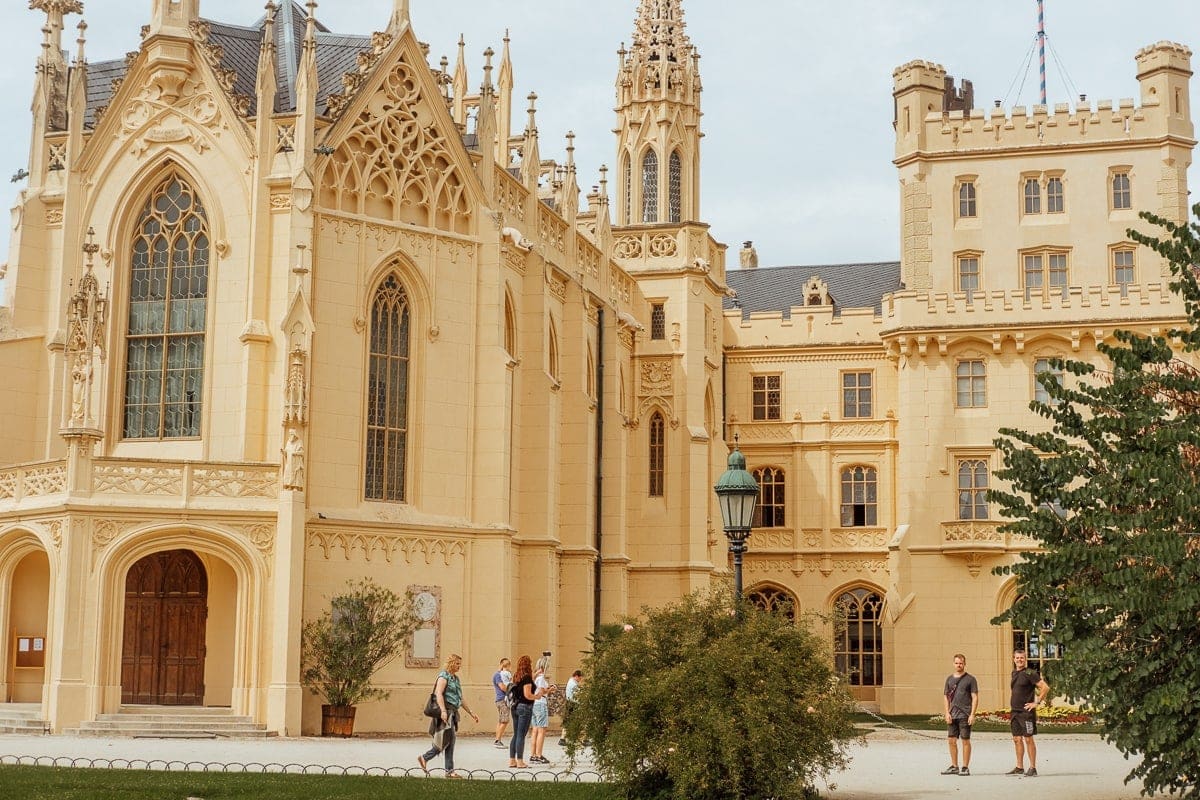
Paris in 3 Days: The Perfect Itinerary (+ 2 and 5-Day Variations)

TL;DRA well-balanced Paris in 3 days plan caps each day at two big sights, so you’re not sprinting between queues. Day one covers the Eiffel Tower (viewed from Trocadéro), the Musée d’Orsay, Sainte-Chapelle and Notre-Dame (free entry, but book ahead). Day two is for the Louvre (online tickets only, around €22), the covered passages and Montmartre. Day three takes in the Latin Quarter, the Jardin du Luxembourg and the Musée Rodin. Budget for two adults over 3 days runs from €400 to €1,400 depending on your style. May, September and October are the best months to go — steer clear of August. Trim it to a 2-day version focused on the centre, or stretch to 5 days and add day trips to Versailles and Giverny.

Building a Paris itinerary for 3 days so you can soak up the city from the moment it wakes early in the morning — when the smell of freshly baked butter starts to mingle with the cool air — is exactly the reason this trip is worth making. You’re sitting at a little tin table on the pavement, sipping a strong espresso, a toddler dozing contentedly in the pram beside you, watching the owner of the café across the street roll up the shutters. This city has enormous power. It can wear you down with endless metro stairs and the blunt honesty of the locals, but once you play by its rules, it wraps you right around its finger.

The year 2026 is a genuine turning point for the French capital in many ways. After the Olympic Games, the city took a deep breath and began a massive transformation. Notre-Dame Cathedral finally gleams like new and its doors are wide open once again. The famous Centre Pompidou, on the other hand, has closed for years due to a huge renovation. In summer, after a hundred years, people will officially be able to swim directly in the River Seine again. And for me, as a vegetarian, the news of the year came from the legendary three-Michelin-star restaurant Arpège, which switched to a fully plant-based menu. Paris is simply greener, and its pedestrian zones keep expanding.

Planning a meaningful three-day trip takes a bit of strategy. Especially if you’ve got a small traveller with you who has a completely different opinion on how fast you should move between sights. Forget the encyclopaedic ticking-off of twenty places a day — that’s a surefire route to evening tears (and not just the toddler’s). The golden rule: a maximum of two major sights per day, and the rest of the time spent wandering, eating well and soaking up the atmosphere.

Our itinerary is realistic and tested in practice, including the most important test of all — surviving with two-year-old Jonáš. You’ll find variations for a long weekend as well as plans for families, couples and die-hard foodies. Plus a list of traps to give a wide berth. 😉

TL;DR

  • Notre-Dame is open again: In 2026 the cathedral is back up and running after its restoration. Entry is free but requires a mandatory online time-slot booking.
  • Centre Pompidou is closed: Due to asbestos removal, the building is fully shut until 2030 — forget about it this year.
  • The Louvre only with a ticket in advance: You can only get in with a ticket bought for a specific time slot. Skip the glass pyramid and use the Porte des Lions entrance.
  • Travelling with kids? The Cité des Enfants section (for ages 2 to 7) in La Villette park is closed for renovation until 9 June 2026.
  • The best view of the city: It’s not from the Eiffel Tower, but from the rooftop of the Galeries Lafayette department store, or from the Tour Montparnasse skyscraper.
  • Always start with Bonjour: Every time you walk into a shop, bakery or restaurant, you have to start with a greeting. Without it, Parisians will simply ignore you.
  • The metro is hell for prams: The Paris metro is full of stairs. The only fully step-free line with lifts is line number 14.
  • Watch out for tourist traps: Don’t eat on Place du Tertre in Montmartre — it’s an overpriced tourist trap. Head to the Marais or the 11th arrondissement instead.
  • Beware of pickpockets: At the airport and near the main sights, ignore anyone with petitions and anyone who drops a gold ring on the ground in front of you. These are organised gangs.

When to Visit Paris: Weather, Crowds and the 2026 Calendar

Choosing the right month sets the mood for your whole trip. The city shifts from a romantic backdrop to a scorching concrete jungle and back again. Lukáš and I love the months when you can sit on a terrace in a light jumper and drink wine without having to fight the crowds for a seat.

The Best Months for a 3-Day Itinerary

Spring and autumn are an absolute safe bet. I think May is the most beautiful month of the whole year. The trees are in blossom, the days stretch out pleasantly, and you can finally lay out a picnic blanket in the parks in peace. September and October are just as wonderful. The period known as la rentrée (the return after the holidays) brings fresh energy to the streets. New exhibitions open in the museums, and the trees in the Luxembourg Gardens start to take on gorgeous golden hues. A windbreaker or a light trench coat will always come in handy during these months.

💡 Tip: If you’re planning to visit museums, go in October or November. Waiting times drop dramatically and you can finally breathe freely in the galleries.

When to Stay Home Instead

If you possibly can, avoid August. This is the month when Parisians flee en masse to the seaside. The city may seem emptier, but on plenty of the best independent bistros, cafés and bakeries you’ll find a sign reading fermeture annuelle (annual holiday). That leaves you mostly at the mercy of the tourist traps. On top of that, the tarmac melts unpleasantly under the heatwave. Also watch out for the weeks at the turn of February and March, when the famous Fashion Week takes place. Accommodation prices shoot up to astronomical heights then.

💡 Tip: August has one upside. Thanks to the Paris Plages event, the banks of the Seine turn into artificial beaches with sand and sun loungers, which kids absolutely adore.

Key Dates and Events in 2026

This year’s calendar is packed with events that will either greatly enrich your plans or complicate the logistics a little. If you’re travelling in spring, mark 12 April 2026 in your diary — that’s when the Paris Marathon is run. Traffic in the centre collapses and many streets are closed, so with a pram it’ll be a bit of a logistical adventure. All the more beautiful, then, is 6 June, when the whole city holds Nuit Blanche (White Night) and art installations glow until the early hours.

For lovers of Impressionism, Monet’s Gardens in Giverny open after winter on 1 April. But be extremely careful in autumn. On the weekend of 19 and 20 September 2026, European Heritage Days (Journées du Patrimoine) take place, and the gardens in Giverny are strictly closed on those two days.

💡 Tip: If you’re in Paris on 21 June, you’ll experience Fête de la Musique. In every little square, in the streets and outside the cafés, bands play completely free of charge. It’s the best evening for wandering the city.

Where to Stay in Paris: Safety, Prams and Budget

Paris isn’t a tidy grid like Barcelona — it’s a snail shell, spiralling out from the historic centre clockwise, and I’ve got lost in it more than once myself. Each of the twenty arrondissements works like its own little city, with its own town hall and a completely different mood. With a toddler in a pram, you’re after a compromise between safety, wide pavements and good coffee round the corner.

6th Arrondissement (Saint-Germain): The Holy Grail for Families

This is the essence of Parisian elegance on the Left Bank. It’s completely safe, the pavements are generous, and you’ve got the gorgeous Jardin du Luxembourg right under your nose, with its puppet theatre and big playgrounds. We spend loads of time here with the pram. It’s a pricier area, but the peace and quiet is worth it.

  • Hôtel des Saints Pères (4 stars): A beautiful historic hotel on a quiet street. They offer more spacious rooms (by Parisian standards) and will happily set up a cot for you. A double room costs around €280 a night.
  • Hôtel Clément (2 stars): A great budget choice right by the Saint-Germain market. They have a lift and very welcoming staff. A night comes to roughly €150.

💡 Tip: The cafés on Boulevard Saint-Germain are expensive. Duck into the side streets towards the river instead, where you’ll find quieter and cheaper bistros.

3rd Arrondissement (Northern Marais): Hipster and Quiet Zone

While the southern part of the Marais is bursting at the seams at weekends, the northern part (Haut Marais) is quiet, trendy and dotted with independent boutiques and cafés. The streets are wider here and the atmosphere far more neighbourly. You’ll find the best falafel in the city here, along with the fantastic covered market Marché des Enfants Rouges.

  • Hôtel Les Bains Paris (5 stars): If you’re after luxury and design, this is it. A former famous bathhouse and nightclub turned hotel. Prices from €400 a night.
  • Hôtel du Petit Moulin (4 stars): A boutique hotel with interiors designed by Christian Lacroix. The façade looks like an old bakery. A night runs around €250. They have a lift, which is key for a pram.

💡 Tip: This neighbourhood is full of vegan and vegetarian spots. Try the excellent burgers at Hank Restaurant.

7th Arrondissement (Invalides / Eiffel): Pure Residential Calm

An extremely quiet and safe neighbourhood. If you want the Eiffel Tower right round the corner and to have an evening picnic on the lawns of the Champ de Mars with the kids, this is the ideal choice. But the venues close early in the evening here — for nightlife you’ll have to go elsewhere.

  • Hôtel Muguet (3 stars): A family hotel with extremely friendly staff and Eiffel Tower views from some rooms. They offer family rooms. Around €200 a night.
  • Hôtel de l’Empereur (3 stars): Views straight onto Les Invalides, great access to the river and very quiet nights. A night costs around €180.

Where Definitely Not to Stay

Not every part of Paris is romantic. With a family, give a wide berth to the northern part of the 10th arrondissement around Gare du Nord and Gare de l’Est. It’s a notorious haven for organised pickpockets and it doesn’t feel particularly safe there at night.

I also don’t recommend staying right on the boulevards below the Montmartre hill (around the Pigalle and Barbès-Rochechouart stations). Night-time chaos reigns there, the noise is enormous, and it’s really not the right atmosphere for evening strolls with a pram.

lukas a lucka
Lukáš and Lucie recommend
Where to stay in Paris
6 accommodations — wellness hotels, hotels and other accommodation options

During a short weekend, what you mainly need is an efficient base from which you can easily reach the main sights and your planned day trip out of town. For us, the location of Hôbou worked brilliantly thanks to its proximity to metro line 10 for trips into the centre and a direct bus to Versailles. I describe how it all came together logistically in my review of the stay, and you can check current availability here.

Where to Eat: Bistros, Bakeries and Morning Coffee

Finding good food in Paris isn’t all that hard — what’s harder is finding the kind that won’t ruin your family budget and where they won’t pull a face when you turn up with a pram. Over the years, Lukáš and I have found a few sure things here that we love to go back to. You really can’t go wrong by avoiding the big boulevards and ducking a couple of streets further in.

Our Tried-and-Tested Tips for Any Time of Day

It all starts with a good breakfast. I recommend finding the nearest local boulangerie (bakery) and grabbing a fresh croissant or pain au chocolat to go. Have your coffee at a more modern café, because traditional Parisian coffee in an ordinary bistro is often quite bitter and over-roasted.

For lunch we always look out for signs reading Formule Midi, a great-value two-course lunch menu. We then love to spend our dinners over good wine at one of our favourite bistros in the Marais or in the 11th arrondissement. But don’t forget that plenty of well-known Parisian restaurants require booking ahead — otherwise you won’t get a table in the evening, no chance.

Ground Rules for Your Paris 3-Day Itinerary

Before you throw yourself into the whirl of the city, let’s set some realistic expectations. Paris is enormous, and trying to squeeze everything into three days is a reliable recipe for exhaustion and tears (and not just the toddler’s).

The Myth That You’ll See It All

Big museums like the Louvre or Orsay swallow time by the hour. With a two-year-old you can’t afford eight-hour art marathons. Split your day into two main blocks. Devote the morning, when the toddler has the most energy, to one major sight. Then comes lunch, a break in the park or a nap in the pram, and leave the afternoon just for leisurely wandering around a neighbourhood.

💡 Tip: Don’t plan metro journeys from one end of the city to the other more than twice a day. Always focus on one specific neighbourhood and explore it on foot.

Transport and Navigo Cards (2026)

The Paris metro is a historic gem, but for families with prams it’s pure hell. Only 20% of stations have step-free access. The holy grail is line 14, which is fully automated and one hundred percent step-free.

Paper tickets have all but disappeared. Buy a plastic Navigo Easy card (it costs €5) and top it up with what’s called a carnet (a pack of 10 journeys for roughly €17.35). If you arrive on a Monday and plan trips to Versailles or the airport, the weekly Navigo Découverte for €32.40 is worth it. But it runs strictly from Monday to Sunday, so for a long weekend starting on a Thursday it’s no longer worthwhile.

💡 Tip: Download the Bonjour RATP app. It has a built-in Accessibility Mode that will route you only through stations with working lifts.

The Golden Rule of Bonjour and Etiquette

This is the single most important thing in the whole article. Every interaction in France has to begin with the greeting Bonjour (after 6pm, Bonsoir). Walking into a bakery? Bonjour. Getting into a taxi? Bonjour. If you skip this magic word and go straight to ordering a coffee, the French take it as a sign of absolute arrogance. They’ll start ignoring you and you’ll be handed the worst table in the house.

💡 Tip: In a restaurant, never cut bread (the baguette) with a knife. Always break it with your hands. And don’t hide your hands in your lap under the table — keep them resting on the table at the wrist.

Day 1: The Great Classics and Getting to Know the City

On the first day we tackle the biggest icons. The ones you know from postcards and the very reason people come to Paris in the first place. But we’ll do it cleverly, to dodge the worst of the crowds.

Morning at the Eiffel Tower (from Trocadéro)

The Iron Lady works like a giant magnet. But you can skip the lift to the top with a clear conscience. There are huge queues, the tickets (€14.80 to €36.70) have to be hunted down 60 days in advance, and on top of that you won’t see the main attraction from up there — namely the Eiffel Tower itself.

Instead, get off the metro at Trocadéro station right after breakfast. Around eight in the morning you’ll practically have the place to yourself. The view across the esplanade and fountains straight onto the tower is absolutely breathtaking. From here, walk down to the river, cross the bridge and let your child run around for a while on the lawns of the Champ de Mars.

💡 Tip: For the most iconic photo without the crowds, head to the dead-end Avenue de Camoens in the 16th arrondissement. Beautiful old buildings and trees frame the shot.

Late Morning at the Musée d’Orsay

While everyone else rushes to the Louvre, head to the Musée d’Orsay (entry €16). This former railway station holds the finest collection of Impressionism in the world. In 2026 the museum celebrates its 40th anniversary, and the atmosphere beneath the glass vault is far airier than at the Louvre. It’s also much easier to navigate with a pram. Don’t miss Monet’s paintings, Van Gogh’s self-portrait and the giant station clock, through which you can see the Montmartre hill.

💡 Tip: If you have your child in a carrier, leave the pram in the cloakroom (vestiaire) free of charge. The wooden floors in the galleries can handle the wheels, but you’ll be far nimbler in the crowd in front of Van Gogh.

Lunch in the 7th Arrondissement

The 7th arrondissement offers plenty of quiet bistros. Look for signs reading Formule Midi. This is a lunch menu where you get a starter and a main for a great-value €18 to €28. There’s always at least one meat-free option for vegetarians, often an excellent creamy risotto or a quiche.

💡 Tip: If you want to experience absolute plant-based luxury and budget is no object, the legendary Arpège restaurant by chef Alain Passard, just nearby, has switched to a fully vegan menu. Lunch here, though, will set you back €260.

Afternoon: Sainte-Chapelle and a Reborn Notre-Dame

Cross over to the Île de la Cité island. Start at Sainte-Chapelle (entry €13). This 13th-century Gothic chapel has almost no walls, just enormous stained-glass windows. When the afternoon sun shines through them, you’ll feel like you’re inside a giant kaleidoscope.

From here it’s just a few steps to Notre-Dame Cathedral. After the devastating fire it has reopened, and the stone inside is incredibly light and clean. Entry to the nave is free, but you have to reserve a time slot through the official Notre-Dame de Paris app.

💡 Tip: Ignore all the sellers on the street trying to push skip-the-line tickets to Notre-Dame on you. They’re scammers — entry really is free.

Evening Wandering in the Marais

End the day in the 4th and 3rd arrondissements, in the Marais. The narrow medieval streets survived the great rebuilding of the city, and today they’re full of independent boutiques, bakeries and Jewish history. Stop on Rue des Rosiers at L’As du Fallafel. They make the best falafel in Europe here. A pita stuffed with hot balls and fried aubergine won’t be turned down even by die-hard carnivores.

💡 Tip: On Saturdays L’As du Fallafel is closed for Shabbat. If you’re here at the weekend, pop straight across the road for excellent food at Mi-Va-Mi.

Day 2: Art, Arcades and Romance Above the City

On the second day we head to the Right Bank (Rive Droite). It’ll be a day full of art, historic shopping arcades and views from above.

Morning: The Louvre, Done Strategically and Queue-Free

Walking the entire Louvre in one day is madness — Lukáš tried it once and swore he’d never do it again. We set aside about three hours for it; our legs won’t take more anyway. For 2026 there’s a strict rule: entry is only possible with an online booking through the official Louvre website for a specific time (around €22). Anyone who turns up blind will spend hours in the queue.

Avoid the main glass pyramid. Head to the inconspicuous Porte des Lions entrance in the southern Denon wing. Queues here tend to be minimal and it spits you out right next to the Mona Lisa. Go straight to her first, before an impenetrable cluster of people with phones forms in front of her.

💡 Tip: If you want to experience the Louvre with a magical atmosphere and half the crowds, buy a ticket for the extended Wednesday or Friday opening hours (it stays open until 9.45pm).

Late Morning: Covered Arcades and the Opéra Garnier

From here, head north on foot. Paris hides a network of historic 19th-century covered arcades with glass roofs and mosaic floors. They’re completely free and a dream to push a pram through. Walk through the gorgeous Galerie Vivienne (2nd arrondissement), full of old bookshops and little cafés.

Carry on as far as the Opéra Garnier. Even if you’re not going to a performance, pay for the daytime tour (€14). The grand marble staircase and the gilded foyer will take your breath away.

💡 Tip: If you love hot chocolate, the famous Angelina tearoom is just a short walk from the Louvre. Their thick l’Africain chocolate is legendary, but be prepared for a queue.

Lunch: Les Halles or Rue Montorgueil

Stop for lunch around Rue Montorgueil. This pedestrian zone is one big food paradise. You’ll find dozens of cheese shops, bakeries and bistros here. Pop into Paris’s oldest patisserie, Stohrer (dating from 1730), and grab a fantastic éclair for the road.

💡 Tip: If you need water, ask the restaurant for une carafe d’eau. It’s a jug of tap water and it’s always free.

Afternoon: Montmartre and Sacré-Cœur Without the Sweat

In the afternoon, take the metro to Montmartre (18th arrondissement). It’s a hill full of stairs and cobblestones, so with a pram it’ll be a bit of a bumpy ride. Avoid the main three hundred steps below the Sacré-Cœur basilica and hop on the Funicular. An ordinary metro ticket works on it.

The basilica itself, made of snow-white travertine, has free entry. Afterwards, stroll along Rue de l’Abreuvoir with its pastel-coloured houses and snap a photo of the famous pink house, La Maison Rose.

💡 Tip: Ignore the restaurants on Place du Tertre. They’re pure tourist traps with mediocre food and inflated prices. Head down the hill to eat instead.

Evening: Sunset from the Galeries Lafayette Rooftop

Once you’ve come down from Montmartre, head back to the 9th arrondissement and the department stores. The Galeries Lafayette Haussmann has a huge rooftop terrace on the top floor. Entry is completely free. Buy a coffee downstairs, take the lift up and wait for the sunset. From here you’ll see all of Paris, including the sparkling Eiffel Tower.

💡 Tip: The neighbouring department store Printemps has a terrace called 7e Ciel. There tend to be slightly fewer people there and the view is just as stunning.

Day 3: Hidden Paris and Parks

On the third day we slow down. We’ll wander around the Left Bank, soak up the intellectual atmosphere and enjoy the parks that kids love so much.

Morning: The Latin Quarter and the Panthéon

Start in the 5th arrondissement, in the Latin Quarter. The Sorbonne students once ruled here; today the lanes smell of crêpes. Walk all the way to the majestic Panthéon (entry €13). Beneath its enormous dome rest the greatest figures of French history, from Victor Hugo to Marie Curie. The space is vast and step-free.

💡 Tip: If you’re a fan of the series Emily in Paris, just a short walk from the Panthéon you’ll find the picturesque little square Place de l’Estrapade, where the fictional Emily has her flat.

Late Morning: Jardin du Luxembourg

From here it’s just a hop to the Luxembourg Gardens (6th arrondissement). For a two-year-old it’s an absolute paradise. While you admire the palace and the flower beds, the children can sail little wooden sailboats across the central fountain.

💡 Tip: In the middle of the park is the famous puppet theatre, Théâtre des Marionnettes. A show with the classic Guignol costs just €2.70 and runs on Wednesdays and at weekends.

Lunch: Marché des Enfants Rouges

For lunch we move back to the Right Bank, to the 3rd arrondissement. Marché des Enfants Rouges is the oldest covered market in Paris. It works like a wonderful open-air food court. You’ll find stalls with Japanese bento, Lebanese salads and fantastic Moroccan vegetable tagines. You take your food over to the wooden tables. With a toddler it’s ideal, because it’s noisy and nobody minds children running around.

💡 Tip: Grab a sandwich from the Chez Alain Miam Miam stall. Alain is a local celebrity and his vegetarian galettes stuffed with cheese and vegetables are phenomenal.

Afternoon: Musée Rodin and Relaxation

Spend the afternoon at the Musée Rodin in the 7th arrondissement (entry around €14). It’s my favourite museum for families. The collection of sculptures is housed inside a beautiful mansion, but the main attraction is outside. The garden is dotted with sculptures, including the famous Thinker. You can let your toddler toddle along the wide sandy paths between the roses while you calmly admire the bronze muscles.

💡 Tip: You can buy a ticket for the garden only (it costs roughly €4). It’s one of the cheapest and most beautiful escapes in all of Paris.

Evening: A Walk Along the Seine and Natural Wine

In the evening, head down to the River Seine. A walk along the riverside (for example Parc Rives de Seine) is car-free and completely safe. Stop at one of the wine bars (cave à manger) in the 10th or 11th arrondissement. Natural wine (vin nature) is a huge phenomenon here. Try Septime La Cave, for example.

💡 Tip: Parisians love the time known as apéro (between 5pm and 8pm). If you head out for a drink at this hour, having children on the terraces is perfectly normal and tolerated.

Variation for Couples: 3 Days of Romance

If you’re lucky enough to have sorted out childcare and you’re flying to Paris just as a couple, the city offers a completely different pace.

Sunsets and Speakeasy Bars

Devote your evenings to discovering secret bars. Parisian mixology is among the best in the world. Head to Little Red Door in the Marais, which regularly scores in the rankings of the 50 best bars in the world. If you’re after a bit of fun, find the Lavomatic bar in the 10th arrondissement. You walk into an ordinary public launderette, and a secret door behind one of the washing machines lets you up into a buzzing venue.

💡 Tip: Enjoy the sunset from the Tour Montparnasse skyscraper (entry around €20). Unlike the Eiffel Tower, you won’t face such long queues here, and best of all, you’ve got the tower itself right in the frame.

Jazz Evenings on Rue des Lombards

Paris and jazz have gone together since the First World War. Head to Rue des Lombards in the 1st arrondissement. You’ll find the clubs Le Duc des Lombards (elegant, serious jazz) and Sunset/Sunside (great acoustics in an underground cellar).

💡 Tip: For an authentic experience, go to Caveau de la Huchette in the Latin Quarter. A medieval cellar where scenes from the film La La Land were shot and where people genuinely dance the swing.

Variation for Families with Kids: Paris with a Toddler

Paris can be incredibly family-friendly — you just need to know the right places where a child can safely let off steam.

Playgrounds, Puppets and the Jardin d’Acclimatation

Besides the Luxembourg Gardens, the Jardin d’Acclimatation in the Bois de Boulogne (16th arrondissement) is an absolute must. It’s the oldest amusement park in Paris. Entry costs €7 and you’ll find a little Normandy farm with animals, pony rides, a water playground and plenty of attractions tailor-made for the very smallest visitors.

💡 Tip: ⚠️ Watch out in 2026! The popular children’s section Cité des Enfants (for kids aged 2 to 7) in La Villette park is CLOSED for a huge renovation until 9 June 2026.

Atelier des Lumières Instead of Dull Museums

Classic museums will bore toddlers to tears, reliably. Take them to the Atelier des Lumières (11th arrondissement, entry €14.50) instead. A former foundry transformed into a giant digital canvas. The paintings of famous masters come to life here, flowing across the walls and floors to the accompaniment of music. It’s dimly lit, children can roam freely and chase the patches of light on the ground.

💡 Tip: In spring 2026 there’ll be a dinosaur exhibition here (Planète Préhistorique). If your child is going through a dinosaur phase, this will absolutely blow their mind.

Variation for Foodies: 3 Days Full of Flavour

French gastronomy is going through a revolution. The epicentre of so-called bistronomy (a combination of fine cooking in an informal setting) is the 11th and 10th arrondissements.

From Michelin Stars to Street Food

If you manage to snag a reservation a month in advance, go to the restaurant Septime (11th arrondissement). Chef Bertrand Grébaut holds a Michelin star here, but the casual feel of the place puts you at ease right at the door — no stiff atmosphere, just great food. For fantastic savoury buckwheat crêpes (galettes), head to the Breizh Café chain.

And if you want to save money and experience the huge noise and bustle of a traditional French canteen, queue up for Bouillon Chartier (9th arrondissement). You can get a classic meal here for just a few euros.

💡 Tip: Being a vegetarian in Paris is no longer a problem. Head to 42 Degrés (11th arrondissement), the only raw food bistro in France. Nothing is cooked above 42°C here, but the presentation rivals haute cuisine.

A Sweet Finish at Cédric Grolet’s

Parisian patisseries look like jewellers’ shops. Cédric Grolet is currently the world’s biggest pastry rockstar. He makes desserts that look exactly like real fruit (trompe-l’œil). You can’t tell his lemon apart from the real thing by sight, but inside it hides a fluffy mousse.

💡 Tip: Have your ice cream at the legendary Berthillon on the Île Saint-Louis. Their dark chocolate sorbet is superb. But they’re closed on Mondays and Tuesdays!

What to Do If You Have 2 Days or 5 Days Instead

The itinerary can easily be expanded or, conversely, brutally trimmed depending on how much time you have at your disposal.

A Quick Weekend (2 Days)

If you only have 48 hours, stick strictly to the centre. Devote the first day to the axis between the Eiffel Tower, the Musée d’Orsay and Les Invalides. On the second day, combine the Louvre (just for 2 hours), Notre-Dame and head up to Montmartre in the afternoon. Drop everything else with a clear conscience.

💡 Tip: For the weekend transfer from Charles de Gaulle airport (CDG), watch out for the RER B train. It’s a notorious hotspot for pickpocket gangs. Wear your backpack on the front and don’t take your eyes off the zips.

5-Day Itinerary: Versailles and Giverny

Got some extra days? Head out of town. Devote the fourth day to the Palace of Versailles. Buy timed tickets online. With a pram, the best option is to take the line N train from Gare Montparnasse (not the commonly recommended RER C line). Get off at Versailles Chantiers station — it’s quieter.

On the fifth day, take a trip by train to the village of Giverny in Normandy. Monet’s Gardens with their iconic Japanese bridge and water lilies are a dream come true for every art lover.

💡 Tip: At Versailles, do things in reverse. Go to the gardens by the Grand Canal first, where your child can run off some energy. Save the palace itself for later in the afternoon.

Rescue Plan: What to Do in Paris When It Rains

Parisian rain can be persistent. When it catches you out, take cover under a roof, but don’t waste time at the hotel.

Take Cover Underground and in the Arcades

This is exactly the moment to explore the covered arcades in the 2nd and 9th arrondissements (Passage Jouffroy, Passage des Panoramas and Galerie Vivienne). If you have older children or a toddler sleeping in a carrier, book tickets for the Paris Catacombs in the 14th arrondissement. In the tunnels twenty metres below ground lie the neatly arranged bones of millions of Parisians, and the atmosphere down there is utterly indescribable.

💡 Tip: Tickets for the Catacombs open exactly 7 days in advance and vanish in a flash. They won’t let you down with a pram — a carrier is mandatory.

What NOT to Do in Paris (And Scam Warnings)

Read this one twice. Paris is gorgeous, but it can be ruthless with unprepared tourists.

The Most Common Tourist Traps

  • Don’t take the lift up the Eiffel Tower: You’ll spend hours in the queue, pay a fortune, and see the city without its biggest landmark — namely the Eiffel Tower itself. Go to the Tour Montparnasse instead.
  • Don’t buy coffee on the main boulevards: A coffee on the Champs-Élysées will cost €8 and taste like over-roasted water. Duck a couple of streets further in.
  • Don’t go to the Centre Pompidou: As I wrote in the introduction, it’s completely closed until 2030 for asbestos removal.

💡 Tip: If you want to see the Arc de Triomphe, never dash across that insane roundabout full of cars to get to it. Use the safe pedestrian underpass, Passage du Souvenir.

Pickpockets and Street Scams

Parisian pickpockets are highly organised professionals. They most often operate on metro line 1 and line 6 (when tourists are staring out of the window at the Eiffel Tower).

  • The gold ring trick: Someone picks up a ring on the street in front of you, asks if it’s yours, then forces it on you as a gift and starts aggressively demanding money. Just ignore them and walk on.
  • Bracelets on Montmartre: Below the steps to Sacré-Cœur, men will try to quickly tie a string around your wrist and then demand payment. Keep your hands in your pockets and say “Non” firmly.
  • Fake petitions: Deaf-mute girls (often only pretending) shove clipboards at you for a signature under the bridges by the Seine. While you read, their other hand is going through your pockets.

💡 Tip: If someone offers you “skip-the-line” tickets in front of the Louvre or Notre-Dame, they’re fake tickets, 100%.

Practical Info

Travelling around Paris with a family mainly requires good logistics and a financial cushion.

Money, Prices and Budget

In 2026 you can pay by card (Apple Pay / Google Pay) practically everywhere. Even for a single baguette in the bakery for €1.30. But always carry around €20 to €50 in small change for purchases at the markets (e.g. Marché d’Aligre) or for tips.

How much will it cost (a 3-day budget for two adults):

  • Low-cost / Student: Around €400. This is how we used to travel before Jonáš and it was great fun 😅 Accommodation further from the centre, buying baguettes and cheese at bakeries, getting around on foot and free sights.
  • Comfortable middle (our style): Roughly €1,000 to €1,400. A lovely hotel in the 6th or 3rd arrondissement, lunch formules at bistros, a few paid museums and coffee at specialty roasters.
  • Luxury: Unlimited. Dinner alone at a Michelin restaurant will set you back €300 to €500 per person.

💡 Tip: Coming from the UK, check your roaming plan before you go. To be safe and avoid surprise charges, an eSIM like Holafly or Yesim gives you reliable data the moment you land — no faffing about with local SIM cards.

Where to Next

If Paris has stolen your heart, take a look at our other articles from the French capital:

Frequently Asked Questions

Before your trip to Paris, we’ve put together answers to the most common questions you might have. I hope it makes planning easier and saves you a few wrinkles on your forehead.

Is Paris manageable with a stroller?

Yes, but it requires planning. Avoid the metro with the exception of line 14 and rely rather on buses, which have low floors. For Montmartre or Versailles, better bring along an ergonomic baby carrier.

Is it worth buying the Paris Museum Pass for 3 days?

It depends on your pace. It costs quite a bit of money and only pays off if you’re planning to tackle at least 3 major attractions per day (Louvre, Orsay, Sainte-Chapelle, etc.). With a toddler, when you can manage two things a day at most, the pass usually doesn’t pay for itself financially.

Where can I find the best free view in Paris?

Head to the rooftop of the Galeries Lafayette department store (9th arrondissement) or to the nearby Printemps. There’s also a great view from the rooftop of the Institut du Monde Arabe in the Latin Quarter or from Parc de Belleville park in the 20th arrondissement.

Is tap water drinkable in Paris?

“`html
Yes, perfectly safe and very tasty. In restaurants, always ask for “une carafe d’eau” (a jug of tap water), which is free by law. Around the city, you’ll also find green Wallace fountains where you can refill your own bottle.
“`

Which day is best for visiting the Louvre?

The worst day is Saturday. The best time, on the other hand, is Wednesday or Friday afternoon and evening, because the museum has extended opening hours until 9:45 PM. After 6 PM, the crowds at the Mona Lisa drop to a tolerable minimum. The Louvre is closed on Tuesdays!

Do I need reservations for restaurants in Paris?

For well-known bistros, Michelin-starred restaurants (like Septime), and Italian viral hits (Pink Mamma), reservations are absolutely essential, even a month in advance. For regular cafés and traditional lunch menus (formule midi) on a weekday, you can easily walk in from the street without any problem.

Is it safe to travel by metro at night?

In the central districts (1st to 8th arrondissement), the metro is safe even late in the evening. Take extra care on Line 1 and Line 6 due to pickpockets. Avoid nighttime journeys on the outer northern lines and around the Gare du Nord and Gare de l’Est stations.

Tips and Tricks for Your Vacation

Don’t Overpay for Flights

Search for flights on Kayak. It’s our favorite search engine because it scans the websites of all airlines and always finds the cheapest connection.

Book Your Accommodation Smartly

The best experiences we’ve had when looking for accommodation (from Alaska to Morocco) are with Booking.com, where hotels, apartments, and entire houses are usually the cheapest and most widely available.

Don’t Forget Travel Insurance

Good travel insurance will protect you against illness, accidents, theft, or flight cancellations. We’ve had a few hospital visits abroad, so we know how important it is to have proper insurance arranged.

Where we insure ourselves: SafetyWing (best for everyone) and TrueTraveller (for extra-long trips).

Why don’t we recommend any Czech insurance company? Because they have too many restrictions. They set limits on the number of days abroad, travel insurance via a credit card often requires you to pay medical expenses only with that card, and they frequently limit the number of returns to the Czech Republic.

Find the Best Experiences

Get Your Guide is a huge online marketplace where you can book guided walks, trips, skip-the-line tickets, tours, and much more. We always find some extra fun there!
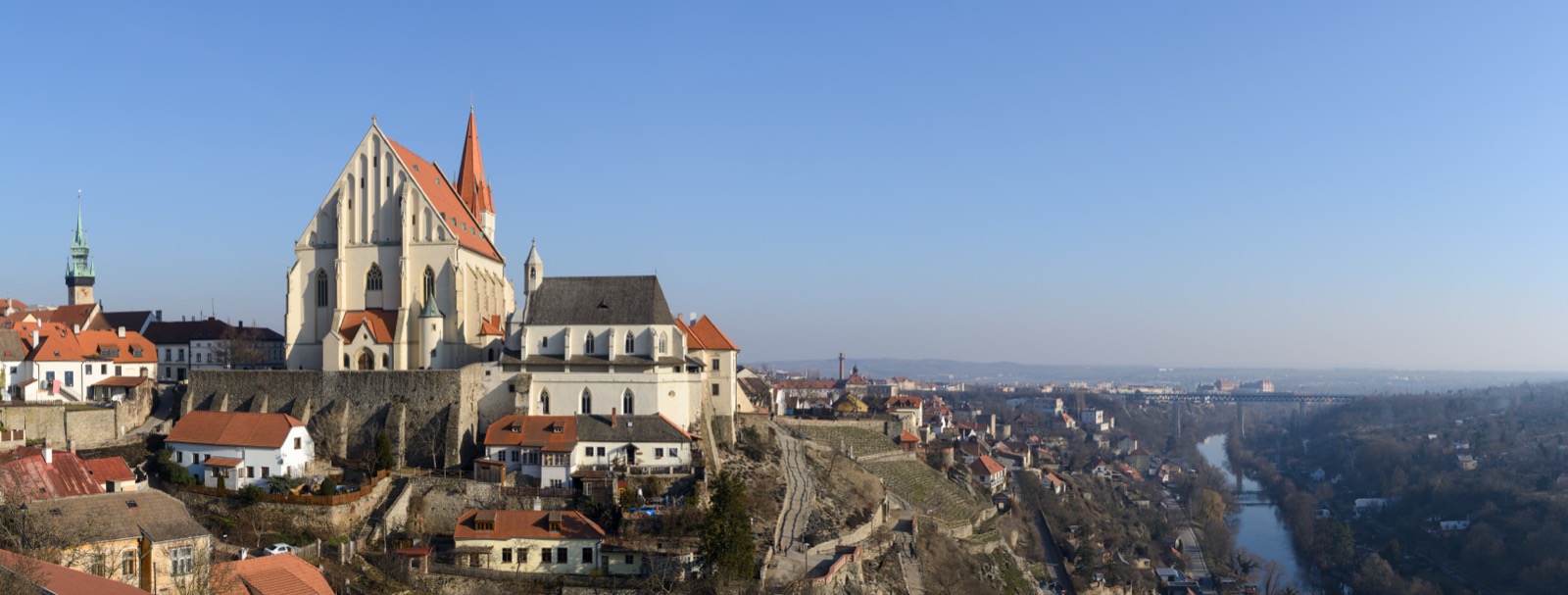
What Can You Take on a Plane in 2026: Carry-On Rules Explained

TL;DRCabin baggage rules for 2026 still stick to the usual 100ml per container, 1 litre total in a clear bag, though airports with the new CT scanners can allow up to 2 litres from 29 July 2025. At Prague, that means Terminal 2 for Schengen flights from 1 October 2025, while Terminal 1 keeps the old, stricter rules. Solid and water-free toiletries (bar soap, powder shampoo, toothpaste tablets) don’t count as liquids, so you can pack as much as you like. Power banks and spare batteries always have to go in your cabin bag, capped at 100Wh (roughly 27,000mAh) and limited to two per person — and from 27 March 2026 you won’t be allowed to charge them mid-flight. Knives over 6cm, flammable liquids, pepper spray and fresh fruit or veg are all banned, the latter especially if you’re flying to Australia or New Zealand. Cabin bag dimensions vary by airline — Ryanair and Wizz Air both let you bring a free 40 x 30 x 20cm bag.

What can you take on a plane, and what will security stop dead in its tracks? This one question can really send your heart racing, especially when you’re packing at the last minute. I’ve clocked up a fair few flights by now and know all too well how stressful it is to constantly wonder what exactly will pass through the X-ray and what the staff will toss into the bin without a second thought. On top of that, the rules set by airlines and airports themselves keep evolving, and the past few months have brought several major changes regarding liquids.

That’s why I’ve put together everything you need to know about packing your carry-on bag for 2026. We’ll go through the tricky bits around cosmetics, I’ll explain how the new airport scanners work, and I’ll throw in a few tricks to help you avoid the stress of those unpopular transparent bags.

What can you take on a plane: the basic carry-on rules

If you’re only travelling for a few days or trying to save on your ticket, you’ll probably get by with just a cabin suitcase or a backpack. What you can realistically fit inside is mainly limited by which carry-on bag or backpack your airline actually allows on board in the first place. Every carrier has its own strict limits for dimensions and permitted weight, which we’ll cover in more detail in the table a little further down.

Liquids in your carry-on (2026 rules)

Although security technology is advancing in leaps and bounds, at most airports around the world the good old rule still applies: you may only carry liquids in containers with a maximum volume of 100 ml. What’s more, all these little bottles have to fit into one transparent, resealable bag whose total volume doesn’t exceed one litre, with each passenger entitled to exactly one such bag.

In the rush of packing people often forget what actually counts as a liquid at security, because it’s far more than just your favourite bottle of water. Into that one-litre bag you also have to squeeze your perfume, spray and roll-on deodorant, toothpaste, gels, creams, liquid make-up, and mascara or lipstick in liquid form — and, oddly enough, foods like yoghurt, honey or purée pouches too.

A big development for travellers is the wider rollout of modern CT scanners, thanks to which, at selected certified airports, liquids over the original 100 ml can pass through from 29 July 2025 — with a bonus of up to two litres in total. At these modern terminals you don’t even have to take your electronics or that transparent bag of cosmetics out of your backpack at all. The catch, though, is that this relaxation doesn’t yet apply everywhere and depends purely on each airport’s equipment, so elsewhere you’ll still run into the strict 100 ml limits.

The situation has become noticeably simpler at some major European hubs from late 2025, where certain terminals for intra-Schengen flights now let you take a classic bag of 100 ml bottles plus one additional container of up to 2 litres, without unpacking anything onto the belt. At terminals for flights outside the Schengen area, however, the original strict rules for a maximum of 100 ml still apply, along with the requirement to unload laptops and cosmetics into plastic trays.

That’s why I personally advise all travellers not to rely on the promised bonus exemptions and to always pack according to the stricter 100 ml rule. It’s very easy to enjoy the luxury of a CT scanner on the way out, only to lose your larger creams and shampoos at security on the way back from a smaller foreign airport — for good.

💡 Tip: A full bottle of water won’t get you through security anywhere in the world, but you’ll have zero problems with an empty bottle that you then fill up at the drinking fountains just past the checkpoint. There are of course exceptions for essential medication and baby food, though these require a special medical certificate, while something like contact lens solution is treated as any other ordinary liquid.

Solid and waterless cosmetics: how to legally get around the liquid limit

If constantly decanting shampoo into tiny bottles frustrates you as much as it does me, there’s one trick I consider a lifesaver and now use before every flight. Solid and waterless cosmetics quite logically don’t count as a liquid, so you can carry them completely freely in your carry-on, without any special packaging and, crucially, without any limits. This typically includes classic bar soap, powder or bar shampoo, toothpaste tablets, a solid deodorant stick, a solid lip balm and various make-up removing powders.

On our motorhome travels, Lukáš and I tried out nanoSPACE waterless cosmetics, and I was absolutely won over by how well they work and how compact they are. Their travel pack includes a great powder shampoo and, above all, brilliant toothpaste tablets with hydroxyapatite, which naturally whitens and strengthens tooth enamel over time. Since none of these products count as a liquid, you’ll sail through airport security smoothly and without any unnecessary delays.

It’s also very light and takes up almost no space in your backpack. It’s natural and contains no preservatives, so it’s a hit with people who have sensitive skin or allergies too. Just to give you an idea of how long it lasts: one small powder shampoo will easily see you through about twenty uses, and the compact pack of soap tablets comfortably covers fifteen days of daily travel.

💡 Tip: If you’re heading to the seaside for a longer stay, pack into your under-100 ml bottles only the absolute essentials you simply can’t do without for the first couple of days. Then buy all the heavy, bulky toiletries — like litre bottles of shower gel or big tubes of sunscreen — far more conveniently at a local supermarket once you reach your destination.

Food in your carry-on

You can of course pack a snack for the journey, and any solid foods like your favourite biscuits, homemade sandwiches, crisps, chocolate, hard cheese or bread will pass through the X-ray without any issue. But as soon as we’re talking about anything liquid or semi-liquid — which unfortunately covers your morning yoghurt, creamy soups, various sauces or baby purées — the same strict rules apply as for other liquids.

Be extremely careful, though, about strict import restrictions when travelling to destinations outside the European Union. Countries such as the USA, Australia and New Zealand have draconian laws protecting their ecosystems, so it’s absolutely forbidden to bring in fresh fruit, vegetables, plant seeds, or local animal products and cured meats — doing so could land you with a hefty fine at the airport.

Electronics, power banks and batteries

You’re allowed to take all your pricier electronics on board — laptops, e-readers, tablets, cameras, mobile phones, and even a hairdryer or travel curling iron. Honestly, given the risk of theft and rough baggage handling, you shouldn’t willingly put these expensive items in the hold anyway — you just have to switch them to flight mode during the flight.

Power banks and spare batteries are a security chapter all of their own. By law you may only carry them in your carry-on bag and they must never go into checked luggage, due to the risk of spontaneous combustion. Most airlines worldwide allow devices with a capacity of up to 100 Wh on board, which is roughly 27,000 mAh, up to a maximum of two per passenger.

An important development for travellers is the ICAO safety regulation coming into effect on 27 March 2026, under which you must keep your power bank within reach throughout the entire flight and may not stow it in the overhead bin at all, with a strict ban on charging anything from it in flight. Also remember that at airports with older X-ray machines you still have to dutifully take large electronics out into separate trays, whereas with modern CT scanners everything stays conveniently tucked away in your backpack.

Medication and health supplies

Definitely take medication for personal use and any dietary supplements on board, so that losing your big suitcase doesn’t jeopardise your health. Only with specific prescription drugs — such as strong painkillers or opiates — should you always carry the original medical report, ideally with an official English translation, just to be safe. If you absolutely need to carry liquid medication exceeding the 100 ml limit or baby food, a special exemption applies, but you must declare it at security in advance and present the relevant medical certificate or prescription.

Pets on board

Travelling with four-legged companions is a chapter in itself, because your pets can either fly with you right in the cabin or in a specially climate-controlled cargo hold. It all depends on the strict conditions of the particular airline and destination country, but always brace yourself for bureaucracy involving an international passport, valid rabies vaccination, microchipping, an early reservation and a fairly high transport fee. If you’re leaving your pet at home and sorting out reliable care, be sure to read our tips on how to prepare a dog for a stay at a pet hotel.

Carry-on baggage dimensions by airline 2026

As I mentioned at the start, every airline has completely different rules, and what passes for free with one carrier can cost you a hefty surcharge right at the boarding gate with another. What’s more, the rules have been changing very often in recent years, and rarely in the passengers’ favour, so always carefully check the current conditions before buying your ticket.

AirlineFree small bag (under the seat)Larger cabin bagNote
Ryanair40 × 30 × 20 cm55 × 40 × 20 cm, 10 kglarger bag only with Priority (from 7/2025)
Wizz Air40 × 30 × 20 cm, up to 10 kg55 × 40 × 23 cm, 10 kgtrolley only with WIZZ Priority
easyJet45 × 36 × 20 cm, up to 15 kg56 × 45 × 25 cm, 15 kgmost generous free bag
Smartwings40 × 30 × 15 cm, 3 kg (Plus/Flex/Business)55 × 40 × 23 cm, 8 kglarge bag free for everyone
Lufthansapersonal item55 × 40 × 23 cm, 8 kgEconomy Basic within Europe often only a personal item

If you’re planning to travel mainly with low-cost carriers, be sure to read our detailed guides on Ryanair baggage before you pack, take a look at the tricky specifics for Wizz Air baggage, compare the more generous easyJet baggage, or find out exactly how Smartwings baggage works on summer holiday charters. And if you’re still deciding what to set off into the world with, check out our tips on the best carry-on bags.

What you can’t take on a plane

Then there’s naturally a whole host of things that simply won’t get through security and that you’ll either have to leave at home with a heavy heart or pack safely deep inside your checked suitcase. The list of banned items is fairly extensive and strict, so I’ve neatly divided it for you into the main themed categories.

Sharp objects

  • Knives and scissors with a blade longer than 6 cm.
  • Razors and razor blades (disposable and electric shavers are the exception).
  • Pins, nails and screwdrivers.
  • Knitting needles, tent pegs and umbrellas with a sharp tip (a small folding umbrella is fine).

Weapons and similar items

  • Any firearms, including gas and airsoft guns.
  • Stun guns and devices that deliver an electric shock.
  • Pepper sprays and tear gas for self-defence.
  • Realistic replica weapons that could be used to intimidate.

Explosives and flammables

  • Firecrackers, fireworks and pyrotechnics.
  • Flammable liquids and gases (petrol, thinners, gas canisters).
  • Materials with explosive properties.

Liquids over 100 ml

  • Liquids, gels and creams in containers over 100 ml (apart from medical exemptions or airports with CT scanners).
  • Liquid and semi-liquid foods such as yoghurts, soups or sauces.

Chemical and toxic substances

  • Strong acids, poisons and radioactive materials.
  • Corrosives and hazardous chemicals.

High-capacity batteries

  • Lithium-ion batteries and power banks with a capacity over 100 Wh.

Prohibited foods and plants

  • Fresh fruit, vegetables and plants when travelling to countries with strict quarantine rules (Australia, New Zealand).
  • Meat and animal products when travelling to certain countries.

Checked luggage: what belongs in it and what doesn’t

If you’re travelling for a longer time and have paid for a large checked bag that goes straight to the cargo hold at check-in, completely different and much more relaxed rules apply. Each airline sets its exact dimensions and weight itself, but on long-haul flights you’ll typically come across a limit of up to 23 kg and a total of all three dimensions of up to 158 cm, with everything carefully weighed at the check-in desk — and you’ll pay unpleasantly extra for every kilogram over.

More importantly, you need to know what does NOT belong in a large suitcase, because it can cause you security problems or financial loss. Never put power banks or spare lithium batteries in checked luggage, nor expensive electronics without solid protective packaging, fragile souvenirs, important medication, valuables — and certainly not travel documents, because those simply have to stay on you at all times in your small bag.

Where to go next on your smart packing journey

Once you’re clear on what’s allowed on board, sort out the rest of your prep too. Take a look at our main guide to carry-on bags and backpacks for the plane, compare dimensions for specific airlines (Ryanair, Wizz Air, easyJet and Smartwings), and pick the right piece from among the best carry-on bags. Before you zip up the case, check out how to keep it tidy with packing cubes and organisers and what not to forget in your travel first-aid kit. Always double-check the current security rules directly with your departure airport too. And if you’re still hunting for cheap flights, you can take a look at Kiwi.com.

Frequently asked questions

What is the liquid limit for carry-on luggage in 2026?

At the vast majority of airports worldwide, the strict rule still applies that you may only carry liquids in small containers with a maximum volume of 100 ml. In addition, all these containers must fit comfortably into one transparent, resealable plastic bag with a total volume not exceeding one liter per person.

How can I legally get around the liquid limit?

The best travel hack is to swap your classic cosmetics for solid or waterless alternatives, because from a security checkpoint perspective, these are not considered liquids at all. You can freely and stress-free pack solid soap, powdered shampoo, toothpaste tablets, or solid deodorant without having to bother with transparent bags.

Do I need to take out liquids and electronics at the airport?

It depends entirely on which terminal you’re departing from and which airport you’re using. Some airports with new CT scanners no longer require you to remove electronics or liquids from your bag at all. However, at many airports—especially older terminals—you still need to take out both your laptop and the transparent bag with small bottles and place them in a plastic bin.

Can I have a power bank in my carry-on luggage?

Yes, power banks and all spare lithium batteries must actually be kept exclusively in your carry-on luggage and for safety reasons you must never check them into the hold. Most airlines accept capacities up to 100 Wh, which is approximately 27,000 mAh, with a limit of a maximum of two pieces per person, and as of 2026, there is a worldwide ban on charging them during the flight itself.

What are the carry-on luggage dimensions for Ryanair and Wizz Air?

Both of these popular low-cost airlines allow you to bring only one small personal item on board in the most basic ticket fare, which must fit easily under the seat in front of you. The maximum permitted dimensions for both carriers are the same: 40 × 30 × 20 cm.

Can I bring my own food on board the plane?

You can pack snacks for the long journey without any problems, as long as they are classic solid foods such as cookies, filled sandwiches, chocolate, or fresh pastries. However, all liquid and semi-liquid foods, which unfortunately include fruit yogurts, cream soups, or sauces, are subject to strict liquid rules and must fit into 100 ml containers.

What exactly counts as a liquid at the airport?

In addition to beverages, this includes perfumes, creams, gels, toothpaste, liquid makeup, spray and roll-on deodorants, and even yogurt, honey, or baby food pouches. On the other hand, solid soap, powdered shampoo, toothpaste tablets, or solid deodorant are not considered liquids, so you can carry them freely without a bag.

Tips and Tricks for Your Vacation

Don’t Overpay for Flights

Search for flights on Kayak. It’s our favorite search engine because it scans the websites of all airlines and always finds the cheapest connection.

Book Your Accommodation Smartly

The best experiences we’ve had when looking for accommodation (from Alaska to Morocco) are with Booking.com, where hotels, apartments, and entire houses are usually the cheapest and most widely available.

Don’t Forget Travel Insurance

Good travel insurance will protect you against illness, accidents, theft, or flight cancellations. We’ve had a few hospital visits abroad, so we know how important it is to have proper insurance arranged.

Where we insure ourselves: SafetyWing (best for everyone) and TrueTraveller (for extra-long trips).

Why don’t we recommend any Czech insurance company? Because they have too many restrictions. They set limits on the number of days abroad, travel insurance via a credit card often requires you to pay medical expenses only with that card, and they frequently limit the number of returns to the Czech Republic.

Find the Best Experiences

Get Your Guide is a huge online marketplace where you can book guided walks, trips, skip-the-line tickets, tours, and much more. We always find some extra fun there!
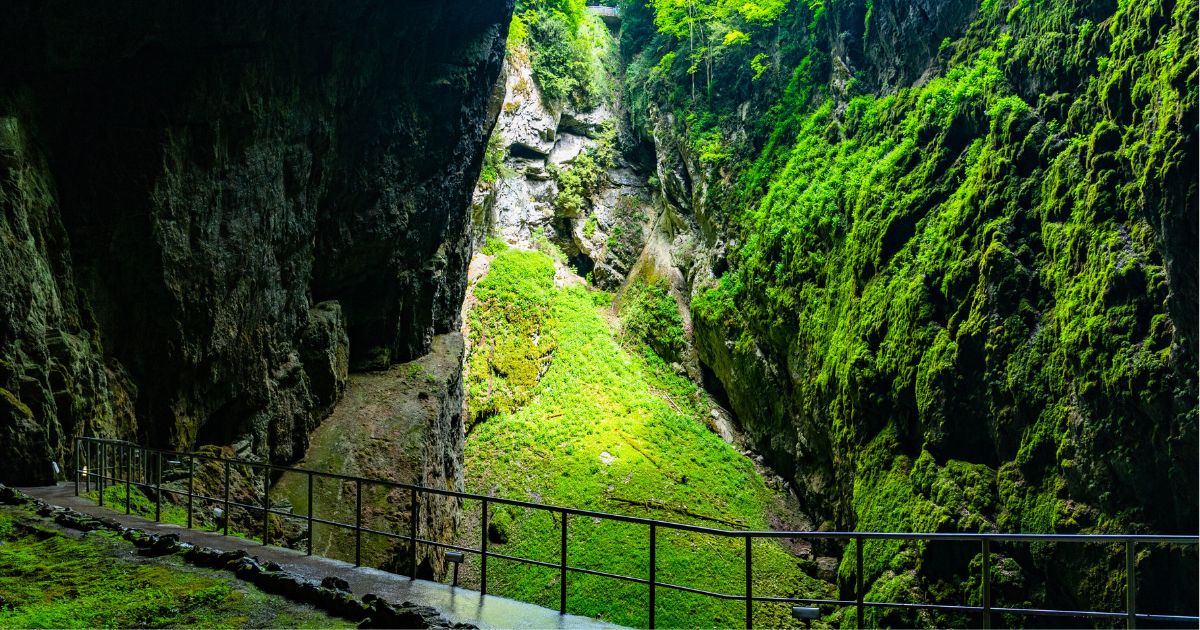
New York: 44 Best Things to Do and See

TL;DRThe best of New York for 2026 still means the classics — the Statue of Liberty, Empire State Building, Central Park, the Met and Times Square — plus newer draws like the One Times Square Skywalk (tickets from $30) and the reopened Frick Collection. There are 50 concrete tips here, and while 3 to 5 days covers the big sights, give it 7 if you want to properly explore the neighbourhoods and fit in day trips out of the city. Aim for April to June or September to November, when the weather’s mild and crowds thinner than in summer — which in 2026 will also be pricier thanks to the football World Cup and the USA’s 250th anniversary celebrations.

Having visited New York many times, I’ve explored its vibrant streets from Manhattan to Brooklyn and even Long Island, watching the city evolve over the years. I’ve navigated the subway system and taken in the sights from a convertible—two very different but quintessentially New York experiences!

Today, I’m excited to share my ultimate list of the best things to do and see in New York. Whether you’re interested in iconic landmarks, mouth-watering foods, or hidden gems, this guide covers it all. Plus, I’ll give you tips on where to stay, how to save both time and money, and things to keep in mind during your trip. Dive in and discover the New York that’s waiting for you!

Best Time to Visit New York

If you’re looking for comfortable temperatures, the best times to visit New York are from September to November or April to June, avoiding the peak summer months when the city gets hot and crowded with tourists.

That said, winter in New York City has its own charm, especially around the holiday season or in January and February, when you might experience a beautiful snowfall. Every season in New York offers something special. 😁 I’ve visited during each one, and it’s been a fantastic experience every time!

The great thing about New York is that, no matter the weather—whether it’s hot, rainy, or freezingthere are always countless indoor activities to enjoy, so you’ll never miss out!

New York: weather and sea temperature by month

🌡️ Warmest: July (daytime 30 °C) · 🌊 Warmest sea: July (24 °C) · ☔ Least rainfall: November

MonthDayNightSeaRainy days
January5 °C-3 °C5 °C10
February6 °C-2 °C5 °C10
March11 °C1 °C7 °C10
April16 °C6 °C10 °C13
May21 °C11 °C15 °C12
June27 °C17 °C19 °C10
July30 °C21 °C24 °C14
August28 °C20 °C23 °C13
September25 °C16 °C22 °C9
October19 °C11 °C18 °C9
November12 °C4 °C12 °C8
December7 °C0 °C7 °C11

Source: climate normal 2019–2024 (Open-Meteo, measured data)

Best Hotels in New York

I used to recommend Brooklyn or Manhattan, but now I’m all about Manhattan after some not-so-great experiences in Brooklyn (I’ll spare you the details!). 🤯

Staying in Manhattan is not only safer but also puts you right in the heart of the action. New York is a vast city, and staying outside the center means you’ll spend more time and money on commuting.

For a great stay in Manhattan, consider the highly-rated Artezen Hotel, located right on Wall Street. It’s often fully booked because it offers excellent value for New York City prices.

Another fantastic option near SoHo and Chinatown is the Best Western Plus SoHo Hotel, with beautiful rooms at a more budget-friendly rate for Manhattan.

Budget-Friendly Tips for Your New York City Trip

On our trip with Lukáš, who was visiting New York for the first time, we used the New York CityPASS, which saved us around 34% on admission fees. With the CityPASS, you get access to:

  • Empire State Building
  • American Museum of Natural History

Plus, you can choose three additional attractions from the following:

  • Top of the Rock® Observation Deck
  • Ferry Access to Statue of Liberty and Ellis Island
  • 9/11 Memorial and Museum
  • Circle Line Sightseeing Cruises
  • Intrepid Sea, Air, and Space Museum
  • Guggenheim Museum

Where to buy it? You can easily purchase it on GetYourGuide—I’ll include a link below.

The most interesting sights and buildings in New York

Wondering what to see and do in New York? Be sure to check out the iconic landmarks below—each a defining symbol of the city.

Statue of Liberty

The Statue of Liberty is likely the first thing that comes to mind when you think of New York City. Known around the world, this landmark is one of New York’s greatest symbols.

Before diving into practical tips for visiting, let’s explore a bit of its fascinating history!

The Statue of Liberty, also known as Lady Liberty, is a global symbol of freedom and democracy. A gift from France to the United States in 1886, this iconic monument stands proudly on Liberty Island in New York Harbor, greeting all who arrive in New York by sea.

Designed by Frédéric Auguste Bartholdi with a metal framework crafted by Gustave Eiffel, the statue represents the Roman goddess of freedom, Libertas. She holds a torch symbolizing enlightenment and a tablet inscribed with the date of the American Declaration of Independence.

How to Visit the Statue of Liberty: To reach the Statue of Liberty, you’ll need to take a ferry. Ferries depart from Battery Park in Manhattan or Liberty State Park in New Jersey. Tickets, which also include access to Ellis Island, can be conveniently purchased through GetYourGuide.

Ellis Island

A visit to the Statue of Liberty often includes a trip to nearby Ellis Island, a historic immigration station that operated from 1892 to 1954. During this period, approximately 12 million immigrants passed through Ellis Island, making it a significant chapter in American immigration history.

At the Ellis Island Immigration Center, new arrivals underwent medical and legal screenings before being granted entry to the United States. For many, Ellis Island represented the first step toward realizing their dreams of a new life in America.

In 1990, the Immigration Center was transformed into a museum, now part of the Statue of Liberty National Monument, where visitors can explore exhibits on the immigrant experience and the journey toward American citizenship.

Empire State Building

The Empire State Building, a true icon of New York City, was constructed between 1930 and 1931. This 102-story Art Deco skyscraper stands at an impressive 443.2 meters (including its antenna) and offers some of the best views in the city. It’s also a popular proposal spot, especially on Valentine’s Day. 😁

Tip: Be sure to buy your ticket in advance, as the lines can be very long. We recommend using the GetYourGuide portal for convenient booking.

Admission includes a security screening, similar to an airport check. Once inside, you can explore an interactive exhibit on the second floor that offers fascinating insights into the building’s history.

The Empire State Building is fully wheelchair accessible, with elevators and ramps to ensure easy access for all visitors.

Chrysler Building

The Chrysler Building, one of New York’s most iconic skyscrapers, is a stunning example of Art Deco design. Completed in 1930, it held the title of the world’s tallest building for a brief period before being surpassed by the Empire State Building.

The Chrysler Building’s distinctive crown, crafted from stainless steel and adorned with Art Deco details, draws inspiration from the automobile designs of its era—a nod to Walter P. Chrysler, the automotive magnate for whom the building is named.

  • Completion date: 1930
  • Height: 319 metres (1,046 feet)
  • Interesting fact: Only the lobby is open to the public; the rest of the building is accessible exclusively to tenants.

Cathedral of St. Patrick

St. Patrick’s Cathedral, an iconic Catholic church located on Fifth Avenue in the heart of New York City, sits directly across from Rockefeller Center. This stunning neo-Gothic cathedral, completed in 1878, is one of the most significant religious buildings in the United States and serves as the seat of the Archbishop of the Roman Catholic Archdiocese of New York.

The Vessel

This structure features a network of interconnected staircases, creating a unique tower that resembles an inverted beehive.

Designed by British architect Thomas Heatherwick, The Vessel opened to the public in March 2019. It quickly became one of New York City’s newest landmarks and a popular attraction for tourists.

  • Opened: 2019
  • Structure: 16 floors, 154 staircases
  • Fun Fact: The top offers stunning views of Western Manhattan and the Hudson River.

World’s Thinnest Skyscraper – 111 West 57th Street – Steinway Tower

111 West 57th Street, also known as the Steinway Tower, is an 84-story residential skyscraper completed in 2021. Standing at 1,428 feet (435 meters) and designed by SHoP Architects, it holds the title of the world’s thinnest skyscraper, with an extraordinary width-to-height ratio of approximately 1:24.

The skyscraper houses 60 luxury apartments: 14 in the historic Steinway Hall and 46 in the tower itself. It’s rumored to be home to billionaires like Ken Griffin, Michael Dell, and Liu Yiqian, with the most expensive apartments priced at approximately 1.2 billion crowns. The tower’s façade features a striking combination of glass and terracotta pillars. The original Steinway Hall, a 16-story building at the base, once served as a showroom and concert hall for Steinway & Sons.

Hotel Plaza

The Plaza Hotel is perhaps New York’s most famous hotel, located at the corner of Fifth Avenue and Central Park South, directly across from Central Park.

Since opening in 1907, it has welcomed some of the world’s most renowned personalities, including F. Scott Fitzgerald and Marilyn Monroe.

The Plaza Hotel has been the backdrop for famous scenes from Home Alone 2 and even appeared in The Great Gatsby.

This architectural gem boasts stunning facades and interiors that exude luxury and elegance. Built in the Chateauesque style—a branch of French Renaissance architecture—it features distinctive roofs, ornate gables, and elegant balconies.

Flatiron Building – Fuller Building

Another fascinating New York landmark is the Flatiron Building, also known as the Fuller Building. Designed by architect Daniel Burnham, this architectural gem is instantly recognizable for its unique triangular shape, reminiscent of an iron—hence the name “Flatiron.”

The Flatiron Building was one of New York City’s first skyscrapers to utilize a steel skeletal structure, enabling a taller and more slender design compared to traditional stone or brick buildings.

In 1989, it was added to the National Register of Historic Places and is also recognized as an official New York City landmark.

Parks and places to visit in New York City

Now let’s explore some must-visit places and parks in New York beyond the main buildings and landmarks. Here’s a look at the hidden gems and beautiful spots worth discovering.

Central Park

Wondering which park to visit in New York? No trip to the city is complete without a stop at Central Park—one of the most famous parks in the world.

Covering 341 hectares in the heart of Manhattan, Central Park was designed by Frederick Law Olmsted and Calvert Vaux and opened in 1858. It’s a quintessential example of the English landscape style, blending natural beauty with thoughtfully crafted design.

There’s never a dull moment in Central Park, which boasts over 25,000 trees, a variety of bird species, fish, and other small animals, along with concerts, theater performances, and film screenings.

The park also features several iconic attractions, including Bethesda Terrace, Bow Bridge, The Mall and Literary Walk, Central Park Zoo, Strawberry Fields (a memorial to John Lennon), playgrounds, and even an ice rink you may recognize from famous films.

Rockefeller Center and the best view of the city Top of the Rock

This expansive complex of 19 commercial buildings is an Art Deco masterpiece, with its most famous attraction being the Top of the Rock observation deck.

From Top of the Rock, you’ll enjoy breathtaking views of the Empire State Building and Central Park—views that many find even better than those from the Empire State Building itself. To skip the lines, be sure to buy your tickets in advance on GetYourGuide.

In the winter months, Rockefeller Center becomes a magical destination, featuring a giant Christmas tree and a festive ice rink.

The complex is also home to renowned studios, including those where Saturday Night Live and The Tonight Show are filmed.

Times Square

Times Square, often called the “Crossroads of the World,” is likely the busiest spot in New York City, attracting over 50 million visitors each year. My first visit left me completely awestruck! Known for its massive, brightly lit billboards and neon signs that shine around the clock, it’s a spectacle like no other.

Must-Visit Shops in Times Square:

  • Hershey’s Chocolate World: Create your own Reese’s cup or shop for unique souvenirs and gifts for loved ones.
  • Grand Slam New York: One of the most popular New York City-themed souvenir shops, offering everything from snow globes to playing cards, as well as Yankees, Mets, and Giants sports apparel and memorabilia.
  • M&M’s World: A favorite in Times Square, this three-story store at Broadway and 48th Street is a paradise for M&M’s lovers. You can create personalized M&M’s with your own picture or text and sample special flavors not commonly available elsewhere.
  • Midtown Comics: A comic book fan’s paradise, featuring multiple floors of comic books, merchandise, and clothing. From anime characters to collectible Marvel and DC comics, you’ll find it all here.

Brooklyn Bridge

Another iconic New York landmark is the Brooklyn Bridge, one of the oldest suspension bridges in the United States, which opened in 1883. Designed by John A. Roebling, its construction was a groundbreaking feat of engineering, combining steel cables with gothic stone towers to create a structure that was both functional and visually stunning.

Spanning the East River, the bridge connects Manhattan and Brooklyn and stretches approximately 1.8 kilometers (1.1 miles). Tragically, during its construction, John A. Roebling passed away after sustaining injuries, and his son, Washington Roebling, who took over the project, was also severely injured. He ultimately directed the remainder of the construction from his apartment overlooking the site.

The bridge features a pedestrian and cyclist promenade, making it a wonderful way to walk across and take in the views.

Grand Central Station / Grand Central Terminal

If you’re a fan of the Mila Kunis movie Friends with Benefits, you might want to visit Grand Central Terminal.

Often mistakenly called Grand Central Station, Grand Central Terminal is an iconic train station and cultural landmark located in the heart of Manhattan, at 42nd Street and Park Avenue. Opened in 1913, this major transit hub is one of the largest and most famous stations in the world.

Grand Central Terminal also offers a variety of shops, restaurants, and markets. One of its main attractions is the Grand Central Market, where visitors can browse and purchase fresh, gourmet foods.

Ground Zero – memorial to the 9/11 attacks. 2001

Ground Zero stands as a solemn reminder of the tragic events of September 11, 2001, where the iconic World Trade Center Twin Towers once stood. Today, the site features a memorial and museum honoring the thousands of victims of the attacks. The museum, which opened on May 21, 2014, often has ticket queues, so we recommend purchasing tickets online through GetYourGuide to save time.

One World Trade Center – the sixth tallest building in the world

One World Trade Center, also known as the Freedom Tower, is a skyscraper in New York City that officially opened in 2014. It stands on the site of the original World Trade Center, which was destroyed during the 9/11 terrorist attacks in September 2001.

Standing at 541 meters (1,776 feet)—a symbolic height representing the year of U.S. independence—One World Trade Center is the tallest building in the Western Hemisphere and the sixth tallest in the world. Designed by architect David Childs of Skidmore, Owings & Merrill, its architecture combines modern aesthetics with advanced durability and safety features, making it one of the most secure buildings globally. The structure’s unique octagonal shape tapers upward, ending with a large, asymmetrically placed antenna.

One World Trade Center also features the One World Observatory, an observation deck at 381 meters (1,250 feet) that offers breathtaking views of New York City, including Manhattan, Brooklyn, New Jersey, and beyond. To avoid long lines, we recommend purchasing tickets in advance through GetYourGuide.

Wall Street

Besides 5th Avenue, Wall Street is likely New York’s most famous street, known primarily for its association with the financial world.

Located in Lower Manhattan, Wall Street is home to the New York Stock Exchange (NYSE) and numerous major banking institutions. The street’s name originates from the wooden and stone wall built by the Dutch to protect their colony.

For those interested in delving deeper into Wall Street’s history, consider booking a Wall Street Insider Tour through GetYourGuide. Please note that the tour is available only in English.

Charging Bull

The Charging Bull, also known as the Wall Street Bull, is a bronze sculpture symbolizing a strong and prosperous financial market.

Artist Arturo Di Modica unofficially installed the statue in 1989 as a gift to New York City, initially placing it in front of the NYSE. The sculpture weighs over 3,200 kg (7,100 lbs) and stands nearly 3.4 meters (11 feet) tall.

SoHo

SoHo, short for “South of Houston Street,” is one of New York City’s most upscale neighborhoods. Located in Manhattan, it’s renowned for its impressive cast-iron buildings from the late 19th and early 20th centuries, considered some of the finest examples of cast-iron architecture worldwide.

In the 1960s and 1970s, SoHo became the center of New York’s art scene, as many vacant industrial buildings were transformed into studios and living spaces for artists.

Today, SoHo is one of New York City’s premier shopping destinations, featuring high-end boutiques and international fashion brands.

As one of the city’s most famous art districts, SoHo also boasts numerous notable galleries, including the Jeffrey Deitch Gallery, Eden Gallery, Chase Contemporary, and June Kelly Gallery.

For something unique, you can even visit the Museum of Ice Cream!

Greenwich Village

Greenwich Village, often called “the Village,” is one of New York City’s most bohemian neighborhoods.

In the 1960s and 70s, it became the epicenter of the civil rights, feminist, and LGBT movements. The Village was also home to many iconic artists, writers, and musicians, including Bob Dylan, Andy Warhol, and Jackson Pollock.

Greenwich Village is also home to New York University, one of the largest private universities in the United States.

Little Italy

Historically, Greenwich Village was home to a large Italian community that settled here during waves of immigration in the late 19th and early 20th centuries. Today, Little Italy serves as a symbolic reminder of this heritage, although many Italian families have since moved to other parts of the city and country.

The heart of Little Italy is Mulberry Street, the neighborhood’s main thoroughfare, lined with Italian restaurants, bakeries, and shops offering traditional Italian foods and products.

Each year in late September, Mulberry Street comes alive for the vibrant San Gennaro Festival—the largest Italian festival in New York City. This celebration of Italian culture and heritage features numerous food stalls, games, music, and traditional processions.

Despite demographic shifts and the expansion of nearby Chinatown, Little Italy has preserved its unique charm and character.

Chinatown

If you’re looking to escape to another world, step into New York City’s Chinatown. As one of the largest and oldest Chinatowns in North America, this vibrant neighborhood might make you forget you’re still in New York.

Established in the mid-19th century with the arrival of the first Chinese immigrants, Chinatown gradually grew into a thriving community.

Its streets are lined with traditional Chinese shops, restaurants, markets, and bakeries, offering an array of authentic Chinese foods and products. The district is also famous for its colorful festivals and celebrations, especially Chinese New Year, which draws thousands of visitors each year.

Beyond its culinary and cultural attractions, Chinatown is home to several historic and cultural landmarks, including the Mahayana and Man Mo Temples, which serve as important centers of Chinese religious and cultural life.

Roosevelt Island

Roosevelt Island is a narrow island in New York City’s East River, situated between Manhattan and Queens. Renamed in 1973 in honor of President Franklin D. Roosevelt, it was previously known as Welfare Island and, before that, Blackwell’s Island.

The island has a rich and varied history. In the 19th century, it was home to hospitals, mental asylums, and prisons. Today, Roosevelt Island has transformed into a modern residential community with beautiful parks and promenades, offering stunning views of Manhattan and the East River.

One of Roosevelt Island’s most iconic landmarks is the Roosevelt Island Tramway. Opened in 1976, it was one of the first aerial tramways in North America and connects the island to Manhattan.

Another highlight of Roosevelt Island is Four Freedoms Park, a memorial designed by renowned architect Louis Kahn to honor President Roosevelt and his iconic Four Freedoms speech.

The island is also home to the Cornell Tech campus, a hub of innovation and research, recognized as one of the most modern university campuses in the country.

Battery Park

Battery Park, a 25-acre public park at Manhattan’s southern tip, is named after the artillery batteries once stationed here to defend the city in early American history. This green oasis offers beautiful views of the Statue of Liberty, Ellis Island, and the harbor.

The park is home to several notable monuments, including The Sphere, a symbol of peace that originally stood between the Twin Towers at the World Trade Center. After being damaged in the 9/11 attacks, it was relocated to Battery Park as a tribute.

The park also features the East Coast Memorial, which honors American soldiers who lost their lives in the western Atlantic during World War II, and Castle Clinton, a War of 1812-era fort that later served as an immigration station before Ellis Island opened.

High Line Park

Curious about where the locals go? Head to the High Line. This innovative public park in New York City was built on an abandoned elevated rail line in Manhattan. Opened in 2009, it has quickly become one of the city’s most popular and celebrated public spaces.

So, what makes it so popular? Beyond its unique location and lush greenery, the High Line frequently hosts temporary art installations and exhibitions. It’s also a venue for cultural and social events, drawing in locals and visitors alike.

Museums: which ones to visit in New York?

Even if you’re not a huge art or history enthusiast, some museums in New York are absolutely worth a visit. Let’s take a look at the city’s most famous ones.

Metropolitan Museum of Art

The Metropolitan Museum of Art, commonly known as the Met, is one of Manhattan’s most renowned cultural institutions, located on Fifth Avenue and overlooking Central Park.

The Met’s vast collection includes over two million works of art, spanning thousands of years of global culture—from prehistoric artifacts to contemporary masterpieces. The exhibits are organized into various departments, including American art, ancient Near Eastern art, arms and armor, costumes, decorative arts, Egyptian art, European paintings, photography, medieval art, musical instruments, modern and contemporary art, and more.

Beyond its extensive collections, the Met is renowned for its exhibitions, educational programs, and special events, including the Met Galaone of the most prestigious events in the fashion world. The museum also operates two additional locations: The Met Cloisters, located in northern Manhattan and dedicated to the art and architecture of medieval Europe, and The Met Breuer, which focuses on modern and contemporary art.

Highlights of the Met’s Collection:

  • Egyptian art: Mummies, sarcophagi, and ancient artifacts.
  • Asian art: Works from India, China, Japan, and other Asian countries.
  • Greek and Roman antiquity: Ancient sculptures and applied arts.
  • Islamic art: Carpets, miniatures, calligraphy, and more.
  • European painting: Masterpieces by artists like Vincent van Gogh, Rembrandt, Vermeer, Cézanne, and Titian.
  • American Wing: Decorative arts and design spanning from colonial America to the present.

For convenience, tickets can be purchased through GetYourGuide to avoid waiting in lines, as we learned from experience!

Intrepid Museum

The Intrepid Museum, officially the Intrepid Sea, Air & Space Museum, is a one-of-a-kind cultural institution in New York City. Located in Manhattan, it features the historic aircraft carrier USS Intrepid, which served in World War II and now operates as a floating museum.

Exhibits and Attractions:

  • Aircraft and helicopters: A collection of well-preserved military aircraft and helicopters displayed on the deck of the ship.
  • Shuttle Enterprise: An authentic NASA space shuttle, offering a glimpse into American space exploration history.
  • The Growler: The only American diesel-powered spy submarine open to the public.

Guggenheim Museum

The Guggenheim Museum in New York is one of the world’s most renowned modern art institutions. Located on Manhattan’s Upper East Side along the famous Museum Mile on Fifth Avenue, it’s a must-visit for art enthusiasts.

Founded in 1939 by Solomon R. Guggenheim, it was originally known as the Museum of Non-Objective Painting. Its iconic current building, designed by the celebrated architect Frank Lloyd Wright, opened in 1959, shortly after Wright’s passing.

The Guggenheim’s collection spans from the late 19th century to the present day, featuring works by renowned artists such as Pablo Picasso, Vincent van Gogh, Wassily Kandinsky, and many others.

Tip: Purchase tickets online, for instance through GetYourGuide, to avoid waiting in line.

American Museum of Natural History

The American Museum of Natural History is one of the world’s premier natural history museums and also one of the most visited, attracting over 5 million visitors each year. (To skip the lines, consider purchasing tickets online through GetYourGuide.)

Founded in 1869, the American Museum of Natural History has expanded into a complex of 28 interconnected buildings, featuring 45 permanent exhibition halls, a planetarium, and an extensive library.

Main attraction:

  • Dinosaur Halls: Showcasing impressive skeletal remains of dinosaurs.
  • Hall of Biodiversity: Celebrating the diversity of life on Earth.
  • Rose Center for Earth and Space: Focused on astronomy and planetary science.

New York Public Library

The New York Public Library is an iconic cultural institution located in Manhattan. One of the largest public libraries in the United States, it’s known not only for its vast collections but also as a significant landmark and hub of urban culture.

Founded in 1895, the library system includes its main building—the Stephen A. Schwarzman Building—located at Fifth Avenue and 42nd Street, along with over 90 branches throughout the Bronx, Manhattan, and Staten Island.

The NYPL’s main building, an architectural gem opened in 1911, is renowned for its grand staircase flanked by two iconic stone lions and its stunning interior, which includes the magnificent Astor Hall. The main reading room, over 90 meters long, is one of the largest in the world, known for its high ceilings and monumental windows.

The library’s extensive collection boasts over 53 million items, including books, manuscripts, maps, rare prints, photographs, and digital archives. It also houses some of the most significant literary and historical treasures, such as an original copy of the Declaration of Independence, the Gutenberg Bible, and a vast collection of Shakespeare’s works.

The Cloisters

The Cloisters, an extension of the Metropolitan Museum of Art, focuses on the art and architecture of medieval Europe. Located in Fort Tryon Park in northern Manhattan, it is named after four European monasteries, parts of which were transported and reconstructed on-site.

The Frick Collection

The Frick Collection, one of New York’s most distinguished small art museums, is celebrated for its remarkable collection of European art. Located in Manhattan at the corner of Fifth Avenue and East 70th Street, it occupies the former residence of industrialist and philanthropist Henry Clay Frick.

The collection features masterpieces by renowned artists such as Rembrandt, Vermeer, Goya, Turner, Renoir, Bellini, and El Greco.

Tenement Museum

If you’re interested in New York’s immigration history, the Tenement Museum is a must-visit. Originally home to thousands of immigrants from various countries and cultures in the 19th and early 20th centuries, this historic building offers a unique glimpse into the immigrant experience.

Visitors can explore restored apartments, meticulously reconstructed to reflect the living conditions and stories of specific families who lived here across different eras.

What You’ll See in the Museum:

  • “Ir Scher’s Tailor Shop”: A seamstress shop from around 1900.
  • “Confino Apartment”: A reconstructed apartment of a Greek immigrant family from 1916.
  • “Moore’s Irish Pub”: A replica of a pub run by Irish immigrants.

MoMA (Museum of Modern Art)

If you have even a slight interest in art, you’re likely already familiar with MoMA. The Museum of Modern Art in New York is arguably the most important museum of modern art in the world.

Located in Midtown Manhattan on 53rd Street between 5th and 6th Avenues, MoMA was founded in 1929 by a group of progressive, visionary philanthropists, including Abby Aldrich Rockefeller.

Famous Works You’ll See Here:

  • Vincent van GoghStarry Night
  • Pablo PicassoLes Demoiselles d’Avignon
  • Henri MatisseDance
  • Salvador DalíThe Persistence of Memory
  • Andy WarholCampbell’s Soup Cans series

The museum also features works by Francis Bacon, Henri Rousseau, Max Ernst, Jackson Pollock, Frida Kahlo, and Piet Mondrian.

Tip: To skip the lines, consider buying tickets in advance through GetYourGuide or other ticket platforms.

My favorite museum in New York is the New Museum on the Lower East Side of Manhattan. Specializing in contemporary art, this museum is a must-visit for us nearly every time we’re in the city.

New York Botanical Garden

Spanning over 250 acres in the Bronx, the New York Botanical Garden (NYBG) is one of the largest and oldest botanical gardens in the United States, founded in 1891 and designated a National Historic Landmark.

Highlights include the Enid A. Haupt Conservatory, a stunning Victorian-style glasshouse filled with tropical and subtropical plants, and the Peggy Rockefeller Rose Garden, celebrated for its thousands of beautiful roses.

Attractions and performances in New York

To fully experience New York, consider buying a Broadway ticket, attending a concert, or catching a hockey game.

Broadway

If you’re wondering what to see in New York, Broadway is a great place to start. This famous street runs north to south through Manhattan and even extends into the Bronx.

When people mention “Broadway,” they’re usually referring to the Broadway theaters, especially those around Times Square and Midtown Manhattan, where the largest concentration of professional theaters in New York City is located.

Broadway theaters are famous for their spectacular musicals and feature productions. To qualify as a “Broadway” theater, a venue must have a seating capacity of 500 or more. Smaller venues are classified as Off-Broadway or Off-Off-Broadway, depending on their size and location.

Madison Square Garden

Prefer a concert or a hockey game over Broadway? Head to Madison Square Garden.

Often called MSG or The Garden, this world-famous arena in New York City is known as the home of the New York Knicks (NBA) and the New York Rangers (NHL). It’s also a prime venue for major boxing matches, concerts, and other large events.

With a seating capacity of over 20,000 for both sports and concerts, MSG is one of New York City’s largest indoor stadiums. Opened in 1968, it’s one of the oldest arenas in the NBA and NHL. While it’s not the first building with this name, today’s MSG is an iconic landmark in American sports and entertainment.

Coney Island

Running out of things to do in New York? Head to Coney Island. One of its main attractions is the historic amusement park, featuring iconic rides like the Cyclone—a classic wooden roller coaster and one of the oldest in the world—and the Wonder Wheel, a giant Ferris wheel with stunning views of the area.

Coney Island is also famous for its expansive public beach, which draws large crowds during the summer months.

The area hosts a variety of cultural and entertainment events each year, including the famous Nathan’s Hot Dog Eating Contest and the Mermaid Parade, a colorful celebration marking the start of summer.

Hudson Yards

Hudson Yards is a vibrant, innovative district in Manhattan, New York City, that has become a must-visit in recent years thanks to its impressive new architecture.

One of the most striking structures in Hudson Yards is The Vessel, an interactive sculpture and observation tower designed by Thomas Heatherwick, which has quickly become an iconic symbol of the area.

Another notable building is The Shed, a cultural center dedicated to various art forms. What’s unique about The Shed is its adaptable design—half of the structure is attached to a high-rise building, while the other half is a movable extension that can cover part of the adjacent plaza, creating a temporary auditorium that seats 1,250 or accommodates up to 2,000 standing guests.

Apollo Theatre

The Apollo Theater, founded in 1914 as a burlesque venue, rose to fame during the Great Migration of African Americans to the North in the 1920s and 30s, becoming a hub of African-American culture and musical arts.

The Apollo is best known for its “Amateur Night” shows, which began in 1934 and still run today. These shows have launched the careers of many aspiring artists, helping to discover iconic talents such as Ella Fitzgerald, James Brown, Michael Jackson, and many more.

New York Aquarium

If you’re looking for kid-friendly activities in New York, take them to see the penguins at the New York Aquarium, located at the end of Coney Island.

Founded in 1896, it’s the oldest continuously operating aquarium in the United States. A significant portion of the aquarium is also dedicated to educating visitors about shark conservation.

Bronx Zoo

Another great spot to take the kids in New York is the Bronx Zoo. Spanning over 265 acres, it’s one of the largest zoos in the United States and attracts more than two million visitors each year. Opened in 1899, the zoo is home to over 4,000 animals representing more than 650 species.

Helicopter flight over New York

Looking for a unique New York experience or an unforgettable birthday gift? Consider booking a helicopter flight over Manhattan through GetYourGuide.

What to taste in New York

If you think New York cuisine is all about burgers, think again. Alongside a diverse range of international restaurants, New York City offers some unique local specialties.

Local favorites include the cronut—a delicious blend of croissant and donut—and the classic New York porterhouse steak. You also can’t miss the city’s famous New York-style pizza with its signature thin crust, or the iconic bagels, especially popular with salmon (lox) for their exceptional flavor.

For meat lovers, there’s the classic pastrami and corned beef sandwich, while soup enthusiasts can enjoy a comforting bowl of matzo ball soup.

Don’t miss out on trying the iconic New York hot dog, Manhattan clam chowder, and if you have a sweet tooth, indulge in New York cheesecake, black and white cookies, or soft pretzels—alongside those delicious cronuts!

Security in New York

As I mentioned earlier in the accommodation section, we encountered some scams, particularly unpleasant ones in Brooklyn. Here are the most common scams and issues to watch out for in New York:

  • Unofficial Airport Taxis: Even in New York, unlicensed taxi drivers may approach you at the airport. Stick to trusted options like Uber or official taxi lines.
  • Subway Scammers: Scammers often hang around metro stations offering MetroCards at a “discount” or with a “free first ride.” Never fall for these offers!
  • Pickpockets on the Subway: Watch out for pickpockets on the subway. It’s best to avoid backpacks and keep valuables in your front pockets.
  • “Broken Glasses” Scam: We experienced this one firsthand, though it was a broken wine bottle instead of glasses. A scammer bumps into you, drops something, and then aggressively demands money for the “damage.” A local New Yorker helped us out in Brooklyn, but it could have ended differently.
  • Characters in Times Square: People dressed as famous characters may ask for money in exchange for photos. If you don’t want to pay, it’s best to avoid taking photos with them.
  • CD Scam: We encountered this on our first trip to New York over 10 years ago. The scammer forces a signed CD on you, then demands payment. Avoid engaging and don’t give out your name.
  • Comedy Show Tickets in Times Square: Scammers may sell fake tickets to nonexistent comedy shows. Don’t buy tickets from street vendors!
  • Fake Event Tickets: Be cautious when buying event tickets outside official outlets, as they may be counterfeit. Use trusted sites like GetYourGuide.
  • Fake Staten Island Ferry and Statue of Liberty Tickets: Some scammers sell tickets for the free Staten Island Ferry or offer overpriced tickets to the Statue of Liberty. Again, we recommend booking through GetYourGuide for security and peace of mind.
lukas a lucka
Lukáš and Lucie recommend
Where to stay in New York
3 accommodations — hotels and other lodging options

Where to next?

Plan your New York trip with our customizable itinerary options, including:

Frequently Asked Questions

Where’s New York?

New York is located in the northeastern United States, specifically in the southeastern part of New York State. The city lies at the mouth of the Hudson River in the Atlantic Ocean.

Why is New York called the ‘Big Apple’?

The “Big Apple” nickname for New York City has its roots in American jazz culture of the 1920s. 20 years. century. At the time, the term was used by jazz musicians to signify that New York was the most important and prestigious place for their performances and careers.
In jazz slang of the time, “apples” were often used as a metaphor for cities or clubs. In this context, the Big Apple meant the best, the biggest, the most sought-after place for musicians. New York was considered the pinnacle of success – if you could succeed in New York, you could succeed anywhere.
Over time, the term caught on and spread among the general public until it became a common and popular synonym for New York City. Today, the “Big Apple” is a widely known and respected New York nickname.

When is the best time to visit New York?

Each season has its own unique character, with spring and autumn being the most pleasant temperatures and fewer tourists than in summer. New York City is hot and busy in the summer. Winter can be particularly magical in New York, even when it’s cold.

What are the most popular sights in New York?

Among the most famous and most visited are the Statue of Liberty, the Empire State Building and the MET.

What can I visit in New York for free?

Central Park, High Line or Time Square. Many museums also offer “pay-what-you-wish” days or hours.

Which places in Central Park should I not miss?

It is recommended to visit Times Square in the evening, when the neon signs and digital screens are most impressive. Be aware of the crowds and always keep an eye on your personal belongings.

Tips and Tricks for Your Vacation

Don’t Overpay for Flights

Search for flights on Kayak. It’s our favorite search engine because it scans the websites of all airlines and always finds the cheapest connection.

Book Your Accommodation Smartly

The best experiences we’ve had when looking for accommodation (from Alaska to Morocco) are with Booking.com, where hotels, apartments, and entire houses are usually the cheapest and most widely available.

Don’t Forget Travel Insurance

Good travel insurance will protect you against illness, accidents, theft, or flight cancellations. We’ve had a few hospital visits abroad, so we know how important it is to have proper insurance arranged.

Where we insure ourselves: SafetyWing (best for everyone) and TrueTraveller (for extra-long trips).

Why don’t we recommend any Czech insurance company? Because they have too many restrictions. They set limits on the number of days abroad, travel insurance via a credit card often requires you to pay medical expenses only with that card, and they frequently limit the number of returns to the Czech Republic.

Find the Best Experiences

Get Your Guide is a huge online marketplace where you can book guided walks, trips, skip-the-line tickets, tours, and much more. We always find some extra fun there!
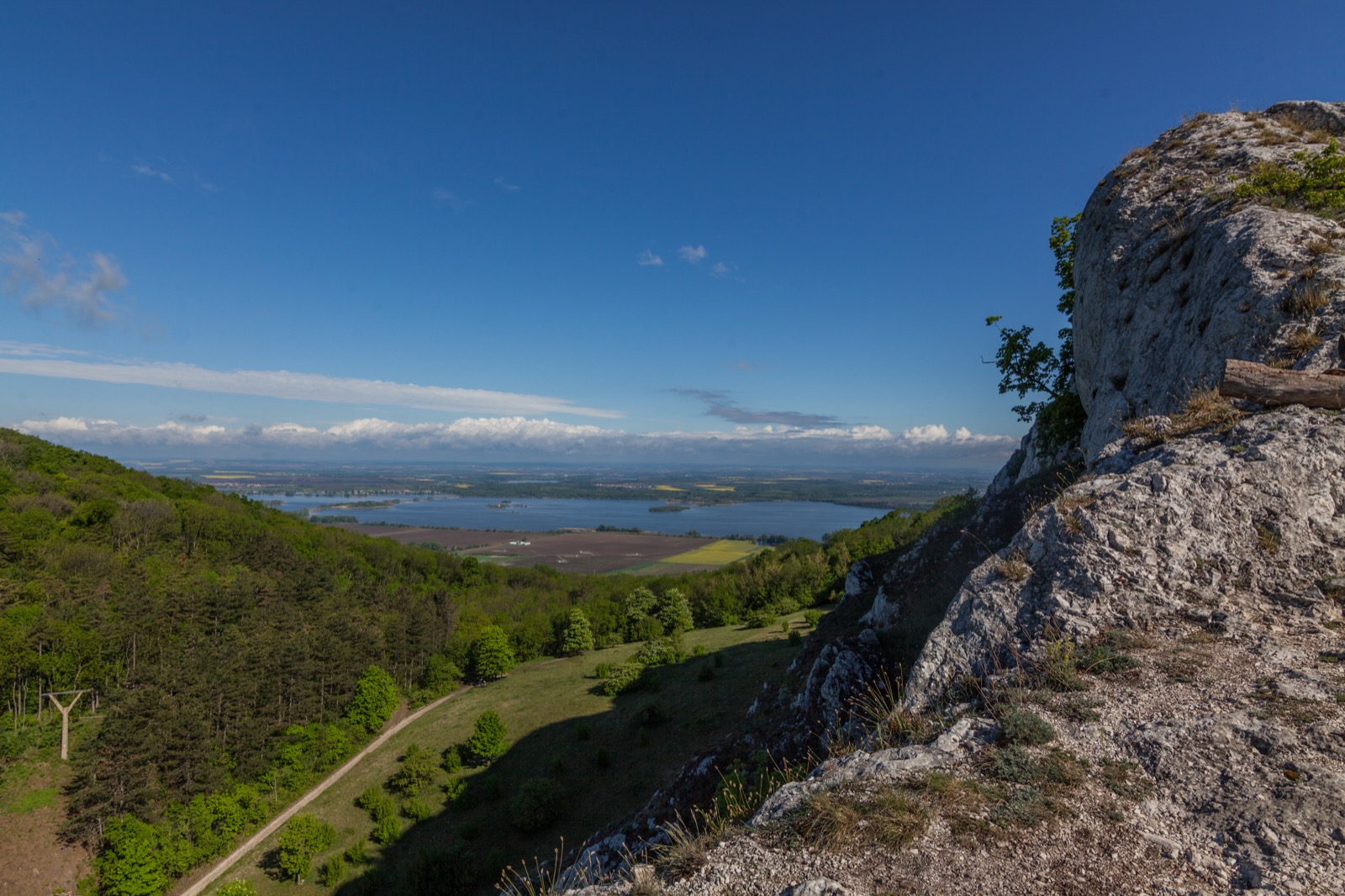
Ostrog Monastery: 8 Tips for a Cliff-Carved Pilgrimage Site 2026

TL;DROstrog Monastery in Montenegro is carved straight into a cliff face and splits into two parts – the 19th-century lower monastery (Donji manastir) and the iconic upper one (Gornji manastir), home to the reliquary of Saint Basil of Ostrog. There are 8 tips here for making the most of a visit: entry to the whole site is free, you’ll want roughly half a day, and it’s best to arrive right after eight in the morning, since car parks fill up before ten during the July–August season. You can get between the two monasteries by a narrow three-kilometre road, on a forest footpath about two kilometres long (30–60 minutes), or by minibus for around two euros. A strict dress code applies – shoulders and knees covered – and photography is banned inside the cave chapels. If you fancy it, you can even stay overnight at the monastery for a voluntary donation of around five euros.

A dazzling white façade grown straight into a sheer rock wall, with a deep valley below. Ostrog Monastery in Montenegro looks almost unreal in photos, but trust me, in person its sheer majesty will absolutely blow you away. It’s one of the most striking places in the entire Balkans.

Although it’s the most important centre of Montenegrin Orthodoxy, visitors come here from all over the world regardless of their faith. They’re drawn not only by the fascinating architecture balancing on the edge of a precipice, but also by the incredibly powerful atmosphere and gorgeous views over the countryside.

In this article we’ll take a close look at 8 practical tips on what to see and do at Ostrog Monastery. I’ll show you how to handle the narrow access road, where to base yourself strategically, and which strict rules you need to prepare for before you go in.

TL;DR

  • Entry and crowds: Entry to the whole complex is completely free. If you want to avoid the huge queues, arrive as early in the morning as you can.
  • Strict dress code: You’ll only be let inside with your shoulders and knees covered. Forget shorts or summer spaghetti-strap tops.
  • Two parts of the complex: The monastery is split into the lower (Donji) and the unique upper (Gornji) section. They’re connected by a narrow road and a forest walking trail.
  • Parking and the drive: A very narrow, winding road leads up to the upper monastery. Less confident drivers can park at the bottom and take the local minibus.
  • No photography: Absolute silence reigns inside the cave chapels, and there’s a strict ban on taking photos.
  • Sleeping with the monks: For those truly interested, the lower monastery offers modest accommodation in shared dormitories for a voluntary donation.

When to visit Ostrog Monastery

Timing your visit right is absolutely crucial for this trip. The summer months get extremely hot here, because the rock wall heats up intensely during the day. The best plan is to arrive right after opening, ideally around eight in the morning.

In peak season from July to August, the car park by the upper monastery fills up before ten in the morning. Turn up later and you’ll not only crawl along in a queue of cars, but also face a long line at the entrance to the cave chapels that can stretch to an hour.

The one date you should absolutely avoid is 12 May, when the feast of Saint Basil is celebrated. On this day hundreds of thousands of pilgrims from all over the Balkans descend on the site, roads collapse into gridlock, and waits are measured in long hours. Another equally busy date is the moveable feast of Pentecost, which usually falls in late May or early June.

Where to stay near Ostrog Monastery

💡 Tip for accommodation and experiences: We prefer to look for places to stay on Booking.com, which usually has the best cancellation terms. For tickets, tours and activities it pays to compare and book through GetYourGuide.

If you want to experience the early-morning atmosphere without the crowds, it makes sense to sleep as close to the complex as possible. A popular hotel search engine is Booking, where you’ll find plenty of interesting options in the nearby towns of Danilovgrad and Nikšić. I’ve put together some specific accommodation tips for you to choose from.

The biggest draw in the area is the Hotel Sokoline, just about a kilometre and a half from the lower monastery. It’s built on a high cliff, and from its terraces you have a direct view of the illuminated monastery in the rock. The rooms are modern, and morning coffee with a panorama like that is simply unforgettable.

Another great choice is the more traditional Old House Kontic near the town of Nikšić. It’s a beautifully renovated family house offering total peace and a huge garden. It works out very reasonably priced, and it’s roughly fifteen minutes’ drive to the monastery.

If you’re travelling with the family and looking for more spacious digs, try Apartmani Vinici in the small town of Danilovgrad. It offers a lovely view of the surrounding mountains, an on-site restaurant and hassle-free free parking, which is always welcome when road-tripping around the Balkans.

8 tips on what to see and do at Ostrog Monastery

Let’s take a detailed look at everything waiting for you in this unique complex. The place offers a fascinating blend of history, architecture and natural beauty. I’ll show you how best to organise your visit, so you don’t miss any of the important parts of the complex and can avoid any potential hiccups.

1. Dive into the history and legends

The origins of this place trace back to Saint Basil of Ostrog, an important monk and bishop who fled here in the 17th century to escape Turkish raids. He found refuge in the cool caves high up in the rock, where he carved out the first chapel and living cells for his monastic community with his own hands.

When the monks opened his grave seven years after his death in 1671, they found his remains completely intact. The church immediately recognised this as a sign of holiness, and ever since, people seeking healing have pinned their hopes on his coffin. These are among the famous Ostrog Monastery miracles that still draw pilgrims today.

Today Saint Basil is venerated across the entire region. What’s fascinating is this place’s immense tolerance, because not only Orthodox Christians but also Catholics and Muslims from neighbouring countries come here to pray with reverence.

2. Gornji Manastir: a miracle carved into the rock

The upper monastery (Gornji Manastir) is exactly the iconic structure you know from the photos. Its dazzling white façade looks as if it had landed on the vertical rock wall from another world. A roughly three-kilometre road leads up here from the lower complex, and the drive itself offers stunning views.

At the heart of the complex are two small cave chapels. The most important one is called the Church of the Presentation of the Blessed Virgin and houses a glass coffin holding the remains of Saint Basil. You have to bow deeply to enter, which symbolises humility before the sacred site.

The 17th-century wall frescoes here are painted directly onto the raw stone, so the colours follow the natural bumps and hollows of the rock. Remember that inside these intimate spaces there’s an absolute ban on photography, which the monks enforce very strictly.

3. Donji Manastir: a peaceful stop in the valley

The lower Ostrog Monastery (Donji Manastir) is often unfairly overlooked by tourists, since everyone rushes straight up to the rock. It was built as late as the 19th century and offers a much calmer, more contemplative atmosphere than the crowd-packed upper section.

At the centre of this lower complex is the Church of the Holy Trinity from 1824. You’ll also find sprawling monks’ cells, facilities for pilgrims and, above all, a natural spring with fresh water where you can refresh yourself before the possible climb.

Stopping at the bottom is worthwhile from a practical point of view too. There’s a large, well-organised car park where you can weigh up whether you dare drive all the way up or would rather take the footpath or local transport.

lukas a lucka
Lukáš and Lucie recommend
Where to stay near Ostrog Monastery
4 accommodations — hotels and other lodging options

4. The pilgrimage trail through the forest

Instead of driving between the lower and upper monasteries, you can set off along the old forest trail. The route is about two kilometres long and the climb takes you thirty to sixty minutes, depending on your pace and the weather on the day.

The path is stony and in places made up of old steps, so sturdy footwear is an absolute must. You’ll commonly meet pilgrims walking this stretch completely barefoot for religious reasons, but you should definitely keep your trainers on.

After tackling the first switchbacks you’ll come across a lovely viewing platform. It’s the perfect spot for a short rest, opening up a fantastic view over the Zeta River valley and the surrounding green hills.

5. Respect the strict dress code

Ostrog Monastery isn’t a tourist attraction but a living sacred site, and you need to treat it accordingly. The basic Ostrog Monastery dress code rule is to keep your shoulders and knees covered, with no exceptions for men or women.

If you turn up in shorts or a spaghetti-strap top, they simply won’t let you in. At the entrance staff do sometimes lend out fabric wraps for free, but you can’t rely on it. Especially in summer, there often aren’t enough to go around.

The best solution is to arrive at the car park in your summer clothes but carry lightweight long trousers or a skirt and a shirt in your backpack to quickly change into before entering. Women are also advised to drape a scarf over their hair inside the chapels.

6. Free entry and sleeping with the monks

Unlike many European landmarks, entry to the entire monastery complex is completely free. At the entrances you’ll only find baskets for voluntary donations, into which you can (but don’t have to) drop any amount you like.

For travellers seeking a deep and authentic experience, the lower monastery offers the chance to stay overnight. Don’t expect any hotel comforts, though. You sleep in shared dormitories separated for men and women, and you pay just a symbolic voluntary donation of around five euros.

You can’t book in advance — it works on a first-come, first-served basis. You’ll also need to embrace the monastic routine. The wake-up call comes at half past five in the morning, since the morning liturgy is a compulsory part of staying at the monastery.

7. Master the drive along the narrow road

The drive from the lower to the upper monastery is a serious adrenaline rush for many drivers. You’ll face a very narrow road cut into the hillside, full of hairpin bends and little rock tunnels where two cars can only squeeze past each other with great difficulty.

In the summer months you’ll also have to reckon with tourist coach traffic. The rule is to drive very slowly and sound your horn before blind bends. It can be done in a standard car, but it takes nerves of steel.

If you don’t fancy driving in conditions like these, park at the bottom. From Donji Manastir local minibuses shuttle back and forth regularly, safely taking you up to the upper complex for a small fee of around two euros.

8. Local treats and a road-trip stop

The monastery sits in a strategic spot, right between the capital Podgorica and the mountainous Durmitor National Park to the north. It’s an absolutely ideal stop to stretch your legs if you’re driving from the coast up into the Montenegrin mountains.

From the upper terraces you get a breathtaking view of the Bjelopavlići plain. It’s a vast green lowland hemmed in by mountain ranges, forming a huge contrast to the grey rocks the monastery is carved into.

On your way back down to the main road, be sure to stop at one of the local vendors. Along the roadside, stallholders sell fantastic homemade honey and strong natural syrups, most often made from pomegranate or cornelian cherry, which make a brilliant edible souvenir.

Where to go next in Montenegro

Visiting Ostrog takes roughly half a day, so you’ll have plenty of time to head off and explore more of the beauty of this small but incredibly diverse country. If you go north, be sure to swing by the town of Nikšić, where you can grab a great lunch, then carry straight on into the wild mountains towards Žabljak.

If you’re curious about what else not to miss in the country, I’ve put together a detailed article Holiday in Montenegro: 15 tips for the sea and the mountains. You’ll find plenty of inspiration there on how to combine swimming on the Adriatic coast with high-mountain hiking, which is a truly unique experience in Montenegro.

Frequently asked questions

Is entry to Ostrog Monastery free?

“`html
Yes, entrance to both the lower and upper monastery is completely free for all visitors. If you wish, you can leave a voluntary donation in the special baskets at the entrance, or purchase thin wax candles inside.
“`

What’s the dress code at the monastery?

The rules are very strict. Both men and women must have their shoulders and knees covered. Shorts, miniskirts or summer tank tops are forbidden. They do occasionally lend fabric wraps at the entrance, but it’s much safer to bring your own long clothing.

Can you drive up to the upper monastery by car?

Yes, the road goes all the way up, but it’s very narrow, steep and full of hairpin bends. During the season there’s heavy traffic. If you’re not confident behind the wheel, leave your car at the lower car park by Donji manastir and use the local minibuses.

How long does the hike up take?

“`html
The forest rocky path between the lower and upper monastery measures roughly two kilometers. Walking at a normal pace will take you between thirty to sixty minutes. Don’t forget to bring sturdy and comfortable shoes.
“`

When is the best time to visit?

Experience the most peaceful atmosphere on weekdays early in the morning, ideally right after 8 o’clock. Definitely avoid May 12th, when a mass pilgrimage takes place for the feast of Saint Basil and endless queues form here.

Can I stay overnight at the monastery?

Yes, the lower monastery offers modest accommodation in communal separate dormitories for men and women. There’s a voluntary contribution of around five euros. Rooms cannot be reserved in advance and you must expect a wake-up call at half past five in the morning.

Can people of other faiths enter the monastery?

Absolutely. The monastery warmly welcomes visitors of all faiths as well as tourists without religious affiliation. The only thing the monks strictly require is respecting the dress code, maintaining silence in the chapels, and no photography indoors.

Tips and Tricks for Your Vacation

Don’t Overpay for Flights

Search for flights on Kayak. It’s our favorite search engine because it scans the websites of all airlines and always finds the cheapest connection.

Book Your Accommodation Smartly

The best experiences we’ve had when looking for accommodation (from Alaska to Morocco) are with Booking.com, where hotels, apartments, and entire houses are usually the cheapest and most widely available.

Don’t Forget Travel Insurance

Good travel insurance will protect you against illness, accidents, theft, or flight cancellations. We’ve had a few hospital visits abroad, so we know how important it is to have proper insurance arranged.

Where we insure ourselves: SafetyWing (best for everyone) and TrueTraveller (for extra-long trips).

Why don’t we recommend any Czech insurance company? Because they have too many restrictions. They set limits on the number of days abroad, travel insurance via a credit card often requires you to pay medical expenses only with that card, and they frequently limit the number of returns to the Czech Republic.

Find the Best Experiences

Get Your Guide is a huge online marketplace where you can book guided walks, trips, skip-the-line tickets, tours, and much more. We always find some extra fun there!
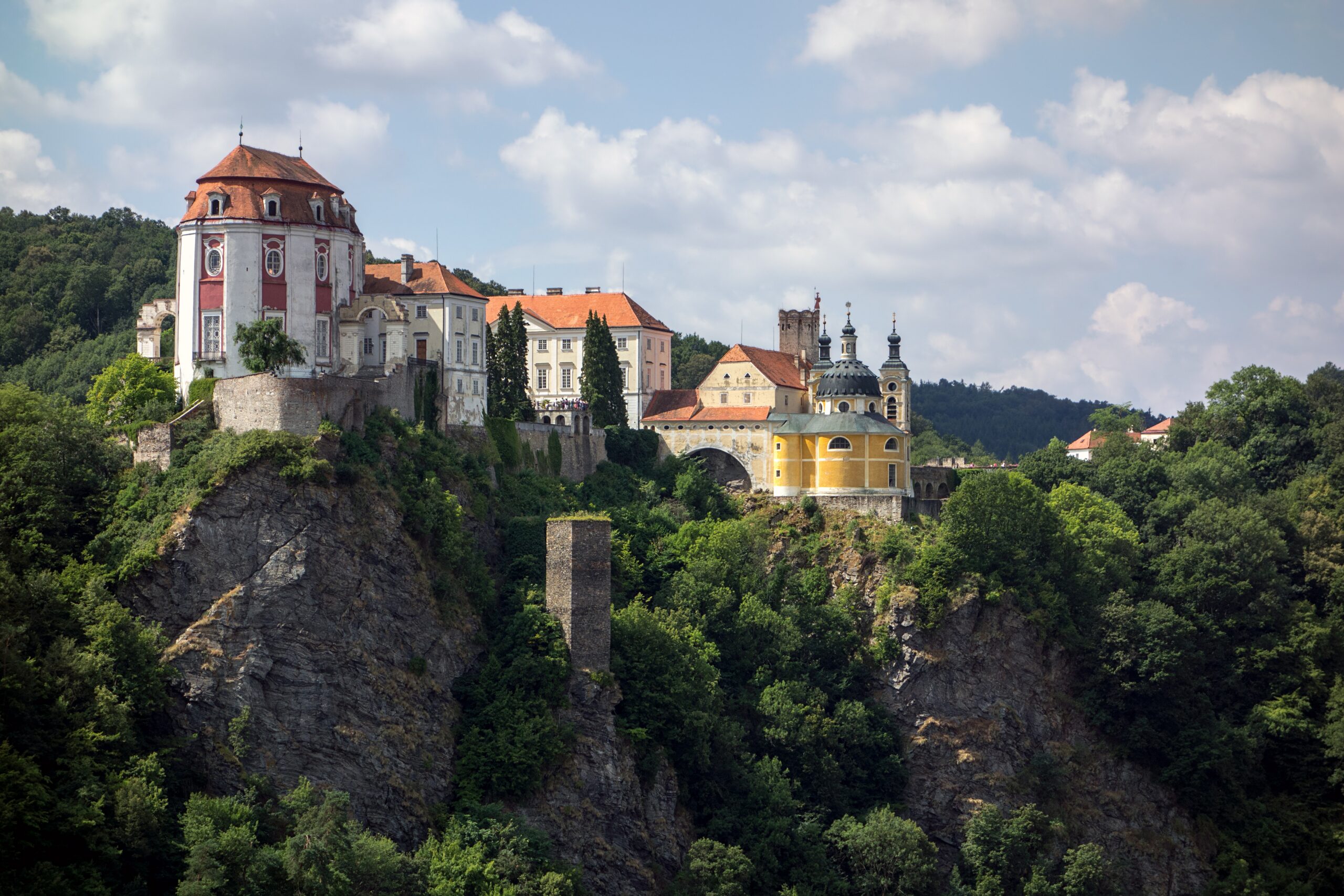
Kazbegi Georgia: 18 Best Things to See Under Mount Kazbek in 2026

TL;DRKazbegi (Stepantsminda) is home to the iconic 14th-century Gergeti Trinity church and Mount Kazbek (5,054m), with 18 ideas for day trips — think the Truso Valley’s mineral springs, Georgia’s own “Dolomites” in the Juta Valley, the Gveleti waterfalls and Ananuri fortress. It’s about 155 kilometres from Tbilisi along the Georgian Military Highway; a marshrutka costs 15–20 GEL, or you can book a shared car through GoTrip from 190 GEL. The best months to visit run from late May to September, and it’s worth staying 2–3 nights, since Kazbek’s summit is usually only clear before 10am. The walk up to Gergeti church itself takes 60–75 minutes with a 450m climb, and it’s free to get in. From 1 January 2026, travel insurance covering at least 30,000 GEL will be compulsory for entry into Georgia.

The Caucasus is home to an extraordinary number of fascinating places, but few have lodged themselves so deeply in travellers’ hearts as one lonely medieval church on a hilltop. And when the clouds part above it to reveal the snow-capped peak of a majestic five-thousander, you get exactly the moment people travel to Georgia for.

The region around Kazbegi in Georgia offers one of the most iconic views the entire country can show you. They say it takes the breath away even from the most seasoned mountaineers, because the contrast between the deep green valleys and the rugged mountain massif is simply unbelievable. And the best part is that you can get here fairly easily along the famous Georgian Military Highway, straight from the capital.

In this guide we’ll look at everything the trip to Stepantsminda (the official name of the main town) involves, when the ideal time to visit is, and why it would be a huge shame to come here just for a quick turnaround. You’ll find tips on the most beautiful places under Mount Kazbek, advice on accommodation, and above all plenty of practical information so that nothing in the Caucasus catches you off guard.

TL;DR

  • When to go: The best conditions for a visit run from late May to September. Mount Kazbek’s peak is usually best seen early in the morning; during the day it acts as a magnet for clouds.
  • How long to stay: Ideally at least two or three nights. This boosts your chances of perfect views and gives you time to explore the surrounding valleys.
  • How to get there: It’s about 155 kilometres from Tbilisi along the Georgian Military Highway. You can take a marshrutka, a shared taxi, a rental car, or the GoTrip platform for a private transfer.
  • Where to stay: Stepantsminda itself or the higher-lying village of Gergeti make an excellent base. In season, book your rooms well in advance.
  • What not to miss: The hike up to Gergeti Trinity Church, the Truso Valley with its mineral springs, the Gveleti Waterfalls, and the breathtaking Juta Valley, nicknamed the Georgian Dolomites.
  • Important rule for 2026: Don’t forget that, from 1 January 2026, valid health and travel insurance with clearly defined limits is mandatory to enter Georgia.

Kazbegi Georgia Weather: When to Go

Deciding when to head into Georgia’s mountain regions is always a bit of an alchemy, and Kazbegi Georgia weather is no exception. The best months to visit Kazbegi are clearly from late May to September. By June it’s pleasantly warm, but on the higher trekking trails you may still come across patches of leftover snow. July and August are the height of the season, which means more stable weather but also significantly more tourists and higher accommodation prices.

If you love colour and crisp autumn air, September and early October reportedly offer the most beautiful spectacle of all. The sky tends to be crystal clear and the deciduous trees turn golden. You do have to bear in mind, though, that the nights are starting to get properly cold. Even in the middle of summer, temperatures routinely drop to around 9 °C at night, so a warm jacket and a jumper are absolute essentials no matter which month you travel.

Mount Kazbek is literally a magnet for clouds. Even if you wake up to an azure sky, clouds start to build up around ten in the morning and the peak (which tops five kilometres) often vanishes into thick mist for the rest of the day. That’s why every traveller is strongly advised not to stay just a single night. Two or three days is ideal, so you get enough chances to “hunt” for the best views first thing in the morning.

Winter in Kazbegi is a chapter all of its own. The nearby treks into the Truso or Juta valleys are impassable and often completely closed because of snow. Traffic on the Georgian Military Highway is frequently restricted by avalanche closures at the Jvari Pass. The hairpins are wrapped in a white blanket and the road requires 4×4 drive and snow chains. If you do venture here in winter, your reward will be skiing at the renowned Gudauri resort.

How to Get to Kazbegi

The journey from Tbilisi to Stepantsminda is an enormous experience in its own right. The whole route measures roughly 155 kilometres and runs along the historic Georgian Military Highway. In the best case the drive takes just under three hours, but with the hairpins, the photo stops and the traffic it usually stretches out longer. From the UK there are no direct flights, so most travellers connect via a hub such as Istanbul or Warsaw to Georgian Kutaisi or straight to Tbilisi; we like searching for fares on Skyscanner.

The most common form of transport is the so-called marshrutka (a traditional minibus). These depart in Tbilisi from the stand by the Didube metro station roughly every hour, as soon as they fill up. A ticket costs around 15 to 20 GEL (roughly £4–6). The ride is cheap, but it tends to be very cramped, and the drivers often treat driving as a competitive sport.

💡 Tip: If you know you don’t feel great in a car going round bends, definitely take some motion-sickness tablets before the marshrutka journey. The drivers tackle the sharpest alpine hairpins with unexpected gusto.

A far more comfortable option is to use a shared taxi or the GoTrip platform. On GoTrip you can hire a private driver for the whole journey (prices start from roughly 190 GEL per car, around £55). The huge advantage is that you set the pace yourself and can ask the driver for photo stops, which is simply out of the question with a marshrutka.

We’ve had a long-standing good experience with the car-hire service we use around the world, so renting your own car is another great option. The tarmac on the main route is in very good condition; just be ready for hairpins and an enormous number of lorries. They wait in long queues for the crossing at the nearby Russian border of Verkhny Lars. Always check the current road conditions and the state of the pass on the roads.ge website.

On the way we definitely recommend stopping at the breathtaking turquoise Zhinvali Reservoir and exploring the ancient 13th-century Ananuri fortress. An absolute must is a pause at the huge mosaic Friendship Monument near Gudauri, which opens up an incredible view into the so-called Devil’s Valley. About ten kilometres further on you’ll pass the highest point of the route, the Jvari Pass at 2,379 metres above sea level.

Where to Stay: Kazbegi Georgia Hotels

💡 Tip for accommodation and experiences: We like to look for our stays on Booking.com, where you tend to find the best cancellation terms. Tickets, tours and activities are worth comparing and buying through GetYourGuide.

When choosing where to stay in the Kazbegi area, it really matters what you expect from your trip. Stepantsminda and its surroundings offer everything from full-service luxury hotels to utterly modest, family-run wooden guesthouses. Location is an important factor. Hotels on the eastern slope often have a luxurious, direct view of all of Mount Kazbek. The village of Gergeti, lying above town on the way to the church, is perfect for those who want to be close to the start of the mountain hikes.

Here are a few specific Kazbegi Georgia hotel picks that travellers and reviews rave about:

  • Rooms Hotel Kazbegi is an absolute icon of the whole region. This timeless design hotel features a huge wooden terrace and a panoramic pool with a breathtaking view straight onto Kazbek. Ideal for couples and lovers of comfort.
  • Intourist Kazbegi makes a great alternative to Rooms, offering lovely modern rooms, excellent breakfasts and a slightly friendlier price tag for similarly enchanting views.
  • Hotel Stancia Kazbegi sits right in the centre of town. It’s a very clean, stylish hotel from which everything is a short walk away, whether to the restaurants or to stock up on supplies.
  • Landscapes Hotel offers stunning accommodation in small, separate cabins with enormous windows. A perfect connection with the surrounding nature and tranquillity.
  • Guest House Tamta is often singled out as one of the best value-for-money spots. A beautiful view, a homely atmosphere and the owners’ wonderful care make for a very pleasant stay.
  • Red Stone Guest House lies right in the village of Gergeti, so if you’re planning to head up to the church at dawn, you couldn’t have a better starting point.
  • Guest House Demma is an absolutely ideal choice for more budget-conscious travellers. A very welcoming setting at a great price.

💡 Tip: If you opt for one of the smaller family guesthouses in the village of Gergeti, be prepared for the local Wi-Fi to be patchy and to drop out completely at times. Downloading maps and an offline translator to your phone is definitely worth it.

18 Best Things to See in Kazbegi, Georgia and Nearby

The area around Stepantsminda hides far more beauty than just one famous church. If you’re racking your brains over everything you can fit in here, take a look at this complete overview of the most interesting stops and experiences.

1. Gergeti Trinity Church (Tsminda Sameba) — Icon of the Caucasus

This beautiful 14th-century stone church towers at 2,170 metres above sea level and is quite possibly the most photographed spot in the entire country. A steep but well-walkable footpath leads up to the church itself, taking around 60 to 75 minutes of brisk walking. During the climb you’ll cover just under 450 metres of elevation, and your reward will be the endless expanse of mountains and valleys.

An alternative is to hire an off-road vehicle; the local taxi drivers will take you up and down for roughly 60 to 80 GEL (around £17–23). Entry to the church is completely free, but remember there are strict rules. Men must wear long trousers, women must cover their shoulders, knees and hair, for which there are scarves available at the entrance. Inside, photography is not permitted at all.

2. Mount Kazbek — the Landmark Above Town

The stratovolcano, also known as the dormant volcano Kazbek, measures 5,054 metres according to the latest surveys (although you may still come across the older figure of 5,047 metres). The locals tell a legend about a Georgian Prometheus named Amirani, who was supposedly chained to these very rocks as punishment.

Although for the average tourist the mountain serves only as a majestic backdrop in photos, climbers and alpinists often head all the way to the summit itself via the Bethlemi Hut base camp at 3,653 metres. Every view of Kazbek’s snow-capped peak from the valley is pure poetry.

3. An Early Morning Climb Without the Crowds — the Magic of Solitude

If you want to experience genuine mountain magic, it’s recommended to head up to Gergeti church as soon as possible after dawn. Before the first noisy jeeps full of day-trippers from Tbilisi arrive, the space around the church is wonderfully calm and mystical.

Another reason for an early start (ideally before ten in the morning) is the stability of the weather. In the morning Kazbek is usually clear and the sky is open, whereas later on thick, impenetrable mist loves to roll over the mountain saddle and reliably hide the whole five-thousander.

4. The Town of Stepantsminda — a Mountain Base

The main hub of the whole area doesn’t sit at a great altitude; you’ll find it at around 1,740 metres. Most people use it only as a stepping stone, but even so it has its own rugged charm. Here you’ll find the central square with a statue of local native and famous writer Alexander Kazbegi.

The fast glacial Terek River flows through the town, crossed by an old bridge linking the centre with the Gergeti district. The streets are rather dusty, with the occasional stray dog or cow wandering across, but it’s precisely this raw colour that makes it a genuine mountain backwater with a huge amount of atmosphere.

💡 Tip: Popular experiences around Kazbegi, such as jeep trips into the Truso Valley, guided treks or tandem paragliding above Gudauri, are worth booking online in advance with GetYourGuide to be sure of your spot.

5. Juta Valley and the Chaukhi Massif — the Georgian Dolomites

This trip definitely shouldn’t be missing from your list. The Juta Valley is an incredibly fresh, green place, with giant jagged rock towers that have earned it the nickname of the Georgian Dolomites. The Chaukhi massif reaches a height of 3,842 metres and offers gorgeous scenery along a babbling river and small waterfalls.

The route from the little village up to the massif is just under 13 kilometres there and back and takes about five hours. It’s a place straight out of an alpine fairy tale, but with the wildness so characteristic of the Caucasus.

6. Truso Valley and the Mineral Springs — a Colourful Landscape

The Truso Valley resembles a giant colourful palette thanks to more than sixty different mineral springs that bring iron deposits to the surface. The soil and stones are tinted in deep orange and red shades. The trail itself is almost flat, following the Terek River and offering views of abandoned old villages.

The walk through the valley measures about 21 kilometres if you go all the way to the end. Don’t expect any dramatic elevation gain; it’s more of a long, contemplative stroll through harsh but stunning, treeless scenery.

7. The Bubbling Abano Lake — a Curiosity

It’s right on the trek through the Truso Valley that you’ll come across the little Abano lake, which constantly bubbles and forms interesting limestone — or rather travertine — formations. Although it’s often nicknamed the sulphur lake, it’s actually travertine and iron-rich springs.

At first glance it might look as though the water is literally boiling, but in reality the bubbling is caused by escaping gases. This fascinating natural phenomenon is definitely worth a short detour and a few photos.

8. Zakagori Fortress — the End of the Road in Truso

The hike through the Truso Valley effectively ends at the ruins of Zakagori fortress at 2,243 metres. This is where a border guard garrison is stationed, and for security reasons the soldiers won’t let you go any further towards the border with South Ossetia.

You can climb up to the fortress along a steep path and savour the feeling of standing at the very edge of civilisation, surrounded only by vast pastures and lonely hills.

💡 Tip: If you’re heading off on a hike into the Truso Valley, it’s better to always carry your passport with you. There’s a routine registration along the trail (which is, incidentally, completely free), and without ID the guards might not let you go any further into the valley.

9. Gveleti Waterfalls — a Refreshing Stop

Not far in the direction of the Russian border you’ll find the small and the large Gveleti waterfall. It’s a very easy and pleasant walk of about an hour (four kilometres there and back), suitable for almost anyone.

Here the water crashes down with an enormous roar from a high rock cleft into a small pool at the base. The path to it is well trodden, surrounded by lots of greenery, and works as a great rest after the more demanding climbs in the region.

lukas a lucka
Lukáš and Lucie recommend
Where to stay in Kazbegi
6 accommodations — wellness hotels, hotels and other lodging options

10. Dariali Monastery Complex — a Building at the End of the World

A short way from the Gveleti waterfalls and literally just a few hundred metres from the Russian border at Verkhny Lars stands a breathtaking architectural gem. Dariali Monastery is a relatively modern building in the traditional Georgian style, set into a narrow, dramatic gorge nicknamed the Gate of the Alans.

Surrounded by steep rocky walls, the monastery looks utterly grand and majestic. It really is a strange place on the very edge of the country, radiating a peculiar calm despite the endless columns of lorries rumbling past.

11. The Georgian Military Highway — a Tarmac Legend

The drive itself from Tbilisi north to Kazbegi isn’t just a necessary evil but one of the greatest experiences that travellers reportedly take away from Georgia. It was built mostly in the 19th century for the needs of the Russian army and to this day remains the only main artery that cuts through this part of the Greater Caucasus.

The driving experience is rounded off by the constant changes in landscape. From the deciduous forests in the lower sections you gradually pass into alpine meadows, all the way up to raw, snow-capped mountain peaks and hairpins that make your head spin a little.

12. The Friendship Monument near Gudauri — a Colourful Landmark

This huge, semicircular, mosaic-decorated monument dates from 1983. It was built to mark the two-hundredth anniversary of the treaty between Russia and Georgia. Inside you’ll find fantastic images from the history and mythology of both nations.

What’s beneath it, though, is a far greater experience than the structure itself. The mosaic rotunda works as a giant viewing platform hanging directly over the stunning, steeply plunging Devil’s Valley. The view into the distance and the depths is simply incredible here.

13. The Village of Sno and the Stone Heads — a Mountain Gallery

If you take a short detour off the main route, you’ll come across the village of Sno. It’s known above all for its native son, none other than the patriarch of the entire Georgian Orthodox Church. But besides the old defensive tower, you’ll find something far more curious here.

In the middle of the fields lie huge chunks of stone into which a local sculptor has carved the faces of famous Georgian writers and artists. The giant stone heads just rest casually in the grass like mysterious mountain statues, with the fantastic silhouette of Kazbek in the background.

14. Zhinvali Reservoir and Ananuri Fortress — the Opening Stop

On the way into the mountains, the first stop is usually at Lake Zhinvali. It’s an enormous reservoir with indescribably rich turquoise water that supplies drinking water to all of Tbilisi. The various viewpoints along the road offer great spots to stretch your legs.

Directly above the water stands the superbly preserved 13th-century Ananuri fortress, with beautiful ornaments carved into the outer walls of the church. You can get inside the complex and even climb the old ramparts.

15. Paragliding Above Gudauri — Racing the Wind

The Caucasus and adrenaline are inseparable. Near the Gudauri ski resort and the Friendship Monument, tandem paragliding flights are run regularly.

A fifteen- to twenty-minute flight with an instructor ranges in price from 299 to 399 GEL (roughly £85–115) and guarantees a view from an entirely different perspective. There’s nothing more amazing than gliding silently over the deep valleys like an eagle.

16. The Church of St Elias — a Second Viewpoint

Most people focus their attention exclusively on the famous Gergeti church, but right above the village of Stepantsminda, on the opposite hill, stands another, smaller structure: the Church of St Elias.

A pleasant walk from town through a pine grove leads up to it and takes barely half an hour. From the church’s porch there’s a gorgeous panoramic view of all of Stepantsminda, as well as a head-on view of the Mount Kazbek massif itself and the Gergeti church opposite.

17. Kazbegi National Park — Wild Nature and Fauna

The whole area falls under the protection of an extensive national park. There’s even a visitor centre by the bus station, where you can pick up information.

If you’re very lucky on your treks and stay quiet enough, you might come across rare high-mountain fauna, for instance the shy Caucasian tur, which can balance brilliantly on sheer cliffs, or a bearded vulture (lammergeier) circling high in the sky.

18. Horse Riding into the Clouds — Stylish Romance

If you’re looking for a way to save yourself a bit of sweat on the climb to Gergeti church but don’t fancy taking a smelly taxi, you can turn to the local horse keepers. For roughly 110 to 130 GEL (around £32–38) they’ll rent you a saddled horse together with a small guide who’ll lead you up the mountain path to just below the church. Caucasian horses are incredibly calm, hardy and used to demanding terrain.

What to Eat in Kazbegi

Despite the high altitude, Georgia is an incredible paradise for food lovers. Food prices in the Kazbegi area do tend to be about 15 to 20 percent higher than in the lanes of Tbilisi — you’ll usually pay 15 to 30 GEL (roughly £4–9) for a main course — but the flavours will buckle your knees. As a vegetarian, you needn’t fear ending up on bread and water either. On the contrary, Georgian cuisine is unusually rich in excellent vegetarian dishes!
Whenever we sit down in a Georgian restaurant, khinkali immediately make their way to the table. These are traditional dumplings of thin dough filled either with a delicious mushroom mix, honest melted salty cheese, or seasoned potatoes with herbs (prices are usually around 1.5 GEL apiece). They’re properly eaten by hand: you grab them by the thick knot, take a gentle bite and suck out the delicious broth inside before tucking into the dough itself. The knot, by the way, is usually not eaten at all and is left on the plate.

A given anywhere and anytime is perfect khachapuri (whether the classic imeruli, similar to a cheese pizza, or the richer adjaruli, shaped like a boat full of cheese, butter and egg yolk). Be sure to try the phenomenal lobio (a thick, spiced stew of red beans in a clay bowl), which goes wonderfully with small cornbread cakes called mchadi, or the delicious fried aubergines with walnut paste, known as badrijani. For your trekking backpack, always stock up on churchkhela, nuts coated in thickened grape juice, which look a bit like candles and deliver an enormous amount of energy.

If any committed carnivores happen to be travelling with you, they can happily order the renowned local speciality mokhevuri khinkali or hearty kubdari (a meat pie originating from Svaneti). Meat dishes are deeply rooted in the local culture.

You’ll definitely get great experiences and excellent food at Kazbegi Good Food; Restaurant Tiba is also hugely popular with travellers, as is the cosy Maisi restaurant. For lovers of plant-based food, the Cozy Corner café is a fantastic choice, focusing also on vegan versions of favourite dishes. And if you want the absolutely most perfect view over the valley to go with your lunch, book a table on the beautiful terrace of Rooms Hotel (although you’ll naturally pay a hefty premium for your meal there). With everything, of course, treat yourself to a local wine or a strong chacha to warm up.

💡 Tip: In general, caution is advised in Georgia when it comes to tap water and raw vegetables. For the first few days, sensitive stomachs are safer using bottled water to avoid having their mountain trips ruined. Another quirk of the town is a serious shortage of ATMs (you’ll usually find just one Liberty Bank machine, with occasional limits), so it’s better to withdraw a larger amount of cash back in Tbilisi.

Trips and Hikes from Kazbegi

Stepantsminda is made for hub-and-spoke trips. From a single fixed base you can head out in several completely different directions. Besides the easy climb to the Gveleti waterfalls and the trip to the popular Dariali monastery, some of the most beautiful options are the hikes into the big valleys. The roughly thirteen-kilometre, not-too-demanding walk through the breathtaking Juta Valley fills your lungs with such incredibly fresh air that you won’t even want to leave.

Another iconic expedition from Kazbegi is the hike to the very glacier below Mount Kazbek. A word of warning: this is where all the fun ends. The climb up to the glacier and possibly onto it (the Gergeti glacier) is an extremely demanding hike measuring over twenty kilometres in total and taking eight to twelve hours of raw time. To move on the glacier you’ll also absolutely need crampons, and it’s strongly recommended to hire a certified local guide. The glacier is full of treacherous crevasses that inexperienced hikers can easily overlook. You can comfortably rent gear such as crampons and ice axes for roughly 70 GEL a day (around £20) at the Mountain Freaks rental shop right in town.

💡 Tip: If you set off wandering across the lonely mountain plains, especially in the Truso and Juta valleys, be really careful around shepherd dogs. Caucasian sheepdogs are enormous and take their job extremely seriously. Never try to walk straight through the middle of a flock of sheep. Always give it a wide berth from a distance, going around and above. It’s recommended to carry sturdy trekking poles, which serve as a good psychological barrier for both sides.

Where to Go Next in Georgia

Georgia is an incredibly colourful country, and sooner or later you’ll probably head from the rugged mountains down to warmer, lower altitudes too, or else swap one wild part of the Caucasus for another. To plan your whole holiday, use our extensive pillar article Georgia Holiday: Itinerary and Tips.

What else shouldn’t be missing from your map?

  • Tbilisi, the pulsing capital with its old town, the place you’ll set off from towards Kazbek itself.
  • Kutaisi, the gateway for low-cost flights, with crazy traffic, a giant market and historic monasteries all around.
  • Ushguli and Svaneti. If Kazbegi felt too tame and you want to experience the real medieval Caucasus full of tall stone towers, head towards Mestia.

Frequently Asked Questions

How to get from Tbilisi to Kazbegi?

The most common option is a marshrutka departing from Didube metro station for around 15–20 GEL. A more comfortable and photogenic alternative is renting a shared car with a driver through the GoTrip platform, which costs approximately 190 GEL per car. The journey takes about three hours along the Georgian Military Highway.

How long to stay in the Kazbegi area?

We definitely recommend planning your stay for at least two to three nights. The peak of Kazbek is very often shrouded in thick clouds, so to capture that perfect photo of the morning awakening with parted clouds, you’ll need multiple attempts. Three days make for the ideal compromise.

Is the hike to Gergeti Church difficult?

No, the path from the valley is somewhat steeper, but it’s relatively short. It takes approximately 60 to 75 minutes depending on your fitness level. Alternatively, you can always hire a 4×4 vehicle in town that will take you up the well-worn road directly to the top.

When is the best time to see Mount Kazbek?

“`html
When it comes to clear skies, the luckiest are those who can get up early. The ideal view is usually early in the morning until around 10:00 AM. After that, local clouds quickly form over the Caucasus and the five-thousander simply disappears entirely into an impenetrable white cloud.
“`

Is traveling around Kazbegi safe?

The area around Stepantsminda is completely safe for tourists in the long term. The Verkhny Lars border crossing to Russia itself is completely separate and strictly guarded. You’ll come close to the administrative line with South Ossetia at the very end of the trek through the Truso Valley, where you simply need to respect the guards and never leave the marked and usual paths.

Can Kazbegi be done as a day trip from Tbilisi?

Theoretically, it can be done, and many local agencies love to offer it. However, you’ll spend approximately six to seven hours in the car and you’ll realistically see absolutely nothing of the mountains. It’s very rushed and, on top of that, there’s a high probability you’ll arrive at a time when the main attraction is already shrouded in impenetrable fog.

Do I need a visa and insurance for Georgia?

For tourists from the European Union, visa-free travel to Georgia applies with the enormous luxury of staying up to one year even with just an ID card (a passport is still a safe bet though). However, be extremely careful, as from 1 January 2026, international travel insurance is strictly mandatory. It must cover at least 30,000 GEL (approximately €9,500) for the entire duration of your stay, and you must have proof of it in English or Georgian. Travellers swear by the digital platform SafetyWing, where you can reliably verify coverage for high-altitude conditions and helicopter rescue. Standard credit card insurance often stops being valid at altitudes above 3,000 metres. Without valid proof upon entry to the country, you risk a hefty fine.

What to bring on hikes to the surrounding valleys?

First and foremost, sturdy trekking footwear and clothing that can be easily layered (the weather in the mountains changes incredibly fast). Never forget to bring plenty of drinking water, as for example on the trails above Gergeti, water is completely unavailable for long stretches. Trekking poles are also useful for navigating around freely roaming herds with fierce shepherd dogs.

Tips and Tricks for Your Vacation

Don’t Overpay for Flights

Search for flights on Kayak. It’s our favorite search engine because it scans the websites of all airlines and always finds the cheapest connection.

Book Your Accommodation Smartly

The best experiences we’ve had when looking for accommodation (from Alaska to Morocco) are with Booking.com, where hotels, apartments, and entire houses are usually the cheapest and most widely available.

Don’t Forget Travel Insurance

Good travel insurance will protect you against illness, accidents, theft, or flight cancellations. We’ve had a few hospital visits abroad, so we know how important it is to have proper insurance arranged.

Where we insure ourselves: SafetyWing (best for everyone) and TrueTraveller (for extra-long trips).

Why don’t we recommend any Czech insurance company? Because they have too many restrictions. They set limits on the number of days abroad, travel insurance via a credit card often requires you to pay medical expenses only with that card, and they frequently limit the number of returns to the Czech Republic.

Find the Best Experiences

Get Your Guide is a huge online marketplace where you can book guided walks, trips, skip-the-line tickets, tours, and much more. We always find some extra fun there!