

When Lukáš and I set off towards the gigantic Wrangell-St. Elias National Park back in 2017, we had no idea just how wild and raw the landscape ahead of us would be. I still remember the moment we first caught sight of Matanuska Glacier from the road — we just stood there, jaws dropped, staring at the sheer mass of ice. The area covered by Wrangell-St. Elias National Park is almost beyond comprehension. This park is so enormous it could comfortably swallow the whole of Switzerland.
If you’re considering a trip to this corner of Alaska, let me give you a fair warning upfront. This isn’t Yellowstone, where you cruise along smooth tarmac from one viewpoint to the next. Most of Wrangell-St. Elias is inaccessible by road, and tourist infrastructure is virtually non-existent. But the reward for all that discomfort? Turquoise glaciers, majestic volcanoes, abandoned mining ghost towns, and the unmistakable feeling that you’ve stumbled upon the true end of the earth — a place where wild nature still reigns supreme.
Want to know what lies beyond that dusty road? I’ve put together 13 places that are absolutely worth the effort. I’ll also share where to sleep and how to eat here, even on a tight budget.
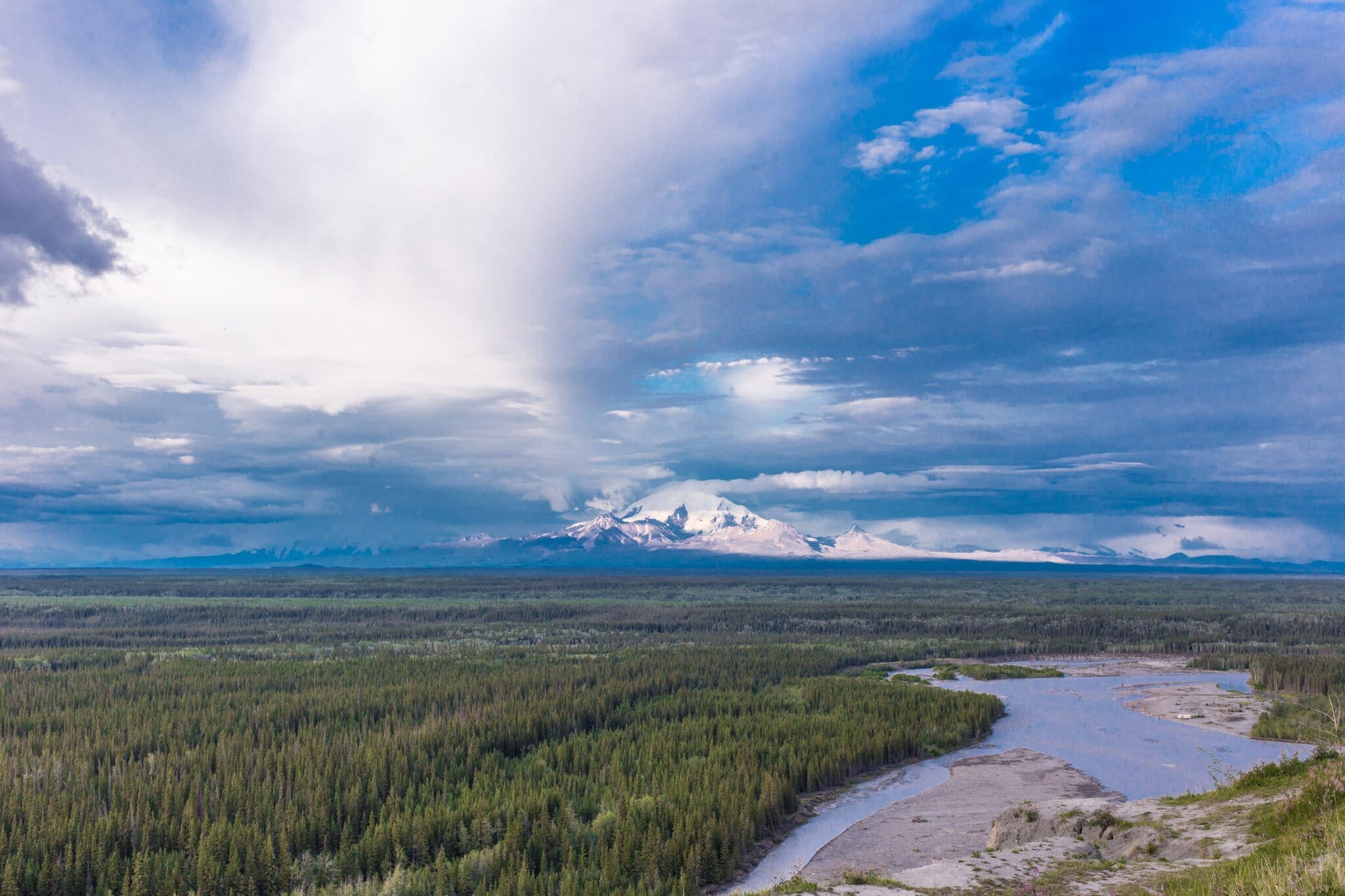
The full destination guide: Alaska — guide and what to see
TL;DR
Planning a trip to Alaska can be overwhelming. So I’ve pulled the most practical information right to the top.
- Largest park in the USA: Wrangell-St. Elias covers over 33,000 square kilometres and is home to 9 of the 16 highest peaks in North America.
- Matanuska Glacier isn’t in the park: This glacier sits along Glenn Highway. Access is regulated, and you can only walk on the ice with a paid guide.
- Brutal roads: The dusty McCarthy Road stretches 60 miles into the park and is a tyre killer. Most car rental companies prohibit driving here.
- Ghost town: The historic Kennecott Mine with its iconic red buildings is a must-see. You reach it on foot and by shuttle van from the settlement of McCarthy.
- View from above: Since 90% of the park has no roads, the best way to see the glaciers and volcanoes is by flightseeing tour.
- Get your wallet ready: Alaska is expensive. Food, accommodation, and tours here cost significantly more than in Anchorage.
When to visit Alaska and how to get there
Planning a trip to Alaska is dictated by nature’s strict schedule. Anchorage serves as the main gateway, and you can get there from the UK with connections through major US hubs. I’d recommend searching for cheap flights well in advance — we use Kiwi. British Airways, Icelandair, and various US carriers offer connecting routes from London. From Anchorage, you’ll need your own wheels.
Best time to visit
The ideal window is a narrow one — late May through early September. We were here in the middle of summer and still found ourselves shivering on the glaciers. Alaskan nature shows no mercy. It was perfectly normal to cycle through shorts, a waterproof jacket, and a woolly hat all in a single day.
Flightseeing tours shut down in the first week of September, hotels inside the park close for winter, and roads become impassable. Wintertime here is strictly for the extreme. But if you time your trip for July, you’ll be rewarded with the magic of white nights, when the sun barely dips below the horizon.
Renting a car and navigating the treacherous roads
Lukáš and I have had great luck using DiscoverCars to find deals. But in Alaska, you need to pay close attention to the rental terms. Most companies explicitly state in their contracts that you’re not allowed to take their vehicles on unpaved roads.
Only two roads lead into the national park, and both are dusty and riddled with potholes. McCarthy Road was built on an old railway bed, and to this day, old railroad spikes occasionally poke through the surface and puncture tyres. If you’re planning to drive all the way to the settlement of McCarthy, you’ll need to find a specialist rental company in Anchorage that permits driving on gravel roads. The alternative is to leave your car on the tarmac and arrange transfers for the rest — though that option is pricey.
Where to stay and how much it all costs
Alaska isn’t a budget destination. The deeper you venture into the isolated park, the higher the prices climb. Everything has to be shipped in at great expense. A typical day with a car, accommodation, petrol, and food will set you back around $250 to $400 per person.
🏨 Recommended hotels in McCarthy, Alaska
- Luxury: Kennicott Glacier Lodge
- Mid-range: McCarthy Lodge
- Budget: Currant Ridge Cabins McCarthy
That daily figure doesn’t include the big-ticket attractions like flightseeing tours or guided glacier hikes. Accommodation can be broken down into three zones, depending on how close to the wilderness you want to sleep.
1. Inside the park in the heart of history (McCarthy & Kennecott)
This is the dream for anyone wanting to soak up the raw atmosphere. For a truly immersive historical experience, there’s the iconic Kennicott Glacier Lodge — a red-painted hotel designed to echo the original mining buildings, with glacier views from the windows. It’s not cheap, but the view is worth every penny.
For an authentic Gold Rush vibe, check out Ma Johnson’s Hotel in the tiny town of McCarthy. It’s been running since 1916 and oozes Wild West character. Families might prefer the cabins at Currant Ridge Cabins or Kennicott River Lodge, both set in peaceful woodland near the river.
2. With glacier views on Glenn Highway (Glacier View area)
If you’d rather skip the bone-rattling gravel roads into the park’s interior, you can stay along the scenic highway instead. The standout is Sheep Mountain Lodge. Besides cosy cabins, they have a terrace where you can scan the hillsides with binoculars for Dall sheep.
If you’re after something more luxurious, look into Matanuska Lodge. The rooms have floor-to-ceiling glass walls with direct views of Matanuska Glacier. Waking up to the morning sun painting a sea of ice is an experience you won’t forget.
3. A practical base camp (Glennallen)
The small town of Glennallen is an unassuming crossroads where the highways meet and the tarmac ends. It’s not the spot for a romantic getaway, but it’s a practical base for filling up the tank and stocking up on supplies.
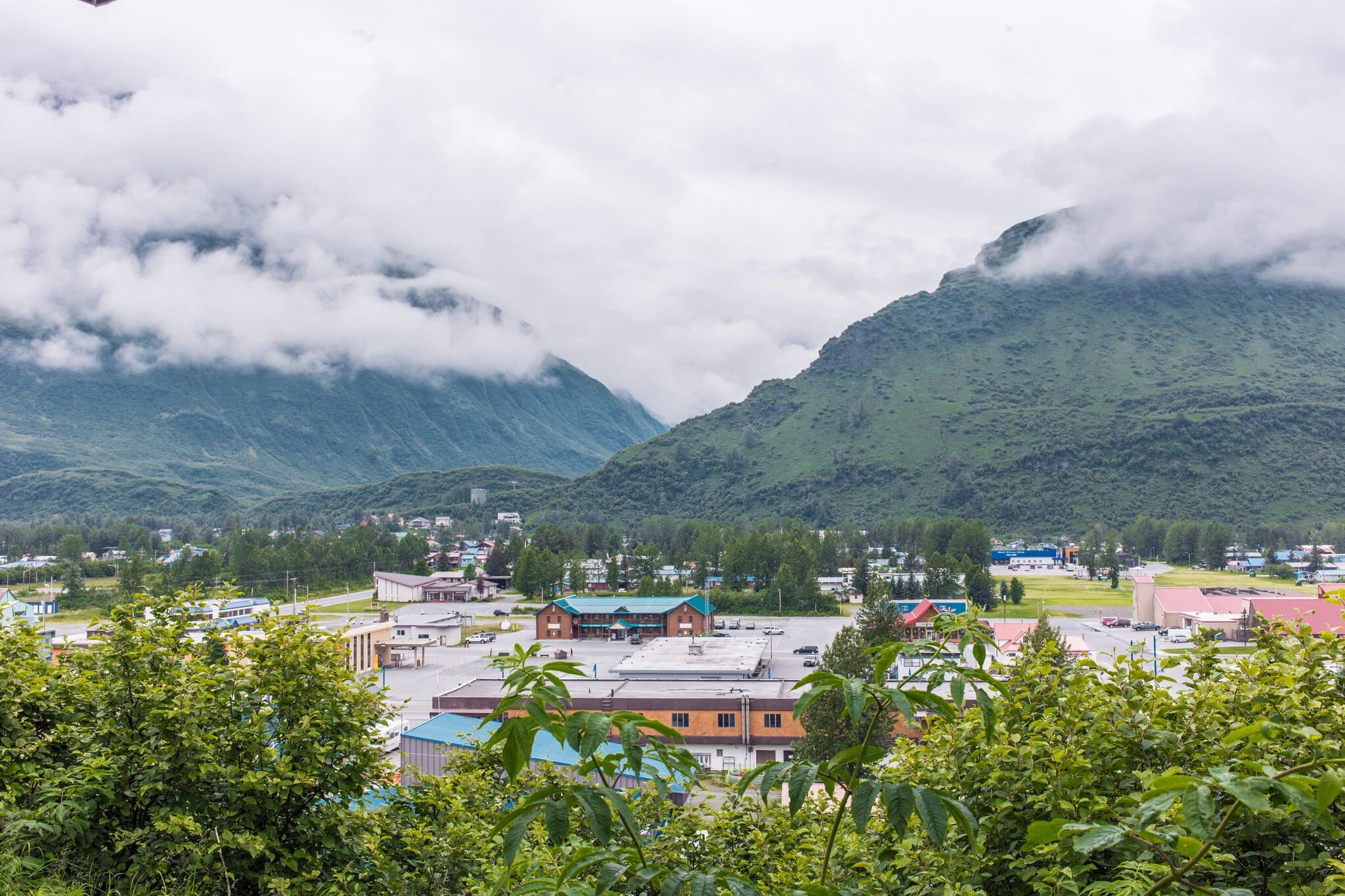
The no-frills Caribou Hotel works well for an overnight stop before heading towards McCarthy Road. The supermarket is just a short walk away. We loaded up on water barrels and food supplies before the next stretch, making sure we wouldn’t go hungry in the backcountry.
13 things to see and do at Wrangell-St. Elias and beyond
I’ve put together a route and tips covering both the heart of the national park and the must-see spots along the way. Nearly everyone begins their road trip in Anchorage and drives along Glenn Highway.
1. Matanuska Glacier: an ice giant right by the road
This was our very first encounter with Alaska’s icy reality. Matanuska Glacier stretches 27 miles long and is the largest glacier in Alaska accessible by car. The brilliantly blue crevasses and towering ice formations look like something straight out of a sci-fi film. The glacier doesn’t sit inside the national park — it’s along Glenn Highway.
The land around the access point is privately owned, and there’s a strict ban on exploring the glacier independently. We headed out onto the ice field wearing crampons, and it was a proper adrenaline rush. The ice crunched underfoot as we stepped across streams of turquoise meltwater.
Expect to pay around $55 at the access gate (national park passes don’t apply here), plus the cost of a guide. A tour with NOVA Alaska Guides runs about $115. They provide crampons, a helmet, and experienced guides who take you deep into the ice formations. Drone flying is strictly prohibited.
2. Glenn Highway: a scenic drive that takes your breath away
The route to the national park along Glenn Highway is a fantastic destination in its own right. This road follows ancient hunting trails of the indigenous peoples and proudly holds National Scenic Byway status. The views of the Matanuska River, boreal forests, and snow-capped peaks of the Chugach Mountains are absolutely stunning.
The route is under 190 miles. Set aside more time than your sat-nav suggests. Lukáš and I stopped at practically every viewpoint. At one of them, we brewed coffee on our camping stove and just sat there, taking in the sheer vastness of the landscape before us.
3. Eklutna Lake and the spirit houses: a stop with a mystical atmosphere
Just outside Anchorage, make a detour to Eklutna Lake. It’s a mountain-framed body of water fed by glacial melt, and it serves as Anchorage’s drinking water supply. In summer, the water turns a crystalline turquoise.
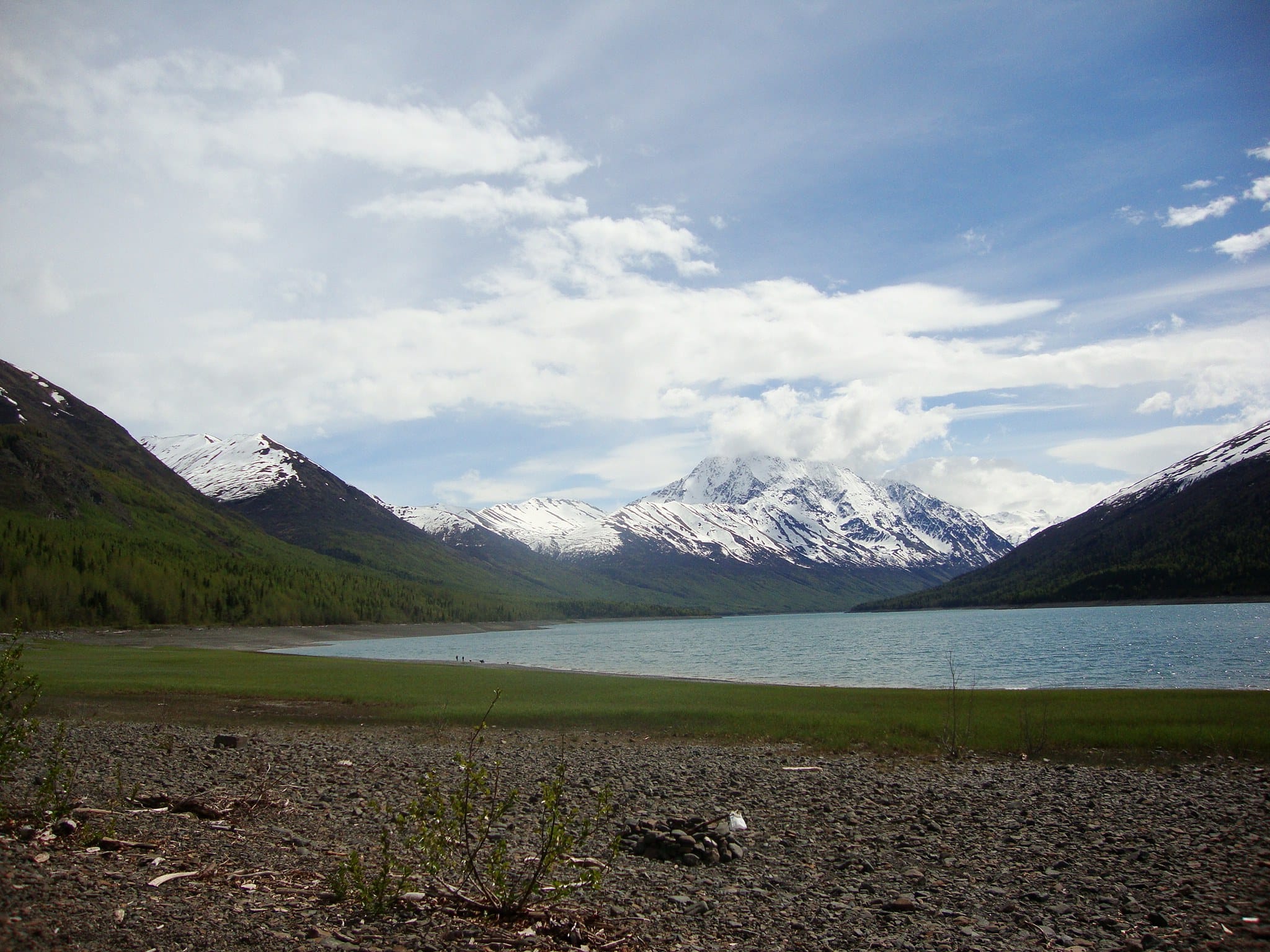
Even more fascinating is the adjacent historical park. Here you’ll find a cemetery of the Dena’ina people, where instead of headstones there are brightly coloured wooden “spirit houses.” It’s a striking example of how indigenous beliefs blended with Russian Orthodox Christianity.
4. Sheep Mountain: hills that burst with colour before your eyes
Around mile 113 on Glenn Highway, Sheep Mountain rises up in vivid shades of orange, yellow, and red. The striking colours come from iron oxidation and minerals in the rock. The contrast against the surrounding green mountains is a visual knockout.
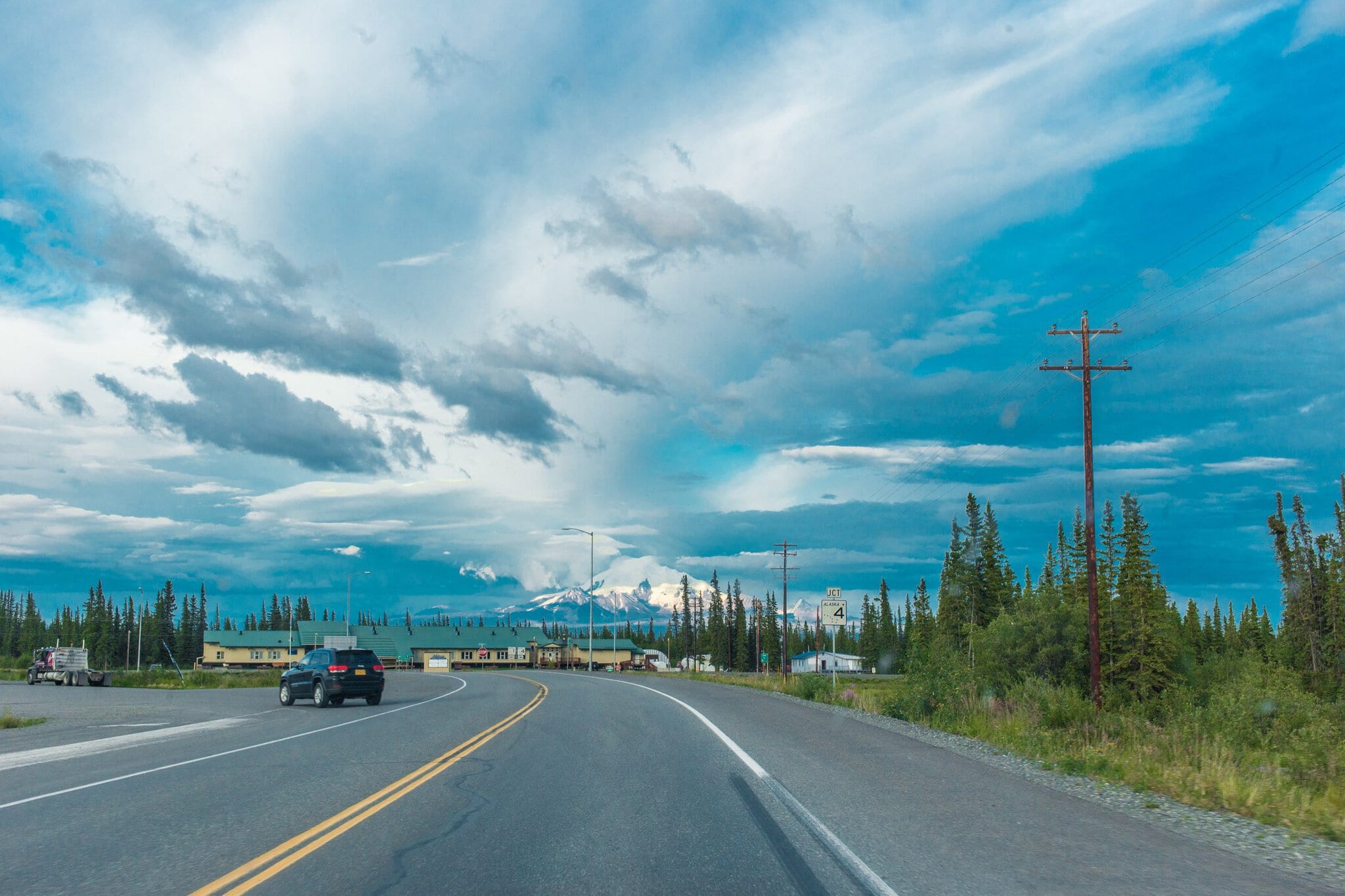
The mountain is named after the Dall sheep that live high on its cliffs. If you’ve got a good pair of binoculars, scan the slopes below the summit. You’re practically guaranteed to spot white dots bounding across the rocks.
5. McCarthy Road: a nightmare for cars, a paradise for adventurers
This is where the tarmac ends and the raw Alaskan reality begins. McCarthy Road is a 60-mile-long dusty track into the heart of Wrangell-St. Elias National Park. It was built on the bed of a former mining railway.
The road is narrow, corrugated, and caked in dust. Old railway spikes still poke through the surface, acting as lethal tyre poppers. After a few miles of bone-shaking driving — and with the weather turning nasty — Lukáš and I had to admit defeat and turn the car around. Pushing on with our standard rental was simply too big a risk. But for those with a properly insured 4×4 and a sense of adventure, the road continues deep into the wilderness.
6. Crossing the river and the settlement of McCarthy: a town of 28 souls
When visitors reach the end of McCarthy Road, they discover the road simply stops. You must leave your car in a car park on the bank of the Kennicott River. A steel pedestrian footbridge spans the water, and tourists have to haul their luggage across on foot.
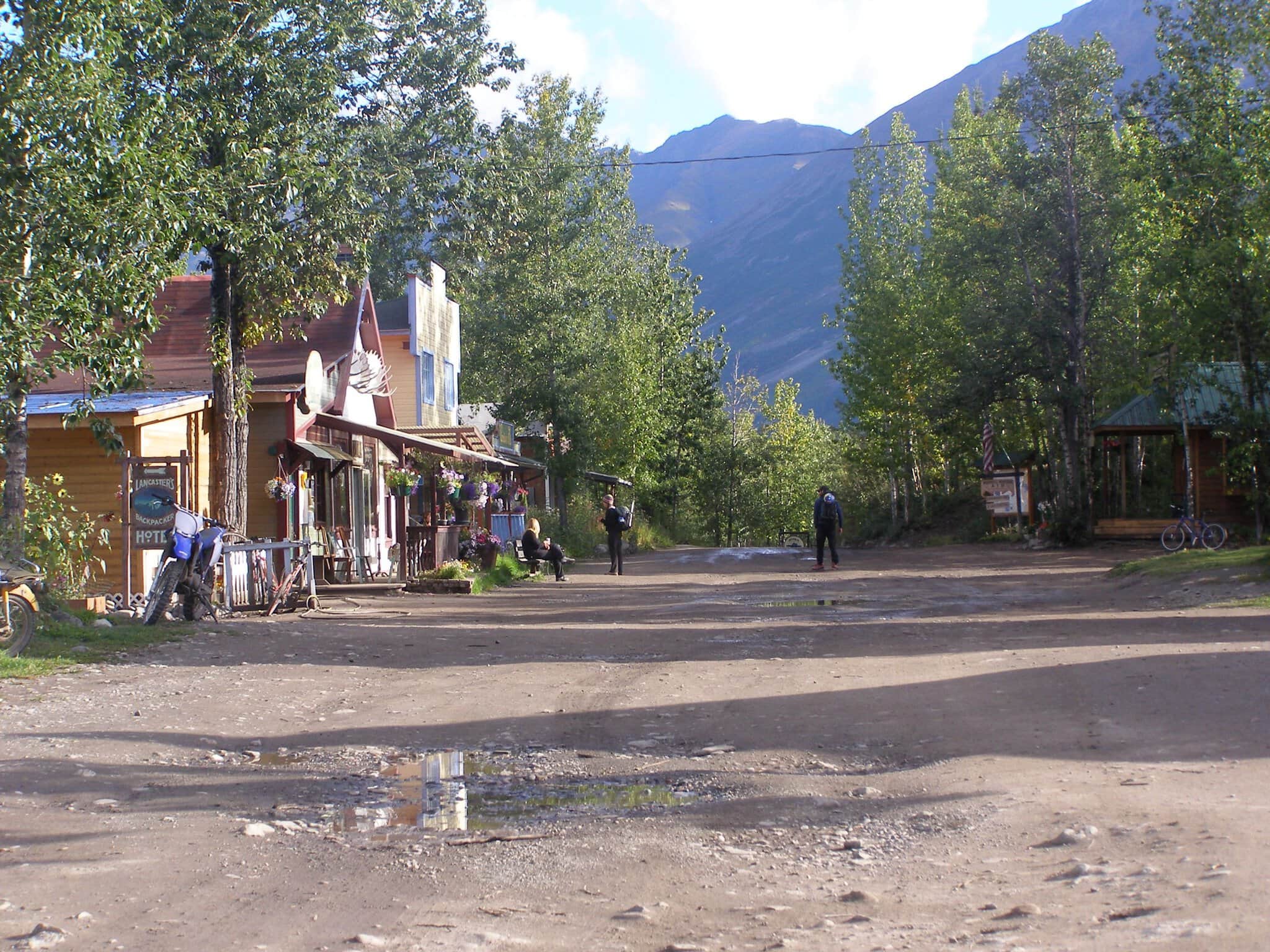
About a kilometre’s walk brings you to the historic settlement of McCarthy. It has around 28 year-round residents and looks like a Wild West outpost at the edge of the known world. Shuttle vans run regularly from the centre of the settlement, ferrying visitors up to the abandoned mine complex.
7. The ghost town of Kennecott: a red icon among the glaciers
Kennecott Mines National Historic Landmark is the park’s most famous attraction. Picture vivid red wooden buildings clinging to a steep hillside above a glacier. The town was founded around 1900 to mine copper and was remarkably advanced for its time.
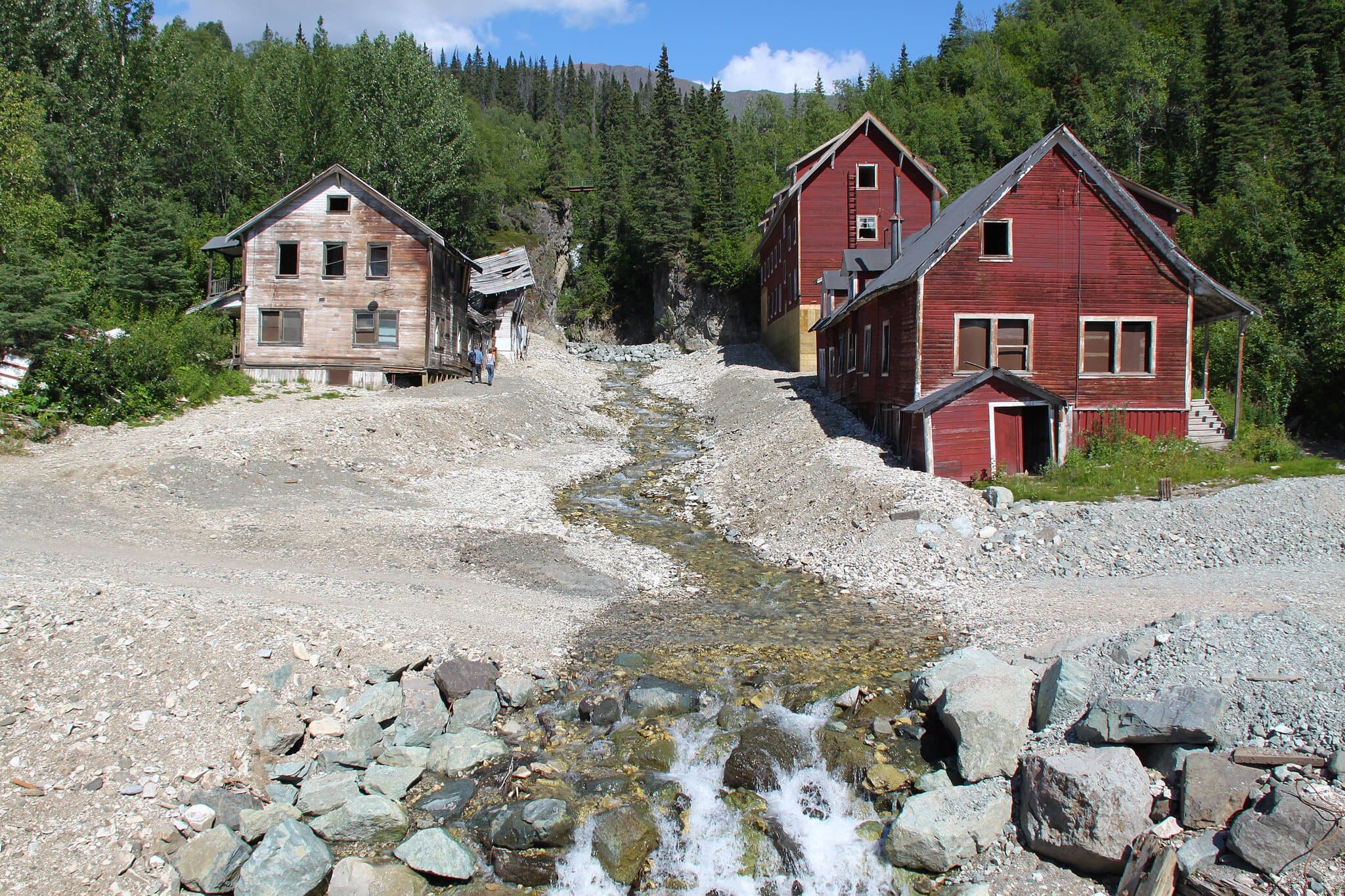
Today the buildings are maintained by the National Park Service. Visitors can book a guided tour of the fourteen-storey mill building (offered by St. Elias Alpine Guides, for example). Walking through these silent wooden structures in the middle of nowhere is a genuinely haunting experience.
8. Root Glacier Trail: touch the ice for free
A popular outing from Kennecott is the Root Glacier Trail. It’s a roughly four-mile rocky path with minimal elevation gain. The trail starts at the mine buildings and leads right to the edge of Root Glacier.
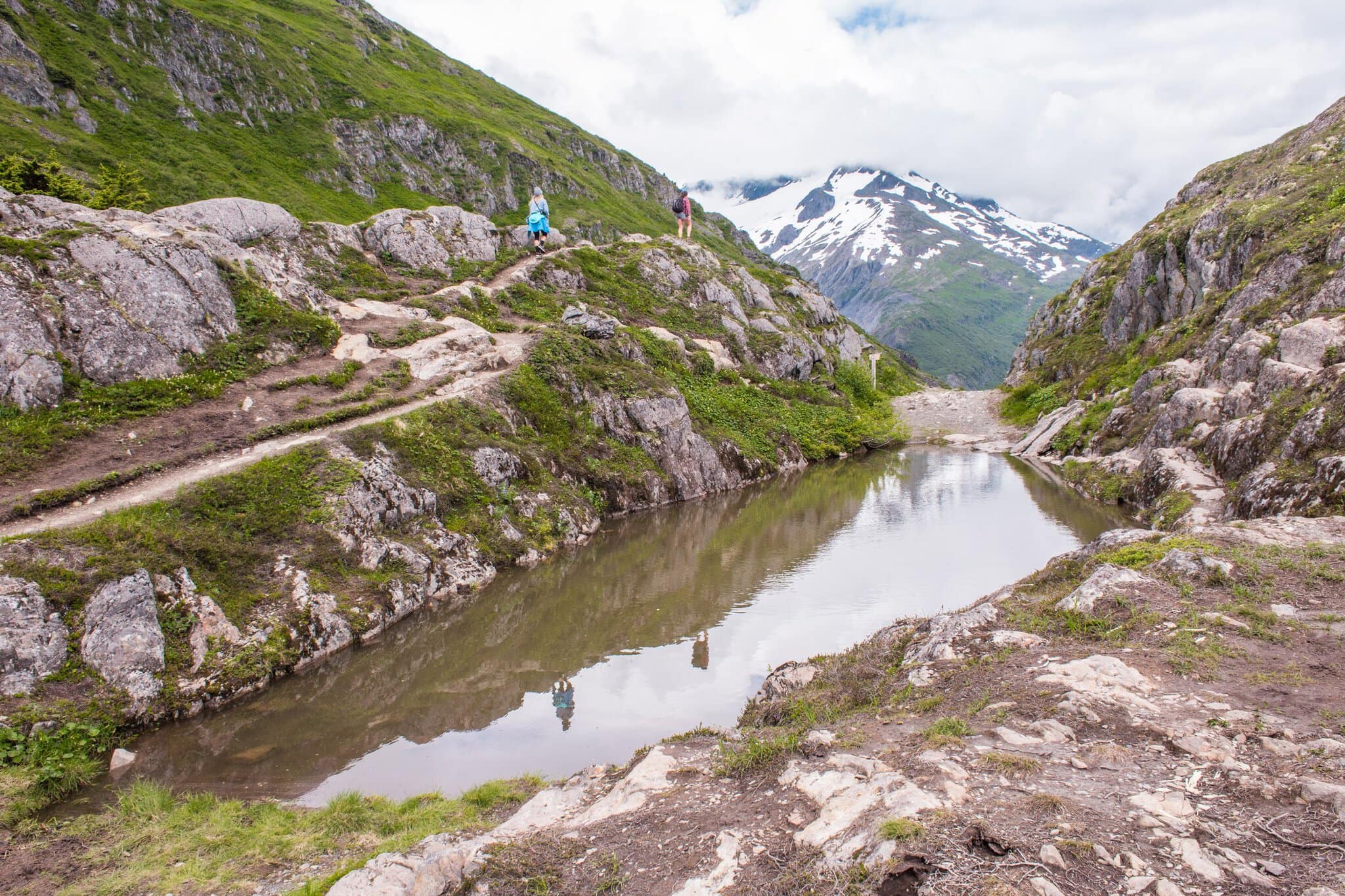
Walking on the ice itself requires crampons and experience navigating tough terrain. A safer bet is to hire mountain guides — Kennicott Wilderness Guides, for instance — who’ll kit you out with ropes and take you to ice caves and glacial pools.
9. Bonanza Mine Trail: a brutal climb into the clouds
For the physically fit, there’s Bonanza Mine Trail. It’s a demanding 9-mile route with over 3,000 feet of elevation gain on steep, dusty slopes strewn with loose scree.
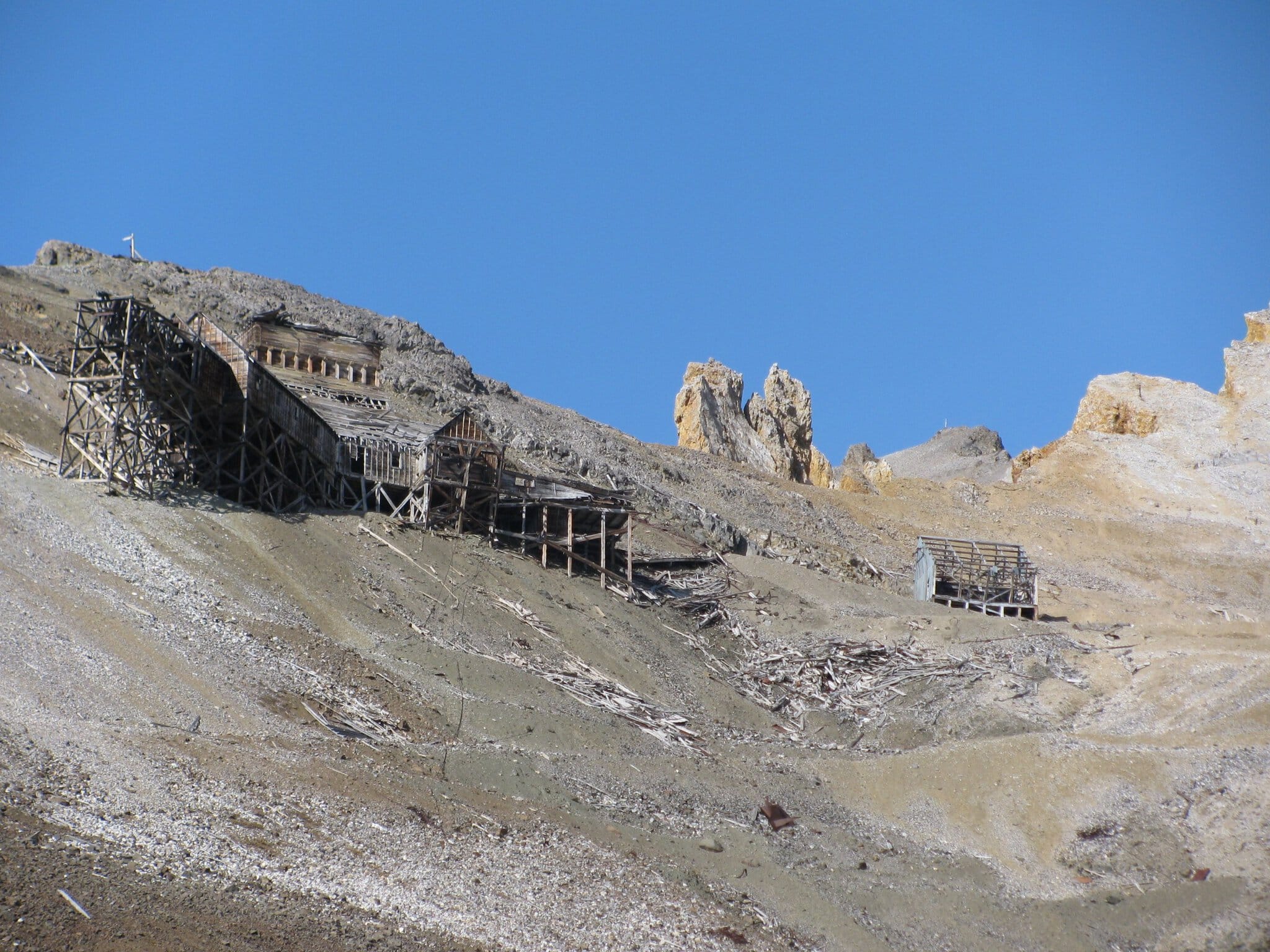
The reward at the top? More wooden mine ruins and a bird’s-eye view over the glacier and the peaks of the Wrangell Mountains. Essentials for this trek include plenty of water, trekking poles, and a solid level of fitness.

10. Flightseeing tours: 90% of the park is invisible from the ground
The vast majority of the national park consists of impenetrable glaciers and mountains. The best way to appreciate its sheer scale is to book a flightseeing tour from the dusty airstrip in McCarthy. Flights are offered by companies like Wrangell Mountain Air.
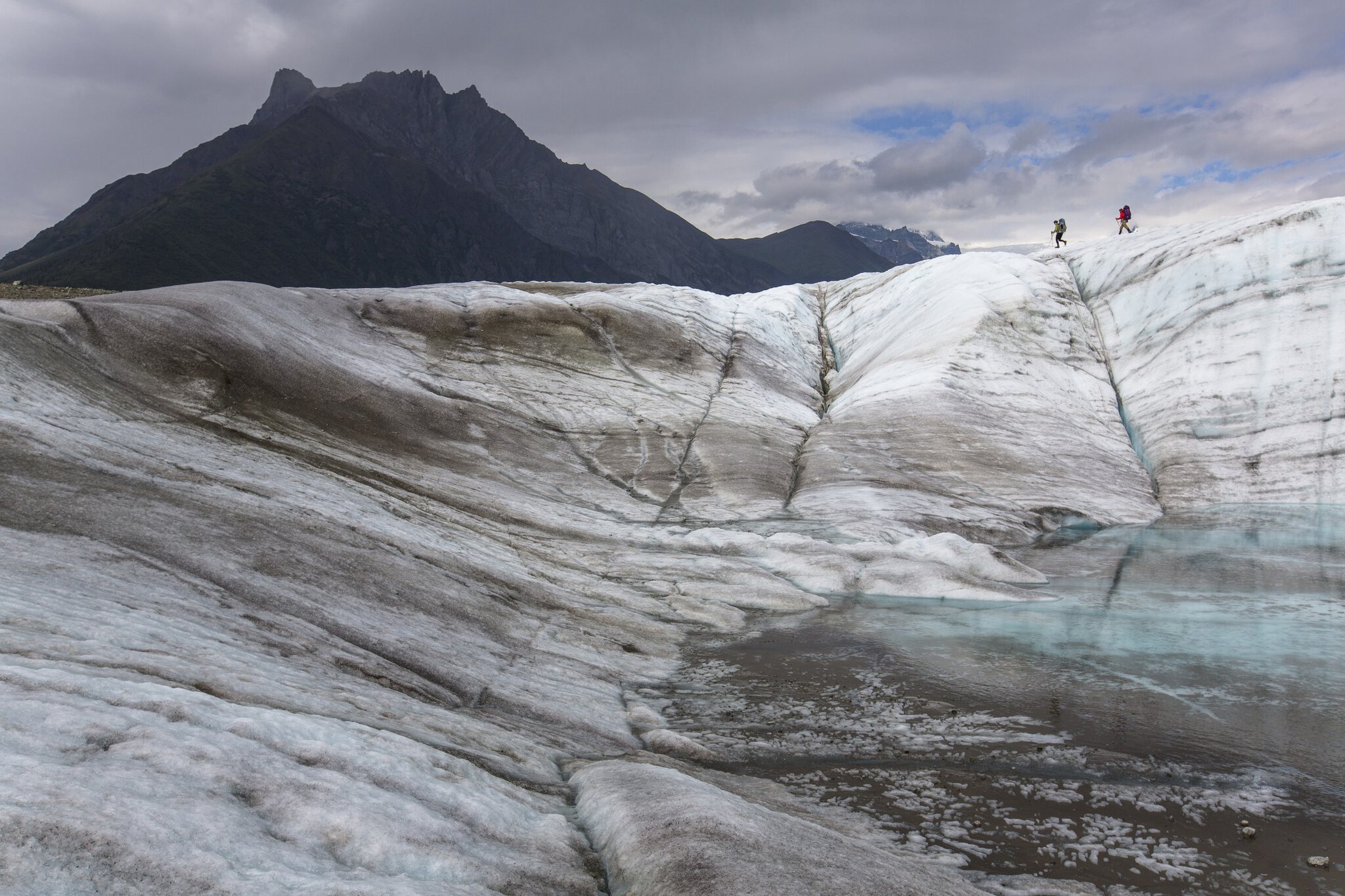
Basic routes last around 50 minutes, but the best value is widely considered to be the 90-minute “Bagley – University Range Tour.” From the small plane, you’ll see the majestic Mt. Bona and massive ice fields stretching to the horizon. Seeing Alaska’s wilderness from the air completely transforms your perspective.
11. Bagley Icefield: an ice field the size of a county
Bagley Icefield is a colossal ice field on the park’s southern edge. It stretches over 125 miles and the ice reaches up to 3,000 feet thick. It’s the largest sub-polar ice field in North America.
There’s no chance of seeing this mass of ice from the ground — the only option is from a plane. The view from above reveals the crushing power of nature that shaped this landscape. Only isolated rocky peaks poke through the frozen sea below.
12. Worthington Glacier and the descent to the ocean
Driving south from Glennallen along the Richardson Highway, you’ll come across Worthington Glacier State Recreation Site. This glacier creeps down the mountainside and stops tantalisingly close to the road. We were genuinely surprised to see it so close — right from the car park.
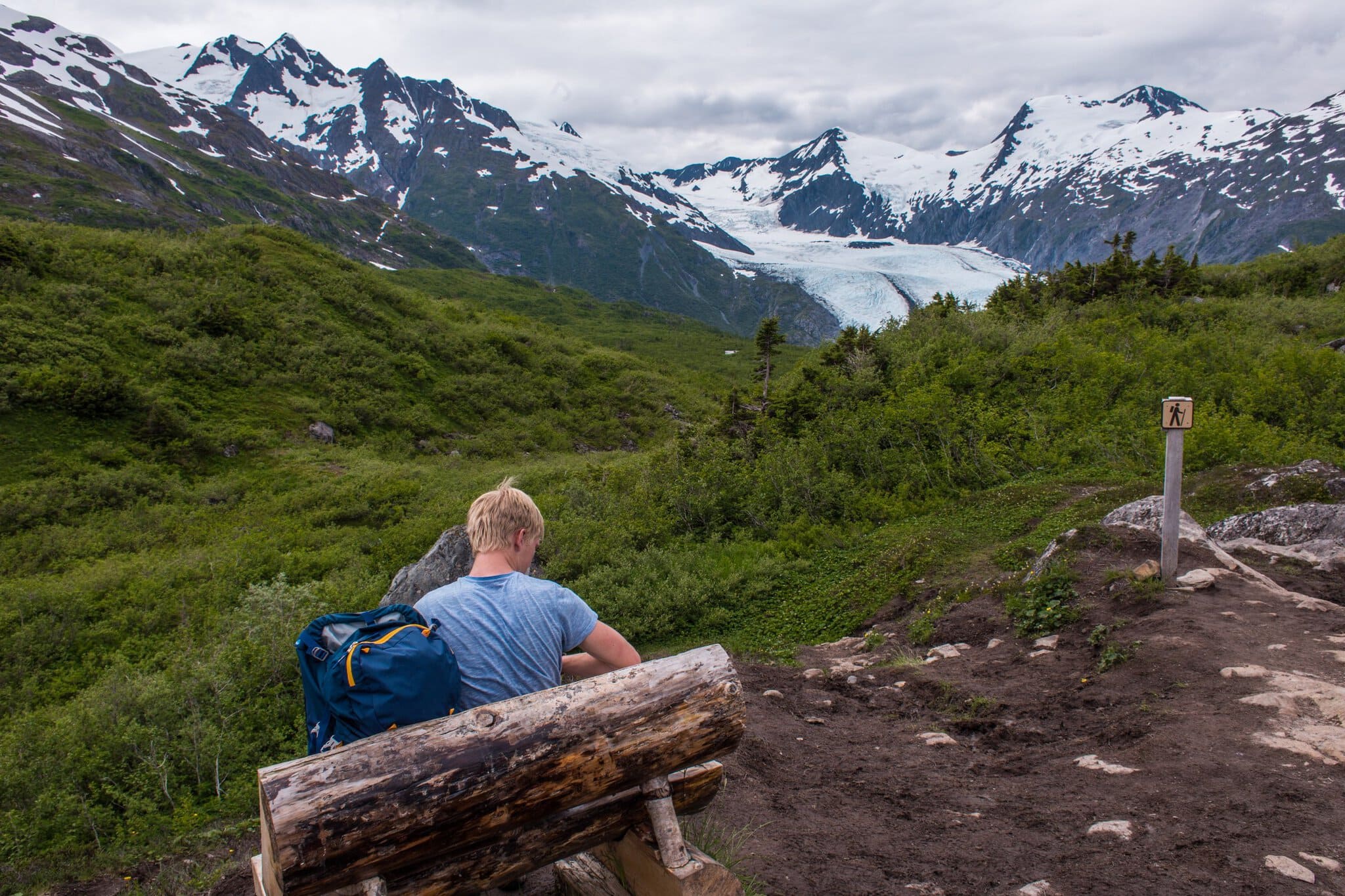
The facilities here are excellent — a large car park, a viewing pavilion, and toilets. A paved path leads you to the glacier’s face. It’s a cheaper and simpler option for families who don’t fancy paying for demanding guided tours.
13. The town of Valdez: rugged beauty and oil tankers
The port town of Valdez sits on the coast, hemmed in by towering mountains. It’s been nicknamed “Alaska’s Little Switzerland,” but the weather here tends towards overcast and damp. Rain is frequent and fog hangs low over the boats. In the evenings, we warmed ourselves up with hot soup and local craft beer at wooden tables by the harbour.
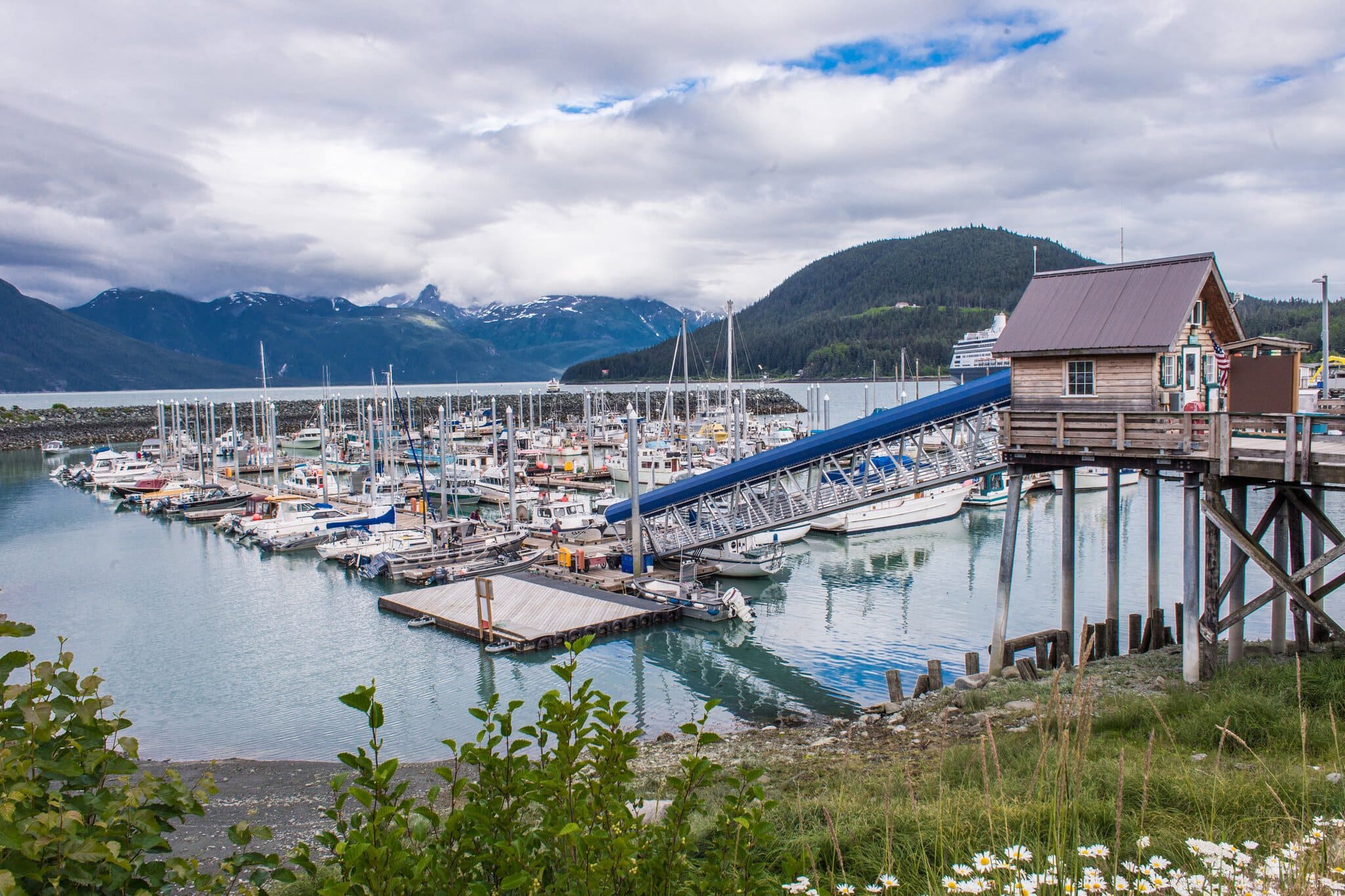
Valdez is famous as the terminus of the Trans-Alaska Pipeline. At the terminal, crude oil is pumped into tankers. The port is also forever linked to the Exxon Valdez oil spill of 1989. You can learn about that disaster — and the devastating 1964 earthquake — at the local museum, which is well worth a visit.
Map of points of interest for your phone
Where to eat when hunger strikes
After a full day in Alaska’s cold, you’ll work up a serious appetite. If you’re travelling on a budget — and especially if you’re vegetarian — the remote wilderness might seem daunting, but it’s perfectly manageable. Forget expensive steakhouses.
For backpackers, supermarkets in the larger hubs like Glennallen are your best friend. We stocked up on instant noodles, tinned beans, porridge oats, and bread. For a quick bite, larger petrol stations often serve hot soup, veggie sandwiches, or at the very least, hot coffee and doughnuts.
Right in the settlement of McCarthy, you’ll find the laid-back bistro The Potato. It’s got a great backpacker vibe, with outdoor seating made from pallets. They serve brilliant American fries and enormous breakfast burritos stuffed with eggs and cheese that’ll easily fuel you through half the day.
And for a proper taste of Wild West atmosphere, don’t miss the Golden Saloon. This wooden pub smells of draught craft beer. You’ll find grizzled locals and weary hikers rubbing shoulders at the same table. It’s the perfect spot to reward yourself after a tough day with a pint of local ale and a bowl of hot chips.
Where next: more Alaska reading
Alaska is massively vast, and this national park is just one piece of the puzzle. If you’re planning a wider road trip, let our other articles inspire you.
- Before heading into the wilderness, you’ll likely land in Anchorage. Check out our article on the city’s highlights, where you’ll find out the best spots for coffee and where to see moose wandering the streets.
- To the south lies a marine world of fjords and whales. We’ve written a guide to Kenai Fjords National Park and its glaciers calving into the sea.
- If you’re keen on the financial side of things, dive into our article covering flight logistics, car rental pitfalls, and the overall budget for the whole expedition.
For staying connected in remote areas, we use eSIM cards — the Holafly app has served us well. For peace of mind in case of injury in the backcountry, we recommend travel insurance from SafetyWing.
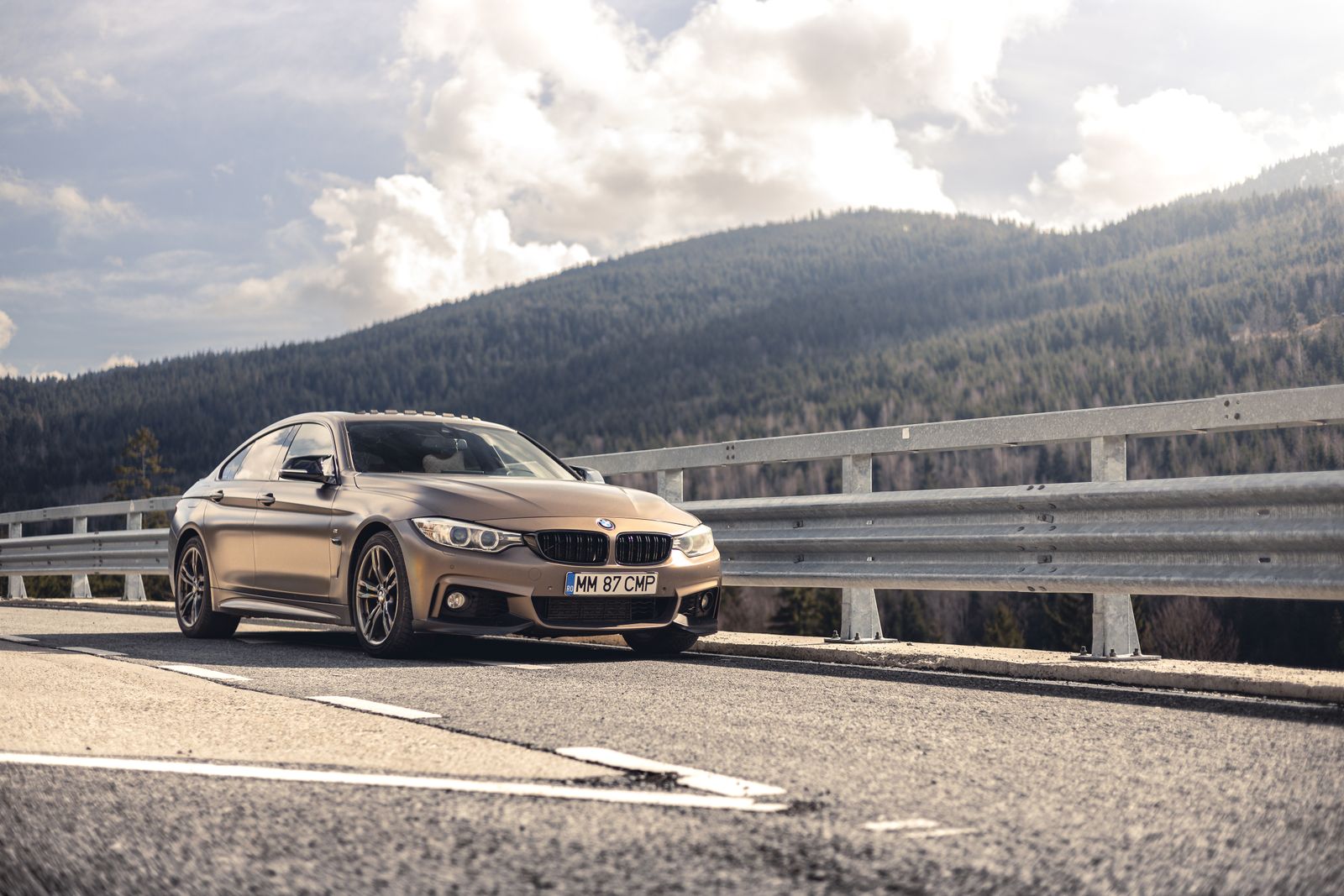 🚗 Car rental on the roadVerified rental cars in Alaska
Search with the DiscoverCars comparison engine — it compares prices from dozens of local and international rental companies, and most bookings come with free cancellation.
Compare car prices in Alaska →Frequently asked questions about Wrangell-St. Elias (FAQ)
Planning an Alaskan trip can be confusing. I’ve compiled the most common questions and myths that land in my Instagram inbox, and I’m answering them straight.
What makes Wrangell-St. Elias National Park so special?
Wrangell-St. Elias is exceptional for its absurd size of 33,000 square kilometers and minimal civilization. It’s home to 9 of the 16 highest peaks in North America, active volcanoes, and massive ice fields. Unlike overcrowded parks, you won’t encounter any lines here—just real, raw wilderness.
Can you drive to the national park in a regular car?
Physically yes, but it’s logistically complicated. Only two dusty, pothole-ridden roads lead into the park, and the most famous one, McCarthy Road, is notorious for destroying tires. Most standard rental car companies prohibit driving here, so you’ll need to find a specialized rental agency in Anchorage that allows gravel roads.
Are there wolves and other wild animals in the park?
Yes, the nature here is pristine and wildlife is everywhere. The park is home to wolves, grizzly bears, black bears, moose, and Dall sheep on the slopes. When hiking, it’s essential to make noise and carry bear spray with you.
Is visiting McCarthy and Kennecott worth the nerve-wracking drive?
Absolutely yes—historic Kennecott is breathtaking. The bright red buildings of the old copper mines stand in stark contrast to the surrounding glaciers. It’s a fascinating mix of wild nature and human industrial history.
Do I have to pay any fees to enter the park?
No, entry to Wrangell-St. Elias National Park itself is completely free. However, you’ll need money for the shuttle service in McCarthy, guided mine tours, or flightseeing trips.
Can I access Matanuska Glacier with a national parks pass (America the Beautiful)?
No, the America the Beautiful pass doesn’t work at Matanuska Glacier. Access to the glacier goes through private property, where you’ll pay an entrance fee of around 55 USD. Additionally, hiring a local guide is now mandatory.
How many days should I set aside to explore the area?
I recommend setting aside at least four full days. One day will be taken up by the drive along the scenic Glenn Highway and the dusty McCarthy Road. You can use the remaining days for exploring Kennecott, hiking to Root Glacier, and possibly taking a flightseeing tour.
Tips and Tricks for Your Vacation
Don’t Overpay for Flights
Search for flights on Kayak. It’s our favorite search engine because it scans the websites of all airlines and always finds the cheapest connection.
Book Your Accommodation Smartly
The best experiences we’ve had when looking for accommodation (from Alaska to Morocco) are with Booking.com, where hotels, apartments, and entire houses are usually the cheapest and most widely available.
Don’t Forget Travel Insurance
Good travel insurance will protect you against illness, accidents, theft, or flight cancellations. We’ve had a few hospital visits abroad, so we know how important it is to have proper insurance arranged.
Where we insure ourselves: SafetyWing (simple monthly subscription) and TrueTraveller (for extra-long trips).
Find the Best Experiences
Get Your Guide is a huge online marketplace where you can book guided walks, trips, skip-the-line tickets, tours, and much more. We always find some extra fun there!
More from Alaska
Full guide → ItineraryAlaska Road Trip: The Best Itinerary for 7, 10, 14 and 21 Days
 When to goWhen to Visit Alaska: The Best Month for Northern Lights and Travel (2026)
 ActivitiesKatmai & Brooks Falls, Alaska: Iconic Bear Viewing (Fat Bear Week)
 PricesHow Much Does an Alaska Vacation Cost: 2026 Budgets
 Getting thereAlaska from the UK: Flights, ESTA, Car Hire & Money (2026 Logistics Guide)


