Giverny, France: 10 Tips for Monet’s Garden in 2026

TL;DRClaude Monet’s garden in Giverny opens for the 2026 season from 1 April to 1 November, daily from 10am to 6pm, with basic admission costing around 11 euros. Ten key highlights include the flower-filled Clos Normand garden, the Water Garden with its water lilies and Japanese bridge, Monet’s pink house with its collection of Japanese woodblock prints, and the nearby Musée des impressionnismes Giverny. 2026 is a special year, marking the 100th anniversary of Monet’s death and the Normandie Impressionniste festival, so it’s worth booking tickets online well ahead. From Paris, take the train from Gare Saint-Lazare to Vernon in just under 50 minutes, then hop on a shuttle bus or cycle along the Seine on the dedicated bike path. Set aside at least two hours for a relaxed visit to the whole estate — ideally a full afternoon.

Imagine a place where the canvases of famous paintings come to life. Claude Monet’s garden in Giverny, France, a small village in Normandy, is exactly that kind of place — one that instantly transports you back to the golden age of Impressionism. The painter spent the second half of his life here and created his greatest masterpiece, one that wasn’t made with a brush on canvas, but with a hoe and a spade in the soil. Today, people travel here from all over the world to see the famous water lilies, the iconic Japanese bridge and the house with its pink façade with their own eyes.

In this article you’ll find 10 tips on what to see and do in Giverny and its immediate surroundings. You’ll get all the practical information about tickets, I’ll show you how to avoid the worst of the crowds, and you’ll learn why 2026 will be an absolutely landmark year for this place. You’ll also discover the best way to get here by train from Paris and where to stay if you want to enjoy the morning calm before the first tour buses arrive.

TL;DR

  • Opening times: The grounds are open only from spring to autumn; in 2026 that will be from 1 April to 1 November.
  • Main attractions: The Clos Normand flower garden in front of the house and the famous Water Garden with its pond and water lilies.
  • Tickets: Buying online in advance is an absolute must — it lets you skip the endless queue at the ticket office.
  • The year 2026: It marks exactly 100 years since Claude Monet’s death, so expect huge celebrations and a massive influx of tourists.
  • Getting there from Paris: The fastest option is the train from Gare Saint-Lazare to the town of Vernon, from where shuttle buses run — or you can hire a bike.
  • When to arrive: Ideally be at the gate right at 10:00 when it opens, or save your visit for late afternoon.

When to Visit Giverny

The gardens in Giverny don’t slumber all year round — they open to the public only during the warmer months. In 2026 the gates open on 1 April and close on 1 November, and each month offers a completely different palette of colours and atmosphere. If you love tulips, daffodils and blossoming fruit trees, come in April or early May. May is also the month when the gorgeous purple wisteria bursts into bloom, climbing majestically over the famous Japanese bridge in the Water Garden and creating an absolutely perfect, photogenic backdrop.

The summer months from June to August are the absolute peak of the season. It’s in summer that the famous water lilies bloom in full on the pond — the very ones Monet painted so passionately on his enormous canvases. Bear in mind, though, that summer here can be sweltering and the crowds of tourists from around the world are at their thickest. September and October then bring warm autumn colours to the gardens, with dahlias and sunflowers in bloom, while the air turns pleasantly crisp and the crowds slowly thin as the cooler Normandy weather sets in. The grounds are open every day from 10:00 to 18:00.

You’ll want to pay special attention to 2026, because the whole region will be living in the shadow of a huge historical anniversary. It marks exactly 100 years since the death of Claude Monet, which means all of Normandy will be alive with the grand Normandie Impressionniste festival. As part of this centenary, more than a hundred special events, exhibitions and celebrations will take place, so interest in Giverny will be enormous from the first day of spring right through to autumn. I strongly recommend avoiding weekends and French public holidays, because on those days the village’s narrow lanes become unrecognisable. Elbowing your way through the crowds with a camera in hand simply isn’t the calm, romantic experience you’d expect from an Impressionist oasis. The ideal move is to time your visit either for exactly 10am, or for late afternoon, when most of the tour buses are already heading back to Paris.

Where to Stay in Giverny and Nearby

💡 Tip for accommodation and experiences: We like to look for places to stay on Booking.com, which usually has the best cancellation policies. Tickets, tours and activities are then worth comparing and booking through GetYourGuide.

If you want to enjoy the charm of the village without the hundreds of other tourists pouring out of the Paris buses, stay right in Giverny or in the neighbouring larger town of Vernon. If you spend the night, you can stroll the wonderfully empty lanes in the evening, soak up the authentic village atmosphere, and in the morning be the very first visitor standing at the garden gates. It’s by far the best way to enjoy this magical place in peace and avoid the stress of a hectic day trip. Accommodation in this popular area sells out very quickly, and for 2026 that goes double, so start searching on Booking ideally several months ahead.

In Giverny itself you’ll find a handful of charming guesthouses and small hotels that carefully preserve their historic character and architecture. One great option is Hôtel La Musardière, which offers beautifully renovated rooms, an excellent restaurant and a location just a few minutes’ walk from Monet’s house itself. If you’re after something truly luxurious, take a look at the boutique hotel Le Jardin des Plumes, which is linked to a Michelin-starred restaurant and looks after you in beautiful surroundings with first-class service.

For cheaper and more practical accommodation, the neighbouring town of Vernon is the natural choice — direct trains from Paris arrive here and you’ll find a far wider range of shops and services. I recommend taking a look at the Hôtel Normandie right in Vernon’s historic centre, which is very close to both the train station and the local bike-hire shops. From Vernon you can reach Giverny in about twenty minutes along a beautiful, safe cycle path that runs beside the River Seine. Another excellent base for a longer stay is the historic city of Rouen, roughly an hour’s drive away. Here you’ll find the fantastic Notre-Dame cathedral, which Monet himself painted countless times, plus the superb Musée des Beaux-Arts, which boasts one of the best Impressionist collections in all of France after Paris.

lukas a lucka
Lukáš and Lucie recommend
Where to stay in Giverny
4 accommodations — hotels, wellness hotels and other lodging options

10 Tips on What to Do in Giverny, France

Let’s take a closer look at the very best that the grounds in Giverny and its immediate surroundings have to offer. This place hides far more than just one photogenic pond, so set aside a good half a day for a relaxed visit.

1. The Colourful Clos Normand Garden

As soon as you pass through the entrance gate and step inside, you’ll be struck by the first part of the grounds, known as the Clos Normand. This is the original sprawling garden that lies right in front of Monet’s house, which the painter completely reshaped to his own artistic vision after he moved in. He had the old, shade-casting spruce trees cut down without compromise and replaced them with symmetrical beds that he genuinely saw as his vast painter’s palette under the open sky. He never planted flowers at random, but combined them very carefully by shade and height to create perfect optical illusions and a sense of depth.

The centrepiece of this section is the broad central avenue, elegantly lined with iron arches densely covered in climbing roses. In spring you’ll find literally thousands of tulips, daffodils and irises in bloom here, while in the heat of summer the space is dominated by poppies, giant peonies and bright sunflowers. At first glance the garden looks a little wild and untamed, but it’s actually the result of incredibly meticulous work by a whole team of gardeners who to this day strictly follow Monet’s original sketches and planting plans.

💡 Tip: If you want to experience the garden in the most beautiful morning light, be at the entrance right at ten o’clock. The flowers will still be lightly dewed and you’ll avoid the biggest wave of tourists, who usually arrive from Paris around midday.

2. The Water Garden and the Inspiration Behind the Paintings

When you cross into the second part of the vast grounds through a discreet underpass beneath the local road, the whole atmosphere changes almost instantly. Monet built the Water Garden somewhat later on a newly purchased plot, once he had managed to get official permission to divert a small branch of the nearby River Epte. He wanted to create a perfect Asian oasis of calm that would inspire his next works — and with the help of hired gardeners, that’s exactly what he achieved. It was on the banks of this pond that the legendary series of enormous canvases titled Nymphéas (Water Lilies) was born, the very paintings that astonish visitors at the Orangerie museum in Paris today.

The pond itself is surrounded on all sides by ancient weeping willows, dense bamboo groves and ferns that reflect beautifully on the still surface of the water. From late June the surface is dotted with dozens of colourful water lilies, tended by today’s gardeners with the same care the master painter himself demanded. Historical records even tell us that the gardeners had to wash the dust off the lily pads by hand from small boats early each morning, so the blooms would shine in flawless purity and perfection on Monet’s canvas. A stroll along the narrow paths around the water is incredibly photogenic, but in summer it takes a little patience, as you’ll be sharing the best spots with plenty of other visitors.

3. The Iconic Japanese Bridge and Wisteria

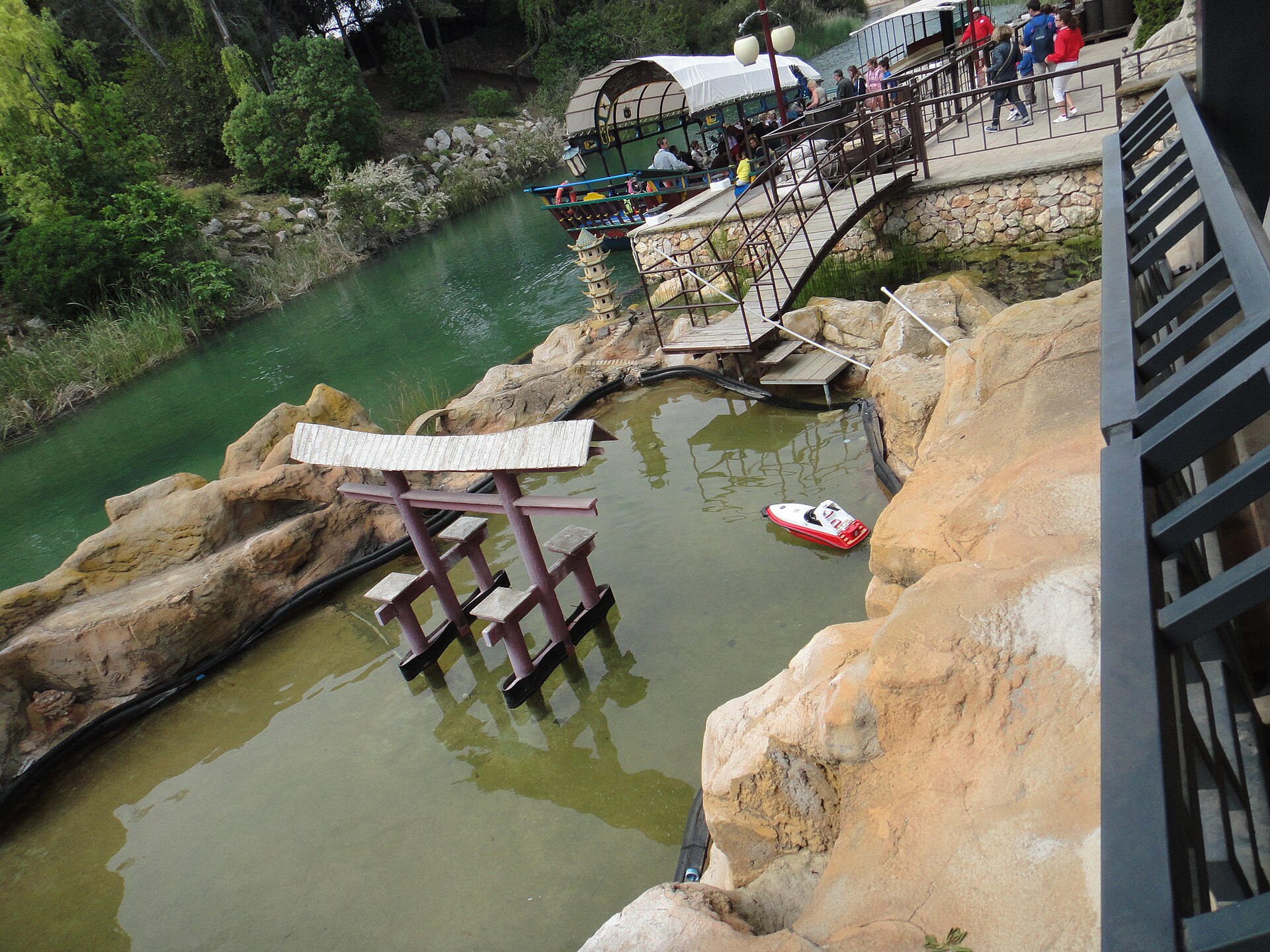
By far the most famous and most-photographed feature of the entire Water Garden is undoubtedly the elegant wooden Japanese bridge that arches softly over the narrower part of the pond. Monet had it custom-built by a skilled local carpenter based on Japanese woodblock prints, which he passionately collected and admired his whole life. A fascinating detail is that the bridge is deliberately not painted the traditional bright red you’d probably expect in classic Japan, but a very specific shade of green. The painter mixed it himself so the bridge would blend completely naturally with the lush surrounding nature rather than create a jarring element. During your visit you’ll also notice several smaller bridges scattered around the grounds, but this main one is the absolute centrepiece of the garden.

💡 Tip: If you’re hoping to capture the perfect photo on the famous bridge without strangers in the shot, you really need to head here first thing in the morning after the gate opens. Throughout May, lush clusters of purple and white wisteria climb across the entire structure of the bridge — flowers Monet once planted himself and which are still cared for today. The floral sight is so magical and all-consuming that at times you genuinely won’t know whether you’re still standing in a real garden full of tourists or have somehow stepped inside a renowned Impressionist painting.

4. Monet’s Pink House and Studio

After a thorough look around both gardens, be sure to head into the central house itself, where Claude Monet lived happily with his large blended family for a full forty-three years. The whole façade glows with a very unusual pink colour, beautifully complemented by bright green wooden shutters, doors and an outdoor staircase. Inside, the house is surprisingly spacious and bright, and it has kept a wholly authentic late-nineteenth-century atmosphere. As you move through the rooms, you feel as though the famous painter has simply stepped out for a quick walk down to the River Epte and is due back any moment.

What will probably catch your eye most is the famous, richly decorated dining room. The entire room is painted from floor to ceiling in a vivid yellow, including the dining furniture and chairs — something utterly unheard of, and to many guests even shocking, in those buttoned-up times. Directly adjoining the dining room is a huge, airy kitchen completely tiled in blue Rouen tiles, where elaborate meals were cooked daily for the large family and famous visitors from Paris. Upstairs you can take your time exploring the painter’s personal bedroom, with large windows looking out directly onto the flowering garden, so he always had his works of art in view.

5. The Collection of Japanese Woodblock Prints

As you slowly tour the interior of the house, be sure to notice the many prints hanging on the walls of almost every single room and hallway. Monet was a lifelong passionate collector of traditional Japanese ukiyo-e art and gradually amassed an impressive private collection of more than two hundred original historic woodblock prints. This rare collection is still displayed in full inside the house and represents one of the very greatest and most valuable cultural treasures of the entire estate in Giverny.

On the walls you’ll find original masterpieces by the most famous Japanese artists, such as the legendary Hokusai, Hiroshige and Utamaro. These highly prized Japanese artists fundamentally shaped Monet’s perception of space, light and composition. They deliberately ignored traditional European perspective and chose very bold viewpoints, which later came through strongly in his own revolutionary canvases of water lilies and bridges. The influence of Asian art and natural motifs is utterly clear, especially in the first spacious studio, which today, incidentally, partly serves as a very tasteful shop selling souvenirs and books. Seeing these woodblock prints in person will hugely help you understand why the whole Water Garden looks exactly as Monet designed it more than a century ago.

6. The Museum of Impressionisms in Giverny

While you’re spending time in this picturesque village, it would be a huge shame to simply walk past the Musée des impressionnismes Giverny, which lies just a few dozen metres’ gentle stroll from Monet’s house. This beautiful modern museum doesn’t focus on one famous painter alone, but explores in depth the whole fascinating phenomenon of Impressionism, its tangled history and its enormous international influence on the generations of artists who followed all over the world. The building itself is also very sensitively set into the sloping terrain and surrounded by yet another beautifully kept garden full of modern floral arrangements.

Each year these generous spaces host two or three large temporary exhibitions, borrowing rare works from leading galleries and private collections around the world for the occasion. In 2026 especially, as part of the grand centenary, truly extraordinary exhibitions are expected here, seamlessly linking famous canvases on loan from the Musée d’Orsay in Paris with local Normandy works. The Normandie Impressionniste festival will bring the very best of French art here.

💡 Tip: The museum also has a very stylish, light-filled café with a terrace. Stop by for a while, rest after the art-filled tour over an excellent coffee, and try a traditional French dessert before you set off again.

7. How to Avoid the Crowds and Book Tickets in 2026

As I’ve pointed out several times, the tourist crowds in Giverny can sometimes be very draining and unpleasant, especially during the hot summer months around midday. The absolute golden rule for a relaxed, stress-free visit is to book your tickets online weeks in advance. If you take the risk and turn up without a ticket, you could easily spend two hours standing in the endless queue at the main ticket office in the direct sun. With a pre-bought online ticket, you head straight to the special side entrance for timed slots and you’re inside the grounds in a matter of minutes.

Be sure to secure your tickets for the extremely busy 2026 season as early as possible — ideally the moment sales officially open on the foundation’s website in spring. Standard adult admission is around a very reasonable €11, which for such a vast, well-rounded cultural experience really is a friendly price. With the huge Normandie Impressionniste festival and the centenary of Monet’s death, slots will vanish at lightning speed. If you’d rather not deal with the fiddly logistics of train travel and buying separate tickets, I recommend taking an organised day trip from Paris. These can be booked very easily and reliably through platforms like GetYourGuide, where you’ll often find great options with an English-speaking guide who shares plenty of historical context along the way.

8. Normandy Cuisine and Vegetarian Tips

After hours of wandering through the flowering gardens you’re bound to work up an appetite, and gastronomically speaking Normandy certainly has plenty to offer. This coastal region is world-famous for its apples and its fantastic mature cheeses, so even visitors who strictly prefer meat-free food will be well looked after here. In cosy local bistros you’ll commonly come across excellent vegetarian quiches filled with fresh spinach or creamy Camembert de Normandie, which is made here exclusively from raw milk and tastes completely different from the usual supermarket version. You absolutely must try the other local cheese legends too, like the bold square Pont-l’Évêque or the gentle heart-shaped Neufchâtel.

Stop for a leisurely lunch at one of the pleasant restaurants right on the main street, Rue Claude Monet. Just remember the unforgiving rule that French lunch is served strictly between 12:00 and 14:00 — any later and most kitchens will turn you away, leaving you with nothing but a cold baguette. Alongside the excellent cheese, don’t miss the traditional Normandy cidre, served in typical ceramic cups, with a choice between the sweeter doux and the drier brut. As the perfect after-dinner digestif, locals love the famous apple brandy Calvados, or its gentler, sweeter cousin Pommeau, served nicely chilled as an aperitif.

9. Getting There by Train and Bike from Paris

You can reach Giverny on a day trip from central Paris very easily and comfortably, with no need to hire an expensive car. By far the best option is to set off early in the morning by train from the historic Gare Saint-Lazare in Paris, from where regular, fast services run directly to the Normandy town of Vernon. The train journey takes just under fifty minutes, and I’d definitely recommend buying your tickets in advance via the official SNCF Connect app. That way you avoid needless stress, since the ticket machines at the station are often hopelessly besieged by confused tourists.

Once you’ve safely got off at the small station in Vernon, you have several options for covering the remaining five kilometres into the centre of Giverny. Right outside the station building, special shuttle buses called navettes wait regularly, their departures timed precisely to connect with the arrival of the main trains from Paris. A return ticket costs only a few euros and the journey takes around fifteen minutes. An even better, more authentic experience, though, is to hire a comfortable bike from one of the cafés right by the station and head into the village under your own steam. A genuinely beautiful, safe and completely flat cycle path follows the course of the River Seine. A morning ride will perfectly and calmly tune you in to the true Normandy countryside atmosphere before you’ve even glimpsed the first water lilies.

10. A Stroll Through the Village and Monet’s Grave

The picturesque village of Giverny itself is well worth a little of your precious time, even though the vast majority of rushing tourists focus solely on the main, paid gardens. The village’s main artery, Rue Claude Monet, is densely lined with dozens of small art galleries, independent boutiques and the open studios of local artists. With their brushes, they still try to capture the very same magical Normandy light that the famous Impressionists did more than a hundred years ago. Despite the larger numbers of visitors in the summer season, the overall atmosphere here is very relaxed, inspiring and downright inviting for slow strolls and discovering hidden cafés.

💡 Tip: As you leave the village in the evening towards the bus or your parked bike, take a small, calm detour to the old stone church of Sainte-Radegonde. It lies about ten minutes’ comfortable walk from the main gardens, and the crowds usually don’t make it that far. It’s in the small, modest churchyard here that you’ll find the family tomb where Claude Monet has been buried since 1926, beside his beloved family and wives. It’s an immensely quiet, reverent place that the noisy, phone-wielding tourists no longer flock to. It offers an utterly perfect, undisturbed space for a quiet moment of remembrance for one of the greatest painters in European history, before you leave Giverny for good.

Where to Go Next from Giverny

If you have a car and plan to explore northern France in more depth, Giverny works as a great gateway to the whole region. Keep going along the motorway towards the coast and head off to admire the stunning chalk cliffs in the town of Étretat. These dramatic white cliffs, contrasting with the emerald sea, fascinated Monet so much that he painted them on dozens of his canvases.

Another absolutely essential stop, if you venture further west, is the magical island monastery. Read our article on what’s hidden at Mont-Saint-Michel and discover why it’s nicknamed the eighth wonder of the world. The Gothic abbey, surrounded by a treacherous bay with the highest tides in Europe, is an experience you’ll never forget for the rest of your life — and it perfectly balances the gentle romance of the flower gardens with a touch of medieval ruggedness.

Frequently Asked Questions

How long does the trip from Paris to Giverny take?

By train from Gare Saint-Lazare station to Vernon, you’ll travel approximately 45 to 50 minutes. From Vernon, you’ll need to add another 15 minutes for the shuttle bus or 20 to 30 minutes for a pleasant ride on a rented bike along the cycle path beside the Seine River.

How much do tickets cost and where to buy them?

The basic admission for an adult to Monet’s House and Gardens costs approximately 11 euros in 2026, with students and children paying slightly less. Definitely buy your tickets exclusively online in advance on the foundation’s official website – you’ll save yourself several hours of waiting at the ticket office in direct sunlight.

When do water lilies bloom in gardens?

“`html
If your main goal is to see the famous water lilies, plan your trip for the summer months. They start blooming in late June and are most beautiful during July and August, when the pond is full of colorful flowers exactly as you know them from the renowned giant canvases.
“`

How long does it take to tour the entire complex?

Set aside at least two hours for a leisurely visit to the flower garden Clos Normand, the water garden with its pond, and the interiors of Monet’s house. If you enjoy admiring the scenery, taking photos, and want to visit the nearby Museum of Impressionism as well, you’ll easily spend an entire afternoon in this picturesque village.

Is the complex open year-round?

No, the gardens are put to sleep for the winter and are completely closed to the public. The grounds open in spring, in 2026 it will be precisely from April 1st, and the season ends in autumn, usually November 1st. During the winter months, intensive maintenance and planting for the next year takes place.

Why will the year 2026 be so special in Giverny?

In 2026, exactly 100 years will have passed since the death of Claude Monet, who died in the winter of 1926. All of Normandy is preparing a huge festival called Normandie Impressionniste to mark the anniversary. Special exhibitions and celebrations will take place, so this year is expected to see the highest visitor numbers in history.

Can I bring my dog into the gardens?

Unfortunately, pets are strictly prohibited from entering the entire garden area and Monet’s house, with the exception of certified assistance and guide dogs. The paths around the pond are very narrow and crowded with people, so it wouldn’t be pleasant for you or your furry friend.

Is there parking in Giverny if I come by car?

Yes, right across from the main entrance to the gardens there’s a huge parking lot, which is even completely free for visitors. However, during the peak summer season and especially on busy weekends, despite its size, it fills up very quickly. That’s why I strongly recommend arriving either early in the morning before opening time, or alternatively parking in the more distant parking areas at the edge of the village and walking the short distance.

Tips and Tricks for Your Vacation

Don’t Overpay for Flights

Search for flights on Kayak. It’s our favorite search engine because it scans the websites of all airlines and always finds the cheapest connection.

Book Your Accommodation Smartly

The best experiences we’ve had when looking for accommodation (from Alaska to Morocco) are with Booking.com, where hotels, apartments, and entire houses are usually the cheapest and most widely available.

Don’t Forget Travel Insurance

Good travel insurance will protect you against illness, accidents, theft, or flight cancellations. We’ve had a few hospital visits abroad, so we know how important it is to have proper insurance arranged.

Where we insure ourselves: SafetyWing (best for everyone) and TrueTraveller (for extra-long trips).

Why don’t we recommend any Czech insurance company? Because they have too many restrictions. They set limits on the number of days abroad, travel insurance via a credit card often requires you to pay medical expenses only with that card, and they frequently limit the number of returns to the Czech Republic.

Find the Best Experiences

Get Your Guide is a huge online marketplace where you can book guided walks, trips, skip-the-line tickets, tours, and much more. We always find some extra fun there!


Luxury Resorts in the Algarve: 14 of the Best 5-Star Hotels

TL;DRThe best luxury resorts in the Algarve add up to 14 five-star picks, topped by Vila Vita Parc in Porches, with its own private beach and the two-Michelin-star restaurant Ocean. Couples and honeymooners should look at the boutique 13-room Vila Joya or the cliffside Bela Vista Hotel & Spa near Praia da Rocha, while families will love Pine Cliffs Hotel right on Falésia beach. Golfers head for the Golden Triangle (Quinta do Lago, Vale do Lobo, Vilamoura) and hotels like Conrad Algarve or Anantara Vilamoura. For the best value at the luxury end, go for Cascade Wellness Resort in Lagos. Spring and autumn (March–May, October–November) are the best time to visit, when 5-star rooms drop to €115–€160 a night.

Southern Portugal is our second home, and since 2020 we’ve been coming here to discover the most secluded beaches and the most beautiful cliffs. But alongside the wild landscapes and surf towns, there’s another parallel world here — one that offers an utterly unmatched level of luxury, top-tier gastronomy and flawless service. If you’re looking for somewhere to spend an exceptional holiday, a honeymoon or a premium golf getaway, the luxury resorts in the Algarve, Portugal will completely win you over.

In recent years, this region has become one of the most sought-after premium destinations in Europe. Compared with traditional hotspots like the French Riviera or the Amalfi Coast, southern Portugal offers far friendlier prices for an uncompromising five-star standard. You can enjoy Michelin dinners, vast spa centres and private beaches without having to give up any of your demands for absolute peace and privacy.

From iconic hotels with Michelin restaurants and boutique hideaways for couples in love to sprawling resorts tucked into pine forests for families — there’s something here for everyone. And don’t worry, we’ll also tell you exactly which area to head for and when to book, so you don’t pay over the odds for luxury.

TL;DR

  • Best hotel overall: The iconic Vila Vita Parc, with its vast gardens, private beach and two-Michelin-star restaurant, represents the absolute pinnacle of local hospitality.
  • For couples and honeymoons: The exclusive boutique hotel Vila Joya, with just thirteen rooms, or the historic palace Bela Vista Hotel & Spa, perched high on the cliffs above the ocean.
  • For families with children: The huge Pine Cliffs Hotel, with a glass lift straight down to the beach and a kids’ club, or the sprawling EPIC SANA Algarve, hidden in a pine forest.
  • For keen golfers: The luxurious Anantara Vilamoura, overlooking the championship Victoria course, or the traditional Penina Hotel & Golf Resort, where the history of Portuguese golf was written.
  • Best value for luxury: The elegant Cascade Wellness Resort in Lagos offers top-class spa facilities and gorgeous views at very reasonable prices.

Which area to choose and what the Golden Triangle is

When people talk about absolute luxury in southern Portugal, the term you’ll come across most often is the Golden Triangle. This exclusive enclave lies in the eastern part of the central Algarve, in the parish of Almancil, just a twenty-minute drive from Faro International Airport. It’s made up of three main pillars, each appealing to a slightly different premium clientele.

The first is the privately managed Quinta do Lago resort, which borders the stunning Ria Formosa nature reserve. It’s a gated world with controlled access, home to the most opulent millionaires’ villas spanning hundreds of square metres and top-class golf courses. Right next door lies Vale do Lobo, the largest luxury golf and beach complex in the region, with iconic holes set right on the edge of the cliffs.

The third point of the triangle is Vilamoura, a buzzing resort built around the largest yachting marina in the Algarve. Here you’ll find a concentration of excellent restaurants, luxury boutiques and elegant beach clubs. The Golden Triangle is an ideal choice for demanding golfers, well-heeled couples and yacht owners looking for complete privacy and premium service. It is not, on the other hand, an area for backpackers or fans of wild nightlife.

If you’re more drawn to dramatic cliffs and a slightly more relaxed boutique vibe, the area around Lagos in the west of the region is a great choice. The five-star hotels here often offer breathtaking ocean views and quieter surroundings. Another superb location is the Falésia area near Albufeira, where the best family resorts hide away in vast, beautifully fragrant pine groves right above a beach that stretches for kilometres.

When to go and when to book

Planning a luxury holiday in the Algarve requires a bit of strategic thinking, because prices and atmosphere change dramatically through the year. The best time to visit is in spring (March to May) and then autumn (October to November). During these months, temperatures hover around a very pleasant 20 to 25 degrees, which is absolutely ideal for golf, exploring the area and relaxing by a heated pool.

Spring and autumn give you the best possible value for money. Outside the peak summer season, prices at luxury five-star hotels often drop to a tempting €115 to €160 a night, and green fees on championship courses are frequently discounted by more than half. On top of that, 2026 is expected to see another surge of interest in the premium segment, so if you’re planning a spring trip, I’d recommend starting your search for accommodation well in advance.

Summer in the Algarve, by contrast, is synonymous with buzzing beach luxury and long, warm evenings. July and August are the most popular months for families with children and lovers of ocean swimming. Just bear in mind that during this period, prices for resorts and villa rentals are at their absolute peak, and the best restaurants tend to be booked out weeks in advance. Don’t leave a summer booking to the last minute — ideally lock it in over the winter.

14 of the best luxury resorts and 5-star hotels in the Algarve

Choosing the right hotel depends above all on whether you’re travelling as a couple in search of pure romance, or you need to keep the kids entertained in a huge complex full of pools. I’ve put together a detailed overview of the most prestigious places — the ones that consistently earn the best ratings and define the very meaning of luxury in southern Portugal.

1. Vila Vita Parc

This stunning resort in the Porches area near Armação de Pêra is a true icon and a proud member of the prestigious Leading Hotels of the World network. It spreads across 22 hectares of perfectly manicured subtropical gardens right on the cliff above the ocean. The hotel boasts an incredible seven pools, a luxurious Sisley spa for ultimate relaxation, and even private access to the picturesque Tremoços beach, where no crowds of tourists will disturb you.

A stay here is the absolute height of Algarve hospitality, with a Booking score steadily around 9.5. The real jewel of the resort is its incredible vaulted wine cellar and, above all, the two-Michelin-star Ocean restaurant, led by chef Hans Neuner. Even as vegetarians you’ll be well looked after, as the restaurant regularly offers a phenomenal twelve-course vegetarian and vegan tasting menu that is a genuine work of art.

The hotel is an absolutely perfect choice for the most demanding couples and lovers of fine dining who want an all-in-one retreat without ever needing to leave the grounds. The Moorish-inspired architecture feels incredibly romantic, and the staff are famous for being able to fulfil any wish before you’ve even managed to voice it.

💡 Tip: If you’re longing for the ultimate culinary experience at Ocean, book your table the moment you buy your flights (capacity is very limited).

2. Conrad Algarve

The flagship of luxury right in the heart of the Golden Triangle sits in the prestigious Quinta do Lago area. The hotel has a fantastic Booking score of around 9.2 and will impress you at first glance with its grand modern architecture inspired by Portuguese palaces. It’s crowned by a beautiful infinity pool that visually blends into the surrounding landscape, creating the perfect backdrop for afternoon drinks at sunset.

The rooms at the Conrad are among the most modern in the entire region, fitted with top-tier hi-tech that lets you control everything from the lighting to the curtains from the comfort of your bed. Another huge draw is the Michelin-starred restaurant Gusto by Heinz Beck, which brings the best of modern haute cuisine to the Algarve. The spa here is absolutely first class, offering innovative therapies and outdoor relaxation pavilions.

The resort is aimed primarily at discerning couples, design enthusiasts and passionate foodies who don’t mind that the hotel isn’t right on the beach (the hotel shuttle will take you to the ocean any time). The atmosphere is highly sophisticated and cosmopolitan, and thanks to its location in Quinta do Lago, you have the best golf courses literally around the corner.

💡 Tip: Don’t miss their famous afternoon tea inspired by local traditions, served on the spacious terrace overlooking the whole valley.

3. Vila Joya

If you’re after the most exclusive boutique accommodation in all of Portugal, you’ll find it tucked away in an unassuming villa in the Galé area near Albufeira. This architectural gem offers just thirteen rooms and suites, guaranteeing a level of privacy you won’t experience anywhere else. With a Booking score of around 9.3, it’s a very intimate place full of antiques, art and gorgeous views of the Atlantic — more reminiscent of a wealthy aristocrat’s residence than a classic hotel.

The biggest attraction is undoubtedly the eponymous restaurant, which has held two Michelin stars since 1995 under the legendary chef Dieter Koschina. It’s an international gastronomic legend, where the tasting menu typically costs between €220 and €250. The kitchen is highly flexible and, with prior notice, will happily prepare a truly delicate vegetarian menu you’ll remember for the rest of your life. And alongside the wonderful food comes relaxation in the gorgeous 350-square-metre spa.

Vila Joya is the ultimate destination for honeymoons and anniversaries, somewhere you come for perfect peace and one of the finest culinary experiences in Europe. It’s not a resort for families with small children, but rather an adults-only retreat for those who can appreciate quiet luxury and a completely personal approach from the staff.

💡 Tip: Rooms at this boutique hotel are often sold out a year ahead, especially in spring and summer, so don’t put off your booking.

4. Bela Vista Hotel & Spa

This gorgeous historic palace from 1918 proudly rises on the cliffs right above the wide Praia da Rocha beach. It’s the only hotel in the entire Algarve belonging to the prestigious Relais & Châteaux network, which in itself guarantees a truly exceptional experience. With a rating of around 9.4, it offers a fascinating blend of original historic features, traditional blue azulejo tiles and a bold, modern design.

At the heart of the hotel is the Michelin-starred VISTA restaurant, which focuses on a modern interpretation of Portuguese traditions with a breathtaking view over the wild ocean. Your wellbeing is taken care of by the luxurious L’Occitane spa, where you can treat yourself to massages using premium French cosmetics. The whole place feels enormously elegant, and thanks to its location, the beach is literally just a few steps below the hotel.

Bela Vista is an absolute dream come true for lovers of romance and historic architecture. The rooms in the original palace building have incredible charm, and the atmosphere of the whole place instantly transports you back to the golden age of European travel in the early twentieth century.

💡 Tip: When booking, consider the rooms in the original main building (the Palacete), which have the most beautiful original details and the best sea views.

5. Palmares Ocean Living & Golf

This architecturally stunning complex sits near Lagos, right above the enormous sandy Meia Praia beach. The resort’s design is very modern, minimalist and laid out so that every single room has a perfect view of the ocean. The Booking score is very high, around 9.1, and guests particularly rave about the immense sense of calm and the feeling of being completely at one with the surrounding nature.

The resort is a paradise for lovers of active relaxation, as it includes the famous 27-hole golf course that winds right along the coastline. You can unwind by the beautiful saltwater pool or in the Al Sud restaurant, which boasts one Michelin star and offers wonderful tasting experiences on a terrace overlooking the bay.

The hotel is primarily adults-friendly and focused on couples and adult travellers looking for peace, clean design and top-class golf away from the busiest tourist centres. It’s a place where you can play a great round of golf during the day and enjoy fine dining in total tranquillity, with an ocean view, in the evening.

💡 Tip: If you’re travelling with your partner, book a table at Al Sud for just before sunset — the view of the colour-streaked sky above the bay is magical.

lukas a lucka
Lukáš and Lucie recommend
Where to Stay in Algarve
6 accommodations — resorts, wellness hotels and other lodging options
⭐ TOP CHOICE ⭐ Luxury
Vila Vita Parc
Iconic resort in the Porches area with 22 hectares of subtropical gardens, seven pools, luxurious Sisley spa and two-Michelin-starred restaurant Ocean. Represents the absolute pinnacle of Algarve hospitality with a private beach.
★★★★★ Check prices
Check availability
⭐ Luxury
Conrad Algarve
Flagship of luxury in the heart of the Golden Triangle in Quinta do Lago. Modern architecture inspired by Portuguese palaces, infinity pool and Michelin-starred restaurant Gusto by Heinz Beck. Top-tier hi-tech rooms and innovative spa.
★★★★★ Check prices
Check availability
⭐ Luxury
Vila Joya
The most exclusive boutique hotel with only 13 rooms in the Galé area. Two-Michelin-starred restaurant led by chef Dieter Koschina since 1995. The ultimate destination for honeymoons and anniversaries.
★★★★★ Check prices
Check availability
⭐ Luxury
Bela Vista Hotel & Spa
Historic palace from 1918 on the cliffs above Praia da Rocha, member of the prestigious Relais & Châteaux network. Combination of original historic features and modern design with Michelin-starred restaurant VISTA and L’Occitane spa.
★★★★★ Check prices
Check availability
🌲 Resort
Palmares Ocean Living & Golf
Modern minimalist resort near Lagos above Meia Praia beach with ocean views from every room. Features a 27-hole golf course and Michelin-starred restaurant Al Sud. Adults-friendly atmosphere.
★★★★★ Check prices
Check availability
🌲 Resort
Cascade Wellness Resort
Clifftop resort in Lagos with the best price-to-luxury ratio in western Algarve. Top-tier clifftop wellness center, heated pools and trails to the iconic Ponta da Piedade cliffs. Ideal for active couples.
★★★★★ Check prices
Check availability

6. Cascade Wellness Resort

This gorgeous resort spreads out high on the cliffs in Lagos and represents one of the best price-to-luxury ratios in the entire western Algarve. With a rating of around 8.8, it offers a huge complex with perfectly maintained gardens, several heated pools and stunning trails leading directly to the iconic Ponta da Piedade cliffs — among the most photographed spots in Portugal.

As the name suggests, the main draw is the top-class clifftop wellness centre, offering countless treatments, saunas and outdoor hot tubs. There are also first-rate tennis courts and professional football pitches, where well-known European clubs often come to train. In the morning, you can do yoga on the terrace overlooking the waking ocean.

Cascade Wellness Resort is a great choice for active couples and smaller families looking for a five-star standard at very reasonable prices. The combination of a luxurious spa, sporting facilities and the dramatic nature of the west coast makes it a place guests are very happy to return to.

💡 Tip: Borrow some bikes from reception and head out to explore the nearby cliffs — it’s the best way to experience the wild beauty around Lagos.

7. Pine Cliffs Hotel, a Luxury Collection Resort

When it comes to family luxury, few places in Europe can match this enormous resort in the Olhos d’Água area. With a fantastic rating of around 9.4, the complex spreads across cliffs high above the ocean, and a unique panoramic glass lift will whisk you down to the beautiful Falésia beach — an experience in itself. The complex is so vast it feels like an elegant little village all of its own.

The hotel offers an incredible eight pools, a first-rate tennis academy and a famous nine-hole golf course with the iconic Devil’s Parlour hole, which is played straight across a deep ravine in the cliff. For children there’s the huge Porto Pirata kids’ club with life-sized pirate ships and its own paddling pool, where professional staff will look after your little ones.

This resort, part of the Luxury Collection brand, is an absolute paradise for families with children of all ages, but thanks to its enormous size it also offers plenty of quiet corners for couples. It’s a place where no one gets bored and where every service is taken to absolute perfection.

💡 Tip: The grounds also include the Pine Cliffs Ocean Suites and Residence — luxury apartments with their own kitchen, ideal for larger families or longer stays.

8. EPIC SANA Algarve

You’ll find this modern, incredibly fresh resort hidden in a beautiful pine forest right above Falésia beach near Albufeira. With a Booking score steadily around 9.0, it boasts very thoughtful architecture that aims to blend in as much as possible with the surrounding greenery. Wooden walkways lead you from the pools straight to the steps that descend to the kilometres-long sandy beach.

Guests have access to five outdoor pools and one large heated indoor pool, which you’ll especially appreciate on spring trips. A huge draw is the award-winning Sayanna spa, which offers Eastern therapies and wonderful relaxation spaces. Like the previous resort, EPIC SANA also has a highly rated kids’ club and plenty of activities for teenagers.

It’s the perfect five-star hotel for modern families looking for clean design, excellent food and peaceful surroundings wrapped in fragrant pines. The atmosphere isn’t as formal as in the historic palaces, but the service remains absolutely top-notch.

💡 Tip: If you enjoy a morning run, the wooden trails lining the cliffs above Falésia beach offer unbeatable views and fresh ocean air.

9. Wyndham Grand Algarve

If you’re planning a longer stay in the Golden Triangle and want maximum space, this resort in Quinta do Lago is a bullseye. With a rating of around 9.0, it operates as an all-suite hotel, meaning it offers 132 enormous suites, each with its own large balcony or terrace. Around the hotel stretch nothing but endless green expanses of the finest golf courses.

The resort includes a sprawling outdoor pool surrounded by mature palms and an elegant spa with a wide range of massages and treatments. Thanks to the fully equipped kitchens in the suites, you have complete freedom, while still being able to enjoy full five-star hotel service, luxurious breakfasts and housekeeping whenever you want.

Wyndham Grand is very popular with families and golfers who come to the Algarve for two weeks or more. The spacious suites give you the feeling of your own luxury apartment, but without the hassle you’d have with a typical private villa rental.

💡 Tip: The hotel often offers great packages combining accommodation with green fees on the surrounding Quinta do Lago courses, which can significantly cut the overall cost of a golf holiday.

10. Anantara Vilamoura

This sophisticated resort brings a subtle touch of Asian hospitality to the Algarve, blended with Portuguese charm. With a Booking rating of around 8.7, it sits in a quieter part of Vilamoura and lies right next to the championship Victoria golf course, where the prestigious Portugal Masters tournament is regularly held. The bustling marina full of yachts is a pleasant ten-minute ride away on the hotel shuttle.

The hotel’s greatest pride is the stunning Anantara Spa, one of the most luxurious wellness centres in the country, offering traditional Thai massages and Ayurvedic therapies. The rooms are extremely elegant and spacious, and from their terraces you can watch the action on the immaculate golf greens in the evenings.

Anantara is a clear choice for keen golfers and couples who’ll appreciate the Asian approach to wellness and a calm location away from the busiest tourist hustle. At the same time, it’s very family-friendly, with special programmes and kids’ zones ready for the little ones.

💡 Tip: Be sure to try their Dining by Design concept, where the staff prepare a tailor-made private romantic dinner for you right under the stars at the edge of the golf course.

11. Tivoli Marina Vilamoura

If you love the social scene and want to be right in the thick of it, you won’t find a better location. Tivoli Marina, rated around 8.9, occupies an absolutely premium spot right between the huge yachting marina in Vilamoura and the golden sands of Falésia beach. It’s a large, very lively and energetic hotel where something is always happening and where the best shops and bars are literally right outside the door.

The hotel offers an enormous outdoor pool right next to the beach and a fantastic water sports centre. From the spacious balconies you get gorgeous views of either the endless ocean or the luxury yachts moored in the harbour. There’s also the elegant Purobeach club, where DJs play and excellent cocktails are served.

This resort is ideal for sociable couples and groups of friends who want to enjoy Vilamoura’s nightlife, shopping and beach atmosphere without having to travel anywhere. Lovers of absolute silence, however, would be better off choosing hotels deeper in the pine forests.

💡 Tip: At check-in, try asking for a room on the higher floors with a marina view — the evening sight of the illuminated yachts from your own terrace is priceless.

12. Hilton Vilamoura As Cascatas Golf Resort & Spa

You’ll find this very popular and sprawling complex, inspired by Moorish architecture, set amid beautiful gardens in Vilamoura. With a Booking rating of around 8.4 to 8.7, it surprises guests with an incredible system of six different pools with waterfalls, so everyone can find their own quiet corner to relax in. The complex’s architecture is reminiscent of a luxurious North African oasis.

The resort boasts the enormous Seven Spa centre and direct access to its own 18-hole golf course. There are both classic hotel rooms and spacious apartments with fully equipped kitchenettes, making it very flexible accommodation for different types of travellers.

It’s a very solid choice for families with children and golf enthusiasts looking for the dependable backing of an international brand with a huge number of water features and activities. The hotel is a little further from the centre of Vilamoura, which guarantees more peace and quiet during the summer months.

💡 Tip: If you’re travelling as a family, book an apartment — the price difference compared with a standard room isn’t big, but you’ll gain a huge amount of extra space.

13. The Magnolia Hotel

This is a very interesting and stylish exception on our list. The Magnolia Hotel sits on the very edge of the luxurious Quinta do Lago area and, with a rating of around 8.4, offers a refreshing retro-chic boutique experience inspired by 1950s Palm Springs motels. Pastel colours, neon signs and an all-pervading sense of style make it one of the most photogenic spots in the Algarve.

Although the atmosphere is very relaxed, guests have access to a lovely heated pool, an outdoor cinema, a small spa and an excellent restaurant. The biggest benefit, though, is that the hotel offers a much more affordable ticket into the exclusive Golden Triangle, so guests can take advantage of the surrounding top-class infrastructure and the golf courses of Quinta do Lago.

The Magnolia is a perfect choice for younger couples and design enthusiasts who want stylish accommodation with character and don’t need huge resort complexes. It’s playful, colourful and a very friendly place.

💡 Tip: The hotel hosts brilliant movie nights under the stars by the pool — be sure to check the programme at reception as soon as you arrive.

14. Penina Hotel & Golf Resort

This historic gem near Portimão and Alvor is an absolute legend and the place where it all began. The Booking score hovers around 8.5, but its real value lies in its legacy. It was here, after all, that the very first grass golf course in the Algarve was created in 1966, designed by the famous Sir Henry Cotton, who changed the face of the entire region forever.

The resort offers three of its own courses in total, a huge pool and classic, very traditional five-star service that breathes old-world elegance. The rooms are decorated in a classic style, and from the balconies you look straight out onto immaculately mown fairways and ancient trees.

Penina is a must-stop for true golf purists and travellers who can appreciate a long history and traditional British club style. Don’t expect the latest hi-tech gadgets here, but rather a reverence for tradition and perfect peace.

💡 Tip: Play the iconic Sir Henry Cotton Championship Course — it’s like walking through a living museum of European golf.

How to choose the right hotel

When making your final decision, first get clear on who you’re travelling with and what your priority is. If you’re going with children, focus on resorts in the Falésia area like Pine Cliffs or EPIC SANA, which have huge kids’ clubs and gentle access onto wide sandy beaches. That way you’ll avoid a situation where the children get bored in a quiet boutique hotel.

For romantic stays and honeymoons with no compromises, the clear choice is Vila Joya with its Michelin dining, or the dramatically positioned Bela Vista Hotel above the cliffs. If your main motivation is top-class golf and you want to play legends like Monte Rei, Quinta do Lago South or Vilamoura Victoria, look for accommodation right in the Golden Triangle (Conrad, Anantara).

And if you want to taste five-star luxury but you’ve set a sensible budget, consider Cascade Wellness Resort in Lagos, especially if you travel in May or October, when prices are at their best.

Where to next

If you’re also interested in other accommodation options, I’ve put together a big overview of the best hotels in the Algarve. And if you’re considering the Golden Triangle area, read our detailed guide to the resort of Vilamoura.

More drawn to cliffs and smaller towns? Take a look at what the romantic Carvoeiro or the iconic Praia da Marinha beach have to offer. And if you’re after the golden middle ground between beautiful beaches and good access to services, explore the hotels in Albufeira.

If you’re looking more at the mid-range category, check out our overview of the best hotels in the Algarve or where to stay in Albufeira. And a visit to Praia da Marinha, the most beautiful beach in the region, pairs perfectly with a luxury stay.

Tips and Tricks for Your Vacation

Don’t Overpay for Flights

Search for flights on Kayak. It’s our favorite search engine because it scans the websites of all airlines and always finds the cheapest connection.

Book Your Accommodation Smartly

The best experiences we’ve had when looking for accommodation (from Alaska to Morocco) are with Booking.com, where hotels, apartments, and entire houses are usually the cheapest and most widely available.

Don’t Forget Travel Insurance

Good travel insurance will protect you against illness, accidents, theft, or flight cancellations. We’ve had a few hospital visits abroad, so we know how important it is to have proper insurance arranged.

Where we insure ourselves: SafetyWing (best for everyone) and TrueTraveller (for extra-long trips).

Why don’t we recommend any Czech insurance company? Because they have too many restrictions. They set limits on the number of days abroad, travel insurance via a credit card often requires you to pay medical expenses only with that card, and they frequently limit the number of returns to the Czech Republic.

Find the Best Experiences

Get Your Guide is a huge online marketplace where you can book guided walks, trips, skip-the-line tickets, tours, and much more. We always find some extra fun there!
When to Visit Mexico: Weather Month by Month, Hurricanes & Sargassum 2026

TL;DRThe best time to visit Mexico is mid-November to April, when the dry season brings temperatures around 28°C — November and February are the sweet spot, with low prices and clear water. Sargassum seaweed on the Caribbean coast (Cancún, Tulum, Playa del Carmen) peaks from April to August; Isla Mujeres, Cozumel’s west coast and the Bacalar lagoon stay weed-free. Hurricane season runs from 1 June to 30 November, with August, September and October the riskiest months — though hotel prices can drop by up to 60%. For grey whales, head to Baja California from January to March; for whale sharks, the Caribbean from mid-May to mid-September. Steer clear of March (Spring Break) and Easter, when prices peak and the beaches get rammed.

Picture the perfect moment. You’re sitting on powdery white sand, an ice-cold margarita in hand, the turquoise sea whispering in front of you and a plate of fresh tacos with beans and a generous scoop of guacamole waiting beside you. For so many of us, Mexico is the ultimate travel dream. But then you start planning and run straight into the reality of tropical destinations. You discover there’s such a thing as hurricane season, that beaches sometimes get buried under stinking seaweed, and that nights in the highlands can be properly cold.

Picking the right dates is absolutely crucial for a successful trip. Mexico is a huge country, so while the Caribbean coast swelters in unbearable humidity and heat, people high up in the mountains are pulling on winter jackets. Working out the best time to visit Mexico really comes down to one thing: what exactly you want to experience. Are you longing to swim in seaweed-free waters, do you want to snorkel alongside an enormous whale shark, or are you more drawn to exploring Maya ruins without the crowds?

In this guide you’ll find a detailed breakdown of what Mexico’s weather is like month by month. Together we’ll look at when and where hurricanes are a risk, how to dodge the dreaded sargassum, and when the very best time is for spotting wildlife. I’ll help you figure out which dates are ideal for your budget — and which ones you’d do well to avoid completely.

TL;DR

  • Best time to visit: From mid-November to April Mexico enjoys its dry season (high season). The weather is at its most reliable, but prices are at their highest.
  • The sweet spot: February and November. November sees the rains end while prices are still low, and February has minimal sargassum plus the clearest water in the cenotes.
  • Sargassum in the Caribbean: Peaks roughly from April to August. If you want guaranteed clean beaches, book Isla Mujeres, Cozumel (the west side) or the Bacalar lagoon.
  • Hurricane season: Officially runs from June to November, with August, September and October being the riskiest months. This is also when hotel prices drop by up to 60%.
  • Wildlife watching: Head to Baja California for grey whales from January to March. Whale sharks appear in the Caribbean from mid-May to mid-September.
  • When to avoid: March (American Spring Break) and the Easter period (Semana Santa), when prices skyrocket and the crowds are everywhere.

When Is the Best Time to Visit Mexico

If you’re after the shortest, simplest answer, the best time to visit Mexico is from December to April. This is when the country enjoys its classic dry season. That means cloudless skies, minimal rainfall and very pleasant temperatures hovering around 28°C on the coast. This is exactly the time you want to escape the European winter and warm up in the tropics.

There is, of course, one big catch. Everyone knows about the perfect weather, so brace yourself for what’s known as high season. Accommodation and flight prices shoot up, and the most famous sites — like the legendary Chichén Itzá pyramid — are bursting at the seams. The rainy season from May to October, on the other hand, brings higher humidity, afternoon showers and the risk of tropical storms, but prices can easily fall by half. That’s why seasoned travellers often opt for the so-called shoulder months.

💡 Tip: If you’re looking for the perfect compromise between price, sunshine and crowds, the travel site Going.com recommends November as the single best month. The risk of rain drops sharply, temperatures are absolutely ideal, and on top of that you pay off-season prices.

Mexico Weather Month by Month

Mexico really doesn’t do its weather by halves, and every month offers a completely different experience. To make things easier, I’ve put together a handy table to help you work out exactly what to expect from each month. The temperature figures refer to the popular coast — in the mountains the situation is different.

MonthAverage daytime temperaturesRainfallWhat’s happening and what to watch out for
January27°CMinimalHigh season. Great for whales and monarch butterflies.
February28°CMinimalThe driest month on the Yucatán. Minimal sargassum, great visibility.
March29°CLowThe big heat kicks in (often feels like over 35°C). Spring Break.
April31°CLowEaster (Semana Santa) means packed beaches. Sargassum begins.
May32°CModerateExtreme humidity. Rainy season begins. Whale sharks arrive.
June32°CHighOfficial start of hurricane season. Sargassum build-up peaks.
July32°CHighSummer holidays. Lots of rain, but mostly afternoon downpours.
August33°CVery highHigh hurricane risk and huge amounts of seaweed.
September32°CHighestPeak hurricane season. The cheapest month of the year.
October31°CModerateHurricanes are still a risk. Late October gears up for Día de Muertos.
November29°CLowA great compromise. Low prices, lovely weather, end of hurricanes.
December28°CMinimalHigh season begins. Christmas is expensive and full of tourists.

Even though the table shows high rainfall from May to October, it doesn’t mean it rains non-stop for days on end in Mexico. Usually it’s gorgeously sunny all morning, then the sky clouds over in the afternoon, an hour of intense downpour rolls through, and then it clears up again.

Caribbean vs. Pacific vs. the Highlands

We sometimes have a tendency to think of Mexico as just Cancún and its surroundings, but this country is gigantic. It has several different climate zones, and the fact that it’s warm somewhere doesn’t mean you won’t be shivering a few hundred kilometres away.

Caribbean coast (Yucatán, Cancún, Tulum): This is the tropical postcard. The water temperature here practically never drops below 26°C. But bear in mind that the weather in Cancún and the surrounding area is extremely humid for most of the year. When it’s thirty degrees outside, the 100% humidity makes it feel more like forty. This is also where the biggest mounds of sargassum wash up from spring to autumn.

Pacific coast (Baja California, Oaxaca, Puerto Escondido): The Pacific is far wilder, drier and the water here is noticeably cooler. In the popular resort of Los Cabos, for example, the ocean sits at around 21 to 23 degrees in winter, which isn’t exactly ideal for long soaks. On the upside, there’s no sargassum here and the humidity is far more bearable.

Highlands and mountains (Mexico City, San Cristóbal de las Casas): This is where people get caught out most often. The capital, Mexico City, sits at an altitude of over 2,240 metres. While daytime temperatures are a pleasant 22 to 26 degrees, in December and January morning temperatures can easily drop to around five degrees. And since Mexican houses have no heating and the windows don’t seal well, a pair of cosy socks and a warm jumper will come in genuinely handy. The little town of San Cristóbal de las Casas in the state of Chiapas is even known as one of the coldest places in the country.

Hurricane and Tropical Storm Season

The mention of Mexico and hurricanes makes a lot of people instantly cancel their entire autumn holiday. The official hurricane season runs from 1 June to 30 November, with August, September and October being the most critical period. It sounds terrifying, but the reality tends to be a little milder.

Statistically speaking, the chance of a direct hit from a devastating hurricane isn’t huge. Cancún, for example, has experienced fewer than twelve major direct hits in the past 40-plus years. Far more often you’ll encounter so-called tropical depressions, which bring a few days of strong wind and persistent rain. September in particular is known for its extreme humidity and heat.

Experienced travellers who head to Mexico in September for the lowest prices of the year advise on Tripadvisor forums not to cancel the trip. They usually recommend getting good travel insurance and carefully checking the cancellation terms on your hotel and flights. If no storm comes, you’ll enjoy half-empty beaches and enormous discounts. Other travellers share their September experiences, where it was indeed incredibly muggy, but the rain mostly came at night or as a very brief afternoon downpour, after which the sun came back out.

💡 Tip: If you’re nervous and want a better chance of sunshine while still looking for cheaper dates, aim your trip for the second half of October or the start of November.

Sargassum: The Dark Side of the Caribbean Beaches

Sargassum has been plaguing Cancún and the entire Riviera Maya for several years now, and it’s no exaggeration to say it’s the worst thing that can happen to you on a beach. It’s a brown seaweed that the waves wash up onto the shore. When it starts to rot in the sun, it stinks like rotten eggs and turns the water an ugly brown colour.

The sargassum season along the coast of Quintana Roo state usually begins in April and peaks between June and August. Unfortunately, forecasts from US universities (USF) for 2026 are predicting possibly record amounts of seaweed, with the first deposits appearing as early as January.

Regular visitors to Mexico describe the seasonal seaweed pattern like this: from November to February the beach tends to be clean, in spring it starts getting worse, and summer is critical. In August 2025, for instance, tourists were shocked by the enormous floating islands of seaweed, although even then there were bright exceptions, when ocean currents in Playa del Carmen cleared the beach completely for a few days. It’s important to know that the situation changes literally from one day to the next depending on which way the wind blows.

So where can you hide from the seaweed if you travel during the summer months? You’ve got several reliable options:

  • Isla Mujeres: This island lies close to Cancún, and its famous Playa Norte beach is, thanks to its orientation, protected from sargassum essentially year-round. (Read more about things to do on Isla Mujeres.)
  • Cozumel (west coast): The east side of the island catches all the seaweed, but the west coast with its hotels and beach clubs stays beautifully clean.
  • Isla Holbox: Usually clear of sargassum, although occasionally a different type of sea grass drifts in. (Check out our tips for Holbox island.)
  • Bacalar Lagoon: A huge freshwater lake full of incredible colours that isn’t connected to the sea, so seaweed physically can’t appear here. (More in our guide to Bacalar.)

💡 Tip: If you’re going to the Yucatán in summer, always check the current state of the beaches. A great resource is the official website and map at How is the Sargassum, where people upload real photos of the coast every day.

When to Go Whale Watching and Spot Wildlife

For animal lovers, Mexico is an absolute paradise. If you’re into wildlife, you’ll need to pick your dates with real precision — animals don’t wait around for tourist brochures. The biggest jackpot for nature watchers is January, when several incredible phenomena come together at once.

Whale shark (Caribbean and Pacific)

Imagine swimming next to a twelve-metre spotted giant. On the Caribbean coast (around the islands of Holbox and Isla Mujeres) the official season runs from 15 May to 17 September, with your best chances in July and August.

Whale sharks are strictly protected. The rules for 2025 and 2026 state that a maximum of 10 people can be on a boat, only two people at a time may enter the water with a guide, and snorkelling only is allowed. Sunscreen is strictly banned. Tour prices are around 190 USD (roughly 165 EUR), with the government setting a minimum price of 125 USD to prevent overcrowding. If you’re heading to the Pacific side (La Paz), the sharks linger there from November to March.

Grey whales in Baja California

This is a once-in-a-lifetime experience. From December to April (peaking in February and March), enormous grey whales arrive in the Ojo de Liebre and Magdalena Bay lagoons to raise their young. They’re incredibly friendly.

Visitors in reviews from Magdalena Bay enthusiastically describe having incredible luck in February. The mother whales reportedly nudge their calves towards the little boats themselves, so tourists can see them up close and even pet the animals.

Monarch butterflies and flamingos

Another unique spectacle is the millions of orange monarch butterflies that travel 3,000 miles from Canada to overwinter in the forests of Michoacán state (peaking in January). If you love birds, go in search of flamingos. Up to 40,000 of them nest in the Río Lagartos reserve from March to June, while in the Celestún area you’ll spot them best from November to March.

When to Go Based on the Type of Holiday

Everyone expects something different from Mexico. To make sure you’re not disappointed, match your dates to what you enjoy most. Here’s the breakdown by activity.

Beaches and swimming (seaweed-free)

If your goal is simply to lie on the beach and splash around in the sea, aim for February or March. The weather is stable, the ocean is lovely, and the risk of sargassum on the Yucatán is still low at that point. Read also whether Mexico is safe, so you can relax with a completely clear head.

Sights and cenotes

Planning to explore ancient Maya cities like Palenque or swim in the famous limestone caves known as cenotes? Then the winter period is ideal for you, ideally January and February. The heat isn’t quite so punishing, so you can handle full-day trips around the pyramids. February is also considered the month with the clearest water in the cenotes, so visibility below the surface is absolutely breathtaking. But budget for the entrance fees, which are rising — the well-known Gran Cenote bans all sunscreens, the Suytún cenote costs around 250 pesos (about 13 EUR) and the famous Dos Ojos comes in at 350 pesos.

For culture and festivals (Día de Muertos)

If you want to experience the authentic atmosphere, you’ll need to be in Mexico at the turn of October and November, when the famous Día de Muertos (Day of the Dead) takes place. The streets are full of altars, marigolds and people with painted faces. But this is such a huge event that the best places, like the city of Oaxaca, have their hotels sold out by May! If you’re considering it, book your accommodation at least six months in advance.

If you’re watching your budget

Want to save money? The cheapest period is September and October. Flights go for next to nothing and hotels offer ridiculous discounts, easily 40 to 60%. You’ll have to put up with the occasional downpour and high humidity, but if you like peace and quiet and don’t need flawless weather, it’s an ideal choice.

The Worst and Best Dates: When to Stay Home?

To sum it all up, there are certain dates when it really pays to avoid Mexico. The absolute worst period for a peaceful holiday is March and the start of April. That’s because the US has its Spring Break, and hundreds of thousands of American students looking to party hard descend on Cancún. Then comes Semana Santa (Holy Week), when the whole of Mexico is off work, so domestic tourists completely fill every beach, hotel and restaurant. Prices during this period hit their absolute annual peak.

I’d also avoid the height of summer (July, August) if you’re heading to the Caribbean coast. The combination of unbearable humidity, mosquitoes and piles of sargassum can ruin anyone’s mood.

On the other hand, the best months are November and February. In November prices aren’t yet crazy, nature is beautifully green after the rains, and the weather has calmed down. February, meanwhile, is that dreamy midwinter sweet spot — it’s not as packed as Christmas, and nature serves up whales, butterflies and a gorgeously clear Caribbean Sea.

Where to Next

If you’re interested in specific places and want to plan your itinerary, we’ve written more detailed guides for you on the blog:

What to see in Mexico: the complete guide

Frequently Asked Questions

When is it hottest in Mexico?

The hottest weather occurs from March to May, just before the rainy season begins. Temperatures regularly rise to 36 °C and due to high humidity on the coast, the perceived temperature is often over 40 °C.

How much does it rain during the rainy season?

“`html
The rainy season lasts from May to October. This doesn’t mean it rains for days on end; typically, mornings are clear and in the afternoon an intense, roughly hour-long downpour arrives, after which the air clears up a bit.
“`

Which months are at risk for hurricanes?

“`html
The official hurricane season runs from the beginning of June to the end of November. However, the greatest risk of severe storms and hurricanes occurs from August to October, with September being statistically the riskiest month.
“`

When and where is sargassum seaweed most prevalent?

Sargassum affects the Caribbean coast (Cancún, Tulum, Playa del Carmen) the most from April to August. If you want to avoid it in summer, head to Isla Mujeres, the western coast of Cozumel, or Lake Bacalar.

When can I see whales in Mexico?

“`html
For gray whales, head to the Baja California peninsula from December to April, ideally in February and March. You’ll encounter whale sharks on the Caribbean coast around Holbox roughly from mid-May to mid-September.
“`

Is it better to pay in pesos or dollars?

“`html
It’s always better to pay in Mexican pesos (MXN). Although dollars are gladly accepted at tourist spots, the exchange rate that vendors offer you tends to be very unfavorable for tourists.
“`

When are accommodation prices lowest in Mexico?

You’ll find the cheapest accommodation in Mexico in September and October, when hurricane season peaks and hotels broadly reduce prices, often by 40 to 60%. The second favorable period is May and June, just before summer begins.

Tips and Tricks for Your Vacation

Don’t Overpay for Flights

Search for flights on Kayak. It’s our favorite search engine because it scans the websites of all airlines and always finds the cheapest connection.

Book Your Accommodation Smartly

The best experiences we’ve had when looking for accommodation (from Alaska to Morocco) are with Booking.com, where hotels, apartments, and entire houses are usually the cheapest and most widely available.

Don’t Forget Travel Insurance

Good travel insurance will protect you against illness, accidents, theft, or flight cancellations. We’ve had a few hospital visits abroad, so we know how important it is to have proper insurance arranged.

Where we insure ourselves: SafetyWing (best for everyone) and TrueTraveller (for extra-long trips).

Why don’t we recommend any Czech insurance company? Because they have too many restrictions. They set limits on the number of days abroad, travel insurance via a credit card often requires you to pay medical expenses only with that card, and they frequently limit the number of returns to the Czech Republic.

Find the Best Experiences

Get Your Guide is a huge online marketplace where you can book guided walks, trips, skip-the-line tickets, tours, and much more. We always find some extra fun there!

Sardinia Road Trip: 7–10 Day Itinerary & Route Tips for 2026

TL;DRIf you’re driving round Sardinia, allow 10 to 14 days for the full loop (about 1,500km), or a week if you’re only doing the north or the south. The northern route takes in the Costa Smeralda, the La Maddalena archipelago, the bays of Golfo di Orosei (Cala Luna, Cala Goloritzé) and pastel-coloured Bosa with Catalan-flavoured Alghero. The southern loop runs through Cagliari, Villasimius, the Su Nuraxi nuraghi at Barumini and the dunes of Costa Verde. There are no motorways here — the main road is the toll-free SS131, and on coastal roads you’ll be crawling along at an average of 40km/h, so Cagliari to Alghero (235km) takes 2.5 hours. June or September is the best time to come, with the sea at a warm 24°C and fewer crowds, but watch out for ZTL zones in towns, where fines start at 80 euros.

If you’re planning a road trip around Sardinia thinking you’ll easily cross this Italian island back and forth over a long weekend, let me lovingly stop you right here. Sardinia is huge. It measures almost 300 kilometres from north to south, and since you won’t find any proper motorways here, getting around on the winding coastal roads takes far longer than you’d expect. But that’s exactly where its biggest charm lies!

According to every seasoned traveller, driving is by far the best way to discover Sardinia. You’ll reach hidden coves where no bus ever goes, pull over on cliffs with sunset views, and explore the mysterious interior full of prehistoric ruins. And honestly, that freedom of tossing a towel into the boot in the morning and setting off to find the most beautiful beach is simply priceless. From all the available information and glowing reviews, it’s clear you’re in for one of Europe’s best road trips.

In this guide you’ll find ready-made itineraries for a Sardinia road trip, whether you’ve got a week, ten days, or a full two weeks. We’ll cover the pitfalls of local rental companies, explain how to avoid hefty fines for driving into historic centres, and even look at why you can’t reach some beaches at all without an app on your phone. Let’s get started!

TL;DR

  • How many days you need: Set aside at least 10 to 14 days for the whole of Sardinia. If you only have a week, stick strictly to either the north or the south, otherwise you’ll spend your entire holiday behind the wheel.
  • North vs. south: The north (Costa Smeralda, La Maddalena, Alghero) is more famous, more luxurious and pricier. According to the forums, the south (Cagliari, Villasimius, Costa Verde) is wilder, more authentic and easier on the wallet.
  • Distances and roads: There are no motorways on the island. The main route is the free SS131 dual carriageway. On coastal and mountain roads, expect an average speed of around 40 km/h.
  • ZTL zones: In towns like Olbia, Alghero or Cagliari, watch out for the ZTL cameras (restricted traffic zones). Fines reliably find their way back home and start at 80 euros.
  • Car hire: Don’t skimp on insurance and avoid the problematic rental companies (Goldcar is frequently flagged). If you only have a debit card, look for local firms that accept it.

When to go on a Sardinia road trip and what to know about driving

Getting the timing right is absolutely key for a Sardinia road trip. It will determine not only your budget, but also whether you’ll be crammed onto the roads with thousands of other tourists or enjoying empty views. Let’s sum up what awaits you behind the wheel and when the locals reckon is the best time to visit.

If you head out in July or August, brace yourself for extreme heat and enormous crowds. Especially around the Italian holiday of Ferragosto (15 August), the island bursts at the seams, prices for cars and accommodation skyrocket, and finding a free parking spot near a beach means arriving before eight in the morning. The far smarter move is to choose June or September, when the sea is beautifully warm (in September it’s actually warmest, around 24 °C) but the roads are considerably quieter. October is great for hiking and exploring the interior, although the sea can get a bit chilly for those who feel the cold. Also watch out for the strong mistral wind (maestrale), which blows in from the northwest and can noticeably cool the water as well as make driving unpleasant.

As for the driving itself, forget about motorway vignettes and toll barriers. There simply are no motorways in Sardinia. The spine of the island is the SS131 dual carriageway (the so-called Carlo Felice), which connects Cagliari in the south via Oristano with Sassari and Olbia in the north. It’s two-lane, free, but under repair on many stretches. The moment you turn off it towards the coast, endless hairpin bends await. A 60-kilometre distance can easily take you an hour and a half. The drive from Cagliari to Alghero takes roughly 2.5 hours (235 km), and from Cagliari to Olbia just under 3 hours. Experienced travellers therefore advise planning no more than 150 to 200 kilometres of driving per day.

RouteDistanceDriving time
Olbia → Porto Cervo (Costa Smeralda)approx. 30 km~35 min
Olbia → Cala Gonone (Golfo di Orosei)approx. 110 km~1.5 hrs
Cala Gonone → Alghero (crossing the island)approx. 200 km~3 hrs
Cagliari → Villasimiusapprox. 65 km~1 hr
Cagliari → Oristano (Sinis Peninsula)approx. 95 km~1.5 hrs
Cagliari → Alghero (via SS131)approx. 235 km~2.5 hrs
Approximate distances and times on the main routes. With no motorways and winding coastal roads, you’ll drive slower than the sat nav shows.

You can reach the island with your own car by ferry. Boats sail from the Italian mainland (Livorno, Genoa, Civitavecchia) and the crossing takes from 5 to 11 hours depending on the route. The cheapest tends to be the ferry from Livorno to Olbia, where outside the main season tickets can be found at very reasonable prices. But if you’d rather not spend days crossing Europe, a far more elegant option is to fly to Olbia, Alghero or Cagliari and head straight to a local rental desk. From the UK, you’ll find good connections with easyJet and Ryanair from London to Cagliari and Olbia, with seasonal routes also operating from Manchester and other regional airports.

Where to stay during your Sardinia road trip

Although a road trip tempts you to sleep somewhere new every night, with Sardinia’s winding roads that’s not really recommended. It’s apparently needlessly exhausting and you’ll spend more time packing suitcases than swimming. A far better strategy is to pick one or two strategic bases and take day trips out from them.

When booking accommodation, always look for free cancellation (Booking.com offers it as standard). Especially if you’re travelling outside the peak summer months, the weather can change and you’ll appreciate the option to move from the windy northwest to the calmer east coast. If you’re heading north, a great base for trips is the area around the town of San Teodoro, which apparently offers better value for money than the extremely expensive Costa Smeralda. In the northwest, historic Alghero is the ideal starting point, and if you want to explore the south, look for accommodation around Cagliari or the quieter town of Pula.

Where you rest your head in Sardinia matters surprisingly much — whether you’ll have the sea five minutes on foot or an hour’s drive away, and whether you’ll enjoy peace and quiet in the evening or the hustle. The island is enormous, so choosing blindly doesn’t pay off. That’s why we’ve picked a few tried-and-tested tips based on the kind of holiday you’re after:

💑 For couples and romance: Hotel Villa Las Tronas (Alghero) — a historic villa on its own rocky peninsula with the sea on three sides; travellers particularly rave about the peace and the sunset views.

👨‍👩‍👧 For families by the beach: Hotel Nautilus (Villasimius) — on the calm south, just steps from shallow sandy beaches where even little ones can play safely.

💰 Best value for money: Cala Cuncheddi (Olbia) — its own beach and just a few minutes from Olbia airport, so you don’t have to cross half the island on day one.

✨ For a unique experience: Su Gologone Experience Hotel (Oliena) — a legendary art hotel beneath the Supramonte mountains; authentic Sardinia far from the beaches and crowds.

💡 One last tip: you can book most hotels through Booking.com with free cancellation, so you can reserve your favourite spot right away and make up your mind later. Just don’t wait too long — the most sought-after seaside addresses sell out for July and August up to six months in advance, and peak-season prices climb tens of percent higher.

Sardinia by car in 7 days: the northern loop

If you only have 7 days in Sardinia, don’t try to circle the whole island. The northern loop is the absolute classic that takes you through the most famous things the island has to offer: from luxury yachts to romantic historic towns. This Sardinia itinerary assumes you arrive and depart from Olbia airport.

DaysRoute and main stopsWhere to sleepHotel tip
Days 1–3Costa Smeralda, Porto Cervo, La Maddalena archipelago, Capo TestaOlbiaCala Cuncheddi
Days 4–5Golfo di Orosei, Cala Luna, Cala GoloritzéCala GononeHotel Costa Dorada
Days 6–7Pastel-coloured Bosa, Catalan Alghero, Capo CacciaAlgheroHotel Villa Las Tronas
The northern loop in a nutshell. Click on a town or hotel to book accommodation for that leg right away.

Days 1–3: Costa Smeralda and the La Maddalena archipelago

Pick up your car in Olbia and head straight north to the legendary Emerald Coast (Costa Smeralda). This area was built in the 1960s for the global elite, and here you’ll find the priciest boutiques, luxury resorts and the marina of Porto Cervo, where giant yachts moor. Prices apparently reach astronomical heights, but stopping for an ice cream and soaking up the atmosphere is well worth it. Don’t miss photogenic beaches like Spiaggia del Principe or Capriccioli.

On the second day, drive to the port of Palau and take a full-day boat trip to the La Maddalena archipelago, which has been a national park since 1994. The ferry to the main island runs about 20 minutes and you can even take your car across. If you want to see the most secluded coves, it’s apparently worth paying for an organised cruise. You’ll definitely be wowed by the island of Caprera, where Giuseppe Garibaldi lived and died. Sadly, the famous Pink Beach (Spiaggia Rosa) on the island of Budelli can only be viewed from a boat — due to theft of the pink sand, there’s been a strict ban on entry since 1998 under threat of a draconian fine.

On the third day, head to the very northern tip of the island to the town of Santa Teresa Gallura. The local granite peninsula of Capo Testa offers bizarre rock formations shaped by wind and water over millennia. The sunsets here look like they’re from another planet.

Days 4–5: Cala Gonone and Golfo di Orosei

From the north, move down the east coast towards the town of Cala Gonone. You’re heading into the Golfo di Orosei bay, famous for its breathtaking limestone cliffs and caves. This part of the coast is largely inaccessible by car, so you’ll park up for the day here.

Book a spot on a boat and set off to discover coves that regularly rank among the most beautiful beaches in Europe. Crystal-clear water awaits at Cala Luna or Cala Mariolu (note: Cala Mariolu has a limit of 700 people per day and you need a QR code from the official website to enter). A chapter all of its own is the Cala Goloritzé beach with its iconic 100-metre rock pinnacle. Boats aren’t allowed to approach it — you have to descend on foot from the Golgo plateau (about a 1.5-hour walk down). If you’re planning this, bear in mind that access is regulated. Entry costs 7 euros and in season you have to book your spot 72 hours in advance through the official Heart of Sardinia app.

💡 Tip: Tickets, boat trips and organised tours fill up fast in season, so it pays to book them in advance online through GetYourGuide.

Days 6–7: Pastel-coloured Bosa and Catalan Alghero

From the east, you’ll cross the interior to the northwest coast. Your first stop will be the town of Bosa, known for its pastel-coloured houses rising up the hill beneath Castello Malaspina. The River Temo flows through it, and the whole place apparently looks incredibly picturesque. Be sure to try the local dessert seadas at one of the small cafés — fried pastries filled with fresh cheese and drizzled with honey.

From here you’ll continue along one of the island’s most beautiful coastal roads to Alghero. Alghero has earned the nickname “Little Barcelona” because it has retained a strong Catalan identity to this day, and the Algherese dialect is even still spoken here. The old town is closed to cars, so park outside and walk along the mighty ramparts above the sea. To round off the trip, drive to Capo Caccia and Neptune’s Grotto (Grotta di Nettuno). If you don’t suffer from vertigo, you can descend to it via the impressive Escala del Cabirol staircase, which has a respectable 654 steps carved straight into the cliff. From here it’s only a short hop back to the airport (either in Alghero or via the SS131 back to Olbia).

Sardinia by car in 7 days: the southern loop

According to many travel forums, the south of Sardinia is the island’s more authentic and wilder face. You won’t find as many five-star resorts as in the north, but in return you’ll get endless beaches, flamingos and considerably friendlier prices. This 7-day itinerary works from Cagliari airport.

DaysRoute and main stopsWhere to sleepHotel tip
Days 1–2Cagliari (Castello, Poetto beach), Nora, sand dunes near ChiaCagliariPalazzo Tirso MGallery
Days 3–4Villasimius, Porto Giunco, Su Nuraxi nuraghe in BaruminiVillasimiusHotel Nautilus
Days 5–7Sinis Peninsula, Is Arutas beach, Costa Verde, Piscinas dunesOristanoHotel Lucrezia
The southern loop in a nutshell. Click on a town or hotel to book accommodation for that leg right away.
Experiences & tickets
traveler-rated · GetYourGuide
From Sardinia: La Maddalena Archipelago Full-Day Boat Tour
★★★★★ 4.6 · 5 387 reviews
from €55
I want this experience →
🔗 These are affiliate links — they don't change your price and help us create content. · All experiences →
lukas a lucka
Lukáš and Lucie recommend
Where to stay in Sardinia
6 accommodations — hotels, wellness hotels and other lodging options

Days 1–2: Cagliari and the sand dunes near Chia

Start right in the capital, Cagliari. Its medieval fortified district of Castello sits on a hilltop and offers wonderful views from the neoclassical Bastione di Saint Remy terrace — apparently the best spot for a sunset with a bottle of good wine! Don’t miss the Roman amphitheatre carved into the rock, and be sure to stroll through the narrow lanes of the Marina district. Right by the city lies the 8-kilometre Poetto beach, where you can swim and watch the pink flamingos in the nearby lagoons from afar.

On the second day, drive west to the archaeological site of Nora (a Phoenician-Roman city right by the sea) and continue to the Chia area. The beaches here are renowned for their fine sand and majestic dunes lined with centuries-old juniper trees. If you love swimming in shallow turquoise waters, this is apparently your paradise. Nearby lies Tuerredda beach, considered one of the TOP 10 in the south (from summer 2025 access is meant to be regulated by an app, so check before you travel).

Days 3–4: Villasimius and the nuraghi in Barumini

Head east from Cagliari along the coast to the protected marine area of Capo Carbonara near the resort of Villasimius. Here you’ll find the famous Porto Giunco beach, which borders the sea on one side and a flamingo-filled lagoon on the other. Other gems include Punta Molentis, where you should expect a parking fee (around 10 euros per car).

On the fourth day, weigh anchor and head inland. Sardinia is home to more than 7,000 nuraghi — megalithic conical towers from the Bronze Age that you won’t find anywhere else in the world. Go and see the most famous of them all: Su Nuraxi di Barumini, on the UNESCO list since 1997. Entry to the complex is only allowed with a guide, and the tour of the central 18-metre tower is apparently a fascinating excursion into the island’s ancient history. You’ll find current opening hours on the official Barumini Foundation website.

Days 5–7: Sinis Peninsula, Costa Verde and the return

Move to the west coast near the city of Oristano and explore the Sinis Peninsula. A real one-off awaits you here: Is Arutas beach, nicknamed the “rice beach”. Its surface isn’t made of ordinary sand but of tiny grains of quartz in white, green and pink shades. It apparently looks stunning, but remember one crucial rule: collecting these pebbles is strictly forbidden, and the fines at the airport are unforgiving.

Devote your final days to exploring Costa Verde (the Green Coast). It’s one of the least populated and wildest parts of Sardinia. The jewel of this area is the enormous sand dunes by Piscinas beach, which rise up to 60 metres high and resemble the Sahara more than Europe. The dunes are often reached only by a dirt track, so driving a hire car here calls for caution. After that, all that’s left is an easy return along the dual carriageway back to Cagliari.

The grand Sardinia loop in 10 to 14 days

If you’re thinking that since you’re flying all the way to Sardinia you want to see as much of it as possible, set aside at least 10 days, ideally 14. The more time you have, the better you can absorb the contrasts between the glamorous coast and the rugged interior. Here’s an outline for those who love long road trips by car.

DaysArea and what you’ll seeWhere to sleepHotel tip
4 daysSouth: Cagliari, Chia, Villasimius and the wild dunesCagliariPalazzo Tirso MGallery
3 daysWest: Alghero, pastel Bosa, Caribbean-like La Pelosa in StintinoAlgheroHotel Villa Las Tronas
3 daysNorth: Palau, La Maddalena archipelago, Costa SmeraldaPalauHotel La Roccia
4 daysEast and mountains: Golfo di Orosei, Supramonte, inland BarbagiaOlienaSu Gologone Experience Hotel
The complete 14-day loop split into four stages. The links lead straight to accommodation bookings in each area.

If you have roughly 10 days, it’s worth using a so-called open-jaw ticket (arriving in one city and departing from another). For example, fly into Olbia and return the car in Alghero. That way you save hundreds of kilometres on cross-island transfers. With this setup you spend the first 4 days on the Costa Smeralda and La Maddalena, then move east for 2 to 3 days for boat trips into the Golfo di Orosei, and devote the rest of your stay to the northwest. From Alghero you can also pop up to the very northwestern tip to the famous La Pelosa beach in Stintino. It looks straight out of the Caribbean, but watch out: in season you have to book entry (3.50 euros) 48 hours in advance, and you absolutely must place a reed mat under your towel. If you don’t have one, the beach wardens will apparently slap you with a 100-euro fine without mercy. Sort out the official booking in advance on the La Pelosa Stintino website.

For a complete loop around the island, set aside 14 days. During them you’ll clock up a respectable 1,500 kilometres or so. Split your time evenly: spend 4 days on the south around Cagliari and the wild dunes, 3 days on the west (Alghero and Bosa), 3 days in the north (Palau and La Maddalena), and save the last 4 days for the dramatic east and the Supramonte mountains. At this pace you’ll have time to relax on the beach while also exploring the picturesque inland villages of the Barbagia region. That’s exactly where you’ll encounter the true face of Sardinia, and in local agriturismi (rural farm stays) you’ll taste traditional pane carasau bread and homemade culurgiones pasta filled with potatoes, pecorino cheese and mint.

The most beautiful roads in Sardinia

For keen drivers, a Sardinia road trip is a dream come true. If you had to pick just a few stretches from the whole itinerary where you’ll enjoy the driving the most, locals and experienced travellers recommend these three legendary roads. The views are guaranteed to make you stop and snap photos every five minutes.

Orientale Sarda (SS125)

This road on the east of the island is an absolute gem for anyone who loves mountain passes. Its most dramatic stretch runs through the wild Supramonte mountains between the towns of Dorgali and Baunei. The road cuts into limestone massifs, offering deep ravines on one side and sharp peaks on the other. Driving through here demands full concentration, because the bends are genuinely tight and wild boar or herds of goats sometimes like to sun themselves on the road.

The Alghero–Bosa coastal road (SP105 and SP49)

On the west coast you’ll find a stretch that runs roughly 45 kilometres and connects the towns of Alghero and Bosa. There’s no development here, just endless cliffs dropping steeply into the sea and wild Mediterranean maquis. According to the reviews, it’s an absolute treat to drive this route in the early evening, when the sun sinks below the sea horizon and turns the rocks red. Glance up at the sky now and then — rare griffon vultures nest in this area.

The Chia–Teulada panoramic road (SP71)

If you’re down at the very south of the island, don’t miss the roughly 25-kilometre stretch known as the Strada Panoramica della Costa del Sud. The road traces the jagged coastline, offering views of islets, coves and watchtowers from the days of Spanish rule. It’s the ideal route for those who want to combine driving with discovering hidden beaches, as plenty of turn-offs from this road lead to gorgeous coves with fine sand.

Practical tips for your road trip

Planning the route is only half the battle. A Sardinia road trip has its own quirks and pitfalls that can cost you a lot of stress and money if you’re not prepared. Here’s a summary of the most important practical advice we’ve pulled together for you from travel forums and current rules.

First and foremost, be very careful which rental company you choose. Internet forums constantly repeat warnings about the aggressive practices of some budget companies, with Goldcar named most often. The staff at the desk apparently often pile on extreme pressure to buy their own expensive insurance. Another common snag is using a debit card: big multinational firms often require a credit card with the driver’s embossed name to block the deposit (which can range from 50 to 2,000 euros). If you only have a debit card, you’re forced to pay extra for full coverage, which doubles the price of the car. The solution is to look for local rental companies, such as Sardinya or Only Sardinia, which tend to be far more accommodating with debit cards. And the golden rule to finish: when picking up the car, carefully photograph and film every smallest scratch.

Your biggest enemy in towns will be the ZTL zones (Zona a Traffico Limitato). These are historic centres and narrow lanes where only residents are allowed to drive. They’re monitored by cameras, and if you enter one — even accidentally for 10 seconds while turning around — a fine of 80 to 200 euros will reliably catch up with you back home a few months later. Cameras watch over Cagliari (the Castello district and others), Olbia, Bosa and Castelsardo, for example. In Alghero the old town is completely closed to cars. So absolutely avoid streets marked with a “Varco Attivo” sign (active gate / no entry). The safest bet is to park in a larger car park outside the centre and walk the few hundred metres. If your hotel is right inside a ZTL zone, they have to report your registration plate to the police — make sure in advance that they will.

Parking in Sardinia is also tied to a colour-coded line system. White lines mean free parking. Blue lines indicate paid parking (in towns expect around 1 euro per hour, near popular beaches it can be 2 euros or more). Yellow lines are reserved for residents or disabled drivers — never park there. As for fuel, petrol and diesel are pricier on the island than on the European mainland, so factor that into your budget. Always choose a “full-to-full” policy at the rental desk (you collect the car with a full tank and return it full) — it works out fairest. And don’t forget that many exceptional beaches (La Pelosa, Cala Goloritzé) can no longer be visited at all without a morning reservation and a fee. For the current season, always check the limits on the official website or via the relevant apps.

Where to go next

💡 Keep discovering Sardinia: the main Sardinia guide, how to get to the island, the most beautiful beaches, weather and when to go, Cagliari.

Frequently asked questions

How to plan a road trip around Sardinia?

The key is a realistic estimate of distances. There are no highways on the island, transfers take a long time. Choose 1–2 strategic bases and take day trips from there, don’t try to sleep somewhere different every day. For shorter trips, pick either just the north or just the south of the island.

How many days do you need for a road trip around Sardinia?

For a complete tour of the island (the big loop of approximately 1,500 km), set aside at least 10 days, but ideally 14. If you only have 7 days available, focus on just one region (for example Costa Smeralda and Golfo di Orosei in the north, or Cagliari and its surroundings in the south).

Is it worth having your own car in Sardinia?

Definitely yes. A car is practically a necessity in Sardinia, as public transport between smaller towns and remote beaches is very sparse. Without a car, you won’t be able to reach the most beautiful hidden coves or the mountainous interior.

How long does the journey from Cagliari to Alghero take?

Although the distance is only about 235 kilometers, the journey on the SS131 expressway takes an average of 2.5 hours. On coastal roads with beautiful views, expect an average speed of around 40 km/h, which would significantly extend the trip.

Which are the most beautiful roads in Sardinia?

“`html
Among the most popular are the eastern mountain road SS125 (Orientale Sarda) through the Supramonte mountains, the western coastal road SP105 between Alghero and Bosa with dramatic cliffs, and the southern panoramic route SP71 between Chia and Teulada.
“`

Is it better to explore the north or south of Sardinia?

The north is more commercial, you’ll find luxury resorts here (Costa Smeralda), the famous La Maddalena archipelago and beautiful beaches, but it’s also significantly more expensive. The south, on the other hand, is more authentic, cheaper and less crowded, offering wild beaches with dunes and excellent archaeological sites.

Can you get to Sardinia by ferry with a car?

Yes, ferries depart from the Italian mainland (Genoa, Livorno, Civitavecchia) and the crossing takes from 5 to 11 hours depending on the port and chosen route. Most commonly you’ll arrive in Olbia or Porto Torres. Prices vary depending on how far in advance you book and whether you’re traveling during high season.

Tips and Tricks for Your Vacation

Don’t Overpay for Flights

Search for flights on Kayak. It’s our favorite search engine because it scans the websites of all airlines and always finds the cheapest connection.

Book Your Accommodation Smartly

The best experiences we’ve had when looking for accommodation (from Alaska to Morocco) are with Booking.com, where hotels, apartments, and entire houses are usually the cheapest and most widely available.

Don’t Forget Travel Insurance

Good travel insurance will protect you against illness, accidents, theft, or flight cancellations. We’ve had a few hospital visits abroad, so we know how important it is to have proper insurance arranged.

Where we insure ourselves: SafetyWing (best for everyone) and TrueTraveller (for extra-long trips).

Why don’t we recommend any Czech insurance company? Because they have too many restrictions. They set limits on the number of days abroad, travel insurance via a credit card often requires you to pay medical expenses only with that card, and they frequently limit the number of returns to the Czech Republic.

Find the Best Experiences

Get Your Guide is a huge online marketplace where you can book guided walks, trips, skip-the-line tickets, tours, and much more. We always find some extra fun there!

How to Get to Sardinia: Ferry, Plane & Island Transport 2026

TL;DRYou can reach Sardinia by air or by ferry: Smartwings flies direct from Prague to Olbia and Cagliari (return fares around 7,000 CZK), while Ryanair covers Alghero. From mainland Italy, the cheapest and quickest ferries run from Livorno and Civitavecchia, with crossings taking 5 to 10 hours; from Corsica (Bonifacio) to Santa Teresa Gallura it’s just 50 minutes. The island has three international airports – Cagliari, Olbia and Alghero. Getting around without a car is tricky, so hiring a car is well worth it, though watch out for the ZTL zones in town centres, where fines run from 80 to 200 euros.

The question of how to get to Sardinia troubles just about everyone planning their first trip to this corner of Italy. Since it’s an island, you essentially have only two main options: hop on a plane or use a ferry. Each of these comes with big pros and cons, and a lot depends on how long you want to stay and whether you’re planning to explore hidden coves with your own car. The logistics might look a little complicated at first glance, but trust me, with a good plan you’ll have it sorted in no time.

In this article we’ll walk through all the available transport options together. We’ll look at the airports and direct flights, break down how taking a ferry to Sardinia with a car works, and above all focus on the biggest pitfall of them all. That’s hands down renting a car in Sardinia and navigating the island, because the treacherous ZTL zones have reportedly cost more than one tourist their nerves (and their money). You’ll see that if you prepare for these traps in advance, your holiday will go off without a hitch.

TL;DR

  • By air from the UK: Several airlines run seasonal flights from London and other UK airports to Olbia, Cagliari and Alghero. easyJet and Ryanair tend to offer the cheapest fares, while British Airways flies to Cagliari in summer.
  • Main airports: The island has three international airports — Olbia (northeast), Alghero (northwest) and Cagliari (south).
  • By ferry: The cheapest and shortest ferries from mainland Italy sail from the ports of Livorno and Civitavecchia (near Rome). The crossing takes roughly 5 to 10 hours.
  • A car is essential: Public transport on the island is very sparse, so renting a small, nimble car is practically unavoidable for discovering remote beaches.
  • Watch out for fines: The historic centres of many towns are protected by so-called ZTL zones with cameras, where entry is strictly forbidden under threat of a hefty fine.
  • Ferry from Corsica: If you’re combining a visit to both islands, the ferry from Bonifacio in Corsica to the north of Sardinia takes just under 50 minutes.

Flying to Sardinia: airports and direct flights

Flying is probably the most comfortable and fastest way to kick off your Sardinia adventure. The island is served by three main international airports, strategically positioned to cover the most important tourist regions. In the south you’ll find Cagliari airport (code CAG), in the northeast near the luxury resorts lies Olbia (OLB), and in the northwest there’s Alghero airport (AHO). You should always pick your arrival airport based on which part of the island you mainly want to explore, because driving from north to south can easily eat up four hours of pure travel time.

If you’re looking for direct flights to Sardinia from the UK, the situation has improved a lot in recent years, although service is heavily tied to the main tourist season. In summer, easyJet and Ryanair operate direct flights from London and other UK airports (Manchester, Bristol, Edinburgh) to Olbia, Cagliari and Alghero, with return fares typically starting around £60–£120 if you book early. British Airways also flies to Cagliari from London Gatwick during the season. Alghero is an ideal starting point for exploring the west coast and the stunning limestone caves.

Outside the main summer season, which usually ends in October and doesn’t restart until May, the choice of direct flights from the UK shrinks dramatically or disappears entirely. In that case you’ll need to brace yourself for connecting flights, most often via Rome, Milan or Bergamo. Thankfully the transfers in Italy are fairly quick and run on reliable domestic routes. As a bonus, this means you can reach the island in the winter months too, when Sardinia is gorgeously green, blissfully empty and better suited to mountain treks than beach days.

I’d recommend not leaving your flight booking until the last minute. Experienced travellers suggest booking tickets ideally three to four months ahead, especially if you’re travelling during July or August. In those months Italy faces an enormous influx of tourists, and mid-August also brings the Ferragosto holiday, when the price of everything from flights to accommodation soars to astronomical heights.

Taking the ferry to Sardinia

Travelling by ferry is a real adventure, and for many people it’s the only sensible choice — especially if you’re planning a longer stay and want to bring your own car. Sardinia has five main ports: Olbia, Golfo Aranci, Porto Torres, Cagliari and Arbatax. Getting your head around the ferry companies’ offerings can be a bit confusing at first, but once you understand the basic routes from mainland Italy, France or neighbouring Corsica, planning becomes a breeze.

The biggest ferry operators include the shipping companies Moby, Tirrenia/GNV, Grimaldi Lines and Corsica Ferries. You can easily compare routes and prices across all carriers on a site like Direct Ferries. All of these companies allow you to bring cars, motorcycles and motorhomes. Below you’ll find a handy table of the most popular routes, so you can get a rough idea of times and prices. Please bear in mind that the prices listed are approximate for a basic deck ticket in the 2025/2026 season, and for precise quotes you should always check the current season on the carrier’s official website.

Route (mainland to island)Crossing timePrice from (1 person)Main companies
Livorno → Olbia~7–10 h (often overnight)from ~€20Moby, Grimaldi
Civitavecchia (Rome) → Olbia~5–8 hfrom ~€50Tirrenia, Moby
Genoa → Porto Torres / Olbia~10–11 h (overnight)from ~€42GNV, Tirrenia, Moby
Toulon / Marseille (France) → Porto Torres~10–14 h (seasonal)from ~€35Corsica Ferries
Bonifacio (Corsica) → Santa Teresa Gallura~50 minfoot passenger ~€17–39Moby, Ichnusa Lines

Choosing your departure port is absolutely crucial for both your budget and your comfort. The port of Livorno is generally considered the cheapest option for departing from Italy, and the overnight ferry to Olbia is hugely popular among travellers. By choosing a night crossing, you save the cost of a hotel night and avoid losing an entire day that you’d otherwise spend sitting on deck. For maximum comfort you can pay extra for a private cabin with a bed and shower, which essentially turns the journey into a pleasant night in a floating hotel.

If you decide to bring your own car to the island, be prepared for the ferry price to climb significantly. The car is charged separately and the price depends on its dimensions, so be absolutely precise when entering the vehicle’s length and height into the booking system. Despite the higher upfront cost, bringing your own car often pays off if you’re staying two weeks or more, since local rental prices skyrocket in peak season. Don’t forget to book your car ferry tickets well in advance — garage capacity on the ships is limited. To compare prices you can use the official portal Sardegna Turismo or the carriers’ own websites.

A completely separate and rather romantic chapter is the crossing from neighbouring Corsica. If you’re lucky enough to do a grand road trip across both islands, the ferry from the Corsican port of Bonifacio to the Sardinian town of Santa Teresa Gallura is an experience in itself. The crossing takes just 50 minutes and offers fantastic views of Bonifacio’s white cliffs. A foot passenger ticket costs roughly €17 to €39 depending on the time of day and the season.

Car rental and getting around the island

Once you reach the island, you’ll run into the harsh reality of the local infrastructure. Although guidebooks sometimes gloss over it, experienced travellers all agree on one thing: Sardinia practically demands that you rent a car. The island is huge, there are no classic motorways, and the most magical spots — like the remote beaches of the Costa Verde or the mountain villages of the Barbagia region — are simply unreachable by public transport. Without a car you’ll be limited to the immediate surroundings of your hotel.

Prices for an economy-class rental car average around €30 to €45 per day in season, while in the winter months you can stumble on incredible deals for as little as €9 a day. The island’s roads, especially those along the coast and in the mountains, are very narrow, winding and lined with stone walls. That’s why I honestly recommend going for a smaller, more nimble car — it’ll make parking and squeezing past oncoming buses on the clifftops far easier.

Watch out for insurance and deposits

Travel forums are full of horror stories about car rental companies, and Italy unfortunately often tops the dissatisfaction charts in this regard. One of the biggest warnings that comes up again and again is a strong recommendation to avoid the company Goldcar. This rental firm is notorious for its extremely aggressive tactics of pushing expensive add-on insurance right at the counter, which can ruin your mood the moment you land.

The sticking point is usually the payment card. Most big international rental companies strictly require a credit card in the driver’s name to block the deposit. If you only have a debit card, they’ll probably force you to buy their full local insurance, even if you’ve already insured the car from home through a broker. The exception tends to be smaller local firms, such as the reportedly debit-friendly Sardinya or Only Sardinia, which are much more accommodating and have more transparent terms.

When you collect the car, spend as much time as you possibly can inspecting it. Always photograph and film the car in detail from every angle, including the roof, wheels and interior. If you find any scratch that isn’t recorded on the handover protocol, insist on having it added before you drive off. Likewise, always keep an eye on the fuel policy and choose only the full-to-full option (full tank on pickup and return) to avoid pointless refuelling charges.

Treacherous ZTL zones and parking

If there’s one thing that can unexpectedly add hundreds of euros to your holiday bill, it’s the so-called Zona Traffico Limitato, or ZTL for short. These are historic city centres closed to ordinary traffic, where only residents with a special permit are allowed to drive. Every entry into the zone is mercilessly monitored by cameras, and the automatic system will issue you a fine without batting an eyelid if you break the rules. These fines most often range from €80 to €200 for each individual pass under a camera.

Where will you encounter these zones? Practically everywhere. The old town of Alghero is completely closed to cars, you’ll find huge ZTL zones in Cagliari (especially in the Castello, Marina and Villanova districts), as well as in Olbia, Bosa and Castelsardo. If you see a sign reading Varco Attivo, it means the zone is active and entry is strictly forbidden at that moment. A Varco Non Attivo sign, on the other hand, means entry is allowed. The only reliable solution is to always park well away from the historic centre and walk the short distance, or arrange things in advance with your hotel inside the ZTL, which must report your number plate to the police.

Parking itself is governed by the colour of the lines painted on the road. Blue lines mean paid parking — in towns you’ll pay roughly €1 per hour and near beaches around €2 per hour. White lines indicate free parking, but sadly there’s an absolute minimum of those, and yellow lines are strictly reserved for residents or disabled drivers, so never park there. Be prepared, too, for petrol prices on the island to be a little higher than the European average.

lukas a lucka
Lukáš and Lucie recommend
Where to Stay in Sardinia
6 accommodations — hotels and other lodging options

How to travel around Sardinia without a car

You’re probably wondering whether it’s even possible to manage without a driving licence. The answer is yes — you can travel around Sardinia without a car, but you’ll have to accept that it’ll take a huge dose of patience and careful planning. You’ll lose that famous freedom to stop at every hidden cove, but you’ll also save yourself the headaches of parking and ZTL zones. The key to success is choosing the right base from which to get around.

The main pillar of public transport is the regional ARST buses, which connect the larger towns and in summer also reach the main beaches. You’ll find timetables on the official ARST website, but be prepared for services to run infrequently, with severely limited operation at weekends and on holidays. The rail network operated by Trenitalia is fairly sparse on the island, essentially linking only the main axis between Cagliari, Oristano, Sassari and Olbia.

If you decide on a car-free holiday, the wisest choice is to stay right in Cagliari or in Alghero. From Cagliari you can easily reach the long Poetto beach by city public transport, and you can take the train on day trips into the interior. Alghero, meanwhile, is a compact town from which special tourist buses (the so-called Beach buses) run to the gorgeous Capo Caccia cliffs and the Grotta di Nettuno caves. To visit more distant, harder-to-reach beaches like La Pelosa, it’s worth paying extra for organised transfers or boat trips through local agencies.

Where to stay

Choosing where to stay in Sardinia is perhaps even more important than the way you get there. The island is enormously diverse, and each part offers a completely different atmosphere and price level. I always recommend not trying to drive around the whole island in a week — you’d spend your entire holiday behind the wheel. Pick one, or at most two areas, and explore them properly instead.

The northeast coast, including Gallura and the famous Costa Smeralda, is the most luxurious and by far the most expensive part of the island. Here you’ll find gorgeous boutique hotels, pricey yachts and snow-white beaches near towns like Porto Cervo. If you’re after better value in this area, travellers often opt for the town of San Teodoro with its shallow beaches, or Santa Teresa Gallura in the north, which boasts a superb view across to Corsica.

💡 Specific accommodation tips across the regions (check prices and availability on Booking.com — in peak season, book early):

The northwest, centred on Alghero, is on the other hand considered one of the best all-round bases for every type of traveller. It combines a beautiful historic centre with a Catalan influence, easy access to its own airport, and yet it’s far more wallet-friendly than the east. If you’re craving wild nature, head to the east coast around Baunei and Ogliastra. The town of Cala Gonone is the ideal jumping-off point for breathtaking boat trips into the Gulf of Orosei.

And finally, the south around the capital, Cagliari, is often unfairly overlooked, yet it offers wonderful authenticity, smaller crowds even in peak season, and far more bearable prices. Here you can combine rich history with trips to the endless sand dunes around Chia or the cliffs near Villasimius. And if you’re after a truly powerful cultural experience, try spending a night at an inland agriturismo in the Barbagia region, where you’ll get to know the island’s true, raw shepherding face.

Where to go next

I hope this logistics guide has helped and that you’re already looking forward to the Italian sun. If you’ve already got your flights or ferry sorted, it’s time to start planning the itinerary itself and picking out the specific spots you absolutely have to see.

Be sure not to miss our main article Sardinia Holiday: What to See and Do, where you’ll find detailed tips on the most beautiful historic landmarks, hidden Nuragic sites and romantic towns. If you’re mainly interested in swimming, we’ve put together a guide to the Most Beautiful Beaches in Sardinia, because getting your head around the booking and fee systems at beaches like La Pelosa or Cala Goloritzé isn’t exactly straightforward.

Another important factor for a perfect holiday is the weather in Sardinia, where you’ll learn when the treacherous mistral wind blows and when’s the best time to go to avoid the punishing August heat. And if you happen to be planning that grand road trip and want to pop a little further north by ferry, our detailed Corsica guide will come in handy.

💡 Keep exploring Sardinia: main Sardinia guide, road-trip itinerary, weather and when to go, Cagliari.

Frequently asked questions

How to get to Sardinia from Czechia?

The fastest option is direct flights from Prague, operated by Smartwings to Olbia and Cagliari, or Ryanair to Alghero (mainly during summer season). An alternative is a flight with a layover in Rome or Milan. If you prefer travelling by car, you need to reach one of the Italian ports (e.g. Livorno or Civitavecchia) and continue from there by ferry.

How long does the ferry to Sardinia take?

The length of the crossing varies depending on the departure port and route. The shortest ferries from mainland Italy (Civitavecchia to Olbia) manage the journey in 5 to 8 hours. The crossing from Livorno takes approximately 7 to 10 hours and from Genoa around 10 to 11 hours. Comfortable overnight ferries are very often used.

How much does the ferry to Sardinia cost?

The price for a basic deck ticket for one foot passenger starts at around 20 euros off-peak (route from Livorno). However, if you pay extra for a cabin and especially for transporting a personal car during the peak summer season, the price for the whole family can climb to several hundred euros.

Are there direct flights to Sardinia from Prague?

Yes, during the main tourist season there are direct flights from Prague. Smartwings operates flights to Olbia and Cagliari, while low-cost carrier Ryanair usually offers connections to Alghero in the northwest of the island.

Do I need a car in Sardinia?

It’s highly recommended. The island is large, with plenty of mountains and secluded coves that public transport doesn’t reach at all. If you want to explore natural beauty and not be limited to just the immediate area around your hotel, renting a car is practically essential.

What are ZTL zones and how to avoid a fine?

ZTL (Zona a Traffico Limitato) are historic city centers where vehicle entry is strictly prohibited without special resident permits. Entries are monitored by cameras and fines are very high (often over 100 euros). Watch out for illuminated signs reading Varco Attivo and always park outside the historic center to be safe.

Can you travel in Sardinia without a car?

With big compromises, yes. You’ll need to choose a larger city as your base, such as Cagliari or Alghero, from where fairly reliable local transport runs to the nearest beaches. For more distant trips, you’ll then have to rely on ARST regional buses, trains, or organized transfers from local agencies.

Tips and Tricks for Your Vacation

Don’t Overpay for Flights

Search for flights on Kayak. It’s our favorite search engine because it scans the websites of all airlines and always finds the cheapest connection.

Book Your Accommodation Smartly

The best experiences we’ve had when looking for accommodation (from Alaska to Morocco) are with Booking.com, where hotels, apartments, and entire houses are usually the cheapest and most widely available.

Don’t Forget Travel Insurance

Good travel insurance will protect you against illness, accidents, theft, or flight cancellations. We’ve had a few hospital visits abroad, so we know how important it is to have proper insurance arranged.

Where we insure ourselves: SafetyWing (best for everyone) and TrueTraveller (for extra-long trips).

Why don’t we recommend any Czech insurance company? Because they have too many restrictions. They set limits on the number of days abroad, travel insurance via a credit card often requires you to pay medical expenses only with that card, and they frequently limit the number of returns to the Czech Republic.

Find the Best Experiences

Get Your Guide is a huge online marketplace where you can book guided walks, trips, skip-the-line tickets, tours, and much more. We always find some extra fun there!
Shopping in New York: 20 Stores & Spots (5th Avenue, SoHo, Outlets) 2026

TL;DRShopping in New York breaks down into a handful of key areas: glitzy 5th Avenue with Saks, Bergdorf Goodman and Tiffany, bohemian SoHo and NoLita with their boutiques and Nike SoHo, big department stores like Macy’s Herald Square and Bloomingdale’s, and outlets outside the city. The best of these is Woodbury Common Premium Outlets, an hour’s bus ride from Manhattan, with over 250 brands under one roof. Sales tax of 8.875% gets added at the till, though clothing and shoes under $110 a piece are exempt — and there’s no such thing as tax-free shopping for tourists in the US. For souvenirs, skip Times Square and head to Chinatown instead, where you’ll pay half the price for the same stuff.

New York serves up unforgettable experiences on every corner, but few can match the feeling of strolling down Manhattan’s famous avenues with a coffee in hand, discovering local stores as you go. The city that never sleeps dictates global trends, and you get the rare chance to be right at the source. Whether you’re hunting for iconic fashion houses, hidden boutiques packed with independent designers, or gigantic outlets, shopping in New York lives up to the expectations of even the most demanding travellers. Glittering window displays, historic buildings, and endless options turn an ordinary spending spree into a full-blown cultural event.

On your first or second visit, the sheer scale of it all can feel a little overwhelming, especially if you’re travelling with family or a partner and want to make the most of your time. Distances on Manhattan are deceptive, and without a plan you can easily end up with an empty wallet and the nagging feeling that you missed the best spots. You don’t need to spend thousands of dollars to bring home original pieces, you just need to know which streets to head for and the rules the local stores play by.

This guide covers the most important shopping zones, from luxurious Fifth Avenue through the stylish lanes of SoHo to the flea markets of Brooklyn. You’ll find big department stores, outlets beyond the city limits, and a clear explanation of the American tax system so there are no nasty surprises at the till. Better to start packing your suitcase only after you land.

TL;DR

  • The price on the tag isn’t final, the 8.875% sales tax is added at the till, so always budget for the increase
  • Clothing and footwear under $110 per item are exempt from tax in New York, so you pay exactly the price on the label
  • Tax-free shopping for tourists, like in Europe, doesn’t exist in the USA, you can’t claim the tax back
  • Woodbury Common Premium Outlets: an hour by bus from Manhattan, over 250 brands, the best outlet in the area
  • Don’t buy souvenirs on Times Square, a few blocks away or in Chinatown you’ll get the same things for half the price
  • With electronics, watch the £390 customs limit for bringing goods into the UK and the American 120V sockets
  • Fifth Avenue: luxury brands Saks, Bergdorf Goodman, Tiffany, the Apple Store (the glass cube) and FAO Schwarz near Rockefeller Center

5th Avenue and luxury shopping

Famous Fifth Avenue acts as a shop window for global fashion, and a walk down it belongs on every New York itinerary. The most interesting stretch runs from 49th Street north towards Central Park, home to the most prestigious brands. Even if you have no plans to drop thousands of dollars on designer pieces, a visit to the flagship stores here delivers a visual experience on par with touring a modern art gallery. The building architecture, the meticulous window arrangements, and the first-class customer service create an atmosphere you won’t find anywhere else.

The iconic department store Saks Fifth Avenue (611 Fifth Ave) dominates Midtown with its ten floors packed with luxury fashion, cosmetics, and accessories. Shoppers come not only for the huge selection of global designers but also for the legendary shoe department, which even has its own postal code. During the winter months the building’s facade transforms into a magical Christmas window show with light and music projections that reliably bring traffic to a halt for blocks around. Inside you’ll find helpful staff ready to assist, whether you’re after an exclusive perfume or an evening gown.

Right at the southeast corner of Central Park stands Bergdorf Goodman (754 Fifth Ave), a byword for the absolute peak of New York luxury. This department store has a more intimate and elegant feel than its rivals, and the upper floors offer breathtaking views over the park’s trees. Private advisors help clients assemble entire wardrobes, and the home décor department feels more like a museum exhibit. The men’s section sits in a separate building directly across the street, giving both departments maximum comfort and space.

Jewellery lovers can’t skip a visit to Tiffany & Co (725 Fifth Ave), the legendary jeweller that recently underwent an extensive renovation and now carries the subtitle The Landmark. The dazzling interiors blend historic elements with modern art, displaying some of the world’s most brilliant diamonds across several floors. On the top floor you can visit the popular Blue Box Cafe, where you can enjoy a vegetarian breakfast in stylish turquoise surroundings, following in the footsteps of a certain famous film heroine. I’d recommend booking a table well in advance, because interest from tourists around the world never lets up.

Tech enthusiasts will automatically head for the Apple Store Fifth Avenue, easily recognised by the iconic glass cube on the plaza in front of the Plaza Hotel. This architectural gem operates 24/7, so you can try out a new phone or headphones at three in the morning if you fancy. The underground store itself offers a vast, light-filled space with living trees and hundreds of devices on display ready to test. A little further along towards Rockefeller Center, families with children will find the toy store FAO Schwarz (30 Rockefeller Plaza), famous for the giant floor piano from the film Big, where you can dance about and try to play your favourite tune.

SoHo and NoLita: boutiques and flagship stores

The SoHo neighbourhood (South of Houston Street) is the complete opposite of the skyscrapers and the bustle around Times Square. Its signature cast-iron architecture, historic buildings, and the cobblestoned Prince Street create a unique backdrop for one of the best open-air shopping districts in the world. Originally an industrial area full of artists’ studios, it gradually turned into a home for global brands while keeping its bohemian, visually striking character. Wandering the streets here is a pleasure even if you have no plans to buy anything, because the window displays look like modern art installations.

Sports fans should head to the five-storey Nike SoHo (529 Broadway), which pushes the boundaries of ordinary shopping. It isn’t just shelves full of trainers, inside you’ll find a basketball court, running treadmills, and zones for testing football boots. On the fifth floor there’s a special personalisation lab where experts customise your trainers or clothing exactly to your taste using patches, prints, and unique laces. The shopping experience is rounded off by professional staff who know the technology and materials of each product inside out.

Just a few blocks away sits Apple SoHo (103 Prince St), housed in a beautiful historic former post office building. Compared to the busy glass cube on Fifth Avenue, the pace here is far calmer, the interior features original brick walls, and a generous skylight lets soft daylight pour in. This branch often runs free educational workshops focused on photography, music-making, or coding. For buying electronics or getting a consultation with technical support, this location is a much more pleasant and less stressful option.

The neighbouring area of NoLita (North of Little Italy) flows seamlessly on from SoHo but offers a more intimate, cosier atmosphere. Streets like Mott Street and Elizabeth Street are lined with trees, brick houses, and dozens of independent boutiques from local designers, where you can pick up original jewellery, hand-sewn clothing, or unique homeware. The shops here focus on quality, sustainability, and limited editions, so the chance of bumping into someone wearing the same coat as you drops to near zero. The narrow pavements and the absence of big multinational chains give the neighbourhood the feel of a small European village in the middle of an enormous metropolis.

While exploring NoLita you’ll come across the premium cosmetics store Aesop, which lures you in with its signature herbal scent. The interior respects the neighbourhood’s history, combining raw materials with elegant brass basins where you can try out all the products firsthand. After a demanding session of trying on clothes and testing cosmetics, I’d recommend a stop at the French concept store La Mercerie. This charming space combines a designer furniture shop with an elegant café serving excellent vegetarian quiche, fresh pastries, and speciality coffee in gorgeous ceramic crockery.

The biggest shopping centres and department stores

American department stores have defined shopping culture for over a century, and a visit to New York wouldn’t be complete without them. Macy’s Herald Square (on 34th Street) takes up an entire city block and proudly holds the title of the largest department store in the world. The historic building hides ten floors packed with fashion, cosmetics, accessories, and homeware from hundreds of different brands. The original wooden escalators from the 1920s still run, carrying shoppers to the upper floors and lending the place a nostalgic touch you won’t find in any other shopping centre.

For foreign tourists, Macy’s has a very welcome bonus in the form of a discount card. Just take your passport to the visitor centre on the mezzanine or to the information desk, where you’ll get a pass giving you 10% off most of the range. This discount is valid for thirty days and can even be applied to goods already reduced in ongoing sales. 💡 Tip: If you download the store’s app or visit their website, you’ll often get an electronic discount code straight to your phone, which saves the time you’d otherwise spend queuing at the visitor centre.

Another icon of the New York retail scene is Bloomingdale’s (1000 Third Ave), occupying the prime corner of 59th Street and Lexington Avenue. This department store is best known for its iconic brown shopping bags marked Little Brown Bag, which have become a popular souvenir in their own right. The ground floor wows visitors with a huge cosmetics and perfume department, with floors of premium everyday and evening fashion above. The black-and-white chequerboard floor and luxurious lighting create an elegant setting that invites long shopping sessions and the discovery of new designer collections.

If you’re after the most modern approach to the customer, head to the flagship Nordstrom (225 W 57th St), built close to Central Park. The seven-storey building with its wavy glass facade lets in maximum daylight and offers an airy, uncluttered interior. Nordstrom is famous for the largest selection of shoes in all of New York, an extensive beauty treatments department, and top-notch customer service. There are several restaurants and bars inside the store, so between trying on coats and choosing handbags you can easily take a break with a glass of wine or a light vegetarian sandwich without leaving the building.

Sales and shopping outlets in New York City

Scoring designer clothing for a fraction of the original price is the main goal of a New York trip for many travellers. The legendary store Century 21 (22 Cortlandt St), in the Financial District opposite the World Trade Center memorial, has been making those dreams come true for decades. After a forced bankruptcy in 2020 the store thankfully reopened, and once again offers designer pieces at outlet prices right on Manhattan. The shopping system takes patience, you have to dig through densely packed rails and shelves, but the reward is luxury dresses, handbags, or men’s suits often discounted by sixty to eighty percent.

An excellent alternative for bargain shopping right in the city is Nordstrom Rack, the off-price division of the famous department store, with several branches across New York. Here you’ll find older collections, surplus stock, or trial samples from the main Nordstrom at significantly lower prices. Unlike the neatly arranged parent store, the Rack has a touch of chaos, with shoes sorted by size into long aisles and clothing hanging by the hundreds on long rails. But anyone with a sharp eye and time to search will discover premium denim brands, quality leather accessories, and branded sportswear.

For the biggest outlet experience, though, you’ll need to head beyond the city limits to Woodbury Common Premium Outlets. This vast complex in the Central Valley area resembles a tidy little village and gathers over 250 brands, from affordable sportswear makers to the most luxurious European fashion houses. The bus ride from the Port Authority terminal on Manhattan takes about an hour, and I’d recommend buying tickets online in advance. Once you arrive, make your way to the customer centre, where on presenting your passport you’ll get a VIP discount booklet that adds another ten to twenty percent off the already reduced prices at selected retailers.

Planning your day at Woodbury Common takes a strategic approach, because you can’t get round the place in a couple of hours. The key to success is arriving for opening time, when the stores are freshly tidied, sizes are available, and there are no long queues at the tills. Pick up a map of the complex at the entrance, circle your priority brands, and work through it systematically by colour-coded zone. In the middle of the complex there’s a spacious café park and food court where you can recharge for the next round of trying on clothes, and the on-site restaurants offer a generous selection of fully vegetarian dishes too.

If you don’t fancy an hour on the bus, there’s a newer and more accessible option in the form of Empire Outlets on Staten Island. You reach this complex on Richmond Terrace via the iconic orange Staten Island Ferry, which runs from Lower Manhattan for free and offers a lovely view of the Statue of Liberty. This outlet isn’t on the scale of Woodbury and focuses more on mainstream and sports brands, but the modern architecture, beautiful views of the Manhattan skyline, and the lack of a long journey make it a perfect half-day trip for the whole family.

lukas a lucka
Lukáš and Lucie recommend
Where to stay in New York
2 accommodation options — hotels and other lodging

Vintage, markets and books

New York isn’t all about big brands and polished window displays, second-hand culture is hugely popular here too. Book lovers should head to Union Square, home to the legendary Strand Bookstore (828 Broadway). This independent shop is famous for its slogan about eighteen miles of books and hides over two and a half million new, used, and rare volumes within its walls. The iconic red sign above the entrance welcomes readers from all over the world, who can spend hours getting lost in the narrow aisles lined with shelves, browsing art publications, or hunting for rare first editions in the special collectors’ department.

Anyone after unique pieces and local culture will find their paradise at the weekend markets. Brooklyn Flea changes its location with the seasons, often coming alive in summer under the arch of the Manhattan Bridge in DUMBO or in Williamsburg. Dozens of sellers lay out their tables full of antiques, retro clothing, old maps, jewellery, and boxes stuffed with vinyl records. The atmosphere is rounded off by stalls serving excellent vegetarian street food, live music, and a colourful mix of locals who come here to spend lazy weekend afternoons and haggle over rare finds.

A similar concept, but indoors and with a greater emphasis on independent makers, is offered by Artists & Fleas. Their permanent branches are in Chelsea Market and at 70 N 7th St in Williamsburg. Sellers here offer handmade soaps, original prints, upcycled fashion, and bespoke jewellery. The advantage of this market is direct contact with the makers, who are happy to explain how things are made and the story behind each product. It’s the ideal place to buy meaningful souvenirs and gifts that weren’t churned out in a factory on the other side of the world, but created right in the studios of New York artists.

For fans of second-hand fashion, Brooklyn is the promised land, and Beacon’s Closet (88 N 11th St in Williamsburg) is its main temple. This enormous warehouse works on a buy-and-sell model, so local trendsetters bring in their cast-off designer pieces and the shop offers them straight back on. The interior is defined by endless rows of clothing arranged by colour, from pastel shades to deep black, which makes searching surprisingly quick. You can stumble upon barely-worn shoes from famous designers or vintage leather jackets from the eighties for very reasonable sums.

If you’re after affordable retro pieces rather than luxury brands, visit one of the branches of the L Train Vintage chain, scattered mainly across Brooklyn. These shops specialise in importing huge quantities of used clothing, which they sell at very low prices, often close to buying by weight. The racks overflow with classic flannel shirts, worn-in jeans from American brands, retro sports jackets, and tees with old band prints. Digging through the piles takes time and energy, but the feeling of finding a perfectly fitting denim jacket for a few dollars makes it well worth it.

A chapter all of its own in New York shopping is the legendary store B&H Photo Video (420 9th Ave in Midtown). It’s one of the largest stores for cameras, electronics, and audio gear in the world. You can spot it from a distance by its green awnings, and inside you’ll be amazed by its unique logistics system. Baskets of goods travel overhead on an ingenious system of conveyor belts straight from the warehouses to the tills. The store is owned and run by a community of Hasidic Jews, so check the opening hours before you visit, during Jewish holidays and from Friday afternoon until Saturday evening the doors stay firmly shut.

Taxes, prices and how to save money

For a British tourist, the biggest shock is usually the American way of displaying prices. The amount you see on the tag in a shop or on a restaurant menu never includes sales tax. In New York the so-called sales tax of 8.875% is added at the till. This rate is made up of three parts: city tax (4.5%), state tax (4%), and a special transport surcharge MCTD (0.375%). So if you pick a perfume off the shelf for a round one hundred dollars, the cashier will ask you for $108.88 at the till. You need to factor this increase into every purchase you plan so you don’t blow your budget.

New York City does, however, offer one fantastic exception that will delight every fashion lover. Clothing and footwear under $110 per item are exempt from tax in New York. This works strictly per item, not per total purchase. If you put three pairs of trousers in your basket, each costing $95, you won’t pay a cent of tax even though the total bill exceeds one hundred and ten dollars. But the moment you add a winter coat for $115, the full 8.875% tax is charged on that specific item. This system massively favours shopping in the sales and at outlets, where most everyday clothing falls under the set limit.

Unlike many European or Asian countries, there is no tax-free system for tourists in the United States. You’d look in vain for tax refund forms at the airport, the sales tax you pay stays with the American authorities and there’s no legal way to get it back. This is offset by huge seasonal sales. The biggest price drops come during Black Friday at the end of November, after Christmas, or over long weekends like Memorial Day and Labor Day. In the Garment District fashion area, so-called sample sales are also held regularly, where designers sell off trial samples from their shows at knockdown prices.

When paying by card in American shops you’ll run into one more small trap. Payment terminals often offer European cardholders so-called dynamic currency conversion (DCC) and ask whether you want the transaction charged in dollars or in pounds. Always, without exception, choose to pay in the local currency, that is, in US dollars. If you choose pounds, the terminal uses an extremely unfavourable exchange rate from the intermediary bank and the purchase costs you more than it should. Your home bank or modern travel cards like Revolut will convert dollars to pounds at a much better mid-market rate.

A final tip for thrifty travellers concerns the classic souvenirs. Avoid buying magnets, I Love NY T-shirts, and miniature Statues of Liberty right on Times Square or immediately next to the main attractions. Retailers in these areas pay astronomical rents and souvenir prices reflect that. Just walk three blocks away towards Eighth or Ninth Avenue, or head straight for Chinatown around Canal Street. In these areas you’ll find identical goods, but at half, and often a third, of the price, and in Chinatown you can even haggle successfully over the price of larger purchases.

Tips and travellers’ experiences

  • The price on the tag isn’t final, budget for the 8.875% sales tax surcharge at the till
  • The tax exemption on clothing under $110 per item saves money mainly in the sales
  • Trainers and American brands work out significantly cheaper at Woodbury than in the UK
  • Watch the UK customs limit of £390, especially with pricey electronics, and keep your receipts
  • Buy souvenirs away from Times Square for half price in Chinatown or a few blocks over

For up-to-date information on temporary stores, pop-up boutiques, and seasonal sales, follow the official NYC tourism website. You’ll find an events calendar, maps of individual neighbourhoods, and practical advice for getting around the city easily, all of which will help you plan your shopping days as efficiently as possible.

Where to stay for shopping

Choosing the right location to stay saves you a heap of time and sore feet, because hauling full bags through a packed subway quickly loses its charm. The Midtown Manhattan area has an unbeatable advantage here. Staying around 34th to 50th Street means famous Fifth Avenue, the enormous Macy’s, and dozens of other popular stores are all within walking distance. When your hands are full of bags, you can easily nip back to the hotel, drop off your haul, rest for a bit, and head out for another round without traipsing across the whole city.

Midtown is a strategic spot if you’re planning trips beyond Manhattan too. Within walking distance is the enormous Port Authority bus terminal, where direct services leave for the Woodbury Common outlet, and Penn Station for journeys into New Jersey. This central part of the city is also brimming with hotels of every category, from luxurious five-star complexes to affordable boutique hotels, so there’s something for families with children and couples looking for a romantic base for their New York stay alike.

For comfortable shopping it pays to stay close to the stores. Take a look at hotels in Midtown near Fifth Avenue and Macy’s, or compare all accommodation in New York.

Where to next

Frequently asked questions

Where to shop in New York?

The most luxurious brands are located on Fifth Avenue in the section below Central Park. Independent boutiques and designer shops can be found in the SoHo and NoLita neighborhoods, while large department stores like Macy’s and Bloomingdale’s cover the Midtown area. For bargain shopping, it’s worth heading to Century 21 stores or the Woodbury Common outlet.

How high is the sales tax when shopping in New York?

The basic sales tax is 8.875 percent and is added to the price of goods at the register. However, clothing and footwear priced under $110 per item are fully exempt from this tax. This limit is assessed per individual item, not for the total purchase in your cart.

Where are the outlets near New York?

The most famous and largest shopping complex, Woodbury Common Premium Outlets, is located about an hour’s bus ride from Manhattan and offers over 250 brands. Closer to the city, you’ll find Empire Outlets on Staten Island, which you can easily reach by free ferry. Right on Manhattan itself, there are discount stores Century 21 and Nordstrom Rack.

Is it worth buying clothes and sneakers in New York?

American brands like Nike, Levi’s, Calvin Klein or Tommy Hilfiger can be bought in the United States significantly cheaper than in Europe. You’ll see the biggest savings when shopping at outlets or during major sales. For clothing and shoes up to 110 dollars per item, you’ll also save money thanks to the local tax exemption.

Does Tax Free work in the USA for tourists?

The United States does not operate a tax refund system for foreign tourists, which you may be familiar with from European airports. You cannot reclaim the sales tax you’ve paid in any way. This drawback is compensated by stores with frequent sales promotions and a general tax exemption on cheaper clothing.

What to bring back from New York?

Besides advantageous brand-name clothing and cosmetics, focus on local products from independent makers at Brooklyn’s markets. Rare books from the legendary Strand bookstore or vinyl records from local flea markets also make great souvenirs. Buy cheap keepsakes in Chinatown rather than Times Square.

Tips and Tricks for Your Vacation

Don’t Overpay for Flights

Search for flights on Kayak. It’s our favorite search engine because it scans the websites of all airlines and always finds the cheapest connection.

Book Your Accommodation Smartly

The best experiences we’ve had when looking for accommodation (from Alaska to Morocco) are with Booking.com, where hotels, apartments, and entire houses are usually the cheapest and most widely available.

Don’t Forget Travel Insurance

Good travel insurance will protect you against illness, accidents, theft, or flight cancellations. We’ve had a few hospital visits abroad, so we know how important it is to have proper insurance arranged.

Where we insure ourselves: SafetyWing (best for everyone) and TrueTraveller (for extra-long trips).

Why don’t we recommend any Czech insurance company? Because they have too many restrictions. They set limits on the number of days abroad, travel insurance via a credit card often requires you to pay medical expenses only with that card, and they frequently limit the number of returns to the Czech Republic.

Find the Best Experiences

Get Your Guide is a huge online marketplace where you can book guided walks, trips, skip-the-line tickets, tours, and much more. We always find some extra fun there!

New York Neighborhoods: 15 Tips for Brooklyn, Queens & Harlem 2026

TL;DRThere are 15 solid tips here for what to see beyond Manhattan, in Brooklyn, Queens and Harlem, steering you away from the crowds around Times Square and Central Park. In Brooklyn, head to Williamsburg for Domino Park and the Smorgasburg market, or DUMBO, where the corner of Washington Street and Water Street is the classic photo spot. Queens brings Greek Astoria, with its Bohemian Hall beer garden, and the Asian neighbourhood of Flushing, while Harlem is all about the Apollo Theater and Sunday gospel at the Abyssinian Baptist Church. Seasoned travellers reckon two days in Manhattan is plenty, leaving half a day for Brooklyn — and it’s worth getting to that DUMBO photo spot before eight in the morning.

Times Square blazes into the night with three hundred giant billboards, crowds surge along the pavements with phones held overhead, and after twenty minutes in that chaos you start craving a quiet corner. Most tourists spend their entire trip squeezed between Fifth Avenue and Central Park. Yet the city has five enormous boroughs, and the best cafés and emptiest backstreets lie far from the neon glare. To really get under the skin of New York, you have to look beyond the obvious.

When you go hunting for the authentic side of New York, you’ll need to ride the subway under the East River or head north of 110th Street. Seasoned travellers spend two days in Manhattan at most. The rest of the time they explore places where born-and-bred New Yorkers grab their morning coffee and read the weekend papers.

The question of what to see in Brooklyn — or Queens — comes up daily in travel groups. So we’ve put together a guide to the neighbourhoods where you’ll find the best vegetarian dumplings, the perfect red-brick industrial contrasts, and quiet pockets with no tourists in sight.

TL;DR

  • Williamsburg: Bedford Avenue, Domino Park with its Manhattan views, Smorgasburg and the Westlight rooftop bar.
  • DUMBO: The best photo spot in NY — the corner of Washington Street & Water Street, Jane’s Carousel and Brooklyn Bridge Park.
  • Brooklyn Heights and Park Slope: A promenade overlooking the Statue of Liberty, Prospect Park and the Grand Army Plaza farmers’ market.
  • Greenwich Village: Washington Square Park, jazz at the Village Vanguard (since 1935), the Stonewall Inn and Bleecker Street.
  • Queens: Greek Astoria with its Bohemian Hall beer garden, industrial views from Gantry Plaza and the Asian enclave of Flushing.
  • Harlem: The Apollo Theater, Sunday gospel at the Abyssinian Baptist Church and the brownstones of Strivers’ Row.
  • The Bronx: Arthur Avenue (the real, non-touristy Little Italy), plus the Bronx Zoo and New York Botanical Garden side by side.

Brooklyn: The Best Neighbourhoods and What to See

Cross the river and you land in a world of lower-rise houses, tree-lined avenues and community gardens. If you’re wondering what to see in Brooklyn, pack comfortable shoes and an empty stomach. This part of the city sets global food trends and calls the shots on street style.

Williamsburg

The main artery, Bedford Avenue, runs like a catwalk of independent boutiques and vintage shops stacked with vinyl records. Start your day right here and watch the locals stroll past, tote bags slung over their shoulders, on their way to grab a coffee. The walls around the junctions with Wythe Avenue are covered in massive street art that changes every few weeks. Local artists create legal murals across entire building facades.

The old industrial waterfront has been reborn as Domino Park. A former nineteenth-century sugar refinery forms the rusty backdrop to a bench-lined promenade. From the wooden loungers right above the water, you get sweeping views of the Manhattan skyline. Families come here to spend their weekend afternoons reading books.

From spring to autumn, Saturday attention shifts to Smorgasburg. The largest open-air food market in America brings together dozens of local cooks. Foodies in the know come for giant crispy falafel, vegetable dumplings and freshly pressed fruit juices. Arrive at eleven sharp, before the biggest crowds roll in.

In the afternoon, duck into Brooklyn Brewery for a tour that dives into the history of beer-making in New York. Before sunset, take the lift up to the Westlight rooftop bar atop The William Vale hotel. Cocktails run around twenty dollars, but the view of the skyscrapers lighting up across the river more than makes up for the bill.

💡 Tip: Book a table at Westlight at least two weeks ahead through the Resy app. Without a reservation, security won’t even let you into the lift.

DUMBO

Short for Down Under the Manhattan Bridge Overpass, DUMBO hides the most photographed junction on the entire East Coast. The corner of Washington Street and Water Street is framed by red-brick buildings, with the blue steel pillar of the Manhattan Bridge rising precisely between them. At seven in the morning you’ll meet just a handful of photographers; by midday you’ll be weaving through the crowds.

The neighbourhood has kept its original cobblestone streets and the rails of old freight trains. Former factories have given way to luxury lofts and galleries at the Dumbo Arts Center. The space between the two bridges is filled by Brooklyn Bridge Park. Green lawns along the river make for perfect picnic spots with views of the Financial District.

Right on the waterfront spins Jane’s Carousel. This lovingly restored historic carousel from 1922 is protected by a glass pavilion, so it runs even in winter. A ride costs just two dollars. Nearby stands the massive Empire Stores complex. These converted nineteenth-century warehouses now host design shops and exhibition spaces with a rooftop terrace.

When hunger strikes, head for Time Out Market. This modern food hall gathers the city’s top-rated restaurants under one roof. Locals come for vegan burgers or artisan ice cream and eat them on the outdoor steps overlooking the Brooklyn Bridge.

💡 Tip: You can ride the lift up to the Empire Stores rooftop terrace for free — it gives you the best angle for photographing the carousel with the river behind it.

Brooklyn Heights and Park Slope

For a calmer face of the city, head to the Brooklyn Heights Promenade. This pedestrian walkway, suspended above the motorway, offers an uninterrupted view of Lower Manhattan and the Statue of Liberty. Behind you stand rows of grand Victorian-era townhouses with their classic brownstone stoops. Stop by Montague Street, where small local cafés and bookshops give the area a real neighbourhood feel.

Further inland lies Park Slope and the enormous Prospect Park. This 526-acre green island was designed by Olmsted and Vaux — the same architects behind Central Park — who considered it their masterpiece. Inside you’ll find deep woods, a vast lake and quiet, tourist-free meadows. On weekends, the Grand Army Plaza Greenmarket sets up at the entrance.

A hidden gem for lovers of offbeat places is Smiling Hogshead Ranch. This community garden built on abandoned railway tracks works as a showcase of urban farming. Local residents grow vegetables here and host neighbourhood gatherings.

💡 Tip: At the Grand Army Plaza farmers’ market you can buy fresh cheeses and apple cider straight from upstate New York growers. The perfect kit for a picnic in the park.

Manhattan, Reimagined: Bohemian and Historic Neighbourhoods

Forget Midtown with its office towers. The real stories are written in the lower reaches of downtown Manhattan, where every street tells the history of immigrants, artists and rebels.

Greenwich Village and West Village

The heart of the neighbourhood beats at Washington Square Park. Around the main fountain beneath the marble Washington Arch, students from the nearby university strum guitars. Street pianists wheel their pianos in on castors and old-timers play chess. It’s the best spot in town for watching the city’s wonderfully mixed crowd.

This area wrote music history. The jazz clubs Village Vanguard (from 1935) and Blue Note still host some of the best musicians in the world. Tickets start at around forty dollars. History was made here too at the Stonewall Inn. This national monument commemorates the events of 1969 and remains a cornerstone of the LGBTQ+ community.

Wandering down Bleecker Street, you’ll pass dozens of tiny shops, bakeries and independent cafés. For luxe residential calm, head to the West Village. Its winding little streets lined with brick houses pointedly ignore the rigid grid of the rest of Manhattan. At 90 Grove Street you’ll spot the building whose facade played a starring role in Friends.

💡 Tip: For the jazz clubs you’ll need tickets bought online up to a month ahead. On the night, only standing tickets at the bar are sold.

East Village and Lower East Side

The city’s alternative heart beats on St. Marks Place. This street shaped punk culture — bands were born here and the first tattoo parlours sprang up. Today you’ll find vintage clothing shops and some of the best little Japanese restaurants. Seasoned travellers recommend a stop at Tompkins Square Park. On weekends it hosts community events and local markets, and its huge dog runs fill with barking pups.

The harsh history of immigrants is charted at the Tenement Museum on Orchard Street. Touring the meticulously reconstructed apartments, you’ll hear the stories of families who lived in these cramped conditions. You must book tickets in advance — tours run with a guide only. By night, the neighbourhood comes alive with hundreds of small bars on Avenue B and C.

The Lower East Side’s gastronomic legend is Katz’s Delicatessen. Open since 1888, it was made famous by that scene in When Harry Met Sally. The house specialty is enormous sandwiches piled with sliced pastrami, which draw hour-long queues. Every visitor gets a paper ticket at the door, on which your bill is recorded.

💡 Tip: Don’t lose your ticket at Katz’s Delicatessen, even if you order nothing. Leaving without it means a fifty-dollar fine.

SoHo, Nolita, Little Italy and Chinatown

The name SoHo comes from a shortening of South of Houston. The neighbourhood holds the world’s largest concentration of cast-iron architecture. These former textile factories, with their huge windows and ornate columns, now serve as luxury boutiques and art galleries. You’ll find the most around Spring Street and Prince Street.

Neighbouring Nolita has a more intimate vibe. Locals head to Nolita House or relax in the Elizabeth Street Garden. This small garden, full of old statues and benches, offers a quiet refuge from the concrete. Over on Mulberry Street you’ll find the last remnants of Little Italy. Red-white-and-green decorations and the smell of garlic lure tourists into the Italian restaurants.

Right next door begins bustling Chinatown. Its original heart is the curved alley of Doyers Street. Once nicknamed the “bloody angle” because of the gang wars, today it bursts with colour. Here you’ll find Nom Wah Tea Parlor. This oldest dim sum spot in Chinatown has been running since 1920. In the afternoon, drop by Columbus Park, where local seniors play mahjong and practise tai chi.

💡 Tip: At Nom Wah Tea Parlor, try the rice rolls and vegetarian dumplings. On weekends, arrive before noon or you’ll be waiting for a table out on the street.

Queens: The Most Diverse Part of New York

This part of the city holds the title of the most ethnically diverse place on the planet. Hundreds of languages are spoken here and the streets carry the scent of spices from every corner of the world. Anyone after authentic food at normal prices heads straight here.

lukas a lucka
Lukáš and Lucie recommend
Where to stay in New York
3 accommodations — hotels, wellness hotels and other accommodation options

Astoria

This traditional neighbourhood north of the Queensboro Bridge boasts the largest Greek community in the USA outside Greece itself. Around Steinway Street and Broadway, the air fills with the smells of family-run Greek tavernas, baklava bakeries and little cafés. Locals shop for olives and feta at the enormous Greek supermarket Titan Foods.

For a breather, head to Astoria Park. Grassy slopes roll down to the river, offering a direct view of the massive steel arch of the Hell Gate Bridge with Manhattan beyond. The park is also home to the city’s largest public pool. Film buffs will love the neighbourhood’s excellent Museum of the Moving Image with its interactive exhibits on filmmaking.

Czech immigrants left their mark at Bohemian Hall. This oldest still-running beer garden in all of New York has Czech and Slovak roots dating back to 1910. Under the mature trees, locals lounge on wooden benches sipping beer, and the menu even features classic potato pancakes and fried cheese.

💡 Tip: Entry to the film museum is free every Thursday afternoon. Spend the dollars you save on a Greek frappé in a nearby café.

Long Island City

Old docks and warehouses have transformed into a modern residential zone with fantastic public space. Gantry Plaza State Park has preserved the huge industrial gantry cranes from the 1930s, once used to transfer rail cars onto ships. Today they form a photogenic backdrop to wooden piers and loungers with a direct view of the UN building and Midtown Manhattan.

Art lovers head to MoMA PS1. This contemporary art gallery is housed in a former public school. It exhibits provocative installations and, in summer, hosts the legendary Warm Up music parties in its courtyard. Admission is free for New York State residents, while tourists pay a reduced price.

💡 Tip: Sit on the benches at Gantry Plaza State Park with a coffee at sunset. The glass of Manhattan’s skyscrapers reflects the orange light straight back at you.

Flushing and Jackson Heights

The final stop on the purple 7 line spits you out into another world. Flushing is the largest Asian neighbourhood in the USA — far bigger than the one in Manhattan. Chinese and Korean signs glow along Main Street. In the basement of the New World Mall you’ll find a huge food court with dozens of stalls serving the best authentic noodles and dumplings at a fraction of Manhattan prices.

A little further on lies Flushing Meadows-Corona Park. The former site of the 1964 NY World’s Fair is easy to recognise by the giant steel globe of the Unisphere. The park is also home to the Citi Field baseball stadium.

The neighbouring district of Jackson Heights transports you to South Asia. Around Roosevelt Avenue, Indian fabric shops and Bangladeshi restaurants fill the air with scent. Local home cooks shop for exotic ingredients at the enormous supermarket Patel Brothers. For food, seasoned travellers recommend Jackson Diner. This unassuming but legendary restaurant serves excellent vegetarian curries, lentil dal and fresh naan.

💡 Tip: Bring cash to the New World Mall food court. Many of the small Asian food stalls don’t take cards.

Harlem and the Bronx

The northern reaches of Manhattan and the mainland Bronx shaped the music, sport and culture of the entire United States. Strong communities with deep roots and incredible warmth live here.

Harlem

The neighbourhood’s main artery is 125th Street. This is where the careers of many famous musicians began. On this busy commercial boulevard stands the legendary Apollo Theater. During the Harlem Renaissance, music history was made here, and the traditional Wednesday Amateur Night has been giving new talent a shot since 1934.

On Sunday mornings the streets fill with people in their finest, heading to services. The most famous, the Abyssinian Baptist Church, is home to the oldest African American congregation in the state. To hear authentic gospel choirs, tourists need to book in advance. An architectural gem is the row of brownstones on Strivers’ Row between 138th and 139th Streets, once home to the prosperous African American middle class.

For a rest under the trees, head to Marcus Garvey Park with its original cast-iron fire watchtower. For something sweet, guides recommend a stop at Levain Bakery for its giant warm cookies. The restaurant Red Rooster Harlem, by chef Marcus Samuelsson, blends traditional African American cooking with Ethiopian influences, and locals love it for the live music and atmosphere.

💡 Tip: Churches are not concert halls. When attending gospel, observe a strict dress code, switch off your phone and behave with the utmost respect for the worshippers.

The Bronx

The only part of the city connected to the American mainland draws sports fans to the iconic Yankee Stadium. This vast baseball cathedral offers guided tours even on days with no game. The Bronx’s real culinary treasure, though, is Arthur Avenue. This area is the real, non-touristy Little Italy. At shops like Borgatti’s Ravioli & Egg Noodles they’ve been making fresh pasta since the 1930s, and at Teitel Brothers you’ll find the best Italian cheeses.

The northern part of the Bronx hides green treasures. The Bronx Zoo holds the title of the largest urban zoo in the United States. More than seven hundred animal species live across its vast grounds. An all-day ticket comes to around thirty dollars.

Right next door lies the New York Botanical Garden. Across 250 acres spread 39 different gardens and patches of original forest. The heart of the grounds is the gorgeous Victorian-style Enid A. Haupt Conservatory. The gardens sit right beside the Belmont Area, so after a stroll among the orchids you can head straight out for Italian pizza.

💡 Tip: On Wednesdays, both the botanical garden and the zoo offer free or pay-what-you-wish admission. You have to reserve tickets online on Monday morning.

Tips and Traveller Experiences

Before your trip, it pays to know a few small rules that’ll save you time and dollars. Seasoned travellers share these tried-and-tested tactics.

  • Give at least half a day to Brooklyn, especially Williamsburg and DUMBO. It’s a different world from busy Manhattan and worth every extra minute.
  • You’ll get that famous photo of the Manhattan Bridge right on the corner of Washington Street and Water Street in DUMBO. Come before eight in the morning — in the afternoon the crowds are huge.
  • For authentic food at a fraction of Manhattan prices, head to Queens: Flushing, Astoria and Jackson Heights are a foodie’s paradise for every budget.
  • Harlem is worth visiting for its Sunday gospel and beautiful brownstone architecture. Stick to the blocks around 125th Street and the Apollo Theater, and show respect for the local culture.

The city is constantly changing. New cafés open, interesting markets appear and old factories turn into cultural hubs. You’ll find more tips on Time Out New York, which keeps its neighbourhood guides regularly updated.

Where to Stay

Your choice of location will fundamentally shape your whole experience of the city. For an authentic stay we recommend Williamsburg. A hipster atmosphere full of independent cafés, quieter nights than Midtown, and the L line gets you into Manhattan in just ten minutes. Price-wise it works out a touch better than hotels with a Times Square view.

For those who want to be closer to the action, I’d suggest Midtown or the Lower East Side. In Midtown you’re within walking distance of Broadway theatres and the train stations. The Lower East Side, meanwhile, scores with dozens of nightspots and great access to Brooklyn across the Williamsburg Bridge.

For a genuinely local feel, it’s worth staying in Brooklyn. Take a look at Williamsburg or compare all accommodation in New York.

Where to Go Next

The city has so many layers that one trip is never enough. You’ll find more plans for long weekends and two-week stays in these articles.

Frequently Asked Questions

What to see in Brooklyn?

Start with the view of Manhattan from Domino Park in Williamsburg. Then head to the photo spot in DUMBO at the intersection of Washington Street and Water Street, where the Manhattan Bridge pillar towers framed by brick buildings. End the day with a stroll along the Brooklyn Heights Promenade or a picnic in Prospect Park.

Which New York neighborhoods are worth visiting?

The user wants me to translate Czech text to English in a native travel-blog tone while preserving all HTML tags, attributes, and URLs exactly. I need to:

1. Translate the visible text from Czech to English
2. Keep all HTML tags and attributes unchanged
3. Keep all URLs unchanged
4. Convert CZK to EUR where applicable (though I don’t see any currency in this text)
5. Use a native travel-blog tone
6. Return ONLY the translated HTML

Let me translate the text:

“Mimo Midtown prozkoumej Greenwich Village s jazzovými kluby Village Vanguard a Blue Note. V Queensu nevynechej asijský Flushing a v Astorii řecké taverny. Z Brooklynu si neuteče industriální DUMBO a Williamsburg plný street artu a kaváren.”

Translation:
“Beyond Midtown, explore Greenwich Village with its jazz clubs Village Vanguard and Blue Note. In Queens, don’t miss Asian Flushing and Greek tavernas in Astoria. In Brooklyn, you can’t escape industrial DUMBO and Williamsburg full of street art and cafés.”

Actually, looking at the text more carefully:
– “prozkoumej” = explore
– “nevynechej” = don’t miss/don’t skip
– “si neuteče” = literally “you won’t escape” but in travel blog tone it means “you can’t miss” or “don’t skip”
– “plný” = full of/packed with

Let me refine for a more natural travel blog tone:

“Beyond Midtown, explore Greenwich Village with its legendary jazz clubs Village Vanguard and Blue Note. In Queens, don’t miss the Asian enclave of Flushing and Greek tavernas in Astoria. From Brooklyn, don’t skip industrial DUMBO and Williamsburg, packed with street art and coffee shops.”

Wait, there are no HTML tags in this text. Let me return just the translated text as requested.

Beyond Midtown, explore Greenwich Village with its jazz clubs Village Vanguard and Blue Note. In Queens, don’t miss Asian Flushing and the Greek tavernas in Astoria. In Brooklyn, you can’t skip industrial DUMBO and Williamsburg, full of street art and cafés.

Where is the best photo spot in DUMBO?

You’ll capture the most famous shot at the intersection of Washington Street and Water Street. Between the red brick buildings, you’ll see the Manhattan Bridge pillar perfectly framed. Come early in the morning around seven o’clock—in the afternoon, crowds of photographers gather here.

What’s interesting in Queens?

“`html
Astoria offers authentic Greek tavernas and a park under the Hell Gate Bridge. Flushing is the largest Asian neighborhood in the USA with a cheap food court in New World Mall. Long Island City hides industrial cranes in Gantry Plaza with a direct view of Midtown and the MoMA PS1 gallery.
“`

Is Harlem safe for tourists?

During the day, the main area around 125th Street is full of people and safe for regular walks. Stick around the Apollo Theater, Strivers Row, and Abyssinian Baptist Church. Behave respectfully, just as you would in any other lively neighborhood.

Is it worth venturing outside Manhattan?

Absolutely yes. Brooklyn, Queens and the Bronx offer a different perspective on New York, a more authentic atmosphere and significantly lower prices in restaurants and accommodation. Half a day in Brooklyn is among the best investments of the entire New York trip.

Tips and Tricks for Your Vacation

Don’t Overpay for Flights

Search for flights on Kayak. It’s our favorite search engine because it scans the websites of all airlines and always finds the cheapest connection.

Book Your Accommodation Smartly

The best experiences we’ve had when looking for accommodation (from Alaska to Morocco) are with Booking.com, where hotels, apartments, and entire houses are usually the cheapest and most widely available.

Don’t Forget Travel Insurance

Good travel insurance will protect you against illness, accidents, theft, or flight cancellations. We’ve had a few hospital visits abroad, so we know how important it is to have proper insurance arranged.

Where we insure ourselves: SafetyWing (best for everyone) and TrueTraveller (for extra-long trips).

Why don’t we recommend any Czech insurance company? Because they have too many restrictions. They set limits on the number of days abroad, travel insurance via a credit card often requires you to pay medical expenses only with that card, and they frequently limit the number of returns to the Czech Republic.

Find the Best Experiences

Get Your Guide is a huge online marketplace where you can book guided walks, trips, skip-the-line tickets, tours, and much more. We always find some extra fun there!
Alghero, Sardinia: 12 Best Things to See and Do in 2026

TL;DRAlghero, in the north-west of Sardinia, comes with 12 top tips: the historic centre with its Santa Maria cathedral, medieval walls looking out to Capo Caccia, Neptune’s Grotto with its 654-step Escala del Cabirol staircase, the Nuraghe Palmavera village, and the beaches of Le Bombarde, Lazzaretto and the famous La Pelosa at Stintino. The airport is just 10km from the centre. One day is enough for the town itself, but the authors reckon 3 to 4 days for the whole region, including a trip to Bosa and the beaches. June and September are the best months to visit, with sea temperatures around 24°C and far fewer crowds than in July and August.

Do you know that feeling when you’re craving somewhere exotic, with white-sand beaches and turquoise sea, but the thought of a twelve-hour flight instantly puts you off? That’s exactly where Alghero in Sardinia comes in. This little harbour town on the island’s north-west coast is just a short hop from the UK, and the moment you arrive you find yourself in a world where laid-back Italian charm mingles with proud Catalan culture.

Alghero is often called the “Barceloneta of Sardinia”, because to this day it has held on to its distinctive dialect and unmistakable architecture from the era of Aragonese rule. Instead of the usual Italian chaos, you’ll be welcomed by elegant cobbled lanes, massive medieval walls rising straight out of the sea and dozens of tiny cafés perfumed with strong espresso and fresh pastries.

In this guide you’ll find 12 tips on what to see and do in Alghero so you can make the most of your holiday. We’ll look at the most interesting sights in town, explore some fascinating caves and, of course, we won’t skip the most beautiful beaches nearby — the ones that supposedly give the Caribbean a run for its money. I’ll also tell you what to watch out for when parking and which local specialities would simply be a sin to miss.

TL;DR

  • Best sights: The historic centre with the Santa Maria cathedral and the massive sea walls, where the sunsets are unforgettable.
  • Natural wonder: The breathtaking Neptune’s Grotto beneath the cliffs of Capo Caccia, reached via a famous staircase of 654 steps.
  • Caribbean-style beach: The famous La Pelosa beach in Stintino, where in high season you have to book entry in advance and bring a special mat to put under your towel.
  • Local souvenir: Genuine red coral from the local Riviera, available in specialist jewellers in the historic centre.
  • Getting around: Alghero’s old town is strictly closed to cars (the ZTL zone), so you’ll have to park down by the harbour.

When to visit Alghero and how to get around

Planning a trip to Sardinia takes a bit of strategic thinking, because the island has its quirks and every season offers a completely different experience. Alghero Airport (Riviera del Corallo) sits just about ten kilometres from the centre, so getting into town takes no time at all and you can start soaking up that southern atmosphere the moment you land.

As for the weather in Alghero, travellers rave most about June and especially September, when the sea is gorgeously warm (around 24 degrees) but you avoid the biggest summer crowds. July and August are the peak of the season, which means temperatures regularly topping 30 degrees and a huge influx of Italian tourists, particularly around the Ferragosto holiday in mid-August. April and May tempt you with nature in full bloom and ideal conditions for hiking, but the sea is only around 15 to 19 degrees — strictly for the hardiest of swimmers.

Alghero’s historic core is easy to explore on foot — it’s very compact, and frankly you have no other choice unless you want trouble with the local police. The old town is strictly designated as a ZTL (Zona a Traffico Limitato), meaning a firm no-entry rule for non-residents. The cameras are merciless and a fine of 80 to 200 euros will reliably make its way home to you. If you’re renting a car, look for parking on the blue lines around the harbour, where it costs roughly 1 euro per hour, or park on the white lines further from the centre, which are usually free.

Where to stay in Alghero

Alghero is the ideal base for the whole of north-west Sardinia — stay three or four nights and use a car for day trips fanning out in every direction. The key decision, though, is parking: the romantic old town lies inside the ZTL zone, where cars aren’t allowed, so either you choose a hotel in the lanes and accept parking by the waterfront, or you pick somewhere outside the walls with its own car park and walk into the centre in a few minutes.

💑 For couples and the old town: Aigua is a boutique B&B right in the heart of the historic centre, a few steps from the walls and the Catalan lanes — travellers love it for the atmosphere, just bear in mind it’s inside the ZTL and you’ll park outside the walls (from around €90 per night).

👨‍👩‍👧 For families by the beach: Oasis Hotel & Residence sits near Fertilia opposite a pine grove with direct access to Maria Pia beach, has two pools with children’s paddling areas, a playground and its own parking away from the old town (from around €100 per night).

💰 Best value for money: Hotel Angedras is in a quiet neighbourhood, a 10–15 minute walk along the waterfront into the centre, with a praised breakfast and — crucially — free garage parking outside the ZTL, so it’s easy to reach by car (from around €88 per night).

For a special treat: Hotel Villa Las Tronas Hotel & SPA is a former royal residence on a headland above the sea, with a saltwater pool and free parking — the loveliest address in town if you fancy splashing out (from around €270 per night).

Booking tip: choose a rate with free cancellation and don’t leave it to the last minute — the best seafront addresses sell out for July and August up to six months ahead, and high-season prices jump by tens of percent.

What to see right in Alghero

Alghero is far from short on sights, and it’s exactly the kind of place where you don’t need a complicated itinerary. The best thing to do is simply lose yourself in the maze of narrow lanes and let the fascinating history wash over you — every stone here tells a tale of ancient seafarers and merchants.

1. The walls and the evening seafront promenade

The single most beautiful spot in all of Alghero is the well-preserved medieval walls, which once protected the town from pirate raids from the sea. Today they form a wide, spectacular promenade where you can stroll and admire the endless blue of the Mediterranean, with views of the majestic cliffs of Capo Caccia in the distance.

This place is at its most magical in the early evening, when the sun begins to slip slowly into the sea and the sky glows in every shade of pink and orange. Watching the sunset from the walls is an absolute must, and locals and tourists alike love to pair it with a scoop of artisan gelato or a glass of good wine from one of the nearby bars. Each bastion (torre) carries a historic name, and walking past them feels like leafing through a history book.

2. The old town and its Catalan atmosphere

The moment you step into the historic centre (Centro Storico), you’ll notice something unusual. The street signs here are bilingual — Italian and Catalan. The Algherese dialect is a living legacy of the 14th century, when the Aragonese conquered the town and drove out the original inhabitants, replacing them with settlers from Catalonia. You’ll find current opening hours and cultural events on the official Alghero tourism website.

The lanes are cobbled, the houses often painted in honeyed tones, and the balconies overflow with colourful flowers. You’ll love simply wandering aimlessly through the tangle of passageways and little squares, peeking into picturesque courtyards and breathing in that genuine Mediterranean ease. In the evening the old town comes alive, dozens of restaurants open their doors and the clink of glasses rings out from every corner.

3. Santa Maria Cathedral

Right in the heart of the old town you’ll come across the town’s main place of worship, the Cathedral of Santa Maria Immacolata. Construction began as far back as the 16th century, and from the outside it can look a touch unassuming — but don’t be fooled. It’s a fascinating blend of architectural styles, where Catalan Gothic meets late Renaissance.

The most distinctive feature, which gives the town its unmistakable skyline, is the tall octagonal bell tower with a pyramid-shaped roof covered in colourful majolica tiles. If you love a good view, I recommend climbing the steps to the top of the tower, where a stunning panorama of terracotta rooftops and the open sea awaits. A ticket costs just a few euros, and the view is well worth the effort.

4. The harbour and the tradition of red coral

Alghero lies on a stretch of coast nicknamed the Riviera del Corallo, or Coral Riviera. Since ancient times, the depths of the local sea have yielded precious red coral (Corallium rubrum), considered one of the finest in the world, and the town grew wealthy over the centuries from working it.

As you stroll through the old town, you’ll see dozens of jewellers with stunning coral creations. Watch out for cheap fakes at market stalls, though — genuine Sardinian coral is fairly pricey and always sold with a certificate of authenticity in official boutiques. If you’re keen to dig deeper into the history of this craft, you can also visit the small Museo del Corallo, where you’ll learn all about the harvesting and artistic working of this treasure of the sea.

Nature and sights around Alghero

Once you’ve had your fill of the town, head beyond its boundaries. The surrounding area offers utterly phenomenal natural scenery and fascinating archaeological sites that whisk you thousands of years back in time.

5. Capo Caccia and the Escala del Cabirol staircase

Looking out from Alghero’s walls, you’ll see a massive limestone headland on the horizon that resembles a sleeping giant. That’s the famous Capo Caccia cape, around 25 kilometres from town, and the drive to it offers some of the best views on the entire island. Here the cliffs plunge from over a hundred metres almost vertically into the deep blue sea.

An experience you won’t forget in a hurry is the descent down the Staircase of the Roe Deer (Escala del Cabirol). This incredible feat of engineering, carved straight into the sheer rock face in 1954, has exactly 654 steps and zigzags down to sea level. The sight of the waves crashing against the cliffs far below you is simply breathtaking — though the climb back up in the summer heat will certainly give your legs a workout.

6. Grotta di Nettuno (Neptune’s Grotto)

The crown jewel of Capo Caccia and probably the region’s biggest draw is the fairytale Neptune’s Grotto, an enormous underground complex full of illuminated stalactites and silent salt lakes. The cave stretches over two and a half kilometres, but only its most beautiful section, a few hundred metres long, is open to the public.

You have two ways to get here. Either you walk down those 654 steps, or you book a boat trip from Alghero harbour that takes you right to the cave entrance. The boat ride is wonderfully comfortable and offers lovely views of the coastline. There’s just one catch — the cave only opens when the sea is calm. If the strong north-westerly mistral wind is blowing and the waves are high, the entrance is closed for safety reasons, so it’s best to check the current situation on the official website before you set off. Entry to the cave itself costs roughly 14 euros, and boat tickets are paid for separately.

7. Nuraghe Palmavera

Into history? Then you simply have to see a nuraghe. These mysterious stone towers from the Bronze Age are a typical symbol of Sardinia, and you won’t find them anywhere else in the world. They were built roughly between 1800 and 1100 BC, and over seven thousand of them still survive on the island.

Just outside Alghero, on the way towards Capo Caccia, lies the superbly preserved Nuraghe Palmavera complex. It’s not just a single tower but a whole nuraghic village with a main keep, walls and the remains of dozens of round huts. Wandering among these cyclopean stones, stacked by ancient builders without a scrap of mortar, is quite a mystical experience. Admission costs around 5 euros, and I’d definitely recommend reading the information boards, which give you a glimpse into the life of this enigmatic civilisation.

lukas a lucka
Lukáš and Lucie recommend
Where to stay in Alghero, Sardinia
5 accommodations — hotels, wellness hotels and other lodging options

8. The Anghelu Ruju necropolis and the Sella e Mosca winery

An even older monument is the vast prehistoric necropolis of Anghelu Ruju, discovered by chance in 1903 during the construction of a local farm. There are nearly forty tombs here, carved into the sandstone rock, which in Sardinia are poetically known as “domus de janas” — houses of the fairies. According to legend, tiny magical beings lived here, weaving on golden looms by day and dancing in the moonlight at night.

And the best part of this trip? The necropolis lies right next to the famous Sella e Mosca winery, one of the largest and best known in all of Italy. After touring the ancient tombs, you can arrange a wine tasting (check their official website for current opening hours). Whatever you do, don’t miss the local white wine Vermentino — light, fresh and with a delicate hint of sea salt and sunshine.

The most beautiful beaches and day trips from Alghero

Alghero certainly doesn’t neglect its beaches. On the contrary, it’s the perfect springboard for discovering the very best of the whole north-west coast. You’ll need a car for many of these spots, but the views and the white sand make it well worth it.

9. Le Bombarde and Lazzaretto beaches

If you don’t fancy travelling far, the most popular beaches nearby are Le Bombarde and Lazzaretto. They’re only about ten kilometres from town and easy to reach by car or on a rented bike along the coast. Both boast wonderfully clear water and fine, pale sand.

Le Bombarde is fringed by a fragrant pine grove that provides merciful shade in the height of summer. It’s fully equipped with sunbeds, parasols and small bars, which makes it ideal for families. Lazzaretto, just a little further on, is more a network of smaller coves with crystal-clear water, where you can find a bit more privacy. Bear in mind, though, that in July and August it gets pretty crowded, so set your alarm early.

10. La Pelosa and the Stintino peninsula

This one is an absolute icon and, for many, the main reason to fly to northern Sardinia in the first place. About an hour’s drive from Alghero lies La Pelosa, a beach that regularly tops the rankings of the most beautiful in all of Europe. Picture a perfectly shallow lagoon with water shimmering in unbelievable shades of turquoise, white sand as fine as flour and, in the distance, an old watchtower on a tiny islet.

This beauty comes at a price, though, and the rules for visiting are now extremely strict. Capacity is limited to 1,500 people a day, so in season (from mid-May to October) you have to book entry through a special app or the official booking website, ideally 48 hours in advance. Entry costs 3.50 euros, and watch out — you’re required to place a firm straw or bamboo mat under your fabric towel so you don’t carry off the precious sand. If you don’t have a mat, you risk a fine of up to 100 euros.

11. The pastel town of Bosa and the SP105 road

If you’re after the perfect half-day road trip, you’ll love the drive from Alghero to the enchanting town of Bosa. The journey along the coastal road known as the SP105 is an experience in itself and is often ranked among the most beautiful scenic routes in all of Italy. The road winds high above the cliffs, opening up incredible views of the wild sea, and you’ll be stopping for photos at practically every kilometre.

When you arrive in Bosa, you’re greeted by a scene straight off a painter’s canvas. The houses in the historic Sa Costa quarter glow in every pastel shade, climbing the hillside in cascades crowned by the old Castello Malaspina. Bosa sits on the banks of the River Temo (the only navigable river on the island) and the atmosphere here is wonderfully sleepy and authentic. Stop at one of the local cafés and be sure to try the renowned local Malvasia wine.

12. Asinara National Park and the white donkeys

Want to experience something truly unique? Then plan a trip to the island of Asinara, which lies at the very north-western tip of Sardinia. For decades this island was a tightly guarded maximum-security prison for Italian mafiosi, completely off-limits to the public. Thanks to that very isolation, however, its nature has remained utterly untouched, and in 1997 it was declared a national park.

Today Asinara is a paradise of wild beaches and, above all, home to rare white albino donkeys, which roam freely here and happily pose for photos. You can reach the island by tour boat from Porto Torres or Stintino (check details and ferries on the national park website). Since private cars aren’t allowed on the island, visitors most often rent electric bikes, ride a special little train or take jeeps with a local guide.

What to eat in Alghero

Italian cuisine is a safe bet everywhere, but in Sardinia, and Alghero especially, a few interesting surprises await you. The local food scene blends the typical shepherding traditions of the interior with a huge Spanish and Catalan influence, so you’ll come across flavours you won’t easily find on the Italian mainland.

Although the local Riviera is famous for its abundance of seafood, headlined by lobster prepared the Catalan way (aragosta alla catalana), it’s an absolute paradise for vegetarians too. Travellers rave most about the traditional culurgiones pasta — beautifully pleated parcels filled with potato purée, mild pecorino sheep’s cheese and a generous hit of fresh mint. As a starter, you’ll be offered pane carasau everywhere, an incredibly thin and crispy shepherd’s bread that’s baked twice and tastes wonderful simply drizzled with olive oil (then it’s called pane guttiau).

Anyone with a sweet tooth absolutely must try the sinful dessert called seadas or sebadas after dinner. Picture a large fried pastry parcel, filled inside with warm, oozing young cheese and lavishly drizzled on the outside with bittersweet Sardinian honey or dusted with sugar. Order a small glass of mirto alongside it — a strong traditional liqueur made from myrtle berries, deep purple in colour, said to work wonders for digestion.

Where to next

If you’ve already explored the north-west or you’re planning a longer road trip around the island, be sure to check out our other guides and practical articles to help you plan the rest of your journey.

💡 Keep discovering Sardinia: the main Sardinia guide, the north-west of the island, the most beautiful beaches, nuraghi and the interior.

Frequently asked questions

What to see in Alghero?

Make sure not to miss the historic center (ZTL zone) with bilingual Italian-Catalan street names, the Santa Maria Cathedral with its observation tower, and the breathtaking medieval walls above the sea, where you’ll find the most beautiful sunsets. The town is also famous for producing jewelry from genuine red coral.

Is Alghero worth visiting?

“`html
Absolutely yes. Alghero is one of the most authentic and pleasant towns in all of Sardinia. Thanks to its international airport, it’s easily accessible, offers beautiful architecture, great restaurants, and also serves as a perfect strategic base for trips to the beaches and cliffs of the northwest coast.
“`

How to get to Neptune’s Grotto?

You have two options. You can pay for a comfortable boat trip from the port of Alghero, or drive to Cape Capo Caccia and walk down the impressive Escala del Cabirol (Stairway of the Roe Deer), which has 654 steps. However, entry is only allowed when the sea is calm; the cave closes during strong winds.

Where to swim around Alghero?

Closest to the town you’ll find the beautiful beaches of Le Bombarde and Lazzaretto with fine sand and pine tree shade. If you don’t mind driving about an hour by car, definitely book your entrance to the famous La Pelosa beach near the town of Stintino, which with its turquoise sea resembles the Caribbean.

How many days is enough for Alghero?

You’ll have more than enough time with just one day to explore the historic center and promenade. However, if you want to venture out to Neptune’s Grotto, relax on the nearby beaches, and perhaps take a trip to the colorful town of Bosa, I recommend setting aside at least three to four days for this region.

Why do they speak Catalan in Alghero?

In the 14th century, the city was conquered by the Aragonese, who expelled the original inhabitants and replaced them with colonists from Catalonia. This strong historical influence has left its mark on the local architecture, customs, gastronomy, and even the dialect called Algherese, which is still spoken by some of the locals today.

What excursions to take from Alghero?

Besides the famous Neptune’s Grotto and Cape Capo Caccia, definitely head along the panoramic SP105 road to the picturesque town of Bosa with its pastel-colored houses. The archaeological site of Nuraghe Palmavera is also a great experience, as is a boat trip to the pristine Asinara National Park to see wild white donkeys.

Tips and Tricks for Your Vacation

Don’t Overpay for Flights

Search for flights on Kayak. It’s our favorite search engine because it scans the websites of all airlines and always finds the cheapest connection.

Book Your Accommodation Smartly

The best experiences we’ve had when looking for accommodation (from Alaska to Morocco) are with Booking.com, where hotels, apartments, and entire houses are usually the cheapest and most widely available.

Don’t Forget Travel Insurance

Good travel insurance will protect you against illness, accidents, theft, or flight cancellations. We’ve had a few hospital visits abroad, so we know how important it is to have proper insurance arranged.

Where we insure ourselves: SafetyWing (best for everyone) and TrueTraveller (for extra-long trips).

Why don’t we recommend any Czech insurance company? Because they have too many restrictions. They set limits on the number of days abroad, travel insurance via a credit card often requires you to pay medical expenses only with that card, and they frequently limit the number of returns to the Czech Republic.

Find the Best Experiences

Get Your Guide is a huge online marketplace where you can book guided walks, trips, skip-the-line tickets, tours, and much more. We always find some extra fun there!
Neuschwanstein Castle Germany: 14 Tips on What to See & Do in 2026

TL;DRNeuschwanstein Castle in Bavaria can only be seen on a thirty-minute tour of around fourteen finished rooms, and tickets — roughly 21 euros plus a 2.50 euro fee — need booking online weeks ahead through the Ticketcenter Hohenschwangau, ideally with a Czech audio guide. Set aside at least three hours for the trip, and aim to arrive early before eight in the morning or in the afternoon after three. Nearby, there are 14 tips worth checking out, including Hohenschwangau Castle, Lake Alpsee, the Marienbrücke viewing bridge, the Tegelberg cable car, the historic town of Füssen with Hohes Schloss castle, the Lechfall waterfall, the Wieskirche pilgrimage church and Lake Forggensee. The best time to go is autumn, when the colours turn, or summer, when you can even swim in Lake Alpsee.

The fairytale Neuschwanstein Castle in Germany looks exactly like something cut straight out of the most enchanting children’s storybook. It’s no wonder Walt Disney himself drew inspiration from it when he was searching for the model for his famous Sleeping Beauty castle. Although it’s probably the most visited landmark in all of Bavaria, it’s absolutely worth making the trip to see this breathtaking beauty with your own eyes.

In this article you’ll find 14 tips on what to see and do around Neuschwanstein so you can make the most of your trip and avoid any unnecessary stress. The castle attracts millions of tourists every year, so without good planning it’s easy to get lost in the endless crowds. I’ll show you how and where to get tickets in time so you even stand a chance of stepping inside those gorgeous interiors.

We’ll also look at when the best time to visit is, how to reach the castle from nearby Munich, and where to base yourself strategically. I’ll throw in some recommendations for other interesting spots in the area too, because it would be a real shame to miss out on the Bavarian countryside and the nearby historic town of Füssen on your journey.

TL;DR

  • Booking ahead is a must: Buy your tickets online weeks in advance — they’re usually sold out on site.
  • Ticket price: A standard ticket costs roughly €21 plus a booking fee.
  • Audio guide: An audio guide is available in English, which is a huge advantage.
  • Best photos: For the iconic view, head to the nearby Marienbrücke bridge.
  • Stay overnight nearby: Book a room right below the castle and beat the morning crowds arriving from Munich.
  • Combine it with the area: Don’t miss the neighbouring Hohenschwangau Castle and the crystal-clear Alpsee lake.

When to visit Neuschwanstein

The Bavarian Alps have their own unmistakable charm all year round, but every season offers a completely different experience. You’ll see the most beautiful colours in autumn, when the surrounding forests turn shades of gold and red. Winter transforms the castle into a magical icy fortress, though you should bear in mind that some paths and viewpoints may be closed due to snow. The castle welcomes six to eight thousand visitors a day, so be ready for the bustle.

If you want to avoid the biggest crowds, arrive either early in the morning before eight or, alternatively, in the late afternoon after three. Most tourists come here on a day trip from Munich, and by ten o’clock the area around the castle starts filling up dangerously fast. The weather in the Alpine foothills can also change very quickly, and mornings tend to be the clearest.

Getting here from the UK is straightforward: fly directly to Munich with Lufthansa, British Airways or easyJet from London and several other UK airports, then continue south. By car the journey from Munich takes just under two hours, and you can park at the P1 to P4 car parks in Hohenschwangau, where all-day parking comes to roughly €7–8. If you prefer the train, grab the great-value Bayern Ticket and ride to Füssen station, from where bus number 73 or 78 will take you right below the castle in ten minutes.

Where to stay near Neuschwanstein

💡 Tip for accommodation and experiences: We love searching for places to stay on Booking.com, where the cancellation terms are usually the best. For tickets, tours and activities, it pays to compare and book through GetYourGuide.

The best strategy for a relaxed visit is to arrive in the area a day early. If you stay overnight right below the castle, you can head up first thing in the morning and enjoy it in relative peace before the buses full of tourists arrive from Munich. The area offers everything from luxury resorts to cosy family-run guesthouses.

Right in the village of Hohenschwangau you’ll find Hotel Müller Hohenschwangau, which boasts an absolutely perfect location with views of both castles. It’s an ideal starting point, as the ticket office is an easy walk away and the romantic horse-drawn carriages even depart right outside the hotel. Another great option just a stone’s throw from the castle is Villa Ludwig Suite Hotel, where guests rave about the amazing breakfasts and spacious suites.

If you’re after relaxation and a wellness experience instead, take a look at the AMERON Neuschwanstein Alpsee Resort & Spa in Schwangau. This gorgeous resort sits right on the shore of Lake Alpsee and features a huge spa centre where you can unwind perfectly after a full day of sightseeing. A slightly cheaper alternative is Hotel Alpenstuben, which is very cosy and a bit easier on the wallet.

14 tips on what to see and do at Neuschwanstein Castle and around

Let’s take a look at the specific tips and highlights you shouldn’t miss when visiting this magical corner of Bavaria. Neuschwanstein Castle may be the main draw, but the whole area offers so many activities that you could easily spend several days here exploring.

1. Tickets and booking in advance

This is probably the single most important piece of advice in the whole article. You must buy your tickets online well in advance, because on site they’re hopelessly sold out weeks ahead. Bookings go through the official Ticketcenter Hohenschwangau website, and an adult ticket costs roughly €21 plus a €2.50 online processing fee.

When booking, you choose a specific time slot, and it’s extremely important to arrive on time, because groups leave on the dot and latecomers won’t be let in. Children and young people under eighteen get in for free, but you still have to reserve a spot for them in the system and pay the booking fee. If the official tickets are gone, you can try your luck on GetYourGuide, where you’ll find tickets as part of organised day trips from Munich.

💡 Tip: A handy detail for visitors from the UK is that the castle’s audio guide is available in English, so you’ll hear the full history in your own language. Just ask for it on entry.

2. What you’ll see inside

You can only access the interiors as part of a guided tour, which lasts around thirty minutes. You’ll walk through roughly fourteen finished rooms on the third and fourth floors, as a large part of the castle was never completed due to the king’s untimely death. The tour is fairly quick and tightly managed, so you’ll need to keep pace with your group.

Right at the start you’ll be wowed by the majestic Throne Hall, inspired by Byzantine churches. The irony is that this famous hall has no throne at all, because King Ludwig II died before one could be made. Next you’ll see the enormous Singers’ Hall with motifs from the opera Parsifal, and the incredibly detailed royal bedroom, whose wooden panelling took carvers a full four years to complete.

💡 Tip: Photography and filming are strictly forbidden throughout the entire castle. The guards keep a very close eye on it, so you’re better off soaking up the sights with your own eyes and keeping the camera tucked away in your bag.

3. How to get up to the castle

The route from the valley ticket office up to the castle itself runs up a fairly steep hill, and no regular cars are allowed up there. The cheapest option is to walk, which takes thirty to forty minutes of brisk walking along a paved road. The path winds through the forest, with occasional lovely views down into the valley between the trees.

If you’d rather save your energy, you can take the shuttle bus that departs from car park P4. A one-way ticket up costs roughly €3.50, and the bus drops you just a short walk from the Marienbrücke viewpoint, from where it’s only ten minutes downhill to the castle. In the winter months, though, the bus only runs in very good weather and when the road is snow-free.

💡 Tip: The third and arguably most romantic option is a horse-drawn carriage ride. The carriages leave from Hotel Müller and take you to just below the castle, but bear in mind they don’t run on a fixed schedule and queues tend to form.

4. Marienbrücke, the best photo spot

When you see those gorgeous photos of Neuschwanstein Castle online with the whole valley in the background, they’re almost certainly taken from Mary’s Bridge, or Marienbrücke. This suspension bridge spans a deep gorge and offers an absolutely fantastic panoramic view of the entire structure. Access to the bridge is completely free and it’s about a fifteen-minute walk from the castle.

Because the bridge is fairly narrow and only holds a limited number of people, long queues form here in peak season. You’ll get the best light and the fewest people early in the morning or, alternatively, in the late afternoon around five o’clock. In winter or when there’s ice, the bridge is often closed completely for safety reasons.

💡 Tip: To be safe, check whether the bridge is open the day before on the official Ticketcenter Hohenschwangau website, so you’re not left disappointed after climbing the hill.

5. Hohenschwangau Castle

Just a short distance from the famous Neuschwanstein lies the somewhat smaller and often unfairly overlooked Hohenschwangau Castle. This striking yellow building served as the summer residence of the Bavarian royal family, and it was here that King Ludwig II spent his childhood. Unlike its more famous neighbour, this castle is completely finished and furnished with its original furniture.

If you’re interested in history and want to see the surroundings in which the eccentric king grew up, definitely stop by. You can buy what’s called the Königsticket, a combined ticket for both castles at a price of around €31. Allow at least two hours between visiting the two sites for a comfortable transfer and a short rest.

💡 Tip: From the courtyard of Hohenschwangau Castle there’s a beautiful view straight across to Neuschwanstein and the surface of Lake Alpsee, which makes for a great photo opportunity.

6. Lake Alpsee

Right below both castles lies the stunning glacial Lake Alpsee, which is one of the cleanest in all of Germany. The lake is fringed by dense forests and high mountains, giving it an incredibly calm and majestic feel. After demanding castle tours, it’s the ideal place to rest and let all your impressions sink in.

A well-maintained path circles the entire lake, and an easy stroll takes just under an hour. In the hot summer months you can even take a swim here, though the water in this mountain lake tends to be pleasantly refreshing to mildly chilly. From certain spots on the shore you’ll also get a perfect view of both castles towering high on the hilltops.

💡 Tip: If you get hungry, you’ll find several restaurants around Alpsee. Vegetarians will enjoy traditional cheese noodles called Käsespätzle topped with crispy onions, or the sweet shredded pancake Kaiserschmarrn. The local sausages and roast pork get plenty of attention, but Bavarian cuisine thankfully has plenty to offer meat-free eaters too.

lukas a lucka
Lukáš and Lucie recommend
Where to stay near Neuschwanstein Castle
5 accommodations — hotels, wellness hotels and other lodging options

7. Tegelberg peak and the cable car

If you love bird’s-eye views, head to the nearby Tegelbergbahn cable car. In just ten minutes it whisks you up to an altitude of 1,881 metres, where an absolutely breathtaking panorama opens up before you. From the top you’ll see not only the Alps themselves, but also the huge Forggensee lake and both castles, which from this height look like tiny toys.

A return ticket for the cable car comes to roughly €22, and at the top you’ll find a pleasant restaurant and plenty of marked hiking trails. Mount Tegelberg is also a huge mecca for paragliders, so in good weather you’ll see dozens of colourful canopies in the sky. In winter, the slopes here turn into a popular ski resort.

💡 Tip: Down by the lower cable car station there’s a fun summer toboggan run that delights not only children but reliably entertains grown-up visitors too.

8. The historic town of Füssen

Just about four kilometres from the castle lies the picturesque little town of Füssen, which is definitely worth a longer stop. The town marks the symbolic southern end of the famous Romantic Road, and its historic centre is full of beautifully coloured houses, narrow lanes and little cafés. A walk through the old town feels wonderfully calming and offers a great contrast to the overcrowded area below the castle.

You’ll find plenty of small shops selling traditional products and pleasant spots where you can grab a coffee and a warm apple strudel. Füssen is also a great and more affordable base for accommodation if you don’t want to sleep right by the castle. Direct buses run from the local station all the way to Neuschwanstein.

💡 Tip: The town’s evening atmosphere, with its softly lit lanes, is very romantic. Try to find a small beer garden, order a fresh pretzel and just soak up the local vibe.

9. Hohes Schloss and Lechfall

Right above the centre of Füssen rises the majestic late-Gothic Hohes Schloss, which once served as the summer residence of the bishops of Augsburg. One of this castle’s curiosities is its trompe-l’œil façade paintings, which are so elaborate that from a distance they look like real three-dimensional bay windows and openings. Inside there’s a lovely state gallery with historical paintings.

Right next to the castle you’ll find the Baroque monastery of St. Mang, which hides richly decorated interiors and one of the oldest surviving depictions of the Dance of Death in Bavaria. Be sure to visit the nearby Lechfall waterfall too, which is an easy twenty-minute walk away. Here the River Lech tumbles over an artificial rock step, creating a gorgeous turquoise spectacle.

💡 Tip: From the bridge directly above the Lechfall waterfall you can take great photos of the wild river carving its way into the narrow rocky gorge.

10. The Wieskirche pilgrimage church

Roughly twenty-five minutes’ drive from the castle lies a place that will thrill every architecture lover. The Wieskirche pilgrimage church is a UNESCO World Heritage Site and represents the absolute pinnacle of Bavarian Rococo. From the outside, the church standing in the middle of a green meadow looks fairly unassuming, but the moment you step inside, your jaw will literally drop.

The interior is incredibly richly decorated with stucco, gold and stunning ceiling frescoes that create the illusion of an open sky. The church was built in the mid-eighteenth century and pilgrims from all over the world still flock to it today. Entry is completely free and it’s an ideal stop on the way from Munich.

💡 Tip: Even though entry is free, regular services are held in the church, during which sightseeing is limited. So check the service times on their website beforehand.

11. Boat trips on Lake Forggensee

The largest body of water in the whole area is the Forggensee reservoir, which offers great recreation options in summer. From June to October there are regular sightseeing boat trips that give you a completely new perspective on the entire region. From the deck of the boat you’ll see not only the Alpine peaks but also, in the distance, both famous castles.

The lake is also a paradise for cycling enthusiasts, as it’s encircled by a perfectly maintained cycle path. The whole loop measures around thirty kilometres and is fairly flat, so you’ll manage it easily even with children. In the summer months you’ll find plenty of beaches and spots ideal for a refreshing swim.

💡 Tip: During the winter months the water level is lowered significantly for safety reasons, so you can walk across the partially exposed lakebed, where the remains of an old Roman road are occasionally visible.

12. The dramatic Pöllat gorge

Right below the famous Marienbrücke bridge lies a deep gorge called the Pöllatschlucht. This dramatic ravine hides a wild river and cascading waterfalls that tumble down steep rock faces into the valley below. The marked trail runs partly along iron walkways fixed directly to the rock and offers a very unusual view of the castle from below.

The walk through the gorge is incredibly refreshing, especially on scorching summer days when there’s a pleasant coolness here. Unfortunately, the trail is fairly often closed due to the risk of falling rocks or ongoing maintenance. But if it’s open, I definitely recommend adding it to your plans as an alternative route down from the castle.

💡 Tip: Wear sturdy shoes for the gorge walk, as the damp iron walkways and rocks can be very slippery and treacherous.

13. The story of King Ludwig II

A visit to the castle wouldn’t be complete without understanding the fascinating and somewhat sad story of its creator. King Ludwig II of Bavaria, often called the Fairytale King or the Swan King, was an eccentric loner with an immense passion for art and the music of Richard Wagner. Rather than governing, he preferred to escape into his dream world and plunged the state into debt building fairytale castles.

His obsession ultimately cost him the throne, when in 1886 he was declared insane and deposed. A few days later he mysteriously drowned in nearby Lake Starnberg together with his psychiatrist, and the circumstances of this tragedy have never been reliably explained. Neuschwanstein Castle was opened to the public just a few weeks after his death, so that the proceeds from ticket sales could pay off the enormous royal debts.

💡 Tip: Pop into the Museum of the Bavarian Kings, which sits on the shore of Lake Alpsee. Admission costs roughly €12 and you’ll learn plenty of details about the history of the whole House of Wittelsbach.

14. More castles and the Romantic Road

If Bavarian architecture has won you over, set out to discover King Ludwig’s other projects. About an hour and a half’s drive from here lies the gorgeous Linderhof Castle, which is the only one of the king’s projects to be fully completed and boasts an amazing park. The majestic Herrenchiemsee, which was meant to function as a Bavarian copy of France’s Versailles, is also well worth seeing.

The whole Füssen and Schwangau area sits at the southern end of the so-called Romantic Road, a popular tourist route linking the most beautiful Bavarian towns. The famous ski resort of Garmisch-Partenkirchen is also not far from here, along with Germany’s highest mountain, the Zugspitze. So you can easily combine a trip to Neuschwanstein with some proper mountain hiking or winter skiing.

💡 Tip: If you’re planning to visit several Bavarian state monuments, consider buying the 14-day Mehrtagesticket, which will save you a lot of money on individual castle entries all over Bavaria.

Where to go from Neuschwanstein Castle

While you’re discovering the beauty of southern Germany, be sure to consider a stop in the Bavarian capital. Munich offers amazing history, superb museums and legendary beer culture that’s guaranteed to win you over. Take a look at our article Weather in Munich: when to go so you can plan your visit for the best possible days and avoid those rained-out afternoons.

If you prefer to relax and unwind after long days out, Germany is famous for its meticulous spa culture. You’ll find beautiful wellness centres scattered throughout the Alps and deeper inland too. For inspiration for the perfect relaxing break, check out our overview of Wellness hotels in Germany.

Frequently asked questions

Do I need to buy tickets in advance?

“`html
Yes, I definitely recommend booking tickets online through Ticketcenter Hohenschwangau several weeks in advance. On-site tickets sell out within minutes of the ticket offices opening, and you risk not getting inside at all.
“`

Does the audio guide speak Czech?

Yes, an audio guide is available in many languages including Czech. Just ask for one at the entrance and you can comfortably listen to the entire rich history of the castle in your native language without complicated translation.

Can you drive all the way to the castle?

“`html
Unfortunately no, the road up is closed to regular cars. You have to park down in the village at designated parking lots P1 through P4 and head up on foot, by shuttle bus, or in a romantic horse-drawn carriage.
“`

How much time should you set aside for a visit?

Count on at least three hours of time. The uphill journey takes about forty minutes, the tour itself lasts approximately half an hour, and you’ll spend additional time walking to the Marienbrücke viewpoint and returning back to the car park.

Can I take photos inside the castle?

Inside the castle, there is a strict ban on photography and filming. Guards monitor this ban very strictly, so it’s better to keep your cameras and phones hidden in your bag the entire time and enjoy the details with your own eyes.

When is the best time to visit Marienbrücke bridge?

Experience the best light and fewest tourists early in the morning before 8 AM or late in the afternoon after 3 PM. During the day, the narrow bridge tends to be packed to bursting and long queues of waiting people form in front of it.

Is it worth going to Neuschwanstein in winter?

Winter has enormous charm and the snow-covered castle looks like something out of a fairy tale, but you need to account for limitations. Shuttle buses often don’t run and the path to the popular viewing bridge Marienbrücke is frequently closed for safety reasons due to ice.

Tips and Tricks for Your Vacation

Don’t Overpay for Flights

Search for flights on Kayak. It’s our favorite search engine because it scans the websites of all airlines and always finds the cheapest connection.

Book Your Accommodation Smartly

The best experiences we’ve had when looking for accommodation (from Alaska to Morocco) are with Booking.com, where hotels, apartments, and entire houses are usually the cheapest and most widely available.

Don’t Forget Travel Insurance

Good travel insurance will protect you against illness, accidents, theft, or flight cancellations. We’ve had a few hospital visits abroad, so we know how important it is to have proper insurance arranged.

Where we insure ourselves: SafetyWing (best for everyone) and TrueTraveller (for extra-long trips).

Why don’t we recommend any Czech insurance company? Because they have too many restrictions. They set limits on the number of days abroad, travel insurance via a credit card often requires you to pay medical expenses only with that card, and they frequently limit the number of returns to the Czech Republic.

Find the Best Experiences

Get Your Guide is a huge online marketplace where you can book guided walks, trips, skip-the-line tickets, tours, and much more. We always find some extra fun there!
Bechyně, Czech Republic: 7 Tips on What to See in the Town of Spas, Ceramics and the Rainbow Bridge

TL;DRBechyně in South Bohemia packs in seven highlights: the Bechyňská duha bridge, which carries both cars and trains on a single deck, the Renaissance Bechyně Castle with its Gothic cellars, a Franciscan monastery, T. G. Masaryk Square, viewpoints over the Lužnice valley, a riverside walk to the footbridge, and a ceramics tradition celebrated at the International Ceramics Museum. The town sits about 20 kilometres from Tábor, and May to September is the best window, since that’s when the castle is open too. Half a day to a full day covers the main sights, while a spa stay is worth a whole weekend. One quirky extra is the historic Bechyňka line, an electric railway from Tábor with a journey time of 50 to 60 minutes.

At first glance, the South Bohemian town of Bechyně in the Czech Republic looks like an unassuming little place, but it actually hides three distinct identities at once. It’s a renowned peat spa town, a historic centre of Czech ceramics production, and an incredibly photogenic spot perched on a rocky promontory high above the Lužnice River. The deep valley is spanned by a unique arched bridge known as the Bechyně Rainbow, which to this day carries both cars and trains on exactly the same deck. If you’re looking for tips on what to see in Bechyně, you’ll be amazed at how much is packed into such a small area.

Getting here can be seriously stylish, because the town is served by a famous historic railway line from Tábor. It was designed by František Křižík himself, and as the little electric train approaches the town and rolls across that enormous bridge, you feel as though you’ve travelled a hundred years back in time. Bechyně is an ideal destination for a long weekend, where you can take in everything calmly and at a leisurely pace on foot.

I’ve put together a complete guide full of personal experiences and practical advice. I’ll point you towards the prettiest viewpoints, tell you where to park the car, and suggest restaurants where you’ll eat well even if you’re not a big meat fan.

TL;DR: what awaits you in Bechyně

  • Where it is: A small town of just under five thousand inhabitants, set in South Bohemia above the confluence of the Lužnice and Smutná rivers, roughly twenty kilometres from Tábor.
  • Why go: The town cleverly combines rich history with relaxing spa breaks and a stunning piece of engineering in the form of the Rainbow bridge.
  • When to visit: The best time is from May to September, as Bechyně Castle is usually only open during the main summer season.
  • How long to stay: Half a day to a full day is enough for the main sights, but if you’re planning to unwind at the spa, definitely stay for the whole weekend.
  • What to taste: South Bohemian classics are all about fish and meat, but you’ll also find great pizzerias and cosy cafés for those of us who prefer meat-free meals.
  • The main experience: Riding Křižík’s historic Bechyňka railway straight from Tábor, which is an adventure in itself.

When to visit Bechyně

Before visiting Bechyně, it’s worth deciding exactly what you want from the trip. If you’d like to see the interiors of the local Renaissance castle and enjoy warm-weather walks along the river, plan your visit for the main season. The castle gates usually open from June to September, and bear in mind that they tend to be closed on Mondays. The town comes alive most in the summer months, when you can even swim in the Lužnice or rent a boat by the bank.

If you decide to come in spring or autumn, you’ll avoid the larger crowds, and the autumn colours in the Lužnice valley look truly magical. Lukáš and I love these quieter months, when you can wander the lanes entirely on your own and soak up the laid-back small-town atmosphere. Set aside half a day to a day for the main sights, such as the square, the bridge, the viewpoints and the monastery. But if you want to treat yourself to peat treatments at the local spa, definitely stay for the whole weekend and don’t rush anywhere.

How to get to Bechyně and where to park

The journey to this South Bohemian town can be a great experience in itself, especially if you decide to leave the car in nearby Tábor and hop on the historic railway known as the Bechyňka. This 24-kilometre line was designed by František Křižík and became the very first electrified railway in the then Austro-Hungarian Empire. It went into service back in 1903, and the ride takes about fifty to sixty minutes. The train passes through beautiful countryside and finally crosses the deep valley in dramatic style, straight over the Bechyně Rainbow. If you love old trains, do look up more on the official Bechyňka website.

If you’re flying in from the UK, the most convenient option is to land in Prague, where airlines such as British Airways, easyJet and Ryanair fly from several UK airports. From Prague it’s a drive of just under two hours, as the distance is around 117 kilometres. From České Budějovice you’ll get here in a little under an hour, since it’s only 44 kilometres away. Tábor itself is really close by, around twenty minutes by car. Keep in mind that to use Czech motorways you’ll need a vignette (highway sticker), which you can buy online or at petrol stations.

Parking in the centre is thankfully fairly simple. You can leave your car right on T. G. Masaryk Square, where parking is paid but the first half hour is free for quick errands. If you’re after free options, I recommend parking by the Rainbow bridge or using one of the local park-and-ride lots. From there it’s a comfortable walk into the centre in just a few minutes.

Where to stay in Bechyně

Even though the town is small, you’ll find a surprisingly varied range of accommodation here. From cosy guesthouses through historic hotels right on the square to specialist spa houses with pools and wellness treatments. It all depends on whether you’re after a romantic weekend or more of a practical base for exploring South Bohemia.

  • Penzion Vila Elektra Bechyně: This is one of the best-rated places to stay in the whole town. It sits just a short walk from the centre, offers family rooms with lovely views, and guests rave about its own restaurant and friendly atmosphere.
  • Hotel Panská Bechyně: A beautiful Art Nouveau building right on the square. If you love staying in historic buildings with a hearty, generous breakfast, you’ll be thrilled here. A big plus is that the renowned Špajz restaurant is right under the same roof.
  • Penzion Pod Skalou Bechyně: A great choice for those looking for more affordable accommodation in a quieter part of town. The rooms are clean and the owners are very happy to help with tips for day trips around the area.
  • Apartmán Dlouhá Bechyně: A very reliable option if you prefer your own kitchenette and more privacy during your stay. The apartments are modern and within easy reach of all the main sights.
  • Lázeňský dům Jupiter Bechyně: For the perfect spa break, I recommend this complex. You can enjoy the famous peat wraps, book a massage and have a swim in the spacious pool.
  • Lázeňský hotel Olga Bechyně: This hotel offers step-free access and full comfort for anyone who has come to town primarily for treatment of the musculoskeletal system.

What to see in Bechyně

Although the centre covers a fairly small area, it’s literally packed with history and interesting views. Narrow lanes lead you from the square right to the edge of the rocky promontory, where the view over the Luženice River opens up before you. I’ve put together a list of the most interesting places you definitely shouldn’t miss during your visit.

1. The Bechyně Rainbow bridge

This reinforced concrete arch bridge is the town’s great pride and a genuine engineering marvel. It was ceremonially opened on 28 October 1928 to mark the tenth anniversary of the founding of the Czechoslovak republic. It was designed by engineer Eduard Viktora, and the bridge arches an impressive fifty metres above the surface of the Lužnice River. The main arch spans ninety metres and the total length reaches roughly 190 metres. Since 2014 the bridge has deservedly been a national cultural monument, and the locals absolutely adore it.

The most fascinating thing is that the deck serves both cars and the railway at the same time. When a train passes through, the cars simply have to wait at the barriers. A narrow footpath runs along one side, so you can walk the whole structure at your leisure and gaze down into the deep valley. If you’re after the best angle for the perfect photo, head to the nearby monastery garden or to the Náprstek viewpoint, where you’ll have the whole Rainbow laid out before you.

2. Bechyně Castle

The castle, standing right on the edge of a steep cliff, has a very rich history. Originally a Gothic castle from the 13th century stood on this spot, dating back to the days of King Přemysl Otakar II. The complex underwent a fundamental transformation after it was bought in 1569 by the famous Petr Vok of Rožmberk. He commissioned the Italian architect Baldassare Maggi of Arogno to carry out a major rebuild, and between 1581 and 1584 the old castle was transformed into a grand Renaissance residence. The estate was then owned by the princely Paar family until 1948, and today it’s looked after by private owners. You can find more details about tours on the official Bechyně Castle website.

Once inside, you’re sure to be struck by the beautiful sgraffito decoration on the facades of the inner courtyard. A real gem is the late-Gothic hall with its intricate net vaulting. On the ground floor you’ll even discover a so-called tree vault, a sandstone pillar carved into the shape of a mighty trunk with lopped branches. This masterpiece was created by the stonemason Wendel Roskopf around 1515. Just remember that the castle can only be visited on a guided tour during the summer season, with basic admission costing around €10 and a concession around €6. Families with children pay roughly €25 for entry.

3. The Franciscan monastery and the Church of the Assumption of the Virgin Mary

Another important monument within sight of the river is the late-Gothic monastery. The Franciscans moved in back in 1491 and left us a beautiful building full of peace and contemplation. The complex includes the Church of the Assumption of the Virgin Mary, whose hall-style double nave is over 42 metres long. Tours of the interior are guided, and tickets are easy to get at the local information centre on the square.

Inside the church you’ll come across a rare cellular, or diamond, vault. It’s a very specific type of Gothic vaulting, built entirely without supporting ribs, creating fascinating geometric patterns that play with light and shadow. This complex even ranks among the richest collections of this type of vaulting in the whole Czech Republic. After touring the church, don’t forget to stroll through the adjoining monastery garden, which is freely accessible every day from eight in the morning to eight in the evening. It offers wonderful tranquillity and the most beautiful views over the countryside.

lukas a lucka
Lukáš and Lucie recommend
Where to Stay in Bechyně
6 accommodations — hotels, wellness hotels and other lodging options
⭐ TOP CHOICE 🏡 Guesthouse
Penzion Vila Elektra Bechyně
One of the best-rated accommodations in the entire town, located just a short distance from the center. Offers family rooms with beautiful views and guests highly praise their own restaurant and friendly atmosphere.
★★★★ Check prices
Check availability
🏨 Hotel
Hotel Panská Bechyně
Beautiful Art Nouveau building right on the square with a hearty and generous breakfast. A great advantage is that you’ll find the renowned Špajz restaurant right under the same roof.
★★★★ Check prices
Check availability
🏡 Guesthouse
Penzion Pod Skalou Bechyně
Great choice for those looking for more affordable accommodation in a quieter part of town. Rooms are clean and the owners are very helpful with advice on trips to the surrounding area.
★★★★ Check prices
Check availability
🏡 Apartment
Apartmán Dlouhá Bechyně
Very reliable option for those who prefer their own kitchenette and more privacy during their stay. The apartments are modernly furnished and you’re close to all the main landmarks.
★★★★ Check prices
Check availability
⭐ Spa
Lázeňský dům Jupiter Bechyně
For the perfect spa experience. You can enjoy the famous peat wraps, book massages and swim in the spacious pool.
★★★★ Check prices
Check availability
⭐ Spa
Lázeňský hotel Olga Bechyně
This hotel offers barrier-free access and full comfort for all who came to town primarily for treatment of the musculoskeletal system.
★★★★ Check prices
Check availability

4. T. G. Masaryk Square and the Church of St Matthew

The heart of the whole town is the spacious T. G. Masaryk Square. Around its edges stand picturesque townhouses with arcades, where small cafés, patisseries and local shops are now tucked away. You’ll also find the town information centre right on the square. If you need a paper map or some advice on current tour times in the area, do pop in, as the ladies behind the counter are always very helpful and friendly.

The main landmark of the square is the Baroque Church of St Matthew with its strikingly tall onion dome, which you’ll spot peeking out from afar as you arrive in town. The square is an absolutely ideal starting point for your wanderings. You can grab a morning coffee here, buy something tasty, and then head off down the cobbled lanes towards the castle, or the other way towards the viewpoints above the river.

5. The Lužnice valley and views of the castle

Because the whole town sits on a high rocky promontory above the river, there’s a whole array of beautiful views over the surrounding countryside on offer here. When you stand up by the monastery or at the Náprstek viewpoint, the entire valley opens up before you. A deep gorge ringed by green forests, the calm surface of the river below, and the majestic arch of the Rainbow bridge rising in the middle of it all. It completely won us over on our first visit, and we ended up gazing at the scenery for a really long time.

If you want to descend from the centre down to the water, you can take the long stone staircase of 226 steps that links the town with the opposite bank in the district known as Zářečí. The Lužnice is a very popular river for canoeing, and in season it can get quite lively here. In summer you’ll see dozens of boats drifting beneath the cliffs, and along the banks you’ll find small beaches where you can take a dip and cool off pleasantly on hot days.

6. The footbridge over the Lužnice and a walk to the river

An easy path leads straight down from the castle into the valley, and I warmly recommend adding it to your itinerary. You’ll reach the Lužnice River itself, where you’ll come across a striking blue steel footbridge. It connects both banks right beneath the steep castle promontory, and crossing it is very pleasant, especially when all you can hear is the murmur of the flowing water.

It’s from this very spot down by the water that you’ll get the loveliest views of the castle from below. Only here will you fully appreciate just how huge and sheer the rock was on which the whole residence was built in the past. It’s a peaceful place, ideal for resting and watching nature, where you won’t meet nearly as many tourists as up on the square.

7. Bechyně’s ceramic tradition

Bechyně and ceramics are inseparable, and this craft gave the town its distinctive character. Pottery is documented here as far back as the 16th century, and industrial production took off in earnest in 1875. The town is even home to the oldest Czech ceramics school, the Secondary School of Applied Arts in Bechyně, founded back in 1884. The local artistic tradition is also kept alive by an international ceramics symposium, which has been held here regularly since 1966.

If you’re interested in this field and enjoy watching precise craftsmanship, do visit the International Museum of Ceramics. It operates as a branch of the Aleš South Bohemian Gallery and the exhibition is well worth seeing. Just note that the museum moved in 2021 and you’ll now find it at Novodvorská 301. Admission costs around €4, concessions €3, and a family ticket will set you back about €6.

💡 Tip: If you want to learn more about other attractions in the region and prepare for your trip, take a look at the official website of the town of Bechyně.

Where to eat in Bechyně

South Bohemian cuisine is famous among locals, but it traditionally relies heavily on hearty broths and roasts. In ordinary restaurants you’ll very often find svíčková (beef sirloin in cream sauce) or fried carp from the local ponds, which is something many visitors come here specifically for.

The two of us, however, are lifelong vegetarians, and to our great surprise the town has plenty to offer us too. We mostly went for honest pizza, much-loved pasta, the timeless fried cheese or classic potato pancakes.

The highest-rated establishment in town is Restaurace Špajz, which you’ll find right inside Hotel Panská on the square. They cook modern South Bohemian cuisine from local ingredients and make absolutely delicious homemade lemonades packed with fruit. If you fancy an Italian classic, try Protivínka, which combines Italian and Czech cooking. Another option is Pizza Bechyně, but watch out, as they’re regularly closed on Mondays and Tuesdays. For honest home cooking, head to the family-run restaurant U Pichlů. And if a craving for something sweet hits you after lunch, you can happily treat yourself to a great coffee and fresh cake at the VEIS pizzeria and patisserie on the square.

Day trips from Bechyně

If you have a car and would like to explore the wider area, Bechyně makes a very practical base. Here are a few day-trip ideas that lie just a few dozen minutes’ drive away and are well worth your attention.

  • Tábor (20 km): A historic Hussite town with a beautiful cobbled centre and a maze of underground passages. It’s also the terminus of the Bechyňka railway. Read our detailed article on what to see in Tábor.
  • The Stádlec chain bridge: An industrial heritage site spanning the Lužnice, which was moved piece by piece from its original location on the Vltava and reassembled here.
  • Dobronice u Bechyně (7 km): A romantic ruin of an old castle towering above the river, beneath which there’s some pretty pleasant swimming in the hot summer.
  • Soběslav (22 km): A lovely South Bohemian town with a historic square and the remains of an old castle.
  • Týn nad Vltavou (12 km): A small town at the confluence of the Vltava and the Lužnice, where among other things you can climb the interesting wooden Semenec lookout tower.
  • Milevsko (20 km): Here you’ll find a very large and historically important Premonstratensian monastery, whose tangled history reaches all the way back to the twelfth century.

💡 Tip: If you want to make planning easier and you’re looking for organised tours or tickets to attractions in South Bohemia, take a look at the offerings on GetYourGuide. Lukáš and I often use it to buy tickets in advance and skip the long queues at the box office.

Where to go next

Did you enjoy the article about Bechyně and are you planning more trips around the Czech Republic? I’ve put together a few more tips on where to head to discover something new.

Frequently asked questions

Where to park in Bechyně?

“`html
The best option is to park directly at the paid T. G. Masaryk Square, where you have the first half hour for free. If you’re looking for free parking, use the area near the Duha bridge or the park-and-ride facilities on the outskirts of town.
“`

When is Bechyně Castle open?

“`html
The castle is accessible to visitors only during the main summer tourist season, which is usually from June to September. The entire castle complex is regularly closed on Mondays.
“`

What makes the Bechyňská duha bridge unique?

This reinforced concrete arch bridge from 1928 is exceptional in that cars and trains share the same single deck. When a train approaches, cars have to wait at the level crossing before the bridge.

What do the Bechyně spa treat?

“`html
The local peat spa is the oldest of its kind in South Bohemia. It focuses primarily on the treatment and rehabilitation of the musculoskeletal system using warm wraps made from rare local peat.
“`

How long does the ride on the Bechyňka from Tábor take?

“`html
The journey on the first electrified railway from Tábor to Bechyně takes roughly fifty minutes to one hour. The ride through the picturesque landscape is a great experience for families with children and technology enthusiasts alike.
“`

Is the city tour demanding?

The very center of Bechyně lies on flat ground and is easily walkable for all age groups. However, if you head down to the Lužnice River to the Zářečí area, you’ll need to tackle a staircase with 226 steps, which does require somewhat better physical condition.

Tips and Tricks for Your Vacation

Don’t Overpay for Flights

Search for flights on Kayak. It’s our favorite search engine because it scans the websites of all airlines and always finds the cheapest connection.

Book Your Accommodation Smartly

The best experiences we’ve had when looking for accommodation (from Alaska to Morocco) are with Booking.com, where hotels, apartments, and entire houses are usually the cheapest and most widely available.

Don’t Forget Travel Insurance

Good travel insurance will protect you against illness, accidents, theft, or flight cancellations. We’ve had a few hospital visits abroad, so we know how important it is to have proper insurance arranged.

Where we insure ourselves: SafetyWing (best for everyone) and TrueTraveller (for extra-long trips).

Why don’t we recommend any Czech insurance company? Because they have too many restrictions. They set limits on the number of days abroad, travel insurance via a credit card often requires you to pay medical expenses only with that card, and they frequently limit the number of returns to the Czech Republic.

Find the Best Experiences

Get Your Guide is a huge online marketplace where you can book guided walks, trips, skip-the-line tickets, tours, and much more. We always find some extra fun there!