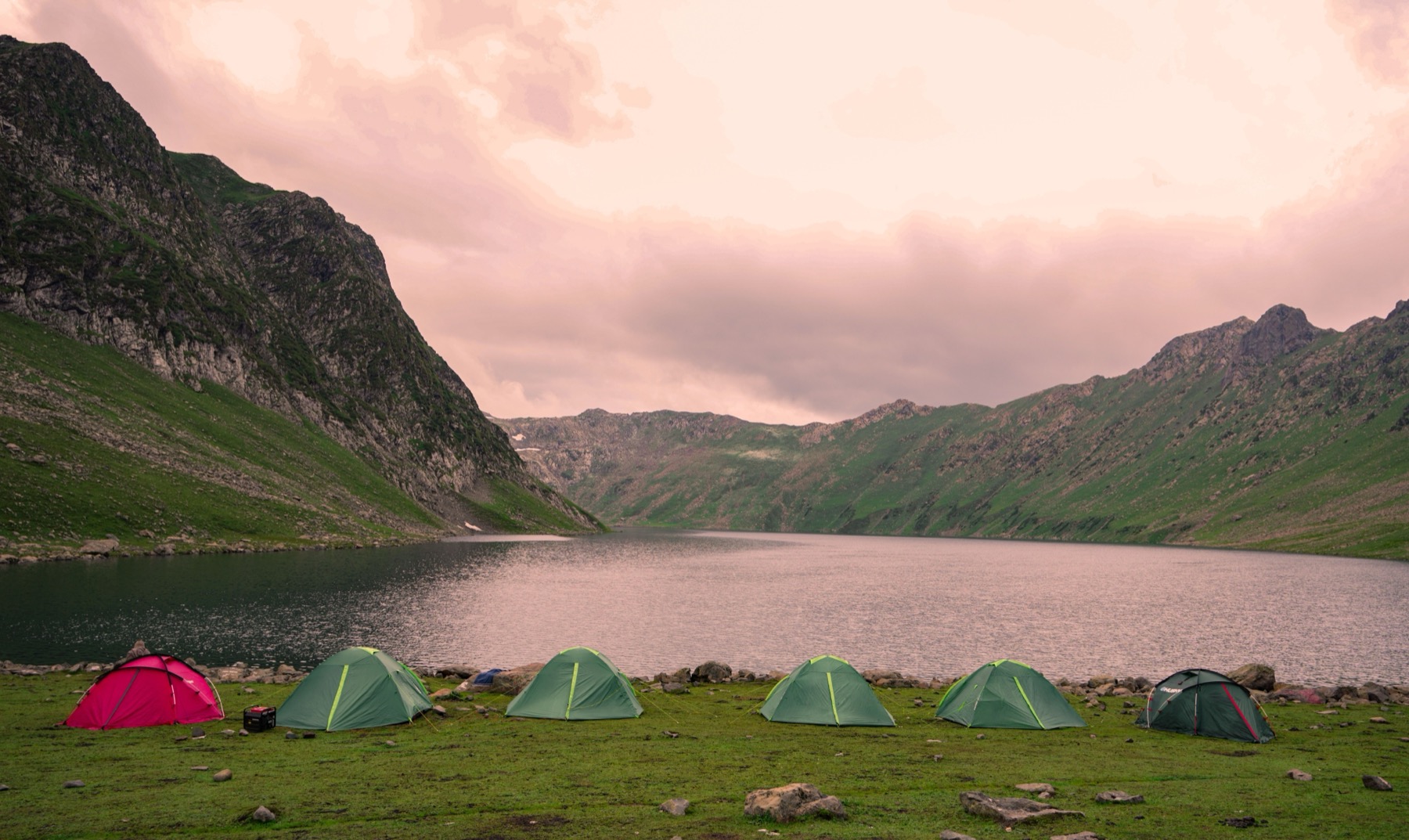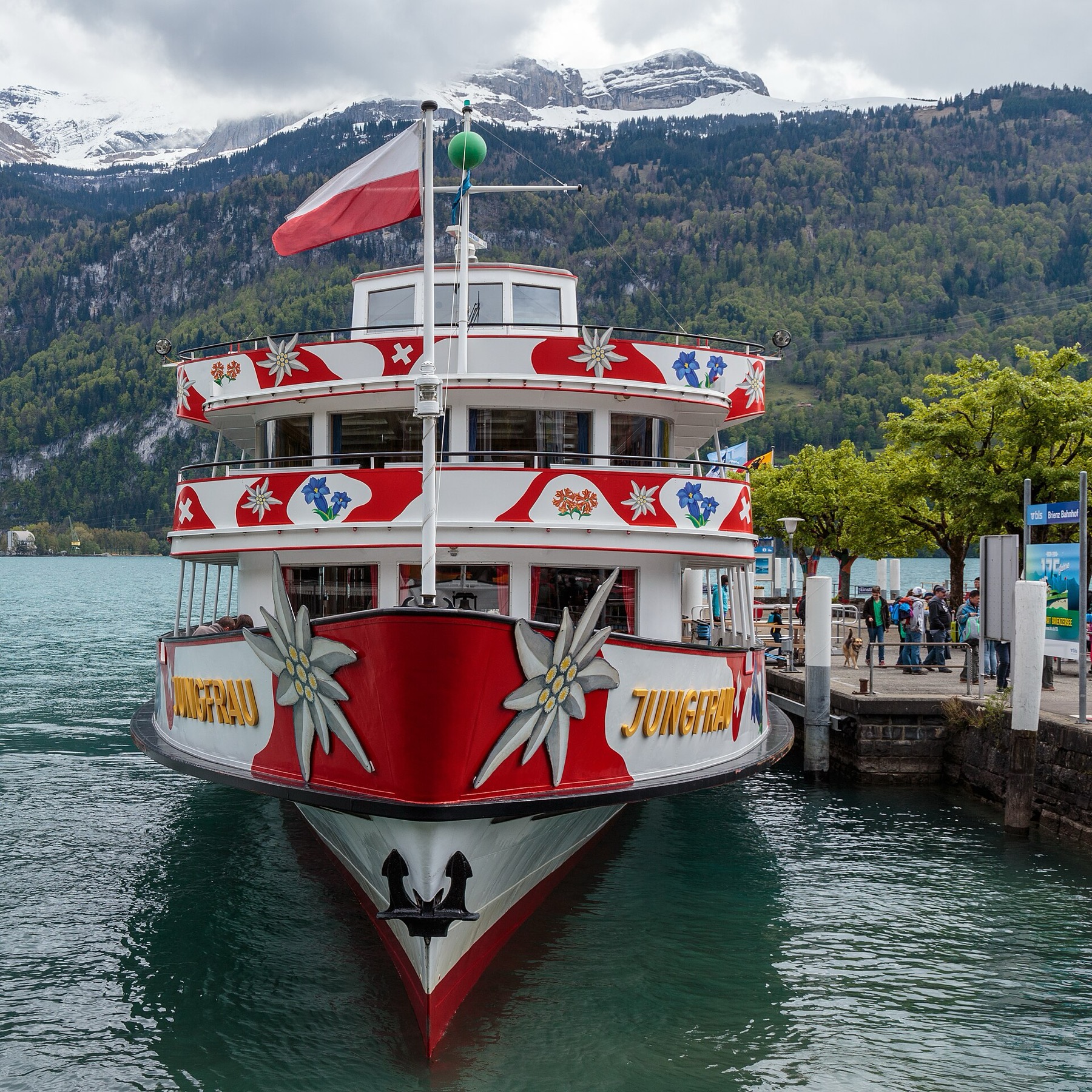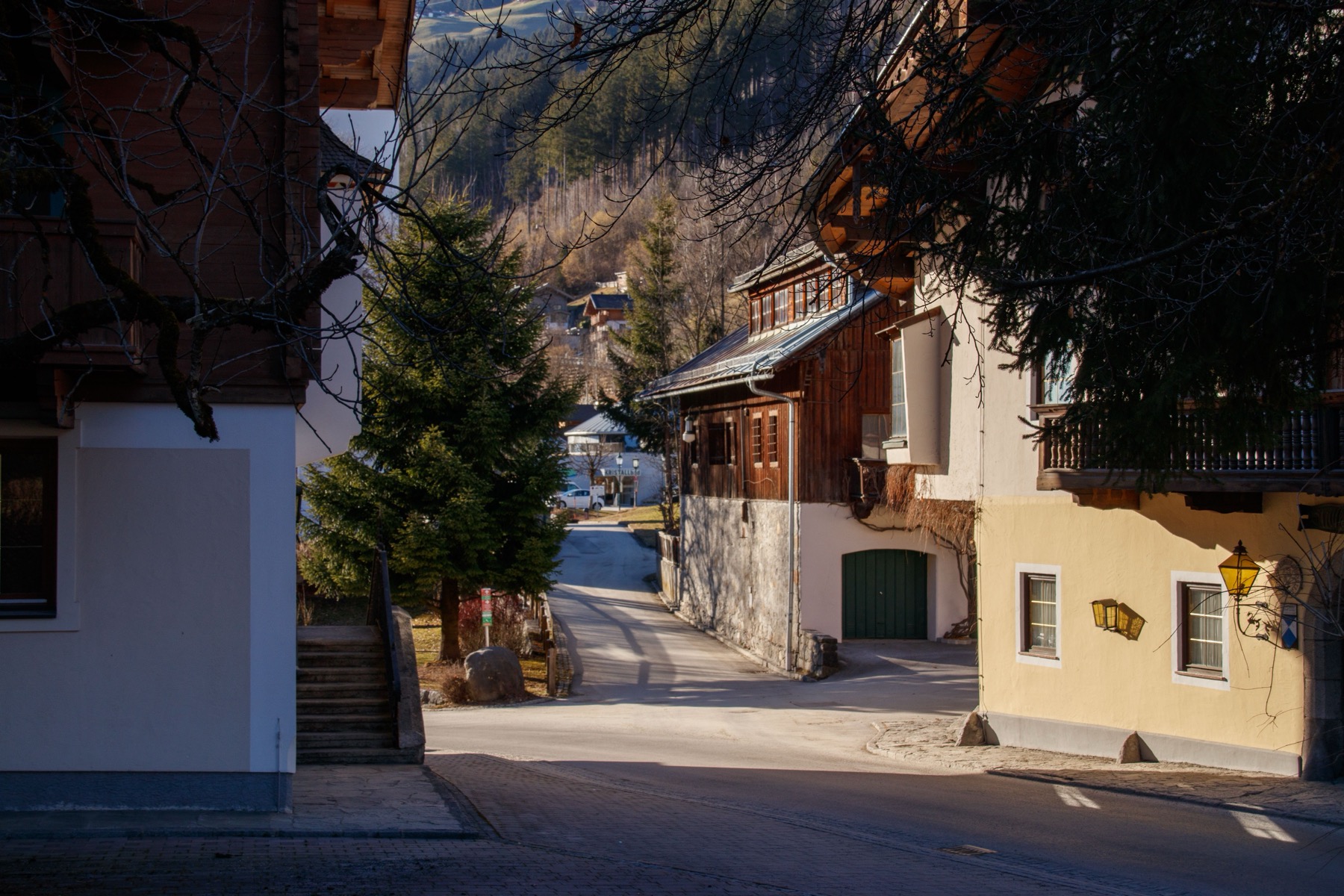
Europe Travel Destinations: 17 Most Beautiful Places to Visit in 2026

TL;DRAccording to this article there are 17 of the most beautiful Europe travel destinations for a holiday, from the Croatian coast and the Greek islands through turquoise Sardinia and Sicily to the high-alpine Dolomites, Norway’s Lofoten and Iceland. The recommended length of stay ranges from 2 days for Budapest or Prague to 14 days for Iceland or Sardinia, with June and September being best for the sea, mid-July to September for the mountains and spring or autumn for the cities. The cheapest options are Budapest and Slovakia’s High Tatras, where you can get by on a budget of around €200 per person, while the most expensive are Iceland, Norway’s Lofoten and the French Riviera. Croatia can be reached by car from Central Europe in about eight to ten hours and Slovenia in five to six, making them among the most accessible destinations for families travelling by car.

Over the years Lukáš and I have criss-crossed Europe and tried just about every conceivable way of travelling. We’ve slept in a rooftop tent on the car, driven mountain passes in a camper van, pedalled long-distance cycle routes and occasionally treated ourselves to fancier hotels. Now that our little Jonáš travels with us, we’re rediscovering old favourites from a completely new perspective.

Europe travel destinations are a safe bet for me, because this is easily the most varied continent on the planet. Nowhere else do you have such incredible contrasts within a few hours’ flight or drive. You can wake up in the morning to a view over deep Norwegian fjords and fall asleep in the evening on the shore of the turquoise Mediterranean.

If you’re currently planning where to go, this list is exactly for you. It covers Europe travel destinations for beach lovers, high-mountain enthusiasts and anyone chasing the perfect city break. I’ve picked 17 of the most beautiful places that shouldn’t be missing from your travel bucket list.

A quick summary for those who don’t have time to read the whole article

  • Best for families by car: Croatia and the Slovenian Alps offer great infrastructure and a short driving distance.
  • Best off-season warm-up: the Algarve in Portugal is our secret tip for spring-like temperatures in the middle of February.
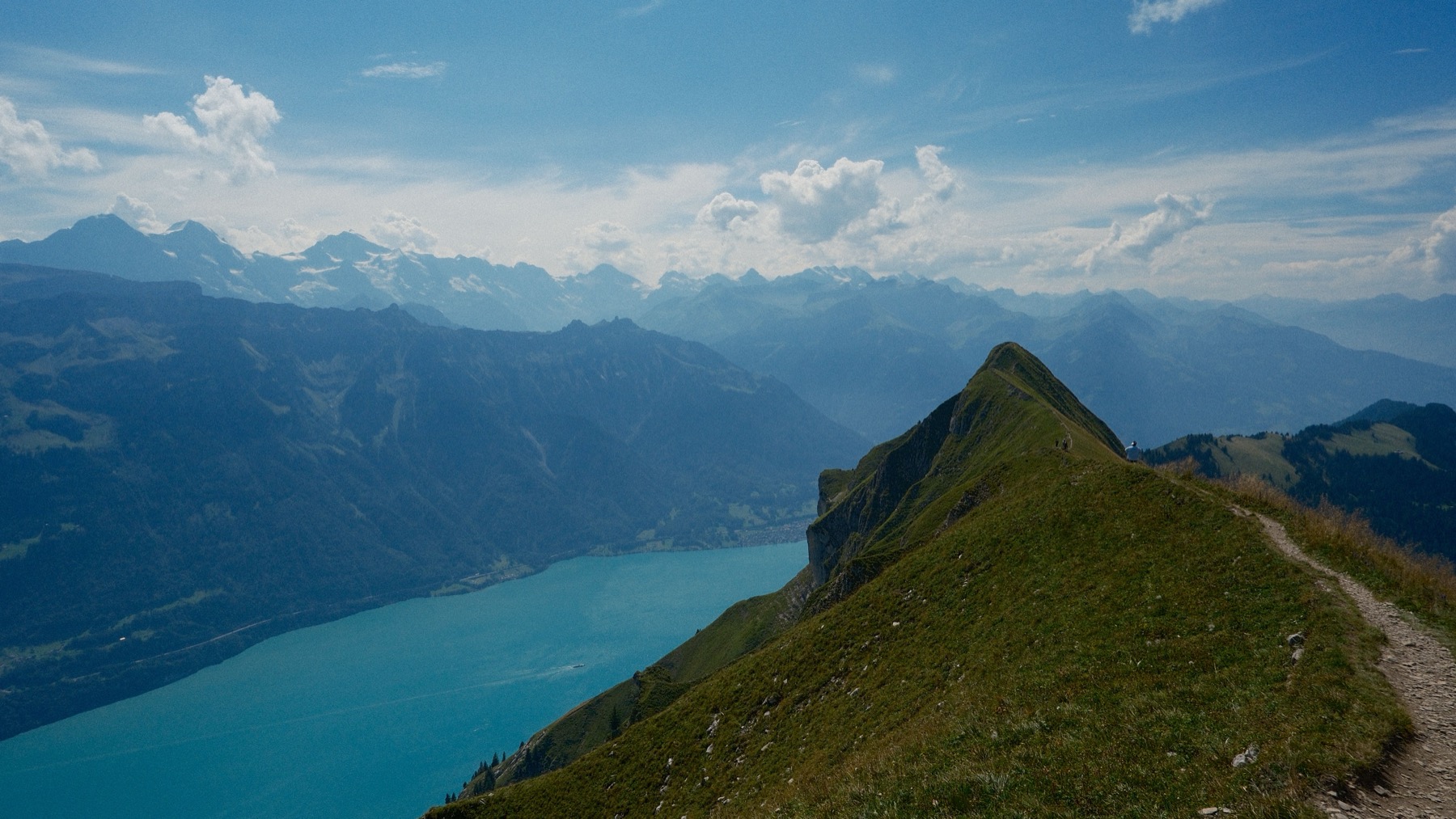
  • Best high-mountain panoramas: in our view the Dolomites easily outshine even the American national parks, and we speak from experience.
  • Best value for money: Budapest and Slovakia’s Tatras are destinations where your wallet won’t cry quite so much.
  • Most beautiful beaches and sea: Sardinia thoroughly deserves its nickname as the European Caribbean.
  • Most exotic without leaving the continent: Iceland and Norway’s Lofoten show you scenery that looks like it’s from another planet.
PlaceBest forWhen to goHow many days
:—:—:—:—
1. CroatiaAccessibility by car and clean seaJune or September7 to 10 days
2. Greek islandsRomance and varied beachesMay, June, September7 to 10 days
3. SardiniaTurquoise, Caribbean-like seaJune or September7 to 14 days
4. SicilyA mix of history, volcanoes and foodMay, June, October7 to 10 days
5. AlgarveCliffs, surfing and winter escapesYear-round7 to 14 days
6. French RivieraFrench charm and picturesque townsMay, June, September4 to 7 days
7. DolomitesBreathtaking mountain sceneryJune to September (or winter)4 to 7 days
8. LofotenArctic nature and the northern lightsSummer or February, March5 to 8 days
9. IcelandGeysers, waterfalls and raw landscapesJune to August (or winter)7 to 14 days
10. SloveniaAn active holiday in a small spaceMay to September3 to 5 days
11. High TatrasHigh-mountain hiking close to homeJuly to September3 to 5 days
12. TuscanyWine, cypress avenues and the RenaissanceApril, May, September5 to 7 days
13. ProvenceLavender fields and deep canyonsLate June, July4 to 7 days
14. LondonWorld-class museums and a cosmopolitan vibeYear-round3 to 4 days
15. ParisRomantic strolls and artSpring or autumn3 to 4 days
16. PragueHistory, views and magical lanesYear-round (especially May)2 to 4 days
17. BudapestThermal baths and a cheap city breakYear-round2 to 3 days

Summer beach holidays: 6 places where Europe shows off

If you’re looking for the perfect place to go on holiday in Europe for sunshine and salty air, the south of the continent definitely won’t disappoint. From pebble coves in the Balkans to wild cliffs at the very edge of the Iberian Peninsula, you’ll find beaches to rival any exotic island.

1. Croatia: an Adriatic that keeps on surprising

Lukáš and I have been to Croatia several times, and each time we were amazed at how much this country moves forward year on year. On our last road trip we mostly slept in nature, but it was impossible not to notice that the quality of accommodation and services is growing at an incredible pace. The drive from Central Europe down to Dalmatia takes roughly eight to ten hours, which makes it an ideal choice for flexible travellers.

Besides the iconic Plitvice Lakes, which you have to see at least once in your life, I recommend heading to historic towns like Trogir or Šibenik. Travellers on Reddit often point out that while Dubrovnik is bursting at the seams under the onslaught of cruise ships, Trogir offers a far more authentic experience within its walls. For the most beautiful sea, look to the islands of Hvar, Brač or Vis.

If you’re considering a trip to the Adriatic, you’ll find a full detailed itinerary in our guide on a holiday in Croatia. I always advise avoiding overcrowded August and going at the edges of the season instead.

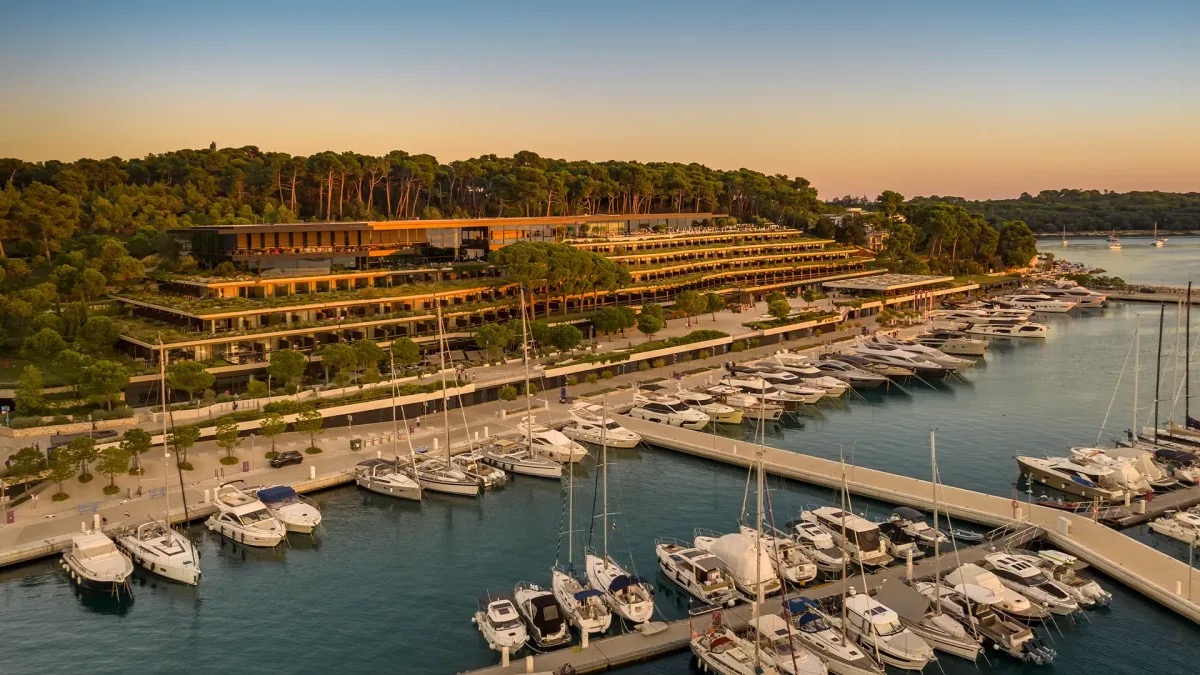
🗓️ When to go: June and September (you’ll avoid the crowds and peak prices) · ⏱️ How long: 7 to 10 days · 💰 Budget: Mid-range (apartments have gone up, but off-season prices are still fair) · 🛏️ Where to stay: Adriatic Hotel by Maistra Collection in Rovinj or Ikador Luxury Boutique Hotel and Spa in Opatija.

2. Greek islands: blue-and-white romance and perfect relaxation

Greece boasts more than two hundred inhabited islands, and choosing the right one can be a real puzzle. Every scrap of land in the Aegean and Ionian Sea has a completely different atmosphere. Travellers rave about the lunar landscape and snow-white rocks at Sarakiniko beach on Milos, while food lovers and fans of long sandy beaches regularly pick Naxos.

Legendary Santorini and its stunning caldera are a chapter of their own. On discussion forums people often argue whether the island isn’t overpriced and overcrowded. But one of the most popular opinions on Reddit sums up the reality perfectly (I’m quoting): I expected to be disappointed and in the end it’s the most beautiful place I’ve ever been. The key to success is going in April or May, when you’ll have the loveliest sunset views in the village of Oia almost to yourself.

For a detailed comparison of the individual destinations, read our article on where to go on holiday in Greece, where you’ll also find tips on the most beautiful Greek islands. The water stays pleasantly warm well into autumn.

🗓️ When to go: May, June or September and October · ⏱️ How long: 7 to 10 days (it’s ideal to combine two islands) · 💰 Budget: Mid-range (factor in extra costs for ferries) · 🛏️ Where to stay: Stella Village Seaside Hotel on Crete or Angsana Corfu Resort and Spa on Corfu.

3. Sardinia: the European Caribbean you have to see

Sardinia is quite rightly nicknamed the European Caribbean, and looking at the photos it’s no wonder. The turquoise colour of the sea on the northern coast is so vivid you won’t believe your own eyes. The most famous beach, La Pelosa, near the town of Stintino tempts you with white sand and shallow water that’s ideal even for weaker swimmers.

But the island isn’t only about lazing on the beach. The interior hides mysterious prehistoric structures called nuraghi, and the Su Nuraxi complex is even a UNESCO World Heritage Site. If you like wilder nature, the Cala Goloritzé cove is sure to captivate you — you can only reach it on foot along a beautiful mountain trail or by rented boat from the sea.

We share more practical advice and a complete map of interesting spots in our guide on what to see in Sardinia. To get around the island you’ll definitely need your own or a rental car.

🗓️ When to go: June and September (in August the whole of Italy is on holiday and everything is packed) · ⏱️ How long: 7 to 14 days · 💰 Budget: Mid-range to higher (ferries and flights can jump in season) · 🛏️ Where to stay: Hotel Villa Las Tronas in Alghero or Su Gologone Experience Hotel inland.

4. Sicily: antiquity and volcanoes on one plate

Sicily probably offers the best imaginable mix of history, gorgeous sea and fantastic food in all of Italy. The island’s most striking feature is, of course, Europe’s highest active volcano, majestic Etna, which rises to more than three thousand metres. You can get close to it by cable car and then by off-road buses.

While roaming the island you mustn’t miss romantic Taormina with its ancient theatre, which offers an incredible view of smouldering Etna. Other gems are historic Palermo, the beautiful mosaics in Monreale and the Valley of the Temples in Agrigento. And if you’re vegetarian like us, you’ll be in paradise here. You absolutely have to try the fried rice balls arancini filled with cheese and peas, or the sweet cannoli pastries.

If this vibrant island appeals to you, check out our tips for a holiday in Sicily. Food here is also noticeably cheaper than in the more industrial north of Italy.

🗓️ When to go: May, June and the turn of September and October (summers bring extreme heat) · ⏱️ How long: 7 to 10 days · 💰 Budget: Mid-range (very friendly prices for local food) · 🛏️ Where to stay: You’ll find specific verified hotels and guesthouses spelled out in our detailed guide.

5. Algarve: Portugal’s paradise on earth

If you’re thinking of heading to the south of Portugal, I have to warn you honestly in advance. You’ll fall in love with it so much that you won’t want to go home. Lukáš and I have been coming to the Algarve every single year since 2020, and the region charmed us so much that we’re eventually hoping to buy a little house here. We usually spend the whole of February here, when temperatures hover between a pleasant seventeen and twenty degrees, the beaches are empty and the sun is shining.

The Algarve is famous for its ochre cliffs and caves. Among the most beautiful spots are the rock formations of Ponta da Piedade near Lagos, Praia da Marinha beach and the celebrated Benagil cave. The ocean is fairly cold even in the middle of summer and often brings big waves, which makes the region an absolute paradise for surfers. Sunset on the cliffs by the Cabo de São Vicente lighthouse, Europe’s southwesternmost tip, is simply magical.

Experienced travellers on community forums often advise avoiding large resorts like Albufeira, which feel more like a British colony. Far more picturesque, they say (and we fully agree), is historic Tavira in the east, where you’ll find peace and beautiful beaches reached by ferry. We’ve put together our entire Algarve road trip as a detailed itinerary for you.

🗓️ When to go: Year-round (summer is ideal for swimming, winter for hiking and escaping the frost) · ⏱️ How long: 7 to 14 days · 💰 Budget: Mid-range (off-season you’ll get accommodation for a fraction of summer prices) · 🛏️ Where to stay: Quinta Nova Vale Del Rey in Carvoeiro or the unusual houseboat The Homeboat Company in Albufeira.

6. The French Riviera: cinematic charm and endless light

The south of France combines incredible elegance, picturesque historic towns and famous pebble beaches. The local light is so distinctive and soft that historically the area attracted the world’s greatest painters, including Matisse and Picasso. And when you look out over the coast at sunset, you’ll quickly understand why. The centre of all the action is the city of Nice with its famous Promenade des Anglais.

Besides lazing by the sea, it would be a sin not to head into the surrounding hills. The medieval town of Èze, hanging like an eagle’s nest high above the water, is truly exceptional. Another stop should be Menton, the city of lemons, or famously film-worthy Cannes. The great news is that the whole coast is perfectly connected by local TER trains, so you’ll save yourself the stress of hunting for expensive parking.

To find out more about what the area around Nice hides, check out our article on Nice and its surroundings, and be sure to peek into our guide to colourful Menton too.

🗓️ When to go: May, June and September (July and August are extremely expensive and crowded) · ⏱️ How long: 4 to 7 days · 💰 Budget: Higher (but train travel and market shopping can tame the budget) · 🛏️ Where to stay: Hotel Florence Nice in the mid-range or the legendary luxury Le Negresco right on the promenade.

Mountains, fjords and lakes: 5 of Europe’s natural gems

Sometimes you simply need to swap your swimsuit for hiking boots and let the power of raw nature blow you away. If you’re seeking the most beautiful places in Europe full of peaks soaring into the sky, deep forests and crystal-clear glacial lakes, from the following destinations you’ll bring home photos that nobody back home will believe were taken in Europe.

7. The Dolomites: Italian mountains that will take your breath away

The Dolomites are our absolute favourite and we come back every year. We’ve discovered the mountains here from the saddle of a bike, camped in a tent, driven the passes in a camper van and occasionally treated ourselves to the comfort of a hotel. This year we were here for the first time with little Jonáš, and although we swapped long, demanding treks for comfortable cable cars, we discovered it’s perhaps even more stunning that way.

The region’s best-known symbol is undoubtedly the iconic trio of teeth, Tre Cime di Lavaredo, which you have to walk around at least once. On discussion sites you’ll find comments with thousands of upvotes claiming the Dolomites are so overwhelmingly beautiful that they’ll ruin hiking in the US for you, because not even the national parks there can match them. And we have to admit that the photogenic Alpe di Siusi meadow and the craggy Seceda really do look painted.

Thanks to its UNESCO listing, the area carefully protects its character. We’ve written up detailed tips on treks and viewpoints in our article on what to do in the Dolomites. Whether you choose Cortina d’Ampezzo or the Val Pusteria valley as your base, you won’t go wrong.

🗓️ When to go: Mid-June to September for hiking, December to March for perfect skiing · ⏱️ How long: 4 to 7 days · 💰 Budget: Higher (accommodation in the Italian mountains is pricier and cable cars usually cost €20 to €40) · 🛏️ Where to stay: Dolomiti Sweet Lodge or the design-led HOTEL de LEN right in Cortina.

8. Lofoten: a magical end of the world above the Arctic Circle

This July we set off for eight days to Norway’s Lofoten with our two-year-old Jonáš, and it was an experience we’ll never forget. Up here in the north the weather changed literally every five minutes. Within a single hour we experienced pouring rain, sharp sun, strong wind and then a shower again, but that dramatic atmosphere is simply part of Lofoten. These islands reminded us enormously of rugged Alaska.

The classic image of Lofoten is the so-called rorbuer, old red fishing huts built on stilts right over the water. Besides the Arctic beaches of Haukland and Vik with their unbelievably turquoise water, framed by peaks jutting straight out of the ocean, you’ll also find fantastic cafés here. From our base in the town of Henningsvær we fell in love with the local bakery and we still dream about their sweet coconut skoleboller pastries to this day.

When planning your trip, remember that Norway is huge and distances are deceptive. As the locals joke on Reddit, tourists often ask which way to walk to Lofoten from Trondheim, even though it’s a thousand kilometres away. You’ll find more tips in our article on what to see in Lofoten. The car rental companies here offer almost exclusively electric vehicles, but the charging network is absolutely top-notch.

🗓️ When to go: June to August for the midnight sun, February and March for the northern lights · ⏱️ How long: 5 to 8 days · 💰 Budget: Expensive (food prices are double those elsewhere in Europe and one car charge costs around €15 to €30) · 🛏️ Where to stay: The iconic red huts of Eliassen Rorbuer in Hamnøy or Svinøya Rorbuer in Svolvær.

9. Iceland: an adventure on another planet

When Lukáš and I first drove around Iceland, we constantly felt like we’d left planet Earth. It’s the closest feeling of absolute exoticism you can experience in Europe. The landscape is harsh, full of moss, black volcanic sand and vast masses of frozen ice.

Most visitors start with the famous Golden Circle, where you’ll be amazed by the regularly erupting Geysir and the mighty Gullfoss waterfall. But if you carry on south along Ring Road number one, you’ll discover more gems. At Seljalandsfoss waterfall you can walk right behind the falling wall of water, and at the Jökulsárlón glacier lagoon you’ll stare at enormous blue icebergs drifting freely out to the ocean.

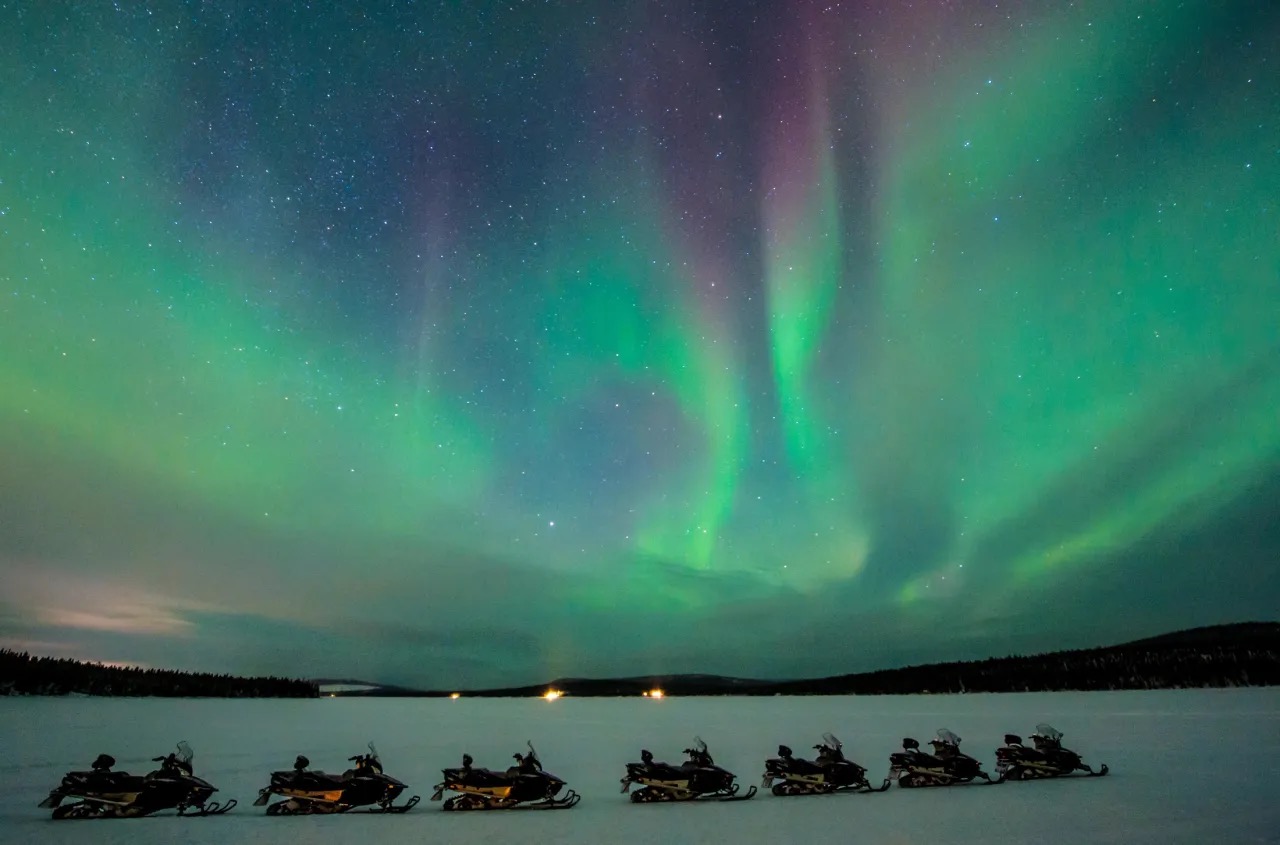
In summer you’ll enjoy endless days thanks to the midnight sun, while in winter you can marvel at the dancing northern lights. We’ve summed up everything essential for planning a road trip in our article Iceland: the big guide. Although flights are often surprisingly cheap, the stay itself will put your wallet to the test.

🗓️ When to go: June to August to drive the whole island, September to March to hunt the northern lights · ⏱️ How long: 7 to 14 days (for the complete loop) · 💰 Budget: Very expensive (accommodation and restaurants are among the priciest in Europe) · 🛏️ Where to stay: Fosshótel Glacier Lagoon near the glacier lagoon or the popular Hótel Kea in the northern town of Akureyri.

lukas a lucka
Lukáš and Lucie recommend
Where to Stay in Europe
6 accommodations — hotels, wellness hotels and other lodging options

10. Slovenia: a green pearl with an enormous heart

Slovenia may be a small country, but it offers such concentrated natural beauty that it boggles the mind. From Central Europe you can drive here in just five or six hours, which makes it an absolutely ideal destination even for a long weekend. The biggest magnet is, of course, the famous Lake Bled with its magical little church on an islet and a castle perched on a steep cliff above the water.

Experienced travellers on discussion forums share an interesting observation: although Bled is gorgeous, it tends to be crowded even outside high season. A far quieter and, according to many, even more picturesque alternative is nearby Lake Bohinj, which lies right in the heart of a wild national park and offers better swimming conditions. On the way, don’t miss the walk along the wooden boardwalks through the narrow Vintgar Gorge.

Also explore the emerald Soča River, a paradise for rafters, or the majestic Predjama Castle carved into the rock. You’ll find a complete list of tips in our article on what to see in Slovenia, and after your outings don’t forget to warm up at the best thermal spas in Slovenia.

🗓️ When to go: May to September (nature is at its greenest) · ⏱️ How long: 3 to 5 days · 💰 Budget: Mid-range (accommodation and services are still noticeably cheaper than in neighbouring Austria) · 🛏️ Where to stay: Adora Luxury Hotel with a view of Bled or the eco-friendly Bohinj Eco Hotel.

11. The High Tatras: the nearest true high mountains

The High Tatras in Slovakia are the most accessible taste of genuine high mountains you can find. I’ve done a multi-day ridge traverse here with a backpack on my back, and I can confirm that the views from the mountain saddles down into deep valleys are absolutely magnificent. The advantage is that you can comfortably reach the foot of the Tatras by overnight sleeper train, and by morning you can already be standing at the trail marker.

The classics include a walk around Štrbské pleso and Popradské pleso. Experienced hikers can head up to Rysy without a mountain guide, rising to nearly two and a half thousand metres. On international forums you’ll often see discussions where hikers compare the Slovak and Polish sides of the mountains. While they call Poland’s Zakopane a tourist hell with queues on the pavements, the Slovak side is still considered an underrated treasure where you can avoid the crowds.

After a tough day on the trail, there’s nothing better than soaking your tired muscles in warm water. That’s why we’ve prepared an overview of the thermal spas in Slovakia, where you can pop after reading the itinerary for the High Tatras traverse.

🗓️ When to go: July to September for safe hiking (in June there’s often still snow on the ridges) · ⏱️ How long: 3 to 5 days · 💰 Budget: Cheap (compared with the Alpine countries you’ll get food and mountain-hut beds at great prices) · 🛏️ Where to stay: You’ll find accommodation tips with wellness facilities in our article on Slovak thermal spas.

Landscapes like a postcard: wine, lavender and Tuscan hills

For those of you who don’t need to rack up elevation gain on holiday or swim in the sea every day, Europe has the world’s most romantic countryside scenery in store. The following regions are made for slow travel from one village to the next, tasting local cheeses and sipping wine at sunset.

12. Tuscany: the Renaissance heart of Italy

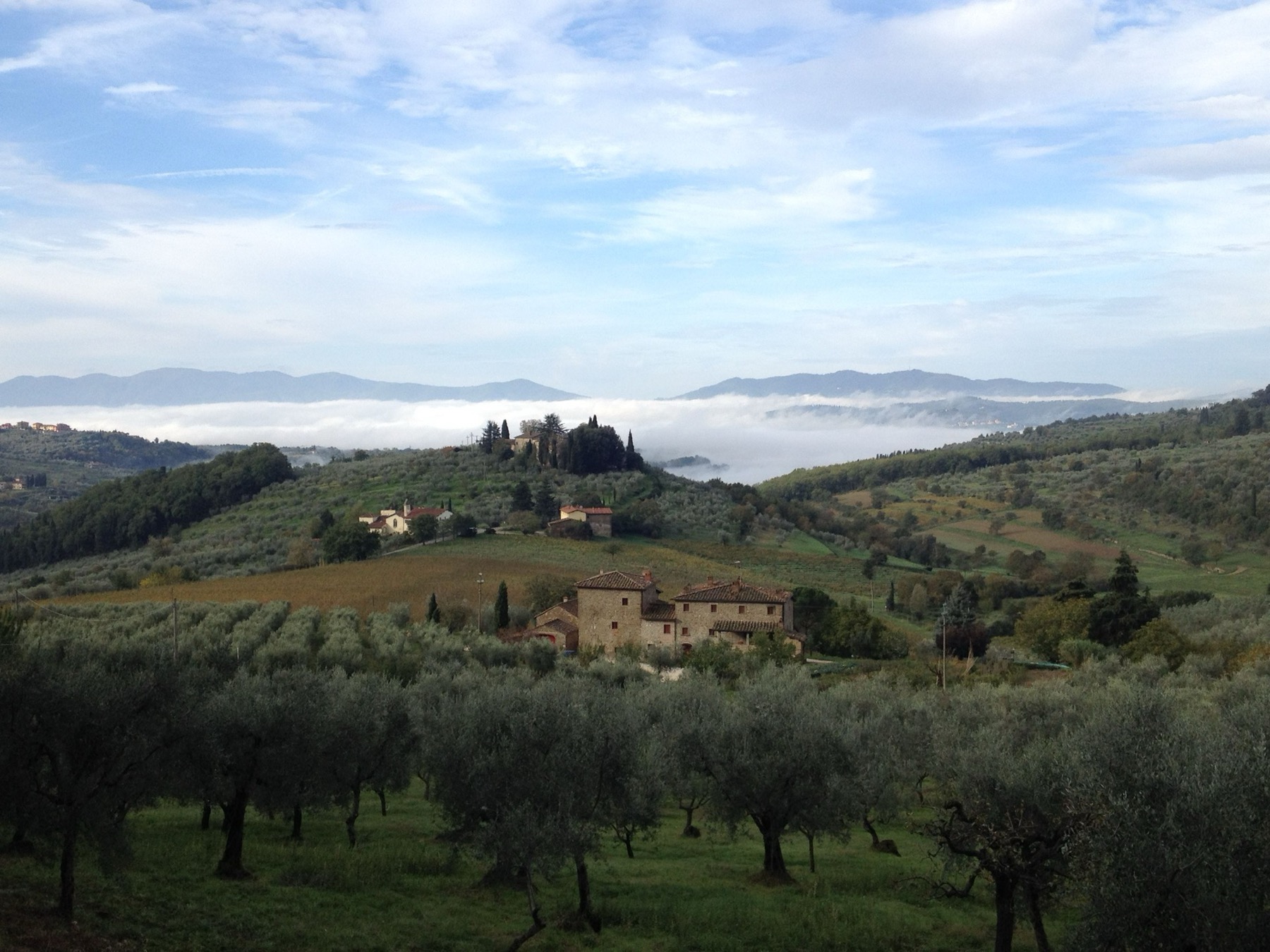
Tuscany is tied up with a huge number of wonderful memories for me. I’ve been here several times with my family, driving the classic loop, but Lukáš and I also got to know it by bike on a long-distance cycle trip across the continent. Pedalling up the endless gentle hills between the vineyards was hard work, but the views made up for everything.

The absolute highlight for photography lovers is the Val d’Orcia valley, protected by UNESCO. This is exactly where all those iconic shots of lonely farmhouses lined with perfectly trimmed cypress avenues come from. Besides Florence with its stunning galleries, headed by the Uffizi Gallery, you mustn’t miss medieval Siena or San Gimignano, nicknamed the medieval Manhattan for its tall family towers.

As a reward you can then soak in the hot springs of Saturnia, whose cascading pools are completely free. For the perfect itinerary, check out our article Tuscany: a holiday or the detailed guide to the towns of Siena and San Gimignano.

🗓️ When to go: April, May and September, October (in summer it’s stiflingly hot with huge crowds) · ⏱️ How long: 5 to 7 days · 💰 Budget: Mid-range to higher (depends on whether you pick a luxury villa or a simpler guesthouse) · 🛏️ Where to stay: The romantic Hotel Certosa di Maggiano in Siena or the countryside agritourism Ca’ Bianca Tuscany Relais.

13. Provence: a purple sea of scents and colours

The interior of southern France is a world of its own, dominated by the distinctive scent of herbs and good rosé wine. If you long to see the most beautiful endless lavender fields, you have to plan your trip absolutely precisely. The best-known fields are on the Valensole plateau or by the picturesque Sénanque abbey, but they only bloom for a few weeks of the year.

Besides the fragrant fields, Provence also hides one of Europe’s greatest natural wonders, the awe-inspiring Gorges du Verdon. This deep canyon with its vividly turquoise water tempts you to rent a pedalo or kayak and explore the steep limestone walls straight from the water. History lovers, on the other hand, will fall for the villages perched on rocks, like stone-built Gordes or Roussillon, entirely constructed from red-ochre stone.

We’ve mapped the whole area for you in an article focused on the stunning Gorges du Verdon canyon, and it fits beautifully into a longer route described in our road trip around France. And a warning right away: without your own car you’ll be stuck here, as public transport between the villages barely runs.

🗓️ When to go: Late June to mid-July for the blooming lavender, otherwise September is lovely too · ⏱️ How long: 4 to 7 days · 💰 Budget: Mid-range to higher (France charges well for its best regions) · 🛏️ Where to stay: You’ll find accommodation options spelled out in our big France guide.

Cities for a long weekend: 4 capitals that won’t disappoint

If you only have a few days off and you’re after the best city break, Europe’s big cities are the obvious choice. They offer the most beautiful landmarks, top-class food and flights for just a few euros from many airports across the continent.

14. London: a cosmopolitan giant that never sleeps

London fascinated me even as a child, when I first stood in the huge queue outside Madame Tussauds. Lukáš and I returned to the British capital right after coming back from our year-long stay in Canada. I remember we were watching every pound back then, so we rented city bikes and cycled all over the centre, joined a free Harry Potter film-location walk and discovered that London can be enjoyed even on a very slim budget.

One of London’s biggest advantages is the fact that most of its key museums, headed by the magnificent British Museum, are completely free to enter. Travellers often compare its energy with New York, because for sheer number of landmarks and attractions it has no rival in Europe. From the crown jewels in the Tower of London, through iconic Tower Bridge, to the colourful markets of Notting Hill or Camden.

So your head doesn’t spin from this enormous city, we’ve put together an extensive list of 50 tips on what to see in London. And if you love discovering quality coffee beans as much as we do, check out the best cafés in London.

🗓️ When to go: Year-round (in spring the parks are in bloom and pre-Christmas December has a unique charm) · ⏱️ How long: 3 to 4 days · 💰 Budget: Higher (London hotels are expensive, but you’ll save on museum entry and street-market food) · 🛏️ Where to stay: The Z Hotel Trafalgar for great value and location, or the classic The Cavendish London.

15. Paris: the city of lights and irresistible romance

Paris is simply a classic you should soak up first-hand at least once in your life. When we wandered around here, what we loved most was simply sitting by the River Seine. We bought fresh crusty baguettes and quality French cheeses at a local market and just watched the boats and the bustle of the city. It has far more magic than rushing from one landmark to the next.

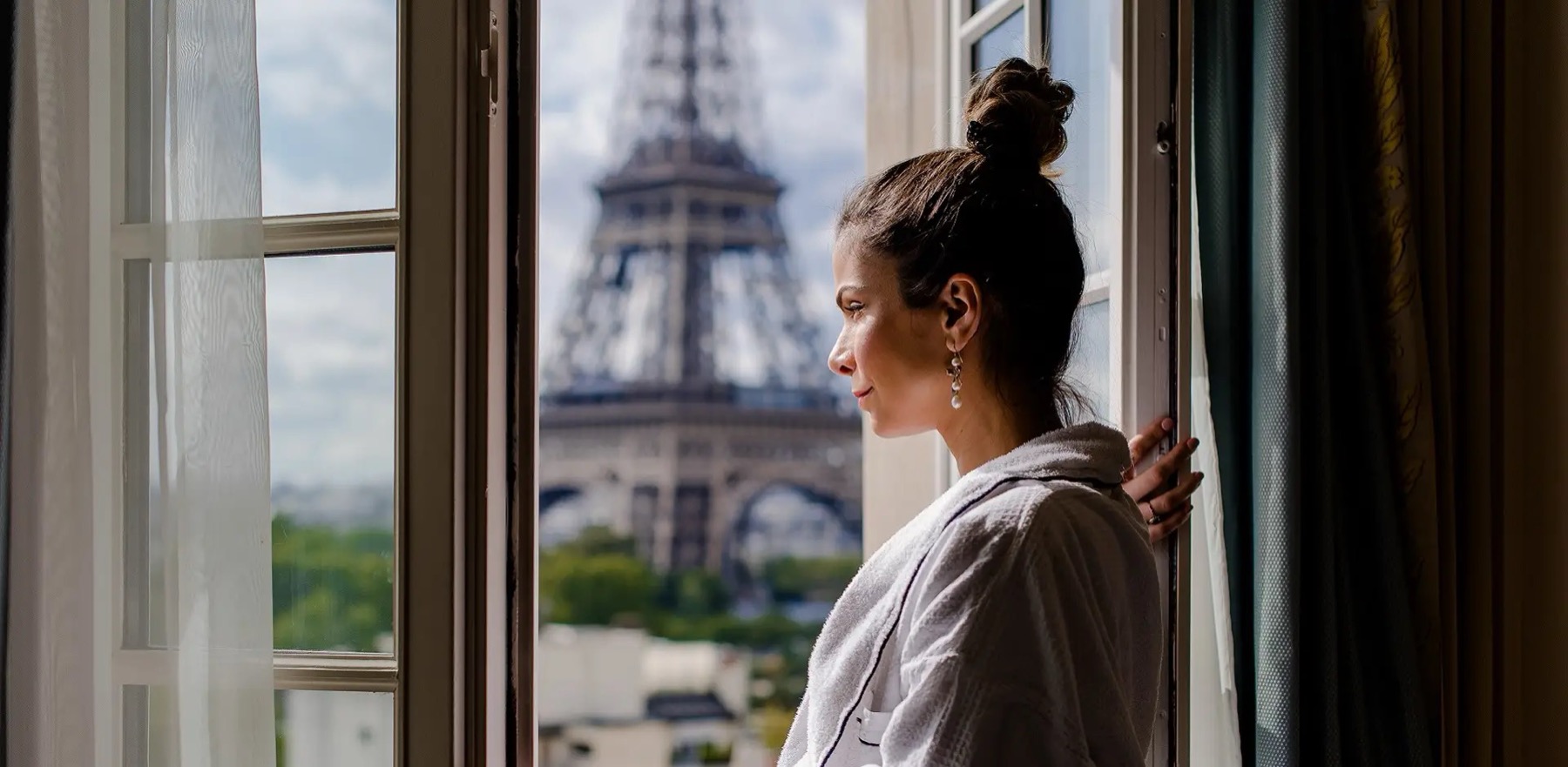
The city’s symbol is, of course, the Eiffel Tower, where an iron rule applies: you have to book your tickets well in advance. The same goes for the famous Louvre, the world’s most visited museum. The most common tourist mistake is trying to race through all the collections in a single day. It’s far wiser to pick just two or three sections and spend the rest of your time strolling the lanes of artistic Montmartre.

You’ll find practical advice for your visit in our guide on what to see in Paris. Choosing the right neighbourhood is absolutely crucial to the overall impression here, so be sure to study our guide on where to stay in Paris.

🗓️ When to go: April to June or beautifully coloured October · ⏱️ How long: 3 to 4 days · 💰 Budget: Higher (you pay a premium for views and central Paris hotels) · 🛏️ Where to stay: You’ll find specific hotels sorted by district in our specialised article.

16. Prague: a gem right under our noses

For many locals Prague is just a place for the occasional shopping trip or a bit of paperwork, but be honest — when did you last walk around the capital through the eyes of a curious tourist? I had the enormous privilege of attending grammar school in the Lesser Town, and during lunch breaks I’d regularly stroll through the grounds of Prague Castle. Back then I had no idea how exceptional that was, just as I didn’t realise this is where our first date with Lukáš took place.

Prague regularly and quite rightly ranks among the most beautiful cities in the world. St Vitus Cathedral takes your breath away with its majesty, and a walk around mysterious Vyšehrad offers peace and the best views over the Vltava. If you want to experience real magic, head to Charles Bridge at dawn, while the city still sleeps. It’s the only chance to enjoy its statues without hundreds of selfie sticks in the way.

We’ve gathered plenty of inspiration for a weekend stay in our article on what to see in Prague. Even though home is just a short hop away, it’s sometimes worth booking a nice hotel and becoming a tourist in your own country for a few days.

🗓️ When to go: Year-round (in my view it’s most beautiful in fragrant May and December during the Christmas markets) · ⏱️ How long: 2 to 4 days · 💰 Budget: Cheap (Prague is more affordable than the Western capitals) · 🛏️ Where to stay: The luxurious Augustine in the Lesser Town or the renowned Four Seasons Prague by the river.

17. Budapest: the queen of the Danube and hot springs

The Hungarian capital is probably the best tip for travellers who want an awful lot of bang for very little buck. Budapest is simply beautiful. Its most photogenic landmark is the enormous Parliament building sitting right on the bank of the Danube, which looks especially dramatic after dark when it lights up completely. Fairy-tale views are then offered by the white turrets of the Fisherman’s Bastion on the Buda side of the city.

What sets Budapest apart from other cities, though, is its spa culture, with roots going all the way back to the Romans and Turks. The famous Széchenyi thermal baths, recognisable by their vast yellow façades, or the Art Nouveau Gellért baths are the perfect balm for tired feet. After a full day of walking, treat yourself to some greasy lángos straight from the street, along with kürtőskalács, a sweet chimney cake you simply can’t resist.

You’ll find all the important spots, including the famous ruin bars, in our article Budapest: the best places. Of our entire seventeen, this city is the friendliest choice for tight budgets.

🗓️ When to go: Year-round (in winter the rising steam over the outdoor pools has an incredible charm) · ⏱️ How long: 2 to 3 days · 💰 Budget: Cheap (food, accommodation and services are all very affordable) · 🛏️ Where to stay: The modern Hotel Vision or the comfortable Milford Suites Budapest apartments.

When to go where and how to save

If you want your European holiday to run smoothly and not cost you all your savings, careful timing is absolutely crucial. For summer beach stays we strongly recommend avoiding August and focusing on June or September instead. The weather in those months is gorgeous, the sea still warm, but hotel prices and crowds are often half of what they’d be. European cities, on the other hand, are at their loveliest in spring or autumn, when you won’t roast on scorching asphalt.

Destinations like Norway’s Lofoten, Iceland and the French Riviera are among the most expensive places on the continent. You can save here mainly by going just outside the peak and buying food in local supermarkets instead of eating out every day. In contrast, you’ll get a remarkably cheap city break in Budapest or a high-mountain hike in Slovakia’s Tatras, where with a bit of planning you can manage — flight or train ticket included — on around €200 per person.

For finding cheap connections, we’ve had good results tracking departures on Kiwi, mostly midweek when prices tend to be lowest. If you’re planning a road trip, we always use the RentalCars comparison tool, which we’ve had good experiences with across several continents. We also never set off without proper travel insurance. For shorter trips around Europe AXA works reliably for us, and for longer, more demanding journeys we choose True Traveller.

Where to next

Frequently asked questions

Finally, I’ve put together answers to the questions that come up most often around planning a holiday in Europe.

What is the most beautiful place in Europe?

It’s very subjective and depends on what you’re looking for. For lovers of high mountains and nature, the Italian Dolomites or Norwegian Lofoten Islands are absolute highlights. If you love swimming, Sardinia most closely resembles the Caribbean. Personally, we think Prague and romantic Paris are among the most beautiful architectural gems.

Where to go in Europe for a summer beach holiday?

If you prefer an easy road trip by car, Croatia is still a safe bet with excellent infrastructure. If you don’t mind flying, the Greek islands and Italian Sardinia offer the most beautiful sandy coves. But try to go in June or September instead, and you’ll avoid the biggest crowds.

Where to go in Europe for nature and mountains?

For breathtaking alpine panoramas, head to the Italian Dolomites or neighboring Slovenia. The High Tatras guarantee a fantastic and affordable high-mountain experience. But if you’re looking for truly rugged and raw Nordic nature, Icelandic glaciers and the Norwegian Lofoten Islands are unmatched.

Where to go for a long weekend in Europe?

For a long weekend lasting two to four days, compact metropolises are ideal. Budapest will delight your wallet and your tired body thanks to its thermal baths. London offers an incredible number of free museums. Among nature destinations, you can beautifully explore the area around Slovenia’s Lake Bled over a weekend.

Where is a holiday in Europe the cheapest?

Among the cheapest yet incredibly attractive destinations are Budapest in Hungary and the Slovak Tatras. You can also save significantly in Portugal’s Algarve if you go outside the summer season. On the other hand, you need to prepare for the highest costs in Iceland, Norway, and the French Riviera.

When is the best time for a holiday in Europe?

For swimming in the sea, late June and September are ideal. For high-mountain hiking in the Alps, go from mid-July to September, when there’s no longer snow on the trails. Cities are most beautiful in spring and autumn, while winter is perfect for skiing or visiting Christmas markets and thermal baths.

How many places in Europe can I fit into one holiday?

Honestly? Less is more. Exploring one region thoroughly, even with a relaxed coffee break, is a much better experience than rushing through three destinations superficially. Neighboring destinations combine beautifully—for example, the mountains in Slovenia with the Italian Dolomites, or a train trip linking the monuments of Prague and nearby Budapest.

Tips and Tricks for Your Vacation

Don’t Overpay for Flights

Search for flights on Kayak. It’s our favorite search engine because it scans the websites of all airlines and always finds the cheapest connection.

Book Your Accommodation Smartly

The best experiences we’ve had when looking for accommodation (from Alaska to Morocco) are with Booking.com, where hotels, apartments, and entire houses are usually the cheapest and most widely available.

Don’t Forget Travel Insurance

Good travel insurance will protect you against illness, accidents, theft, or flight cancellations. We’ve had a few hospital visits abroad, so we know how important it is to have proper insurance arranged.

Where we insure ourselves: SafetyWing (best for everyone) and TrueTraveller (for extra-long trips).

Why don’t we recommend any Czech insurance company? Because they have too many restrictions. They set limits on the number of days abroad, travel insurance via a credit card often requires you to pay medical expenses only with that card, and they frequently limit the number of returns to the Czech Republic.

Find the Best Experiences

Get Your Guide is a huge online marketplace where you can book guided walks, trips, skip-the-line tickets, tours, and much more. We always find some extra fun there!
Estonia the Country: 20 Facts You Didn’t Know

People often confuse Estonia the country with Latvia or Lithuania and mentally file it somewhere in the grey post-Soviet east. In reality, this tiny nation belongs mentally and culturally to Scandinavia, and it is far closer to the Finns than to its Baltic neighbours.

Instead of crumbling concrete tower blocks, you’re welcomed by a highly modern and technologically advanced society, where medieval walls flow seamlessly into glass-fronted startup hubs. In the morning you can respectfully watch for bears deep in the taiga, and in the afternoon sip specialty coffee in a neighbourhood that looks like it was lifted straight from a Copenhagen design magazine.

In this article we’ll take a look at the most interesting and surprising facts that make Estonia a true European one-off. Among other things, you’ll find out why people here sometimes drive across the sea in winter without seatbelts, and how it’s even possible that locals handle all their official paperwork straight from the sauna.

Quick answer

Estonia is the northernmost Baltic state, lying in north-eastern Europe by the Baltic Sea and bordering Latvia and Russia. The capital is Tallinn, the currency is the euro, and the official language is Estonian.

With a population of 1.37 million, the country belongs to both the European Union and NATO, and it stands out worldwide for the extreme level of digitalisation of its public administration.

TL;DR

Let’s sum up the most essential points right away. Estonia is incredibly diverse and offers a whole host of unique things.

  • Nordic at heart: Estonians don’t feel part of the Baltics at all, and both linguistically and culturally they are closest to neighbouring Finland.
  • The e-Estonia digital paradise: Almost 99 percent of all public administration runs online, including nationwide parliamentary elections.
  • A land of thousands of islands: More than 2,000 islands hug the Estonian coast, the most famous being Saaremaa and Hiiumaa.
  • Unique wilderness: Deep forests cover half of the country, and in spring you can experience the so-called fifth season first-hand.
  • European historical firsts: Tallinn boasts the oldest continuously operating pharmacy and, quite likely, the first Christmas tree in Europe.
  • Safety first: Despite its proximity to Russia, it’s one of the safest and most media-literate countries in the entire world.

Key facts about Estonia the country

FactValue
CapitalTallinn
Area45,227 km² (roughly the size of Denmark)
Population1.37 million (very low population density)
CurrencyEuro since 2011
Official languageEstonian (Finno-Ugric language family)
EU and NATO membershipYes, both since 2004
Time zoneEastern European Time (EET)
International dialling code+372
Highest pointSuur Munamägi (318 metres above sea level)
Coastline length3,794 kilometres (including more than 2,000 islands)

20 interesting facts about Estonia

Estonia manages to surprise you at almost every turn. Here’s a selection of the most fascinating facts that perfectly capture this Nordic-leaning country. You’ll discover why the nature here is so unbelievably wild, just how much locals love digitalisation, and which unusual traditions have survived right up to the present day.

Think of this list as great inspiration and a springboard for planning your own Nordic adventure.

1. An e-state where you handle everything from the sofa

Estonia is an absolute world pioneer in digitalisation, because almost 99 percent of all official tasks can be done online. Under local law, there are only three specific things for which you physically have to show up at an office: getting married, getting divorced, and selling property.

This sophisticated system is called e-Estonia and covers absolutely everything, from setting up a company to picking up a prescription. Estonians were even the very first nation in the world to introduce nationwide internet voting, which saves them a huge amount of time and public money.

The state also offers so-called e-Residency, a virtual citizenship for entrepreneurs from all over the world, and it lures digital nomads with special visas. According to various surveys, the time locals save on paperwork is most often spent in nature or in their beloved saunas.

2. Not Balts, but hidden Nordics

The key to understanding the Estonian soul lies in their complex language, which does not belong to the Baltic languages like neighbouring Latvian and Lithuanian. Estonian falls into the Finno-Ugric branch, so when an Estonian and a Latvian meet at the border, linguists say they don’t understand a single word of each other.

For this historical reason, locals don’t feel part of the Baltics and see the term more as an artificial geographic label. Mentally, culturally and historically, they look north towards Helsinki, with whom they share a Lutheran work ethic and a passion for minimalism.

The numbers only confirm this strong Nordic lean, because Estonia is by far the wealthiest of the Baltic trio. The country has the highest GDP per capita and consistently tops the whole region in the prestigious Human Development Index.

3. The oldest operating pharmacy in Europe

Right on Tallinn’s picturesque Town Hall Square, you’ll find a historic gem that many tourists walk straight past without noticing. It’s called Raeapteek, and it is the oldest continuously operating pharmacy in all of Europe, first opening its doors back in 1422.

In the dark days of the Middle Ages, it routinely sold utterly bizarre remedies, including powder from burnt hedgehogs, bat’s blood, and even dried toads. Back then the pharmacy also served as a social hub, where councillors sipped spiced wine and discussed important town politics.

You can’t buy bat’s blood here any more, of course, but the historical exhibition in the back room is completely free to visit and offers a fascinating glimpse into the history of medicine. Meanwhile, the front of the shop still functions as a perfectly ordinary modern pharmacy for locals.

4. The battle over the first public Christmas tree

Tallinn very proudly claims one of the loveliest European firsts, and it’s all about everyone’s favourite winter holiday. Local historians insist that it was right here, on Town Hall Square, that the first public Christmas tree in Europe was raised in 1441.

This tradition was started by members of the powerful Brotherhood of Blackheads, a guild of unmarried merchants active across the Baltics. According to surviving records, they set up a huge fir tree on the square, then danced and sang around it before ceremonially setting it alight.

To this day, Tallinn still has a friendly rivalry with neighbouring Riga in Latvia, which claims to have put up its tree a few years earlier. Whoever’s right, the current Tallinn Christmas market ranks in many polls among the most beautiful on the entire continent. 💡 Tip: If you love the Advent atmosphere, head to Tallinn in December, when the markets are given their magic by the ever-present Nordic golden hour. You can easily book winter tours and activities in advance through GetYourGuide.

5. A smoke sauna on the UNESCO list

While you’ll find modern spa hotels all over the country, the true soul of Estonian sauna culture is hidden deep in the south in the characterful Võromaa region. It’s here that the unique tradition of the so-called smoke sauna has survived, which UNESCO added to its prestigious list in 2014.

This small log cabin has no chimney at all, so when a fire of good-quality wood is lit inside, thick smoke fills the whole room and soot covers the walls. Heating takes roughly half a day, and only once the fire has burned out and the smoke has cleared through a small window can people step inside.

The air inside smells incredibly clean, of wood and tar, and the heat is radiant, seeping soothingly right down to the bone. Local families use this all-day ritual to cleanse both body and mind, often whipping themselves with traditional birch whisks in the process.

6. Matriarchy on the island of Kihnu

The small Estonian island of Kihnu is a genuine European rarity, often described as the last functioning matriarchy in Europe. Thanks to the preservation of ancient traditions, its fascinating cultural space is also protected by UNESCO.

The historical reason behind this arrangement is very simple and purely practical. The island’s men would sail off for months at a time to hunt seals, so the women had to take absolute control of running the farms, repairing agricultural machinery, and keeping folklore alive.

To this day, locals say you’ll routinely see island women driving heavy tractors or riding motorbikes dressed in traditional striped woollen skirts. The colour of the stripes on these skirts even carries a precise meaning, signalling to those around whether a woman is in mourning or, on the contrary, rejoicing.

7. Ice roads with bizarre rules

When a really hard winter grips the Estonian landscape and the Baltic Sea freezes solid enough, a phenomenon opens up that you won’t easily experience anywhere else in Europe. The state transport authority marks out official ice roads straight across the frozen sea, with the longest one, to the island of Hiiumaa, stretching an incredible 26.5 kilometres.

Driving across sea ice, however, is governed by rules that sound completely insane and defy all ordinary logic. While driving, there’s a strict ban on wearing seatbelts, so that you can leave the vehicle instantly and without delay if the ice unexpectedly cracks.

Another huge peculiarity is a forbidden speed range, because drivers must not travel between 25 and 40 kilometres per hour. In this specific range, the tyres create a strong resonance wave beneath the ice that could catastrophically shatter the frozen crust in front of the car.

8. The fifth season in the flooded forests

On top of the classic spring, summer, autumn and winter, Estonia has one more utterly unique natural anomaly. In Soomaa National Park, the so-called fifth season regularly plays out at the turn of March and April, drawing adventurers from far and wide.

Water from the rapidly melting snow can’t drain away naturally in this flat area, so it massively floods the sprawling meadows, forests, and local roads. For a few weeks, this enormous expanse turns into a fascinating, disorienting watery mirror.

Locals bring out their traditional canoes at this time, and tourists come to paddle right between the trunks of full-grown trees or straight up to the doorsteps of old rural farmsteads. It’s a surreal experience, but one that requires very good timing, as it lasts only briefly. 💡 Tip: You have to book canoe trips with local guides well in advance during this season, because demand hugely outstrips the available capacity.

9. White nights, when darkness never comes

If you’re planning a trip to Estonia during June, get ready for your sleep rhythm to take a proper battering. The country lies far enough north that around the summer solstice, the sun sets only around a quarter to eleven at night and the light lingers all night long.

This phenomenon, known as the white nights, means the sky never fully darkens and the landscape is wrapped only in a strange bluish twilight. If you’re one of those people who need total darkness to rest, definitely pack a good eye mask.

The biggest event of this period is the midsummer night known as Jaanipäev, which Estonians regard as the single most important holiday of the year. Towns empty out completely at this time, as all the locals flee en masse to the countryside, where they light huge bonfires and celebrate the arrival of summer until the small hours.

10. Two hundred years of mud-bath tradition

Although we usually associate healing treatments with warm springs, Estonian wellness culture is built on something completely different. The therapeutic treasure here is black sea mud, dredged from shallow bays and said to have miraculous effects on aching joints and rheumatism.

This tradition kicked off as early as the first half of the nineteenth century, when Russian imperial nobility began flocking here in great numbers. The first documented mud baths opened in 1824 on the island of Saaremaa, followed a year later by the picturesque coastal town of Haapsalu.

Today Estonia maintains a top Nordic standard in spa culture, and the town of Pärnu even holds the official title of summer capital. Local modern spa hotels skilfully combine historic mud wraps with clean Scandinavian design and extensive sauna worlds.

11. Immunity to disinformation

While plenty of European states wage a tough battle against fake news online, Estonian society functions like a huge educational shield. In the Europe-wide media literacy ranking, Estonia holds an elite fifth place, making it the top of the class for the entire post-Soviet space.

This enormous lead really stands out when you compare it with its neighbours, because in the same ranking Latvia languishes in seventeenth place and Lithuania as far down as nineteenth. Estonians are, in short, highly educated, secular, and strongly resistant to information manipulation.

Experts attribute this success to a modern education system that teaches critical thinking from an early age, along with an overall trust in the digitalised state. As you stroll through the streets of the university city of Tartu, you’ll no doubt feel that calm, organised atmosphere of a smart society.

12. A physical border between two worlds in Narva

In the far east of the country lies the town of Narva, which offers an utterly fascinating, up-close look at today’s geopolitical reality. Across a narrow river, two mighty medieval fortresses stare straight at each other, marking the physical border between the European Union and Russia.

On one bank the Estonian Hermann Castle rises proudly, while barely a hundred and fifty metres away stands the dark Russian fortress of Ivangorod. It’s said to be the only place in the entire European Union where you can view this enormous clash of civilisations from such close range and in complete safety.

Getting to the other side by car is no longer possible, though, because Estonia uncompromisingly closed the main Narva-1 border crossing to all vehicles in February 2024. In theory you can still cross the border on foot, but travellers are strongly advised against it for safety reasons.

lukas a lucka
Lukáš and Lucie recommend
Where to stay in Estonia
2 accommodations — wellness hotels and other accommodation options

13. Black bread as a national identity

Estonian gastronomy has taken a huge leap forward in recent years, but one traditional element remains utterly unchanged. The dark, dense, slightly sweet rye sourdough bread called must leib isn’t just an ordinary side dish here, but represents the national identity itself.

You get it automatically in every restaurant, and it tastes best simply spread with a hearty layer of salted butter. If you enjoy trying local specialities, we also recommend sampling the sweet curd bar kohuke, a popular chocolate-coated treat you’ll find in every supermarket.

When you fancy something more traditional, local cuisine offers plenty of meaty dishes, with a renowned speciality being elk soup or marinated Baltic sprat. The little fish are usually served laid on a slice of black bread together with a boiled egg and dill.

14. Forest cabins free for everyone

Every nature lover and camping enthusiast will instantly fall for Estonia’s forest management system. The state forestry organisation RMK maintains a huge network of perfectly marked trails and campsites across the whole country, available to absolutely anyone and completely free of charge.

In the most beautiful spots by lakes or deep in the forests, you’ll find simple wooden cabins known as metsaonnid, where you can spend the night at no cost. They work on a fair principle: the bed simply goes to whoever gets there on foot first.

There’s always a carefully prepared fire pit at these campsites, often even chopped dry firewood and a clean dry toilet. This generous approach by the state clearly shows just how much respect Estonians have for their nature and how strongly they encourage free movement through the landscape.

15. A crazy sauna marathon in the frost

While Pärnu serves as the summer hub, southern Estonia has its winter counterpart in the town of Otepää, which becomes the official winter capital each year. In February it hosts an event that perfectly captures the slightly wild Estonian character: the European Sauna Marathon.

Picture nearly a thousand participants from all over the world, split into teams of four and often dressed in completely wild costumes. Map in hand, their task is to visit around twenty different saunas in the shortest possible time, scattered across the whole snow-covered region.

In each heated room they have to spend at least three minutes, and they collect further precious bonus points by voluntarily plunging along the way into ice holes cut into the frozen lakes. It’s a massive social event where you’re constantly cold, but the mood is fantastic.

16. The Singing Revolution and the human chain

The way Estonia, together with its neighbours, broke free from Soviet rule is one of the most moving moments in modern European history. At the end of the 1980s, the nation rose up against the occupation through the so-called Singing Revolution, when people gathered in their hundreds of thousands and sang banned national songs.

This non-violent resistance culminated in August 1989 with a truly unique act called the Baltic Way. Around two million inhabitants of Estonia, Latvia and Lithuania joined hands and formed an unbroken human snake an impressive 600 kilometres long, linking the capitals of all three republics.

With this astonishing gesture, they drew the whole world’s attention to the fiftieth anniversary of the secret Molotov-Ribbentrop pact, which had once divided Eastern Europe. Two years later, Estonia finally restored its long-yearned-for independence, and it has never changed its westward orientation since.

17. A meteorite crater full of mystery

On Estonia’s largest island, Saaremaa, hides a geological curiosity that has earned the area the occasional nickname of the European Tunguska. Roughly three and a half thousand years ago, a mighty meteorite crashed here at enormous speed, shattering the bedrock on impact and creating several craters at once.

The main one is called Kaali, with an impressive diameter of over one hundred and ten metres, and a dark green lily pond now nestles at its bottom. Given that the area was probably already inhabited back then, the fall of a burning body from the sky must have felt to locals like the absolute end of the world.

The whole place still radiates a very strong pagan atmosphere, and archaeological digs suggest that in ancient times the crater served as an important sacrificial site. Around the pond, remnants of a thick stone wall were discovered, which protected the sacred space from the outside world.

18. Treacherous GPS signal jamming

The region’s geopolitical situation also brings one very practical problem you should definitely factor in when planning a road trip. In recent years, deliberate GPS signal jamming has been very frequently recorded over the entire Baltic Sea and especially in eastern Estonia.

If you rent a car (you’ll find great deals through Booking.com) and head towards the Russian border or south-east into the Setomaa region, the navigation on your phone may unexpectedly go haywire. The blue dot on the map might happily tell you you’re in the middle of the Gulf of Finland or deep in the forest.

For this reason it’s absolutely crucial to download offline maps to your phone before the trip. Thankfully, the classic road signage in Estonia is excellent and very clear, so you’ll reliably reach your destination even in the moments when modern technology briefly lets you down.

19. Two thousand islands to explore

When an Estonian family says they’re off to the islands for the weekend, it sounds much like heading off to a country cottage does elsewhere. The country may own more than two thousand assorted islands and islets, but tourist attention focuses mainly on the big western four.

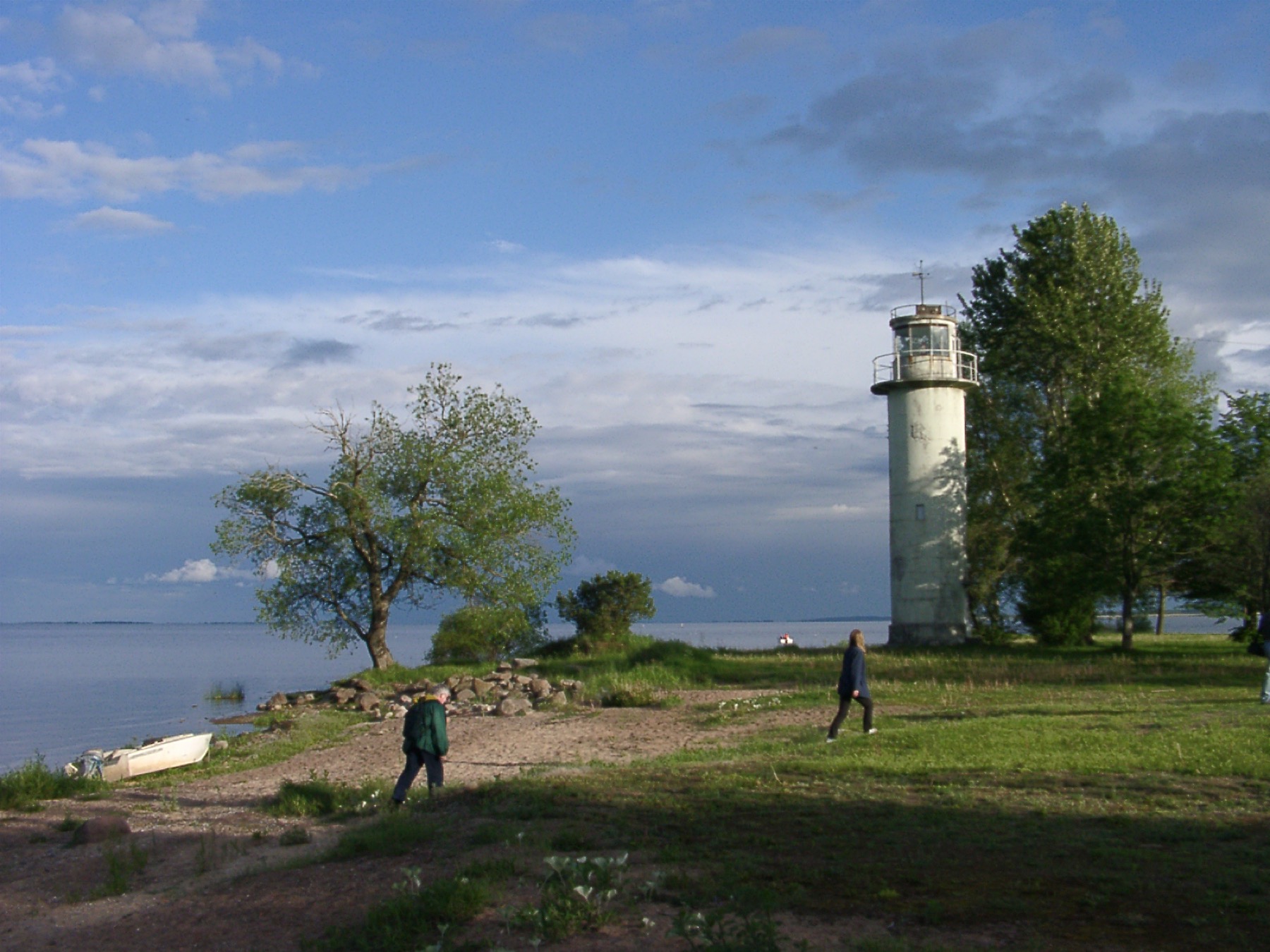
Besides the already-mentioned spa pearl of Saaremaa and the traditional island of Kihnu, this group also includes the wilder, densely forested Hiiumaa, famous for its historic lighthouses. It’s here that the Kõpu lighthouse from 1531 stands, making it the third-oldest continuously operating lighthouse in the world.

The gateway to this island world is the smaller island of Muhu, which every traveller passes through on the way from the ferry. Here you’ll find the idyllic fishing village of Koguva as well as the luxuriously restored Pädaste Manor, considered the most prestigious country hotel in all of the Baltics.

20. Strict rules and a polar lottery

Estonia can be unexpectedly strict in some respects, which is especially true of its traffic rules. Although you’ll read in places about zero tolerance, the formal blood-alcohol limit for driving is set at 0.2 per mille, so it’s best to skip that single beer with lunch, because the fines are seriously steep.

Another peculiarity concerns winter equipment, because from December to March winter tyres are strictly mandatory, and they must now meet a strict certificate with the mountain-and-snowflake symbol. If you’re driving in winter, your reward for all these hassles might just be the view of the sky.

From late September to March, under favourable conditions, the northern lights appear here, which locals call virmalised. Don’t expect the same certainty as in Finnish Lapland, but if you head far from the light pollution of the big cities, you have a good chance of seeing this fascinating celestial dance with your own eyes.

The Estonian flag and what its colours mean

The Estonian flag is visually very clean, made up of three horizontal stripes in blue, black and white. The flag first saw the light of day in 1881 as the symbol of an Estonian student society in the university city of Tartu, and it soon became the official symbol of the national awakening.

Each of these three colours carries a very strong symbolic meaning tied to the local character and history. The blue represents the sky, loyalty to the homeland, and reflects the deep blue waters of Estonia’s hundreds of lakes and the Baltic Sea.

The black stripe in the middle symbolises Estonia’s fertile soil and at the same time serves as a reminder of the dark, hard past, when the nation suffered for centuries under the rule of foreign empires. White then represents purity, hope for a better future, and the traditional white bark of the ever-present birch forests.

Language: why Estonian sounds like nothing nearby

The first time you hear locals speak, you’ll probably immediately think it sounds a bit like the Elvish from those famous fantasy films. That’s because Estonian belongs to neither the Slavic nor the Baltic languages, but falls into the Finno-Ugric branch and is very closely related to Finnish.

This fascinating language has several grammatical quirks that reliably make foreigners’ heads spin. Estonian works with an incredible fourteen cases, but on the other hand it has no grammatical gender at all and even lacks a future tense, which is expressed more from the context of the sentence.

If you want to score points with the locals, learn at least three basic words that will open plenty of doors. You can greet people with Tere! (Hello), say thank you with Aitäh! (Thank you, pronounced roughly ai-tah), and when clinking beers, don’t forget a cheerful Terviseks! (Cheers).

The four faces of Estonia

Although the country is fairly small in area, it offers enormous regional diversity, and for travel we can loosely divide it into four main areas.

The northern region is the cultural and economic engine of the whole country, dominated by the metropolis of Tallinn with its medieval core and glass-fronted skyscrapers. Just beyond the city lies the beautiful Lahemaa National Park, which offers perfect boardwalks leading across vast peat bogs.

The western coast is synonymous with summer holidays, since this is where the popular islands are, led by Saaremaa and Hiiumaa. On the mainland lies the resort town of Pärnu, famed for its long sandy beaches and two-hundred-year tradition of mud baths.

Southern Estonia is gently rolling, immensely green, and dominated by the university city of Tartu, buzzing with youthful energy. Further south still, you’ll come across the characterful regions of Setomaa and Võromaa, where ancient traditions live on to this day, led by the famous smoke sauna.

The eastern border shows a more industrial, demographically distinct face of the country, as it’s home to a very strong Russian-speaking minority. The main magnet here is the town of Narva with its huge border fortress and the shores of the vast Lake Peipus, where communities of Old Believers still live and grow their renowned onions.

Practical questions people ask most often

When planning your trip you’ll surely run into plenty of practical questions, since Estonia does lie a little off the main tourist trails. If you’re wondering about the legalities, there’s no need to worry, as the country is a full member of the European Union and the Schengen area, so a valid ID card is more than enough to cross the border and there are no visas to deal with.

Finances are just as smooth, because the euro has been the currency here since 2011 and society runs almost entirely cashless, so you’ll get by with a card on your phone practically anywhere. There’s no language barrier to fear either, because the younger and middle generations of Estonians speak completely fluent English and are happy to use it.

As for safety, Estonia is one of the very safest countries in Europe and, as a NATO member, enjoys strong protection from allied forces. Getting here from abroad is fairly easy: from Central Europe it’s roughly a 1,500-kilometre road trip along the toll-free Via Baltica, or you can fly in with major carriers such as Ryanair, easyJet or Lufthansa to Tallinn from many European hubs.

Where to next

Frequently asked questions

Before your trip north, you might have a few more practical questions buzzing in your head. Here you’ll find clear answers to the most common ones, so you can set off completely worry-free.

Is Estonia in the European Union?

Yes, Estonia joined the European Union in spring 2004, together with several other countries. It also became a full member of the Schengen Area, so there are no border controls at all.

What is the currency in Estonia and is it expensive?

Since 2011, the euro has been used here and the country is one of the more expensive ones in the region. Following recent tax increases, prices in restaurants and services are roughly on par with Berlin and higher than in many other European destinations.

Is English commonly spoken in Estonia?

The young and middle generations speak English excellently and clearly prefer this language when communicating with foreigners. Russian is more likely to be encountered among older residents or in the border town of Narva.

Is it safe to travel to Estonia?

The country is extremely safe for tourists and crime has remained at an absolute minimum for a long time. Despite its proximity to Russia, there is complete calm here, guaranteed by strong membership in the NATO military alliance.

What is the capital and how many inhabitants does it have?

The capital is the modern yet historic Tallinn, located directly on the northern coast. The entire country has only 1.37 million inhabitants, making it one of the least populated countries on the entire European continent.

How far is Estonia from major European hubs?

If you set out by car, you can expect a roughly 1,500-kilometre route leading through Poland, Lithuania and neighbouring Latvia. This represents approximately eighteen hours of pure driving time and is an absolutely ideal opportunity for a great road trip.

Do I need a special visa for the trip?

Given that Estonia lies within the Schengen Area, you certainly don’t need any visa for your holiday if you’re an EU/EEA citizen. A valid ID card or standard passport is more than enough for free entry.

What is the current time difference in Estonia?

The country is in the Eastern European time zone, which in practice means the day starts a bit earlier here than in Central Europe. Upon arrival, you simply need to set your watch one hour ahead compared to standard Central European Time.

Tips and Tricks for Your Vacation

Don’t Overpay for Flights

Search for flights on Kayak. It’s our favorite search engine because it scans the websites of all airlines and always finds the cheapest connection.

Book Your Accommodation Smartly

The best experiences we’ve had when looking for accommodation (from Alaska to Morocco) are with Booking.com, where hotels, apartments, and entire houses are usually the cheapest and most widely available.

Don’t Forget Travel Insurance

Good travel insurance will protect you against illness, accidents, theft, or flight cancellations. We’ve had a few hospital visits abroad, so we know how important it is to have proper insurance arranged.

Where we insure ourselves: SafetyWing (best for everyone) and TrueTraveller (for extra-long trips).

Why don’t we recommend any Czech insurance company? Because they have too many restrictions. They set limits on the number of days abroad, travel insurance via a credit card often requires you to pay medical expenses only with that card, and they frequently limit the number of returns to the Czech Republic.

Find the Best Experiences

Get Your Guide is a huge online marketplace where you can book guided walks, trips, skip-the-line tickets, tours, and much more. We always find some extra fun there!
Things to Do in Kroměříž: 12 Tips for the UNESCO Gardens City in 2026

Kroměříž, often quite rightly nicknamed the Athens of Haná, is one of those towns that grab your heart the moment you see the photos. If you’re wondering about the best things to do in Kroměříž, this gorgeous city of gardens and historic monuments on the UNESCO list offers an incredible atmosphere that draws travellers from all over Europe.

As you wander the local streets and halls, you might just remember the Oscar-winning film Amadeus by Miloš Forman, which was shot here and made the local castle famous around the world. Trust me, once you see these masterpieces of Baroque architecture, you’ll immediately understand why the filmmakers chose this unique Moravian location.

So I’ve put together 12 tips for what to see in Kroměříž, from castle halls and archbishop’s wine cellars to gardens you won’t want to leave. You’ll learn exactly how tickets to both famous gardens work, where to base yourself strategically, and what to watch out for so you don’t arrive on the day when everything is closed.

TL;DR

  • Combined ticket: The castle and the Flower Garden have different operators; the only shared ticket is the Via UNESCO for around €24 (580 CZK).
  • Closing days: Most sights, including the castle, are closed on Mondays, so plan your trip ideally for the weekend or from Tuesday onwards.
  • Castle Garden: Entry is completely free and offers 53 hectares of beautiful landscape park to explore.
  • Parking: The best choice is the Velehradská car park, where the first 30 minutes are free and there’s plenty of space.
  • Tower and treasury: You can visit the castle tower without a guide, and tickets cost a pleasant €7 (170 CZK).
  • Surroundings: If you have more time, definitely head to the nearby pilgrimage site of Svatý Hostýn or to Holešov.

When to Visit Kroměříž

The best time to visit Kroměříž is undoubtedly from late spring to early autumn, when both famous gardens are in full bloom and the town buzzes with an amazing atmosphere. The main tourist season runs from June to August, but if you want to avoid the biggest crowds, I’d recommend going in May or September, when the weather is still lovely for long walks.

When planning your trip, be very careful that the castle and most sights are closed on Mondays, a common mistake that can ruin an entire trip. So always build your itinerary from Tuesday to Sunday, so you can get inside all the breathtaking interiors and don’t miss the most beautiful Baroque monuments the town has to offer.

Set aside at least one full day to explore the best of it, but if you want to enjoy the surroundings too and not rush anywhere, a long weekend will be absolutely ideal. At the end of summer, a popular Baroque culture festival is traditionally held here, but the date for Hortus Magicus in 2026 hasn’t been confirmed yet, so I’d recommend checking the official websites before you travel.

If you love a wintry atmosphere, Kroměříž won’t disappoint at the end of the year either, when the historic streets sink into pure romance. From 5 to 20 December there’s a lovely Advent, when the town lights up with twinkling lights and offers wonderful markets that will reliably warm every traveller’s soul.

Where to Stay in Kroměříž

Kroměříž offers plenty of lovely places to rest your head, whether you’re looking for romance for two or something more practical for the whole family. Prices per night for two people range on average from around €60 to €120 (1,500–3,000 CZK), depending on the luxury and location you ultimately choose for your stay.

If you’re after something with real atmosphere and great service, definitely check out the U Zlatého kohouta hotel, located right on the main square with a stunning wellness area and rooftop bar. A huge plus is that for stays of three nights or more you get free access to the wellness area, which is absolute bliss after a full day of sightseeing, plus they have their own wonderful patisserie.

Another excellent choice is the renowned Hotel Octárna, which travellers love above all for its peace and quiet and its excellent restaurant with a lovely seating area. A key benefit of this stay is free parking in an enclosed courtyard, which saves you plenty of hassle and money in the town centre, since parking in the narrow streets can be a real headache.

For those who want all the historic attractions literally on their doorstep and love smaller, cosy places, there’s the boutique hotel La Fresca, right in the heart of the action. When you book directly through their website, you’ll also enjoy free use of the infrared sauna, an incredibly pleasant bonus to your stay after a walk through a chillier town.

Things to Do in Kroměříž: 12 Tips for Sights and Gardens

Let’s take a look together at the very best this captivating town with its enormous history has to offer, and trust me, a single weekend might not even be enough for all of it. In the following twelve tips you’ll find a complete guide to the sights and gardens, from the magnificent archbishop’s residence to the magical pilgrimage hill outside town, so you know exactly what to add to your itinerary.

1. The Archbishop’s Castle

This breathtaking Baroque residence of the bishops of Olomouc is the very heart of the town, and since 1998 it has rightly boasted a place on the UNESCO cultural heritage list. Its walls have witnessed truly major historical events; among other things, its magnificent Assembly Hall hosted the Constituent Imperial Diet in 1848 and 1849, a fact that still gives history lovers goosebumps today. The castle interiors are incredibly lavish and you can explore them via several different tour routes, of which the most popular is the Heritage Trail at around €18 (450 CZK) for an adult, or a family ticket for around €49 (1,200 CZK).

If you’re a film fan, you’ll be thrilled to know that it was right here that Forman’s legendary film Amadeus was shot in 1983, going on to collect a respectable eight Oscars. The crew spent a full fortnight here filming, for example, the iconic scenes of Mozart meeting Emperor Joseph II, and on the tour you’ll even see the original Mozart score for two pianos. It’s said the castle is also beloved by all sorts of local fairy-tale productions, but the famous Amadeus is one of a kind, and its atmosphere still lingers here.

💡 Tip: Be very careful that the castle and the Flower Garden have different operators, and the same regular ticket doesn’t cover both. The only way to save money is to buy the combined Via UNESCO ticket for around €24 (580 CZK), which I definitely recommend using to visit both places.

2. The Castle Tower and Treasury

While you’re at the castle, you absolutely must not skip the climb up its majestic tower, which rises to a height of 84 metres and forms the town’s dominant landmark. This route has a huge advantage in that you can visit the tower and treasury without a guide, so you set the pace of the tour yourself, and full admission costs a very pleasant €7 (170 CZK). From the gallery you’ll get a breathtaking view of the whole historic centre, both famous gardens, and on a clear day you can see all the way to the ridges of distant mountains.

As well as the views, a visit to the castle treasury awaits, hiding genuine historical treasures of immense value and precise craftsmanship. The treasury space is also architecturally fascinating, as it boasts a unique star vault dating from around 1500, testament to the incredible skill of the master builders of the time. Don’t forget to set aside at least the best part of an hour for this route, so you can enjoy all those glittering marvels and views in complete peace.

💡 Tip: The last entry to the tower is possible no later than 30 minutes before the end of opening hours, so don’t leave this experience until the very last moment, or you’ll leave empty-handed.

3. The Castle Picture Gallery

The castle picture gallery in Kroměříž is one of the most important in all of Central Europe, and for art lovers it’s an absolute must that it would be a huge sin to skip. The whole collection numbers a respectable five hundred paintings, of which 85 of the most valuable works are currently on display, charting European painting from Gothic all the way to playful Rococo. You’ll find canvases here by masters such as Anthony van Dyck, Lucas Cranach the Elder, and the famous Venetian painter Titian.

The collection’s greatest pride is undoubtedly Titian’s masterpiece Apollo and Marsyas, prized by experts as one of the most important works of art in the country. But I must warn you about one important thing that visitors sometimes fall foul of and then leave disappointed. At present, two significant paintings from the collection are temporarily on loan abroad, so before you travel it’s best to check on the official website whether your dream works are currently on view.

💡 Tip: The gallery is normally part of the large Heritage Trail route, which lasts around 80 minutes, but bear in mind that the fascinating details of the paintings may keep you much longer.

4. The Castle Garden

Right beneath the windows of the archbishop’s castle stretches the enchanting Castle Garden, which, unlike its floral sister, is open to all visitors all year round and completely free. This beautiful piece of nature covers an incredible 53 hectares, making it an ideal spot for long afternoon strolls among rare centuries-old trees. The garden was founded back in 1509, but it acquired its current form as a romantic English-style landscape park only in the prosperous 19th century.

As you walk, you’ll come across plenty of romantic nooks, streams, little bridges, and charming pavilions that complete the unforgettable atmosphere of this magical place. The park is also brought to life by wild waterfowl gliding across the surface of the local ponds, adding a pleasant liveliness to the garden. For 2026, though, one important restriction applies, because the entrance gate to the garden from the square is temporarily closed, so you’ll have to use other access routes.

💡 Tip: If you want to learn more about the park’s history, download the audio guide app straight to your phone, or pay for a guided tour with an expert for around €8 (200 CZK).

5. The Flower Garden

The Flower Garden, also known as the historic Libosad (Pleasure Garden), is an absolute gem of early Baroque garden architecture and, on a global scale, a unique creation with no equal. It was built between 1665 and 1675 and will instantly dazzle you with its perfect geometry, meticulously trimmed hedges, and colourful floral ornaments. This garden falls under the management of the National Heritage Institute, which means different rules apply for admission; a full ticket costs around €7 (180 CZK), and unfortunately there’s no family ticket here.

The centrepiece of the whole complex is a beautiful octagonal rotunda, whose interior is adorned with rich stucco by master Castelli and hides a genuine technical rarity. Right in the middle of the building hangs a Foucault pendulum that has been here for over a hundred years, vividly demonstrating the rotation of planet Earth. Be sure to extend your walk along the long colonnade lined with statues of ancient gods, from whose rooftop you get the very best view of the precise geometry of the whole park.

💡 Tip: During the summer months, come here first thing around nine in the morning, because the garden tends to fill with tourists in the afternoon, all trying to snag the best shots for their family albums.

6. The Main Square and Arcades

The heart of the whole town is the picturesque Main Square (Velké náměstí), lined with beautiful burgher houses with typical arcades, which today hide cosy cafés and small shops. The entire historic core was declared an urban conservation area back in 1978, which has had a very positive effect on its excellent condition and authentic, sun-soaked atmosphere. The dominant feature of the space is the Baroque Marian column, erected here immediately after the devastating plague epidemic of 1680 as a gesture of enormous thanks for its passing.

On the square, be sure to notice the imposing town hall building and the lovely Renaissance fountain, which offers welcome refreshment on hot summer days in a sun-baked town. A short walk from here you’ll find the Mill Gate and the remains of Maximilian’s water conduit, which recall the incredible ingenuity of the town engineering of the time. If you’re interested in the history of currency, the historic bishop’s mint reportedly hides a huge coin collection, but before visiting be sure to check its current opening at the information centre.

💡 Tip: Take a seat on the terrace of one of the cafés under the arcades and simply watch the everyday life of this beautiful town; it’s a guaranteed balm for the soul.

7. The Archbishop’s Castle Wine Cellars

If you love quality wine and rich history, you definitely shouldn’t miss a tour of the Archbishop’s Castle Wine Cellars, which boast the title of the oldest winery in the Czech Republic. The skilled local winemakers still uphold centuries-old traditions, and the wine matures slowly in enormous oak barrels that have seen a lot. Tours take place from April to September, Tuesday to Friday at 2:00 p.m., but if you’d like to come on a Saturday, prior booking is required.

Basic admission to this mysterious underground world costs around €4 (90 CZK), but if you fancy a tasting too, set aside around €8 (190 CZK) for five excellent samples for adult visitors. From a practical point of view, it’s very important to know that prams are not allowed in the cellars, so if you’re travelling with small children, you’ll have to take turns on the tour or carry your child in a baby carrier.

💡 Tip: On Sundays and throughout the winter season the cellars are unfortunately completely closed to the public, so plan your visit for a weekday during the summer season.

lukas a lucka
Lukáš and Lucie recommend
Where to stay in Kroměříž
4 accommodations — wellness hotels, hotels and other accommodation options

8. The Kroměříž Region Museum and Max Švabinský

Right on the Main Square sits the interesting Kroměříž Region Museum, an ideal stop for anyone who wants to delve deeper into local history and vibrant culture. The institution’s biggest draw is undoubtedly the memorial to the famous painter and local native Max Švabinský, offering a truly unique insight into his life’s journey and key masterpieces. Separate entry to a single exhibition costs a symbolic €2 (50 CZK), but it’s definitely worth buying the combined ticket to the whole museum for around €8 (200 CZK).

As well as the Švabinský memorial, the museum regularly hosts various short-term exhibitions that keep its year-round programme fresh and bring in new themes. For the summer season of 2026, a major exhibition dedicated to Miloš Macourek is planned, running from June to September and promising a great experience for visitors of all generations.

💡 Tip: The museum is an absolutely brilliant rescue in case an unpleasant summer downpour catches you off guard during your wanderings, since you can easily spend a good couple of hours here.

9. The Church of St. Maurice

Kroměříž isn’t just about ornate Baroque; it also hides beautiful Gothic monuments, the most important of which is the imposing Church of St. Maurice. This monumental building was founded by the prominent Olomouc bishop Bruno of Schauenburg back around 1265 and to this day ranks among the most beautiful sacred buildings in the entire wider region. The atmosphere inside the church is incredibly quiet and majestic, in sharp contrast to the bustle of the surrounding summer streets.

As you explore the dimly lit interior, you’ll come across plenty of valuable details and works of art that have accumulated here over the centuries of its continuous operation. The single most important place in the whole church is the spot where the very remains of the church’s founder are laid to rest, which lends this place enormous historical depth and spiritual significance.

💡 Tip: If you enjoy church architecture, a short walk from here you’ll also find the Baroque Church of St. John the Baptist, whose richly decorated interior is worth a brief stop, if it happens to be open.

10. Jewish Kroměříž

The history of Jewish settlement in Kroměříž was immensely rich, even though only a few tangible reminders have survived to the present day, which nonetheless hold enormous historical value. The most significant surviving monument of the former Jewish town is the Jewish Town Hall building on Moravcova Street, a silent witness to the times when the local community flourished and formed a very important part of town life.

Sadly, the original large synagogue, which was the pride of the local community, was irretrievably demolished during the Nazi occupation, so we can now recall its majesty only from period photographs and the accounts of those who remember it. Even so, a walk through these places carries a very powerful and moving atmosphere, one that history lovers should definitely not miss on their wanderings.

💡 Tip: For a deeper understanding of Jewish history in the region, I definitely recommend a short trip to nearby Holešov, where far more unique monuments have been preserved.

11. Svatý Hostýn

If you want to take a break from the town bustle for a while, head to nearby Svatý Hostýn, a magical pilgrimage hill rising to a height of 736 metres above sea level. At the very summit you’ll be greeted by the stunning Baroque Basilica of the Assumption of the Virgin Mary, built between 1721 and 1748, one of the most important Marian pilgrimage sites in the country, radiating an incredibly majestic calm that will immediately absorb you. A short walk from the basilica itself, you absolutely must explore the architecturally unique Jurkovič Way of the Cross with its beautiful Köhler mosaics, a wonderful blend of vibrant folk Art Nouveau and deep spiritual tradition.

The pilgrimage complex is beautifully maintained and offers plenty of benches for resting in the shade of tall trees. If you have enough energy, be sure to climb the nearby stone lookout tower, or go and refresh yourself at the sacred water chapel with its spring, which locals say has miraculous healing powers.

💡 Tip: The journey to the top of Hostýn can be done on foot along marked hiking trails, but for the less mobile there’s a regular bus line from nearby Bystřice pod Hostýnem that will take you right up to the basilica.

12. Holešov: The Castle and the Šach Synagogue

Just twelve kilometres from Kroměříž lies the unassuming town of Holešov, which hides an unexpectedly rich history and is an absolutely ideal choice for a half-day trip. The biggest draw is the local early Baroque castle surrounded by a sprawling French garden, whose geometric precision and elaborate water canals create the perfect backdrop for romantic afternoon strolls.

Beyond the castle, though, Holešov is famous above all for its historic Jewish monuments, dominated by the rare Šach Synagogue, built in a unique Polish style, which ranks among absolute world rarities. Watch out for a very common mistake in ordinary guidebooks, because it is definitely not a shingle building, as many texts sometimes quite wrongly state.

Also worth a visit is the extensive Jewish cemetery, where you’ll find more than fifteen hundred ancient headstones arranged in the quiet shade of mighty trees. The most significant of all is the grave of the famous scholar Rabbi Šach, to which pilgrims from all over the world still travel to quietly honour his memory.

💡 Tip: Tickets to the synagogue and the cemetery can be conveniently purchased at the local information centre, where they’ll also gladly advise you on the best walking route around all the preserved Jewish monuments in town.

Kroměříž with Kids

Travelling to Kroměříž with kids can be an absolutely brilliant experience, if you know exactly where to go and which spots are best avoided with little fidgets. An absolute safe bet is the huge Castle Garden, with year-round entry completely free, offering endless grassy areas where children can safely run around and watch all sorts of waterfowl on the local ponds.

During the summer holidays, don’t miss the special family programmes in the Flower Garden, such as the popular “Holidays in the Flower Garden” or the interactive “Playful Flower Garden”, which run throughout July and August. If you arrive on a truly hot summer’s day, a rescue for the whole family will be the refreshing Bajda open-air pool, the very best official option for summer swimming right in town.

When planning your overall budget, be very careful about the different ticket approaches at the main sights, so you’re not unpleasantly surprised at the ticket desk. While the archbishop’s castle offers a very good-value family ticket, the Flower Garden unfortunately has no family option, and you’ll have to buy tickets for each family member separately.

Where to Eat in Kroměříž

After a long day of sightseeing you’ll definitely work up an appetite, and luckily Kroměříž offers plenty of great places to refuel for further wanderings. An absolute legend is the renowned Amadeus patisserie, based in the U Zlatého kohouta house, and treating yourself to one of their excellent desserts in the town where the famous Oscar-winning film was shot is simply a traveller’s must.

For excellent coffee and sweet pastries, I’d also recommend trying the popular Cukrárna Gabriela, where they always have fresh treats and very smiley service. In the evening you can settle into one of the local cosy wine bars, which serve excellent archbishop’s wines from local production, an inseparable part of this captivating town.

Craft beer lovers should definitely not miss the Černý Orel microbrewery on the Main Square, which boasts its own great production and a very cosy historic interior. The local brewpub kitchen serves honest Czech classics as well as meaty specialities for serious eaters, but fans of other local brands such as Pivo Maxmilian or Selský pivovárek will certainly find something to love here too.

How to Get to Kroměříž and Where to Park

Getting to Kroměříž is fairly easy, and whether you choose a car or the train, the journey will fly by thanks to good connections to the main routes. If you set off by rail from Brno, expect one change in nearby Kojetín, while travellers coming from the direction of Olomouc or Zlín will have to change at the junction station of Hulín.

For drivers, a huge advantage is that the town’s motorway bypass on the D1 is completely toll-free (a national motorway vignette applies elsewhere on Czech motorways, much like the toll stickers in Austria or Switzerland). The best option is to use exits number 258 for the western part or 260 for the east, which will smoothly guide you to the centre. Parking in the narrow historic streets tends to be a real headache, so the town officially recommends that tourists use the modern Velehradská car park.

In this spacious car park you’ll find 137 spaces, the first 30 minutes of parking are completely free, and the whole facility operates around the clock, which will reliably save you plenty of nerves when hunting for a free spot. Other paid parking can be found right on the Main Square and Riegrovo Square, where you can easily settle the fees via the EasyPark app, or check availability online on the town website.

Where to Go Next

If you love beautiful towns and Kroměříž won you over, Moravia offers plenty of other gorgeous places that are definitely worth your attention and belong on your travel list. Take a look at our article Things to Do in Olomouc: 14 Tips, where you’ll discover the most beautiful historic streets and wonderful cafés that will absolutely charm you.

A great stop for lovers of unique architecture is the neighbouring Baťa metropolis, which we’ve written about in detail in the guide Things to Do in Zlín: 12 Tips. You’ll find a peaceful Slovácko atmosphere and great wine in the piece Uherské Hradiště: 9 Tips, and if you’re looking for more big holiday inspiration, definitely check out the extensive list of 20 Tips for a Holiday in Czechia.

Frequently Asked Questions

Planning a trip to the city of gardens can occasionally throw up a few uncertainties, especially when it comes to the different admission fees at the various sites and their opening hours. That’s why I’ve put together answers to the most common questions to help you avoid unnecessary complications and enjoy your trip to the fullest.

Which day are most monuments in Kroměříž closed?

The vast majority of main historical monuments, including the Archbishop’s Palace, are closed on Mondays. Therefore, always plan your trip ideally for the weekend or for days from Tuesday to Sunday, so you can get into all the beautiful interiors and not leave empty-handed.

Is it worth buying a combined ticket to the gardens?

Definitely yes, because the palace and the Flower Garden have different operators and regular tickets cannot be combined. The only advantageous option is to purchase the joint Via UNESCO ticket for €20 (580 Kč), which will save you money and ensure entry to both main attractions.

Are the Kroměříž gardens accessible completely free of charge?

While the extensive Castle Garden is accessible all year round completely free of charge, the geometrically precise Flower Garden requires a standard admission fee. A full ticket to the Flower Garden will cost you €7 (180 Kč), or you can pay extra for a guided tour with an expert.

Where exactly in Kroměříž was the film Amadeus shot?

The famous Oscar-winning film Amadeus by Miloš Forman from 1983 was shot directly in the richly decorated interiors of the Archbishop’s Palace. During the tour you will see magnificent halls where iconic scenes were created, and there is even an original Mozart score for two pianos on display.

Can the Flower Garden be visited with a stroller?

Yes, the Flower Garden offers wide and well-maintained paths that are absolutely problem-free for families with strollers. However, be very careful when visiting the Archbishop’s wine cellars, where entry with strollers is unfortunately strictly prohibited for safety reasons.

Where is the best place to park near the center?

The city itself officially recommends using the modern Velehradská parking garage, which offers 137 spaces and convenient 24/7 operation. A huge advantage of this parking lot is that the first 30 minutes are completely free, which is useful for quick errands.

Is there an advantageous family admission at both gardens?

While at the Archbishop’s Palace you can purchase a very advantageous family admission for €45 (1200 Kč), unfortunately no family option exists at the Flower Garden. There you will have to buy tickets for each member of your family separately, which is good to factor into your budget.

Tips and Tricks for Your Vacation

Don’t Overpay for Flights

Search for flights on Kayak. It’s our favorite search engine because it scans the websites of all airlines and always finds the cheapest connection.

Book Your Accommodation Smartly

The best experiences we’ve had when looking for accommodation (from Alaska to Morocco) are with Booking.com, where hotels, apartments, and entire houses are usually the cheapest and most widely available.

Don’t Forget Travel Insurance

Good travel insurance will protect you against illness, accidents, theft, or flight cancellations. We’ve had a few hospital visits abroad, so we know how important it is to have proper insurance arranged.

Where we insure ourselves: SafetyWing (best for everyone) and TrueTraveller (for extra-long trips).

Why don’t we recommend any Czech insurance company? Because they have too many restrictions. They set limits on the number of days abroad, travel insurance via a credit card often requires you to pay medical expenses only with that card, and they frequently limit the number of returns to the Czech Republic.

Find the Best Experiences

Get Your Guide is a huge online marketplace where you can book guided walks, trips, skip-the-line tickets, tours, and much more. We always find some extra fun there!
Best Hotels in the Algarve, Portugal: Top Picks by Holiday Type 2026

TL;DRThe best hotel in the Algarve, Portugal by holiday type: for absolute luxury it is Vila Vita Parc in Porches, rated 9.5; for families with kids Pine Cliffs Resort near Albufeira with eight pools; for couples and romance Bela Vista Hotel & Spa on the cliff above Praia da Rocha; and for all-inclusive Tivoli Alvor Algarve. Among the 16 selected hotels, our recommendations also include the adults-only Palmares Beach House with just 20 rooms, or the budget-friendly Tivoli Lagos in the centre of Lagos. The cheapest and quietest months to visit are June and September, when four-star hotels in 2026 hover around €115 per night, while in July and August prices rise sharply and you need to book 4 to 6 months ahead.

Southern Portugal is an absolute favourite of ours, and Lukáš and I keep coming back again and again. The Algarve, Portugal has had us hooked since 2020, when we started visiting every single year, and we fell for it so hard that we know pretty much every beach, café and cliff where the ocean waves come crashing in.

Choosing the right place to stay can be tricky, though, because the whole region is incredibly varied. From buzzing resort towns and luxury golf resorts to sleepy fishing villages, every stretch of coast has a completely different vibe and suits a different kind of traveller.

Whether you’re travelling with kids, looking for a romantic escape for two, or you just want peace and quiet by the pool with an all-inclusive wristband on your arm, there’s something here for you. That’s why we’ve sorted our picks by holiday type, so you can easily find your match without wading through hundreds of listings.

Summary

Which area to choose

Before you start picking a specific hotel on Booking, it’s absolutely crucial to choose the right town first. Each part of the coast has a completely different atmosphere, and what thrills a group of young surfers might disappoint a family looking for peace and quiet.

Albufeira is easily the biggest and liveliest resort town in the whole south. If you’re after wild parties and nightlife, head to the area around The Strip, but if you’re travelling with family, go for the quieter outskirts with more laid-back resorts. It’s a great choice for those travelling without a car who want everything within reach, since plenty of buses and trains run here.

Just next door lies Vilamoura, a byword for luxury, enormous yachts and perfectly manicured lawns. You’ll find more than six top-class golf courses here, an elegant marina lined with pricey restaurants, and a huge casino. This area is ideal for more demanding travellers who don’t mind paying extra for peace, golden sand and top-notch service.

Our favourite base is Lagos, Portugal, which perfectly blends rich history with youthful surfer energy. The town has a beautiful historic centre, fantastic public transport links, and above all it’s your gateway to the most dramatic cliffs, like the famous Ponta da Piedade. It’s an ideal mix of amenities and stunning nature for couples and active travellers alike.

If you’re dreaming of romance, you’ll fall in love with Carvoeiro or neighbouring Ferragudo. These are charming, slightly sleepy towns full of whitewashed houses, narrow lanes and tiny beaches squeezed between the rocks. I’d recommend them especially for couples looking to escape the crowds who don’t mind that a rental car is a must here.

Praia da Rocha and Portimão offer a slightly different experience, as this is a bigger town with high-rise buildings lining an enormous sandy beach. The upside is excellent transport access, plenty of shops and urban comfort. Head here if you want to lie on a huge beach by day and stroll along a lively promenade in the evening.

The eastern part of the region is represented by Tavira, which is far more authentic and peaceful than the central resorts. Far fewer tourists come here, and you have to take a little boat to reach the gorgeous beaches on the island of Ilha de Tavira. It’s a paradise for older couples and lovers of tranquillity who want to experience the real, traditional Portugal.

The complete opposite awaits on the wild west in the town of Sagres, often nicknamed the end of Europe. Strong winds blow here, the cliffs are steep and rugged, which is exactly why surfers gather from all over the world. If you love nature, adventure and don’t mind a chillier ocean, you’ll adore it here.

Finally, we mustn’t forget Quarteira and Quinta do Lago. While Quarteira draws families with its long beach and gentle entry into the water, neighbouring Quinta do Lago is a closed-off world of absolute luxury, private villas and golf courses. Head here for perfect relaxation and top-tier service that will satisfy even the most demanding guests.

When to go and when to book (Algarve, Portugal weather)

Planning a holiday in southern Portugal takes a bit of strategy, especially when it comes to your wallet and the crowds. The most expensive months are traditionally July and August, when half of Europe heads here and hotel prices shoot up steeply.

From our experience, the absolute best time to go is June or September, when the ocean is already warm but you dodge the British school holidays. That gets you the best possible balance of price and peace, with four-star hotels in 2026 hovering roughly around €115 per night.

Interestingly, luxury resorts here work out noticeably cheaper than similarly high-quality hotels in Greece, Italy or the south of France. If you’re travelling with kids and tied to the summer holidays, I strongly recommend booking your accommodation at least four to six months in advance.

Off-season, on the other hand, you can afford to gamble a bit and hunt for last-minute deals. In winter and early spring, prices are a fraction of the peak, and even the most luxurious hotels offer great packages for couples or golfers. The Algarve, Portugal weather stays mild almost year-round, so a spring or autumn escape can be surprisingly pleasant.

16 best hotels in the Algarve by holiday type

We’ve picked out the most interesting hotels across the entire coast and sorted them into logical categories. Whether you’re after total pampering, family fun or simply a clean bed at a good price, you’ll definitely find your favourite on this list.

1. Vila Vita Parc

This resort in the Porches area represents the absolute peak of five-star luxury, and according to many rankings it’s one of the best hotels in the country. It sits right above the cliff with ocean views, has its own private beach, and its Booking reviews consistently hover around an incredible 9.5.

Guests can choose from twelve different restaurants, one of which boasts a full two Michelin stars. On top of that, you’ll find an amazing spa and beautiful tropical gardens that guarantee total privacy.

💡 Tip: This hotel is ideal for demanding couples and families who don’t mind splurging and expect utterly flawless, first-class service in stunning surroundings.

2. Conrad Algarve

If you prefer modern design and elegant architecture, this five-star gem in the Quinta do Lago area is guaranteed to impress. The hotel is famous for its enormous infinity pool, which looks as though it spills straight into the surrounding landscape.

It sits right next to some of the best golf courses, making it a popular base for players from all over the world. Reviews particularly praise the incredible peace and quiet and the huge rooms with luxurious furnishings.

💡 Tip: We recommend the Conrad especially for couples in love and passionate golfers who want to spend their days on the green and their evenings over outstanding food.

3. Anantara Vilamoura

Another five-star legend lies in the prestigious Vilamoura area and offers an absolutely perfect mix of relaxation and active downtime. The resort boasts four pools and a huge spa, where you can be pampered after a whole day spent in the sun.

A major advantage is direct access to the renowned Dom Pedro Victoria golf course, which makes it a strategic spot for fans of the sport. But the kids haven’t been forgotten either, with a great kids’ and teens’ club ready for them.

💡 Tip: It’s a great choice for families and sporty couples who want to combine time by the pool with trips to the nearby luxury marina.

4. Bela Vista Hotel & Spa

This five-star boutique hotel from the Relais & Châteaux group is quite literally a romantic dream made real. It’s housed in a beautiful historic 19th-century villa that towers right on the cliff above the popular Praia da Rocha beach.

Inside you’ll find a luxurious L’Occitane spa and the fantastic Michelin-starred VISTA restaurant, which draws gourmets from far and wide. Thanks to the smaller number of rooms, there’s a very intimate and personal atmosphere here that you won’t get at the big resorts.

💡 Tip: This is our absolute recommendation for a honeymoon or anniversary, because the combination of historic charm and ocean views is simply unbeatable here.

5. Tivoli Carvoeiro

This five-star hotel can boast probably the most iconic location in the entire region. It’s set right into the dramatic sandstone cliffs, so from the pool and the rooms you feel as if you’re floating right above the Atlantic.

Traveller reviews (averaging around 9.0) usually rave about the incredible views and the great rooftop bar, home to the most beautiful sunsets. It’s a huge complex with every amenity, one you barely need to set foot outside of.

💡 Tip: An ideal retreat for those who want gorgeous nature right outside their window and don’t mind paying a slightly higher price for this exclusive location.

6. Pine Cliffs, a Luxury Collection Resort

When it comes to a family holiday with no compromises whatsoever, this resort near buzzing Albufeira is hard to beat. The grounds are enormous and sit right above the stunning Praia da Falésia beach, which you reach via a glass lift.

Kids and adults alike have an incredible eight pools at their disposal, plus a nine-hole golf course, a tennis academy and several top-class kids’ clubs split by age. It’s essentially a self-contained little town packed with fun, holding a great Booking rating of around 9.0.

💡 Tip: This is a paradise for active families who demand a five-star standard and want the reassurance that their kids won’t be bored for a single minute.

lukas a lucka
Lukáš and Lucie recommend
Where to Stay in Algarve
6 accommodations — wellness hotels, hotels and other lodging options

7. Martinhal Sagres Beach Family Resort

If you want to escape the busiest resort towns with your family and prefer nature, head to the wild west in the Sagres area. This five-star resort was designed from the ground up specifically for families with kids, and you can feel it in every detail.

It sits right on the beach and its kids’ clubs are among the best-rated in Europe, so parents can relax in peace or head out for a surf. The resort’s architecture blends beautifully with the surrounding wild nature and offers wonderful tranquillity.

💡 Tip: A great choice for modern parents who love design, nature and a laid-back vibe, and want the best possible activities for their kids.

8. Hilton Vilamoura As Cascatas Golf Resort & Spa

The four- to five-star standard of the Hilton chain is set here amid beautiful surroundings full of water and greenery. The hotel is known for its six pools with cascades, which look like something out of an adventure film.

For families, a huge draw is one of the largest kids’ clubs in the whole Algarve, plus very spacious rooms that comfortably fit you and several children. The rating sits solidly above 8.0 and guests especially praise the friendly staff.

💡 Tip: Head here if you want to combine a family holiday full of water fun with the option to play some quality golf in the nearby area.

9. EPIC SANA Algarve

This five-star gem in the Olhos d’Água area is a perfect example of how to blend a family resort with an oasis of calm and wellness. You’ll find five outdoor and two indoor pools here, so a swim is guaranteed in any weather.

A big draw is the beautiful SAYANNA spa and direct, private access to the renowned Falésia beach via wooden steps down the cliff. The kids’ club works brilliantly for little ones aged 4 to 12, so parents get plenty of time to relax.

💡 Tip: An ideal compromise for couples with kids looking for top-tier wellness services and accommodation with a stunning rating just below 9.0.

10. Jupiter Algarve Hotel

If you’re after excellent facilities for kids but five-star resorts are out of your budget, this hotel in Praia da Rocha is a great choice. On-site they have their own water slides and a splash park your kids won’t want to leave.

It sits just a few steps from the huge town beach, so you have plenty of restaurants, shops and evening entertainment right at hand. It’s a classic example of great value for money for a traditional summer seaside holiday.

💡 Tip: We recommend this hotel to practical-minded families who want lots of water fun right in the hotel and don’t need absolute silence and isolation.

11. Tivoli Alvor Algarve

The all-inclusive concept isn’t as common in Portugal as it is in, say, Egypt or Turkey, but this five-star resort in the town of Alvor nails it. This is premium all-inclusive, where you don’t have to worry about a thing and both the food and drinks are top-class.

The grounds are huge, modern and offer plenty to do for all ages, from pools to evening entertainment programmes. You’ll find more tips like these in our upcoming article dedicated exclusively to this type of holiday.

💡 Tip: Pick this hotel if you want to switch your brain off completely on holiday, tuck your wallet in the safe and just enjoy unlimited service.

12. 3HB Clube Humbria

This family resort in the Olhos d’Água area is proof that great all-inclusive doesn’t have to wreck your family budget. Its biggest draw is a fantastic mini water park, included in the price of your stay, which the kids absolutely adore.

Its Booking rating very often tips over 9.0, which is a remarkable feat for a family all-inclusive complex. Accommodation comes in the form of spacious apartments, which you’ll especially appreciate when travelling with lots of luggage and buggies.

💡 Tip: It’s a fantastic choice for families looking for an affordable all-inclusive stay with maximum fun for younger kids.

13. Iberostar Selection Lagos

When you want to head to the ocean without kids and enjoy total peace, this five-star adults-only hotel on the famous Meia Praia beach is a bullseye. It stands just a few steps from a long strip of sand and offers beautiful views straight from its modern rooms.

If you want a little something extra, you can book premium suites with a private pool on the terrace. The rating tops 8.6 and guests love the dining here as well as the proximity to the historic centre.

💡 Tip: An ideal retreat for couples and groups of friends who want the guarantee of a quiet setting with no kids shrieking at the breakfast table.

14. Palmares Beach House – Adults Only

This luxury boutique hotel is located near Lagos and represents the absolute top tier for lovers of design and privacy. The whole hotel has just 20 rooms, which guarantees an incredibly intimate, quiet and exclusive atmosphere, reflected in its fantastic score of over 9.1.

The building is perched on a hill right above a golf course and offers unobstructed, epic views of the blue Atlantic. It’s an adults-only zone with a huge emphasis on personal service and top-class dining.

💡 Tip: We recommend it for couples looking to escape reality into a world of modern architecture, silence and first-class service.

15. Tivoli Lagos

If you’re after quality for reasonable money, this four-star hotel right in the centre of our favourite surf town is a great choice. It scores above all with its fantastic location, from which you can walk to all the cafés, bars and nearby beaches.

While a rating around 8.0 isn’t the highest in the region, for the price you get clean, stylish accommodation with a large pool and great access to the most beautiful beaches in the Algarve. You don’t need to bother with a rental car here at all — you can get everywhere on foot or by local transport.

💡 Tip: This hotel is made for young couples and active travellers who want to explore the area by day and enjoy the buzz of the town by night.

16. Auramar Beach Resort

When a low price is your main criterion but you still want to stay right by the ocean, this three-star resort in Albufeira, Portugal makes a lot of sense. Its greatest asset is a beachfront location you’d otherwise pay triple for.

The resort does have older facilities that match its category, but with a rating over 8.2 it offers everything you need for a no-frills holiday. On top of that, it’s just a short walk from the old town, so you can easily head out for some fun in the evening.

💡 Tip: A great budget option for students or low-maintenance travellers who want to fall asleep to the sound of the ocean without spending a fortune on luxury.

How to choose the right hotel and practical tips

Still not sure which box you tick? The decision process is actually pretty simple. If you’re travelling with kids, stick to the areas around Albufeira, Quarteira or Lagos, where there are plenty of big resorts with water parks, shallow beaches and great facilities, like those at the Hilton or Pine Cliffs.

Couples in love should instead head to more intimate areas like Carvoeiro or Ferragudo, where they’ll find amazing boutique hotels such as the Bela Vista. Golf lovers have an easy call and should look for accommodation in Vilamoura or Quinta do Lago, home to the likes of the luxurious Conrad.

Another important factor is whether you plan to hire a car. If you’re doing the holiday without a car, choose hotels right in Albufeira, Portimão or Lagos, from where you can get everywhere by train or bus. For exploring the cliffs, like Praia da Marinha, it pays off to have a car and stay somewhere a bit more private. Reaching the Algarve, Portugal is easy too, with major carriers like Ryanair, easyJet and TAP flying into Faro Airport, which serves the whole region.

Although southern Europe is famous for its seafood, the region also has a very decent plant-based scene. We always grab great falafel and hummus at places like Estúdio Vegetariano in Lagos or Veggie Café in Albufeira. Another great, cheap option is the vegetarian buffet Eurasia, where you can eat well for around seven euros.

Where next

Once you’ve settled on where to stay, take a look at our other articles to help you plan the rest of your trip.

Once you’ve picked your hotel, take a look at our roundup of all-inclusive resorts in the Algarve, or at where to stay in Albufeira. And for programme inspiration, peek at the most beautiful beaches in the Algarve.

Frequently asked questions

Before you dive into booking, let’s run through the most common questions about accommodation in the Algarve.

Tips and Tricks for Your Vacation

Don’t Overpay for Flights

Search for flights on Kayak. It’s our favorite search engine because it scans the websites of all airlines and always finds the cheapest connection.

Book Your Accommodation Smartly

The best experiences we’ve had when looking for accommodation (from Alaska to Morocco) are with Booking.com, where hotels, apartments, and entire houses are usually the cheapest and most widely available.

Don’t Forget Travel Insurance

Good travel insurance will protect you against illness, accidents, theft, or flight cancellations. We’ve had a few hospital visits abroad, so we know how important it is to have proper insurance arranged.

Where we insure ourselves: SafetyWing (best for everyone) and TrueTraveller (for extra-long trips).

Why don’t we recommend any Czech insurance company? Because they have too many restrictions. They set limits on the number of days abroad, travel insurance via a credit card often requires you to pay medical expenses only with that card, and they frequently limit the number of returns to the Czech Republic.

Find the Best Experiences

Get Your Guide is a huge online marketplace where you can book guided walks, trips, skip-the-line tickets, tours, and much more. We always find some extra fun there!

Tower Bridge in London: Tickets, Glass Floor & 2026 Lift Times

TL;DRWalking across Tower Bridge in London is completely free — you only pay to enter the Tower Bridge Exhibition, where an adult ticket costs £18 (about €21), a child aged 5–15 pays £9, and under-5s go free; until 1 September 2026 a summer offer brings the adult price down to £15.80. The main draw inside is the glass floor suspended 42 metres above the Thames — though you can’t photograph the bridge from up there. The bridge lifts around 800 times a year, roughly twice a day, and watching it for free from the riverside is, according to many, a better experience than the paid exhibition. Opening hours are daily 9:30–18:00 (last entry 17:00), it’s closed over Christmas and opens at 10:00 on New Year’s Day. The best exterior photos come from Potters Fields Park or Butler’s Wharf.

When Lukáš and I came back to Europe after a year in Canada, our budget was pretty tight and we explored London mostly on rented bikes. That’s when Tower Bridge in London first appeared before us in all its glory, and even though we knew it from hundreds of photos, seeing this enormous structure in person completely took our breath away.

Back then we’d rather spend the pounds we saved on hot food and coffee, so we settled for admiring the bridge from the outside and photographing it from the riverside. We didn’t go into the paid exhibition, but I researched absolutely everything about it, because I was fascinated by how this giant Victorian puzzle actually works.

If you’re planning a trip to London, you’re probably wondering whether it’s worth paying for admission, or whether a completely free walk across the bridge will be enough. In this guide I’ll break down both options in detail and add a pile of practical tips for your visit.

Summary

  • Walking across is free: Strolling over the bridge and photographing it from the riverside won’t cost you a single pound.
  • Paid exhibition: A ticket to the Tower Bridge Exhibition (towers, walkways and engine rooms) normally costs £18 (about €21).
  • Glass floor: Suspended 42 metres above the river, it’s the main attraction of the paid section — but you can’t photograph the bridge from it.
  • Bridge lifts: It happens roughly 800 times a year and watching from the street is a fantastic, completely free experience.
  • Victorian engine rooms: Included in the ticket, but the historic steam engines are only on static display these days.
  • Best photos: For the perfect shot, head to Potters Fields Park or Butler’s Wharf.
  • Book ahead: If you want to go inside, buy tickets online — queues on the spot are often long.

Tower Bridge tickets and opening hours in 2026

Right off the bat I want to stress the most important thing: crossing the bridge on foot or watching it lift up close is completely FREE! You can walk back and forth a hundred times over and nobody will ask you for a single pound. You only pay to enter the paid section, which is called the Tower Bridge Exhibition. It houses both historic towers, the famous glass floor on the connecting walkways, and the old Victorian engine rooms.

Ticket typeStandard priceSummer offer (until 1 Sep 2026)
Adult£18.00 (~€21)£15.80
Concession (senior, student)£13.50 (~€16)
Child 5–15£9.00 (~€10)£7.90
Under 5freefree

Once you open your wallet, the price includes a full tour of the entire interior. You’ll climb into both monumental towers, and the brave can walk across the glass floor suspended a full 42 metres above the Thames. The experience also includes entry to the Victorian engine rooms, where you can take a look at the original giant machinery. If you’re travelling with kids, you might be looking for a cheaper family ticket — but do check its conditions in advance on the website, as they change often.

When you can visitOpening hours
Daily (Monday to Sunday)09:30 – 18:00 (last entry 17:00)
24, 25 & 26 DecemberClosed
1 January (New Year’s Day)Opens at 10:00

💡 Our tip: Book your exhibition tickets ahead via towerbridge.org.uk to lock in your slot, or grab them through GetYourGuide if you want to combine them with other attractions. But I’ll be completely honest with you: the best photos of the bridge are from outside and free anyway. Inside, you’ll basically photograph your own trainers on the glass, while from the riverside this symbol of London stands out best of all.

When to visit Tower Bridge

The British capital has its charm in every season, but for exploring the area around the Thames I’d recommend the spring or autumn months. In summer the bridge is packed with huge crowds of tourists, and in winter the biting wind off the water can wear you down.

If you’re after beautiful photos without hundreds of strangers in the frame, you’ll have to get up a bit early and arrive first thing in the morning. Around eight in the morning you’ll only run into a few joggers and people hurrying to the office, which gives you room for the best shots.

As for the time of day, it’s absolutely crucial to check the official bridge lift schedule in advance. If you manage to time your walk exactly to the moment the giant arms start to open, you’ll get the absolute best experience from the trip.

In the evening and at night the whole structure is beautifully lit and offers a completely different atmosphere. You can just wander along the south bank, sip a hot tea, and watch the blue-and-white outlines reflected on the dark surface of the Thames.

When Tower Bridge lifts

Tower Bridge is a so-called bascule, or lifting bridge. Two enormous arms open like a giant see-saw and let tall ships through at an impressive angle of 86 degrees. The whole show, all in all, only takes a few minutes, but I guarantee you won’t take your eyes off it.

There’s a myth going around that the bridge only opens on rare occasions. In reality it opens up roughly 800 times a year, which works out to at least twice a day on average. And the best part? Watching this engineering marvel straight from the riverside is completely free.

Ships have to book their passage at least a day in advance, so the exact times constantly change. Before you head into town, definitely check the official website (Bridge Lift Times), where you’ll find the current lift schedule. We always prefer to check it over breakfast so we don’t miss the show.

💡 Tip for the best photo: If you want to capture the perfect shot of the open bridge, avoid the crowds right on the pavement. You’ll get a lovely view of the lift from the south bank near the modern More London buildings or from grassy Potters Fields Park.

How to get to Tower Bridge

The bridge connects both banks of the Thames right next to the iconic fortress of the Tower of London. If you take the Tube, the closest stop is Tower Hill on the north bank. From there it’s a comfortable seven-minute walk straight to the bridge. Another handy option for the south bank is London Bridge station, about a kilometre away.

Want to spice up your route to this London landmark? Hop on the Uber Boat by Thames Clippers and get off at Tower Pier. Arriving at the bridge by water adds a whole new dimension to the experience. By the way, you can easily look up all routes and timetables on the official TfL website.

The area around the bridge is gorgeous and invites long walks in both directions. On the north side, besides the castle, check out a hidden gem in the form of St Katharine Docks, where luxury yachts are moored. To the south, don’t miss the More London promenade and the warship HMS Belfast, which you’ll spot right from the riverside.

Where to stay near Tower Bridge

Staying in this part of London is a huge advantage, because you’re a short walk not only from the bridge but also from other famous sights and Tube stations. Hotels in this location tend to be a bit pricier, but that morning view is often worth every pound spent.

For those of you after the best view straight from your room, an absolute classic is The Tower Hotel, which sits literally within reach of the north tower. If you like modern design, smart tech and more reasonable prices, take a look at citizenM Tower of London, which also has a great rooftop bar.

For families with kids I can wholeheartedly recommend Novotel London Tower Bridge, which offers roomier rooms and excellent breakfasts. If you want a touch of luxury and maximum comfort, you can’t go wrong with the Hilton London Tower Bridge or the elegant Leonardo Royal Hotel London Tower Bridge. A short walk away you’ll also find DoubleTree by Hilton Tower of London, where you’ll be greeted with a traditional warm cookie on arrival.

Tower Bridge or London Bridge?

This is probably the most common mix-up you’ll come across in the British capital. People very often think that the beautiful, ornate bridge with two towers is called London Bridge, but that’s a huge mistake.

The real London Bridge lies a little further upstream and is a completely plain, bare concrete bridge without any little towers or decorations. Tower Bridge, on the other hand, is the iconic late-nineteenth-century beauty with blue suspension cables and a lifting roadway.

This confusion is tied to one of the most famous urban legends, which claims that American businessman Robert McCulloch bought the old London Bridge in 1968 thinking he was buying the gorgeous Tower Bridge. He had it dismantled, shipped to Arizona and rebuilt in Lake Havasu City, where it still stands today.

For years the story went that the American was bitterly disappointed after unpacking the stones in the desert. But his grandson and the British sellers themselves later debunked this fun myth, because McCulloch supposedly knew from the start he was buying the ordinary bridge. He merely quietly encouraged the rumour, since it brought his new desert town a huge amount of free publicity.

8 things to see and do at Tower Bridge

1. Crossing the bridge on foot is a huge free experience

If you’re travelling on a limited budget, like we were after returning from Canada, I have the best possible news for you. Walking across the bridge itself won’t cost you anything, because it’s an ordinary public road that thousands of people cross every day.

You can freely stroll along the pavements on both sides of the road, admire the huge blue cables, and take in the views of the modern glass skyscrapers in the distance. You don’t pay a thing for stopping to study the intricate rivets and stone cladding at the base of the towers up close.

From my research and reading many travel forums, it seems that this free experience is more than enough for most tourists. Unless you’re a die-hard history lover or absolutely need to stand on the glass floor, you can happily spend the money you save on tickets on something good to eat.

2. Tower Bridge Exhibition and how much tickets cost

If you decide to explore the interior of this famous structure, you’ll need to buy a ticket to the so-called Tower Bridge Exhibition. The standard adult price is £18 (about €21), children aged five to fifteen pay £9, and the very youngest get in completely free.

What’s more, in summer 2026 there’s a special Great British Summer Savings offer, which means you can grab tickets a bit cheaper, specifically at £15.80 for adults. Discounted admission is also available to students and seniors on presentation of a valid ID.

A single ticket gives you access to both the north and south towers, you can walk across the high upper walkways, and finally visit the old Victorian engine rooms. You can easily book tickets through the GetYourGuide platform, but of course you can also get them on the official website towerbridge.org.uk.

3. The glass floor and a rush high above the Thames

The biggest draw of the paid exhibition is undoubtedly the glass floor, added to the upper walkways in late 2014. It sits a full 42 metres above the river and offers a pretty unusual view of what’s happening beneath your feet.

It’s made up of six enormous panels and its load capacity is so extreme that two large elephants could safely stand on it, or several classic London taxis. When you work up the nerve and step onto it, you’ll see red buses driving by and pedestrians milling about far below.

But I have to warn you about one very common disappointment that people mention in reviews. When you’re standing inside on this floor, you can’t photograph the iconic profile of the bridge itself, because you’re simply enclosed right inside it. If you’re afraid of heights, don’t worry — a narrow non-glass strip remains along the sides of the walkway that you can safely walk on.

lukas a lucka
Lukáš and Lucie recommend
Where to stay in London
6 accommodations — hotels, wellness hotels and other accommodation options

4. The Victorian engine rooms

After descending from the high towers, your ticket entitles you to visit the so-called Engine Rooms, located a short walk from the southern end of the bridge. This is where the original technical heart of the structure is hidden, which operated for more than eighty years.

Here you’ll see giant steam engines, coal boilers and huge accumulators that originally produced the pressurised energy for raising the roadway. These machines were in operation until 1976, when a modern electro-hydraulic system replaced the whole mechanism.

It’s a fantastic spot for lovers of engineering and history, but other travellers’ experiences come with one important warning. These historic machines don’t actually run anymore — it’s more of a static museum display. So anyone expecting loud, hissing steam pistons in full swing might leave a little disappointed.

5. When the bridge lifts and how to time the experience

Seeing the huge roadway split apart and start rising toward the sky with your own eyes is simply magical. This spectacle takes place roughly 800 times a year, which averages out to two lifts a day, but the times change very irregularly.

The two enormous arms, technically called bascules, can rise up to an angle of 86 degrees, and the whole process, including the ship passing through, takes about five to eight minutes. Watching it from the riverside below, or right at the edge of the split roadway, is an experience that costs absolutely nothing.

The key to success is checking the official website’s lift times section in advance, where you’ll find the exact schedule of planned lifts days and weeks ahead. Ships must request passage at least 24 hours in advance and, by law, have absolute priority over road traffic, so the bridge may stop traffic even during the busiest rush hour.

6. The best spots for the perfect bridge photo

Shooting straight from the pavement on the bridge is fine, but you’ll only capture details of the steel structure at most. If you want that classic postcard shot of the whole thing, you’ll need to head to the nearby banks.

My absolute favourite tip is Potters Fields Park on the south bank, where you have a lovely green lawn and an unobstructed view of both towers. It’s beautifully quiet in the morning, and the composition with the Thames in the foreground looks flawless in photos.

Another great spot is Butler’s Wharf a little further along, from where you’ll get a slightly more dramatic angle with the modern skyscrapers of the financial district in the background. On the north bank, I recommend the area around St Katharine Docks, specifically the spot by the Girl with a Dolphin statue, where the bridge makes an epic backdrop.

7. The fascinating construction story and the steel skeleton

When the population of East London grew sharply at the end of the nineteenth century, people badly needed a new river crossing. The problem, though, was shipping, which needed clear access to the busy Pool of London port, so a classic low bridge was out of the question.

The architectural competition was eventually won by the design of city architect Sir Horace Jones and engineer John Wolfe Barry. Construction took a full eight years, from 1886 to 1894, with over four hundred workers labouring hard on it every day.

Looking at it from the outside, you’d think it was a massive stone fortress, but the opposite is true. The base of both towers is a huge steel skeleton that swallowed over eleven thousand tonnes of steel. Architect Jones had it clad in Cornish granite and Portland stone mainly so the new bridge would visually blend in with the neighbouring historic Tower of London castle.

8. Famous moments: the flying bus and the changing colours

This place is tied to plenty of incredible historical tales, and the best of them took place in December 1952. The driver of double-decker bus number 78, Albert Gunter, drove onto the bridge just as the roadway started to lift due to a signalling failure.

Instead of hitting the brakes and risking a fall into the widening gap, Gunter did the opposite and hit the gas, jumping the huge bus over an almost two-metre gap onto the other, not-yet-raised half of the bridge. For this heroic act, which saved the passengers, he received a reward of ten pounds at the time.

The history of the structure’s paintwork is interesting too. The bridge’s original colour was chocolate brown, which was reportedly Queen Victoria’s favourite colour. It wasn’t until 1977, on the occasion of Queen Elizabeth II’s Silver Jubilee, that the bridge got its famous red-white-and-blue paint job, which gradually evolved into today’s elegant blue-and-white combination.

Stories about Tower Bridge you didn’t know

The bus that jumped a rising bridge

You know those action films where the hero jumps an opening bridge in his car at the last second? In London, this madness actually happened for real. It was 30 December 1952 and driver Albert Gunter was calmly driving his number 78 double-decker.

Suddenly the south side of the roadway started rising in front of him, even though the warning lights weren’t on at all and the bell was silent. Albert had a split second to choose, and instead of braking he floored the gas. The six-and-a-half-tonne double-decker successfully leapt the almost two-metre gap to the opposite north side, which hadn’t yet lifted off the ground.

All the passengers survived this stunt, though the conductor broke his leg. For his presence of mind, Gunter received a financial reward of ten pounds from his employer and another thirty-five from the city. This is an absolutely unbelievable story to me, and I always picture the stunned faces of those twenty passengers.

Stone that’s just a disguise

When you look at the bridge from the riverside, I bet it strikes you as a massive, impregnable medieval fortress. But appearances are deceiving — in reality you’re looking at a modern steel skeleton. During construction it swallowed over 11,000 tonnes of steel, held together by an incredible 13 million rivets.

The builders simply cleverly clad the whole structure in Cornish granite and Portland limestone. This massive stone disguise wasn’t accidental but purely for aesthetic reasons. The architects had to ensure that the new structure wouldn’t disturb the historic character of the Tower of London castle standing right next to it.

The bridge that kept changing colour

Today we can’t imagine this landmark without its iconic bright colours that draw photographers from all over the world. But its original late-nineteenth-century shade was completely different — chocolate brown. The story goes that it was the favourite colour of Queen Victoria at the time.

Before the Second World War the landmark even turned grey, to serve as camouflage against air raids. It only got its current look much later, in 1977. That’s when it was repainted red, white and blue in honour of Queen Elizabeth II’s Silver Jubilee. So the blue-and-white lifting elements aren’t historically original at all.

Eight years and 432 workers

Building this giant lifting see-saw was no joke at all, and construction took a full eight years. From 1886 to 1894, 432 workers toiled on it every day, and the foundations had to be sunk about eight metres into the riverbed. The whole project was overseen by architect Horace Jones and chief engineer John Wolfe Barry.

Today electricity lifts the heavy arms, but originally the bridge was powered by enormous steam engines. Workers had to constantly shovel coal under the boilers to generate steam for the ingenious hydraulic system. For its time it was simply a technological marvel, and London only switched to modern electro-hydraulics in 1976.

Where to go next from Tower Bridge

If you’ve already explored the area around the bridge and are wondering where to head next, I’ve put together plenty of other inspiring material for you. From the south bank you can comfortably walk along the river or hop on the Tube to discover other corners of the city.

And if you have a soft spot for good coffee, check out our guide to the best cafés in London — we only picked places rated over 4.6 on Google.

A short walk from Parliament stands Westminster Abbey — the site of coronations and royal tombs, which you can even enter free of charge for Evensong.

Love history and art? Then don’t miss the British Museum — entry is free, and our guide shows you what not to skip in a couple of hours.

  • Be sure to read our big guide on what to see and do in London, complete with a detailed map.
  • Right next to the bridge stands the famous fortress we write about in our article on the Tower of London.
  • If you love views from up high, check out our tips for the famous London Eye wheel.
  • For a royal atmosphere and the Changing of the Guard, head to the King’s residence, covered in our article on Buckingham Palace.
  • And if you’re travelling with kids or are a magic fan yourself, you can’t miss the Harry Potter Studio London.

Frequently asked questions

How much does admission to Tower Bridge cost?

A ticket to the exhibition normally costs £18 for an adult and £9 for children aged five to fifteen. During the summer months, slightly discounted promotional tickets are sometimes available, but children under five always get in completely free.

Is crossing Tower Bridge free?

Yes, simply walking across the bridge on the pedestrian walkways alongside the roadway is completely free, as it’s a regular public thoroughfare. You only pay if you want to go inside the towers, onto the glass floor, and into the Victorian engine rooms.

When is the bridge open to visitors?

The paid exhibition is open daily from 9:30 AM to 6:00 PM, with last entry to the main towers at 5:00 PM. During the Christmas holidays from December 24th to 26th it is closed, and on New Year’s Day it doesn’t open until 10:00 AM.

How often does the bridge lift?

The bridge deck is raised for river traffic approximately 800 times a year, which averages out to about two lifts per day. However, the exact times constantly change according to the needs of vessels, so you’ll need to check the official schedule on the website.

What’s the best way to get to the bridge?

The most convenient route is via Tower Hill underground station on the District and Circle lines, from where it’s just about a seven-minute pleasant walk to the north tower. You can also use London Bridge station on the south bank, which is served by the Northern and Jubilee lines.

Can dogs go inside the exhibition?

Yes, this is one of the very pleasant exceptions among London landmarks, because you can take your well-behaved dog into the exhibition. Your dog can accompany you into the towers, onto the glass walkways, and into the old engine rooms.

Is the exhibition wheelchair accessible?

All floors of both main towers are accessible via spacious lifts, so visiting with a pushchair or wheelchair is no problem at all. Access to the nearby engine rooms is also barrier-free.

How long does the tour inside take?

If you want to explore both towers at a leisurely pace, enjoy the views from the glass floor, and study the machinery in the Engine Rooms, allow about 90 minutes. Quick visitors who don’t stop at every information panel can manage it in under an hour.

Tips and Tricks for Your Vacation

Don’t Overpay for Flights

Search for flights on Kayak. It’s our favorite search engine because it scans the websites of all airlines and always finds the cheapest connection.

Book Your Accommodation Smartly

The best experiences we’ve had when looking for accommodation (from Alaska to Morocco) are with Booking.com, where hotels, apartments, and entire houses are usually the cheapest and most widely available.

Don’t Forget Travel Insurance

Good travel insurance will protect you against illness, accidents, theft, or flight cancellations. We’ve had a few hospital visits abroad, so we know how important it is to have proper insurance arranged.

Where we insure ourselves: SafetyWing (best for everyone) and TrueTraveller (for extra-long trips).

Why don’t we recommend any Czech insurance company? Because they have too many restrictions. They set limits on the number of days abroad, travel insurance via a credit card often requires you to pay medical expenses only with that card, and they frequently limit the number of returns to the Czech Republic.

Find the Best Experiences

Get Your Guide is a huge online marketplace where you can book guided walks, trips, skip-the-line tickets, tours, and much more. We always find some extra fun there!
Camden Market London: 12 Things to See and Eat 2026

TL;DRCamden Market in London is made up of three main areas – the historic Camden Lock Market, the Stables Market set in former horse stables, and the modern Hawley Wharf that opened in 2021 – with over a thousand stalls and free entry, open daily from 10:00 to 19:00. The best time to visit is Tuesday to Thursday in the morning, when it's quiet, whereas on weekends over a hundred thousand people pass through here every day. Nearly 40% of the stalls offer vegan or vegetarian food for £8–14, with top picks including Club Mexicana and liquid-nitrogen ice cream at Chin Chin Labs. Set aside at least three to four hours for your visit and round it off with a walk along Regent's Canal or the view from Primrose Hill.

London has plenty of iconic, famous spots, but few neighbourhoods hit you in the face the moment you step out of the Tube quite like Camden Town. Colourful façades with giant 3D models of boots and dragons, the smell of dozens of different world cuisines mingling in the air, and the ever-present alternative energy make it a place you simply can’t skip on a visit to the British capital. When Lukáš and I were cycling through London after a year in Canada, saving every last penny, Camden Market in London completely won us over, because entry to the market is entirely free and you soak up the incredible atmosphere without spending much at all.

I also have to mention one absolutely crucial thing right off the bat, something that totally blew us away. Camden Market is an absolute paradise for vegetarians and vegans, since nearly half of all the food stalls offer a fantastic meat-free alternative. In this detailed guide I’ll show you how to find your way around the huge maze of winding lanes and vaulted tunnels, where to snag the best pieces for your wardrobe, and how to cleverly dodge the worst weekend crowds.

Be prepared: this part of London is loud, sometimes a little chaotic, but above all incredibly lively and packed with great food. I’ll walk you through the history of the local horse stables, show you the music clubs where Madonna’s stellar career began, and tell you where to go for the best liquid-nitrogen ice cream.

A summary for those who don’t have time to read the whole article

  • Entry to the market is free and it’s open every day, including holidays, from 10:00 to 19:00.
  • The best time to visit in peace is a weekday morning; on weekends over a hundred thousand people stream through.
  • The Sunday restriction at Camden Town Tube station, when you could only exit, was scrapped in 2019 — the station now runs normally.
  • The market splits into three main areas, and the famous green containers on Buck Street are no longer part of it.
  • Try the vegan Mexican food at Club Mexicana or the famous liquid-nitrogen ice cream at Chin Chin Labs.
  • The area is absolutely ideal for shopping for vintage fashion, vinyl records, and quirky gifts.
  • To escape the crowds, head off on a stroll along the picturesque Regent’s Canal or up the nearby viewpoint of Primrose Hill.

How many parts does Camden Market actually have and how to navigate them

Plenty of guides talk about this neighbourhood as one big market, but it’s really a tangle of several different markets, each with a completely distinct atmosphere. The historic heart is the original Camden Lock Market, which spreads out right beside the canal and leans more towards crafts and great food. Walk a little further and you’ll hit the sprawling Stables Market, which once served as a huge horse hospital and today hides the best vintage-fashion shops inside vaulted brick tunnels.

The newest addition to this family is the modern Hawley Wharf complex, which opened in 2021 and offers covered food halls with seating. Here you can shelter from the typical British rain and enjoy a culinary experience with a view over the water. All three of these parts together make up the true, official Camden Market, which today crams in over a thousand different stalls and shops.

People often ask about the so-called Buck Street Market, which was known for its bright green shipping containers. This needs a big heads-up, because the container section has not been part of the market since summer 2024. The whole space was taken over by the BOXPARK concept, which built its own modern food zone here with shops and a great rooftop bar — so even though it’s right next door, it’s now an entirely different company.

Camden’s fascinating musical history

Music belongs to this neighbourhood just as inseparably as the food stalls and the ever-present street performers. The local clubs remember the biggest legends of the music industry and still hold onto their unmistakable gritty atmosphere. An absolute icon is the circular Roundhouse building from 1847, which originally served as a huge turntable for steam locomotives but transformed in the 1960s into a legendary venue where Jimi Hendrix and Pink Floyd played. It was here that The Doors performed their only ever British concert, making the place an absolute pilgrimage shrine for rock fans.

Another incredible spot is the KOKO club, which previously ran under the names Camden Palace or Music Machine in an old theatre building from 1900. You might be surprised that Madonna played her first British concert in these very rooms back in 1983, and beyond her, the likes of The Clash and Prince performed here too. The building recently went through a tough time when a major fire destroyed its roof in 2020, but after a huge renovation it reopened to the public in full glory in 2022.

We can’t leave out the unassuming Electric Ballroom either, which has been running on the high street since the 1930s. This club witnessed wild performances by Sid Vicious of the Sex Pistols and even hosted secret intimate concerts by stars like U2 and Paul McCartney. On weekends the inside of the club also turns into a market full of vinyl records and vintage clothing, so you can pop in during the day too.

The last big name is the Dublin Castle pub, which from the outside looks like an ordinary London pub but hides a huge history. This is where the famous band Madness got their start, where the Arctic Monkeys and The Killers played, and where singer Amy Winehouse was a regular. According to the local bartenders, she’d even occasionally jump over the bar out of nowhere and start pulling pints for surprised customers.

When to head to Camden Town

The opening hours of the whole complex are incredibly friendly, because the market is open daily, including all holidays, from 10:00 to 19:00. The modern food halls in the Hawley Wharf section are even open until 23:00, so you can happily come over for a late dinner and an evening drink. Just bear in mind that the individual stallholders are independent and set their own hours. If you arrive right at 10 a.m., half the stalls will still be rolling up their shutters, and full life only starts to pulse around 11 o’clock.

The day you choose to come will dramatically shape your overall experience of the place. If you love the true London buzz, live music, and don’t mind squeezing through crowds, come on a weekend, ideally on a Sunday. But I have to honestly warn you that on weekends over a hundred thousand people pass through the market in a day, so you’ll be shuffling slowly through the lanes in a river of humanity and queuing a fair while for your favourite food.

For those of you who want to browse the goods at your leisure and chat with the stallholders, I recommend a weekday visit. Tuesday to Thursday mornings tend to be the quietest, when you have the market essentially to yourself and can comfortably photograph all the hidden corners. As for the weather, most stalls in the Stables and Hawley Wharf are under a roof or in underground tunnels, so the odd London downpour needn’t bother you at all.

Where to stay in London near the market

If you want to soak up the neighbourhood’s alternative atmosphere first thing in the morning and have all those great food stalls literally under your window, it makes huge sense to stay right in this area. You’ll save loads of time on commuting and can enjoy evening strolls along the canal once most tourists have headed back to the centre. Here are a few specific, tried-and-tested tips on where to rest your head.

  • Holiday Inn London – Camden Lock: An absolute classic for those who want to stay in the very heart of the action. The hotel sits right by the canal, just four minutes’ walk from the Tube, and lots of rooms offer a lovely view over the water.
  • STAY Camden: If you’re travelling as a family or planning to spend several days here, these modern apartments with their own fully equipped kitchenette are the ideal choice. They’re five minutes from the Tube and offer great comfort and space.
  • The Hurdwick: A small, likeable boutique hotel that will please budget-conscious travellers. It’s on a quieter street on the border of Camden and Euston, so you’re close to the markets but can still sleep peacefully at night.
  • The Standard London: A gorgeous, architecturally stunning design hotel by the neighbouring King’s Cross station. You can reach the market on a beautiful 25-minute walk straight along the canal, or take the Tube one stop.
  • The Megaro: An eccentric boutique hotel with a very bold, colourful design opposite St Pancras station, where the Eurostar trains arrive. A great strategic location, from which Camden is just a few minutes away by Tube.

12 things to see and eat in Camden Market

Now let’s take a detailed look at the best this fascinating neighbourhood has to offer. I’ve picked out a mix of historical highlights, great food, and unusual experiences that will make your trip unforgettable.

1. Stables Market and the vaulted horse tunnels

In my opinion this part of the market is visually the most interesting of all, and it breathes with the incredible history of industrial London. The whole Stables Market complex functioned in the nineteenth century as a huge horse hospital and stables for the Pickfords company. Hundreds of horses rested here after their hard work hauling heavy barges along the canal and serving the nearby railway depot.

Today, in these gorgeous Victorian vaulted tunnels, you’ll find the best shops for vintage fashion, antiques, and leather goods. The atmosphere of the old days is recalled by huge life-size bronze horse statues scattered across the whole complex, which double perfectly as landmarks to help you find your way.

💡 Tip: Try getting lost in the narrow lanes called Horse Tunnel Market underground. That’s exactly where you’ll come across the most interesting sellers of military coats, old maps, and handmade jewellery you won’t find anywhere else.

2. Following in Amy Winehouse’s footsteps and her bronze statue

Singer Amy Winehouse and Camden Town belong together absolutely inseparably, because this is exactly where she lived, created, and spent most of her free time. Her legacy is still alive in the neighbourhood and plenty of local traders remember her fondly. In the heart of the Stables Market you’ll find her beautiful life-size bronze statue, created by sculptor Scott Eaton.

The statue was unveiled on 14 September 2014, exactly on the day the singer would have celebrated her 31st birthday. The spot instantly became a place of pilgrimage for fans from all over the world, who bring fresh flowers here every day and leave little notes. The statue wears the singer’s trademark red rose in her hair, and its placement was no accident — it stands near the music clubs where Amy spent her evenings.

💡 Tip: If you want to follow her trail even further, pop over to the nearby Dublin Castle pub on Parkway, where she went so often that she’d sometimes help serve customers behind the bar herself.

3. The original Camden Lock Market and the hand-operated lock

When people say Camden Market, plenty of them mean exactly this historic part, which actually kicked the whole thing off back in the 1970s. The market officially came about in March 1974 in the yard of the former T. E. Dingwall company and originally counted just sixteen stalls selling crafts and antiques on weekends only. Today it’s the pulsing heart of the whole area, full of vibrant stalls with ceramics, paintings, and hand-sewn clothing.

Right next to the market is the famous double lock, Hampstead Road Locks, on the Regent’s Canal waterway. It’s fascinating to see that this historic lock is still fully functional and operated purely by hand. You can often stand here with a coffee in hand and watch the narrow tour boats slowly rise or drop in the filling chamber, while skilful crew members scurry around them.

💡 Tip: In the middle of the Lock Market courtyard you’ll find plenty of stalls selling classic British souvenirs, but I recommend exploring the interior buildings too, where local artists and independent designers with far more original goods are based.

4. Hawley Wharf for an evening out

The newest addition to the family of local markets, Hawley Wharf, opened fairly recently in 2021 and brought a whole new, more modern concept to the neighbourhood. The architects brilliantly connected the historic brick viaducts with modern glass buildings right on the canal bank. A huge advantage of this place is its extensive covered food halls with comfortable seating, which you’ll appreciate above all when a typical island downpour catches you out.

While the outdoor stalls in the Stables mostly close around 7 p.m., the culinary heaven at Hawley Wharf runs every day until 23:00. You can enjoy a leisurely late dinner with a view of the illuminated canal, drop into the local underground Curzon cinema, or have a great drink in one of the bars.

💡 Tip: This part is still a little less known than the old markets, so even during busy weekends you’ll much more easily find a free table and avoid the worst jostling in the narrow lanes.

lukas a lucka
Lukáš and Lucie recommend
Where to stay in London
6 accommodations — hotels, wellness hotels and other accommodation options

5. A vegetarian and vegan street food safari

Now we get to the absolute best of what awaits you here. From a culinary point of view it’s an incredible feast, and especially if you don’t eat meat, you’ll feel like you’re in seventh heaven. It’s estimated that roughly 40% of all stalls at the market offer a full vegan or vegetarian menu, which makes this one of the best plant-based spots in all of Europe.

Definitely try the Club Mexicana stall, which makes absolutely divine vegan tacos with pulled jackfruit, or their legendary “tofish” tacos with tofu fried in crispy beer batter. Prices for a portion of street food here usually run between £8 and £14, which by London standards is still a very fair price for a hot meal. Another huge hit is Young Vegans with their traditional British pies filled with seitan and their creamy mac and cheese.

💡 Tip: If you fancy classic American indulgence, stop by the fully vegan Rudy’s Vegan Diner right in the heart of the Stables Market, or try a perfect Ethiopian injera flatbread with lentil stew from the local African vendors.

6. Liquid-nitrogen ice cream at Chin Chin Labs

This is an experience that will thrill absolutely everyone, no matter their age. The Chin Chin Labs “laboratory”, based right in the Camden Lock Market, doesn’t make ordinary ice cream — it prepares it right before your eyes using scientific methods. The whole mixing process happens with the help of liquid nitrogen, so thick white mist keeps billowing off the counter and you feel more like you’re in a chemistry class than an ice cream parlour.

Thanks to the flash-freezing with nitrogen, the ice cream doesn’t have time to form ice crystals, so the resulting texture is incredibly smooth and creamy. You can choose from classic flavours like burnt caramel or Madagascar vanilla, but they often have crazy seasonal experiments on offer too. And what’s more, their famous marshmallow cream, which they can top your ice cream with, is purely vegetarian without the usual gelatine.

💡 Tip: In the winter months they make what’s probably the best hot chocolate in all of London, topped off with a giant toasted marshmallow. There’s usually a queue, but the show is worth the wait.

7. A cruise along Regent’s Canal to Little Venice

If you’ve had enough of the market’s noise, there’s a great way to escape to peace and greenery. Right by the lock at Camden Lock, the long narrowboats of the London Waterbus Company moor and take you on an incredibly picturesque canal cruise. The whole trip to Little Venice takes around 45 minutes and passes through the peaceful Regent’s Park along the way.

The biggest draw of this route is the fact that the boat passes straight through the middle of London Zoo, so from the deck you can see the huge bird aviaries and some of the animal enclosures completely for free. Standard tickets can be bought right at the pier from the Waterbus company and are usually the best value, but if you want to combine the cruise with other tours or a guide, it’s worth checking the GetYourGuide booking portal, where you’ll find various combined packages in advance.

💡 Tip: The boats run all year round, with a slightly reduced timetable in the winter season only. The inside of the boats is heated, so you needn’t worry about freezing during an autumn cruise.

💡 Tip: Don’t fancy sorting out tickets on the spot? You can find scenic cruises and Camden tours on GetYourGuide — handy above all for combined guided tours. The waterbus ticket itself, though, is usually cheapest right at the pier or on the London Waterbus website.

8. Shopping in the futuristic Cyberdog

You simply can’t miss this place, if only for the loud music and the giant metal robot statues guarding the entrance. Cyberdog is an absolute legend of the local rave and cyberpunk scene, selling the craziest futuristic clothing you can imagine. Even if you’re not planning to buy anything, visiting the shop is a huge visual experience in itself, because inside there’s loud techno playing, everything glows under UV lights, and the shop assistants sometimes dance on platforms.

You’ll find everything here from glowing T-shirts and neon glasses to PVC and latex accessories. The brand even recently expanded, so on top of the main shop in the Stables Market they now run their own Cyberdog Rave Bar in the nearby BOXPARK container village. It’s an absolutely unique window into 1990s London underground subculture, which has survived here in unchanged form.

💡 Tip: On the lower floor of the shop there’s an adults-only section, entry to which is permitted only from age eighteen. Inside the shop it’s fairly dark with strong flashing lights, so it may not be pleasant for people sensitive to their eyesight.

9. Hunting for vintage treasures and music vinyl

For lovers of old things and sustainable fashion, Camden is the absolute holy grail. There’s no point wasting time on the main drags with cheap souvenirs — head straight into the depths of the horse tunnels, where real treasures are hidden. You’ll find specialist shops crammed with military coats, retro dresses from the 1950s, and a huge selection of original T-shirts of old rock bands.

Among my favourite regulars is the Mad Hatters shop, where they have hundreds of incredible hats of every shape and size, and Camden Retro Signs, which makes beautiful tin signs inspired by old advertisements. If you love collecting vinyl, be sure to leave yourself plenty of time to rummage through the crates, because the selection of old rock, punk, and jazz records here is absolutely phenomenal.

💡 Tip: Unlike the food stalls, where prices are fixed, with vintage clothing and antiques you can haggle nicely with the sellers. Try offering a slightly lower amount or ask for a discount when buying several pieces of clothing at once.

10. A canalside walk to King’s Cross

If you love exploring cities on foot, this is one of the most beautiful walks you can take in London. Instead of heading back on the packed Tube, set off on foot along Regent’s Canal eastwards towards King’s Cross. The walk along the so-called towpath, where horses once pulled cargo boats, takes about twenty-five to thirty minutes at a relaxed pace.

Along the way you’ll pass beautiful moored houseboats with flower pots on their roofs, old locks, and renovated industrial buildings. The walk leads you straight into the gorgeous new Coal Drops Yard area, an amazingly revitalised space of former coal warehouses full of top-notch restaurants, modern art, and boutiques. It’s a huge contrast to raw Camden and a showcase of how brilliantly London works with industrial architecture.

💡 Tip: The canalside path is shared with cyclists, so keep to the edge and watch out for passing bikes. After dark the path tends to be fairly gloomy, so I recommend planning this walk for the afternoon hours instead.

11. Views of London from Primrose Hill

Once you’ve bought all your vinyl and tasted the vegan goodies, grab a coffee and head off to the nearby Primrose Hill. From the centre of the market it’s just about ten minutes’ walk west through Chalk Farm. This park offers one of the very best views over the whole London skyline, entirely free and without any queues for tickets.

The hill is sixty-three metres high, and on a clear day you can easily pick out the London Eye, The Shard, and the silhouette of the City’s financial district. Locals absolutely love coming here for afternoon picnics with a view, or head here in the evening to watch the sunset over the city. The neighbourhood around the hill is also famous for its pastel houses, often home to famous British actors and musicians.

💡 Tip: On the way up the hill, notice how radically the atmosphere of the neighbourhood changes. In the space of a few streets you go from a bustling market full of punks into an incredibly quiet, upscale, and peaceful residential zone with pricey cafés.

12. Evening atmosphere and stress-free transport

While most tourists start leaving the market around 6 p.m., for the locals the real evening is only just beginning. The streets light up and live music starts pouring out of every other pub. Stop for an evening drink in one of the traditional pubs, where you might easily stumble upon an up-and-coming band that will be a global phenomenon in a few years’ time. Safety here is fairly good in the evening hours, because the streets are full of people enjoying the clubs, but even so, keep an eye on your pockets in the crush.

As for leaving, plenty of people still have it fixed in their minds that Camden Town Tube station is closed to entry on Sunday afternoons. This old safety rule, however, was officially scrapped in 2019, so the Tube runs normally on Sundays too. Even so, bear in mind that this station (on the Northern line) tends to have huge crowds, with queues forming even before the turnstiles.

💡 Tip: If you want to avoid the stress and the crush of the crowd, the TfL transport authority — and we — warmly recommend using the nearby Chalk Farm station. From the Stables Market area it’s about ten minutes on foot, and because you’re walking downhill and the station is usually half empty, you’ll save yourself a lot of hassle.

Where to go next from Camden Market

If you have more days in London and are wondering what else to add to your itinerary, be sure to check out our detailed article 50 things to see and do in London, where you’ll find plenty more neighbourhoods to explore. After tiring shopping, you can then go relax and top up your caffeine at one of the spots from our pick of the best cafés in London.

History lovers, after exploring the Victorian stables, should definitely head off to discover the ancient Tower of London or get lost in the endless collections of the stunning British Museum. And if the view from Primrose Hill wasn’t enough and you’d like to see the city from an even greater bird’s-eye perspective, read our tips for visiting the iconic London Eye.

Frequently asked questions

Is there an entrance fee to Camden Market?

No, entry to the entire market complex including all its sections (Stables, Lock, Hawley Wharf) is completely free. It works like a regular city neighbourhood with open-access lanes and alleys. You only pay for what you actually buy or eat at the stalls.

When is the market least crowded?

You’ll experience the most peaceful shopping and photo opportunities on weekdays, specifically Tuesday to Thursday in the morning hours between 10:00 and 12:00. Weekends, and especially Sunday afternoons, on the other hand, mean huge crowds when tens of thousands of people literally pour through the narrow lanes.

How much time should I set aside for a visit?

It depends on your pace, but I recommend setting aside at least three to four hours. Simply walking through the maze of lanes takes quite a bit of time, and if you add queuing for food, sitting by the canal and trying on vintage clothing, you can easily spend a pleasant half-day here.

Can I pay by card at the stalls, or do I need cash?

These days, almost all stallholders, including street food and vintage clothing vendors, accept payment cards without any problem. In fact, some modern stalls in the food halls are entirely cashless, so you don’t need to exchange for pounds in cash at all.

Is Camden safe in the evening?

Yes, the area around the main streets and markets is relatively safe in the evening because it’s full of people heading to pubs and clubs. However, as in any big city, you need to be very careful of pickpockets in the crowds on the main High Street and by the bridge over the canal. Ideally, wear backpacks on your front.

Is it worth bringing small children?

During weekday mornings it can be a wonderful experience (the canal with boats, crazy colourful facades, horse statues), but I definitely wouldn’t recommend a weekend visit with a pushchair. Manoeuvring through the narrow cobbled lanes in the crowds is very stressful and children from their low perspective will only see the legs of strangers.

What’s the difference between Stables, Lock and Hawley Wharf?

Camden Lock is the oldest section with crafts by the water lock. Stables Market is housed in former vaulted horse stables and focuses mainly on vintage clothing and antiques. Hawley Wharf is a newly opened modern complex with covered food halls and seating that operates until late in the evening.

Tips and Tricks for Your Vacation

Don’t Overpay for Flights

Search for flights on Kayak. It’s our favorite search engine because it scans the websites of all airlines and always finds the cheapest connection.

Book Your Accommodation Smartly

The best experiences we’ve had when looking for accommodation (from Alaska to Morocco) are with Booking.com, where hotels, apartments, and entire houses are usually the cheapest and most widely available.

Don’t Forget Travel Insurance

Good travel insurance will protect you against illness, accidents, theft, or flight cancellations. We’ve had a few hospital visits abroad, so we know how important it is to have proper insurance arranged.

Where we insure ourselves: SafetyWing (best for everyone) and TrueTraveller (for extra-long trips).

Why don’t we recommend any Czech insurance company? Because they have too many restrictions. They set limits on the number of days abroad, travel insurance via a credit card often requires you to pay medical expenses only with that card, and they frequently limit the number of returns to the Czech Republic.

Find the Best Experiences

Get Your Guide is a huge online marketplace where you can book guided walks, trips, skip-the-line tickets, tours, and much more. We always find some extra fun there!
Rome, Italy: 27 Best Things to Do and See

TL;DRRome comes with 27 must-see stops, from the Colosseum, Roman Forum and Pantheon to the Vatican Museums with the Sistine Chapel, St Peter’s Basilica, the Trevi Fountain, Piazza Navona, Trastevere and the Testaccio district. Give it four full days if you can. The best months are May, June, September and October, with temperatures around 22 degrees. Book tickets for the Colosseum (around €20), the Vatican Museums (around €25) and the Borghese Gallery (around €18) online a month ahead. From 2026, you’ll pay to get close to the Trevi Fountain basin (€2) and to enter the Pantheon (€5–7). Fill your bottle for free at the thousands of drinking fountains dotted around the city.

Rome is one of the most beautiful cities in the world, no one can doubt that. Every time I look into it, I’m struck again by what a cool city it is.

In this guide I will share with you Rome, Italy: 27 Best Things to Do and See. You can easily get around on foot, you can easily and quickly get to the city center from the airport, and you’ll find so many excellent restaurants in the city that you won’t be able to try them all in a single visit. This 2,500-year-old city manages to amaze me with every visit, and I believe you’ll fall in love with it too. Let’s take a look together at tips on what to see in Rome.

How to get in Rome from the airport to the centre

Rome has two international airports, Leonardo da Vinci (Fiumincino) and the smaller Ciampino. Most flights from the Czech Republic arrive in Fiuminicino, from where you can easily reach Rome by train or bus. The train costs 13 euros and the bus costs 7 euros. You can also take a taxi, but expect to pay at least 50 euros.

Rome: where to Stay?

In Rome, it’s definitely worth staying in the centre, ideally close to the main station where the train from the airport stops or one of the bus stops from the airport. Rome is easy to get around on foot and public transport (although it has improved in recent years) is slow and, according to locals, unreliable.

We stayed at the Residenza Cavallini, which is five minutes from the airport bus express stop, a short walk from the Vatican and the Trevi Fountain. The accommodation was clean, the rooms were small, but breakfast was included in the price at a nearby cafe (croissant, toast and cappuccino – what more could you ask for?).

How to get around Rome?

The best way to get around is on foot, as I mentioned above, public transport is slow and often unreliable, although it has improved significantly in recent years. If you want, you can try local electric bikes or electric scooters. We borrowed them once when we were tired after walking in 30 degrees all day.

Usually, you don’t have to worry about anything happening to the e-scooter, but for peace of mind, it’s worth checking if the rental company includes e-scooter insurance. This will ensure coverage in unexpected situations.

ROME WEATHER
lukas a lucka
Lukáš and Lucie recommend
Where to stay in Rome
2 accommodations — hotels and other lodging options

How long to go to Rome for?

A spring or autumn long weekend is absolutely perfect for a visit to Rome. If you’re not an avid visitor to museums and galleries, you can easily do Rome in a weekend. For us, 3-4 days is ideal, but you can definitely do the most important things in one full day, you just have to walk a lot. Everything is relatively close, but we still walked 20-35 thousand steps every day and spent four days in Rome on our last trip.

How to Find the Cheapest Flights to Rome?

At the moment it is cheapest to fly with Ryanair, I recommend flying with carry-on only for the weekend. In Rome, the weather is beautiful from spring to autumn, so all I needed was two light dresses, CC cream, sunscreen and a camera.

Where to eat in Rome?

If you like Italian cuisine, you won’t go hungry in Rome. You can try one of the restaurants below

  • PizzaRé – although it is a relatively remote pizzeria that does not impress you at first glance, their pizzas are first class. And at great prices.
  • Alto Cocktail Bar – a newly opened very luxurious cocktail bar with a beautiful view and you can watch the sunset. Just count on high prices.
  • Piccolo Buco – If you prefer Neapolitan-style pizza, make a reservation at Piccolo Buco.
  • Pasta In Corso – Need a quick, good but cheap meal? Go for a great pasta at Pasta In Corso.

Other tips that you sent me but we didn’t manage to try: Bibliothé , al42 by Pasta Chef , Ginger , Giulia Restaurant , SantoPalato , Altroove Ristorante .

Is it worth buying tickets in advance and online?

It certainly does. Thanks to tickets purchased online, we were able to skip the queue at the Vatican, where one usually waits for hours without a ticket. Tickets for all the sights and attractions can be purchased at Getyourguide.com, which has the widest range of tickets.

If you’re not into skip-the-line tickets, you can stand the lines. However, for the Vatican at least, we strongly recommend purchasing tickets in advance. You’ll get tickets for a specific time slot and avoid queues where you might have to stand for several hours in direct sunlight with no shade.

How to save in Rome

Rome is truly beautiful and worth multiple visits, but it can also be quite expensive. Nevertheless, there are many ways to save money in Rome.

Start by purchasing the Roma Pass (available on GetYourGuide), which grants you access to selected attractions and unlimited use of public transport. And many Roman landmarks, such as the Pantheon (free for EU citizens under 18) or the Trevi Fountain, can be admired without paying any entrance fee.

Restaurants near tourist attractions tend to be more expensive, so look for less conspicuous trattorias where locals dine. Lunch menus (menù turistico) often offer great value for money. Use public drinking fountains (nasoni) instead of buying bottled water and avoid expensive taxi services – walking or public transport are not only cheaper but also more practical. Finally, we would recommend trying to plan your visit to Rome for the first Sunday of the month, when admission to state museums and monuments is free.

Where’s the sunset?

Ask any Roman where they go to watch the sunset, and Passeggiata del Gianicolo will top the list.

But it’s not the only great spot, the terrace on Pincian Hill, located on the opposite side of town from Gianicolo, is another amazing sunset option.

If you’re willing to work up a sweat in search of the perfect sunset shot and have comfortable walking shoes, head to the top of Monte Mario in the northwestern part of Rome.

If you would like to take a picture of the Basilica of St. Peter, you have to go to the Giardino degli Aranci at the top of the Roman hill of Aventine.

Where to go first thing in the morning?

First, it’s worth visiting the Trevi Fountain, which gets crowded early, the Colosseum , and the Vatican.

What to remember to take to Rome?

  • Sunscreen.
  • Comfortable shoes.
  • Patches for any blisters from shoes.
  • Insurance.

27 Places to Visit in Rome

It is said that all roads lead to Rome, and in ancient times, indeed, all roads radiated from this magnificent capital.

Cultural monuments from different periods are often linked in Rome. The pagan mausoleum is also a papal fortress and the medieval church has a Baroque façade. What should you not miss in the city?

Trevi Fountain

The Trevi Fountain should be your first point of interest as it fills up quickly with tourists, so it is advisable to visit it first thing in the morning. The magnificence of this fountain is breathtaking, I am always surprised by its majesty.

Although I am not a big fan of the Baroque, this gem by Nicola Salvi is bound to enchant anyone. It was built in 18. century and compared to the small square on which it stands, it looks like a huge stage. If you are a fan of older films, you may remember it from the movie La Dolce Vita (The Sweet Life, Frederico Fellini), where children frolicked in the fountain.

Roman Forum – Forum Romanum

I recommend visiting in the morning to avoid the midday sun, which can make your visit unpleasant. Here you can imagine the hustle and bustle of a great imperial city at its greatest glory.

The swampy area of the Forum, surrounded by the hills of the Palatine, Capitoline and Esquiline, used to be a commercial centre and the pride of the Roman metropolis with its white marble temples and golden roofs. After the invasion of the barbarians, however, it was completely filled in and only in the 19th century. century were uncovered by the excavation of a number of ancient buildings.

On the spot we learned that tickets can only be purchased online at . Only if you don’t have a phone, you can buy them on the spot.

Please note, the online offer includes the option to either send the ticket home or pick it up on the spot. The pick up button didn’t work, so we were advised to choose send home and the tickets should arrive.

We didn’t get anything in the mail, so we had to go to the kiosk anyway. But it’s all sorted out. Shopping through intermediaries such as GetYourGuide works much better.

Palatine

It is listed in the tips on what to see, separately, which can be confusing as it is included in the Forum Romanum ticket. It is the most important of the Seven Roman hills, where the original settlement of Rome began 1,000 years BC and from here the city gradually grew to its present form.

The Palatine Hill is considered an archaeological jewel because of the large number of remains of ancient buildings, public spaces and sports grounds, and is the best preserved of all the hills after the Capitol.

Colosseum

The Colosseum (Colosseo) is probably the most characteristic building in Rome, although I must admit that it’s not that interesting to me. But you won’t want to miss it, and frankly you can’t miss it if you visit the Forum Romanum.

The elliptical four-storey amphitheatre was built between 72 and 80 AD and can accommodate up to 50,000 spectators.

Tickets can only be purchased online . Again, beware, you can only choose to send the ticket home or pick it up on the spot on the website.

Piazza Venezia

Most people start their tour here, because the main traffic arteries converge here and there are bus stops.

The dominant feature of the square is the monument to Victor Emmanuel (Vittoriano); locals have a number of unflattering nicknames for the monument, such as “wedding cake” or “false teeth of Rome”. However, the monument provides one of the best views of the city, so if you have time, you can take the elevator up to the viewpoint.

The surrounding buildings are much more interesting, for example the Palazzo Venezia was Rome’s first great Renaissance palace and in the 20th century it was the first of the great Renaissance palaces. century, it served as the headquarters of Mussolini’s Guard. Currently there is a museum of medieval and Renaissance furniture, weapons, tapestries and ceramics.

Pantheon

One of my strongest childhood memories of Rome is associated with the Pantheon. I remember we were walking through the narrow streets and suddenly we came out and in front of us was the huge structure of the Pantheon.

The Pantheon is truly magnificent, located in Piazza della Rotonda and admission is free. Don’t expect anything interesting inside, but be sure to enter. It is only when you enter it and look up that you realise the massiveness of the whole structure.

Originally built by Marcus Agrippa in 27 AD, the Pantheon was destroyed by fire and rebuilt by Emperor Hadrian in 125 AD. V 7. century was converted into a church.

In the past, the Pantheon was home to statues of the gods of Olympus, but nowadays you won’t find them inside. However, you will find the Renaissance tombs of the sculptor Raffaello and the architect Baldassare Peruzzi. There are also the remains of the first Italian king.

Piazza Navona

From the Pantheon, you can head straight to Piazza Navona, a place of rest and relaxation since 79. The Emperor Domitian had the athletic arena Circus Agonalis built here, giving the square an oval shape. In the Middle Ages, tournaments were held here and from the 17th century onwards. to 19. century, the square was the site of spectacular water festivals.

Fontana dei Quattro Fiumi – Fountain of the Four Rivers

The Fountain of the Four Rivers is located in Piazza Navona. It was designed by the Italian Baroque sculptor Gian Lorenzo Bernini. His technical versatility, compositional inventiveness and amazing skill with marble ensured that he was considered a worthy successor to Michelangelo and far surpassed other sculptors of his generation.

He was able to perfectly integrate his works into the environment in which they were located. His ability to synthesize sculpture, painting and architecture into a coherent conceptual and visual whole was described by the late art historian Irving Lavin as “the unity of the visual arts”.

But back to the Fountain of the Four Rivers. It symbolizes the great rivers of the four continents: the Americas (Rio de la Plata), Europe (Danube), Asia (Ganges) and Africa (Nile). Try to walk around it and see which statue belongs to which continent. A little hint: Bernini’s frequent disdain for other artists led to the claim that the god of the Nile was covering his head so he wouldn’t have to look at Borromini’s Church of Sant’Agnese in Agone, and the river god of America was going to capture the church in case it collapsed. It’s really just a joke, the church was actually built after the completion of the Fountain of the Four Rivers.

Market on Campo de Fiori

V 17. century, public executions took place here, and today it is a place where you can find markets with fruit, vegetables and flowers. It is said to be one of the most authentic places in Rome. We stumbled upon it just when we needed to freshen up. And nothing refreshes on a hot, steamy day like sliced melon chunks. It was just a bit too little for our taste at three euros.

Jewish Ghetto

From Campo de Fiori you can head southeast towards the former Jewish quarter. Today there are restaurants offering distinctive Roman-Jewish cuisine. There is also the Turtle Fountain (Fontana delle Tartarughe) from the 16th century. century, located in Piazza Mattei. It depicts young men lifting turtles up to a marble slab.

Spanish Steps

If you love Holiday in Rome with Audrey Hepburn, you’ll definitely want to sit on the Spanish Steps. Don’t do that. As of 2019, the penalty for this is a fine of between €160 and €400, or between CZK 4,100 and CZK 10,300.

Business district

A short walk from the Spanish Steps around Piazza di Spagna is the most elegant business district. Today, you will find the most luxurious brands there, but it was also famous in the past and aristocratic travellers used to stop here. In the house of Romanticism, famous artists such as Keats, Byron, Balzac and Wagner headed here.

Piazza del Popolo

One of the most visited squares in Rome and the starting point for some of the main streets in the centre of Rome, today it is surrounded by cafes, shops, restaurants and hotels and is always lively. But this was not the case before. According to legend, the place was cursed, and even in 1100 the inhabitants demanded that it be subjected to an exorcism of the devil.

Pincian Gardens

To the east of Piazza del Popolo you will find the gardens. Climb up to the monumental rows of terraces, where you have a beautiful view of Piazza del Popolo and the surrounding area. The sunsets from here are also beautiful.

Villa Medici

If you walk along the Pincean promenade, you’ll reach the Villa Medici, built in 1564 and purchased by Napoleon for the French Academy in Rome, which is now home to young French artists who come to Rome on scholarships.

Villa Borghese

The Galleria Borghese is the perfect place to hide from the sun and rain, boasting valuable collections of Renaissance and Baroque art.

National Gallery (Galleria Nazionale d’Arte Moderna, abbreviated GNAM)

A short walk from Villa Borghese, the National Gallery houses the largest collection of modern art in Italy. Here you will see works of art by Van Gogh, Klimt and Cézanne.

The Mouth of Truth – Bocca della Verita

Another place made famous by the film Holiday in Rome: The Mouth of Truth. Weighing over a tonne, the marble mask of the face of a likely pagan god is now a very popular tourist attraction.

It is also the subject of many legends, the most popular of which, as heard in the film Holidays in Rome, says that it served as a lie detector. If the liar put his hand in the hole where his mouth was, it should have been bitten off.

Angel Castle

Castel Sant’Angelo is a monumental building with a rounded ground plan, which connects Rome and the Vatican with a wall. The castle was originally built as the mausoleum of Emperor Hadrian and over the years has served as a refuge for popes, but also as a prison where Giordano Bruno was imprisoned. At 13. century, a tunnel was built in it, which connected the castle with the Vatican.

Vatican City

Set aside one full day for the Vatican and you won’t regret it. We recommend to come here first thing in the morning to avoid the biggest crowds.

The city-state of Vatican City, is a landlocked sovereign ecclesiastical city-state, an enclave within Rome, and with an area of approximately 49 hectares is the smallest state in the world. It has been ruled by the Pope all his life and is considered the centre of Christianity.

Basilica of St. Petra

The poet Goethe once reportedly said that to enter the Basilica of St. Peter is like entering eternity. During your visit, don’t miss the rather strenuous hike up to the dome of the Basilica of St. Peter’s Square, which offers one of the best views directly over St Peter’s Square and the Vatican Gardens.

Although we weren’t there on our last visit, I still remember that the actual climb up to the dome was very impressive as you walk through the interior, which was beautifully decorated. You have to climb a total of 551 steps.

St. Petra

If you go to the Vatican, St. You won’t miss Peter. What is certainly worth mentioning is that it can accommodate up to 400,000 people. A unique architectural masterpiece by Gian Lorenzo Bernini from 1656-1667, the centre of the square is dominated by a 331 ton obelisk, 25 metres high, decorated with two fountains from the 17th century. century, it has stood here since the reign of Emperor Caligula.

Vatican Museums

The Vatican Museums are visited by 6 million people a year, so with that in mind, be sure to buy your tickets in advance. The easiest way to buy it online is via Get Your Guide which is what we did. A number of people wrote to me on Instagram that you didn’t have tickets and spent several hours in a 35 degree queue. So avoid that.

We chose the afternoon hours, when we wanted to escape the heat. There is air conditioning in the Vatican Museums, but it didn’t run too much, so maybe it would have been better to go first thing in the morning.

The Vatican Museums have huge collections of artwork, we probably liked the rooms that were covered in maps and the Raffaello rooms the best. We opted for the audio-guided tour only and although we were determined to listen to everything at first, we soon found out that it was not in our power because we would have to spend about ten hours there.

Sistine Chapel

It’s only accessible through the Vatican Museums, but if you’re only interested in those, you can buy an express ticket through Get Your Guide. The most famous frescoes on the vault are those by Michelangelo Buonarroti, who spent four years here, but if you love art like me, you will also notice the frescoes by Botticelli. There are also frescoes by Ghirlandaio, Perugini, and Rosselini.

You cannot take photographs in the Sistine Chapel.

What is the purpose of the Sistine Chapel? It is a chapel whose original main function is the assembly of the College of Cardinals, who meet here for special meetings and also hold the election of the Pope (conclave).

Caracalla Spa

If you’re a fan of archaeology, you can also visit the Baths of Carcall, built between 212 and 216 at the instigation of Emperor Marcus Aurelius, they became the largest and most lavish in the world at the time.

It’s fascinating what they contained. Caracalla’s spa had indoor and outdoor pools, a calidarium with hot water and eight saunas, and a frigidarium. The Frigidarium was a large and lavishly decorated basilica, with changing rooms, gymnasiums, libraries and even grocery stores.

Although you must imagine it today, back then they were magnificently decorated with frescoes, mosaics, statues and marble. There were stone tubs made of a single piece of granite or other mineral. In its heyday, Caracalla’s baths were resplendent with colour. Every single Roman, including women, could spend almost a whole day in the baths. It was the emperor’s gift to the Romans.

They are a bit off the traditional tourist routes, so they are not very popular.

Visit the Roman Catacombs

The Roman catacombs are a system of extensive underground burial grounds used since the 2nd century. to 5. century. At that time, Christians and Jews were not allowed to bury their dead in churches and cemeteries, so they built a vast labyrinth of passages. There are more than 60 catacombs under the city, only five are accessible:

  • Catacombs of San Sebastiano,
  • Catacombs of San Callisto,
  • The Catacombs of Domitilla,
  • Priscilla Catacombs,
  • The Catacombs of Sant’Agnese.

Quirinal Palace

If you want to see where the President of Italy resides, you’ll find his residence in the Quirinal Palace. It is not Prague Castle, but it still stands out among Roman palaces.

It is the largest palace in the Italian capital, called Palazzo Quirinale in Italian, and stands on the square and hill of the same name.

Rome Itinerary: What to See in Rome in 4 Days

What to see in Rome in 4 days? We’ve put together a practical guide for your trip to Rome.

Day 1:

  • Colosseum and Roman Forum – Start your trip by visiting the iconic Colosseum and the adjacent Roman Forum, where you can immerse yourself in the history of ancient Rome.
  • Palatine Hill – Walk around Palatine Hill and enjoy the magnificent views.
  • Trevi Fountain – In the evening, head to this famous fountain and don’t forget to toss a coin into it to ensure your return.

Day 2:

  • Vatican – Explore the Vatican Museums, the Sistine Chapel, and St. Peter’s Basilica. However, we recommend booking tickets in advance.
  • Castel Sant’Angelo – Walk to this fortified castle and enjoy the view of the Tiber.
  • Piazza Navona – End the day in this beautiful square with fountains and cafes.

Day 3:

  • Pantheon – Visit the Pantheon, one of the best-preserved ancient monuments.
  • Campo de’ Fiori – Enjoy the market and discover local specialties.
  • Trastevere – Stroll through this picturesque neighborhood and enjoy dinner in one of the traditional restaurants in the evening.

Day 4:

  • Villa Borghese and its Gardens – Relax in this peaceful park and visit the Borghese Gallery.
  • Spanish Steps – Walk up the steps and enjoy the atmosphere of this popular spot.
  • Via del Corso – Take some time for shopping or have a coffee in the local cafes.

What to See in Rome in 3 Days

If you only have 3 days for Rome, then try this itinerary:

Day 1:

  • Colosseum, Roman Forum, Palatine Hill.
  • Trevi Fountain and an evening stroll through the city.

Day 2:

  • Vatican Museums, Sistine Chapel, and St. Peter’s Basilica.
  • Castel Sant’Angelo and Piazza Navona.

Day 3:

  • Pantheon, Campo de’ Fiori, Trastevere.
  • If you have time, visit the Spanish Steps or Villa Borghese.

What to See in Rome in 2 Days

In two days in Rome, you can also manage to see quite a bit; we recommend these places:

Day 1:

  • Morning: Colosseum, Roman Forum, and Palatine Hill.
  • Afternoon: Pantheon and Trevi Fountain.
  • Evening: Dinner in Trastevere.

Day 2:

  • Morning: Vatican Museums and St. Peter’s Basilica.
  • Afternoon: Piazza Navona and Castel Sant’Angelo.
  • Evening: Relax by the Spanish Steps or take a walk around Villa Borghese.

What to See in Rome in 1 Day

If you only have one day to visit Rome, it’s important to focus on the most iconic landmarks that will allow you to soak in the city’s atmosphere. This itinerary will help you cover the essentials:

Morning: Start at the Colosseum and Roman Forum

  • Colosseum: One of Rome’s most famous symbols. We recommend purchasing tickets online to avoid queues.
  • Roman Forum: After visiting the Colosseum, proceed to the Roman Forum, the historical center of ancient Rome, full of ruins and archaeological sites.

Tip: If you don’t have time for a detailed tour, simply admire the Colosseum from the outside and walk around the Roman Forum.

Noon: Walk to the Pantheon via Piazza Venezia

  • Walk past Piazza Venezia and the Monument to Victor Emmanuel II, a massive structure that will impress you with its size.
  • Continue on foot to the Pantheon, an ancient temple with a famous dome.

Lunch: Stop for lunch at one of the traditional Roman trattorias near the Pantheon. We recommend trying Carbonara or Cacio e Pepe pasta.

Afternoon: Trevi Fountain and Spanish Steps

  • After lunch, head to the Trevi Fountain, where you can toss a coin and make a wish.
  • Walk to the Spanish Steps in Piazza di Spagna. This iconic spot is great for a short break and photos.

Evening: End the day in the Vatican or at Castel Sant’Angelo

  • If you have the energy, head to St. Peter’s Basilica Petra in the Vatican. Visiting the basilica is free, but it can be time-consuming.
  • An alternative is a romantic stroll around Castel Sant’Angelo and along the Tiber River.

Tips for a quick day in Rome:

  1. Wear comfortable shoes – you’ll be doing a lot of walking.
  2. Buy tickets for the Colosseum and, if applicable, the Vatican in advance.
  3. Use our map with points of interest to easily navigate.
  4. If you have time left, enjoy Italian gelato in one of the squares, such as Piazza Navona.

FAQ

What is the best time to visit Rome?

The best time to visit Rome is spring (March to May) and autumn (September to November). The weather is pleasant, and you’ll avoid the largest tourist crowds. Summer months tend to be very hot and crowded.

What’s the best way to get around Rome?

We recommend getting around on foot, as most major attractions are close to each other. For longer distances, you can use the metro, buses, or trams. Taxis or apps like Uber are also an option.

Do I need tickets for attractions in advance?

Yes, we recommend booking tickets for the Colosseum, Vatican Museums, and other popular attractions online in advance to avoid long queues.

How many days are needed to explore Rome?

Ideally, at least 3–4 days are needed to see the main attractions and enjoy the city’s atmosphere. If you have less time, focus on the most important places, such as the Colosseum, Vatican, and Pantheon.

Is Rome safe?

Rome is generally a safe city, but be aware of pickpockets, especially in tourist areas and on public transport. Always keep your valuables close and secured in a purse or backpack.

What is the local cuisine like and what should I try?

Rome offers great cuisine. Be sure to try:
Cacio e pepe (pasta with pepper and cheese),
Carbonara,
Supplì (fried rice balls),
Gelato (traditional Italian ice cream),
Espresso or cappuccino.

Rome, Italy: 27 Best Things to Do and See

What to Pack

Take a look at our travel packing guide to help you prepare. Choose the right travel backpack, check out the travel gadgets and don’t forget anything important at home.

Where to Find Flights

Search for cheap airline tickets at Kiwi , they’re our favourite portal. Be sure to read our instructions how to get cheap airline tickets.

Car Rental

We commonly use the comparison site DiscoverCars.com, which helps us choose a car provider.

Accommodation Booking

Booking.com is our most popular hotel search engine. We always compare hotels with local apartments and rooms on Airbnb ( 725 CZK discount ). Read, how we find cheap accommodation .

Don’t Forget Travel Insurance

Travel insurance is an absolute must. For shorter journeys, choose AXA ( 50% discount ) and for longer journeys the British insurer True Traveller . Take a look at comparison of all insurance companies and choose the one that suits you best.

Tips and Tricks for Your Vacation

Don’t Overpay for Flights

Search for flights on Kayak. It’s our favorite search engine because it scans the websites of all airlines and always finds the cheapest connection.

Book Your Accommodation Smartly

The best experiences we’ve had when looking for accommodation (from Alaska to Morocco) are with Booking.com, where hotels, apartments, and entire houses are usually the cheapest and most widely available.

Don’t Forget Travel Insurance

Good travel insurance will protect you against illness, accidents, theft, or flight cancellations. We’ve had a few hospital visits abroad, so we know how important it is to have proper insurance arranged.

Where we insure ourselves: SafetyWing (best for everyone) and TrueTraveller (for extra-long trips).

Why don’t we recommend any Czech insurance company? Because they have too many restrictions. They set limits on the number of days abroad, travel insurance via a credit card often requires you to pay medical expenses only with that card, and they frequently limit the number of returns to the Czech Republic.

Find the Best Experiences

Get Your Guide is a huge online marketplace where you can book guided walks, trips, skip-the-line tickets, tours, and much more. We always find some extra fun there!
Flight Delay Compensation With Kids: Your Rights in 2026

Stojíš s dětmi u odletové tabule, čas běží a najednou u tvého letu naskočí nepříjemný nápis zpožděno. V takové chvíli tě asi polije horko, ale jako cestující s rodinou máš jasná práva, která se vyplatí znát.

Zpoždění nad tři hodiny vinou aerolinky znamená nárok na finanční kompenzaci ve výši 250 až 600 eur. I když za čekání může špatné počasí, dopravce ti musí zajistit jídlo, pití a případně hotel. U dětí na klíně bývá odškodnění sporné, ale pokud jsi za ně platila poplatek, určitě o něj požádej.

Zjistíš, jak přesně formulovat žádost a nenechat se u přepážky odbýt. Navíc ti ukážu novinky z nedávno schválené revize nařízení, která vstoupí v platnost v polovině roku 2027. Získáš tak jistotu pro všechny další cesty.

Shrnutí pro ty, kteří nemají čas číst celý článek

  • Základní odškodnění podle EU 261/2004: Při zpoždění nad 3 hodiny vinou aerolinky máš nárok na 250, 400 nebo 600 EUR podle délky tvého letu.
  • Právo na péči platí vždy: Jídlo, pití a případný hotel ti musí aerolinka zajistit i v případě, že za zpoždění nemůže (například kvůli špatnému počasí).
  • Velká změna pro rodiny v roce 2027: Revize nařízení byla schválena 13. července 2026 a zajistí, že děti do 14 let budou muset sedět vedle rodičů zcela zdarma.
  • Kojenec na klíně a peníze: ⚠️ Nárok na kompenzaci pro dítě bez vlastního sedadla je velmi sporný, ale pokud jsi za něj platila jakýkoliv poplatek, určitě o peníze zažádej.
  • Nová pravidla pro tekutiny v Praze: Od 1. října 2025 platí na Terminálu 2 (lety v Schengenu) limit až 2 litry, ale na Terminálu 1 (mimo Schengen) je to stále jen 100 ml.
  • Zničený kočárek řeš hned: Poškození nebo ztrátu musíš nahlásit ideálně ihned na letišti přes PIR protokol, nejpozději však do 7 dnů písemně.
  • Pojištění pomůže s čekáním: Komerční cestovní pojištění (například Direct) umí při zpoždění nad 2 hodiny proplatit vstup do letištního salonku nebo 500 Kč.

10 věcí, které musíš vědět o zpoždění s dětmi

Když se letadlo zpozdí, většina rodičů propadne panice z toho, jak dítě zabaví, a úplně zapomene na to, že je chrání silná evropská legislativa. Abys na letišti nestála bezradně a nečekali, až se nad tebou někdo smiluje, sepsala jsem pro tebe deset nejdůležitějších bodů, které musíš mít v malíku.

1. Finanční kompenzace podle nařízení EU 261

Základem všeho je evropské nařízení 261/2004, které ti dává jasný nárok na finanční odškodnění, pokud zpoždění zavinila sama aerolinka. Spadají sem situace jako technická závada na letadle, chybějící posádka nebo špatné plánování, naopak nepříznivé počasí nebo stávka letových dispečerů jsou takzvané mimořádné okolnosti. Výše kompenzace se vůbec neodvíjí od ceny tvojí letenky, ale čistě od vzdálenosti letu, takže můžeš dostat 250, 400 nebo až 600 EUR na osobu.

Nárok na tyto peníze ti vzniká v momentě, kdy dorazíš do cílové destinace s více než tříhodinovým zpožděním. Podle ustálené soudní praxe se tento čas neměří podle okamžiku, kdy kola letadla dosednou na ranvej, ale až ve chvíli, kdy se otevřou dveře letadla a můžeš reálně vystoupit. Úplně stejný nárok na kompenzaci máš i v případě, že ti aerolinka let zruší a oznámí ti to méně než 14 dní před odletem.

💡 Tip: Vždy si vyfoť odletovou tabuli s informací o zpoždění a pečlivě si schovej všechny palubní lístky. Pokud máš palubenky jen digitálně v aplikaci, udělej si z nich raději screenshoty, než ti po proběhlém letu z telefonu nenávratně zmizí.

2. Právo na péči tě zachrání přímo na terminálu

Zatímco finanční kompenzaci budeš řešit v klidu až po návratu domů, právo na péči musí aerolinka zajistit okamžitě přímo na letišti. Tohle je pro rodiny s dětmi naprosto klíčové, protože tohle právo platí bez ohledu na to, čí to byla vina, takže i když venku zuří hurikán a kompenzace padá. Zahrnuje to především jídlo a pití úměrně době čekání, což většinou dostaneš formou poukázek neboli voucherů uplatnitelných v letištních restauracích.

Pokud se tvoje zpoždění protáhne přes noc, aerolinka ti musí zaplatit ubytování v hotelu a také zajistit dopravu mezi letištěm a tímto hotelem. Zvlášť s miminkem je možnost vykoupat ho a uložit v čistém hotelovém pokoji tisíckrát cennější než vidina budoucích eur na účtu. Nenech se proto odbýt a trvej na tom, že nocování s batoletem na tvrdých letištních lavičkách prostě nepřipadá v úvahu.

💡 Tip: Jakmile je jasné, že zpoždění bude delší, jdi rovnou k přepážce aerolinky a žádej vouchery na jídlo. Pokud tam nikdo není a musíš si koupit jídlo ze svého, pečlivě si schovej všechny účtenky, abys si mohla tyto přiměřené náklady nechat po návratu proplatit.

3. Kojenec na klíně a kompenzace je šedá zóna

Tohle je obrovské téma, na kterém se pravidelně lámou zuby právníkům i samotným aerolinkám, protože pravidla nejsou vůbec jednoznačná. Když letíš s dítětem do dvou let, které nemá vlastní sedadlo a sedí ti na klíně, je jeho nárok na kompenzaci prokazatelně sporná oblast ⚠️. Část zdrojů tvrdí, že nařízení 261/2004 nepřiznává kompenzaci kojenci bez sedadla, protože necestuje na standardní letenku.

Jiné právní výklady naopak prosazují, že nárok vzniká i bez zakoupeného sedadla, pokud za dítě proběhla jakákoli platba, což je v praxi to nejdůležitější kritérium. Pokud totiž za kojence platíš pevný poplatek, jako je to třeba 25 EUR u nízkonákladového Ryanairu, nebo 10 % z tarifu dospělého u velkých dopravců, dítě má platnou letenku a za přepravu prokazatelně zaplatilo. Soudní judikatura napříč Evropou ale zatím není jednotná a praxe dopravců se extrémně liší.

💡 Tip: Nárok na kompenzaci pro kojence podávej u aerolinky vždy, protože vyplnění formuláře nic nestojí. Počítej ale s tím, že první odpověď může být zamítavá, takže pokud jsi za dítě platila, nenech se odbýt prvním e-mailem a případ dál eskaluj.

4. Velká revoluce v právech rodin přijde v roce 2027

Evropská unie po dlouhých letech debat konečně schválila masivní revizi práv cestujících, která pro rodiny s dětmi přináší naprosto zásadní úlevy. Tento společný text schválil Evropský parlament drtivým poměrem hlasů a Rada EU mu dala finální souhlas 13. července 2026. Nová pravidla začnou reálně platit po uplynutí přechodného období, takže se na ně můžeme těšit zhruba od poloviny roku 2027.

Tou největší a nejočekávanější změnou je pravidlo, že dítě mladší 14 let bude muset sedět vedle rodiče zcela zdarma. Skončí tak nesmyslné rozdělování rodin po celém letadle a vynucené poplatky za to, abys mohla letět pohromadě se svým školákem. Aerolinka bude mít nově tvrdě stanovených 30 dní na výplatu kompenzace a budeš mít 9 měsíců na uplatnění svého nároku, navíc se výslovně zakáže rušení zpátečních letenek, pokud nenastoupíš na první úsek letu.

💡 Tip: ⚠️ Během vyjednávání se bojovalo o garantované příruční zavazadlo zdarma, ale ve schváleném textu je zatím potvrzena jen jedna osobní věc. Přesné rozměry se dozvíme až z Úředního věstníku, takže do té doby si dál pečlivě hlídej limity konkrétní aerolinky.

5. Jak krizově přežít zpoždění na místě

Teorie evropského práva je sice fajn, ale když stojíš v plné hale a dítěti dochází trpělivost, potřebuješ hlavně rychle jednat. První dvě hodiny zpoždění rozhodují o tom, v jakém psychickém stavu celá rodina situaci nakonec zvládne. Jedna maminka na fóru Mumsnet to shrnula velmi upřímně, když popsala, jak strávila dvanáctihodinový let pokrytá zvratky poté, co jí osmiměsíční dítě krátce po vzletu hodilo šavli, protože zpoždění narušilo celý jeho režim.

Děti do sebe naprosto spolehlivě nasávají tvůj stres, takže když víš, na co máš nárok, budeš mnohem víc v klidu. Doplň si vodu u pítek za bezpečnostní kontrolou, kup malé svačinky a najdi si letištní dětský koutek, aby se děti unavily. My létáme nejčastěji z Prahy a z Fara, přičemž pražské letiště má skvělé herní zóny v obou terminálech, které ti čekání obrovsky usnadní.

💡 Tip: Hračky a aktivity z batohu nedávej dítěti všechny najednou, ale letušky radí střídat je zhruba po dvaceti minutách. U starších dětí tě zachrání nabitá powerbanka, protože pokud mají co dělat a chápou situaci, zvládají čekání překvapivě dobře.

6. Záchrana v příručním zavazadle a zrádné tekutiny

Když se let zpozdí nebo zruší, už se většinou nedostaneš ke svému odbavenému kufru, takže všechno na dalších 24 hodin musíš mít u sebe. U miminek to znamená dostatek náhradního oblečení nejen pro dítě, ale pro jistotu i pro tebe, protože zpoždění znamená víc krmení a tím pádem i větší šanci na nehodu. Právě balení tekutin a dětského jídla bývá před bezpečnostní kontrolou ta nejvíce stresující část celé dovolené.

Od 1. října 2025 sice Letiště Praha zavedlo nová pravidla na Terminálu 2 (odkud se létá v rámci Schengenu), kde můžeš mít nádobu s tekutinou až do objemu 2 litrů, ale má to obrovský háček. Na Terminálu 1, odkud se létá do neschengenských zemí jako je Turecko, Egypt nebo Británie, platí stále starý limit 100 ml. O terminálu totiž rozhoduje tvoje destinace, nikoliv aerolinka, takže i s Ryanairem můžeš letět z obou terminálů a pravidla se budou lišit.

💡 Tip: Dětská výživa a mléko jsou z limitu 100 ml vyňaty v množství potřebném na cestu, ale počítej s tím, že po tobě ostraha může chtít ukázku obsahu. ⚠️ Pokud uvažuješ o lécích na spaní pro děti, pamatuj, že melatonin se nesmí podávat dětem do 2 let a u starších vždy jen po konzultaci s lékařem.

7. Zrušený let a právo na přesměrování

Pokud ti letadlo neodletí vůbec a aerolinka let zruší, tvoje práva se tím nemění, naopak máš jasné právo na vrácení peněz nebo na přesměrování. Dopravce ti musí nabídnout náhradní let za srovnatelných podmínek při nejbližší možné příležitosti, aby tě dostal do cílové destinace. Tohle je chvíle, kdy musíš být jako rodiče asertivní a nenechat se odbýt první nevýhodnou nabídkou.

Aerolinky se totiž strašně nerady přesměrovávají na lety své konkurence, i když by to podle evropských pravidel měly udělat. Nenech se natlačit do letu za tři dny, pokud ve skutečnosti letí jiná konkurenční aerolinka už zítra ráno a bys s ní mohla bezpečně odletět. Trvej na tom u přepážky a odkazuj se na nařízení EU 261, které ti právo na nejbližší srovnatelný let garantuje.

💡 Tip: I během čekání na přesměrovaný let ti zůstává právo na péči, takže pokud tě aerolinka přebookuje na let až na druhý den, musí ti zaplatit hotel, transfer a stravu po celou dobu čekání.

8. Jak podat žádost o kompenzaci krok za krokem

Pokud tvoje zpoždění přesáhlo magické 3 hodiny a nebyla to jen letní bouřka, po návratu domů si v klidu sedni k počítači a zažádej o kompenzaci přímo přes web aerolinky. Většina dopravců má na svých stránkách speciální formulář pro EU 261, kde stačí zadat číslo letu, tvoje rezervační údaje a přiložit kopie palubenek. Nová pravidla navíc dají dopravci tvrdý limit 30 dní na vyřízení tvojí žádosti, takže by se celý proces měl výrazně zrychlit.

Specializované zprostředkovatelské služby, jako je například AirHelp, si nech až jako svůj záložní plán B. Tyto firmy si účtují nemalou provizi z vymožené částky, takže u jasných případů, jako je technická závada, bys se zbytečně připravila o část peněz. Zprostředkovatele se vyplatí využít až ve chvíli, kdy tě aerolinka odmítne s obecnou výmluvou na počasí, ale máš silné podezření, že ti lžou a chtějí se jen vyhnout platbě.

💡 Tip: Na podání žádosti o kompenzaci budeš mít podle nových pravidel až 9 měsíců, ale nejlepší je to neodkládat a vše vyplnit hned první víkend po návratu, dokud máš všechny palubenky a účtenky pohromadě.

9. Zničený kočárek a co s tím dělat

Tohle je naprosto specifická noční můra všech cestujících rodin, když odevzdáš kočárek u letadla a v cíli vyjede na pásu s ulomeným kolem. V těchto případech se neaplikuje evropské nařízení, ale mezinárodní Montrealská úmluva, která stanovuje limit odpovědnosti aerolinky za zavazadla na přibližně 2 175 USD. My nedáme dopustit na náš kompaktní cestovní kočárek Joolz Aer, který s námi létá v kabině, ale pokud odbavuješ velký kočárek, riziko poškození je obrovské.

Nejfatálnější chybou unavených rodičů je to, že zjistí poškození, dítě jim u toho brečí, a tak jedou rovnou na hotel s tím, že to vyřeší zítra přes e-mail. Tohle opravdu nikdy nedělej, protože poškození musíš nahlásit ideálně okamžitě na letišti u přepážky reklamací (Baggage Claim). Vyplníš tam takzvaný PIR protokol (Property Irregularity Report), který naprosto zásadně zvyšuje tvoji šanci na to, že ti aerolinka reklamaci uzná a proplatí.

💡 Tip: Pokud to na letišti opravdu nestíháš, máš na písemné nahlášení poškození kočárku 7 dnů, ale schovej si k tomu zavazadlový štítek (tag), palubenku a kočárek si velmi detailně nafoť ze všech úhlů.

10. Pojištění versus tvoje evropská práva

Rodiče často zaměňují nařízení EU s komerčním cestovním pojištěním, i když každé z nich řeší úplně jiný problém. Nařízení EU 261 tě chrání v situacích, kdy let zruší nebo zpozdí samotná aerolinka. Naopak kvalitní pojištění storna využiješ ve chvíli, kdy nemůžeš odletět ty, protože dítě dostalo den před vysněnou dovolenou vysoké horečky nebo neštovice a musíš zůstat doma.

Dobré cestovní pojištění ti ale může pomoci i přímo při zpoždění na letišti. Podle aktuálních podmínek například pojištění od Directu při zpoždění letu nad 2 hodiny proplácí vstup do letištního salonku nebo ti vyplatí 500 Kč jako kompenzaci za čekání. To se s dětmi ohromně hodí, protože v salonku je klid, jídlo zdarma a pohodlnější sezení, což ti ty první hodiny nejistoty neskutečně ulehčí.

💡 Tip: Praktická past číhá v načasování storna, protože pokud dítě onemocní v noci před ranním odletem, storno u aerolinky už většinou nestihneš. Pro pojišťovnu pak budeš potřebovat potvrzení od aerolinky o nenastoupení na let (takzvané no-show) a samozřejmě lékařskou zprávu.

Praktické shrnutí a orientační ceny

Aby v tom byl úplný pořádek, připravila jsem pro tebe dvě přehledné tabulky s konkrétními čísly a limity pro rok 2026. Hned uvidíš, o jaké částky se v případě problémů hraje a jaké termíny nesmíš při reklamacích promeškat.

Výše finanční kompenzace (EU 261/2004)

Vzdálenost tvého letuVýše kompenzace na osobuKdy vzniká nárok
:—:—:—
Do 1 500 km (např. Praha – Řím)250 EURZpoždění v cíli nad 3 hodiny
1 500 km až 3 500 km (např. Praha – Tenerife)400 EURZpoždění v cíli nad 3 hodiny
Nad 3 500 km mimo EU (např. Praha – New York)600 EURZpoždění v cíli nad 4 hodiny

Limity pro zničené kočárky a zavazadla

Situace s kočárkem / zavazadlemMaximální limit náhradyLhůta pro nahlášení
:—:—:—
Poškození kočárku při letuAž 1 519 SDR (cca 2 175 USD)Písemně do 7 dnů (ideálně hned přes PIR)
Zpoždění dodání kočárkuAž 1 519 SDR (cca 2 175 USD)Písemně do 21 dnů od doručení
Úplná ztráta kočárkuAž 1 519 SDR (cca 2 175 USD)Jakmile uplyne 21 dnů od zpoždění

Kam dál

Pokud tě čeká cesta do oblak s malými dětmi a chceš být připraveni úplně na všechno, mrkněte na naše další podrobné návody. Najdeš v nich spoustu praktických tipů od výběru sedadel až po balení hraček.

Často kladené otázky

Kdy dostanu odškodnění za zpožděný let?

Na finanční kompenzaci máte nárok ve chvíli, kdy dorazíte do vaší cílové destinace s více než tříhodinovým zpožděním. Zpoždění se měří až od okamžiku, kdy se otevřou dveře letadla, a zpoždění musela zavinit sama aerolinka, nikoliv špatné počasí.

Má nárok na peníze i dítě do dvou let na klíně?

Tohle je bohužel ⚠️ velmi sporná oblast s nejasným výkladem. Obecně platí, že pokud jsi za dítě platila jakýkoliv poplatek (třeba 25 EUR u Ryanairu), měla bys žádost o kompenzaci určitě podat, ale počítej s tím, že se aerolinky budou bránit a možná budeš muset nárok eskalovat.

Jak je to s pitím pro děti přes kontrolu v Praze?

Dětská výživa a mléko mají výjimku a můžeš jich vzít množství potřebné na cestu. Od 1. října 2025 navíc platí v Praze na Terminálu 2 limit až 2 litry pro všechny tekutiny, ale pozor, na Terminálu 1 (lety mimo Schengen) platí stále přísný limit 100 ml.

Co dělat, když mi aerolinka zničí kočárek?

Poškození musíš nahlásit ideálně ihned po příletu u přepážky reklamací, kde ti vystaví nezbytný PIR protokol. Pokud to nestihneš na místě, máš na písemné nahlášení maximálně 7 dnů, jinak na náhradu škody podle Montrealské úmluvy ztratíš nárok.

Kdy začnou platit nová pravidla pro rodiny?

Revize evropského nařízení byla finálně schválena v červenci 2026, ale počítá se s ročním přechodným obdobím. V praxi tak začnou nová pravidla platit zhruba v polovině roku 2027, kdy mimo jiné získají děti do 14 let místo vedle rodičů zdarma.

Můžu dát dítěti prášek na spaní do letadla?

Lékaři před tímto postupem velmi důrazně varují. ⚠️ Melatonin by se neměl vůbec podávat dětem mladším dvou let, a u starších dětí to vždy předem konzultuj se svým pediatrem. Spoléhej raději na úpravu režimu, pohodlné oblečení a oblíbenou hračku.

Co se stane, když nám let zruší úplně?

Pokud ti aerolinka let zruší, tvoje práva zůstávají velmi silná. Máš právo na vrácení peněz nebo na přesměrování do cíle při nejbližší možné příležitosti. Během čekání na náhradní let ti dopravce musí zajistit jídlo a případně i hotelové ubytování.

Musím platit za to, abychom seděli s dětmi pohromadě?

Zatím to u mnoha aerolinek závisí na jejich dobré vůli nebo si musíš místa dokoupit, ale to se brzy změní. Díky novým pravidlům platným od poloviny roku 2027 bude muset aerolinka posadit děti do 14 let vedle jejich doprovodu zcela bezplatně.

Tips and Tricks for Your Vacation

Don’t Overpay for Flights

Search for flights on Kayak. It’s our favorite search engine because it scans the websites of all airlines and always finds the cheapest connection.

Book Your Accommodation Smartly

The best experiences we’ve had when looking for accommodation (from Alaska to Morocco) are with Booking.com, where hotels, apartments, and entire houses are usually the cheapest and most widely available.

Don’t Forget Travel Insurance

Good travel insurance will protect you against illness, accidents, theft, or flight cancellations. We’ve had a few hospital visits abroad, so we know how important it is to have proper insurance arranged.

Where we insure ourselves: SafetyWing (best for everyone) and TrueTraveller (for extra-long trips).

Why don’t we recommend any Czech insurance company? Because they have too many restrictions. They set limits on the number of days abroad, travel insurance via a credit card often requires you to pay medical expenses only with that card, and they frequently limit the number of returns to the Czech Republic.

Find the Best Experiences

Get Your Guide is a huge online marketplace where you can book guided walks, trips, skip-the-line tickets, tours, and much more. We always find some extra fun there!
Drottningholm Palace in Sweden 2026: Tickets, Transport & What to See

Drottningholm Palace in Sweden isn’t just a huge Baroque colossus — it’s the place where the Swedish king and queen actually live. And yet they let you wander through most of their state halls and palace gardens. It’s a fascinating showcase of Nordic elegance that easily rivals the French Versailles, while keeping that typically Swedish sense of ease and approachability. People often say it’s the single best half-day trip you can plan from Stockholm. On top of that, you’ll find a genuine world-class rarity here in the shape of an 18th-century palace theatre that still uses its original wooden stage machinery — the kind you won’t see working anywhere else in Europe.

If you’re looking for the perfect escape from the busy city centre, this place is guaranteed to enchant you. The palace complex, which has rightfully held a spot on the UNESCO World Heritage List since 1991, sits on the picturesque island of Lovön surrounded by the calm waters of Lake Mälaren. Here you’ll find everything you need to know — from transport and tickets to tips on when to arrive so you don’t end up with half of Stockholm in your photos.

TL;DR

  • The prettiest route goes by water: In season, historic steamboats sail here from central Stockholm (from the City Hall), the journey itself takes just under an hour, and it’s an incredible experience.
  • Royal residence: Drottningholm has served as the permanent home of the Swedish royal family since 1981, with the king and queen occupying the private south wing.
  • Combined ticket: Prices vary by season, so it usually pays to check the current price list on the official site kungligaslotten.se and buy your tickets online.
  • The palace park is free: You can visit the gorgeous Baroque gardens and the sprawling English park year-round without paying a cent, which makes it a great destination even for budget travellers.
  • Card payment only: Like almost all of Sweden, the Drottningholm grounds are strictly cashless in 2026 — you won’t be able to use physical banknotes here at all.
  • Ideal time budget: Set aside at least 3 to 4 hours of pure time for the palace, theatre, Chinese Pavilion and gardens — with transport it’s a solid half-day trip.

12 Things You Need to Know Before Visiting

Drottningholm Palace in Sweden offers plenty of nooks and historical curiosities that would be a shame to miss. To help you explore the grounds and not skip anything important, I’ve put together twelve tips and observations. They’ll save you time and money, and they might just help you spot the things most tourists usually walk straight past.

1. The royal family as your neighbours

As you walk through Drottningholm’s long corridors, you might wonder whether you’ll bump into the king behind the next set of doors. Carl XVI Gustaf and Queen Silvia chose this palace as their permanent home in the early 1980s, because it felt far more suitable for raising children than the official Royal Palace right in central Stockholm. That one was simply too busy for their taste and too bound by state protocol, whereas the island of Lovön offered peace and nature.

The family lives exclusively in the palace’s south wing, which is understandably heavily guarded and completely off-limits to the public. The rest of this monumental building, however, is open to visitors — which is fairly rare and a very likeable gesture by European standards. So you can freely wander around places where official state dinners and ceremonial receptions for foreign guests still take place today. It’s a strange feeling to know that just a few dozen metres away the monarch might be having lunch.

The royal presence gives the place an incredibly living atmosphere, because it isn’t a cold museum but a real home. As you stroll the courtyards you can watch the palace guard, who don’t patrol here in the same huge numbers as in central Stockholm but still keep their typical Nordic elegance. The whole complex feels immensely well-kept and dignified.

💡 Tip: Want to tell whether the king is home? If the royal standard is flying from the main flagpole (a large flag with a yellow cross on a blue field and the state coat of arms in the middle), it means the monarch is present in Sweden and most likely right there at the palace.

2. State halls full of Baroque luxury

The moment you step inside, you feel as though time has rewound a couple of centuries — back to the days when Sweden was a great power and made sure the world knew it. The main staircase with its illusionistic paintings is so lavish it might make your head spin, but that’s really just the beginning of the whole experience. Every ruler left their own unique mark here, so the interior works like a colourful textbook of Swedish art history.

You’ll surely be wowed by the stunning Ehrenstrahl bedchamber with its dark, rich paintings, or the absolutely breathtaking library of Queen Lovisa Ulrika, said to be one of the most beautiful rooms in the entire country. Its glowing golden details and hundreds of historical volumes stacked from floor to ceiling create an incredibly photogenic space. Also well worth seeing is the long gallery of Karl XI, whose mirrors and windows are strikingly reminiscent of the Hall of Mirrors at the French Versailles.

As you move through these enormous halls, don’t forget to notice the very practical period details too, such as the richly decorated tiled stoves in the corners of the rooms. These Nordic gems not only look gorgeous, but during Sweden’s brutal winters they were the only thing standing between you and freezing. The huge, hard-to-heat chambers would have been completely uninhabitable without them.

💡 Tip: Try lifting your gaze to the ceilings during your visit. Most of the state halls boast incredibly detailed stucco work and frescoes depicting ancient myths or celebrating Sweden’s military victories of the era.

3. The Slottsteater palace theatre and its magic

If you were only allowed to see one single thing at Drottningholm and skip the rest, let it be the palace theatre. This unassuming building from 1766 hides a worldwide rarity, because its complete original 18th-century stage machinery has survived to this day. While similar theatres elsewhere in Europe burned down or underwent insensitive modernisation, here time has stopped completely.

The complex system of trapdoors, pulleys, ropes and giant winches is still operated purely by hand using human power, without a scrap of electricity. It’s absolutely fascinating to see machines that produce theatrical illusions — creating the effect of a stormy sea using rotating wooden cylinders, or a giant thunder machine where heavy stones roll down wooden cascades. The theatre slept for more than a hundred years under layers of dust before it was rediscovered and brought back to life in the 1920s.

The tour draws you into an era when the royal court invited Europe’s finest artists here, and you’ll even peek into the original actors’ dressing rooms, where old wood scents the air and time has frozen somewhere in the 18th century. Everywhere smells of old wood, and the atmosphere here is simply magical.

💡 Tip: During the summer months, opera and ballet performances in authentic Baroque style are held here regularly, with the orchestra playing period instruments and performers wearing replicas of old costumes. Tickets for these performances vanish at rocket speed, so you’ll need to snag them on the theatre’s website up to six months in advance.

4. The Chinese Pavilion, a Rococo surprise

If you head a little deeper into the sprawling park from the main palace, you’ll come across a building that at first glance doesn’t belong here at all. The Chinese Pavilion (Kina slott) is a fairy-tale Rococo summer house that King Adolf Fredrik had secretly built as a huge birthday surprise for his wife Lovisa Ulrika in 1753. The queen reportedly couldn’t hide her delight, and the pavilion became her favourite retreat.

In the mid-18th century all of Europe was utterly obsessed with everything Chinese, even though it had only very romantic and heavily distorted notions of the real China. The pavilion is a wonderful example of the style known as chinoiserie, where traditional European Rococo boldly blends with oriental motifs, golden dragons, expensive silk wallpapers and lacquered furniture. It comes across as incredibly playful, exotic and — for the time — very relaxed.

Touring this smaller palace won’t take as much time as the main one, but it would definitely be a huge shame to skip it. Admission (roughly 120 SEK, about €11) is charged separately, but in the summer season it’s well worth buying a combined ticket straight away, which costs around 230 SEK (€21) and covers both buildings.

💡 Tip: Right next to the pavilion there’s a small romantic café serving excellent fresh waffles. You can sit down on the grass, order a coffee and calmly savour that absurd but visually gorgeous combination of Nordic nature and Asian architecture.

5. A palace park with a Czech trace

Drottningholm’s gardens are so vast and varied that they could easily fill a whole day trip on their own. The best news is that entry to the entire park is completely free year-round, so you can come here just for an afternoon stroll without buying a ticket to the indoor exhibitions. That’s why locals love coming here to relax at weekends.

The park is divided into two entirely different sections, and the one closest to the palace is a strictly symmetrical Baroque French garden, full of geometrically trimmed hedges, large fountains and long avenues. This is exactly where an intriguing Czech surprise awaits you. Many of the bronze statues by the famous sculptor Adriaen de Vries that decorate this section were carted off by Swedish troops as war booty from Prague’s Wallenstein Palace at the very end of the Thirty Years’ War in 1648.

Further from the palace, this French formality smoothly gives way to a romantic English park, designed instead to evoke untamed, wild nature. You’ll find long winding paths, huge grassy lawns perfect for resting, and picturesque little ponds. For families with children there’s even a system of small hedge mazes where you can get lost for a surprisingly long time.

💡 Tip: If you enjoy long walks, head all the way to the far end of the English park. You’ll find much more peace and quiet there, along with wonderful views back towards the royal palace, beautifully mirrored on the surface of the local ponds.

6. The royal chapel and Sunday services

The architect masterfully incorporated the royal chapel into the palace’s north tower, and it remains genuinely alive today — not just a nicely lit backdrop. Its interior from 1746 is a display of the purest Nordic Rococo, dominated completely by snow-white paint combined with lavish gilding and heavy, hand-woven tapestries. Architect Carl Hårleman created a space here that feels incredibly bright and airy.

Since the late 18th century the chapel has been the regular parish church for all the permanent residents of Lovön island. If you come here on a Sunday morning, you can attend a classic Sunday service, which is open to the general public and requires no special invitation. It’s a beautiful and very authentic way to experience the palace’s atmosphere in its original, spiritual dimension.

During the summer, lavish weddings are also held here very often. It’s not at all unusual to unexpectedly run into a wedding party in their finest during a walk through the palace park. Locals love getting married here, so on a park stroll you might well come across newlyweds all dressed up — and that gives the whole place a completely different vibe than your average museum.

💡 Tip: Even if you’re not planning to attend a service, definitely pop into the chapel for at least a moment during your regular tour. The contrast between the plain exterior facade of the north tower and its richly decorated inner sanctuary is genuinely huge and well worth a few minutes of your time.

7. Two routes, two very different travel experiences

Getting to Drottningholm offers two completely different routes, and each has something going for it. The most romantic and by far the most beautiful option is a trip on a historic steamboat that transports you into the last century for a while. The cruise across the calm Lake Mälaren offers wonderful views of Stockholm’s shoreline, and that moment when the silhouette of the royal palace first appears on the horizon is simply priceless. You can sit on deck, sip your coffee and let the wind ruffle your hair.

But if you need to save time or you’re travelling on a tighter budget, Stockholm’s metro will get you there reliably and noticeably faster — and while waiting for your connection you can even photograph those wonderfully painted stations. The transfer to the bus is then completely seamless and hassle-free.

Whether you choose water or land, the journey to the palace works as a great overture to the whole experience. The palace was historically built to impress visitors arriving by water the most, so if you have the chance, I recommend taking the boat for at least one leg — ideally the morning one on the way there.

💡 Tip: Many travellers cleverly combine the two options. In the morning they take the sightseeing boat to the palace to enjoy that grand arrival by water, and in the afternoon they head back to the centre on the fast metro, once they’re tired from all the walking and want to be back at the hotel as soon as possible.

8. When to arrive and how to avoid the crowds

Drottningholm is immensely popular, and it can get really packed during the summer months. The palace sees the biggest surge of tourists and organised tours from giant cruise ships between 11 a.m. and 2 p.m., when it can be a struggle to get a nice photo without strangers in the frame. The palace corridors can feel a little tight at this time.

If you want to enjoy emptier chambers and a quiet park, the ideal strategy is to arrive right at opening time, which is usually 10 a.m. Always double-check the specific month on the website, since the times shift slightly by season. You’ll have roughly an hour and a half of pure time for the most beautiful halls before the main wave of visitors arrives. Another great option is an afternoon visit after 3 p.m., when most big groups are already heading back to the centre for dinner and the grounds empty out pleasantly.

July in Sweden is the time of the so-called industrisemester, when almost the whole country takes its collective holidays and heads out sightseeing. In this month, expect the absolute peak of the season at Drottningholm and the longest queues at the ticket desks. Travelling outside the main holidays, typically in May, June or September, will give you a much calmer and more authentic experience of the whole place.

💡 Tip: If you don’t mind slightly worse weather, a winter visit to the palace has a truly one-of-a-kind charm. The snow-covered park looks like something out of a fairy tale, and inside the palace you’ll often have the state halls almost to yourself. Just don’t forget to check the winter opening hours — it’s usually open mainly at weekends.

9. How much time to set aside for the visit

Definitely don’t count on popping in for a quick hour and heading straight off again. Drottningholm is a genuinely solid half-day trip that requires a certain time investment to be worth it and to enjoy at a relaxed pace. Just the journey from Stockholm and back will take you at least an hour and a half (if you go by public transport) to more than two hours (if you choose the sightseeing boat).

For the main palace itself and carefully working through the state halls you’ll need roughly 60 to 90 minutes of pure time, especially if you like to stop and study the historical details. The Chinese Pavilion lies fairly deep in the park, so the walk there and touring it will take you at least another hour. On top of that, the palace theatre can only be seen with a guide on a commented tour, which usually lasts 45 minutes.

Once you add in time for an afternoon coffee, the essential photos in the gardens and a walk through the sprawling English park, you’ll safely reach 3 to 4 hours spent purely on the island. So it’s ideal to set off first thing in the morning, take everything in at a relaxed pace, have lunch at the palace café and head back to Stockholm in the early afternoon.

💡 Tip: Don’t try to cram Drottningholm and another big Stockholm museum like the Vasa into a single day. You could probably manage it physically, but you’d just end up unnecessarily rushed and worn out from both experiences.

lukas a lucka
Lukáš and Lucie recommend
Where to stay in Stockholm
4 accommodations — hotels and other lodging options

10. Audio guide and modern technology

Do you hate being herded along in an organised group with someone dictating your pace? Drottningholm takes a very modern and welcoming approach here. You can download the official app completely free straight to your smartphone — it’s called Kungliga slotten (The Royal Palaces) and works as an absolutely brilliant personal audio guide to the whole complex.

This handy app is available in English and several other world languages. It offers very detailed commentary on individual rooms, paintings and statues in the park, so you’ll learn plenty of historical gossip and context. Just don’t forget to pack your own headphones and you can explore the whole palace at your own pace. Stop where it interests you most, and simply move faster through the rooms that don’t grab you as much.

The app works offline too, so you don’t have to worry about mobile data, and although there is Wi-Fi on the grounds, you can’t really rely on it everywhere across the sprawling park.

💡 Tip: If you still prefer a live voice to technology, guided tours in English are held here regularly during the summer season, from January to the end of September. These tours are often included right in the price of the basic ticket — you just need to turn up on time at the designated meeting point in the main courtyard.

11. Visiting Drottningholm with kids

You might think dragging small children to a Baroque palace full of fragile historical furniture and gold ornaments is pure madness, but Swedes are extremely family-friendly and tolerant. During the summer months and school holidays there’s a special children’s programme here, where young visitors can actively join in various treasure-hunt games and fun historical quizzes right in the palace chambers.

But the real paradise for kids is clearly the adjacent palace park. The English section of the gardens with its large lawns practically invites running and family picnics. Nobody will scold you here when the children play on the grass or run around the trees. The local mazes made of tall hedges are also a huge hit, where you can get lost for a surprisingly long time and kids absolutely love it.

What’s more, the palace is largely barrier-free and accessible with a pram. Prams can’t, for understandable reasons, be taken directly into the historical halls to protect the precious floors and furniture, but there are safe spots ready right by the entrances where you can leave them parked without worry. You can then comfortably walk the interiors with smaller kids by the hand or in a carrier.

💡 Tip: A huge advantage for the family budget is the fact that all children and young people up to and including age 17 get free entry to all the indoor palace exhibitions. You only pay for the adult companions.

12. Where to eat and vegetarian tips nearby

Exploring royal history reliably works up an appetite, and luckily the complex is superbly prepared for visitors. Right by the main palace entrance you’ll come across Karamellan Café, a cosy palace café and restaurant that offers absolutely fantastic surroundings for a traditional Swedish fika (coffee break). You can settle in comfortably inside or on the lovely outdoor terrace with a great view right over the water.

For vegetarians, Swedish cuisine is generally very welcoming, and Karamellan is certainly no exception. Definitely try their salad bowls or the vegetarian cheese sandwich — they’re properly filled and come perfectly in handy after a morning of marching through the park. And your afternoon coffee simply can’t be without a freshly baked cardamom bun (kardemummabulle), which is genuinely renowned here and smells beautiful from a distance. You’ll find another smaller café with excellent sweet waffles right by the Chinese Pavilion.

Prices in the palace cafés are understandably a touch touristy — a coffee with a sweet pastry will cost you roughly 75 to 100 SEK (about €7 to €9) — but for the setting it’s definitely worth it.

💡 Tip: If you want to save a little and enjoy the very best the grounds have to offer, buy fresh bread, cheese and vegetables in central Stockholm in the morning and treat yourself to a luxurious royal picnic. In the sprawling English park you’ll find hundreds of perfect spots in the shade of old trees where you can lay out a blanket and lunch with a view of the Baroque facades.

How to Get to Drottningholm

The logistics of the trip are surprisingly simple — you just need to decide whether you prefer romance, or speed and a low price.

If you want to turn the journey into a full-blown experience, the historic steamboat is the clear choice. Boats run by Strömma depart in the summer season straight from central Stockholm at the Stadshusbron quay, which you’ll find right next to the famous City Hall. The cruise itself across the calm Lake Mälaren takes roughly 50 minutes. A return ticket will cost you around 260 SEK (about €24). I recommend buying tickets online in advance, since these sightseeing boats tend to sell out fairly fast during the summer months. There’s usually a small buffet on board, so you can enjoy a morning coffee with the views.

The second, significantly cheaper and faster option is to use Stockholm public transport (SL). In the centre you board the metro (blue line) and ride to Brommaplan station. The underground journey takes a short while, and at Brommaplan you just walk up the stairs straight to the bus station. There you hop on the connecting bus line 176 or 177, which drops you off in just under 10 minutes at the Drottningholm stop, only a few steps from the palace gate. The whole journey takes about 40 minutes.

The huge advantage of the metro and bus is the price. A standard single ticket for 42 SEK (about €4) applies here. And if you’ve bought a multi-day or monthly pass, the trip to the palace is essentially completely free. That’s especially worth it in 2026, when state subsidies have brought the price of the monthly pass down to 530 SEK.

💡 Tip: If you have a rental car, there’s a spacious central car park (Karamellan parking) at the palace. It’s usually paid, though, and fills up quickly in the summer peak. Another option is to cycle from Stockholm — safe, quality bike paths run alongside the roads, and the ride from the centre takes roughly 45 to 60 minutes at a leisurely pace.

A Half-Day Trip Step by Step

To make planning easier and save you from any needless fumbling on the spot, I’ve put together an ideal timetable for the whole trip. This plan assumes you want to avoid the worst of the crowds and enjoy the palace in as much peace as possible.

9:00 a.m. Departure from Stockholm: Set off from the city centre. If you’re going by metro you have plenty of time; if you’re taking the boat, be at the City Hall a little early so you can grab the best spots on the outdoor deck.

10:00 a.m. Palace opening and the main palace: Arrive at the gates on the dot of ten. Head straight into the main palace to the state halls. You’ll have roughly an hour to walk through the Ehrenstrahl bedchamber, the library and the gallery in relative calm, without having to dodge the big groups from the cruise ships, who are still having breakfast in the harbour.

11:30 a.m. Moving into the park and the Chinese Pavilion: Step out of the palace and immerse yourself in the sprawling gardens. Walk through the French Baroque section and head towards the Chinese Pavilion. You’ll spend around 45 minutes here admiring the Rococo architecture and exotic wallpapers.

12:30 p.m. Palace lunch or picnic: Time to refuel. Either sit down at the café by the Chinese Pavilion for fresh waffles, lay out a blanket in the English park for your own picnic, or slowly make your way back to the entrance gate to Karamellan Café for a hearty vegetarian sandwich and a proper coffee.

1:30 p.m. Palace theatre: After a good lunch, join the guided tour of the historic Slottsteater theatre. The tour lasts 45 minutes and you’ll learn all about the fascinating 18th-century wooden machinery.

2:30 p.m. Back to Stockholm: You’re full of impressions and you’ve got a few kilometres in your legs. It’s the ideal time to head back to the centre, whether by boat or bus, so you can rest for a while at the hotel before an evening of exploring Stockholm’s streets.

💡 Tip: You can of course stretch this timetable however you like. If you hit lovely weather, there’s absolutely no problem spending another two hours just lying on the grass in the English park.

Practical Summary and Approximate Prices (2026)

Sweden is an almost 100% cashless country, and the Drottningholm grounds are no exception. You’ll pay for tickets, coffee and souvenirs by card only — cash really is happily refused here. Admission is also dynamic and changes depending on the season, so I always recommend verifying the final prices on the official site kungligaslotten.se.

For easier orientation, count on a rate of roughly 1 SEK = €0.09.

  • Ticket to the main palace (adults): approx. 160–180 SEK (€15–17)
  • Ticket to the Chinese Pavilion: approx. 120 SEK (€11)
  • Combined ticket (palace + pavilion): approx. 230 SEK (€21), the best-value option in the summer season
  • Children and young people up to and including 17: FREE ENTRY to all buildings
  • Palace park and gardens: FREE ENTRY year-round
  • Coffee and a cinnamon bun at the café: approx. 75–100 SEK (€7–9)
  • Return ticket on the steamboat from the City Hall: approx. 260 SEK (€24)
  • Metro and bus (SL ticket for 75 min): 42 SEK (€4)

Where to Stay in Stockholm for an Easy Trip

💡 Accommodation and experience tip: We prefer to look for accommodation on Booking.com, where the cancellation terms tend to be the best. Tickets, tours and activities are then worth comparing and buying through GetYourGuide.

If you’re planning a trip to Drottningholm, it’s ideal to stay in Stockholm close to the main transport hubs so you don’t waste too much time in the morning crossing the city. Look for hotels either within walking distance of the City Hall (where the sightseeing steamboats depart), or near the blue metro line stations, which will quickly and comfortably take you to the Brommaplan interchange for the connecting buses.

Here are 3 specific tips for great accommodation, chosen for transport and quality:

  • Radisson Blu Waterfront Hotel: Just a few steps from the main train station and Stockholm City Hall. The location is genuinely ideal — it’s a few minutes’ walk from breakfast to the steamboat, and the views of the lake and the City Hall tower are a bonus that sets a great morning mood.
  • Scandic Grand Central: A classic Swedish hotel right by the main train station — clean, comfortable, and with the metro right under your nose. If you decide to take the metro and bus to the palace, it’ll save you loads of time on the early wake-up. Plus they have a great café right on the ground floor.
  • Castle House Inn: A more budget-friendly and very cosy option tucked right in the heart of the historic Gamla Stan. The rooms are smaller, but they have a wonderful old-town atmosphere. From here it’s a lovely, roughly fifteen-minute walk along the water to the City Hall for the steamboat, which will reliably wake you up first thing in the morning.

Where to Go Next

If you’ve already got Drottningholm behind you and you’re wondering what to add to your Swedish itinerary, Stockholm and its surroundings offer countless more experiences. Here are our best tips to help you plan the rest of your trip:

Frequently Asked Questions

How much does entry to Drottningholm cost?

A standard adult ticket to the main palace costs around 160–180 SEK (approximately €14–16), depending on the season. In summer, a combined ticket with the Chinese Pavilion for about 230 SEK is excellent value. A huge advantage is that all children and youth up to 17 years old have completely free entry to all interior buildings.

What’s the best way to get there from Stockholm?

You have two main options. The quickest and cheapest is to take the metro (blue line) to Brommaplan station and then continue on bus line 176 or 177, which takes about 40 minutes in total and is covered by a standard public transport ticket. A more romantic but pricier option is the historic steamboat ride directly from Stockholm City Hall, which takes just under an hour.

Does the Swedish king really live at the palace?

Yes, Drottningholm has been the permanent and official residence of the royal family since 1981. King Carl XVI Gustaf and Queen Silvia occupy the southern wing of the palace, which is strictly guarded and closed to the public. The rest of the extensive complex, including the main state rooms, remains open to visitors.

How much time should I allow for the visit?

For the journey itself, a tour of the main palace, a visit to the Chinese Pavilion, and a pleasant walk through the expansive gardens, you should definitely allow 3 to 4 hours of pure time. With transport to and from central Stockholm, this makes for a solid half-day trip that’s worth taking at a relaxed pace.

Is the palace open in winter too?

Yes, Drottningholm is accessible year-round, although in the winter months you’ll need to expect very limited opening hours (often only open on weekends and closing early in the afternoon). However, the palace park is freely accessible every day of the year and has an absolutely magical atmosphere under a blanket of snow.

Can you visit the historic theater?

The Palace Theater (Slottsteater) can be visited, but only as part of organized guided tours, which are usually held from spring to autumn. During the summer season, opera performances are also staged here, but tickets need to be secured many months in advance.

Is a trip to Drottningholm suitable for children?

Absolutely! Although it’s a historic palace, the Swedes are very welcoming to families with children. In summer there are special children’s programs and treasure hunts, entry is free for everyone under 17, and the endless English-style park with its hedge mazes is an ideal place where kids can run around safely.

Do I have to pay to enter the park?

No, entry to the vast palace park, which includes both the French baroque garden full of fountains and the wilder English-style park, is completely free all year round. Many locals come here just for a weekend picnic or afternoon stroll without ever going into the interior exhibitions.

Tips and Tricks for Your Vacation

Don’t Overpay for Flights

Search for flights on Kayak. It’s our favorite search engine because it scans the websites of all airlines and always finds the cheapest connection.

Book Your Accommodation Smartly

The best experiences we’ve had when looking for accommodation (from Alaska to Morocco) are with Booking.com, where hotels, apartments, and entire houses are usually the cheapest and most widely available.

Don’t Forget Travel Insurance

Good travel insurance will protect you against illness, accidents, theft, or flight cancellations. We’ve had a few hospital visits abroad, so we know how important it is to have proper insurance arranged.

Where we insure ourselves: SafetyWing (best for everyone) and TrueTraveller (for extra-long trips).

Why don’t we recommend any Czech insurance company? Because they have too many restrictions. They set limits on the number of days abroad, travel insurance via a credit card often requires you to pay medical expenses only with that card, and they frequently limit the number of returns to the Czech Republic.

Find the Best Experiences

Get Your Guide is a huge online marketplace where you can book guided walks, trips, skip-the-line tickets, tours, and much more. We always find some extra fun there!
Ystad and Skåne: 18 Things to See in Southern Sweden in 2026

Skåne je nejjižnější a nejteplejší kout Švédska, který na první pohled vypadá spíš jako Dánsko než jako typická Skandinávie. Místo nekonečných temných hvozdů a sobů u silnice tady najdete zářivě bílé písečné pláže, zvlněné zelené pláně a v květnu neuvěřitelně žluté lány kvetoucí řepky.

Z Česka i ze střední Evropy se sem dostanete překvapivě snadno a pohodlně. Trajekty z polského Svinoústí nebo německého Rostocku vás vyplivnou rovnou v srdci regionu, takže si ušetříte stovky kilometrů za volantem a můžete rovnou začít s objevováním.

Sepsala jsem pro vás 18 konkrétních tipů — od bílých pláží přes středověké hrady až po nejlepší falafel v zemi. A rovnou prozradím, kde se strategicky ubytovat a jak ušetřit za dopravu.

Shrnutí

  • Nejdostupnější část Švédska: Skåne je ideální pro roadtrip z Česka, trajekty vás dovezou přímo do Ystadu nebo Trelleborgu.
  • Öresundský most: Ikonická stavba spojující švédské Malmö s dánskou Kodaní, kterou přejedete autem nebo vlakem.
  • Ráj pro milovníky historie: Ystad nabízí stovky hrázděných domů, zatímco v Lundu stojí majestátní románská katedrála.
  • Švédské Stonehenge: Magické kameny Ales stenar se tyčí na útesu přímo nad rozbouřeným Baltským mořem.
  • Krásné bílé pláže: Oblasti jako Sandhammaren nebo poloostrov Falsterbo se pyšní pískem, který připomíná spíše Karibik.
  • Po stopách Wallandera: Fanoušci severských detektivek si užijí filmová místa z knih Henninga Mankella.
  • Levná doprava v roce 2026: V druhé polovině roku nabízí Skånetrafiken poloviční ceny na měsíční jízdenky pro všechny cestovatele.

Kdy vyrazit do Skåne

Tento region se pyšní nejdelším a nejteplejším létem v celé zemi. Turistická sezóna se tu probouzí už na jaře a konec května tu vypadá jako by někdo přelil krajinu kbelíkem žluté barvy. Celá provincie se totiž zbarví díky kvetoucím polím řepky olejky, což na fotkách vypadá naprosto úchvatně a celá krajina září do dálky.

Pokud vás láká koupání a dlouhé večery, naplánujte si cestu na letní měsíce. Od konce června do poloviny srpna má většina Švédů takzvanou průmyslovou dovolenou (industrisemester), takže všechny letní kavárny, hrady i sezónní atrakce fungují na plné obrátky. Teploty tu běžně šplhají k příjemným pětadvaceti stupňům a mělké moře u bílých písečných pláží se dokáže velmi slušně prohřát. Počítejte ale s tím, že na pobřeží potkáte nejvíce turistů a ceny ubytování budou na svém maximu.

Naopak podzim láká na neuvěřitelný klid a fantastické gastronomické zážitky. Září a říjen jsou ideální pro pěší turistiku ve vnitrozemí, zejména v národním parku Söderåsen, kde se listnaté lesy barví do ohnivých odstínů červené a oranžové. V oblasti Österlen navíc v tomto období probíhá slavná sklizeň jablek, takže celá krajina voní po čerstvém moštu a pečených koláčích. Je to doba, kdy se příroda uklidní a vy si můžete vychutnat pravou severskou pohodu bez davů.

Kde se ubytovat ve Skåne

💡 Tip na ubytování a zážitky: Ubytování si nejradši hledáme na Booking.com, kde bývají nejlepší storno podmínky. Vstupenky, výlety a aktivity se pak vyplatí porovnat a koupit přes GetYourGuide.

Při hledání základny pro váš výlet záleží hlavně na tom, jaký typ dovolené preferujete. Pokud máte rádi ruch velkoměsta a chcete mít po ruce desítky skvělých kaváren s výběrovou kávou, zvolte si za základnu Malmö. Odtud můžete neuvěřitelně snadno vyrážet vlakem na jednodenní výlety do Kodaně nebo nedalekého akademického Lundu. Ceny v Malmö jsou překvapivě přívětivé a metro, tramvaje i půjčovny kol vás dopraví kamkoliv bez zbytečného stresu.

Pro romantičtější duše a milovníky moře je naprosto ideální volbou Ystad nebo malebná venkovská oblast Österlen. Najdete tu dokonalý klid, typické červené dřevěné chatky (stugy) a nádherné staré farmy přestavěné na útulné rodinné penziony. Vzdálenosti ve Skåne jsou na severské poměry velmi krátké, takže i z hlubokého venkova dojedete k hlavním památkám autem maximálně za hodinu.

Při rezervaci ubytování doporučuji podívat se na tyto konkrétní hotely napříč cenovými kategoriemi, které dlouhodobě sbírají skvělé recenze:

  • Clarion Hotel Malmö Live: Moderní mrakodrap přímo v centru Malmö, jehož výhled na město sahá až k Öresundskému mostu a snídaně staví na lokálních surovinách — čerstvý chléb, smörgås a místní sýry. Dvoulůžkový pokoj tu seženete zhruba od 1 200 SEK (asi 2 650 Kč) za noc a všude dojdete pohodlně pěšky.
  • Ystad Saltsjöbad: Luxusní lázeňský hotel ležící přímo na krásné pláži v Ystadu. Je to ideální místo pro odpočinek po celodenním výletování, kde si můžete užít vyhřívané bazény s výhledem na moře. Cena za noc začíná kolem 2 000 SEK (přibližně 4 400 Kč).
  • Kiviks Hotell: Nádherný butikový hotel obklopený jablečnými sady v oblasti Österlen. Ticho tu naruší leda vítr v jablečných sadech a zahrada je přímo stvořená pro odpolední knihu s moštem v ruce. Pokoje se pohybují okolo 1 500 SEK (zhruba 3 300 Kč) za noc.
  • STF Vandrarhem: Pro cestovatele s menším rozpočtem nabízí tato síť ubytoven skvělé a čisté pokoje po celém regionu, často v historických budovách. Ceny začínají už na 600 SEK (asi 1 300 Kč) za noc.

Kde se najíst ve Skåne

Švédsko možná na první pohled vypadá jako drahá destinace pro gurmány, ale když víte, kam zajít, ušetříte a ještě si skvěle pochutnáte. Jih Švédska je navíc vyhlášenou zemědělskou oblastí, takže lokální suroviny tu hrají hlavní roli.

Sázka na denní menu a tržnice

Přes den se rozhodně vyplatí hledat restaurace nabízející takzvané dagens rätt (denní menu). Většinou vás vyjde na přijatelných 100 až 130 švédských korun a kromě hlavního chodu, často ryby nebo vegetariánských placek, v něm máte zahrnutý i salátový bufet, pečivo a kávu. Z konkrétních míst doporučuji prozkoumat tržnici Saluhall v Malmö, kde najdete desítky stánků s čerstvými dobrotami od mořských plodů až po řemeslné sýry.

18 tipů, co vidět a dělat ve Skåne

Pojďme se rovnou vrhnout na konkrétní místa: připravila jsem pro vás mix historických měst, přírodních rezervací i architektonických kuriozit, ke každému s tipy na čas návštěvy a orientačními cenami.

1. Öresundský most a cesta do Kodaně

Tato šestnáctikilometrová inženýrská nádhera spojuje švédské Malmö s dánskou Kodaní a stojí za to projet ho i tehdy, když vás Kodaň vůbec nezajímá. Část cesty absolvujete vlakem nebo autem pod hladinou moře, pak se vynoříte na umělém ostrově Peberholm a zbytek přejedete vysoko nad vlnami úžiny Öresund. Z centra Malmö se sem dostanete prakticky okamžitě, protože most navazuje přímo na okraj města.

Jde o nesmírně oblíbenou spojku, ale připravte si peněženku na mýtné. Standardní jednosměrný přejezd pro osobní auto vyjde zhruba na 470 až 510 dánských korun, což je v přepočtu asi 1 550 až 1 700 Kč (přibližně 750 švédských korun neboli SEK). Pokud plánujete cestu tam i zpět, absolutně se vyplatí pořídit si předem online roční předplatné ØresundGO. To cenu jednoho přejezdu srazí na 178 dánských korun (kolem 600 Kč), takže se vám investice vrátí hned při první zpáteční cestě. Most je otevřený nepřetržitě po celý rok, ale pro klidnou jízdu bez kolon se vyhněte pátečnímu a nedělnímu odpoledni.

Při přejezdu ze Švédska do Dánska a zpět nezapomínejte na cestovní doklady. Švédská vláda prodloužila namátkové hraniční kontroly minimálně do konce roku 2026. Ať už jedete autem nebo pohodlným vlakem přímo z kodaňského letiště, vždy mějte po ruce platný občanský průkaz pro všechny cestující. Pokud preferujete veřejnou dopravu, využijte spolehlivé regionální vlaky Skånetrafiken.

💡 Tip: Pokud jedete vlakem, kupte si jízdenku přes aplikaci Skånetrafiken. Cesta z centra Malmö na letiště v Kodani trvá jen něco málo přes dvacet minut, vlaky jezdí velmi často a vyhnete se tak stresu za volantem.

2. Malmö: Turning Torso a Västra Hamnen

Symbolem moderního Malmö je nepochybně mrakodrap Turning Torso, který navrhl slavný španělský architekt Santiago Calatrava. Tato sto devadesát metrů vysoká budova se tyčí nad městem jako obří vývrtka a dlouhé roky držela titul nejvyšší stavby celé Skandinávie. Nachází se jen deset minut jízdy autobusem z hlavního nádraží a z centra k ní dojdete i pěšky příjemnou procházkou podél pobřeží.

Má to ale jeden malý háček pro turisty. Nahoru se bohužel běžně nedostanete, protože mrakodrap skrývá pouze luxusní byty a soukromé kanceláře. Veřejná vyhlídková plošina tu chybí, takže si tuto architektonickou perlu musíte vyfotit jen zvenčí. Naštěstí samotný pohled z ulice je naprosto dechberoucí a obdivování zvenčí vás nebude stát ani korunu. Okolí budovy je přístupné dvacet čtyři hodin denně.

Budova stojí v ekologické čtvrti Västra Hamnen, která vznikla na místě bývalých průmyslových loděnic. V létě se tu po molech prohánějí joggeři, děti skáčou do moře a fronta na zmrzlinu sahá za roh. Podél vody se táhnou dlouhá dřevěná mola, kde si můžete sednout s kávou a užívat si výhled na dánské pobřeží v dálce. Neplatí se tu žádné vstupné a atmosféra je neuvěřitelně uvolněná.

💡 Tip: Vyrazte sem těsně před západem slunce. Od moře fouká příjemný vítr a silueta Öresundského mostu proti oranžovému nebi vypadá naprosto fantasticky.

3. Malmö: Historické centrum a Lilla Torg

Od moderní architektury u moře se přesuňte přímo do srdce starého města, kterému dominuje náměstíčko Lilla Torg. Tento prostor je obklopený nádherně zrestaurovanými hrázděnými domy ze šestnáctého století a působí jako z historického filmu. Nachází se přímo v centru města, jen pět minut pěšky od centrální stanice, takže se sem dostanete naprosto bez problémů.

Přes den tu najdete ideální útočiště pro tradiční švédskou fiku, což je posvátná pauza na kávu a sladké pečivo. Káva se skořicovým šnekem vás tu vyjde zhruba na 65 až 100 SEK (asi 140 až 220 Kč). Večer se pak celá historická dlažba mění v jeden obří venkovní bar, kam se scházejí místní i turisté na skleničku a večeři pod širým nebem. Pokud si chcete užít klidnější atmosféru bez davů, doporučuji návštěvu brzy ráno nebo dopoledne.

Kousek odtud stojí majestátní Malmöhus, nejstarší dochovaný renesanční hrad ve Skandinávii. Dnes funguje jako rozsáhlé muzeum, kde narazíte na všechno možné od historických expozic vyprávějících o dánsko-švédských válkách až po menší přírodovědné akvárium. Vstupné pro dospělého stojí velmi příjemných 100 SEK (zhruba 220 Kč) a muzeum má obvykle otevřeno každý den kromě pondělí.

💡 Tip: Pokud máte rádi design, projděte si obchůdky v uličkách kolem Lilla Torg. Najdete tu spoustu nezávislých butiků s úžasnou severskou keramikou a textilem za rozumné ceny.

4. Malmö: Čtvrť Möllevången a legendární falafel

Pokud chcete zažít skutečnou duši dnešního Malmö, musíte vyrazit do čtvrti Möllevången, které místní láskyplně říkají Möllan. Toto místo je vzdálené jen asi patnáct minut chůze od hlavního nádraží, případně sem snadno dojedete jakýmkoliv městským autobusem. Město je domovem lidí ze sto osmdesáti zemí světa a právě tady tento neuvěřitelný multikulturní mix pocítíte naplno. Ranní trhy na náměstí překypují exotickým ovocem, vzduchem voní nejrůznější koření a ulice lemují desítky zajímavých bister.

Právě sem se chodí na legendární malmöský falafel do bistra Jalla Jalla na ulici Bergsgatan, které představuje regulérní místní kulturní instituci a záchranu pro každý cestovatelský rozpočet. Velký falafel roll tu koupíte za zlomek ceny jakéhokoliv jiného teplého jídla ve Švédsku. Většinou se vejdete do padesáti až sedmdesáti švédských korun (zhruba 110 až 150 Kč). Dostanete k němu čerstvou zeleninu, spoustu výborných omáček a dokonale se najíte zcela bez masa. Lokální bistra mají obvykle otevřeno od pozdního dopoledne až do hluboké noci.

Kolem bezpečnosti v Malmö sice koluje spousta divokých mýtů, ale centrum i čtvrť Möllan jsou přes den i večer naprosto v pohodě, takže stačí selský rozum jako kdekoliv v Evropě. Davům u stánků se nejlépe vyhnete příchodem chvíli před polednem nebo naopak až kolem druhé odpoledne.

💡 Tip: Vyzkoušejte k falafelu tradiční halloumi sýr navíc. Většina bister tuto vegetariánskou pochoutku nabízí za drobný příplatek kolem dvaceti švédských korun (asi 45 Kč) a posune to celý chuťový zážitek na vyšší úroveň.

5. Lund: Románská katedrála a orloj

Jen necelých dvacet minut jízdy vlakem z Malmö leží univerzitní město Lund, které působí jako z úplně jiného světa. Vlaky Skånetrafiken sem jezdí z Malmö každou chvíli a jízdenka vyjde na zhruba 60 SEK (asi 130 Kč). Zatímco Malmö je dravé a moderní, Lund je starobylý, akademický a neuvěřitelně klidný. Od nádraží dojdete do historického centra pohodlně pěšky během deseti minut.

Zlatým hřebem celého města je majestátní románská Lundská katedrála ze dvanáctého století. Uvnitř najdete fascinující orloj z patnáctého století, na kterém se dvakrát denně rozehraje mechanické představení. Dřevění rytíři svádějí souboj obvykle přesně ve dvanáct a ve tři hodiny odpoledne, takže si návštěvu naplánujte na tento čas. Vstup je zdarma a otevřeno je celoročně, takže nemáte žádnou výmluvu ji přeskočit.

Pod katedrálou pak leží temná a trochu strašidelná krypta. Podle staré severské legendy tam zkameněl bájný obr Finn, když se snažil celý kostel zničit a vy můžete jeho kamennou sochu obepínající sloup vidět na vlastní oči. Abyste se vyhnuli hroznům studentů a turistů, doporučuji návštěvu města naplánovat na víkendové dopoledne, kdy ulice ještě spí.

💡 Tip: Lund je městem bicyklů a studentů. Půjčte si kolo v jedné z mnoha městských půjčoven a projeďte se dlážděnými uličkami lemovanými cihlovými domky, které jsou romanticky porostlé břečťanem.

6. Skanör a Falsterbo: Bílé pláže a tuleni

Úplný jihozápadní cíp Švédska tvoří malebný poloostrov Falsterbo. Skály a temnou vodu byste tu hledali marně, místo nich se těšte na kilometry zářivě bílého písku a travnaté duny připomínající americký Hamptons. Z Malmö sem dojedete autem za necelou půlhodinku, případně můžete využít pravidelný regionální autobus číslo 300, který vás doveze přímo k moři. Vstup na pláže je samozřejmě zdarma, platí se jen parkovné, které vyjde na zhruba 20 SEK (45 Kč) za hodinu.

Tyto nekonečné pláže lemují stovky miniaturních, pastelově zbarvených plážových kabinek. Dědí se z generace na generaci, stojí naprostý majlant a vypadají tak pohádkově, že fotku prostě nemůžete nezveřejnit. Pokud chcete mít pláže jen pro sebe, vyrazte sem brzy ráno nebo mimo hlavní letní prázdniny, protože v červenci a srpnu tu bývá o víkendech opravdu plno.

Oblast je navíc domovem přírodní rezervace Måkläppen, která je známá početnou kolonií tuleňů. Na podzim se sem pro změnu sjíždějí ornitologové z celé Evropy, protože přes poloostrov migrují miliony ptáků na své cestě na jih. Jde o naprostý ráj pro milovníky nedotčené severské přírody.

💡 Tip: Vstup do rezervace Måkläppen je z důvodu ochrany zvířat povolen pouze od listopadu do ledna. V létě se sem nedostanete, ale tuleně můžete často pozorovat dalekohledem i z okolních pláží Skanöru.

7. Ystad: Hrázděné domy a klášter

Městečko Ystad ztělesňuje přesně to, co si představíte pod pojmem severská idylka. Jeho historické centrum protkávají křivolaké dlážděné uličky se stovkami perfektně zachovalých historických hrázděných domů. Z Malmö sem dojedete autem nebo pohodlným vlakem zhruba za padesát minut. Vlakové nádraží leží přímo u přístavu, odkud jste v historickém centru pěšky za pouhých pět minut.

Často se jim přezdívá mandlové domy kvůli jejich typické pastelové barvě. Při procházce narazíte i na nádherný klášter Gråbrödraklostret, který patří k nejlépe zachovaným středověkým stavbám v celém regionu Skåne a obklopují ho voňavé bylinkové zahrady. Vstupné do klášterního muzea stojí kolem 50 SEK (asi 110 Kč) a otevřeno je obvykle od úterý do neděle. Pokud si chcete užít romantickou atmosféru bez davů, vydejte se do uliček hned po snídani.

Centrum Ystadu si zachovalo svou původní uliční síť ze středověku, takže tu na každém kroku dýchá úžasná historie. Můžete se tu toulat hodiny, nakukovat do malých dvorků a obdivovat pečlivě udržované fasády staré několik staletí. Ystad je velmi kompaktní a všechna důležitá místa zvládnete obejít pěšky během jednoho odpoledne.

💡 Tip: Udělejte si pauzu v jedné z mnoha místních kaváren. Ystad je vyhlášený svými cukrárnami, kde dostanete ty nejlepší skořicové šneky široko daleko (počítejte s cenou kolem 40 SEK za kus).

8. Ystad: Po stopách komisaře Wallandera

Globální slávu a davy turistů ovšem Ystadu přinesl spisovatel Henning Mankell a jeho fiktivní, věčně zachmuřený komisař Kurt Wallander. Knižní a televizní série udělaly z města oblíbenou poutní destinaci pro fanoušky severských detektivek z celého světa. Všechna důležitá místa z knih najdete rozesetá přímo v historickém centru města, takže nepotřebujete žádnou speciální dopravu.

V místním turistickém centru si můžete vyzvednout speciální mapku (často je zdarma nebo za drobný poplatek) a projít si město přesně po komisařových stopách. Trasa vás spolehlivě provede od jeho bytu v ulici Mariagatan až po jeho oblíbenou pizzerii, kde trávil večery. Procházku můžete absolvovat kdykoliv během roku, protože uličky jsou veřejně přístupné neustále.

Filmoví nadšenci by neměli minout ani Ystad Studios, kde se velká část seriálu natáčela. V interaktivním návštěvnickém centru si můžete prohlédnout původní kulisy a zjistit, jak se tvoří filmová iluze policejní stanice. Vstupné se pohybuje kolem 100 SEK (zhruba 220 Kč) a otevřeno bývá přes léto každý den, mimo sezónu většinou jen o víkendech.

💡 Tip: Zastavte se v kavárně Fridolfs konditori na ulici Lilla Östergatan. Právě sem chodil literární Wallander na kávu a dnes si tu na jeho počest můžete dát speciální modrý koláč za zhruba 50 SEK (110 Kč).

9. Ystad: Noční hlásný z kostela svaté Marie

V Ystadu se udržela jedna naprosto fascinující středověká tradice, kterou už jinde v Evropě jen tak neuvidíte. Z věže majestátního kostela svaté Marie se každou noc ozývá troubení na měděný roh. Kostel se nachází v samém srdci města na náměstí Stortorget a celou tuto podívanou (nebo spíše poslech) můžete zažít zcela zdarma, stačí jen být ve správný čas na správném místě.

Tuto práci zastává noční hlásný, který má za úkol hlídat město před požáry. Od devíti hodin večer do jedné hodiny ranní zatroubí do všech čtyř světových stran přesně každou čtvrthodinu, čímž obyvatelům oznamuje, že je město v bezpečí a mohou klidně spát. V letních měsících je náměstí tou dobou ještě plné lidí, takže se nemusíte bát procházet se tu po setmění.

Tato unikátní tradice funguje nepřetržitě už od osmnáctého století. Když se večer procházíte ztichlými dlážděnými uličkami pod kostelem a slyšíte táhlý zvuk rohu, máte pocit, že jste se přesunuli strojem času o tři sta let zpátky. Je to jeden z nejautentičtějších zážitků, které si můžete z jižního Švédska odvézt.

💡 Tip: Zvuk rohu je poměrně tichý a tlumený, takže se nemusíte bát, že by vás v noci v hotelu budil. Nejlépe ho uslyšíte, když se postavíte přímo na náměstí pod věž pár minut před celou.

lukas a lucka
Lukáš a Lucie doporučují
Kde se ubytovat v Ystadu a Skåne
5 ubytování — hotely, wellness hotely a další možnosti ubytování

10. Kåseberga: Malebná rybářská vesnička

Asi dvacet kilometrů východně od Ystadu se v malém zálivu ukrývá přístavní vesnička Kåseberga. Tvoří ji shluk malých červených domků, které se krčí přímo pod strmými zelenými útesy a chrání je mohutný vlnolam. Autem sem dorazíte za necelou půlhodinku, případně můžete využít místní autobus, který pravidelně vyjíždí z vlakového nádraží v Ystadu.

Místní uzenkárny sice voní rybami, což je obrovská švédská tradice, kterou tu místní udržují po staletí, ale vy si tu můžete dát výbornou odpolední fiku. Najdete tu několik útulných kaváren, kde podávají skvělou kávu a nadýchané koláče s čerstvým ovocem. Za kávu a dezert zaplatíte zhruba 80 SEK (asi 175 Kč). V létě kavárny fungují od brzkého dopoledne až do podvečera.

Kåseberga slouží jako hlavní výchozí bod pro výšlap k magickému monumentu Ales stenar. Přístav je skvělým místem pro odpočinek po procházce, kde můžete sedět na lavičce, poslouchat křik racků a sledovat rybářské lodě houpající se na vlnách. Přístav je otevřený neustále a neplatíte zde žádné vstupné, pouze parkovné.

💡 Tip: Parkoviště v Kåseberze bývá v letní sezóně velmi rychle plné (stojí asi 20 SEK na hodinu). Doporučuji sem dorazit buď brzy ráno, nebo naopak až v pozdním odpoledni, kdy davy turistů z autobusů odjedou.

11. Ales stenar: Švédské Stonehenge

Přímo nad vesnicí Kåseberga leží jedno z nejmagičtějších míst celého jižního Švédska. Na vysokém travnatém útesu se tyčí Ales stenar, památka tvořená padesáti devíti obrovskými balvany, které jsou rozestavěné do majestátního tvaru lodi. Z Ystadu jste u parkoviště v Kåseberze autem za dvacet minut a odtud už musíte pokračovat pěšky. Samotný výšlap po upravené cestě nahoru na útes zabere zhruba čtvrt hodiny.

Tento megalitický monument měří úctyhodných sedmašedesát metrů na délku a pochází pravděpodobně z doby železné. Dodnes se přesně neví, zda šlo o posvátné pohřebiště významného náčelníka, nebo o sofistikovaný sluneční kalendář, který pomáhal určovat roční období. Památka leží volně v přírodě, takže je přístupná dvacet čtyři hodin denně po celý rok a neplatí se tu naprosto žádné vstupné.

Když tam pak stojíte, vítr vám cuchá vlasy a pod vámi divoce hučí moře, dýchne na vás neuvěřitelná mystická atmosféra starých Seveřanů. Během letních víkendů se tu tvoří davy, takže pro klidný zážitek doporučuji vyrazit mimo hlavní turistické špičky.

💡 Tip: Úplně nejlepší zážitek získáte, když k balvanům vyrazíte těsně před západem slunce. Kameny vrhají dlouhé stíny a zlaté světlo odrážející se od mořské hladiny vytváří dokonalou scénu pro focení.

12. Pláže Sandhammaren a Ystad Sandskog

Pokud jedete do Švédska za koupáním, východně od Ystadu na vás čeká opravdový ráj. Pláž Sandhammaren bývá pravidelně vyhlašována za tu absolutně nejkrásnější pláž v celé zemi a její písek je tak jemný, že prý kdysi sloužil do přesných přesýpacích hodin. Z Ystadu sem dojedete autem přibližně za třicet minut, parkoviště leží jen kousek od pláže a platí se na něm standardní hodinová sazba kolem 20 SEK (45 Kč).

Bílý pás písku se táhne kilometry daleko a je obklopený borovicovými lesy, které poskytují příjemný stín v horkých letních dnech. Voda je tu sice chladnější než ve Středozemí, ale v červenci a srpnu se tu dá bez problémů koupat. Vstup na pláž je pochopitelně zdarma. Na podzim se pak pobřeží mění v ideální místo pro dlouhé melancholické procházky bez lidí.

Blíže k městu pak leží Ystad Sandskog, oblíbená rekreační oblast plná cyklostezek a promenád. Najdete tu perfektní zázemí pro rodiny s dětmi, dřevěné chodníčky i stánky s vynikající točenou zmrzlinou. Dostanete se sem z centra Ystadu klidně i na kole za deset minut.

💡 Tip: U pláže Sandhammaren si dávejte velký pozor na silné mořské proudy, které dokážou být velmi zrádné. Vždy respektujte varovné cedule a plavte jen v oblastech, které jsou vyznačené jako bezpečné.

13. Glimmingehus: Středověká pevnost

Ve vnitrozemí, necelých pětatřicet kilometrů severovýchodně od Ystadu, se tyčí hrad Glimmingehus. Představuje suverénně nejzachovalejší středověkou pevnost v celé Skandinávii. Tuto mohutnou kamennou stavbu nechal na konci patnáctého století vybudovat dánský rytíř Jens Holgersen Ulfstand. Autem sem dorazíte z Ystadu za necelou půlhodinku pohodové jízdy mezi poli a loukami.

Zámek byl navržen tak, aby odolal jakémukoliv útoku, a je plný důmyslných obranných prvků. Při prohlídce objevíte skryté střílny, falešné dveře i otvory ve stropech, kterými obránci kdysi lili na nezvané hosty vařící smolu. Vstupné pro dospělého vyjde na zhruba 100 SEK (asi 220 Kč). V letní sezóně je otevřeno každý den, mimo sezónu se otevírací doba zkracuje jen na víkendy, proto si ji raději ověřte online.

Dnes je Glimmingehus skvělým místem pro rodinný výlet. Během letní sezóny tu průvodci v dobových kostýmech pořádají zajímavé prohlídky a strašidelné večery, při kterých ožívají staré pověsti o hradních duších a dávných bitvách. Chcete-li se vyhnout školním výpravám, dorazte sem hned ráno po otevírací době.

💡 Tip: V hradním areálu se nachází krásná bylinková zahrada a příjemná kavárna, kde si můžete odpočinout a ochutnat vynikající vegetariánské speciality připravované podle tradičních středověkých receptů.

14. Simrishamn a Österlen: Jablečné království

Jakmile budete pokračovat dál na východ, vjedete do malebné oblasti Österlen, které se často přezdívá švédské Toskánsko. Přivítá vás mírně zvlněná krajina, útulné umělecké galerie a nekonečné voňavé jablečné sady. Centrem regionu je městečko Simrishamn, vzdálené z Ystadu asi pětačtyřicet minut autem. Dostanete se sem velmi snadno i regionálním vlakem, takže auto není nezbytně nutné.

Srdcem ovocnářství je nedaleké městečko Kivik, kde sídlí slavná místní moštárna Kiviks Musteri. Na podzim se tu koná velkolepý jablečný trh, kde umělci vytvářejí obrovské a neuvěřitelně detailní mozaiky z desítek tisíc pestrobarevných jablek. Tento trh přitahuje tisíce návštěvníků, takže se obrňte trpělivostí při hledání parkování. V létě je návštěva sadů mnohem klidnější a vstup do areálu je volný, platí se jen za degustace.

Oblast Österlen je naprosto ideální pro cyklovýlety. Můžete pomalu přejíždět od jedné farmy k druhé a nakupovat čerstvé produkty přímo od místních farmářů. V Simrishamnu nechybí spousta kaváren, kde si odpočinete a naberete síly.

💡 Tip: Zastavte se v moštárně Kiviks Musteri na řízenou ochutnávku. Za zhruba 150 SEK (330 Kč) tu můžete degustovat klasické jablečné mošty i výborné nealkoholické cidery a nakoupit skvělé vegetariánské produkty z lokálních surovin.

15. Helsingborg a brána do Dánska

Na severozápadním pobřeží Skåne, asi pětašedesát kilometrů severně od Malmö, leží pulzující město Helsingborg. Slouží jako jedna z hlavních bran do Dánska a vlakem se sem z Malmö dostanete za necelou hodinu. Z historického centra je to k dánským břehům přes úžinu Öresund necelých pět kilometrů, takže dánské město Helsingør vidíte pouhým okem hned z přístavu.

Dominantou města je Kärnan, mohutná středověká cihlová věž, která jako jediná zbyla z původního obřího hradu. Když vyšlapete desítky schodů až na její vrchol, naskytne se vám dechberoucí výhled na celé město i na rušnou námořní trasu pod vámi. Vstupné do věže stojí okolo 80 SEK (asi 175 Kč) a v létě je otevřena denně. Abyste se vyhli návalu turistů, vyrazte na věž hned úderem desáté ranní.

Trajekty mezi Helsingborgem a dánským Helsingørem pendlují každou chvíli a lístek pro pěšího pasažéra vyjde na zhruba 50 SEK (110 Kč). Plavba trvá pouhých dvacet minut, takže si můžete udělat super rychlý jednodenní výlet za slavným dánským hradem Kronborg, kde se odehrává děj Shakespearova Hamleta.

💡 Tip: Přejezd trajektem s autem je často levnější a rychlejší alternativou pro cestovatele, kteří se chtějí vyhnout kodaňskému provozu a vysokým poplatkům za velký Öresundský most.

16. Kullaberg: Útesy a maják

Kousek nad městem Helsingborg, asi pětatřicet kilometrů autem směrem na sever, vybíhá do moře poloostrov Kulla. Jeho samotnou špičku tvoří divoká přírodní rezervace Kullaberg. Tady končí klidné písečné pláže a začíná opravdové severské drama plné strmých skal a rozbouřených vln. Vstup do samotné rezervace je zdarma, u hlavních stezek se platí pouze parkovné.

Rulové útesy spadají desítky metrů kolmo do moře a celá oblast je protkaná náročnými stezkami přístupnými celoročně. Na samém konci poloostrova pak stojí maják Kullens fyr (nejvýše položený maják v celém Švédsku), do kterého se v létě za drobný poplatek můžete i podívat dovnitř.

Můžete si tu užít nádherné pěší túry s výhledy na moře, prozkoumat jeskyně ukryté ve skalách nebo vyrazit na organizované tulení safari na malých člunech. Oblast je zkrátka rájem pro všechny milovníky nespoutané přírody a adrenalinu. Pokud chcete mít útesy pro sebe, vydejte se sem brzy ráno, než dorazí rodiny s dětmi.

💡 Tip: Terén na útesech je velmi členitý a kamenitý. Určitě si sem obujte pevnou trekovou obuv a buďte opatrní, zvláště pokud fouká silný vítr od moře, který dokáže být velmi zrádný.

17. Nimis: Dřevěná stavba a mikronárod Ladonia

Na severním pobřeží poloostrova Kulla se ukrývá jedna z nejkurióznějších atrakcí celého Švédska. Jmenuje se Nimis a jde o obrovský labyrint věží a chodeb, který z naplaveného dřeva postavil excentrický umělec Lars Vilks. Místo je vzdálené jen kousek jízdy autem od hlavní rezervace Kullaberg a vstup je zcela zdarma, protože stavba leží volně v přírodě a je přístupná nepřetržitě.

Stavba vznikla nelegálně v nepřístupné přírodní rezervaci a úřady se ji léta snažily odstranit. Vilks na protest vyhlásil na tomto kousku pláže nezávislý mikronárod jménem Ladonia (dnes má desítky tisíc virtuálních občanů z celého světa). Celý tento bizarní příběh dodává místu úžasně rebelskou atmosféru.

Cesta k Nimisu není nijak značená a představuje docela slušný fyzický výkon. Musíte sestoupit po velmi strmé a kamenité stezce lesem dolů k moři, ale jakmile se před vámi objeví tyčící se dřevěné věže, pochopíte, že ta námaha stála za to. Vyrazte v pevných botách a ideálně během letních dnů, kdy je půda suchá.

💡 Tip: Pokud sem vyrazíte, nepočítejte s žádným turistickým zázemím. Není tu signál, záchody ani stánky s občerstvením. Vezměte si dostatek vody a nechoďte sem za deště, strmá stezka pekelně klouže.

18. Zámek Bäckaskog a cyklostezka Skåneleden

Jižní Švédsko je poseté desítkami nádherných hradů a zámků, které kdysi sloužily dánské a švédské šlechtě. Jedním z nejhezčích je zámek Bäckaskog, který leží na úzkém pásu země přímo mezi dvěma třpytivými jezery. Nachází se poblíž města Kristianstad a z Malmö k němu dojedete autem přibližně za hodinu a půl. Do zámeckých zahrad se dostanete bez problémů, vstupné do samotných interiérů se pohybuje kolem 80 SEK (asi 175 Kč).

Bývalý klášter z třináctého století byl později přestavěn na letní sídlo krále Karla XV. Dnes si tu můžete projít nádherné rozlehlé zahrady, obdivovat staleté stromy a užívat si dokonalý klid daleko od hlavních turistických tras. Zámek je přístupný hlavně v letní sezóně, kdy se konají i pravidelné prohlídky historických interiérů a funguje tu fantastická zámecká kavárna. Můžete si v ní dát výborný jablečný koláč a kávu s nádherným výhledem na klidnou hladinu jezera. Celou provincií navíc prochází slavná síť turistických a cyklistických tras Skåneleden, která celkově měří přes třináct set kilometrů.

Díky převážně rovinatému terénu je Skåne naprostým rájem pro cyklisty, takže si klidně půjčte kolo a vyrazte objevovat staré zámky, větrné mlýny a malebné farmy čistě po vlastní ose. Většina cyklotras je perfektně značená a bezpečně se proplétá malebnými vesničkami i hlubokými bukovými lesy, kde najednou nevíte, jak dlouho jste jeli, protože vás to prostě pohltilo.

💡 Tip: Podél cyklostezek na venkově narazíte na spoustu takzvaných „loppis“ neboli bleších trhů, které Švédové naprosto milují. Často se konají přímo ve starých stodolách u farem a dají se tam najít úžasné vintage poklady za pár korun.

Jak se do Skåne dostat a jak se tu pohybovat

Cesta do jižního Švédska je z České republiky překvapivě rychlá a nabízí hned několik pohodlných variant. Pokud plánujete roadtrip a vyrážíte vlastním autem, největší smysl dávají trajekty z Polska nebo Německa. Z polského přístavu Svinoústí (Świnoujście) doplujete do švédského Ystadu nebo Trelleborgu zhruba za sedm hodin. Ceny za auto s řidičem začínají na 95 eurech, což je v přepočtu kolem 2 400 Kč, a pokud zvolíte noční plavbu, ušetříte rovnou za jeden nocleh v hotelu a ráno vyjedete odpočatí. Z polské Gdyně se pak můžete plavit do Karlskrony, což trvá necelých deset hodin.

Německou alternativou jsou přístavy Rostock, Travemünde nebo Sassnitz. Trajekt z Rostocku do Trelleborgu zvládne cestu přes moře za šest hodin a představuje velmi oblíbenou volbu pro rodiny s dětmi, které chtějí minimalizovat čas strávený za volantem na dálnici. Lístky se pohybují mezi 60 až 200 eury podle toho, s jakým předstihem rezervaci provedete. Platí tu jednoduché pravidlo, že čím dříve lístek koupíte, tím přátelštější bude konečná cena.

Pro cestovatele, kteří preferují letadlo, je naprosto ideální kodaňské letiště Kastrup. Letenky z Prahy do dánské Kodaně bývají často mnohem levnější než přímé lety do Švédska. Z letištního terminálu pak naskočíte rovnou na pohodlný vlak a po překonání ikonického Öresundského mostu vystupujete za pouhých dvacet minut přímo v centru švédského Malmö. Samotné letiště v Malmö slouží spíše pro vnitrostátní lety nebo menší nízkonákladové aerolinky.

Pohyb po samotném regionu je neuvěřitelně snadný díky spolehlivému regionálnímu dopravci Skånetrafiken. Jejich fialové vlaky a zelené autobusy propojují snad každou větší vesnici, jezdí naprosto na čas a jízdenky koupíte na pár kliknutí přes aplikaci Skånetrafiken. Pokud do Skåne vyrazíte v druhé polovině roku 2026, můžete navíc těžit z plošných vládních dotací, které srazily ceny měsíčních jízdenek na fantastickou polovinu (zhruba 530 SEK, asi 1 170 Kč).

Auto vám sice dodá obrovskou svobodu pro objevování odlehlých pláží nebo skrytých jablečných sadů v oblasti Österlen, ale rozhodně to není nezbytná nutnost. Skåne je úžasně placaté a pyšní se stovkami kilometrů perfektních cyklostezek. Pokud se ubytujete strategicky v Malmö nebo Ystadu, můžete si jednoduše půjčit kolo, sbalit piknikovou deku a prozkoumat okolní pobřeží čistě vlastní silou.

Okruh po jižním Švédsku na 5 dní

Pokud do Švédska přijíždíte ranním trajektem a máte na prozkoumání jihu zhruba pět dnů, připravila jsem pro vás ideální itinerář. Umožní vám vidět to absolutně nejlepší z celého regionu, ale zároveň vás neuvězní na dlouhé hodiny v autě. Vzdálenosti tu jsou opravdu nezvykle krátké, takže denně najedete maximálně kolem osmdesáti kilometrů a zbyde spousta času na vysedávání v místních kavárnách.

První den věnujte objevování Malmö. Začněte ranní kávou ve čtvrti Västra Hamnen s výhledem na mrakodrap Turning Torso, odpoledne se ztraťte v uličkách kolem Lilla Torg a večer si dejte ten nejlepší falafel ve čtvrti Möllevången. Přespat můžete pohodlně přímo v centru města, odkud všude dojdete pěšky.

Druhý den vyrazte hned ráno vlakem nebo autem do nedalekého Lundu. Prohlédněte si majestátní katedrálu s orlojem, projděte se po univerzitním kampusu a dejte si sytý oběd formou denního menu (dagens rätt), které často zahrnuje výborné vegetariánské placky. Odpoledne se přesuňte na úplný jihozápad k poloostrovu Falsterbo a Skanör. Projděte se mezi fotogenickými plážovými kabinkami, nasajte čistý mořský vzduch a ubytujte se v některém z místních menších penzionů u vody.

Třetí den přejeďte podél jižního pobřeží do Ystadu, což vám zabere sotva padesát minut klidné jízdy. Projděte si historické centrum plné hrázděných domů a vydejte se po stopách komisaře Wallandera. Na večeři zamiřte do útulné pizzerie a počkejte na setmění, abyste si poslechli nočního hlásného z věže kostela. Nocleh v Ystadu je naprostou nutností, ideálně v některém z romantických hotelů.

Čtvrtý den vás čeká mystika a příroda. Ráno vyjeďte k rybářské vesnici Kåseberga a vyšlápněte si k magickým kamenům Ales stenar dříve, než dorazí autobusy s turisty. Následně pokračujte dál na východ do oblasti Österlen. Zastavte se v moštárně Kiviks Musteri, nakupte lokální jablečné produkty a projděte se sady. Ubytování hledejte v okolí městečka Simrishamn, kde narazíte na malebné farmy přestavěné na ubytování v soukromí.

Pátý den můžete věnovat majestátnímu hradu Glimmingehus a následně vyrazit buď směrem na sever do hustých lesů Smålandu, nebo se pomalu vrátit po dálnici zpět do Trelleborgu k odpolednímu trajektu. Tento okruh záměrně vynechává odlehlejší severní poloostrov Kulla, abyste nespěchali a opravdu si naplno užili pomalé severské tempo.

Kam dál ze Skåne

Pokud už máte jih Švédska prozkoumaný, nabízí se hned několik možností, kam pokračovat. S autem se můžete vydat na sever do hlubokých lesů Smålandu a zažít pravé Švédsko, nebo zamířit ještě dál a strávit pár dní v úžasném Stockholmu.

Jestliže vás lákají velká města a skvělá gastronomie, určitě využijte Öresundský most a přejeďte do sousedního Dánska. Návštěva Kodaně je naprostou nutností. A pokud si chcete před cestou lépe naplánovat rozpočet, podívejte se na náš detailní rozpis cen a nákladů ve Švédsku.

Často kladené otázky

Jak se nejlépe dostat do Skåne z Česka?

Nejpohodlnější pro cestovatele s autem jsou trajekty z polského Svinoústí (do Ystadu) nebo z německého Rostocku (do Trelleborgu), které vám ušetří stovky kilometrů za volantem. Pokud preferujete leteckou dopravu, vyplatí se koupit letenku na kodaňské letiště Kastrup, odkud jste vlakem přes úžinu v centru Malmö za necelých dvacet minut.

Kolik dní potřebuji na prozkoumání jižního Švédska?

Abyste si region v klidu užili a nemuseli se nikam hnát, doporučuji vám vyhradit si alespoň 5 až 7 dní. Během této doby stihnete projet pobřeží, podívat se do Malmö, navštívit Ales stenar a projít si vnitrozemí bez zbytečného spěchu. Pokud chcete přidat i Kodaň, přihoďte další dva dny.

Potřebuji pro cestování po Skåne auto?

Auto vám dá absolutní svobodu, zvláště při hledání odlehlých pláží nebo malebných farem v oblasti Österlen, ale nutné určitě není. Síť vlaků a autobusů Skånetrafiken funguje naprosto spolehlivě a propojuje všechna větší města i turistické zajímavosti. V samotných městech si pak bohatě vystačíte s půjčeným jízdním kolem.

Je Švédsko opravdu tak extrémně drahé?

Není to tak hrozné, jak se často traduje. Ubytování a benzín stojí podobně jako v západní Evropě. Prodraží se hlavně alkohol a klasické večeře v restauracích. Pokud ale využijete polední obědová menu (dagens rätt) a nakoupíte si suroviny v supermarketech, váš rozpočet to bez větších problémů zvládne.

Kde najdu ty nejkrásnější pláže?

Za zářivě bílým pískem vyrazte na poloostrov Falsterbo nebo na vyhlášenou pláž Sandhammaren na jihovýchodním pobřeží, která se pravidelně umisťuje v žebříčcích nejhezčích míst. Voda v Baltu je sice o něco osvěžující, ale v červenci a srpnu se tu místní i turisté běžně koupou a užívají si severské léto.

Dá se stihnout výlet do Kodaně na jeden den?

Určitě ano! Vlakem přímo přes Öresundský most trvá cesta z centra Malmö na kodaňské hlavní nádraží necelých čtyřicet minut a spoje jezdí velmi často. Ráno tak pohodlně vyrazíte do Dánska na kávu a prohlídku města a večer se můžete vrátit zpět do svého levnějšího švédského hotelu.
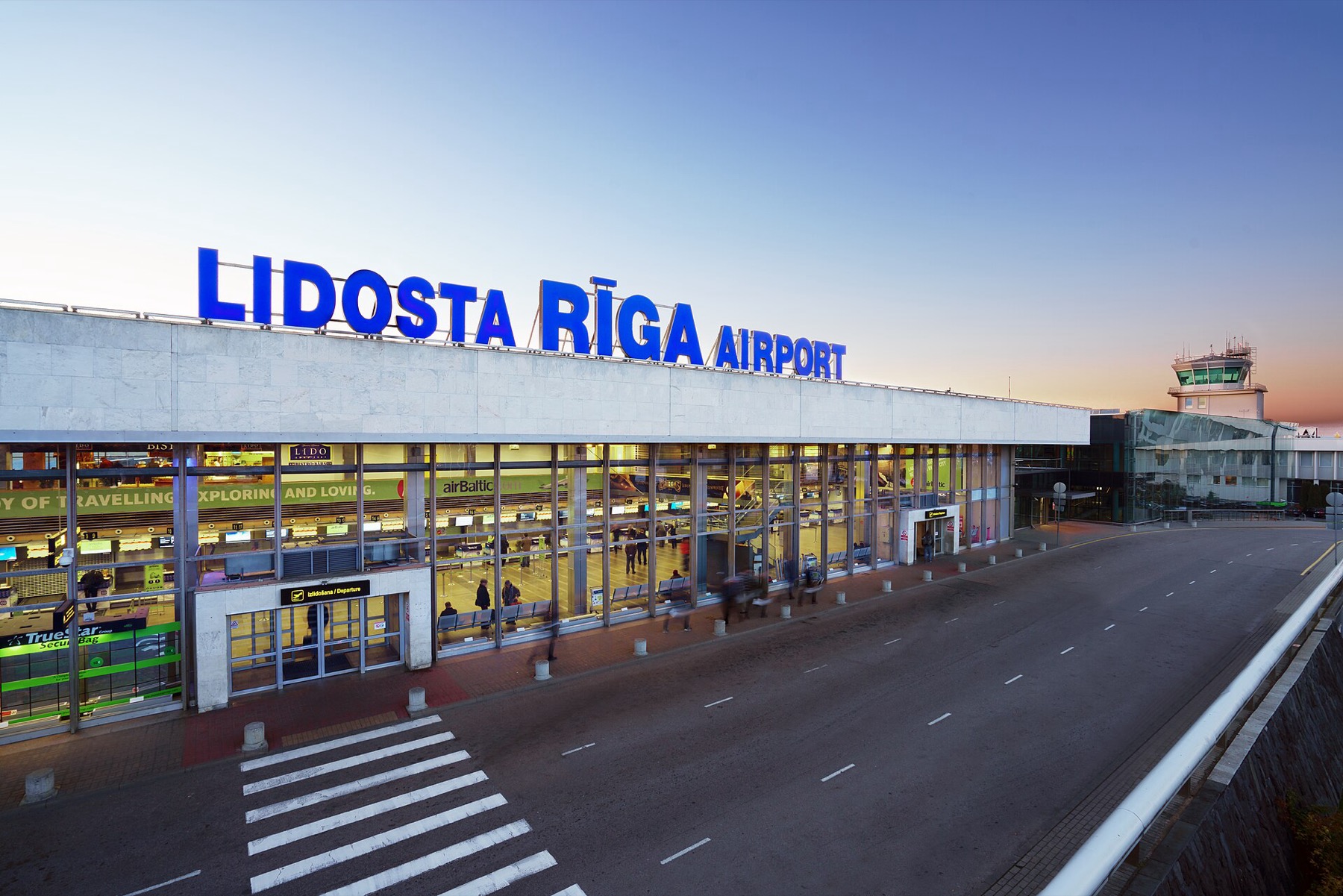
Kde se natáčel seriál Wallander?

Drtivá většina filmových i knižních lokací se nachází v přístavním městečku Ystad. V místním informačním centru vám dají speciální mapku, podle které si můžete projít komisařův byt, jeho oblíbené kavárny i filmová studia na okraji města, kde si lze prohlédnout původní kulisy policejní stanice.

Jaké jsou hlavní kulinářské speciality regionu?

Skåne je zemědělským srdcem celého Švédska. Kromě všudypřítomných jablečných koláčů a čerstvých moštů tu najdete úžasný místní chřest, fantastické sýry a v Malmö si rozhodně musíte dát ten nejlepší levný falafel v zemi. Místní obyvatelé sice nedají dopustit na různé masité a rybí speciality v čele se sledi, ale i bez nich objevíte spoustu skvělých chutí.

Tips and Tricks for Your Vacation

Don’t Overpay for Flights

Search for flights on Kayak. It’s our favorite search engine because it scans the websites of all airlines and always finds the cheapest connection.

Book Your Accommodation Smartly

The best experiences we’ve had when looking for accommodation (from Alaska to Morocco) are with Booking.com, where hotels, apartments, and entire houses are usually the cheapest and most widely available.

Don’t Forget Travel Insurance

Good travel insurance will protect you against illness, accidents, theft, or flight cancellations. We’ve had a few hospital visits abroad, so we know how important it is to have proper insurance arranged.

Where we insure ourselves: SafetyWing (best for everyone) and TrueTraveller (for extra-long trips).

Why don’t we recommend any Czech insurance company? Because they have too many restrictions. They set limits on the number of days abroad, travel insurance via a credit card often requires you to pay medical expenses only with that card, and they frequently limit the number of returns to the Czech Republic.

Find the Best Experiences

Get Your Guide is a huge online marketplace where you can book guided walks, trips, skip-the-line tickets, tours, and much more. We always find some extra fun there!