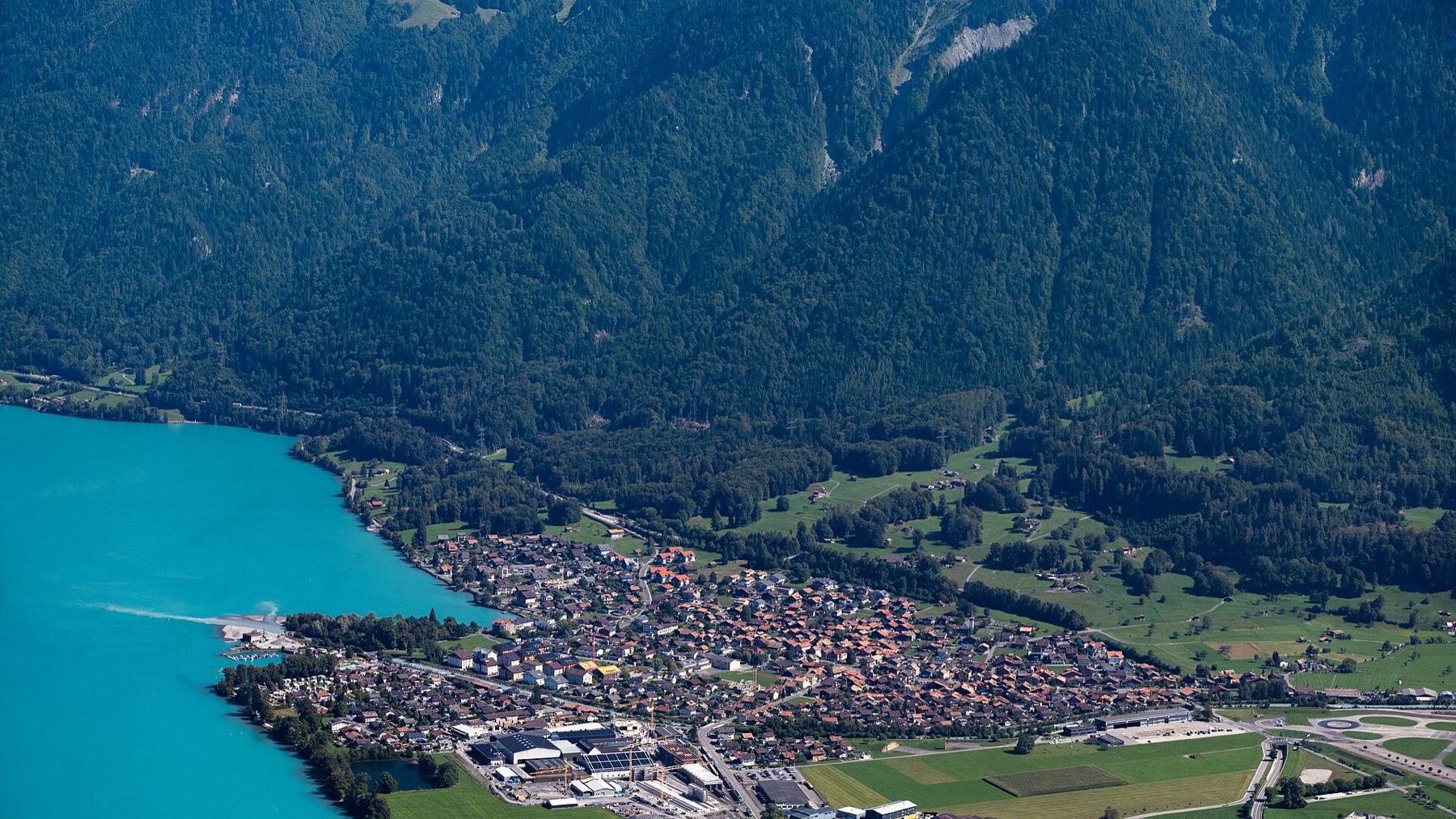
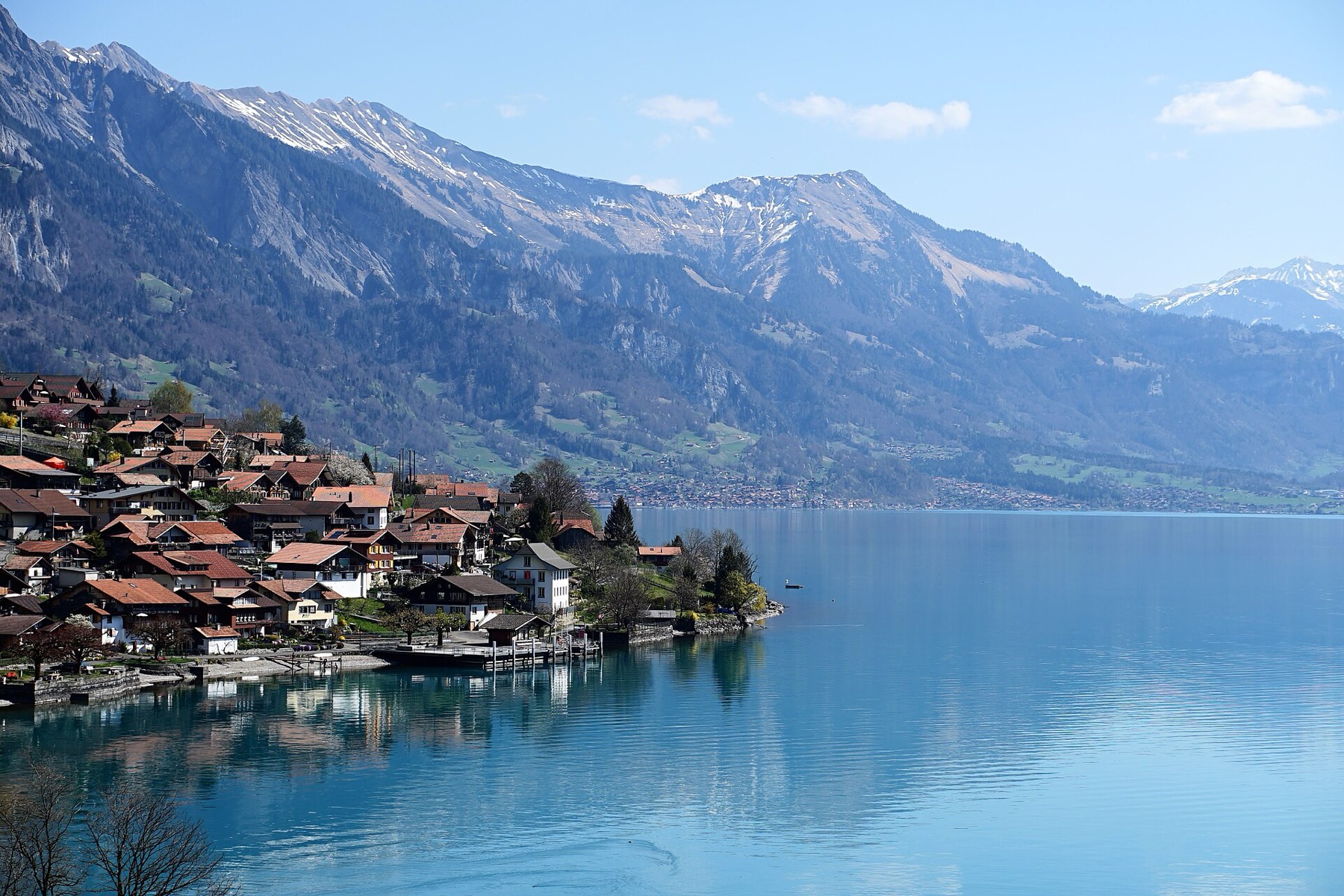
The Bernese Oberland in Switzerland can be wild and packed with tourists, but drive just a little further and you land in a complete oasis of calm. That is exactly what Bönigen, Switzerland (pronounced “beh-ning-en”) is — a gorgeous little village sitting right on the shore of a glacial lake. While neighbouring Interlaken bursts at the seams, here time stands still among richly carved wooden houses and breathtaking nature. ☺️
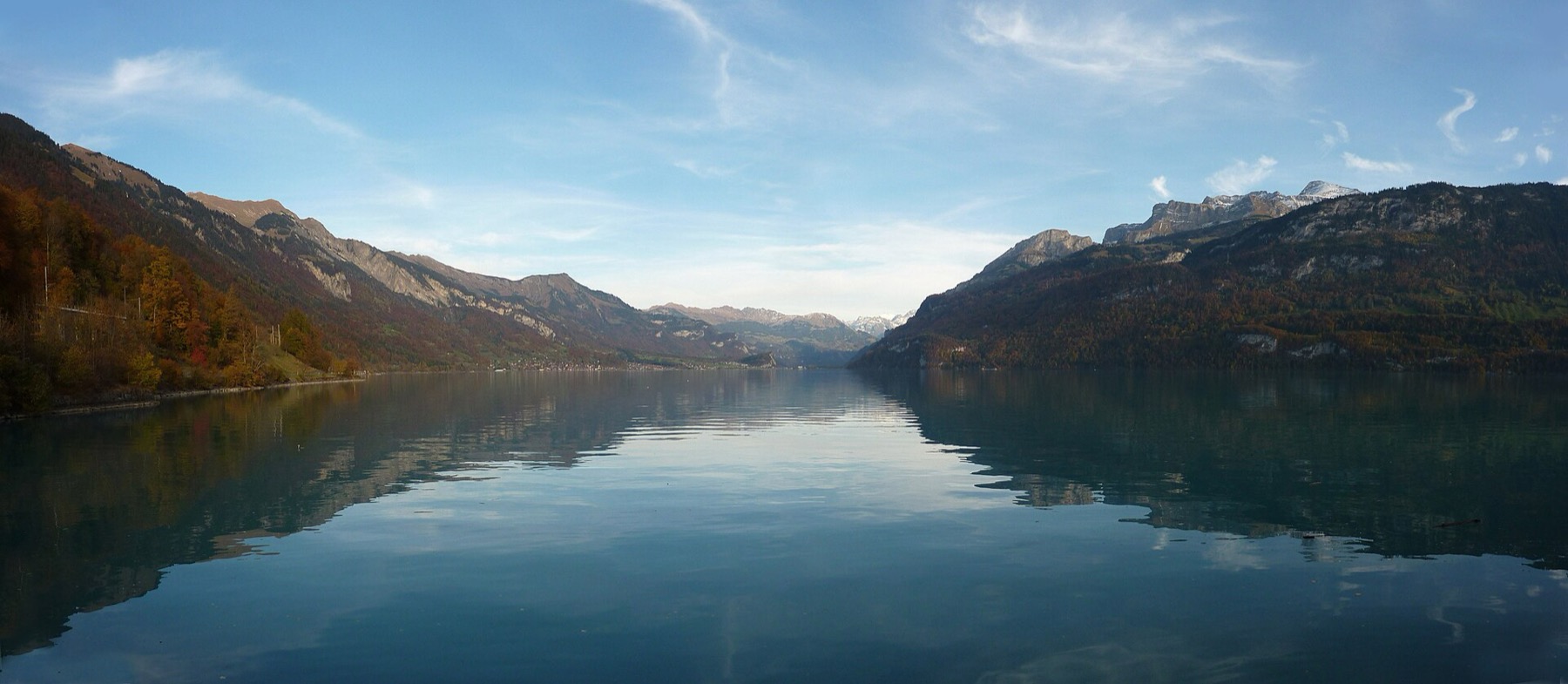
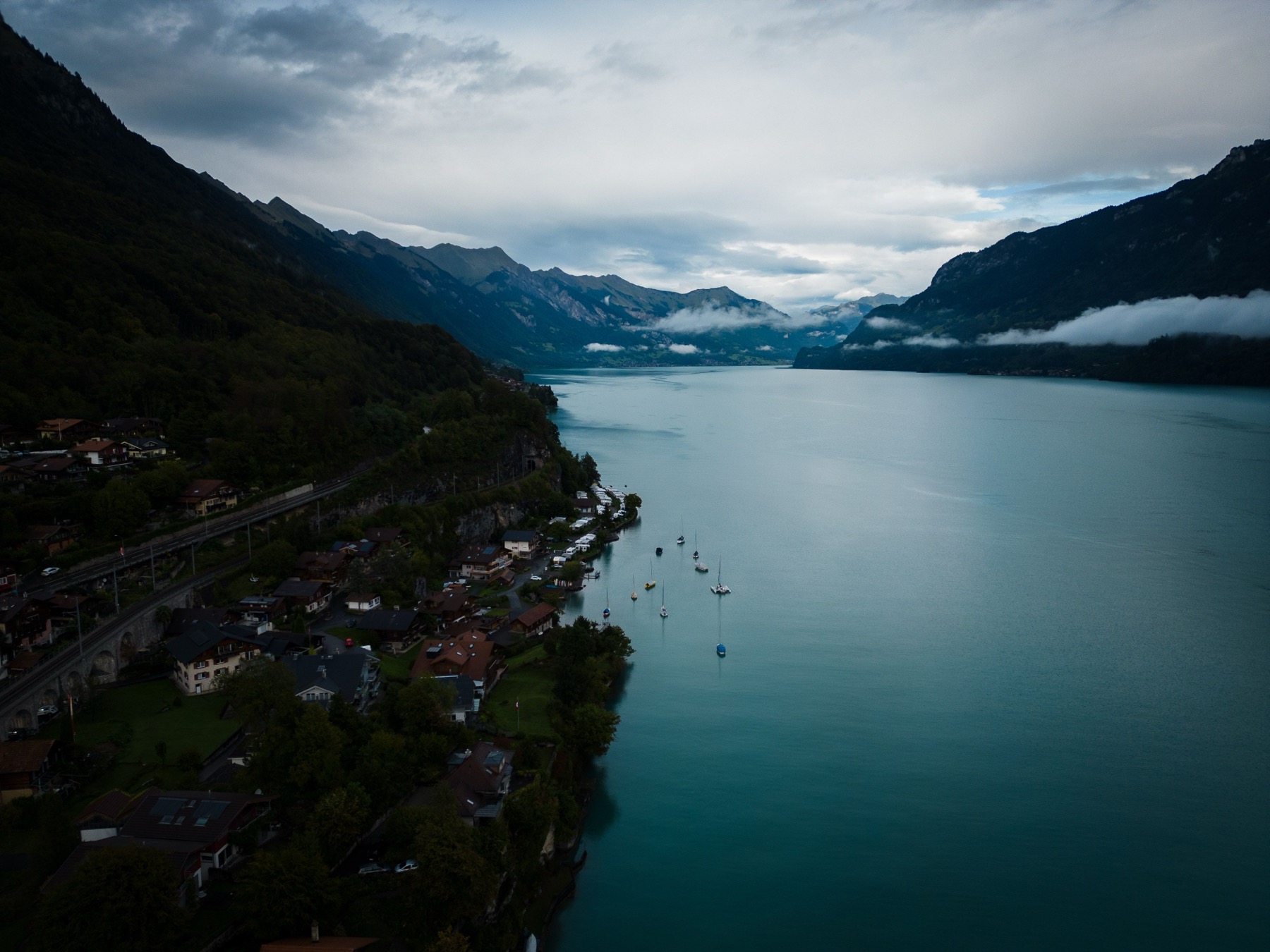
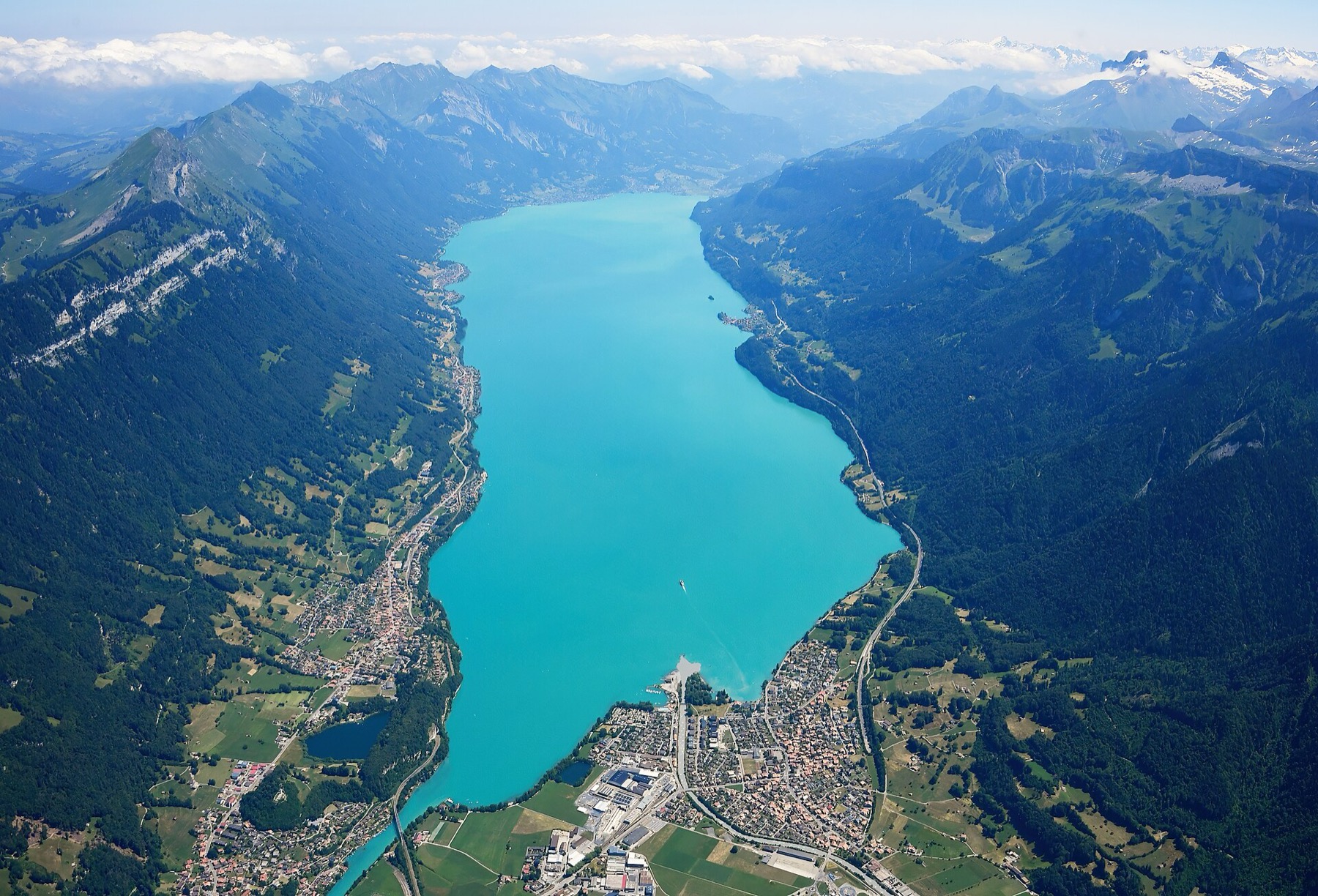
The water has an absolutely unreal emerald-turquoise colour and the mountain peaks reflect in it like a perfect mirror. Lake Brienz is the main draw of the whole area and offers endless options for what to do from spring all the way into late autumn. You can hop aboard a historic paddle steamer, rent a kayak, or simply laze on the beach.
To help you plan your trip as smoothly as possible, I’ve put together a detailed guide. In this article you’ll find 24 tips on what to see and do, where to stay, which trails to hike, where the cable cars will take you, and what to do with kids. Switzerland is a love for life, and I’d bet that after visiting this region you’ll spend every summer figuring out how to come back. ☺️
TL;DR
- Bönigen sits on Lake Brienz and makes a perfect, peaceful base for exploring the Bernese Oberland.
- The Interlaken Guest Card comes free with your accommodation and gives you free buses around the area.
- The historic centre is full of protected wooden houses from the 16th to 18th centuries.
- Swimming in the lake is for the brave — the water sits around 20 °C in summer, but the local beach has a heated pool.
- The hiking here is phenomenal — right from the village you can set off on the Three Waterfalls Walk or the Sytiberg loop.
- For the most beautiful hikes you ride a cable car up — to Lake Bachalpsee, to Männlichen, or a steam cog railway to Brienzer Rothorn.
- Accommodation with a kitchenette saves you a fortune on Switzerland’s pricey restaurants.
- The best day trips nearby include the Harder Kulm cable car, the Giessbach Falls, and photogenic Iseltwald.
The full destination guide: Switzerland — guide and what to see
When to visit Bönigen and how to get there
The main tourist season in the Bernese Oberland runs from May to September, when daytime temperatures in the valley climb to a pleasant 24 °C. Just remember you’re in the mountains, so even in the middle of summer you’ll catch a few raindrops. Statistically it rains on roughly 9 to 12 days a month, so it pays to always keep a waterproof jacket in your backpack.
If you’re looking forward to a swim, the water temperature in Lake Brienz might surprise you a little. The lake is glacial, very deep, and even in the warmest part of August the water is usually only 18 to 22 °C. By September, at 15 to 19 °C, it’s more of a challenge for the hardy. Luckily, The Beach lido is open from mid-May to mid-September and offers a heated alternative.
Getting to the village is incredibly easy thanks to Swiss precision. By train you can reach Interlaken Ost station directly from Zürich (in under two hours) or from Bern. From there, bus line 103 gets you to the centre of Bönigen in just 9 minutes. Buses run every half hour and stop right by the waterfront and in the village centre.
And now the best news: the Interlaken Guest Card, which you get free with your accommodation, gives you completely free travel on local public transport, including bus 103. So if you stay in Bönigen, you ride to Interlaken or to neighbouring Iseltwald without paying a cent.
Where to stay in Bönigen, Switzerland, and what it costs
💡 Tip for accommodation and experiences: we compare places to stay right here, so you can see what’s available and for how much. We prefer to look for accommodation on Booking.com, which usually has the best cancellation terms. For tickets, tours and activities it’s worth comparing and booking through GetYourGuide.
Staying right in Bönigen is the smartest move you can make when planning a holiday in Switzerland. While neighbouring Interlaken is often overpriced and packed with noisy tour groups, here you’ll find authentic calm and far friendlier prices. And you’re in the middle of the action within ten minutes by bus.
In Switzerland it also incredibly pays off to book accommodation with your own kitchenette. Restaurant prices are astronomical, so being able to cook your own dinner or prep a snack for a hike will slash your budget by hundreds of euros. Just be sure to book well in advance, because in the summer season the best places sell out months ahead.
Here are specific tips for great places to stay based on traveller reviews:
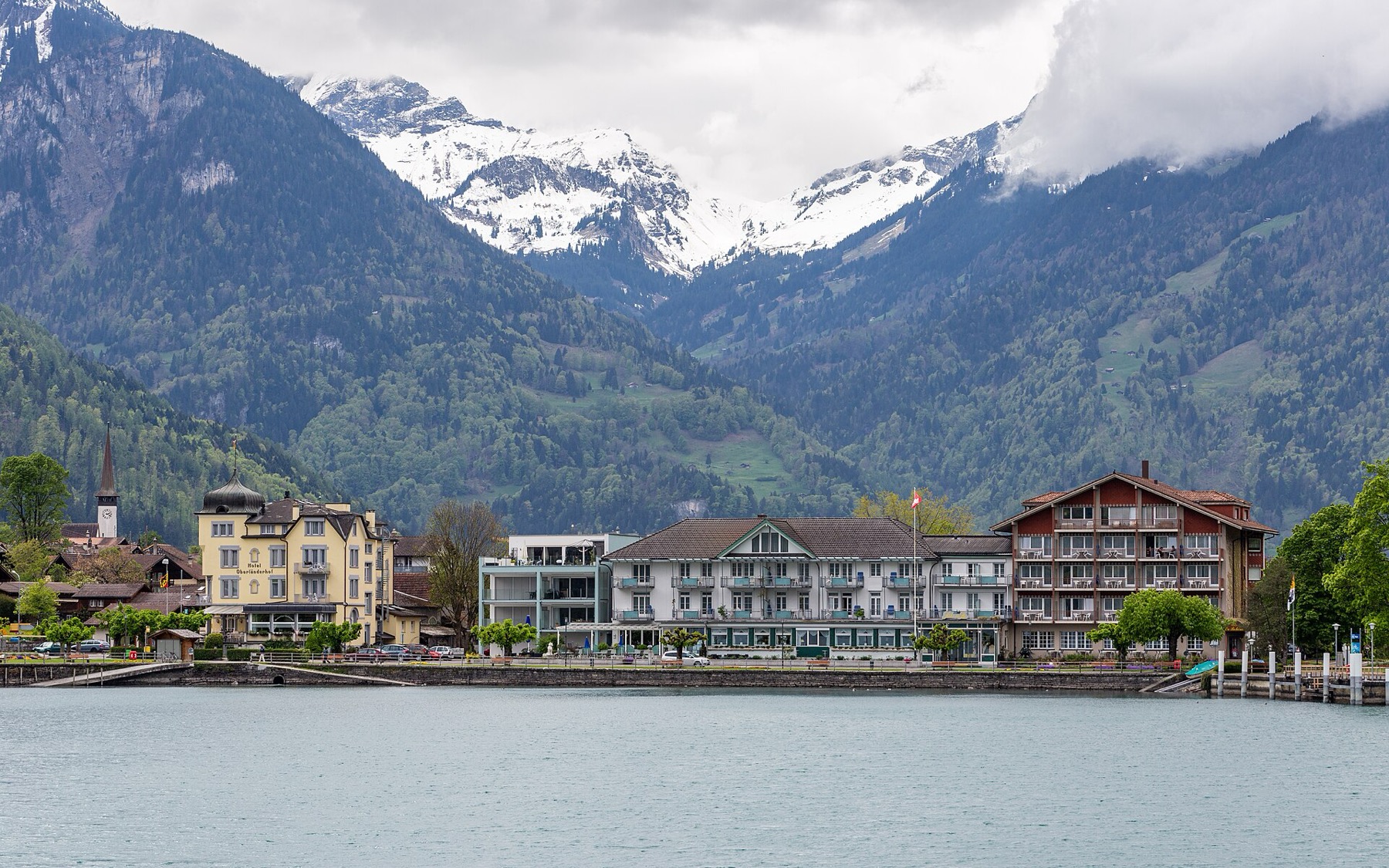
- Hotel Seiler au Lac: Hotel Seiler au Lac sits right on the shore, and the paddle steamer stops right at the door, so you don’t even have to think about how to get to the boat. Forty rooms, views of mountains and water — this is the right address when you want to be in the middle of everything.
- Seehotel Bönigen: A great family choice with panoramic views, offering a quieter atmosphere and its own well-regarded restaurant. Guests really praise the owners’ personal touch and the generous breakfasts.
- TCS Camping Bönigen Brienzersee: The perfect budget option with the best location in the village — right by the lake and 200 metres from the beach. But watch out for two things: there’s no pool or slide at the campsite (just a paddling pool), and we’ve had our own bad experience with the staff’s attitude toward families with toddlers, which I describe below.
- Mountain and Lake: A fantastically rated private apartment with a fully equipped kitchen that gives you maximum independence. It has a lovely terrace and, according to reviews, it’s the ideal spot for a longer stay where you cook for yourself.
- Walida: A simpler but very pleasant hotel at a reasonable price, where you’ll love the balconies with views of the alpine peaks. Guests appreciate the cleanliness and the cosy homely atmosphere.
Right in Bönigen: 6 tips for what to see and do by the water
The village itself is the ideal place for slow days when you don’t feel like climbing into the high mountains. You can just wander the narrow lanes, admire the craftsmanship of the old master carpenters, or spend time right on the shore of the turquoise lake.
You’ll find a perfect mix of history and water activities here to keep you busy for at least one full weekend. Everything is also beautifully close and within walking distance, so you can happily leave the car parked at your hotel.
💡 Tip: You can book most of the experiences nearby (lake cruises, kayak tours, jet-boat rides, and trips to Jungfraujoch) in advance on GetYourGuide. In high season the popular slots fill up several days ahead.
1. Historic wooden houses and the Häuserweg
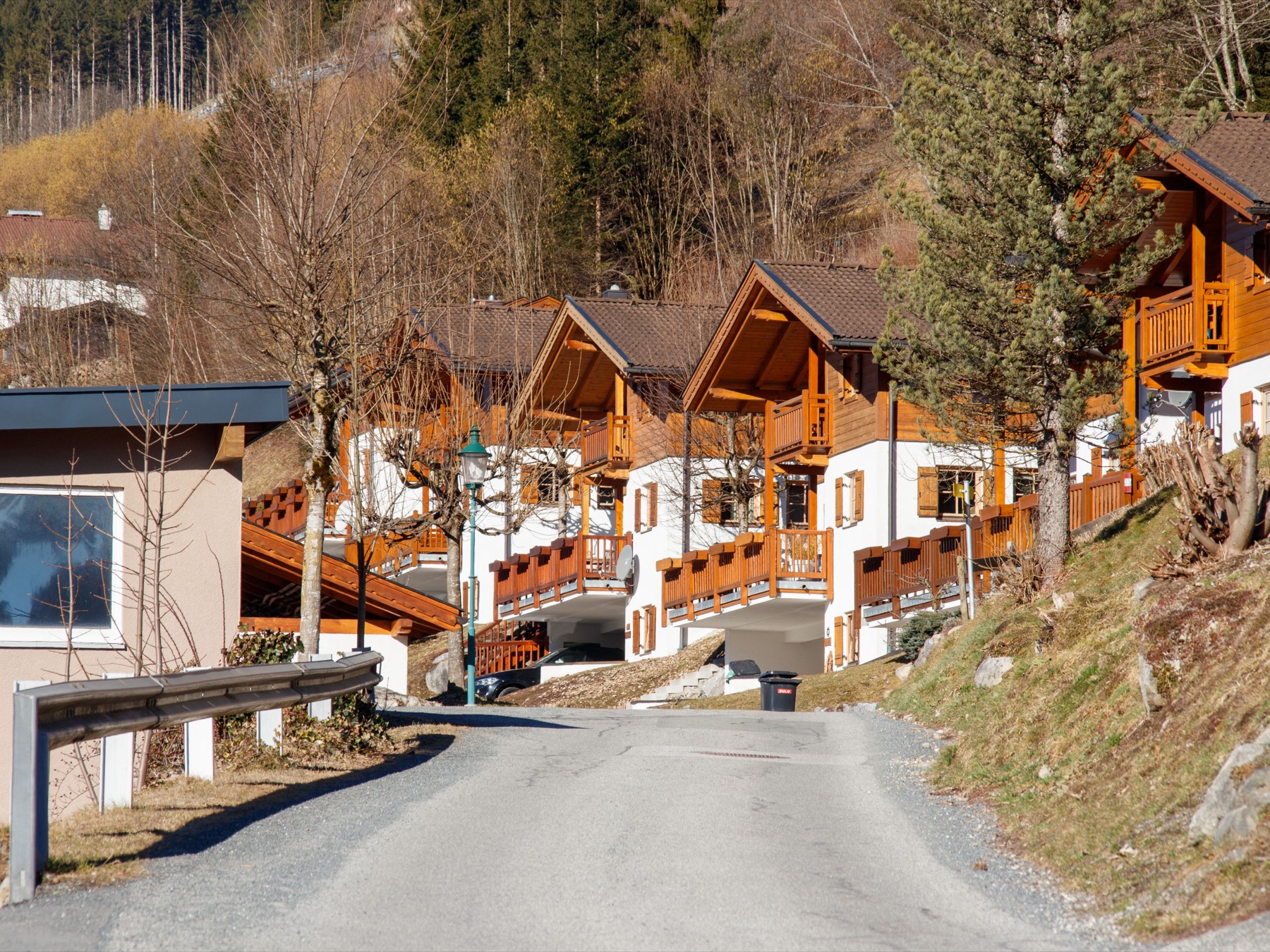
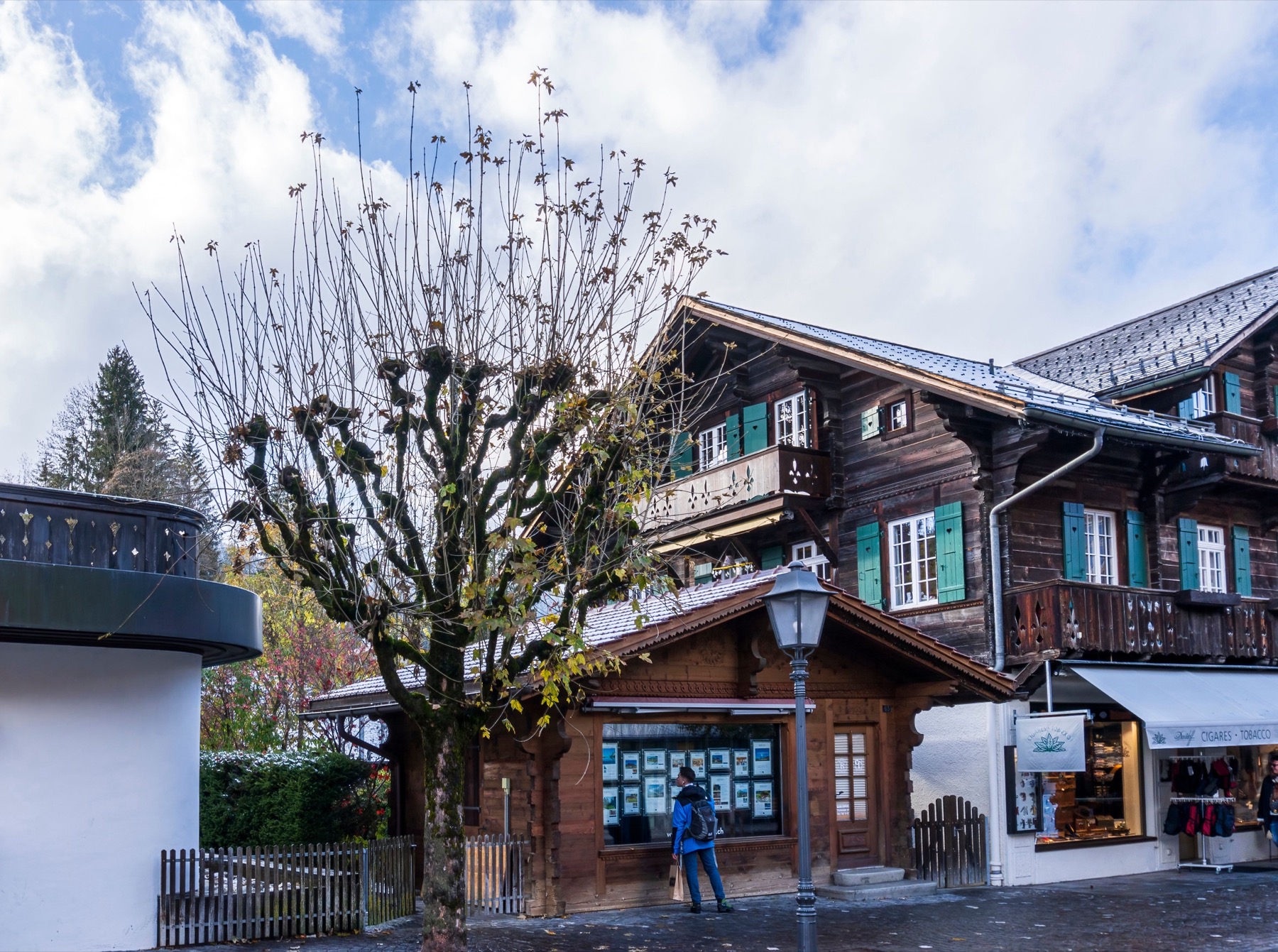
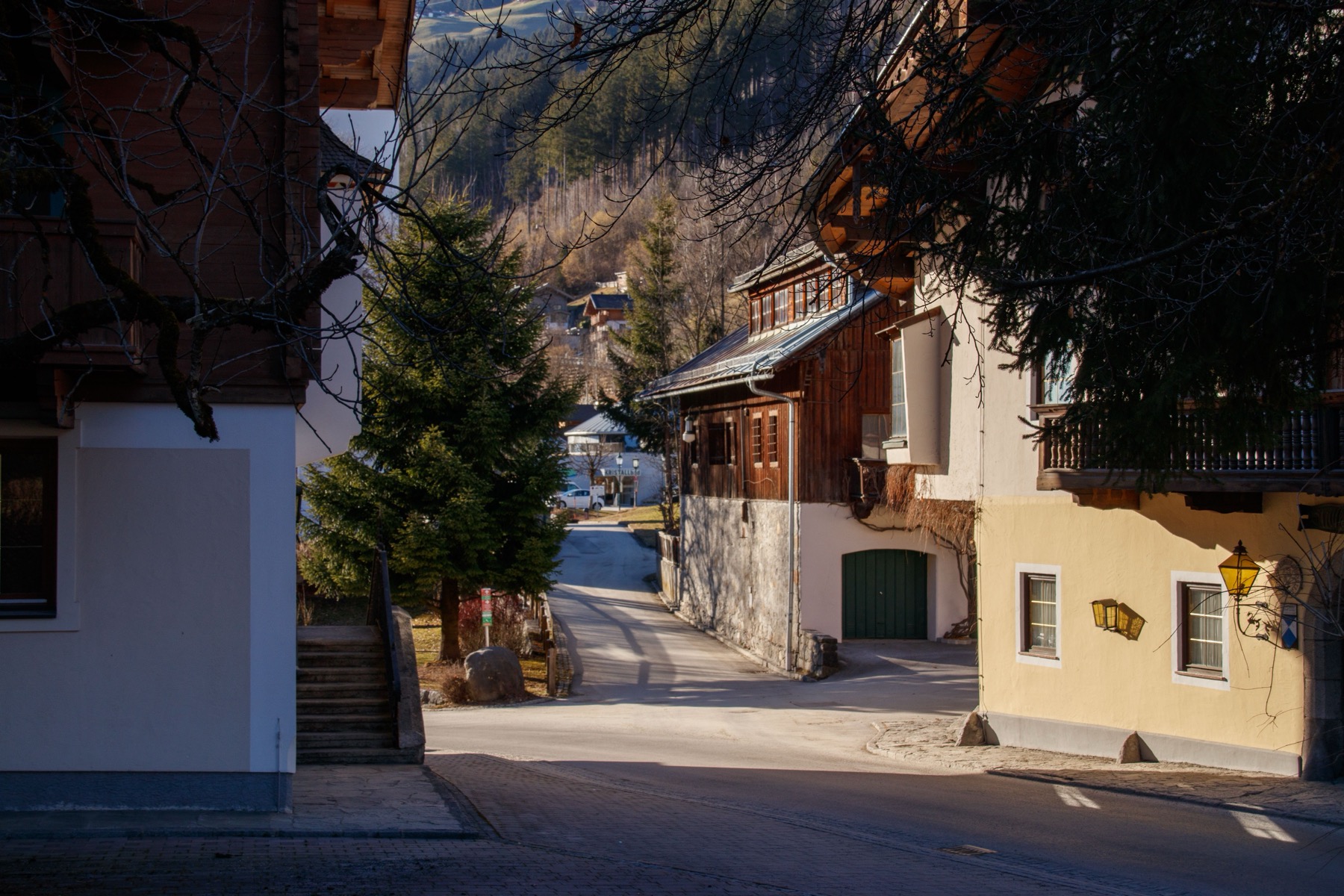
The heart of the village is a unique collection of carved wooden houses from the 16th to the 19th centuries. Historically, Bönigen was incredibly lucky never to have been hit by a big destructive fire. As a result, a continuous run of buildings from every construction period since 1549 has survived here, which is a huge rarity in Switzerland.
Walking along the Historischer Häuserweg educational trail, you’ll be amazed by the detailed carving work on the façades. You’ll see intricate ornaments, old inscriptions, and precisely shaped balconies. There’s an interactive SmartTrail guide for the route that you can easily download to your phone, telling you the stories of the individual families.
The most famous building is the so-called Housihuus from 1757, which served as the first local inn. It even has royal history — in 1808, King Friedrich of Württemberg spent the night here. Also worth attention is the old granary Christi’s Spycher from 1746, which shows how valuable food supplies used to be stored.
💡 Tip: Every morning at 9:15, guided village tours set off in front of the tourist information office. It’s a great chance to hear the juicy details from locals that you won’t find in any printed guide.
2. Village museum Dorfmuseum “alte Pinte”
If you want to see what life in those wooden houses really looked like, you have to drop by the local museum. It’s housed in a beautifully preserved house from 1772 and immerses you in the atmosphere of the old days, when life in the mountains was much harder than it is today.
The exhibition shows a typical Oberland dwelling down to the smallest details. You’ll find historic furniture and objects from 1730 to 1920, from old spinning wheels to hand-painted dowry chests. It’s fascinating to see how masterfully the local craftsmen worked with wood.
The tour won’t take you more than an hour, but it gives you a huge respect for the local culture and traditions. You’ll learn how they used to heat their homes, how they processed milk from the mountain pastures, and what everyday routine looked like for an ordinary Swiss family.
💡 Tip: The museum’s opening hours tend to be quite limited off-season, so check on the website in advance which days it’s open, so you don’t end up standing in front of a locked door.
3. Waterfront, pier and the Brienzersee Lakewalk
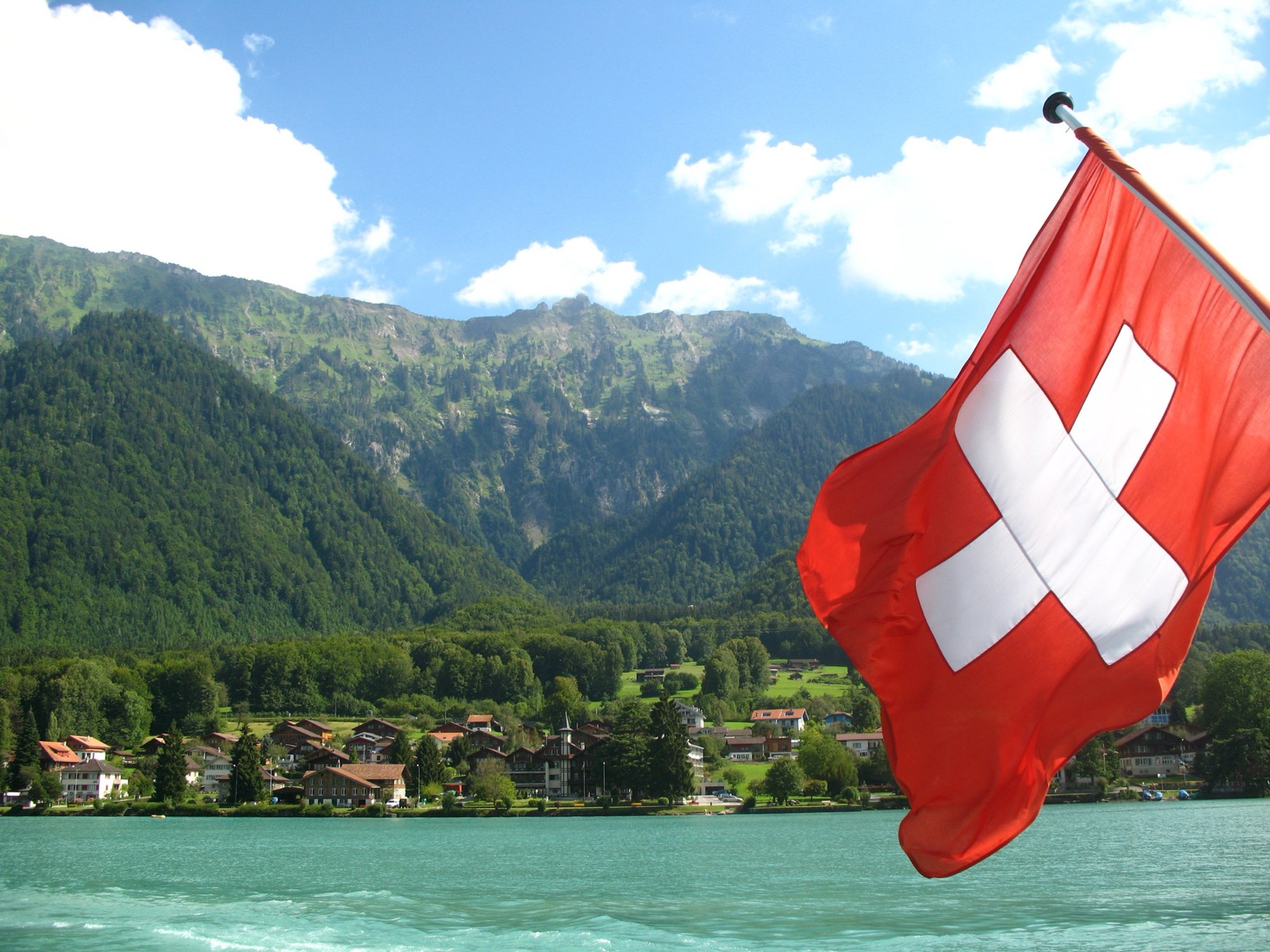
The heart of all of Bönigen is without doubt its waterfront. The Brienzersee Lakewalk has a fantastic 4.8 rating on Google from almost a thousand reviews, and it’s the first place your steps should lead after you arrive. The view from the pier of the surrounding peaks and the turquoise surface is simply iconic.
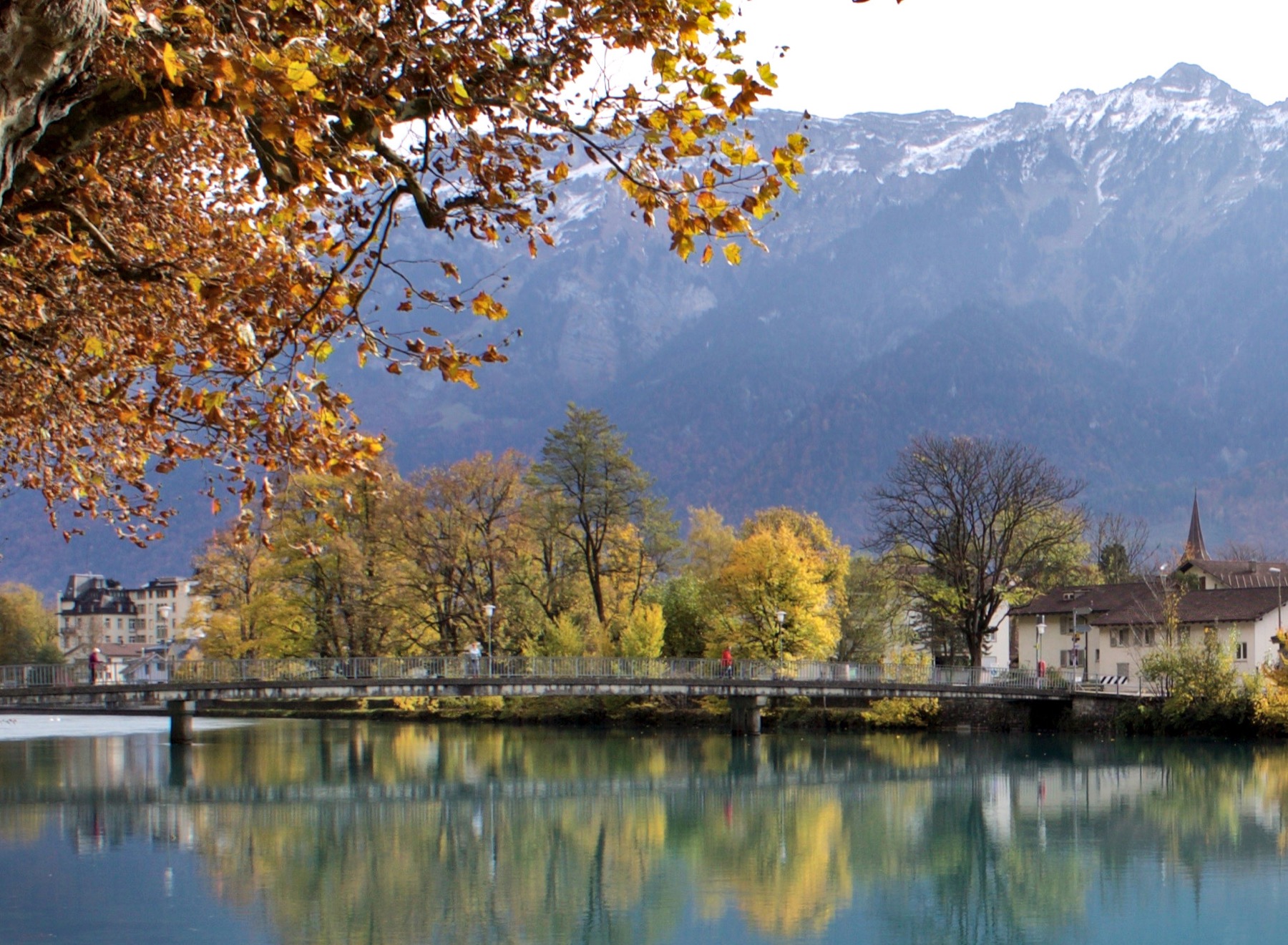
The whole promenade is designed as a barrier-free path along the lake and the Aare river. It’s absolutely ideal for families with strollers, wheelchair users, or a slow evening stroll when your feet ache after a full day of hiking. The water has that incredible colour caused by so-called glacial flour washed down from the surrounding massifs.
In summer the waterfront comes alive with culture. Right by the main pier there are regular traditional folk concerts, where you can hear alpine horns played live and see locals in beautiful historic costumes. It’s an experience that’s an inseparable part of a stay in the Bernese Oberland.
💡 Tip: A short walk from the promenade lies the little pond Depotseeli, which was interestingly created artificially during the historic railway construction. Today it mainly serves local anglers, but it’s a lovely quiet spot for a short stop.
4. The Beach lido and swimming area
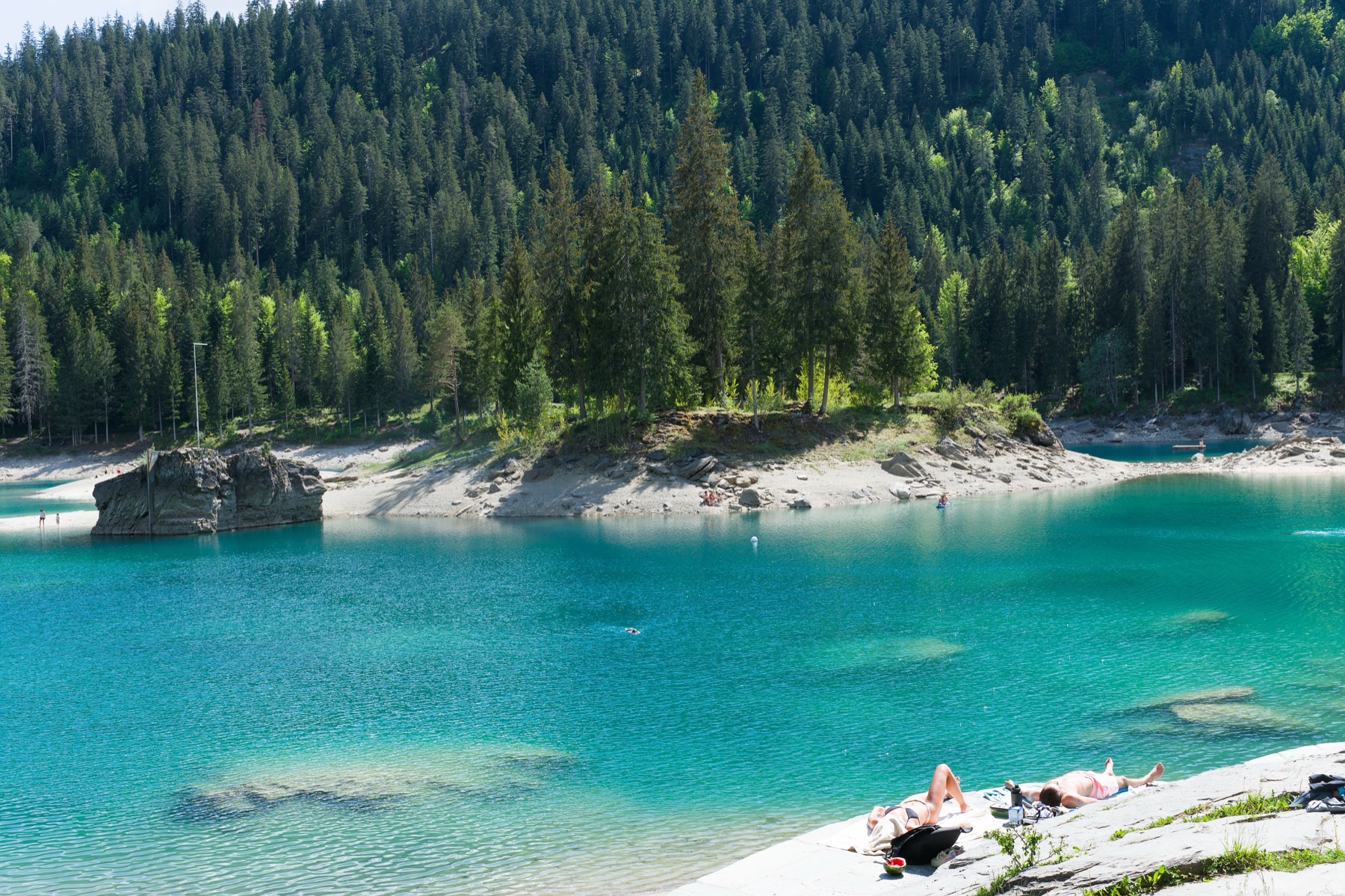
Although the lake is cold, Bönigen has a perfect backup plan ready for water lovers. The local lido The Beach (Strandbad Bönigen) runs roughly from mid-May to mid-September, and a 2026 ticket costs a very pleasant 6 CHF (about €6) for an adult.
Besides lake access, the site offers a heated 25-metre pool, which you’ll appreciate on days when you really don’t fancy the glacial water. There’s a marked-off area in the lake for swimmers, surrounded by a sprawling grassy meadow with big trees that provide plenty of natural shade.
The facilities here are above standard by Swiss norms. You’ll find changing rooms, clean toilets, a pétanque court, and a pleasant restaurant. The whole site is also fully accessible with a stroller or wheelchair, so absolutely everyone can settle in comfortably. From 5:00 pm there’s discounted evening admission.
💡 Tip: You’ll always find the current opening hours, which change by month and weather, on the official website of The Beach. In heavy rain the site is usually closed for safety reasons.
5. Kayaking and SUP on the lake
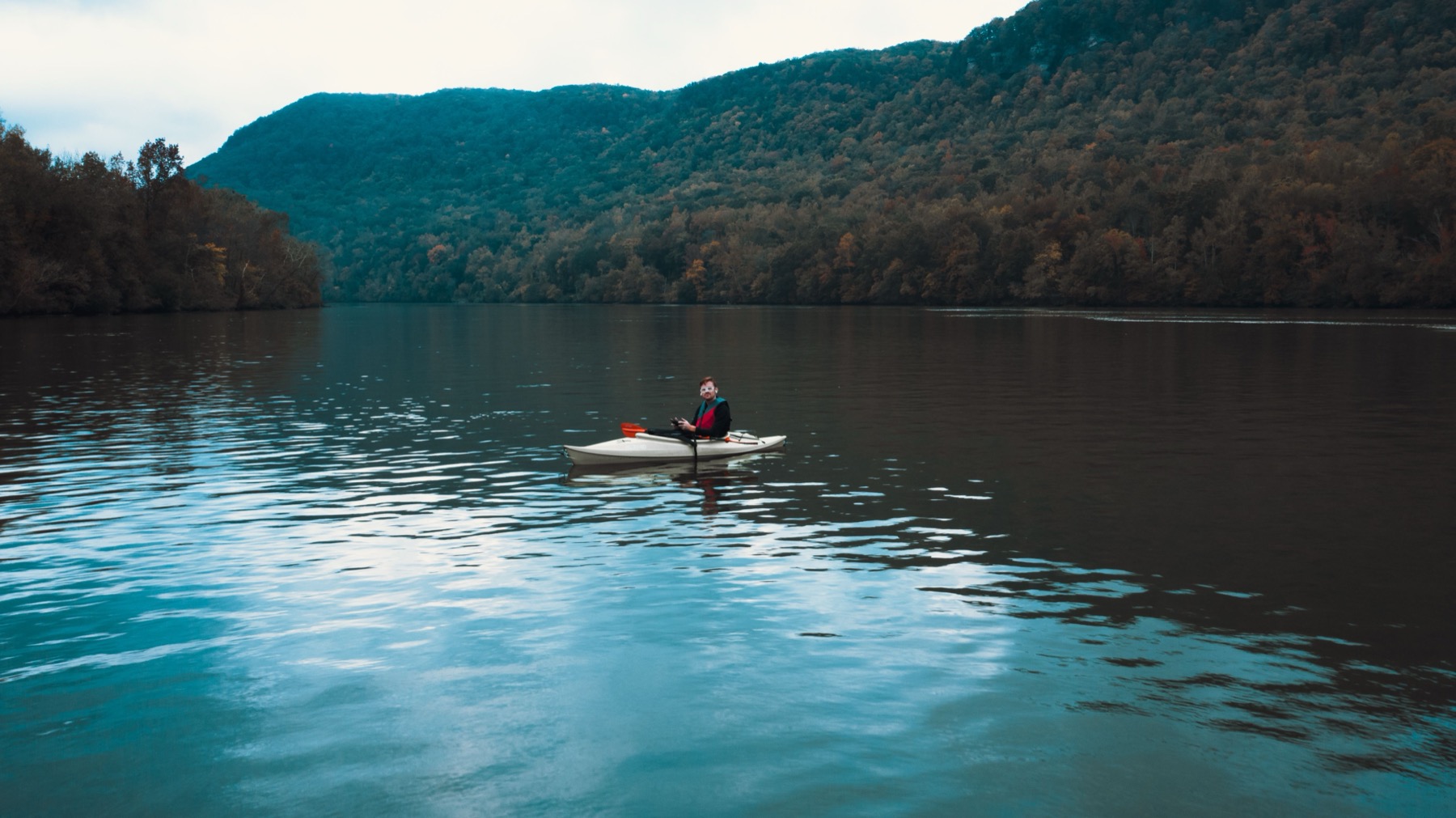
The best way to soak up the atmosphere of Lake Brienz is to head straight out onto its surface. Right on the shore (opposite the bus 103 stop) you’ll find the base of the Hightide Kayak School, which rents top-notch water-sports gear from May to October.
Prices for 2026 are set reasonably. A single kayak costs from 30 CHF (about €30) per hour, while the two-seater comes to 45 CHF. If you’re up for a longer expedition, you can rent a sturdy sea kayak for a full seven hours for 70 CHF and explore the more distant coves. Popular paddleboards (SUP) are of course also available.
If you have no paddling experience, I recommend paying for an organised kayak tour with an instructor. They’ll show you the prettiest hidden coves, teach you the right technique, and take care of your safety, because the weather on the lake can change unexpectedly fast in the mountains.
💡 Tip: Among paddlers, the absolute hit is the route from Bönigen along the southern shore all the way to the Giessbach Falls. Book your gear well in advance via the Hightide website — in July and August it’s often sold out.
6. A cruise on the historic paddle steamer Lötschberg
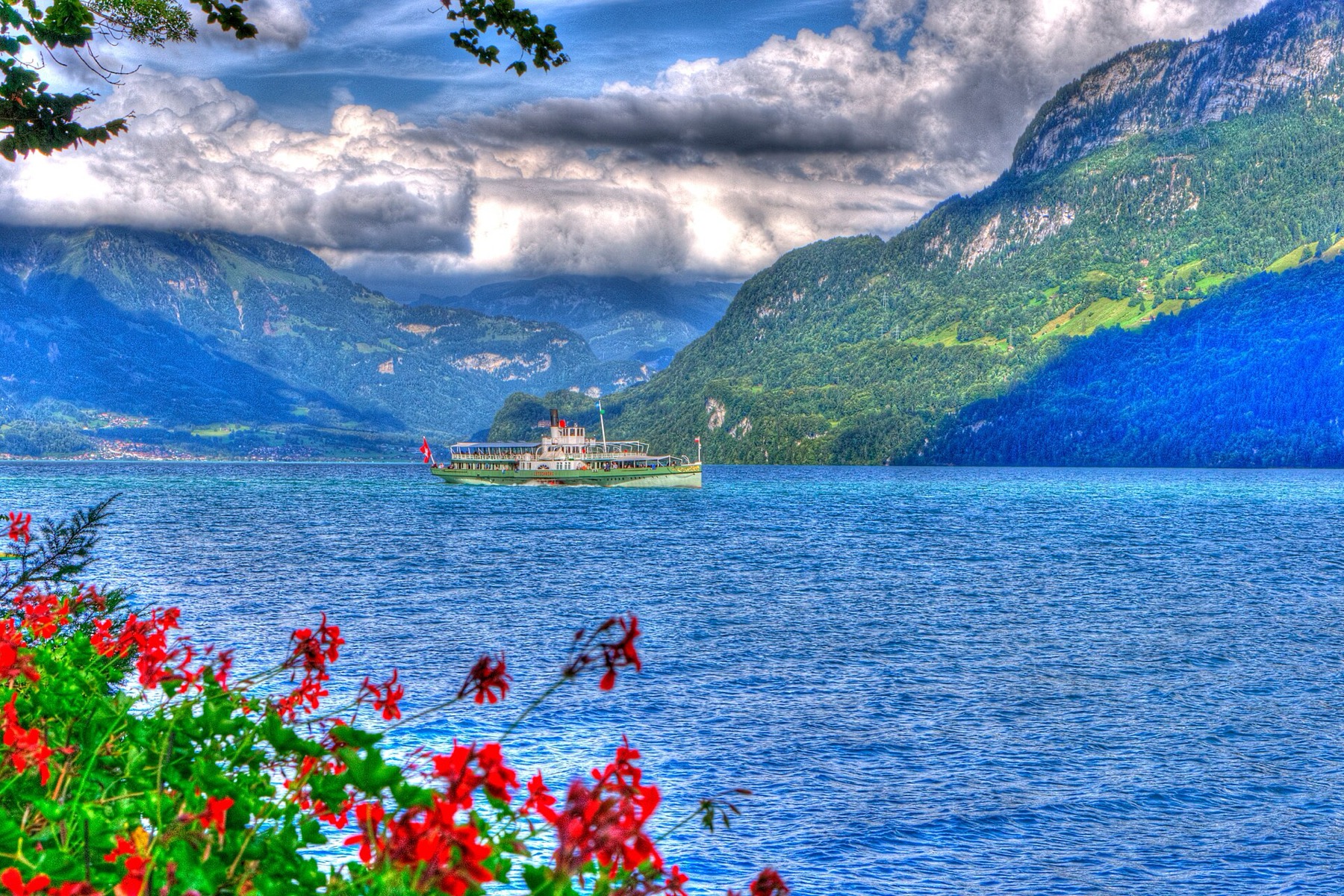
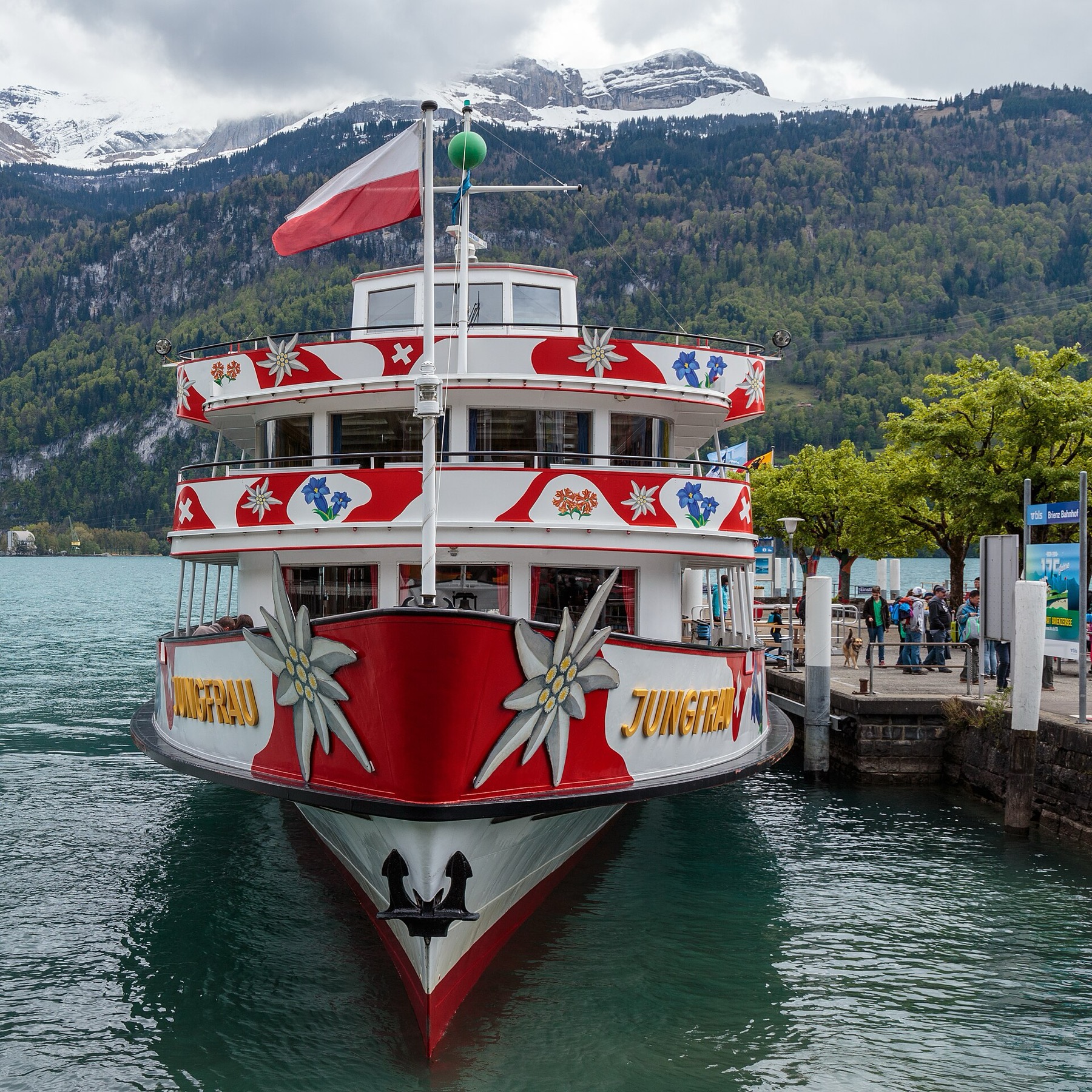
If you prefer comfort over physical effort, you simply must take a boat trip. A fleet operated by BLS cruises the lake, and its greatest pride is the paddle steamer DS Lötschberg from 1914. A cruise on this beautifully restored vessel instantly transports you back to the carefree days of the Belle Époque.
The fleet crosses the lake from early April to early December 2026. The usual route runs from Interlaken via Bönigen, Iseltwald and Giessbach all the way to the town of Brienz. A basic ticket costs 39 CHF (about €40), but if you hold a Bernese Oberland Pass or a Swiss Travel Pass, the cruise is completely free. Children aged 6 to 15 travel for half price.
Besides the regular daytime sailings, in July and August there are also special Saturday evening cruises. Watching the sunset from the deck of a historic paddle steamer while dramatic mountain cliffs slide past — that’s the most romantic experience you can treat yourself to here.
💡 Tip: Sort out timetables and buying tickets in advance on the BLS boats portal. I recommend boarding already in Interlaken, so you’re sure to grab the best seats on the upper deck before the boat reaches Bönigen.
Hiking from Bönigen: 6 trails that are worth it
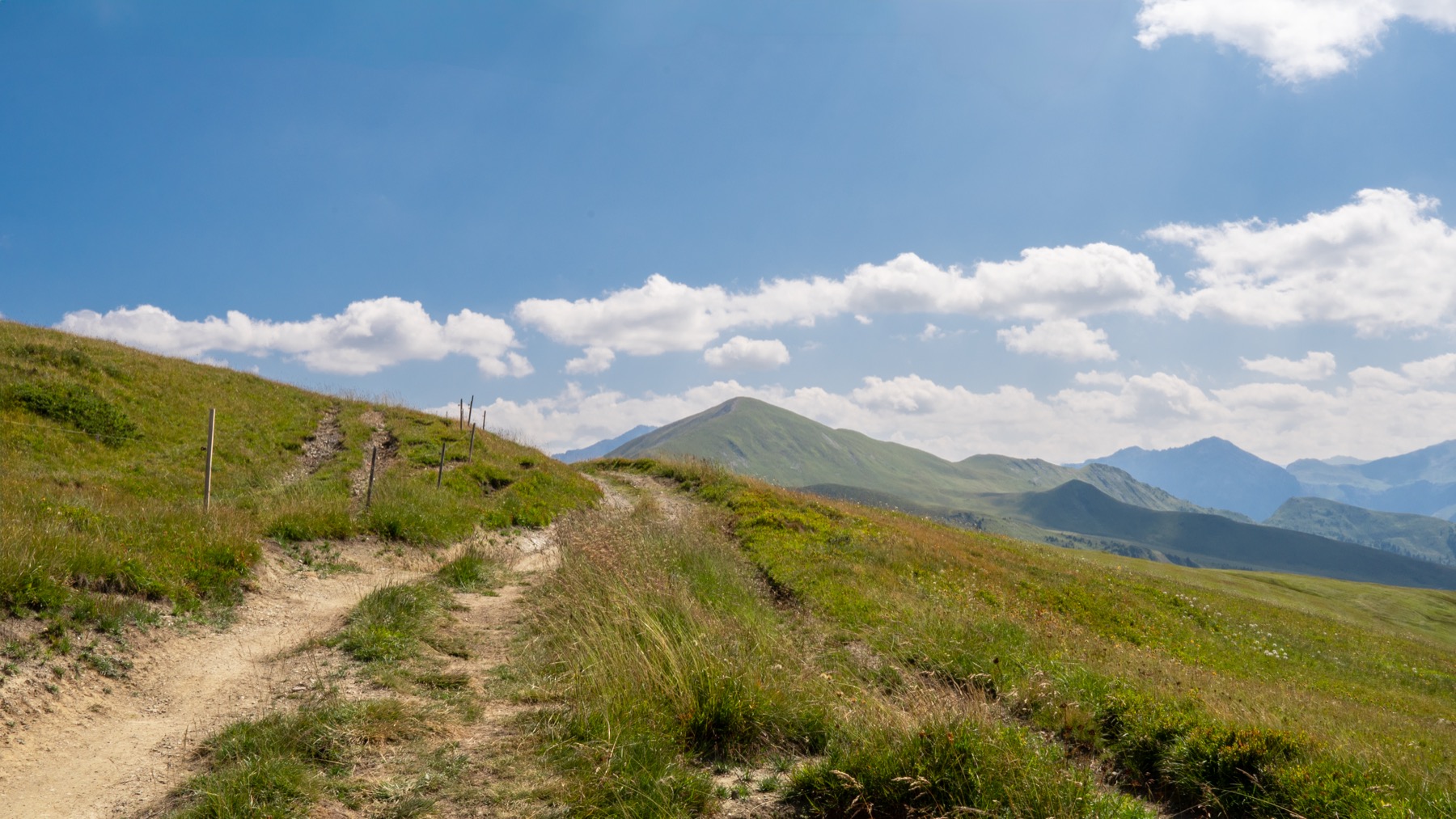
If you’re one of those who love to walk their trip straight from the hotel with no need to travel anywhere first, Bönigen is your place. Dozens of kilometres of perfectly marked trails begin right on your doorstep. The region offers everything from easy strolls along the shore to full-day climbs with brutal elevation gain.
Swiss trail marking is precise, but don’t forget you’re in the Alps. Always carry enough water, a quality map on your phone (for example the Komoot app), and sturdy footwear. The weather here can show its rougher side very unexpectedly.
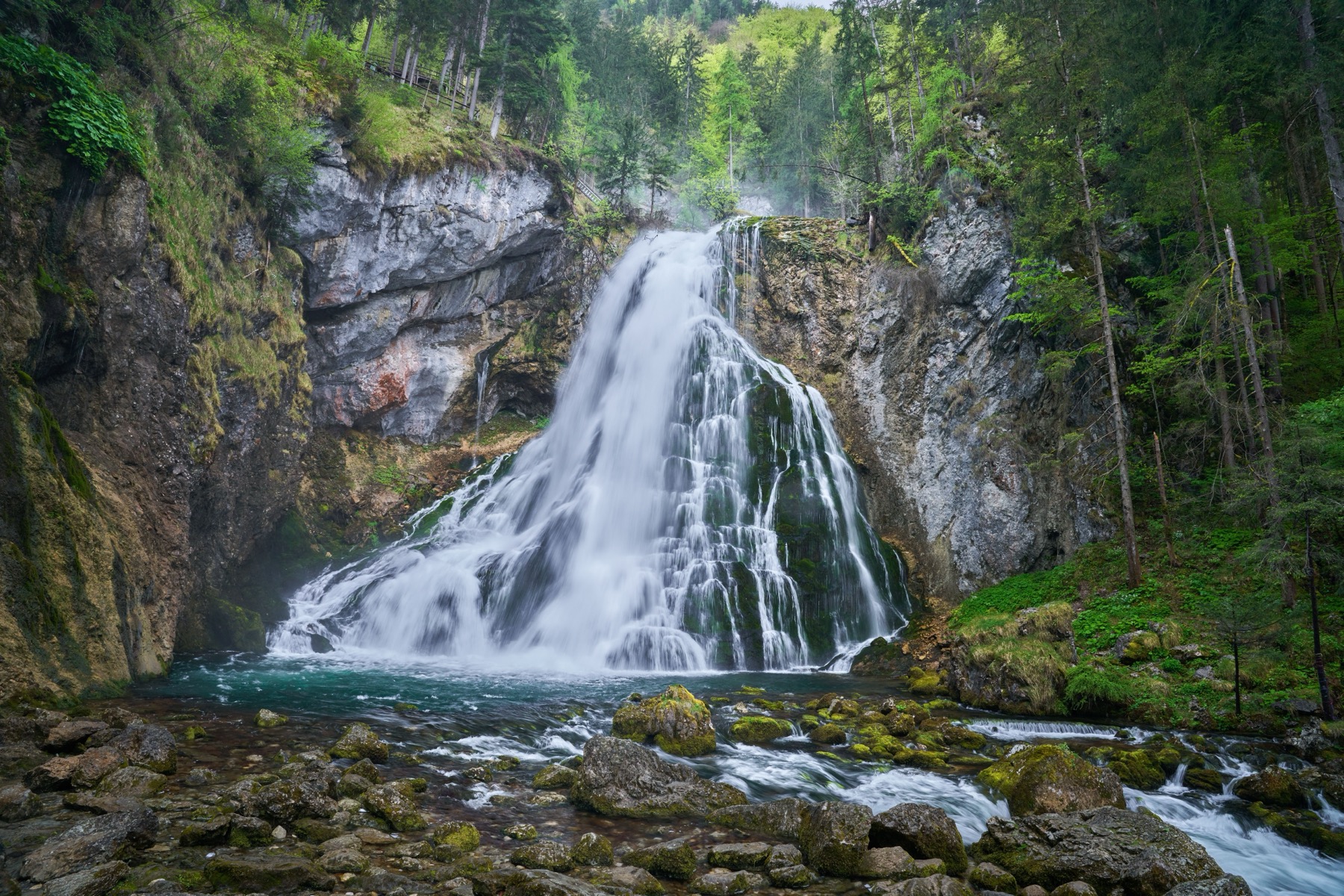
7. The Three Waterfalls Walk in stages
This is clearly the most famous trail in the whole area, running right along the shore of Lake Brienz from Bönigen via Iseltwald all the way to Brienz. Along the way you’ll pass three breathtaking waterfalls: Erschwandenbachfall, Mülibachfall, and finally the most famous Giessbachfälle.
The stats of the full route command respect. It measures 18.2 kilometres with 466 metres of elevation gain and takes roughly 5 hours and 15 minutes of pure walking time. The trail rolls up and down along the shore between 565 and 775 metres and offers fantastic glimpses of the turquoise water through dense forests.
The genius of this walk is that it easily splits into shorter stages: Bönigen to Iseltwald 1 hour 50 minutes, to Mülibach waterfall another 35 minutes, from there to Giessbach just under 2 hours, and to Brienz a final hour and 20 minutes. The best trick is to set off on foot, reach the first or second waterfall, and then hop on a boat or bus back.
💡 Tip: If you’re after the ideal half-day trip, try the first stage from the Bönigen jetty to the Erschwandenbach waterfall and on to Iseltwald. But watch out beyond Iseltwald: there’s no signage for “Isch” and it’s easy to miss the last two waterfalls.
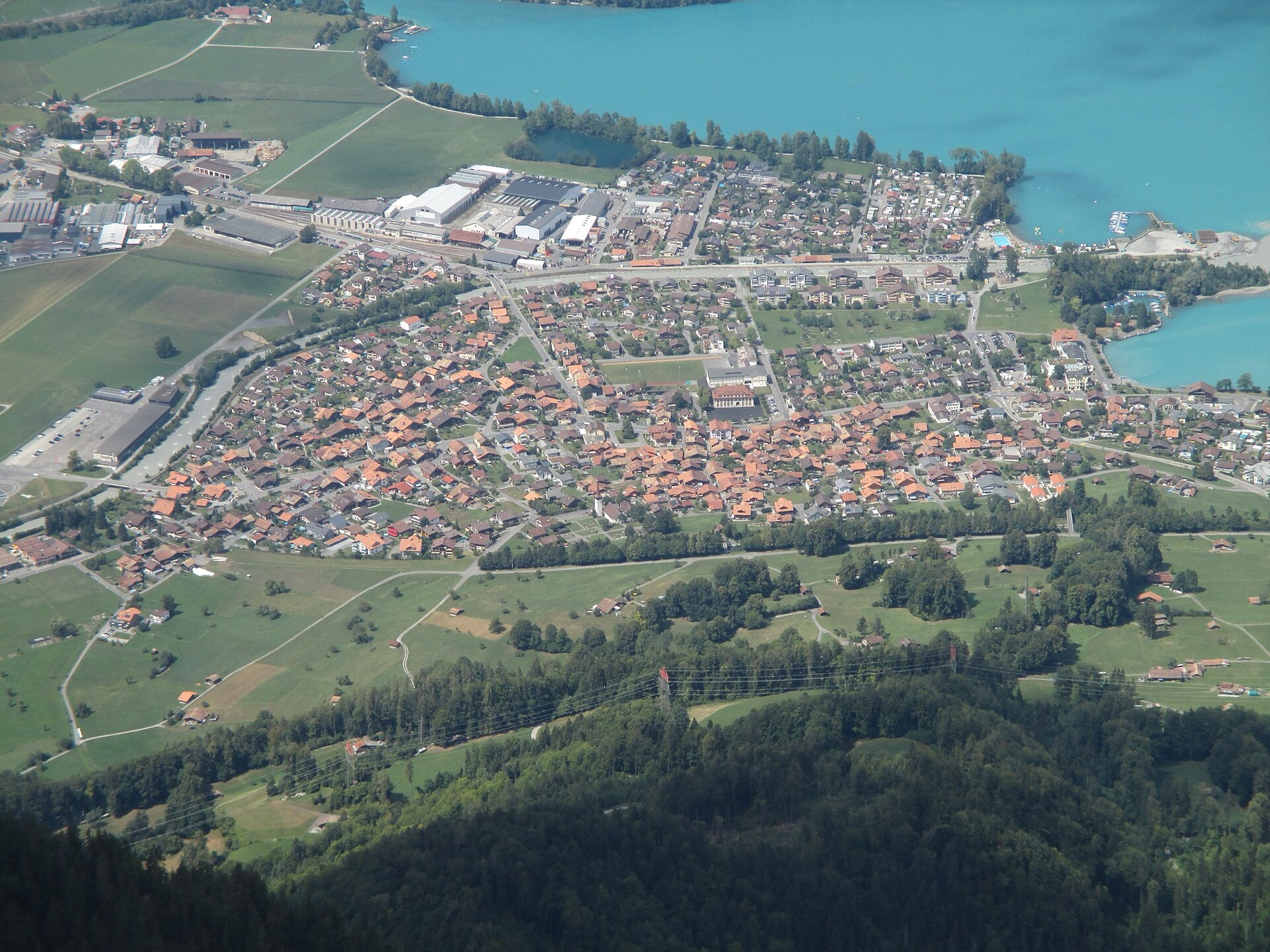
8. The Sytiberg loop: 5.5 km, even with an off-road stroller
When you want to escape the water higher into the hills but don’t feel like travelling far, try this local loop (Rundwanderung Sytiberg). It starts right at the tourist office and takes you through the upper part of the village, where you’ll casually see more historic houses.
According to the region’s official data, the loop measures 5.5 kilometres, takes an hour and a half, and climbs 146 metres. The highest point lies at 712 metres, so there’s no high-alpine terrain involved. The path leads you through dense forest and across photogenic mountain meadows.
Along the way you’ll pass the Oberallmi barbecue spot with a view and walk across the covered wooden bridge Aenderbergbrügg, one of the most photogenic places in the area. On the way back you follow the Lütschine river. It’s a perfect route for a morning when you don’t want to spend the whole day on your feet.
💡 Tip: This is the only Bönigen trail officially listed as passable with an off-road stroller, so it’s a clear choice when you have the little ones with you. The surface in the forest tends to be slippery after rain, so it’s better to wear hiking boots with a firm sole.
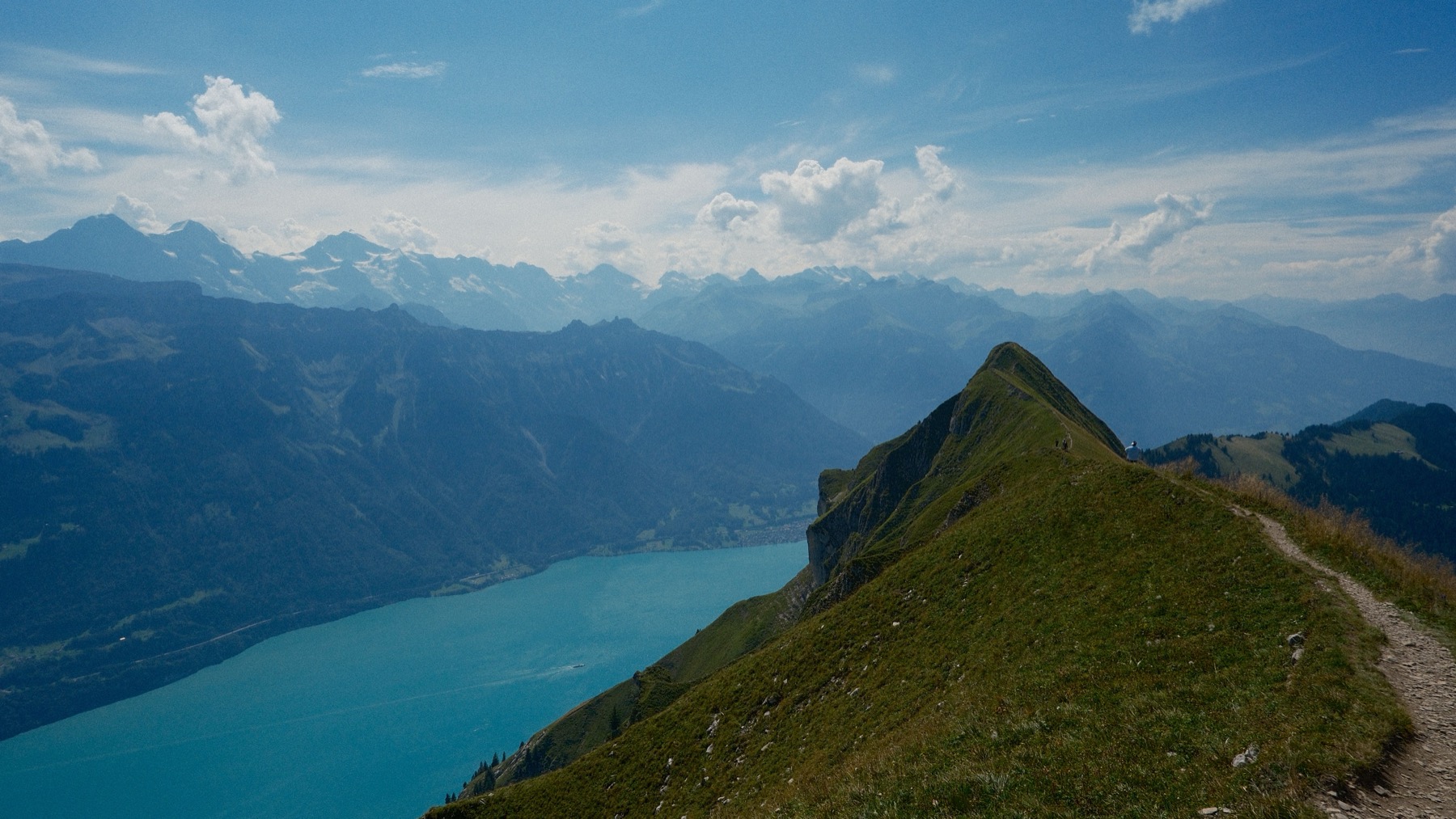
9. The Haslerenegg loop (854 m) with a summit book
Another great loop again starts at the tourist office and leads through the hamlets of Ried and Stockeren all the way to the mysterious Bannwald forest. The destination is the forested ridge of Haslerenegg at 854 metres. The route measures 6 kilometres, climbs 287 metres, and takes about two hours.
The hill also hides a piece of rough history. In the 1330s, the mountain folk of Hasli clashed here with the army of the lords of Weissenburg-Unspunnen and lost the battle. The place name “in den Grebinen” still points to the graves of the fallen, and in 1924 an iron spear was found here. Today calm reigns, and on the ridge you’ll find a summit book you can sign.
The way back takes you via Sytiberg and past the Oberallmi barbecue spot back down to the lake. The route combines shady forest paths with sunny stretches, and it’s one of those walks where instead of crowds of tourists you only meet locals out for a Sunday stroll with their dog.
💡 Tip: Pack your own pen so you can leave a message in the summit book. And take seriously the official warning not to come here in rain or on frozen ground — the climb to the ridge is steep and a quarter of the route runs along a narrow path.
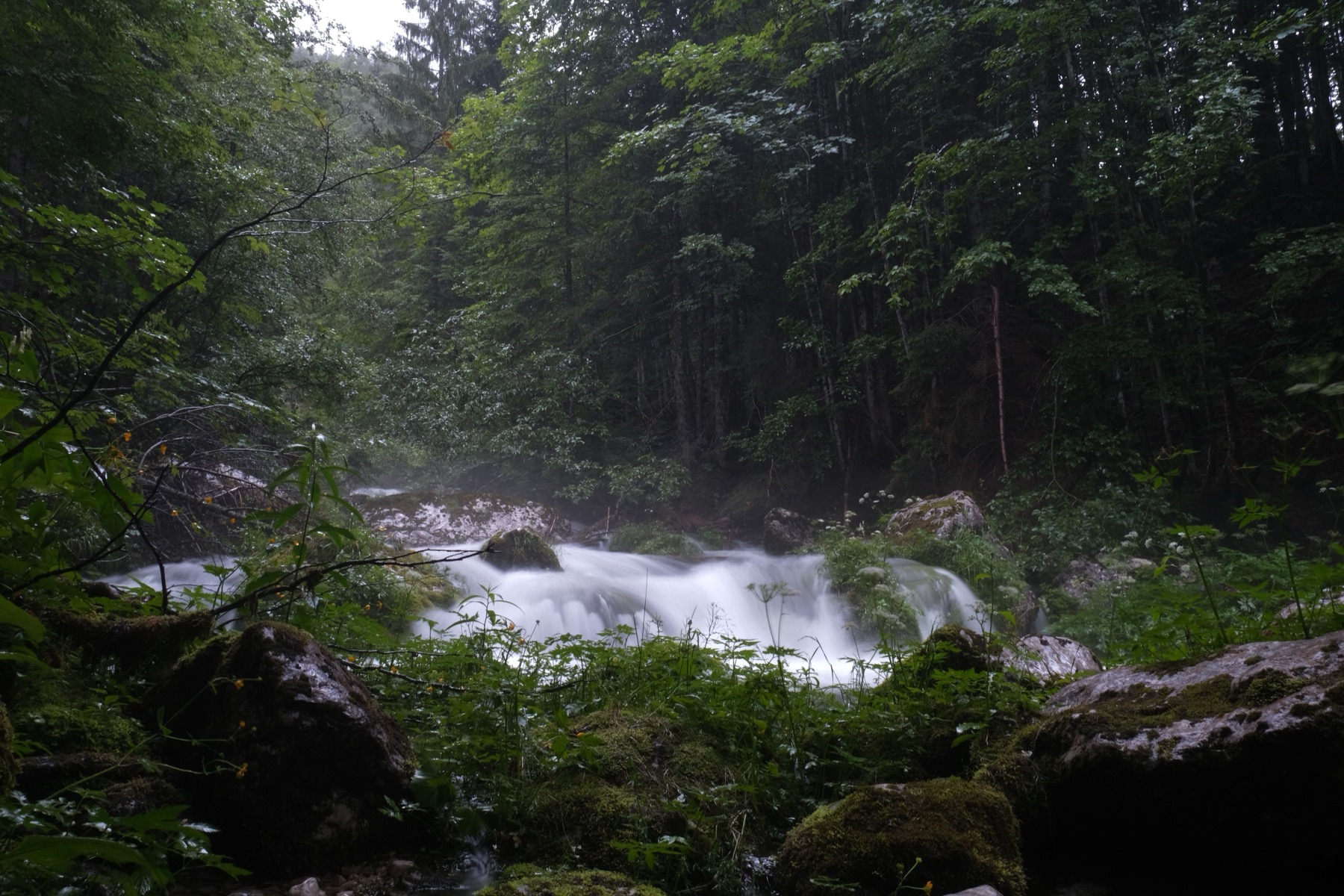
10. The loop to the Erschwandenbach waterfall
If you don’t want to tackle the whole Three Waterfalls Walk, you can do a beautiful closed loop to just the first of them. The official Rundwanderung Erschwandenfall measures 8.7 kilometres and takes about 2 hours and 35 minutes of normal walking.
Along the way you only climb 211 metres, and the route is officially rated easy, so you needn’t fear it even with older children. The Erschwandenbach waterfall is beautifully hidden in deep forest, where water tumbles over rocky overhangs. On a hot summer day the area around the waterfall works like perfect natural air conditioning.
This loop is great because it takes you through different types of landscape. For a while you walk along the shore, then you start climbing into the hills, and finally you return along forest paths with glimpses of the glacial lake in the depths below you. Along the way you pass a farm with a little shop; otherwise there’s nothing to buy on the route.
💡 Tip: The waterfall itself is reached by climbing a narrow forest path, so trekking poles come in handy — they’ll take the strain off your knees on the descent back to the village.
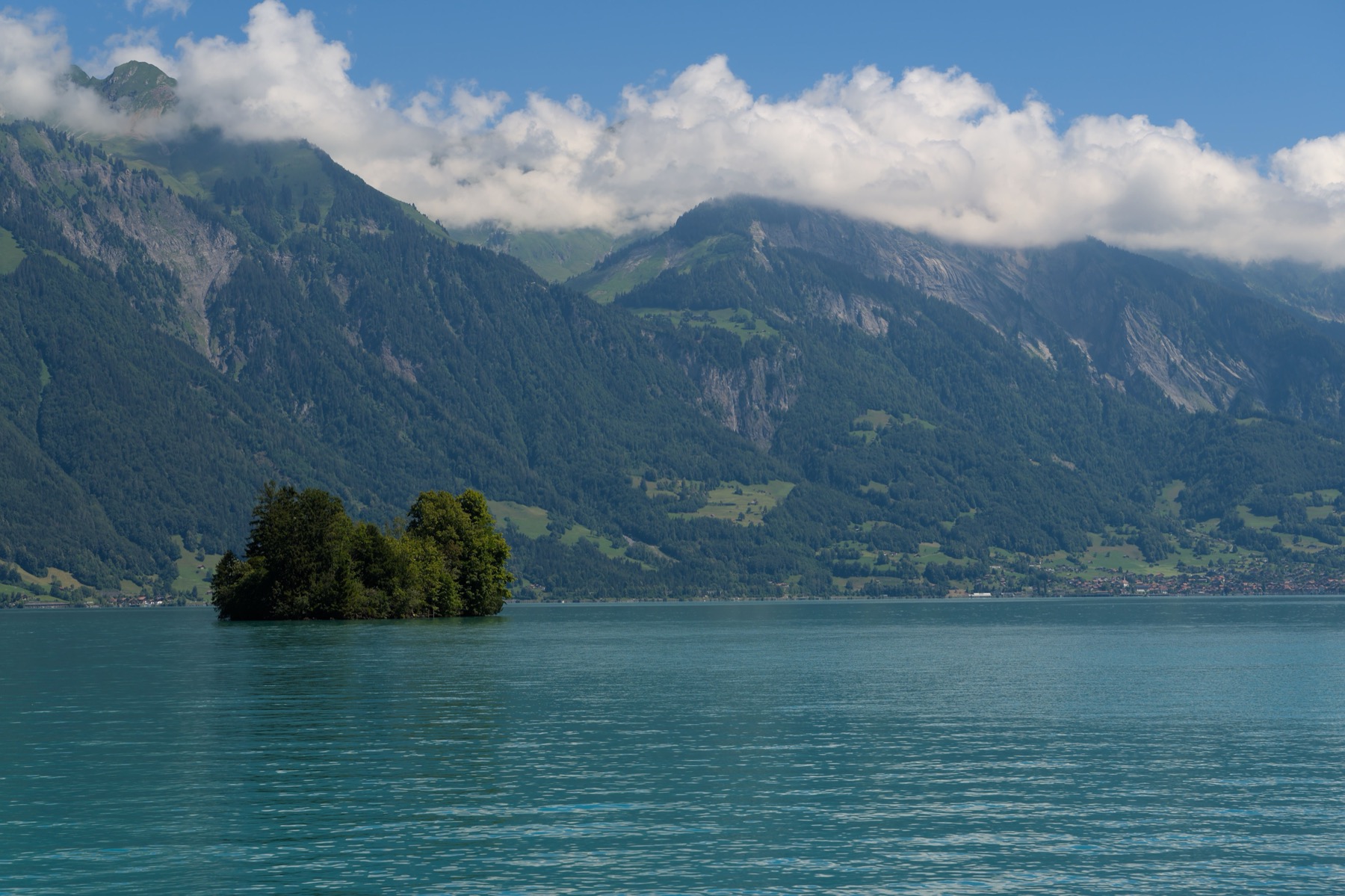
11. The Uferweg lakeside trail from Iseltwald to Giessbach
This trail doesn’t actually start in Bönigen, but it’s one of the most beautiful walks in all of Switzerland — it would be a sin to skip it. In the morning you simply hop on bus 103 (free with the Guest Card) or the boat and get carried to neighbouring Iseltwald, where the trail begins.
From there the so-called Uferweg runs right along the rocky shore all the way to the Giessbach Falls. Don’t expect a flat promenade, though — in the very first kilometre you climb a hundred and fifty metres, the path narrows in places, and some stretches are carved into the rock. The reward is romantic coves where you can dip your feet in summer.
The route measures roughly 5.3 kilometres and takes an hour and a half, but the switchbacks near the falls are properly steep and unpleasant to descend without poles. There’s nothing to buy along the way, so bring a snack. You can then reward yourself with a coffee on the terrace of the historic hotel and sail back to Bönigen on the afternoon paddle steamer.
💡 Tip: The trail is usually closed over winter due to rockfall and typically reopens at the end of March — in the 2026 season it’s passable, but before your trip it’s better to check the current status on the Iseltwald or Brienz municipal websites. And set off as early in the morning as possible; it gets crowded here in the afternoon.
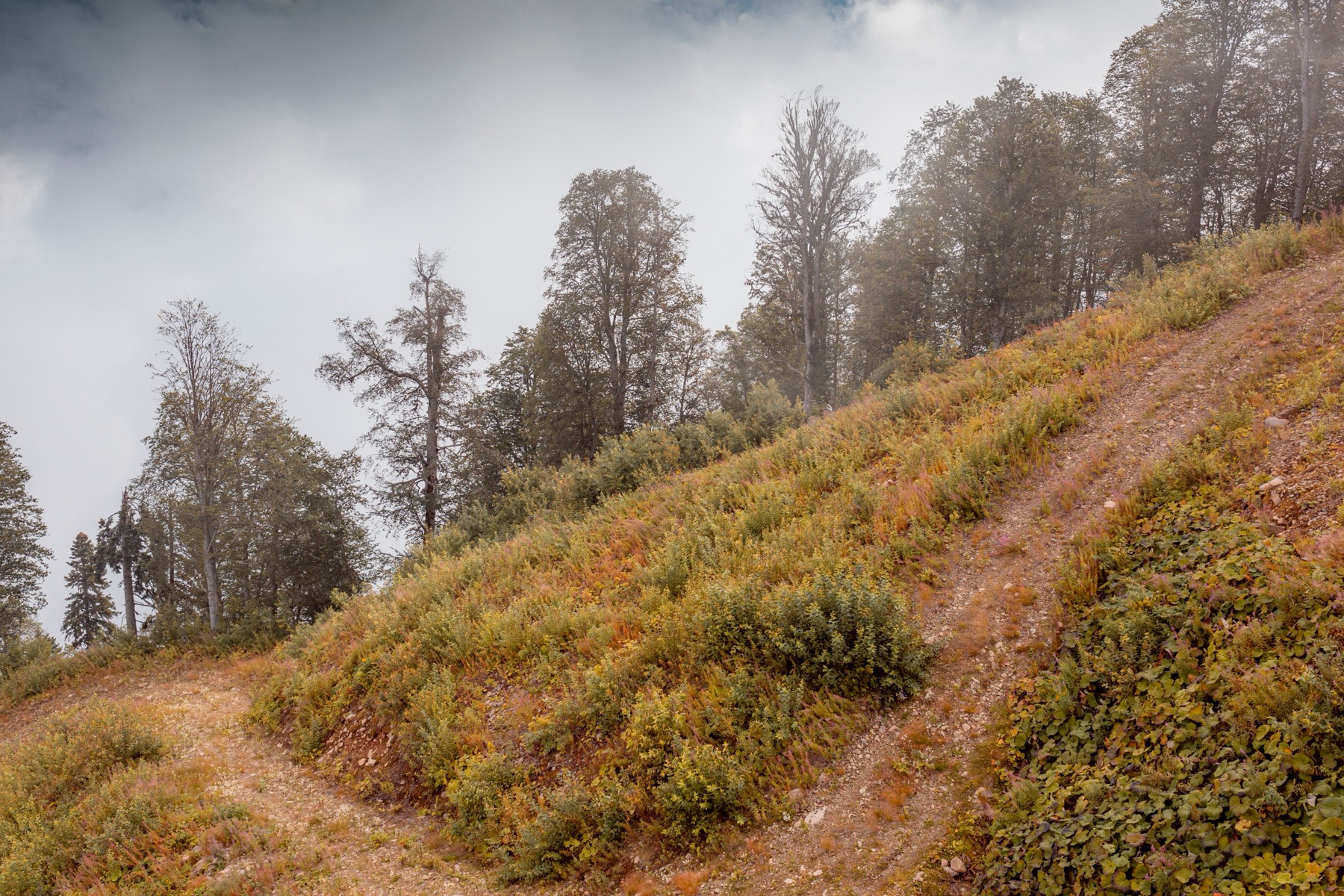
12. A hiking challenge: the climb to Harder Kulm
Most tourists ride comfortably up to the Harder Kulm viewpoint by cable car, but for fit walkers there’s a much bigger challenge here. From Bönigen you can walk the entire way up to the summit on foot. Just be prepared — it’ll be a proper killer for your calves.
According to Komoot records, this full-day loop measures 13.5 kilometres, with a pure walking time of 5 hours and 16 minutes. Along the way you have to overcome a tough 750 metres of elevation gain, which clearly puts the route in the demanding category. The climb is safe but very steep and endless.
The reward for that effort is sweet, though. You get an incomparable sense of satisfaction when you reach the viewing platform among tourists who’ve just stepped off the cable car. On the way up you’ll also meet only a handful of people and enjoy the silence of the forest, which you certainly won’t find at the summit itself.
💡 Tip: If you run out of energy at the top, no problem at all. You can buy a one-way cable car ticket down to Interlaken at the restaurant and ride the rest of the way by bus.
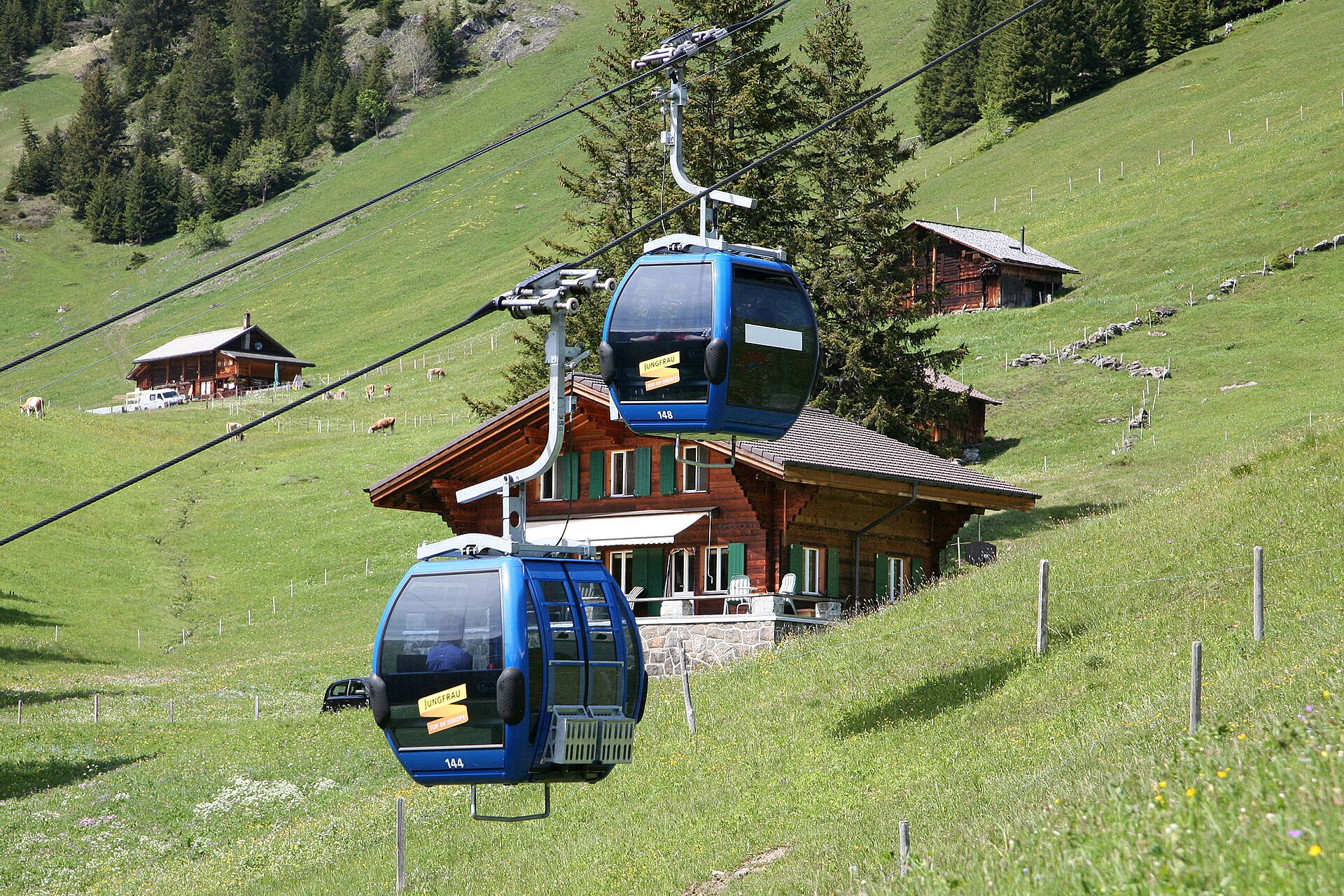
Hikes the cable car takes you to: 6 trails above the valley
Here’s something I only understood once I got there: in the Bernese Oberland you almost never hike from the bottom. The classic approach is to ride a cable car or cog railway above the tree line and only start walking there. You save yourself a thousand metres of climbing and land straight in the landscape you came for.
Just be aware that Swiss cable cars are brutally expensive. If you’re planning more than two such trips, do the maths on the Bernese Oberland Pass — a three-day version costs 240 francs (about €245) and gets you plenty of railways free or half price. And only ride the pricey viewpoints on clear days, otherwise you’ll pay dozens of francs for a view into the fog.
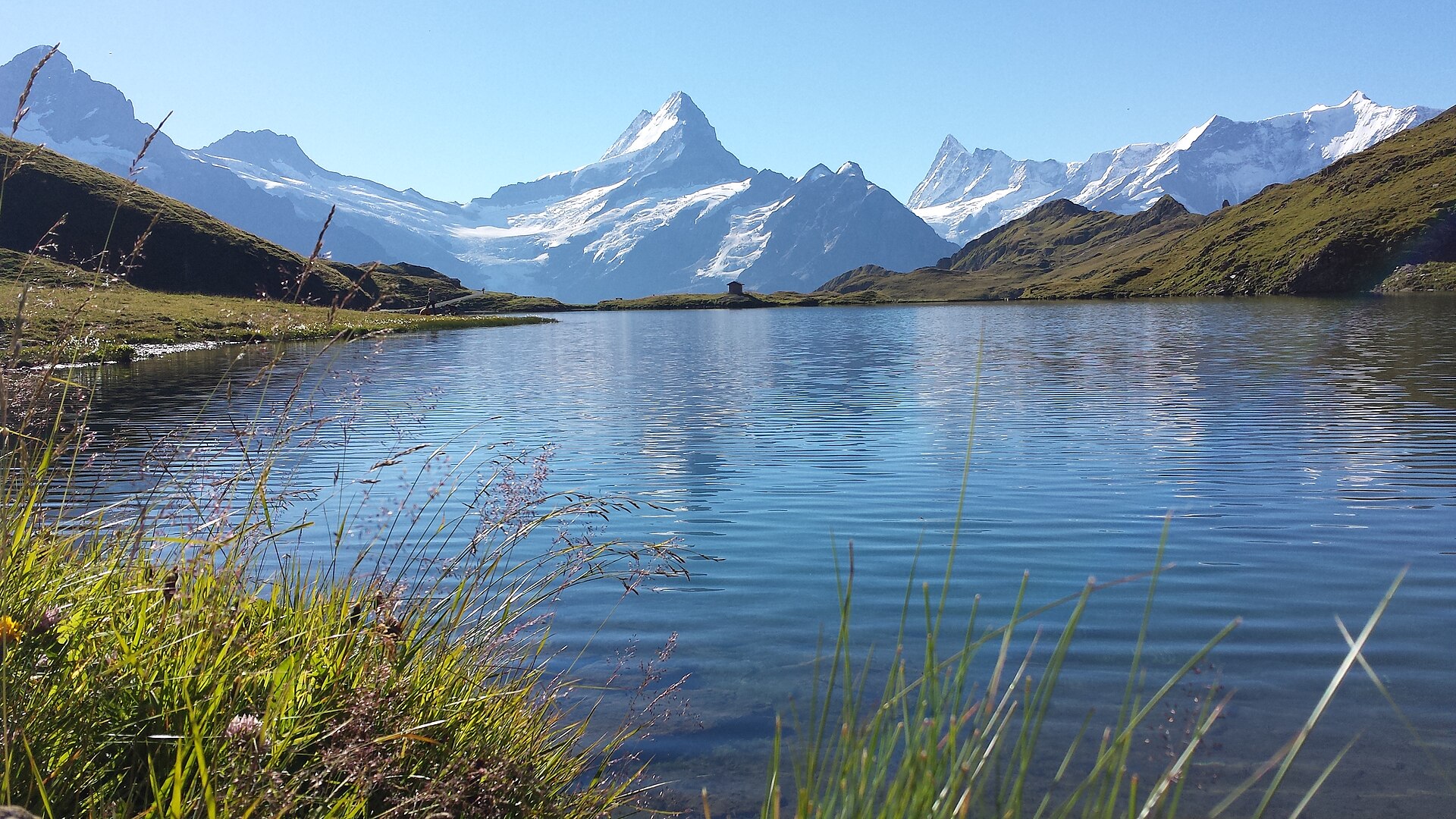
13. From First to Lake Bachalpsee
If you only have time for one mountain hike in the area, make it this one. From Grindelwald the gondola takes you up to First at 2,167 metres, and from there you walk along a wide, well-maintained path to Lake Bachalpsee at 2,265 metres. There and back takes just under two hours, with only a little over 200 metres of climbing.
That lake is the reason people come here. In calm conditions it mirrors the Wetterhorn, Schreckhorn and Finsteraarhorn — glacial four-thousanders that you suddenly have laid out whole on the surface below you. It’s one of the most photographed scenes in the Swiss Alps, and in real life it works even better than in photos.
From Interlaken you get here by train to Grindelwald in about 35 minutes, then another 25 minutes by gondola. A return ticket to First costs 76 francs in high season (about €78); with a half-fare card or Swiss Travel Pass you pay 38.
💡 Tip: Set off on the very first morning service — by around ten o’clock the path to the lake turns into a shuffling queue, and the surface tends to be ruffled by wind after noon, so you’ll no longer catch the reflection of the mountains. And on the train from Interlaken, sit in the rear part of the train: at Zweilütschinen the train splits and the front half goes to Lauterbrunnen.
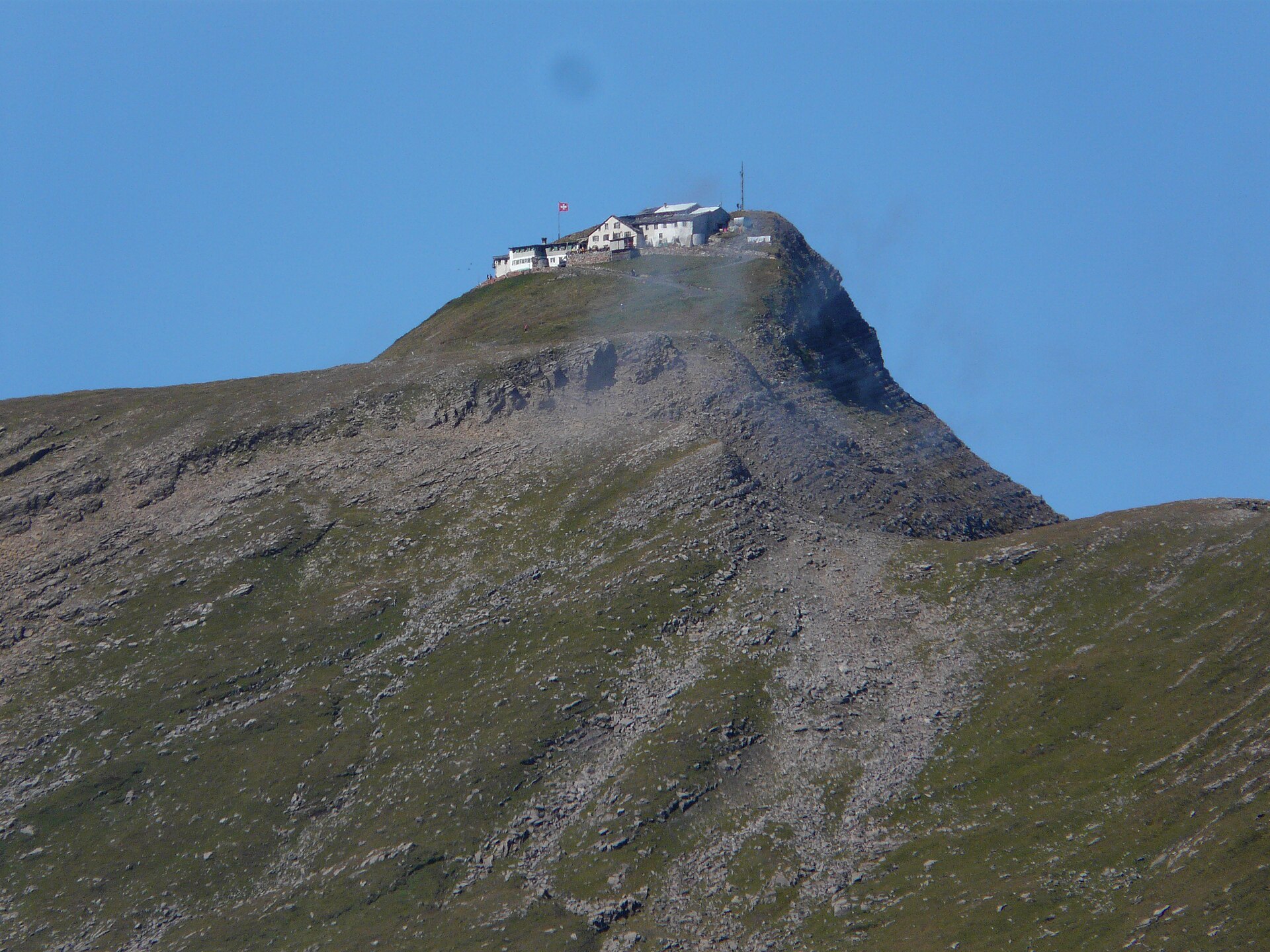
14. The royal ridge walk Schynige Platte – Faulhorn – First
This is the most famous day hike in the whole region, and French and English sources alike rank it among the most beautiful in Switzerland. You ride the cog railway up to Schynige Platte, spend the whole day walking along the ridge with Lake Thun and Lake Brienz on one side and the Eiger, Mönch and Jungfrau on the other, and ride the gondola down from First.
It’s roughly 16 to 17 kilometres, and reckon on six to eight hours depending on how often you stop. The highest point is Faulhorn at 2,681 metres, which you climb from Schynige Platte in 4 hours and 10 minutes. Along the way you pass Lake Sägistalsee and, in the very final stretch, descend past Bachalpsee.
On the Faulhorn summit stands a mountain hotel from 1832 — only two are older in Switzerland. You can spend the night there, and it’s an option I’d consider for anyone who doesn’t want to walk the whole route in one go. Split it into two easy days and get a sunrise over the glaciers into the bargain.
💡 Tip: Keep an eye on the timetable — the cog railway to Schynige Platte only runs from 13 June to 25 October, and the last gondola from First leaves in the afternoon. A night on Faulhorn costs from 80 francs including half board (about €82), but bear in mind there are no showers or drinking water at the top, and a sleeping-bag liner is mandatory in the dormitory.
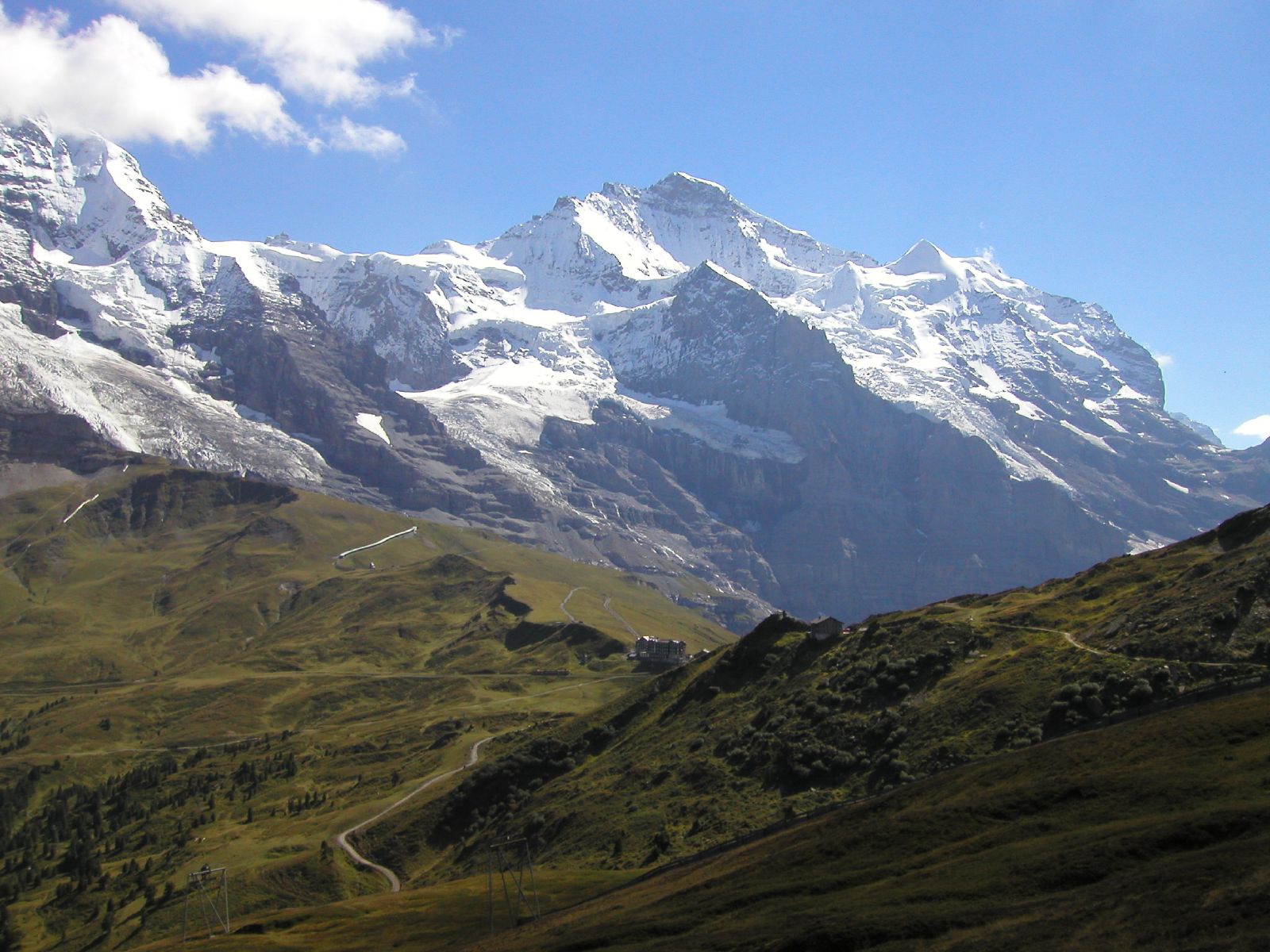

15. Männlichen and the panorama walk to Kleine Scheidegg
This is my clear choice when heading into the mountains with small children. The cable car takes you up to Männlichen at 2,222 metres, and from there a 4.5-kilometre panorama walk leads to Kleine Scheidegg, taking an hour to an hour and a half. Almost the whole way is downhill, and it’s a wide gravel path passable even with an off-road stroller.
The whole time you have the Eiger, Mönch and Jungfrau right in front of you, so it’s the best ratio of view to effort you’ll find in the region. At the finish at Kleine Scheidegg at 2,061 metres you hop on a train and let it carry you back down.
Before you set off, also do the Royal Walk — it’s a detour from the top station to the very summit of Männlichen at 2,345 metres. You climb only a little over a hundred metres and it takes half an hour, but the panorama up there is on another level compared to the station.
💡 Tip: The cable cars to Männlichen run from 23 May to 25 October. From Wengen you can add the “Royal Ride” for a five-franc surcharge and ride on the open balcony on the cabin roof — kids absolutely love it.
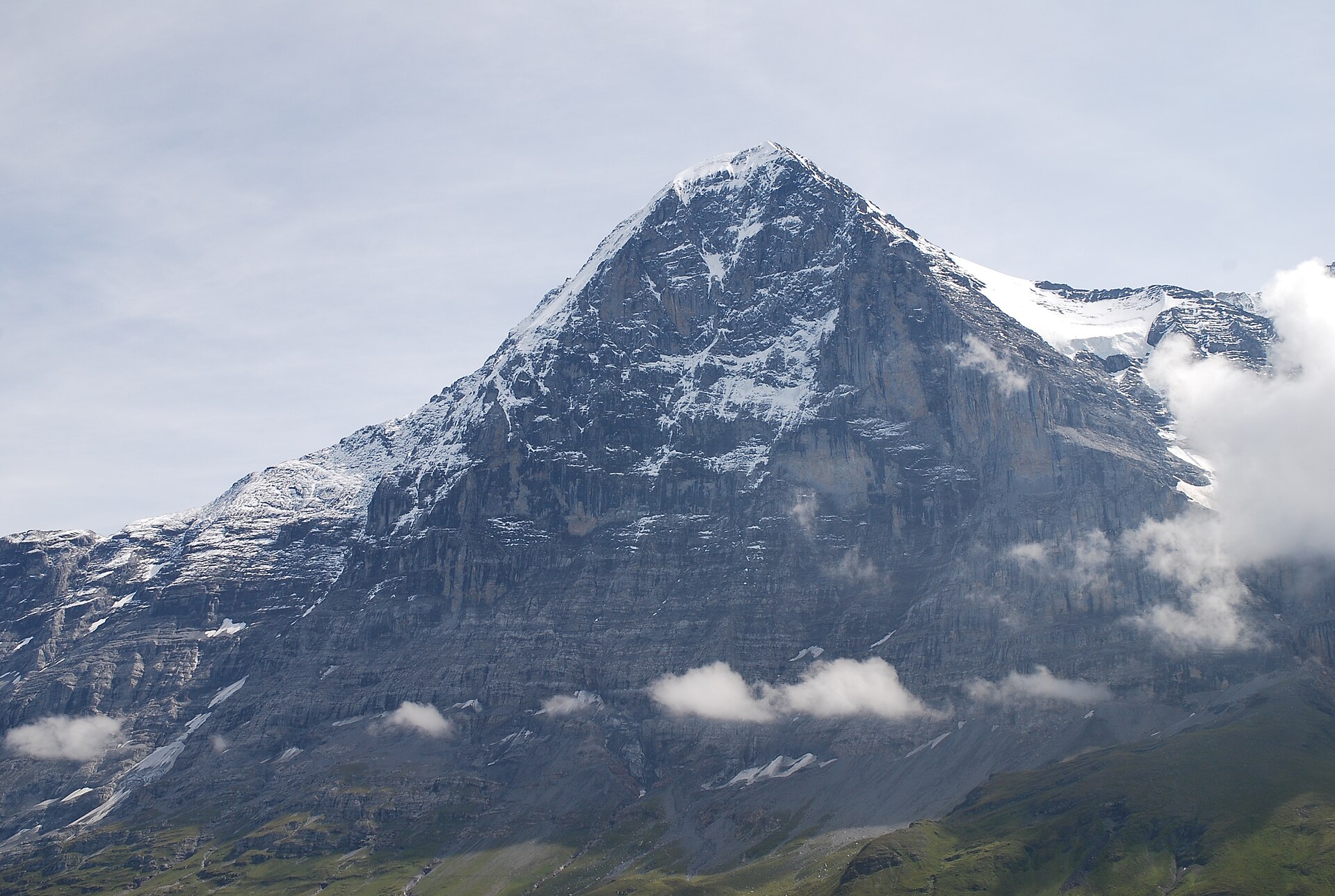
16. The Eiger Trail right beneath the north face
If you’re interested in the mountains as a story too, this is the trail. You ride up to Eigergletscher at 2,348 metres and from there walk roughly six kilometres down to Alpiglen at 1,616 metres. For two whole hours you move right beneath the north face of the Eiger, which towers over 1,600 metres above you.
It’s a place where mountaineering fates were written and ended, and on the trail you’ll also find a plaque with memorial tablets. The path is rated as moderately difficult, descending about 780 metres, and there are fixed safety ropes in the more exposed sections. Refreshments are available at both the start and the end.
Watch out for the season, because this trail opens the latest of all. Snow often keeps it closed until early July and it’s usually passable until roughly mid-October. Before your trip, always check the current status — it can change from one day to the next.
💡 Tip: You can’t get here with a stroller, and smaller children will need help in the rocky sections. On the way back from Alpiglen a train runs to Grindelwald, but it’s a request stop, so don’t forget to signal the driver.
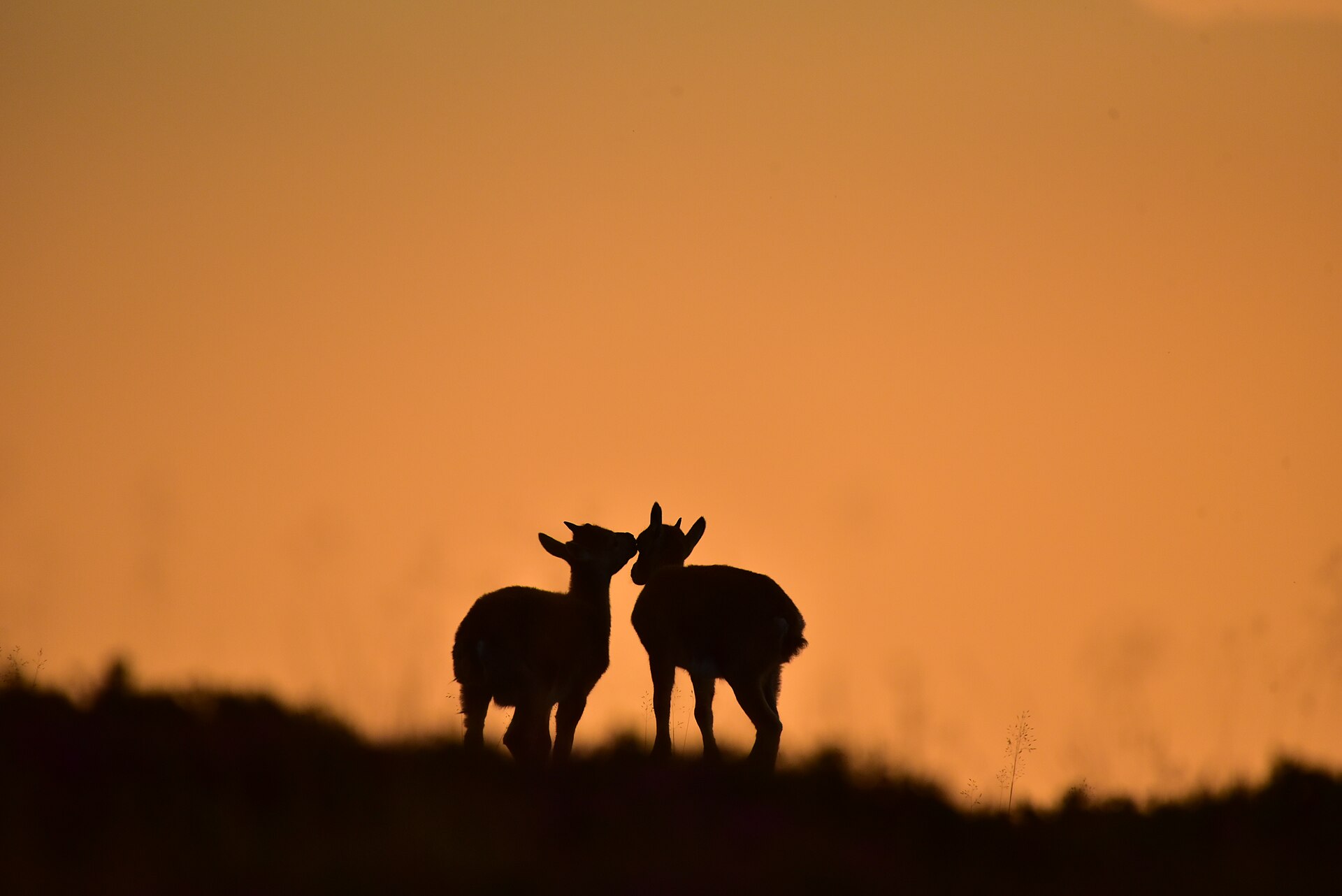
17. Niederhorn and the ibex above Lake Thun
While everyone heads to Grindelwald, on the other side of Interlaken is the Niederhorn at 1,950 metres, and it’s considerably quieter there. You get up from the shore of Lake Thun by funicular and then gondola, which takes about half an hour in total.
The main draw here is the ibex. The local colony was founded in 1949 by releasing three bucks, and today seventy-five to a hundred of them live here. From July to September a guided expedition with a local expert also sets off every Thursday morning straight to the herds.
The ridge walk from here to Gemmenalphorn at 2,061 metres won a gold medal as Switzerland’s most beautiful hiking trail, but it’s a full-day affair for the fit. With kids, stick to the six-hundred-metre loop right by the station, which you can manage in half an hour, and at the top there’s a restaurant with a playground.
💡 Tip: The cable cars run from 1 May to 15 November. A return ticket from the lake costs 65 francs, but if you ride the bus up to Beatenberg and board there, you’ll pay just 49. Niederhorn also offers a family discount — you only pay for the first child.
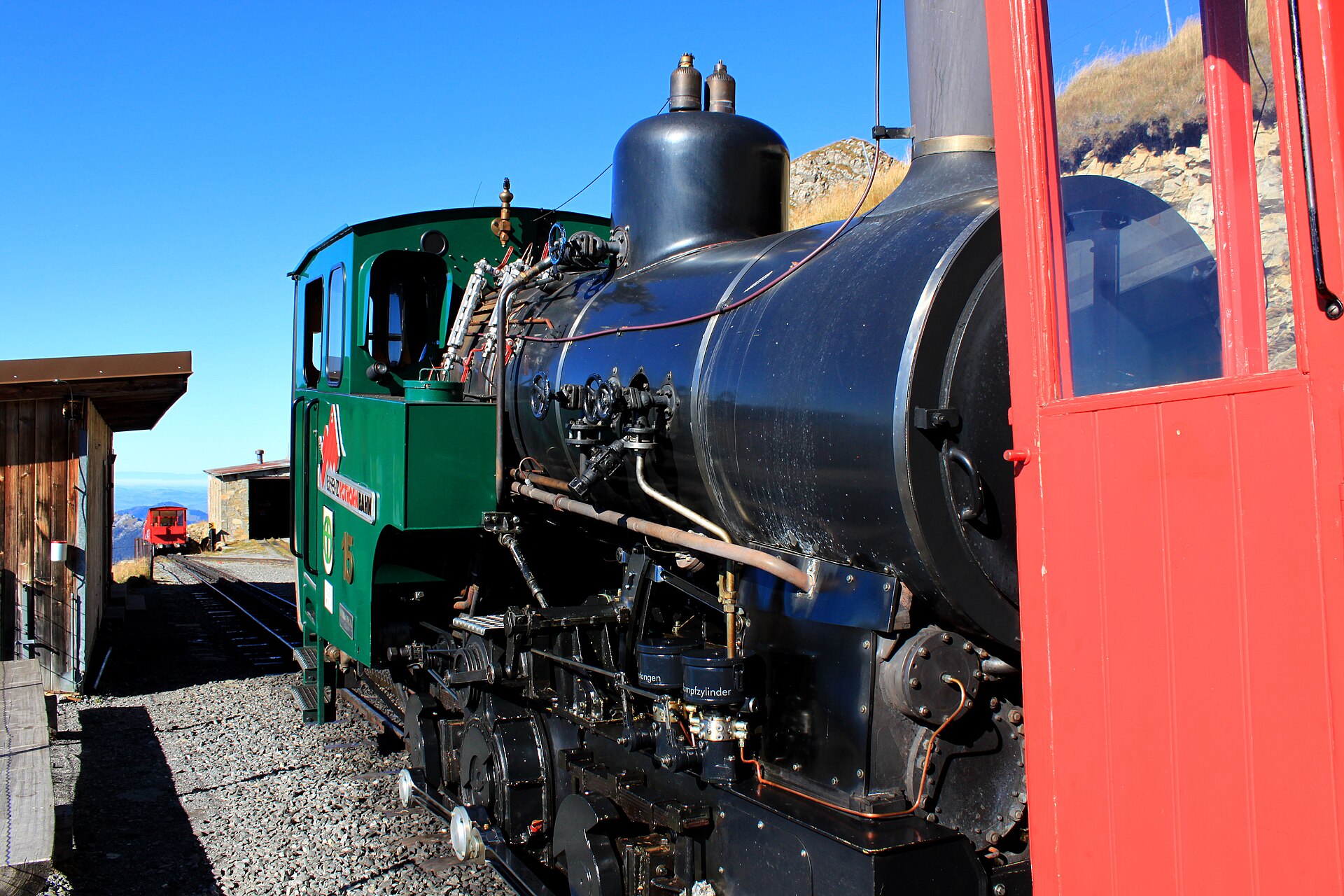
18. The steam cog railway to Brienzer Rothorn
This trip is an experience in itself, thanks to the journey. From Brienz at the other end of the lake departs a steam cog railway from 1892, which together with the Furka line is the only regularly steam-operated railway in Switzerland. In an hour it climbs 1,678 metres over seven and a half kilometres of track.
The top station lies at 2,244 metres, and you reach the actual summit of Brienzer Rothorn at 2,350 metres in fifteen minutes. The panorama from here is extraordinary — it’s said you can see 693 peaks. At the top there are two restaurants, and you can even spend the night in the mountain hotel.
Anyone who wants to walk can descend to the intermediate station Planalp in two and a half hours and take the train down from there. You drop about a thousand metres, so it gives your knees a workout. From Bönigen you reach here via Interlaken Ost, from where it’s just under twenty minutes by train to Brienz.
💡 Tip: The train runs all the way to the summit only from 6 June to 25 October; before that it terminates at Planalp. A return ticket costs 98 francs, but children aged six to fifteen ride for ten francs, and with the Bernese Oberland Pass the ride is free. For eight francs you can reserve a specific seat.
Day trips from Bönigen: 6 tips for the surrounding area
If you have Bönigen as your home base, the whole Bernese Oberland opens up in the palm of your hand. Here you’ll need a slightly bigger budget, because Swiss cable cars and mountain trains aren’t a cheap affair, but the experiences from them will stay in your memory for life.
I recommend planning trips around the current weather forecast. It only makes sense to ride the pricey mountain viewpoints on days when the sky is absolutely clear, otherwise you’ll pay dozens of francs for a view into impenetrable grey fog.
19. Harder Kulm: Interlaken’s home mountain
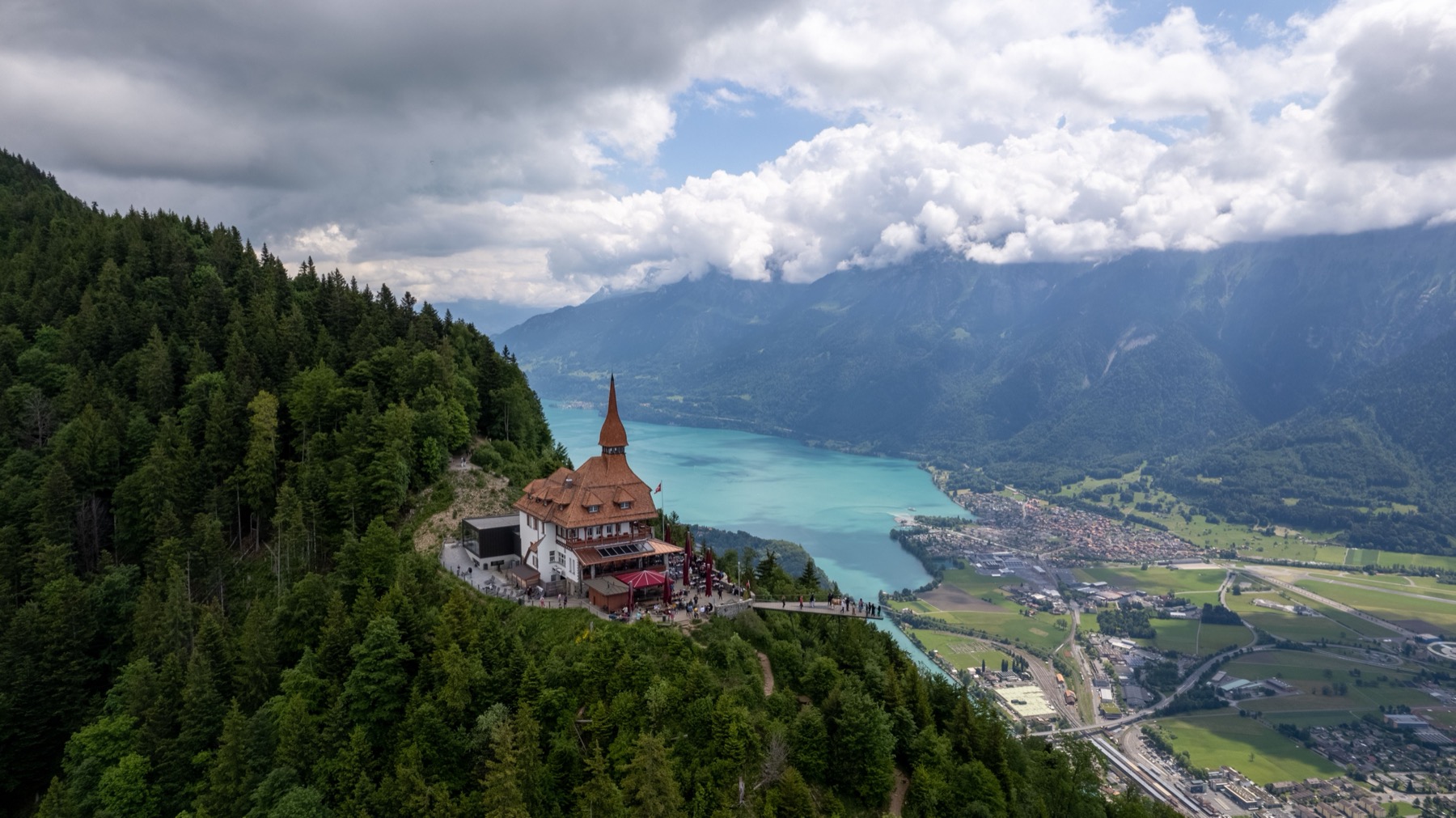
This is an absolute must. Harder Kulm at 1,322 metres is known as Interlaken’s home mountain and offers the most iconic view in the whole area. The historic funicular takes you up from the valley in just 10 minutes, covering 755 metres of elevation over a track only 1.4 kilometres long.
For 2026 an adult return ticket costs 44 CHF (about €45). If you have a Swiss Travel Pass or a Bernese Oberland Pass, you get a 50% discount. The funicular runs from 3 April to 29 November every half hour, and in summer you can ride down late into the night.
At the top you’ll find the famous Two Lakes Bridge viewing platform, which dramatically juts out over a deep drop. Standing on it, you see both lakes at once (Lake Thun and Lake Brienz) below you, with the majestic alpine trio of the Eiger, Mönch and Jungfrau right in front of you. It really looks like a film set here.
💡 Tip: Skip the queues and buy your ticket online in advance straight from the Harder Kulm website. You’ll get a QR code on your phone and walk straight through to the turnstiles.
20. Giessbach Falls and the walk behind the water
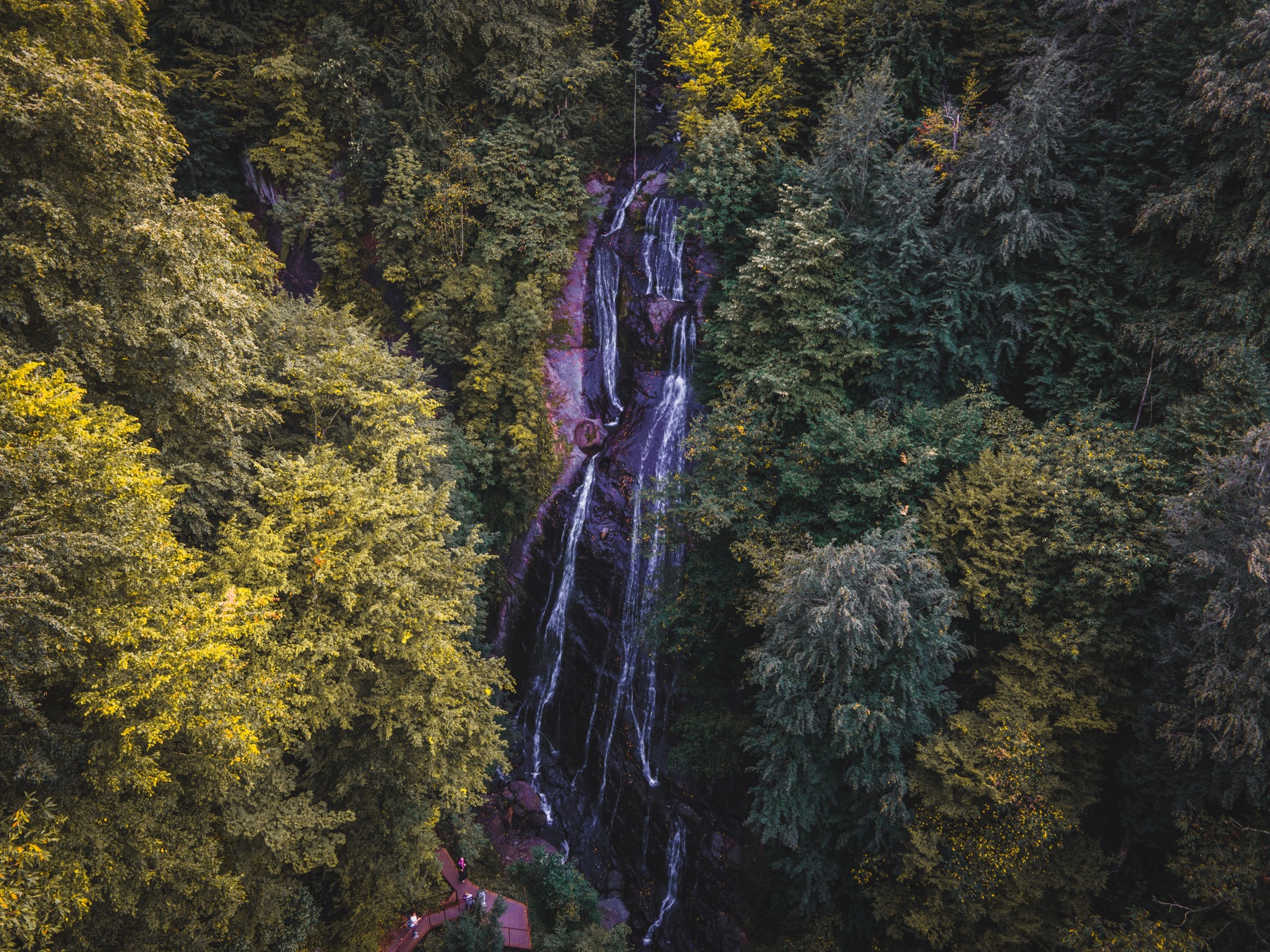
The water here drops in 14 cascades from roughly 400 metres straight into the lake, and before you start thinking you’ve seen waterfalls elsewhere, wait for what comes next. A network of perfectly maintained trails leads around the falls, taking you right to the loudest and wildest stretches.
The biggest draw is the trail that leads right BEHIND one of the waterfalls. You can walk under a mighty rock overhang and look through the falling wall of water down to the turquoise lake and the surrounding mountains. It’s a safe, roughly 20-minute loop that will absolutely captivate you.
You can get here by car (parking costs 15 CHF, about €15, per day in high season), but it’s far more stylish to arrive by boat at the Giessbach See stop. From there the way leads either on foot or by historic funicular right to the start of the trails.
💡 Tip: If you’re coming here in spring during the snowmelt or after heavy rain, expect to get a proper shower on the trail behind the waterfall. A waterproof jacket is a must.
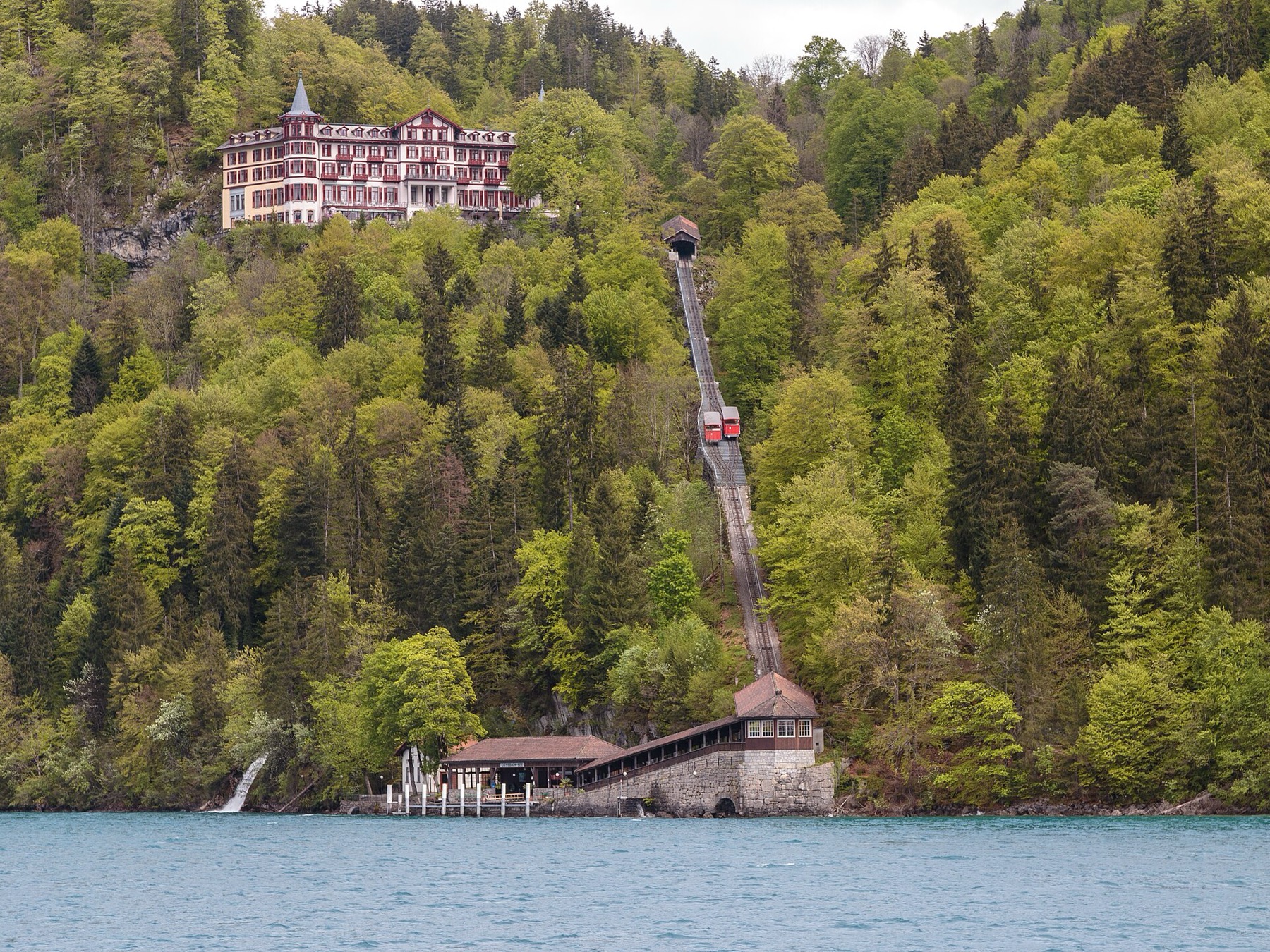
21. Switzerland’s oldest tourist funicular and the Grandhotel
Once you arrive by boat below the Giessbach Falls, don’t miss a technical gem. From the jetty up to the hotel runs the Giessbachbahn — the oldest still-operating funicular in Switzerland. It’s been running since 1879 and was the very first Swiss funicular built purely for tourists. Its historic red carriages are incredibly photogenic.
The top station spits you out right in front of the gates of the stunning Grandhotel Giessbach. This luxurious 19th-century palace hosted the elite from all over the world and has retained its aristocratic atmosphere to this day. Around the hotel stretches a carefully tended park of an incredible 22 hectares, which you’re free to stroll through.
Even if you’re not staying at the hotel, I definitely recommend sitting down on their huge viewing terrace. The coffee does cost a fortune, but with the waterfalls in the background and that aristocratic atmosphere, you’ll feel like you’re in an Agatha Christie novel, and that’s simply worth it. ☺️
💡 Tip: You can read more about the history of the hotel and the current funicular timetables on the beautiful Grandhotel Giessbach website.
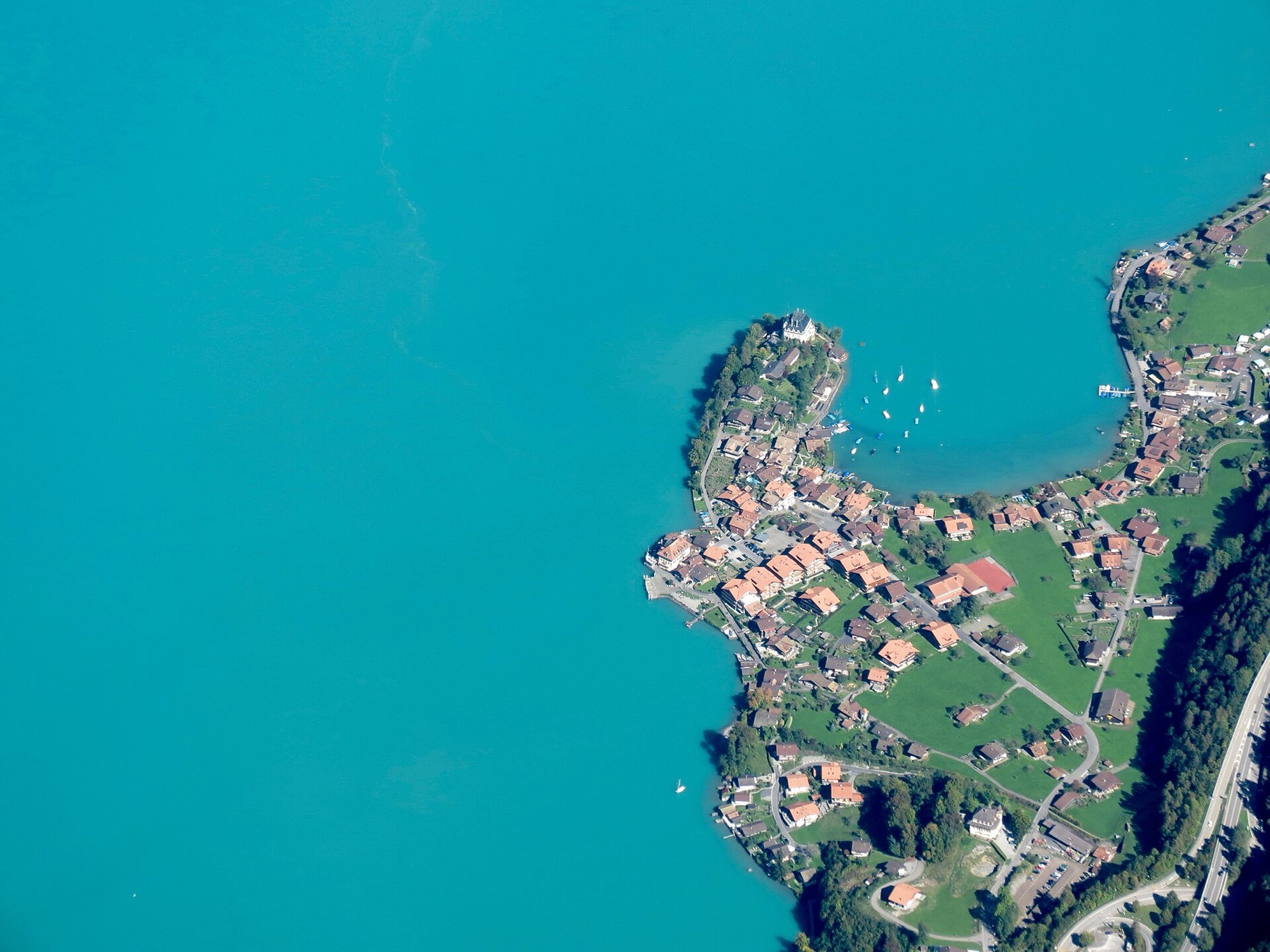
22. Iseltwald and the iconic pier from the TV series
The neighbouring village of Iseltwald is a picturesque settlement on a small peninsula, reached from Bönigen by boat or bus 103. Its wooden pier recently became a viral sensation, though, because a key scene for the famous Korean Netflix series Crash Landing on You was filmed here.
Ever since, crowds of Asian tourists have flocked here wanting a photo in the same spot as their on-screen heroes. The village cleverly solved the situation and installed a turnstile in front of the pier that charges a “selfie fee” of 5 CHF (about €5). The proceeds go toward cleaning the village and hauling away the rubbish left by the crowds. In 2024 alone almost 50,000 people passed through the turnstile, and the village collected roughly 245,000 francs from it. The one-franc public toilets added another 58,000.
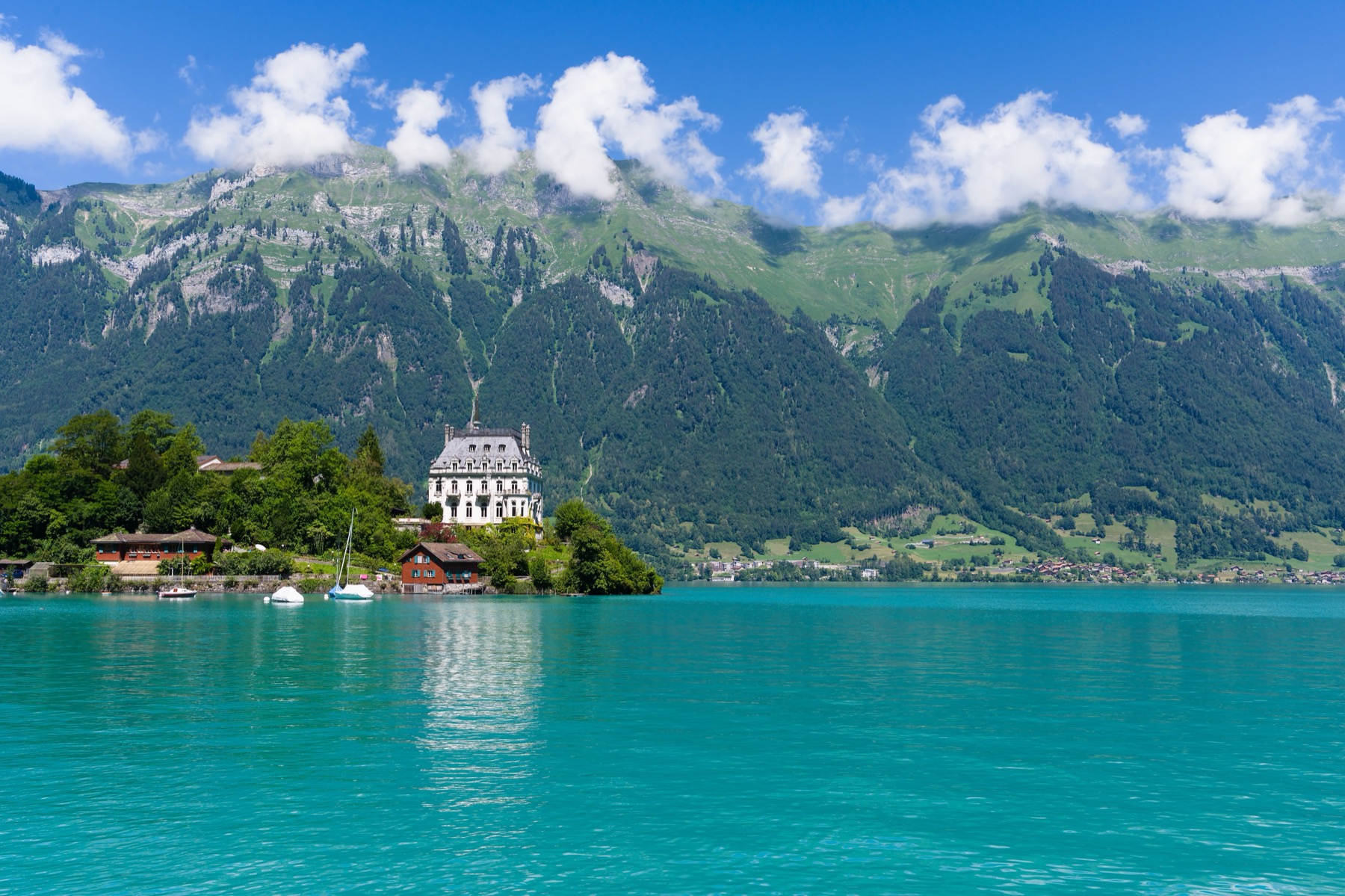
Besides the pier, you’ll also see the beautiful little Seeburg castle from 1907, which serves as the symbol of the village (unfortunately it’s privately owned and you can only view it from outside). A short distance from the shore in the lake lies Schnäggeninseli, the only island in Lake Brienz, where, according to legend, monks bred snails.
💡 Tip: If you want to avoid the crowds at the turnstile and enjoy exploring the village in peace, check the information on the tourist website and plan your visit to Iseltwald for early morning.
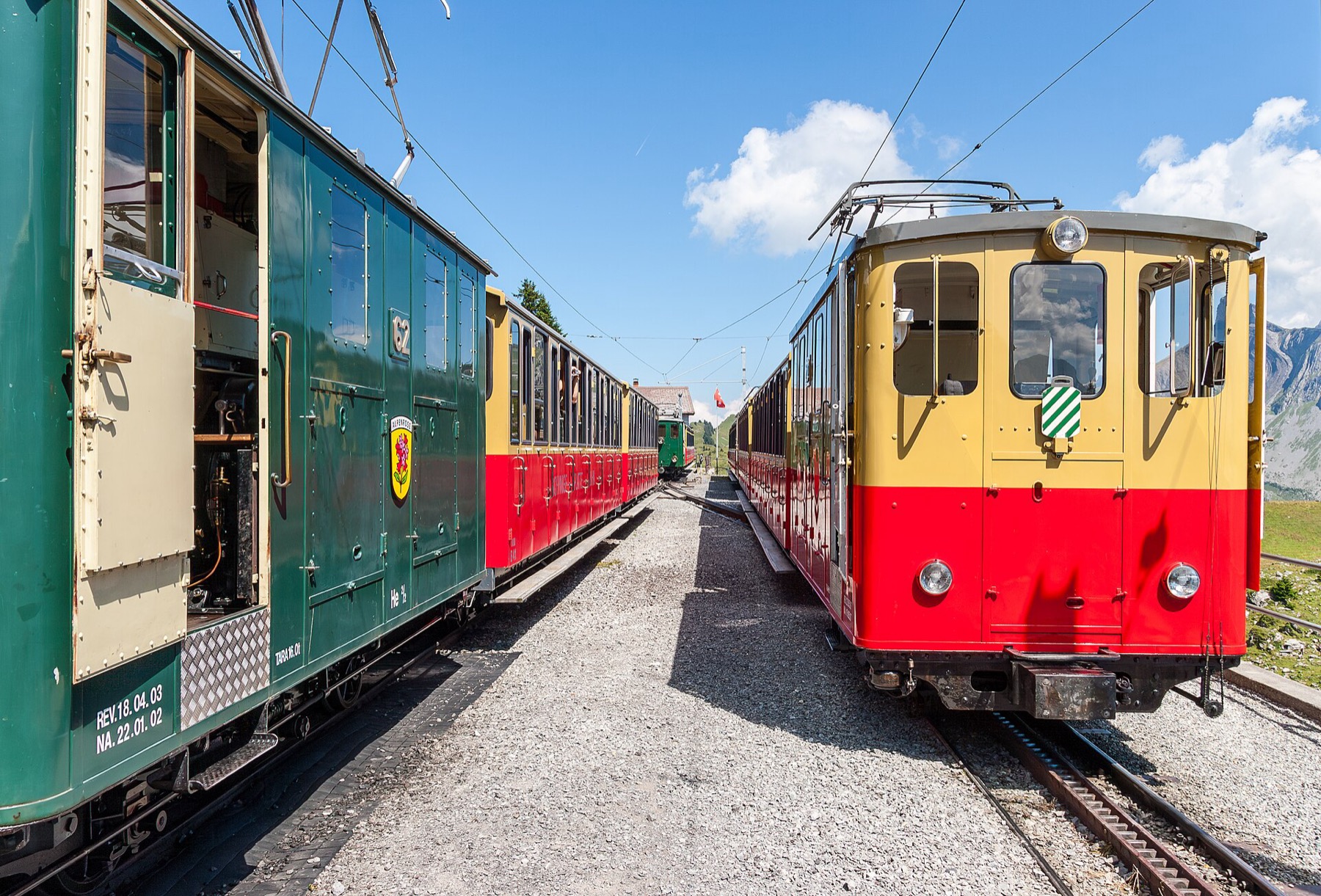
23. Schynige Platte: cog railway and alpine garden
For this trip you just need to hop over to nearby Wilderswil, Switzerland, from where the historic cog railway sets off to Schynige Platte at 1,967 metres. The ride in old wooden carriages takes nearly an hour and is pure romance. A return ticket in 2026 comes to 68 CHF (about €70) for an adult, with a half-fare card or Swiss Travel Pass 34 CHF, and with the Bernese Oberland Pass the ride is free. The cog railway runs from 13 June to 25 October.
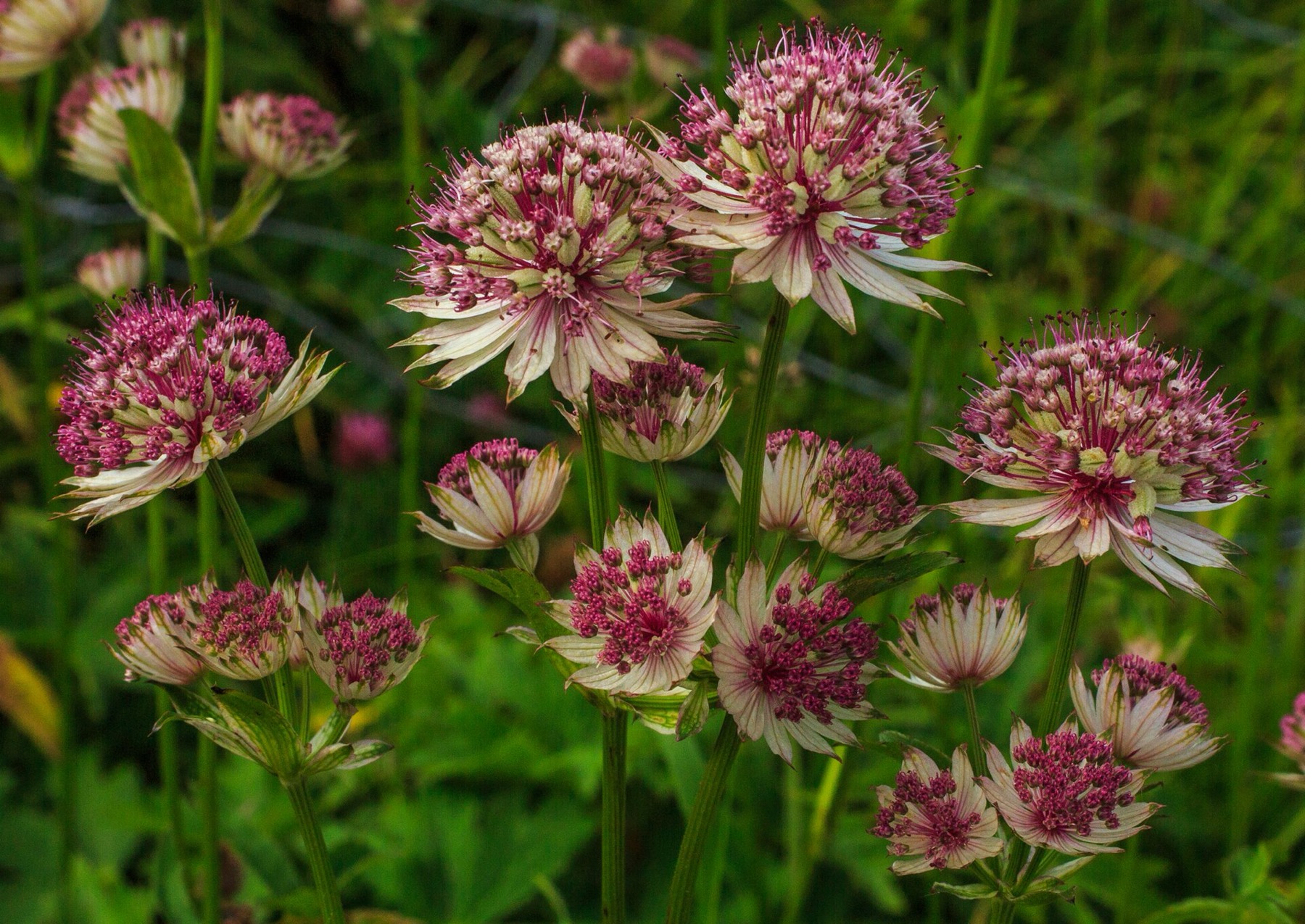
At the top you’re welcomed by a stunning botanical alpine garden, where around 800 species of high-mountain plants grow along a carefully tended circular trail, including rare alpine edelweiss. Everything is beautifully labelled and sorted by natural habitat.
The best experience, though, is the circular Panoramaweg. It’s an easy-going hike of about 2.5 hours that takes you to two fantastic viewpoints on the Daube and Oberberghorn cliffs. It’s a route suitable for the whole family that requires no mountaineering skills but offers pro-level views.
💡 Tip: In 2026 various special discounts apply on certain dates (usually from mid-June to October), so when buying at the ticket office don’t forget to check whether you’re entitled to a cheaper ticket.
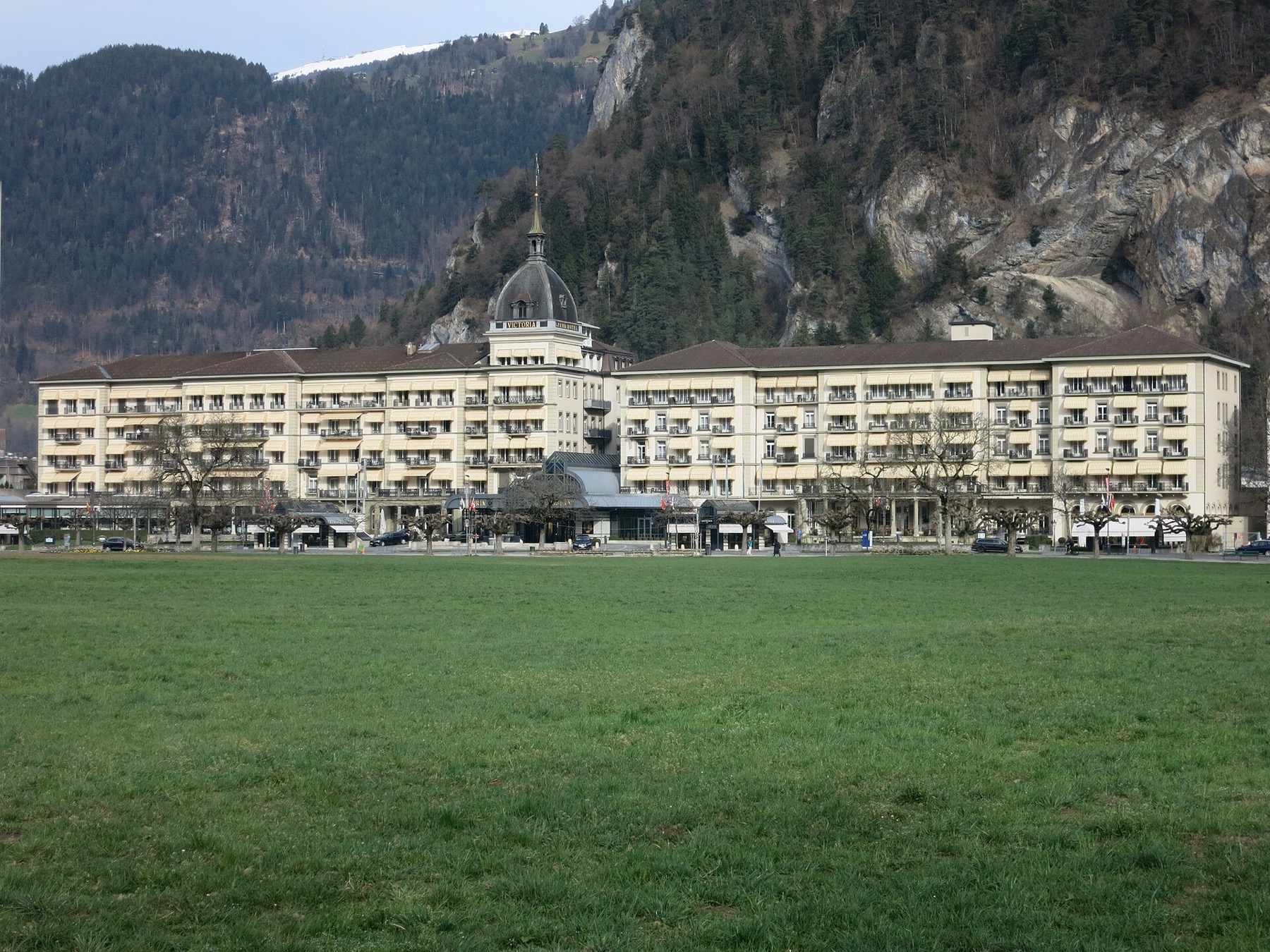
24. Interlaken: the neighbouring tourist base (and where is Interlaken in Switzerland?)
When you tire of Bönigen’s calm, just hop on bus 103 and in under 10 minutes you’re in the centre of Interlaken. Wondering where Interlaken is in Switzerland? It sits right in the Bernese Oberland between Lake Thun and Lake Brienz, hence the name. This town is the complete opposite of Bönigen. It’s busy, full of souvenir shops and luxury watch boutiques, with dozens of paragliders constantly circling overhead and landing on the large grassy Höhematte meadow right in the centre.
You’ll find the best supermarkets for stocking up here, plenty of restaurants from around the world, and a huge casino. Interlaken also serves as the main transport hub for the region’s biggest trips, including the extremely expensive cog railway to Jungfraujoch (Top of Europe).
It’s nice to walk through town, buy some chocolate, and soak up the international atmosphere, but you’ll see that in the evening you’ll return with enormous joy back to the quiet village by the lake. Interlaken is a great servant, but as a base to stay in it tends to be, for my taste, far too chaotic.
💡 Tip: You’ll find all the information about current events, festivals and cable cars in the wider area best laid out on the Interlaken portal, which you should bookmark.
Bönigen with kids: what to do as a family
The Bernese Oberland can be pretty merciless on a family’s wallet, but Bönigen is surprisingly friendly in this respect and has a huge advantage. Plenty of activities can be done right by the water without having to pay for pricey cable cars, and the terrain is flat enough that even smaller children can manage it without needless grumbling.
The local tourist board also knows very well that families make up a substantial part of the visitors, so you’ll find plenty of clever attractions here that keep kids moving without leaving them fed up. Here are five tried-and-tested tips for what to do with children:
The Beach lido and a generous playground
When it’s hot outside, this is an absolute sure thing. Admission of 4 CHF per child (under 15) is a laughable amount by Swiss standards. Kids can let loose in the heated pool with a depth ideal for playing, or in the safe children’s paddling pool.
Part of the site is a large playground with water features, where the little ones happily splash each other and build sandcastles. The whole space is also easily accessible with a stroller, so you can get here without trouble even with the tiniest travellers.
Treasure hunt and a detective game in Iseltwald
How do you get kids walking without complaints? With a game! Right in Bönigen you can set off with the children on the Schatzsuche Bönigen (a family treasure hunt), a playful form of village tour with tasks to complete. The stops are cleverly designed to entertain all generations.
In neighbouring Iseltwald, meanwhile, there’s KrimiSpass Iseltwald, a digital detective game for smartphones where kids solve a mysterious case while strolling around the area. It lasts just long enough to keep their attention without tiring out any little legs.
TCS Campsite: great location, but with a big caveat
TCS Camping Bönigen Brienzersee at Campingstrasse 14 lies right by the lake and two hundred metres from the beach. The location is genuinely great, and that’s something no one can take away from it. The season runs from 2 April to 18 October, and in summer you’ll pay roughly €72 to €80 per night.
Right at the start, though, I have to set the record straight on one thing that plenty of websites copy: there’s no pool with a slide or horse riding at the campsite. There’s just a children’s paddling pool, a playground, and a pen with rabbits and hens. The heated pool and slides are at the neighbouring The Beach lido, which campsite guests use for free — except it’s only open from mid-May to mid-September, so part of the campsite’s season it’s closed.
And now the unpleasant part. We were here with our two-year-old son, who was just potty training, and on the very first day he had an accident. We took off his wet trousers and sat him on the grass, in case he needed to finish what he’d started. Within moments a campsite employee was standing over us, calling it “disgusting” and saying you’re not allowed to pee on the grass when toilets are available.
Five minutes later a second employee came over saying the manager had reported it, and again explained to us that surely every child can use the toilet and that nothing like this had ever happened here. But a two-year-old in potty training simply has accidents, and we were right there and dealt with it immediately. We didn’t mind the reminder of the rules, but rather the hostile and humiliating tone.
For the rest of our stay we felt unwelcome there. I’d give the staff one out of five, and the location five out of five. And we’re not alone in this: on TripAdvisor the campsite holds just 3.9 out of 5, and the service score is the lowest of the whole rating. In April 2026, another family headed their review straight with “Familien nicht willkommen” (“Families not welcome”) after the staff reacted disproportionately to crumbs from their one- and four-year-old children.
💡 Tip: If you want to camp in Bönigen and have a toddler with you, bear in mind how things work here — after our own experience, I don’t recommend this campsite to families with the youngest children. Better to consider an apartment with a kitchenette, which in Switzerland works out better anyway than eating in restaurants. Anyone who goes despite this should ask for pitch number 22 — it’s the only one where the hedge leaves a view of the lake.
Lily’s Alpenspielplatz and the Panoramaweg at Schynige Platte
When you take the cog railway to Schynige Platte, the kids will be thrilled by the local alpine playground, Lily’s Alpenspielplatz. They’ll find an adventurous balance trail, a huge slide, and a climbing frame shaped like an eagle’s nest with a view of the majestic snow-capped mountains.
The following hike along the circular Panoramaweg takes about 2.5 hours, and the terrain is friendly enough that with a little help even preschoolers can manage it. The path is wide, safe, and full of benches where you can stop for a snack any time.
The boat and the barrier-free promenade with a stroller
The ride on the historic paddle steamer is a huge experience for children in itself (and remember that children under 6 travel free on BLS boats, while those up to 15 get half fare). On board they can watch the enormous paddle wheel in motion, which reliably keeps them busy for a good half hour.
With a stroller you can also set off on the Seepromenadeweg, a beautiful, wide, completely barrier-free walk along the lake and the Aare river toward Interlaken. Nowhere along the way will you hit annoying steps, and the surface is beautifully smooth.
Where to eat in Bönigen
The dining scene right in the village is on the more modest side — after all, it’s no big city. Most people ride the bus to nearby Interlaken for the big choice of cuisines, but even right by the lake you’ll find a few very pleasant spots to relax after a hike. Local restaurants often serve fresh fish from Lake Brienz, which is a renowned local speciality that travellers come from far and wide to taste.
If you’re after a sure thing after a demanding day, here are the places with excellent ratings:
Pizzeria La Bohème
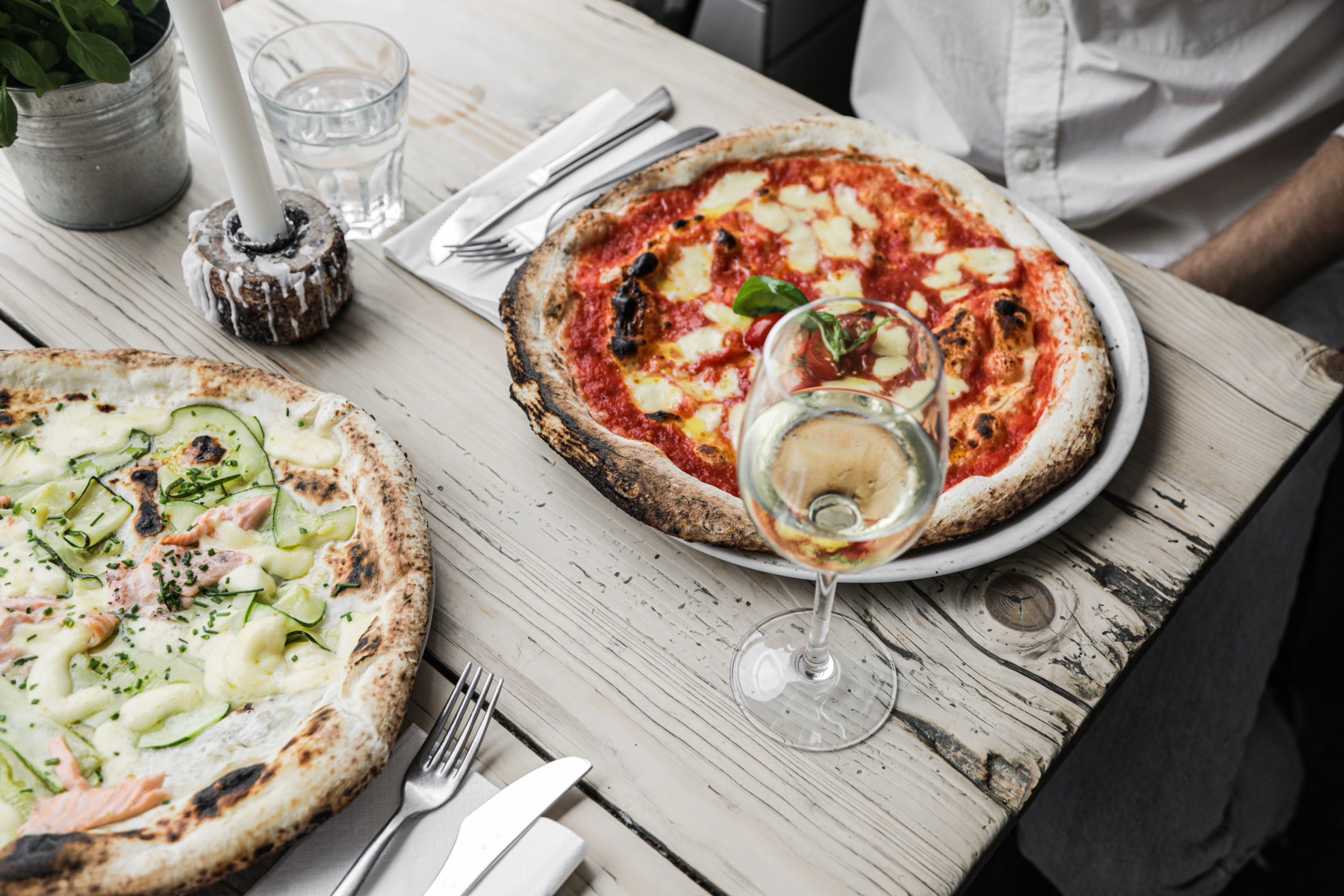
You’ll find it right in the Hotel Seiler au Lac building on the waterfront (Am Quai 3). On Google it holds a very solid 4.4 rating, and it’s an absolutely safe and filling choice when you don’t want to experiment at length with the menu after a demanding day.
Definitely don’t miss the great Margherita pizza with extra cheese, or the excellent pasta. You sit beautifully close to the water, the atmosphere is pleasantly relaxed, and the staff are perfectly used to sweaty tourists in heavy hiking boots.
Sweet Ride
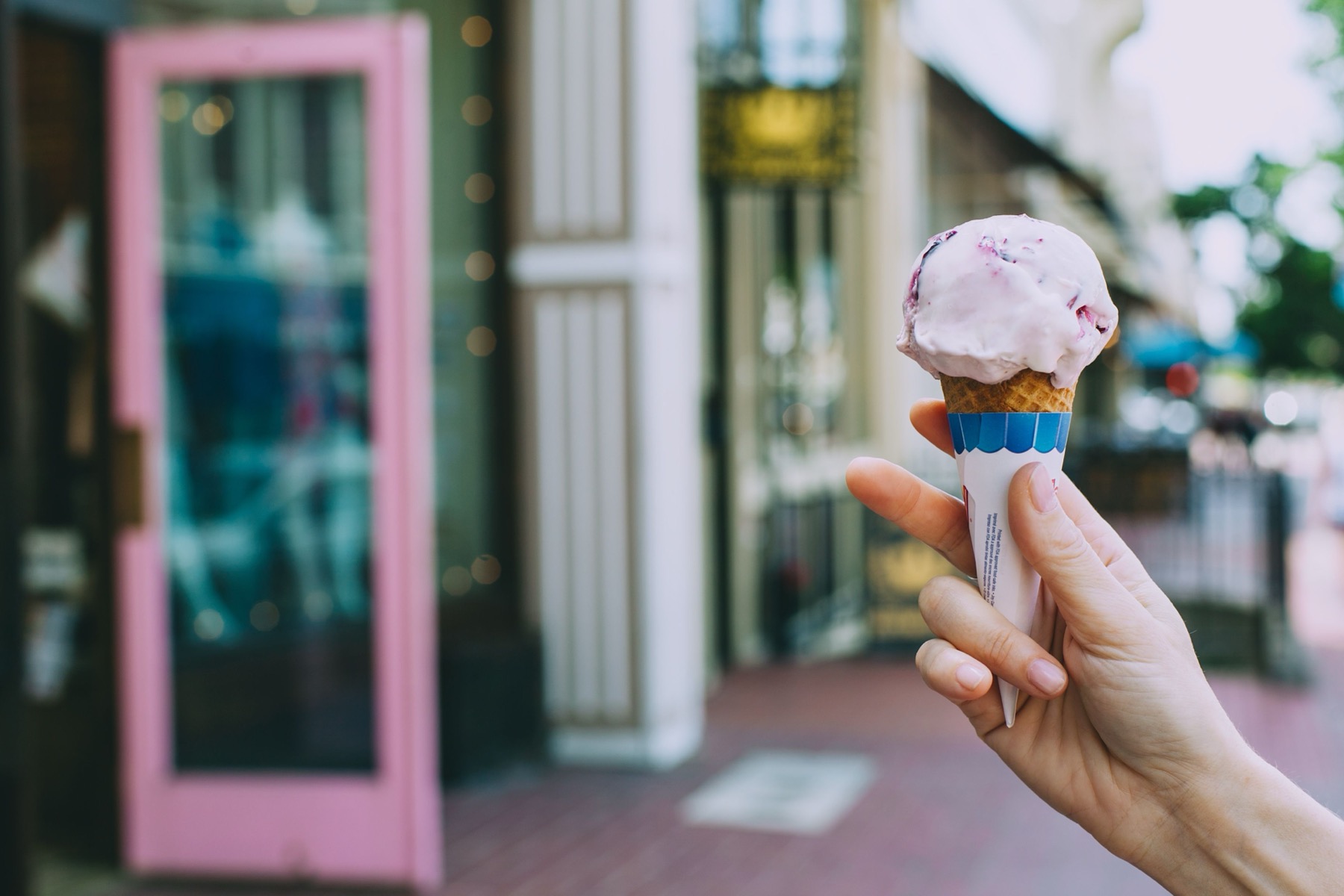
This is the highest-rated venue in the whole village (a score of 4.9 from nearly two hundred reviews). It’s a smaller, immensely likeable café and ice cream parlour by the water, where you simply have to drop in for a sweet afternoon reward for the miles you’ve walked.
Try their specialty coffee and, above all, the fantastic artisan ice cream that locals and international tourists love alike. It’s exactly the place where you want to sit down in peace after a full-day trip in the sun and just watch the surface of the lake.
Restaurant Bären Bönigen
This traditional Swiss establishment on the main street, Hauptstrasse, will win you over with its genuine local atmosphere and typical architecture. Guests in reviews often mention that they were sent here directly by their hosts as an insider tip for guaranteed good food.
They have very friendly and helpful staff, a mid-range price level, and plenty of honest Swiss classics on the menu, such as cheese specialities and hearty homemade soups. The ideal choice for warming up when it starts to drizzle.
Where to go next from Bönigen
Switzerland is a giant playground, and from the Bernese Oberland you’re close to other fantastic destinations. If you have a few more free days on your itinerary, definitely check out these other guides of mine:
- Interlaken and Jungfraujoch: a detailed guide to the bustling neighbour and the trip to the Top of Europe.
- Grindelwald: a glacier village nestled beneath the north face of the Eiger, reached by train in no time.
- Lauterbrunnen: a valley with 72 waterfalls that reportedly inspired Tolkien when writing The Lord of the Rings.
- Holiday in Switzerland: a huge summary article full of practical tips for travelling across the whole country.
Frequently asked questions
Is it worth staying in Bönigen instead of Interlaken?
Absolutely. Bönigen offers far more peace and quiet, the authentic atmosphere of a traditional village, and accommodation here works out noticeably cheaper than in the bustling centre of Interlaken. At the same time, thanks to the Guest Card you can travel into town for free and the journey takes just 9 minutes.
How do you get there from Interlaken?
The easiest way is to board bus line 103 right in front of Interlaken Ost station. It runs every half hour. Another lovely option is to arrive by historic steamboat across the lake (about 10 minutes sailing), or take a leisurely 40-minute walk on foot along the shore.
Can you swim in Lake Brienz?
Yes, but it’s for the hardier souls. The lake is of glacial origin, so even in the warmest August the water is usually only 18 to 22 °C. If cold water isn’t for you, the local lido The Beach fortunately offers a beautiful heated pool.
How many days are enough for a visit?
You can explore the village itself in one afternoon, but as a base for excursions it’s ideal for 3 to 5 days. You’ll have time to head up to Harder Kulm, walk the Three Waterfalls Trail to Giessbach, rent a kayak and take the cogwheel train to Schynige Platte.
What to do when it rains?
On rainy days (of which there are around 10 per month even in summer), it’s worth ducking into the village museum “alte Pinte”, or hopping on the bus to Interlaken, where there are plenty of indoor attractions, shops, cafés and you’ll also find a large pool complex or casino.
Is it suitable for children?
Bönigen is absolutely fantastic for families. There are great playgrounds by the beach, family campsites with swimming pools, flat barrier-free paths for pushchairs along the river, and children love the ride on the historic steamboat. The interactive treasure hunt will keep them entertained for an entire afternoon.
How much does a trip to Harder Kulm cost?
In the 2026 season, a return cable car ticket for an adult costs 44 CHF. If you have children aged 6 to 15, they pay only half (under 6 free). With cards such as the Swiss Travel Pass or Bernese Oberland Pass you get a very nice 50% discount.
Is the pier in Iseltwald paid?
Yes, due to the huge influx of Asian tourists following the success of the series Crash Landing on You, the municipality installed a turnstile in front of the pier. Taking the famous “selfie” on the wooden pier now costs a fee of 5 CHF, which goes towards village maintenance.
Tips and Tricks for Your Vacation
Don’t Overpay for Flights
Search for flights on Kayak. It’s our favorite search engine because it scans the websites of all airlines and always finds the cheapest connection.
Book Your Accommodation Smartly
The best experiences we’ve had when looking for accommodation (from Alaska to Morocco) are with Booking.com, where hotels, apartments, and entire houses are usually the cheapest and most widely available.
 🚗 Car rental on the roadVerified car rentals in Switzerland
Search with the DiscoverCars comparison engine — it compares prices from dozens of local and international rental companies, and most bookings come with free cancellation.
Compare car prices in Switzerland →Don’t Forget Travel Insurance
Good travel insurance will protect you against illness, accidents, theft, or flight cancellations. We’ve had a few hospital visits abroad, so we know how important it is to have proper insurance arranged.
Where we insure ourselves: SafetyWing (simple monthly subscription) and TrueTraveller (for extra-long trips).
Find the Best Experiences
Get Your Guide is a huge online marketplace where you can book guided walks, trips, skip-the-line tickets, tours, and much more. We always find some extra fun there!