Say the words Tuscany Italy cuisine and most people instantly picture a giant, bloody steak or a rich wild boar ragù. The truth, though, is that Tuscany is actually one of the best Italian regions for vegetarians, because its historical roots rest on completely different ingredients. Traditional local gastronomy didn’t grow up in the courts of wealthy nobles, but out in the poor countryside, where people had to make do with whatever they could grow themselves.
The foundation of everything here is therefore stale bread, legumes, plenty of fresh vegetables and top-quality olive oil. For centuries meat was a rarity reserved only for special feast days, while everyday food consisted of thick bean soups and bread salads. So if you don’t eat meat, you’ll be absolutely thrilled by the huge choice of authentic dishes that are naturally vegetarian since the Middle Ages, without anyone having to tweak them artificially.
So come along, let me show you why you’ll be hunting for beans and stale bread in your fridge once you get home. You’ll discover that Tuscan food is incredibly simple, yet thanks to its huge emphasis on local ingredients it tastes absolutely phenomenal.
TL;DR
- It’s all about cucina povera: Traditional Tuscan cuisine is known as “poor cooking” because it brilliantly makes use of cheap ingredients like stale bread and legumes.
- The bread is baked without salt: The local pane sciocco is deliberately unsalted to balance the bold flavours of cheeses and cured meats, and don’t expect butter with it in a restaurant.
- A paradise for vegetarians: The vast majority of classic soups and starters are meat-free, so there’s something here for absolutely everyone.
- Tuscans are bean eaters: Locals have been nicknamed mangiafagioli for centuries, because white beans form the base of their diet.
- Italy’s first protected wine: White Vernaccia di San Gimignano became the very first Italian wine to earn the prestigious DOC status back in 1966.
- Seasonality is sacred: Some specialities are only baked for a few weeks a year — a classic example is September’s schiacciata with wine grapes.
- Watch out for the coperto charge: Italian restaurants automatically add a cover charge, which usually includes the bread.
- The main tip at the end: If you’re after the best culinary experiences, avoid places with a “tourist menu” and head for a rural agriturismo.
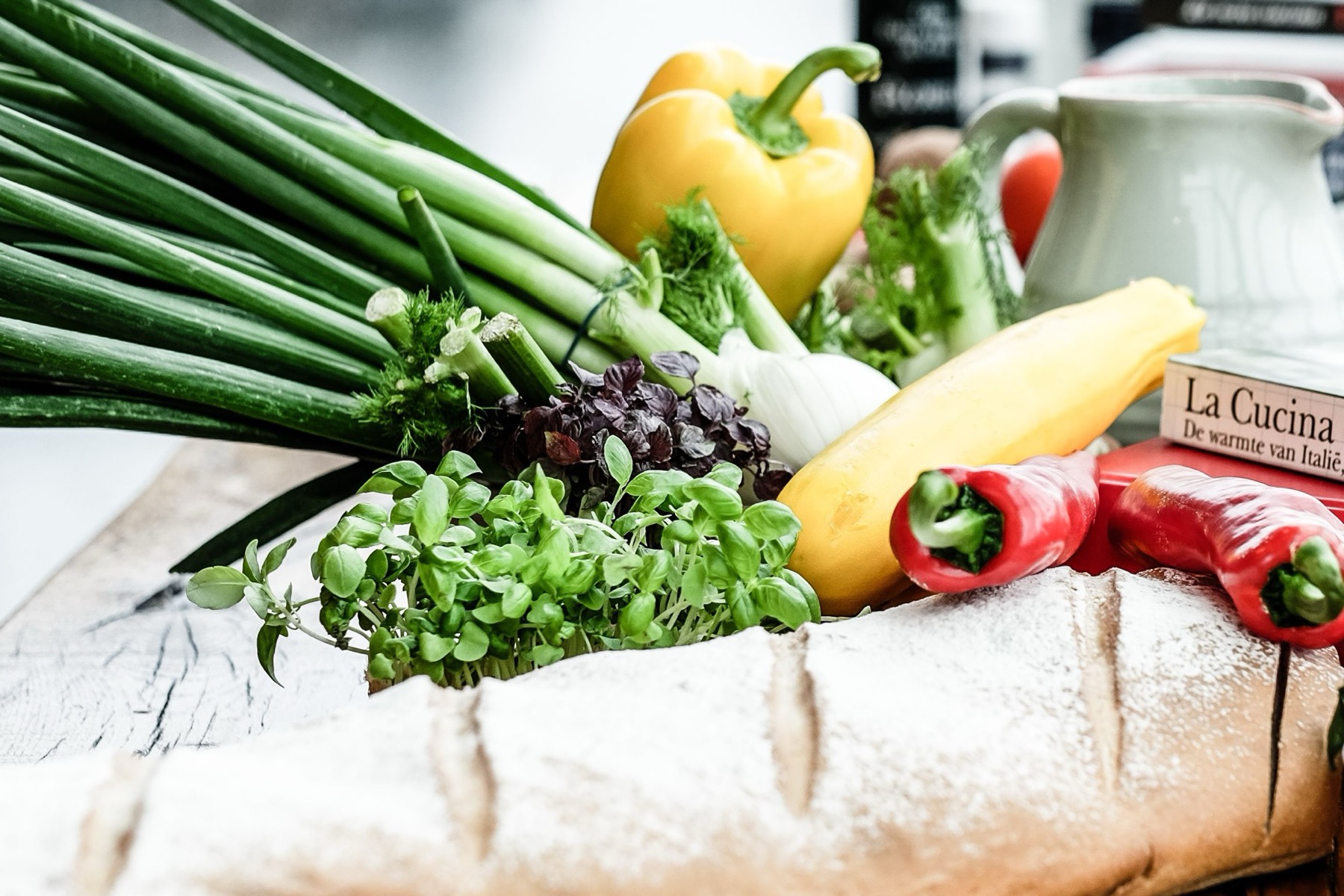
The full destination guide: Tuscany — guide and what to see
Cucina povera: why Tuscan food is so simple
All of Tuscan gastronomy rests on a strong philosophy that Italians call cucina povera, or “poor cooking”. It isn’t a specific list of recipes, but rather a historical approach to cooking in which country folk had to squeeze the most out of every ingredient and nothing could go to waste. The cornerstone of this art is old, hardened bread, which wasn’t thrown away but soaked in water or broth to soften again and thicken soups.
Another important pillar is legumes and seasonal vegetables from the garden. Elsewhere in Italy, Tuscans are even teasingly nicknamed mangiafagioli, which translates as “bean eaters”. For centuries, white beans here replaced expensive meat and gave hard-working peasants the protein they needed. Today this simple rural approach is a huge trend, because it proves you don’t need expensive ingredients to create a masterpiece of a dish — all you need is good olive oil and fresh local produce.
The saltless bread that catches foreigners off guard
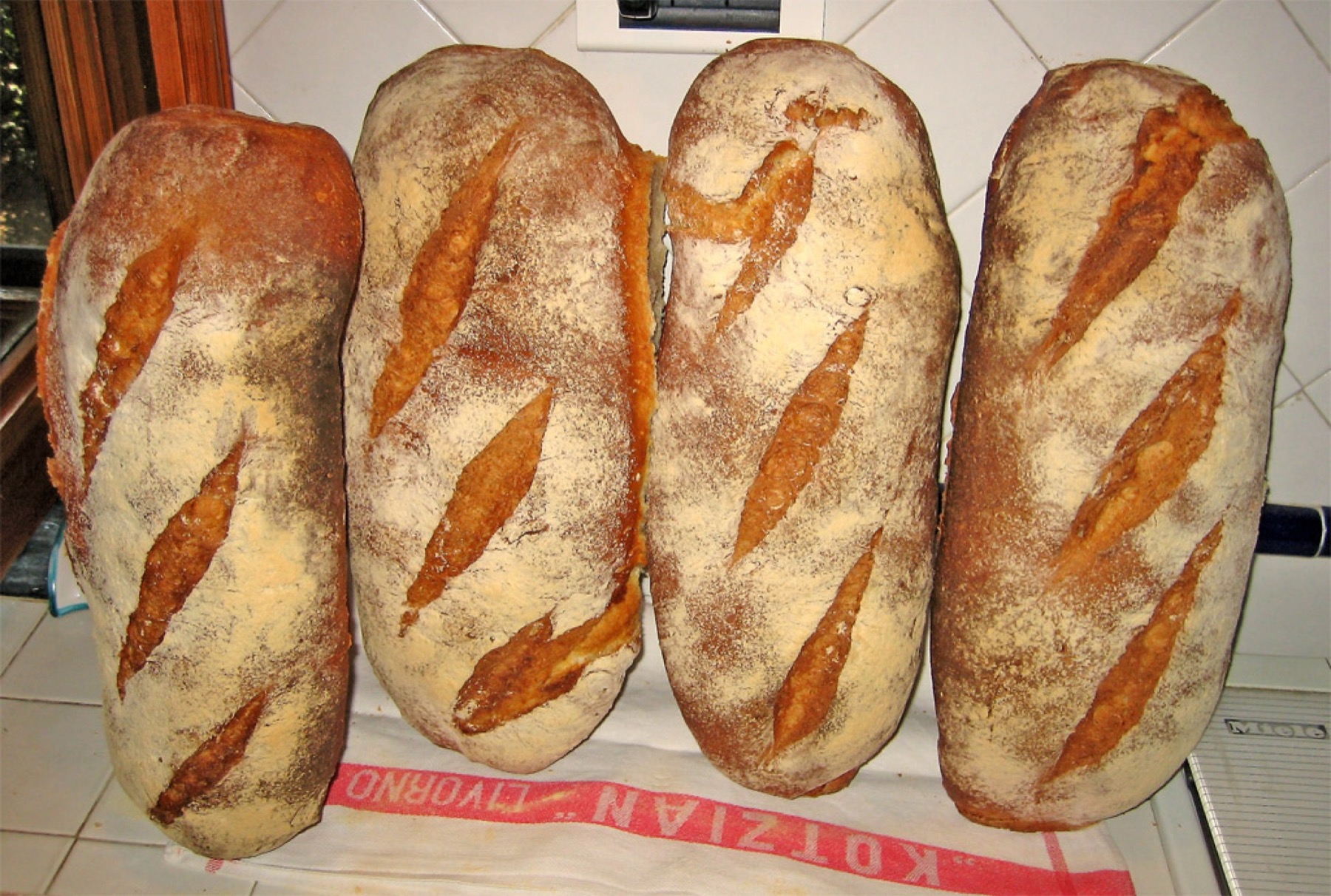
When you first taste a plain piece of bread in Tuscany, its flavour will probably catch you off guard. The local pane sciocco, or “silly bread”, is baked completely without salt, has a slightly sour crumb and a thick, crunchy crust. Many tourists assume the baker simply made a mistake, but in reality it’s one of the deepest cultural symbols of the entire region, tied to a fascinating story from the Middle Ages.
In the twelfth century, nearby Pisa was a powerful maritime republic that fully controlled the trade routes from the coast into the interior. When power struggles broke out between Pisa and Florence, the Pisans slapped an extremely high tax on imported salt to hurt their neighbours economically. But the proud Florentines decided they wouldn’t be blackmailed and demonstratively started baking all their bread entirely without salt. The custom caught on so thoroughly that it has survived to this day.
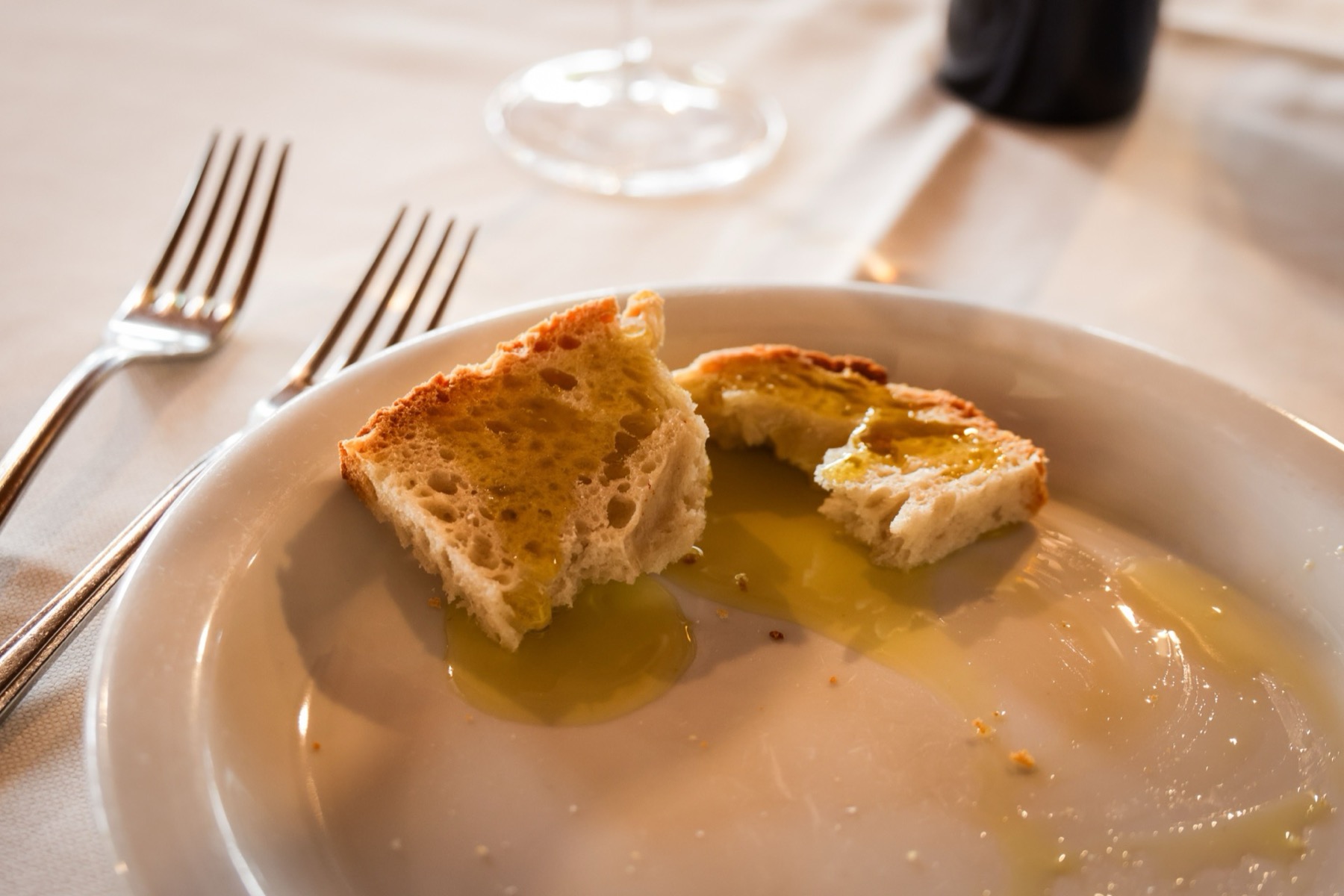
Today, unsalted bread has its own perfectly logical and irreplaceable place in Tuscan cuisine. It’s eaten exclusively with very bold, salty dishes, such as aged sheep’s pecorino or heavily spiced cured meats, and in that combination it works as a perfect neutral base. If you ask for butter with your bread in a restaurant, the waiter will probably look at you with real bewilderment, because here bread is dipped only in fresh olive oil or used to mop up sauce from your plate.
22 Tuscan dishes worth tasting
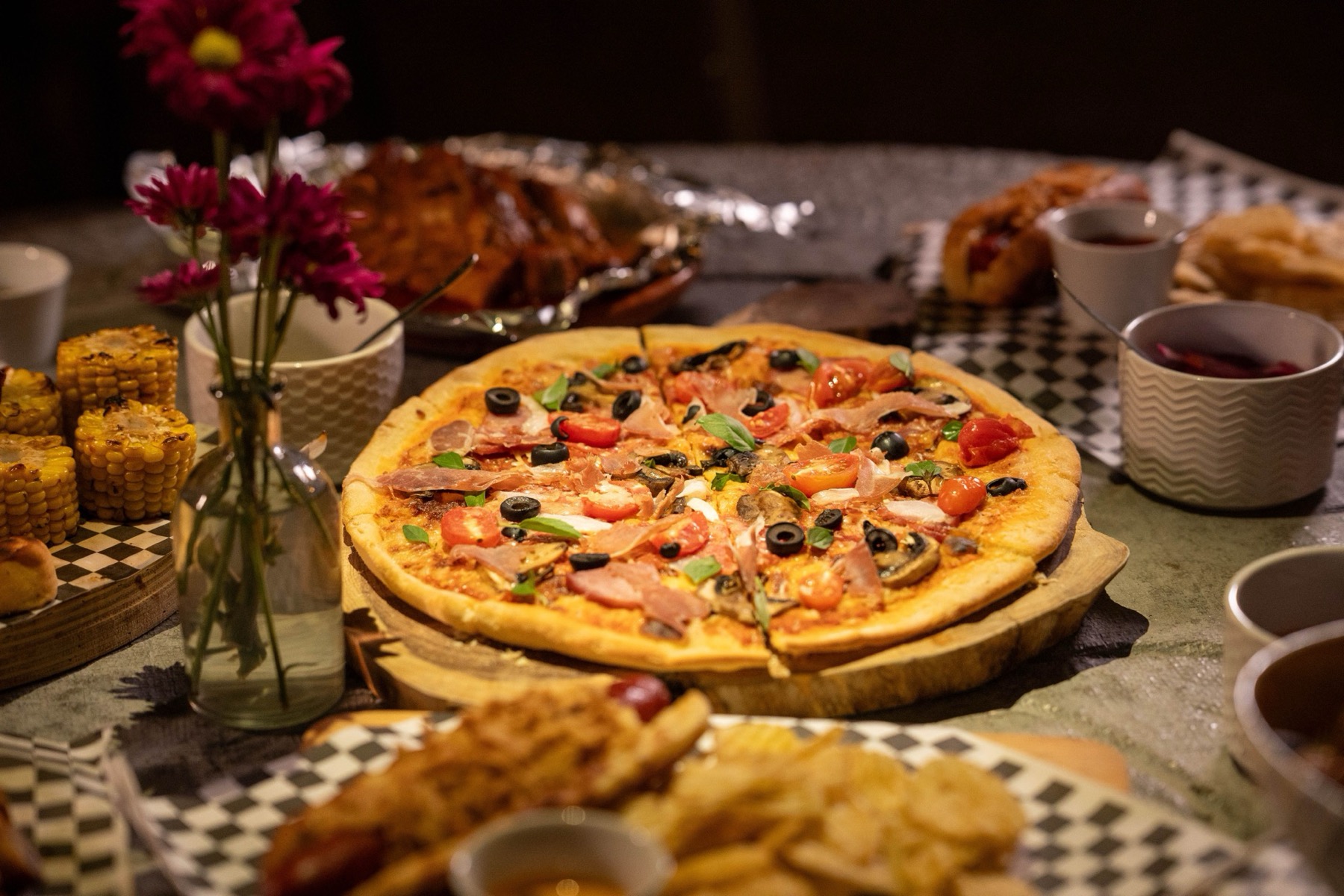
I’ve split the most interesting local specialities into a few clear categories for you. Most of the tips on this list are purely vegetarian, because it’s precisely in the meat-free dishes that the greatest strength of the Tuscan countryside lies. If you’re interested in the broader context of Italian gastronomy, definitely check out our article Italian Cuisine: What to Taste Region by Region, where we cover other parts of this amazing country too.
1. Ribollita
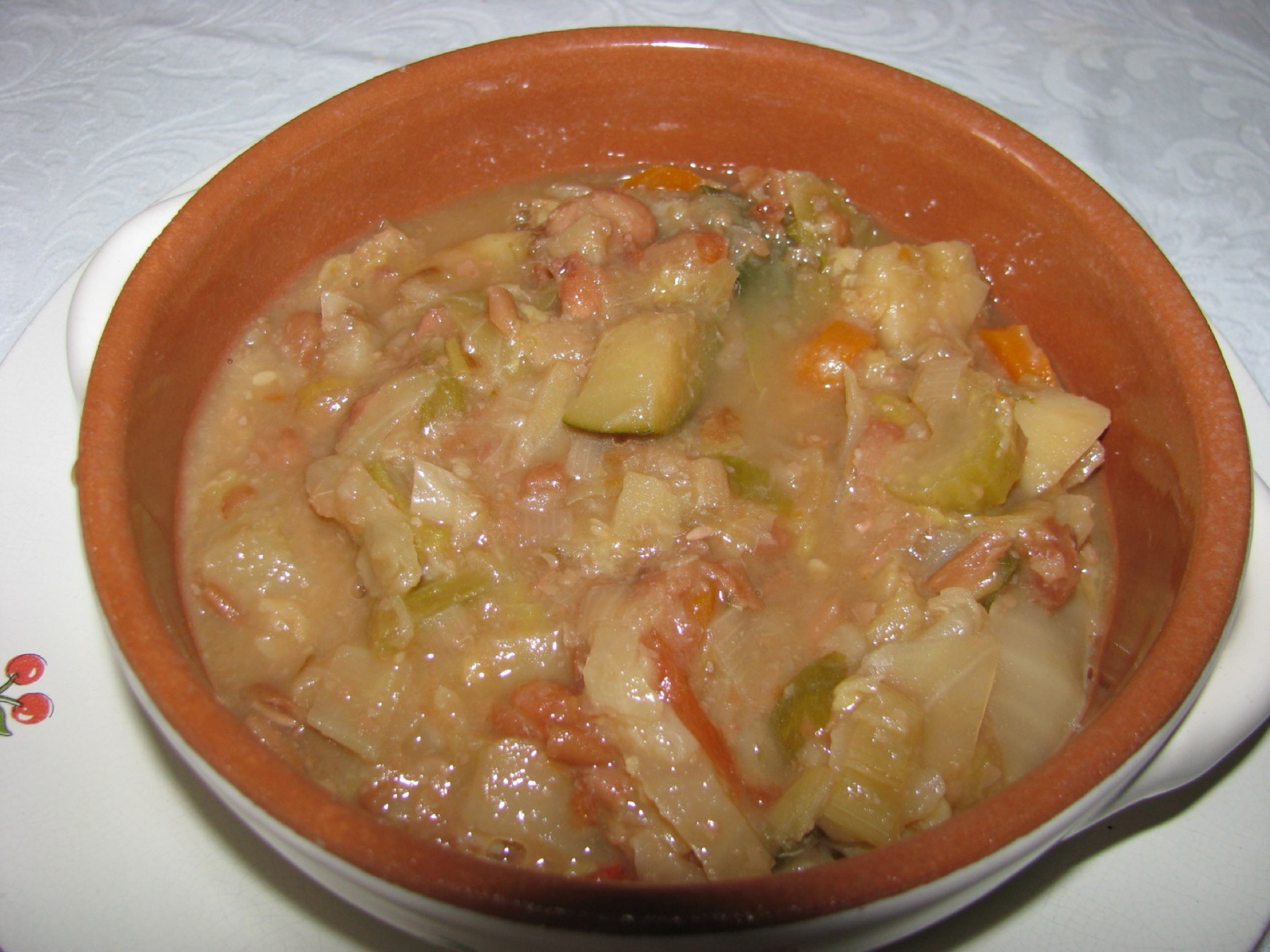
This legendary vegetable soup is the absolute queen of winter Tuscany and a perfect example of just how brilliant rural cucina povera can be. Its name simply translates as “reboiled”, because it was traditionally cooked in a big pot several days in advance. With each reheating it took on an ever better and far more intense flavour that locals swear by. The base is always Tuscan black kale (cavolo nero), white beans and a huge amount of stale bread. That thickens the whole hot mixture into a consistency more like a hearty mash than a classic liquid soup.
Every Tuscan family has its own secret ribollita recipe, proudly passed down from generation to generation. In restaurants you’ll usually pay a very pleasant €8–12, so it’s a great, cheap choice for a filling lunch after a stroll through Florence’s chilly streets. You’ll commonly find it on the menu of every traditional trattoria, especially in the cooler autumn and winter months.
Although the basic age-old recipe is purely vegetarian, a piece of smoked pancetta is sometimes added for extra flavour, or a meat broth is used. So if you really don’t eat meat at all, always ask the staff to be safe how the soup is prepared in that particular place.
💡 TIP: It tastes best drizzled with a generous splash of fresh extra virgin olive oil right at the table, exactly the way the older folk out in the countryside do it.
2. Pappa al pomodoro
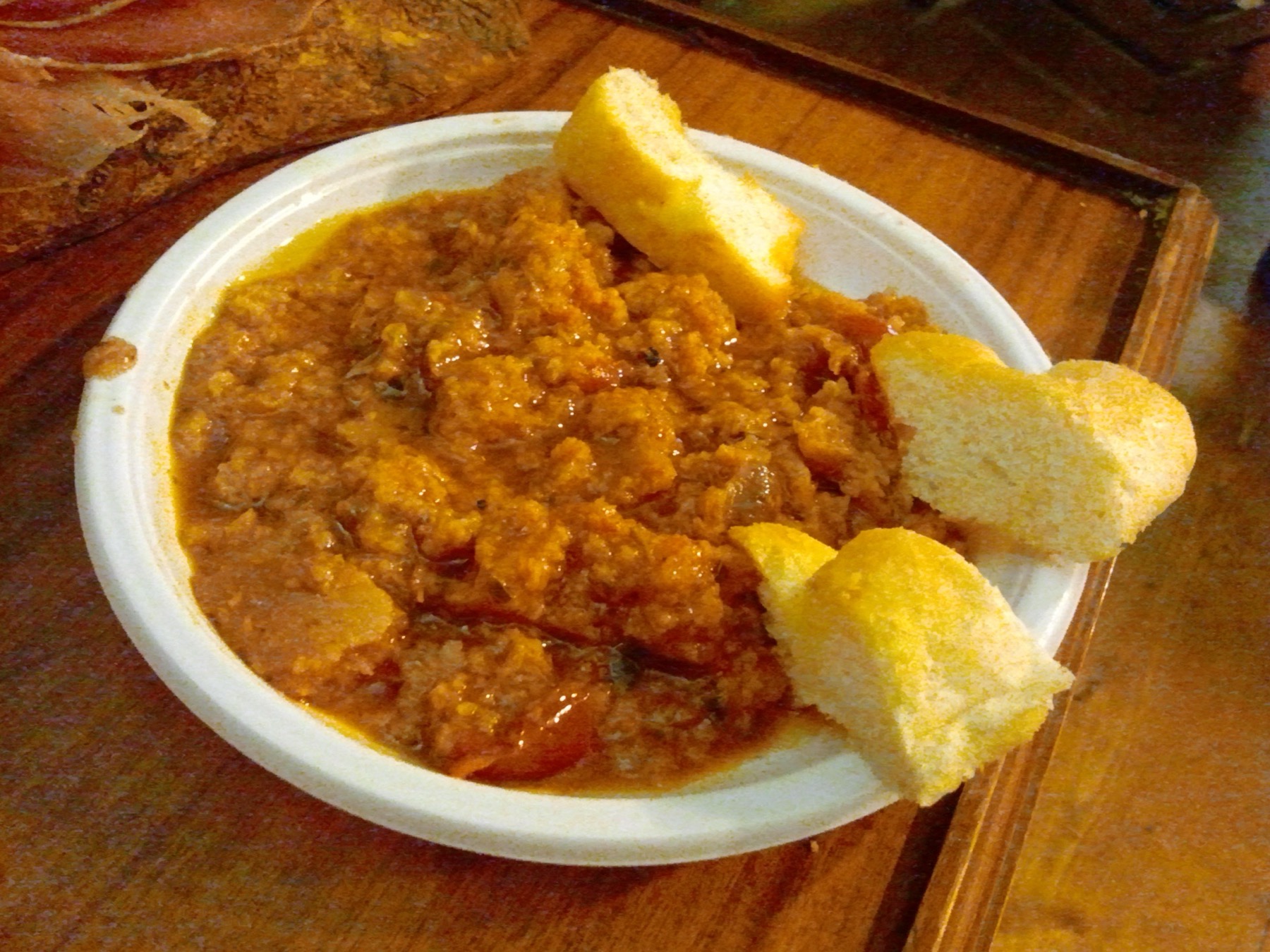
Pappa al pomodoro is one of the most beloved dishes of Italian childhood and adulthood alike, and it represents the pure essence of culinary minimalism from a time when people had no money to spare. It’s essentially a very thick tomato mush, into which stale unsalted bread is torn in rough chunks, along with a good dose of garlic, fresh basil leaves and a generous amount of the best local olive oil. It tastes best at the end of summer, when the tomatoes at the markets are perfectly ripe, incredibly sweet and full of Tuscan sun.
This dish is fantastically versatile, and Tuscans happily eat it both piping hot in winter to warm up and pleasantly chilled in the hot summer. The price in an ordinary osteria hovers around €7–10, and a bowl will reliably fill you up for half a day. It’s exactly the kind of comforting home-style dish that instantly transports you to the kitchen of a kindly Italian grandmother.
The great news is that this treat has been 100% vegan since its historical beginnings, so you don’t have to worry about any hidden meat traps. Locals occasionally enjoy it as a very filling starter before the main course too.
💡 TIP: If you want to try making pappa al pomodoro at home, remember that the secret to success lies in very slow cooking, so the bread and tomatoes combine perfectly into a smooth emulsion.
3. Panzanella
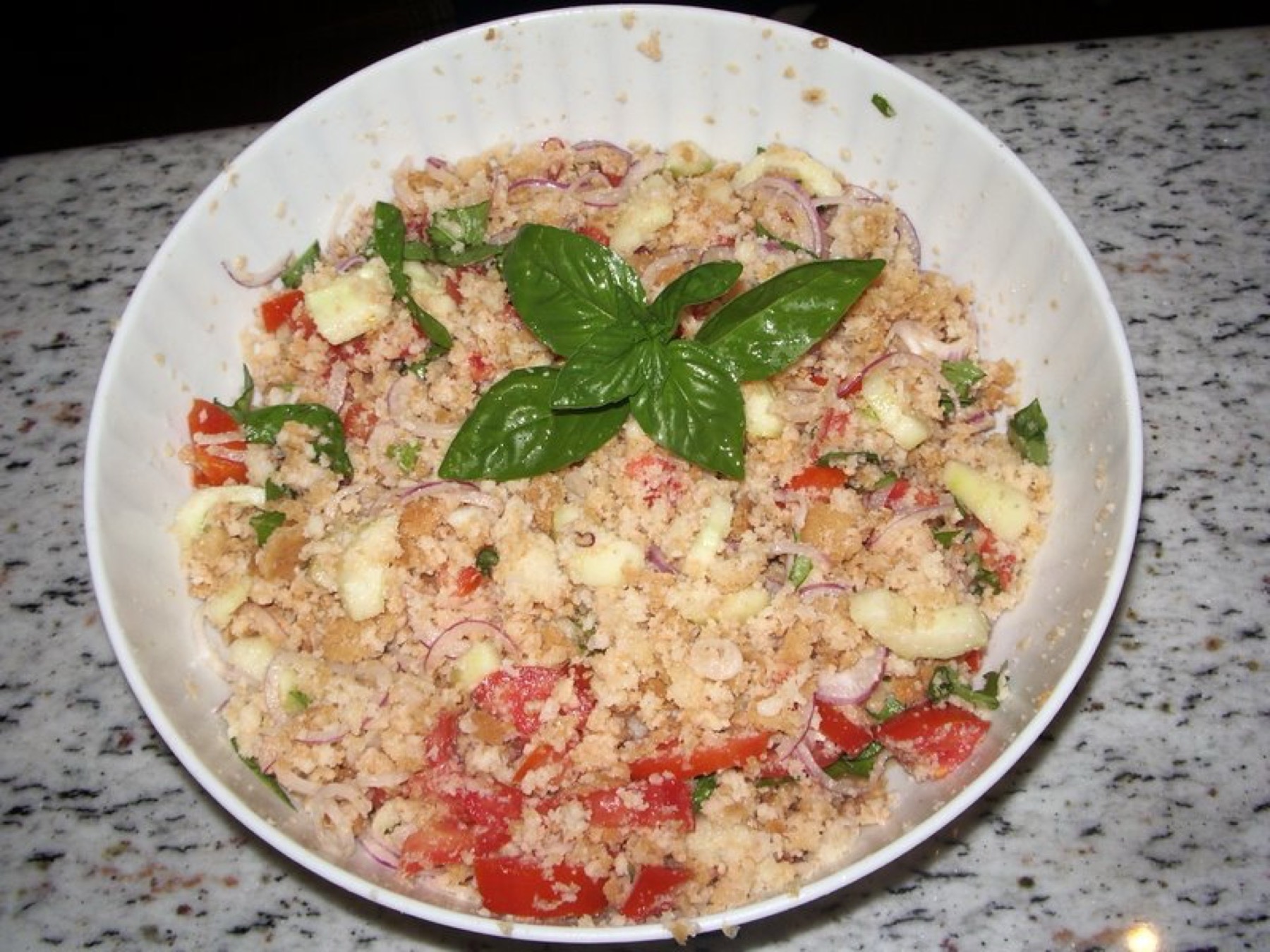
When the hot summer days hit and nobody feels like standing over a scorching stove, refreshing panzanella comes to the rescue. This brilliant bread salad has been documented since the fourteenth century and was created as yet another ingenious way to use up hardened loaves of pane sciocco that would otherwise have to be thrown out. The dry bread is first soaked in water with a little good wine vinegar, until it softens like a sponge, and then the excess liquid is thoroughly squeezed out.
Into this soft bread base you gently fold finely chopped tomatoes, thin slices of red onion, crunchy cucumber and fresh basil leaves. Everything is finally drizzled generously with quality olive oil, which links all the sour and sweet flavours together into absolutely perfect harmony. It’ll usually set you back roughly €6–9.
Panzanella is light, incredibly fresh and makes an absolutely ideal lunch during a hot day spent exploring the sights, when you don’t fancy anything heavy. It contains no animal products, so vegans will love it too.
💡 TIP: In restaurants, notice how the salad is served. A proper panzanella should always rest in the fridge for at least an hour so all the flavours have time to blend beautifully and the bread soaks up the tomato juices.
4. Acquacotta
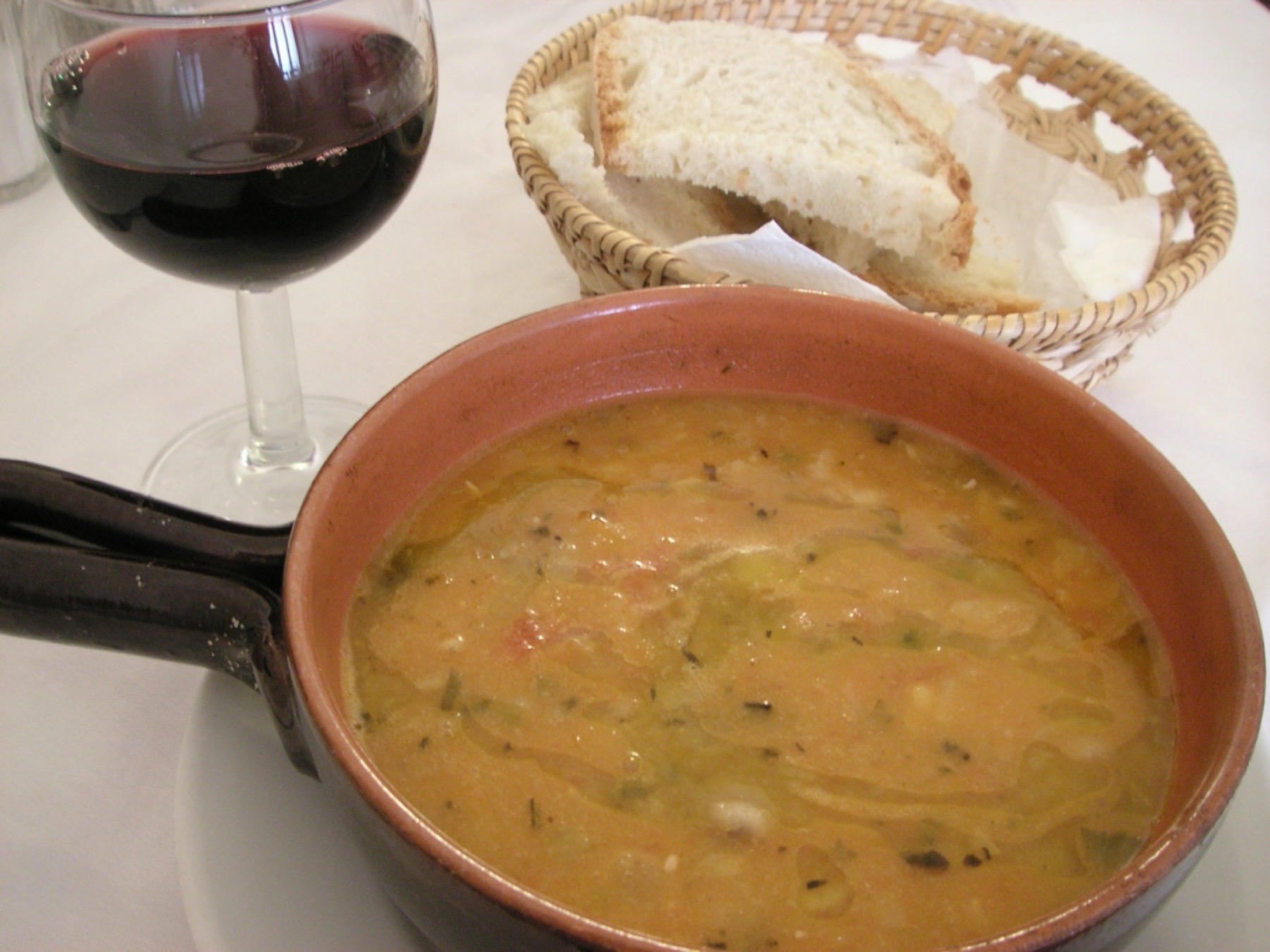
Acquacotta literally translates as “cooked water” and comes from the rugged, wild region of Maremma in the very south of Tuscany. Originally it was the typical dish of local shepherds and charcoal burners, who spent long weeks away from home in the forests and had to cook from whatever they could find in nature or fit into their canvas sack. The base was just spring water, wild herbs, a little onion and a piece of hardened bread.
Today’s versions in local trattorie are a little richer and more refined. You’ll often find ripe tomatoes, celery, sweet carrots and a cracked egg in them, which vanishes into the hot vegetable broth like a perfect poached egg. The price in restaurants in the south of the region hovers around €10, and it’s an extremely filling affair.
It’s a beautifully warming and very thick soup that will reliably put you back on your feet after a long day of hiking in the Tuscan hills. Once again, it’s an excellent dish suitable for vegetarians — you just need to watch out for the egg if you’re strictly vegan.
💡 TIP: In traditional places around the Maremma, acquacotta is often served in special terracotta bowls that keep the food hot until the very last bite.
5. Pici all’aglione
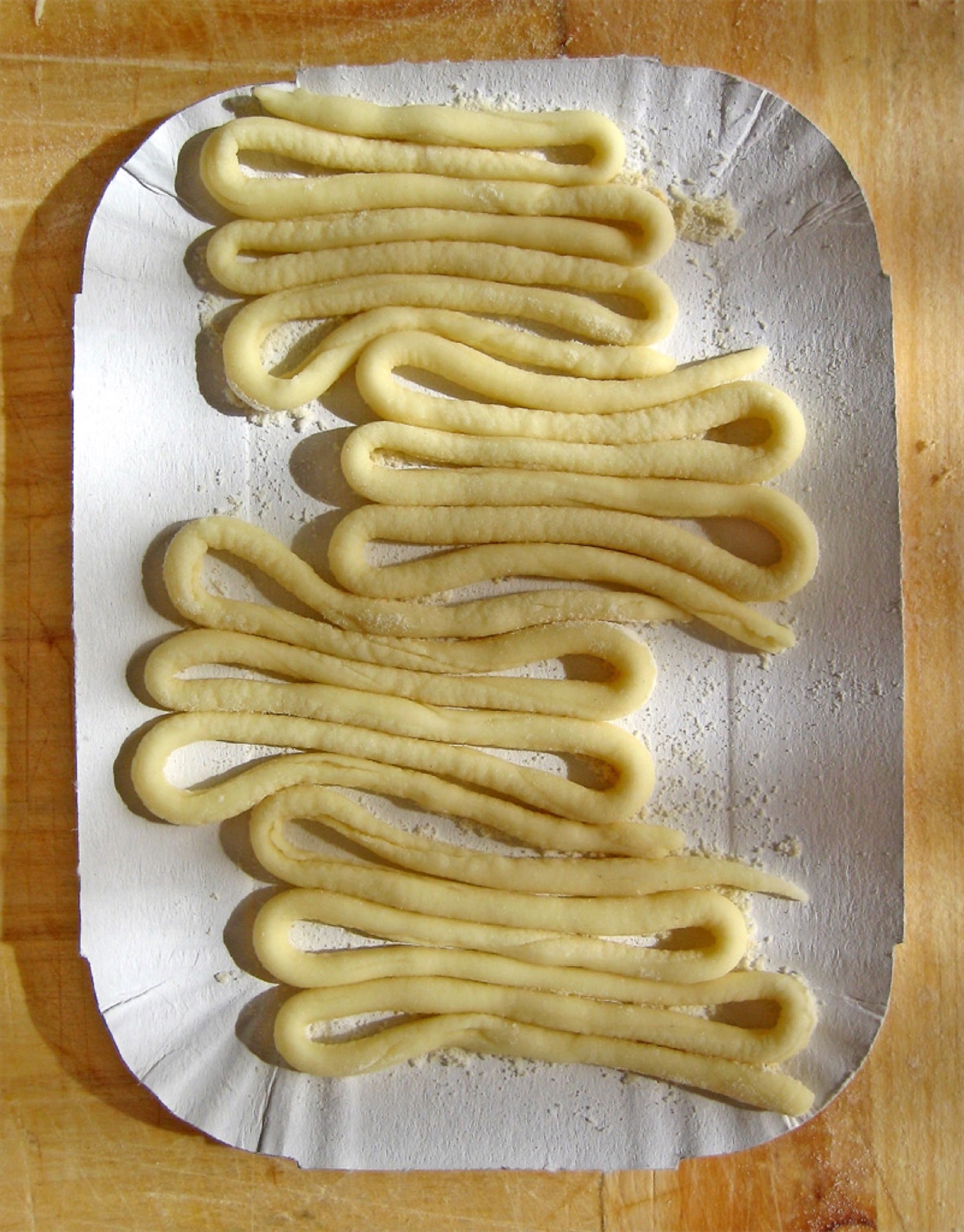
If you love pasta as much as we do, you mustn’t leave Tuscany without tasting the famous pici. These incredibly thick, hand-rolled noodles come from the area around Siena and the gorgeous Val d’Orcia valley. Pici are traditionally made from just plain flour, water and a drop of oil, so once cooked al dente they’re beautifully dense, firm and will fill you up far more than classic spaghetti.
The most classic vegetarian preparation is the all’aglione version, which uses a special variety of giant garlic grown exclusively in the Val di Chiana valley. This particular aglione is much milder and sweeter than ordinary garlic, and supposedly it won’t leave you with unpleasant breath either. Together with a slow-cooked tomato sauce it creates an absolutely perfect symphony of flavour.
For a proper portion of homemade pici in a family osteria you’ll pay roughly €12–15. Thanks to the absence of eggs in the dough, the pasta itself is vegan, so it suits anyone avoiding animal products.
💡 TIP: You can buy dried pici in every local food shop and take them home as the best edible souvenir. Don’t forget to grab a jar of ready-made aglione sauce to go with them.
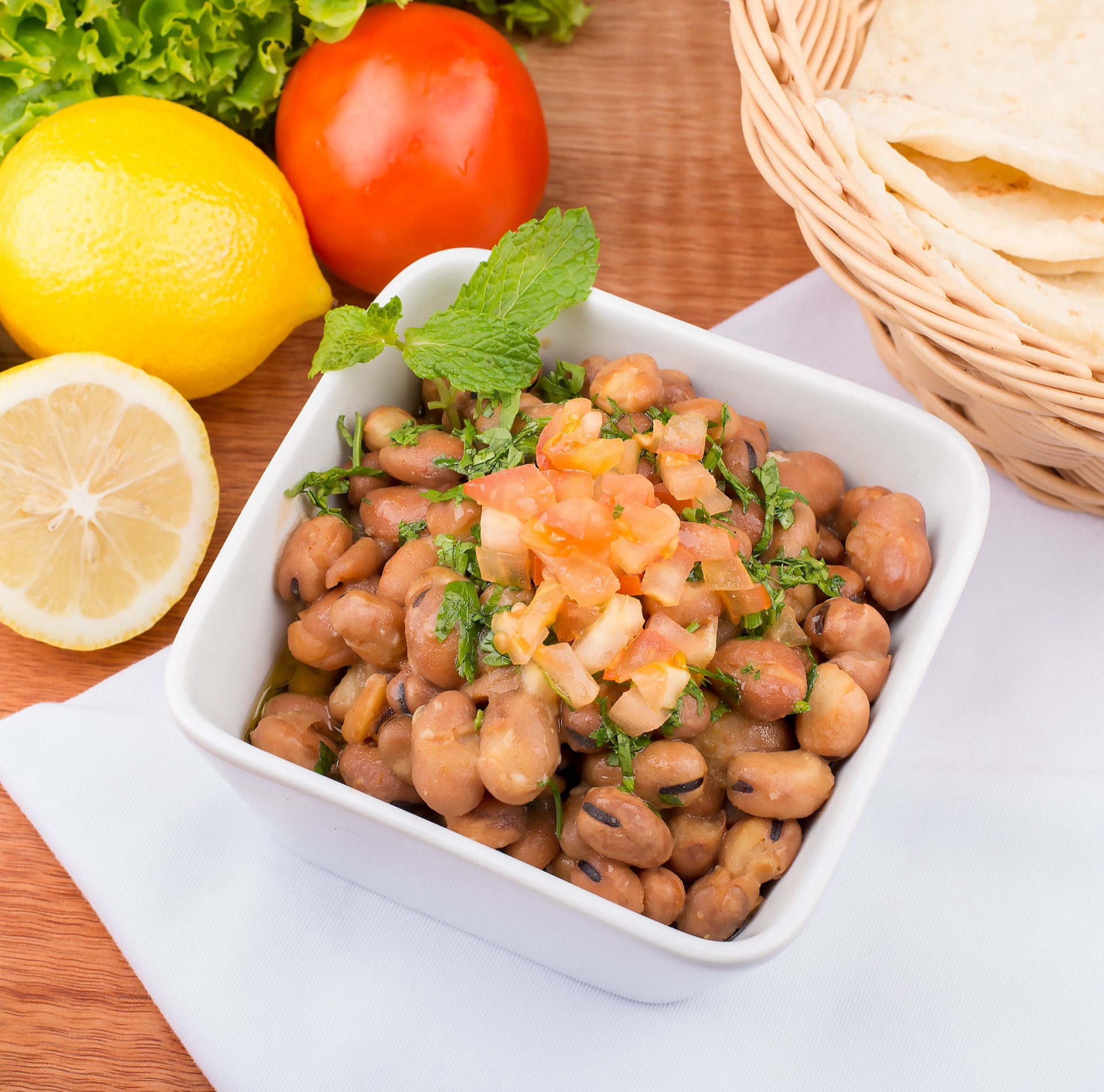
6. Fagioli all’uccelletto
This humble dish beautifully explains why Tuscans earned the witty nickname mangiafagioli (“bean eaters”) in other parts of Italy. It’s a very simple but flavour-packed side of white cannellini beans, slowly braised for a long time in a thick tomato sauce with lots of fresh sage and fragrant garlic. The intriguing name all’uccelletto can loosely be translated as “in the style of small birds”, which often confuses historians and tourists alike.
The most likely explanation is that poor peasants mainly used sage and garlic to season small roasted birds, and when they didn’t have precious meat, they used exactly the same seasoning at least on plain beans. In this way they wanted to give the dish at least an illusion of a meaty flavour, which they managed brilliantly thanks to the strong herbs.
Today it’s an absolute vegetarian staple of just about every traditional Tuscan trattoria, served either as a hearty side or straight up as a light main. You’ll usually pay around €5–8 for a bowl of these fragrant beans, and a piece of fresh bread to mop up the sauce goes perfectly with them.
💡 TIP: If you order them as a main, I recommend a glass of lighter red wine, for example a young Chianti, which pairs perfectly with the tomato base.
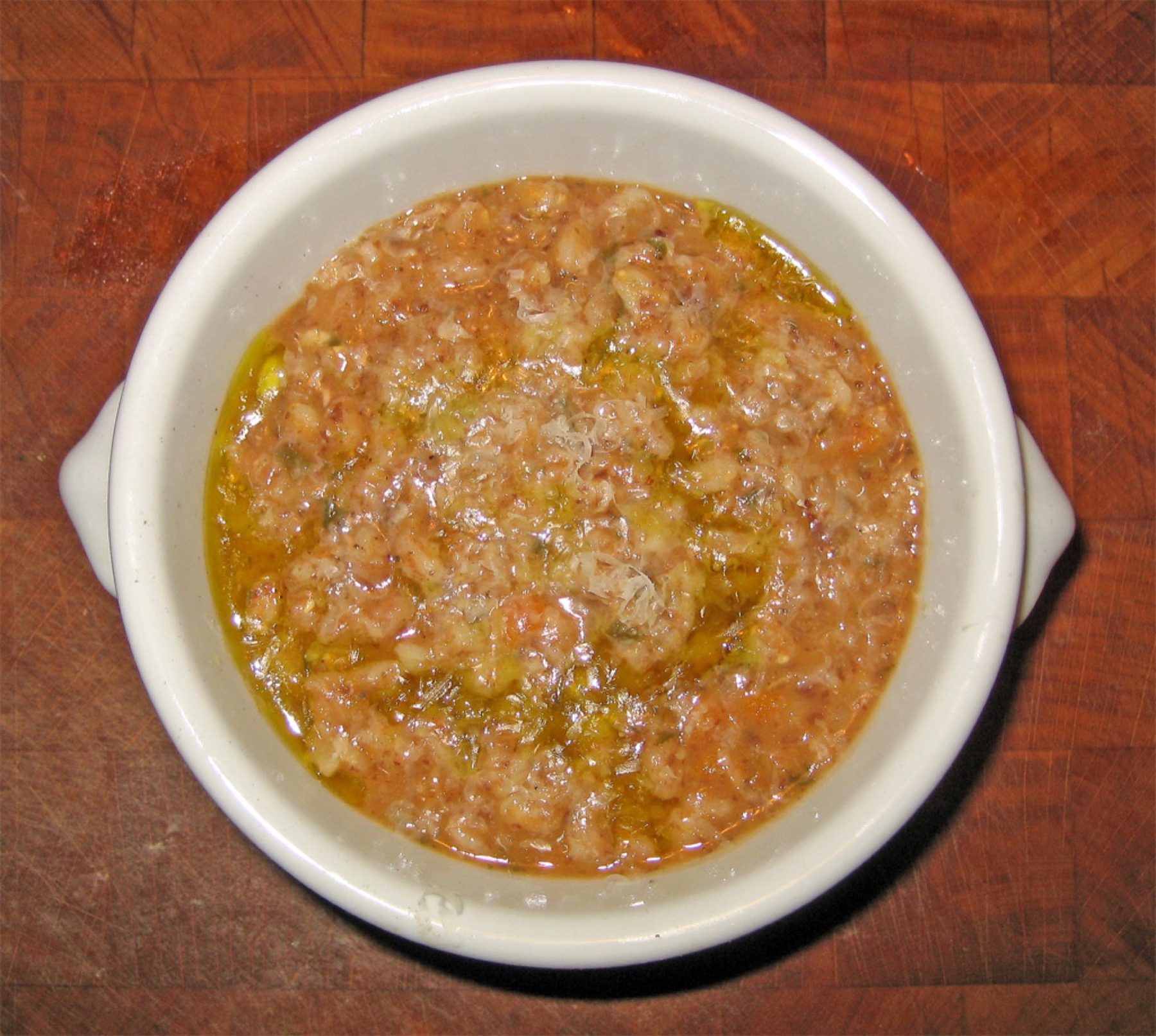
7. Zuppa di farro
The mountainous northern part of Tuscany known as Garfagnana is a noticeably harsher and cooler land, where instead of classic wheat the much hardier spelt (farro) has traditionally been grown. Zuppa di farro is a wonderfully hearty winter soup that combines this ancient healthy grain with beans and seasonal root vegetables. Spelt has a pleasantly nutty flavour and a slightly chewy texture, so the soup ends up working more like a substantial main course than a mere starter.
Restaurants offer it mainly in the winter months, and a bowl comes to roughly €9–12. But here too the rule of great caution applies for us vegetarians, because some family recipes from the mountains call for a piece of bacon (pancetta) to be fried off at the start of cooking to intensify the flavour.
Most better places, however, will gladly prepare a purely vegetable version if you ask in advance. Just ask the staff with a smile when ordering whether their farro is senza carne (without meat), and you’ll immediately have the assurance of a safe lunch.
💡 TIP: Spelt isn’t used only in soups in Tuscany — in summer you’ll often come across it in the form of a refreshing cold salad with tomatoes and mozzarella, which is great in hot weather.
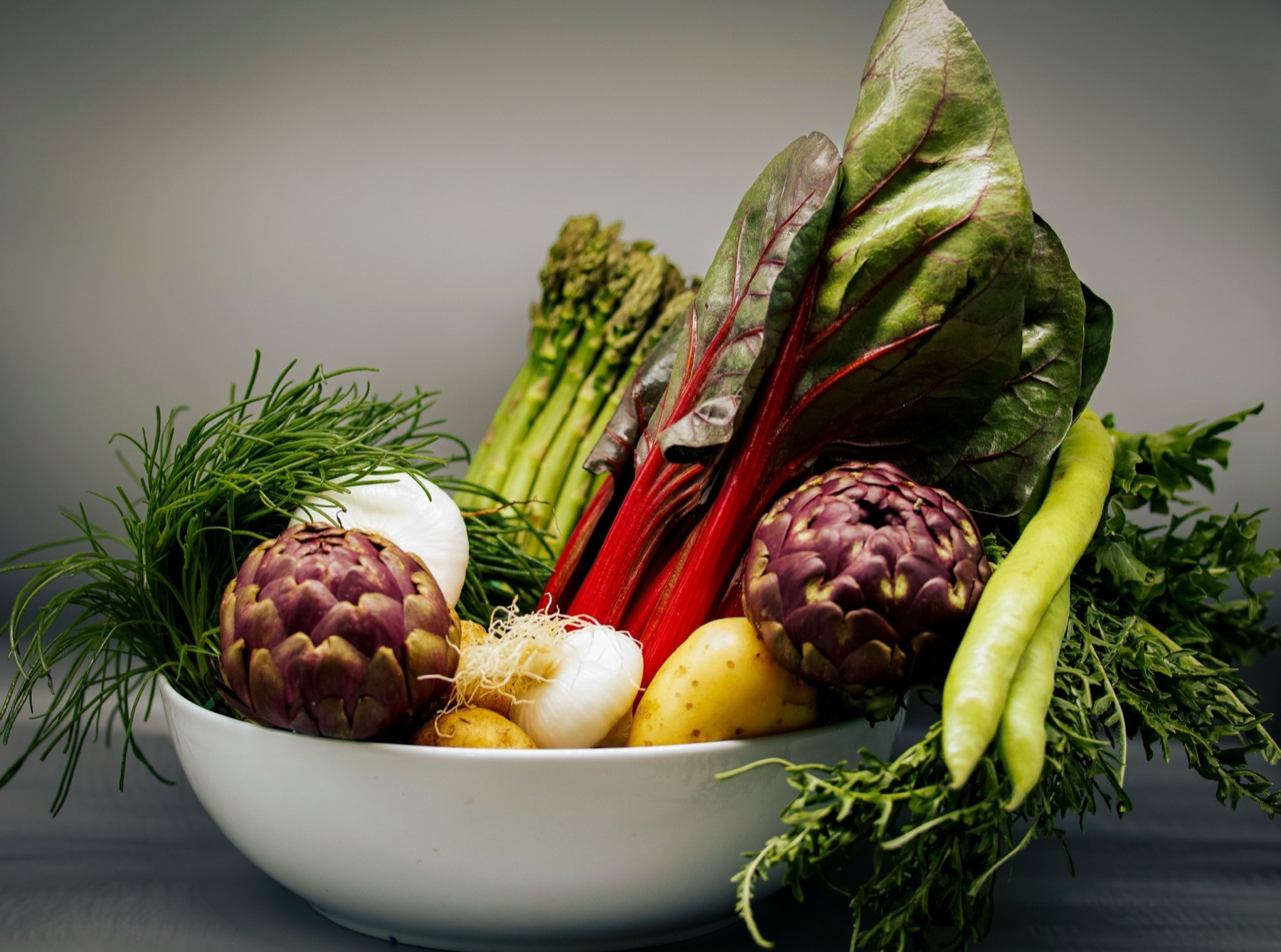
8. Garmugia
While most classic Tuscan soups are very heavy and decidedly wintry, garmugia is a joyful celebration of spring awakening around the historic town of Lucca. This incredibly elegant vegetable broth is packed with the finest spring produce that has just appeared at the local markets after the long winter. Traditionally you’ll find fresh green artichokes, crunchy asparagus, young fava beans and the sweetest spring peas in it.
It’s an exceedingly fresh dish, full of vitamins, and at the first spoonful it smells of fresh herbs. Historically, garmugia belonged more on the tables of wealthier townsfolk, and pieces of veal or pancetta were sometimes added, but today plenty of osterie in Lucca cook a lightened vegetarian variant that lets the delicate flavour of the young vegetables shine through on its own.
If you’re planning to cycle around the famous historic walls, a bowl of hot garmugia for lunch will give you exactly the right burst of energy for more pedalling. In season you’ll pay roughly €10–14 for it.
💡 TIP: Garmugia is a textbook example of Tuscan seasonality. You’ll only find it on the menu for a few short spring weeks, so if you see it, don’t hesitate for a second.
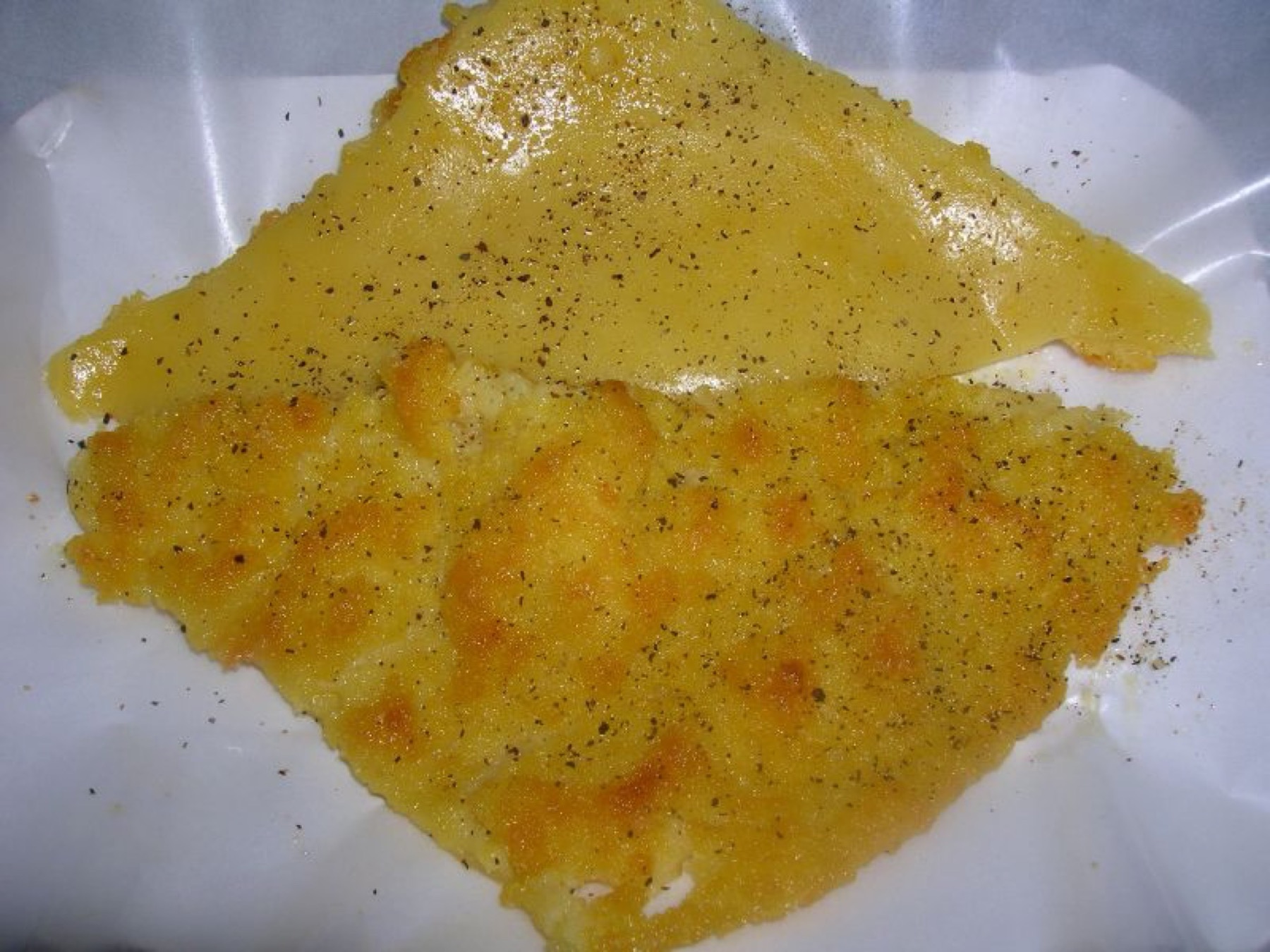
9. Cecina and the legendary 5 e 5
When you move to the sunny coast to the port city of Livorno, you’ll stumble upon one of the best street foods in all of Italy. Cecina, also known as torta di ceci, is a thin, golden-baked flatbread made from chickpea flour, virgin olive oil and water. It’s naturally vegan and gluten-free, with beautifully crisp roasted edges while staying incredibly soft and delicately creamy inside.
The best and most authentic way to taste it in Livorno is to order the local speciality called 5 e 5 (cinque e cinque). This odd name comes from the first half of the twentieth century, when poor dock workers would buy exactly five lire of bread and five lire of cecina. Today you get a hot chickpea flatbread tucked into a soft round bun, often seasoned with a little black pepper or pickled aubergine in oil.
It’s an ideal, extremely cheap snack for the beach or a quick lunch on the go while strolling through town, and at €3–4 a portion, nobody will scold you for having two.
💡 TIP: Locals love a glass of cold beer or a traditional Italian aperitivo with their cecina. Look for the little stalls and bakeries called tortaie, which specialise in this treat.
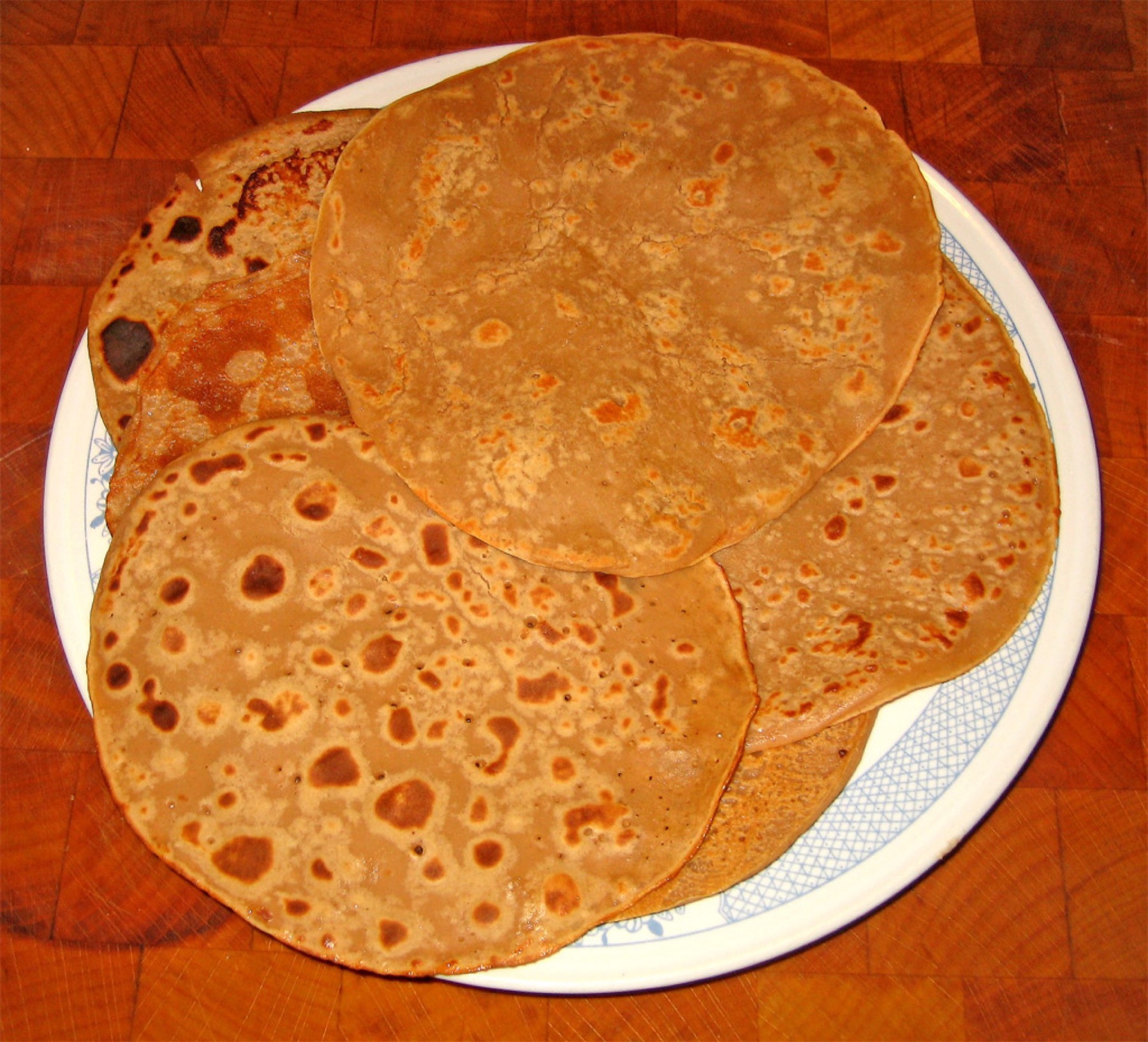
10. Necci
Let’s stay a little longer in the mountainous Garfagnana region in the north, where, due to a shortage of classic grain flour, edible chestnuts from the surrounding deep forests were used for centuries. Necci are thin pancakes or flatbreads made from sweet chestnut flour, which are still traditionally baked between two heavy cast-iron plates called testi right over an open fire. The chestnut flour gives them a naturally sweetish flavour and, thanks to the fire, a slightly smoky one too.
Most often these rustic flatbreads are served rolled up and generously filled with fresh, subtly sweet sheep’s ricotta, which perfectly balances the density of the chestnut dough. It’s a very ancient dessert or hearty breakfast that perfectly captures the ingenuity of poor Tuscan country folk in hard times, when meat and wheat were rare.
You’ll come across necci mainly in autumn, during the chestnut harvest, when local festivals called sagre take place in the mountain villages. The price for one filled flatbread hovers around €4–6, and it’s an absolutely fantastic autumn experience.
💡 TIP: If you come across a street stall where a lady is baking necci right over the fire on old black plates, definitely stop by. Warm and freshly baked, they taste a thousand times better than the cold ones from a display case.
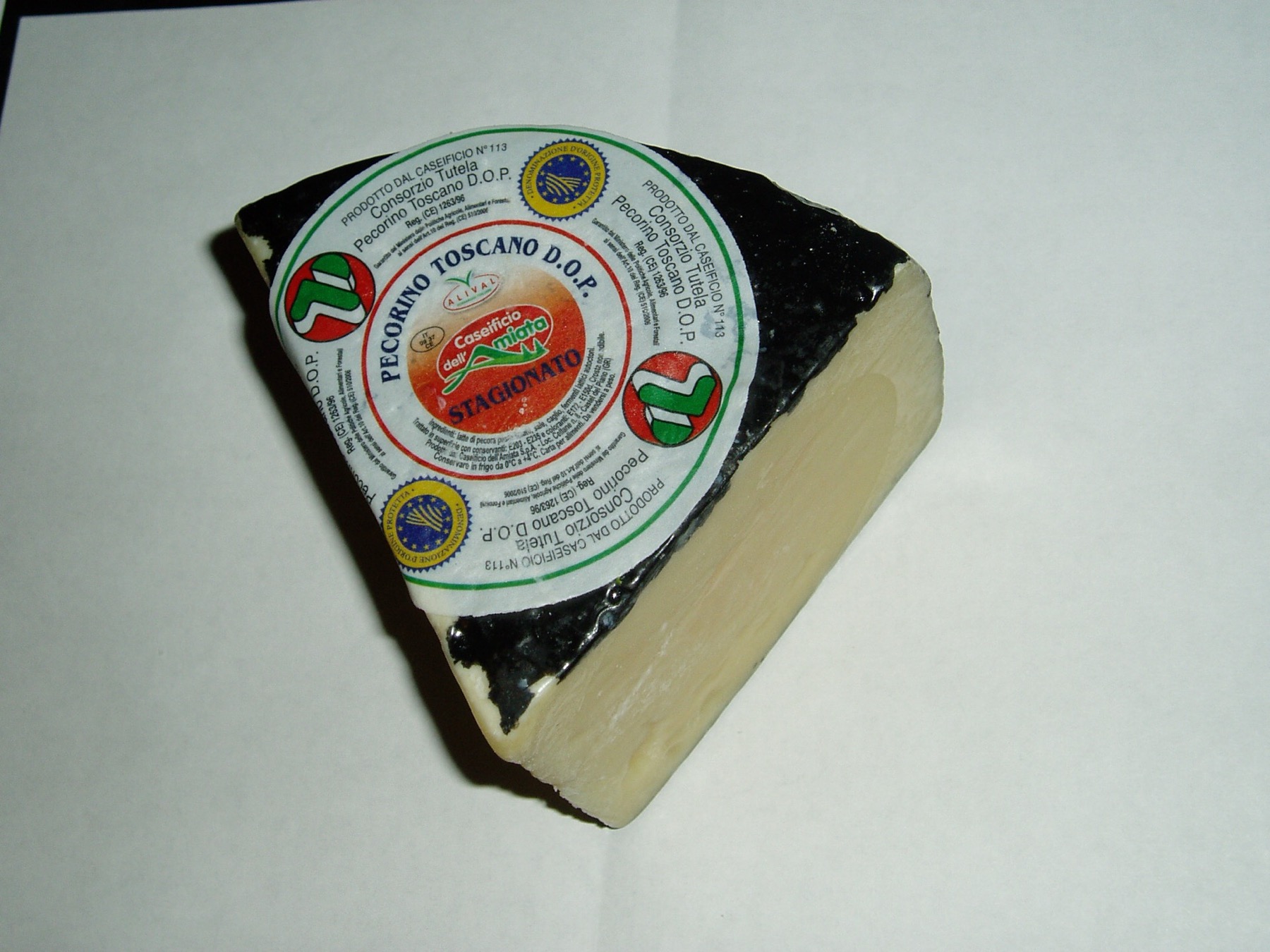
11. Pecorino toscano
Tuscany may be world-famous for its excellent wine, but its regional cheeses certainly don’t lag behind the world’s best. The main star is, without debate, pecorino, a fantastic cheese made from pure sheep’s milk, produced throughout the region. But the most famous and most fragrant wheels come from the picturesque little town of Pienza and the wild southern region of Maremma.
You can taste this cheese at many stages of ageing, from soft, creamy and sweetish fresco (which matures for just a few weeks) to hard, tangy and crumbly stagionato, which has rested in the cellar for over a year. The price for a quality board hovers around €12–18 and will easily replace a light dinner.
Order a board of aged pecorino in a cosy enoteca and try it with a spoonful of local honey, sweet onion marmalade or a slice of fresh pear. It’s a combination that looks suspiciously simple, but at the first bite you’ll understand why it’s so beloved.
💡 TIP: In the town of Pienza you’ll find dozens of small shops where the cheesemakers will let you taste pecorino aged in walnut leaves, in ash, or even in the leftovers from wine pressing.
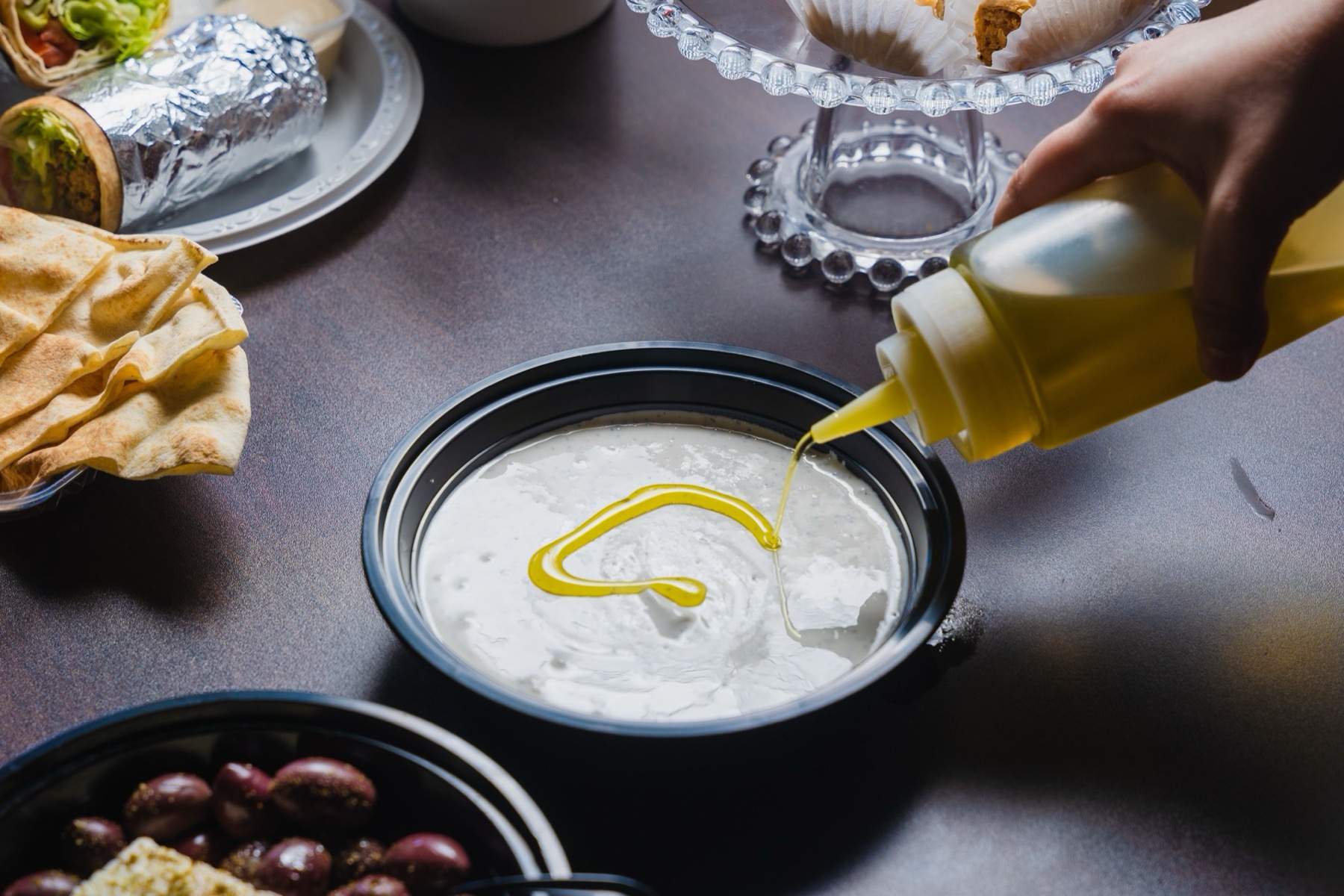
12. Olio nuovo
Olive oil isn’t just an ordinary cooking ingredient in Tuscany — it’s simply liquid gold and a matter of huge family and local pride. The biggest celebration comes at the turn of October and November, when the presses start processing olio nuovo, or “new oil”. This extra virgin oil from the very first pressing has a bright green, opaque colour, is completely unfiltered and boasts an incredibly strong, pungent and slightly peppery flavour that gives your throat a pleasant tickle.
Local farmers value it so highly that in these damp autumn months they practically drink it like wine from small glasses, or pour it generously over a freshly toasted slice of unsalted bread. This simple dish is called fettunta, and it’s the absolute peak of autumn feasting.
It’s a completely unique seasonal experience, well worth planning an autumn trip around, off the main tourist season. A bottle of this wonder straight from the farm will cost you roughly €15–20, but its flavour simply can’t be compared with the supermarket stuff.
💡 TIP: Olio nuovo very quickly loses its specific pungency and bright colour. So don’t stock up on it for a whole year — ideally use it up within two to three months.
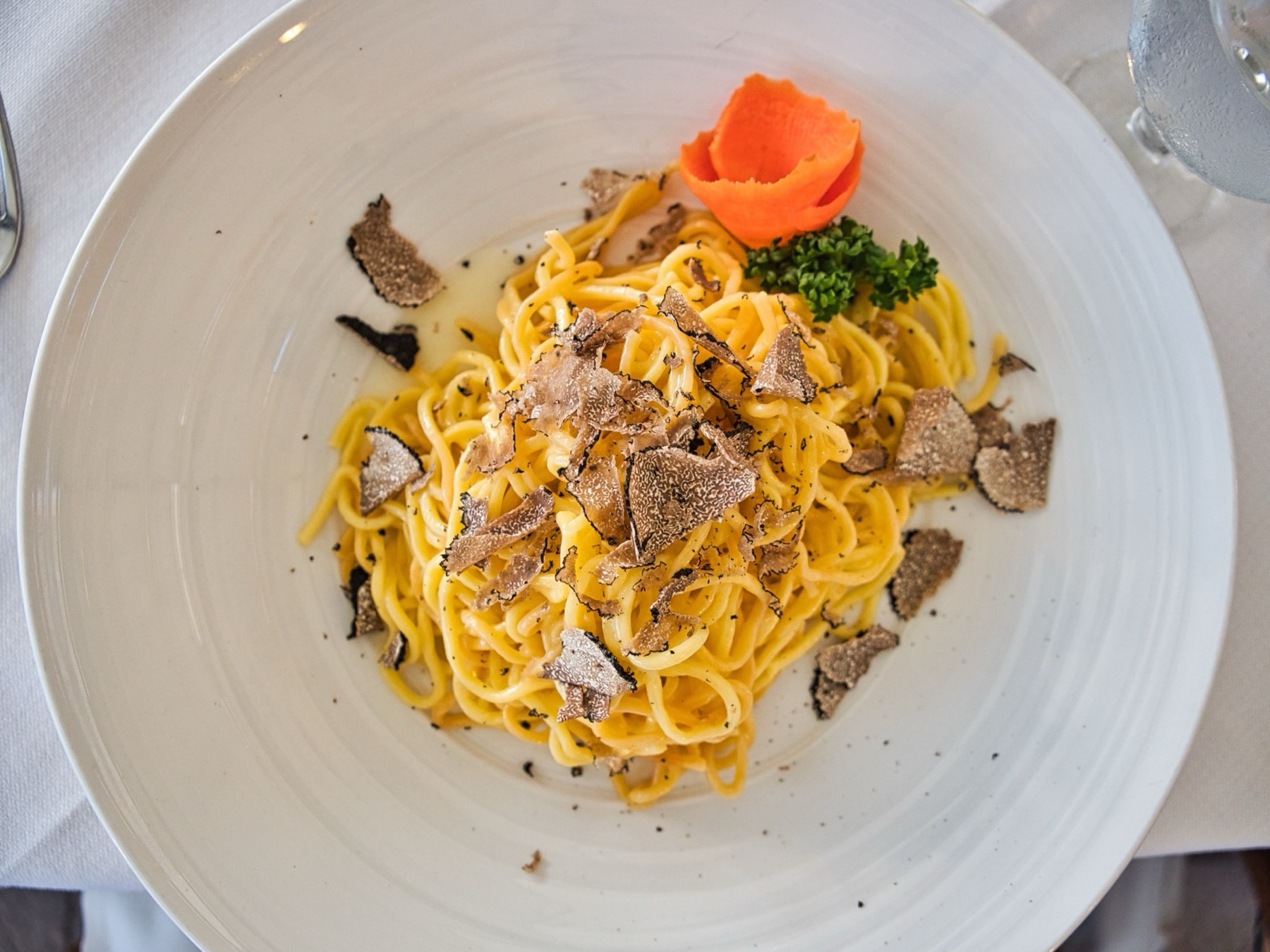
13. White truffle from San Miniato
Autumn Tuscany hides one more incredibly rare and fragrant treasure deep in the ground, one that draws gourmets from around the world. The small historic town of San Miniato, lying halfway between Florence and Pisa, is one of the most important white truffle grounds in all of Italy. These incredibly aromatic fungi can’t be artificially cultivated and must be sought out in the damp forests by specially trained dogs, which makes them one of the most expensive ingredients on the planet.
In November, famous truffle markets are held in the narrow lanes of San Miniato, where you can taste thin slices of this delicacy shaved over simple homemade pasta or creamy butter risotto. A portion of pasta with white truffle may set you back a good €30–50, but the intense, earthy aroma is so distinctive that it’s worth every cent.
If you’re vegetarian, truffles are the most luxurious way to enjoy top-tier Italian gastronomy without a drop of meat broth.
💡 TIP: Be wary of cheap places offering dishes with so-called “truffle oil”. It’s usually pure artificial chemistry without a shred of real fungus, and it’ll ruin the authentic experience rather than enhance it.
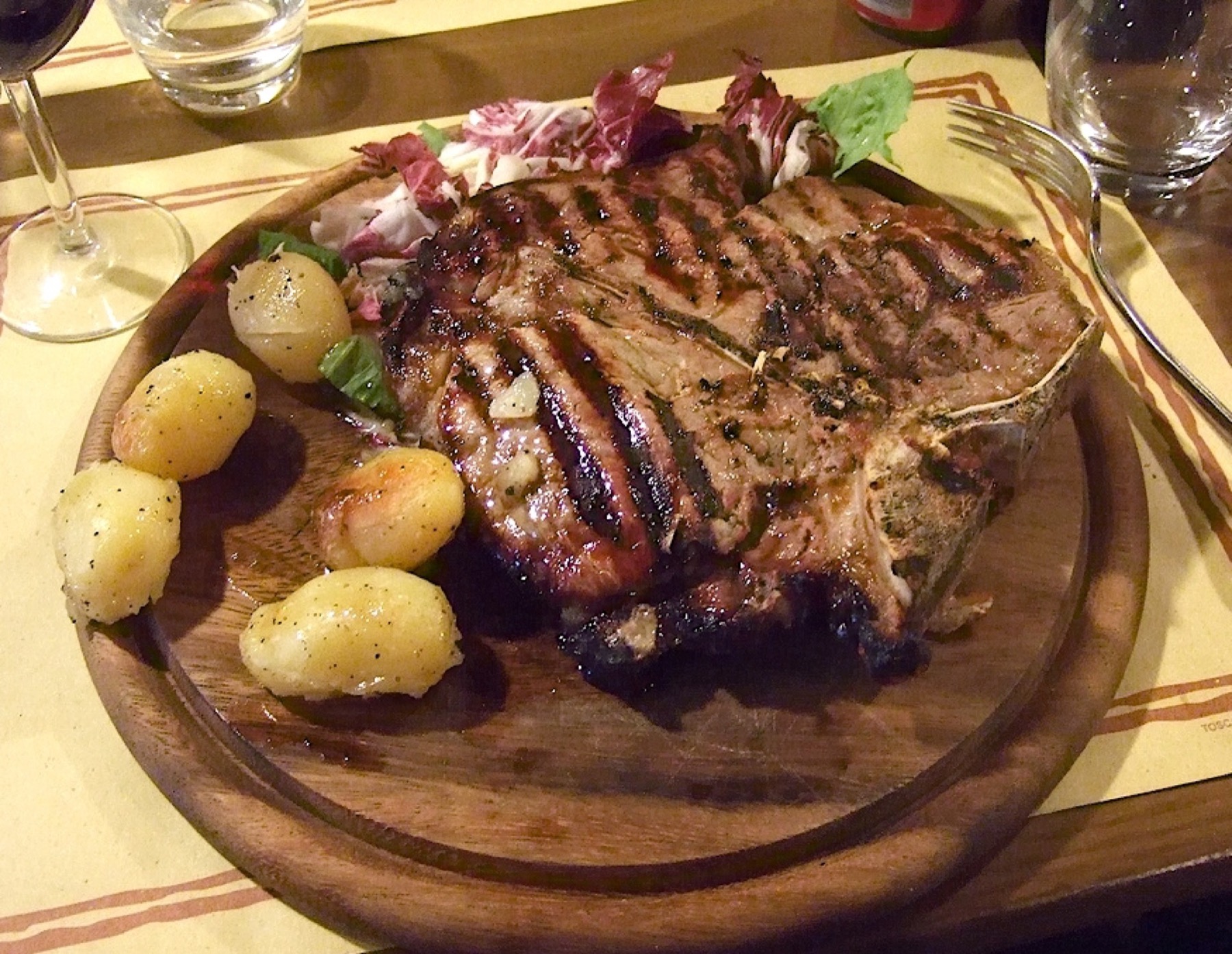
14. Bistecca alla fiorentina
Although Tuscan country cuisine is largely meat-free, Florence is world-renowned for its iconic giant steak. Bistecca alla fiorentina is prepared exclusively from a local breed of enormous white cattle called Chianina. It’s cut into very thick slices several centimetres wide, complete with a massive T-bone, and grilled truly just very quickly over blazing charcoal.
It’s a huge portion of meat, commonly weighing over a kilogram, and impossible for one person to manage. So it’s traditionally served strictly rare and shared in the middle of the table among several diners at once. In restaurants the price usually isn’t listed per portion but is calculated by weight, with 100 grams coming to roughly €6–9.
For meat lovers, it’s one of the greatest gastronomic symbols of the entire region and a huge event at every celebratory dinner. Local chefs are extremely proud of this dish and absolutely refuse to cook the meat through, so asking for it “well done” is considered a minor sin in Tuscany.
💡 TIP: For this experience, book a table at traditional places called bisteccaria, where the chefs specialise solely in perfectly preparing this famous cut and basically cook nothing else.
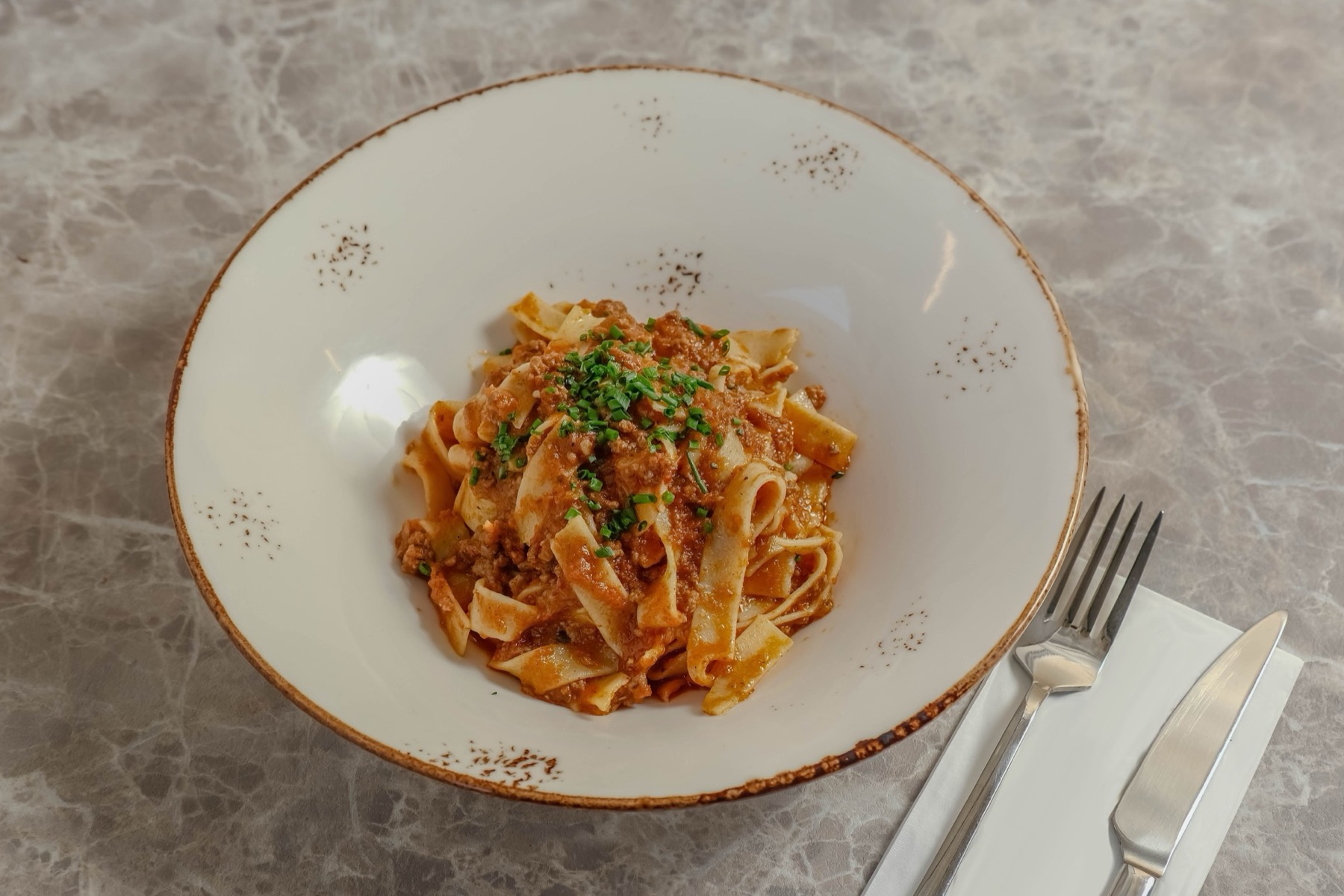
15. Cinghiale (wild boar)
The deep, impenetrable forests of the Tuscan Maremma in the south of the region are the natural home of wild boars, called cinghiale. They form the base of many traditional meat dishes, cooked mainly in the autumn and winter months. Their meat has a very bold, earthy and gamey flavour, noticeably more intense and darker than ordinary farm-raised pork.
Most often you’ll encounter it in local restaurants in the form of a rich, slow-cooked ragù served with wide pappardelle pasta. This dish is incredibly filling, and a portion comes to roughly €12–16. Wild boar is also often turned into strongly spiced dry salamis that hang from the ceiling of just about every local country butcher’s shop.
If you’re a meat eater and want to taste something truly specific to the Tuscan countryside, cinghiale is definitely the right choice. For vegetarians, though, it’s a clear stop sign, so read the menu carefully around the pasta.
💡 TIP: Heavy wild boar ragù pairs perfectly with stronger, more mature red wines, for example Brunello di Montalcino or Vino Nobile di Montepulciano, which can soften the bold flavour of the meat.
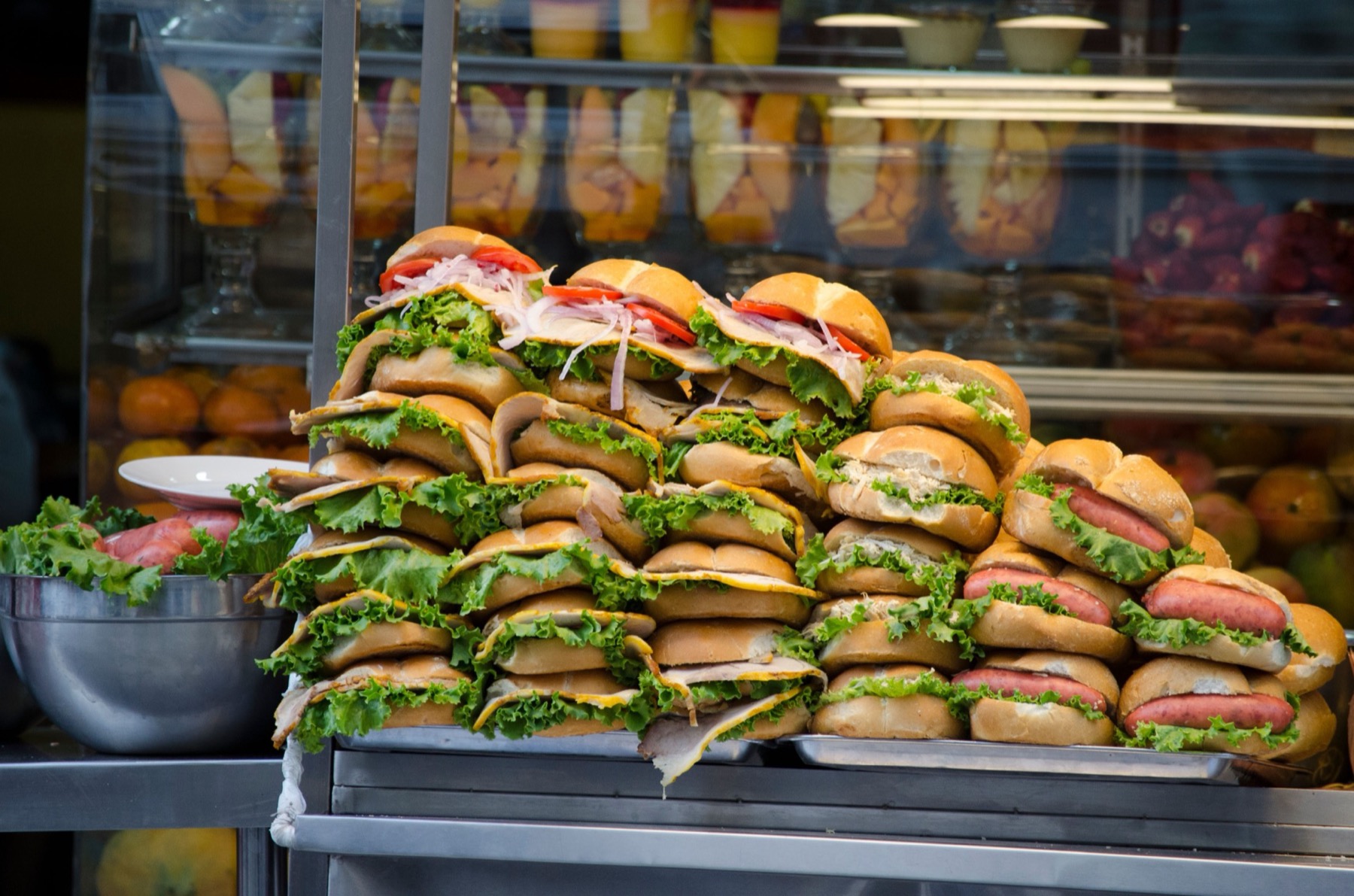

16. Lampredotto and trippa
If you head to the bustling Florentine markets, you’ll certainly come across small stalls with long queues of locals, offering typical offal street food. Lampredotto is a special kind of beef tripe from the fourth stomach, slowly simmered for hours in a spiced vegetable broth. It’s served finely chopped in a crunchy bun, which is first lightly dipped in the hot broth, and everything is generously topped with a spicy green herb sauce called salsa verde.
Equally popular is trippa alla fiorentina, which is classic pale tripe stewed in a thick tomato sauce with lots of Parmesan. These very specific dishes historically emerged as the typical fare of poor workers, who couldn’t afford expensive cuts of meat and had to make use of even the cheapest scraps from the slaughterhouse.
Today it’s an incredibly cheap affair — a bun with lampredotto will set you back roughly €5 and reliably fill you up for half a day. It’s an absolute cult and a symbol of Florentine workers, even if for tourists it’s sometimes a bit of a visual challenge.
💡 TIP: The best lampredotto is found around the famous Mercato Centrale. Look for the small white vans (trippai) parked in the squares, with clusters of Italians standing around them, bun in hand.
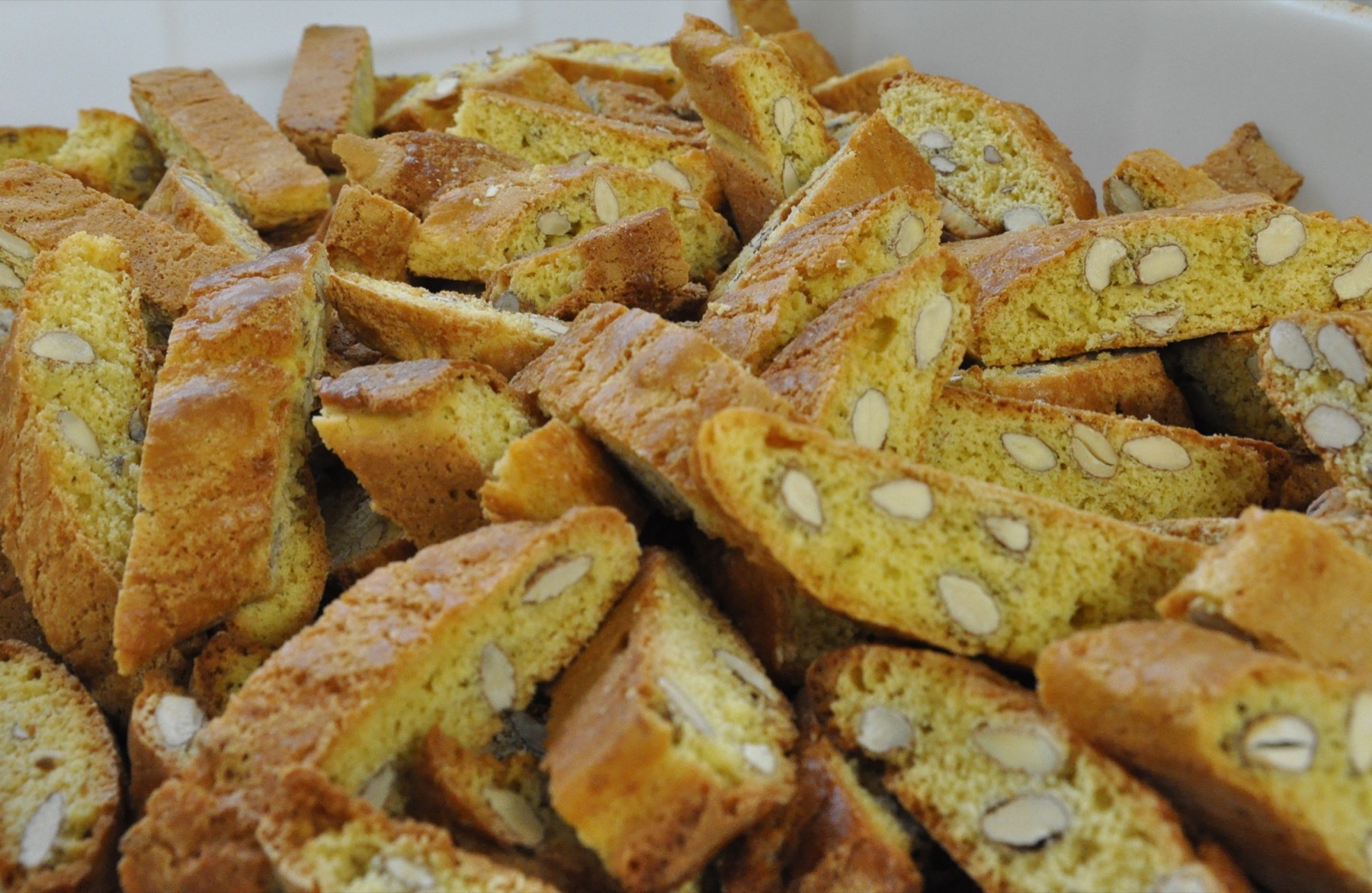
17. Cantucci
The sweet, crunchy and absolutely perfect full stop to every Tuscan lunch or dinner is, without debate, cantucci, also known as cantuccini. These hard, rustic almond biscuits shaped like little crescents are baked twice, which gives them their characteristic extreme crunchiness and very long shelf life. On their own they’re so hard and dry that, without help, you’d probably break your teeth on them.
The whole trick is that in restaurants they’re served exclusively together with a glass of sweet amber dessert wine, Vin Santo. Before each bite, the biscuits are briefly dipped straight into the wine, which softens them beautifully and gives them a wonderful honeyed flavour with a light hint of raisins. A portion of this dessert usually comes to €6–9.
It’s an incredibly social ritual, one you linger over late into the night, chatting away. For us vegetarians it’s an absolutely safe choice, because the biscuits are baked from just flour, eggs, sugar and a mountain of unpeeled almonds.
💡 TIP: Cantucci make an absolutely ideal gift to bring home from your travels. You can buy them in any bakery beautifully wrapped in clear cellophane with a ribbon, and at home they’ll keep in the pantry without any trouble for several months.
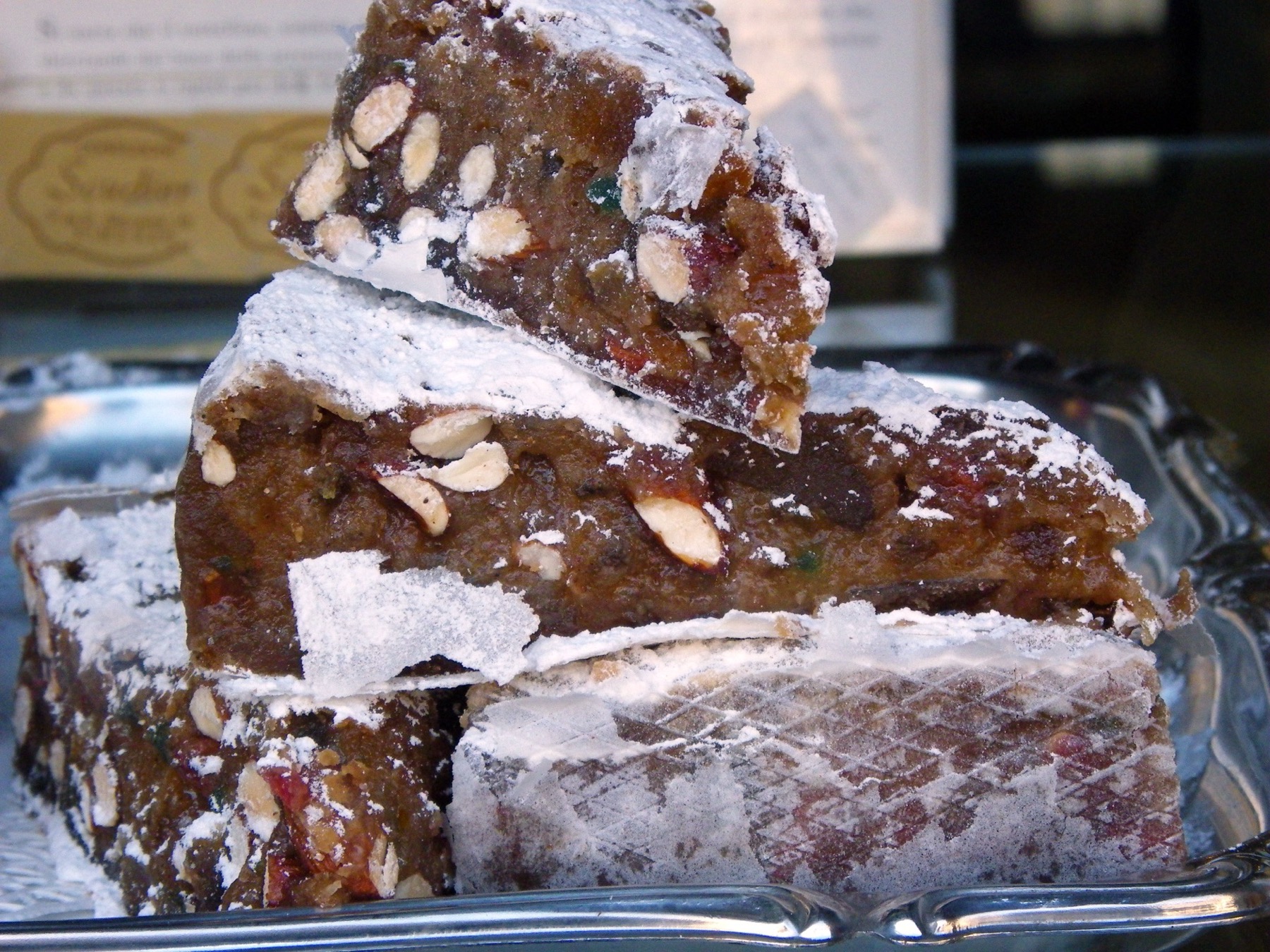
18. Panforte di Siena
The gorgeous medieval city of Siena, which we describe in detail in the article Siena and San Gimignano: 8 Things to See, is home to one of the very oldest Italian desserts. Panforte di Siena IGP is a dense, low, heavily spiced cake full of roughly chopped almonds, sweet candied fruit, honey and an unexpected pinch of black pepper. Its exact recipe is documented in historical sources as far back as the thirteenth century.
In the past it was an extremely luxury item intended more for the nobility and clergy, because only the wealthiest townsfolk could afford exotic spices and sugar. And if you head to Pienza in December, you might come across Il gioco del Panforte, a local tournament in which competing teams throw a whole loaf of this cake across a wooden table, trying to send it as far as possible without it falling to the ground. Yes, really.
Panforte is extremely rich and sweet, so it’s cut into only very thin slices to go with coffee. A small package in Sienese bakeries costs roughly €10–15 depending on the nut content.
💡 TIP: There’s also a softer version called Panforte Margherita, created in the nineteenth century in honour of Queen Margherita, generously dusted with a thick layer of icing sugar.
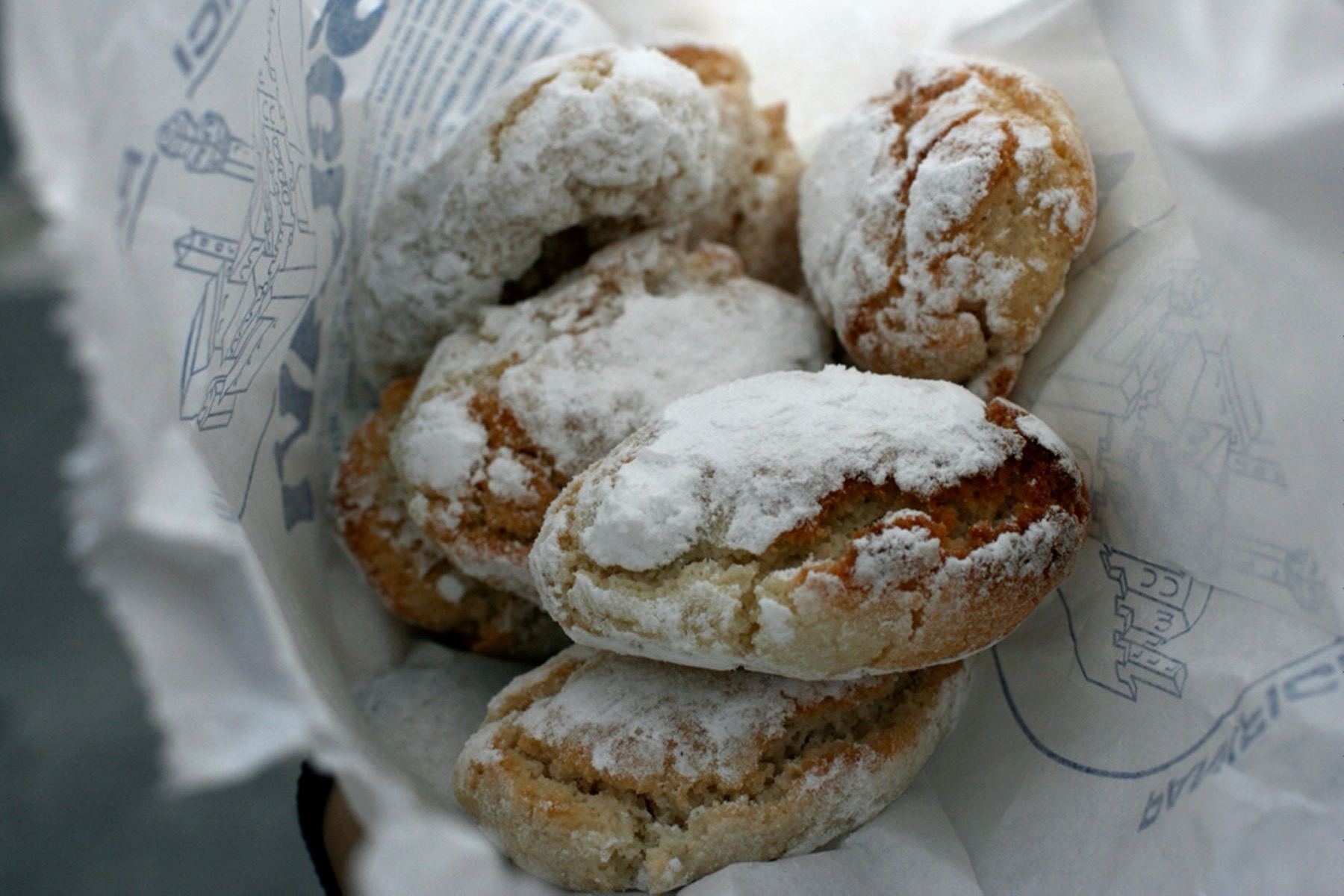
19. Ricciarelli
Another famous sweet coming straight from the lanes of Siena is ricciarelli, which form the perfect counterpoint on the table to the hard almond cantucci. These are fantastically soft almond biscuits, beautifully cracked on the surface, oval or diamond-shaped, that melt on your tongue and are truly generously dusted with fine icing sugar.
An intriguing legend says that the inspiration for making them came to Siena all the way from the distant Middle East during the medieval Crusades. Knights back then brought home recipes for unknown, delicate oriental sweets made from almond paste, and local bakers gradually reshaped them into their present form. They’re made primarily from almond flour, sugar and egg whites, so they’re also naturally gluten-free.
Today they’re an absolute must on every Tuscan Christmas table, but in Siena’s pastry shops (pasticcerie) you can enjoy them fresh all year round. The price usually hovers around €2 per piece and they go perfectly with an afternoon espresso.
💡 TIP: Fresh ricciarelli should be slightly chewy and moist inside, never completely dried out. So don’t buy the boxed supermarket ones — go get them from a real local bakery.
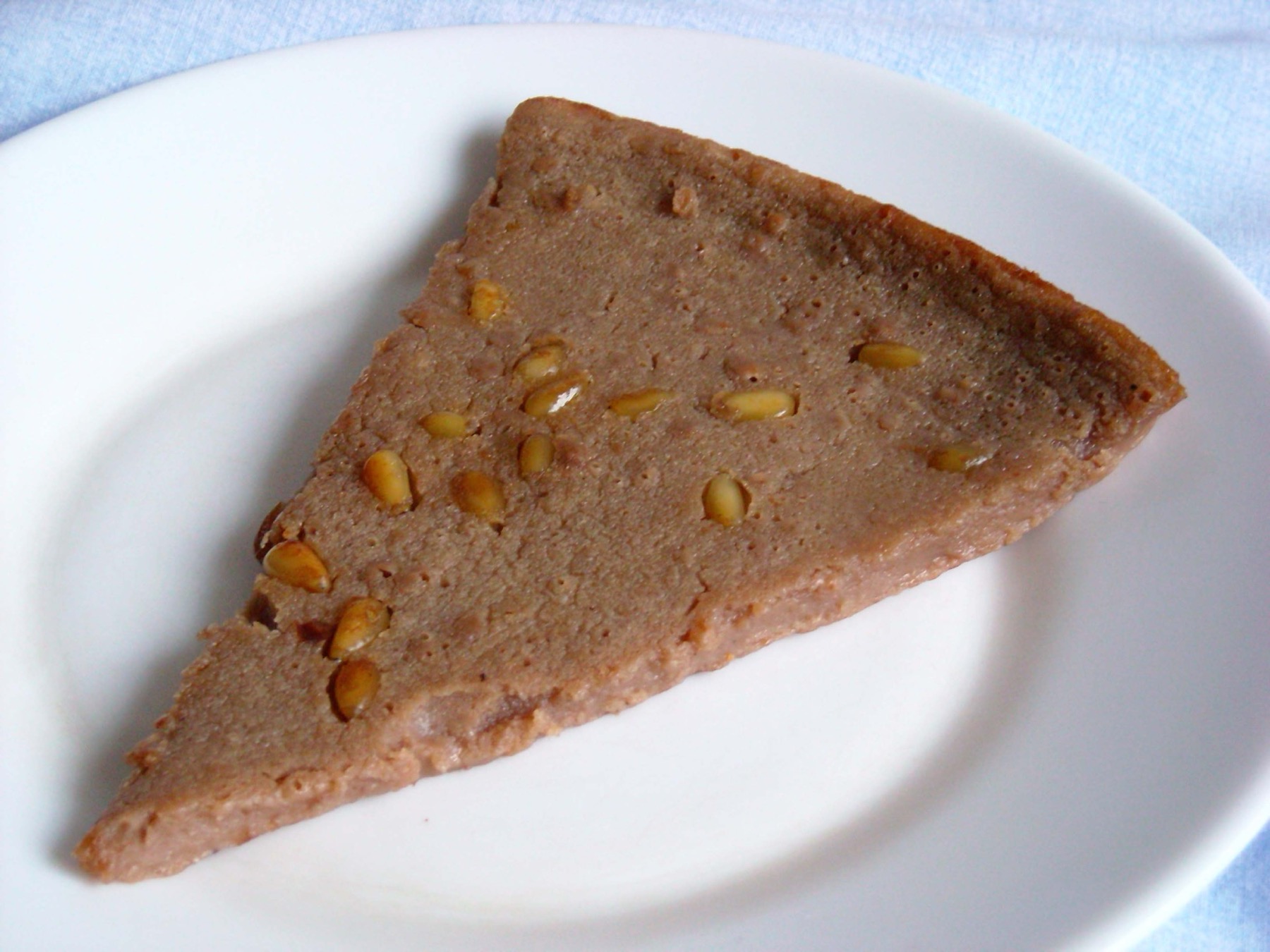
20. Castagnaccio
When the Tuscan forests start to cool down and shed their leaves in autumn, the right time for castagnaccio arrives. This at-first-glance unusual and very flat cake is baked from finely ground chestnut flour, quality olive oil and water. The surface is generously scattered with sprigs of fresh rosemary, pine nuts and sweet raisins.
What’s interesting, and often surprising for tourists, is that traditionally no refined sugar at all is added to it. All its sweetness comes only from the chestnuts and raisins themselves, so by today’s standards of over-sweetened desserts it comes across as very modest. Thanks to the combination of fresh rosemary and strong olive oil, it has a very distinctive, earthy and slightly herbal flavour that balances somewhere between a sweet dessert and a savoury pastry.
It’s a perfect example of how cucina povera managed to conjure up amazing, filling things from ordinary forest fruits. A piece in a bakery will set you back roughly €3–4, but bear in mind that its flavour really is very distinctive and may not suit everyone.
💡 TIP: Castagnaccio tastes absolutely fantastic with a scoop of fresh unsweetened sheep’s ricotta or a glass of sweet Vin Santo wine to balance out its earthiness.
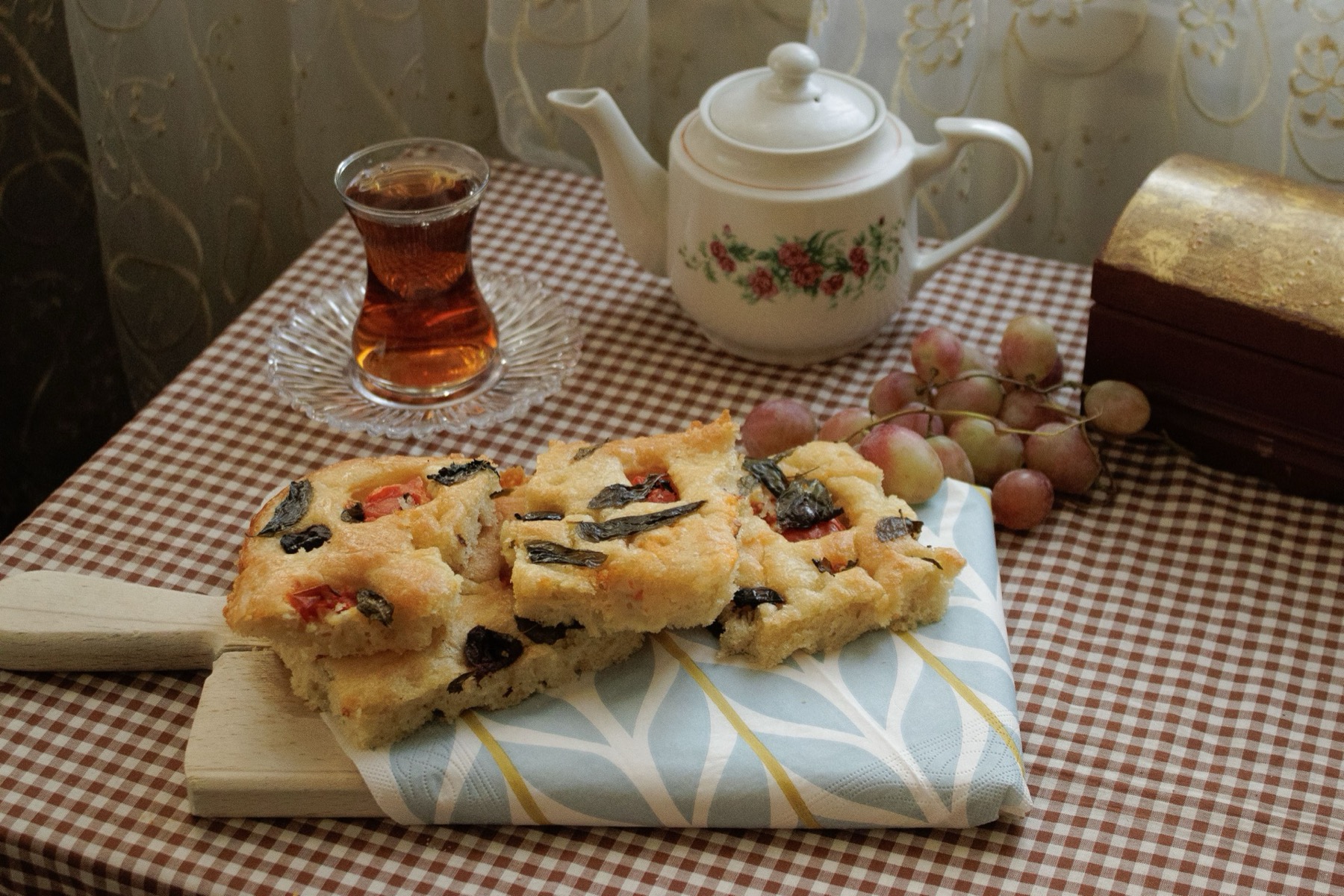
21. Schiacciata con l’uva
If you’re incredibly lucky and visit Tuscany in early autumn during the September grape harvest, you absolutely must start hunting in the local bakeries for this exclusive treat. Schiacciata con l’uva is a thin sweet flatbread of leavened dough with fresh wine grapes pressed deep into it, often with tiny seeds and all, generously sprinkled with granulated sugar and drizzled with olive oil.
During baking in the hot oven the grapes burst, release their incredibly sweet purple juice into the dough and form a sticky, slightly caramelised crust on the surface that will guaranteed leave your fingers messy. It’s available strictly only in September for a few short weeks, while the grape harvest is under way in the vineyards, which makes it an exceedingly rare and sought-after seasonal rarity.
For a big piece of this sticky splendour you’ll pay around €3 in an ordinary village bakery. It’s probably the best way to truly taste the celebrations of the Tuscan grape harvest.
💡 TIP: Traditionally, special varieties of small blue grapes with seeds are used. So there’s a bit of crunch between your teeth as you eat, but locals insist it’s precisely the seeds that give the flatbread that proper rustic charm.
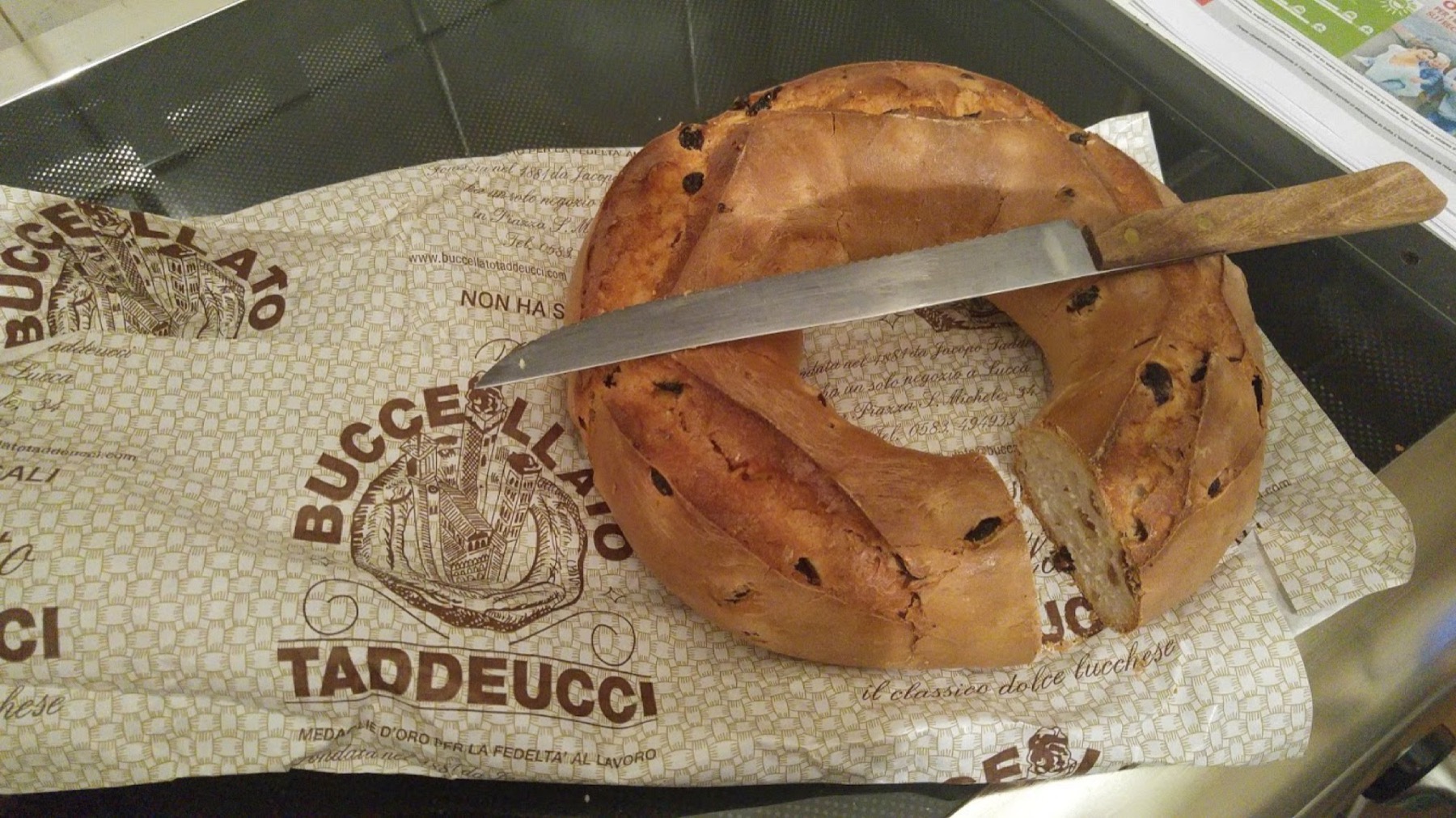
22. Buccellato from Lucca
We’ll wrap up our long list of Tuscan specialities in the gorgeous city of Lucca, which gave the culinary world sweet buccellato. This rustic sweet bread, shaped like a round wreath or a long loaf, is richly threaded with aniseed and sweet raisins. Just before baking, its crust is brushed with sugar syrup and a little egg so it takes on a beautifully glossy, dark brown colour in the oven.
The proud locals even like to claim that whoever has visited Lucca and not tasted buccellato may as well never have been there at all. The bread has a very dense, even slightly dry texture that keeps it fresh for several days, and it smells faintly of liquorice thanks to the generous dose of anise. A loaf in a bakery comes to roughly €5–8.
It’s excellent for a quick breakfast or an afternoon coffee. The older generation out in the countryside, though, still love to dip it into a glass of strong red wine at the end of a long Sunday lunch. You’ll find it in every historic bakery in Lucca, but the most famous of all has been baked since 1881 at the small family-run Pasticceria Taddeucci right on the main square, Piazza San Michele. Buying a piece of this sweet bread and eating it on a bench with a view of the stunning marble façade of the nearby church is an authentic experience that’s simply an inseparable part of a visit to the city.
💡 TIP: If your loaf goes hard after a few days in the hotel, definitely don’t throw it away. Locals love to lightly toast older slices in butter for breakfast, or even use them to make a sweet version of bread salad with fresh fruit and a drop of dessert wine.
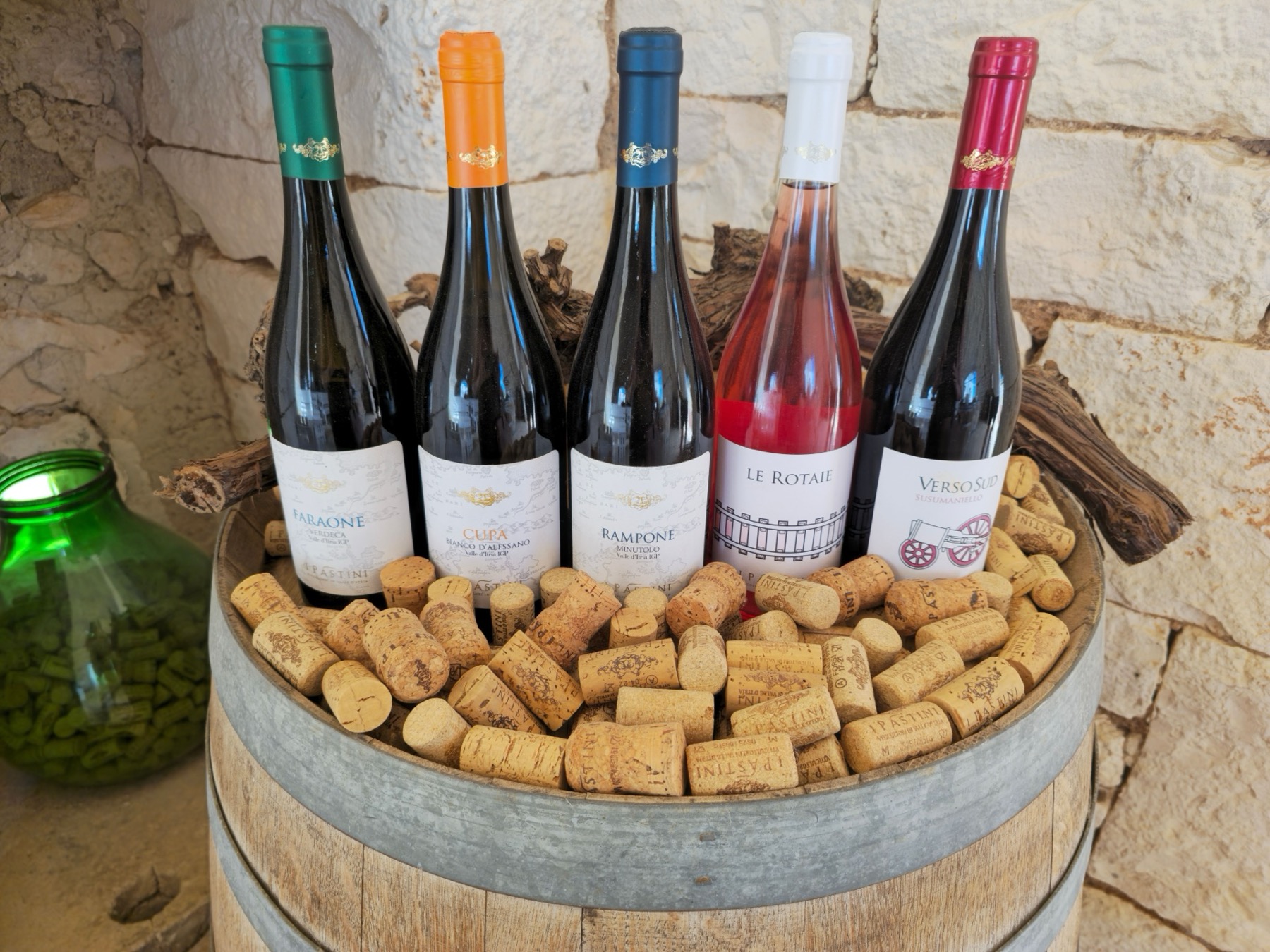
Tuscan wines: what to have with which dish
Tuscany and wine are two things that simply belong together. The rolling hills here look as if someone planted them with vineyards on purpose, just for the photos. But behind that postcard backdrop hide bottles you could talk about all evening. Although the region is famous mainly for its heavy, full-bodied red wines from the Sangiovese grape, you’ll also find absolute world-class rarities among the whites and dessert wines. Most tourists know the famous Chianti, but that’s just the tip of the iceberg.
If you’re unsure in a restaurant, the local waiters will always gladly recommend a pairing for your chosen dish. Remember that heavy tomato sauces and hearty beans go better with tannic red wines, while spring vegetables or delicate sheep’s cheese come alive with a cool white. To make the wine lists easier to navigate, I’ve put together a handy table of the most important bottles you might encounter on your travels.
| wine | region | note |
|---|---|---|
| Vernaccia di San Gimignano | San Gimignano | ⭐ the first Italian wine to receive DOC status in 1966; DOCG since 9 July 1993. The only Tuscan white with DOCG. Regarded as one of the oldest and noblest Italian wines since the Renaissance. |
| Chianti Classico DOCG | between Florence and Siena | hallmark gallo nero (black rooster) |
| Brunello di Montalcino DOCG | Montalcino | long-aged Sangiovese, the region’s finest |
| Vino Nobile di Montepulciano DOCG | Montepulciano | |
| Bolgheri / Super Tuscans | the coast near Bolgheri | Bordeaux varieties, international fame |
| Aleatico Passito dell’Elba DOCG | Elba | sweet, the first DOCG of the Tuscan archipelago; Napoleon’s favourite |
| Vin Santo | the whole region | amber dessert wine from late-harvested Trebbiano and Malvasia, the grapes are dried for 3–4 months and the wine ages 3+ years in small caratelli barrels |
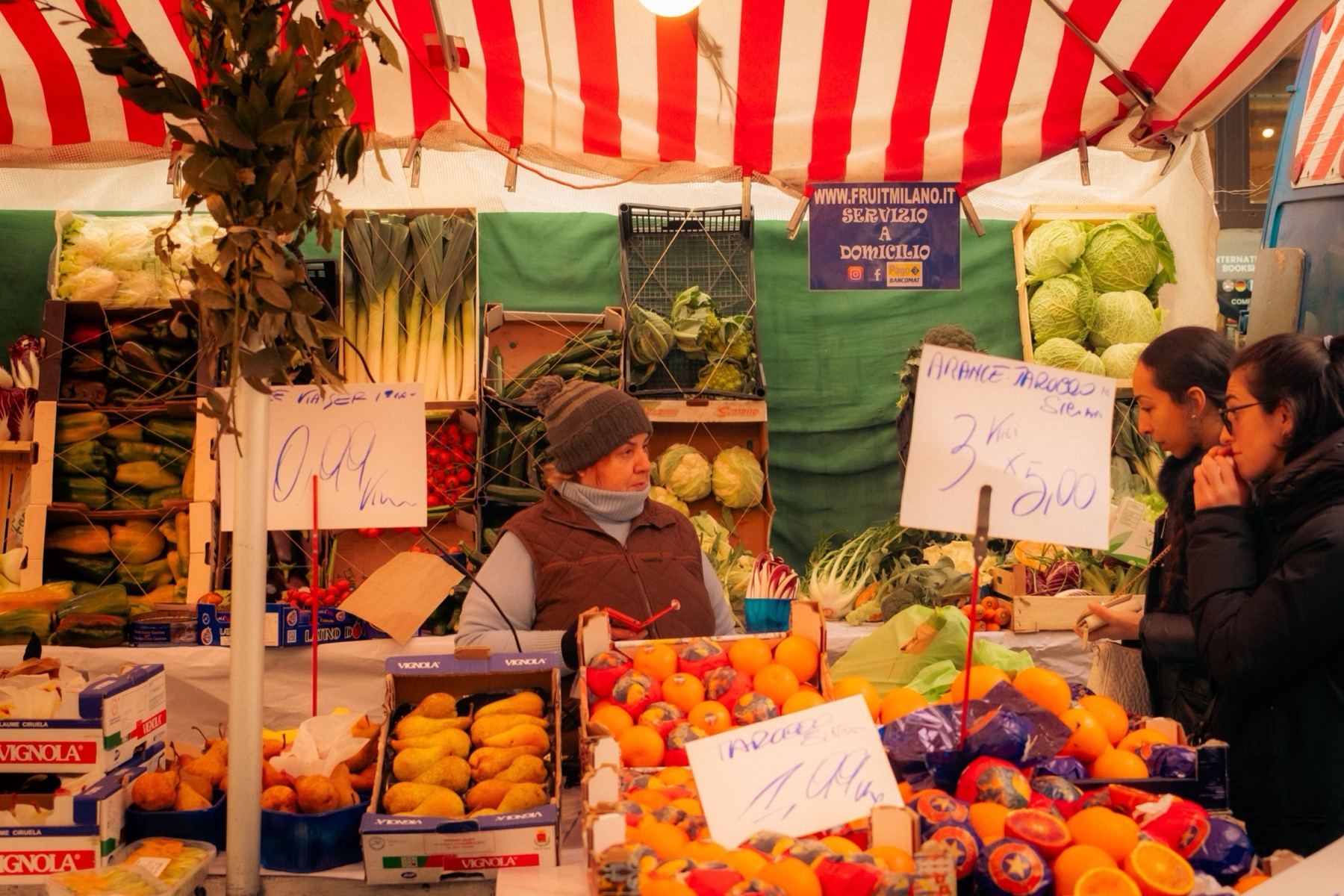
When to eat what: a seasonal calendar
One of the most beautiful and most authentic things about all of Italian gastronomy is its absolutely strict adherence to seasonality. In Tuscany it simply doesn’t happen that you’d have a tomato panzanella in January or, conversely, an autumn chestnut cake in May. Food here is cooked exclusively from what’s just grown in the field or ripened in the orchards, which guarantees diners the most intense flavour possible without any chemistry.
If you’re planning your trip based on our article Weather in Tuscany: Temperatures Month by Month and When to Go, definitely take a look in advance at what you can look forward to in each period. Spring belongs to delicate vegetables, summer celebrates tomatoes and autumn is all about heavier, earthy flavours of the forest and new oil. Here’s a little cheat sheet of what to watch for on the menu:
| season | what’s fresh |
|---|---|
| spring | garmugia, artichokes, asparagus, young pecorino |
| summer | panzanella, tomatoes, cecina on the beach |
| September | ⭐ schiacciata con l’uva (only now), grape harvest |
| October–November | ⭐ olio nuovo, castagnaccio, chestnut and mushroom festivals, truffles |
| winter | ribollita, fagioli all’uccelletto, panforte and ricciarelli for Christmas |
How dining works in an Italian restaurant
If you’re not used to eating out in Italy regularly, several local customs might surprise you, and they differ quite a bit from what you may know from home. The basic rule is that a hot lunch is often the main and most important meal of the whole day, one that locals set aside up to two hours for. Dinner, on the other hand, is served very late by many standards. Most good restaurants open their doors only around 7:30 or 8 p.m., and before nine they’re still half empty.
When paying, don’t be caught off guard that you’ll always find an item on the bill called coperto. It’s a completely legal and historically rooted cover charge, ranging from €2 to €4 per person. That amount usually includes the service, a linen tablecloth and a basket of fresh unsalted bread brought to you right at the start. Bread here therefore isn’t ordered separately, but don’t expect any butter with it.
And a big tip at the end: avoid places with garish signs and a tourist menu in six languages. The best trattorie often have just a chalkboard propped against the wall, its contents changing every day depending on what the chef managed to get at the market that morning. If you just want to taste wine by the glass without having to order a big dinner, look for the word enoteca above the door. These are cosy wine bars where you’ll get fantastic local cheeses and cured meats with your wine, and often such an evening will cost you far less than a classic tasting at a big winery.
Tips for vegetarians
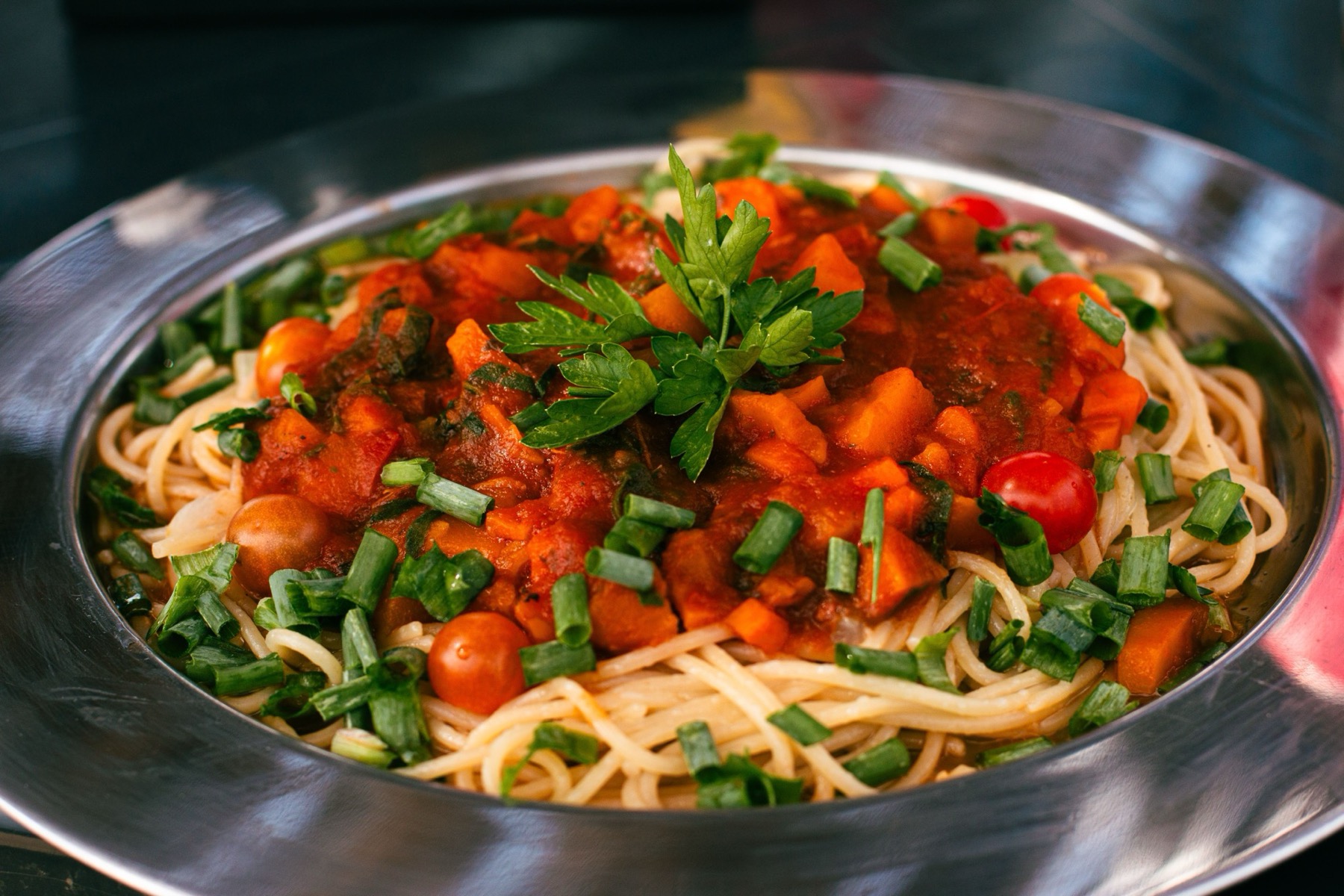
As mentioned right at the start, Tuscany is an absolute paradise for vegetarians and one of the most welcoming Italian regions, but you still need to follow a few basic rules of caution. The winter vegetable ribollita or the spelt zuppa di farro can be especially tricky, since out in the countryside pancetta rind is quite often added at the start of cooking for a better, fuller flavour.
So don’t be afraid to always ask clearly when ordering whether they added meat broth or bacon to the soup. The magic phrase to remember is “senza carne” (without meat). Italians are used to these questions, they won’t be offended in the slightest, and they’ll gladly advise you or recommend another safe alternative from the menu. After all, many traditional dishes have been naturally vegan since the Middle Ages, so you won’t have to make any compromises on flavour.
If you decide to stay on a farm, which we warmly recommend in our extensive guide Agriturismo in Tuscany: 20 Tips, Prices and How to Choose, always mention that you’re vegetarian right when you make the online booking. These small family farms often work in such a way that the lady of the house cooks just one single fixed menu each evening for all the guests, from whatever they harvested in the garden that day. So she really needs to know in advance to specially prepare a meat-free variant for you, so you’re not left disappointed.
Where to eat
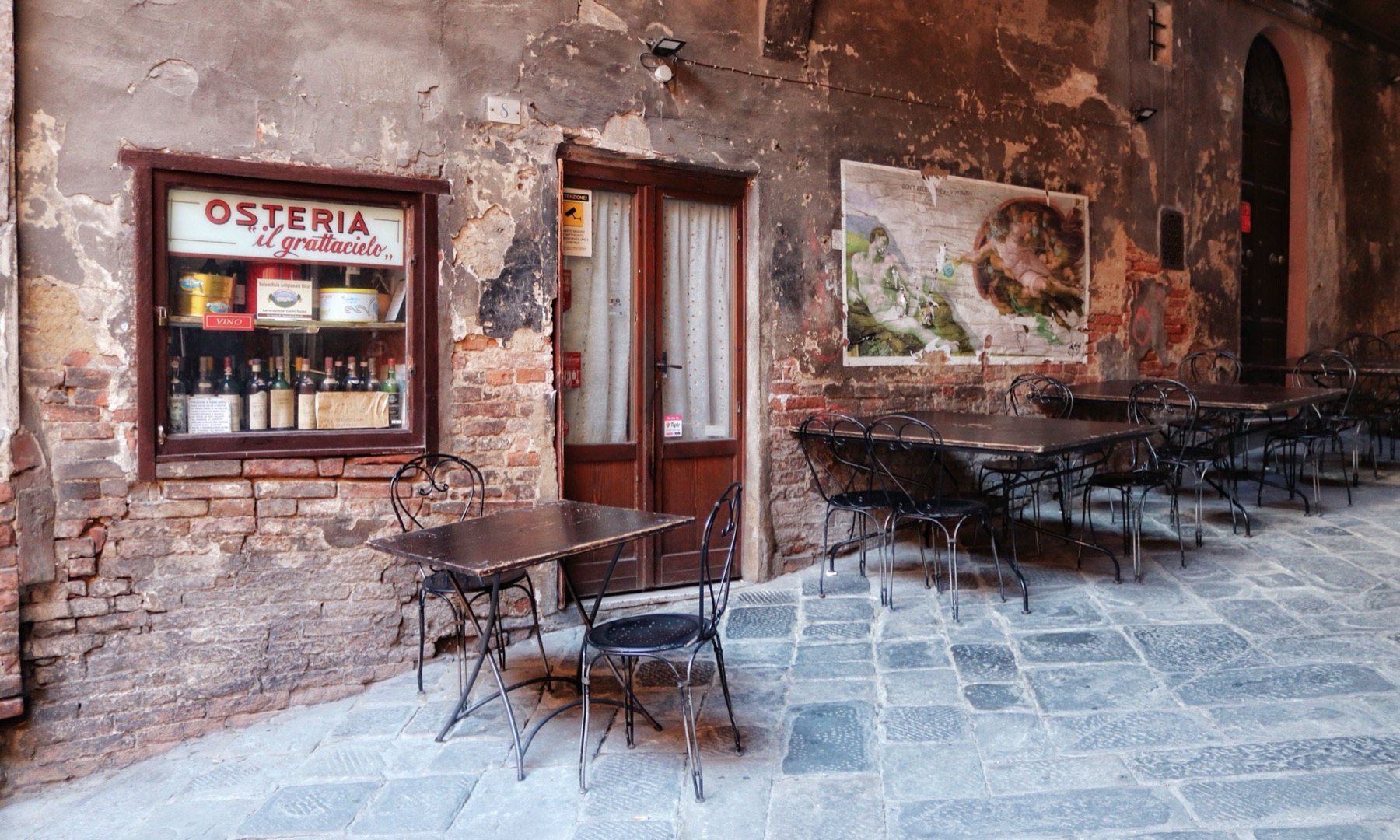
The best culinary experiences in Tuscany usually aren’t found in fancy, starched-tablecloth restaurants, but in the busy spots where the locals themselves gather. Head out early in the morning to the historic covered markets, such as the famous Mercato Centrale in Florence, where you can buy fresh sheep’s cheeses, seasonal fruit, fragrant truffles and crunchy bread straight from the farmers. For a quick, cheap lunch, look for small family osterie in the side lanes, where workers in overalls and clerks in suits alike sit over a plate of hot pasta.
If you’re after specific tried-and-tested places, in Florence don’t miss the legendary Trattoria Mario a short walk from the market, where they cook with the best local ingredients. In Siena it’s worth booking a table at the popular Osteria Le Logge. For more inspiration before your trip, you can also explore the official Tuscany tourist website, where you’ll find plenty of up-to-date tips on food festivals and local markets.
Where to stay
💡 Tip for accommodation and experiences: We prefer to look for accommodation on Booking.com, which tends to have the best cancellation terms. Tickets, tours and activities are then worth comparing and booking through GetYourGuide.
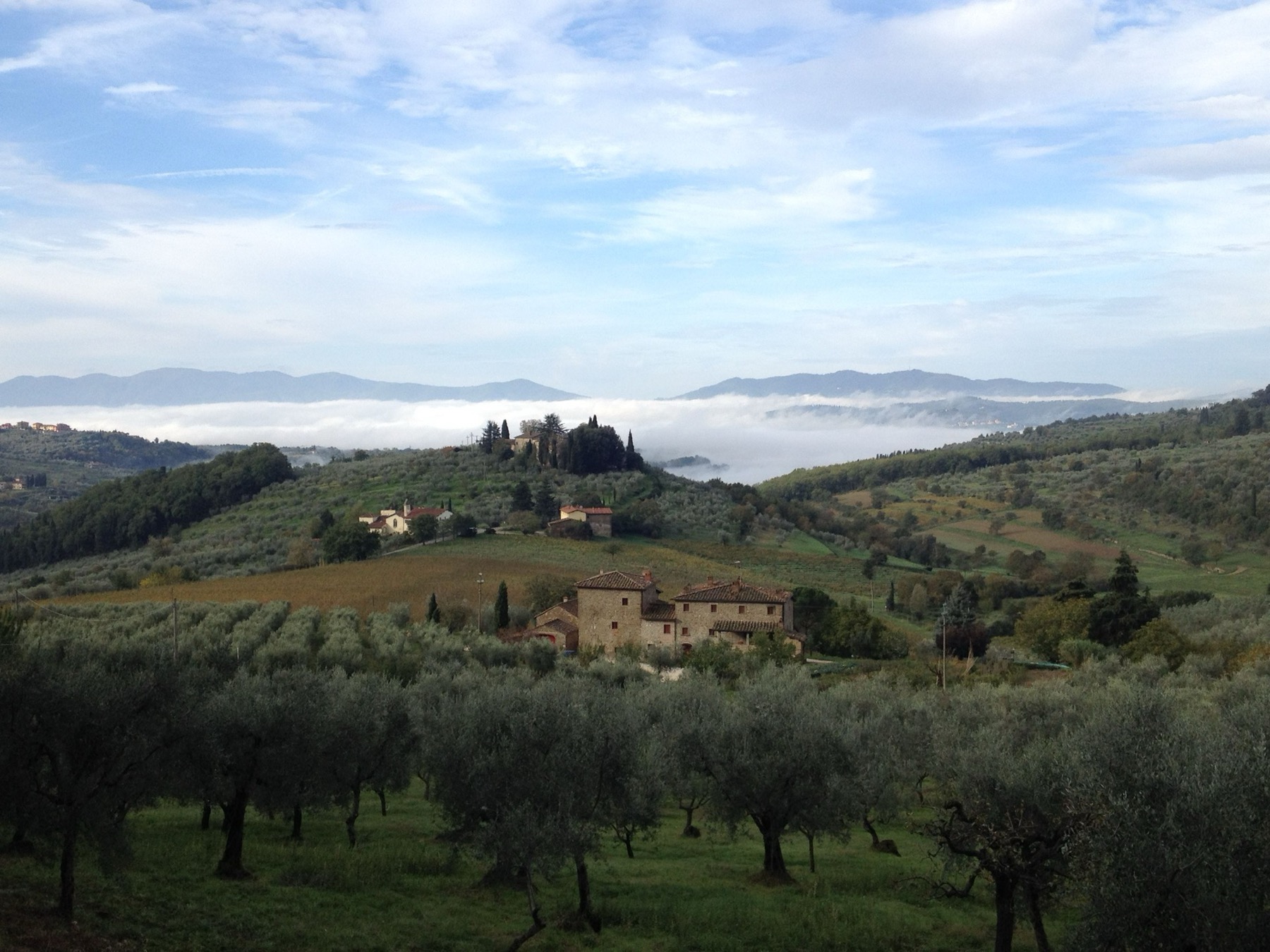
And for the very most authentic experience, I recommend heading straight out into the countryside and staying right in an agriturismo surrounded by vineyards and olive groves. That’s where you’ll taste exactly the true, honest cucina povera we’ve been talking about throughout this article, cooked with love and from fresh ingredients straight out of the neighbouring field.
To make your search easier, I’ve picked three tried-and-tested farmsteads where the food is part of the experience and vegetarians have plenty to choose from:
- Fattoria Poggio Alloro: A family farm with a view of the towers of San Gimignano (rated 4.8 out of 5 by 1,926 guests). They grow their own saffron, make Vernaccia and have their own restaurant with homemade pici and fresh cheeses.
- Agriturismo Il Rigo: A magical spot in the Val d’Orcia valley, famed for its culinary skills. For breakfast they bake their own cakes, and for dinner they serve traditional soups and vegetable courses full of herbs.
- Borgo Santo Pietro: A boutique estate near Chiusdino (rated 4.5 out of 5 by 206 guests) with extensive herb gardens and its own gastronomy. The priciest choice of this trio, but anyone wanting to combine their stay with top-level dining will be happy.
Where to next
- Tuscany: 30 Most Beautiful Places and a 7-Day Itinerary
- Tuscany by Car: A 7-Day Itinerary
- Siena and San Gimignano: 8 Things to See
- The Most Beautiful Small Towns of Tuscany
Frequently asked questions
Why is Tuscan bread made without salt?
Tuscan bread called pane sciocco is baked entirely without salt due to a fascinating historical event from the twelfth century, when the powerful maritime republic of Pisa imposed an extremely high tax on salt imports to the interior. Proud Florentines began baking unsalted bread in protest. This custom stuck perfectly, because the neutral bread pairs beautifully with very salty local cured meats, strong pecorino sheep’s cheese, and pungent olive oil.
What to taste in Tuscany?
The foundation of local gastronomy consists of hearty bread soups like winter ribollita or pappa al pomodoro. Don’t miss the hand-rolled thick pasta pici with garlic sauce, excellent aged pecorino sheep’s cheese from Pienza, and fresh olive oil. For a sweet finish, choose the hard almond biscuits cantucci, which are traditionally dipped into the sweet dessert wine Vin Santo.
Is Tuscan cuisine suitable for vegetarians?
Yes, Tuscany is an absolutely ideal destination for vegetarians. Thanks to the historical tradition of humble rural cooking (cucina povera), the vast majority of traditional starters, hearty soups, and bread salads are built exclusively on legumes, fresh seasonal vegetables, and quality olive oil. The famous Florentine steaks and meat ragùs make up only a fraction of the local menu.
What is cucina povera?
Cucina povera, or peasant cooking, is a historical approach to cooking that emerged from absolute necessity in the poor Italian countryside. Its essence is not to create complex and expensive dishes, but to make maximum use of available and seasonal ingredients. It brilliantly transforms simple leftovers, such as stale bread, wild herbs, and simple beans, into perfect and incredibly filling dishes full of flavor.
What is the best Tuscan wine?
Among red wines, the famous Chianti Classico with its iconic black rooster logo and the prestigious, long-aged Brunello di Montalcino clearly reign supreme. If you prefer white varieties, definitely look for Vernaccia di San Gimignano. It’s an absolute world treasure, as it was the very first Italian wine ever to receive the strictly protected DOC status.
What is Vin Santo and how is it drunk?
Vin Santo is a traditional Tuscan amber dessert wine made from late-harvested grapes of the Trebbiano and Malvasia varieties. These are dried for several months and the wine then ages for many years in small wooden barrels. Traditionally it is drunk at the very end of a meal, and hard almond biscuits cantucci are happily dunked into it.
When can you buy schiacciata con l’uva?
This traditional and very popular sweet flatbread, into which fresh wine grapes are pressed, is a perfect example of the strict seasonality of Tuscan cuisine. You’ll find it in local bakeries strictly only in September, during roughly three to four weeks, when the grape harvest period takes place and ripe dark grapes are harvested in the vineyards.
What does the coperto item on the bill mean?
Coperto is a completely standard and legal cover charge that is automatically charged in Italian restaurants for each person seated at the table. It usually ranges from two to four euros and covers the cost of service, linen tablecloths, washing dishes, and often also the basket of fresh bread you receive before the meal.
Tips and Tricks for Your Vacation
Don’t Overpay for Flights
Search for flights on Kayak. It’s our favorite search engine because it scans the websites of all airlines and always finds the cheapest connection.
Book Your Accommodation Smartly
The best experiences we’ve had when looking for accommodation (from Alaska to Morocco) are with Booking.com, where hotels, apartments, and entire houses are usually the cheapest and most widely available.
 🚗 Car rental on the roadVerified car rentals in Tuscany
Search with the DiscoverCars comparison engine — it compares prices from dozens of local and international rental companies, and most bookings come with free cancellation.
Compare car prices in Tuscany →Don’t Forget Travel Insurance
Good travel insurance will protect you against illness, accidents, theft, or flight cancellations. We’ve had a few hospital visits abroad, so we know how important it is to have proper insurance arranged.
Where we insure ourselves: SafetyWing (simple monthly subscription) and TrueTraveller (for extra-long trips).
Find the Best Experiences
Get Your Guide is a huge online marketplace where you can book guided walks, trips, skip-the-line tickets, tours, and much more. We always find some extra fun there!