Tuscany Weather 2026: Temperatures by Month and When to Go

Curious about Tuscany weather? If you’re planning a holiday in central Italy, I have to flag one absolutely crucial thing right at the start. Tuscany definitely doesn’t have just one universal climate, and the difference between the coast and the interior in summer is huge — something a lot of guidebooks conveniently leave out. While a breeze cools you down pleasantly by the sea, inland you’ll be sweating buckets.

Florence sits in a basin where the air barely moves in summer, and in August it turns into a genuine oven. Lukáš and I rode through the region on e-bikes right at the turn of August and September, and that scorching heat on shadeless roads was honestly brutal at times. On top of that, the city draws the biggest crowds during this period — crowds you simply can’t dodge in the narrow lanes.

Choosing the right dates therefore decides whether you’ll fully enjoy your holiday or just endure it. In this article I’ll show you exact temperatures, explain the differences between individual regions, and advise you on the best time to explore Renaissance landmarks — and the best time to head for the sea.

TL;DR

  • Best months to visit: May, June and September offer bearable temperatures and let you avoid the biggest crowds.
  • Hottest period: July and August, when inland temperatures routinely top 35 °C and the air doesn’t stir.
  • Wettest month: November brings the most rain — Florence alone gets up to 115 mm of water during this period.
  • Sea temperature: In August it reaches an ideal 24 to 25 °C, while in winter it drops to a chilly 13 °C.
  • Swimming season: Lasts from June all the way to October, when the water still doesn’t fall below a bearable 20 °C.
  • Ferragosto (15 August): Italy’s biggest public holiday — expect extreme crowds at the coast and the absolute highest prices.
  • Main tip: If you’re going primarily for the sights, avoid the peak of summer and choose spring or autumn instead.

What the weather in Tuscany is like

This enormous contrast comes down to geography itself, because the region stretches from the peaks of the Apennines all the way to the Tyrrhenian Sea. That’s exactly why the weather in Tuscany changes gradually with every kilometre you drive, and what holds true for the sunny beaches no longer applies to the hilly interior.

If you head a bit higher into the hills, you’ll feel a pleasant change, because towns like Siena offer somewhat more breathable air thanks to their altitude. Even so, remember that the Italian sun packs a serious punch, and in the summer months you won’t easily hide from it.

Tuscany spreads from the snow-capped peaks of the Apennines down to the sun-drenched coast of the Tyrrhenian Sea, which simply means that the climate here changes very dynamically. Broadly speaking, it enjoys a classic Mediterranean climate, but you have to expect huge differences depending on the altitude and how far from the coast you happen to be.

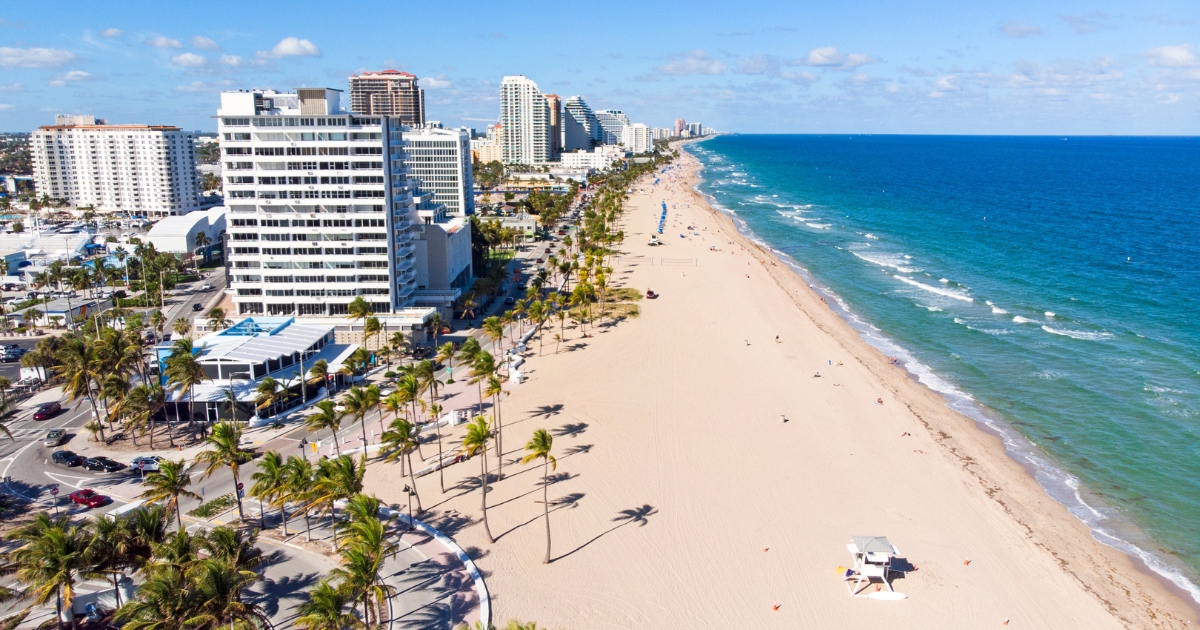
On the coast, in areas like Livorno, Grosseto or Viareggio, you’ll find mild rainy winters and hot sunny summers. Temperatures do climb towards 35 °C in the summer months, but thanks to the constant sea breeze the “feels like” temperature is far more comfortable and the air keeps moving. On the island of Elba this refreshing sea influence is even more pronounced.

The interior and lowlands, on the other hand, represent a completely different climatic extreme that a lot of tourists aren’t prepared for. Winters here are noticeably colder and summers much muggier. Florence and Arezzo are typical examples of towns trapped in a basin where hot air lingers, and lowland temperatures can push right up to 40 °C in summer. Heatwaves have also become more frequent and intense in recent years.

So if you’re spending time in areas like Arezzo or Florence itself, count on the fact that during heatwaves the air here simply stands still. By the Tyrrhenian coast, though, a steady breeze comes to the rescue, so even at the same reading on the thermometer you’ll feel considerably better there.

Tuscany weather by month

For a better sense of the differences within the region, we can look at Siena, where total annual rainfall reaches 825 mm. During the dry month of July only 30 mm falls here, while in soggy November the total climbs to an unpleasant 125 mm.

Temperatures differ too, so while Florence bakes in August, Siena sits at a more bearable 24.4 °C (in January the average thermometer shows around 6.4 °C). These small variations may not look dramatic at first glance, but trust me — after a full day of running around the sights, you’ll appreciate every degree down.

Before you start buying flights or planning a long drive, it’s worth looking at the hard data. The table below shows the average minimum and maximum temperatures in Florence, which is a great starting point for understanding the climate across the whole Tuscan interior.

MonthMin °CMax °C
—:—:
January2.211.2
February2.612.7
March5.416.3
April8.120.0
May12.224.5
June16.229.1
July18.532.3
August18.732.6
September15.027.1
October11.221.6
November6.915.7
December2.811.5

As you can see from the numbers, the coldest month is clearly January, while July and August mark the absolute temperature peak. If you move higher inland, for example to hilly Siena, expect slightly lower temperatures. In January the average there hovers around 6.4 °C, and in August it reaches a somewhat more bearable 24.4 °C.

As for rain, Florence itself records an annual rainfall total of around 870 mm. The driest period is, surprisingly, summer — specifically July with just 35 mm of water. Autumn, on the other hand, can be very wet, and November with an average 115 mm of rain is the single worst month for any outdoor activities or wandering among the sights.

Even though summer is statistically the least rainy, don’t be lulled into thinking it’s completely dry. Every so often short but extremely intense summer storms roll in, which can trigger sudden local flooding in a flash.

In autumn the rain has a completely different character, and you’ll need to prepare for it. In November especially it doesn’t pour hard, but the water falls from the sky steadily, sometimes all day long, which is a real nuisance for exploring the lanes of historic towns.

Sea temperature and swimming season

If you were perhaps hoping for an early spring swim, I have to disappoint you straight away, because in March the sea is only 13 °C. The water doesn’t really start warming up until the end of May, so a spring holiday by the coast is better spent on romantic beach walks than on splashing in the waves.

Autumn dates, by contrast, are absolutely brilliant and we swear by them, since the swimming season in Livorno safely lasts into October. The water still has a very pleasant temperature, and on top of that you no longer have to squeeze in among crowds of tourists — which makes autumn our secret tip for a calm Italian holiday.

If you’re heading to Italy mainly for beach relaxation, the current temperature of the Tyrrhenian Sea will be your main concern. The water here naturally warms up the most during August, when it reaches absolutely ideal conditions for long swims and all sorts of water sports.

In Livorno and in popular Viareggio, August sea temperatures sit around 24 to 25 °C. In early August the water in the shallows can even reach a very pleasant 25.4 °C. Throughout the summer along the Tuscan coast, count on an average of 23 to 26 °C, which even travellers who feel the cold and dislike chilly water will appreciate. In late spring and early autumn the temperature stays between 19 and 22 °C.

A huge advantage is that the swimming season runs from June all the way to October. Even in October the water temperature in Livorno doesn’t drop below 20 °C, so you can easily spice up an autumn holiday with some swimming. In winter, typically in January or February, the sea temperature falls to a chilly 12.6 to 13 °C, which really is only for the hardiest swimmers.

Honestly, don’t be afraid to plan a seaside holiday for the start of autumn. In October the sea temperature near Livorno stays above a lovely 20 °C, which is still very tempting for many travellers.

The situation early in spring is completely different, though, as the water is still deeply chilled after winter. Even if the sun is already warming the shore nicely, only true cold-water enthusiasts brave waves of around 13 °C, so keep your March trips to the coast for collecting shells instead.

Tuscany season by season

It all comes down to what you expect from a holiday, but trust me — the choice of dates decides everything. Honestly, off-season Lukáš and I find travelling easier than in the middle of summer, because there’s less waiting, more room in your photos and, paradoxically, more contact with the locals. You’ll always find an up-to-date overview of events and festivals for different parts of the year on the official Visit Tuscany tourism portal.

Spring

During the spring months from March to May the whole countryside slowly wakes up and everything turns beautifully fresh and green. This is exactly when the iconic red poppies start blooming in the fields — the ones you surely know from all those postcards and promotional photos. Spring is simply paradise for photographers, and every stop along the road will have you reaching for your camera.

Temperatures are very pleasant and absolutely ideal for a full day of exploring medieval towns. In April they range between 8 and 20 °C, and in May they already reach 12 to 24.5 °C. You can walk tens of kilometres across the cobbled streets of Florence or Siena without any fear of overheating or drowning in your own sweat. Mornings and evenings are still fairly cool, though, so you definitely won’t manage without a light jacket or jumper.

It’s not quite swimming weather in spring yet, though, because the sea stays fairly cold. You’ll realistically use your swimsuit only from the start of June, though cold-water lovers can take a dip as early as the end of May. Also bear in mind that around Easter the first big wave of tourists arrives in the region. That’s immediately and quite noticeably reflected in higher accommodation prices, so book your hotels early.

Summer

The summer months from June to August are marked by harsh sun, intense heat and, unfortunately, extreme crowds. In July and August temperatures routinely exceed 35 °C, and inland the air can climb to an unpleasant 40 °C. Lukáš and I rode through Tuscany on e-bikes right at the turn of August and September, and that scorching, shadeless heat on the roads was genuinely exhausting at times.

It’s statistically the driest period of the year, but short intense storms — which not uncommonly cause local flooding — can still blow in, so keep an eye on the forecast, and then feel free to jump in the sea, because that’s when it’s warmest of all.

The one date you must mark in red in your diary is 15 August, or Ferragosto. It’s a public holiday and the single biggest crush of the whole year. Italians themselves head for the sea, coastal accommodation is at its absolute priciest, and some inland businesses may close completely for a few days. During this period choose the coast or the mountains instead, and give Florence itself a very wide berth — you’ll save yourself a lot of stress.

Autumn

September to November is, for many seasoned travellers, the most beautiful time of all to visit. September in particular, with temperatures of 15 to 27 °C, is absolutely ideal, because it’s still lovely and warm for shorts during the day, yet you’re no longer tormented by the sweltering August heat. The sea still has a luxurious 20-plus °C, but the crowds in the historic lanes noticeably thin out.

Autumn is also a time of enormous abundance and great food celebrations. In September and October the famous grape harvest known as the vendemmia takes place in areas like Chianti, Montepulciano or Montalcino, home of the renowned Brunello wine. In October the harvest peaks and the endless vineyards turn incredible shades of gold and red that look absolutely magical.

October is also the main month for the olive harvest, when you have a unique chance to taste the fresh new olive oil known as olio nuovo. Do watch out for November, though, as it’s statistically the rainiest month with a total of 115 mm of rainfall in Florence. The rain usually isn’t heavy, but it can annoyingly drizzle all day long, which can really ruin your plans for day trips.

Winter

The winter months from December to February bring unexpected calm and vast emptiness to Tuscany. Temperatures in Florence stay between 2 and 12 °C during this period, and it’s even a touch colder in hilly Siena. Winters tend to be mild but very wet, and inland you’ll fairly often run into clammy, raw weather and thick morning mists shrouding the valleys.

Accommodation is by far the cheapest of the whole year, and you can view the famous galleries — led by the celebrated Uffizi Gallery — without standing behind someone holding up a selfie stick. That alone is worth considering.

The main downside is that a lot of agriturismos and seasonal businesses close completely over winter. You won’t get into the beautiful gardens of Palazzo Pfanner in Lucca, for example, and the popular cable car up Elba’s highest peak, Monte Capanne, doesn’t run either. Winter is simply ideal for city sightseeing, but the countryside is more or less in hibernation, and you can’t rely too much on attractions being open.

lukas a lucka
Lukáš and Lucie recommend
Where to stay in Tuscany
6 accommodations — hotels, resorts and other lodging options

When is the best time to go to Tuscany

So if I had to pick the outright winners, the months of May, June and September work as a brilliant compromise for both sightseeing and relaxation. You avoid the worst of the stress, and evening strolls through the historic centre keep that proper romantic atmosphere without having to push through crowds.

During these months the staff in restaurants are far more cheerful, too, because the locals aren’t yet worn out from the peak summer season. You’ll also be pleased with somewhat friendlier accommodation prices — for the same rooms you might easily pay double in mid-August.

The towns aren’t yet bursting at the seams under the onslaught of giant tour buses, and the countryside shows its prettiest face. In spring everything is incredibly fresh, green and full of flowers, while in September nature turns golden after the summer harvest. So if you’re not tied to school holidays, aim your trip at these shoulder months and you won’t regret it.

If your main goal is catching a tan on the beach, July and August guarantee you the warmest sea. But you’ll need to arm yourself with plenty of patience, because half of Europe will have the same idea. You’ll then have to avoid mid-August, when Italy is paralysed by the Ferragosto holiday.

I want…Ideal periodWhy
Towns and sightsMid-April – mid-June, September – early OctoberBearable temperatures for walking, noticeably fewer people.
Beaches and swimmingJuly–August (warmest), but also June and SeptemberThe sea is 23–26 °C, and beaches are quieter in June and September.
Harvest and countrysideSeptember–OctoberThe famous vendemmia, golden vineyards and the ongoing olive harvest.
Calm and low pricesNovember–MarchEmpty sights and cheap hotels, but a risk of rain and closed venues.
What to avoid at all costsAround 15 August (Ferragosto)The biggest crush of all, packed beaches and by far the highest accommodation prices.

For budget travellers and hunters of empty museums, the winter months are the way to go. You’ll have to accept unpredictable weather, though, and the fact that you probably won’t bring home photos of sun-drenched cypress avenues. Winter simply belongs to the galleries, superb food in cosy taverns and slowly soaking up the real Italian atmosphere without the tourist gloss.

From my own experience I can confirm that trading a swim for a calmer look at the sights really pays off here. If you choose late spring or early autumn for your trip, you’ll avoid the worst of the heat stress and the whole holiday will be far more relaxed.

If you’re tied to school holidays and have to go in August, at least try to minimise your time inland. Around mid-August, Italy simply grinds to a halt because of the Ferragosto holiday, so book everything well in advance and arm yourself with a hefty dose of patience.

Regional differences: coast, interior and mountains

While you’re soaking up the sun on the coast, get ready for winter fun in the northern Garfagnana, because it snows there regularly and the climatic conditions are completely different. This mountain corner near the Tuscan-Emilian Apennines National Park is a perfect choice for nature lovers who want to escape the bustle of the big cities and don’t mind packing an extra jumper.

When wandering around the stunning Val d’Orcia, on the other hand, remember that there’s no escaping the sun at the photo stops. Most of the most beautiful viewpoints sit in the middle of dusty fields without a single tree, so in August you’ll feel like you’re in a genuine furnace there.

When planning your exact itinerary, you always have to consider precisely where you’re going. Florence, lying in an enclosed basin, is by far the hottest place in summer with no breeze, and in winter an unpleasant, cold mist very often lingers here. If you’re heading here in August, prepare for a real temperature shock.

Siena and other historic towns on the inland hills are a few degrees cooler than Florence. Thanks to the higher altitude the evenings there are at least more bearable, and you can sit peacefully in the square with a glass of good wine.

The coast and the island of Elba benefit from the constant influence of the sea. The sea breeze cools the summer heat and winters here are far milder. A completely different world is the northern Garfagnana and the Apennines, where it’s markedly colder all year round and it even snows regularly in winter.

So when putting together your dream itinerary, don’t rely on a single weather forecast for the whole region. When you drive from the high Apennines down to the sea, a surprising climatic leap awaits you within just a few hours of driving.

What to pack by season

The contents of your suitcase will differ dramatically depending on which month you fly to Italy. If you’re setting off in spring or autumn, definitely bet on smart layering. Mornings and evenings tend to be quite cool even when the sun shines beautifully during the day, so a light rain jacket and a warmer jumper will definitely save you. For winter, pack a proper warm coat, a reliable umbrella and, above all, waterproof shoes.

In summer a quality sunscreen, a hat and very light, breathable clothing are an absolute must. You don’t have to carry water in bottles — there are public drinking fountains everywhere in the towns where you can refill your bottle for free. A scarf for churches is a strict must for us women, no question — a guard in Siena once turned me back at the entrance and I thought he was joking. He wasn’t 😅. And regardless of the season, never underestimate the Italian cobblestones, which can be really rough on your feet after a full day of walking. Good, well-worn-in shoes with a firm sole are simply essential.

Where to stay and when to book

💡 Tip for accommodation and experiences: We prefer to look for accommodation on Booking.com, which usually has the best cancellation policies. For tickets, tours and activities, it’s worth comparing and booking through GetYourGuide.

I strongly recommend sorting out your bookings as early as possible, especially if your trip falls around August’s Ferragosto, when prices soar and availability vanishes before your eyes. We ourselves scout out accommodation in Italy even half a year ahead to be sure of finding something nice at a reasonable price. I’ve put together tips for tried-and-tested hotels and traditional agriturismos in different parts of the region so you have plenty to choose from. Take the prices below as a rough guide for a double room in high season — outside summer they tend to be significantly lower, and it always pays to compare dates.

If, on the other hand, you’re setting off in the winter months, don’t forget to check in advance whether your chosen agriturismo is even open. Many countryside farms close their gates over winter while their owners focus on maintenance or repairs, so the choice is somewhat more limited during this period.

If you want to sleep right in the heart of the Renaissance, in Florence try the gorgeous Hotel Spadai. It’s a beautiful boutique hotel a short walk from the famous Duomo, where a night for two costs roughly €250 to €300. They serve absolutely fantastic breakfasts and have a perfect location from which you can walk everywhere on foot, so you’ll end up saving on public transport.

For a calmer stay inland with stunning views, a great choice is Hotel Athena in historic Siena. It sits right inside the old stone walls and offers a terrace with views far across the countryside. A night here comes to about €150, and a big advantage is its own car park — a huge and invaluable rarity in Italian towns.

If you want to experience the real Tuscan countryside, stay at a traditional agriturismo in the Val d’Orcia valley. A beautiful example is Agriturismo Il Rigo, set amid the most iconic hills. A night costs around €180, and you’ll have a unique chance to taste their fantastic local produce, including homemade olive oil.

If you’re heading mainly for swimming on the coast, take a look at the Grand Hotel & Riviera in Lido di Camaiore, right next to Viareggio. It sits directly by the beach, so in the morning you just cross the road and you’re right at the sea. In the summer season prices here hover around €220 a night, so I recommend booking at least half a year in advance before the Italians snap it up for the August holidays.

For lovers of absolute peace in the countryside — but within reach of civilisation — I warmly recommend Borgo Scopeto Wine & Country Relais near Siena. It’s a more upmarket estate surrounded by sprawling vineyards and olive groves. A night here costs around €280, and besides a gorgeous pool you’ll enjoy magnificent tastings of superb local wine.

Don’t forget that another huge surge of demand for countryside accommodation comes with the autumn harvest. During the grape and olive harvest, free rooms disappear very quickly, because lots of tourists want to experience this authentic atmosphere right on the local farms.

If you really want to save and don’t mind cooler evenings, plan your stay squarely in the winter months. That’s when overnight prices fall to their annual lows and you can afford even more luxurious hotels in town centres that you’d otherwise have no budget for in summer.

Where to go next

If you’re now clear on when to set off, it’s time to plan the trip itself. I’ve put together a detailed guide, Tuscany: the 30 most beautiful places and a 7-day itinerary, where you’ll find the exact route for your dream road trip.

Definitely don’t miss the article Florence: 30 tips on what to see in the cradle of the Renaissance so you know exactly where to head for tickets to the famous galleries. Nearby Lucca: 22 tips on what to see and why to cycle the walls is also fascinating.

Heading more towards the sea? Then be sure to read our guide The island of Elba: what to see, the most beautiful beaches and the ferry. And if you want to discover more of Italy’s beauty, take a look at our big selection Where to holiday in Italy: the 20 best places.

Frequently asked questions

Here are the answers to the most common questions you send me about Italian weather.

When is the best time to visit Tuscany?

The best time to visit is during May, June, and September. During this period, temperatures are very pleasant, ranging between 22 and 28 °C, the monuments aren’t yet bursting at the seams with thousands of tourists, and the sea is already warm enough for swimming. This way you’ll avoid the extreme August heat and the constant crowds in the streets.

What’s the weather like in September?

According to many sources, September is quite simply the best month of the entire year. Temperatures range between 15 and 27 °C, so during the day it’s beautifully warm for shorts, but you’re no longer plagued by the oppressive August heat. The sea still maintains a fantastic temperature above 20 °C, so swimming is still very much on the agenda.

Is it too hot in August?

Yes, in August expect genuinely extreme heat. Temperatures on the coast regularly exceed 35 °C, and inland—typically in Florence—the mercury often approaches 40 °C. During this period it definitely pays to stay either by the sea or in the mountains and skip the cities altogether.

Can you swim in October?

The swimming season on the Tuscan coast lasts quite a long time, and you can swim without any problem even in October. The water in the Tyrrhenian Sea at this time usually doesn’t drop below 20 °C, which is still a very pleasant temperature for a swim for many hardier travelers.

When does it rain the most?

Statistically, November is without a doubt the rainiest month. For example, in Florence an average of 115 mm of precipitation falls in November. Autumn rains aren’t as intense as summer storms, but they’re often persistent rain that can easily last all day and ruin your plans.

How warm is the sea?

During the peak summer in August, the sea reaches ideal temperatures around 24 to 25 °C. In late spring and early autumn it stays between a tolerable 19 and 22 °C. In winter, specifically in January and February, the water temperature drops to a very cold 13 °C, which is only for true cold-water enthusiasts.

Is it worth going in winter?

It depends entirely on your priorities. If you’re going primarily for monuments and museums, then winter is definitely worthwhile, because you’ll avoid the huge crowds and save significantly on accommodation. However, for admiring the countryside or swimming, it’s definitely not the right time of year, and many places are closed as well.

What is Ferragosto?

Ferragosto is an Italian public holiday that falls on August 15th. It’s a day when absolutely all Italians head to the sea, making it the biggest rush of the entire year. Accommodation is at its most expensive, there are traffic jams everywhere, and many inland businesses are simply closed completely.

Tips and Tricks for Your Vacation

Don’t Overpay for Flights

Search for flights on Kayak. It’s our favorite search engine because it scans the websites of all airlines and always finds the cheapest connection.

Book Your Accommodation Smartly

The best experiences we’ve had when looking for accommodation (from Alaska to Morocco) are with Booking.com, where hotels, apartments, and entire houses are usually the cheapest and most widely available.

Don’t Forget Travel Insurance

Good travel insurance will protect you against illness, accidents, theft, or flight cancellations. We’ve had a few hospital visits abroad, so we know how important it is to have proper insurance arranged.

Where we insure ourselves: SafetyWing (best for everyone) and TrueTraveller (for extra-long trips).

Why don’t we recommend any Czech insurance company? Because they have too many restrictions. They set limits on the number of days abroad, travel insurance via a credit card often requires you to pay medical expenses only with that card, and they frequently limit the number of returns to the Czech Republic.

Find the Best Experiences

Get Your Guide is a huge online marketplace where you can book guided walks, trips, skip-the-line tickets, tours, and much more. We always find some extra fun there!
Gaudí in Barcelona: 12 Buildings Worth Visiting

We arrived in Barcelona, Spain by car in early March, and after reading terrifying reviews about car break-ins, we completely skipped our planned trip up to Tibidabo hill. Instead, Lukáš and I walked dozens of kilometres through the city centre and spent most of our time discovering the city’s stunning architecture. We stayed at the lovely Hotel Gaudí with its heavenly rooftop terrace, right next to the famous Palau Güell mansion, which put all the main sights within easy reach.

The biggest price shock in the Catalan capital won’t come at a fancy restaurant, but rather when you pay for tickets to its architectural gems. A typical family with two older kids will soon discover that a single day packed with tours of famous houses can easily cost between €250 and €300. Entry to the interiors is simply the item that will reliably blow your travel budget to pieces unless you approach it tactically and pick only the absolute best.

These days, though, it’s often not enough for people to just walk up to a building and quickly snap a photo of its colourful façade. According to booking-portal data, over 177,000 people a year take a free walking tour with architectural commentary, while fewer than 70,000 tourists buy a paid Sagrada ticket. Travellers want to understand the deeper connections and are keen to learn why Catalan Modernism isn’t just a plain local copy of Central European Art Nouveau.

TL;DR

  • Celebrations in 2026: Barcelona is marking a hundred years since the death of Antoni Gaudí this year and grandly celebrating the completion of the tallest tower of the Sagrada Família.
  • Extreme ticket prices: Tickets to famous houses like Casa Batlló cost more than €30, so carefully pick just one or two interiors.
  • Best value for money: The former hospital Recinte Modernista de Sant Pau, at €18, offers gorgeous architecture without the huge tourist crowds.
  • Watch out for temporary closures: The well-known Casa-Museu Gaudí, located right inside the popular Park Güell, is currently closed.
  • Modernism isn’t just Gaudí: The face of the city was also fundamentally shaped by the brilliant architects Lluís Domènech i Montaner and Josep Puig i Cadafalch.
  • Booking ahead is a must: For the vast majority of sights, tickets aren’t sold on-site at all or are sold out days in advance.

When to Visit Barcelona

The Catalan capital is a year-round destination, but for exploring architecture you should ideally pick the spring or autumn months. We explored the city in early March, when it occasionally rained but we avoided the scorching summer heat and endless crowds of tourists. During July and August, temperatures regularly climb above thirty degrees, and weaving through sweltering streets among thousands of cruise-ship passengers can be genuinely exhausting. The weather in Barcelona, Spain really is at its best when the crowds thin out.

2026 is an absolutely exceptional year to visit, and you should expect the city to be bursting at the seams. Barcelona has become the UNESCO World Capital of Architecture and is marking exactly one hundred years since the death of Antoni Gaudí, who tragically died on 10 June 1926. More than fifteen hundred different activities are taking place, from a major international congress in the halls of La Pedrera to special exhibitions in the national museums. The heightened interest means not only far longer queues but also higher service prices, so planning well in advance is an absolute necessity this year.

For a proper tour of Gaudí’s buildings and to soak up the atmosphere, set aside at least three or four full days. If you try to cram three different architectural jewels into one afternoon, they’ll soon blur into one big, overcrowded squiggle that just leaves you with a headache. Spread out your programme so you see at most one paid interior per day and devote the rest of your time to strolling through parks or freely accessible neighbourhoods.

When planning your dates, also keep an eye on current events in the city, as local protests or strikes can temporarily limit access to popular sights. In spring 2026, for example, massive strikes by local teachers led to the temporary closure of some entrances to the Sagrada Família. On the other hand, you no longer need to worry about the earlier strict drought restrictions, since the Catalan reservoirs filled up after heavy rains and the water supply works for tourists completely without limits.

Where to Stay in Barcelona

💡 Accommodation tip and experiences: We prefer to look for accommodation on Booking.com, which usually has the best cancellation terms. It’s then worth comparing and buying tickets, tours and activities through GetYourGuide.

For comfortable architecture-hunting, choosing the right neighbourhood is absolutely key so you don’t have to spend hours on a packed metro. Go for strategic areas like Eixample for luxurious boulevards full of Modernism, the charming Gràcia district for a quieter local vibe, or the historic centre near the La Rambla boulevard. Always read the reviews carefully, though, because some alleys in the Gothic Quarter can be fairly noisy and busy at night. When comparing Barcelona, Spain hotels, location really is everything.

Lukáš and I stayed at the excellent Hotel Gaudí, which sits just a few steps from the Palau Güell mansion and boasts an absolutely fantastic rooftop terrace. The views of the mansion’s chimneys and of the whole city were breathtaking, and thanks to the central location we could walk practically everywhere. If you’re after accommodation with perfect access, definitely add this hotel to your shortlist.

For Modernism lovers who want to stay right next to the masterpieces, I can recommend the popular H10 Casa Mimosa. This gorgeous hotel is just one block from the famous La Pedrera building, and from its pool and terrace you’ll enjoy unforgettable views straight onto Gaudí’s chimneys. Another great choice for a more sensible budget is Motel One Barcelona-Ciutadella, located near the iconic Arc de Triomf, where we also took a lovely walk during our stay.

When booking, don’t forget a very important update, because the tourist tax rose radically from April 2026. For a night in a luxury five-star hotel you’ll now pay €12 per person, a stay in a four-star hotel will run you €8.40, and for tourist apartments the fee jumped to €9.50 per night. The tax is charged for a maximum of seven consecutive nights. What’s more, Barcelona is gradually revoking all ten thousand licences for tourist apartments, aiming to end their operation by 2028, so the supply of private accommodation is already visibly shrinking and prices for classic hotel rooms are rising accordingly toward an average of €188 per night.

12 Things to See and Do in Gaudí’s Footsteps

Let’s take a look together at a complete overview of the most interesting places you shouldn’t miss when hunting for Catalan Modernism. I’ll tell you where it’s worth paying the entrance fee and what you can simply admire from the street outside.

1. Sagrada Família and the Completed Tower

This iconic basilica is an absolute must that you can’t afford to miss. Lukáš and I explored the Sagrada thoroughly both inside and out, and I have to say the play of coloured light filtering through the stained glass into the main space simply takes your breath away. This year is truly pivotal for the building: on 20 February 2026 a hundred-tonne cross was ceremonially placed on the Tower of Jesus Christ, bringing the structure to a height of 172.5 metres and making it, by far, the tallest church in the world.

Pope Leo XIV solemnly blessed the whole tower on 10 June 2026, exactly a hundred years to the day since the brilliant architect’s death. A basic ticket with an audio guide costs €26, the version with access to the side towers costs €36, and a guided tour with a live guide will run you €40. You must buy tickets online, even several weeks ahead, otherwise you have no chance of getting inside. Barcelona residents have a huge advantage this year, as the city granted them a fifty-percent discount on all ticket types in honour of the anniversary.

💡 Tip: You’ll find complete information about ticket types, opening hours and how to avoid the queues in our separate article Sagrada Família: tickets, prices and visiting tips.

2. Park Güell and Mosaic Splendour

This sprawling complex full of greenery and organic shapes was originally conceived as a luxury garden city for the wealthy classes. During our visit we rested for a while on the famous long mosaic bench on the main terrace and enjoyed the view of the city. Many people mistakenly think most of the park is free, but in reality the paid monumental zone covers a full 12 hectares, while 8 hectares of natural park are freely accessible. If you’re only after a view of the city without paying, head to the highest point, Turó de les Tres Creus.

A basic ticket to the paid section costs €18, and €13.50 for children and seniors. Tickets are sold exclusively online and the rules here are absolutely relentless. You have exactly a thirty-minute tolerance for arrival, and once you exit through the turnstile you won’t be let back in. Also be very careful, because the well-known Casa-Museu Gaudí inside the grounds is currently closed with no known reopening date. Although the neighbourhood minibus number 116 runs to the main entrance, it’s hopelessly overcrowded, so it’s far more comfortable to take the metro to the Lesseps station and use the outdoor escalators.

💡 Tip: You’ll find more detail on the exact division of the zones in our guide Park Güell: tickets, prices and tips.

3. Casa Batlló and the Dragon-Scale Façade

As you stroll along the luxurious Passeig de Gràcia boulevard, this building will hit you right in the eyes. Gaudí designed the façade to resemble the calm surface of a lake dotted with water lilies, while the roof itself clearly evokes the scales of a slain dragon and the balconies look like sinister skulls. Inside, an explosion of imagination awaits you without a single straight line, where everything ripples, flows and breathes pure originality.

The basic ticket, called Blue, starts online at €29, but the system uses dynamic pricing, so buying at the box office or last minute can easily cost you four euros more. The higher Silver and Gold packages then cost €38 and €45. Experienced travellers agree in reviews that the interior is fantastic and immersive, but tends to be extremely expensive and overcrowded. If you want to avoid the worst crowds, don’t visit between 11 a.m. and 3 p.m., or pay extra for the evening Magical Nights ticket (from €55), which from March to November offers a magical live music concert right on the rooftop terrace.

4. La Pedrera and the Roof Full of Chimneys

Just a few blocks further along the same street you’ll come across Casa Milà, which locals nicknamed La Pedrera (The Quarry) for its massive appearance. When Gaudí finished this undulating mass of grey limestone with wrought-iron balconies resembling washed-up seaweed, the people of Barcelona initially hated it. A basic daytime adult ticket runs about €25 to €29, with young people aged twelve to seventeen getting a discounted rate of €12.50.

Inside, though, you’ll experience something completely different from the colourful Casa Batlló. Seasoned travellers point out that the residential interiors themselves are fairly plain and emptier, so they might not wow you as much. The main reason to visit is the stunning attic with its brick arches and, above all, the incredible roof studded with chimneys that resemble strange knights from the Star Wars films. A very popular option is the evening Night Experience for just under €40, which offers an impressive audiovisual show with a glass of chilled cava in hand.

5. Casa Vicens and the First Big Project

In the Gràcia district, on Carrer de les Carolines, hides a house that Gaudí designed as his very first major architectural project for a wealthy brick-factory owner. The result looks like a fascinating oriental palace crossed with a Moorish fortress, playing in every shade of rich green, white and yellow. Admission costs a friendly €21, a guided tour adds just three euros, and the house is an absolute revelation that the big tourist crowds usually give a wide berth.

Don’t expect muted colours or the familiar organic curves of his late period here; Casa Vicens is geometric and sharply cut, so it strikes many visitors as one giant kaleidoscope. The building recently underwent a massive renovation and in November 2026 a unique smoking lounge reopens here with restored original polychromy dating from 1885. It’s a very underrated gem where you get much more calm and breathing space for your money than on the busy main boulevards.

lukas a lucka
Lukáš and Lucie recommend
Where to stay in Barcelona
4 accommodations — hotels, wellness hotels and other accommodation options

6. Palau Güell and Dark Gothic near La Rambla

Just a short walk from the bustling tourist boulevard La Rambla, on the narrow Carrer Nou de la Rambla, rises a massive palace that Gaudí built for his main patron, Eusebi Güell. As I mentioned, Lukáš and I stayed right next door at Hotel Gaudí, so we admired this sinister-looking building with its heavy iron gates every day. Inside hides a gorgeous parabolic dome dotted with tiny openings that let light through by day like distant stars in a night sky.

On the roof itself you’ll find a first taste of the famous colourful chimneys covered in the characteristic trencadís mosaic. The palace is open from April to October between 10 a.m. and 8 p.m., and in the winter months it closes as early as 5:30 p.m. A big advantage for budget-conscious travellers is the fact that Palau Güell always offers free entry to its interiors on the first Sunday of the month, making it a brilliant escape from the noisy, crowded Gothic Quarter.

7. Colònia Güell and the Experimental Crypt

This is exactly the trip that the vast majority of tired tourists skip, and in doing so they make a huge mistake. The industrialist Güell was building a workers’ colony outside the city in Santa Coloma de Cervelló and commissioned Gaudí to build the local church, telling him to pay no heed to budget or rules. The architect spent ten long years here testing models with hanging weights to correctly calculate the angle of the columns. The church was never finished and only the crypt was built, but many experts call it his purest structure of all, full of twisted basalt columns.

Entry to the crypt alone costs just under €10. A far smarter move, though, is to buy the special Combinat Güell ticket for €15.30 at Plaça Espanya, which includes the return FGC train journey, entry and an audio guide. In just twenty minutes’ ride, you’ll find yourself in a peaceful architectural laboratory, and blue footprints painted right on the pavement will lead you reliably there from the station. It was here that Gaudí devised and tested the brilliant principles the famous Sagrada Família still benefits from today.

8. Bellesguard and the Castle Illusion

Of the absolute least-known buildings, you mustn’t miss the Torre Bellesguard tower, which rises at the foot of the Collserola mountains. At first glance it looks like a majestic medieval castle that someone accidentally dropped into the middle of a relatively modern city. Here Gaudí masterfully combined his signature style with elements of traditional Gothic, creating a completely unique atmosphere with gorgeous views over all of Barcelona, where ordinary tourists simply don’t wander.

Admission to the grounds is very reasonably priced between €10 and €16, making it one of the most affordable sights in the city. In September 2026, as part of the ongoing grand celebrations, a special concert series by the renowned musician Jordi Savall takes place here, lending the whole spot an even more magical air. If you’re looking for an architectural jewel that most ordinary guidebooks don’t even mention, Bellesguard is a guaranteed secret tip.

9. Finca Güell and the Menacing Dragon Gate

Even before Gaudí designed the famous park, he worked for the Güell family on modifications to their sprawling country estate. Today only small pavilions at the original entrance remain, but they’re definitely worth a short stop. The main draw is the massive wrought-iron gate in the shape of a mythical dragon, who, according to an old Greek legend, fearlessly guarded the fabled Garden of the Hesperides.

The dragon has its jaws thrown wide open, menacing bat-like wings and incredibly detailed scales, perfectly showcasing Gaudí’s absolute mastery of working with metal. The grounds aren’t as extensive as the other famous buildings, but you pay nothing at all for the view from the street and a detailed photo of the ironwork artistry. It’s a beautiful example of how Gaudí could transform even a completely ordinary utilitarian element into pure art that fascinates passers-by to this day.

10. The Lamps on Plaça Reial and Morning Strolls

Right after successfully completing his architecture studies, the young Gaudí received his very first official municipal commission. He was to design public lighting for the elegant Plaça Reial square, lined with tall palm trees and brightly yellow house façades. The result is imposing six-armed iron lamps decorated with red details and crowned by the winged helmet of the god Mercury, which proudly light up their spot to this day.

The square has a wonderful atmosphere, especially when you stroll through it early in the morning without the big tourist crowds. From here we set off on a short walk to the nearby famous La Boqueria market, where we had excellent vegetarian tapas full of fresh vegetables, olives and mature cheeses, and then happily continued on to the stunning Barcelona Cathedral. Admiring the lamps costs you nothing, of course, and it’s a great starting point for understanding Gaudí’s early work.

11. Sant Pau and Domènech’s Music Palace

Catalan Modernism isn’t just a local branch of Art Nouveau, but a deeply political phenomenon tied to the enormous wealth of the local bourgeoisie. Alongside Gaudí, the rational magician Lluís Domènech i Montaner created here, and his works are simply a must-see. Among them is the stunning Palau de la Música Catalana, the only concert hall in Europe lit by a huge inverted teardrop of coloured glass, where a tour costs €24 and offers an incredible visual experience.

His greatest triumph of all, though, is the former hospital Recinte Modernista de Sant Pau, which he cleverly designed as a healing garden city of red brick. In reviews, experienced travellers often call it the best architectural experience in the city, with perfect value for money. Admission here runs €18 and the grounds offer an absolute oasis of calm without unpleasant crowds; what’s more, it lies just a very short, pleasant walk along Avinguda de Gaudí straight from the Sagrada Família.

12. Casa Amatller and the Famous Block of Discord

The third member of the trio of Barcelona’s architectural titans was Josep Puig i Cadafalch, a man utterly obsessed with history and Nordic Gothic. You can best admire his style on the Passeig de Gràcia boulevard in the block of houses called the Manzana de la Discordia (Block of Discord). It was here that all three greatest Modernist architects clashed in a direct duel of egos, rebuilding closely neighbouring houses for wealthy industrialists.

Here Puig i Cadafalch designed Casa Amatller for a well-known chocolate maker. The building has a typical stepped gable, asymmetrical windows and looks more like a luxury praline box brought over from Amsterdam. Standing on the pavement and watching the fantastic contrast between the jagged Casa Amatller, the elegant Casa Lleó Morera by Domènech and the crazy Casa Batlló by Gaudí is an absolute must. You pay nothing for this view, and it best shows you the huge breadth and diversity of Catalan Modernism.

Where to Go Next from Barcelona

We also have these detailed guides to Barcelona:

If you’ve set aside more days for a visit to Catalonia and want to take a break from the big-city bustle, definitely check out our tips in the article Day Trips from Barcelona: 12 ideas. You’ll find plenty of inspiration for trips into nature and history in the surrounding area.

More interested in practical information about the overall budget, food prices and the exact rates of city fees? Then don’t miss the detailed overview Prices in Barcelona: budget and tourist tax.

And if you’re considering extending your trip to other parts of the country, we’ve put together an extensive guide, Spain Holiday: 17 ideas for where to go, where you’ll discover the most beautiful beaches and hidden historic towns. For more city tips, just click through to our main article What to see in Barcelona: 25+ tips.

Frequently Asked Questions

What is Catalan Modernism?

Catalan Modernism is a distinctive architectural and artistic style from the turn of the 19th and 20th centuries. It’s not just a version of typical Art Nouveau, but a deeply national movement connected to the enormous wealth of the local bourgeoisie. It’s characterized by inspiration from nature, use of traditional crafts, and highly ornate facades that proudly displayed the power and patriotism of building owners at the time.

Do I need to buy tickets to Gaudí’s monuments online in advance?

Yes, booking in advance is absolutely essential. For most famous monuments, such as the Sagrada Família or Park Güell, tickets aren’t sold on-site at all and you must have a precisely reserved time slot. Other buildings do have ticket offices, but tickets are usually sold out days in advance and those purchased on-site are typically several euros more expensive than the online version due to dynamic pricing.

How much does admission to the famous buildings in Barcelona cost?

Admission is quite expensive and represents a major burden on your budget. Basic tickets to Casa Batlló or La Pedrera start at €25 to €29 (around 725 Kč) for an adult. If you’re traveling as a family, visiting two such monuments in a single day can cost you more than €250, so I recommend carefully choosing which ones you’ll go inside and which you’ll just admire from outside.

How do I get to Park Güell?

The park is located on a steep hill. While the neighborhood minibus number 116 goes directly to the entrance, it’s often hopelessly overcrowded. The ideal option is to take the larger buses number 24 or V19, or take the metro to Lesseps station and prepare for a twenty-minute uphill climb, which fortunately is made easier in the steepest sections by installed outdoor municipal escalators.

Is it worth going inside all of Gaudí’s buildings?

Definitely not—you’d needlessly spend a lot of money and after the third interior you’d be completely architecturally exhausted. Choose one building that catches your eye the most from the outside, and admire the rest from the street. For a more balanced experience, add the cheaper and quieter complex of the former Sant Pau hospital, which is located a short distance from the Sagrada Família and offers beautiful architecture without the crowds.

Are there any cheaper alternatives to the expensive monuments?

Absolutely. The beautiful Palau Güell palace offers free admission to the interiors on the first Sunday of each month. Another excellent and budget-friendly choice is the underrated experimental crypt at Colònia Güell, which you can reach comfortably by train, and an advantageous combined ticket with admission and audio guide costs just €15.30 (380 Kč).

Is it true that part of Park Güell is accessible for free?

Yes, this is a fairly common misunderstanding among many tourists. The paid monumental zone with the mosaic bench and gingerbread houses covers 12 hectares, but another 8 hectares of the surrounding natural park are freely accessible without a ticket. You can stroll there and enjoy beautiful views of the city from the Turó de les Tres Creus viewpoint completely free of charge.

Tips and Tricks for Your Vacation

Don’t Overpay for Flights

Search for flights on Kayak. It’s our favorite search engine because it scans the websites of all airlines and always finds the cheapest connection.

Book Your Accommodation Smartly

The best experiences we’ve had when looking for accommodation (from Alaska to Morocco) are with Booking.com, where hotels, apartments, and entire houses are usually the cheapest and most widely available.

Don’t Forget Travel Insurance

Good travel insurance will protect you against illness, accidents, theft, or flight cancellations. We’ve had a few hospital visits abroad, so we know how important it is to have proper insurance arranged.

Where we insure ourselves: SafetyWing (best for everyone) and TrueTraveller (for extra-long trips).

Why don’t we recommend any Czech insurance company? Because they have too many restrictions. They set limits on the number of days abroad, travel insurance via a credit card often requires you to pay medical expenses only with that card, and they frequently limit the number of returns to the Czech Republic.

Find the Best Experiences

Get Your Guide is a huge online marketplace where you can book guided walks, trips, skip-the-line tickets, tours, and much more. We always find some extra fun there!
Barcelona with Kids: 12 Tips for What to Do in 2026

Let me start completely honestly. Lukáš and I actually visited the Catalan capital in early March when it was still just the two of us, but since we now travel with our little son, I know exactly how crucial a well-planned daily routine is. With a child you simply can’t just wander the streets and hope you’ll squeeze the stroller somewhere or manage to eat dinner at seven in the evening. That’s why Barcelona with kids calls for a slightly different approach.

Back then we stayed at the wonderful Hotel Gaudí, a short walk from Palau Güell, where we had a gorgeous view from the rooftop terrace, and we crisscrossed the whole city mostly on foot. We explored the famous La Boqueria market, relaxed on Barceloneta beach, and didn’t skip the majestic cathedral or the Arc de Triomf.

Today I’d do a lot of things completely differently, because Barcelona with kids requires a slightly different strategy if you don’t want to end up exhausted on endless flights of stairs. I’ve put together a detailed practical manual where you’ll learn how to handle late Spanish dinners, where to go for fun, and where you can save money on a family trip.

TL;DR

  • Buy the T-familiar ticket: A shared card for four people costs €11.50 and is the best choice for a family.
  • Kids under 11 enter the Sagrada Família for free: But you must book tickets online for a specific time slot well in advance.
  • Spaniards eat dinner as late as 9:00 p.m.: With small children, solve it with a late lunch and a light dinner on a square where they can play.
  • Avoid Barceloneta beach: It’s noisy and full of pickpockets, so hop on the metro to the more family-friendly Bogatell beach instead.
  • The metro is wonderfully accessible: Most stations have spacious elevators and special wide turnstiles for strollers.
  • CosmoCaixa is the best rainy-day rescue: Kids under 16 enter this interactive museum completely free.

When to Visit Barcelona

If you’re planning a family holiday, definitely avoid August, when the city is bursting at the seams and temperatures regularly climb above thirty degrees. Pushing a stroller through the sweltering, sun-baked streets really is no fun and the kids will just get cranky. The sun on the wide boulevards can be merciless, and on top of that many smaller local businesses close during this period, because the owners themselves flee the heat for the countryside. The best time to visit is from mid-September to the end of October, when the crowds thin out a bit and the sun no longer scorches quite so hard.

If you also want to swim, keep in mind that the sea warms up very slowly. Lots of tourists arrive in June full of expectations, but the water is barely twenty degrees then, which usually isn’t at all comfortable for small children. In September and early October, on the other hand, the Mediterranean is beautifully warm at a pleasant twenty-three degrees, and you won’t have to fight for every inch of sand with crowds of other tourists.

Spring months like April and May are, in turn, ideal for sightseeing, but it’s definitely still too cold for smaller kids to swim. During this period you’ll enjoy emptier parks and pleasant temperatures around twenty degrees, which is absolutely perfect for walking around the city. We were here at the beginning of March and it was wonderfully pleasant for longer walks. The city essentially keeps no traditional afternoon siesta, so you can be out and about all day — you just have to adjust to the local shifted eating rhythm.

Where to Stay in Barcelona

💡 Tip for accommodation and experiences: We prefer to look for accommodation on Booking.com, which usually has the best cancellation terms. For tickets, tours and activities, it pays to compare and book through GetYourGuide.

With small children it’s key to choose the right neighborhood, because the popular Gothic Quarter (Barri Gòtic) is a real pain with a stroller. The narrow lanes are romantic, sure, but there are stairs everywhere, no elevators, and squeezing through crowds of tourists gets old fast. A much better choice is the Eixample district with its wide sidewalks and great access to step-free metro stations. If you plan to spend a lot of time by the sea, consider Poblenou, which is quieter, offers lovely parks, and gets you to the center by metro in fifteen minutes.

We stayed at Hotel Gaudí, in a strategic location right by Palau Güell. Lukáš and I were absolutely thrilled with it because it has a beautiful rooftop terrace overlooking the city, but for families with a stroller I’d recommend hotels on slightly quieter streets. A great family option is Catalonia Eixample 1864, where you’ll find spacious rooms plus a pool the kids will surely appreciate after a full day of walking. If you like original accommodation, try Hotel Praktik Bakery, which smells of fresh pastries right from the reception and sits in a flat part of the city.

When planning your accommodation, don’t forget that the tourist tax rose significantly in April 2026, which the family budget will definitely feel. A night in a tourist apartment costs €9.50 per person, while at a five-star hotel the amount has climbed to as much as €12. On top of that, the city is gradually revoking licenses for tourist flats, so the prices of classic hotels are naturally rising. A huge advantage for families, though, is that children and teens under 16 don’t pay this hefty tax at all, which brings your overall costs down nicely.

12 Tips for What to See and Do in Barcelona with Kids

Let’s take a look at specific tips for enjoying this amazing city with the family. I’ll show you how to save on entrance fees, which attractions to avoid, and where to find the best spots to relax with kids.

1. Sagrada Família and Limited Patience

This is an absolute must, but with kids you have to plan smartly, because queues and crowds are completely normal here. The basic ticket costs €26, but the huge advantage is that children under 11 enter completely free. You must buy tickets exclusively online through the official website, since the physical ticket offices on site no longer work at all.

I recommend booking the very first morning slot at 9:00 a.m., when the kids still have plenty of energy and it’s not so stuffy inside. Lukáš and I explored the basilica from every angle, inside and out, and it was an absolutely breathtaking experience. The colored light streaming through the enormous stained-glass windows will surely enchant even smaller visitors, who feel like they’re in a fairy-tale forest.

In 2026, moreover, the Tower of Jesus Christ was ceremonially completed, so the basilica finally reached a height of 172.5 meters and became the tallest church in the world. It’s a stunning sight even from the street. With small children, though, I don’t recommend adding the tower climb, because the space up top is cramped and riding the elevator with a restless toddler will only stress you out unnecessarily.

💡 Tip: Touring the interior takes about an hour, which is exactly the amount of time small children can handle without a meltdown. After that it’s much better to head to the nearby park and playground.

2. Park Güell and the Stroller Challenges

The famous park by architect Gaudí is gorgeous, but it can be quite a puzzle for parents with a stroller. It’s often said that most of the park is free, but the reality is that the paid Monumental Zone covers 12 hectares, while the freely accessible natural part is only 8 hectares. A ticket to the main section full of mosaics will cost you €18.

If you have a stroller with you, be prepared for the fact that the paid zone has plenty of stairs and steep slopes. I remember Lukáš and I sitting on that famous long mosaic bench, soaking up the view of the city. You can reach that particular bench relatively easily with a stroller, but getting to the other little houses and the iconic dragon fountain will take a bit of physical effort and improvisation, because the terrain is very uneven.

Again, buy tickets online well in advance, because you won’t get anywhere on site and without a ticket they’ll turn you away. If you have children who can already walk a bit, definitely let them run around in the free parts of the park, where there’s plenty of greenery and pleasant shade to rest after lunch.

3. Tibidabo as Retro Fun with a View

Tibidabo is the oldest functioning amusement park in Europe and offers an absolutely magical retro atmosphere high above the city on a hill 512 meters up. We originally planned to head up this hill too, but because of really bad weather and overcast skies, Lukáš and I ended up giving it a miss back then.

For families with kids, though, it’s a huge draw, because children under 90 centimeters enter free and those under 120 centimeters pay just €14. An adult ticket costs roughly €35 to €39, which isn’t exactly cheap, but the experience of historic carousels and a mirror maze above a huge drop is well worth it for locals and tourists alike.

Getting to the top is an incredible adventure in itself. You take the L7 line train to Avinguda Tibidabo, then transfer to a bus or a historic blue tram, and finally the steep Funicular del Tibidabo carries you up. Don’t expect any wild adrenaline roller coasters — it’s more of a very nostalgic, calm kind of fun for the whole family.

4. L’Aquàrium and the Underwater Tunnel

If it happens to rain in Barcelona, or you’re looking to escape the aggressive August sun, this is one of the best backup plans. L’Aquàrium sits right in the old Port Vell harbor, just a short walk from the center, and it’s a huge hit with kids of all ages.

Admission is a bit higher, since adults pay €26 and children aged five to ten pay €19. For younger travelers aged three to four, the ticket costs €11. Inside, though, you’ll find an amazing eighty-meter glass tunnel where sharks and rays swim right over your head, which leaves kids absolutely spellbound.

The complex is perfectly adapted for strollers, so you don’t have to worry about any barriers or stairs with the kids at all. Set aside at least two hours for the whole visit, because besides the big tanks you’ll find interactive zones where kids can touch and explore lots of things for themselves.

5. CosmoCaixa for Curious Kids

This fascinating science museum is an absolute hidden gem and quite possibly the best value-for-money attraction in all of Barcelona. Admission for an adult costs just €8 and children under 16 visit completely free, which is simply an incredible relief for the family budget.

Inside you’ll find a literal slice of reconstructed Amazon rainforest, complete with huge trees, live fish, and simulated tropical rain. The kids can press all sorts of buttons, pull levers, and try physics experiments, which will easily keep them entertained for an entire afternoon.

Getting here is quite easy by suburban train to the Avinguda Tibidabo station, and the whole huge space is completely step-free and stroller-friendly. If you’re looking for a place where the family can shelter from the summer heat and the kids can learn something without even realizing it, CosmoCaixa definitely won’t disappoint.

6. Park de la Ciutadella and the Mammoth Statue

You’ll find this huge green park just a short walk from the popular El Born district, and it’s an absolutely ideal spot where you can let the kids run around freely without worrying about traffic. Entry to the whole grounds is completely free, and you’ll find lots of wide, flat paths that are perfect for maneuvering a stroller.

The biggest draw for little visitors is the huge life-sized stone mammoth statue, whose trunk the kids love to climb on. You can also rent rowboats for a few euros and paddle around the small central pond, which is a very pleasant addition to the family’s afternoon program.

The park has two nice, safe playgrounds where you can stop for a snack and rest for a while. On weekends it gets really lively here, with street musicians playing, people blowing giant bubbles, and a wonderful relaxed atmosphere you’re bound to fall in love with.

lukas a lucka
Lukáš and Lucie recommend
Where to stay in Barcelona
4 accommodations — hotels and other lodging options

7. Beaches Where You’ll Really Relax

Most people automatically head from the center to the most famous beach, Barceloneta. Lukáš and I sat there for a while soaking up the lively atmosphere, but with kids I’d recommend going somewhere else entirely, because Barceloneta has constant noise, illegal drinks vendors, and plenty of skilled pickpockets.

A much better choice is the family-friendly Nova Icària beach or the very popular Bogatell. They’re only a few metro stops farther from the center, but you’ll find calmer water, cleaner sand, and above all much more room to spread out a blanket. If you want real peace and quiet, hop on the suburban train and get off twenty minutes later in the town of Ocata, where kilometers of beautiful clean sand await.

Do be very careful about the strict local rules, though. Walking around the city in just your swimwear or without a shirt is forbidden, and once you leave the beach sand, the police can fine you up to €300. So always tuck your swimwear away in your backpack before strolling through the city.

8. Cable Cars as an Experience in Themselves

Kids simply love all kinds of transport, and Barcelona offers several of them in one place. If you’re heading to Montjuïc hill, the most fun way up is a ride on the funicular followed by the scenic cable car. But watch which system you’re actually using so you don’t overpay unnecessarily.

The funicular (Funicular de Montjuïc) departs directly from the underground Paral·lel metro station and your regular public transport ticket is valid on it, so the ride halfway up the hill won’t cost you anything extra. At the top you can transfer to the Telefèric de Montjuïc cable car, which carries you all the way to the historic castle for €19 for a return ticket.

Another very iconic option is the red harbor cable car, the Transbordador Aeri, which connects the beach directly with the hill. The ride in a historic cabin seventy meters above the sea is a huge thrill, but keep in mind that regular city tickets aren’t valid here at all and you have to pay the fare separately.

9. Food, Dinner, and the Spanish Time Shift

This is exactly the thing that catches parents in Barcelona off guard most often. Spaniards eat lunch between 1:30 and 3:30 p.m. and don’t have dinner until after 9:00 p.m. If you show up at a restaurant with a child at seven in the evening, you’ll be sitting there completely alone and the kitchen may not even be up and running yet.

The best solution is to shift the kids’ whole routine and take advantage of the great lunch menus (menú del día), which cost around €13 to €18. Around five in the afternoon, have a bigger snack, and in the evening just head out for lighter tapas on a lively square, where you can enjoy fantastic patatas bravas, cheese, or olives while the kids run around.

Also be very careful that changing tables in ordinary small restaurants practically don’t exist. If you urgently need to change a toddler, you’ll usually be saved by the big El Corte Inglés department store, huge fast-food branches, or large museums, where family facilities are excellent. The local tap water is drinkable, but it’s very hard and smells of chlorine, so it’s better to buy bottled water for the kids.

10. The Metro, Strollers, and Family Tickets

Getting around Barcelona with a stroller is surprisingly very comfortable, because more than 90% of all metro stations have spacious, working elevators. You don’t have to awkwardly fold the stroller anywhere, and the turnstiles always have one special widened gate for wheelchair users and parents with children.

It’s essential to buy the right ticket at the start of your stay. For a family, the so-called T-familiar for €11.50 is by far the best value — it includes 8 rides in total and can be shared by up to four travelers at once. The popular T-casual ticket for €13 is now strictly non-transferable and may only be used by a single person.

Also remember that children under 4 travel on public transport completely free. Just be careful on the way from the airport, because your standard tickets won’t be valid on the special L9 Sud airport metro line and you’ll have to buy a separate ticket for €5.90.

11. Budget and the Tourist Tax for the Whole Family

Barcelona really isn’t the cheapest city, and admission to the main architectural landmarks can give the family budget a real workout. A family of four pays hefty sums for the basic entries alone, because the Sagrada Família and Park Güell together cost an adult €44.

Fortunately, you can save with great attractions that have very cheap admission, like the fantastic Laberint d’Horta. An adult pays just a little over €2 here and children under 14 about €1.40, yet getting lost in the huge green maze will keep them busy for hours. On Wednesdays and Sundays, entry is even completely free for everyone.

As I mentioned in the introduction, the tourist tax rose again rather unpleasantly from 2026, so you have to factor it in when paying for accommodation. Day-trippers from big cruise ships who spend less than twelve hours in the city now even pay €30 per day, with the city cleverly trying to regulate the biggest surges of one-day tourists.

12. PortAventura as a Rescue for Teenagers

If you’re traveling with older kids who aren’t too impressed by Gaudí’s breathtaking architecture anymore, you have to offer them a proper draw. The huge PortAventura amusement park is exactly what’s guaranteed to lift the whole family’s mood and deliver a perfect experience.

It’s a bit farther from the city, but a comfortable train from Barcelona gets you there in under an hour and a half. A one-day adult ticket costs around €50 and for children aged four to ten it’s €43. For a family of four that means a one-off outlay of around €186, but those giant roller coasters and adrenaline rides are simply worth the money.

💡 Tip: The exchange-rate tactic works great for teenagers. For every two hours spent at the landmarks, promise them two hours at the skatepark near Mar Bella beach. And if they want to rent an electric scooter, warn them right away that shared scooters are now banned in the city, and riding on the sidewalk risks an insane fine of €500.

Where to Go Next from Barcelona

We’ve also got these detailed guides to Barcelona:

If you have more time for Spain and want to explore other beautiful places, I’ve put together plenty of extra resources for you. You can take lots of trips from Barcelona, whether to the sea or into the mountains.

Frequently Asked Questions

Can I manage the Barcelona metro with a stroller?

Yes, the local metro is very stroller-friendly. Roughly 90% of all stations have working elevators, and there’s always a wider gate at the turnstiles for easy passage. You don’t need to fold your stroller at all, just be a little careful in the historic center, where the streets above the stations can sometimes be quite narrow and crowded.

Do children pay for entry to Sagrada Família?

A huge advantage is that children under 11 have completely free entry to the basilica. However, you still absolutely must “click” tickets for them during the online reservation for adult tickets, so they get their own barcode to pass through the turnstiles. Without prior online reservation, you unfortunately won’t get in, because the physical ticket offices don’t operate.

Is tap water in Barcelona drinkable?

Tap water is completely safe to drink, but it’s quite hard and often has a really strong chlorine smell. Most tourists and locals prefer to buy bottled water, because tap water simply isn’t much of a taste experience, especially if you want to mix it with baby formula.

Do restaurants have kids’ menus and changing tables?

Special kids’ menus aren’t as common here as in some countries, but Spaniards absolutely love children and will happily adjust a portion of tapas for you, whether it’s a piece of tortilla or patatas bravas. As for changing tables, you’ll search in vain in small bars and family restaurants—your salvation is usually just the big fast-food chains or the spacious department store El Corte Inglés.

When is the best time for summer swimming with children?

If you want to swim comfortably in the sea with children, September is ideal. The sea is beautifully warmed to a pleasant twenty-three degrees after the scorching summer, the air is no longer so blazing, and the main tourist season at the city beaches is slowly but surely winding down.

How does the tourist tax work for families?

Since April 2026, the city charges a fairly high tourist tax, which in rental apartments is €9.50 per person per night and in luxury hotels as much as €12. Families will definitely be pleased to know that all children and teenagers under 16 are fully exempt from this unpleasant tax, which will save you considerable money on a week-long stay.

What to do in Barcelona when it rains?

The best rescue for families is the fascinating science museum CosmoCaixa or the giant aquarium L’Aquàrium. Both attractions are safely sheltered indoors, and while the museum is incredibly cheap and children under 16 get in free, the aquarium reliably enchants the youngest visitors with its enormous underwater tunnel with sharks and rays.

Tips and Tricks for Your Vacation

Don’t Overpay for Flights

Search for flights on Kayak. It’s our favorite search engine because it scans the websites of all airlines and always finds the cheapest connection.

Book Your Accommodation Smartly

The best experiences we’ve had when looking for accommodation (from Alaska to Morocco) are with Booking.com, where hotels, apartments, and entire houses are usually the cheapest and most widely available.

Don’t Forget Travel Insurance

Good travel insurance will protect you against illness, accidents, theft, or flight cancellations. We’ve had a few hospital visits abroad, so we know how important it is to have proper insurance arranged.

Where we insure ourselves: SafetyWing (best for everyone) and TrueTraveller (for extra-long trips).

Why don’t we recommend any Czech insurance company? Because they have too many restrictions. They set limits on the number of days abroad, travel insurance via a credit card often requires you to pay medical expenses only with that card, and they frequently limit the number of returns to the Czech Republic.

Find the Best Experiences

Get Your Guide is a huge online marketplace where you can book guided walks, trips, skip-the-line tickets, tours, and much more. We always find some extra fun there!
Volterra, Tuscany, Italy: 18 Things to See in the Etruscan Alabaster City

While neighbouring San Gimignano often bursts at the seams under the crush of tourists, Volterra, in Tuscany, Italy, stays wonderfully calm just a few kilometres away. And yet this town perched on a high hill is a good two thousand years older, and it offers an atmosphere you simply won’t find anywhere else in Tuscany.

Let me tell you straight away what’s waiting for you: 18 tips, the combined ticket, parking without a fine, and the whole truth about Twilight. So read on 😉

I’ve also put together a detailed overview of entrance fees, tips on parking outside the ZTL zones, and accommodation recommendations. On top of that, you’ll find out the real story behind the filming of the popular Twilight saga, and I’ll help you work out when it’s worth buying a combined ticket to the sights.

TL;DR

  • The greatest gem: The Etruscan gate Porta all’Arco, which local residents heroically saved from destruction by the Nazis in 1944.
  • Museums and sights: Don’t miss the Museo Etrusco Guarnacci and the oldest town hall in Tuscany, the Palazzo dei Priori.
  • Volterra Card: The combined ticket at €23 pays off as soon as you visit three or more sights.
  • Alabaster: The town is famous for hand-carving this stone — visit traditional workshops like Alab’Arte.
  • Curiosity: The local Fortezza Medicea still functions as a prison, where inmates themselves occasionally cook and serve.
  • Twilight saga: The books are set in Volterra, but the film crew actually shot in nearby Montepulciano.
  • Transport and parking: The whole centre is a closed ZTL zone — you have to leave your car at the car parks below the walls.

When to visit Volterra

The best time to visit is without a doubt the spring months from April to June and the autumn from September to October. Temperatures hover around twenty degrees, so you won’t melt or freeze — pretty much perfect for wandering the hills. On top of that, you’ll dodge the biggest August crowds and have those stone alleys almost to yourself.

If you’re planning to come in August, expect noticeably higher summer temperatures and, naturally, far more people heading to Tuscany on holiday. The upside of an August trip, though, is that this is when the famous historical festival Volterra AD 1398 takes place, reliably carrying the whole town back several centuries in time. In 2026 this popular festival should be held on Sunday 9 and 16 August, but different sources sometimes disagree, so always check the dates in advance on the town’s official website.

In winter, on the other hand, it’s beautifully peaceful here, the streets are almost empty, and you can easily snag very cheap accommodation even in the best hotels. There’s one fairly major catch you absolutely must factor into your itinerary, though. When it comes to the weather in Volterra, Italy, and the season, note that from 2 November to 8 March all the main museums are strictly closed on Tuesdays, and on the other weekdays they run only on a reduced schedule from ten to four. What’s more, the archaeological park with the Etruscan acropolis and Roman theatre only opens at weekends during this winter period, so you won’t be able to reach these outdoor sights midweek at all.

Where to stay in Volterra

💡 Accommodation and experiences tip: We prefer to look for accommodation on Booking.com, which usually has the best cancellation terms. For tickets, tours and activities, it’s worth comparing and booking through GetYourGuide.

When choosing a hotel in Volterra, Italy, you have to keep one absolutely crucial thing in mind: the strictly monitored ZTL zone (Zona a Traffico Limitato). Tourists aren’t allowed to drive into the historic centre by car at all, and if you break this ban and drive under the cameras, a hefty fine will find you — it’ll be mailed all the way to your home address. That’s why the smartest strategy is to look for hotels just outside the walls, or to pick places that offer their own dedicated parking and automatically report your licence plate to the local police on arrival.

I definitely recommend checking out Hotel Villa Rioddi, a beautifully restored former 15th-century post station with a large pool and a sprawling garden. From here you can walk to the centre in about twenty minutes, or drive to a car park, and travellers rave in reviews about the incredibly peaceful atmosphere. Another great option outside the busy centre is Agrihotel il Palagetto, a typical Tuscan agriturismo with an outdoor pool and breathtaking views over the countryside, which you’ll appreciate most if you’re travelling by car. If you’re after something a bit more spacious just outside town, another very good choice is Hotel Foresteria Volterra, which offers nice rooms with balconies and its own restaurant.

If you want to sleep right in the historic core and sort out parking at one of the public car parks below the walls, a great choice is Albergo Etruria. You’ll find it right on the main shopping street Via Matteotti, and it’ll win you over with a lovely rooftop terrace overlooking the whole town. A beautiful historic atmosphere is also on offer at Hotel La Locanda, which occupies the carefully renovated rooms of a former monastery, has a wonderful quiet courtyard, and serves guests an excellent breakfast. A happy middle ground is Hotel San Lino, right in the centre of town, with a small outdoor pool and secure covered parking for a fee of €15 per day.

For travellers on a smaller budget who mainly want a clean bed and don’t want to spend unnecessarily, a very interesting alternative is Cloister of Monache Hostel. This hostel also fittingly sits in a historic 15th-century monastery, it’s just ten minutes’ walk from the centre, and as a huge bonus it offers guests completely free parking right by the building.

18 things to see and do in Volterra, Italy

Right, now down to business — here are my tips on what you really shouldn’t miss in Volterra.

1. Porta all’Arco and its powerful story

This imposing Etruscan gate dates back to the 4th century BC and is one of the oldest surviving structures of its kind in all of Italy. On its massive stone arch you can spot three heavily weathered heads. They’re so eroded by the passage of time that historians still can’t agree on exactly who they represent, but most likely they’re ancient Etruscan deities meant to protect the entrance to the town of the day.

Above all, though, the gate is tied to an incredibly powerful story from the end of the Second World War that makes it far more than just an old monument. On 30 June 1944, the retreating Nazi troops announced they would completely blow up the gate to block the only access route to the approaching American tanks. But the local residents rebelled and, against the odds, negotiated a seemingly impossible deal with the Germans to save the historic treasure.

In the space of a single day and night, from 30 June to 1 July, men, women and children tore up the stone paving from the surrounding streets with their bare hands and completely walled up the gate from the inside. The demolition was called off, the gate was saved, and after liberation the stones were returned to the road — for which the town received a silver medal of valour from the Italian government. Today the alley Via Porta all’Arco, lined with alabaster workshops, leads to the gate, and you can practically feel that story in the air.

2. Museo Etrusco Guarnacci

This fascinating museum is one of the very oldest public museums in Europe, since the foundations of its incredible historic collection were laid back in the 18th century. If you’re into ancient history, you could easily spend several hours here. You’ll find a truly unique collection of hundreds of intricately carved alabaster funerary urns, which come from the wealthy Etruscan tombs scattered across the wide area around the town.

The greatest gem of the whole collection is undoubtedly Ombra della Sera, or Shadow of the Evening. It’s an elongated, unusually slender bronze statuette of a boy that has become an absolute icon of Etruscan art, drawing visitors from all over the world. It didn’t get its poetic name in antiquity, though — it was coined by the famous Italian poet Gabriele D’Annunzio, after the long shadows cast by human figures at sunset.

The second masterpiece of the exhibition is the famous Urna degli Sposi (Urn of the Spouses). This terracotta urn depicts an old married couple lying side by side on a kind of couch. Their faces are unexpectedly realistic, unembellished — just two proper old people. No idealisation, and that’s exactly why the piece is so touching.

3. Volterra Card vs. individual tickets

Before you set off around the local sights, it’s worth carefully working out in advance which ticket really pays off for you. A single entry to any of the main museums costs €10, with a reduced rate of €8. So if you’re planning to see just one particular place, buy the ticket separately. But as soon as you want to explore more sights, definitely go for the combined card, which will save you a lot of money.

The combined Volterra Card costs €23 for an adult, with a reduced rate of €18 for students under 25 and seniors over 65, and the card is valid for a full 72 hours from first use. It includes entry to seven main sites, among them the Guarnacci Etruscan museum, the Pinacoteca gallery, the alabaster museum, the oldest town hall Palazzo dei Priori, the Etruscan acropolis, the Roman theatre, and the diocesan museum.

Simple maths clearly shows that from three sights onwards the card starts to pay off financially, since you’d already spend €30 on separate tickets. For families with children there’s also a very good-value family option for up to five people, which comes to a friendly €32 and covers entry for everyone in the family.

4. Roman theatre (Teatro Romano)

Built in the 1st century BC, the theatre is one of the best-preserved Roman monuments in all of Italy, and the view of it will genuinely amaze you. The remains of the original stage, the huge marble columns, and the semicircular auditorium set into the steep slope below the medieval town look truly majestic and perfectly capture the rich history of the place.

💡 Tip for smart travellers: Plenty of tourists pay the entrance fee or buy the city card just to see the theatre up close from the lower level of the site. But if you want to save both time and money, you’ll get the best view and photos of the whole complex for free from above, on Via Lungo le Mura. This picturesque path runs along the medieval walls right above the theatre and offers the nicest possible angle on the whole structure.

The theatre itself also has a very interesting and slightly unusual modern history. For centuries it was completely buried under a thick layer of soil, and the site even served for many years as an ordinary town rubbish dump. Its excavation only happened in the 1950s, and huge credit for that goes to patients from the local psychiatric hospital, who volunteered to help with the demanding digs under the supervision of doctors.

5. Etruscan acropolis (Acropoli Etrusca)

At the very highest point of the hill above the town lies a sprawling archaeological park with the remains of the ancient Etruscan acropolis. As you stroll quietly among the excavations, you’ll come across the ancient foundations of two large temples and a fascinating underground system of deep cisterns, which the locals used to store vital rainwater in times of great drought.

Wandering among the ancient stones set into a shady pine grove offers lovely calm and a very pleasant break from the busier town streets full of tourists. Entry to this large park is fully included in the combined Volterra Card, so if you picked one up at the start of the day, definitely don’t skip this magical site with its beautiful views over the Tuscan surroundings.

If you come here outside the main tourist season, though, watch out for the adjusted opening hours so you’re not disappointed. From 2 November to 8 March the acropolis is open only at weekends between ten and four. Unfortunately, during the winter months the reduced schedule means you can’t get in at all midweek, so plan your daily itinerary accordingly.

6. Palazzo dei Priori and climbing the tower

Stand in the very centre of the main square and your eye will immediately be drawn to the mighty town hall building, topped with typical jagged battlements and a tall tower. The Palazzo dei Priori was built between 1208 and 1257 and rightly holds the very prestigious title of the oldest surviving town hall in all of Tuscany.

This building is even a few decades older than the far more famous and more visited Palazzo Vecchio in nearby Florence. Few people know that the grand Florentine town hall drew heavily on Volterra’s for architectural inspiration. On the stone façade you can take a close look at the beautiful coats of arms of the Florentine governors, very precisely made from colourful majolica and finely worked stone.

The interior of the historic town hall is normally open to the public, and I definitely recommend climbing the old steps all the way up to the viewing tower. From its narrow gallery you’ll get an absolutely breathtaking panoramic view over the whole town with its tangle of red roofs, the old Etruscan walls, and the endlessly rolling Tuscan countryside in the background.

7. Santa Maria Assunta cathedral

The local Duomo, or Cathedral of the Assumption of the Virgin Mary, dates from the 12th century and is sure to grab you straight away with its elegant Romanesque façade decorated with blind arcades. While the church looks fairly plain and understated from the outside, its interior hides several major artistic surprises well worth your attention.

The most striking feature of the whole interior is undoubtedly the gorgeous, richly decorated coffered ceiling that you won’t be able to take your eyes off. During your visit, pay close attention too to the rare polychrome wooden sculpture group of the Deposition, which dates from the 13th century. This work is remarkably well preserved, strikingly colourful, and full of powerful human emotion.

The cathedral underwent a fairly major Renaissance renovation in the 16th century, so today it combines the original medieval architecture with later artistic styles in a very interesting way. Entry to the church itself is usually free, so definitely pop in for a while to soak up the atmosphere. There’s only a small fee for the adjacent diocesan museum, which is also part of the city card.

8. San Giovanni baptistery

Right across the paved square, opposite the main entrance to the cathedral, stands the imposing octagonal baptistery dating from the 13th century. Its façade is interestingly decorated with alternating stripes of dark green and bright white marble — an utterly typical and very photogenic element of Tuscan Romanesque architecture, which you might recognise from nearby Siena or Florence.

The main draw when viewed from outside is the beautifully crafted marble portal, which elegantly frames the heavy entrance doors. The inside of the baptistery, by contrast, is fairly simple, plain and deliberately unadorned, but at its very centre stands a beautiful, intricately carved font created by the famous Renaissance sculptor Andrea Sansovino.

The baptistery is reached by sun-drenched stone steps, where people like to sit and watch the bustle on Piazza San Giovanni — ideally with an ice cream in hand 😁.

lukas a lucka
Lukáš and Lucie recommend
Where to stay in Volterra
6 accommodations — hotels and other lodging options

9. Pinacoteca and Rosso Fiorentino

If you love classical fine art, definitely make your way to the town gallery, the Pinacoteca e Museo Civico. This important institution sits in the beautiful historic rooms of the Minucci-Solaini palace, and the good news is that this museum too is fully included in the combined Volterra Card, so you won’t have to pay anything extra at the entrance.

The main reason art lovers travel here with such huge enthusiasm from every corner of the world is the masterpiece Deposition from the Cross (Deposizione dalla Croce) by the renowned painter Rosso Fiorentino, completed in 1521. Art historians unanimously regard this large-scale painting as one of the absolute, unsurpassed peaks of Italian Mannerism.

Honestly, even if you don’t follow fine art much, this painting will get you. The colours are almost aggressive, and the figures look as if they might rise off the canvas at any moment.

10. Alabaster as a living craft

The town has been famous for its exceptionally precise alabaster work since the ancient days of the Etruscans, who masterfully carved their funerary urns from this soft, slightly translucent stone. The stone is still actively mined in the hills immediately around the town, and local craftspeople work it entirely by hand in small, dusty workshops.

I definitely recommend visiting one of the traditional workshops — for example, the popular Alab’Arte right in the historic centre. The craftspeople here work with exactly the same tools and the same plaster models as centuries ago, and you can freely watch them at their painstaking work. Another very well-known workshop is Paolo Sabatini on Via Porta all’Arco, where you’ll find more modern and highly unconventional artistic designs.

⚠️ Be very careful, though, with the ordinary tourist shops on the main shopping street. They very often cheat, selling cheap imported stone from Asia or even artificial plastic imitations. You can always tell genuine Volterra pieces by their accompanying certificate of origin, and ideally you should buy them directly in verified craft workshops.

11. Ecomuseo dell’Alabastro

If the fascinating craft of working this particular stone really caught your interest and you want to learn much more about it, stop by the Alabaster Ecomuseum too. Your entry is cleverly sorted and you won’t have to pay anything extra if you picked up that combined city card at the start of the day.

The museum takes you, in a very engaging and modern way, through the entire long history of this craft, from the days of the ancient Etruscans right up to the present day. You’ll see a range of historic working tools, samples of raw unworked stone from the local quarries, and of course finished masterpieces from various historical eras.

It’s a small, easy-to-navigate museum, so the visit won’t take you more than half an hour, but it wonderfully rounds out the context for what you’ll then see in the living workshops, and you’ll understand just how insanely demanding this work really is.

12. Fortezza Medicea and its curious prison

On the highest raised point above the town, the enormous Medici Fortress rises majestically, forming an inseparable part of the town’s skyline from afar and tempting you to visit. There’s one very important catch that a lot of tourists have no idea about on arrival, though: the fortress still fully serves as a medium-security state prison.

Logically, that means you won’t just wander inside the high fortress walls as an ordinary tourist with a camera. The interiors are strictly closed to the public and accessible only on a select few days a year. Even then, on an organised tour you’ll only get into a very small peripheral part of the sprawling prison complex.

Even so, this fortress is tied to one huge curiosity that people talk about a lot. In part of the complex, a special restaurant occasionally operates where the food is cooked and guests served directly by the local inmates as part of their rehabilitation programme. It only runs occasionally, and a reservation involves a police background check, so it’s not exactly something you book in five minutes 😅. Always check the current dates well in advance.

13. Relaxing in Parco di Castello

Right below the high prison walls, off-limits to tourists, lies the beautiful public town park Parco di Castello. If you’re worn out from endlessly walking on the hard stone paving in the centre and need to rest for a while somewhere in the shade, this is the absolute best and most peaceful spot for miles around.

The park is full of old mature trees and wooden benches, and you’ll also find pleasant grassy areas where locals love to have weekend picnics and read books. For families with children there’s also a smaller, well-kept playground where your little ones can safely keep themselves busy while you enjoy some well-earned downtime.

From the edges of this high-set park, lovely distant views open up over the rolling surrounding countryside. What’s more, it’s an absolutely great spot from which you can safely and calmly photograph that mighty Medici Fortress up close from the outside, without disturbing the prison security perimeter in any way. This is also where much of the medieval festivities take place in August.

14. Le Balze and the vanishing abbey

On the north-western edge of town you’ll come across a fascinating, yet slightly eerie, natural phenomenon that shows you the enormous power of nature. Le Balze are very dramatic erosion cliffs that have relentlessly gnawed away for centuries at the plateau on which the town itself has stood for thousands of years, reshaping the whole landscape.

These deep and utterly unstoppable landslides have in the past irretrievably swallowed ancient Etruscan necropolises and several medieval Christian churches. Right on the edge of the sandstone chasm stands the old abandoned Badia Camaldolese abbey. Here time really is running out — the abbey inches closer to the abyss with every season, so if you want to see it, don’t wait for the next travel guide.

You can no longer reach the abbey itself for obvious safety reasons, but the view from a safe distance across the chasm is one of the most powerful experiences in the whole wide area. The most beautiful atmospheric photos are guaranteed at dusk, when the sinking sun turns the bare sandstone cliffs into unreal, deeply saturated shades of orange and red.

15. Volterra and the Twilight saga: what’s the real story?

If you’re an avid fan of Stephenie Meyer’s books, you know very well that this is where the author placed the secret seat of the most powerful vampire clan, the Volturi. To this day, crowds of devoted Twilight fans flock to town, hunting the streets with a map in hand for the film locations from the popular instalment New Moon. This is exactly why Volterra, Italy, is such a magnet for Twilight lovers.

⚠️ Here, though, we have to tell you the truth straight so you’re not disappointed on arrival: the film wasn’t shot in Volterra at all! For the actual filming, the crew ultimately chose the picturesque historic centre of the nearby Tuscan town of Montepulciano, which apparently suited them better logistically.

All those famous film scenes where the heroine desperately runs across a square full of people in red cloaks were actually shot in Montepulciano, by the beautiful San Biagio church and in the local alleys. Volterra still cleverly cashes in on its vampire fame, and you can buy plenty of themed souvenirs here, but you’d simply hunt in vain for the real film sets.

16. The Volterra AD 1398 festival

If you want to experience something truly spectacular and authentic on your travels, plan your trip for hot August. During the huge Volterra AD 1398 festival, the town travels right back in time to the Middle Ages, and the stone streets fill with noble ladies in period dresses, knights in full armour, skilled flag-throwers, crossbowmen, and wandering musicians.

This popular historical festival is always held on two Sundays in August. According to current information, in 2026 it should be Sunday 9 and 16 August, but different sources sometimes disagree on the exact order of the weekends. Sometimes it’s the second and third Sunday, other times the third and fourth, so I highly recommend you verify the exact date in advance on the official website volterratur.it.

The main stage for this magnificent festival is traditionally concentrated in the sprawling Parco di Castello park below the Medici Fortress and on the central town square. The atmosphere here is utterly immersive, you pay at the stalls with specially minted period coins, and you can try old medieval crafts completely first-hand.

17. Where to eat and what to try in Volterra restaurants

Tuscany is simply a carnivore’s paradise, and Volterra is no exception — the menus are dominated mainly by wild boar (cinghiale) and wild hare (lepre), most often as a sauce for homemade pasta. And if you’re not after meat, the local restaurants also offer plenty of excellent meat-free options. Definitely try the thick traditional pappa al pomodoro soup, the refreshing panzanella bread salad, or a hearty vegetable ribollita (just to be safe, ask whether it’s purely vegetable-based). The homemade coarse pici pasta with a rich garlic sauce (aglione) is also excellent, and of course you can’t miss the delicious pecorino cheese or dishes flavoured with rare local truffles.

A great view and excellent food come courtesy of Osteria Fornelli, which has a beautiful terrace. If you’re after something quick and very cheap, head to the little bistro La Sosta del Priore, where you choose your excellent fresh sandwiches straight off a screen before ordering. For classic Tuscan cuisine and an extensive wine list, head to the highly rated La Vecchia Lira or the cosy vaulted Osteria La Pace with its wonderful family atmosphere. Another excellent dinner choice is La Carabaccia with its seasonal menu, or the small restaurant Porgi l’altra Pancia, which is often full, so definitely leave your number and wait a while.

18. A walk along the medieval walls

Save the best for the very end of the day, to wind down after a full day of racing around museums and busy streets. The historic centre is firmly enclosed by mighty medieval walls that stretch for a respectable two and a half kilometres, tracing the edge of the steep hill exactly. Incidentally, the original Etruscan walls, which protected a much larger area, measured an incredible seven kilometres.

A slow, relaxing walk along the ring streets beside the walls — for example, along the beautiful tree-lined avenue Viale dei Ponti — will offer you the most quintessential Tuscan scenery you know from calendars and postcards. You’ll see endless rolling hills dotted with lone stone farmhouses, iconic cypress avenues, and old vineyards stretching all the way to the distant horizon.

And it’s right here, with that view into the golden dusk, that you’ll understand why the Tuscan postcard cliché actually isn’t a cliché at all ☺️.

Where to go next from Volterra

If you have a car and want to explore the surroundings, there are plenty of options. Definitely read our big guide Tuscany: 30 Most Beautiful Places and a 7-Day Itinerary, where you’ll find loads of more inspiration for your road trip.

A visit to two neighbouring gems is almost a must. Take a look at our article Siena and San Gimignano: 8 Things to See, because the combination of Volterra and tower-studded San Gimignano can comfortably be done in a single day.

If you need to unwind a little after all that sightseeing, check out our pick of Wellness Hotels in Tuscany: 12 Thermal Spas. And if you’re tempted to discover more Italian regions, find inspiration in our overview Where to Holiday in Italy: 20 Best Places.

Frequently asked questions

Still puzzling over a few unanswered questions? I’ve put together the most important things travellers often ask before a trip to Volterra. Whether it’s about parking, tickets, or how it compares to the surrounding towns, you’ll find quick answers here.

Is Volterra worth visiting if I only have time for San Gimignano?

Absolutely yes. Volterra is much quieter, significantly older and overall feels much more authentic. San Gimignano is incredibly photogenic thanks to its preserved medieval towers, but during peak season it tends to be absolutely packed with people. Ideally, visit both towns in one day—they’re only about 30 kilometres apart.

How much time should I allocate for Volterra?

For a leisurely stroll through the historic centre, coffee and views of the Tuscan countryside, half a day will be more than enough. However, if you plan to use the combined card and visit the Guarnacci Etruscan Museum, the art gallery, the town hall tower and other interesting sights, definitely allocate a full day for the town.

Is the Volterra Card worth buying?

Yes, it’s worth it as soon as you plan to visit at least three paid sites. The card costs €23 for an adult, while individual admission to one museum is €10. Moreover, the card is valid for a full 72 hours from first use and includes seven main attractions, so you don’t need to rush through your sightseeing.

Where can you park in town?

The entire historic centre inside the walls is designated as a strict ZTL zone, where tourists are forbidden to drive. You must leave your car at designated parking areas just below the walls, such as Parcheggio Docciola, Parcheggio Vallebona or Porta Fiorentina, from where escalators will comfortably take you up to the centre.

Was the Twilight film actually shot here?

No, it wasn’t filmed here at all. Although the plot of the book New Moon takes place here as the seat of the powerful Volturi clan, the film crew chose the historic centre of the nearby town of Montepulciano for filming. That’s where the film crews relocated and those famous scenes at the San Biagio church were created.

Can you visit the Medici Prison and its restaurant?

The regular interior spaces of the prison are not actually accessible to tourists. The restaurant staffed by the prisoners themselves only operates very occasionally as part of special scheduled dates and requires complicated reservation well in advance, which is strictly tied to police security clearance of your identity.

Is the alabaster in local shops authentic?

In traditional craft workshops and certified shops yes, there you’ll get one hundred percent quality. In regular souvenir shops on the main shopping street, however, be very careful of cheap imported imitations made of plastic or Asian stone. Genuine Volterra alabaster should always come with a certificate of origin.

How can I get here by public transport without a car?

The journey by bus is possible, but you’ll always need at least one transfer, because there are no direct connections from major tourist cities. From Florence and Siena you have to take a bus to the town of Colle di Val d’Elsa and transfer there. From Pisa, buses run with a transfer in the town of Pontedera.

Tips and Tricks for Your Vacation

Don’t Overpay for Flights

Search for flights on Kayak. It’s our favorite search engine because it scans the websites of all airlines and always finds the cheapest connection.

Book Your Accommodation Smartly

The best experiences we’ve had when looking for accommodation (from Alaska to Morocco) are with Booking.com, where hotels, apartments, and entire houses are usually the cheapest and most widely available.

Don’t Forget Travel Insurance

Good travel insurance will protect you against illness, accidents, theft, or flight cancellations. We’ve had a few hospital visits abroad, so we know how important it is to have proper insurance arranged.

Where we insure ourselves: SafetyWing (best for everyone) and TrueTraveller (for extra-long trips).

Why don’t we recommend any Czech insurance company? Because they have too many restrictions. They set limits on the number of days abroad, travel insurance via a credit card often requires you to pay medical expenses only with that card, and they frequently limit the number of returns to the Czech Republic.

Find the Best Experiences

Get Your Guide is a huge online marketplace where you can book guided walks, trips, skip-the-line tickets, tours, and much more. We always find some extra fun there!
Norway Motorhome: Wild Camping, Campsites and Rules for 2026

Norway looks like an absolute paradise for sleeping anywhere in nature, and plenty of travellers assume that with a Norway motorhome they can stop absolutely anywhere. But it doesn’t quite work that way, and the famous right of allemannsretten doesn’t apply to cars or motorhomes at all. So where can you legally spend the night, and where do you risk a hefty fine and the wrath of the locals? I’ve put together a detailed guide with all the camping rules and tips on sleeping in your vehicle in 2026. You’ll find everything here, from tolls and campsite prices to the latest bans, so you can enjoy the Nordic wilderness in complete peace.

TL;DR

If you’re already packing your bags and don’t have time to read through every detail, I’ve prepared a quick summary of the most important points. These are things you should definitely know before heading north.

  • Allemannsretten applies only to tents and hikers, not to motor vehicles. You can’t drive a car or motorhome off paved roads into the terrain.
  • Bans at popular tourist spots are getting stricter. In the Lofoten Islands, many places now have overnight parking bans, and the plateau at the North Cape cut parking to just five hours after a fire.
  • In 2026 you’ll pay roughly 350 to 550 NOK per night at a campsite for a motorhome with two people and electricity. The Camping Key Europe discount card is not mandatory.
  • Motorhomes over 3.5 tonnes must have an AutoPASS chip. Without it, even if you’re registered as an M1 category vehicle, the system will slot you into the expensive freight group and you could pay triple the toll.
  • Ferries are charged strictly by vehicle length. The six-metre threshold is key: longer vehicles pay significantly more, and with an AutoPASS-ferje account you get a 50% discount.
  • Norwegian gas cylinders use a different system. No one up north will refill a standard European cylinder, so you either need to bring your own supply or buy a GOK D2 adapter for the local AGA bottles.
  • A new tourist tax applies from 2026. Selected Norwegian municipalities are introducing a three percent accommodation levy, but campsites and overnight stays in a motorhome are exempt for now.

12 Things to Know for Norway Motorhome Camping

You might be used to pulling over anywhere in the woods, brewing your morning coffee and enjoying absolute freedom. Up north, though, things work a little differently, and the rules tighten every year. Don’t get caught out unprepared.

I’ve written up twelve of the most important points that will save you not only plenty of money on needless fines, but above all a lot of stress. Let’s take a look at everything that might surprise you on Norway’s roads and rest areas.

1. Allemannsretten and the Harsh Truth About Sleeping in Your Vehicle

The most common misconception among nearly all visitors is the belief that Norway’s right to roam allows you to park a motorhome on any meadow with a fjord view. The allemannsretten law of 1957 applies exclusively to hikers and tents, guaranteeing them the right to spend the night in so-called uncultivated land. Motor vehicles fall under completely different rules based on the Motor Traffic Act, under which driving off official roads into the terrain is strictly forbidden.

In practice, this means you can’t pull even slightly off the verge onto heathland, a beach or a forest clearing. Sleeping in a car or motorhome in the wild is not your legal right — it’s merely a tolerated practice in places where parking is legal. As a rule, you should keep a minimum distance of 150 metres from the nearest inhabited house or holiday cabin, which locals consider basic courtesy.

The key is learning to tell cultivated land from uncultivated land. Cultivated land also includes unmown pastures and yards around houses, where you’re not allowed even on foot, let alone driving in with a vehicle. If you see any prohibition sign or barrier, it always takes precedence over general customs. Remember, too, the strict ban on open fires in and near forests, which applies nationwide from 15 April to 15 September.

💡 Tip: Don’t rely on the absence of a fence. In Norway a lot of land is private and residents are very sensitive about tourists camping right outside their living room windows.

2. So Where Can You Legally Spend the Night?

Beyond the classic paid campsites, Norway offers several legal options where you can safely rest your head in a motorhome. Official roadside rest areas are designed primarily for a short break, and the road authority tolerates a stay of up to 48 hours, but they’re meant purely for drivers to rest — so forget the camping chairs, the extended awning or an evening barbecue in front of your vehicle.

A much better and more comfortable option are the so-called bobilplasser. These are official parking areas designed specifically for motorhomes, most often found near smaller harbours, marinas or sports halls. Prices in 2026 typically range from 100 to 250 NOK per night, and they very often offer an electric hook-up for a small extra charge. You’ll easily find these spots via Norwegian directories or well-known travel apps.

A great alternative for lovers of local experiences is the Nortrip scheme. This Norwegian version of France Passion lets you stay for free for 24 hours at more than a hundred farms, family cheese dairies and microbreweries for an annual fee of 449 NOK. All that’s expected is that you buy some local products from your hosts — a perfectly fair deal for a safe, quiet place to spend the night.

💡 Tip: Download the park4night app, but take it with a big pinch of salt. The community often reports that the app shows a spot as allowed when in reality a no-overnight-parking sign has been up there for ages. Always follow the physical signs on the ground.

3. Bans and Fines in Lofoten, the North Cape and Other Hotspots

The tourism boom of recent years has forced Norwegian municipalities to act and introduce strict local ordinances that push motorhomes out of the most exposed spots. The most heavily regulated area today is without doubt the Lofoten Islands, where five of the six municipalities have issued tough bans against wild camping. Along the main Lofoten road E10, for example, after last year’s chaos there’s now a permanent overnight ban on motorhome stays at all large rest areas, and in the municipality of Vågan you can’t park in many car parks between midnight and six in the morning.

Big changes have also hit the far north at the North Cape. After a major motorhome fire in July 2025, the local municipality introduced an immediate safety measure and limited parking on the plateau to just five hours. So you’d best forget about a romantic overnight stay right on the cliff — inspections are regularly carried out there — and head instead to the nearby Kirkeporten campsite in Skarsvåg.

Similar restrictions await you at other famous spots across the country. The car parks at Preikestolen and in Geiranger explicitly ban overnight stays in vehicles, with the daytime parking fee at Pulpit Rock coming to 250 NOK in 2026. Watch out, too, for the Tverrfjellet viewpoint in the Dovre mountains, where parking is banned from eleven at night until eight in the morning. Fines for illegal camping range from 600 to 1,000 NOK, and the police enforce them fairly uncompromisingly.

💡 Tip: If you’re planning a trip to the Lofoten Islands in July or August, expect that you won’t be able to wild camp with a motorhome pretty much anywhere. Book campsites and official parking spots well in advance.

4. Norwegian Campsites: 2026 Prices and the Need to Book

Norway has over a thousand official campsites, and honestly, even the most modest of them tend to be surprisingly clean with views you’d pay five-star hotel prices for back home. For a motorhome with two people and an electric hook-up you’ll typically pay 350 to 550 NOK per night. The popular Sløvika Camping, for instance, charges 510 NOK in the peak summer season, while down south at Vøra Camping a pitch costs 475 NOK. Surprisingly, staying at Norwegian campsites statistically works out a little cheaper than in Germany or Sweden.

Norwegian campsites don’t go in for over-the-top luxury like giant water parks, but you’ll find everything essential for a comfortable stay. Showers are often coin- or code-operated, so have 10 to 20 NOK ready for roughly five minutes of hot water. Shared kitchens are absolutely standard, but you usually won’t find any pots or plates in them, so you’ll need to bring your own gear from the vehicle.

The Camping Key Europe discount card comes up a lot in discussions. This card, at 179 NOK for the digital version, is not mandatory in Norway, though it can save you time at check-in and bring minor accommodation discounts. It’s mainly worth it if you plan to spend more than two weeks straight in paid campsites — otherwise you’ll get by perfectly fine without it.

💡 Tip: High season runs roughly from 20 June to mid-August, when Norwegians take their collective holidays. During this period, be sure to book campsites along the main routes, such as Trollveggen Camping, the campsites in Geiranger, or Moskenes Camping in Lofoten.

5. Dump Stations, Grey Water and the App That Will Save You

Emptying waste water into nature is an absolute taboo in Norway and is by far the most common cause of heated conflicts between tourists and locals. Grey water and chemical toilets must be emptied only at official points, of which there are around four hundred dotted across the country. You’ll typically find them at large petrol stations, in every campsite or at municipal wastewater treatment plants, where they’re clearly marked with a motorhome pictogram.

Emptying chemical toilets into ordinary drains at rest areas is strictly forbidden and carries hefty fines, because these drains often flow straight into rivers. For hassle-free dump-station hunting, download the Norwegian app Tømmestasjoner i Norge, which is free on both iOS and Android and, better still, free of annoying ads. It offers a clear map of all working stations plus reliable navigation right to the dump point.

Drinking water is usually available for free at most of these dump stations and petrol stations. The once-popular practice of scooping water straight from mountain streams is now strongly discouraged in tourist areas, because in Lofotodden National Park, for example, the high concentration of people led to serious problems with E. coli bacteria and several tourists fell ill after drinking it.

💡 Tip: Don’t leave emptying the toilet until the last minute. In the more remote areas of northern Norway, the distances between official dump stations can be quite large, and a full cassette will only make your trip unnecessarily complicated.

6. Gas in Norway: Why Your Home Cylinder Won’t Help

Sourcing gas is a fairly annoying puzzle for motorhomers in Norway, and it’s better to prepare for it before you set off. While most of Europe uses a propane-butane mix, Norway runs exclusively on pure propane, because butane loses pressure and burns poorly in Nordic temperatures. The exchange-cylinder system is run by the local brands AGA and Linde, and no one at a station up there will swap a standard European cylinder for you.

If you’re going on a regular two-week summer holiday, the simplest thing is to bring two full cylinders from home — that’s more than enough for cooking and the occasional bit of heating. The problem only arises on longer trips, or if you heat the whole vehicle with gas and power an absorption fridge, which uses surprisingly a lot.

In that case you have two workable options. You can use the specialised LPG Norge network, which has over forty branches and, thanks to special adapters, can even refill foreign cylinders. The other option is to buy a Norwegian cylinder on the spot for around 1,200 NOK and to pick up a special GOK D2 adapter at home beforehand, which connects the Nordic valve to your regulator.

💡 Tip: Refilling a standard exchange cylinder yourself at an ordinary LPG pump at a petrol station is strictly forbidden throughout Norway. It’s really not worth trying, both for your personal safety and because of the penalties involved.

7. Ferries: How Not to Pay a Fortune for Every Metre of Length

Domestic fjord ferries are an integral part of Norway’s road network, and soon after crossing the border you’ll realise there’s simply no avoiding them. The crossing fare is determined strictly by the total length of the vehicle, which is absolutely crucial information for motorhome owners. The tipping point is the six-metre threshold, above which prices jump to astronomical heights.

For a clearer picture, let’s look at the popular route from Bodø to Moskenes in Lofoten, based on the official 2026 price list. While a smaller vehicle under six metres pays 605 NOK, a longer one between six and eight metres comes to a whopping 1,302 NOK. Passengers and foot travellers are luckily carried entirely free on these domestic ferries, so you only pay for the metal box itself.

If you plan to use more than four or five ferries during your holiday, be sure to set up a prepaid AutoPASS-ferjekonto account in advance. After paying a 2,200 NOK deposit, you get an automatic 50% discount on all crossings throughout Norway. Most ferries read your number plate or electronic chip fully automatically, and no one has stopped at a cash booth for years.

💡 Tip: When booking a large ferry from Denmark to Norway, be absolutely precise about your vehicle’s dimensions, including a bike rack. Staff measure vehicles before boarding, and an understated length means a hefty surcharge (a one-way ticket from Hirtshals to Kristiansand costs roughly €170).

8. Tolls for Motorhomes: Beware the 3.5-Tonne Limit

Norway has no motorway vignettes (unlike the toll stickers in Austria or Switzerland); tolls are paid as charges for driving through specific sections, bridges or undersea tunnels. The system is fully automated, with no barriers or booths, so you drive through smoothly while smart cameras read your number plate. For ordinary cars under 3.5 tonnes, a simple registration via the Epass24 portal is enough — an invoice arrives later by email, and you avoid the fee for the lengthy process of tracing the owner via foreign vehicle registers.

For owners of large motorhomes over 3.5 tonnes, however, the rules hide a huge and very expensive trap. Heavy vehicles fall into the pricey freight category and normally pay double or triple the toll. Fortunately, there’s an exception for M1-category motorhomes, which can pay the same friendly rates as ordinary passenger cars.

The condition for getting this passenger rate on a vehicle over 3.5 tonnes is a valid contract and a physically mounted AutoPASS chip behind the windscreen, which you order from companies like SkyttelPASS or Fremtind. Without the chip, the system will mercilessly charge you the full freight rate, and you also risk a fine of 8,000 NOK. On top of that, for all vehicles without exception, having the chip earns you a blanket 20% discount on every passage.

💡 Tip: You need to order the toll chip well in advance, because delivery by post abroad can easily take two to four weeks. Unfortunately, you can’t just buy one at a Norwegian petrol station the way you’d grab an Austrian motorway vignette.

lukas a lucka
Lukáš and Lucie recommend
Where to Stay in Norway
6 accommodations — campsites and other lodging options

9. Narrow Roads, Trollstigen and Driving a Large Vehicle

Driving on Norway’s back roads takes steady nerves, consideration and a very good sense of your own vehicle’s size. The roads hugging the deep fjords tend to be extremely narrow, winding and slow, so with a bigger motorhome your realistic average speed rarely exceeds fifty kilometres an hour. Passing happens at special widened spots clearly marked with a blue sign bearing a large letter M, and larger vehicles are reluctant to reverse on them.

A chapter of its own for experienced drivers is the famous mountain road Trollstigen. After a long closure due to falling rocks, it reopened in record time in 2026, as early as late April, but driving a long motorhome around its sharp hairpins can genuinely make your hands sweat on the wheel. It’s often far more sensible to leave the vehicle down below at a campsite near the town of Åndalsnes and tackle the dramatic stretch on a rented bike or a sightseeing bus.

Speed limits are taken deadly seriously in Norway, and speed-camera tolerance is a mere three kilometres an hour. Fines reach astronomical sums: doing 130 km/h in a 110 zone, for example, will cost you 10,100 NOK. Watch out, too, for older tunnels on secondary roads, which are often much lower than the modern ones — check your route carefully with a tall vehicle.

💡 Tip: In the winter months from mid-November to the end of March, vehicles over 3.5 tonnes are required to have winter tyres with a tread of at least five millimetres and to carry snow chains, because mountain passes are often under snow.

10. Motorhome Hire in Norway or Drive Your Own?

When planning a Norway holiday, you’ll definitely face the basic dilemma of whether to drive your own vehicle all the way from home or conveniently opt for motorhome hire in Norway after flying into Oslo. Norwegian rental prices are fairly high, and in the 2026 summer season a large motorhome costs around 2,800 NOK per day. On top of that you have to add one-off service fees of around two thousand Norwegian kroner and often a very high blocked deposit of around 15,000 NOK.

If you carefully tot up the total cost for two weeks, the rental alone climbs to well over €2,500. In contrast, the drive from Central Europe to Oslo via Germany and Denmark is roughly 1,400 kilometres, and the ferry from Hirtshals costs about €170 one way. But you’ll have to sacrifice at least four days of pure time just on the tedious transit across Europe there and back.

The numbers speak fairly clearly. For a trip shorter than ten to twelve days it’s usually worth flying and renting a vehicle on the spot, whereas for a three-week or longer expedition, driving your own vehicle from home is the clear winner. The savings on Norway’s overpriced rentals reliably outweigh the cost of the diesel you burn and the ferries across the sea.

💡 Tip: If you rent a vehicle in Norway, check whether the rental includes a toll package and unlimited kilometres. It often happens that a month after you get back, they’ll dock further thousands in extra charges from your card.

11. Etiquette, Human Waste and the New 2026 Tourist Tax

The tourism boom has its downside, and locals are finding it harder and harder to bear. The most glaring scandal of recent years is human waste along roads and hiking trails, which in Lofotodden National Park, for example, led to water contamination with E. coli bacteria. The park administration even trialled handing out special waste bags, modelled on dog bags, for a while, but the project ended in 2025 for lack of funding.

Another very common transgression is inconsiderately hogging public space. Settling into a public rest area with camping furniture and an extended awning for the whole day is exactly the behaviour that triggers new waves of bans. Try to behave like invisible guests, always buy local produce from farmers, and fully respect residents’ privacy.

An important novelty from July 2026 is the introduction of a so-called visitor contribution. Hard-hit municipalities can now levy a three percent tourist tax on the price of accommodation, which they’ll use to fund new toilets, car parks and trail maintenance. Campsites and overnight stays in a motorhome are exempt from this law for now, but the debate about charging motorhomers rages on at the authorities.

💡 Tip: Do your bit and carry your own trowel or sturdy bags into the mountains. If you need to answer nature’s call in the wild, bury everything carefully and carry used toilet paper back in a bag to the nearest bin.

12. A 2–3 Week Itinerary: The Golden Southern Loop

For a first visit to Norway by motorhome, I recommend the classic southern loop, roughly 2,500 kilometres in total, which takes in the best of the country. Devote the first week to the southwest and the magnificent Lysefjord, where you can set off on the famous hike to Preikestolen. Remember that you can’t stay overnight at the starting car park, so secure a spot at nearby Preikestolen Camping in good time.

In the second week you’ll be reliably captivated by the region of great fjords around Bergen. I recommend leaving the vehicle on the edge of town at Bratland Camping or an official bobilplass and heading into the historic centre by public transport. Then move on to the enormous Sognefjord, explore the picturesque surroundings of Flåm, the stunning Stegastein viewpoint and the breathtaking Jostedalsbreen glacier.

Save the third week for Norway’s most famous icons. The descent into Geiranger, with the mirror-like fjord below you, is one of those places where you’ll reach for your camera before you’ve even switched off the engine, and the drive along the reopened Trollstigen with its hairpins full of open-mouthed tourists is also not to be missed.

💡 Tip: The pace of driving in Norway is much slower than you might be used to, and the roads demand your full attention. Plan daily drives in a motorhome of no more than 150 to 200 kilometres, so you have time to savour the views and aren’t utterly wiped out by evening.

Where to Stay: Campsites, Rorbu and a Proper Bed

💡 Accommodation and experiences tip: We prefer to look for accommodation on Booking.com, which tends to have the best cancellation terms. For tickets, tours and activities, it’s worth comparing and booking through GetYourGuide.

If you want to take a break from the cramped space of a motorhome and enjoy a proper bed, Norway offers great options beyond wild camping too. I’ve picked out a few tips that definitely won’t disappoint.

In the popular Geiranger area, be sure to check out Geiranger Camping, which sits right by the fjord and offers luxurious views. If you’re heading to Lofoten and want a solid roof over your head, try the classic red fishermen’s cabins known as rorbu. You’ll find gorgeous accommodation at Eliassen Rorbuer in the little village of Hamnøy, home to the most famous photos of the whole of Norway. For a visit to the capital, Topcamp Bogstad on the edge of Oslo is ideal — surrounded by nature yet just a fifteen-minute bus ride from the centre. All these places tend to be hopelessly full in summer, so really don’t hesitate to book.

Where to Eat

Eating out in Norwegian restaurants can really shake up your travel budget. A main course commonly costs 300 to 500 NOK, so most motorhomers logically rely more on their own supplies.

Traditional fish restaurants operate along the coast: in Bergen there’s the well-known Fisketorget market, where the catch is prepared right before your eyes, and in Lofoten the restaurant Anita’s Sjømat on the island of Sakrisøy is famous for its fish burgers. Vegetarians will do best in the supermarkets and cafés of the larger towns. And for everyday restocking, count on chains like REMA 1000 or Kiwi, where you’ll find the best value for money.

Practical Summary and Rough Prices

To give you a better idea of your budget, I’ve put together an overview of the main costs you need to factor in for a motorhome trip in 2026. The Norwegian krone is worth roughly €0.085.

  • Standard campsite with electricity (2 people + vehicle): 350 to 550 NOK per night.
  • Official bobilplass parking: 100 to 250 NOK per night (electricity often for an extra fee).
  • Campsite shower (hot water): 10 to 20 NOK for five minutes.
  • New AGA gas cylinder and refill: around 1,000 NOK to buy, 350 to 400 NOK to swap.
  • Tolls for a two-week loop (car, no discounts): roughly 700 to 1,500 NOK.
  • Ferry to Norway from Denmark: from €170 one way for a motorhome, depending on dimensions.
  • Daytime parking at busy spots (Preikestolen): 250 NOK.
  • Fine for speeding by 11–15 km/h: 5,350 NOK on a highway.

Where to Next

If Norway is calling and you want to fine-tune the rest of your trip, take a look at these further articles that will help with your planning.

Frequently Asked Questions

Can I sleep in my car for free in Norway?

Yes, but only in places where parking is legal and there is no explicit ban on camping or overnight stays. Sleeping at rest areas along main roads is generally tolerated, as long as you don’t set up camping furniture on site. However, in popular tourist areas, bans are becoming increasingly common.

What exactly does the right of allemannsretten mean?

It’s a law on access to nature from 1957, which guarantees everyone the right to free movement and overnight stays in uncultivated land. However, it applies exclusively to hikers on foot and tents. This right does not apply to motor vehicles, and driving off-road is strictly prohibited.

How much do Norwegian campsites cost and do I need to book them?

In 2026, you’ll pay between 350 and 550 NOK for a motorhome with two people and electricity hookup. In July and August, advance booking is practically essential in popular locations such as the Lofoten Islands or Geiranger, otherwise you risk finding no available spots at popular sites.

Where can I empty wastewater from my caravan?

Emptying chemical toilets and grey water is only permitted at official dump stations, called tømmestasjon. You’ll find them at campsites, at larger petrol stations, or at municipal wastewater treatment plants. For easy searching, I recommend downloading the free app Tømmestasjoner i Norge.

Does a caravan pay higher tolls than a regular car?

Motorhomes weighing up to 3.5 tonnes pay the same rate as regular passenger cars. If you have a heavier vehicle registered in category M1, you can also pay the passenger rate, but you have a strict obligation to obtain an electronic AutoPASS chip. Without it, the system will automatically place you in the very expensive commercial vehicle group.

How does it work with exchanging gas bottles in Norway?

Norway uses gas bottles from AGA or Linde brands filled with pure propane, and no one there will exchange your standard bottle from abroad. If you’re going for a longer period, you’ll need to use specialized LPG Norge refill stations or buy a Norwegian bottle and purchase a special GOK D2 adapter for it in advance back home.

When is the best time to head to Norway with a motorhome?

The most stable weather and all open mountain roads can be found from the end of June to mid-August. However, this period is also the high season, when campsites are most expensive and busiest. Late May to early June or September offer fewer crowds, but you need to expect colder weather.

Tips and Tricks for Your Vacation

Don’t Overpay for Flights

Search for flights on Kayak. It’s our favorite search engine because it scans the websites of all airlines and always finds the cheapest connection.

Book Your Accommodation Smartly

The best experiences we’ve had when looking for accommodation (from Alaska to Morocco) are with Booking.com, where hotels, apartments, and entire houses are usually the cheapest and most widely available.

Don’t Forget Travel Insurance

Good travel insurance will protect you against illness, accidents, theft, or flight cancellations. We’ve had a few hospital visits abroad, so we know how important it is to have proper insurance arranged.

Where we insure ourselves: SafetyWing (best for everyone) and TrueTraveller (for extra-long trips).

Why don’t we recommend any Czech insurance company? Because they have too many restrictions. They set limits on the number of days abroad, travel insurance via a credit card often requires you to pay medical expenses only with that card, and they frequently limit the number of returns to the Czech Republic.

Find the Best Experiences

Get Your Guide is a huge online marketplace where you can book guided walks, trips, skip-the-line tickets, tours, and much more. We always find some extra fun there!
Rügen Island Germany: 12 Film Locations to Visit in 2026

For many international travellers, the German Baltic coast is still something of an undiscovered secret, yet Rügen Island in Germany offers one of Europe’s most accessible seasides, complete with fascinating chalk cliffs that rise dramatically above the water. Here you get rugged cliffs, hundred-year-old spa villas and sandy beaches — all in a single day, with no changes and (almost) no queues. And they’re lined with those iconic wicker beach baskets. While southern Europe swelters through extreme summer heatwaves, here you’ll be welcomed by a refreshingly cool climate and fragrant air full of salt and pine.

For Germans, though, this coastline means something much bigger, because every year thousands of fans flock here to follow the trail of their favourite TV crime dramas and medical series. Shows like Praxis mit Meerblick, SOKO Wismar and Nord bei Nordwest have turned these local harbours and little towns into cult destinations, even if the TV magic bends reality a little. You might be surprised to learn that the famous fictional town of Schwanitz doesn’t exist at all — filmmakers pieced it together from several different harbours hundreds of kilometres apart.

Whether you come specifically for the film locations or you’re simply looking for a beautiful and affordable alternative to the Mediterranean, Rügen and the neighbouring Hanseatic towns will win your heart for sure. I’ve put together a detailed guide that walks you through the most beautiful corners of Germany’s north, shows you the exact filming spots and tells you how to make the most of the trip.

TL;DR

  • Getting there: Rügen sits within easy reach of major European hubs — from Berlin you can drive there in roughly three hours along smooth motorways, or hop on a direct train.
  • Three main series: Visitors are drawn here mainly by the hits Praxis mit Meerblick (Rügen), SOKO Wismar (Wismar) and Nord bei Nordwest (Fehmarn and around).
  • The surgery with a sea view: The most famous TV clinic from Praxis mit Meerblick stands right in the harbour town of Sassnitz on Rügen Island.
  • The fake police station: The base of the SOKO Wismar investigators is a passageway by the historic Church of the Holy Spirit in Wismar — the sign only goes up for the cameras.
  • The non-existent Schwanitz: The setting of Nord bei Nordwest is fiction, filmed in Orth harbour on the island of Fehmarn, in Travemünde, on the Priwall peninsula and in Geesthacht.
  • Historic heritage: The Hanseatic towns of Wismar and Stralsund are UNESCO-listed thanks to their unique brick Gothic architecture and beautifully preserved old towns.
  • When to go: May and September offer the best mix of pleasant weather and fewer crowds; summer is gorgeous but expect throngs of German tourists.
  • The biggest draw: The chalk cliffs in Jasmund National Park, which rise more than a hundred metres above the sea and form the most iconic panorama of the entire German Baltic.

Where it lies and how to get there

Reaching the German Baltic coast is surprisingly quick and easy, which makes it an ideal target for a longer road trip or a week’s holiday. If you’re driving from Berlin, you’re looking at roughly 250 kilometres north, a route you’ll cover in about three hours with decent traffic. The way runs almost entirely along good German motorways heading north, so the kilometres tick by fast and there’s no risk of getting lost on tangled back roads.

A huge advantage of driving in Germany is the fact that there’s still no motorway vignette (toll sticker, like the ones you need in Austria or Switzerland) for passenger cars, so you save on transit fees. As you approach Rügen itself, you’ll pass through historic Stralsund and then cross the Strelasund strait, spanned by two magnificent bridges. The good news is that both bridges linking Stralsund with Rügen are completely toll-free, so you reach the island at no extra cost.

If you’d rather not drive or you simply want to enjoy the journey more, there are very comfortable train connections with a change in Berlin, from where direct services run all the way to Stralsund or straight to the resorts on Rügen. Once on the island, I recommend hopping aboard a local gem: the historic narrow-gauge steam train known as Rasender Roland (Racing Roland), which romantically links the main coastal resorts and is a fantastic experience in itself. One thing not to forget when budgeting is the so-called Kurtaxe, or spa tax, charged in almost every seaside town and usually collected directly by your accommodation, running about €2 to €3 per day.

When to visit the German Baltic

Picking the right time is absolutely key for a visit to Germany’s north, because the Baltic Sea has its own clear quirks and the weather here can be pretty unpredictable. If your main goal is swimming and topping up your tan on the beach, you’ll logically want to aim for June to September — but even in the hottest summer, expect the sea temperature to stay fairly brisk and rarely climb above a refreshing 20 degrees Celsius. Summer also coincides with the German school holidays, which in practice means the resorts are bursting at the seams, beach baskets sell out well in advance and accommodation prices shoot up sharply.

From a travel-comfort point of view, May and September are the best months, when it’s already lovely for walks but the crowds are still bearable. This is the perfect time to savour long strolls along the cliffs, cycling trips along the flat coastline and exploring the Hanseatic towns at a calmer pace. Spring also tempts with a flood of blooming greenery, while early autumn paints the beech forests in the national parks in unbelievable colours.

If you don’t mind a bit of cold and wind, the Baltic off-season has an entirely different charm: the wind slaps your face, the cliffs look dramatic and you have the beach almost to yourself. The photos come out better than in summer, and the melancholy just comes with the territory. It’s precisely in autumn and winter, when strong winds batter the coast and the sea rages, that the chalk cliffs look their most dramatic and the whole landscape takes on that true Nordic melancholy. Just bear in mind that many smaller cafés and tourist attractions may have limited opening hours, and warm functional clothing becomes your best friend.

12 places worth stopping for on Rügen Island in Germany

Twelve places you really don’t want to miss — whether you’re here for the white cliffs, for the TV detectives, or simply for the sea. We’ll show you the exact filming spots of the cult series, wander along the white cliffs and peek into the lanes that remember the glory days of the Hanseatic merchants.

1. Sassnitz and the surgery from Praxis mit Meerblick

Sassnitz is a beautiful harbour town in the east of Rügen that serves as the main gateway to the cliffs and is also a total mecca for fans of the medical series Praxis mit Meerblick. The local architecture, with its white façades and wooden balconies, radiates incredible calm, and the winding lanes hide plenty of picturesque corners. It’s here, in one of the historic buildings with a direct view of the waves, that the central TV surgery stands, which viewers have been seeing on screen since 2016.

When you make your way to the building, you’ll instantly recognise the familiar staircase and façade, though the interiors are of course shot in studios. The harbour in Sassnitz offers real maritime experiences too — a decommissioned British submarine is moored here as a museum, and you can walk out along the long breakwater to the lighthouse. Prices in the local cafés are slightly higher than inland; expect to pay around €7 to €10 for coffee and cake. 💡 Tip: Parking in the centre of Sassnitz can be nerve-racking in high season, so use the big park-and-ride lots on the edge of town and walk to the harbour instead.

2. Königsstuhl and the chalk cliffs in Jasmund National Park

This spot is without doubt the greatest natural jewel of the whole of Rügen Island and quite possibly of the entire German coast. Königsstuhl, meaning King’s Chair, is a majestic chalk cliff in Jasmund National Park that towers more than a hundred metres above the sea and gleams a dazzling white into the distance. The famous German painter Caspar David Friedrich captured this place on his romantic canvases, and it will give you exactly the same goosebump-inducing feeling.

A new visitor centre with a modern cantilevered Skywalk platform opened here recently, floating right above the abyss and offering a safe but utterly dizzying view into the depths. Entry to the visitor centre complex is paid, with a ticket costing around €12, and you should set aside at least two hours for the modern interactive exhibitions. The TV crews come here for the most epic drone shots, which later underscore the dramatic scenes on screen. 💡 Tip: If you want to skip the Skywalk entrance fee, you can walk to the cliffs through the forest to the neighbouring Victoria-Sicht viewpoint, from where the view of Königsstuhl itself is arguably even lovelier.

3. The coastal trail from Sassnitz

If you want to experience the chalk cliffs really up close and don’t mind a bit of exercise, you have to set off on the famous coastal trail (Hochuferweg), which connects Sassnitz with Königsstuhl. The route is about 10 kilometres long and winds through ancient beech forests that are UNESCO-listed as natural heritage thanks to their untouched state. Along the way you’ll pass ever-changing glimpses of the blue sea and white rocks — a real feast for the eyes.

Don’t expect a flat walk, though; the trail occasionally drops into deep gullies and climbs back up to the cliff edge, so sturdy footwear is an absolute must. About halfway along you’ll come to wooden staircases that let you descend safely to the pebble beach and admire the majestic chalk walls from below, where they look even more massive. Pack plenty of water and a snack for this hike, because you won’t find any refreshment stands along the way. 💡 Tip: The route is one-way only, but from the visitor centre at Königsstuhl you can comfortably return to Sassnitz on the local bus, which runs fairly often.

4. Göhren and Südstrand

The little town of Göhren sits on the southeastern tip of Rügen and for years was a quieter resort, but in 2016 it experienced a huge film boom. The crew of Praxis mit Meerblick moved here and turned the local rehabilitation clinic, sitting right on the gorgeous Südstrand (South Beach), into the centrepiece of three new episodes. The locals are duly proud of this attention, and a stroll along the long wooden pier instantly transports you into the TV atmosphere.

Göhren is notable for the fact that it sits on a hill and has two beautiful beaches: the northern one, which is busier and full of attractions, and the southern one, where you’ll find the peace you’re after and precisely those new film locations. The town has kept plenty of lovely white villas in the typical spa style, nestled among green pines. You can wander here for hours and soak up that true holiday ease you know so well from the screen. 💡 Tip: Because the town is on a hill, the way to the sea always means going down and the way back means climbing up — but luckily there’s a historic lift that will spare your legs for a few coins.

5. Prora

Roughly in the middle of Rügen’s eastern coast lies a place that still sends a slight shiver down your spine and represents one of the most controversial buildings in all of Germany. Prora is a colossal Nazi holiday complex built in the 1930s by the Kraft durch Freude organisation, and it stretches an unbelievable 4.5 kilometres along one of the island’s most beautiful sandy beaches. In Praxis mit Meerblick it stands in as a luxury apartment, and today’s reality actually matches that, because the huge concrete blocks are gradually undergoing a massive redevelopment.

Where it once was a crumbling reminder of dark history, today you’ll find luxury hotels, expensive flats and modern cafés, which stirs up plenty of debate among locals and historians alike. The history of this place can’t simply be brushed aside, so if you’re there, definitely visit the local documentation centre (it’s worth it, and you’ll understand what those kilometres of concrete really mean), where you’ll learn all about the original megalomaniac plans. Walking along those endless identical façades is an experience that etches itself into your memory and shows you a completely different face of the Baltic. 💡 Tip: The adjoining beach at Prora is lovely with fine sand, but in the summer months there’s a huge parking problem here, so it pays to arrive early in the morning or use public transport from nearby Binz.

6. Binz

If you’re after the embodiment of holiday elegance and luxury, Binz is probably the most elegant thing you’ll find on Rügen — and the price tags make that very clear. The local promenade is a showcase of so-called Bäderarchitektur (spa architecture), full of gorgeous white villas with carved wooden balconies, turrets and conservatories. It’s precisely into these settings that filmmakers place the most romantic scenes, where the main characters stroll beside the murmuring sea at sunset.

The heart of Binz is a long pier running hundreds of metres out to sea and a beautiful Kurhaus, in front of which promenade concerts are held in summer. It’s a place where people come to see and be seen, to pop into pricey boutiques and dine in excellent restaurants, so bear in mind that the prices here are the highest on the whole island. A main course in a better restaurant will regularly set you back over €25, but that nostalgic atmosphere of the good old days is absolutely worth it. 💡 Tip: In Binz, watch out for the strict rules for cyclists — riding a bike on the main pedestrian promenade is banned in high season, and the local police fine it very uncompromisingly.

7. Ralswiek and the Wittow peninsula

The northern part of Rügen offers a completely different, much wilder and windier landscape than the spa-town south. The small village of Ralswiek is famous across Germany for its spectacular summer Störtebeker festival, a huge open-air theatrical performance about a legendary pirate that draws hundreds of thousands of spectators every year. Praxis mit Meerblick often uses these romantic settings of the Jasmunder Bodden bay for melancholic shots of the reflecting water surface.

Head even further north onto the Wittow peninsula and you’ll reach the very end of the island at Cape Arkona, where old lighthouses and the remains of a Slavic hillfort stand. There are rugged cliffs battered by the waves, and the wind blows so hard that the trees grow bent to the ground — an absolutely perfect scenery for filmmakers and photographers alike. Access to the cape itself is closed to cars, so you have to park in the village of Putgarten and walk the rest of the way or ride the tourist train. 💡 Tip: Bear in mind that the north of the island is usually a few degrees cooler and considerably windier than the resorts in the south, so always bring a windbreaker, even when the sun is shining in Binz.

8. The ferry to Hiddensee

West of Rügen lies the small, narrow island of Hiddensee, which is an absolute balm for the soul of anyone seeking quiet and calm. No cars with combustion engines are allowed on this island, so the moment you step off the ferry, which runs here from the harbour of Schaprode, you’re surrounded only by the murmur of the sea, the tinkle of bicycle bells and the clatter of horse-drawn carts. The island is so picturesque that filmmakers often choose it as the setting for scenes where the heroes need to escape the world and clear their heads.

The symbol of the whole island is the Dornbusch lighthouse on the northern hill — the view from it takes in all of Hiddensee and the Rügen coast, and the walk up through the heathland is half the experience in itself. Rent a bike right at the harbour, since no other means of transport really makes sense here, and explore the island at your own pace. A return ferry ticket from Schaprode costs around €23 and the crossing takes just under an hour. 💡 Tip: The last ferries back to the mainland often leave as early as the evening, so keep a close eye on the time so you don’t get stranded on the island without any accommodation.

9. Stralsund

The historic town of Stralsund is the gateway to Rügen, but it’s so stunning in its own right that it would be a sin just to drive through it. For fans of Praxis mit Meerblick it’s also a key stop, because although the TV surgery stands in Sassnitz, a large part of the town scenes and hospital shots are filmed right here. Stralsund boasts UNESCO World Heritage status thanks to its incredibly well-preserved historic centre full of red brick Gothic, old merchant houses and majestic churches.

The town’s landmark is the Alter Markt square with its magnificent town hall, whose openwork façade is an architectural masterpiece that filmmakers adore. Don’t miss the modern Ozeaneum aquarium in the harbour either, where you can watch a fascinating underwater world up close along with life-size models of giant whales. Prices in Stralsund are a touch friendlier than on Rügen itself, and it offers great infrastructure and plenty to do even when it’s raining. 💡 Tip: Stralsund harbour is an ideal spot for an evening stroll — you can admire the historic sailing ship Gorch Fock and sample local specialities from one of the many stands with a view of the bridges to Rügen.

lukas a lucka
Lukáš and Lucie recommend
Where to stay on the German Baltic, on Rügen and in Wismar
6 accommodations — wellness hotels, hotels and other accommodation options

10. Wismar and its old town

While Rügen belongs to the doctors from Praxis mit Meerblick, ancient Wismar is the sovereign territory of the investigators from SOKO Wismar. This gorgeous Hanseatic town, also proudly UNESCO-listed, dazzles with one of the largest market squares in northern Germany, across which the TV detectives seem to move in nearly every episode. Here you’ll find the beautiful Wasserkunst water feature, which forms the heart of the square and around which the life of locals and tourists revolves.

Over twenty years on air, the TV camera has passed through nearly every lane of the old town, from the picturesque Frische Grube canal, where the best chases are filmed, to the old harbour (Alter Hafen). The historic ships, vendor stalls, the Zägenkrog restaurant and the historic Ohlerich Speicher granary create that true Nordic atmosphere viewers love so much. The town lives its history, and even on the waterfront you’ll come across the so-called Schwedenköpfe (Swedish heads), which recall the era when Wismar belonged to the Swedish crown. 💡 Tip: The town’s official tourism website offers detailed information about the film locations, and you can even join guided tours, which are very easy to book through GetYourGuide or directly at the info centre.

11. The SOKO Wismar police station by the Church of the Holy Spirit

This is the spot every SOKO Wismar fan looks for first, but the reality might surprise you a little, as tends to happen with film. The police station the detectives are forever dashing out of to solve cases is in fact no police station at all. It’s an inconspicuous passageway right by the beautiful Gothic Church of the Holy Spirit (Heilig-Geist-Kirche), where filmmakers simply screw on a prominent police sign for the shoot and take it away again once the scene is done.

A walk through this church’s courtyard is a huge experience in itself, though, because it’s home to small, wood-panelled little houses with colourful doors, where seniors once lived, and the whole place breathes tremendous calm. Tourists photograph themselves at the famous passageway constantly, even when there’s no sign hanging there, and the locals just smile indulgently at it by now. I recommend taking a peek inside the Church of the Holy Spirit itself — it has a beautiful painted ceiling that is a real rarity in the north of Germany. 💡 Tip: If you want to experience the true film illusion, come here early in the morning before the streets fill with tourists — that’s when the passageway looks exactly as deserted and mysterious as in the evening shots of the series.

12. Orth on Fehmarn and Travemünde (Schwanitz)

Our final stop takes us to a completely different part of Germany, to the Bay of Lübeck and the island of Fehmarn, where the cult crime drama Nord bei Nordwest is set. The fictional town of Schwanitz is essentially one big jigsaw, but its most important piece and visual heart is the harbour of Orth in the southwest of Fehmarn. It’s an incredibly sleepy hamlet of about sixty inhabitants where time has stood still, with a few sailing boats moored and an atmosphere so thick you could cut it.

Fehmarn is connected to the mainland by the photogenic Fehmarnsund bridge (nicknamed the coat hanger) and boasts being one of the sunniest corners of all Germany. You’ll have to hunt for the other pieces of the Schwanitz puzzle in the nearby resort of Travemünde with its wide beaches, on the tranquil Priwall peninsula and in the town of Geesthacht. It’s a fascinating showcase of the filmmaker’s craft, how they manage to create the feeling of one picturesque whole on screen out of so many different places. 💡 Tip: If you go hunting on Fehmarn for the famous Schwanitz police station, you’ll be disappointed: it’s actually located in the Altengamme district of Hamburg, which is a fair way from the sea.

Three series that bring Germans here

If you’re wondering why there are clusters of tourists with cameras at some fairly ordinary spots, it’s precisely because of these three phenomena. Germans absolutely adore their TV heroes, and travelling to filming locations (so-called Drehorte) is a huge trend that brings tens of thousands of visitors to the region and gives tourism a whole new dimension. Here are the three that kicked it all off — briefly, so you know who to look for at those locations.

Praxis mit Meerblick (Rügen)

This ARD-produced series has been running to huge success since 2016 and follows the story of doctor Nora Kaminski, who practises without a medical diploma on Rügen Island. Although the main visual draws are of course the surgery in Sassnitz and the beautiful cliffs of Jasmund National Park, Praxis mit Meerblick is not actually filmed only on Rügen. To save time and money, the creators shoot plenty of scenes in studios and exteriors around Berlin, Potsdam, Werder and Michendorf, which the average viewer has no chance of spotting. The new season promises more drama and beautiful locations.

What viewers love most about this series is the gorgeous scenery, which works as perfect advertising for Rügen itself. Although the heroine is often overwhelmed by personal and professional problems, the calm surrounding sea and historic architecture lend each episode a distinctive, soothing atmosphere. It’s no wonder the filming locations are besieged by fans from all over Germany throughout the summer season.

SOKO Wismar

This is an absolute fixture of German screens, a crime drama with a big dose of humour and local colour that has been filmed in Wismar for over twenty years. The investigators here solve everything from fish thefts in the harbour to complex murders in the historic UNESCO setting. Interestingly, the town offers special guided tours of the SOKO Wismar locations, where guides let you in on the secrets of filming, show you where the camera stood during iconic scenes and take you to the exact crime spots, so you can feel like part of the investigation team.

The show’s success lies not only in its gripping plots but also in how faithfully it depicts everyday life in a Hanseatic town. The crew regularly films right in the narrow lanes between the Gothic brick houses and along the coast, which lends the town enormous media attention. When you come here, you might even stumble upon cameras being set up, because new episodes are produced practically non-stop.

Nord bei Nordwest

This is a series that won viewers’ hearts with its Nordic rawness and dry humour, but it’s also the biggest filmmaking trick played on the audience. As we’ve mentioned, the town of Schwanitz simply doesn’t exist — it’s a complete illusion pieced together mainly from the island of Fehmarn and the area around Lübeck. The main character, former policeman and now vet Hauke Jacobs, operates in a landscape that in reality is scattered across dozens of kilometres, and the police station itself, as we now know, lies as far away as Hamburg.

Thanks to this clever approach, the filmmakers created an idyllic image of the north that has real foundations but which you’ll never find all in one place. The show’s popularity has even prompted some local businesses on Fehmarn and in the surrounding area to add special packages and souvenirs inspired by the fictional Schwanitz. The small, sleepy village of Orth has thus become a sought-after point on the map of TV tourism.

Where to stay

Germany’s Baltic coast offers accommodation for every budget, from luxurious spa hotels to simple family guesthouses, but bear in mind that prices soar in the summer months and on public holidays and capacity vanishes fast. As a rule, Rügen — and especially the resort of Binz — is the priciest, while historic towns like Wismar or Stralsund offer better value for money. If you want to soak up the true atmosphere of old times and don’t mind paying a little extra, definitely look for accommodation in traditional villas with the typical Bäderarchitektur. You can easily check availability and book places on Booking.com, which works absolutely perfectly in this area.

Where to rest your head and enjoy the atmosphere:

  • Cerês am Meer (Binz): An extremely stylish, luxurious hotel right on the promenade with a darkly elegant design that you’ll love for its fantastic sea view straight from breakfast.
  • Kurhotel Sassnitz (Sassnitz): A beautiful historic building with incredible charm, with the advantage of sitting just a few steps from the sea — you’ll feel like you’re right in the series.
  • Romantik Hotel Scheelehof (Stralsund): Unique accommodation right in the UNESCO-listed heart, where you’ll sleep in carefully restored Hanseatic houses with their typical gables.
  • Townhouse Wismar (Wismar): A very modern, clean hotel tucked right on the main square, so you’re just a few dozen metres from both the TV and historic locations.
  • Nixe Boutiquehotel & Spa (Binz): A calmer boutique alternative in bustling Binz, where guests in reviews most highlight the wonderfully peaceful, luxurious wellness centre after full days of sightseeing.

Where to eat

Cuisine in the north of Germany is very distinctive, and frankly, vegetarians don’t have the easiest time here, because Baltic cooking has historically been built around fishing. If you head to the local harbours, you’ll see stands on every corner selling the typical Fischbrötchen (fish sandwiches), and smoked eel or the ubiquitous matjes herring are local classics too. Fortunately, though, German gastronomy has come a long way and you’ll now find excellent meat-free alternatives almost everywhere — you just need to know where to go and what to order.

I’d recommend focusing on traditional German soups, typically a hearty Kartoffelsuppe (potato soup), which will set you back on your feet in dreary weather — just always check it’s cooked without meat and sausage. The local potato pancakes served with apple purée are also excellent; it sounds unusual, but it works brilliantly. For breakfast or with coffee, you have to try the divine Franzbrötchen (a sweet cinnamon pastry), and for dessert the clear choice is Rote Grütze, a thick stewed forest-fruit pudding served with proper vanilla sauce. In Wismar, Café Glücklich is worth a stop, because their homemade cakes are a seriously good affair. And in Stralsund, don’t hesitate to drop into Fritz Braugasthaus — they do rustic but meat-free dishes from local ingredients perfectly.

Quick cheat sheet: what’s filmed where

If you want to plan your trip really efficiently and you know exactly which detective or doctor’s trail you want to follow, I’ve put together a handy table for you. In it you’ll easily find what the location is called on TV and where you have to look for it on the map in real life.

SeriesLocation in the seriesReal placeAccess
Praxis mit MeerblickNora Kaminski’s surgerySassnitz (Rügen)Easily reached on foot in the centre
Praxis mit MeerblickRehabilitation clinicGöhren, Südstrand (Rügen)Right on the beach, easy access
Praxis mit MeerblickSurroundings and townStralsund and around BerlinVarious spots, Stralsund centre free
SOKO WismarPolice stationWismar (Heilig-Geist-Kirche passageway)Freely accessible from the street
SOKO WismarHarbour restaurantWismar (Zägenkrog, Alter Hafen)Harbour promenade
SOKO WismarChases and marketsWismar (Frische Grube, Marktplatz)Town centre, pedestrian zone
Nord bei NordwestTown of SchwanitzOrth (island of Fehmarn)Reach by car via the Fehmarnsund bridge
Nord bei NordwestBeaches and around SchwanitzTravemünde and PriwallBy ferry or car to the coast
Nord bei NordwestPolice stationAltengamme (Hamburg)Off the main route, far to the south

Where to next

If you enjoy travelling around Europe and are looking for more inspiration for interesting trips, whether by car or public transport, we have several great tips from our blog. A trip to the German Baltic can also be beautifully combined with a visit to the Polish coast.

  • If travelling by rail appeals to you and you don’t want to spend hours behind the wheel, read our article By train to the sea, full of practical advice.
  • Fancy trying the neighbouring country too? Check out our tips for Międzyzdroje and Wolin Island, just across the German border.
  • For families looking for more accessible destinations, our article Poland with kids is a great guide.
  • And if you love discovering places you know from the screen, be sure to get inspired by our selection of Hotels from films and series.

Frequently asked questions

If you’re heading off on your first trip to the German Baltic, plenty of practical questions will naturally pop into your head. From tolls and motorway fees through paid nature reserves to the exact addresses of the TV locations. So I’ve put together a brief overview of the most important things travellers most often ask about.

Where is the town of Schwanitz from the series Nord bei Nordwest actually located?

This town is pure fiction. The filmmakers pieced it together from several real locations in northern Germany, primarily the small harbor of Orth on the island of Fehmarn, the resort town of Travemünde, and the Priwall peninsula. The police station, meanwhile, is actually in Hamburg in the Altengamme district.

Is the motorway to Rügen subject to tolls?

No, which is a huge advantage of traveling to Germany. There is still no motorway vignette requirement for passenger cars, and no toll is charged for crossing the bridges over the Strelasund strait connecting Rügen with Stralsund.

Where can I find the doctor’s office from the series Praxis mit Meerblick?

The iconic unlicensed medical practice is located right in the port town of Sassnitz on the eastern side of Rügen island. The building has typical spa architecture with a sea view and you’ll find it very easily, but remember that the interiors are filmed in studios.

Can I visit the SOKO Wismar police station?

You can’t, because no such station exists. The investigators’ headquarters is actually just a passageway at the historic Church of the Holy Spirit (Heilig-Geist-Kirche) in Wismar, where the filmmakers simply hang a sign reading “police.”

Is there an entrance fee for the Königsstuhl chalk cliffs?

Entrance to Jasmund National Park itself and to the hiking trails along the coast is free. The only fee is for the modern visitor center with its new suspended viewing platform, the Skywalk, which costs around €12.

What is the history of the Prora complex?

Prora was built in the 1930s by the Kraft durch Freude organization as a Nazi recreational resort. This monumental concrete complex is 4.5 kilometers long and is now gradually being converted into luxury hotels and apartments, though it also has a documentation center.

What is Kurtaxe and where is it charged?

Kurtaxe is a spa or tourist tax collected by the vast majority of seaside resorts in Germany for beach and infrastructure maintenance. It ranges around €2 to €3 per day and you usually pay it directly to your accommodation provider upon arrival.

When will the new series of Praxis mit Meerblick air?

Fans can look forward to more episodes; a new series of this popular show aired on German ARD screens from April 10, 2016 and also featured brand-new locations from Göhren.

Can you drive a car to Hiddensee island?

No, Hiddensee island is completely free of combustion-engine vehicles. You must park at the Schaprode harbor on Rügen and take the ferry across. On the island itself, you’ll get around either on foot, by bicycle, or by horse-drawn carriage.

Tips and Tricks for Your Vacation

Don’t Overpay for Flights

Search for flights on Kayak. It’s our favorite search engine because it scans the websites of all airlines and always finds the cheapest connection.

Book Your Accommodation Smartly

The best experiences we’ve had when looking for accommodation (from Alaska to Morocco) are with Booking.com, where hotels, apartments, and entire houses are usually the cheapest and most widely available.

Don’t Forget Travel Insurance

Good travel insurance will protect you against illness, accidents, theft, or flight cancellations. We’ve had a few hospital visits abroad, so we know how important it is to have proper insurance arranged.

Where we insure ourselves: SafetyWing (best for everyone) and TrueTraveller (for extra-long trips).

Why don’t we recommend any Czech insurance company? Because they have too many restrictions. They set limits on the number of days abroad, travel insurance via a credit card often requires you to pay medical expenses only with that card, and they frequently limit the number of returns to the Czech Republic.

Find the Best Experiences

Get Your Guide is a huge online marketplace where you can book guided walks, trips, skip-the-line tickets, tours, and much more. We always find some extra fun there!
Lucca, Italy: 22 Things to See and Why You Should Cycle the Walls

Lucca is the largest town in Tuscany, yet most tourists on their way to the Leaning Tower in Pisa just breeze straight through without even stopping. And trust me, they are making a huge mistake. While neighbouring Pisa is often just a quick stop for one iconic photo, Lucca in Italy is a town where life is wonderful, and it breathes an amazing calm without the endless crowds of camera-wielding visitors.

When Lukáš and I were cycling through Tuscany in August 2018 as part of our electric-bike trip around Europe, Lucca won us over the moment we arrived. Its huge advantage is a completely preserved Renaissance ring of walls, which you can ride around on a bike beneath the crowns of towering plane trees. And when you already have your bikes with you, it is simply an ideal town for a stop.

So what awaits you in Lucca? I’ll tell you where to buy tickets, how to avoid the queues for the towers, and I’ll throw in a few food tips that are not worth skipping.

TL;DR

  • Cycling the walls: Lucca has a 4.2 km preserved ring of walls that you ride around by bike. Renting one costs around €11 and it’s the best activity in town.
  • Towers with trees and legends: Don’t miss Torre Guinigi with its seven oaks on the roof, or the taller Torre delle Ore, where there are far fewer tourists.
  • A combined ticket saves money: For the San Martino cathedral (home to the famous tomb of Ilaria del Carretto), buy the €10 ticket, which also covers the bell tower and the museum.
  • Piazza dell’Anfiteatro: A unique oval square built on the foundations of a Roman amphitheatre, ideal for an afternoon coffee.
  • Watch out for the festivals: At the end of October the giant Lucca Comics & Games festival takes place, when the town bursts at the seams. In summer 2026, on the other hand, you can head to the lake for the Puccini Festival.
  • Foodie tips: Try the sweet buccellato bread with anise and raisins, or the vegan chickpea flatbread cecina, sold here as street food.

When to visit Lucca — the weather in Lucca, Italy

The very best time to visit is the spring months from April to June, and then September and October in autumn. Temperatures during this period sit at a very pleasant 20 to 25 degrees, so wandering around the town is a joy. The main advantage is that the crowds are just right — you won’t be squeezed into narrow alleys or have to wait in long queues outside the sights. On top of that, the Tuscan countryside is beautifully fresh and green in spring.

If you can only travel during the summer holidays in July and August, be aware that Tuscany can get seriously hot. Lucca’s advantage, though, is that huge trees grow on the walls and provide plenty of merciful shade. Thanks to them, it’s far more bearable here than on the endless sun-baked squares of Florence. In summer the famous Puccini Festival also takes place by a nearby lake, which is a huge draw for lovers of classical music and well worth a little sweat.

A very particular time is the end of October, when the giant Lucca Comics & Games festival takes place. If you’re coming to town for history and romantic calm, give this date a very wide berth. During these days the centre is absolutely packed to bursting and accommodation prices soar to astronomical heights. In winter, by contrast, there’s a wonderful calm here and magical morning mists. For a winter visit you just need to check the opening hours in advance, because some private palaces and gardens tend to be closed off-season.

Where to stay in Lucca

💡 Tip for accommodation and experiences: We prefer to look for accommodation on Booking.com, which tends to have the best cancellation terms. Tickets, tours and activities are then worth comparing and buying through GetYourGuide.

The historic centre is carefully protected by the walls, and there’s a so-called ZTL (limited traffic zone), which you’re not allowed to drive into by car without a special permit. So if you’re travelling by car, it’s absolutely crucial to choose a hotel with its own parking, or to stay just outside the walls and walk into the centre. Fines from the camera system unerringly find their way to your home address abroad. We always use Booking to search for accommodation, where you can easily filter hotels with their own car park.

For lovers of luxury and beautiful design, I can recommend Albergo alla Corte degli Angeli, a gorgeous boutique hotel right in the heart of town. The rooms are beautifully decorated, some even with their own hot tub, and best of all they offer guests parking. Another great choice inside the walls is Hotel Palazzo Alexander, housed in a carefully restored historic building from the 12th century. Guests often rate it in reviews as absolutely the most luxurious accommodation for the price. You could also try the popular Hotel Ilaria, where after a full day of walking you’ll be delighted by the lovely terrace with a hot tub and the incredibly welcoming staff.

If you’re after something highly practical because you’re arriving by your own car and mostly want peace and quiet, take a look at Hotel San Marco. It sits just a short distance outside the walls, has its own pool for a summer refresh and hassle-free parking. Thanks to that, you’ll completely avoid the stress of driving into the narrow alleys of the old town. For families or travellers with a larger vehicle, the spacious Best Western Grand Hotel Guinigi is also a great fit, where even really big cars can park without any problem.

22 things to see and do in Lucca

And now for the best part. This Tuscan gem hides more than you’d expect, so I’ve picked out tips ranging from the very best-known spots to corners most tourists miss. I’ll also throw in practical advice on how to save on entrance fees or where to hide from the biggest crowds.

1. The walls of Lucca (Mura di Lucca)

This is an absolute one-off that makes the town what it is. The Renaissance fortifications were built between 1504 and 1648, and it’s incredible that they’ve survived in perfectly intact condition around their entire perimeter, exactly 4.22 kilometres long. The walls were never taken militarily, and the only attack they had to repel was, paradoxically, a huge flood of the River Serchio in 1812. Locals hastily sealed them off and successfully saved the town from the rising water.

Today this massive space with eleven bastions serves as an enormous park lined with plane trees, oaks and chestnuts. A huge advantage is that the whole area is accessible 24 hours a day and completely free. When we were riding here on our electric bikes, we were fascinated by how wide the top of the walls is. In places it reaches up to thirty metres across, so pedestrians, dog walkers and cyclists can all pass one another in complete peace.

If you want to take away the best photos, I recommend coming here early in the morning. The eastern and northern sections of the walls have the loveliest light in the morning sun, and they open up gorgeous views towards the silhouette of the Apuan Alps. By the afternoon it tends to get quite busy, because half the local residents come here to exercise after work.

2. Rent a bike and circle the town

If you come to Lucca, renting a bike is simply an absolute must, even if you only spend half a day here. The whole loop is exactly 4.2 kilometres, and at a leisurely pace you’ll ride around it in roughly thirty to forty-five minutes. With photos, coffee stops and soaking up the views, though, set aside a good couple of hours. It’s a wonderful way to relax, and thanks to the dense tree canopies you can ride even in the summer heat, because you’re constantly in the shade.

You’ll find rental shops around town very easily, and the best-known ones are right by the Porta San Donato and Porta Santa Maria gates. You can rely on established outfits such as Cicli Bizzarri or Poli Antonio Biciclette. Prices start at a friendly €11 (around 275 CZK) for a full day’s rental of a classic city bike.

Through platforms like GetYourGuide you can also book shorter one- or three-hour options if you happen to be in a hurry. Most rental shops offer a huge range of equipment, so it’s no problem to get a modern e-bike or a sturdy trekking bike either. That’ll come in handy especially if you’re planning to ride out beyond the gates towards the historic villas in the countryside.

3. The ideal family activity with kids

You often ask me for tips on travelling with small children, and Lucca is an absolutely brilliant destination in this respect. Riding along the wide walls is completely flat, there are no cars whatsoever, and the path is nice and open. So you don’t have to worry about your little ones running under the wheels of passing scooters, which is a common source of stress in other Italian towns.

The local rental shops routinely have safe child seats, small bike trailers and children’s bikes of every imaginable size available. It’s probably the best family activity in all of Tuscany, because the kids get to burn off energy in the fresh air while you calmly take in the historic sights from a bird’s-eye view.

Around the walls you’ll also find plenty of grassy areas where you can have an improvised picnic or let the kids run free for a while. Now and then you’ll come across small playgrounds tucked away in the shade of the trees. And if you promise the little ones a big scoop of proper Italian gelato on the nearby main street as a reward, they’ll ride the whole loop around town with you without a single complaint.

4. Torre Guinigi with oaks on the roof

This forty-five-metre brick tower is an absolutely unmistakable symbol of the town, because seven mighty holm oaks grow right at its very top. This unique hanging garden dates all the way back to the fourteenth century, and you probably won’t see anything like it anywhere else in the world. The trees, planted in deep troughs of soil, have bravely withstood wind and summer heat for hundreds of years.

Be prepared, though, that there’s no lift to the top and you’ll have to climb 233 wooden steps on your own two feet. But the view over the town’s red roofs through the green crowns of the oaks is absolutely worth the effort. Entrance in 2026 is €8 (approx. 200 CZK) for adults and €4 for children under fourteen.

This tower is by far the most-visited attraction in Lucca, so in high season expect queues — it’s best to arrive right at opening time in the morning or wait until late afternoon. Online ticket sales do exist, but travellers complain a lot about the website, so brace yourself and count on buying your ticket on the spot.

5. Torre delle Ore and the legend of Lucida

If you don’t like being squeezed into crowds, or simply want to save precious time, the Clock Tower from 1390 is often a much better choice than the more famous Guinigi. Few people know that it’s actually the tallest tower in the whole town. About two hundred steps await you at the top, and there tend to be far fewer tourists here than at the tower with the trees, something many travellers gratefully highlight in their reviews.

This place is also linked to a chilling local legend about the beautiful noblewoman Lucida Mansi. She is said to have sold her soul to the devil himself in exchange for thirty years of perfect youth and beauty. As her time drew near and the deadline was about to expire, she ran in a panic up the tower to stop the hands of the clock. Sadly she didn’t make it in time, and according to the legend the devil carried her off with him to hell.

If you want to see both historic towers and compare the views, be sure to buy the good-value combined ticket for €9 (225 CZK) right at the box office. It’s definitely worth it, because the difference compared with a single tower is just one euro. You can then invest the money you save with a clear conscience in an excellent Italian espresso on one of the nearby little squares.

6. The oval Piazza dell’Anfiteatro

This iconic square will surprise you at first glance with its perfect oval shape, which precisely traces the outline of a Roman amphitheatre from the second century. During the dark Middle Ages, local residents began building their houses directly into its mighty stone arches. So from the original gladiatorial arena, all that remains to this day is this stunning and unusually shaped open space.

Today the square is enclosed on all sides by tall, colourful houses with green shutters, and you can only get inside through four fairly narrow passageways. With more than thirty-three thousand reviews on Google, it’s easily the most-visited and most-photographed spot in all of Lucca. You’ll find dozens of small tables under parasols here, practically inviting you to sit down.

Given the enormous popularity of the spot, though, expect the restaurants right on the square to have somewhat inflated tourist prices. That’s why I’d advise you to just enjoy an afternoon coffee or a refreshing Aperol Spritz here in peace and soak up the unique atmosphere. For a big lunch or a romantic dinner, it’s worth heading a few streets further away, where you’ll get incomparably better and more authentic Italian quality for your money.

7. Duomo di San Martino and the famous crucifix

The town’s stunning cathedral will grab your attention at first sight with its asymmetrical Romanesque facade. It consists of three tiers of richly decorated arcades, where every single column is completely different. You might notice that its right side is oddly narrower, because the builders simply had to give way to the already-standing mighty bell tower. Inside you’ll find an absolute treasure in the form of an ancient wooden crucifix named the Volto Santo.

According to old church tradition, the face of Christ on this cross was carved by Nicodemus himself, and historians consider it one of the oldest surviving crucifixes in the whole of the West. In the Middle Ages it was such an important relic that crowds of pilgrims flocked to it, and even English kings came to swear solemn oaths on its name. The cathedral itself is open Monday to Saturday from 9:30 a.m. to 6:00 p.m. and on Sundays from noon.

Entry to the cathedral and the tomb alone costs €5 (125 CZK), but I warmly recommend buying the big combined ticket right away. It works out at €10 (250 CZK) and gets you not only into the cathedral but also up the adjacent viewing bell tower, into an interesting museum, and into the neighbouring church of San Giovanni with its archaeological zone. Children and students under 25 pay a reduced €8.

8. The beautiful tomb of Ilaria del Carretto

This is exactly the kind of thing people from all over the world regularly travel to Lucca for, if they love history and art. For Lukáš and me, who are fond of Renaissance sculpture, this was something we simply didn’t want to miss. This stunning tomb of a young noblewoman was created between 1406 and 1408 by the famous master Jacopo della Quercia, and it’s one of the most beautiful works of the entire Italian Renaissance.

The young woman lies here carved from marble with such delicacy that it looks as though she’s simply sleeping peacefully, and at her feet rests a little dog as a deeply touching symbol of marital fidelity. The details of her dress and the pillow beneath her head are worked to absolute perfection. You’ll find the piece in the cathedral’s sacristy, and access to it is already included in that basic five-euro ticket to the church.

Ideally, though, come here right at opening time in the morning. At that hour you’ll avoid the organised groups with guides, and inside you’ll find beautiful silence and complete calm to study the details. Reviewers on Google often mention that the morning light falling through the sacristy windows lends the white marble an almost magical, warm glow.

9. San Michele in Foro and the angel on the roof

This gorgeous, photogenic church stands right on a large square that in ancient times used to be a busy Roman forum. Its white marble facade is absolutely stunning, with four tiers of richly decorated arcades, and right at the top reigns a huge statue of the Archangel Michael with majestic metal wings that are said to move slightly in the wind.

A great curiosity is that if you stand a little to the side and look at it in profile, you’ll discover that the front facade is actually much taller than the body of the church behind it. The original plans envisaged the whole church being significantly rebuilt and raised over time to match its grand frontage. Unfortunately the town ran out of money during construction, so all that remained of the grandiose project is this dazzling but partly false “backdrop”.

Despite that, it’s one of the most-photographed places in all of Lucca. Inside the church itself the atmosphere is rather austere, but you’ll find a rare painting by Filippino Lippi and a stunning majolica relief by the famous Andrea della Robbia. Around the church there are also plenty of benches where you can rest and endlessly examine the details of the columns, no two of which are quite the same.

10. Basilica di San Frediano and the golden mosaic

Just a short walk from the northern section of the walls you’ll find another hugely important basilica, which differs from all the others in town by one very striking feature. It’s the only one in all of Lucca that has, on its facade, an enormous golden mosaic depicting the Ascension of Christ, dating from the thirteenth century. When the setting sun hits it, the whole facade blazes beautifully with colour.

Inside, right by the entrance, a massive and richly decorated Romanesque baptismal font from the 12th century awaits you. But far more attention is drawn to the glass casket in which lies the naturally mummified body of Saint Zita, the beloved patron saint of all servants. She died in the 13th century, and her intact remains still fascinate the faithful and ordinary tourists alike to this day.

Overall it’s a very impressive and surprisingly quiet place with an amazing atmosphere. Unlike the central cathedrals, not as many organised tours come here, so you can rest pleasantly in the cool dimness. And entry is free, which in Italy these days is certainly not a given 😊

11. The birthplace of Giacomo Puccini

Lucca is world-famous as a city of music, and above all thanks to one single person. It was here, on 22 December 1858, that one of the most famous and best-loved opera composers of all time, Giacomo Puccini, was born. His birthplace apartment on the second floor of an unassuming historic building right in the centre of town today serves as a beautifully restored museum (Casa Natale).

Inside you’ll see plenty of authentic family photographs, handwritten letters and rare autographs of his early compositions. But the greatest jewel of the tour is the original Steinway & Sons piano, on which Puccini provably composed his famous opera Turandot. For fans of classical music, this place has an almost sacred atmosphere.

Entry to the museum currently costs €7 (approx. 175 CZK), with students or seniors over 65 paying just €5 and children under six going in completely free. If you love his arias, I recommend keeping an eye on the programme of the local churches, especially San Giovanni. For practically the whole year, evening chamber concerts of Puccini’s most famous melodies take place there, and they’re absolutely breathtaking.

Experiences & tickets
traveler-rated · GetYourGuide
Bagni di Lucca: Canyoning Family + Free souvenir photos
★★★★★ 4.9 · 82 reviews
from €45
I want this experience →
🔗 These are affiliate links — they don't change your price and help us create content. · All experiences →
lukas a lucka
Lukáš and Lucie recommend
Where to stay in Lucca
6 accommodations — wellness hotels, hotels and other lodging options

12. The Puccini Festival in Torre del Lago (2026)

If you’re heading to sun-drenched Tuscany in the middle of summer, it would be a huge shame to miss the musical event of the year. About 25 kilometres from Lucca lies the picturesque Lake Massaciuccoli, where Puccini spent a large part of his life and where he’s also buried. And it’s right there, in the huge open-air Gran Teatro all’Aperto under the open sky, that a world-famous opera festival takes place.

In 2026 it’s the 72nd edition, running on set dates from 11 July to 5 September. Imagine sitting by the calm surface of the water, breathing the balmy summer air, with the most beautiful Italian arias sung by top performers ringing out around you. Travellers describe it as an experience you’ll never forget for the rest of your life, even if you’re not a die-hard opera fanatic.

Tickets can be bought online through the official website puccinifestival.it or through the TicketOne network. Prices range roughly from a reasonable €19.50 for standing to a luxurious €195 for the best VIP seats near the stage. Tickets vanish fairly quickly, so if you want a specific performance like Madame Butterfly or Tosca, secure them at least a few months in advance.

13. Warning: Lucca Comics & Games 2026

This is an absolutely essential practical piece of information that can either make your dream come true or, on the contrary, completely ruin a romantic holiday. Every year Lucca hosts one of the biggest festivals of comics, games and pop culture in all of Europe, which in 2026 falls on the dates from Wednesday 28 October to Sunday 1 November. On top of that, the event takes place right in the streets of the historic centre.

Perhaps hundreds of thousands of people descend on the town, over 700 exhibitors set up shop, and the streets are full of enthusiasts in elaborate cosplay costumes from morning till night. If you’re coming to Lucca for calm sightseeing and romance, definitely don’t come during this period. The town is practically impassable, accommodation costs multiples of the usual prices, and the cafés are bursting at the seams.

If, on the other hand, you love the festival and want to experience the incredible atmosphere, you’ll need to secure your accommodation and tickets (which cost around €20 to €22) as much as three quarters of a year in advance. Good-value early bird ticket sales usually take place in summer. Many visitors then opt for a compromise and prefer to sleep in nearby Pisa or Viareggio, commuting to the festival on packed trains.

14. The Baroque Palazzo Pfanner

As you stroll along the northern part of the walls, you’ll surely be captivated by the stunning view down into a beautiful, symmetrical garden. It belongs to the grand Baroque Palazzo Pfanner and is full of ornate stone statues, carefully trimmed shrubs, fragrant citrus trees in terracotta pots and little pools with fountains. It works as a perfect oasis of quiet in the middle of town.

The garden and the adjacent palace rooms are open seasonally, usually from 15 March to 31 December, from 10:00 a.m. to 6:00 p.m. The rough entrance fee ranges between €8 and €10 (approx. 200 to 250 CZK). It’s a popular spot for weddings and fashion shoots, because the combination of greenery and Baroque architecture is simply irresistible to photograph.

The opening hours often change slightly over the course of the year, though, and occasionally the area is closed precisely because of private events. That’s why I strongly recommend checking the current status on their official website before you set off to the gate, so you’re not disappointed by closed doors. You’ll see a large part of it from the walls, but strolling right among the fountains is a better experience after all.

15. Orto Botanico by the walls

Another gorgeous green oasis, this time tucked away in the south-eastern corner of town right by the walls, is the municipal botanical garden founded at the start of the 19th century. It’s a perfect place for a moment of absolute calm and shade, if you’ve simply had enough of the sun-baked cobbled streets and the constant weaving between other tourists in the centre.

For a symbolic entrance fee (roughly €4 to €6), inside you’ll find a carefully tended collection of rare plants, a small pond full of water lilies and historic greenhouses that are worth seeing.

With children you can sit for a while on a bench, look at the interesting labels and just soak up the peaceful atmosphere of a sleepy Italian afternoon. It’s not a huge area to fill half a day, but as an hour-long break before another round of sightseeing, or before an evening visit to a restaurant, this garden works absolutely fantastically.

16. Museo Nazionale di Palazzo Mansi

If you want to see with your own eyes how the very highest aristocracy lived in Lucca, definitely head to this Baroque palace. From the outside it may not look particularly striking and you could easily walk past it in the alley, but inside fantastically preserved original frescoes, period furniture and enormous Flemish tapestries await you, dazzling to the eye.

What travellers in Google reviews single out most of all is the incredibly opulent newlyweds’ bedroom with its carved alcove. It’s so richly decorated with gold and precious fabrics that it looks as though the lord and lady left only yesterday morning. Despite its museum function, the palace has retained the atmosphere of a real residence.

The tour isn’t extremely long, and there also tend not to be many visitors here. That makes it a great choice for a rainy morning or, conversely, for escaping the worst of the midday sun, when you can cool off nicely in the palace’s chilly halls. The entrance fee is very reasonable and, honestly, this is something you needn’t feel at all bad about paying for.

17. Villa Reale di Marlia and the green theatre

This place has a slightly dark history, with Elisa Bonaparte Baciocchi behind it — Napoleon’s sister, who for a time ruled Lucca fairly uncompromisingly. This huge and beautiful complex doesn’t lie right in town, but about 8 kilometres to the north. If you have a car, though, or rent a sturdy trekking bike for the day, definitely head here.

Around the grand villa stretches a fantastic English park covering a barely believable 16 hectares. The area recently underwent a major and costly restoration, so after a long time it’s finally showing itself in full glory with ponds, waterfalls and flower beds. You can conveniently buy tickets online through sellers such as Musement.

The most interesting and unique thing in the whole sprawling garden is the oldest green theatre in Europe. Its auditorium, wings and even the stage itself are artfully clipped and shaped directly from huge bushes and hedges. Standing in the middle of this natural amphitheatre, where nobility once entertained themselves, is a truly unusual feeling.

18. Shopping on Via Fillungo

Via Fillungo is the main and liveliest artery of the whole historic centre, winding elegantly from north to south. You won’t find any impersonal, ugly shopping centres here, but plenty of beautiful local boutiques, family-run leather-goods shops and luxury jewellers set into the ground floors of medieval houses.

The wonderful thing about it is that, out of respect for tradition, the shops often keep their original wooden or brass signboards and shop windows from the early twentieth century. And that’s true even when they sell modern designer clothing or cosmetics inside. It gives the street incredible flair and elegance, the kind that perhaps only Italians know how to create.

It’s the ideal street for a slow evening stroll, when the sun is setting and the town starts waking up to its evening life. Grab a scoop of proper artisan gelato, stop by the windows of old antiquarian bookshops and just watch the elegantly dressed local residents greeting their neighbours.

19. What to taste from Lucca’s cuisine

The local Tuscan gastronomy is fantastic and has a surprising number of wonderful vegetarian gems that you’ll fall in love with. We swear by cecina, a wafer-thin flatbread — slightly crisp at the edges and soft inside — made from chickpea flour, olive oil and water. It’s baked in a hot oven and works as the perfect vegan street food, straight into your hand as you walk around town.

For breakfast, be sure to try buccellato, the absolutely iconic traditional sweet bread with anise and lots of raisins. It’s sold in every bakery, and it tastes best when, like the locals, you dip it straight into a hot morning cappuccino.

For lunch I warmly recommend zuppa di farro (a thick, hearty spelt soup with beans), just always ask the staff to be safe whether they cooked it without bits of pancetta. Garmugia is also excellent — a light spring vegetable soup full of fresh artichokes, peas and asparagus. For a sweet finish, try necci, thin flatbreads made from chestnut flour and traditionally filled with soft fresh ricotta.

20. Traditional meaty tordelli lucchesi

If you eat meat yourself, then you should know that the best-known local speciality for all “carnivores” is the celebrated tordelli lucchesi. These are fairly large, semicircular filled pasta parcels that vaguely resemble classic ravioli, but they have a completely distinctive composition and flavour that local cooks are very proud of.

Into the rich meat filling (usually a mix of beef and pork), according to old secret recipes, a pinch of cinnamon and freshly grated nutmeg is added. This spicing gives the whole dish a very unusual, slightly sweet and interesting flavour profile.

The generously filled pasta is then served on a deep plate, doused in a proper, slow-cooked meat ragù and sprinkled with parmesan. Be prepared that it’s a fairly heavy and very filling dish, so afterwards you’ll probably cancel your afternoon climb up the tower and go and sit in the shade in the park instead.

21. Where to eat well in Lucca

Finding a good restaurant here is honestly a pleasure, because the quality of the ingredients and the cooking is generally very high and there are very few outright tourist traps. Sottosotto, which sits right at the entrance to the oval Anfiteatro square, has an absolutely excellent rating. Despite its premium, touristy location it keeps reasonable mid-range prices, friendly service and excellent food quality.

For meat-free dining I wholeheartedly recommend the restaurant In Pasta, Cibo e Convivio on Corso Garibaldi. It’s fully vegetarian, they make absolutely phenomenal fresh pasta, and guests praise their very friendly prices highly in reviews.

Another of my favourite tips for a quick and light lunch is the vegan spot Soup in Town on the San Giusto square. Stop by after touring the churches — they make fantastic colourful Buddha bowls and hearty legume soups that get you back on your feet in a flash. If you’re after something more authentic, try the old-fashioned Trattoria da Giulio near Porta San Donato, where they still have white tablecloths and low prices.

22. Day trips from Lucca: the Devil’s Bridge and Garfagnana

Lucca is a downright brilliant base for exploring the beautiful, if slightly overlooked, mountain valley of Garfagnana lying to the north. Just about 20 kilometres from town stands Ponte della Maddalena, far better known by its frightening name, the Devil’s Bridge. It’s a medieval stone structure over the wild River Serchio, with such an unnaturally high and thin main arch that it looks as though it defies gravity.

It was an important crossing on the famous pilgrim route Via Francigena, and according to local legend it had to be built by the devil himself. In exchange he demanded the soul of the first to cross it, but the clever locals outwitted him back then by sending an ordinary dog across the finished bridge.

By the regular VaiBus bus you can also easily get from Lucca to the charming Renaissance town of Barga, a journey that takes a little over an hour. You’ll walk through Barga in half an hour, but its remote atmosphere and views into the valley will make you want to stay the whole afternoon. You can also stop in Bagni di Lucca, fifty minutes away, which in the 19th century was a famous, glittering thermal spa and the summer residence of the Napoleonic court. Today it feels beautifully sleepy and a little forgotten.

Where to go next from Lucca and how to get around

Getting here is incredibly easy and quick. If you fly into Pisa airport with a low-cost carrier such as Ryanair or easyJet, just hop on the automatic PisaMover shuttle to the main Pisa Centrale station. From there, direct regional trains run to Lucca, covering the whole journey in 22 to 27 minutes, with a ticket costing only around €4 (100 CZK). It’s by far the cheapest and fastest way to travel. From Florence you’ll get here by train in roughly an hour and a half. A big advantage is that Lucca’s station lies right next to the walls, so you’re in the historic centre on foot within a few minutes.

If you’re planning to explore Italy more widely at your own pace, Lucca combines beautifully with other places. You’ll find inspiration for putting together a varied route in our 7-day Tuscany itinerary. For history and art you can head to the famous Florence or to medieval pearls such as Siena and San Gimignano.

If your feet are aching after all that walking around town, take a look at our tips for superb wellness hotels in Tuscany. And of course you mustn’t miss the nearby iconic Pisa — for practical advice, check out our guide on how to buy tickets for the Leaning Tower. And if you’re still unsure where exactly to head with the family, have a read of our article on where to go on holiday in Italy or our extensive guide to Italian cuisine.

Frequently asked questions

Still hesitating, or is some little detail bugging you? I’ve put together answers to the very most common questions you send me about Lucca, so you can enjoy your Italian trip without a single hitch. 😉

Is Lucca worth a full day, or is a short stop enough?

Definitely set aside at least a full day, and if you can, stay for at least one night. The charm of this town truly reveals itself in the evening, when the day-trippers leave and the alleyways pleasantly empty out. You can then enjoy a romantic dinner in total peace without waiting for a table and strolls along the illuminated, quiet walls.

Should I go up Torre Guinigi or Torre delle Ore?

If you only have time and energy for one of them, buy the €9 combined ticket and go up the taller Torre delle Ore. It has a mysterious legend attached to it about Lucida, and most importantly, you’ll completely avoid the biggest tourist crowds, who all automatically head to the more famous Guinigi just for a photo of the trees on the roof.

Can you cycle around the walls with small children?

Yes, absolutely no problem. In fact, it’s one of the best, safest, and most fun family activities in all of Tuscany. The top of the walls is completely flat, wide, with absolutely no cars, and the local rental shops commonly have child seats and small trailers available.

Where should I park my car?

Definitely park exclusively outside the walls, for example at the large Parcheggio Carducci or Parcheggio Palatucci car parks. The entire historic centre inside the walls is a ZTL zone (limited traffic zone), and if you drive in without special permission, a hefty fine from the camera system will inevitably reach you back home.

How many days should I set aside for Lucca and the surrounding area?

For the historic town itself and a bike ride, one full day will be more than enough. However, if you’d like to take trips into the mountains in the Garfagnana area, visit the Devil’s Bridge, Villa Marlia, or the old thermal baths, I recommend spending a relaxed two to three days here.

Is Lucca nicer and better to visit than Pisa?

They’re completely different cities. Pisa is great for a quick “photo stop” at the famous tower, but the rest of the city isn’t all that impressive and lacks intimacy. Lucca, on the other hand, is much more pleasant for a longer stay, has a calmer vibe, amazing non-touristy restaurants, and overall a nicer, more local atmosphere for living.

Do I need to buy tickets to monuments well in advance?

For the local cathedral and the viewpoint towers, in most cases it’s not necessary—tickets can be bought on-site at the ticket office. However, it’s absolutely critical to buy tickets months in advance if you’re heading to the autumn Lucca Comics & Games festival or the summer Puccini Festival by the lake, as those are hopelessly sold out.

What’s the fastest way to get from Pisa airport to Lucca?

It’s very easy and cheap. From the airport terminal, take the automated PisaMover train, which takes you to Pisa Centrale main station in five minutes. There you transfer directly to a regional train, which gets you to Lucca in just under half an hour, and the ticket costs around €4.

Tips and Tricks for Your Vacation

Don’t Overpay for Flights

Search for flights on Kayak. It’s our favorite search engine because it scans the websites of all airlines and always finds the cheapest connection.

Book Your Accommodation Smartly

The best experiences we’ve had when looking for accommodation (from Alaska to Morocco) are with Booking.com, where hotels, apartments, and entire houses are usually the cheapest and most widely available.

Don’t Forget Travel Insurance

Good travel insurance will protect you against illness, accidents, theft, or flight cancellations. We’ve had a few hospital visits abroad, so we know how important it is to have proper insurance arranged.

Where we insure ourselves: SafetyWing (best for everyone) and TrueTraveller (for extra-long trips).

Why don’t we recommend any Czech insurance company? Because they have too many restrictions. They set limits on the number of days abroad, travel insurance via a credit card often requires you to pay medical expenses only with that card, and they frequently limit the number of returns to the Czech Republic.

Find the Best Experiences

Get Your Guide is a huge online marketplace where you can book guided walks, trips, skip-the-line tickets, tours, and much more. We always find some extra fun there!
Island of Elba, Italy: 20 Tips on What to See, the Best Beaches and the Ferry

For most of us, the island of Elba in Italy lives in our memory from history class as that little island where Napoleon ended up. In reality, though, it’s a full-blown holiday destination that puts even far more famous resorts to shame — and yet it still feels wonderfully uncrowded and off the mass-tourism radar.

Here you’ll find an incredible combination of Caribbean-clear beaches and tall mountains that rise to over a thousand metres. And the best part is that you can comfortably drive around the whole island in a single day, which makes it an absolutely ideal spot for an active holiday full of discovery.

If you’re looking for a corner of Italy where time seems to stand still yet everything breathes calm, Elba will win you over in no time. I’ve put together a detailed guide so you know exactly how to get here, where to find the prettiest coves and what to watch out for.

TL;DR

  • Getting there by ferry: Ferries run from the port of Piombino to Portoferraio, the crossing takes 40 to 60 minutes and foot-passenger tickets start at around €15.
  • The wind rule: On Elba you pick your beach according to which way the wind is blowing (a southerly scirocco means dashing to the northern beaches, and vice versa).
  • The Monte Capanne cable car: Open yellow cages for two standing passengers take you up the highest mountain (definitely not for anyone with a fear of heights).
  • Napoleon’s residences: A phone reservation at least a day ahead is absolutely essential for both villas, otherwise you almost certainly won’t get in.
  • The most beautiful beaches: Sansone and Capo Bianco offer white cliffs and perfect conditions for snorkelling.
  • Getting around the island: A car is the best option, but be ready for very narrow, winding little roads and limited parking at the most popular beaches.

When to visit Elba

The best time to visit the island is clearly late May, June and the first half of September. In these months the sea is already (or still) beautifully warm for swimming, but the island isn’t bursting at the seams under the onslaught of Italian mainland tourists. A key advantage of this period is that it’s far easier to park at the popular beaches, which saves you a lot of stress and early alarms. Accommodation prices also stay within reason and you can get a table at restaurants without booking days in advance. On top of that, in June and September the ferries run at full capacity and you can choose from roughly 151 crossings a week.

If you head over in August, brace yourself for the absolute peak of the season. For Italians, August is the month of nationwide holidays and Elba is a huge favourite. During this time accommodation prices hit their maximum, there are queues for the ferries and the beaches are truly packed. In August you need to sort out ferry tickets and hotels even six months ahead, otherwise you risk being left with only the most expensive or worst-rated options. The August heat also isn’t exactly ideal for hiking.

Spring and autumn months such as April, May and October are absolutely ideal for hiking, cycling and exploring the sights. The sun warms pleasantly and the cable car to the highest mountain usually runs by then (though with shorter opening hours until five in the afternoon), but the sea is really only for the hardiest swimmers. In winter the island essentially settles into hibernation. Most hotels, restaurants and attractions close and the Monte Capanne cable car doesn’t run because of its regular maintenance. The ferries do operate year-round, but in the winter months they run on a very limited schedule of roughly 38 crossings a week, just to ensure basic supplies for the local residents.

Where to stay on Elba

💡 Tip for accommodation and experiences: We prefer to look for accommodation on Booking.com, which usually has the best cancellation terms. For tickets, tours and activities it’s worth comparing and booking through GetYourGuide.

Where you sleep will hugely shape the kind of Elba you experience, and the choice here isn’t at all straightforward. The areas of Biodola and Procchio on the northern coast are known for their more upmarket hotels and gorgeous sandy beaches with a gentle slope into the sea. The area around the capital, Portoferraio, meanwhile, is great as a strategic base for day trips, since most ferries arrive here and you’re just a short walk from the historic sights. Portoferraio is also the easiest starting point for reaching the famous white-pebble beaches.

If you love evening life and romantic strolls through historic lanes, you’ll surely be charmed by Capoliveri or Porto Azzurro in the southeast. Capoliveri sits high on a hill and comes alive after sunset with markets and restaurant terraces. For families with children, Marina di Campo is often recommended thanks to its great facilities, plenty of restaurants and a long sandy beach. I’d recommend you book your accommodation well in advance, because the best places sell out at lightning speed before summer.

  • Hotel Hermitage: A five-star gem right on the beach in the Biodola area. Three pools, three bars and four restaurants — and reviewers agree the service here really isn’t just on paper. On top of that, you get gorgeous sea views straight from your room.
  • Hotel Montecristo: A very popular hotel in the Campo nell’Elba area with a lovely pool and generous breakfasts included. Travellers particularly praise the exceptionally welcoming staff and the perfect location just a short walk from the beach.
  • Hotel del Golfo: A fantastic choice in the Procchio area. The hotel boasts two restaurants, a lovely pool and, above all, its own private beach — a huge advantage in the peak summer season.
  • Hotel Villa Ottone: A romantic 19th-century villa in the Ottone locality near Portoferraio. It has its own private beach and a great wellness centre. One reviewer even mentioned getting a 20% discount on ferry tickets by booking directly through the hotel.
  • Tenuta delle Ripalte: A gorgeous, sprawling resort near Capoliveri with three restaurants, its own diving centre and a network of private cycling paths. An active holiday with luxury facilities — this combination simply works here.

Island of Elba, Italy: 20 tips on what to see and do

Elba is the third largest Italian island and, honestly, the more we researched it, the more things kept creeping onto our list. Here are the ones you definitely don’t want to skip.

1. The ferry from Piombino to Portoferraio

The easiest and most common route to the island runs via the port of Piombino on the Tuscan coast. Ferries here are run by three big companies: Moby Lines, Toremar and Blu Navy. Most crossings head for the main island port of Portoferraio, but some also go to smaller ports such as Rio Marina or Cavo. In peak summer season there are over 40 crossings a day, which adds up to an incredible 151 sailings a week.

The crossing itself takes only 40 minutes to an hour, so before you’ve even had a chance to settle in on deck and sip your Italian espresso, you’ll already be docking. The fastest crossings are usually with Toremar at around forty minutes. A one-way foot-passenger ticket comes to roughly €19 and, if you’re travelling with a car, expect to pay from around €19 per vehicle plus passenger tickets.

The total price varies a lot depending on the specific season, the sailing time and the chosen operator. Tickets typically range from €15 to €32 per person, so I’d recommend comparing offers in advance. The ferries do run year-round, but in the winter months service is reduced to roughly 38 crossings a week.

💡 Tip: If you’re travelling with your own car in the summer months, definitely book your ferry tickets online in advance. You’ll save yourself long, stressful hours of waiting at the port for the first free spot, which can easily take up to half a day. Some hotels also offer discount codes for the ferry when you book your stay directly.

2. A car is a must (and how driving around the island works)

Elba isn’t huge and in theory you can drive around the whole thing in a day, but relying on public transport here isn’t exactly the best idea. A car is clearly the most comfortable option if you want to discover hidden beaches, visit mountain villages and not be tied to timetables. There is a bus network, but in summer it tends to be pretty slow and it simply won’t take you to the most beautiful remote coves.

The island’s roads are very narrow, constantly winding and often lined with steep drops falling straight to the sea. On top of that, local drivers are fairly spirited and don’t hit the brakes too much, so expect your average speed to be very low. If you don’t fancy driving, plenty of travellers opt to rent a scooter, which is a fantastic solution for weaving through traffic. But Elba is very hilly, so rent a scooter with a stronger engine to save yourself the struggle on the climbs.

At the prettiest beaches like Sansone or Capo Bianco there’s usually a huge parking problem in summer. The official car parks are small and fill up fast. It pays to get up early and head to the water really early in the morning, otherwise you’ll circle for hours without luck and end up parking somewhere a kilometre away on the verge.

3. How to choose your beach by the wind

This is an absolutely crucial rule that will genuinely save your holiday. Elba is a relatively small island, so you’ll always find a cove with calm water and crystal-clear sea — you just need to know exactly where to go depending on the current wind. This bit of knowledge is what separates the delighted travellers from those complaining about waves and murky water.

When the southerly wind known as the scirocco starts blowing, the sea on the south of the island turns rough and full of waves. That’s the moment to pack up and head for the northern beaches such as Biodola, Sansone, Sant’Andrea or Spartaia. These are beautifully tucked away in the lee, so the water there will be as calm as a mirror and perfectly transparent. It’s during the scirocco that the northern cliffs are at their most photogenic.

Conversely, as soon as the weather turns and a cooler northerly kicks in, drive over to the southern and western coves. Beaches like Fetovaia, Cavoli or Innamorata will be perfectly sheltered by the surrounding hills. Just check a wind-forecast app over breakfast each morning and you’re guaranteed to swim in the best conditions on the whole island.

4. Monte Capanne and the cable car in yellow cages

At 1,019 metres above sea level, Monte Capanne is the highest point of Elba and of the entire vast Tuscan Archipelago. You can reach the top on foot along hiking trails, but most visitors choose the iconic cable car (cabinovia), which starts in the mountain town of Marciana at an altitude of about 375 metres. And this is where the main surprise comes in — one that guidebooks often don’t mention.

Don’t expect any comfortable enclosed cabins with seats and glass windows. What takes you up to 950 metres are open yellow metal cages that fit exactly two people standing. There’s no glass and no solid walls, just plain metal bars. The ride takes roughly 15 to 20 minutes and offers an absolutely unreal 360-degree view over the wooded hills and the sea, but it’s definitely not for anyone with a fear of heights.

On a clear day you can see all the way to neighbouring French Corsica from the summit. A return ticket for an adult costs roughly around €20 and a one-way ride comes to about €13 (2025 prices). The cable car usually operates from April to October, closing completely in the winter months for regular maintenance. It’s best to check the exact prices and opening hours before your trip on the official website.

5. Villa dei Mulini and the mandatory reservation

The famous French commander Napoleon Bonaparte spent roughly 300 days in exile on Elba (more precisely from 3 May 1814 to 26 February 1815), and he wasn’t a conventional prisoner here but the island’s formal sovereign. During this relatively short time he managed to set up not one but two lavish residences. His main, urban one was Palazzina dei Mulini, which rises right above the harbour in the capital, Portoferraio. His sister Paolina Borghese even visited him here during his stay.

The villa’s gardens offer a gorgeous view over the open sea, and inside you can admire period furniture, beautiful halls and, above all, Napoleon’s personal library, which he had shipped over. By today’s standards the entrance fee is more than symbolic — adults pay just €3, while children under 18 and seniors over 65 enter the grounds completely free.

⚠️ Careful, this is an extremely important piece of information for your visit: a phone reservation the day before on +39 0565 915846 is absolutely essential — without it you’ll only get in with a lot of luck, and we’re really not exaggerating. The tour itself takes roughly 50 minutes, and opening hours vary depending on the day of the week (on Mondays and Thursdays it’s open only in the afternoon from 2:00 pm, other days in the morning).

6. The summer residence Villa di San Martino

Napoleon’s second refuge on the island was Villa di San Martino, which served as his private summer residence. It lies hidden in the green wooded hills just a few kilometres above bustling Portoferraio, and its calm was meant to remind him of the country life he was used to in France. It was his personal oasis, where he spent the hot summer days far from his city duties.

Part of this gorgeous complex is also the striking Galleria Demidoff, added in the 19th century by the Russian prince Anatoly Demidov, a huge admirer of Napoleon. This majestic building in pure neoclassical style is full of historical artefacts and sculptural works, so it’s definitely worth a detailed look and nicely complements the villa’s more modest original rooms.

The exact same strict rules apply to this summer residence as to the urban villa. The entrance fee is again just €3 and a phone reservation the day before is strictly required, otherwise you risk driving up into the hills completely in vain. Opening hours again vary slightly by day of the week (on Wednesdays and Fridays it’s open in the afternoon from 2:00 pm to 6:30 pm, while on Tuesdays, Thursdays and weekends it operates in the morning until 1:30 pm).

7. The Caribbean-like Fetovaia beach

Fetovaia beach regularly tops the rankings as one of the most beautiful coves in all of Italy, and completely deservedly so. You’ll find it on the island’s southwest coast and at first sight it will captivate you with its fine light sand and incredibly turquoise water that deepens only very gradually. The colours of the sea here really recall the Caribbean rather than the classic Mediterranean.

This cove is perfectly sheltered by a long rocky headland densely covered in lush green Mediterranean macchia. Thanks to this natural shield, the sea is completely calm even on days when a stronger wind is blowing on the north of the island. That’s exactly why you should head here whenever your app reports a cool northerly. It’s an absolutely ideal spot for swimmers of all levels, for snorkelling and for families with small children who want to play on the shore.

In peak summer season, though, it gets really tight here, so you’ll have to fight for a spot on the free sand very early in the morning. There is a working sunbed and umbrella rental, and there’s also complete basic infrastructure with toilets, showers and a nice snack bar right by the water.

8. Cavoli beach for fun-lovers

If you’re after a slightly livelier atmosphere on holiday and don’t mind the company of other people, head to Cavoli beach. It sits on the southern coast and, thanks to its strategic location, is well sheltered from the cold northern wind. The water temperature here is said to be exceptionally pleasant from the early spring months right through to late autumn, which makes it a big hit even outside the peak summer season.

This spot on Elba mainly attracts a younger crowd and lovers of beach clubs. You’ll find beautifully fine light sand, bars with a view right by the water and, in the summer months, frequent afternoon beach parties with live music. If you’re looking for total peace with a book in hand, Cavoli probably won’t be your first choice, but for lovers of summer fun it’s a perfect spot.

Although it’s noticeably busier here than in other coves, the sea stays crystal clear and inviting for a swim. On the right side of the cove there’s also the fascinating Grotta Azzurra cave, which you can swim to fairly easily, or rent a pedal boat on the shore and explore it from the deck.

9. Sansone beach and perfect snorkelling

For thousands of enthusiastic travellers (judging by its fantastic 4.7-star rating on Google from over seven thousand reviews), Sansone beach is the absolute jewel of the entire northern coast. It’s a breathtaking cove covered in tiny, brilliant white pebbles that gleam in the sun from afar. You’ll find it a short drive from Portoferraio and it ranks among the island’s most photographed spots.

The beach is strikingly lined on all sides by tall white cliffs that contrast sharply with the deep blue water. It’s precisely thanks to the pebble bottom — with no stirred-up sand — that the sea here is so transparent that you’ll see every pebble even at a depth of several metres. These are absolutely perfect conditions for snorkelling, since whole shoals of colourful fish dart about and the underwater life is very rich.

A photogenic rock rises from the water near the shore, a favourite target for daring jumpers and kayakers. Access to the beach is along a slightly steep, dusty path from the main car park, so definitely bring sturdier shoes — flip-flops aren’t exactly safe here and it gets very slippery. Remember that this beach is the top choice whenever the scirocco is blowing from the south.

lukas a lucka
Lukáš and Lucie recommend
Where to stay on Elba Island
6 accommodations — wellness hotels, resorts and other accommodation options

10. Capo Bianco with its white cliffs

Just a short distance from the capital, Portoferraio, you’ll find Capo Bianco beach, which by island standards is an impressive 290 metres long. Its name (which translates as White Cape) describes exactly what awaits you on arrival. The beach is made up of an interesting mix of brilliant white pebbles and light sand that’s lovely to walk on, even barefoot.

Just like at neighbouring Sansone, imposing white rock formations rise here too, plunging straight into the deep blue and turquoise sea. On a sunny day the combination of these colours is so intense that you’ll feel as if you’re on some exotic tropical holiday. Once again it’s a fantastic spot for anyone who loves diving and observing underwater life, because the white seabed reflects the light beautifully.

💡 Tip: Since this beach faces the northern side of the coast, it’s absolutely ideal to come here when the southerly scirocco is blowing. On such a day the sea will be perfectly calm without a single ripple and underwater visibility will be at its maximum. If you arrive early in the morning, you’ll also avoid the afternoon crowds.

11. The pair of Padulella and Le Ghiaie

The northern coast near Portoferraio hides two more beautiful beaches you shouldn’t miss while exploring the area. Padulella is a smaller pebble beach with perfectly smooth stones, closed in on all sides by tall white rocks. Thanks to them it’s fantastically sheltered from the unpleasant northerly and offers wonderful peace and quiet even on slightly windier days.

Right next to it lies the much larger and better-known Le Ghiaie, a full 400 metres long. It’s a very popular town beach with white pebbles, beside which you’ll find plenty of excellent restaurants, comfortable sunbed rentals and complete tourist facilities. On Google it holds a great 4.5-star rating from almost ten thousand reviews, which speaks to its huge popularity.

Interestingly, the sea in the immediate vicinity of Le Ghiaie beach is a protected biological zone full of fish, so fishing here is strictly forbidden. Locals apparently love telling tourists that the dark spots on the brilliant white pebbles are drops of sweat from the legendary Argonauts, who stopped here with Jason during their long search for the Golden Fleece.

12. Historic Portoferraio and its fortresses

Portoferraio is definitely not just a transit port where you step off the ferry and immediately drive on — it’s also a beautiful historic town with an exceptionally rich past. Its clear landmarks are the huge, mighty fortresses built here in the 16th century by the famous Tuscan Grand Duke Cosimo I de’ Medici to defend against the relentless pirate raids from the sea.

Do make time to explore the well-preserved complexes of Forte Falcone and Forte Stella. From their massive ramparts you get absolutely stunning views over the whole wide bay and the historic centre full of typical colourful houses. Down by the harbour itself you’ll find the iconic octagonal tower Torre della Linguella, which protected the safe entrance to the docks for centuries.

A stroll along the narrow paved lanes from the harbour up towards Napoleon’s villa takes only a moment, but it hits you with that true Italian atmosphere. They’re full of cosy cafés, little souvenir shops and the scent of fresh coffee and fresh pastries. It’s an ideal spot for a relaxed afternoon after a day spent on the beach.

13. Capoliveri and the best views

If you turn into a night owl on holiday and love the buzz of summer evenings, Capoliveri will surely be your favourite stop on all of Elba. This utterly charming little town sits high on a hill in the southeast of the island and reviewers regularly give it the highest ratings (a lovely 4.7 stars) for both atmosphere and service. On top of that, the area around the town is the starting point for mountain-bike trails famous far and wide.

Thanks to its unique elevated position it offers absolutely breathtaking views over the open sea and the surrounding deep coves. During the day you can wander at leisure through narrow stone lanes full of flowers in bloom, sit in cafés and admire the historic architecture. But the real magic? That comes after dark, when Capoliveri transforms into the liveliest place on the whole island. The main square fills with restaurant terraces, little artisan ceramics shops open up and people simply stroll the lanes with a scoop of excellent ice cream in hand, soaking up the warm evenings. Definitely plan at least one dinner trip here.

14. The harbour charm of Porto Azzurro

On the island’s eastern coast lies Porto Azzurro, a picturesque harbour town with a gorgeous wide promenade running along the sea. You can happily sit on the benches here for hours, watching the luxury yachts at anchor, listening to the lapping of the waves and drinking in the relaxed holiday atmosphere that radiates from this place in every direction.

High above the town rises the enormous historic fortress Forte San Giacomo, built in the 17th century by the Spanish to protect the bay from the enemy. Today the complex serves as a state prison, so unfortunately you can’t look inside, but even the view of its massive walls from outside perfectly underlines the historic character of the whole town and makes a fantastic backdrop for photos.

In the lanes of Porto Azzurro you’ll find dozens of great spots and restaurants. It’s an ideal place for an early-evening stroll rounded off with a good dinner. If you’re after a tip for a fantastic meat-free meal, I warmly recommend the venue MagnEtico Bistrò, which has an incredible 4.9 rating on Google and focuses on creative vegetarian and vegan cuisine made from local ingredients.

15. Mountain Marciana and seaside Marciana Marina

Right at the foot of the highest mountain, Monte Capanne, lies ancient Marciana, a charming mountain village tucked away in deep chestnut forests. It’s from here that the aforementioned yellow cable car sets off for the summit. There’s a lovely calm here, air noticeably cooler than down by the sea thanks to the altitude, and narrow stone lanes that all but invite aimless wandering. Not far away is the pilgrimage site of the Santuario della Madonna del Monte, where, according to legend, Napoleon himself liked to go and meditate.

When you head down the winding little road towards the sea, you’ll reach the town of Marciana Marina, which, as a fun fact, is the smallest municipality in all of Tuscany. It’s an enormously cute and very tidy seaside resort with a small harbour full of boats and a coastal promenade.

The town’s historic icon is the Torre Saracena, a massive old defensive tower from the 12th century that once protected the local inhabitants from bloody pirate raids. Today it’s a great, photogenic spot for a romantic sunset photo, when the tower turns warm orange hues.

16. The mining park in Rio Marina

The eastern part of Elba has a completely different character, both geologically and visually, from the rest of the green island. Its history is closely tied to the massive mining of iron ore, which took place here continuously all the way back to the days of the ancient Etruscans. It was precisely the huge mineral wealth and iron deposits that made Elba an exceptionally strategic and prosperous point in the whole Mediterranean in the past. Napoleon himself went to inspect these mines just three days after arriving on the island.

In the town of Rio Marina you can today visit the hugely interesting Parco Minerario (mining park), which is a great experience not only for families with children but also for adults who want a break from the beaches. Here you can descend into historic mine tunnels with a guide or take a ride on a scenic mine train through the sprawling open-pit mines full of rusty and ochre colours.

Part of the popular tour is also hunting for your own sparkling mineral samples (mainly pyrite and hematite) using borrowed geological hammers. It’s an absolutely great alternative for days when it’s cloudy, a strong wind is blowing, or you simply don’t feel like spending the whole day lying on the beach.

17. The Tuscan Archipelago National Park

Elba isn’t just a lonely island in the middle of the sea — it forms the very heart of the enormous Tuscan Archipelago National Park. With a total area of over 600 square kilometres, it’s the largest marine park in all of Europe — and this is exactly what explains why the sea around Elba is so incredibly clean.

Besides Elba, this unique park includes six other smaller islands: Capraia, Giglio, Giannutri, Gorgona, Montecristo and Pianosa. Thanks to strict rules, nature here is very carefully protected, which is the main reason the sea around Elba is so incredibly crystal clear and full of fascinating underwater life, untouched by heavy industry.

If you like full-day boat trips, you can set off from Elba’s ports on organised sightseeing cruises to the surrounding islands. The mysterious island of Montecristo, made famous by Alexandre Dumas’ novel, has a strictly limited number of visitors per year, so only the very luckiest few get a permit there, and well in advance at that. The other islands, however, are much easier to reach.

18. Hiking and viewpoints at Capo d’Enfola

Thanks to its very mountainous terrain, Elba is an absolute paradise for anyone who doesn’t like to spend the whole holiday on a hotel sunbed. The island is densely woven with a network of perfectly marked hiking trails that lead you from the sea all the way up to the mountain ridges. As I’ve mentioned, the area around Capoliveri is also famous far and wide for its great MTB trails.

A lovely, easy and extremely photogenic walk can be had on the Capo d’Enfola peninsula near Portoferraio, which has a superb 4.7 rating on Google. The route leads you onto a striking green hill connected to the mainland only by a very narrow sandy isthmus, and along the way you’ll come across lots of beautiful viewpoints.

During this easy-going walk you’ll come across abandoned military bunkers from World War II in the forest and can peek into an old tunnel. Your reward for a bit of sweat will be fantastic panoramic views over the whole northern coast and dramatic cliffs plunging steeply into the blue sea. The trip is doable even for families with children — just don’t forget to bring plenty of water.

19. Snorkelling and diving in the clean sea

It’s precisely thanks to its strict status as a protected national park that the underwater world in the immediate vicinity of Elba is incredibly well preserved and varied. If you don’t pack your own mask and snorkel, you’ll regret it terribly, because the water here is as clear as a swimming pool in many places and shoals of fish swim right by the shore, often already at knee-depth.

The best conditions for snorkelling are offered above all by the white pebble beaches in the north, especially the popular Sansone, Capo Bianco or the area around the aforementioned Enfola peninsula. Just a short distance from the shore you’ll see tiny colourful fish and interesting rock formations hidden below the surface. Thanks to the light seabed, underwater visibility here is absolutely phenomenal.

For more experienced and certified divers there are several professional diving centres on the island, for example at the Tenuta delle Ripalte resort. Among the most popular spots for deeper dives are steep cliffs full of the famous red corals, and now and then you might even come across small, fascinating underwater wrecks from the past on the seabed.

20. Where to eat (not just for vegetarians)

An island = fish and seafood, which probably surprises no one. Local cuisine has always revolved around the gifts of the sea, but even for those who aren’t too keen on fish, Elba has plenty to offer. Among the famous local specialities are the fish soup cacciucco and the dish stoccafisso alla riese (dried cod done the local way). But if you don’t eat meat and are looking for plant-based food, don’t worry — Elba has some fantastic vegetarian treasures in store for you too, and they’re definitely worth a try.

You absolutely must try schiaccia briaca (which translates as “drunken cake”). It’s a wonderful traditional Elban dessert with no eggs or milk, made with walnuts, raisins and pine nuts (and the key ingredient: it’s generously soaked in local red wine). To go with it in the evening on the terrace, have a glass of the dessert wine Aleatico Passito dell’Elba DOCG, the island’s most famous wine made from dried grapes, which Napoleon himself reportedly loved and drank.

Another great island choice is gurguglione, a delicious traditional vegetable stew made from fresh aubergine, peppers, courgettes and onion. For a flawless meat-free meal, definitely head to the already-mentioned MagnEtico Bistrò in Porto Azzurro, or to the lovely Ristoro Rurale Orti di Mare in the Lacona locality, where they make great coffee and ice cream from honest ingredients and have a superb 4.5-star rating on Google.

Where to go next from Elba

If you’re spending a holiday in Italy and have more time, it would be a shame to limit yourself to just one island. The mainland offers countless places you can combine with a visit to Elba.

The ferry will take you back to Piombino, from where the other Italian gems are just a short hop away. Get inspired by our other articles:

Frequently asked questions

Here are the answers to the most common practical questions you ask before your trip, so you have everything important in one place without lengthy searching.

How do you get to Elba?

The easiest and most common route is by ferry from the Tuscan port of Piombino. Companies like Moby Lines, Toremar, and Blu Navy operate year-round, the crossing to the main port of Portoferraio takes around 40 to 60 minutes, and tickets for foot passengers start at approximately €15 depending on the season and chosen carrier. In summer there are over 40 connections daily.

Do you need a car on Elba?

Absolutely yes, if you want to explore the island properly. There is a bus service, but in the summer season it tends to be slow and simply won’t get you to the most beautiful secluded bays. A popular and very practical alternative for parking is also a more powerful scooter, which easily weaves through traffic, but keep in mind the hilly terrain.

How many days are enough for Elba?

For an ideal and relaxing holiday, it’s recommended to set aside 4 to 7 days. You could theoretically drive around the island in a single day, but swimming at different beaches, a cable car trip, hiking, and leisurely exploring the evening towns simply demand more time to truly enjoy it.

Which beach on the island is the best?

There isn’t one best beach, the secret lies in choosing according to the wind direction. When the southern scirocco blows, head to the northern beaches (Sansone, Biodola, Capo Bianco). When the northerly wind blows, head south and west (Fetovaia, Cavoli). Thanks to natural shelter, the bay will always be calm, crystal-clear, and without large waves.

Is Elba an expensive destination?

In August it definitely is, because crowds of Italians arrive from the mainland and the prices of accommodation and ferries shoot up steeply. However, if you travel smartly in June or September, prices are much more reasonable, ferries still run very frequently, and the island is overall significantly calmer and more pleasant to explore.

Are Napoleon’s residences worth visiting?

Definitely yes, the entrance fee is only €3, which is a great price for such a huge piece of history. However, you must keep in mind that a visit to both villas (the town residence and the summer villa) must be reserved by phone at least one day in advance, otherwise you most likely won’t get inside at all without prior arrangement.

When should you go so the island isn’t crowded?

The calmest and yet still sunny months with pleasantly warm sea are late May, June, and the first half of September. This way you’ll avoid the August madness, park without problems even at popular beaches, find a spot in restaurants, and prices for services will be overall more friendly.

Is the cable car to Monte Capanne safe?

It’s technically completely safe and regularly maintained (it’s even closed in winter for maintenance), but the open yellow metal cages for two people standing can seem a bit scary. There’s no glass enclosure or high solid railing, so if you suffer from vertigo or a fear of heights, think carefully about the trip up and go on foot instead.

Tips and Tricks for Your Vacation

Don’t Overpay for Flights

Search for flights on Kayak. It’s our favorite search engine because it scans the websites of all airlines and always finds the cheapest connection.

Book Your Accommodation Smartly

The best experiences we’ve had when looking for accommodation (from Alaska to Morocco) are with Booking.com, where hotels, apartments, and entire houses are usually the cheapest and most widely available.

Don’t Forget Travel Insurance

Good travel insurance will protect you against illness, accidents, theft, or flight cancellations. We’ve had a few hospital visits abroad, so we know how important it is to have proper insurance arranged.

Where we insure ourselves: SafetyWing (best for everyone) and TrueTraveller (for extra-long trips).

Why don’t we recommend any Czech insurance company? Because they have too many restrictions. They set limits on the number of days abroad, travel insurance via a credit card often requires you to pay medical expenses only with that card, and they frequently limit the number of returns to the Czech Republic.

Find the Best Experiences

Get Your Guide is a huge online marketplace where you can book guided walks, trips, skip-the-line tickets, tours, and much more. We always find some extra fun there!
Child Flight Ticket: How Much an Infant Costs in 2026

In air travel there’s a hard dividing line between a child flight ticket for an infant and one for an older child. While a baby under two travelling on your lap costs just a tenth of the fare with legacy carriers, budget airlines charge fixed fees regardless of how long the flight is.

With Ryanair a one-way infant ticket will set you back €25, and with Wizz Air roughly €27. The big trap is a second birthday celebrated during your holiday, because the ticket type is decided by the child’s age on the day of the return flight.

Below I’ll explain in detail how much these tickets really cost and where the hidden fees lurk. You’ll also learn when it makes sense — financially and practically — to buy your baby their own seat.

TL;DR

  • Legacy airlines charge 10% of the fare: Carriers like Lufthansa, Qatar or British Airways charge just a tenth of the adult fare for a lap infant, which is a huge saving on long-haul flights.
  • Budget airlines have a fixed fee: Ryanair charges a hard €25 per segment, while Wizz Air is roughly €27 (or the adult fare, if that happens to be cheaper on sale).
  • Age on the day of the flight decides everything: If your child turns two during your beach holiday, they’ll definitely need their own full seat for the return trip.
  • One adult can only manage one infant: For safety reasons you can’t fly with two children under two on one adult’s lap, because you wouldn’t be able to secure them both in an emergency.
  • Buy cancellation insurance right with the ticket: If your child falls ill the night before departure, you’ll need a doctor’s note dated that day and a no-show confirmation from the airline.
  • New rules from 2027: The European Union has finally approved a regulation requiring airlines to seat children under 14 next to their parents completely free of charge.

10 Things You Need to Know About Child Flight Tickets

Getting your head around airline pricing takes a fair bit of patience and a calculator in hand. Let’s take a detailed look at how prices are built, what to watch out for when booking, and where the biggest financial traps that airlines set for parents are hiding.

1. How much a child flight ticket for under 2s really costs

When you fly with a baby for the first time, you’d logically expect a child with no seat and no meal to fly completely free. The reality varies wildly depending on whether you’re flying with a network carrier or a budget airline, because each uses a completely different maths model. Network carriers like Lufthansa, SWISS, Qatar Airways or Turkish Airlines take a very customer-friendly approach, where a lap infant costs exactly 10% of the adult fare. So if an adult ticket to New York costs €600, the baby flies for €60 — which makes long-haul trips with little ones very appealing.

With budget airlines there’s no percentage discount and they charge a hard fixed fee for every segment flown. Ryanair takes a fixed €25 per segment, so a return ticket for a lap infant costs you €50 regardless of what your own ticket cost. It’s absolutely common to end up in the absurd situation where you snag your own ticket on sale for €15 but pay €25 for the child on your lap. Wizz Air sets this fee at roughly €27, but offers one small workaround: the infant fee drops to the adult ticket level if the adult fare happens to be cheaper.

💡 Tip: On flights within Europe, always work out in advance whether it’s actually cheaper to fly with a legacy airline rather than a budget one. A legacy carrier often throws in a free checked bag for the baby on top of the 10% ticket, whereas with a budget airline you pay the fixed fee for the air alone and have to buy every bag separately at a steep price.

2. The sudden price jump for children over 2

The moment the second birthday arrives, all the flying fun ends and, in the eyes of the airlines, your child becomes almost an adult passenger. A two-year-old now has to sit in their own seat, be fastened with their own seatbelt, and airlines charge accordingly for that space. Budget airlines have no child fare at all, so for a toddler or a school-age child you pay 100% of the adult fare and the game shifts purely to optimising baggage and hunting for sale prices.

Traditional network carriers do have so-called child fares, but don’t expect any miracles from them. The discount for a child aged two to twelve usually hovers around just 15 to 25% of the adult fare, and you get no discount at all on airport taxes and fuel surcharges. So if you’re planning a big, expensive trip somewhere exotic, try to do it before your child’s second birthday, because later the tickets will cost you hundreds of euros more.

💡 Tip: A child with their own seat automatically has the same baggage rights as an adult passenger. So if you pay for a standard ticket with a cabin case, your two-year-old is also entitled to their own case in the cabin, which you can pack with toys, nappies and snacks for the whole family.

3. What to do if your child turns 2 during the trip

This is an absolute classic and a financial trap that families with toddlers fall into with incredible regularity. Airlines simply don’t care how old the child is at the moment you’re buying the tickets on your computer at home. The only thing that matters is the child’s age on the day they board that specific plane. If you’re heading off on a three-week holiday and your child is one year and eleven months at departure, they fly out as a lap infant at a fraction of the price.

But as soon as you celebrate that second birthday on the beach, the infant turns into a standard child passenger overnight and the rules are merciless. A child who turns two during the trip needs their own seat for all onward flights, and most carriers will want you to pay a full child ticket for the return leg. A wonderful exception here is British Airways, who give the child their own seat for the return trip but still only charge the original 10% of the adult fare for it.

💡 Tip: Never leave this to sort out at the airport before flying home, because staff might demand you pay the current, extremely expensive walk-up fare, or refuse to let you board at all. If you know your child will have a birthday during the holiday, call the airline’s customer line before buying the tickets and agree on the exact booking procedure.

4. When it’s worth buying an infant their own seat

Even if your child is under two and you’re fully entitled to take them on your lap for a few euros, sometimes it makes enormous sense to pay the full price for their own seat. Consider it especially on long-haul flights, because holding a twelve-kilo toddler on your lap for twelve hours is an experience that borders on physical torture for both of you. Your own seat gives you the much-needed space, the child can comfortably play and sleep, and you can at least eat a bit without someone kicking your tray table.

The second situation where a separate seat is unavoidable is a solo parent travelling with two children under two. Aviation rules have a hard rule stating that only one lap infant is allowed per adult, because in an emergency you only have two hands and there’s a limited number of oxygen masks per seat. So you have to buy the second infant their own seat and place them in a special car seat with an aviation certification label.

💡 Tip: With Wizz Air there’s a tried-and-tested trick for buying a seat for your baby online. You buy a normal adult ticket, type the word INFANT in the First Name field and put the child’s surname in the Surname field, which lets you avoid the infant fee and pay only for the seat. With Smartwings, on the other hand, a separate seat for an infant can only be bought over the phone.

5. How to add a child to an existing booking

It happens more often than you’d expect. In January, Grandma snaps up heavily discounted tickets for the whole family for an August holiday but completely forgets to click your one-year-old son into the system. Or you buy tickets a year in advance and a few months later find out you’re pregnant and will be flying to the coast one member heavier. If you need to add an infant under two who’ll fly on your lap, it’s usually a relatively painless process with most airlines.

It’s best to handle this directly through the airline’s customer line, because online systems aren’t always built to add people afterwards. Some airlines like easyJet do let you add an infant directly online in the app, but elsewhere you won’t get by without an operator on the phone. You pay that fixed fee or 10% of the fare, and the child is on the passenger list.

💡 Tip: A huge problem arises if you need to add a child over two to an existing adult booking, since they already need their own seat. The system usually won’t let you buy a standalone ticket for a minor without an adult accompanying them. In that case you always have to call support so the operator can manually link the new child ticket to your original adult booking.

6. Loyalty programmes and family traps

Budget airlines are absolute masters of sales psychology, and while buying a ticket they’ll run you through several screens flashing red warnings at you. Plenty of stressed parents click so-called family bundles into the basket believing they’ll save, but the opposite is often true. A typical example is Ryanair, where the family fare usually doesn’t pay off at all and it’s far cheaper to buy the plainest basic fare and then manually add only the bags you genuinely need.

With Wizz Air, on the other hand, it makes huge sense to get their Wizz Discount Club. If you’re travelling as a family of three or four, the membership fee very often pays for itself on the very first return booking, because you get a discount both on the fare itself and on added bags. So always mock up both options in the basket and compare the final amount right before payment.

💡 Tip: Watch out for family seating fees. From June 2026, after regulators stepped in, Ryanair had to change the rules and scrapped the mandatory seat reservation fee for families. If you choose random allocation today, the system has to seat children under 12 next to an adult for free, saving you a lot of money. You’ll just have to accept that you’ll probably end up at the back of the plane.

7. When to buy tickets with kids and how to keep an eye on the price

When you’re off for a weekend with a backpack, you probably don’t care whether you buy the ticket through a search engine like Kiwi or Trip.com. But once you’re travelling with small children, one absolutely iron, unbreakable rule applies that will save you a lot of stress. Always and only buy tickets directly on the official website of the specific airline. With kids, plans constantly change — you need to order a bassinet, sort out stroller dimensions, or deal with a sudden illness and cancellation.

If you have a ticket booked directly with Lufthansa or Ryanair, you call them, talk the problem through and sort it out. But if your ticket is from an intermediary, you become a hostage of their customer service, which charges hefty admin fees for every change, and communication with the airline through them is extremely slow. The €5 you saved on a comparison site will come back to bite you a thousand times over at the first kid-related mishap.

💡 Tip: Better times are on the horizon thanks to the European Union, which in July 2026 approved new passenger rights rules. From mid-2027, airlines will have to show the ticket price including cabin baggage right at the very start of the booking, so the stress of misleading prices — the ones where you then have to pay a fortune to add cases for the whole family at the end — will finally be gone.

8. Cancelling a ticket because of a sick child

This is every parent’s nightmare. It’s nine in the evening, your plane to the coast leaves at six tomorrow morning, and your toddler starts vomiting or their fever shoots up to forty. It’s absolutely clear you’re going nowhere, and you have to act immediately to avoid losing hundreds of euros. If you have budget airline tickets from Ryanair or Wizz Air, you usually won’t manage the online cancellation in the system that evening before departure, so the case flips into what’s called an unused-flight or no-show mode.

To get your money back from the insurer, you need to obtain two absolutely crucial documents, without which you don’t stand a chance. First thing in the morning on the planned departure day, you must contact your paediatrician and have a medical note issued confirming unfitness to travel, and the date on the note must under no circumstances be later than the departure day. The second paper is a no-show confirmation, which you have to request from the airline retroactively and very proactively via their web form.

💡 Tip: With a cold or a runny nose, a problem arises on board due to sinus pressure that’s hard to equalise through the Eustachian tube. If your child has an acute middle-ear infection, the doctor may flatly advise against the trip and you’ll have a clear diagnosis in hand for the insurer. For a mild everyday cold, parents recommend applying a nasal spray before take-off and landing; with babies, breastfeeding right at the moment the plane begins its descent helps.

9. Cancellation insurance for families and what it really covers

People constantly confuse standard travel medical insurance with cancellation insurance. While an EHIC card and ordinary travel cover protect you only once you’re abroad and your child catches tonsillitis there, cancellation insurance saves your money the moment you’re still at home and can’t fly out at all because of illness. The crucial rule is that you can’t buy cancellation insurance a week before departure when the child is already coughing — you ideally have to arrange it the very day you buy the ticket or pay the first deposit.

When choosing cancellation cover, don’t just look at the price but above all at the terms for so-called accompanying persons. If a five-year-old falls ill, it’s logical that one of the parents stays home with them. But the insurer must have it clearly defined in the terms that they also accept cancellation for a healthy sibling and the second parent on the same booking, since they probably won’t fly to the coast alone. Also bear in mind that insurers usually don’t refund the full hundred percent but have a set excess, typically around twenty percent.

💡 Tip: Watch out for what happens with a damaged stroller. Under the international Montreal Convention, the airline is liable for a destroyed stroller, not your travel insurer. The compensation limit runs to over two thousand dollars, but you have to report the damage in writing within 7 days of arrival, ideally as a PIR report right at the airport desk. If you don’t do it straight away, you’ll struggle to get the money out of the airline. Remember that with Smartwings the stroller must be packed in a cover, otherwise they won’t be liable for it.

10. Delays and an infant’s right to compensation (EU 261)

Since we’re talking about rights and money, we have to touch on a topic that’s extremely explosive among travellers and full of uncertainty. EU regulation 261/2004 guarantees you financial compensation of €250 to €600 if your flight is delayed by more than three hours or unexpectedly cancelled. But does this generous compensation claim also apply to a baby flying on your lap with no paid seat of their own?

This is demonstrably a contested area of law and the practice of individual airlines differs dramatically. In practice the deciding criterion is often whether you made any payment for the child. If the airline carries the child completely free, they’ll usually flatly refuse compensation. But if you paid that €25 with Ryanair or ten percent with Lufthansa, the child is a paying passenger with their own ticket and your chances of success rise, even though case law across Europe still isn’t fully unified.

💡 Tip: Don’t be put off by a first rejection. If your flight has a huge delay, always submit the compensation claim for the lap infant, because it only costs you five minutes at the computer. Expect the airline to automatically reject it in the first round, but they’ll often back down after an appeal or the threat of handing the case to the supervisory authority and pay the family the money in the end.

Practical Summary and Guide Prices

So you don’t get lost in this vast pile of rules, I’ve prepared two clear tables with specific figures that apply for this year. Remember that airline prices can change dynamically, so always double-check them right before buying, but as a springboard for your family budget they work absolutely reliably.

Lap infant fees by airline:

CarrierPrice for a lap infant (0–2 years)What’s included in the child ticket
:—:—:—
Lufthansa, Austrian, SWISS10% of the adult fareChecked bag up to 23 kg, stroller, car seat
Qatar, Turkish Airways10% of the adult fareOwn checked bag, stroller or carrycot
Ryanair€25 / £25 per segment (fixed)Only a 5 kg bag (45×35×20 cm), 2 pieces of equipment (stroller)
Wizz Airapprox. €27 per segment (or the adult price)Small bag up to 10 kg, stroller or car seat to check in
SmartwingsReduced fare (depending on the specific flight)Stroller and car seat (stroller must be packed in a cover)

When it’s worth buying a separate seat for a child under 2:

Type of trip and situationWhen to fly on your lap (Infant)When to buy a separate seat
:—:—:—
Short flights within Europe (up to 3 hours)Ideal choice — you can hold the child and save a lot.A pointless luxury; spend the money on a better hotel instead.
Long-haul flights to exotic spots (over 6 hours)Only for very small babies that fit in a bassinet.Recommended for toddlers (1–2 years), otherwise you’ll go mad.
One adult and two children under 2Not possible — the airline won’t let you board.A must for the second child + certified car seat.
Need for a large car seat on boardThe car seat has to go in the hold.A must — the car seat is strapped to a purchased seat.

Where to Next

If your first big trip with kids is coming up and your head is full of worries, take a look at more practical articles I’ve put together based on our own experience and deep research into airline rules:

Frequently Asked Questions

Is there a fee for a stroller on the plane?

With the vast majority of airlines, including low-cost carriers like Ryanair or Wizz Air, there is no fee for transporting a folded stroller. You are typically entitled to free stroller transport right up to the boarding gate, where you hand it over to staff for storage in the hold. Always check, however, whether the airline requires a protective cover for it.

Can I bring a car seat onto the plane?

Yes, you can bring a car seat on board, but you must purchase a separate full-fare seat for your child to secure it on. The car seat must also have a special certification label for use in air travel. If you don’t purchase a seat, the airline will check the car seat into the baggage hold free of charge.

What should we do when we have an infant on our lap with Ryanair and the system wants to seat us separately?

Since June 2026, Ryanair has abolished the mandatory fee for family seating, so the system must seat children under 12 next to one parent free of charge. Keep in mind, however, an important safety rule: an adult travelling with an infant on their lap must always sit by the window, because only there are two oxygen masks available in the panel.

Can I add an infant to a ticket I purchased a month ago?

Yes, adding an infant under two years old to an existing booking is a standard procedure. With some airlines, such as easyJet, you can do it directly online, while with most other carriers you need to call the customer service line and pay a fixed fee. Adding a child over two years old, however, is significantly more complex and requires operator assistance.

Do I have to pack liquids for children in 100 ml bags?

For food and drinks for infants and toddlers (formula, baby food, water for bottles), there is an exception to the 100 ml limit at security control. You can bring the amount needed for the duration of the flight. However, the security officer may ask you to open the bottle so they can test the contents in a special device.

Will a low-cost carrier refund my money if my child gets sick?

The low-cost airline itself will not refund your money for a non-refundable fare, because illness is not the carrier’s fault. That’s why it’s absolutely crucial for families to purchase trip cancellation insurance right when buying the ticket. With a medical report and proof of not boarding the flight, you then handle the refund directly with your insurance company, not with the airline.

When will the new EU rules for families on planes take effect?

The European Union approved new rules for passenger rights in July 2026, which should actually come into force after a transitional period starting mid-2027. They will bring, among other things, an obligation for airlines to seat children under 14 next to an accompanying person completely free of charge, as well as a requirement to display transparent pricing including cabin baggage right at the start of the booking process.

Tips and Tricks for Your Vacation

Don’t Overpay for Flights

Search for flights on Kayak. It’s our favorite search engine because it scans the websites of all airlines and always finds the cheapest connection.

Book Your Accommodation Smartly

The best experiences we’ve had when looking for accommodation (from Alaska to Morocco) are with Booking.com, where hotels, apartments, and entire houses are usually the cheapest and most widely available.

Don’t Forget Travel Insurance

Good travel insurance will protect you against illness, accidents, theft, or flight cancellations. We’ve had a few hospital visits abroad, so we know how important it is to have proper insurance arranged.

Where we insure ourselves: SafetyWing (best for everyone) and TrueTraveller (for extra-long trips).

Why don’t we recommend any Czech insurance company? Because they have too many restrictions. They set limits on the number of days abroad, travel insurance via a credit card often requires you to pay medical expenses only with that card, and they frequently limit the number of returns to the Czech Republic.

Find the Best Experiences

Get Your Guide is a huge online marketplace where you can book guided walks, trips, skip-the-line tickets, tours, and much more. We always find some extra fun there!
Icehotel Sweden in 2026: Prices, Season & What It’s Like to Sleep on Ice

The famous Icehotel in Sweden is built from pure ice, and in spring it simply melts and flows back into the river. It sounds like madness, but this fleeting concept is exactly what the whole frozen beauty in the little village of Jukkasjärvi is built on. In over thirty years of existence, hundreds of thousands of travellers have slept in its icy beds, happily paying serious money to be voluntarily frozen for a night. If you’re thinking about taking on this Arctic challenge too, you probably have a lot of practical questions buzzing around your head. Whether you can even fall asleep at minus five degrees, whether you’ll freeze on a midnight trip to the toilet, and above all, whether the whole thing is worth the money. We’ve put together the answers to all of those questions — read on so you bring home only the best memories from Lapland (and not a cold 😅).

TL;DR

  • Baseline temperature: Inside the ice rooms the temperature stays steadily at -5 °C, no matter how bitterly cold it is outside.
  • Golden booking rule: Book a maximum of one night on ice — spend the rest of your stay far more comfortably in the classic heated cabins the resort offers.
  • Rough prices: A night in a basic ice room starts at around 6,000 SEK (roughly €530), but the numbers climb sharply over the Christmas holidays.
  • What’s included: With your night you get a special expedition sleeping bag, a hot lingonberry juice delivered to your bed in the morning, and unlimited access to a warm building with a sauna.
  • Cheaper option: If you don’t want to sleep on ice, you can walk through the complex during the day like a gallery. A day ticket costs 325 SEK (about €30).
  • When to go: The traditional winter hotel opens from December to April, but thanks to the solar-powered ICEHOTEL 365 you can sleep on ice even in July.

14 Things to Know Before Visiting the Icehotel in Sweden

Planning a trip to the far north can be a bit of a puzzle, especially when you’re heading off to sleep in a freezer. To help you get the most out of the legendary Icehotel and avoid any nasty surprises, we’ve written down everything you need to know.

1. What the Icehotel Actually Is and How It’s Built

The history of this unique project goes all the way back to 1989, when an ice-art exhibition was held in Jukkasjärvi and a few daredevils decided to spend the night in the gallery. Today it’s the oldest and largest ice hotel in the world, reborn from scratch every winter. The only building material is water from the nearby Torne River, which holds the title of one of the last wild and clean rivers in Europe. Its ice is so crystal clear you can read a newspaper right through it.

The timing of the construction is fascinating too, because the preparations start much earlier than you’d probably expect. Every spring, when the ice on the Torne is at its thickest, workers cut out enormous blocks weighing several tonnes. These giant cubes are then stored in huge refrigerated halls, where they wait out the short northern summer, ready for the autumn build. No concrete is used to join the blocks — instead they use a material called snice. It’s a special mix of snow and ice that works as perfect insulation and gives the whole huge structure incredible strength.

Every year, artists from all over the world go through a strict selection process, and many of them sculpt in ice for the very first time in their lives — but the hotel gives them the tools, training and freedom to create. The results speak for themselves: each edition delivers a design that will never be repeated.

💡 Tip: The hotel runs regular guided tours where guides show you the exact ice-cutting techniques and explain just how tricky it is to build a structure with no solid foundations at all.

2. When It’s Open and Why the Hotel Melts in Spring

The classic winter Icehotel has a very tightly defined season that bows entirely to the whims of northern nature. The hotel usually opens from mid-December and runs until about mid-April. For the upcoming 2026/2027 season, the 37th edition is set to open exactly on 11 December. At this time real winter reigns above the Arctic Circle and you can fully soak up that genuine Arctic atmosphere, when temperatures drop towards minus thirty and the landscape is buried under mounds of fresh snow.

December and early January also bring the phenomenon of polar night, when the sun never rises above the horizon and you can enjoy a magical blue twilight all day long. As the days start to stretch out in spring and the sun regains its strength, the hotel simply closes. The structure is left to its fate and gradually melts and flows back into the Torne River, where it came from in the autumn.

This constant cycle and the transience of the art give the whole place an incredibly poetic and eco-friendly dimension. It’s not just a tourist attraction but more of a giant art installation that fully respects nature’s rhythms. Guests confirm that knowing your room will vanish from the face of the earth in a few months makes the night an even more powerful experience.

💡 Tip: If you want to see the artists at work, it pays to arrive in the very first days after the December opening. You can often watch the sculptors up close as they put the finishing touches on some of the suites, which is a fascinating sight.

3. ICEHOTEL 365 in Sweden: How the Year-Round Ice Hall Works

For many years the rule was that you had to head out for the ice experience strictly in the harshest winter and endure a demanding journey across snowy Lapland. That changed in 2016 with the birth of ICEHOTEL 365. It’s a huge, specially insulated hall that keeps below freezing all year round, using very modern and sustainable technology.

This year-round complex is cooled entirely by solar energy, of which there’s plenty in Lapland during summer thanks to the midnight sun. And it works beautifully simply: the more the sun shines and warms in summer, the more energy the solar panels produce to cool the icy interior. So you can arrive in the middle of a hot July, stroll along the river in a T-shirt through green meadows, then change into a chunky winter overall and go cool off in the ice gallery.

Within the 365 hall you’ll find the most luxurious accommodation types and the famous ice bar, which draws visitors all year long. It’s an ideal solution for travellers who can’t stand the brutal Arctic winters but still want to tick a night on ice off their bucket list. It creates a surreal contrast you won’t forget in a hurry.

💡 Tip: Even if you visit the 365 hall in the middle of summer, bring a really good winter hat and warm socks. The hotel will lend you a thermal cape, but your own accessories will make the visit far more pleasant.

4. Ice Room Types: From Basic to Works of Art

Once you’ve firmly decided on a night on ice, you’ll have a few accommodation levels to choose from, differing dramatically in decoration and price. The most basic and least decorated option is the Ice Room, a standard room with an ice bed. It has no specific artistic decoration, no sculptures on the walls, and serves purely as the practical, cheapest choice for those who just want to tick off that frozen feeling.

A big step up are the famous Art Suites — those breathtaking rooms whose incredible photos circle the internet worldwide. Each suite has its own unique theme, from abstract geometric shapes resembling the cosmos to detailed carved sculptures of animals or fantastical creatures from local legends. Sleeping in a room like this feels like a night spent inside an art gallery, with the illuminated ice giving the whole space a magical glow.

If you crave absolute, undisturbed luxury, the year-round ICEHOTEL 365 hall has Deluxe Suites named Hilla, Jáuvre and Johka. These rooms are not only beautifully decorated by world-class artists, but also come with a private heated relaxation room with its own sauna and toilet. That means you never have to dash across a freezing courtyard at night — a detail many guests would pay their weight in gold for.

💡 Tip: If you book a basic Ice Room, don’t be sad about missing the art. All the empty Art Suites are open during the day as a regular gallery, so you can inspect and photograph them in detail before their guests move in for the evening.

5. Warm Rooms and Why You Should Combine Them with Ice

One of the most common mistakes eager first-time visitors to the north make is the desire to spend an entire long weekend in an ice room. But as the smiling staff and hundreds of guest reviews will confirm, the ideal length of a stay on ice is exactly one night. Sleeping in the cold is a very specific and physically demanding experience that will tire you out rather than actually let your body rest and recover after the flight.

So I’d recommend spending the rest of your dream holiday in classic warm rooms, of which the Jukkasjärvi resort has several types. Very popular and cosy are the wooden Arctic Cabins, which offer pleasant northern warmth and their own kitchenette, or the far more modern hotel rooms from the Kaamos range. You get the best of both worlds: one night of genuine Arctic challenge and then a comfortable safety cushion by the radiator.

The hotel’s booking system is perfectly set up for this proven strategy and even suggests great-value packages combining one ice night and two warm nights. A huge advantage is that during a stay in a warm room, you can walk through the ice hotel complex free of charge at any time as visitors, without having to pay the day entrance fee.

💡 Tip: If you book a combined stay, always plan the ice night for the very first day. You’ll be full of adrenaline and excitement, which will help you overcome the cold, and for the rest of your stay you’ll just be warming up in the sauna.

6. Icehotel Sweden Prices: A Night on Ice and in a Warm Cabin

Sweden generally isn’t a cheap European destination, and a night in a world-unique hotel that has to be laboriously rebuilt every year naturally comes at a premium. The price for one night in a basic Ice Room ranges from around 6,000 SEK (roughly €530) for two people. The richly decorated Art Suites work out a few hundred euros more, while the luxury Deluxe rooms with their own sauna reach astronomical heights.

Accommodation in the warm Kaamos rooms or the cosy Arctic Cabins is a little friendlier to your wallet — expect to pay around 3,000 to 4,000 SEK per night (roughly €270 to €350). But it’s important to stress that the hotel uses very dynamic pricing, much like the airlines, so the amounts constantly change according to current demand and occupancy.

Guest experiences clearly show that the key to a better price is planning far in advance. If you book your stay six months ahead, you have a chance of grabbing much nicer rates than if you go looking for a free room a month before departure.

💡 Tip: If you want to save significantly, avoid the dates around Christmas, New Year and Valentine’s Day, when prices shoot up to their yearly peaks. You’ll find noticeably cheaper accommodation right at the start of December after opening, or towards the end of March and in April.

7. What It’s Really Like: Sleeping at Minus Five Degrees

The idea of sleeping in a room carved from pure ice may sound terrifying at first, but physics is one hundred percent on your side. Regardless of whether it’s a pleasant zero outside or an Arctic storm raging at minus thirty, the temperature inside the ice rooms stays steadily at -5 °C. The bed itself is of course carved from a solid ice block, but on top of it lies a classic comfortable mattress covered with a thick layer of genuine reindeer hides. These act as a perfect natural insulator.

Before bed, the smiling staff hand you a special expedition sleeping bag tested for extreme cold. You mustn’t wear too many layers of clothing inside, because the sleeping bag works primarily by reflecting your own body heat back to you. The ideal kit is quality merino thermal underwear, one pair of really warm woollen socks, and above all a proper winter hat, since most heat escapes from an uncovered head.

In their reviews, guests agree that sleep on ice is surprisingly deep and quiet, because the thick snow walls absorb all the noise from outside. Getting up and dressing in a freezing room in the morning does require a hefty dose of willpower, so you’ll welcome the warmth of the neighbouring building with open arms. 😅

💡 Tip: People who suffer from claustrophobia sometimes fear being zipped tightly into the sleeping bag. If that’s your case, the staff will happily lend you two sleeping bags that can be zipped together, giving you far more room to move during the night.

8. Everything Included in the Price

For your hard-earned money you don’t just get a freezing ice bed, but a fairly comprehensive and well-thought-out service. The most important bonus is access to the large heated Riverside Lobby building, which is open to guests 24 hours a day. Here you have spacious lockable lockers for all your luggage, since you take only the absolute essentials for sleeping into the ice room.

In this pleasantly warm building you’ll also find clean toilets, spacious showers and a huge Finnish sauna. The sauna is key to your evening preparation before lying down on the ice, because it warms you deeply and relaxes stiff muscles. So there’s no need to worry that you’ll have nowhere to carry out your usual hygiene in the middle of the wilderness in the evening, or that you’ll have to shiver in your coat from the afternoon on.

And then there’s the legendary, universally loved morning ritual. Around half past seven in the morning, a member of staff quietly enters your room and wakes you with a mug of hot lingonberry juice, handed straight into your sleeping bag. It’s a detail worth the early wake-up in a frozen room all on its own: hot juice straight into the sleeping bag is simply perfect.

💡 Tip: In the evening before bed, warm up really thoroughly in the sauna, but avoid drinking large amounts of liquid. The last thing you want in the middle of the night is to have to climb out of your sleeping bag and run across the courtyard to the toilet in the next building.

9. A Cheaper Alternative: Daytime Gallery Entry

For plenty of travellers, the price of a night on ice is simply too high, or they just don’t fancy sleeping in a sleeping bag in the cold. Luckily, the hotel management has this covered and offers a great alternative for everyone. During the day, usually between ten in the morning and six in the evening, the whole ice complex works as a unique art gallery open to the general public.

A day ticket costs a very bearable 325 SEK (about €30), while children aged 4 to 12 pay just a symbolic 39 SEK. With this ticket you can freely wander through absolutely all the ice corridors, peek into the breathtaking Art Suites, photograph the details of the illuminated ice sculptures and simply soak up all that magical Arctic atmosphere, without having to freeze there overnight.

For many people this is actually the best choice, because they enjoy all the visual art during the day and then calmly return in the evening to their affordable guesthouse in nearby Kiruna, where they take a hot shower and fall asleep in a normal bed.

💡 Tip: If you decide on just a daytime gallery visit, come in the early afternoon or just before closing time. Around midday, coachloads of tourists often roll in, and the narrow ice corridors can get needlessly crowded.

10. The ICEBAR and Legendary Drinks in Ice Glasses

A visit to the ice complex definitely wouldn’t be complete without a stop at the famous, world-renowned ICEBAR, which is also part of the year-round 365 hall. Even if for some reason you decide to skip the tour of the art rooms, a drink at the massive ice counter is simply a must. The interior of this bar changes completely every year according to the designers’ concepts, but it always offers a dance floor made of ice and beautiful colourful light installations.

The absolute speciality and main draw here are the drinks served in massive glasses carved from pure ice straight from the Torne River. Don’t worry that the bartender will drop ice cubes into your drink — the glass itself keeps your drink perfectly chilled the whole time you’re sipping it. The selection of original cocktails is surprisingly varied, and if you don’t drink alcohol, the skilful bartenders will gladly mix you excellent and beautifully colourful non-alcoholic versions from local syrups.

To avoid the unpleasant surprise of the ice glass sticking to your bare hands after a few minutes, you get special gloves with your order at the bar. A drink from an ice glass is a little slippery, a little heavy and a little overpriced — and yet you’ll be telling everyone about it back home. 😁

💡 Tip: The ice glasses are fairly heavy and slippery. If you’re travelling with small children, the staff can prepare them a sweet non-alcoholic drink in a normal cup on request, to avoid unnecessary accidents and spilled juice on the ice floor.

lukas a lucka
Lukáš and Lucie recommend
Where to stay in Jukkasjärvi
5 accommodations — wellness hotels, resorts and other lodging options

11. The Ice Church for Unforgettable Weddings

Part of the sprawling winter complex, regularly from December to April, is a beautiful smaller ice church that’s officially consecrated by the local pastor from Jukkasjärvi. Every winter dozens of couples in love come here from all over the world to say their “I do” in a unique, frozen setting. A wedding at minus five degrees naturally takes a fair amount of courage, but professional photos of the bride in a white fur surrounded by illuminated ice blocks are simply phenomenal.

Besides extravagant weddings, ceremonial christenings and regular Sunday services for the local community and visitors are held here too. Thanks to the perfect silence, the atmosphere inside is very intimate and solemn, heightened by special dimmed lighting that plays in all shades of blue and purple.

For ordinary tourists the church is fully accessible with a standard day ticket, so even if you’re not planning a wedding, you can calmly sit down on the wooden pews covered with warm reindeer hides and take in the incredible acoustics that the precisely carved ice vault naturally creates.

💡 Tip: If you’re a keen photographer, the church offers some of the best lighting conditions in the whole complex. Try focusing on the details of the altar, which is often carved into the shape of intertwined trees or crosses of crystal-clear ice.

12. Winter Activities Around the Icehotel

A stay in snowy Jukkasjärvi is definitely not just about sitting in an ice room and sipping hot juice. The surrounding rugged wilderness offers dozens of amazing activities, which the hotel reception will happily help you book. The most popular is undoubtedly a dog sledding ride (husky safari). Being pulled by a pack of enthusiastic dogs across vast frozen lakes and through snowy forests is one of the absolute highlights of any northern trip.

You’re sure to fall for the adrenaline-fuelled snowmobile rides too, or the evening expeditions in search of the magical northern lights, which take place far from the village’s light pollution. From a cultural point of view, a fantastic experience is a visit to the Sámi open-air museum Nutti Sámi Siida, which lies just a short drive from the hotel. Here you’ll learn all about the indigenous people of Lapland and their fascinating life, which has been closely tied to reindeer herding for centuries.

As for local gastronomy, northern cuisine draws heavily on the wilderness. On restaurant menus you’ll commonly see traditional reindeer meat or fresh Arctic fish. If you or your partner don’t eat meat, don’t worry: the chefs will gladly prepare fantastic meat-free options from local mushrooms, potatoes and wild forest berries, seasoned to a world-class standard.

💡 Tip: If you’re planning a dog sledding ride, watch out for the cold. For safety reasons, many operators cancel rides once the outside temperature drops below -20 °C, because breathing in icy air during physical exertion is dangerous for you and the animals alike.

13. Who the Ice Experience Is For and Who Should Skip It

There’s a fairly widespread myth that a night on ice is only for couples in love on their honeymoon or extreme adventurers who thrive on discomfort. In reality, though, families with older children regularly come to the Icehotel too, for whom sleeping in a sleeping bag on an ice bed is a huge and enormously fun experience. The hotel officially recommends a stay on ice for children from about six years old, but it mainly comes down to their temperament and tolerance of the cold.

On the other hand, before booking you have to honestly admit to yourself that a night at minus five degrees isn’t a luxury wellness break but rather a little Arctic expedition. It requires the ability to adapt and to put up with a bit of discomfort while getting dressed in the morning.

If you suffer from severe claustrophobia in zipped-up sleeping bags, have more serious circulation problems, or simply and honestly can’t stand the cold, I’d recommend saving your money. It’s not for everyone, and that’s perfectly fine. Come during the day, photograph the ice sculptures and warm up with a coffee in the cosy lobby? That’s a lovely holiday too. ☺️

💡 Tip: If you’re not sure how your body will react to the sleeping bag and the cold, try spending one night on your balcony or in the garden during the winter months before your trip. You’ll get a very good idea of what actually awaits you up north.

14. What Else to See Nearby and Ice Alternatives

Kiruna is a genuine one-off: because of the massive iron-ore mining in the LKAB mine, which has undermined the stability of the ground, the entire town is being moved several kilometres away. So you can watch with your own eyes the fascinating process of buildings being relocated on special chassis to the new centre, while the old one gradually disappears from the world.

And if the ice concept has captured your heart but Sweden doesn’t suit you for some logistical reason, you’ll find similar ice hotels in the neighbouring Nordic countries too. A great alternative that travellers often recommend is the Norwegian Sorrisniva Igloo Hotel in Alta or the beautiful Finnish Snowhotel in Kirkenes, which work on a very similar and no less magical principle.

💡 Tip: If you choose Kiruna as your base and just commute to Jukkasjärvi, plan a tour of the underground LKAB mine. You’ll descend hundreds of metres below ground and understand the enormous scale of the mining that drives the whole region. Entries need to be booked well in advance.

Where to Stay

💡 Accommodation and experience tip: We prefer to look for accommodation on Booking.com, which usually has the best cancellation terms. It’s then worth comparing and buying tickets, tours and activities through GetYourGuide.

If the legendary Icehotel is already hopelessly booked out for your dates, or you’re simply after a more affordable base for your trips, the surrounding area offers superb alternatives. Kiruna is a short drive from Jukkasjärvi and has accommodation for every budget.

Tips for Great Hotels Nearby

Right in nearby Kiruna, the resort Camp Ripan is very popular among travellers, boasting an excellent Arctic spa. Here you can soak in outdoor hot pools after a whole day in the cold and enjoy some typical northern relaxation.

Another great choice is the modern Scandic Kiruna, which stands right in the newly built town centre. The rooms are beautifully clean, the breakfasts generous, and thanks to the strategic location you’re really just a short walk from the bus and train for your other Arctic trips.

Where to Eat

Lappish cuisine is all about the wilderness, mushrooms and northern berries, and you should definitely try it during your visit. Even though you’re in a relatively remote area, you’ll find surprisingly top-notch gastronomy here.

Restaurants You Shouldn’t Miss

Right across from the ice complex you’ll find the celebrated Icehotel Restaurant. The prices are understandably higher, but their well-crafted tasting menu is genuinely worth it and perfectly complements the exclusive experience of the accommodation.

If you’re after something more traditional, a short walk from the hotel is The Old Homestead (Hembygdsgården). They have gorgeous wooden interiors and make the best waffles and hearty soups far and wide. In Kiruna itself, be sure to try the renowned bistro SPiS, which offers fantastic local ingredients in a modern Nordic guise.

How to Get to Jukkasjärvi

The journey above the Arctic Circle may seem like a huge logistical challenge at first glance, but thanks to Sweden’s excellent infrastructure you’ll manage it fairly easily. Most travellers coming from abroad choose the fastest option, which is the plane. You can get there with one quick transfer at Stockholm’s Arlanda airport, with the domestic connecting flights to Kiruna most often operated by SAS or Norwegian. Flights can be found at very reasonable prices in sales, but bear in mind that direct flights to Lapland appear only very rarely, more as seasonal charters. The nearest airport to the Icehotel in Sweden is Kiruna.

Once you’ve safely landed at the small Kiruna airport, you’re pretty much there. Jukkasjärvi lies just about 17 kilometres away, which means roughly twenty to thirty minutes of easy driving. The simplest option is to use the direct airport transfers, which the Icehotel organises itself for a fee and which connect with arrivals from Stockholm. If you prefer more independence, taxis usually wait in front of the airport, or you can hop on the local bus, which is the most affordable option, though it takes a bit of planning around the timetables.

For lovers of train romance there’s one more very popular alternative. You can fly only to Stockholm and from there board the night train (operated by SJ or Vy) that takes you straight to Kiruna in 15 to 18 hours. It’s a wonderful experience, waking up in the middle of a snowy wilderness while also saving on one night’s hotel. Just watch out that the Malmbanan line tends to be overloaded with freight trains in winter, and delays are no great rarity here.

💡 Tip: If you want to rent a car at Kiruna airport, there’s no need to panic about driving on snow. Swedish rental companies automatically fit all cars with top-quality studded winter tyres, which grip safely into the packed ice on the roads.

Sample Budget for Three Nights

Winter Lapland is without a doubt a premium destination, and I’d recommend having a decent financial cushion ready, because Nordic prices can sometimes take you by surprise. To give you a better idea of roughly how much money to set aside, we’ve put together a realistic sample budget for one person for a long weekend (3 nights). This itinerary includes the golden standard: one night on ice, two nights in the comfort of a warm room, and basic activities. Prices are approximate, converted for 2026 at a rate of roughly €0.09 per 1 SEK.

The biggest item is naturally the accommodation itself. As we’ve already mentioned, dynamic pricing plays a huge role, but if you avoid Christmas, the budget looks roughly like this:

  • Return flight (with a transfer via Stockholm to Kiruna): €180 – €260
  • 1 night in a basic Ice Room: approx. €260 per person (based on two people sharing)
  • 2 nights in a warm Kaamos room: approx. €140 per person
  • Airport transfer to the hotel and back: approx. €35
  • Husky safari (half-day sledding trip): approx. €120
  • Food (lunches and dinners in restaurants): approx. €140
  • TOTAL estimate for a long weekend: roughly €880

If you decided to save money and visit the Icehotel only during the day as part of a tour (entrance fee €30) and spend all three nights in a regular hotel in Kiruna, your budget per person would drop to around €600. So it all comes down to your priorities.

💡 Tip: If you want to save money on food, look out for the “dagens rätt” (daily menu) in restaurants during the day. For around €12 you get a hot main course, an unlimited salad buffet, bread and coffee, which will keep you full until the evening. Buy alcohol exclusively at the state-run Systembolaget shops — in bars it’s extremely overpriced.

Where to Next

If you’re already planning a trip to the far north, don’t miss our other guides, which will help you save both time and money:

Frequently Asked Questions

Here are the most common questions about staying at the Icehotel that you often ask us.

How much does a night at the Icehotel cost?

Prices are very dynamic and depend on occupancy. A basic ice room (Ice Room) starts from 6,000 SEK (approximately €550) per night for two people. Richly decorated art suites (Art Suites) start at around 8,000 SEK. During Christmas holidays and Valentine’s Day, prices rise by up to tens of percent, so book early. It’s also worth checking out the various package deals that the hotel offers on its website.

What is the temperature inside and can you freeze?

The ice rooms maintain a constant temperature of -5 °C, even when the outdoor thermometer shows minus thirty. You don’t need to worry about freezing at all. The staff provides you with a special expedition sleeping bag tested for extreme cold, and you sleep on an insulating layer of genuine reindeer hides.

Can you visit the Icehotel just for a tour?

Yes, and it’s a very popular and affordable option for most tourists. During the day (usually from 10 AM to 6 PM), the complex functions as an art gallery. A day ticket costs 325 SEK (around €30) and you can explore all the ice chambers and the famous ICEBAR at your leisure. Families also benefit from discounted children’s rates.

What should I bring for sleeping in an ice room?

Forget thick sweaters – they would actually do more harm than good. For the sleeping bag, you only need one layer of quality wool thermal underwear (preferably merino wool) and warm wool socks. The absolutely crucial item is a comfortable winter hat, because most heat escapes through your head. Excess clothing would prevent the sleeping bag from properly reflecting your body heat back to you.

When is the Icehotel open?

The classic winter hotel built from snow opens from mid-December to mid-April, before it finally melts in spring and flows into the river. However, the complex also features a special luxury hall called ICEHOTEL 365, cooled by solar energy. You can visit it for ice art anytime throughout the year, even in the middle of summer.

Are there heated toilets on the premises?

Of course, nobody leaves you to freeze. While the ice rooms themselves don’t have toilets or showers, there’s a heated building called Riverside Lobby open 24 hours a day in close proximity. There you’ll find very comfortable bathrooms, clean toilets, a hot sauna, and lockable lockers for your luggage. You can comfortably prepare for the night in warmth.

Can you sleep in the ice with children?

Yes, families with children are regular guests at the hotel. Management recommends ages six and up, but it very much depends on how accustomed the particular child is to winter and discomfort. Most children perceive it as a huge and incredibly fun adventure that they remember their whole lives. The hotel also offers children’s sizes of Arctic sleeping bags.

What’s the best way to get to Jukkasjärvi?

The fastest option is to fly to Stockholm and from there take a connecting domestic flight to the small airport in Kiruna. Flights are most commonly operated by SAS or Norwegian. From Kiruna airport, it’s only about twenty minutes to Jukkasjärvi. You can use the hotel’s own transfers, a taxi, or the local bus, which stops near the accommodation.

Tips and Tricks for Your Vacation

Don’t Overpay for Flights

Search for flights on Kayak. It’s our favorite search engine because it scans the websites of all airlines and always finds the cheapest connection.

Book Your Accommodation Smartly

The best experiences we’ve had when looking for accommodation (from Alaska to Morocco) are with Booking.com, where hotels, apartments, and entire houses are usually the cheapest and most widely available.

Don’t Forget Travel Insurance

Good travel insurance will protect you against illness, accidents, theft, or flight cancellations. We’ve had a few hospital visits abroad, so we know how important it is to have proper insurance arranged.

Where we insure ourselves: SafetyWing (best for everyone) and TrueTraveller (for extra-long trips).

Why don’t we recommend any Czech insurance company? Because they have too many restrictions. They set limits on the number of days abroad, travel insurance via a credit card often requires you to pay medical expenses only with that card, and they frequently limit the number of returns to the Czech Republic.

Find the Best Experiences

Get Your Guide is a huge online marketplace where you can book guided walks, trips, skip-the-line tickets, tours, and much more. We always find some extra fun there!