Jordan is exactly the kind of country where you spend the morning standing in a narrow gorge in front of Petra’s rose-coloured facade carved into the rock, then ride a jeep across the red desert in the afternoon, and float in the salty water of the Dead Sea by evening — and all of it comfortably fits into a single week. Travellers who come back from here are absolutely thrilled, and this practical Jordan travel advice will help you see why it’s such an incredibly varied destination, the kind you’d struggle to find anywhere else on the map.
If you’re just starting to give your next trip to Jordan some real shape, the most important question is surely what to see in Jordan and how to organise it all. It’s not only about the travelling itself, but also about finding your way around a slightly different culture — while everyday clothes are fine in Amman and by the sea, covered shoulders and knees are required at the sites. You also have to bear in mind that the local dinar is one of the strongest currencies in the world, so this is definitely not the cheapest destination out there.
In this in-depth guide you’ll find 20 carefully chosen tips for the most beautiful places, precise month-by-month weather tables based on real ten-year data for Petra and Aqaba, and a detailed itinerary. We’ll also look at why it almost always pays off to get the so-called Jordan Pass — its basic Wanderer version costs roughly 70 JOD (always double-check on the official website) — and we’ll cover the question of safety so you can set off completely at ease ☺️.
The full destination guide: Asia — guide and what to see
Summary if you don’t have time to read the whole article
- Petra is a UNESCO site and rightfully ranks among the Seven New Wonders of the World.
- The Jordan Pass is bought exclusively online before arrival, waives the visa fee for stays of at least 3 nights, and includes entry to more than 40 sites including Petra itself.
- The best months for a visit are March to May and then September to November.
- In Petra itself temperatures climb to 33.6 °C in July, but since the city sits at 1,130 metres above sea level, the nights are cool even during the hot summer.
- The Dead Sea lies about 430 metres below sea level, which gives it the very warmest climate in the whole country.
- The port city of Aqaba on the Red Sea tempts with water over 21 °C even in the middle of winter, which makes it a renowned diving destination.
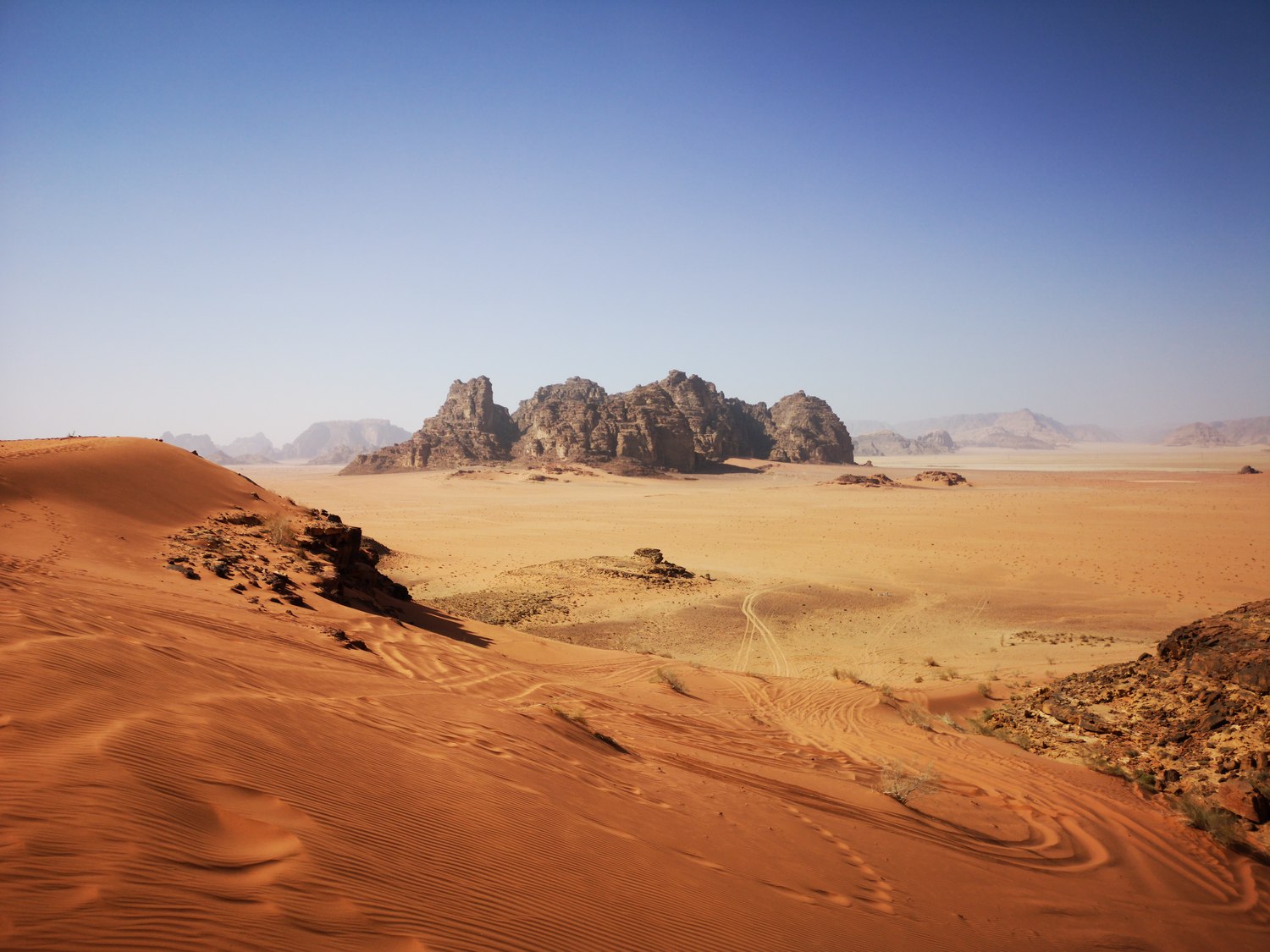
- Wadi Rum is the famous red desert where filmmakers shot The Martian and Dune, and you sleep here in traditional Bedouin camps under the stars.
- Travelling around Jordan isn’t cheap, because the local dinar is among the very strongest currencies in the entire world.
Why go to Jordan (and who it’s not for)
The Hashemite Kingdom of Jordan, to give it its full official name, tempts with a truly unique mix of history and natural beauty that seems to grab you and never let go. But before you eagerly start buying flights with a connection in Istanbul or Vienna, let’s be honest about what makes this Middle Eastern country absolutely fantastic — and who might find its quirks off-putting.
6 reasons why Jordan is worth the trip
Petra as a historical treasure: Visiting this ancient Nabataean city is said to be one of the most powerful experiences you can collect anywhere in the travel world, and everyone who’s been there talks about the sheer awe of the first glimpse of the famous Treasury.
The Wadi Rum desert and sleeping under the stars: Spending the night in a Bedouin camp surrounded by red sandstone cliffs reportedly has an incredible atmosphere, especially when you sit by the fire in the evening with thousands of stars shining above you.
The Dead Sea: Immersing yourself — or rather lying down — in the extremely salty water at the lowest point on land is enormous fun, and on top of that you’ll relax wonderfully and do something good for your skin.
Everything is close together: You can comfortably drive through the country in a single week, because the biggest highlights aren’t thousands of kilometres apart and the transfers between them won’t eat up entire days.
Exceptional hospitality and safety: Although we’re in the Middle East, Jordan is considered a very stable and open Muslim country where the locals will happily welcome you with a sincere smile and hot tea.
A combination of history, desert and sea: Few countries let you admire ancient columns, ride a jeep across the dunes and then snorkel on coral reefs at Jordan’s only port, Aqaba, all within a few days.
Who Jordan isn’t for
Even though it all sounds utterly idyllic, there are types of travellers for whom this Arab country won’t be the right choice. Consider a different destination if you fall into one of the following categories, so you won’t end up needlessly disappointed on the spot 😅.
- You’re looking for a genuinely cheap holiday, because entry to sites, transport and accommodation all get seriously pricey in the strong dinar.
- You want to just lie by the sea the whole time, for which neighbouring Egypt with its big resorts and long sandy beaches is far more suitable.
- You have trouble walking, since exploring Petra alone easily racks up 15 kilometres a day, very often up steep hills.
- You cope badly with intense heat, which rules here in summer when temperatures exceed 33 °C in Petra and approach forty by the Dead Sea.
- You expect to be able to drink alcohol freely and cheaply everywhere, because in a Muslim country its sale is fairly restricted and restaurant prices tend to be extremely high.
Best time to travel to Jordan: weather month by month
This might surprise you, but Jordan is by no means climatically uniform, and it’s not enough to glance at a single average temperature. While the capital Amman and famous Petra sit fairly high in the mountains and tend to be cooler, the Dead Sea lies deep below sea level and is the warmest area in the country. Add to that Aqaba in the south on the Red Sea and the unpredictable Wadi Rum desert, where you can expect truly large temperature swings between day and night.
To make your planning as easy as possible, I’ve prepared detailed tables that aren’t based on any guesswork but on precise ten-year averages for 2015 to 2024, drawn from the ERA5 reanalysis. From this data you can read off exactly when the ideal time is to explore ancient sites and when you’d instead be roasted alive.
| Month | Day | Night | Rainy days | Sun/day |
|---|---|---|---|---|
| January | 11 °C | 4 °C | 7.8 | 9.2 h |
| February | 13 °C | 5 °C | 7.0 | 9.7 h |
| March | 17 °C | 7 °C | 4.9 | 10.8 h |
| April | 22 °C | 11 °C | 2.7 | 12.0 h |
| May | 26 °C | 15 °C | 1.0 | 12.7 h |
| June | 29 °C | 18 °C | 0.1 | 13.1 h |
| July | 31 °C | 20 °C | 0.0 | 13.1 h |
| August | 31 °C | 21 °C | 0.3 | 12.8 h |
| September | 29 °C | 19 °C | 0.3 | 11.5 h |
| October | 24 °C | 15 °C | 1.9 | 10.7 h |
| November | 18 °C | 10 °C | 4.5 | 9.9 h |
| December | 14 °C | 6 °C | 4.8 | 9.1 h |
Petra’s elevation hovers around 1,130 metres, which fundamentally shapes the local climate and brings cooler evenings even during the hot summer months.
- January: day 11.2 °C, night 4.0 °C, rainy days 7.8, sun 9.2 h/day
- February: day 12.9 °C, night 4.9 °C, rainy days 7.0, sun 9.7 h/day
- March: day 16.6 °C, night 7.4 °C, rainy days 4.9, sun 10.8 h/day
- April: day 21.8 °C, night 11.3 °C, rainy days 2.7, sun 12.0 h/day
- May: day 26.4 °C, night 15.4 °C, rainy days 1.0, sun 12.7 h/day
- June: day 29.0 °C, night 18.3 °C, rainy days 0.1, sun 13.1 h/day
- July: day 30.7 °C, night 20.2 °C, rainy days 0.0, sun 13.1 h/day
- August: day 30.8 °C, night 20.6 °C, rainy days 0.3, sun 12.8 h/day
- September: day 28.7 °C, night 18.8 °C, rainy days 0.3, sun 11.5 h/day
- October: day 24.2 °C, night 15.4 °C, rainy days 1.9, sun 10.7 h/day
- November: day 18.3 °C, night 10.5 °C, rainy days 4.5, sun 9.9 h/day
- December: day 13.5 °C, night 6.4 °C, rainy days 4.8, sun 9.1 h/day
Aqaba and the Red Sea: when you can swim
Jordan’s only port lies at the very south of the country and offers fantastic conditions for lovers of the underwater world. The sea water temperature, which I give from a reliable marine model for 2019 to 2024, doesn’t drop below 21.4 °C even in the middle of winter (the February average is 21.8 °C), so you can dive here absolutely all year round.
But do watch out for the summer holidays, because in July and August the air on land heats up to 40.1 °C and 39.7 °C. Those values are a genuine extreme, in which there’s nothing to do but sit in an air-conditioned room.
| Month | Day | Night | Sea | Rainy days | Sun/day |
|---|---|---|---|---|---|
| January | 20 °C | 10 °C | 23 °C | 1.3 | 9.5 h |
| February | 22 °C | 12 °C | 22 °C | 2.5 | 9.8 h |
| March | 26 °C | 14 °C | 22 °C | 1.2 | 10.9 h |
| April | 31 °C | 18 °C | 22 °C | 0.5 | 11.9 h |
| May | 36 °C | 22 °C | 24 °C | 0.4 | 12.6 h |
| June | 38 °C | 25 °C | 26 °C | 0.0 | 13.1 h |
| July | 40 °C | 27 °C | 29 °C | 0.0 | 13.1 h |
| August | 40 °C | 27 °C | 29 °C | 0.0 | 12.6 h |
| September | 37 °C | 25 °C | 28 °C | 0.0 | 11.4 h |
| October | 33 °C | 22 °C | 26 °C | 0.4 | 10.8 h |
| November | 27 °C | 17 °C | 25 °C | 0.6 | 10.0 h |
| December | 22 °C | 12 °C | 24 °C | 0.8 | 9.3 h |
- January: day 20.5 °C, night 10.5 °C, sea 22.7 °C, rainy days 1.3, sun 9.5 h/day
- February: day 22.4 °C, night 11.5 °C, sea 21.8 °C, rainy days 2.5, sun 9.8 h/day
- March: day 25.9 °C, night 14.4 °C, sea 21.7 °C, rainy days 1.2, sun 10.9 h/day
- April: day 31.1 °C, night 18.2 °C, sea 22.5 °C, rainy days 0.5, sun 11.9 h/day
- May: day 35.5 °C, night 22.0 °C, sea 23.9 °C, rainy days 0.4, sun 12.6 h/day
- June: day 38.4 °C, night 24.8 °C, sea 26.2 °C, rainy days 0.0, sun 13.1 h/day
- July: day 40.1 °C, night 26.7 °C, sea 28.6 °C, rainy days 0.0, sun 13.1 h/day
- August: day 39.7 °C, night 26.8 °C, sea 29.4 °C, rainy days 0.0, sun 12.6 h/day
- September: day 37.2 °C, night 25.0 °C, sea 27.9 °C, rainy days 0.0, sun 11.4 h/day
- October: day 32.7 °C, night 21.5 °C, sea 26.0 °C, rainy days 0.4, sun 10.8 h/day
- November: day 27.2 °C, night 16.8 °C, sea 24.9 °C, rainy days 0.6, sun 10.0 h/day
- December: day 22.4 °C, night 12.5 °C, sea 23.5 °C, rainy days 0.8, sun 9.3 h/day
Amman, the Dead Sea and Wadi Rum: three different climates in one country
When you look at the remaining key areas, you’ll clearly see just how much the climate varies with elevation. While in Amman, sitting at 811 metres, you’ll record 11.7 °C in the daytime in January and 32.8 °C in July, by the Dead Sea deep in the rift (427 metres below sea level) January days warm up to 20.0 °C and July days reach a scorching 38.5 °C. The Wadi Rum desert at 951 metres behaves differently again, offering summer days of 34.8 °C but also enormous swings between sunlight and darkness.
Travellers often point out that in the desert and mountainous Petra the night temperatures can catch you off guard rather unpleasantly, since in January they fall to around 3.4 °C in Wadi Rum and 4.8 °C in Amman. This means one thing: even in summer you’ll be glad of a hoodie for the cooler evenings, while in winter you’ll need to pack a really proper jacket. Below you can see the exact figures these observations are based on.
Amman:
- January: day 11.7 °C, night 4.8 °C, rainy days 9.6, sun 8.7 h/day
- February: day 13.6 °C, night 5.5 °C, rainy days 8.9, sun 9.3 h/day
- March: day 16.9 °C, night 7.7 °C, rainy days 7.6, sun 10.4 h/day
- April: day 22.7 °C, night 11.6 °C, rainy days 3.7, sun 11.9 h/day
- May: day 27.5 °C, night 15.5 °C, rainy days 1.8, sun 12.7 h/day
- June: day 30.7 °C, night 18.5 °C, rainy days 0.4, sun 13.1 h/day
- July: day 32.8 °C, night 20.6 °C, rainy days 0.0, sun 13.2 h/day
- August: day 32.8 °C, night 20.7 °C, rainy days 0.0, sun 12.9 h/day
- September: day 30.8 °C, night 19.4 °C, rainy days 0.6, sun 11.6 h/day
- October: day 26.1 °C, night 16.3 °C, rainy days 2.1, sun 10.6 h/day
- November: day 19.5 °C, night 11.1 °C, rainy days 5.6, sun 9.4 h/day
- December: day 14.2 °C, night 7.0 °C, rainy days 6.3, sun 8.4 h/day
Dead Sea:
- January: day 20.0 °C, night 14.0 °C, rainy days 7.0, sun 9.1 h/day
- February: day 21.1 °C, night 14.7 °C, rainy days 6.5, sun 9.5 h/day
- March: day 24.4 °C, night 17.0 °C, rainy days 4.0, sun 10.5 h/day
- April: day 29.6 °C, night 20.9 °C, rainy days 1.6, sun 11.8 h/day
- May: day 34.0 °C, night 24.6 °C, rainy days 0.7, sun 12.6 h/day
- June: day 36.5 °C, night 27.2 °C, rainy days 0.3, sun 13.1 h/day
- July: day 38.5 °C, night 29.4 °C, rainy days 0.0, sun 13.2 h/day
- August: day 38.0 °C, night 29.4 °C, rainy days 0.0, sun 12.7 h/day
- September: day 35.9 °C, night 28.2 °C, rainy days 0.2, sun 11.5 h/day
- October: day 31.9 °C, night 25.2 °C, rainy days 0.8, sun 10.6 h/day
- November: day 26.6 °C, night 20.6 °C, rainy days 3.7, sun 9.5 h/day
- December: day 22.0 °C, night 16.5 °C, rainy days 4.3, sun 8.6 h/day
Wadi Rum:
- January: day 14.3 °C, night 3.4 °C, rainy days 1.8, sun 9.4 h/day
- February: day 16.5 °C, night 4.5 °C, rainy days 2.1, sun 9.9 h/day
- March: day 20.5 °C, night 7.7 °C, rainy days 1.7, sun 11.0 h/day
- April: day 25.6 °C, night 11.6 °C, rainy days 0.9, sun 12.0 h/day
- May: day 30.1 °C, night 16.0 °C, rainy days 0.4, sun 12.7 h/day
- June: day 33.1 °C, night 19.2 °C, rainy days 0.1, sun 13.1 h/day
- July: day 34.8 °C, night 21.0 °C, rainy days 0.0, sun 13.1 h/day
- August: day 35.1 °C, night 21.0 °C, rainy days 0.1, sun 12.7 h/day
- September: day 33.2 °C, night 19.4 °C, rainy days 0.2, sun 11.5 h/day
- October: day 28.2 °C, night 15.5 °C, rainy days 0.9, sun 10.8 h/day
- November: day 21.3 °C, night 9.8 °C, rainy days 1.1, sun 10.1 h/day
- December: day 16.2 °C, night 5.3 °C, rainy days 1.2, sun 9.4 h/day
The best months by type of trip
- Sightseeing and Petra: The spring months of March to May and then the autumn window from September to November are ideal, with pleasant temperatures for long walks.
- Desert and sleeping under the stars: Head here in spring or autumn, because in winter the night temperatures in Wadi Rum drop to near zero and you’d be really cold in a tent.
- Diving in Aqaba: You can swim without issue all year round, but the best compromise between warm water and bearable air is the period from October to May.
- When to avoid it: July and August bring extreme heat that is enormously exhausting for the ordinary tourist, especially by the Dead Sea and in southern Aqaba.
What to see in Jordan: 20 tips from Petra to the Red Sea
Jordan is fortunately a fairly compact country, so you can drive through it nicely in some seven to ten days, either with a rental car or a hired local driver. The route usually splits into a few logical sections: you start in the north in Amman, drive the historic King’s Highway past the Dead Sea, explore famous Petra and finally end up in the Wadi Rum desert or by the Red Sea in Aqaba. You’ll surely be thrilled by how varied this Middle Eastern country is — you just need to be ready for the fact that the local currency is the Jordanian dinar (JOD), which is surprisingly one of the strongest currencies in the world.
Jordan definitely isn’t a genuinely cheap destination, so it pays to keep an eye on your budget and look into how to find cheap flights, because there are no direct flights here from most places and you’ll need to count on a connection, typically via Istanbul, Vienna or Dubai. Major carriers such as Lufthansa, easyJet or Turkish Airlines serve the region, so it’s easy to reach Amman from most European hubs. The official language is of course Arabic, but in tourist services you’ll get by perfectly well in English, which makes travelling enormously easier. Because it’s a Muslim country, more conservative clothing with covered shoulders and knees is recommended outside the main tourist centres and resorts, though otherwise the locals are very open and helpful towards foreigners.
1. The Siq and the Treasury: the unforgettable entrance to Petra
Say Jordan and virtually everyone immediately pictures famous Petra, which rightfully belongs on the UNESCO list and ranks among the so-called Seven New Wonders of the World. The entrance to this ancient Nabataean city leads through the more than kilometre-long narrow Siq gorge, which winds between tall rock walls, and at its very end the iconic facade of Al-Khazneh — known as the Treasury — reveals itself. According to photos and travellers’ accounts, this is the moment you truly stand there open-mouthed, because that huge carved structure looks incredibly majestic.
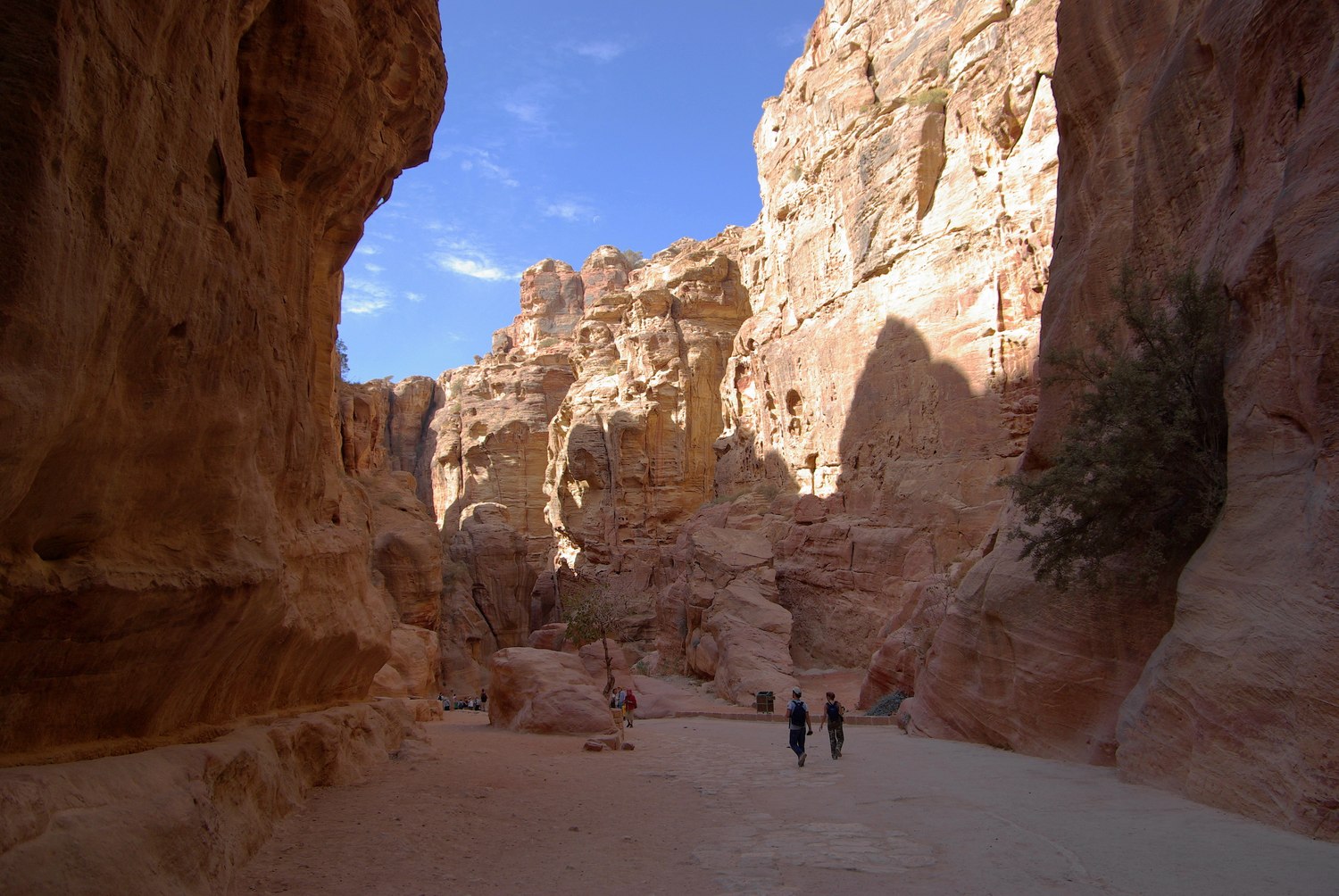
The practical tip is clear: definitely be at the entrance early in the morning right after opening, because in the morning the gorge is still pleasantly cool, beautiful sunlight falls on the Treasury itself, and you’ll also avoid the worst of the crowds. Be sure to get the online digital Jordan Pass before arriving in the country — for stays of at least three nights it waives the tourist visa and includes entry to Petra, because otherwise the ticket to the site alone would cost you tens of dinars. The cheapest Wanderer version costs roughly 70 JOD (about €90), but prices do change from time to time, so it’s always best to check on the official website.
2. The Monastery (Ad-Deir): 800 steps that are worth it
Although the Treasury is the most famous, the largest carved facade in all of Petra is the Ad-Deir Monastery, which you have to climb to via roughly eight hundred ancient steps. Travellers agree it’s a decent workout, but at the top you’re rewarded not only with a view of this monumental structure but also a small Bedouin tea house, where you can rest after the hike and savour the vista over the surrounding hills. It’s reportedly a far quieter spot than the central part of Petra, because not every tourist has the patience and strength to clamber all the way up here.
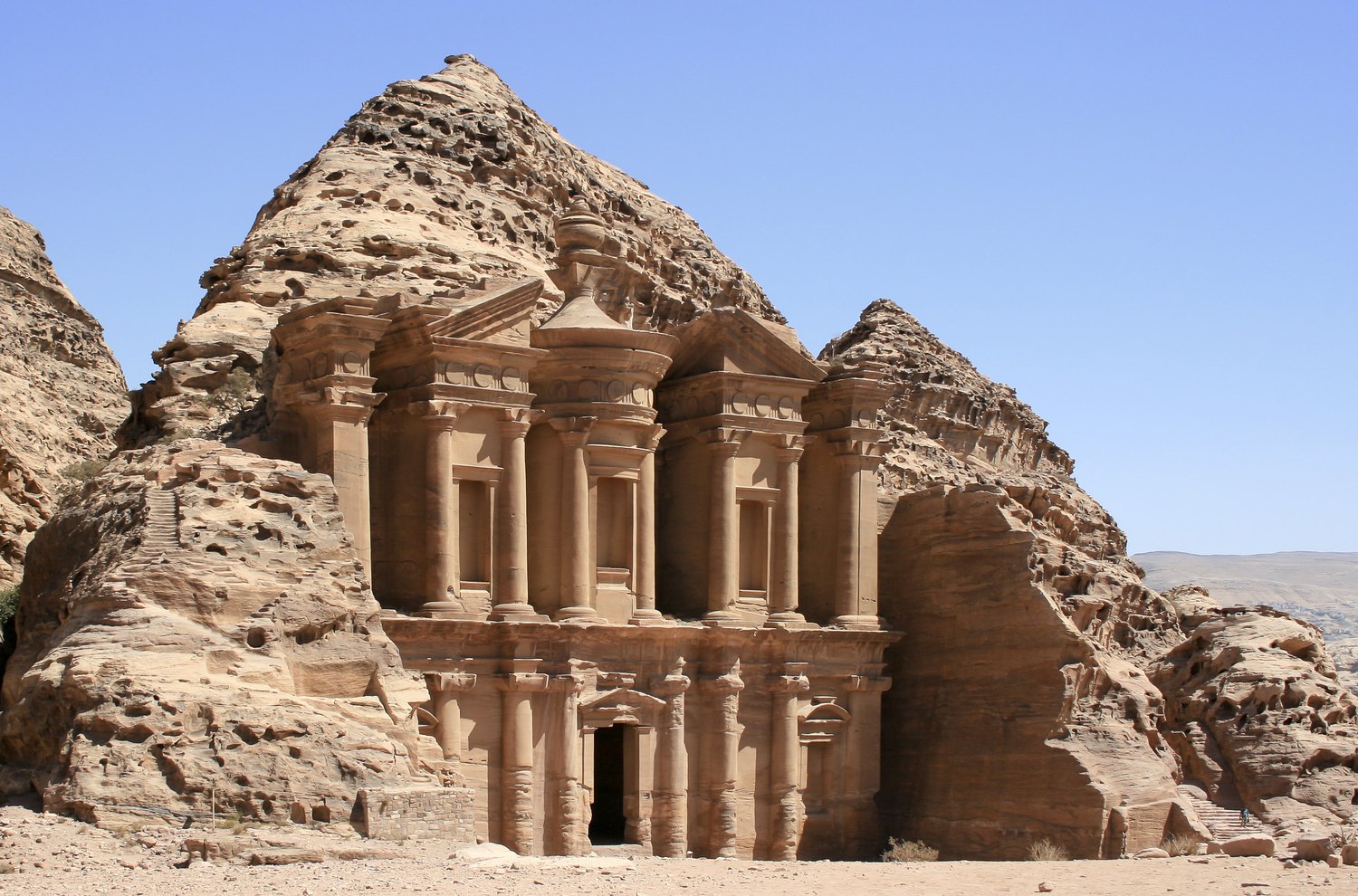
If you want to make the climb as easy as possible, head to the Monastery in the late afternoon, when most of the staircase is mercifully in shade and you won’t be baking in direct sun. On top of that, the Ad-Deir facade is beautifully lit by the setting sun at this time of day, creating perfect conditions for photos — you just need to watch the time so you make it back to the entrance before dark ☺️.
3. The Royal Tombs and the Roman theatre
As you make your way through Petra’s main valley, you’ll certainly notice on your right the enormous structures carved high into the rock massif, collectively known as the Royal Tombs. They include, above all, the Urn Tomb with its massive vaults, the Silk Tomb with its stunning colourful bands in the sandstone, and the Corinthian Tomb — and just a little further on you’ll come across the mighty Roman theatre, which, unlike most other ancient structures of its kind, is carved directly into the living rock. It shows the fascinating blend of original Nabataean architecture with the later Roman influence that shaped the city.
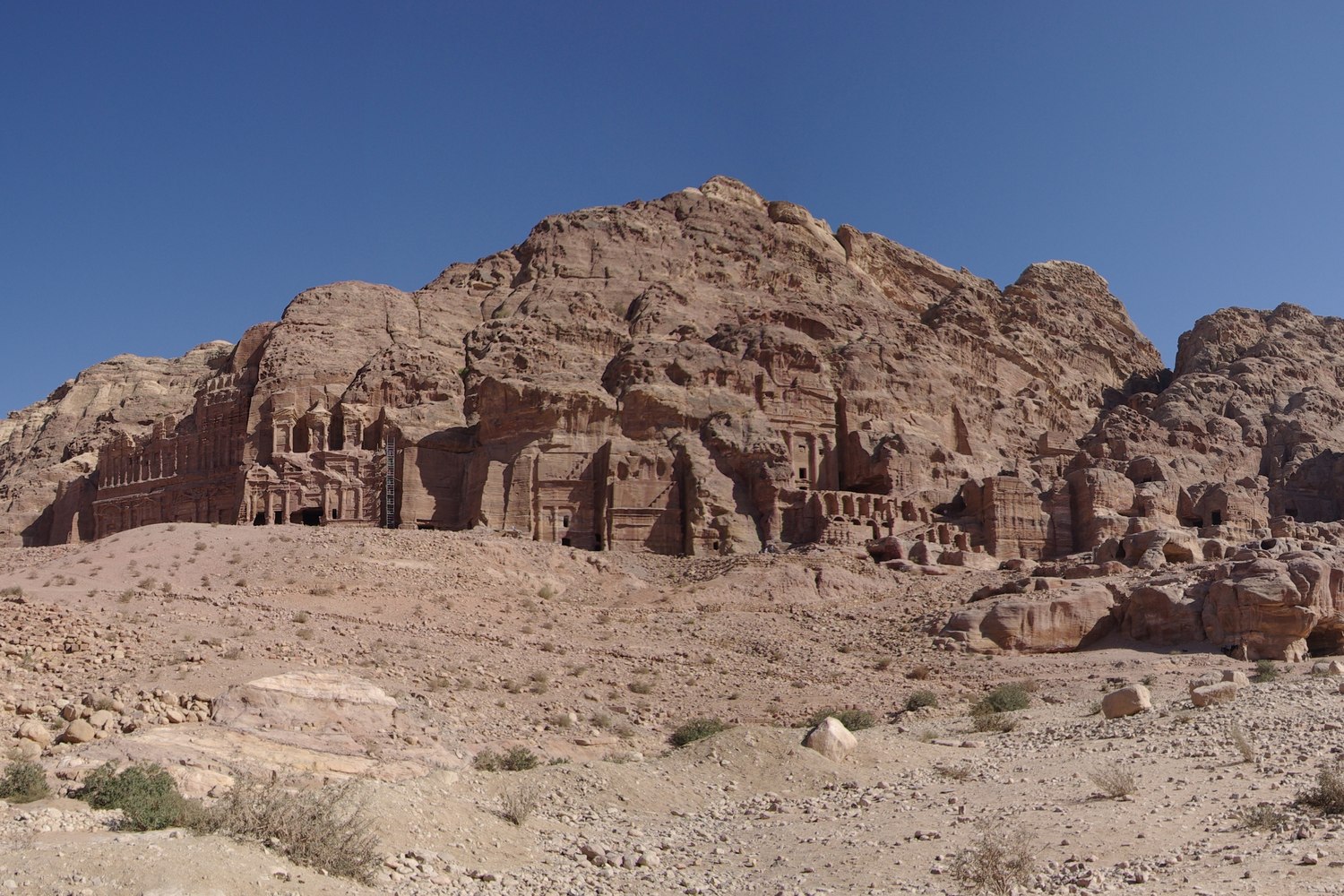
For the best experience of the Royal Tombs, it’s recommended to plan your visit for the late afternoon, when the sun hits them and the sandstone takes on an incredibly rich red and orange colour. The walk to them isn’t particularly demanding, reached by just a series of gentle steps, and from the small plaza in front of the Urn Tomb you get a gorgeous view over the entire central part of the ancient city, where you can sit for a while and soak up that ancient atmosphere.
4. The viewpoint above the Treasury and Petra’s trails
Besides the main routes, Petra also offers a whole range of alternative hiking trails that take you high above the valley and show you the city from a completely different perspective. A huge hit are the trails leading to the cliff right above the Treasury, the source of those famous photos where you sit on the edge of the drop with the monumental temple and tiny tourists below you. It’s a gorgeous sight, but it requires a bit of scrambling up steeper stone steps, so sturdy footwear is an absolute must for moving safely on the terrain.
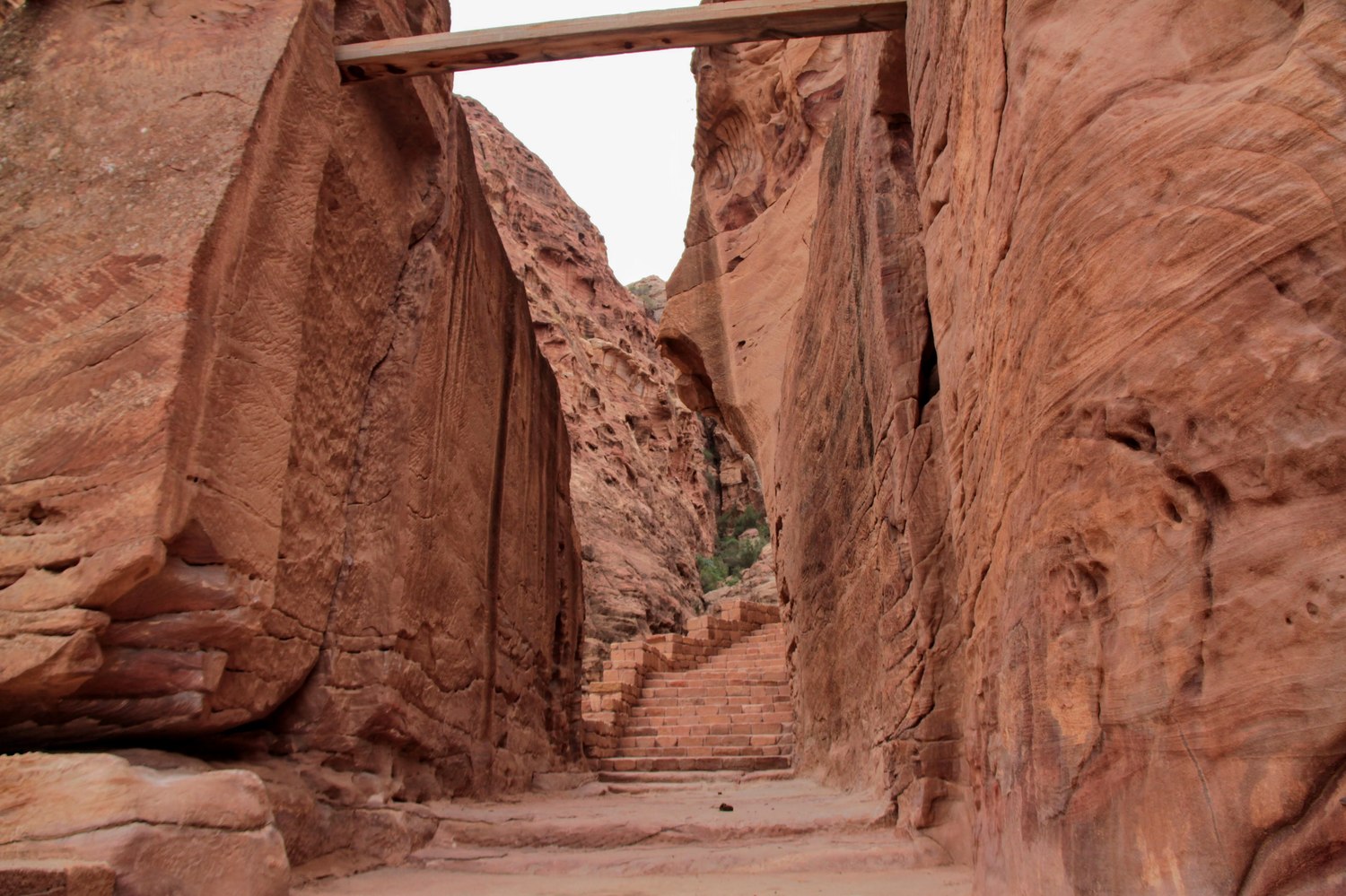
In connection with these viewpoints I have to flag one important thing, because local Bedouins will lure you towards various shortcuts and offer you paid guiding. It’s said that some of these side paths are fairly confusing and possibly even dangerous without a local guide, so if you decide to use their services, always agree very clearly on the final price in advance to avoid unpleasant haggling at the end of the trail.
5. Little Petra (Siq al-Barid)
If you’d like to soak up the atmosphere of Nabataean architecture even before entering the biggest crowd madness, go and visit so-called Little Petra, officially called Siq al-Barid. It’s a smaller historic settlement hidden in the sandstone cliffs a short drive from the main site, which probably once served as a kind of trading suburb for caravans. The greatest gem of this place is a preserved painted ceiling in one of the carved chambers, where you can still see detailed frescoes with motifs of grapevines and birds — an absolute rarity in this region.
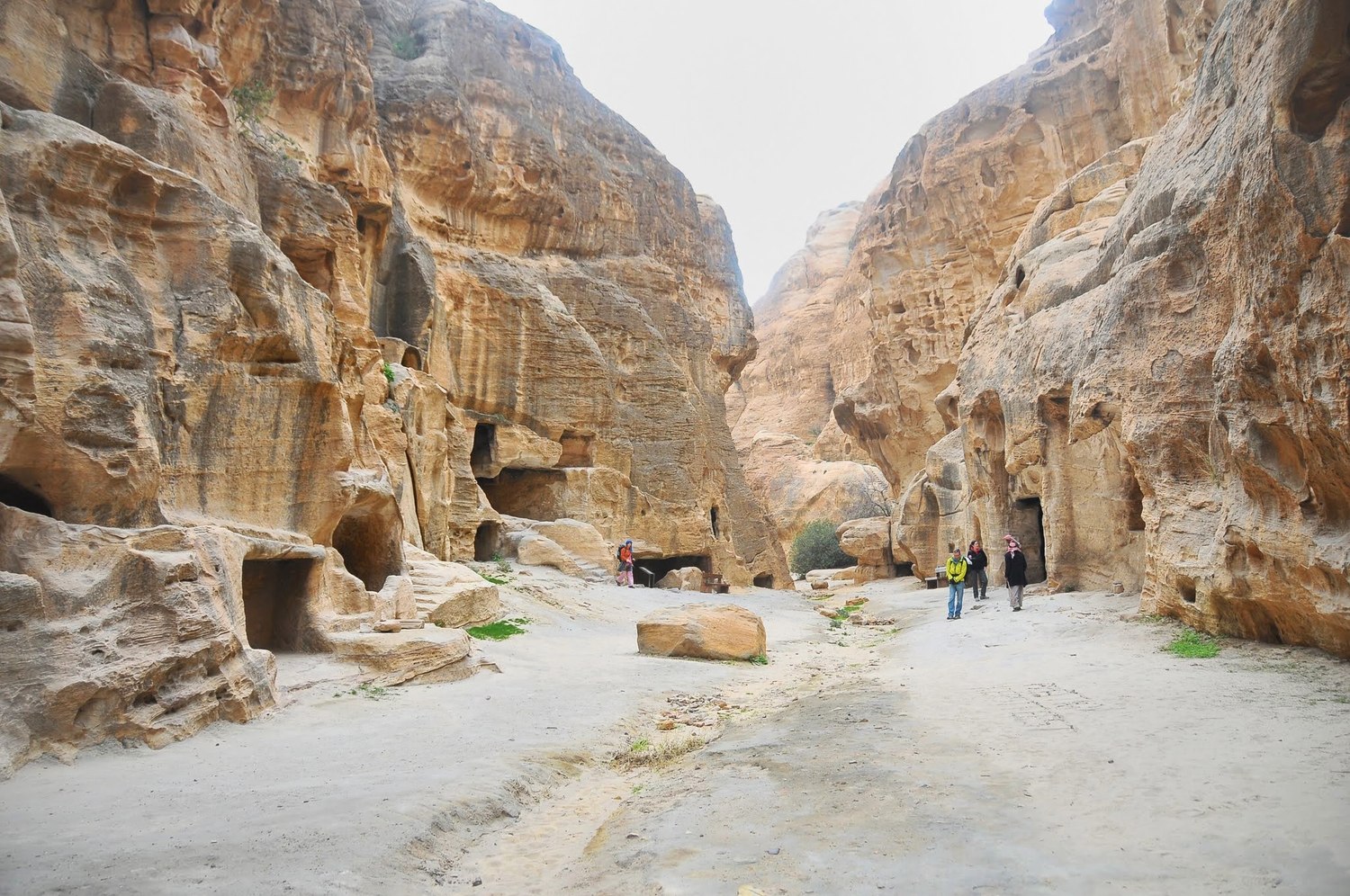
Little Petra is often overlooked by tourists, which is actually a huge advantage, because you can explore this beautiful rock city in relative peace without hundreds of other people with cameras. Travellers recommend slotting this stop in at the very start of your stay in the area, because it works as a great prologue to the main enormous city — and it only takes about an hour to explore.
6. Petra by Night
You can discover the magical and very romantic side of this place during the evening Petra by Night programme, when the entire Siq gorge and the plaza in front of the Treasury are lit by thousands of tiny candles. People sit on carpets laid out in the sand, drink traditional sweet tea and listen to the plaintive music of Bedouin flutes, while soft coloured lights are projected onto the ancient facade. It’s an extremely photogenic event that, according to many reviews, feels mystical, especially when the starry night sky shines above the whole huge canyon.
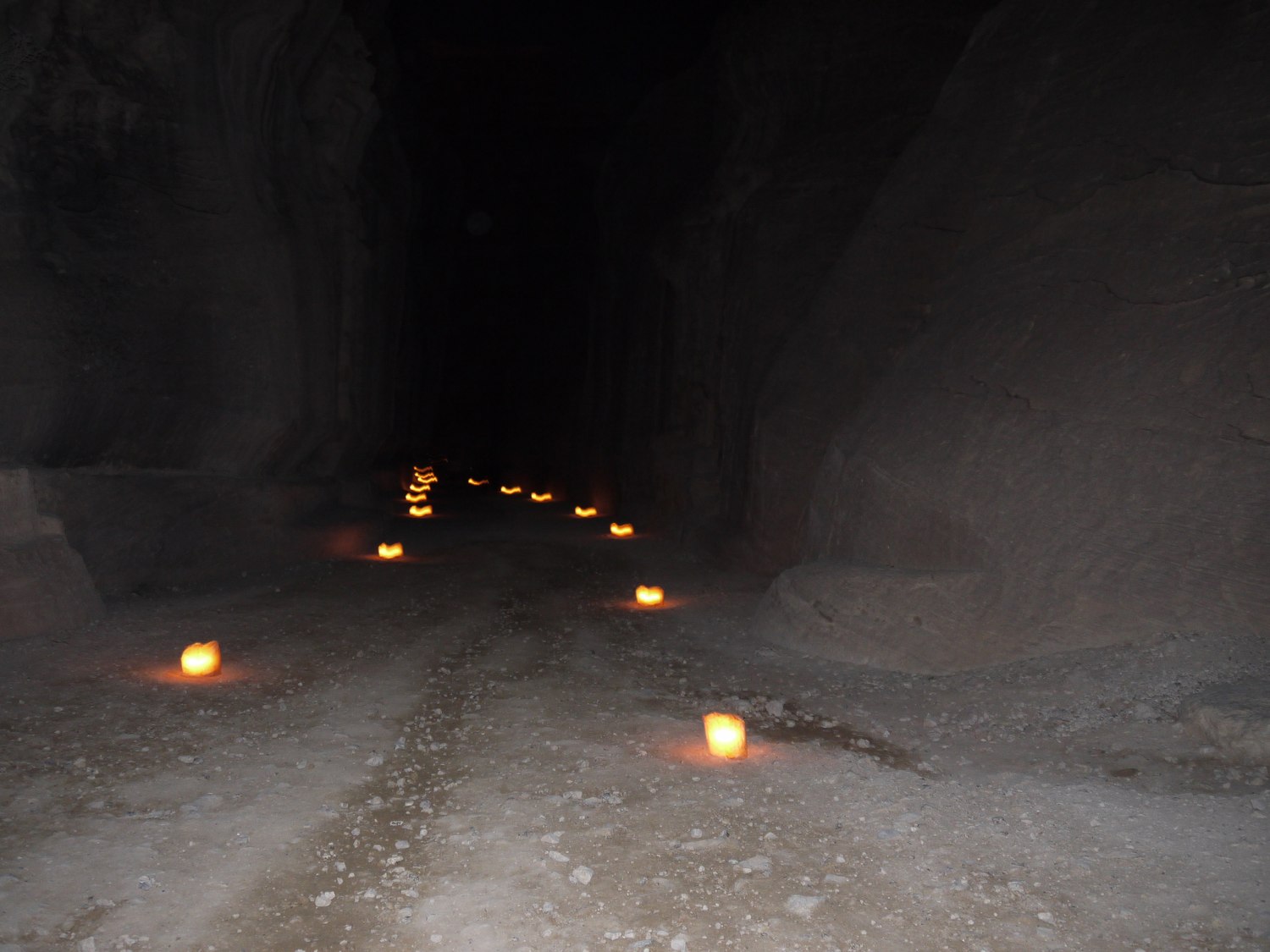
But I have to honestly add one important practical detail, because this evening experience is NOT part of the Jordan Pass and you have to buy a special ticket for it right on the spot for extra dinars. The programme is also held only on selected days of the week, typically Monday, Wednesday and Thursday, so you’ll need to plan your itinerary around it cleverly — and above all, don’t expect an intimate atmosphere, there will be an awful lot of visitors sitting there with you 😅.
7. Wadi Musa: the base for visiting Petra
When you go to visit Petra, you’ll actually stay and spend your evenings in the adjacent town of Wadi Musa, which grew up right by the entrance to the visitor centre and serves as the main tourist base for the whole area. You’ll find absolutely everything you need for a happy holiday here, from luxurious international hotels through cosy family-run guesthouses to a vast number of little cafés and restaurants. This is exactly where you can try traditional Jordanian cuisine — the local speciality tends to be various meat and vegetable dishes baked in underground ovens, which travellers reportedly really enjoy, along with excellent hummus and falafel.
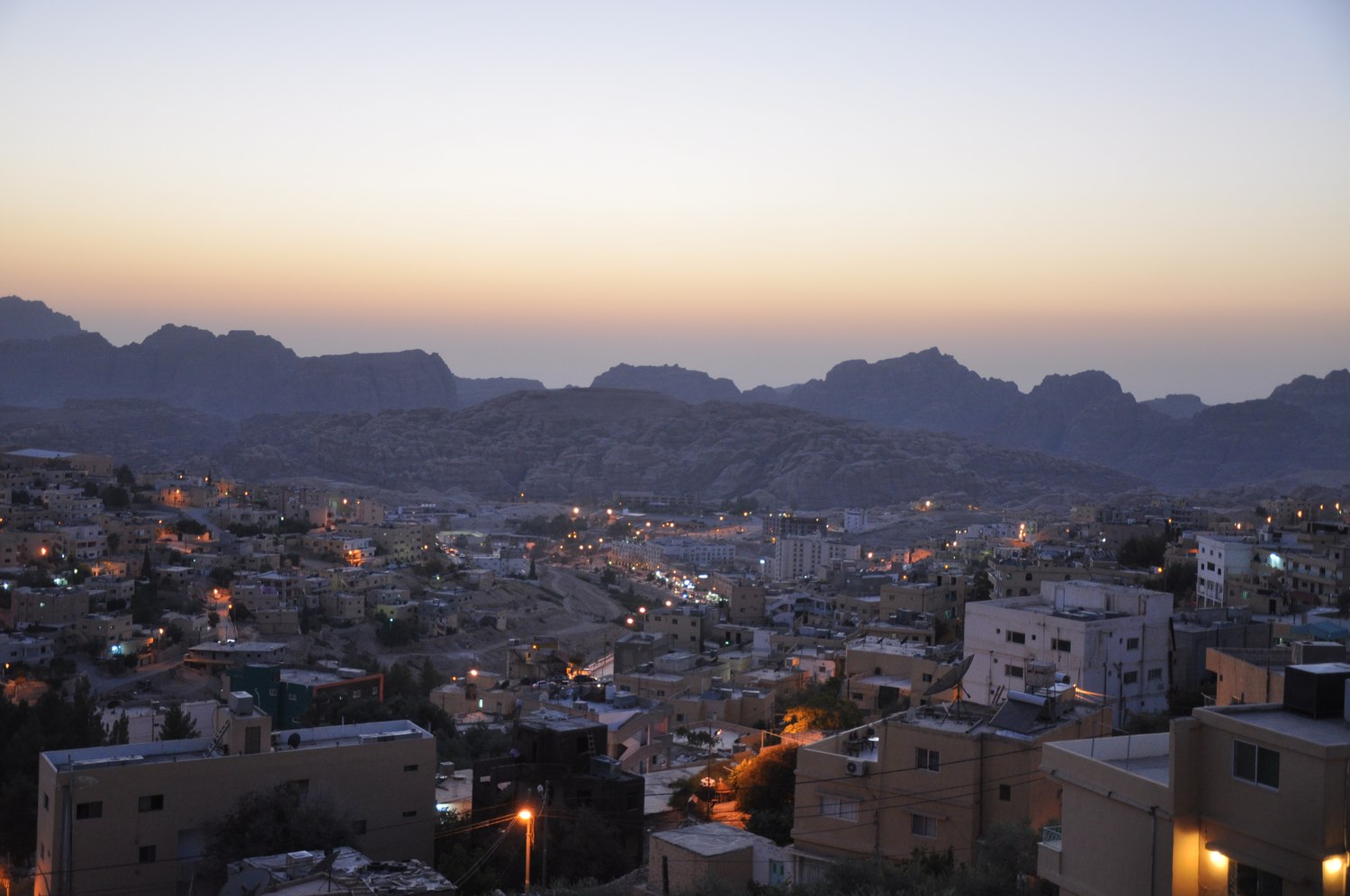
When choosing accommodation in Wadi Musa, watch out for one crucial thing, because the whole town is built on a fairly steep hill, with its lowest point at the gate into Petra. So if you book a cheaper hotel high up on the hill, in the morning you’ll walk pleasantly downhill to the site, but in the afternoon, after twenty kilometres on foot, a really gruelling climb back awaits you — so it’s often better to pay a bit more for a hotel closer to the entrance or use a taxi.
8. Wadi Rum: the red desert from the movies
Once you leave the mountains and head south, the protected area of Wadi Rum opens up before you — that famous red desert on the UNESCO list, which looks literally like it’s from another planet. No wonder Hollywood filmmakers took a liking to this incredibly dramatic valley with its enormous sandstone and granite massifs: The Martian, the epic Dune and the classic Lawrence of Arabia were all shot here. The colour of the sand shifts throughout the day from deep yellow through orange to dark red, which, combined with the bizarre rock formations, creates a backdrop you can’t take your eyes off.
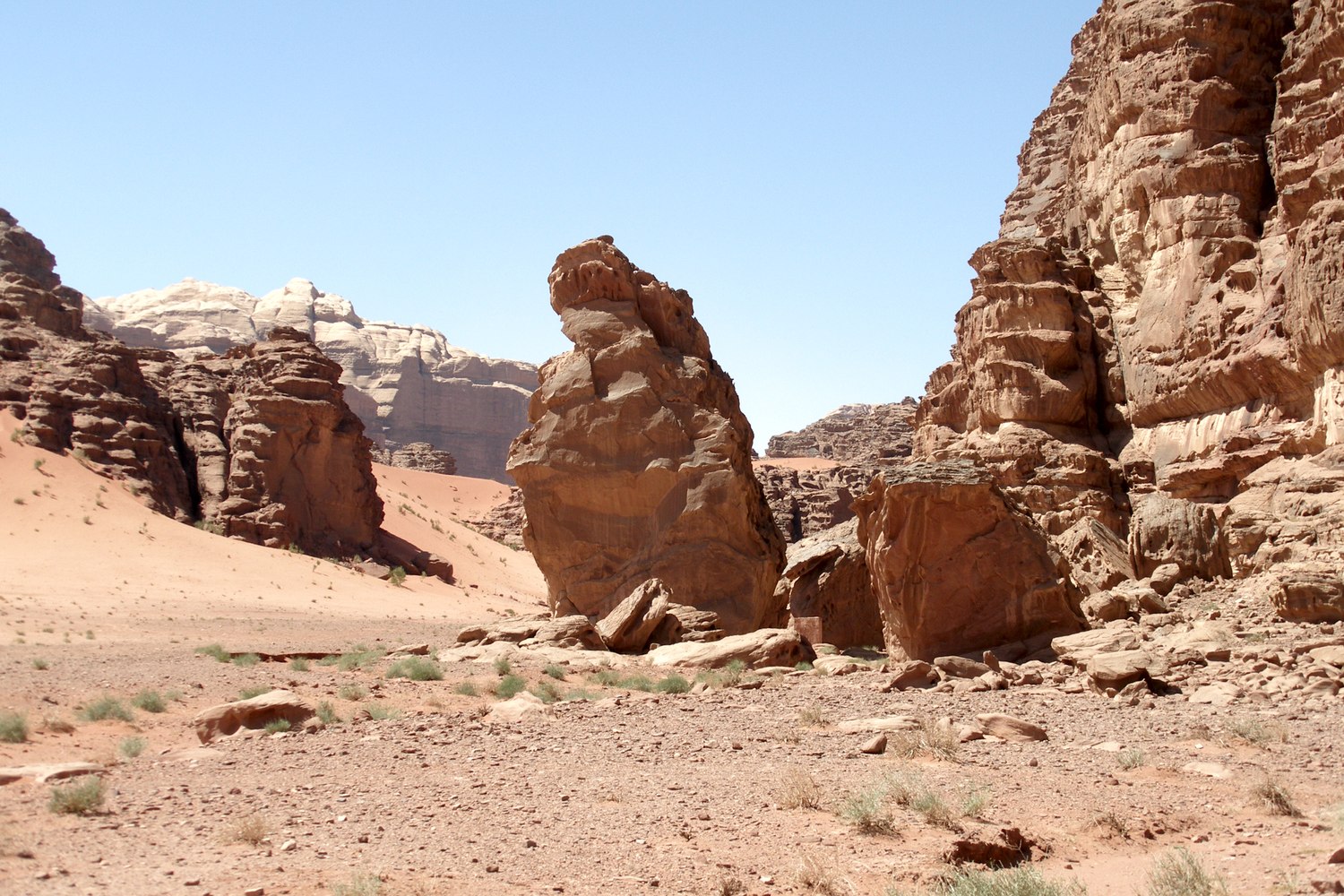
The best way to explore this vast beauty is on jeep tours with local Bedouins, who know every inch of the desert and will take you to the most interesting spots. Usually you’ll arrange a half-day or full-day trip on the back of an off-road vehicle, during which you’ll ride down enormous sand dunes, admire rock bridges and drink over-sweet mint tea by the fire in small Bedouin tents in the middle of the wilderness.
9. Sleeping in a Bedouin camp under the stars
A visit to the desert wouldn’t be complete without spending at least one night there, because accommodation in Wadi Rum is a chapter all of its own. You can choose from very simple, authentic Bedouin tents woven from goat hair all the way to luxurious glass bubbles with air conditioning and a view of the sky, often nicknamed Martian tents. According to reviews, stargazing at night in the desert, where there’s almost no light pollution, is a stunning sight that often etches itself into people’s memories for a very long time.
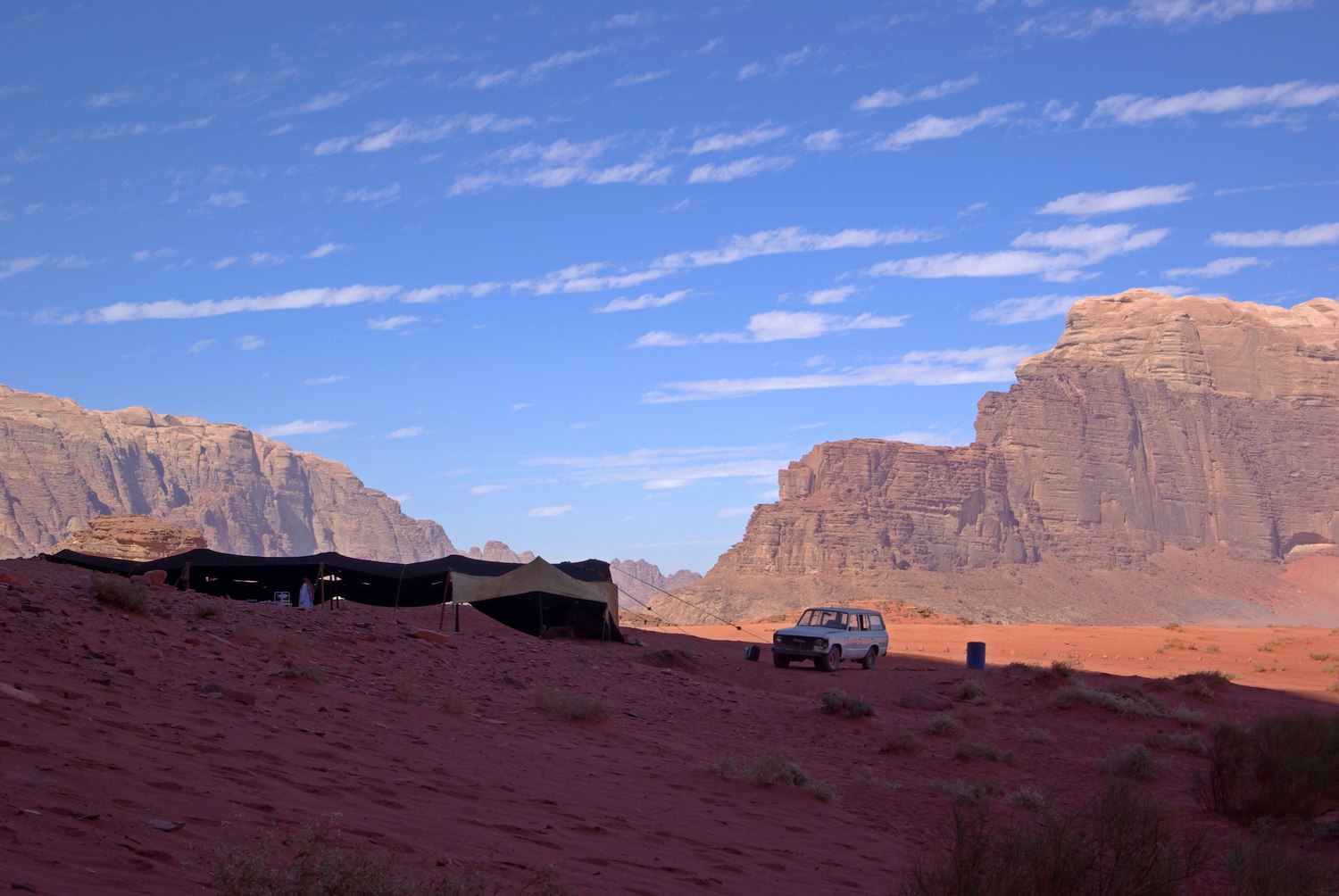
But I strongly warn against underestimating the desert climate, because the temperature swings here tend to be enormous and require some thoughtful packing. While in summer it’s unbearably hot until late in the evening, in the winter months the night temperatures drop really low, close to zero, so layers of warm clothing and thick socks for sleeping will be a huge lifesaver if you travel off-season.
10. The Umm Fruth rock bridge and Lawrence’s Spring
As you cross the desert by jeep, the guides will certainly take you to several specific spots, among the best known of which are the natural Umm Fruth rock bridge and the historic Lawrence’s Spring. The Umm Fruth rock bridge is a natural arch shaped over thousands of years by wind and sand, while Lawrence’s Spring is a small watering hole high in the cliffs, around which you’ll also find ancient Nabataean inscriptions carved into the stone. These are exactly the places where you realise how powerful nature is and how long the history of human settlement in this seemingly inhospitable landscape has been.
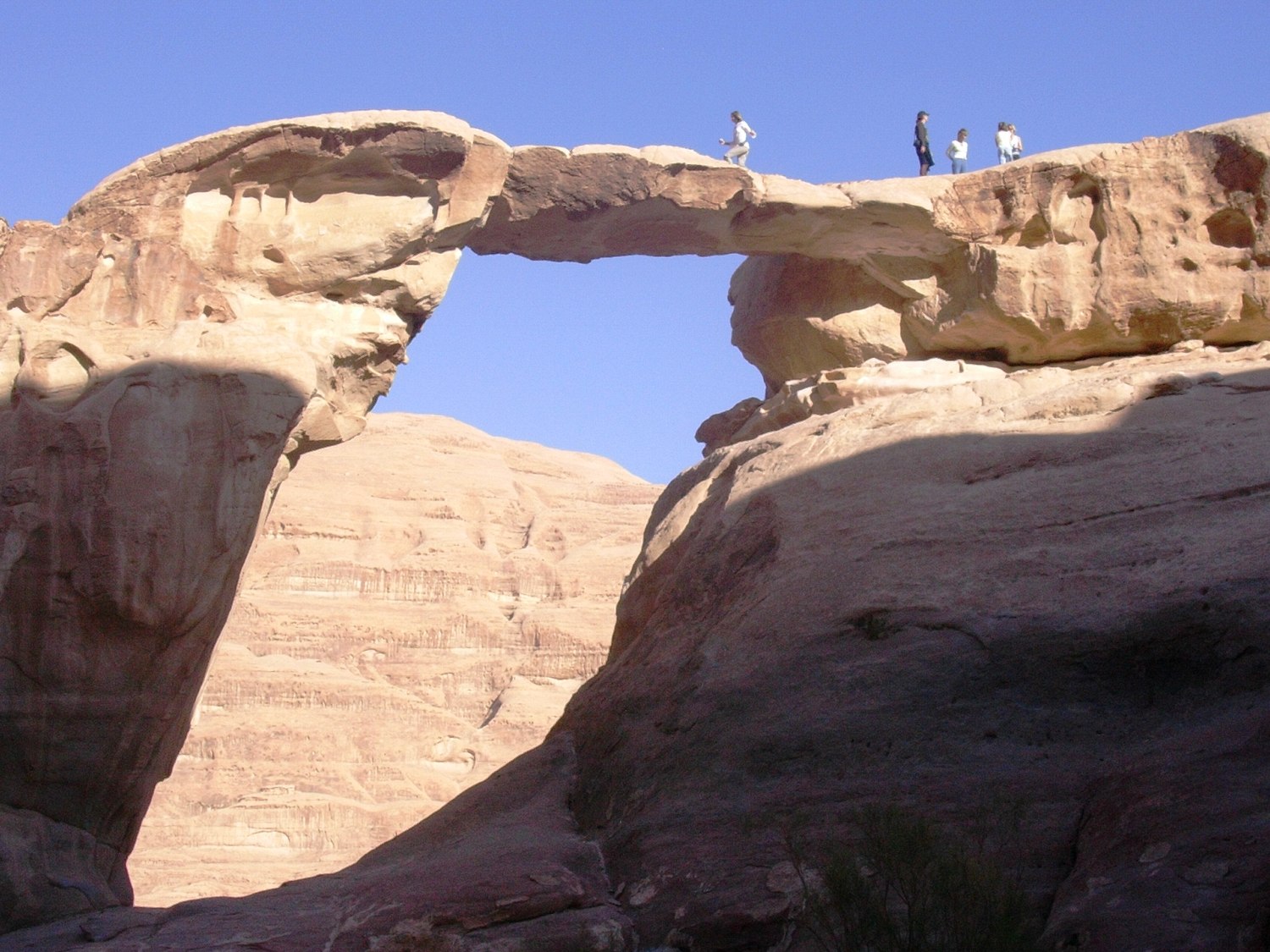
You can even climb up onto the rock bridge, which is a popular attraction for bolder travellers, but a fairly steep climb up smooth rock awaits you, where sturdy trainers and a head for heights really come in handy. The path to Lawrence’s Spring runs up a gully fragrant with wild mint, and even though you often find just a small puddle of water at the top, the view over the vast sandstone valley from up there is definitely worth a bit of physical effort.
11. The Dead Sea: the lowest point on land
Once you cross closer to the border with Israel, you start descending deeper and deeper until you reach the Dead Sea, whose surface lies roughly 430 metres below sea level, making it the lowest point on our planet. Thanks to this unique location and the extreme evaporation, the water here is so incredibly salty that a person simply can’t sink in it — and on top of that, it tends to be more pleasant and warmer here than in the rest of the country even in winter. People come here mainly to float freely on the surface and slather themselves head to toe in the healing mineral mud, which reportedly works wonders on the skin.
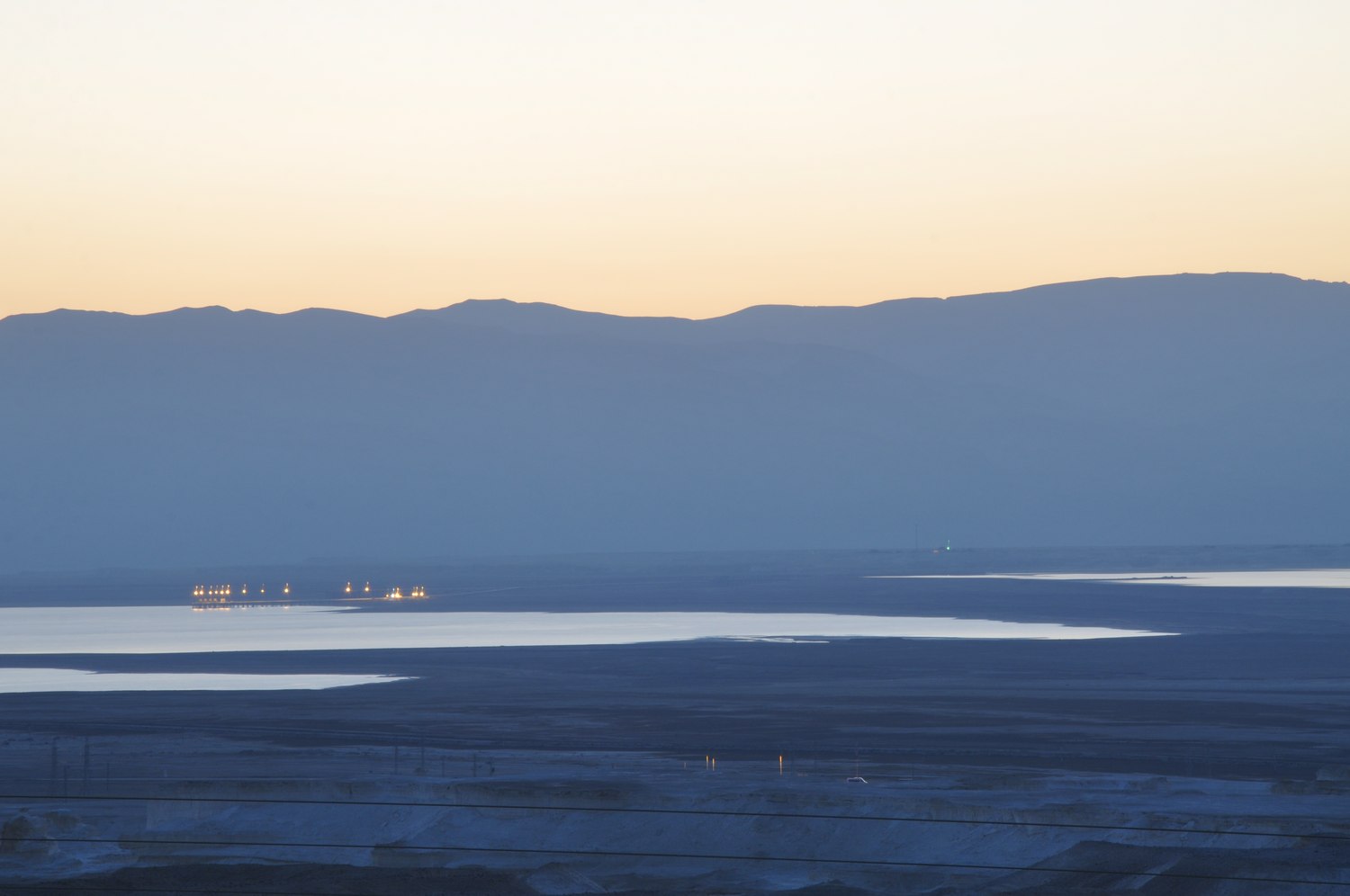
At the same time, I have to pass on one big and important warning, because swimming in this extreme brine has its strict rules — otherwise you’ll suffer a lot. Definitely don’t shave the day before, never put your head under the water so you don’t splash salt in your eyes, be sure to wear water shoes because of the sharp salt crystals on the bottom, and as soon as you get out, rinse off thoroughly under a freshwater shower straight away.

12. Wadi Mujib: the canyon you wade up against the current
Right on the shores of the Dead Sea is the entrance to the Wadi Mujib nature reserve, a phenomenal sandstone gorge with a wild river flowing through it. The main draw here is the so-called Siq Trail, a wet trek that leads right up the riverbed against its current, where you have to wade, swim and even climb ropes over small waterfalls in the narrow canyon. According to adventurers’ experiences, it’s enormous fun and a great refreshment on hot days, but also a fairly solid physical challenge for which you should have at least a basic level of fitness.
This canyoning is, however, a strictly seasonal affair, and you need to bear in mind that nature always has the final say here, so plans can change quickly. During the winter months and after heavy rains, the whole gorge is strictly closed for safety reasons, because in the narrow space there’s a huge risk of flash floods that would sweep you away. If you head here in spring or autumn and it’s not raining, be sure not to forget a good waterproof case for your phone and shoes that can get wet.
13. Madaba and the mosaic map
When you set off along the famous King’s Highway, you definitely shouldn’t miss the likeable town of Madaba, which became famous as a centre of Byzantine art. In an unassuming Greek Orthodox Church of St George, a real historical treasure is hidden in the floor: the famous sixth-century mosaic map of the Holy Land, made up of more than two million coloured stones. The map depicts Jerusalem, the Jordan River valley and the Dead Sea in detail and reportedly served as a navigational aid for pilgrims of the time, which makes it the oldest surviving cartographic work of its kind in the world.
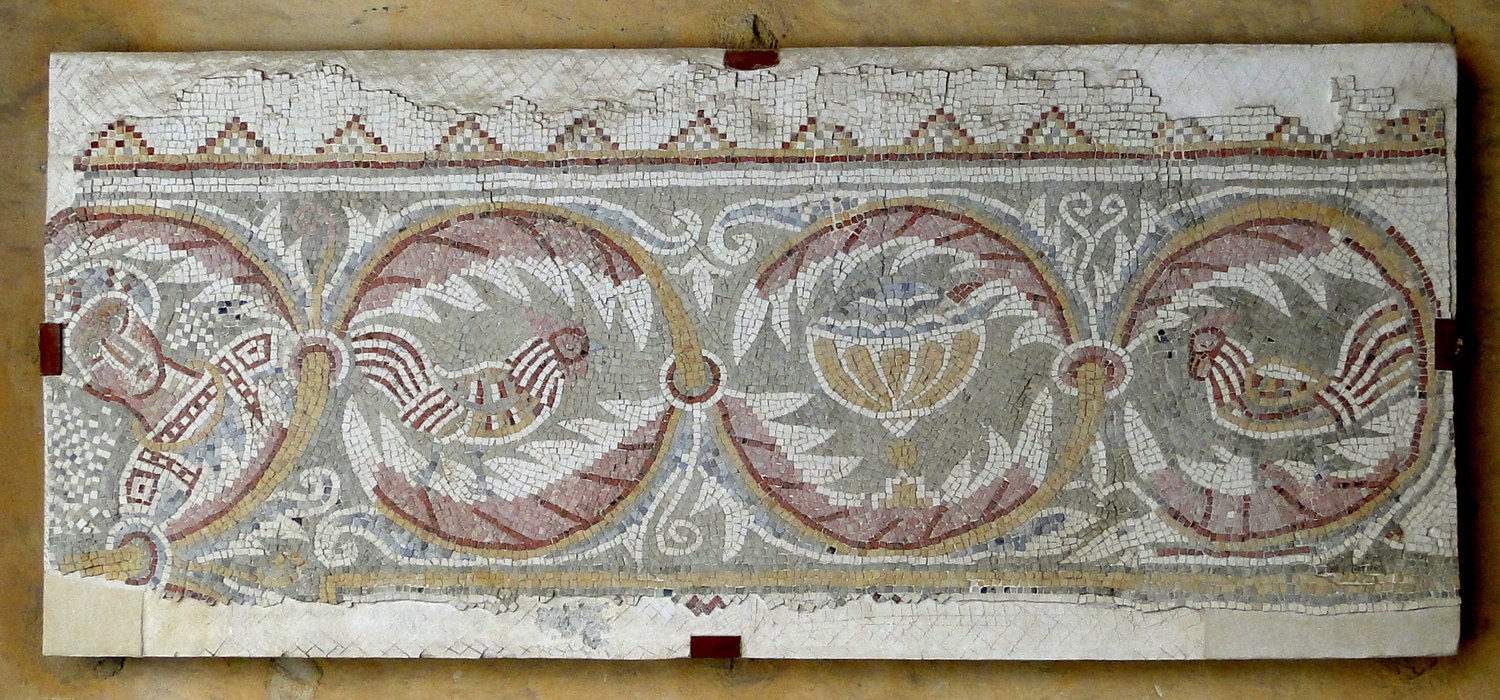
A stop in Madaba is an ideal way to break up the journey when heading south, because the town itself has a very pleasant, relaxed atmosphere full of little shops and lovely cafés. Touring the church with the mosaic takes just a few dozen minutes, but it’s worth wandering the surrounding streets too, where traditional craft workshops still operate and local artists continue to create amazing mosaics using the old original technique.
14. Mount Nebo
Just a short distance from Madaba rises the memorable Mount Nebo, a place of enormous religious and historical significance for believers around the world. According to biblical tradition, this is exactly the peak from which the prophet Moses beheld the Promised Land before his death, and in his honour a modern memorial church now stands here with more beautiful ancient mosaics. For ordinary travellers, though, the biggest draw is the viewing terrace itself, from which, in clear weather, a wide panorama opens up and you can see all the way to Jericho, the Jordan River valley and the blue surface of the Dead Sea.
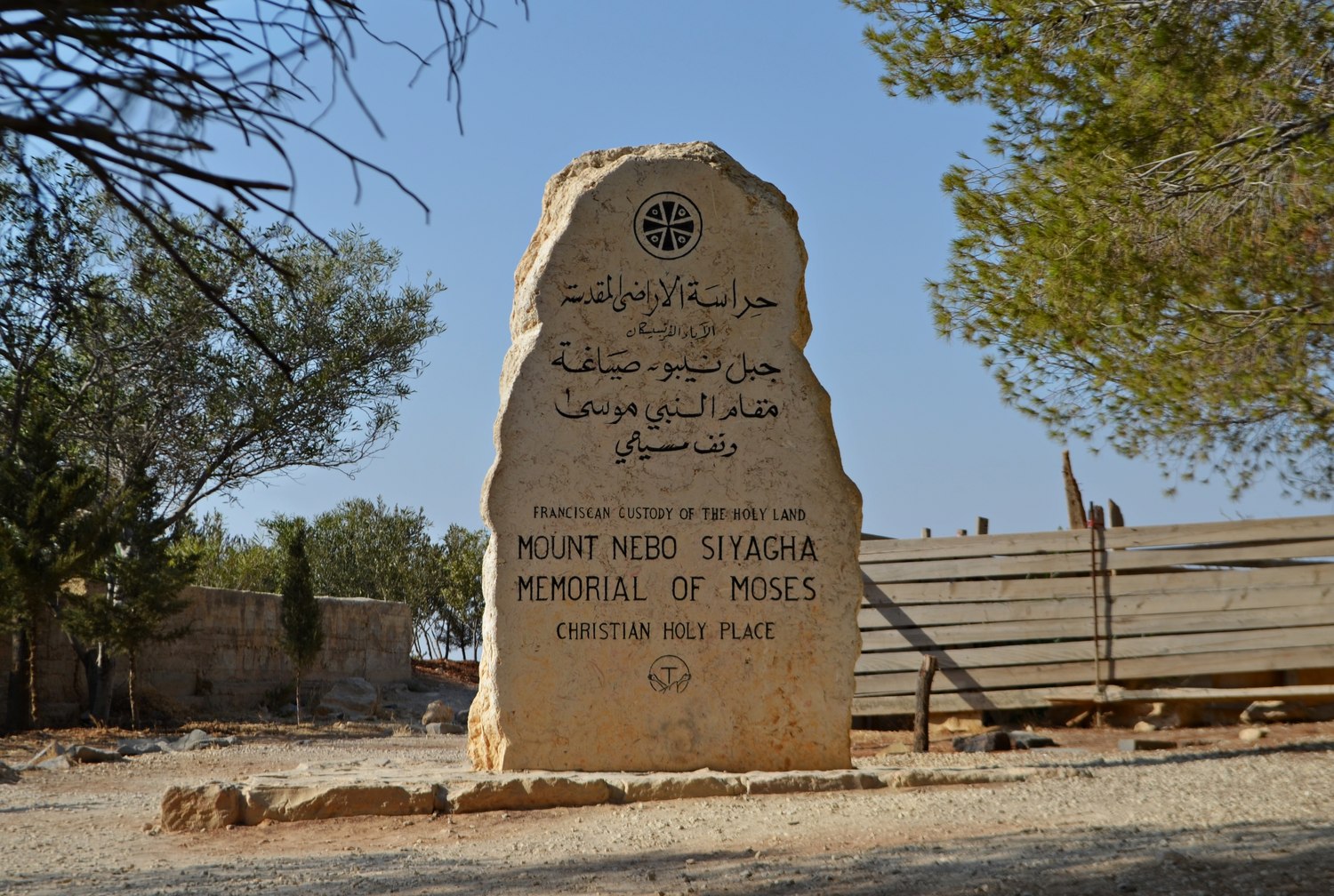
The journey to Mount Nebo is very easy and is often combined into a single half-day trip together with a visit to Madaba, because they lie really close to each other on a good asphalt road. The whole site is very nicely maintained, and even if you don’t count yourself among the deeply religious, the immensely calm atmosphere of a place visited by several popes in the past fills you with enormous respect for the history of this fascinating region.
15. Kerak and Shobak: the Crusader castles
The King’s Highway heading south towards Petra is lined with remnants of a turbulent medieval history, among which the mighty fortresses of Kerak and Shobak stand out most. These imposing twelfth-century Crusader castles were strategically built on high hills to control important trade routes, and to this day they astonish with their massive walls and views over deep valleys. Kerak is considerably bigger and better known of the two, with preserved huge underground vaults, and was made famous by the cruel ruler Renaud de Châtillon, while smaller Shobak offers a far more deserted and wilder atmosphere.
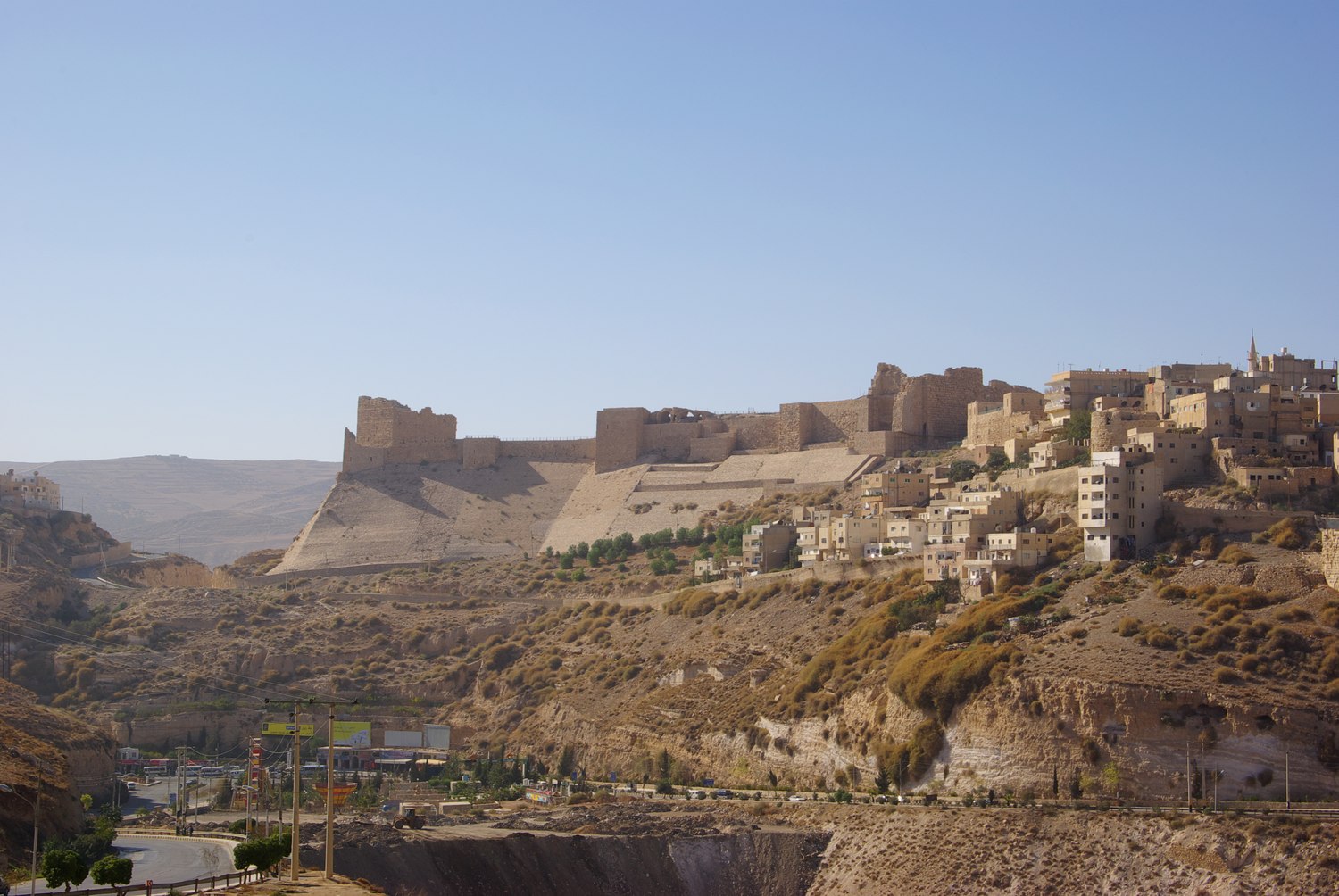
As you clamber through these stone colossi, be prepared for the fact that the underground passages and former dungeons are pitch dark, so definitely bring a strong torch or at least charge your phone well. Exploring the crumbling staircases and secret escape tunnels delights just about every adventurer — just be very careful where you step, because railings and warning signs aren’t exactly fashionable at Jordanian sites.
16. The Amman Citadel and Roman theatre
The capital, Amman, is a huge, bustling metropolis spread across many hills, whose absolute historical heart is the so-called Citadel towering high above the city. Traces of many civilisations meet here in one place, so side by side you’ll see the remains of the majestic Roman Temple of Hercules with its enormous columns and the preserved Umayyad Palace with its beautiful dome. When you look down from here into the busy centre, you’ll see another architectural gem — the enormous Roman theatre carved into the hillside, which held up to six thousand spectators.
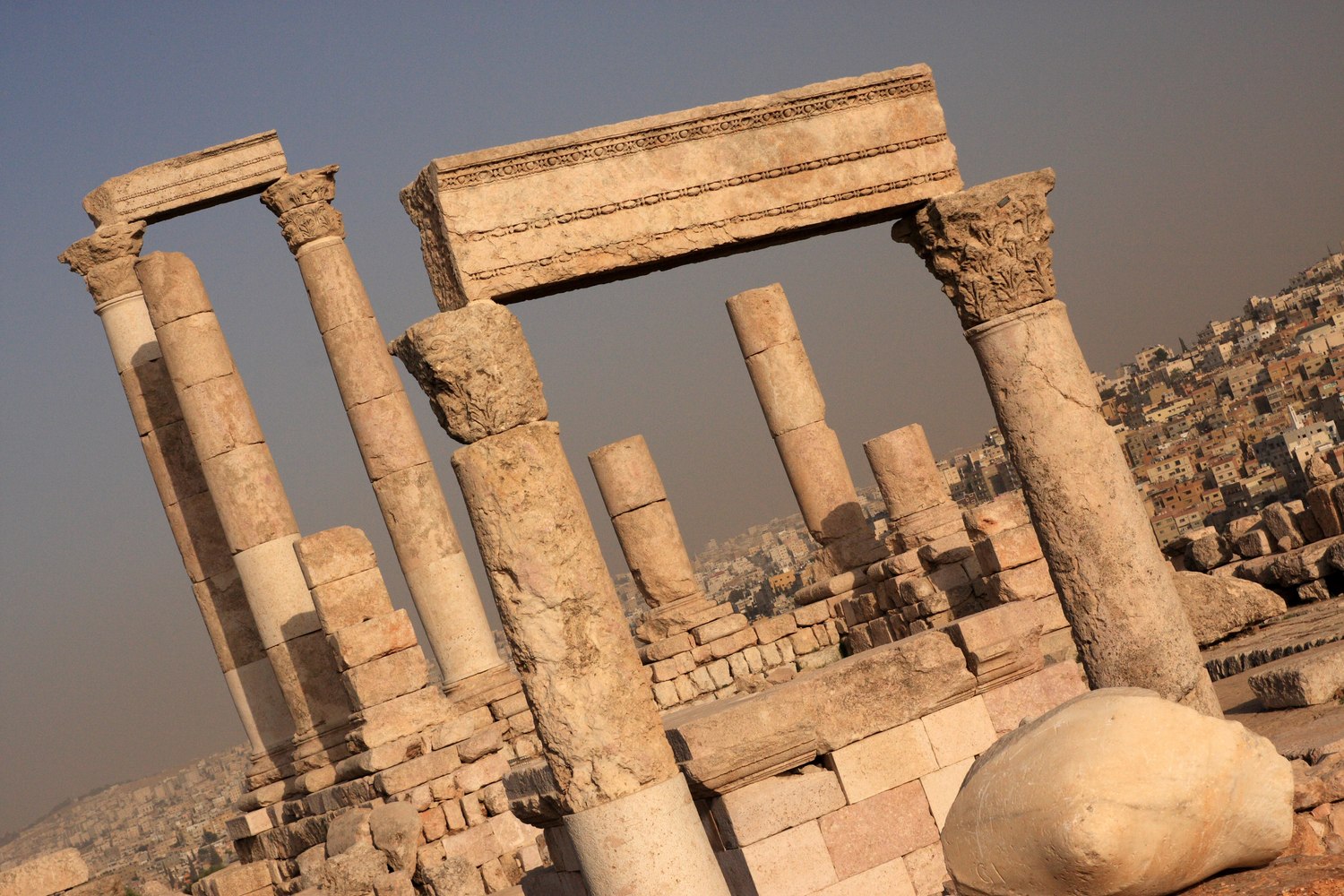
Both of these sites are naturally included in the digital Jordan Pass, so definitely don’t skip a visit even if you only stay briefly in the capital. Most guides advise heading to the Citadel about an hour before sunset, because the soft evening light beautifully paints the surrounding sandstone houses golden, and on top of that the evening call to prayer starts to ring out synchronously from the minarets across the whole city — an immensely powerful cultural moment.
17. Jerash: the best-preserved Roman city outside Italy
If you love ancient history, then a trip north of Amman to the ancient city of Jerash will thrill you, because it’s reportedly one of the best-preserved Roman cities outside Italy itself. You’ll find here a fascinating oval forum lined with dozens of tall columns, the long paved Cardo Maximus avenue, an enormous hippodrome for chariot races, and two beautifully preserved stone theatres. Walking beneath the ornate triumphal arches, you feel as if you’ve travelled back two thousand years, because the level of preservation of the structures here in the Middle East is truly extraordinary.
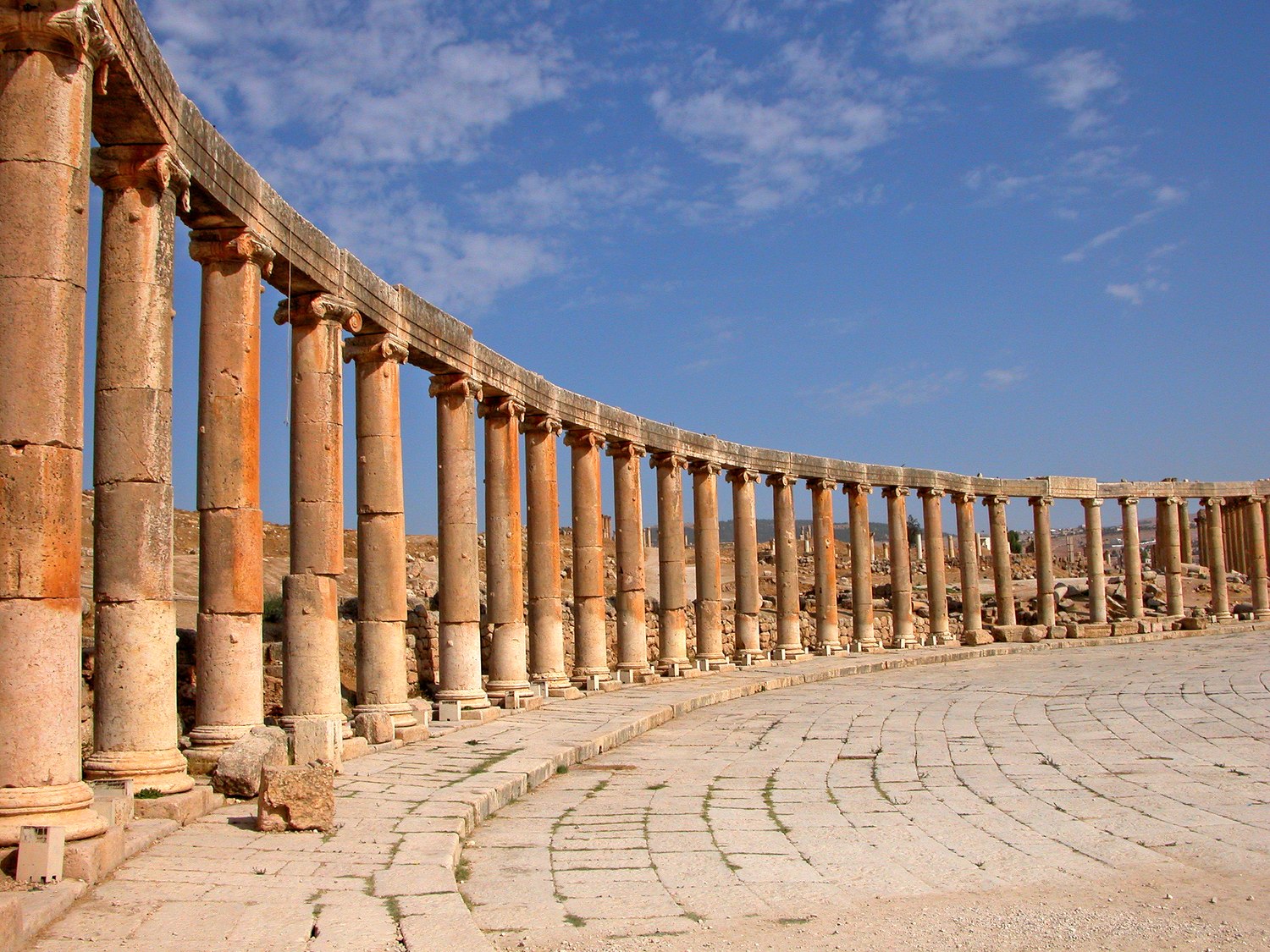
The whole archaeological site is enormous, so set aside at least half a day for the tour, and don’t forget to bring plenty of drinking water, because you’ll rarely find shade inside. Jerash is very easily reachable by ordinary car or bus from the capital, the roads north are good, and for many travellers this place becomes the single biggest surprise of the entire Jordanian itinerary.
18. Amman: downtown, souk and cafés
But Amman isn’t just ruins — it’s also a vibrant city full of life, where the traditional Arab world blends with modern culture and excellent food. Especially worth exploring is the historic downtown with its busy markets, or souks, where you can buy spices and fresh dates, and on the other hand the modern Rainbow Street lined with stylish cafés and art galleries. It’s in these streets that social life is concentrated: young Jordanians smoke shisha here in the evenings, drink strong cardamom coffee and chat in venues that wouldn’t be out of place in Western Europe.
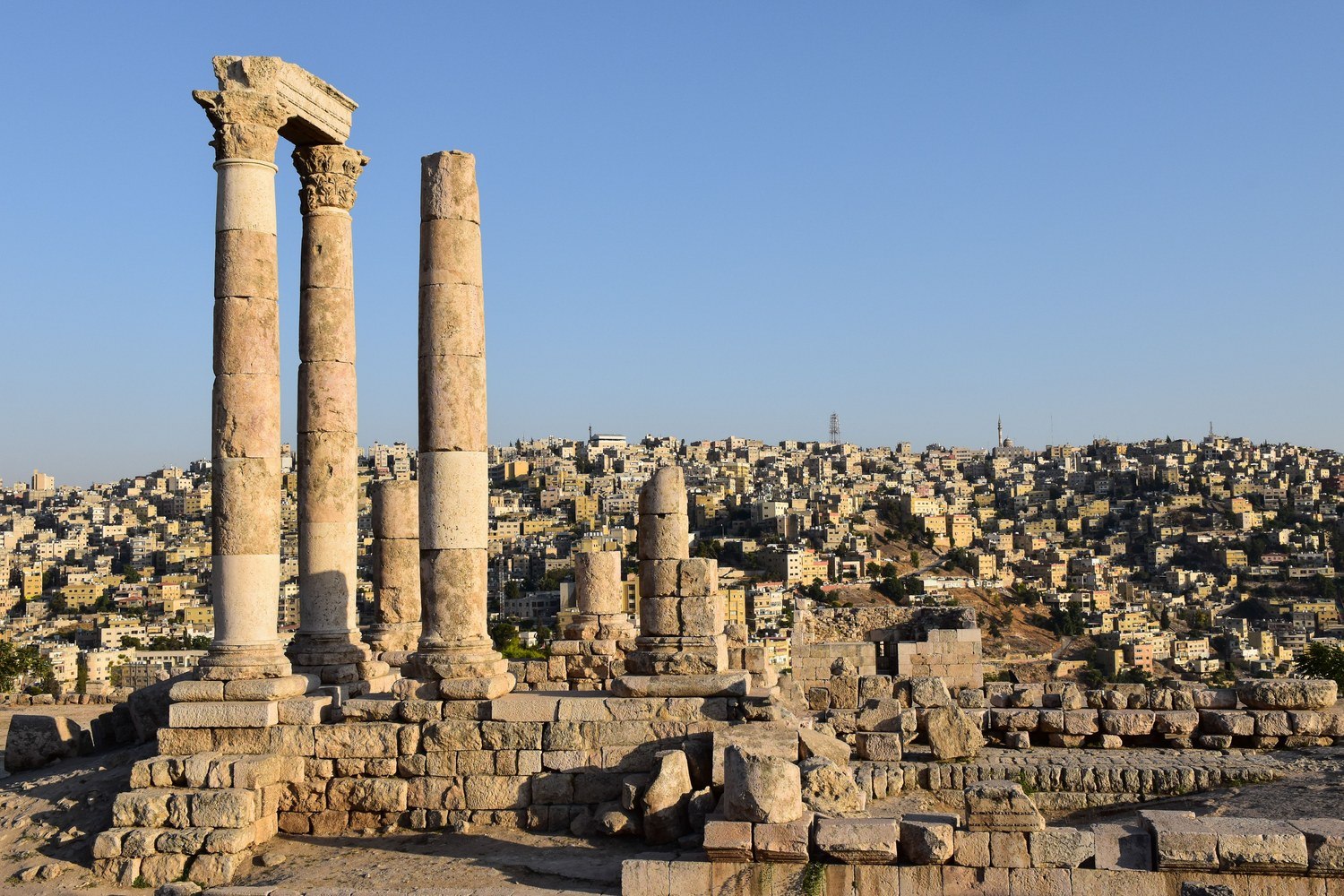
Jordan is generally a very safe and fairly open Muslim country, but when wandering around the city outside hotel resorts, always be mindful of respectful dress, which in practice means covered shoulders and knees for both women and men. The capital is otherwise very welcoming to tourists, and if you’d like to extend your stay, you can take inspiration from our tips on where to go on holiday in September, when a very pleasant autumn without extreme heat begins here.
19. Ajloun and Saladin’s castle
Once you head to the north of the country to explore Jerash, it’s worth driving a little further into the hills to the town of Ajloun, where a mighty medieval castle from the twelfth century rises. This impregnable fortress wasn’t built by the Crusaders but, on the contrary, by the famous Arab commander Saladin, to protect the area from Christian raids and control the local iron mines. What will surely surprise you in this northern region is the unexpectedly green landscape full of pine forests and olive groves, which forms an enormous contrast with the dry, parched desert in the south of the kingdom.
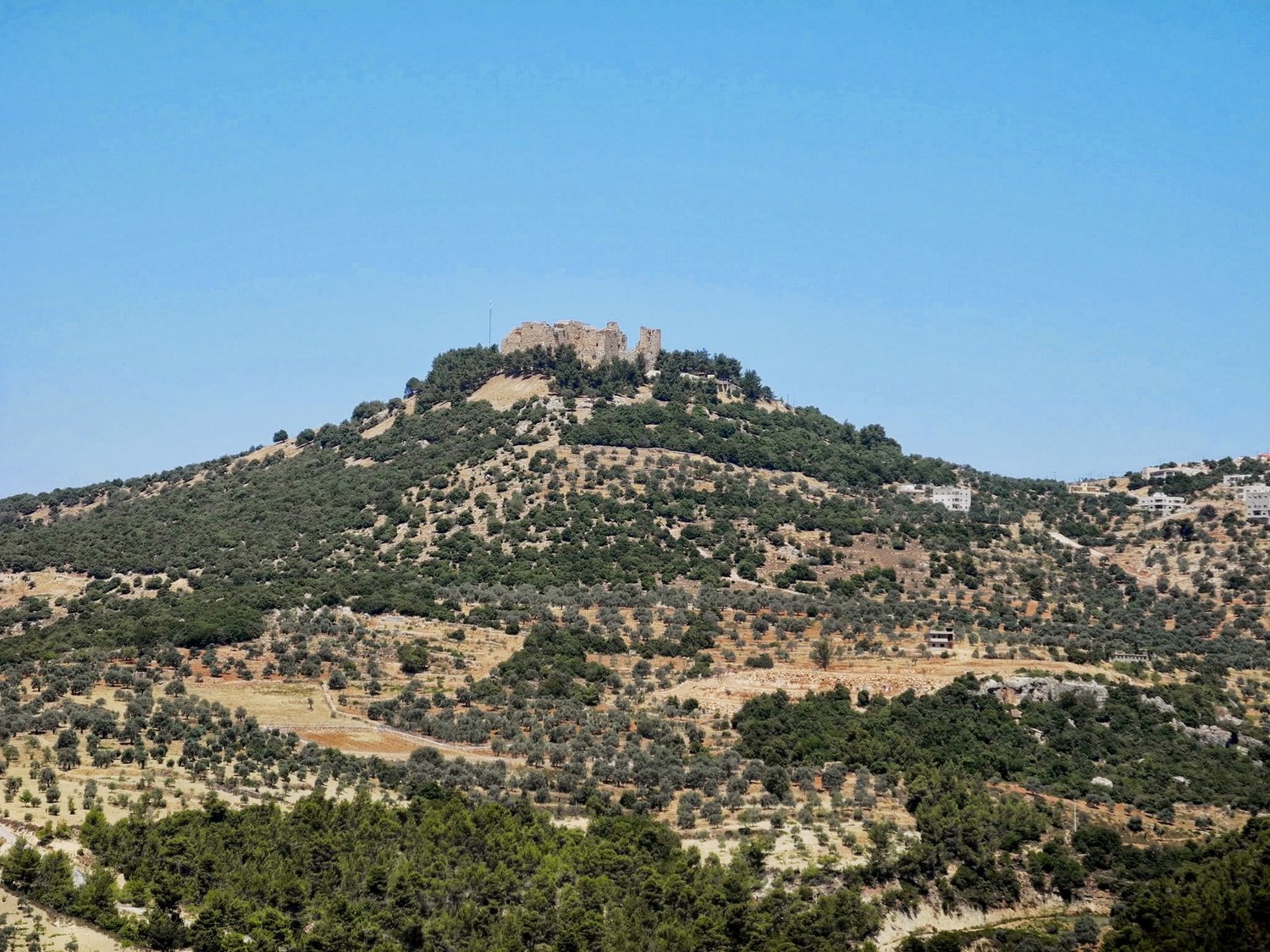
The road to the castle winds nicely through mountainous terrain, so if you’re driving a rental car, be careful on the narrow stretches and watch out for the unpredictable behaviour of local drivers, who treat the traffic rules more as suggestions. On self-driven trips like this, the absolute basic is having decent travel insurance arranged, because although the country is safe, a minor accident or health problem far from the big cities can seriously complicate the whole holiday.
20. Aqaba and the Red Sea
Right at the very south lies the city of Aqaba, Jordan’s only port and at the same time a popular beach destination on the shores of the Red Sea. It’s a little paradise for lovers of the underwater world, because you’ll find gorgeous coral reefs ideal for snorkelling and diving, along with deliberately sunk shipwrecks and aircraft to explore. A huge advantage of this location is its very stable, warm weather — even in the middle of winter the sea water temperature reportedly doesn’t drop below 21 °C, so you can warm up here essentially any time of year.
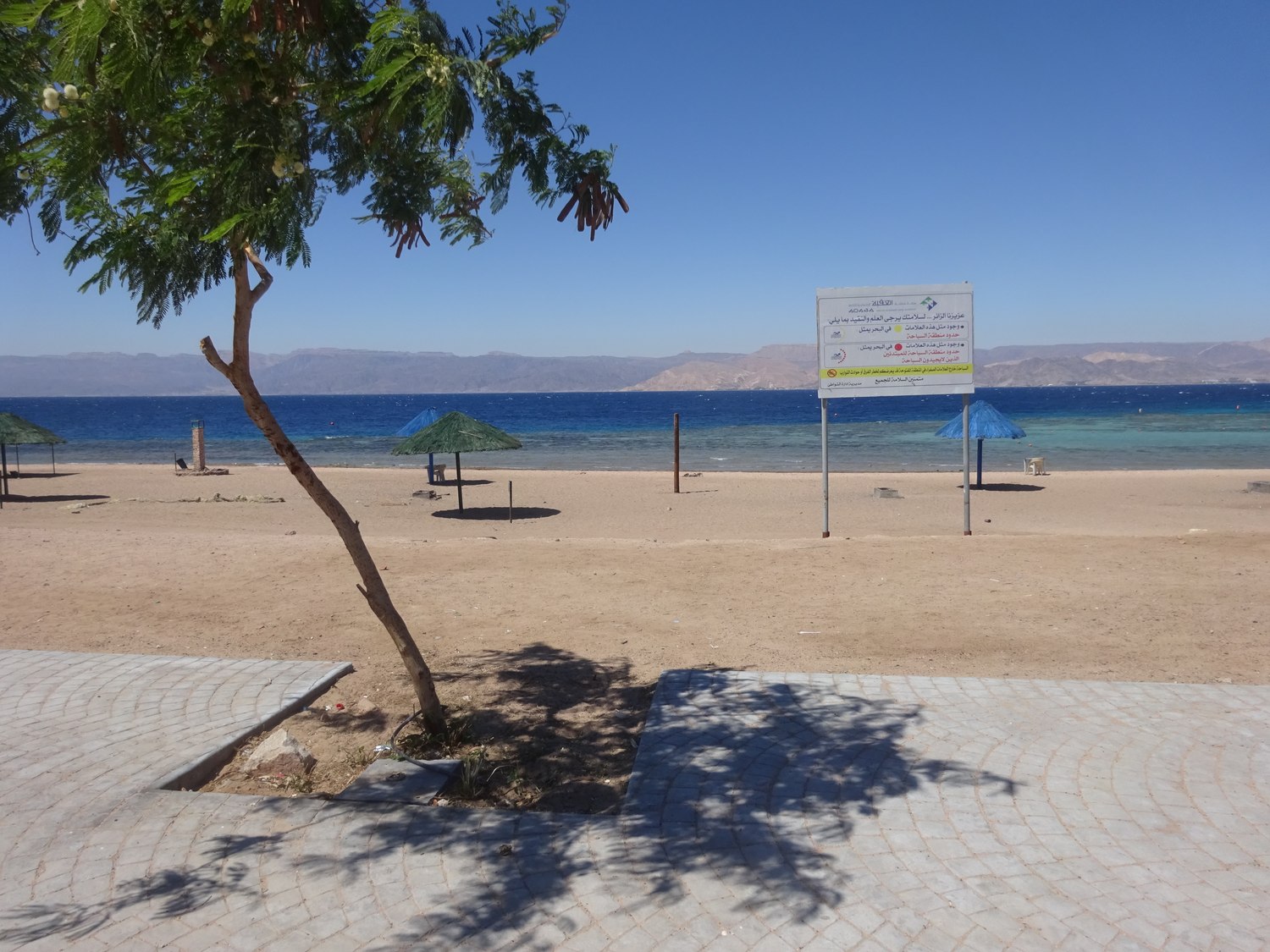
Aqaba is only about an hour’s drive from the Wadi Rum desert, so it makes perfect sense to end the whole Jordanian road trip right here and, after the demanding walking around the sites, treat yourself to a few days of well-earned beach relaxation. Plenty of international resorts operate here, where you can freely wear ordinary swimwear, and on top of that the entire city is a special economic zone with lower taxes, which makes it a great place to pick up your last souvenirs before heading home.
Jordan Pass and the travel visa: sort it out before you fly
If you’re planning a trip to this kingdom, you’ll certainly want to know how to save on entries and the travel visa for Jordan. By far the best move is to get the special digital pass, which travellers talk about as an absolute essential for every tourist. It saves you not only a lot of money but also time and hassle at the border.
This smart document pays off for practically everyone, because entry to Petra alone costs tens of dinars depending on the number of days. Just keep in mind that prices and conditions change from time to time, so always check everything in advance on the official websites.
- It’s bought online before arrival and includes entry to more than 40 sites (among others Petra, Wadi Rum, Jerash and the Amman Citadel).
- It waives the tourist visa fee, but only if you spend at least 3 nights in Jordan.
- It comes in three versions depending on how many days you want to spend in Petra (the cheapest Wanderer version works out at roughly 70 JOD).
- The evening Petra by Night event is not included in the Pass and you have to pay for it separately on the spot.
💡 TIP: You just download the digital card to your phone, because only the QR code is shown at the border and at the entrances. You can buy it via the official Jordan Pass website.
Itinerary for 7 and 10 days: how to plan out Jordan
Putting together a sensible trip plan can sometimes be a puzzle, but according to travellers’ recommendations you can cover the main loop in a single week. If you have more time, it definitely pays off to add extra days for swimming by the sea or exploring the more remote sites in the south of the country.
The classic week
- Day 1: Arrival in Amman and a tour of the historic Citadel.
- Day 2: Trip north to ancient Jerash and Ajloun castle.
- Day 3: Stop in Madaba, the view from Mount Nebo and transfer to the Dead Sea.
- Day 4: Relaxation by the Dead Sea and an afternoon transfer to the town of Wadi Musa.
- Day 5: A whole day set aside for the main trail in the rock city of Petra.
- Day 6: A morning tour of Little Petra and an afternoon transfer to the Wadi Rum desert with an overnight stay in a camp.
- Day 7: A morning waking up in Wadi Rum followed by departure or a transfer to Aqaba.
Ten days without rushing
- Day 8: Add a second day in Petra and hike all the way to the distant Ad-Deir Monastery.
- Day 9: Head to Aqaba for diving and a full day of relaxation by the Red Sea.
- Day 10: Use the extra day to trek through the Wadi Mujib gorge or explore the Kerak and Shobak Crusader castles.
Where to stay in Jordan
Finding accommodation in this country has its quirks, and it pays to choose strategically depending on where you’re headed. Travellers appreciate that the range spans from simple city guesthouses to luxurious glass tents right in the sand dunes.
💡 Tip: Accommodation in Wadi Musa and by the Dead Sea sells out well in advance in high season, because the number of reasonable options is limited. Browse the current accommodation offers in Jordan and book with free cancellation.
Overview of areas
- Amman: A great base for trips to the north, close to the airport and with the best choice of city restaurants.
- Wadi Musa: Practically the only sensible base for visiting Petra, because you’ll find all the amenities right by the entrance.
- Dead Sea: Large resorts with direct access to the beach and healing mud, but otherwise don’t expect anything else to explore in the surroundings.
- Wadi Rum: Bedouin camps where you sleep right in the desert, so don’t count on a classic hotel standard.
- Aqaba: A Red Sea destination offering hotels close to the beach and excellent conditions for diving.
Specific accommodation tips
- Mövenpick Resort Petra: A beautiful hotel in the town of Wadi Musa, standing right by the main entrance to Petra.
- Petra Guest House Hotel: Accommodation right by the gate into the rock city, with a unique bar set in a Nabataean cave.
- Mövenpick Resort & Spa Dead Sea: A popular large resort by the Dead Sea with its own beach and pots of healing mud.
- Kempinski Hotel Ishtar Dead Sea: A sprawling, luxurious complex by the Dead Sea with several pools and great comfort for guests.
- Memories Aicha Luxury Camp: An exceptional experience in Wadi Rum with glass bubbles that offer a stunning view of the stars at night.
- The Boutique Hotel Amman: A quiet and affordable base located right in the centre of the capital.
What to eat in Jordan
The local cuisine is full of spices and fresh ingredients, often shared at one big table with friends and family. According to many reviews, it’s an absolute paradise for food lovers, regardless of whether you prefer vegetables or seek out meat specialities.
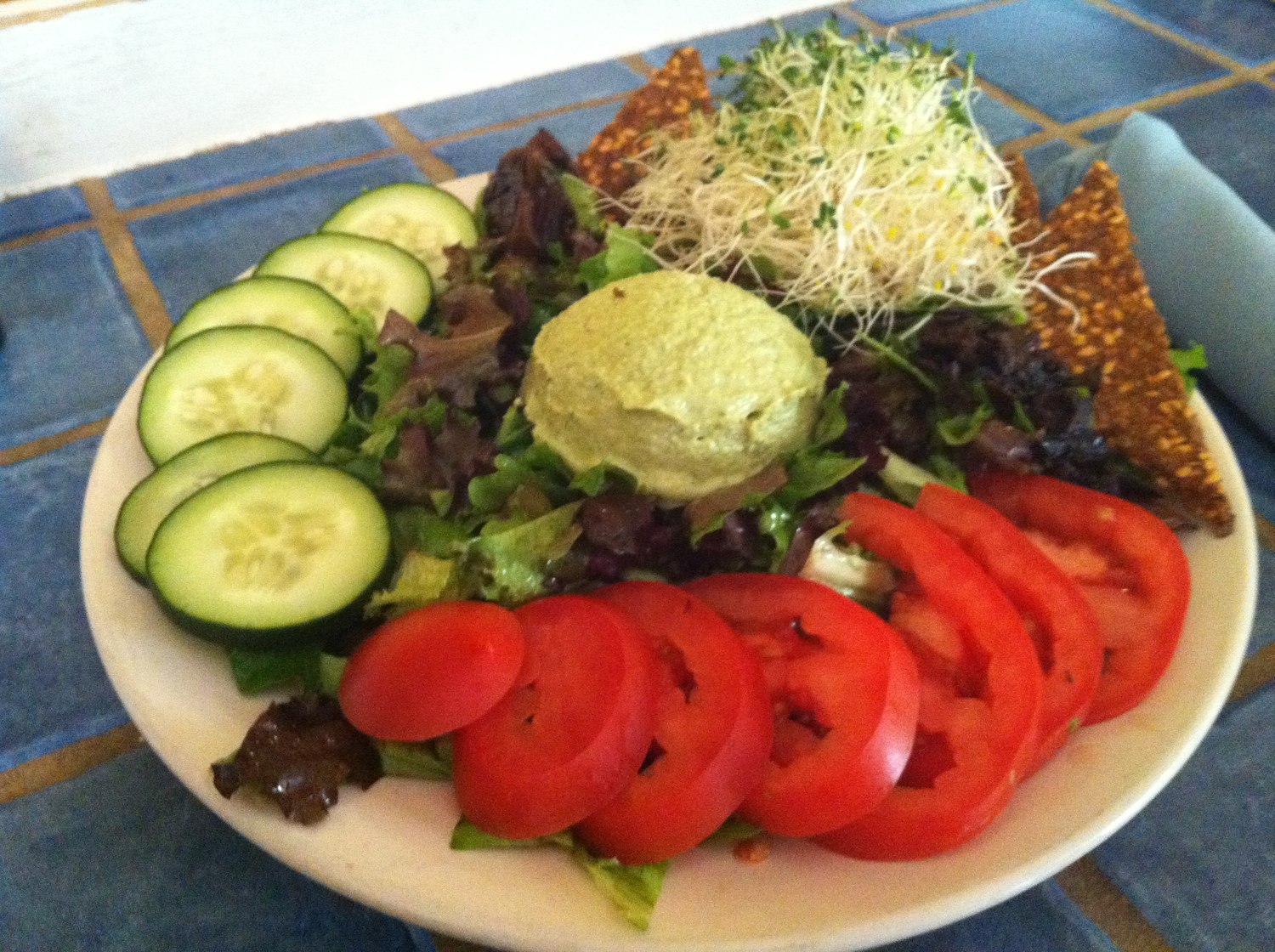
Traditional dining usually starts with so-called mezze, which is a pile of small bowls with various starters. Although the national dish is mansaf with lamb and a yoghurt sauce — a typical local speciality — we always look forward most to the incredibly varied selection of vegetable dishes and pulses.
- Hummus: Trust me, in the Middle East this chickpea paste plays in a completely different league than the one from an ordinary shop.
- Falafel: Fried chickpea balls that are an absolutely classic and very popular breakfast here.
- Mutabbal and baba ghanoush: Excellent spreads made from roasted aubergine, with a delicately smoky flavour.
- Fattoush and tabbouleh: Fresh and crunchy salads with a huge amount of fresh herbs, tomatoes and lemon juice.
- Manakish: A warm flatbread sprinkled with za’atar, an immensely fragrant mix of thyme and sesame.
- Maqluba in the vegetarian version: A traditional “upside-down” pot of rice with vegetables and rich spices.
- Kanafeh: A sweet dessert of cheese and shredded pastry with syrup, a Jordanian classic loved across the whole region.
- Bedouin tea with sage and mint: This sweet hot drink is offered absolutely everywhere and is almost impossible to refuse 😅.
💡 TIP: Being a vegetarian in Jordan is very easy, because the local mezze starters are largely purely plant-based and absolutely delicious.
How much does a holiday in Jordan cost
A lot of travellers are a bit shocked that Jordan is by no means a cheap destination. The local dinar (JOD) is one of the strongest currencies in the world (roughly 1 JOD works out to around €1.30, and the dinar is pegged to the US dollar). Entry to the main sites is fairly expensive, so prepare a rough budget estimate in advance.
- Flights with a connection: There are no direct flights from most places (you fly via Istanbul, Vienna or Dubai), so count on roughly €250 to €500 return.
- Jordan Pass: For two basic passes you’ll pay roughly €190 to €200.
- Accommodation: The price for a week’s stay for two people usually ranges between €400 and €820 depending on the hotel level.
- Food: Eating out will cost roughly €200 to €410 if you cleverly combine street stalls and classic restaurants.
- Transport and driver or rental car: A week’s car rental with fuel usually costs around €330 to €570.
- Excursions and the Bedouin camp: Desert jeeps and an overnight stay for two come to another €160 to €330.
💡 TIP: If you want to save right at the start of your planning, read our article on how to find cheap flights.
Getting around Jordan
Moving around the country is much easier than it might seem at first glance from the map. Most people opt for a combination of different modes of transport so they can see as many places as possible without needless stress or worries about getting lost.
Rental car
Driving here is fairly relaxed and they drive on the right, so you’ll get used to the traffic quickly. The roads between the main tourist spots are surprisingly good and well signposted, including in English.
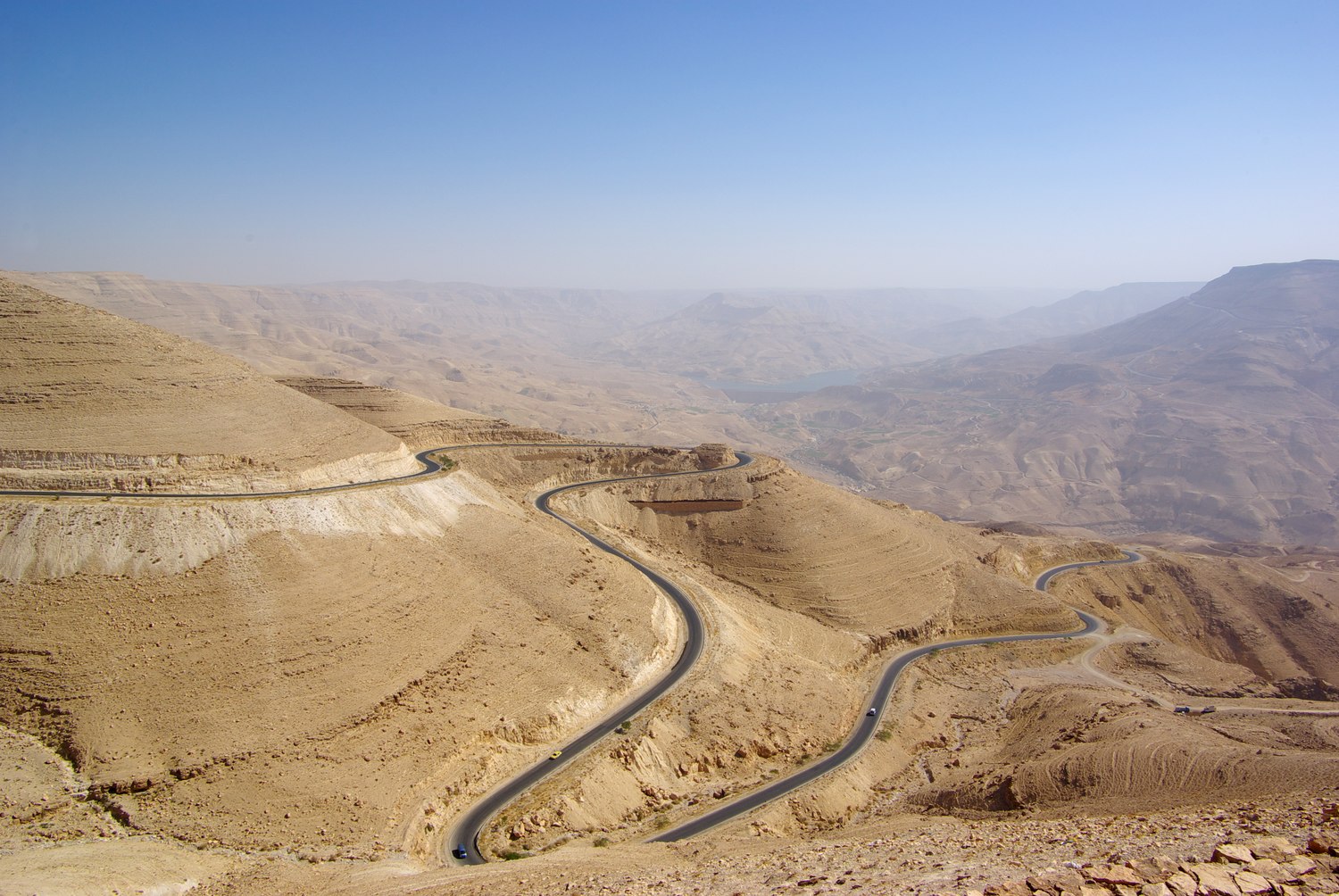
If you head south, definitely don’t miss the legendary King’s Highway. It’s much slower than the main modern motorway, but it offers you the very best views over deep canyons.
Driver or an organised tour
If you don’t feel up to driving in a foreign country, hiring a car with a local driver is very common practice here. It’s reportedly a great way to travel, letting you learn plenty of interesting facts from the locals and avoid constantly staring at the navigation.
The drive between Amman and Petra takes roughly three hours, so it can easily be done even as part of a one-day organised trip. Many tourists appreciate that it saved them a lot of organisational hassle.
JETT buses and taxis
For travelling between the big cities, the comfortable JETT company buses work brilliantly, reliably connecting Amman, Petra and southern Aqaba. Tickets can be bought online and the vehicles are usually fully air-conditioned.
Within cities, forget lengthy street haggling with taxi drivers. The Careem mobile app works much better — you can easily call a ride through it and see the final fare clearly in advance.
What to watch out for in Jordan
Even though this destination is very welcoming to tourists, some small details can occasionally catch you off guard. It’s better to prepare for the local quirks in advance so you can enjoy your holiday as smoothly as possible without needless complications ☺️.
- Heat and lack of shade in Petra: The sun can be merciless here, so don’t underestimate large water supplies and a head covering.
- Kilometres on foot: In the rock city you’ll routinely walk 12 to 15 km a day, so quality hiking boots are an absolute must.
- Donkey and camel offers in Petra: Locals will constantly offer you a ride, but the question of animal welfare is very problematic here and most people don’t recommend it.
- Pushy transport and souvenir sellers: Vendors can be persistent at times, so you need to arm yourself with patience and learn to decline politely.
- Cold nights in the desert: Temperatures in Wadi Rum drop sharply after sunset, even during the warmer spring months.
- Dead Sea rules: Shaving the day before is a bad idea, you must never put your head under the water, and water shoes against the sharp crystals will definitely come in handy.
- Wadi Mujib closures after rain: This popular water gorge is often closed due to the danger of unexpected flash floods.
- Current safety guidance: Given the country’s location in the region, it pays to carefully follow the warnings of the relevant authorities.
Before you fly, it’s always best to read the latest travel advice from your own country’s foreign office or government travel service.
Is Jordan safe to travel?
The question of safety probably crosses the mind of anyone who looks at a map of the Middle East and sees the surrounding states. The truth, however, is that this kingdom has long been among the very stable countries of the whole region, and the tourist areas are considered completely safe. Crime against foreigners is exceptionally low, and the locals, on the contrary, are incredibly hospitable, helpful and glad to lend a hand.
At the same time, though, it’s a country that directly borders fairly unsettled areas, so the situation across the border can occasionally develop. It therefore always pays to check the latest official travel advice and, before your trip, arrange reliable travel insurance that safely covers even cancellation of flights and accommodation.
Where next: more tips for trips into history and desert
If you’re drawn to the Arab world, sand dunes, or you’re simply looking for inspiration for your next escape to warmth, we’ve prepared several more useful guides for you.
- Where to go on holiday in September
- Where to go on holiday in Egypt
- Oman holiday
- How to find cheap flights
- Travel insurance
Frequently asked questions
Planning a trip to the Middle East always brings a pile of practical questions and organisational details. So we’ve put together answers to the most common things travellers deal with most before buying their flights.
When is the best time to visit Jordan?
The ideal time to visit this country is March to May in spring and then September to November in autumn. During these months, pleasant temperatures prevail, allowing for long walks through the monuments and comfortable sleeping in desert camps. On the other hand, experienced travelers recommend avoiding the summer months, as temperatures reach extreme values. For example, in July the average temperature in Petra is 33.6 °C and at the Dead Sea it’s even 38.5 °C, which makes sightseeing truly exhausting. Winter months can bring cold nights and occasional rain.
Is the Jordan Pass worth it?
This special tourist card is almost always worth it when you’re visiting Petra and staying in the country for at least 3 nights. Its main advantage is that it completely waives the tourist visa fee and also includes free entry to more than 40 monuments. It’s purchased easily online before arrival and then you just need to show it on your phone. Given that admission to the rock city alone costs a considerable amount of money, purchasing this pass will save you a large portion of your budget in the first few days of your holiday. Just make sure to check the minimum number of nights requirement.
How many days do I need for Jordan?
The absolute minimum for a quick visit to the most essential sites is 5 days, but the ideal duration for a comfortable holiday is between 7 to 10 days. During a week you can cover Amman, the Dead Sea, Petra and sleep in Wadi Rum without too much rushing. If you add another three days, you can also enjoy relaxation by the Red Sea in Aqaba or explore lesser-known Crusader castles. For Petra itself, definitely count on a full day, but many people praise the fact that two days are much better for a thorough exploration of the site.
How much time do I need for Petra?
For a basic tour you’ll need at least one full day, during which you can comfortably walk the main route through the valley and see the most famous tombs. However, if you want to explore the site more thoroughly and hike up to the more distant Ad-Deir monastery, two days are recommended. Keep in mind that the terrain is very expansive and there’s a lot of uphill walking. Typically be prepared to walk around 12 to 15 km per day in direct sunlight, so it’s much better to wisely split up your visit.
Is Jordan safe?
Yes, the tourist areas have long been among the safest in the entire wider region. The country has a stable government and security forces very carefully ensure that nothing happens to foreigners. Common crime targeting tourists occurs here absolutely minimally and local people are renowned for their warm hospitality. Nevertheless, it’s important not to forget that the country is located in the neighborhood of unstable areas. Before any trip, therefore, monitor current recommendations from your foreign affairs ministry to stay informed about any local changes or warnings.
Can you swim in Jordan?
Swimming is definitely possible here, but you need to know exactly where to go. Classic swimming and water sports can be enjoyed in Aqaba on the Red Sea, where you can swim year-round and the water temperature doesn’t drop below 21.4 °C even in winter. In contrast, the famous Dead Sea is more of a unique experience than traditional swimming. Due to the extremely high salt content, you can’t swim in it at all; the water simply lifts you up and you just comfortably float on the surface. You also need to enter the water very carefully so you don’t splash it into your eyes.
Do I need a visa for Jordan?
Yes, a tourist visa is required to enter the country, but there’s a very easy way to avoid paying for it. If you purchase the aforementioned Jordan Pass online in advance and spend at least 3 nights in the kingdom, the visa fee is automatically waived. At the airport you then just show the QR code and receive a stamp in your passport. If you were to sleep fewer nights in the country, you would have to pay for the visa the standard way upon arrival. In any case, always verify the current entry requirements before traveling, as bureaucratic rules sometimes change.
Can vegetarians eat well in Jordan?
Without the slightest problem, this destination is incredibly accommodating to people on a plant-based diet and the food here is very good. Traditional Arabic appetizers called mezze are in fact largely purely vegetable-based. You can look forward to excellent authentic hummus, crispy falafel, eggplant mutabbal or refreshing fattoush salad. All of this is accompanied by warm manakish flatbread with spices. Just order several of these small bowls in a restaurant and you’ll get a huge feast. Many travelers agree that these meat-free delicacies are among the very best.
Tips and Tricks for Your Vacation
Don’t Overpay for Flights
Search for flights on Kayak. It’s our favorite search engine because it scans the websites of all airlines and always finds the cheapest connection.
Book Your Accommodation Smartly
The best experiences we’ve had when looking for accommodation (from Alaska to Morocco) are with Booking.com, where hotels, apartments, and entire houses are usually the cheapest and most widely available.
Don’t Forget Travel Insurance
Good travel insurance will protect you against illness, accidents, theft, or flight cancellations. We’ve had a few hospital visits abroad, so we know how important it is to have proper insurance arranged.
Where we insure ourselves: SafetyWing (simple monthly subscription) and TrueTraveller (for extra-long trips).
Find the Best Experiences
Get Your Guide is a huge online marketplace where you can book guided walks, trips, skip-the-line tickets, tours, and much more. We always find some extra fun there!