Spanish Tapas: What They Are, How to Eat Them & 16 Dishes to Order

TL;DRTapas are small plates meant for sharing round the middle of the table, traditionally served alongside beer or wine in bars across Spain. The article rounds up 16 specific tips on what to order – from patatas bravas and tortilla española to jamón ibérico de bellota, croquettes, pintxos in the Basque Country and churros with chocolate in Madrid. In Granada and León you get free tapas with every drink; elsewhere, lunch runs from two till half three and dinner kicks off after nine. Tap water’s been free since 2022, and tipping isn’t expected – most people just round up or leave five to ten per cent.

In Spain, people don’t eat to live — they live to eat. Food functions as social glue here, setting the rhythm of the entire day and defining the pride of each region. If you’re planning a trip to the Iberian Peninsula, there’s one thing I need to warn you about upfront. Food is a sacred ritual here, and wolfing down a sandwich on the go simply isn’t done.

To truly understand the local culinary scene, you need to accept that eating means sitting down and sharing plates in the middle of the table. It means talking over each other and letting time drift by. In this article, you’ll find 16 classic Spanish tapas dishes you shouldn’t miss on your trip. I’ll also help you navigate local customs, figure out when to head to a restaurant, and how to order like a true local.

Right from the start, though, I have a confession to make. Lukáš and I aren’t exactly typical tapas bar visitors, because we’re both vegetarians and half of Spain’s bar classics revolve around cured ham and seafood. Luckily, we have a friend called Gábi who lived in Spain for several years, and we visited her there multiple times. Gábi absolutely loves tapas and always dragged us out to tapas bars. Thanks to her, we learned how things work, what to order as a vegetarian, and what dishes make everyone else swoon.

TL;DR

  • Tapas are small portions of food traditionally shared in the middle of the table. They’re meant to accompany beer or wine and spark conversation.
  • In Granada and León, you get tapas for free with every drink you order. With each subsequent round, the quality of the food usually goes up.
  • Spaniards eat much later than we’re used to in the UK. Lunch runs from 2 to 3:30 pm, and dinner doesn’t start until after 9 pm.
  • The Basque Country in the north is famous for its pintxos — culinary masterpieces speared with a toothpick on a slice of crusty bread.
  • Tap water has been free since 2022, and every restaurant is legally required to bring it to you upon request.
  • Tipping isn’t expected in Spain because staff receive a proper salary. For exceptional service, it’s common to leave five to ten percent or simply round up the bill.

How (and Where) to Eat Like a Local

Try to impose your usual British eating schedule on Spanish reality and you’ll hit a brick wall. You’ll be hungry, needlessly frustrated, and will very likely end up in overpriced tourist traps. Adapting to the local timetable is a matter of survival — and respect for the culture. There’s one iron-clad rule you need to remember. Any restaurant open at six in the evening is aimed exclusively at tourists — locals wouldn’t dream of having dinner at that hour.

Let’s walk through a typical Spanish day. Morning starts gently with desayuno, when most people knock back a coffee and munch on toasted bread rubbed with crushed tomatoes. The main meal of the day arrives in the afternoon between two and half past three. The working day grinds to a complete halt and restaurants fill to bursting. The best value for money is the daily set menu called menú del día, which typically includes a starter, a main course, dessert and a drink.

After the meal comes the sacred sobremesa — a time when nobody rushes anywhere and passionate debate continues at the table. The afternoon hunger gap is then filled by merienda, a small snack around six o’clock. Dinner is lighter and more social, and in scorching Andalusia it’s perfectly normal for people to sit down to eat at quarter to eleven at night.

The Difference Between Tapas, Raciones and Pintxos

The word tapa originally meant “lid.” A famous story has it that bartenders in the south used to cover wine glasses with a slice of cheese to keep the flies out. Today it’s a nationwide phenomenon with thousands of regional faces. Madrid’s culture revolves around sharing larger portions called raciones or half-sized media raciones. A typical Madrid evening means bar-hopping with gusto — you hit three or four bars, order each one’s signature dish, and move on. This ritual is known as tapeo.

Up north in the Basque Country, the culture of small bites has been elevated to absolute visual and flavour perfection. Locals call them pintxos, from the Spanish word for “to pierce.” A pintxo is a miniature masterpiece speared with a toothpick on a slice of bread that you pick out yourself from groaning bar counters. The golden rule for the northern coast is clear: have no more than two pieces at one bar, wash them down with the local sparkling wine, and continue to the next place. Don’t throw away the toothpicks — the staff use them to tally up your bill at the end.

Where You Get Free Food and How to Order

In Andalusia, a wonderful old tradition lives on — one that will delight every budget-conscious traveller. Head to the city of Granada or certain parts of Seville, order a beer, and a small plate of food will automatically appear alongside it — completely free. With each subsequent drink, the size and sophistication of the dishes that land on your table tends to increase. You’ll start with simple olives and almonds, but by your third beer you might receive a generous portion of stewed chickpeas or cheese croquettes. Surprisingly, you’ll find the same custom up north in the city of León.

💡 Tip from Gábi: In Granada, never order food straight away. Order a beer or wine first, wait to see what plate arrives with it, and only then decide whether you’re still hungry.

Spanish waiters can come across as a bit brusque or rushed to British visitors. Don’t expect your server to check on you every five minutes. Want to order another drink? You’ll need to catch the waiter’s eye or simply wave them over — this isn’t considered rude here. As for tipping, nobody actively expects it. The custom is more to round up the final amount, or leave a few coins for particularly good service.

16 Spanish Tapas Dishes You Must Try

I’ve put together a list of the most iconic small plates you’ll encounter in bars across the country. Lukáš and I personally tested all the vegetarian options, while the meat and fish dishes come recommended by Gábi, who after years of living in Spain knows them better than many locals. Spain is anything but uniform, and that diversity is reflected perfectly on the plate.

1. Patatas bravas

What’s a trip to Spain without trying the ultimate potato classic? You’ll find it on the menu at virtually every traditional bar, and it rarely disappoints. Patatas bravas are irregularly cut chunks of potato that are first slowly confit in olive oil and then flash-fried until crispy. This double cooking process ensures they’re beautifully soft inside with an irresistible golden crust on the outside.

The real secret, though, lies in the sauce — and it varies dramatically depending on which region you’re in. In Madrid, the traditional salsa brava is made from smoked paprika, meat or vegetable stock, and a touch of flour for thickening. You won’t find tomatoes anywhere near it. The result is a mildly spicy, earthy flavour that pairs perfectly with the potatoes.

In Catalonia and along the eastern coast, by contrast, the potatoes come with a rich tomato sauce spiked with chilli. Sometimes a generous dollop of garlic mayonnaise (alioli) is added, which beautifully mellows the heat. It’s the ideal vegetarian choice — pair it with a cold draught beer and it will keep you going all afternoon.

2. Tortilla española

The Spanish omelette is a phenomenon that unites the entire country, from the snow-capped Pyrenees to the sun-drenched beaches of Andalusia. The basic recipe is almost unbelievably simple — all you need is quality potatoes, eggs, a generous amount of olive oil and a pinch of salt. A proper tortilla should be firm on the outside but still slightly runny and creamy in the centre — what locals call jugosa.

The question of whether onion belongs in this national dish sparks fierce, nationwide debate. The country is irreconcilably divided into two camps. Onion supporters call themselves concebollistas and insist that onion adds essential sweetness and moisture. Opponents, known as sincebollistas, believe onion spoils the pure flavour of eggs and potatoes. Whichever version you try, you’re in for a treat.

Tortilla is served either warm straight from the pan, or cold, cut into small cubes or wedges. In the morning, you’ll often see it perched on a chunk of fresh bread as a hearty breakfast. Vegetarians swear by it because it’s a reliable lifeline in bars where meat and cured sausages otherwise reign supreme.

3. Jamón ibérico de bellota

This world-famous cured meat is often dubbed the “caviar of ham” in gastronomic circles. It’s not just any dried pork leg — it’s a product with strictly protected origin. It comes from black Iberian pigs that roam freely through vast oak groves in southwestern Spain, feeding exclusively on fallen acorns during autumn and winter.

It’s precisely the acorns that give the meat its distinctive nutty flavour and fat rich in oleic acid. Connoisseurs say that slices of this premium ham literally melt on the tongue thanks to the high content of healthy fats. Carving the leg is a highly prestigious profession — the masters of this craft are called cortadores. A bad cut can irreversibly ruin the entire delicacy.

This speciality is always served at room temperature so all its flavour nuances can shine. On the plate it looks deceptively simple — no sides or sauces needed. Locals most commonly pair it with a glass of dry sherry or a full-bodied red wine from the Ribera del Duero region. It’s an experience you’ll pay a premium for, but Gábi considers it the absolute pinnacle of Spanish gastronomy and never fails to add that if you haven’t tried jamón, you haven’t really been to Spain.

4. Croquetas

At first glance, they look like ordinary fried cylinders, but don’t let their humble appearance fool you. Well-made croquetas are a true masterpiece and the ultimate test of any Spanish chef’s skill. The base isn’t mashed potato, as many people wrongly assume, but a proper, very thick béchamel sauce that needs to be cooked for a long time to lose any floury taste.

Once cooled, the béchamel mixture is shaped into small cylinders, coated in egg and breadcrumbs, and deep-fried in hot oil. The contrast between the crispy shell and the molten interior is exactly what makes croquetas so utterly addictive. When you bite in, the hot filling should ideally flood across your tongue.

Although the most common variety is stuffed with bits of cured ham, there are plenty of meat-free alternatives. I’d recommend trying croquetas filled with porcini mushrooms or with spinach and pine nuts, which are hugely popular among vegetarians. The versions made with strong Cabrales blue cheese are also excellent — they’ve got real punch and pair beautifully with a heavier red wine.

5. Pimientos de Padrón

If you enjoy a bit of culinary thrill, these small green peppers from the Galician town of Padrón will be right up your street. A local saying goes that some are hot and some are not. Eating them is a bit like playing Russian roulette — roughly one in ten peppers packs an unexpectedly fiery punch. They all look exactly the same, too.

The preparation is wonderfully minimalist, letting the ingredient itself shine. The whole peppers are tossed into a scorching hot pan with a generous glug of quality olive oil and fried at high heat. Within moments, their skin blisters and takes on a light char. They’re then scattered with coarse sea salt and served straight to the table.

You eat them simply with your hands — grab the stem and bite off the rest. They make a brilliant vegetarian snack whose saltiness positively screams for another sip of cold beer. From personal experience, a single plate in the middle of the table vanishes within minutes, so don’t be shy about ordering a double portion.

6. Gambas al ajillo

This Andalusian classic is a treat for all seafood lovers. It’s an incredibly fragrant and rather dramatic dish that often arrives at the table still sizzling furiously. The prawns are cooked in a traditional clay dish called a cazuela, which retains heat superbly. The key is top-quality olive oil in which plenty of sliced garlic and a piece of dried chilli pepper are briefly sautéed.

Once the garlic starts to turn golden, fresh peeled prawns are tossed into the dish. They cook for just a couple of minutes so they stay beautifully tender and juicy. The whole dish is served piping hot, the oil still bubbling, filling the air with an utterly intoxicating scent of garlic and the sea. Local chefs are meticulous about not overcooking the ingredients.

The bread that comes alongside is an essential part of the experience. Chunks of fresh baguette are used to mop up the flavoured oil from the bottom of the dish, which many consider the very best part. Gambas are the first thing Gábi orders absolutely everywhere, washed down with a glass of dry white wine — ideally a Galician Albariño.

7. Pan con tomate

Catalans call it pa amb tomàquet, and it’s the absolute bedrock of their gastronomy. Although it might seem like plain bread with tomato, there’s immense power in simplicity. The key is getting the right ingredients — rustic bread with a sturdy crust, ripe and juicy tomatoes, quality extra virgin olive oil and flakes of coarse salt.

In many traditional establishments, they won’t bring you a finished dish — instead they’ll serve the components separately so you can prepare it yourself. A toasted slice of bread is first rubbed with a clove of raw garlic, which releases its potent aroma into the rough crumb. Then a halved tomato is taken and vigorously rubbed into the bread so that only the skin remains, which you discard.

Finally, everything is generously drizzled with olive oil and sprinkled with salt. It’s the perfect vegetarian breakfast, but it also works as a side with cheese or an afternoon snack. You’ll find it all along the eastern coast, and I guarantee that once you’ve tasted it in this authentic form, you’ll never want plain dry bread again.

8. Pulpo a la gallega

While the Andalusian south smells of frying and garlic, Spain’s northwestern tip smells of the pure ocean. Galicia produces the finest seafood in all of Europe, and octopus is its uncrowned king. It’s traditionally boiled in a large copper pot until perfectly tender, with the secret to the right texture lying in gradually dipping the tentacles into boiling water to prevent the skin from peeling off.

This Galician speciality is served in a very specific way. The tentacles are snipped with scissors into thick rounds and arranged on a round wooden board. The wood absorbs excess water and keeps the dish warm. The meat is then generously dusted with sweet and hot smoked paprika, seasoned with coarse salt and drizzled with olive oil.

It’s often served on a bed of boiled potatoes that soak up all the wonderful flavours from the oil and paprika. Locals wash down their octopus with sparkling wine sipped from white ceramic bowls, which lends the whole experience a beautifully rustic atmosphere. This is a dish people come back to northern Spain for time and again.

9. Gilda

This unassuming creation on a toothpick is considered the very first Basque pintxo in history. It was born in the 1940s in San Sebastián and named after the famous film starring Rita Hayworth. Just like the film’s leading lady, this bite is meant to be green, salty and a little bit spicy. It’s a perfect demonstration of how you can create maximum flavour from minimal ingredients.

The classic version is made up of three basic components. Pitted green olives are alternately threaded onto a toothpick along with pickled Basque peppers called guindillas and quality anchovies from the Cantabrian Sea. The whole thing is finished with a drizzle of olive oil. The combination of acidity, saltiness and gentle heat makes it the perfect starter for a long evening.

If you don’t eat fish, don’t despair. Bars nowadays commonly offer vegetarian versions where the anchovy is replaced with a piece of smoked cheese, sun-dried tomato or marinated artichoke. Whatever version you choose, Gábi insists that the entire Gilda must be eaten in one bite so all the flavours meld together properly in your mouth.

10. Salmorejo and Gazpacho

Summers in southern Spain are long and utterly merciless. The locals’ answer to the scorching heat is cold tomato soups that are incredibly refreshing. The more famous gazpacho is a liquid vegetable blend of tomatoes, cucumbers, peppers, onion and garlic, blitzed with vinegar and ice-cold water. It’s so thin that on the beach people often drink it straight from a glass instead of water.

Its richer, thicker cousin from Córdoba is salmorejo. This dense, creamy emulsion contains only tomatoes, stale bread, garlic, vinegar and an enormous amount of olive oil. The bread and oil give the soup the consistency of a thick purée with a beautiful deep orange colour. It’s a substantial dish that works perfectly well as a light lunch on its own.

While the base of both soups is naturally vegan, you need to watch out for the toppings. Salmorejo is traditionally served sprinkled with chopped boiled egg and cured ham, so if you’re vegetarian, remember to ask the waiter in time for a version without the meaty garnish (sin jamón). With a drizzle of quality oil on top, it tastes absolutely divine even without it.

11. Queso Manchego

Spain boasts hundreds of outstanding local cheeses, but the one from the central La Mancha region has earned worldwide fame. It’s made exclusively from the full-fat milk of Manchega sheep that graze on the parched central Spanish plains. You’ll recognise it instantly by the distinctive zigzag pattern on the hard rind, which originally came from the imprint of woven grass moulds.

The flavour and texture change dramatically with ageing. Semi-cured cheese aged for a few months has a mild, slightly sweet taste and creamy consistency. More mature versions labelled curado or viejo are much harder, crumblier and have a pronounced, slightly spicy nutty flavour with salt crystals. The older the cheese, the more intense the experience.

On the tapas menu, you’ll most commonly find it cut into thin wedges. A genius vegetarian combination is pairing it with quince paste called membrillo, whose sweetness perfectly balances the saltiness of the aged cheese. Locals like to add a handful of toasted almonds and, of course, a glass of full-bodied red wine that harmonises beautifully with the sheep’s milk.

12. Berenjenas con miel

A journey through Andalusia wouldn’t be complete without tasting this sweet-and-salty delicacy that carries a strong legacy of the region’s Arab past. These are thin slices or chips of aubergine coated in fine flour and flash-fried in a deep layer of olive oil until absolutely crispy. The aubergine mustn’t absorb too much fat, which requires the oil to be at just the right temperature.

The key element is the dark sauce generously drizzled over the hot aubergine at the end. This isn’t regular bee honey but sugarcane molasses — known in Spanish as miel de caña. This thick, almost black liquid has a caramel, slightly bitter taste that creates a phenomenal contrast with the salty, crispy batter.

You’ll find this dish in every decent tapas bar in the south, particularly around Málaga and Córdoba. For vegetarians, it’s an absolute must because it delivers a complex flavour experience you won’t easily forget. It’s proof that even the most ordinary vegetable can be transformed into an unforgettable culinary wonder with a little imagination.

13. Pescaíto frito

While fish in the north is baked or elaborately braised in sauces, the south has found a much more straightforward approach. In coastal Andalusian towns especially, frying small fish has been elevated to an art form in its own right. The base is a mix of small fish and seafood including tiny anchovies, squid rings and small cod pieces.

The fish are lightly dusted in a special chickpea or wheat flour and plunged into scorching olive oil. The result is an incredibly light and airy crust concealing juicy fish underneath. The secret is that the batter must never be heavy or overpower the delicate taste of the sea. Straight from the oil, the fish go onto a paper napkin to soak up excess fat.

They’re served with zero fuss, often in a simple paper cone or on a ceramic plate. The only permitted accompaniment is a wedge of fresh lemon squeezed over the pile just before eating. This crispy local treat is traditionally eaten with your hands and is the go-to companion for an afternoon cold beer with a view of the waves.

14. Ensaladilla rusa

Spain’s take on the potato salad may carry the label “Russian” in its name, but the Spanish have thoroughly claimed it as their own — you’ll spot it in the display case of every other bar. The base is very finely diced boiled potatoes and carrots mixed with peas and a generous amount of creamy mayonnaise. A proper ensaladilla should be rich, well-chilled, and the mayo must bind everything firmly together.

What makes this salad a truly Spanish affair are the added ingredients. You’ll almost always find bits of pickled peppers, olives, and often hard-boiled eggs in the mix. Quality tinned tuna is very commonly folded into the mixture, adding a bolder flavour but also ruling it out for vegetarians. Every family and every bar has its own secret recipe they’re fiercely proud of.

If you don’t eat fish, don’t worry. Many establishments will happily serve a vegetarian version without tuna — just ask the staff beforehand how they prepare it (sin atún). You’ll often get a small mound of salad on a slice of crusty bread or alongside a bowl of little salted breadsticks called picos, which are perfect for scooping.

15. Champiñones al ajillo

If you’re looking for a dish that warms you up and leaves you feeling utterly content, garlic mushrooms hit the spot perfectly. In central Spain, particularly in Madrid, there are bars that specialise in nothing but this single dish. The foundation is fresh, meaty mushroom caps seared on a hot cast-iron plate or in a clay dish.

As they cook, the mushrooms soak up a generous amount of olive oil flavoured with crushed garlic, fresh parsley and sometimes a splash of white wine. Inside each cap, a pool of delicious hot juice forms that you need to sip carefully to avoid burning yourself. The flavour is deeply earthy, aromatic and pleasantly intense thanks to the garlic.

They’re often served speared on a toothpick through a small piece of bread. This is a fantastic vegetarian tapa that holds its own against any meat dish in terms of flavour. That little piece of bread under the mushroom isn’t just for show either — its job is to soak up all those glorious garlic juices that would otherwise go to waste on the plate.

16. Churros con chocolate

Although this isn’t a classic savoury tapa to have with beer, this sweet marvel absolutely deserves its place on our list. It serves as a traditional breakfast, an afternoon snack, and a legendary hangover cure after a long night out. Churros are pieces of choux-like dough shaped into sticks or teardrops and fried in hot oil until golden. They’re beautifully crispy on the outside while remaining cloud-soft inside.

The magic lies in the chocolate they’re dipped into. Forget thin cocoa made from powder. Spanish hot chocolate is so thick that a spoon practically stands up in it, and the texture resembles a warm chocolate pudding more than anything else. It’s not overly sweet either, creating a lovely contrast with the fried dough.

In Madrid, you’ll find the famous Chocolatería San Ginés, which has been running non-stop since the nineteenth century and stays open late into the night. Vegetarians with a sweet tooth will be in heaven — dunking hot, crispy dough into thick chocolate is simply an experience that can brighten even the most drizzly day. And any chocolate left in the cup? Don’t be polite — drink it straight down.

What to Drink: Wine, Beer and Local Specialities

Spain boasts the largest area of vineyards in the world, and wine tourism is booming. When you say Spanish red, most people immediately think of the renowned La Rioja region. Its wines age for years in oak barrels, giving them characteristic notes of vanilla and leather. The rival region of Ribera del Duero produces more robust, full-bodied wines that are ideal with heavier evening dishes.

If you’re a fan of bubbles, you’ll love Catalan Cava. It’s made using the same traditional method as genuine French Champagne but from local grape varieties, making it far more affordable. The south’s absolute gem is sherry from Jerez de la Frontera, which incidentally becomes Spain’s gastronomic capital for 2026. A dry, ice-cold Fino with its almond notes pairs fantastically with olives and cheese.

If wine isn’t your thing, beer will save the day. But instead of ordering a pint, try asking for a caña — a small glass of draught beer. Because it’s a smaller pour, your beer won’t go warm in the heat, meaning you can order a fresh, cold one with every new plate. A brilliant summer alternative is tinto de verano — red wine mixed with lemon soda and ice. It’s far more refreshing than the deceptively strong sangría.

Where Next

If Spanish culture has captured your imagination and you’re planning a wider itinerary, make sure to check out our other guides. Here are some articles to help you plan:

  • Heading to Catalonia? Read about what to see in Barcelona and where to go on the picturesque Costa Brava. Don’t miss a stop in historic Girona either.
  • Fancy the centre and east of the country? We’ve got guides to the capital Madrid, sunny Valencia and coastal Alicante. The unique cliff-hanging houses of Cuenca are also worth a look.
  • Love the south and Andalusia? Explore the history and monuments in our Granada guide, plan your stay with Málaga holiday tips, or discover where the wind blows in surfer-favourite Tarifa.
  • If you’re heading to the green north, don’t skip the pilgrimage city of Santiago de Compostela and the port city of Vigo.
  • For resort lovers and skyline chasers, we’ve put together tips for Benidorm.
  • And if you want to dive even deeper into Spanish cuisine, explore our comprehensive guide to traditional Spanish food.

Frequently Asked Questions

What exactly does the word tapas mean?

Originally, the word meant lid or cover. Bartenders in the south used it to cover glasses of wine to keep insects out. Today, the term refers to small portions of food meant for sharing, served as an accompaniment to alcoholic and non-alcoholic drinks in bars.

What time do people eat dinner in Spain?

Spaniards eat much later than we do. Lunch takes place between 2:00 and 3:30 PM. Dinner in Madrid typically starts around 9:00 PM, while in the hot Andalusian south, it’s not unusual to sit down to eat after 10:00 PM.

Are tapas really free in Spain?

Yes, but only in certain regions. The most famous places with this tradition are Granada in Andalusia and the city of León in the north. When you order a beer or wine there, you automatically get a small plate of food for free. In Madrid or Barcelona, on the other hand, you typically pay for food.

What’s the difference between tapas and pintxos?

While tapas are small portions of food on a plate, pintxos are visually elaborate bite-sized snacks typical of northern Basque Country. They usually consist of various ingredients expertly arranged and held together with a toothpick on a slice of crusty baguette. You select them yourself directly from the bar.

Do I need to leave a tip in restaurants?

Tipping is neither mandatory nor expected, as servers receive regular wages. However, it’s common practice to round up the bill or leave a few euros on the table as thanks for good service. For exceptional service, it’s customary to leave around five to ten percent of the total.

Is water free in restaurants and bars?

Yes, since 2022, a law requires all hospitality establishments to offer tap water completely free of charge. Just ask for agua del grifo when ordering and the waiter will bring you a glass or pitcher of water at no cost.

How do you pay in Basque pintxos bars?

The system is based heavily on mutual trust. When you arrive, you get a plate and help yourself to pintxos from the counter. You keep the toothpicks that hold the food together. When leaving, the waiter simply counts your toothpicks and charges you accordingly.

Can you eat vegetarian in Spain?

Absolutely, even though the country is famous for meat and fish. In bars, you’ll easily find patatas bravas, cheeses, bread with tomato, pimientos de padrón, or classic potato tortilla. Larger cities are also experiencing a huge boom in modern meat-free restaurants.

Tips and Tricks for Your Vacation

Don’t Overpay for Flights

Search for flights on Kayak. It’s our favorite search engine because it scans the websites of all airlines and always finds the cheapest connection.

Book Your Accommodation Smartly

The best experiences we’ve had when looking for accommodation (from Alaska to Morocco) are with Booking.com, where hotels, apartments, and entire houses are usually the cheapest and most widely available.

Don’t Forget Travel Insurance

Good travel insurance will protect you against illness, accidents, theft, or flight cancellations. We’ve had a few hospital visits abroad, so we know how important it is to have proper insurance arranged.

Where we insure ourselves: SafetyWing (best for everyone) and TrueTraveller (for extra-long trips).

Why don’t we recommend any Czech insurance company? Because they have too many restrictions. They set limits on the number of days abroad, travel insurance via a credit card often requires you to pay medical expenses only with that card, and they frequently limit the number of returns to the Czech Republic.

Find the Best Experiences

Get Your Guide is a huge online marketplace where you can book guided walks, trips, skip-the-line tickets, tours, and much more. We always find some extra fun there!
Port Wine: Types, How to Drink It and Where to Taste It

TL;DRPort comes from Portugal’s Douro Valley, where grape spirit gets added during fermentation, locking in roughly 20% alcohol and a natural sweetness. Styles depend on how they’re aged: Ruby matures away from air and stays fruity, Tawny oxidises in oak barrels and turns nutty, while vintage-dated Vintage is the rarest of the lot. Serve it lightly chilled — reds at 15–18°C, whites around 10°C — in small glasses filled just a third full. The best tastings are in the historic cellars of Vila Nova de Gaia (Sandeman, Taylor’s, Graham’s, to name a few) or at the quintas scattered through the Douro Valley itself, where tastings start around €25 and a basic bottle at the supermarket runs €8–€15.

When people think of Portugal, what usually springs to mind is the scent of the ocean, yellow trams and endless sunny days. But if you’re a foodie at heart, your thoughts will likely drift to something far warmer. Port wine is a true liquid treasure that put this small country on the world map. While you can pick up a bottle in any decent supermarket these days, truly understanding its soul requires diving into its rich history and remarkable diversity.

Picture yourself in northern Portugal, where the River Douro carves deep into steep hillsides. Terraced vineyards here form one of the most stunning cultural landscapes on Earth. This is where the grapes are born — the ones that become a drink brimming with sunshine, sweetness and a generous kick of alcohol. It’s not just any wine; it’s an institution with strict rules and a fascinating story to tell.

In this article, you’ll find everything you need to know about port wine before setting off on your Portuguese adventure. You’ll discover the different types and how they compare, so you can order with confidence at any restaurant. You’ll also learn how to taste it properly, what to pair it with and exactly where to go for the most authentic tasting experience right at the source.

TL;DR

  • Origin and production: Port wine comes exclusively from the Douro Valley in northern Portugal. During fermentation, grape spirit (aguardente) is added to halt the process, preserving a high level of natural sugar and around 20% alcohol.
  • Ruby vs. Tawny: Ruby ages in large vats with minimal air contact, staying deep red and fruity. Tawny ages in small oak casks, oxidises gradually and develops an amber hue with aromas of nuts and caramel.
  • The King — Vintage Port: Only produced in exceptionally good years, Vintage (Vintage) port ages in the bottle for decades and represents the absolute pinnacle of the winemaker’s art.
  • Where to taste: The best cellars aren’t in Porto itself but across the river in Vila Nova de Gaia, where wine was historically stored in the cooler climate.
  • Modern trends: White and rosé port are now often served as a refreshing summer cocktail known as Port Tonic — with ice and a slice of lemon.
  • Beyond port: Don’t stop at sweet fortified wines — be sure to try the light, slightly sparkling Vinho Verde or the full-bodied reds from the Douro and Alentejo regions.

How (and Where) to Drink Port Wine Like a Local

Before you taste your very first sip, it helps to understand how this unique drink came into being. The history of port is closely tied to British merchants who, in the seventeenth century, were searching for an alternative to French wines. To help the wine survive the long, rough sea voyage to England, they began adding a splash of grape spirit. And so fortification was born — the process that gave port its signature strength and sweetness.

Production begins high in the hills of the Douro Valley. Grapes are traditionally crushed barefoot in shallow granite troughs called lagares. This gentle pressing method ensures that bitter tannins aren’t released from the seeds. Once the must reaches the ideal balance of alcohol and sugar, a neutral grape spirit (aguardente) at 77% strength is added. Fermentation stops immediately and you’re left with a sweet, powerful wine.

If you want to drink port like a true Portuguese local, forget those oversized wine glasses. It’s served in smaller tulip-shaped glasses that help concentrate the rich aromas. You should never fill the glass to the brim — about one-third full is perfect. This gives you plenty of room to swirl the wine and release all those hidden fragrances.

A common mistake many visitors make is serving port at room temperature. Especially during Portugal’s scorching summers, the wine needs to be lightly chilled. Red styles like Ruby or Tawny taste best between 15 and 18°C. White and rosé port should be cooler still — around 10°C — to let their freshness and fruity character truly shine.

12 Types of Port Wine and Experiences You Must Try

Navigating a Portuguese wine list can feel a bit daunting at first. Port isn’t simply divided by colour — it’s primarily classified by how it’s aged. Let’s take a detailed look at exactly 12 types, tips and unforgettable experiences that will help you unlock the secrets of this fascinating world of wine.

1. Young and Vibrant Ruby

Ruby is the foundation of port wine and often your very first encounter with it. It gets its name from the deep, jewel-like ruby colour that resembles a precious gemstone. It’s made from a blend of grapes from different vintages, and its main purpose is to preserve as much primary fruit character as possible.

Unlike other styles, Ruby ages in large stainless steel tanks or enormous oak vats. This means the wine has virtually no contact with air and doesn’t oxidise. It retains its freshness and bold flavours of ripe cherries, blackberries and raspberries. It typically spends just two to three years in the vats before being bottled.

This style is perfect for casual evening sipping. It doesn’t need any elaborate preparation or decanting — just open and pour. It’s also the most affordable option; you can pick up a perfectly decent bottle of Ruby in Portuguese shops for very wallet-friendly prices.

2. Refined and Nutty Tawny

If Ruby embodies youth, Tawny is the epitome of elegance and patience. It ages in small oak casks holding around 600 litres, known as pipas. The wood is porous, so the wine constantly breathes, slowly oxidises and gradually loses both water and alcohol through evaporation.

This oxidation process transforms the wine’s colour from red to a gorgeous amber-brown. Fruity notes fade into the background and a complex bouquet emerges — roasted nuts, caramel, dried figs and gentle vanilla. The longer a Tawny spends in the cask, the lighter its colour becomes and the more concentrated its flavour.

On the labels of top-shelf bottles, you’ll see age designations of 10, 20, 30 or even 40 years. This doesn’t refer to the exact age of a single vintage, but rather the average age of a blend of different wines carefully assembled by the master blender. A 20-year-old Tawny is considered by many experts to be the perfect sweet spot between freshness and the complexity that comes with ageing.

3. The King — Vintage Port

Vintage port is the uncrowned king of all port wines. It’s made exclusively from the harvest of a single, exceptionally high-quality year. Port houses (known as shippers) don’t declare a Vintage every year — it typically happens only about three times per decade, when climatic conditions are absolutely perfect.

What’s fascinating is that this wine spends only a very short time in oak casks — two and a half years at most. Its true potential unfolds after bottling, where it matures in darkness and cool temperatures for decades to come. Over this time, it becomes an incredibly refined, deep and elegant drink with enormous ageing potential.

Older Vintage port requires careful decanting before serving. The wine is bottled unfiltered and develops a heavy sediment over time. Once opened, you should drink the bottle fairly quickly — ideally within two days — because exposure to oxygen will start to deteriorate this delicate old wine quite rapidly.

4. Late Bottled Vintage (LBV)

Late Bottled Vintage — often shortened to just LBV — was created as a more accessible alternative to expensive Vintage port. It’s also a single-vintage wine, but the ageing process differs. Instead of being bottled quickly, it remains in casks for much longer, typically four to six years.

Thanks to this extended contact with wood, LBV is ready to drink the moment you buy it. There’s no need to let it sit in a cellar for years before you can fully enjoy it. It offers deep colour and intense flavours of dark berry fruits that come very close to a classic Vintage — but at a fraction of the price.

Most modern LBV wines are filtered before bottling, so they don’t require decanting. However, if you come across a bottle labelled “Unfiltered”, you’ve found a wine that more closely resembles its famous sibling. Such a bottle can improve slightly over time, but eventually you’ll find sediment at the bottom.

5. Rare and Single-Vintage Colheita

Colheita is the Portuguese word for harvest, and in the port world it refers to a single-vintage Tawny. While standard Tawny is a blend of multiple years, Colheita comes from one specific year. You’ll always find the vintage clearly marked on the label — 1998 or 2005, for example.

To earn this designation, the wine must spend at least seven years in small oak casks. Most producers leave it to age for far longer — often ten or even twenty years — before deciding it’s ready for bottling. During this extended time, it develops an extraordinarily rich palette of flavours, from marzipan and dried plums to delicate spice.

On the back label of a Colheita bottle, you’ll always find the year it was bottled as well. This is an important detail because once the wine leaves the cask, it no longer develops in the bottle. An open bottle of Colheita will keep in perfect condition in the fridge for several weeks, making it an ideal wine for slow, celebratory enjoyment.

6. The Overlooked White Port

White port is made using the same fortification process as its red counterpart, but it’s crafted from local white grape varieties. The most well-known include Malvasia Fina, Viosinho and Gouveio. For a long time it languished in the shadow of its red relatives, but in recent years it’s been enjoying a massive renaissance.

You’ll find varying levels of sweetness, from bone-dry (Extra Seco) to very sweet (Lágrima). The drier styles age for a shorter period and retain a refreshing acidity, while the sweeter versions often rest in casks and develop honeyed, nutty notes. The colour ranges from pale straw to rich gold.

Order white port in Portugal and you’ll most likely be served it as an aperitif. It’s wonderful for awakening the palate before a hearty meal, especially when served well chilled. Traditionally, it’s accompanied by salted roasted almonds or green olives, which create a perfect contrast with the wine’s sweetness.

7. The Modern Rosé Port

Rosé port is the newest addition to the Douro’s family of fortified wines. It was first brought to market by the house of Croft in 2008, making it a genuine newcomer that initially raised a few eyebrows among traditionalist winemakers. Today, however, most major producers offer their own version.

It’s made from red grapes, but the skins are left in contact with the must for only a very short time. This gives the wine a beautiful, vibrant pink colour and a light, fruity character. Fermentation takes place at low temperatures to maintain maximum freshness and pronounced aromas of wild strawberries, cherries and raspberries.

This style of port isn’t meant for long ageing or elaborate tasting rituals. It’s fun, uncomplicated drinking that’s perfect for hot summer days. The Portuguese love it as a base for mixed drinks — especially the popular Port Tonic — or simply poured over a glass full of ice with a sprig of mint.

8. Perfect Pairings: Cheese and Chocolate

Sipping port on its own is a wonderful experience, but the right food pairing takes it to an entirely different level. The classic and utterly unbeatable combination is port with blue cheese. The wine’s sweetness brilliantly balances the sharp, salty bite of cheeses like Stilton or Roquefort — a match made in heaven that’s been cherished in Britain for centuries.

If you want to stay local, seek out the Portuguese cheese Serra da Estrela. This sheep’s milk cheese from the mountain regions has a semi-liquid texture and incredibly intense aroma. Paired with an aged Tawny or Vintage, it creates an explosion of flavour in your mouth that you won’t forget in a hurry. Always add a handful of walnuts and dried figs to the cheese board for good measure.

For those with a sweet tooth, there’s the chocolate pairing. Young, fruity Ruby goes wonderfully with quality dark chocolate that has a high cocoa content. The bitterness of the chocolate tempers the wine’s sweetness while letting those berry fruit notes really sing. Nutty Tawny, meanwhile, is a superb match for caramel-based desserts like the traditional Portuguese pudim flan, or treats featuring apple and cinnamon.

9. Vila Nova de Gaia and the Legendary Cellars

When you hear “port wine,” Porto naturally comes to mind. But the truth is, the wine was historically stored on the opposite bank of the river. The town of Vila Nova de Gaia offered ideal conditions for ageing — it faces north and is sheltered from the fierce summer sun. This is where the casks were brought from the vineyards.

Today, Gaia’s waterfront is lined with dozens of historic port houses (caves). Names like Sandeman, Taylor’s, Graham’s and Cálem glow from the rooftops, beckoning you inside. Each cellar offers guided tours where you’ll walk among thousands of oak casks, breathe in the distinctive scent of damp wood and learn everything about the history of the trade.

If you’re visiting during the summer season, make sure to book your tour in advance. Many travellers use online booking platforms — for instance, through GetYourGuide you can easily secure a specific time slot and skip the queues. And of course, every tour finishes with the highlight — a guided tasting of several samples with commentary from a local sommelier.

10. A Rabelo Boat Cruise on the River Douro

The history of port is inseparable from the River Douro. Before roads and railways were built, the river was the only way to transport wine from the vineyards to the cellars near the ocean. Traditional flat-bottomed wooden boats were used for this purpose, known as barcos rabelos. Navigating them through the wild rapids was extremely dangerous work.

Today the rapids have been tamed by a system of dams and rabelo boats serve tourists exclusively. They’re moored along the waterfronts of both Porto and Gaia, offering sightseeing cruises. The most popular is the so-called Six Bridges Cruise (Cruzeiro das Seis Pontes), which lasts just under an hour and treats you to absolutely breathtaking views of Porto’s historic centre from the water.

If you’re after a longer experience, you can take a boat right into the heart of wine country. Full-day cruises from Porto to the towns of Peso da Régua or Pinhão are among the most beautiful things northern Portugal has to offer. Along the way, you’ll pass through enormous locks and watch the landscape gradually transform from lush green forests into steep, sun-baked vineyards.

11. Visiting Wineries (Quintas) at the Source

Tasting wine in the Gaia cellars is brilliant, but seeing where the grapes are actually grown is something else entirely. The wine estates in the Douro Valley are called quintas. Many have been operating for centuries and offer not just tastings, but often luxury accommodation and first-rate dining right in the heart of the vineyards.

The heart of the wine region is the small town of Pinhão. Start with a visit to the local railway station, which is adorned with stunning blue-and-white azulejo tiles depicting scenes of the historic grape harvest and wine transport. From there, it’s just a short walk to several famous estates, such as Quinta da Roêda or Quinta do Bomfim.

A visit to a quinta usually includes a stroll through the rows of vines themselves. You’ll learn why the soil here consists almost entirely of schist, which absorbs the sun’s heat during the day and releases it back to the plants at night. If you visit in September during the grape harvest (vindima), with a bit of luck you might even witness traditional foot-treading in the lagares — a practice that some premium producers still keep alive.

12. How to Choose and What You’ll Pay

Buying port wine in Portugal is a joy, but the sheer range can be overwhelming. In major supermarkets like Continente or Pingo Doce, you’ll find an enormous selection. A basic Ruby or Tawny starts at around 8 to 15 euros. These bottles are perfectly fine for everyday drinking and often deliver surprisingly good quality.

If you’re looking for something special, head to a specialist wine shop known as a garrafeira. The staff here can offer expert advice and will often let you taste before you buy. A bottle of quality 20-year-old Tawny will set you back roughly 40 to 60 euros. For old Vintage vintages, prices start at around a hundred euros and can reach truly astronomical figures.

When choosing, always check the neck of the bottle. Genuine port wine must have an IVDP seal across the cork (Instituto dos Vinhos do Douro e do Porto). This paper strip guarantees the wine’s origin and quality. And remember — if you’re buying an aged Vintage, keep the bottle on its side during transport to prevent the cork from drying out, and once home, let it rest for a few weeks so the sediment settles back to the bottom.

What to Drink Next: Portugal Is More Than Sweet Wines

It would be a real shame to limit yourself to port wine alone while in Portugal. The country’s wine industry is incredibly rich, offering wines you simply won’t find anywhere else. The Portuguese take enormous pride in their indigenous grape varieties — they cultivate over 250 of them. They don’t need to import Merlot or Chardonnay; they’ve got their own unique grapes.

In the north, in the green and rainy Minho region, you’ll find Vinho Verde. The word verde (green) doesn’t refer to the wine’s colour, but to its youth. It’s a very young, light wine that’s bottled shortly after harvest. It’s characterised by lower alcohol (often just 9 to 11%), a vibrant fresh acidity and a very gentle spritz. For traditional seafood dishes or light salads on a sweltering summer’s day, there’s simply no better choice.

If you prefer robust reds, stay in the Douro Valley. Alongside port, the region also produces outstanding still red wines that rank among the best in Europe. They’re made from the same grapes as port, particularly the noble Touriga Nacional variety. The result is full-bodied, dark wines with firm structure, pronounced tannins and a long finish — just give them a bit of time to breathe before pouring.

A completely different character awaits in the sprawling, sun-drenched south. The Alentejo region produces soft, fruity and immensely drinkable wines. They’re velvety smooth, lower in acidity and radiate the warmth of the Portuguese sun. A huge bonus is their exceptional value for money — you can find excellent bottles in supermarkets for around five euros.

Also worth mentioning is Madeira wine. Thanks to a unique heating process called estufagem, Madeira wine is virtually indestructible. During ageing it’s deliberately oxidised and caramelised, mimicking the conditions on the old seafaring vessels. And if you fancy something stronger to round off your evening meal, look out for Ginjinha. This sweet and potent sour cherry liqueur is sipped from tiny cups, and they’ll often pop a soaked cherry at the bottom for good luck.

Read More

If you’re interested in northern Portugal and its wine culture, be sure to check out our article about the city of Porto. Great wine naturally deserves great food, so don’t miss our guide to Traditional Portuguese food, where you’ll discover what to order alongside your glass. For those who want to head straight to the vineyards, there’s a detailed article on what the Douro Valley has to offer. And if you’re thinking of combining your trip with a visit to the capital, have a look at our Lisbon Guide.

Frequently Asked Questions

Why is Port wine called Port?

The name comes from the city of Porto (Oporto), from where the wine was historically exported around the world. Although the grapes are grown high up in the Douro Valley and the wine ages in cellars in Vila Nova de Gaia on the opposite bank, it was the port in Porto that gave this drink its international name.

How long does an open bottle last?

It depends on the type. Young Ruby or filtered LBV will keep well in the fridge for about three to four weeks. Nutty Tawny (such as 10-year or 20-year) is more stable and will easily last six to eight weeks once opened. On the other hand, old Vintage Port oxidizes quickly and should ideally be consumed within two days of opening.

Should Port be served chilled?

Yes, serving it at room temperature is a common mistake. Red Ports (Ruby, Tawny) should be served slightly chilled at 15–18°C. White and rosé Port should be served even cooler, ideally around 8–10°C, or straight over ice as a cocktail.

Can I visit the cellars in Vila Nova de Gaia without a reservation?

During the winter months it’s usually not a problem, but from spring to autumn the most famous cellars (Sandeman, Taylor’s, Graham’s) tend to be fully booked. We definitely recommend booking a tour with tasting online in advance, otherwise you risk not getting a spot in an English-speaking group.

Is Port suitable for vegetarians?

Unfortunately, most Port wines are not suitable for strict vegans, and often not for vegetarians either. During the so-called fining process (which removes sediment from the wine), animal products such as egg whites, casein, or gelatin have traditionally been used. Some smaller producers are now switching to vegan methods, but you always need to check the specific label.

How much does a regular bottle of Port cost in the supermarket?

Prices in Portugal are very reasonable. You can get a basic bottle of decent Ruby or Tawny at a regular supermarket for between 8 and 15 euros. More premium options, like a 10-year Tawny, start at around 20 euros.

When is the best time to visit the vineyards in the Douro Valley?

The valley is most beautiful in September and October during harvest season (vindima), when the vineyards display all the colors of autumn and the scent of grapes fills the air. Spring (April, May) is also very pleasant. In July and August, be prepared for extreme heat—temperatures in the valley regularly exceed 40°C.

Tips and Tricks for Your Vacation

Don’t Overpay for Flights

Search for flights on Kayak. It’s our favorite search engine because it scans the websites of all airlines and always finds the cheapest connection.

Book Your Accommodation Smartly

The best experiences we’ve had when looking for accommodation (from Alaska to Morocco) are with Booking.com, where hotels, apartments, and entire houses are usually the cheapest and most widely available.

Don’t Forget Travel Insurance

Good travel insurance will protect you against illness, accidents, theft, or flight cancellations. We’ve had a few hospital visits abroad, so we know how important it is to have proper insurance arranged.

Where we insure ourselves: SafetyWing (best for everyone) and TrueTraveller (for extra-long trips).

Why don’t we recommend any Czech insurance company? Because they have too many restrictions. They set limits on the number of days abroad, travel insurance via a credit card often requires you to pay medical expenses only with that card, and they frequently limit the number of returns to the Czech Republic.

Find the Best Experiences

Get Your Guide is a huge online marketplace where you can book guided walks, trips, skip-the-line tickets, tours, and much more. We always find some extra fun there!
Zakopane, Poland: 15 Things to See and Do

TL;DRZakopane, Poland’s mountain capital under the Tatras, has 12 ideas for day trips here, from the Krupówki promenade to the view from Gubałówka, Lake Morskie Oko, the cable car up Kasprowy Wierch and the Chochołowskie Termy hot springs. From Kraków, the train takes just under three hours and costs around 110 Kč per person. A long weekend covers the highlights, but give it four to five days if you want a proper mix of skiing and thermal baths. Winter’s best for snow, summer for hiking, or catch late March into April when the crocuses bloom in the Chochołowska Valley. Don’t skip the local speciality, grilled oscypek cheese with cranberries, and a bowl of kwaśnica soup.

When we were planning our first trip together to Poland over Christmas at Lukáš’s mum’s place, we had no idea just how much Zakopane Poland would win us over. We headed there for the first time in January 2018, and it was an incredibly romantic experience filled with snow — but also plenty of unexpected situations that taught us the local mountains simply do whatever they please. This little town is essentially Poland’s mountain capital, sitting right at the foot of the majestic Tatra Mountains, blending stunning nature, traditional Goral culture, and the occasional dose of delightfully chaotic tourist buzz.

If you love mountains, great food, and don’t mind a touch of sentimentality, this town will charm you just as it charmed us. We spent unforgettable moments here, tried fantastic accommodation, but also completely botched our trip planning and got stuck in a snowstorm. Let’s take a look at everything Zakopane in Poland has to offer — and what you absolutely need to watch out for.

TL;DR

If you’re already packing your bags and just need the essential highlights, here are the things I wouldn’t go without next time:

  • Best accommodation: We absolutely fell in love with Villa 11 Folk & Design, which had a meditation room, sauna, and round-the-clock refreshments.
  • Getting there: From Krakow, you can easily get here by train or bus for just a few pounds (we paid around €4.50 per person), though the journey takes a little over two hours.
  • Top attractions: Don’t miss the famous Krupówki street, take the funicular up Gubałówka, and try to book the Kasprowy Wierch cable car well in advance.
  • Food: Don’t leave without trying grilled oscypek cheese with cranberries and a hearty bowl of kwaśnica soup.
  • Nature trips: Morskie Oko is the ultimate classic, but be prepared for crowds and unpredictable mountain weather.
  • Crossing to Slovakia: Incredibly complicated in winter — public transport over the mountains is virtually non-existent, and by car you can easily get stuck in the snow.

Zakopane Poland Weather: When to Visit the Polish Tatras

Planning a trip to Zakopane largely depends on what you’re hoping to get out of your holiday, as each season brings a completely different atmosphere. We went in mid-January, when the town was buried under enormous piles of snow and the air was filled with the scent of mulled wine and grilled cheese. Winter here is utterly magical, but also incredibly cold and occasionally unpredictable.

If you’re curious about the current Zakopane Poland weather, I always recommend checking a local webcam before any big outing, because the valley might be bathed in sunshine while a blizzard rages on the peaks above. We learned that lesson the hard way more than once. Summer months are ideal for long alpine hikes, but you’ll need to accept that you won’t have the trails to yourself. Zakopane is to Poles what the Lake District is to the British — so in July and August, especially during holidays, the town is absolutely packed. Autumn brings thinner crowds and often more stable weather with gorgeous views of the colourful forests.

How to Get to Zakopane and Why to Watch Out for Connections

We turned our winter trip into a rail adventure, starting from Lukáš’s mum’s place and making our way to Krakow before heading into the mountains. If you’re travelling from the UK, the easiest route is to fly into Krakow — airlines like Ryanair, easyJet, and Wizz Air operate regular flights from London, Manchester, Edinburgh, and other major UK airports. From Krakow, you’ve got two main options to reach the Tatras: bus or train. We chose the train, and a ticket cost us a glorious 19.5 PLN per person (roughly €4.50), with the journey taking just over two and a half hours. The train ride is wonderfully scenic, especially in winter, when snow-covered trees fly past the windows as you slowly approach the towering mountains.

If you’re thinking of driving to Zakopane, be warned that the famous road from Krakow gets unbelievably congested during peak season — traffic jams are the norm rather than the exception. The trickiest part is cross-border transport if you want to combine the Polish Tatras with the Slovak side. Our Slovak friend Dagmar strongly warned us that crossing the border is problematic. Some bus services only run a few times a day through the mountains and don’t even stop in Zakopane. Definitely check all timetables in advance if you don’t want to end up stranded in a snowdrift somewhere on the border.

Where to Stay in Zakopane and How Much It Costs

The choice of accommodation in Zakopane is absolutely enormous — you’ll find everything from budget hostels for backpackers to luxurious five-star hotels with sprawling wellness centres. The typical local architecture features beautifully carved wooden houses with steep roofs in what’s known as the Zakopane style, and staying in one of these is an experience in itself. Prices outside peak holidays are quite reasonable, but over New Year’s Eve or mid-August, expect them to skyrocket.

During our first stay in January 2018, we chose the utterly charming Villa 11 Folk & Design, which cost us around €80 per night for both of us. It wasn’t the cheapest option available, but it was worth every penny. The guesthouse had a wonderful meditation room, a lovely little sauna to warm up after freezing walks, and — best of all — they had complimentary snacks, coffee, and tea available 24 hours a day in the common areas. Coming back from the cold into a fragrant wooden house and sipping hot tea from beautiful handmade mugs was absolute bliss. If you’re after something more focused on relaxation and don’t mind paying a bit extra, you could look into hotels offering comprehensive Zakopane thermal baths and wellness services — check out options on Booking.com.

15 Things to See and Do in Zakopane Poland

Although the town is fairly sprawling and full of tourists, its centre is very compact, and the best experiences await just beyond the town limits in the national park. Let’s dive into what you absolutely shouldn’t miss during your visit.

I’ve included both classic tourist highlights and a few personal tips and amusing anecdotes, to show that not everything always goes according to plan 😅. After all, the greatest adventures happen precisely when you have to improvise a bit.

1. Krupówki: The Heart of Zakopane

Krupówki street is probably the most famous promenade in all of Poland. It’s a long street lined with wooden restaurants, souvenir shops, stalls selling local cheeses, and upscale boutiques. During peak season it’s absolutely heaving — Goral music fills the air, horse-drawn carriages clatter past, and the atmosphere is incredibly vibrant. Even though it might be a bit of a tourist trap, walking through here at least once is an absolute must — ideally with a steaming cup of mulled wine in hand.

Lukáš and I came back here after every trip because the lure of freshly grilled cheese was simply impossible to resist. The shops stay open late into the night and you can find everything from tacky fridge magnets to genuinely beautiful woollen jumpers. If you’d like to enjoy the street with a bit more peace, try getting up early and heading there before the rest of the tourists roll out of bed.

2. Funicular Ride up Gubałówka

Right at the end of Krupówki street, you’ll find the station for the funicular railway that takes you up to Gubałówka hill. At the top, you’re treated to the most stunning panoramic view of all of Zakopane with the Tatra ridges as a backdrop. Up there you’ll find more stalls, restaurants, and in summer you can even ride a toboggan track. The funicular runs very frequently, but I’d recommend buying tickets online in advance to skip the queues.

We underestimated the advance booking and ended up spending a good thirty minutes stamping our feet in the cold. The ride itself takes barely a few minutes, but that moment when the snow-capped Tatra peaks emerge through the clouds is truly priceless. On the way back down, you can take a pleasant walk on foot, which I especially recommend in autumn when the forests are ablaze with colour.

3. Upside Down House

This was a fun little stop just off the main street. The Upside Down House is exactly what the name promises — everything inside is flipped, you walk on the ceiling, furniture hangs above your head, and the whole building is tilted, so after two minutes inside you completely lose your sense of direction.

It’s a brilliant quick bit of fun, especially if you’re looking for some light entertainment on a rainy afternoon. Entry costs just a few zloty and the visit won’t take more than fifteen minutes. Fair warning though — if you’re the type who gets queasy on fairground rides, your stomach might not be thrilled with the subtle floor tilt. Lukáš was rather relieved when we stepped back onto solid ground.

4. Morskie Oko and Our Café Fiasco

Morskie Oko is the largest and most famous mountain lake in the Polish Tatras. A roughly nine-kilometre asphalt road leads to the lake, thronged with hikers in summer, while in winter you can take a horse-drawn sleigh ride. We’d planned a grand romantic hike for our January visit — bought snacks, got incredibly excited — but the weather was absolutely dreadful. The wind picked up so fiercely and the snow fell so heavily that you couldn’t see a thing.

In the end, we decided we weren’t mad, abandoned our big expedition right at the start, and ended up in a cosy little café in Zakopane stuffing ourselves with hot chocolate and cake. Sometimes it’s simply better to respect nature and not play the hero. If you do go and are lucky with the weather, make sure you dress warmly — the wind chill up by the lake can be far more brutal than down in the valley.

5. Zakopane Poland Cable Car to Kasprowy Wierch

This is a breathtaking experience that requires a bit of planning. Kasprowy Wierch sits at nearly two thousand metres right on the border with Slovakia. You can hike up — a fairly demanding full-day trek — or take the gondola cable car from Kuźnice.

The cable car is hugely popular, and if you don’t buy time-slot tickets several days in advance through the official website, you’ll face insane multi-hour queues at the ticket office, even in winter. We recommend buying a ticket that includes a return reservation so you’re guaranteed a ride back down and don’t end up freezing somewhere at the top. The views are absolutely worth the initial logistical hassle.

6. Wielka Krokiew Ski Jump

Zakopane is the home of Polish ski jumping, and the Wielka Krokiew complex is a real point of local pride. The jump is enormous — when you look down from the top, you simply can’t fathom how anyone voluntarily launches themselves off it. Lukáš leaned against the railing, peered down, and immediately stepped back. 😅 When competitions aren’t on, you can take the chairlift up, sit in the café with a view, and let your imagination run wild.

Admission and the chairlift ticket can be bought on-site, and the whole experience makes for a brilliant morning outing. Standing in the exact spot where the world’s best athletes hurl themselves into the abyss gives you an entirely new perspective on just how extreme this sport really is.

7. Zakopane Poland Thermal Baths and Ultimate Relaxation

We didn’t manage to visit the thermal baths ourselves (snowstorm, you know how it is), but locals showered us with recommendations, and Chochołowskie Termy just outside town apparently is well worth a visit. Dozens of pools, a sauna world, and healing sulphur water — it sounds like an absolute dream. Especially after a tough hike, or when it’s minus ten outside, sinking into steaming hot water under the open sky must be pure bliss.

Parking can be tricky due to high demand, so we’d recommend arriving right at opening or in the evening when the rush dies down. Lukáš and I already have the thermal baths at the top of our list for our next visit — after being frozen to the bone from mountain walks, we were practically dreaming about them.

8. Walk Through Dolina Kościeliska Valley

If you don’t fancy scrambling up huge peaks and prefer a longer, leisurely walk instead, this valley is the perfect choice. Dolina Kościeliska is one of the most beautiful Tatra valleys — the path follows a mountain stream and is flanked by limestone cliffs and several publicly accessible caves.

It’s an ideal trip for families with children or for days when you simply can’t be bothered with extreme physical exertion. The entire route is approximately nine kilometres and can be comfortably done in about three hours at a relaxed pace. Just make sure to bring enough water and a packed snack — you’re still out in nature and refreshment options are limited.

lukas a lucka
Lukáš and Lucie recommend
Where to stay in Zakopane
2 accommodations recommended for your holiday

9. Sanctuary of Our Lady of Fatima at Krzeptówki

Honestly, the church at Krzeptówki took us by surprise. We were expecting something grandiose, but inside you’re met with absolute silence and the scent of wood — the entire interior is hand-carved from fir wood, created as a thanksgiving for the survival of Pope John Paul II’s assassination attempt. Even if you’re not religious, it’s well worth a stop.

The altar, the pews, the stained glass — it’s all a stunning testament to just how talented the local craftspeople are. Around the church there’s a nicely maintained park where you can sit for a moment after your visit and soak in the uniquely peaceful atmosphere, regardless of how many people happen to be walking past.

10. Harenda Ski Resort

For skiing and snowboarding enthusiasts, Harenda is one of the ski areas right in town where you can hit the slopes without having to trek miles to get there. It offers runs for beginners and more advanced riders alike, plus lovely views of the Tatras.

You’ll also find a historic wooden church and the Jan Kasprowicz Museum here, making it a great combination of sport and a dash of culture. Ski pass prices tend to be friendlier than at the big resorts, so for a relaxed family skiing day it’s absolutely ideal — and afterwards you can head straight down to town for an excellent coffee.

11. Museum of the Zakopane Style (Villa Koliba)

If you’ve been wondering the entire time how that gorgeous wooden architecture with the pointed roofs came about, head to Villa Koliba. This is where Polish artist and architect Stanisław Witkiewicz created the so-called Zakopane style at the end of the nineteenth century — a style that still inspires all new buildings in the area today.

Honestly, we mostly went so that Lukáš would understand why I want to live in one of these houses — and after the tour, he agreed. 😁 Inside, you can see period furniture, crockery, and learn how people lived in these wooden homes over a hundred years ago, making it a wonderful trip into the region’s history as well.

12. Evening at a Traditional Karczma with Live Music

In the evening, you simply must head to one of the many traditional restaurants known locally as a karczma. They tend to be enormous, entirely built from wood, with a great fire blazing in the centre where meat sizzles on the grill, and a live Goral band playing in traditional costumes in the corner.

They play loud, people drink beer mixed with syrup, and the whole atmosphere is wonderfully infectious and joyful. Half the time you can’t even hear yourself think, but that’s precisely the point — just let yourself be swept away by the incredible folklore. And when you’re crunching on warm sheep’s cheese while you’re at it, life doesn’t get much better.

13. Snowlandia Snow Labyrinth in Winter

If you visit during the winter months, head to the area beneath the Wielka Krokiew ski jump where you’ll find an enormous complex built entirely from snow and ice. The main attraction is a giant snow labyrinth where you can genuinely get lost, plus a snow castle right beside it.

It’s brilliant fun — and not just for kids. Lukáš and I chased each other around like children until we were completely frozen solid. Entry costs around thirty zloty (about €7), and I’d definitely recommend wearing proper warm boots and gloves, because running around between ice walls for an hour takes its toll even on the hardiest souls.

14. Dolina Chochołowska and Spring Crocuses

The second great valley is Dolina Chochołowska. If you happen to visit at the turn of March and April, just as the snow begins to melt, you’ll witness something incredible — the vast meadows in the valley turn purple with millions of blooming crocuses.

The experience is fantastic, but bear in mind that people come from all over Poland for this spectacle. It gets truly packed, and national park rangers keep a close eye to make sure nobody tramples the flowers. If you want photos without crowds of people in the background, you’ll need to get there as early in the morning as possible.

15. Check the Webcams Before Every Hike

This isn’t exactly a physical destination, but it’s an absolutely crucial tip that saved us more than once. Tatra weather is treacherous. Before you get up in the morning and head to the cable car, always search for a Zakopane webcam and check what conditions are like up top.

You’ll save yourself a lot of disappointment, wasted ticket money, and frozen fingers if there’s a cloud sitting on the summit. We initially relied on standard weather forecasts and got properly caught out. A webcam never lies — you can instantly see whether the trek is actually worth it weather-wise.

What to Eat in the Polish Mountains (And What You Absolutely Can’t Skip)

Before I say anything else, a warning: Lukáš and I left Zakopane a kilo heavier. Goral cuisine is incredibly hearty and diets simply don’t stand a chance here. The cornerstone of Goral cooking is the famous oscypek — a smoked cheese made from sheep’s milk, shaped into distinctive little barrel-like forms with carved patterns. It’s sold everywhere on the streets, often freshly grilled and drizzled with hot cranberries — a combination we ate practically every single day.

You also absolutely must try kwaśnica — a traditional sour cabbage soup loaded with potatoes, heaps of smoked meat, and often whole smoked ribs. In winter, this soup will warm you up even after an hour-long walk in freezing temperatures, and it’s noticeably more sour than a typical cabbage soup you might find elsewhere. If you want a specific restaurant recommendation, we grew very fond of Karczma Po Zbóju and the cosy Bąkowo Zohylina, where they both nail these specialities. For mains, you’ll find plenty of baranina (lamb), often roasted over an open fire with mountains of potatoes and fried onions. And in the evening, don’t forget to warm up with a grzaniec — Polish mulled wine, which they love to serve with a slice of orange, cloves, and sometimes a splash of honey.

The Snowstorm: Our Attempted Trip to Slovakia

When our several-day stay in Zakopane was coming to an end, we’d planned to continue across the border into Slovakia for a few more days. As I mentioned, our Slovak friend Dagmar had warned us about problematic crossings, but we figured we’d just give it a go via the village of Bukowina Tatrzańska. Well, that turned out to be quite a significant mistake.

We set off on a local minibus, but a massive snowstorm swept through the mountains unlike anything we’d ever seen before. Within minutes, the roads became completely impassable and all traffic ground to a halt. We were stuck in the middle of nowhere — the bus couldn’t go forwards or backwards — and after several hours of uncertainty, we had to hastily arrange accommodation with locals and spend an unplanned extra night on the Polish side. It was an enormous lesson in the fact that winter in the Polish mountains simply can’t be planned down to the minute. Although we were quite stressed at the time, today we look back on it with a huge smile and are grateful for yet another travel story that didn’t quite go according to plan 🙂.

Read Next (More Articles from Poland)

If you’re planning a wider exploration of Poland, we’ve got plenty more inspiration and tried-and-tested tips from our travels on the blog:

  • Looking for more winter inspiration? Check out our article about skiing in Poland.
  • If you’d like to stop in a city with an incredible atmosphere, read our tips on what to see in beautiful Krakow.
  • Near Krakow lies a world-class gem — discover the mysterious Wieliczka Salt Mine with us.
  • Fancy more exploring? We’ve put together a complete 7-day Poland road trip itinerary.
  • And don’t miss the city of a hundred gnomes — we’ve prepared a guide to the wonderful Wrocław.

Practical Tips to Wrap Up

Now that you know everything you want to see in the mountains, it’s time to sort out the logistics. Lukáš and I are firm believers that well-planned logistics save a lot of stress, especially when the mountains throw unpredictable weather your way. After all, it’s not exactly next door, and every bit of saved time and money counts.

To help you avoid unnecessary stress, I’ve put together a few of our tried-and-tested services and apps that have saved us on the road more times than we can count. From transport to insurance — here’s our personal survival kit for every proper adventure.

Where to Find Flights

If you’re flying to Poland from the UK, the closest airports to Zakopane are Krakow and Katowice. Search for cheap flights on Kiwi — it’s our favourite booking platform where we regularly find the best deals and connections.

Car Hire

For getting between cities and making mountain excursions, we regularly use the comparison site DiscoverCars. Lukáš and I use DiscoverCars on practically every trip and it’s never let us down — it compares offers from dozens of car hire companies all at once.

Don’t Forget Travel Insurance

After our snowstorm odyssey on the Polish-Slovak border, we started taking insurance far more seriously. 😅 For mountain trips, we’ve got trusted SafetyWing insurance, which works like a subscription so you don’t have to sort out a new policy every time.

Staying Connected

If you want reliable data in the mountains — although EU roaming works in Poland, signal near the Slovak border can be patchy or jump between networks — have a look at our Holafly eSIM review. Alternatively, you can also check out Holafly directly for an easy setup.

Quality Gear

You simply can’t do mountains without proper boots, whether you’re strolling through a valley or planning to scramble up peaks. We’ve put together a guide on how to choose the right hiking boots.

Frequently Asked Questions (FAQ)

I know you’ve got loads more questions about the Polish Tatras — you often write to me asking about the details. To keep everything neatly in one place, I’ve compiled the most common ones that should come in handy when you’re planning your trip.

If you can’t find the answer to your question in this list, drop me a comment and I’ll happily add it.

What to do in Zakopane?

Honestly, start with Krupówki street with oscypek cheese in hand, then take the cable car up to Gubałówka for breathtaking views, and in the evening settle into a karczma with live music. The thermal baths and Morskie Oko are absolute must-sees you can’t skip, but set aside a full day for those.

Where to go for day trips around Zakopane?

You definitely shouldn’t miss the famous Morskie Oko lake, an easy walk through the beautiful Dolina Kościeliska valley, a cable car ride up Kasprowy Wierch, or relaxing at the massive Chochołowskie Termy thermal baths just outside town.

How high is Zakopane?

The town sits at an elevation of roughly 750 to 1,000 meters above sea level, making it the highest town in all of Poland. Thanks to this altitude, winters here are pretty harsh with plenty of snow.

What to visit in the Polish Tatras?

Besides the classic tourist spots like mountain lakes and valleys, I recommend visiting mountain huts (called schronisks) where they make incredible homemade szarlotka (apple cake). The ridge traverse of Czerwone Wierchy is also fantastic.

Is Zakopane suitable for non-skiers too?

Absolutely. The town thrives on tourism year-round, and even in winter offers tons of attractions like thermal pools, snow labyrinths, horse-drawn sleigh rides (kulig), or just hanging out in stylish wooden restaurants by the fire.

Where to find current weather and slope conditions?

Your best bet is always to search online for a specific Zakopane webcam and check out your chosen spot live. Conditions in the mountains change every hour, so it’s better to rely on actual footage rather than text forecasts.

How much time should I set aside for visiting Zakopane?

For a quick tour of the town and one short trip, a long weekend is enough. But if you want to really enjoy the mountains at a relaxed pace, hit the slopes, try the thermal baths, and not rush around, I’d recommend spending four to five days here ideally.

Tips and Tricks for Your Vacation

Don’t Overpay for Flights

Search for flights on Kayak. It’s our favorite search engine because it scans the websites of all airlines and always finds the cheapest connection.

Book Your Accommodation Smartly

The best experiences we’ve had when looking for accommodation (from Alaska to Morocco) are with Booking.com, where hotels, apartments, and entire houses are usually the cheapest and most widely available.

Don’t Forget Travel Insurance

Good travel insurance will protect you against illness, accidents, theft, or flight cancellations. We’ve had a few hospital visits abroad, so we know how important it is to have proper insurance arranged.

Where we insure ourselves: SafetyWing (best for everyone) and TrueTraveller (for extra-long trips).

Why don’t we recommend any Czech insurance company? Because they have too many restrictions. They set limits on the number of days abroad, travel insurance via a credit card often requires you to pay medical expenses only with that card, and they frequently limit the number of returns to the Czech Republic.

Find the Best Experiences

Get Your Guide is a huge online marketplace where you can book guided walks, trips, skip-the-line tickets, tours, and much more. We always find some extra fun there!
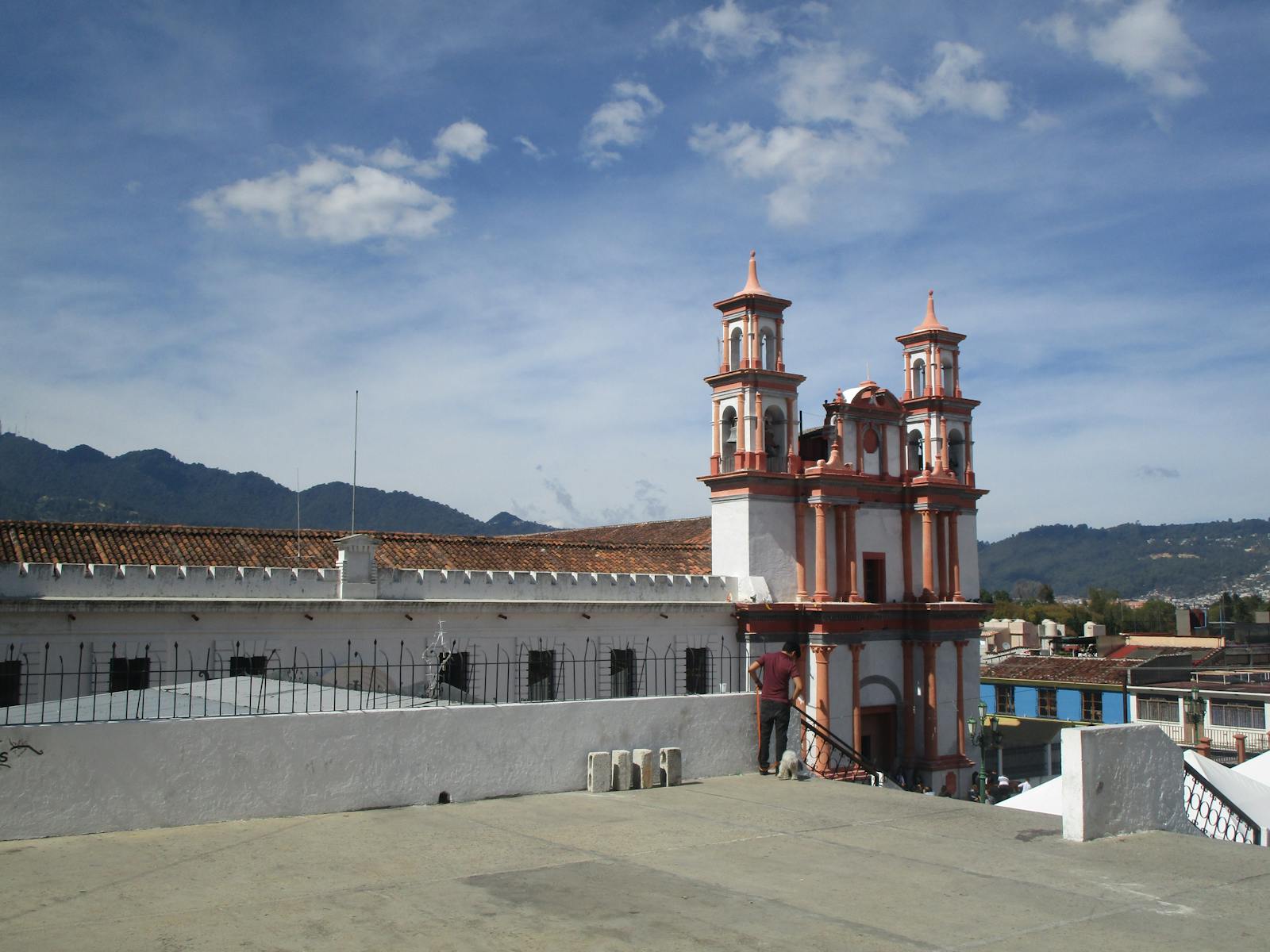
Prague Jewish Quarter: 15 Things to See in Josefov (2026)

TL;DRPrague’s Josefov quarter has fifteen key stops tied to the city’s Jewish history, including the Old-New Synagogue (Europe’s oldest still-active synagogue, founded in the 13th century), the Old Jewish Cemetery with its twelve layers of graves, and the Pinkas Synagogue, inscribed with almost 80,000 names of Holocaust victims. The main Jewish Museum circuit costs around 550 CZK, while a combined Jewish Town of Prague ticket runs about 850 CZK and is valid for seven days. Give yourself at least three to four hours to see the whole complex. April, May, September and October are the best months to come, with pleasant weather and shorter queues, but everything shuts on Saturdays (Shabbat) and Jewish holidays.

Whenever I walk down Široká Street and pass the parked Porsches, I’m always struck by the absurd contrast that the Prague Jewish Quarter offers today. You’re standing in a place where the poor once crammed into the dark, damp lanes of one of the most densely populated ghettos in Europe — and now the polished shop windows glow with price tags that could buy you a small flat. During my years in Prague, when I shuttled between secondary school and Charles University, I learned to see Josefov not as a shopping boulevard, but as a scar on the face of the city. A scar that was largely cut away at the turn of the 19th and 20th centuries during the so-called Prague clearance (asanace).

Our history teachers back then didn’t sugar-coat anything — they took us straight to the peeling walls of the old synagogues. No dry memorising of dates from the blackboard. Here, in the shade of the tall trees lining the cemetery, those historical tragedies took on real shape. Later, when I was taking a photojournalism course with a heavy DSLR around my neck, I spent my early mornings here. I tried to capture that specific light breaking over the edges of the leaning tombstones, before the narrow paths flooded with organised tour groups and their umbrellas held high.

These days, when my husband Lukáš and I return to Prague each year, our walks through this district have taken on a new dimension. Recently we manoeuvred through it for the first time with our two-year-old Jonáš in a pushchair. You discover plenty of down-to-earth things along the way — like how squeezing an off-road pram through the narrow doorways of some sights is a superhuman task, or how the silence in the synagogues is so deep that every little cough sounds like a gunshot. And yet we keep coming back. The weight of history still lingers here, despite the Art Nouveau facades and the tourist buzz.

So let’s take it step by step — the synagogues, the cemetery, Kafka, and a few things you won’t find in the guidebooks, because you only learn them once you arrive with a pushchair. 😅

TL;DR

  • Tickets are split into two main circuits. The Jewish Museum in Prague does not include the Old-New Synagogue — for that you need a separate ticket, or you can buy the combined Prague Jewish Town ticket.
  • The Old Jewish Cemetery hides twelve layers of graves stacked on top of each other, because the community was not allowed to bury its dead anywhere else and customs forbid disturbing old graves.
  • The Pinkas Synagogue serves as a memorial to the victims of the Holocaust. Its walls are covered with nearly 80,000 names of Czech and Moravian Jews, and upstairs you’ll find a chilling exhibition of children’s drawings from Terezín.
  • The Old-New Synagogue is the oldest continuously functioning synagogue in Europe. According to legend, the clay remains of the Golem, created by Rabbi Löw, rest in its attic.
  • The Spanish Synagogue will amaze you with its Moorish style. Its gold-decorated interior feels more like a palace in Andalusia than a Central European place of worship.
  • On Saturdays and during Jewish holidays, all the museum sites and the Old-New Synagogue are strictly closed. Plan your visit for other days.
  • Men must cover their heads when entering the cemetery and the synagogues (except the Spanish one). You’ll get a paper kippah at the entrance, but feel free to bring your own cap or hat.
  • Pařížská (Paris) Street, today a symbol of luxury, only came into being after the brutal demolition of the original ghetto at the turn of the 19th and 20th centuries.
  • Touring the entire complex will take you at least three to four hours, unless you just want to dash mindlessly through the exhibitions.

When to Visit the Jewish Quarter

Unlike other Prague neighbourhoods where you can improvise, Josefov requires at least a bit of planning. The whole area is a living religious centre and the management of the sites follows strict rules of the Jewish calendar. If you turn up blind, you can easily find yourself facing locked doors.

Spring and Autumn: Ideal Light and Bearable Queues

April, May, September and October are, for me, absolutely the best months to visit. The early autumn light filtering through the yellowing leaves of the Old Jewish Cemetery creates exactly that specific, melancholic atmosphere I associate with this place from my photography wanderings. The temperatures are pleasant for the long stretches of standing outside the sights, and the queues at the ticket offices haven’t yet reached their summer extremes.

💡 Tip: If you come in autumn, keep an eye on the dates of the High Holy Days (Yom Kippur, Rosh Hashanah), which usually fall in September or October. On these days everything is uncompromisingly closed and the lanes around the Old-New Synagogue are sealed off by police for security reasons.

Summer and Winter: Extremes You Need to Reckon With

In the summer months, the narrow lanes of Josefov turn into a baking oven. The historic buildings have no air conditioning in the modern sense, and crowds of tourists inside the synagogues quickly use up the air. Winter, on the other hand, offers a raw, almost mystical experience. The snow-covered tombstones look breathtaking, but be prepared for the fact that the stone floors in the synagogues hold an unpleasant chill.

On the flip side, winter has its practical perks too. Lukáš and I were here once in February, and even though after two hours we were so frozen we had to dash off for a cup of tea, we had most of the sights almost to ourselves. That simply won’t happen in high season.

💡 Tip: If you have to go in July or August, be at the ticket office right at 9:00, when it opens. You’ll have roughly an hour before the big organised groups arrive from the river cruise boats and coaches.

Shabbat: The Day Time Stands Still

This is the most common mistake visitors make. Every Saturday (Shabbat) and on all Jewish holidays, the entire Jewish Museum and the Old-New Synagogue are completely closed. What’s more, the Friday opening hours can be shortened in the winter months due to the earlier sunset. Sundays are usually open, but they logically face the biggest crowds of tourists who had to push their visit back a day.

💡 Tip: Sunday mornings in Josefov are surprisingly calm if you arrive right at nine. Most tourists are still sleeping off Saturday night.

Where to Stay

When Lukáš and I were last looking for a base for our Prague stay — somewhere with everything close by, yet still comfortable for a family with a two-year-old toddler — we chose The Julius Hotel near the Jindřišská Tower. It’s about a fifteen-minute walk to Josefov from here, but the route runs pleasantly through the city centre and you avoid the sky-high prices of hotels right on Pařížská Street.

We stayed in a One Bedroom Suite, which gave us a separate bedroom so we didn’t have to sit in the dark once Jonáš had fallen asleep. As a vegetarian, what really won me over was their breakfasts: finally a hotel where the meat-free option doesn’t mean just a dried-out slice of cheese and an apple, but thoughtfully chosen local ingredients. If you’re after quality digs, check out the prices and availability of The Julius Hotel on Booking.com.

The Jewish Museum in Prague and the Ticket System

Understanding how the tickets to the local sights work takes a bit of concentration. I often see confused tourists standing in front of the Old-New Synagogue with a museum ticket, baffled as to why they’re not being let in. The catch is that the sights are not managed by a single organisation.

At the moment, you essentially have three main options. The Jewish Museum in Prague circuit (around €22 for an adult) includes the Pinkas, Klausen, Maisel and Spanish Synagogues, plus the Old Jewish Cemetery and the Ceremonial Hall. The second option is a standalone ticket to the Old-New Synagogue (roughly €11), which is managed directly by the Jewish Community.

The best choice for a complete experience is the combined Prague Jewish Town ticket (around €34), which opens every door for you. The tickets are valid for seven days, but you can only enter each site once.

💡 Tip: Buy your tickets online in advance, or pop into the box office at the Information and Reservation Centre at Maiselova 15. The main ticket office by the cemetery tends to be hopelessly jammed in high season. An alternative is booking a guided Jewish Quarter tour through GetYourGuide, where you’ve got both the tickets and a guide sorted in a single package.

The Highlights: Synagogues and the Cemetery

Each of the synagogues in Josefov tells a different part of the story. The point isn’t to race through them all in an hour just to tick off a list. I’d recommend picking the ones that interest you most thematically and giving them your time.

Old-New Synagogue: The Legend of the Golem and the Beating Heart of the Community

This is exactly the kind of building where you feel the weight of the centuries the moment you touch the massive entrance doors. It was founded in the last third of the 13th century, making it the oldest still-functioning synagogue in Europe. Its early Gothic interior is austere and dark, the vaults supported by two mighty pillars. In the middle stands the bimah, a raised platform enclosed by a wrought-iron grille, and it was right here, in this half-light, that the famous Rabbi Löw — creator of the legendary Golem — preached. Local lore has it that the remains of this clay giant still rest in the synagogue’s attic, where entry is strictly forbidden.

You can get inside either with a standalone ticket or with the combined Prague Jewish Town ticket. The Staroměstská metro and tram stop is about a five-minute walk away. It’s open every day except Saturdays and Jewish holidays.

💡 Tip: Notice the banner of the Prague Jewish community hanging on one of the pillars. The right to use their own flag was granted to the community by Charles IV, and for Europe at the time, that was something quite exceptional.

Pinkas Synagogue: The Place Where Words Run Out

An unremarkable building from the outside, but inside it’s one of the most powerful memorials I’ve ever visited. Today the Pinkas Synagogue serves as the Memorial to the Shoah victims from the Czech lands. Every interior wall, from the floor to the vaults, is covered by hand with the names of nearly 80,000 Czech and Moravian Jews who perished during the Second World War. When I was here as a secondary-school student, we took it as abstract numbers. Today, walking past those walls as an adult, that endless list of names with dates of birth and death physically grips your stomach.

On the first floor you’ll then find the permanent exhibition of children’s drawings from the Terezín concentration camp. The children painted them under the guidance of the artist Friedl Dicker-Brandeis. As the mother of little Jonáš, I look at these pictures of butterflies and homes — painted on scraps of wrapping paper by children, most of whom did not survive — with all the more emotion.

Entry is part of the Jewish Museum circuit. It’s also from here that you enter the Old Jewish Cemetery.

💡 Tip: Take your time with the audio guide. A quiet voice constantly reads out the names of the victims inside the synagogue. It’s a detail that lends the whole space an immensely intimate and chilling dimension.

Old Jewish Cemetery: Twelve Layers of History Beneath the Trees

One of the most famous historic cemeteries in the world looks at first glance like a chaotic tangle of stone and ivy. The tombstones lean in every direction, often propped against one another. The reason for this visual anarchy is the fact that Jewish customs strictly forbid disturbing old graves. Because the community couldn’t expand the cemetery beyond the ghetto walls, it had to bring in new soil and bury the dead on top of one another. In some places, there are up to twelve layers of graves. It’s estimated that beneath the twelve thousand visible tombstones rest as many as a hundred thousand people.

The most visited spot is the grave of the aforementioned Rabbi Löw, where to this day people tuck little slips of paper with wishes under small stones. The cemetery is accessible as part of the museum circuit.

💡 Tip: If you’re coming with the family, leave the pushchair at the hotel or by the entrance (the staff will advise you). The route runs along narrow, uneven stone paths, often up steps, and you’ll genuinely get stuck here with a pram.

lukas a lucka
Lukáš and Lucie recommend
Where to stay in Josefov, Prague
2 accommodations — hotels and other lodging options

Spanish Synagogue: A Golden Treasure in Moorish Style

While the Old-New Synagogue is Gothically austere and dark, the Spanish Synagogue is its absolute opposite. It was built in 1868 in the then-fashionable Moorish style, and its interior will utterly take your breath away. The walls, vaults and stained-glass windows are covered with intricate Islamic ornaments; gold, stucco and rich colours gleam everywhere. You feel more like you’re in the Alhambra than in the middle of Central Europe — and I love that contrast. ☺️ The name “Spanish” refers precisely to this style and to the Sephardic Jews who were expelled from Spain.

Inside you’ll find an exhibition devoted to the modern history of Jews in the Czech lands, from the Josephine reforms right up to the present day. The acoustics here are absolutely phenomenal, which is why evening classical music concerts are often held here.

💡 Tip: Upstairs in the exhibition, take a look at the section devoted to Jewish entrepreneurs and industrialists of the First Republic. It beautifully fills in the context of how much the community contributed to the development of the state before the Second World War.

Klausen Synagogue and Maisel Synagogue

Right by the exit from the cemetery, you’ll come across the Klausen Synagogue (the largest of all in the former ghetto), where today you’ll find a fascinating and accessibly presented exhibition on Jewish traditions and customs. If you’re not quite sure what a bar mitzvah is, how a Jewish wedding works or what kosher eating involves, this is where you’ll get all the answers.

The Maisel Synagogue, tucked away on Maiselova Street, serves as an introduction to the entire history of Jewish settlement in the Czech lands from the 10th to the 18th century. It was commissioned by Mordechai Maisel, the mayor of the Jewish town and one of the richest men in Prague at the time, who among other things financed the construction of the Prague Jewish ghetto. Both synagogues are included in the main museum ticket.

💡 Tip: In the Maisel Synagogue, don’t miss the digital model of the original Jewish town before the clearance. Only then do you grasp how unbelievably cramped and tangled it once was here.

Franz Kafka and the Genius Loci of Josefov

Although Franz Kafka wrote in German, his identity is inseparably bound up with Prague, and especially with Josefov and the Old Town. He grew up in these lanes, walked through them to school, and drew inspiration for his absurd and oppressive novels here.

Franz Kafka’s Birthplace

On the corner of Kaprova and Maiselova streets, on today’s Franz Kafka Square, once stood the House at the Tower, where the writer was born in 1883. The original house fell victim to the clearance; only its Baroque stone portal survived, incorporated into a new building from the early 20th century. It’s not a place for an hour-long tour — rather, pause here for a moment, look at that portal, and try to imagine a boy stepping out of it for whom the world would soon stop making sense. 😉

And if you take a moment and lift your head, you’ll notice small details on the house’s facade that rather nicely recall that era. I always remember here just how terribly cramped this place must once have felt, and I’m not at all surprised that it left such a strong imprint on Kafka’s writing.

💡 Tip: Don’t look for a museum here. The main and best Kafka Museum is on the opposite bank of the Vltava, in the Lesser Town, right by Charles Bridge in the Herget Brickworks.

The Franz Kafka Monument by Jaroslav Róna

As you walk down Vězeňská Street towards the Spanish Synagogue, you’ll come across a sculpture that perfectly captures Kafkaesque absurdity. The bronze monument by sculptor Jaroslav Róna from 2003 depicts an empty suit of enormous proportions, with a smaller figure of Kafka himself perched on its shoulders. The statue references his early short story “Description of a Struggle”. It’s one of the few modern works of art in the centre that genuinely fits in naturally here and doesn’t come across as just a tourist attraction.

For context: people often also talk about David Černý’s rotating Franz Kafka Head. That one is located by the Quadrio shopping centre on Národní Street (Národní třída metro stop), roughly a twenty-minute walk from Josefov. It’s a great spectacle, but it has nothing to do with historic Josefov location-wise.

💡 Tip: Try photographing the statue from a low angle towards the facade of the Spanish Synagogue. You’ll get an interesting compositional contrast between the modern bronze and the Moorish architecture.

Pařížská Street: Luxury on the Ruins of the Ghetto

Pařížská (Paris) Street is today the most prestigious address in Prague. It’s lined with boutiques from brands like Dior, Chanel and Prada. But its history is far darker. It was cut straight through the middle of the former Jewish ghetto during the clearance, when the city councillors decided to wipe out the substandard slum and replace it with wide boulevards modelled on Paris. Hundreds of historic houses, courtyards and synagogues disappeared.

It’s undeniably beautiful, but as a backdrop it’s a little sterile — those facades are so perfect they almost hurt. Lukáš says he always feels like he’s on a film set here. 😅 For Prague locals, it’s more of a thoroughfare towards Letná than a place where they’d actually spend time.

Where to Eat

Walking through the whole of Josefov is genuinely tiring, and if you’re anything like Lukáš and me, we couldn’t keep going for long without good food and coffee. Luckily, the area is packed with great spots. Here are my two absolute favourites where we go nearby to recharge, and both have the advantage that vegetarians and lovers of honest classics alike will be happy.

Restaurant Maitrea: An Oasis of Calm

If you’re after excellent food without a snobbish markup and you’re a vegetarian like me, head after your tour to Týnská Lane, where you’ll find Restaurant Maitrea. It’s a beautiful oasis of calm with a fantastic meat-free menu, just a three-minute walk from the Old-New Synagogue. After all the hustle and bustle on Pařížská, it’s balm for the soul.

They do great lunch deals, and the feng-shui-style interior will reliably calm you down even with a restless toddler in tow. Whenever we go, I order their udon noodles — I look forward to them from the moment I wake up.

Café Louvre: Literary Corridors and Divine Pancakes

If you want to soak up the atmosphere of the places where Kafka debated with his contemporaries, you’ll need to wander a little further to Národní Street, to the legendary Café Louvre. It opened in 1902 and Kafka came here during his university years with his friends from the philosophy circle. The first-floor interior still holds onto its First-Republic elegance, with billiard tables and waiters in suits.

From a vegetarian’s point of view, it’s a lifesaver. They’ve got an excellent creamy garlic soup, great cheese dishes, and their pancakes are famous. It’s a short walk from Josefov, but for a rounded literary experience it’s simply worth it. If you come at the weekend, be prepared for it to be busy, but if you arrive on a weekday around ten in the morning, you’ll find a quiet spot by the window overlooking the bustling Národní Street.

Practical Info

How to get there: The best starting point is the metro line A or a tram (lines 2, 17, 18) to Staroměstská. From there it’s literally just a few steps to the Pinkas Synagogue, and you can then cover the whole of Josefov on foot, because it’s surprisingly compact.

Rules and dress code: In all the synagogues (except the Spanish one) and at the Old Jewish Cemetery, men are required to enter with their heads covered. No worries — if you forget a hat or cap, you’ll be given a paper kippah (yarmulke) at the entrance. Clothing should be respectful: forget about vest tops and ultra-short shorts, you’re on religious ground and in places of remembrance.

How much time to set aside: If you have the combined ticket and want to properly go through all the synagogues and the cemetery, set aside at least three to four hours. Don’t plan Prague Castle for the same afternoon — you’d be utterly drained by the sheer amount of information and impressions.

Where to Next

Frequently Asked Questions

How much does admission to the Jewish Museum in Prague cost?

In 2026, you’ll pay around €22 for the basic museum circuit. A combined ticket that includes the Old-New Synagogue costs approximately €34. Discounts are available for students, children, and families.

When is the Jewish Quarter closed?

All monuments under the Jewish Museum in Prague and the Old-New Synagogue are completely closed every Saturday (Shabbat) and during all Jewish holidays throughout the year.

Can I take photos at the Old Jewish Cemetery?

Yes, photography in the exterior areas of the cemetery is allowed for personal use. Inside the synagogues, photography is usually prohibited or heavily restricted (no flash), so always check the pictograms at the entrance.

Is it possible to visit the Old-New Synagogue for free?

No, admission is always charged. Either as a separate ticket or as part of a more expensive combined ticket for the entire Prague Jewish Quarter.

How long does a tour of the Jewish Quarter take?

A quick walk through the main highlights (Pinkas Synagogue, cemetery, Old-New Synagogue) takes about two hours. For a more detailed visit including the Spanish Synagogue and museum exhibitions, set aside 3 to 4 hours.

Where can I find Franz Kafka’s head?

That famous moving, mirrored head by David Černý is not in Josefov. You’ll find it on Národní třída near the Quadrio shopping center. In Josefov, near the Spanish Synagogue, stands the Kafka statue by Jaroslav Róna.

Tips and Tricks for Your Vacation

Don’t Overpay for Flights

Search for flights on Kayak. It’s our favorite search engine because it scans the websites of all airlines and always finds the cheapest connection.

Book Your Accommodation Smartly

The best experiences we’ve had when looking for accommodation (from Alaska to Morocco) are with Booking.com, where hotels, apartments, and entire houses are usually the cheapest and most widely available.

Don’t Forget Travel Insurance

Good travel insurance will protect you against illness, accidents, theft, or flight cancellations. We’ve had a few hospital visits abroad, so we know how important it is to have proper insurance arranged.

Where we insure ourselves: SafetyWing (best for everyone) and TrueTraveller (for extra-long trips).

Why don’t we recommend any Czech insurance company? Because they have too many restrictions. They set limits on the number of days abroad, travel insurance via a credit card often requires you to pay medical expenses only with that card, and they frequently limit the number of returns to the Czech Republic.

Find the Best Experiences

Get Your Guide is a huge online marketplace where you can book guided walks, trips, skip-the-line tickets, tours, and much more. We always find some extra fun there!
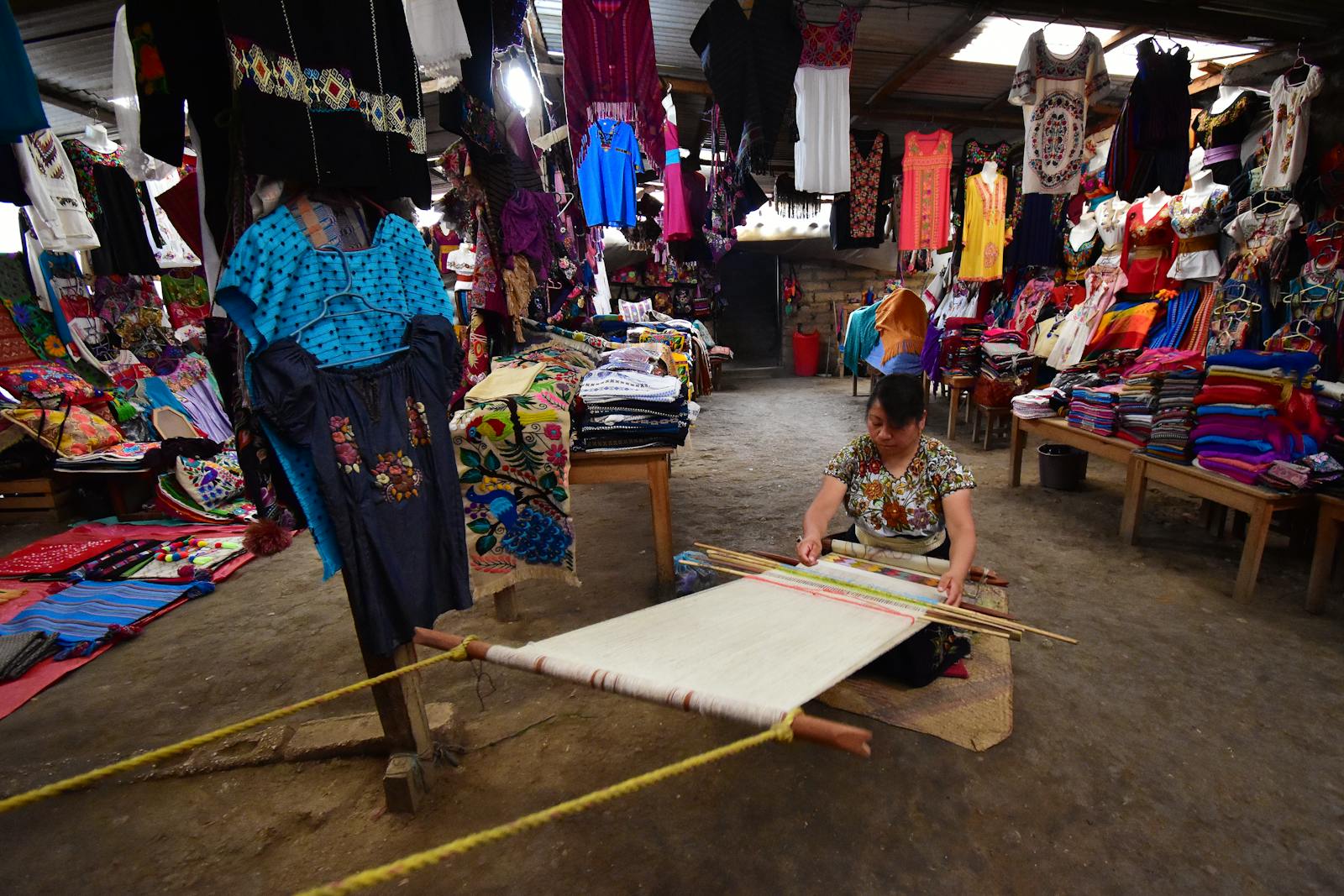
Ostia Antica: 11 Things to Do in This Hidden Gem Near Rome

TL;DROstia Antica is an ancient port city less than half an hour by train from central Rome, and it makes a brilliant, crowd-free alternative to Pompeii or the Colosseum. There are 11 specific things to see, from the Decumanus Maximus and the mosaics at the Baths of Neptune to a theatre that once held 4,000 spectators, plus Piazzale delle Corporazioni and the old bakeries with their grinding mills. Set aside at least 3 to 4 hours for a visit. Entry costs around €18, and the train from Rome is €1.50 (rising to €2 from July 2026). Spring and autumn are best, or early morning if you’re going in summer, and you can round off the day with a swim at Lido di Ostia, two stops further on by train.

When you’ve been spending several days in Rome, constantly weaving through crowds of tourists, fatigue inevitably creeps in. Especially during the summer months, the Italian capital turns into a scorching furnace where ancient stones radiate relentless heat and all you dream about is escaping somewhere calm and shady. If you desperately need to slow down after exploring the centre, there’s an absolute treasure that most visitors overlook. When it comes to things to do in Ostia Antica, this ancient port city lying just a short 30-minute suburban train ride from the very heart of Rome delivers in spades. While the famous Pompeii was destroyed and buried by volcanic ash, Ostia died slowly, eventually covered by the merciful layers of mud from the River Tiber.

It was precisely this river mud that fantastically preserved the city for future generations, creating an archaeological site that is in many respects better preserved than Pompeii. The best part of it all is that you won’t be crammed in with thousands of other visitors, and the entire site is beautifully set within a vast park of towering umbrella pines. These gorgeous Mediterranean trees provide the much-needed shade, making a walk through the ruins feel more like a wonderfully pleasant nature outing. You can peer into ancient bars completely undisturbed, stroll along original paving stones, and admire stunning black-and-white mosaics. Let’s look at how to plan this perfect half-day trip without stress or unnecessary expense.

TL;DR

  • Getting there from central Rome: You can easily reach the site in 30 to 40 minutes by combining Metro Line B with a suburban train from Piramide station.
  • Ridiculously cheap transport: All you need is a standard Rome public transport ticket, currently costing €1.50, though a price increase to €2 has been announced from July 2026.
  • Minimal crowds: Compared to Pompeii or the Colosseum, it’s blissfully quiet here and you’ll have huge spaces all to yourself.
  • Shade and nature: The entire site is shaded by towering umbrella pines, making it perfectly manageable even during the fiercest summer heat.
  • Authentic daily life: You’ll see real apartment blocks, bakeries, and an ancient bar with a marble counter — not just temples to the gods.
  • Perfect for families: Wide paths without treacherous cobblestones are ideal for pushchairs, and children treat the place like one giant adventure playground.
  • Combine with the beach: After exploring the ruins, hop just two train stops further and spend the afternoon swimming at the beach in modern Ostia.

When to Visit Ostia Antica

If you’re wondering when to plan this trip, the good news is that Ostia Antica is perfectly manageable even in the hot Italian summer thanks to the enormous amount of tree cover. While you’d practically melt under the direct sun at the Roman Forum in August, here you can gracefully move from one patch of shade to the next. I’d recommend arriving right at opening time at half past eight in the morning, when the early sun is still filtering through the pine branches and you’ll have the site practically to yourself.

The most beautiful time to visit, however, is in spring or autumn, when temperatures are ideal for long walks and you can enjoy the ruins at a leisurely pace all day. Opening hours vary by season, but the site generally opens at 8:30 and closes roughly an hour before sunset. Set aside at least half a day for your visit, as the site is truly enormous. The archaeological park is closed on Mondays, so plan your trip for any other day of the week. The Ostia Antica entrance fee is around €18, but if you have an active Roma Pass tourist card, you can use it here too, as Ostia falls within Rome’s fare zone.

Where to Stay in Rome for Your Ostia Antica Trip

For specific accommodation tips in Rome, tried-and-tested options include Hotel Artemide in the central Monti district, the boutique Condotti Boutique Hotel just a stone’s throw from the Spanish Steps, or the quieter Residenza Cavallini in the Prati neighbourhood near the Vatican. Booking well in advance will get you the best rates.

💡 Accommodation and experiences tip: For accommodation, it’s worth searching on Booking.com, which tends to offer the best cancellation policies. For tickets, tours, and activities, compare your options on GetYourGuide.

Since Ostia Antica is an ideal half-day trip, it doesn’t make sense to stay right by the ruins. A more strategic choice is to pick a good hotel in Rome with excellent public transport connections. For the easiest possible trip, I’d recommend looking for accommodation near Piramide metro station or in the Testaccio neighbourhood. The suburban train to the archaeological site departs directly from there, saving you a lengthy morning journey across the entire city. Testaccio is also a brilliant neighbourhood full of authentic restaurants without the tourist crowds.

Another excellent area is the Trastevere neighbourhood, from which you can reach Piramide station in just a few minutes by tram or a pleasant walk across the river. Trastevere has an unforgettable evening atmosphere, charming cobbled lanes, and some of the best dining options in the city. Have a look at the romantic Hotel San Francesco, which sits in a quieter section and boasts a lovely rooftop terrace. If you prefer a more modern style right by Piramide metro, the highly rated Gasometer Urban Suites puts you just a five-minute walk from the Rome to Ostia Antica train. Staying in these areas will make your logistics infinitely easier.

12 Things to Do in Ostia Antica

Let’s dive into the best that this ancient port city has to offer. Here are twelve specific places and experiences you absolutely shouldn’t miss on your visit to soak up the true atmosphere of ancient Roman life.

1. Walk Along the Decumanus Maximus

Just beyond the main entrance gate, the Decumanus Maximus stretches out before you — the principal artery of the entire ancient city. This street cuts through Ostia for nearly two kilometres and is paved with enormous basalt stones that still bear clearly visible ruts worn by heavy horse-drawn carts. It’s easy to imagine the incredible bustle during the Roman Empire’s heyday, when all manner of goods destined for the capital flowed along this very road.

The street is flanked by the remains of grand colonnades and entrances to long-vanished shops, taverns, and workshops. Unlike the narrow alleyways of Pompeii, here you get a genuine sense of a major city that must have accommodated tens of thousands of residents and a constant stream of sailors. Every now and then, stop, close your eyes, and listen to the wind rustling through the pines.

2. Marvel at the Mosaics in the Baths of Neptune

This masterpiece is one you simply cannot miss. The Terme di Nettuno, or Baths of Neptune, was a sprawling public bath complex where sailors would come to wash and rest after long voyages. The star attraction is the incredibly well-preserved black-and-white floor mosaics depicting the Roman god of the sea Neptune riding a chariot pulled by sea horses. The mosaics are enormous, teeming with mythical creatures, fish, and dolphins.

💡 Tip: To see the mosaics in all their glory, climb the stairs to the raised viewing platform right next to the baths. From above, the entire pattern becomes much more impressive, and you’ll truly appreciate the sheer scale of the rooms. The baths operated on an underfloor heating system, so while looking down you can also spot the brick pillars underground through which hot air once circulated from the furnaces.

3. Test the Acoustics at the Teatro Romano di Ostia Antica

Right along the main street, you’ll stumble upon the enormous Roman theatre, which in its day could seat up to four thousand spectators. It was commissioned by Emperor Augustus and remains in such good condition that actual theatrical performances and concerts are occasionally held here during the summer months. The entire structure is built from brick and marble, and from the upper rows you’re treated to a magnificent view across the whole site and surrounding woodland.

Make sure you test the famous ancient acoustics. If you stand at the exact centre of the stage and speak at a normal volume, your voice carries perfectly all the way up to the very highest rows. It’s fascinating to sit on the stone tiers and realise that Roman citizens were being entertained in this very spot two thousand years ago. The theatre is also beautifully nestled among greenery, making it an ideal spot for a short rest.

4. Discover the Square of the Guilds (Piazzale delle Corporazioni)

Just behind the theatre lies an enormous square lined with colonnades that served as the main commercial hub of the Roman Empire. The Piazzale delle Corporazioni was essentially an ancient ministry of trade and stock exchange rolled into one. Each small office along the square belonged to a different trading company or guild from various corners of the known world. You can tell who occupied which office by the mosaics in front of the entrance.

Set into the floor before each office is a black-and-white mosaic that functioned as an ancient company logo. You’ll find depictions of elephants marking traders from Africa, ships bringing grain from Egypt, lighthouses, and grain measurers. Deciphering these symbols is hugely entertaining and works brilliantly as an interactive game for children. It’s tangible proof of just how incredibly interconnected the ancient world was.

5. Pop Into the Ancient Tavern — the Thermopolium

While we head to cafés and takeaways today, the ancient Romans had their Thermopolia. These were places serving hot food and drink to people who didn’t have their own kitchen. The Thermopolium in Ostia is beautifully preserved. You’ll see a gorgeous marble counter with holes where vessels of food were once placed.

Look above the counter and you’ll find a surviving fresco that functioned as a picture menu for customers who couldn’t read. It shows olives, radishes, and various drinks. Inside there’s a small courtyard with stone benches. The whole setup is remarkably reminiscent of modern Italian espresso bars, where people also just pop in and stand at the counter for a quick bite.

lukas a lucka
Lukáš and Lucie recommend
Where to stay in Ostia Antica
6 accommodations — hotels and other lodging options

6. Explore the Ancient Apartment Blocks (Insulae)

Ordinary Romans didn’t live in sprawling villas with swimming pools — they lived in multi-storey apartment blocks called insulae. Ostia is one of the few places in the world where you can actually see these ancient “tower blocks,” because the mud protected them from collapse. The brick buildings often had up to four storeys — shops on the ground floor, flats above.

The most famous example is the Casa di Diana (House of Diana), which you can step inside and explore the room layout. Staircases leading to the upper floors are still visible, hinting at what must have been a rather noisy and cramped existence. Small shrines were often found on the ground floor, and the House of Diana features a beautifully preserved little chapel.

7. Take a Seat on the Public Latrines

Public toilets, or forica, were a perfectly normal part of daily life in the ancient world and even served a social function. Ostia boasts some of the best-preserved latrines anywhere. Picture a long marble bench with regularly carved openings, beneath which water constantly flowed, carrying everything away into the sewers.

Privacy simply didn’t exist. People sat side by side, discussing politics and business deals. Instead of toilet paper, they used a sea sponge attached to a stick (tersorium), which they’d rinse in a channel of clean water running at their feet. It’s a fascinating glimpse into the hygiene standards and engineering prowess of the era.

8. Admire the Grand Forum and Capitolium

Every proper Roman city needed its Forum, the main square and centre of all public life. The one in Ostia is enormous, dominated by the imposing Capitolium. This massive brick temple was dedicated to the trio of Rome’s most important gods — Jupiter, Juno, and Minerva. A grand staircase leads up to the temple, and it looks majestic even today.

💡 Tip: Stand right in the middle of the Forum and look around. You’ll see the temple, the remains of the basilica (courthouse), and temples dedicated to the imperial cult. This was where the biggest political decisions were made and the running of the port was managed. Thanks to the absence of modern buildings in the background, the illusion of travelling back in time is absolutely perfect.

9. Peek Inside the Ancient Bakeries and Mills

Feeding tens of thousands of sailors required an enormous amount of bread. Several bakeries that operated on an almost industrial scale have survived in Ostia. The most fascinating features are the huge millstones carved from volcanic rock in an hourglass shape. Grain was poured into the top, while donkeys or slaves harnessed to wooden frames walked in circles to grind it.

Right beside them, you’ll spot the remains of massive ovens and kneading machines. Romans baked a typical round loaf scored into eight sections for easy breaking. Standing here, you can vividly imagine the daily toil amid clouds of flour dust and oppressive heat.

10. Wander Through the Quiet Necropolis

By law, the dead could not be buried within the city walls, so vast cemeteries known as necropolises sprang up along the approach roads. As you walk from the train station to the main entrance, you’ll pass through one of these. It’s an incredibly peaceful place, with dozens of brick tombs and small mausoleums scattered along the old paved road.

Many of the tombs still have marble inscriptions that tell the stories of individual families. This section of the site lies before the main ticket offices, so you can explore it completely free of charge.

11. Visit the Museo Ostiense

Right in the middle of the site sits a small but thoroughly fascinating museum. All the valuable statues, delicate mosaics, and artefacts that would deteriorate outdoors have been moved here. Admission is included in your standard ticket price, and there’s also welcome air conditioning inside.

You’ll find a collection of marble statues, imperial portraits, and everyday objects such as hair pins, coins, and children’s toys. In front of the museum there’s a small café and toilets, making it the ideal spot for a comfort break.

12. Combine History with an Afternoon at the Beach

The best way to squeeze the most out of your day trip is to finish it by the sea. After all those kilometres on foot, simply head back to the train station and ride just two stops to the modern town of Lido di Ostia on the Tyrrhenian coast.

In Lido you’ll find a long sandy beach divided into paid sections and free public beaches. Along the promenade you can grab a pizza or some Italian gelato. Sitting on the beach after a morning exploring a two-thousand-year-old city is the perfect way to round off the trip. In the evening, simply hop on the train and you’ll be back in Rome within half an hour.

💡 Accommodation and experiences tip: We love searching for accommodation on Booking.com, which tends to offer the best cancellation policies. For tickets and tours, it’s worth comparing on GetYourGuide.

Where to Go Next from Ostia Antica

If your visit to Ostia has left you hungry for more ancient wonders, your next steps should logically lead back to central Rome. I’d recommend checking out our comprehensive tips on what to see in Rome, where you’ll find plenty of inspiration. For a fascinating contrast, head to the Colosseum and don’t miss the immaculate Pantheon, an architectural marvel of its age.

If you’re captivated by well-preserved ancient cities and don’t mind a longer train ride south, you simply must see the legendary Pompeii at some point. It’s far more crowded and sweltering, but the sight of a city beneath Mount Vesuvius is truly iconic. If you fancy swapping ancient history for Renaissance splendour, take a day trip from Rome to the town of Tivoli, where the magnificent Villa d’Este awaits. And after a long day of exploration, lose yourself in the narrow lanes of the Trastevere neighbourhood and reward yourself with a superb Italian meal.

Frequently Asked Questions

Is the Roma Pass valid for entry to Ostia?

Yes, it is! Ostia Antica falls administratively under the city of Rome, so if you have an active Roma Pass tourist card, you can choose this site as one of the monuments with free entry. The card also covers the suburban train ride from Piramide station.

How long does a tour of the entire site take?

The site is massive. If you just want to quickly walk along the main street and see the theatre, it’ll take you roughly two hours. But the ideal is to set aside at least 3 to 4 hours, so you can leisurely explore the more out-of-the-way lanes too, peek into the residential buildings, and sit in the shade of the pines.

Is Ostia Antica suitable for families with children and strollers?

Absolutely! Unlike the historic centre of Rome, where pushing a stroller over cobblestones is rather a punishment, in Ostia there are wide, sandy, and packed-earth paths that are very easy to roll along. For children, it’s a huge playground.

Can I bring my dog into the site?

Unfortunately no, bringing dogs (with the exception of guide and assistance dogs) into the archaeological site is strictly forbidden in order to protect the monuments and mosaics.

Is there a restaurant inside, or should I bring a snack?

Right in the middle of the site, by the museum, there’s a small café with seating where you can buy packaged sandwiches, coffee, and ice cream. The prices are a bit inflated, though, so it’s more practical to bring your own snack and plenty of water in your backpack. Around the site you’ll find benches perfect for a picnic in the shade.

What about the cost of transport from Rome?

The transport is absolutely fantastic. The train to Ostia runs under the standard Rome public transport fare. So all you need is an ordinary ticket (the BIT type), which currently costs 1.50 euros and is valid for 100 minutes. From July 2026, an across-the-board price increase, probably to 2 euros, has been announced. Even so, it’s by far the cheapest trip out there.

Which is better, Pompeii or Ostia Antica?

Pompeii is definitely more famous, larger, and has a more dramatic story, but you pay for it with enormous crowds of tourists and unbearable heat, because there’s no shade there. Ostia is peaceful, full of trees, closer to Rome, and here you have the feeling of discovering a hidden secret. If you don’t have time to travel all the way to Naples, Ostia definitely won’t disappoint you.

Tips and Tricks for Your Vacation

Don’t Overpay for Flights

Search for flights on Kayak. It’s our favorite search engine because it scans the websites of all airlines and always finds the cheapest connection.

Book Your Accommodation Smartly

The best experiences we’ve had when looking for accommodation (from Alaska to Morocco) are with Booking.com, where hotels, apartments, and entire houses are usually the cheapest and most widely available.

Don’t Forget Travel Insurance

Good travel insurance will protect you against illness, accidents, theft, or flight cancellations. We’ve had a few hospital visits abroad, so we know how important it is to have proper insurance arranged.

Where we insure ourselves: SafetyWing (best for everyone) and TrueTraveller (for extra-long trips).

Why don’t we recommend any Czech insurance company? Because they have too many restrictions. They set limits on the number of days abroad, travel insurance via a credit card often requires you to pay medical expenses only with that card, and they frequently limit the number of returns to the Czech Republic.

Find the Best Experiences

Get Your Guide is a huge online marketplace where you can book guided walks, trips, skip-the-line tickets, tours, and much more. We always find some extra fun there!
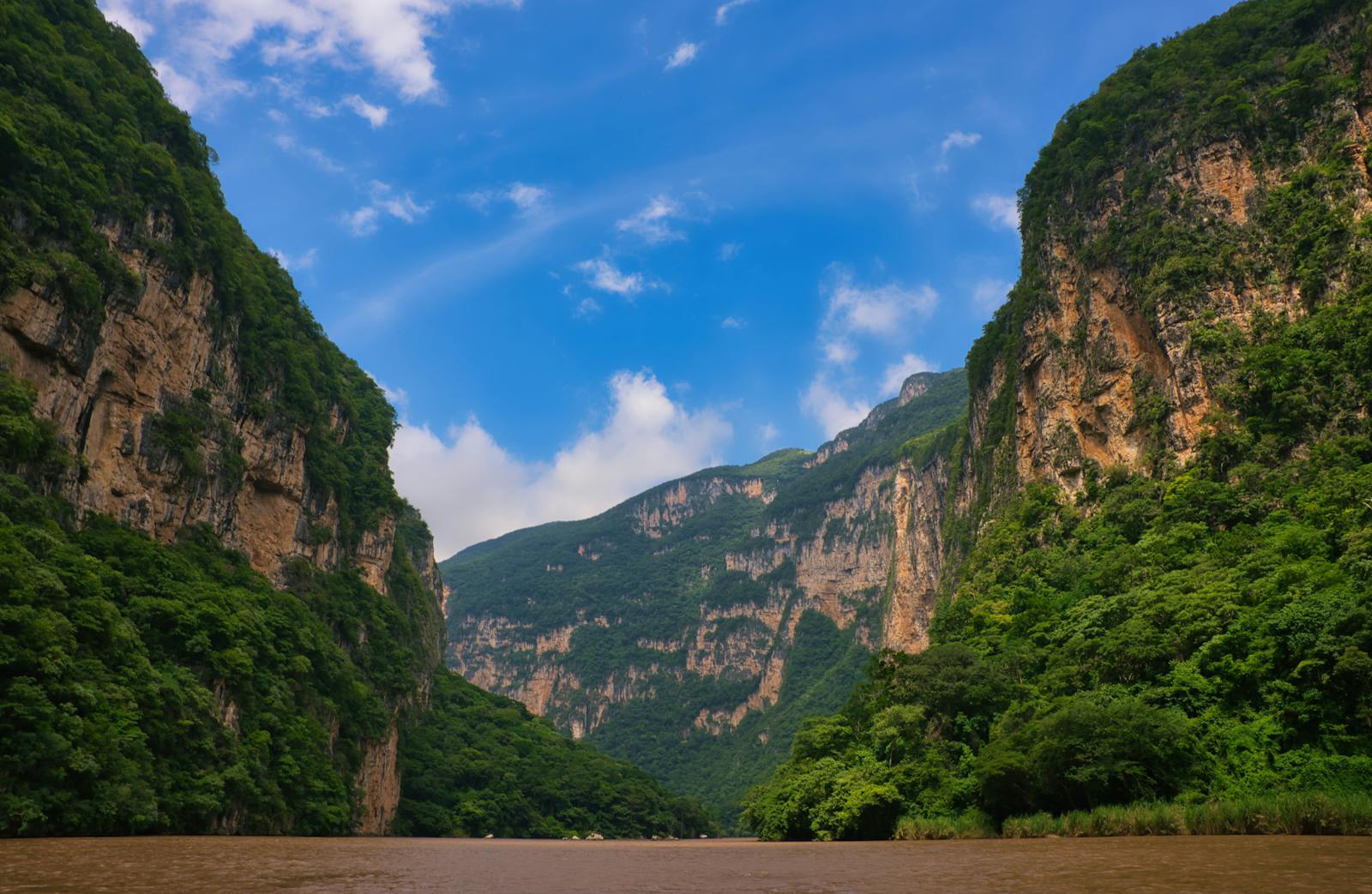
Poznań, Poland: 12 Tips on What to See in the Cradle of Polish Statehood

TL;DRPoznań is Poland’s fifth-largest city and the birthplace of the Polish state — it was on Ostrów Tumski island that Duke Mieszko I founded the first Polish state back in the 10th century. The big draw is the Old Market Square (Stary Rynek) with its Old Town Hall, where two mechanical goats pop out of the clock tower on the dot at noon every day. There are 12 more ideas here too, from Poznań Cathedral of St Peter and St Paul to Cytadela Park, Lake Malta with its Termy Maltańskie water park, and a taste of the local St Martin’s croissants. Two to three days is enough to see the city, and May to September is the best time to come. A weekend for two in a hotel with breakfast costs around 2,500 to 4,000 Kč.

Poznań Poland has an energy that pulls you in the moment you arrive. You’ll be surprised at how modern, clean, and enjoyable this city is to explore. While most visitors head to Kraków or Warsaw, Poznań absolutely deserves your attention. It’s the fifth largest city in Poland and the capital of the Greater Poland (Wielkopolska) region, rightly nicknamed the cradle of Polish statehood. During our short visit, we discovered that every stroll through its streets leads to some intriguing new café or hidden alleyway.

If you’re thinking about a long weekend getaway in Poland, Poznań should be right at the top of your list. It ticks every box you’d want from an ideal destination. There’s a stunning historic centre lined with colourful townhouses, a brilliant food scene packed with trendy cafés and traditional restaurants, and — compared to Western Europe — you can still find excellent accommodation and meals at a fraction of the price.

TL;DR

Here’s a quick cheat sheet so you know what to look forward to when visiting Poznań:

  • Main highlight: The Old Market Square (Stary Rynek) and the Old Town Hall, where two mechanical goats butt heads on the clock tower every day at noon sharp.
  • History: Ostrów Tumski is an island on the River Warta where it all began — where Duke Mieszko I laid the foundations of the Polish state.
  • What to try: Traditional St. Martin’s croissants (Świętomarcińskie rogale) filled with white poppy seeds and marzipan, plus local potato specialities (pyry).
  • Where to stay: Ideally right in the centre or in the Jeżyce district, famous for its cafés and restaurants.
  • Ideal length of stay: Two to three days is plenty for Poznań, making it a perfect weekend destination.

Poznań: What’s It All About and Why Should You Visit?

When people hear “Poznań,” many think of it as just a transit stop on the way to the Baltic Sea — and that’s a real shame. Poznań is a historical gem and the true cradle of Polish statehood. It was here, on the tiny island of Ostrów Tumski, that Duke Mieszko I is said to have adopted Christianity in the 10th century and unified the first Polish state. The River Warta, which flows through the city, divides Poznań into its historic island quarter and the newer, buzzing side. Head straight for this meeting point of old and new worlds.

Today, Poznań (historically known as Posen in German) is a wonderfully vibrant university city where rich history blends with modern architecture and fantastic food. By day you can wander ancient lanes and admire brick churches; by evening, I’d recommend diving into one of dozens of craft breweries. It’s the perfect combination. Best of all, unlike other European capitals, you won’t encounter hordes of tourists here, so you can enjoy the city in total peace and authenticity.

When to Visit Poznań and What the Weather Is Like

Planning a trip to Poznań is fairly straightforward because the city has its charm in every season. If you’ve been searching for “weather Poznań Poland,” know that the climate is continental — similar to many Central European cities. Expect warm summers, cold winters, and pleasant spring and autumn months. Pack layers and you’ll be fine.

Poznań is at its most beautiful from May to September. Spring and autumn are absolutely ideal for long city walks and café-hopping, with temperatures hovering at comfortable levels. If you visit in July, you might catch the popular St. John’s Festival, which fills the centre with markets and concerts. Winter can be biting, but in December you’ll find gorgeous Christmas markets that regularly rank among the best in Europe.

One practical thing to watch out for: Mondays. As in many European cities, a lot of museums are closed. The exception is the famous goat clock, which performs every single day at 12:00 noon regardless of the day of the week.

How to Get to Poznań

Getting to Poznań from the UK is surprisingly easy. The city sits in western Poland, roughly halfway between Warsaw and Berlin, which makes it a very accessible destination.

The quickest option for many travellers is to fly. Poznań’s international airport Poznań-Ławica (code POZ) is just a short ride from the centre. Airlines such as Ryanair and Wizz Air operate direct flights from London (Stansted and Luton), with flight times of around 2.5 hours. From the airport, you can reach the city centre comfortably by city bus in about 20 minutes.

If you prefer overland travel, trains are a scenic option. You could take the Eurostar to Brussels or Amsterdam and then connect via Berlin, arriving in Poznań by rail. Another budget-friendly choice is FlixBus, which runs direct routes to Poznań’s main station — a huge complex where you’ll find everything you need including a shopping centre right on arrival.

For those who enjoy a road trip, driving from Berlin takes roughly 3 hours on well-maintained Polish motorways (some sections have tolls). It’s a great way to combine Poznań with other Polish cities like Wrocław or Gdańsk.

Where to Stay in Poznań and How Much It Costs

The choice of accommodation in Poznań is vast, and prices will pleasantly surprise you. I’d recommend finding a place as close to the centre as possible — you’ll save time and your legs, as all the main sights are within walking distance.

The golden rule is to look around Stary Rynek and its immediate surroundings. This is where you’ll find the highest concentration of landmarks, though be aware that the many bars can make weekends a bit noisy. If you prefer something quieter, check out the area known as Centrum, where you’ll find modern and business hotels at excellent prices.

For lovers of alternative culture and great food, I’d recommend the Wilda or Jeżyce districts. They’re full of Art Nouveau buildings, speciality coffee shops, and you can reach the centre by tram in just a few minutes. Jeżyce in particular stands out with its hidden garden courtyards and shops selling local design.

A specific recommendation is Vis-a-vis Old Town, which offers lovely rooms near the main square. You can book this and other great options through Booking.com. For a weekend stay for two in a quality hotel with breakfast, you’ll pay on average around €100 to €165, which is fantastic value by European standards.

15 Best Things to See and Do in Poznań Poland

Poznań is incredibly diverse. Whether you love history, modern art, or relaxing by the water, boredom simply isn’t an option here. What’s more, the city is perfectly manageable at a relaxed pace.

1. Stary Rynek and the Historic Town Hall with Its Famous Goat Clock

The beating heart of the city is the Old Market Square (Stary Rynek), one of the most beautiful in all of Europe. It’s lined with colourful Renaissance townhouses with arcades that now house the finest cafés and restaurants. Standing proudly in the centre is the Renaissance Old Town Hall. Before your trip, it’s worth checking the official tourist portal for the latest events.

The key is to be here just before 12:00 noon. Doors open on the tower and, to the sound of a bugle, two mechanical goats emerge and butt their horns together twelve times. It’s Poznań’s answer to Prague’s astronomical clock, and it never fails to draw a crowd of delighted spectators.

2. Ostrów Tumski and the Cathedral of Saints Peter and Paul

This is where the story of Polish statehood begins. Ostrów Tumski (Cathedral Island) is a tranquil spot surrounded by the River Warta, with a history stretching back over a thousand years. This is where the first Polish duke, Mieszko I, held court and where the first Polish bishopric was established.

The island is dominated by the Basilica of Saints Peter and Paul, the oldest cathedral in Poland. Inside, the Golden Chapel is truly breathtaking — it houses the tombs of the first Polish rulers. A walk around the island at dusk, when the old gas lamps are lit, creates an atmosphere you won’t forget.

lukas a lucka
Lukáš and Lucie recommend
Where to Stay in Poznań
2 accommodations — hotels and other lodging options

3. Cytadela Park and the Military History Museum

For a break from the urban bustle, head to Cytadela Park, the largest park in Poznań. It spreads across roughly 100 hectares on the site of a former Prussian fortress, with remnants of walls and moats still visible.

Here you’ll find the imposing Bell of Peace and Friendship statue, and right next door is the Museum of Military History. Old tanks, aircraft, and artillery are displayed in the open air — a fascinating sight not just for history buffs.

4. Stary Browar: Where Shopping Meets Art

Stary Browar is a truly unique shopping centre. Originally a huge 19th-century brick brewery, it was sensitively converted into a centre for shopping and art. Check their official website for current opening hours.

The architecture — combining red brick, glass, and steel elements — is absolutely stunning. Art installations are dotted throughout the building, making it feel more like a modern gallery than a shopping mall.

5. The Imperial Castle (Zamek Cesarski)

Despite its medieval appearance, this castle was only built at the start of the 20th century. The Imperial Castle was constructed by German Emperor Wilhelm II and is one of the youngest buildings of its type in Europe.

The castle has a dark history — during World War II, the Nazis renovated it for Adolf Hitler (who ultimately never visited). His balcony overlooking St. Martin’s Street remains. Today the building houses a cultural centre and the Museum of the Poznań Uprising.

6. Lake Malta (Jezioro Maltańskie)

The artificially created Lake Malta is the hub of recreation in Poznań. A paved path runs around it, ideal for cycling or rollerblading.

In summer, rowing regattas are held here and there’s a year-round artificial ski slope. A narrow-gauge railway called Maltanka also runs around the lake — a delight for visitors of all ages.

7. The Multimedia Fountain and Evening Show

Right by Lake Malta, don’t miss the multimedia fountain. During summer, spectacular light and water shows set to music take place after dark. Admission is completely free — just grab a spot on the grass and enjoy the spectacle.

8. Termy Maltańskie for Water Lovers

Right next to the lake you’ll find the Termy Maltańskie water park. It boasts huge pools, thermal springs, a wave pool, and water slides.

The highlight is the separate sauna zone with dozens of saunas and regular Aufguss ceremonies. A full-day ticket costs 100 to 140 PLN (around €23 to €33), which is outstanding value for such a well-equipped facility. Check their website for full details.

9. St. Martin’s Street and the Croissant Museum

The traditional St. Martin’s croissants (Świętomarcińskie rogale) hold EU-protected status. They’re dense, filled with white poppy seeds, nuts, and marzipan, and a single one can weigh up to a quarter of a kilo. On St. Martin’s Day (11 November), the people of Poznań devour an astonishing 700 tonnes of them.

The interactive Rogalowe Muzeum Poznania on the Old Market Square offers entertaining tours where you get to try baking them yourself. Book your tickets in advance online.

10. A Stroll Through the Jeżyce District

For a dose of local hipster flavour, make your way to Jeżyce. Ornate Art Nouveau façades blend with a gritty, lived-in atmosphere. It’s a foodie paradise brimming with speciality coffee shops, vegan restaurants, and traditional bistros frequented by locals.

11. Romance in Sołacki Park (Park Sołacki)

Not far from Jeżyce lies Park Sołacki, designed in the early 20th century in the English landscape style. It’s an oasis of calm with weeping willows and interconnected ponds. You’ll also find a charming wooden restaurant with a terrace here.

12. Biskupin Archaeological Park

Just outside the city lies Biskupin, one of the most significant archaeological sites in Europe, often called the Polish Pompeii. It’s a reconstructed Iron Age settlement and makes an ideal half-day trip by car.

13. Head to Lake Strzeszyńskie in Summer

For a summer swim, Lake Strzeszyńskie on the northwestern edge of the city is perfect. Surrounded by pine forests, the water is clean and there are sandy beaches with lifeguards, pedalo hire, and stalls selling Polish waffles (gofry). You can easily get here from the centre by public transport.

14. A Football Match at KKS Lech Poznań

Poznań is a football city. KKS Lech Poznań is one of the best clubs in the country. Catching a match at the INEA Stadium (built for Euro 2012) offers an incredible atmosphere. The passionate ultras create a wall of sound, and football fans from across Europe will feel right at home.

15. The Bamber Museum and Traditional Pyry

In the 18th century, Catholic settlers from Bamberg, Germany (known as Bambrzy) moved to Poznań. They brought their customs and, above all, a love of potatoes. That’s why the people of Poznań are nicknamed “pyry” (a local word for potatoes). The Muzeum Bambrów Poznańskich tells their story, while you can sample potato dishes prepared in dozens of ways at brilliant prices at the Pyra Bar.

Poznań with Kids: Where to Go with Little Ones

The city is brilliantly set up for families with children. The absolute must-do is waiting for noon at the Old Market Square to watch the goats emerge from the tower.

Another big draw is the Lake Malta area. Kids can ride the Maltanka miniature train, which runs all the way to Poznań’s zoo (Nowe Zoo) — the second largest in Poland, set within a forest. On a rainy day, the Termy Maltańskie water park with its pirate zone and water slides comes to the rescue.

Where to Eat in Poznań: Polish Food and Drink

Typical Poznań cuisine is heavily influenced by the Bamberg settlers — expect meat, cabbage, and potatoes. Look for the words “pyry” or “pyzy” (yeast-based potato dumplings) on menus. And for dessert, you simply must try the St. Martin’s croissants.

When it comes to drinks, Poznań lives and breathes craft beer. The centre is packed with dozens of craft breweries and multi-tap bars with a wide selection on draught (try Browar Trzech Koron, for example). For discerning foodies, Poznań also boasts Michelin-recognised restaurants (such as Muga).

Safety and Common Scams to Watch Out For

Poland is a very safe country, but it’s still wise to be aware of the usual tourist traps in any big city:

  • Euronet ATMs and DCC: Euronet cashpoints offer Dynamic Currency Conversion (DCC), showing the amount in pounds. Never accept this. Always choose to withdraw or pay in the local currency (PLN). Otherwise, you could lose 10 to 15% on the exchange rate.
  • Taxis in the Old Town: Avoid unofficial taxis lurking outside clubs. Always use apps like Uber, Bolt, or FreeNow, where you can see the price upfront.
  • Exchange offices (kantory): Those in the centre often have hidden fees or poor rates for small amounts. The easiest and cheapest option is to simply pay by card everywhere.

Practical Travel Information

  • Currency: Poland uses the Polish zloty (PLN). The exchange rate is approximately 5 PLN to £1. The vast majority of places accept card payments.
  • Public transport: Poznań has an excellent network of green trams and buses. You can buy tickets on board using a contactless card terminal or through a mobile app. Good-value day and weekend tickets are also available.
  • Internet: With a UK mobile plan, be aware that since Brexit, roaming charges may apply in Poland. Consider picking up a local SIM or using an eSIM from providers like Holafly or Yesim for hassle-free data abroad.
  • Travel insurance: I’d recommend never travelling without proper cover — it’s always worth having peace of mind, especially for unexpected medical costs abroad.

Where to Go Next from Poznań

If you have more time to explore Poland, there are some brilliant destinations within easy reach:

  • Kraków: Wawel Castle, the fire-breathing dragon, and the historic Kazimierz quarter. Check out our full guide here.
  • Wrocław: The city of dwarfs and stunning historic squares.
  • Warsaw: Perfect for lovers of modern architecture and the inspiring story of post-war reconstruction.
  • For a deeper exploration, we recommend our complete Itinerary: 7-Day Road Trip Through Poland.

Frequently Asked Questions (FAQ)

What to do in Poznań?

The main attraction is the Old Market Square with its clock tower featuring mechanical goats (daily at noon). Don’t miss Ostrów Tumski, Cytadela Park, Lake Malta, or trying the traditional St. Martin’s croissants.

What’s the population of Poznań?

It’s Poland’s fifth-largest city with approximately 530,000 to 540,000 inhabitants. Students make up a large portion of the population thanks to the universities.

What is Posen?

Posen is the historic German name for Poznań from the times of Prussian and German Empire rule. The Imperial Castle dates back to this period.

Where is Poznań located?

In west-central Poland on the Warta River, roughly halfway between Berlin and Warsaw. It’s the capital of the Greater Poland Voivodeship.

What currency is used in Poznań?

The Polish złoty (PLN). Most services conveniently accept credit and debit cards.

How many days do I need to see Poznań?

Two full days are plenty to see the main highlights and enjoy the restaurant scene at a relaxed pace (perfect for a weekend trip).

Is Poznań expensive?

Not at all. Accommodation and food prices are typically lower than in Prague or other Western European capitals. You can enjoy a fantastic weekend here without breaking the bank.

Tips and Tricks for Your Vacation

Don’t Overpay for Flights

Search for flights on Kayak. It’s our favorite search engine because it scans the websites of all airlines and always finds the cheapest connection.

Book Your Accommodation Smartly

The best experiences we’ve had when looking for accommodation (from Alaska to Morocco) are with Booking.com, where hotels, apartments, and entire houses are usually the cheapest and most widely available.

Don’t Forget Travel Insurance

Good travel insurance will protect you against illness, accidents, theft, or flight cancellations. We’ve had a few hospital visits abroad, so we know how important it is to have proper insurance arranged.

Where we insure ourselves: SafetyWing (best for everyone) and TrueTraveller (for extra-long trips).

Why don’t we recommend any Czech insurance company? Because they have too many restrictions. They set limits on the number of days abroad, travel insurance via a credit card often requires you to pay medical expenses only with that card, and they frequently limit the number of returns to the Czech Republic.

Find the Best Experiences

Get Your Guide is a huge online marketplace where you can book guided walks, trips, skip-the-line tickets, tours, and much more. We always find some extra fun there!
Bieszczady Poland: 12 Best Things to See in Poland’s Wild East

TL;DRBieszczady, the wild mountain region tucked into Poland’s south-eastern corner where it meets Slovakia and Ukraine, comes with 12 solid tips — from climbing the highest peak, Tarnica (1346 m), to the ridge walk along Połonina Wetlińska, a boat trip on Lake Solina, and the UNESCO wooden churches at Smolnik. The best time to go is May to July, when the meadows are in bloom, or autumn if you’re after colourful forests. Entry to the national park costs 12 PLN per person per day, and parking near the trailheads runs about 15 PLN. For a base, head to the villages of Wetlina or Ustrzyki Górne if you’re hiking, or the spa town of Polańczyk by the reservoir if you fancy relaxing — expect to pay somewhere between 160 and 640 PLN a night.

Poland offers an incredible variety of destinations — from the bustling Baltic coast and historic cities to the majestic Tatras. But if you’re looking for a region that hasn’t yet been overrun by mass tourism, set your sights on the country’s far southeastern corner. Ask any Pole about true wilderness and they’ll instantly point you towards Bieszczady Poland — a remote, rugged corner of the Eastern Carpathians that feels like stepping back in time.

And since you’re bound to have plenty of questions (bears, transport, where to sleep, how on earth to pronounce it), you’ll find everything you need right here — from getting there, to the best hikes, to why you should clip a bell to your backpack before heading into the mountains.

And a quick fun fact to kick things off. If you’ve been puzzling over the so-called “bieszczady pronunciation” and tying your tongue in knots, it’s roughly pronounced “Byesh-CHA-dy“. Trust us — after a few days tramping across these hills, the word will roll off your tongue like you’ve known it all your life.

TL;DR

  • What it is: A stunning and wild mountain region at the tri-border of Poland, Slovakia, and Ukraine, forming part of the Eastern Carpathians.
  • Main draw: The iconic polonyny (high-altitude meadows above the treeline) offering jaw-dropping views and endless ridge treks.
  • Getting there: Best reached by car. From London, fly to Rzeszów (Rzeszów-Jasionka airport, about 80 km from the national park entrance) and hire a car there — you’ll struggle without one.
  • Where to stay: For hikers, the villages of Wetlina or Ustrzyki Górne are ideal. For lakeside relaxation, head to the spa town of Polańczyk on the Solina Reservoir.
  • Must-sees: Climbing the highest peak Tarnica, ridge-walking across Polonyna Wetlińska, riding the forest narrow-gauge railway, and cruising on Solina Lake.
  • Safety: You’re in genuine wilderness — registering at the national park and sticking to marked trails is absolutely essential for both nature conservation and your own safety.
  • Entrance fee: Entry to the Bieszczady National Park costs a modest 12 PLN per person per day (roughly €3).

What are the Bieszczady Mountains and why visit?

Pull up a Bieszczady mountains map and you’ll find yourself in Poland’s most remote southeastern corner, where the borders brush up against Slovakia and war-torn Ukraine. The Bieszczady Mountains are an integral part of the Eastern Carpathians. Unlike the nearby Tatras or other popular Polish ranges, there are no jagged rocky peaks or tourist crowds here. The landscape is softer — hill after gentle hill rolling into the distance, everything quieter and more contemplative.

The most distinctive feature of the Bieszczady Mountains in Poland are the polonyny — vast alpine meadows high above the treeline, shaped partly by nature and partly by centuries of highland shepherds grazing their cattle. Walking across them feels like drifting through the clouds. The heart of the region is the Bieszczady National Park, a UNESCO biosphere reserve where nature reigns supreme. If you’re after a place to clear your head and lose your phone signal (often completely), this is it.

When to visit and how to get to Bieszczady Poland

The best time to visit the Bieszczady depends very much on what you’re looking for.

Spring and early summer (May to July) are absolutely ideal — the polonyny explode with colour, wildflowers bloom everywhere and the air smells of mountain herbs. August is peak season, so you’ll encounter more Polish hikers on the main trails, but it’s still nothing compared to the madness of Zakopane. Autumn brings a spectacular show as the endless deciduous forests turn gold and crimson — just bear in mind that days are shorter, cooler, and the ridges can be brutally windy. Winter in the Bieszczady is a chapter in itself. There is a small bieszczady ski scene, but the resorts are modest and heavy snowdrifts often leave remote villages completely cut off.

The best way to get here is undoubtedly by car. From the UK, the most practical option is to fly into Rzeszów-Jasionka airport, which is only about 80 km from the national park entrance, and hire a car there. Ryanair operates direct flights from London Stansted to Rzeszów, making it surprisingly easy to reach. Once you’re in the Bieszczady, public transport is sparse and you’ll really struggle without your own wheels. If you’d rather compare car hire deals, platforms like DiscoverCars are a reliable option. It’s also possible to reach the area by Flixbus to Krosno and then continue by infrequent local buses, but this requires patience and careful planning.

Where to stay in Bieszczady Poland (and how much it costs)

Your choice of accommodation depends mainly on what kind of holiday you’re planning. The charming Bieszczady villages offer everything from basic hikers’ hostels to luxurious spa hotels with pools. Prices are generally lower than in Western Europe, though you’ll naturally pay a premium for the best hotels during summer.

If hiking is your main goal, base yourself in the heart of the national park at Wetlina or Ustrzyki Górne. Ustrzyki Górne sits right at the foot of the highest peak and is the undisputed hub for trekkers. Wetlina is slightly larger, with more restaurants and shops — a solid middle ground. For a traditional atmosphere and excellent cuisine, consider Hotel Carpatia Bieszczadzki Gościniec in the artsy village of Cisna, which makes a great base for day trips by car.

If you’d rather unwind after those gruelling hikes, head to Polańczyk on the Solina Reservoir. It’s a proper spa town with healing springs and lovely wellness hotels that you’ll deeply appreciate after a day battling freezing winds on the ridges. A great choice for lakeside relaxation is Hotel Skalny Spa, known for its excellent massages and superb breakfasts.

Budget-wise, a standard guesthouse will set you back around €40–60 per night for two people, while more upscale spa hotels with half-board run about €100–160 per night. You’ll pay in Polish zloty (PLN), and although Poland is a modern country, card terminals often don’t work at remote mountain huts and park entrances — so carrying cash is absolutely essential.

12 Best Things to See in Bieszczady Poland

The Bieszczady National Park offers so much that you could easily spend two weeks here and still have plenty left to discover. Here are twelve of the most unmissable spots, combining physically demanding ridge walks, lakeside relaxation, and the fascinating cultural history of wooden churches hidden deep in the forests.

1. Climbing Mount Tarnica (1,346 m)

Tarnica is the highest peak in the Polish Bieszczady and conquering it should be on every itinerary. It’s no dramatic Alpine three-thousander, but given that you start from a fairly low elevation, you’ll work up quite a sweat. The ascent takes roughly three to four hours, with most of it being a relentless uphill slog.

The most exposed sections of the trail feature wooden steps. Hikers often grumble about the impact on their knees, but the park authorities installed them to combat erosion — so brace yourself for a proper workout and look forward to the reward at the top.

From the summit cross, you’re treated to a breathtaking 360-degree panorama stretching across Poland, Slovakia and deep into the Ukrainian Carpathians. It’s seriously windy up there though, so even in the height of summer, make sure you’ve got a windproof jacket in your pack. Bear in mind that the car parks at the trailheads in Ustrzyki Górne or Wołosate fill up early in the morning, and you’ll pay around 15 PLN (about €3.50) per day for parking.

2. Polonyna Wetlińska and its iconic mountain hut

If you only had time for a single hike in the entire Bieszczady, I’d recommend the ridge walk across Polonyna Wetlińska — the quintessential postcard image everyone associates with these mountains. It’s a four to five-hour traverse along a wide, grassy ridge high above the treeline, with views that simply never get old.

The most iconic point along the route is the legendary Chatka Puchatka (Winnie the Pooh’s Hut). For decades it was a gloriously spartan shelter with no electricity or running water, heated only by a wood-burning stove. It’s recently undergone an extensive (and rather controversial) renovation, transforming it into more of a modern mountain refuge.

Even so, it’s a wonderful spot to sit down, warm up with a hot tea, and soak in the views of the deep valleys below. The best starting point is the Przełęcz Wyżna pass, from where the climb to the ridge is fairly short, followed by a gentle descent back to civilisation.

3. The steep and stunning Polonyna Caryńska

Directly opposite Wetlińska rises its smaller but steeper and wilder sister, Polonyna Caryńska. The ridge stretches just four kilometres, but the ascent is punchy and your knees will leave you in no doubt you’re in proper mountains. The reward is all the sweeter when you crest the treeline and a 360-degree panorama of the entire national park opens up before you.

This trail is noticeably less crowded than the popular Wetlińska, which only adds to its charm. In spring, the slopes are carpeted with tiny mountain wildflowers — an absolute paradise for nature photographers.

The best approach is from Ustrzyki Górne, following the red trail along the entire ridge towards Brzegi Górne. Once there, you can decide whether you’ve got the energy to press on or hop aboard one of the local minibuses that operate as reliable hikers’ taxis between the main trailheads.

4. Bieszczady Forest Narrow-Gauge Railway (Bieszczadzka Kolejka Leśna)

When your legs need a break from the climbs, it’s time for something a little more playful. The entire region was once criss-crossed by forest railways that hauled timber from the deep woods. Today, one wonderful narrow-gauge line survives as a tourist attraction.

The little train departs from Majdan station near the village of Cisna and winds through dense forests and along babbling streams at a pace you could easily outstrip on foot. There are two routes to choose from — I’d recommend the longer one to the village of Balnica, which runs right along the Slovak border and passes the haunting remains of abandoned Lemko villages.

In summer, the carriages are open-sided, so you can practically reach out and touch the forest. It’s tremendously photogenic and perfect for days when you want a rest from hiking. In peak season, book your tickets online in advance — they sell out fast.

5. Solina Reservoir: Swimming and sailing in the mountains

Jezioro Solińskie (nicknamed the Bieszczady Sea) looks more like a fjord at first glance. Its jagged shoreline is riddled with coves that are completely inaccessible from land, creating an utterly enchanting setting and absolute tranquillity. Head here when you need a break from the mountains and fancy some time by the water.

One fascinating detail: the entire lake enforces a strict ban on combustion engines, which means blissful silence and beautifully clean water. This makes Solina a celebrated sailing paradise. You can hire a small sailing boat, an electric craft, or a pedalo and spend the afternoon exploring hidden bays.

A modern cable car has recently been built near the reservoir, whisking you high above the dam to a glass-walled observation tower with spectacular views. There are also plenty of cycling trails in the area, so cyclists won’t be left out either.

6. The artsy village of Cisna and its legendary pub

Cisna is a bit different from the rest of the Bieszczady villages. It’s long been a haven for artists, poets, and lumberjacks who escaped the big cities for the wilderness. It retains a wonderfully bohemian atmosphere to this day.

The centrepiece of Cisna — and something of a Bieszczady legend — is the pub Siekierezada (roughly “The Axe Saga”). The interior is utterly unique — walls covered with axes, devils and bizarre woodcarvings. They serve excellent local beer and it’s an experience you absolutely shouldn’t miss.

Cisna is also home to a handful of small galleries and shops selling local artisan crafts. If you want to bring back a truly authentic souvenir, this is the place to do your shopping.

lukas a lucka
Lukáš and Lucie recommend
Where to stay in Bieszczady
3 accommodations — wellness hotels, hotels and other lodging options

7. UNESCO Wooden Tserkva in Smolnik

This region isn’t just about nature — it’s also steeped in a poignant history. The area was originally home to the Boyko and Lemko peoples, ethnic groups who were forcibly displaced after World War II. They left behind old orchards and, most remarkably, unique wooden Orthodox and Greek Catholic churches known as tserkvas.

The most beautiful and precious of them all stands on a lonely hilltop above the village of Smolnik nad Sanem and is inscribed on the UNESCO World Heritage List. Dating from the 18th century, it looks like a giant wooden onion dome planted into the landscape.

A gently sloping path leads up to the church, and you’ll often need to borrow the key from the local caretaker, whose details are posted on a sign by the gate. I’d strongly recommend going inside to see the ancient frescoes and the beautifully preserved iconostasis.

8. Open-Air Museum (Skansen) in Sanok

If the Lemko and Boyko history fascinates you, make a detour to Sanok. Sitting on the northern edge of the region, it serves as the gateway to the Bieszczady. Right on the banks of the River San, you’ll find a huge open-air museum that is the largest skansen in all of Poland.

Spread across a vast area, it contains over 150 historic wooden buildings carefully relocated from surrounding villages. You’ll wander past old cottages, windmills, blacksmith workshops, and stunning wooden churches. It’s an enormous site — budget at least half a day to do it justice.

Beyond the skansen, Sanok’s castle is also well worth a visit. It houses an extensive collection of icons and, most notably, a major exhibition of works by Zdzisław Beksiński, the famous Polish surrealist painter who was born right here in Sanok.

9. Historic Krosno and its glassmaking heritage

Krosno doesn’t lie in the heart of the national park, but it’s a brilliant stop on the way. It’s a handsome historic town with a beautifully preserved old market square where you can stroll beneath the arcades of merchants’ houses and enjoy an excellent coffee.

The town is best known worldwide for its glass production. The glassblowing tradition here is so deeply rooted that Krosno has earned the nickname Poland’s Glass City. Don’t miss the modern, interactive Glass Heritage Centre (Centrum Dziedzictwa Szkła), where you can explore historical exhibits and watch master glassblowers demonstrate their craft right before your eyes.

Locally made cut and smooth glass from Krosno makes a wonderful and traditional gift to bring home from your trip.

10. Komańcza and the roots of Orthodoxy in Poland

The tiny village of Komańcza, nestled in the Osława river valley, is a place with an incredibly powerful spiritual atmosphere. Eastern Christian influences have historically permeated this area, and Komańcza stands as a symbol of cultural crossroads. Deep in the forest above the village hides an Orthodox convent dating from the 1920s.

The convent is famous as the place where Polish Primate Cardinal Stefan Wyszyński was interned during the 1950s for his opposition to the communist regime. It’s a fascinating place to explore, where Catholic history intersects with the Orthodox monastic setting.

Komańcza also serves as a starting point for several beautiful and lesser-known hiking trails through an untouched corner of the Bieszczady — perfect when you want to escape the crowds.

11. Bieszczady Wildlife Safari: Tracking bears and wolves

The Bieszczady wilderness is the real deal. The deep forests harbour a stable population of brown bears, wolf packs, and lynx. If the prospect of spotting these animals in the wild excites you, please don’t attempt to track them on your own.

Instead, book a professional wildlife safari with experienced local guides. These rangers and biologists take you into remote parts of the park at dawn or dusk, where you can observe wild animals from a safe distance using binoculars and camera traps.

Nobody can guarantee you’ll see a bear or a wolf, but the sheer thrill of being in a primeval forest at night, guided by someone who knows every rustle and track, makes it absolutely worth it.

12. Bieszczady Ski: Winter in Polańczyk and beyond

If you visit the Bieszczady in winter, you’ll find a raw but breathtakingly beautiful world. This isn’t an Alpine mega-resort — it’s more suited to lovers of gentle skiing and cross-country trails. Keep an eye on local weather reports during winter months, as roads frequently get buried under snowdrifts, so good winter tyres and snow chains are a must.

Around Ustrzyki Dolne and Polańczyk, you’ll find smaller ski areas like Laworta or Gromadzyń, which are great for families and beginner skiers. Lift pass prices are very reasonable and there are none of the long queues you’d expect at bigger resorts.

The absolute best winter activity in the Bieszczady, though, is cross-country skiing and ski touring. Skinning up to the snow-covered polonyny in good conditions is an unforgettable experience.

Bieszczady with children and dogs: Is it doable?

The short answer is yes, but with caveats. I wouldn’t recommend tackling long ridge treks like Tarnica with a baby in a carrier — the slopes are genuinely steep and the wooden steps treacherous. That said, local buses operate around the national park and can bring you close to shorter, easier walks. Older children will love the polonyny, and the Solina Reservoir is ideal for a family summer holiday.

As for dogs, you need to be very careful. By official regulation, dogs are banned on the high-altitude trails within the national park to protect local wildlife. Outside the protected zones (in forests and valleys) you can bring your dog, but I’d strongly recommend always keeping them on a lead. You’re on the territory of wolves and bears, and safety must come first.

What to eat: Bieszczady cuisine and highland food

Forget any thoughts of dieting — the mountain air burns calories and the local cuisine is hearty, warming, and absolutely delicious. The food here reflects both Goral (highland) and Ukrainian traditions.

Bigos (hunter’s stew) here tastes nothing like what you’d get from a tin. It’s traditionally served as slow-braised sauerkraut with several types of meat and sausage — the perfect antidote to cold weather. Make sure to try krupnik, a thick traditional soup made from barley groats, root vegetables and meat that’ll have you back on your feet after a full day’s hiking. For a snack, seek out local cheeses — especially the hard goat’s or sheep’s cheeses wrapped in herbs, sometimes whimsically called “wolf’s milk cheese”.

Poles love their beer, and you’ll stumble across several small local craft breweries in the region (the aforementioned Siekierezada pub serves an excellent pint). To warm up, don’t miss miód pitny — a traditional hot honey mead that’s been brewed in this part of the world for centuries.

Practical information and safety in the wilderness

The Bieszczady may be in Europe, but you need to treat them with enormous respect. This isn’t a city park — it’s genuine Carpathian wilderness. Here are some essential practical tips.

Entrance fees: The national park charges a daily fee of around 12 PLN per person (roughly €3). You can pay at booths at the start of each major trail or online in advance. Parking at popular trailheads costs about 15 PLN per day (€3.50), and you need to arrive really early or you won’t find a spot.

Safety first: If the visitor centre asks you to sign the hikers’ register or download the Polish mountain rescue app Ratunek, listen to them. Mobile signal on the ridges is abysmal and relying solely on your phone is a bad idea. Near the Ukrainian border, your phone will often latch onto Ukrainian networks — watch out for roaming charges on data! For UK visitors, note that since Brexit, many mobile providers charge extra for EU roaming, so check your plan before you go. To avoid sky-high data bills from accidentally connecting to Ukrainian networks, consider picking up an eSIM — providers like Holafly offer convenient Poland data plans.

One final important warning: Flying drones is strictly prohibited across the entire Bieszczady National Park. Rangers enforce this rigorously and will fine you, as drones disturb the protected wildlife.

Where next: More Poland travel inspiration

If Poland has won you over, here are some more ideas you won’t want to miss.

  • Love history, great cafés, and romantic cobbled streets? Check out our guide to what to see in Kraków.
  • Fancy a road trip? Discover our complete 7-day Poland road trip itinerary.
  • Prefer flat landscapes, sailing, and swimming? Head to the stunning Masurian Lakes.
  • If you love mountains but also want to sample the famous smoked cheese oscypek on the lively Krupówki street, check out our tips for Zakopane.

Tips and tricks (not just for the Bieszczady)

When planning your trips, it pays to stick with tried-and-tested services that save both time and money:

What to pack for the mountains

Don’t underestimate your footwear. For the polonyny you’ll need proper, sturdy hiking boots that can handle steep ascents and those tricky wooden steps.

Finding the best flights

If you’d rather fly into the area (to Rzeszów, for instance), cheap flights are easy to find on comparison sites like Kiwi or Skyscanner. Ryanair operates direct London Stansted–Rzeszów flights, making it the most convenient option from the UK.

Hiring a car for a road trip

Services like DiscoverCars offer a wide selection of vehicles and flexible cancellation policies in case your plans change.

Booking last-minute accommodation

Booking.com works brilliantly for the Bieszczady, covering everything from hotels to private rooms even in the tiniest villages.

Don’t forget insurance and data

For shorter trips, travel insurance from AXA is a solid choice; for longer stays, consider True Traveller or SafetyWing. And to avoid extortionate data charges from accidentally connecting to Ukrainian networks in the mountains, consider an eSIM — Holafly offers hassle-free data plans that keep you connected.

FAQ: Frequently Asked Questions about Bieszczady

Are the Bieszczady safe given their proximity to the border?

Yes, traveling in the region is absolutely safe for tourists. The border guard operates reliably and the area around the national park goes about its normal tourist bustle. It’s only recommended not to intrude on the marked border zone along the ridges.

What about bears and wolves, am I in danger?

The animals in the Bieszczady are shy and try to avoid people. If you stick to the marked hiking trails, don’t walk in the forest at night and don’t leave food scraps behind, the chance of a dangerous encounter is absolutely minimal. To be safe, you can pack a bear bell for your backpack.

Can I wild camp in the national park?

No, wild camping is strictly forbidden throughout the entire Bieszczady National Park and in the adjacent protected landscape areas. For accommodation you must use official campsites or huts.

How is the name Bieszczady read and pronounced?

For us it’s a bit of a tongue twister. The Polish Bieszczady is pronounced roughly like “Byesh-cha-dy“.

Is it necessary to have your own car?

I highly recommend it. Public transport in the remote areas doesn’t work very reliably and the connections often run only a few times a day. Without a car you’ll lose a lot of freedom and won’t manage to see the most interesting places.

Can I head into the mountains with small children?

For shorter walks in the valley and to the Solina reservoir, definitely yes. But the long ridge treks to the poloninas are steep, hard on the knees (you often go up stairs) and not suitable for very small children.

Do I need cash in the Polish mountains?

Absolutely yes. In bigger towns and hotels you can pay by card, but for parking below the mountains, national park entry fees and in mountain huts they either don’t have terminals or don’t have a strong enough signal to make them work. Cash in zloty is a must.

Tips and Tricks for Your Vacation

Don’t Overpay for Flights

Search for flights on Kayak. It’s our favorite search engine because it scans the websites of all airlines and always finds the cheapest connection.

Book Your Accommodation Smartly

The best experiences we’ve had when looking for accommodation (from Alaska to Morocco) are with Booking.com, where hotels, apartments, and entire houses are usually the cheapest and most widely available.

Don’t Forget Travel Insurance

Good travel insurance will protect you against illness, accidents, theft, or flight cancellations. We’ve had a few hospital visits abroad, so we know how important it is to have proper insurance arranged.

Where we insure ourselves: SafetyWing (best for everyone) and TrueTraveller (for extra-long trips).

Why don’t we recommend any Czech insurance company? Because they have too many restrictions. They set limits on the number of days abroad, travel insurance via a credit card often requires you to pay medical expenses only with that card, and they frequently limit the number of returns to the Czech Republic.

Find the Best Experiences

Get Your Guide is a huge online marketplace where you can book guided walks, trips, skip-the-line tickets, tours, and much more. We always find some extra fun there!

Corfu Greece Weather: Monthly Temperatures & Best Time to Visit 2026

TL;DRThe best months to visit Corfu are June and September, with daytime temperatures around 28–29°C and sea temperatures of 22–24°C, plus fewer crowds and lower prices than peak summer. August brings the warmest sea, up to 26°C, but it’s also the hottest month (over 31°C) and the busiest, especially on Paleokastritsa beach. November to February, by contrast, is cold and wet, with over 180mm of rain a month, and most resorts shut down for the winter — only Corfu Town (Kerkyra) and towns like Acharavi and Kassiopi stay open. May and September are the cheapest, quietest times to go, with accommodation running 40 to 60% less than in summer. Overall, Corfu is Greece’s greenest and wettest island, with around 1290mm of rain a year.

When I close my eyes and think back to our first days on the island, what immediately comes flooding back is this incredibly intoxicating scent hanging in the air. It was a blend of salty sea water, pine resin, and baked feta with oregano drifting from a little family-run taverna beneath our window. Lukáš and I decided we wouldn’t just stay for the typical week-long holiday — instead, we rented a small apartment and tried working remotely for a while so we could truly get to know the island inside out. That gave us plenty of time to wander the narrow cobblestone lanes, discover hidden coves, and most importantly, observe how the mood of the island shifts once the biggest crowds of tourists head home.

During our explorations, we quickly noticed one thing that makes this corner of Greece absolutely unique. Corfu is by far the greenest Greek island, which might surprise you at first if you’re used to the rather parched landscapes of the Cyclades or Crete. That gorgeous emerald colour of the ever-present cypresses and millions of olive trees comes with a fairly simple price tag — winter rain — because without water, this botanical paradise simply wouldn’t exist. That’s why understanding Corfu Greece weather is so important, so you can enjoy exactly the type of holiday you’ve been dreaming of rather than ending up stuck indoors with a book.

Whether you’re planning to spend entire days lounging on the beach with an ice-cold frappé in hand, or you’d rather strap on a backpack and explore mountain villages, the weather in Corfu can be absolutely perfect — but occasionally a little unpredictable too. That’s exactly why I’ve put together this practical guide, packed with our personal experiences and precise data. We’ll walk through average temperatures for each month, look at when the sea is warmest, and I’ll tell you which periods you’re probably better off avoiding altogether, so you bring home nothing but the most wonderful memories.

TL;DR

  • Best months to visit: If you’re looking for the perfect balance of great weather and manageable crowds, head to Corfu in June or September.
  • Best time for swimming: The main beach season runs from June to September, with the warmest sea temperatures (up to 26 °C) in August.
  • Best value for money: May and September offer gorgeous days for excursions, and accommodation tends to be 40–60% cheaper than during peak summer.
  • When resorts are open: The main tourist season runs from May to October; over winter, most coastal resort towns go into hibernation.
  • Green island and rainfall: Corfu is beautifully green thanks to heavy rains that fall mostly outside the summer season, from November to March.
  • What to avoid: July and August are extremely hot and overcrowded, while the winter months from November to February are very rainy and cool.

Corfu Greece Weather Month by Month: Temperatures, Sea and Rainfall

When we first started planning our extended stay, I sat one evening with a cup of mint tea trying to make sense of endless tables and charts so we’d know what to expect. I discovered that the climate in Corfu is typically Mediterranean, but thanks to its more northerly position in the Ionian Sea, it has its own little quirks that are well worth knowing about. I’ve prepared a clear overview table with long-term averages so you can get a solid picture of how temperatures and rainfall change throughout the year.

MonthDay °CNight °CSea °CRainfall / rainy daysSun h/day
January14515160 mm / 14 days4
February14615110 mm / 13 days5
March1681590 mm / 13 days5
April20101670 mm / 12 days7
May24141940 mm / 9 days9
June29182218 mm / 6 days11
July32202412 mm / 4 days12
August32212625 mm / 4 days11
September28182480 mm / 6 days9
October231422130 mm / 10 days10
November191019190 mm / 14 days5
December15717200 mm / 15 days4

As you can see from the numbers, the summer months can get seriously hot, with the mercury climbing to 32 °C and the sea turning into one enormous warm bath. Winter, on the other hand, is mild — you’ll barely see frost at sea level — but the island more than makes up for it with hefty rainfall. I always say that nature is an uncompromising accountant: the island’s lush greenery is simply paid for by the fact that from November to March, the skies tend to open up quite regularly.

It’s worth bearing in mind that the “feels like” temperature can vary depending on where you are and whether the wind is blowing. While heat builds up in the stone alleyways of the old town during August and can really wear you down, the west coast often benefits from a pleasant afternoon breeze. September weather in Corfu is, in my opinion, probably the most beautiful time of all — the intense heat eases off slightly, yet the sea is still gloriously warm from the summer just past.

Best Time to Visit Corfu by Holiday Type

We all picture our ideal break a little differently, so there’s simply no one-size-fits-all answer. During our stay, Lukáš and I alternated between lazy days sprawled on the beach and weeks of enthusiastically criss-crossing the island on foot. It all comes down to whether your goal is to work on your tan or explore ancient Venetian fortresses with a camera in hand.

Best Time for Swimming and Beaches

If your idea of a holiday is salty sea water and hot sand beneath your feet, your prime season starts in June and wraps up in September. The sea warms up rapidly through June, and by July it’s already a lovely 24 °C — warm enough to plunge straight in from your sunlounger without a second thought. The warmest sea in Corfu comes in August, when the water averages around 26 °C and feels like absolute bliss.

Lukáš and I fell most in love with swimming in June and then around the turn of August and September. During these months the water is beautifully warm, but the sun doesn’t burn quite as fiercely, so you won’t need to hide away in air-conditioned rooms over midday. Plus, the beaches are noticeably less crowded, making it much easier to bag that perfect spot under a parasol.

Best Time for Sightseeing and Hikes

If you’re more of an active traveller who loves long walks and history, I’d recommend focusing on late April through mid-June, or September into early October. Spring temperatures hover between 20 and 24 °C, which is absolutely ideal for hikes and excursions such as the climb up Mount Pantokrator, the island’s highest peak. On a clear day, you can see all the way to the nearby Albanian coast from the summit — it’s a truly stunning experience.

Spring also brings one huge and utterly unique draw to Corfu: the Greek Orthodox Easter celebrations. On Holy Saturday, an amazing tradition called botides unfolds in the historic centre of Corfu Town, where locals hurl massive clay pots filled with water from their balconies. They shatter on the cobblestones with an almighty crash, symbolising spring renewal and the banishing of evil spirits. It’s a mesmerising spectacle that draws enormous crowds, all set against the backdrop of the island’s most beautiful spring greenery.

Shoulder Season: Quiet Times and Best Deals

For those of you with a flexible schedule who like to stretch the travel budget, the absolute winners are May and September. During these months, the island breathes with a wonderfully relaxed atmosphere and you get the best balance of weather and price. Tavernas are open, staff are either full of post-winter energy or enjoying a mellow autumn vibe, and accommodation costs 40–60% less than during peak summer.

The deep off-season from November to March offers the lowest prices of all, but you’ll need to accept cooler weather and frequent rain. Most small seaside resorts close up during these months, so the island takes on a rather sleepy, deserted feel. It can be an interesting time for digital nomads looking for peace and quiet to work, but for a classic holiday it’s probably not the best bet.

What to Avoid: Peak Summer and Rainy Winter

I’ll be honest — I personally try to avoid July and August. Temperatures regularly exceed 31 °C, the air sometimes barely moves, and the narrow lanes of the old town feel like a sauna. On top of that, thousands of tourists push prices to their annual peak, and on popular beaches like Paleokastritsa you can barely find room to lay your towel.

The other extreme I’d suggest avoiding when planning your trip is the period from November to February. Rainy winter in Corfu can be quite a test of patience, with over 180 mm of rainfall per month. Many direct flights from the UK don’t operate during this time, and the tourist infrastructure along the coast goes on a well-deserved winter break.

lukas a lucka
Lukáš and Lucie recommend
Where to stay in Corfu
3 accommodations — resorts, hotels and other lodging options

Corfu Resort Season: When Are Hotels Open

Life on the island follows a very clear tourist rhythm that’s worth understanding before you book your flights. The main season kicks off in May, when the first hotels reopen after winter, and gradually builds to a crescendo through to October’s Indian summer. If you visit during this window, you can be sure that from the bustling resort of Kavos in the south to the charming village of Benitses on the east coast, everything will be up and running and buzzing with life.

Once November arrives, however, it’s as though someone flicks a switch and a large part of the coastal areas sinks into a long winter sleep. Most hotels in the holiday resorts shut their doors for winter and don’t reopen until March or April. This means that off-season in Corfu, finding an open taverna or bakery near the beach is next to impossible, as even the local owners retreat to larger towns or the island’s interior.

The exception, of course, is Corfu Town itself — also known as Kerkyra — which has a life of its own all year round. You’ll find open shops, museums, and wonderful little cafés beneath the famous arcades of the Liston. Larger towns such as Acharavi, Lefkimmi, and Kassiopi also maintain year-round facilities. During the winter months, Corfu transforms from a beach destination into a quieter cultural and sightseeing retreat.

Sea Temperature and Swimming in Corfu

The Ionian Sea has a somewhat different character compared to the Aegean, with an average annual temperature of around a pleasant 20 °C. You’ll enjoy the warmest water from July to September, when values settle between 24 and 26 °C and a swim feels like lounging in a heated outdoor pool. In August, we’d head straight from bed into the sea and happily splash around for hours on end.

If you’re tempted to visit earlier, the swimming season typically begins in June when the sea warms up to a comfortable 22 °C. May is more of a transitional month with water around 19 °C — great for those of you who enjoy a bracing dip, but probably not quite warm enough for extended swims. April, at 16 °C, is really only for the bravest souls.

Indian summer is also hugely popular here, because swimming in Corfu in October is usually still perfectly doable. The sea holds onto its accumulated summer warmth and sits around 22 °C. You do need to factor in the increasing number of rainy days in autumn, though, so sunshine for drying your swimwear isn’t always guaranteed. September is a far more reliable choice in that respect.

Why Corfu Is the Greenest Greek Island

Every time we fly to Greece, I’m fascinated by the contrasts in colour, but Corfu is in a league of its own. It’s hands-down the greenest island you can visit in the country, and the reason is simple: it holds the record for the most rainfall among the Greek islands. Annual totals reach roughly 1,290 mm, which is far more than parched Crete for comparison — but don’t worry, because the vast majority of this rain falls during the quieter period from October to June.

The combination of mild Ionian winters, abundant rainfall, and mountainous terrain creates absolutely perfect conditions for lush vegetation. Millions of ancient olive trees and slender cypresses blanket the island, so the landscape sometimes looks more like a piece of Tuscany than the Greece you see on postcards. The beautiful Venetian architecture, left behind after centuries of Italian influence, only adds to this impression.

In summer, you can also look forward to another pleasant natural phenomenon: the refreshing wind known as the maestral (or maistros). This gentle north-westerly sea breeze typically picks up around midday, reaches its peak in the afternoon, and dies down beautifully by evening. It does a brilliant job of taking the edge off the heat during the hottest spells and is hugely popular with sailors. Thankfully, the fierce Aegean meltemi winds that batter other Greek islands are virtually unknown here.

What to Pack for Corfu

Packing can be a bit of a logistical puzzle sometimes, so I’m happy to share a few tried-and-tested tips. If you’re heading to Corfu in the height of summer, you really only need light, breathable clothing, swimwear, sunglasses, and a good quality sunscreen. Evenings are warm, so you can safely leave the jumpers at the back of the wardrobe.

For spring and autumn visits, on the other hand, you’ll want to embrace the layering approach. During the day, the sun is warm enough for a short-sleeved top, but once it dips the temperature drops quickly and you’ll be glad of a light jacket or fleece. If you’re visiting in the winter months, make sure to pack a reliable waterproof jacket or rain coat, because rainy weather is almost certainly going to make an appearance. A portable travel kettle like an Outin can also be a welcome companion for warming up with a coffee on cooler days.

Where to Stay in Corfu

Choosing the right accommodation depends largely on what time of year you plan to visit. From May to October, all the coastal resorts are open for business and you can pick from anything between small apartments and luxury hotel complexes overlooking the beach. Outside of the season, it’s much safer and more practical to base yourself in Corfu Town, where you can take day trips around the island and won’t struggle to find a restaurant serving a delicious Greek salad or saganaki cheese in the evening. You can browse a wide range of options on Booking.com.

If you want to be right by the sea during the season, take a look at the popular Angsana Corfu Resort & Spa, and if you’re planning a stay in Corfu Town — even outside the main season — you’ll be pleasantly surprised by the Siorra Vittoria Boutique Hotel, tucked away in the lanes of the old town.

Further Reading

Now that you know what weather to expect, it’s the perfect time to start planning what you’ll actually get up to on the island. I’ve put together more detailed guides packed with our personal tips and favourite spots.

Frequently Asked Questions

I get loads of brilliant messages and questions from readers, so I’ve decided to gather the most common ones in one place to help make your decision easier.

What’s the weather like in Corfu in May?

May is an absolutely wonderful month for anyone who’s not keen on extreme heat. Daytime temperatures hover around a very pleasant 24°C, rainfall is minimal, and the island is freshly in bloom. The sea is still slowly warming up to around 19°C, so it’s really more for hardy swimmers, but in return you’ll get absolute peace and quiet for exploring and very reasonable accommodation prices.

What’s the weather like in Corfu in September?

September is, in our opinion, probably the island’s best-kept secret. You’ll still enjoy beautiful summer temperatures of 28°C during the day, but the evenings are slightly cooler and better for sleeping. You might occasionally get a quick shower or thunderstorm, but the sea is warmed up from August to a fantastic 24°C, so swimming is pretty much guaranteed.

Can you swim in Corfu in October?

Swimming in October is definitely possible, as the sea maintains a temperature around 22°C, but you do need a bit of luck with the weather. While early October is usually still beautifully sunny and stable, by the end of the month cloudiness increases rapidly and you’ll typically see around 130mm of rainfall. It’s a bit of an autumn lottery, really.

When is it hottest on the island?

The biggest heat wave hits Corfu in August, when average daytime temperatures easily exceed 31°C and the sun blazes from morning till evening. This is also when you’ll find the warmest sea of the year, at around 26°C. If you don’t handle heat well, I’d recommend spending afternoons in the shade of olive trees with a generous serving of homemade tzatziki and cold water.

Does it rain a lot in Corfu?

Yes and no. Corfu is indeed the rainiest Greek island, with around 1,290mm of rainfall annually, which is why you’ll find all that gorgeous greenery everywhere. The important thing to know, though, is that the vast majority of this rain falls between November and March, while the summer months from June to August are actually very dry and sunny.

When is it cheapest and least crowded?

If you’re looking for the absolute lowest prices, you’ll find them in the deep off-season from November to March, but you’ll have to accept closed resorts and frequent rain. Of the more ‘usable’ months when things are open and the sun’s shining, May is the best value and quietest, followed closely by late September and early October.

What’s the best month to visit overall?

If I had to pick just one or two months to recommend to my best friends, I’d definitely choose June and September. The weather in both is beautifully warm (or still warm), the sea welcomes you with open arms, you’ll avoid the biggest summer crowds, and prices at tavernas and hotels are much more reasonable than during peak holiday season.

Tips and Tricks for Your Vacation

Don’t Overpay for Flights

Search for flights on Kayak. It’s our favorite search engine because it scans the websites of all airlines and always finds the cheapest connection.

Book Your Accommodation Smartly

The best experiences we’ve had when looking for accommodation (from Alaska to Morocco) are with Booking.com, where hotels, apartments, and entire houses are usually the cheapest and most widely available.

Don’t Forget Travel Insurance

Good travel insurance will protect you against illness, accidents, theft, or flight cancellations. We’ve had a few hospital visits abroad, so we know how important it is to have proper insurance arranged.

Where we insure ourselves: SafetyWing (best for everyone) and TrueTraveller (for extra-long trips).

Why don’t we recommend any Czech insurance company? Because they have too many restrictions. They set limits on the number of days abroad, travel insurance via a credit card often requires you to pay medical expenses only with that card, and they frequently limit the number of returns to the Czech Republic.

Find the Best Experiences

Get Your Guide is a huge online marketplace where you can book guided walks, trips, skip-the-line tickets, tours, and much more. We always find some extra fun there!
Weather in Bari: Temperatures by Month and When to Go in 2026

TL;DRThe best months for a trip to Bari are May, June and September, with daytime temperatures of 24–28°C and fewer crowds than in high season. For swimming, July to early October is ideal, as the Adriatic Sea warms up to 25–26°C and stays warm right through to mid-October during the Indian summer. August brings the highest temperatures, with daytime highs of 31°C, and around Ferragosto (15 August) you’ll find both the steepest prices and the biggest crowds. Low season, from November to March, is the opposite: cheap flights and peace and quiet, but a chilly sea at 14–17°C and shut restaurants in the smaller resorts. Annual rainfall comes in at around 570mm, with November the wettest month at 75mm.

Puglia won us over not just with its endless coastline and adorable little towns, but mostly with that incredible atmosphere where you sit in the evening with a bottle of local Primitivo wine, nibble on crunchy taralli in a tiny piazza, and soak in the warm air that smells of the sea. When we were planning our trip, we spent quite a while figuring out what the weather in Bari, Italy is actually like in different seasons, because we wanted to combine exploring the inland with the occasional cool-down in the waves.

Finding the right balance between bearable temperatures and quieter streets can sometimes be a real puzzle, especially if, like us, you enjoy soaking up the sights without having to squeeze through crowds of tired tourists. A lot of you asked me on Instagram when to go to Bari so that it makes the most sense in terms of swimming, prices, and that longed-for peace and quiet, so I decided to put all our observations down nicely in one place. Although southern Italy has a reputation as a sun-drenched paradise, the climate here can still throw you a few surprises.

In this article, I’ll let you in on which months reliably help you dodge the worst of the African heat, when it’s worth packing your swimsuit, and what to prepare for if you set off to explore the beauty of Puglia outside the main tourist season.

TL;DR

  • The best months for exploring the city and taking day trips around the area are May, June, and September, when there’s pleasant spring or autumn warmth and you avoid the biggest tourist crowds.
  • If you’re mostly after swimming, you’ll find ideal conditions from July to early October, because the Adriatic Sea warms up for a good long stretch and holds its temperature even during Indian summer.
  • August across all of Puglia means Italian holidays and the Ferragosto festival, which translates to extreme crowds, the highest prices, and afternoon temperatures that can climb to an uncomfortable 35 °C.
  • The off-season from November to March offers empty streets and cheap flights, but you’ll need to bear in mind that plenty of restaurants and smaller coastal resorts will be closed.
  • Summer here is typically Mediterranean, meaning really dry and generously sunny, so you definitely don’t need to pack an umbrella in July or August.
  • The local climate is strongly shaped by winds, with the occasional hot scirocco from Africa bringing muggy air and Saharan sand, while the cooler tramontana in winter nicely clears the sky.

Bari, Italy Weather by Month: Temperatures, Sea, and Rainfall

Before you start enthusiastically buying plane tickets, it’s probably best to look at the hard data so you know exactly what you’re getting into and what to actually expect from the Italian south. I’ve put together a clear table based on long-term averages for the whole region, so you can easily get a sense of how temperatures and rainfall evolve over the course of the year.

MonthDay max °CNight min °CSea °CRainfall / rainy daysSun h/day
January1341455 mm / 7 days4.5
February1341465 mm / 8 days5
March1661440 mm / 7 days6
April1991540 mm / 6 days7.5
May24131835 mm / 5 days9
June28172225 mm / 4 days10.5
July30202525 mm / 3 days11.5
August31202630 mm / 4 days10.5
September26172560 mm / 5 days8.5
October22132260 mm / 6 days7
November1891775 mm / 8 days5
December1461555 mm / 7 days4

When you look closer at those numbers, you’ll immediately notice that the coast enjoys a gorgeous Mediterranean climate, characterised mainly by long, dry, and generously sunny summers. The hottest period is, naturally, July and August, when daily highs steadily climb to 30–31 °C and rainfall drops to a bare minimum, so you can soak up the sun to your heart’s content 😁. Winters, on the other hand, are fairly mild, with the average annual temperature hovering around 17 °C, and snow is an absolute rarity here — though January and February, with daytime temperatures around 13 °C and chilly nights, probably won’t tempt you to linger on outdoor terraces in the evening.

The distribution of rain is interesting too, because while in summer you’ll barely see a drop and the sun shines for over 11 hours a day, the autumn and winter months can sometimes really complain. The total annual rainfall is roughly 570 mm, which is quite low by Italian standards, with November being by far the rainiest month, averaging 75 mm. Occasionally hot air blows over Puglia straight from Africa, which can push temperatures well past 35 °C — extreme records even mention 45 °C — but these are exceptional heatwaves rather than your everyday standard that you’d need to dread.

When to Go to Bari and Puglia Based on Your Trip Type

We all have slightly different expectations of the ideal holiday, so while some people don’t mind lounging by the water all day, Luke and I prefer wandering through historic centres and hunting down the best creamy gelato around. So let’s break down in detail which period will be the absolute best choice for your specific plans.

Best time for swimming

If your idea of a holiday is mostly spent in the waves and on the sand with a book in hand, then your main window is from early July to the end of September. In these months the Adriatic Sea is wonderfully warm at around 24–26 °C, so you can happily stay in for hours without your teeth chattering after five minutes. For the ideal combination of reliably warm water and slightly fewer people, I’d honestly recommend aiming for June or going straight for September, when the wildest crowds vanish from the beaches and the coastal atmosphere calms down beautifully.

Best time for exploring the city and day trips around Puglia

This is hands down our favourite part of the year, because daytime temperatures between 18 and 28 °C are simply ideal for long walks and discovering all those wonderful historic corners. If you head out in spring from mid-April to mid-June, all of Puglia is beautifully in bloom and nature is gorgeously fresh, while the autumn dates from September to early October offer pleasant warmth without the exhausting mugginess. During these months you won’t melt while touring the inland trulli houses, everything will be dry, and you’ll fully enjoy the evenings with a light jumper over a plate of excellent caprese with fresh local burrata.

Off-season: when it’s quiet and cheapest

Sometimes you just need a few days to switch off completely, soak up the authentic Italian atmosphere, and not spend your annual savings doing it — which is exactly what late autumn from October to November or early spring around March and April are perfect for. The old town of Bari itself stays beautifully lively and full of energy all year round, so you definitely won’t miss out on an excellent morning cappuccino with a fresh croissant, even if the smaller surrounding resorts are pretty much asleep. It’s an absolutely brilliant time for anyone who loves peace and quiet, doesn’t mind the occasional shower or chillier evenings, and wants to enjoy that rare luxury of half-empty historic landmarks.

What to avoid: August heat, Ferragosto, and winter

If you can choose your dates and don’t absolutely have to, try to steer clear of August, because that’s the month when most Italians take their mandatory company-wide holiday. Around the Ferragosto festival, which falls exactly on 15 August, the entire coastline turns into one enormous and incredibly expensive anthill, where you’ll pay astronomical sums for accommodation and queue for a table at restaurants. Temperatures, especially further inland away from the sea, routinely exceed 35 °C, which turns exploring those baking-hot historic centres into quite the test of endurance 😅. Winter itself, from December to February, does tempt with extremely low flight prices, but you’ll have to come to terms with the fact that it rains far more than at any other time of year, and plenty of those lovely countryside farms — known as masserie — and beloved family restaurants take their long operating break.

Sea Temperature and Swimming

Swimming in southern Italy is a chapter all of its own, because the Adriatic Sea that laps stunning Puglia from this side wakes up from its winter slumber rather slowly and takes its time. From roughly January to March the water temperature huddles at a chilly 14 °C, and although it can already be sunny and warm outside in May, the sea at around 18 °C is really only suited to the hardier among you. The turning point comes in June, when the water warms up to an acceptable 22 °C and the official swimming season can finally begin. The warmest sea then awaits you between July and September, when temperatures hold steadily around a lovely 25–26 °C — in my opinion the absolute ideal for a whole day of carefree lounging on the beach.

But what I love most about the whole region is its long and generous Indian summer, which lets you stretch out the beach fun rather nicely and unexpectedly. The sea has that incredibly handy quality of holding onto its accumulated summer heat far longer than the surrounding air, so all through September you’ll be swimming in water around 24–25 °C, and even in early October the buoys still report a wonderfully bearable 21–23 °C ☺️. In practice, it’s completely normal for locals and tourists alike to catch a tan and leap into the waves right up until mid-October, before some more pronounced autumn cool-down finally arrives.

Bari as the Gateway to Puglia: When to Set Off for Trulli and Little Towns

Although the regional capital really is a brilliant and lively base, it would be an enormous shame to stay within its walls and never set off to discover the incredible architectural beauty this part of southern Italy has to offer. Luke and I absolutely fell in love with slow drives along the coast, discovering the clifftop town of Polignano a Mare, getting lost in the snow-white romantic alleys of Ostuni, or admiring the old fishing harbour in Monopoli. A truly special and magical chapter is inland Alberobello, where you’ll find those famous little white houses with conical roofs called trulli, which look like they fell straight out of a fairytale book.

If you’re planning exactly these kinds of sightseeing trips, think very carefully about that unfortunate month of August, when hundreds of thousands of Italians from across the peninsula head to Puglia. Around the aforementioned Ferragosto festival, the narrow roads are jammed to bursting point, finding a safe parking spot borders on a miracle, and capacities of all kinds are completely maxed out. The best time for exploring these countryside gems is, in our personal experience, late April to June, when everything around blooms beautifully in spring, or the period from September to mid-October, marked by gradually thinning crowds, reasonable prices, and the fragrant harvest of olives and wine in full swing.

In the winter months, on the other hand, you’ll have to plan ahead for the fact that many smaller resorts and seaside destinations slip into a strange kind of slowdown and quiet hibernation. While in larger Lecce or right in the old town of Bari you can easily pop into a great osteria for excellent homemade orecchiette pasta even in the middle of January, elsewhere you may quite easily run into deserted streets and firmly lowered shutters, so finding an open little café can sometimes be a job for a detective.

lukas a lucka
Lukáš and Lucie recommend
Where to stay in Bari
3 accommodations — hotels and other lodging options

Winds in Bari: Scirocco and Tramontana

If we only talked about the degrees Celsius on the thermometer when assessing the weather, I wouldn’t be telling you the whole truth, because the “feels-like” temperature here is hugely influenced by the winds, which are simply an inseparable part of everyday coastal life. You’ll fairly often encounter the south-easterly wind called the scirocco, a rather unwelcome guest arriving straight from Africa, which usually brings waves of unpleasant heat, oppressive mugginess, and sometimes a fine layer of Saharan sand. Overnight, that sand can coat parked cars and clean balconies in a thin orange film, so a morning clean-up is all but guaranteed.

In the winter months, by contrast, the northerly tramontana wind makes itself heard rather forcefully — it can be properly cold and reach gusts of around 60 km/h, but its huge advantage is that it can beautifully brighten the entire sky, blow away the grey clouds, and lower the humidity. In the hot summer months, the north-westerly maestrale is then literally a lifesaver, wonderfully easing the scorching coastal climate, reducing the mugginess, and making sure you don’t bake by the sea, while inland Puglia at that time of year typically shimmers with heat around 28–32 °C.

By the way, if you happen to plan your trip for early May — specifically from the 7th to the 9th of May — the city hosts huge and incredibly moving celebrations of its patron saint, Saint Nicholas (San Nicola), and at this time of year the spring weather, with temperatures around 22–23 °C, is already absolutely magical.

What to Pack for Bari

Packing the right suitcase for southern Italy might seem like an absolute breeze at first glance, but in reality it always hugely depends on which particular month your trip lands in. If you’re going during the main dry summer season, you’ll get by perfectly well with light, airy dresses, linen shirts, a few swimsuits, and a really good high-SPF sun cream, because the sun here packs an enormous punch. Comfortable walking shoes for the slippery stone streets are a must basically all year round, because elegant heels and ancient winding cobblestones don’t get along too well — as my own painful experience has taught me.

For those lovely spring and autumn months, I’d definitely recommend tossing a smart extra layer into your bag, because the evenings — when the wind blows in off the sea — can be surprisingly chilly, so a light jumper or a favourite denim jacket certainly won’t go to waste at the bottom of your case. In winter, especially on days when the forecasters announce that icy northerly tramontana, you’ll want a proper warmer coat and, just to be safe, a waterproof jacket or raincoat — because when the rain does come down here in the south in winter, it’s rarely just a gentle romantic drizzle.

Where to Stay in Bari

Choosing the right neighbourhood for your temporary home can make your trip immensely more enjoyable, and Luke and I love staying right in the old town known as Bari Vecchia best of all, where you’re surrounded by that genuine historic family atmosphere and morning walks through the empty narrow alleys are simply priceless. But if you prefer more breathing room, wider shopping boulevards full of boutiques, and need to be as close as possible to the main train station for frequent trips around Puglia, then the slightly more modern and spacious Murat district is an absolutely brilliant choice. Gorgeous accommodation with a stunning rooftop terrace and great city views is offered, for example, by Palazzo Calò, or you can stay at the immensely elegant Oriente Hotel Bari, which sits just a short stroll from the famous Petruzzelli theatre.

Where to Next

If you’ve got a fairly clear idea of which month you’ll set off and what to pack, all that’s left is to fine-tune your dream itinerary and figure out everything you’ll explore in the famous heel of the Italian boot. I’ve put together a few more practical guides full of our favourite spots and tips, so you no longer have to grope around for ages and can get straight to enjoying the great food, delicious wine, and gorgeous views.

Frequently Asked Questions

What’s the weather like in Bari in September?

September is, in our opinion, one of the absolute best times to visit all of southern Italy. During the day, average temperatures hover around a lovely 26°C, nights are pleasant at 17°C making for good sleep, and the sea is beautifully warmed up after the long summer to 24-25°C, so you can perfectly enjoy both swimming and sightseeing.

Can you swim in Bari?

Yes, absolutely, and very pleasantly too. The main swimming season here runs from June to the end of September, when the Adriatic Sea has a great temperature between 22 and 26°C, and in really long, warm years, plenty of enthusiasts happily swim well into the first half of October.

What’s the weather like in Bari in May?

May is an absolutely wonderful month for all-day trips and walks around the surrounding towns, because the sun is already shining nicely and pleasantly, there’s minimal rain, and daytime temperatures are around a pleasant 24°C. Unfortunately, it’s usually not quite right for swimming in the sea yet, because the water warms up slowly and tends to be a rather chilly 18°C at that time.

What’s the weather like in Bari in October?

October offers more of a calm Indian summer with average daytime temperatures around 22°C and surprisingly quite warm sea, which still holds between 21 and 22°C. However, you need to expect that around the first week of October, sudden cooling sometimes arrives and the first significant autumn rains appear.

What’s the weather like in summer?

Summer throughout Apulia is typically Mediterranean, which in practice means absolute dryness, an absolute minimum of precipitation, and plenty of strong sunshine with average afternoon temperatures around 30-31°C. However, when the hot African scirocco wind kicks in, temperatures can quickly climb above 35°C, especially inland, which is beyond the reach of the cooling sea breeze.

When should you go to Apulia?

If you want to cleverly combine swimming with sightseeing and not spend a fortune on accommodation, September is definitely the most recommended month, when prices drop, beaches gradually empty out, and the weather remains very stable. Close behind in terms of ideal travel conditions are spring months May and June.

Does it rain a lot in Bari?

Compared to central or northern Europe, there’s relatively little precipitation here, with only around 570mm falling throughout the entire year. In the sunny summer months it hardly rains at all, with averages showing just 25-30mm of water, while you’ll see the most umbrellas in the streets during autumn November, which typically brings around 75mm of precipitation.

Is Bari too crowded in August?

Yes, August marks the absolute peak of tourist season for the whole country, because locals themselves take their summer holidays en masse. Especially around the sacred Ferragosto holiday, you’ll encounter clogged roads, huge crowds on all the beaches, and the highest accommodation and service prices of the entire year.

Tips and Tricks for Your Vacation

Don’t Overpay for Flights

Search for flights on Kayak. It’s our favorite search engine because it scans the websites of all airlines and always finds the cheapest connection.

Book Your Accommodation Smartly

The best experiences we’ve had when looking for accommodation (from Alaska to Morocco) are with Booking.com, where hotels, apartments, and entire houses are usually the cheapest and most widely available.

Don’t Forget Travel Insurance

Good travel insurance will protect you against illness, accidents, theft, or flight cancellations. We’ve had a few hospital visits abroad, so we know how important it is to have proper insurance arranged.

Where we insure ourselves: SafetyWing (best for everyone) and TrueTraveller (for extra-long trips).

Why don’t we recommend any Czech insurance company? Because they have too many restrictions. They set limits on the number of days abroad, travel insurance via a credit card often requires you to pay medical expenses only with that card, and they frequently limit the number of returns to the Czech Republic.

Find the Best Experiences

Get Your Guide is a huge online marketplace where you can book guided walks, trips, skip-the-line tickets, tours, and much more. We always find some extra fun there!
Weather in Málaga: Monthly Temperatures & Best Time to Visit 2026

TL;DRThe best time to visit Málaga is May, September and the first half of October, when daytime temperatures sit between 25 and 29°C and rain is scarce. The sea is warm enough for swimming from June to October, staying above 20°C, and peaks in August at 23 to 24°C. August itself is best avoided, though — temperatures hit 32°C, the Feria de Málaga packs out the city, and the hot Terral wind can push things past 40°C. Winters are mild, around 17 to 18°C by day, but November and December are statistically the wettest months, with roughly 100mm of rain. January, February and November bring the cheapest accommodation and the fewest crowds.

I remember it like it was yesterday — Lukáš and I sitting on the low wall by our favourite beach, La Malagueta, salty sea breeze tousling our hair as we tucked into crispy churros. It was February, everyone back home was bundled up in heavy winter coats complaining about grey skies, while we were soaking up the spring sunshine and strolling along the promenade in nothing but a light denim jacket. That incredible contrast is exactly why we keep coming back to southern Spain time and again — and why understanding the Málaga Spain weather before you book is so worthwhile.

Andalusia has an almost magical ability to recharge your batteries, even on just a long weekend, because sunshine is practically guaranteed all year round. People message me constantly asking about the weather in Málaga because they’re planning a dream holiday and naturally want to know when to visit Málaga — nobody wants to be caught out by persistent rain or, on the other end of the scale, unbearable heat that makes even a quick walk for ice cream feel like an expedition. The Costa del Sol coast has its own little quirks, and while the climate is wonderfully mild, some months are simply far more pleasant for exploring the winding streets of the old town than others.

In this article you’ll find monthly temperatures, the best time for swimming and sightseeing, and what to avoid.

TL;DR

  • Best time to visit: May, September and the first half of October — beautifully warm without the scorching heat, and you’ll dodge the worst of the summer crowds.
  • When can you swim: The sea stays above a comfortable 20 °C from June to October, with the warmest water in August (around 23–24 °C).
  • When it’s cheapest and quietest: January (after Epiphany), February and November offer emptier streets and much better accommodation prices.
  • What to avoid: August — the city is bursting at the seams, the sun is relentless, prices hit their yearly peak, and the massive Feria de Málaga festival takes over the town.
  • Winter months: Very mild with daytime highs around 17 °C, but be prepared for the fact that December and November are statistically the wettest months of the year.

Málaga Spain Weather by Month: Temperatures, Sea & Rainfall

Málaga boasts one of the most stable and mild climates in all of Spain, thanks to its sheltered position between the Mediterranean and the mountain ranges that naturally shield the city from cold northern winds. To give you a clear picture of what to expect, take a look at our detailed table of average temperatures below.

MonthDay max °CNight min °CSea °CRainfall / rainy daysSun h/day
:—:—:—:—:—:—
January1781670 mm / 6 days6
February1881560 mm / 5 days6.5
March20101550 mm / 4 days7
April221116–1745 mm / 5 days8
May251417–1820 mm / 3 days9.5
June2918205 mm / 1 day11
July3121220 mm / 0 days11
August322123–245 mm / 1 day10
September29192220 mm / 2 days8.5
October24152055 mm / 4 days7
November201118100 mm / 6 days5.5
December18916100 mm / 7 days5

Look a little closer at those numbers and you’ll notice the difference between the coldest month (January) and the hottest (August) is only about 15 °C — which, coming from the UK, feels almost unbelievable. The coastal location acts as a natural air conditioner, so while inland Andalusian cities like Seville or Córdoba regularly hit a brutal 40 °C in summer, Málaga keeps things at a far more bearable 31–32 °C thanks to its refreshing sea breeze.

As for rain, the city receives only around 530–600 millimetres per year, and nearly all of it falls during the winter half of the year — so in July or August you can safely leave the umbrella at home. When it does rain in winter, it’s rarely the sort of endless grey drizzle we’re so familiar with in the UK. Instead, you’ll get a short, sharp downpour followed by blue skies, and before you know it you’re back outside enjoying another coffee on a sunny terrace.

When to Visit Málaga by Holiday Type

We all want different things from a trip, so the ideal time for your visit depends largely on whether you want to spend all day lounging on the beach, exploring historical landmarks, or simply soaking up the local atmosphere over a plate of delicious vegetable tapas drizzled with plenty of olive oil.

Best Time for Swimming in the Sea

If splashing around in the Mediterranean is your top priority, aim for June to October, when the sea temperature comfortably stays above 20 °C. The absolute warmest water comes in August — a lovely 23–24 °C — but you’ll have to accept that the beaches will be absolutely packed with both locals and tourists, and you might feel like sardines on the sand.

Lukáš and I have grown to love what we think of as the sweet spot: late September and early October. The sea is still beautifully warm from the long summer at 20–22 °C, the air sits at a perfect 25–28 °C, and you get far more breathing room on the sand. On the flip side, by November I’d only recommend swimming to the hardy amongst you — the water drops quickly towards 18 °C, and with the sun setting earlier, lingering on the beach all afternoon just isn’t really on the cards.

Best Time for Sightseeing Without the Heat

Málaga is packed with stunning landmarks — from the ancient Alcazaba fortress to the brilliant Picasso Museum — but clambering up hills in 30-degree heat isn’t anyone’s idea of a good time. That’s why I’d suggest planning a sightseeing trip for April, May, or from September to mid-October.

If I had to pick just one month, May is probably the most beautiful. The city is in full bloom, the days are long and sunny, rainfall is almost non-existent, and you can wander the streets at your own pace without breaking a sweat. A special mention goes to the Easter period — Semana Santa — when temperatures around 21 °C make it perfect for long walks, but you’ll need a healthy dose of patience: the streets fill with spectacular processions and hotels tend to sell out months in advance.

Off-Season: When Málaga Is Quiet and Cheapest

If you prefer peaceful streets, uncrowded alleys and friendlier price tags on accommodation, January, February or November are your best bets. Right after the first week of January — once the local Epiphany celebrations wrap up — the city goes wonderfully quiet and you’ll feel like you have the place all to yourself.

Yes, the days are shorter, but temperatures still climb to a very pleasant 17–20 °C, so you can happily sit outside for a lovely pan con tomate and a coffee — just pack a light jacket for good measure. November is statistically one of the rainier months, but as I mentioned, showers here tend to be quick and dramatic rather than all-day affairs, so they won’t ruin your plans to explore the city’s brilliant little cafés. Flights from London are also significantly cheaper in the off-season, with airlines like easyJet, Ryanair and British Airways all serving the route year-round.

What to Avoid: August Heat, Terral Winds and Crowds

Let me be honest — if you’re not a fan of crowds and extreme temperatures, give August a wide berth. Not only does the sun blaze with a UV index of 10–11 and average city-centre temperatures hover between 33 and 35 °C, but the second week of August also brings the massive Feria de Málaga street festival, which sends prices soaring and makes finding a room feel close to impossible.

On top of that, summer can bring the Terral phenomenon — a hot, bone-dry wind blowing in from the interior that can push temperatures above 40 °C in a matter of hours, making even the nights uncomfortably warm. And here’s the paradox: the Terral actually pushes the warm surface water away from the coast and draws cold water up from the depths, so even though you’re baking on the sand in 40-degree heat, the sea can feel startlingly cold.

lukas a lucka
Lukáš and Lucie recommend
Where to stay in Málaga
3 accommodations — hotels and other lodging options

What to Pack by Season

Packing for Málaga is generally a joy — you can leave the snow boots at home with a clear conscience — but it’s still worth giving the contents of your suitcase a moment’s thought.

  • Spring (March to May): Layering is key. Pack t-shirts for sunny afternoons, but don’t forget a denim jacket, a light jumper and some trousers for cooler evenings.
  • Summer (June to September): Go as light as possible — linen or thin cotton is ideal. Throw in a breathable dress or shorts, a wide-brimmed hat, sunglasses and, most importantly, high-SPF suncream, because the sun here really means business.
  • Autumn (October and November): Early autumn still calls for summer clothes and swimwear, but from November onwards add closed-toe shoes, a warmer hoodie and a compact umbrella just in case.
  • Winter (December to February): Definitely bring a reliable autumn-weight jacket, a warm jumper, comfortable ankle boots for all that sightseeing, and a light scarf — the wind coming off the sea can be surprisingly brisk.

Where to Stay in Málaga

Choosing the right neighbourhood largely depends on what you’re planning to do, but we’re big fans of the buzzing Centro Histórico with its endless charming streets and cafés, or the La Malagueta district if you want to step straight onto the beach each morning. Hotel prices closely follow the seasons here — in November you can grab a gorgeous room for a fraction of the summer price, while over Easter and in August you could easily pay three times as much, so it really pays to book well in advance via Booking.com. If you want to stay right in the heart of things near the cathedral, have a look at Molina Lario, and if you’re after sea views and a breakfast that smells of salt air, try Hotel MS Maestranza on the seafront promenade.

Where to Go Next

Málaga makes an absolutely brilliant base for exploring the whole of southern Spain, and if you’ve hired a car or enjoy train travel, you’d be a shame to stay in just one spot. Andalusia offers so many stunning cities and natural parks that you could easily fill several separate holidays.

  • After specific tips on landmarks and great food right in the city? Read our detailed guide: Málaga: what to see and do.
  • Planning a longer road trip and want to see the best of the entire region? Our Andalusia itinerary with map will come in handy.
  • Dreaming of the breathtaking Alhambra palace and a taste of Moorish heritage? Our Granada travel guide will help you plan it.
  • Fancy seeing the famous bridge towering above a deep gorge? Find out everything about the romantic town of Ronda.

Frequently Asked Questions

What’s the weather like in Málaga in December and winter – is it warm?

Winter in Málaga is very mild and definitely among the warmest in all of Europe, so you can look forward to pleasant daytime temperatures around 17 to 18°C and nighttime lows dropping to about 8 or 9°C. That said, it’s still not beach and swimsuit weather, and you should also keep in mind that December is statistically the rainiest month of the year with an average of 100mm of rainfall, so an umbrella in your suitcase definitely won’t go to waste.

Can you still swim in Málaga in October?

Yes, absolutely, especially in the first half of the month when the sea is still a very pleasant 20 to 21°C and the air warms up to a lovely 24°C. Towards the end of October, the water temperature drops to around 19°C, and in November it falls to about 18°C, which is really more for hardy souls and people who don’t mind a refreshing chill.

Does it rain a lot in Málaga?

Overall, Málaga gets very little rain and precipitation is highly seasonal – you’ll only count about 50 to 60 rainy days throughout the entire year. This rainfall is heavily concentrated between November and March, while the entire summer is practically bone dry and your chances of rain in July or August are virtually zero.

When’s the best time to visit Málaga?

From our own experience, I’d highly recommend May, September, and October, because during these months you’ll enjoy beautifully warm and sunny days without sweating with every step, and minimal rain guarantees a pleasant time. Plus, you’ll reliably avoid the most brutal summer crowds that flood the city during the summer holidays.

How warm is the sea in summer?

The sea along the Costa del Sol is slightly cooler than, say, eastern Spain, but in July it welcomes you with a pleasant 22°C and in August it warms up to its annual maximum of around 23 to 24°C. In September the water still maintains a lovely 22°C, so ideal swimming conditions are guaranteed throughout the entire main season.

Is August in Málaga too hot?

Yes, August is definitely the hottest and most challenging month with average temperatures between 33 and 35°C in the city center. Occasionally the Terral wind strikes, pushing the mercury up past 40°C, add to that tropical nights and the city is packed to bursting thanks to the popular Feria de Málaga festival.

Does it ever snow in Málaga?

It practically never snows in the city streets or on the coast, because temperatures simply never drop low enough. However, if you’re craving snow, just hop in a car and head to the nearby inland Sierra Nevada mountains, where snow is common and you can even enjoy some great skiing during the winter months.

Tips and Tricks for Your Vacation

Don’t Overpay for Flights

Search for flights on Kayak. It’s our favorite search engine because it scans the websites of all airlines and always finds the cheapest connection.

Book Your Accommodation Smartly

The best experiences we’ve had when looking for accommodation (from Alaska to Morocco) are with Booking.com, where hotels, apartments, and entire houses are usually the cheapest and most widely available.

Don’t Forget Travel Insurance

Good travel insurance will protect you against illness, accidents, theft, or flight cancellations. We’ve had a few hospital visits abroad, so we know how important it is to have proper insurance arranged.

Where we insure ourselves: SafetyWing (best for everyone) and TrueTraveller (for extra-long trips).

Why don’t we recommend any Czech insurance company? Because they have too many restrictions. They set limits on the number of days abroad, travel insurance via a credit card often requires you to pay medical expenses only with that card, and they frequently limit the number of returns to the Czech Republic.

Find the Best Experiences

Get Your Guide is a huge online marketplace where you can book guided walks, trips, skip-the-line tickets, tours, and much more. We always find some extra fun there!