Nordkapp Norway: What to See at Europe’s Northernmost Point in 2026

TL;DREurope’s northernmost point reachable by road is the cliff at Nordkapp on the island of Magerøya, home to an iconic steel globe from 1978 perched 307 metres above the sea. The continent’s actual northernmost tip, though, is nearby Knivskjellodden, reachable only via an 18-kilometre round-trip hike. The best time to go is mid-May to late July for the midnight sun, or September to March if you’re after the northern lights. Entry to the Nordkapphallen visitor centre costs 300 to 350 NOK, and the nearby town of Honningsvåg makes the best base, half an hour’s drive from the cliff, with rooms running 1,400 to 2,400 NOK a night. Beyond the cliff itself, it’s worth visiting the Gjesværstappan bird reserve near the village of Gjesvær and watching the reindeer herds that roam freely across the island.

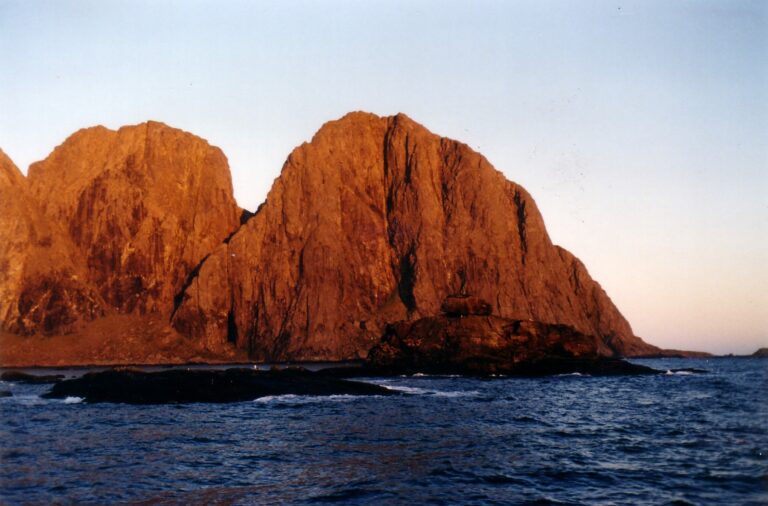
There’s always something magical about travelling to the very end of a continent, especially when that end is a sheer cliff plunging more than three hundred metres into the restless waters of the Barents Sea. Nordkapp in Norway, also known as the North Cape, has drawn travellers for centuries, because this is the spot where you feel like you simply can’t go any further, and all that lies ahead of you is the endless ocean and the North Pole.

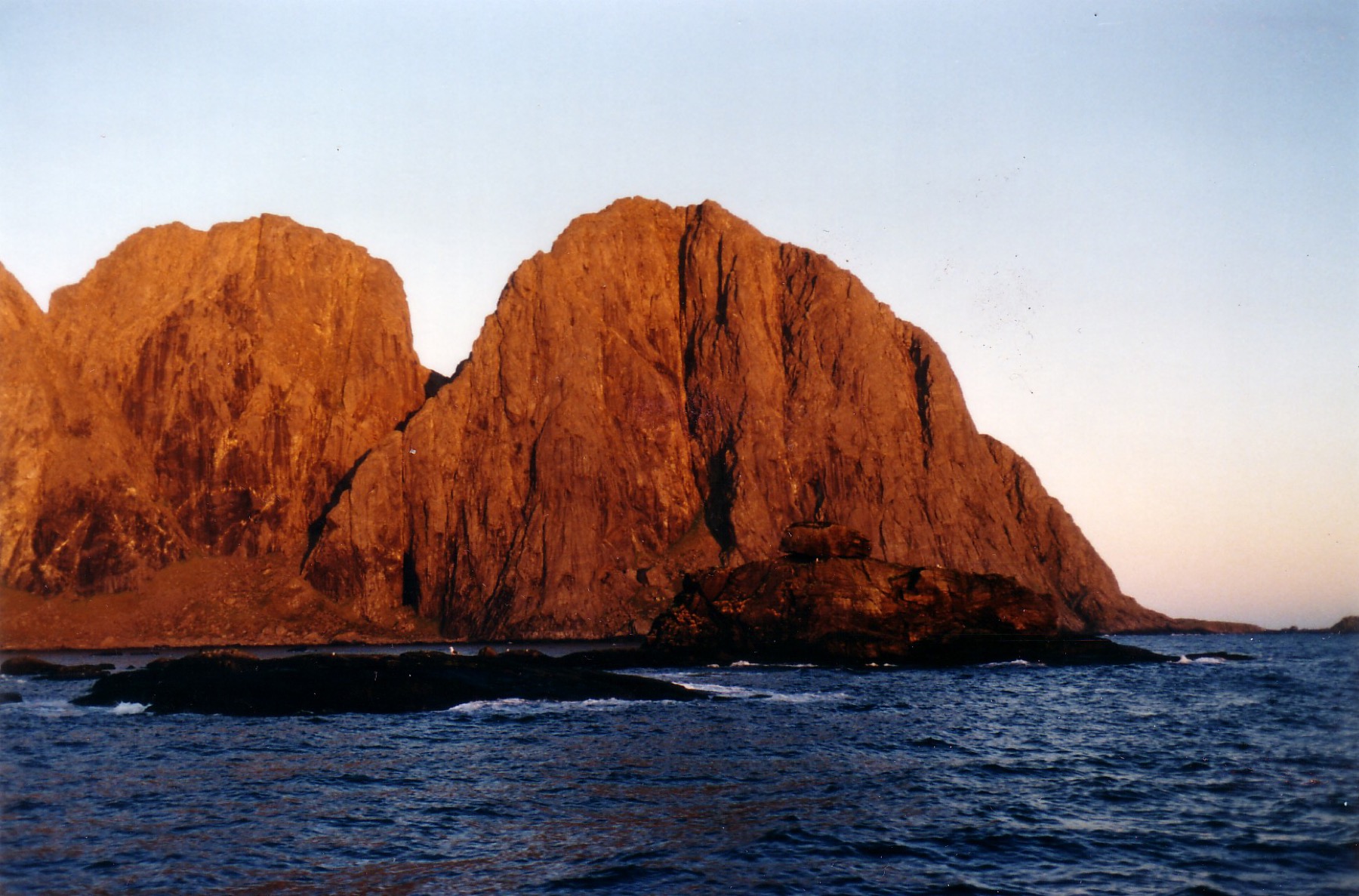
The island of Magerøya, home to this famous point on the 71st parallel, offers a breathtaking Arctic landscape full of bare hills, herds of grazing reindeer and dramatic cliffs. Although it’s a hugely popular and often windy destination where the weather changes from one minute to the next, the moment you stand beside the iconic steel globe is one you’ll remember forever.

I’ve put together a detailed guide with eight tips on what to see at Nordkapp and in the surrounding area, so you won’t miss anything important. Together we’ll look at how best to get here, where to rest your head, and why you might just want to lace up your hiking boots and head out to a far more deserted, but all the more authentic, headland next door.

TL;DR

  • Most photographed spot: The steel globe on the Nordkapp cliff is an absolute must, ideally with the midnight sun in the background.
  • Hidden geographical catch: If you want to stand on the truly northernmost point of Europe, you’ll need to hike out to the neighbouring headland of Knivskjellodden.
  • Visitor centre: Nordkapphallen has a cinema and a restaurant, but expect a fairly steep entrance fee of around 300 to 350 NOK (roughly €26 to €30).
  • Ideal base: The little town of Honningsvåg offers the best facilities, hotels and shops, and the famous Hurtigruten ship stops here too.
  • Nature nearby: Don’t miss the boat trip to the Gjesvær bird cliffs and reindeer spotting on the plateaus of Magerøya island.
  • Undersea journey: Simply arriving by car along the E69 road through the deep subsea tunnel is a huge experience in itself.

When to visit the Nordkapp area

Your choice of season completely changes what you’ll experience in the north of Norway, and the main season here runs from mid-May to the end of July. During this period the sun never dips below the horizon at all, which means you can enjoy the magical midnight sun and all the roads and tourist attractions are fully accessible. But the weather in Nordkapp, Norway can be unpredictable even in summer — thick fog often rolls in out of nowhere, so I’d recommend building a little extra time into your itinerary so you get to see the cliff without the grey curtain.

If you’re drawn to the harsh Arctic winter and want to chase the northern lights, head here between September and March, when the nights are long and dark. You do need to be prepared for the fact that the journey to Nordkapp itself is far more demanding in winter — roads are often blocked by snow, and the last few kilometres to the cliff can frequently only be driven in organised convoys behind a snowplough. A winter visit calls for good clothing, flexibility and ideally a car with quality studded winter tyres.

Where to stay near Nordkapp

💡 Tip for accommodation and experiences: We love searching for places to stay on Booking.com, where the cancellation terms are usually the best. Tickets, tours and activities are then worth comparing and booking through GetYourGuide.

The best strategic choice for accommodation is undoubtedly the harbour town of Honningsvåg, which lies about half an hour’s drive from the cliff itself. Here you’ll find not only grocery shops and petrol stations, but above all a solid selection of hotels offering a welcome refuge after a windy day on the coast. Prices for a night for two people usually range between 1,400 and 2,400 NOK, which works out at roughly €120 to €210, so it pays to book your stay well in advance through Booking.

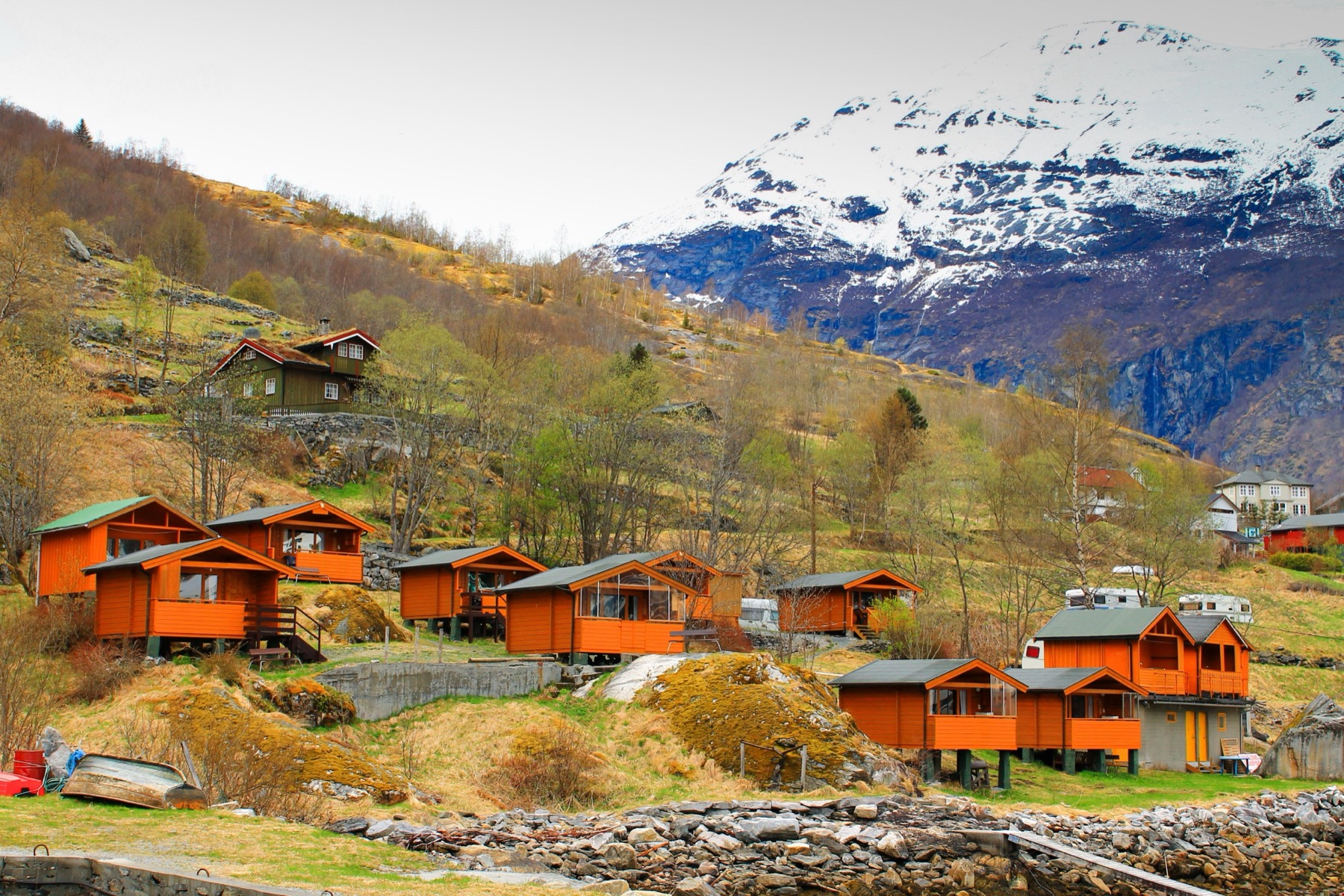
If you’re after comfort right by the water, Scandic Bryggen is an excellent option right by the harbour, where you can watch the ships sailing past and you’re just a short walk from the centre. For those who prefer a cosier atmosphere and stylish design, I’d recommend the smaller The Duke Boutique Hotel, which travellers rave about for its great breakfasts and personal service. And if you’d rather be closer to nature and are travelling on a smaller budget or with your own tent, take a look at Nordkapp Camping, which sits closer to the cape itself and also rents out classic Norwegian cabins.

On the roof of Europe: 8 things to see and do

The island of Magerøya isn’t just about one single cliff — it offers a whole host of fascinating spots that would be a shame to skip on a quick visit. Let’s take a look at the eight most interesting places and activities you should slot into your plans to get the absolute most out of your trip to the far north.

I’ll show you how to dodge the crowds at the main attractions, where to find the best views over the wild ocean, and why it’s worth exploring the more remote corners of the island too.

1. The Nordkapp cliff and the famous globe

The Nordkapp headland itself is where the steps of absolutely every visitor lead, and it’s no wonder — standing on the edge of a cliff that drops 307 metres straight down into the sea is an incredible feeling. The main point of interest here is the large steel globe dating from 1978, which everyone longs to get a photo beside, so in high season fairly decent queues form. The views over the endless Arctic Ocean are phenomenal, and on a clear day you feel as though you could see all the way to Svalbard.

Just a short walk from the globe you definitely won’t miss the Children of the Earth monument, created in the late 1980s and made up of seven large circular reliefs designed by children from different corners of the world. 💡 Tip: If you want to avoid the biggest crowds from the cruise ships, come here early in the morning or, conversely, very late in the evening, when the car park thins out a little and you can soak up the roar of the wind and the crashing waves in relative peace.

2. The midnight sun over the Arctic Ocean

Seeing the sun sink right down to the horizon at midnight, painting the sky in unbelievable shades of gold and red, and then start to climb again, is probably the single biggest reason people come here in summer. You can watch this natural phenomenon roughly from mid-May to the end of July, and believe me, it will completely throw off your body clock. People wander along the cliffs at midnight, sipping coffee from flasks, and the atmosphere is full of a strange, quiet euphoria.

The catch is that Nordkapp is notorious for its highly changeable weather, so you never have a hundred percent guarantee that you’ll see the sun through the fog and clouds at all. Travellers often recommend setting aside at least two or three nights for the area to boost your chances of a clear sky — because when the clouds part and golden light floods the ocean, it’s a sight you’ll never forget for the rest of your life.

3. The Nordkapphallen visitor centre

Right on the cliff sits the large Nordkapphallen visitor centre building, partly built into the rock, which serves as a shelter from the harsh Arctic weather. Inside you’ll find a panoramic cinema showing a beautiful film about the changing of the four seasons on the island, an extensive souvenir shop, a café with huge windows, and even a small ecumenical chapel of St John, the northernmost in the world. It’s the perfect place to warm up if a gale is raging outside or freezing rain is falling.

The sticking point, however, is the entrance fee, which runs at around 300 to 350 NOK per person (roughly €26 to €30) and officially includes entry to the building and parking. Under Norway’s freedom-to-roam laws, access to the cliff and globe themselves should be free if you arrive on foot or by bike, but the operators of the site collect this fee at the entrance gate for all vehicles, which occasionally sparks heated discussions among travellers.

Experiences & tickets
traveler-rated · GetYourGuide
Honningsvåg: The North Cape Express
★★★★★ 4.4 · 61 reviews
from €79
I want this experience →
🔗 These are affiliate links — they don't change your price and help us create content. · All experiences →
lukas a lucka
Lukáš and Lucie recommend
Where to Stay at Nordkapp
4 accommodations — campsites, wellness hotels and other lodging options

4. The hike to Knivskjellodden (the truly northernmost point)

Here comes the big geographical catch of the whole area, because famous Nordkapp isn’t actually the very northernmost point of Europe. That title belongs to the neighbouring, much flatter headland of Knivskjellodden, which reaches into the sea about a kilometre and a half further north — but there’s no road leading to it and you can only get there on your own two feet. If you love hiking and want to stand on the truly last scrap of mainland, this is the trek for you.

The route starts at a small car park by the road about seven kilometres before Nordkapp, and you’re looking at roughly 18 kilometres of walking there and back, which will take you five to seven hours of actual walking time. The path leads across stony Arctic terrain, marked by stone cairns, and at the very end you’ll find a small monument where you can sign your name — plus you’ll have an amazing view of the majestic Nordkapp cliff from a completely different perspective, entirely free of charge and without the crowds.

5. Magerøya island and the subsea tunnel

The journey to Nordkapp is itself a huge adventure, because the island of Magerøya is connected to the mainland by an impressive feat of engineering. From the mainland town of Olderfjord, the E69 road takes you all the way to the Nordkapptunnelen tunnel, which descends an incredible 212 metres below sea level and measures almost seven kilometres. Driving through the tunnel is a little eerie, your ears will pop from the steep descent and climb, but it gives you that genuine sense of travelling to the end of the world.

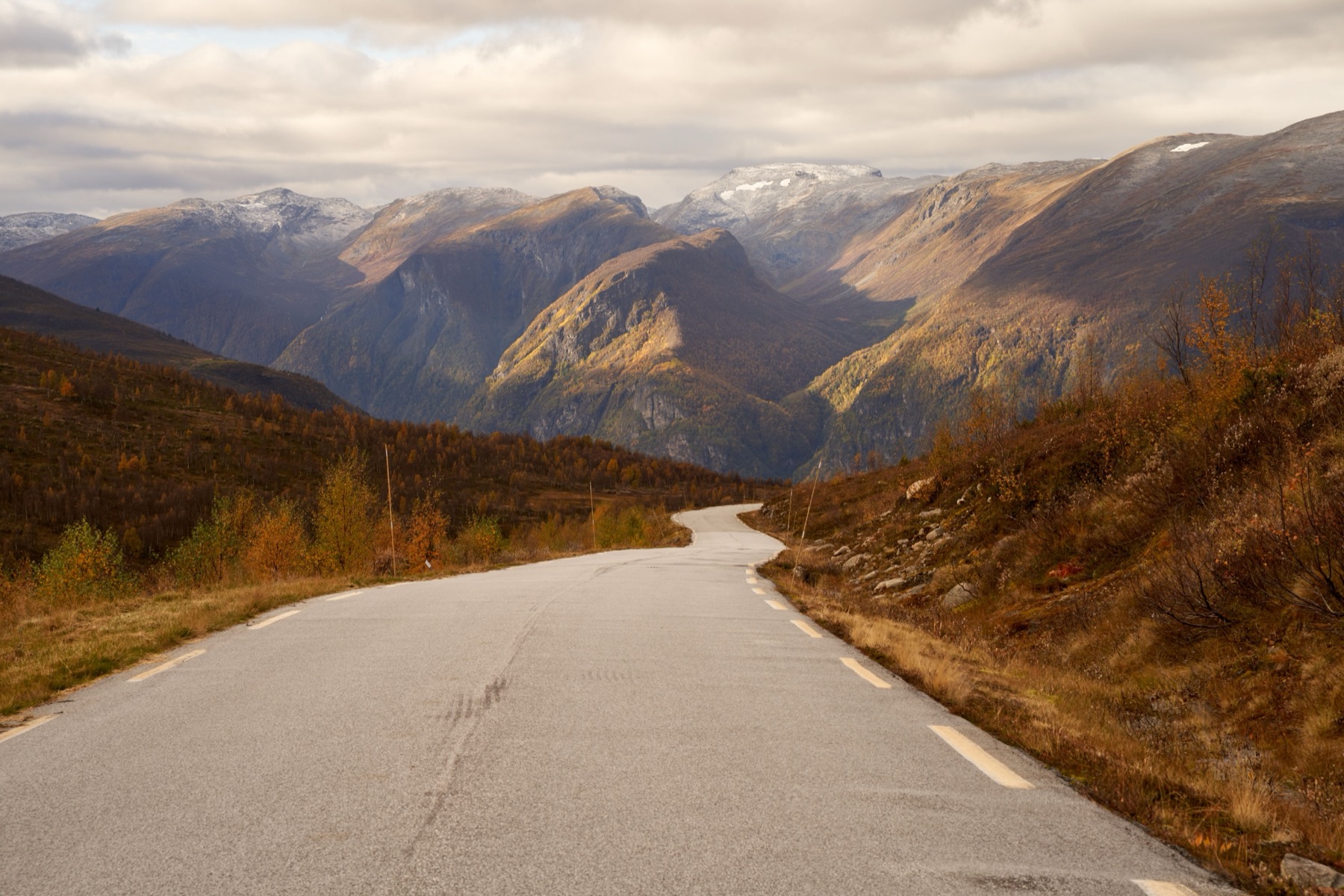
As soon as you emerge from the tunnel onto the island, you’re greeted by a harsh, almost lunar landscape without a single tree, because you’re high above the tree line. The road winds across barren plains, passes dark lakes and cuts into the cliffs above the sea, so driving around the island demands your full attention — but it also offers views that will make you want to stop at every layby.

6. Honningsvåg as the ideal base

Honningsvåg proudly boasts the title of Norway’s northernmost town, and although it’s more of a large fishing village with just under three thousand inhabitants, it works as the perfect starting point for exploring the island. The town lies in a sheltered bay, its colourful wooden houses reflected in the surface of the harbour, and you’ll find all the infrastructure you need here, from supermarkets to pleasant cafés where you can hide from the bad weather.

What’s more, the ships of the famous Hurtigruten coastal route call in here every day, which always briefly brings the streets to life with dozens of tourists boarding buses bound for Nordkapp. The local Nordkappmuseet museum is well worth a visit too, beautifully documenting the hard life of fishermen in the far north, the history of coastal shipping, and the harsh events of the Second World War, when the area was almost razed to the ground.

7. The Gjesvær bird cliffs and Sámi reindeer herds

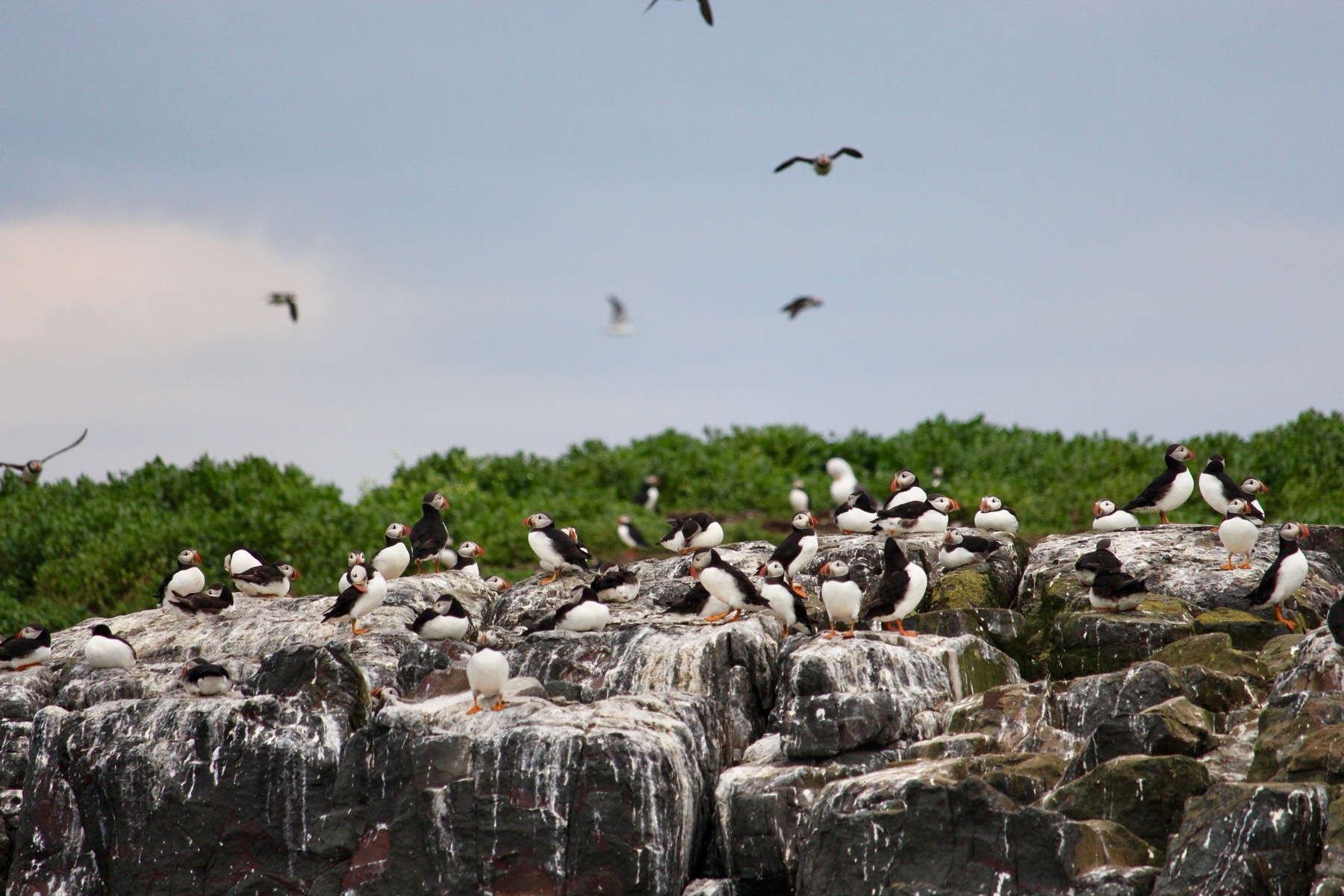
If you love wild nature, you mustn’t skip the detour to the picturesque fishing village of Gjesvær on the western side of the island, from where small boats set sail to the Gjesværstappan nature reserve. This cluster of little islets is home to enormous colonies of seabirds — in season, hundreds of thousands of adorable puffins with their colourful beaks nest here, along with majestic gannets, white-tailed eagles and various species of auk. These boat trips can be easily booked, for example through GetYourGuide, and they’re probably the best wildlife experience in the area.

But animals will keep you company even during ordinary driving around the island, because Magerøya serves as a summer pasture for thousands of reindeer, which local Sámi people bring over from the mainland every spring. The reindeer roam completely freely across the bare plains, very often wander right onto the road, and aren’t the least bit fazed by passing cars — so drive really carefully and always keep your camera close to hand.

8. The northern lights and harsh winter beauty

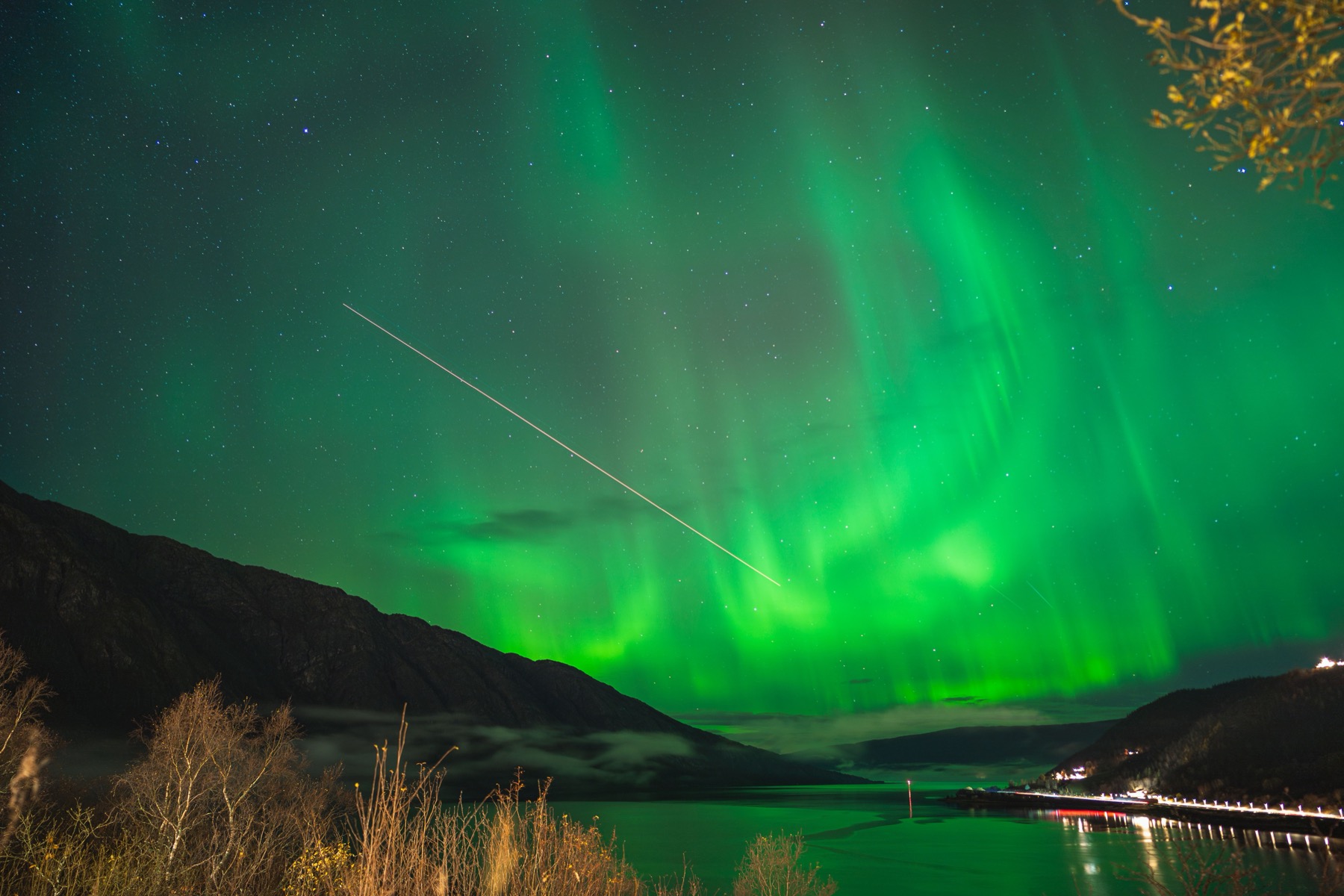
While summer belongs to the midnight sun, the winter months from September to March dress Nordkapp in a completely different, darker and no less fascinating coat. Because you’re deep within the Arctic Circle, it’s an absolutely fantastic place for watching the northern lights, which dance across the sky here in green and purple ribbons of incredible intensity. The Arctic winter has its own unmistakable charm — snow-covered cliffs contrast with the dark ocean and the sky is full of stars.

A winter trip does require far more planning, though, because access to the cape itself is often very limited due to snowstorms. The final stretch of road from the junction at Skarsvåg is frequently closed and can only be driven at set times in a special convoy, when your car has to follow a large snowplough. It’s a huge adrenaline rush and an experience in its own right, but don’t forget to check the current road conditions on the Norwegian Public Roads Administration websites.

Where to go next from Nordkapp

The north of Norway is enormous and the distances between individual sights might surprise you, but once you’ve come all this way, it’s worth exploring the other gems beyond the Arctic Circle too. If you’re planning a longer road trip, be sure to get inspired by our big article Norway: 50 things to see, where you’ll find plenty of practical advice for the whole country.

From Honningsvåg there’s a wonderful option to continue south by sea, because the ships we describe in detail in our guide Hurtigruten — cruising the coast stop here. By boat or a longer drive you can then reach the lively Arctic metropolis you can read about in our article Tromsø — the gateway to the northern lights. And if you’re craving the most photogenic mountains rising straight from the sea, head even further south and explore our piece What to see in Lofoten (the big guide).

Frequently asked questions

How much does entry to Nordkapp cost?

The visitor center Nordkapphallen entrance costs approximately 300 to 350 NOK, which includes the cinema, exhibitions, and parking fee. According to Norwegian law, access to the cliff itself should be free for pedestrians, but the fee is collected at the entrance gate for all arriving cars.

Is Nordkapp really the northernmost point of Europe?

Geographically speaking, it’s not. Nordkapp is the most famous and northernmost point accessible by car, but the actual northernmost mainland promontory of the continent is the nearby cape Knivskjellodden. It lies even further north, but you can only reach it via a fairly long hike through the Arctic tundra.

How to get to Nordkapp?

Most travelers come here by car along the E69 highway, which runs through an impressive undersea tunnel connecting Magerøya island to the mainland. Another very popular option is to arrive on board the Hurtigruten ships to Honningsvåg and from there take a bus, or alternatively you can use the local airport.

When is the best time to visit?

If you want to see the famous midnight sun and experience open roads, head out in summer between mid-May and the end of July. For Northern Lights hunters, winter is ideal, but you need to be prepared that the journey to the cape can be challenging due to snow and takes place in convoys.

Will I see the midnight sun here?

Yes, if you arrive here roughly between May 14th and July 29th, the sun doesn’t set below the horizon at all during this time. However, you need to be a bit lucky with the weather, because Nordkapp is notorious for frequent fog and low cloud cover, which can obscure the view of the sun.

Where is the best place to stay overnight?

The most practical base is the small town of Honningsvåg, where you’ll find excellent hotels like Scandic Bryggen or The Duke Boutique Hotel, as well as plenty of restaurants. If you want to be closer to the cliff itself and don’t mind simpler conditions, you can use the cabins or tent sites at Nordkapp Camping.

What else to do in the area?

Besides the cliff itself, I definitely recommend taking a boat trip from the village of Gjesvær to the bird cliffs, where hundreds of thousands of puffins and guillemots nest. You can also head out on a trek to the truly northernmost point, Knivskjellodden, or simply watch herds of reindeer grazing freely along the roads throughout the island.

Tips and Tricks for Your Vacation

Don’t Overpay for Flights

Search for flights on Kayak. It’s our favorite search engine because it scans the websites of all airlines and always finds the cheapest connection.

Book Your Accommodation Smartly

The best experiences we’ve had when looking for accommodation (from Alaska to Morocco) are with Booking.com, where hotels, apartments, and entire houses are usually the cheapest and most widely available.

Don’t Forget Travel Insurance

Good travel insurance will protect you against illness, accidents, theft, or flight cancellations. We’ve had a few hospital visits abroad, so we know how important it is to have proper insurance arranged.

Where we insure ourselves: SafetyWing (best for everyone) and TrueTraveller (for extra-long trips).

Why don’t we recommend any Czech insurance company? Because they have too many restrictions. They set limits on the number of days abroad, travel insurance via a credit card often requires you to pay medical expenses only with that card, and they frequently limit the number of returns to the Czech Republic.

Find the Best Experiences

Get Your Guide is a huge online marketplace where you can book guided walks, trips, skip-the-line tickets, tours, and much more. We always find some extra fun there!
Hurtigruten Norway: 8 Things to Know About the Coastal Voyage in 2026

TL;DRClassic Hurtigruten coastal voyage links Bergen with Arctic Kirkenes, taking about 7 days one way (12 days round trip), with stops at 34 ports. The full route costs 10,000 to 20,000 NOK per person, depending on the season and cabin. The best months are June to August for the midnight sun, or November to March for the northern lights. Highlights along the way include Trollfjord, the Lofoten and Vesterålen islands, Nordkapp, and, in summer, a detour into Geirangerfjord. Rival operator Havila Voyages runs the same route with hybrid ships, and you don’t have to book the full seven-day trip — shorter legs between selected ports are also an option.

Norway is stunning from land, but it’s only from the deck of a ship that those enormous fjords and sheer cliffs take on a completely different perspective. By far the most iconic way to experience the Norwegian coast is the legendary Hurtigruten Norway voyage, which links the south with the far north. Along the way you’ll see remote fishing villages and jaw-dropping natural scenery you’d struggle to reach by land.

Originally this route worked mainly as a postal and supply line for remote regions, but over time it grew into a worldwide phenomenon. Today it’s a hugely popular travel destination offering an incredibly authentic glimpse of everyday life in the north. In this article we’ll break down exactly what to expect from the famous voyage from Bergen to Arctic Kirkenes and how to plan the whole trip as smoothly as possible.

We’ll take a detailed look at the best time to catch the northern lights or the midnight sun, how much the whole thing costs and what accommodation options you have on board. You’ll also learn why you don’t have to do the full seven-day route and how to pick just the most beautiful stretch by ship, so you can drive the rest of Norway comfortably at your own pace.

TL;DR

  • The route: The classic coastal line runs from Bergen to Arctic Kirkenes, takes roughly 7 days one way and calls at 34 ports along the way.
  • Best time to go: In winter travellers come for the magical northern lights and whales, while the summer months offer endless midnight sun and vivid green fjords.
  • Competition: Besides the traditional Hurtigruten company, the same route is now sailed by the more modern Havila Voyages with brand-new hybrid ships.
  • Flexibility: You don’t have to sail the whole route — the ships also work as a regular ferry between towns, ideal for a more affordable taster.
  • Price: The full route costs roughly 10,000 to 20,000 NOK (about €880 to €1,760) per person depending on season and cabin.
  • Extra experiences: On longer stops you can join organised excursions — a trip to the North Cape or a dog-sledding ride through snowy landscapes are popular.

When to go to Norway for the voyage

Choosing the right season completely shapes what you’ll see during the trip and the overall atmosphere on board. If you set off in the summer months from June to August, you’ll experience the famous midnight sun. Up north the days are endlessly long, nature glows in every shade of green, and you can sit on deck at midnight admiring the sunlit mountain peaks and the shimmering surface of the sea.

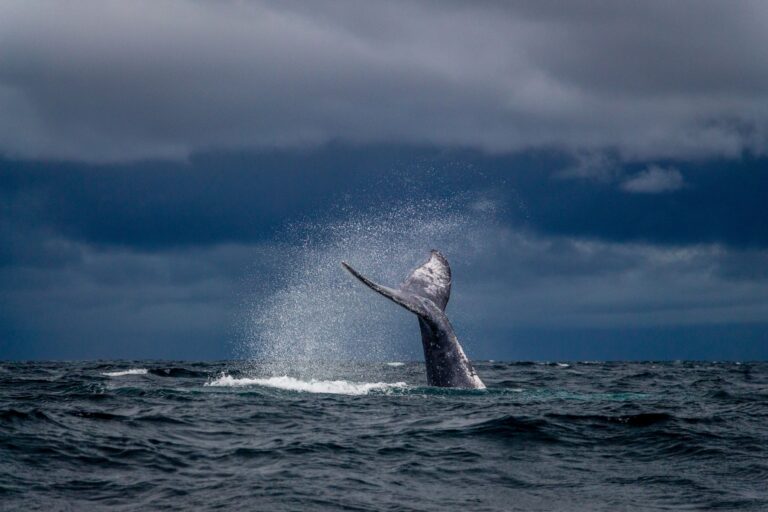
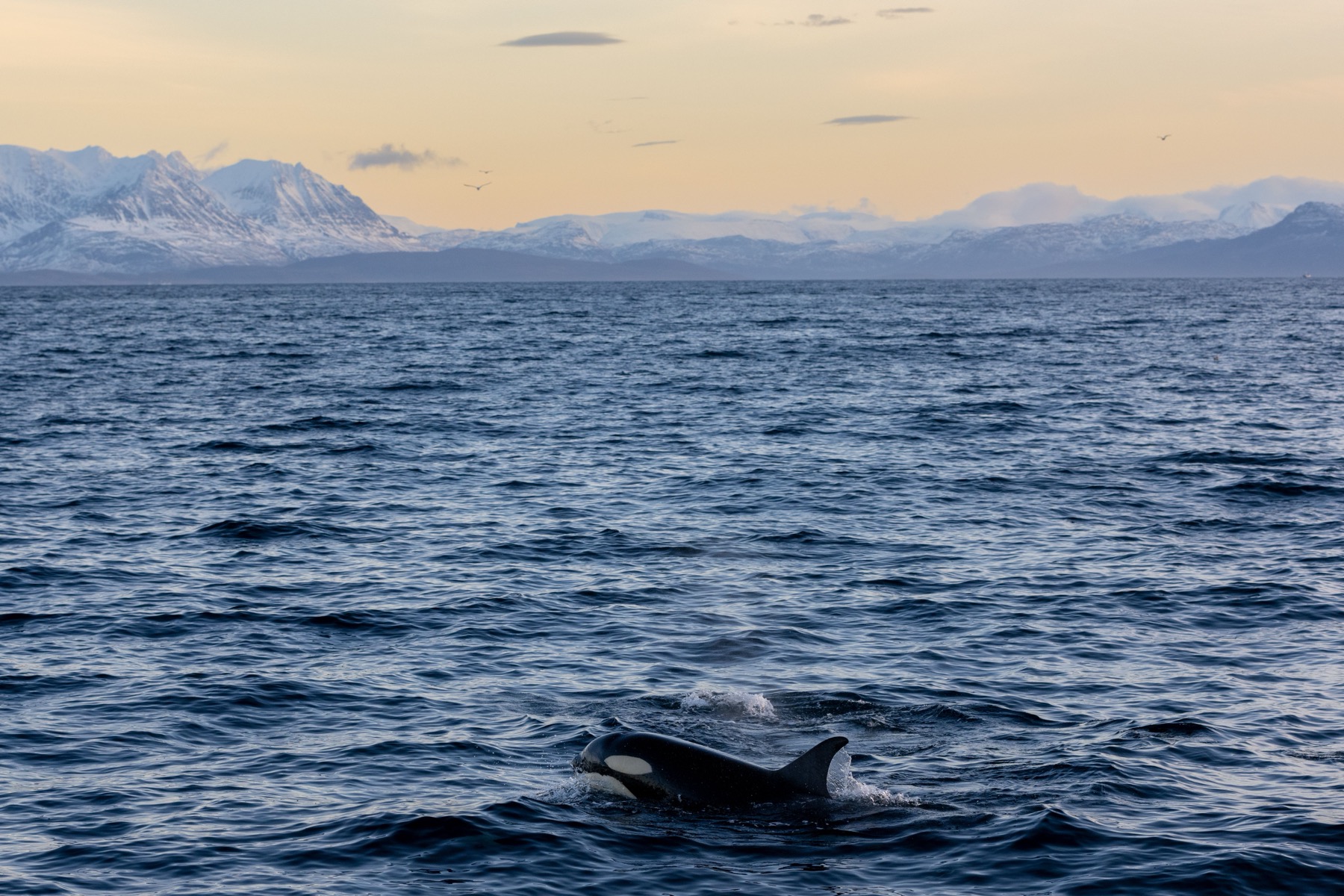
Winter voyages from November to March, on the other hand, are a huge draw for keen aurora hunters. Some cruises even offer an intriguing guarantee: if the aurora borealis doesn’t appear during your trip, you get another voyage completely free. The days are very short and polar night reigns in the far north, but the snowy coastal scenery and the real chance of spotting whales in the dark waters have enormous charm.

A great compromise can be spring or autumn, when you avoid the biggest crowds and cabin prices tend to be a little friendlier. In autumn nature turns a beautiful orange and you already have a decent chance of catching the nightly light shows, while in spring you can admire the melting snow on the peaks of the majestic fjords and the northern wilderness slowly waking up.

Where to stay before and after the voyage

💡 Tip for accommodation and experiences: We like to search for places to stay on Booking.com, which usually has the best cancellation terms. For tickets, tours and activities it’s worth comparing and buying through GetYourGuide.

Since the whole coastal route starts in southern Bergen and ends in far-flung Kirkenes near the Russian border, you’ll very likely need a night on land. It always pays to fly in a day or two early so you can explore the city at your leisure, soak up the atmosphere, and avoid the risk of watching your ship sail off before your eyes because of an unexpectedly delayed flight.

In Bergen, a great and practical choice is the Thon Hotel Orion, just a short walk from the historic wooden Bryggen quarter, with an absolutely phenomenal breakfast and a huge selection of everything. If you’re after something special and love beautiful historic buildings, try the more upscale Opus 16, a gorgeous boutique hotel right in the city centre, just a stone’s throw from the harbour.

At the opposite end of the route in Arctic Kirkenes, the obvious choice is the Thon Hotel Kirkenes, right by the water, so you can watch the ships arrive and the harbour bustle from the comfort of your room. For a truly unique winter experience, there’s the famous Snowhotel Kirkenes, where you can sleep in stylish cabins or try a night in the ice rooms — the perfect finale to a Nordic adventure.

What Hurtigruten is and what you’ll see along the way

Let’s take a closer look at what this legendary line actually means in practice and what incredible scenery northern Europe has in store for you. The journey along the coast isn’t just about aimlessly sitting on deck — it’s above all about the constantly changing landscape and fascinating stops in towns big and small.

Over the course of the multi-day voyage you’ll pass thousands of tiny islands, weave through narrow straits and reach remote spots that no proper roads lead to. Be prepared to keep your camera in hand almost constantly, because the views from the outdoor deck are simply phenomenal in any weather.

1. What Hurtigruten is and how it works

The history of this iconic coastal line dates back to 1893, when it began as a vital connection for remote Norwegian settlements along the endless coastline. Even today it’s not a classic giant cruise ship full of casinos and noisy water slides, but rather a floating village that regularly carries not only foreign tourists but also local residents and essential cargo for island communities. That gives the whole experience a huge dose of Nordic authenticity.

The classic route runs from southern Bergen all the way to Kirkenes and takes roughly 7 days one way, while the full round trip takes about twelve. The ship operates completely non-stop, so it calls at ports both day and night. The schedule is cleverly designed, though, so the captain tries to sail into the most interesting spots and larger towns at reasonable daytime hours, so you don’t miss out.

There’s an incredible 34 stops along the way, and their length varies enormously depending on the size of the town and the volume of cargo. In some places the ship docks for just fifteen minutes so workers on shore can quickly unload pallets of goods and postal staff grab fresh letters, while elsewhere you have several hours to head ashore in peace and properly explore the local sights.

2. The most beautiful stretches of the route

The landscape changes constantly and dramatically throughout the voyage, and each new day brings entirely different visual experiences. Among the absolute highlights of the whole trip is sailing through the narrow Trollfjord, where the steep rock walls are so close to the ship that you feel you could reach out and touch them from the deck. Here the captain has to show real mastery of ship handling to safely turn the enormous vessel in the fjord’s tight throat.

Another huge draw is sailing past the magical Lofoten and Vesterålen islands, whose sharp granite peaks rising straight out of the wild ocean look absolutely fantastic. This is exactly where the most iconic photos of the entire Norwegian voyage are taken, especially when the low evening sun catches the rock and the whole landscape takes on a golden hue.

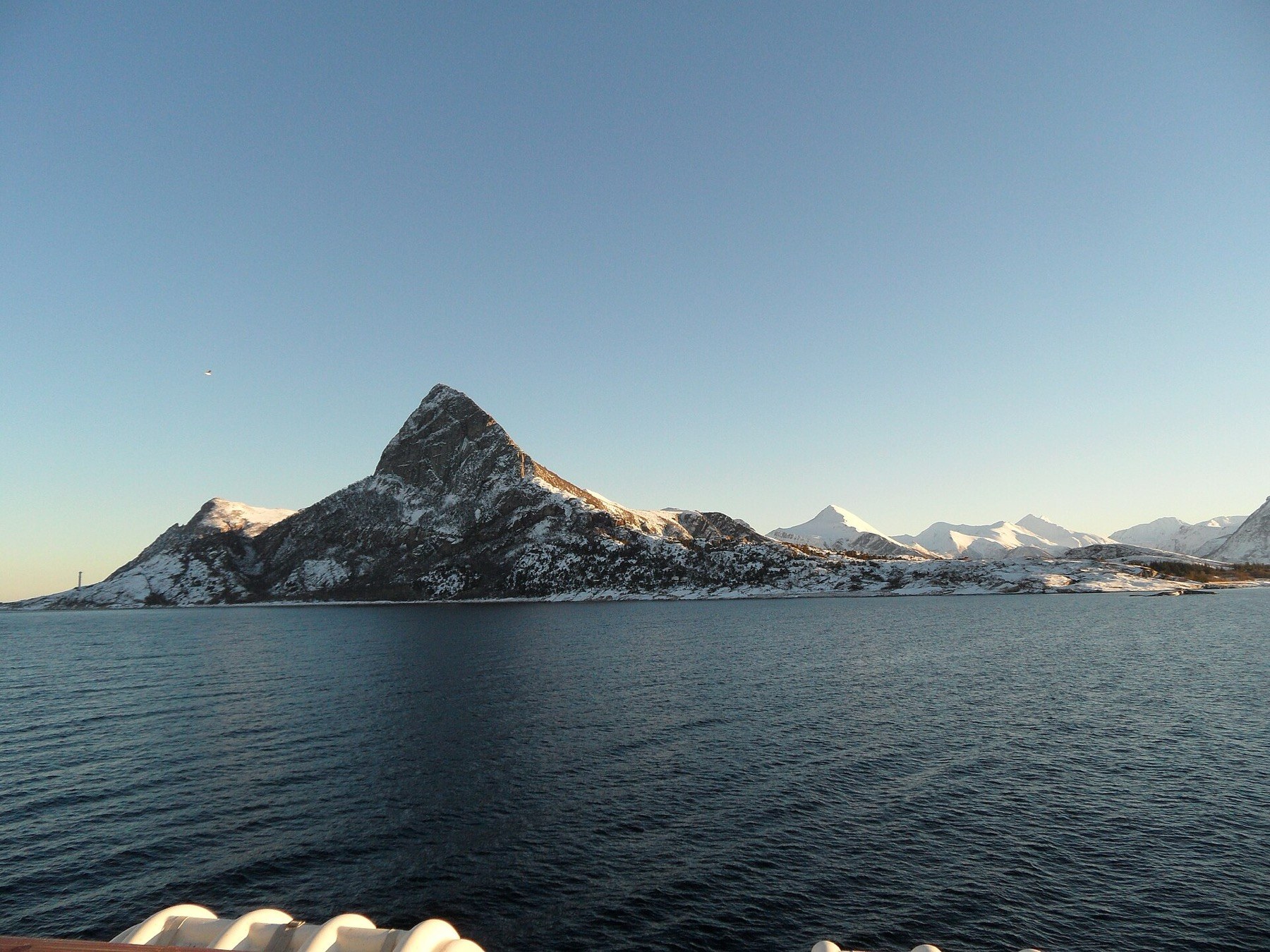
In the summer months some ships make a special scenic detour into the famous Geirangerfjord, a UNESCO-listed wonder boasting gorgeous thundering waterfalls. In the far north you’ll surely be blown away by the harsh, barren landscape around the North Cape and the Helgeland islands with their mystical mountains, like the legendary Seven Sisters range or Torghatten mountain with its famous hole right through the middle of the hill.

3. Port stops and shore excursions

Because the ship docks for several hours in bigger towns, you have a perfect opportunity to head out and properly explore the surroundings. In historic Trondheim you can comfortably walk to the stunning Nidaros Cathedral, the most important religious building in the country, while in Arctic Tromsø you can stroll the lively centre and visit the fascinating polar museum. In these ports the ship usually stays for a whole morning or afternoon.

The company also offers a very wide range of organised excursions you can add to your voyage and simply be pampered. Very popular are the midnight concert in the Arctic Cathedral, a bus trip to Europe’s northernmost point, the North Cape, from the port of Honningsvåg, or an adrenaline-fuelled dog-sledding ride through the snowy wilderness. These activities tend to be quite pricey, but the organisation is top-notch and the ship always reliably waits for you.

💡 Tip: If you want to save money and be more flexible, you can book many of the port activities independently in advance, for example through the popular GetYourGuide platform. Just always keep a very close eye on the exact departure time, because once the mighty ship’s horn sounds, the captain waits for no one and you’d have a tricky time catching up with the rest of the route by land, at your own expense.

4. Winter aurora vs. summer midnight sun

The experience of the coastal voyage differs radically depending on the season you choose for your trip to Scandinavia. Winter voyages have a huge advantage in that the ship sails far from the light pollution of big cities, giving you absolutely ideal dark conditions for watching the northern lights. What’s more, at night the captain announces sightings over the intercom straight into the cabins, so you definitely won’t miss anything important.

On the other hand, you have to reckon with polar night in the far north above the Arctic Circle, where the sun doesn’t rise above the horizon at all. Natural light is only available for a few hours in the form of a kind of mystical twilight. There’s also often a very strong wind, it’s properly freezing on deck and the sea can be quite rough — but that’s a fair price to pay for the gorgeously snowy Arctic landscape.

In summer it’s a completely different story and the atmosphere is noticeably more relaxed. The midnight sun means you can sit outside with a glass of wine at two in the morning and admire perfectly clear views of the green hills. The days are long, temperatures are usually quite pleasant and you have plenty of energy for all those coastal excursions — though you can obviously forget about the northern lights during this period.

lukas a lucka
Lukáš and Lucie recommend
Where to Stay on the Norwegian Coast
5 accommodations — wellness hotels, hotels and other lodging options

Practical info: cabins, prices and booking

Before you excitedly buy your tickets and start packing warm jumpers, it’s worth getting your bearings on the practicalities of booking. You’ll discover that it’s no longer just one company running the route, and that the full seven-day voyage is far from the only way to fully enjoy Norway’s dramatic fjords from the deck.

We’ll take a detailed look at exactly how dining works on board, how much the whole thing costs and why you should seriously consider the intriguing combination of a shorter voyage with a classic road trip on land.

5. Hurtigruten vs. Havila Voyages

For decades the traditional Hurtigruten company held an exclusive monopoly on this coastal line, but since 2021 it has faced some very capable competition. The same route with exactly the same port stops is now also sailed by Havila Voyages, which is great news for travellers and for healthy competition. Incidentally, both companies receive state subsidies for operating this important transport artery.

While the traditional Hurtigruten offers a fleet of tried-and-tested ships with that pleasant classic maritime character and often an experienced expedition team on board, Havila has come out with brand-new hybrid vessels. These modern ships can sail for several hours purely on huge batteries, which means that in the most precious fjords you’ll experience total silence with no unpleasant vibrations or smoke from the funnels.

Choosing between the two operators is mainly a matter of your personal preferences and the current prices. If you’re after the most modern design, more spacious standard cabins and a greener approach to nature, go for Havila with a clear conscience. If, on the other hand, you prefer the established classic with huge tradition and a wider range of add-on programmes, the traditional company will be the better choice for you.

6. Cabins, food on board and prices

You can choose your accommodation on board exactly to suit your budget and needs, from the simplest inside cabins without windows to luxury suites with a balcony and hot tub. Even the cheapest available cabins are always perfectly clean, comfortable and fitted with their own small bathroom. Since you’ll spend most of your time out on deck or in the glass-walled panoramic lounges anyway, a window in the cabin isn’t a must if you want to save money.

The food on board is a huge culinary experience for all the senses. Both companies’ concept is built around using local ingredients straight from the regions you’re currently sailing through. The ships offer excellent vegetarian choices packed with fresh vegetables, great cheeses and pulses, and they handle various diets very well — you just need to let them know in advance. The local meat and fish dishes Norway is famous for are there for those who specifically want them.

As for the overall budget, you simply have to accept that Norway isn’t cheap, and sailing along it even less so. For the complete seven-day route from Bergen to Kirkenes you’ll pay, depending on season and cabin, roughly 10,000 to 20,000 NOK (about €880 to €1,760) per person. This base price usually includes full board, but you’ll pay handsomely on top for alcoholic drinks and organised excursions.

7. The full route vs. just one stretch

Most foreign tourists automatically buy the complete seven- or even twelve-day package, but few people know it isn’t compulsory at all. The ships work primarily as reliable public transport for locals, so you can buy a ticket for just any shorter stretch between any two ports. That’s an absolutely brilliant way to save significantly while still not missing out on this amazing experience.

You could, for example, board in Tromsø and spend just a single night on the ship on the way to Honningsvåg, from where you can comfortably head to the North Cape. Or pay for just a short daytime voyage through the majestic Trollfjord and disembark in the evening in Lofoten, where you’ll continue on your own. It’s simply the ideal taster for those on a limited budget or prone to seasickness who don’t fancy spending a whole long week on the waves.

When buying a ticket for just a selected stretch, you also have the option to travel without a cabin if you’re only sailing during the day, which brings the price down to an absolute minimum. You pay only for the transport itself along the coast, and you can either bring your own food in your bag or grab a bite in the onboard bistro with a view.

8. The coast by car vs. by ship

When planning your dream Norwegian holiday you’ll definitely run into a fundamental dilemma: whether to explore the stunning coast from the deck of a ship, or rather hire a car and set off on an independent road trip. Both options certainly have their appeal. Travelling by ship is incredibly comfortable — you don’t have to deal with ferries across fjords, the daily hunt for accommodation, or dangerous fatigue behind the wheel. You just sit, drink coffee and take in the views.

On the other hand, your own car gives you absolute freedom and flexibility in planning. You can stop spontaneously at every pretty waterfall, head out on a full-day hike into the mountains and stay overnight in a remote, charming campsite. From a huge ship you’ll only reach long mountain treks with great difficulty, because the port stops are simply too short for a proper hike.

The best possible solution is often a smart compromise. You can drive southern and central Norway along the scenic roads, then return the car in Trondheim or Tromsø and cover the rest of the journey north by ship in complete peace. In these harsh Arctic regions the roads are often very time-consuming and hard to drive in winter, so the ship is simply the best possible choice here.

Where to go next from Norway and what to read

If you’re planning a big Nordic trip, you’ll definitely find some further practical information useful to help you decide. Get inspired by our detailed guides and plan the holiday of your dreams exactly the way you imagine it.

Frequently asked questions

How much does a Hurtigruten cruise cost?

The price for the complete seven-day route from Bergen to Kirkenes ranges roughly from 10,000 to 20,000 NOK (approx. €880 to €1,760) per person. It mainly depends on the season, how far in advance you book, and your choice of a specific cabin. If you want to save money, you can buy a ticket for just a shorter stretch between towns.

How long does the entire cruise take?

The classic one-way route along the entire western coast from Bergen in the south to arctic Kirkenes takes approximately 7 days. If you happen to want to do the complete round trip there and back, it will take you about 12 days, with the ship stopping at ports at completely different times on the way back.

Is it better to choose Hurtigruten or Havila Voyages?

Both shipping companies offer a fantastic experience and sail along exactly the same route. Hurtigruten is more traditional and has a larger selection of ships, including those that are specifically expedition vessels. Havila, on the other hand, has brand new hybrid ships that are quieter on board, more modern overall, and somewhat more eco-friendly.

When is the best time for a cruise?

“`html
It depends purely on what you want to see in the sky. For sun-drenched green fjords and the famous midnight sun, head to Scandinavia in summer between June and August. If your big dream is a snow-covered landscape and witnessing the magical Northern Lights, the winter months from November to March will be ideal for you.
“`

Can you take the boat for just a shorter stretch?

Yes, both companies operate as regular coastal lines, so you can absolutely buy a ticket just like a ferry between selected ports without any problem. It’s an excellent and much more affordable taster for those who simply don’t want to spend a whole long week on the water.

Is this a classic luxury cruise?

Definitely not, it’s more of an incredibly comfortable transport route that naturally mixes foreign tourists, local residents, and postal and cargo transport. You won’t find flashing casinos, giant water slides, or evening cabarets here. The luxury lies exclusively in the incredible views, fantastic local food, and absolute tranquility.

What will you see along the way?

The Nordic coastal landscape is incredibly diverse and photogenic. Among the greatest highlights are the dramatic passage through the narrow Trollfjord, the fairytale islands of Lofoten and Vesterålen, the rugged cliff of Nordkapp, or the mystical mountains of Helgeland. In the summer months, some ships even venture into the famous Geirangerfjord.

Tips and Tricks for Your Vacation

Don’t Overpay for Flights

Search for flights on Kayak. It’s our favorite search engine because it scans the websites of all airlines and always finds the cheapest connection.

Book Your Accommodation Smartly

The best experiences we’ve had when looking for accommodation (from Alaska to Morocco) are with Booking.com, where hotels, apartments, and entire houses are usually the cheapest and most widely available.

Don’t Forget Travel Insurance

Good travel insurance will protect you against illness, accidents, theft, or flight cancellations. We’ve had a few hospital visits abroad, so we know how important it is to have proper insurance arranged.

Where we insure ourselves: SafetyWing (best for everyone) and TrueTraveller (for extra-long trips).

Why don’t we recommend any Czech insurance company? Because they have too many restrictions. They set limits on the number of days abroad, travel insurance via a credit card often requires you to pay medical expenses only with that card, and they frequently limit the number of returns to the Czech Republic.

Find the Best Experiences

Get Your Guide is a huge online marketplace where you can book guided walks, trips, skip-the-line tickets, tours, and much more. We always find some extra fun there!
Sardinian Food: 12 Specialities You Must Try in 2026

TL;DRSardinian cooking has 12 essential specialities, and the standouts are culurgiones — pasta parcels stuffed with potato, cheese and mint — along with crisp pane carasau flatbread, pecorino sardo sheep’s cheese and slow-roasted suckling pig, porceddu. The tradition comes from inland shepherd country around Oliena and Nuoro rather than the coast, though seafood specialities like cured bottarga roe and lobster aragosta alla catalana in Alghero are well worth trying too. The most authentic experience is at family-run agriturismo farms, where a fixed tasting menu with wine costs €35–€45, though dinner rarely starts before half past eight. Wash it down with a glass of Cannonau red wine and mirto myrtle liqueur, and finish with sweet-savoury seadas pastries for dessert.

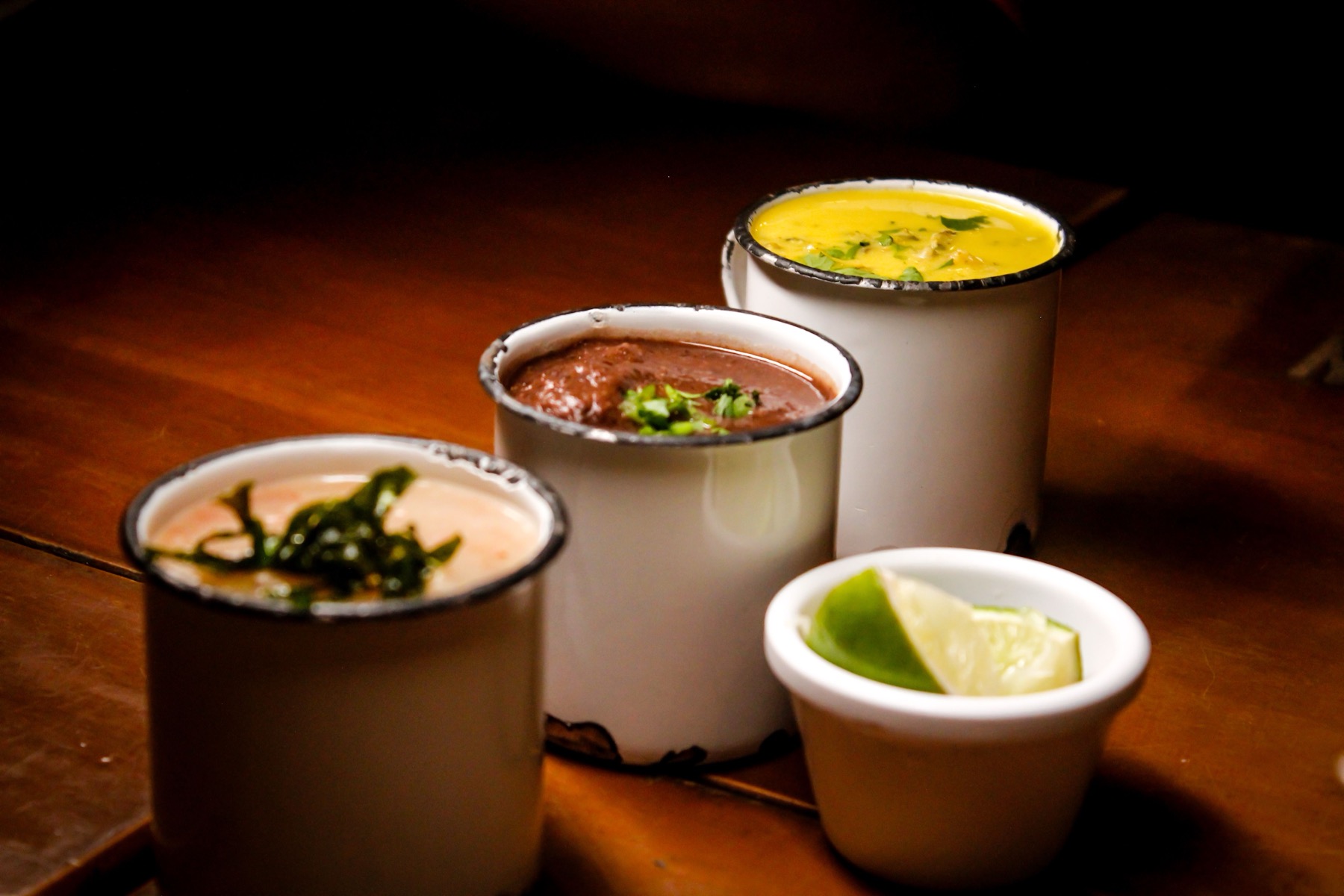
Italian cuisine is famous all over the world, but I have to flag one absolutely crucial thing right from the start. Sardinia, in Italy, spent centuries cut off from the mainland, and because of that isolation it kept a set of completely unique traditions you won’t taste anywhere else. Don’t expect to find classic pizza or spaghetti bolognese in the traditional spots here. In fact, people say Sardinian food is one of the main reasons the islanders live such incredibly long and healthy lives.

The foundation of everything is simplicity and a deep respect for the ingredients offered by the rugged inland countryside and the rich sea. Whether you’re drawn to remote mountain villages or turquoise beaches, you should do your homework on what to eat in Sardinia before you fly out, because it would be a real shame to end up stuck with generic tourist menus. The local food is a huge experience in itself.

I’ll walk you through 12 specialities you absolutely have to try on the island. I’ll help you decide what to order, where to look for the most authentic restaurants, and what to watch out for if — like us — you happen to avoid meat.

TL;DR

  • Sardinian food is shepherd’s cuisine: Don’t expect only fish. Historically the Sardinians retreated inland, so the backbone is superb sheep’s cheese, herbs and homemade pasta.
  • The best food is in agriturismi: Farms serve a fixed tasting menu made from their own produce, but dinner doesn’t start until around 8:30 pm.
  • Vegetarians will feast: The biggest stars include culurgiones pasta stuffed with potato and cheese, and the sweet-savoury seadas dessert.
  • Meat and seafood: Carnivores go for slow-roasted suckling pig (porceddu), and fish lovers should try dried fish roe (bottarga).
  • The free staple: Every restaurant puts crispy pane carasau bread on your table, nicknamed “music paper”.
  • What to drink: Definitely try the local red wine Cannonau, said to be the elixir of longevity, and finish your meal with mirto, a myrtle liqueur.

What makes Sardinian food so special

You might expect that on an island surrounded by the Mediterranean everything would revolve exclusively around fish and octopus. But history gave Sardinia a completely different face. For centuries the coast was a target for pirates and raiders, which pushed the locals to retreat to the safety of the interior. That’s exactly why the region’s cuisine is rooted more in shepherd and farmer culture.

Simple but high-quality ingredients from the harsh mountains take centre stage: excellent sheep’s cheeses, potatoes, wild herbs, honey and homemade pasta. Only later, once the coast became safer, did seafood and fish specialities return to menus in a big way, and today they dominate the port towns.

The magic of it all lies in the wonderful simplicity and the fact that islanders are devoted to seasonality. Order some vegetables and you can trust they were growing in a nearby field just yesterday, while the bold flavours of herbs like myrtle, saffron or wild fennel give even the most ordinary dishes a completely unmistakable character.

Where to taste real Sardinian food

If you want to taste the real Sardinia, forget about hotel restaurants for at least one evening and head out into the countryside. Reportedly the best gastronomic experience of all is the so-called agriturismo — traditional family farms scattered all over the island that cook exclusively from what they grow or make themselves. You can search and book them on portals like Agriturismo.it.

At these places there’s usually no classic menu to choose from. The hosts simply serve you a generous fixed menu made up of several starters, two kinds of pasta, a main course, cheeses and dessert, with the price typically landing at a very reasonable €35 to €45 per person, including wine and water.

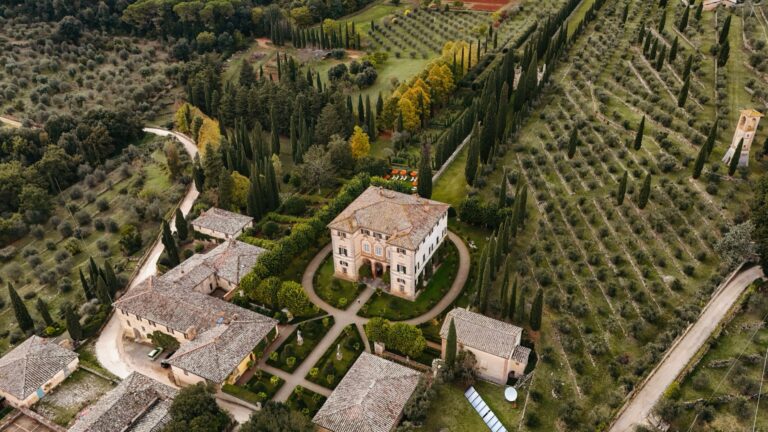
Unlike the coast, inland Sardinia doesn’t charge you for a sea view but for peace, authenticity and mountain scenery. You’ll find famous art hotels here as well as family-run agriturismi that serve you what they grew just outside the door. Most of the loveliest addresses hide around Oliena and Nuoro, an easy base for exploring the nuraghi and the Barbagia region. Pick according to your holiday style:

✨ For a unique artistic experience: Su Gologone Experience Hotel (Oliena) — a famous art hotel beneath the Supramonte mountains, brimming with Sardinian craft; authentic Sardinia straight from a postcard.

🏡 For an authentic agriturismo: Agriturismo Guthiddai (Oliena) — a family estate among vineyards and olive groves near the Su Gologone spring, where you eat what they grow themselves.

⛰️ For quiet in the forest below Supramonte: Hotel Monte Maccione (Oliena) — a little mountain hotel tucked in the woods above Oliena, a paradise for hikers and the starting point for treks across the Supramonte.

🏙️ For a practical base in town: Euro Hotel (Nuoro) — comfortable digs right in Nuoro, ideal for trips to the nuraghi and the mountain villages of the Barbagia.

💡 A little parting tip: you can book most hotels through Booking.com with free cancellation, so you can reserve your favourite spot now and make up your mind later. Just don’t wait too long — the most sought-after seaside addresses sell out for July and August up to six months in advance, and high-season prices climb by tens of percent.

It’s a wonderful social ritual that usually stretches over several hours and takes place at big tables under the open sky. But you won’t get to dinner before around 8:30 pm, because the locals simply don’t eat earlier, and you always have to book your table in advance by phone or over WhatsApp.

💡 Tip: Tickets, boat trips and organised tours fill up fast in season, so it pays to book them ahead online on GetYourGuide.

Savoury Sardinian specialities

As we’ve said, the heart of the local cuisine beats in the mountain regions and traditional pasta. Be ready — the local kinds of pasta differ quite a bit from the mainland ones in shape and texture, and the skill of making them by hand is passed down through families over generations as their most precious treasure.

1. Culurgiones: the jewel among pastas

If I had to pick just one single dish that — according to travellers’ tales — perfectly captures Sardinian hospitality, it would be culurgiones, hands down. These plump, hand-pleated parcels come from the mountain region of Ogliastra and look a little like a stuffed dumpling, but the flavour is utterly disarming.

They’re filled with a silky-smooth mix of mashed potato, sharp pecorino sheep’s cheese and fresh mint, which lends the whole dish an incredibly fresh, surprising note. The intricate pleated pattern on the surface is meant to resemble an ear of wheat, and skilled home cooks can craft it in the blink of an eye. They’re most often served in a simple, sweet tomato sauce with a sprinkling of extra cheese — an absolute dream come true for us vegetarians.

2. Malloreddus (gnocchetti sardi)

On the menu of every tucked-away trattoria you’re guaranteed to find malloreddus, often nicknamed Sardinian gnocchi. They’re small, ridged little shells made from semolina flour, traditionally coloured a beautiful golden hue by a pinch of real saffron.

Thanks to their ridged shape, they hold onto sauce perfectly. The version you’ll come across most often is called malloreddus alla campidanese — a hearty ragù of local sausage, tomato and fennel that carnivores adore. But if you don’t eat meat, the staff will in most cases happily fix them for you with just a plain tomato sauce and cheese, no fuss at all.

3. Fregola: the Sardinian couscous

Another fascinating dish, one that clearly points to the island’s historical links with North Africa, is a pasta called fregola. It looks like small, irregular balls of durum wheat that are hand-rolled and then toasted in the oven, which gives them a fantastic slightly nutty flavour and a lovely rustic look.

Fregola is often used in thick soups or cooked risotto-style, slowly soaking up stock and the flavours of the other ingredients. The traditional and supposedly most famous preparation is fregola con arselle, where the beads meet fresh clams and a delicate garlic base. Here too, though, a meat-free version with vegetables is completely common and well worth a try.

4. Pane carasau: bread as thin as paper

This isn’t really a dish so much as a culinary symbol of the island, and you’ll get it on your table for free in just about every restaurant. Pane carasau is an extremely thin, perfectly crisp bread that Italians love to call carta da musica, or “music paper”, because it crunches beautifully and loudly with every bite.

Its origins are purely practical: shepherds who left for long months in the mountains with their flocks needed bread that wouldn’t go mouldy after a few days. These twice-baked flatbreads stay fresh for an incredibly long time and can be eaten on their own, or often drizzled with quality olive oil and a sprinkle of salt, which turns them into the so-called pane guttiau.

5. Pane frattau: a hearty layered treat

When there are leftover shards of pane carasau, the locals certainly don’t throw them away — they turn them into this wonderful rustic delight. Pane frattau could be described as a kind of Sardinian lasagne for the poor, where sheets of dry bread are briefly dipped in hot stock to soften.

The plate then alternates layers of softened bread with rich tomato sauce and a generous handful of grated pecorino. The whole beauty is crowned with a poached egg, whose yolk oozes gorgeously across all the layers once you cut into it. A word of warning for strict vegetarians, though: I’d always ask the staff whether the bread was soaked in meat stock, which is unfortunately fairly common practice.

6. Pecorino sardo and Fiore Sardo

Sardinia is an island of sheep — reportedly more of them live here than there are people — so it won’t surprise anyone that the local cheeses are absolutely phenomenal. The most famous is undoubtedly Pecorino Sardo, which carries a protected designation of origin and is made in several stages of ageing.

The young cheese is beautifully soft and sweet, while the aged one, which has rested in cellars for over a year, is gorgeously sharp, hard and crumbly. Another great cheese icon is Fiore Sardo, which is lightly smoked over wood, giving it an earthy and unmistakable flavour that’s perfect for an evening spent with a glass of wine. You can read more about how these treasures are made and certified on the official website of the Consorzio Pecorino Sardo.

7. Bottarga: gold from the sea

If you’re after a genuine delicacy that the locals treasure enormously, it’s bottarga. Nicknamed Sardinian caviar, it’s actually carefully salted and sun-dried roe from grey mullet, processed mostly around the Sinis peninsula and the town of Cabras on the west coast.

This golden, intensely salty delicacy is sold either in whole pieces, which you then slice paper-thin at home, or already grated into a powder. Chefs love to grate bottarga over simple spaghetti with garlic and olive oil, creating an incredibly luxurious dish with a wonderfully concentrated flavour.

lukas a lucka
Lukáš and Lucie recommend
Where to Stay in Sardinia
5 accommodations — wellness hotels, hotels and other lodging options

Meat and fish from the Sardinian table

If you or your travel companions are meat lovers, this destination certainly won’t disappoint. Just as with the vegetarian dishes, meat here follows the rule that a quality ingredient doesn’t need to be masked with heavy sauces — all it takes is herbs, salt and the right cooking method.

8. Porceddu: the symbol of every big celebration

According to the locals, essentially no major festival, family celebration or traditional dinner at an agriturismo is complete without this iconic dish. Porceddu is slow-roasted suckling pig, which mustn’t weigh more than a few kilograms and is roasted over an open fire for several long hours.

The secret to its success apparently lies in the way the meat is brushed with lard and generously layered with sprigs of fresh myrtle, which lends it a wonderfully aromatic, sweetish scent. The result is said to be meat so tender it falls apart on your tongue, contrasted with an extremely crispy crackling. Travellers agree it’s the absolute culinary high point of the local meat menu.

9. Seafood, burrida and aragosta

The seaside towns naturally live off fishing, so the offer of fresh fish here is absolutely phenomenal. In the streets of the port city of Cagliari you’ll find little eateries serving a traditional starter called burrida — pieces of dogfish or ray marinated in a delicate sauce of walnuts, garlic and vinegar.

But if you head northwest to the beautiful Catalan town of Alghero, the queen of every menu will unquestionably be aragosta alla catalana. It’s a local lobster, cooked only very briefly and served on a bed of fresh tomatoes and sweet red onion, lightly dressed with lemon and the finest olive oil from the nearby groves.

Sweet finishes and drinks of Sardinia

After a hearty meal you always fancy something sweet, and the island’s desserts may just surprise you. As with the main courses, sweet baking here makes heavy use of sheep’s cheese, honey and herbs, so the pastries are never overly sugary — they tend to balance on the line between salty and sweet.

10. Seadas (sebadas): a brilliant contrast of flavours

This dessert is an absolute sensation and probably the best thing you can pair with your coffee. Seadas are large fried parcels of thin dough, generously filled inside with melted, fresh and slightly tangy pecorino, often mixed with a little grated lemon zest.

But the best part comes at the end, because just before serving the hot, beautifully puffed parcel is generously drizzled with bitter-sweet arbutus honey (from the strawberry tree). The combination of crispy hot dough, stringy melting cheese and the distinctive taste of wild honey creates something you’ll definitely want to eat again and again, day after day.

11. Pardulas and amaretti

If you drop into a local bakery, a so-called pasticceria, the display cases will be full of tiny works of art. Among the most popular are pardulas — little sun-shaped baskets filled with very fine sweet ricotta blended with saffron and orange zest. They’re baked mostly in spring, around Easter.

A great choice with your morning espresso is also the traditional almond biscuits amaretti, which are lightly cracked on the surface and beautifully soft and chewy inside. Their secret lies in a small amount of bitter almonds, which balance the sweetness of the sugar and give them that proper Italian flair.

12. Cannonau and Vermentino wines and mirto liqueur

The island climate creates absolutely ideal conditions for growing vines, and the local wineries are well worth exploring. The red king is the robust, full-bodied Cannonau, which is said to be behind the longevity of the old inland-mountain Sardinians thanks to its high antioxidant content. If you prefer white, definitely reach for the fresh, mineral Vermentino, whose finest, DOCG-labelled expression comes from the northern Gallura region. One of the best-known producers of both varieties is the historic Sella & Mosca winery near Alghero, which you can even visit for a tour.

You’ll also find a lovely overview of regional products and food events on the official tourism portal Sardegna Turismo. Whatever you have for dinner, the bill will always arrive with a small frosted glass. Inside will be mirto, a strong, sweet liqueur made from the dark purple berries of wild myrtle, which works as the best digestif to settle your stomach. Some call it medicine, some call it love at first taste — either way, you simply have to try it.

How and where to eat like a local

If you want to soak up the real atmosphere and avoid being squeezed into overpriced tourist traps by the beach, you’ll need to adapt a little to the southern rhythm of life. Italians don’t eat just to stave off hunger — for them a meal is a social event where people chat loudly, gesture and relax. Here are the basic tips for making the most of it:

  • Plan your timing: Remember that between 2:30 pm and roughly 7:30 pm most ordinary restaurants are closed for siesta. Dinners start very late, often around 8 or 8:30 pm, and restaurants only fill up as nine o’clock strikes.
  • A cheap lunch: Around midday, when it’s usually blazing hot, it pays to pop into a local bakery or a pizza al taglio spot. For a few euros you’ll grab a great fresh focaccia or a slice of pizza to go that you can eat somewhere in the shade.
  • Seek out trattorie: Besides agriturismi, try smaller family trattorie, which you’ll often recognise by their checked tablecloths and older gents sitting out on the terrace. Don’t be put off by a place that looks a bit plain from the outside — that’s often where they cook the very best food.
  • Where to buy souvenirs: Don’t buy the best culinary souvenirs like pecorino cheese, pasta or a bottle of mirto liqueur in the little shops by the beach. Instead head to a normal larger supermarket in town where the locals shop — the quality will be great and the prices half as much.
  • Check the opening hours: If you travel outside the main summer season, keep in mind that many remote spots and farms may run reduced hours. It always pays to book ahead, and for the current season it’s best to verify the opening days directly on the official or Facebook page of the particular place.

Where to go next

I hope your mouth is watering as you read, because Sardinian food really is worth the trip. If you’re planning your dream journey right now, our other handy articles from this gorgeous island are sure to come in useful, packed with practical tips on what to see, where to stay and what to watch out for:

💡 Explore Sardinia further: the main Sardinia guide, nuraghi and the interior, Cagliari, Alghero.

Frequently asked questions

What to taste in Sardinia?

You definitely shouldn’t miss the traditional stuffed pasta culurgiones, the crispy bread pane carasau, and the typical sheep cheeses led by pecorino. For meat lovers, the iconic roast suckling pig porceddu is a must, while on the coast, seafood and dried roe bottarga dominate.

What are culurgiones?

This is about traditional hand-pinched pasta pockets that come from the mountainous Ogliastra region. They’re filled with a delicious mixture of potatoes, pecorino sheep’s cheese, and fresh mint, and are most often served with a simple tomato sauce, making them ideal for vegetarians too.

What is traditional Sardinian food?

The basis of traditional cuisine consists of shepherd dishes from the interior, not fish. Typical dishes include pane frattau (a layered dish of bread and sauce), malloreddus pasta or the small ball-shaped fregola pasta. When it comes to meat, it’s clearly the slowly roasted suckling pig porceddu.

What is seadas dessert?

Seadas (or also sebadas) is an absolutely amazing traditional dessert that balances on the edge of savory and sweet flavors. It’s a large fried pastry pocket made of crispy dough filled with fresh cheese, which is generously drizzled with typical bittersweet arbutus honey while hot.

What wine do they drink in Sardinia?

The most famous and widespread local wine is the robust red Cannonau, which is grown mainly in the interior and is said to contribute to longevity. Among white wines, the absolute top is the mineral and fresh Vermentino, originating primarily from the northern Gallura region.

Will vegetarians find something to eat in Sardinia?

Yes, and very well at that! Sardinian cuisine offers plenty of meat-free dishes based on quality cheeses, vegetables and pasta. Excellent choices include culurgiones, pasta with tomato sauce, pizza or fresh focaccia. Just watch out with some sauces and the dish pane frattau to make sure they don’t contain meat broth.

Where to taste authentic Sardinian cuisine?

The most authentic food you won’t find in coastal restaurants, but in the so-called agriturismos. These are traditional family farms in the interior, where you get a fixed tasting menu in the evening prepared exclusively from local homegrown ingredients, and where a wonderfully family atmosphere reigns. However, you must book your spot in advance.

Tips and Tricks for Your Vacation

Don’t Overpay for Flights

Search for flights on Kayak. It’s our favorite search engine because it scans the websites of all airlines and always finds the cheapest connection.

Book Your Accommodation Smartly

The best experiences we’ve had when looking for accommodation (from Alaska to Morocco) are with Booking.com, where hotels, apartments, and entire houses are usually the cheapest and most widely available.

Don’t Forget Travel Insurance

Good travel insurance will protect you against illness, accidents, theft, or flight cancellations. We’ve had a few hospital visits abroad, so we know how important it is to have proper insurance arranged.

Where we insure ourselves: SafetyWing (best for everyone) and TrueTraveller (for extra-long trips).

Why don’t we recommend any Czech insurance company? Because they have too many restrictions. They set limits on the number of days abroad, travel insurance via a credit card often requires you to pay medical expenses only with that card, and they frequently limit the number of returns to the Czech Republic.

Find the Best Experiences

Get Your Guide is a huge online marketplace where you can book guided walks, trips, skip-the-line tickets, tours, and much more. We always find some extra fun there!

ESTA for the USA 2026: How to Apply Step by Step

TL;DRYou apply for your ESTA online, only through the official site esta.cbp.dhs.gov, and it costs exactly $40.27 ($4 processing fee plus $36.27 authorisation fee). You’ll need your biometric passport details to fill it in, and from 2026 you’ll also have to upload a selfie to match against your passport photo. It’s worth applying at least 72 hours before you fly, though approval usually comes through within minutes. An ESTA is valid for 2 years from approval (or until your passport expires) and lets you enter the US visa-free for up to 90 days for tourism or a short business trip — the same rules apply whether you’re headed to New York, Los Angeles or Miami. Having an approved ESTA doesn’t guarantee entry, though: that’s down to the CBP officer at passport control when you land.

Planning a trip to the United States and dreading the thought of complicated paperwork? A correctly completed ESTA USA application is the essential first step for your journey across the Atlantic. The process takes just a few minutes, but it demands total accuracy. Typos or the use of dodgy websites could cost you money — and even your flight.

In this guide you’ll get a clear, practical walkthrough. You’ll learn the exact costs, the current requirements for 2026, and what the immigration control process looks like once you land at a US airport. You can handle everything yourself from home in a fraction of the time.

The article covers the whole US entry process: from submitting the application, through payment, to meeting a CBP officer at the airport. It doesn’t matter whether you’re flying to New York, Los Angeles or Miami. The procedure and conditions are identical for every US destination.

TL;DR

  • What it is: ESTA is an electronic registration for visa-free entry to the USA for a maximum of 90 days.
  • Price: Exactly $40.27 (paid online by card).
  • Validity: 2 years from approval (or until your passport expires).
  • Where to apply: Only on the official government site esta.cbp.dhs.gov.
  • New requirement for 2026: You must upload a selfie to compare with your passport photo.
  • When to apply: At least 72 hours before your planned departure.
  • Important warning: An approved ESTA does not guarantee entry to the USA — the officer at the airport has the final say.

What ESTA Is and Who Needs It

ESTA stands for Electronic System for Travel Authorization. It’s an electronic registration created for countries included in the Visa Waiver Program. The United Kingdom is part of this programme. Thanks to that, UK citizens don’t need a traditional paper visa for ordinary trips.

This system allows you visa-free entry to the USA for tourism or a short business trip. A single stay must not exceed 90 days. Planning to study, do manual work or stay longer? In that case ESTA won’t cut it, and you’ll need to arrange a standard US visa at the embassy.

ESTA also doesn’t cover any kind of work permit. If you’ll be earning any income in the USA, you need a specific type of visa. Tourist activities (visiting landmarks, attending unpaid conferences, private visits to relatives), on the other hand, are fully in line with ESTA conditions.

How to Apply for an ESTA for the USA Step by Step

Filling in the form is a straightforward process. Get all your documents ready on the desk beforehand. That way you’ll avoid the needless stress of the website’s time limit running out. Work carefully and double-check every letter you enter.

Where to Apply (Official ESTA Application Site Only)

There’s only one correct place to submit your application. Open the official government site esta.cbp.dhs.gov. The internet is full of scam pages posing as official agencies. These sites charge $80 to $100 just to forward your details.

You get nothing extra from them. The approval speed and success rate are identical. So always check that the address in your browser ends with the .gov domain, which marks US government institutions. Private sites don’t have this domain — and can’t.

What You’ll Need

The essential item is a valid biometric passport. You’ll recognise it by the small rectangle-with-a-circle symbol on the front cover. It must be a machine-readable document. Also have a payment card with online transactions enabled and a working email address ready.

A new requirement for 2026 introduces the obligation to upload a selfie with your application. The system automatically compares this facial photo with the image in your uploaded passport. Also prepare the address of your first accommodation in the USA and a rough travel itinerary. The form requires this information.

Filling It In and Paying

The form guides you through several sections. Fill in all details without accents, exactly as they appear in the machine-readable zone at the bottom of your passport. You’ll answer questions about your employment, health and criminal history. Answer truthfully and concisely.

At the end of the process the system prompts you to pay. Enter your card details and confirm the amount. Without a successful payment, your application won’t be sent for processing. After paying, you’ll see your Application Number on the screen. Save it or print it out.

Approval and Checking Your ESTA Status

Most travellers receive a decision within a few minutes. However, the authorities have an official window of 72 hours to assess it. For this reason, submit your application at least three days before departure. Don’t leave this step for the airport terminal.

You won’t get any confirmation email about approval. You have to check the status yourself on the official site in the “Check ESTA Status” section using your application number and passport number. If you see “Authorization Approved”, you’re all set and can start packing.

A status of “Authorization Pending” means they’re processing your application; just wait. “Travel Not Authorized” is a rejection. In that case you must apply for a standard visa at the US embassy. Any previously rejected ESTA applications must also be declared on every future application.

ESTA USA Price and How Long It Lasts

A new price list has been in effect since late 2025. Processing costs exactly $40.27. This amount is made up of two items. The first part is a processing fee of $4. The second is the authorisation fee itself, at $36.27.

The price increase replaced the previous rate of $21. If a website asks you for $80 or more, you’re on a scam intermediary portal. Leave that page and go to the government site. There are also growing queries about the so-called “Visa Integrity Fee” of $250. This hefty fee applies only to standard visa applicants — it does not apply to ESTA travellers.

An approved registration is valid for exactly 2 years from the date of issue. There’s one exception. If your passport expires in less than two years, the authorisation ends together with the passport. If you get a new passport, you must submit a new ESTA application. The old one stops being valid. Within the validity period you can travel to the United States repeatedly with no further fees.

After Arrival: Immigration Control (CBP)

Landing on American soil marks the start of another process. An approved ESTA serves only as permission to board the plane heading to the USA. It doesn’t guarantee automatic entry to the country. The final word always belongs to the immigration officer (CBP) at the airport.

If you’re flying to New York, you’ll go through this check right at JFK, Newark or LaGuardia. You’ll join the queue for foreign nationals and wait to be called to the desk. The officer will ask you a series of basic questions. They’ll want to know the purpose of your trip, the length of your stay and where you’re staying.

Next comes taking your fingerprints on a digital scanner and photographing your face. The whole process at the desk usually takes just a few minutes. Have your return ticket ready, printed or downloaded. The officer also often asks for the exact address of your hotel or apartment.

Answer calmly, briefly and honestly. Officers process dozens of travellers an hour and appreciate clear, direct answers. Being overly chatty or nervous for no reason only drags the check out. Having your documents ready in hand (passport, ticket, accommodation address) is the easiest way to speed the whole thing up.

Practical Tips and Common Mistakes

Preparing for a trip to the USA calls for attention to detail. A small slip at your computer can complicate boarding the plane. Here you’ll find concrete advice for a smooth process.

💡 Tip: Check your name and passport number at least three times. A typo in your name or mistaking the letter O for a zero in your passport number means an invalid registration. The airline won’t let you board with an error like that.

💡 Tip: Apply separately for every member of the family. The requirement applies including babies and small children. Every child must have their own biometric passport and their own approved registration for $40.27.

💡 Tip: Apply well in advance. The ideal time is right after buying your flights. The registration isn’t tied to a specific flight or airline. You can have it sorted months before departure, giving yourself peace of mind for the rest of your planning.

💡 Tip: The selfie you upload with your application must meet specific conditions. It needs to be a direct look into the camera, a neutral expression with no smile, good background contrast and adequate lighting on your face. An unsuitable photo will delay processing.

💡 Tip: Once you get a new passport, your existing ESTA automatically becomes void. So before travelling, always verify your registration status at esta.cbp.dhs.gov and check which passport it’s linked to.

Traveller Tips and Experiences

The experiences of thousands of travellers reveal clear behaviour patterns that lead to a successful entry to the USA. Here are the most common practical tips from the field.

  • Travellers most often advise ignoring the first search results and typing the government site’s address directly into your browser. That way you avoid falling for intermediaries charging triple the price.
  • Seasoned flyers recommend sorting your registration right after paying for your flight. That gives you a big time buffer in case the approval process takes longer.
  • At immigration control, it pays to speak briefly and clearly. Don’t volunteer answers to things the officer hasn’t asked about.
  • Have the printed hotel address and return flight confirmation on hand. Officers like to see these documents in person.
  • Double-check your passport expiry date before submitting your application. Many people only discover during the form that their passport is about to expire.

When filling in the form, open exclusively the official ESTA site. This page offers a secure environment, guarantees the fixed $40.27 fee and protects your personal data from third parties.

Where to Next

Got your approval and tickets in your inbox? Start planning your actual itinerary. New York offers endless options, and a good plan will save you dozens of hours and sore feet. Pick from our detailed guides:

Frequently Asked Questions

What is ESTA?

“`html
ESTA (Electronic System for Travel Authorization) is an electronic registration that allows Czech citizens to enter the USA without a visa for a maximum of 90 days. Approval is done online through esta.cbp.dhs.gov.
“`

How much does ESTA cost in 2026?

ESTA costs 40.27 USD (4 USD processing fee + 36.27 USD authorization fee). Since the end of 2025, the price is higher than before (previously 21 USD). Payment is made by card directly at esta.cbp.dhs.gov.

How long is ESTA valid for?

ESTA is valid for 2 years from approval, or until passport expiration, whichever comes first. When you get a new passport, you must submit a new application. During the validity period, you can travel to the USA multiple times without any additional fee.

How long does ESTA approval take?

“`html
Approval usually comes within a few minutes, but officially it can take up to 72 hours. Apply at least 72 hours before departure, not at the airport at the last minute.
“`

Does ESTA guarantee entry to the USA?

No. ESTA is an authorization to board the plane, not a guarantee of entry. The final decision is always made by the CBP immigration officer upon arrival at a US airport.

Do children need ESTA too?

Yes, ESTA is processed for each traveler separately, including infants and small children. Each child needs their own valid biometric passport and their own approved registration.

Tips and Tricks for Your Vacation

Don’t Overpay for Flights

Search for flights on Kayak. It’s our favorite search engine because it scans the websites of all airlines and always finds the cheapest connection.

Book Your Accommodation Smartly

The best experiences we’ve had when looking for accommodation (from Alaska to Morocco) are with Booking.com, where hotels, apartments, and entire houses are usually the cheapest and most widely available.

Don’t Forget Travel Insurance

Good travel insurance will protect you against illness, accidents, theft, or flight cancellations. We’ve had a few hospital visits abroad, so we know how important it is to have proper insurance arranged.

Where we insure ourselves: SafetyWing (best for everyone) and TrueTraveller (for extra-long trips).

Why don’t we recommend any Czech insurance company? Because they have too many restrictions. They set limits on the number of days abroad, travel insurance via a credit card often requires you to pay medical expenses only with that card, and they frequently limit the number of returns to the Czech Republic.

Find the Best Experiences

Get Your Guide is a huge online marketplace where you can book guided walks, trips, skip-the-line tickets, tours, and much more. We always find some extra fun there!
New York Transportation 2026: Subway (OMNY) and Getting From the Airport

TL;DRGetting around New York in 2026 runs on the contactless OMNY system, which finally replaced the old paper MetroCard on 1 January 2026 – just tap your regular bank card or phone with Apple Pay or Google Pay at the turnstile. A single subway ride costs $3, with a weekly cap of $35 (after 12 rides, the rest of the week is free), and the subway runs round the clock, 24 hours a day. From JFK, the quickest route is the AirTrain combined with the LIRR train to Penn Station or Grand Central – the journey takes 35 to 45 minutes and comes in under $17, whereas the yellow cab has a flat fare of $70 but with tolls and tip you’ll realistically pay over $100. Heading out from Newark, keep in mind the AirTrain shuts down on weekdays between 5am and 3pm, while from LaGuardia the free Q70 bus gets you to Jackson Heights station.

You’re standing at the edge of the platform and hear the familiar rumble of an approaching train in the distance. Finding your way around a huge, unfamiliar metropolis can trip up even seasoned travellers. But New York transportation actually works far more logically than it seems at first glance. Thankfully, these days you no longer need to decode complicated fare zones or hunt in confusion for ticket machines.

The city’s iconic subway is the main bloodstream of the entire city. It’ll reliably get you almost anywhere. This detailed guide will walk you through all the latest news and changes for 2026. You’ll find the exact ticket prices for every mode of transport. And you’ll learn how to travel from the airport to your hotel without needless stress or getting lost.

We’ll go step by step through paying with a contactless card at the turnstiles. We’ll look at the tricky airport taxis as well as the fantastic sightseeing ferries. You’ll also discover the new rules for driving cars into central Manhattan. Your comfortable journey starts right now. 😊

TL;DR

  • As of 1 January 2026, the paper MetroCard is gone for good and you pay exclusively contactless through the OMNY system.
  • A single standard ride costs exactly $3.
  • The weekly cap stops your spending at $35 (after 12 rides you travel the rest of the week for free).
  • From JFK airport, the fastest way to the centre is the LIRR train (35 to 45 minutes for under $17).
  • A yellow cab from JFK has a flat rate of $70, but with tolls and tip you’ll realistically pay over $100.
  • The New York subway runs non-stop, 24 hours a day, 7 days a week.
  • Newark airport (EWR) has announced a weekday morning shutdown of the AirTrain for 2026.

Subway and OMNY: How to Pay and How to Ride

The underground railway is the fastest way to move between neighbourhoods. It runs without a single overnight pause. During the day, trains come every few minutes. At night the wait stretches a little, but you’ll always reach your destination. You’ll find stations on practically every corner, and you’ll recognise them by the distinctive green or red lamps at the entrance to the underground.

Paying with the OMNY System

The OMNY system (One Metro New York) has completely rewritten the rules of travel. The old yellow paper MetroCards were retired for good on the first of January 2026. The turnstiles no longer allow you to swipe magnetic cards. All New York transportation now relies on contactless technology. All you need is an ordinary bank card issued by your UK bank.

You can just as easily use a phone with Apple Pay or Google Pay. Walk up to the turnstile and simply tap your device on the reader. The screen instantly turns green and you can walk through onto the platform. You don’t need any special app. You don’t have to register anywhere in advance. Everything works smoothly the moment you land.

💡 Tip: Keep your phone charged. If your battery dies, you won’t be able to pay at the turnstile. Just to be safe, carry a physical bank card with you as a backup. You’ll find more about the contactless system at omny.info.

How Much the Subway Costs and How the Weekly Cap Works

A single subway ride costs $3.00. That fare also covers a transfer to a local bus, as long as you catch it within two hours of your first tap. The transfer happens automatically. When you board the bus, tap the same card again and the system won’t charge you a penny more.

The biggest advantage of OMNY is the so-called weekly fare cap. The limit is set at $35 over 7 consecutive days. The maths is simple. You pay for the first 12 rides. Once you hit that amount, every additional ride that week is automatically free. You could then ride a hundred times and not a single cent will leave your account.

There’s one important rule you have to follow, though. Tap with exactly the same device at the turnstiles all week. If you start paying with a physical card, you have to stick with it. If you use Apple Pay on your phone, don’t use Apple Pay on your watch. The system treats the watch and the phone as two separate devices, and the weekly cap would be counted for each one separately.

Finding Your Way on the Subway: Uptown, Downtown, Express

Basic orientation in Manhattan comes down to understanding two directions. A sign reading Uptown means the train is heading north towards the Bronx. Downtown points south towards the Statue of Liberty and Brooklyn. Always check the sign above the stairs before you enter a station. Some smaller stations have separate entrances for each direction, and you can’t switch sides once you’re underground.

Another quirk is that trains are split into local and express. Local trains dutifully stop at every station along the route. Express trains sail past the smaller stations without mercy and only stop at the main hubs. On the map you’ll spot an express stop by a white dot. A black dot marks a station where only local trains stop.

On the platform, always watch the light-up boards. They show the letter or number of the line and its final stop. The colour of a line on the map is only a rough guide. Two lines of the same colour can branch off into completely different neighbourhoods at a certain point. So always follow the specific letter on the front of the incoming train.

From the Airport to the Centre: JFK, Newark and LaGuardia

The trip from the airport to your hotel is often the first test of your travel skills. New York is served by three major international airports. Each lies in a different part of the metropolis and each offers slightly different transport options. I’ve put together a clear table of the best connections for you.

AirportBest connectionPriceTime
JFKAirTrain + LIRR trainunder $1735–45 min
JFKAirTrain + subway A/Eapprox. $11.7560–90 min
Newark (EWR)AirTrain + NJ Transit$15.75–17.2530–40 min
LaGuardia (LGA)Bus Q70 + subway$345–60 min

JFK (Queens): Fastest by Train

John F. Kennedy Airport welcomes most European flights. An automated shuttle train called the AirTrain departs right from the terminals. A ride costs $8.75 and drops you at two important transfer stations. It’s entirely up to you which route into Manhattan you take from there.

The first option is the classic New York subway. At Jamaica station you can transfer to the E, J or Z lines. At Howard Beach you can pick up the A line. This route will cost you around $11.75. Bear in mind, though, that the trip into the centre takes an hour to an hour and a half. Subway cars also have no special space for large luggage.

A far better option is the LIRR (Long Island Rail Road) commuter train. You transfer to it at Jamaica station. It’ll whisk you to the enormous Penn Station or Grand Central in just 35 to 45 minutes. A ticket costs from $2.75 to $7.75 depending on the time of day. At weekends you can buy a bargain CityTicket for $5. All in, you’ll stay under $17 and save yourself a lot of precious time.

Newark (EWR): Watch Out for the 2026 Shutdown

Newark Airport sits in the neighbouring state of New Jersey. The journey into Manhattan from here is often shorter than from JFK. The standard route goes like this. You board the airport AirTrain for $8.75. At Newark Liberty Airport Station you transfer to an NJ Transit train. That takes you to Manhattan’s Penn Station. The whole trip costs $15.75 to $17.25 and takes 30 to 40 minutes.

2026 has brought a major complication for travelling from Newark, however. Since 15 January 2026, there’s been an extensive shutdown of the AirTrain airport shuttle. The shutdown applies on weekdays from 5:00 to 15:00. During those hours you have to use a replacement bus service, which annoyingly drags out the whole process. At weekends and in the afternoons the AirTrain runs normally.

💡 Tip: Before you fly out, check the current train timetables and information on the replacement bus service on the operator’s official website, njtransit.com.

LaGuardia (LGA): Free Bus

LaGuardia Airport is used mostly for domestic flights. If you’re flying in from another American city, chances are you’ll land right here. This airport has no train connection at all. Even so, it’s the cheapest of all three airports to reach the centre from.

The special Q70 bus route (LaGuardia Link) stops right outside the terminal. The ride is free for all passengers. The bus takes you to Jackson Heights station in Queens. From there you simply tap your bank card, pay $3 for the subway and carry on straight into Manhattan. The journey takes 45 to 60 minutes.

lukas a lucka
Lukáš and Lucie recommend
Where to Stay in New York
2 accommodations — hotels and other lodging options

Taxis, Uber, Bikes and Ferries

The subway is the backbone of getting around, but sometimes you’ll need other modes of transport too. New York offers a colourful range of options. Some will spare your aching feet, others serve up fantastic views of the city skyline. You’ll quickly discover, though, that driving on the surface has its pitfalls.

Yellow cabs are one of the city’s symbols. If you take a taxi from JFK airport to Manhattan, the driver will offer you a so-called flat rate of $70. That fixed price sounds very tempting at first. But tourists often forget about the various surcharges. On top of the base fare come airport fees, state taxes, tolls for bridges or tunnels, and of course the customary tip. Realistically, you’ll pay over $100 for the trip from JFK.

Apps like Uber and Lyft work reliably in the city. Cars turn up within a few minutes of ordering. But prices change dynamically depending on current demand and traffic conditions. During rush hour or heavy rain, fares can shoot up to astronomical levels. On top of that, driving often takes forever thanks to the ever-present gridlock.

💡 Tip: 2026 saw the Congestion Pricing system (a charge for driving into the centre) fully kick in. This zone covers all of Manhattan south of 60th Street. A private car pays $9 to enter during the day and $2.25 at night. These charges also feed into the cost of alternative transport. A $0.75 surcharge is added to every yellow-cab ride in this zone. For apps like Uber and Lyft the surcharge is even higher, at $1.50 per ride. You’ll find the details at congestionreliefzone.mta.info.

If you prefer to get some fresh air, try the Citi Bike shared bikes. You’ll find the blue docking stations all over the city. You can rent a classic pedal bike or a faster e-bike. To unlock a bike you need the official app. The system works brilliantly for short hops along the river or a ride across Central Park. You’ll find fare info at citibikenyc.com.

The NYC Ferry boats offer great value for money and a memorable experience. A single ride costs $4.50. From the deck you’ll get wonderful views of the skyscrapers, the Brooklyn Bridge and the Statue of Liberty. Note that OMNY does not work on the boats. You have to buy your ticket in advance in the official NYC Ferry app and activate it before boarding.

Also worth a mention is the Roosevelt Island Tram cable car. The red cabins carry you high above the East River from Manhattan to Roosevelt Island. From the tram you’ll get a close-up view of the Queensboro Bridge and the busy streets below. A single ride costs the same $3 as a regular subway trip, and you pay for it simply by tapping your card at an OMNY turnstile.

Tips and Traveller Experiences

When planning your trip, it pays to learn from other people’s mistakes. I’ve gathered the most important tips from those who’ve already explored the city successfully. They’ll save you a lot of stress and money.

  • The most common piece of advice is crystal clear. Don’t buy any special travel cards in advance. Just arrive and tap your contactless card or phone at the turnstile. The OMNY system works flawlessly for tourists.
  • From JFK airport, travellers strongly recommend the LIRR train over a taxi. You’ll save loads of time, avoid throwing money away and neatly dodge the endless queues on the motorway.
  • Be very wary of yellow cabs from JFK. Travellers warn that the promised $70 flat rate is just the bare bones. With tolls and the mandatory tip, the final total realistically climbs past $100.
  • Before your trip, download Google Maps or Citymapper with live departures onto your phone. The New York subway has frequent closures, especially at weekends, and the app will steer you onto an alternative route in good time.

For the very latest information on closures and transport changes, I always recommend visiting the official MTA website. You’ll find live maps there as well as alerts about planned weekend track repairs.

Where to Stay (Near the Subway)

When choosing a hotel in New York, one golden rule applies. Your accommodation should be no more than a 10-minute walk from the nearest subway station. After a full day of walking the city, you’ll appreciate every step saved. Look for stations where several different lines stop. That gives you more flexibility when planning day trips and helps you avoid awkward transfers.

On the map below you can easily find accommodation right next to subway stations. Take a look at hotels in the well-connected Midtown or compare all accommodation in New York by distance to the subway and price.

Where to Go Next in New York

You’ve got getting around down to a fine art. Now you can dive into planning the actual programme. I’ve prepared more detailed articles to help you put together the best possible itinerary.

Frequently Asked Questions

How do you pay in the New York subway?

“`html
From 2026 onwards, payment is exclusively contactless using the OMNY system. Paper MetroCard tickets are no longer valid. At the turnstile, simply tap your regular payment card, mobile phone with Apple Pay, or watch with Google Pay. The turnstile will turn green and you can pass through.
“`

How much does a subway ride cost in New York?

One ride costs 3.00 USD. This price includes a free transfer to a local bus within two hours of the first tap. There’s also a weekly cap of 35 USD. If you pay for 12 rides with the same device within 7 days, you ride free for the rest of the week.

How to get from JFK Airport to downtown?

The fastest and most convenient route is a combination of the AirTrain airport shuttle (8.75 USD) and the LIRR commuter train from Jamaica station to Penn Station or Grand Central (2.75 to 7.75 USD). The entire journey costs under 17 USD and takes 35 to 45 minutes. This way you’ll avoid unpredictable traffic jams.

Does the subway run at night in New York?

Yes, the New York subway operates 24 hours a day, 7 days a week. During nighttime hours, the intervals between trains are simply extended and some express lines switch to local service (stopping at all stations).

Is it worth taking a taxi or Uber in New York?

For regular trips around the city, driving doesn’t really pay off due to frequent traffic jams and high prices. Moreover, south of 60th Street in Manhattan, there’s a congestion pricing fee that increases the cost of every taxi ride by 0.75 USD and Uber by 1.50 USD. It’s faster and cheaper to travel underground.

What is OMNY?

OMNY (One Metro New York) is a modern contactless payment system for fares in New York’s public transportation. It replaced the old yellow MetroCard. It allows passengers to pay for their ride by simply tapping their own bank card or smartphone directly at the turnstile.

Tips and Tricks for Your Vacation

Don’t Overpay for Flights

Search for flights on Kayak. It’s our favorite search engine because it scans the websites of all airlines and always finds the cheapest connection.

Book Your Accommodation Smartly

The best experiences we’ve had when looking for accommodation (from Alaska to Morocco) are with Booking.com, where hotels, apartments, and entire houses are usually the cheapest and most widely available.

Don’t Forget Travel Insurance

Good travel insurance will protect you against illness, accidents, theft, or flight cancellations. We’ve had a few hospital visits abroad, so we know how important it is to have proper insurance arranged.

Where we insure ourselves: SafetyWing (best for everyone) and TrueTraveller (for extra-long trips).

Why don’t we recommend any Czech insurance company? Because they have too many restrictions. They set limits on the number of days abroad, travel insurance via a credit card often requires you to pay medical expenses only with that card, and they frequently limit the number of returns to the Czech Republic.

Find the Best Experiences

Get Your Guide is a huge online marketplace where you can book guided walks, trips, skip-the-line tickets, tours, and much more. We always find some extra fun there!
Yucatán Cenotes: The 12 Most Beautiful + Rules and Tips

TL;DRThe most beautiful cenotes on the Yucatán are Suytún, Ik Kil, Dos Ojos, Gran Cenote, Oxman, Zací, Hubiku, Samula and X’Keken, with entry running 60 to 350 MXN and cash being pretty much the only option almost everywhere. Colonial Valladolid makes the best base, with Oxman, Suytún and Zací all within a 30-minute drive. Every cenote enforces a strict ban on sunscreen (even the biodegradable kind) and makes you shower before getting in the water; a life jacket is usually compulsory too, no matter how well you swim. The weather’s best from December to April, with February being the sweet spot, and it’s worth turning up right at opening between 8am and 9am to beat the crowds bussed in from Cancún.

Picture the heat. The sun beats down on you, the air doesn’t stir, and after a full day of exploring Maya ruins you feel like you might just melt. Then suddenly you descend a set of stone steps below ground and a completely different world opens up before you. Crystal-clear, refreshing water framed by vines, stalactites, and the silence of the jungle. The Yucatán cenotes are exactly the kind of natural wonder that leaves you gasping and wondering whether you’re dreaming.

Whether you’re chasing the most beautiful, photogenic cenotes with perfect light, or craving hidden caves with no signal and no crowds, this peninsula hides thousands of them. In this guide you’ll find 12 tips for the absolute best cenotes, we’ll look at where to base yourself strategically, what strict swimming rules apply, and what to watch out for. Let’s dive into the Yucatán underworld!

TL;DR

  • What they actually are: Sinkhole karst caves filled with fresh or brackish water. For the ancient Maya they were a sacred gateway to the underworld (Xibalba) and their main source of drinking water.
  • Best base: The colonial town of Valladolid. It sits at an ideal driving distance from the prettiest spots (Oxman, Suytún, Zací).
  • Sunscreen ban: Every cenote strictly bans sunscreen (even the biodegradable kind). A shower before entering the water is mandatory.
  • Life vests: In the state of Yucatán a life vest is compulsory in most cases, even if you’re an excellent swimmer.
  • Cash is king: Entry fees (roughly 60 to 350 MXN, about €3–17) are paid almost exclusively in cash, in Mexican pesos.
  • When to go: The best weather runs from December to April, with February being the ideal month.

When to Go Swimming in the Jungle

The Yucatán has essentially two seasons, and picking the right dates will make a big difference to your experience. If you’re after azure skies and pleasant temperatures around 28°C, plan your trip between December and April. February is usually the loveliest month, with minimal rainfall and cave water offering the best possible refreshment. From May to October it’s the rainy season — hot, humid and sticky — but you’ll save on accommodation and meet fewer people.

If you plan to visit the most famous cenotes, one golden rule applies: get up early. The magical atmosphere disappears the moment the first air-conditioned coaches arrive from Cancún. Most sites open between 8 and 9 a.m. The early bird gets the crystal-clear surface all to themselves.

💡 Tip: Read our detailed article on when to visit Mexico, where we break down weather and safety in detail.

Where to Stay (and How to Avoid the Traps)

Choosing the right base is absolutely crucial for exploring the caves. The peninsula is huge, and spending hours in the car will quickly wear you out. The best strategy is to split your trip into several stops and stay in two or three different towns along the way.

The clear number one for cenote lovers is Valladolid. This charming colonial town (officially listed among Mexico’s so-called Pueblos Mágicos) will win you over with colourful façades and a laid-back atmosphere. But the main advantage is the location. Within a thirty-minute drive of the centre you’ll find several stunning caves. Consider staying in the gorgeous boutique Casa Tia Micha or the comfortable, affordable Hotel Zací. That way you’ll get a huge head start on the crowds who commute in from the coast.

Valladolid is the ideal base for both Chichén Itzá and the surrounding cenotes, and compared with the coast you get far more for the same money here — a colonial house with a pool instead of an anonymous resort. It pays to stay a few minutes from the main square so you have evening life and morning coffee within easy reach.

💑 For couples and quiet: Zentik Project Boutique Hotel & Spa is an adults-only oasis with a pool in an artificial salt cave and colourful art-deco rooms — travellers love it precisely for the privacy and calm (from around €115 per night).

👨‍👩‍👧 For families: Hotel Posada San Juan occupies a 19th-century house with two pools and a large tree-filled garden just off the centre, so the kids have somewhere to burn off energy (from around €165 per night).

💰 Best value for money: Le Muuch Hotel Boutique offers stylish design rooms, two pools, and a breakfast guests rave about, just minutes from the square (from around €120 per night).

For history lovers: Hotel Real Hispano sits in a former monastery with a courtyard pool, and you’re just half a block from the main square (from around €105 per night).

Booking tip: for all these hotels, choose a rate with free cancellation — plans change and you don’t want to pay for somewhere you never make it to. And don’t leave it to the last minute: the top-rated addresses sell out months in advance in high season, and prices then jump by tens of percent.

The second great base is Mérida. It’s earned the title of the safest city in Mexico and the second safest in all of North America. From here it’s easy to make trips to lesser-known, rustic cenotes around the villages of Homún and Cuzamá. Worth a mention is El Palacito Secreto, which looks like a genuine fairy-tale palace, but you’ll also find plenty of cheaper guesthouses here.

Mérida is the cultural heart of the Yucatán, and the best address is the Paseo de Montejo avenue or within walking distance of the cathedral. Staying in a colonial villa with a patio costs a fraction of a similar experience on the Caribbean coast.

💑 For couples: Casa Lecanda Boutique Hotel is an intimate adults-only boutique with cobbled patios and a pool right by Paseo de Montejo — exactly the kind of calm couples are after (from around €275 per night).

👨‍👩‍👧 For families: Hotel Hacienda Mérida VIP has three pools and cots for children, yet it’s just a 10-minute walk from the cathedral (from around €110 per night).

💰 Best value for money: The Diplomat Boutique Hotel is among the best-rated boutiques in the centre — guests highlight the owners’ personal touch and breakfast on request (from around €200 per night).

For the experience: Rosas & Xocolate Boutique Hotel and Spa is a design flagship across two colonial villas on Paseo de Montejo, with a rooftop terrace and a chocolate spa (from around €225 per night).

Booking tip: for all these hotels, choose a rate with free cancellation — plans change and you don’t want to pay for somewhere you never make it to. And don’t leave it to the last minute: the top-rated addresses sell out months in advance in high season, and prices then jump by tens of percent.

The third option used to be the popular Tulum, but here I have to add a big, honest warning. Tulum has been going through a huge crisis in recent years. Prices have shot up to astronomical heights, transport is collapsing, and the beaches are often plagued by massive seaweed deposits (sargassum). If you’re mainly drawn by Gran Cenote and Dos Ojos, which lie just outside Tulum, consider staying instead in the quieter town of Bacalar, or look for accommodation via Booking.com in less affected areas further from the Tulum beach zone.

💡 Tip: If you want to save yourself the hassle of searching, Booking.com is completely reliable in Mexico and offers the widest choice, from cheap hostels to luxury haciendas. Always check reviews focused on street noise and working air conditioning, though.

What to See and Do: The 12 Most Beautiful Yucatán Cenotes + Rules

Before we get to the list itself, we need to clear up the rules of the game. Visiting these fragile ecosystems has its specifics, and local communities watch over them very carefully.

Since 2021, the state of Quintana Roo has strictly banned chemical sunscreens in cenotes, and in practice even so-called reef-safe or biodegradable versions aren’t welcome. They too leave an oily film on the surface that suffocates the local flora and fauna. That’s why everyone has to shower thoroughly before entering. If you try to get around the rule, you risk a fine of around 200 pesos or simply won’t be let into the water (this is confirmed by reports from Mexico Travel & Leisure magazine).

Let’s take a look together at the most breathtaking caves the Yucatán has to offer.

1. Cenote Suytún: A Cave for Photo Hunters

If you’ve ever seen a photo of a Mexican cenote on Instagram, chances are it was Suytún. This enclosed underground cave hides a stone pier that leads to the middle of the water’s surface. When you’re lucky and arrive at the right time, a magical sunbeam falls through a small opening in the roof straight onto the end of the pier. Entry costs around 250 MXN (about €12) and the visit is often limited to one hour.

There’s a catch, though. Suytún looks like a quiet, spiritual place in photos, but the reality tends to be the opposite. Inside it’s usually packed — whole coaches arrive and a queue of people forms at the stone pier waiting for their photo. Travellers from the Uprooted Traveler blog recommend arriving right at opening time at 9 a.m., when you’ll only run into a handful of people.

The strongest beam of light, however, falls between 12 and 2 p.m., which is also the busiest time. If you want to see the light without going mad from the crowds, the compromise is to come on a weekday and avoid weekends (as reviews on TripAdvisor also advise). Swimming is allowed here (with a mandatory vest), but the water is fairly shallow and people mostly come for the visual experience.

2. Cenote Ik Kil: Majestic Beauty Full of Vines

Cenote Ik Kil is an absolute classic and probably the most famous cenote of all. It’s an open sinkhole into which long green vines and small waterfalls tumble from a height of several dozen metres. The view from the bottom up to the sky is utterly breathtaking. The water reaches a respectable depth of around 50 metres, so a life vest is strictly compulsory for everyone without exception. Entry costs 200 MXN (about €10).

This beauty pays a price in the form of enormous popularity. Ik Kil lies just minutes’ drive from the famous pyramid of Chichén Itzá. Based on experiences from the Travel With Bender blog, the place tends to be quieter early in the morning, because most tourists start the day at the pyramids and only reach the water after noon. If you arrive in the afternoon, be prepared to dodge dozens of other swimmers in orange vests.

3. Cenote Dos Ojos: A Paradise for Divers

The name Dos Ojos translates as “Two Eyes.” This complex lies north of Tulum and consists of two connected sinkholes that, from a bird’s-eye view, really do resemble eyes. The water here is incredibly clear, which makes the place an absolute paradise for snorkelling and cave diving. The light filtering through the water creates magical turquoise reflections. Entry is a little higher — set aside 350 MXN (around €17).

If you scuba dive and are certified, Dos Ojos offers one of the best cave dives in the world. The underground Sac Actun tunnel system stretches an incredible 340 kilometres, with a maximum depth of up to 118 metres. For ordinary swimmers, though, there are safe, shallower zones set aside. Be sure to bring your own snorkel mask so you can admire the fascinating limestone formations below the surface.

4. Gran Cenote: Turtles and Crystal-Clear Water

Gran Cenote is one of the prettiest, but also one of the busiest and most expensive spots on the peninsula. It lies just outside Tulum and lures visitors with crystal-clear water where you can regularly swim alongside small freshwater turtles and fish. The cave is part open, part enclosed; stalactites hide beneath the wooden walkways and the odd bat flits overhead. A ticket now costs over 300 MXN (about €15).

The rules here are very strict. Besides the absolute sunscreen ban, in many parts of the complex you’re not allowed to shoot with professional DSLRs, and the operators keep a close eye on everything. According to the Seth Dive Mexico blog, the crowds are thickest at midday and on weekends. Luckily they thin out over the afternoon, and in the last hour before the 5 p.m. closing time there are usually hardly any people at all. That’s your best shot at a peaceful experience.

5. Cenote Oxman: A Leap into a Jungle Pool

While Ik Kil is bursting at the seams, Cenote Oxman near Valladolid offers a very similar visual experience but in a far more relaxed atmosphere. It’s a deep sinkhole with tree roots dangling right down to the water. The main draw here is a huge rope swing you can leap from into the refreshing water with a scream. Entry starts at a very pleasant 70 pesos (about €3.50).

Oxman sits within the beautiful grounds of the historic Hacienda San Lorenzo, where you’ll also find a restaurant and an outdoor pool. The place used to be a secret tip, but these days coaches returning from Chichén Itzá regularly pull up in the late afternoon. That’s why Mexico Travel & Leisure magazine recommends arriving first thing in the morning or early afternoon, before the organised tours pile in.

lukas a lucka
Lukáš and Lucie recommend
Where to Stay in Yucatán
6 accommodations — wellness hotels, hotels and other lodging options

6. Cenote Zací: An Oasis in the Middle of Town

This one is a real one-off. While for most cenotes you have to drive or ride a scooter deep into the jungle, Zací lies right in the historic centre of Valladolid. It’s a huge, semi-open cave surrounded by lush vegetation. The water has a rich green to deep blue colour, and walkways and diving platforms at various heights have been built along the edges.

It’s a great spot for a quick afternoon refresher. Entry is ridiculously cheap, around 60 MXN (about €3), and if you have lunch at the restaurant of the same name above the cave, access to the water is often thrown in for free. The atmosphere here is very local — on weekends whole Mexican families come to swim and there’s a noisy, cheerful mood.

7. The Cenotes of Homún: A Rustic Adventure

If you’re tired of concrete walkways and crowds with phones on selfie sticks, head to the village of Homún. It lies about 58 kilometres south of Mérida and hides more than twenty different, often very rustic cenotes. Entry to each cave costs between 30 and 250 pesos. The most popular is the Santa Bárbara complex, where for roughly 250 MXN you get access to three caves plus bike hire and a life vest.

Travelling between the caves is an experience in itself here. Locals commonly use so-called moto-taxis (modified three-wheelers with a driver). One visitor, however, warns in TripAdvisor reviews that after 2 p.m. it was already very hard to find a driver, so it’s better to arrange a circuit in advance or arrive in your own car. It’s touristy, but in the good, authentic sense of the word.

8. The Cenotes of Cuzamá: A Horse-Drawn Cart Ride

The neighbouring village of Cuzamá offers a similar experience to Homún, but with one unique historical twist. To travel between the cenotes, people use so-called “trucks” — small wooden carts pulled by horses along old railway tracks that once served to transport sisal agave. The ride through the jungle over the rickety rails is enormous fun.

On a single circuit you’ll usually visit three different caves. Some are open, others hidden deep underground and accessible only by steep wooden ladders. The atmosphere here is reminiscent of the Indiana Jones films. Be sure to bring plenty of small change for tipping the driver, and expect the whole trip to take up to half a day.

9. Cenote Hubiku: Light Underground

Just outside Valladolid you’ll come across Hubiku. It’s an underground cave with a huge dome, through the centre of which daylight pours in and illuminates the turquoise surface. It’s a gorgeous natural phenomenon that feels incredibly mystical. The water here is quite cold, an estimated 20°C or so, which feels wonderful in the Mexican heat.

The grounds around Hubiku are very well equipped — you’ll find a restaurant, souvenir shops, and even a tequila museum. Thanks to the good infrastructure, larger groups of tourists sometimes drop by, but the sheer size of the cave means people spread out easily and you never feel cramped.

10. Cenote Samula: An Underground Temple with Roots

Samula (also spelled Samulah) is located in the village of Dzitnup near Valladolid. This enclosed cave looks like a natural cathedral. Long, thick roots from an enormous Alamo tree penetrate through the ceiling, hanging through the air right down to the water’s surface. It’s visually one of the most striking sights in the entire Yucatán.

Little bats flit around the water and now and then you’ll hear water dripping from the stalactites. A ticket costs around 80 pesos and is often sold in combination with the neighbouring X’Keken cave. Inside there’s a fairly dim, mysterious atmosphere, broken only occasionally by the shrieks of delighted swimmers.

11. Cenote X’Keken (Dzitnup): Among the Stalactites

Right next to Samula lies X’Keken, so it pays to visit both places at once. While Samula amazes with its roots, X’Keken is literally studded with huge limestone stalactites hanging from the ceiling, in many places joining up with the floor. The cave is very tight and enclosed, lit only by artificial lights and a single small opening in the roof.

The water is crystal-clear and full of tiny, harmless fish that will gently nibble at your feet if you stand still for a while (the kind of natural pedicure you’d pay a fortune for anywhere else). Access is down slightly slippery stone steps, so a bit of caution is definitely in order.

12. Cenote X’Canché: Adrenaline by the Maya Ruins

If you plan to visit the stunning Maya ruins of Ek Balam (where, incidentally, you can climb the breathtaking 43-metre-high Acropolis until 2026), X’Canché is literally round the corner. From the entrance to the archaeological site it’s about a 20-minute walk, or you can hire a bike and ride through the jungle.

This place is made for adrenaline lovers. The open sinkhole is surrounded by sheer walls, and besides the usual swim you can try a zipline right over the water or rappel down the walls. Entry is a little higher because of the attractions, but you’ll be rewarded with far fewer people than at the famous icons nearby.

💡 Tip: Plan your day so you explore the Maya monuments at Ek Balam in the morning and hide from the midday heat in X’Canché. It’s a perfect combination of history and relaxation.

What to Taste (Not Just for Sweet Tooths)

Mexico is a culinary paradise, and Yucatecan cuisine is a special chapter all of its own. Locals swear by traditional cochinita pibil (slow-roasted meat marinated in citrus juice and achiote, then cooked underground wrapped in banana leaves), but if you’re a vegetarian like me, don’t despair at all. The Yucatán is full of fantastic meat-free options!

Be sure to try Sopa de Lima, a refreshing lime soup that you can often ask for in a vegetarian version without chicken stock. For breakfast the absolute king is Chilaquiles (corn tortillas smothered in green or red sauce, topped with cheese and beans). During the day you’ll be saved by quesadillas filled with Oaxaca cheese and mushrooms, honest guacamole with nachos, or traditional panuchos — small fried tortillas filled with black beans and topped with pickled red onion, to which you simply mustn’t order a meat filling. Food in the Yucatán is colourful, bold, and incredibly cheap.

Practical Tips for the Trip

To make sure your trip to the underworld goes stress-free, it’s worth keeping a few purely practical things in mind. Here’s a selection of the most important ones:

  • Money and cash: Entry usually ranges from €5 to €30 per person, and almost everywhere you pay exclusively in cash. It’s absolutely essential to carry enough small pesos for entry, locker rental, and a bit of food at the stalls. This is also covered by the safety guide on Cenotes Guide.
  • Life vests: Even if you’re a world-champion swimmer, a life vest is often compulsory in the tourist cenotes of the Yucatán. The bottom often drops from shallows straight down to 10 to 60 metres, which is terribly hard to judge in clear water. Don’t argue with the staff — it’s simply the rule.
  • Transport and buses: For travelling between towns (Cancún, Valladolid, Mérida, Tulum) the comfortable buses of the ADO company work perfectly. Longer routes will cost you €25 to €40. For shorter hops from town centres to the sights, so-called colectivos (shared vans) are super cheap and will stop for a wave of the hand.
  • Safety: I often hear worries about safety in Mexico. But the Yucatán Peninsula (and especially the state of Yucatán, with its capital Mérida) is perfectly safe, comparable to many European resorts. Of course, keep an eye on your things and don’t leave your backpack unattended, but you definitely needn’t be afraid to walk around town in the evening.

💡 Tip: If you plan to hire a car, don’t forget the compulsory Mexican liability insurance (TPL). The standard cover from credit cards often doesn’t apply here, and without local liability the rental company simply won’t hand over the car. We always use a comparison site to check these conditions in advance.

Where to Go Next

The Yucatán Peninsula offers far more than just underground caves. Once you emerge from the water, don’t miss exploring the region’s fascinating Maya history.

We’ve put together a detailed guide to the iconic Chichén Itzá, where you’ll learn why you shouldn’t go on a Sunday. From there you can continue to the beautiful Valladolid, which will probably become your base. Another great stop is vibrant Mérida, full of culture and lovely little cafés. And if you’re interested in the wider context and want to see everything the region has to offer, take a look at our overview article on the whole Yucatán.

You can buy cenote tickets and combined tours on GetYourGuide.

Frequently Asked Questions

How much does admission to cenotes in Yucatan cost?

Prices vary greatly depending on the popularity of the location. The cheapest and less well-known spots (e.g. around Homún) start at 30–60 MXN (around €1.40–2.80). Famous places like Suytún or Gran Cenote will cost you 250 to 350 MXN (€10–14). You always need to have cash in Mexican pesos.

Can I use biodegradable sunscreen?

“`html
No, currently there is a strict ban on using any creams, including biodegradable (reef-safe) ones. Even these leave a film on the water surface. Instead, you must shower before entering the water and protect yourself from the sun with UV-protective clothing.
“`

Is the water in the cenotes cold?

The water is quite refreshing, with temperatures averaging between 24 and 25 degrees Celsius. In the hot and humid Mexican climate, when outside temperatures climb above 30 degrees, it’s incredibly pleasant and invigorating.

Do I need a rental car for visiting?

The car offers the greatest freedom, especially if you want to catch opening hours and avoid crowds. However, if you don’t have a car, most well-known sites are accessible via shared vans (colectivos) or ADO buses from city centers like Valladolid or Tulum.

Is a life jacket mandatory in the cenotes?

Yes, wearing an orange life jacket is required almost everywhere in the state of Yucatán, regardless of your swimming abilities. The water can be surprisingly deep (even over 50 meters) and local authorities take safety very seriously.

Which place is best to stay for visiting the cenotes?

The ideal home base is the colonial town of Valladolid. It lies at a perfect driving distance from the most famous and beautiful cenotes (Suytún, Oxman, Zací) and offers great infrastructure, safety, and an authentic Mexican atmosphere.

When is the best time of day to visit?

Definitely first thing in the morning, as soon as they open (usually between 8:00 and 9:00), or alternatively late afternoon an hour before closing (around 16:00). This way you’ll avoid the crowds of tourists from air-conditioned buses, who typically arrive here around noon after visiting the pyramids.

Tips and Tricks for Your Vacation

Don’t Overpay for Flights

Search for flights on Kayak. It’s our favorite search engine because it scans the websites of all airlines and always finds the cheapest connection.

Book Your Accommodation Smartly

The best experiences we’ve had when looking for accommodation (from Alaska to Morocco) are with Booking.com, where hotels, apartments, and entire houses are usually the cheapest and most widely available.

Don’t Forget Travel Insurance

Good travel insurance will protect you against illness, accidents, theft, or flight cancellations. We’ve had a few hospital visits abroad, so we know how important it is to have proper insurance arranged.

Where we insure ourselves: SafetyWing (best for everyone) and TrueTraveller (for extra-long trips).

Why don’t we recommend any Czech insurance company? Because they have too many restrictions. They set limits on the number of days abroad, travel insurance via a credit card often requires you to pay medical expenses only with that card, and they frequently limit the number of returns to the Czech Republic.

Find the Best Experiences

Get Your Guide is a huge online marketplace where you can book guided walks, trips, skip-the-line tickets, tours, and much more. We always find some extra fun there!
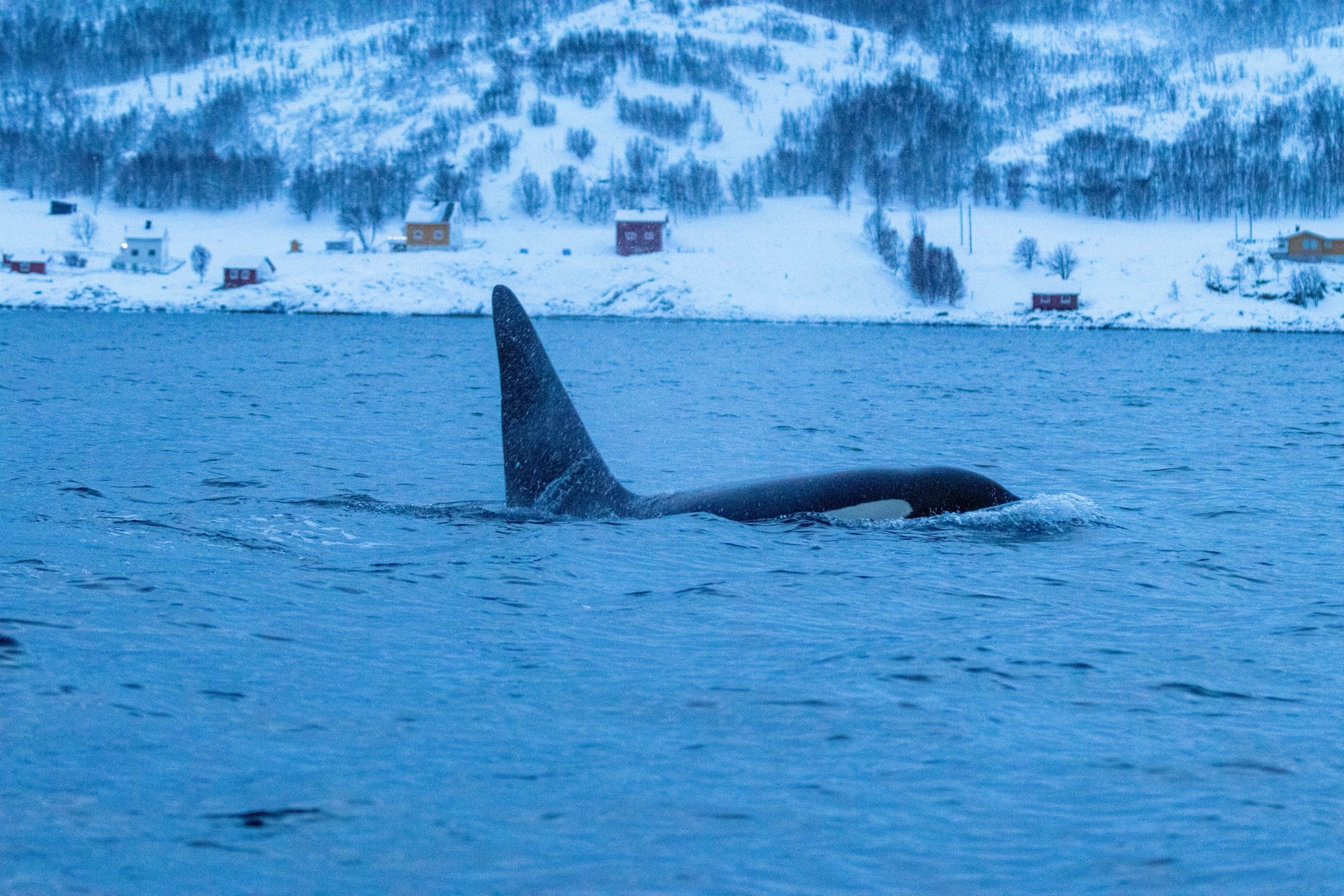
Skiing in the French Alps: 12 Best Resorts in 2026

TL;DRThe best ski resorts in the French Alps for 2026 come down to twelve picks, topped by Les Trois Vallées — the world’s largest ski area, with 600km of connected pistes — and Val Thorens, Europe’s highest resort at 2,300m, running its 2025/2026 season from 6 December to 17 April. Other highlights include glitzy Courchevel, the more romantic Méribel, freeride paradise Espace Killy (Tignes and Val d’Isère, 300km of pistes), and Chamonix-Mont-Blanc with its cable car up to the Aiguille du Midi (3,842m, return ticket €81–€83; the terrace closes from 25 May 2026 for 4–5 weeks). A six-day lift pass for Les Trois Vallées costs €368. March is the sweet spot for skiing, while September is best for summer trekking — the Tour du Mont Blanc runs 170km, and you’ll need to book huts a year ahead.

The French Alps are far more than a pretty backdrop for winter fun — they’re a wild, uncompromising world of their own that pulls you in with sheer, rugged beauty. Here you stand at the doorstep of the highest mountains in Western Europe, where you can perch on a rocky spire at almost four thousand metres in the morning and spend the afternoon watching the region’s disappearing glaciers spill down into the valleys. If you’re planning a trip to the French Alps ski resorts, you’ve come to the right place.

This is a land of extremes, and the French approach their mountains with a kind of engineering audacity all their own. Where others might build a small wooden hut, the French construct a gigantic network of cable cars linking entire valleys together. The result is the biggest ski playground on the planet, legendary long-distance treks, and roads where cycling history is written every single summer. I’ve put together 12 tips on what to see and do in the French Alps so you can enjoy this majestic destination to the fullest. You’ll learn where to base yourself strategically, how much lift passes cost for 2026, and what to watch out for when planning your trip.

TL;DR

  • The planet’s biggest ski area: Les Trois Vallées offers an incredible 600 kilometres of connected pistes on a single lift pass.
  • Europe’s highest resort: Val Thorens keeps its snow from November to May and is a huge hit for spring skiing.
  • The mecca of alpinism: Chamonix isn’t your typical ski resort but a buzzing base camp for mountaineers right beneath Mont Blanc.
  • A trip into the stratosphere: The Aiguille du Midi cable car whisks you up to 3,842 metres — though the main terrace will be under renovation in May and June 2026.
  • Summer extreme: If you love cycling, mark July 2026 in your calendar, when the Tour de France peloton will tackle the legendary 21 hairpins of Alpe d’Huez not once but twice.
  • The king of treks: The Tour du Mont Blanc runs 170 kilometres, and you’ll need to book mountain refuges a full year in advance.

When to Visit the French Alps

The Alps don’t forgive planning mistakes, so picking the right dates is absolutely key. The ski season kicks off in December, but the very best snow conditions and longer, sunnier days come in March. On the other hand, give February a wide berth, because the whole of France takes staggered school holidays and the resorts are literally bursting at the seams. For lovers of spring snow, April is ideal — the higher resorts still have great conditions but accommodation prices have already dropped noticeably.

If you’re heading here in summer for high-mountain hiking, the window is fairly narrow. Most mountain huts don’t open until mid-June and close at the end of September. In June there can still be plenty of dangerous snow on the high passes, while August is overcrowded and full of heat-driven afternoon storms. The very best month for summer hiking is September, with stable weather, crisp autumn light, and far fewer walkers on the trails.

Getting to the French Alps from the UK is refreshingly straightforward. The fastest option is to fly into Geneva in Switzerland, with plenty of budget flights from London and other major UK airports on carriers like easyJet, British Airways, and Swiss. From Geneva Airport, reliable shuttle buses run constantly to resorts like Chamonix and the Tarentaise valley. If you prefer to drive and bring your own kit, the Eurotunnel gets you to Calais, from where it’s a long haul south of around eight to nine hours. Budget for pricey French motorway tolls, which are charged per section and add up to tens of euros. Watch out when driving through the big valley cities like Lyon or Grenoble, too, as France has strict low-emission zones. You’ll need a Crit’Air sticker (around €5), or you risk a hefty €68 fine.

Where to Stay in the French Alps

💡 Accommodation and experiences tip: We love searching for places to stay on Booking.com, where the cancellation policies tend to be the best. For tickets, tours and activities, it pays to compare and book through GetYourGuide.

The French approach to mountain architecture from the 1960s and 70s is often decidedly brutal. Don’t come looking for romantic little wooden chalets tucked away in the forest like next door in Austria. The French built purely for function under the so-called plan neige, aiming to house as many people as close to the slopes as possible. The ski-in ski-out concept applies quite literally here, so you usually clip into your skis right by the lift of a huge concrete complex and glide straight onto the piste. When hunting for a place to stay, it’s worth browsing the listings on Booking.com, where you’ll find everything from modest apartments to luxury mountain hotels.

For skiing in the enormous Three Valleys area, Les Menuires is a great compromise — from here you can quickly reach every corner, and prices are noticeably lower than in neighbouring, glitzy Courchevel. If you want guaranteed powder and don’t mind thinner air, go for the highest resort, Val Thorens. For exploring the area around Mont Blanc you don’t have to stay right in overpriced Chamonix at all — you’ll find far more peace and more reasonable prices in the villages of Les Houches or Argentière. These smaller villages are also brilliantly connected to the main centre by a free train if you hold a guest’s tourist card.

For specific recommendations, take a look at the highly rated Hotel Le Chablis in Les Houches, which offers cosy rooms, fantastic breakfasts, and sits just a stone’s throw from the main cable car. If you’re after absolute luxury right on the slopes in Val Thorens, book a room at Hotel Pashmina Le Refuge, with its gorgeous spa and breathtaking views of the snowy peaks. Over in the Chamonix valley, the stylish design-led Héliopic Hotel & Spa is very popular, strategically located right by the base station of the Aiguille du Midi cable car. After a demanding day, you can tuck into a superb cheese fondue — a reliable crowd-pleaser and a treat for any vegetarian — either at your hotel or in nearby restaurants.

12 Best Things to See and Do in the French Alps

Let’s dive into the very best these French mountains have to offer. Expect incredible ski terrain, bird’s-eye views, and colossal glaciers that are sadly slowly vanishing before our eyes.

1. Val Thorens, Europe’s Highest Resort

The French have never shied away from extreme projects, and Val Thorens is the best proof of that. It’s the highest ski resort in all of Europe, with the village itself sitting at a respectable 2,300 metres. That gives you a rock-solid guarantee of great snow from late November right into May — in the 2025/2026 season the lifts run from 6 December until 17 April. The crowning glory of the local area is the Cime de Caron peak at 3,195 metres, which opens up a breathtaking 360-degree panorama across more than a thousand Alpine summits.

Val Thorens has a genuinely cult status among skiers, and every winter you’ll bump into thousands of them here. The final thirty kilometres of rugged switchbacks can really put your car’s clutch through its paces, but the payoff is unquestionably worth it. The ski terrain is enormous and the sporting value of the local pistes will satisfy even the most demanding riders, whether you prefer freshly groomed corduroy in the morning or deep powder.

💡 Tip: If you want to save money and dodge the crowds, come at the shoulder of the season, in December or April. You can also buy a cheaper lift pass covering just the local Val Thorens and Orelle valley, though for the full experience I’d recommend paying extra for the entire connected Three Valleys area.

2. Les Trois Vallées: Ski the Biggest Area in the World

Together, the Three Valleys form an absolute skiing super-league that struggles to find any rival in Europe. They offer an astonishing 600 kilometres of connected pistes, officially making this the largest ski area in the world. You could ski here all week from dawn till dusk and never take the same run twice. The lift system is so cleverly designed and fast that hopping between the individual mountains flows completely smoothly, so you spend the maximum amount of time on the snow instead of standing in endless queues.

Of course, the French charge handsomely for this endless luxury, and lift passes will carve a hefty chunk out of your budget. In the 2025/2026 season, a six-day pass for the whole connected area costs €368, while a single day ticket is €73.60. The season here starts in early December and the lifts finally shut down in mid-April, so you’ve got plenty of time to plan your winter holiday and hunt down the best snow conditions.

💡 Tip: When crossing between valleys, always keep a careful eye on your return time. If you miss the last connecting cable car over the ridge, you’ll face a wildly expensive taxi ride the long way round through the lower valley, which can set you back well over a hundred euros.

3. Courchevel: A Glimpse of Absolute Luxury

At the very edge of the Three Valleys lies Courchevel, an exclusive playground reserved for billionaires, global celebrities, and the seriously wealthy. The resort is split into several altitude levels, and the highest of them, iconic Courchevel 1850, is a parade of the most luxurious chalets and five-star hotels in the world. You’ll find pricey boutiques of global fashion houses set right in the snow and opulent restaurants crowned with several Michelin stars, where a reservation can take months to land.

Even if you probably won’t be staying here, do come over for at least one day of skiing as part of your extended lift pass. It’s well worth it, because the local pistes are perfectly groomed and often completely empty. The wealthy clientele here spend far more time at afternoon champagne parties than carving morning turns on the corduroy. When you stop for coffee, though, brace yourself for a proper price shock — even a plain espresso can easily cost you ten euros.

💡 Tip: Be sure to head down the gorgeous red Combe de la Saulire run, which starts at the peak of the same name. It offers a beautiful, incredibly flowing sporty descent with a vertical drop of nearly a thousand metres all the way down into the valley.

4. Méribel: Wooden Romance in the Heart of the Mountains

Right in the middle of the gigantic Three Valleys complex sits Méribel, the perfect antidote to the concrete tower blocks of other French resorts. Development here was subject to very strict rules, so every building has to respect the traditional Alpine style and must be clad in wood and local stone. As a result, the resort has kept a wonderfully romantic and warm atmosphere that you often miss elsewhere in France — you’ll feel more like you’re in Austria or Switzerland next door.

Beyond its lovely, tasteful architecture, Méribel’s huge advantage is its utterly unbeatable strategic position on the ski map. It sits smack in the centre of the whole web of pistes, so each morning you’re free to decide whether to explore luxurious Courchevel on one side or the sporty, higher Val Thorens on the other. From a logistical point of view, it’s simply the best launchpad for exploring the entire region.

💡 Tip: If you love long, varied runs, catch the very first morning cable car up to the Mont Vallon summit at 2,952 metres. From here descends one of the most beautiful red pistes in the whole area, surrounded by utterly wild high-mountain scenery with no other infrastructure in sight.

5. Tignes and Val d’Isère: The Espace Killy Freeride Paradise

If the Three Valleys feel a bit too mainstream and polished for you, just hop one valley over to the breathtaking Espace Killy, named after the legendary French downhill racer. It links the resorts of Tignes and Val d’Isère and offers a total of 300 kilometres of first-class pistes. The terrain here, though, is noticeably sportier, much steeper, and the freeride possibilities are practically endless. It’s a renowned spot for genuinely honest, physically demanding skiing and perfect powder.

Tignes is also one of the few places in France where you can happily ski even during the summer holidays. Thanks to the Grande Motte glacier, the winter season here runs until 3 May, and the lifts then fire up again in June and July for summer training camps. Skiing in a T-shirt on packed snow in July and then swimming in a crystal-clear mountain lake down in the valley in the afternoon is a wonderfully bizarre — and absolutely fantastic — experience you’ll fall in love with.

💡 Tip: After a demanding day on the Espace Killy slopes, treat yourself to a well-earned evening in the local restaurants. I warmly recommend trying traditional cheese fondue or fragrant raclette — a perfect vegetarian delight that’s guaranteed to warm you up after a freezing day and top up your lost energy.

6. Alpe d’Huez and Its Legendary 21 Cycling Hairpins

Alpe d’Huez is a fantastic winter resort that boasts the longest black run in Europe, known as La Sarenne, stretching an incredible 16 kilometres. Honestly, though, this name resonates far more powerfully in the sporting world thanks to its sun-baked summer tarmac. The road climbing from the valley town of Bourg d’Oisans up to the resort measures just under 14 kilometres, with a punishing average gradient of over eight per cent.

The most important thing of all, though, is the exactly 21 numbered hairpin bends that make up one of the most iconic climbs on the planet. Every summer day you’ll find hundreds of amateur cyclists sweating buckets as they try to beat themselves and grind all the way to the top. Each bend even bears the name of one of the historic Tour de France stage winners. The seventh bend, nicknamed “Dutch Corner”, is especially famous — during the race, orange-clad fans swarm here and create absolute mayhem.

💡 Tip: The year 2026 will be utterly extreme in this respect, as the Tour de France peloton will arrive here not once but twice. If you want to see the finish of stages 19 and 20 live on 24 and 25 July 2026, you’ll need to arrive with a huge head start, because the road is closed off completely on race day.

lukas a lucka
Lukáš and Lucie recommend
Where to stay in the French Alps
4 accommodations — wellness hotels, hotels and other accommodation options

7. Les Deux Alpes and Its Upside-Down Glacier

In many ways, Les Deux Alpes is a total one-off that defies the usual laws of mountain physics. It has a completely inverted topography compared to most other ski areas in Europe. You’ll find the steepest and most demanding black runs right down at the bottom, just above the village, whereas the higher up you ride the cable car, the flatter and gentler the terrain becomes. That’s because the top of the whole area is formed by the huge, gentle Mantel glacier, home to the very easiest blue motorways for beginners.

This sprawling glacier, sitting at a respectable 3,600 metres, is also a huge draw for lovers of freestyle skiing and keen snowboarders. Every summer, one of the biggest and best-rated snowparks in Europe is built here, drawing pros from all over the world to practise demanding jumps into giant airbags and ride perfectly milled halfpipes under the summer sun.

💡 Tip: When descending from the glacier back to the valley in the afternoon, always be extremely careful. Because of the inverted topography, at the very end of the day you have to tackle very steep and often nastily icy sections, where hundreds of tired skiers heading for their hotels are squeezed into narrow bottlenecks.

8. La Plagne and Les Arcs, Joined in the Giant Paradiski

At the turn of the millennium, the two enormous and hugely popular resorts of La Plagne and Les Arcs decided to join forces, creating a gigantic area called Paradiski that offers skiers a full 425 kilometres of superb runs. To link them, the French had to build a genuine engineering miracle. The Vanoise Express cable car is a huge double-decker cabin carrying an impressive 200 people at once and spanning the deep, steep valley without a single support pillar — an experience in itself.

While La Plagne is by nature gentler and geared towards relaxed family skiing on very wide blue motorways, Les Arcs offers far sportier and steeper terrain cleverly hidden among the trees. Both resorts once again champion the beloved ski-in ski-out philosophy without compromise, so you’ll find plenty of huge apartment complexes that may not win any beauty awards but are incredibly practical for a winter holiday.

💡 Tip: If you visit Les Arcs, don’t miss the legendary Aiguille Rouge run, which plunges uncompromisingly from over three thousand metres all the way down to the charming little village of Villaroger. This endless descent has a vertical drop of over two kilometres and will reliably set your thighs on fire.

9. Chamonix-Mont-Blanc, the Buzzing Mecca of Alpinism

Chamonix in the French Alps is definitely not your quiet little mountain town of cosy family apartments — it’s a genuine high-mountain mecca. This buzzing base camp of European alpinism has an absolutely unreal atmosphere, where the streets throng with a curious mix of Japanese tourists clutching giant cameras, bronzed climbers festooned with carabiners, and hardened freeriders who’ve been impatiently waiting since dawn for the first deep powder.

The town lies tightly wedged into a deep valley, and directly above it the Mont Blanc massif rises like an impenetrable, majestic white wall. Whenever you tilt your head to the heavens, you see jagged glaciers crawling like endless frozen rivers down the steep slopes towards the town. Chamonix has a much rougher, sportier vibe overall than the polished Austrian resorts, and in the local bars in the evenings the talk turns to avalanche danger and current crevasse conditions rather than luxury fashion.

💡 Tip: If you want to take home something truly unforgettable from the mountains, look into tandem paragliding flights. You can easily book these breathtaking scenic paragliding flights over the Chamonix valley in advance through platforms like GetYourGuide, and it’s an absolutely fantastic once-in-a-lifetime experience.

10. Aiguille du Midi: A Ticket to the Stratosphere

If you only have time for a single big attraction in Chamonix, it has to be this incredible cable car, no question. The Aiguille du Midi, with its summit at 3,842 metres, is a jagged rocky spire on top of which balances a complex maze of terraces and viewpoints that look at first glance like some secret base from a Bond film. The journey up is a powerful physical experience in itself, because the cable car conquers a huge vertical rise without a single support pillar, and as it swings out over the edge of the rock above a kilometre-deep abyss, the whole cabin holds its breath.

At the top you’re hit with a rough slap of very thin air, with roughly 40 per cent less oxygen than at sea level. Your reward, though, is an absolute, unbeatable view of the Mont Blanc massif and the chance to try the “Step into the Void”, a glass box suspended right over the drop. A return ticket costs €81 in the winter and spring season, rising to €83 from June, and booking a specific time slot is absolutely essential.

💡 Tip: I have a very important warning for you for 2026. From 25 May, the main viewing terrace closes completely for four to five weeks for a complex renovation. The complex will be partially accessible, but that most iconic view will sadly be significantly limited.

11. Mer de Glace and the Sad Story of a Vanishing Glacier

The second cornerstone of Chamonix tourism is the fascinating Mer de Glace, which aptly translates as “Sea of Ice”. You won’t reach it by an ordinary cable car, though, but on the historic Tramway de Montenvers rack railway, which has been steadily climbing through the dense pine forests from Chamonix up to just under two thousand metres since 1908. The ride in the iconic red vintage carriages is wonderfully romantic and offers lovely views over the green valley the whole way up.

At the site itself, though, a rather harsh and tangible lesson in ongoing climate change awaits, because this once mighty glacier is retreating at a truly frightening pace. It once reached right up to the train station; today you have to descend deep into the valley to touch it. Since 2024, thankfully, a brand-new modern gondola has been running, replacing the old cable car and dramatically shortening the journey to the retreating ice and the artificially carved ice cave you can peek inside.

💡 Tip: Buy a combined ticket for both the rack railway and the new gondola straight away — it works out far better value, unless of course you’re travelling with the handy Mont Blanc Natural Resort pass. Exploring the interior of the ice cave with its amazing blue light is an experience you definitely shouldn’t miss during your visit.

12. Tour du Mont Blanc, the Ultimate King of Long-Distance Treks

Turn your back on the cable cars, lace up a solid pair of hiking boots, and head into the mountains on foot. The Tour du Mont Blanc is quite literally the holy grail of every long-distance hiker, a 170-kilometre loop that cuts in turn through France, Italy, and Switzerland. Over the usual seven to ten days of walking, this route serves up around 10,600 metres of cumulative ascent — the equivalent of climbing from sea level all the way to the summit of Mount Everest and then some. The trail leads you across gorgeous Alpine meadows and offers views of the white mountain from every angle.

The real stumbling block, however, isn’t the brutal physical climbing but the fairly complex logistics. The trek is a victim of its own enormous success, and the capacity of the mountain huts, or refuges, is strictly limited. Wild camping is banned along the route under threat of hefty fines, so you’re entirely reliant on official accommodation, where one night with the compulsory half board will set you back around €80 to €90 per person.

💡 Tip: Note this well: bookings at the mountain huts open every year on 15 October for the whole of the following summer. If you want to do this trek in August, you’ll need to be sitting at your computer the previous autumn, frantically clicking on the official portal, because the best spots vanish instantly.

Where to Go Next from the French Alps

If the Alpine peaks have captivated you and you want to keep exploring this region, you have several great options. Stop by the town of Annecy, nicknamed the French Venice thanks to its enchanting canals, and home to one of the cleanest lakes in all of Europe.

If you want to delve even deeper into the mysteries of European alpinism and learn more about the history of conquering the highest mountain on the old continent, be sure to read our detailed guide to Chamonix and Mont Blanc, where you’ll find plenty more practical tips for this particular corner of France.

Frequently Asked Questions

How much does a ski pass cost in the French Alps?

In large interconnected areas, ski passes are quite expensive. For example, a six-day pass for the entire Three Valleys area (Les Trois Vallées) will cost you around 368 euros in the 2025/2026 season. However, you can save significantly if you buy a ski pass only for the local valley where you’re staying.

What’s the best route by car from Czechia?

The fastest and most comfortable route to the northern Savoyard resorts leads from Prague through German Nuremberg, Swiss Geneva and French Annecy. Pure driving time is between 10 to 12 hours. However, prepare money for the Swiss motorway vignette and relatively expensive French tolls.

When is the best snow for skiing?

The absolute best skiing conditions are found in French resorts during March, when there’s already plenty of snow from the whole winter, but the days are longer and the sun shines more often. January is also very good, while February tends to be incredibly crowded due to the ongoing French spring holidays.

When do reservations open for the summer Tour du Mont Blanc trek?

This is absolutely crucial information, because mountain hut (rifugio) reservations open as early as October 15th of the previous year. If you want to set off on a trek during the summer months, you need to book your accommodation on the official portal nearly three-quarters of a year in advance. Capacity on the popular route is strictly limited, and the very best spots usually disappear at lightning speed within the first few days.

Do I need an eco-sticker for my car in the French mountains?

You don’t usually need the Crit’Air eco-sticker to drive directly to high-altitude ski resorts, but be extremely careful when passing through large cities in the valleys, such as Grenoble or Lyon. These low-emission zones are still in effect in 2026, and entering without the sticker, which costs just over €5 and must be purchased online in advance, can result in a hefty fine of €68.

Will the Aiguille du Midi viewpoint be open all year in 2026?

Unfortunately no, and please pay really close attention to this when planning your holiday. From May 25, 2026, the main observation terrace at the very top will be completely closed for four to five weeks due to extensive and demanding reconstruction. The cable car will still run and part of the entire complex will be accessible, but the very best view will be temporarily significantly limited.

When will the 2026 Tour de France go through the Alps?

If you’re passionate cycling fans, mark the third week of July 2026 in your calendar. The entire race will arrive in the Alps for stage 15, which takes place on July 19th. Subsequently, the peloton will tackle the legendary climb up Alpe d’Huez twice in a row during stages 19 and 20, specifically on July 24th and 25th.

Can you ski in France in the summer too?

Yes, summer skiing is fortunately still possible on the large glaciers in the Tignes resorts, where you’ll find the expansive Grande Motte glacier, and also in Les Deux Alpes. The lifts here usually start running again after a short spring break around the end of June and beginning of July. However, due to high temperatures, skiing typically only takes place in the morning, before the snow gets too soft in the intense summer sun.

Tips and Tricks for Your Vacation

Don’t Overpay for Flights

Search for flights on Kayak. It’s our favorite search engine because it scans the websites of all airlines and always finds the cheapest connection.

Book Your Accommodation Smartly

The best experiences we’ve had when looking for accommodation (from Alaska to Morocco) are with Booking.com, where hotels, apartments, and entire houses are usually the cheapest and most widely available.

Don’t Forget Travel Insurance

Good travel insurance will protect you against illness, accidents, theft, or flight cancellations. We’ve had a few hospital visits abroad, so we know how important it is to have proper insurance arranged.

Where we insure ourselves: SafetyWing (best for everyone) and TrueTraveller (for extra-long trips).

Why don’t we recommend any Czech insurance company? Because they have too many restrictions. They set limits on the number of days abroad, travel insurance via a credit card often requires you to pay medical expenses only with that card, and they frequently limit the number of returns to the Czech Republic.

Find the Best Experiences

Get Your Guide is a huge online marketplace where you can book guided walks, trips, skip-the-line tickets, tours, and much more. We always find some extra fun there!
The Atlantic Road and Trollstigen: 8 Things to Know About Norway’s Dream Roads in 2026

TL;DRThe Atlantic Road (Atlanterhavsveien) and Trollstigen are two scenic drives in the Møre og Romsdal region of western Norway, and together they make a road trip of roughly two to three days. The Atlantic Road runs 8.3 kilometres between Kristiansund and Molde, linking eight bridges including the famous Storseisundet Bridge, and it’s open year-round and free to drive. Trollstigen, near Åndalsnes, has 11 hairpin bends and gradients of around nine per cent, but it only opens seasonally, roughly mid-May to the end of October, with the odd closure due to landslides. Molde, Ålesund and Åndalsnes all make good bases, and from there you can carry on along the Golden Route via Ørnevegen to the Geirangerfjord.

Norway is a vast country full of natural extremes, where the simple act of driving becomes an utterly unique experience. When it comes to scenic Norway roads, the Møre og Romsdal region on the west coast is hard to beat — it boasts two architecturally unique roads that regularly top the world rankings of the most beautiful viewpoint routes.

On one side you’ll find the Atlantic Road (Atlanterhavsveien), which gracefully leaps across tiny islets and reefs right above the surface of an unpredictable ocean. A little further inland, the famous Trollstigen — or the Troll’s Path — cuts into steep mountain cliffs, testing the nerves of even the most experienced drivers with its hairpin bends.

If you’re thinking of heading north and you love the freedom of travelling by car, skipping these two engineering marvels would be a serious mistake. In this guide I’ll show you how best to plan this iconic Norwegian road trip, where to find a strategically located base, and what to watch out for when driving through the mountain passes.

TL;DR

  • The Atlantic Road (Atlanterhavsveien): An 8.3-kilometre stretch between the towns of Kristiansund and Molde that links small coastal islets via eight bridges.
  • Storseisundet Bridge: The most famous, photogenic spot on the Atlantic Road, which from a certain angle looks like a launch ramp into the sky.
  • Trollstigen (the Troll’s Path): An extremely steep mountain road near the town of Åndalsnes with 11 sharp hairpin bends and breathtaking viewpoints.
  • Trollveggen: The tallest vertical rock face in Europe, found close to the foot of the Troll’s Path in the Romsdalen valley.
  • The Golden Route: A popular connection from Trollstigen via a ferry and the Eagle Road (Ørnevegen) all the way to the famous Geirangerfjord.
  • Opening times: While the Atlantic Road is open year-round, Trollstigen opens only for the summer season and frequently suffers unexpected closures.
  • Bases for exploring: The best places to look for accommodation are the towns of Molde, Ålesund, or the mountain resort of Åndalsnes itself.

When to Visit Western Norway

Planning a trip to Norway always revolves around the unpredictable weather, and when it comes to mountain roads that goes double. The Atlantic Road may be open all year, but its atmosphere changes dramatically depending on the season and the current conditions.

Many travellers agree that the most dramatic experience comes during the autumn storms, when enormous waves crash straight into the bridge piers and water occasionally splashes right up onto the cars. In summer, by contrast, the sea here tends to be calm and turquoise, creating ideal conditions for spotting seals and a relaxed bit of fishing from the coastal walkways.

Completely different rules apply to the Trollstigen mountain road, which operates strictly seasonally. It usually opens around mid-May and closes again uncompromisingly with the first snows in October. On top of that, in recent years the Troll’s Path has faced frequent closures due to dangerous landslides, so it’s absolutely essential to check the latest traffic information right before you set off.

Where to Stay Near the Atlantic Road and Trollstigen

💡 Tip for accommodation and experiences: We love searching for places to stay on Booking.com, which usually has the best cancellation terms. For tickets, tours and activities, it’s worth comparing and booking through GetYourGuide.

Choosing the right base is absolutely crucial for this road trip if you want to avoid wasting hours in transit. The most strategic locations are the towns of Molde and Åndalsnes, from which you can easily reach both the ocean and the steep mountains.

If you’re looking for accommodation right in the thick of it beneath the mountains, the renowned Hotel Aak in the town of Åndalsnes is a fantastic choice. It’s a historic mountain hotel with a wonderful atmosphere and views of the surrounding peaks, where a night in a double room will set you back around 2,000 NOK (about €175).

For lovers of modern design and fjord views, there’s Scandic Seilet in the town of Molde. This sail-shaped hotel stands right on the fjord’s edge and makes an ideal starting point for a trip to the Atlantic Road, with a night costing roughly 1,800 NOK (around €158).

Travellers on a tighter budget, or those who prefer being close to nature, often go for Trollstigen Camping, which sits close to the foot of the famous hairpins. Renting a cosy wooden cabin here costs around 1,400 NOK (roughly €123) a night, and naturally it’s best to book well in advance via Booking.com.

The Atlantic Road: Island Hopping by Car

The Atlantic Road (Atlanterhavsveien in Norwegian) is regarded as a masterpiece of modern Norwegian engineering. This relatively short but incredibly intense stretch of road connects the towns of Molde and Kristiansund, crossing the open sea via a series of bridges and causeways.

Driving through this area feels more like sailing on a boat than driving a car. Let’s take a closer look at exactly what this national tourist route has to offer and where it’s definitely worth hitting the brakes.

1. The Atlantic Road in All Its Glory

The Atlanterhavsveien itself measures just 8.3 kilometres, yet even on such a short stretch Norwegian engineers managed to build an astonishing eight bridges. The road winds across the Hustadvika archipelago, notorious as one of the most dangerous stretches of sea along the entire Norwegian coast.

On calm summer days it’s a very relaxing drive with gorgeous views into the blue distance. But once an autumn low-pressure system rolls in, the road reveals its true face and the journey turns into an adrenaline-fuelled experience, where you have to battle strong gusts of wind and sea spray.

This engineering marvel was completed in 1989 and has since picked up a string of architectural awards. What’s more, the road is completely free with no tolls to pay — a rather pleasant exception in Norway, where toll roads are common.

2. The Storseisundet Bridge, the "Bridge to the Sky"

The largest and undoubtedly most photographed feature of the whole route is the cantilever Storseisundet Bridge. It measures 260 metres and its main arch rises an impressive 23 metres above sea level so that ships can pass safely beneath it even at high tide.

Thanks to its asymmetric shape, it creates a perfect optical illusion from certain angles. As you approach from the south-west, it looks as though the road suddenly ends in mid-air and the cars plunge straight into the ocean — which earned it the nickname the “bridge to the sky”.

💡 Tip: To get the best photos of this bridge, stop at the dedicated car park just before it. You’ll find safe walking paths there from which to capture the perfect angle of the curve.

3. Stops and Viewpoints on the Islet of Eldhusøya

So that visitors can truly soak up the rugged nature up close, the Norwegians built a modern architectural complex on the islet of Eldhusøya. Its main feature is an elevated viewing walkway made of steel grating, which safely loops around the entire island.

From this walkway, fantastic views open up over the open ocean, and in good weather you can supposedly even spot whales or seals in the distance. The complex also includes an elegant glass café that, from the outside, looks more like a work of art blending into the surrounding rocks.

Many of the bridges on the Atlantic Road are also specially adapted for sport anglers. The secured side walkways allow you to safely cast your line straight into the powerful sea currents, where large shoals of cod are said to gather.

Trollstigen and the Golden Route: a Mountain Adventure

As you move from the flat coast deeper inland towards the town of Åndalsnes, the landscape begins to rise dramatically. Suddenly you’re surrounded by steep granite massifs enclosing deep, dark valleys.

This is where the legendary Trollstigen lies — a road that, since opening in the 1930s, has held the status of one of the country’s greatest engineering achievements. Driving carefully through these places leaves a deep impression on absolutely everyone.

lukas a lucka
Lukáš and Lucie recommend
Where to stay near the Atlantic Road and Trollstigen
4 accommodations — campsites, hotels and other lodging options

4. Trollstigen and Its 11 Hairpin Bends

The Troll’s Path is the very embodiment of a driving challenge. This narrow road cuts into a sheer rock face and climbs more than 850 metres via eleven extremely sharp hairpin bends, with an average gradient reaching a respectable nine percent.

In places the road is so narrow that two larger vehicles can barely pass one another, which is why there’s a strict ban on vehicles longer than 13.1 metres. Each bend even has its own name, usually after the foreman of the construction crew that carved that section into the rock by hand back in the 1930s.

Driving here demands total concentration, as the crash barriers in many spots consist only of low stone walls. The reward for all that stress behind the wheel, however, is utterly incredible views into the valley, which keep getting better with every bend.

5. The Stigfossen Waterfall and Viewing Platforms

As you climb the hairpins, the roaring Stigfossen waterfall will keep you company. This mighty mass of water plunges from a height of an impressive 320 metres and flows through old stone bridges just beneath the road in several places, so in the spring months it often splashes icy water onto the cars.

Once you’ve negotiated every bend up to the summit, you’ll reach the sprawling Trollstigen visitor centre. From here a short, easy concrete path leads to a set of modern steel viewing platforms that hang high above the abyss.

The view from the furthest platform, which juts straight out into the void, is supposedly only for the brave. From this bird’s-eye perspective you can see the full zigzag of all eleven bends deep below you, carved into the rugged Nordic landscape.

6. The Romsdalen Valley and the Vertical Trollveggen Wall

Even before you start the climb up the Troll’s Path, it’s worth taking a short detour through the Romsdalen valley. This is home to the famous Trollveggen, or the Troll Wall, which is the tallest vertical rock face in all of Europe.

From base to jagged summits this rock massif measures roughly 1,100 metres, and in places it even overhangs menacingly. No wonder it has become a global mecca for the most experienced climbers and, in the past, attracted lovers of extreme base jumping too.

Due to the enormous risk and several tragic accidents, however, jumping from the Troll Wall is now strictly forbidden. You can still admire this natural giant safely from the modern Trollveggen Besøkssenter visitor centre, which sits right beneath the wall and offers an excellent café with huge panoramic windows.

7. The Golden Route: Geiranger–Trollstigen and Ørnevegen

Many travellers fold the drive over the Troll’s Path into a longer itinerary nicknamed the Golden Route. This stretch of roughly one hundred kilometres links Trollstigen with the famous Geirangerfjord, a UNESCO World Heritage Site.

After cresting the summit of Trollstigen, the road continues across a mountain plateau dotted with lakes and snowfields all the way to the town of Valldal, where you need to take a short ferry across the fjord on the Linge–Eidsdal route. The route then climbs towards another iconic road known as the Eagle Road (Ørnevegen).

Ørnevegen offers hairpins every bit as steep as Trollstigen, with the difference that from its top you get one of the most famous views of the deep-blue Geirangerfjord and the Seven Sisters waterfall. This whole route is said to be the absolute best that Norway roads have to offer.

8. Closures, Safety and When the Roads Are Open

While the Atlantic Road troubles drivers with strong winds at most, on Trollstigen nature poses a far more real threat. The mountain pass usually lies under a thick layer of snow from late October until mid-May, when the road is completely closed off by a barrier.

In recent years, though, a far more serious problem has emerged in the form of falling rocks and large landslides. Due to melting snow and unstable ground, the Norwegian authorities have already had to close the Troll’s Path for extended periods several times, even in the middle of the main summer season.

💡 Tip: Before every trip into these mountains it’s absolutely essential to check current road conditions on the official Norwegian roads website (Statens vegvesen). If the road were closed, you’d have to take a very long detour through a neighbouring valley.

How to Plan a Western Norway Road Trip

The ideal road trip linking the Atlantic Road and Trollstigen takes roughly two full days at a relaxed pace. If you decide to add the Golden Route all the way to Geiranger, plan for three days instead, so you have plenty of time for photos and soaking up the scenery.

The beautiful Art Nouveau town of Ålesund is the most common starting point, followed by the Molde and Kristiansund areas. The route from the Atlantic Road south to the mountains requires crossing the Romsdalsfjord, which means taking the regular ferry between the ports of Sølsnes and Åfarnes.

Time passes very differently on Norway’s roads than in the rest of Europe. Speed limits are very strict (often just 60 or 80 km/h) and mountain roads don’t allow for fast driving, so budget about a third more time for each section than your sat nav suggests. For getting here from the UK, the easiest route is to fly direct from London or Manchester to Ålesund (or via Oslo with SAS/Norwegian) and pick up a hire car at the airport.

💡 Tip: If you don’t fancy driving your own car on roads this extreme, definitely check out GetYourGuide. Local agencies there regularly offer safe, organised coach tours that depart straight from Ålesund or Molde.

Where to Go Next from the Møre og Romsdal Region

Norway’s west coast is laced with jaw-dropping places, and these two roads are just a small taster. If you’re looking for inspiration on where to point the steering wheel after conquering the Troll’s Path, I’ve put together links to a few more useful articles:

Frequently Asked Questions

When exactly is Trollstigen open?

“`html
The mountain road is open seasonally only, usually from mid-May to the end of October. However, the dates vary depending on snowfall, and in recent years there have been frequent summer closures due to dangerous landslides. You must always check the current status.
“`

Is the Atlantic Road open year-round?

Yes, this coastal route remains open all year round and there is no toll charged on it. Many travellers agree that it offers the most dramatic spectacle during harsh autumn storms, when huge ocean waves crash over it.

How long does this road trip take?

If you want to connect the coast with the mountains and continue all the way to Geiranger, ideally set aside two full days for the journey. The actual drive won’t take that much time, but constant photo stops and waiting for ferries will significantly extend your schedule.

Can you drive on these roads with a caravan?

“`html
The Atlantic Road is completely problem-free for caravans and has plenty of rest areas. On the other hand, Trollstigen’s sharp hairpin bends require enormous driving experience and there is a strict ban for all vehicles longer than 13.1 meters.
“`

Where is the best place to have a base?

For visiting the Atlantic Road, the towns of Kristiansund or Molde are the best choice. If you’re planning to tackle the mountain passes, you’ll find the ideal base in the small town of Åndalsnes, which lies right at the foot of the mountains in the Romsdalen valley.

What exactly is the Golden Route?

This is a popular tourist route that starts at the foot of Trollstigen, continues across a mountain plateau to the Linge–Eidsdal ferry, and then climbs via the Eagle Road (Ørnevegen) up to Geirangerfjord. This section is among the most beautiful in the country.

Is the Storseisundet Bridge worth photographing?

Definitely yes, it’s the most photographed spot in the entire area, often nicknamed the bridge to heaven. If you stop at the adjacent designated parking lot, you’ll find safe walkways from where you can capture that famous angle where the road seemingly ends in mid-air.

Tips and Tricks for Your Vacation

Don’t Overpay for Flights

Search for flights on Kayak. It’s our favorite search engine because it scans the websites of all airlines and always finds the cheapest connection.

Book Your Accommodation Smartly

The best experiences we’ve had when looking for accommodation (from Alaska to Morocco) are with Booking.com, where hotels, apartments, and entire houses are usually the cheapest and most widely available.

Don’t Forget Travel Insurance

Good travel insurance will protect you against illness, accidents, theft, or flight cancellations. We’ve had a few hospital visits abroad, so we know how important it is to have proper insurance arranged.

Where we insure ourselves: SafetyWing (best for everyone) and TrueTraveller (for extra-long trips).

Why don’t we recommend any Czech insurance company? Because they have too many restrictions. They set limits on the number of days abroad, travel insurance via a credit card often requires you to pay medical expenses only with that card, and they frequently limit the number of returns to the Czech Republic.

Find the Best Experiences

Get Your Guide is a huge online marketplace where you can book guided walks, trips, skip-the-line tickets, tours, and much more. We always find some extra fun there!
Global YO eSIM Review: Is It Worth It for Travel?

TL;DReSIM Global YO makes most sense for flexible travellers hopping between several countries, who don’t need hotspot sharing or a Czech-language app. It covers data plans in more than 200 countries, ranging from 0.5 GB to 20 GB (up to 50 GB in select countries), priced at roughly €2.50 to €3.50 per GB — similar to Airalo. The YOYO$ loyalty scheme can cut the price by up to 50%, plans run from 1 to 30 days, and activation is fully digital, done in minutes by scanning a QR code. The downsides are no hotspot support and an interface only in English and Spanish, which brings the overall rating to 4 out of 5 stars.

You land at the airport, switch on your phone, and discover that roaming has swallowed more money in a single day than your entire hotel bill. Sound familiar? That’s exactly why more and more travellers are switching to an eSIM for travel – a digital SIM card you buy from your sofa at home and activate within minutes anywhere in the world.

One provider that’s been getting a lot of attention lately is Global YO. It’s a relatively young brand, but it comes with an ambitious offering: data in more than 200 countries, a tidy app, a loyalty programme, and even the ability to make international calls. On paper it looks brilliant – but how does it hold up in practice?

We set out to put the Global YO eSIM through its paces. In this review you’ll find everything you need to know before you buy – from prices and coverage to activation and the things to watch out for.

TL;DR

  • Global YO offers an eSIM for travel in more than 200 countries with instant digital activation.
  • Prices are around average, but discounts and the YOYO$ loyalty programme can cut them by up to 50%.
  • Both the app and website are clear and easy to use, but they’re only available in English.
  • Unique feature: international calling via YO SHOUT. Hotspot (data sharing) is not supported – keep that in mind before you buy.
  • Customer support is reliable, even at weekends.
  • Recommended for: flexible travellers who don’t need hotspot sharing.

You might also like: Maya Mobile eSIM – Review

What is the Global YO eSIM and how does it work?

Global YO is a modern eSIM provider that lets you get online practically anywhere in the world – no physical SIM card, no queuing in a shop, no waiting for delivery. Everything happens digitally: you choose a package, pay, scan a QR code, and you’re online. For most users the whole process takes just a few minutes.

Unlike traditional operators, there are no complicated contracts and no need to track down a new SIM card for every trip. Just pick a package for your destination and off you go.

Coverage: How far does the Global YO eSIM reach?

One of Global YO’s biggest strengths is the breadth of its coverage. Data packages are available for more than 200 countries, and you can choose not only single-country plans but also regional options – whether you’re travelling around Europe, Asia or the Americas.

The special packages such as “Surfer Explorer” and “Digital Nomad” are worth a look too, as they cover a combination of destinations. That’s something you won’t find with most competitors. And for those who never stop moving around the globe, there are global plans covering 52, 100 or 118 countries.

The signal works reliably in big cities and tourist areas. In more remote spots, connection quality can fluctuate. But that’s true of most eSIM providers and depends on the partner operators in each region.

Data packages and prices

The Global YO eSIM offers packages typically from 0.5 GB to 20 GB, and up to 50 GB for selected countries. There are now also unlimited plans, although these are currently capped at 7 days.

As for prices, Global YO sits around the market average – you’ll pay roughly €2.50 to €3.50 per 1 GB of data, which is comparable to Airalo or eSIM4Travel. The upside is the frequent discounts and the YOYO$ loyalty programme, which can bring the price down by as much as 50%. That makes Global YO a genuinely appealing choice, especially for regular travellers.

Package validity ranges from 1 to 30 days. Heads up: the 3 to 5 GB packages are only available with 15-day validity, not the 30 days you might expect from the competition.

Payment options: you can pay by card (Visa, Mastercard), via PayPal or with Apple Pay. It’s all quick and secure – no need to go anywhere or wait around.

Activation: How quickly will you be online?

Once you’ve paid, you’ll receive a QR code by email or directly in the app. Scan it in your phone’s settings and the eSIM is activated – the whole thing takes a few minutes at most. If you don’t have a second device to hand for scanning, the app also lets you enter the codes manually.

The setup is designed so that absolutely anyone can manage it, even without any technical know-how. A wizard walks you through the entire process.

App and website: Clear and easy, though English only

Both the website and the mobile app are clean and intuitive. Managing your data packages, tracking usage and topping up are all just a couple of taps away. The app even throws in extras like radio and films – and if you don’t need them, no worries, they don’t get in the way.

The downside? The website and app are only available in English and Spanish. More advanced users might find it annoying that technical details (such as hotspot support or connection speed) are only available on the website, not directly in the app.

Calling with YO SHOUT

Global YO is one of the few eSIM providers to also offer international calling. The YO SHOUT service works over VoIP – so you need to be connected to the internet (Wi-Fi is fine). Calls happen straight in the app; you don’t get a local number, but you can call anyone in the world.

Handily, your calling credit stays valid for up to 365 days after your data package expires. When you buy credit, you’ll see the exact number of minutes you get to a given country upfront. It’s a paid extra, but for anyone who needs to make calls abroad it can be really practical.

The YOYO$ loyalty programme

The Global YO eSIM has a well-thought-out loyalty scheme. You collect YOYO$ points for registering, completing your profile, referring friends, time spent in the app or taking part in competitions. For every 100 YOYO$ you get $1 off your purchase. The maximum discount on a single plan usually ranges from 10% to 50%. It’s a nice bonus that can save regular travellers a decent amount of money.

Customer support

On the website you’ll find an extensive FAQ section and a chatbot that can answer most common queries. For more specific issues or complaints, the most reliable option is to email support@globalyo.com directly – support responds quickly, usually even at weekends.

Read also: Yesim eSIM Review

What the Global YO eSIM can’t do

One thing that may put some users off: the Global YO eSIM does not support data sharing via hotspot. If you need to connect a laptop or tablet to the internet through your phone, this service won’t let you. Details about this limitation are only found in the technical specifications on the website, and they’re not always easy to track down.

Global YO eSIM: Pros and cons at a glance

Wondering what the pros and cons of the Global YO eSIM are? Let’s take a look.

Pros:

  • Coverage in more than 200 countries, including less touristy destinations.
  • Instant digital activation with no waiting for a physical SIM.
  • Clear, user-friendly app and website.
  • Loyalty programme and frequent discounts.
  • International calling via YO SHOUT.
  • No monthly subscription – you only pay for what you use.

Cons:

  • Website and app only in English (and Spanish).
  • No data sharing via hotspot.
  • The 3–5 GB packages are valid for just 15 days (not 30).
  • Unlimited data is only available for 7 days.
  • Signal quality can fluctuate in remote areas.

Verdict: Who is the Global YO eSIM ideal for?

To give you a quick overview, we’ve lined the Global YO eSIM up against its most common rivals. This is a rough comparison – prices change depending on the destination and current promotions, so treat it as a guide only.

ServiceCoverageData typePrice from (approx.)HotspotLocal-language support
Global YO eSIM200+ countriesData (+ YO SHOUT calling)see pricing aboveNo❌ No
Airalo200+ countriesData packages~€3.50/GBYes❌ No
Holafly160+ countriesMainly unlimited dataHigher (unlimited)Limited❌ No
Saily (NordVPN)200+ countriesData packages~$3.99/GBYes✅ App localised
lk-sim.com (ours)200+ countriesData packagesfrom €3Yes✅ Yes
A rough comparison of eSIM providers. Always check current prices in the relevant app.

Global YO is a solid choice for travellers looking for flexible mobile data without complicated contracts or paperwork. You’ll appreciate this service in particular if you’re travelling to several countries at once, like clean, well-designed apps and want to be able to make calls abroad.

The loyalty programme and regular discounts make it an interesting alternative to established names like Airalo or Holafly, especially if you plan to use an eSIM again and again. But if you need to share data via hotspot, you’d be better off looking elsewhere.

Overall rating: ⭐⭐⭐⭐ (4/5) – A good option for most travellers, though a few little things still leave room for improvement.

Read more: about the Holafly eSIM service

Prices, coverage and terms with eSIM services change frequently. The details in this article are approximate and were verified in June 2026 – always check the current offer directly in the provider’s app before you buy.

Frequently Asked Questions (FAQ)

Is Global YO eSIM compatible with my phone?

“`html
Global YO works on all devices with eSIM support – that is, on most modern iPhones (from XS and up), Samsung phones, Google Pixel, and others. Check your model’s compatibility on the provider’s website before purchase.
“`

How quickly will I have my eSIM activated?

“`html
Pretty much instantly. After payment, the QR code arrives via email or appears in the app, and the activation itself takes just a few minutes.
“`

Can I top up my eSIM if I run out of data?

Yes, top-up is possible directly in the Global YO app anytime and anywhere.

Does Global YO eSIM work as a hotspot for sharing data?

No. Sharing data via hotspot is not supported by Global YO. If you need this feature, consider a different provider.

What is YO SHOUT and how does calling work?

YO SHOUT is an add-on service enabling international calls over the internet (VoIP). You call directly from the app, don’t need a local number and can call anyone in the world. Call credit is valid for 365 days.

How does the YOYO$ loyalty program work?

“`html
For various activities in the app (registration, referrals, time spent in the app, etc.) you collect YOYO$ points. For every 100 points you get a 1 USD discount on purchasing another package, usually up to 10–50% of the price.
“`

What are the payment options?

You can pay by debit or credit card (Visa, Mastercard), via PayPal or Apple Pay.

Is Global YO suitable for longer travel?

“`html
For travel up to 30 days yes, packages have a maximum validity of 30 days. If you’re planning a longer trip, you’ll need to renew the package. Global plans are available for 52, 100, or 118 countries at once.
“`

Tips and Tricks for Your Vacation

Don’t Overpay for Flights

Search for flights on Kayak. It’s our favorite search engine because it scans the websites of all airlines and always finds the cheapest connection.

Book Your Accommodation Smartly

The best experiences we’ve had when looking for accommodation (from Alaska to Morocco) are with Booking.com, where hotels, apartments, and entire houses are usually the cheapest and most widely available.

Don’t Forget Travel Insurance

Good travel insurance will protect you against illness, accidents, theft, or flight cancellations. We’ve had a few hospital visits abroad, so we know how important it is to have proper insurance arranged.

Where we insure ourselves: SafetyWing (best for everyone) and TrueTraveller (for extra-long trips).

Why don’t we recommend any Czech insurance company? Because they have too many restrictions. They set limits on the number of days abroad, travel insurance via a credit card often requires you to pay medical expenses only with that card, and they frequently limit the number of returns to the Czech Republic.

Find the Best Experiences

Get Your Guide is a huge online marketplace where you can book guided walks, trips, skip-the-line tickets, tours, and much more. We always find some extra fun there!
Mexico Wildlife: When and Where to See Whales, Whale Sharks and Turtles

TL;DRTiming your trip around specific species makes all the difference for wildlife-watching in Mexico. Grey whales and humpbacks gather off the Baja California peninsula (Ojo de Liebre, San Ignacio and Magdalena Bay lagoons) from December to April, peaking in February and March. Whale sharks show up in the Caribbean near Holbox, Isla Mujeres and Cancún from 15 May to 17 September, costing around $190, while over on the Pacific side near La Paz they swim from November to March. Sea turtles nest from May to November, though snorkelling with them at Akumal beach means going with a certified guide and wearing a life vest. If you want to pack in as many species as possible in one go — monarch butterflies in Michoacán and flamingos at Celestún included — January is the month to go.

You know that feeling when your jaw drops in amazement, your breath catches, and you just stare in disbelief at what nature has come up with? That’s exactly how you’ll feel when you encounter Mexico wildlife up close. This vast country offers far more than perfect white-sand beaches, Mayan pyramids and the best vegetarian tacos on the planet — it’s an absolute paradise for animal lovers. Whether you dream of a giant whale gliding beneath your boat in a lagoon, want to snorkel alongside a majestic whale shark, or long to witness millions of orange butterflies, you’re in the right place.

This guide will walk you through the best wildlife in Mexico so you know exactly where — and crucially, when — to go. Nature doesn’t wait, and if you arrive in the wrong month, you might leave disappointed. We’ll look at where you can best spot adorable sea turtles, where to head for flocks of pink flamingos, and why it matters to choose certified guides who respect the animals. In short, I’ll show you how to make your travel dreams come true and bring home memories no one can ever take away.

In this article you’ll find a complete wildlife-watching calendar, detailed tips for individual regions from Baja California to the Yucatán, an overview of current prices and plenty of practical advice to make your adventure absolutely perfect.

TL;DR

  • Best month for wildlife: If you want to see as much as possible, go in January. You can combine whale watching in the west, monarch butterflies in central Mexico and flamingos on the Yucatán.
  • Grey whales and humpbacks: The main season on the Baja California peninsula runs from December to April, with the absolute peak — and the best chance of seeing calves — in February and March.
  • Whale shark: In the Caribbean (Holbox, Isla Mujeres, Cancún) you’ll see them from mid-May to mid-September. In the Pacific (La Paz), it’s November to March.
  • Sea turtles: They nest from May to November; in the Akumal area a guide and life jacket are mandatory for snorkelling with them.
  • Monarch butterflies: They overwinter in the state of Michoacán from November to March, with millions coating the trees at high altitudes.
  • Flamingos: Celestún is ideal from November to March, while Río Lagartos hosts nesting from March to June.
  • Conservation: Never touch the animals, keep your distance, and never enter cenotes or coral-rich seas wearing sunscreen.

Wildlife Calendar: What You’ll See in Mexico and When

When planning a wildlife trip, timing is absolutely crucial, because most of the most fascinating creatures only migrate to Mexico. If you book flights for October hoping to see grey whales or whale sharks in the Caribbean, you’ll sadly just be staring at an empty sea. To help you get your bearings, here’s a clear table of the biggest highlights and their seasons.

MonthAnimal and locationWhat exactly you’ll see
JanuaryWhales (Baja), Monarchs (Michoacán), Flamingos (Celestún)The absolute jackpot — every migrating species is in place.
FebruaryGrey whales (Baja California)Peak season, with females teaching their calves in the lagoons.
MarchWhales (Baja), Flamingos (Río Lagartos)Whales slowly head out; flamingos in the northern Yucatán begin nesting.
AprilWhales (end of season), Sea turtlesThe sea-turtle mating season begins along the coast.
MayWhale shark (Caribbean), TurtlesThe whale-shark season near Holbox officially begins on 15 May.
JuneWhale shark (Caribbean), Crocodiles (Banco Chinchorro)Ideal calm seas for snorkelling with whale sharks.
JulyWhale shark (Caribbean), Sea turtlesPeak season for the giant fish and for turtles nesting on the beaches.
AugustWhale shark (Caribbean), TurtlesThe last strong month for whale sharks on the east coast.
SeptemberCrocodiles (Banco Chinchorro), TurtlesThe whale-shark season on the Yucatán ends around 17 September.
OctoberSea turtles (hatching)The biggest hatching of tiny turtles racing toward the sea begins.
NovemberWhale shark (La Paz), MonarchsWhale sharks arrive in La Paz; the first butterflies settle in the mountains.
DecemberWhales (Baja), Flamingos (Celestún)The main whale-watching season on the west coast kicks off.

💡 Tip: If your holiday dates are flexible and you want to see the widest variety of nature, plan your trip around the turn of January and February. The weather is pleasant everywhere and the animals are present in full numbers.

Grey Whales and Humpbacks: When to Visit the Baja California Peninsula

The Baja California peninsula is often called the world’s aquarium, and trust me, it earns that title down to the last letter. Every year, after travelling thousands of kilometres from the cold waters of Alaska, thousands of whales arrive here to mate and give birth in the warm, calm lagoons. Watching these giants with your own eyes is an experience that will give you goosebumps long after you get home.

The stars of the west coast are grey whales and humpbacks. The season runs roughly from December to April, but if you want to be sure of seeing mothers with their tiny calves, come in February or March. The very best spots are the Ojo de Liebre and San Ignacio lagoons, which mean heading a little further north up the peninsula. It’s here that the whales are what’s known as “friendly” — they often approach the small boats themselves, with mothers literally nudging their calves up to the surface to get a look at the tourists. It’s a magical show.

If you don’t want to travel that far north, Magdalena Bay is a great alternative. Tours set off from the small town of Puerto San Carlos, about three and a half hours’ drive from La Paz or roughly five and a half hours from the popular resort of Cabo San Lucas. Local fishermen take you out in small boats called pangas right into the bay, where whales will be breaching and blowing geysers all around you. Always make sure your captain follows the rules and doesn’t chase the animals — respecting their space is the absolute priority.

💡 Tip: Mornings out on the ocean in Baja California can be surprisingly cold, even at the height of the season. Be sure to pack a waterproof windbreaker, a warm hoodie and maybe a beanie, because once the boat picks up speed the wind can really cut through you.

Whale Shark in Mexico: Swim with the World’s Biggest Fish

Picture yourself floating in crystal-clear blue water when suddenly, out of the shadows, an enormous creature covered in white spots emerges — looking like something straight out of prehistory. The whale shark is the largest fish on our planet, and swimming with one is a huge draw that brings tens of thousands of excited travellers to Mexico. But don’t worry: despite having the word “shark” in its name, it feeds only on plankton and tiny fish, so you’re of absolutely no interest to it and you’re in no danger.

It does, however, depend on which Mexican coast you’re heading to, as the seasons differ dramatically. If you’re going to the east coast and the Caribbean (areas like Cancún, Isla Mujeres or the little island of Holbox), the season is strictly government-regulated from 15 May to 17 September. You’ll find the highest concentrations — and therefore the best chance of success — in the middle of summer, from June to August. Tours are organised early in the morning and very strict rules apply to absolutely everyone.

A maximum of ten tourists are allowed on each boat, only two people enter the water with a guide at a time, and you must keep a distance of at least two metres. Touching the animal is strictly forbidden, and you may not use any sunscreen — not even the biodegradable kind — because the chemicals would harm the fish. The price for this tour is around 190 USD (about €175), which already includes the government fee for entering the reserve, roughly 125 USD. If, on the other hand, you’re heading west to the Pacific around the city of La Paz, whale sharks arrive there in winter, from November to March.

💡 Tip: For snorkelling in the Caribbean you can choose from certified agencies. You can verify the official rules and the list of permitted operators for the Holbox area on sites like Holbox Travel. If you suffer from seasickness, take a tablet first thing in the morning — the open-water swells can be treacherous.

Sea Turtles: Where to Watch Nesting and Hatching in the Pacific and Caribbean

While whales and sharks amaze with their sheer size, sea turtles win everyone over with their charm and the incredible calm with which they glide beneath the surface. Mexico is hugely fortunate that every year thousands of females from several turtle species come ashore on its beaches to lay their eggs. The whole nesting process takes place roughly from May to November, and the subsequent hatching of the tiny turtles and their race for life toward the sea is one of the most moving experiences imaginable.

Probably the best-known spot for snorkelling with turtles is Akumal beach on the Riviera Maya. You used to be able to just turn up and jump straight into the water, but because the tourist pressure became unbearable for the animals, the government introduced strict and much-needed restrictions. Today you may only enter the turtle zone with a certified local guide, you’re required to wear a life jacket (so you’re forced to swim on the surface and can’t dive down to the turtles), and you must keep a safe distance. The turtles graze on seagrass on the seabed and need space to come up for air.

Besides the Caribbean, you’ll also find turtles on the Pacific coast, for example in the state of Oaxaca (famous beaches such as Mazunte) or Puerto Vallarta. During the autumn months, organised releases of baby turtles take place here, run by rescue stations. This is how they protect the nests from poachers and predators and give the hatchlings a far greater chance of survival.

💡 Tip: If you see a turtle on the beach laying eggs, never shine a torch or your phone’s flash at it. Light disorients them and they may return to the sea without laying their eggs.

Monarch Butterflies: A Natural Wonder in the State of Michoacán

Not all of Mexico’s fascinating wildlife hides beneath the ocean’s surface. High in the mountains of the state of Michoacán, amid pine and oyamel forests, one of the world’s most mysterious animal spectacles unfolds. Every year, millions of orange-and-black monarch butterflies fly here from Canada and the northern US, covering an incredible 4,000 kilometres to wait out the harsh northern winter.

The season runs from November to March, but if you want to see it at its most beautiful, plan your visit for January or February. At that time the trees are literally draped in clusters of butterflies so dense that the branches bend under their weight. Then, when the sun comes out and the forest warms up, millions of butterflies take to the air all at once. There are so many that you can hear the rustle of their wings and the sky turns orange.

Among the most visited and best-equipped reserves are El Rosario and Sierra Chincua. The path to them runs up steep mountain trails, so be ready for a bit of cardio at altitudes over 3,000 metres above sea level. The reserves themselves are very well organised, and by visiting you support the local communities that protect the forests from illegal logging.

💡 Tip: A trip to the butterflies means setting off early in the morning into proper mountains. Temperatures here can drop to freezing, so layered clothing and comfortable hiking shoes are an absolute must — even if everywhere else in Mexico you’ve been wandering around in shorts.

Flamingos, Crocodiles and Other Animals in the Yucatán and Chiapas

While the Yucatán peninsula is famous for its Mayan ruins and magical cenotes, it also harbours a huge amount of wildlife. If you love birds and colour, you have to see the flocks of flamingos. You’ll find these elegant pink birds mainly in two places. The first is the Ría Celestún reserve on the western coast of the peninsula, best visited from November to March. The second is Río Lagartos in the far north, where as many as 40,000 individuals gather. They nest here from March to June, but you can actually see them year-round. Along the way you’ll surely hear about the pink lakes of Las Coloradas — but beware, these are used for salt extraction and swimming in them is strictly forbidden.

If you fancy a bit more adrenaline, Mexico will show you prehistoric giants in the form of crocodiles. One of the best places to watch them safely is the Sumidero Canyon National Park in the state of Chiapas. During a boat trip through the canyon, with its stunning walls up to 1,000 metres high, you’ll come across dozens of crocodiles lazily basking on the banks of the Grijalva River. More than two hundred of them live here. Tours usually start in the charming little town of Chiapa de Corzo, and you’ll find current information on park entry on the official Mexico tourism website.

Experienced divers can head to the vast Banco Chinchorro atoll (departing from the village of Mahahual), where from June to September you can meet American crocodiles underwater. This expedition is reserved for true enthusiasts only, and the trips may be organised by a single certified centre, the XTC Dive Center. Also worth a mention is the Sian Ka’an Biosphere Reserve (a UNESCO site spanning 1.3 million acres south of Tulum), where with a bit of luck you’ll spot wild dolphins, sea turtles or rare manatees.

💡 Tip: If you’re heading to the pink lakes of Las Coloradas near Río Lagartos, bear in mind that the water’s colour depends heavily on the sun and the time of day. They’re at their most vivid around midday, but if it’s overcast they can look more brown.

The Ethics of Wildlife Watching: How to Be a Responsible Traveller

Mexico’s nature is gorgeous, but it’s also incredibly fragile. Every year, millions of tourists arrive in the country, and this onslaught unfortunately takes its toll on the coral reefs, the rainforests and the animals themselves. Being a responsible traveller doesn’t mean you have to stay at home — it means behaving with the utmost respect for the environment you’re stepping into. Here are a few basic rules you should always keep in mind.

The most fundamental and important rule is: don’t touch. Whether it’s a starfish on the beach, a sea turtle or animals in the jungle. Human touch transfers bacteria to them, can damage their protective mucus and, in animals like turtles, causes enormous stress. You must also never pull a starfish out of the water, not even for a couple of seconds for a photo, because they suffocate very quickly.

The second big topic is protecting the water. Sunscreens — even those labelled “biodegradable” or “reef safe” — contain substances that bleach and kill corals. For snorkelling with whale sharks, sunscreens are banned entirely. The same goes for a strict ban on using any creams or repellents before entering cenotes. These underground freshwater systems are interconnected and the chemicals linger in them. The popular Gran Cenote near Tulum, for example, bans all creams entirely, and you have to shower thoroughly before getting in the water. Entry fees to these natural wonders are also rising — at Dos Ojos, for instance, you’ll now pay around 350 pesos (about €18).

💡 Tip: For wildlife trips and diving in the sea, I recommend getting a quality long-sleeved swim top with a UV filter (a so-called rashguard). You then don’t have to worry about sunscreen on your back and shoulders at all, protecting yourself from sunburn and the seabed from pollution. For diving off the island of Cozumel (the famous Palancar reef), also note that as of 2025 there’s a national park entry fee of 218 pesos per day.

Where to Next

If Mexico has captured your imagination and you want to carry on planning your dream trip, take a look at our other articles, where we’ve put together a whole heap of inspiration for you.

  • Find out how to put together the perfect itinerary and what to see in Mexico on a two-week trip.
  • Not sure which month to book your flights? We’ve written a detailed guide on when to go to Mexico based on weather and prices.
  • Tempted by whale sharks and island bliss without tarmac roads? Find out what to do on Holbox island.
  • For whale and road-trip lovers, we have a dedicated guide to a road trip around the Baja California peninsula.

You can book whale and whale-shark cruises on GetYourGuide.

Experiences & tickets
traveler-rated · GetYourGuide
Chacchoben Mayan Ruins from Costa Maya
★★★★★ 4.5 · 502 reviews
from €51
I want this experience →
🔗 These are affiliate links — they don't change your price and help us create content. · All experiences →

Frequently Asked Questions

When is the best time for whale watching in Mexico?

Your best chance of encountering gray whales and humpbacks on the Baja California peninsula is from late December to early April. If you also want to see the calves, the absolute peak of the season is February and March in the lagoons of San Ignacio or Magdalena Bay.

Where can I swim with a whale shark and how much does it cost?

On the Caribbean side (Holbox, Isla Mujeres), the season runs from May 15 to September 17, with the trip costing around 190 USD (roughly 175 EUR), which already includes a fairly high government fee. On the Pacific side near the city of La Paz, you’ll see them in winter from November to March.

Can I wear my sunscreen while snorkeling with turtles or whale sharks?

Definitely not. The use of sunscreen, even those labeled as biodegradable, is strictly prohibited when swimming with whale sharks. The same rules apply to most cenotes and protected coves; a much better solution is a UV-protective shirt that guards against the sun.

How do I get to the monarch butterflies and how does it work there?

The most famous reserves like El Rosario or Sierra Chincua are located in the mountains of Michoacán state not far from Mexico City. The journey to them requires a hike at high altitude above 3,000 meters, so it’s necessary to have sturdy boots and warm clothing, because mornings there can be very chilly.

Where can I find the largest flocks of pink flamingos?

On the Yucatán Peninsula, there are two main places to see them. From November to March, the Celestún reserve on the western coast is ideal, while from March to June, flamingos nest in the north in the Río Lagartos area, where there can be tens of thousands of them.

Is it safe to go on a trip to see crocodiles in Sumidero Canyon?

Yes, it’s completely safe because you’ll only travel on organized motorboats with local guides. The crocodiles usually bask on the banks of the Grijalva River and the boats maintain a safe and respectful distance from them, so you can photograph them in peace.

Why do I have to wear a life jacket when swimming with turtles in Akumal?

The vest lifts you up and physically prevents you from diving deeper to the seabed. Turtles graze on the grass there and need a safe corridor to the surface so they can breathe; the vest ensures that tourists won’t restrict or disturb them.

Tips and Tricks for Your Vacation

Don’t Overpay for Flights

Search for flights on Kayak. It’s our favorite search engine because it scans the websites of all airlines and always finds the cheapest connection.

Book Your Accommodation Smartly

The best experiences we’ve had when looking for accommodation (from Alaska to Morocco) are with Booking.com, where hotels, apartments, and entire houses are usually the cheapest and most widely available.

Don’t Forget Travel Insurance

Good travel insurance will protect you against illness, accidents, theft, or flight cancellations. We’ve had a few hospital visits abroad, so we know how important it is to have proper insurance arranged.

Where we insure ourselves: SafetyWing (best for everyone) and TrueTraveller (for extra-long trips).

Why don’t we recommend any Czech insurance company? Because they have too many restrictions. They set limits on the number of days abroad, travel insurance via a credit card often requires you to pay medical expenses only with that card, and they frequently limit the number of returns to the Czech Republic.

Find the Best Experiences

Get Your Guide is a huge online marketplace where you can book guided walks, trips, skip-the-line tickets, tours, and much more. We always find some extra fun there!