

An Australia road trip is something every passionate traveller should experience at least once in a lifetime. Petting kangaroos in the wild, watching lazy koalas dozing in the eucalyptus canopy, or catching a magical sunrise over sacred Uluru — these are the kind of experiences that stay with you forever. And although this enormous country has a reputation as a fairly pricey destination, you can still travel here on a budget if you know how.
The best way to explore is undoubtedly your own car and a proper road trip, which gives you total freedom. Back in 2018 our group chose the route Sydney, Melbourne, Adelaide, Alice Springs and Darwin, which meant covering nearly 9,000 kilometres in a single month. It was a huge challenge, but also probably the best decision we could have made.
In this detailed guide we’ll look at everything you need to know before you first hit the gas on the left-hand side of the road. I’ll help you pick the ideal route, tell you what to watch out for when renting a car, and how to survive an encounter with a giant road train.
TL;DR
- Free electronic visa: For a tourist road trip you’ll only need the eVisitor subclass 651, which is completely free and allows stays of up to 3 months.
- Enormous distances: The drive up the east coast from Sydney to Cairns is over 2,400 kilometres — roughly the same as flying from London to Moscow.
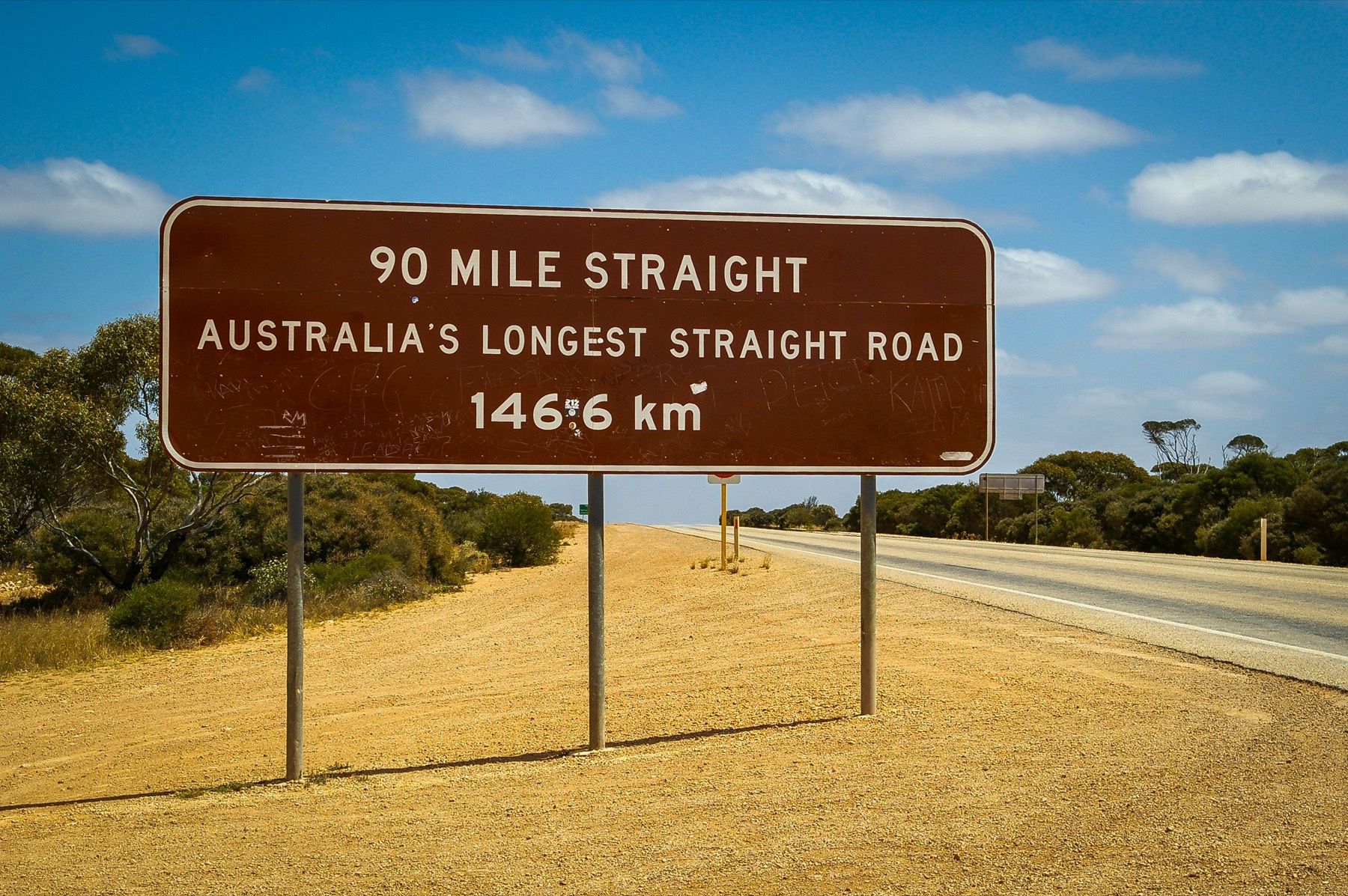
- Driving on the left and road trains: In Australia you drive on the left and you’ll regularly meet so-called road trains, which are over 50 metres long and need up to a 2.5-kilometre straight stretch to overtake safely.
- Watch out for kangaroos after dark: Animals are most active at dusk and at night, so after dark you shouldn’t drive faster than 65 km/h, and in the event of a collision you must never swerve sharply.
- Wild camping is banned: Wild camping is punishable by fines, so you have to use official free camps or paid caravan parks, which you’ll easily find via the CamperMate and WikiCamps apps.
- Fuel stops in the outback: In remote areas the distances between petrol stations are commonly around 300 kilometres, so you have to fill up at every opportunity.
When to set off on your Australia road trip
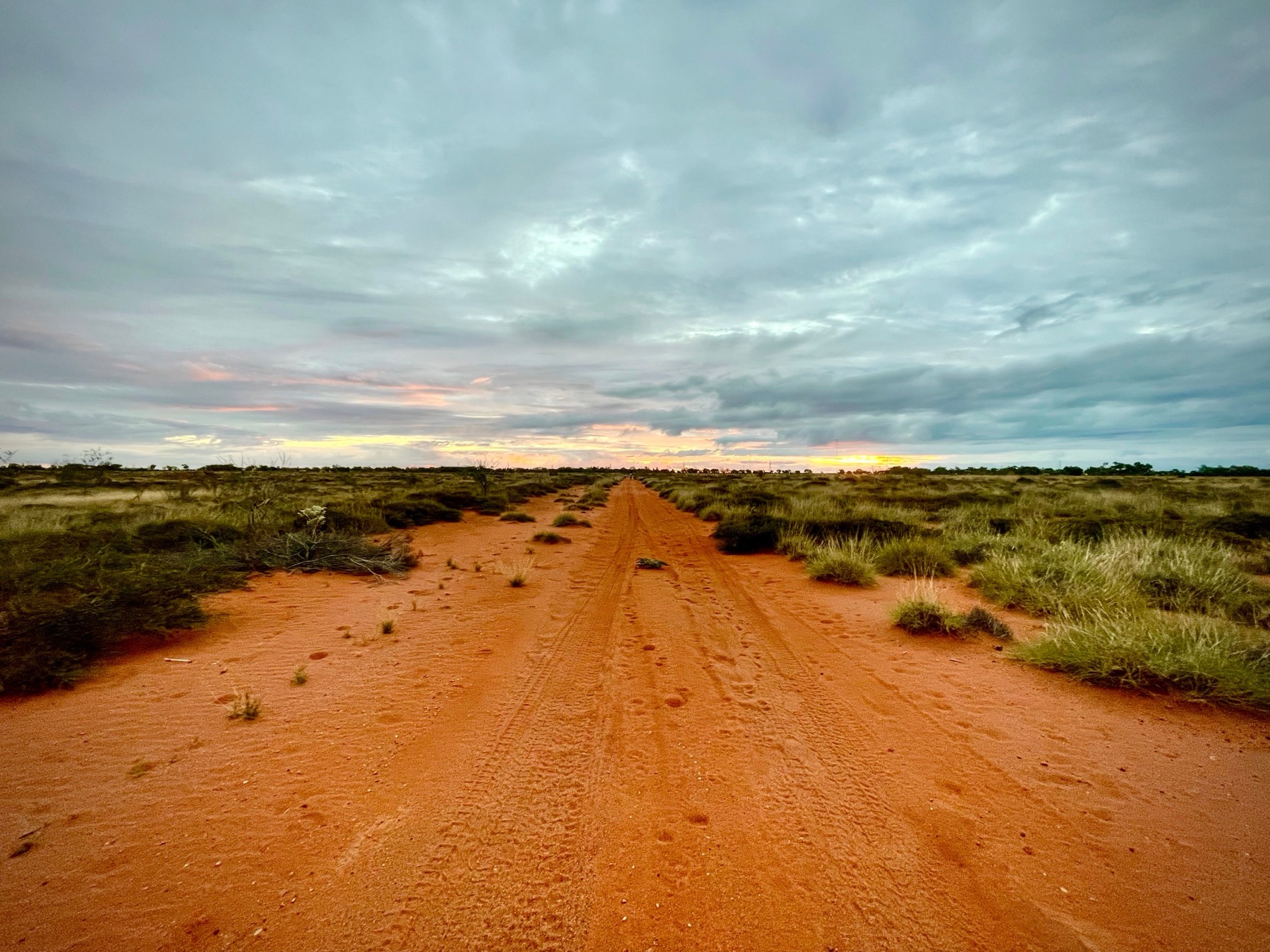
There’s no one-size-fits-all rule for exactly when to head Down Under, because your decision will depend mainly on which specific regions you plan to visit. Australia is huge and the weather varies dramatically depending on whether you’re in the tropical north, the desert centre, or the milder south.
Plenty of travellers pick the northern-hemisphere winter for their trip — roughly the period from December to April — when it’s peak summer Down Under and the main tourist season. The east and south coasts are clearly a great choice during these months, especially if you want to surf, explore gorgeous beaches and enjoy the warm ocean. On the other hand, keep in mind that up north in Queensland this is stinger season (from November to May), when the sea is teeming with dangerous jellyfish and swimming without a special suit is a big gamble.
In the outback and the north, travelling in the Australian summer is also considerably uncomfortable and you may run into closed treks, which are meant to stop irresponsible tourists from collapsing in the extreme heat. The north also has an official tropical cyclone season running from 1 November to 30 April. During this time, long-term statistics show an average of ten cyclones, three or four of which actually hit the mainland and can wreck your road trip plans very quickly.
That’s why Australians themselves tend to explore the red centre and tropical north during the northern-hemisphere summer instead — the months from May to September. This period offers much more pleasant daytime temperatures in the outback, and the popular national parks aren’t as crowded. But if you decide to travel across the continent in the northern summer, don’t forget that southern Australia will be in the grip of winter, with temperatures dropping close to freezing at night. On our 2018 trip we weren’t remotely prepared for this, and we’ll probably remember some of those freezing, sleepless nights in the tent somewhere along the south coast for the rest of our lives.
💡 Tip: If you want to be completely clear about the temperatures awaiting you in each city, read our detailed article Weather in Australia: when to go by region.
Where to sleep and how camping works in Australia
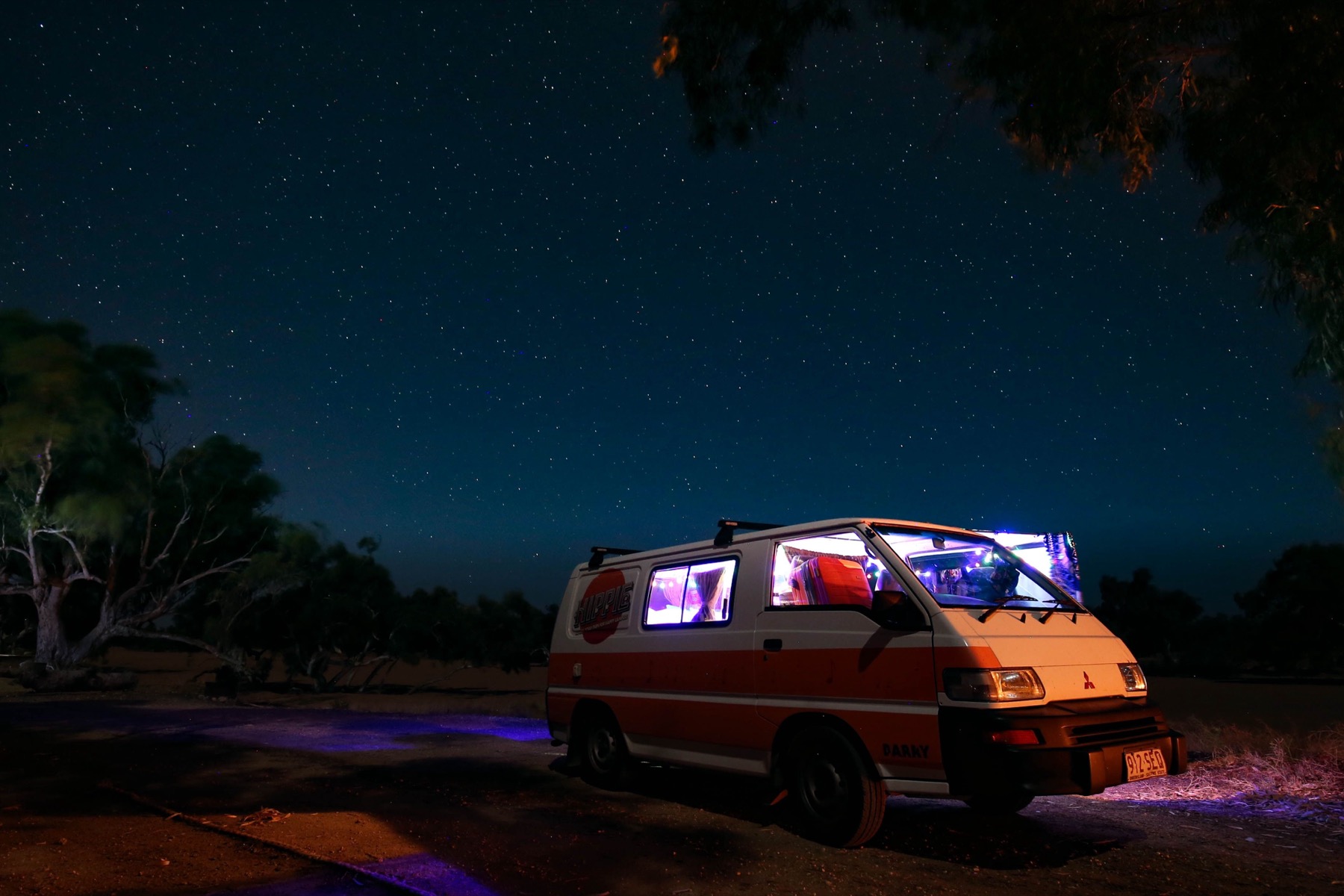
Camping is an inseparable part of any Australian road trip, but right at the start there’s one absolutely crucial thing to mention. Wild camping is strictly banned across the whole of Australia, so the idea of just parking your car or pitching a tent wherever you fancy on a deserted beach can land you a hefty fine and an unpleasant run-in with the local rangers.
To avoid trouble, you have to spend the night exclusively at designated spots. These split into paid caravan parks offering every imaginable comfort and a huge number of free camps managed by local councils or national park authorities. To find them, I warmly recommend downloading the excellent mobile apps CamperMate and WikiCamps before your trip — you simply can’t do without them on the road.
In these apps you’ll find not only every legal place to stay overnight, but also very handy markers for public showers, laundries, petrol stations or Wi-Fi hotspots. When renting a car, it’s important to check whether your vehicle is certified as so-called self-contained, meaning it has a built-in toilet and its own greywater tank. If your car has this sticker, a far wider range of free camps opens up to you — places where ordinary cars without a toilet aren’t allowed.
Even without a built-in toilet, though, you’ll find countless legal places to sleep. At free camps you just shouldn’t expect any great luxury — quite often the only facility will be a simple long-drop toilet and a patch of flat ground in the middle of the bush. In the outback you also have to be extremely careful to carry enough of your own jerry cans of drinking water, because a lot of rest areas have no water source at all. If you’re planning to buy gear on the spot, the rest of the small stuff can be picked up very cheaply at the Kmart chain, which you’ll find in every larger town. Our group only brought a good sleeping bag, a sleeping mat, a reliable head torch and a water filter from home.
Tried-and-tested camps and caravan parks
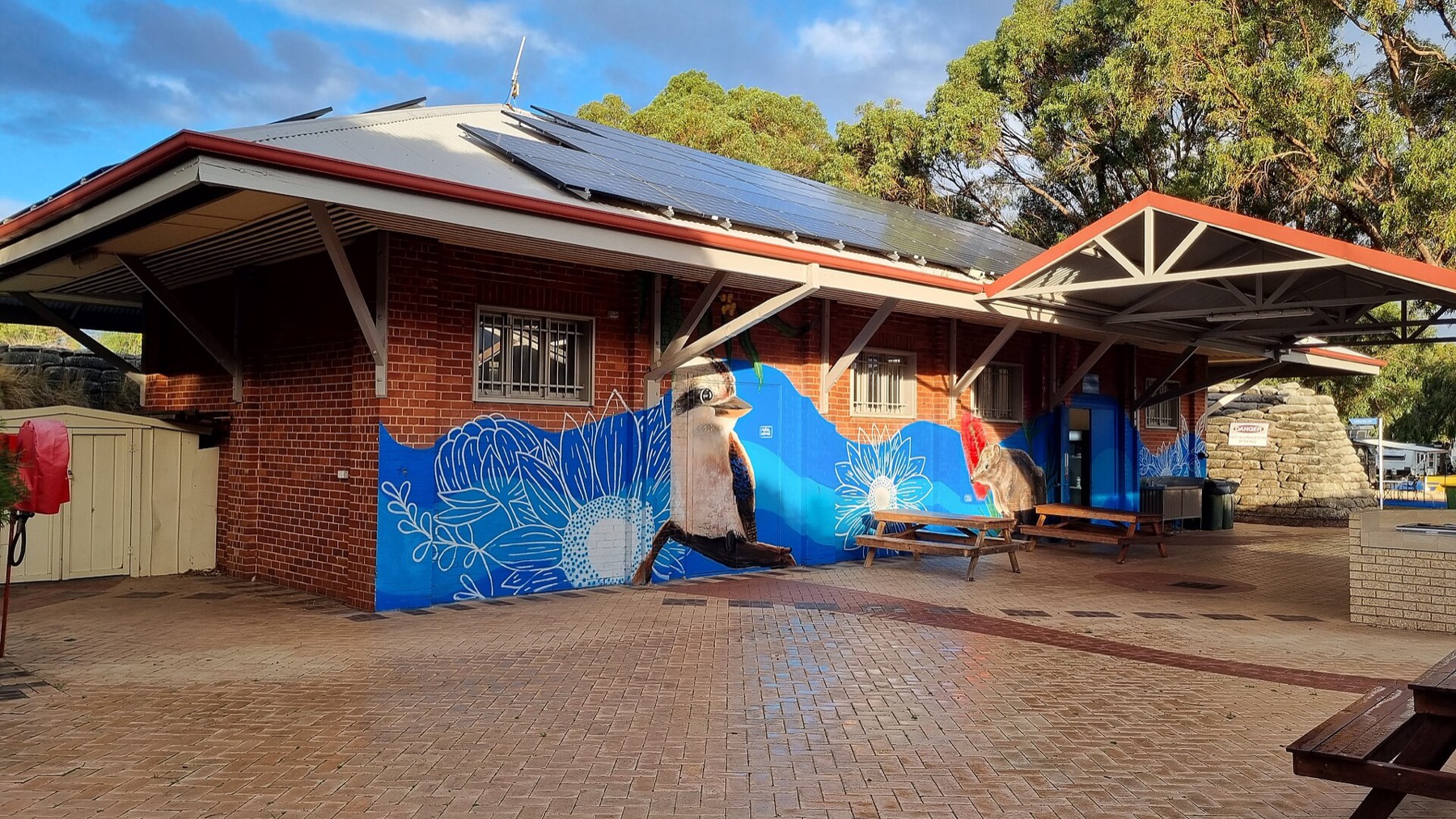
If you occasionally want to treat yourself to a hot shower, wash your clothes and use a fully equipped kitchen, it’s worth dropping anchor at official caravan parks. Especially after a few days in the dusty outback, a return to that kind of civilisation is absolutely priceless.
On the iconic Great Ocean Road, travellers love to stop at the Kennett River Family Caravan Park, which has great reviews and where you can often spot wild koalas right among the caravans. If you head into the centre of the continent to Alice Springs, an excellent base for exploring the West MacDonnell Ranges is the reliable Discovery Parks – Glen Helen.
On the east coast in tropical Queensland, travellers have long praised Mission Beach Hideaway Holiday Village or the gorgeous Daintree Beach Resort, which sits right beside one of the oldest rainforests in the world. If you make it to Tasmania, you definitely won’t go wrong spending a night at Strahan Beach Tourist Park on the west coast or at the cosy Triabunna Cabin & Caravan Park in the east. Pleasant facilities are also on offer at Swansea Holiday Park, a lovely spot to set off from on trips into Freycinet National Park.
The best routes for your road trip in Australia
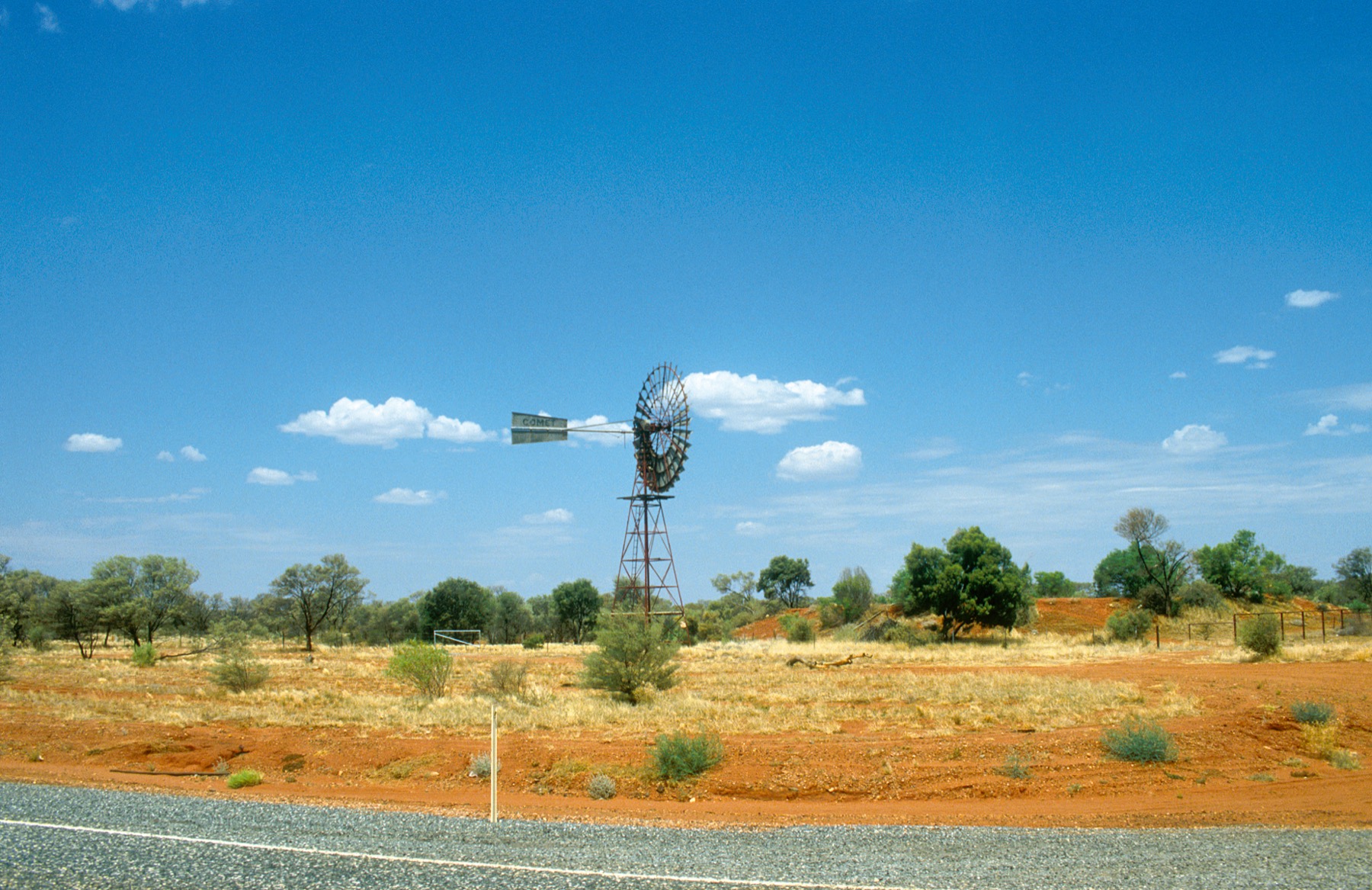
Online you’ll come across several popular routes packed with experiences, but you always have to keep in mind that Australia is simply enormous. A lot of Europeans badly underestimate the distances and then, instead of a relaxed holiday, spend whole days doing nothing but grinding away at the wheel trying to catch up with an over-ambitious itinerary.
East coast Australia road trip: the classic full of beaches and rainforests
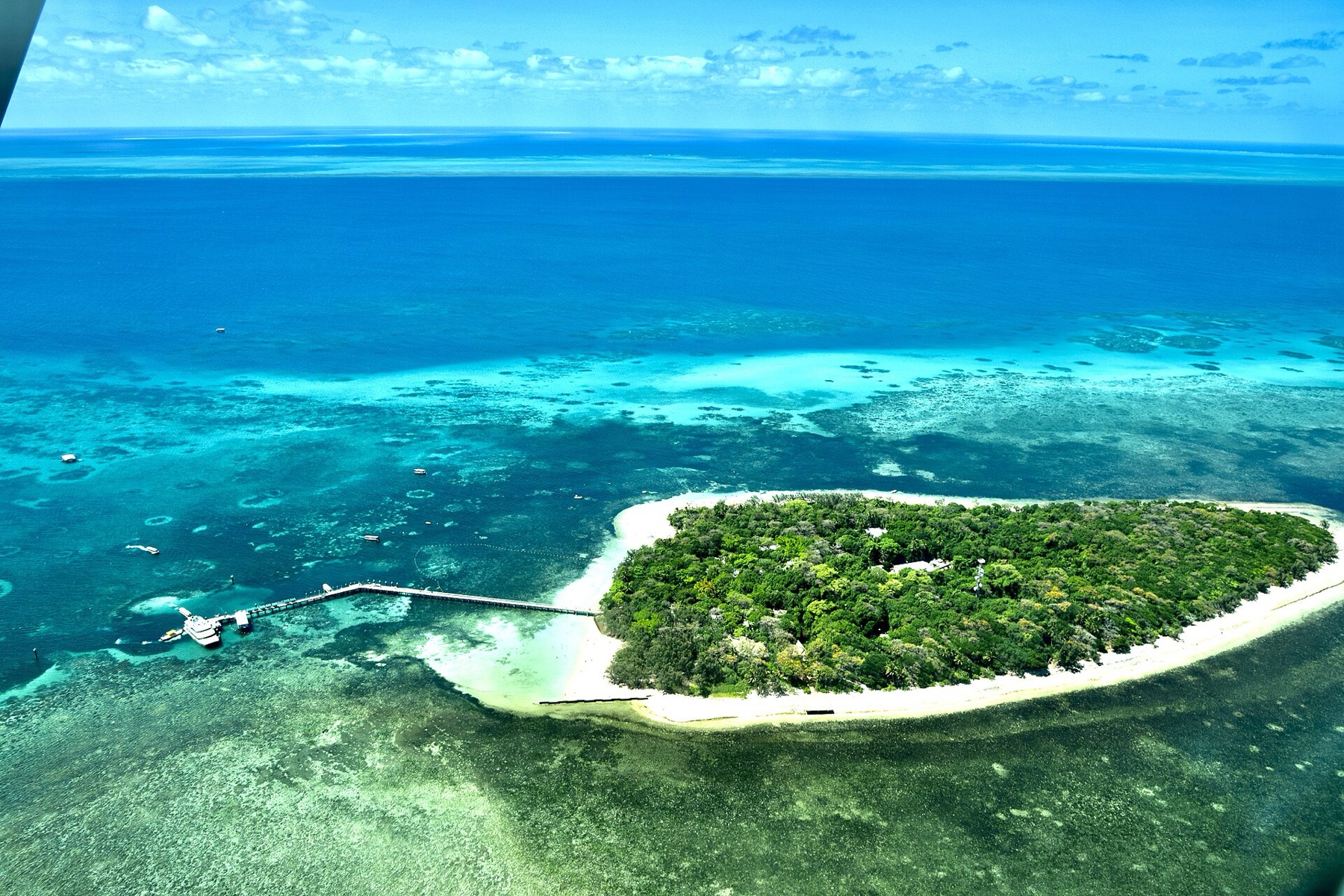
Probably the most popular route runs from Sydney or Brisbane north to Cairns. The main draw of this east coast Australia road trip is the Great Barrier Reef, tropical rainforests and endless beaches. If you love the ocean, surfing and diving, this is exactly the right choice for you. But you have to reckon with some genuinely enormous drives. The trip from Sydney to Brisbane is roughly 928 kilometres and takes about ten hours of pure driving. From Brisbane to Cairns it’s another staggering 1,696 kilometres, which works out to about 22 hours behind the wheel — time you obviously need to spread sensibly across many days.
The whole route from Sydney all the way up to Cairns is over 2,400 kilometres, which few of us can genuinely picture. To put it in perspective, that’s a distance similar as the crow flies to London to Moscow. So you have to set aside at least four to seven days just for the driving itself, but realistically you need at least three full weeks to explore all the natural beauty and attractions.
The red centre: adventure in the outback
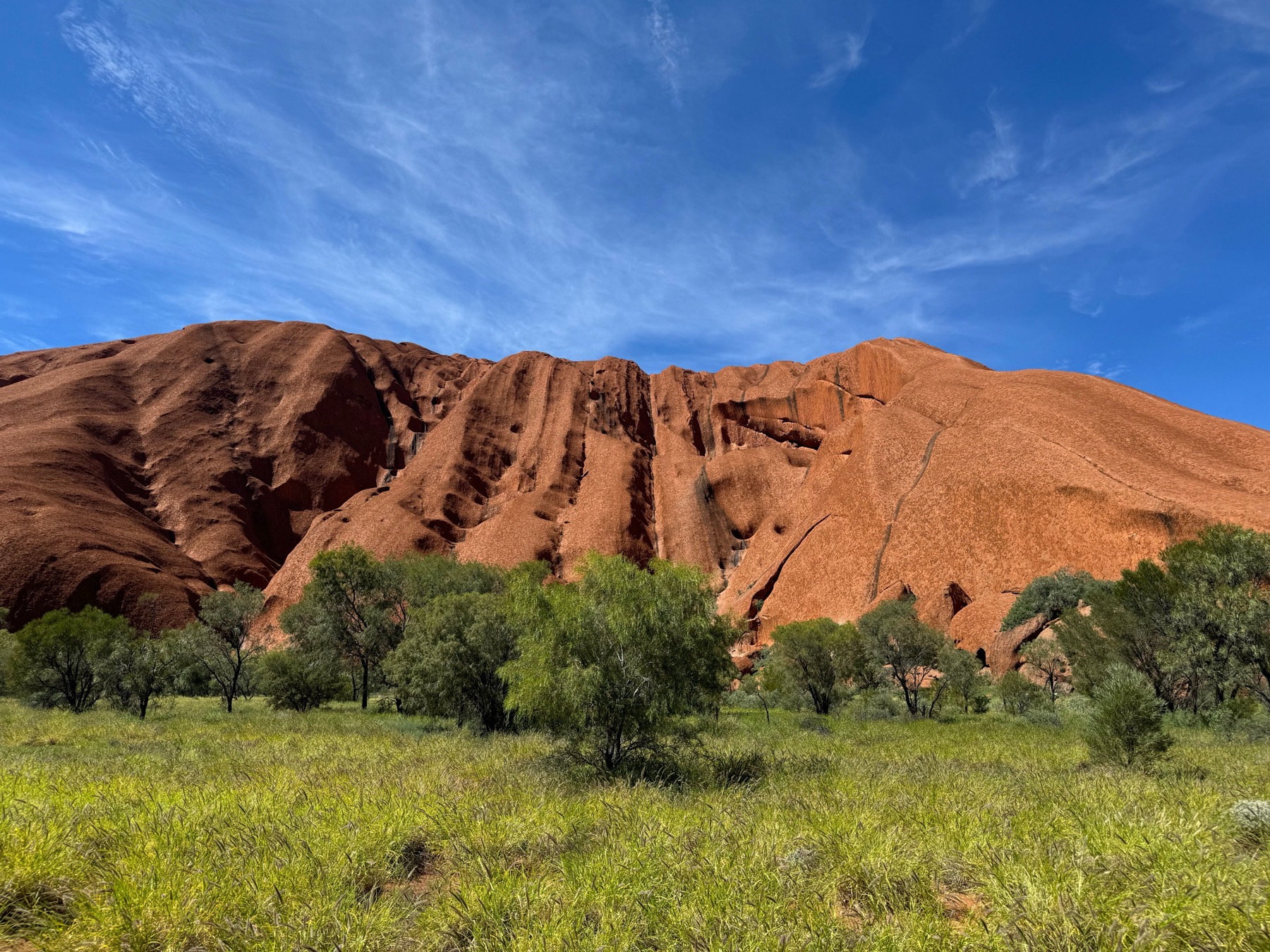
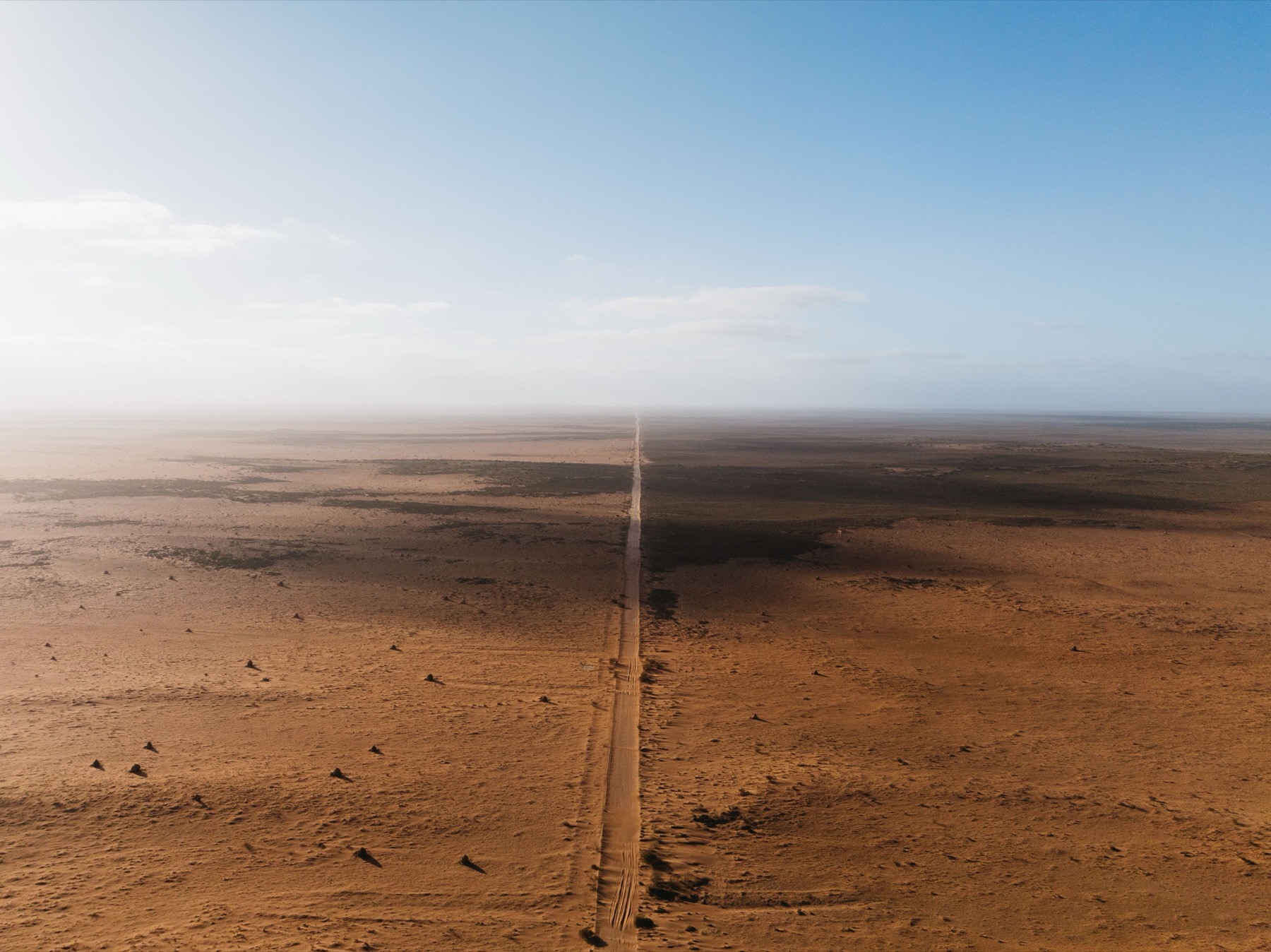
Somewhat less travelled is the route running straight through the middle of the continent, whose absolute highlight is sacred Uluru. Most people start in Adelaide and finish in tropical Darwin in the north. You’ll drive the iconic Stuart Highway, which cuts across an endless red wasteland. This route is for true adventurers who want to experience exactly the Australia they know from documentaries. The downside is hundreds upon hundreds of kilometres stuck in the car, when for a whole day you’ll pass basically nothing of interest — just dust, scrub and the occasional road train.
On our 2018 trip, after much deliberation, we chose the red centre — but we extended the route significantly. We drove from Sydney via Melbourne, Adelaide and Alice Springs all the way to Darwin. In a single month our old station wagon covered nearly 9,000 kilometres. It was a huge slog, but even so I can warmly recommend this enormous loop from personal experience.
The south coast: dramatic cliffs and Tasmania
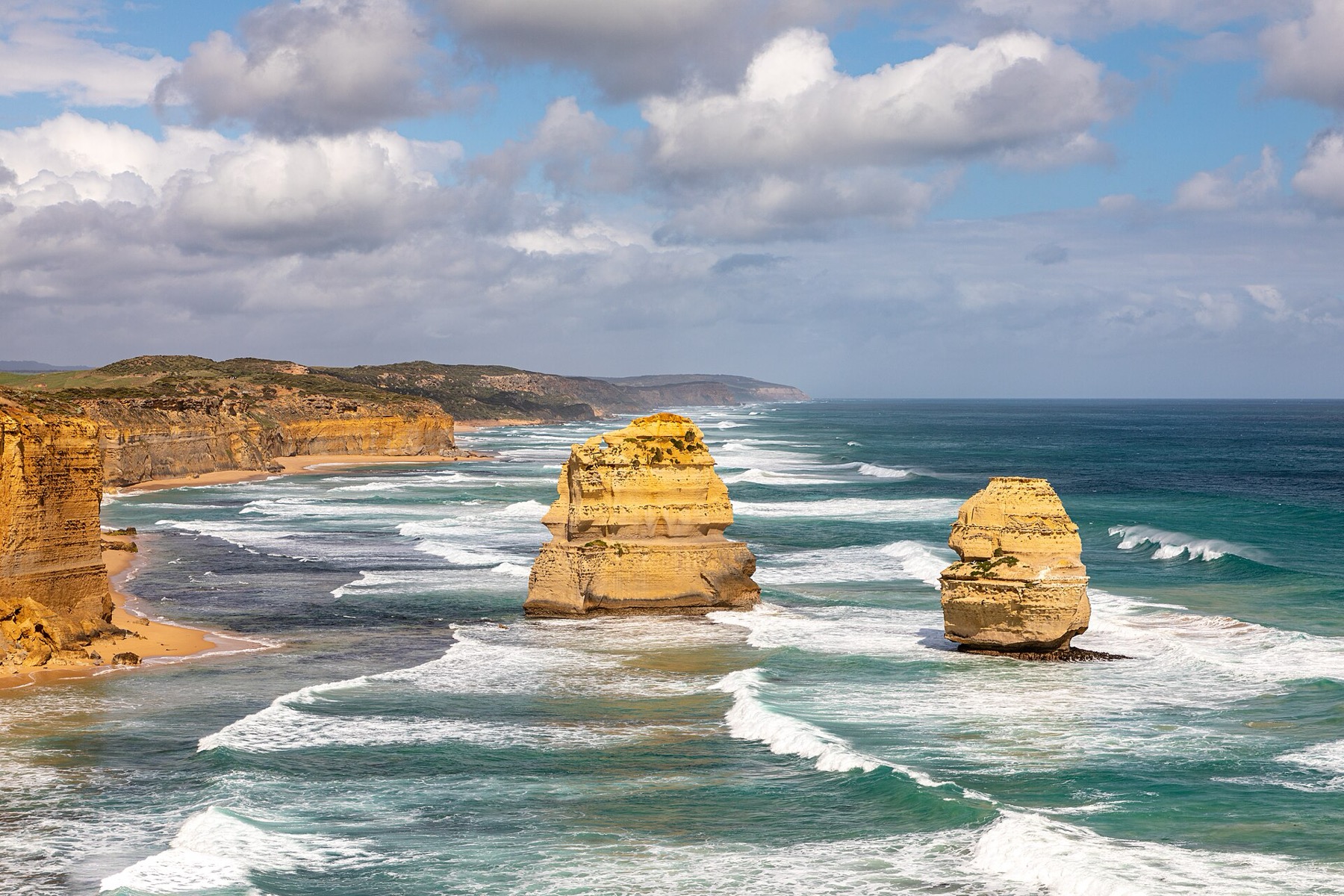
The third classic drive runs from Perth in the west all the way to Melbourne in the east. Not only will you drive one of the most beautiful coastal roads in the world on this route — the famous Great Ocean Road — but you’ll also see completely different scenery. From this route you can also very easily detour to pristine Tasmania, which you reach by ferry directly from Melbourne. If you’re drawn to dramatic cliffs and deep forests, the southern route definitely won’t disappoint.
| Route section | Distance | Pure driving time |
|---|---|---|
| Sydney – Brisbane | approx. 928 km | approx. 10 hours |
| Brisbane – Cairns | approx. 1,696 km | approx. 22 hours |
| Sydney – Melbourne (inland) | approx. 877 km | approx. 9 hours |
| Sydney – Melbourne (coastal) | approx. 1,032 km | approx. 13 hours |
💡 Tip: If the east coast appeals to you, we’ve written a detailed article about it: East Coast of Australia: a 2 to 4 week itinerary.
Renting a car and how to choose the right vehicle
Another huge item in your travel budget will be the car rental. Prices vary widely and the biggest factor is of course the type of vehicle you finally settle on. The cheapest are small city runabouts, spacious sedans are a bit pricier, and by far the most expensive are fully equipped campervans, vans and big motorhomes.
Back in 2018 we chose a cheap Ford Falcon station wagon from Travellers Autobarn, into which — with a bit of goodwill — we managed to squeeze four people plus all our personal luggage. We affectionately nicknamed our car “the Ship”, and I can recommend the company we rented it from at the time to all backpackers with a clear conscience.
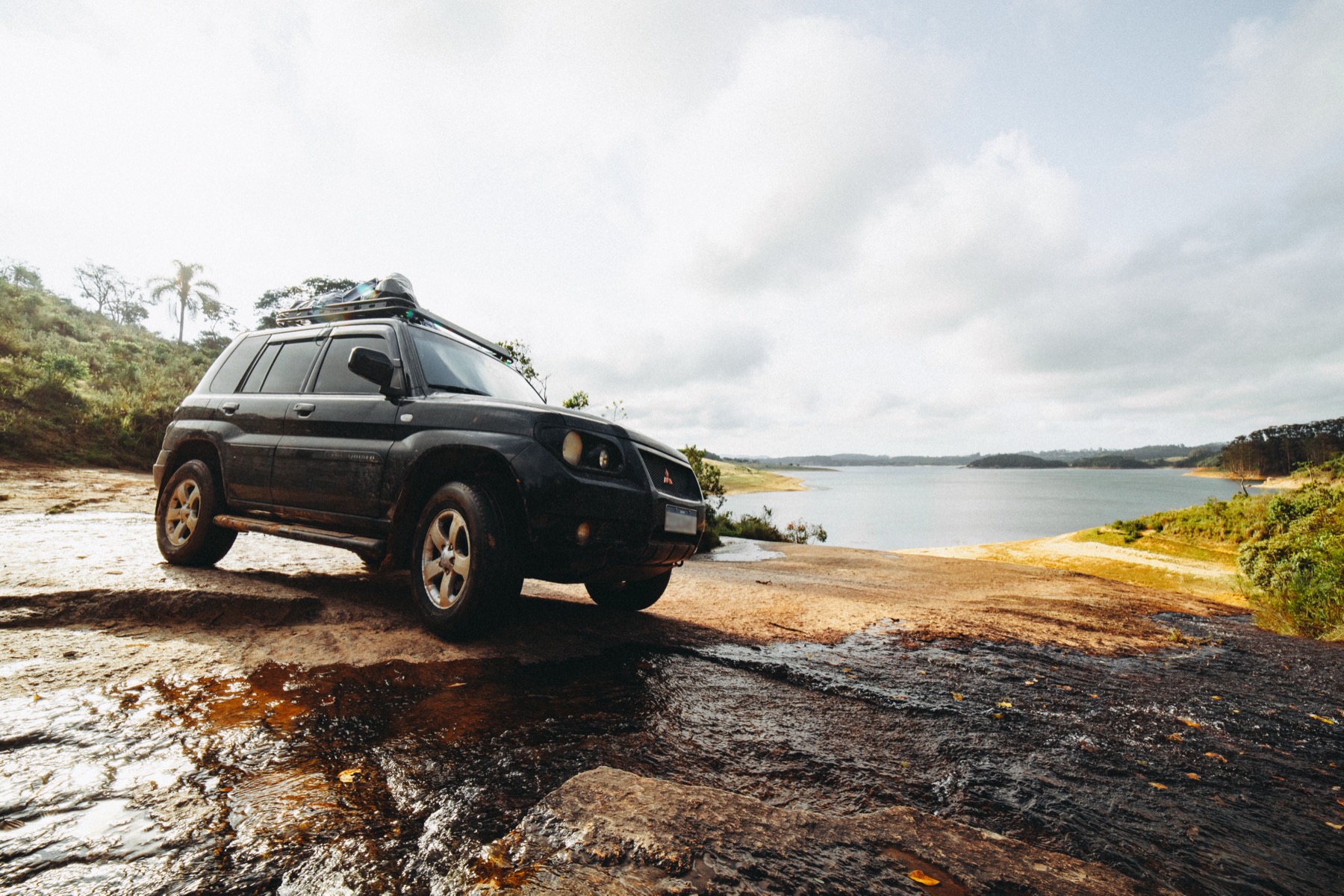
Depending on the route you plan at home, you also have to consider the type of drive. If you want to travel the famous unsealed dusty tracks in the more remote national parks, I’d definitely recommend going for a rugged four-wheel drive (4WD). On the other hand, if very little fazes you and you intend to stick strictly to the main sealed highways, even an ordinary two-wheel-drive can cover enormous distances and see most of the main tourist sights.
For those of you heading to Australia for a bigger adventure and a much longer stay, it often pays to simply buy an older car from other travellers. But you have to reckon in advance with the huge risk of a breakdown somewhere deep in the outback — all repairs will be entirely on you — and you also need to set aside enough spare time at the end of the trip to sell the car again at a sensible price before you fly home.
Car insurance and expensive fees
No less significant than the rental itself is adequate car insurance. It’s entirely up to you how much you decide to financially protect your temporary home on four wheels. You can take out insurance directly through the Australian rental company, which is usually pricier, or find a good deal with an external specialist insurer, which often works out far more favourably and also covers smaller damage.
One crucial thing to be extremely careful about is the fact that standard rental-company insurance usually doesn’t apply at all when driving on unsealed roads. The moment you leave the safe tarmac for a dusty or gravel track, all the risk of damage to the undercarriage or paintwork is on you, so always read the terms in your rental agreement very carefully.
In 2018, because of our tight budget, we opted only for windscreen cover, which cost us 70 AUD at the time. And I can tell you it paid off enormously and saved us a lot of stress. Thanks to stones flying off huge oncoming trucks, our windscreen got unpleasantly chipped several times during the trip.
Rental companies will also very likely charge you another hefty fee if you decide to return the car in a different city from the one where you originally picked it up. This is the so-called one-way fee. In our case in 2018, when we collected the Ship in Sydney and returned it right up in the north in Darwin, that was an extra 200 AUD.
Overall, our faithful wagon for the whole month — including basic windscreen cover and that one-way fee — came to around 1,700 AUD. Today’s rental prices and hidden fees are of course a whole different story, so you always have to verify and calculate the current rental offers very carefully in advance.
Road safety and driving quirks
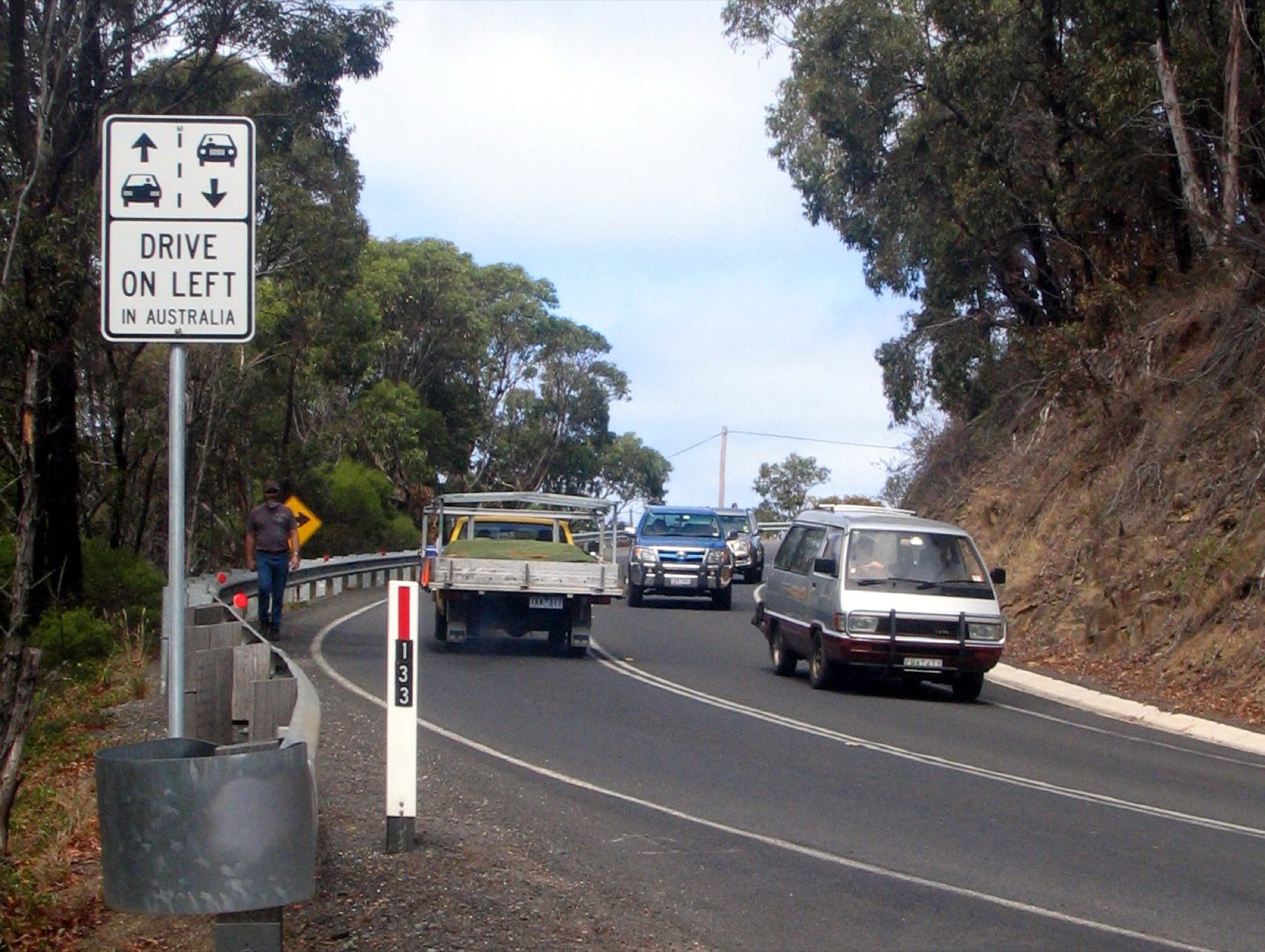
Driving in Australia has its clear quirks that take a while to get used to, so arm yourself with patience. The most fundamental is the fact that here you drive on the left-hand side of the road. The first few junctions and roundabouts are a real test of nerves, when instead of the indicators you’ll regularly switch on the wipers — but the human brain usually reorients itself very quickly, and after two days it won’t even feel strange anymore.
Before you fly out, it’s strongly recommended to arrange an International Driving Permit (IDP) or carry an official translation of your home driving licence. The rules differ depending on the specific Australian state. In the Northern Territory or New South Wales, for example, you can commonly drive on a foreign licence, but it’s always by far best to verify this requirement directly with your specific rental company, so you’re not hit with a nasty surprise when you collect the keys.
Watch out for giant road trains
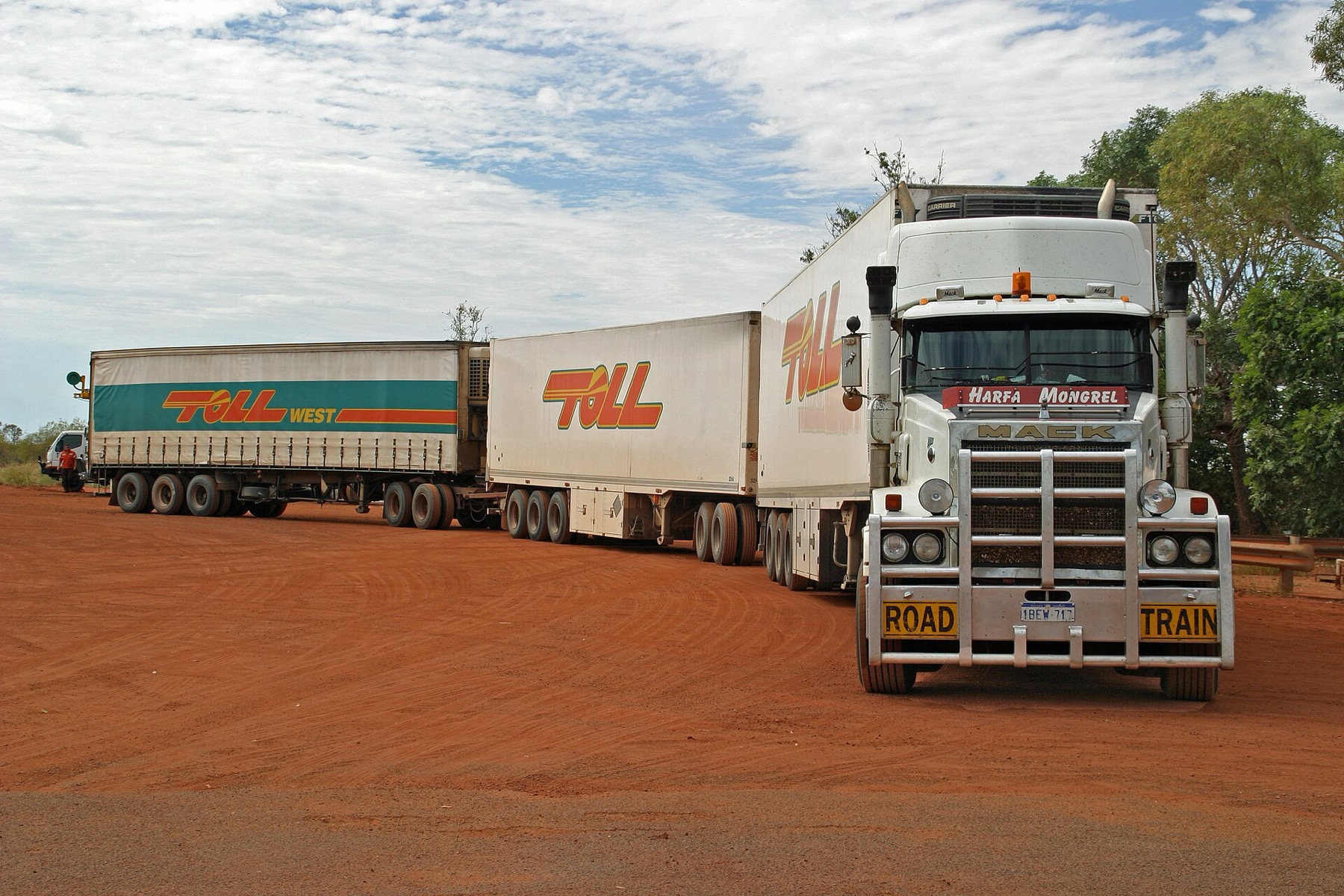
A chapter all of their own are the so-called road trains that criss-cross the endless flats of the scorching outback. These enormous trucks commonly have up to three long trailers and measure over fifty metres. Meeting such a monster on a narrow tarmac road commands enormous respect, and the pressure wave of hot air gives your car a proper shake.
If you decide to overtake such a road train on the highway, you have to be absolutely certain of your manoeuvre. To overtake safely you need up to a 2.5-kilometre straight stretch with perfect visibility all the way to the horizon. Never start overtaking if you can’t see far enough ahead, because this whole drawn-out manoeuvre takes an unbelievably long time.
Kangaroos, darkness and treacherous swerves
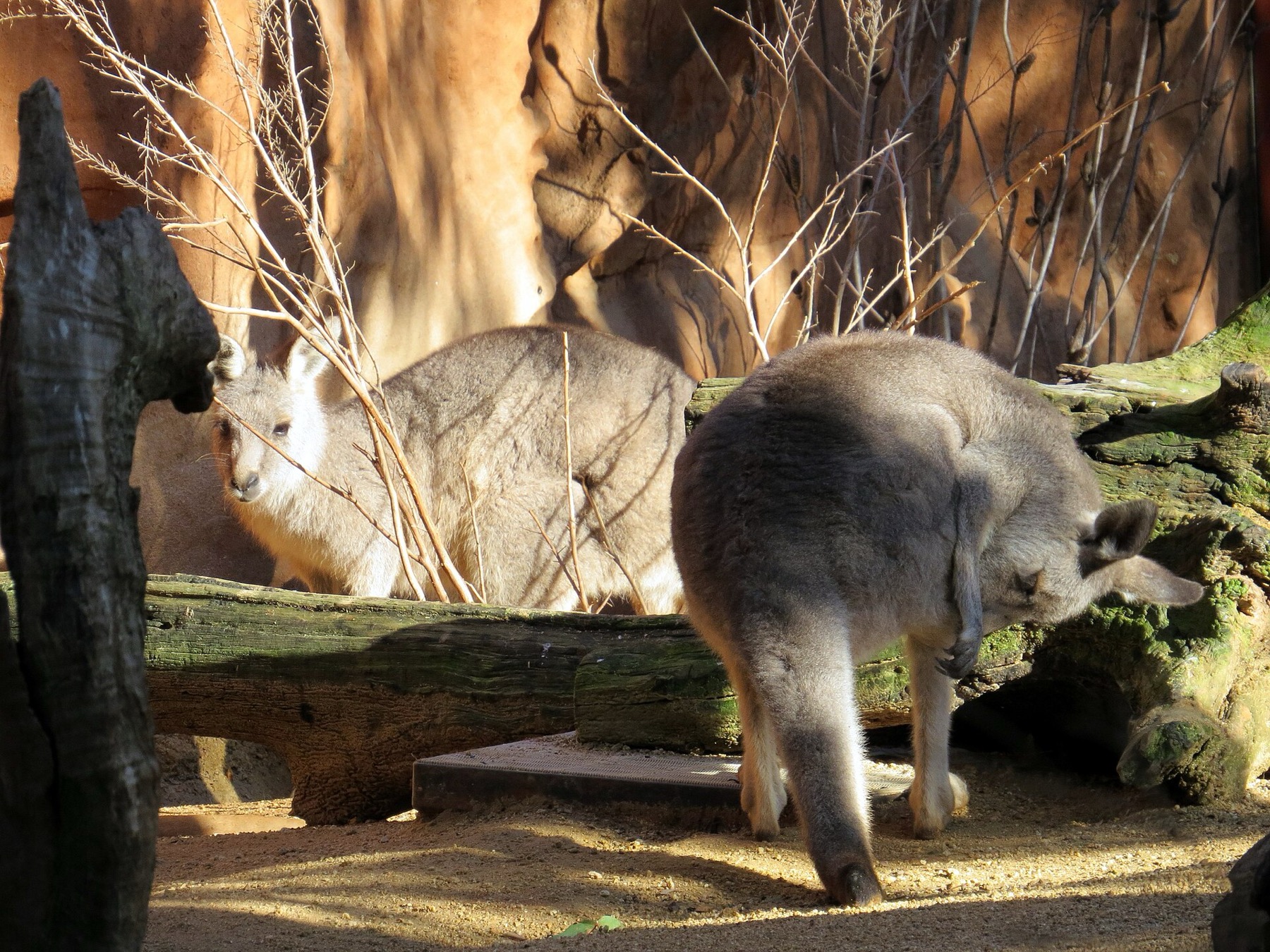
The absolute biggest danger on Australian roads, though, isn’t the trucks — it’s the local wildlife. Kangaroos, chunky wombats and other bush residents are most active at dawn, at dusk and at night. The animals are utterly unpredictable and often leap straight under the wheels of a moving car out of the thick roadside scrub, without you having any chance to react in time.
The golden rule of the Australian road trip is therefore crystal clear: if you can, avoid driving after dark. If you do have to drive at night, for safety reasons your speed should never exceed 65 km/h. The worst statistics for roadkill are in Tasmania, which holds the unflattering worldwide record and is often nicknamed the roadkill capital of the world among drivers.
And if an animal really does run into your path and a collision is utterly unavoidable, remember the most important survival rule: you must never swerve sharply. A sudden avoidance manoeuvre at high speed almost always ends in loss of control, rolling into the ditch onto the roof, or a fatal impact with a tree. The only correct solution is to brake hard in a straight line.
Don’t underestimate refuelling in the outback
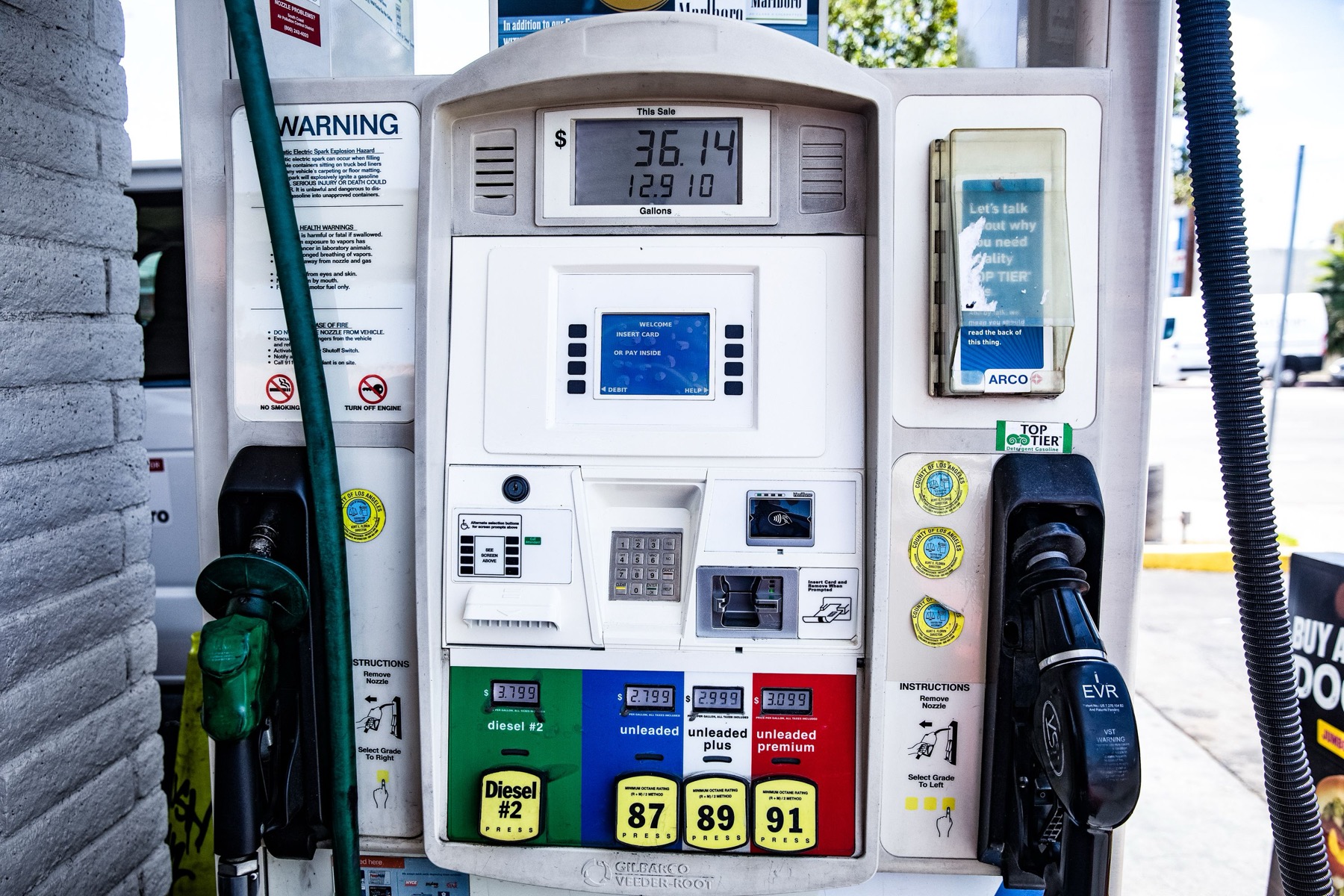
While on the east coast you’ll come across civilisation and services fairly often, the moment you head into the centre of the continent the rules of the game change dramatically. Petrol stations in the outback are commonly around three hundred kilometres apart — a distance you simply don’t want to risk with a half-empty tank in the middle of the wilderness.
So get into the habit of filling up at every single opportunity, even when you feel you still have relatively plenty of fuel. For peace of mind it’s also a good idea to carry at least one full jerry can in the boot as an iron reserve, because you never know when you’ll hit a closed station or a broken pump in the middle of nowhere. There’s also often no mobile signal in the outback, so don’t forget to download offline maps so you don’t get lost.

How much a road trip in Australia costs (our budget)
Although Australia has a reputation as a pricey country, with a bit of careful planning you can keep costs on a very reasonable rein. During our month-long trip in 2018, my personal spend excluding flights came to roughly €1,640 (around 40,000 CZK). But that was a strictly low-budget holiday through and through, when we mostly slept at free camps and cooked for ourselves.
The biggest single item is of course the return flight from Europe. A great way to save a little on flights is to fly to Australia as part of a longer trip through Southeast Asia or from nearby New Zealand. Plenty of low-cost airlines operate from these places, offering far more favourable prices than the traditional long-haul carriers flying directly from major European hubs.
The second huge item is the car rental itself, plus fuel. Here the costs are split by the number of passengers, so the fuller your car, the cheaper your daily journeys work out. To bring your total spend down to an absolute minimum, you have to forget expensive cafés and buy your supplies exclusively at big supermarkets.
On the road we survived mainly on cheap staples. Our hits were pasta, rice, beans, toasties with peanut butter and big tubs of hummus. To cook meals we used either our own small gas stoves, a good old campfire, or the excellent free public electric barbecues, which are dotted all over the country by parks and beaches.
If you want to taste a local classic, you’ll notice Australians love their traditional fish and chips or hot meat pies, which you can buy at pretty much every petrol station. If you want to enjoy your holiday with all the trimmings and pay for experiences like diving on the reef, you’ll have to dig much deeper into your pocket. Fortunately, most national parks are free to enter, with the exception of the Uluru – Kata Tjuta area, where there’s an entrance fee. Today’s prices for accommodation, fuel and cars are of course a different story from 2018, so you’ll have to work out your current budget thoroughly against fresh price lists.
Visas for Australia and the paperwork
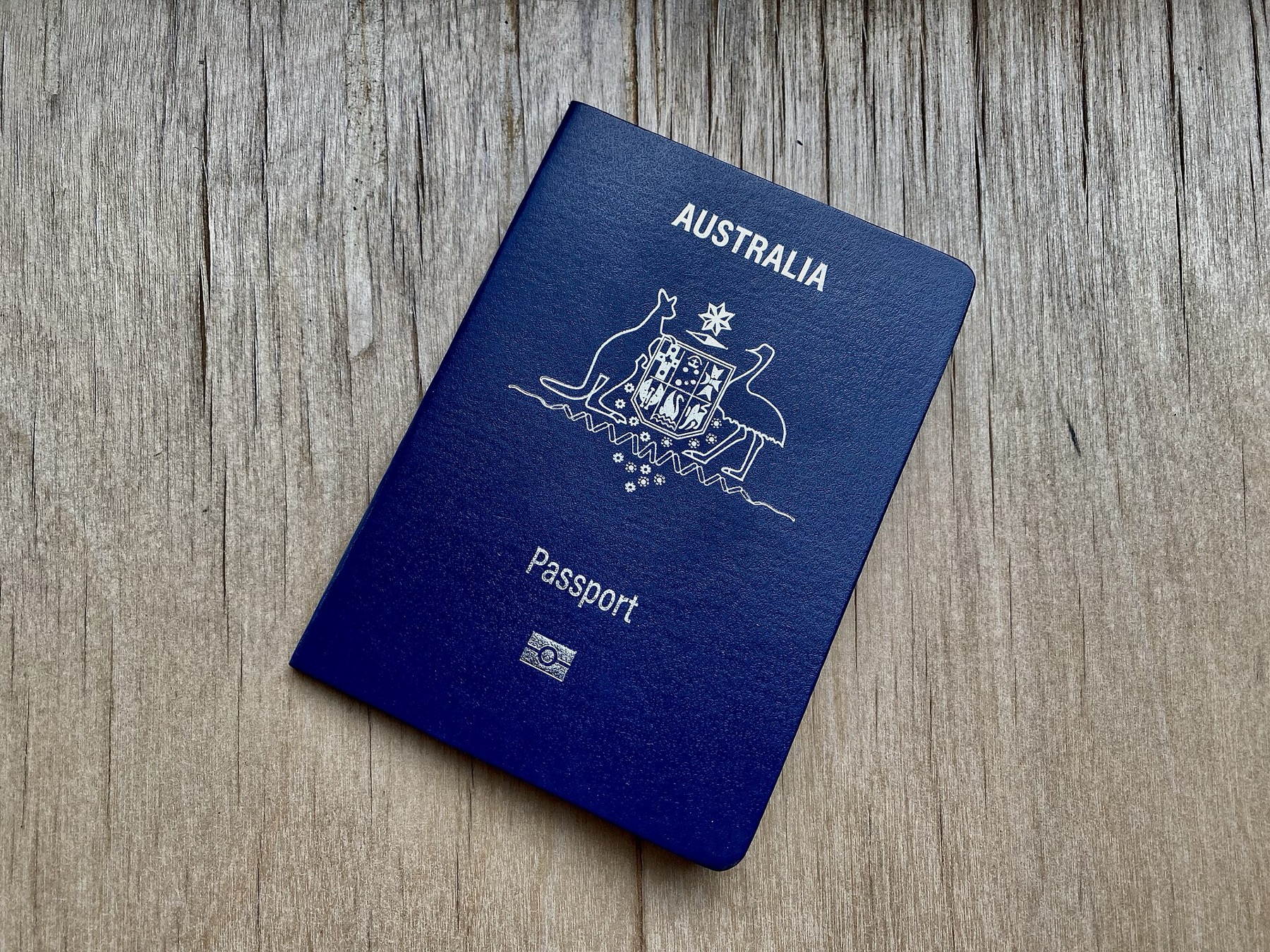
Before heading Down Under you definitely mustn’t forget to sort out your visa in good time — without it, staff won’t even let you board the plane. Which visa suits you best depends on your nationality, so always check the requirements for your own passport. For many European travellers whose adventure won’t take more than three months at a stretch, the eVisitor subclass 651 is the best option, and it’s completely free.
Don’t be confused by various older guides online that often needlessly send people to apply for the ETA visa (subclass 601), which charges a service fee of 20 AUD. Many EU citizens don’t need this paid option at all and are perfectly fine with the free eVisitor, which is how most European tourists enter the country. Travellers from outside the EU (for example the UK, US, Canada or Australia’s other visa-waiver partners) should check which subclass applies to them.
It’s strongly recommended, though, to sort your visa out in good time and only buy your expensive flight once it’s been successfully granted. The Australian authorities can request additional documents or checks, which can unexpectedly stretch the whole process out to several weeks. Also be very careful that if your time in the Australian transit zone during a stopover exceeds 8 hours, the visa requirement applies to you even if you’re only flying onward.
The good news, on the other hand, is that for ordinary tourist entry to Australia there are no mandatory vaccinations required at all, so you needn’t fear any lengthy, expensive visits to a travel medicine clinic.
💡 Tip: If you’re unsure of the process, we’ve put together a detailed guide: Visas for Australia: eVisitor step by step.
Where to go next after your Australia road trip
Australia is so varied that one road trip is definitely not enough to get to know it. If you want to plan out specific stages, take a look at our main pillar article Holiday in Australia: 30 most beautiful places + practical tips.
If you’re heading out after kangaroos and koalas, our guide Animals in Australia: where to see kangaroos and koalas will definitely interest you, so you know exactly where to point the car. You might also enjoy our guide to the stunning city of Sydney or our snorkelling tips in the article about the Great Barrier Reef.
Frequently asked questions
What visa do I need for a road trip in Australia?
For tourist purposes and stays up to three months, international visitors from many countries can obtain the electronic eVisitor visa (subclass 651), which is completely free. The application is submitted online and it’s recommended to arrange it before purchasing your flight tickets, as authorities may sometimes request additional documents, which can significantly delay the approval process.
Is wild camping allowed in Australia?
No, so-called wild camping is strictly prohibited throughout Australia and carries hefty fines from local rangers. You must only camp at designated sites. Fortunately, the country has a huge network of free campsites and rest areas that you can easily find using mobile apps like CamperMate or WikiCamps.
What car is best for an Australian road trip?
It depends on your route. For driving on main sealed roads and along the east coast, a regular passenger car or two-wheel-drive van will be more than sufficient. However, if you plan to explore remote dirt tracks in the outback or national parks, it’s definitely worth investing in a robust four-wheel-drive (4WD).
What are road trains and how do you overtake them?
Road trains are massive road trains that haul freight across remote outback areas. They commonly have up to three long trailers and measure over 50 meters. If you need to overtake one, you must have up to 2.5 kilometers of straight, perfectly clear road available, because the entire maneuver takes a very long time.
Is it safe to drive in Australia at night?
Driving at night in Australia, especially in the outback, is not recommended at all. At dusk and during the night, kangaroos and wombats are most active and often jump suddenly onto the road. If you must drive after dark, you shouldn’t exceed 65 km/h and in case of a collision, you must never swerve sharply.
What about refueling in the outback?
In remote areas, the distances between petrol stations are enormous—you’ll commonly encounter long stretches where there’s no service station for up to 300 kilometers. The basic rule is therefore to refuel at every opportunity, even if you still have half a tank, and carry at least one full spare jerry can in the boot just to be safe.
When is the best time to visit Australia?
For the southern and eastern coasts, the ideal time is during the European winter (December to April), when you can enjoy the warmth and beaches. The red center and tropical north, on the other hand, are best visited during the European summer (May to September), as you’ll avoid the killer heat in the outback, closed treks, and the dangerous tropical cyclone season.
Does my rental car insurance in Australia cover unsealed roads?
Usually not. Standard rental car contracts contain a clause stating that any insurance automatically becomes void the moment you leave an official sealed road for an unsealed gravel track. If you plan to drive off-road, you must carefully review these terms and potentially arrange special additional coverage through an external company.
Tips and Tricks for Your Vacation
Don’t Overpay for Flights
Search for flights on Kayak. It’s our favorite search engine because it scans the websites of all airlines and always finds the cheapest connection.
Book Your Accommodation Smartly
The best experiences we’ve had when looking for accommodation (from Alaska to Morocco) are with Booking.com, where hotels, apartments, and entire houses are usually the cheapest and most widely available.
 🚗 Car rental on the roadVerified rental cars for your trip
Search with the DiscoverCars comparison engine — it compares prices from dozens of local and international rental companies, and most bookings come with free cancellation.
Compare car prices →Don’t Forget Travel Insurance
Good travel insurance will protect you against illness, accidents, theft, or flight cancellations. We’ve had a few hospital visits abroad, so we know how important it is to have proper insurance arranged.
Where we insure ourselves: SafetyWing (simple monthly subscription) and TrueTraveller (for extra-long trips).
Find the Best Experiences
Get Your Guide is a huge online marketplace where you can book guided walks, trips, skip-the-line tickets, tours, and much more. We always find some extra fun there!


