

Australia is a continent almost the size of all of Europe, and the biggest mistake when planning is trying to see the whole thing in a fortnight. The distances here are utterly relentless. To give you an idea, a flight from Sydney to Cairns in the far north takes as long as the trip from London to Moscow. Instead of endless hours behind the wheel, it pays off far more to pick two or three regions, fly between them, and rent a car locally each time. This guide to an unforgettable Australia holiday will show you how.
If you’re thinking about a trip Down Under, you’re surely wondering how to make it all work in practice. This guide introduces thirty places worth seeing, from coral reefs and the red outback to rolling wine country. Plus you’ll learn how the reversed seasons work, what you’ll realistically pay, and how to sort out your visa for free.
Australia really is another planet (in the best possible way). Red sand in the middle of the desert, rainforests older than the Amazon, reefs visible from space, and animals you won’t see anywhere else. Let’s take a look at what to choose from it all.
TL;DR
- How much time you need: Three weeks is the ideal minimum, but a fortnight is enough for a basic taste of two regions.
- When to go: There’s no single perfect time. The south is best from December to February, while the tropical north shines from May to October. The best compromise for the whole country is April–May or September–October.
- Budget: A mid-range couple should reckon on €160 to €245 per person per day, excluding international flights.
- Visas: Many nationalities qualify for the eVisitor visa, which is completely free and sorted out online — check your own eligibility.
- Getting around: Combine domestic flights with a rental car. The distances for a classic road trip across the whole country are simply too enormous.
- Top icons to see: Sydney Opera House, the Great Barrier Reef, sacred Uluru, and the iconic Great Ocean Road.
| Place | Best for | When to go | How many days |
|---|---|---|---|
| 1. Sydney | Iconic landmarks and beaches | September–April | 3–4 days |
| 2. Blue Mountains | Views and eucalyptus forests | September–April | 1–2 days |
| 3. Byron Bay | Surfing and laid-back vibes | Year-round | 2–3 days |
| 4. Mount Kosciuszko | Mountain hiking | December–March | 1–2 days |
| 5. Brisbane | City life and koalas | April–November | 1–2 days |
| 6. Gold Coast | Theme parks and skyscrapers | Year-round | 2–3 days |
| 7. Noosa | National park and coast | Year-round | 2 days |
| 8. K’gari | Sand dunes and dingoes | May–October | 2–3 days |
| 9. Whitsundays | White sand and sailing | May–October | 2–4 days |
| 10. Cairns | Base for the tropical north | May–October | 2 days |
| 11. Great Barrier Reef | Snorkelling and diving | June–October | 1 day (trip) |
| 12. Daintree | The world’s oldest rainforest | May–October | 2 days |
| 13. Melbourne | Cafés and culture | September–April | 3–4 days |
| 14. Great Ocean Road | Cliffs and coastal scenery | November–March | 2–3 days |
| 15. Phillip Island | Evening penguin parade | November–March | 1 day |
| 16. Adelaide | Markets and colonial architecture | September–April | 1–2 days |
| 17. Barossa Valley | World-class wine | September–April | 1–2 days |
| 18. Kangaroo Island | Wildlife and sea lions | October–April | 2–3 days |
| 19. Coober Pedy | Underground town and opals | April–October | 1–2 days |
| 20. Uluru and Kata Tjuta | Spiritual heart of the continent | April–October | 2–3 days |
| 21. Kings Canyon | Rim hikes | April–October | 1 day |
| 22. Alice Springs | Outback history | April–October | 1–2 days |
| 23. Kakadu and Darwin | Crocodiles and rock art | May–October | 3–4 days |
| 24. Hobart and MONA | Art and historic markets | December–February | 2 days |
| 25. Cradle Mountain | Mountain lakes and nature | December–March | 2 days |
| 26. Wineglass Bay | Tasmania’s pristine beaches | December–February | 1–2 days |
| 27. Perth | Parks and the west coast | September–April | 2–3 days |
| 28. Rottnest Island | Smiling quokkas | September–April | 1 day |
| 29. Ningaloo Reef | Swimming with whale sharks | March–August | 3 days |
| 30. Broome | Sunsets on camelback | May–October | 2 days |
Before you go: distances, flights and visas
As I hinted in the intro, Australian distances are deceptive. Just driving from Sydney to Melbourne eats up around nine hours of actual driving time, and the journey up the east coast from Brisbane to Cairns can easily swallow twenty-two hours of non-stop driving. It makes far more sense to combine domestic flights with a rental car. Low-cost airlines like Jetstar and regional Rex offer one-way fares between major cities for often under €40, saving you days of exhausting travel.
The journey from Europe is long and always involves at least one connection. Flights are usually operated by Qatar Airways via Doha or Emirates via Dubai, with total travel time ranging from 22 to 32 hours. Singapore Airlines via Singapore is another popular choice. A return economy ticket costs roughly €700 to €1,400, and you’ll snag the best prices by booking three to four months in advance from major European hubs.
A visa is an absolute must for entering the country, but for many travellers this is no obstacle at all. A large number of nationalities qualify for the eVisitor visa (subclass 651), which is completely free. The application is submitted exclusively online through the official Australian government portal and is usually approved within a few days. It’s valid for a full twelve months and lets you stay up to 90 days per entry. Always check whether your own passport qualifies, and watch out for scam agencies that charge absurd fees for processing this free visa.
When to go to Australia
The seasons Down Under are exactly the opposite of the northern hemisphere. While it’s freezing back home, Australians are spending Christmas on the beach. But there’s no universally best time to visit the whole continent. While January brings sunny summer to the south, the tropical north of Queensland is battling monsoon rains and cyclone threats in the very same month.
If you’re planning to combine the southern cities with the tropical north and the red centre, the best compromise is the Australian autumn or spring — the months of April–May or September–October. During these periods you’ll avoid both the extreme outback heat and the northern monsoons, while the south offers pleasant temperatures for exploring the cities. Pay special attention to the so-called stinger season in the north, when dangerous jellyfish appear in the ocean and swimming is only possible in special stinger suits.
| Region | Best months | What to avoid |
|---|---|---|
| South (Sydney, Melbourne) | September–April | June–August (cold winter) |
| Tropical north (Cairns) | May–October (dry season) | December–March (humid and jellyfish) |
| Centre (Uluru, Alice Springs) | April–May and September–October | December–February (extreme heat over 40 °C) |
| Tasmania | December–March | June–August (very cold) |
Where to stay in Australia
💡 Tip for accommodation and experiences: We prefer to look for accommodation on Booking.com, which tends to have the best cancellation terms. For tickets, tours and activities, it’s worth comparing and booking through GetYourGuide.
Australia is by no means a cheap destination. Accommodation will unpleasantly surprise you, especially if you’re travelling as a couple and want your own room. Travellers love the YHA hostel network, which offers a great standard across the whole country. Prices vary hugely by season, but an average mid-range double room runs roughly €100 to €165 per night. Booking through the classic Booking.com works absolutely reliably, and it’s wise to sort it well in advance. Below you’ll find a few specific, highly rated places worth checking out.
Where to stay strategically in Sydney: For backpackers and travellers on a smaller budget, the legendary choice is YHA Sydney Harbour, boasting an unbeatable location right in The Rocks, with the famous Opera House visible from its rooftop terrace. If you’re after a stylish mid-range stay in a historic building, travellers warmly recommend Harbour Rocks by Ode Hotels. And for lovers of absolute luxury, there’s Park Hyatt Sydney, which offers quite possibly the best Opera House view in the entire world.
Where to rest your head in Melbourne: A great base right in the centre with excellent value for money is Space Hotel. If you want to soak up the true atmosphere of Melbourne’s café-lined laneways, explore the boutique Laneways by Ovolo, which reviewers praise for its huge personality. For a touch of luxury on the south bank of the river, there’s the five-star Crown Towers Melbourne with a gorgeous indoor pool.
Where to sleep in the tropical north in Cairns: An affordable safe bet right opposite the famous lagoon is YHA Cairns Central. The golden middle ground, with comfortable beds and large balconies, is DoubleTree by Hilton Cairns. If you long for something special and closer to nature, just outside town towards Port Douglas you’ll find Thala Beach Nature Reserve, a stunning eco-resort with a private beach tucked right into the rainforest.
Where to stay near sacred Uluru: This area is an absolute monopoly, and the only base is the Ayers Rock Resort complex in the village of Yulara. For families and mid-range budgets, the top-rated choice is Emu Walk Apartments, which offer their own kitchenette. A more luxurious option is Sails in the Desert, though expect very high prices matching the remoteness of the location. More modest travellers are served by Outback Pioneer Hotel & Lodge.
Where to eat in Australia
When it comes to food, Australia offers an absolutely fantastic mix of world cuisines. Thanks to strong Asian immigration, you’ll find authentic Thai, Vietnamese and Japanese restaurants here, which are often among the most affordable. The food scene is simply alive, from upscale waterfront establishments to tiny hipster cafés in tucked-away alleys. I guarantee you’ll eat well.
Specific tips for the big cities
In Sydney it’s worth stopping for lunch near the water. A huge draw is the Sydney Fish Market, where you’ll find the freshest fish and seafood for miles around. If you prefer modern Asian fusion, the city centre has plenty of spots serving top-notch cuisine in amazing interiors.
In Melbourne everything revolves around breakfast and perfect coffee. Among the famous spots is the café Seven Seeds, where people from across the city gather for brunch. If you have a soft spot for sweet pastries, don’t miss the legendary Lune Croissanterie. Their famous croissants often draw queues from early morning, but the wait is more than worth it.
Sydney and New South Wales: where Australia begins
Let’s dive straight into the first region, which for most travellers serves as the gateway to the country. New South Wales offers the perfect mix of a world-class metropolis, blue-tinged mountains and surf beaches.
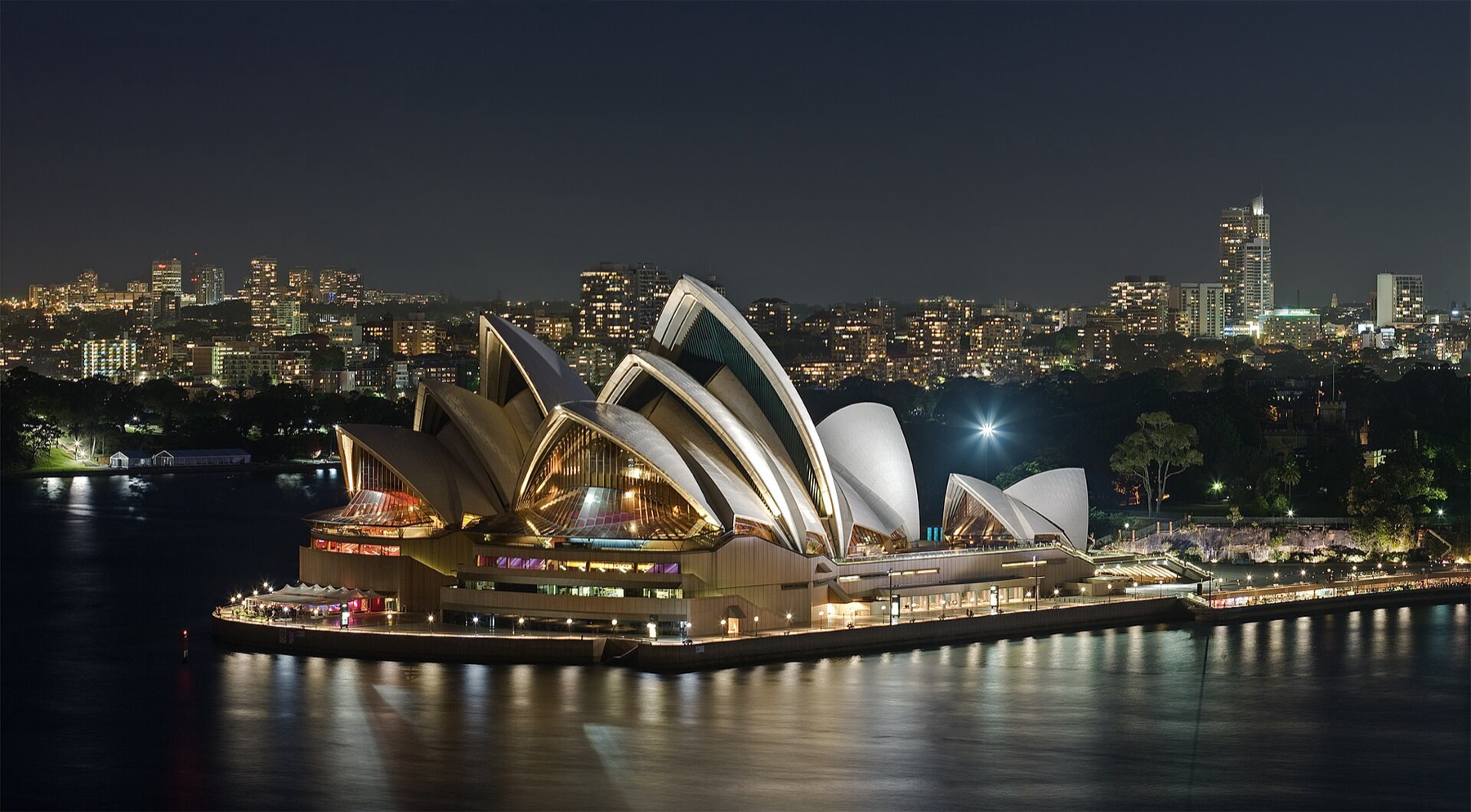
1. Sydney
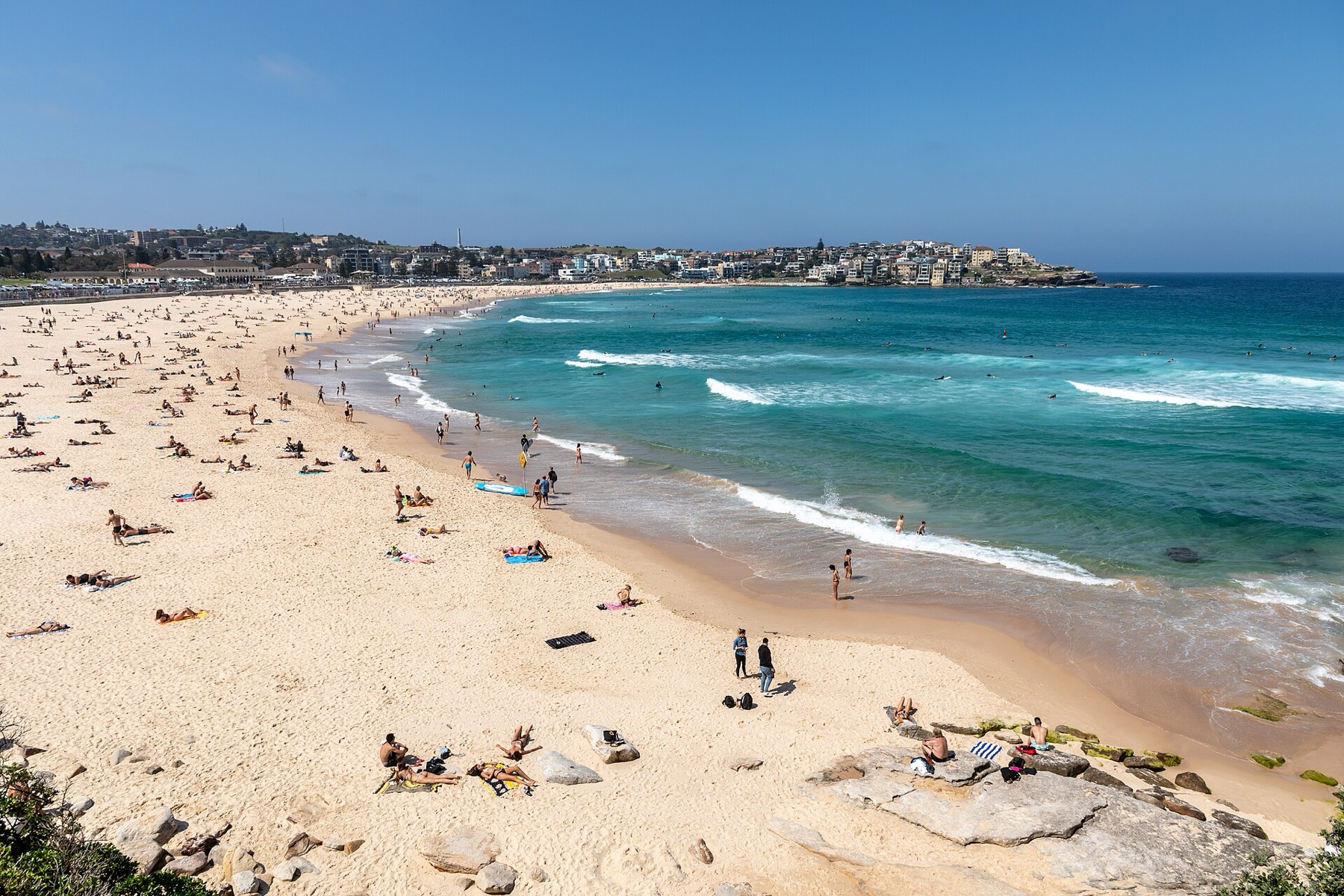
Sydney is a city people say you’ll fall in love with at first sight. The biggest draw is, of course, the famous Opera House and the giant steel Harbour Bridge. While walking across the bridge is completely free, the adrenaline-fuelled climb to its arch will set you back more than AUD 400 (around €245). The city is also famous for its beaches, especially the celebrated Bondi Beach.
Travellers rave about the gorgeous coastal walk from Bondi to Coogee beach, which stretches about six kilometres and offers breathtaking views of the cliffs and ocean. Getting around the city is completely hassle-free — you simply tap your payment card on the reader and you’re done. The system automatically caps your daily spending, which works out at roughly AUD 18 (around €11) per day.
2. Blue Mountains
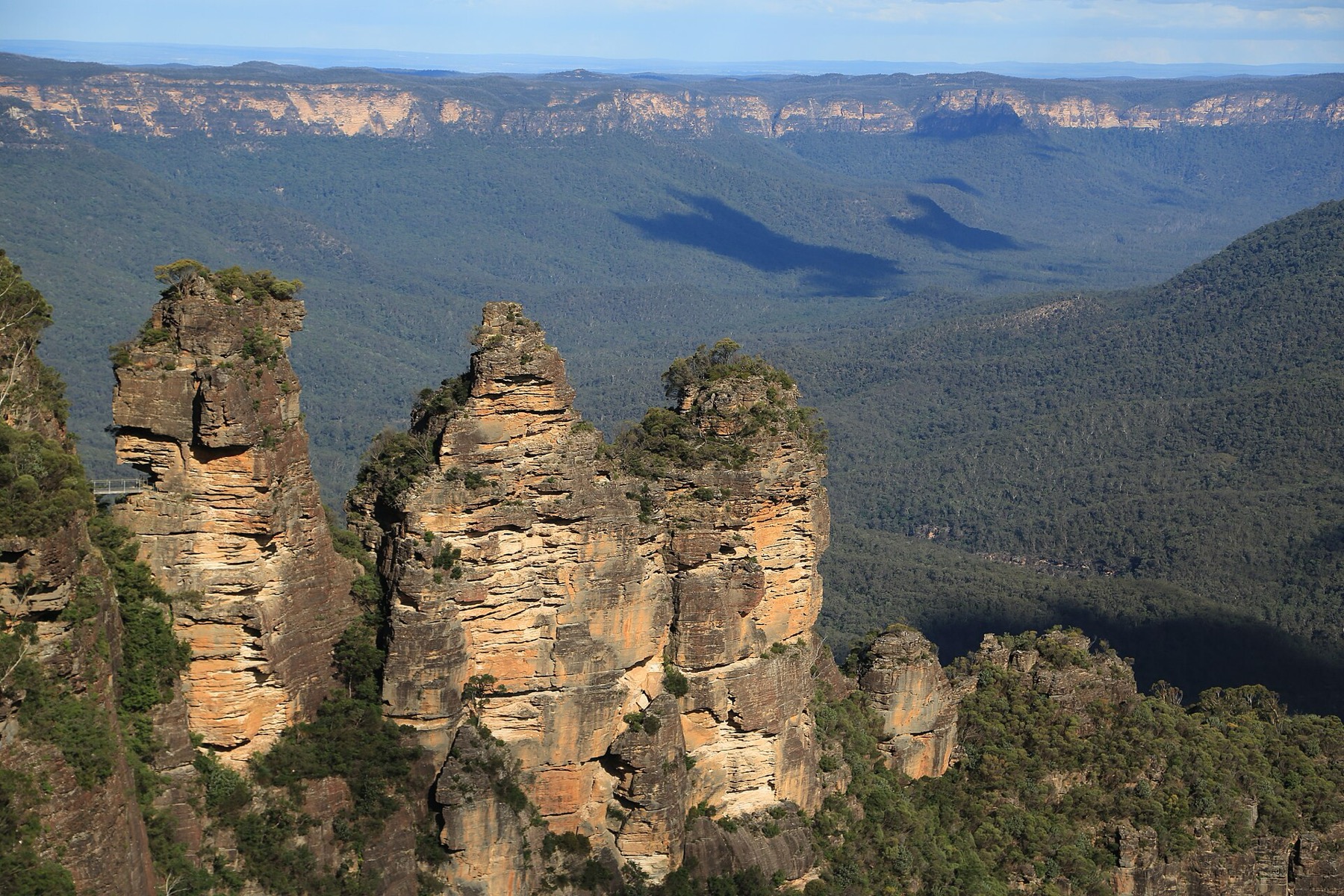
Just about two hours by train from Sydney lies the Blue Mountains National Park, whose name comes from the bluish haze that rises from the endless eucalyptus forests. Trains run here very frequently, and if you set a daily cap on your card (the same system as in Sydney), the journey costs just a few dollars. The park’s icon is the Three Sisters rock formation, tied to an ancient Aboriginal legend.
If you want to avoid the crowds at the main Echo Point lookout, I recommend heading instead to the quieter Cahill’s Lookout. Also worth a visit is the Scenic World complex with the steepest passenger railway in the world. 💡 Tip: Don’t forget to pack warm clothes. Even when it’s hot in Sydney, it tends to be noticeably cooler in the mountains, and in winter temperatures drop close to zero.
3. Byron Bay
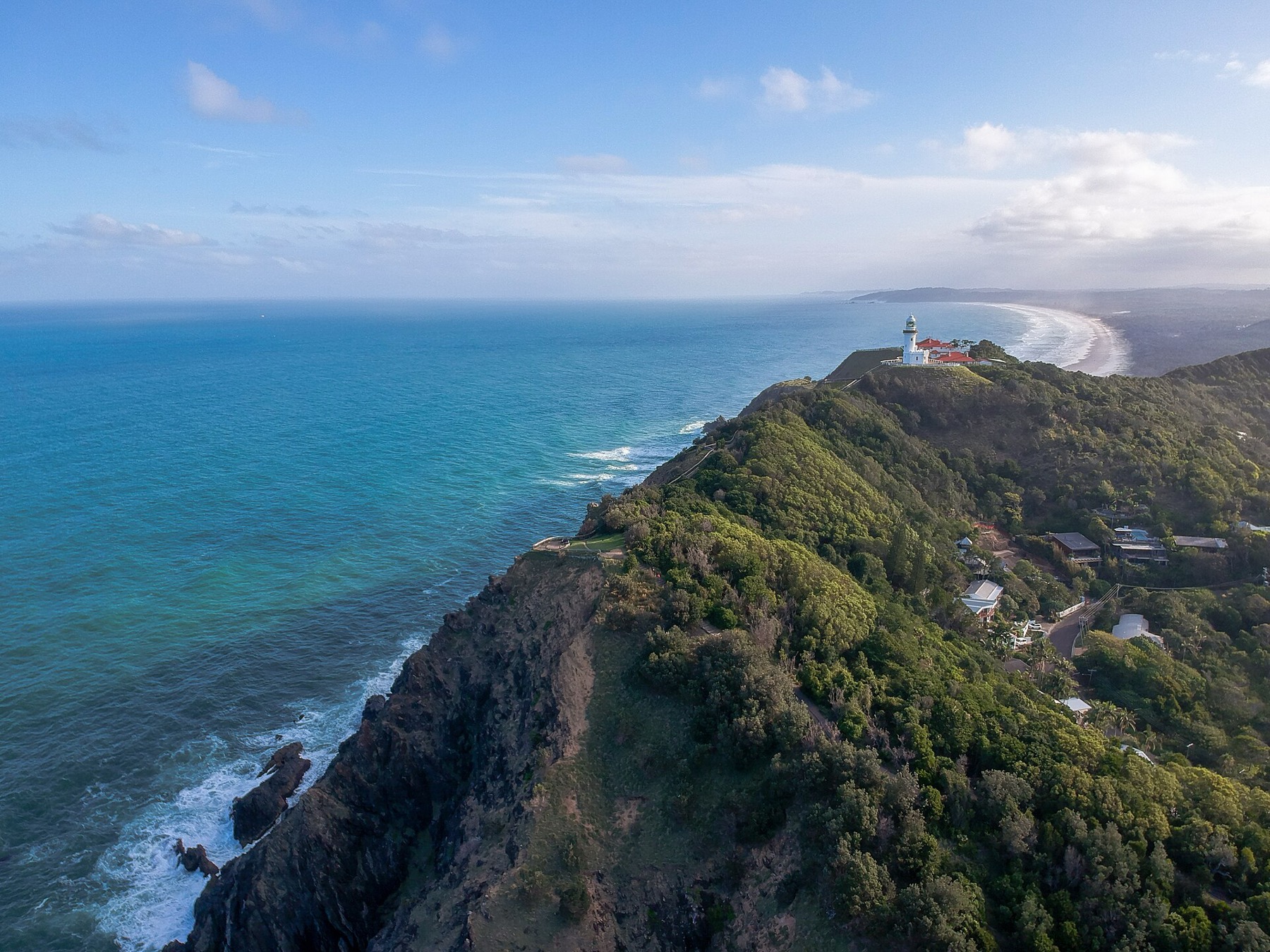
This once-sleepy hippie town has transformed into one of the country’s most sought-after surf hubs. You’ll find the easternmost point of mainland Australia here, with the beautiful Cape Byron Lighthouse that has been shining since 1901. The waters around the lighthouse are ideal for spotting dolphins and whales.
Byron Bay is a paradise for surfers of all levels, from the gentler waves at Wategos Beach to the long rides at The Pass. But be prepared for the fact that prices here have skyrocketed in recent years, and parking in the centre on summer weekends is a near-superhuman feat. The safety of surfers and swimmers is looked after by modern drones that monitor shark movements.
4. Mount Kosciuszko
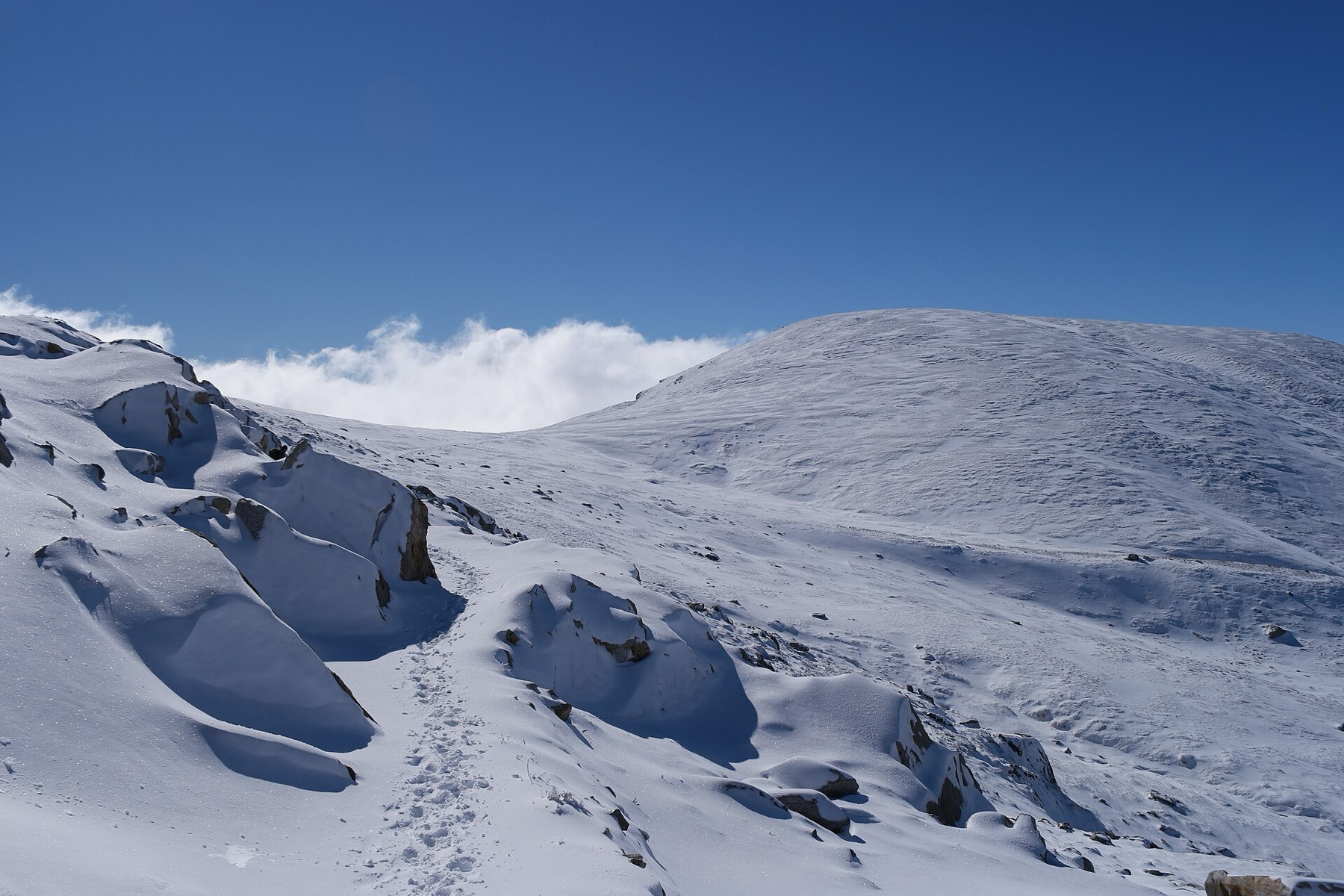
Few people know that in Australia you can fairly easily hike to the highest mountain on the entire continent. Mount Kosciuszko stands at 2,228 metres, and the hike to the summit is surprisingly undemanding — even families with children can manage it without any trouble. The mountain was named in 1840 by a Polish explorer after his national hero.
You can set off either from Charlotte Pass, from where a roughly eighteen-kilometre return loop awaits, or make it easier with the chairlift from the village of Thredbo. 💡 Tip: The weather at the summit can change within minutes. Even in the height of summer, always keep a windproof layer and a warm jumper in your backpack.
Queensland: beaches, islands and the Great Barrier Reef
Queensland is nicknamed the Sunshine State, and it’s exactly the place most people picture when they think of the perfect tropical holiday. It offers an incredible eight thousand kilometres of coastline packed with wonders.
5. Brisbane
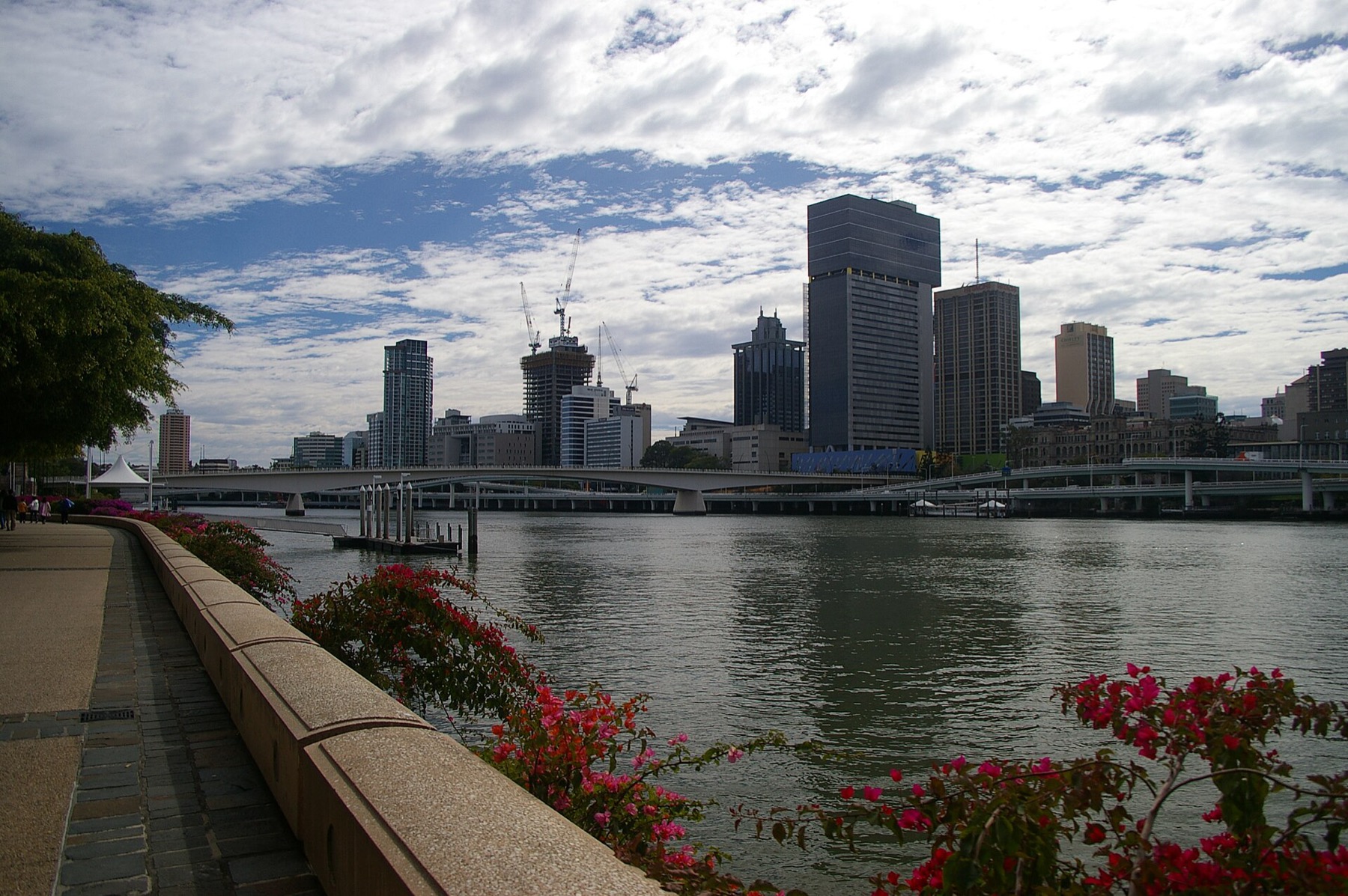
Queensland’s capital offers a fantastic relaxed atmosphere and pleasant weather year-round. A unique feature is the South Bank district, where in the middle of the city lies a huge man-made beach with white sand and skyscraper views, free to enter and constantly watched by lifeguards.
Just outside the city lies the famous Lone Pine Koala Sanctuary, where you can get up close with the local wildlife. If you long for a photo holding a koala, this is where it’s possible for a special fee, although capacity is very limited due to strict animal protection laws. 💡 Tip: Head to the sanctuary first thing after it opens, when the animals are most active.
We’ve written up Brisbane in detail in a separate guide: Brisbane, Australia: 20 things to see and do.
6. Gold Coast and Surfers Paradise
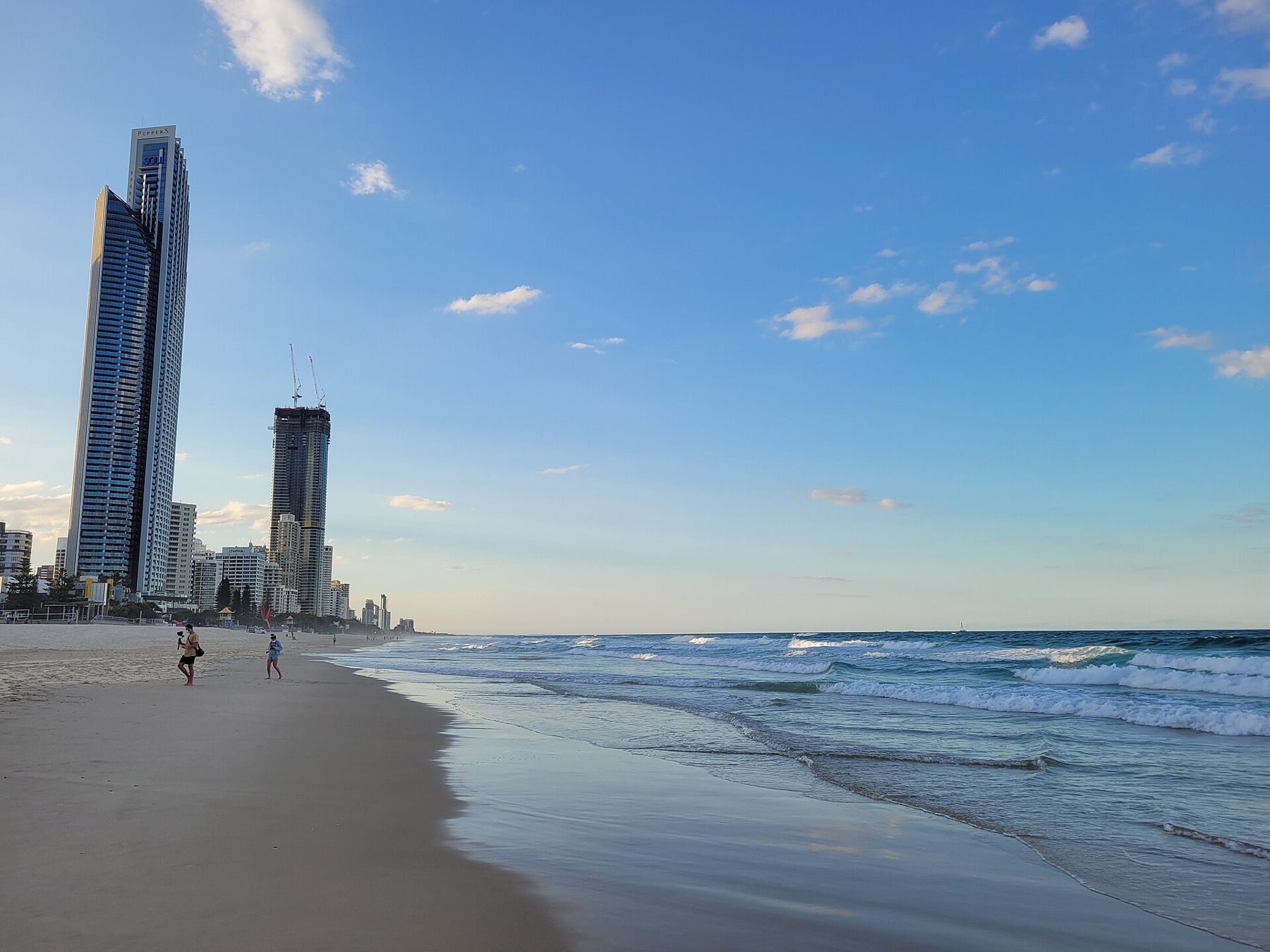
The Gold Coast is synonymous with tall skyscrapers rising right above long surf beaches. The heart of the area is bustling Surfers Paradise, where you can swim safely under lifeguard supervision between the red-and-yellow flags. The landmark is the Q1 tower with its SkyPoint observation deck on an incredible 77th floor.
The area is a huge draw for families thanks to numerous theme parks like Dreamworld and Sea World. Admission usually runs around AUD 100 (roughly €60), but you can grab good-value combo tickets. 💡 Tip: Head up to the SkyPoint lookout around three in the afternoon to avoid the biggest crowds that pour in for sunset itself.
7. Noosa and the Sunshine Coast
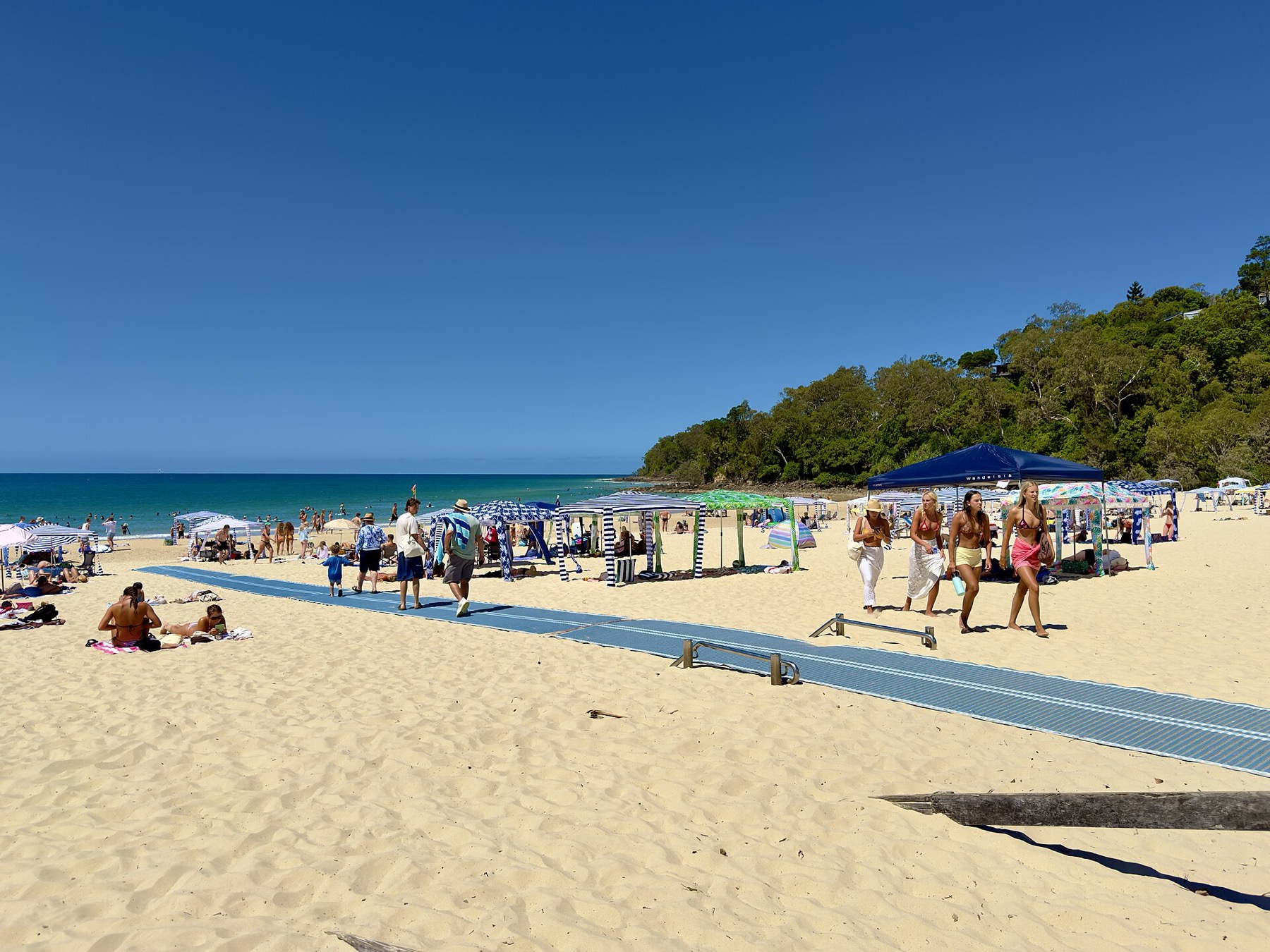
North of Brisbane lies the much calmer and more elegant Sunshine Coast. The jewel of this area is Noosa National Park, which with more than a million visitors a year is the most visited in all of Australia. The main highlight is the over five-kilometre coastal trail full of beautiful bays and wild koalas.
On the walk you have a huge chance of spotting koalas dozing high in the eucalyptus canopy. Nearby you’ll also find the legendary Australia Zoo, made famous by crocodile hunter Steve Irwin. ⚠️ Warning: Many beaches within the national park are unpatrolled and have very strong, dangerous ocean currents.
8. K’gari (formerly Fraser Island)
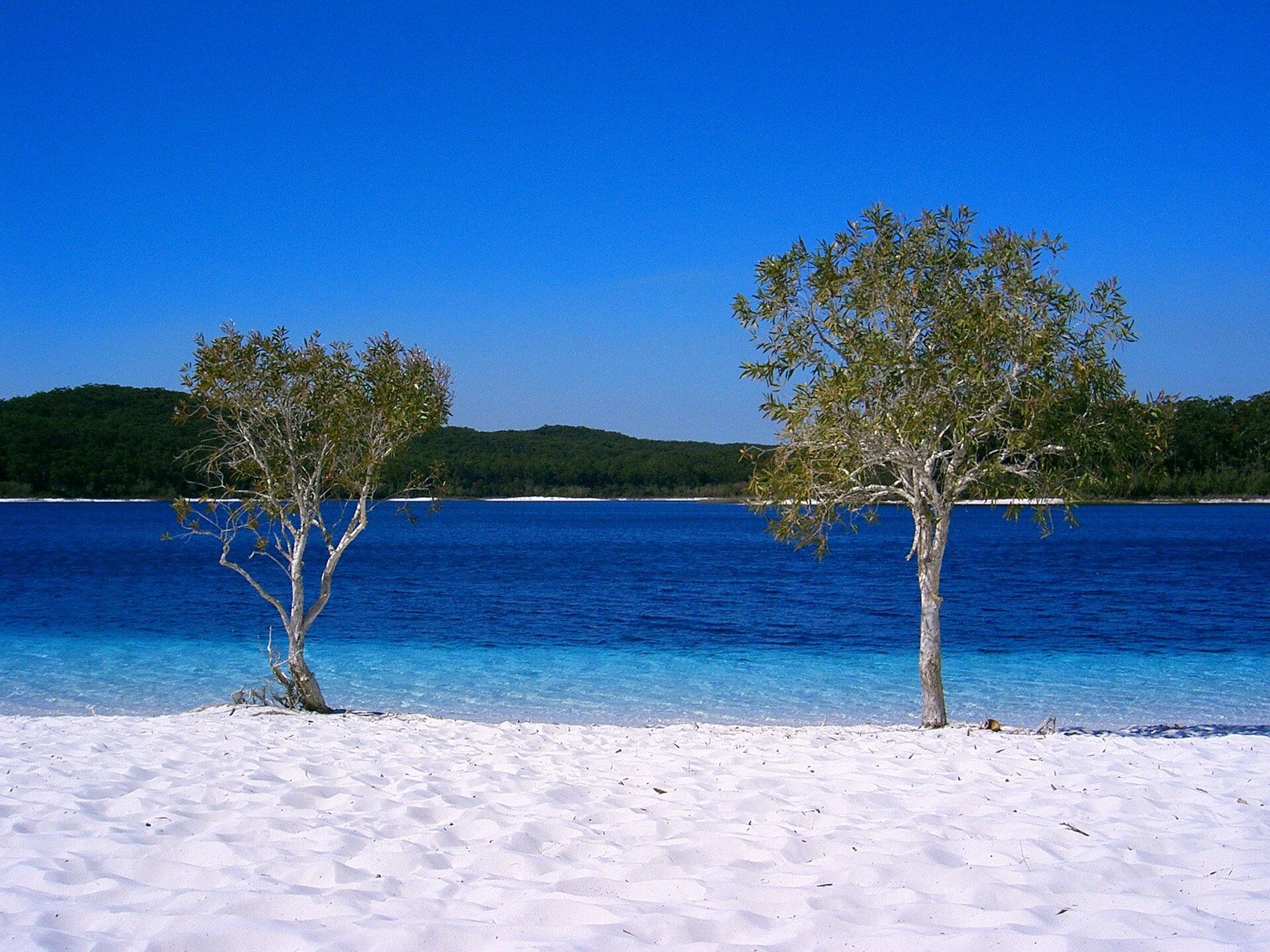
This UNESCO-listed island is the largest sand island in the entire world. Very recently it was officially returned to its original Aboriginal name, K’gari. Instead of asphalt roads, cars here use the enormous sand beach of 75 Mile Beach, which also doubles as a landing strip for small planes.
You can only get here with a four-wheel-drive vehicle and a valid permit. Swimming in the ocean is dangerous here, but it’s all made up for by Lake McKenzie, whose silica sand is so fine you can use it to clean jewellery. ⚠️ Warning: The island is home to the purest population of wild dingoes. Feeding them is strictly forbidden and you must keep a safe distance — fines for breaking the rules climb to astronomical amounts.
9. Whitsundays and Whitehaven Beach
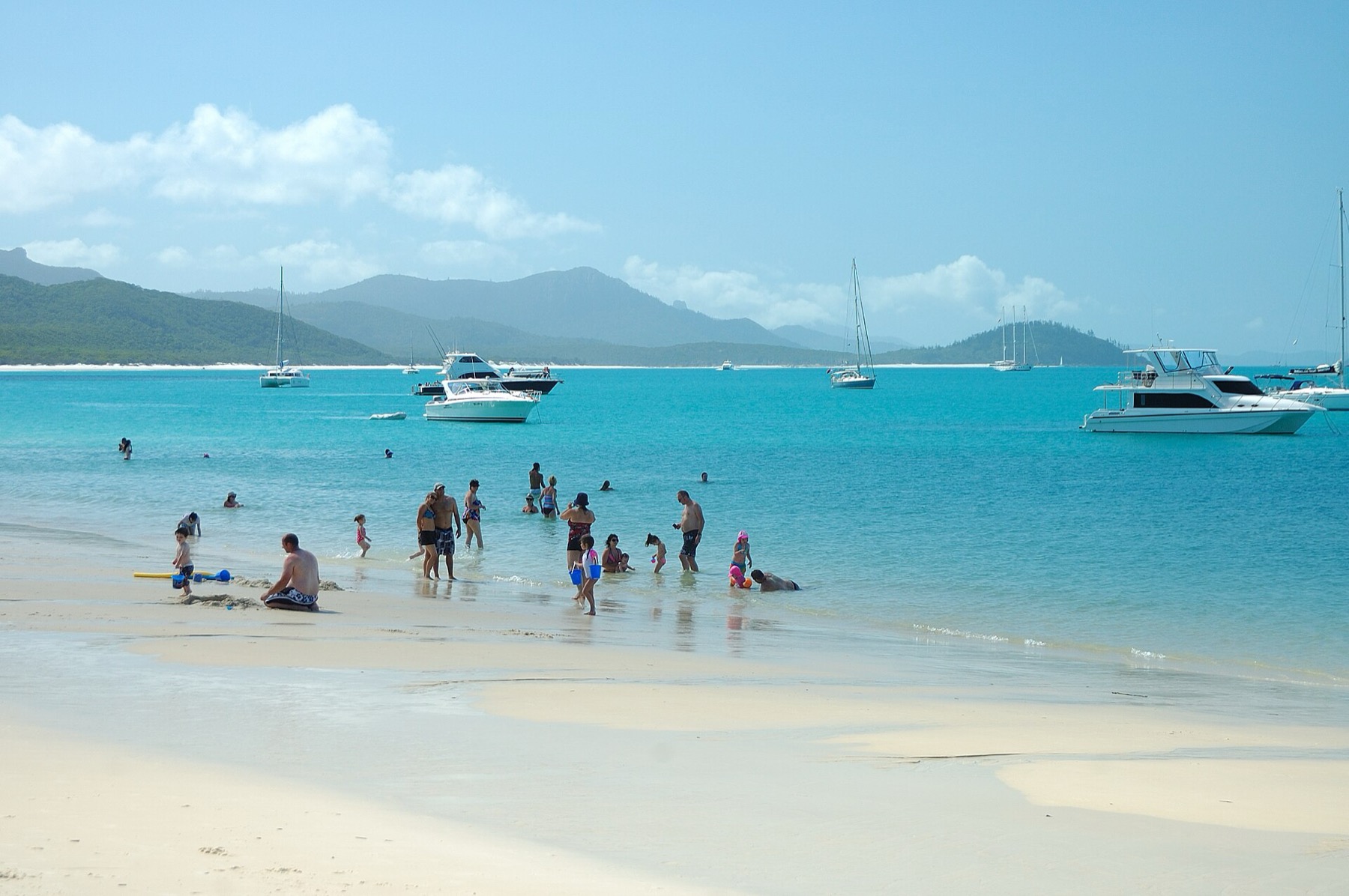
The Whitsundays archipelago is the embodiment of paradise on Earth. The main starting point is the town of Airlie Beach, from where dozens of boats set sail daily to one of the most beautiful beaches on the planet. The brilliant white sand at Whitehaven Beach doesn’t absorb heat, so you can walk on it barefoot even in the fiercest midday sun.
When choosing a trip, make sure the itinerary includes the Hill Inlet lookout. From there you get that famous view of turquoise water blending with the dazzling sand. 💡 Tip: The most beautiful spectacle happens roughly during the two hours around low tide, a key detail when picking the right boat tour operator.
10. Cairns
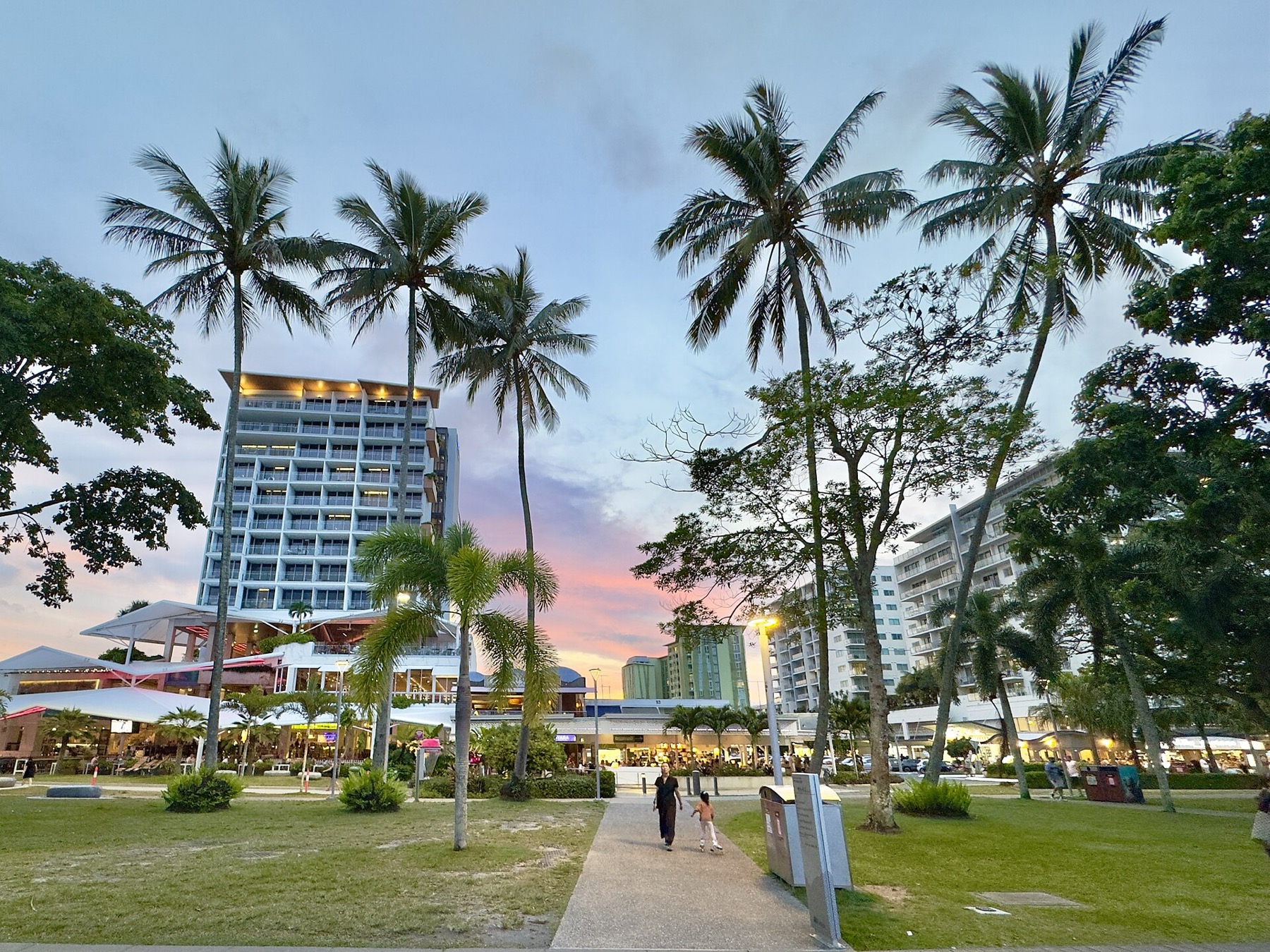
Cairns is the main base for exploring the tropical north and trips to the coral reef. Interestingly, the sea right by Cairns isn’t suitable for swimming because of the muddy bottom, jellyfish and the occasional crocodile. Instead, the city built a huge public lagoon on the Esplanade, where you can safely and freely cool off from morning until evening.
Besides the reef, a popular trip is riding the historic Kuranda Scenic Railway, which takes you through the rainforest across fifteen tunnels to Barron Falls. You can then return to town on the fascinating Skyrail cableway, which glides right over the crowns of the rainforest giants.
11. The Great Barrier Reef
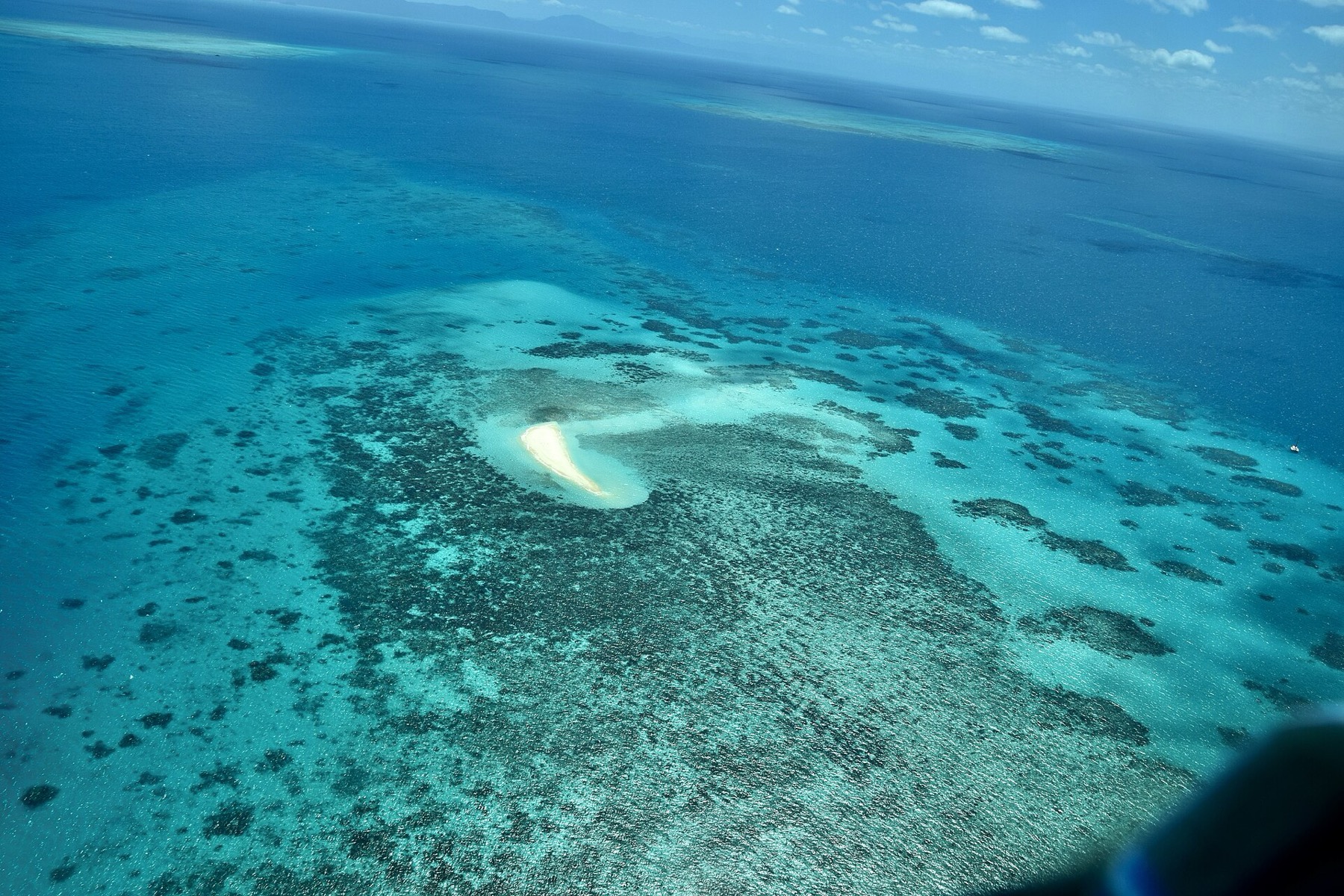
This is without doubt one of the main reasons people fly to Australia. A full-day boat trip from Cairns or Port Douglas to the outer reef costs roughly AUD 260 to 340 (about €160 to €205) and usually includes snorkelling gear, lunch and commentary from a marine biologist. An extra AUD 8 (around €5) is charged as an eco-fee that goes directly towards protecting this endangered wonder.
Plenty of catastrophic reports are written about the reef’s condition, but according to the latest data from 2026, the reef is still alive and fighting. After recent bleaching episodes, the northern and central sections show encouraging signs of recovery. What’s more, tourism helps fund research and conservation. You’ll get the best underwater visibility from June to October, when there’s no danger of jellyfish.
12. Daintree and Cape Tribulation
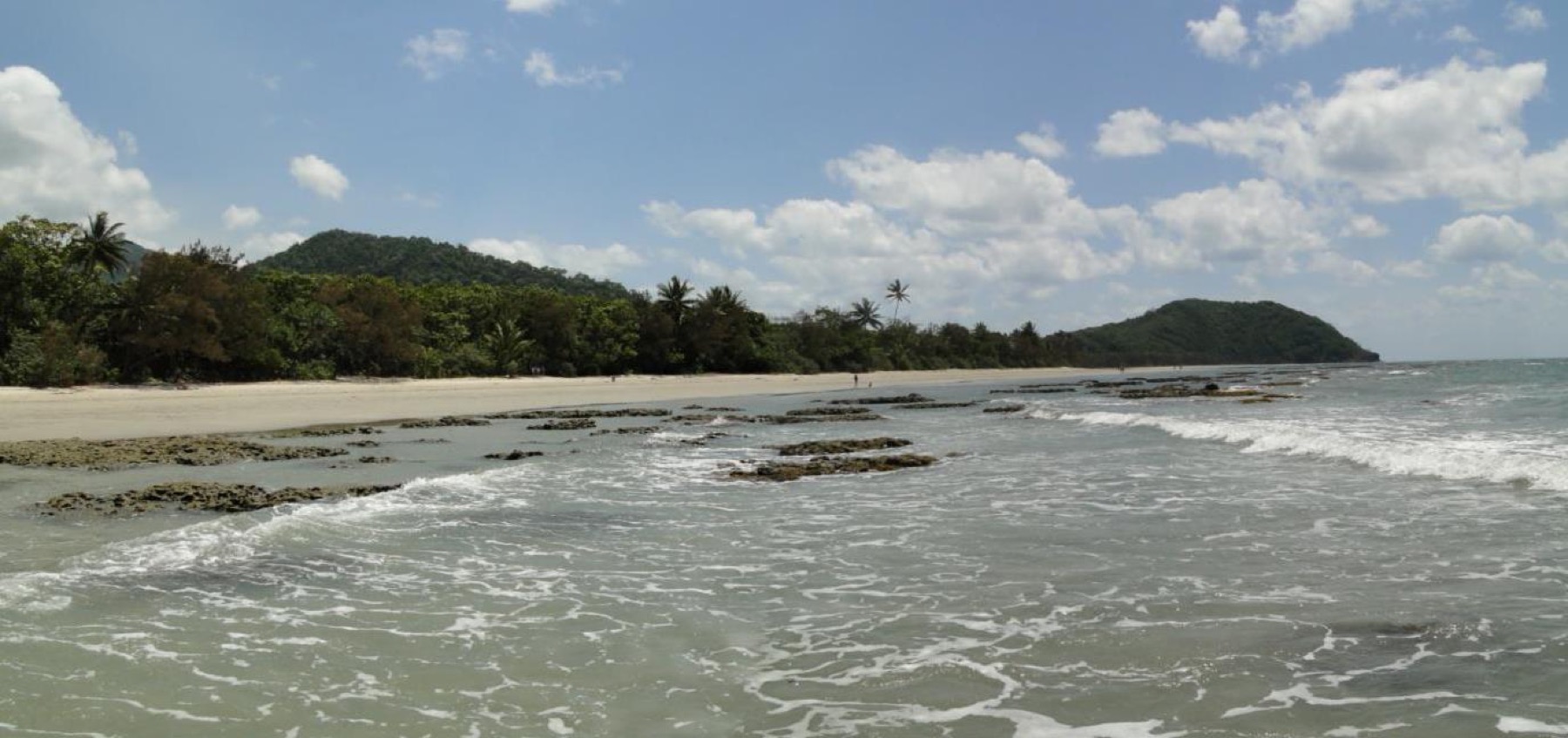
Picture a rainforest far older than the famous Amazon, one that remembers the age of the dinosaurs. Daintree National Park is the only place in the world where the rainforest meets the coral reef directly. You can walk through Mossman Gorge with a local Aboriginal guide and soak up the ancient culture of the Kuku Yalanji people.
The area is known for its prehistoric-looking cassowaries, giant flightless birds with a blue neck and a bony crest on their heads. ⚠️ Warning: Cassowaries are strictly protected and must not be fed. Likewise, swimming in the Daintree River and its estuary is strictly forbidden due to the presence of dangerous saltwater crocodiles.
Melbourne and Victoria
The state of Victoria may not be as enormous as the others, but it offers an incredible concentration of experiences, from top-class cuisine to a dramatic coastline lashed by the ocean.
13. Melbourne
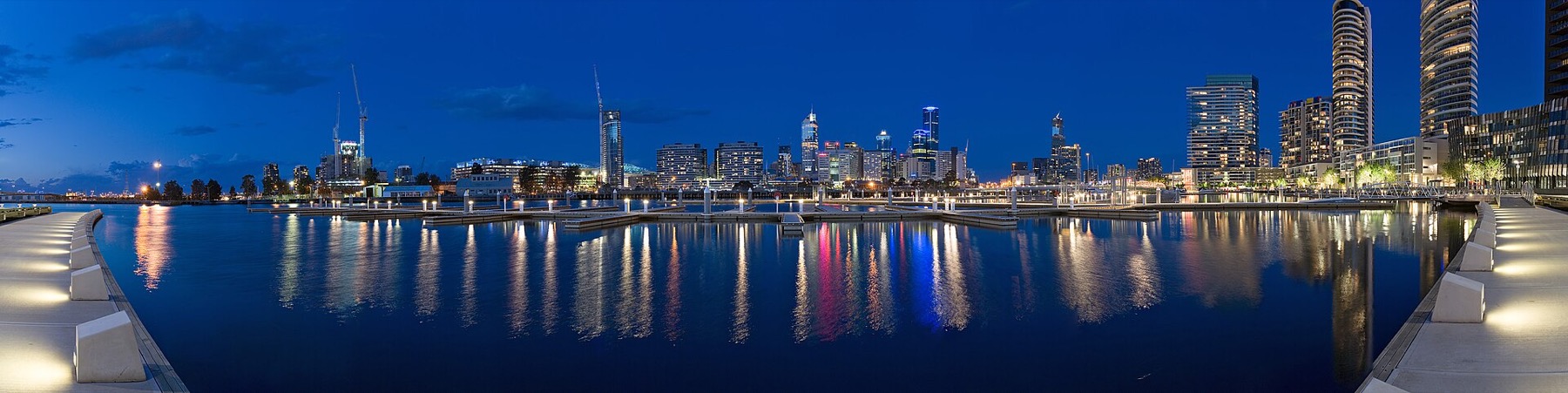
Melbourne is a city that lives for art, sport and, above all, unbelievably good coffee. Travellers often call it the coffee capital of the world. The local café culture is absolutely phenomenal, and tasting the local classic known as a flat white, which will cost you about AUD 5 (roughly €3), is simply a must. And be sure to have a traditional Aussie brunch too — avocado toast in one of the hidden laneways is one of those rituals without which Melbourne just isn’t Melbourne.
These narrow alleys, known as laneways, are famous for their graffiti and street art, especially the iconic Hosier Lane, where the murals seem to change almost daily. A great experience is also a visit to Queen Victoria Market, the largest open-air market in the Southern Hemisphere, where you can buy everything from fresh fruit to souvenirs.
And if Melbourne tempts you more, we’ve got a complete guide for you: Melbourne, Australia: 23 things to see and do.

14. Great Ocean Road and the Twelve Apostles
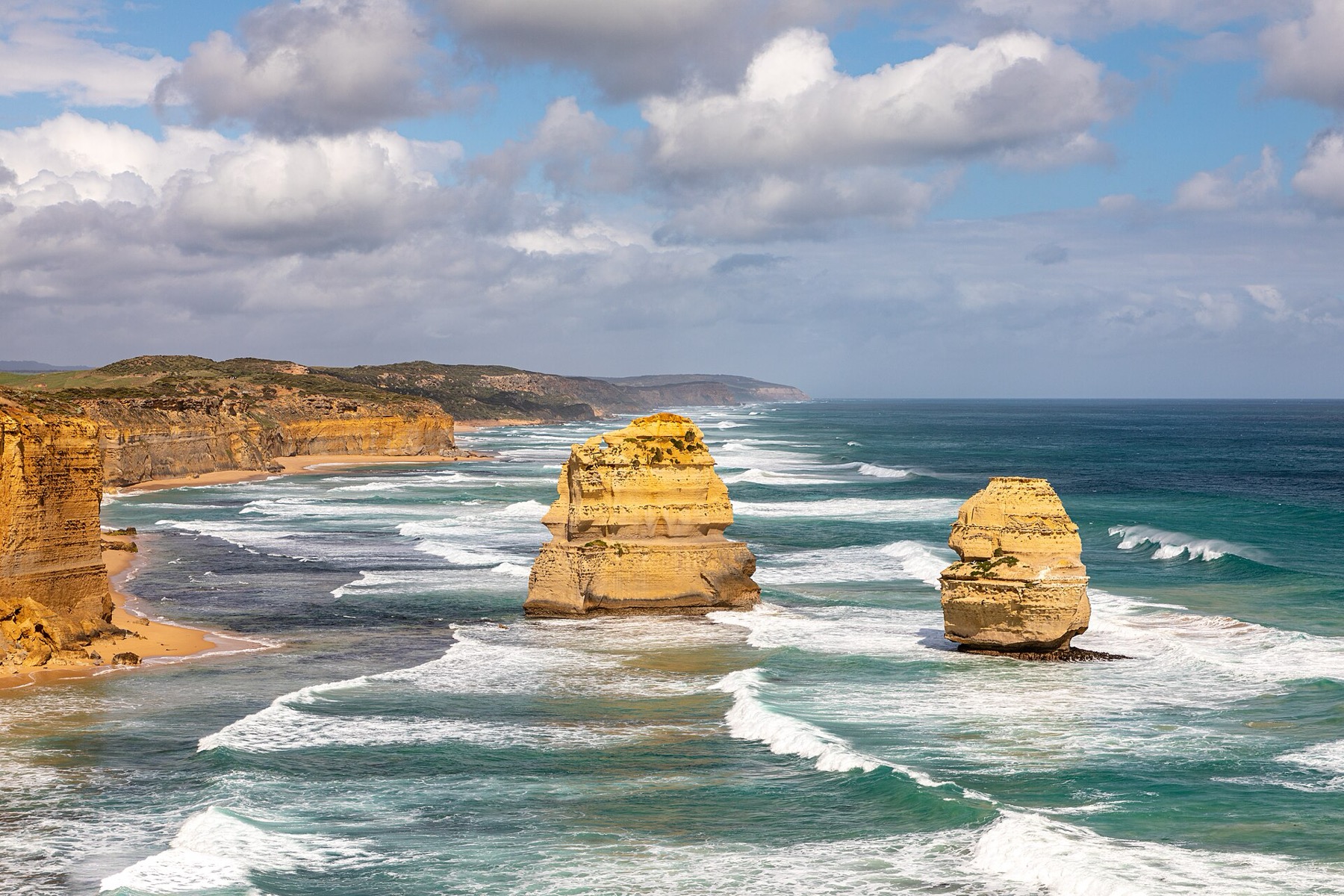
This 243-kilometre coastal road is considered one of the most beautiful road trips in the world. It was built after the First World War by returning soldiers and serves as the world’s largest war memorial. The main highlight is the limestone cliffs of the Twelve Apostles, which rise dramatically from the churning ocean.
The truth is there haven’t been twelve Apostles for a long time — thanks to relentless erosion, only seven or eight still stand today, and the sea nibbles away a few more centimetres every year. Entry to the lookouts is completely free. 💡 Tip: During the day the place is packed with coach crowds, so head to the lookouts early in the morning for sunrise, when the light is utterly magical and you’ll have the place almost to yourself.
15. Phillip Island
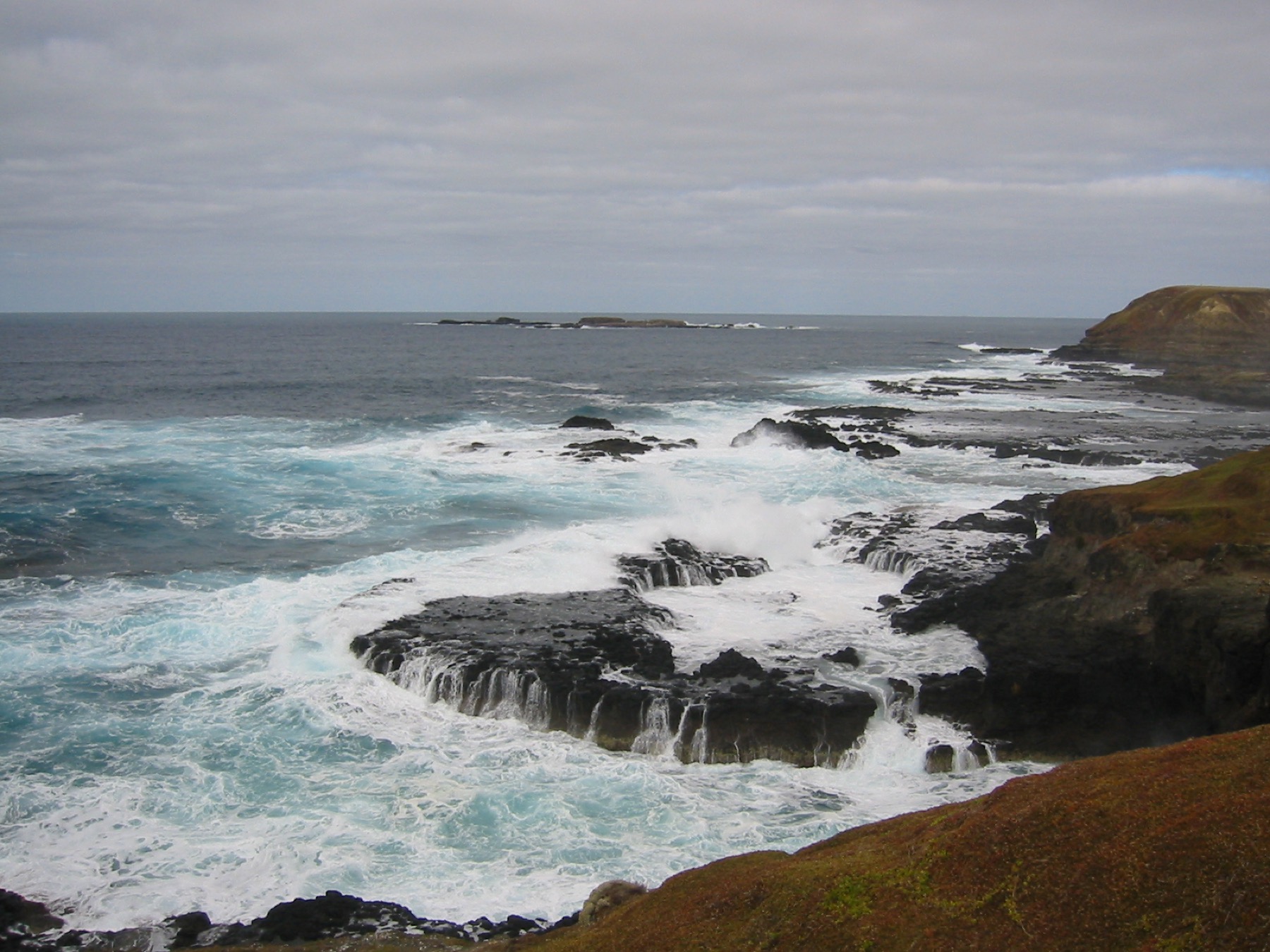
A short drive from Melbourne lies an island that turns into the stage for an incredibly adorable show every evening after sunset. Hundreds of wild little penguins emerge from the sea onto the beach, returning after a hard day to their burrows in the sand dunes.
The famous Penguin Parade is a strictly protected attraction with grandstands, and admission for an adult costs around AUD 34 (roughly €21). 💡 Tip: Demand for tickets is huge, and on weekends they can sell out months ahead. Book your tickets ideally several months in advance and don’t forget to dress warmly, because a cold wind blows off the ocean even in the middle of summer.
South Australia: wine, kangaroos and an underground town
This state is a little unfairly overlooked, yet it hides the finest wineries, a perfect island retreat, and a town where people live underground.
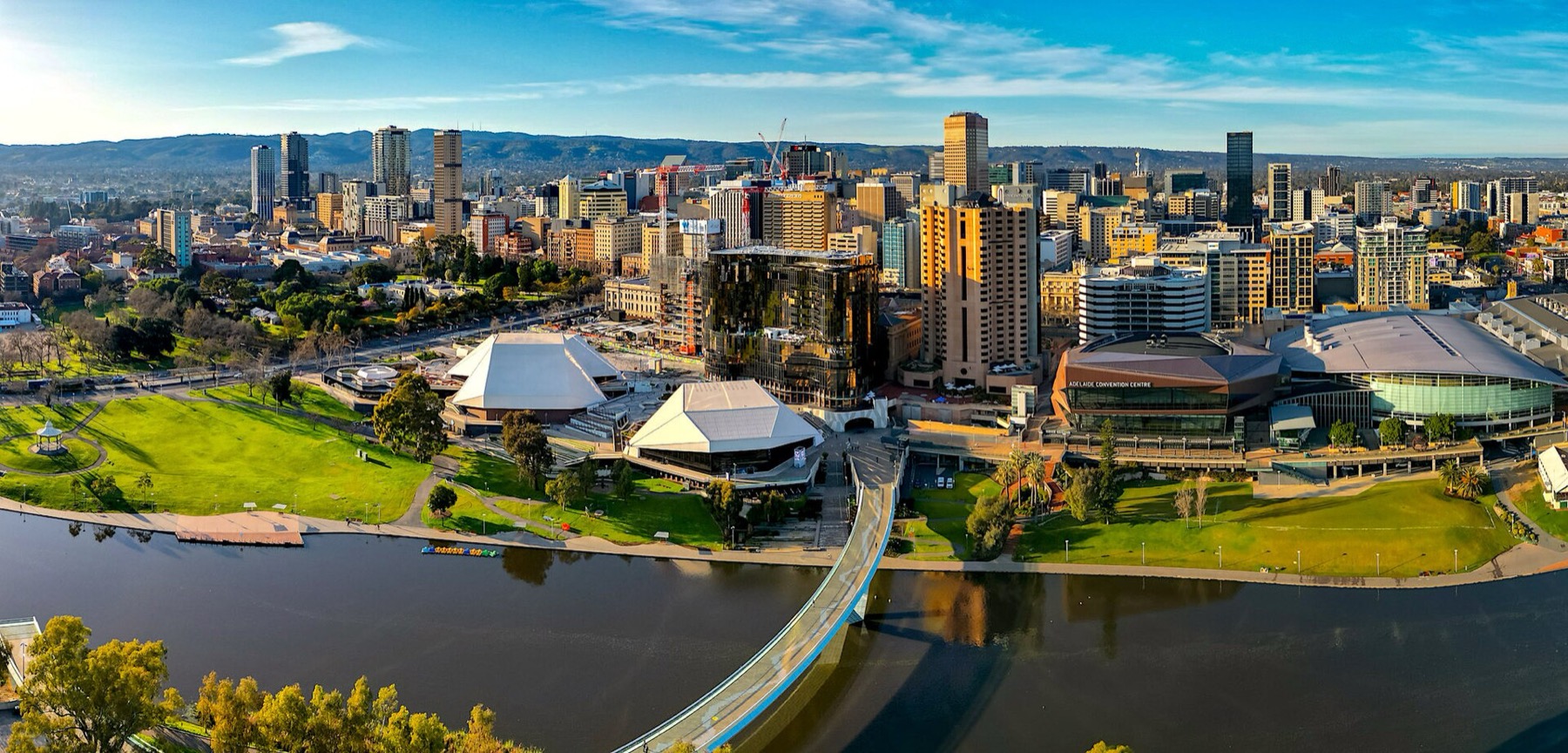
16. Adelaide
This peaceful city full of parks and old colonial architecture will slow you down instantly. Its heart is the historic Central Market, running since 1869, where you’ll find dozens of stalls with local cheeses, baked goods and other treats. You’ll experience the best atmosphere here on a Friday evening, while on Sundays and Mondays it’s usually closed.
Just outside the city, tucked into the Adelaide Hills, is Hahndorf, the oldest surviving German settlement in Australia. You can stroll among the picturesque half-timbered houses built by Lutheran immigrants in the nineteenth century. Public transport into the hills is trickier, so it’s worth heading here with a rental car.
We’ve written up all of Adelaide, including wine trips, right here: Adelaide, Australia: 18 things to see and do.
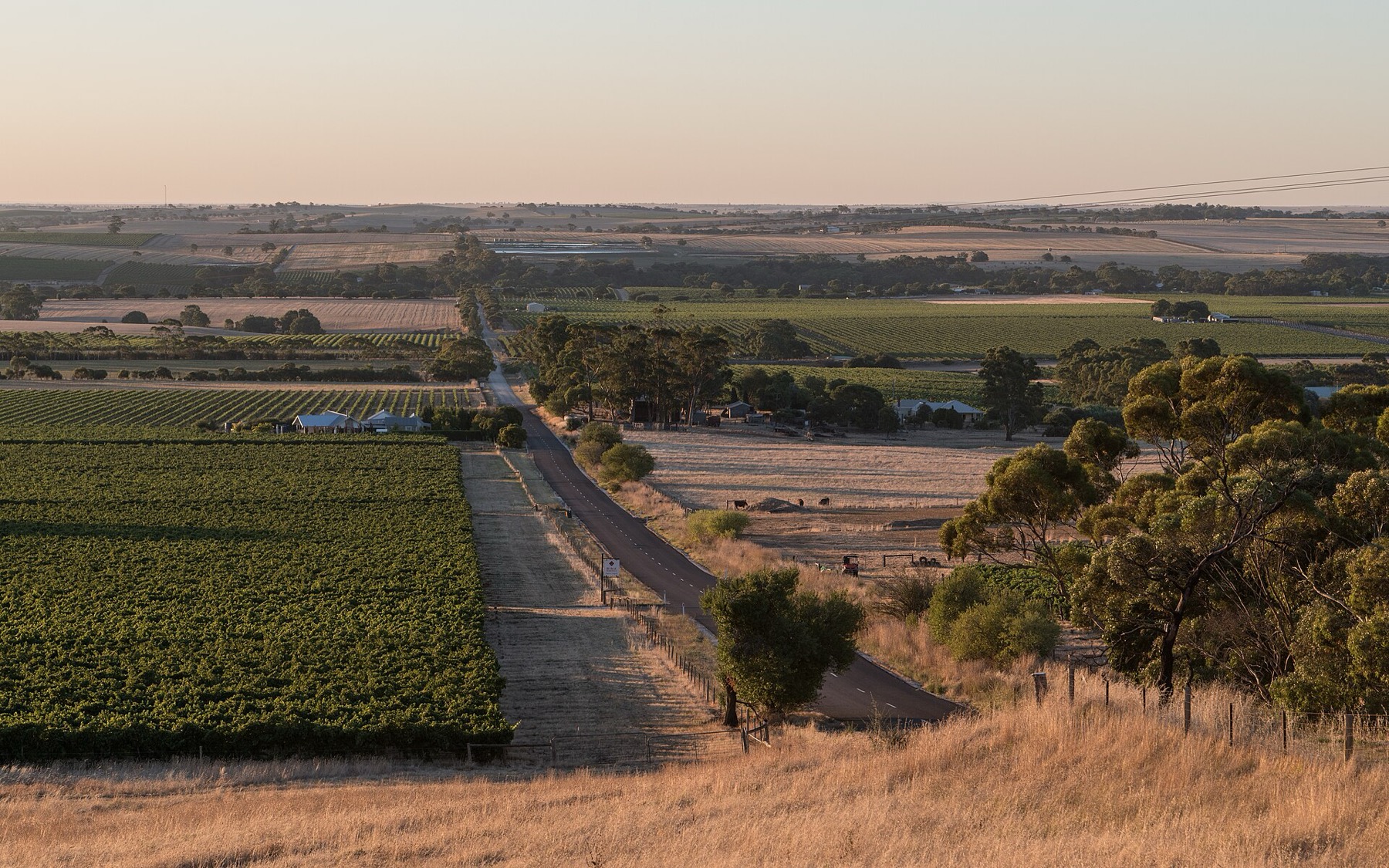
17. Barossa Valley
If you love wine, the Barossa Valley is absolute paradise. It’s the country’s most famous wine region and the domain of the Shiraz grape. You’ll find legendary wineries here with histories reaching back to the nineteenth century. Some even offer tastings of hundred-year-old vintage wine straight from the barrels.
You can move between the more than one hundred and fifty cellars by car, but the police here crack down very strictly on drink-driving. 💡 Tip: The local landscape is fairly flat, so renting a bike is a great alternative. That way you can enjoy a pleasant ride between tastings without worrying about driving.
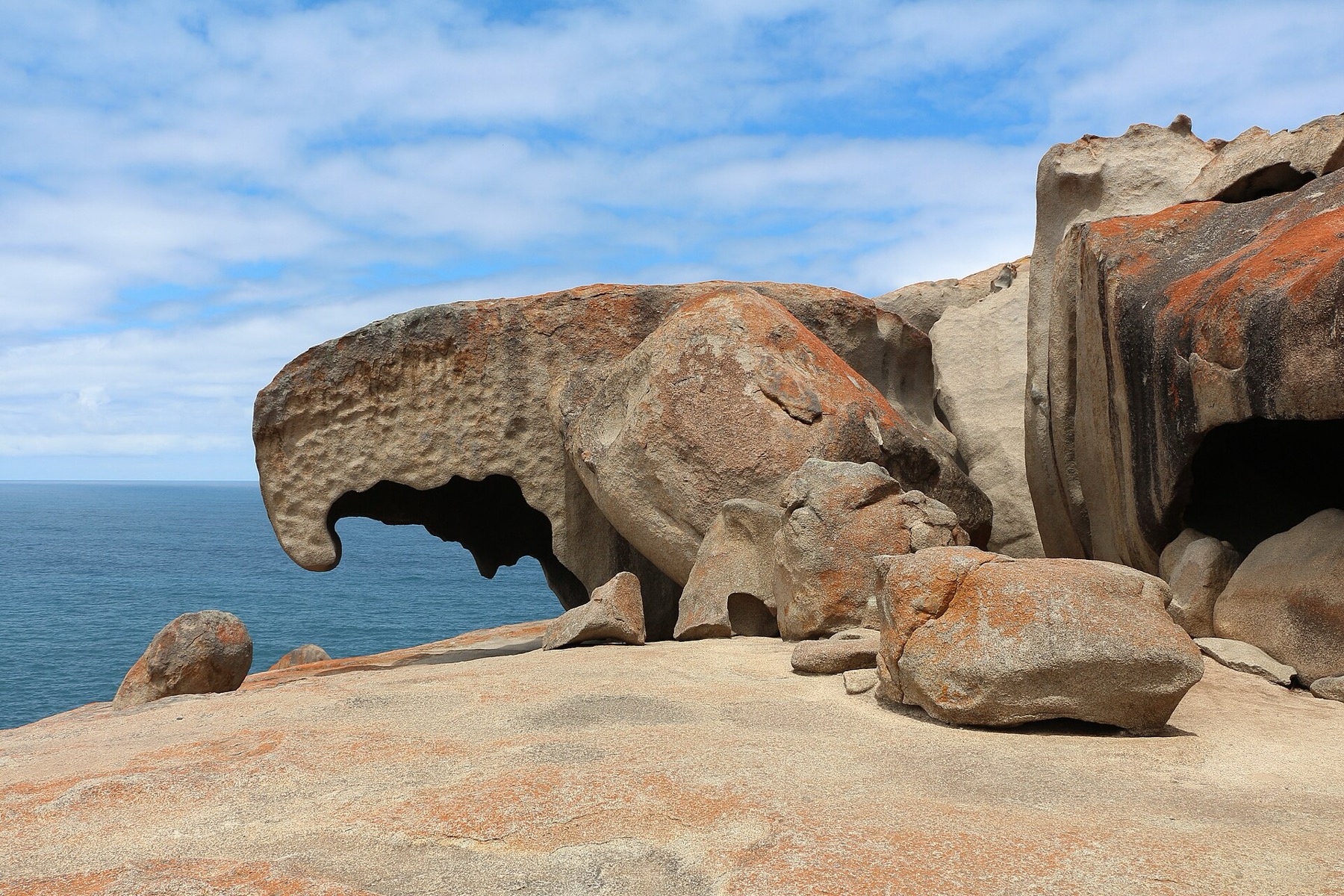
18. Kangaroo Island
Kangaroo Island is nicknamed the Australian Galápagos, and in our view it thoroughly deserves it. After the devastating fires of 2019–2020, nature is recovering wonderfully and the island is once again full of life. On Seal Bay beach you can walk right up close to the third-largest colony of Australian sea lions in the world, always accompanied by an experienced ranger.
On the western tip of the island lies Flinders Chase National Park with the bizarre granite boulders of Remarkable Rocks and the rock arch of Admirals Arch, beneath which fur seals frolic. ⚠️ Warning: At dusk there’s an enormous amount of wildlife on the island, so drive with extreme care and slow down to avoid a collision with kangaroos.
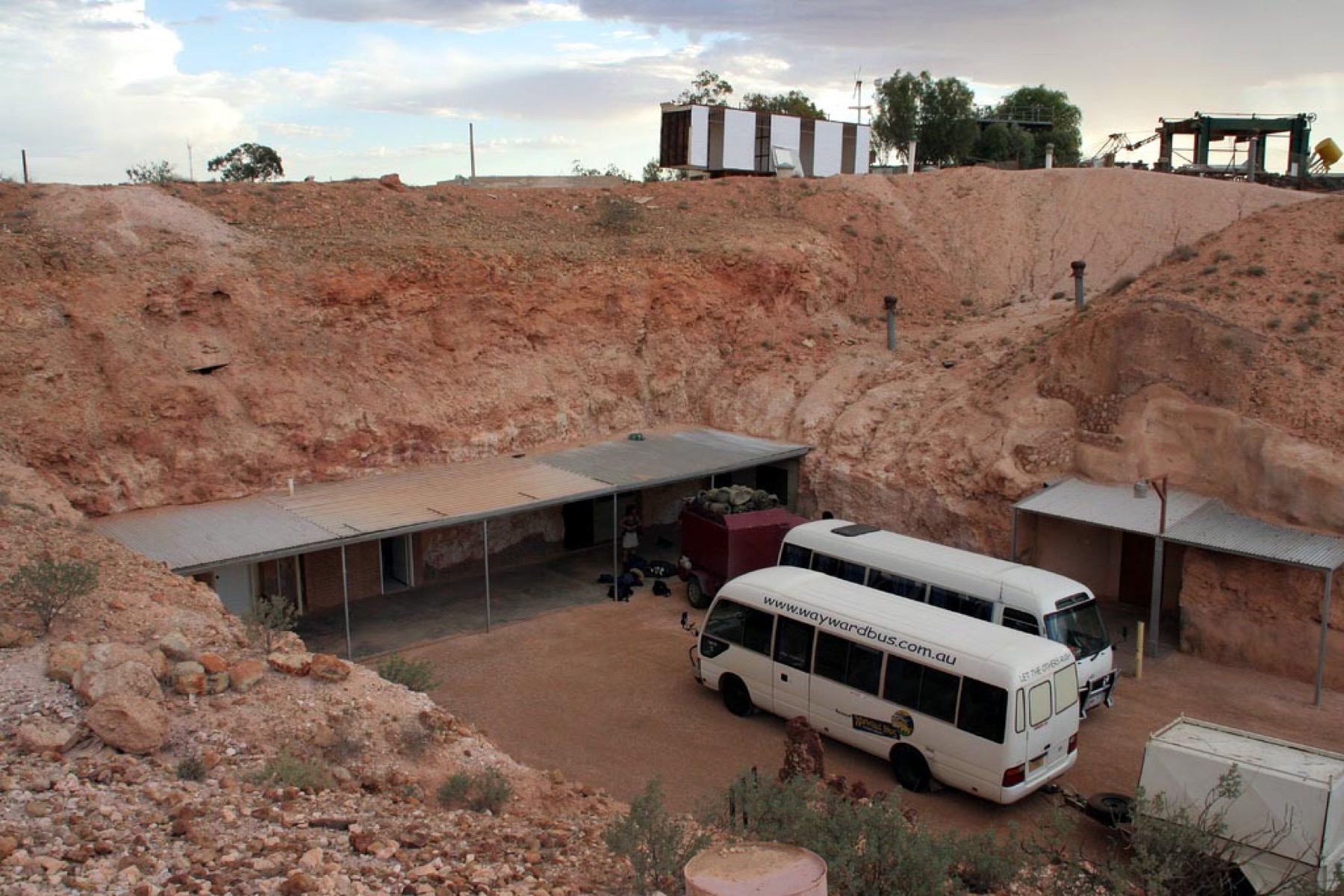
19. Coober Pedy
This place in the middle of a parched wasteland is the opal capital. Most of the world’s production of these gemstones is mined here, but surface temperatures in summer routinely exceed forty degrees. So the locals came up with an ingenious solution and built almost the entire town underground, where a pleasant twenty degrees holds year-round.
Below the surface you’ll find not just ordinary homes but also hotels, museums and even a Serbian Orthodox church. The local golf course is entirely grassless and, just to be safe, is played at night with glowing balls. ⚠️ Warning: Never stray from the marked paths — the area around town is dotted with thousands of unmarked and unsecured mine shafts.
The Red Centre and the tropical north
The Northern Territory is rugged, mystical and full of Aboriginal history. This is where you’ll experience the real Australian outback.
20. Uluru and Kata Tjuta
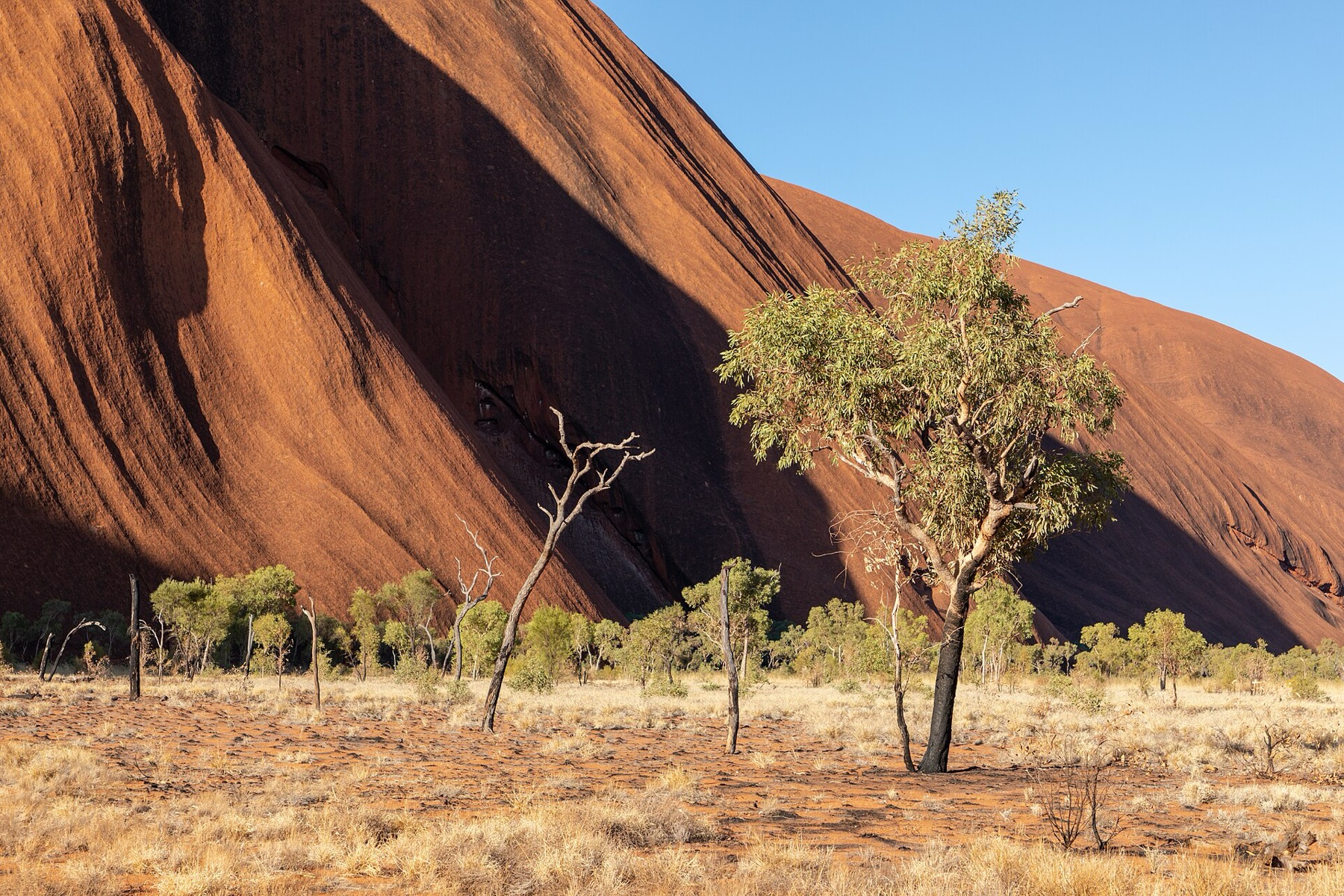
The sacred red monolith of Uluru is undeniably the spiritual heart of all Australia. A three-day pass to the national park costs an adult AUD 38 (roughly €23). Since 2019, climbing the rock itself has been permanently and strictly forbidden out of respect for the traditional owners, the Anangu people. Instead, you can set off on the over ten-kilometre walking trail around the base of the rock.
In the evening, the desert around Uluru transforms into a work of art thanks to the Field of Light installation, made up of fifty thousand glass spheres glowing in the dark. 💡 Tip: Set off on the base walk as early in the morning as possible. That way you’ll avoid not only the enormous midday heat but also the ever-present and very annoying flies.
21. Kings Canyon
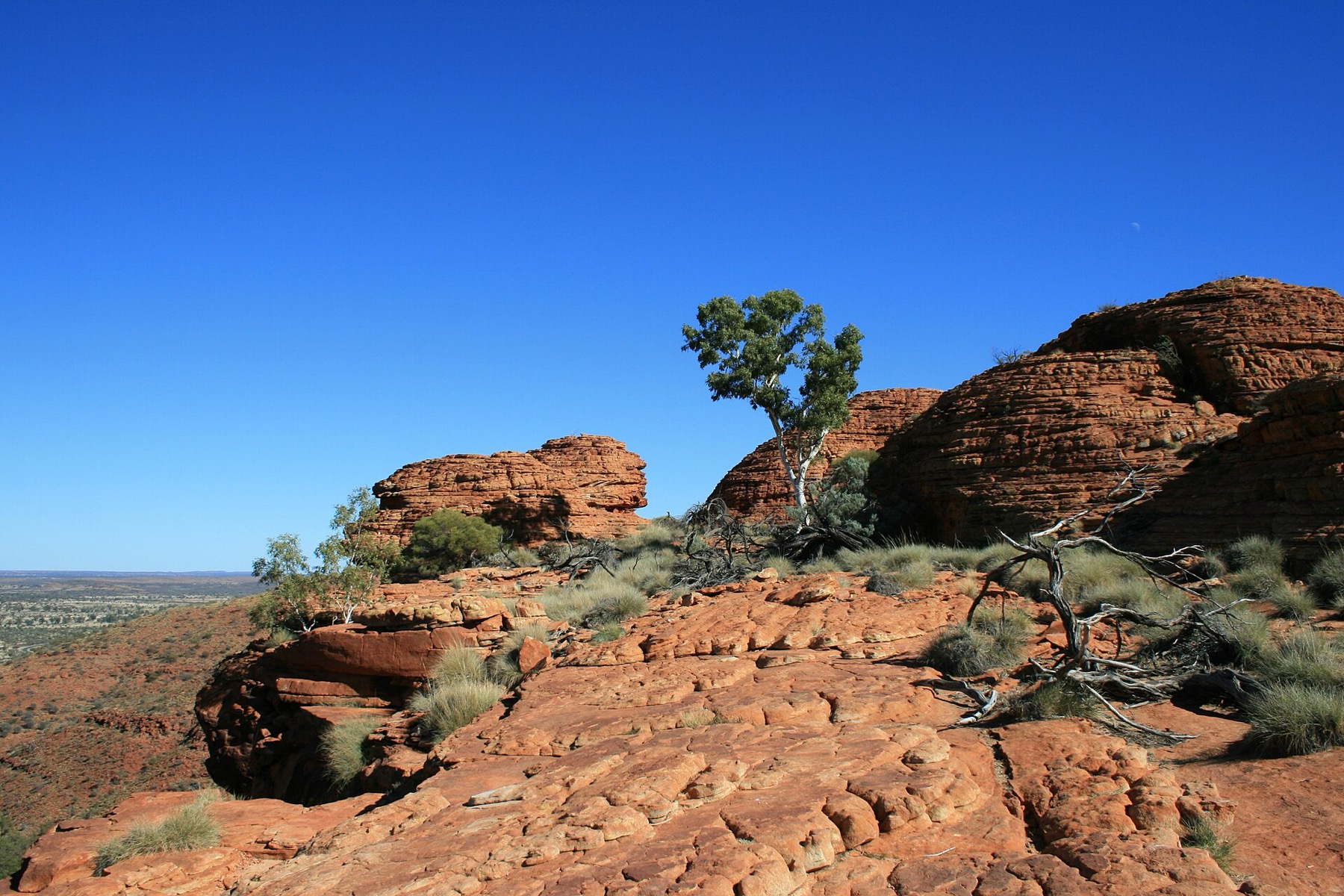
The beautiful Watarrka canyon with its sheer sandstone walls lies about halfway between Uluru and Alice Springs. The biggest experience is the six-kilometre rim walk, which begins with a very steep climb aptly named Heart Attack Hill.
Your reward for the effort is stunning views into the chasm and a visit to a green oasis called the Garden of Eden. ⚠️ Warning: There’s almost no shade on the canyon rim, so every hiker must carry at least three litres of water, and in extreme heat the entire trail is closed as early as mid-morning for safety reasons.
22. Alice Springs and the West MacDonnell Ranges
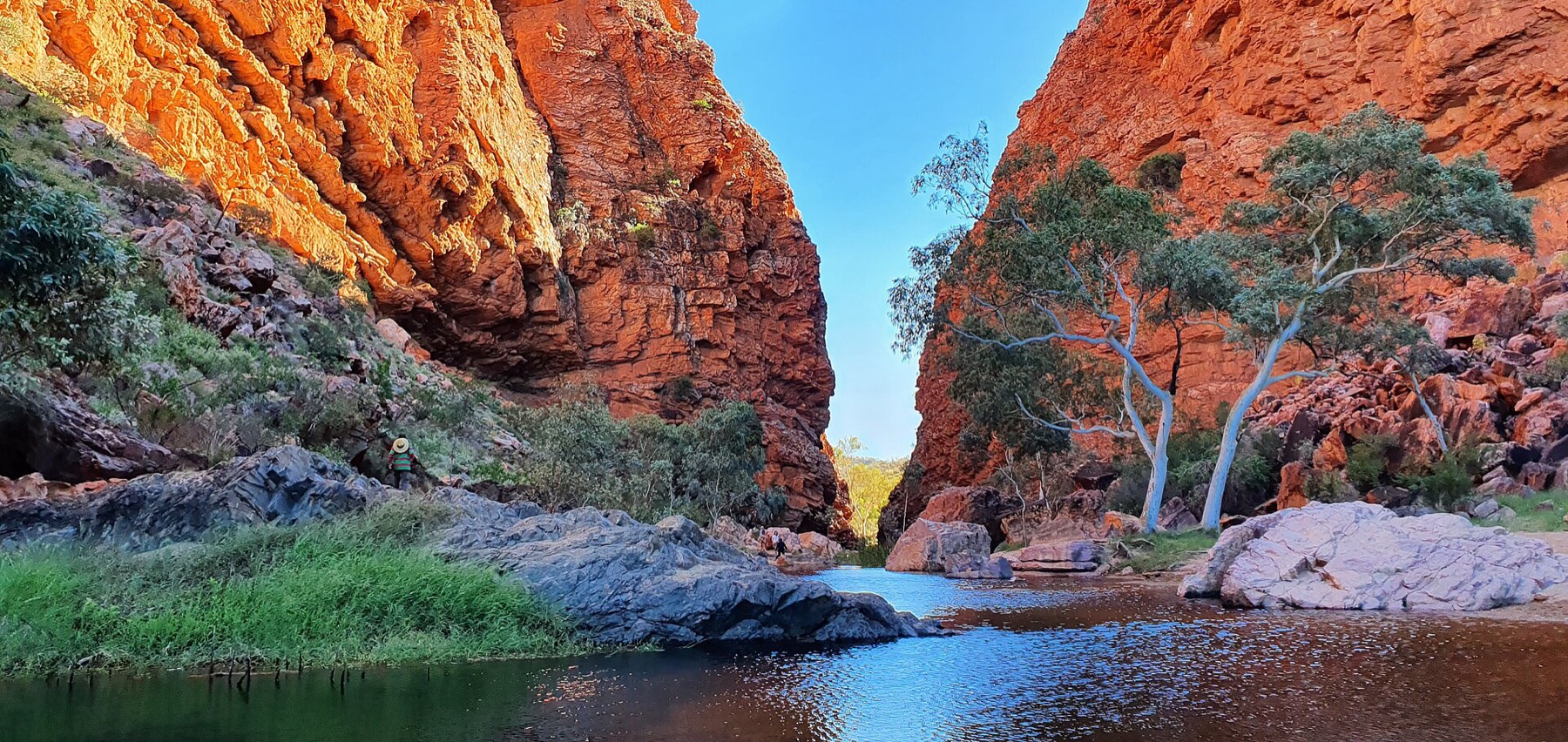
The gold-rush town of Alice Springs is the historic heart of the outback. Be sure not to miss the Royal Flying Doctor Service visitor centre, where you’ll learn how the aerial medical service works, providing care to people on remote farms hundreds of kilometres from civilisation.
From the town stretch the beautiful West MacDonnell Ranges, full of deep gorges and natural waterholes such as Simpsons Gap and Ormiston Gorge. Travellers rave about the amazing red scenery with the white trunks of ghost gum eucalyptus.
23. Kakadu and Darwin
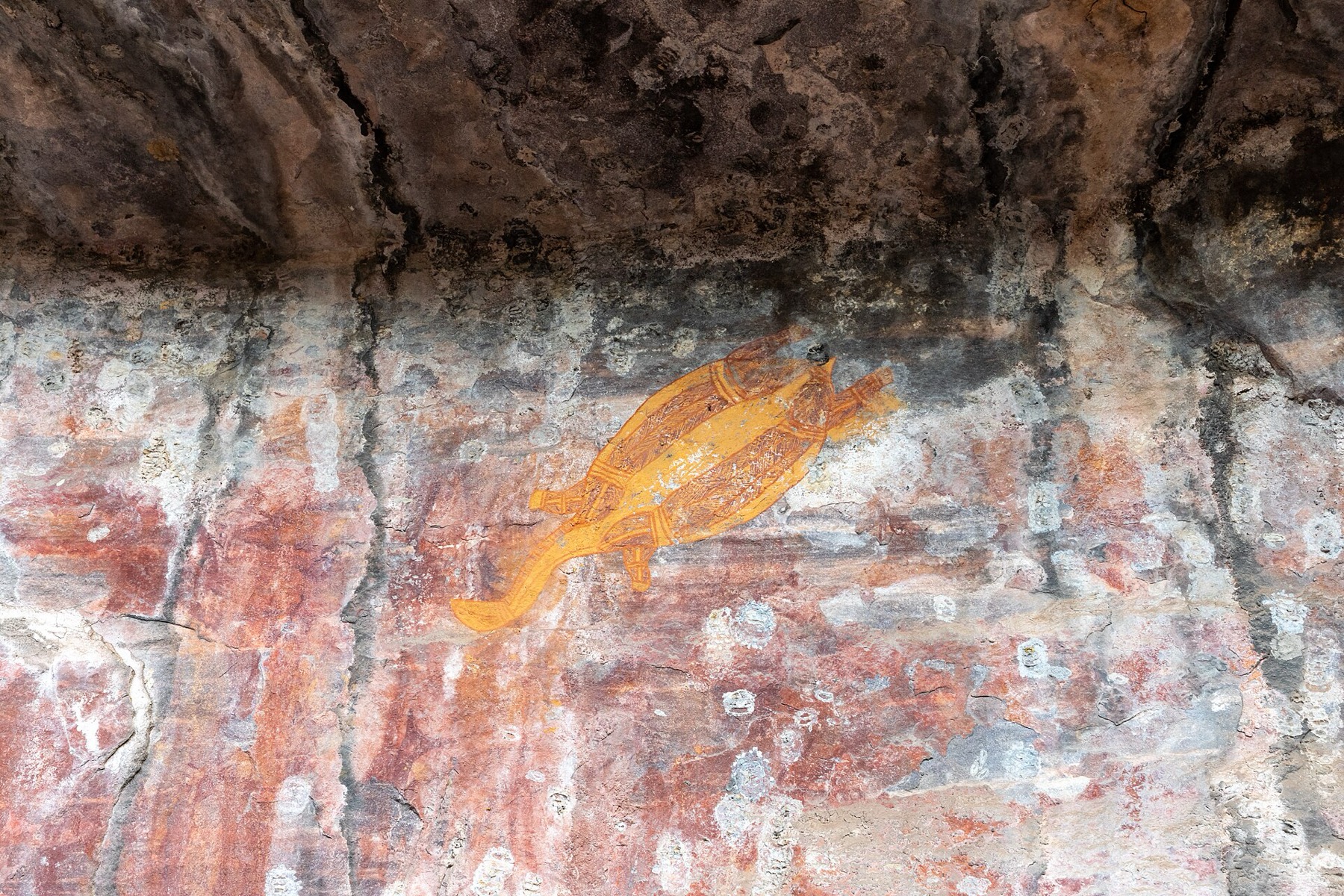
Kakadu National Park in the far north of the country is an enormous treasure trove of Aboriginal culture. On the Ubirr rocks you’ll find paintings up to twenty thousand years old, and from the same spot there’s a fantastic view over the floodplains at sunset. The area is essentially only accessible during the dry season from May to October.
In 2026, some of the famous waterfalls like Jim Jim Falls are unfortunately closed for safety reasons, so always check the current situation before your trip at the visitor centre. ⚠️ Warning: The local rivers and wetlands are the natural habitat of enormous saltwater crocodiles. Never swim outside the explicitly permitted, safe waterholes.
Tasmania: a wild island at the end of the world
Australia’s southernmost state feels more like New Zealand. It’s a paradise for lovers of untouched nature, mountains and first-class local produce.
24. Hobart and MONA
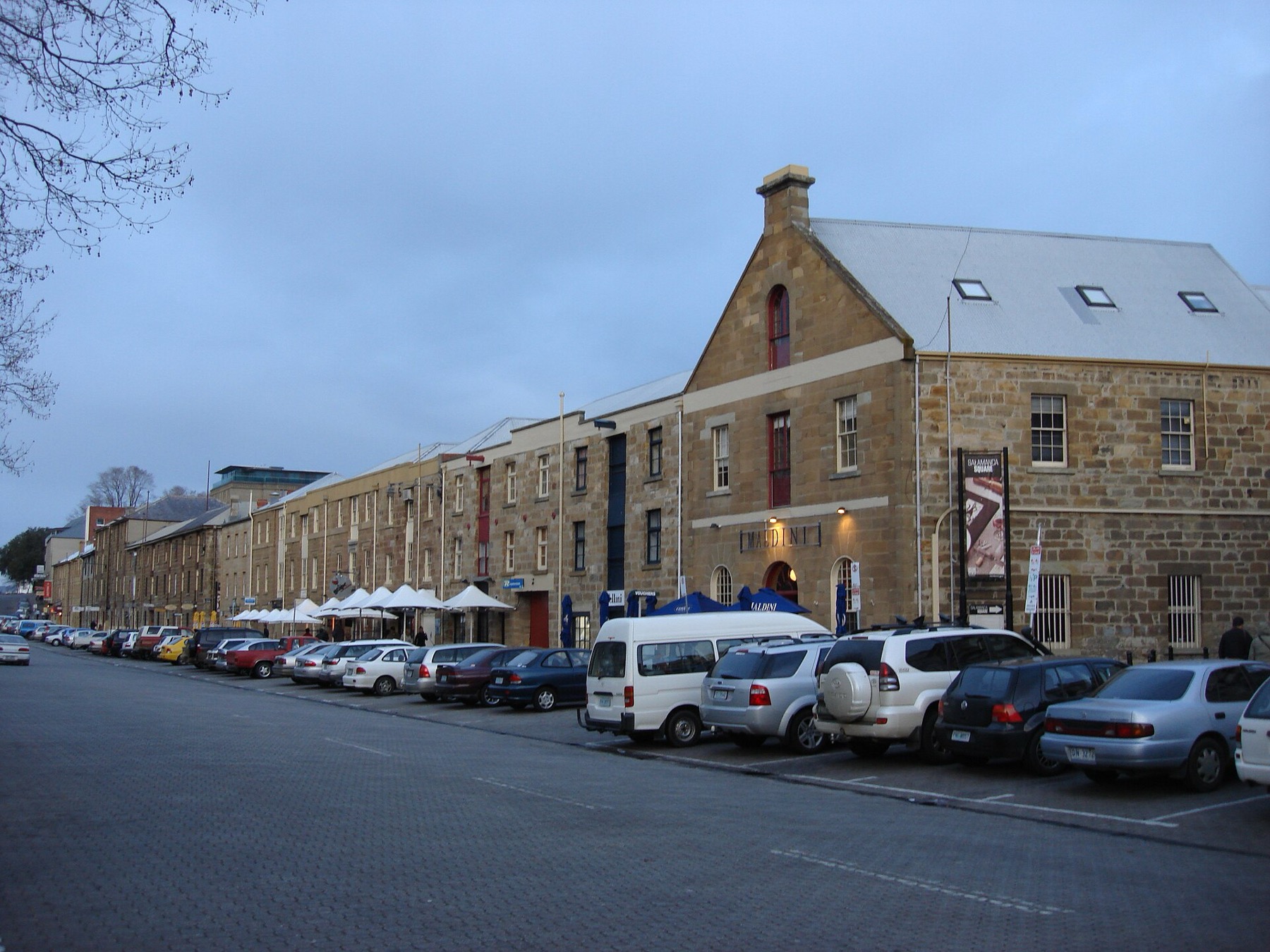
Tasmania’s capital breathes history at every turn. Every Saturday it hosts the legendary Salamanca Market, where more than three hundred stallholders offer local crafts, cheeses and fresh fruit. From the harbour you can then hop on a ferry and head to the most bizarre museum in the Southern Hemisphere.
The Museum of Old and New Art, known as MONA, is carved into the sandstone rock underground and offers exhibits that are often very provocative and dark. It’s an unforgettable experience. Admission costs just under AUD 40 (roughly €24), and the ride itself on the special ferry from Hobart is an experience in its own right.
25. Cradle Mountain
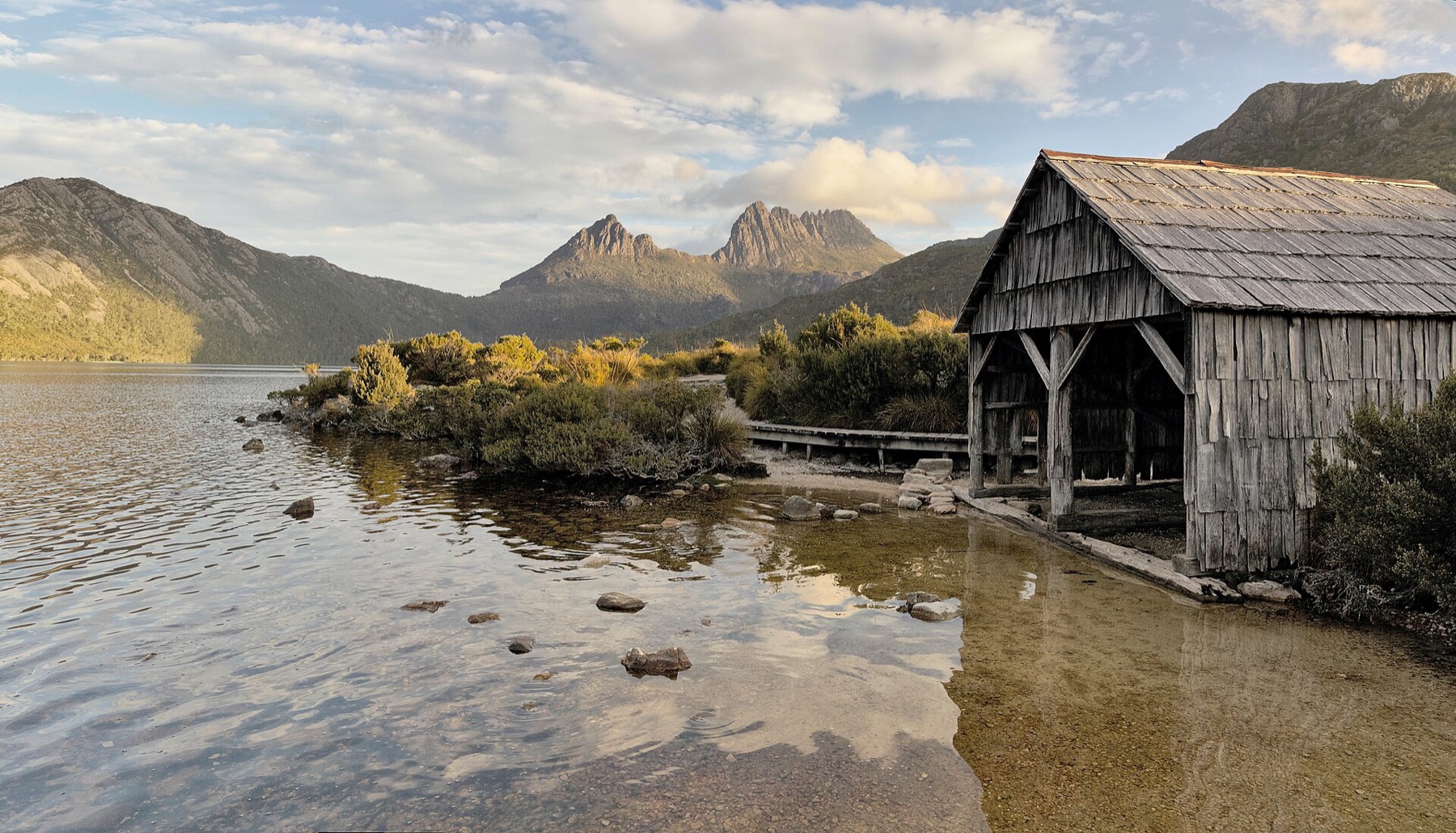
Cradle Mountain National Park, with its sharp peaks and deep glacial lakes, is among the most beautiful the Tasmanian wilderness has to offer. The most popular route is the easy two-to-three-hour loop around Dove Lake, reached from the visitor centre by the compulsory park shuttle bus.
If you’re lucky, you’ll encounter wombats or echidnas in the wild here. 💡 Tip: During the summer season the park is in huge demand. Catch the very first morning bus so you can enjoy the crystal-clear reflection of the mountain on the lake’s surface before the main crowds arrive.
26. Wineglass Bay and Freycinet
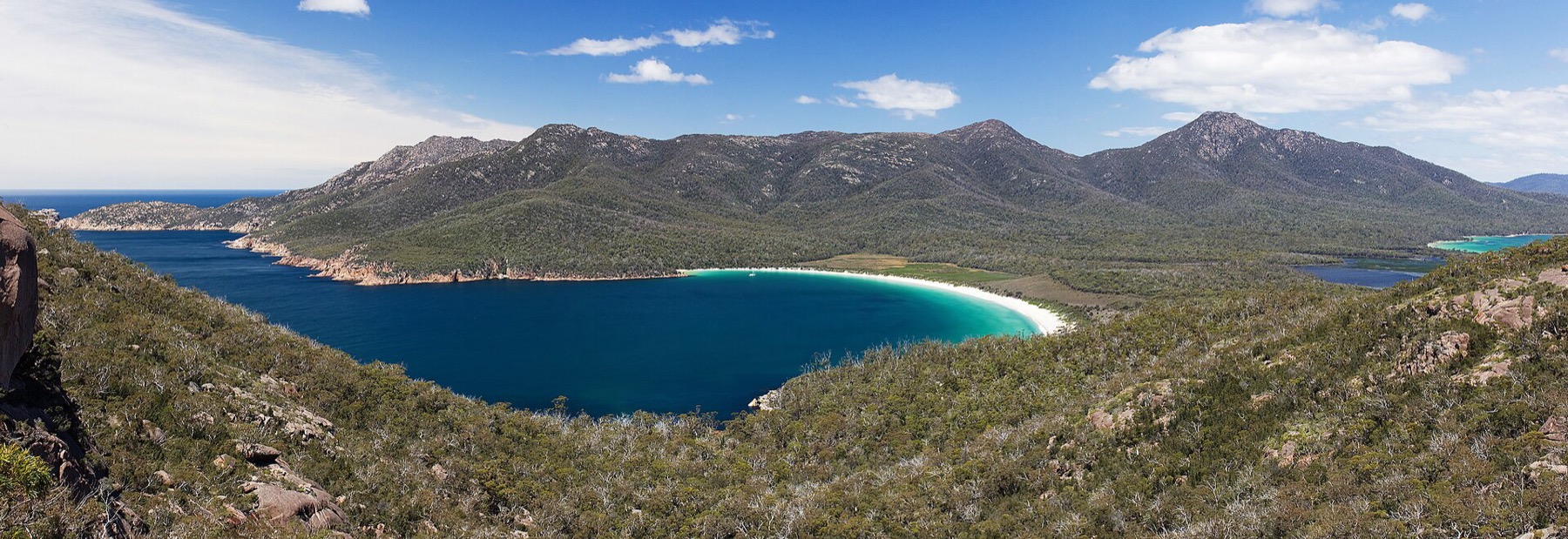
Freycinet National Park on the island’s east coast hides a beach that regularly appears in rankings of the world’s most beautiful. Wineglass Bay has the perfect shape of a wine glass and is framed by pink granite cliffs and turquoise water.
A roughly one-hour hike along a well-maintained trail leads to the lookout above the bay. If you long to sink your feet into the pristine white sand, get ready for a further descent, which extends the whole trip to about three hours. 💡 Tip: The car park at the trailhead has limited capacity, so in high season it’s best to arrive before nine in the morning.
Western Australia: the other end of the continent
This state takes up a third of the continent and is so enormous it could fill an entire long holiday on its own. Here you’ll find the most beautiful sunsets and a pristine coral reef.
27. Perth
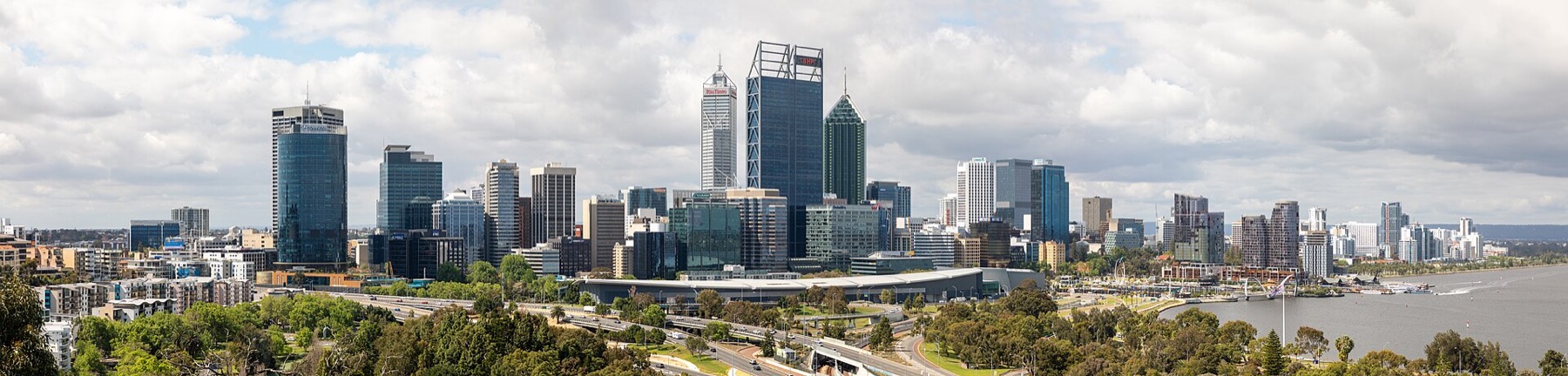
Australia’s sunniest capital is an oasis of calm and ease. Its greatest pride is the huge Kings Park with its botanic garden, which is actually larger than New York’s famous Central Park. From the lookouts you get a gorgeous view of the modern skyscrapers rising along the lazily flowing Swan River.
Perth is a great starting point for exploring the west coast. I recommend a look at the historic port of Fremantle with its colonial architecture and famous weekend markets. You’ll find more detailed tips in our separate Perth guide in the “Where to go next” section.
28. Rottnest Island
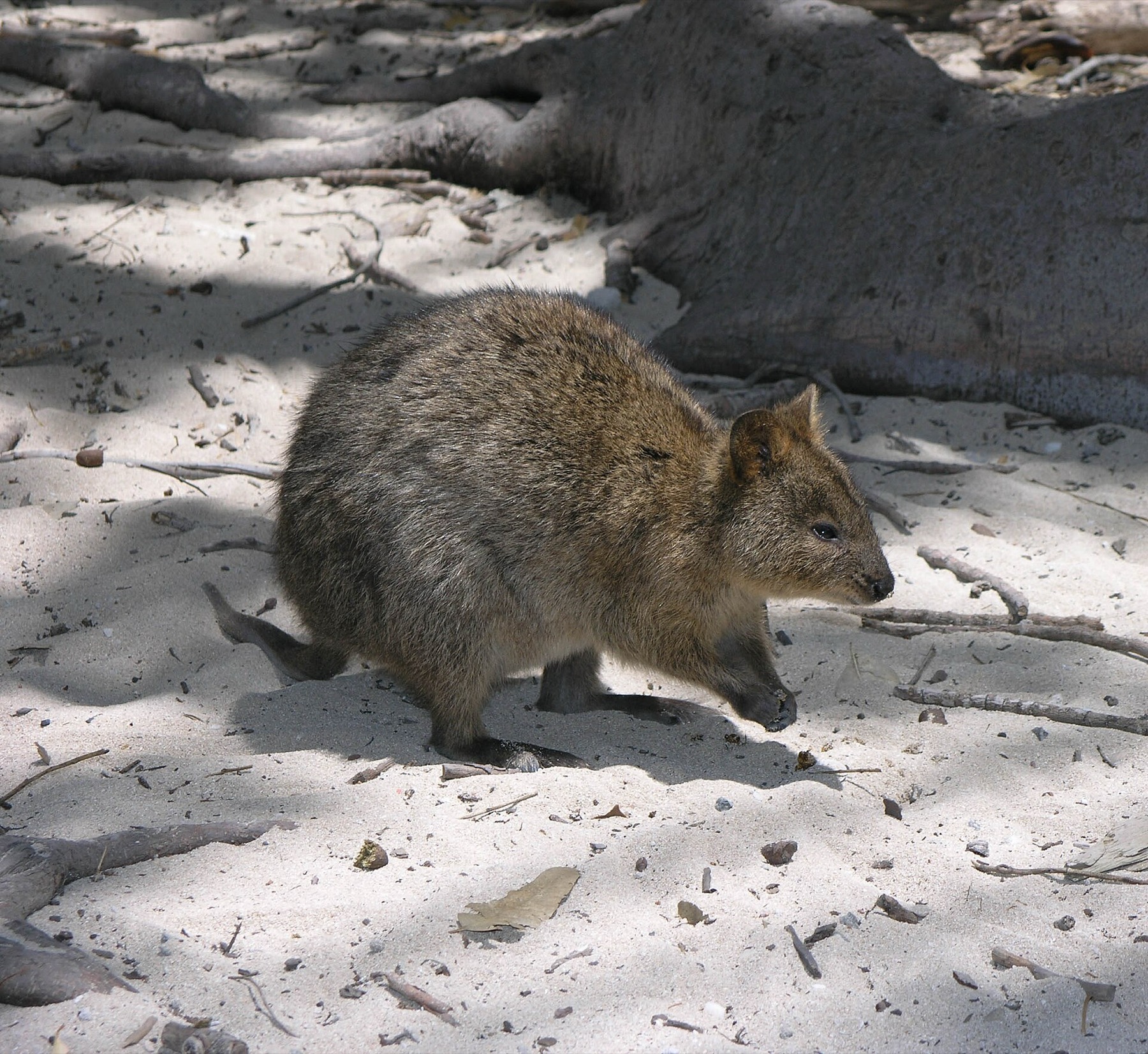
From Perth or the port of Fremantle, a ferry gets you in under an hour to a small island made famous by the happiest creatures on the planet. Rottnest Island is home to the adorable quokkas, small marsupials who love to smile for the cameras.
No private cars run on the island, so the best way to discover its pristine white beaches is to rent a bike and explore it at your own pace. ⚠️ Warning: Quokkas are incredibly trusting, but feeding them human food or touching them is strictly forbidden, with very high on-the-spot fines.
29. Ningaloo Reef
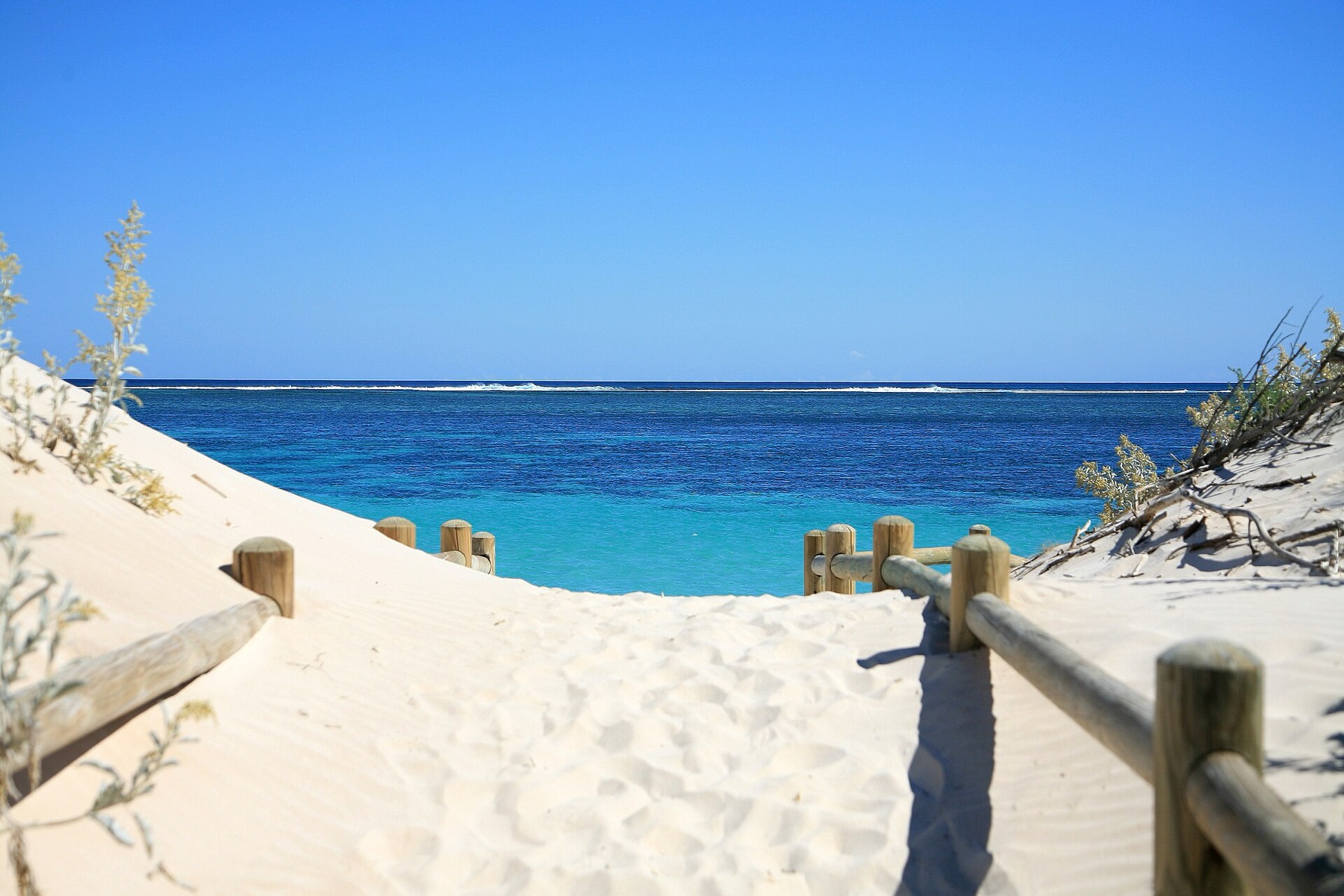
While the Great Barrier Reef lies far offshore, the western Ningaloo Reef starts just a few metres from the beach. You can pop on a snorkel and swim straight from the white sand out over the beautiful coral gardens. Roughly from March to August, gigantic but gentle whale sharks gather here.
Swimming with these giants, which grow to over ten metres long, is an absolute experience of a lifetime. A full-day boat trip from the town of Exmouth does cost around AUD 400 (roughly €245), but operators often guarantee a successful encounter, or else offer you a replacement trip for free.
30. Broome and Cable Beach
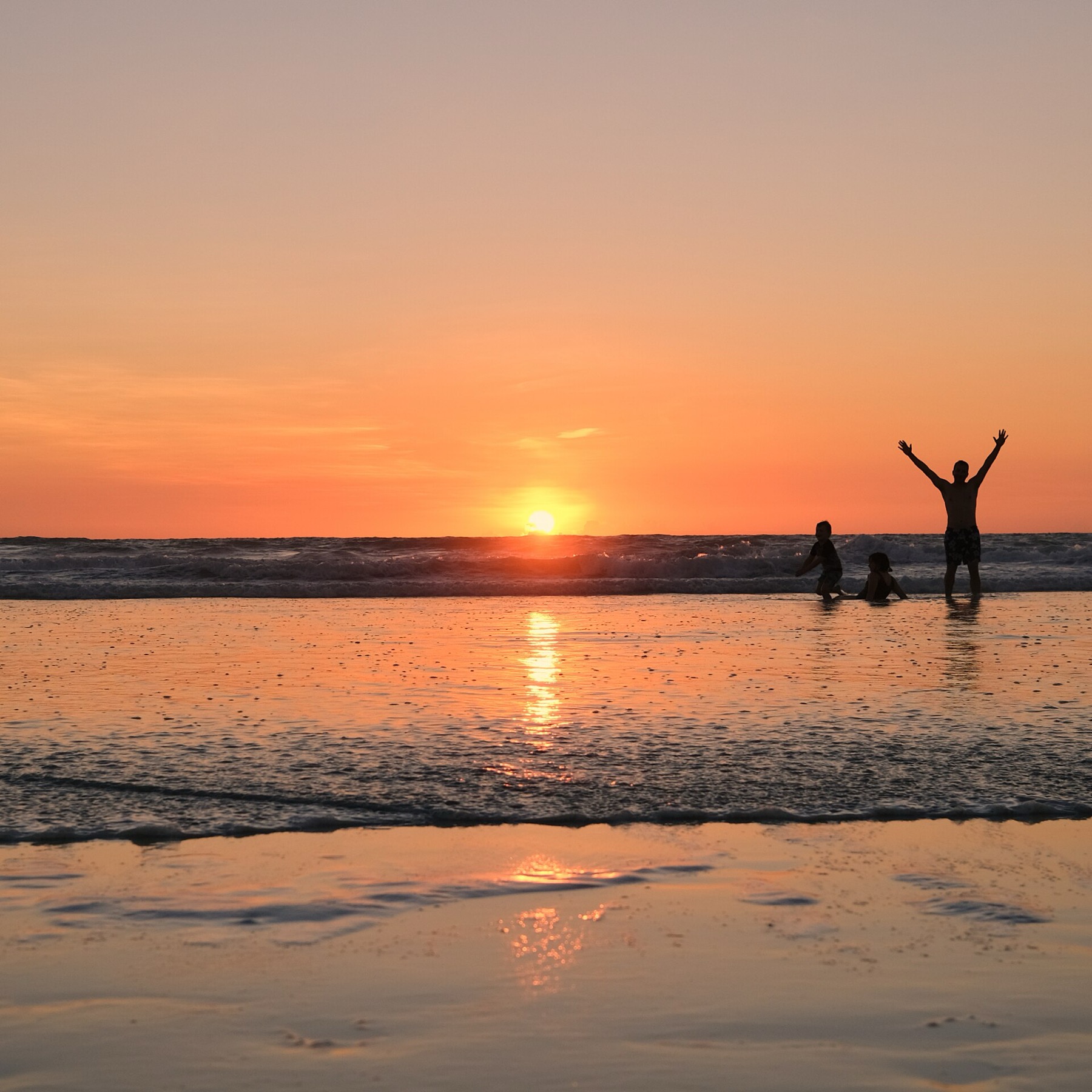
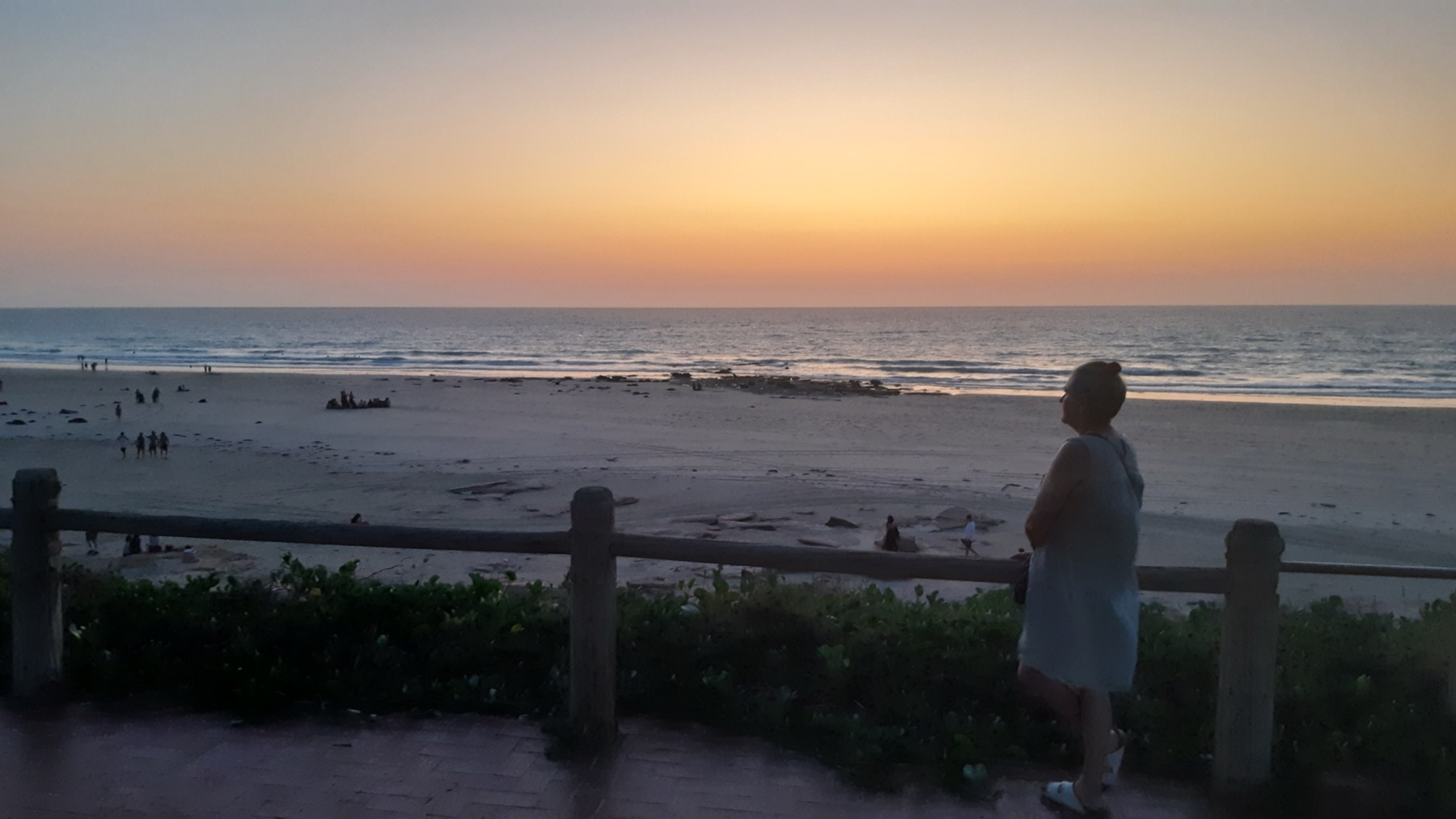
In the northwest of the continent lies the town of Broome, once the world’s centre of pearl diving. Today it’s made famous above all by the stunning twenty-two-kilometre Cable Beach, which is made for watching gorgeous sunsets.
The biggest icon of this place is the evening camel ride along the wide sandy beach as the sun sinks into the waters of the Indian Ocean. It’s an incredibly romantic experience that perfectly rounds off any visit to the west coast.
How much does a holiday in Australia cost
Australia is often said to be one of the most expensive countries in the world, and unfortunately that’s largely true. You can save on the road by cooking with groceries you buy and sleeping in hostels, but if you want to enjoy your holiday without constantly counting every euro, set aside a more generous budget.
The currency is the Australian dollar (AUD), worth around €0.60 in 2026. You can pay by card absolutely everywhere here, and you’ll really only need cash on rare occasions. Interestingly, tipping isn’t expected or obligatory in Australia, because hospitality workers have a fairly high guaranteed minimum wage.
Rough daily budgets per person (excluding international flights):
- Backpacker: €55 to €120 (hostels, cheap food, bus transfers).
- Mid-range couple: €160 to €245 (hotel room, rental car, a mix of cooking and restaurants, entry fees to sights).
How much everyday items cost in Australia:
- Coffee (flat white) at a café: AUD 5–6 (approx. €3–4)
- Main dish at an average restaurant: AUD 25–40 (approx. €15–24)
- A meal in a food court: AUD 15–25 (approx. €9–15)
- A litre of petrol: roughly AUD 1.80–2.00 (approx. €1.10–1.20, pricier in the outback)
- Budget car rental: from AUD 35 to 65 per day outside high season
💡 Tip: If you want to save on food, head to the Asian districts in the big cities or to the food courts in shopping centres mentioned above, where you can eat pretty well for reasonable money. Tap water is another big saving — it’s completely safe in all the big cities, and restaurants will bring it to you for free.
How to plan your route: 2, 3 or 4 weeks
When planning your route, don’t forget the time difference and jet lag — on your first day after arrival you won’t be up for anything too demanding. Here are three sample models for laying out your trip:
- For 2 weeks (Basic taster): Fly into Sydney, where you’ll spend three days. Then fly to Cairns (three days for the reef and rainforest). Another flight takes you to Uluru (two days for the Red Centre). Next comes a flight to Melbourne, from where you rent a car for the Great Ocean Road and fly home after three days.
- For 3 weeks (Classic loop): Add more time on the east coast. From Sydney head towards Brisbane or the Gold Coast, then set off for K’gari and sail to the Whitsundays. After that, fly from the Airlie Beach area to Uluru and then on to Melbourne and the Great Ocean Road.
- For 4 weeks (For the advanced): You can afford to explore even more remote corners. To the three-week loop, add either a ferry crossing to Tasmania to explore its national parks, or fly over to the west coast to Perth and set off in search of whale sharks at Ningaloo Reef.
Where to go next
If Australia and Asia tempt you, we’ve got more detailed guides ready to help you with planning and practical matters.
- Discover the city of festivals and wine in Adelaide, Australia: 18 things to see and do
- Explore the cultural metropolis in the guide Melbourne, Australia: 23 things to see and do
- Sunny Queensland starts in Brisbane, Australia: 20 things to see and do
- Check out our detailed guide Sydney, Australia: 31 things to see and do
- Curious about the west? Read Perth, Australia: 18 things to see and do
- If you dream of driving in the wilderness, take a look at Western Australia: 7 tips for the most beautiful places + a road trip itinerary
- Thinking of combining trips? Singapore Holiday: 21 things to see and do will help
- Get ready for the long flight with What you can take on a plane
Frequently asked questions
Planning a trip to Australia usually comes with plenty of practical questions. It is, after all, an enormous country on the other side of the world, where many things simply work differently than in Europe. To make your preparations as easy as possible, I’ve gathered the answers to the most common questions right here in the article.
How many weeks should I allocate for Australia?
The ideal duration is at least three weeks. While you can manage a quick hop between Sydney, the reef, and Uluru in two weeks, you’ll feel very rushed and exhausted from the transfers. Four weeks will give you space to soak up the atmosphere beyond the main routes.
How much does a holiday in Australia cost?
For a couple traveling mid-range, expect daily costs of €160 to €240 per person, not including international flights. Australia is an expensive destination, with accommodation and organized boat excursions being the main expenses.
When is the best time to visit?
It depends on exactly where you’re going. For the south, it’s best to go during the European winter months from December to February, while the tropical north is most beautiful during the European summer. A compromise for the whole country would be the months of April, May, September, and October.
Do I need a visa for Australia?
Yes, a visa is mandatory. With an EU passport, you’re eligible for the eVisitor electronic visa, which is completely free and easily processed online through the official Australian government portal. It’s valid for twelve months for stays of up to ninety days.
How long is the flight to Australia?
There are no direct flights from Europe and you’ll have at least one connection. The total time in the air and at stopovers usually takes between 22 and 32 hours depending on the chosen airline and length of layover.
Is Australia dangerous because of the animals?
A much greater danger for tourists are strong ocean currents, the so-called rip currents, or driving a car at dusk. Spiders and snakes do exist, but in cities and on common tourist routes you’ll only encounter them by sheer chance.
Is Sydney or Melbourne better?
Sydney will dazzle you with iconic architecture and perfect surfing beaches. Melbourne, on the other hand, is considered the cultural center with the best coffee, hidden laneways filled with art, and a relaxed European atmosphere. Ideally, visit both.
Does it make sense to go to the east or west coast?
For a first visit, the vast majority of people choose the east coast because it offers the most famous icons and excellent infrastructure. The west coast is much wilder, more remote, and is ideal for those who love endless roads and minimal crowds.
What is the time difference in Australia?
Australia spans three main time zones and some states also use daylight saving time. Compared to Central European Time, the difference can be between eight and ten hours ahead depending on the season and specific city.
Can you drink tap water in Australia?
Yes, in all major cities and common tourist areas, tap water is completely safe. In restaurants, they’ll also bring it to your table completely free of charge, which is a great way to save money on bottled drinks.
Tips and Tricks for Your Vacation
Don’t Overpay for Flights
Search for flights on Kayak. It’s our favorite search engine because it scans the websites of all airlines and always finds the cheapest connection.
Book Your Accommodation Smartly
The best experiences we’ve had when looking for accommodation (from Alaska to Morocco) are with Booking.com, where hotels, apartments, and entire houses are usually the cheapest and most widely available.
Don’t Forget Travel Insurance
Good travel insurance will protect you against illness, accidents, theft, or flight cancellations. We’ve had a few hospital visits abroad, so we know how important it is to have proper insurance arranged.
Where we insure ourselves: SafetyWing (simple monthly subscription) and TrueTraveller (for extra-long trips).
Find the Best Experiences
Get Your Guide is a huge online marketplace where you can book guided walks, trips, skip-the-line tickets, tours, and much more. We always find some extra fun there!


