

Melbourne, Australia has no iconic opera house cut straight from a postage stamp, nor a famous bridge, and yet the prestigious Time Out magazine named it the best city in the world for 2026. In its imaginary duels with Sydney, this city wins pretty much everything except photogenic postcard looks, because quite simply, life here is the best there is. The local culture doesn’t revolve around beaches, but around fantastic food, top-notch specialty coffee, street art and live music that spills out of every second alleyway.
If you’re after a classic tourist destination where you tick off three landmarks and move on, the capital of the state of Victoria might confuse you at first glance. The magic of Melbourne lies in its atmosphere and lifestyle, which — according to countless travellers — will completely draw you in. It’s a city where you get lost in narrow graffiti-covered lanes, where you stumble upon the best hidden cafés, and where locals swear by independent fashion and design.
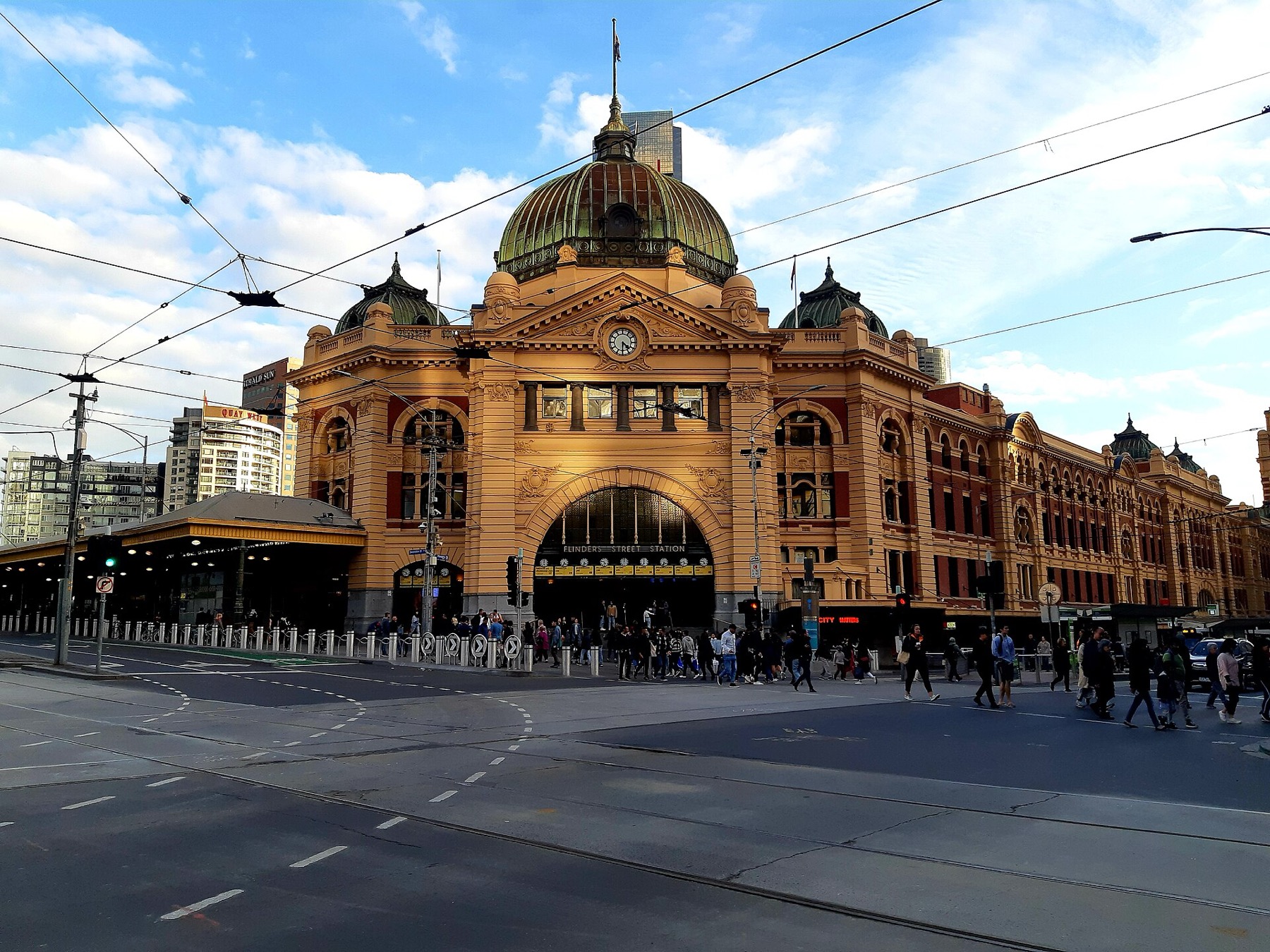
TL;DR
- How many days you’ll need: For the city itself, set aside ideally 3 to 4 days, but if you’re also planning to hit the iconic Great Ocean Road or go penguin-spotting on Phillip Island, count on 5 to 7 days in total.
- When to go: The most stable and pleasant weather comes in the Australian autumn (March to May), when you avoid both the summer extremes and the winter chill — but be ready for the local weather to swing by ten degrees within a few hours 😅.
- Where to stay: For a first visit the most practical option is the centre (CBD), but if you’re after a more artsy, hipster vibe, travellers can’t get enough of the Fitzroy neighbourhood, full of vintage shops and bars.
- Transport and its quirks: Unfortunately there’s no train from the airport, so you’re left with the SkyBus buses. And while the trams in the centre are free, watch out for the zone boundaries — the inspectors don’t mess around beyond them.
- What you absolutely can’t miss: You definitely have to stroll down Hosier Lane, explore the Queen Victoria Market and soak up the atmosphere along the Southbank promenade by the Yarra River.
When to visit Melbourne (and what about the weather)
The local climate is a chapter all of its own, and residents often joke about the saying “four seasons in one day”. Melbourne sits on Port Phillip Bay and close to the Bass Strait, which — combined with the scorching Australian interior — creates unbelievable temperature swings. It’s completely normal for the wind to turn in off the ocean and the temperature to drop by 10 °C within a few hours, so a folding umbrella and a spare light layer in your bag are an absolute must even in the middle of summer.
A classic Australian summer (December to February) brings pleasant temperatures around 27 °C, though it can also surprise you with extreme heatwaves. Winter (June to August), on the other hand, is fairly cool, averaging around 14 to 15 °C — definitely not ocean-swimming weather. The most unstable weather reportedly rules in November and December, when temperatures behave like a rollercoaster, which is why March, April or October come across as the best times to visit.
When planning your trip, be extremely careful about the dates of the big sporting events, which pack the city to bursting point and send hotel prices sky-high. The famous Australian Open tennis tournament is played here in the second half of January, in March the city is taken over by Formula 1 at the Albert Park circuit, and the end of September belongs to the huge AFL Grand Final of Australian football. Early November then brings the Melbourne Cup horse race, which is even a public holiday for the locals, so accommodation that week will take a huge bite out of your budget.
How to get around Melbourne (and how to get from the airport)
Getting from Tullamarine International Airport (MEL) is a frequent source of frustration, because there’s no train line running here. The fastest and most practical option is to use the red SkyBus buses, which shuttle between the airport and Southern Cross Station in the centre roughly every 10 minutes. A one-way ticket costs around 20 AUD (about €12), but it’s always best to check the exact current price on their website. The alternative is a regular taxi or services like Uber, which mainly makes sense when you’re travelling in a bigger group and can split the cost.
Getting around the city itself is going through a huge revolution in 2026, because you can finally pay for public transport contactlessly with a card or phone. The system rolled out gradually from summer 2026 and works on a “tap-on” and “tap-off” basis — just be careful to use the same card both when you board and when you get off, otherwise you’ll be charged twice. The old plastic myki cards still work alongside it, but luckily they’re no longer essential for tourists, which makes spontaneous trips incredibly easy. A brand-new perk is also the shiny new Metro Tunnel, launched in February 2026, which added five new underground stations including the Anzac stop right by the botanic gardens.
A huge draw is the so-called Free Tram Zone, which makes trams in the innermost centre (CBD) and the Docklands district completely free. It sounds great, but there’s a big tourist trap hidden in it, because popular neighbourhoods like Fitzroy or beachside St Kilda already lie outside this zone. If you forget to tap your card the moment you cross the zone boundary, you risk uncompromising fines, and according to locals the inspectors focus precisely on these border stops. For a sightseeing spin around the centre I recommend the historic City Circle Tram 35, which runs for free and works as a great orientation ride.
Where to stay in Melbourne
💡 Tip for accommodation and experiences: We prefer to look for accommodation on Booking.com, where the cancellation terms tend to be the best. Tickets, trips and activities are then worth comparing and buying through GetYourGuide.
Choosing the right neighbourhood is absolutely key to your experience of the city, because every part of Melbourne has a completely different atmosphere and target crowd. For a first visit it makes the most sense to stay right in the heart of the city, in the so-called CBD (Central Business District). From here you can walk almost everywhere, the trams in the centre are free, and coffee around the corner is a given. The only downside is having to put up with the typical big-city bustle and noise — but honestly, after two days you stop noticing it.
If you’re after a cheaper yet very popular option right in the centre, the Space Hotel gets great reviews, combining clean shared dorms from 30 AUD (approx. €18) with lovely private rooms from 90 AUD (approx. €53). Travellers who love a boutique style and unique design often rave about Laneways by Ovolo at 19 Little Bourke St, where the price hovers around 190 AUD (€112) per night. And for those who want real luxury with a 25-metre indoor pool and river views, the obvious choice is the iconic Crown Towers Melbourne in the Southbank district, where a night costs around 310 AUD (€182). It’s always best to book hotels well in advance through Booking.com.
A completely different experience is offered by the northern district of Fitzroy, a mecca for hipsters, street art and vintage shops. Staying here suits those who want to spend their evenings in alternative bars and their mornings over specialty coffee in industrial spaces — and you can reach the centre by tram in just a few minutes. Another popular option is seaside St Kilda, about 6 kilometres from the centre, which lures you with its beach promenade and historic amusement park, but you’ll have to factor in a longer commute into town (roughly 25 minutes by tram) and a very contrasting, at times wilder, atmosphere.
Sydney or Melbourne?
This is probably the most common question faced by anyone planning a trip to Australia who doesn’t have time to visit both capitals. Sydney is the embodiment of photogenic beauty — it boasts the iconic Opera House, a breathtaking harbour and famous beaches led by Bondi Beach, so it instantly matches the picture in the travel brochures. Melbourne never wows you as much in photos — but that’s exactly the trap. Its true magic hides in the laneways, in the aroma of freshly roasted coffee and in the bars that no sign points you towards.
If you love nature, surfing and long for the best holiday snaps, Sydney will probably win you over more. On the other hand, for lovers of great food, fashion, nightlife and independent art, Melbourne is the clear winner, because it offers a far more authentic urban life. Whatever you decide, be sure to read our detailed guide with tips on what to see and do in Sydney so your comparison is complete.
23 things to see and do in Melbourne
Right then, straight to the point — here are 23 things in Melbourne you really can’t miss, plus a few things most ordinary guides will never tell you. You’ll find a mix of iconic landmarks, hidden gems, renowned culinary experiences and gorgeous parks where you can escape the big-city buzz.
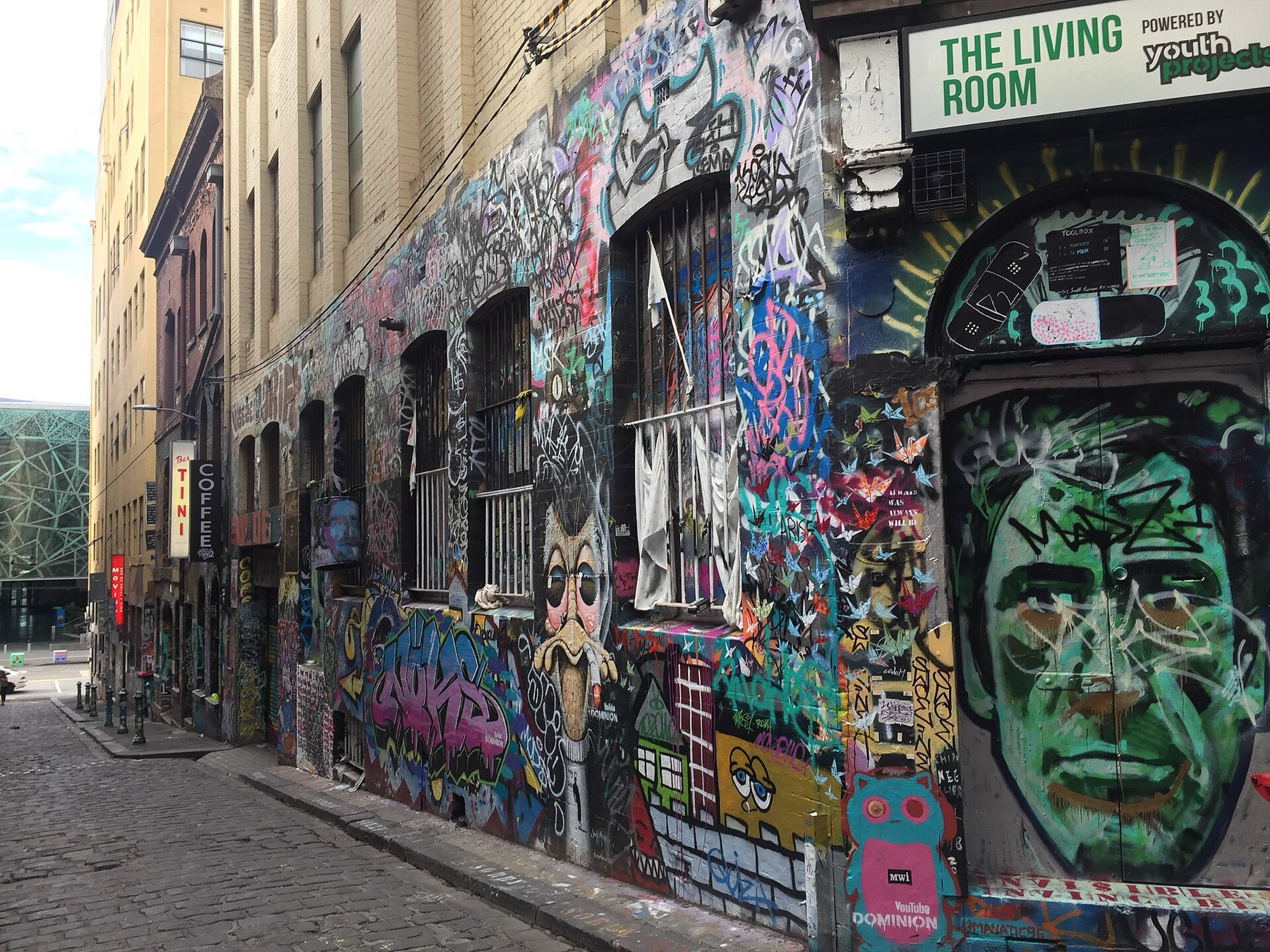
1. Hosier Lane and street art in the laneways
Melbourne is world-famous for its street art scene, and Hosier Lane is by far its most celebrated open-air canvas. This cobbled laneway has served as a legal zone for taggers and artists since 1998, which means its look changes practically from day to day and no artwork stays forever. The façades, bins and gutters here are coated in a thick layer of paint, and you can often watch the artists at work right in front of you.
💡 Tip: If you want to photograph the lane without the crowds of tourists and wedding photographers, come early in the morning on a weekday, between eight and nine o’clock.
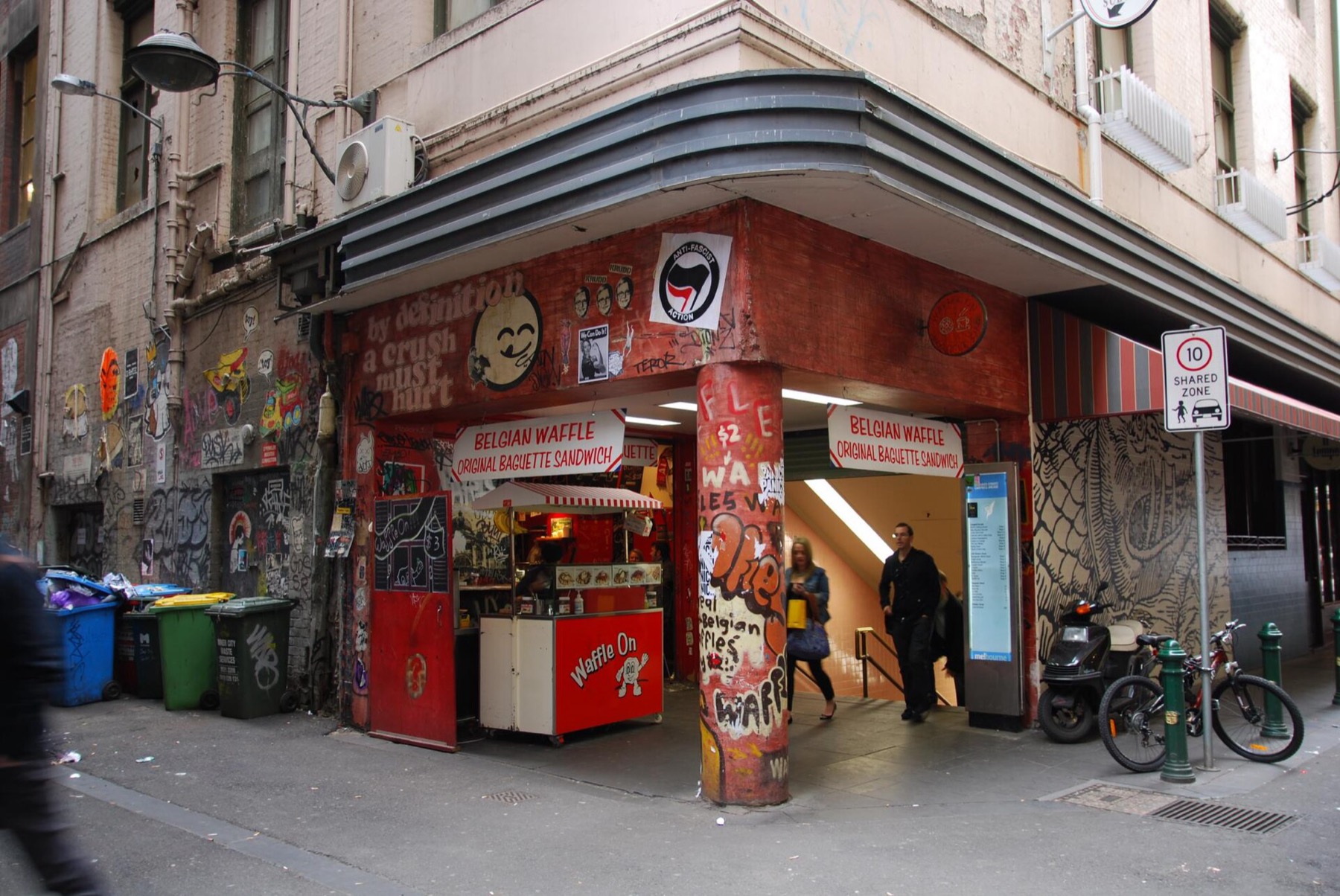
2. Degraves Street and Centre Place
If anything captures the Melbourne vibe perfectly, it’s the so-called “laneways”, the narrow alleys threading through the whole centre. Degraves Street, dating back to 1837, is one of the most charming — a little like a Parisian boulevard squeezed into a hundred-metre strip, where the café tables crowd right onto the pavement. You can smell the incredible aroma of pastries and espresso, and even though it’s constantly packed, it has an amazing buzz.
Right across the street it flows seamlessly into Centre Place, which is even tighter, rawer and full of street art. This is where you’ll find dozens of tiny hole-in-the-wall windows selling baguettes, soups and coffee to go, where local office workers love to nip out for a quick lunch.
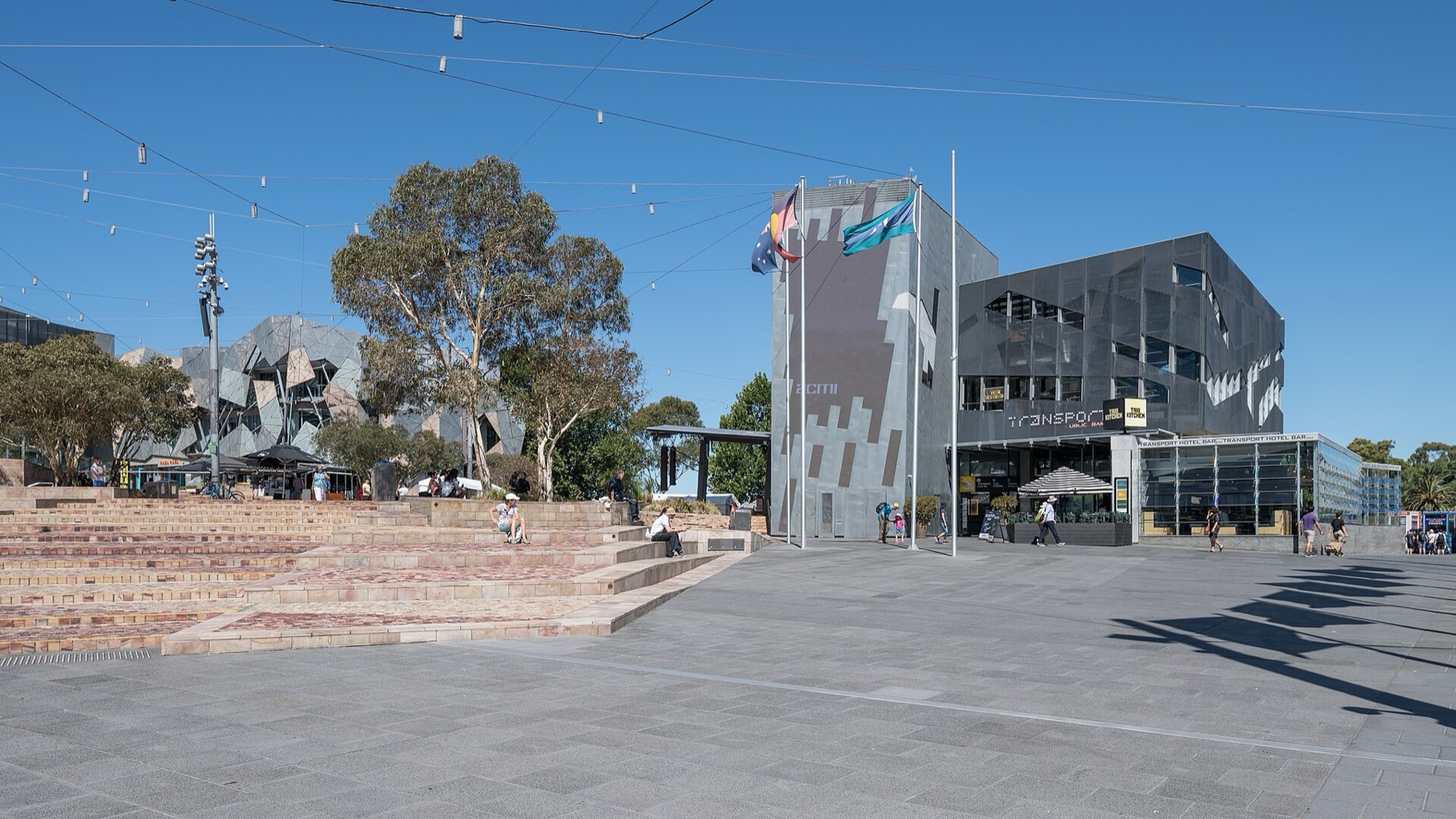
3. Federation Square and the NGV gallery
Federation Square forms the symbolic heart of the whole city, and its extravagant geometric architecture still divides locals into two camps. You’ll find a giant screen here where important sports broadcasts are shown, and it’s home to the Ian Potter Centre (NGV Australia), a wonderful gallery focused exclusively on Australian and Indigenous art. Entry to the permanent collections is completely free, so it would be a sin not to pop in.
The main NGV International building then lies just a short walk away across the river on St Kilda Road and focuses on world art. Here too the basic entry is free and it’s open daily from 10 a.m. to 5 p.m. In 2026 it’s also hosting a closely watched exhibition of the Cartier jewellery house as part of the Winter Masterpieces series, running from mid-June to early October.
4. State Library Victoria
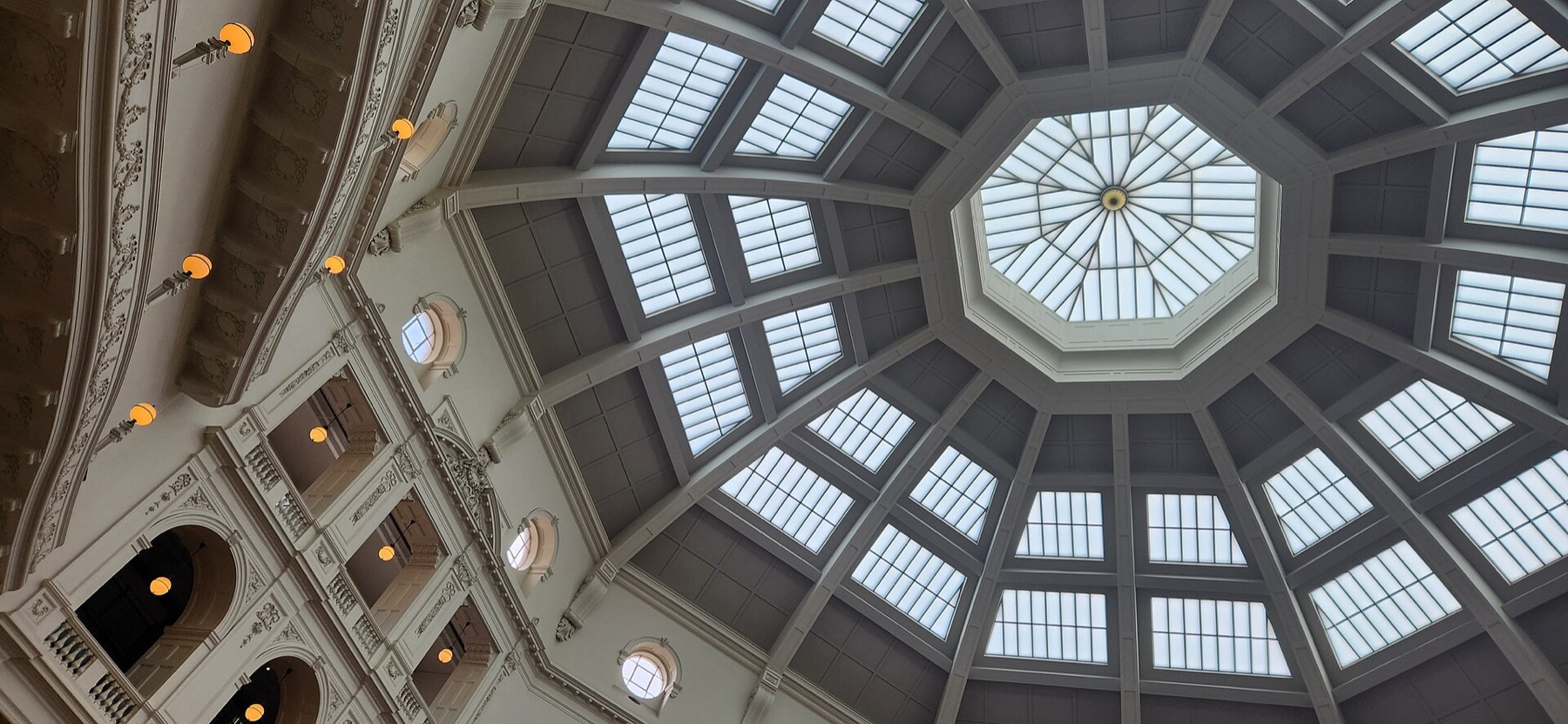
Even if reading old books isn’t exactly your thing, you simply have to see this library, because its huge octagonal La Trobe Reading Room is jaw-dropping. When its stunning dome, 34.75 metres in diameter, was completed in 1913, it was the largest structure of its kind in the world. The view from the upper balconies of the fan-shaped wooden desks and green lamps is one of the most classic Melbourne photos.
Entry to the building is completely free and it’s open daily from 10 a.m. to 6 p.m. Just remember that it’s still an active study room where thousands of students come to work, so you need to keep absolutely quiet and avoid disturbing them with a camera flash.
5. Queen Victoria Market
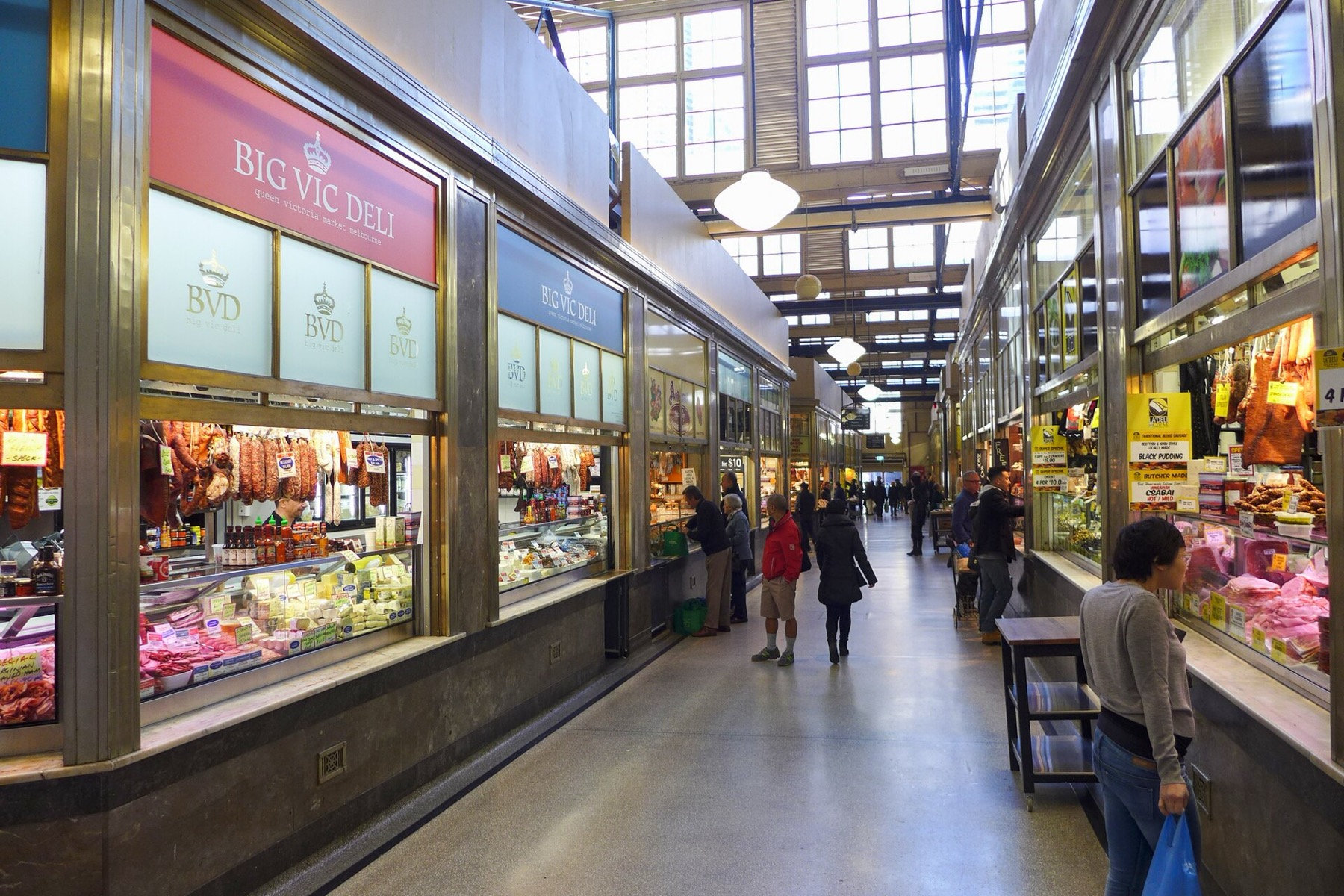
The largest open-air market in the southern hemisphere has been running here continuously since 1878, and it’s an absolute paradise for anyone who loves food. You can buy everything here from fresh oysters and cheeses to vintage clothing and souvenirs, and the atmosphere in the historic halls is incredibly lively and loud. If you want the best pickings, come here between six and seven in the morning; the specialty coffee and pastry stalls then usually open around nine.
But be extremely careful about the opening hours, because the market is strictly closed every Monday and Wednesday! In the Australian winter (from June to early September) it also hosts the famous Winter Night Market every Wednesday evening, where you can taste street food from all over the world and enjoy live music by crackling fires.
6. Royal Botanic Gardens and the Shrine of Remembrance
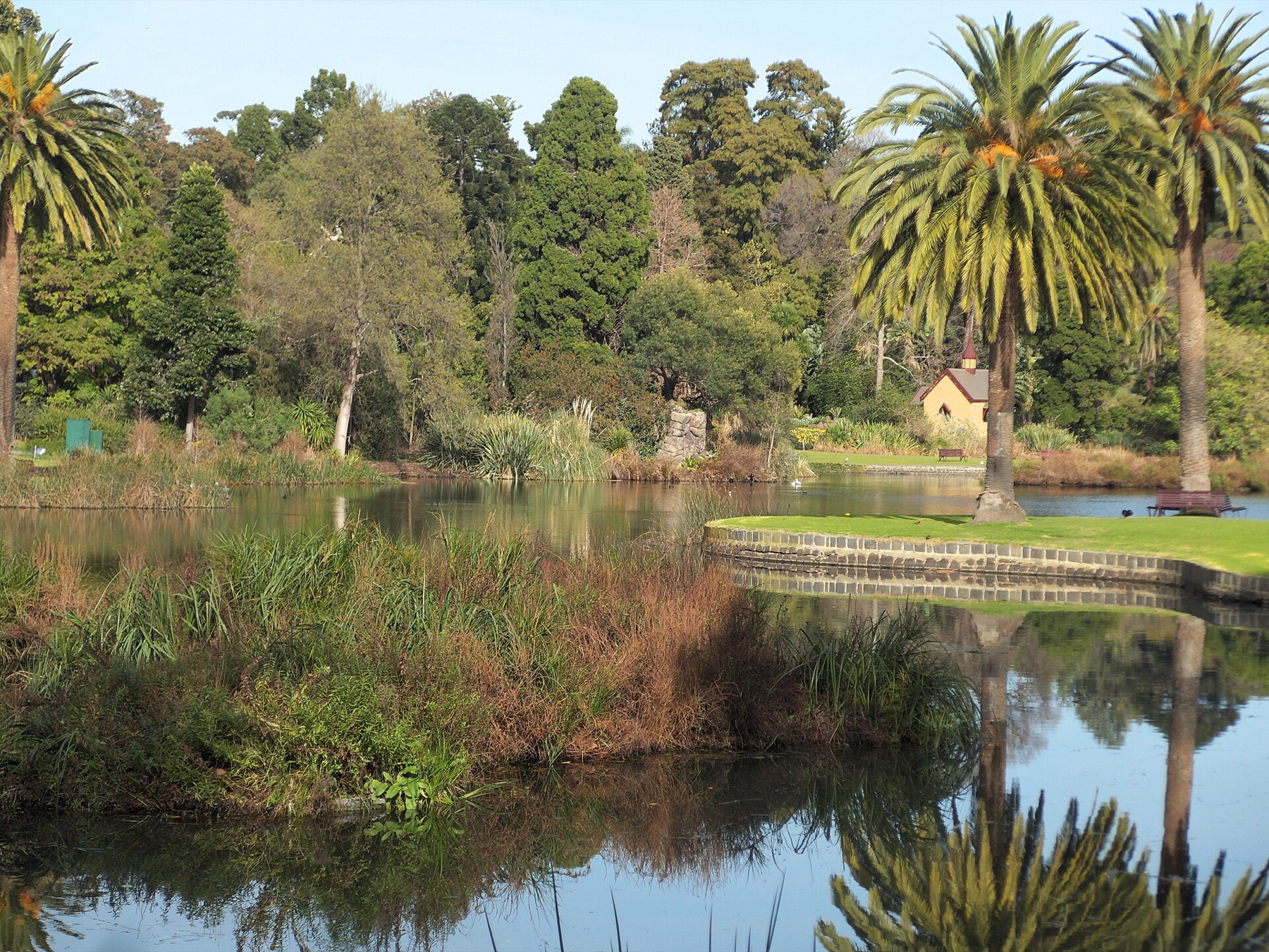
A short walk from the busy centre lies a gorgeous green oasis covering 38 hectares, where locals come to read, jog or have picnics. Entry to the botanic gardens is free and the gates are open daily from 7:30 a.m. to 5:30 p.m. The garden is so vast that you can easily lose a whole afternoon in it, and since February 2026 you can conveniently reach it on the new metro to Anzac station.
Right next to the gardens rises the monumental Shrine of Remembrance dedicated to Australian war veterans. From its upper terrace you get an absolutely fantastic view of the downtown skyscrapers, especially beautiful at sunset. If you come across older guides promising the daily “Ray of Light” light phenomenon illuminating the word LOVE, don’t be fooled — thanks to the sun’s angle, this only happens on 11 November at 11 a.m.
7. Melbourne Skydeck
If you love a bird’s-eye view of big cities, the viewpoint in the Eureka Tower skyscraper is sure to thrill you. Melbourne Skydeck is located on the 88th floor at a height of 285 metres and offers a stunning 360-degree panorama of the whole city, the bay and the distant mountains. It’s open every day from noon to 9 p.m. and a basic ticket bought online costs 33 AUD (about €19).
💡 Tip: The adrenaline attraction The Edge — a glass box that slides out from the building — isn’t included in the basic price, and you’ll have to pay extra for a package from 47 AUD (€28). On top of that, you can’t take your phone inside, so you won’t get your own photo over the abyss.
8. The MCG and sporting Melbourne
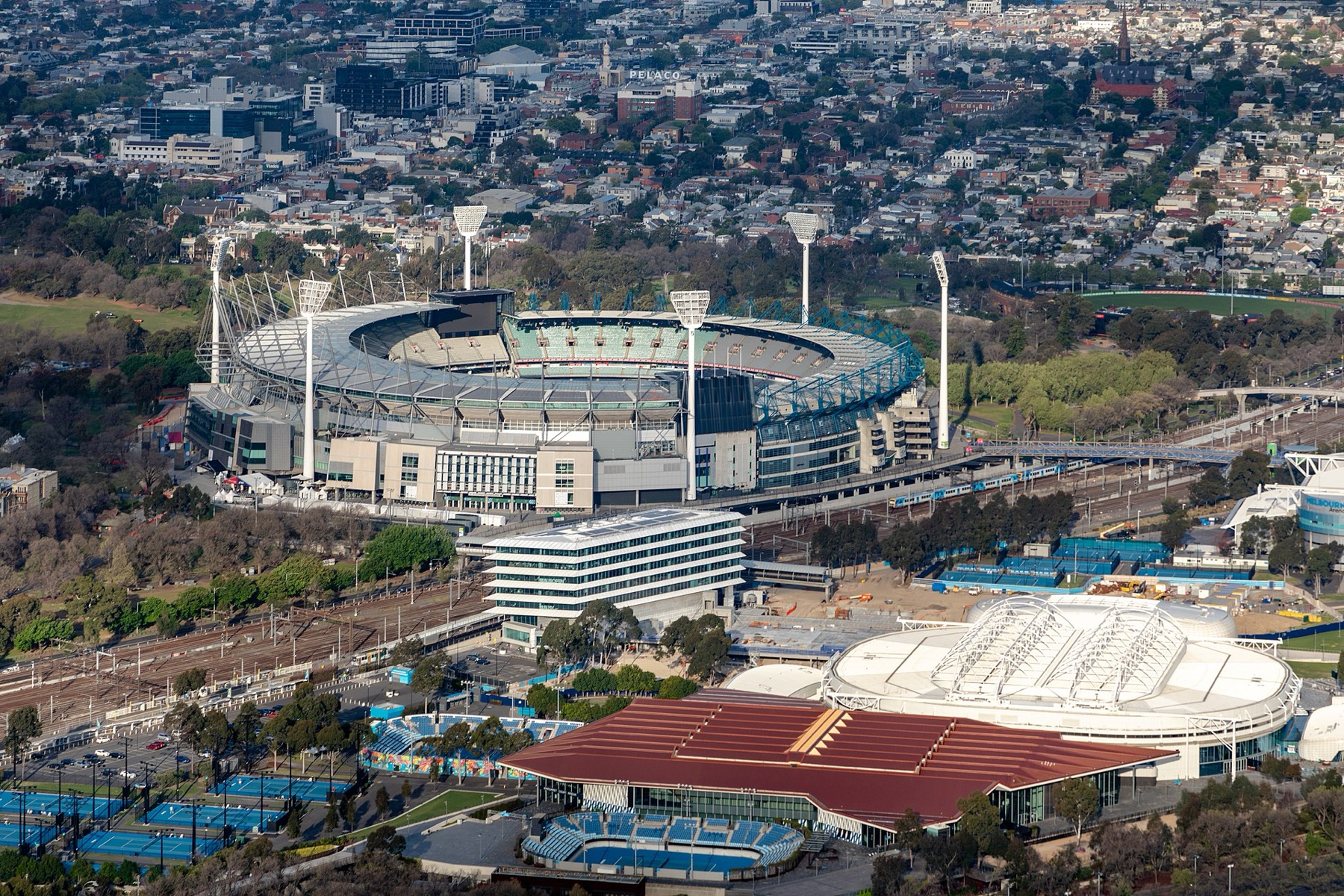
Melbourne’s residents are absolutely obsessed with sport, and the Melbourne Cricket Ground (MCG) is a sacred temple to them. With a capacity of over 100,000 spectators it’s one of the largest stadiums in the world, and the huge AFL Grand Final of Australian football is regularly played here on the last Saturday of September. The Friday before this match is even declared a public holiday so everyone can get ready for the celebrations.
If you can’t make it to a match, you can book a 75-minute guided tour that takes you into the changing rooms, the stands and right onto the sacred turf. Tours usually run between 10 a.m. and 3 p.m., but obviously not on match days — always check the exact times and prices on the official mcg.org.au website.
9. The café scene and ordering a “magic”
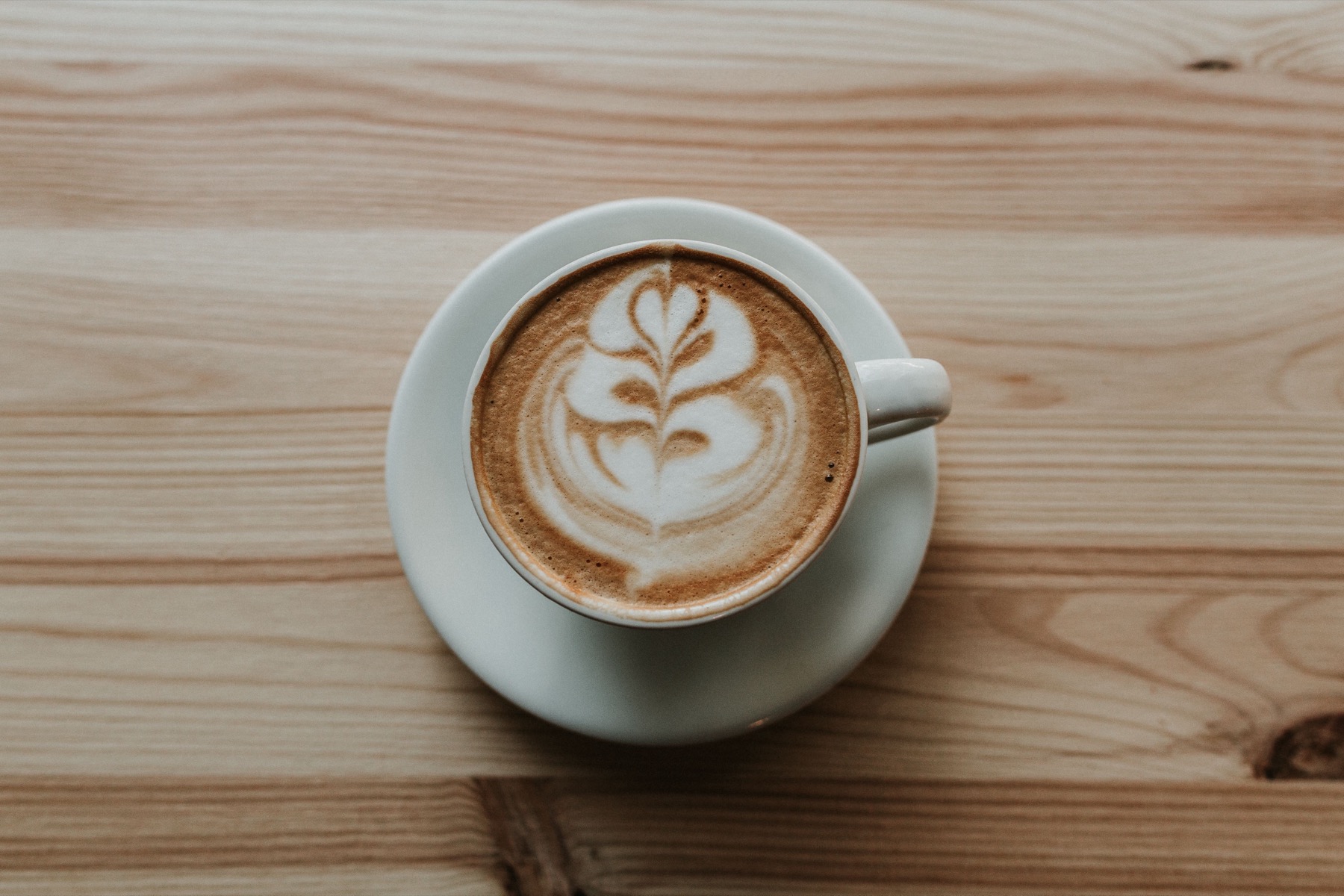
Coffee is basically a religion in this city, and its history reaches back to the 1950s, when Italian immigrants brought the first espresso machines here. Travellers rave about places like Patricia Coffee Brewers or Brother Baba Budan, where people happily queue for ages for that perfect cup. But don’t expect to sit down with a laptop for half a day — the small cafés live on huge turnover, and laptops are really not welcome at peak times.
A myth often circulates online that the famous flat white was invented here, but in reality Sydney and New Zealand are the ones fighting over that claim. The real Melbourne invention and absolute insider tip is a drink called a “magic”. It’s a double ristretto topped with hot milk in a small 150 ml cup, so it has a much more intense coffee flavour. You usually won’t find it on the menu, but every good barista knows exactly what you’re asking for.
10. Lygon Street and Pellegrini’s (Italian Melbourne)
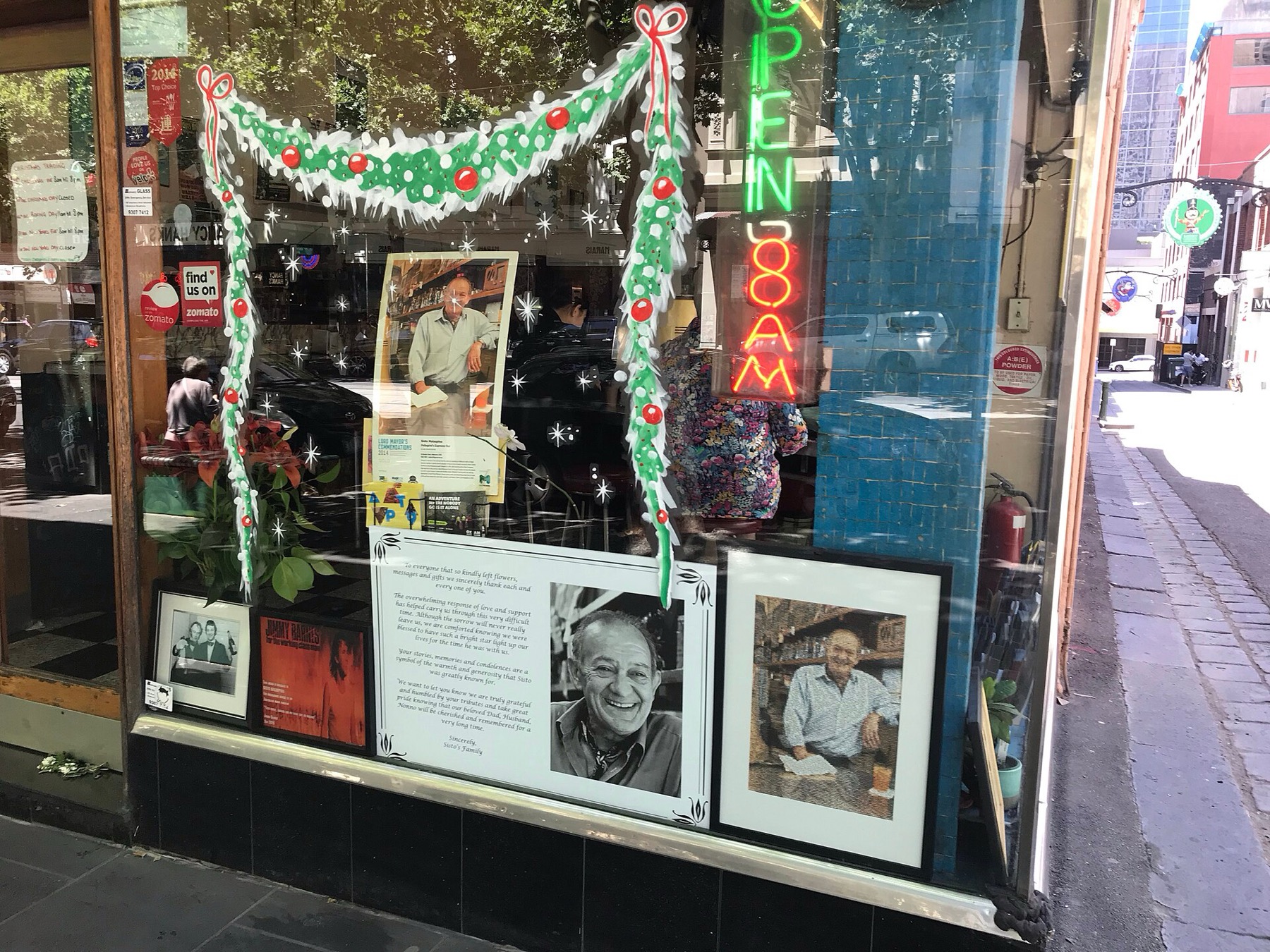
The Carlton district and its main artery, Lygon Street, is a charming Little Italy where the culinary history of all Australia was written. This is where you’ll find Toto’s Pizza House, which opened in 1961 as the very first pizzeria in the country and is still rolling out dough today. If you’re in the mood for honest pizza or a heap of fresh pasta, this street is a sure bet.
An absolute legend of the Italian scene is Pellegrini’s Espresso Bar on Bourke Street, which has been running since 1954. Time has completely stopped here — guests still sit at the original marble counter on red bar stools and the atmosphere is incredibly warm. This place has soul, and reportedly nothing has changed here since the day it opened.
11. Melbourne Museum and the Royal Exhibition Building (UNESCO)
On the edge of the Italian quarter, in the beautiful Carlton Gardens, rises the huge glass-fronted Melbourne Museum. Inside you’ll learn about the history of the Indigenous peoples, see dinosaur skeletons and take a peek into the nature of the state of Victoria. It’s a huge complex that will easily keep you busy for a whole rainy afternoon, and you can easily check the entrance fee and current exhibitions on their website.
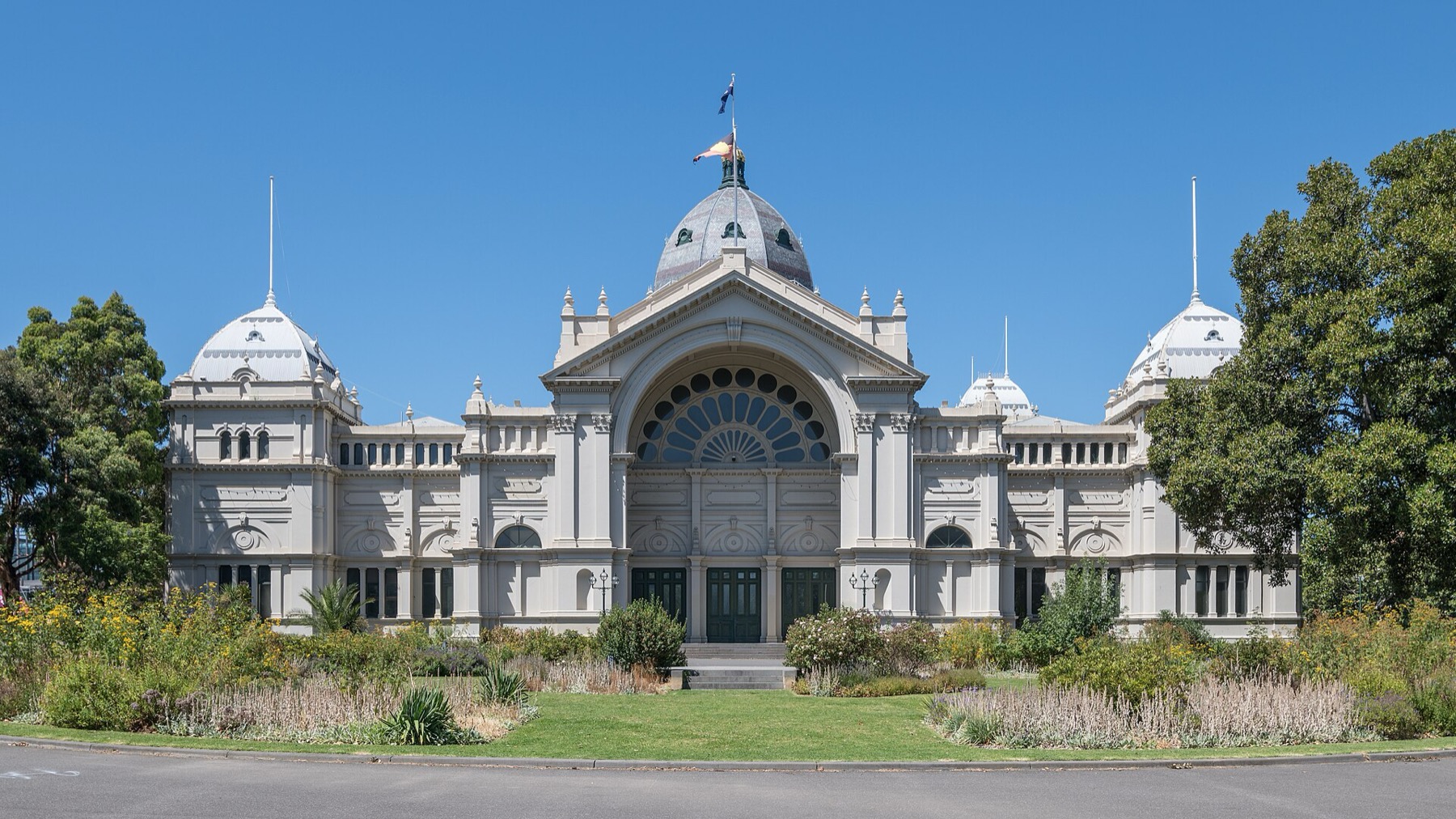
Right opposite the museum stands the stunning Royal Exhibition Building, the very first Australian building inscribed on the UNESCO list, which was built for the international exhibition in 1880 and whose majestic dome is one of the finest examples of Victorian architecture in the country. If a free slot works out, it’s definitely worth paying for a guided tour of the Dome Promenade with views over the whole surroundings.
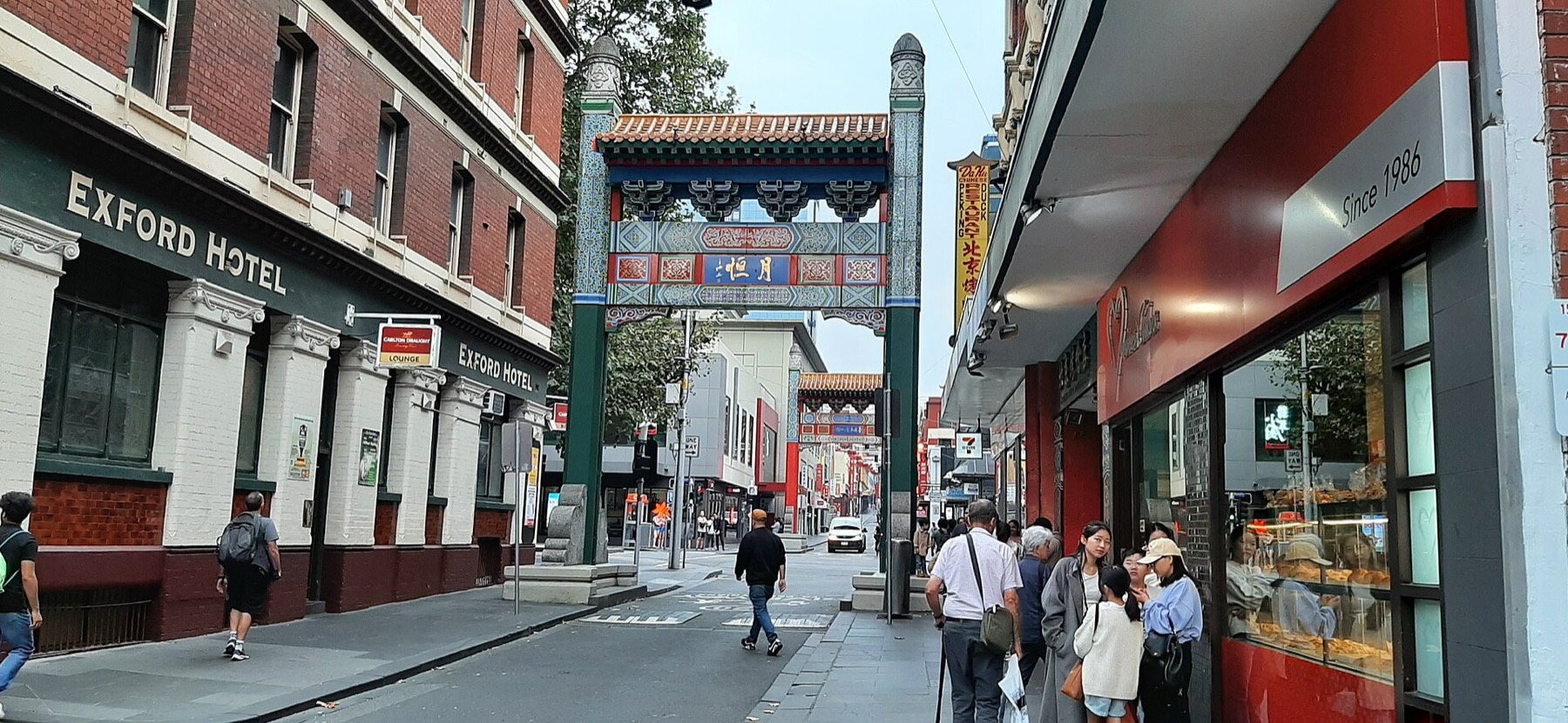
12. Chinatown
Melbourne’s Chinatown stretches along Little Bourke Street and boasts the title of the oldest continuously operating Chinatown in the southern hemisphere. Chinese immigrants began settling here as early as the 1850s during the gold rush, and to this day the streets have kept an incredibly authentic feel, full of red lanterns, Asian supermarkets and the aroma of spices.
The greatest experience is getting lost in the dark passages like Tattersalls Lane, where you’ll find the best low-key eateries. Many local venues run on a BYO (Bring Your Own) basis, which means you can bring your own bottle of wine and they’ll just charge you a small corkage fee to go with the Asian specialties.
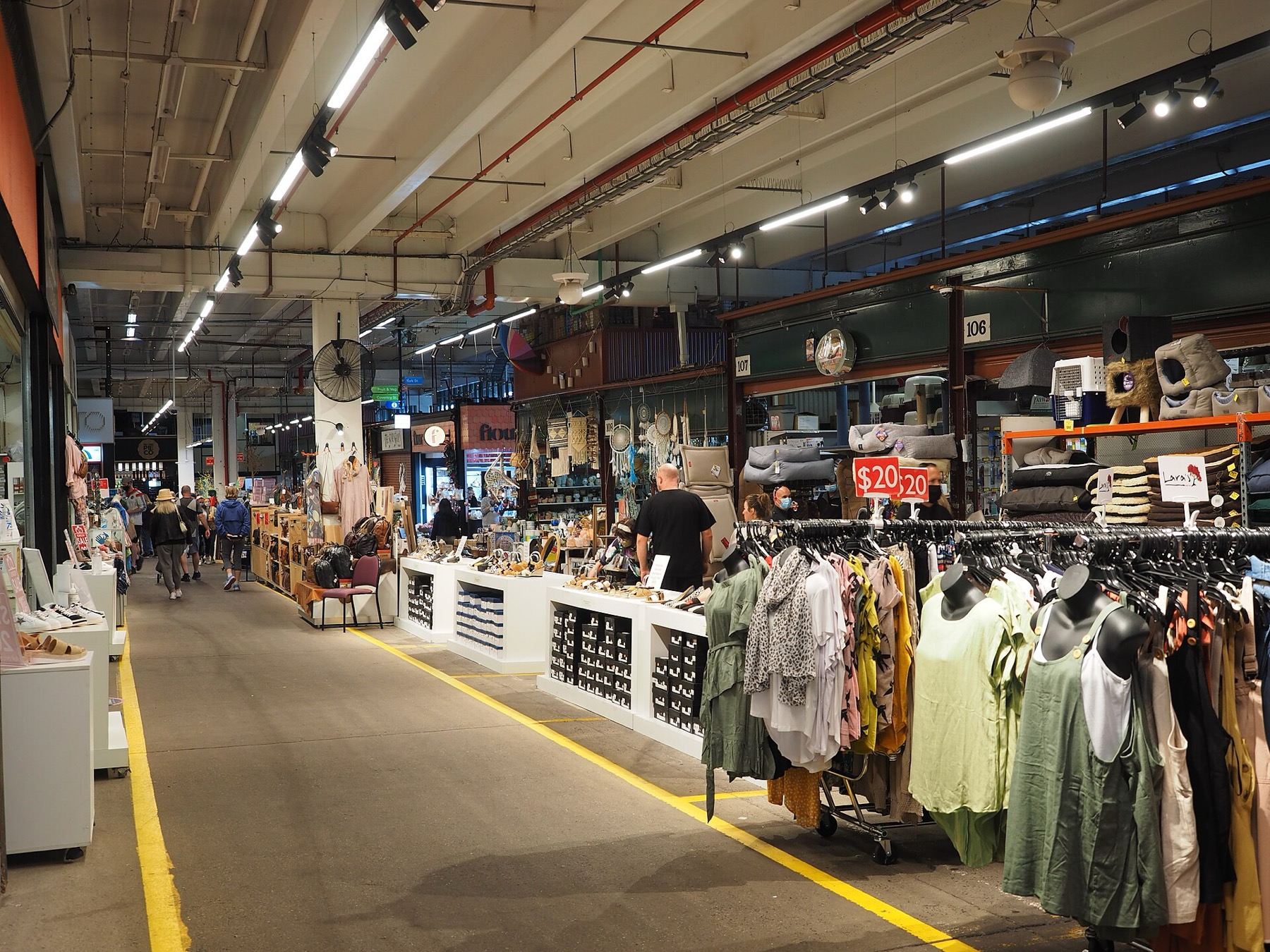
13. South Melbourne Market
While the Queen Victoria Market is often full of tourists, South Melbourne Market is more of a local affair, where mainly residents from the surrounding area come to shop. The market is smaller, but according to many it offers a much more premium quality of produce. It’s open on Wednesday, Friday, Saturday and Sunday, while the gates stay closed on Monday and Tuesday.
According to historical records, it was right here in 1945 that the popular Australian snack called the dim sim was invented. It’s a large dumpling made from thicker dough, typically filled with meat and cabbage, which people buy from a window and eat straight on the street out of a paper bag. It’s a huge local classic that locals can’t imagine a market visit without.
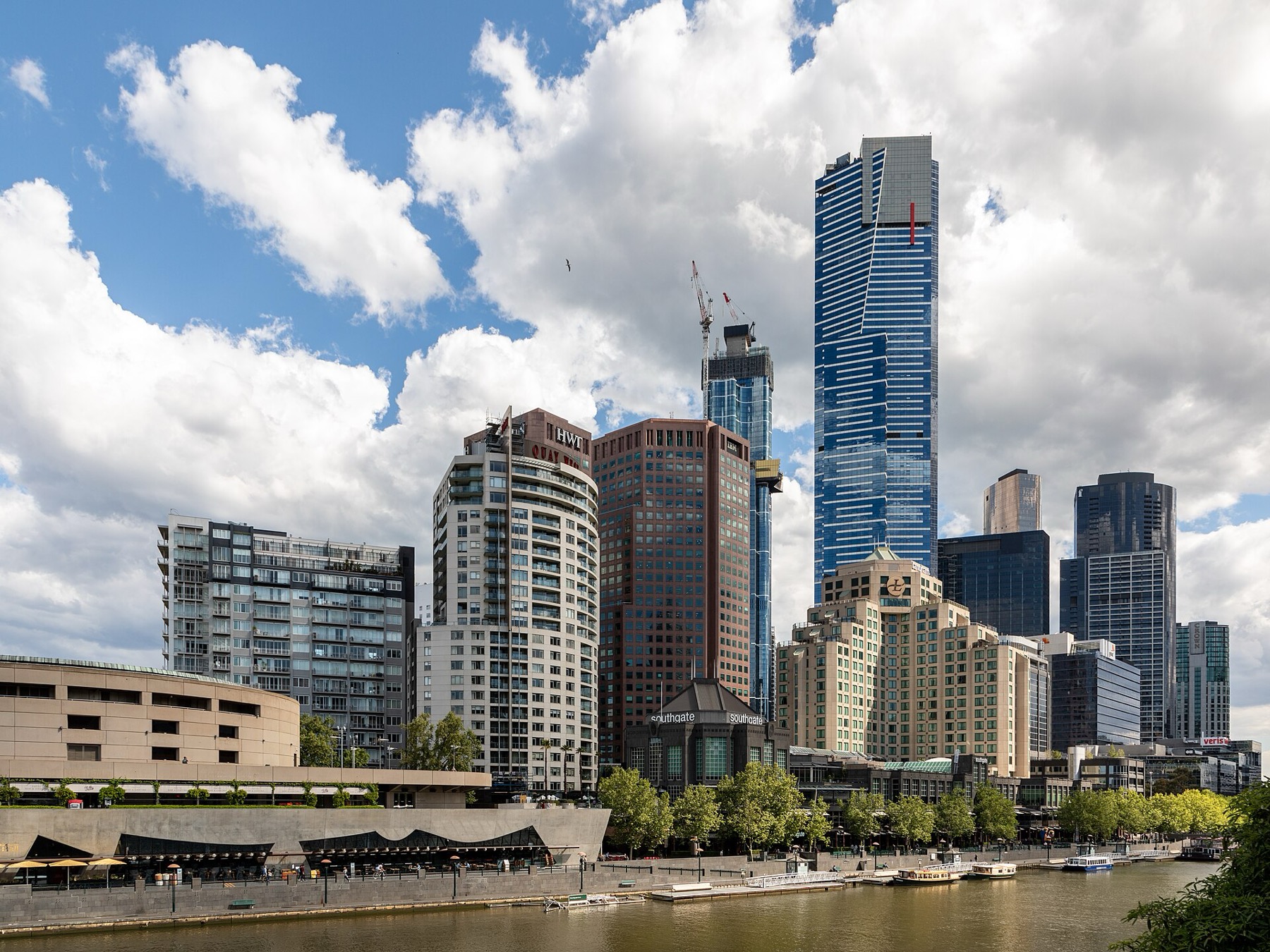

14. Southbank and a cruise on the Yarra
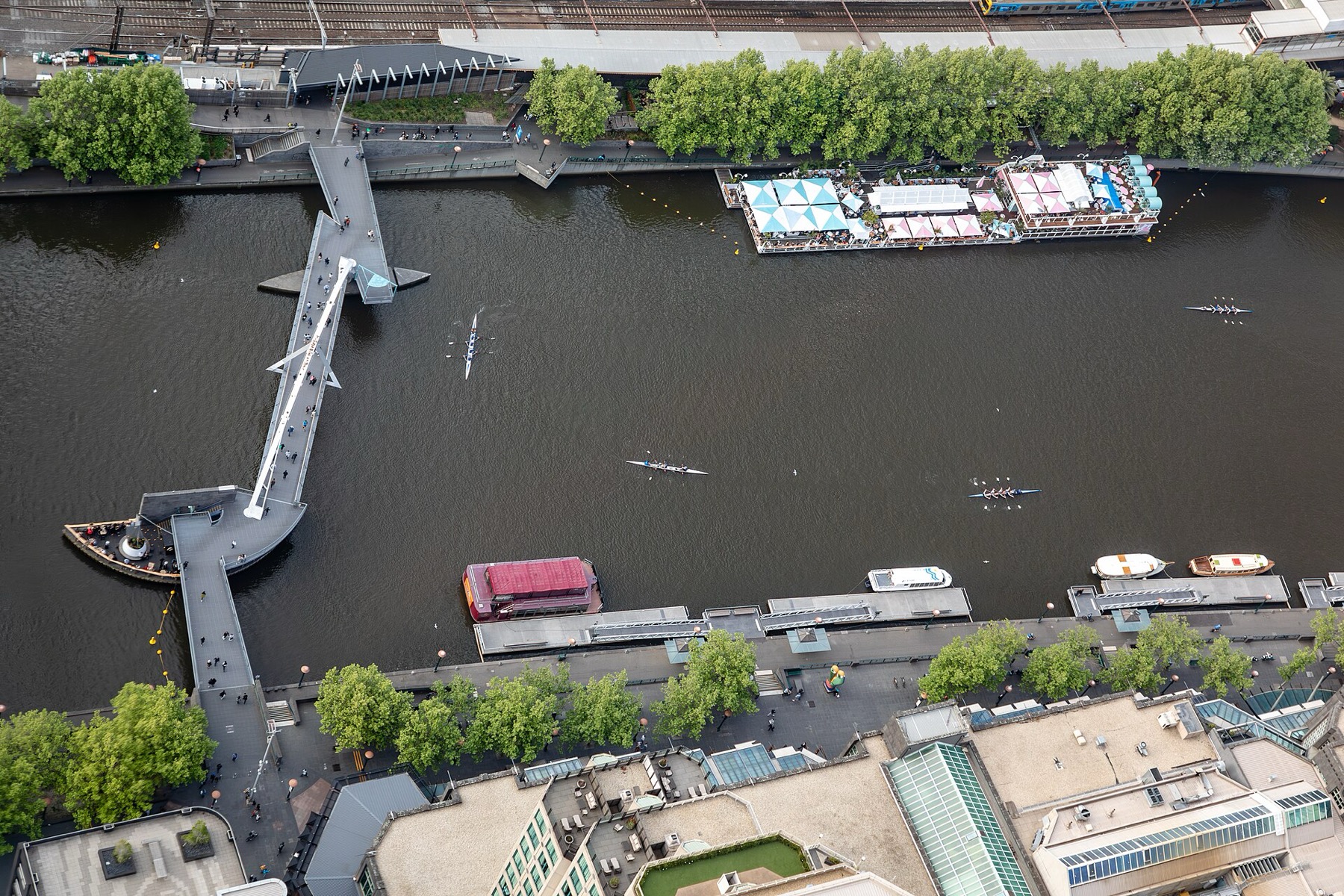
The popular Southbank promenade stretches along the banks of the Yarra River and offers beautiful views of the downtown skyscrapers, street performers and upmarket restaurants. At one end stands the huge Crown complex with its casino, where fire shows occasionally take place, but a far more interesting stop is the Ponyfish Island bar, cleverly tucked away right beneath the pillars of the Evan Walker Bridge.
💡 Tip: If older articles mention the giant Melbourne Star observation wheel in the nearby Docklands, forget about it right away, because it’s been permanently closed and out of service since 2021. Instead, I recommend taking a one-hour sightseeing cruise along the river with Melbourne River Cruises, which costs an adult around 35 AUD (€21).
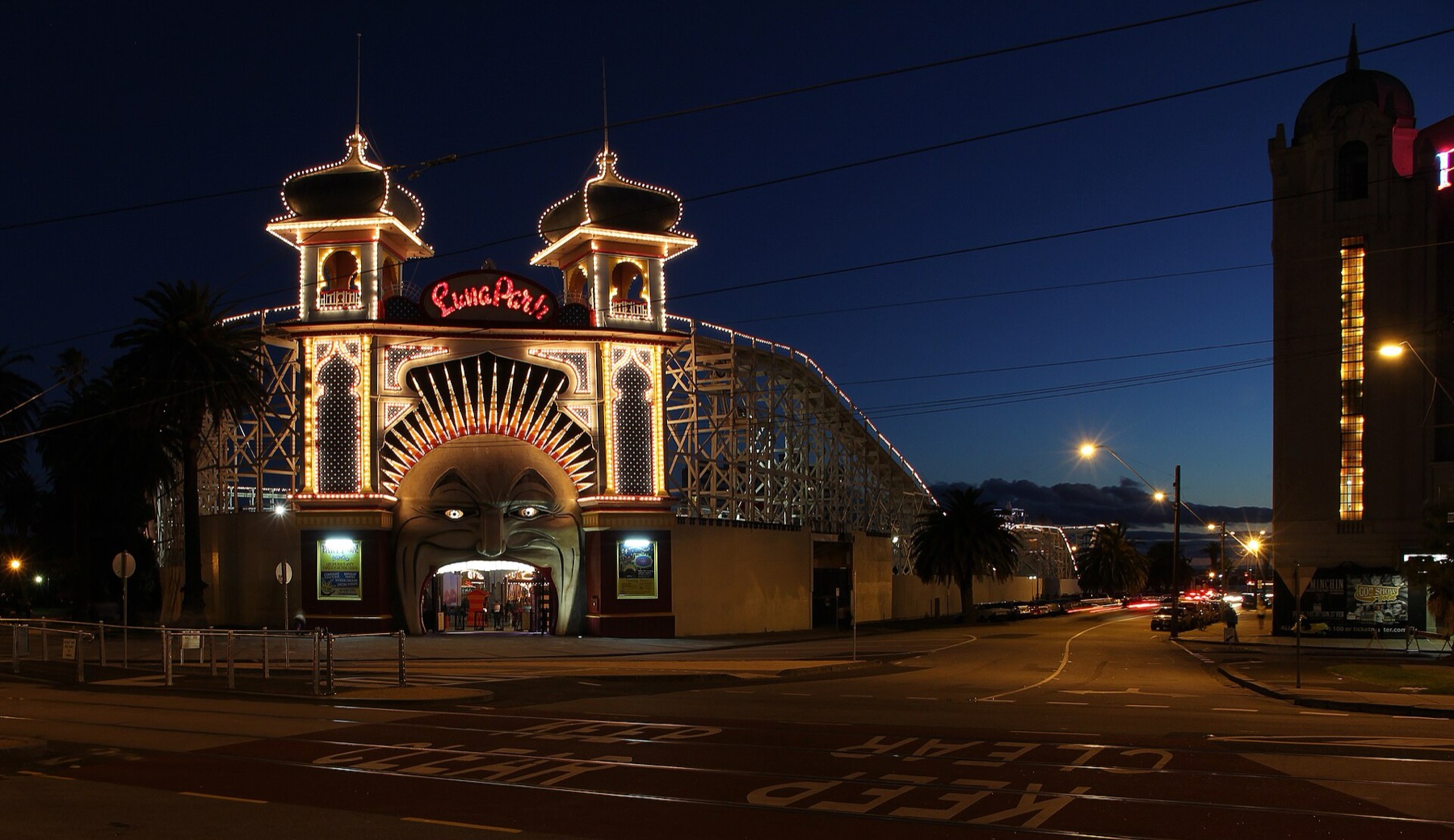
15. St Kilda (Luna Park, penguins and the Sunday market)
The St Kilda district lies about six kilometres from the centre and breathes a relaxed beach atmosphere mixed with a slightly wilder nightlife. The icon here is undoubtedly the historic Luna Park from 1912, which you enter through the huge open mouth of Mr Moon. Entry including one ride costs 30 AUD (€18), an unlimited package then 47 to 57 AUD. On Sundays the traditional Esplanade Market, full of handmade goods, also takes place along the beach.
A huge draw of St Kilda is the local colony of little penguins, which return to the breakwater by the pier every evening. Watch out — since December 2024 a compulsory free online reservation has been introduced for penguin watching! New slots open on the penguins.org.au website every Tuesday at 10 a.m., so the old advice that you can simply just turn up in the evening no longer applies.
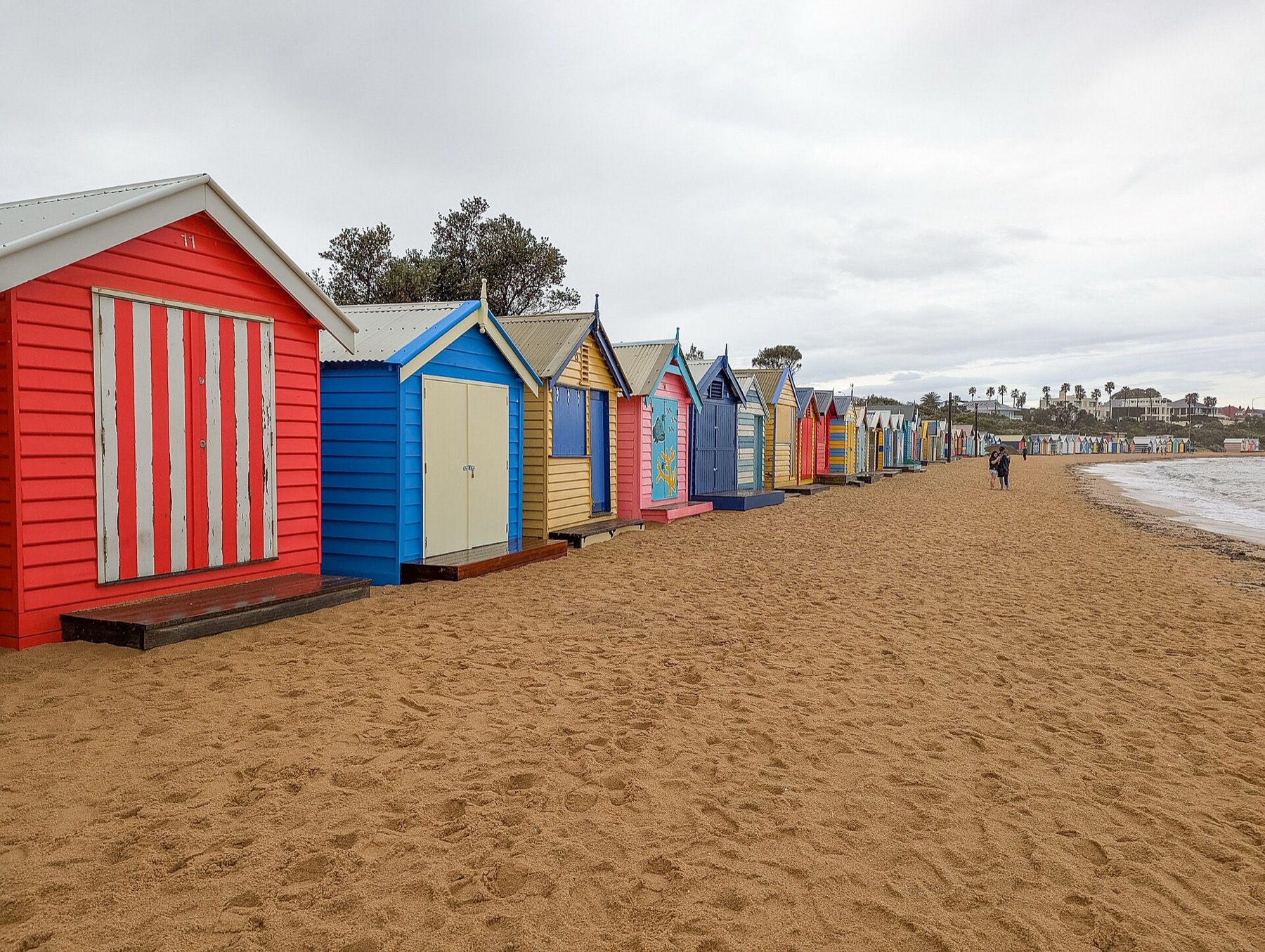
16. Brighton Bathing Boxes
Since you’ll already be by the ocean, head a little further south to Dendy Street Beach in the Brighton district. Right here on the beach stand 93 colourful wooden huts, which are among the most photographed spots in all of Australia.
Most of the huts date from 1907 to 1933, they have no running water or electricity, and yet their price on the property market climbs to absolutely astronomical heights — and how people even spend the night in them remains a mystery. The best way to get here is by train on the Sandringham line, which takes you from Flinders Street Station to Brighton Beach station in just under half an hour. From there it’s just a pleasant short walk along the coast to the colourful huts.
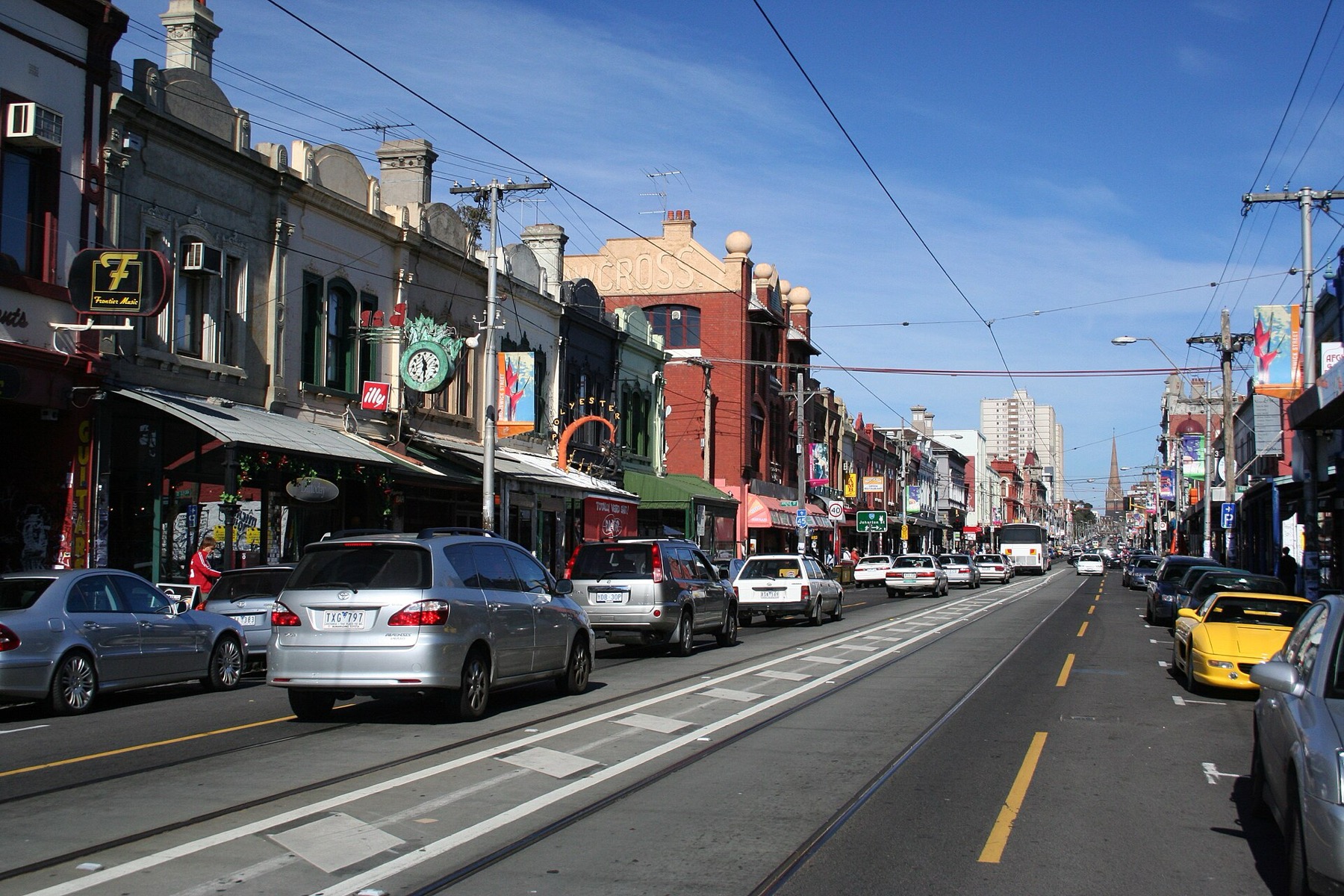
17. Fitzroy and Collingwood
The northern districts of Fitzroy and Collingwood are the epicentre of everything alternative, independent and artistic. The main artery here is Brunswick Street, full of gorgeous street art, second-hand shops and great bars, while neighbouring Smith Street mainly comes alive after dark. On weekends the community-run Rose Street Artists’ Market also operates here, where local creators sell jewellery and art.
💡 Tip: If you love vintage fashion and rummaging through old things, come in the early afternoon when the shops are emptier. In the evening the district then transforms into a pulsing zone full of music and packed pubs.
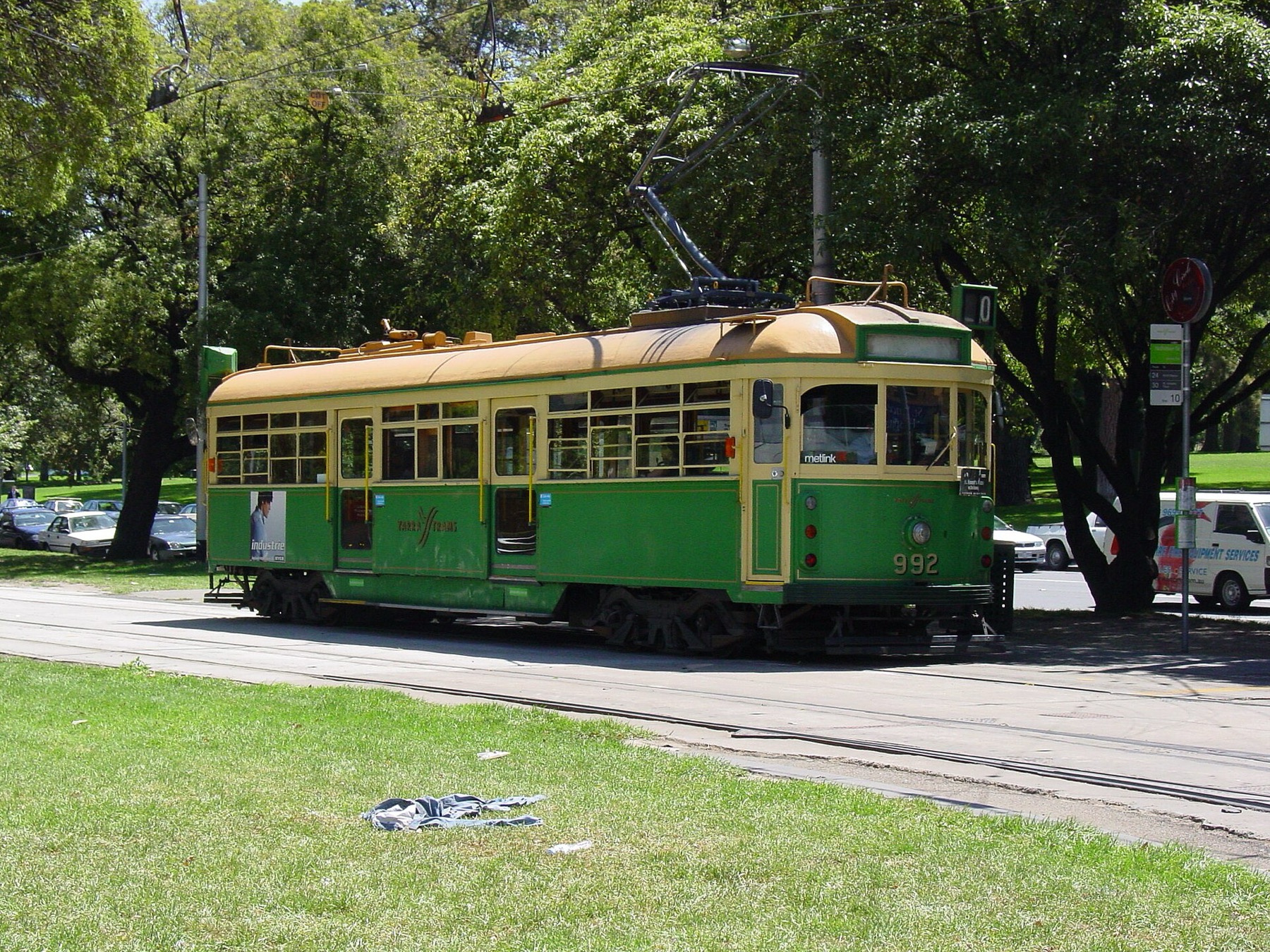
18. City Circle Tram 35
As I already mentioned in the practical section, a ride on the historic tram is one of the nicest ways to get your bearings in the centre. The City Circle Tram 35 runs completely free and loops around the perimeter of the whole CBD, with a recorded commentary playing over the speakers to point out the interesting landmarks you’re passing.
The trams usually run between 10 a.m. and 6 p.m. It’s important to know that the line only runs in one direction (clockwise), so think carefully about where you board so you don’t end up circling the whole city unnecessarily just for one stop.
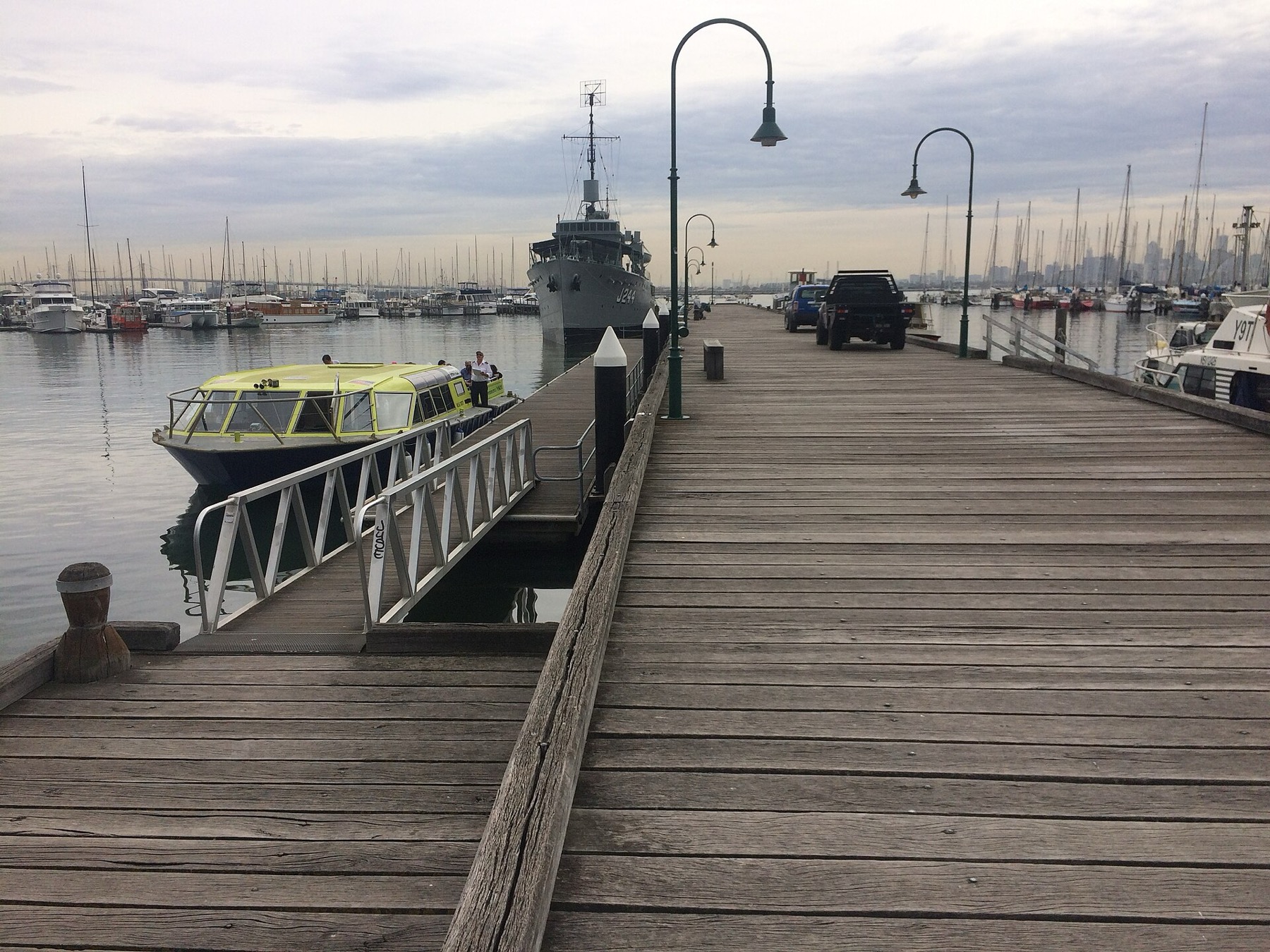
19. Williamstown by ferry
If you want to escape the big city for a while, head to the historic port town of Williamstown. The most beautiful way there leads over the water: hop on a ferry at the Southbank promenade and after about an hour’s cruise you’ll arrive in the quiet streets full of old pubs and maritime history. From the waterfront in Williamstown you also get a gorgeous view of the Melbourne skyline from a completely different perspective.
💡 Tip: Travellers recommend making a loop out of the trip — go out on the sightseeing boat to enjoy the views, and return to the centre comfortably by train to Southern Cross Station, which takes only around 20 minutes.
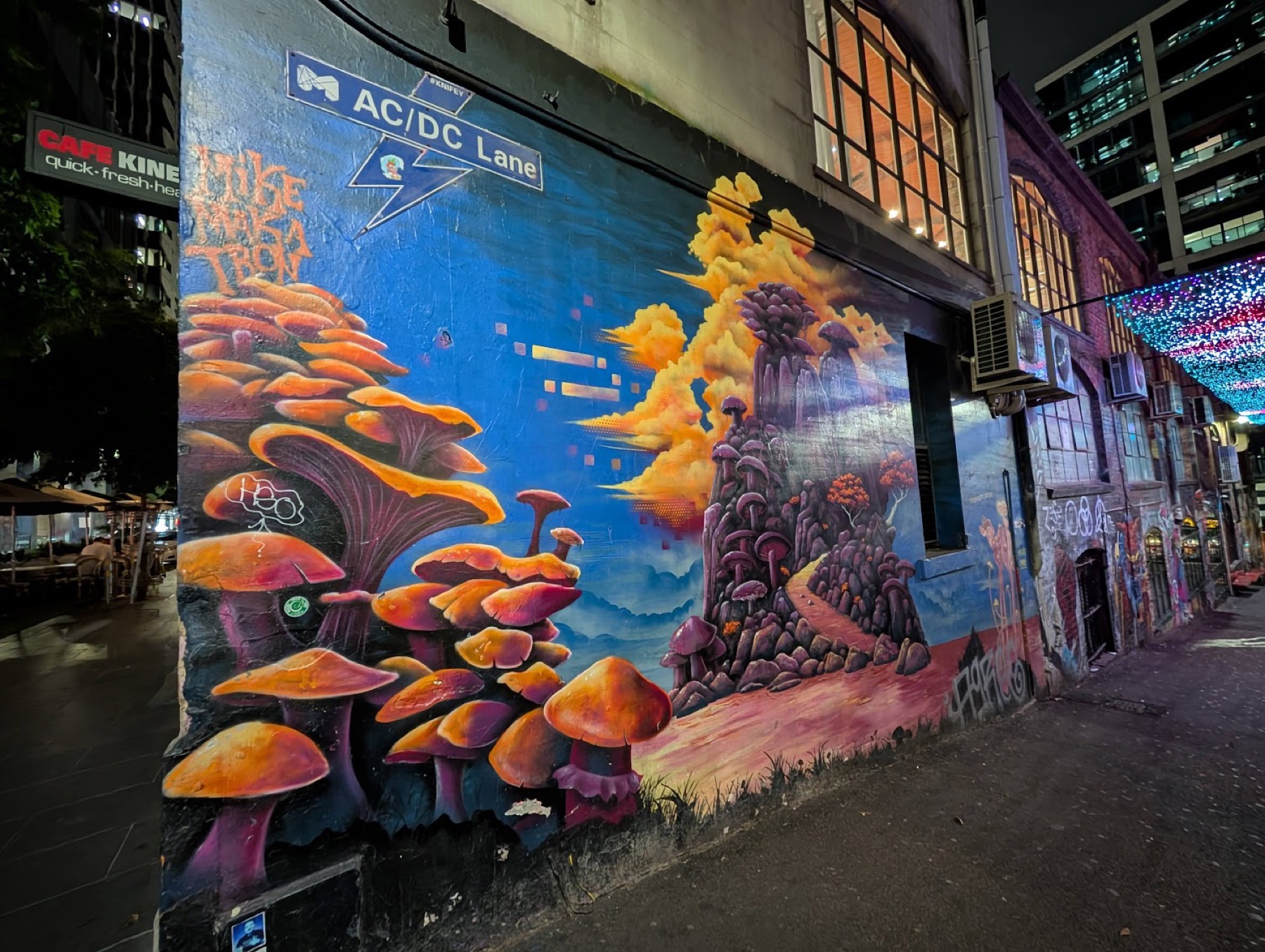
20. Melbourne after dark: AC/DC Lane and the bars
When the sun sets, the city shows its rougher, rockier face. A cult stop is AC/DC Lane, named after the famous Australian band in October 2004. The walls here are painted with music motifs, and it’s home to the legendary Cherry Bar, a cheeky rock club where world stars have reportedly partied more than once after their concerts.
Nightlife in Melbourne is built on the concept of hidden bars, which you often enter through inconspicuous doors in tucked-away lanes, with no big signs anywhere. Just follow the clusters of locals and don’t be afraid to open a door that looks like the entrance to a storeroom.
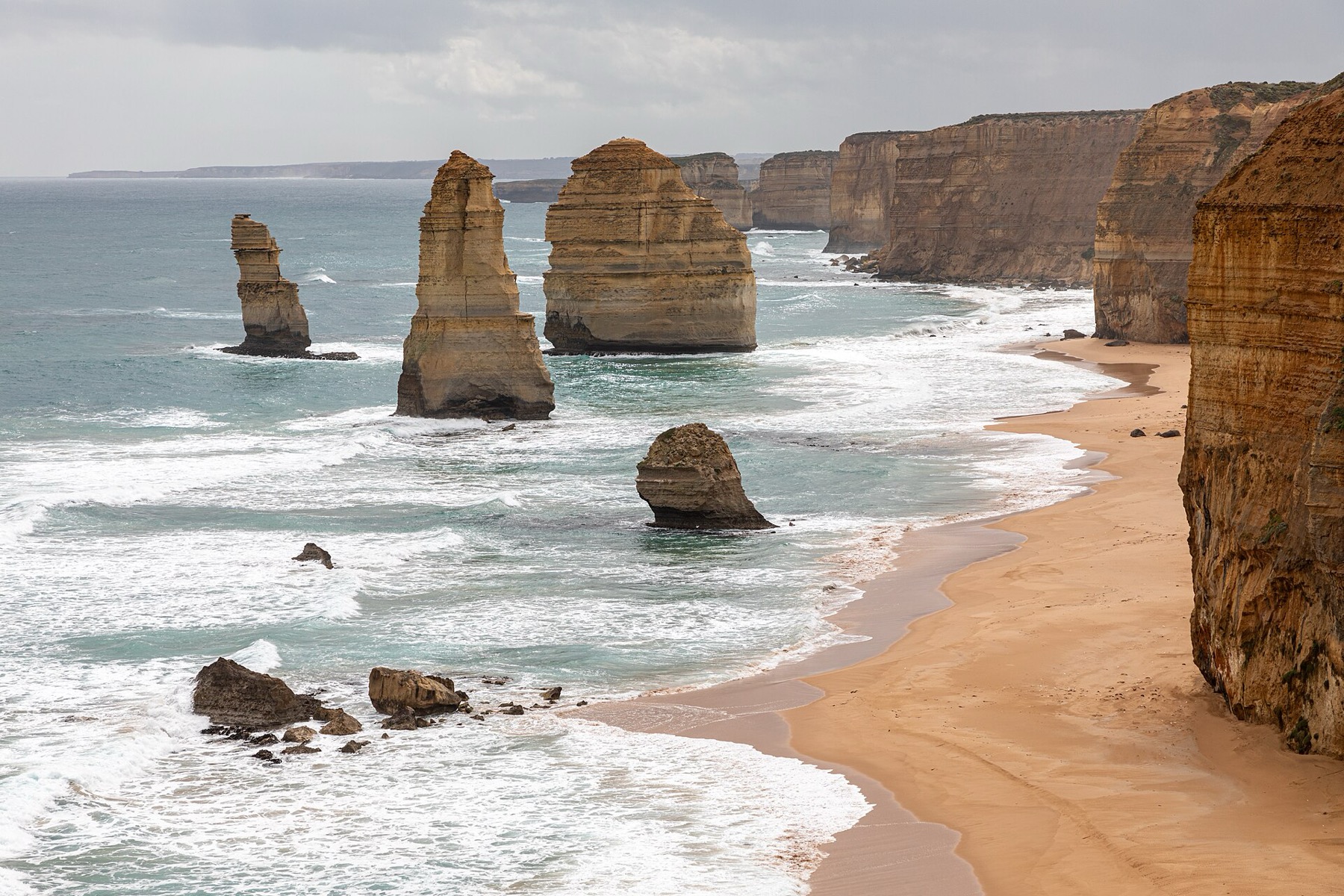
21. Day trip: the Great Ocean Road and Twelve Apostles
If you have at least one extra day, it would be a huge shame to skip one of the most beautiful coastal roads in the world, the Great Ocean Road. The route stretches along cliffs and wild beaches for 240 kilometres, with the main highlight being the limestone stacks rising out of the ocean known as the Twelve Apostles.
💡 Tip: Doing this route in a single day from Melbourne is a terrible rush and you’ll spend most of the time in the car. It’s far better to stay overnight somewhere near Apollo Bay or Port Campbell, so you can enjoy sunset by the cliffs once all the tour buses have driven back to the city. Without a rental car you can only get here on organised tours.
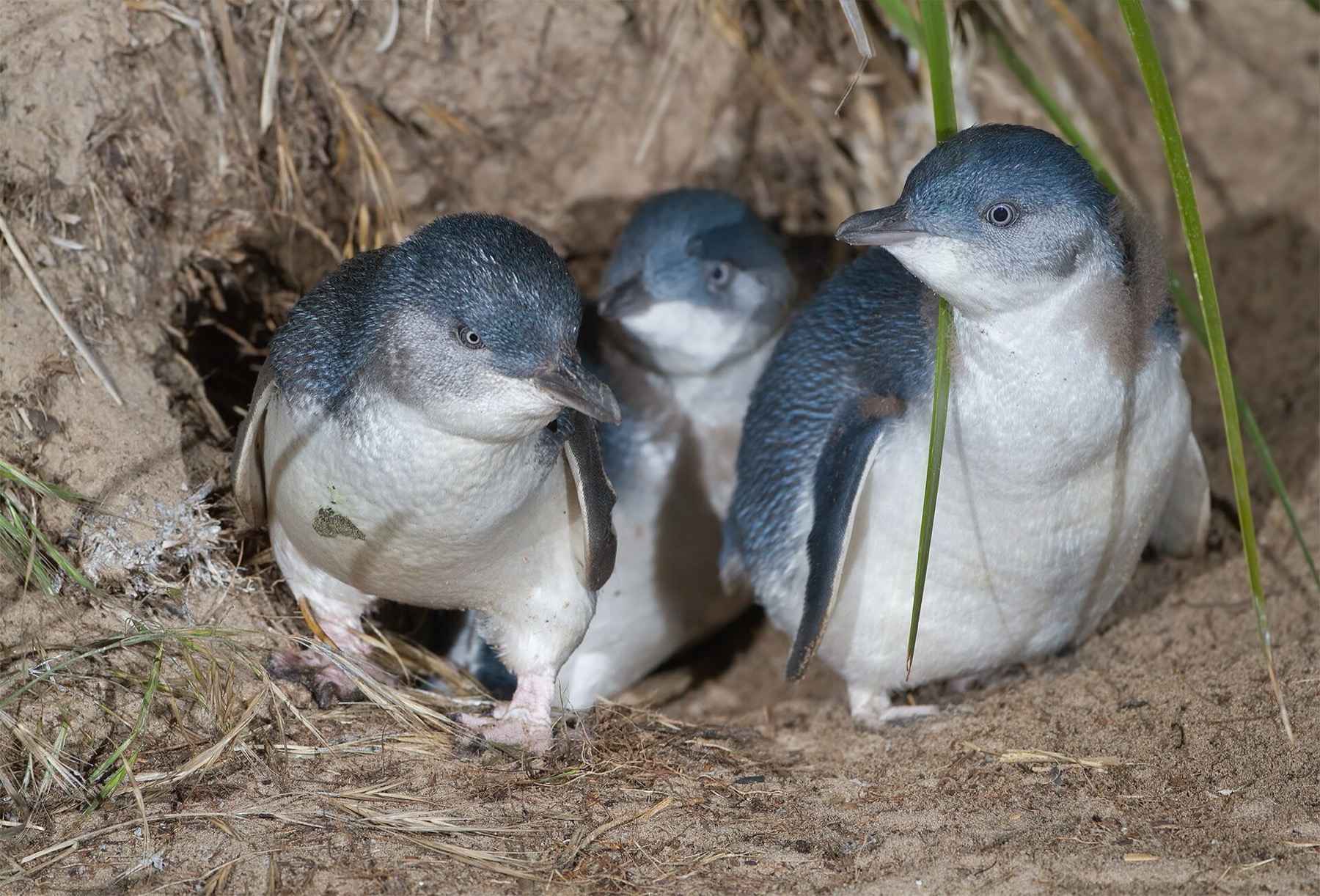
22. Day trip: Phillip Island and the Penguin Parade
Another world-famous trip is Phillip Island, about two hours’ drive away. Every evening after sunset the famous Penguin Parade takes place here, when hundreds of little penguins emerge from the ocean and waddle across the sand to their nests in the dunes. It’s an incredibly cute sight, which in 2026 you can enjoy from the basic stands for 34 AUD (about €20).
Because it’s a huge tourist attraction protecting nature, tickets tend to be sold out weeks in advance, so don’t leave your reservation to the last minute. Here too, without your own vehicle you’ll have to rely on the services of local travel agencies.
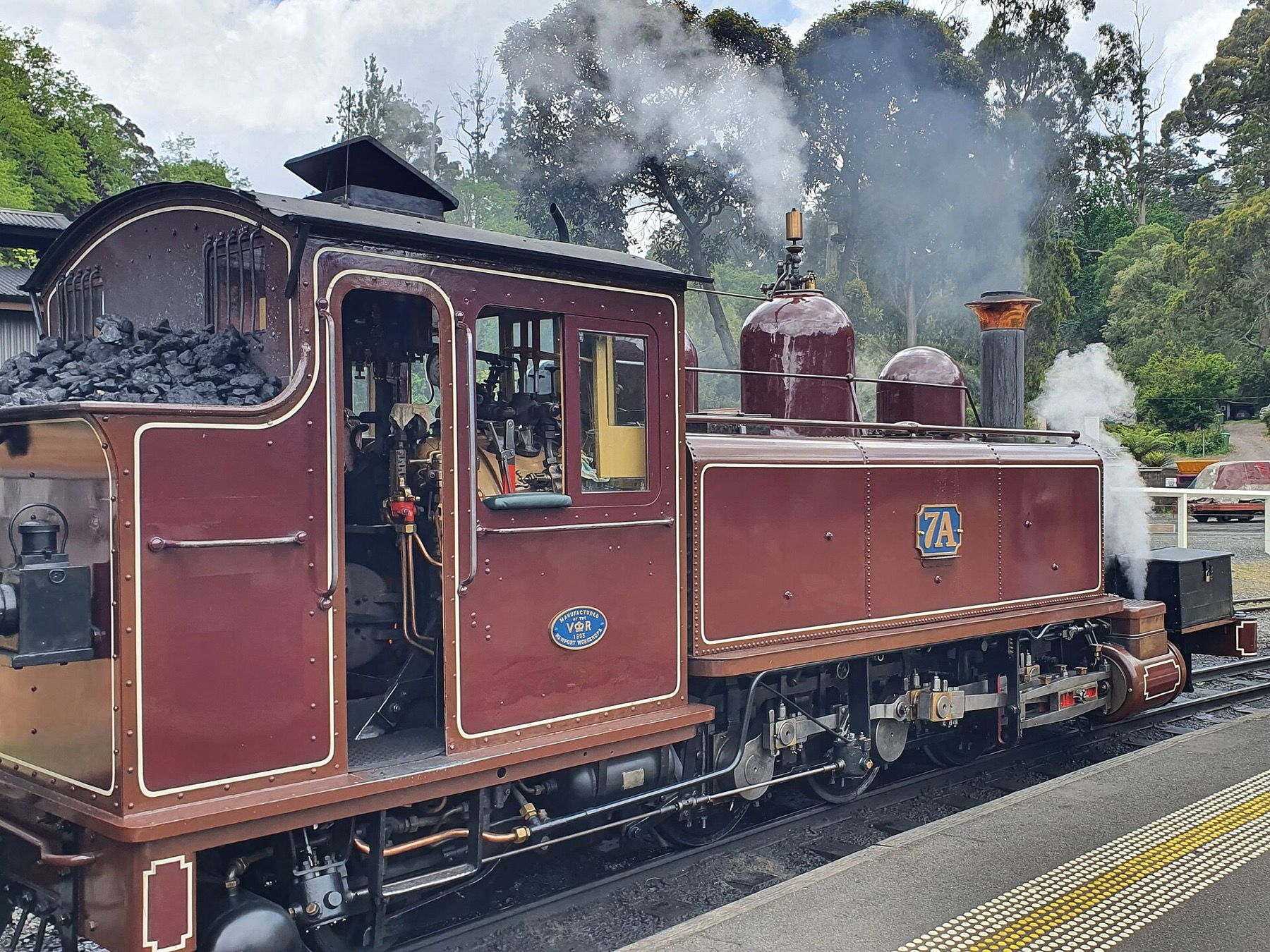
23. Day trip: the Puffing Billy steam train and the Dandenong Ranges
Unlike the previous trips, you can reach the historic Puffing Billy steam train from the centre completely easily on your own. Just hop on a suburban train to Belgrave station, where the 25-kilometre narrow-gauge line begins, running through gorgeous fern forests and the Dandenong Ranges.
The experience is wonderful not only for families with children, because the historic carriages are pulled by a real steam locomotive that crosses iconic wooden bridges. Prices and exact timetables vary depending on how long a section of track you choose, so I recommend planning everything directly through their official website.
Where to eat in Melbourne
Melbourne is a culinary paradise, and food tourism is one of the main reasons people keep coming back. The offering is so wide that you won’t know what to taste first, whether you prefer honest meat dishes or are hunting for the best vegan specialties.
Food here simply isn’t just a necessity, it’s a way of life. Here are two areas you definitely mustn’t skip if you want to enjoy the local gastronomy to the full.
Brunch culture
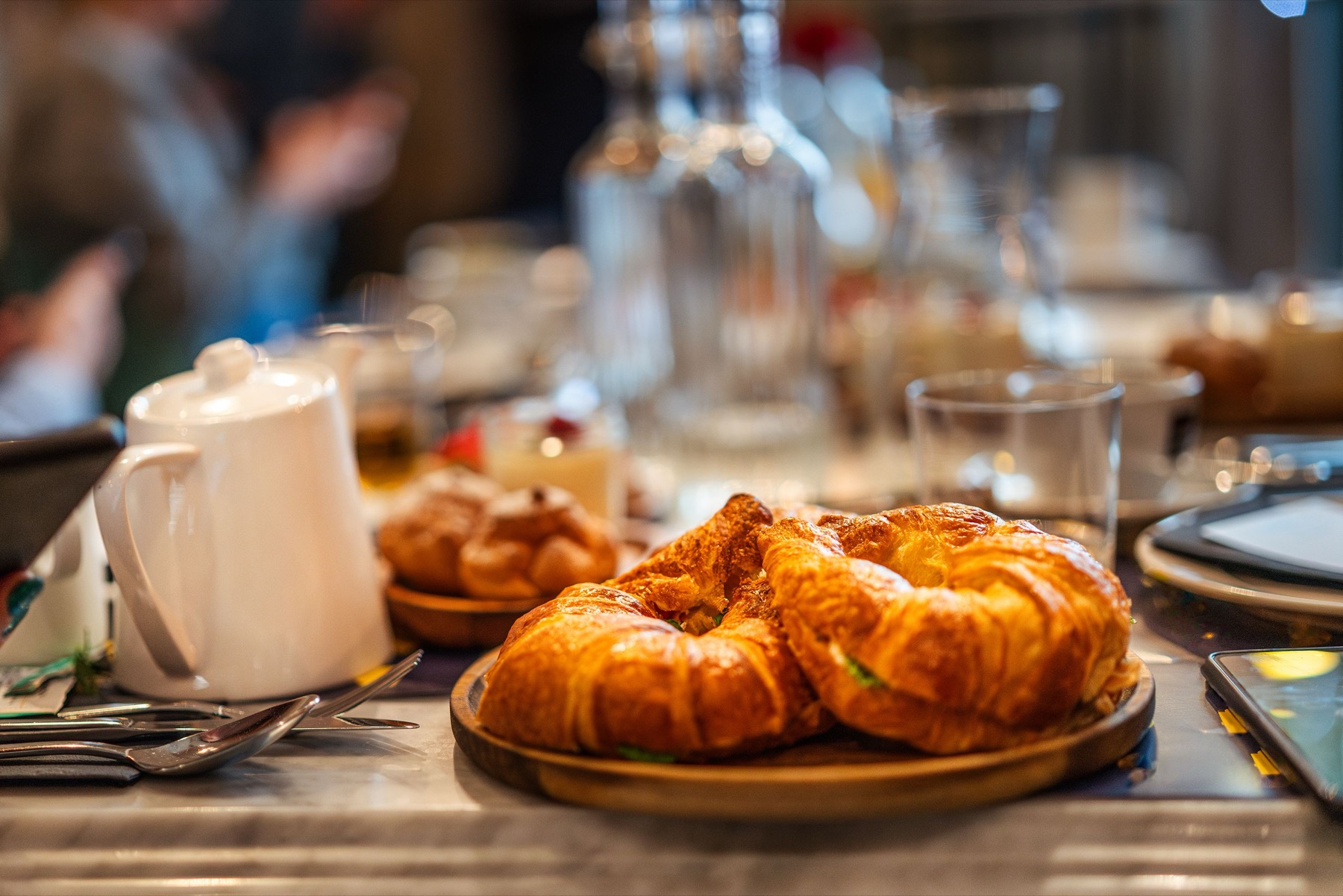
If there’s anything taken as seriously in Melbourne as coffee, it’s the weekend brunch. Brunch in Melbourne isn’t just a meal, it’s a social event that people happily dress up nicely for and don’t mind waiting half an hour for a table. The portions are often incredibly creative, full of edible flowers, unusual spice combinations and perfectly arranged ingredients.
Locals swear by renowned spots like the French-leaning The Hardware Société or the stunning Higher Ground, which sits in the breathtaking premises of a former power station. Operator25, a café hidden in the building of Melbourne’s very first telephone exchange, is also a great experience. For a proper brunch with specialty coffee you’ll leave around 25 to 30 AUD (approx. €15–18) here on average.
Vegetarian and vegan feasts
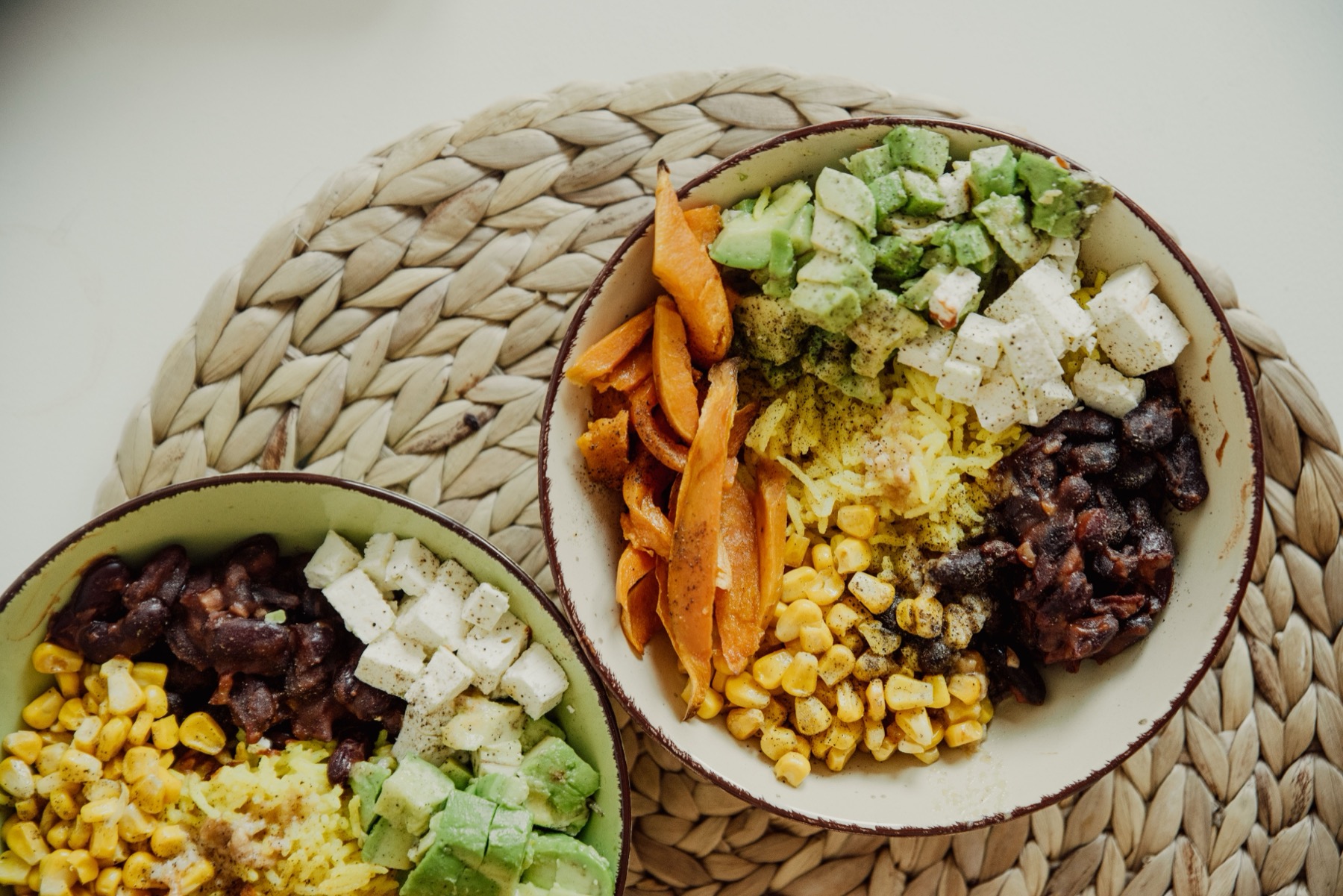
Melbourne is an absolute paradise for everyone who doesn’t eat meat, and the vegetarian and vegan scene here is world-class. If you’re looking for an incredibly cheap and heartfelt spot in the centre, head to Crossways on Swanston Street, where the Hare Krishna movement serves a daily set menu at a fraction of the usual prices. It’s an unbelievably lovely experience and you’ll stuff your belly to bursting.
Another absolute institution is Vegie Bar in the Fitzroy district, which has been running since 1988 and offers lovely seating in a green courtyard. But if you long for a real culinary experience, I recommend booking a table at the vegan fine-dining venue Smith & Daughters in Collingwood, run by the famous chef Shannon Martinez, with an interior boasting a fabulous industrial edge.
Where to go next from Melbourne
If you’ve already explored the centre and its immediate surroundings, the state of Victoria offers plenty more options. If you love wine and need to recover after the big city, the Yarra Valley, an hour’s drive away, is exactly the answer: over 80 wineries, a Pinot Noir that will win you over, and views of vineyards instead of skyscrapers. Great relaxation is then offered by the Mornington Peninsula with its natural Peninsula Hot Springs, and if you want to see koalas and kangaroos, head to the award-winning Healesville Sanctuary zoo.
Planning to combine Melbourne with more travel around Australia or Asia? Have a read of our other guides and itineraries that will help you with your planning:
- For a complete overview of the whole country, see the article Holiday in Australia: 30 most beautiful places + practical tips
- Continue north: Brisbane, Australia: 20 things to see and do
- Western Australia: a road trip itinerary
- Perth, Australia: 18 things to see and do
- Road trip around Australia: visas, routes, prices
- Singapore holiday: 21 things to see and do
Frequently asked questions
Before a trip to the other side of the world, you’re sure to have plenty of practical questions running through your head. The city has great infrastructure, but a few local quirks can easily catch you out.
Here I’ve put together answers to the very most common questions, which will help you plan a smooth trip and avoid unnecessary fines or misunderstandings 😉.
How many days do I need to explore Melbourne?
For the city center itself, coffee tasting, and exploring the markets and laneways, 3 to 4 days will be comfortably enough. During that time, you’ll manage to see the main highlights without having to rush from sight to sight. However, if you’re also planning full-day trips along the Great Ocean Road or to Phillip Island, definitely allow 5 to 7 days. That way you won’t be constantly stressed and you’ll have time to truly savor the local atmosphere.
Is a holiday in Melbourne expensive?
Australia generally isn’t among the cheapest destinations and Melbourne is no exception. You’ll pay around 5.70 AUD (€3.50) for a great specialty coffee, while a budget quick lunch will cost roughly 25 AUD (€15). Dinner for two at a nice restaurant will then drain about 120 AUD (€75) from your budget. Also remember that accommodation is by far the most expensive during major sporting events, so plan your dates carefully.
When is the best time to visit?
The most stable weather and pleasant temperatures come during the Australian autumn, meaning March to May, or alternatively spring in October. These months offer by far the most pleasant climate for city sightseeing. During summer (December to February) it’s usually warm, but extreme heatwaves are a risk. Winter (June to August) is relatively cold by Australian standards with temperatures around 14 °C, so it requires multiple layers of clothing.
Should I go to Sydney or Melbourne?
It depends on what you expect from the trip. Sydney is breathtaking to look at thanks to the Opera House and beaches, and offers absolutely the most beautiful photos for your holiday album. Melbourne, on the other hand, will win you over with its lifestyle, gastronomy, café culture, and live music. It’s simply a city that needs to be experienced rather than just photographed.
How do I get from the airport to the city center?
Unfortunately, there’s no train line from the international airport. The best option is therefore to use the red SkyBus coaches, which depart roughly every 10 minutes directly to Southern Cross Station in the center. A one-way ticket costs around 20 AUD and the journey itself is very comfortable. The alternative is of course a regular taxi or services like Uber, which makes sense especially if you’re traveling in a larger group.
What is the Free Tram Zone and how does it work?
It’s a special zone in the very center (CBD) and the modern Docklands district. Within it, all trams are completely free and you don’t need to tap your payment card at all. But be very careful, because popular neighborhoods like Fitzroy or St Kilda are already outside this zone. If you don’t pay just beyond its boundary, you risk hefty fines from local inspectors.
Is Melbourne a safe city?
Yes, Melbourne consistently ranks among the safest major cities in the entire world. During the day you can explore all the alleys and hidden corners completely without worry. In the evening, standard big-city caution applies, especially around the busy King Street full of loud nightclubs. As a huge bonus, the tap water here is perfectly drinkable.
What can I do in Melbourne with kids?
Families with children will enjoy the city to the fullest. An amazing experience is especially a ride on the historic Puffing Billy steam train or a visit to the giant interactive Melbourne Museum complex. You absolutely mustn’t miss an evening trip to see the little penguins on Phillip Island or in coastal St Kilda. The historic Luna Park with its big scary face at the entrance is then an absolute sure bet for slightly older children.
What is a “magic” coffee?
It’s a purely Melbourne coffee invention and something of a secret order among local connoisseurs. Simply put, it’s a double ristretto topped with about 120 to 150 ml of hot milk. Thanks to this method, the drink is overall smaller and much more coffee-intense than a classic flat white. You often won’t find it on the menu, but every good café knows exactly how to prepare it properly.
Is Melbourne Skydeck worth a visit?
If you love views of skyscrapers and the bay from great heights, the breathtaking vista from 285 meters will definitely thrill you. It’s a great way to grasp the scale of the entire city right from the start. However, it’s good to know in advance that the popular adrenaline-inducing glass cube The Edge isn’t included in the basic admission ticket. You’ll pay quite a bit extra for it, so think it over carefully.
Tips and Tricks for Your Vacation
Don’t Overpay for Flights
Search for flights on Kayak. It’s our favorite search engine because it scans the websites of all airlines and always finds the cheapest connection.
Book Your Accommodation Smartly
The best experiences we’ve had when looking for accommodation (from Alaska to Morocco) are with Booking.com, where hotels, apartments, and entire houses are usually the cheapest and most widely available.
Don’t Forget Travel Insurance
Good travel insurance will protect you against illness, accidents, theft, or flight cancellations. We’ve had a few hospital visits abroad, so we know how important it is to have proper insurance arranged.
Where we insure ourselves: SafetyWing (simple monthly subscription) and TrueTraveller (for extra-long trips).
Find the Best Experiences
Get Your Guide is a huge online marketplace where you can book guided walks, trips, skip-the-line tickets, tours, and much more. We always find some extra fun there!


